EP3454853B1 - Treatment of alcoholism and depression using ibudilast - Google Patents
Treatment of alcoholism and depression using ibudilast Download PDFInfo
- Publication number
- EP3454853B1 EP3454853B1 EP17796695.9A EP17796695A EP3454853B1 EP 3454853 B1 EP3454853 B1 EP 3454853B1 EP 17796695 A EP17796695 A EP 17796695A EP 3454853 B1 EP3454853 B1 EP 3454853B1
- Authority
- EP
- European Patent Office
- Prior art keywords
- ibudilast
- pharmaceutically acceptable
- acceptable salt
- use according
- alcohol
- Prior art date
- Legal status (The legal status is an assumption and is not a legal conclusion. Google has not performed a legal analysis and makes no representation as to the accuracy of the status listed.)
- Active
Links
Images



Classifications
-
- A—HUMAN NECESSITIES
- A61—MEDICAL OR VETERINARY SCIENCE; HYGIENE
- A61K—PREPARATIONS FOR MEDICAL, DENTAL OR TOILETRY PURPOSES
- A61K31/00—Medicinal preparations containing organic active ingredients
- A61K31/33—Heterocyclic compounds
- A61K31/395—Heterocyclic compounds having nitrogen as a ring hetero atom, e.g. guanethidine or rifamycins
- A61K31/435—Heterocyclic compounds having nitrogen as a ring hetero atom, e.g. guanethidine or rifamycins having six-membered rings with one nitrogen as the only ring hetero atom
- A61K31/4353—Heterocyclic compounds having nitrogen as a ring hetero atom, e.g. guanethidine or rifamycins having six-membered rings with one nitrogen as the only ring hetero atom ortho- or peri-condensed with heterocyclic ring systems
- A61K31/437—Heterocyclic compounds having nitrogen as a ring hetero atom, e.g. guanethidine or rifamycins having six-membered rings with one nitrogen as the only ring hetero atom ortho- or peri-condensed with heterocyclic ring systems the heterocyclic ring system containing a five-membered ring having nitrogen as a ring hetero atom, e.g. indolizine, beta-carboline
-
- A—HUMAN NECESSITIES
- A61—MEDICAL OR VETERINARY SCIENCE; HYGIENE
- A61K—PREPARATIONS FOR MEDICAL, DENTAL OR TOILETRY PURPOSES
- A61K31/00—Medicinal preparations containing organic active ingredients
- A61K31/13—Amines
- A61K31/135—Amines having aromatic rings, e.g. ketamine, nortriptyline
-
- A—HUMAN NECESSITIES
- A61—MEDICAL OR VETERINARY SCIENCE; HYGIENE
- A61K—PREPARATIONS FOR MEDICAL, DENTAL OR TOILETRY PURPOSES
- A61K31/00—Medicinal preparations containing organic active ingredients
- A61K31/185—Acids; Anhydrides, halides or salts thereof, e.g. sulfur acids, imidic, hydrazonic or hydroximic acids
-
- A—HUMAN NECESSITIES
- A61—MEDICAL OR VETERINARY SCIENCE; HYGIENE
- A61K—PREPARATIONS FOR MEDICAL, DENTAL OR TOILETRY PURPOSES
- A61K31/00—Medicinal preparations containing organic active ingredients
- A61K31/185—Acids; Anhydrides, halides or salts thereof, e.g. sulfur acids, imidic, hydrazonic or hydroximic acids
- A61K31/19—Carboxylic acids, e.g. valproic acid
- A61K31/195—Carboxylic acids, e.g. valproic acid having an amino group
- A61K31/197—Carboxylic acids, e.g. valproic acid having an amino group the amino and the carboxyl groups being attached to the same acyclic carbon chain, e.g. gamma-aminobutyric acid [GABA], beta-alanine, epsilon-aminocaproic acid or pantothenic acid
-
- A—HUMAN NECESSITIES
- A61—MEDICAL OR VETERINARY SCIENCE; HYGIENE
- A61K—PREPARATIONS FOR MEDICAL, DENTAL OR TOILETRY PURPOSES
- A61K31/00—Medicinal preparations containing organic active ingredients
- A61K31/21—Esters, e.g. nitroglycerine, selenocyanates
- A61K31/265—Esters, e.g. nitroglycerine, selenocyanates of carbonic, thiocarbonic, or thiocarboxylic acids, e.g. thioacetic acid, xanthogenic acid, trithiocarbonic acid
-
- A—HUMAN NECESSITIES
- A61—MEDICAL OR VETERINARY SCIENCE; HYGIENE
- A61K—PREPARATIONS FOR MEDICAL, DENTAL OR TOILETRY PURPOSES
- A61K31/00—Medicinal preparations containing organic active ingredients
- A61K31/33—Heterocyclic compounds
- A61K31/335—Heterocyclic compounds having oxygen as the only ring hetero atom, e.g. fungichromin
- A61K31/357—Heterocyclic compounds having oxygen as the only ring hetero atom, e.g. fungichromin having two or more oxygen atoms in the same ring, e.g. crown ethers, guanadrel
-
- A—HUMAN NECESSITIES
- A61—MEDICAL OR VETERINARY SCIENCE; HYGIENE
- A61K—PREPARATIONS FOR MEDICAL, DENTAL OR TOILETRY PURPOSES
- A61K31/00—Medicinal preparations containing organic active ingredients
- A61K31/33—Heterocyclic compounds
- A61K31/395—Heterocyclic compounds having nitrogen as a ring hetero atom, e.g. guanethidine or rifamycins
- A61K31/40—Heterocyclic compounds having nitrogen as a ring hetero atom, e.g. guanethidine or rifamycins having five-membered rings with one nitrogen as the only ring hetero atom, e.g. sulpiride, succinimide, tolmetin, buflomedil
- A61K31/4015—Heterocyclic compounds having nitrogen as a ring hetero atom, e.g. guanethidine or rifamycins having five-membered rings with one nitrogen as the only ring hetero atom, e.g. sulpiride, succinimide, tolmetin, buflomedil having oxo groups directly attached to the heterocyclic ring, e.g. piracetam, ethosuximide
-
- A—HUMAN NECESSITIES
- A61—MEDICAL OR VETERINARY SCIENCE; HYGIENE
- A61K—PREPARATIONS FOR MEDICAL, DENTAL OR TOILETRY PURPOSES
- A61K31/00—Medicinal preparations containing organic active ingredients
- A61K31/33—Heterocyclic compounds
- A61K31/395—Heterocyclic compounds having nitrogen as a ring hetero atom, e.g. guanethidine or rifamycins
- A61K31/41—Heterocyclic compounds having nitrogen as a ring hetero atom, e.g. guanethidine or rifamycins having five-membered rings with two or more ring hetero atoms, at least one of which being nitrogen, e.g. tetrazole
- A61K31/4164—1,3-Diazoles
- A61K31/4178—1,3-Diazoles not condensed 1,3-diazoles and containing further heterocyclic rings, e.g. pilocarpine, nitrofurantoin
-
- A—HUMAN NECESSITIES
- A61—MEDICAL OR VETERINARY SCIENCE; HYGIENE
- A61K—PREPARATIONS FOR MEDICAL, DENTAL OR TOILETRY PURPOSES
- A61K31/00—Medicinal preparations containing organic active ingredients
- A61K31/33—Heterocyclic compounds
- A61K31/395—Heterocyclic compounds having nitrogen as a ring hetero atom, e.g. guanethidine or rifamycins
- A61K31/435—Heterocyclic compounds having nitrogen as a ring hetero atom, e.g. guanethidine or rifamycins having six-membered rings with one nitrogen as the only ring hetero atom
- A61K31/47—Quinolines; Isoquinolines
- A61K31/485—Morphinan derivatives, e.g. morphine, codeine
-
- A—HUMAN NECESSITIES
- A61—MEDICAL OR VETERINARY SCIENCE; HYGIENE
- A61K—PREPARATIONS FOR MEDICAL, DENTAL OR TOILETRY PURPOSES
- A61K31/00—Medicinal preparations containing organic active ingredients
- A61K31/33—Heterocyclic compounds
- A61K31/395—Heterocyclic compounds having nitrogen as a ring hetero atom, e.g. guanethidine or rifamycins
- A61K31/495—Heterocyclic compounds having nitrogen as a ring hetero atom, e.g. guanethidine or rifamycins having six-membered rings with two or more nitrogen atoms as the only ring heteroatoms, e.g. piperazine or tetrazines
- A61K31/4985—Pyrazines or piperazines ortho- or peri-condensed with heterocyclic ring systems
-
- A—HUMAN NECESSITIES
- A61—MEDICAL OR VETERINARY SCIENCE; HYGIENE
- A61K—PREPARATIONS FOR MEDICAL, DENTAL OR TOILETRY PURPOSES
- A61K31/00—Medicinal preparations containing organic active ingredients
- A61K31/33—Heterocyclic compounds
- A61K31/395—Heterocyclic compounds having nitrogen as a ring hetero atom, e.g. guanethidine or rifamycins
- A61K31/495—Heterocyclic compounds having nitrogen as a ring hetero atom, e.g. guanethidine or rifamycins having six-membered rings with two or more nitrogen atoms as the only ring heteroatoms, e.g. piperazine or tetrazines
- A61K31/505—Pyrimidines; Hydrogenated pyrimidines, e.g. trimethoprim
- A61K31/517—Pyrimidines; Hydrogenated pyrimidines, e.g. trimethoprim ortho- or peri-condensed with carbocyclic ring systems, e.g. quinazoline, perimidine
-
- A—HUMAN NECESSITIES
- A61—MEDICAL OR VETERINARY SCIENCE; HYGIENE
- A61K—PREPARATIONS FOR MEDICAL, DENTAL OR TOILETRY PURPOSES
- A61K31/00—Medicinal preparations containing organic active ingredients
- A61K31/33—Heterocyclic compounds
- A61K31/395—Heterocyclic compounds having nitrogen as a ring hetero atom, e.g. guanethidine or rifamycins
- A61K31/55—Heterocyclic compounds having nitrogen as a ring hetero atom, e.g. guanethidine or rifamycins having seven-membered rings, e.g. azelastine, pentylenetetrazole
- A61K31/554—Heterocyclic compounds having nitrogen as a ring hetero atom, e.g. guanethidine or rifamycins having seven-membered rings, e.g. azelastine, pentylenetetrazole having at least one nitrogen and one sulfur as ring hetero atoms, e.g. clothiapine, diltiazem
-
- A—HUMAN NECESSITIES
- A61—MEDICAL OR VETERINARY SCIENCE; HYGIENE
- A61K—PREPARATIONS FOR MEDICAL, DENTAL OR TOILETRY PURPOSES
- A61K45/00—Medicinal preparations containing active ingredients not provided for in groups A61K31/00 - A61K41/00
- A61K45/06—Mixtures of active ingredients without chemical characterisation, e.g. antiphlogistics and cardiaca
-
- A—HUMAN NECESSITIES
- A61—MEDICAL OR VETERINARY SCIENCE; HYGIENE
- A61K—PREPARATIONS FOR MEDICAL, DENTAL OR TOILETRY PURPOSES
- A61K9/00—Medicinal preparations characterised by special physical form
- A61K9/0012—Galenical forms characterised by the site of application
- A61K9/0053—Mouth and digestive tract, i.e. intraoral and peroral administration
-
- A—HUMAN NECESSITIES
- A61—MEDICAL OR VETERINARY SCIENCE; HYGIENE
- A61P—SPECIFIC THERAPEUTIC ACTIVITY OF CHEMICAL COMPOUNDS OR MEDICINAL PREPARATIONS
- A61P25/00—Drugs for disorders of the nervous system
- A61P25/24—Antidepressants
-
- A—HUMAN NECESSITIES
- A61—MEDICAL OR VETERINARY SCIENCE; HYGIENE
- A61P—SPECIFIC THERAPEUTIC ACTIVITY OF CHEMICAL COMPOUNDS OR MEDICINAL PREPARATIONS
- A61P25/00—Drugs for disorders of the nervous system
- A61P25/30—Drugs for disorders of the nervous system for treating abuse or dependence
- A61P25/32—Alcohol-abuse
Definitions
- Alcoholism is considered to be a chronic disease, a drug addiction, a learned response to crisis, a symptom of an underlying psychological or physical disorder, or a combination of these factors and is marked by repeated alcohol use despite a host of negative, physical and psychosocial effects.
- Treatment programs can include combinations of: psychological rehabilitative treatments, organized self-help groups, aversion therapy based on behavior modification, injections of vitamins or hormones, and the use of abstinence-maintaining drugs.
- US 2015/051191 discloses the oral use of ibudilast for treating alcoholism. According to US 2015/051191 , withdrawal from alcohol typically results in a condition marked by feelings of nervousness, hyperexcitability, sleep disturbances and dysphoric mood and treatment of alcoholism with ibudilast lowers or eliminates withdrawal associated behavioural changes. US 2015/051191 does not relate to depression.
- US 2009/028816 teaches the use of ibudilast for treating affective disorders, such as depression, psychosis, or anxiety. US 2009/028816 provides no disclosure regarding AUD and it does not contain any data showing the effect of ibudilast in the treatment of any such disorder.
- ibudilast or a pharmaceutically acceptable salt thereof for use in a method of treating a patient diagnosed with alcohol use disorder (AUD), said method comprising administering to a patient diagnosed with AUD a therapeutically effective amount of ibudilast or a pharmaceutically acceptable salt thereof, in which the patient also exhibits symptoms of depression.
- AUD alcohol use disorder
- the patient exhibits symptoms of mild, moderate, and/or severe depression.
- ibudilast can be administered orally as a therapeutically effective daily dose from about 3 mg to about 200 mg, for instance a therapeutically effective daily dose of 100 mg or 200 mg.
- the amounts refers to amounts of ibudilast or the free base equivalent amount thereof of a pharmaceutically acceptable salt of ibudilast.
- the therapeutically effective daily dose may be administered as a single dose or it can be divided in two doses of 50 mg each or two doses of 100 mg each. Alternatively, the therapeutically effective daily dose may be divided into three or four doses.
- the therapeutically effective daily dose is 100 mg or less and is divided into two doses.
- One or more other therapeutic agents may be administered along with ibudilast.
- Non-limiting examples of other therapeutic agents suitable for the treatment of AUD and depression and/or dysphoric mood include a psychiatric agent and/ or a therapeutic agent known to have utility in AUD
- administering or “administration of' a drug to a patient (and grammatical equivalents of this phrase) includes both direct administration, including self-administration, and indirect administration, including the act of prescribing a drug.
- direct administration including self-administration
- indirect administration including the act of prescribing a drug.
- a physician who instructs a patient to self-administer a drug and/or provides a patient with a prescription for a drug is administering the drug to the patient.
- compositions shall mean that the methods and compositions include the recited elements, but not exclude others.
- Consisting essentially of' when used to define methods and compositions shall mean excluding other elements of any essential significance to the combination for the stated purpose.
- Consisting of' shall mean excluding more than trace elements of other ingredients and substantial method steps for administering the compositions utilized or provided herein or process steps to produce a composition or achieve an intended result. Embodiments defined by each of these transitional terms and phrases are within the scope of this technology.
- Ibudilast refers to a compound of formula:
- “Pharmaceutically acceptable” refers to safe and non-toxic for the methods and compositions provided herein, e.g., for in vitro or in vivo administration, preferably to mammals.
- a "pharmaceutically acceptable salt” is a pharmaceutically acceptable, organic or inorganic acid or base salt of a compound.
- Representative pharmaceutically acceptable salts include, e.g. , alkali metal salts, alkali earth salts, ammonium salts, watersoluble and water-insoluble salts, such as the acetate, amsonate (4,4-diaminostilbene-2,2-disulfonate), benzenesulfonate, benzonate, bicarbonate, bisulfate, bitartrate, borate, bromide, butyrate, calcium, calcium edetate, camsylate, carbonate, chloride, citrate, clavulariate, dihydrochloride, edetate, edisylate, estolate, esylate, fumarate, gluceptate, gluconate, glutamate, glycollylarsanilate, hexafluorophosphate, hexylresorcinate, hydrabamine
- treat refers to the lowering or reduction of, or amelioration or eradication of a disease or one or more symptoms associated with a disease. In certain embodiments, such terms refer to minimizing the spread or worsening of the disease resulting from the administration of one or more prophylactic or therapeutic agents to a patient with such a disease.
- treatment includes, but are not limited to, reduction, alleviation, or amelioration of one or more manifestations of or negative effects of the disease or condition treated, improvement in one or more clinical outcomes, diminishment of extent of disease, delay or slowing of disease progression, amelioration, palliation, or stabilization of the disease state, and other beneficial results described herein.
- an effective amount refers to an amount of a compound sufficient to provide a therapeutic or prophylactic benefit in the treatment or prevention of a disease or to delay or minimize symptoms associated with a disease.
- a therapeutically effective amount with respect to a compound utilized herein means that amount of the compound alone, or in combination with other therapies, that provides a therapeutic benefit in the treatment or prevention of a disease. Used in connection with a compound utilized herein, the term can encompass an amount that improves overall therapy, reduces or avoids symptoms or causes of disease, or enhances the therapeutic efficacy of or synergies with another therapeutic agent.
- the full therapeutic effect does not necessarily occur by administration of one dose (or dosage), and may occur only after administration of a series of doses. Thus, an effective amount may be administered in one or more administrations.
- a “subject” or “patient” may include an animal, such as a human, cow, horse, sheep, lamb, pig, chicken, turkey, quail, cat, dog, mouse, rat, rabbit or guinea pig.
- the animal can be a mammal such as a non-primate and a primate ( e.g. , monkey or human).
- the patient is a human.
- Alcoholism or "alcohol dependence” or “alcohol use disorder” is a chronic and often progressive disease that includes problems controlling one's drinking, being preoccupied with alcohol, continuing to use alcohol even when it causes problems, having to drink more to get the same effect (physical dependence), or having withdrawal symptoms when you rapidly decrease or stop drinking. Alcoholism is considered to be a chronic disease, a drug addiction, a learned response to crisis, a symptom of an underlying psychological or physical disorder, or a combination of these factors and is marked by repeated alcohol use despite a host of negative physical and psychosocial effects.
- Signs and symptoms of alcoholism include, without limitation: to be unable to limit the amount of alcohol one drinks; feel a strong need or compulsion to drink; develop tolerance to alcohol so that you need more to feel its effects; drink alone or hide one' drinking; experience physical withdrawal symptoms - such as nausea, sweating and shaking - when one does not drink; forget conversations or commitments, sometimes referred to as a "black out;” make a ritual of having drinks at certain times and become annoyed when this ritual is disturbed or questioned; be irritable when your usual drinking time nears, especially if alcohol is not available; keep alcohol in unlikely places at home, at work or in one's car; gulp drinks, order doubles or become drunk intentionally to feel good, or drink to feel "normal;” have legal problems or problems with relationships, employment or finances due to drinking; and lose interest in activities and hobbies that used to bring you pleasure.
- results using alcohol-preferring and high-alcohol-drinking rats indicate that ibudilast reduces ethanol intake in rats in both groups by approximately 50% as compared to control rats.
- the test was designed to measure the ability of ibudilast to decrease voluntary ethanol consumption in four phases: an initial maintenance test phase, an alcohol drinking recovery phase, an alcohol deprivation phase and an alcohol reintroduction (relapse) phase.
- ibudilast decreased ethanol intake in a dose dependent manner in both alcohol-preferring and high-alcohol-drinking rats during the maintenance and relapse phases. Ethanol intake levels were elevated, however, during the recovery phase when no treatment is administered.
- a correlation between the dose of ibudilast and number of days over which treatment was administered is also observed for alcohol-preferring and high-alcohol-drinking rats.
- the ability of ibudilast to reduced intake of ethanol was strongest on the first day of the relapse phase and ethanol intake levels increased gradually in both groups of rats on days 2-5 of the relapse test phase.
- mice were divided into test (ethanol dependent) and control (non-ethanol dependent) groups. Mice in the former group were exposed to chronic intermittent ethanol (CIE) vapor (16 hr/day x 4 days), and then forced to abstain from alcohol for 72 hours. Mice were then permitted access to ethanol for 2h/day for a 5-day test period. This pattern of weekly CIE exposures followed by 5-day test periods was repeated for 9 cycles. Mice in the control group were treated in the same manner, except these animals were exposed to air rather than ethanol vapors. Mice from both groups were further divided into four sub-groups with animals receiving 0 mg/Kg, 3 mg/Kg, 6 mg/Kg or 12 mg/Kg dose of ibudilast.
- CIE chronic intermittent ethanol
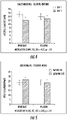
- ibudilast reduced ethanol intake in both control and test groups.
- the therapeutic effect of ibudilast was stronger in the test group and the therapeutic efficacy increased over repeated testing and drug treatment cycles starting from cycle 7.
- ibudilast decreased ethanol intake of mice in the test group to ethanol intake levels below those for mice in the control group.
- a method of treating a patient diagnosed with alcohol use disorder comprising administering to the patient diagnosed with AUD a therapeutically effective amount of ibudilast or a pharmaceutically acceptable salt thereof, in which the patient also exhibits symptoms of depression
- the patient diagnosed with AUD exhibits symptoms of mild depression. In some embodiments, the patient diagnosed with AUD exhibits symptoms of moderate depression. In some embodiments, the patient diagnosed with AUD exhibits symptoms of severe depression.
- the patient diagnosed with AUD also exhibits symptoms of higher dysphoric mood. In some embodiments, the patient diagnosed with AUD also exhibits symptoms of moderate dysphoric mood. In some embodiments, the patient diagnosed with AUD also exhibits symptoms of lower dysphoric mood.
- the treatment of AUD and depression may optionally include one or more other therapeutic agents. These agents can be administered together with ibudilast or separately.
- the other therapeutic agent can be a psychiatric therapeutic agent.
- psychiatric therapeutic agents include but are not limited to lithium, sertraline, citalopram, carbamazepine, amisulpride, clomipramine, gabapentin, amitriptyline, doxepin, lamotrigine, amoxapine, escitalopram, levetiracetam, agomelatin, fluoxetine, bupropion, fluvoxamine, oxcarbazepine, imipramine, topiramate, clomipramine, mirtazapine, sodium valproate, desipramine, paroxetine, divalproex sodium, desvenlafaxine, sodium valproate, duloxetine, escitalopram, moclobemide, nortripytyline, phenelzine, reboxetine, tianeptine, tranylcypromine, trazodone, venlafaxine,
- the other therapeutic agent is approved and known to have utility in AUD
- the other therapeutic agent can be acamprosate, baclofen, naltrexone, quetiapine, disulfiram, ondansetron, varenicline, topiramate, prazocin, sertraline, levatiracetam, or any combination of one or more of the foregoing.
- the other therapeutic agent is naltrexone.
- a pharmaceutical composition including a therapeutically effective amount of ibudilast or a pharmaceutically acceptable prodrug, or salt thereof and a pharmaceutically acceptable carrier for treating AUD and depression.
- compositions provided herein encompass, in some embodiments, formulations suitable for systemic administration.
- Oral dosage forms include tablets, lozenges, capsules, syrups, oral suspensions, emulsions, granules, and pellets.
- Alternative formulations include transdermal patches, powders or lyophilates that can be reconstituted with the help of a suitable diluent.
- suitable diluents for reconstituting solid compositions e.g., prior to injection, include bacteriostatic water for injection, dextrose 5% in water, phosphate-buffered saline, Ringer's solution, saline, sterile water, deionized water, and combinations thereof.
- Formulations suitable for parenteral administration include aqueous and non-aqueous isotonic sterile solutions suitable for injection, as well as aqueous and non-aqueous sterile suspensions.
- Parenteral formulations provided herein are optionally contained in unit-dose or multi-dose sealed containers, for example, ampoules and vials, and may be stored in a freeze-dried (lyophilized) condition requiring only the addition of the sterile liquid carrier, for example, water for injections, immediately prior to use.
- a formulation provided herein is a sustained release formulation suitable for oral or parenteral delivery.
- the sustained release compositions can contain ibudilast alone or a combination of ibudilast and a second drug.
- each drug is released or absorbed slowly over time, when compared to a non-sustained release formulation.
- Sustained release formulations may employ pro-drug forms of the active agent, delayed-release drug delivery systems such as coatings, liposomes, polymer matrices, or hydrogels.
- the pharmaceutically acceptable carrier material can be an organic or inorganic inert carrier material, for example one that is suitable for oral administration.
- Suitable carriers include water, gelatin, gum arabic, lactose, starch, magnesium stearate, talc, vegetable oils, polyalkylene-glycols, petroleum jelly and the like that are used to manufacture tablets, capsules, lozenges and the like.
- the pharmaceutical preparations may also contain other pharmaceutical additives such as flavoring agents, preservatives, stabilizers, emulsifying agents and buffers. These agents are added in accordance with accepted practices of pharmaceutical compounding.
- compositions provided herein deliver a therapeutically effective dose of ibudilast.
- a therapeutically effective dose of ibudilast will depend on the severity of the condition being treated, the medical history of the patient being treated, the age and weight of the person undergoing treatment and will typically range from a dose of about 3 mg/day to about 300 mg/day.
- the dosing regimen can be altered by the attending physician depending on the patient's needs.
- Treatment methods encompass the administration of ibudilast as a single dose, as two daily doses, as three daily doses, as four daily doses, as five daily doses for a time course of one day to several days, weeks, months, and even years.
- Exemplary dosing schedules include, without limitation, administration five times a day, four times a day, three times a day, twice daily, once daily, every other day, three times weekly, twice weekly, once weekly, twice monthly, once monthly, and so forth.
- ibudilast is administered daily as a single therapeutically effective dose.
- exemplary daily doses include without limitation, a dose of about 10 mg, about 20 mg, about 30 mg, about 40 mg, about 50 mg, about 60 mg, about 70 mg, about 80 mg, about 90 mg, about 100 mg, about 110 mg, about 120 mg, about 130 mg, about 140 mg, about 150 mg, about 160 mg, about 170 mg, about 180 mg, about 190 mg, about 200 mg, about 210 mg, about 220 mg, about 230 mg, about 240 mg, about 250 mg, about 260 mg, about 270 mg, about 280 mg, about 290 mg, or about 300 mg.
- ibudilast is administered as two daily doses with each dose containing about 3 - 150 mg of ibudilast.
- each dose can contain about 5 mg of ibudilast, about 10 mg of ibudilast, about 20 mg of ibudilast, about 30 mg of ibudilast, about 40 mg of ibudilast, about 50 mg of ibudilast, about 60 mg of ibudilast, about 70 mg of ibudilast, about 80 mg of ibudilast, about 90 mg of ibudilast, about 100 mg of ibudilast, about 110 mg of ibudilast, about 120 mg of ibudilast, about 130 mg of ibudilast, about 140 mg of ibudilast, or about 150 mg of ibudilast.
- Example 1 Evaluation of ibudilast as a therapeutic agent for decreasing voluntary alcohol consumption in mice
- ibudilast MN-166
- P selectively-bred alcohol-preferring
- HAD1 high-alcohol-drinking
- rats in the treatment group were injected ibudilast subcutaneously (2 mL/kg s.c.), using standard solutions that deliver 3 mg/Kg, 6 mg/Kg or 9 mg/Kg of ibudilast, 60 min before each ethanol test session and the same dose of ibudilast was administered subcutaneously to the rats 8 hours later.
- Rats in the control group are administered 2 mL/Kg Mazola corn oil subcutaneously. This protocol was carried out for 4 consecutive days. Following the maintenance test phase, is a two week no drug recovery phase during which rats are permitted access to ethanol and the amount of ethanol consumed by the rats was measured.
- the recovery phase is followed by a two week forced ethanol abstinence phase. Following forced abstinence, the effects of ibudilast on ethanol drinking were examined by re-introducing ethanol to rats for a period of 5 consecutive days (i.e., the Relapse Test phase). Each animal received the same dose of ibudilast during maintenance and relapse test phases.
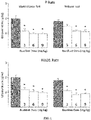
- FIG. 1 illustrates the results of this study.
- ibudilast reduced ethanol intake by approximately 50% in both P and HAD1 rats ( FIG. 1 , left panel), during the maintenance test phase.
- Each of the four doses of ibudilast reduced ethanol intake over the 4-day maintenance test-phase relative to vehicle-injected controls (p's ⁇ 0.001).
- Ibudilast also reduced ethanol intake in P and HAD1 rats by about 50% during the 5-day Relapse Test phase ( FIG. 1 , right panel).
- each test dose of ibudilast was found to reduce ethanol intake compared to controls (p ⁇ 0.05).
- mice were used to evaluate ibudilast as a therapeutic for the treatment of alcohol dependence.
- mice in the alcohol dependent group were then exposed to chronic intermittent ethanol (CIE) vapors for 16 hr/day over four days. After a 72 hours forced abstinence period, the ethanol dependent mice were again permitted access to ethanol for 2 hours each day over a 5 consecutive test days. This pattern of chronic intermittent ethanol vapor exposure for four consecutive days followed by forced abstinence and a five day ethanol access test period was repeated for 9 cycles.
- Mice in the control (CTL) group were treated in a similar manner except that air was used in the inhalation chambers in place of ethanol vapors.
- mice received subcutaneous (s.c.) injections of the vehicle at 9 hours and 1 hour prior to the start of daily drinking sessions during Test Cycles 4, 5 and 6 to acclimate the animals to handling and administration of injections.
- s.c. subcutaneous
- mice in the ethanol dependent group and the control group were separated into four sub-groups with animals receiving one of four doses of ibudilast - 0 mg/Kg, 3 mg/Kg, 6 mg/Kg or 12 mg/Kg during Test Cycles 7 and 8.
- the dose of ibudilast was increased during Test Cycle 9 with ethanol dependent and control mice receiving one of the following four doses of ibudilast - 0 mg/Kg, 6 mg/Kg, 12 mg/Kg, or 18 mg/Kg.
- mice previously receiving a dose of 3 mg were administered ibudilast at a dose of 18 mg/Kg during Test Cycle 9.
- ibudilast at a dose of 12 mg/Kg reduced ethanol in alcohol dependent mice.
- Example 2 Evaluation of the Safety, Tolerance and Efficacy of Ibudilast for the Treatment of Alcoholism and Depression (according to invention) and / or Dysphoric Mood (comparative)
- ibudilast 50 mg BID
- Human studies were conducted to test that: (1) ibudilast (50 mg BID) does not adversely alter the cardiovascular response to alcohol administered intravenously; (2) ibudilast (50 mg BID) alters the subjective response to alcohol administered intravenously and alcohol-induced cravings; and (3) ibudilast (50 mg BID) alters stress-induced and cue-induced craving.
- each subject answered questions about quantity and frequency of drinking.
- Preliminary screening was conducted by telephone using the Time Line Follow Back (TLFB) protocol.
- TLFB Time Line Follow Back
- subjects were asked to provide smoking and drug use data.
- the present inventors developed a medical history interview questionnaire to screen for medical conditions that contraindicate study participation. Following review of each participant's history along with laboratory tests by the study physician, participants underwent a physical examination where vital signs, weight, and other parameters were measured. Blood and urine samples were collected to test: (a) liver function, (b) glucose levels, (c) presence of drugs, and (d) blood chemistry. Female participants consented to a urine pregnancy screen which was performed prior to each intravenous alcohol administration.
- the flow chart in FIG. 3 illustrates the study protocol.
- Ibudilast 50 mg BID
- PBO placebo
- Ibudilast was obtained in the form of capsules containing a delayed-release 10 mg formulation.
- Matching capsules of the placebo also were obtained.
- CRC Clinical and Translational Research Center
- SAFTEE Systematic Assessment for Treatment Emergent Events
- the study comprised a treatment group and a placebo group and each participant completed a daily assessment questionnaire to address changes in mood, withdrawal effects, alcohol cravings, and address issues pertaining to other side effects.
- non-treatment seeking alcohol dependent individuals were treated with ibudilast 50 mg (5 x 10 mg capsules) twice daily (BID) or placebo (PBO).
- BID twice daily
- PBO placebo
- each participant in the test group received 20 mg of ibudilast twice a day (bid) on days 1 and 2 of the study.
- the dose was increased to two separate doses of 50 mg each on days 3-6.
- ibudilast Upon reaching a stable target dose of ibudilast (or placebo), participants completed a stress-exposure paradigm on day 5 (PM), an alcohol cue-exposure on day 6 (AM), and an intravenous alcohol challenge on day 6 (PM). Following the intravenous alcohol challenge, participants were monitored for 24 hours and then discharged. Following a 5-10 day washout period study participants were readmitted to the CTRC where they received the opposite treatment (IBUD or PBO) for the second part of the study. See Figure 3 .
- IBUD opposite treatment
- IV-A Intravenous Alcohol Administration
- Infusion was performed by the study nurse under the supervision of the study physician using a 6% alcohol IV infusion.
- An alcohol infusion nomogram provides a formula for obtaining the rate of infusion based on the participant's gender and weight. Thus, male participants' were infused at a rate determined by the following formula: 0.166-ml/minute X weight in kilogram while the rate of infusion for female participants was calculated as 0.126-ml/minute X weight in kilograms.
- Breath alcohol content was monitored every 3 to 5 minutes during infusion until target BrAC's of .02 g.dl, .04 g.dl, .06 g.dl, and .08 g.dl were obtained, following which infusion rates were reduced to half the original rate to maintain stable BrAC levels during the testing phase.
- the present study also assessed the reactivity of participants to alcohol cues at each dose of medication such that participants served as their own controls. Repeated cue assessments may be useful because studies have indicated that not all alcohol dependent patients are cue reactive.
- the CR assessments followed well-established procedures and participants received standardized instructions about the assessment as they became acclimated to the psychophysiological monitors.
- CR assessment sessions began with a 3-minute relaxation period, in which participants were asked to sit quietly and do nothing. Participants then held and smelled a glass of water for 3 minutes as a standard procedure to control for the effects of simple exposure to any potable liquid, followed by a second 3-minute relaxation period. Next, each participant held and smelled a glass of their preferred alcoholic beverage for three minutes. During each trial, the participant was asked to sniff the beverage for 5 consecutive seconds upon hearing a tone sound. Thirteen tone sounds were administered during each 3-minute block of time. The intervals between tone sounds were varied to ensure that each participant receives the same olfactory exposure.
- each participant rated his/her urge to drink alcohol using the 11-point Likert scale (e.g. , "none at all” to "extremely strong urge”).
- Heart rate beats per minute; BPM
- blood pressure systolic, diastolic, and mean arterial pressure [MAP]
- BPM heart rate
- MAP mean arterial pressure
- each exposure consisted of 5-minute tape-recorded scripts recounting the recent stressful (or neutral) events in the participants' lives, including cognitions and physical feelings. Stress and neutral conditions were randomized, counterbalanced and a two-hour interval between conditions avoided carryover effects.
- the following measures of mood, urge to drink, and physiological reactivity were administered at baseline and post-imagery for both the stress and neutral conditions: (1) The Profile of Mood States, Short Version (POMS) collected data on (a) positive and negative mood; (2) The Alcohol Urge Questionnaire (AUQ) measured subjective levels of alcohol cravings at the present moment ( i.e. , following stress imagery); (3) Cortisol levels were assessed by collecting saliva samples and heart rate and blood pressure were measured using a Dynamap Adult Vital Signs Monitor. Therapeutic efficacy of ibudilast was gauged based on the compound's ability to attenuate or abolish stress induced cravings for alcohol consumption.
- POMS The Profile of Mood States, Short Version
- AUQ Alcohol Urge Questionnaire
- Cortisol levels were assessed by collecting saliva samples and heart rate and blood pressure were measured using a Dynamap Adult Vital Signs Monitor.
- Therapeutic efficacy of ibudilast was gauged based on the compound's ability to attenuate or abolish stress induced cravings for alcohol consumption
- Ibudilast was well tolerated and safe during the study. No subjects dropped out of the study for adverse event-related reasons and there were no dose reductions of ibudilast during the course of the study. Out of the 24 potential adverse drug effects, only headache was reported in significantly greater frequency during the ibudilast vs. placebo regimens (p ⁇ 0.05); specifically 4 vs. 0 instances). In the context of alcohol consumption, ibudilast did not affect heart rate or blood pressure either as a main effect or as a moderator of alcohol's effects across the BrACs (p's ⁇ 0.35).
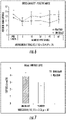
- Ibudilast but not placebo, significantly decreased basal, daily alcohol craving (AUQ) over the course of the study (p ⁇ 0.05, see FIG. 4 ).
- Ibudilast did not affect subjective response to alcohol during the infusion.
- An antiinflammatory agent may modulate the negative affect and depressive symptoms in AUD subjects who scored high on BDI.
- IBUDILAST less positive, more negative 1 Responses measured included: alcohol-induced stimulation, positive affect, negative affect, "liking", and "wanting"
- the medication order (ibudilast first vs. placebo first) effects were evaluated and it was found that medication order did not alter the results of pre-post medication effects on alcohol-related measures as well as stress- and cue-exposure tests. Additionally, mood and craving scores were compared on Day 1 of the first and second medication. It was determined that regardless of medication order, these were not found to be significantly different.
Landscapes
- Health & Medical Sciences (AREA)
- Medicinal Chemistry (AREA)
- Veterinary Medicine (AREA)
- Public Health (AREA)
- General Health & Medical Sciences (AREA)
- Animal Behavior & Ethology (AREA)
- Life Sciences & Earth Sciences (AREA)
- Pharmacology & Pharmacy (AREA)
- Chemical & Material Sciences (AREA)
- Epidemiology (AREA)
- Addiction (AREA)
- Emergency Medicine (AREA)
- Neurosurgery (AREA)
- Chemical Kinetics & Catalysis (AREA)
- General Chemical & Material Sciences (AREA)
- Neurology (AREA)
- Biomedical Technology (AREA)
- Bioinformatics & Cheminformatics (AREA)
- Engineering & Computer Science (AREA)
- Psychiatry (AREA)
- Nuclear Medicine, Radiotherapy & Molecular Imaging (AREA)
- Organic Chemistry (AREA)
- Pain & Pain Management (AREA)
- Nutrition Science (AREA)
- Physiology (AREA)
- Pharmaceuticals Containing Other Organic And Inorganic Compounds (AREA)
- Medicinal Preparation (AREA)
- Nitrogen Condensed Heterocyclic Rings (AREA)
- Medicines That Contain Protein Lipid Enzymes And Other Medicines (AREA)
Applications Claiming Priority (2)
| Application Number | Priority Date | Filing Date | Title |
|---|---|---|---|
| US201662333990P | 2016-05-10 | 2016-05-10 | |
| PCT/US2017/031775 WO2017196857A1 (en) | 2016-05-10 | 2017-05-09 | Treatment of alcoholism and depression and/or dysphoric mood using ibudilast |
Publications (3)
| Publication Number | Publication Date |
|---|---|
| EP3454853A1 EP3454853A1 (en) | 2019-03-20 |
| EP3454853A4 EP3454853A4 (en) | 2020-01-15 |
| EP3454853B1 true EP3454853B1 (en) | 2022-05-18 |
Family
ID=60267401
Family Applications (1)
| Application Number | Title | Priority Date | Filing Date |
|---|---|---|---|
| EP17796695.9A Active EP3454853B1 (en) | 2016-05-10 | 2017-05-09 | Treatment of alcoholism and depression using ibudilast |
Country Status (7)
| Country | Link |
|---|---|
| US (1) | US20190151294A1 (enExample) |
| EP (1) | EP3454853B1 (enExample) |
| JP (1) | JP2019514978A (enExample) |
| CN (1) | CN109475538A (enExample) |
| CA (1) | CA3023439A1 (enExample) |
| ES (1) | ES2917618T3 (enExample) |
| WO (1) | WO2017196857A1 (enExample) |
Families Citing this family (2)
| Publication number | Priority date | Publication date | Assignee | Title |
|---|---|---|---|---|
| GB201912760D0 (en) * | 2019-09-05 | 2019-10-23 | Healx Ltd | Treatment |
| US12303604B1 (en) | 2024-10-16 | 2025-05-20 | Currax Pharmaceuticals Llc | Pharmaceutical formulations comprising naltrexone and/or bupropion |
Family Cites Families (7)
| Publication number | Priority date | Publication date | Assignee | Title |
|---|---|---|---|---|
| EP1928438B1 (en) * | 2005-09-26 | 2013-03-20 | Avigen, Inc. | Use of ibudilast for treating drug addictions |
| WO2007047978A2 (en) * | 2005-10-21 | 2007-04-26 | Braincells, Inc. | Modulation of neurogenesis by pde inhibition |
| CN101309682A (zh) * | 2005-10-21 | 2008-11-19 | 脑细胞股份有限公司 | 通过pde抑制调节神经发生 |
| US7858611B2 (en) * | 2006-05-09 | 2010-12-28 | Braincells Inc. | Neurogenesis by modulating angiotensin |
| CA2693697C (en) * | 2007-07-11 | 2017-07-25 | Medicinova, Inc. | Treatment of progressive neurodegenerative disease with ibudilast |
| US20090028816A1 (en) | 2007-07-27 | 2009-01-29 | Lance Sultzbaugh | Treatment of depression, psychosis, and anxiety |
| WO2015023871A1 (en) | 2013-08-15 | 2015-02-19 | Medicinova, Inc. | Treatment of alcoholism using ibudilast |
-
2017
- 2017-05-09 US US16/099,673 patent/US20190151294A1/en not_active Abandoned
- 2017-05-09 ES ES17796695T patent/ES2917618T3/es active Active
- 2017-05-09 CN CN201780039546.XA patent/CN109475538A/zh active Pending
- 2017-05-09 WO PCT/US2017/031775 patent/WO2017196857A1/en not_active Ceased
- 2017-05-09 CA CA3023439A patent/CA3023439A1/en not_active Abandoned
- 2017-05-09 JP JP2018558280A patent/JP2019514978A/ja active Pending
- 2017-05-09 EP EP17796695.9A patent/EP3454853B1/en active Active
Non-Patent Citations (1)
| Title |
|---|
| THOMAS M KELLY ET AL: "Treatment of substance abusing patients with comorbid psychiatric disorders", ADDICTIVE BEHAVIORS, vol. 37, no. 1, 1 January 2012 (2012-01-01), pages 11 - 24, XP028318888, ISSN: 0306-4603, [retrieved on 20110914], DOI: 10.1016/J.ADDBEH.2011.09.010 * |
Also Published As
| Publication number | Publication date |
|---|---|
| CA3023439A1 (en) | 2017-11-16 |
| ES2917618T3 (es) | 2022-07-11 |
| WO2017196857A1 (en) | 2017-11-16 |
| JP2019514978A (ja) | 2019-06-06 |
| EP3454853A1 (en) | 2019-03-20 |
| CN109475538A (zh) | 2019-03-15 |
| EP3454853A4 (en) | 2020-01-15 |
| US20190151294A1 (en) | 2019-05-23 |
Similar Documents
| Publication | Publication Date | Title |
|---|---|---|
| US8461148B2 (en) | Use of memantine (namenda) to treat autism, compulsivity and impulsivity | |
| JP3310982B2 (ja) | 男性の勃起機能不全を改善するための剤形及び方法 | |
| US20200188358A1 (en) | Methods for the treatment of depression | |
| US20150051191A1 (en) | Treatment of alcoholism using ibudilast | |
| US11660279B2 (en) | Therapeutic agents for treating restless leg syndrome | |
| JPH09323927A (ja) | 慢性閉塞性動脈硬化症の治療のためのカルニチン誘導体含有薬剤 | |
| US20230346718A1 (en) | Method of treating, ameliorating and/or preventing depression | |
| US20190151294A1 (en) | Treatment of alcoholism and depression and/or dysphoric mood using ibudilast | |
| US20240197756A1 (en) | Methods of treatment with neuroactive steroids | |
| AU2011235981B2 (en) | Use of Memantine (Namenda) to Treat Autism, Compulsivity, and Impulsivity | |
| JP2009007278A (ja) | 線維筋痛症の治療薬 | |
| EP2891491A1 (en) | Use of (r)-phenylpiracetam for the treatment of sleep disorders | |
| WO2025000092A1 (en) | Ibogaine treatment | |
| HK40036165A (en) | Acetyl-leucine for use in treating restless leg syndrome | |
| HK40036165B (en) | Acetyl-leucine for use in treating restless leg syndrome | |
| Anderson et al. | Safety of Atomoxetine in Combination with Intravenous Cocaine in Cocaine-Experienced Participants | |
| Kecskés et al. | Gender differences in the prognosis of anxiety and depression—a follow-up study | |
| JPH08119858A (ja) | 自閉症治療剤 | |
| HK1025742B (en) | Sublingual composition containing apomorphine for diagnosing functional impotence |
Legal Events
| Date | Code | Title | Description |
|---|---|---|---|
| STAA | Information on the status of an ep patent application or granted ep patent |
Free format text: STATUS: THE INTERNATIONAL PUBLICATION HAS BEEN MADE |
|
| PUAI | Public reference made under article 153(3) epc to a published international application that has entered the european phase |
Free format text: ORIGINAL CODE: 0009012 |
|
| STAA | Information on the status of an ep patent application or granted ep patent |
Free format text: STATUS: REQUEST FOR EXAMINATION WAS MADE |
|
| 17P | Request for examination filed |
Effective date: 20181121 |
|
| AK | Designated contracting states |
Kind code of ref document: A1 Designated state(s): AL AT BE BG CH CY CZ DE DK EE ES FI FR GB GR HR HU IE IS IT LI LT LU LV MC MK MT NL NO PL PT RO RS SE SI SK SM TR |
|
| AX | Request for extension of the european patent |
Extension state: BA ME |
|
| DAV | Request for validation of the european patent (deleted) | ||
| DAX | Request for extension of the european patent (deleted) | ||
| A4 | Supplementary search report drawn up and despatched |
Effective date: 20191218 |
|
| RIC1 | Information provided on ipc code assigned before grant |
Ipc: A61K 31/437 20060101ALI20191212BHEP Ipc: A61K 31/4439 20060101ALI20191212BHEP Ipc: A61K 31/485 20060101ALI20191212BHEP Ipc: A61P 25/24 20060101ALI20191212BHEP Ipc: A61K 31/44 20060101AFI20191212BHEP Ipc: A61P 25/32 20060101ALI20191212BHEP Ipc: A61K 45/06 20060101ALI20191212BHEP |
|
| STAA | Information on the status of an ep patent application or granted ep patent |
Free format text: STATUS: EXAMINATION IS IN PROGRESS |
|
| 17Q | First examination report despatched |
Effective date: 20210526 |
|
| GRAP | Despatch of communication of intention to grant a patent |
Free format text: ORIGINAL CODE: EPIDOSNIGR1 |
|
| STAA | Information on the status of an ep patent application or granted ep patent |
Free format text: STATUS: GRANT OF PATENT IS INTENDED |
|
| RIC1 | Information provided on ipc code assigned before grant |
Ipc: A61K 31/554 20060101ALI20211122BHEP Ipc: A61K 31/517 20060101ALI20211122BHEP Ipc: A61K 31/4985 20060101ALI20211122BHEP Ipc: A61K 31/4178 20060101ALI20211122BHEP Ipc: A61K 31/4015 20060101ALI20211122BHEP Ipc: A61K 31/357 20060101ALI20211122BHEP Ipc: A61K 31/265 20060101ALI20211122BHEP Ipc: A61K 31/197 20060101ALI20211122BHEP Ipc: A61K 31/185 20060101ALI20211122BHEP Ipc: A61P 25/32 20060101ALI20211122BHEP Ipc: A61P 25/24 20060101ALI20211122BHEP Ipc: A61K 31/485 20060101ALI20211122BHEP Ipc: A61K 31/437 20060101ALI20211122BHEP Ipc: A61K 45/06 20060101ALI20211122BHEP Ipc: A61K 31/4439 20060101ALI20211122BHEP Ipc: A61K 31/135 20060101ALI20211122BHEP Ipc: A61K 31/44 20060101AFI20211122BHEP |
|
| INTG | Intention to grant announced |
Effective date: 20211210 |
|
| GRAJ | Information related to disapproval of communication of intention to grant by the applicant or resumption of examination proceedings by the epo deleted |
Free format text: ORIGINAL CODE: EPIDOSDIGR1 |
|
| STAA | Information on the status of an ep patent application or granted ep patent |
Free format text: STATUS: EXAMINATION IS IN PROGRESS |
|
| GRAP | Despatch of communication of intention to grant a patent |
Free format text: ORIGINAL CODE: EPIDOSNIGR1 |
|
| STAA | Information on the status of an ep patent application or granted ep patent |
Free format text: STATUS: GRANT OF PATENT IS INTENDED |
|
| INTC | Intention to grant announced (deleted) | ||
| GRAS | Grant fee paid |
Free format text: ORIGINAL CODE: EPIDOSNIGR3 |
|
| GRAA | (expected) grant |
Free format text: ORIGINAL CODE: 0009210 |
|
| STAA | Information on the status of an ep patent application or granted ep patent |
Free format text: STATUS: THE PATENT HAS BEEN GRANTED |
|
| INTG | Intention to grant announced |
Effective date: 20220330 |
|
| AK | Designated contracting states |
Kind code of ref document: B1 Designated state(s): AL AT BE BG CH CY CZ DE DK EE ES FI FR GB GR HR HU IE IS IT LI LT LU LV MC MK MT NL NO PL PT RO RS SE SI SK SM TR |
|
| REG | Reference to a national code |
Ref country code: GB Ref legal event code: FG4D |
|
| REG | Reference to a national code |
Ref country code: CH Ref legal event code: EP |
|
| REG | Reference to a national code |
Ref country code: IE Ref legal event code: FG4D |
|
| REG | Reference to a national code |
Ref country code: DE Ref legal event code: R096 Ref document number: 602017057673 Country of ref document: DE |
|
| REG | Reference to a national code |
Ref country code: AT Ref legal event code: REF Ref document number: 1492770 Country of ref document: AT Kind code of ref document: T Effective date: 20220615 |
|
| REG | Reference to a national code |
Ref country code: ES Ref legal event code: FG2A Ref document number: 2917618 Country of ref document: ES Kind code of ref document: T3 Effective date: 20220711 |
|
| REG | Reference to a national code |
Ref country code: LT Ref legal event code: MG9D |
|
| REG | Reference to a national code |
Ref country code: NL Ref legal event code: MP Effective date: 20220518 |
|
| REG | Reference to a national code |
Ref country code: AT Ref legal event code: MK05 Ref document number: 1492770 Country of ref document: AT Kind code of ref document: T Effective date: 20220518 |
|
| PG25 | Lapsed in a contracting state [announced via postgrant information from national office to epo] |
Ref country code: SE Free format text: LAPSE BECAUSE OF FAILURE TO SUBMIT A TRANSLATION OF THE DESCRIPTION OR TO PAY THE FEE WITHIN THE PRESCRIBED TIME-LIMIT Effective date: 20220518 Ref country code: PT Free format text: LAPSE BECAUSE OF FAILURE TO SUBMIT A TRANSLATION OF THE DESCRIPTION OR TO PAY THE FEE WITHIN THE PRESCRIBED TIME-LIMIT Effective date: 20220919 Ref country code: NO Free format text: LAPSE BECAUSE OF FAILURE TO SUBMIT A TRANSLATION OF THE DESCRIPTION OR TO PAY THE FEE WITHIN THE PRESCRIBED TIME-LIMIT Effective date: 20220818 Ref country code: NL Free format text: LAPSE BECAUSE OF FAILURE TO SUBMIT A TRANSLATION OF THE DESCRIPTION OR TO PAY THE FEE WITHIN THE PRESCRIBED TIME-LIMIT Effective date: 20220518 Ref country code: LT Free format text: LAPSE BECAUSE OF FAILURE TO SUBMIT A TRANSLATION OF THE DESCRIPTION OR TO PAY THE FEE WITHIN THE PRESCRIBED TIME-LIMIT Effective date: 20220518 Ref country code: HR Free format text: LAPSE BECAUSE OF FAILURE TO SUBMIT A TRANSLATION OF THE DESCRIPTION OR TO PAY THE FEE WITHIN THE PRESCRIBED TIME-LIMIT Effective date: 20220518 Ref country code: GR Free format text: LAPSE BECAUSE OF FAILURE TO SUBMIT A TRANSLATION OF THE DESCRIPTION OR TO PAY THE FEE WITHIN THE PRESCRIBED TIME-LIMIT Effective date: 20220819 Ref country code: FI Free format text: LAPSE BECAUSE OF FAILURE TO SUBMIT A TRANSLATION OF THE DESCRIPTION OR TO PAY THE FEE WITHIN THE PRESCRIBED TIME-LIMIT Effective date: 20220518 Ref country code: BG Free format text: LAPSE BECAUSE OF FAILURE TO SUBMIT A TRANSLATION OF THE DESCRIPTION OR TO PAY THE FEE WITHIN THE PRESCRIBED TIME-LIMIT Effective date: 20220818 Ref country code: AT Free format text: LAPSE BECAUSE OF FAILURE TO SUBMIT A TRANSLATION OF THE DESCRIPTION OR TO PAY THE FEE WITHIN THE PRESCRIBED TIME-LIMIT Effective date: 20220518 |
|
| PG25 | Lapsed in a contracting state [announced via postgrant information from national office to epo] |
Ref country code: RS Free format text: LAPSE BECAUSE OF FAILURE TO SUBMIT A TRANSLATION OF THE DESCRIPTION OR TO PAY THE FEE WITHIN THE PRESCRIBED TIME-LIMIT Effective date: 20220518 Ref country code: PL Free format text: LAPSE BECAUSE OF FAILURE TO SUBMIT A TRANSLATION OF THE DESCRIPTION OR TO PAY THE FEE WITHIN THE PRESCRIBED TIME-LIMIT Effective date: 20220518 Ref country code: LV Free format text: LAPSE BECAUSE OF FAILURE TO SUBMIT A TRANSLATION OF THE DESCRIPTION OR TO PAY THE FEE WITHIN THE PRESCRIBED TIME-LIMIT Effective date: 20220518 Ref country code: IS Free format text: LAPSE BECAUSE OF FAILURE TO SUBMIT A TRANSLATION OF THE DESCRIPTION OR TO PAY THE FEE WITHIN THE PRESCRIBED TIME-LIMIT Effective date: 20220918 |
|
| PG25 | Lapsed in a contracting state [announced via postgrant information from national office to epo] |
Ref country code: SM Free format text: LAPSE BECAUSE OF FAILURE TO SUBMIT A TRANSLATION OF THE DESCRIPTION OR TO PAY THE FEE WITHIN THE PRESCRIBED TIME-LIMIT Effective date: 20220518 Ref country code: SK Free format text: LAPSE BECAUSE OF FAILURE TO SUBMIT A TRANSLATION OF THE DESCRIPTION OR TO PAY THE FEE WITHIN THE PRESCRIBED TIME-LIMIT Effective date: 20220518 Ref country code: RO Free format text: LAPSE BECAUSE OF FAILURE TO SUBMIT A TRANSLATION OF THE DESCRIPTION OR TO PAY THE FEE WITHIN THE PRESCRIBED TIME-LIMIT Effective date: 20220518 Ref country code: EE Free format text: LAPSE BECAUSE OF FAILURE TO SUBMIT A TRANSLATION OF THE DESCRIPTION OR TO PAY THE FEE WITHIN THE PRESCRIBED TIME-LIMIT Effective date: 20220518 Ref country code: DK Free format text: LAPSE BECAUSE OF FAILURE TO SUBMIT A TRANSLATION OF THE DESCRIPTION OR TO PAY THE FEE WITHIN THE PRESCRIBED TIME-LIMIT Effective date: 20220518 Ref country code: CZ Free format text: LAPSE BECAUSE OF FAILURE TO SUBMIT A TRANSLATION OF THE DESCRIPTION OR TO PAY THE FEE WITHIN THE PRESCRIBED TIME-LIMIT Effective date: 20220518 |
|
| REG | Reference to a national code |
Ref country code: DE Ref legal event code: R097 Ref document number: 602017057673 Country of ref document: DE |
|
| PLBE | No opposition filed within time limit |
Free format text: ORIGINAL CODE: 0009261 |
|
| STAA | Information on the status of an ep patent application or granted ep patent |
Free format text: STATUS: NO OPPOSITION FILED WITHIN TIME LIMIT |
|
| PG25 | Lapsed in a contracting state [announced via postgrant information from national office to epo] |
Ref country code: AL Free format text: LAPSE BECAUSE OF FAILURE TO SUBMIT A TRANSLATION OF THE DESCRIPTION OR TO PAY THE FEE WITHIN THE PRESCRIBED TIME-LIMIT Effective date: 20220518 |
|
| 26N | No opposition filed |
Effective date: 20230221 |
|
| PG25 | Lapsed in a contracting state [announced via postgrant information from national office to epo] |
Ref country code: SI Free format text: LAPSE BECAUSE OF FAILURE TO SUBMIT A TRANSLATION OF THE DESCRIPTION OR TO PAY THE FEE WITHIN THE PRESCRIBED TIME-LIMIT Effective date: 20220518 |
|
| P01 | Opt-out of the competence of the unified patent court (upc) registered |
Effective date: 20230522 |
|
| PG25 | Lapsed in a contracting state [announced via postgrant information from national office to epo] |
Ref country code: MC Free format text: LAPSE BECAUSE OF FAILURE TO SUBMIT A TRANSLATION OF THE DESCRIPTION OR TO PAY THE FEE WITHIN THE PRESCRIBED TIME-LIMIT Effective date: 20220518 |
|
| REG | Reference to a national code |
Ref country code: BE Ref legal event code: MM Effective date: 20230531 |
|
| PG25 | Lapsed in a contracting state [announced via postgrant information from national office to epo] |
Ref country code: MC Free format text: LAPSE BECAUSE OF FAILURE TO SUBMIT A TRANSLATION OF THE DESCRIPTION OR TO PAY THE FEE WITHIN THE PRESCRIBED TIME-LIMIT Effective date: 20220518 Ref country code: LU Free format text: LAPSE BECAUSE OF NON-PAYMENT OF DUE FEES Effective date: 20230509 |
|
| REG | Reference to a national code |
Ref country code: IE Ref legal event code: MM4A |
|
| PG25 | Lapsed in a contracting state [announced via postgrant information from national office to epo] |
Ref country code: IE Free format text: LAPSE BECAUSE OF NON-PAYMENT OF DUE FEES Effective date: 20230509 |
|
| PG25 | Lapsed in a contracting state [announced via postgrant information from national office to epo] |
Ref country code: IE Free format text: LAPSE BECAUSE OF NON-PAYMENT OF DUE FEES Effective date: 20230509 |
|
| PG25 | Lapsed in a contracting state [announced via postgrant information from national office to epo] |
Ref country code: BE Free format text: LAPSE BECAUSE OF NON-PAYMENT OF DUE FEES Effective date: 20230531 |
|
| PG25 | Lapsed in a contracting state [announced via postgrant information from national office to epo] |
Ref country code: BG Free format text: LAPSE BECAUSE OF FAILURE TO SUBMIT A TRANSLATION OF THE DESCRIPTION OR TO PAY THE FEE WITHIN THE PRESCRIBED TIME-LIMIT Effective date: 20220518 |
|
| PG25 | Lapsed in a contracting state [announced via postgrant information from national office to epo] |
Ref country code: BG Free format text: LAPSE BECAUSE OF FAILURE TO SUBMIT A TRANSLATION OF THE DESCRIPTION OR TO PAY THE FEE WITHIN THE PRESCRIBED TIME-LIMIT Effective date: 20220518 |
|
| PG25 | Lapsed in a contracting state [announced via postgrant information from national office to epo] |
Ref country code: CY Free format text: LAPSE BECAUSE OF FAILURE TO SUBMIT A TRANSLATION OF THE DESCRIPTION OR TO PAY THE FEE WITHIN THE PRESCRIBED TIME-LIMIT; INVALID AB INITIO Effective date: 20170509 |
|
| PG25 | Lapsed in a contracting state [announced via postgrant information from national office to epo] |
Ref country code: HU Free format text: LAPSE BECAUSE OF FAILURE TO SUBMIT A TRANSLATION OF THE DESCRIPTION OR TO PAY THE FEE WITHIN THE PRESCRIBED TIME-LIMIT; INVALID AB INITIO Effective date: 20170509 |
|
| PG25 | Lapsed in a contracting state [announced via postgrant information from national office to epo] |
Ref country code: TR Free format text: LAPSE BECAUSE OF FAILURE TO SUBMIT A TRANSLATION OF THE DESCRIPTION OR TO PAY THE FEE WITHIN THE PRESCRIBED TIME-LIMIT Effective date: 20220518 |
|
| PGFP | Annual fee paid to national office [announced via postgrant information from national office to epo] |
Ref country code: GB Payment date: 20260312 Year of fee payment: 10 |
|
| PGFP | Annual fee paid to national office [announced via postgrant information from national office to epo] |
Ref country code: FR Payment date: 20260309 Year of fee payment: 10 |
|
| REG | Reference to a national code |
Ref country code: CH Ref legal event code: U11 Free format text: ST27 STATUS EVENT CODE: U-0-0-U10-U11 (AS PROVIDED BY THE NATIONAL OFFICE) Effective date: 20260601 |
|
| PGFP | Annual fee paid to national office [announced via postgrant information from national office to epo] |
Ref country code: ES Payment date: 20260610 Year of fee payment: 10 |
|
| PGFP | Annual fee paid to national office [announced via postgrant information from national office to epo] |
Ref country code: IT Payment date: 20260422 Year of fee payment: 10 |
|
| PGFP | Annual fee paid to national office [announced via postgrant information from national office to epo] |
Ref country code: DE Payment date: 20260317 Year of fee payment: 10 |
|
| PGFP | Annual fee paid to national office [announced via postgrant information from national office to epo] |
Ref country code: CH Payment date: 20260601 Year of fee payment: 10 |