EP3448421B1 - Methods and compositions for the prevention and treatment of surgical adhesions - Google Patents
Methods and compositions for the prevention and treatment of surgical adhesions Download PDFInfo
- Publication number
- EP3448421B1 EP3448421B1 EP17790649.2A EP17790649A EP3448421B1 EP 3448421 B1 EP3448421 B1 EP 3448421B1 EP 17790649 A EP17790649 A EP 17790649A EP 3448421 B1 EP3448421 B1 EP 3448421B1
- Authority
- EP
- European Patent Office
- Prior art keywords
- adhesion
- agent
- adhesions
- msln
- antibody
- Prior art date
- Legal status (The legal status is an assumption and is not a legal conclusion. Google has not performed a legal analysis and makes no representation as to the accuracy of the status listed.)
- Active
Links
Images








Classifications
-
- C—CHEMISTRY; METALLURGY
- C07—ORGANIC CHEMISTRY
- C07K—PEPTIDES
- C07K16/00—Immunoglobulins [IG], e.g. monoclonal or polyclonal antibodies
- C07K16/18—Immunoglobulins [IG], e.g. monoclonal or polyclonal antibodies against material from animals or humans
- C07K16/28—Immunoglobulins [IG], e.g. monoclonal or polyclonal antibodies against material from animals or humans against receptors, cell surface antigens or cell surface determinants
- C07K16/2803—Immunoglobulins [IG], e.g. monoclonal or polyclonal antibodies against material from animals or humans against receptors, cell surface antigens or cell surface determinants against the immunoglobulin superfamily
-
- A—HUMAN NECESSITIES
- A61—MEDICAL OR VETERINARY SCIENCE; HYGIENE
- A61K—PREPARATIONS FOR MEDICAL, DENTAL OR TOILETRY PURPOSES
- A61K31/00—Medicinal preparations containing organic active ingredients
- A61K31/33—Heterocyclic compounds
- A61K31/335—Heterocyclic compounds having oxygen as the only ring hetero atom, e.g. fungichromin
- A61K31/34—Heterocyclic compounds having oxygen as the only ring hetero atom, e.g. fungichromin having five-membered rings with one oxygen as the only ring hetero atom, e.g. isosorbide
- A61K31/343—Heterocyclic compounds having oxygen as the only ring hetero atom, e.g. fungichromin having five-membered rings with one oxygen as the only ring hetero atom, e.g. isosorbide condensed with a carbocyclic ring, e.g. coumaran, bufuralol, befunolol, clobenfurol, amiodarone
-
- A—HUMAN NECESSITIES
- A61—MEDICAL OR VETERINARY SCIENCE; HYGIENE
- A61K—PREPARATIONS FOR MEDICAL, DENTAL OR TOILETRY PURPOSES
- A61K31/00—Medicinal preparations containing organic active ingredients
- A61K31/33—Heterocyclic compounds
- A61K31/395—Heterocyclic compounds having nitrogen as a ring hetero atom, e.g. guanethidine or rifamycins
- A61K31/435—Heterocyclic compounds having nitrogen as a ring hetero atom, e.g. guanethidine or rifamycins having six-membered rings with one nitrogen as the only ring hetero atom
- A61K31/47—Quinolines; Isoquinolines
- A61K31/473—Quinolines; Isoquinolines ortho- or peri-condensed with carbocyclic ring systems, e.g. acridines, phenanthridines
-
- A—HUMAN NECESSITIES
- A61—MEDICAL OR VETERINARY SCIENCE; HYGIENE
- A61K—PREPARATIONS FOR MEDICAL, DENTAL OR TOILETRY PURPOSES
- A61K31/00—Medicinal preparations containing organic active ingredients
- A61K31/70—Carbohydrates; Sugars; Derivatives thereof
- A61K31/7004—Monosaccharides having only carbon, hydrogen and oxygen atoms
-
- A—HUMAN NECESSITIES
- A61—MEDICAL OR VETERINARY SCIENCE; HYGIENE
- A61K—PREPARATIONS FOR MEDICAL, DENTAL OR TOILETRY PURPOSES
- A61K38/00—Medicinal preparations containing peptides
-
- A—HUMAN NECESSITIES
- A61—MEDICAL OR VETERINARY SCIENCE; HYGIENE
- A61K—PREPARATIONS FOR MEDICAL, DENTAL OR TOILETRY PURPOSES
- A61K38/00—Medicinal preparations containing peptides
- A61K38/04—Peptides having up to 20 amino acids in a fully defined sequence; Derivatives thereof
- A61K38/05—Dipeptides
-
- A—HUMAN NECESSITIES
- A61—MEDICAL OR VETERINARY SCIENCE; HYGIENE
- A61K—PREPARATIONS FOR MEDICAL, DENTAL OR TOILETRY PURPOSES
- A61K38/00—Medicinal preparations containing peptides
- A61K38/16—Peptides having more than 20 amino acids; Gastrins; Somatostatins; Melanotropins; Derivatives thereof
- A61K38/164—Peptides having more than 20 amino acids; Gastrins; Somatostatins; Melanotropins; Derivatives thereof from bacteria
-
- A—HUMAN NECESSITIES
- A61—MEDICAL OR VETERINARY SCIENCE; HYGIENE
- A61K—PREPARATIONS FOR MEDICAL, DENTAL OR TOILETRY PURPOSES
- A61K38/00—Medicinal preparations containing peptides
- A61K38/16—Peptides having more than 20 amino acids; Gastrins; Somatostatins; Melanotropins; Derivatives thereof
- A61K38/17—Peptides having more than 20 amino acids; Gastrins; Somatostatins; Melanotropins; Derivatives thereof from animals; from humans
- A61K38/177—Receptors; Cell surface antigens; Cell surface determinants
-
- A—HUMAN NECESSITIES
- A61—MEDICAL OR VETERINARY SCIENCE; HYGIENE
- A61K—PREPARATIONS FOR MEDICAL, DENTAL OR TOILETRY PURPOSES
- A61K39/00—Medicinal preparations containing antigens or antibodies
- A61K39/0005—Vertebrate antigens
- A61K39/0011—Cancer antigens
- A61K39/001166—Adhesion molecules, e.g. NRCAM, EpCAM or cadherins
- A61K39/001168—Mesothelin [MSLN]
-
- A—HUMAN NECESSITIES
- A61—MEDICAL OR VETERINARY SCIENCE; HYGIENE
- A61K—PREPARATIONS FOR MEDICAL, DENTAL OR TOILETRY PURPOSES
- A61K45/00—Medicinal preparations containing active ingredients not provided for in groups A61K31/00 - A61K41/00
- A61K45/06—Mixtures of active ingredients without chemical characterisation, e.g. antiphlogistics and cardiaca
-
- A—HUMAN NECESSITIES
- A61—MEDICAL OR VETERINARY SCIENCE; HYGIENE
- A61K—PREPARATIONS FOR MEDICAL, DENTAL OR TOILETRY PURPOSES
- A61K49/00—Preparations for testing in vivo
- A61K49/0002—General or multifunctional contrast agents, e.g. chelated agents
-
- A—HUMAN NECESSITIES
- A61—MEDICAL OR VETERINARY SCIENCE; HYGIENE
- A61P—SPECIFIC THERAPEUTIC ACTIVITY OF CHEMICAL COMPOUNDS OR MEDICINAL PREPARATIONS
- A61P41/00—Drugs used in surgical methods, e.g. surgery adjuvants for preventing adhesion or for vitreum substitution
-
- C—CHEMISTRY; METALLURGY
- C07—ORGANIC CHEMISTRY
- C07K—PEPTIDES
- C07K16/00—Immunoglobulins [IG], e.g. monoclonal or polyclonal antibodies
- C07K16/18—Immunoglobulins [IG], e.g. monoclonal or polyclonal antibodies against material from animals or humans
- C07K16/28—Immunoglobulins [IG], e.g. monoclonal or polyclonal antibodies against material from animals or humans against receptors, cell surface antigens or cell surface determinants
- C07K16/30—Immunoglobulins [IG], e.g. monoclonal or polyclonal antibodies against material from animals or humans against receptors, cell surface antigens or cell surface determinants from tumour cells
-
- A—HUMAN NECESSITIES
- A61—MEDICAL OR VETERINARY SCIENCE; HYGIENE
- A61K—PREPARATIONS FOR MEDICAL, DENTAL OR TOILETRY PURPOSES
- A61K39/00—Medicinal preparations containing antigens or antibodies
- A61K2039/505—Medicinal preparations containing antigens or antibodies comprising antibodies
-
- A—HUMAN NECESSITIES
- A61—MEDICAL OR VETERINARY SCIENCE; HYGIENE
- A61K—PREPARATIONS FOR MEDICAL, DENTAL OR TOILETRY PURPOSES
- A61K39/00—Medicinal preparations containing antigens or antibodies
- A61K2039/505—Medicinal preparations containing antigens or antibodies comprising antibodies
- A61K2039/507—Comprising a combination of two or more separate antibodies
-
- A—HUMAN NECESSITIES
- A61—MEDICAL OR VETERINARY SCIENCE; HYGIENE
- A61K—PREPARATIONS FOR MEDICAL, DENTAL OR TOILETRY PURPOSES
- A61K31/00—Medicinal preparations containing organic active ingredients
- A61K31/185—Acids; Anhydrides, halides or salts thereof, e.g. sulfur acids, imidic, hydrazonic or hydroximic acids
- A61K31/19—Carboxylic acids, e.g. valproic acid
- A61K31/195—Carboxylic acids, e.g. valproic acid having an amino group
- A61K31/197—Carboxylic acids, e.g. valproic acid having an amino group the amino and the carboxyl groups being attached to the same acyclic carbon chain, e.g. gamma-aminobutyric acid [GABA], beta-alanine, epsilon-aminocaproic acid or pantothenic acid
- A61K31/198—Alpha-amino acids, e.g. alanine or edetic acid [EDTA]
-
- A—HUMAN NECESSITIES
- A61—MEDICAL OR VETERINARY SCIENCE; HYGIENE
- A61K—PREPARATIONS FOR MEDICAL, DENTAL OR TOILETRY PURPOSES
- A61K45/00—Medicinal preparations containing active ingredients not provided for in groups A61K31/00 - A61K41/00
-
- C—CHEMISTRY; METALLURGY
- C07—ORGANIC CHEMISTRY
- C07K—PEPTIDES
- C07K2317/00—Immunoglobulins specific features
- C07K2317/70—Immunoglobulins specific features characterized by effect upon binding to a cell or to an antigen
- C07K2317/76—Antagonist effect on antigen, e.g. neutralization or inhibition of binding
Definitions
- Adhesions are fibrous tissues that develop as the result of trauma to the peritoneum, either due to physical trauma (often due to surgery), or major inflammatory insults (peritonitis, infection, etc). Although many adhesions are asymptomatic, their primary sequelae include bowel obstruction, female infertility (when occurring on or near the uterus), chronic pain, and poor quality of life. The National Institutes of Health estimate that over 93% of patients having undergone abdominal surgery progress to adhesion formation. Current estimates suggest that up to 20% of patients following abdominal surgery are readmitted to hospitals due to post-operative adhesion formation and project the healthcare cost to be well over $1 billion in the United States alone, rivaling that of many cancers. Still, no definitive strategies exist to prevent adhesion formation, underscoring the notion that adhesions present a significant healthcare burden and treatment and prevention should be an ongoing medical priority.
- the coagulation cascade is activated concurrently with immune cell infiltration.
- Thrombin converts fibrinogen to fibrin, which form deposits on the surface of organs shortly after mesothelial injury and organize into fibrin lattices for wound healing or adhesion development.
- MSCs mesenchymal stem cells
- the mesothelium is the outer epithelial monolayer that lines all serous cavities (the pleural, pericardial and peritoneal cavities) of the mammalian body and the outer surfaces of various internal organs.
- the primary architecture of the mesothelium is that of a squamous epithelium, the tissue also expresses cytological and biochemical features that are characteristic of a fibroblast cell type (Michailova & Usunoff, 2006) rendering the mesothelium with remarkable cellular plasticity (Rinkevich et al., 2012).
- mesothelial cells respond to cytokines and other signals and can take on a myofibroblastic phenotype, secreting cytokines and extracellular matrix proteins, which exacerbates the adhesion process.
- cytokines and other signals respond to cytokines and other signals and can take on a myofibroblastic phenotype, secreting cytokines and extracellular matrix proteins, which exacerbates the adhesion process.
- Recent lineage tracing studies further demonstrate the plasticity of surface mesothelium to generate fibroblast and smooth muscle cell types for the internal organs and their vasculature.
- US 5,639,468 describes a method for reducing or preventing post-surgical adhesion formation using manoalide and analogs thereof.
- WO 99/20297 describes prevention and treatment of adhesion formation.
- Lope et al. (2009) European Journal of Cardio-Thoracic Surgery 35(2):313-318 describes keratinocyte growth factor.
- Nair et al. (2013) Gynecologic and Obstetric Investigation 76(2):119-124 reports that fiber and transcriptional modifications enhance adenovirus targeting towards human adhesion cells.
- the invention provides an agent that disrupts adhesion-formation by: (a) depleting granulocyte or inflammatory granulocytes or (b) inhibiting granulocyte or inflammatory granulocyte recruitment for use in a method of treating a subject to reduce adhesion formation or to reduce already-formed adhesions, wherein the agent inhibits the expression or activity of a gene product whose expression is induced in the injured mesothelial cells, or selectively binds to a gene product whose expression is induced in the injured mesothelial cells.
- the invention further provides an agent that disrupts adhesion-formation by: (a) depleting granulocyte or inflammatory granulocytes or (b) inhibiting granulocyte or inflammatory granulocyte recruitment for use in a method of treating a subject to reduce adhesion formation or to reduce already-formed adhesions, wherein the agent results in one or both of neutrophil depletion and prevention of neutrophil recruitment, optionally wherein the agent is a polypeptide that binds a granulocyte marker selected from Gr-1, CD66b, CD177, CXCR1, VAP1, CXCR2, and CD10, optionally further wherein the agent is an antibody or binding fragment thereof.
- the present disclosure demonstrates that the surface mesothelium represents the tissue-of-origin for adhesion formation, identifying adhesions as a gross pathologic manifestation of mesothelium cells themselves. It also provides the molecular chain of events leading normal mesothelium towards an adhesion program and demonstrates that functional disruption of these pathways curtail adhesion formation in vivo. These results provide a new pathomechanistic understanding of adhesion formation and establish novel therapeutic tactics/avenues that treat and/or prevent adhesion pathogenesis.
- references in the description to methods of treatment refer to the agents of the present invention for use in a method of treatment of the human or animal body by therapy.
- the present disclosure provides methods of treating a subject to reduce adhesion formation, the method comprising administering to a subject in need of thereof an agent that that targets adhesion-formation by injured mesothelial cells.
- the agent targets the injured mesothelial cells for destruction.
- the agent recruits inflammatory macrophages to the site of adhesion.
- the agent prevents neutrophil recruitment to the site of adhesion.
- the agent inhibits the expression or activity of a gene product whose expression is induced in the injured mesothelial cells.
- Non limiting examples of agents include: an anti-mesothelin antibody or mesothelin binding fragment thereof; an anti-CD47 antibody, a signal regulatory protein alpha (SIRP ⁇ ) polypeptide, or a CD47 binding fragment of either; monocyte chemoattractant protein-1 (MCP-1) or an inflammatory macrophage recruiting portion thereof; an anti-Gr-1 antibody or Gr-1 binding fragment thereof or other marker involved in depletion of granulocytes; thioglycolate; PLGA; mannose or mannose conjugated to a binding moiety specific for injured mesothelium including UPKB1-binding moiety or MSLN binding moiety; and any combination thereof. Included are peptide, peptoid, RNA, DNA, PNA, or other engineered molecule selected for binding for injured mesothelium, e.g. for UPKB1, MSLN, etc..
- Applicants have identified biological markers that are expressed selectively on injured mesothelium at the time of adhesion formation, which marker include without limitation MSLN, UPK1B, etc.
- the markers provide targets for removal or destruction of injured mesothelial cells, for example by apoptosis, phagocytosis, necrosis, etc.
- a specific binding moiety e.g. an antibody or fragment thereof, is administered to an individual to remove injured mesothelial cells, e.g. to prevent adhesion formation, to reduce ongoing adhesion formation, or to reduce existing adhesions.
- the markers are useful biomarkers for the presence of injured mesothelial cells, e.g. by PET, MRI, etc.
- an antibody or other specific binding moiety that binds to an injured mesothelial cell marker is labeled with a detectable marker.
- the marker may include, for example, moieties useful in PET or MRI imaging.
- the lebeled antibody or other specific binding moiety is contacted with the patient, for example by iv or other delivery system, and the presence of the labeled moiety used to image the cells involved in adhesion formation.
- therapeutic agent includes one or more "therapeutic agents” or “drugs.”
- therapeutic agents or “drugs” can be used interchangeably herein and include pharmaceutically active compounds. Examples include, without limitation: antibiotics, small molecules, proteins or polypeptides, polynucleotides, nucleic acids, oligonucleotides, ribozymes, anti-sense oligonucleotides, gene/vector systems, antisense nucleic acid (RNA or DNA), virus vectors or vectors derived from viral sources, antibodies, receptor antagonists, transcriptional repressors, etc. Polynucleotides can code for therapeutic proteins or polypeptides.
- Polynucleotide or “oligonucleotide” is used interchangeably and each means a linear polymer of nucleotide monomers, e.g., deoxyribonucleotides and/or ribonucleotides.
- polypeptide peptide
- protein protein
- amino acid polymers in which one or more amino acid residue is an artificial chemical mimetic of a corresponding naturally occurring amino acid, as well as to naturally occurring amino acid polymers and non-naturally occurring amino acid polymer.
- amino acid refers to naturally occurring and synthetic amino acids, as well as amino acid analogs and amino acid mimetics that function in a manner similar to the naturally occurring amino acids.
- Naturally occurring amino acids are those encoded by the genetic code, as well as those amino acids that are later modified, e.g., hydroxyproline, gamma-carboxyglutamate, and O-phosphoserine.
- amino acid analog refers to a compound that has the same basic chemical structure as a naturally occurring amino acid, i.e., an alpha carbon that is bound to a hydrogen, a carboxyl group, an amino group, and an R group, e.g., homoserine, norleucine, methionine sulfoxide, methionine methyl sulfonium.
- R groups e.g., norleucine
- Amino acid mimetics refers to chemical compounds that have a structure that is different from the general chemical structure of an amino acid, but that functions in a manner similar to a naturally occurring amino acid.
- antibody or “antibody moiety” is intended to include any polypeptide chain-containing molecular structure with a specific shape that fits to and recognizes an epitope, where one or more non-covalent binding interactions stabilize the complex between the molecular structure and the epitope.
- Antibodies utilized in the present invention may be polyclonal antibodies or monoclonal antibodies. In whil aspects, monoclonal antibodies may be preferable because they may be reproduced by cell culture or recombinantly, and can be modified to reduce their antigenicity. The production of polyclonal and monoclonal antibodies is well known in the art.
- immunoglobulin fragments comprising the epitope binding site (e.g., Fab', F(ab')2, or other fragments) are useful as antibody moieties in the present invention and are sometimes referred to as "binding fragments" or "epitope binding fragmnets" of an antibody.
- binding fragments e.g., Fab', F(ab')2, or other fragments
- Such antibody fragments may be generated from whole immunoglobulins by ricin, pepsin, papain, or other protease cleavage.
- “Fragment,” or minimal immunoglobulins may be designed utilizing recombinant immunoglobulin techniques.
- Fv immunoglobulins for use in the present invention may be produced by linking a variable light chain region to a variable heavy chain region via a peptide linker (e.g., poly-glycine or another sequence which does not form an alpha helix or beta sheet motif).
- a peptide linker e.g., poly-glycine or another sequence which does not form an alpha helix or beta sheet motif.
- Antibodies include free antibodies and antigen binding fragments derived therefrom, and conjugates, e.g. pegylated antibodies, drug, radioisotope, or toxin conjugates, and the like. Monoclonal antibodies directed against a specific epitope, or combination of epitopes, will allow for the targeting and/or depletion of cellular populations expressing the marker.
- Various techniques can be utilized using monoclonal antibodies to screen for cellular populations expressing the marker(s), and include magnetic separation using antibody- coated magnetic beads, "panning" with antibody attached to a solid matrix (i.e., plate), and flow cytometry (See, e.g., U.S. Pat. No. 5,985,660 ; and Morrison et al. Cell, 96:737-49 (1999 )). These techniques allow for the screening of particular populations of cells; in immunohistochemistry of biopsy samples; in detecting the presence of markers shed by cancer cells into the blood and other biologic fluids, and the like.
- Humanized versions of such antibodies are also within the scope of this invention. Humanized antibodies are especially useful for in vivo applications in humans due to their low antigenicity.
- subject means a mammal being assessed for treatment and/or being treated.
- the mammal is a human.
- the terms "subject,” “individual,” and “patient” encompass, without limitation, individuals having or at risk of having an adhesion.
- Subjects may be human, but also include other mammals, particularly those mammals useful as laboratory models for human disease, e.g. mouse, rat, etc.
- treatment refers to administering an agent, or carrying out a procedure, for the purposes of obtaining an effect in a subject (e.g., a patient).
- the effect may be prophylactic in terms of completely or partially preventing an undesirable condition, disease or symptom thereof and/or may be therapeutic in terms of effecting a partial or complete remedy, remission, or cure for an undesirable condition, disease and/or symptoms of the disease.
- Treating thus encompasses the dinistration of an agent before an undesirable condition, disease or symptom thereof occurs, during the development of an undesirable condition, disease or symptom thereof, and/or after an undesirable condition, disease or symptom thereof has occurred.
- Treating may refer to any indicia of success in the treatment or amelioration or prevention of an undesirable condition or disease, including any objective or subjective parameter such as abatement; remission; diminishing of symptoms or making the undesirable condition more tolerable to the patient; slowing in the rate of degeneration or decline; or making the final point of degeneration less debilitating.
- the treatment or amelioration of symptoms can be based on objective or subjective parameters; including the results of an examination by a physician.
- treating includes the administration of the compounds or agents of the present disclosure to prevent or delay, to alleviate, or to arrest or inhibit development of the symptoms or undesirable condition.
- therapeutic effect refers to the reduction, elimination, or prevention of the undesirable condition, disease, or symptoms or side effects of thereof.
- each component can be administered at the same time or sequentially in any order at different points in time. Thus, each component can be administered separately but sufficiently closely in time so as to provide the desired therapeutic effect.
- correlates refers to a statistical association between instances of two events, where events include numbers, data sets, and the like.
- a positive correlation also referred to herein as a "direct correlation” means that as one increases, the other increases as well.
- a negative correlation also referred to herein as an "inverse correlation” means that as one increases, the other decreases.
- Dosage unit refers to physically discrete units suited as unitary dosages for the particular individual to be treated. Each unit can contain a predetermined quantity of active compound(s) calculated to produce the desired therapeutic effect(s) in association with the required pharmaceutical carrier.
- the specification for the dosage unit forms can be dictated by (a) the unique characteristics of the active compound(s) and the particular therapeutic effect(s) to be achieved, and (b) the limitations inherent in the art of compounding such active compound(s).
- “Pharmaceutically acceptable excipient” means an excipient that is useful in preparing a pharmaceutical composition that is generally safe, non-toxic, and desirable, and includes excipients that are acceptable for veterinary use as well as for human pharmaceutical use. Such excipients can be solid, liquid, semisolid, or, in the case of an aerosol composition, gaseous.
- compositions, carriers, diluents and reagents are used interchangeably and represent that the materials are capable of administration to or upon a human without the production of undesirable physiological effects to a degree that would prohibit administration of the composition.
- a “therapeutically effective amount” means the amount that, when administered to a subject, is sufficient to effect treatment of an undesirable condition, symptom, or disease of the subject.
- the effective dose is sufficient to reduce adhesions by at least about 10%, at least about 20%, at least about 30%, at leastr about 40%, at least about 50%, at least about 60%, at least about 70%, at least about 80%, at least about 90%, or more.
- the dose of a therapeutic antibody may be from about 1 mg/kg body weight to about 100 mg/kg body weight, and may be administered immediately following surgery or other event expected to result in adhesion formation; or for reducing existing adhesions. Dosing may be repeated daily, every 2 days, every 3 days, semi-weekly, weekly, etc.
- the present disclosure provides methods for treating surgical adhesions in a subject, which includes, e.g., preventing adhesion formation, halting or reducing the formation of adhesions, and/or reversing or eliminating established adhesions in a subject.
- Composton and kits are also provided for performing such methods.
- the present disclosure relates to methods for treating a subject to reduce adhesion formation, e.g., surgical adhesions, and includes administering to a subject an agent that that targets adhesion-formation by injured mesothelial cells. Compositons and kits configured to perform such treatment methods are also provided.
- the disclosure is based, at least in part, on our identification of the surface mesothelium as a primary cell type responsible for initiating and contributing towards adhesions (see Examples below). We demonstate that adhesion formation can be treated in subjects by targeting one or more of multiple different checkpoints in the adhesion formation process by injured mesothelial cells.
- the agent targets the injured mesothelial cells for destruction.
- the agent may bind to a gene product whose expression is induced in the injured mesothelial cells, thereby differentiating it from un-injured mesothelial cells and allowing it to be eliminated.
- the agent is specific for (e.g., specifically binds to) a target protein that is expressed in injured mesothelial cells but not in un-injured mesothelial cells.
- the gene product is mesothelin (MSLN) or uroplakin 1B (UPK1B), both of which are discussed in further detail below.
- MSLN is a desirable target as it is an embryonic mesothelial gene and is not widely expressed in adult stages, with the notable exclusion of adhesions (as described herein) and tumors.
- the agent is a polypeptide that specifically binds to MSLN.
- the polypeptide can be an anti-MSLN antibody or MSLN binding fragment thereof.
- the agent can be administered alone or in combination with other agents, e.g., immunomodulatory agents.
- the mehods further include administering anti-MSLN antibodies alone or in conjunction with other immune modulators, e.g., agents that induce cell removal.
- the second agent inhibits the activity of CD47 in the injured mesothelial cells, e.g., a polypeptide that binds to CD47 and disrupts the binding of CD47 with SIRP ⁇ , at a dose that achieves a depletion of injured mesothelial cells.
- the polypeptide is selected from the group consisting of: an anti-CD47 antibody, a signal regulatory protein alpha (SIRP ⁇ ) polypeptide, a CD47 binding fragment of either, and any combination thereof.
- SIRP ⁇ signal regulatory protein alpha
- polypeptide e.g., antibody
- polypeptide e.g., antibody
- an anti-MSLN antibody shows substantial reduction in adhesion grades in animal models after induction and have demonstrated feasibility due to animals manifesting little or no side effects.
- immune adjuvants including without limitation anti-CD47.
- the agent recruits inflammatory macrophages (through recruitment of circulating monocytes) to the site of adhesion. This recruitment results in the reduction of adhesion formation in a clinical setting.
- the use of and inflammatory macrophage/monocyte recruiting agents are effective in treating post-operative adhesions in a subject (e.g., preventing or removing).
- a subject e.g., preventing or removing.
- administration of MCP-1 e.g., intraperitoneally
- Such administration was demonstrated to be feasible due to animals manifesting little or no side effects.
- agents that induce a sterile inflammation in a subject find use in treating adhesion formation.
- agents that induce a sterile inflammation in a subject find use in treating adhesion formation.
- agents that induce a sterile inflammation in a subject find use in treating adhesion formation.
- agents that induce a sterile inflammation in a subject find use in treating adhesion formation.
- agents that induce a sterile inflammation in a subject find use in treating adhesion formation.
- agents that induce a sterile inflammation in a subject find use in treating adhesion formation.
- agents include thioglycollate and poly(lactic-co-glycolic acid) PLGA.
- the recruitment of inflammatory macrophages can be achieved with any convenient agent or agents, including but not limited to: monocyte chemoattractant protein-1 (MCP-1) or an inflammatory macrophage recruiting portion thereof, thioglycolate, PLGA, or any combination thereof.
- MCP-1 monocyte chemoattractant protein-1
- thioglycolate thioglycolate
- PLGA thioglycolate
- the agent prevents neutrophil recruitment.
- elimination/reduction of circulating neutrophils or prevention of their migration to potential adhesion sites results in the reduction of adhesion formation in a clinical setting.
- any agent that eliminates/reduces circulating neutrophils and/or prevents their migration to potential adhesion sites can be administered to a subject to treat adhesions.
- the agent can be a polypeptide that binds to a granulocyte marker selected from Gr-1, CD66b, CD177, CXCR1, VAP1, CXCR2, and CD10, which are expressed on neutrophils and other inflammatory granulocytes, and leads to their elimination/reduction or inhibits their migration to potential adhesion sites.
- the agent is a polypeptide, e.g an antibody or binding fragment thereof.
- one or more agents that promote inflammatory macrophage recruitment and one or more agents that eliminate/reduce or inhibit neutrophil migration can be combined.
- anti-MSLN antibody and anti-granulocyte antibody can be administered to a subject to treat adhesions.
- the agent inhibits the expression or activity of a gene product whose expression is induced in the injured mesothelial cells, e.g. MSLN, UPK1B, etc.
- the expression of a number of genes is induced in injured mesothelial cells that can be exploited to treat adhesions in a subject.
- a number of different agents can be used, each of which may target different induced genes and/or the cellular pathways or cellular activities they regulate.
- the agent can inhibit gene expression, e.g., an inhibitory RNA agent, e.g., RNAi, shRNA, anti-sense RNA, and the like.
- the agent can inhibit the activity of the gene product, e.g., preventing its interaction with a receptor/ligand or a signaling molecule in a signal transduction pathway in which the gene product plays a role. No limitation in this regard is intended.
- the gene for hypoxia-inducible factor 1-alpha is induced upon mesothelial cell injury.
- Administering an agent that inhibits the expression and/or the activity of HIF-1 ⁇ to a subject can treat (e.g., prevent, eliminate or reduce) adhesions in the subject.
- Any agent that inhibits HIF-1 ⁇ expression or activity can be used, including but not limited to: echinomycin, PX12, FM19G11, cryptotanshinone, chetomin, Bortezumib, acriflavin, methyl 3-[[2-[4-(2-adamantyl) phenoxy] acetyl] amino]-4-hydroxybenzoate, dimethyloxaloylglycine (DMOG), chemotin, YC-1, chrysin, dimethyl-bisphenol A, CL67, and combinations thereof.
- DMOG dimethyloxaloylglycine
- chemotin chemotin
- YC-1 chemotin
- chrysin dimethyl-bisphenol A, CL67, and combinations thereof.
- echinomycin significantly reduces the formation of adhesions in a mouse model by inhibiting mesothelial cell proliferation, activation, and cell-cell contact.
- Additional agents that interfere with HIF-1 ⁇ activity also reduce adhesion formation in these models, including PX12, FM19G11, and cryptotanshinone.
- the gene for uroplakin 1B is induced upon mesothelial cell injury.
- Administering an agent that inhibits the expression and/or the activity of UPK1B to a subject can treat (e.g., prevent, eliminate or reduce) adhesions in the subject. Any agent that inhibits UPK1B expression or activity can be used.
- agents that target UPK1B expressing cells for destruction or removal can be used.
- the agent is a polypeptide that specifically binds to UPK1B.
- the polypeptide can be an anti-UPK1B antibody or UPK1B binding fragment thereof.
- the agent can be administered alone or in combination with other agents, e.g., immunomodulatory agents.
- the mehods further include administering anti-UPK1B antibodies alone or in conjunction with other immune modulators, e.g., agents that induce cell removal.
- the second agent inhibits the activity of CD47 in the injured mesothelial cells, e.g., a polypeptide that binds to CD47 (as described above).
- UPK1B is a desirable target as it is an embryonic mesothelial gene and is not widely expressed in the adult except in adhesions (injured mesothelium) and the bladder epithelium.
- Mannose is a simple monosaccharide that competitively binds UPK1B and prevents its interaction with cognate receptor/ligand(s). As shown in the Examples herein, mannose competitively binds to UKP1B and leads to substantial reduction in adhesion scores in animal models after induction. Thus, in certain embodiments, the agent adminsitered to the subject to treat adhesions competitively binds to UPKB1.
- agents include, e.g., mannose, a UPKB1-binding derivative thereof (e.g., protein conjugates, dimers, trimers, dendrimers, etc), and/or analogs as well as other agents that competitively bind UPKB1, e.g., soluble polypeptides that bind to UPKB1, e.g., derivded from natural receptor/ligand domains to which UPKB1 binds.
- UPKB1-binding derivative thereof e.g., protein conjugates, dimers, trimers, dendrimers, etc
- analogs as well as other agents that competitively bind UPKB1, e.g., soluble polypeptides that bind to UPKB1, e.g., derivded from natural receptor/ligand domains to which UPKB1 binds.
- the expression of a number of neutrophil recruiting gene products are induced in injured mesothelial cells, including CXC chemokines.
- CXC chemokines include CXC chemokines.
- the CXCL1 and CXCL2 genes are induced in mesothelial cells upon injury.
- an agent that inhibits the expresson and/or activity of a neutrophil rectuiting gene product can be administered to a subject to treat adhesions.
- the gene product is a CXC chemokine, e.g., CXCL1, CXCL2, or combinations thereof.
- the agent can be an antibody or binding fragment thereof that binds to and inactivates the CXC chemokine or an agent that block expression of the CXC chemokine (e.g., and inhibitory RNA moiety, e.g., siRNA, shRNA, etc.).
- adhesion treatment methods disclosed herein can be used to treat a subject for any of a variety of conditions that can promote adhesion formation, e.g., post-operative/surgical lesions (e.g., open or laparoscopic surgeries) and/or for treatment after inflammatory insults.
- the agents can be administered for adhesion prophylaxis, e.g., prior to the formation of an adhesion, or after adhesions have been formed or initiated.
- the adhesion is an abdominal adhesion, e.g., an abdominal surgical adhesion.
- the agent can be administered prior to, during, or after the surgical procedure.
- adhesion treatments agents as described herein can be provided in pharmaceutical compositions suitable for therapeutic use, e.g. for human treatment.
- pharmaceutical compositions of the present disclosure include one or more therapeutic entities of the present disclosure or pharmaceutically acceptable salts, esters or solvates thereof.
- pharmaceutical compositions of the present disclosure include one or more therapeutic entities of the present disclosure in combination with another therapeutic agent, e.g., an anti-inflammatory agent or additional agent for treating an adhesion.
- compositions comprising an active therapeutic agent and other pharmaceutically acceptable excipient.
- the preferred form depends on the intended mode of administration and therapeutic application.
- the compositions can also include, depending on the formulation desired, pharmaceutically-acceptable, non-toxic carriers or diluents, which are defined as vehicles commonly used to formulate pharmaceutical compositions for animal or human administration.
- the diluent is selected so as not to affect the biological activity of the combination. Examples of such diluents are distilled water, physiological phosphate-buffered saline, Ringer's solutions, dextrose solution, and Hank's solution.
- the pharmaceutical composition or formulation may also include other carriers, adjuvants, or nontoxic, nontherapeutic, nonimmunogenic stabilizers and the like.
- compositions of the present disclosure can also include large, slowly metabolized macromolecules such as proteins, polysaccharides such as chitosan, polylactic acids, polyglycolic acids and copolymers (such as latex functionalized SepharoseTM, agarose, cellulose, and the like), polymeric amino acids, amino acid copolymers, and lipid aggregates (such as oil droplets or liposomes).
- macromolecules such as proteins, polysaccharides such as chitosan, polylactic acids, polyglycolic acids and copolymers (such as latex functionalized SepharoseTM, agarose, cellulose, and the like), polymeric amino acids, amino acid copolymers, and lipid aggregates (such as oil droplets or liposomes).
- methods for treating adhesions in a subject by administering an agent that that targets adhesion-formation by injured mesothelial cells.
- Such methods include administering to a subject in need of treatment a therapeutically effective amount or an effective dose of one or more agents as detailed herein.
- Effective doses of the therapeutic entity of the present disclosure vary depending upon many different factors, including means of administration, target site, physiological state of the patient, whether the patient is human or an animal, other medications administered, and whether treatment is prophylactic or therapeutic.
- the patient is a human, but nonhuman mammals may also be treated, e.g. companion animals such as dogs, cats, horses, etc., laboratory mammals such as rabbits, mice, rats, etc., and the like. Treatment dosages can be titrated to optimize safety and efficacy.
- the therapeutic dosage may range from about 0.0001 to 100 mg/kg, and more usually 0.01 to 5 mg/kg, of the host body weight.
- dosages can be 1 mg/kg body weight or 10 mg/kg body weight or within the range of 1-10 mg/kg.
- An exemplary treatment regime entails administration once every two weeks or once a month or once every 3 to 6 months.
- Therapeutic entities of the present disclosure can be administered on multiple occasions. Intervals between single dosages can be weekly, monthly or yearly. Intervals can also be irregular as indicated by measuring blood levels of the therapeutic entity in the patient.
- therapeutic entities of the present disclosure can be administered as a sustained release formulation, in which case less frequent administration is required. Dosage and frequency vary depending on the half-life of the polypeptide in the patient.
- compositions for the treatment of adhesions can be administered by parenteral, topical, intravenous, intratumoral, oral, subcutaneous, intraarterial, intracranial, intraperitoneal, intranasal or intramuscular means.
- a typical route of administration is intravenous or intraperitoneal, although other routes can be equally effective.
- compositions are prepared as injectables, either as liquid solutions or suspensions; solid forms suitable for solution in, or suspension in, liquid vehicles prior to injection can also be prepared.
- the preparation also can be emulsified or encapsulated in liposomes or micro particles such as polylactide, polyglycolide, or copolymer for enhanced adjuvant effect, as discussed above. Langer, Science 249: 1527, 1990 and Hanes, Advanced Drug Delivery Reviews 28: 97-119, 1997 .
- the agents of this disclosure can be administered in the form of a depot injection or implant preparation which can be formulated in such a manner as to permit a sustained or pulsatile release of the active ingredient.
- the pharmaceutical compositions are generally formulated as sterile, substantially isotonic and in full compliance with all Good Manufacturing Practice (GMP) regulations of the U.S. Food and Drug Administration.
- GMP Good Manufacturing Practice
- Toxicity of adhesion treatment agents can be determined by standard pharmaceutical procedures in cell cultures or experimental animals, e.g., by determining the LD 50 (the dose lethal to 50% of the population) or the LD 100 (the dose lethal to 100% of the population). The dose ratio between toxic and therapeutic effect is the therapeutic index.
- the data obtained from these cell culture assays and animal studies can be used in formulating a dosage range that is not toxic for use in human.
- the dosage of the proteins described herein lies preferably within a range of circulating concentrations that include the effective dose with little or no toxicity. The dosage can vary within this range depending upon the dosage form employed and the route of administration utilized. The exact formulation, route of administration and dosage can be chosen by the individual physician in view of the patient's condition. It is noted that a number of the adhesion treatment agents discosed herein are approved for use in humans.
- kits that contain an adhesion treatment agent or formulations thereof and instructions for use.
- the kit can further contain a least one additional reagent.
- Kits typically include a label indicating the intended use of the contents of the kit.
- the term label includes any writing, or recorded material supplied on or with the kit, or which otherwise accompanies the kit.
- kits that contain: (a) a pharmaceutical composition having (i) an agent that that targets adhesion-formation by injured mesothelial cells in an amount effective to reduce adhesions (as described herein), and (ii) a pharmaceutically acceptable carrier, and (b) instructions for administering the pharmaceutical composition to a subject who has had or will have surgery.
- the agent is selected from the group consisting of: an anti-MSLN antibody or MSLN binding fragment thereof; an anti- UPKB1 antibody or UPKB1 binding fragment thereof; an anti-CD47 antibody, a SIRP ⁇ polypeptide, or a CD47 binding fragment of either; MCP-1 or an inflammatory macrophage recruiting portion thereof; an anti-Gr-1 antibody or Gr-1 binding fragment thereof; thioglycolate; PLGA; mannose or a UPKB1-binding derivative thereof; and any combination thereof.
- kits for making articles of manufacture (e.g., systems or kits) as described above, e.g., a kit, and that includes combining (a) a pharmaceutical composition having (i) an agent that that targets adhesion-formation by injured mesothelial cells in an amount effective to reduce adhesions (as described herein), and (ii) a pharmaceutically acceptable carrier, and (b) instructions for administering the pharmaceutical composition to a subject who has had or will have surgery.
- a pharmaceutical composition having (i) an agent that that targets adhesion-formation by injured mesothelial cells in an amount effective to reduce adhesions (as described herein), and (ii) a pharmaceutically acceptable carrier, and (b) instructions for administering the pharmaceutical composition to a subject who has had or will have surgery.
- the agent is selected from the group consisting of: an anti-MSLN antibody or MSLN binding fragment thereof; an anti-CD47 antibody, a SIRP ⁇ polypeptide, or a CD47 binding fragment of either; MCP-1 or an inflammatory macrophage recruiting portion thereof; an anti-Gr-1 antibody or Gr-1 binding fragment thereof; thioglycolate; PLGA; mannose or a UPKB1-binding derivative thereof; and any combination thereof.
- the instructions for practicing the subject methods are generally recorded on a suitable recording medium.
- the instructions may be printed on a substrate, such as paper or plastic, etc.
- the instructions may be present in the kits as a package insert, in the labeling of the container of the kit or components thereof (i.e., associated with the packaging or sub-packaging) etc.
- the instructions are present as an electronic storage data file present on a suitable computer readable storage medium, e.g. CD-ROM, diskette, etc.
- the actual instructions are not present in the kit, but means for obtaining the instructions from a remote source, e.g. via the internet, are provided.
- An example of this instance is a kit that includes a web address where the instructions can be viewed and/or from which the instructions can be downloaded. As with the instructions, this means for obtaining the instructions is recorded on a suitable substrate.
- Peritoneal adhesions are fibrous tissues that tether organs to one another or to the peritoneal wall and are a significant cause of post-surgical and infectious morbidity. Extensive studies have been done and suggest that hematopoietic cells, cytokines, and fibrin deposition play a major role in promoting adhesion formation. However, the molecular pathogenesis initially promoting adhesion formation has not been well characterized.
- mesothelium As a primary cell type responsible for initiating and contributing towards adhesions.
- Time courses of mesothelial specific stains and proliferation markers demonstrate that adhesions are formed from mesothelial cell expansion.
- Isolation and RNA sequencing of activated mesothelial cells in a brief time course immediately following adhesion induction suggest a specific surface marker phenotype of an adhesion, and candidate regulators of adhesion formation.
- Mesothelin (MSLN) and uroplakin1B (UPK1B) were identified as unique surface receptors on injured mesothelium.
- hypoxia inducible factor 1 ⁇ (HIF1 ⁇ ) was identified as an early regulator, and functional inhibition showed significant diminishing of adhesion formation, suggesting new therapeutic agents to prevent post-operative adhesions.
- RNA sequencing analysis of HIF1 ⁇ deficient mesothelial cells following adhesion induction demonstrated that targets, such as Wilms Tumor 1 (WT1) and UPK1 B are downstream to and controlled by HIF1a and play a role in the adhesion process.
- WT1 Wilms Tumor 1
- UPK1 B are downstream to and controlled by HIF1a and play a role in the adhesion process.
- Analyses of human adhesion tissue confirm that similar genetic signatures are present in human disease. Our results highlight the deeply critical role that injured mesothelium plays in adhesion formation and investigates its pathophysiology cellularly and molecularly.
- Adhesion induction surgeries were done on wild type B6 (C57BL/6J (The Jackson Laboratory) mice aged 6-10 weeks. Mice were anesthetized by inhaled isoflurane until determined unconscious confirmed by toe-pinch test. The abdomen was disinfected with betadine and phosphate buffered saline (PBS). A left mid-clavicular incision was made in the skin running down the length of the mouse. A similar left-mid clavicular incision was made in the peritoneum running down the length of the peritoneum. The peritoneum was gently folded to the right and held down by a hemostat.
- PBS betadine and phosphate buffered saline
- a single, ischemic button was placed on the right half of the peritoneal wall by clamping a small ( ⁇ 5mm diameter) piece of peritoneum and ligating the base with a 4-0 silk suture (Ethicon, 683G). Light abrasion on the button (24 times) and on the adjacent liver, cecum, and small and large bowels (7 times) was optionally performed (depending on the desired adhesion severity) with a surgical brush. Light brushing with fewer repetitions was performed to avoid pinpoint bleeding. The peritoneum was closed using 4-0 silk sutures and the skin was stapled closed (EZ Clips, 9mm, Braintree Scientific Inc). Mice were allowed to recover on a heating pad and injected with 0.05-0.1 mg/kg of buprenorphine. Mice were followed closely and monitored daily for signs of morbidity for 7 days until euthanasia. Adhesed tissues were dissected, scored, and fixed in 2% paraformaldehyde overnight at 4 degrees.
- Tissues were fixed in 2% paraformaldehyde overnight at four degree and were embedded and frozen in optimal cutting temperature compound O.C.T (Sakura) or embedded in paraffin. Frozen sections were cut at 10-12um throughout the adhesed organs and saved for immunofluorescence. Paraffin sections were cut at 5um and hematoxylin/eosin and Masson's trichome stains were performed via standard protocols.
- mice were immediately injected subcutaneously with 0.025mg of 5-ethynyl-2'-deoxyuridine (Life Technologies) in 90% PBS and 10% ethanol. Mice were traced for 7 days and euthanized. Adhesed tissues were dissected and fixed with 2% paraformaldehyde overnight, frozen in O.C.T (Sakura), and sectioned at 12um. EdU positive cells were visualized with Click-iT EdU Imaging Kit (Life Technologies).
- buttons were placed on each side of the peritoneum and no abrasion of the button or abdominal organs was done. Mice were allowed to recover for 6, 12, or 24 hours and euthanized. Ischemic buttons were dissected by cutting the base and placed in dissociation media (DMEM (Life Technologies, 10565-042), 50mg/ml collagenase IV (Worthington Biochemical), 20uM CaCl2). Buttons were homogenized using a single edge blade (Razor Blade Company), and incubated in dissociation media for 30 minutes at 37C.
- DMEM dissociation media
- Buttons were homogenized using a single edge blade (Razor Blade Company), and incubated in dissociation media for 30 minutes at 37C.
- the subsequent cell suspension was filtered through a 100um filter and spun and washed with 2% fetal bovine serum (FBS) in PBS.
- FBS fetal bovine serum
- Cells were treated with 1ml of ACK lysis buffer (Life Technologies) for 5 minutes at 4C and spun and washed.
- Cells were blocked with 1% goat serum (Life Technologies) for 10 minutes and stained with anti-PDPN (BioLegend, 8.1.1, 1:100), anti-LYVE-1 (eBioscience, ALY-7, 1:100), anti-CD31 (eBioscience, 390, 1:100), and anti-CD45 (BioLegend, 30-F11, 1:100) for 30 minutes at 4C.
- Cells were spun down, filtered, and resuspended in 200ul of 2% FBS in PBS.
- Cells were run through a FACSAria (BD Bioscences) and PDPN+LYVE1-CD31-CD45- cells were sorted directly into 750ul of Trizol LS
- RNA from sorted mesothelial population was isolated using Trizol (ThermoFisher) as per manufacturer's recommendation and was facilitated by addition of linear polyacrylamide (Sigma) as a carrier during RNA precipitation.
- Purified total RNA was treated with 4 units of RQ1 RNase-free DNase (Promega) at 37 °C for 1 hour to remove trace amounts of genomic DNA.
- the DNase-treated total RNA was cleaned-up using RNeasy micro kit (QIAGEN). 10-50 ng of total RNA was used as input for cDNA preparation and amplification using Ovation RNA-Seq System V2 (NuGEN).
- Amplified cDNA was sheared using Covaris S2 (Covaris) using the following settings: total volume 120 ml, duty cycle 10%, intensity 5, cycle/burst 100, total time 2 min.
- 500 ng of sheared and size-selected cDNA were used as input for library preparation using NEBNext Ultra DNA Library Prep Kit for Illumina (New England BioLabs) as per manufacturer's recommendations.
- Resulting libraries (fragment distribution: 300-700 bp; peak 500-550 bp) were sequenced using HiSeq 4000 (Illumina) to obtain 2x150 base pair paired-end reads. The reads obtained were trimmed for base call quality and the presence of adapter sequences using Skewer (ref). High quality reads thus obtained were aligned to mouse genome using OLego (ref) and the levels of expressed mRNAs were estimated using cuffdiff2 (ref) and represented as fragments per kilo-base per million mapped reads (FPKM).
- Adhesions were induced in wild type B6 (C57BL/6J (The Jackson Laboratory) and allowed to recover for 7 days.
- 200ug of monoclonal anti-MSLN (B35) antibody were administered via intraperitoneal injections at 7, 10, and 13 days post injection.
- 200ug of monoclonal anti-CD47 (MIAP301) (BioXCell) were co-administered via intraperitoneal injections at the same frequency. Mice were euthanized 17 days after initial surgery and scored for adhesion severity.
- B35 anti-MSLN antibody was a gift from A. Miyajima.
- Wild type B6 (C57BL/6J (The Jackson Laboratory) were euthanized and the mesothelium was excised from the renal capsule and intestine. Excised mesothelium was cut into smaller fractions and placed into culture dishes pretreated with EmbryoMax 0.1% Gelatin Solution (EmdMillipore) for 30 minutes and cultured in Delbucco's Modified Eagle Medium (Life Technologies) with 10% fetal bovine serum, 1% penicillin/streptomycin and 1% non-essential amino acids at 37 degrees for 7 days. Mesothelial cells were co-cultured with macrophages (added to confluency) in normal conditions or in hypoxic conditions (1% O2 incubator or 100uM CoCl2).
- BMDMs Primary Bone-marrow Derived Macrophages
- mice were humanely euthanized, and disinfected with 70% ethanol. An incision was made along the legs, and the muscle removed from the bones. The femur and tibia were removed from the body, and rinsed in PBS. The bones were flushed with a 6 mL syringe and 23 gauge needle, and the marrow resuspended in 10 mL RPMI. The suspension was centrifuged 5 minutes, 1200 rpm, and the pellet resuspended in 5 mL ACK lysis buffer (Invitrogen) for 5 minutes to remove blood cells. The suspension was filtered over a 70 ⁇ m Falcon cell strainer, and centrifuged again.
- ACK lysis buffer Invitrogen
- the pellet was resuspended in 40 mL of macrophage media (RPMI+10% FBS+10% penicillin/streptomycin+10 ng/mL MCSF), and plated on four 10 cm petri dishes. On day 4, the macrophage media was replaced. On day 7, the macrophages were lifted from the dish and used.
- macrophage media RPMI+10% FBS+10% penicillin/streptomycin+10 ng/mL MCSF
- Adhesion induction surgeries were performed on 4-8 week old wild type B6 (C57BL/6J (The Jackson Laboratory) as previously described. 200mg/kg of cryptotanshinone (Sigma Aldrich), 2mg/kg of FM19G11 (Sigma Aldrich), 10ug/kg or 20ug/kg of echinomycin (Sigma Aldrich), or 25mg/kg of PX12 (Sigma Aldrich) immediately after injury, 4 hours after injury, and every 24 hours subsequently for 7 days.
- mice Parabiosis surgeries were done on age matched (4-6 week old) female wild type B6 (C57BL/6J (The Jackson Laboratory) and C57BL/Ka Rosa26 mRFP1 mice. Mice to undergo parabiosis were housed together in a single cage for 10 days prior to surgery. Mice were anesthetized by inhaled isoflurane until determined unconscious confirmed by toe-pinch test. The sides of the mice were shaved and cleaned with 70% ethanol and betadine. Mice were laid next to each other and incisions from elbow to knee were made on adjacent sides. The elbow and knee joints were ligated using 4-0 sutures (Ethicon) and the loose skin from adjacent mice was stapled together.
- 4-0 sutures Ethicon
- mice were allowed to recover on a heating pad and injected with 0.05-0.1 mg/kg of buprenorphine. Mice were followed closely and monitored daily for signs of morbidity for 14 days. Staples were removed following 14 days and mice were bled retro-orbitally to assay for chimerism.
- mice were allowed to recover and euthanized 30 minutes, 1h, 2h, 4h, 24h, 72h, and 7 days post induction.
- All ischemic buttons with ectopic adhesions that developed were dissected, fixed, and stained with haematoxylin and eosin (H&E) or with Podoplanin (PDPN) and Mesothelin (MSLN), mesothelium surface receptor markers(Rinkevich et al., 2012).
- H&E haematoxylin and eosin
- PDPN Podoplanin
- MSLN Mesothelin
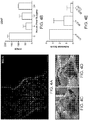
- PDPN + cells were observed to be visible throughout all adhesion sites and were found to be non-colored, indicating that mesothelial cells contributing to the adhesion are derived from a local source instead of circulating cells ( Fig 1D ).
- RFP + cells were visible and scattered throughout the adhesion site and many RFP + cells also stained positive for F4/80, indicating that macrophages derived from circulating monocytes, infiltrate the adhesion site.
- EdU 5-ethynyl-2'-deoxyuridine
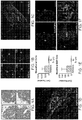
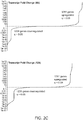
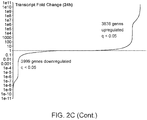
- mesothelial cells from the induction site at 6, 12, and 24 hours following adhesion induction by employing fluorescent activated cell sorting (FACS) with the following mesothelium cell surface phenotype: PDPN + LYVE1 - CD31 - CD45 - ( Fig 2A ).
- FACS fluorescent activated cell sorting
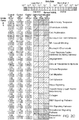
- Fig 2D Analysis of genesets enrichment using GO term analysis shows within the first six hours of induction early genes associated with angiogenesis and hypoxia response are upregulated in mesothelial cells. Hallmark mediators of the inflammatory response were significantly upregulated over the entire 24 hour time course, including chemokine and chemotaxis activity, cytokine secretion, and the NF kappa B pathway ( Fig 2D ). Fundamental cellular processes such as proliferation are upregulated over a course of 24 hours, corroborating our pulse-chase experiments.
- genesets relating to the extracellular region and collagen organization were downregulated across the 24 hour time course following adhesion induction.
- These genesets include the specific genes fibronectin 1 (FN1), and various collagens including COL1A1, COL1A2, COL3A1, ( Fig 2D ) indicating major transcriptional rearrangements take place during the early stages of mesothelial injury.
- FSP1 Fibroblast specific protein 1
- ACTA2 smooth muscle actin
- hypoxia inducible factor 1 alpha matched this trend ( Fig 2B , 2E ).
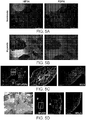
- RNA sequencing screen we induced adhesions in wild type C57BL/6J mice as described previously, and immunostained the subsequent adhesions 7 days after surgery for our gene targets ( Fig 2F ).
- Some targets, such as PDPN, MSLN, and HIF1A are expressed throughout the adhesion tissue, whereas WT1 activated within a subpopulation of the adhesion foci indicating heterogeneity within the mesothelium and the adhesion.
- an adhesion with a score of 0 has no adhesion between two areas, with limited mesothelial thickening on the button ( Fig 3A ).
- the area stains positive for MSLN and fibronectin ( Fig 3A ).
- An adhesion score of 1 indicated a "string" adhesion, connecting the two adhesed areas with a light fibrous bridge ( Fig 3B ). The string and surrounding areas were immunopositive for MSLN and fibronectin ( Fig 3B ).
- HIF1A transcription factor a transcription factor that exerts on surface mesothelium in vitro.
- Primary mesothelial cells were removed from the renal capsule and intestine and transplanted on cultured wells as previously described (Rinkevich et al., 2012). After 7 days mesothelial cells emerged from their tissue explant and expanded on the culture dish. Cultured mesothelial cells were incubated in low oxygen conditions (5% O 2 or in the presence of 100uM CoCl 2 ) for three days.
- mice that had undergone adhesion induction with small molecular inhibitors against HIF1A or its immediate downstream cascade.
- cryptotanshinone Sigma Aldrich
- FM19G11 FM19G11
- echinomycin Sigma Aldrich
- PX-12 PX-12
- HIF1A targets VEGFb and transferrin (TRF) were found to be downregulated after echinomycin treatment ( Fig 8 ).
- TRF transferrin
- MSLN is an embryonic mesothelial surface molecule that has very limited expression in the adult, but is re-expressed upon mesothelial injury and adhesion induction, making it an ideal candidate for targeting.
- Mouse monoclonal anti-MSLN antibodies were found to bind to injured sites immediately after adhesion induction and antibody injection ( Fig 4A ).
- CD47 is a surface receptor that is highly upregulated on a spectrum of tumors and acts as a "don't eat me signal,” inhibiting phagocytosis by binding to SIRP1 ⁇ , its ligand on macrophages. Inhibition of this interaction by blocking either CD47 or SIRP1 ⁇ , in addition to administration of tumor specific monoclonal antibodies, has been shown to greatly decrease tumor burden and increase survival(Chao et al., 2010; Chao, Weissman, & Majeti, 2012; Jaiswal et al., 2009; Tseng et al., 2013).
- Fig 4B we observed high CD47 expression in the mesothelium prior to and 24 hours following adhesion induction
- RNA sequencing data from purified mesothelium demonstrate a diverse signaling cascade that occurs following induction and begins to outline pathways within the mesothelium that contribute towards adhesion induction.
- MSLN embryonic mesothelial markers
- UPK1B uroplakin 1B
- WT1 Wilms Tumor 1
- Injured mesothelium also upregulates expression of fibrocytic genes S100A4 and ACTA2, which, together with our in vivo staining and in vitro results, suggest that it is the mesothelium that becomes a fibroblast like cell.
- the expression of HIF1A reflects the hypoxic environment initiated by the adhesion induction protocol, which in turn mimics procedures done during surgical operations. What is striking however, is the significant effect that inhibition of HIF1A demonstrates on adhesion formation.
- HIF1A pathway Disruption of the HIF1A pathway by small molecule inhibitors echinomycin and or PX12 is sufficient to lead to a dramatic decrease in adhesion formation and frequency, suggesting that HIF1A plays an important role in the pathogenesis of adhesion formation.
- RNA interference RNA interference
- Our study is the first to demonstrate the use of HIF1A inhibition using small molecule inhibitors, a treatment option much more suitable for clinical therapeutic use.
- Our data proposes the use of echinomycin, a peptide antibiotic, and or PX12, both of which are easily administrable in a clinical setting.
- HIF1A is a general transcription factor
- the in vivo model can provide a functional platform interrogate the molecular biology underlying the mesothelial contribution to adhesion pathogenesis.
- adhesion specific molecules Many of these are embryonic mesothelial genes that are re-expressed during injury and in few other tissues, making them prime targets for post formation treatments. With the identification of adhesion specific targets, we have demonstrated that the use of an antibody-based immunotherapy provides a therapeutic approach for the treatment of already formed adhesions.
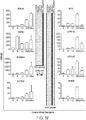
- RNA sequencing results from injured mesothelial cells over a 24 hour time course were taken from previous experiments (see Example 1) and showed differential expression of multiple genesets and processes, including inflammatory chemokines and cytokines ( Fig 9A ).
- Specific neutrophil and macrophage recruitment signals, CXCL1, CCL2, and CXCL2 are immediately upregulated after 6 hours and stay increased over the first 24 hours.
- Peritoneal washes from similar time points confirmed that increased numbers of neutrophils and macrophages enter the peritoneum.
- Adhesion induction as previously described in Example 1, in parabiosis experiments between a mouse constitutively expressing the red fluorescent protein mCherry ("TM7") and a wild type (non-colored mouse) showed red F4/80+ cells infiltrating the adhesion sites in a wild type mouse, suggesting that the macrophages that enter the adhesions are circulating monocytes, or bone marrow derived ( Fig 9B ).
- Adhesion inductions in constitutive cyan fluorescent protein (CFP) mice (“Host") receiving bone marrow transplants from constitutive mCherry mice (TM7 "Donor”) also show red F4/80+ cells in adhesion sites, again suggesting that macrophages entering the adhesions are circulating bone marrow derived monocytes ( Fig 9C ).
- Mice treated with thioglycollate 24 hours prior to adhesion induction show diminished adhesions, indicating that sterile inflammation may have beneficial effects towards adhesion formation.
- Catalase treatment which provides neutrophils a selective advantage over macrophages, 24 hours prior to adhesion induction, worsens adhesion formation in comparison to the thioglycollate treatment.
- MCP-1 a known monocyte chemoattractant
- anti-GR-1 antibodies resulting in depletion of circulating neutrophils, for three days following adhesion induction surgery both diminish adhesion formation.
- MCP1 in conjunction with anti-GR-1 has an additive effect in diminishing adhesion formation ( Fig 9D ).
- mice were pre-treated with either PLGA, thioglycollate, or PBS control 3 days prior to adhesion induction surgery as described in Example 1. Mice were evaluated 7 days post injury and evaluated on an adhesion severity scale from 0-5 for adhesions forming on the suture site (S) or the button (B). Fig 10 shows that mice pretreated with PLGA or thioglycollate have significantly reduced severity of adhesions at both the suture site and button.
- pretreatment with PLGA alone, thioglycollate alone, or a combination of PLGA and thioglycollate prior to surgery will reduce the formation and/or severity of adhesions in a subject.
Landscapes
- Health & Medical Sciences (AREA)
- Life Sciences & Earth Sciences (AREA)
- Chemical & Material Sciences (AREA)
- General Health & Medical Sciences (AREA)
- Medicinal Chemistry (AREA)
- Animal Behavior & Ethology (AREA)
- Public Health (AREA)
- Veterinary Medicine (AREA)
- Pharmacology & Pharmacy (AREA)
- Immunology (AREA)
- Epidemiology (AREA)
- Organic Chemistry (AREA)
- Proteomics, Peptides & Aminoacids (AREA)
- Engineering & Computer Science (AREA)
- Bioinformatics & Cheminformatics (AREA)
- Gastroenterology & Hepatology (AREA)
- Molecular Biology (AREA)
- Biophysics (AREA)
- Genetics & Genomics (AREA)
- Biochemistry (AREA)
- Cell Biology (AREA)
- Surgery (AREA)
- Zoology (AREA)
- Chemical Kinetics & Catalysis (AREA)
- General Chemical & Material Sciences (AREA)
- Nuclear Medicine, Radiotherapy & Molecular Imaging (AREA)
- Oncology (AREA)
- Microbiology (AREA)
- Mycology (AREA)
- Medicines Containing Antibodies Or Antigens For Use As Internal Diagnostic Agents (AREA)
- Pharmaceuticals Containing Other Organic And Inorganic Compounds (AREA)
- Medicines That Contain Protein Lipid Enzymes And Other Medicines (AREA)
- Materials For Medical Uses (AREA)
Priority Applications (2)
| Application Number | Priority Date | Filing Date | Title |
|---|---|---|---|
| PL17790649T PL3448421T3 (pl) | 2016-04-29 | 2017-05-01 | Sposoby i kompozycje do zapobiegania i leczenia zrostów chirurgicznych |
| SI201731041T SI3448421T1 (sl) | 2016-04-29 | 2017-05-01 | Postopki in sestavki za preprečevanje in zdravljenje kirurških adhezij |
Applications Claiming Priority (2)
| Application Number | Priority Date | Filing Date | Title |
|---|---|---|---|
| US201662329666P | 2016-04-29 | 2016-04-29 | |
| PCT/US2017/030454 WO2017190148A1 (en) | 2016-04-29 | 2017-05-01 | Methods and compositions for the prevention and treatment of surgical adhesions |
Publications (3)
| Publication Number | Publication Date |
|---|---|
| EP3448421A1 EP3448421A1 (en) | 2019-03-06 |
| EP3448421A4 EP3448421A4 (en) | 2019-12-25 |
| EP3448421B1 true EP3448421B1 (en) | 2021-11-03 |
Family
ID=60161169
Family Applications (1)
| Application Number | Title | Priority Date | Filing Date |
|---|---|---|---|
| EP17790649.2A Active EP3448421B1 (en) | 2016-04-29 | 2017-05-01 | Methods and compositions for the prevention and treatment of surgical adhesions |
Country Status (9)
| Country | Link |
|---|---|
| US (1) | US10934355B2 (enExample) |
| EP (1) | EP3448421B1 (enExample) |
| JP (1) | JP7160683B2 (enExample) |
| CA (1) | CA3019841A1 (enExample) |
| ES (1) | ES2903210T3 (enExample) |
| PL (1) | PL3448421T3 (enExample) |
| PT (1) | PT3448421T (enExample) |
| SI (1) | SI3448421T1 (enExample) |
| WO (1) | WO2017190148A1 (enExample) |
Families Citing this family (12)
| Publication number | Priority date | Publication date | Assignee | Title |
|---|---|---|---|---|
| CN108795867A (zh) * | 2018-06-05 | 2018-11-13 | 华东理工大学 | 用于构建结肠癌细胞腹膜转移体外三维模型的方法 |
| SG11202102851XA (en) | 2018-09-27 | 2021-04-29 | Celgene Corp | SIRPa BINDING PROTEINS AND METHODS OF USE THEREOF |
| WO2020157122A1 (en) | 2019-01-29 | 2020-08-06 | Helmholtz Zentrum München - Deutsches Forschungszentrum für Gesundheit und Umwelt (GmbH) | Treating the causative agent in adhesiogenesis |
| US20200386772A1 (en) * | 2019-06-05 | 2020-12-10 | Mark D. Noar | Method For Detecting Bodily Adhesions By Identifying Markers In Circulating Cells |
| JP7706169B2 (ja) * | 2020-02-26 | 2025-07-11 | 上海科技大学 | 抗コロナウイルスにおけるジスルフィラムの使用 |
| WO2022126259A1 (en) * | 2020-12-14 | 2022-06-23 | Uti Limited Partnership | Treatment of peritoneal, pleural, and pericardium adhesions |
| US12011163B2 (en) | 2021-01-22 | 2024-06-18 | Cilag Gmbh International | Prediction of tissue irregularities based on biomarker monitoring |
| US12440285B2 (en) | 2021-01-22 | 2025-10-14 | Cilag Gmbh International | Prediction of hemostasis issues based on biomarker monitoring |
| US20220233135A1 (en) * | 2021-01-22 | 2022-07-28 | Ethicon Llc | Prediction of adhesions based on biomarker monitoring |
| US12543982B2 (en) | 2021-01-22 | 2026-02-10 | Cilag Gmbh International | Method of adjusting a surgical parameter based on biomarker measurements |
| CN113244400B (zh) * | 2021-05-21 | 2022-12-16 | 华北理工大学 | 一种C5aRA在制备治疗和/或预防腹腔粘连的产品中的应用 |
| US20250333482A1 (en) * | 2021-11-05 | 2025-10-30 | Helmholtz Zentrum München Deutsches Forschungszentrum Für Gesundheit Und Umwelt (Gmbh) | Modulators of mesothelial ecm movement |
Family Cites Families (21)
| Publication number | Priority date | Publication date | Assignee | Title |
|---|---|---|---|---|
| US5985660A (en) | 1994-06-15 | 1999-11-16 | Systemix, Inc. | Method of identifying biological response modifiers involved in dendritic and/or lymphoid progenitor cell proliferation and/or differentiation |
| US5639468A (en) | 1995-06-07 | 1997-06-17 | University Of Southern California | Method for reducing or preventing post-surgical adhesion formation using manoalide and analogs thereof |
| WO1999020297A1 (en) | 1997-10-16 | 1999-04-29 | Nederlandse Organisatie Voor Toegepast-Natuurwetenschappelijk Onderzoek Tno | Prevention and treatment of adhesion formation |
| US6812220B2 (en) | 2001-08-29 | 2004-11-02 | University Of British Columbia | Pharmaceutical compositions and methods relating to fucans |
| WO2003063904A2 (en) * | 2002-01-29 | 2003-08-07 | Vlaams Interuniversitair Instituut Voor Biotechnologie Vzw | Tissue adhesion formation control |
| US20040131600A1 (en) | 2002-03-11 | 2004-07-08 | Diamond Michael P. | Method of preventing adhesions by apoptosis of adhesion peritoneal cells |
| JP4224586B2 (ja) | 2004-04-28 | 2009-02-18 | 国立大学法人群馬大学 | マクロファージ活性化剤並びにその製造方法及びスクリーニング方法 |
| AU2005299482A1 (en) * | 2004-10-25 | 2006-05-04 | The Henry M. Jackson Foundation For The Advancement Of Military Medicine, Inc. | Methods for lowering HIF-1 mediated gene expression |
| EP2322560B1 (en) * | 2005-03-10 | 2013-09-04 | Morphotek, Inc. | Anti-mesothelin antibodies |
| WO2007008300A2 (en) * | 2005-05-31 | 2007-01-18 | ECOLE POLYTECHNIQUE FéDéRALE DE LAUSANNE | Triblock copolymers for cytoplasmic delivery of gene-based drugs |
| JP5194207B2 (ja) | 2005-08-11 | 2013-05-08 | エーディーイー、セラピューティックス、インコーポレーテッド | 腹腔内グルタミンによる術後癒着形成の減少 |
| CA2658584A1 (en) | 2006-07-27 | 2008-01-31 | Ottawa Health Research Institute | Staged immune-response modulation in oncolytic therapy |
| HRP20150074T1 (hr) * | 2007-10-01 | 2015-03-13 | Bristol-Myers Squibb Company | Humana antitijela koja se vežu za mezotelin i njihove uporabe |
| PT3056515T (pt) | 2008-01-15 | 2019-07-19 | Univ Leland Stanford Junior | Métodos para manipulação da fagocitose mediada por cd47 |
| ES2325724B1 (es) * | 2008-03-11 | 2010-05-31 | FUNDACION DE LA COMUNIDAD VALENCIANA "CENTRO DE INVESTIGACIONES PRINCIPE FELIPE" | Composicion farmaceutica para inhibir el factor de transcripcion inducible por hipoxia. moduladores de procesos patologicos de angiogenesis, oncogenesis, inflamacion, apoptosis y terapia celular. |
| CA2756393C (en) | 2009-03-24 | 2017-06-20 | The Government Of The United States Of America, As Represented By The Secretary Of The Department Of Health And Human Services | Anti-mesothelin antibodies |
| SI2477648T1 (sl) | 2009-09-15 | 2022-09-30 | The Board Of Trustees Of The Leland Stanford Junior University | Sinergijska terapija proti CD47 za krvne rake |
| JP2011195574A (ja) * | 2010-02-25 | 2011-10-06 | Kwansei Gakuin | ビスフェノールa誘導体を含有するhif阻害剤 |
| EP3766511A1 (en) * | 2012-01-17 | 2021-01-20 | The Board of Trustees of the Leland Stanford Junior University | High affinity sirp-alpha reagents |
| US8962577B2 (en) * | 2012-03-16 | 2015-02-24 | The Johns Hopkins University | Controlled release formulations for the delivery of HIF-1 inhibitors |
| CN105189556A (zh) | 2013-03-15 | 2015-12-23 | 小利兰·斯坦福大学托管委员会 | 用于实现治疗有效剂量的抗cd47剂的方法 |
-
2017
- 2017-05-01 PT PT177906492T patent/PT3448421T/pt unknown
- 2017-05-01 SI SI201731041T patent/SI3448421T1/sl unknown
- 2017-05-01 JP JP2018556332A patent/JP7160683B2/ja active Active
- 2017-05-01 CA CA3019841A patent/CA3019841A1/en active Pending
- 2017-05-01 EP EP17790649.2A patent/EP3448421B1/en active Active
- 2017-05-01 WO PCT/US2017/030454 patent/WO2017190148A1/en not_active Ceased
- 2017-05-01 US US16/079,927 patent/US10934355B2/en active Active
- 2017-05-01 ES ES17790649T patent/ES2903210T3/es active Active
- 2017-05-01 PL PL17790649T patent/PL3448421T3/pl unknown
Also Published As
| Publication number | Publication date |
|---|---|
| JP2019514913A (ja) | 2019-06-06 |
| EP3448421A1 (en) | 2019-03-06 |
| US20190048077A1 (en) | 2019-02-14 |
| US10934355B2 (en) | 2021-03-02 |
| SI3448421T1 (sl) | 2022-02-28 |
| PT3448421T (pt) | 2022-01-14 |
| JP7160683B2 (ja) | 2022-10-25 |
| CA3019841A1 (en) | 2017-11-02 |
| WO2017190148A1 (en) | 2017-11-02 |
| ES2903210T3 (es) | 2022-03-31 |
| EP3448421A4 (en) | 2019-12-25 |
| PL3448421T3 (pl) | 2022-03-28 |
Similar Documents
| Publication | Publication Date | Title |
|---|---|---|
| US10934355B2 (en) | Methods and compositions for the prevention and treatment of surgical adhesions | |
| Singla et al. | BMP-7 treatment increases M2 macrophage differentiation and reduces inflammation and plaque formation in Apo E-/-mice | |
| Li et al. | Endometriotic mesenchymal stem cells significantly promote fibrogenesis in ovarian endometrioma through the Wnt/β-catenin pathway by paracrine production of TGF-β1 and Wnt1 | |
| Zhu et al. | Myeloid cell‐specific topoisomerase 1 inhibition using DNA origami mitigates neuroinflammation | |
| US10041044B2 (en) | Age-associated clonal hematopoiesis accelerates cardio-metabolic disease development | |
| Zheng et al. | The presence of Prevotella melaninogenica within tissue and preliminary study on its role in the pathogenesis of oral lichen planus | |
| US20230218713A1 (en) | Debaryomyces species as an indicator of non-healing ulcers in crohn's disease | |
| Stelmasiak et al. | Infection-induced innate antimicrobial response disorders: from signaling pathways and their modulation to selected biomarkers | |
| EP4168001B1 (en) | An inhibitor of the activator protein 1 (ap-1) for preventing and treating adhesions | |
| JP7560893B2 (ja) | 修飾マクロファージ、組成物およびその使用 | |
| WO2017159835A1 (ja) | 形質細胞性腫瘍治療剤 | |
| He et al. | Administration of exogenous fractalkine, a CX3C chemokine, is capable of modulating inflammatory response in cecal ligation and puncture-induced sepsis | |
| HUANG et al. | Murphy | |
| Ji et al. | Secukinumab: A new Hope for precision treatment of Acute kidney injury | |
| Liebold | The interplay between apoptotic cells and macrophages: impact on the phenotype and function of macrophages | |
| EP3405214B1 (en) | Anti-neutrophil activity on innate immune response | |
| US20250255932A1 (en) | Granulocyte-Colony Stimulating Factor For The Promotion Of Scarless Tissue Regeneration | |
| CN122005804A (zh) | Ccr5抑制剂在促进重症急性胰腺炎组织修复中的应用 | |
| Nicolas | Inflammatory cancer associated fibroblasts decisive role in therapy resistance among rectal cancer patients | |
| Orsi | Characterization of a new intermediate macrophage subpopulation: SDC-1 positive SPM-like macrophages possess immunosuppressive functions in early mesotheliomagenic responses to carbon nanotubes | |
| CN121445871A (zh) | 一种靶向衰老b细胞治疗系统性红斑狼疮的方法和应用 | |
| Baer | Tissue Resident Macrophages Drive Fibrosis During Pancreas Inflammatory Injury and Pancreatic Ductal Adenocarcinoma | |
| EP4525929A1 (en) | Methods and compositions for treating or preventing inflammatory skin disorders | |
| Rajakumar | Molecular Mechanisms of Bone Destruction and Central Nervous System Invasion in B Cell Acute Lymphoblastic Leukemia | |
| Watt | Dissecting the role of TGFβ in pancreatic ductal adenocarcinoma |
Legal Events
| Date | Code | Title | Description |
|---|---|---|---|
| STAA | Information on the status of an ep patent application or granted ep patent |
Free format text: STATUS: THE INTERNATIONAL PUBLICATION HAS BEEN MADE |
|
| PUAI | Public reference made under article 153(3) epc to a published international application that has entered the european phase |
Free format text: ORIGINAL CODE: 0009012 |
|
| STAA | Information on the status of an ep patent application or granted ep patent |
Free format text: STATUS: REQUEST FOR EXAMINATION WAS MADE |
|
| 17P | Request for examination filed |
Effective date: 20181129 |
|
| AK | Designated contracting states |
Kind code of ref document: A1 Designated state(s): AL AT BE BG CH CY CZ DE DK EE ES FI FR GB GR HR HU IE IS IT LI LT LU LV MC MK MT NL NO PL PT RO RS SE SI SK SM TR |
|
| AX | Request for extension of the european patent |
Extension state: BA ME |
|
| RIN1 | Information on inventor provided before grant (corrected) |
Inventor name: WEISSMAN, IRVING, L. Inventor name: RINKEVICH, YUVAL Inventor name: TSAI, JONATHAN Inventor name: SINHA, RAHUL Inventor name: FERNHOFF, NATHANIEL |
|
| RIN1 | Information on inventor provided before grant (corrected) |
Inventor name: SINHA, RAHUL Inventor name: RINKEVICH, YUVAL Inventor name: TSAI, JONATHAN Inventor name: FERNHOFF, NATHANIEL Inventor name: WEISSMAN, IRVING, L. |
|
| DAV | Request for validation of the european patent (deleted) | ||
| DAX | Request for extension of the european patent (deleted) | ||
| RAP1 | Party data changed (applicant data changed or rights of an application transferred) |
Owner name: THE BOARD OF TRUSTEES OF THE LELAND STANFORD JUNIO |
|
| A4 | Supplementary search report drawn up and despatched |
Effective date: 20191126 |
|
| RIC1 | Information provided on ipc code assigned before grant |
Ipc: A61K 39/00 20060101AFI20191120BHEP Ipc: A61K 45/00 20060101ALI20191120BHEP |
|
| GRAP | Despatch of communication of intention to grant a patent |
Free format text: ORIGINAL CODE: EPIDOSNIGR1 |
|
| STAA | Information on the status of an ep patent application or granted ep patent |
Free format text: STATUS: GRANT OF PATENT IS INTENDED |
|
| INTG | Intention to grant announced |
Effective date: 20210518 |
|
| RIN1 | Information on inventor provided before grant (corrected) |
Inventor name: TSAI, JONATHAN Inventor name: FERNHOFF, NATHANIEL Inventor name: SINHA, RAHUL Inventor name: RINKEVICH, YUVAL Inventor name: WEISSMAN, IRVING, L. |
|
| GRAS | Grant fee paid |
Free format text: ORIGINAL CODE: EPIDOSNIGR3 |
|
| GRAA | (expected) grant |
Free format text: ORIGINAL CODE: 0009210 |
|
| STAA | Information on the status of an ep patent application or granted ep patent |
Free format text: STATUS: THE PATENT HAS BEEN GRANTED |
|
| AK | Designated contracting states |
Kind code of ref document: B1 Designated state(s): AL AT BE BG CH CY CZ DE DK EE ES FI FR GB GR HR HU IE IS IT LI LT LU LV MC MK MT NL NO PL PT RO RS SE SI SK SM TR |
|
| REG | Reference to a national code |
Ref country code: GB Ref legal event code: FG4D |
|
| REG | Reference to a national code |
Ref country code: AT Ref legal event code: REF Ref document number: 1443383 Country of ref document: AT Kind code of ref document: T Effective date: 20211115 Ref country code: CH Ref legal event code: EP |
|
| REG | Reference to a national code |
Ref country code: IE Ref legal event code: FG4D |
|
| REG | Reference to a national code |
Ref country code: DE Ref legal event code: R096 Ref document number: 602017048785 Country of ref document: DE |
|
| REG | Reference to a national code |
Ref country code: SE Ref legal event code: TRGR |
|
| REG | Reference to a national code |
Ref country code: NL Ref legal event code: FP |
|
| REG | Reference to a national code |
Ref country code: PT Ref legal event code: SC4A Ref document number: 3448421 Country of ref document: PT Date of ref document: 20220114 Kind code of ref document: T Free format text: AVAILABILITY OF NATIONAL TRANSLATION Effective date: 20220105 |
|
| REG | Reference to a national code |
Ref country code: NO Ref legal event code: T2 Effective date: 20211103 |
|
| REG | Reference to a national code |
Ref country code: LT Ref legal event code: MG9D |
|
| REG | Reference to a national code |
Ref country code: GR Ref legal event code: EP Ref document number: 20220400093 Country of ref document: GR Effective date: 20220211 |
|
| REG | Reference to a national code |
Ref country code: ES Ref legal event code: FG2A Ref document number: 2903210 Country of ref document: ES Kind code of ref document: T3 Effective date: 20220331 |
|
| REG | Reference to a national code |
Ref country code: SK Ref legal event code: T3 Ref document number: E 39104 Country of ref document: SK |
|
| PG25 | Lapsed in a contracting state [announced via postgrant information from national office to epo] |
Ref country code: RS Free format text: LAPSE BECAUSE OF FAILURE TO SUBMIT A TRANSLATION OF THE DESCRIPTION OR TO PAY THE FEE WITHIN THE PRESCRIBED TIME-LIMIT Effective date: 20211103 Ref country code: LT Free format text: LAPSE BECAUSE OF FAILURE TO SUBMIT A TRANSLATION OF THE DESCRIPTION OR TO PAY THE FEE WITHIN THE PRESCRIBED TIME-LIMIT Effective date: 20211103 Ref country code: FI Free format text: LAPSE BECAUSE OF FAILURE TO SUBMIT A TRANSLATION OF THE DESCRIPTION OR TO PAY THE FEE WITHIN THE PRESCRIBED TIME-LIMIT Effective date: 20211103 Ref country code: BG Free format text: LAPSE BECAUSE OF FAILURE TO SUBMIT A TRANSLATION OF THE DESCRIPTION OR TO PAY THE FEE WITHIN THE PRESCRIBED TIME-LIMIT Effective date: 20220203 |
|
| PG25 | Lapsed in a contracting state [announced via postgrant information from national office to epo] |
Ref country code: IS Free format text: LAPSE BECAUSE OF FAILURE TO SUBMIT A TRANSLATION OF THE DESCRIPTION OR TO PAY THE FEE WITHIN THE PRESCRIBED TIME-LIMIT Effective date: 20220303 Ref country code: LV Free format text: LAPSE BECAUSE OF FAILURE TO SUBMIT A TRANSLATION OF THE DESCRIPTION OR TO PAY THE FEE WITHIN THE PRESCRIBED TIME-LIMIT Effective date: 20211103 Ref country code: HR Free format text: LAPSE BECAUSE OF FAILURE TO SUBMIT A TRANSLATION OF THE DESCRIPTION OR TO PAY THE FEE WITHIN THE PRESCRIBED TIME-LIMIT Effective date: 20211103 |
|
| PG25 | Lapsed in a contracting state [announced via postgrant information from national office to epo] |
Ref country code: SM Free format text: LAPSE BECAUSE OF FAILURE TO SUBMIT A TRANSLATION OF THE DESCRIPTION OR TO PAY THE FEE WITHIN THE PRESCRIBED TIME-LIMIT Effective date: 20211103 Ref country code: RO Free format text: LAPSE BECAUSE OF FAILURE TO SUBMIT A TRANSLATION OF THE DESCRIPTION OR TO PAY THE FEE WITHIN THE PRESCRIBED TIME-LIMIT Effective date: 20211103 Ref country code: EE Free format text: LAPSE BECAUSE OF FAILURE TO SUBMIT A TRANSLATION OF THE DESCRIPTION OR TO PAY THE FEE WITHIN THE PRESCRIBED TIME-LIMIT Effective date: 20211103 Ref country code: DK Free format text: LAPSE BECAUSE OF FAILURE TO SUBMIT A TRANSLATION OF THE DESCRIPTION OR TO PAY THE FEE WITHIN THE PRESCRIBED TIME-LIMIT Effective date: 20211103 |
|
| REG | Reference to a national code |
Ref country code: DE Ref legal event code: R097 Ref document number: 602017048785 Country of ref document: DE |
|
| PLBE | No opposition filed within time limit |
Free format text: ORIGINAL CODE: 0009261 |
|
| STAA | Information on the status of an ep patent application or granted ep patent |
Free format text: STATUS: NO OPPOSITION FILED WITHIN TIME LIMIT |
|
| 26N | No opposition filed |
Effective date: 20220804 |
|
| PG25 | Lapsed in a contracting state [announced via postgrant information from national office to epo] |
Ref country code: AL Free format text: LAPSE BECAUSE OF FAILURE TO SUBMIT A TRANSLATION OF THE DESCRIPTION OR TO PAY THE FEE WITHIN THE PRESCRIBED TIME-LIMIT Effective date: 20211103 |
|
| PG25 | Lapsed in a contracting state [announced via postgrant information from national office to epo] |
Ref country code: MC Free format text: LAPSE BECAUSE OF FAILURE TO SUBMIT A TRANSLATION OF THE DESCRIPTION OR TO PAY THE FEE WITHIN THE PRESCRIBED TIME-LIMIT Effective date: 20211103 Ref country code: LU Free format text: LAPSE BECAUSE OF NON-PAYMENT OF DUE FEES Effective date: 20220501 |
|
| REG | Reference to a national code |
Ref country code: AT Ref legal event code: UEP Ref document number: 1443383 Country of ref document: AT Kind code of ref document: T Effective date: 20211103 |
|
| PG25 | Lapsed in a contracting state [announced via postgrant information from national office to epo] |
Ref country code: HU Free format text: LAPSE BECAUSE OF FAILURE TO SUBMIT A TRANSLATION OF THE DESCRIPTION OR TO PAY THE FEE WITHIN THE PRESCRIBED TIME-LIMIT; INVALID AB INITIO Effective date: 20170501 |
|
| PG25 | Lapsed in a contracting state [announced via postgrant information from national office to epo] |
Ref country code: MK Free format text: LAPSE BECAUSE OF FAILURE TO SUBMIT A TRANSLATION OF THE DESCRIPTION OR TO PAY THE FEE WITHIN THE PRESCRIBED TIME-LIMIT Effective date: 20211103 Ref country code: CY Free format text: LAPSE BECAUSE OF FAILURE TO SUBMIT A TRANSLATION OF THE DESCRIPTION OR TO PAY THE FEE WITHIN THE PRESCRIBED TIME-LIMIT Effective date: 20211103 |
|
| PG25 | Lapsed in a contracting state [announced via postgrant information from national office to epo] |
Ref country code: MT Free format text: LAPSE BECAUSE OF FAILURE TO SUBMIT A TRANSLATION OF THE DESCRIPTION OR TO PAY THE FEE WITHIN THE PRESCRIBED TIME-LIMIT Effective date: 20211103 |
|
| PGFP | Annual fee paid to national office [announced via postgrant information from national office to epo] |
Ref country code: NL Payment date: 20250421 Year of fee payment: 9 |
|
| PGFP | Annual fee paid to national office [announced via postgrant information from national office to epo] |
Ref country code: DE Payment date: 20250408 Year of fee payment: 9 Ref country code: PL Payment date: 20250415 Year of fee payment: 9 |
|
| PGFP | Annual fee paid to national office [announced via postgrant information from national office to epo] |
Ref country code: GB Payment date: 20250410 Year of fee payment: 9 Ref country code: ES Payment date: 20250606 Year of fee payment: 9 |
|
| PGFP | Annual fee paid to national office [announced via postgrant information from national office to epo] |
Ref country code: NO Payment date: 20250509 Year of fee payment: 9 |
|
| PGFP | Annual fee paid to national office [announced via postgrant information from national office to epo] |
Ref country code: BE Payment date: 20250422 Year of fee payment: 9 Ref country code: IT Payment date: 20250422 Year of fee payment: 9 |
|
| PGFP | Annual fee paid to national office [announced via postgrant information from national office to epo] |
Ref country code: PT Payment date: 20250502 Year of fee payment: 9 |
|
| PGFP | Annual fee paid to national office [announced via postgrant information from national office to epo] |
Ref country code: FR Payment date: 20250409 Year of fee payment: 9 |
|
| PGFP | Annual fee paid to national office [announced via postgrant information from national office to epo] |
Ref country code: GR Payment date: 20250416 Year of fee payment: 9 |
|
| PGFP | Annual fee paid to national office [announced via postgrant information from national office to epo] |
Ref country code: CH Payment date: 20250601 Year of fee payment: 9 |
|
| PGFP | Annual fee paid to national office [announced via postgrant information from national office to epo] |
Ref country code: AT Payment date: 20250425 Year of fee payment: 9 |
|
| PGFP | Annual fee paid to national office [announced via postgrant information from national office to epo] |
Ref country code: TR Payment date: 20250424 Year of fee payment: 9 Ref country code: SK Payment date: 20250416 Year of fee payment: 9 |
|
| PGFP | Annual fee paid to national office [announced via postgrant information from national office to epo] |
Ref country code: CZ Payment date: 20250423 Year of fee payment: 9 |
|
| PGFP | Annual fee paid to national office [announced via postgrant information from national office to epo] |
Ref country code: IE Payment date: 20250409 Year of fee payment: 9 |
|
| PGFP | Annual fee paid to national office [announced via postgrant information from national office to epo] |
Ref country code: SE Payment date: 20250411 Year of fee payment: 9 Ref country code: SI Payment date: 20250415 Year of fee payment: 9 |