EP3436007B1 - Beta-amino pateamine a derivatives and methods for treating chronic lymphocytic leukemia - Google Patents
Beta-amino pateamine a derivatives and methods for treating chronic lymphocytic leukemia Download PDFInfo
- Publication number
- EP3436007B1 EP3436007B1 EP17776804.1A EP17776804A EP3436007B1 EP 3436007 B1 EP3436007 B1 EP 3436007B1 EP 17776804 A EP17776804 A EP 17776804A EP 3436007 B1 EP3436007 B1 EP 3436007B1
- Authority
- EP
- European Patent Office
- Prior art keywords
- pharmaceutically acceptable
- compound
- formula
- antibody
- amino
- Prior art date
- Legal status (The legal status is an assumption and is not a legal conclusion. Google has not performed a legal analysis and makes no representation as to the accuracy of the status listed.)
- Active
Links
- 0 CC(C/C(/C)=C/C=C/C(OC(Cc1nc(CCC(C2)NC(*)=*)c[s]1)/C=C(\C)/C=C/C(/C)=C/C[N+])=O)OC2=O Chemical compound CC(C/C(/C)=C/C=C/C(OC(Cc1nc(CCC(C2)NC(*)=*)c[s]1)/C=C(\C)/C=C/C(/C)=C/C[N+])=O)OC2=O 0.000 description 20
- AVUQOLHOUZITKM-WZILTXOLSA-N CC(C/C(/C)=C/C=C\C(OC(Cc1nc(CCC(C2)N)c[s]1)/C=C(\C)/C=C/C(/C)=C/CN)=O)OC2=O Chemical compound CC(C/C(/C)=C/C=C\C(OC(Cc1nc(CCC(C2)N)c[s]1)/C=C(\C)/C=C/C(/C)=C/CN)=O)OC2=O AVUQOLHOUZITKM-WZILTXOLSA-N 0.000 description 1
- DLYVBOVFNCEKTP-UHFFFAOYSA-O CC(CC(C)=CC=CC([O]=C(Cc1nc(CCCC2)c[s]1)C=C(C)C=CC(CI)=CC[NH3+])=O)OC2=O Chemical compound CC(CC(C)=CC=CC([O]=C(Cc1nc(CCCC2)c[s]1)C=C(C)C=CC(CI)=CC[NH3+])=O)OC2=O DLYVBOVFNCEKTP-UHFFFAOYSA-O 0.000 description 1
- VSVORQIMRUVRPE-MMPYLIGOSA-N C[C@@H](C/C(/C)=C/C=C\C(O[C@@H](Cc1nc(CCCC2)c[s]1)/C=C(\C)/C=C/C(/C)=C/CN(C)C)=O)OC2=O Chemical compound C[C@@H](C/C(/C)=C/C=C\C(O[C@@H](Cc1nc(CCCC2)c[s]1)/C=C(\C)/C=C/C(/C)=C/CN(C)C)=O)OC2=O VSVORQIMRUVRPE-MMPYLIGOSA-N 0.000 description 1
- KWYWIWODBQFAGI-CLXRESTHSA-N C[C@@H](C/C(/C)=C/C=C\C(O[C@@H](Cc1nc(CC[C@H](C2)NC(OC(C)(C)C)=O)c[s]1)/C=C(\C)/Br)=O)OC2=O Chemical compound C[C@@H](C/C(/C)=C/C=C\C(O[C@@H](Cc1nc(CC[C@H](C2)NC(OC(C)(C)C)=O)c[s]1)/C=C(\C)/Br)=O)OC2=O KWYWIWODBQFAGI-CLXRESTHSA-N 0.000 description 1
- ZXCWEKMKFMZHFI-PQTNOTGUSA-N C[C@@H](CC(O)O[C@@H](Cc1nc(CCO)c[s]1)/C=C(\C)/Br)OC Chemical compound C[C@@H](CC(O)O[C@@H](Cc1nc(CCO)c[s]1)/C=C(\C)/Br)OC ZXCWEKMKFMZHFI-PQTNOTGUSA-N 0.000 description 1
- UVPJIQQCNGTGSJ-JUGHLQARSA-N C[C@@H](Cc1nc(CC[C@H](CC(O[C@@H](C)C/C(/C)=C/C=C\C(O)=O)=O)N)c[s]1)/C=C(\C)/C=C/C(/C)=C/CN Chemical compound C[C@@H](Cc1nc(CC[C@H](CC(O[C@@H](C)C/C(/C)=C/C=C\C(O)=O)=O)N)c[s]1)/C=C(\C)/C=C/C(/C)=C/CN UVPJIQQCNGTGSJ-JUGHLQARSA-N 0.000 description 1
Images





Classifications
-
- C—CHEMISTRY; METALLURGY
- C07—ORGANIC CHEMISTRY
- C07D—HETEROCYCLIC COMPOUNDS
- C07D513/00—Heterocyclic compounds containing in the condensed system at least one hetero ring having nitrogen and sulfur atoms as the only ring hetero atoms, not provided for in groups C07D463/00, C07D477/00 or C07D499/00 - C07D507/00
- C07D513/02—Heterocyclic compounds containing in the condensed system at least one hetero ring having nitrogen and sulfur atoms as the only ring hetero atoms, not provided for in groups C07D463/00, C07D477/00 or C07D499/00 - C07D507/00 in which the condensed system contains two hetero rings
- C07D513/08—Bridged systems
-
- A—HUMAN NECESSITIES
- A61—MEDICAL OR VETERINARY SCIENCE; HYGIENE
- A61K—PREPARATIONS FOR MEDICAL, DENTAL OR TOILETRY PURPOSES
- A61K31/00—Medicinal preparations containing organic active ingredients
- A61K31/33—Heterocyclic compounds
- A61K31/395—Heterocyclic compounds having nitrogen as a ring hetero atom, e.g. guanethidine or rifamycins
- A61K31/41—Heterocyclic compounds having nitrogen as a ring hetero atom, e.g. guanethidine or rifamycins having five-membered rings with two or more ring hetero atoms, at least one of which being nitrogen, e.g. tetrazole
- A61K31/425—Thiazoles
- A61K31/429—Thiazoles condensed with heterocyclic ring systems
-
- A—HUMAN NECESSITIES
- A61—MEDICAL OR VETERINARY SCIENCE; HYGIENE
- A61P—SPECIFIC THERAPEUTIC ACTIVITY OF CHEMICAL COMPOUNDS OR MEDICINAL PREPARATIONS
- A61P35/00—Antineoplastic agents
- A61P35/02—Antineoplastic agents specific for leukemia
Definitions
- the present invention relates to ⁇ -amino pateamine A derivatives as claimed and the same for use in methods for treating chronic lymphocytic leukemia using the ⁇ -amino pateamine A derivatives.
- Pateamine A was initially isolated from the marine sponge Mycale sp. by bioassay-guided fractionation based on its cytotoxic activity against P388 murine leukemia cells (IC 50 , 0.27 nmol/L). Consistent with its cytotoxicity, PatA was subsequently shown to induce apoptosis in several cancer cell lines.
- Des-methyl, des-amino Pateamine A is a simplified analog of the natural product that is easier to synthesize and a potent anti-proliferative agent in vitro against >30 human cancer cell lines.
- PatA and DMDAPatA inhibit cap-dependent translation initiation by sequestration of eIF4A that prevents formation of the eIF4F complex, or by stalling the initiation complex on mRNA.
- Xenograft studies in mice showed DMDAPatA has high activity in models of human leukemia and melanoma leading to significant tumor reduction, thus demonstrating good bioavailability.
- the synthesis of >20 derivatives of PatA led to the identification of DMDAPatA which was also found to be significantly more stable than the natural product. Overexpression of multidrug resistant protein did not affect this activity.
- DMDAPatA reduces the levels of intrinsically short-lived anti-apoptotic proteins in primary CLL cells, and initiates apoptosis.
- preliminary data on DMDAPatA suggests that it is highly protein bound in human plasma and may lack sufficient in vivo potency required for development as an effective therapeutic agent
- PatA and DMDAPatA appear to be attractive candidates for the development of therapeutic agents, a need exists for improved PatA derivatives having therapeutic effectiveness, low toxicity, and advantageous pharmacokinetic properties.
- the present invention seeks to fulfill these needs and provides further related advantages.
- US7230021B2 describes derivatives of pateamine A.
- Low et al. Bioorg Med Chem. 2014 Jan 1;22(1):116-25
- Polakis et al. (Pharmacol Rev. 2016 Jan 68:3-9 ) describes antibody drug conjugates for cancer therapy.
- the present invention provides ⁇ -amino pateamine A derivatives as claimed, pharmaceutical compositions that include the derivatives, and the derivatives for use in methods as claimed.
- the compounds of the invention are simplified analogs of pateamine A that lack the C5-methyl group.
- the compounds of the invention are ⁇ -amino (3-amino) pateamine A derivatives.
- the compounds of the invention are derivatives of the translation inhibitor pateamine A and as pateamine A derivatives, the compounds of the invention are expected to provide anticancer and antiproliferative effects by inhibition of eIF4A-dependent translation initiation.
- the compounds of the invention display potent inhibitory activity against chronic lymphocytic leukemia (CLL) cells and lower plasma protein binding (PPB) in human plasma.
- CLL chronic lymphocytic leukemia
- PPB plasma protein binding
- the inhibition of translation in CLL cells has the potential for clinical development of therapies for B cell malignancies and to overcome drug resistance to existing standard of care therapeutics. Relapsed refractory CLL remains a clinical problem associated with poor overall survival. Due to their unique mode of action, inhibition of translation and protein biosynthesis, the compounds of the invention may be useful for combating resistant forms of CLL.
- the invention provides pateamine A derivatives having formula (I), stereoisomers, racemates, and pharmaceutically acceptable salts thereof: wherein
- the invention provides pateamine A derivatives having formula (II), and racemates and pharmaceutically acceptable salts thereof: wherein X, Y, R, R 1 and R 2 are as above for formula (I).
- Pharmaceutically acceptable salts may be formed from compounds of formulae (I) and (II) and a pharmaceutically acceptable organic acids (e.g., carboxylic acids) or inorganic acid (e.g., mineral acids).
- Representative acids include hydrochloric acid, sulfuric acid, phosphoric acid, formic acid, acetic acid, trifluoroacetic acid, maleic acid, fumaric acid, succinic acid, tartaric acid, oxalic acid, citric acid, malic acid, benzoic acid, toluenesulfonic acid, methanesulfonic acid, and benzenesulfonic acid.
- Such salts may be formed during or after the synthesis of the compounds of formulae (I) or (II).
- Representative salts of the invention include those of formula (III): wherein X and Y are as described above for formulae (I) and (II), and A - is a pharmaceutically acceptable counter ion.
- Suitable counter ions include chloride, bromide, iodide, sulfate, phosphate, formate, acetate, trifluoroacetate, maleate, fumarate, succinate, tartrate, oxalate, citrate, malate, benzoate, toluenesulfonate, methanesulfonate, and benzenesulfonate.
- representative salts of the invention have formula (IV): wherein X and Y are as described above for formulae (I) and (II), and A - is a pharmaceutically acceptable counter ion.
- Suitable counter ions include chloride, bromide, iodide, sulfate, phosphate, formate, acetate, trifluoroacetate, maleate, fumarate, succinate, tartrate, oxalate, citrate, malate, benzoate, toluenesulfonate, methanesulfonate, and benzenesulfonate.
- C1-C6 alkyl groups include straight chain (i.e., methyl, ethyl, n-propyl, n-butyl, n-pentyl, and n-hexyl), branched (e.g., s-propyl, s-butyl, t-butyl, s-pentyl, and s-hexyl), and cycloalkyl (i.e., cyclopropyl, cyclobutyl, cyclopentyl, and cyclohexyl) group;
- the invention provides compounds of formulae (I), (II), (III), and (IV) include the following embodiments:
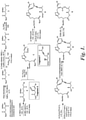
- Example 1 The preparation of representative ⁇ -amino pateamine A amide derivatives of the invention is described in Example 1 and illustrated in FIGURE 1 (preparation of synthetic intermediate 9) and FIGURE 2 (preparation of representative ⁇ -amino pateamine A amide derivatives 13 (OR-IV-211), 14 (MZ732), and 15 (OR-IV-234).
- the invention provides pateamine A derivatives having formula (V), stereoisomers, racemates, and pharmaceutically acceptable salts thereof: wherein Z is selected from R and OR 1 , wherein R and R 1 are as described above for formulae (I)-(IV).
- the invention provides pateamine A derivatives having formula (VI), and racemates and pharmaceutically acceptable salts thereof: wherein Z is as described above for formula (V).
- Representative salts of the invention include those having formula (VII): wherein Z is as described above for formulae (V) and A - is a pharmaceutically acceptable counter ion.
- Suitable counter ions include chloride, bromide, iodide, sulfate, phosphate, formate, acetate, trifluoroacetate, maleate, fumarate, succinate, tartrate, oxalate, citrate, malate, benzoate, toluenesulfonate, methanesulfonate, and benzenesulfonate.
- representative salts of the invention have formula (VIII): wherein Z is as described above for formula (V) and A - is as described above for formula (VII).
- the invention provides compounds of formulae (V), (VI), (VII), and (VIII) include the following embodiments:
- the invention provides pateamine A derivatives having formula (IX), and stereoisomers, racemates, and pharmaceutical salts thereof:
- the invention provides pateamine A derivatives having formula (X), and racemates and pharmaceutically salts thereof:
- Representative free amine salts of the invention include those having formula (XI): wherein A - is a pharmaceutically acceptable counter ion.
- Suitable counter ions include chloride, bromide, iodide, sulfate, phosphate, formate, acetate, trifluoroacetate, maleate, fumarate, succinate, tartrate, oxalate, citrate, malate, benzoate, toluenesulfonate, methanesulfonate, and benzenesulfonate.
- a - is formate.
- representative salts of the invention have formula (XII): wherein A - is a pharmaceutically acceptable counter ion.
- Suitable counter ions include chloride, bromide, iodide, sulfate, phosphate, formate, acetate, trifluoroacetate, maleate, fumarate, succinate, tartrate, oxalate, citrate, malate, benzoate, toluenesulfonate, methanesulfonate, and benzenesulfonate.
- a - is formate.
- the ⁇ -amino pateamine derivatives of the invention can be prepared by reacting the 3-amino group (i.e., ⁇ -amino group) of the macrocycle with a suitably reactive reagent (e.g., N-acylating or N-sulfonating reagent) to provide a variety of ⁇ -amino pateamine derivatives.
- a suitably reactive reagent e.g., N-acylating or N-sulfonating reagent
- ⁇ -amino pateamine free amine derivatives of the invention i.e. compounds of formulae (IX)-(XII)
- compounds of formulae (IX)-(XII) can be prepared by as described in Example 1.
- the invention provides antibody drug conjugates for the delivery of the ⁇ -amino pateamine derivatives of the invention.
- the antibody drug conjugates are readily prepared from the ⁇ -amino pateamine derivatives by conjugation chemistry known in the art.
- the ⁇ -amino pateamine derivatives are conjugated to the antibody through the 3-amino group (i.e., ⁇ -amino group).
- the ⁇ -amino pateamine derivatives are conjugated to the antibody directly.
- the ⁇ -amino pateamine derivatives are conjugated to the antibody through a linker unit.
- the antibody drug conjugate is an Antibody-Linker-Drug conjugate of the formula: Ab-(LU-D) p or a pharmaceutically acceptable salt or solvate thereof wherein, Ab is an antibody unit, LU is a linker unit, D is a drug unit, and p is an integer from 1 to about 20.
- D includes a ⁇ -amino pateamine derivative of the invention.
- Suitable linker units for antibody drug conjugates are known to those of skill in the art.
- Suitable antibodies include, for example, monoclonal antibodies, such as chimeric, humanized or human antibodies or an antigen-binding fragment thereof.
- the antibody unit comprises an antigen-binding region that binds to a target antigen.
- a substantial amount of the drug unit is not cleaved from the conjugate until the conjugate enters a cell with a cell-surface receptor specific for the antibody unit, and the drug unit is cleaved from the antibody unit when the conjugate enters the cell.
- a substantial amount of the linker-drug unit is not cleaved from the conjugate until the conjugate enters a cell with a cell-surface receptor specific for the antibody unit, and the linker-drug unit is cleaved from the antibody unit when the conjugate enters the cell.
- antibody refers to a full-length immunoglobulin molecule or an immunologically active portion of a full-length immunoglobulin molecule (i.e., a molecule that contains an antigen binding site that immunespecifically binds an antigen of a target of interest or part thereof, such targets including, but not limited to, cancer cells.
- the antibody can be of any class (e.g., IgG, IgE, IgM, IgD, and IgA), or subclass (e.g., IgG1, IgG2, IgG3, IgG4, IgA1, and IgA2) of immunoglobulin molecule.
- the antibody can be derived from any species.
- the antibody is of human, murine, or rabbit origin.
- the antibody is polyclonal, monoclonal, bispecific, multispecific, human, humanized or a chimeric antibody, or an epitope-binding fragment of any of the above which immunospecifically bind to a target antigen.
- monoclonal antibody refers to an antibody obtained from a population of substantially homogeneous antibodies (i.e., the individual antibodies comprising the population are identical except for possible naturally-occurring mutations that may be present in minor amounts). Monoclonal antibodies are highly specific, being directed against a single antigenic site.
- Monoclonal antibodies specifically include "chimeric" antibodies in which a portion of the heavy and/or light chain is identical with or homologous to corresponding sequences in antibodies derived from a particular species or belonging to a particular antibody class or subclass, while the remainder of the chain(s) is identical with or homologous to corresponding sequences in antibodies derived from another species or belonging to another antibody class or subclass, as well as fragments of such antibodies, that exhibit the desired biological activity.
- a chimeric antibody may be derived from the variable region from a mouse antibody and the constant region from a human antibody.
- antibody fragment refers to a portion of an intact antibody, typically comprising the antigen-binding or variable region thereof.
- antibody fragments include Fab, Fab', F(ab')2, and Fv fragments; linear antibodies; single-chain antibody molecules; an scFv; an IgG ⁇ CH2, a minibody, a diabody, a triabody, a tetrabody, a dsFv; an sc-Fv-Fc; an (scFv)2; a fragment produced by a Fab expression library; an anti-idiotypic (anti-Id) antibody; and multispecific antibodies formed from antibody fragment(s).
- an “intact” antibody is one which comprises an antigen-binding variable region as well as a light chain constant domain (CO and heavy chain constant domains, CHI, CH2 and CH3.
- the constant domains may be native sequence constant domains (e.g., human native sequence constant domains) or amino acid sequence variants thereof.
- diabodies refers to small antibody fragments with two antigen-binding sites, which fragments comprise a variable heavy domain (VH) connected to a variable light domain (VL) in the same polypeptide chain.
- VH variable heavy domain
- VL variable light domain
- Humanized forms of non-human (e.g., rodent) antibodies are chimeric antibodies that contain minimal sequence derived from non-human immunoglobulin.
- humanized antibodies are human immunoglobulins (recipient antibody) in which residues from a hypervariable region of the recipient are replaced by residues from a hypervariable region of a non-human species (donor antibody) such as mouse, rat, rabbit or non-human primate having the desired specificity, affinity, and capacity.
- donor antibody such as mouse, rat, rabbit or non-human primate having the desired specificity, affinity, and capacity.
- framework region (FR) residues of the human immunoglobulin are replaced by corresponding non-human residues.
- humanized antibodies may comprise residues that are not found in the recipient antibody or in the donor antibody. These modifications are made to further refine antibody performance.
- the humanized antibody will comprise substantially all of at least one, and typically two, variable domains in which all or substantially all of the hypervariable loops correspond to those of a non-human immunoglobulin and all or substantially all of the FRs are those of a human immunoglobulin sequence.
- the humanized antibody optionally also will comprise at least a portion of an immunoglobulin constant region (Fc), typically that of a human immunoglobulin.
- Useful monoclonal antibodies include, but are not limited to, human monoclonal antibodies, humanized monoclonal antibodies, antibody fragments, or chimeric (e.g., human-mouse or other species) monoclonal antibodies.
- Human monoclonal antibodies may be made by any of numerous techniques known in the art.
- the antibody can also be a multispecific antibody, such as a bispecific antibody.
- a bispecific antibody Methods for making bispecific antibodies are known in the art. Traditional production of full-length bispecific antibodies is based on the coexpression of two immunoglobulin heavy chain-light chain pairs, where the two chains have different specificities. Because of the random assortment of immunoglobulin heavy and light chains, these hybridomas (quadromas) produce a potential mixture of 10 different antibody molecules.
- the invention provides pharmaceutical compositions that include a compound of the invention (i.e., a compound of formulae (I) - (XII)) and a pharmaceutically acceptable carrier.
- the invention also provides pharmaceutical compositions that include an antibody conjugate of the invention (i.e., an antibody conjugate that delivers a compound of formulae (I) - (XII)) and a pharmaceutically acceptable carrier.
- an antibody conjugate of the invention i.e., an antibody conjugate that delivers a compound of formulae (I) - (XII)
- a pharmaceutically acceptable carrier i.e., an antibody conjugate that delivers a compound of formulae (I) - (XII)
- Suitable carriers include those suitable for administration to an animal (e.g., a human subject).
- Pharmaceutical compositions suitable for injectable use include sterile aqueous solutions (e.g., saline, dextrose) and dispersions.
- the compounds and compositions of the invention can be orally administered, for example, with an inert diluent or carrier, enclosed in hard or soft shell gelatin capsule, or compressed into tablets.
- an inert diluent or carrier enclosed in hard or soft shell gelatin capsule, or compressed into tablets.
- the compounds and compositions can be combined with excipients and used in the form of ingestible tablets, buccal tables, troches, capsules, elixirs, suspensions, syrups, wafers, and the like.
- the amount of active compounds in such therapeutically useful compositions is such that a suitable dosage is obtained.
- compositions of the invention can be administered parenterally or intraperitoneally.
- Solutions of the compounds as free base or pharmacologically acceptable salts can be prepared in water suitably mixed with additives, such as surfactants.
- Dispersions can also be prepared in in oils.
- the term "therapeutically effective amount” refers to an amount effective, at dosages and for periods of time necessary, to achieve the desired therapeutic result, such as reduced levels of rod gene expression or their protein products.
- a therapeutically effective amount of a compound may vary according to factors such as the disease state, age, sex, and weight of the subject, and the ability of the compound to elicit a desired response in the subject. Dosage regimens can be adjusted to provide the optimum therapeutic response.
- a therapeutically effective amount is also one in which any toxic or detrimental effects of the administered compound are outweighed by the therapeutically beneficial effects.
- dosage values can vary with the severity of the condition to be alleviated.
- specific dosage regimens can be adjusted over time according to the individual need and the professional judgment of the person administering or supervising the administration of the compositions.
- Dosage ranges set forth herein are exemplary only and do not limit the dosage ranges that can be selected by a medical practitioner.
- the amount of active compound in the composition can vary according to factors such as the disease state, age, sex, and weight of the subject. Dosage regimens can be adjusted to provide the optimum therapeutic response. For example, a single bolus can be administered, several divided doses can be administered over time or the dose can be proportionally reduced or increased as indicated by the exigencies of the therapeutic situation.
- the administration of the compound can be systemic administration to the subject.
- subject is intended to include mammalian organisms. Examples of subjects include humans and non-human mammals. In specific embodiments of the invention, the subject is a human.
- administering include any compound as claimed for use in a method of delivery of a compounds or a pharmaceutical composition comprising the compound into a subject's system.
- the ⁇ -amino pateamine compounds of the invention retain the advantageous potency of pateamine A (e.g., inhibitory activity against chronic lymphocytic leukemia (CLL) cells) and have improved bioavailability compared to pateamine A (e.g., lower plasma protein binding (PPB) in human plasma).
- pateamine A e.g., inhibitory activity against chronic lymphocytic leukemia (CLL) cells
- CLL chronic lymphocytic leukemia
- PPB plasma protein binding
- the invention provides a beta-amino pateamine derivative as claimed for use in a method for inhibiting growth of chronic lymphocytic leukemia (CLL) cells.
- CLL chronic lymphocytic leukemia
- growth of CLL cells is inhibited by contacting CLL cells with a ⁇ -amino pateamine compound of the invention (or an antibody conjugate of the invention, or a pharmaceutical composition of the invention comprising a ⁇ -amino pateamine compound or an antibody conjugate).
- the method is effective for inhibiting growth of chronic lymphocytic leukemia (CLL) cells in a subject (e.g., a human subject).
- the invention provides a ⁇ -amino pateamine derivative as claimed for use in a method for treating chronic lymphocytic leukemia (CLL).
- CLL chronic lymphocytic leukemia
- CLL is treated by administering an effective amount of a ⁇ -amino pateamine compound of the invention (or an antibody conjugate of the invention, or a pharmaceutical composition of the invention comprising a ⁇ -amino pateamine compound or an antibody conjugate) to a subject (e.g., a human subject) in need thereof.
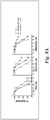
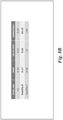
- DMDAPatA The mechanism of action of DMDAPatA was studied in multiple primary CLL samples ( Figure 3A ). DMDAPatA was shown to inhibit protein synthesis as measured by [ 3 H]leucine incorporation analysis ( Figure 3B ). CLL cells were incubated with DMDAPatA for 4 and 24 h then pulse labeled with [ 3 H]leucine for 1 h. The amount of [ 3 H]leucine incorporation into the acid insoluble materials (DNA, RNA and proteins) was measured by scintillation counter. These data support DMDAPatA inhibition of protein translation initiation in CLL cells. Further, DMDAPatA reduced the short-lived anti-apoptotic protein Mcl-1. This is consistent in 3 samples as quantitated in Figure 3C .
- the Bcl-2 level was not affected by DMDAPatA, which is consistent with its longer half-life ( Figure 3C ). Because Mcl-1 blocks apoptosis by preventing Bax and Bak from making holes on the mitochondrial membrane, eliminating Mcl-1 with DMDAPatA induced mitochondrial outer membrane permeabilization (MOMP). This was demonstrated by the loss of binding of the cationic dye DiOC6 ( Figure 3D ). MOMP facilitates the release of cytochrome c from mitochondria to form the apoptosome, which activated caspase-3 and induced apoptosis. As PARP is a substrate of caspase-3, an increase of cleaved PARP in Figure 3C indicated activation of caspase 3.
- Apoptosis was measured by annexin V and propodium iodide (PI) double staining followed by flow cytometry. Finally, the average IC 50 of DMDAPatA was 2.8 ⁇ M measured in 13 CLL samples ( Figure 3E ).
- Both Bcl-2 and Mcl-1 are pro-survival proteins that regulate apoptosis by interacting with the BH3 motifs of their pro-apoptotic partners.
- BH3 mimetics such as ABT-199, bind with high affinity to Bcl-2 and block this interaction, but not to Mcl-1. Resistance to BH3 mimetics is associated with upregulation of Mcl-1. Because DMDAPatA depleted Mcl-1 without affecting Bcl-2 expression, their combination should target the two parallel arms of apoptosis control and kill the CLL cells synergistically. Indeed, a median effect analysis in four CLL samples demonstrated that DMDAPatA and ABT-199 exhibited strong synergy (combination index less than 1).
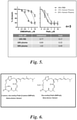
- DMDAPatA was about 30 times less potent than PatA ( Figure 5 ).
- These experiments were performed in CLL cells cultured in media supplemented with 10% patient plasma. While mimicking the in vivo environment, we also found this condition beneficial in maintaining cell survival.
- One potential reason for the reduced potency in the presence of human plasma is stability.
- the stability of DMDAPatA was studied in FBS and human plasma at two different concentrations.
- the presence of serum greatly stabilized DMDAPatA (Table 1) and no significant difference was observed between the half-lives of DMDAPatA in FBS or human serum, excluding the plasma influence on DMDAPatA stability.
- Table 1 Testing conditions Half-life time (hours) DMDAPatA 1 uM DMDAPatA 10 uM Pure RPMI 3 3.2 Fetal Bovine Serum 16 11.5 Human Plasma 18 14
- FIG. 6 A strategy to improve CLL cytotoxic potency and simultaneously lower plasma protein binding (PPB) is shown in Figure 6 .
- the strategy included introducing an amino group at either the C2 or C3 position of the macrocycle to improve CLL potency because the new analogs possess similar functionality as PatA, which we have shown is approximately 30 times more potent than DMDAPatA against primary CLL cells.
- This modification to the chemical scaffold lead to lower lipophilicity (LogD) based on calculations. Because it has been shown previously in the literature that the lipophilicity of small molecules correlates with plasma protein binding, the new amino group and other polar functionality attached to it decrease the lipophilicity of the new variants and potentially lower the PPB in human plasma.
- PatA was originally identified as a biological probe that inhibits T cell activation, consistent with its toxicity to T cells. It is interesting that all the PatA analogs demonstrated much less T cell toxicity, as well as less killing toward normal B cells, indicating a significant improvement of therapeutic window.
- PatA analog DMDAPatA induced apoptosis in primary CLL cells through the intrinsic pathway regardless of patient prognosis characters and reduced the short-lived anti-apoptotic protein Mcl-1, but not Bcl-2.
- DMDAPatA and ABT-199 target two parallel arms of apoptosis regulation and induce cell death synergistically, indicating that they could be used effectively in combination to treat CLL.
- DMDAPatA was >99% bound in human plasma.
- a series of PatA derivatives was synthesized and several of them exhibited greater cytotoxic potency toward CLL cells and lower human plasma protein binding.
- PatA analogs demonstrate that inhibition of protein translation through perturbation of eIF4A by PatA analogs is a valid therapeutic strategy for CLL either alone or in mechanism-based combinations.
- three new lead PatA analogs with potent inhibition of protein translation have been identified. These analogs retained toxicity toward primary CLL cells and exhibited improved selectivity over normal lymphocytes and reduced plasma protein binding. These compounds hold great promise for application of patient-specific disease with the right biological context, such as CLL, in which the leukemia cells are addicted to the sustained expression of Mcl-1 for survival.
- Flash column chromatography was performed using 60 ⁇ Silica Gel as a stationary phase using a gradient solvent system (EtOAc / hexanes as eluent unless specified otherwise). Purification by prep-HPLC was performed on the Agilent 1260 Infinity Preparative-Scale Purification System using a Gemini HPLC column (C18, 5 micron, 100 x 21.20 mm). Mass spectra were obtained at the center for Chemical Characterization and Analysis (Texas A&M University). Thin layer chromatography (TLC) was performed using glass-backed silica gel 60F 254 .
- the reaction mixture was stirred at the same temperature for 15 minutes, and then the sodium borohydride (1.96 g, 51.84 mmol) was added, followed by the slow addition of methanol (100 mL) over a period of 30 minutes at -15 °C.
- the solution was further stirred for 30 minutes and then neutralized with 0.5N HCl (to pH 7).
- the organic solvents were removed under reduced pressure and then the residue was diluted with water (100 mL), extracted with ethyl acetate (3 X 150 mL). The combined organic fractions were dried over sodium sulfate, filtered and concentrated under reduced pressure.
- the resulting mixture was stirred for 15 minutes at -60 °C and then the diisopropylethylamine (18.06 mL, 103.66 mmol, in 50 mL of dichloromethane) was added dropwise over 15 minutes.
- the reaction mixture was stirred for 30 minutes at -60 °C and then quenched by the addition of 5 mL of water.
- the resulting slurry was poured into 300 mL of diethyl ether and washed with a 20% aqueous solution of KHSO 4 (2 ⁇ 100 mL). The organic fraction was dried over sodium sulfate, filtered and concentrated under reduced pressure to afford the crude aldehyde, which was used immediately for the next reaction without any further purification.
- the crude aldehyde was dissolved in anhydrous THF (100 mL) and then the solution was cooled to 0 °C.
- the triphenylphosphoranylidene was then added and the reaction mixture was allowed to warm up to 22 °C and stirred at this temperature for 12 hours.
- the mixture was then concentrated under reduced pressure and resuspended in diethyl ether (100 mL) and filtered through celite to remove the triphenylphosphine oxide side product, and the filtrate was then concentrated under reduced pressure.
- n -Butyllithium (3.24 mL, 8.09 mmol, 2.5 M in hexanes) was slowly added to a solution of 1,1,1,3,3,3-hexamethyldisilazane (1.70 mL, 8.09 mmol) in THF (50 mL) at -78 °C. The solution was stirred for 15 minutes at -78 °C and then for 20 minutes at 0 °C.
- the reaction mixture was allowed to warm up to 22 °C and then stirred for 18 hours at 22 °C.
- the mixture was cooled to 0 °C and then the trifluoroacetic anhydride (0.273 mL, 1.94 mmol) was added.
- the reaction mixture was allowed to warm up to 22 °C and then stirred for 3 hours at 22 °C, then quenched with 15 mL of a saturated aqueous NaHCO 3 solution, and extracted with dichloromethane (3 ⁇ 50 mL). The combined organic fractions were dried over sodium sulfate, filtered and concentrated under reduced pressure.
- the plasma protein binding assay used to provide the plasma protein binding data is described.
- the assay includes the following steps.
- HPLC Agilent 1290 infinity binary LC/HTC injector. Column: Sigma-Aldrich Supelco Ascentis fused-core C18, 2.7 um, 2.1 ⁇ 20 mm. Solvent A: 0.1% acetic acid/water. Solvent B: 0.1% acetic acid/acetonitrile. Column temperature: 40 °C. Injection volume: 2 uL. Time/flow rate: 0 min/0.5 mL/min
Landscapes
- Health & Medical Sciences (AREA)
- Chemical & Material Sciences (AREA)
- Organic Chemistry (AREA)
- Life Sciences & Earth Sciences (AREA)
- Pharmacology & Pharmacy (AREA)
- Animal Behavior & Ethology (AREA)
- General Health & Medical Sciences (AREA)
- Public Health (AREA)
- Veterinary Medicine (AREA)
- Medicinal Chemistry (AREA)
- Epidemiology (AREA)
- Oncology (AREA)
- Hematology (AREA)
- Chemical Kinetics & Catalysis (AREA)
- General Chemical & Material Sciences (AREA)
- Nuclear Medicine, Radiotherapy & Molecular Imaging (AREA)
- Pharmaceuticals Containing Other Organic And Inorganic Compounds (AREA)
- Engineering & Computer Science (AREA)
- Bioinformatics & Cheminformatics (AREA)
- Nitrogen And Oxygen Or Sulfur-Condensed Heterocyclic Ring Systems (AREA)
- Medicinal Preparation (AREA)
- Immunology (AREA)
- Medicines That Contain Protein Lipid Enzymes And Other Medicines (AREA)
Applications Claiming Priority (2)
| Application Number | Priority Date | Filing Date | Title |
|---|---|---|---|
| US201662316299P | 2016-03-31 | 2016-03-31 | |
| PCT/US2017/025448 WO2017173313A1 (en) | 2016-03-31 | 2017-03-31 | Beta-amimo pateamine a derivatives and methods for treating chronic lymphocytic leukemia |
Publications (3)
| Publication Number | Publication Date |
|---|---|
| EP3436007A1 EP3436007A1 (en) | 2019-02-06 |
| EP3436007A4 EP3436007A4 (en) | 2019-10-09 |
| EP3436007B1 true EP3436007B1 (en) | 2022-03-02 |
Family
ID=59965302
Family Applications (1)
| Application Number | Title | Priority Date | Filing Date |
|---|---|---|---|
| EP17776804.1A Active EP3436007B1 (en) | 2016-03-31 | 2017-03-31 | Beta-amino pateamine a derivatives and methods for treating chronic lymphocytic leukemia |
Country Status (7)
| Country | Link |
|---|---|
| US (1) | US10889596B2 (https=) |
| EP (1) | EP3436007B1 (https=) |
| JP (1) | JP6993348B2 (https=) |
| CA (1) | CA3018192C (https=) |
| DK (1) | DK3436007T3 (https=) |
| ES (1) | ES2913210T3 (https=) |
| WO (1) | WO2017173313A1 (https=) |
Families Citing this family (1)
| Publication number | Priority date | Publication date | Assignee | Title |
|---|---|---|---|---|
| WO2024254195A1 (en) * | 2023-06-06 | 2024-12-12 | Baylor University | Methods for treating pancreatic cancer with a combination of des-methyl pateamine a and a class 1 hdac inhibitor |
Family Cites Families (5)
| Publication number | Priority date | Publication date | Assignee | Title |
|---|---|---|---|---|
| EP0647645A1 (en) | 1993-10-12 | 1995-04-12 | Pharma Mar, S.A. | Novel antitumoral and antiviral compound |
| US7737134B2 (en) | 2002-03-13 | 2010-06-15 | The Texas A & M University System | Anticancer agents and use |
| US7230021B2 (en) | 2002-03-13 | 2007-06-12 | The Texas A&M University System | Potent, simplified derivatives of pateamine A |
| US20130053994A1 (en) * | 2011-08-31 | 2013-02-28 | General Electric Company | Method and apparatus for monitoring radiopharmaceutical processing |
| WO2013152299A2 (en) * | 2012-04-06 | 2013-10-10 | University Of North Carolina At Chapel Hill | Inhibitors of eif4a and derivatives of pateamine a with antiviral activity and use |
-
2017
- 2017-03-31 DK DK17776804.1T patent/DK3436007T3/da active
- 2017-03-31 ES ES17776804T patent/ES2913210T3/es active Active
- 2017-03-31 EP EP17776804.1A patent/EP3436007B1/en active Active
- 2017-03-31 US US16/090,528 patent/US10889596B2/en active Active
- 2017-03-31 WO PCT/US2017/025448 patent/WO2017173313A1/en not_active Ceased
- 2017-03-31 JP JP2018551799A patent/JP6993348B2/ja active Active
- 2017-03-31 CA CA3018192A patent/CA3018192C/en active Active
Non-Patent Citations (1)
| Title |
|---|
| None * |
Also Published As
| Publication number | Publication date |
|---|---|
| WO2017173313A1 (en) | 2017-10-05 |
| EP3436007A1 (en) | 2019-02-06 |
| EP3436007A4 (en) | 2019-10-09 |
| DK3436007T3 (da) | 2022-03-14 |
| US10889596B2 (en) | 2021-01-12 |
| JP2019510070A (ja) | 2019-04-11 |
| CA3018192A1 (en) | 2017-10-05 |
| JP6993348B2 (ja) | 2022-02-15 |
| US20190177339A1 (en) | 2019-06-13 |
| CA3018192C (en) | 2025-05-06 |
| ES2913210T3 (es) | 2022-06-01 |
Similar Documents
| Publication | Publication Date | Title |
|---|---|---|
| EP3572400B1 (en) | Ezh2 inhibitor and use thereof | |
| US20240270736A1 (en) | Macrocyclic heterocycles and uses thereof | |
| EP4434549A1 (en) | Antibody-drug conjugate and use thereof | |
| AU2021269433A1 (en) | Glucocorticoid receptor agonist and immunoconjugates thereof | |
| CA3224492A1 (en) | Immunoconjugates and methods | |
| KR20250122471A (ko) | 헤테로환 및 이의 용도 | |
| TW201720816A (zh) | Cxcr2抑制劑 | |
| JP2020527577A (ja) | Tlr7/8アンタゴニストおよびそれらの使用 | |
| US20260055046A1 (en) | Modulators of liver receptor homologue 1 (lrh-1) and uses | |
| EP4527415A1 (en) | Antibody-drug conjugate containing protein degradation agent bioactive compound, method for preparing same, and use thereof | |
| EP4516321A1 (en) | Antibody-drug conjugate, pharmaceutical composition thereof and use thereof | |
| US10870662B2 (en) | Alpha-amino pateamine A derivatives and methods for treating chronic lymphocytic leukemia | |
| CN115715201A (zh) | 葡萄糖雷公藤甲素缀合物及其用途 | |
| TW201030011A (en) | Imidazothiazole derivatives bearing the proline ring structure | |
| EP3436007B1 (en) | Beta-amino pateamine a derivatives and methods for treating chronic lymphocytic leukemia | |
| CN116234548A (zh) | 作为pd-1/pd-l1阻断剂的包含三环母核的化合物 | |
| US10676504B2 (en) | Method for preparing largazole analogs and uses thereof | |
| WO2025067394A1 (zh) | 卤素取代的依沙替康的酰胺衍生物及其制备方法和应用 | |
| WO2019196953A1 (en) | Ntcp inhibitors | |
| AU2021278156B2 (en) | MLL1 inhibitors and anti-cancer agents | |
| JP7713954B2 (ja) | 核内受容体に対して活性な化合物 | |
| WO2024155715A1 (en) | Inhibitors of activin receptor type 1 (acvr1) and activin receptor like type 1 (acvrl1), and methods using same | |
| WO2024084364A1 (en) | Compounds for the treatment of cancer |
Legal Events
| Date | Code | Title | Description |
|---|---|---|---|
| STAA | Information on the status of an ep patent application or granted ep patent |
Free format text: STATUS: THE INTERNATIONAL PUBLICATION HAS BEEN MADE |
|
| PUAI | Public reference made under article 153(3) epc to a published international application that has entered the european phase |
Free format text: ORIGINAL CODE: 0009012 |
|
| STAA | Information on the status of an ep patent application or granted ep patent |
Free format text: STATUS: REQUEST FOR EXAMINATION WAS MADE |
|
| 17P | Request for examination filed |
Effective date: 20181030 |
|
| AK | Designated contracting states |
Kind code of ref document: A1 Designated state(s): AL AT BE BG CH CY CZ DE DK EE ES FI FR GB GR HR HU IE IS IT LI LT LU LV MC MK MT NL NO PL PT RO RS SE SI SK SM TR |
|
| AX | Request for extension of the european patent |
Extension state: BA ME |
|
| DAV | Request for validation of the european patent (deleted) | ||
| DAX | Request for extension of the european patent (deleted) | ||
| REG | Reference to a national code |
Ref country code: DE Ref legal event code: R079 Ref document number: 602017054087 Country of ref document: DE Free format text: PREVIOUS MAIN CLASS: A61K0031426000 Ipc: C07D0513080000 |
|
| A4 | Supplementary search report drawn up and despatched |
Effective date: 20190906 |
|
| RIC1 | Information provided on ipc code assigned before grant |
Ipc: C07D 513/08 20060101AFI20190902BHEP Ipc: A61P 35/02 20060101ALI20190902BHEP Ipc: A61K 31/427 20060101ALI20190902BHEP Ipc: A61K 31/357 20060101ALI20190902BHEP Ipc: A61K 31/426 20060101ALI20190902BHEP |
|
| STAA | Information on the status of an ep patent application or granted ep patent |
Free format text: STATUS: EXAMINATION IS IN PROGRESS |
|
| 17Q | First examination report despatched |
Effective date: 20200629 |
|
| GRAP | Despatch of communication of intention to grant a patent |
Free format text: ORIGINAL CODE: EPIDOSNIGR1 |
|
| STAA | Information on the status of an ep patent application or granted ep patent |
Free format text: STATUS: GRANT OF PATENT IS INTENDED |
|
| INTG | Intention to grant announced |
Effective date: 20210930 |
|
| GRAS | Grant fee paid |
Free format text: ORIGINAL CODE: EPIDOSNIGR3 |
|
| GRAA | (expected) grant |
Free format text: ORIGINAL CODE: 0009210 |
|
| STAA | Information on the status of an ep patent application or granted ep patent |
Free format text: STATUS: THE PATENT HAS BEEN GRANTED |
|
| AK | Designated contracting states |
Kind code of ref document: B1 Designated state(s): AL AT BE BG CH CY CZ DE DK EE ES FI FR GB GR HR HU IE IS IT LI LT LU LV MC MK MT NL NO PL PT RO RS SE SI SK SM TR |
|
| REG | Reference to a national code |
Ref country code: GB Ref legal event code: FG4D |
|
| REG | Reference to a national code |
Ref country code: DK Ref legal event code: T3 Effective date: 20220308 |
|
| REG | Reference to a national code |
Ref country code: CH Ref legal event code: EP Ref country code: AT Ref legal event code: REF Ref document number: 1472174 Country of ref document: AT Kind code of ref document: T Effective date: 20220315 |
|
| REG | Reference to a national code |
Ref country code: DE Ref legal event code: R096 Ref document number: 602017054087 Country of ref document: DE |
|
| REG | Reference to a national code |
Ref country code: IE Ref legal event code: FG4D |
|
| REG | Reference to a national code |
Ref country code: ES Ref legal event code: FG2A Ref document number: 2913210 Country of ref document: ES Kind code of ref document: T3 Effective date: 20220601 |
|
| REG | Reference to a national code |
Ref country code: LT Ref legal event code: MG9D |
|
| REG | Reference to a national code |
Ref country code: NL Ref legal event code: MP Effective date: 20220302 |
|
| PG25 | Lapsed in a contracting state [announced via postgrant information from national office to epo] |
Ref country code: SE Free format text: LAPSE BECAUSE OF FAILURE TO SUBMIT A TRANSLATION OF THE DESCRIPTION OR TO PAY THE FEE WITHIN THE PRESCRIBED TIME-LIMIT Effective date: 20220302 Ref country code: RS Free format text: LAPSE BECAUSE OF FAILURE TO SUBMIT A TRANSLATION OF THE DESCRIPTION OR TO PAY THE FEE WITHIN THE PRESCRIBED TIME-LIMIT Effective date: 20220302 Ref country code: NO Free format text: LAPSE BECAUSE OF FAILURE TO SUBMIT A TRANSLATION OF THE DESCRIPTION OR TO PAY THE FEE WITHIN THE PRESCRIBED TIME-LIMIT Effective date: 20220602 Ref country code: LT Free format text: LAPSE BECAUSE OF FAILURE TO SUBMIT A TRANSLATION OF THE DESCRIPTION OR TO PAY THE FEE WITHIN THE PRESCRIBED TIME-LIMIT Effective date: 20220302 Ref country code: HR Free format text: LAPSE BECAUSE OF FAILURE TO SUBMIT A TRANSLATION OF THE DESCRIPTION OR TO PAY THE FEE WITHIN THE PRESCRIBED TIME-LIMIT Effective date: 20220302 Ref country code: BG Free format text: LAPSE BECAUSE OF FAILURE TO SUBMIT A TRANSLATION OF THE DESCRIPTION OR TO PAY THE FEE WITHIN THE PRESCRIBED TIME-LIMIT Effective date: 20220602 |
|
| REG | Reference to a national code |
Ref country code: AT Ref legal event code: MK05 Ref document number: 1472174 Country of ref document: AT Kind code of ref document: T Effective date: 20220302 |
|
| PG25 | Lapsed in a contracting state [announced via postgrant information from national office to epo] |
Ref country code: PL Free format text: LAPSE BECAUSE OF FAILURE TO SUBMIT A TRANSLATION OF THE DESCRIPTION OR TO PAY THE FEE WITHIN THE PRESCRIBED TIME-LIMIT Effective date: 20220302 Ref country code: LV Free format text: LAPSE BECAUSE OF FAILURE TO SUBMIT A TRANSLATION OF THE DESCRIPTION OR TO PAY THE FEE WITHIN THE PRESCRIBED TIME-LIMIT Effective date: 20220302 Ref country code: GR Free format text: LAPSE BECAUSE OF FAILURE TO SUBMIT A TRANSLATION OF THE DESCRIPTION OR TO PAY THE FEE WITHIN THE PRESCRIBED TIME-LIMIT Effective date: 20220603 Ref country code: FI Free format text: LAPSE BECAUSE OF FAILURE TO SUBMIT A TRANSLATION OF THE DESCRIPTION OR TO PAY THE FEE WITHIN THE PRESCRIBED TIME-LIMIT Effective date: 20220302 |
|
| PG25 | Lapsed in a contracting state [announced via postgrant information from national office to epo] |
Ref country code: NL Free format text: LAPSE BECAUSE OF FAILURE TO SUBMIT A TRANSLATION OF THE DESCRIPTION OR TO PAY THE FEE WITHIN THE PRESCRIBED TIME-LIMIT Effective date: 20220302 |
|
| PG25 | Lapsed in a contracting state [announced via postgrant information from national office to epo] |
Ref country code: SM Free format text: LAPSE BECAUSE OF FAILURE TO SUBMIT A TRANSLATION OF THE DESCRIPTION OR TO PAY THE FEE WITHIN THE PRESCRIBED TIME-LIMIT Effective date: 20220302 Ref country code: SK Free format text: LAPSE BECAUSE OF FAILURE TO SUBMIT A TRANSLATION OF THE DESCRIPTION OR TO PAY THE FEE WITHIN THE PRESCRIBED TIME-LIMIT Effective date: 20220302 Ref country code: RO Free format text: LAPSE BECAUSE OF FAILURE TO SUBMIT A TRANSLATION OF THE DESCRIPTION OR TO PAY THE FEE WITHIN THE PRESCRIBED TIME-LIMIT Effective date: 20220302 Ref country code: PT Free format text: LAPSE BECAUSE OF FAILURE TO SUBMIT A TRANSLATION OF THE DESCRIPTION OR TO PAY THE FEE WITHIN THE PRESCRIBED TIME-LIMIT Effective date: 20220704 Ref country code: EE Free format text: LAPSE BECAUSE OF FAILURE TO SUBMIT A TRANSLATION OF THE DESCRIPTION OR TO PAY THE FEE WITHIN THE PRESCRIBED TIME-LIMIT Effective date: 20220302 Ref country code: CZ Free format text: LAPSE BECAUSE OF FAILURE TO SUBMIT A TRANSLATION OF THE DESCRIPTION OR TO PAY THE FEE WITHIN THE PRESCRIBED TIME-LIMIT Effective date: 20220302 Ref country code: AT Free format text: LAPSE BECAUSE OF FAILURE TO SUBMIT A TRANSLATION OF THE DESCRIPTION OR TO PAY THE FEE WITHIN THE PRESCRIBED TIME-LIMIT Effective date: 20220302 |
|
| REG | Reference to a national code |
Ref country code: CH Ref legal event code: PL |
|
| PG25 | Lapsed in a contracting state [announced via postgrant information from national office to epo] |
Ref country code: IS Free format text: LAPSE BECAUSE OF FAILURE TO SUBMIT A TRANSLATION OF THE DESCRIPTION OR TO PAY THE FEE WITHIN THE PRESCRIBED TIME-LIMIT Effective date: 20220702 Ref country code: AL Free format text: LAPSE BECAUSE OF FAILURE TO SUBMIT A TRANSLATION OF THE DESCRIPTION OR TO PAY THE FEE WITHIN THE PRESCRIBED TIME-LIMIT Effective date: 20220302 |
|
| REG | Reference to a national code |
Ref country code: DE Ref legal event code: R097 Ref document number: 602017054087 Country of ref document: DE |
|
| REG | Reference to a national code |
Ref country code: BE Ref legal event code: MM Effective date: 20220331 |
|
| PLBE | No opposition filed within time limit |
Free format text: ORIGINAL CODE: 0009261 |
|
| STAA | Information on the status of an ep patent application or granted ep patent |
Free format text: STATUS: NO OPPOSITION FILED WITHIN TIME LIMIT |
|
| PG25 | Lapsed in a contracting state [announced via postgrant information from national office to epo] |
Ref country code: MC Free format text: LAPSE BECAUSE OF FAILURE TO SUBMIT A TRANSLATION OF THE DESCRIPTION OR TO PAY THE FEE WITHIN THE PRESCRIBED TIME-LIMIT Effective date: 20220302 Ref country code: LU Free format text: LAPSE BECAUSE OF NON-PAYMENT OF DUE FEES Effective date: 20220331 Ref country code: LI Free format text: LAPSE BECAUSE OF NON-PAYMENT OF DUE FEES Effective date: 20220331 Ref country code: IE Free format text: LAPSE BECAUSE OF NON-PAYMENT OF DUE FEES Effective date: 20220331 Ref country code: CH Free format text: LAPSE BECAUSE OF NON-PAYMENT OF DUE FEES Effective date: 20220331 |
|
| 26N | No opposition filed |
Effective date: 20221205 |
|
| PG25 | Lapsed in a contracting state [announced via postgrant information from national office to epo] |
Ref country code: SI Free format text: LAPSE BECAUSE OF FAILURE TO SUBMIT A TRANSLATION OF THE DESCRIPTION OR TO PAY THE FEE WITHIN THE PRESCRIBED TIME-LIMIT Effective date: 20220302 Ref country code: BE Free format text: LAPSE BECAUSE OF NON-PAYMENT OF DUE FEES Effective date: 20220331 |
|
| P01 | Opt-out of the competence of the unified patent court (upc) registered |
Effective date: 20230519 |
|
| PG25 | Lapsed in a contracting state [announced via postgrant information from national office to epo] |
Ref country code: IT Free format text: LAPSE BECAUSE OF FAILURE TO SUBMIT A TRANSLATION OF THE DESCRIPTION OR TO PAY THE FEE WITHIN THE PRESCRIBED TIME-LIMIT Effective date: 20220302 |
|
| PG25 | Lapsed in a contracting state [announced via postgrant information from national office to epo] |
Ref country code: HU Free format text: LAPSE BECAUSE OF FAILURE TO SUBMIT A TRANSLATION OF THE DESCRIPTION OR TO PAY THE FEE WITHIN THE PRESCRIBED TIME-LIMIT; INVALID AB INITIO Effective date: 20170331 |
|
| PG25 | Lapsed in a contracting state [announced via postgrant information from national office to epo] |
Ref country code: MK Free format text: LAPSE BECAUSE OF FAILURE TO SUBMIT A TRANSLATION OF THE DESCRIPTION OR TO PAY THE FEE WITHIN THE PRESCRIBED TIME-LIMIT Effective date: 20220302 Ref country code: CY Free format text: LAPSE BECAUSE OF FAILURE TO SUBMIT A TRANSLATION OF THE DESCRIPTION OR TO PAY THE FEE WITHIN THE PRESCRIBED TIME-LIMIT Effective date: 20220302 |
|
| PG25 | Lapsed in a contracting state [announced via postgrant information from national office to epo] |
Ref country code: MT Free format text: LAPSE BECAUSE OF FAILURE TO SUBMIT A TRANSLATION OF THE DESCRIPTION OR TO PAY THE FEE WITHIN THE PRESCRIBED TIME-LIMIT Effective date: 20220302 |
|
| PGFP | Annual fee paid to national office [announced via postgrant information from national office to epo] |
Ref country code: ES Payment date: 20250408 Year of fee payment: 9 |
|
| PG25 | Lapsed in a contracting state [announced via postgrant information from national office to epo] |
Ref country code: TR Free format text: LAPSE BECAUSE OF FAILURE TO SUBMIT A TRANSLATION OF THE DESCRIPTION OR TO PAY THE FEE WITHIN THE PRESCRIBED TIME-LIMIT Effective date: 20220302 |
|
| PGFP | Annual fee paid to national office [announced via postgrant information from national office to epo] |
Ref country code: GB Payment date: 20260216 Year of fee payment: 10 |
|
| PGFP | Annual fee paid to national office [announced via postgrant information from national office to epo] |
Ref country code: DE Payment date: 20260218 Year of fee payment: 10 Ref country code: DK Payment date: 20260313 Year of fee payment: 10 |
|
| PGFP | Annual fee paid to national office [announced via postgrant information from national office to epo] |
Ref country code: FR Payment date: 20260223 Year of fee payment: 10 |