EP3432140B1 - Android-based pop-up prompt method and device - Google Patents
Android-based pop-up prompt method and device Download PDFInfo
- Publication number
- EP3432140B1 EP3432140B1 EP17765728.5A EP17765728A EP3432140B1 EP 3432140 B1 EP3432140 B1 EP 3432140B1 EP 17765728 A EP17765728 A EP 17765728A EP 3432140 B1 EP3432140 B1 EP 3432140B1
- Authority
- EP
- European Patent Office
- Prior art keywords
- component
- activity
- pop
- activity pop
- onpause
- Prior art date
- Legal status (The legal status is an assumption and is not a legal conclusion. Google has not performed a legal analysis and makes no representation as to the accuracy of the status listed.)
- Active
Links
Images


Classifications
-
- G—PHYSICS
- G06—COMPUTING OR CALCULATING; COUNTING
- G06F—ELECTRIC DIGITAL DATA PROCESSING
- G06F9/00—Arrangements for program control, e.g. control units
- G06F9/06—Arrangements for program control, e.g. control units using stored programs, i.e. using an internal store of processing equipment to receive or retain programs
- G06F9/44—Arrangements for executing specific programs
-
- G—PHYSICS
- G06—COMPUTING OR CALCULATING; COUNTING
- G06F—ELECTRIC DIGITAL DATA PROCESSING
- G06F9/00—Arrangements for program control, e.g. control units
- G06F9/06—Arrangements for program control, e.g. control units using stored programs, i.e. using an internal store of processing equipment to receive or retain programs
- G06F9/44—Arrangements for executing specific programs
- G06F9/451—Execution arrangements for user interfaces
Definitions
- the present patent relates to the communications field, and in particular, to an Android-based pop-up prompt method and device.
- the system can output a pop-up filled with a prompt text to the user.
- the event can be a single device login event.
- the single device login usually means that the user is allowed to log in to only one device by using an account. Once the user logs in to another device by using the same account, the user is forced to exit the login state from the current device.
- the system can output a pop-up to the user to prompt the user that a current login account is already used to log in to another device.
- a prompt text in the pop-up can include the reason why the user is forced to exit the login state.
- the Android system when the Android system outputs a pop-up to a user, the output pop-up is possibly obscured by another pop-up or another page, affecting the use of an APP or a basic function of a system terminal by the user.
- Activity Instance always on top of its Activity Stack Kapoor Sangel et al, Android forum at Coderanch, https://coderanch.com/t/603312/Activity-lnstance-top-Activity-Stack , describes techniques for ensuring that a specific dialogue activity is always displayed on the top of an activity stack.
- the activity pop-up component when the trigger event prompted by the pop-up is detected, the activity pop-up component is launched to output the pop-up, and the launch mode of the activity pop-up component is preconfigured as the single task mode. It is determined whether the activity pop-up component is obscured by another activity component. When the activity pop-up component is obscured by another activity component, the activity pop-up component is relaunched to trigger movement of the activity pop-up component to the top of the activity stack, so the pop-up is displayed on the system front end. Therefore, after the activity pop-up component is launched to output the pop-up to a user, it can be ensured that the pop-up is not obscured and is always displayed on the system front end.
- an Android system usually can output a pop-up to a user in the following implementations:
- the Android system can output the pop-up by using a window component.
- the pop-up output by using the window component can be output on any page and is not obscured by another page.
- the user is usually allowed to configure the pop-up output by using the window component. Therefore, the system cannot output the pop-up when the user manually prohibits the pop-up in the system.
- the Android system can output the pop-up by using an activity component.
- the activity component is responsible for interacting with the user.
- the component can provide an interaction interface and display some interaction widgets (such as buttons and pop-ups) in the interaction interface.
- the user can operate these interaction widgets to interact with a terminal.
- the terminal can detect events of the user for these interaction widgets on a back end, to complete tasks corresponding to the present interaction.
- the terminal outputs the pop-up by using the activity component, so any activity component in the system can be used as a main body for the pop-up to output the pop-up on any page.
- the activity component is usually managed in an activity stack.
- the pop-up output by the activity component is obscured by another pop-up or interface and cannot be displayed on a system front end, affecting the use of an APP or a basic function of the system.
- the Android system can output the pop-up on a fixed page.
- the pop-up is output on the fixed page, which is not flexible and brings poor interaction experience.
- the output pop-up can be displayed only on the login page.
- the system front end displays another page, the user cannot view the pop-up output by the system unless the user actively switches to the login page. Consequently, the pop-up output by the system cannot inform the user on time.
- the present patent provides an Android-based pop-up prompt method.
- an activity pop-up component is launched to output the pop-up, and a launch mode of the activity pop-up component is preconfigured as a single task mode. It is determined whether the activity pop-up component is obscured by another activity component. When the activity pop-up component is obscured by another activity component, the activity pop-up component is relaunched to trigger movement of the activity pop-up component to the top of an activity stack, so the pop-up is displayed on a system front end.
- the activity pop-up component is in the single task mode in the present patent, the activity pop-up component can be immediately moved to the top of the activity stack after being relaunched. Therefore, after the activity pop-up component is launched to output the pop-up to a user, it can be ensured that the pop-up is not obscured and is always displayed on the system front end.
- the pop-up is no longer output based on the window component in the Android system, and the user is no longer allowed to configure the pop-up, which avoids a problem that the pop-up cannot be output because the user manually prohibits the pop-up in the system.
- any activity component in the system can be used as the main body to output the pop-up on any page, achieving high flexibility.
- FIG. 1 shows an Android-based pop-up prompt method according to an implementation of the present patent. The method is applied to a terminal and includes the following steps.
- Step 101 When a trigger event prompted by a pop-up is detected, launch an activity pop-up component to output the pop-up, where a launch mode of the activity pop-up component is preconfigured as a single task mode.
- the terminal can include an intelligent terminal running an Android system, for example, a mobile terminal such as a smartphone or a tablet computer.
- the trigger event prompted by the pop-up can include an event detected by the terminal system and needs to be prompted to the user by outputting the pop-up.
- the trigger event prompted by the pop-up can include different types of events in different application scenarios.
- the trigger event prompted by the pop-up can include a single device login event.
- the current terminal can exit the login state, and output a pop-up to the user to prompt the user with the reason for exiting the current login state.
- the trigger event prompted by the pop-up can include an incoming call event.
- the terminal system can output a pop-up to the user.
- the user can perform a corresponding operation for the pop-up (e.g., sliding upwards or downwards) to answer or decline the incoming call.
- the terminal can still output the pop-up to the user by using a predetermined activity pop-up component. After detecting the trigger event prompted by the pop-up, the terminal can launch the activity pop-up component to create an activity instance used to output the pop-up, and then fill a prompt text in the pop-up based on the instance to output the prompt text to the user.
- the launch mode (launchMode) of the activity component usually includes four modes: standard mode, singleTop mode, singleTask mode (namely, the single task mode), and singleInstance mode.
- the activity pop-up component only allows a unique activity instance to run.
- the system determines whether an activity instance corresponding to the activity pop-up component exists in an activity stack. Because the activity instance corresponding to the activity pop-up component already exists in the current activity stack, in the singleTask mode, the system does not create a new activity instance and removes another activity component that is to obscure the activity pop-up component from the activity stack, and moves the activity pop-up component corresponding to the existing activity instance to the top of the activity stack again. In this case, the pop-up output based on the activity instance is displayed on a system front end again and is not obscured.
- the launch mode of the activity pop-up component can be set to the singleTask mode in an initial state.
- Step 102 Determine whether the activity pop-up component is obscured by another activity component.
- the lifecycle of an activity component usually includes a running state, a pause state, a stop state, and a destroy (disable) state.
- the running state is a state that the activity component is visible and can interact with the user.
- the initial state is the running state.
- the activity component is placed on the top of the activity stack and displayed on the system front end (the frontend of the screen).
- the pause state is a state that the activity component is obscured by another nonfull-sized or semitransparent activity component and is no longer on the top of the activity stack, but is still visible and can interact with the user.
- the stop state is a state that the activity component is completely obscured by another activity component and is no longer on the top of the activity stack, and the interaction interface of the activity component is completely hidden.
- the destroy state is a state that the activity component is disabled.
- the four running states can be switched by using an operation of the user for the activity component.
- the Android system after the activity component is launched, if the user launches a new activity component by performing an operation, the new activity component is moved to the top of the activity stack to obscure the original activity component. In this case, the system calls the onPause method to switch the original activity component to the pause state.
- the system calls the on Stop method to switch the original activity component to the stop state.
- the system calls an onDestroy method to switch the activity component to the destroy state to disable the activity component.
- the system can determine whether the onPause or onStop method of the activity pop-up component is called, to determine whether the activity pop-up component is obscured by another activity component.
- the onPause or onStop method of the activity pop-up component When the onPause or onStop method of the activity pop-up component is called, it can be determined that the activity pop-up component is currently obscured by another activity component and is no longer on the top of the stack.
- Step 103 When the activity pop-up component is obscured by another activity component, relaunch the activity pop-up component to trigger movement of the activity pop-up component to the top of an activity stack, so the pop-up is displayed on a system front end.
- the system when determining that the activity pop-up component is obscured by another activity component, can relaunch the activity pop-up component. Because the activity pop-up component is already preconfigured as the singleTask mode, after the activity pop-up component is relaunched, the system removes another activity component that is to obscure the activity pop-up component from the activity stack.
- the activity pop-up component is moved to the top of the activity stack again, and the pop-up output based on the unique activity instance of the activity pop-up component is displayed on the system front end again and is not obscured.
- the system can confirm that the activity pop-up component is obscured by another activity component.
- logic for relaunching the activity pop-up component can be loaded in the onPause method in advance.
- the developer can edit execution code used to relaunch the activity pop-up component in the onPause() method. After calling the onPause method, the system can relaunch the activity pop-up component.
- the system can confirm that the activity pop-up component is obscured by another activity component.
- Logic for relaunching the activity pop-up component can also be loaded in the onStop method in advance.
- the system when the system calls the onPause method and the onStop method, the system usually calls the onPause method before the onStop method (the call sequence is a basic processing mechanism of the Android system).
- the system may have an abnormal behavior during the sequence of calling the onPause method and the onStop method.
- the system can directly call the onStop method while ignoring the onPause method.
- the system can further determine whether the onPause method of the activity pop-up component is called. If the onPause method of the activity pop-up component is already called, it indicates that the activity pop-up component is already processed by executing the relaunching logic loaded in the onPause method. In this case, the system can no longer repeatedly execute the relaunching logic loaded in the onStop method to repeatedly process the activity pop-up component.
- an abnormal call can occur in the system, and the system can normally run the relaunching logic loaded in the onStop method to relaunch the activity pop-up component.
- the system can add a mark to a class file of the activity pop-up component, and then check whether there is the corresponding mark in the class file, to determine whether the onPause method of the activity pop-up component is already called.
- the system can add the mark to the class file of the activity pop-up component.
- the mark is used to indicate that the activity pop-up component is already processed based on the relaunching logic loaded in the onPause method.
- the system can further check whether there is the mark in the class file of the activity pop-up component, to confirm whether the onPause method of the activity pop-up component is already called. If there is the mark in the class file, it indicates that the activity pop-up component is already processed based on the relaunching logic loaded in the onPause method, and does not need to be repeatedly processed.
- the activity pop-up component can be prevented from being repeatedly processed by using the relaunching logic loaded in the onStop method.
- the previously described implementation describes a detailed process that the system determines whether the onPause or onStop method of the activity pop-up component is called to determine whether the activity pop-up component is obscured by another activity component.
- the system determines that the activity pop-up component is obscured by another activity component, the system relaunches the activity pop-up component by executing the relaunching logic loaded in the onPause or onStop method. So when the activity pop-up component is preconfigured as the singleTask mode, the activity pop-up component can be moved to the top of the activity stack again, and the output pop-up can be displayed on the system front end again and is not obscured.
- the system calls the onPause method or the onStop method not only when the activity pop-up component is obscured by another activity component, but also when the user executes a normal disabling event to disable the activity pop-up component.
- the system when the activity component is in the running state, if the system detects a disabling event of the user for the activity component, the system sequentially calls the onPause method and the onStop method to successively switch the activity component to the pause state and the stop state, and then automatically calls the onDestroy method to switch the activity component to the destroy state to disable the activity component.
- the disabling event can include an event corresponding to a disabling operation performed by the user for the activity pop-up component.
- the disabling event can include a tap event of the user for a back key on the mobile phone.
- the user can tap the back key on the mobile phone to disable the activity pop-up component.
- the mobile phone system can sequentially call the onPause method and the onStop method to successively switch the activity component to the pause state and the stop state, and then automatically call the onDestroy method to disable the activity component.
- the call of the onPause method or the onStop method is triggered by a normal disabling operation of the user instead of an event that the activity pop-up component is obscured by another activity component. Therefore, if the system still relaunches the activity pop-up component by executing the relaunching logic loaded in the onPause method or the onStop method of the activity pop-up component, a misoperation of the user is caused (to be specific, the user expects to disable the activity pop-up component, but relaunches the activity pop-up component by using the relaunching logic instead).
- the system can further determine whether the call of the onPause method or the onStop method is triggered by the user for the disabling event of the activity pop-up component.
- the call of the onPause method or the onStop method is triggered by the user for the disabling event of the activity pop-up component, it is a normal disabling procedure for the activity pop-up component, and the system can allow the activity pop-up component to be normally disabled, respond to the normal disabling procedure for the activity pop-up component, and automatically call the onDestroy method of the activity pop-up component to disable the activity pop-up component.
- the system can normally execute the relaunching logic loaded in the onPause method or the onStop method to relaunch the activity pop-up component, and move the activity pop-up component to the top of the activity stack.
- the system can add a mark to a class file of the activity pop-up component, and then check whether there is the corresponding mark in the class file, to determine whether the call of the onPause method or the onStop method is triggered by the user for the disabling event of the activity pop-up component.
- the system can add the mark to the class file of the activity pop-up component.
- the mark is used to indicate that the call of the onPause method and the onStop method is triggered by the user for the disabling event of the activity pop-up component.
- the system can further check whether there is the mark in the class file of the activity pop-up component. If there is the mark in the class file, it indicates that the call of the onPause method and the onStop method is triggered by the user for the disabling event of the activity pop-up component. In this case, the system can respond to the normal disabling procedure for the activity pop-up component.
- An application scenario shown in the present implementation can include a single device login application scenario and an incoming call answering application scenario.
- the trigger event prompted by the pop-up can include a single device login event.
- the user can log in to the terminal by using a login account, and a login server corresponding to the terminal can verify the login account. After the login server successfully verifies the login account, the user successfully logs in to the terminal.
- the login server sends a notification message to the current login terminal to trigger the current login terminal to exit the login state.
- the current login terminal can consider that a single device login event is detected. In this case, the current login terminal can exit the login state, and output a single device login pop-up to the user.
- a prompt text used to prompt the user with the reason for exiting the current login state can be filled in the pop-up.
- the system launches the activity pop-up component to output the single device login pop-up, to prevent the output pop-up from being obscured by another pop-up or page, the system can set the running state of the activity pop-up component to the singleTask mode by default.
- the system calls the onPause method or the onStop method.
- the relaunching logic is loaded in the onPause method or the onStop method in advance. After executing the relaunching logic in the onPause method or the onStop method, the system can relaunch the activity pop-up component.
- the activity pop-up component is preconfigured as the singleTask mode, after the activity pop-up component is relaunched, the system removes another activity component that is to obscure the activity pop-up component from the activity stack, and moves the activity pop-up component to the top of the activity stack again.
- the single device login pop-up is displayed on the system front end again and is not obscured by another pop-up or page. Because the other activity component that is to obscure the activity pop-up component is directly removed from the activity stack, an interaction interface corresponding to the other activity component cannot be displayed, and the user cannot perceive the page change.
- the trigger event prompted by the pop-up can include an incoming call event.
- the terminal system when detecting an incoming call, can output an incoming call pop-up to the user to prompt the user that an incoming call is detected.
- a prompt text used to prompt the user with the initiator of the incoming call can be filled in the pop-up.
- the user can perform a corresponding operation for the pop-up, for example, sliding upwards or sliding downwards to answer the incoming call or decline the incoming call.
- the system can set the running state of the activity pop-up component to the singleTask mode by default.
- the system calls the onPause method or the onStop method.
- the relaunching logic is loaded in the onPause method or the onStop method in advance. After executing the relaunching logic in the onPause method or the onStop method, the system can relaunch the activity pop-up component.
- the system removes another activity component that is to obscure the activity pop-up component from the activity stack, and moves the activity pop-up component to the top of the activity stack again.
- the incoming call pop-up is displayed on the system front end again and is not obscured by another pop-up or page. Because the other activity component that is to obscure the activity pop-up component is directly removed from the activity stack, an interaction interface corresponding to the other activity component cannot be displayed, and the user cannot perceive the page change.
- an application scenario applicable to the technical solutions in the described implementation can further include all application scenarios that a pop-up needs to be output to prompt the user, and the use of an APP or a basic function in the system is possibly affected when the output pop-up is obscured by another pop-up or page. Enumeration is omitted in the present patent.
- the activity pop-up component when the trigger event prompted by the pop-up is detected, the activity pop-up component is launched to output the pop-up, and the launch mode of the activity pop-up component is preconfigured as the single task mode. It is determined whether the activity pop-up component is obscured by another activity component. When the activity pop-up component is obscured by another activity component, the activity pop-up component is relaunched to trigger movement of the activity pop-up component to the top of the activity stack, so the pop-up is displayed on the system front end. Because the activity pop-up component is in the single task mode in the present patent, the activity pop-up component can be immediately moved to the top of the activity stack after being relaunched. Therefore, after the activity pop-up component is launched to output the pop-up to the user, it can be ensured that the pop-up is not obscured and is always displayed on the system front end.
- the pop-up is no longer output based on the window component in the Android system, and the user is no longer allowed to configure the pop-up. This avoids a problem that the pop-up cannot be output because the user manually prohibits the pop-up in the system.
- any activity component in the system can be used as the main body to output the pop-up on any page, achieving high flexibility.
- the present patent further provides a device implementation.
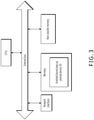
- a hardware architecture of the terminal including the Android-based pop-up prompt device 20 usually includes a CPU, a memory, a non-volatile memory, a network interface, an internal bus, etc.
- the Android-based pop-up prompt device 20 usually can be understood as a computer program loaded in the memory. After the CPU runs the computer program, a logic device that combines software with hardware is formed.
- the device 20 includes the following: a launching module 201, configured to launch an activity pop-up component to output the pop-up when a trigger event prompted by a pop-up is detected, where a launch mode of the activity pop-up component is preconfigured as a single task mode; a determining module 202, configured to determine whether the activity pop-up component is obscured by another activity component; and a relaunching module 203, configured to relaunch the activity pop-up component to trigger movement of the activity pop-up component to the top of an activity stack when the activity pop-up component is obscured by another activity component, so the pop-up is displayed on a system front end.
- a launching module 201 configured to launch an activity pop-up component to output the pop-up when a trigger event prompted by a pop-up is detected, where a launch mode of the activity pop-up component is preconfigured as a single task mode
- a determining module 202 configured to determine whether the activity pop-up component is obscured by another activity component
- the determining module 202 is configured to determine whether an onPause or onStop method of the activity pop-up component is called; and when the onPause or onStop method of the activity pop-up component is called, determine that the activity pop-up component is obscured by another activity component.
- the relaunching module 203 is configured to relaunch the activity pop-up component based on the onPause method when the onPause method of the activity pop-up component is called; and when the onStop method of the activity pop-up component is called, determine whether the onPause method of the activity pop-up component is already called, and if the onPause method is not called, relaunch the activity pop-up component based on the onStop method.
- the relaunching module 203 is further configured to determine whether the call of the onPause method or the onStop method is triggered by a disabling event for the activity pop-up component; and if the call of the onPause method or the onStop method is not triggered by the disabling event for the activity pop-up component, relaunch the activity pop-up component based on the onPause method or the onStop method.
- the device 20 further includes the following: a disabling module 204, configured to normally disable the activity pop-up component if the call of the onPause method or the onStop method is triggered by the disabling event for the activity pop-up component.
- a disabling module 204 configured to normally disable the activity pop-up component if the call of the onPause method or the onStop method is triggered by the disabling event for the activity pop-up component.
Landscapes
- Engineering & Computer Science (AREA)
- Software Systems (AREA)
- Theoretical Computer Science (AREA)
- Physics & Mathematics (AREA)
- General Engineering & Computer Science (AREA)
- General Physics & Mathematics (AREA)
- Human Computer Interaction (AREA)
- User Interface Of Digital Computer (AREA)
- Telephone Function (AREA)
- Stored Programmes (AREA)
Applications Claiming Priority (2)
| Application Number | Priority Date | Filing Date | Title |
|---|---|---|---|
| CN201610150785.XA CN107203369A (zh) | 2016-03-16 | 2016-03-16 | 基于Android的弹框提示方法及装置 |
| PCT/CN2017/075520 WO2017157186A1 (zh) | 2016-03-16 | 2017-03-03 | 基于Android的弹框提示方法及装置 |
Publications (3)
| Publication Number | Publication Date |
|---|---|
| EP3432140A1 EP3432140A1 (en) | 2019-01-23 |
| EP3432140A4 EP3432140A4 (en) | 2019-11-20 |
| EP3432140B1 true EP3432140B1 (en) | 2022-02-23 |
Family
ID=59850086
Family Applications (1)
| Application Number | Title | Priority Date | Filing Date |
|---|---|---|---|
| EP17765728.5A Active EP3432140B1 (en) | 2016-03-16 | 2017-03-03 | Android-based pop-up prompt method and device |
Country Status (10)
| Country | Link |
|---|---|
| US (2) | US10678564B2 (enExample) |
| EP (1) | EP3432140B1 (enExample) |
| JP (1) | JP6736130B2 (enExample) |
| KR (1) | KR102194055B1 (enExample) |
| CN (1) | CN107203369A (enExample) |
| MY (1) | MY192615A (enExample) |
| PH (1) | PH12018501968B1 (enExample) |
| SG (1) | SG11201807866TA (enExample) |
| TW (1) | TW201734790A (enExample) |
| WO (1) | WO2017157186A1 (enExample) |
Families Citing this family (13)
| Publication number | Priority date | Publication date | Assignee | Title |
|---|---|---|---|---|
| CN107203369A (zh) | 2016-03-16 | 2017-09-26 | 阿里巴巴集团控股有限公司 | 基于Android的弹框提示方法及装置 |
| CN117271027A (zh) * | 2018-01-29 | 2023-12-22 | 华为技术有限公司 | 认证窗口的显示方法和装置 |
| CN108829487B (zh) * | 2018-06-28 | 2022-07-29 | 北京五八信息技术有限公司 | 一种弹窗的展示方法、装置、存储介质及终端 |
| CN109213582A (zh) * | 2018-07-16 | 2019-01-15 | 北京奇虎科技有限公司 | 一种运行服务组件的方法、装置及终端 |
| CN109543407B (zh) * | 2018-10-19 | 2024-04-05 | 三六零科技集团有限公司 | 一种Activity劫持的拦截方法及装置 |
| CN110866247B (zh) * | 2018-11-23 | 2022-03-11 | 北京安天网络安全技术有限公司 | 一种安全防御方法、装置、电子设备及存储介质 |
| CN109634702B (zh) * | 2018-12-10 | 2020-04-24 | 北京字节跳动网络技术有限公司 | 一种信息提示的方法、装置、电子设备及可读介质 |
| CN112230924A (zh) * | 2020-11-09 | 2021-01-15 | 平安普惠企业管理有限公司 | 弹框提示方法、装置、计算机设备及存储介质 |
| TWI765706B (zh) * | 2021-05-11 | 2022-05-21 | 凌華科技股份有限公司 | 彈出視窗的非侵入式共享處理方法及系統 |
| JP7440669B2 (ja) | 2021-08-02 | 2024-02-28 | サムスン エレクトロニクス カンパニー リミテッド | 画面制御方法及び装置 |
| CN113722035B (zh) * | 2021-08-31 | 2023-08-22 | 平安消费金融有限公司 | 弹框任务管理及弹框展示方法、装置、设备和存储介质 |
| CN115220888A (zh) * | 2022-06-17 | 2022-10-21 | 上海仪电(集团)有限公司中央研究院 | 一种支持处理乱序中断任务的弹框控制方法及系统 |
| CN115080889B (zh) * | 2022-07-26 | 2023-01-17 | 阿里巴巴(中国)有限公司 | 一种显示模式切换方法及装置 |
Family Cites Families (28)
| Publication number | Priority date | Publication date | Assignee | Title |
|---|---|---|---|---|
| US6801230B2 (en) * | 2001-12-18 | 2004-10-05 | Stanley W. Driskell | Method to display and manage computer pop-up controls |
| US8484576B2 (en) * | 2003-04-17 | 2013-07-09 | Supersonic Aerospace International, Llc | System and method for customizing multiple windows of information on a display |
| US20060070008A1 (en) * | 2004-09-29 | 2006-03-30 | Microsoft Corporation | Preserving browser window integrity |
| US20080295025A1 (en) * | 2007-05-24 | 2008-11-27 | Gyure Wesley J | System and Method for Implementing Adaptive Window and Dialog Management |
| US8510743B2 (en) * | 2007-10-31 | 2013-08-13 | Google Inc. | Terminating computer applications |
| US8745191B2 (en) * | 2009-01-28 | 2014-06-03 | Headwater Partners I Llc | System and method for providing user notifications |
| US9152299B2 (en) * | 2009-10-08 | 2015-10-06 | Red Hat, Inc. | Activity management tool |
| US8698845B2 (en) | 2010-01-06 | 2014-04-15 | Apple Inc. | Device, method, and graphical user interface with interactive popup views |
| US20120072867A1 (en) * | 2010-09-17 | 2012-03-22 | Apple Inc. | Presenting pop-up controls in a user interface |
| CN102063325B (zh) * | 2011-01-06 | 2013-04-03 | 哈尔滨工业大学 | 一种嵌入51系列单片机的多任务实时操作系统的实现方法 |
| CN102156615B (zh) * | 2011-04-01 | 2015-11-25 | 北京奇虎科技有限公司 | 一种悬浮窗显示方法及装置 |
| US9037963B1 (en) * | 2011-04-22 | 2015-05-19 | Amazon Technologies, Inc. | Secure cross-domain web browser communications |
| CN102521020B (zh) * | 2011-10-26 | 2014-05-21 | 华为终端有限公司 | 用于移动终端的应用屏幕截图方法和装置 |
| CN103428523B (zh) * | 2012-05-22 | 2015-07-08 | 华为技术有限公司 | 评估视频质量的方法和装置 |
| CN103729176B (zh) * | 2012-10-12 | 2018-01-26 | 腾讯科技(深圳)有限公司 | 应用程序整合方法及装置 |
| US20140136279A1 (en) * | 2012-11-14 | 2014-05-15 | Purna Chander Ramini | OneClue Software System and Method |
| US10564792B2 (en) * | 2012-12-06 | 2020-02-18 | Samsung Electronics Co., Ltd. | Display device and method of indicating an active region in a milti-window display |
| JP5722376B2 (ja) * | 2013-03-29 | 2015-05-20 | シャープ株式会社 | ユーザ状況確認システム、ユーザ状況確認方法、通信端末装置、ユーザ状況通知方法、及びコンピュータプログラム |
| DE112013007123T5 (de) * | 2013-05-31 | 2016-02-25 | Mitsubishi Electric Corporation | Pop-Up-Anzeige-Vorrichtung |
| US20150058826A1 (en) * | 2013-08-26 | 2015-02-26 | The Trustees Of Columbia University In The City Of New York | Systems and methods for efficiently and effectively detecting mobile app bugs |
| CN103559035B (zh) * | 2013-10-31 | 2016-09-07 | 青岛海信移动通信技术股份有限公司 | 一种应用于Android平台的处理事件的方法和装置 |
| CN104915090A (zh) * | 2014-03-13 | 2015-09-16 | 宏碁股份有限公司 | 通知事件呈现方法与电子装置 |
| US9984441B2 (en) * | 2014-06-18 | 2018-05-29 | Lenovo Enterprise Solutions (Singapore) Pte. Ltd. | Unobtrusive sizing and placement of pop-ups |
| CN104123499B (zh) * | 2014-07-18 | 2017-09-01 | 北京金山安全软件有限公司 | 一种利用Android设备管理器对抗卸载的软件的识别方法及装置 |
| CN104360794B (zh) * | 2014-11-21 | 2017-07-04 | 北京奇虎科技有限公司 | 通过识别全屏模式控制窗口弹出的方法及装置 |
| CN104572110A (zh) * | 2015-01-19 | 2015-04-29 | 山东大学 | 一种安卓系统上Toast控件的优化方法 |
| KR101543236B1 (ko) * | 2015-05-13 | 2015-08-11 | 주식회사 도진포스 | 모바일 장치를 이용한 시험 문제 출력 방법 및 그 장치 |
| CN107203369A (zh) | 2016-03-16 | 2017-09-26 | 阿里巴巴集团控股有限公司 | 基于Android的弹框提示方法及装置 |
-
2016
- 2016-03-16 CN CN201610150785.XA patent/CN107203369A/zh active Pending
-
2017
- 2017-01-19 TW TW106101906A patent/TW201734790A/zh unknown
- 2017-03-03 EP EP17765728.5A patent/EP3432140B1/en active Active
- 2017-03-03 SG SG11201807866TA patent/SG11201807866TA/en unknown
- 2017-03-03 JP JP2018549247A patent/JP6736130B2/ja active Active
- 2017-03-03 WO PCT/CN2017/075520 patent/WO2017157186A1/zh not_active Ceased
- 2017-03-03 KR KR1020187028698A patent/KR102194055B1/ko active Active
- 2017-03-03 MY MYPI2018703247A patent/MY192615A/en unknown
-
2018
- 2018-09-13 PH PH12018501968A patent/PH12018501968B1/en unknown
- 2018-09-14 US US16/131,701 patent/US10678564B2/en active Active
-
2020
- 2020-03-16 US US16/820,543 patent/US10853102B2/en active Active
Also Published As
| Publication number | Publication date |
|---|---|
| KR102194055B1 (ko) | 2020-12-23 |
| MY192615A (en) | 2022-08-29 |
| JP6736130B2 (ja) | 2020-08-05 |
| EP3432140A1 (en) | 2019-01-23 |
| CN107203369A (zh) | 2017-09-26 |
| US20200218550A1 (en) | 2020-07-09 |
| US10853102B2 (en) | 2020-12-01 |
| PH12018501968A1 (en) | 2019-07-15 |
| TW201734790A (zh) | 2017-10-01 |
| WO2017157186A1 (zh) | 2017-09-21 |
| US10678564B2 (en) | 2020-06-09 |
| PH12018501968B1 (en) | 2019-07-15 |
| JP2019516161A (ja) | 2019-06-13 |
| EP3432140A4 (en) | 2019-11-20 |
| US20190012190A1 (en) | 2019-01-10 |
| KR20180125498A (ko) | 2018-11-23 |
| SG11201807866TA (en) | 2018-10-30 |
Similar Documents
| Publication | Publication Date | Title |
|---|---|---|
| EP3432140A1 (en) | Android-based pop-up prompt method and device | |
| RU2662402C2 (ru) | Способ обработки данных для нескольких операционных систем и терминальное оборудование | |
| CN109284046B (zh) | 一种控制控件的方法、装置、终端及存储介质 | |
| US11144172B2 (en) | Launching application task based on single user input and preset condition | |
| CN108182131B (zh) | 监控应用运行状态的方法、装置、存储介质及电子设备 | |
| EP2849025A1 (en) | An error operation preventing method, apparatus and device | |
| US10409635B2 (en) | Switching method, switching system and terminal for system and/or application program | |
| CN105867797A (zh) | 对触摸屏上的虚拟按键的控制方法、装置以及移动终端 | |
| CN107678782B (zh) | 一种进程保护方法、装置、设备以及计算机可读存储介质 | |
| CN105320542B (zh) | 一种移动终端退出异常界面的方法和装置 | |
| CN105302722B (zh) | Cts自动测试方法及装置 | |
| CN103488466A (zh) | 用于执行应用程序的方法和装置 | |
| JP7147123B2 (ja) | ソースチャネル決定方法、装置、機器、プログラム及びコンピューター記憶媒体 | |
| CN110750284A (zh) | 一种应用快速启动方法、终端及计算机可读存储介质 | |
| CA3067976A1 (en) | Interacting with an interactive voice response system device or agent device of an organization | |
| KR101511456B1 (ko) | 입력 도구의 호출 시스템, 방법 및 프록시 장치 | |
| US20260005916A1 (en) | Network fault recovery method and apparatus, device, and storage medium | |
| CN110659082A (zh) | 应用程序界面的显示方法、装置、终端及存储介质 | |
| CN108984238B (zh) | 应用程序的手势处理方法、装置及电子设备 | |
| CN108241510B (zh) | 一种显卡的切换方法 | |
| CN108681471B (zh) | 应用程序控制方法、装置、电子设备及可读存储介质 | |
| CN116449994A (zh) | 云手机端应用的快捷方式生成方法、系统、设备和介质 | |
| CN105653143B (zh) | 应用程序操作界面的处理方法及实现该方法的移动终端 | |
| JP2019533861A (ja) | 仮想ナビゲーションバーの処理方法および端末 | |
| CN105138380A (zh) | 一种Linux系统的启动方法及装置 |
Legal Events
| Date | Code | Title | Description |
|---|---|---|---|
| STAA | Information on the status of an ep patent application or granted ep patent |
Free format text: STATUS: THE INTERNATIONAL PUBLICATION HAS BEEN MADE |
|
| PUAI | Public reference made under article 153(3) epc to a published international application that has entered the european phase |
Free format text: ORIGINAL CODE: 0009012 |
|
| STAA | Information on the status of an ep patent application or granted ep patent |
Free format text: STATUS: REQUEST FOR EXAMINATION WAS MADE |
|
| 17P | Request for examination filed |
Effective date: 20181016 |
|
| AK | Designated contracting states |
Kind code of ref document: A1 Designated state(s): AL AT BE BG CH CY CZ DE DK EE ES FI FR GB GR HR HU IE IS IT LI LT LU LV MC MK MT NL NO PL PT RO RS SE SI SK SM TR |
|
| AX | Request for extension of the european patent |
Extension state: BA ME |
|
| DAV | Request for validation of the european patent (deleted) | ||
| DAX | Request for extension of the european patent (deleted) | ||
| REG | Reference to a national code |
Ref country code: DE Ref legal event code: R079 Ref document number: 602017053715 Country of ref document: DE Free format text: PREVIOUS MAIN CLASS: G06F0009440000 Ipc: G06F0009451000 |
|
| A4 | Supplementary search report drawn up and despatched |
Effective date: 20191022 |
|
| RIC1 | Information provided on ipc code assigned before grant |
Ipc: G06F 9/451 20180101AFI20191016BHEP |
|
| STAA | Information on the status of an ep patent application or granted ep patent |
Free format text: STATUS: EXAMINATION IS IN PROGRESS |
|
| 17Q | First examination report despatched |
Effective date: 20200723 |
|
| RAP1 | Party data changed (applicant data changed or rights of an application transferred) |
Owner name: ADVANCED NEW TECHNOLOGIES CO., LTD. |
|
| GRAP | Despatch of communication of intention to grant a patent |
Free format text: ORIGINAL CODE: EPIDOSNIGR1 |
|
| STAA | Information on the status of an ep patent application or granted ep patent |
Free format text: STATUS: GRANT OF PATENT IS INTENDED |
|
| INTG | Intention to grant announced |
Effective date: 20210525 |
|
| GRAJ | Information related to disapproval of communication of intention to grant by the applicant or resumption of examination proceedings by the epo deleted |
Free format text: ORIGINAL CODE: EPIDOSDIGR1 |
|
| STAA | Information on the status of an ep patent application or granted ep patent |
Free format text: STATUS: EXAMINATION IS IN PROGRESS |
|
| INTC | Intention to grant announced (deleted) | ||
| GRAP | Despatch of communication of intention to grant a patent |
Free format text: ORIGINAL CODE: EPIDOSNIGR1 |
|
| STAA | Information on the status of an ep patent application or granted ep patent |
Free format text: STATUS: GRANT OF PATENT IS INTENDED |
|
| INTG | Intention to grant announced |
Effective date: 20210924 |
|
| GRAS | Grant fee paid |
Free format text: ORIGINAL CODE: EPIDOSNIGR3 |
|
| GRAA | (expected) grant |
Free format text: ORIGINAL CODE: 0009210 |
|
| STAA | Information on the status of an ep patent application or granted ep patent |
Free format text: STATUS: THE PATENT HAS BEEN GRANTED |
|
| AK | Designated contracting states |
Kind code of ref document: B1 Designated state(s): AL AT BE BG CH CY CZ DE DK EE ES FI FR GB GR HR HU IE IS IT LI LT LU LV MC MK MT NL NO PL PT RO RS SE SI SK SM TR |
|
| REG | Reference to a national code |
Ref country code: GB Ref legal event code: FG4D |
|
| REG | Reference to a national code |
Ref country code: CH Ref legal event code: EP |
|
| REG | Reference to a national code |
Ref country code: AT Ref legal event code: REF Ref document number: 1470974 Country of ref document: AT Kind code of ref document: T Effective date: 20220315 |
|
| REG | Reference to a national code |
Ref country code: IE Ref legal event code: FG4D |
|
| REG | Reference to a national code |
Ref country code: DE Ref legal event code: R096 Ref document number: 602017053715 Country of ref document: DE |
|
| REG | Reference to a national code |
Ref country code: LT Ref legal event code: MG9D |
|
| REG | Reference to a national code |
Ref country code: NL Ref legal event code: MP Effective date: 20220223 |
|
| REG | Reference to a national code |
Ref country code: AT Ref legal event code: MK05 Ref document number: 1470974 Country of ref document: AT Kind code of ref document: T Effective date: 20220223 |
|
| PG25 | Lapsed in a contracting state [announced via postgrant information from national office to epo] |
Ref country code: SE Free format text: LAPSE BECAUSE OF FAILURE TO SUBMIT A TRANSLATION OF THE DESCRIPTION OR TO PAY THE FEE WITHIN THE PRESCRIBED TIME-LIMIT Effective date: 20220223 Ref country code: RS Free format text: LAPSE BECAUSE OF FAILURE TO SUBMIT A TRANSLATION OF THE DESCRIPTION OR TO PAY THE FEE WITHIN THE PRESCRIBED TIME-LIMIT Effective date: 20220223 Ref country code: PT Free format text: LAPSE BECAUSE OF FAILURE TO SUBMIT A TRANSLATION OF THE DESCRIPTION OR TO PAY THE FEE WITHIN THE PRESCRIBED TIME-LIMIT Effective date: 20220623 Ref country code: NO Free format text: LAPSE BECAUSE OF FAILURE TO SUBMIT A TRANSLATION OF THE DESCRIPTION OR TO PAY THE FEE WITHIN THE PRESCRIBED TIME-LIMIT Effective date: 20220523 Ref country code: NL Free format text: LAPSE BECAUSE OF FAILURE TO SUBMIT A TRANSLATION OF THE DESCRIPTION OR TO PAY THE FEE WITHIN THE PRESCRIBED TIME-LIMIT Effective date: 20220223 Ref country code: LT Free format text: LAPSE BECAUSE OF FAILURE TO SUBMIT A TRANSLATION OF THE DESCRIPTION OR TO PAY THE FEE WITHIN THE PRESCRIBED TIME-LIMIT Effective date: 20220223 Ref country code: HR Free format text: LAPSE BECAUSE OF FAILURE TO SUBMIT A TRANSLATION OF THE DESCRIPTION OR TO PAY THE FEE WITHIN THE PRESCRIBED TIME-LIMIT Effective date: 20220223 Ref country code: ES Free format text: LAPSE BECAUSE OF FAILURE TO SUBMIT A TRANSLATION OF THE DESCRIPTION OR TO PAY THE FEE WITHIN THE PRESCRIBED TIME-LIMIT Effective date: 20220223 Ref country code: BG Free format text: LAPSE BECAUSE OF FAILURE TO SUBMIT A TRANSLATION OF THE DESCRIPTION OR TO PAY THE FEE WITHIN THE PRESCRIBED TIME-LIMIT Effective date: 20220523 |
|
| PG25 | Lapsed in a contracting state [announced via postgrant information from national office to epo] |
Ref country code: PL Free format text: LAPSE BECAUSE OF FAILURE TO SUBMIT A TRANSLATION OF THE DESCRIPTION OR TO PAY THE FEE WITHIN THE PRESCRIBED TIME-LIMIT Effective date: 20220223 Ref country code: LV Free format text: LAPSE BECAUSE OF FAILURE TO SUBMIT A TRANSLATION OF THE DESCRIPTION OR TO PAY THE FEE WITHIN THE PRESCRIBED TIME-LIMIT Effective date: 20220223 Ref country code: GR Free format text: LAPSE BECAUSE OF FAILURE TO SUBMIT A TRANSLATION OF THE DESCRIPTION OR TO PAY THE FEE WITHIN THE PRESCRIBED TIME-LIMIT Effective date: 20220524 Ref country code: FI Free format text: LAPSE BECAUSE OF FAILURE TO SUBMIT A TRANSLATION OF THE DESCRIPTION OR TO PAY THE FEE WITHIN THE PRESCRIBED TIME-LIMIT Effective date: 20220223 Ref country code: AT Free format text: LAPSE BECAUSE OF FAILURE TO SUBMIT A TRANSLATION OF THE DESCRIPTION OR TO PAY THE FEE WITHIN THE PRESCRIBED TIME-LIMIT Effective date: 20220223 |
|
| PG25 | Lapsed in a contracting state [announced via postgrant information from national office to epo] |
Ref country code: IS Free format text: LAPSE BECAUSE OF FAILURE TO SUBMIT A TRANSLATION OF THE DESCRIPTION OR TO PAY THE FEE WITHIN THE PRESCRIBED TIME-LIMIT Effective date: 20220623 |
|
| PG25 | Lapsed in a contracting state [announced via postgrant information from national office to epo] |
Ref country code: SM Free format text: LAPSE BECAUSE OF FAILURE TO SUBMIT A TRANSLATION OF THE DESCRIPTION OR TO PAY THE FEE WITHIN THE PRESCRIBED TIME-LIMIT Effective date: 20220223 Ref country code: SK Free format text: LAPSE BECAUSE OF FAILURE TO SUBMIT A TRANSLATION OF THE DESCRIPTION OR TO PAY THE FEE WITHIN THE PRESCRIBED TIME-LIMIT Effective date: 20220223 Ref country code: RO Free format text: LAPSE BECAUSE OF FAILURE TO SUBMIT A TRANSLATION OF THE DESCRIPTION OR TO PAY THE FEE WITHIN THE PRESCRIBED TIME-LIMIT Effective date: 20220223 Ref country code: EE Free format text: LAPSE BECAUSE OF FAILURE TO SUBMIT A TRANSLATION OF THE DESCRIPTION OR TO PAY THE FEE WITHIN THE PRESCRIBED TIME-LIMIT Effective date: 20220223 Ref country code: DK Free format text: LAPSE BECAUSE OF FAILURE TO SUBMIT A TRANSLATION OF THE DESCRIPTION OR TO PAY THE FEE WITHIN THE PRESCRIBED TIME-LIMIT Effective date: 20220223 Ref country code: CZ Free format text: LAPSE BECAUSE OF FAILURE TO SUBMIT A TRANSLATION OF THE DESCRIPTION OR TO PAY THE FEE WITHIN THE PRESCRIBED TIME-LIMIT Effective date: 20220223 |
|
| REG | Reference to a national code |
Ref country code: CH Ref legal event code: PL |
|
| REG | Reference to a national code |
Ref country code: DE Ref legal event code: R097 Ref document number: 602017053715 Country of ref document: DE |
|
| PG25 | Lapsed in a contracting state [announced via postgrant information from national office to epo] |
Ref country code: MC Free format text: LAPSE BECAUSE OF FAILURE TO SUBMIT A TRANSLATION OF THE DESCRIPTION OR TO PAY THE FEE WITHIN THE PRESCRIBED TIME-LIMIT Effective date: 20220223 Ref country code: AL Free format text: LAPSE BECAUSE OF FAILURE TO SUBMIT A TRANSLATION OF THE DESCRIPTION OR TO PAY THE FEE WITHIN THE PRESCRIBED TIME-LIMIT Effective date: 20220223 |
|
| REG | Reference to a national code |
Ref country code: BE Ref legal event code: MM Effective date: 20220331 |
|
| PLBE | No opposition filed within time limit |
Free format text: ORIGINAL CODE: 0009261 |
|
| STAA | Information on the status of an ep patent application or granted ep patent |
Free format text: STATUS: NO OPPOSITION FILED WITHIN TIME LIMIT |
|
| GBPC | Gb: european patent ceased through non-payment of renewal fee |
Effective date: 20220523 |
|
| PG25 | Lapsed in a contracting state [announced via postgrant information from national office to epo] |
Ref country code: LU Free format text: LAPSE BECAUSE OF NON-PAYMENT OF DUE FEES Effective date: 20220303 Ref country code: LI Free format text: LAPSE BECAUSE OF NON-PAYMENT OF DUE FEES Effective date: 20220331 Ref country code: IE Free format text: LAPSE BECAUSE OF NON-PAYMENT OF DUE FEES Effective date: 20220303 Ref country code: FR Free format text: LAPSE BECAUSE OF NON-PAYMENT OF DUE FEES Effective date: 20220423 Ref country code: CH Free format text: LAPSE BECAUSE OF NON-PAYMENT OF DUE FEES Effective date: 20220331 |
|
| 26N | No opposition filed |
Effective date: 20221124 |
|
| PG25 | Lapsed in a contracting state [announced via postgrant information from national office to epo] |
Ref country code: SI Free format text: LAPSE BECAUSE OF FAILURE TO SUBMIT A TRANSLATION OF THE DESCRIPTION OR TO PAY THE FEE WITHIN THE PRESCRIBED TIME-LIMIT Effective date: 20220223 Ref country code: BE Free format text: LAPSE BECAUSE OF NON-PAYMENT OF DUE FEES Effective date: 20220331 |
|
| PG25 | Lapsed in a contracting state [announced via postgrant information from national office to epo] |
Ref country code: GB Free format text: LAPSE BECAUSE OF NON-PAYMENT OF DUE FEES Effective date: 20220523 |
|
| P01 | Opt-out of the competence of the unified patent court (upc) registered |
Effective date: 20230521 |
|
| PG25 | Lapsed in a contracting state [announced via postgrant information from national office to epo] |
Ref country code: IT Free format text: LAPSE BECAUSE OF FAILURE TO SUBMIT A TRANSLATION OF THE DESCRIPTION OR TO PAY THE FEE WITHIN THE PRESCRIBED TIME-LIMIT Effective date: 20220223 |
|
| PG25 | Lapsed in a contracting state [announced via postgrant information from national office to epo] |
Ref country code: HU Free format text: LAPSE BECAUSE OF FAILURE TO SUBMIT A TRANSLATION OF THE DESCRIPTION OR TO PAY THE FEE WITHIN THE PRESCRIBED TIME-LIMIT; INVALID AB INITIO Effective date: 20170303 |
|
| PG25 | Lapsed in a contracting state [announced via postgrant information from national office to epo] |
Ref country code: MK Free format text: LAPSE BECAUSE OF FAILURE TO SUBMIT A TRANSLATION OF THE DESCRIPTION OR TO PAY THE FEE WITHIN THE PRESCRIBED TIME-LIMIT Effective date: 20220223 Ref country code: CY Free format text: LAPSE BECAUSE OF FAILURE TO SUBMIT A TRANSLATION OF THE DESCRIPTION OR TO PAY THE FEE WITHIN THE PRESCRIBED TIME-LIMIT Effective date: 20220223 |
|
| PG25 | Lapsed in a contracting state [announced via postgrant information from national office to epo] |
Ref country code: TR Free format text: LAPSE BECAUSE OF FAILURE TO SUBMIT A TRANSLATION OF THE DESCRIPTION OR TO PAY THE FEE WITHIN THE PRESCRIBED TIME-LIMIT Effective date: 20220223 |
|
| PG25 | Lapsed in a contracting state [announced via postgrant information from national office to epo] |
Ref country code: MT Free format text: LAPSE BECAUSE OF FAILURE TO SUBMIT A TRANSLATION OF THE DESCRIPTION OR TO PAY THE FEE WITHIN THE PRESCRIBED TIME-LIMIT Effective date: 20220223 |
|
| PGFP | Annual fee paid to national office [announced via postgrant information from national office to epo] |
Ref country code: DE Payment date: 20260102 Year of fee payment: 10 |