EP3416670B1 - Verfahren zur behandlung oder prävention von sepsis - Google Patents
Verfahren zur behandlung oder prävention von sepsis Download PDFInfo
- Publication number
- EP3416670B1 EP3416670B1 EP17710483.3A EP17710483A EP3416670B1 EP 3416670 B1 EP3416670 B1 EP 3416670B1 EP 17710483 A EP17710483 A EP 17710483A EP 3416670 B1 EP3416670 B1 EP 3416670B1
- Authority
- EP
- European Patent Office
- Prior art keywords
- endothelial cells
- human
- antibody
- αvβ3
- sepsis
- Prior art date
- Legal status (The legal status is an assumption and is not a legal conclusion. Google has not performed a legal analysis and makes no representation as to the accuracy of the status listed.)
- Active
Links
Images









Classifications
-
- A—HUMAN NECESSITIES
- A61—MEDICAL OR VETERINARY SCIENCE; HYGIENE
- A61K—PREPARATIONS FOR MEDICAL, DENTAL OR TOILETRY PURPOSES
- A61K38/00—Medicinal preparations containing peptides
- A61K38/04—Peptides having up to 20 amino acids in a fully defined sequence; Derivatives thereof
- A61K38/12—Cyclic peptides, e.g. bacitracins; Polymyxins; Gramicidins S, C; Tyrocidins A, B or C
-
- A—HUMAN NECESSITIES
- A61—MEDICAL OR VETERINARY SCIENCE; HYGIENE
- A61K—PREPARATIONS FOR MEDICAL, DENTAL OR TOILETRY PURPOSES
- A61K45/00—Medicinal preparations containing active ingredients not provided for in groups A61K31/00 - A61K41/00
- A61K45/06—Mixtures of active ingredients without chemical characterisation, e.g. antiphlogistics and cardiaca
-
- A—HUMAN NECESSITIES
- A61—MEDICAL OR VETERINARY SCIENCE; HYGIENE
- A61P—SPECIFIC THERAPEUTIC ACTIVITY OF CHEMICAL COMPOUNDS OR MEDICINAL PREPARATIONS
- A61P31/00—Antiinfectives, i.e. antibiotics, antiseptics, chemotherapeutics
-
- A—HUMAN NECESSITIES
- A61—MEDICAL OR VETERINARY SCIENCE; HYGIENE
- A61P—SPECIFIC THERAPEUTIC ACTIVITY OF CHEMICAL COMPOUNDS OR MEDICINAL PREPARATIONS
- A61P31/00—Antiinfectives, i.e. antibiotics, antiseptics, chemotherapeutics
- A61P31/04—Antibacterial agents
Definitions
- the invention relates to cilengitide for use in a method for the treatment or prevention of sepsis.
- the invention relates to cilengitide for use in a method for preventing or inhibiting the development of sepsis, severe sepsis or septic shock in a patient with a bacterial infection of the blood.
- antibiotics include gentamycin, cefepime, piperacillin or meropenem. Once a blood culture comes back positive for identification of the specific type of bacteria (Gram negative or Gram positive) the following antibiotics may be administered. Gram negative: amikacin or tobramycin, Gram positive: vancomycin. All antibiotics are administered intravenously.
- Hsu et al. involves isolated LPS and not bacteria and, as such, Hsu et al., has not demonstrated the effects of a ⁇ V ⁇ 3 antagonist in sepsis, in particular in early sepsis, as the bacteria itself is not present. Furthermore, the model utilised by Hsu et al., is not a model for early sepsis or developing sepsis which does not involve LPS overload.
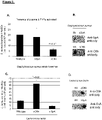
- the Applicant has discovered that human vascular endothelial cells under shear conditions upregulate the expression of certain extracellular receptors, including the ⁇ V ⁇ 3 integrin receptor.
- the Applicant has discovered that the human pathogens Staphylococcus aureus and Escherichia.coli bind to human vascular endothelial cells under shear conditions through the interaction with the vascular endothelial ⁇ V ⁇ 3 integrin receptor.
- S. Aureus clumping factor A binds to fibrinogen which is crosslinked to ⁇ V ⁇ 3, and E.coli liposolysaccharide (LPS) binds directly ⁇ V ⁇ 3.
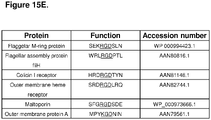
- Escherichia coli outer membrane protein A binds to the endothelial cell major integrin, ⁇ V ⁇ 3.
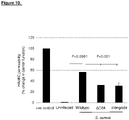
- a ⁇ V ⁇ 3 antagonist such as cilengitide causes a dose-dependent reduction in adhesion of both gram positive and gram negative bacteria to vascular endothelial cells.
- the invention relates to the treatment or prevention of sepsis by administration, ideally intravenous administration, of a ⁇ V ⁇ 3 antagonist to a patient.
- administration ideally intravenous administration
- the therapeutic intervention does not require blood cultures to be measured in advance and can be initiated as soon a blood infection is suspected or has been detected.
- the invention relates to cilengitide for use in the treatment or prevention of sepsis in a patient, in which cilengitide is delivered to the patient intravenously.
- the patient has, or is suspected of having, a bacterial infection of the blood.
- the use of the invention is specifically for early prevention or inhibition of the development of sepsis in a patient having or suspected of having a bacterial infection of the blood.
- the use of the invention is specifically for early prevention or inhibition of the development of severe sepsis or septic shock in a patient having or suspected of having sepsis or an infection of the blood.
- the use of the invention is specifically for treatment of severe sepsis or septic shock in a patient.
- the use of the invention additionally comprises treatment with an intervention selected from: intravenous antibiotics; intravenous fluids; and organ-specific intervention.
- a dosage of less than 10mg/m 2 is administered to the patient. In one embodiment, a dosage of less than 1mg/m 2 is administered to the patient.
- a pharmaceutical composition comprising a therapeutically effective amount cilengitide and an antibiotic typically formulated for intravenous delivery.
- the antibiotic is a broad spectrum antibiotic. Examples include gentamycin, cefepime, piperacillin or meropenem.
- the antibiotic is a gram-negative specific antibiotic. Examples include amikacin or tobramycin.
- the antibiotic is a gram-positive specific antibiotic. Examples include vancomycin.
- the pharmaceutical composition comprises less than 10mg/m 2 . In one embodiment, a dosage of less than 1mg/m 2 is administered to the patient.
- Described herein is a method of treating or preventing sepsis in a patient, comprising intravenously administering cilengitide as described herein.
- the method is for early prevention or inhibition of the development of sepsis in a patient having or suspected of having a bacterial infection of the blood.
- the method is for early prevention or inhibition of the development of severe sepsis or septic shock in a patient having or suspected of having sepsis.
- the method is for treatment of severe sepsis or septic shock in a patient.
- Sepsis is diagnosed when a patient exhibits at least two of the following symptoms, plus a probable or confirmed infection:
- Severe sepsis is diagnosed if the patient also exhibit at least one of the following signs and symptoms, which indicate an organ may be failing:
- Septic shock is diagnosed if in addition to the symptoms of severe sepsis the patient also displays extremely low blood pressure that doesn't adequately respond to simple fluid replacement.
- treating refers to administering a ⁇ V ⁇ 3 antagonist cilengitide to an individual that has or is suspected of having a blood infection with the purpose to cure, heal, prevent, alleviate, relieve, alter, remedy, ameliorate, or inhibit the development of sepsis, including severe sepsis or septic shock.
- the term means preventing or inhibiting the development of sepsis in an individual with a blood infection.
- the patient is administered a therapeutically effective amount of the ⁇ V ⁇ 3 antagonist.
- the term "therapeutically effective amount” refers to the amount of the ⁇ V ⁇ 3 antagonist that is required to confer the intended therapeutic effect in the individual, which amount will vary depending on the type of antagonist, route of administration, status of infection or sepsis, and possible inclusion of other therapeutics or excipients.
- the therapeutically effective amount is less than 100mg/m 2 .
- “mg/m 2” means mg per m 2 of body surface area, and a method of calculating body surface area is provided at www.halls.md/body-surface-area/bsa.htm .
- the therapeutically effective amount is less than 50mg/m 2 .
- the therapeutically effective amount is less than 10mg/m 2 .
- the therapeutically effective amount is less than 5mg/m 2 . In one embodiment, the therapeutically effective amount is less than 1mg/m 2 . In one embodiment, the therapeutically effective amount is 0.001 to 50mg/m 2 . In one embodiment the therapeutically effective amount is 0.001 to 10mg/m 2 . In one embodiment, the therapeutically effective amount is 0.001 to 1.0mg/m 2 . In one embodiment, the therapeutically effective amount is 0.01 to 10mg/m 2 . In one embodiment, the therapeutically effective amount is 0.1 to 10mg/m 2 . In one embodiment, the therapeutically effective amount is 0.001 to 1.0mg/m 2 . In one embodiment, the therapeutically effective amount is 0.01 to 1mg/m 2 .
- the therapeutically effective amount is 0.1 to 1mg/m 2 . In one embodiment, the therapeutically effective amount is administered once daily for a period 2 to 14 days. In one embodiment, the methods and uses of the invention apply especially to patients having or suspected of having a bacterial infection of the blood and for the purpose of inhibiting or preventing the development of sepsis. In another embodiment, the methods and uses of the invention apply to patients that are at risk of bacterial blood infection (i.e. immunocompromised patients, trauma patients, and patients having undergone major surgery such as cardiothoracic surgery) and for the purpose of preventing or inhibiting bacterial infection of the blood.
- bacterial blood infection i.e. immunocompromised patients, trauma patients, and patients having undergone major surgery such as cardiothoracic surgery
- the methods and uses of the invention apply especially to patients having or suspected of having sepsis and for the purpose of inhibiting or preventing the development of severe sepsis or septic shock.
- the method and uses of the invention are for a patient in need thereof.
- patient in need thereof' refers to a person who has or is suspected of having or developing sepsis.
- prevention of sepsis means preventing or inhibiting the development of sepsis in a patient with a blood infection, or preventing or inhibiting the development of sever sepsis in a patient with a sepsis, or preventing or inhibiting the development of septic shock in a patient with severe sepsis.
- cilengitide is administered intravenously.
- parenteral includes subcutaneous, intracutaneous, intravenous, intramuscular, intraarticular, intraarterial, intrasynovial, intrasternal, intrathecal, intralesional, and intracranial injection or infusion techniques.
- a sterile injectable composition e.g., a sterile injectable aqueous or oleaginous suspension, can be formulated according to techniques known in the art using suitable dispersing or wetting agents (such as Tween 80) and suspending agents.
- the sterile injectable preparation can also be a sterile injectable solution or suspension in a nontoxic parentally acceptable diluents or solvent for example, as a solution in 1,3-butanediol.
- acceptable vehicles and solvents that can be employed are mannitol, water, Ringer's solution and isotonic sodium chloride solution.
- sterile, fixed oils are conventionally employed as a solvent or suspending medium (eg. Synthetic mono-or dyglycerides).
- Fatty acids, such as oleic acid and its glyceride derivatives are useful in the preparation of injectables, as are natural pharmaceutically-acceptable oils, such as olive oil or castor oil, especially in their polyoxyethylated versions.
- oil solutions or suspensions can also contain a long-chain alcohol diluents or dispersant, or carboxymethyl cellulose or similar dispersing agents.
- a long-chain alcohol diluents or dispersant or carboxymethyl cellulose or similar dispersing agents.
- Other commonly used surfactants such as Tweens or Spans or other similar emulsifying agents or bioavailablity enhancers which are commonly used in the manufacture of pharmaceutically acceptable solid, liquid, or other dosage forms can also be used for the purposes of formulation.
- a composition for oral administration can be any orally acceptable dosage form including, but not limited to, capsules, tablets, emulsions and aqueous suspensions, dispersions and solutions.
- carriers that are commonly used include lactose and corn starch.
- Lubricating agents such as magnesium stearate, are also typically added.
- useful diluents include lactose and dried corn starch.
- a nasal aerosol or inhalation composition can be prepared according to techniques well known in the art of pharmaceutical formulation.
- a fused multicyclic compound-containing composition can also be administered in the form of suppositories for rectal administration.
- the carrier in the pharmaceutical composition must be "acceptable” in the sense of being compatible with the active ingredient of the formulation (and preferable, capable of stabilising it) and not deleterious to the subject to be treated.
- one or more solubilising agents which form more soluble complexes with the fused multicyclic compounds, or more solubilising agents, can be utilised as pharmaceutical carriers for delivery of the active compounds.
- examples of other carriers include colloidal silicon dioxide, magnesium stearate, sodium lauryl sulphate, and D&C Yellow #10.
- Antibody refers to an intact ⁇ V ⁇ 3-binding immunoglobulin in any form, including but not limited to monoclonal, polyclonal, humanized or human form, or antibody fragments that bind to ⁇ V ⁇ 3.
- the term includes monoclonal or polyclonal ⁇ V ⁇ 3-binding fragments with the Fc (crystallizable fragment) region or FcRn binding fragment of the Fc region, referred to herein as the "Fc fragment” or "Fc domain".
- the antibody has the Fc region removed or modified such that it cannot interact with Protein A of bacteria. Methods of making such antibodies are described in Hay et al (Immunochemistry 12(5):373-378 ), Parkham et al (J.
- ⁇ V ⁇ 3-binding fragments may be produced by recombinant DNA techniques or by enzymatic or chemical cleavage of intact antibodies.
- ⁇ V ⁇ 3-binding fragments include, inter alia, Fab, Fab', F(ab')2, Fv, dAb, and complementarity determining region (CDR) fragments, single-chain antibodies (scFv), single domain antibodies, chimeric antibodies, diabodies and polypeptides that contain at least a portion of an immunoglobulin that is sufficient to confer specific antigen binding to the polypeptide.
- the Fc domain includes portions of two heavy chains contributing to two or three classes of the antibody.
- the Fc domain may be produced by recombinant DNA techniques or by enzymatic (e.g. papain cleavage) or via chemical cleavage of intact antibodies.
- the antibody may be an IgG, an IgM, an IgE, an IgA or an IgD molecule.
- the antibody molecule is an IgG, and more preferably is of the IgG1, IgG2, IgG3, or IgG4 subtype.
- the class and subclass of antibodies may be determined by any method known in the art, for example, by using antibodies that are specific for a particular class and subclass of antibody. Antibodies specific to ⁇ V ⁇ 3 are available commercially and are described above. The class and subclass can be determined by ELISA and Western Blots, as well as other techniques.
- the class and subclass may be determined by sequencing all or a portion of the constant domains of the heavy and/or light chains of the antibodies, comparing their amino acid sequences to the known amino acid sequences of various class and subclasses of immunoglobulins, and determining the class and subclass of the antibodies.
- Antibodies are a major class of biopharmaceuticals. Antibodies for therapeutic purposes are often produced from a cell line (e.g. CHO cells, the hamster line BHK21, the human PER.C6 cell line, COS, NIH 3T3, BHK, HEK, 293, L929, MEL, JEG-3, murine lymphoid cells (including NS0 and Sp2/0-Ag 14)), including hybridomas, and are usually a single clone of a specific antibody. Antibodies used for therapeutic purposes are classified as murine, chimeric, humanized or fully human antibodies and are produced by recombinant methods.
- a cell line e.g. CHO cells, the hamster line BHK21, the human PER.C6 cell line, COS, NIH 3T3, BHK, HEK, 293, L929, MEL, JEG-3, murine lymphoid cells (including NS0 and Sp2/0-Ag 14)
- a cell line e.
- a “murine antibody” is a full mouse antibody and has only limited use in humane due to its short half-life in circulation and its high immunogenicity.
- a “chimeric antibody” is a genetically engineered antibody, which contains both mouse and human sequences. The ratio is approximately 33% mouse contribution and 67 % human contribution.
- the variable domains are murine and the constant region including the Fc fragment is derived from a human IgG.
- a “humanized antibody” is a genetically engineered antibody, wherein the mouse content is reduced to about 5-10%.
- the six CDRs of the heavy and light chains and a limited number of structural amino acids of the murine monoclonal antibody are grafted by recombinant technology to the CDR-depleted human IgG scaffold.
- a fully human antibody or human antibody describes antibodies, which are made in humanized mice resulting in antibodies that do not contain any mouse sequences, or made in vitro using phage libraries or ribosome display or alternatively are obtained from human donors.
- chimeric, humanized or primatized (CDR-grafted) antibodies comprising portions derived from different species or fully human antibodies, are also encompassed by the present invention.
- the various portions of these antibodies can be joined together chemically by conventional techniques, or can be prepared as a contiguous protein using genetic engineering techniques.
- nucleic acids encoding a chimeric or humanized chain can be expressed to produce a contiguous protein. See, e.g., Cabilly et al., U.S. Pat. No. 4,816,567 ; Cabilly et al., European Patent No. 0,125,023 ; Boss et al., U.S. Pat. No. 4,816,397 ; Boss et al., European Patent No. 0,120,694 ; Neuberger, M. S. et al., WO 86/01533 ; Neuberger, M. S.
- antibody preparation a mixture of antibodies, termed herein as an "antibody preparation", can be used according to the methods of the present invention.
- antibody preparations include polyclonal and monoclonal mixtures of antibodies.
- a humanized antibody may comprise portions of immunoglobulins of different origin. For example, at least one portion can be of human origin.
- the humanized antibody can comprise portions derived from an immunoglobulin of nonhuman origin with the requisite specificity, such as a mouse, and from immunoglobulin sequences of human origin (e.g., a chimeric immunoglobulin), joined together chemically by conventional techniques (e.g., synthetic) or prepared as a contiguous polypeptide using genetic engineering techniques (e.g., DNA encoding the protein portions of the chimeric antibody can be expressed to produce a contiguous polypeptide chain).
- a humanized antibody may be created in a transgenic or humanized animal expressing the human antibody genes (see Lonberg, N.
- humanized antibody of the present invention is an immunoglobulin containing one or more immunoglobulin chains comprising a CDR of nonhuman origin (e.g., one or more CDRs derived from an antibody of nonhuman origin) and a framework region derived from a light and/or heavy chain of human origin (e.g., CDR-grafted antibodies with or without framework changes). Chimeric or CDR-grafted single chain antibodies are also encompassed by the term "humanized antibody”.
- Polyclonal antibodies which may be used in the methods of the invention are heterogeneous populations of antibody molecules derived from the sera of immunized animals (using ⁇ V ⁇ 3-specific peptides or recombinant proteins as an immunogen).
- a hybridoma For preparation of Monoclonal antibodies directed to ⁇ V ⁇ 3, a hybridoma can be produced by fusing a suitable immortal cell line (e.g., a myeloma cell line such as SP2/0) with antibody producing cells.
- the antibody producing cell preferably those of the spleen or lymph nodes, are obtained from animals immunized with the antigen of interest ( ⁇ V ⁇ 3-specific peptide or recombinant protein).
- Hybridomas can be isolated using selective culture conditions, and cloned by limiting dilution. Cells that produce antibodies with the desired specificity can be selected by a suitable assay (e.g., ELISA).
- Antibodies can be purified from the plasma of human donors.
- An antibody may have one or more binding sites. If there is more than one binding site, the binding sites may be identical to one another or may be different. For instance, a naturally occurring immunoglobulin has two identical binding sites, a single-chain antibody or Fab fragment has one binding site, while a "bispecific" or “bifunctional” antibody has two different binding sites.
- An individual antibody's ability to internalize, deliver a payload, and kill a target cell can vary greatly depending on the affinity and the particular target epitope that is engaged by the antibody. For a given target in this case IL1RAPL-1 a panel of antibodies should be developed (will cover a range of binding affinities and epitopes) for ADC conjugation.
- human antibody includes all antibodies that have one or more variable and constant regions derived from human immunoglobulin sequences. In one embodiment, all of the variable and constant domains are derived from human immunoglobulin sequences (a fully human antibody).
- chimeric antibody refers to an antibody that contains one or more regions from one antibody and one or more regions from one or more other different antibodies.
- one or more of the CDRs are derived from a specific human antibody. In a more preferred embodiment, all of the CDRs are derived from a human antibody. In another preferred embodiment, the CDRs from more than one human antibody are mixed and matched in a chimeric antibody.
- a chimeric antibody may comprise a CDR1 from the light chain of a first human antibody combined with CDR2 and CDR3 from the light chain of a second human antibody, and the CDRs from the heavy chain may be derived from a third antibody.
- the framework regions may be derived from one of the same antibodies, from one or more different antibodies, such as a human antibody, or from a humanized antibody. (chimeric is not listed on page 4 -see antibody and fragments specific for the target protein).
- Promocell GmbH Heidelberg Germany
- the cells were routinely grown in Cell+ T75 tissue culture flasks containing Promocell Endothelial Cell Growth Media MV supplemented with 5% foetal calf serum, 0.4% endothelial cell growth supplement/bovine hypothalamic extract, heparin (90 mg/mL), hydrocortisone (1 mg/mL), epidermal growth factor (10 ng/mL), and antibiotics (100 U/mL penicillin, 100 mg/mL streptomycin) Cells were grown in a humidified atmosphere of 5% CO2/95% air at 37°C. For all experiments cells between passages 6 and 12 were used.
- HAoECs were seeded at 0.4 ⁇ 10 6 into 6 well plates and grown to confluency. The HAoECs were sheared by applying 10dynes/cm2 of shear stress for 24hrs. After shearing cells were either experimented upon in the 6 well plate or harvested for seeding into adhesion assays, proliferation and permeability assays.
- Glass cover slips (type 1, 24 ⁇ 24 mm 0.17mm thick borosilicate glass) were attached to the base of a 6 well tissue culture sealing the lower edges with a PAP pen.
- HAoECs were seeded into the well at 600,000 cells per well incubating for 24 hrs to assure attachment to the glass cover slips.
- the media in the well was replaced and the cells exposed to a shear force of 10 dyn/cm 2 for 24 hrs. After shearing the media was removed, the cover slip removed from the well and the cells washed with 37°C PBS.
- the cells were fixed with 3.7% formaldehyde in PBS for 20 minutes on ice, washed and permeabilised with 0.2% triton 100X in PBS for 5 minutes at room temperature.
- Sheared HAoECs were seeded into wells of a 96 well tissue culture plate at a density of 2.5 ⁇ 10 4 cells per well in a volume of 100 ⁇ l. Experiments were carried out either in the presence or absence of TNF ⁇ at 10 ng/ml. The HAoECs were incubated at 37°C 5% CO2 for 4 hours to facilitate attachment and cell-cell contact on the plate. Following the 4 hr incubation the media was removed and 100 ⁇ l of human platelet poor plasma (PPP), 4 mg/ml fibrinogen or 1mg/ml IgG was added to each well and incubated for 1hr at 37°C 5% CO2.
- PPPP human platelet poor plasma
- the wells were washed with PBS and the wells were blocked with 100 ⁇ l of 1% pre well for 1 hr at 37°C. Finally the wells were washed with 100 ⁇ l of TBS and 100 ⁇ l of SYBR green II stained bacteria was added per well at a MOI of 400. The cells were incubated for a further 1 hr at 37°C 5% CO2 and then read on a fluorescent plate reader (1420 Victor V3, Perkin Elmer, Dublin, Ireland) at 485/535 nm. The bacteria were then removed gently by pipette and the plate washed with 100 ⁇ l TBS/well. The plate was then read again at 485/535 nm.
- Adhered bacteria were calculated as a percent remaining from the initial reading multiplied by the number of bacteria added. Depletion of plasma was carried out by re suspending a pellet of 1 ml of OD1 L. lactis +ClfA in 1 ml of human hirudinised plasma. This was left on a rotator at 37°C for 1 hr, centrifuged at 3200 ⁇ g for 5 minutes and the supernatant removed. The plasma now deficient in the plasma proteins bound to by ClfA was used in the bacterial adhesion assay. Blocking of endothelial cells with c(RGDfV) was carried out by an additional step after the 4 hour incubation with TNF ⁇ and before the addition of fibrinogen. Removing the TNF ⁇ containing media 100 ⁇ l of new media containing 0.05 ⁇ M C(RGDfV) was added to the endothelial cells and incubated for 1 hour at 37°C. This experiment was repeated using E. coli.
- Sheared HAoECs in a 6 well plate were exposed to 1 ng of TNF ⁇ per 25,000 endothelial cells or fresh media and were incubated for 4 hrs at 37°C.
- the TNF ⁇ containing media was removed and 1 ml of 4mg/ml Fg in media at 37°C for 1 hr.
- Cells were detached by trypsinization and pelleted.
- the cell pellet was washed in ice cold (4°C) PBS before being probed with anti ⁇ V ⁇ 3 antibody LM609 for 15 minutes, washed and probed with a 535 anti-mouse secondary.
- Cells were analysed on a flow cytometer (BD FACSCanto TM II Flow Cytometer).
- Sheared HAoECs were seeded into a six well plate at 150,000 cells per well in 1.6ml media containing 10 ng/ml of TNF ⁇ . The cells were incubated for 4 hrs at 37°C in a 5% CO2. The media was replaced by 1.6ml of either fresh media or media containing 0.05 ⁇ M cilengitide and incubated for 1hr. Following this media was removed and 1 ml of 4 mg/ml fibrinogen was added per well incubating for a further hour. The media was removed and the well washed with antibiotic free media. To each well 1.6ml of antibiotic free media was added containing S. aureus Newman or S. aureus ⁇ ClfA for a MOI of 400.
- the cells were incubated at 37°C in for 24 hrs. Following incubation the media was removed from the cells and they were washed 4 times with warm PBS. The cells were detached from the 6 well plate by trypsinization counted on a haemocytometer.
- Sheared HAoECs in a 6 well plate were exposed to 1 ng of TNFa per 25,000 endothelial cells and were incubated for 4 hrs at 37°C.
- the TNF ⁇ containing media was removed and 1 ml of 4mg/ml Fg in media at 37°C for 1 hr.
- Media was removed and replaced with 1 ml of antibiotic free media containing S. aureus Newman WT or Newman ⁇ ClfA to a MOI of 400 in a final volume per well of 2 ml.
- the cells were incubated for 24 hrs at 37°C. Following incubation the media was removed and the wells washed 3 times with warm PBS. Cells were detached by trypsinization and pelleted.
- the cell pellet was washed in ice cold (4°C) PBS before being stained with a TACS TM Annexin V Apoptosis Kit.
- the cells were analysed on a flow cytometer (BD FACSCanto TM II Flow Cytometer). The experiment was repeated to test ⁇ V ⁇ 3 blocking by cilengitide at 0.05 ⁇ M for 1 hr between the TNF ⁇ exposure and the addition of 4 mg/ml fibrinogen for 1 hr.
- This experiment was repeated using E. coli and E. coli ⁇ ompA instead of S. aureus Newman WT or Newman ⁇ ClfA.
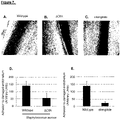
- Endothelial barrier permeability was assessed using a transwell apparatus with the slight modifications. Sheared HAoECs were trypsinized and seeded into hanging inserts, were placed in a 6 well plate. To the lower (abluminal) chamber of the plate 4 ml of cell media was added and 2 ml of media containing 200,000 cells/ml was added to the top (luminal) chamber. The wells plates were incubated at 37°C in a 5% CO 2 and humidified atmosphere overnight to form a confluent monolayer. Media in the abluminal chamber was changed to antibiotic free media while simultaneously the media in the luminal chamber was removed and washed with antibiotic free media. Cells were infected with S. aureus Newman WT and S.
- aureus ⁇ ClfA in 2 ml of antibiotic free media to infect the cells at a MOI of 400 for 3 hrs at 37°C.
- FITC dextran 40 kDa was added to the top chamber for a final concentration of 250 ⁇ g/ml in 2 ml.
- Media samples from the abluminal chamber were taken 24hrs after infection measured on a plate reader at fluorescence Ex/Em 485/535 nm.
- the experiment was repeated to test ⁇ V ⁇ 3 blocking by cilengitide at 0.05 ⁇ M for 1 hr between the TNF ⁇ exposure and the addition of 4 mg/ml fibrinogen in place of plasma for 1 hr.
- This experiment was repeated using E. coli and E. coli ⁇ ompA instead of S. aureus Newman WT or Newman ⁇ ClfA.
- MTT ((3-(4,5-dimethylthiazol-2-yl)-2,5-diphenyltetrazolium bromide) assay kit.
- Sheared HAoECs were seeded into a clear 96 well microtitre plate at a density of 2.5 ⁇ 10 4 cells/well in 100 ⁇ l in media containing 10 ng/ml TNF ⁇ . The cells were incubated for 4 hrs at 37°C. Media was removed from the wells after 4 hrs and replaced with 100 ⁇ l of fresh cell media, cell media containing a vehicle or cell media containing 0.05 ⁇ M cilengitide.
- the plate was incubated for a further one hour before the media was changed for 100 ⁇ l of fresh cell media with 10 ⁇ l of 12 mM MTT stock and the plate incubated at 37°C for 4 hrs. All but 25 ⁇ l of liquid was removed from each well and 10 ⁇ l of DMSO was added per well. The plate was incubated for 10 minutes at 37°C before being read on a plate reader for absorbance at 570 nm.
Landscapes
- Health & Medical Sciences (AREA)
- Life Sciences & Earth Sciences (AREA)
- General Health & Medical Sciences (AREA)
- Veterinary Medicine (AREA)
- Chemical & Material Sciences (AREA)
- Animal Behavior & Ethology (AREA)
- Medicinal Chemistry (AREA)
- Pharmacology & Pharmacy (AREA)
- Public Health (AREA)
- Epidemiology (AREA)
- Gastroenterology & Hepatology (AREA)
- Proteomics, Peptides & Aminoacids (AREA)
- Bioinformatics & Cheminformatics (AREA)
- Engineering & Computer Science (AREA)
- Immunology (AREA)
- Communicable Diseases (AREA)
- Nuclear Medicine, Radiotherapy & Molecular Imaging (AREA)
- Organic Chemistry (AREA)
- Chemical Kinetics & Catalysis (AREA)
- General Chemical & Material Sciences (AREA)
- Oncology (AREA)
- Medicines That Contain Protein Lipid Enzymes And Other Medicines (AREA)
- Peptides Or Proteins (AREA)
- Mechanical Treatment Of Semiconductor (AREA)
- Magnetic Resonance Imaging Apparatus (AREA)
- Removal Of Specific Substances (AREA)
Claims (5)
- Cilengitid für die Verwendung bei der Behandlung oder Prävention von Sepsis bei einem Patienten, in der Cilengitid intravenös an den Patienten abgegeben wird.
- Cilengitid für die Verwendung nach Anspruch 1 für eine frühzeitige Prävention oder Hemmung der Entwicklung von Sepsis bei einem Patienten, der eine bakterielle Infektion des Bluts hat oder bei dem der Verdacht dieser besteht.
- Cilengitid für die Verwendung nach Anspruch 1 für eine frühzeitige Prävention oder Hemmung der Entwicklung von schwerer Sepsis oder septischem Schock bei einem Patienten, der Sepsis hat oder bei dem der Verdacht dieser besteht.
- Cilengitid für die Verwendung nach einem vorstehenden Anspruch für die Behandlung von schwerer Sepsis oder septischem Schock bei einem Patienten.
- Cilengitid für die Verwendung nach einem vorstehenden Anspruch, in der der Patient auch mit einer Maßnahme behandelt wird, die aus intravenösen Antibiotika, intravenösen Flüssigkeiten und organspezifischer Maßnahme ausgewählt ist.
Applications Claiming Priority (2)
| Application Number | Priority Date | Filing Date | Title |
|---|---|---|---|
| EP16156186.5A EP3207937A1 (de) | 2016-02-17 | 2016-02-17 | Verfahren zur behandlung oder prävention von sepsis |
| PCT/EP2017/053647 WO2017140862A1 (en) | 2016-02-17 | 2017-02-17 | A method of treating or preventing sepsis |
Publications (2)
| Publication Number | Publication Date |
|---|---|
| EP3416670A1 EP3416670A1 (de) | 2018-12-26 |
| EP3416670B1 true EP3416670B1 (de) | 2022-06-01 |
Family
ID=55446611
Family Applications (2)
| Application Number | Title | Priority Date | Filing Date |
|---|---|---|---|
| EP16156186.5A Withdrawn EP3207937A1 (de) | 2016-02-17 | 2016-02-17 | Verfahren zur behandlung oder prävention von sepsis |
| EP17710483.3A Active EP3416670B1 (de) | 2016-02-17 | 2017-02-17 | Verfahren zur behandlung oder prävention von sepsis |
Family Applications Before (1)
| Application Number | Title | Priority Date | Filing Date |
|---|---|---|---|
| EP16156186.5A Withdrawn EP3207937A1 (de) | 2016-02-17 | 2016-02-17 | Verfahren zur behandlung oder prävention von sepsis |
Country Status (5)
| Country | Link |
|---|---|
| US (2) | US20190105366A1 (de) |
| EP (2) | EP3207937A1 (de) |
| JP (1) | JP7154585B2 (de) |
| ES (1) | ES2925697T3 (de) |
| WO (1) | WO2017140862A1 (de) |
Families Citing this family (2)
| Publication number | Priority date | Publication date | Assignee | Title |
|---|---|---|---|---|
| WO2021224234A1 (en) * | 2020-05-04 | 2021-11-11 | Helmholtz-Zentrum für Infektionsforschung GmbH | Antiviral use of cilengitide |
| CA3208998A1 (en) * | 2021-01-22 | 2022-07-28 | Steven Kerrigan | Treatment of coronavirus |
Family Cites Families (16)
| Publication number | Priority date | Publication date | Assignee | Title |
|---|---|---|---|---|
| US4172124A (en) | 1978-04-28 | 1979-10-23 | The Wistar Institute | Method of producing tumor antibodies |
| GB8308235D0 (en) | 1983-03-25 | 1983-05-05 | Celltech Ltd | Polypeptides |
| US4816567A (en) | 1983-04-08 | 1989-03-28 | Genentech, Inc. | Recombinant immunoglobin preparations |
| GB8422238D0 (en) | 1984-09-03 | 1984-10-10 | Neuberger M S | Chimeric proteins |
| US5225539A (en) | 1986-03-27 | 1993-07-06 | Medical Research Council | Recombinant altered antibodies and methods of making altered antibodies |
| GB8607679D0 (en) | 1986-03-27 | 1986-04-30 | Winter G P | Recombinant dna product |
| US4946778A (en) | 1987-09-21 | 1990-08-07 | Genex Corporation | Single polypeptide chain binding molecules |
| GB8823869D0 (en) | 1988-10-12 | 1988-11-16 | Medical Res Council | Production of antibodies |
| US5545806A (en) | 1990-08-29 | 1996-08-13 | Genpharm International, Inc. | Ransgenic non-human animals for producing heterologous antibodies |
| DE69322860T2 (de) | 1992-04-03 | 1999-07-01 | Genentech, Inc., South San Francisco, Calif. | Antikörper gegen alpha v beta 3 integrin |
| DE19534177A1 (de) | 1995-09-15 | 1997-03-20 | Merck Patent Gmbh | Cyclische Adhäsionsinhibitoren |
| US7288390B2 (en) * | 2000-08-07 | 2007-10-30 | Centocor, Inc. | Anti-dual integrin antibodies, compositions, methods and uses |
| JP5199108B2 (ja) | 2005-11-14 | 2013-05-15 | ユニヴァーシティー オブ サザン カリフォルニア | インテグリン結合小分子 |
| AU2007207465B2 (en) | 2006-01-18 | 2012-12-06 | Merck Patent Gmbh | Specific therapy using integrin ligands for treating cancer |
| BRPI0806596A2 (pt) | 2007-01-18 | 2013-07-23 | Merck Patent Ges Mit Berchraenkter Haftung | medicamento e terapia especÍfica usando-se ligantes de integrina para o tratamento de cÂncer |
| AU2011278700A1 (en) * | 2010-07-16 | 2013-02-28 | Merck Patent Gmbh | Peptide for use in the treatment of breast cancer and/or bone metastases |
-
2016
- 2016-02-17 EP EP16156186.5A patent/EP3207937A1/de not_active Withdrawn
-
2017
- 2017-02-17 JP JP2018543699A patent/JP7154585B2/ja active Active
- 2017-02-17 US US15/999,336 patent/US20190105366A1/en not_active Abandoned
- 2017-02-17 WO PCT/EP2017/053647 patent/WO2017140862A1/en not_active Ceased
- 2017-02-17 EP EP17710483.3A patent/EP3416670B1/de active Active
- 2017-02-17 ES ES17710483T patent/ES2925697T3/es active Active
-
2025
- 2025-01-23 US US19/035,289 patent/US20250228916A1/en active Pending
Non-Patent Citations (1)
| Title |
|---|
| CHENG CHUN-HO ET AL: "Dynamics and functional differences between dendroaspin and rhodostomin: Insights into protein scaffolds in integrin recognition : Dynamics and Functional Differences Between Den and Rho", PROTEIN SCIENCE, vol. 21, no. 12, 1 December 2012 (2012-12-01), US, pages 1872 - 1884, XP055800388, ISSN: 0961-8368, Retrieved from the Internet <URL:https://www.ncbi.nlm.nih.gov/pmc/articles/PMC3575917/pdf/pro0021-1872.pdf> DOI: 10.1002/pro.2169 * |
Also Published As
| Publication number | Publication date |
|---|---|
| ES2925697T3 (es) | 2022-10-19 |
| EP3416670A1 (de) | 2018-12-26 |
| EP3207937A1 (de) | 2017-08-23 |
| JP2019511475A (ja) | 2019-04-25 |
| US20190105366A1 (en) | 2019-04-11 |
| US20250228916A1 (en) | 2025-07-17 |
| WO2017140862A1 (en) | 2017-08-24 |
| JP7154585B2 (ja) | 2022-10-18 |
Similar Documents
| Publication | Publication Date | Title |
|---|---|---|
| US20250228916A1 (en) | A method of treating or preventing sepsis | |
| Webster et al. | Brain penetration, target engagement, and disposition of the blood‐brain barrier‐crossing bispecific antibody antagonist of metabotropic glutamate receptor type 1 | |
| CN103209996A (zh) | 抗CD40抗体的沉默的Fc变体 | |
| EP2956171B1 (de) | Verfahren zum schutz gegen multiple sklerose und zur behandlung davon | |
| US7759465B2 (en) | Antibodies to toll-like receptor-2 | |
| US20200239566A1 (en) | Anti-tlr4 antibodies and uses thereof | |
| KR20110047193A (ko) | 중화 항-인플루엔자 a 바이러스 항체 및 이의 용도 | |
| DK2164992T3 (en) | COMPOSITIONS AND METHODS FOR BONDING OF LYTHOPHOSPHATIC ACID | |
| JPWO2008018472A1 (ja) | 新規モノクローナル抗体およびその用途 | |
| KR101196514B1 (ko) | 변형성 관절증 치료제 또는 예방제 | |
| EP3524625A1 (de) | Antikörper gegen alpha-11-integrin und dessen verwendung | |
| WO2017211313A1 (zh) | 长效pcsk9特异性的结合蛋白及其应用 | |
| JPWO2010058550A1 (ja) | 抗ヒトggt抗体による肝疾患治療剤又は予防剤 | |
| US20240082347A1 (en) | Treatment of coronavirus | |
| KR20120116475A (ko) | 변형성 관절증 치료제 또는 예방제를 제조하기 위한 사용 | |
| CA2541709C (en) | Anti-pecam therapy for metastasis suppression | |
| KR20120115383A (ko) | 변형성 관절증 치료 또는 예방용 의약 조성물 및 이의 제조 방법 | |
| CN119816329A (zh) | 抗myct1抗体及其用途 | |
| KR20120115382A (ko) | 변형성 관절증 치료제를 포함하는 주사제 |
Legal Events
| Date | Code | Title | Description |
|---|---|---|---|
| STAA | Information on the status of an ep patent application or granted ep patent |
Free format text: STATUS: UNKNOWN |
|
| STAA | Information on the status of an ep patent application or granted ep patent |
Free format text: STATUS: THE INTERNATIONAL PUBLICATION HAS BEEN MADE |
|
| PUAI | Public reference made under article 153(3) epc to a published international application that has entered the european phase |
Free format text: ORIGINAL CODE: 0009012 |
|
| STAA | Information on the status of an ep patent application or granted ep patent |
Free format text: STATUS: REQUEST FOR EXAMINATION WAS MADE |
|
| 17P | Request for examination filed |
Effective date: 20180917 |
|
| AK | Designated contracting states |
Kind code of ref document: A1 Designated state(s): AL AT BE BG CH CY CZ DE DK EE ES FI FR GB GR HR HU IE IS IT LI LT LU LV MC MK MT NL NO PL PT RO RS SE SI SK SM TR |
|
| AX | Request for extension of the european patent |
Extension state: BA ME |
|
| DAV | Request for validation of the european patent (deleted) | ||
| DAX | Request for extension of the european patent (deleted) | ||
| STAA | Information on the status of an ep patent application or granted ep patent |
Free format text: STATUS: EXAMINATION IS IN PROGRESS |
|
| 17Q | First examination report despatched |
Effective date: 20200316 |
|
| GRAP | Despatch of communication of intention to grant a patent |
Free format text: ORIGINAL CODE: EPIDOSNIGR1 |
|
| STAA | Information on the status of an ep patent application or granted ep patent |
Free format text: STATUS: GRANT OF PATENT IS INTENDED |
|
| RIN1 | Information on inventor provided before grant (corrected) |
Inventor name: KERRIGAN, STEVEN |
|
| INTG | Intention to grant announced |
Effective date: 20220105 |
|
| GRAA | (expected) grant |
Free format text: ORIGINAL CODE: 0009210 |
|
| GRAS | Grant fee paid |
Free format text: ORIGINAL CODE: EPIDOSNIGR3 |
|
| STAA | Information on the status of an ep patent application or granted ep patent |
Free format text: STATUS: THE PATENT HAS BEEN GRANTED |
|
| AK | Designated contracting states |
Kind code of ref document: B1 Designated state(s): AL AT BE BG CH CY CZ DE DK EE ES FI FR GB GR HR HU IE IS IT LI LT LU LV MC MK MT NL NO PL PT RO RS SE SI SK SM TR |
|
| REG | Reference to a national code |
Ref country code: GB Ref legal event code: FG4D |
|
| REG | Reference to a national code |
Ref country code: AT Ref legal event code: REF Ref document number: 1494932 Country of ref document: AT Kind code of ref document: T Effective date: 20220615 Ref country code: CH Ref legal event code: EP Ref country code: DE Ref legal event code: R096 Ref document number: 602017057979 Country of ref document: DE |
|
| REG | Reference to a national code |
Ref country code: IE Ref legal event code: FG4D |
|
| REG | Reference to a national code |
Ref country code: LT Ref legal event code: MG9D |
|
| REG | Reference to a national code |
Ref country code: NL Ref legal event code: MP Effective date: 20220601 |
|
| REG | Reference to a national code |
Ref country code: ES Ref legal event code: FG2A Ref document number: 2925697 Country of ref document: ES Kind code of ref document: T3 Effective date: 20221019 |
|
| PG25 | Lapsed in a contracting state [announced via postgrant information from national office to epo] |
Ref country code: SE Free format text: LAPSE BECAUSE OF FAILURE TO SUBMIT A TRANSLATION OF THE DESCRIPTION OR TO PAY THE FEE WITHIN THE PRESCRIBED TIME-LIMIT Effective date: 20220601 Ref country code: NO Free format text: LAPSE BECAUSE OF FAILURE TO SUBMIT A TRANSLATION OF THE DESCRIPTION OR TO PAY THE FEE WITHIN THE PRESCRIBED TIME-LIMIT Effective date: 20220901 Ref country code: LT Free format text: LAPSE BECAUSE OF FAILURE TO SUBMIT A TRANSLATION OF THE DESCRIPTION OR TO PAY THE FEE WITHIN THE PRESCRIBED TIME-LIMIT Effective date: 20220601 Ref country code: HR Free format text: LAPSE BECAUSE OF FAILURE TO SUBMIT A TRANSLATION OF THE DESCRIPTION OR TO PAY THE FEE WITHIN THE PRESCRIBED TIME-LIMIT Effective date: 20220601 Ref country code: GR Free format text: LAPSE BECAUSE OF FAILURE TO SUBMIT A TRANSLATION OF THE DESCRIPTION OR TO PAY THE FEE WITHIN THE PRESCRIBED TIME-LIMIT Effective date: 20220902 Ref country code: FI Free format text: LAPSE BECAUSE OF FAILURE TO SUBMIT A TRANSLATION OF THE DESCRIPTION OR TO PAY THE FEE WITHIN THE PRESCRIBED TIME-LIMIT Effective date: 20220601 Ref country code: BG Free format text: LAPSE BECAUSE OF FAILURE TO SUBMIT A TRANSLATION OF THE DESCRIPTION OR TO PAY THE FEE WITHIN THE PRESCRIBED TIME-LIMIT Effective date: 20220901 |
|
| REG | Reference to a national code |
Ref country code: AT Ref legal event code: MK05 Ref document number: 1494932 Country of ref document: AT Kind code of ref document: T Effective date: 20220601 |
|
| PG25 | Lapsed in a contracting state [announced via postgrant information from national office to epo] |
Ref country code: RS Free format text: LAPSE BECAUSE OF FAILURE TO SUBMIT A TRANSLATION OF THE DESCRIPTION OR TO PAY THE FEE WITHIN THE PRESCRIBED TIME-LIMIT Effective date: 20220601 Ref country code: PL Free format text: LAPSE BECAUSE OF FAILURE TO SUBMIT A TRANSLATION OF THE DESCRIPTION OR TO PAY THE FEE WITHIN THE PRESCRIBED TIME-LIMIT Effective date: 20220601 Ref country code: LV Free format text: LAPSE BECAUSE OF FAILURE TO SUBMIT A TRANSLATION OF THE DESCRIPTION OR TO PAY THE FEE WITHIN THE PRESCRIBED TIME-LIMIT Effective date: 20220601 |
|
| PG25 | Lapsed in a contracting state [announced via postgrant information from national office to epo] |
Ref country code: NL Free format text: LAPSE BECAUSE OF FAILURE TO SUBMIT A TRANSLATION OF THE DESCRIPTION OR TO PAY THE FEE WITHIN THE PRESCRIBED TIME-LIMIT Effective date: 20220601 |
|
| PG25 | Lapsed in a contracting state [announced via postgrant information from national office to epo] |
Ref country code: SM Free format text: LAPSE BECAUSE OF FAILURE TO SUBMIT A TRANSLATION OF THE DESCRIPTION OR TO PAY THE FEE WITHIN THE PRESCRIBED TIME-LIMIT Effective date: 20220601 Ref country code: SK Free format text: LAPSE BECAUSE OF FAILURE TO SUBMIT A TRANSLATION OF THE DESCRIPTION OR TO PAY THE FEE WITHIN THE PRESCRIBED TIME-LIMIT Effective date: 20220601 Ref country code: RO Free format text: LAPSE BECAUSE OF FAILURE TO SUBMIT A TRANSLATION OF THE DESCRIPTION OR TO PAY THE FEE WITHIN THE PRESCRIBED TIME-LIMIT Effective date: 20220601 Ref country code: PT Free format text: LAPSE BECAUSE OF FAILURE TO SUBMIT A TRANSLATION OF THE DESCRIPTION OR TO PAY THE FEE WITHIN THE PRESCRIBED TIME-LIMIT Effective date: 20221003 Ref country code: EE Free format text: LAPSE BECAUSE OF FAILURE TO SUBMIT A TRANSLATION OF THE DESCRIPTION OR TO PAY THE FEE WITHIN THE PRESCRIBED TIME-LIMIT Effective date: 20220601 Ref country code: CZ Free format text: LAPSE BECAUSE OF FAILURE TO SUBMIT A TRANSLATION OF THE DESCRIPTION OR TO PAY THE FEE WITHIN THE PRESCRIBED TIME-LIMIT Effective date: 20220601 Ref country code: AT Free format text: LAPSE BECAUSE OF FAILURE TO SUBMIT A TRANSLATION OF THE DESCRIPTION OR TO PAY THE FEE WITHIN THE PRESCRIBED TIME-LIMIT Effective date: 20220601 |
|
| PG25 | Lapsed in a contracting state [announced via postgrant information from national office to epo] |
Ref country code: IS Free format text: LAPSE BECAUSE OF FAILURE TO SUBMIT A TRANSLATION OF THE DESCRIPTION OR TO PAY THE FEE WITHIN THE PRESCRIBED TIME-LIMIT Effective date: 20221001 |
|
| REG | Reference to a national code |
Ref country code: DE Ref legal event code: R097 Ref document number: 602017057979 Country of ref document: DE |
|
| PG25 | Lapsed in a contracting state [announced via postgrant information from national office to epo] |
Ref country code: AL Free format text: LAPSE BECAUSE OF FAILURE TO SUBMIT A TRANSLATION OF THE DESCRIPTION OR TO PAY THE FEE WITHIN THE PRESCRIBED TIME-LIMIT Effective date: 20220601 |
|
| PLBE | No opposition filed within time limit |
Free format text: ORIGINAL CODE: 0009261 |
|
| STAA | Information on the status of an ep patent application or granted ep patent |
Free format text: STATUS: NO OPPOSITION FILED WITHIN TIME LIMIT |
|
| PG25 | Lapsed in a contracting state [announced via postgrant information from national office to epo] |
Ref country code: DK Free format text: LAPSE BECAUSE OF FAILURE TO SUBMIT A TRANSLATION OF THE DESCRIPTION OR TO PAY THE FEE WITHIN THE PRESCRIBED TIME-LIMIT Effective date: 20220601 |
|
| 26N | No opposition filed |
Effective date: 20230302 |
|
| PG25 | Lapsed in a contracting state [announced via postgrant information from national office to epo] |
Ref country code: SI Free format text: LAPSE BECAUSE OF FAILURE TO SUBMIT A TRANSLATION OF THE DESCRIPTION OR TO PAY THE FEE WITHIN THE PRESCRIBED TIME-LIMIT Effective date: 20220601 |
|
| PG25 | Lapsed in a contracting state [announced via postgrant information from national office to epo] |
Ref country code: MC Free format text: LAPSE BECAUSE OF FAILURE TO SUBMIT A TRANSLATION OF THE DESCRIPTION OR TO PAY THE FEE WITHIN THE PRESCRIBED TIME-LIMIT Effective date: 20220601 |
|
| REG | Reference to a national code |
Ref country code: CH Ref legal event code: PL |
|
| REG | Reference to a national code |
Ref country code: BE Ref legal event code: MM Effective date: 20230228 |
|
| PG25 | Lapsed in a contracting state [announced via postgrant information from national office to epo] |
Ref country code: LU Free format text: LAPSE BECAUSE OF NON-PAYMENT OF DUE FEES Effective date: 20230217 Ref country code: LI Free format text: LAPSE BECAUSE OF NON-PAYMENT OF DUE FEES Effective date: 20230228 Ref country code: CH Free format text: LAPSE BECAUSE OF NON-PAYMENT OF DUE FEES Effective date: 20230228 |
|
| PG25 | Lapsed in a contracting state [announced via postgrant information from national office to epo] |
Ref country code: BE Free format text: LAPSE BECAUSE OF NON-PAYMENT OF DUE FEES Effective date: 20230228 |
|
| PG25 | Lapsed in a contracting state [announced via postgrant information from national office to epo] |
Ref country code: BG Free format text: LAPSE BECAUSE OF FAILURE TO SUBMIT A TRANSLATION OF THE DESCRIPTION OR TO PAY THE FEE WITHIN THE PRESCRIBED TIME-LIMIT Effective date: 20220601 |
|
| PG25 | Lapsed in a contracting state [announced via postgrant information from national office to epo] |
Ref country code: BG Free format text: LAPSE BECAUSE OF FAILURE TO SUBMIT A TRANSLATION OF THE DESCRIPTION OR TO PAY THE FEE WITHIN THE PRESCRIBED TIME-LIMIT Effective date: 20220601 |
|
| PG25 | Lapsed in a contracting state [announced via postgrant information from national office to epo] |
Ref country code: CY Free format text: LAPSE BECAUSE OF FAILURE TO SUBMIT A TRANSLATION OF THE DESCRIPTION OR TO PAY THE FEE WITHIN THE PRESCRIBED TIME-LIMIT; INVALID AB INITIO Effective date: 20170217 |
|
| PG25 | Lapsed in a contracting state [announced via postgrant information from national office to epo] |
Ref country code: HU Free format text: LAPSE BECAUSE OF FAILURE TO SUBMIT A TRANSLATION OF THE DESCRIPTION OR TO PAY THE FEE WITHIN THE PRESCRIBED TIME-LIMIT; INVALID AB INITIO Effective date: 20170217 |
|
| PG25 | Lapsed in a contracting state [announced via postgrant information from national office to epo] |
Ref country code: TR Free format text: LAPSE BECAUSE OF FAILURE TO SUBMIT A TRANSLATION OF THE DESCRIPTION OR TO PAY THE FEE WITHIN THE PRESCRIBED TIME-LIMIT Effective date: 20220601 |
|
| PGFP | Annual fee paid to national office [announced via postgrant information from national office to epo] |
Ref country code: GB Payment date: 20260224 Year of fee payment: 10 |
|
| PGFP | Annual fee paid to national office [announced via postgrant information from national office to epo] |
Ref country code: ES Payment date: 20260317 Year of fee payment: 10 |
|
| PGFP | Annual fee paid to national office [announced via postgrant information from national office to epo] |
Ref country code: DE Payment date: 20260226 Year of fee payment: 10 Ref country code: IE Payment date: 20260224 Year of fee payment: 10 |
|
| PGFP | Annual fee paid to national office [announced via postgrant information from national office to epo] |
Ref country code: IT Payment date: 20260223 Year of fee payment: 10 |
|
| PGFP | Annual fee paid to national office [announced via postgrant information from national office to epo] |
Ref country code: FR Payment date: 20260227 Year of fee payment: 10 |