EP3405201B1 - Stabilisiertes amorphes calciumcarbonat zur behandlung von neurologischen, muskel- und unfruchtbarkeitserkrankungen oder zuständen - Google Patents
Stabilisiertes amorphes calciumcarbonat zur behandlung von neurologischen, muskel- und unfruchtbarkeitserkrankungen oder zuständen Download PDFInfo
- Publication number
- EP3405201B1 EP3405201B1 EP17741180.8A EP17741180A EP3405201B1 EP 3405201 B1 EP3405201 B1 EP 3405201B1 EP 17741180 A EP17741180 A EP 17741180A EP 3405201 B1 EP3405201 B1 EP 3405201B1
- Authority
- EP
- European Patent Office
- Prior art keywords
- acc
- pharmaceutical composition
- acid
- calcium
- cells
- Prior art date
- Legal status (The legal status is an assumption and is not a legal conclusion. Google has not performed a legal analysis and makes no representation as to the accuracy of the status listed.)
- Active
Links
Images



Classifications
-
- C—CHEMISTRY; METALLURGY
- C12—BIOCHEMISTRY; BEER; SPIRITS; WINE; VINEGAR; MICROBIOLOGY; ENZYMOLOGY; MUTATION OR GENETIC ENGINEERING
- C12N—MICROORGANISMS OR ENZYMES; COMPOSITIONS THEREOF; PROPAGATING, PRESERVING, OR MAINTAINING MICROORGANISMS; MUTATION OR GENETIC ENGINEERING; CULTURE MEDIA
- C12N5/00—Undifferentiated human, animal or plant cells, e.g. cell lines; Tissues; Cultivation or maintenance thereof; Culture media therefor
- C12N5/06—Animal cells or tissues; Human cells or tissues
- C12N5/0602—Vertebrate cells
- C12N5/0603—Embryonic cells ; Embryoid bodies
- C12N5/0604—Whole embryos; Culture medium therefor
-
- A—HUMAN NECESSITIES
- A61—MEDICAL OR VETERINARY SCIENCE; HYGIENE
- A61K—PREPARATIONS FOR MEDICAL, DENTAL OR TOILETRY PURPOSES
- A61K33/00—Medicinal preparations containing inorganic active ingredients
- A61K33/06—Aluminium, calcium or magnesium; Compounds thereof, e.g. clay
- A61K33/10—Carbonates; Bicarbonates
-
- A—HUMAN NECESSITIES
- A61—MEDICAL OR VETERINARY SCIENCE; HYGIENE
- A61K—PREPARATIONS FOR MEDICAL, DENTAL OR TOILETRY PURPOSES
- A61K47/00—Medicinal preparations characterised by the non-active ingredients used, e.g. carriers or inert additives; Targeting or modifying agents chemically bound to the active ingredient
- A61K47/02—Inorganic compounds
-
- A—HUMAN NECESSITIES
- A61—MEDICAL OR VETERINARY SCIENCE; HYGIENE
- A61K—PREPARATIONS FOR MEDICAL, DENTAL OR TOILETRY PURPOSES
- A61K47/00—Medicinal preparations characterised by the non-active ingredients used, e.g. carriers or inert additives; Targeting or modifying agents chemically bound to the active ingredient
- A61K47/06—Organic compounds, e.g. natural or synthetic hydrocarbons, polyolefins, mineral oil, petrolatum or ozokerite
- A61K47/08—Organic compounds, e.g. natural or synthetic hydrocarbons, polyolefins, mineral oil, petrolatum or ozokerite containing oxygen, e.g. ethers, acetals, ketones, quinones, aldehydes, peroxides
- A61K47/12—Carboxylic acids; Salts or anhydrides thereof
-
- A—HUMAN NECESSITIES
- A61—MEDICAL OR VETERINARY SCIENCE; HYGIENE
- A61K—PREPARATIONS FOR MEDICAL, DENTAL OR TOILETRY PURPOSES
- A61K47/00—Medicinal preparations characterised by the non-active ingredients used, e.g. carriers or inert additives; Targeting or modifying agents chemically bound to the active ingredient
- A61K47/06—Organic compounds, e.g. natural or synthetic hydrocarbons, polyolefins, mineral oil, petrolatum or ozokerite
- A61K47/24—Organic compounds, e.g. natural or synthetic hydrocarbons, polyolefins, mineral oil, petrolatum or ozokerite containing atoms other than carbon, hydrogen, oxygen, halogen, nitrogen or sulfur, e.g. cyclomethicone or phospholipids
-
- A—HUMAN NECESSITIES
- A61—MEDICAL OR VETERINARY SCIENCE; HYGIENE
- A61K—PREPARATIONS FOR MEDICAL, DENTAL OR TOILETRY PURPOSES
- A61K47/00—Medicinal preparations characterised by the non-active ingredients used, e.g. carriers or inert additives; Targeting or modifying agents chemically bound to the active ingredient
- A61K47/06—Organic compounds, e.g. natural or synthetic hydrocarbons, polyolefins, mineral oil, petrolatum or ozokerite
- A61K47/26—Carbohydrates, e.g. sugar alcohols, amino sugars, nucleic acids, mono-, di- or oligo-saccharides; Derivatives thereof, e.g. polysorbates, sorbitan fatty acid esters or glycyrrhizin
-
- A—HUMAN NECESSITIES
- A61—MEDICAL OR VETERINARY SCIENCE; HYGIENE
- A61K—PREPARATIONS FOR MEDICAL, DENTAL OR TOILETRY PURPOSES
- A61K47/00—Medicinal preparations characterised by the non-active ingredients used, e.g. carriers or inert additives; Targeting or modifying agents chemically bound to the active ingredient
- A61K47/30—Macromolecular organic or inorganic compounds, e.g. inorganic polyphosphates
- A61K47/36—Polysaccharides; Derivatives thereof, e.g. gums, starch, alginate, dextrin, hyaluronic acid, chitosan, inulin, agar or pectin
-
- A—HUMAN NECESSITIES
- A61—MEDICAL OR VETERINARY SCIENCE; HYGIENE
- A61K—PREPARATIONS FOR MEDICAL, DENTAL OR TOILETRY PURPOSES
- A61K47/00—Medicinal preparations characterised by the non-active ingredients used, e.g. carriers or inert additives; Targeting or modifying agents chemically bound to the active ingredient
- A61K47/30—Macromolecular organic or inorganic compounds, e.g. inorganic polyphosphates
- A61K47/42—Proteins; Polypeptides; Degradation products thereof; Derivatives thereof, e.g. albumin, gelatin or zein
-
- A—HUMAN NECESSITIES
- A61—MEDICAL OR VETERINARY SCIENCE; HYGIENE
- A61K—PREPARATIONS FOR MEDICAL, DENTAL OR TOILETRY PURPOSES
- A61K9/00—Medicinal preparations characterised by special physical form
- A61K9/0012—Galenical forms characterised by the site of application
- A61K9/0019—Injectable compositions; Intramuscular, intravenous, arterial, subcutaneous administration; Compositions to be administered through the skin in an invasive manner
-
- A—HUMAN NECESSITIES
- A61—MEDICAL OR VETERINARY SCIENCE; HYGIENE
- A61K—PREPARATIONS FOR MEDICAL, DENTAL OR TOILETRY PURPOSES
- A61K9/00—Medicinal preparations characterised by special physical form
- A61K9/0012—Galenical forms characterised by the site of application
- A61K9/0053—Mouth and digestive tract, i.e. intraoral and peroral administration
-
- A—HUMAN NECESSITIES
- A61—MEDICAL OR VETERINARY SCIENCE; HYGIENE
- A61K—PREPARATIONS FOR MEDICAL, DENTAL OR TOILETRY PURPOSES
- A61K9/00—Medicinal preparations characterised by special physical form
- A61K9/0087—Galenical forms not covered by A61K9/02 - A61K9/7023
- A61K9/0095—Drinks; Beverages; Syrups; Compositions for reconstitution thereof, e.g. powders or tablets to be dispersed in a glass of water; Veterinary drenches
-
- A—HUMAN NECESSITIES
- A61—MEDICAL OR VETERINARY SCIENCE; HYGIENE
- A61K—PREPARATIONS FOR MEDICAL, DENTAL OR TOILETRY PURPOSES
- A61K9/00—Medicinal preparations characterised by special physical form
- A61K9/06—Ointments; Bases therefor; Other semi-solid forms, e.g. creams, sticks, gels
-
- A—HUMAN NECESSITIES
- A61—MEDICAL OR VETERINARY SCIENCE; HYGIENE
- A61K—PREPARATIONS FOR MEDICAL, DENTAL OR TOILETRY PURPOSES
- A61K9/00—Medicinal preparations characterised by special physical form
- A61K9/10—Dispersions; Emulsions
-
- A—HUMAN NECESSITIES
- A61—MEDICAL OR VETERINARY SCIENCE; HYGIENE
- A61P—SPECIFIC THERAPEUTIC ACTIVITY OF CHEMICAL COMPOUNDS OR MEDICINAL PREPARATIONS
- A61P15/00—Drugs for genital or sexual disorders; Contraceptives
- A61P15/08—Drugs for genital or sexual disorders; Contraceptives for gonadal disorders or for enhancing fertility, e.g. inducers of ovulation or of spermatogenesis
-
- A—HUMAN NECESSITIES
- A61—MEDICAL OR VETERINARY SCIENCE; HYGIENE
- A61P—SPECIFIC THERAPEUTIC ACTIVITY OF CHEMICAL COMPOUNDS OR MEDICINAL PREPARATIONS
- A61P21/00—Drugs for disorders of the muscular or neuromuscular system
-
- A—HUMAN NECESSITIES
- A61—MEDICAL OR VETERINARY SCIENCE; HYGIENE
- A61P—SPECIFIC THERAPEUTIC ACTIVITY OF CHEMICAL COMPOUNDS OR MEDICINAL PREPARATIONS
- A61P25/00—Drugs for disorders of the nervous system
-
- A—HUMAN NECESSITIES
- A61—MEDICAL OR VETERINARY SCIENCE; HYGIENE
- A61P—SPECIFIC THERAPEUTIC ACTIVITY OF CHEMICAL COMPOUNDS OR MEDICINAL PREPARATIONS
- A61P25/00—Drugs for disorders of the nervous system
- A61P25/02—Drugs for disorders of the nervous system for peripheral neuropathies
-
- C—CHEMISTRY; METALLURGY
- C12—BIOCHEMISTRY; BEER; SPIRITS; WINE; VINEGAR; MICROBIOLOGY; ENZYMOLOGY; MUTATION OR GENETIC ENGINEERING
- C12N—MICROORGANISMS OR ENZYMES; COMPOSITIONS THEREOF; PROPAGATING, PRESERVING, OR MAINTAINING MICROORGANISMS; MUTATION OR GENETIC ENGINEERING; CULTURE MEDIA
- C12N5/00—Undifferentiated human, animal or plant cells, e.g. cell lines; Tissues; Cultivation or maintenance thereof; Culture media therefor
- C12N5/06—Animal cells or tissues; Human cells or tissues
- C12N5/0602—Vertebrate cells
- C12N5/0608—Germ cells
- C12N5/0609—Oocytes, oogonia
-
- C—CHEMISTRY; METALLURGY
- C12—BIOCHEMISTRY; BEER; SPIRITS; WINE; VINEGAR; MICROBIOLOGY; ENZYMOLOGY; MUTATION OR GENETIC ENGINEERING
- C12N—MICROORGANISMS OR ENZYMES; COMPOSITIONS THEREOF; PROPAGATING, PRESERVING, OR MAINTAINING MICROORGANISMS; MUTATION OR GENETIC ENGINEERING; CULTURE MEDIA
- C12N5/00—Undifferentiated human, animal or plant cells, e.g. cell lines; Tissues; Cultivation or maintenance thereof; Culture media therefor
- C12N5/06—Animal cells or tissues; Human cells or tissues
- C12N5/0602—Vertebrate cells
- C12N5/0608—Germ cells
- C12N5/061—Sperm cells, spermatogonia
-
- C—CHEMISTRY; METALLURGY
- C12—BIOCHEMISTRY; BEER; SPIRITS; WINE; VINEGAR; MICROBIOLOGY; ENZYMOLOGY; MUTATION OR GENETIC ENGINEERING
- C12N—MICROORGANISMS OR ENZYMES; COMPOSITIONS THEREOF; PROPAGATING, PRESERVING, OR MAINTAINING MICROORGANISMS; MUTATION OR GENETIC ENGINEERING; CULTURE MEDIA
- C12N5/00—Undifferentiated human, animal or plant cells, e.g. cell lines; Tissues; Cultivation or maintenance thereof; Culture media therefor
- C12N5/06—Animal cells or tissues; Human cells or tissues
- C12N5/0602—Vertebrate cells
- C12N5/0608—Germ cells
- C12N5/0612—Germ cells sorting of gametes, e.g. according to sex or motility
-
- C—CHEMISTRY; METALLURGY
- C12—BIOCHEMISTRY; BEER; SPIRITS; WINE; VINEGAR; MICROBIOLOGY; ENZYMOLOGY; MUTATION OR GENETIC ENGINEERING
- C12N—MICROORGANISMS OR ENZYMES; COMPOSITIONS THEREOF; PROPAGATING, PRESERVING, OR MAINTAINING MICROORGANISMS; MUTATION OR GENETIC ENGINEERING; CULTURE MEDIA
- C12N2500/00—Specific components of cell culture medium
- C12N2500/05—Inorganic components
- C12N2500/10—Metals; Metal chelators
- C12N2500/12—Light metals, i.e. alkali, alkaline earth, Be, Al, Mg
- C12N2500/14—Calcium; Ca chelators; Calcitonin
-
- C—CHEMISTRY; METALLURGY
- C12—BIOCHEMISTRY; BEER; SPIRITS; WINE; VINEGAR; MICROBIOLOGY; ENZYMOLOGY; MUTATION OR GENETIC ENGINEERING
- C12N—MICROORGANISMS OR ENZYMES; COMPOSITIONS THEREOF; PROPAGATING, PRESERVING, OR MAINTAINING MICROORGANISMS; MUTATION OR GENETIC ENGINEERING; CULTURE MEDIA
- C12N2517/00—Cells related to new breeds of animals
- C12N2517/10—Conditioning of cells for in vitro fecondation or nuclear transfer
Definitions
- the present invention provides stabilized amorphous calcium carbonate (ACC) for treatment of certain muscular, neurological diseases or conditions.
- ACC amorphous calcium carbonate
- WO 2013/088440 discloses amorphous calcium carbonate compositions for use in treatment of calcium malabsorption and malabsorption associated disorders, diseases and conditions, and for increasing bone mineral density in calcium malabsorption and bone metabolism associated disorders.
- WO 2005/115414 describes orally administrable compositions comprising stable ACC as well as method for treating osteoporosis, osteomalacia and related diseases.
- WO 2008/041236 describes formulations containing amorphous or microcrystalline calcium carbonate which are efficient in treating various pathological conditions including proliferative diseases, neurological disorders and muscoloskeletal disorders.
- WO 2009/053967 describes compositions containing amorphous calcium carbonate (ACC), and at least one phosphorylated amino acid or phosphorylated peptide. Said compositions may be used for treatment of various diseases listed therein.
- Nerve injuries are common in clinical practice. There are many examples where damage of peripheral nerve, caused by accident or the like, is unable to be completely restored. There are also many clinical examples where peripheral nerve must be excised as a result of surgical operations in general. While the central nervous system (CNS) has a long and a weak self-repair of nerve fiber, the peripheral nervous system (PNS) has the ability for nerve repair by rapid nerve fiber regeneration. Studies on the recovery of PNS functionality after injury have become a rapidly growing field dedicated to the searching of suitable ways for facilitate and guide axonal regeneration.
- Muscular dystrophy is a group of muscle diseases that weaken the musculoskeletal system and hamper locomotion. Muscular dystrophies are characterized by progressive skeletal muscle weakness, defects in muscle proteins, and the death of muscle cells and tissue.
- DMD Duchenne muscular dystrophy
- Duchenne boys have a limited life expectancy of approximately 20 years. The disorder is caused by mutation in the dystrophin gene; many different mutations have been identified as leading to dysfunction of the protein dystrophin. It is characterized by progressive skeletal muscle wasting and degeneration ( Shin et al., Int J Biochem Cell Biol.
- Bentov et al. show that extracellular organic matrix extracted from gastroliths of the red claw crayfish induce stable ACC formation in vitro.
- the proteinaceous fraction of this organic matrix is highly phosphorylated and is incorporated into the ACC mineral phase during precipitation.
- the authors state that phosphoproteins play a major role in the control of ACC formation and stabilization and their phosphoamino acid moieties are key components in this process.
- WO 2014/122658 A1 discloses methods for accelerating bone growth in a subject having a bone condition, selected from the group consisting of a fracture by external force, pathological fracture, fatigue fracture, distraction osteogenesis, osteotomy, osseointegration and combinations thereof, employing administration of a composition containing stable amorphous calcium carbonate, comprising at least one stabilizer. Further provided are the orally-administrable pharmaceutical compositions for use in accelerating bone growth in said bone conditions.
- amorphous calcium carbonate can positively enhance regeneration, development, maturation and differentiation of cells.
- this invention is based on the unexpected findings that ACC accelerates nerve fiber regeneration and promotes myotube formation.
- the present invention provides a pharmaceutical composition comprising amorphous calcium carbonate (ACC) stabilized by at least one stabilizing agent, for use in treating a disease or a condition selected from a muscular dystrophy and axonal defect.
- ACC amorphous calcium carbonate
- the pharmaceutical composition is for use in treating an axonal defect, e.g. axonal damage.
- the pharmaceutical composition is for use in treating a muscular dystrophy such as Duchenne muscular dystrophy.
- This disclosure also relates to a method for treating a disease or a condition selected from a muscular dystrophy and axonal defect and in a subject in need thereof, comprising administering to said subject a pharmaceutically acceptable composition comprising amorphous calcium carbonate (ACC) stabilized by at least one stabilizing agent.
- a pharmaceutically acceptable composition comprising amorphous calcium carbonate (ACC) stabilized by at least one stabilizing agent.
- ACC amorphous calcium carbonate
- the ACC is stabilized by at least one stabilizing agent.
- the stabilizing agent is selected from polyphosphate, phosphorylated amino acids, organic acids, phosphorylated, phosphonated, sulfated or sulfonated organic compounds, phosphoric or sulfuric esters of hydroxyl-carboxylic acids, bisphosphonate, saccharides and derivatives thereof, proteins, phosphorylated proteins, natural and synthetic biopolymers and derivatives thereof, and any combinations thereof.
- the present invention discloses the unexpected advantages of ACC on cell growth and maturation. These attributes were observed in various systems of cell growth as are exemplified hereinbelow.
- the present invention provides a pharmaceutical composition comprising amorphous calcium carbonate (ACC) stabilized by at least one stabilizing agent, for use in treating a disease or a condition selected from a neuromuscular disease or condition.
- ACC amorphous calcium carbonate
- the disease may be selected from muscular dystrophy and an axonal defect.
- composition and “pharmaceutically acceptable composition” are used herein interchangeably and refer to a composition comprising ACC stabilized by at least one stabilizer, as disclosed herein below, formulated together with one or more pharmaceutically acceptable carriers.
- compositions may contain other active agents providing supplemental, additional, or enhanced therapeutic functions.
- the disease or a condition is an axonal defect
- the present invention provides a pharmaceutical composition comprising ACC stabilized by at least one stabilizing agent, for use in treating an axonal defect.
- treating refers to taking steps to obtain beneficial or desired results, including clinical results.
- beneficial or desired clinical results include, but are not limited to, alleviation or amelioration of one or more symptoms associated with a condition.
- the ACC is stabilized by at least one stabilizing agent.
- amorphous calcium carbonate and “ACC” are used herein interchangeably and refer to non-crystalline amorphous form of calcium carbonate stabilized by at least one stabilizing agent.
- stabilizing agent and “stabilizer” are used herein interchangeably and refer to any substance that contributes to preserving calcium carbonate in the amorphous state during ACC production, formulating storage and/or use.
- the stabilizing agent is a single agent. In other embodiments, use of several stabilizing agents is encompassed.
- stabilized ACC and “ACC stabilized by at least one stabilizer” may be used in some embodiments, interchangeably.
- ACC may be obtained from a natural source or chemically synthesized.
- the terms also include naturally stabilized ACC such as ACC obtained from gastrolith.
- natural ACC refers to any ACC isolated or derived from a natural source.
- natural sources of ACC include gastroliths of freshwater crustaceans.
- synthetic ACC refers to any ACC produced and/or derived by man ex-vivo.
- the stabilizer may comprise a molecule having one or more functional groups selected from, but not limited to, hydroxyl, carboxyl, ester, amine, phosphino, phosphono, phosphate, sulfonyl, sulfate, or sulfino groups.
- the hydroxy bearing compounds, combined with the hydroxide, optionally also bear other functions like carboxyl, etc. but with the hydroxyl not being esterified.
- the stabilizer has low toxicity or no toxicity to mammalian cells or organism, and in particular to a human being. According to other embodiments, the stabilizer is of food, nutraceutical or pharmaceutical grade.
- the ACC stabilizing agent is independently at each occurrence, an organic acid; phosphorylated, phosphonated, sulfated or sulfonated organic compound; phosphoric or sulfuric ester of a hydroxyl carboxylic acid; an organoamine compound; an organic compound comprising a hydroxyl; an organophosphorous compound or a salt thereof; phosphorylated amino acids and derivatives thereof, a bisphosphonate; an organophosphate compound; an organophosphonate compound; organic polyphosphate, an inorganic polyphosphate, an inorganic phosphorous acid, an organic compound having multiple functional groups as defined above; an inorganic phosphate and polyphosphate compound; an organic compound having a polyphosphate chain; an organic surfactant; a bio-essential inorganic ion; saccharides and derivatives thereof, proteins, phosphorylated proteins, natural and synthetic biopolymers and derivatives thereof or any combination thereof.
- the stabilizer may have also a pharmaceutical activity, e
- the stabilizing agent is selected from the group consisting of polyphosphate such as inorganic polyphosphate, organic acids, phosphorylated, phosphonated, sulfated or sulfonated organic compounds, phosphoric or sulfuric esters of hydroxy carboxylic acids, phosphorylated amino acids, bisphosphonate, organic polyphosphate, saccharides and derivatives thereof, proteins, peptides, phosphorylated proteins, phosphorylated peptides, and any combinations thereof.
- polyphosphate such as inorganic polyphosphate, organic acids, phosphorylated, phosphonated, sulfated or sulfonated organic compounds, phosphoric or sulfuric esters of hydroxy carboxylic acids, phosphorylated amino acids, bisphosphonate, organic polyphosphate, saccharides and derivatives thereof, proteins, peptides, phosphorylated proteins, phosphorylated peptides, and any combinations thereof.
- the stabilizing agent is selected from the group consisting of phosphoserine, adenosine triphosphate, adenosine diphosphate, phytic acid, citric acid, etidronic acid, pyrophosphate, polyphosphate, triphosphate, ethanol, hexamethaphosphate, chitin, and any combination thereof.
- the stabilizer is an organic acid.
- the organic acid is selected from ascorbic, citric, lactic or acetic acid, oxalic acid, malonic acid, glutaconic acid, succinic acid, maleic acid, lactic acid, glutamic acid, aconitic acid, and optionally include compounds having at least two carboxylic groups optionally having molecular weight not larger than 250g/mol, such as citric acid, tartaric acid, malic acid, etc.
- the stabilizer is citric acid
- the stabilizer is a phosphoric ester of hydroxyl carboxylic acids such as phosphoenolpyruvate.
- the phosphoric or sulfuric esters of hydroxyl carboxylic acids comprise amino acids. Examples of such esters are phosphoserine, phosphothreonine, sulfoserine, sulfothreonine and phosphocreatine.
- the stabilizer is a saccharide.
- the saccharides is selected from mono-, di- tri-, oligo-, and polysaccharides like sucrose, mannose, glucose, chitosan and chitin.
- Stabilizer may be in some embodiments, a polyol such as glycerol.
- the stabilizer is an amino acid such as serine or threonine.
- Non-limiting Example of natural and synthetic biopolymers and derivatives are polynucleotides and glycoproteins.
- ACC stabilizers that were approved for food consumption, found in natural food or in human beings include phytic acid, citric acid, sodium pyrophosphate dibasic, adenosine 5'-monophosphate (AMP) sodium salt, adenosine 5'-diphosphate (ADP) sodium salt and adenosine 5'-triphosphate (ATP) disodium salt hydrate, phosphoserine, phosphorylated amino acids, food grade surfactants, sodium stearoyl lactylate, and combinations thereof.
- AMP adenosine 5'-monophosphate
- ADP adenosine 5'-diphosphate
- ATP adenosine 5'-triphosphate
- the stabilizer comprises at least one component selected from phosphoric or sulfuric esters of hydroxyl carboxylic acids, such as phosphoenolpyruvate, phosphoserine, phosphothreonine, sulfoserine or sulfothreonine and saccharides, selected from mono-, di-, tri-, oligo- and poly-saccharides, for example, sucrose, mannose, glucose.
- the hydroxyl bearing compound may further comprise at least one alkali hydroxide, such as sodium hydroxide, potassium hydroxide and the like.
- the phosphorylated acids may be present in oligopeptides and polypeptides.
- the stabilizer is an organic acid selected from monocarboxylic acid or multiple carboxylic acid, e.g. dicarboxylic acid or tricarboxylic acid.
- organic acid may be as defined above.
- the ACC stabilizer is selected from phosphorylated amino acids, polyols and combinations thereof.
- the stable ACC comprises a phosphorylated compound as a stabilizer wherein the phosphorylation is performed on the hydroxyl group of an organic compound.
- the stable ACC comprises a stabilizer selected from the group consisting of citric acid, phosphoserine, phosphothreonine and combinations thereof.
- stabilizers containing phosphate, phosphite, phosphonate groups and salts or esters thereof include phytic acid, dimethyl phosphate, trimethyl phosphate, sodium pyrophosphate, tetraethyl pyrophosphate, ribulose bisphosphate, etidronic acid and other medical bisphosphonates, 3-phosphoglyceric acid salt, glyceraldehyde 3-phosphate, 1-deoxy-D-xylulose-5-phosphate sodium salt, diethylene triamine pentakis(methyl-phosphonic acid), nitrilotri(methylphosphonic acid), 5-phospho-D-ribose 1-diphosphate pentasodium salt, adenosine 5'-diphosphate sodium salt, adenosine 5'-triphosphate disodium salt hydrate, ⁇ -D-galactosamine 1-phosphate, 2-phospho-L-ascorbic acid trisodium salt, ⁇ -D
- the stabilizer may further include phosphonate compounds such as, but not limited to bisphosphonates, polyphosphates, such as, but not limited to pyrophosphate or polyphosphonates or organo polyphosphates, such as, but not limited to, adenosine diphosphate (ADP) or adenosine triphosphate (ATP).
- phosphonate compounds such as, but not limited to bisphosphonates, polyphosphates, such as, but not limited to pyrophosphate or polyphosphonates or organo polyphosphates, such as, but not limited to, adenosine diphosphate (ADP) or adenosine triphosphate (ATP).
- ACC is stabilized by a combination of phosphoserine and citric acid.
- the ACC is stabilized by triphosphate and citric acid.
- the ACC may be stabilized by more than one stabilizers, e.g. two stabilizers.
- the first stabilizer and the second stabilizer are similar.
- the first stabilizer and the second stabilizer comprise different stabilizers.
- the first and the second stabilizers may be each independently as defined hereinabove.
- the stable ACC can comprise more than two stabilizers, wherein the stabilizers may be same or different.
- the stable ACC can comprise more than two stabilizers, wherein one or more stabilizers are added to the ACC during the formation and precipitation of the ACC; hence constituting "internal" stabilizers, and another one or more stabilizers are added at the ACC particle surfaces after their formation; hence, constituting "external” stabilizers. Further examples for stable ACC and the preparation thereof may be found in International Patent Applications Nos. WO 2009/053967 , WO 2014/024191 and WO 2016/193982 .
- the stabilizing agent is a protein or a peptide.
- the protein or peptide is a naturally produced and purified protein or peptide.
- the protein is synthetically produced protein.
- the protein is selected from GAP65, GAP22, GAP21 and GAP12 proteins.
- the proteins are selected from CqCDA1, chotinase 2, beta-N-acetylglucosaminidase, GAMP-like, chitin-binding protein, CqCBP, CAP10, GAP 18.2, GAP 02526, CqHc1, CqHc2, CqHc3, CqHc4, CqHc5, CqHc6, CqHc7, cryptocyanin1, cyclophilin, cystatin 1, cycstatin 2, LPS-BP, LEA protein and crystacyanin, optionally said proteins are originated from C. quadricarinatus.
- the proteins are phosphorylated proteins
- the stabilizing agent is selected from polyphosphate, phosphorylated amino acids, organic acids, phosphorylated, phosphonated, sulfated or sulfonated organic compounds, phosphoric or sulfuric esters of hydroxy carboxylic acids, bisphosphonate, saccharides, derivatives thereof, proteins, phosphorylated proteins, natural and synthetic biopolymers and derivatives thereof and any combinations thereof.
- the stabilizing agent is selected from phosphoserine, triphosphate, adenosine triphosphate, adenosine diphosphate, phytic acid, citric acid, etidronic acid, pyrophosphate, ethanol, hexamethaphosphate, chitin, and any combination thereof.
- the stabilizing agent is selected from organic acids, phosphorylated organic acids, phosphoric or sulfuric esters of hydroxy carboxylic acids, phosphorylated amino acids, bisphosphonate, organic polyphosphate, saccharides, derivatives thereof, proteins and any combinations thereof.
- the at least one stabilizer is selected from the group consisting of a polyphosphate, bisphosphonate, phosphorylated amino acid, citric acid, and any combination thereof. In some embodiments, more than one stabilizers, e.g. 2, 3 or 4 stabilizers are added.
- the stabilizer is a polyphosphate or pharmaceutically acceptable salts thereof.
- the polyphosphate is physiologically compatible, water soluble polyphosphate salt selected from the group consisting of sodium, potassium and any other essential cation of polyphosphate.
- the polyphosphate is organic or inorganic polyphosphate.
- the term "polyphosphate" as used herein refers to polymeric esters of PO 4 .
- the polyphosphate is physiologically compatible water soluble polyphosphate salt selected from the group consisting of sodium and potassium polyphosphate.
- the polyphosphate is an inorganic polyphosphate or pharmaceutically acceptable salts thereof. Not-limiting examples of such salt are Na, K, Mg, Mn and Zn.
- the inorganic phosphate comprise 2 to 10 phosphate groups, e.g. 2, 3, 4, 5, 6, 7, 8, 9, or 10 phosphate group.
- the polyphosphate is selected from pyrophosphate, triphosphate, and hexametaphosphate.
- the stabilizer is pyrophosphate or pharmaceutically acceptable salts thereof such as sodium pyrophosphate.
- the stabilizer is triphosphate or pharmaceutically acceptable salts thereof such as sodium triphosphate.
- the term "triphosphate” and “tripolyphosphate” are used herein interchangeably.
- the stabilizer is hexametaphosphate or a pharmaceutically acceptable salt thereof such sodium hexametaphosphate.
- the stabilizer is a bisphosphonate or pharmaceutically acceptable salts thereof.
- the not-limiting examples of salt are Na, K, Mg, Mn and Zn.
- bisphosphonate refers to organic compounds having two phosphonate (PO(OH) 2 ) groups.
- the term further relates to compounds having a backbone of PO3-organic-PO3. Most typical is a series of bisphosphonates that are used as pharmaceuticals for treating osteoporosis.
- the bisphosphonate is selected from the group consisting of etidronic acid, zoledronic acid, medronic acid, alendronic acid and a pharmaceutically acceptable salt thereof.
- the stabilizer is an etidronic acid or a pharmaceutically acceptable salt thereof.
- the stabilizer is a zoledronic acid or a pharmaceutically acceptable salt thereof.
- the stabilizer is a medronic acid or a pharmaceutically acceptable salt thereof.
- the stabilizer is alendronic acid or a pharmaceutically acceptable salt thereof.
- the stabilizer is a phosphorylated amino acid.
- the phosphorylated amino acid is phosphoserine.
- the phosphorylated amino acid is phosphothreonine.
- the ACC composition comprises a combination of the stabilizers disclosed above.
- the stabilizer is polyphosphate or a bisphosphonate as defined hereinabove, and the molar ratio between P atoms of the stabilizer and Ca atoms of the ACC (P:Ca molar ratio) is about 1:90 to 1:1.
- the P:Ca molar ratio is about 1:40 to about 1:1.
- the P:Ca molar ratio is about 1:35 to about 1:2.
- the P:Ca molar ratio is about 1:30 to about 1:3.
- the P:Ca molar ratio is about 1:28 to about 1:3.
- the P:Ca molar ratio is about 1:25 to about 1:4.
- the P:Ca molar ratio is about 1:20 to about 1:5. In another embodiment, the P:Ca molar ratio is about 1:20 to about 1:6. In a particular embodiment, the P:Ca molar ratio is about 1:15 to about 1:5. In another particular embodiment, the P:Ca molar ratio is about 1:25 to about 1:5. According to some embodiments, such polyphosphate is pyrophosphate, triphosphate, hexametaphosphate or a pharmaceutically acceptable salt thereof. According to another embodiments, the bisphosphonate is alendronic acid, etidronic acid, zoledronic acid or medronic acid and the P:Ca molar ratio is as defined hereinabove.
- the calcium content (Ca content) stabilized ACC comprising polyphosphate or bisphosphonate is about 1 wt% to about 39 wt%, about 5 wt% to about 39 wt%, about 10% to about 39 wt%, about 15% to about 39 wt%, about 20 wt% to about 38 wt%, about 25 wt% to about 38 wt%, or about 30 to about 38.
- the terms "Ca content” and “calcium content” is used herein interchangeably and refer to the content of calcium of the ACC in the final composition.
- the P:Ca molar ratio is about 1:40 to about 1:1, and the Ca content is about 20 wt% to about 39 wt%. In some embodiments, the molar ratio is 1:28 to about 1:3, and the Ca content is about 30 wt% to about 38 wt%. In another embodiment, the molar ratio is 1:25 to about 1:5, and the Ca content is about 30 wt% to about 36 wt%.
- the stabilizer is selected from the group consisting of a polyphosphate, phosphorylated amino acid, bisphosphonate, citric acid, tartaric acid and any combination thereof.
- the polyphosphate is selected from the group consisting of triphosphate, pyrophosphate, and hexametaphosphate
- the phosphorylated amino acid is phosphoserine or phosphothreonine
- the bisphosphonate is selected from the group consisting of alendronate, etidronic acid, zoledronic acid and medronic acid.
- the stabilized ACC comprises less than 20 wt%, less than 15 wt%, less than 10 wt%, or less than 5 wt% of the stabilizing agent. In some embodiments, the stabilized ACC comprises up to 5 wt% of the stabilizing agent.
- the average diameter of the stabilized ACC primary particles is about 10 nm to about 5 ⁇ m. According to another embodiment, the average diameter of the ACC primary particles is about 30 nm to about 400 nm. According to yet another embodiment, the average diameter average diameter of the ACC primary particles is about 30 nm to 350 nm. According to certain embodiments, the average diameter of the ACC primary particles is about 35 nm to 300 nm, 40 nm to about 250 nm, about 45 nm to about 200 nm, about 50 nm to about 150 nm or about 60 nm to about 100 nm. According to yet another embodiment, the average diameter of the ACC primary particles is about 30 nm to 00 nm.
- the primary particles of ACC are aggregated and an average diameter of the aggregates is between 0.5 ⁇ m and 300 ⁇ m.
- the diameter of aggregates of the ACC primary particle is about 1 to about 100 ⁇ m, about 10 to about 50 ⁇ m or about 20 to about 40 ⁇ m.
- the average diameter of the aggregates of the ACC primary particle is between 1 ⁇ m and 10 ⁇ m.
- compositions and Routes of administration are provided.
- the pharmaceutical composition of the present invention may be administered by any known route of administration.
- the term "administering" or “administration of" a substance, a compound, an agent or a pharmaceutical composition to a subject can be carried out using one of a variety of methods known to those skilled in the art.
- a compound, an agent or a composition can be administered enterally or parenterally. Enterally refers to administration via the gastrointestinal tract including per os, sublingually or rectally.
- Parenteral administration includes administration intravenously, intradermally, intramuscularly, intraperitoneally, subcutaneously, ocularly, sublingually, intranasally, by inhalation, intraspinally, intracerebrally, and transdermally (by absorption, e.g., through a skin duct).
- a compound or agent can also appropriately be introduced by rechargeable or biodegradable polymeric devices or other devices, e.g., patches and pumps, or formulations, which provide for the extended, slow or controlled release of the compound or agent.
- Administering can also be performed, for example, once, a plurality of times, and/or over one or more extended periods.
- the administration may include both direct administration, including self-administration, and indirect administration, including the act of prescribing a drug or a medical food.
- direct administration including self-administration
- indirect administration including the act of prescribing a drug or a medical food.
- a physician who instructs a patient to self-administer a drug or a medical food, or to have the drug or the medical food administered by another and/or who provides a patient with a prescription for a drug or a medical food is administering the drug or a medical food to the patient.
- pharmaceutical composition is pharmaceutical food or food supplement.
- the pharmaceutical composition comprising stabilized ACC may be administered via a systemic administration.
- stabilized ACC may be administered orally, sublingually or rectally.
- the stabilized ACC may be administered intravenously, intradermally, intramuscularly, intraperitoneally, subcutaneously, ocularly, sublingually, intranasally, by inhalation, intraspinally, intracerebrally, and transdermally.
- the pharmaceutical composition according the present invention may be prepared in any known method.
- the pharmaceutical composition may be formulated using a method known in the art so as to provide rapid, continuous or delayed release of the active ingredient after administration.
- the pharmaceutical composition is formulated as a solid dosage form selected from tablets, capsules, powder or granules.
- the pharmaceutical composition is formulated as a liquid or semi-liquid dosage form selected from an elixir, tincture, suspension, syrup, emulsion or gel.
- the pharmaceutical composition may be formulated as semi-solid formulations such as gum.
- compositions intended for oral use may be prepared according to any method known to the art for the manufacture of pharmaceutical compositions and may further comprise one or more agents selected from sweetening agents, flavoring agents, coloring agents and preserving agents in order to provide pharmaceutically elegant and palatable preparations.
- Tablets contain the active agent in admixture with non-toxic pharmaceutically acceptable excipients, which are suitable for the manufacture of tablets. These excipients may be, e.g., inert diluents such as calcium carbonate, sodium carbonate, lactose, calcium phosphate, or sodium phosphate; granulating and disintegrating agents, e.g., corn starch or alginic acid; binders; and lubricating agents.
- the tablets are optionally coated utilizing known techniques to delay disintegration and absorption in the gastrointestinal tract and thereby provide an extended release of the drug over a longer period.
- Neuromuscular diseases or conditions are characterized by:
- the present invention provides a pharmaceutical composition comprising amorphous calcium carbonate (ACC) stabilized by at least one stabilizing agent, for use in treating an axonal defect.
- ACC amorphous calcium carbonate
- axonal defect refers to any defect, damage or injury to the axonal part of a nerve cell of the peripheral or central nervous system. Nerves can be damaged either through trauma or disease. Traumatic nerve injury, such as carpal tunnel syndrome, is caused by the compression of nerves. Other trauma, such as falls and motor vehicle accidents, may lead to the severance of nerves. Diseases that harm nerves include multiple sclerosis, diabetes, spina bifida, and polio. Multiple sclerosis, for example, causes the breakdown of the insulating myelin surrounding axons. According to some embodiments, of the invention the defect or damage may occur to the brain, spinal cord, afferent and the efferent nerves emerging from the spinal cord and to peripheral nerves.
- Treating axonal defects may comprise treating axonal damage such as injury. Teating axonal damage may also comprise enhancing regeneration and/or recovery of a damaged nerve. Treating axonal damage may still comprise enhancing nerve regeneration. Treating axonal defect may further comprise treating a defect resulted from a disease such as multiple sclerosis.
- the axonal defect is an axonal damage
- the pharmaceutical composition of the present invention is for use in treating an axonal damage, e.g. an axonal injury.
- Treating of axonal damage may comprise enhancing regeneration and/or recovery of a damaged nerve.
- nerve regeneration and “nerve regeneration” as used herein may be used interchangeably and refer to recovery of functions of a damaged nerve. Specifically, it includes recovery of signaling via the nerve by repairing a damaged site, regrowth of axonal and dendritic neuronal fibers of the peripheral or the central nervous system. In some embodiments, nerve regeneration refers to sprouting from damaged neuronal fibers.
- the locally administered pharmaceutical composition is formulated in a liquid or semi-liquid formulation as defined hereinabove.
- the liquid or semi-liquid formulation is selected from a suspension, emulsion, colloid or gel.
- the stabilized ACC may be administered as a suspension.
- the defected of damaged nerve may be a nerve of the peripheral nerve system (PNS) or of the central nerve system (CNS).
- the pharmaceutical composition of the present invention is for treating a damage to the nerves of the central nervous system.
- the pharmaceutical composition of the present invention is for treating a damage to the peripheral nervous system.
- the pharmaceutical composition of the present invention is for treating a damage occurred to the brain, spinal cord, afferent and the efferent nerve emerging from the spinal cord, or to peripheral nerves.
- the pharmaceutical composition may be administered locally.
- the pharmaceutical composition may be administered in proximity to the damaged nerve.
- the pharmaceutical composition may also administered by injection, infusion or via a pump.
- the pharmaceutical composition comprising ACC stabilized by least one stabilizing agent is selected from phosphoserine, triphosphate, adenosine triphosphate, adenosine diphosphate, phytic acid, citric acid, etidronic acid, pyrophosphate, ethanol, hexamethaphosphate, chitin, and any combination thereof, for use in treating an axonal defect such as axonal damage.
- the disease or disorder is a muscular dystrophy.
- the present invention provides a pharmaceutically acceptable composition comprising stabilized ACC, for use in treating a muscular dystrophy.
- muscular dystrophy refers to any one of several degenerative disorders, diseases or conditions characterized by progressive skeletal muscle weakness and fragility. Many of these diseases result from mutations in genes encoding proteins of the dystrophin-glycoprotein complex (DGC).
- DGC dystrophin-glycoprotein complex
- muscular dystrophy refers to a disease identified as Duchenne, Becker, limb-girdle, congenital, facioscapulohumeral, myotonic, oculopharyngeal, distal, or Emery-Dreifuss muscular dystrophy.
- the muscular dystrophy is Duchenne muscular dystrophy (DMD).
- the pharmaceutically acceptable composition of the present invention is for use in treating DMD.
- treating refers to alleviation or amelioration of one or more symptoms associated with muscular dystrophy, delay or slowing of that impairment.
- treating muscular dystrophy comprises promoting myotube formation.
- myotube formation refers to a process in which myoblasts fuse into multi-nucleated fibers, myotube.
- treating muscular dystrophy further comprises also reducing the time to the onset of spontaneous contractile activity of said myotubes. The time to the onset of spontaneous contractile activity is defined as a time needed to myoblasts to fuse and start spontaneously contracting.
- ACC is stabilized by at least one stabilizing agent as described herein above.
- the stabilized ACC is natural ACC obtained from a natural source, e.g. from gastrolith, or chemically synthesized.
- the present invention provides a pharmaceutical composition
- a pharmaceutical composition comprising ACC stabilized by at least one stabilizing agent for use in treating DMD, wherein the stabilizing agent is selected from phosphoserine, triphosphate, adenosine triphosphate, adenosine diphosphate, phytic acid, citric acid, etidronic acid, pyrophosphate, ethanol, hexamethaphosphate, chitin, and any combination thereof.
- the stabilizing agent is selected from phosphoserine, triphosphate, bisphosphonate and combination thereof with citric acid.
- the pharmaceutical composition is administered systemically, e.g. orally.
- the present invention provides use of ACC stabilized by at least one stabilizing agent, for the preparation of a medicament for treatment of a disease or a condition selected from an axonal defect and muscular dystrophy.
- the culture medium was composed of: 90% Dulbecco's modified eagle medium-nutrient mixture F-12(DMEM-F12) calcium depleted (medium without calcium ions, (special preparation), 10% heat-inactivated fetal bovine serum (FBS), 6 g/L D-glucose, 2 mM glutamine, 25 ⁇ g/mL gentamicin and 0.05 ng/mL insulin-like growth factor 1 (IGF-I) (all purchased from Biological-Industries, Israel).
- NVR-Gel as a substrate for neuronal cultivation
- Neural and Vascular Reconstruction Gel (NVR-Gel, NVR Labs proprietary) is composed of two main components: high molecular hyaluronic acid (HA, 3 ⁇ 10 6 Da, BTG, Israel) and laminin (Sigma).
- HA high molecular hyaluronic acid
- laminin Sigma
- the tissue slices were further dissociated with a trypsin-EDTA solution for 30 min, and washed with a culture medium. Subsequently, the dissociated cells were added to a suspension of chitosan powder or gastrolith powder (micro carriers, MCs) and incubated in suspension at 37 °C for 4 days. The formed floating cells/MCs aggregates were then collected and seeded in 12 well-culture plates containing 1 mL of culture medium containing 0.3%-0.5% NVR-gel.
- Ca 2+ source (listed below) at final concentration of 1 or 2 mM was added once to the gel at the seeding stage and then to the nutrient medium at each consecutive feeding.
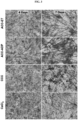
- Calcium source were as following: ACC-Etidronic Acid (ACC- ET) (fresh suspension); ACC-Phosphoserine (ACC-PS) (fresh suspension); Gastrolith (dissolved with 0.1 M HCl and then neutralized with NaOH 1M); gastrolith powder; CCC - Aqueous suspension of crystalline calcium carbonate (commercial nanoparticles powder); and CaCl 2 solution - control.
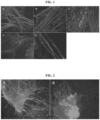
- the cultures were monitored by daily phase contrast microscopic observations starting from 24 hours after setting the cultures onward.
- Suspensions of fresh ACC preparations consisted of particles forming a stable suspension.
- the gastrolith is a natural ACC isolated from crabs, and can be purchased only as a dry powder. In this form, its other characteristic components (such as calcium ions and proteins) are not available to the cells.
- the gastrolith powder was dissolved in 0.1 M HCl (which mimics the acidity which exists in the stomach) and then neutralized with 1M NaOH.
- the dorsal root ganglia (DRG) cultures were washed with phosphate buffered salt solution (PBS) and fixed in 4% paraformaldehyde for 15 min, and then washed again with PBS.
- PBS phosphate buffered salt solution
- the fixed cells were permeabilized with 0.1% of Triton X-100 in PBS and then immuno-blocked (to avoid non-specific staining) with a 1 % bovine serum albumin (BSA) in PBS for 1h at room temperature.
- BSA bovine serum albumin
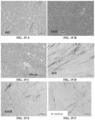
- the specimens were then incubated with rabbit anti-neurofilament antibodies (NF, Novus Biologicals, 1:500) to visualize the neurite outgrowth.
- NF rabbit anti-neurofilament antibodies
- the primary antibodies were diluted in 0.1% BSA and 0.05% Tween-20 in PBS (diluents buffer) and incubated with the specimens overnight at 4°C. After rinsing with 0.05% Tween-20 in PBS (wash buffer), the DRG specimens were incubated for 1 h at room temperature with the secondary antibodies Alexa-Fluor-594-conjugated donkey anti-rabbit IgG (Jackson ImmunoResearch, USA, 1:800 in a diluent buffer). Finally, the samples were rinsed again with wash buffer, and mounted with mounting medium (Immco Diagnostic, USA). All of the images were observed with an Olympus IX70 microscope.
- DMEM/F12 containing 1 mM Ca 2+ )+10% FBS, 25 ⁇ g/mL Gentamycin, and 2 mM L-Glutamine.
- Fusion Medium was changed with Fusion Medium, which was prepared as following: DMEM/F12 (containing 1 mM Ca2+), 2% horse serum (HS), 2 mM L-Glutamine, 25 ⁇ g/mL Gentamycin, and 4 units/100mL Insulin (all purchased from Biological-Industries, Israel).
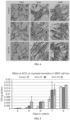
- the fusion medium was enriched with the various calcium preparations listed in Table 2, at Ca 2+ concentration of 1 mM (since the medium already contained 1 mM of calcium ions, the final concentration of Ca 2+ was 2 mM).
- Control cultures were grown without further added calcium, or cultures enriched with free (soluble) stabilizer. The experiment was blinded by marking the various calcium preparations with arbitrary numerals only.
- the components were added in one of the following ways: (i) aqueous suspensions of dry material; (ii) aqueous suspension of fresh material (before drying), or (iii) dissolved with HCl (to mimic the acidity which exists in the stomach. After dissolving was accomplished, the formed solutions were neutralized with 1M NaOH).
- CK is an indicator of myotubes formation and CK level increases (in tissue culture plates) in direct correlation with the progression of myotubes formation in muscle cultures.
- cells were collected from culture wells (using a rubber policeman) and kept in 1 mL PBS (without Ca 2+ ) at -70°C until analyzed.
- For CK measurement cell samples were thawed and physically lysed using a sonicator, to release the CK from muscle myotubes.
- CK concentration was determined using Creatine Kinase Activity Assay Kit (CK-NAC REAGENT SET, CURTISS, CHEM-INDEX INC, Hialeah, FL, USA).
- Thigh muscles were removed from the posterior legs of newborn (one day old) mdx mice under sterile conditions, and washed in PBS to remove excess of blood cells. The muscles were minced into small fragments. For enzymatic dissociation, the muscle fragments were placed in a bicker containing trypsin-EDTA solution (0.25 mM). To ensure cell separation, the mixture was placed on a stirrer, at room temperature, at gentle stirring for 20 min. The soup was collected and centrifuged at 300 ⁇ g for 5 min. The pellet was re-suspended in DMEM containing FBS. The trypsinization steps were repeated for 3 more cycles. All supernatants were combined into one tube. Cell separation was determined visually (using phase contrast microscopy). Cells density was determined by using hemocytometer.
- the first control or test items administration were defined as "Day 1".
- Body weight measurements were recorded once a week and at study termination, 12 weeks.
- 200 ⁇ l blood were collected into a yellow-cup tube with clotting activator gel.
- the tubes were kept at room temperature for at least 30 minutes for clotting and centrifuged at room temperature for 10 minutes at 4000 RPM.
- the serum samples are stored at 2-4°C until delivered to CK analysis at A.M.L labs.
- Group 5M that received ACC by drinking demonstrated results similar to those of group 3M that received CCC by food (21,164 ⁇ 8,391 and 21,676 ⁇ 14,508 IU/ml, respectively).
- group 4M ACC in food
- 5M ACC by drinking
- the reason for the difference in the results between the groups 4M (ACC in food) and 5M (ACC by drinking) may be due to heterogeneity of the ACC suspension and therefore non uniform administration of the ACC. It is clear though, that administration of ACC significantly alleviated the symptoms of DMD in the mdx mice.
- mice were administrated with stabilized ACC orally (feeding) every day or by IP injections, consecutive, six times a week.
- the control or test Items were administered similarly.
- mice Mdx Strain C57BI 10ScSn/DMD mdx/J Wild type Strain: C57BL/6JOIaHsd.
- Gender & Age Males, 3-5 weeks of age at study initiation
- Body Weight Weight variation of animals at study initiation should not exceed ⁇ 15% % of the mean weight of the gender.
- Group Size see Table 1, study design No. of Groups: 6 (see Table 6 ) Table 6. Study Design Group No.
- Strain n Group Name and Treatment Details Route of Adminis tration Duration 1M C57BL - Rodent 6 Wild type control - commercial diet (Teklad) Feeding 24 weeks 2M MDX - Rodent 8 Mdx control - commercial diet 4M 10 ACC stabilized by PS-Low Calcium Diet (TDK95027, Harlan Inc.) containing 1% elemental calcium from synthetic ACC (5% PS) ad libitum 3M 10 ACC stabilized by TP-Low Calcium Diet (TDK95027, Harlan Inc.) containing 1% elemental calcium from synthetic ACC (6% TP-2% Citric Acid) ad libitum 5M 10 ACC stabilized by TP- 200 ⁇ l containing 0.1% elemental calcium from synthetic ACC (10% TP) Injections are be performed 6 consecutive times a week Intra - peritonea l (IP) injection 12 weeks 6M 6 Control -saline control - 200 ⁇ l containing Saline. Vehicle Injections are performed 6 consecutive times
- the MDX mouse is an animal model for evaluating the Duchenne Muscular Dystrophy (DMD).
- Study end Definition Study is terminated 24 weeks from beginning for groups 1-4 and 12 weeks from beginning for groups 5-6.
- Body weight measurements was recorded once a week, shortly before the four limb hanging test. At study beginning and termination body weight was also measured.
- limb hanging test was used to monitor muscle strength and to indicates on neuromuscular impairment and motor coordination. The test was used to determine the efficacy of ACC.
- Grip Test (four limb hanging test) was performed according to the TREAT-NMD SOP# DMD _M.2.1.005 protocol. Briefly: Mouse (min age - 4 weeks) was placed on a top of a grid (grid square size about 1x1 cm 2 ) and was allowed to accommodate to this environment 3-5 seconds.
- Grid was flipped over such that the mouse is upside down.
- the grid height was placed at least 35 cm above the cage floor.
- Sufficient amount of soft bedding (5-7 cm) was placed under the grid to ensure soft landing. Mice at the age of 4-24 weeks naturally try to stay on grid and avoid falling to the ground. This height is low enough not to injure the animal, and high enough to ensure avoidance of fall.
- the test performed up to a max of 600 sec or repeated 3 times with a rest interval of at least 2 minutes.
- 200 ⁇ l blood is collected into a yellow-cup tube with clotting activator gel.
- the tubes are kept at room temperature for at least 30 minutes for clotting and centrifuged at room temperature for 10 minutes at 4000 RPM.
- the serum samples will be stored at 2-4 0 C until delivered to CK analysis at A.M.L labs.
- MBA-13 cells Two days following thawing, MBA-13 cells (received from Prof. Dov Zipori, Weizmann Institute of Science) were re-suspended in recombinant trypsin solution and seeded on a 96 wells plate, (Day “0") in a concentration of 1 ⁇ 10 4 cells/well using MSC Nutristem ® XF basal medium (Biological Industries, cat# 05-200-1A) supplemented with Mesenchymal stem cells (MSC) supplement mix medium (Biological Industries cat#05-201-06) in a ratio of 50ml:300 ⁇ l.
- MSC Nutristem ® XF basal medium Biological Industries, cat# 05-200-1A
- MSC Mesenchymal stem cells
- Rows A-H of columns 1-4 of the 96 plate were pre-coated with MCS attachment solution diluted in PBS (without Ca 2+ , Mg 2+ ), in a ratio of 1:100 for cells seeding. Rows A-H of Columns 5-8 of the 96 plate were pre-coated with Gelatin 0.1% for 30 minutes at room temperature.
- MSCgo rapid osteogenic medium (cat# 05-442-1B) containing factors that promote osteoblastic differentiation.
- rows A-C were supplemented with additional 1mM calcium (total 2.488 mM calcium) originated from Amorphous Calcium Carbonate (ACC) stabilized by 10%Triphosphate+1%citric acid; rows D-F were supplemented with additional 1mM calcium (total 2.488 mM calcium) originated from calcium chloride; Row G in the plate was treated with MSCgo medium (total 1.488 mM calcium).
- Row H of the plate was treated with MSC NutriStem ® XF nutrient basal medium+ supplement mix (total 1.488 mM calcium).
- a control plate was also seeded with MDX cell lines originated from damaged muscles of MDX mice. The staining of these cell was used to set the background staining of cells intrinsic calcium and also to eliminate the possibility that calcium deposition of the ACC treatment is stained.
- Prior seeding, wells were coated with gelatin, which is used as a standard substrate for MDX cells attachment.
- MDX Cells were seeded on a 24 well plate in a concentration of 3 ⁇ 10 4 cells/well. Seeding day is defined as "Day 0".
- SC Spinal Cord
- the medium comprises 0.6 wt% D-glucose, 2mM L-glutamine, Gentamicin 25 ⁇ g/ml, B27, N 2 , BSA 0.1 mg/ml, Hepes, 10% FBS, DMEM/F12 and IGF-I, 50 ng/ml
- +1mM calcium originated from ACC (total calcium concentration of 2mM)
- columns 3 and 4 were treated with SC medium+1mM originated from CaCl 2
- Columns 5 and 6 were treated with SC medium. Both types of cells (MBA13 and MDX) were cultured up to 10 days.
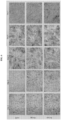
- Alizarin Red staining demonstrated a very strong signal in osteoblast cell samples that were supplemented with ACC compared to those supplemented with CaCl 2 , which demonstrated a weak signal only, ( Fig. 13 ). In addition to the signal, it can be seen in the figure that large plaques of calcium deposition are stained which are not observed in any of the controls treatments.
- MSC NutriStem ® XF supplements MSC NutriStem ® XF supplements
- MSC NutriStem ® XF sup medium is normally used to induce cells proliferation rather than differentiation. Indeed the number of cells observed is large but no calcium deposition is observed.
- alkaline phosphatase Another independent marker for osteoblast differentiation is the alkaline phosphatase. This enzyme is expressed maximally when the matrix maturation phase of cells occurs. Alkaline phosphatase staining was used as a complementary method to detect osteoblasts differentiation and functionality so as to verify the result obtained by the Alizarin staining.
- alkaline phosphatase staining is shown in black color and the results are presented on Fig. 14 .
- MBA13 cells that were treated with ACC demonstrated an intense signal in comparison to the other treatments.
- Alkaline phosphatase staining support that osteoblasts differentiation is better in cultures treated with ACC.
- Alizarin staining of MDX cells treated with ACC enriched medium 10 days following seeding demonstrated no major differences in the staining among the treatments (see Fig. 15 A-C ). These results support that Alizarin Red staining of osteoblasts is due to calcium deposition by the osteoblast and not due to ACC deposition caused by the treatment itself (i.e. it is not an experimental artifact).
Landscapes
- Health & Medical Sciences (AREA)
- Life Sciences & Earth Sciences (AREA)
- Chemical & Material Sciences (AREA)
- Engineering & Computer Science (AREA)
- General Health & Medical Sciences (AREA)
- Medicinal Chemistry (AREA)
- Veterinary Medicine (AREA)
- Pharmacology & Pharmacy (AREA)
- Animal Behavior & Ethology (AREA)
- Public Health (AREA)
- Biomedical Technology (AREA)
- Bioinformatics & Cheminformatics (AREA)
- Organic Chemistry (AREA)
- Epidemiology (AREA)
- Zoology (AREA)
- Wood Science & Technology (AREA)
- Genetics & Genomics (AREA)
- Biotechnology (AREA)
- General Chemical & Material Sciences (AREA)
- Chemical Kinetics & Catalysis (AREA)
- Reproductive Health (AREA)
- Developmental Biology & Embryology (AREA)
- Biochemistry (AREA)
- Nuclear Medicine, Radiotherapy & Molecular Imaging (AREA)
- Gynecology & Obstetrics (AREA)
- Cell Biology (AREA)
- General Engineering & Computer Science (AREA)
- Microbiology (AREA)
- Inorganic Chemistry (AREA)
- Oil, Petroleum & Natural Gas (AREA)
- Neurology (AREA)
- Molecular Biology (AREA)
- Neurosurgery (AREA)
- Pregnancy & Childbirth (AREA)
- Endocrinology (AREA)
- Biophysics (AREA)
- Physical Education & Sports Medicine (AREA)
- Orthopedic Medicine & Surgery (AREA)
- Nutrition Science (AREA)
- Dermatology (AREA)
Claims (8)
- Pharmazeutische Zusammensetzung, welche amorphes Calciumcarbonat (ACC) umfasst, stabilisiert durch mindestens ein Stabilisierungsmittel, zur Verwendung bei der Behandlung einer Krankheit oder eines Zustands, ausgewählt unter Muskeldystrophie und einem axonalem Defekt.
- Pharmazeutische Zusammensetzung zur Verwendung nach Anspruch 1, wobei die Muskeldystrophie ausgewählt ist unter Duchenne-, Becker-, Gliedergürtel-, kongenitaler, fazioskapulohumeraler, myotoner, okulopharyngealer, distaler und Emery-Dreifuss-Muskeldystrophie, vorzugsweise wobei die Muskeldystrophie eine Duchenne-Muskeldystrophie (DMD) ist.
- Pharmazeutische Zusammensetzung zur Verwendung nach Anspruch 1, wobei der axonale Defekt eine axonale Schädigung ist, vorzugsweise wobei die Behandlung der axonalen Schädigung die Verstärkung der Regeneration eines geschädigten Nervs umfasst.
- Pharmazeutische Zusammensetzung zur Verwendung nach einem der Ansprüche 1 oder 3, wobei der Defekt oder die Schädigung an Nerven des zentralen Nervensystems oder an Nerven des peripheren Nervensystems auftritt.
- Pharmazeutische Zusammensetzung zur Verwendung nach einem der Ansprüche 1 bis 4, worin das mindestens eine Stabilisierungsmittel ausgewählt ist aus einem Polyphosphat, phosphorylierten Aminosäuren, organischen Säuren, phosphorylierten, phosphonierten, sulfatierten oder sulfonierten organischen Verbindungen, Phosphor- oder Schwefelsäureestern von Hydroxycarbonsäuren, Bisphosphonat, Sacchariden und Derivaten davon, Proteinen, Peptiden, phosphorylierten Proteinen, phosphorylierten Peptiden, natürlichen und synthetischen Biopolymeren und Derivaten davon und beliebigen Kombinationen davon; vorzugsweise worin das Stabilisierungsmittel ausgewählt ist unter Phosphoserin, Triphosphat, Adenosintriphosphat, Adenosindiphosphat, Phytinsäure, Zitronensäure, Etidronsäure, Pyrophosphat, Ethanol, Hexamethaphosphat, Chitin und einer beliebigen Kombination davon.
- Pharmazeutische Zusammensetzung zur Verwendung nach einem der Ansprüche 1 bis 5, wobei die Zusammensetzung über eine systemische Verabreichung verabreicht wird,vorzugsweise wobei die Zusammensetzung oral verabreicht wird;noch bevorzugter worin die pharmazeutische Zusammensetzung in einer festen Darreichungsform, ausgewählt unter Tabletten, Kapseln, Pillen, einem Pulver oder einem Granulat, oder in einer flüssigen oder halbflüssigen Darreichungsform formuliert ist, ausgewählt unter einem Elixier, einer Tinktur, einer Suspension, einem Sirup, einer Emulsion, einem Kolloid oder einem Gel.
- Pharmazeutische Zusammensetzung zur Verwendung nach einem der Ansprüche 1 und 3 bis 6, wobei die Krankheit oder der Zustand ein axonaler Defekt ist und die pharmazeutische Zusammensetzung lokal verabreicht wird;vorzugsweise wobei das ACC in der Nähe des defekten oder verletzten Nervs verabreicht wird;noch bevorzugter, wobei die Verabreichung durch Injektion, Infusion oder über eine Pumpe erfolgt;noch mehr bevorzugt, worin die pharmazeutische Zusammensetzung als eine flüssige oder halbflüssige Darreichungsform formuliert ist, ausgewählt unter einer Suspension, einer Emulsion, einem Kolloid oder einem Gel.
- Pharmazeutische Zusammensetzung zur Verwendung nach einem der Ansprüche 1 bis 7, worin der durchschnittliche Durchmesser der stabilisierten ACC-Primärpartikel etwa 10 nm bis etwa 500 nm beträgt.
Priority Applications (1)
| Application Number | Priority Date | Filing Date | Title |
|---|---|---|---|
| EP23167697.4A EP4257141A3 (de) | 2016-01-18 | 2017-01-17 | Stabilisiertes amorphes calciumcarbonat zur behandlung von neurologischen, muskel- und unfruchtbarkeitserkrankungen oder zuständen |
Applications Claiming Priority (5)
| Application Number | Priority Date | Filing Date | Title |
|---|---|---|---|
| US201662279843P | 2016-01-18 | 2016-01-18 | |
| US201662279845P | 2016-01-18 | 2016-01-18 | |
| US201662279844P | 2016-01-18 | 2016-01-18 | |
| US201662376428P | 2016-08-18 | 2016-08-18 | |
| PCT/IL2017/050059 WO2017125918A1 (en) | 2016-01-18 | 2017-01-17 | Stabilized amorphous calcium carbonate for treatment of neurological, muscular and infertility diseases or conditions |
Related Child Applications (2)
| Application Number | Title | Priority Date | Filing Date |
|---|---|---|---|
| EP23167697.4A Division EP4257141A3 (de) | 2016-01-18 | 2017-01-17 | Stabilisiertes amorphes calciumcarbonat zur behandlung von neurologischen, muskel- und unfruchtbarkeitserkrankungen oder zuständen |
| EP23167697.4A Division-Into EP4257141A3 (de) | 2016-01-18 | 2017-01-17 | Stabilisiertes amorphes calciumcarbonat zur behandlung von neurologischen, muskel- und unfruchtbarkeitserkrankungen oder zuständen |
Publications (3)
| Publication Number | Publication Date |
|---|---|
| EP3405201A1 EP3405201A1 (de) | 2018-11-28 |
| EP3405201A4 EP3405201A4 (de) | 2019-06-26 |
| EP3405201B1 true EP3405201B1 (de) | 2023-05-17 |
Family
ID=59361712
Family Applications (2)
| Application Number | Title | Priority Date | Filing Date |
|---|---|---|---|
| EP23167697.4A Pending EP4257141A3 (de) | 2016-01-18 | 2017-01-17 | Stabilisiertes amorphes calciumcarbonat zur behandlung von neurologischen, muskel- und unfruchtbarkeitserkrankungen oder zuständen |
| EP17741180.8A Active EP3405201B1 (de) | 2016-01-18 | 2017-01-17 | Stabilisiertes amorphes calciumcarbonat zur behandlung von neurologischen, muskel- und unfruchtbarkeitserkrankungen oder zuständen |
Family Applications Before (1)
| Application Number | Title | Priority Date | Filing Date |
|---|---|---|---|
| EP23167697.4A Pending EP4257141A3 (de) | 2016-01-18 | 2017-01-17 | Stabilisiertes amorphes calciumcarbonat zur behandlung von neurologischen, muskel- und unfruchtbarkeitserkrankungen oder zuständen |
Country Status (12)
| Country | Link |
|---|---|
| US (2) | US10758566B2 (de) |
| EP (2) | EP4257141A3 (de) |
| JP (3) | JP6873389B2 (de) |
| KR (2) | KR20250114395A (de) |
| CN (2) | CN118787660A (de) |
| AU (2) | AU2017208953B2 (de) |
| CA (2) | CA3011667C (de) |
| DK (1) | DK3405201T3 (de) |
| ES (1) | ES2952537T3 (de) |
| IL (1) | IL260548B2 (de) |
| RU (1) | RU2757419C2 (de) |
| WO (1) | WO2017125918A1 (de) |
Families Citing this family (8)
| Publication number | Priority date | Publication date | Assignee | Title |
|---|---|---|---|---|
| HK1253702A1 (zh) * | 2015-06-04 | 2019-06-28 | 艾玛菲克有限公司 | 用聚磷酸/聚磷酸酯/聚磷酸盐或双膦酸/双膦酸酯/双膦酸盐稳定的无定形碳酸钙 |
| US20220152094A1 (en) * | 2016-01-18 | 2022-05-19 | Amorphical Ltd. | Stabilized amorphous calcium carbonate for treatment of neurological, muscular and infertility diseases or conditions |
| ES3052833T3 (en) | 2016-01-18 | 2026-01-15 | Amorphical Ltd | Stabilized amorphous calcium carbonate as a supplement for cell culture media |
| JP7152785B2 (ja) | 2016-10-25 | 2022-10-13 | アモーフィカル リミテッド. | 白血病治療のための非晶質炭酸カルシウム |
| IL289237B2 (en) * | 2019-07-23 | 2026-03-01 | Amorphical Ltd | Amorphous calcium carbonate for improving athletic performance |
| WO2021181372A1 (en) * | 2020-03-11 | 2021-09-16 | Amorphical Ltd. | Amorphous calcium carbonate for treatment of acidosis |
| IT202200010583A1 (it) * | 2022-05-23 | 2023-11-23 | Neilos S R L | “Composizione nutraceutica o farmaceutica per l’infertilità maschile” |
| IT202200010592A1 (it) * | 2022-05-23 | 2023-11-23 | Neilos S R L | “Composizione nutraceutica o farmaceutica per l’infertilità maschile” |
Family Cites Families (15)
| Publication number | Priority date | Publication date | Assignee | Title |
|---|---|---|---|---|
| US4757017A (en) | 1984-09-14 | 1988-07-12 | Mcw Research Foundation, Inc. | In vitro cell culture system |
| EP1048724A1 (de) * | 1999-04-27 | 2000-11-02 | Transgene S.A. | Humane Myoblastzellinien und deren Anwendungen |
| CN1871341A (zh) * | 2003-08-20 | 2006-11-29 | 悉尼北方和中部海岸区医疗服务系统 | 提高胚胎生存力的方法 |
| WO2005026324A2 (en) * | 2003-09-08 | 2005-03-24 | The Board Of Regents Of The University Of Texas System | Method and composition for enhancing in vitro embryo development by supplementing culture medium with prostaglandin or a prostaglandin analog |
| CA2567972C (en) | 2004-05-26 | 2015-07-28 | Ben-Gurion University Of The Negev Research And Development Authority | Orally-administrable compositions comprising stable amorphous calcium carbonate |
| US20080039531A1 (en) * | 2005-06-13 | 2008-02-14 | Alfred Stracher | Compositions, and kits comprising targeted aldehyde or acetal protease inhibitor compounds for treating muscle disorders |
| RU2462458C2 (ru) * | 2006-02-10 | 2012-09-27 | Байомарин Ига Лимитед | Лечение миодистрофии дюшена |
| IL178495A (en) * | 2006-10-05 | 2014-12-31 | Univ Ben Gurion | Use of cancerous gastric components or artificial calcium containing carbonate, chitin and polypeptide preparations to treat calcium metabolism-related or calcium-signaling conditions |
| PL2211873T3 (pl) * | 2007-10-22 | 2013-01-31 | Amorphical Ltd | Stabilny amorficzny węglan wapnia wchodzący w skład fosforylowanych aminokwasów |
| EP2790710B1 (de) * | 2011-12-13 | 2020-08-26 | Amorphical Ltd. | Amorphes calciumcarbonat zur behandlung von calciumabsorptionsstörungen und knochenstoffwechselstörungen |
| WO2014024191A1 (en) | 2012-08-07 | 2014-02-13 | Amorphical Ltd. | Method for producing stabilized amorphous calcium carbonate |
| JP2016507553A (ja) | 2013-02-11 | 2016-03-10 | アモーフィカル リミテッド. | 骨成長を促進する非晶質炭酸カルシウム |
| EP3174409A4 (de) | 2014-07-31 | 2018-01-17 | Amorphical Ltd. | Eingekapselte amorphe calciumcarbonatzusammensetzungen |
| HK1253702A1 (zh) | 2015-06-04 | 2019-06-28 | 艾玛菲克有限公司 | 用聚磷酸/聚磷酸酯/聚磷酸盐或双膦酸/双膦酸酯/双膦酸盐稳定的无定形碳酸钙 |
| ES3052833T3 (en) | 2016-01-18 | 2026-01-15 | Amorphical Ltd | Stabilized amorphous calcium carbonate as a supplement for cell culture media |
-
2017
- 2017-01-17 JP JP2018536885A patent/JP6873389B2/ja active Active
- 2017-01-17 KR KR1020257021630A patent/KR20250114395A/ko active Pending
- 2017-01-17 IL IL260548A patent/IL260548B2/en unknown
- 2017-01-17 CN CN202410801920.7A patent/CN118787660A/zh active Pending
- 2017-01-17 US US16/069,762 patent/US10758566B2/en active Active
- 2017-01-17 EP EP23167697.4A patent/EP4257141A3/de active Pending
- 2017-01-17 ES ES17741180T patent/ES2952537T3/es active Active
- 2017-01-17 CN CN201780018159.8A patent/CN108778296B/zh active Active
- 2017-01-17 EP EP17741180.8A patent/EP3405201B1/de active Active
- 2017-01-17 DK DK17741180.8T patent/DK3405201T3/da active
- 2017-01-17 AU AU2017208953A patent/AU2017208953B2/en active Active
- 2017-01-17 RU RU2018129457A patent/RU2757419C2/ru active
- 2017-01-17 CA CA3011667A patent/CA3011667C/en active Active
- 2017-01-17 CA CA3239809A patent/CA3239809A1/en active Pending
- 2017-01-17 WO PCT/IL2017/050059 patent/WO2017125918A1/en not_active Ceased
- 2017-01-17 KR KR1020187023637A patent/KR102828392B1/ko active Active
-
2020
- 2020-07-21 US US16/934,689 patent/US11207347B2/en active Active
-
2021
- 2021-04-01 JP JP2021062622A patent/JP7190760B2/ja active Active
-
2022
- 2022-10-14 AU AU2022252805A patent/AU2022252805B2/en active Active
- 2022-11-29 JP JP2022190118A patent/JP7507506B2/ja active Active
Also Published As
Similar Documents
| Publication | Publication Date | Title |
|---|---|---|
| EP3405201B1 (de) | Stabilisiertes amorphes calciumcarbonat zur behandlung von neurologischen, muskel- und unfruchtbarkeitserkrankungen oder zuständen | |
| LT99027A (lt) | Naaladazės inhibitoriaus panaudojimas farmacinės kompozicijos, skirtos glutamato anomalijos gydymui bei poveikiui į neuronų akyvumą gyvūnuose, paruošimui | |
| EP3405200B1 (de) | Stabilisiertes amorphes calciumcarbonat als zusatz für zellkulturmedien | |
| HK40102016A (en) | Stabilized amorphous calcium carbonate for treatment of neurological, muscular and infertility diseases or conditions | |
| US20220152094A1 (en) | Stabilized amorphous calcium carbonate for treatment of neurological, muscular and infertility diseases or conditions | |
| RU2846285C1 (ru) | Стабилизированный аморфный карбонат кальция для лечения неврологических, мышечных и связанных с бесплодием заболеваний или состояний | |
| BR112018014520B1 (pt) | Uso de um carbonato de cálcio amorfo (acc) estabilizado por pelo menos um agente estabilizante | |
| BR122022001347B1 (pt) | Método para fertilização in vitro e método in vitro para aprimorar a qualidade de esperma | |
| HK40116506A (zh) | 治疗神经、肌肉和不育疾病或状况的稳定的无定形碳酸钙 | |
| HK40000150B (zh) | 治疗神经、肌肉和不育疾病或状况的稳定的无定形碳酸钙 | |
| RU2782476C2 (ru) | Стабилизированный аморфный карбонат кальция для применения в качестве добавки для клеточных культуральных сред | |
| BR112018014519B1 (pt) | Carbonato de cálcio amorfo estabilizado como um suplemento para meios de cultura celular |
Legal Events
| Date | Code | Title | Description |
|---|---|---|---|
| STAA | Information on the status of an ep patent application or granted ep patent |
Free format text: STATUS: THE INTERNATIONAL PUBLICATION HAS BEEN MADE |
|
| PUAI | Public reference made under article 153(3) epc to a published international application that has entered the european phase |
Free format text: ORIGINAL CODE: 0009012 |
|
| STAA | Information on the status of an ep patent application or granted ep patent |
Free format text: STATUS: REQUEST FOR EXAMINATION WAS MADE |
|
| 17P | Request for examination filed |
Effective date: 20180813 |
|
| AK | Designated contracting states |
Kind code of ref document: A1 Designated state(s): AL AT BE BG CH CY CZ DE DK EE ES FI FR GB GR HR HU IE IS IT LI LT LU LV MC MK MT NL NO PL PT RO RS SE SI SK SM TR |
|
| AX | Request for extension of the european patent |
Extension state: BA ME |
|
| DAV | Request for validation of the european patent (deleted) | ||
| DAX | Request for extension of the european patent (deleted) | ||
| A4 | Supplementary search report drawn up and despatched |
Effective date: 20190529 |
|
| RIC1 | Information provided on ipc code assigned before grant |
Ipc: A61K 31/66 20060101ALI20190523BHEP Ipc: A61K 9/00 20060101ALI20190523BHEP Ipc: A61K 33/06 20060101AFI20190523BHEP Ipc: A61K 33/10 20060101ALI20190523BHEP |
|
| STAA | Information on the status of an ep patent application or granted ep patent |
Free format text: STATUS: EXAMINATION IS IN PROGRESS |
|
| 17Q | First examination report despatched |
Effective date: 20210115 |
|
| REG | Reference to a national code |
Ref country code: DE Ref legal event code: R079 Ref document number: 602017068853 Country of ref document: DE Free format text: PREVIOUS MAIN CLASS: A61K0033060000 Ipc: A61K0009060000 |
|
| GRAP | Despatch of communication of intention to grant a patent |
Free format text: ORIGINAL CODE: EPIDOSNIGR1 |
|
| STAA | Information on the status of an ep patent application or granted ep patent |
Free format text: STATUS: GRANT OF PATENT IS INTENDED |
|
| RIC1 | Information provided on ipc code assigned before grant |
Ipc: A61K 33/10 20060101ALI20221115BHEP Ipc: A61P 21/00 20060101ALI20221115BHEP Ipc: A61K 9/10 20060101ALI20221115BHEP Ipc: A61K 9/06 20060101AFI20221115BHEP |
|
| INTG | Intention to grant announced |
Effective date: 20221212 |
|
| GRAS | Grant fee paid |
Free format text: ORIGINAL CODE: EPIDOSNIGR3 |
|
| GRAA | (expected) grant |
Free format text: ORIGINAL CODE: 0009210 |
|
| STAA | Information on the status of an ep patent application or granted ep patent |
Free format text: STATUS: THE PATENT HAS BEEN GRANTED |
|
| AK | Designated contracting states |
Kind code of ref document: B1 Designated state(s): AL AT BE BG CH CY CZ DE DK EE ES FI FR GB GR HR HU IE IS IT LI LT LU LV MC MK MT NL NO PL PT RO RS SE SI SK SM TR |
|
| REG | Reference to a national code |
Ref country code: GB Ref legal event code: FG4D |
|
| REG | Reference to a national code |
Ref country code: CH Ref legal event code: EP |
|
| REG | Reference to a national code |
Ref country code: DE Ref legal event code: R096 Ref document number: 602017068853 Country of ref document: DE |
|
| REG | Reference to a national code |
Ref country code: IE Ref legal event code: FG4D |
|
| REG | Reference to a national code |
Ref country code: AT Ref legal event code: REF Ref document number: 1568144 Country of ref document: AT Kind code of ref document: T Effective date: 20230615 |
|
| P01 | Opt-out of the competence of the unified patent court (upc) registered |
Effective date: 20230601 |
|
| REG | Reference to a national code |
Ref country code: DK Ref legal event code: T3 Effective date: 20230815 |
|
| REG | Reference to a national code |
Ref country code: LT Ref legal event code: MG9D |
|
| REG | Reference to a national code |
Ref country code: NL Ref legal event code: MP Effective date: 20230517 |
|
| REG | Reference to a national code |
Ref country code: AT Ref legal event code: MK05 Ref document number: 1568144 Country of ref document: AT Kind code of ref document: T Effective date: 20230517 |
|
| PG25 | Lapsed in a contracting state [announced via postgrant information from national office to epo] |
Ref country code: SE Free format text: LAPSE BECAUSE OF FAILURE TO SUBMIT A TRANSLATION OF THE DESCRIPTION OR TO PAY THE FEE WITHIN THE PRESCRIBED TIME-LIMIT Effective date: 20230517 Ref country code: PT Free format text: LAPSE BECAUSE OF FAILURE TO SUBMIT A TRANSLATION OF THE DESCRIPTION OR TO PAY THE FEE WITHIN THE PRESCRIBED TIME-LIMIT Effective date: 20230918 Ref country code: NO Free format text: LAPSE BECAUSE OF FAILURE TO SUBMIT A TRANSLATION OF THE DESCRIPTION OR TO PAY THE FEE WITHIN THE PRESCRIBED TIME-LIMIT Effective date: 20230817 Ref country code: NL Free format text: LAPSE BECAUSE OF FAILURE TO SUBMIT A TRANSLATION OF THE DESCRIPTION OR TO PAY THE FEE WITHIN THE PRESCRIBED TIME-LIMIT Effective date: 20230517 Ref country code: AT Free format text: LAPSE BECAUSE OF FAILURE TO SUBMIT A TRANSLATION OF THE DESCRIPTION OR TO PAY THE FEE WITHIN THE PRESCRIBED TIME-LIMIT Effective date: 20230517 |
|
| REG | Reference to a national code |
Ref country code: ES Ref legal event code: FG2A Ref document number: 2952537 Country of ref document: ES Kind code of ref document: T3 Effective date: 20231102 |
|
| PG25 | Lapsed in a contracting state [announced via postgrant information from national office to epo] |
Ref country code: RS Free format text: LAPSE BECAUSE OF FAILURE TO SUBMIT A TRANSLATION OF THE DESCRIPTION OR TO PAY THE FEE WITHIN THE PRESCRIBED TIME-LIMIT Effective date: 20230517 Ref country code: PL Free format text: LAPSE BECAUSE OF FAILURE TO SUBMIT A TRANSLATION OF THE DESCRIPTION OR TO PAY THE FEE WITHIN THE PRESCRIBED TIME-LIMIT Effective date: 20230517 Ref country code: LV Free format text: LAPSE BECAUSE OF FAILURE TO SUBMIT A TRANSLATION OF THE DESCRIPTION OR TO PAY THE FEE WITHIN THE PRESCRIBED TIME-LIMIT Effective date: 20230517 Ref country code: LT Free format text: LAPSE BECAUSE OF FAILURE TO SUBMIT A TRANSLATION OF THE DESCRIPTION OR TO PAY THE FEE WITHIN THE PRESCRIBED TIME-LIMIT Effective date: 20230517 Ref country code: IS Free format text: LAPSE BECAUSE OF FAILURE TO SUBMIT A TRANSLATION OF THE DESCRIPTION OR TO PAY THE FEE WITHIN THE PRESCRIBED TIME-LIMIT Effective date: 20230917 Ref country code: HR Free format text: LAPSE BECAUSE OF FAILURE TO SUBMIT A TRANSLATION OF THE DESCRIPTION OR TO PAY THE FEE WITHIN THE PRESCRIBED TIME-LIMIT Effective date: 20230517 Ref country code: GR Free format text: LAPSE BECAUSE OF FAILURE TO SUBMIT A TRANSLATION OF THE DESCRIPTION OR TO PAY THE FEE WITHIN THE PRESCRIBED TIME-LIMIT Effective date: 20230818 |
|
| PG25 | Lapsed in a contracting state [announced via postgrant information from national office to epo] |
Ref country code: FI Free format text: LAPSE BECAUSE OF FAILURE TO SUBMIT A TRANSLATION OF THE DESCRIPTION OR TO PAY THE FEE WITHIN THE PRESCRIBED TIME-LIMIT Effective date: 20230517 |
|
| PG25 | Lapsed in a contracting state [announced via postgrant information from national office to epo] |
Ref country code: SK Free format text: LAPSE BECAUSE OF FAILURE TO SUBMIT A TRANSLATION OF THE DESCRIPTION OR TO PAY THE FEE WITHIN THE PRESCRIBED TIME-LIMIT Effective date: 20230517 |
|
| PG25 | Lapsed in a contracting state [announced via postgrant information from national office to epo] |
Ref country code: SM Free format text: LAPSE BECAUSE OF FAILURE TO SUBMIT A TRANSLATION OF THE DESCRIPTION OR TO PAY THE FEE WITHIN THE PRESCRIBED TIME-LIMIT Effective date: 20230517 Ref country code: SK Free format text: LAPSE BECAUSE OF FAILURE TO SUBMIT A TRANSLATION OF THE DESCRIPTION OR TO PAY THE FEE WITHIN THE PRESCRIBED TIME-LIMIT Effective date: 20230517 Ref country code: RO Free format text: LAPSE BECAUSE OF FAILURE TO SUBMIT A TRANSLATION OF THE DESCRIPTION OR TO PAY THE FEE WITHIN THE PRESCRIBED TIME-LIMIT Effective date: 20230517 Ref country code: EE Free format text: LAPSE BECAUSE OF FAILURE TO SUBMIT A TRANSLATION OF THE DESCRIPTION OR TO PAY THE FEE WITHIN THE PRESCRIBED TIME-LIMIT Effective date: 20230517 Ref country code: CZ Free format text: LAPSE BECAUSE OF FAILURE TO SUBMIT A TRANSLATION OF THE DESCRIPTION OR TO PAY THE FEE WITHIN THE PRESCRIBED TIME-LIMIT Effective date: 20230517 |
|
| REG | Reference to a national code |
Ref country code: DE Ref legal event code: R097 Ref document number: 602017068853 Country of ref document: DE |
|
| PLBE | No opposition filed within time limit |
Free format text: ORIGINAL CODE: 0009261 |
|
| STAA | Information on the status of an ep patent application or granted ep patent |
Free format text: STATUS: NO OPPOSITION FILED WITHIN TIME LIMIT |
|
| 26N | No opposition filed |
Effective date: 20240220 |
|
| PG25 | Lapsed in a contracting state [announced via postgrant information from national office to epo] |
Ref country code: SI Free format text: LAPSE BECAUSE OF FAILURE TO SUBMIT A TRANSLATION OF THE DESCRIPTION OR TO PAY THE FEE WITHIN THE PRESCRIBED TIME-LIMIT Effective date: 20230517 |
|
| PG25 | Lapsed in a contracting state [announced via postgrant information from national office to epo] |
Ref country code: SI Free format text: LAPSE BECAUSE OF FAILURE TO SUBMIT A TRANSLATION OF THE DESCRIPTION OR TO PAY THE FEE WITHIN THE PRESCRIBED TIME-LIMIT Effective date: 20230517 |
|
| PG25 | Lapsed in a contracting state [announced via postgrant information from national office to epo] |
Ref country code: MC Free format text: LAPSE BECAUSE OF FAILURE TO SUBMIT A TRANSLATION OF THE DESCRIPTION OR TO PAY THE FEE WITHIN THE PRESCRIBED TIME-LIMIT Effective date: 20230517 |
|
| PG25 | Lapsed in a contracting state [announced via postgrant information from national office to epo] |
Ref country code: MC Free format text: LAPSE BECAUSE OF FAILURE TO SUBMIT A TRANSLATION OF THE DESCRIPTION OR TO PAY THE FEE WITHIN THE PRESCRIBED TIME-LIMIT Effective date: 20230517 |
|
| REG | Reference to a national code |
Ref country code: CH Ref legal event code: PL |
|
| PG25 | Lapsed in a contracting state [announced via postgrant information from national office to epo] |
Ref country code: LU Free format text: LAPSE BECAUSE OF NON-PAYMENT OF DUE FEES Effective date: 20240117 |
|
| PG25 | Lapsed in a contracting state [announced via postgrant information from national office to epo] |
Ref country code: LU Free format text: LAPSE BECAUSE OF NON-PAYMENT OF DUE FEES Effective date: 20240117 |
|
| PG25 | Lapsed in a contracting state [announced via postgrant information from national office to epo] |
Ref country code: BE Free format text: LAPSE BECAUSE OF NON-PAYMENT OF DUE FEES Effective date: 20240131 |
|
| PG25 | Lapsed in a contracting state [announced via postgrant information from national office to epo] |
Ref country code: CH Free format text: LAPSE BECAUSE OF NON-PAYMENT OF DUE FEES Effective date: 20240131 |
|
| PG25 | Lapsed in a contracting state [announced via postgrant information from national office to epo] |
Ref country code: CH Free format text: LAPSE BECAUSE OF NON-PAYMENT OF DUE FEES Effective date: 20240131 Ref country code: BE Free format text: LAPSE BECAUSE OF NON-PAYMENT OF DUE FEES Effective date: 20240131 |
|
| REG | Reference to a national code |
Ref country code: BE Ref legal event code: MM Effective date: 20240131 |
|
| PG25 | Lapsed in a contracting state [announced via postgrant information from national office to epo] |
Ref country code: BG Free format text: LAPSE BECAUSE OF FAILURE TO SUBMIT A TRANSLATION OF THE DESCRIPTION OR TO PAY THE FEE WITHIN THE PRESCRIBED TIME-LIMIT Effective date: 20230517 |
|
| PG25 | Lapsed in a contracting state [announced via postgrant information from national office to epo] |
Ref country code: BG Free format text: LAPSE BECAUSE OF FAILURE TO SUBMIT A TRANSLATION OF THE DESCRIPTION OR TO PAY THE FEE WITHIN THE PRESCRIBED TIME-LIMIT Effective date: 20230517 |
|
| PG25 | Lapsed in a contracting state [announced via postgrant information from national office to epo] |
Ref country code: IE Free format text: LAPSE BECAUSE OF NON-PAYMENT OF DUE FEES Effective date: 20240117 |
|
| PG25 | Lapsed in a contracting state [announced via postgrant information from national office to epo] |
Ref country code: IE Free format text: LAPSE BECAUSE OF NON-PAYMENT OF DUE FEES Effective date: 20240117 |
|
| PG25 | Lapsed in a contracting state [announced via postgrant information from national office to epo] |
Ref country code: CY Free format text: LAPSE BECAUSE OF FAILURE TO SUBMIT A TRANSLATION OF THE DESCRIPTION OR TO PAY THE FEE WITHIN THE PRESCRIBED TIME-LIMIT; INVALID AB INITIO Effective date: 20170117 |
|
| PG25 | Lapsed in a contracting state [announced via postgrant information from national office to epo] |
Ref country code: HU Free format text: LAPSE BECAUSE OF FAILURE TO SUBMIT A TRANSLATION OF THE DESCRIPTION OR TO PAY THE FEE WITHIN THE PRESCRIBED TIME-LIMIT; INVALID AB INITIO Effective date: 20170117 |
|
| PG25 | Lapsed in a contracting state [announced via postgrant information from national office to epo] |
Ref country code: TR Free format text: LAPSE BECAUSE OF FAILURE TO SUBMIT A TRANSLATION OF THE DESCRIPTION OR TO PAY THE FEE WITHIN THE PRESCRIBED TIME-LIMIT Effective date: 20230517 |
|
| PGFP | Annual fee paid to national office [announced via postgrant information from national office to epo] |
Ref country code: GB Payment date: 20260123 Year of fee payment: 10 |
|
| PGFP | Annual fee paid to national office [announced via postgrant information from national office to epo] |
Ref country code: ES Payment date: 20260227 Year of fee payment: 10 |
|
| PGFP | Annual fee paid to national office [announced via postgrant information from national office to epo] |
Ref country code: DE Payment date: 20260121 Year of fee payment: 10 Ref country code: DK Payment date: 20260126 Year of fee payment: 10 |
|
| PGFP | Annual fee paid to national office [announced via postgrant information from national office to epo] |
Ref country code: IT Payment date: 20260126 Year of fee payment: 10 |
|
| PGFP | Annual fee paid to national office [announced via postgrant information from national office to epo] |
Ref country code: FR Payment date: 20260123 Year of fee payment: 10 |