EP3389699B1 - Chimeric and humanized anti-human ctla4 monoclonal antibodies and uses thereof - Google Patents
Chimeric and humanized anti-human ctla4 monoclonal antibodies and uses thereof Download PDFInfo
- Publication number
- EP3389699B1 EP3389699B1 EP16876612.9A EP16876612A EP3389699B1 EP 3389699 B1 EP3389699 B1 EP 3389699B1 EP 16876612 A EP16876612 A EP 16876612A EP 3389699 B1 EP3389699 B1 EP 3389699B1
- Authority
- EP
- European Patent Office
- Prior art keywords
- ctla4
- antibody
- antibodies
- mice
- tumor
- Prior art date
- Legal status (The legal status is an assumption and is not a legal conclusion. Google has not performed a legal analysis and makes no representation as to the accuracy of the status listed.)
- Active
Links
Images





















Classifications
-
- C—CHEMISTRY; METALLURGY
- C07—ORGANIC CHEMISTRY
- C07K—PEPTIDES
- C07K16/00—Immunoglobulins [IGs], e.g. monoclonal or polyclonal antibodies
- C07K16/18—Immunoglobulins [IGs], e.g. monoclonal or polyclonal antibodies against material from animals or humans
- C07K16/28—Immunoglobulins [IGs], e.g. monoclonal or polyclonal antibodies against material from animals or humans against receptors, cell surface antigens or cell surface determinants
- C07K16/2803—Immunoglobulins [IGs], e.g. monoclonal or polyclonal antibodies against material from animals or humans against receptors, cell surface antigens or cell surface determinants against the immunoglobulin superfamily
- C07K16/2818—Immunoglobulins [IGs], e.g. monoclonal or polyclonal antibodies against material from animals or humans against receptors, cell surface antigens or cell surface determinants against the immunoglobulin superfamily against CD28 or CD152
-
- A—HUMAN NECESSITIES
- A61—MEDICAL OR VETERINARY SCIENCE; HYGIENE
- A61K—PREPARATIONS FOR MEDICAL, DENTAL OR TOILETRY PURPOSES
- A61K39/00—Medicinal preparations containing antigens or antibodies
-
- A—HUMAN NECESSITIES
- A61—MEDICAL OR VETERINARY SCIENCE; HYGIENE
- A61P—SPECIFIC THERAPEUTIC ACTIVITY OF CHEMICAL COMPOUNDS OR MEDICINAL PREPARATIONS
- A61P35/00—Antineoplastic agents
-
- C—CHEMISTRY; METALLURGY
- C07—ORGANIC CHEMISTRY
- C07K—PEPTIDES
- C07K16/00—Immunoglobulins [IGs], e.g. monoclonal or polyclonal antibodies
- C07K16/18—Immunoglobulins [IGs], e.g. monoclonal or polyclonal antibodies against material from animals or humans
- C07K16/28—Immunoglobulins [IGs], e.g. monoclonal or polyclonal antibodies against material from animals or humans against receptors, cell surface antigens or cell surface determinants
- C07K16/2878—Immunoglobulins [IGs], e.g. monoclonal or polyclonal antibodies against material from animals or humans against receptors, cell surface antigens or cell surface determinants against the NGF-receptor/TNF-receptor superfamily, e.g. CD27, CD30, CD40, CD95
-
- A—HUMAN NECESSITIES
- A61—MEDICAL OR VETERINARY SCIENCE; HYGIENE
- A61K—PREPARATIONS FOR MEDICAL, DENTAL OR TOILETRY PURPOSES
- A61K39/00—Medicinal preparations containing antigens or antibodies
- A61K2039/505—Medicinal preparations containing antigens or antibodies comprising antibodies
-
- A—HUMAN NECESSITIES
- A61—MEDICAL OR VETERINARY SCIENCE; HYGIENE
- A61K—PREPARATIONS FOR MEDICAL, DENTAL OR TOILETRY PURPOSES
- A61K39/00—Medicinal preparations containing antigens or antibodies
- A61K2039/505—Medicinal preparations containing antigens or antibodies comprising antibodies
- A61K2039/507—Comprising a combination of two or more separate antibodies
-
- A—HUMAN NECESSITIES
- A61—MEDICAL OR VETERINARY SCIENCE; HYGIENE
- A61K—PREPARATIONS FOR MEDICAL, DENTAL OR TOILETRY PURPOSES
- A61K39/00—Medicinal preparations containing antigens or antibodies
- A61K2039/57—Medicinal preparations containing antigens or antibodies characterised by the type of response, e.g. Th1, Th2
- A61K2039/575—Medicinal preparations containing antigens or antibodies characterised by the type of response, e.g. Th1, Th2 humoral response
-
- C—CHEMISTRY; METALLURGY
- C07—ORGANIC CHEMISTRY
- C07K—PEPTIDES
- C07K2317/00—Immunoglobulins specific features
- C07K2317/20—Immunoglobulins specific features characterized by taxonomic origin
- C07K2317/24—Immunoglobulins specific features characterized by taxonomic origin containing regions, domains or residues from different species, e.g. chimeric, humanized or veneered
-
- C—CHEMISTRY; METALLURGY
- C07—ORGANIC CHEMISTRY
- C07K—PEPTIDES
- C07K2317/00—Immunoglobulins specific features
- C07K2317/30—Immunoglobulins specific features characterized by aspects of specificity or valency
- C07K2317/34—Identification of a linear epitope shorter than 20 amino acid residues or of a conformational epitope defined by amino acid residues
-
- C—CHEMISTRY; METALLURGY
- C07—ORGANIC CHEMISTRY
- C07K—PEPTIDES
- C07K2317/00—Immunoglobulins specific features
- C07K2317/50—Immunoglobulins specific features characterized by immunoglobulin fragments
- C07K2317/52—Constant or Fc region; Isotype
-
- C—CHEMISTRY; METALLURGY
- C07—ORGANIC CHEMISTRY
- C07K—PEPTIDES
- C07K2317/00—Immunoglobulins specific features
- C07K2317/50—Immunoglobulins specific features characterized by immunoglobulin fragments
- C07K2317/56—Immunoglobulins specific features characterized by immunoglobulin fragments variable (Fv) region, i.e. VH and/or VL
-
- C—CHEMISTRY; METALLURGY
- C07—ORGANIC CHEMISTRY
- C07K—PEPTIDES
- C07K2317/00—Immunoglobulins specific features
- C07K2317/50—Immunoglobulins specific features characterized by immunoglobulin fragments
- C07K2317/56—Immunoglobulins specific features characterized by immunoglobulin fragments variable (Fv) region, i.e. VH and/or VL
- C07K2317/565—Complementarity determining region [CDR]
-
- C—CHEMISTRY; METALLURGY
- C07—ORGANIC CHEMISTRY
- C07K—PEPTIDES
- C07K2317/00—Immunoglobulins specific features
- C07K2317/70—Immunoglobulins specific features characterized by effect upon binding to a cell or to an antigen
- C07K2317/71—Decreased effector function due to an Fc-modification
-
- C—CHEMISTRY; METALLURGY
- C07—ORGANIC CHEMISTRY
- C07K—PEPTIDES
- C07K2317/00—Immunoglobulins specific features
- C07K2317/70—Immunoglobulins specific features characterized by effect upon binding to a cell or to an antigen
- C07K2317/72—Increased effector function due to an Fc-modification
-
- C—CHEMISTRY; METALLURGY
- C07—ORGANIC CHEMISTRY
- C07K—PEPTIDES
- C07K2317/00—Immunoglobulins specific features
- C07K2317/70—Immunoglobulins specific features characterized by effect upon binding to a cell or to an antigen
- C07K2317/73—Inducing cell death, e.g. apoptosis, necrosis or inhibition of cell proliferation
- C07K2317/732—Antibody-dependent cellular cytotoxicity [ADCC]
-
- C—CHEMISTRY; METALLURGY
- C07—ORGANIC CHEMISTRY
- C07K—PEPTIDES
- C07K2317/00—Immunoglobulins specific features
- C07K2317/70—Immunoglobulins specific features characterized by effect upon binding to a cell or to an antigen
- C07K2317/76—Antagonist effect on antigen, e.g. neutralization or inhibition of binding
-
- C—CHEMISTRY; METALLURGY
- C07—ORGANIC CHEMISTRY
- C07K—PEPTIDES
- C07K2317/00—Immunoglobulins specific features
- C07K2317/90—Immunoglobulins specific features characterized by (pharmaco)kinetic aspects or by stability of the immunoglobulin
- C07K2317/92—Affinity (KD), association rate (Ka), dissociation rate (Kd) or EC50 value
-
- C—CHEMISTRY; METALLURGY
- C07—ORGANIC CHEMISTRY
- C07K—PEPTIDES
- C07K2317/00—Immunoglobulins specific features
- C07K2317/90—Immunoglobulins specific features characterized by (pharmaco)kinetic aspects or by stability of the immunoglobulin
- C07K2317/94—Stability, e.g. half-life, pH, temperature or enzyme-resistance
Definitions
- This invention relates to chimeric and humanized antibodies that bind to the human CTLA4 molecule and to methods of their use.
- the immune system of humans and other mammals is responsible for providing protection against infection and disease. Such protection is provided both by a humoral immune response and by a cell-mediated immune response.
- the humoral response results in the production of antibodies and other biomolecules that are capable of recognizing and neutralizing foreign targets (antigens).
- the cell-mediated immune response involves the activation of macrophages, neutrophil, natural killer cells (NK), and antigen-specific cytotoxic T-lymphocytes by T cells, and the release of various cytokines in response to the recognition of an antigen.
- T cells The ability of T cells to optimally mediate an immune response against an antigen requires two distinct signaling interactions.
- antigen that has been arrayed on the surface of antigen-presenting cells (APC) must be presented to an antigen-specific naive T cells in the form of MHC: peptide complex (1, 2).
- APC antigen-presenting cells
- TCR T cell receptor
- the first signal confers specificity to the immune response whereas the second signal serves to determine the nature, magnitude and duration of the response while limiting immunity to self.
- the second signal serves to determine the nature, magnitude and duration of the response while limiting immunity to self.
- Cytotoxic T lymphocyte antigen-4 (CTLA4) is recognized as a key regulators of adaptive immune responses, having a central role in the maintenance of peripheral tolerance and in shaping the repertoire of emergent T cell responses and, therefore, a therapeutic target for the treatment of cancer and inflammation.
- Treatment with anti-CTLA4 antibodies has been shown to be a powerful tool for enhancing anti-tumor immunity in preclinical models (10).
- Monotherapy with an antibody against CTLA4 promoted rejection of transplantable tumors of various origins.
- CTLA4 anti-CTLA4
- Ipilimumab marketed as Yervoy
- Yervoy autoimmune like toxicities.
- Characteristic side effects from inhibition of CTLA4 are generally called immune-related adverse events (irAEs) and the most common irAEs are skin rash, hepatitis, colitis and endocrinopathies, particularly hypopituitarism. Therefore, there is a desire to improve the therapeutic potential of anti-CTLA4 antibodies by increasing efficacy while reducing the associated irAEs.
- WO 2014/089113 A1 describes a method for enhancing the anti-tumor efficacy of an Fc fusion protein which binds specifically to a target, e.g., a co-inhibitory or co-stimulatory receptor of ligand, on a T cell in a subject afflicted with a cancer or a disease caused by an infectious agent and alters the activity of the immunomodulatory target, thereby potentiating an endogenous immune response against cells of the cancer or the infectious agent, wherein the method comprises selecting, designing or modifying the Fc region of the Fc fusion protein so as to enhance the binding of said Fc region to an activating Fc receptor (FcR).
- a target e.g., a co-inhibitory or co-stimulatory receptor of ligand
- WO 2012/120125 A1 describes an anti-CTLA4 antibody which inhibits the binding of CTLA4 to human B7, in particular, it inhibits binding of CTLA4 to human B7.1 and/or human B7.2.
- CN 101 628 940 A describes anti-CTLA-4 antibodies and anti-4-1BB antibodies.
- US 2013/136749 A1 describes human sequence antibodies against human CTLA-4 and methods of treating human diseases, infections and other conditions using these antibodies.
- Another focus for the field of immunotherapy and the treatment of tumors is the combination of different immune check inhibitors in order to enhance anti-tumor activity, particularly against poorly immunogenic tumors.
- this approach is associated with the risk of further increasing the autoimmune side effects further highlighting the need to selectively modulate cancer immunity without enhancing autoimmunity.
- B7 Superfamily a set of related B7 molecules (the "B7 Superfamily") (32-33).
- B7.1 CD80
- B7.2 CD86
- IVS-L inducible co-stimulator ligand
- PD-L1 programmed death-1 ligand
- PD-L2 programmed death-2 ligand
- B7-DC programmed death-2 ligand
- B7-H1 is broadly expressed in different human and mouse tissues, such as heart, placenta, muscle, fetal liver, spleen, lymph nodes, and thymus for both species as well as liver, lung, and kidney in mouse only (37).
- B7-H1 (PD-L1, CD274) is a particularly significant member of the B7 Superfamily as it is pivotally involved in shaping the immune response to tumors (38; U.S. Pat. Nos. 6,803,192 ; 7,794,710 ; United States Patent Application Publication Nos. 2005/0059051 ; 2009/0055944 ; 2009/0274666 ; 2009/0313687 ; PCT Publication No. WO 01/39722 ; WO 02/086083 ).
- PD-1 Programmed Death-1
- PD-1 is a receptor of B7-H1 as well as B7-DC.
- PD-1 is a type I membrane protein member of the extended CD28/CTLA4 family of T cell regulators (39; United States Patent Application Publication No. 2007/0202100 ; 2008/0311117 ; 2009/00110667 ; U.S. Pat. Nos. 6,808,710 ; 7,101,550 ; 7,488,802 ; 7,635,757 ; 7,722,868 ; PCT Publication No. WO 01/14557 ).
- CTLA4 PD-1 more broadly negatively regulates immune responses.
- PD-1 is expressed on activated T cells, B cells, and monocytes (40-41) and at low levels in natural killer (NK) T cells (42-43).
- B7-H1 and PD-1 have been found to provide a crucial negative costimulatory signal to T and B cells (43) and functions as a cell death inducer (39).
- the role of B7-H1 and PD-1 in inhibiting T cell activation and proliferation has suggested that these biomolecules might serve as therapeutic targets for treatments of inflammation and cancer. Consequently, the use of anti-PD1 and anti-B7-H1 antibodies to treat infections and tumors and up-modulate an adaptive immune response has been proposed and demonstrated to be effective for the treatment of a number of human tumors.
- 4-1BB (also known as CD137 and TNFRSF9) is another immune checkpoint molecule.
- the best characterized activity of CD137 is its costimulatory activity for activated T cells. Crosslinking of CD137 enhances T cell proliferation, IL-2 secretion, survival and cytolytic activity.
- anti-4-1BB antibodies can enhance immune activity to eliminate tumors in mice (27-29).
- cancer therapeutic anti-4-1BB mAbs have been shown to abrogate the development of autoimmune diseases in lupus prone mice, in which they inhibited anti-dsDNA antibody production and reduced the renal pathology (25, 26).
- anti-CTLA4 antibodies with reduced autoimmune side effects when used to enhance immune responses and for use in anti-tumor therapy. Furthermore, these antibodies can be used in combination with other checkpoint inhibitors, such as anti-PD-1 and anti-4-1BB, to enhance anti-tumor while abrogating autoimmune side effects.
- checkpoint inhibitors such as anti-PD-1 and anti-4-1BB
- This invention is directed to an anti-CTLA4 antibody capable of binding human CTLA4 comprising: a heavy chain comprising the amino acid sequence set forth in SEQ ID NO: 64, a light chain comprising the amino acid sequence set forth in SEQ ID NO: 71, and an IgG1 Fc region comprising the sequence set forth in SEQ ID NO: 4.
- the invention is set out in the appended set of claims.
- references in the description to methods of treatment or diagnosis refer to the compounds, pharmaceutical compositions and medicaments of the present invention for use in a method for treatment or diagnosis of the human or animal body by therapy.
- the invention relates to antibodies with enhanced CTLA4 blocking activity for CTLA4 ligands B7.1 and B7.2, enhanced effector function, or reduced binding to soluble CTLA4 relative to membrane bound or immobilized CTLA4.
- the antibody as described herein may comprise a light chain variable amino acid sequence having the amino acid sequence comprising a light chain variable amino acid sequence having the amino acid sequence set forth in SEQ ID NO: 1, and a heavy chain variable amino acid sequence having the amino acid sequence set forth in SEQ ID NO: 2.
- the antibody may also comprise a heavy chain variable amino acid sequence having the amino acid sequence set forth in SEQ ID NO: 27, 28 or 29, and a light chain variable amino acid sequence having the amino acid sequence set forth in SEQ ID NO: 30, 31 or 32.
- the antibody may comprise a light chain variable region having CDR sequences set forth in SEQ ID NOS: 21, 22 and 23, and a heavy chain variable region having CDR sequences set forth in SEQ ID NOS: 24, 25 and 26. More specifically, the antibody may comprise a heavy chain variable region having a CDR2 sequence set forth in SEQ ID NO: 33, 34 or 35, and a light chain variable region having CDR sequences set forth in SEQ ID NO: 36, 37 or 38.
- the immunoglobulin heavy chain constant regions of the antibody may comprise the amino acid sequence set forth in SEQ ID NO: 3 or 4. According to the invention, the immunoglobulin heavy chain constant region of the antibody comprises the amino acid sequence set forth in SEQ ID NO: 4
- the immunoglobulin heavy chain constant region of the antibody also comprises a mutation. Relative to the sequence of the hlgG1 backbone in SEQ ID NO: 3, the mutation may be M135Y, S137T, T139E, S181A, E216A, or K217A, or a combination thereof. According to the invention, the immunoglobulin heavy chain constant region of the antibody comprises all six mutations.
- the antibody described herein may comprise a heavy chain amino acid sequence having the amino acid sequence set forth in SEQ ID NO: 6, and a light chain amino acid sequence having the amino acid sequence set forth in SEQ ID NO: 8.
- the antibody may also comprise a heavy chain amino acid sequence having the amino acid sequence set forth in SEQ ID NO: 9, 11 or 13, and a light chain amino acid sequence having the amino acid sequence set forth in SEQ ID NO: 15, 17 or 19.
- the antibody is capable of binding human CTLA4.
- the antibody may also inhibit binding of human CTLA4 to B7-1 or B7-2.
- composition comprising a therapeutically effective amount of the antibodies described herein.
- the pharmaceutical composition comprises a physiologically acceptable carrier or excipient.
- presented herein are methods for enhancing one or more immune functions or responses in a subject, comprising administering to a subject in need thereof the anti-CTLA4 antibody compositions and pharmaceutical compositions described herein.
- presented herein are methods for preventing, treating, and/or managing a disease in which it is desirable to activate or enhance one or more immune functions or responses.
- the disease may be a cancer, which may be a human malignancy.
- the human malignancy may be melanoma, lung cancer, breast cancer, hepatocellular carcinoma, ovarian carcinoma, prostate carcinoma, Hodgkin's or non-Hodgkin's lymphoma, acute myelogenic leukemia, chronic myelogenic leukemia, acute lymphocytic leukemia, chronic lymphocytic leukemia, or renal cell carcinoma.
- the disease to be treated is an infectious disease. The method described herein may minimize autoimmune adverse effects associated with immunotherapy.
- the method comprises combination therapy, wherein the anti-CTLA4 antibody compositions described herein are administered to a subject in combination with another therapy, which may activate or enhance one or more immune functions or responses.
- the anti-CTLA4 antibody compositions described herein are administered as an adjuvant in combination with an antigenic composition.
- the anti-CTLA4 antibody compositions described herein are administered in combination with a vaccine composition to induce or activate or enhance the immune response elicited by the vaccine composition.
- the anti-CTLA4 antibody compositions described herein are administered to a subject in combination with one or more other therapies that target different immunomodulatory pathways.
- the activity of the therapy targeting a different immunomodulatory pathway is complementary or synergistic with the anti-CTLA4 antibody compositions described herein.
- the anti-CTLA4 antibody compositions described herein are administered in combination with other checkpoint inhibitors or small oncoimmunological modulators such as indoleamine 2,3-dioxygenase (IDO) inhibitors.
- IDO indoleamine 2,3-dioxygenase
- the anti-CTLA4 antibody compositions described herein are administered in combination with immune stimulating molecules.
- Specific embodiments include combining the anti-CTLA4 antibody compositions described herein with anti-PD-1 (pembrolizumab (Keytruda) or Nivolumab (Opdivo)), anti-B7-H1 (atezolizumab (Tecentriq) or durvalumab), anti-B7-H3, anti-B7-H4, anti-LAG3, anti-Tim3, anti-CD40, anti-OX40, anti-BTLA, anti-CD27, anti-ICOS or anti-41BB.
- the anti-CTLA4 antibody compositions described herein and the second immune stimulating molecule are combined in a single bi-specific antibody.
- an anti-human CTLA4 antibody described herein may preferentially bind to human CTLA-4 expressed on the cell surface relative to soluble CTLA4 molecules.
- the anti-human CTLA4 antibody may bind to human CTLA4 and preferentially upregulate the expression of B7.1 or B7.2 in vivo.
- the antibody may be contained in a composition for use in modulating immune responses (immunotherapy) and the treatment of cancer.
- the disclosure further concerns the method of screening for anti-human CTLA4 mAbs with preferred activity.
- Preclinical screening for anti-human CTLA4 mAbs is fraught with difficulty because in vitro immunological correlates for cancer immunity and autoimmune adverse effect are not defined. Significant autoimmune side-effects have been observed in clinical trials with human anti-CTLA4 (Ipilimumab), especially when combined with anti-PD-1.
- antibodies demonstrating anti-tumor activity in humanized mice can be screened for their ability to reduce autoimmune adverse effects in vivo using human CTLA4 gene knock-in mice.
- the disclosure further concerns a method of screening for anti-human CTLA4 mAbs with enhanced anti-tumor effect wherein the antibodies demonstrate enhanced local depletion of Treg cells in the tumor environment.
- the disclosure further concerns methods of monitoring the blocking effects of anti-CTLA4 antibodies in vivo by monitoring the expression levels of B7.1 and B7.2 on immune cells such as antigen presenting cells (APCs).
- the disclosure further contemplates biomarkers for measuring the biological activity of anti-CTLA4 antibodies in vivo and monitoring patent responses to anti-CTLA4 treatment by measuring the level B7.1 and B7.2 expression on immune cells ex vivo.
- antibody is intended to denote an immunoglobulin molecule that possesses a "variable region” antigen recognition site.
- the term “variable region” is intended to distinguish such domain of the immunoglobulin from domains that are broadly shared by antibodies (such as an antibody Fc domain).
- the variable region comprises a "hypervariable region” whose residues are responsible for antigen binding.
- the hypervariable region comprises amino acid residues from a "Complementarity Determining Region” or "CDR" (i.e., typically at approximately residues 24-34 (L1), 50-56 (L2) and 89-97 (L3) in the light chain variable domain and at approximately residues 27-35 (H1), 50-65 (H2) and 95-102 (H3) in the heavy chain variable domain; ref. 44) and/or those residues from a "hypervariable loop” (i.e., residues 26-32 (L1), 50-52 (L2) and 91-96 (L3) in the light chain variable domain and 26-32 (H1), 53-55 (H2) and 96-101 (H3) in the heavy chain variable domain; Ref. 45).
- CDR Constantarity Determining Region
- “Framework Region” or "FR” residues are those variable domain residues other than the hypervariable region residues as herein defined.
- the term antibody includes monoclonal antibodies, multispecific antibodies, human antibodies, humanized antibodies, synthetic antibodies, chimeric antibodies, camelized antibodies, single chain antibodies, disulfide-linked Fvs (sdFv), intrabodies, and anti-idiotypic (anti-ld) antibodies (including, e.g., anti-Id and anti-anti-ld antibodies to antibodies of the invention).
- antibodies include immunoglobulin molecules of any type (e.g., IgG, IgE, IgM, IgD, IgA and IgY), class (e.g., IgG 1 , IgG 2 , IgG 3 , IgG 4 , IgA 1 and IgA 2 ) or subclass.
- immunoglobulin molecules of any type e.g., IgG, IgE, IgM, IgD, IgA and IgY
- class e.g., IgG 1 , IgG 2 , IgG 3 , IgG 4 , IgA 1 and IgA 2
- the term "antigen binding fragment" of an antibody refers to one or more portions of an antibody that contain the antibody's Complementarity Determining Regions ("CDRs") and optionally the framework residues that comprise the antibody's "variable region” antigen recognition site, and exhibit an ability to immunospecifically bind antigen.
- CDRs Complementarity Determining Regions
- Such fragments include Fab', F(ab').sub.2, Fv, single chain (ScFv),and mutants thereof, naturally occurring variants, and fusion proteins comprising the antibody's "variable region” antigen recognition site and a heterologous protein (e.g., a toxin, an antigen recognition site for a different antigen, an enzyme, a receptor or receptor ligand, etc.).
- fragment refers to a peptide or polypeptide comprising an amino acid sequence of at least 5 contiguous amino acid residues, at least 10 contiguous amino acid residues, at least 15 contiguous amino acid residues, at least 20 contiguous amino acid residues, at least 25 contiguous amino acid residues, at least 40 contiguous amino acid residues, at least 50 contiguous amino acid residues, at least 60 contiguous amino residues, at least 70 contiguous amino acid residues, at least 80 contiguous amino acid residues, at least 90 contiguous amino acid residues, at least 100 contiguous amino acid residues, at least 125 contiguous amino acid residues, at least 150 contiguous amino acid residues, at least 175 contiguous amino acid residues, at least 200 contiguous amino acid residues, or at least 250 contiguous amino acid residues.
- Human, chimeric or humanized antibodies are particularly preferred for in vivo use in humans, however, murine antibodies or antibodies of other species may be advantageously employed for many uses (for example, in vitro or in situ detection assays, acute in vivo use, etc.).
- a "chimeric antibody” is a molecule in which different portions of the antibody are derived from different immunoglobulin molecules such as antibodies having a variable region derived from a non-human antibody and a human immunoglobulin constant region.
- Chimeric antibodies comprising one or more CDRs from a non-human species and framework regions from a human immunoglobulin molecule can be produced using a variety of techniques known in the art including, for example, CDR-grafting ( EP 239,400 ; International Publication No. WO 91/09967 ; and U.S. Pat. Nos.
- humanized antibody refers to an immunoglobulin comprising a human framework region and one or more CDR's from a non-human (usually a mouse or rat) immunoglobulin.
- the non-human immunoglobulin providing the CDR's is called the "donor” and the human immunoglobulin providing the framework is called the “acceptor.”
- Constant regions need not be present, but if they are, they must be substantially identical to human immunoglobulin constant regions, i.e., at least about 85-90%, preferably about 95% or more identical.
- all parts of a humanized immunoglobulin, except possibly the CDR's are substantially identical to corresponding parts of natural human immunoglobulin sequences.
- a humanized antibody is an antibody comprising a humanized light chain and a humanized heavy chain immunoglobulin.
- a humanized antibody would not encompass a typical chimeric antibody, because, e.g., the entire variable region of a chimeric antibody is non-human.
- the donor antibody has been "humanized,” by the process of "humanization,” because the resultant humanized antibody is expected to bind to the same antigen as the donor antibody that provides the CDR's.
- humanized antibodies are human immunoglobulins (recipient antibody) in which hypervariable region residues of the recipient are replaced by hypervariable region residues from a non-human species (donor antibody) such as mouse, rat, rabbit or a non-human primate having the desired specificity, affinity, and capacity.
- donor antibody such as mouse, rat, rabbit or a non-human primate having the desired specificity, affinity, and capacity.
- Framework Region (FR) residues of the human immunoglobulin are replaced by corresponding non-human residues.
- humanized antibodies may comprise residues which are not found in the recipient antibody or in the donor antibody. These modifications are made to further refine antibody performance.
- the humanized antibody will comprise substantially all of at least one, and typically two, variable domains, in which all or substantially all of the hypervariable regions correspond to those of a non-human immunoglobulin and all or substantially all of the FRs are those of a human immunoglobulin sequence.
- the humanized antibody optionally also will comprise at least a portion of an immunoglobulin constant region (Fc), typically that of a human immunoglobulin that immunospecifically binds to an Fc.gamma.RIIB polypeptide, that has been altered by the introduction of amino acid residue substitutions, deletions or additions (i.e., mutations).
- Fc immunoglobulin constant region
- An antibody against human CTLA4 protein, Ipilimumab, has been shown to increase survival of cancer patients, either as the only immunotherapeutic agent or in combination with other therapeutic agents such as, for example without limitation, an anti-PD-1 antibody (13-15).
- an anti-PD-1 antibody 13-15
- the therapeutic effect is associated with significant adverse effects (13-18).
- the inventors have discovered an anti-CTLA4 antibody that, surprisingly, can be used to induce cancer rejection while also reducing autoimmune adverse effects associated with immunotherapy.
- antibody compositions of matter and antigen-binding fragments thereof are provided herein.
- the invention further concerns the embodiment of such molecules wherein the molecule is a monoclonal antibody, a human antibody, a chimeric antibody or a humanized antibody.
- the invention provides a molecule, comprising an antigen-binding fragment of an antibody that immunospecifically binds to human CTLA4, preferably expressed on the surface of a live cell at an endogenous or transfected concentration.
- the invention particularly concerns the embodiment of such a molecule wherein the antigen-binding fragment binds to CTLA4, and wherein the live cell is a T cell.
- the present invention relates to antibodies that are capable of immunospecifically binding to CTLA4.
- such molecules are additionally capable of blocking the binding of B7.1 and B7.2 to CTLA4.
- the invention further concerns the embodiment of such molecules wherein the molecule is a monoclonal antibody, a human antibody, a chimeric antibody or a humanized antibody.
- the disclosure includes the embodiments wherein such antibodies are monospecific, bispecific, trispecific or multispecific.
- the disclosure further concerns the embodiment of such molecules or antibodies which binds to CTLA4, and wherein the antigen-binding fragment thereof comprises six CDRs, wherein the CDRs comprise the CDRs of anti-CTLA4 antibody L3D10.
- the antibody comprises the three light chain and the three heavy chain CDRs of anti-CTLA4 antibody L3D10.
- the disclosure further concerns the embodiment of the above-described antibodies, wherein the antibody is detectably labeled or comprises a conjugated toxin, drug, receptor, enzyme, receptor ligand.
- compositions of the invention comprise a prophylactically or therapeutically effective amount of humanized antibodies of the invention and a pharmaceutically acceptable carrier
- the term "pharmaceutically acceptable” means approved by a regulatory agency of the Federal or a state government or listed in the U.S. Pharmacopeia or other generally recognized pharmacopeia for use in animals, and more particularly in humans.
- carrier refers to a diluent, adjuvant (e.g., Freund's adjuvant (complete and incomplete), excipient, or vehicle with which the therapeutic is administered.
- Such pharmaceutical carriers may be sterile liquids, such as water and oils, including those of petroleum, animal, vegetable or synthetic origin, such as peanut oil, soybean oil, mineral oil, sesame oil and the like. Water is a preferred carrier when the pharmaceutical composition is administered intravenously.
- Saline solutions and aqueous dextrose and glycerol solutions can also be employed as liquid carriers, particularly for injectable solutions.
- suitable pharmaceutical excipients include starch, glucose, lactose, sucrose, gelatin, malt, rice, flour, chalk, silica gel, sodium stearate, glycerol monostearate, talc, sodium chloride, dried skim milk, glycerol, propylene, glycol, water, ethanol and the like.
- the composition if desired, may also contain minor amounts of wetting or emulsifying agents, or pH buffering agents. These compositions may take the form of solutions, suspensions, emulsion, tablets, pills, capsules, powders, sustained-release formulations and the like.
- compositions of the invention may be supplied either separately or mixed together in unit dosage form, for example, as a dry lyophilized powder or water free concentrate in a hermetically sealed container such as an ampoule or sachette indicating the quantity of active agent.
- a hermetically sealed container such as an ampoule or sachette indicating the quantity of active agent.
- the composition is to be administered by infusion, it can be dispensed with an infusion bottle containing sterile pharmaceutical grade water or saline.
- an ampoule of sterile water for injection or saline may be provided so that the ingredients may be mixed prior to administration.
- compositions of the invention may be formulated as neutral or salt forms.
- Pharmaceutically acceptable salts include, but are not limited to, those formed with anions such as those derived from hydrochloric, phosphoric, acetic, oxalic, tartaric acids, etc., and those formed with cations such as those derived from sodium, potassium, ammonium, calcium, ferric hydroxides, isopropylamine, triethylamine, 2-ethylamino ethanol, histidine, procaine, etc.
- the disclosure further concerns the use of the antibody compositions described here and pharmaceutical compositions thereof for the upregulation of immune responses.
- Up-modulation of the immune system is particularly desirable in the treatment of cancers and chronic infections, and thus the present invention has utility in the treatment of such disorders.
- cancer refers to a neoplasm or tumor resulting from abnormal uncontrolled growth of cells.
- cancer explicitly includes leukemias and lymphomas. The term refers to a disease involving cells that have the potential to metastasize to distal sites.
- compositions of the invention may also be useful in the treatment or prevention of a variety of cancers or other abnormal proliferative diseases, including (but not limited to) the following: carcinoma, including that of the bladder, breast, colon, kidney, liver, lung, ovary, pancreas, stomach, cervix, thyroid and skin; including squamous cell carcinoma; hematopoietic tumors of lymphoid lineage, including leukemia, acute lymphocytic leukemia, acute lymphoblastic leukemia, B-cell lymphoma, T-cell lymphoma, Berketts lymphoma; hematopoietic tumors of myeloid lineage, including acute and chronic myelogenous leukemias and promyelocytic leukemia; tumors of mesenchymal origin, including fibrosarcoma and rhabdomyoscarcoma; other tumors, including melanoma, seminoma, tetratocarcinoma, neuroblastoma
- cancers caused by aberrations in apoptosis would also be treated by the methods and compositions of the invention.
- Such cancers may include, but are not be limited to, follicular lymphomas, carcinomas with p53 mutations, hormone dependent tumors of the breast, prostate and ovary, and precancerous lesions such as familial adenomatous polyposis, and myelodysplastic syndromes.
- malignancy or dysproliferative changes such as metaplasias and dysplasias
- hyperproliferative disorders are treated or prevented by the methods and compositions of the invention in the ovary, bladder, breast, colon, lung, skin, pancreas, or uterus.
- sarcoma, melanoma, or leukemia is treated or prevented by the methods and compositions of the invention.
- the antibody compositions thereof can be used with other anti-tumor therapies, including but not limited to, current standard and experimental chemotherapies, hormonal therapies, biological therapies, immunotherapies, radiation therapies, or surgery.
- the molecules of the invention may be administered in combination with a therapeutically or prophylactically effective amount of one or more agents, therapeutic antibodies or other agents known to those skilled in the art for the treatment and/or prevention of cancer, autoimmune disease, infectious disease or intoxication.
- agents include for example, any of the above-discussed biological response modifiers, cytotoxins, antimetabolites, alkylating agents, antibiotics, or anti-mitotic agents, as well as immunotherapeutics.
- the antibody compositions thereof can be used with other anti-tumor immunotherapies.
- the molecules of the invention are administered in combination with molecules that disrupt or enhance alternative immunomodulatory pathways (such as TIM3, TIM4, OX40, CD40, GITR, 4-1-BB, B7-H1, PD-1, B7-H3, B7-H4, LIGHT, BTLA, ICOS, CD27 or LAG3) or modulate the activity of effector molecules such as cytokines (e.g., IL-4, IL-7, IL-10, IL-12, IL-15, IL-17, GF-beta, IFNg, Flt3, Blys) and chemokines (e.g., CCL21) in order to enhance the immunomodulatory effects.
- cytokines e.g., IL-4, IL-7, IL-10, IL-12, IL-15, IL-17, GF-beta, IFNg, Flt3, Blys
- chemokines e.g.
- a bi-specific antibody comprising the anti-CTLA4 antibody compositions described herein and anti-PD-1 (pembrolizumab (Keytruda) or Nivolumab (Opdivo)), anti-B7-H1 (atezolizumab (Tecentriq) or durvalumab), anti-B7-H3, anti-B7-H4, anti-LIGHT, anti-LAG3, anti-TIM3, anti-TIM4 anti-CD40, anti-OX40, anti-GITR, anti-BTLA, anti-CD27, anti-ICOS or anti-4-1BB.
- the molecules of the invention can be administered in combination with molecules that activate different stages or aspects of the immune response in order to achieve a broader immune response.
- the antibody compositions and antigen binding fragments thereof are combined with anti-PD-1 or anti-4-1BB antibodies, without exacerbating autoimmune side effects.
- the disclosure further includes a bi-specific antibody that comprises an antibody that binds to CTLA4 bridged to an antibody that binds another immune stimulating molecules.
- a bi-specific antibody comprising the anti-CTLA4 antibody compositions described herein and anti-PD-1, anti-B7-H1, anti-B7-H3, anti-B7-H4, anti-LIGHT, anti-LAG3, anti-TIM3, anti-TIM4 anti-CD40, anti-OX40, anti-GITR, anti-BTLA, anti-CD27, anti-ICOS or anti-4-1BB.
- the disclosure further concerns of use of such antibodies for the treatment of cancer.
- Methods of administering the antibody compositions of the invention include, but are not limited to, parenteral administration (e.g., intradermal, intramuscular, intraperitoneal, intravenous and subcutaneous), epidural, and mucosal (e.g., intranasal and oral routes).
- parenteral administration e.g., intradermal, intramuscular, intraperitoneal, intravenous and subcutaneous
- epidural e.g., intranasal and oral routes
- mucosal e.g., intranasal and oral routes
- the antibodies of the invention are administered intramuscularly, intravenously, or subcutaneously.
- the compositions may be administered by any convenient route, for example, by infusion or bolus injection, by absorption through epithelial or mucocutaneous linings (e.g., oral mucosa, rectal and intestinal mucosa, etc.) and may be administered together with other biologically active agents. Administration can be systemic or local.
- Yet another embodiment of the invention concerns monitoring the blocking effects of anti-CTLA4 antibodies in vivo by monitoring the expression levels of B7.1 and B7.2 on immune cells such as antigen presenting cells (APCs).
- CTLA4 is expressed predominately among the Treg where it suppresses autoimmune diseases by down-regulating B7-1 and B7-2 expression on APCs such as dendritic cells. Therefore, upregulation of B7 molecules, B7.1 and B7.2, can be as readouts for the in vivo blockade of B7-CTLA4 interactions.
- peripheral or intra-tumoral immune cells are removed from the subject before and after anti-CTLA4 treatment and assayed ex vivo for a reduction in the level of B7.1 and/or B7.2 on the surface of the immune cell, wherein the presence of blocking anti-CTLA4 antibodies prevents B7.1/B7.2 binding by endogenous CTLA4, which in turn prevents the downregulation of B7.1 and B7.2, resulting in a net increase in B7.1/B7.2 expression.
- the level of B7.1 and B7.1 is measured on antigen presenting cells.
- the level of B7.1 and B7.1 is measured on dendritic cells.
- the change (reduction) in B7.1 and B7.2 on immune cells following anti-CTLA4 treatment is used as a biomarker for measuring the biological activity of anti-CTLA4 antibodies in vivo and monitoring patent responses to anti-CTLA4 treatment by measuring the level B7.1 and/or B7.2 expression on immune cells, and comparing the level of expression before and after treatment.
- the level of B7.1 and/or B7.2 expression is monitored over time during a course of anti-CTLA4 therapy.
- mouse antibodies were of IgG1 subclass that does not have strong antibody-dependent cellular cytotoxicity (ADCC), and since ADCC maybe involved in tumor rejection, the Fc of the mAb was modified in several ways, to achieve better immunotherapeutic effect.
- ADCC antibody-dependent cellular cytotoxicity
- mouse IgG1 which is weak in ADCC
- human IgG1 which has strong ADCC activity.
- S298A, E333A and K334A were introduced in the CH to increase ADCC activity.
- three mutations M252Y, S254T and T256E
- the design of the new chimeric antibody is depicted in FIG. 1 , left panel.
- variable regions of L3D10 hybridoma were first identified through DNA sequencing using standard methods known in the art.
- the nucleotide sequences were translated into amino acids listed in SEQ ID NO: 1 and SEQ ID NO: 2.
- the normal human IgG1 Fc sequence and the mutant Fc sequence are disclosed in SEQ ID NO: 3 and SEQ ID NO: 4, respectively.
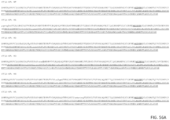
- the amino acid and codon optimized nucleotide sequences of heavy and light chain sequences are disclosed in SEQ ID NOS: 5-8.
- DNA corresponding to SEQ ID NO: 5 and SEQ ID NO: 7 were synthesized and inserted into expression vectors, and the vectors were transfected with the designed sequence into HEK293 cells. Briefly, HEK293 cells were seeded in a shake flask one day before transfection, and were grown using serum-free chemically defined media. The DNA expression constructs were transiently transfected into 0.5 liter of suspension HEK293 cells using standard operating procedure for transient transfection. After 20 hours, cells were sampled to obtain the viability and viable cell count, and titer was measured (Octet QKe, ForteBio). Additional readings were taken throughout the transient transfection production runs. The culture was harvested at day 5.
- the conditioned media for L3D10 was harvested and clarified from the transient transfection production run by centrifugation and filtration. The supernatant was run over a Protein A column and eluted with a low pH buffer. Filtration using a 0.2 ⁇ m membrane filter was performed before aliquoting. After purification and filtration, the protein concentration was calculated from the OD280 and the extinction coefficient. A total of 43.2 mg of Ig proteins were obtained from one round of transfection.
- the anti-CTLA4 antibody Ipilimumab
- Ipilimumab has been shown to improve the survival of cancer patients but induce significant autoimmune adverse effect.
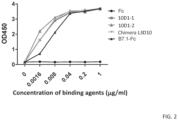
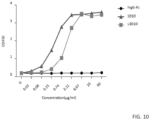
- binding to CTLA4 and the ability of the antibodies to compete for binding to CTLA4 were compared. While both antibodies bind to immobilized CTLA4 proteins at comparable effiency ( FIG. 2 ), 10D1 does not completely block chimeric L3D10 binding to CTLA4 ( FIG. 3 ).
- unlabeled L3D10 completely blocks labeled L3D10 binding, indicating that the antibody binding sites of L3D10 and 10D1 only partially overlap.
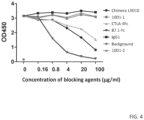
- anti-human CTLA4 mAb, 10D1 can block B7-CTLA4 interaction if soluble B7-1 and B7-2 was used to interact with immobilized CTLA4 (49). Since B7-1 and B7-2 function as cell surface co-stimulatory molecules, we evaluated the ability of anti-CTLA4 antibodies to block the B7-CTLA4 interaction using immobilized B7-1 and B7-2. Using a competitive ELISA assay format, the abilities of L3D10 and 10D1 to block binding of the CTLA4 fusion protein, CTLA4-lg, to both plate-immobilized- and cell membrane-expressed B7.1 and B7.2.
- a chimeric anti-human CTLA4-mAb with an affinity (2.3 nM) that is similar to 10D1 (4 nM) (49) was used.
- B7.1Fc or B7.2Fc were coated onto the ELISA plate at 1 ⁇ g/ml over night at 4°C or 2 hours at 37°C.
- Biotinylated CTLA4-Fc were mixed with given concentrations of either B7.1-Fc, 10D1 or chimeric L3D10.
- the amounts of the CTLA4-Fc bound to B7.1 on the plate is determined using horse-radish peroxidase-conjugated streptavidin. As shown in FIG.
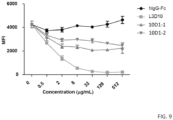
- L3D10 shows significant blocking of plate-immobilized B7.1 binding at concentrations as low as 0.2 ⁇ g/ml, achieving 50% inhibition (IC 50 ) at around 3 ⁇ g/ml.
- IC 50 50% inhibition
- L3D10 blocked binding of CTLA4-Fc binding to plate immobilized B7.2 with an IC 50 of 0.03 ⁇ g/ml
- 10D1 from two different material lots displayed minimal blocking with an IC 50 of approximately 200 ⁇ g/ml ( FIG. 5 ).
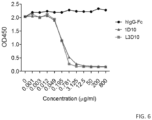
- antibody 10D1 potently inhibited B7-1-CTLA4 interaction in the reverse experiment when plate immobilized CTLA4 is used to interact with soluble B7-1 ( FIG. 6 ).
- Example 4 Chimeric L3D10 antibody is more efficient than unmodified L3D10 in causing tumor rejection
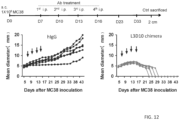
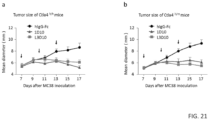
- mice 1 ⁇ 10 6 MC38 tumor cells were transplanted into syngeneic C57BL/6 mice. One week later, when the tumor reaches around 5 mm in diameter, mice were treated with either control IgG or chimeric L3D10 mAb at a dose that is only half of what was used in the previous studies with the mouse L3D10. As shown in FIG. 12 , despite possible immunogenity of the human Ig sequence, it was found that the chimeric L3D10 caused complete remission in all mice tested. Since the treatment was initiated when large tumor burdens have been established, which is much more difficult than when tumors were not palable (19), these experiments show that chimeric L3D10 is more efficient than unmodified L3D10.
- Example 5 Chimeric L3D10 antibody has equivalent activity as 10D1 in causing tumor rejection
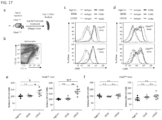
- CTLA4 is expressed predominately among the Treg where it suppresses autoimmune diseases by down-regulating B7-1 and B7-2 expression on dendritic cells (50). Since targeted mutation of Ctla4 (50) and treatment with blocking anti-CTLA4 mAb (51) upregulated expression of B7-1 and B7-2 on dendritic cells, it has been suggested that physiological function of CTLA4 on Treg is to down-regulate B7 on DC. Therefore, upregulation of B7 was used as a readout for the in vivo blockade of B7-CTLA4 interactions and developed an assay using T cells from the Ctla4 h / h mice which had homozygous knockin of the human CTLA4 gene.
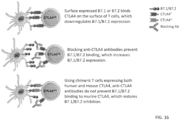
- surface expressed B7.1 or B7.2 binds CTLA4 on the surface of T cells, which leads to a downregulation in B7.1 and B7.2 expression.
- binding of blocking anti-CTLA4 antibodies prevents B7.1/B7.2 binding, which prevents the downregulation of B7.1 and B7.2, resulting in a net increase in B7.1/B7.2 expression.
- antibodies that bind human CTLA4 do not prevent B7.1/B7.2 binding to the murine CTLA4, which restores B7.1/B7.2 inhibition.
- CTLA4 humanized mice that express the CTLA4 gene with 100% identify to human CTLA4 protein under the control of endogenous mouse Ctla4 locus has been described (20).
- the homozygous knock-in mice ( CTLA4 h / h ) were backcrossed to C57BL/6 background for at least 10 generations.
- Heterozygous mice ( CTLA4 h / m ) were produced by crossing the CTLA4 h/h mice with WT BALB/c mice.
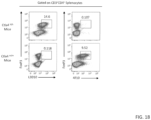
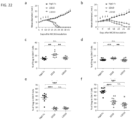
- L3D10 can upregulate B7 in Ctla4 m / h mice in which mouse and human CTLA4 are expressed co-dominantly. Since at least 50% of the CTLA4 does not bind to anti-human CTLA4 antibodies, it is expected that they would be less potent in blocking B7-CTLA4 interaction. Indeed, neither antibody caused upregulation of B7-1 and B7-2 on DC from Ctla4 m / h mice ( FIG. 17C , D, F). The complete lack of blockade by L3D10 in the Ctla4 m / h mice suggests that CTLA4 encoded by the mouse allele, which does not bind to L3D10 ( FIG.
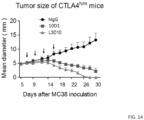
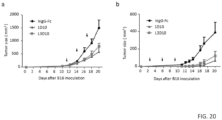
- both L3D10 and 10D1 display strong anti-tumor activity against the MC38 model in chimeric CTLA4 m/h mice, as shown in FIG. 19 . While the tumor grew progressively in the control Ig-treated mice, complete rejection was achieved by either anti-CTLA4 mAb. In multiple experiments, the two antibodies are comparable in causing tumor rejection. In another tumor model, B16 melanoma, both antibodies induced similar retardation of tumor growth, although complete rejection was not achieved by either antibody ( FIG. 20 ).
- Immune regulation in vivo results from a balance between immune cell activation and immune checkpoints.
- regulatory T cells are a subpopulation of T cells which regulate the immune system, maintain tolerance to self-antigens, and abrogate autoimmune disease.
- CTLA4 mAb is affected by the Fc subclass and host Fc receptor, which in turn affect antibody-dependent cytotoxicity of Treg selectively within tumor microenvironment (52, 53).
- differential CTLA4 blocking activity in vivo does not appear to translate to differences in anti-tumor activity, we attempted to establish the mechanism of action(s) by which the anti-tumor occurs and looked at Tregs within the tumor microenvironment.
- blocking and non-blocking antibodies are comparable in depletion of Treg in the tumor microenvironment, blockade of B7-CTLA4 interaction does not contribute to Treg depletion. Since 10D1 does not block B7-CTLA4 interaction in vivo and yet confer therapeutic effect in the Ctla4 h / h mice and in melanoma patients, blockade of this interaction is not required for its therapeutic effect. Furthermore, since two mAbs with drastically different blocking effect have comparable therapeutic effect and selective Treg depletion in tumor microenvironment, blocking CTLA4-B7 interaction does not enhance therapeutic effect of an antibody.
- CTLA4 is a cell-intrinsic negative regulator for T cell regulation
- Fab two anti-mouse CTLA4 mAbs
- 4F10 two anti-mouse CTLA4 mAbs
- 9H10 a third anti-mouse CTLA4 mAb
- 9D9 a third anti-mouse CTLA4 mAb, 9D9, was reported to have therapeutic effect in tumor bearing mice and cause local depletion of Treg in tumor microenvironment (52).
- Example 9 Chimeric L3D10 demonstrates reduced immune adverse events when used in combination with other immunotherapeutic antibodies
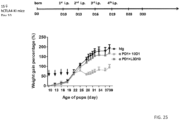
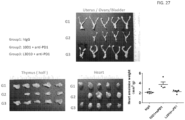
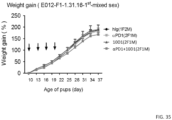
- mice treated with L3D10 + anti-PD-1 were comparable to hlgG control.
- the hearts dissected from mice treated with 10D1 appeared slightly larger in size with a noticeably whiter appearance.
- the mice treated with 10D1 + anti-PD-1 appeared slightly larger in size with a noticeably whiter appearance.
- the bone marrow from mice treated with 10D1 + anti-PD-1 had a noticeably whiter color and the isolated blood was almost completely white in color ( FIG. 28b ).
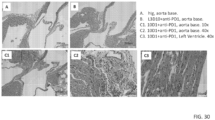
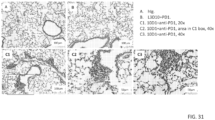
- mice treated with 10D1 + anti-PD-1 displayed a high level of T cell infiltration.
- the toxicity score, based on severity of inflammation, are summarized in FIG. 34 , which shows the high toxicity scores of mice treated with 10D1 + anti-PD-1 relative to L3D10 + anti-PD-1 which has scores only marginally higher than the hlgG control mouse group.
- Example 10 L3D10 has reduced binding for soluble CTLA4.
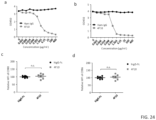
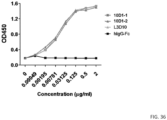
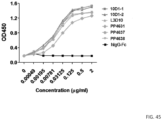
- L3D10 and 10D1 display similar binding patterns for plate immobilized CTLA4 ( FIG. 36 ).
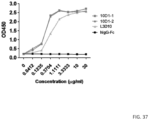
- soluble CTLA4 As a possible explanation for the reduced toxicity of L3D10 relative to 10D1, particularly the increased T cell infiltration/activity associated with 10D1, we decided to look at the binding to soluble CTLA4.
- soluble CTLA4 abatacept and belatacept
- anti-CTLA-4 mAb induce robust tumor injection in heterozygous Ctla4 h/m mice in which only 50% of CTLA-4 molecules can bind to anti-human CTLA-4 mAbs.
- L3D10 antibody retains its anti-tumor activity but displays reduced autoimmune adverse effect observed with other immunotherapeutic antibodies such as 10D1, indicating it is possible to enhance anti-tumor activity without exacerbating autoimmune adverse events. Accordingly, autoimmune side effects are not a necessary price for cancer immunity and that it is possible to uncouple these two activities.
- Characterization of L3D10 demonstrated that its ability to block the interaction of CTLA4 with B7.1 and B7.2 is more effective than by 10D1 and that this relates to a difference in the CTLA4 binding site between the antibodies. Furthermore, L3D10 was fused to a modified human IgG1 Fc domain that has mutations conferring strong ADCC activity that enhances the therapeutic effect of the antibody.
- L3D10 and 10D1 bind to immobilized CTLA4 with a similar binding profile.
- L3D10 demonstrates much lower binding affinity to soluble CTLA4 than 10D1.
- our data demonstrate that antibody L3D10 has great potential for clinical use in treating cancer patients with less severe adverse events.
- the humanization process begins by generating a homology modeled antibody 3D structure and creating a profile of the parental antibody based on structure modeling.
- Acceptor frameworks to utilize were identified based on the overall sequence identity across the framework, matching interface position, similarly classed CDR canonical positions, and presence of N-glycosylation sites that would have to be removed.
- One light chain (LC) and one heavy chain (HC) framework were selected for the humanization design.
- Humanized antibodies were designed by creating multiple hybrid sequences that fuse select parts of the parental antibody sequence with the human framework sequences, including grafting of the CDR sequences into the acceptor frameworks.
- the predicted CDR sequences of the of reference parent antibody L3D10 are provided as SEQ ID NOS: 21-26 as indicated in Table 1A below: Table 1A: The predicted CDR sequences of the reference parental antibody L3D10 Antibody Chain CDR SEQ ID NO Variable Light 1 21 2 22 3 23 Variable Heavy 1 24 2 25 3 26
- these humanized sequences were methodically analyzed by eye and computer modeling to isolate the sequences that would most likely retain antigen binding. The goal was to maximize the amount of human sequence in the final humanized antibodies while retaining the original antibody specificity.
- LC1, LC2 and LC3 Three humanized light chains (LC1, LC2 and LC3) and three humanized heavy chains (HC1, HC2 and HC3) were designed based on the selected acceptor frameworks.
- the humanized light chain is LC2 and the humanized heavy chain is HC3.
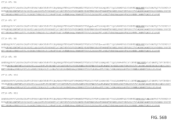
- Each of the three HC or three LC sequences were from the same germline, with different back mutations to the murine parental sequence as shown in FIG. 38 .
- the humanized variable region amino acid sequences and their optimized coding nucleotide sequence are listed in Seq ID NOS: 9-20.
- the CDR2 sequences of both the humanized heavy and light chains contain amino acid changes relative to the reference parental L3D10 antibody sequence and are listed in SEQ ID NOS 33-38 as indicated in Table 1B below.
- Table 1B CDR2 sequences of the humanized antibody variable regions.
- the light and heavy humanized chains can now be combined to create variant fully humanized antibodies. All possible combinations of humanized light and heavy chains were tested for their expression level and antigen binding affinity to identify antibodies that perform similar to the parental antibody.
- variable region sequences were constructed by first synthesizing the variable region sequences. The sequences were optimized for expression in mammalian cells. These variable region sequences were then cloned into expression vectors that already contain human Fc domains; for the heavy chain, the hlgG1 (M252Y, S254T, T256E, S298A, E333A, K334A) backbone was utilized. In addition, for comparison the variable region of the chimeric parental heavy and light chains were constructed as full-length chimeric chains using the same backbone Fc sequences.
- the affinity of 9 humanized antibody combinations and the chimeric parental antibody to the antigen (huCTLA4) was evaluated by Octet. Multi-concentration kinetic experiments were performed on the Octet Red96 system (ForteBio). Anti-hlgG Fc biosensors (ForteBio, #18-5064) were hydrated in sample diluent (0.1% BSA in PBS and 0.02% Tween 20) and preconditioned in pH 1.7 Glycine. The antigen was diluted using a 7-point, 2-fold serial dilution starting at 600 nM with sample diluent. All antibodies were diluted to 10 ⁇ g/mL with sample diluent and then immobilized onto anti-hlgG Fc biosensors for 120 seconds.
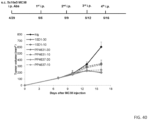
- FIG. 39A shows the treatment schedule of the in vivo experiment; mice were given a total of 4 doses of antibody every 3 days starting on day 7 after inoculation.
- FIG. 39B all humanized antibodies completely eradicated the tumor and were comparable to 10D1.
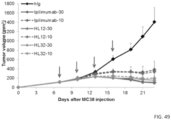
- the anti-tumor activity of the humanized antibodies compared to 10D1 and the chimeric L3D10 antibody was also demonstrated using the syngeneic B16-F1 melanoma mouse tumor model in human CTLA4-knockin mice as shown in FIG. 41 .
- Mice were given a total of 3 doses of antibody every 3 days starting on day 2 after inoculation.
- L3D10 and the humanized antibodies delayed tumor growth and were comparable to 10D1.
- Example 13 Humanized clones of L3D10 maintain superior safety profiles over 10D1.
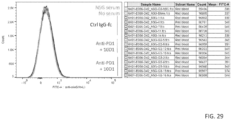
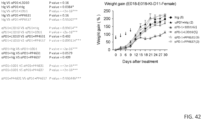
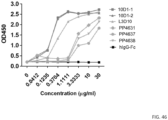
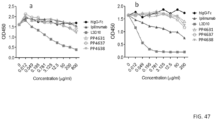
- mice treated with 10D1 plus anti-PD-1 are anemic based on complete blood cell counts (CBC), while those that received anti-PD-1+ PP4631 and anti-PD-1+ PP4637 have largely normal CBC profiles as shown in FIG. 43 .
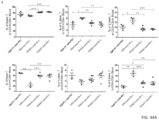
- analysis of the T cell profiles in the PBL reveal a robust systemic activation of both CD4 and CD8 T cells in mice that received 10D1+anti-PD-1, but not those that received anti-PD-1+ PP4631 or anti-PD-1+ PP4637 ( FIG. 44 ), further supporting the notion that L3D10-based anti-CTLA-4 mAbs do not cause systemic T cell activation.
- HEK293 cells were transiently transfected with vectors expressing the heavy and light chains of the different antibodies. These cells were then cultured in shake flasks for 6 days using serum-free medium. After 6 days, the supernatant was collected and the antibodies were purified by one-step Protein A chromatography. As should in Table 8 below, antibodies PP4631 and PP4637 demonstrated similar protein yields whereas antibody PP4638 was produced at a much lower relative yield. Table 8: Humanized antibody production yield assessment. Antibody Concentration (mg/mL) OD 260/280 Yield (mg/L) PP4631 1.280 0.53 126 PP4637 4.532 0.53 118 PP4638 0.729 0.57 56
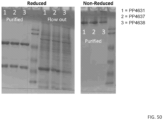
- samples were analyzed by reducing and non-reducing SDS-PAGE. As shown in FIG. 50 , samples from all 3 antibodies produced gel bands indicative of an antibody molecule and that the samples were relatively pure following Protein A purification.
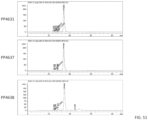
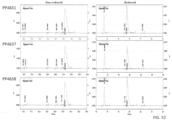
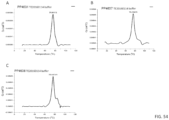
- Capillary electrophoresis was used to quantitate the amount of protein within the peak bands under both reduced and non-reduced conditions, as well as the amount of unglycosylated heavy chain protein. Briefly, 100 ⁇ g of sample was diluted into CE-SDS sample buffer along with lodoacetamide (non-reduced conditions) or ⁇ -mercaptoethanol (reduced conditions), along with 2 ⁇ L of a 10kDa standard protein. Samples were then treated for 10 min at 70°C. For separation, PA-800, 50 ⁇ m I.D. bare-fused silica capillary was used; running length 20.2cm; separating voltage 15kV; OD 220 for detection.
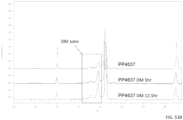
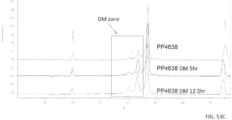
- the level of protein deamidation under high pH stress was determined by comparing the antibodies with and without high pH stress treatment over two different time periods (5 hrs and 12.5 hrs), followed by clEF and LC-MS analysis.
- the charge isoform profile and isoelectric points of the different antibodies was determined by capillary isoelectric focusing (clEF). Briefly, samples underwent buffer exchange into 20mM Tris pH 8.0 and then 100 ⁇ g of sample protein was mixed with the amphoteric electrolyte, methyl cellulose, along with PI 7.05 and PI 9.77 markers. iCE3 TM was used for analysis, with a 100 ⁇ m I.D. capillary; 1.5kV plus 3kV; OD 280 for detection. For deamidation stress treatment, samples were treated with 500 mM NaHCOs for 5hr or 12.5hr, then examined with clEF and LC-MS.
- clEF capillary isoelectric focusing
- Table 11 Isoelectric focusing and deamidation Antibody Peak PI DM treatment time DM % Main peak % Basic % PP4631 8.28 Untreated 17.3 71.9 3.0 5 h 27.1 65.4 3.0 12.5 h 40.3 53.2 2.5 PP4637 8.11 Untreated 18.1 79.0 2.9 5 h 31.5 65.7 2.8 12.5 h 44.0 53.8 2.2 PP4638 8.36 Untreated 22.5 69.6 2.3 5 h 34.4 57.6 2.7 12.5 h 45.9 46.5 2.3
- Oxidative modification of the humanized antibodies was evaluated by peptide mapping using LC-MS with or without oxidative stress.
- the samples were denatured at 65 °C in the presence of 6M GnCl and 5mM ⁇ -ME, then acetylated with iodacetamide.
- the processed samples are then digested with Trypsin (Promega, sequencing grade) at 55 °C and the digested mixture was separated on a C18 reversed phase LC column (ACQUITY UPLC BEH130 C18, 2.1 ⁇ 100mm,1.7 ⁇ m) and analyzed by mass spectrometry (Waters XEVO-G2S QTOF) using Masslynx and Biophatmlynx analysis tools.
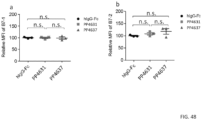
- the binding specificity of the different antibodies was determined by assessing the ability to detect non-specific binding to two different cell lines that do not express CTLA4 (CHO and HEK293) relative to 10D1 at two different concentrations. Briefly, 100 ⁇ g /mL or 20 ⁇ g /mL samples (or reference mAb) in PBS was incubated with 3 ⁇ 10e 6 cells/ml (CHO or HEK293). FITC labeled rabbit-anti-human-IgG antibody (Boster, Wuhuan, China) was used for detection and the binding of target mAb to cells was measured by FACS.
- DNA vectors encoding 11 CTLA-4Fc mutant proteins (M1-M1 1)(SEQ ID NOS: 40-50) were constructed based on the wild type human CTLA-4Fc sequence and proteins were produced by transient transfection in HEK293 at the 0.01 mL scale followed by one-step Protein A chromatography purification.
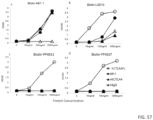
- Binding of the anti-CTLA4 antibodies to CTLA4Fc proteins was performed by ELISA. Plates were coated with CTLA-4Fc proteins at 1 ⁇ g /mL and biotinylated antibodies or B7-1Fc fusion protein were then used in soluble phase in the binding assay, with the amounts of protein bound measured using horse-radish peroxidase (HRP)-conjugated streptavidin.
- HRP horse-radish peroxidase
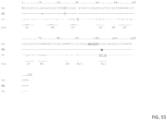
- FIG. 55 shows the alignment of the human, macaque and mouse CTLA-4 extracellular domains and highlight the sequence conservation between human and macaque, while showing the numerous differences between the murine and primate sequences. Due to conservation of the MYPPPY binding motif, mouse and human CTLA4 proteins are cross-reactive to B7-1 (72).
- CTLA4Fc proteins Binding to CTLA4Fc proteins was performed by ELISA, with the amounts of biotinylated protein bound measured by horse-radish peroxidase (HRP)-conjugated streptavidin. Values shown are the OD450 measurements.
- WT wild type CTLA-4Fc.
- M1 - M11 are CTLA-4Fc mutant proteins Protein Conc.
- CTLA4Fc proteins Binding to CTLA4Fc proteins was performed by ELISA, with the amounts of biotinylated protein bound measured by horse-radish peroxidase (HRP)-conjugated streptavidin. Values shown are the OD450 measurements.
- WT wild type CTLA-4Fc.
- M1 - M11 are CTLA-4Fc mutant proteins Protein Conc.
- CTLA4Fc proteins Binding to CTLA4Fc proteins was performed by ELISA, with the amounts of biotinylated protein bound measured by horse-radish peroxidase (HRP)-conjugated streptavidin. Values shown are the OD450 measurements.
- WT wild type CTLA-4Fc.
- M1 - M11 are CTLA-4Fc mutant proteins Protein Conc.
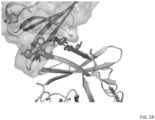
- CTLA-4 epitope in a 3-D structure. As shown in FIG. 58 , the epitope recognized by these mAbs localized within the area covered by B7-1. As such, L3D10, PP4631 and PP4637 binding to CTLA-4 would be mutually exclusive to that of B7-1. The poor blocking PP4631 and PP4637 is due to lower avidity rather than distinctive binding domains.
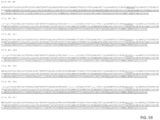
- FIG. 59 6 additional mutant CTLA4-Fc fusion proteins, designated M12-M17 (SEQ ID NOS: 51-56), were designed ( FIG. 59 ) and used to compare the binding of anti-CTLA4 antibodies 10D1 ( FIG. 60A ), PP4631 ( FIG. 60B ) and PP4637 ( FIG. 60C ).
- FIG. 60 mutations in M11, which are at positions Y 103 L 104 I 106 , abrogated binding to 10D1, PP4631 and PP4637, demonstrating that binding sites for 10D1, PP4631 and PP4637 include residues Y 103 L 104 I 106 .
- anti-CTLA-4 monoclonal antibody mAb
- antigen-specific T cell response against normal "self' differentiation antigens 73, 74
- anti-CTLA-4 antibodies to exacerbate autoimmune diseases is well documented in the mouse (75-78).
- This notion was further corroborated and proved to be a major limitation in more recent human trials in which the patients developed severe autoimmune manifestations that required discontinuation of treatment (79).
- cancer therapeutic anti-4-1BB mAbs have been shown to abrogate the development of autoimmune diseases in lupus prone mice (24, 25).
- anti-4-1BB mAbs can both stimulate anti-tumor responses and decrease autoimmune manifestations raises the intriguing possibility that the combination of this antibody with anti-CTLA-4 mAb may result in cancer rejection without autoimmunity.
- anti-CTLA-4 and anti-4-1BB were combined to induce rejection of large established tumors.
- C57BL/6 mice were challenged with a subcutaneous inoculation of MC38 colon cancer cells, and at different times after tumor cell inoculation, antibodies were injected into tumor-challenged mice and the tumor size and incidence were monitored by physical examination.
- mice were treated with hamster IgG plus rat IgG, anti-4-1BB plus hamster IgG (anti-4-1BB alone group), anti-CTLA-4 plus rat IgG (anti-CTLA-4 alone group), or anti-4-1BB combined with anti-CTLA-4 starting at 48 hours after inoculation of tumor cells.
- the antibodies were administered intraperitoneally (i.p.) on days 2, 9, and 16.
- Treatment with either anti-4-1BB or anti-CTLA-4 mAb alone resulted in a delay in tumor growth with 1 out of 5 mice in each group rejecting tumors, while 4 out of 5 mice treated with both anti-CTLA-4 and anti-4-1BB mAbs were tumor-free at the conclusion of the experiment.
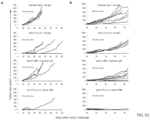
- 61A displays the tumor growth measurements for each mouse.
- a linear random-effects model was applied to the data.
- the actual tumor sizes were compared between the treatment groups at six weeks after the initial tumor challenge.
- the combination of anti-4-1BB and anti-CTLA-4 mAbs results in significant delays in tumor growth over anti-4-1BB or anti-CTLA-4 given separately.
- mice with established tumors were treated with antibodies.
- Wild type C57BL/6 mice were challenged with a subcutaneous inoculation of MC38 colon cancer cells. Tumors were allowed to grow for 14 days, at which point, mice with established tumors (usually > 7mm in diameter) were selected and divided randomly into four treatment groups: hamster IgG plus rat IgG, anti-4-1BB plus hamster IgG, anti-CTLA-4 plus rat IgG, and anti-4-1BB mAb combined with anti-CTLA-4 mAb.
- the antibodies were administered i.p. on days 14, 21, and 28 after tumor challenge. As shown in FIG.
- treatment with anti-CTLA-4 mAb did not impede tumor growth when compared to control IgG treatment, although rejection was seen in one of the eight mice in the group.
- Treatment with anti-4-1BB mAb slowed tumor growth somewhat, but only one in eight mice rejected the tumor.
- combination therapy with both anti-CTLA-4 and anti-4-1BB mAbs led to the eradication of tumors in 7 out of 8 mice and prevention of further tumor growth in the remaining mouse.
- growth rates between groups were compared by applying a linear random-effects model to the data. The combination therapy significantly reduced the daily growth in tumor size by 10.6 mm 2 /day over anti-CTLA-4 alone (p ⁇ 0.0001).
- the actual tumor sizes were compared between the treatment groups at eight weeks after the initial tumor challenge.
- MC38 is known to form liver metastasis. 80
- all mice enrolled in the experiments were analyzed for liver metastasis by histology. As shown in Table 24, approximately 60% of the control Ig-treated mice had micro-metastasis in the liver. Treatments with either anti-CTLA-4 or anti-4-1BB antibodies alone reduced the rate of metastasis somewhat, although the reduction did not reach statistical significance. Remarkably, only 1/22 mice in the group treated with both antibodies had liver metastases.
- Table 24 Combination therapy substantially reduces liver metastases* Group Treatment n Number of mice with metastasis (%) Group comparison p-value G1 Hamster IgG+Rat IgG 19 11 (57.8%) G2 Anti-CTLA-4+Rat IgG 18 6 (33.3%) vs.G1: 0.1383 G3 Anti-4-1 BB+Hamster IgG 21 8 (38.1%) vs.G1: 0.2136 G4 Anti-CTLA-4+Anti-4-1BB 22 1 (4.5%) vs.G1: 0.0007 vs.G2: 0.0174 vs.G3: 0.0050 * Data are summarized from 4 independent experiments. At least two sections per liver were examined after H&E staining.
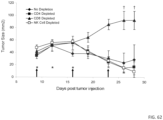
- MC38 tumor cells were injected subcutaneously. Once tumors were palpable, tumor-bearing mice were separated into four groups. Each group had a series of intraperitoneal antibody injections to deplete differing subsets of immune cells, including no depletion with normal rat IgG, CD4 T cell depletion with anti-CD4 mAb (GK 1.5), CD8 T cell depletion with anti-CD8 mAb (2.4.3), and NK cell depletion with anti-NK1.1 mAb (PK136).
- mice in all groups were treated with anti-CTLA-4 plus anti-4-1BB mAbs once weekly for three weeks.
- Adequate depletion of immune cell subsets was evaluated by flow cytometry of peripheral blood taken from mice immediately prior to completion of the experiment (data not shown).
- mice with no depletion of immune cells responded to treatment with anti-CTLA-4 combined with anti-4-1BB mAb ( FIG. 62 ).
- depletion of NK cells and CD4 T cells did not affect the anti-tumor activity of combination anti-CTLA-4 plus anti-4-1BB mAb therapy.
- the depletion of CD8 T cells abrogated the anti-tumor activity of combination antibody therapy.
- mice with depletion of CD8 T cells 92.3 mm 2 , 95% CI: 64.5, 120.1 mm 2
- mice with no depletion of immune cells 28.7 mm 2 , 95% CI: -17.1, 74.4 mm 2
- mice with depleted CD4 T cells (16.7 mm 2 , 95% CI: 1.0, 32.4 mm 2
- mice with depleted NK cells 9.3 mm 2 , 95% CI: -8.3, 26.9 mm 2 ).
- Anti-4-1BB antibody reduced antibody response to xenogeneic anti-CTLA-4 antibodies.
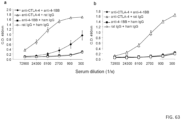
- mice treated with anti-CTLA-4 plus rat IgG developed strong host antibody responses against the administered 4F10 antibody and rat IgG ( FIGS. 63A-B ).
- anti-4-1BB reduces the production of antibodies against the anti-CTLA-4 antibodies
- an interesting issue is whether the enhancement of tumor rejection by anti-4-1BB is solely due to its effect in suppressing antibody response.
- This human CTLA4 gene knock-in mouse allowed us to test if the anti-tumor effect of the anti-human CTLA4 antibodies can be enhanced by anti-4-1BB antibody.
- FIG. 64A shows that while both anti-human CTLA-4 (L3D10) and anti-4-1BB antibody (2A) alone caused delayed tumor growth, a combination of the two antibodies resulted in the most significant tumor rejection.
- 1/7, 2/7, 5/7 mice never developed tumors, while all mice in the untreated group developed tumors.
- One of the obstacles to protein-based immunotherapy is host immunity to the therapeutic proteins.
- the host can mount antibodies to xenotypic, allotypic and idiotypic epitopes.
- the xenotypic response can be eliminated by complete humanization, although other anti-antibody responses require special considerations.
- the obstacle is more obvious for anti-CTLA-4 antibody as it is an adjuvant in itself.
- Previous work by Mittler et al. demonstrated a significant suppression of T-cell dependent humoral immune response.
- Our data demonstrate that coadministration of anti-4-1BB antibodies reduces host responses to the anti-CTLA-4 antibody, which suggests another advantage of combination therapy using anti-CTLA-4 and anti-4-1BB antibody.
Landscapes
- Health & Medical Sciences (AREA)
- Chemical & Material Sciences (AREA)
- Immunology (AREA)
- Organic Chemistry (AREA)
- Life Sciences & Earth Sciences (AREA)
- Medicinal Chemistry (AREA)
- General Health & Medical Sciences (AREA)
- Proteomics, Peptides & Aminoacids (AREA)
- Biochemistry (AREA)
- Molecular Biology (AREA)
- Genetics & Genomics (AREA)
- Biophysics (AREA)
- Veterinary Medicine (AREA)
- Pharmacology & Pharmacy (AREA)
- Public Health (AREA)
- Animal Behavior & Ethology (AREA)
- General Chemical & Material Sciences (AREA)
- Nuclear Medicine, Radiotherapy & Molecular Imaging (AREA)
- Chemical Kinetics & Catalysis (AREA)
- Microbiology (AREA)
- Mycology (AREA)
- Epidemiology (AREA)
- Medicines Containing Antibodies Or Antigens For Use As Internal Diagnostic Agents (AREA)
- Peptides Or Proteins (AREA)
- Preparation Of Compounds By Using Micro-Organisms (AREA)
- Medicines That Contain Protein Lipid Enzymes And Other Medicines (AREA)
Priority Applications (5)
| Application Number | Priority Date | Filing Date | Title |
|---|---|---|---|
| RS20240735A RS65703B1 (sr) | 2015-12-15 | 2016-12-14 | Himerna i humanizovana anti-humana ctla4 monoklonska antitela i njihova upotreba |
| SI201631826T SI3389699T1 (sl) | 2015-12-15 | 2016-12-14 | Himerna in humanizirana monoklonska protitelesa proti humanemu ctla4 in uporabe le - teh |
| HRP20240719TT HRP20240719T1 (hr) | 2015-12-15 | 2016-12-14 | Kimerna i humanizirana monoklonska protutijela protiv ljudskog ctla4 i njihova upotreba |
| EP24164173.7A EP4374926A3 (en) | 2015-12-15 | 2016-12-14 | Chimeric and humanized anti-human ctla4 monoclonal antibodies and uses thereof |
| SM20240211T SMT202400211T1 (it) | 2015-12-15 | 2016-12-14 | Anticorpi monoclonali chimerici e umanizzati anti-ctla4 umano e loro usi |
Applications Claiming Priority (4)
| Application Number | Priority Date | Filing Date | Title |
|---|---|---|---|
| US201562267735P | 2015-12-15 | 2015-12-15 | |
| US201662309169P | 2016-03-16 | 2016-03-16 | |
| US201662359036P | 2016-07-06 | 2016-07-06 | |
| PCT/US2016/066698 WO2017106372A1 (en) | 2015-12-15 | 2016-12-14 | Chimeric and humanized anti-human ctla4 monoclonal antibodies and uses thereof |
Related Child Applications (2)
| Application Number | Title | Priority Date | Filing Date |
|---|---|---|---|
| EP24164173.7A Division-Into EP4374926A3 (en) | 2015-12-15 | 2016-12-14 | Chimeric and humanized anti-human ctla4 monoclonal antibodies and uses thereof |
| EP24164173.7A Division EP4374926A3 (en) | 2015-12-15 | 2016-12-14 | Chimeric and humanized anti-human ctla4 monoclonal antibodies and uses thereof |
Publications (3)
| Publication Number | Publication Date |
|---|---|
| EP3389699A1 EP3389699A1 (en) | 2018-10-24 |
| EP3389699A4 EP3389699A4 (en) | 2019-07-10 |
| EP3389699B1 true EP3389699B1 (en) | 2024-05-01 |
Family
ID=59057509
Family Applications (2)
| Application Number | Title | Priority Date | Filing Date |
|---|---|---|---|
| EP16876612.9A Active EP3389699B1 (en) | 2015-12-15 | 2016-12-14 | Chimeric and humanized anti-human ctla4 monoclonal antibodies and uses thereof |
| EP24164173.7A Pending EP4374926A3 (en) | 2015-12-15 | 2016-12-14 | Chimeric and humanized anti-human ctla4 monoclonal antibodies and uses thereof |
Family Applications After (1)
| Application Number | Title | Priority Date | Filing Date |
|---|---|---|---|
| EP24164173.7A Pending EP4374926A3 (en) | 2015-12-15 | 2016-12-14 | Chimeric and humanized anti-human ctla4 monoclonal antibodies and uses thereof |
Country Status (26)
| Country | Link |
|---|---|
| US (3) | US10618960B2 (pl) |
| EP (2) | EP3389699B1 (pl) |
| JP (4) | JP6858779B2 (pl) |
| KR (2) | KR20250108763A (pl) |
| CN (2) | CN116063492A (pl) |
| AU (2) | AU2016370648B2 (pl) |
| BR (1) | BR112018012113A2 (pl) |
| CA (1) | CA3006984C (pl) |
| DK (1) | DK3389699T5 (pl) |
| ES (1) | ES2979210T3 (pl) |
| FI (1) | FI3389699T3 (pl) |
| HR (1) | HRP20240719T1 (pl) |
| HU (1) | HUE066907T2 (pl) |
| IL (3) | IL259988B2 (pl) |
| LT (1) | LT3389699T (pl) |
| MX (3) | MX2018006925A (pl) |
| MY (1) | MY186974A (pl) |
| PL (1) | PL3389699T3 (pl) |
| PT (1) | PT3389699T (pl) |
| RS (1) | RS65703B1 (pl) |
| SG (1) | SG11201804969PA (pl) |
| SI (1) | SI3389699T1 (pl) |
| SM (1) | SMT202400211T1 (pl) |
| TW (1) | TWI739781B (pl) |
| WO (1) | WO2017106372A1 (pl) |
| ZA (1) | ZA201804077B (pl) |
Families Citing this family (38)
| Publication number | Priority date | Publication date | Assignee | Title |
|---|---|---|---|---|
| SI3303394T1 (sl) | 2015-05-29 | 2020-10-30 | Agenus Inc. | Protitelesa proti-CTLA-4 in postopki njihove uporabe |
| EP3515489B1 (en) * | 2016-09-19 | 2025-11-05 | OncoC4, Inc. | Cd80 and cd86 binding protein compositions and uses thereof |
| IL266918B2 (en) | 2016-12-07 | 2024-03-01 | Agenus Inc | Anti-ctla-4 antibodies and methods of use thereof |
| WO2019036855A1 (en) | 2017-08-21 | 2019-02-28 | Adagene Inc. | Anti-cd137 molecules and use thereof |
| WO2019094637A1 (en) * | 2017-11-08 | 2019-05-16 | Xencor, Inc. | Bispecific and monospecific antibodies using novel anti-pd-1 sequences |
| US12129299B2 (en) | 2018-02-02 | 2024-10-29 | OncoC4, Inc. | Mutant anti-CTLA-4 antibodies with improved immunotherapeutic effect but attenuated adverse effects |
| WO2019148444A1 (en) * | 2018-02-02 | 2019-08-08 | Adagene Inc. | Anti-ctla4 antibodies and methods of making and using the same |
| WO2019148445A1 (en) | 2018-02-02 | 2019-08-08 | Adagene Inc. | Precision/context-dependent activatable antibodies, and methods of making and using the same |
| SG11202007018QA (en) * | 2018-02-02 | 2020-08-28 | Oncoimmune Inc | Methods of selecting and designing safer and more effective anti-ctla-4 antibodies for cancer therapy |
| CN115991787A (zh) | 2018-06-05 | 2023-04-21 | 江苏康宁杰瑞生物制药有限公司 | 二聚体及其用途 |
| EP3617230A1 (en) * | 2018-09-03 | 2020-03-04 | BioInvent International AB | Novel antibodies and nucleotide sequences, and uses thereof |
| CN113614109A (zh) | 2018-12-21 | 2021-11-05 | Ose免疫疗法公司 | 双功能抗pd-1/il-7分子 |
| CN119930820A (zh) * | 2018-12-27 | 2025-05-06 | 吉加根公司 | 抗ctla-4结合蛋白及其使用方法 |
| WO2020165374A1 (en) | 2019-02-14 | 2020-08-20 | Ose Immunotherapeutics | Bifunctional molecule comprising il-15ra |
| WO2021122866A1 (en) | 2019-12-17 | 2021-06-24 | Ose Immunotherapeutics | Bifunctional molecules comprising an il-7 variant |
| KR20220166795A (ko) * | 2020-04-13 | 2022-12-19 | 바이오션, 인코포레이티드 | Ctla4에 결합하는 항체 및 이의 용도 |
| WO2021220251A1 (en) | 2020-05-01 | 2021-11-04 | Kashiv Biosciences, Llc | An improved process of purification of protein |
| WO2022112198A1 (en) | 2020-11-24 | 2022-06-02 | Worldwide Innovative Network | Method to select the optimal immune checkpoint therapies |
| WO2022117572A2 (en) | 2020-12-02 | 2022-06-09 | Oncurious Nv | An ltbr agonist in combination therapy against cancer |
| WO2022169269A1 (ko) * | 2021-02-03 | 2022-08-11 | 주식회사 유틸렉스 | 항 ctla-4 항체 및 이의 용도 |
| EP4320156A1 (en) | 2021-04-09 | 2024-02-14 | Ose Immunotherapeutics | Scaffold for bifunctioanl molecules comprising pd-1 or cd28 and sirp binding domains |
| WO2022214653A1 (en) | 2021-04-09 | 2022-10-13 | Ose Immunotherapeutics | New scaffold for bifunctional molecules with improved properties |
| JP7345889B2 (ja) * | 2021-06-17 | 2023-09-19 | 株式会社ニューギン | 遊技機 |
| EP4392156A4 (en) * | 2021-10-08 | 2025-06-25 | Kashiv Biosciences, LLC | Separation of pre-peak and post-peak in fusion protein sample by using size exclusion high performance liquid chromatography |
| CA3234491A1 (en) * | 2021-10-08 | 2023-04-13 | Kashiv Biosciences, Llc | Separation of pre-peak in fusion protein sample by using size exclusion high performance liquid chromatography |
| MX2024004429A (es) | 2021-10-29 | 2024-05-06 | Oncoc4 Inc | Regimenes de dosificacion del anticuerpo anti-ctla-4. |
| EP4431528A1 (en) * | 2021-10-29 | 2024-09-18 | Longbio Pharma (Suzhou) Co., Ltd. | Isolated antigen binding protein and use thereof |
| WO2024003360A1 (en) | 2022-07-01 | 2024-01-04 | Institut Curie | Biomarkers and uses thereof for the treatment of neuroblastoma |
| WO2024028386A1 (en) | 2022-08-02 | 2024-02-08 | Ose Immunotherapeutics | Multifunctional molecule directed against cd28 |
| CN119947752A (zh) | 2022-09-16 | 2025-05-06 | 昂科医药 | 抗ctla-4抗体用于治疗腺样囊性癌的用途 |
| CN120981564A (zh) | 2023-03-17 | 2025-11-18 | 圭尔医疗有限公司 | 调节性t细胞疗法 |
| WO2024200820A1 (en) | 2023-03-30 | 2024-10-03 | Ose Immunotherapeutics | Method of synthesis of targeted lipid nanoparticle and uses thereof |
| WO2024200823A1 (en) | 2023-03-30 | 2024-10-03 | Ose Immunotherapeutics | Lipid-based nanoparticle targeted at activated immune cells for the expression of immune cell enhancing molecule and use thereof |
| WO2024227176A1 (en) | 2023-04-28 | 2024-10-31 | OncoC4, Inc. | Combinations of anti-ctla-4 antibodies and anti-pd-1 antibodies and therapeutic uses thereof |
| WO2024254403A2 (en) * | 2023-06-09 | 2024-12-12 | The Regents Of The University Of California | Methods for identifying and correcting tumor humoral immune dysfunction |
| WO2025133186A1 (en) | 2023-12-22 | 2025-06-26 | OncoC4, Inc. | Anti-ctla-4 antibody for treatment of patients with prostate cancer and combination therapy with a radioligand therapeutic agent |
| WO2025201659A1 (en) | 2024-03-28 | 2025-10-02 | BioNTech SE | Combination therapy comprising therapeutic rna cancer vaccines and anti-ctla4 antibodies for cancer treatment |
| WO2025242835A1 (en) | 2024-05-22 | 2025-11-27 | Ose Immunotherapeutics | Molecules comprising masking linkers and uses thereof for the treatment of cancer |
Family Cites Families (32)
| Publication number | Priority date | Publication date | Assignee | Title |
|---|---|---|---|---|
| US4816567A (en) * | 1983-04-08 | 1989-03-28 | Genentech, Inc. | Recombinant immunoglobin preparations |
| GB8607679D0 (en) | 1986-03-27 | 1986-04-30 | Winter G P | Recombinant dna product |
| US5225539A (en) | 1986-03-27 | 1993-07-06 | Medical Research Council | Recombinant altered antibodies and methods of making altered antibodies |
| US5530101A (en) | 1988-12-28 | 1996-06-25 | Protein Design Labs, Inc. | Humanized immunoglobulins |
| GB8928874D0 (en) | 1989-12-21 | 1990-02-28 | Celltech Ltd | Humanised antibodies |
| DE69233482T2 (de) | 1991-05-17 | 2006-01-12 | Merck & Co., Inc. | Verfahren zur Verminderung der Immunogenität der variablen Antikörperdomänen |
| US5565332A (en) | 1991-09-23 | 1996-10-15 | Medical Research Council | Production of chimeric antibodies - a combinatorial approach |
| US5639641A (en) | 1992-09-09 | 1997-06-17 | Immunogen Inc. | Resurfacing of rodent antibodies |
| DK1210428T3 (en) | 1999-08-23 | 2015-06-15 | Dana Farber Cancer Inst Inc | PD-1, a receptor for B7-4 AND USE THEREOF |
| IL148021A0 (en) | 1999-08-23 | 2002-09-12 | Dana Farber Cancer Inst Inc | Novel b7-4 molecules and uses therefor |
| US7605238B2 (en) * | 1999-08-24 | 2009-10-20 | Medarex, Inc. | Human CTLA-4 antibodies and their uses |
| PT1234031T (pt) | 1999-11-30 | 2017-06-26 | Mayo Foundation | B7-h1, uma nova molécula imunoregulatória |
| US6803192B1 (en) | 1999-11-30 | 2004-10-12 | Mayo Foundation For Medical Education And Research | B7-H1, a novel immunoregulatory molecule |
| AU2001233027A1 (en) | 2000-01-27 | 2001-08-07 | Genetics Institute, Llc | Antibodies against ctla4 (cd152), conjugates comprising same, and uses thereof |
| AU2002258941A1 (en) | 2001-04-20 | 2002-11-05 | Mayo Foundation For Medical Education And Research | Methods of enhancing cell responsiveness |
| WO2003042402A2 (en) | 2001-11-13 | 2003-05-22 | Dana-Farber Cancer Institute, Inc. | Agents that modulate immune cell activation and methods of use thereof |
| WO2004056875A1 (en) | 2002-12-23 | 2004-07-08 | Wyeth | Antibodies against pd-1 and uses therefor |
| EP1793857A4 (en) * | 2004-09-08 | 2008-09-03 | Univ Ohio State Res Found | COMBINED THERAPY USING ANTI-CTLA4 ANTI-4-1BB ANTIBODIES |
| EP1793858A4 (en) * | 2004-09-08 | 2008-12-10 | Univ Ohio State Res Found | HUMAN MONOCLONAL ANTI-CTLA4 ANTIBODIES FOR CANCER TREATMENT |
| CN104104517B (zh) | 2004-10-15 | 2017-11-07 | 弗里塞恩公司 | 一次性密码验证的方法和系统 |
| CN101146826A (zh) | 2005-01-24 | 2008-03-19 | 得克萨斯大学体系董事会 | 与磷脂酰丝氨酸结合的fc融合构建体及其治疗用途 |
| EP2418278A3 (en) * | 2005-05-09 | 2012-07-04 | Ono Pharmaceutical Co., Ltd. | Human monoclonal antibodies to programmed death 1(PD-1) and methods for treating cancer using anti-PD-1 antibodies alone or in combination with other immunotherapeutics |
| KR101607288B1 (ko) | 2005-07-01 | 2016-04-05 | 이. 알. 스퀴부 앤드 선즈, 엘.엘.씨. | 예정 사멸 리간드 1 (피디-엘1)에 대한 인간 모노클로날 항체 |
| US8062852B2 (en) | 2007-10-01 | 2011-11-22 | The Children's Hospital And Regional Medical Center | Detection and treatment of autoimmune disorders |
| CN101628940B (zh) * | 2008-07-15 | 2011-11-23 | 中国科学院生物物理研究所 | 一种单克隆抗体及其应用 |
| GB0903325D0 (en) * | 2009-02-26 | 2009-04-08 | Univ Aberdeen | Antibody molecules |
| GB201103955D0 (en) * | 2011-03-09 | 2011-04-20 | Antitope Ltd | Antibodies |
| WO2013142796A2 (en) * | 2012-03-23 | 2013-09-26 | Bristol-Myers Squibb Company | Methods of treatments using ctla4 antibodies |
| CN104968364A (zh) | 2012-12-03 | 2015-10-07 | 百时美施贵宝公司 | 强化免疫调变性Fc融合蛋白的抗癌活性 |
| US20160145355A1 (en) * | 2013-06-24 | 2016-05-26 | Biomed Valley Discoveries, Inc. | Bispecific antibodies |
| CN104292334B (zh) * | 2014-04-25 | 2018-11-27 | 河南省健康伟业生物医药研究股份有限公司 | 一种全人源抗ctla-4单克隆抗体、制备方法及应用 |
| EP3515489B1 (en) | 2016-09-19 | 2025-11-05 | OncoC4, Inc. | Cd80 and cd86 binding protein compositions and uses thereof |
-
2016
- 2016-12-14 SG SG11201804969PA patent/SG11201804969PA/en unknown
- 2016-12-14 SM SM20240211T patent/SMT202400211T1/it unknown
- 2016-12-14 KR KR1020257022200A patent/KR20250108763A/ko active Pending
- 2016-12-14 PT PT168766129T patent/PT3389699T/pt unknown
- 2016-12-14 BR BR112018012113A patent/BR112018012113A2/pt active Search and Examination
- 2016-12-14 CA CA3006984A patent/CA3006984C/en active Active
- 2016-12-14 IL IL259988A patent/IL259988B2/en unknown
- 2016-12-14 JP JP2018530560A patent/JP6858779B2/ja active Active
- 2016-12-14 WO PCT/US2016/066698 patent/WO2017106372A1/en not_active Ceased
- 2016-12-14 EP EP16876612.9A patent/EP3389699B1/en active Active
- 2016-12-14 RS RS20240735A patent/RS65703B1/sr unknown
- 2016-12-14 CN CN202210802423.XA patent/CN116063492A/zh active Pending
- 2016-12-14 IL IL310404A patent/IL310404A/en unknown
- 2016-12-14 KR KR1020187017368A patent/KR102830926B1/ko active Active
- 2016-12-14 PL PL16876612.9T patent/PL3389699T3/pl unknown
- 2016-12-14 MY MYPI2018000904A patent/MY186974A/en unknown
- 2016-12-14 HU HUE16876612A patent/HUE066907T2/hu unknown
- 2016-12-14 ES ES16876612T patent/ES2979210T3/es active Active
- 2016-12-14 DK DK16876612.9T patent/DK3389699T5/da active
- 2016-12-14 LT LTEPPCT/US2016/066698T patent/LT3389699T/lt unknown
- 2016-12-14 CN CN201680073425.2A patent/CN108430499B/zh active Active
- 2016-12-14 FI FIEP16876612.9T patent/FI3389699T3/fi active
- 2016-12-14 SI SI201631826T patent/SI3389699T1/sl unknown
- 2016-12-14 IL IL296354A patent/IL296354B2/en unknown
- 2016-12-14 MX MX2018006925A patent/MX2018006925A/es unknown
- 2016-12-14 EP EP24164173.7A patent/EP4374926A3/en active Pending
- 2016-12-14 US US16/062,350 patent/US10618960B2/en active Active
- 2016-12-14 HR HRP20240719TT patent/HRP20240719T1/hr unknown
- 2016-12-14 AU AU2016370648A patent/AU2016370648B2/en active Active
- 2016-12-15 TW TW105141656A patent/TWI739781B/zh active
-
2018
- 2018-06-07 MX MX2025001302A patent/MX2025001302A/es unknown
- 2018-06-07 MX MX2025001300A patent/MX2025001300A/es unknown
- 2018-06-18 ZA ZA2018/04077A patent/ZA201804077B/en unknown
-
2020
- 2020-02-27 US US16/803,972 patent/US11629188B2/en active Active
-
2021
- 2021-03-23 JP JP2021049294A patent/JP2021100957A/ja active Pending
-
2022
- 2022-06-15 JP JP2022096901A patent/JP7286845B2/ja active Active
-
2023
- 2023-03-22 US US18/188,098 patent/US12473362B2/en active Active
- 2023-05-19 AU AU2023203169A patent/AU2023203169B2/en active Active
-
2025
- 2025-08-04 JP JP2025130097A patent/JP2025160458A/ja active Pending
Also Published As
Similar Documents
| Publication | Publication Date | Title |
|---|---|---|
| US12473362B2 (en) | Chimeric and humanized anti-human CTLA4 monoclonal antibodies and uses thereof | |
| WO2019152423A1 (en) | Mutant anti-ctla-4 antibodies with improved immunotherapeutic effect but attenuated adverse effects | |
| US20240218067A1 (en) | Anti-siglec compositions and uses thereof | |
| JP7790837B2 (ja) | キメラ及びヒト化抗ヒトctla4モノクローナル抗体ならびにその使用 | |
| HK40110941A (en) | Chimeric and humanized anti-human ctla4 monoclonal antibodies and uses thereof | |
| HK1259883B (en) | Chimeric and humanized anti-human ctla4 monoclonal antibodies and uses thereof | |
| HK1259883A1 (en) | Chimeric and humanized anti-human ctla4 monoclonal antibodies and uses thereof | |
| EA038617B1 (ru) | Химерные и гуманизированные античеловеческие ctla-4 моноклональные антитела и их использование | |
| EA049996B1 (ru) | Антитело к siglec-10 (варианты) |
Legal Events
| Date | Code | Title | Description |
|---|---|---|---|
| REG | Reference to a national code |
Ref country code: HR Ref legal event code: TUEP Ref document number: P20240719T Country of ref document: HR |
|
| STAA | Information on the status of an ep patent application or granted ep patent |
Free format text: STATUS: THE INTERNATIONAL PUBLICATION HAS BEEN MADE |
|
| PUAI | Public reference made under article 153(3) epc to a published international application that has entered the european phase |
Free format text: ORIGINAL CODE: 0009012 |
|
| STAA | Information on the status of an ep patent application or granted ep patent |
Free format text: STATUS: REQUEST FOR EXAMINATION WAS MADE |
|
| 17P | Request for examination filed |
Effective date: 20180626 |
|
| AK | Designated contracting states |
Kind code of ref document: A1 Designated state(s): AL AT BE BG CH CY CZ DE DK EE ES FI FR GB GR HR HU IE IS IT LI LT LU LV MC MK MT NL NO PL PT RO RS SE SI SK SM TR |
|
| AX | Request for extension of the european patent |
Extension state: BA ME |
|
| DAV | Request for validation of the european patent (deleted) | ||
| A4 | Supplementary search report drawn up and despatched |
Effective date: 20190607 |
|
| RIC1 | Information provided on ipc code assigned before grant |
Ipc: C07K 16/00 20060101ALI20190603BHEP Ipc: A61K 39/395 20060101ALI20190603BHEP Ipc: A61K 39/00 20060101AFI20190603BHEP Ipc: C12P 21/08 20060101ALI20190603BHEP |
|
| STAA | Information on the status of an ep patent application or granted ep patent |
Free format text: STATUS: EXAMINATION IS IN PROGRESS |
|
| 17Q | First examination report despatched |
Effective date: 20201021 |
|
| RAP1 | Party data changed (applicant data changed or rights of an application transferred) |
Owner name: ONCOC4, INC. |
|
| REG | Reference to a national code |
Ref country code: DE Ipc: C07K0016280000 Ref legal event code: R079 Ref document number: 602016087342 Country of ref document: DE Free format text: PREVIOUS MAIN CLASS: A61K0039000000 |
|
| GRAP | Despatch of communication of intention to grant a patent |
Free format text: ORIGINAL CODE: EPIDOSNIGR1 |
|
| STAA | Information on the status of an ep patent application or granted ep patent |
Free format text: STATUS: GRANT OF PATENT IS INTENDED |
|
| RIC1 | Information provided on ipc code assigned before grant |
Ipc: A61P 35/00 20060101ALI20231127BHEP Ipc: A61K 39/395 20060101ALI20231127BHEP Ipc: C07K 16/28 20060101AFI20231127BHEP |
|
| INTG | Intention to grant announced |
Effective date: 20231218 |
|
| GRAS | Grant fee paid |
Free format text: ORIGINAL CODE: EPIDOSNIGR3 |
|
| GRAA | (expected) grant |
Free format text: ORIGINAL CODE: 0009210 |
|
| STAA | Information on the status of an ep patent application or granted ep patent |
Free format text: STATUS: THE PATENT HAS BEEN GRANTED |
|
| AK | Designated contracting states |
Kind code of ref document: B1 Designated state(s): AL AT BE BG CH CY CZ DE DK EE ES FI FR GB GR HR HU IE IS IT LI LT LU LV MC MK MT NL NO PL PT RO RS SE SI SK SM TR |
|
| REG | Reference to a national code |
Ref country code: GB Ref legal event code: FG4D |
|
| REG | Reference to a national code |
Ref country code: DK Ref legal event code: T3 Effective date: 20240508 |
|
| REG | Reference to a national code |
Ref country code: CH Ref legal event code: EP |
|
| REG | Reference to a national code |
Ref country code: IE Ref legal event code: FG4D |
|
| REG | Reference to a national code |
Ref country code: DE Ref legal event code: R096 Ref document number: 602016087342 Country of ref document: DE |
|
| REG | Reference to a national code |
Ref country code: FI Ref legal event code: FGE |
|
| REG | Reference to a national code |
Ref country code: RO Ref legal event code: EPE Ref country code: PT Ref legal event code: SC4A Ref document number: 3389699 Country of ref document: PT Date of ref document: 20240604 Kind code of ref document: T Free format text: AVAILABILITY OF NATIONAL TRANSLATION Effective date: 20240529 |
|
| P01 | Opt-out of the competence of the unified patent court (upc) registered |
Effective date: 20240426 |
|
| REG | Reference to a national code |
Ref country code: SE Ref legal event code: TRGR |
|
| REG | Reference to a national code |
Ref country code: NL Ref legal event code: FP |
|
| REG | Reference to a national code |
Ref country code: GR Ref legal event code: EP Ref document number: 20240401245 Country of ref document: GR Effective date: 20240716 |
|
| REG | Reference to a national code |
Ref country code: HR Ref legal event code: T1PR Ref document number: P20240719 Country of ref document: HR |
|
| REG | Reference to a national code |
Ref country code: EE Ref legal event code: FG4A Ref document number: E024384 Country of ref document: EE Effective date: 20240611 |
|
| REG | Reference to a national code |
Ref country code: DK Ref legal event code: T5 Effective date: 20240920 |
|
| REG | Reference to a national code |
Ref country code: ES Ref legal event code: FG2A Ref document number: 2979210 Country of ref document: ES Kind code of ref document: T3 Effective date: 20240924 |
|
| REG | Reference to a national code |
Ref country code: SK Ref legal event code: T3 Ref document number: E 44631 Country of ref document: SK |
|
| REG | Reference to a national code |
Ref country code: HU Ref legal event code: AG4A Ref document number: E066907 Country of ref document: HU |
|
| REG | Reference to a national code |
Ref country code: HR Ref legal event code: ODRP Ref document number: P20240719 Country of ref document: HR Payment date: 20241104 Year of fee payment: 9 |
|
| PGFP | Annual fee paid to national office [announced via postgrant information from national office to epo] |
Ref country code: LT Payment date: 20241104 Year of fee payment: 9 |
|
| PGFP | Annual fee paid to national office [announced via postgrant information from national office to epo] |
Ref country code: MC Payment date: 20241219 Year of fee payment: 9 Ref country code: NO Payment date: 20241220 Year of fee payment: 9 |
|
| PGFP | Annual fee paid to national office [announced via postgrant information from national office to epo] |
Ref country code: DK Payment date: 20241223 Year of fee payment: 9 |
|
| PGFP | Annual fee paid to national office [announced via postgrant information from national office to epo] |
Ref country code: NL Payment date: 20241218 Year of fee payment: 9 Ref country code: BE Payment date: 20241218 Year of fee payment: 9 Ref country code: FI Payment date: 20241218 Year of fee payment: 9 Ref country code: PL Payment date: 20241209 Year of fee payment: 9 Ref country code: GR Payment date: 20241206 Year of fee payment: 9 Ref country code: LU Payment date: 20241218 Year of fee payment: 9 |
|
| PGFP | Annual fee paid to national office [announced via postgrant information from national office to epo] |
Ref country code: GB Payment date: 20241218 Year of fee payment: 9 |
|
| PGFP | Annual fee paid to national office [announced via postgrant information from national office to epo] |
Ref country code: FR Payment date: 20241219 Year of fee payment: 9 Ref country code: BG Payment date: 20241128 Year of fee payment: 9 |
|
| PGFP | Annual fee paid to national office [announced via postgrant information from national office to epo] |
Ref country code: LV Payment date: 20241127 Year of fee payment: 9 Ref country code: EE Payment date: 20241126 Year of fee payment: 9 |
|
| PGFP | Annual fee paid to national office [announced via postgrant information from national office to epo] |
Ref country code: HU Payment date: 20241106 Year of fee payment: 9 Ref country code: IS Payment date: 20241104 Year of fee payment: 9 Ref country code: AT Payment date: 20241219 Year of fee payment: 9 |
|
| PG25 | Lapsed in a contracting state [announced via postgrant information from national office to epo] |
Ref country code: AL Free format text: LAPSE BECAUSE OF FAILURE TO SUBMIT A TRANSLATION OF THE DESCRIPTION OR TO PAY THE FEE WITHIN THE PRESCRIBED TIME-LIMIT Effective date: 20240501 |
|
| PGFP | Annual fee paid to national office [announced via postgrant information from national office to epo] |
Ref country code: CZ Payment date: 20241106 Year of fee payment: 9 Ref country code: HR Payment date: 20241104 Year of fee payment: 9 Ref country code: IE Payment date: 20241219 Year of fee payment: 9 |
|
| PGFP | Annual fee paid to national office [announced via postgrant information from national office to epo] |
Ref country code: RO Payment date: 20241203 Year of fee payment: 9 Ref country code: SK Payment date: 20241106 Year of fee payment: 9 |
|
| PGFP | Annual fee paid to national office [announced via postgrant information from national office to epo] |
Ref country code: IT Payment date: 20241219 Year of fee payment: 9 Ref country code: RS Payment date: 20241104 Year of fee payment: 9 Ref country code: SM Payment date: 20241216 Year of fee payment: 9 |
|
| PGFP | Annual fee paid to national office [announced via postgrant information from national office to epo] |
Ref country code: SE Payment date: 20241219 Year of fee payment: 9 |
|
| PG25 | Lapsed in a contracting state [announced via postgrant information from national office to epo] |
Ref country code: AL Free format text: LAPSE BECAUSE OF FAILURE TO SUBMIT A TRANSLATION OF THE DESCRIPTION OR TO PAY THE FEE WITHIN THE PRESCRIBED TIME-LIMIT Effective date: 20240501 |
|
| PGFP | Annual fee paid to national office [announced via postgrant information from national office to epo] |
Ref country code: MT Payment date: 20241202 Year of fee payment: 9 |
|
| PGFP | Annual fee paid to national office [announced via postgrant information from national office to epo] |
Ref country code: TR Payment date: 20241203 Year of fee payment: 9 |
|
| REG | Reference to a national code |
Ref country code: DE Ref legal event code: R097 Ref document number: 602016087342 Country of ref document: DE |
|
| PGFP | Annual fee paid to national office [announced via postgrant information from national office to epo] |
Ref country code: AL Payment date: 20241104 Year of fee payment: 9 |
|
| PGFP | Annual fee paid to national office [announced via postgrant information from national office to epo] |
Ref country code: SI Payment date: 20241105 Year of fee payment: 9 |
|
| PLBE | No opposition filed within time limit |
Free format text: ORIGINAL CODE: 0009261 |
|
| STAA | Information on the status of an ep patent application or granted ep patent |
Free format text: STATUS: NO OPPOSITION FILED WITHIN TIME LIMIT |
|
| 26N | No opposition filed |
Effective date: 20250204 |
|
| PGFP | Annual fee paid to national office [announced via postgrant information from national office to epo] |
Ref country code: DE Payment date: 20241218 Year of fee payment: 9 |
|
| PGFP | Annual fee paid to national office [announced via postgrant information from national office to epo] |
Ref country code: ES Payment date: 20250123 Year of fee payment: 9 |
|
| PGFP | Annual fee paid to national office [announced via postgrant information from national office to epo] |
Ref country code: CH Payment date: 20250101 Year of fee payment: 9 |
|
| PGFP | Annual fee paid to national office [announced via postgrant information from national office to epo] |
Ref country code: CY Payment date: 20241104 Year of fee payment: 9 |
|
| PGFP | Annual fee paid to national office [announced via postgrant information from national office to epo] |
Ref country code: MK Payment date: 20241104 Year of fee payment: 9 |
|
| PGFP | Annual fee paid to national office [announced via postgrant information from national office to epo] |
Ref country code: PT Payment date: 20251121 Year of fee payment: 10 |