EP3386694B1 - Vorrichtung und verfahren zum stanzen - Google Patents
Vorrichtung und verfahren zum stanzen Download PDFInfo
- Publication number
- EP3386694B1 EP3386694B1 EP16873893.8A EP16873893A EP3386694B1 EP 3386694 B1 EP3386694 B1 EP 3386694B1 EP 16873893 A EP16873893 A EP 16873893A EP 3386694 B1 EP3386694 B1 EP 3386694B1
- Authority
- EP
- European Patent Office
- Prior art keywords
- padding
- layer
- cutting blade
- tooth profile
- working surface
- Prior art date
- Legal status (The legal status is an assumption and is not a legal conclusion. Google has not performed a legal analysis and makes no representation as to the accuracy of the status listed.)
- Active
Links
Images



Classifications
-
- B—PERFORMING OPERATIONS; TRANSPORTING
- B26—HAND CUTTING TOOLS; CUTTING; SEVERING
- B26F—PERFORATING; PUNCHING; CUTTING-OUT; STAMPING-OUT; SEVERING BY MEANS OTHER THAN CUTTING
- B26F1/00—Perforating; Punching; Cutting-out; Stamping-out; Apparatus therefor
- B26F1/38—Cutting-out; Stamping-out
- B26F1/40—Cutting-out; Stamping-out using a press, e.g. of the ram type
-
- B—PERFORMING OPERATIONS; TRANSPORTING
- B26—HAND CUTTING TOOLS; CUTTING; SEVERING
- B26D—CUTTING; DETAILS COMMON TO MACHINES FOR PERFORATING, PUNCHING, CUTTING-OUT, STAMPING-OUT OR SEVERING
- B26D1/00—Cutting through work characterised by the nature or movement of the cutting member or particular materials not otherwise provided for; Apparatus or machines therefor; Cutting members therefor
- B26D1/0006—Cutting members therefor
-
- B—PERFORMING OPERATIONS; TRANSPORTING
- B26—HAND CUTTING TOOLS; CUTTING; SEVERING
- B26D—CUTTING; DETAILS COMMON TO MACHINES FOR PERFORATING, PUNCHING, CUTTING-OUT, STAMPING-OUT OR SEVERING
- B26D1/00—Cutting through work characterised by the nature or movement of the cutting member or particular materials not otherwise provided for; Apparatus or machines therefor; Cutting members therefor
- B26D1/01—Cutting through work characterised by the nature or movement of the cutting member or particular materials not otherwise provided for; Apparatus or machines therefor; Cutting members therefor involving a cutting member which does not travel with the work
- B26D1/12—Cutting through work characterised by the nature or movement of the cutting member or particular materials not otherwise provided for; Apparatus or machines therefor; Cutting members therefor involving a cutting member which does not travel with the work having a cutting member moving about an axis
- B26D1/25—Cutting through work characterised by the nature or movement of the cutting member or particular materials not otherwise provided for; Apparatus or machines therefor; Cutting members therefor involving a cutting member which does not travel with the work having a cutting member moving about an axis with a non-circular cutting member
- B26D1/26—Cutting through work characterised by the nature or movement of the cutting member or particular materials not otherwise provided for; Apparatus or machines therefor; Cutting members therefor involving a cutting member which does not travel with the work having a cutting member moving about an axis with a non-circular cutting member moving about an axis substantially perpendicular to the line of cut
- B26D1/30—Cutting through work characterised by the nature or movement of the cutting member or particular materials not otherwise provided for; Apparatus or machines therefor; Cutting members therefor involving a cutting member which does not travel with the work having a cutting member moving about an axis with a non-circular cutting member moving about an axis substantially perpendicular to the line of cut with limited pivotal movement to effect cut
- B26D1/305—Cutting through work characterised by the nature or movement of the cutting member or particular materials not otherwise provided for; Apparatus or machines therefor; Cutting members therefor involving a cutting member which does not travel with the work having a cutting member moving about an axis with a non-circular cutting member moving about an axis substantially perpendicular to the line of cut with limited pivotal movement to effect cut for thin material, e.g. for sheets, strips or the like
-
- B—PERFORMING OPERATIONS; TRANSPORTING
- B26—HAND CUTTING TOOLS; CUTTING; SEVERING
- B26D—CUTTING; DETAILS COMMON TO MACHINES FOR PERFORATING, PUNCHING, CUTTING-OUT, STAMPING-OUT OR SEVERING
- B26D7/00—Details of apparatus for cutting, cutting-out, stamping-out, punching, perforating, or severing by means other than cutting
- B26D7/20—Cutting beds
-
- B—PERFORMING OPERATIONS; TRANSPORTING
- B26—HAND CUTTING TOOLS; CUTTING; SEVERING
- B26F—PERFORATING; PUNCHING; CUTTING-OUT; STAMPING-OUT; SEVERING BY MEANS OTHER THAN CUTTING
- B26F1/00—Perforating; Punching; Cutting-out; Stamping-out; Apparatus therefor
- B26F1/38—Cutting-out; Stamping-out
- B26F1/44—Cutters therefor; Dies therefor
-
- B—PERFORMING OPERATIONS; TRANSPORTING
- B26—HAND CUTTING TOOLS; CUTTING; SEVERING
- B26D—CUTTING; DETAILS COMMON TO MACHINES FOR PERFORATING, PUNCHING, CUTTING-OUT, STAMPING-OUT OR SEVERING
- B26D1/00—Cutting through work characterised by the nature or movement of the cutting member or particular materials not otherwise provided for; Apparatus or machines therefor; Cutting members therefor
- B26D1/0006—Cutting members therefor
- B26D2001/006—Cutting members therefor the cutting blade having a special shape, e.g. a special outline, serrations
-
- B—PERFORMING OPERATIONS; TRANSPORTING
- B26—HAND CUTTING TOOLS; CUTTING; SEVERING
- B26F—PERFORATING; PUNCHING; CUTTING-OUT; STAMPING-OUT; SEVERING BY MEANS OTHER THAN CUTTING
- B26F1/00—Perforating; Punching; Cutting-out; Stamping-out; Apparatus therefor
- B26F1/38—Cutting-out; Stamping-out
- B26F1/44—Cutters therefor; Dies therefor
- B26F2001/4436—Materials or surface treatments therefore
-
- B—PERFORMING OPERATIONS; TRANSPORTING
- B26—HAND CUTTING TOOLS; CUTTING; SEVERING
- B26F—PERFORATING; PUNCHING; CUTTING-OUT; STAMPING-OUT; SEVERING BY MEANS OTHER THAN CUTTING
- B26F1/00—Perforating; Punching; Cutting-out; Stamping-out; Apparatus therefor
- B26F1/38—Cutting-out; Stamping-out
- B26F1/44—Cutters therefor; Dies therefor
- B26F2001/4445—Matrices, female dies, creasing tools
-
- B—PERFORMING OPERATIONS; TRANSPORTING
- B26—HAND CUTTING TOOLS; CUTTING; SEVERING
- B26F—PERFORATING; PUNCHING; CUTTING-OUT; STAMPING-OUT; SEVERING BY MEANS OTHER THAN CUTTING
- B26F1/00—Perforating; Punching; Cutting-out; Stamping-out; Apparatus therefor
- B26F1/38—Cutting-out; Stamping-out
- B26F1/44—Cutters therefor; Dies therefor
- B26F2001/4472—Cutting edge section features
Definitions
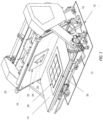
- a clamshell die press may include a frame (or base) for supporting a pair of platens made of steel.
- the pair of platens may include a fixed platen that is secured to the frame, and a moving platen that moves along a track between a fully open (an inoperative) position and a substantially close (an operative) position relative to the fixed platen.
- the fixed platen may provide a substantially flat working surface on which the work pieces to be cut are placed.
- An inner surface of the moving platen may include mounting points at which tooling can be mounted.
- the tooling can be the cutting blades that may cut the work pieces placed on the working surface of the fixed platen at the operative position.
- one end of the moving platen is pushed away from the fixed platen to allow an operator to place a work piece on the fixed platen.
- the moving platen is pushed down towards the fixed platen with force to enable the tooling to cut through the work piece, thus forming the products.
- US5152204 A
- an improvement is made to a die cutting press and to the method of die cutting in a press by providing two opposing and oppositely driven clamping bars which move together to clamp the die board and to accurately position the clamped die board at a predetermined location within the press.
- the press is operated to determine the adequacy of the cut produced by the die in sheet material fed into the press. If the cut is unsatisfactory, the opposing clamp bars are quickly driven apart thereby releasing the die board.
- the die board can be removed from the press and then manipulated or modified to cure any imperfection in the cut.
- the modified die board is then reinserted into the press and accurately repositioned at the predetermined location within the press by driving the opposing clamping bars towards each other against the die board.
- the current die presses use steel blades having certain tooth profiles to cut through work pieces.
- the steel blades are pressed with force (measured in tonnages) against a work piece.
- the downward force can cause steal blades cutting through the work piece until the blades strike against (i.e., contact with force) the working surface of the fixed platen.
- the steel blades compress the work piece until an explosion (clean cut) occurs.
- the current steel-to-steel cut can generate high-pitch and high-decibel noise at the explosion.
- This noise associated with die cutting is a type of working hazard for the die press operator.
- current die cutting requires the application of a high-tonnage force to compress the work piece against the working surface of the fixed platen. The generation of the high-tonnage force consumes a large amount of energy. Therefore, there is a need to improve the current die cutting.
- padding blocks may be easily rearranged into pads having different area coverages, the time required to provide the cutting surface on the fixed platen is significantly reduced, compared to the time traditionally spent on preparing the working surface of the fixed platen. Further, because the blades of the die cutter may cut through the work pieces into the soft padding layers of the padding blocks, the press load (or pressing force tonnage) needed for cutting various substrates may be significantly reduced. The deeper cuts into the soft padding layers can result in cleaner cuts (i.e., fewer angel hairs attached to the products). Further, because of the soft padding layer, the steel blades do not directly scratch the working surface of the fixed platen, the noise associated with the die cutting can be reduced significantly, thus improving the working environment for the die press operators.
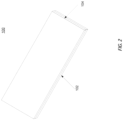
- the steel backing layer 102 of padding blocks may be used to secure padding blocks 100 onto the fixed platen 14.
- magnetic force may be used to secure padding blocks 100 to the fixed platen 14.
- a thin, double-sided magnetic layer 30 may be used to provide the magnetic force to secure the metal backing layers of padding blocks to fixed platen 14.
- Magnetic layer 30 may be mounted on the working surface of fixed platen 14, and padding blocks 100 may be mounted on top of magnetic layer 30 so as to bind pad 28 formed by padding blocks 100 to the fixed platen 14 with the magnetic force.
- metal backing layer 102 may also provide a backbone for the soft material of padding layer 104 to prevent distortion during die cut.
- backing layer 102 may be composed of magnetized metal (e.g., magnetized steel). The magnetized backing layer 102 may be mounted onto a metal working surface of fixed platen 14, secured by the magnetic force.
- Padding layer 104 of padding blocks 100 may be composed of different types of materials that have a variety of hardness measurements. Thus, padding blocks having padding layers of different hardness measurements may be employed to form pad 28.
- the type (i.e., hardness of the padding layer) of padding blocks may be selected based on the tooth profiles of the blades 24 and/or the material of the work pieces being cut. The type of padding blocks 100 is selected to enable a match of the hardness of padding layer with the tooth profiles of blades 24 so that the match may produce the optimal cutting results.
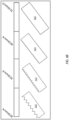
- the tooth profile may include a tooth pitch 406 that measures the distance from the tip of one tooth to the tip of the next tooth, and a gullet depth 408 that measures the distance between the tooth tip and the bottom point of the gullet.
- tooth profile may include different contour shapes for the teeth and gullets of the blade. As shown in FIG. 4A , for example, the blade may include, but not limited to, radius teeth and radius gullets 410, pointed teeth and V-shaped gullets 412, and pointed teeth and radius gullets 414. All these properties associated with tooth profile 400 may be used as parameters that determine the hardness measurement of the padding layer that best matches the blade.
- tooth profile 400 may be used to determine the pad that best matches to the tooth profile.
- the tooth profile may be selected to provide the desired edge quality on the work pieces using the least cutting force.
- the hardness of the padding layer may be selected to match the tooth profile of the blades being used.
- FIG. 4B shows exemplary tooth profiles and padding layers with matching hardness measurements according to an embodiment of the present disclosure. As shown in FIG.
- large toothed profile 420 may be matched a padding layer composed of materials measured at approximately 30 Shore A; an intermediate-sized toothed profile 422 may be matched a padding layer composed of materials measured at approximately 70 Shore A; a small toothed profile 424 may be matched a padding layer composed of materials measured at approximately 90 Shore A; an almost flat-toothed profile 426 may be matched a padding layer composed of materials measured at approximately 75 Shore D.
- the types of padding blocks i.e., the hardness measurement of the padding layer
- pad 28 may be formed on the working surface of fixed platen 14 using a combination of different types of padding blocks 100.
- This combination of different types of padding blocks may be particularly useful when blades having different profiles are installed on the inner surface of moving platen 16 to cut work pieces.
- the types of padding blocks may be selected to match the blades used to cut particular regions of the work piece.
- the soft cut system of the present disclosure may broaden the range of work piece materials that can be cut and improve the quality of cuts compared to the current steel-to-steel die cut systems.
- the soft cut system allows a new range of work piece materials to be cut, including, for example, foam boards and structural paper panels. These materials were traditionally cut by the slow process of plotter tables rather than clamshell die presses.
- the soft cut system as described in this disclosure may improve the productivity (up to 60 times) over the traditional process using plotter tables.
- the interchangeable padding blocks 100 of the soft cut system can also reduce wears on the blades and allow blades of a wider range of tooth profiles to be used because the blades can now cut into the soft surface of the padding layers of the padding blocks. Because the blade cuts into a softer padding layer and does not scratch a cutting surface that is at least as hard as the blade, the wears to the blade is significantly reduced. As such, the useful lives of blades used in the context of the soft cut system can be prolonged, thus reducing the cost for die cut. Further, by cutting against the soft padding layer rather than scratching the hard cutting surface of the fixed platen, the blades do not generate the hazardous noise level while cutting work pieces.
- the soft cut system further allows for a shear cut motion. The shear cut requires less tonnage for cutting through. The soft cut system can control the depth of the tooth profile cutting into the padding layer to enable precision cuts.
- the soft cut system also allows die cutting of multiple layers of work pieces.
- die press may need to increase the tonnage of pressing force applied by the moving platen.
- the higher tonnage of pressing force may cause damage to the blades when they strike the hard surface of the fixed platen.
- the steel-to-steel die cut typically allows die cutting of only a single layer of work piece.
- blades of the die press including the soft cut system as described in the present disclosure cut into the soft material of the padding layer, thus permitting the higher force used in multiple-layer die cutting.
- the soft cut system can be used to cut up to ten layers of a graphic decal in one press cycle as opposed to only one layer per cycle.
- the soft cut system may significantly increase the productivity of clamshell die presses.
- a creasing matrix may be mounted on top of the pad 28.
- the creasing matrix is a hardware module including channels which a die tooling may press against to create creases on (rather than cutting through) the work pieces.
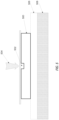
- FIG. 5 shows a creasing matrix 500 used in conjunction with the soft cut system according to an embodiment of the present disclosure.
- Creasing matrix 500 can be made of composition materials such as, for example, an extruded polymer or vulcanized fiberboard.
- creasing matrix 500 may include a channel 502.
- a creasing tooling, such as a blunt tooling 504 may press against a work piece into channel 502 to create creases in the work piece.
- a pad 506 may be bonded to a fixed platen 508 of a die press using magnetic force, and creasing matrix 500 may be adhesively attached on to the top surface of pad 506.
- die cut blades of certain tooth profile may be selected based on these properties of the work piece.
- the tooth profile may be selected based on the material of the work piece and depth that needs to be cut.
- the selected padding blocks may be secured to the fixed platen.
- the selected padding blocks may be secured to the fixed platen using a magnetic layer (e.g., a double-sided magnetic mat) to enable the bonding of padding blocks to the fixed platen.
- the pad including the selected padding blocks covers only portions of the whole surface. For example, the pad may cover certain areas that receive the cutting blades during the die cut. After installation of the pad on the fixed platen and installation of the tooling including the cut blades, an operator may start operating the die press to cut work pieces.
Landscapes
- Life Sciences & Earth Sciences (AREA)
- Forests & Forestry (AREA)
- Engineering & Computer Science (AREA)
- Mechanical Engineering (AREA)
- Perforating, Stamping-Out Or Severing By Means Other Than Cutting (AREA)
- Details Of Cutting Devices (AREA)
Claims (8)
- Polstersatz (28), umfassend Polsterblöcke (100) zum rekonfigurierbaren Montieren auf einer flachen Arbeitsfläche einer Schalenpressvorrichtung (1), um ein Kissen zum Stanzen bereitzustellen, wobei der Polstersatz (28) Folgendes umfasst:einen ersten Polsterblock (100), umfassend eine Trägerschicht (102) und eine erste Polsterschicht (104), die mit der Trägerschicht (102) verbunden ist, wobei die Trägerschicht aus einem Metall besteht und die erste Polsterschicht (104) aus einem ersten Polstermaterial mit einem ersten Shore-Wert besteht; undeinen zweiten Polsterblock (100), umfassend eine zweite Trägerschicht (102) und eine zweite Polsterschicht, die mit der zweiten Trägerschicht verbunden ist, wobei die zweite Trägerschicht aus dem Metall besteht und die zweite Polsterschicht (104) aus einem zweiten Polstermaterial mit einem zweiten Shore-Wert besteht, wobei sich der erste Shore-Wert von dem zweiten Shore-Wert unterscheidet, einer von dem ersten Polsterblock oder dem zweiten Polsterblock auf einer Arbeitsfläche der Schalenpressvorrichtung zu montieren ist, der erste Polsterblock mit einer ersten Schneidklinge (24) gepaart ist, die ein erstes Zahnprofil aufweist, und der zweite Polsterblock mit einer zweiten Schneidklinge (24) gepaart ist, die ein zweites Zahnprofil aufweist, und der erste und der zweite Shore-Wert eine jeweilige Härtemessung des entsprechenden ersten und zweiten Polstermaterials darstellen, wobei ein Polsterblock basierend auf einer Bestimmung ausgewählt wird, dass ein Härteparameter des Polstermaterials seiner Polsterschicht mit einem Zahnprofil einer Schneidklinge (24) übereinstimmt, die auf der Schalenpressvorrichtung (1) installiert ist.
- Polstersatz (28) nach Anspruch 1, wobei das Zahnprofil der Schneidklinge (24) Parameter umfasst, die mindestens eines von einer Zahnteilung, einer Gullettiefe, einer Zahnkonturform oder einer Talkonturform darstellen, und wobei bestimmt wird, dass der Härteparameter des Materials der Polsterschicht (104) mit dem Zahnprofil der Schneidklinge (24) übereinstimmt, und wobei der Härteparameter basierend auf einer Regel ausgewählt wird, dass die Härte des Materials der Polsterschicht (104) als Reaktion auf das Erhöhen der Gullettiefe der Schneidklinge (24) abnimmt.
- Polstersatz (28) nach einem der Ansprüche 1 und 2, wobei die Polsterschicht (104) mindestens eines von Urethan, Gummi oder Polyethylen mit ultrahohem Molekulargewicht (UHMW) umfasst.
- Polstersatz (28) nach Anspruch 3, wobei das Metallblech der Trägerschicht (102) magnetisierter Stahl ist und wobei ein Polsterblock des Polstersatzes (28) über Magnetkraft mit der Arbeitsfläche der Pressvorrichtung verbunden ist.
- Polstersatz (28) nach Anspruch 1, wobei das Zahnprofil der Schneidklinge (24) basierend auf einer Materialzusammensetzung eines Werkstücks bestimmt wird, das von der Schneidklinge (24) geschnitten wird.
- Schalenpressvorrichtung (1), umfassend den Polster (28) nach Anspruch 1, ferner umfassend:eine feste Platte, umfassend die flache Arbeitsfläche, auf der der eine oder die mehreren Polsterblöcke (100) rekonfigurierbar montiert sind; undeine bewegliche Platte, auf der eine Schneidklinge (24) installiert ist.
- Schalenpressvorrichtung (1) nach Anspruch 6, ferner umfassend eine doppelseitige Magnetschicht, die auf der flachen Arbeitsfläche der festen Platte montiert ist, wobei der Polsterblock über Magnetkraft an der doppelseitigen Magnetschicht befestigt ist, die über Magnetkraft an der Arbeitsfläche der festen Platte befestigt ist.
- Verfahren, umfassend:Bestimmen einer Materialzusammensetzung eines Werkstücks, das auf einer Pressvorrichtung maschinell bearbeitet werden soll;Auswählen, basierend auf der Materialzusammensetzung des Werkstücks, eines ersten Zahnprofils einer Schneidklinge (24), die auf der Pressvorrichtung installiert ist;Auswählen eines ersten Polsterblocks, der eine erste Polsterschicht und eine erste Trägerschicht umfasst, die mit der ersten Polsterschicht verbunden ist, wobei die erste Polsterschicht aus einem ersten Polstermaterial mit einem ersten Shore-Wert besteht, wobei die erste Schneidklinge mit dem ersten Zahnprofil gepaart ist;Montieren des ersten Polsterblocks auf einer flachen Arbeitsfläche der Pressvorrichtung;als Reaktion auf das Ersetzen der ersten Schneidklinge durch eine zweite Schneidklinge mit einem zweiten Zahnprofil, Auswählen eines zweiten Polsterblocks, der eine zweite Polsterschicht und eine zweite Trägerschicht umfasst, die mit der zweiten Polsterschicht verbunden ist, wobei die zweite Polsterschicht aus einem zweiten Polstermaterial mit einem zweiten Shore-Wert besteht, wobei die zweite Schneidklinge mit dem zweiten Zahnprofil gepaart ist und wobei sich der zweite Shore-Wert von dem ersten Shore-Wert unterscheidet und sich das zweite Zahnprofil von dem ersten Zahnprofil unterscheidet; undMontieren des zweiten Polsterblocks auf der flachen Arbeitsfläche der Pressvorrichtung.
Applications Claiming Priority (2)
| Application Number | Priority Date | Filing Date | Title |
|---|---|---|---|
| US201562265217P | 2015-12-09 | 2015-12-09 | |
| PCT/US2016/065753 WO2017100527A2 (en) | 2015-12-09 | 2016-12-09 | Apparatus and method for die cutting |
Publications (3)
| Publication Number | Publication Date |
|---|---|
| EP3386694A2 EP3386694A2 (de) | 2018-10-17 |
| EP3386694A4 EP3386694A4 (de) | 2019-07-31 |
| EP3386694B1 true EP3386694B1 (de) | 2025-07-09 |
Family
ID=59013590
Family Applications (1)
| Application Number | Title | Priority Date | Filing Date |
|---|---|---|---|
| EP16873893.8A Active EP3386694B1 (de) | 2015-12-09 | 2016-12-09 | Vorrichtung und verfahren zum stanzen |
Country Status (5)
| Country | Link |
|---|---|
| US (1) | US10864650B2 (de) |
| EP (1) | EP3386694B1 (de) |
| JP (1) | JP6884794B2 (de) |
| ES (1) | ES3046677T3 (de) |
| WO (1) | WO2017100527A2 (de) |
Families Citing this family (10)
| Publication number | Priority date | Publication date | Assignee | Title |
|---|---|---|---|---|
| US11584035B2 (en) * | 2015-12-09 | 2023-02-21 | Phoenix Partners, Llc | Apparatus and system for die press and cutting |
| CN108994963A (zh) * | 2018-07-13 | 2018-12-14 | 芜湖若科自动化科技有限公司 | 一种便于使用的圆盘锯 |
| CN110856951A (zh) * | 2018-08-24 | 2020-03-03 | 张家港保税区美佳印刷有限公司 | 印刷用压齿裁剪工装底座 |
| US11511451B2 (en) * | 2020-01-31 | 2022-11-29 | The Boeing Company | Automated method and system for trimming a multi-ply structure |
| CN112706509A (zh) * | 2020-12-25 | 2021-04-27 | 苏州恒吴汽车零部件科技有限公司 | 一种空气转印成型胎具 |
| DE102021100374B3 (de) | 2021-01-12 | 2022-06-30 | Cito-System Gmbh | Stanzvorrichtung, insbesondere Flachbettstanzvorrichtung, zum Stanzen von flächigen Stanzgütern |
| US11958204B2 (en) * | 2021-06-04 | 2024-04-16 | I-Crafter LLC | Double-sided magnetic cutting deck |
| CN114311056B (zh) * | 2021-12-24 | 2024-01-09 | 和爱电磁兼容科技(安徽)有限公司 | 一种吸波材料生产用定型裁剪设备 |
| JP1779547S (ja) * | 2024-01-24 | 2024-09-10 | カッティングプロッタ | |
| JP1777138S (ja) * | 2024-01-24 | 2024-08-06 | カッティングプロッタ |
Family Cites Families (24)
| Publication number | Priority date | Publication date | Assignee | Title |
|---|---|---|---|---|
| US2912388A (en) | 1956-09-07 | 1959-11-10 | United Shoe Machinery Corp | Rubber-resin cutting pads and methods of mixing and milling rubber-resin compositions |
| US3237499A (en) * | 1964-07-17 | 1966-03-01 | Falls Engineering And Machine | Roller die press cutter apparatus with automatic roll lift |
| US3277764A (en) * | 1964-09-09 | 1966-10-11 | Edward V Hene | Apparatus for working corrugated board or the like |
| US3566736A (en) * | 1969-04-09 | 1971-03-02 | Johnson & Quin Inc | Segment cutter |
| US3626800A (en) | 1969-12-10 | 1971-12-14 | Usm Corp | Conductive cutting pad |
| US3782166A (en) * | 1972-06-09 | 1974-01-01 | L Whistler | Die set assembly and magnet means for releasably attaching dies therein |
| US3855892A (en) * | 1973-03-07 | 1974-12-24 | Cir Cut Corp | Cutting rule |
| CA1012993A (en) * | 1975-02-04 | 1977-06-28 | A.T.R. Equipment Industries Ltd. | Bag removing apparatus |
| US4275629A (en) * | 1979-07-25 | 1981-06-30 | Ball Corporation | Separator-cutter |
| JPS5882700A (ja) | 1981-11-12 | 1983-05-18 | 藤倉ゴム工業株式会社 | 軟質物の打抜方法および打抜装置 |
| US5152204A (en) * | 1989-05-02 | 1992-10-06 | Jose Trevizo | Clam shell die cutter |
| EP0395816A3 (de) * | 1989-05-02 | 1991-10-02 | Sunclipse, Inc. | Stanzwerkzeuge |
| US5172622A (en) * | 1991-11-12 | 1992-12-22 | Lamcraft, Inc. | Quick change die cutter |
| US5778748A (en) * | 1996-04-22 | 1998-07-14 | School Systems Inc. | Offset crank activated paper die cutters |
| JPH10119000A (ja) * | 1996-10-25 | 1998-05-12 | Sintokogio Ltd | トリミング型 |
| US5916346A (en) * | 1997-10-14 | 1999-06-29 | Robud | Die cutter blanket |
| US6279443B1 (en) * | 1997-12-26 | 2001-08-28 | Nippon Tungsten Co., Ltd. | Die cut roll |
| US6341557B1 (en) * | 1999-09-09 | 2002-01-29 | Universal Engraving, Inc. | Non-ferrous/ferromatic laminated graphic arts impression dies and method of producing same |
| US6470779B1 (en) * | 2000-08-25 | 2002-10-29 | Richard J. Gannon | Card cutting apparatus |
| US20030145697A1 (en) * | 2001-05-23 | 2003-08-07 | Hixon Natasha P. | Die cutting system, components thereof, and methods |
| JP2003340789A (ja) | 2002-05-21 | 2003-12-02 | Fuji Photo Film Co Ltd | テープ用穴あけ装置 |
| US20040112196A1 (en) | 2002-07-18 | 2004-06-17 | Ellison Educational Equipment, Inc. | Interchangeable die press system and method |
| US6997092B2 (en) * | 2003-06-02 | 2006-02-14 | Chau Lih Rong Enterprise Co., Ltd. | Cutting apparatus |
| US7971513B2 (en) * | 2007-02-01 | 2011-07-05 | Lee Tack Plastic & Metal Manufactory, Ltd. | Paper punch die and paper punch with such a die |
-
2016
- 2016-12-09 EP EP16873893.8A patent/EP3386694B1/de active Active
- 2016-12-09 WO PCT/US2016/065753 patent/WO2017100527A2/en not_active Ceased
- 2016-12-09 JP JP2018549765A patent/JP6884794B2/ja active Active
- 2016-12-09 ES ES16873893T patent/ES3046677T3/es active Active
- 2016-12-09 US US16/060,198 patent/US10864650B2/en active Active
Also Published As
| Publication number | Publication date |
|---|---|
| EP3386694A2 (de) | 2018-10-17 |
| WO2017100527A3 (en) | 2017-07-20 |
| WO2017100527A2 (en) | 2017-06-15 |
| JP6884794B2 (ja) | 2021-06-09 |
| ES3046677T3 (en) | 2025-12-02 |
| JP2018537302A (ja) | 2018-12-20 |
| EP3386694A4 (de) | 2019-07-31 |
| US10864650B2 (en) | 2020-12-15 |
| US20180370064A1 (en) | 2018-12-27 |
Similar Documents
| Publication | Publication Date | Title |
|---|---|---|
| EP3386694B1 (de) | Vorrichtung und verfahren zum stanzen | |
| US11904493B2 (en) | Apparatus and system for die press and cutting | |
| EP1297931A3 (de) | Rotationsstanzwerkzeug | |
| CN207668590U (zh) | 一种液压闸式剪板机 | |
| CN2635307Y (zh) | 竹材径向连续剖篾机 | |
| CN213107262U (zh) | 一种便于调节刀片的模切装置 | |
| KR20120030907A (ko) | 절단면 보호를 위한 가이드판을 구비한 판지 다이 커팅 장치 | |
| CN219114173U (zh) | 一种基于多点平衡的纸垫冲模加工装置 | |
| CA2619496A1 (en) | Sharpener carried by the product table of a food slicer | |
| WO2007024538A8 (en) | Gage plate alignment mechanism and method for a food slicer | |
| US7895926B2 (en) | Die cutting under vacuum through rollers | |
| CN201268015Y (zh) | 单边直角刀锋雕刻刀模 | |
| CN209986127U (zh) | 一种冲板用定位座及其组成的手动冲压机 | |
| WO2002026455A2 (en) | Method and apparatus for moulding synthetic wood and product used therein | |
| CN211074879U (zh) | 反面模压切上模块 | |
| CN216189853U (zh) | 一种带精密半断分切的裁切机 | |
| KR102689178B1 (ko) | 톰슨 프레스기용 가압플레이트를 유동시키는 캠 방식의 구동장치 | |
| CN102233593A (zh) | 用于对产品进行三面裁切的装置 | |
| CN219095361U (zh) | 一种模切机的刀具结构 | |
| CN214520428U (zh) | 一种带有定位结构的eva防水卷裁切设备 | |
| CN210412762U (zh) | 一种新型钢板剪板机 | |
| WO2007012182A1 (en) | Die cutting under vacuum through rollers | |
| CN209453648U (zh) | 一种复合材料小厚度切割装置 | |
| CN108839130A (zh) | 一种船舶内饰建造用的圆形木板剪裁成型装置 | |
| CN102848013A (zh) | 一种剪床柔性压料装置 |
Legal Events
| Date | Code | Title | Description |
|---|---|---|---|
| STAA | Information on the status of an ep patent application or granted ep patent |
Free format text: STATUS: THE INTERNATIONAL PUBLICATION HAS BEEN MADE |
|
| PUAI | Public reference made under article 153(3) epc to a published international application that has entered the european phase |
Free format text: ORIGINAL CODE: 0009012 |
|
| STAA | Information on the status of an ep patent application or granted ep patent |
Free format text: STATUS: REQUEST FOR EXAMINATION WAS MADE |
|
| 17P | Request for examination filed |
Effective date: 20180705 |
|
| AK | Designated contracting states |
Kind code of ref document: A2 Designated state(s): AL AT BE BG CH CY CZ DE DK EE ES FI FR GB GR HR HU IE IS IT LI LT LU LV MC MK MT NL NO PL PT RO RS SE SI SK SM TR |
|
| AX | Request for extension of the european patent |
Extension state: BA ME |
|
| DAV | Request for validation of the european patent (deleted) | ||
| DAX | Request for extension of the european patent (deleted) | ||
| A4 | Supplementary search report drawn up and despatched |
Effective date: 20190703 |
|
| RIC1 | Information provided on ipc code assigned before grant |
Ipc: B26D 7/20 20060101AFI20190627BHEP Ipc: B26D 1/00 20060101ALI20190627BHEP Ipc: B26D 1/30 20060101ALI20190627BHEP Ipc: B26F 1/40 20060101ALI20190627BHEP Ipc: B26F 1/44 20060101ALI20190627BHEP |
|
| STAA | Information on the status of an ep patent application or granted ep patent |
Free format text: STATUS: EXAMINATION IS IN PROGRESS |
|
| 17Q | First examination report despatched |
Effective date: 20220825 |
|
| GRAP | Despatch of communication of intention to grant a patent |
Free format text: ORIGINAL CODE: EPIDOSNIGR1 |
|
| STAA | Information on the status of an ep patent application or granted ep patent |
Free format text: STATUS: GRANT OF PATENT IS INTENDED |
|
| INTG | Intention to grant announced |
Effective date: 20250205 |
|
| GRAS | Grant fee paid |
Free format text: ORIGINAL CODE: EPIDOSNIGR3 |
|
| GRAA | (expected) grant |
Free format text: ORIGINAL CODE: 0009210 |
|
| STAA | Information on the status of an ep patent application or granted ep patent |
Free format text: STATUS: THE PATENT HAS BEEN GRANTED |
|
| AK | Designated contracting states |
Kind code of ref document: B1 Designated state(s): AL AT BE BG CH CY CZ DE DK EE ES FI FR GB GR HR HU IE IS IT LI LT LU LV MC MK MT NL NO PL PT RO RS SE SI SK SM TR |
|
| REG | Reference to a national code |
Ref country code: GB Ref legal event code: FG4D |
|
| REG | Reference to a national code |
Ref country code: CH Ref legal event code: EP |
|
| REG | Reference to a national code |
Ref country code: IE Ref legal event code: FG4D |
|
| REG | Reference to a national code |
Ref country code: DE Ref legal event code: R096 Ref document number: 602016092875 Country of ref document: DE |
|
| REG | Reference to a national code |
Ref country code: NL Ref legal event code: FP |
|
| REG | Reference to a national code |
Ref country code: ES Ref legal event code: FG2A Ref document number: 3046677 Country of ref document: ES Kind code of ref document: T3 Effective date: 20251202 |
|
| PG25 | Lapsed in a contracting state [announced via postgrant information from national office to epo] |
Ref country code: PT Free format text: LAPSE BECAUSE OF FAILURE TO SUBMIT A TRANSLATION OF THE DESCRIPTION OR TO PAY THE FEE WITHIN THE PRESCRIBED TIME-LIMIT Effective date: 20251110 |
|
| REG | Reference to a national code |
Ref country code: AT Ref legal event code: MK05 Ref document number: 1811444 Country of ref document: AT Kind code of ref document: T Effective date: 20250709 |
|
| PG25 | Lapsed in a contracting state [announced via postgrant information from national office to epo] |
Ref country code: IS Free format text: LAPSE BECAUSE OF FAILURE TO SUBMIT A TRANSLATION OF THE DESCRIPTION OR TO PAY THE FEE WITHIN THE PRESCRIBED TIME-LIMIT Effective date: 20251109 |
|
| PG25 | Lapsed in a contracting state [announced via postgrant information from national office to epo] |
Ref country code: NO Free format text: LAPSE BECAUSE OF FAILURE TO SUBMIT A TRANSLATION OF THE DESCRIPTION OR TO PAY THE FEE WITHIN THE PRESCRIBED TIME-LIMIT Effective date: 20251009 |
|
| REG | Reference to a national code |
Ref country code: LT Ref legal event code: MG9D |
|
| PG25 | Lapsed in a contracting state [announced via postgrant information from national office to epo] |
Ref country code: AT Free format text: LAPSE BECAUSE OF FAILURE TO SUBMIT A TRANSLATION OF THE DESCRIPTION OR TO PAY THE FEE WITHIN THE PRESCRIBED TIME-LIMIT Effective date: 20250709 |
|
| PG25 | Lapsed in a contracting state [announced via postgrant information from national office to epo] |
Ref country code: FI Free format text: LAPSE BECAUSE OF FAILURE TO SUBMIT A TRANSLATION OF THE DESCRIPTION OR TO PAY THE FEE WITHIN THE PRESCRIBED TIME-LIMIT Effective date: 20250709 |
|
| PG25 | Lapsed in a contracting state [announced via postgrant information from national office to epo] |
Ref country code: HR Free format text: LAPSE BECAUSE OF FAILURE TO SUBMIT A TRANSLATION OF THE DESCRIPTION OR TO PAY THE FEE WITHIN THE PRESCRIBED TIME-LIMIT Effective date: 20250709 |
|
| PG25 | Lapsed in a contracting state [announced via postgrant information from national office to epo] |
Ref country code: GR Free format text: LAPSE BECAUSE OF FAILURE TO SUBMIT A TRANSLATION OF THE DESCRIPTION OR TO PAY THE FEE WITHIN THE PRESCRIBED TIME-LIMIT Effective date: 20251010 |
|
| PG25 | Lapsed in a contracting state [announced via postgrant information from national office to epo] |
Ref country code: SE Free format text: LAPSE BECAUSE OF FAILURE TO SUBMIT A TRANSLATION OF THE DESCRIPTION OR TO PAY THE FEE WITHIN THE PRESCRIBED TIME-LIMIT Effective date: 20250709 |
|
| PG25 | Lapsed in a contracting state [announced via postgrant information from national office to epo] |
Ref country code: LV Free format text: LAPSE BECAUSE OF FAILURE TO SUBMIT A TRANSLATION OF THE DESCRIPTION OR TO PAY THE FEE WITHIN THE PRESCRIBED TIME-LIMIT Effective date: 20250709 |
|
| PG25 | Lapsed in a contracting state [announced via postgrant information from national office to epo] |
Ref country code: PL Free format text: LAPSE BECAUSE OF FAILURE TO SUBMIT A TRANSLATION OF THE DESCRIPTION OR TO PAY THE FEE WITHIN THE PRESCRIBED TIME-LIMIT Effective date: 20250709 Ref country code: BG Free format text: LAPSE BECAUSE OF FAILURE TO SUBMIT A TRANSLATION OF THE DESCRIPTION OR TO PAY THE FEE WITHIN THE PRESCRIBED TIME-LIMIT Effective date: 20250709 |
|
| PG25 | Lapsed in a contracting state [announced via postgrant information from national office to epo] |
Ref country code: RS Free format text: LAPSE BECAUSE OF FAILURE TO SUBMIT A TRANSLATION OF THE DESCRIPTION OR TO PAY THE FEE WITHIN THE PRESCRIBED TIME-LIMIT Effective date: 20251009 |
|
| PGFP | Annual fee paid to national office [announced via postgrant information from national office to epo] |
Ref country code: NL Payment date: 20260121 Year of fee payment: 10 |
|
| PG25 | Lapsed in a contracting state [announced via postgrant information from national office to epo] |
Ref country code: RO Free format text: LAPSE BECAUSE OF FAILURE TO SUBMIT A TRANSLATION OF THE DESCRIPTION OR TO PAY THE FEE WITHIN THE PRESCRIBED TIME-LIMIT Effective date: 20250709 |