EP3373959B1 - Arenavirus particles as cancer vaccines - Google Patents
Arenavirus particles as cancer vaccines Download PDFInfo
- Publication number
- EP3373959B1 EP3373959B1 EP16797775.0A EP16797775A EP3373959B1 EP 3373959 B1 EP3373959 B1 EP 3373959B1 EP 16797775 A EP16797775 A EP 16797775A EP 3373959 B1 EP3373959 B1 EP 3373959B1
- Authority
- EP
- European Patent Office
- Prior art keywords
- arenavirus
- cancer
- tumor
- orf
- protein
- Prior art date
- Legal status (The legal status is an assumption and is not a legal conclusion. Google has not performed a legal analysis and makes no representation as to the accuracy of the status listed.)
- Active
Links
Images





Classifications
-
- A—HUMAN NECESSITIES
- A61—MEDICAL OR VETERINARY SCIENCE; HYGIENE
- A61K—PREPARATIONS FOR MEDICAL, DENTAL OR TOILETRY PURPOSES
- A61K39/00—Medicinal preparations containing antigens or antibodies
- A61K39/0005—Vertebrate antigens
- A61K39/0011—Cancer antigens
-
- A—HUMAN NECESSITIES
- A61—MEDICAL OR VETERINARY SCIENCE; HYGIENE
- A61K—PREPARATIONS FOR MEDICAL, DENTAL OR TOILETRY PURPOSES
- A61K39/00—Medicinal preparations containing antigens or antibodies
- A61K39/0005—Vertebrate antigens
- A61K39/0011—Cancer antigens
- A61K39/001102—Receptors, cell surface antigens or cell surface determinants
- A61K39/001103—Receptors for growth factors
-
- A—HUMAN NECESSITIES
- A61—MEDICAL OR VETERINARY SCIENCE; HYGIENE
- A61K—PREPARATIONS FOR MEDICAL, DENTAL OR TOILETRY PURPOSES
- A61K39/00—Medicinal preparations containing antigens or antibodies
- A61K39/0005—Vertebrate antigens
- A61K39/0011—Cancer antigens
- A61K39/001102—Receptors, cell surface antigens or cell surface determinants
- A61K39/001103—Receptors for growth factors
- A61K39/001104—Epidermal growth factor receptors [EGFR]
-
- A—HUMAN NECESSITIES
- A61—MEDICAL OR VETERINARY SCIENCE; HYGIENE
- A61K—PREPARATIONS FOR MEDICAL, DENTAL OR TOILETRY PURPOSES
- A61K39/00—Medicinal preparations containing antigens or antibodies
- A61K39/0005—Vertebrate antigens
- A61K39/0011—Cancer antigens
- A61K39/001102—Receptors, cell surface antigens or cell surface determinants
- A61K39/001103—Receptors for growth factors
- A61K39/001106—Her-2/neu/ErbB2, Her-3/ErbB3 or Her 4/ErbB4
-
- A—HUMAN NECESSITIES
- A61—MEDICAL OR VETERINARY SCIENCE; HYGIENE
- A61K—PREPARATIONS FOR MEDICAL, DENTAL OR TOILETRY PURPOSES
- A61K39/00—Medicinal preparations containing antigens or antibodies
- A61K39/0005—Vertebrate antigens
- A61K39/0011—Cancer antigens
- A61K39/001102—Receptors, cell surface antigens or cell surface determinants
- A61K39/001103—Receptors for growth factors
- A61K39/001108—Platelet-derived growth factor receptors [PDGFR]
-
- A—HUMAN NECESSITIES
- A61—MEDICAL OR VETERINARY SCIENCE; HYGIENE
- A61K—PREPARATIONS FOR MEDICAL, DENTAL OR TOILETRY PURPOSES
- A61K39/00—Medicinal preparations containing antigens or antibodies
- A61K39/0005—Vertebrate antigens
- A61K39/0011—Cancer antigens
- A61K39/001102—Receptors, cell surface antigens or cell surface determinants
- A61K39/001103—Receptors for growth factors
- A61K39/001109—Vascular endothelial growth factor receptors [VEGFR]
-
- A—HUMAN NECESSITIES
- A61—MEDICAL OR VETERINARY SCIENCE; HYGIENE
- A61K—PREPARATIONS FOR MEDICAL, DENTAL OR TOILETRY PURPOSES
- A61K39/00—Medicinal preparations containing antigens or antibodies
- A61K39/0005—Vertebrate antigens
- A61K39/0011—Cancer antigens
- A61K39/001102—Receptors, cell surface antigens or cell surface determinants
- A61K39/001103—Receptors for growth factors
- A61K39/00111—Hepatocyte growth factor receptor [HGFR or c-met]
-
- A—HUMAN NECESSITIES
- A61—MEDICAL OR VETERINARY SCIENCE; HYGIENE
- A61K—PREPARATIONS FOR MEDICAL, DENTAL OR TOILETRY PURPOSES
- A61K39/00—Medicinal preparations containing antigens or antibodies
- A61K39/0005—Vertebrate antigens
- A61K39/0011—Cancer antigens
- A61K39/001102—Receptors, cell surface antigens or cell surface determinants
- A61K39/001111—Immunoglobulin superfamily
- A61K39/001112—CD19 or B4
-
- A—HUMAN NECESSITIES
- A61—MEDICAL OR VETERINARY SCIENCE; HYGIENE
- A61K—PREPARATIONS FOR MEDICAL, DENTAL OR TOILETRY PURPOSES
- A61K39/00—Medicinal preparations containing antigens or antibodies
- A61K39/0005—Vertebrate antigens
- A61K39/0011—Cancer antigens
- A61K39/001102—Receptors, cell surface antigens or cell surface determinants
- A61K39/001111—Immunoglobulin superfamily
- A61K39/001113—CD22, BL-CAM, siglec-2 or sialic acid- binding Ig-related lectin 2
-
- A—HUMAN NECESSITIES
- A61—MEDICAL OR VETERINARY SCIENCE; HYGIENE
- A61K—PREPARATIONS FOR MEDICAL, DENTAL OR TOILETRY PURPOSES
- A61K39/00—Medicinal preparations containing antigens or antibodies
- A61K39/0005—Vertebrate antigens
- A61K39/0011—Cancer antigens
- A61K39/001102—Receptors, cell surface antigens or cell surface determinants
- A61K39/001116—Receptors for cytokines
- A61K39/001117—Receptors for tumor necrosis factors [TNF], e.g. lymphotoxin receptor [LTR] or CD30
-
- A—HUMAN NECESSITIES
- A61—MEDICAL OR VETERINARY SCIENCE; HYGIENE
- A61K—PREPARATIONS FOR MEDICAL, DENTAL OR TOILETRY PURPOSES
- A61K39/00—Medicinal preparations containing antigens or antibodies
- A61K39/0005—Vertebrate antigens
- A61K39/0011—Cancer antigens
- A61K39/001102—Receptors, cell surface antigens or cell surface determinants
- A61K39/001122—Ephrin Receptors [Eph]
-
- A—HUMAN NECESSITIES
- A61—MEDICAL OR VETERINARY SCIENCE; HYGIENE
- A61K—PREPARATIONS FOR MEDICAL, DENTAL OR TOILETRY PURPOSES
- A61K39/00—Medicinal preparations containing antigens or antibodies
- A61K39/0005—Vertebrate antigens
- A61K39/0011—Cancer antigens
- A61K39/001102—Receptors, cell surface antigens or cell surface determinants
- A61K39/001124—CD20
-
- A—HUMAN NECESSITIES
- A61—MEDICAL OR VETERINARY SCIENCE; HYGIENE
- A61K—PREPARATIONS FOR MEDICAL, DENTAL OR TOILETRY PURPOSES
- A61K39/00—Medicinal preparations containing antigens or antibodies
- A61K39/0005—Vertebrate antigens
- A61K39/0011—Cancer antigens
- A61K39/001102—Receptors, cell surface antigens or cell surface determinants
- A61K39/001126—CD38 not IgG
-
- A—HUMAN NECESSITIES
- A61—MEDICAL OR VETERINARY SCIENCE; HYGIENE
- A61K—PREPARATIONS FOR MEDICAL, DENTAL OR TOILETRY PURPOSES
- A61K39/00—Medicinal preparations containing antigens or antibodies
- A61K39/0005—Vertebrate antigens
- A61K39/0011—Cancer antigens
- A61K39/00113—Growth factors
- A61K39/001135—Vascular endothelial growth factor [VEGF]
-
- A—HUMAN NECESSITIES
- A61—MEDICAL OR VETERINARY SCIENCE; HYGIENE
- A61K—PREPARATIONS FOR MEDICAL, DENTAL OR TOILETRY PURPOSES
- A61K39/00—Medicinal preparations containing antigens or antibodies
- A61K39/0005—Vertebrate antigens
- A61K39/0011—Cancer antigens
- A61K39/001136—Cytokines
- A61K39/001138—Tumor necrosis factors [TNF] or CD70
-
- A—HUMAN NECESSITIES
- A61—MEDICAL OR VETERINARY SCIENCE; HYGIENE
- A61K—PREPARATIONS FOR MEDICAL, DENTAL OR TOILETRY PURPOSES
- A61K39/00—Medicinal preparations containing antigens or antibodies
- A61K39/0005—Vertebrate antigens
- A61K39/0011—Cancer antigens
- A61K39/001136—Cytokines
- A61K39/001139—Colony stimulating factors [CSF]
-
- A—HUMAN NECESSITIES
- A61—MEDICAL OR VETERINARY SCIENCE; HYGIENE
- A61K—PREPARATIONS FOR MEDICAL, DENTAL OR TOILETRY PURPOSES
- A61K39/00—Medicinal preparations containing antigens or antibodies
- A61K39/0005—Vertebrate antigens
- A61K39/0011—Cancer antigens
- A61K39/001148—Regulators of development
- A61K39/001149—Cell cycle regulated proteins, e.g. cyclin, CDC, CDK or INK-CCR
-
- A—HUMAN NECESSITIES
- A61—MEDICAL OR VETERINARY SCIENCE; HYGIENE
- A61K—PREPARATIONS FOR MEDICAL, DENTAL OR TOILETRY PURPOSES
- A61K39/00—Medicinal preparations containing antigens or antibodies
- A61K39/0005—Vertebrate antigens
- A61K39/0011—Cancer antigens
- A61K39/001148—Regulators of development
- A61K39/00115—Apoptosis related proteins, e.g. survivin or livin
- A61K39/001151—Apoptosis related proteins, e.g. survivin or livin p53
-
- A—HUMAN NECESSITIES
- A61—MEDICAL OR VETERINARY SCIENCE; HYGIENE
- A61K—PREPARATIONS FOR MEDICAL, DENTAL OR TOILETRY PURPOSES
- A61K39/00—Medicinal preparations containing antigens or antibodies
- A61K39/0005—Vertebrate antigens
- A61K39/0011—Cancer antigens
- A61K39/001152—Transcription factors, e.g. SOX or c-MYC
-
- A—HUMAN NECESSITIES
- A61—MEDICAL OR VETERINARY SCIENCE; HYGIENE
- A61K—PREPARATIONS FOR MEDICAL, DENTAL OR TOILETRY PURPOSES
- A61K39/00—Medicinal preparations containing antigens or antibodies
- A61K39/0005—Vertebrate antigens
- A61K39/0011—Cancer antigens
- A61K39/001152—Transcription factors, e.g. SOX or c-MYC
- A61K39/001153—Wilms tumor 1 [WT1]
-
- A—HUMAN NECESSITIES
- A61—MEDICAL OR VETERINARY SCIENCE; HYGIENE
- A61K—PREPARATIONS FOR MEDICAL, DENTAL OR TOILETRY PURPOSES
- A61K39/00—Medicinal preparations containing antigens or antibodies
- A61K39/0005—Vertebrate antigens
- A61K39/0011—Cancer antigens
- A61K39/001154—Enzymes
- A61K39/001156—Tyrosinase and tyrosinase related proteinases [TRP-1 or TRP-2]
-
- A—HUMAN NECESSITIES
- A61—MEDICAL OR VETERINARY SCIENCE; HYGIENE
- A61K—PREPARATIONS FOR MEDICAL, DENTAL OR TOILETRY PURPOSES
- A61K39/00—Medicinal preparations containing antigens or antibodies
- A61K39/0005—Vertebrate antigens
- A61K39/0011—Cancer antigens
- A61K39/001154—Enzymes
- A61K39/001157—Telomerase or TERT [telomerase reverse transcriptase]
-
- A—HUMAN NECESSITIES
- A61—MEDICAL OR VETERINARY SCIENCE; HYGIENE
- A61K—PREPARATIONS FOR MEDICAL, DENTAL OR TOILETRY PURPOSES
- A61K39/00—Medicinal preparations containing antigens or antibodies
- A61K39/0005—Vertebrate antigens
- A61K39/0011—Cancer antigens
- A61K39/001154—Enzymes
- A61K39/001158—Proteinases
- A61K39/001159—Matrix metalloproteinases [MMP]
-
- A—HUMAN NECESSITIES
- A61—MEDICAL OR VETERINARY SCIENCE; HYGIENE
- A61K—PREPARATIONS FOR MEDICAL, DENTAL OR TOILETRY PURPOSES
- A61K39/00—Medicinal preparations containing antigens or antibodies
- A61K39/0005—Vertebrate antigens
- A61K39/0011—Cancer antigens
- A61K39/001154—Enzymes
- A61K39/001158—Proteinases
- A61K39/00116—Serine proteases, e.g. kallikrein
-
- A—HUMAN NECESSITIES
- A61—MEDICAL OR VETERINARY SCIENCE; HYGIENE
- A61K—PREPARATIONS FOR MEDICAL, DENTAL OR TOILETRY PURPOSES
- A61K39/00—Medicinal preparations containing antigens or antibodies
- A61K39/0005—Vertebrate antigens
- A61K39/0011—Cancer antigens
- A61K39/001154—Enzymes
- A61K39/001162—Kinases, e.g. Raf or Src
-
- A—HUMAN NECESSITIES
- A61—MEDICAL OR VETERINARY SCIENCE; HYGIENE
- A61K—PREPARATIONS FOR MEDICAL, DENTAL OR TOILETRY PURPOSES
- A61K39/00—Medicinal preparations containing antigens or antibodies
- A61K39/0005—Vertebrate antigens
- A61K39/0011—Cancer antigens
- A61K39/001154—Enzymes
- A61K39/001164—GTPases, e.g. Ras or Rho
-
- A—HUMAN NECESSITIES
- A61—MEDICAL OR VETERINARY SCIENCE; HYGIENE
- A61K—PREPARATIONS FOR MEDICAL, DENTAL OR TOILETRY PURPOSES
- A61K39/00—Medicinal preparations containing antigens or antibodies
- A61K39/0005—Vertebrate antigens
- A61K39/0011—Cancer antigens
- A61K39/001166—Adhesion molecules, e.g. NRCAM, EpCAM or cadherins
-
- A—HUMAN NECESSITIES
- A61—MEDICAL OR VETERINARY SCIENCE; HYGIENE
- A61K—PREPARATIONS FOR MEDICAL, DENTAL OR TOILETRY PURPOSES
- A61K39/00—Medicinal preparations containing antigens or antibodies
- A61K39/0005—Vertebrate antigens
- A61K39/0011—Cancer antigens
- A61K39/001166—Adhesion molecules, e.g. NRCAM, EpCAM or cadherins
- A61K39/001168—Mesothelin [MSLN]
-
- A—HUMAN NECESSITIES
- A61—MEDICAL OR VETERINARY SCIENCE; HYGIENE
- A61K—PREPARATIONS FOR MEDICAL, DENTAL OR TOILETRY PURPOSES
- A61K39/00—Medicinal preparations containing antigens or antibodies
- A61K39/0005—Vertebrate antigens
- A61K39/0011—Cancer antigens
- A61K39/001169—Tumor associated carbohydrates
- A61K39/00117—Mucins, e.g. MUC-1
-
- A—HUMAN NECESSITIES
- A61—MEDICAL OR VETERINARY SCIENCE; HYGIENE
- A61K—PREPARATIONS FOR MEDICAL, DENTAL OR TOILETRY PURPOSES
- A61K39/00—Medicinal preparations containing antigens or antibodies
- A61K39/0005—Vertebrate antigens
- A61K39/0011—Cancer antigens
- A61K39/001169—Tumor associated carbohydrates
- A61K39/001171—Gangliosides, e.g. GM2, GD2 or GD3
-
- A—HUMAN NECESSITIES
- A61—MEDICAL OR VETERINARY SCIENCE; HYGIENE
- A61K—PREPARATIONS FOR MEDICAL, DENTAL OR TOILETRY PURPOSES
- A61K39/00—Medicinal preparations containing antigens or antibodies
- A61K39/0005—Vertebrate antigens
- A61K39/0011—Cancer antigens
- A61K39/001169—Tumor associated carbohydrates
- A61K39/001172—Sialyl-Thomson-nouvelle antigen [sTn]
-
- A—HUMAN NECESSITIES
- A61—MEDICAL OR VETERINARY SCIENCE; HYGIENE
- A61K—PREPARATIONS FOR MEDICAL, DENTAL OR TOILETRY PURPOSES
- A61K39/00—Medicinal preparations containing antigens or antibodies
- A61K39/0005—Vertebrate antigens
- A61K39/0011—Cancer antigens
- A61K39/001174—Proteoglycans, e.g. glypican, brevican or CSPG4
-
- A—HUMAN NECESSITIES
- A61—MEDICAL OR VETERINARY SCIENCE; HYGIENE
- A61K—PREPARATIONS FOR MEDICAL, DENTAL OR TOILETRY PURPOSES
- A61K39/00—Medicinal preparations containing antigens or antibodies
- A61K39/0005—Vertebrate antigens
- A61K39/0011—Cancer antigens
- A61K39/001176—Heat shock proteins
-
- A—HUMAN NECESSITIES
- A61—MEDICAL OR VETERINARY SCIENCE; HYGIENE
- A61K—PREPARATIONS FOR MEDICAL, DENTAL OR TOILETRY PURPOSES
- A61K39/00—Medicinal preparations containing antigens or antibodies
- A61K39/0005—Vertebrate antigens
- A61K39/0011—Cancer antigens
- A61K39/00118—Cancer antigens from embryonic or fetal origin
-
- A—HUMAN NECESSITIES
- A61—MEDICAL OR VETERINARY SCIENCE; HYGIENE
- A61K—PREPARATIONS FOR MEDICAL, DENTAL OR TOILETRY PURPOSES
- A61K39/00—Medicinal preparations containing antigens or antibodies
- A61K39/0005—Vertebrate antigens
- A61K39/0011—Cancer antigens
- A61K39/00118—Cancer antigens from embryonic or fetal origin
- A61K39/001182—Carcinoembryonic antigen [CEA]
-
- A—HUMAN NECESSITIES
- A61—MEDICAL OR VETERINARY SCIENCE; HYGIENE
- A61K—PREPARATIONS FOR MEDICAL, DENTAL OR TOILETRY PURPOSES
- A61K39/00—Medicinal preparations containing antigens or antibodies
- A61K39/0005—Vertebrate antigens
- A61K39/0011—Cancer antigens
- A61K39/001184—Cancer testis antigens, e.g. SSX, BAGE, GAGE or SAGE
-
- A—HUMAN NECESSITIES
- A61—MEDICAL OR VETERINARY SCIENCE; HYGIENE
- A61K—PREPARATIONS FOR MEDICAL, DENTAL OR TOILETRY PURPOSES
- A61K39/00—Medicinal preparations containing antigens or antibodies
- A61K39/0005—Vertebrate antigens
- A61K39/0011—Cancer antigens
- A61K39/001184—Cancer testis antigens, e.g. SSX, BAGE, GAGE or SAGE
- A61K39/001186—MAGE
-
- A—HUMAN NECESSITIES
- A61—MEDICAL OR VETERINARY SCIENCE; HYGIENE
- A61K—PREPARATIONS FOR MEDICAL, DENTAL OR TOILETRY PURPOSES
- A61K39/00—Medicinal preparations containing antigens or antibodies
- A61K39/0005—Vertebrate antigens
- A61K39/0011—Cancer antigens
- A61K39/001184—Cancer testis antigens, e.g. SSX, BAGE, GAGE or SAGE
- A61K39/001188—NY-ESO
-
- A—HUMAN NECESSITIES
- A61—MEDICAL OR VETERINARY SCIENCE; HYGIENE
- A61K—PREPARATIONS FOR MEDICAL, DENTAL OR TOILETRY PURPOSES
- A61K39/00—Medicinal preparations containing antigens or antibodies
- A61K39/0005—Vertebrate antigens
- A61K39/0011—Cancer antigens
- A61K39/001184—Cancer testis antigens, e.g. SSX, BAGE, GAGE or SAGE
- A61K39/001189—PRAME
-
- A—HUMAN NECESSITIES
- A61—MEDICAL OR VETERINARY SCIENCE; HYGIENE
- A61K—PREPARATIONS FOR MEDICAL, DENTAL OR TOILETRY PURPOSES
- A61K39/00—Medicinal preparations containing antigens or antibodies
- A61K39/0005—Vertebrate antigens
- A61K39/0011—Cancer antigens
- A61K39/00119—Melanoma antigens
-
- A—HUMAN NECESSITIES
- A61—MEDICAL OR VETERINARY SCIENCE; HYGIENE
- A61K—PREPARATIONS FOR MEDICAL, DENTAL OR TOILETRY PURPOSES
- A61K39/00—Medicinal preparations containing antigens or antibodies
- A61K39/0005—Vertebrate antigens
- A61K39/0011—Cancer antigens
- A61K39/00119—Melanoma antigens
- A61K39/001191—Melan-A/MART
-
- A—HUMAN NECESSITIES
- A61—MEDICAL OR VETERINARY SCIENCE; HYGIENE
- A61K—PREPARATIONS FOR MEDICAL, DENTAL OR TOILETRY PURPOSES
- A61K39/00—Medicinal preparations containing antigens or antibodies
- A61K39/0005—Vertebrate antigens
- A61K39/0011—Cancer antigens
- A61K39/00119—Melanoma antigens
- A61K39/001192—Glycoprotein 100 [Gp100]
-
- A—HUMAN NECESSITIES
- A61—MEDICAL OR VETERINARY SCIENCE; HYGIENE
- A61K—PREPARATIONS FOR MEDICAL, DENTAL OR TOILETRY PURPOSES
- A61K39/00—Medicinal preparations containing antigens or antibodies
- A61K39/0005—Vertebrate antigens
- A61K39/0011—Cancer antigens
- A61K39/001193—Prostate associated antigens e.g. Prostate stem cell antigen [PSCA]; Prostate carcinoma tumor antigen [PCTA]; PAP or PSGR
-
- A—HUMAN NECESSITIES
- A61—MEDICAL OR VETERINARY SCIENCE; HYGIENE
- A61K—PREPARATIONS FOR MEDICAL, DENTAL OR TOILETRY PURPOSES
- A61K39/00—Medicinal preparations containing antigens or antibodies
- A61K39/0005—Vertebrate antigens
- A61K39/0011—Cancer antigens
- A61K39/001193—Prostate associated antigens e.g. Prostate stem cell antigen [PSCA]; Prostate carcinoma tumor antigen [PCTA]; PAP or PSGR
- A61K39/001194—Prostate specific antigen [PSA]
-
- A—HUMAN NECESSITIES
- A61—MEDICAL OR VETERINARY SCIENCE; HYGIENE
- A61K—PREPARATIONS FOR MEDICAL, DENTAL OR TOILETRY PURPOSES
- A61K39/00—Medicinal preparations containing antigens or antibodies
- A61K39/0005—Vertebrate antigens
- A61K39/0011—Cancer antigens
- A61K39/001193—Prostate associated antigens e.g. Prostate stem cell antigen [PSCA]; Prostate carcinoma tumor antigen [PCTA]; PAP or PSGR
- A61K39/001195—Prostate specific membrane antigen [PSMA]
-
- A—HUMAN NECESSITIES
- A61—MEDICAL OR VETERINARY SCIENCE; HYGIENE
- A61K—PREPARATIONS FOR MEDICAL, DENTAL OR TOILETRY PURPOSES
- A61K39/00—Medicinal preparations containing antigens or antibodies
- A61K39/0005—Vertebrate antigens
- A61K39/0011—Cancer antigens
- A61K39/001196—Fusion proteins originating from gene translocation in cancer cells
- A61K39/001197—Breakpoint cluster region-abelson tyrosine kinase [BCR-ABL]
-
- A—HUMAN NECESSITIES
- A61—MEDICAL OR VETERINARY SCIENCE; HYGIENE
- A61K—PREPARATIONS FOR MEDICAL, DENTAL OR TOILETRY PURPOSES
- A61K39/00—Medicinal preparations containing antigens or antibodies
- A61K39/12—Viral antigens
-
- A—HUMAN NECESSITIES
- A61—MEDICAL OR VETERINARY SCIENCE; HYGIENE
- A61P—SPECIFIC THERAPEUTIC ACTIVITY OF CHEMICAL COMPOUNDS OR MEDICINAL PREPARATIONS
- A61P35/00—Antineoplastic agents
-
- C—CHEMISTRY; METALLURGY
- C12—BIOCHEMISTRY; BEER; SPIRITS; WINE; VINEGAR; MICROBIOLOGY; ENZYMOLOGY; MUTATION OR GENETIC ENGINEERING
- C12N—MICROORGANISMS OR ENZYMES; COMPOSITIONS THEREOF; PROPAGATING, PRESERVING, OR MAINTAINING MICROORGANISMS; MUTATION OR GENETIC ENGINEERING; CULTURE MEDIA
- C12N15/00—Mutation or genetic engineering; DNA or RNA concerning genetic engineering, vectors, e.g. plasmids, or their isolation, preparation or purification; Use of hosts therefor
- C12N15/09—Recombinant DNA-technology
- C12N15/11—DNA or RNA fragments; Modified forms thereof; Non-coding nucleic acids having a biological activity
- C12N15/62—DNA sequences coding for fusion proteins
-
- A—HUMAN NECESSITIES
- A61—MEDICAL OR VETERINARY SCIENCE; HYGIENE
- A61K—PREPARATIONS FOR MEDICAL, DENTAL OR TOILETRY PURPOSES
- A61K39/00—Medicinal preparations containing antigens or antibodies
- A61K2039/51—Medicinal preparations containing antigens or antibodies comprising whole cells, viruses or DNA/RNA
- A61K2039/525—Virus
- A61K2039/5256—Virus expressing foreign proteins
Definitions
- the present application relates generally to genetically modified arenaviruses that are suitable vaccines against neoplastic diseases, such as cancer.
- the arenaviruses described herein may be suitable for vaccines and/or treatment of neoplastic diseases and/or for the use in immunotherapies.
- a neoplasticdisease can be treated with methods and compositions involving administering a genetically modified arenavirus in combination with an immune checkpoint inhibitor, wherein the arenavirus has been engineered to include a nucleotide sequence encoding a tumor antigen, tumor associated antigen or antigenic fragment thereof.
- Lymphocytic choriomeningitis virus a member of the family arenaviridae, is a prototypic mouse model virus in research on viral infections. Since its isolation in the 1930s ( Rivers and McNair Scott, 1935, Science, 81(2105): 439-440 ) studies using this virus have uncovered many key concepts in viral immunology and pathogenesis (summarized in Zinkemagel, 2002, Curr Top Microbiol Immunol, 263:1-5 ; Oldstone, 2002, Curr Top Microbiol Immunol, 263:83-117 ). LCMV has been extensively used to investigate viral molecular biology and immune responses particularly in the context of persistent infection.
- LCMV LCMV
- mice The natural hosts of LCMV are mice, however, several reports revealed that LCMV might also be a neglected human pathogen ( Barton, 1996, Clin. Infect. Dis, 22(1):197 ; Wright et al., 1997, Pediatrics 100(1): E9 ). Moreover, numerous other members of the arenavirus family have been found in rodent populations around the world.
- Arenaviruses are enveloped viruses. Their genome consists of two segments of single-stranded RNA of negative sense (L: 7.2 kb, S: 3.4 kb). Each segment encodes for two viral genes in opposite orientations.
- the short segment (S segment) encodes the viral glycoprotein (GP) precursor (GP-C; 75 kDa) and the nucleoprotein (NP; 63 kDa) ( Salvato et al., 1988, Virology 164(2): 517-522 ).
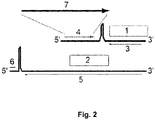
- the long segment (L segment) expresses the RNA-dependent RNA polymerase (RdRp; L protein; approximately 200 kDa) and the matrix protein Z (protein Z), a RING finger protein (11 kDa) (Fig.
- Binding and entry of the virus into host cells was long claimed to be mediated by interaction of the LCMV GP with the cellular receptor ⁇ -Dystroglycan as the only cellular receptor for LCMV ( Cao et al., 1998, Science, 282(5396):2079-2081 ).
- NP binds to the viral RNA, forming the nucleocapsid, which serves as a template for the viral L protein.
- the nucleocapsid associated with the viral L protein forms the so-called ribonucleoprotein complex, which is active both in replication and transcription and represents the minimum unit of viral infectivity. It has been shown, that NP and the L protein are the minimal transacting factors necessary for viral RNA transcription and replication ( Lee et al., 2000, J Virol 74(8): 3470-3477 ). The two genes on each segment are separated by a non-coding intergenic region (IGR) and flanked by 5' and 3' untranslated regions (UTR). The IGR forms a stable hairpin structure and has been shown to be involved in structure-dependent termination of viral mRNA transcription ( Pinschewer et al., 2005, J Virol 79(7): 4519-4526 ).
- IGR non-coding intergenic region
- UTR 5' and 3' untranslated regions
- the terminal nucleotides of the UTR show a high degree of complementarity, resulting in the formation of secondary structures.
- These panhandle structures are known to serve as the viral promoter for transcription and replication, and their analysis by site-directed mutagenesis has revealed sequence- and structure-dependence, tolerating not even minor sequence changes ( Perez and de la Torre, 2003, Virol 77(2): 1184-1194 ).
- RNAs of negative-strand viruses like LCMV cannot directly serve as mRNA i.e., cannot be translated when introduced into cells. Consequently transfection of cells with viral RNA does not lead to production of infectious viral particles.
- the viral RNA segment(s) In order to generate infectious viral particles of negative-stranded RNA viruses from cDNA in cultured permissive cells, the viral RNA segment(s) must be trans-complemented with the minimal factors required for transcription and replication.
- an infectious arenavirus particle can be engineered to contain a genome with the ability to amplify and express its genetic material in infected cells but unable to produce further progeny in normal, not genetically engineered cells (i.e., an infectious, replication-deficient arenavirus particle) (International Publication No.: WO 2009/083210 A1 and International Publication No.: WO 2014/140301 A1 ).
- infectious, replication-deficient arenaviruses as vectors for the expression of antigens has been reported (see Flatz et. al., 2010, Nat. Med., 16(3):339-345 ; Flatz et al., 2012, J. Virol., 86(15), 7760-7770 ).
- infectious, replication-deficient arenaviruses can infect a host cell, i.e., attach to a host cell and release their genetic material into the host cell.
- the arenavirus is unable to produce further infectious progeny particles in a non-complementing cell, due to a deletion or functional inactivation of an open reading frame (ORF) encoding a viral protein, such as the GP protein.
- ORF open reading frame
- the ORF is substituted with a nucleotide sequence of an antigen of interest.
- OVA SIINFEKL epitope
- the authors used replication deficient arenaviruses as vectors to express HIV/SIV Env.
- the invention provides an arenavirus particle for use in a method for treating a neoplastic disease in a subject, wherein the method comprises administering to the subject the arenavirus particle and an immune checkpoint inhibitor, wherein the arenavirus particle is a tri-segmented arenavirus particle comprising one L segment and two S segments, and wherein the arenavirus particle is engineered to contain an arenavirus genomic segment comprising:
- the invention provides a pharmaceutical composition
- a pharmaceutical composition comprising an arenavirus particle, an immune checkpoint inhibitor and a pharmaceutically acceptable carrier, wherein the arenavirus particle is a tri-segmented arenavirus particle as defined herein in the context of its use for treating a neoplastic disease according to the invention.
- the invention provides a kit comprising one or more containers and instructions for use, wherein the one or more containers comprise the pharmaceutical composition of the invention.
- the invention provides a kit comprising two or more containers and instructions for use, wherein one of the containers comprises an arenavirus particle and another of the containers comprises an immune checkpoint inhibitor, wherein the arenavirus particle is a tri-segmented arenavirus particle as defined herein in the context of its use for treating a neoplastic disease according to the invention.
- the invention provides a pharmaceutical composition of the invention, or a kit of the invention, for use in a method for treating a neoplastic disease in a subject.
- methods and compositions for treating a neoplastic disease using an arenavirus particle comprising a nucleotide sequence encoding a tumor antigen, tumor associated antigen or antigenic fragment thereof.
- methods and compositions for treating a neoplastic disease using an immune checkpoint inhibitor can inhibit, decrease or interfere with the activity of a negative checkpoint regulator.
- methods for treating a neoplastic disease use an arenavirus particle comprising a nucleotide sequence encoding a tumor antigen, tumor associated antigen or antigenic fragment thereof, and an immune checkpoint inhibitor that inhibits, decreases or interferes with the activity of a negative checkpoint regulator.
- compositions comprise an arenavirus particle comprising a nucleotide sequence encoding a tumor antigen, tumor associated antigen or antigenic fragment thereof, and an immune checkpoint inhibitor that inhibits, decreases or interferes with the activity of a negative checkpoint regulator.
- the arenavirus particle in the context of the invetion is engineered to contain an arenavirus genomic segment having a nucleotide sequence encoding a tumor antigen, tumor associated antigen or antigenic fragment thereof and at least one arenavirus open reading frame ("ORF") in a position other than the wild-type position of the ORF.
- the arenavirus particle is an infectious, replication deficient arenavirus particle.
- the arenavirus particle is a tri-segmented arenavirus particle, which can be replication-deficient or replication-competent.
- the tri-segmented arenavirus particle disclosed when propagated, does not result in a replication-competent bi-segmented viral particle.
- Arenaviruses with rearrangements of their ORFs in their genomes and a nucleotide sequence encoding a tumor antigen, tumor associated antigen or an antigenic fragment thereof are used in the context of the invention.
- an arenavirus particle includes an arenavirus genomic segment that has been engineered to carry an arenavirus ORF in a position other than the wild-type position.
- the arenavirus genomic segment comprises: a nucleotide sequence encoding a tumor antigen, tumor associated antigen or an antigenic fragment thereof; and at least one arenavirus ORF in a position other than the wild-type position of said ORF, wherein the ORF encodes the glycoprotein ("GP"), the nucleoprotein ("NP”), the matrix protein Z (“Z protein”) or the RNA dependent RNA polymerase L (“L protein”) of an arenavirus particle.
- An arenavirus particle has been engineered to contain such an arenavirus genomic segment.
- an arenavirus particle is infectious, i.e., it is capable of entering into or injecting its genetic material into a host cell.
- an arenavirus particle is infectious, i.e., is capable of entering into or injecting its genetic material into a host cell followed by amplification and expression of its genetic information inside the host cell.
- the arenavirus particle is engineered to be an infectious, replication-deficient arenavirus particle, i.e. , it contains a genome with the ability to amplify and express its genetic information in infected cells but unable to produce further infectious progeny particles in non-complementing cells.
- the tumor antigen or tumor associated antigen encoded by the nucleotide sequence included within an arenavirus genomic segment or arenavirus particle can be one or more of the tumor antigens or tumor associated antigens selected from the group consisting of oncogenic viral antigens, cancer-testis antigens, oncofetal antigens, tissue differentiation antigens, mutant protein antigens, neoantigens, Adipophilin, AIM-2, ALDH1AI, BCLX (L), BING-4, CALCA, CD45, CPSF, cyclin D1, DKKI, ENAH (hMcna), Ga733 (EpCAM), EphA3, EZH2, FGF5, glypican-3, G250 /MN/CAIX, HER-2/neu, IDOl, IGF2B3, IL13Ralpha2, Intestinal carboxyl esterase, alpha-foetoprotein, Kallikrein 4, KIF20A, Lengsin, M-CSF, MCSP, m
- the nucleotide sequence encodes two, three, four, five, six, seven, eight, nine, ten or more tumor antigens, tumor associated antigens or antigenic fragments thereof.
- an antigenic fragment of a tumor antigen or tumor associated antigen is encoded by the nucleotide sequence included within the arenavirus.
- an arenavirus genomic segment comprises a nucleotide sequence encoding a tumor antigen, tumor associated antigen or an antigenic fragment thereof.
- the genomic segment is engineered to carry an arenavirus ORF in a position other than the wild-type position of the ORF.
- the arenavirus genomic segment is selected from the group consisting of:
- the arenavirus 3' UTR is the 3' UTR of the arenavirus S segment or the arenavirus L segment.
- the arenavirus 5' UTR is the 5' UTR of the arenavirus S segment or the arenavirus L segment.
- the arenavirus particle comprises a second arenavirus genomic segment so that the arenavirus particle comprises an S segment and an L segment.
- an arenavirus particle is infectious, i.e., it is capable of entering into or injecting its genetic material into a host cell.
- an arenavirus particle is infectious, i.e., is capable of entering into or injecting its genetic material into a host cell followed by amplification and expression of its genetic information inside the host cell.
- the arenavirus particle is an infectious, replication-deficient arenavirus particle engineered to contain a genome with the ability to amplify and express its genetic information in infected cells but unable to produce further infectious progeny particles in non-complementing cells.
- the arenavirus particle is replication-competent and able to produce further infectious progeny particles in normal, not genetically engineered cells. In certain more specific embodiments, such a replication-competent particle is attenuated relative to the wild type virus from which the replication-competent particle is derived.
- an arenavirus genomic segment including an arenavirus particle comprising the arenavirus genomic segment comprises at least one arenavirus ORF that is at least partially removed or functionally inactivated.
- the ORF can encode the GP, NP, Z protein, or L protein of an arenavirus particle.
- at least one ORF encoding the GP, NP, Z protein, or L protein is removed and replaced with a nucleotide sequence encoding a tumor antigen, tumor associated antigen or an antigenic fragment thereof.
- only one of the four ORFs encoding GP, NP, Z protein, and L protein is removed.
- the ORF encoding GP is removed.
- the ORF encoding NP is removed.
- the ORF encoding Z protein is removed.
- the ORF encoding L protein is removed.
- a bi-segmented infectious, replication-deficient arenavirus particle disclosed herein may comprise at least one arenavirus ORF that is at least partially removed or functionally inactivated.
- the ORF can encode GP, NP, Z protein, or L protein.
- at least one ORF encoding the GP, NP, Z protein, or L protein may be removed and replaced with a nucleotide sequence encoding a tumor antigen, tumor associated antigen or an antigenic fragment thereof.
- only one of the four ORFs encoding GP, NP, Z protein and L protein may be removed.
- the ORF encoding GP may be removed.
- the ORF encoding NP may be removed.
- the ORF encoding Z protein may be removed.
- the ORF encoding L protein may be removed.
- a bi-segmented infectious, replication-deficient arenavirus particle may comprise a nucleotide sequence encoding a tumor antigen, tumor associated antigen or antigenic fragment thereof and may further comprise at least one nucleotide sequence encoding at least one immunomodulatory peptide, polypeptide or protein.
- the immunomodulatory peptide, polypeptide or protein may be Calreticulin (CRT), or a fragment thereof; Ubiquitin or a fragment thereof; Granulocyte-Macrophage Colony-Stimulating Factor (GM-CSF), or a fragment thereof; Invariant chain (CD74) or an antigenic fragment thereof; Mycobacterium tuberculosis Heat shock protein 70 or an antigenic fragment thereof; Herpes simplex virus 1 protein VP22 or an antigenic fragment thereof; CD40 ligand or an antigenic fragment thereof; or Fms-related tyrosine kinase 3 (Flt3) ligand or an antigenic fragment thereof.
- CTR Calreticulin
- Ubiquitin or a fragment thereof
- Granulocyte-Macrophage Colony-Stimulating Factor GM-CSF
- CD74 Invariant chain
- an arenavirus particle is derived from a specific arenavirus species, such as lymphocytic choriomeningitis virus ("LCMV”) or Junin virus (“JUNV").
- the genomic information encoding the arenavirus particle is derived from a specific species of arenavirus.
- the arenavirus particle is derived from LCMV.
- the arenavirus particle is derived from JUNV.
- the LCMV is MP strain, WE strain, Armstrong strain, or Armstrong Clone 13 strain.
- the JUNV is JUNV vaccine Candid #1 strain, or JUNV vaccine XJ Clone 3 strain.
- Tri-segmented arenavirus particles in the context of the invetion comprise a nucleotide sequence encoding a tumor antigen, tumor associated antigen or an antigenic fragment thereof.
- the arenavirus particle comprises one L segment and two S segments.
- the tri-segmented arenavirus particle disclosed does not recombine into a replication-competent bi-segmented arenavirus particle. Accordingly, in certain embodiments, propagation of the tri-segmented arenavirus particle does not result in a replication-competent bi-segmented particle after 70 days of persistent infection in mice lacking type I interferon receptor, type II interferon receptor and recombination activating gene 1 (RAG1) and having been infected with 10 4 PFU of the tri-segmented arenavirus particle.
- the tri-segmented arenavirus particles in certain embodiments, can be engineered to improve genetic stability and ensure lasting transgene expression.
- inter-segmental recombination of the two S segments uniting two arenavirus ORFs on only one instead of two separate segments, abrogates viral promoter activity.
- a tri-segmented arenavirus particle is infectious, i.e., it is capable of entering into or injecting its genetic material into a host cell.
- a tri-segmented arenavirus particle is infectious, i.e., is capable of entering into or injecting its genetic material into a host cell followed by amplification and expression of its genetic information inside the host cell.
- the tri-segmented arenavirus particle is an infectious, replication-deficient arenavirus particle engineered to contain a genome with the ability to amplify and express its genetic information in infected cells but unable to produce further infectious progeny particles in non-complementing cells.
- the tri-segmented arenavirus particle is replication-competent and able to produce further infectious progeny particles in normal, not genetically engineered cells.
- such a replication-competent particle is attenuated relative to the wild type virus from which the replication-competent particle is derived.
- the tumor antigen or tumor associated antigen encoded by the nucleotide sequence included within a tri-segmented arenavirus particle can be one or more of the tumor antigens or tumor associated antigens selected from the group consisting of oncogenic viral antigens, cancer-testis antigens, oncofetal antigens, tissue differentiation antigens, mutant protein antigens, neoantigens, Adipophilin, AIM-2, ALDH1AI, BCLX (L), BING-4, CALCA, CD45, CPSF, cyclin D1, DKKI, ENAH (hMcna), Ga733 (EpCAM), EphA3, EZH2, FGF5, glypican-3, G250 /MN/CAIX, HER-2/neu, IDOl, IGF2B3, IL13Ralpha2, Intestinal carboxyl esterase, alpha-foetoprotein, Kallikrein 4, KIF20A, Lengsin, M-CSF, MCSP,
- the nucleotide sequence encodes two, three, four, five, six, seven, eight, nine, ten or more tumor antigens, tumor associated antigens or antigenic fragments thereof.
- an antigenic fragment of a tumor antigen or tumor associated antigen is encoded by the nucleotide sequence included within the tri-segmented arenavirus.
- the tri-segmented arenaviruses have rearrangements of their ORFs in their genomes and a nucleotide sequence encoding a tumor antigen, tumor associated antigen or an antigenic fragment thereof.
- a tri-segmented arenavirus particle has been engineered to carry an arenavirus ORF in a position other than the wild-type position.
- a tri-segmented arenavirus comprises: a nucleotide sequence encoding a tumor antigen, tumor associated antigen or an antigenic fragment thereof; and at least one arenavirus ORF in a position other than the wild-type position of said ORF, wherein the ORF encodes the GP, NP, Z protein or L protein of an arenavirus particle.
- one of the two S segments included in the tri-segmented arenavirus particle is selected from the group consisting of:
- the tri-segmented arenavirus particle 3' UTR is the 3' UTR of the arenavirus S segment. In other embodiments, the tri-segmented arenavirus particle 5' UTR is the 5' UTR of the arenavirus S segment.
- the two S segments comprise: (i) one or two nucleotide sequences each encoding a tumor antigen, tumor associated antigen or an antigenic fragment thereof; or (ii) one or two duplicated arenavirus ORFs; or (iii) one nucleotide sequence encoding a tumor antigen, tumor associated antigen or an antigenic fragment thereof and one duplicated arenavirus ORF.
- a tri-segmented arenavirus particle comprises at least one arenavirus ORF that is at least partially removed or functionally inactivated.
- the ORF can encode the GP, NP, Z protein, or L protein of an arenavirus particle.
- at least one ORF encoding the GP, NP, Z protein, or L protein is removed and replaced with a nucleotide sequence encoding a tumor antigen, tumor associated antigen or an antigenic fragment thereof.
- only one of the four ORFs encoding GP, NP, Z protein, and L protein is removed.
- the ORF encoding GP is removed.
- the ORF encoding NP is removed.
- the ORF encoding Z protein is removed.
- the ORF encoding L protein is removed.
- a tri-segmented arenavirus particle is derived from a specific arenavirus species, such as lymphocytic choriomeningitis virus ("LCMV") or Junin virus (“JUNV").
- the genomic information encoding the tri-segmented arenavirus particle is derived from a specific species of arenavirus.
- the tri-segmented arenavirus particle is derived from LCMV.
- the tri-segmented arenavirus particle is derived from JUNV.
- the LCMV is MP strain, WE strain, Armstrong strain, or Armstrong Clone 13 strain.
- the JUNV is JUNV vaccine Candid #1 strain, or JUNV vaccine XJ Clone 3 strain
- a tri-segmented arenavirus particle for use in methods of treating a neoplastic disease in a subject. Such methods can include administering to a subject in need thereof a tri-segmented arenavirus particle, and an immune checkpoint inhibitor.
- the arenavirus particle used in the methods is an infectious, replication-deficient arenavirus particle. In certain embodiments, the arenavirus particle used in the methods is a tri-segmented arenavirus particle, including an infectious, replication-deficient tri-segmented arenavirus particle or a replication-competent tri-segmented arenavirus particle.
- the tri-segmented arenavirus particle used in the methods is replication-deficient, wherein the arenavirus particle is engineered to contain a genome comprising: (1) a nucleotide sequence encoding a tumor antigen, tumor associated antigen or an antigenic fragment thereof; and (2) the ability to amplify and express its genetic information in infected cells but unable to produce further infectious progeny particles in non-complementing cells.
- a tri-segmented arenavirus particle used in the methods is replication-competent, wherein the tri-segmented arenavirus particle is engineered to contain a genome comprising: (1) a nucleotide sequence encoding a tumor antigen, tumor associated antigen or an antigenic fragment thereof; (2) the ability to amplify and express its genetic information in infected cells; and (3) the ability to produce further infectious progeny particles in normal, not genetically engineered cells.
- the immune checkpoint inhibitor inhibits, decreases or interferes with the activity of a negative checkpoint regulator.
- An arenavirus particle may be a bi-segmented infectious, replication-deficient arenavirus particle.
- the infectious, replication-deficient arenavirus particle used in the methods is engineered to contain a genome comprising: (1) a nucleotide sequence encoding a tumor antigen, tumor associated antigen or an antigenic fragment thereof; and (2) the ability to amplify and express its genetic information in infected cells but unable to produce further infectious progeny particles in non-complementing cells.
- the immune checkpoint inhibitor inhibits, decreases or interferes with the activity of a negative checkpoint regulator.
- the tumor antigen or tumor associated antigen encoded by the nucleotide sequence included within an arenavirus particle, including a tri-segmented arenavirus particle can be one or more of the tumor antigens or tumor associated antigens selected from the group consisting of oncogenic viral antigens, cancer-testis antigens, oncofetal antigens, tissue differentiation antigens, mutant protein antigens, neoantigens, Adipophilin, AIM-2, ALDH1AI, BCLX (L), BING-4, CALCA, CD45, CPSF, cyclin D1, DKKI, ENAH (hMcna), Ga733 (EpCAM), EphA3, EZH2, FGF5, glypican-3, G250 /MN/CAIX, HER-2/neu, IDOl, IGF2B3, IL13Ralpha2, Intestinal carboxyl esterase, alpha-foetoprotein, Kallikrein 4, KIF20A, Lengs
- the nucleotide sequence encodes two, three, four, five, six, seven, eight, nine, ten or more tumor antigen, tumor associated antigens or antigenic fragments thereof.
- a tumor antigen, tumor associated antigen or an antigenic fragment thereof is encoded by the nucleotide sequence included within the arenavirus, including a tri-segmented arenavirus.
- Treating a neoplastic disease in a subject further comprises administering an immune checkpoint inhibitor that inhibits, decreases or interferes with the activity of a negative checkpoint regulator.
- the negative checkpoint regulator is selected from the group consisting of Cytotoxic T-lymphocyte antigen-4 (CTLA-4), CD80, CD86, Programmed cell death 1 (PD-1), Programmed cell death ligand 1 (PD-L1), Programmed cell death ligand 2 (PD-L2), Lymphocyte activation gene-3 (LAG-3; also known as CD223), Galectin-3, B and T lymphocyte attenuator (BTLA), T-cell membrane protein 3 (TIM3), Galectin-9 (GAL9), B7-H1, B7-H3, B7-H4, T-Cell immunoreceptor with Ig and ITIM domains (TIGIT/Vstm3/WUCAM/VSIG9), V-domain Ig suppressor of T-Cell activation (VISTA), Glucocorticoid-induced tumor necr,
- the subject that is treated is suffering from, is susceptible to, or is at risk for a neoplastic disease.
- the subject is suffering from a neoplastic disease.
- the subject is susceptible to a neoplastic disease.
- the subject is at risk for a neoplastic disease.
- the neoplastic disease is selected from the group consisting of acute lymphoblastic leukemia; acute lymphoblastic lymphoma; acute lymphocytic leukemia; acute myelogenous leukemia; acute myeloid leukemia (adult / childhood); adrenocortical carcinoma; AIDS-related cancers; AIDS-related lymphoma; anal cancer; appendix cancer; astrocytomas; atypical teratoid/rhabdoid tumor; basal-cell carcinoma; bile duct cancer, extrahepatic (cholangiocarcinoma); bladder cancer; bone osteosarcoma/malignant fibrous histiocytoma; brain cancer (adult / childhood); brain tumor, cerebellar astrocytoma (adult / childhood); brain tumor, cerebral astrocytoma/malignant glioma brain tumor; brain tumor, ependymoma; brain tumor, medulloblastoma; brain tumor, supratentorial
- a tri-segmented arenavirus, and an immune checkpoint inhibitor which are used in the context of the invention can be administered in a variety of different combinations.
- the arenavirus particle and the immune checkpoint inhibitor are co-administered simultaneously.
- the arenavirus particle is administered prior to administration of the immune checkpoint inhibitor.
- the arenavirus particle is administered after administration of the immune checkpoint inhibitor.
- the interval between administration of the arenavirus particle and the immune checkpoint inhibitor can be hours, days, weeks or months.
- the interval is about 1 hour, about 2 hours, about 3 hours, about 4 hours, about 5 hours, about 6 hours, about 7 hours, about 8 hours, about 9 hours, about 10 hours, about 11 hours, about 12 hours, about 1 day, about 2 days, about 3 days, about 4 days, about 5 days, about 6 days, about 1 week, about 8 days, about 9 days, about 10 days, about 11 days, about 12 days, about 13 days, about 2 weeks, about 3 weeks, about 4 weeks, about 5 weeks, about 6 weeks, about 7 weeks, about 8 weeks, about 9 weeks, about 10 weeks, about 11 weeks, about 12 weeks, about 1 month, about 2 months, about 3 months, about 4 months, about 5 months, about 6 months, or more.
- a method for treating a neoplastic disease in a subject comprises, administering to a subject in need thereof a therapeutically effective amount of an arenavirus particle and a therapeutically effective amount of an immune checkpoint inhibitor, wherein the arenavirus particle is engineered to contain a genomic segment comprising: a nucleotide sequence encoding a tumor antigen, tumor associated antigen or an antigenic fragment thereof; and at least one arenavirus ORF in a position other than the wild-type position of the ORF, wherein the ORF encodes the GP, NP, Z protein or L protein of the arenavirus particle, and wherein the immune checkpoint inhibitor inhibits, decreases or interferes with the activity of a negative checkpoint regulator.
- a method for treating a neoplastic disease in a subject may comprise, administering to a subject in need thereof a therapeutically effective amount of a bi-segmented infectious, replication-deficient arenavirus particle and a therapeutically effective amount of an immune checkpoint inhibitor, wherein the arenavirus particle is engineered to contain a genome comprising: a nucleotide sequence encoding a tumor antigen, tumor associated antigen or an antigenic fragment thereof; and the ability to amplify and express its genetic information in infected cells but unable to produce further infectious progeny particles in non-complementing cells, and wherein the immune checkpoint inhibitor inhibits, decreases or interferes with the activity of a negative checkpoint regulator.
- methods of treating a neoplastic disease in a subject comprise, administering to the subject two or more arenaviruses, including a tri-segmented arenavirus, expressing a tumor antigen, tumor associated antigen or antigenic fragment thereof.
- the method includes administering to the subject a first arenavirus particle, and administering to the subject, after a period of time, a second arenavirus particle.
- the first arenavirus particle and the second arenavirus particle are derived from different arenavirus species and/or comprise nucleotide sequences encoding different tumor antigens, tumor associated antigens or antigenic fragments thereof.
- the method includes administering to a subject in need thereof an arenavirus particle encoding a neoantigen in combination with an immune checkpoint inhibitor.
- the neoantigen is ADP-dependent glucokinase (Adpgk) having a R203M mutation.
- the subject has colon cancer.
- the immune checkpoint inhibitor is an antibody that binds to or inhibits activity of Programmed cell death 1 ("PD1").
- a method for treating colon cancer in a subject comprising administering to a subject in need thereof an arenavirus particle and an immune checkpoint inhibitor, wherein the arenavirus particle is engineered to contain an arenavirus genomic segment comprising: (i) a nucleotide sequence encoding a neoantigen or an antigenic fragment thereof; and (ii) at least one arenavirus ORF in a position other than the wild-type position of the ORF, wherein the ORF encodes the GP, the NP, the Z protein or the L protein of the arenavirus particle, wherein the neoantigen is Adpgk having a R203M mutation, the immune checkpoint inhibitor is an antibody that binds to or inhibits PD1, the arenavirus particle is derived from LCMV and is a tri-segmented arenavirus particle comprising one L segment and two S segments, and wherein, in one of the two S segments the ORF encoding the GP is under control of an arenavirus 3' UTR,
- a method includes administering to a subject in need thereof an arenavirus particle encoding a melanoma antigen in combination with an immune checkpoint inhibitor.
- the melanoma antigen is glycoprotein 100 ("GP100"), tyrosinase-related protein 1 ("TRP1") or tyrosinase-related protein 2 (“TRP2").
- the subject has melanoma.
- the immune checkpoint inhibitor is an antibody that binds to or inhibits activity of PD1.
- a method for treating melanoma in a subject comprises administering to a subject in need thereof an arenavirus particle and an immune checkpoint inhibitor, wherein the arenavirus particle is engineered to contain an arenavirus genomic segment comprising: (i) a nucleotide sequence encoding a melanoma antigen or an antigenic fragment thereof; and (ii) at least one arenavirus ORF in a position other than the wild-type position of the ORF, wherein the ORF encodes the GP, the NP, the Z protein or the L protein of the arenavirus particle, wherein the melanoma antigen is selected from the group consisting of GP100, TRP1 and TRP2, the immune checkpoint inhibitor is an antibody that binds to or inhibits PD1, the arenavirus particle is derived from LCMV and is a tri-segmented arenavirus particle comprising one L segment and two S segments, and wherein, in one of the two S segments the ORF encoding the GP is under control of an arenavirus genomic segment comprising:
- the invention relates to the use of an arenavirus particle and an immune checkpoint inhibitor in a method of treatment of a neoplastic disease in a subject.
- compositions e.g. , pharmaceutical, immunogenic or vaccine compositions, comprising the tri-segmented arenavirus particle, an immune checkpoint inhibitor and a pharmaceutically acceptable carrier as defined in the context of the invention.
- a pharmaceutical composition comprising the tri-segmented arenavirus particle, an immune checkpoint inhibitor and a pharmaceutically acceptable carrier as defined in the context of the invention.
- the arenavirus particle contained within the compositions is an infectious, replication-deficient tri-segmented arenavirus particle or a replication-competent tri-segmented arenavirus particle.
- the compositions provided herein, including a pharmaceutical, immunogenic or vaccine composition comprise the tri-segmented arenavirus particle, that is replication-deficient, wherein the arenavirus particle is engineered to contain a genome comprising: (1) a nucleotide sequence encoding a tumor antigen, tumor associated antigen or an antigenic fragment thereof; and (2) the ability to amplify and express its genetic information in infected cells but unable to produce further infectious progeny particles in non-complementing cells.
- compositions provided herein comprising a tri-segmented arenavirus particle that is replication-competent, wherein the tri-segmented arenavirus particle is engineered to contain a genome comprising: (1) a nucleotide sequence encoding a tumor antigen, tumor associated antigen or an antigenic fragment thereof; (2) the ability to amplify and express its genetic information in infected cells; and (3) the ability to produce further infectious progeny particles in normal, not genetically engineered cells.
- the immune checkpoint inhibitor inhibits, decreases or interferes with the activity of a negative checkpoint regulator.
- a pharmaceutical composition comprising a bi-segmented infectious, replication-deficient arenavirus particle an immune checkpoint inhibitor and a pharmaceutically acceptable carrier.
- the arenavirus particle may be engineered to contain a genome comprising: (1) a nucleotide sequence encoding a tumor antigen, tumor associated antigen or an antigenic fragment thereof; and (2) the ability to amplify and express its genetic information in infected cells but unable to produce further infectious progeny particles in non-complementing cells.
- the immune checkpoint inhibitor may inhibit, decrease or interfere with the activity of a negative checkpoint regulator.
- the tumor antigen or tumor associated antigen encoded by the nucleotide sequence included within an arenavirus particle can be one or more of the tumor antigens or tumor associated antigens selected from the group consisting of oncogenic viral antigens, cancer-testis antigens, oncofetal antigens, tissue differentiation antigens, mutant protein antigens, neoantigens, Adipophilin, AIM-2, ALDH1AI, BCLX (L), BING-4, CALCA, CD45, CPSF, cyclin D1, DKKI, ENAH (hMcna), Ga733 (EpCAM), EphA3, EZH2, FGF5, glypican-3, G250 /MN/CAIX, HER-2/neu, IDOl, IGF2B3, IL13Ralpha2, Intestinal carboxyl esterase, alpha-foetoprotein, Kallikrein 4, KIF20A, Lengsin, M-CSF, MCSP, md
- the nucleotide sequence encodes two, three, four, five, six, seven, eight, nine, ten or more tumor antigen, tumor associated antigens or antigenic fragments thereof.
- an antigenic fragment of a tumor antigen or tumor associated antigen is encoded by the nucleotide sequence included within the arenavirus.
- the composition provided herein includes an immune checkpoint inhibitor that inhibits, decreases or interferes with the activity of a negative checkpoint negative regulator.
- the negative checkpoint regulator is selected from the group consisting of Cytotoxic T-lymphocyte antigen-4 (CTLA-4), CD80, CD86, Programmed cell death 1 (PD-1), Programmed cell death ligand 1 (PD-L1), Programmed cell death ligand 2 (PD-L2), Lymphocyte activation gene-3 (LAG-3; also known as CD223), Galectin-3, B and T lymphocyte attenuator (BTLA), T-cell membrane protein 3 (TIM3), Galectin-9 (GAL9), B7-H1, B7-H3, B7-H4, T-Cell immunoreceptor with Ig and ITIM domains (TIGIT/Vstm3/WUCAM/VSIG9), V-domain Ig suppressor of T-Cell activation (VISTA), Glucocortico
- CTL-4 Cytotoxic T-lymphocyte antigen-4
- the compositions provided herein can be used according to the invention.
- the compositions can be used for the treatment of a neoplastic disease.
- the compositions provided herein can be used for the treatment of a neoplastic disease selected from the group consisting of acute lymphoblastic leukemia; acute lymphoblastic lymphoma; acute lymphocytic leukemia; acute myelogenous leukemia; acute myeloid leukemia (adult / childhood); adrenocortical carcinoma; AIDS-related cancers; AIDS-related lymphoma; anal cancer; appendix cancer; astrocytomas; atypical teratoid/rhabdoid tumor; basal-cell carcinoma; bile duct cancer, extrahepatic (cholangiocarcinoma); bladder cancer; bone osteosarcoma/malignant fibrous histiocytoma; brain cancer (adult / childhood
- kits that can be used according to the invention.
- the kit provided herein includes one or more containers and instructions for use, wherein the one or more containers comprise a composition (e.g., pharmaceutical, immunogenic or vaccine composition) provided herein.
- a kit provided herein includes containers that each contains the active ingredients for performing the methods in the context of the invention.
- the kit provided herein includes two or more containers and instructions for use, wherein one of the containers comprises an arenavirus particle, including a tri-segmented arenavirus particle and another container comprises an immune checkpoint inhibitor.
- a kit provided herein includes two or more containers and instructions for use, wherein one of the containers comprises a tri-segmented arenavirus particle and another container comprises an immune checkpoint inhibitor, wherein the arenavirus particle is engineered to contain a genome comprising: a nucleotide sequence encoding a tumor antigen, tumor associated antigen or an antigenic fragment thereof; and the ability to amplify and express its genetic information in infected cells but unable to produce further infectious progeny particles in non-complementing cells.
- one of the containers comprises a tri-segmented arenavirus particle that is engineered to contain a genome comprising: a nucleotide sequence encoding a tumor antigen, tumor associated antigen or an antigenic fragment thereof; the ability to amplify and express its genetic information in infected cells; and the ability to produce further infectious progeny particles in normal, not genetically engineered cells.
- a kit msy include two or more containers and instructions for use, wherein one of the containers comprises a bi-segmented infectious, replication-deficient arenavirus particle and another container comprises an immune checkpoint inhibitor
- a kit may include two or more containers and instructions for use, wherein one of the containers comprises a bi-segmented infectious, replication-deficient arenavirus particle and another container comprises an immune checkpoint inhibitor, wherein the arenavirus particle is engineered to contain a genome comprising: a nucleotide sequence encoding a tumor antigen, tumor associated antigen or an antigenic fragment thereof; and the ability to amplify and express its genetic information in infected cells but unable to produce further infectious progeny particles in non-complementing cells.
- the immune checkpoint inhibitor inhibits, decreases or interferes with the activity of a negative checkpoint regulator.
- APC Antigen presenting cell C-cell Complementing cell line
- CD8 Cluster of differentiation 8 CMI cell-mediated immunity
- GP Glycoprotein GS-plasmid Plasmid expressing genome segments IGR Intergenic region JUNV Junin virus L protein RNA-dependent RNA polymerase L segment Long segment LCMV Lymphocytic choriomeningitis virus MHC Major Histocompatibility Complex
- Nucleoprotein ORF Open reading frame S segment Short segment TF-plasmid Plasmid expressing transacting factors
- the invention provides an arenavirus particle for use in a method for treating a neoplastic disease in a subject, wherein the method comprises administering to the subject the arenavirus particle and an immune checkpoint inhibitor, wherein the arenavirus particle is a tri-segmented arenavirus particle comprising one L segment and two S segments, and wherein the arenavirus particle is engineered to contain an arenavirus genomic segment comprising:
- the invention provides a pharmaceutical composition
- a pharmaceutical composition comprising an arenavirus particle, an immune checkpoint inhibitor and a pharmaceutically acceptable carrier, wherein the arenavirus particle is a tri-segmented arenavirus particle as defined herein in the context of its use for treating a neoplastic disease according to the invention.
- the invention provides a kit comprising one or more containers and instructions for use, wherein the one or more containers comprise the pharmaceutical composition of the invention.
- the invention provides a kit comprising two or more containers and instructions for use, wherein one of the containers comprises an arenavirus particle and another of the containers comprises an immune checkpoint inhibitor, wherein the arenavirus particle is a tri-segmented arenavirus particle as defined herein in the context of its use for treating a neoplastic disease according to the invention.
- the invention provides a pharmaceutical composition of the invention, or a kit of the invention, for use in a method for treating a neoplastic disease in a subject.
- the invention generally relates to immunotherapies for treating a neoplastic disease, such as cancer.
- neoplastic or “neoplasm” refers to an abnormal new growth of cells or tissue. This abnormal new growth can form a mass, also known as a tumor or neoplasia.
- a neoplasm includes a benign neoplasm, an in situ neoplasm, a malignant neoplasm, and a neoplasm of uncertain or unknown behavior.
- the neoplastic disease treated in the context of the invention is cancer.
- the immunotherapies include various methods and compositions.
- arenavirus particles or viral vectors for use according to the invention that comprise a nucleotide sequence encoding tumor antigen, tumor associated antigen or antigenic fragment thereof.
- These genetically modified viruses can be administered to a subject for the treatment of a neoplastic disease, such as cancer.
- a neoplastic disease such as cancer.
- Detailed descriptions of the arenaviruses, including the nucleotide sequences encoding a tumor antigen, tumor associated antigen or antigenic fragment thereof can be found in Sections 5.1, 5.2, 5.3, and 5.4.
- methods for generation of arenavirus particles or viral vectors for use according to the invention and compositions provided herein are described in more detail in Sections 5.5 and5.6.
- the immunotherapies for treating a neoplastic disease include an immune checkpoint modulator.
- immune checkpoint modulator also referred to as “checkpoint modulator” or as “checkpoint regulator” refers to a molecule or to a compound that modulates (e.g., totally or partially reduces, inhibits, interferes with, activates, stimulates, increases, reinforces or supports) the function of one or more checkpoint molecules.
- an immune checkpoint modulator may be an immune checkpoint inhibitor or an immune checkpoint activator.
- immune checkpoint inhibitor refers to a molecule that inhibits, decreases or interferes with the activity of a negative checkpoint regulator.
- immune checkpoint inhibitors for use according to the invention and with compositions provided herein can inhibit the activity of a negative checkpoint regulator directly, or decrease the expression of a negative checkpoint regulator, or interfere with the interaction of a negative checkpoint regulator and a binding partner (e.g. , a ligand).
- Immune checkpoint inhibitors for use according to the invention and with compositions provided herein include a protein, a polypeptide, a peptide, an antisense oligonucleotide, an antibody, an antibody fragment, or an inhibitory RNA molecule that targets the expression of a negative checkpoint regulator.
- a "negative checkpoint regulator” refers to a molecule that down-regulates immune responses (e.g., T-cell activation) by delivery of a negative signal to T-cells following their engagement by ligands or counter-receptors. Exemplary functions of a negative-checkpoint regulator are to prevent out-of-proportion immune activation, minimize collateral damage, and/or maintain peripheral self-tolerance.
- a negative checkpoint regulator is a ligand or receptor expressed by an antigen presenting cell.
- a negative checkpoint regulator is a ligand or receptor expressed by a T-cell.
- a negative checkpoint regulator is a ligand or receptor expressed by both an antigen presenting cell and a T-cell.
- disclosed methods and compositions for treating a neoplastic disease use an arenavirus particle or viral vector comprising a nucleotide sequence encoding a tumor antigen, tumor associated antigen or antigenic fragment thereof and an immune checkpoint inhibitor.
- an immune check point inhibitor can inhibit, decrease or interfere with the activity of a negative checkpoint regulator.
- the methods for treating a neoplastic disease use an arenavirus particle or viral vector comprising a nucleotide sequence encoding a tumor antigen, tumor associated antigen or antigenic fragment thereof, and an immune checkpoint inhibitor that inhibits, decreases or interferes with the activity of a negative checkpoint regulator.
- compositions comprising an arenavirus particle or viral vector comprising a nucleotide sequence encoding a tumor antigen, tumor associated antigen or antigenic fragment thereof, and an immune checkpoint inhibitor that inhibits, decreases or interferes with the activity of a negative checkpoint regulator.
- the arenavirus particle or viral vector is engineered to contain an arenavirus genomic segment having a nucleotide sequence encoding a tumor antigen, tumor associated antigen or antigenic fragment thereof and at least one arenavirus open reading frame ("ORF") in a position other than the wild-type position of the ORF.
- the arenavirus particle for use according to the invention is a tri-segmented arenavirus particle or viral vector, which can be replication-deficient or replication-competent.
- the tri-segmented arenavirus particle or viral vector when propagated, does not result in a replication-competent bi-segmented viral particle.
- Arenaviruses within the context of the invention have rearrangements of their ORFs and a nucleotide sequence encoding a tumor antigen, tumor associated antigen or an antigenic fragment thereof.
- such arenaviruses are replication-competent and infectious.
- an arenavirus genomic segment is engineered to carry an arenavirus ORF in a non-natural position, i.e., a position other than the position in which the respective gene is found in viruses isolated from the wild, such as LCMV-MP (referred to herein as "wild-type position") and a nucleotide sequence encoding a tumor antigen, tumor associated antigen or an antigenic fragment thereof.
- the wild-type arenavirus genomic segments and ORFs are known in the art.
- the arenavirus genome consists of an S segment and an L segment.
- the S segment carries the ORFs encoding the GP and the NP.
- the L segment encodes the L protein and the Z protein. Both segments are flanked by the respective 5' and 3' UTRs.
- an arenavirus genomic segment can be engineered to carry two or more arenavirus ORFs in a position other than the wild-type position. In other embodiments, the arenavirus genomic segment can be engineered to carry two arenavirus ORFs, or three arenavirus ORFs, or four arenavirus ORFs in a position other than the wild-type position.
- an arenavirus genomic segment can be:
- the ORF that is in the non-natural position of the arenavirus genomic segment can be under the control of an arenavirus 3' UTR or an arenavirus 5' UTR.
- the arenavirus 3' UTR is the 3' UTR of the arenavirus S segment.
- the arenavirus 3' UTR is the 3'UTR of the arenavirus L segment.
- the arenavirus 5' UTR is the 5' UTR of the arenavirus S segment.
- the 5' UTR is the 5' UTR of the L segment.
- the ORF that is in the non-natural position of the arenavirus genomic segment can be under the control of the arenavirus conserved terminal sequence element (the 5'- and 3'-terminal 19-20-nt regions) (see e.g., Perez & de la Torre, 2003, J Virol. 77(2): 1184-1194 ).
- the ORF that is in the non-natural position of the arenavirus genomic segment can be under the control of the promoter element of the 5' UTR (see e.g. , Albarino et al., 2011, J Virol., 85(8):4020-4 ).
- the ORF that is in the non-natural position of the arenavirus genomic segment can be under the control of the promoter element of the 3' UTR (see e.g. , Albarino et al., 2011, J Virol., 85(8):4020-4 ).
- the promoter element of the 5' UTR is the 5' UTR promoter element of the S segment or the L segment.
- the promoter element of the 3' UTR is the 3' UTR promoter element of the S segment or the L segment.
- the ORF that is in the non-natural position of the arenavirus genomic segment can be under the control of a truncated arenavirus 3' UTR or a truncated arenavirus 5' UTR (see e.g., Perez & de la Torre, 2003, J Virol. 77(2): 1184-1194 ; Albarino et al., 2011, J Virol., 85(8):4020-4 ).
- the truncated 3' UTR is the 3' UTR of the arenavirus S segment or L segment.
- the truncated 5' UTR is the 5' UTR of the arenavirus S segment or L segment.
- an arenavirus particle comprises a first genomic segment that has been engineered to carry an ORF in a position other than the wild-type position of the ORF and a second arenavirus genomic segment so that the arenavirus particle comprises an S segment and an L segment.
- the ORF in a position other than the wild-type position of the ORF is one of the arenavirus ORFs.
- the arenavirus particle can comprise a full complement of all four arenavirus ORFs.
- the second arenavirus genomic segment has been engineered to carry an ORF in a position other than the wild-type position of the ORF.
- the second arenavirus genomic segment can be the wild-type genomic segment (i.e., comprises the ORFs on the segment in the wild-type positions).
- the first arenavirus genomic segment is an L segment and the second arenavirus genomic segment is an S segment. In other embodiments, the first arenavirus genomic segment is an S segment and the second arenavirus genomic segment is an L segment.
- Non-limiting examples of the arenavirus particle comprising a genomic segment with an ORF in a position other than the wild-type position of the ORF and a second genomic segment are illustrated in Table 1.
- Table 1 Arenavirus particle Position 1 Position 2 Position 3 Position 4 GP NP L Z GP Z L NP GP Z NP L GP L NP Z GP L Z NP NP GP L Z Position 1 Position 2 Position 3 Position 4 NP GP Z L NP L GP Z NP L Z GP Z NP Z L GP Z GP L NP Z L GP Z GP L NP Z GP NP L Z NP Z GP L Z NP L GP Z L NP GP Z L NP GP Z L GP Z L NP L GP Z L NP L GP Z L NP L GP Z L NP L GP Z L NP L GP Z L NP Z L GP Z NP L GP Z NP L GP Z NP L GP Z NP L GP Z NP L GP Z
- a cDNA of the arenavirus genomic segment is engineered to carry an ORF in a position other than the wild-type position of the ORF and a nucleotide sequence encoding a tumor antigen, tumor associated antigen or an antigenic fragment thereof.
- a cDNA or a set of cDNAs of an arenavirus genome is as set forth in Table 1.
- a cDNA of the arenavirus genomic segment that is engineered to carry an ORF in a position other than the wild-type position of the ORF is part of or incorporated into a DNA expression vector.
- a cDNA of the arenavirus genomic segment that is engineered to carry an ORF in a position other than the wild-type position of the ORF is part of or incorporated into a DNA expression vector that facilitates production of an arenavirus genomic segment.
- a cDNA can be incorporated into a plasmid. More detailed description of the cDNAs or nucleic acids and expression systems are provided is Section 5.7. Techniques for the production of a cDNA are routine and conventional techniques of molecular biology and DNA manipulation and production.
- the cDNA of the arenavirus genomic segment that is engineered to carry an ORF in a position other than the wild-type position of the ORF and a nucleotide sequence encoding a tumor antigen, tumor associated antigen or an antigenic fragment thereof is introduced ( e . g . , transfected) into a host cell.
- a host cell comprises a cDNA of the arenavirus genomic segment that is engineered to carry an ORF in a position other than the wild-type position of the ORF (i.e., a cDNA of the genomic segment) and a nucleotide sequence encoding a tumor antigen, tumor associated antigen or an antigenic fragment thereof.
- the cDNA is part of or can be incorporated into a DNA expression vector and introduced into a host cell.
- a host cell comprises a cDNA that is incorporated into a vector.
- the arenavirus genomic segment is introduced into a host cell.
- a method of producing the arenavirus genomic segment comprising a nucleotide sequence encoding a tumor antigen, tumor associated antigen or an antigenic fragment thereof wherein the method comprises transcribing the cDNA of the arenavirus genomic segment.
- a viral polymerase protein can be present during transcription of the arenavirus genomic segment in vitro or in vivo.
- transcription of the arenavirus genomic segment is performed using a bi-directional promoter.
- transcription of the arenavirus genomic segment is performed using a bi-directional expression cassette (see e.g., Ortiz-Ria ⁇ o et al., 2013, J Gen Virol., 94(Pt 6): 1175-1188).
- the bi-directional expression cassette comprises both a polymerase I and a polymerase II promoter reading from opposite sides into the two termini of the inserted arenavirus genomic segment, respectively.
- the bi-directional expression cassette with pol-I and pol-II promoters read from opposite sides into the L segment and S segment
- transcription of the cDNA of the arenavirus genomic segment comprises a promoter.
- promoters include an RNA polymerase I promoter, an RNA polymerase II promoter, an RNA polymerase III promoter, a T7 promoter, an SP6 promote or a T3 promoter.
- the method of producing the arenavirus genomic segment can further comprise introducing into a host cell the cDNA of the arenavirus genomic segment comprising a nucleotide sequence encoding a tumor antigen, tumor associated antigen or an antigenic fragment thereof.
- the method of producing the arenavirus genomic segment can further comprise introducing into a host cell the cDNA of the arenavirus genomic segment comprising a nucleotide sequence encoding a tumor antigen, tumor associated antigen or an antigenic fragment thereof wherein the host cell expresses all other components for production of the arenavirus genomic segment; and purifying the arenavirus genomic segment from the supernatant of the host cell.
- Such methods are well-known to those skilled in the art.
- nucleic acids Disclosed herein are cell lines, cultures and methods of culturing cells infected with nucleic acids, vectors, and compositions provided herein. More detailed description of nucleic acids, vector systems and cell lines described herein is provided in Section 5.7.
- the arenavirus particle results in an infectious and replication competent arenavirus particle.
- the arenavirus particle is attenuated.
- the arenavirus particle is attenuated such that the virus remains, at least partially, able to spread and can replicate in vivo, but can only generate low viral loads resulting in subclinical levels of infection that are non-pathogenic.
- Such attenuated viruses can be used as an immunogenic composition.
- immunogenic compositions that comprise an arenavirus with an ORF in a non-natural position as described in Section 5.9.
- a tri-segmented arenavirus particle for use according to the invention in which (i) an ORF is in a position other than the wild-type position of the ORF; and (ii) an ORF encoding GP, NP, Z protein, and L protein has been removed or functionally inactivated such that the resulting virus cannot produce further infectious progeny virus particles.
- An arenavirus particle comprising a genetically modified genome in which one or more ORFs has been deleted or functionally inactivated can be produced in complementing cells ( i.e., cells that express the arenavirus ORF that has been deleted or functionally inactivated).
- the genetic material of the resulting arenavirus particle can be transferred upon infection of a host cell into the host cell, wherein the genetic material can be expressed and amplified.
- the genome of the genetically modified arenavirus particle can encode a heterologous ORF from an organism other than an arenavirus particle.
- an ORF of the arenavirus is deleted or functionally inactivated and replaced with a nucleotide sequence encoding a tumor antigen or tumor associated antigen.
- the ORF that encodes the glycoprotein GP of the arenavirus is deleted or functionally inactivated.
- functional inactivation of a gene eliminates any translation product.
- functional inactivation refers to a genetic alteration that allows some translation, the translation product, however, is not longer functional and cannot replace the wild type protein.
- At least one of the four ORFs encoding GP, NP, Z protein, and L protein is removed and replaced with a nucleotide sequence encoding a tumor antigen, tumor associated antigen or an antigenic fragment thereof.
- at least one ORF, at least two ORFs, at least three ORFs, or at least four ORFs encoding GP, NP, Z protein and L protein can be removed and replaced with a nucleotide sequence encoding a tumor antigen, tumor associated antigen or an antigenic fragment thereof.
- only one of the four ORFs encoding GP, NP, Z protein, and L protein is removed and replaced with a nucleotide sequence encoding a tumor antigen, tumor associated antigen or an antigenic fragment thereof.
- the ORF that encodes GP of the arenavirus genomic segment is removed.
- the ORF that encodes the NP of the arenavirus genomic segment is removed.
- the ORF that encodes the Z protein of the arenavirus genomic segment is removed.
- the ORF encoding the L protein is removed.
- the arenavirus particle comprises a genomic segment that (i) is engineered to carry an ORF in a non-natural position; (ii) an ORF encoding GP, NP, Z protein, or L protein is removed; (iii) the ORF that is removed is replaced with a nucleotide sequence encoding a tumor antigen, tumor associated antigen or an antigenic fragment thereof.
- the fragment of the tumor antigen or tumor associated antigen is antigenic when it is capable of (i) eliciting an antibody immune response in a host (e . g ., mouse, rabbit, goat, donkey or human) wherein the resulting antibodies bind specifically to an immunogenic protein expressed in or on a neoplastic cell (e.g., a cancer cell); and/or (ii) eliciting a specific T cell immune response.
- a host e. g ., mouse, rabbit, goat, donkey or human
- a neoplastic cell e.g., a cancer cell
- the nucleotide sequence encoding an antigenic fragment is 8 to 100 nucleotides in length, 15 to 100 nucleotides in length, 25 to 100 nucleotides in length, 50 to 200 nucleotide in length, 50 to 400 nucleotide in length, 200 to 500 nucleotide in length, or 400 to 600 nucleotides in length, 500 to 800 nucleotide in length.
- the nucleotide sequence encoding an antigenic fragment is 750 to 900 nucleotides in length, 800 to 100 nucleotides in length, 850 to 1000 nucleotides in length, 900 to 1200 nucleotides in length, 1000 to 1200 nucleotides in length, 1000 to 1500 nucleotides or 10 to 1500 nucleotides in length, 1500 to 2000 nucleotides in length, 1700 to 2000 nucleotides in length, 2000 to 2300 nucleotides in length, 2200 to 2500 nucleotides in length, 2500 to 3000 nucleotides in length, 3000 to 3200 nucleotides in length, 3000 to 3500 nucleotides in length, 3200 to 3600 nucleotides in length, 3300 to 3800 nucleotides in length, 4000 nucleotides to 4400 nucleotides in length, 4200 to 4700 nucleotides in length, 4800 to 5000 nucleotides
- the nucleotide sequence encodes a peptide or polypeptide that is 5 to 10 amino acids in length, 10 to 25 amino acids in length, 25 to 50 amino acids in length, 50 to 100 amino acids in length, 100 to 150 amino acids in length, 150 to 200 amino acids in length, 200 to 250 amino acids in length, 250 to 300 amino acids in length, 300 to 400 amino acids in length, 400 to 500 amino acids in length, 500 to 750 amino acids in length, 750 to 1000 amino acids in length, 1000 to 1250 amino acids in length, 1250 to 1500 amino acids in length, 1500 to 1750 amino acids in length, 1750 to 2000 amino acids in length, 2000 to 2500 amino acids in length, or more than 2500 or more amino acids in length.
- the nucleotide sequence encodes a polypeptide that does not exceed 2500 amino acids in length. In specific embodiments the nucleotide sequence does not contain a stop codon. In certain embodiments, the nucleotide sequence is codon-optimized. In certain embodiments the nucleotide composition, nucleotide pair composition or both can be optimized. Techniques for such optimizations are known in the art and can be applied to optimize a nucleotide sequence encoding a tumor antigen, tumor associated antigen or an antigenic fragment thereof
- the growth and infectivity of the arenavirus particle is not affected by the nucleotide sequence encoding a tumor antigen, tumor associated antigen or an antigenic fragment thereof.
- an arenavirus particle comprising an arenavirus genomic segment engineered to carry an arenavirus ORF in a position other than the wild-type position and a nucleotide sequence encoding a tumor antigen, tumor associated antigen or an antigenic fragment thereof.
- reverse genetics techniques may be used to generate such arenavirus particle.
- the replication-defective arenavirus particle i.e., the arenavirus genomic segment engineered to carry an arenavirus ORF in a position other than the wild-type position, wherein an ORF encoding GP, NP, Z protein, L protein, has been deleted
- an arenavirus particle or arenavirus genomic segment comprising a nucleotide sequence encoding a tumor antigen, tumor associated antigen or antigenic fragment thereof further comprises at least one nucleotide sequence encoding at least one immunomodulatory peptide, polypeptide or protein.
- the immunomodulatory peptide, polypeptide or protein is Calreticulin (CRT), or a fragment thereof; Ubiquitin or a fragment thereof; Granulocyte-Macrophage Colony-Stimulating Factor (GM-CSF), or a fragment thereof; Invariant chain (CD74) or an antigenic fragment thereof; Mycobacterium tuberculosis Heat shock protein 70 or an antigenic fragment thereof; Herpes simplex virus 1 protein VP22 or an antigenic fragment thereof; CD40 ligand or an antigenic fragment thereof; or Fms-related tyrosine kinase 3 (Flt3) ligand or an antigenic fragment thereof.
- CTR Calreticulin
- Ubiquitin or a fragment thereof
- Granulocyte-Macrophage Colony-Stimulating Factor GM-CSF
- CD74 Invariant chain
- the arenavirus genomic segment or the arenavirus particle used according to the present invention can be Old World viruses, for example Lassa virus, Lymphocytic choriomeningitis virus (LCMV), Mobala virus, Mopeia virus, or Ippy virus, or New World viruses, for example Amapari virus, Flexal virus, Guanarito virus, Junin virus, Latino virus, Machupo virus, Oliveros virus, Parana virus, Pichinde virus, Pirital virus, Sabia virus, Tacaribe virus, Tamiami virus, Bear Canyon virus, or Whitewater Arroyo virus.
- Old World viruses for example Lassa virus, Lymphocytic choriomeningitis virus (LCMV), Mobala virus, Mopeia virus, or Ippy virus
- New World viruses for example Amapari virus, Flexal virus, Guanarito virus, Junin virus, Latino virus, Machupo virus, Oliveros virus, Parana virus, Pichinde virus, Pirital virus, Sabia virus, Tacaribe virus, Tamiami
- the arenavirus particle is suitable for use as a vaccine and in methods of vaccination and treatment of a neoplastic disease, for example, cancer. More detailed description of the methods of using the arenavirus particle is provided in Section 5.8
- the arenavirus particle is suitable for use as a pharmaceutical composition and in methods of vaccination and treatment of a neoplastic disease, for example, cancer. More detailed description of the methods of using the arenavirus particle is provided in Section 5.9.
- Tri-segmented arenavirus particles within the context of the invention have rearrangements of their ORFs and a nucleotide sequence encoding a tumor antigen, tumor associated antigen or an antigenic fragment thereof.
- a trisegmented arenavirus particle comprises one L segment and two S segments.
- the tri-segmented arenavirus particle does not recombine into a replication competent bi-segmented arenavirus particle. More specifically, in certain embodiments, two of the genomic segments (e . g ., the two S segments) cannot recombine in a way to yield a single viral segment that could replace the two parent segments.
- the tri-segmented arenavirus particle comprises an ORF in a position other than the wild-type position of the ORF and a nucleotide sequence encoding a tumor antigen, tumor associated antigen or an antigenic fragment thereof.
- the tri-segmented arenavirus particle comprises all four arenavirus ORFs.
- the tri-segmented arenavirus particle is replication competent and infectious.
- the tri-segmented arenavirus particle lacks one of the four arenavirus ORFs.
- the tri-segmented arenavirus particle is infectious but unable to produce further infectious progeny in non-complementing cells.
- the ORF encoding GP, NP, Z protein, or the L protein of the tri-segmented arenavirus particle described herein can be under the control of an arenavirus 3' UTR or an arenavirus 5' UTR.
- the tri-segmented arenavirus 3' UTR is the 3' UTR of an arenavirus S segment(s).
- the tri-segmented arenavirus 3' UTR is the 3' UTR of a tri-segmented arenavirus L segment(s).
- the tri-segmented arenavirus 5' UTR is the 5' UTR of an arenavirus S segment(s).
- the 5' UTR is the 5' UTR of the L segment(s).
- the ORF encoding GP, NP, Z protein, or the L protein of tri-segmented arenavirus particle can be under the control of the arenavirus conserved terminal sequence element (the 5'- and 3'-terminal 19-20-nt regions) (see e.g., Perez & de la Torre, 2003, J Virol. 77(2): 1184-1194 ).
- the ORF encoding GP, NP, Z protein or the L protein of the tri-segmented arenavirus particle can be under the control of the promoter element of the 5' UTR (see e.g., Albarino et al., 2011, J Virol., 85(8):4020-4 ).
- the ORF encoding GP, NP Z protein, L protein of the tri-segmented arenavirus particle can be under the control of the promoter element of the 3' UTR (see e.g., Albarino et al., 2011, J Virol., 85(8):4020-4 ).
- the promoter element of the 5' UTR is the 5' UTR promoter element of the S segment(s) or the L segment(s).
- the promoter element of the 3' UTR is the 3' UTR the promoter element of the S segment(s) or the L segment(s).
- the ORF encoding GP, NP, Z protein or the L protein of the tri-segmented arenavirus particle can be under the control of a truncated arenavirus 3' UTR or a truncated arenavirus 5' UTR (see e.g., Perez & de la Torre, 2003, J Virol. 77(2): 1184-1194 ; Albarino et al., 2011, J Virol., 85(8):4020-4 ).
- the truncated 3' UTR is the 3' UTR of the arenavirus S segment or L segment.
- the truncated 5' UTR is the 5' UTR of the arenavirus S segment(s) or L segment(s).
- the cDNA of the tri-segmented arenavirus particle comprises a nucleotide sequence encoding a tumor antigen, tumor associated antigen or an antigenic fragment thereof.
- the DNA nucleotide sequence or the set of DNA nucleotide sequences encoding a tri-segmented arenavirus particle is as set forth in Table 2 or Table 3.
- the nucleic acids encoding the tri-segmented arenavirus genome may be part of or may be incorporated into one or more DNA expression vectors.
- Nucleic acids encoding the genome of the tri-segmented arenavirus may be particle may be part of or incorporated into one or more DNA expression vectors that facilitate production of a tri-segmented arenavirus particle.
- a cDNA may be incorporated into a plasmid. More detailed description of the cDNAs and expression systems are provided in Section 5.7. Techniques for the production of a cDNA are routine and conventional techniques of molecular biology and DNA manipulation and production. Any cloning technique known to the skilled artesian can be used. Such techniques are well known and are available to the skilled artesian in laboratory manuals such as, Sambrook and Russell, Molecular Cloning: A laboratory Manual, 3rd edition, Cold Spring Harbor Laboratory N.Y. (2001 ).
- the cDNA of the tri-segmented arenavirus comprising a nucleotide sequence encoding a tumor antigen, tumor associated antigen or an antigenic fragment thereof may be introduced ( e . g . , transfected) into a host cell.
- a host cell may comprise a cDNA of the tri-segmented arenavirus particle (i.e., a cDNA of the genomic segments of the tri-segmented arenavirus particle) and a nucleotide sequence encoding a tumor antigen, tumor associated antigen or an antigenic fragment thereof.
- the cDNA may be part of or may be incorporated into a DNA expression vector and introduced into a host cell.
- a host cell may comprise a cDNA that is incorporated into a vector.
- the tri-segmented arenavirus genomic segments i.e., the L segment and S segment segments
- Described herein is a method of producing the tri-segmented arenavirus particle, wherein the method comprises transcribing the cDNA of the tri-segmented arenavirus particle comprising a nucleotide sequence encoding a tumor antigen, tumor associated antigen or an antigenic fragment thereof.
- a viral polymerase protein can be present during transcription of the tri-segmented arenavirus particle in vitro or in vivo.
- transcription of the arenavirus genomic segment is performed using a bi-directional promoter.
- transcription of the arenavirus genomic segment is performed using a bi-directional expression cassette (see e.g., Ortiz-Ria ⁇ o et al., 2013, J Gen Virol., 94(Pt 6): 1175-1188 ).
- the bi-directional expression cassette comprises both a polymerase I and a polymerase II promoter reading from opposite sides into the two termini of the inserted arenavirus genomic segment, respectively.
- transcription of the cDNA of the arenavirus genomic segment comprises a promoter.
- promoters include an RNA polymerase I promoter, an RNA polymerase II promoter, an RNA polymerase III promoter, a T7 promoter, an SP6 promoter or a T3 promoter.
- the method of producing the tri-segmented arenavirus particle can further comprise introducing into a host cell the cDNA of the tri-segmented arenavirus particle comprising a nucleotide sequence encoding a tumor antigen, tumor associated antigen or an antigenic fragment thereof.
- the method of producing the tri-segmented arenavirus particle can further comprise introducing into a host cell the cDNA of the tri-segmented arenavirus particle that comprises a nucleotide sequence encoding a tumor antigen, tumor associated antigen or an antigenic fragment thereof, wherein the host cell expresses all other components for production of the tri-segmented arenavirus particle; and purifying the tri-segmented arenavirus particle from the supernatant of the host cell.
- Such methods are well-known to those skilled in the art.
- nucleic acids Disclosed herein are cell lines, cultures and methods of culturing cells infected with nucleic acids, vectors, and compositions. More detailed description of nucleic acids, vector systems and cell lines is provided in Section 5.7.
- the tri-segmented arenavirus particle results in an infectious and replication competent arenavirus particle.
- the arenavirus particle is attenuated.
- the tri-segmented arenavirus particle is attenuated such that the virus remains, at least partially, replication-competent and can replicate in vivo, but can only generate low viral loads resulting in subclinical levels of infection that are non-pathogenic.
- Such attenuated viruses can be used as an immunogenic composition.
- the tri-segmented arenavirus particle has the same tropism as the bi-segmented arenavirus particle.
- compositions that comprise the tri-segmented arenavirus particle as described in Section 5.8 and 5.9.
- the tri-segmented arenavirus particle comprises one L segment and two S segments.
- propagation of the tri-segmented arenavirus particle comprising one L segment and two S segments does not result in a replication-competent bi-segmented viral particle.
- propagation of the tri-segmented arenavirus particle comprising one L segment and two S segments does not result in a replication-competent bi-segmented viral particle after at least 10 days, at least 20 days, at least 30 days, at least 40 days, at least 50 days, at least 60 days, at least 70 days, at least 80 days, at least 90 days, or at least 100 days of persistent infection in mice lacking type I interferon receptor, type II interferon receptor and recombination activating gene (RAG1), and having been infected with 10 4 PFU of the tri-segmented arenavirus particle (see Section 5.10.14).
- RAG1 type I interferon receptor, type II interferon receptor and recombination activating gene
- propagation of the tri-segmented arenavirus particle comprising one L segment and two S segments does not result in a replication-competent bi-segmented viral particle after at least 10 passages, at least 20 passages, at least 30 passages, at least 40 passages, or at least 50 passages.
- the tri-segmented arenavirus genome consists of one L segment and two S segments, in which a nucleotide sequence encoding a tumor antigen, tumor associated antigen or an antigenic fragment thereof provided herein is inserted into one position on each S segment. More specifically, one S segment encodes GP and a tumor antigen, tumor associated antigen or an antigenic fragment thereof, respectively. The other S segment encodes a tumor antigen, a tumor associated antigen or an antigenic fragment thereof and NP, respectively.
- the L segment encodes the L protein and Z protein. All segments are flanked by the respective 5' and 3' UTRs.
- inter-segmental recombination of the two S segments of the tri-segmented arenavirus particle that unities the two arenaviral ORFs on one instead of two separate segments results in a non functional promoter (i.e., a genomic segment of the structure: 5' UTR-----------5' UTR or a 3' UTR------------3' UTR), wherein each UTR forming one end of the genome is an inverted repeat sequence of the other end of the same genome.
- the tri-segmented arenavirus particle comprising one L segment and two S segments has been engineered to carry an arenavirus ORF in a position other than the wild-type position of the ORF and a nucleotide sequence encoding a tumor antigen, tumor associated antigen or an antigenic fragment thereof.
- the tri-segmented arenavirus particle comprising one L segment and two S segments has been engineered to carry two arenavirus ORFs, or three arenavirus ORFs, or four arenavirus ORFs, or five arenavirus ORFs, or six arenavirus ORFs in a position other than the wild-type position.
- the tri-segmented arenavirus particle comprising one L segment and two S segments comprises a full complement of all four arenavirus ORFs.
- the tri-segmented arenavirus particle is an infectious and replication competent tri-segmented arenavirus particle.
- the two S segments of the tri-segmented arenavirus particle have been engineered to carry one of their ORFs in a position other than the wild-type position.
- the two S segments comprise a full complement of the S segment ORF's.
- the L segment has been engineered to carry an ORF in a position other than the wild-type position or the L segment can be the wild-type genomic segment.
- one of the two S segments can be:
- the tri-segmented arenavirus particle comprising one L segment and two S segments can comprise a duplicate ORF (i.e., two wild-type S segment ORFs e.g., GP or NP).
- the tri-segmented arenavirus particle comprising one L segment and two S segments can comprise one duplicate ORF (e.g., (GP, GP)) or two duplicate ORFs (e.g., (GP, GP) and (NP, NP)).
- Table 2A is an illustration of the genome organization of a tri-segmented arenavirus particle comprising one L segment and two S segments, wherein intersegmental recombination of the two S segments in the tri-segmented arenavirus genome does not result in a replication-competent bi-segmented viral particle and abrogates arenaviral promoter activity (i.e., the resulting recombined S segment is made up of two 3'UTRs instead of a 3' UTR and a 5' UTR).
- Table 2A Tri-segmented arenavirus particle comprising one L segment and two S segments Position 1 is under the control of an arenavirus S segment 5' UTR; Position 2 is under the control of an arenavirus S segment 3' UTR; Position 3 is under the control of an arenavirus S segment 5' UTR; Position 4 under the control of an arenavirus S segment 3' UTR; Position 5 is under the control of an arenavirus L segment 5' UTR; Position 6 is under the control of an arenavirus L segment 3' UTR.
- ⁇ ORF indicates that a nucleotide sequence encoding a tumor antigen, tumor associated antigen or an antigenic fragment thereof has been inserted.
- the IGR between position one and position two can three and four be an arenavirus S segment or L segment IGR; the IGR between position three and in four can be an arenavirus S segment or L segment IGR; and the IGR between the position five and six can be an arenavirus L segment IGR.
- the IGR between position one and position two can be an arenavirus S segment IGR; the IGR between position three and four can be an arenavirus S segment IGR; and the IGR between the position five and six can be an arenavirus L segment IGR.
- other combinations are also possible.
- a tri-segmented arenavirus particle comprising one L segment and two S segments, wherein intersegmental recombination of the two S segments in the tri-segmented arenavirus genome does not result in a replication-competent bi-segmented viral particle and abrogates arenaviral promoter activity (i.e., the resulting recombined S segment is made up of two 5'UTRs instead of a 3' UTR and a 5' UTR).
- intersegmental recombination of an S segment and an L segment in the tri-segmented arenavirus particle comprising one L segment and two S segments restores a functional segment with two viral genes on only one segment instead of two separate segments.
- intersegmental recombination of an S segment and an L segment in the tri-segmented arenavirus particle comprising one L segment and two S segments does not result in a replication-competent bi-segmented viral particle.
- one of skill in the art could construct an arenavirus genome with an organization as illustrated in Table 2A and as described herein, and then use an assay as described in Section 5.10 to determine whether the tri-segmented arenavirus particle is genetically stable, i.e., does not result in a replication-competent bi-segmented viral particle as discussed herein.
- a tri-segmented arenavirus particle comprising two L segments and one S segment.
- propagation of the tri-segmented arenavirus particle comprising two L segments and one S segment does not result in a replication-competent bi-segmented viral particle.
- propagation of the tri-segmented arenavirus particle comprising two L segments and one S segment does not result in a replication-competent bi-segmented viral particle after at least 10 days, at least 20 days, at least 30 days, at least 40 days, or at least 50 days, at least 60 days, at least 70 days, at least 80 days, at least 90 days, at least 100 days of persistent in mice lacking type I interferon receptor, type II interferon receptor and recombination activating gene (RAG1), and having been infected with 10 4 PFU of the tri-segmented arenavirus particle (see Section 5.10.14).
- RAG1 type I interferon receptor, type II interferon receptor and recombination activating gene
- propagation of the tri-segmented arenavirus particle comprising two L segments and one S segment does not result in a replication-competent bi-segmented viral particle after at least 10 passages, 20 passages, 30 passages, 40 passages, or 50 passages.
- inter-segmental recombination of the two L segments of the tri-segmented arenavirus particle that unities the two arenaviral ORFs on one instead of two separate segments results in a non functional promoter (i.e., a genomic segment of the structure: 5' UTR-----------5' UTR or a 3' UTR------------3' UTR), wherein each UTR forming one end of the genome is an inverted repeat sequence of the other end of the same genome.
- the tri-segmented arenavirus particle comprising two L segments and one S segment has been engineered to carry an arenavirus ORF in a position other than the wild-type position of the ORF and a nucleotide sequence encoding a tumor antigen, tumor associated antigen or an antigenic fragment thereof.
- the tri-segmented arenavirus particle comprising two L segments and one S segment has been engineered to carry two arenavirus ORFs, or three arenavirus ORFs, or four arenavirus ORFs, or five arenavirus ORFs, or six arenavirus ORFs in a position other than the wild-type position.
- the tri-segmented arenavirus particle comprising two L segments and one S segment comprises a full complement of all four arenavirus ORFs.
- the tri-segmented arenavirus particle is an infectious and replication competent tri-segmented arenavirus particle.
- the two L segments of the tri-segmented arenavirus particle have been engineered to carry one of their ORFs in a position other than the wild-type position.
- the two L segments comprise a full complement of the L segment ORF's.
- the S segment has been engineered to carry one of its ORFs in a position other than the wild-type position or the S segment can be the wild-type genomic segment.
- one of the two L segments can be:
- the tri-segmented arenavirus particle comprising two L segments and one S segment can comprise a duplicate ORF (i.e., two wild-type L segment ORFs e.g., Z protein or L protein).
- the tri-segmented arenavirus particle comprising two L segments and one S segment can comprise one duplicate ORF ( e.g., (Z protein, Z protein)) or two duplicate ORFs ( e.g., (Z protein, Z protein) and (L protein, L protein)).
- Table 3 is an illustration of the genome organization of a tri-segmented arenavirus particle comprising two L segments and one S segment, wherein intersegmental recombination of the two L segments in the tri-segmented arenavirus genome does not result in a replication-competent bi-segmented viral particle and abrogates arenaviral promoter activity (i.e., the L segment is made up of two 3'UTRs instead of a 3' UTR and a 5' UTR). Based on Table 3 similar combinations could be predicted for generating an arenavirus particle made up of two 5' UTRs instead of a 3' UTR and a 5' UTR.
- a Tri-segmented arenavirus particle comprising two L segments and one S segment ⁇
- Position 1 is under the control of an arenavirus L segment 5' UTR;
- position 2 is under the control of an arenavirus L segment 3' UTR;
- position 3 is under the control of an arenavirus L segment 5' UTR;
- position 4 is under the control of an arenavirus L segment 3' UTR;
- position 5 is under the control of an arenavirus S segment 5' UTR;
- position 6 is under the control of an arenavirus S segment 3' UTR.
- ⁇ ORF indicates that a nucleotide sequence encoding a tumor antigen, tumor associated antigen or an antigenic fragment thereof has been inserted.
- the IGR between position one and position two can be an arenavirus S segment or L segment IGR; the IGR between position three and four can be an arenavirus S segment or L segment IGR; and the IGR between the position five and six can be an arenavirus L segment IGR.
- the IGR between position one and position two can be an arenavirus L segment IGR; the IGR between position three and four can be an arenavirus L segment IGR; and the IGR between the position five and six can be an arenavirus S segment IGR.
- other combinations are also possible.
- intersegmental recombination of an L segment and an S segment from the tri-segmented arenavirus particle comprising two L segments and one S segment restores a functional segment with two viral genes on only one segment instead of two separate segments.
- intersegmental recombination of an L segment and an S segment in the tri-segmented arenavirus particle comprising two L segments and one S segment does not result in a replication-competent bi-segmented viral particle..
- one of skill in the art could construct an arenavirus genome with an organization as illustrated in Table 3A and as described herein, and then use an assay as described in Section 5.10 to determine whether the tri-segmented arenavirus particle is genetically stable, i.e. , does not result in a replication-competent bi-segmented viral particle as discussed herein.
- the tri-segmented arenavirus particle is the tri-segmented arenavirus particle in which (i) an ORF is in a position other than the wild-type position of the ORF; or (ii) an ORF encoding GP, NP, Z protein, or L protein has been removed or functionally inactivated such that the resulting virus cannot produce further infectious progeny virus particles ( i.e., is replication defective).
- the third arenavirus segment can be an S segment.
- the third arenavirus segment can be engineered to carry an ORF in a position other than the wild-type position of the ORF or the third arenavirus segment can be the wild-type arenavirus genomic segment.
- the third arenavirus segment lacks an arenavirus ORF encoding GP, NP, Z protein, or the L protein.
- a tri-segmented genomic segment may be a S or a L segment hybrid (i.e., a genomic segment that can be a combination of the S segment and the L segment).
- the hybrid segment may be an S segment comprising an L segment IGR.
- the hybrid segment may be an L segment comprising an S segment IGR.
- the hybrid segment may be an S segment UTR with an L segment IGR.
- the hybrid segment may be an L segment UTR with an S segment IGR.
- the hybrid segment may be an S segment 5' UTR with an L segment IGR or an S segment 3' UTR with an L segment IGR.
- the hybrid segment may be an L segment 5' UTR with an S segment IGR or an L segment 3' UTR with an S segment IGR.
- a tri-segmented arenavirus particle comprising a genetically modified genome in which one or more ORFs has been deleted or functionally inactivated can be produced in complementing cells (i.e., cells that express the arenavirus ORF that has been deleted or functionally inactivated).
- the genetic material of the resulting arenavirus particle can be transferred upon infection of a host cell into the host cell, wherein the genetic material can be expressed and amplified.
- the genome of the genetically modified arenavirus particle can include a nucleotide sequence encoding a tumor antigen, tumor associated antigen or an antigenic fragment thereof.
- At least one of the four ORFs encoding GP, NP, Z protein, and L protein is removed and replaced with a nucleotide sequence encoding a tumor antigen, tumor associated antigen or an antigenic fragment thereof.
- at least one ORF, at least two ORFs, at least three ORFs, or at least four ORFs encoding GP, NP, Z protein and L protein can be removed and replaced with a nucleotide sequence encoding a tumor antigen, tumor associated antigen or an antigenic fragment thereof.
- only one of the four ORFs encoding GP, NP, Z protein, and L protein is removed and replaced with a nucleotide sequence encoding a tumor antigen, tumor associated antigen or an antigenic fragment thereof.
- the ORF that encodes GP of the arenavirus genomic segment is removed.
- the ORF that encodes the NP of the arenavirus genomic segment is removed.
- the ORF that encodes the Z protein of the arenavirus genomic segment is removed.
- the ORF encoding the L protein is removed.
- a tri-segmented arenavirus particle comprises one L segment and two S segments in which (i) an ORF is in a position other than the wild-type position of the ORF; and (ii) an ORF encoding GP or NP has been removed or functionally inactivated, such that the resulting virus is replication-defective and not infectious.
- one ORF is removed and replaced with a nucleotide sequence encoding a tumor antigen, tumor associated antigen or an antigenic fragment thereof.
- two ORFs are removed and replaced with a nucleotide sequence encoding a tumor antigen, tumor associated antigen or an antigenic fragment thereof.
- three ORFs are removed and replaced with a nucleotide sequence encoding a tumor antigen, tumor associated antigen or an antigenic fragment thereof.
- the ORF encoding GP is removed and replaced with a nucleotide sequence encoding a tumor antigen, tumor associated antigen or an antigenic fragment thereof.
- the ORF encoding NP is removed and replaced with a nucleotide sequence encoding a tumor antigen, tumor associated antigen or an antigenic fragment thereof.
- the ORF encoding NP and the ORF encoding GP are removed and replaced with one or two nucleotide sequences encoding tumor antigens, tumor associated antigens or antigenic fragments thereof.
- the tri-segmented arenavirus particle comprises (i) one L segment and two S segments; (ii) an ORF in a position other than the wild-type position of the ORF; (iii) one or more nucleotide sequences encoding tumor antigens, tumor associated antigens or an antigenic fragments thereof.
- a tri-segmented arenavirus particle comprising two L segments and one S segment in which (i) an ORF is in a position other than the wild-type position of the ORF; and (ii) an ORF encoding the Z protein, and/or the L protein has been removed or functionally inactivated, such that the resulting virus is replication-defective and not infectious.
- one ORF is removed and replaced with a nucleotide sequence encoding a tumor antigen, tumor associated antigen or an antigenic fragment thereof.
- two ORFs are removed and replaced with a nucleotide sequence encoding a tumor antigen, tumor associated antigen or an antigenic fragment thereof.
- the ORF encoding the Z protein is removed and replaced with a nucleotide sequence encoding a tumor antigen, tumor associated antigen or an antigenic fragment thereof.
- the ORF encoding the L protein is removed and replaced with a nucleotide sequence encoding a tumor antigen, tumor associated antigen or an antigenic fragment thereof.
- the ORF encoding the Z protein and the ORF encoding the L protein are removed and replaced with a nucleotide sequence encoding a tumor antigen, tumor associated antigen or an antigenic fragment thereof
- the tri-segmented arenavirus particle comprises (i) two L segments and one S segment; (ii) an ORF in a position other than the wild-type position of the ORF; (iii) a nucleotide sequence encoding a tumor antigen, tumor associated antigen or an antigenic fragment thereof.
- the tri-segmented arenavirus particle comprises a tri-segmented arenavirus particle ( i.e., one L segment and two S segments or two L segments and one S segment) that i) is engineered to carry an ORF in a non-natural position; ii) an ORF encoding GP, NP, Z protein, or L protein is removed); iii) the ORF that is removed is replaced with one or more nucleotide sequences encoding tumor antigens, tumor associated antigens or antigenic fragments thereof.
- a tri-segmented arenavirus particle i.e., one L segment and two S segments or two L segments and one S segment
- an ORF encoding GP, NP, Z protein, or L protein is removed
- the ORF that is removed is replaced with one or more nucleotide sequences encoding tumor antigens, tumor associated antigens or antigenic fragments thereof.
- the nucleotide sequence encoding an antigenic fragment is 8 to 100 nucleotides in length, 15 to 100 nucleotides in length, 25 to 100 nucleotides in length, 50 to 200 nucleotide in length, 50 to 400 nucleotide in length, 200 to 500 nucleotide in length, or 400 to 600 nucleotides in length, 500 to 800 nucleotide in length.
- the nucleotide sequence encoding an antigenic fragment is 750 to 900 nucleotides in length, 800 to 100 nucleotides in length, 850 to 1000 nucleotides in length, 900 to 1200 nucleotides in length, 1000 to 1200 nucleotides in length, 1000 to 1500 nucleotides or 10 to 1500 nucleotides in length, 1500 to 2000 nucleotides in length, 1700 to 2000 nucleotides in length, 2000 to 2300 nucleotides in length, 2200 to 2500 nucleotides in length, 2500 to 3000 nucleotides in length, 3000 to 3200 nucleotides in length, 3000 to 3500 nucleotides in length, 3200 to 3600 nucleotides in length, 3300 to 3800 nucleotides in length, 4000 nucleotides to 4400 nucleotides in length, 4200 to 4700 nucleotides in length, 4800 to 5000 nucleotides
- the nucleotide sequence encodes a peptide or polypeptide that is 5 to 10 amino acids in length, 10 to 25 amino acids in length, 25 to 50 amino acids in length, 50 to 100 amino acids in length, 100 to 150 amino acids in length, 150 to 200 amino acids in length, 200 to 250 amino acids in length, 250 to 300 amino acids in length, 300 to 400 amino acids in length, 400 to 500 amino acids in length, 500 to 750 amino acids in length, 750 to 1000 amino acids in length, 1000 to 1250 amino acids in length, 1250 to 1500 amino acids in length, 1500 to 1750 amino acids in length, 1750 to 2000 amino acids in length, 2000 to 2500 amino acids in length, or more than 2500 or more amino acids in length.
- the nucleotide sequence encodes a polypeptide that does not exceed 2500 amino acids in length. In specific embodiments the nucleotide sequence does not contain a stop codon. In certain embodiments, the nucleotide sequence is codon-optimized. In certain embodiments the nucleotide composition, nucleotide pair composition or both can be optimized. Techniques for such optimizations are known in the art and can be applied to optimize a nucleotide sequence encoding a tumor antigen, tumor associated antigen or an antigenic fragment thereof
- nucleotide sequence encoding a tumor antigen, tumor associated antigen or an antigenic fragment thereof may be included in the tri-segmented arenavirus particle.
- the-a nucleotide sequence encoding a tumor antigen, tumor associated antigen or an antigenic fragment thereof is capable of eliciting an immune response.
- the growth and infectivity of the arenavirus particle is not affected by the nucleotide sequence encoding a tumor antigen, tumor associated antigen or an antigenic fragment thereof.
- an arenavirus particle comprising an arenavirus genomic segment engineered to carry an arenavirus ORF in a position other than the wild-type position and a nucleotide sequence encoding a tumor antigen, tumor associated antigen or an antigenic fragment thereof.
- the replication-defective arenavirus particle i.e., the arenavirus genomic segment engineered to carry an arenavirus ORF in a position other than the wild-type position, wherein an ORF encoding GP, NP, Z protein, L protein, has been deleted
- the replication-defective arenavirus particle can be produced in a complementing cell.
- a tri-segmented arenavirus particle comprising a nucleotide sequence encoding a tumor antigen, tumor associated antigen or antigenic fragment thereof further comprises at least one nucleotide sequence encoding at least one immunomodulatory peptide, polypeptide or protein.
- the immunomodulatory peptide, polypeptide or protein is Calreticulin (CRT), or a fragment thereof; Ubiquitin or a fragment thereof; Granulocyte-Macrophage Colony-Stimulating Factor (GM-CSF), or a fragment thereof; Invariant chain (CD74) or an antigenic fragment thereof; Mycobacterium tuberculosis Heat shock protein 70 or an antigenic fragment thereof; Herpes simplex virus 1 protein VP22 or an antigenic fragment thereof; CD40 ligand or an antigenic fragment thereof; or Fms-related tyrosine kinase 3 (Flt3) ligand or an antigenic fragment thereof.
- CTR Calreticulin
- Ubiquitin or a fragment thereof
- Granulocyte-Macrophage Colony-Stimulating Factor GM-CSF
- CD74 Invariant chain
- Arenaviruses for use with the methods and compositions in the context of the invention can be Old World viruses, for example Lassa virus, Lymphocytic choriomeningitis virus (LCMV), Mobala virus, Mopeia virus, or Ippy virus, or New World viruses, for example Amapari virus, Flexal virus, Guanarito virus, Junin virus, Latino virus, Machupo virus, Oliveros virus, Parana virus, Pichinde virus, Pirital virus, Sabia virus, Tacaribe virus, Tamiami virus, Bear Canyon virus, or Whitewater Arroyo virus.
- Old World viruses for example Lassa virus, Lymphocytic choriomeningitis virus (LCMV), Mobala virus, Mopeia virus, or Ippy virus
- New World viruses for example Amapari virus, Flexal virus, Guanarito virus, Junin virus, Latino virus, Machupo virus, Oliveros virus, Parana virus, Pichinde virus, Pirital virus, Sabia virus, Tacaribe virus, Tam
- the tri-segmented arenavirus particle for use as a vaccine and methods of using such arenavirus particle in a vaccination and treatment of a neoplastic disease, for example, cancer is provided. More detailed description of the methods of using the arenavirus particle described herein is provided in Section 5.8
- the tri-segmented arenavirus particle is suitable for use as a pharmaceutical composition and methods of using such arenavirus particle in a vaccination and treatment of a neoplastic disease, for example, cancer, is provided. More detailed description of the methods of using the arenavirus particle described herein is provided in Section 5.9.
- a genetically modified arenavirus includes the arenavirus which:
- a genetically modified arenavirus described herein is infectious, i.e., it can attach to a host cell and release its genetic material into the host cell.
- a genetically modified arenavirus described herein is replication-deficient, i.e., the arenavirus is unable to produce further infectious progeny particles in a non-complementing cell.
- the genome of the arenavirus is modified (e.g., by removal or functional inactivation of an ORF) such that a virus carrying the modified genome can no longer produce infectious progeny viruses.
- a non-complementing cell is a cell that does not provide the functionality that has been eliminated from the replication-deficient arenavirus by modification of the virus genome (e.g.
- a non-complementing cell does not provide the GP protein.
- a genetically modified arenavirus is capable of producing infectious progeny viruses in complementing cells.
- Complementing cells are cells that provide (in trans) the functionality that has been eliminated from the replication-deficient arenavirus by modification of the virus genome (e.g. , if the ORF encoding the GP protein is removed or functionally inactivated, a complementing cell does provide the GP protein).
- Expression of the complementing functionality e . g ., the GP protein
- a genetically modified arenavirus can amplify and express its genetic information in a cell that has been infected by the virus.
- a genetically modified arenavirus can comprise a nucleotide sequence that encodes a tumor antigen, tumor associated antigen or an antigenic fragment thereof such as, but not limited to, the tumor antigen, tumor associated antigen or an antigenic fragment thereof described in Section 5.4.
- an ORF of the arenavirus genome may be removed or functionally inactivated such that the resulting virus cannot produce further infectious progeny virus particles in non-complementing cells.
- An arenavirus particle comprising a genetically modified genome in which an ORF is removed or functionally inactivated can be produced in complementing cells ( i.e. , in cells that express the arenaviral ORF that has been removed or functionally inactivated).
- the genetic material of the resulting arenavirus particles can be transferred upon infection of a host cell into the host cell, wherein the genetic material can be expressed and amplified.
- the genome of the genetically modified arenavirus particles encodes a tumor antigen, tumor associated antigen or antigenic fragment thereof that can be expressed in the host cell.
- An ORF of the arenavirus may be deleted or functionally inactivated and replaced with a nucleotide encoding a tumor antigen or tumor associated antigen.
- the ORF that encodes the glycoprotein GP of the arenavirus may be deleted or functionally inactivated.
- functional inactivation of a gene eliminates any translation product.
- functional inactivation refers to a genetic alteration that allows some translation, the translation product, however, is not longer functional and cannot replace the wild type protein.
- the ORF that encodes the glycoprotein (GP) of the arenavirus is deleted to generate a replication-deficient arenavirus for use and in in compositions provided herein.
- the replication-deficient arenavirus may comprise a genomic segment comprising a nucleotide sequence encoding a tumor antigen, tumor associated antigen or antigenic fragment thereof.
- a genetically modified arenavirus particle comprises a genomic segment that a) has a deletion or functional inactivation of an ORF that is present in the wild type form of the genomic segment; and b) encodes (either in sense or antisense) a tumor antigen, tumor associated antigen or antigenic fragment thereof.
- the antigen encoded by the nucleotide that is inserted into the genome of replication-deficient arenavirus can encode, for example, a tumor antigen, tumor associated antigen or antigenic fragment thereof or combinations of tumor antigens, tumor associated antigens or antigenic fragments thereof including, but not limited to, oncogenic viral antigens, cancer-testis antigens, oncofetal antigens, tissue differentiation antigens, mutant protein antigens, neoantigens, Adipophilin, AIM-2, ALDH1AI, BCLX (L), BING-4, CALCA, CD45, CPSF, cyclin D1, DKKI, ENAH (hMcna), Ga733 (EpCAM), EphA3, EZH2, FGF5, glypican-3, G250 /MN/CAIX, HER-2/neu, IDOl, IGF2B3, IL13Ralpha2, Intestinal carboxyl esterase, alpha-foetoprotein, Kallikre
- Arenaviruses for use according to the invention and with compositions provided herein can be Old World viruses, for example Lassa virus, Lymphocytic choriomeningitis virus (LCMV), Mobala virus, Mopeia virus, or Ippy virus, or New World viruses, for example Amapari virus, Flexal virus, Guanarito virus, Junin virus, Latino virus, Machupo virus, Oliveros virus, Parana virus, Pichinde virus, Pirital virus, Sabia virus, Tacaribe virus, Tamiami virus, Bear Canyon virus, or Whitewater Arroyo virus.
- Old World viruses for example Lassa virus, Lymphocytic choriomeningitis virus (LCMV), Mobala virus, Mopeia virus, or Ippy virus
- New World viruses for example Amapari virus, Flexal virus, Guanarito virus, Junin virus, Latino virus, Machupo virus, Oliveros virus, Parana virus, Pichinde virus, Pirital virus, Sabia virus, Tacaribe virus, Tami
- the wild type arenavirus genome consists of a short ( ⁇ 3.4 kb) and a large ( ⁇ 7.2 kb) RNA segment.
- the short segment carries the ORFs encoding the nucleoprotein NP and glycoprotein GP genes.
- the large segment comprises the RNA-dependent RNA polymerase L and the matrix protein Z genes. Wild type arenaviruses can be rendered replication-deficient to generate vaccine vectors by substituting the glycoprotein gene for one or more tumor antigens, tumor associated antigens or antigenic fragments thereof, against which immune responses are to be induced.
- Infectious, replication-deficient arenavirus particles expressing a tumor antigen, tumor associated antigen, or antigenic fragment thereof, or a combination of tumor antigens, tumor associated antigens or antigenic fragments thereof, can be used to treat (in an immunotherapeutic manner) subjects having a neoplastic disease.
- Arenavirus disease and immunosuppression in wild type arenavirus infection are known to result from unchecked viral replication.
- replication i.e., the ability to produce infectious progeny virus particles, of arenavirus particles by deleting from their genome, e . g ., the Z gene which is required for particle release, or the GP gene which is required for infection of target cells
- the total number of infected cells can be limited by the inoculum administered, e . g ., to a vaccine recipient, or accidentally transmitted to personnel involved in medical or biotechnological applications, or to animals. Therefore, abolishing replication of arenavirus particles prevents pathogenesis as a result of intentional or accidental transmission of vector particles.
- An arenavirus particle may be rendered replication deficient by genetic modification of its genome. Such modifications to the genome can include:
- a bi-segmented infectious, replication-deficient arenavirus expressing a tumor antigen, tumor associated antigen or antigenic fragment thereof may be a Lymphocytic choriomeningitis virus (LCMV) wherein the S segment of the virus is modified by substituting the ORF encoding the GP protein with an ORF encoding a tumor antigen, tumor associated antigen or antigenic fragment thereof.
- LCMV Lymphocytic choriomeningitis virus
- a wild type arenavirus vector genome can be designed to retain at least the essential regulatory elements on the 5' and 3' untranslated regions (UTRs) of both segments, and/or also the intergenic regions (IGRs).
- UTRs 5' and 3' untranslated regions
- IGRs intergenic regions
- the minimal transacting factors for gene expression in infected cells remain in the vector genome as ORFs that can be expressed, yet they can be placed differently in the genome and can be placed under control of a different promoter than naturally, or can be expressed from internal ribosome entry sites.
- the nucleic acid encoding a tumor antigen, tumor associated antigen or antigenic fragment thereof is transcribed from one of the endogenous arenavirus promoters (i.e., 5' UTR, 3' UTR of the S segment, 5' UTR, 3' UTR of the L segment).
- the nucleic acid encoding a tumor antigen, tumor associated antigen or antigenic fragment thereof is expressed from a heterologous introduced promoter sequences that can be read by the viral RNA-dependent RNA polymerase, by cellular RNA polymerase I, RNA polymerase II or RNA polymerase III, such as duplications of viral promoter sequences that are naturally found in the viral UTRs, the 28S ribosomal RNA promoter, the beta-actin promoter or the 5S ribosomal RNA promoter, respectively.
- ribonucleic acids coding for a tumor antigen, tumor associated antigen or antigenic fragment thereof are transcribed and translated either by themselves or as read-through by fusion to arenavirus protein ORFs, and expression of proteins in the host cell may be enhanced by introducing in the viral transcript sequence at the appropriate place(s) one or more, e.g., two, three or four, internal ribosome entry sites.
- the vector generated to encode one or more tumor antigens, tumor associated antigens or antigenic fragments thereof may be based on a specific strain of LCMV. Strains of LCMV include Clone 13, MP strain, Arm CA 1371, Arm E-250, WE, UBC, Traub, Pasteur, 810885, CH-5692, Marseille #12, HP65-2009, 200501927, 810362, 811316, 810316, 810366, 20112714, Douglas, GR01, SN05, CABN and their derivatives. In certain embodiments, the vector generated to encode one or more tumor antigens, tumor associated antigens or antigenic fragments thereof may be based on LCMV Clone 13. In other embodiments, the vector generated to encode one or more tumor antigens, tumor associated antigens or antigenic fragments thereof may be based on LCMV MP strain.
- the vector generated to encode one or more tumor antigens, tumor associated antigens or antigenic fragments thereof may be based on a specific strain of Junin virus. Strains of Junin virus include vaccine strains XJ13, XJ#44, and Candid#1 as well as IV4454, a human isolate. In certain embodiments, the vector generated to encode one or more tumor antigens, tumor associated antigens or antigenic fragments thereof is based on Junin virus Candid #1 strain.
- a tumor antigen or tumor associated antigen for use with the methods and compositions in the context of the invention is an immunogenic protein expressed in or on a neoplastic cell or tumor, such as a cancer cell or malignant tumor.
- a tumor antigen or tumor associated antigen for use with the methods and compositions in the context of the invention is a non-specific, mutant, overexpressed or abnormally expressed protein, which can be present on both a neoplastic cell or tumor and a normal cell or tissue.
- a tumor antigen or tumor associated antigen for use with the methods and compositions in the context of the invention is a tumor-specific antigen which is restricted to tumor cells.
- a tumor antigen for use with the methods and compositions in the context of the invention is a cancer-specific antigen which is restricted to cancer cells.
- a tumor antigen or tumor associated antigen can exhibit one, two, three, or more, including all, of the following characteristics: overexpressed / accumulated (i.e., expressed by both normal and neoplastic tissue, but highly expressed in neoplasia), oncofetal (i.e., usually only expressed in fetal tissues and in cancerous somatic cells), oncoviral or oncogenic viral (i.e., encoded by tumorigenic transforming viruses), cancer-testis (i.e., expressed only by cancer cells and adult reproductive tissues, e.g., the testis), lineage-restricted (i.e., expressed largely by a single cancer histotype), mutated (i.e., only expressed in neoplastic tissue as a result of genetic mutation or alteration in transcription), post-translationally altered ( e . g ., tumor-associated alterations in glycosylation), or idiotypic (i.e., developed from malignant clonal expansions
- the tumor antigen or tumor associated antigen for use with the methods and compositions in the context of the invention includes antigens from neoplastic diseases including acute lymphoblastic leukemia; acute lymphoblastic lymphoma; acute leukemia lymphocytic leukemia; acute myelogenous leukemia; acute myeloid leukemia (adult / childhood); adrenocortical carcinoma; AIDS-related cancers; AIDS-related lymphoma; anal cancer; appendix cancer; astrocytomas; atypical teratoid/rhabdoid tumor; basal-cell carcinoma; bile duct cancer, extrahepatic (cholangiocarcinoma); bladder cancer; bone osteosarcoma/malignant fibrous histiocytoma; brain cancer (adult / childhood); brain tumor, cerebellar astrocytoma (adult / childhood); brain tumor, cerebral astrocytoma/malignant glioma brain tumor; brain tumor, ependy
- the tumor antigen or tumor associated antigen for use with the methods and compositions in the context of the invention includes oncogenic viral antigens, cancer-testis antigens, oncofetal antigens, tissue differentiation antigens, mutant protein antigens, neoantigens, Adipophilin, AIM-2, ALDH1AI, BCLX (L), BING-4, CALCA, CD45, CPSF, cyclin D1, DKKI, ENAH (hMcna), Ga733 (EpCAM), EphA3, EZH2, FGF5, glypican-3, G250 /MN/CAIX, HER-2/neu, IDOl, IGF2B3, IL13Ralpha2, Intestinal carboxyl esterase, alpha-foetoprotein, Kallikrein 4, KIF20A, Lengsin, M-CSF, MCSP, mdm-2, Meloe, MMP-2, MMP-7, MUC1, MUC5AC, p
- the tumor antigen or tumor associated antigen for use with the methods and compositions in the context of the invention includes oncogenic viral antigens, wherein the oncogenic virus antigens are antigens of human papillomavirus (HPV), antigens of Kaposi's sarcoma-associated herpesvirus, such as latency-associated nuclear antigen, antigens of Epstein-Barr virus, such as EBV-EA, EBV-MA, or EBV-VCA, antigens of Merkel cell polyomavirus, such as MCV T antigen, or antigens of human T-lymphotropic virus, such as HTLV-1 Tax antigen.
- HPV human papillomavirus
- antigens of Kaposi's sarcoma-associated herpesvirus such as latency-associated nuclear antigen
- antigens of Epstein-Barr virus such as EBV-EA, EBV-MA, or EBV-VCA
- antigens of Merkel cell polyomavirus such as MCV
- the tumor antigen or tumor associated antigen is a neoantigen.
- a "neoantigen,” as used herein, means an antigen that arises by mutation in a tumor cell and such an antigen is not generally expressed in normal cells or tissue. Without being bound by theory, because healthy tissues generally do not posses these antigens, neoantigens represent a preferred target. Additionally, without being bound by theory, in the context of the present invention, since the T cells that recognize the neoantigen may not have undergone negative thymic selection, such cells can have high avidity to the antigen and mount a strong immune response against tumors, while lacking the risk to induce destruction of normal tissue and autoimmune damage.
- the neoantigen is an MHC class I-restricted neoantigen. In certain embodiments, the neoantigen is an MHC class II-restricted neoantigen. In certain embodiments, a mutation in a tumor cell of the patient results in a novel protein that produces the neoantigen.
- the tumor antigen or tumor associated antigen can be an antigen ortholog, e.g., a mammalian (i.e., non-human primate, pig, dog, cat, or horse) to a human tumor antigen or tumor associated antigen.
- an antigen ortholog e.g., a mammalian (i.e., non-human primate, pig, dog, cat, or horse) to a human tumor antigen or tumor associated antigen.
- an antigenic fragment of a tumor antigen or tumor associated antigen is encoded by the nucleotide sequence included within the arenavirus.
- a fragment is antigenic when it is capable of (i) eliciting an antibody immune response in a host (e . g ., mouse, rabbit, goat, donkey or human) wherein the resulting antibodies bind specifically to an immunogenic protein expressed in or on a neoplastic cell (e.g., a cancer cell); and/or (ii) eliciting a specific T cell immune response.
- the nucleotide sequence encoding an antigenic fragment of a tumor antigen or tumor associated antigen is 8 to 100 nucleotides in length, 15 to 100 nucleotides in length, 25 to 100 nucleotides in length, 50 to 200 nucleotide in length, 50 to 400 nucleotide in length, 200 to 500 nucleotide in length, or 400 to 600 nucleotides in length, 500 to 800 nucleotide in length.
- the nucleotide sequence is 750 to 900 nucleotides in length, 800 to 100 nucleotides in length, 850 to 1000 nucleotides in length, 900 to 1200 nucleotides in length, 1000 to 1200 nucleotides in length, 1000 to 1500 nucleotides or 10 to 1500 nucleotides in length, 1500 to 2000 nucleotides in length, 1700 to 2000 nucleotides in length, 2000 to 2300 nucleotides in length, 2200 to 2500 nucleotides in length, 2500 to 3000 nucleotides in length, 3000 to 3200 nucleotides in length, 3000 to 3500 nucleotides in length, 3200 to 3600 nucleotides in length, 3300 to 3800 nucleotides in length, 4000 nucleotides to 4400 nucleotides in length, 4200 to 4700 nucleotides in length, 4800 to 5000 nucleotides in length, 5000 to 5
- the nuceotide sequence encodes a peptide or polypeptide that is 5 to 10 amino acids in length, 10 to 25 amino acids in length, 25 to 50 amino acids in length, 50 to 100 amino acids in length, 100 to 150 amino acids in length, 150 to 200 amino acids in length, 200 to 250 amino acids in length, 250 to 300 amino acids in length, 300 to 400 amino acids in length, 400 to 500 amino acids in length, 500 to 750 amino acids in length, 750 to 1000 amino acids in length, 1000 to 1250 amino acids in length, 1250 to 1500 amino acids in length, 1500 to 1750 amino acids in length, 1750 to 2000 amino acids in length, 2000 to 2500 amino acids in length, or more than 2500 or more amino acids in length.
- the nucleotide sequence encodes a polypeptide that does not exceed 2500 amino acids in length. In specific embodiments the nucleotide sequence does not contain a stop codon. In certain embodiments, the nucleotide sequence is codon-optimized. In certain embodiments the nucleotide composition, nucleotide pair composition or both can be optimized. Techniques for such optimizations are known in the art and can be applied to optimize a nucleotide sequence of a tumor antigen or tumor associated antigen.
- the arenavirus genomic segment, the arenavirus particle or the tri-segmented arenavirus particle can comprise one or more nucleotide sequences encoding tumor antigens, tumor associated antigens, or antigenic fragments thereof.
- the arenavirus genomic segment, the arenavirus particle or the tri-segmented arenavirus particle can comprise at least one nucleotide sequence encoding a tumor antigen, tumor associated antigen, or antigenic fragment thereof, at least two nucleotide sequences encoding tumor antigens, tumor associated antigens, or antigenic fragments thereof, at least three nucleotide sequences encoding tumor antigens, tumor associated antigens, or antigenic fragments thereof, or more nucleotide sequences encoding tumor antigens, tumor associated antigens, or antigenic fragments thereof.
- Nucleic acid sequences encoding a tumor antigen, tumor associated antigen, or antigenic fragment thereof can be introduced in the genome of a bi-segmented infectious, replication-deficient arenavirus by substitution of the nucleic acid sequence of the ORF of glycoprotein GP, the matrix protein Z, the nucleoprotein NP, or the polymerase protein L.
- the nucleic acid sequence encoding the tumor antigen, tumor associated antigen, or antigenic fragment thereof is fused to the ORF of glycoprotein GP, the matrix protein Z, the nucleoprotein NP, or the polymerase protein L.
- the nucleotide sequence encoding the a tumor antigen, tumor associated antigen, or antigenic fragment thereof, once inserted into the genome of a bi-segmented infectious, replication-deficient arenavirus, can be transcribed and/or expressed under control of the four arenavirus promoters (5' UTR and 3' UTR of the S segment, and 5' UTR and 3' UTR of the L segment), as well as ribonucleic acids that can be inserted with regulatory elements that can be read by the viral RNA-dependent RNA polymerase, cellular RNA polymerase I, RNA polymerase II or RNA polymerase III, such as duplications of viral promoter sequences that are naturally found in the viral UTRs, the 28S ribosomal RNA promoter, the beta-actin promoter or the 5S ribosomal RNA promoter, respectively.
- the nucleic acids encoding the tumor antigen, tumor associated antigen, or antigenic fragment thereof can be transcribed and/or expressed either by themselves or as read-through by fusion to arenavirus ORFs and genes, respectively, and/or in combination with one or more, e.g., two, three or four, internal ribosome entry sites.
- an arenavirus particle comprising a nucleotide sequence encoding a tumor antigen, tumor associated antigen or antigenic fragment thereof further comprises at least one nucleotide sequence encoding at least one immunomodulatory peptide, polypeptide or protein.
- the immunomodulatory peptide, polypeptide or protein is Calreticulin (CRT), or a fragment thereof; Ubiquitin or a fragment thereof; Granulocyte-Macrophage Colony-Stimulating Factor (GM-CSF), or a fragment thereof; Invariant chain (CD74) or an antigenic fragment thereof; Mycobacterium tuberculosis Heat shock protein 70 or an antigenic fragment thereof; Herpes simplex virus 1 protein VP22 or an antigenic fragment thereof; CD40 ligand or an antigenic fragment thereof; or Fms-related tyrosine kinase 3 (Flt3) ligand or an antigenic fragment thereof.
- CTR Calreticulin
- Ubiquitin or a fragment thereof
- Granulocyte-Macrophage Colony-Stimulating Factor GM-CSF
- CD74 Invariant chain
- an arenavirus particle comprises a genomic segment that a) has a removal or functional inactivation of an ORF that is present in the wild type form of the genomic segment; and b) encodes (either in sense or antisense): (i) one or more tumor antigen, tumor associated antigen or an antigenic fragment thereof and (ii) one or more immunomodulatory peptide, polypeptide or protein
- the nucleotide sequence encoding the tumor antigen, tumor associated antigen or an antigenic fragment thereof and the nucleotide sequence encoding the immunomodulatory peptide, polypeptide or protein are on the same position of the viral genome. In certain embodiments, the nucleotide sequence encoding the tumor antigen, tumor associated antigen or an antigenic fragment thereof and the nucleotide sequence encoding the immunomodulatory peptide, polypeptide or protein are on different positions of the viral genome.
- the nucleotide sequence encoding the tumor antigen, tumor associated antigen or an antigenic fragment thereof and the nucleotide sequence encoding the immunomodulatory peptide, polypeptide or protein are separated via a spacer sequence. In certain embodiments, the sequence encoding the tumor antigen, tumor associated antigen or an antigenic fragment thereof and the nucleotide sequence encoding the immunomodulatory peptide, polypeptide or protein are separated by an internal ribosome entry site, or a sequence encoding a protease cleavage site. In certain embodiments, the nucleotide sequence encoding the tumor antigen, tumor associated antigen or an antigenic fragment thereof and the nucleotide sequence encoding the immunomodulatory peptide, polypeptide or protein are separated by a nucleotide sequence encoding a linker or a self-cleaving peptide.
- linker peptide or self-cleaving peptide known to the skilled artisan can be used with the compositions and methods in the context of the invention
- a non-limiting example of a peptide linker is GSG.
- Non-limiting examples of a self-cleaving peptide are Porcine teschovirus-1 2A peptide, Thoseaasignavirus 2A peptide, or Foot-and-mouth disease virus 2A peptide.
- the tumor antigen, tumor associated antigen or an antigenic fragment thereof and the immunomodulatory peptide, polypeptide or protein are directly fused together.
- the tumor antigen, tumor associated antigen or an antigenic fragment thereof and the immunomodulatory peptide, polypeptide or protein are fused together via a peptide linker.
- the tumor antigen, tumor associated antigen or an antigenic fragment thereof and the immunomodulatory peptide, polypeptide or protein are separated from each other via a self-cleaving peptide.
- a non-limiting example of a peptide linker is GSG.
- Non-limiting examples of a self-cleaving peptide are Porcine teschovirus-1 2A peptide, Thoseaasignavirus 2A peptide, or Foot-and-mouth disease virus 2A peptide.
- the tumor antigen, tumor associated antigen or an antigenic fragment thereof and the immunomodulatory peptide, polypeptide or protein are expressed on the same arenavirus particle. In certain embodiments, the tumor antigen, tumor associated antigen or an antigenic fragment thereof and the immunomodulatory peptide, polypeptide or protein are expressed on different areanavirus particles. In certain embodiments, the tumor antigen, tumor associated antigen or an antigenic fragment thereof and the immunomodulatory peptide, polypeptide or protein are expressed on different viruses of the same strain. In certain embodiments, the tumor antigen, tumor associated antigen or an antigenic fragment thereof and the immunomodulatory peptide, polypeptide or protein are expressed on different viruses of different strains.
- an arenavirus particle generated to encode one or more tumor antigens, tumor associated antigens or antigenic fragments thereof comprises one or more nucleotide sequences encoding tumor antigens, tumor associated antigens or antigenic fragments thereof.
- the tumor antigens, tumor associated antigens or antigenic fragments thereof are separated by various one or more linkers, spacers, or cleavage sites
- arenavirus particles can be recombinantly produced by standard reverse genetic techniques as described for LCMV (see Flatz et al., 2006, Proc Natl Acad Sci USA 103:4663-4668 ; Sanchez et al., 2006, Virology 350:370 ; Ortiz-Riano et al., 2013, J Gen Virol. 94:1175-88 , To generate the arenavirus particles these techniques can be applied as described below. The genome of the viruses can be modified as described herein.
- an arenavirus particle comprising a genomic segment that has been engineered to carry a viral ORF in a position other than the wild-type position of the ORF and a nucleotide sequence encoding a tumor antigen, tumor associated antigen or antigenic fragment thereof can be recombinantly produced by any reverse genetic techniques known to one skilled in the art.
- the method of generating the arenavirus particle comprises (i) transfecting into a host cell the cDNA of the first arenavirus genomic segment; (ii) transfecting into a host cell the cDNA of the second arenavirus genomic segment; (iii) transfecting into a host cell plasmids expressing the arenavirus' minimal trans-acting factors NP and L; (iv) maintaining the host cell under conditions suitable for virus formation; and (v) harvesting the arenavirus particle.
- the cDNA is comprised in a plasmid.
- arenavirus particles e . g ., infectious and replication competent
- the arenavirus particle can be propagated in any host cell that allows the virus to grow to titers that permit the uses of the virus as described herein.
- the host cell allows the arenavirus particle to grow to titers comparable to those determined for the corresponding wild-type.
- the arenavirus particle may be propagated in host cells.
- host cells include BHK-21, HEK 293, VERO or other.
- the arenavirus particle may be propagated in a cell line.
- the host cells are kept in culture and are transfected with one or more plasmid(s).
- the plasmid(s) express the arenavirus genomic segment(s) to be generated under control of one or more expression cassettes suitable for expression in mammalian cells, e.g., consisting of a polymerase I promoter and terminator.
- Plasmids that can be used for the generation of the arenavirus particle can include: i) a plasmid encoding the S genomic segment e.g., pol-I S, ii) a plasmid encoding the L genomic segment e.g., pol-I L.
- the plasmid encoding an arenavirus polymerase that direct intracellular synthesis of the viral L and S segments can be incorporated into the transfection mixture.
- a plasmid encoding the L protein and/or a plasmid encoding NP (pC-L and pC-NP, respectively) can be present.
- the L protein and NP are the minimal trans-acting factors necessary for viral RNA transcription and replication.
- intracellular synthesis of viral L and S segments, together with NP and L protein can be performed using an expression cassette with pol-I and pol-II promoters reading from opposite sides into the L and S segment cDNAs of two separate plasmids, respectively.
- the arenavirus genomic segments are under the control of a promoter.
- RNA polymerase I-driven expression cassettes, RNA polymerase II-driven cassettes or T7 bacteriophage RNA polymerase driven cassettes can be used.
- the plasmid(s) encoding the arenavirus genomic segments can be the same, i.e., the genome sequence and transacting factors can be transcribed by a promoter from one plasmid.
- promoters include an RNA polymerase I promoter, an RNA polymerase II promoter, an RNA polymerase III promoter, a T7 promoter, an SP6 promoter or a T3 promoter.
- the plasmid(s) can feature a mammalian selection marker, e.g., puromycin resistance, under control of an expression cassette suitable for gene expression in mammalian cells, e.g., polymerase II expression cassette as above, or the viral gene transcript(s) are followed by an internal ribosome entry site, such as the one of encephalomyocarditis virus, followed by the mammalian resistance marker.
- a mammalian selection marker e.g., puromycin resistance
- an expression cassette suitable for gene expression in mammalian cells e.g., polymerase II expression cassette as above
- the viral gene transcript(s) are followed by an internal ribosome entry site, such as the one of encephalomyocarditis virus, followed by the mammalian resistance marker.
- the plasmid additionally features a bacterial selection marker, such as an ampicillin resistance cassette.
- Transfection of a host cell with a plasmid(s) can be performed using any of the commonly used strategies such as calcium-phosphate, liposome-based protocols or electroporation. A few days later the suitable selection agent, e.g., puromycin, is added in titrated concentrations. Surviving clones are isolated and subcloned following standard procedures, and high-expressing clones are identified using Western blot or flow cytometry procedures with antibodies directed against the viral protein(s) of interest.
- suitable selection agent e.g., puromycin
- the cultured supernatant (arenavirus vector preparation) is harvested, aliquoted and stored at 4 °C, -20 °C, or -80 °C, depending on how long the arenavirus vector should be stored prior use.
- the arenavirus vector preparation's infectious titer is assessed by an immunofocus assay.
- the transfected cells and supernatant may be passaged to a larger vessel (e.g., a T75 tissue culture flask) on day 3-5 after transfection, and culture supernatant is harvested up to five days after passage.
- the present application furthermore relates to expression of a heterologous ORF, wherein a plasmid encoding the genomic segment is modified to incorporated a heterologous ORF.
- the heterologous ORF can be incorporated into the plasmid using restriction enzymes.
- Complementing cells are cells that provide the functionality that has been eliminated from the replication-deficient arenavirus by modification of its genome (e.g., if the ORF encoding the GP protein is deleted or functionally inactivated, a complementing cell does provide the GP protein).
- arenavirus vectors can be generated and expanded in cells providing in trans the deleted viral gene(s), e.g., the GP in the present example.
- a complementing cell line henceforth referred to as C-cells, is generated by transfecting a cell line such as BHK-21, HEK 293, VERO or other with one or more plasmid(s) for expression of the viral gene(s) of interest (complementation plasmid, referred to as C-plasmid).
- the C-plasmid(s) express the viral gene(s) deleted in the arenavirus vector to be generated under control of one or more expression cassettes suitable for expression in mammalian cells, e.g., a mammalian polymerase II promoter such as the EF1alpha promoter with a polyadenylation signal.
- the complementation plasmid features a mammalian selection marker, e.g., puromycin resistance, under control of an expression cassette suitable for gene expression in mammalian cells, e.g., polymerase II expression cassette as above, or the viral gene transcript(s) are followed by an internal ribosome entry site, such as the one of encephalomyocarditis virus, followed by the mammalian resistance marker.
- the plasmid additionally features a bacterial selection marker, such as an ampicillin resistance cassette.
- Cells that can be used are kept in culture and are transfected with the complementation plasmid(s) using any of the commonly used strategies such as calcium-phosphate, liposome-based protocols or electroporation. A few days later the suitable selection agent, e.g., puromycin, is added in titrated concentrations.
- the suitable selection agent e.g., puromycin
- Surviving clones are isolated and subcloned following standard procedures, and high-expressing C-cell clones are identified using Western blot or flow cytometry procedures with antibodies directed against the viral protein(s) of interest.
- transient transfection of normal cells can complement the missing viral gene(s) in each of the steps where C-cells will be used below.
- a helper virus can be used to provide the missing functionality in trans.
- Plasmids can be of two types: i) two plasmids, referred to as TF-plasmids for expressing intracellularly in C-cells the minimal transacting factors of the arenavirus, is derived from e.g., NP and L proteins of LCMV in the present example; and ii) plasmids, referred to as GS-plasmids, for expressing intracellularly in C-cells the arenavirus vector genome segments, e.g., the segments with designed modifications.
- TF-plasmids express the NP and L proteins of the respective arenavirus vector under control of an expression cassette suitable for protein expression in mammalian cells, typically e.g., a mammalian polymerase II promoter such as the CMV or EF1alpha promoter, either one of them preferentially in combination with a polyadenylation signal.
- GS-plasmids express the small (S) and the large (L) genome segments of the vector.
- polymerase I-driven expression cassettes or T7 bacteriophage RNA polymerase (T7-) driven expression cassettes can be used, the latter preferentially with a 3'-terminal ribozyme for processing of the primary transcript to yield the correct end.
- T7-based system expression of T7 in C-cells must be provided by either including in the recovery process an additional expression plasmid, constructed analogously to TF-plasmids, providing T7, or C-cells are constructed to additionally express T7 in a stable manner.
- TF and GS plasmids can be the same, i.e., the genome sequence and transacting factors can be transcribed by T7, poll and polII promoters from one plasmid.
- the following procedures can be used. First day: C-cells, typically 80% confluent in M6-well plates, are transfected with a mixture of the two TF-plasmids plus the two GS-plasmids.
- the TF and GS plasmids can be the same, i.e., the genome sequence and transacting factors can be transcribed by T7, poll and polII promoters from one plasmid. For this one can exploit any of the commonly used strategies such as calcium-phosphate, liposome-based protocols or electroporation.
- the culture supernatant (arenavirus vector preparation) is harvested, aliquoted and stored at 4 °C, -20 °C or -80 °C depending on how long the arenavirus vector should be stored prior to use. Then the arenavirus vector preparation's infectious titer is assessed by an immunofocus assay on C-cells.
- the transfected cells and supernatant may be passaged to a larger vessel (e.g., a T75 tissue culture flask) on day 3-5 after transfection, and culture supernatant is harvested up to five days after passage.
- the invention furthermore relates to expression of an antigen in a cell culture wherein the cell culture is infected with an infectious, replication-deficient arenavirus expressing an antigen.
- an antigen in cultured cells the following two procedures can be used:
- a tri-segmented arenavirus particle comprising a nucleotide sequence encoding a tumor antigen, tumor associated antigen or antigenic fragment thereof can be recombinantly produced by reverse genetic techniques known in the art, for example as described by Emonet et al., 2008, PNAS, 106(9):3473-3478 ; Popkin et al., 2011, J. Virol., 85 (15):7928-7932 , The generation of the tri-segmented arenavirus particle can be modified as described in Section 5.2.
- the method of generating the tri-segmented arenavirus particle comprises (i) transfecting into a host cell the cDNAs of the one L segment and two S segments; (ii) transfecting into a host cell plasmids expressing the arenavirus' minimal trans-acting factors NP and L; (iii) maintaining the host cell under conditions suitable for virus formation; and (iv) harvesting the arenavirus particle.
- the tri-segmented arenavirus particle (i . e ., infectious and replication competent) can be propagated.
- tri-segmented arenavirus particle can be propagated in any host cell that allows the virus to grow to titers that permit the uses of the virus as described herein.
- the host cell allows the tri-segmented arenavirus particle to grow to titers comparable to those determined for the corresponding wild-type.
- the tri-segmented arenavirus particle may be propagated in host cells.
- host cells include BHK-21, HEK 293, VERO or other.
- the tri-segmented arenavirus particle may be propagated in a cell line.
- the host cells are kept in culture and are transfected with one or more plasmid(s).
- the plasmid(s) express the arenavirus genomic segment(s) to be generated under control of one or more expression cassettes suitable for expression in mammalian cells, e.g., consisting of a polymerase I promoter and terminator.
- the host cells are kept in culture and are transfected with one or more plasmid(s).
- the plasmid(s) express the viral gene(s) to be generated under control of one or more expression cassettes suitable for expression in mammalian cells, e.g., consisting of a polymerase I promoter and terminator.
- Plasmids that can be used for generating the tri-segmented arenavirus comprising one L segment and two S segments can include: i) two plasmids each encoding the S genome segment e.g., pol-I S, ii) a plasmid encoding the L genome segment e.g., pol-I L. Plasmids needed for the tri-segmented arenavirus comprising two L segments and one S segments are: i) two plasmids each encoding the L genome segment e.g., pol-I L, ii) a plasmid encoding the S genome segment e.g., pol-I S.
- plasmids encoding an arenavirus polymerase that direct intracellular synthesis of the viral L and S segments can be incorporated into the transfection mixture.
- a plasmid encoding the L protein and a plasmid encoding NP (pC-L and pC-NP, respectively).
- the L protein and NP are the minimal trans-acting factors necessary for viral RNA transcription and replication.
- intracellular synthesis of viral L and S segments, together with NP and L protein can be performed using an expression cassette with pol-I and pol-II promoters reading from opposite sides into the L and S segment cDNAs of two separate plasmids, respectively.
- the plasmid(s) features a mammalian selection marker, e.g., puromycin resistance, under control of an expression cassette suitable for gene expression in mammalian cells, e.g., polymerase II expression cassette as above, or the viral gene transcript(s) are followed by an internal ribosome entry site, such as the one of encephalomyocarditis virus, followed by the mammalian resistance marker.
- a mammalian selection marker e.g., puromycin resistance
- an expression cassette suitable for gene expression in mammalian cells e.g., polymerase II expression cassette as above, or the viral gene transcript(s) are followed by an internal ribosome entry site, such as the one of encephalomyocarditis virus, followed by the mammalian resistance marker.
- the plasmid additionally features a bacterial selection marker, such as an ampicillin resistance cassette.
- Transfection of BHK-21 cells with a plasmid(s) can be performed using any of the commonly used strategies such as calcium-phosphate, liposome-based protocols or electroporation. A few days later the suitable selection agent, e.g., puromycin, is added in titrated concentrations. Surviving clones are isolated and subcloned following standard procedures, and high-expressing clones are identified using Western blot or flow cytometry procedures with antibodies directed against the viral protein(s) of interest.
- suitable selection agent e.g., puromycin
- RNA polymerase I-driven expression cassettes RNA polymerase II-driven cassettes or T7 bacteriophage RNA polymerase driven cassettes can be used, the latter preferentially with a 3'-terminal ribozyme for processing of the primary transcript to yield the correct end.
- the plasmids encoding the arenavirus genomic segments can be the same, i.e., the genome sequence and transacting factors can be transcribed by T7, poll and polII promoters from one plasmid.
- First day cells, typically 80% confluent in M6-well plates, are transfected with a mixture of the plasmids, as described above. For this one can exploit any commonly used strategies such as calcium-phosphate, liposome-based protocols or electroporation.
- the cultured supernatant (arenavirus vector preparation) is harvested, aliquoted and stored at 4 °C, -20 °C, or -80 °C, depending on how long the arenavirus vector should be stored prior use.
- the arenavirus vector preparation's infectious titer is assessed by an immunofocus assay.
- the transfected cells and supernatant may be passaged to a larger vessel (e.g., a T75 tissue culture flask) on day 3-5 after transfection, and culture supernatant is harvested up to five days after passage.
- Certain embodiment teach expression of a nucleotide sequence encoding a tumor antigen, tumor associated antigen or antigenic fragment thereof wherein a plasmid encoding the genomic segment is modified to incorporated a nucleotide sequence encoding a tumor antigen, tumor associated antigen or antigenic fragment thereof.
- the nucleotide sequence encoding a tumor antigen, tumor associated antigen or antigenic fragment thereof can be incorporated into the plasmid using restriction enzymes.
- Infectious, replication-defective tri-segmented arenavirus particles can be rescued as described above. However, once generated from cDNA, the infectious, replication-deficient arenaviruses can be propagated in complementing cells. Complementing cells are cells that provide the functionality that has been eliminated from the replication-deficient arenavirus by modification of its genome ( e . g ., if the ORF encoding the GP protein is deleted or functionally inactivated, a complementing cell does provide the GP protein).
- arenavirus vectors can be generated and expanded in cells providing in trans the deleted viral gene(s), e.g., the GP in the present example.
- a complementing cell line henceforth referred to as C-cells
- C-cells is generated by transfecting a mammalian cell line such as BHK-21, HEK 293, VERO or other (here BHK-21 will be taken as an example) with one or more plasmid(s) for expression of the viral gene(s) of interest (complementation plasmid, referred to as C-plasmid).
- the C-plasmid(s) express the viral gene(s) deleted in the arenavirus vector to be generated under control of one or more expression cassettes suitable for expression in mammalian cells, e.g., a mammalian polymerase II promoter such as the CMV or EF1alpha promoter with a polyadenylation signal.
- a mammalian polymerase II promoter such as the CMV or EF1alpha promoter with a polyadenylation signal.
- the complementation plasmid features a mammalian selection marker, e.g., puromycin resistance, under control of an expression cassette suitable for gene expression in mammalian cells, e.g., polymerase II expression cassette as above, or the viral gene transcript(s) are followed by an internal ribosome entry site, such as the one of encephalomyocarditis virus, followed by the mammalian resistance marker.
- a mammalian selection marker e.g., puromycin resistance
- an expression cassette suitable for gene expression in mammalian cells e.g., polymerase II expression cassette as above, or the viral gene transcript(s) are followed by an internal ribosome entry site, such as the one of encephalomyocarditis virus, followed by the mammalian resistance marker.
- the plasmid additionally features a bacterial selection marker, such as an ampicillin resistance cassette.
- Cells that can be used are kept in culture and are transfected with the complementation plasmid(s) using any of the commonly used strategies such as calcium-phosphate, liposome-based protocols or electroporation. A few days later the suitable selection agent, e.g., puromycin, is added in titrated concentrations.
- the suitable selection agent e.g., puromycin
- Surviving clones are isolated and subcloned following standard procedures, and high-expressing C-cell clones are identified using Western blot or flow cytometry procedures with antibodies directed against the viral protein(s) of interest.
- transient transfection of normal cells can complement the missing viral gene(s) in each of the steps where C-cells will be used below.
- a helper virus can be used to provide the missing functionality in trans.
- Plasmids of two types can be used: i) two plasmids, referred to as TF-plasmids for expressing intracellularly in C-cells the minimal transacting factors of the arenavirus, derived from e.g., NP and L proteins of LCMV in the present example; and ii) plasmids, referred to as GS-plasmids, for expressing intracellularly in C-cells the arenavirus vector genome segments, e.g., the segments with designed modifications.
- TF-plasmids express the NP and L proteins of the respective arenavirus vector under control of an expression cassette suitable for protein expression in mammalian cells, typically e.g., a mammalian polymerase II promoter such as the CMV or EF1alpha promoter, either one of them preferentially in combination with a polyadenylation signal.
- GS-plasmids express the small (S) and the large (L) genome segments of the vector.
- polymerase I-driven expression cassettes or T7 bacteriophage RNA polymerase (T7-) driven expression cassettes can be used, the latter preferentially with a 3'-terminal ribozyme for processing of the primary transcript to yield the correct end.
- T7-based system expression of T7 in C-cells must be provided by either including in the recovery process an additional expression plasmid, constructed analogously to TF-plasmids, providing T7, or C-cells are constructed to additionally express T7 in a stable manner.
- TF and GS plasmids can be the same, i.e., the genome sequence and transacting factors can be transcribed by T7, poll and polII promoters from one plasmid.
- the following procedures can be used. First day: C-cells, typically 80% confluent in M6-well plates, are transfected with a mixture of the two TF-plasmids plus the two GS-plasmids.
- the TF and GS plasmids can be the same, i.e., the genome sequence and transacting factors can be transcribed by T7, poll and polII promoters from one plasmid. For this one can exploit any of the commonly used strategies such as calcium-phosphate, liposome-based protocols or electroporation.
- the culture supernatant (arenavirus vector preparation) is harvested, aliquoted and stored at 4 °C, -20 °C or -80 °C depending on how long the arenavirus vector should be stored prior to use. Then the arenavirus vector preparation's infectious titer is assessed by an immunofocus assay on C-cells.
- the transfected cells and supernatant may be passaged to a larger vessel (e.g., a T75 tissue culture flask) on day 3-5 after transfection, and culture supernatant is harvested up to five days after passage.
- an antigen in a cell culture wherein the cell culture is infected with an infectious, replication-deficient tri-segmented an arenavirus expressing a antigen.
- an antigen in cultured cells the following two procedures can be used:
- arenavirus particles can be recombinantly produced by standard reverse genetic techniques as described for LCMV ( L. Flatz, A. Bergthaler, J. C. de la Torre, and D. D. Pinschewer, Proc Natl Acad Sci USA 103:4663-4668, 2006 ; A. B. Sanchez and J. C. de la Torre, Virology 350:370, 2006 ; E. Ortiz-Riano, B.Y. Cheng, J. C. de la Torre, L. Martinez-Sobrido. J Gen Virol. 94:1175-88, 2013 ).
- these techniques can be used, however, the genome of the rescued virus is modified as described herein.
- modifications can be: i) one or more, e.g., two, three or four, of the four arenavirus ORFs (glycoprotein (GP); nucleoprotein (NP); the matrix protein Z; the RNA-dependent RNA polymerase L) are removed or functionally inactivated to prevent formation of infectious particles in normal cells albeit still allowing gene expression in arenavirus vector-infected host cells; and ii) nucleotides encoding for a tumor antigen, tumor associated antigen, or antigenic fragment thereof can be introduced.
- Infectious, replication-deficient viruses as described herein can be produced as described in International Patent Application Publication No. WO 2009/083210 (application number PCT/EP2008/010994 ) and International Patent Application Publication No. WO 2014/140301 (application number PCT/EP2014/055144 ),
- complementing cells are cells that provide the functionality that has been eliminated from the replication-deficient arenavirus by modification of its genome (e.g., if the ORF encoding the GP protein is deleted or functionally inactivated, a complementing cell does provide the GP protein).
- arenavirus vectors can be generated and expanded in cells providing in trans the deleted viral gene(s), e.g., the GP in the present example.
- a complementing cell line henceforth referred to as C-cells
- C-cells is generated by transfecting a mammalian cell line such as BHK-21, HEK 293, VERO or other (here BHK-21 will be taken as an example) with one or more plasmid(s) for expression of the viral gene(s) of interest (complementation plasmid, referred to as C-plasmid).
- the C-plasmid(s) express the viral gene(s) deleted in the arenavirus vector to be generated under control of one or more expression cassettes suitable for expression in mammalian cells, e.g., a mammalian polymerase II promoter such as the CMV or EF1alpha promoter with a polyadenylation signal.
- a mammalian polymerase II promoter such as the CMV or EF1alpha promoter with a polyadenylation signal.
- the complementation plasmid features a mammalian selection marker, e.g., puromycin resistance, under control of an expression cassette suitable for gene expression in mammalian cells, e.g., polymerase II expression cassette as above, or the viral gene transcript(s) are followed by an internal ribosome entry site, such as the one of encephalomyocarditis virus, followed by the mammalian resistance marker.
- a mammalian selection marker e.g., puromycin resistance
- an expression cassette suitable for gene expression in mammalian cells e.g., polymerase II expression cassette as above, or the viral gene transcript(s) are followed by an internal ribosome entry site, such as the one of encephalomyocarditis virus, followed by the mammalian resistance marker.
- the plasmid additionally features a bacterial selection marker, such as an ampicillin resistance cassette.
- Cells that can be used are kept in culture and are transfected with the complementation plasmid(s) using any of the commonly used strategies such as calcium-phosphate, liposome-based protocols or electroporation. A few days later the suitable selection agent, e.g., puromycin, is added in titrated concentrations.
- the suitable selection agent e.g., puromycin
- Surviving clones are isolated and subcloned following standard procedures, and high-expressing C-cell clones are identified using Western blot or flow cytometry procedures with antibodies directed against the viral protein(s) of interest.
- transient transfection of normal cells can complement the missing viral gene(s) in each of the steps where C-cells will be used below.
- a helper virus can be used to provide the missing functionality in trans.
- Plasmids that can be used can be of two types: i) Two plasmids, referred to as TF-plasmids for expressing intracellularly in C-cells the minimal transacting factors of the arenavirus, e.g., NP and L proteins of LCMV in the present example; and ii) Plasmids, referred to as GS-plasmids, for expressing intracellularly in C-cells the arenavirus vector genome segments, e.g., the segments with designed modifications.
- TF-plasmids express the NP and L proteins of the respective arenavirus vector under control of an expression cassette suitable for protein expression in mammalian cells, typically e.g., a mammalian polymerase II promoter such as the CMV or EF1alpha promoter, either one of them preferentially in combination with a polyadenylation signal.
- GS-plasmids express the small (S) and the large (L) genome segments of the vector.
- polymerase I-driven expression cassettes or T7 bacteriophage RNA polymerase (T7-) driven expression cassettes can be used, the latter preferentially with a 3'-terminal ribozyme for processing of the primary transcript to yield the correct end.
- T7-based system expression of T7 in C-cells must be provided by either including in the recovery process an additional expression plasmid, constructed analogously to TF-plasmids, providing T7, or C-cells are constructed to additionally express T7 in a stable manner.
- TF and GS plasmids can be the same, i.e. the genome sequence and transacting factors can be transcribed by T7, poll and polII promoters from one plasmid.
- the following procedures can be used. First day: C-cells, typically 80% confluent in M6-well plates, are transfected with a mixture of the two TF-plasmids plus the two GS-plasmids.
- the TF and GS plasmids can be the same, i.e. the genome sequence and transacting factors can be transcribed by T7, poll and polII promoters from one plasmid. For this one can exploit any of the commonly used strategies such as calcium-phosphate, liposome-based protocols or electroporation.
- the culture supernatant (arenavirus vector preparation) is harvested, aliquoted and stored at 4°C, -20°C or -80°C depending on how long the arenavirus vector should be stored prior to use. Then the arenavirus vector preparation's infectious titer is assessed by an immunofocus assay on C-cells.
- Disclised herein is expression of a tumor antigen, tumor associated antigen, or antigenic fragment thereof in a cell culture wherein the cell culture is infected with a bi-segmented infectious, replication-deficient arenavirus expressing a tumor antigen, tumor associated antigen, or antigenic fragment thereof.
- a tumor antigen, tumor associated antigen, or antigenic fragment thereof in cultured cells the following two procedures can be used:
- a rescue system consisting of three plasmids: (1) the first plasmid expresses the protein NP by transcription via Polymerase II and subsequent translation in transfected cells; (2) the second plasmid gives rise to the (negative-stranded) L-Segment of the LCMV genome by transcription via Polymerase I as well as the L protein by transcription via Polymerase II from the same template in the opposite direction of the Polymerase I promoter; (3) the third plasmid gives rise to the S-segment of the LCMV genome (encoding the antigen coding sequence instead of the LCMV glycoprotein) via transcription by Polymerase I.
- each plasmid 3 ⁇ g of each plasmid is used for electroporation of C-cells, followed by seeding of cells in 6-well plates and incubation at 37°C. After incubation, cells and supernatant from transfections are combined with freshly seeded C-cells, and vectors are harvested and cleared from cells & debris at a defined timepoint post infection.
- a nucleic acid encoding a tumor antigen, tumor associated antigen, or antigenic fragment thereof can be inserted into a plasmid from which a genomic segment of an infectious replication-deficient vector is transcribed by any technique known to the skilled artisan.
- arenavirus vectors can be generated and expanded in cells that provide the deleted or functionally inactivated viral gene(s) (e.g., the GP) in trans.
- the resulting virus itself is infectious but is unable to produce further infectious progeny particles in non-complementing cells due to the lack of the deleted or functionally inactivated viral gene(s) (e.g., the GP).
- the complementing cell can provide the missing functionality either by stable transfection, transient transfection, or by infection with a helper virus that expresses the missing functionality.
- the complementing cell provides the viral gene that has been deleted or functionally inactivated from the arenavirus vector genome.
- the complementing cell provides the viral gene from a viral strain that is the same as the viral strain that was used to generate the genome of the arenavirus vector.
- the complementing cell provides the viral gene from a viral strain that is different from the viral strain that was used to generate the genome of the arenavirus vector.
- the viral gene provided in the complementing cell is obtained from the MP strain of LCMV.
- the viral gene provided in the complementing cell is obtained from the Clone 13 strain of LCMV.
- the viral gene provided in the complementing cell is obtained from the WE strain of LCMV.
- the complementing cell provides the GP of the MP strain of LCMV and the arenavirus vector comprises an ORF of a tumor antigen, tumor associated antigen, or antigenic fragment thereof in place of the ORF encoding the GP protein.
- the complementing cell provides the GP of the MP strain of LCMV and the arenavirus vector is obtained from LCMV Clone 13 and comprises an ORF of a tumor antigen, tumor associated antigen, or antigenic fragment thereof as described herein in place of the ORF encoding the GP protein.
- the complementing cell provides the GP of the Clone 13 strain of LCMV and the arenavirus vector comprises an ORF of a tumor antigen, tumor associated antigen, or antigenic fragment thereof in place of the ORF encoding the GP protein.
- the complementing cell provides the GP of the Clone 13 strain of LCMV and the arenavirus vector is obtained from LCMV MP strain and comprises an ORF of a tumor antigen, tumor associated antigen, or antigenic fragment thereof in place of the ORF encoding the GP protein.
- the complementing cell provides the GP of the WE strain of LCMV and the arenavirus vector comprises an ORF of a tumor antigen, tumor associated antigen, or antigenic fragment thereof in place of the ORF encoding the GP protein.
- the complementing cell provides the GP of the WE strain of LCMV and the arenavirus vector is obtained from LCMV Clone 13 and comprises an ORF of a tumor antigen, tumor associated antigen, or antigenic fragment thereof case in place of the ORF encoding the GP protein.
- the complementing cell provides the GP of the WE strain of LCMV and the arenavirus vector comprises an ORF of a tumor antigen, tumor associated antigen, or antigenic fragment thereof case in place of the ORF encoding the GP protein.
- the complementing cell provides the GP of the WE strain of LCMV and the arenavirus vector is obtained from LCMV MP strain and comprises an ORF of a tumor antigen, tumor associated antigen, or antigenic fragment thereof in place of the ORF encoding the GP protein.
- cDNAs comprise or consist of the arenavirus genomic segment or the tri-segmented arenavirus particle
- nucleic acids encode an arenavirus genomic segment as described in Section 5.1.
- nucleic acids are a DNA nucleotide sequence or a set of DNA nucleotide sequences are set forth in Table 1.
- Host cells that comprise such nucleic acids are also described in Section 5.1.
- a cDNA of the arenavirus is genomic segment is engineered to carry an ORF in a position other than the wild-type position of the ORF and a nucleotide sequence encoding a tumor antigen, tumor associated antigen or antigenic fragment thereof, wherein the arenavirus genomic segment encodes a heterologous ORF as described in Section 5.1
- a DNA expression vector system encodes the arenavirus genomic segment engineered to carry an ORF in a position other than the wild-type position of the ORF and a nucleotide sequence encoding a tumor antigen, tumor associated antigen or antigenic fragment thereof.
- one or more vectors of a DNA expression vector system encode two arenavirus genomic segments, namely, an L segment and an S segment, of an arenavirus particle
- Such a vector system can encode a nucleotide sequence encoding a tumor antigen, tumor associated antigen or antigenic fragment thereof.
- a cDNA of the arenavirus S segment has been engineered to carry an ORF in a position other than the wild-type position and a nucleotide sequence encoding a tumor antigen, tumor associated antigen or antigenic fragment thereof is part of or incorporated into a DNA expression system.
- a cDNA of the arenavirus L segment has been engineered to carry an ORF in a position other than the wild-type position and a nucleotide sequence encoding a tumor antigen, tumor associated antigen or antigenic fragment thereof is part of or incorporated into a DNA expression system.
- 4s-a cDNA of the arenavirus genomic segment has been engineered to carry (i) an ORF in a position other than the wild-type position of the ORF; and (ii) and ORF encoding GP, NP, Z protein, or L protein has been removed and replaced with a nucleotide sequence encoding a tumor antigen, tumor associated antigen or antigenic fragment thereof.
- the cDNA can be derived from a particular strain of LCMV. Strains of LCMV include Clone 13, MP strain, Arm CA 1371, Arm E-250, WE, UBC, Traub, Pasteur, 810885, CH-5692, Marseille #12, HP65-2009, 200501927, 810362, 811316, 810316, 810366, 20112714, Douglas, GR01, SN05, CABN and their derivatives. In specific embodiments, the cDNA is derived from LCMV Clone 13. In other specific embodiments, the cDNA is derived from LCMV MP strain.
- the vector generated to encode an arenavirus particle or a tri-segmented arenavirus particle may be based on a specific strain of LCMV. Strains of LCMV include Clone 13, MP strain, Arm CA 1371, Arm E-250, WE, UBC, Traub, Pasteur, 810885, CH-5692, Marseille #12, HP65-2009, 200501927, 810362, 811316, 810316, 810366, 20112714, Douglas, GR01, SN05, CABN and their derivatives. In certain embodiments, an arenavirus particle or a tri-segmented arenavirus particle may be based on LCMV Clone 13. In other embodiments, the vector generated to encode an arenavirus particle or a tri-segmented arenavirus particle may be based on LCMV MP strain.
- a cell comprises a cDNA or a vector system in the context of the invention Cell lines derived from such cells, cultures comprising such cells, methods of culturing such cells are also disclosed herein.
- a cell comprises a cDNA of the arenavirus genomic segment that has been engineered to carry an ORF in a position other than the wild-type position of the ORF and a nucleotide sequence encoding a tumor antigen, tumor associated antigen or antigenic fragment thereof.
- the cell comprises the S segment and/or the L segment.
- nucleic acids encode a tri-segmented arenavirus particle in the context of the invention
- a DNA nucleotide sequence or a set of DNA nucleotide sequences is set forth in Table 2 or Table 3.
- Host cells that comprise such nucleic acids are also disclosed in Section 5.2.
- a cDNA of the tri-segmented arenavirus particle has been engineered to carry an ORF in a position other than the wild-type position of the ORF.
- a cDNA of the tri-segmented arenavirus particle has been engineered to (i) carry an arenavirus ORF in a position other than the wild-type position of the ORF; and (ii) encodes a heterologous ORF as described in Section 5.2.
- a DNA expression vector system together encodes the tri-segmented arenavirus particle comprising a nucleotide sequence encoding a tumor antigen, tumor associated antigen or antigenic fragment thereof in the context of the invention
- a DNA expression vector system comprises one or more vectors that encode three arenavirus genomic segments, namely, one L segment and two S segments of a tri-segmented arenavirus particle
- Such a vector system can encode a tumor antigen, tumor associated antigen or antigenic fragment thereof.
- a cDNA of the arenavirus S segment(s) has been engineered to carry an ORF in a position other than the wild-type position and a nucleotide sequence encoding a tumor antigen, tumor associated antigen or antigenic fragment thereof that is part of or incorporated into a DNA expression system.
- a cDNA of the arenavirus L segment(s) has been engineered to carry an ORF in a position other than the wild-type position and a nucleotide sequence encoding a tumor antigen, tumor associated antigen or antigenic fragment thereof that is part of or incorporated into a DNA expression system.
- a cDNA of the tri-segmented arenavirus particle has been engineered to carry (i) an ORF in a position other than the wild-type position of the ORF; and (ii) an ORF encoding GP, NP, Z protein, or L protein has been removed and replaced with a nucleotide sequence encoding a tumor antigen, tumor associated antigen or antigenic fragment thereof.
- the cDNA can be derived from a particular strain of LCMV. Strains of LCMV include Clone 13, MP strain, Arm CA 1371, Arm E-250, WE, UBC, Traub, Pasteur, 810885, CH-5692, Marseille #12, HP65-2009, 200501927, 810362, 811316, 810316, 810366, 20112714, Douglas, GR01, SN05, CABN and their derivatives. In specific embodiments, the cDNA is derived from LCMV Clone 13. In other specific embodiments, the cDNA is derived from LCMV MP strain.
- the vector generated to encode an arenavirus particle or a tri-segmented arenavirus particle may be based on a specific strain of LCMV. Strains of LCMV include Clone 13, MP strain, Arm CA 1371, Arm E-250, WE, UBC, Traub, Pasteur, 810885, CH-5692, Marseille #12, HP65-2009, 200501927, 810362, 811316, 810316, 810366, 20112714, Douglas, GR01, SN05, CABN and their derivatives. In certain embodiments, an arenavirus particle or a tri-segmented arenavirus particle may be based on LCMV Clone 13. In other embodiments, the vector generated to encode an arenavirus particle or a tri-segmented arenavirus particle may be based on LCMV MP strain.
- A may comprise cell a cDNA or a vector system described above in this section. Cell lines derived from such cells, cultures comprising such cells, methods of culturing such cells infected are also disclosed herein.
- a cell may comprise a cDNA of the tri-segmented arenavirus particle. In some cases the cell may comprise the S segment and/or the L segment.
- Described herein is a nucleic acid sequence which is the cDNA of the large genomic segment (L segment) of a bi-segmented infectious, replication-deficient arenavirus in which one ORF of the genomic segment is deleted or functionally inactivated, and the genomic segment comprises a nucleotide sequence encoding a tumor antigen, tumor associated antigen, or antigenic fragment thereof.
- S segment short genomic segment
- the short genomic segment comprises a nucleotide sequence encoding a tumor antigen, tumor associated antigen, or antigenic fragment thereof.
- a nucleic acid sequence that encodes the short genomic segment (S segment) of a bi-segmented infectious, replication-deficient arenavirus described herein, in which the ORF of the glycoprotein gene is deleted or functionally inactivated and wherein the short genomic segment comprises a nucleotide sequence encoding a tumor antigen, tumor associated antigen, or antigenic fragment thereof.
- the tumor antigen, tumor associated antigen, or antigenic fragment thereof is an antigen described in Section 5.4.
- the nucleic acid sequences can be derived from a particular strain of LCMV.
- Strains of LCMV include Clone 13, MP strain, Arm CA 1371, Arm E-250, WE, UBC, Traub, Pasteur, 810885, CH-5692, Marseille #12, HP65-2009, 200501927, 810362, 811316, 810316, 810366, 20112714, Douglas, GR01, SN05, CABN and their derivatives.
- the nucleic acid is derived from LCMV Clone 13.
- the nucleic acid is derived from LCMV MP strain.
- a nucleic acid comprises an arenavirus genomic segment; and (ii) a nucleotide sequence encoding a tumor antigen, tumor associated antigen, or antigenic fragment thereof.
- a vector system comprises one or more vectors that together comprise the genome of a bi-segmented infectious, replication-deficient arenavirus particle.
- the one or more vectors comprise two arenavirus genomic segments, namely an L segment and an S segment, of a bi-segmented infectious, replication-deficient arenavirus may described herein.
- Such a vector system may comprise (on one or more separate DNA molecules):
- nucleic acid sequence comprising an arenavirus (e . g ., LCMV) genomic segment in which the ORF encoding the GP of the S genomic segment may be substituted with a nucleotide sequence encoding a tumor antigen, tumor associated antigen, or antigenic fragment thereof, which is selected from the group consisting of oncogenic viral antigens, cancer-testis antigens, oncofetal antigens, tissue differentiation antigens, mutant protein antigens, neoantigens, Adipophilin, AIM-2, ALDH1AI, BCLX (L), BING-4, CALCA, CD45, CPSF, cyclin D1, DKKI, ENAH (hMcna), Ga733 (EpCAM), EphA3, EZH2, FGF5, glypican-3, G250 /MN/CAIX, HER-2/neu, IDO1, IGF2B3, IL13Ralpha2, Intestinal carboxyl esterase
- an arenavirus e
- nucleic acid sequence comprising an arenavirus (e . g ., LCMV) genomic segment in which the ORF encoding the GP of the S genomic segment may be substituted with a nucleotide sequence encoding one or more a tumor antigen, tumor associated antigen, or antigenic fragment thereof (e.g., one or more of those listed in the above paragraph).
- an arenavirus e.g ., LCMV
- a cell wherein the cell comprises a nucleic acid or a vector system described above in this section. Cell lines derived from such cells, cultures comprising such cells, and methods of culturing such cells infected with nucleic acids or vector systems are also disclosed herein.
- a cell wherein the cell comprises a nucleic acid comprising the large genomic segment (L segment) of a bi-segmented infectious, replication-deficient arenavirus described herein, in which one ORF of the genomic segment is deleted or functionally inactivated, and the genomic segment comprises a nucleotide sequence encoding a tumor antigen, tumor associated antigen, or antigenic fragment thereof.
- L segment large genomic segment
- the genomic segment comprises a nucleotide sequence encoding a tumor antigen, tumor associated antigen, or antigenic fragment thereof.
- a cell wherein the cell comprises a nucleic acid sequence that comprises the short genomic segment (S segment) of a bi-segmented infectious, replication-deficient arenavirus described herein, in which one ORF of the genomic segment is deleted or functionally inactivated and wherein the short genomic segment comprises a nucleotide sequence encoding a tumor antigen, tumor associated antigen, or antigenic fragment thereof.
- S segment short genomic segment
- the short genomic segment comprises a nucleotide sequence encoding a tumor antigen, tumor associated antigen, or antigenic fragment thereof.
- a cell wherein the cell comprises two nucleic acids or vector systems
- Cell lines derived from such cells, cultures comprising such cells, and methods of culturing such cells infected with nucleic acids or vector systems are also disclosed.
- Vaccines have been successful for preventing and/or treating infectious diseases, such as those for polio virus and measles. However, therapeutic immunization in the setting of established, chronic disease, including cancer has been less successful.
- the ability to generate an arenavirus particle that is used in combination with an immune checkpoint inhibitor represents a new novel vaccine strategy.
- a tri-segmented arenavirus particle for use in methods of treating a neoplastic disease in a subject. Such methods can include administering to a subject in need thereof an arenavirus particle and an immune checkpoint inhibitor
- the arenavirus particle for use according to the invention is a tri-segmented arenavirus particle including an infectious, replication-deficient tri-segmented arenavirus particle or a replication-competent tri-segmented arenavirus particle.
- a tri-segmented arenavirus particle for use according to the invention is replication-deficient, wherein the arenavirus particle is engineered to contain a genome comprising: (1) a nucleotide sequence encoding a tumor antigen, tumor associated antigen or an antigenic fragment thereof; and (2) the ability to amplify and express its genetic information in infected cells but unable to produce further infectious progeny particles in non-complementing cells.
- a tri-segmented arenavirus particle for use according to the invention is replication-competent, wherein the tri-segmented arenavirus particle is engineered to contain a genome comprising: (1) a nucleotide sequence encoding a tumor antigen, tumor associated antigen or an antigenic fragment thereof; (2) the ability to amplify and express its genetic information in infected cells; and (3) the ability to produce further infectious progeny particles in normal, not genetically engineered cells.
- the arenavirus particle used in the methods is a bi-segmented infectious, replication-deficient arenavirus particle.
- the infectious, replication-deficient arenavirus particle used in the methods is engineered to contain a genome comprising: (1) a nucleotide sequence encoding a tumor antigen, tumor associated antigen or an antigenic fragment thereof; and (2) the ability to amplify and express its genetic information in infected cells but unable to produce further infectious progeny particles in non-complementing cells.
- the immune checkpoint inhibitor inhibits, decreases or interferes with the activity of a negative checkpoint regulator.
- methods of treating a neoplastic e disease in a subject comprise administering to the subject one or more arenavirus particles expressing a tumor antigen, tumor associated antigen or an antigenic fragment thereof or a composition thereof, and an immune checkpoint inhibitor
- a method for treating a neoplastic disease comprises administering to a subject in need thereof a therapeutically effective amount of one or more arenavirus particles expressing a tumor antigen, tumor associated antigen or an antigenic fragment thereof or a composition thereof, and an immune checkpoint inhibitor
- the subject can be a mammal, such as but not limited to a human, a mouse, a rat, a guinea pig, a domesticated animal, such as, but not limited to, a cow, a horse, a sheep, a pig, a goat, a cat, a dog, a hamster, a donkey.
- the subject is a human.
- methods for inducing an immune response against a neoplastic cell or tissue, such as a cancer cell or tumor comprising administering to the subject an arenavirus particle expressing a tumor antigen, tumor associated antigen or an antigenic fragment thereof or a composition thereof, and an immune checkpoint inhibitor
- the subjects to whom an arenavirus particle expressing a tumor antigen, tumor associated antigen or an antigenic fragment thereof or a composition thereof, and an immune checkpoint inhibitor is administered have, are susceptible to, or are at risk for a neoplastic disease.
- the subjects to whom an arenavirus particle expressing a tumor antigen, tumor associated antigen or an antigenic fragment thereof or a composition thereof, and an immune checkpoint inhibitor is administered have, are susceptible to, or are at risk for development of a neoplastic disease, such as cancer, or exhibit a pre-cancerous tissue lesion.
- the subjects to whom an arenavirus particle expressing a tumor antigen, tumor associated antigen or an antigenic fragment thereof or a composition thereof, and an immune checkpoint inhibitor is administered are diagnosed with a neoplastic disease, such as cancer, or exhibit a pre-cancerous tissue lesion.
- the subjects to whom an arenavirus particle expressing a tumor antigen, tumor associated antigen or an antigenic fragment thereof or a composition thereof, and an immune checkpoint inhibitor is administered are suffering from, are susceptible to, or are at risk for, a neoplastic disease selected from, but not limited to, acute lymphoblastic leukemia; acute lymphoblastic lymphoma; acute lymphocytic leukemia; acute myelogenous leukemia; acute myeloid leukemia (adult / childhood); adrenocortical carcinoma; AIDS-related cancers; AIDS-related lymphoma; anal cancer; appendix cancer; astrocytomas; atypical teratoid/rhabdoid tumor; basal-cell carcinoma; bile duct cancer, extrahepatic (cholangiocarcinoma); bladder cancer; bone osteosarcoma/malignant fibrous histiocytoma; brain cancer (adult / childhood); brain tumor, cerebellar astrocytoma (adult /
- an arenavirus particle expressing a tumor antigen, tumor associated antigen or an antigenic fragment thereof or a composition thereof, and an immune checkpoint inhibitor is administered to a subject of any age group suffering from, susceptible to, or at risk for a neoplastic disease.
- an arenavirus particle expressing a tumor antigen, tumor associated antigen or an antigenic fragment thereof or a composition thereof, and an immune checkpoint inhibitor is administered to a subject with a compromised immune system, a pregnant subject, a subject undergoing an organ or bone marrow transplant, a subject taking immunosuppressive drugs, a subject undergoing hemodialysis, a subject who has cancer, or a subject who is suffering from, is susceptible to, is or is at risk for a neoplastic disease.
- an arenavirus particle expressing a tumor antigen, tumor associated antigen or an antigenic fragment thereof or a composition thereof, and an immune checkpoint inhibitor is administered to a subject who is a child of 0, 1, 2, 3, 4, 5, 6, 7, 8, 9, 10, 11, 12 , 13, is is 14, 15, 16, or 17 years of age suffering from, is susceptible to, or is at risk for a neoplastic disease.
- an arenavirus particle expressing a tumor antigen, tumor associated antigen or an antigenic fragment thereof or a composition thereof, and an immune checkpoint inhibitor is administered to a subject who is an infant suffering from, is susceptible to, or is at risk for a neoplastic disease.
- an arenavirus particle expressing a tumor antigen, tumor associated antigen or an antigenic fragment thereof or a composition thereof, and an immune checkpoint inhibitor is administered to a subject who is an infant of 0, 1, 2, 3, 4, 5, 6, 7, 8, 9, 10, 11, or 12 months of age suffering from, is susceptible to, or is at risk for a neoplastic disease.
- an arenavirus particle expressing a tumor antigen, tumor associated antigen or an antigenic fragment thereof or a composition thereof, and an immune checkpoint inhibitor is administered to an elderly subject who is suffering from, is susceptible to, or is at risk for a neoplastic disease.
- an arenavirus particle expressing a tumor antigen, tumor associated antigen or an antigenic fragment thereof or a composition thereof, and an immune checkpoint inhibitor is administered to a subject who is a senior subject of 65, 66, 67, 68, 69, 70, 71, 72, 73, 74, 75, 76, 77, 78, 79, 80, 81, 82, 83, 84, 85, 86, 87, 88, 89, or 90 years of age.
- an arenavirus particle expressing a tumor antigen, tumor associated antigen or an antigenic fragment thereof or a composition thereof, and an immune checkpoint inhibitor is administered to subjects with a heightened risk of cancer metastasis.
- an arenavirus particle expressing a tumor antigen, tumor associated antigen or an antigenic fragment thereof or a composition thereof, and an immune checkpoint inhibitor is administered to subjects in the neonatal period with a neonatal and therefore immature immune system.
- an arenavirus particle expressing a tumor antigen, tumor associated antigen or an antigenic fragment thereof or a composition thereof, and an immune checkpoint inhibitor is administered to a subject having grade 0 (i.e., in situ neoplasm), grade 1, grade 2, grade 3 or grade 4 cancer or a subcategory thereof, such as grade 3A, 3B, or 3C, or an equivalent thereof.
- grade 0 i.e., in situ neoplasm
- grade 1, grade 2, grade 3 or grade 4 cancer or a subcategory thereof such as grade 3A, 3B, or 3C, or an equivalent thereof.
- an arenavirus particle expressing a tumor antigen, tumor associated antigen or an antigenic fragment thereof or a composition thereof, and an immune checkpoint inhibitor is administered to a subject having cancer at a Tumor, Node, Metastasis (TNM) stage of any combination selected from Tumor T1, T2, T3, and T4, and Node N0, N1, N2, or N3, and Metastasis M0 and M1.
- TAM Tumor, Node, Metastasis
- T0, T is, or T1-4
- state of metastasis e.g., M0, M1
- number of observable tumors e.g., N0, N1-4, Nx
- grade i.e., grades 1, 2, 3, or 4
- stage e.g., 0, I, II, III, or IV
- presence or concentration of certain markers on the cells or in bodily fluids e.g., AFP, B2M, beta-HCG, BTA, CA 15-3, CA 27.29, CA 125, CA 72.4, CA 19-9
- calcitonin CEA, chromgrainin A, EGFR, hormone receptors, HER2, HCG, immunoglobulins, NSE, NMP22, PSA, PAP, PSMA
- an arenavirus particle expressing a tumor antigen, tumor associated antigen or an antigenic fragment thereof or a composition thereof, and an immune checkpoint inhibitor is administered to a subject having a dormant cancer (e.g., the subject is in remission).
- a method is for preventing reactivation of a cancer.
- an arenavirus particle expressing a tumor antigen, tumor associated antigen or an antigenic fragment thereof or a composition thereof, and an immune checkpoint inhibitor is administered to a subject having a recurrent a cancer.
- an arenavirus particle expressing a tumor antigen, tumor associated antigen or an antigenic fragment thereof or a composition thereof, and an immune checkpoint inhibitor is administered to a subject with a genetic predisposition for a cancer.
- an arenavirus particle expressing a tumor antigen, tumor associated antigen or an antigenic fragment thereof or a composition thereof, and an immune checkpoint inhibitor is administered to a subject with risk factors.
- risk factors include, aging, tobacco, sun exposure, radiation exposure, chemical exposure, family history, alcohol, poor diet, lack of physical activity, or being overweight.
- an arenavirus particle expressing a tumor antigen, tumor associated antigen or an antigenic fragment thereof or a composition thereof, and an immune checkpoint inhibitor is administered to subjects who suffer from one or more types of cancers.
- any type of neoplastic disease, such as cancer, that is susceptible to treatment with the compositions in the context of the invention might be targeted.
- an arenavirus particle expressing a tumor antigen, tumor associated antigen or an antigenic fragment thereof or a composition thereof infects and expresses antigens of interest in antigen presenting cells (APC) of the host (e . g ., macrophages) for direct presentation of antigens on Major Histocompatibility Complex (MHC) class I and II.
- APC antigen presenting cells
- MHC Major Histocompatibility Complex
- administering an arenavirus particle expressing a tumor antigen, tumor associated antigen or an antigenic fragment thereof or a composition thereof, to subjects induces plurifunctional IFN- ⁇ and TNF- ⁇ co-producing cancer-specific CD4+ and CD8+ T cell responses (IFN- ⁇ is produced by CD4+ and CD8+ T cells and TNF- ⁇ is produced by CD4+ T cells) of high magnitude to treat a neoplastic disease.
- IFN- ⁇ is produced by CD4+ and CD8+ T cells
- TNF- ⁇ is produced by CD4+ T cells
- administering an arenavirus particle expressing a tumor antigen, tumor associated antigen or an antigenic fragment thereof or a composition thereof, and an immune checkpoint inhibitor increases or improves one or more clinical outcome for cancer treatment.
- outcomes are overall survival, progression-free survival, time to progression, time to treatment failure, event-free survival, time to next treatment, overall response rate and duration of response.
- the increase or improvement in one or more of the clinical outcomes can be by at least about 10%, at least about 20%, at least about 25%, at least about 30%, at least about 35%, at least about 40%, at least about 50%, at least about 60%, at least about 70%, at least about 80%, at least about 90%, or more, compared to a patient or group of patients having the same neoplastic disease in the absence of such treatment.
- CMI cell-mediated immunity
- lymphocyte activation including determining changes in surface marker expression following activation of measurement of cytokines of T lymphocytes (see, e.g., Caruso A. et al., Cytometry. 1997;27:71-6 ), ELISPOT assays (see, e.g., Czerkinsky C.C. et al., J Immunol Methods. 1983; 65:109-121 ; and Hutchings P.R. Et al., J Immunol Methods. 1989; 120:1-8 ), or Natural killer cell cytotoxicity assays (see, e.g., Bonilla F.A. et al., Ann Allergy Asthma Immunol. 2005 May; 94(5 Suppl 1):S1-63 ).
- Immune checkpoint inhibitors that can be used according to the invention and with compositions provided herein can target any negative checkpoint regulator.
- a negative checkpoint regulator is a protein involved in T-Cell activation.
- such a negative checkpoint regulator is Cytotoxic T-lymphocyte antigen-4 (CTLA-4), CD80, CD86, Programmed cell death 1 (PD-1), Programmed cell death ligand 1 (PD-L1), Programmed cell death ligand 2 (PD-L2), Lymphocyte activation gene-3 (LAG-3; also known as CD223), Galectin-3, B and T lymphocyte attenuator (BTLA), T-cell membrane protein 3 (TIM3), Galectin-9 (GAL9), B7-H1, B7-H3, B7-H4, T-Cell immunoreceptor with Ig and ITIM domains (TIGIT/Vstm3/WUCAM/VSIG9), V-domain Ig suppressor of T-Cell activation (VISTA), Gluco
- CTL-4 Cytotoxic T
- TIM-3 T-Cell immunoglobulin and mucin-containing protein 3
- Anti-TIM-3 IgGs inhibit binding of TIM-3 to its receptor and/or Ligand (perhaps galectin-9) n. a. No n. a. Yes.
- Sakuishi et al., J Exp. Med., 207(10), 2187-94 (2010 ) CT26, 4T1 and B16 were tested in their respective background.
- CD226 can bind to PVR instead and deploy its T-Cell activating function/ Might be also involved in NK cell inhibition Under development (Genentech) No n. a. Yes. (See Johnston et al., Cancer Cell. 26(6):923-37 (2014 )).
- BTLA B and T lymphocyte attenuator
- VISTA V-domain Ig suppressor of T-Cell activation
- an arenavirus particle expressing a tumor antigen, tumor associated antigen or an antigenic fragment thereof or a composition thereof, and an immune checkpoint inhibitor is preferably administered in multiple injections (e . g ., at least 2, 3, 4, 5, 6, 7, 8, 9, 10, 12, 14, 16, 18, 20, 25, 30, 40, 45, or 50 injections) or by continuous infusion (e.g., using a pump) at multiple sites (e.g., at least 2, 3, 4, 5, 6, 7, 8, 9, 10, 12, or 14 sites).
- the arenavirus particle expressing a tumor antigen, tumor associated antigen or an antigenic fragment thereof or a composition thereof is administered in two or more separate injections over a 6-month period, a 12-month period, a 24-month period, or a 48-month period.
- the arenavirus particle expressing a tumor antigen, tumor associated antigen or an antigenic fragment thereof or a composition thereof is administered with a first dose at an elected date, a second dose at least 2 months after the first dose dose, and a third dose 6 months after the first dose.
- cutaneous injections are performed at multiple body sites to reduce extent of local skin reactions.
- the patient receives the assigned total dose administered from one syringe in 3 to 5 separate intradermal injections of the dose (e.g., at least 0.4 ml, 0.2 ml, or 0.1 ml) each in an extremity spaced at least about 5 cm (e.g., at least 4.5, 5, 6, 7, 8, 9, or cm) at needle entry from the nearest neighboring injection.
- the injection sites are rotated to different limbs in a clockwise or counter-clockwise manner.
- the methods further comprise co-administration of the arenavirus particle and an immune checkpoint inhibitor. In certain embodiments, the co-administration is simultaneous. In another embodiment, the arenavirus particle is administered prior to administration of the immune checkpoint inhibitor. In other embodiments, the arenavirus particle is administered after administration of the immune checkpoint inhibitor. In certain embodiments, the interval between administration of the arenavirus particle and the immune checkpoint inhibitor is about 1 hour, about 2 hours, about 3 hours, about 4 hours, about 5 hours, about 6 hours, about 7 hours, about 8 hours, about 9 hours, about 10 hours, about 11 hours, or about 12 hours.
- the interval between administration of the arenavirus particle and the immune checkpoint inhibitor is about 1 day, about 2 days, about 2 days, about 3 days, about 4 days, about 5 days, about 6 days, about 1 week, about 8 days, about 9 days, about 10 days, about 11 days, about 12 days, about 13 days, about 2 weeks, about 3 weeks, about 4 weeks, about 5 weeks, about 6 weeks, about 7 weeks, about 8 weeks, about 9 weeks, about 10 weeks, about 11 weeks, about 12 weeks.
- the interval between administration of the arenavirus particle and the immune checkpoint inhibitor is about 1 month, about 2 months, about 3 months, about 4 months, about 5 months, or about 6 months.
- the method further includes administering at least one additional therapy.
- methods of treating a neoplastic e disease in a subject comprising to the subject one or more arenavirus particles and an indoleamine-2,3 dioxygenase ("IDO") inhibitor.
- the method of treating a neoplastic disease in a subject can include administering to the subject one or more tumor arenavirus particles expressing a tumor antigen, tumor associated antigen or an antigenic fragment thereof or a composition thereof, and an IDO inhibitor.
- methods for inducing an immune response against a neoplastic cell or tissue, such as a cancer cell or tumor, in a subject comprise administration to the subject an arenavirus particle expressing a tumour antigen, tumor associated antigen or an antigenic fragment thereof or a composition thereof, and an IDO inhibitor.
- the methods comprise co-administration of an arenavirus particle and an IDO inhibitor.
- the methods comprise co-administration of the arenavirus particle an immune checkpoint inhibitor and an IDO inhibitor.
- two arenavirus particles are administered in a treatment regime at molar ratios ranging from about 1:1 to 1:1000, in particular including: 1:1 ratio, 1:2 ratio, 1:5 ratio, 1:10 ratio, 1:20 ratio, 1:50 ratio, 1:100 ratio, 1:200 ratio, 1:300 ratio, 1:400 ratio, 1:500 ratio, 1:600 ratio, 1:700 ratio, 1:800 ratio, 1:900 ratio, 1:1000 ratio.
- a method of treating neoplastic disease is the method wherein a first arenavirus particle is administered first as a "prime," and a second arenavirus particle is administered as a "boost.”
- the first and the second arenavirus particles can express the same or different tumor antigens, tumor associated antigens or antigenic in fragments thereof.
- the "prime” and “boost” administration are performed with an arenavirus particle derived from different species.
- the "prime” administration is performed with an arenavirus particle derived from LCMV
- the "boost” is performed with an arenavirus particle derived from Junin virus.
- the "prime” administration is performed with an arenavirus particle derived from Junin virus
- the "boost” is performed with an arenavirus particle derived from LCMV.
- administering a first arenavirus particle expressing a tumor antigen, tumor associated antigen or antigenic fragment thereof, followed by administering a second arenavirus particle expressing a tumor antigen, tumor associated antigen or antigenic fragment thereof results in a greater antigen specific CD8+ T cell response than administering a single arenavirus particle expressing a tumor antigen, tumor associated antigen or antigenic fragment thereof.
- the antigen specific CD8+ T cell count increases by 50%, 100%, 150% or 200% after the second administration compared to the first administration.
- administering a third arenavirus particle expressing a tumor antigen, tumor associated antigen or antigenic fragment thereof results in a greater antigen specific CD8+ T cell response than administering two consecutive arenavirus particles expressing a tumor antigen, tumor associated antigen or antigenic fragment thereof.
- the antigen specific CD8+ T cell count increases by about 50%, about 100%, about 150%, about 200% or about 250% after the third administration compared to the first administration.
- methods for treating a neoplastic disease comprise administering two or more arenavirus particles, wherein the two or more arenavirus particles are homologous, and wherein the time interval between each administration is about 1 week, about 2 weeks, about 3 week, about 4 weeks, about 5 weeks, about 6 weeks, about 7 weeks, about 8 weeks, about 3 months, about 4 months, about 5 months, about 6 months, about 7 months, about 8 months, about 9 months, about 10 months, about 11 months, about 12 months, about 18 months, or about 24 months.
- administering a first arenavirus particle expressing a tumor antigen, tumor associated antigen or antigenic fragment thereof and a second, heterologous, arenavirus particle expressing a tumor antigen, tumor associated antigen or antigenic fragment thereof elicits a greater CD8+ T cell response than administering a first arenavirus particle expressing a tumor antigen, tumor associated antigen or antigenic fragment thereof and a second, homologous, arenavirus particle expressing a tumor antigen, tumor associated antigen or antigenic fragment thereof.
- Vaccines, immunogenic compositions (e.g., vaccine formulations), and pharmaceutical compositions comprise an arenavirus particle for use according to the invention and, an immune checkpoint inhibitor
- Such vaccines, immunogenic compositions and pharmaceutical compositions can be formulated according to standard procedures in the art.
- compositions provided herein comprise an infectious, replication-competent arenavirus particle and an immune checkpoint inhibitor. In another embodiment, compositions provided herein comprise an infectious, replication-deficient arenavirus particle and, an immune checkpoint inhibitor Such compositions can be used in methods of treating a neoplastic disease.
- the immunogenic compositions provided herein can be used to induce an immune response in a provided host to whom the composition is administered.
- the immunogenic compositions provided herein can be used as vaccines and can accordingly be formulated as pharmaceutical compositions.
- the immunogenic compositions are used in the treatment of a neoplastic disease in a subject ( e . g ., human subject).
- the vaccine, immunogenic composition or pharmaceutical composition are suitable for veterinary and/or human administration.
- immunogenic compositions comprising an arenavirus particle (or a combination of different arenavirus particles)-as
- such an immunogenic composition further comprises a pharmaceutically acceptable excipient.
- such an immunogenic composition further comprises an adjuvant.
- the adjuvant for administration in combination with a composition described herein may be administered before, concomitantly with, or after administration of said composition.
- adjuvant refers to a compound that when administered in conjunction with or as part of a composition described herein augments, enhances and/or boosts the immune response to an infectious, replication-deficient arenavirus particle, but when the compound is administered alone does not generate an immune response to the infectious, replication-deficient arenavirus particle.
- the adjuvant generates an immune response to the infectious, replication-deficient arenavirus particle and does not produce an allergy or other adverse reaction.
- Adjuvants can enhance an immune response by several mechanisms including, e.g., lymphocyte recruitment, stimulation of B and/or T cells, and stimulation of macrophages.
- the adjuvants that can be used include, but are not limited to, mineral salt adjuvants or mineral salt gel adjuvants, particulate adjuvants, microparticulate adjuvants, mucosal adjuvants, and immunostimulatory adjuvants.
- adjuvants include, but are not limited to, aluminum salts (alum) (such as aluminum hydroxide, aluminum phosphate, and aluminum sulfate), 3 De-O-acylated monophosphoryl lipid A (MPL) (see GB 2220211 ), MF59 (Novartis), AS03 (GlaxoSmithKline), AS04 (GlaxoSmithKline), polysorbate 80 (Tween 80; ICL Americas, Inc.), imidazopyridine compounds (see International Application No. PCT/US2007/064857 , published as International Publication No. WO2007/109812 ), imidazoquinoxaline compounds (see International Application No. PCT/US2007/064858 , published as International Publication No.
- alum such as aluminum hydroxide, aluminum phosphate, and aluminum sulfate
- MPL 3 De-O-acylated monophosphoryl lipid A
- MPL 3 De-O-acylated monophosphoryl lipid A
- MPL 3 De-O
- the adjuvant is Freund's adjuvant (complete or incomplete).
- Other adjuvants are oil in water emulsions (such as squalene or peanut oil), optionally in combination with immune stimulants, such as monophosphoryl lipid A (see Stoute et al., N. Engl. J. Med. 336, 86-91 (1997 )).
- compositions of the invention comprise the infectious, replication-deficient tri-segmented arenavirus particles alone or together with a pharmaceutically acceptable carrier and an immune checkpoint inhibitor.
- Suspensions or dispersions of genetically engineered arenavirus particles, especially isotonic aqueous suspensions or dispersions can be used.
- the pharmaceutical compositions may be sterilized and/or may comprise excipients, e.g., preservatives, stabilizers, wetting agents and/or emulsifiers, solubilizers, salts for regulating osmotic pressure and/or buffers and are prepared in a manner known per se, for example by means of conventional dispersing and suspending processes.
- such dispersions or suspensions may comprise viscosity-regulating agents.
- the suspensions or dispersions are kept at temperatures around 2-8°C, or preferentially for longer storage may be frozen and then thawed shortly before use.
- the vaccine or immunogenic preparations may be formulated in aqueous solutions, preferably in physiologically compatible buffers such as Hanks's solution, Ringer's solution, or physiological saline buffer.
- physiologically compatible buffers such as Hanks's solution, Ringer's solution, or physiological saline buffer.
- the solution may contain formulatory agents such as suspending, stabilizing and/or dispersing agents.
- the compositions additionally comprise a preservative, e.g., the mercury derivative thimerosal.
- a preservative e.g., the mercury derivative thimerosal.
- the pharmaceutical compositions comprise 0.001% to 0.01% thimerosal. In other embodiments, the pharmaceutical compositions do not comprise a preservative.
- compositions comprise from about 10 3 to about 10 11 focus forming units of the genetically engineered arenavirus particles.
- Unit dose forms for parenteral administration are, for example, ampoules or vials, e.g., vials containing from about 10 3 to 10 10 focus forming units or 10 5 to 10 15 physical particles of genetically engineered arenavirus particles.
- a vaccine or immunogenic composition provided herein is administered to a subject by, including but not limited to, oral, intradermal, intramuscular, intraperitoneal, intravenous, topical, subcutaneous, percutaneous, intranasal and inhalation routes, and via scarification (scratching through the top layers of skin, e . g ., using a bifurcated needle).
- a vaccine or immunogenic composition provided herein is administered to a subject by, including but not limited to, oral, intradermal, intramuscular, intraperitoneal, intravenous, topical, subcutaneous, percutaneous, intranasal and inhalation routes, and via scarification (scratching through the top layers of skin, e . g ., using a bifurcated needle).
- subcutaneous, intramuscular or intravenous routes can be used.
- the preparation for use according to the present invention can be conveniently delivered in the form of an aerosol spray presentation from pressurized packs or a nebulizer, with the use of a suitable propellant, e.g., dichlorodifluoromethane, trichlorofluoromethane, dichlorotetrafluoroethane, carbon dioxide or other suitable gas.
- a suitable propellant e.g., dichlorodifluoromethane, trichlorofluoromethane, dichlorotetrafluoroethane, carbon dioxide or other suitable gas.
- the dosage unit may be determined by providing a valve to deliver a metered amount.
- Capsules and cartridges of, e.g., gelatin for use in an inhaler or insufflators may be formulated containing a powder mix of the compound and a suitable powder base such as lactose or starch.
- the dosage of the active ingredient depends upon the type of vaccination and upon the subject, and their age, weight, individual condition, the individual pharmacokinetic data, and the mode of administration.
- compositions can be administered to the patient in a single dosage comprising a therapeutically effective amount of the arenavirus particle and a therapeutically effective amount of an immune checkpoint inhibitor.
- the arenavirus particle can be administered to the patient in a single dose comprising an arenavirus particle and an immune checkpoint inhibitor, each in a therapeutically effective amount.
- the composition is administered to the patient as a single dose followed by a second dose three to six weeks later.
- the booster inoculations may be administered to the subjects at six to twelve month intervals following the second inoculation.
- the booster inoculations may utilize a different arenavirus particle or composition thereof.
- the administration of the same composition as described herein may be repeated and separated by at least 1 day, 2 days, 3 days, 4 days, 5 days, 10 days, 15 days, 30 days, 45 days, 2 months, 75 days, 3 months, or at least 6 months.
- the vaccine, immunogenic composition, or pharmaceutical composition comprising an arenavirus particle can be used as a live vaccination.
- Exemplary doses for a live arenavirus particle may vary from 10-100, or more, PFU of live virus per dose.
- suitable dosages of an arenavirus particle or the tri-segmented arenavirus particle are 10 2 , 5 ⁇ 10 2 , 10 3 , 5 ⁇ 10 3 , 10 4 , 5 ⁇ 10 4 , 10 5 , 5 ⁇ 10 5 , 10 6 , 5 ⁇ 10 6 , 10 7 5 ⁇ 10 7 , 10 8 , 5 ⁇ 10 8 , 1 ⁇ 10 9 , 5 ⁇ 10 9 , 1 ⁇ 10 10 , 5 ⁇ 10 10 , 1 ⁇ 10 11 , 5 ⁇ 10 11 or 10 12 pfu, and can be administered to a subject once, twice, three or more times with intervals as often as needed.
- a live arenavirus is formulated such that a 0.2-mL dose contains 10 6.5 -10 7.5 fluorescent focal units of live arenavirus particle.
- an inactivated vaccine is formulated such that it contains about 15 ⁇ g to about 100 ⁇ g, about 15 ⁇ g to about 75 ⁇ g, about 15 ⁇ g to about 50 ⁇ g, or about 15 ⁇ g to about 30 ⁇ g of an arenavirus
- an arenavirus particle and an immune checkpoint inhibitor for the manufacture of vaccines in the form of pharmaceutical preparations, which comprise the arenavirus particle and the immune checkpoint inhibitor as an active ingredient.
- a combination of an arenavirus particle and an immune checkpoint inhibitor for use in the treatment of a neoplastic disease according to the invention is in the same pharmaceutical compostion. In certain embodiments, the combination is not in the same pharmaceutical composition, such as when the arenavirus particle and the immune checkpoint inhibitor are to be separately administerd.
- the pharmaceutical compositions of the present application are prepared in a manner known per se, for example by means of conventional mixing and/or dispersing processes.
- the methods and compositions are used in combination with personalized medicine.
- Personalized medicine seeks to benefit patients by using information from a patient's unique genetic and/or epigenetic profile to predict a patient's response to different therapies and identify which therapies are more likely to be effective.
- Techniques that can be used in combination with the methods and compositions provided herein to obtain a patient's unique genetic and/or epigenetic profile include, but are not limited to, genome sequencing, RNA sequencing, gene expression analysis and identification of a tumor antigen (e.g., neoantigen), tumor associated antigen or an antigenic fragment thereof.
- the selection of an arenavirus tumor antigen or tumor associated antigen for use and compositions provided herein is performed based on the genetic profile of the patient.
- the selection of an arenavirus tumor antigen or tumor associated antigen for use according to the invention and compositions provided herein is performed based on the genetic profile of a tumor or tumor cell.
- kits that can be used according to the invention .
- the kit provided herein can include one or more containers. These containers can hold for storage the compositions (e.g., pharmaceutical, immunogenic or vaccine composition) provided herein.
- instructions for use are included in the kit. These instructions describe, in sufficient detail, a treatment protocol for using the compositions contained therein.
- the instructions can include dosing and administration instructions or the methods of treating a neoplastic disease.
- a kit provided herein includes containers that each contains the active ingredients for performing the methods described herein.
- the kit provided herein includes two or more containers and instructions for use, wherein one of the containers comprises an infectious, replication-deficient arenavirus particle and another container that comprises an immune checkpoint inhibitor
- the skilled artesian could detect an arenavirus genomic segment or tri-segmented arenavirus particle, using techniques known in the art.
- RT-PCR can be used with primers that are specific to an arenavirus to detect and quantify an arenavirus genomic segment that has been engineered to carry an ORF in a position other than the wild-type position of the ORF or a tri-segmented arenavirus particle.
- Western blot, ELISA, radioimmunoassay, immuneprecipitation, immunecytochemistry, or immunocytochemistry in conjunction with FACS can be used to quantify the gene products of the arenavirus genomic segment or tri-segmented arenavirus particle.
- any assay known to the skilled artisan can be used for measuring the infectivity of an arenavirus vector preparation.
- determination of the virus/vector titer can be done by a "focus forming unit assay" (FFU assay).
- complementing cells e.g., MC57 or HEK293 cells optionally expressing LCMV GP protein
- FFU assay focus forming unit assay
- a Focus Due to the Methylcellulose overlay the spread of the new viruses is restricted to neighboring cells. Consequently, each infectious particle produces a circular zone of infected cells called a Focus.
- Foci can be made visible and by that countable using antibodies against LCMV- NP or another protein expressed by the arenavirus particle or the tri-segmented arenavirus particle and a HRP-based color reaction.
- the titer of a virus / vector can be calculated in focus-forming units per milliliter (FFU/mL).
- an arenavirus particle can be assessed by any method known in the art or described herein (e . g ., cell culture). Viral growth may be determined by inoculating serial dilutions of an arenavirus particle into cell cultures (e.g., Vero cells or BHK-21 cells). After incubation of the virus for a specified time, the virus is isolated using standard methods.
- cell cultures e.g., Vero cells or BHK-21 cells.
- Determination of the humoral immune response upon vaccination of animals can be done by antigen-specific serum ELISA's (enzyme-linked immunosorbent assays).
- antigen e.g., recombinant protein
- plates are coated with antigen (e.g., recombinant protein), blocked to avoid unspecific binding of antibodies and incubated with serial dilutions of sera.
- bound serum-antibodies can be detected, e.g., using an enzyme-coupled anti-species (e.g., mouse, guinea pig)-specific antibody (detecting total IgG or IgG subclasses) and subsequent color reaction.
- Antibody titers can be determined as, e . g ., endpoint geometric mean titer.
- Immunocapture ELISA may also be performed (see Shanmugham et al., 2010, Clin. Vaccine Immunol. 17(8):1252-1260 ), wherein the capture agents are crosslinked to beads.
- Determination of the neutralizing antibodies in sera is performed with the following cell assay using ARPE-19 cells from ATCC and a GFP-tagged virus.
- supplemental serum e.g., guinea pig serum
- the assay is started with seeding of 6.5 ⁇ 10 3 cells/well (50 ⁇ l/well) in a 384 well plate one or two days before using for neutralization.
- the neutralization is done in 96-well sterile tissue culture plates without cells for 1 h at 37 °C. After the neutralization incubation step the mixture is added to the cells and incubated for additional 4 days for GFP-detection with a plate reader.
- a positive neutralizing human sera is used as assay positive control on each plate to check the reliability of all results.
- Titers (EC50) are determined using a 4 parameter logistic curve fitting. As additional testing the wells are checked with a fluorescence microscope.
- plaque reduction (neutralization) assays for LCMV can be performed by use of a replication-competent or -deficient LCMV that is tagged with green fluorescent protein, 5% rabbit serum may be used as a source of exogenous complement, and plaques can be enumerated by fluorescence microscopy.
- Neutralization titers may be defined as the highest dilution of serum that results in a 50%, 75%, 90% or 95% reduction in plaques, compared with that in control (pre-immune) serum samples.
- qPCR LCMV RNA genomes are isolated using QIAamp Viral RNA mini Kit (QIAGEN), according to the protocol provided by the manufacturer. LCMV RNA genome equivalents are detected by quantitative PCR carried out on an StepOnePlus Real Time PCR System (Applied Biosystems) with SuperScript ® III Platinum ® One-Step qRT-PCR Kit (Invitrogen) and primers and probes (FAM reporter and NFQ-MGB Quencher) specific for part of the LCMV NP coding region or another genomic stretch of the arenavirus particle or the tri-segmented arenavirus particle.
- QIAamp Viral RNA mini Kit QIAGEN
- LCMV RNA genome equivalents are detected by quantitative PCR carried out on an StepOnePlus Real Time PCR System (Applied Biosystems) with SuperScript ® III Platinum ® One-Step qRT-PCR Kit (Invitrogen) and primers and probes (FAM reporter and NFQ-MGB Quencher) specific for part of the LCMV NP
- RNA can be quantified by comparison of the sample results to a standard curve prepared from a log10 dilution series of a spectrophotometrically quantified, in vitro-transcribed RNA fragment, corresponding to a fragment of the LCMV NP coding sequence or another genomic stretch of the arenavirus particle or the tri-segmented arenavirus particle containing the primer and probe binding sites.
- Infected cells grown in tissue culture flasks or in suspension are lysed at indicated timepoints post infection using RIPA buffer (Thermo Scientific) or used directly without cell-lysis. Samples are heated to 99 °C for 10 minutes with reducing agent and NuPage LDS Sample buffer (NOVEX) and chilled to room temperature before loading on 4-12% SDS-gels for electrophoresis. Proteins are blotted onto membranes using Invitrogens iBlot Gel transfer Device and visualized by Ponceau staining. Finally, the preparations are probed with a primary antibodies directed against proteins of interest and alkaline phosphatase conjugated secondary antibodies followed by staining with 1-Step NBT/BCIP solution (INVITROGEN).
- any assay known to the skilled artisan can be used to test antigen-specific CD8+ T-cell responses.
- the MHC-peptide tetramer staining assay can be used (see, e.g., Altman J.D. et al., Science. 1996; 274:94-96 ; and Murali-Krishna K. et al., Immunity. 1998; 8:177-187 ).
- the assay comprises the following steps, a tetramer assay is used to detect the presence of antigen specific T-cells.
- T-cell In order for a T-cell to detect the peptide to which it is specific, it must both recognize the peptide and the tetramer of MHC molecules custom made for a defined antigen specificity and MHC haplotype of T-cells (typically fluorescently labeled). The tetramer is then detected by flow cytometry via the fluorescent label.
- the assay comprises the following steps: An immunospot plate is coated with an anti-cytokine antibody. Cells are incubated in the immunospot plate. Cells secrete cytokines and are then washed off. Plates are then coated with a second biotyinlated-anticytokine antibody and visualized with an avidin-HRP system.
- any assay known to the skilled artisan can be used to test the functionality of CD8+ and CD4+ T cell responses.
- the intracellular cytokine assay combined with flow cytometry can be used (see, e.g., Suni M.A. et al., J Immunol Methods. 1998; 212:89-98 ; Nomura L.E. et al., Cytometry. 2000; 40:60-68 ; and Ghanekar S.A. et al., Clinical and Diagnostic Laboratory Immunology. 2001; 8:628-63 ).
- the assay comprises the following steps: activation of cells via specific peptides or protein, an inhibition of protein transport (e.g., brefeldin A) is added to retain the cytokines within the cell. After a defined period of incubation, typically 5 hours, a washing steps follows, and antibodies to other cellular markers can be added to the cells. Cells are then fixed and permeabilized. The flurochrome-conjugated anti-cytokine antibodies are added and the cells can be analyzed by flow cytometry.
- an inhibition of protein transport e.g., brefeldin A
- Any assay known to the skilled artisan that determines concentration of infectious and replication-competent virus particles can also be used as a to measure replication-deficient viral particles in a sample.
- FFU assays with non-complementing cells can be used for this purpose.
- plaque-based assays are the standard method used to determine virus concentration in terms of plaque forming units (PFU) in a virus sample.
- PFU plaque forming units
- a confluent monolayer of non-complementing host cells is infected with the virus at varying dilutions and covered with a semi-solid medium, such as agar to prevent the virus infection from spreading indiscriminately.
- a viral plaque is formed when a virus successfully infects and replicates itself in a cell within the fixed cell monolayer, and spreads to surrounding cells (see, e.g., Kaufmann, S.H.; Lucasitz, D. (2002). Methods in Microbiology Vol.32:Immunology of Infection. Academic Press. ISBN 0-12-521532-0 ).
- Plaque formation can take 2 - 14 days, depending on the virus being analyzed. Plaques are generally counted manually and the results, in combination with the dilution factor used to prepare the plate, are used to calculate the number of plaque forming units per sample unit volume (PFU/mL). The PFU/mL result represents the number of infective replication-competent particles within the sample. When C-cells are used, the same assay can be used to titrate replication-deficient arenavirus particles or tri-segmented arenavirus particles.
- any assay known to the skilled artisan can be used for measuring expression of viral antigens.
- FFU assays can be performed.
- mono- or polyclonal antibody preparation(s) against the respective viral antigens are used (transgene-specific FFU).
- the animal models that can be used to investigate recombination and infectivity of a tri-segmented arenavirus particle include mouse, guinea pig, rabbit, and monkeys.
- the animal models that can be used to investigate recombination and infectivity of an arenavirus include mouse.
- the mice can be used to investigate recombination and infectivity of an arenavirus particle are triple-deficient for type I interferon receptor, type II interferon receptor and recombination activating gene 1 (RAG1).
- the animal models can be used to determine arenavirus infectivity and transgene stability.
- viral RNA can be isolated from the serum of the animal model. Techniques are readily known by those skilled in the art. The viral RNA can be reverse transcribed and the cDNA carrying the arenavirus ORFs can be PCR-amplified with gene-specific primers. Flow cytometry can also be used to investigate arenavirus infectivity and transgene stability.
- the safety, tolerance and immunogenic effectiveness of vaccines comprising of a bi-segmented infectious, replication-deficient arenavirus expressing a tumor antigen, tumor associate antigen or antigenic fragment thereof described herein or a composition thereof can be tested in animals models.
- the animal models that can be used to test the safety, tolerance and immunogenic effectiveness of the vaccines and compositions thereof used herein include mouse, guinea pig, rat, monkey, and chimpanzee.
- the animal models that can be used to test the safety, tolerance and immunogenic effectiveness of the vaccines and compositions thereof used herein include mouse.
- Tumor models that can be used to test the methods and compositions described herein include Colon26 (CT26), MC38 (mouse colon adenocarcinoma), B16F10 (B16), Lewis Lung (LLC), Madison109 (Mad 109), EMT-6 (murine breast cancer), 4T1 (4T1) (murine breast cancer), and (RENCA) (murine renal cancer).
- transplantable tumors can be generated by subcutaneous (e.g., CT26, 4T1, MAD109, RENCA, LLC, or B16) or intracerebral (e.g., GL261, ONC26M4) inoculation of tumor cell lines into rodents, for example in adult female mice. Tumors can be developed over pre-determined time intervals, for example several days. These tumors are grown in syngeneic, immunocompetent rodent, e.g., mouse, strains.
- subcutaneous e.g., CT26, 4T1, MAD109, RENCA, LLC, or B16
- intracerebral e.g., GL261, ONC26M4
- CT26, 4T1, MAD109, and RENCA can be grown in BALB/c mice, LLC, B16, and GL261 can be grown in C57BL/6 mice, and ONC26M4 can be grown in FVBN mice.
- "Spontaneous tumors" can be generated by intracerebral injection of DNA plasmids encoding a number (e.g., one, two, three or more) of oncogenes and encoding one or more reporter, e.g., firefly luciferase reporter, into neonatal C57BL/6 or FVBN mice to transform endogenous brain cells. Growth of gliomas can be monitored by techniques known in the art, e.g., bioluminescence imaging. Growth of subcutaneous tumors can be monitored by techniques known in the art, e.g., caliper measurements in three dimensions at specified time intervals.
- This example demonstrates that treatment with an arenavirus vector encoding an exemplary tumor specific antigen (ovalbumin (OVA)) and an immune checkpoint inhibitor (anti-PDl antibody) resulted in a synergistic effect on tumor growth and percent survival.
- OVA ovalbumin
- anti-PDl antibody immune checkpoint inhibitor
- MC38-OVA mouse model was used. On day 0, MC38-OVA dim colon carcinomas tumor cells (5 ⁇ 10 5 ) were implanted subcutaneously into the flank of C57BL/6 mice.
- mice were either left untreated (group 1), treated with 12.5 mg/kg anti-PDl antibody (clone RMP1-14, BioXCell) (administered intraperitoneally) on days 13, 17, 20 and 24 (group 2), injected intravenously with 10 5 PFU r3LCMV-OVA on day 7 (group 3), or treated with a combination of r3LCMV-OVA and anti-PD1 antibody using the same treatment regimen (group 4).
- Five mice were left untreated, whereas all other groups included six mice per group. Tumor growth over time as well as animal survival was monitored.
- This example demonstrates that treatment with an arenavirus vector encoding a neoantigen (MC-38 Adpgk mut ) and an immune checkpoint inhibitor (anti-PDl antibody) resulted in a synergistic effect on induction of antigen specific CD8+ T cells, tumor growth and percent survival.
- MC-38 Adpgk mut a neoantigen
- anti-PDl antibody an immune checkpoint inhibitor
- mice implanted with MC-38 tumor cells were evaluated after treatment with Adpgk mut -encoding tri-segmented replication competent (r3LCMV-Adpgk mut ) or replication-deficient bi-segmented (r2LCMV-Adpgk mut ) arenavirus vectors and PD1 checkpoint inhibition (anti-PD 1 antibody).
- Adpgk mut tri-segmented replication competent
- r2LCMV-Adpgk mut replication-deficient bi-segmented
- mice On day -7 of the experiment mice MC-38 tumor cells (1 ⁇ 10 6 ) were implanted subcutaneously into the flank of C57BL/6 mice. Seven days later, on day 0 of the experiment, mice were immunized once by intravenous injection of 5.5 ⁇ 10 5 PFU of r2LCMV-Adpgk mut (groups 1 and 2) or 5.5 ⁇ 10 4 PFU of r3LCMV-Adpgk mut corresponding to a total of 5.5 ⁇ 10 5 viral particles (groups 3 and 4) or buffer (groups 5 and 6). Animals in groups 1, 3 and 5 were additionally treated by intraperitoneal injection of 6.8 mg/ kg anti-PD1 antibody clone RMP1-14 on days 0, 3, 6 and 9.
- Adpgk mut -specific CD8 + T-cells was subsequently analyzed with MC-38 Adpgk mut specific pentamers (F4B-EH-2Db-ASMTNMELM, ProImmune) in peripheral blood samples on days 7 and 14 after vaccination.
- This example demonstrates that treatment with a mixture of tri-segmented arenavirus vectors encoding melanoma antigens (glycoprotein 100 ("GP100"), tyrosinase-related protein 1 (“TRP1”) and tyrosinase-related protein 2 (“TRP2”)) with and without an immune checkpoint inhibitor (anti-PD1 antibody) resulted in reduced tumor size and increased animal survival (percent survival and overall days survived).
- GP100 glycoprotein 100
- TRP1 tyrosinase-related protein 1
- TRP2 tyrosinase-related protein 2
- mice On day 0 of the experiment B16F10 melanoma cells (1 ⁇ 10 5 ) were implanted subcutaneously into the flank of C57BL/6 mice ( Fig. 5A ). On day 7 of the experiment mice were injected intravenously with 1.2 ⁇ 10 5 RCV PFU (in total) of a mix of replication-competent tri-segmented arenavirus vectors (4 ⁇ 10 4 PFU of each r3LCMV-GP100, r3LCMV-Trp1 and r3LCMV-Trp2) on day 7 (groups 1 and 4), with 1.2 ⁇ 10 6 PFU (in total) of a mix of replication-deficient bi-segmented arenavirus vectors (4 ⁇ 10 5 PFU of each rLCMV-GP100, rLCMV-Trp1 and rLCMV-Trp2) on day 7 (groups 2 and 5), or with buffer only (groups 3 and 6).
- mice in groups 1, 2 and 3 were additionally treated with 200 ⁇ g anti-PDl antibody (clone 29F.1A12, BioXCell), administered intraperitoneally. Tumor growth over time as well as percent of animal survival and days of survival were monitored. There were five mice per group.
- Anti-PDl blockade alone also had no effect on tumor growth or survival of the animals (group 3) ( Figs. 5B-5D ).
- mice treated with tri-segmented replication-competent melanoma antigen-expressing LCMV vectors in combination with anti-PDl antibodies group 1 an increase in survival rates that correlated with a decrease in tumor volumes was observed, compared to animals treated with a mix of tri-segmented replication-competent LCMV vectors alone, pointing to a synergistic effect of these treatment modalities ( Figs. 5B-5D ).
- sequences in Table 5 are illustrative amino acid sequences and nucleotide sequences that can be used with the methods and compositions described herein.
- a DNA sequence is used to describe the RNA sequence of a viral genomic segment.
- the RNA sequence can be readily deduced from the DNA sequence. Table 5 SEQ ID NO.
Landscapes
- Health & Medical Sciences (AREA)
- Life Sciences & Earth Sciences (AREA)
- Chemical & Material Sciences (AREA)
- General Health & Medical Sciences (AREA)
- Medicinal Chemistry (AREA)
- Public Health (AREA)
- Veterinary Medicine (AREA)
- Microbiology (AREA)
- Animal Behavior & Ethology (AREA)
- Pharmacology & Pharmacy (AREA)
- Epidemiology (AREA)
- Mycology (AREA)
- Immunology (AREA)
- Oncology (AREA)
- Cell Biology (AREA)
- Genetics & Genomics (AREA)
- Molecular Biology (AREA)
- Developmental Biology & Embryology (AREA)
- Engineering & Computer Science (AREA)
- Organic Chemistry (AREA)
- Biomedical Technology (AREA)
- Wood Science & Technology (AREA)
- Bioinformatics & Cheminformatics (AREA)
- General Engineering & Computer Science (AREA)
- Biotechnology (AREA)
- Zoology (AREA)
- Vascular Medicine (AREA)
- Pregnancy & Childbirth (AREA)
- Reproductive Health (AREA)
- Gynecology & Obstetrics (AREA)
- Plant Pathology (AREA)
- Biochemistry (AREA)
- Physics & Mathematics (AREA)
- Biophysics (AREA)
- Chemical Kinetics & Catalysis (AREA)
- General Chemical & Material Sciences (AREA)
- Nuclear Medicine, Radiotherapy & Molecular Imaging (AREA)
- Gastroenterology & Hepatology (AREA)
- Dermatology (AREA)
- Inorganic Chemistry (AREA)
Priority Applications (4)
| Application Number | Priority Date | Filing Date | Title |
|---|---|---|---|
| HRP20221167TT HRP20221167T1 (hr) | 2015-11-12 | 2016-11-04 | Čestice arenavirusa kao cjepiva protiv raka |
| RS20220825A RS63546B1 (sr) | 2015-11-12 | 2016-11-04 | Čestice arenavirusa kao vakcine protiv kancera |
| EP21182026.1A EP3960197A1 (en) | 2015-11-12 | 2016-11-04 | Arenavirus particles as cancer vaccines |
| SI201631604T SI3373959T1 (sl) | 2015-11-12 | 2016-11-04 | Arenavirusni delci kot cepiva proti raku |
Applications Claiming Priority (3)
| Application Number | Priority Date | Filing Date | Title |
|---|---|---|---|
| US201562254651P | 2015-11-12 | 2015-11-12 | |
| US201562254654P | 2015-11-12 | 2015-11-12 | |
| PCT/EP2016/076668 WO2017080920A1 (en) | 2015-11-12 | 2016-11-04 | Arenavirus particles as cancer vaccines |
Related Child Applications (2)
| Application Number | Title | Priority Date | Filing Date |
|---|---|---|---|
| EP21182026.1A Division-Into EP3960197A1 (en) | 2015-11-12 | 2016-11-04 | Arenavirus particles as cancer vaccines |
| EP21182026.1A Division EP3960197A1 (en) | 2015-11-12 | 2016-11-04 | Arenavirus particles as cancer vaccines |
Publications (2)
| Publication Number | Publication Date |
|---|---|
| EP3373959A1 EP3373959A1 (en) | 2018-09-19 |
| EP3373959B1 true EP3373959B1 (en) | 2022-06-29 |
Family
ID=57345877
Family Applications (2)
| Application Number | Title | Priority Date | Filing Date |
|---|---|---|---|
| EP16797775.0A Active EP3373959B1 (en) | 2015-11-12 | 2016-11-04 | Arenavirus particles as cancer vaccines |
| EP21182026.1A Pending EP3960197A1 (en) | 2015-11-12 | 2016-11-04 | Arenavirus particles as cancer vaccines |
Family Applications After (1)
| Application Number | Title | Priority Date | Filing Date |
|---|---|---|---|
| EP21182026.1A Pending EP3960197A1 (en) | 2015-11-12 | 2016-11-04 | Arenavirus particles as cancer vaccines |
Country Status (17)
| Country | Link |
|---|---|
| US (2) | US11266727B2 (https=) |
| EP (2) | EP3373959B1 (https=) |
| JP (2) | JP7157662B2 (https=) |
| CN (1) | CN108697775B (https=) |
| AU (1) | AU2016352572B2 (https=) |
| CA (1) | CA3003548A1 (https=) |
| CY (1) | CY1125526T1 (https=) |
| DK (1) | DK3373959T3 (https=) |
| ES (1) | ES2922981T3 (https=) |
| HR (1) | HRP20221167T1 (https=) |
| HU (1) | HUE059589T2 (https=) |
| LT (1) | LT3373959T (https=) |
| PL (1) | PL3373959T3 (https=) |
| PT (1) | PT3373959T (https=) |
| RS (1) | RS63546B1 (https=) |
| SI (1) | SI3373959T1 (https=) |
| WO (1) | WO2017080920A1 (https=) |
Families Citing this family (19)
| Publication number | Priority date | Publication date | Assignee | Title |
|---|---|---|---|---|
| SI2604695T1 (sl) | 2007-12-27 | 2023-03-31 | Universitaet Zuerich Prorektorat Forschung | Replikacijsko defektni arenavirusni vektorji |
| JP6818551B2 (ja) | 2013-12-03 | 2021-01-20 | ホオキパ バイオテック ジーエムビーエイチ | Cmvワクチン |
| SI3218504T1 (sl) | 2014-11-13 | 2020-11-30 | Universite De Geneve | Tri-segmentirani arenavirusi kot vakcinski vektorji |
| AU2016274655B2 (en) | 2015-06-10 | 2021-06-17 | NeoTrail Therapeutics, Inc. | HPV vaccines |
| WO2018045029A1 (en) * | 2016-09-02 | 2018-03-08 | The United States Of America, As Represented By The Secretary Of The Army | Pan south american arenavirus live attenuated vaccine |
| CA3003557A1 (en) | 2015-11-04 | 2017-05-11 | Hookipa Biotech Ag | Vaccines against hepatitis b virus |
| DK3373959T3 (da) | 2015-11-12 | 2022-09-19 | Hookipa Biotech Gmbh | Arenaviruspartikler som cancervacciner |
| TWI808055B (zh) | 2016-05-11 | 2023-07-11 | 美商滬亞生物國際有限公司 | Hdac 抑制劑與 pd-1 抑制劑之組合治療 |
| TWI794171B (zh) | 2016-05-11 | 2023-03-01 | 美商滬亞生物國際有限公司 | Hdac抑制劑與pd-l1抑制劑之組合治療 |
| AU2018247958A1 (en) * | 2017-04-07 | 2019-10-10 | Hookipa Biotech Gmbh | Arenavirus particles to treat solid tumors |
| EP3717002A1 (en) * | 2017-11-29 | 2020-10-07 | Adaptive Phage Therapeutics, Inc. | Methods of vaccination using icosahedral phage |
| WO2020255023A1 (en) | 2019-06-18 | 2020-12-24 | Janssen Sciences Ireland Unlimited Company | Arenavirus vectors for hepatitis b virus (hbv) vaccines and uses thereof |
| WO2021089853A1 (en) * | 2019-11-07 | 2021-05-14 | Universität Basel | Arenaviruses as vectors |
| EP4069271A1 (en) | 2019-12-07 | 2022-10-12 | ISA Pharmaceuticals B.V. | Treatment of diseases related to hepatitis b virus |
| BR112022024404A2 (pt) | 2020-05-29 | 2023-02-07 | Hookipa Biotech Gmbh | Método para tratar câncer, sequência de nucleotídeos, célula hospedeira, partícula de lcmv, partícula de picv, composição farmacêutica, partícula de arenavírus |
| EP4297763A1 (en) * | 2021-02-26 | 2024-01-03 | Abalos Therapeutics GmbH | New virus particles for therapeutic purposes |
| CN117280027A (zh) | 2021-03-23 | 2023-12-22 | 霍欧奇帕生物科技有限公司 | 用于治疗前列腺癌的沙粒病毒 |
| WO2023152116A1 (en) * | 2022-02-08 | 2023-08-17 | Hookipa Biotech Gmbh | Combination therapy with arenavirus particles and immune checkpoint modulators or cytokines |
| WO2024223299A2 (en) | 2023-04-26 | 2024-10-31 | Isa Pharmaceuticals B.V. | Methods of treating cancer by administering immunogenic compositions and a pd-1 inhibitor |
Citations (2)
| Publication number | Priority date | Publication date | Assignee | Title |
|---|---|---|---|---|
| WO2016123285A1 (en) * | 2015-01-29 | 2016-08-04 | The Trustees Of The University Of Pennsylvania | Checkpoint inhibitor and vaccine combinations and use of same for immunotherapy |
| US20170007693A1 (en) * | 2014-01-06 | 2017-01-12 | The Trustees Of The University Of Pennsylvania | Pd1 and pdl1 antibodies and vaccine combinations and use of same for immunotherapy |
Family Cites Families (33)
| Publication number | Priority date | Publication date | Assignee | Title |
|---|---|---|---|---|
| US5057540A (en) | 1987-05-29 | 1991-10-15 | Cambridge Biotech Corporation | Saponin adjuvant |
| US4912094B1 (en) | 1988-06-29 | 1994-02-15 | Ribi Immunochem Research Inc. | Modified lipopolysaccharides and process of preparation |
| JPH1084967A (ja) | 1996-09-19 | 1998-04-07 | Fujirebio Inc | B型肝炎のe抗原 |
| FR2803599B1 (fr) | 2000-01-06 | 2004-11-19 | Inst Nat Sante Rech Med | Nouveau virus mute de l'hepatite b, ses constituants nucleiques et proteiques et leurs applications |
| AU2003281200A1 (en) | 2002-07-03 | 2004-01-23 | Tasuku Honjo | Immunopotentiating compositions |
| DK2439273T3 (da) | 2005-05-09 | 2019-06-03 | Ono Pharmaceutical Co | Humane monoklonale antistoffer til programmeret død-1(pd-1) og fremgangsmåder til behandling af cancer ved anvendelse af anti-pd-1- antistoffer alene eller i kombination med andre immunterapeutika |
| WO2006125983A1 (en) | 2005-05-23 | 2006-11-30 | Oxxon Therapeutics Ltd | Compositions for inducing an immune response against hepatitis b |
| ES2536426T3 (es) | 2006-03-23 | 2015-05-25 | Novartis Ag | Compuestos de imidazoquinoxalina como inmunomoduladores |
| US8063063B2 (en) | 2006-03-23 | 2011-11-22 | Novartis Ag | Immunopotentiating compounds |
| KR101523391B1 (ko) * | 2006-12-27 | 2015-05-27 | 에모리 유니버시티 | 감염 및 종양 치료를 위한 조성물 및 방법 |
| SI2604695T1 (sl) * | 2007-12-27 | 2023-03-31 | Universitaet Zuerich Prorektorat Forschung | Replikacijsko defektni arenavirusni vektorji |
| RU2555346C2 (ru) | 2009-08-07 | 2015-07-10 | Трансген Са | Композиция для лечения инфекции вирусом гепатита в |
| GB201001726D0 (en) | 2010-02-03 | 2010-03-24 | Univ St Andrews | Bunyavirus vaccine |
| WO2012162428A1 (en) | 2011-05-23 | 2012-11-29 | The United States Of America, As Represented By The Secretary, Department Of Health & Human Services | Prime-boost vaccination for viral infection |
| WO2013112549A1 (en) | 2012-01-24 | 2013-08-01 | Sanford Research/USD | Polynucleotides for treating oncogenic viral polypeptide positive tumors |
| EP2968506B1 (en) | 2013-03-15 | 2019-07-31 | Université de Genève | Anti-mycobacterial vaccines |
| GB201305361D0 (en) | 2013-03-25 | 2013-05-08 | Univ Edinburgh | Enhanced expression |
| JP6818551B2 (ja) | 2013-12-03 | 2021-01-20 | ホオキパ バイオテック ジーエムビーエイチ | Cmvワクチン |
| US10342861B2 (en) | 2014-05-27 | 2019-07-09 | University Of Rochester | Arenavirus vaccine |
| US9943585B2 (en) | 2014-07-30 | 2018-04-17 | University Of Rochester | Methods and compositions related to reorganization of arenavirus genome for development of novel arenavirus live-attenuated vaccines (LAV) |
| CN107109371A (zh) | 2014-09-22 | 2017-08-29 | 明尼苏达大学评议会 | 皮钦德病毒反向遗传学系统及其使用方法 |
| GB201419572D0 (en) | 2014-11-03 | 2014-12-17 | Pirbright Inst The | Virus |
| SI3218504T1 (sl) | 2014-11-13 | 2020-11-30 | Universite De Geneve | Tri-segmentirani arenavirusi kot vakcinski vektorji |
| DE102015207036A1 (de) | 2015-04-17 | 2016-10-20 | Karl Sebastian Lang | Arenaviren zur Anwendung bei der Behandlung und/oder Vorbeugung von Tumoren sowie Verfahren zur Herstellung von Arenaviren mit (verbesserten) tumorregressiven Eigenschaften |
| AU2016274655B2 (en) | 2015-06-10 | 2021-06-17 | NeoTrail Therapeutics, Inc. | HPV vaccines |
| EP3365005B1 (en) | 2015-10-23 | 2025-04-09 | Institut Pasteur | Recombinant mopeia virus and vaccine platform |
| CA3003557A1 (en) | 2015-11-04 | 2017-05-11 | Hookipa Biotech Ag | Vaccines against hepatitis b virus |
| DK3373959T3 (da) | 2015-11-12 | 2022-09-19 | Hookipa Biotech Gmbh | Arenaviruspartikler som cancervacciner |
| WO2017190074A1 (en) | 2016-04-28 | 2017-11-02 | The University Of Chicago | Lymphangiogenesis for therapeutic immunomodulation |
| IL262963B2 (en) | 2016-05-18 | 2025-01-01 | Hookipa Biotech Gmbh | Trisegmented PICHINDE viruses as vaccine vectors |
| US20200206334A1 (en) | 2016-11-04 | 2020-07-02 | Hookipa Biotech Gmbh | Replication-deficient arenavirus particles and tri-segmented arenavirus particles as cancer vaccines |
| AU2018247958A1 (en) | 2017-04-07 | 2019-10-10 | Hookipa Biotech Gmbh | Arenavirus particles to treat solid tumors |
| WO2021089853A1 (en) | 2019-11-07 | 2021-05-14 | Universität Basel | Arenaviruses as vectors |
-
2016
- 2016-11-04 DK DK16797775.0T patent/DK3373959T3/da active
- 2016-11-04 AU AU2016352572A patent/AU2016352572B2/en active Active
- 2016-11-04 HR HRP20221167TT patent/HRP20221167T1/hr unknown
- 2016-11-04 PT PT167977750T patent/PT3373959T/pt unknown
- 2016-11-04 US US15/775,360 patent/US11266727B2/en active Active
- 2016-11-04 JP JP2018524447A patent/JP7157662B2/ja active Active
- 2016-11-04 SI SI201631604T patent/SI3373959T1/sl unknown
- 2016-11-04 EP EP16797775.0A patent/EP3373959B1/en active Active
- 2016-11-04 PL PL16797775.0T patent/PL3373959T3/pl unknown
- 2016-11-04 HU HUE16797775A patent/HUE059589T2/hu unknown
- 2016-11-04 CA CA3003548A patent/CA3003548A1/en active Pending
- 2016-11-04 CN CN201680078633.1A patent/CN108697775B/zh active Active
- 2016-11-04 LT LTEPPCT/EP2016/076668T patent/LT3373959T/lt unknown
- 2016-11-04 ES ES16797775T patent/ES2922981T3/es active Active
- 2016-11-04 EP EP21182026.1A patent/EP3960197A1/en active Pending
- 2016-11-04 WO PCT/EP2016/076668 patent/WO2017080920A1/en not_active Ceased
- 2016-11-04 RS RS20220825A patent/RS63546B1/sr unknown
-
2021
- 2021-11-02 JP JP2021179213A patent/JP2022033736A/ja active Pending
-
2022
- 2022-01-24 US US17/582,682 patent/US20220257734A1/en active Pending
- 2022-09-01 CY CY20221100585T patent/CY1125526T1/el unknown
Patent Citations (2)
| Publication number | Priority date | Publication date | Assignee | Title |
|---|---|---|---|---|
| US20170007693A1 (en) * | 2014-01-06 | 2017-01-12 | The Trustees Of The University Of Pennsylvania | Pd1 and pdl1 antibodies and vaccine combinations and use of same for immunotherapy |
| WO2016123285A1 (en) * | 2015-01-29 | 2016-08-04 | The Trustees Of The University Of Pennsylvania | Checkpoint inhibitor and vaccine combinations and use of same for immunotherapy |
Also Published As
| Publication number | Publication date |
|---|---|
| US20220257734A1 (en) | 2022-08-18 |
| ES2922981T3 (es) | 2022-09-22 |
| WO2017080920A1 (en) | 2017-05-18 |
| AU2016352572B2 (en) | 2023-10-19 |
| CN108697775A (zh) | 2018-10-23 |
| PT3373959T (pt) | 2022-08-09 |
| SI3373959T1 (sl) | 2022-11-30 |
| LT3373959T (lt) | 2022-07-25 |
| US20180344830A1 (en) | 2018-12-06 |
| CA3003548A1 (en) | 2017-05-18 |
| US11266727B2 (en) | 2022-03-08 |
| HUE059589T2 (hu) | 2022-12-28 |
| EP3960197A1 (en) | 2022-03-02 |
| JP7157662B2 (ja) | 2022-10-20 |
| PL3373959T3 (pl) | 2022-10-24 |
| EP3373959A1 (en) | 2018-09-19 |
| JP2018533604A (ja) | 2018-11-15 |
| CY1125526T1 (el) | 2026-02-25 |
| HRP20221167T1 (hr) | 2022-12-09 |
| RS63546B1 (sr) | 2022-09-30 |
| CN108697775B (zh) | 2023-05-09 |
| DK3373959T3 (da) | 2022-09-19 |
| AU2016352572A1 (en) | 2018-05-17 |
| JP2022033736A (ja) | 2022-03-02 |
Similar Documents
| Publication | Publication Date | Title |
|---|---|---|
| US20220257734A1 (en) | Arenavirus particles as cancer vaccines | |
| US20250009860A1 (en) | Replication-deficient arenavirus particles and tri-segmented arenavirus particles as cancer vaccines | |
| US20200113995A1 (en) | Arenavirus particles to treat solid tumors | |
| US20250073324A1 (en) | Modified arenavirus particles expressing mutant kras, mutated cancer driver gene, or tumor-associated antigen as cancer immunotherapies | |
| JP2018502922A (ja) | エボラウイルスワクチン接種のための方法および組成物 | |
| CA3213083A1 (en) | Arenaviruses used in treatments of prostate cancer | |
| HK40070799A (en) | Arenavirus particles as cancer vaccines | |
| HK1260579B (en) | Arenavirus particles as cancer vaccines | |
| HK1260579A1 (en) | Arenavirus particles as cancer vaccines | |
| US20250057931A1 (en) | Combination therapy with arenavirus particles and immune checkpoint modulators or cytokines | |
| WO2025191169A1 (en) | Modified arenavirus particles expressing cancer testis antigens as cancer immunotherapies |
Legal Events
| Date | Code | Title | Description |
|---|---|---|---|
| REG | Reference to a national code |
Ref country code: HR Ref legal event code: TUEP Ref document number: P20221167T Country of ref document: HR |
|
| STAA | Information on the status of an ep patent application or granted ep patent |
Free format text: STATUS: UNKNOWN |
|
| STAA | Information on the status of an ep patent application or granted ep patent |
Free format text: STATUS: THE INTERNATIONAL PUBLICATION HAS BEEN MADE |
|
| PUAI | Public reference made under article 153(3) epc to a published international application that has entered the european phase |
Free format text: ORIGINAL CODE: 0009012 |
|
| STAA | Information on the status of an ep patent application or granted ep patent |
Free format text: STATUS: REQUEST FOR EXAMINATION WAS MADE |
|
| 17P | Request for examination filed |
Effective date: 20180508 |
|
| AK | Designated contracting states |
Kind code of ref document: A1 Designated state(s): AL AT BE BG CH CY CZ DE DK EE ES FI FR GB GR HR HU IE IS IT LI LT LU LV MC MK MT NL NO PL PT RO RS SE SI SK SM TR |
|
| AX | Request for extension of the european patent |
Extension state: BA ME |
|
| RAP1 | Party data changed (applicant data changed or rights of an application transferred) |
Owner name: HOOKIPA BIOTECH GMBH |
|
| DAV | Request for validation of the european patent (deleted) | ||
| DAX | Request for extension of the european patent (deleted) | ||
| STAA | Information on the status of an ep patent application or granted ep patent |
Free format text: STATUS: EXAMINATION IS IN PROGRESS |
|
| 17Q | First examination report despatched |
Effective date: 20190710 |
|
| REG | Reference to a national code |
Ref country code: HK Ref legal event code: DE Ref document number: 1260579 Country of ref document: HK |
|
| GRAP | Despatch of communication of intention to grant a patent |
Free format text: ORIGINAL CODE: EPIDOSNIGR1 |
|
| STAA | Information on the status of an ep patent application or granted ep patent |
Free format text: STATUS: GRANT OF PATENT IS INTENDED |
|
| INTG | Intention to grant announced |
Effective date: 20200415 |
|
| GRAJ | Information related to disapproval of communication of intention to grant by the applicant or resumption of examination proceedings by the epo deleted |
Free format text: ORIGINAL CODE: EPIDOSDIGR1 |
|
| STAA | Information on the status of an ep patent application or granted ep patent |
Free format text: STATUS: EXAMINATION IS IN PROGRESS |
|
| GRAP | Despatch of communication of intention to grant a patent |
Free format text: ORIGINAL CODE: EPIDOSNIGR1 |
|
| STAA | Information on the status of an ep patent application or granted ep patent |
Free format text: STATUS: GRANT OF PATENT IS INTENDED |
|
| INTC | Intention to grant announced (deleted) | ||
| INTG | Intention to grant announced |
Effective date: 20200929 |
|
| GRAJ | Information related to disapproval of communication of intention to grant by the applicant or resumption of examination proceedings by the epo deleted |
Free format text: ORIGINAL CODE: EPIDOSDIGR1 |
|
| STAA | Information on the status of an ep patent application or granted ep patent |
Free format text: STATUS: EXAMINATION IS IN PROGRESS |
|
| GRAP | Despatch of communication of intention to grant a patent |
Free format text: ORIGINAL CODE: EPIDOSNIGR1 |
|
| STAA | Information on the status of an ep patent application or granted ep patent |
Free format text: STATUS: GRANT OF PATENT IS INTENDED |
|
| INTC | Intention to grant announced (deleted) | ||
| INTG | Intention to grant announced |
Effective date: 20210226 |
|
| GRAJ | Information related to disapproval of communication of intention to grant by the applicant or resumption of examination proceedings by the epo deleted |
Free format text: ORIGINAL CODE: EPIDOSDIGR1 |
|
| STAA | Information on the status of an ep patent application or granted ep patent |
Free format text: STATUS: EXAMINATION IS IN PROGRESS |
|
| RIN1 | Information on inventor provided before grant (corrected) |
Inventor name: SCHMIDT, SARAH Inventor name: ORLINGER, KLAUS Inventor name: COHEN, KATHERINE |
|
| GRAP | Despatch of communication of intention to grant a patent |
Free format text: ORIGINAL CODE: EPIDOSNIGR1 |
|
| STAA | Information on the status of an ep patent application or granted ep patent |
Free format text: STATUS: GRANT OF PATENT IS INTENDED |
|
| INTC | Intention to grant announced (deleted) | ||
| INTG | Intention to grant announced |
Effective date: 20210806 |
|
| GRAJ | Information related to disapproval of communication of intention to grant by the applicant or resumption of examination proceedings by the epo deleted |
Free format text: ORIGINAL CODE: EPIDOSDIGR1 |
|
| STAA | Information on the status of an ep patent application or granted ep patent |
Free format text: STATUS: EXAMINATION IS IN PROGRESS |
|
| INTC | Intention to grant announced (deleted) | ||
| GRAP | Despatch of communication of intention to grant a patent |
Free format text: ORIGINAL CODE: EPIDOSNIGR1 |
|
| STAA | Information on the status of an ep patent application or granted ep patent |
Free format text: STATUS: GRANT OF PATENT IS INTENDED |
|
| INTG | Intention to grant announced |
Effective date: 20220202 |
|
| GRAS | Grant fee paid |
Free format text: ORIGINAL CODE: EPIDOSNIGR3 |
|
| GRAA | (expected) grant |
Free format text: ORIGINAL CODE: 0009210 |
|
| STAA | Information on the status of an ep patent application or granted ep patent |
Free format text: STATUS: THE PATENT HAS BEEN GRANTED |
|
| AK | Designated contracting states |
Kind code of ref document: B1 Designated state(s): AL AT BE BG CH CY CZ DE DK EE ES FI FR GB GR HR HU IE IS IT LI LT LU LV MC MK MT NL NO PL PT RO RS SE SI SK SM TR |
|
| REG | Reference to a national code |
Ref country code: CH Ref legal event code: EP |
|
| REG | Reference to a national code |
Ref country code: AT Ref legal event code: REF Ref document number: 1500841 Country of ref document: AT Kind code of ref document: T Effective date: 20220715 |
|
| REG | Reference to a national code |
Ref country code: IE Ref legal event code: FG4D |
|
| REG | Reference to a national code |
Ref country code: DE Ref legal event code: R096 Ref document number: 602016073191 Country of ref document: DE |
|
| REG | Reference to a national code |
Ref country code: NL Ref legal event code: FP |
|
| REG | Reference to a national code |
Ref country code: PT Ref legal event code: SC4A Ref document number: 3373959 Country of ref document: PT Date of ref document: 20220809 Kind code of ref document: T Free format text: AVAILABILITY OF NATIONAL TRANSLATION Effective date: 20220802 |
|
| REG | Reference to a national code |
Ref country code: GR Ref legal event code: EP Ref document number: 20220401409 Country of ref document: GR Effective date: 20220808 |
|
| REG | Reference to a national code |
Ref country code: NO Ref legal event code: T2 Effective date: 20220629 |
|
| REG | Reference to a national code |
Ref country code: FI Ref legal event code: FGE |
|
| REG | Reference to a national code |
Ref country code: DK Ref legal event code: T3 Effective date: 20220914 |
|
| REG | Reference to a national code |
Ref country code: ES Ref legal event code: FG2A Ref document number: 2922981 Country of ref document: ES Kind code of ref document: T3 Effective date: 20220922 |
|
| REG | Reference to a national code |
Ref country code: RO Ref legal event code: EPE |
|
| REG | Reference to a national code |
Ref country code: EE Ref legal event code: FG4A Ref document number: E022554 Country of ref document: EE Effective date: 20220811 |
|
| REG | Reference to a national code |
Ref country code: SE Ref legal event code: TRGR |
|
| REG | Reference to a national code |
Ref country code: SK Ref legal event code: T3 Ref document number: E 40427 Country of ref document: SK |
|
| REG | Reference to a national code |
Ref country code: HR Ref legal event code: ODRP Ref document number: P20221167T Country of ref document: HR Payment date: 20221103 Year of fee payment: 7 |
|
| REG | Reference to a national code |
Ref country code: HR Ref legal event code: T1PR Ref document number: P20221167 Country of ref document: HR |
|
| REG | Reference to a national code |
Ref country code: HU Ref legal event code: AG4A Ref document number: E059589 Country of ref document: HU |
|
| PG25 | Lapsed in a contracting state [announced via postgrant information from national office to epo] |
Ref country code: SM Free format text: LAPSE BECAUSE OF FAILURE TO SUBMIT A TRANSLATION OF THE DESCRIPTION OR TO PAY THE FEE WITHIN THE PRESCRIBED TIME-LIMIT Effective date: 20220629 |
|
| REG | Reference to a national code |
Ref country code: DE Ref legal event code: R097 Ref document number: 602016073191 Country of ref document: DE |
|
| PLBE | No opposition filed within time limit |
Free format text: ORIGINAL CODE: 0009261 |
|
| STAA | Information on the status of an ep patent application or granted ep patent |
Free format text: STATUS: NO OPPOSITION FILED WITHIN TIME LIMIT |
|
| 26N | No opposition filed |
Effective date: 20230330 |
|
| P01 | Opt-out of the competence of the unified patent court (upc) registered |
Effective date: 20230527 |
|
| REG | Reference to a national code |
Ref country code: HR Ref legal event code: ODRP Ref document number: P20221167 Country of ref document: HR Payment date: 20231026 Year of fee payment: 8 |
|
| REG | Reference to a national code |
Ref country code: HR Ref legal event code: ODRP Ref document number: P20221167 Country of ref document: HR Payment date: 20241024 Year of fee payment: 9 |
|
| REG | Reference to a national code |
Ref country code: AT Ref legal event code: UEP Ref document number: 1500841 Country of ref document: AT Kind code of ref document: T Effective date: 20220629 |
|
| REG | Reference to a national code |
Ref country code: CH Ref legal event code: U11 Free format text: ST27 STATUS EVENT CODE: U-0-0-U10-U11 (AS PROVIDED BY THE NATIONAL OFFICE) Effective date: 20251201 |
|
| REG | Reference to a national code |
Ref country code: HR Ref legal event code: ODRP Ref document number: P20221167 Country of ref document: HR Payment date: 20251030 Year of fee payment: 10 |
|
| PGFP | Annual fee paid to national office [announced via postgrant information from national office to epo] |
Ref country code: PT Payment date: 20251030 Year of fee payment: 10 |
|
| PGFP | Annual fee paid to national office [announced via postgrant information from national office to epo] |
Ref country code: HU Payment date: 20251121 Year of fee payment: 10 |
|
| PGFP | Annual fee paid to national office [announced via postgrant information from national office to epo] |
Ref country code: NL Payment date: 20251119 Year of fee payment: 10 Ref country code: LU Payment date: 20251119 Year of fee payment: 10 |
|
| PGFP | Annual fee paid to national office [announced via postgrant information from national office to epo] |
Ref country code: DE Payment date: 20251119 Year of fee payment: 10 Ref country code: IS Payment date: 20251111 Year of fee payment: 10 |
|
| PGFP | Annual fee paid to national office [announced via postgrant information from national office to epo] |
Ref country code: LT Payment date: 20251029 Year of fee payment: 10 Ref country code: GB Payment date: 20251121 Year of fee payment: 10 |
|
| PGFP | Annual fee paid to national office [announced via postgrant information from national office to epo] |
Ref country code: MC Payment date: 20251121 Year of fee payment: 10 Ref country code: NO Payment date: 20251125 Year of fee payment: 10 |
|
| PGFP | Annual fee paid to national office [announced via postgrant information from national office to epo] |
Ref country code: AT Payment date: 20251120 Year of fee payment: 10 Ref country code: MK Payment date: 20251029 Year of fee payment: 10 |
|
| PGFP | Annual fee paid to national office [announced via postgrant information from national office to epo] |
Ref country code: IT Payment date: 20251125 Year of fee payment: 10 Ref country code: FI Payment date: 20251125 Year of fee payment: 10 Ref country code: DK Payment date: 20251125 Year of fee payment: 10 |
|
| PGFP | Annual fee paid to national office [announced via postgrant information from national office to epo] |
Ref country code: HR Payment date: 20251030 Year of fee payment: 10 Ref country code: FR Payment date: 20251126 Year of fee payment: 10 |
|
| PGFP | Annual fee paid to national office [announced via postgrant information from national office to epo] |
Ref country code: AL Payment date: 20251103 Year of fee payment: 10 Ref country code: GR Payment date: 20251120 Year of fee payment: 10 Ref country code: BE Payment date: 20251119 Year of fee payment: 10 Ref country code: TR Payment date: 20251103 Year of fee payment: 10 |
|
| PGFP | Annual fee paid to national office [announced via postgrant information from national office to epo] |
Ref country code: SE Payment date: 20251119 Year of fee payment: 10 Ref country code: CH Payment date: 20251201 Year of fee payment: 10 |
|
| PGFP | Annual fee paid to national office [announced via postgrant information from national office to epo] |
Ref country code: IE Payment date: 20251121 Year of fee payment: 10 Ref country code: CZ Payment date: 20251030 Year of fee payment: 10 Ref country code: CY Payment date: 20251030 Year of fee payment: 10 |
|
| PGFP | Annual fee paid to national office [announced via postgrant information from national office to epo] |
Ref country code: LV Payment date: 20251116 Year of fee payment: 10 Ref country code: MT Payment date: 20251111 Year of fee payment: 10 |
|
| PGFP | Annual fee paid to national office [announced via postgrant information from national office to epo] |
Ref country code: PL Payment date: 20251103 Year of fee payment: 10 Ref country code: BG Payment date: 20251120 Year of fee payment: 10 |
|
| PGFP | Annual fee paid to national office [announced via postgrant information from national office to epo] |
Ref country code: EE Payment date: 20251120 Year of fee payment: 10 |
|
| PGFP | Annual fee paid to national office [announced via postgrant information from national office to epo] |
Ref country code: SK Payment date: 20251104 Year of fee payment: 10 Ref country code: RO Payment date: 20251103 Year of fee payment: 10 |
|
| PGFP | Annual fee paid to national office [announced via postgrant information from national office to epo] |
Ref country code: RS Payment date: 20251031 Year of fee payment: 10 |
|
| PGFP | Annual fee paid to national office [announced via postgrant information from national office to epo] |
Ref country code: SI Payment date: 20251030 Year of fee payment: 10 Ref country code: ES Payment date: 20251229 Year of fee payment: 10 |