EP3373951B1 - Verfahren und zusammensetzungen zur behandlung von epidermolysis bullosa - Google Patents
Verfahren und zusammensetzungen zur behandlung von epidermolysis bullosa Download PDFInfo
- Publication number
- EP3373951B1 EP3373951B1 EP16856265.0A EP16856265A EP3373951B1 EP 3373951 B1 EP3373951 B1 EP 3373951B1 EP 16856265 A EP16856265 A EP 16856265A EP 3373951 B1 EP3373951 B1 EP 3373951B1
- Authority
- EP
- European Patent Office
- Prior art keywords
- peptide
- angiotensin
- amino acid
- weight
- ile
- Prior art date
- Legal status (The legal status is an assumption and is not a legal conclusion. Google has not performed a legal analysis and makes no representation as to the accuracy of the status listed.)
- Active
Links
Images


Classifications
-
- A—HUMAN NECESSITIES
- A61—MEDICAL OR VETERINARY SCIENCE; HYGIENE
- A61K—PREPARATIONS FOR MEDICAL, DENTAL OR TOILETRY PURPOSES
- A61K38/00—Medicinal preparations containing peptides
- A61K38/04—Peptides having up to 20 amino acids in a fully defined sequence; Derivatives thereof
- A61K38/08—Peptides having 5 to 11 amino acids
- A61K38/085—Angiotensins
-
- A—HUMAN NECESSITIES
- A61—MEDICAL OR VETERINARY SCIENCE; HYGIENE
- A61K—PREPARATIONS FOR MEDICAL, DENTAL OR TOILETRY PURPOSES
- A61K31/00—Medicinal preparations containing organic active ingredients
- A61K31/33—Heterocyclic compounds
- A61K31/395—Heterocyclic compounds having nitrogen as a ring hetero atom, e.g. guanethidine or rifamycins
- A61K31/41—Heterocyclic compounds having nitrogen as a ring hetero atom, e.g. guanethidine or rifamycins having five-membered rings with two or more ring hetero atoms, at least one of which being nitrogen, e.g. tetrazole
- A61K31/4164—1,3-Diazoles
- A61K31/4178—1,3-Diazoles not condensed 1,3-diazoles and containing further heterocyclic rings, e.g. pilocarpine, nitrofurantoin
-
- A—HUMAN NECESSITIES
- A61—MEDICAL OR VETERINARY SCIENCE; HYGIENE
- A61P—SPECIFIC THERAPEUTIC ACTIVITY OF CHEMICAL COMPOUNDS OR MEDICINAL PREPARATIONS
- A61P17/00—Drugs for dermatological disorders
Definitions
- EB Epidermolysis bullosa
- WO 2013/090833 provides, among other things, methods and compositions for treating or preventing fibrotic diseases, disorders or conditions based on angiotensin (1-7) polypeptides, and analogs or derivatives thereof.
- the present invention relates to, among other things, methods and compositions for treating an epidermolysis bullosa, including, but not limited to, epidermolysis bullosa simplex (EBS), junctional epidermolysis bullosa (JEB), dystrophic epidermolysis bullosa (DEB), epidermolysis bullosa acquisita (EBA), and combinations thereof.
- EBS epidermolysis bullosa simplex
- JEB junctional epidermolysis bullosa
- DEB dystrophic epidermolysis bullosa
- EBA epidermolysis bullosa acquisita
- Methods of treating an epidermolysis bullosa include administering to a subject suffering from an epidermolysis bullosa an angiotensin (1-7) peptide.
- the present invention provides an angiotensin (1-7) peptide for use in treating epidermolysis bullosa, wherein the treatment comprises administering the peptide to a subject suffering from an epidermolysis bullosa, wherein the angiotensin (1-7) peptide a) comprises the naturally-occurring Angiotensin (1-7) amino acid sequence of Asp 1 -Arg 2 -Val 3 -Tyr 4 -Ile 5 -His 6 -Pro 7 (SEQ ID NO: 1); b) is a linear peptide and has the amino acid sequence of Asp 1 -Arg 2 -Val 3 -Ser 4 -Ile 5 -His 6 -Cys 7 (SEQ ID NO: 2); c) is a linear peptide and has the amino acid sequence of Ala 1 -Arg 2 -Val 3 -Ser 4 -Ile 5 -His 6 -Cys 7 (SEQ ID NO: 3); d) is a linear
- the present invention also provides a non-peptidic angiotensin(1-7) receptor agonist for use in treating epidermolysis bullosa, wherein the non-peptidic angiotensin(1-7) receptor agonist is a compound with the following structure: or a pharmaceutically acceptable salt thereof.
- the present invention also provides, in some embodiments, an angiotensin (1-7) peptide for use in treating a complication of epidermolysis bullosa including administering to a subject suffering from one or more complications of epidermolysis bullosa an angiotensin (1-7) peptide, wherein the administration results in a reduction in the intensity, severity, duration, or frequency of at least one sign, symptom or feature of the one or more complications of epidermolysis bullosa.
- the one or more complications of epidermolysis bullosa is selected from a infection, sepsis, deformities, malnutrition and anemia, dehydration, constipation, eye disorders, and skin cancer.
- parenteral administration is intravenous, subcutaneous, inhalation, intradermal, transdermal, and/or transmucosal administration.
- an epidermolysis bullosa is one or more of epidermolysis bullosa simplex (EBS), junctional epidermolysis bullosa (JEB), dystrophic epidermolysis bullosa (DEB), epidermolysis bullosa acquisita (EBA), and combinations thereof.
- EBS epidermolysis bullosa simplex
- JEB junctional epidermolysis bullosa
- DEB dystrophic epidermolysis bullosa
- EBA epidermolysis bullosa acquisita
- the angiotensin (1-7) peptide is administered at an effective dose periodically at an administration interval such that at least one symptom or feature of epidermolysis bullosa is reduced in intensity, severity, duration, or frequency or has delayed onset.
- the angiotensin (1-7) peptide is administered once per day.
- the angiotensin (1-7) peptide is administered once per week.
- the angiotensin (1-7) peptide is administered three times per month.
- the angiotensin (1-7) peptide is administered twice per month.
- the angiotensin (1-7) peptide is administered once per month.
- the angiotensin (1-7) peptide is administered at an effective dose ranging from about 1-1,000 ⁇ g/kg/day. In some embodiments, the angiotensin (1-7) peptide is administered at an effective dose ranging from about 50-500 ⁇ g/kg/day. In some embodiments, the angiotensin (1-7) peptide is administered at an effective dose ranging from about 1-60 ⁇ g/kg/day.
- the angiotensin (1-7) peptide comprises the naturally-occurring Angiotensin (1-7) amino acid sequence of Asp 1 -Arg 2 -Val 3 -Tyr 4 -Ile 5 -His 6 -Pro 7 (SEQ ID NO: 1).
- the angiotensin (1-7) peptide is a functional equivalent of SEQ ID NO: 1.
- the functional equivalent is a linear peptide that includes at least four amino acids from the seven amino acids that appear in the naturally-occurring Angiotensin (1-7), wherein the at least four amino acids maintain their relative positions as they appear in the naturally-occurring Angiotensin (1-7).
- the linear peptide contains amino acid substitutions, deletions and/or insertions in the naturally-occurring Angiotensin (1-7).
- the linear peptide has an amino acid sequence of Asp 1 -Arg 2 -Val 3 -Ser 4 -Ile 5 -His 6 -Cys 7 (SEQ ID NO: 2). In some embodiments, the linear peptide has an amino acid sequence of Ala 1 -Arg 2 -Val 3 -Ser 4 -Ile 5 -His 6 -Cys 7 (SEQ ID NO: 3).
- the angiotensin (1-7) peptide comprises one or more chemical modifications to increase protease resistance, serum stability and/or bioavailability.
- the one or more chemical modifications comprise pegylation.
- animal refers to any member of the animal kingdom. In some embodiments, “animal” refers to humans, at any stage of development. In some embodiments, “animal” refers to non-human animals, at any stage of development. In certain embodiments, the non-human animal is a mammal (e.g., a rodent, a mouse, a rat, a rabbit, a monkey, a dog, a cat, a sheep, cattle, a primate, and/or a pig). In some embodiments, animals include, but are not limited to, mammals, birds, reptiles, amphibians, fish, insects, and/or worms. In some embodiments, an animal may be a transgenic animal, genetically-engineered animal, and/or a clone.
- mammal e.g., a rodent, a mouse, a rat, a rabbit, a monkey, a dog, a cat, a sheep, cattle, a primate, and/or a pig.
- biologically active refers to a characteristic of any agent that has activity in a biological system, and particularly in an organism. For instance, an agent that, when administered to an organism, has a biological effect on that organism, is considered to be biologically active.
- an agent that, when administered to an organism, has a biological effect on that organism is considered to be biologically active.
- a peptide is biologically active
- a portion of that peptide that shares at least one biological activity of the peptide is typically referred to as a “biologically active” portion.
- a peptide has no intrinsic biological activity but that inhibits the effects of one or more naturally-occurring angiotensin compounds is considered to be biologically active.
- Carrier or diluent refers to a pharmaceutically acceptable (e.g., safe and non-toxic for administration to a human) carrier or diluting substance useful for the preparation of a pharmaceutical formulation.
- exemplary diluents include sterile water, bacteriostatic water for injection (BWFI), a pH buffered solution (e.g. phosphate-buffered saline), sterile saline solution, Ringer's solution or dextrose solution.
- Complication refers to an unfavorable evolution of a disease including the development of one or more signs, symptoms or, in some embodiments, even new pathological changes that manifest for a sustained period of time (e.g., weeks, months or years).
- complication(s) may include a progression of a sign, symptom or other pathological change, for example, a minor memory loss growing worse over time, or a difficulty with one or more motor functions progressing to paralysis.
- Dosage form As used herein, the terms “dosage form” and “unit dosage form” refer to a physically discrete unit of a therapeutic agent for the patient to be treated. Each unit contains a predetermined quantity of active material calculated to produce the desired therapeutic effect. It will be understood, however, that the total dosage of the composition will be decided by the attending physician within the scope of sound medical judgment.
- Dosing regimen is a set of unit doses (typically more than one) that are administered individually to a subject, typically separated by periods of time.
- a given therapeutic agent e.g., an angiotensin (1-7) peptide
- has a recommended dosing regimen which may involve one or more doses.
- a dosing regimen comprises a plurality of doses each of which are separated from one another by a time period of the same length; in some embodiments, a dosing regimen comprises a plurality of doses and at least two different time periods separating individual doses.
- the therapeutic agent is administered continuously over a predetermined period.
- the therapeutic agent is administered once a day (QD) or twice a day (BID).
- Functional equivalent or derivative denotes, in the context of a functional derivative of an amino acid sequence, a molecule that retains a biological activity (either function or structural) that is substantially similar to that of the original sequence.
- a functional derivative or equivalent may be a natural derivative or is prepared synthetically.
- Exemplary functional derivatives include amino acid sequences having substitutions, deletions, or additions of one or more amino acids, provided that the biological activity of the protein is conserved.
- the substituting amino acid desirably has chemico-physical properties which are similar to that of the substituted amino acid. Desirable similar chemico-physical properties include, similarities in charge, bulkiness, hydrophobicity, hydrophilicity, and the like.
- improve As used herein, the terms “improve,” “increase” or “reduce,” or grammatical equivalents, indicate values that are relative to a baseline measurement, such as a measurement in the same individual prior to initiation of the treatment described herein, or a measurement in a control subject (or multiple control subject) in the absence of the treatment described herein.
- a “control subject” is a subject afflicted with the same form of disease as the subject being treated, who is about the same age as the subject being treated.
- in vitro refers to events that occur in an artificial environment, e . g ., in a test tube or reaction vessel, in cell culture, etc ., rather than within a multi-cellular organism.
- in vivo refers to events that occur within a multi-cellular organism, such as a human and a non-human animal. In the context of cell-based systems, the term may be used to refer to events that occur within a living cell (as opposed to, for example, in vitro systems).
- Isolated refers to a substance and/or entity that has been (1) separated from at least some of the components with which it was associated when initially produced (whether in nature and/or in an experimental setting), and/or (2) produced, prepared, and/or manufactured by the hand of man. Isolated substances and/or entities may be separated from at least about 10%, about 20%, about 30%, about 40%, about 50%, about 60%, about 70%, about 80%, about 90%, about 95%, about 98%, about 99%, substantially 100%, or 100% of the other components with which they were initially associated.
- isolated agents are more than about 80%, about 85%, about 90%, about 91%, about 92%, about 93%, about 94%, about 95%, about 96%, about 97%, about 98%, about 99%, substantially 100%, or 100% pure.
- a substance is "pure” if it is substantially free of other components.
- isolated cell refers to a cell not contained in a multi-cellular organism.
- Prevent when used in connection with the occurrence of a disease, disorder, and/or condition, refers to reducing the risk of developing the disease, disorder and/or condition. See the definition of "risk.”
- Polypeptide refers a sequential chain of amino acids linked together via peptide bonds. The term is used to refer to an amino acid chain of any length, but one of ordinary skill in the art will understand that the term is not limited to lengthy chains and can refer to a minimal chain comprising two amino acids linked together via a peptide bond. As is known to those skilled in the art, polypeptides may be processed and/or modified.
- Protein refers to one or more polypeptides that function as a discrete unit. If a single polypeptide is the discrete functioning unit and does not require permanent or temporary physical association with other polypeptides in order to form the discrete functioning unit, the terms “polypeptide” and “protein” may be used interchangeably. If the discrete functional unit is comprised of more than one polypeptide that physically associate with one another, the term “protein” refers to the multiple polypeptides that are physically coupled and function together as the discrete unit.
- a "risk" of a disease, disorder, and/or condition comprises a likelihood that a particular individual will develop a disease, disorder, and/or condition (e.g., epidermolysis bullosa).
- risk is expressed as a percentage.
- risk is from 0,1, 2, 3, 4, 5, 6, 7, 8, 9, 10, 20, 30, 40, 50, 60, 70, 80, 90 up to 100%.
- risk is expressed as a risk relative to a risk associated with a reference sample or group of reference samples.
- a reference sample or group of reference samples have a known risk of a disease, disorder, condition and/or event (e.g., epidermolysis bullosa).
- a reference sample or group of reference samples are from individuals comparable to a particular individual.
- relative risk is 0,1, 2, 3, 4, 5, 6, 7, 8, 9, 10, or more.
- Sign refers to a departure from normal body function that indicates the presence of a disease or abnormality that is noticed by a person other than the patient (as opposed to a symptom, see below).
- Stability refers to the ability of the therapeutic agent to maintain its therapeutic efficacy (e.g., all or the majority of its intended biological activity and/or physiochemical integrity) over extended periods of time.
- the stability of a therapeutic agent, and the capability of the pharmaceutical composition to maintain stability of such therapeutic agent may be assessed over extended periods of time (e.g., for at least 1, 3, 6, 12, 18, 24, 30, 36 months or more).
- pharmaceutical compositions described herein have been formulated such that they are capable of stabilizing, or alternatively slowing or preventing the degradation, of one or more therapeutic agents formulated therewith.
- a stable formulation is one in which the therapeutic agent therein essentially retains its physical and/or chemical integrity and biological activity upon storage and during processes (such as freeze/thaw, mechanical mixing and lyophilization).
- Subject refers to a human or any non-human animal (e.g., mouse, rat, rabbit, dog, cat, cattle, swine, sheep, horse or primate).
- a human includes pre- and post-natal forms.
- a subject is a human being.
- a subject can be a patient, which refers to a human presenting to a medical provider for diagnosis or treatment of a disease.
- the term “subject” is used herein interchangeably with “individual” or "patient.”
- a subject can be afflicted with or is susceptible to a disease or disorder but may or may not display symptoms of the disease or disorder.
- the term “substantially” refers to the qualitative condition of exhibiting total or near-total extent or degree of a characteristic or property of interest.
- One of ordinary skill in the biological arts will understand that biological and chemical phenomena rarely, if ever, go to completion and/or proceed to completeness or achieve or avoid an absolute result.
- the term “substantially” is therefore used herein to capture the potential lack of completeness inherent in many biological and chemical phenomena.
- Susceptible to An individual who is "susceptible to" a disease, disorder, and/or condition has not been diagnosed with the disease, disorder, and/or condition. In some embodiments, an individual who is susceptible to a disease, disorder, and/or condition may not exhibit symptoms of the disease, disorder, and/or condition.
- an individual who is susceptible to a disease, disorder, condition, or event may be characterized by one or more of the following: (1) a genetic mutation associated with development of the disease, disorder, and/or condition; (2) a genetic polymorphism associated with development of the disease, disorder, and/or condition; (3) increased and/or decreased expression and/or activity of a protein associated with the disease, disorder, and/or condition; (4) habits and/or lifestyles associated with development of the disease, disorder, condition, and/or event (5) having undergone, planning to undergo, or requiring a transplant.
- an individual who is susceptible to a disease, disorder, and/or condition will develop the disease, disorder, and/or condition.
- an individual who is susceptible to a disease, disorder, and/or condition will not develop the disease, disorder, and/or condition.
- Symptom refers to a departure from normal body function that indicates the presence of a disease or abnormality that is noticed by the subject or patient.
- therapeutically effective amount of a therapeutic agent means an amount that is sufficient, when administered to a subject suffering from or susceptible to a disease, disorder, and/or condition, to treat, diagnose, prevent, and/or delay the onset of the symptom(s) of the disease, disorder, and/or condition. It will be appreciated by those of ordinary skill in the art that a therapeutically effective amount is typically administered via a dosing regimen comprising at least one unit dose.
- Treating refers to any method used to partially or completely alleviate, ameliorate, relieve, inhibit, prevent, delay onset of, reduce severity of and/or reduce incidence of one or more symptoms or features of a particular disease, disorder, and/or condition. Treatment may be administered to a subject who does not exhibit signs of a disease and/or exhibits only early signs of the disease for the purpose of decreasing the risk of developing pathology associated with the disease.
- an epidermolysis bullosa may be epidermolysis bullosa simplex (EBS), junctional epidermolysis bullosa (JEB), dystrophic epidermolysis bullosa (DEB), epidermolysis bullosa acquisita (EBA), and combinations thereof.
- EBS epidermolysis bullosa simplex
- JEB junctional epidermolysis bullosa
- DEB dystrophic epidermolysis bullosa
- EBA epidermolysis bullosa acquisita
- Disclosed methods of treating epidermolysis bullosa include administering to a subject suffering from an epidermolysis bullosa an angiotensin (1-7) peptide.
- Epidermolysis bullosa is a group of rare diseases that cause the skin to blister in response to even the mildest trauma. Signs and symptoms of epidermolysis bullosa include: fluid-filled blisters on the skin, especially on the hands and feet due to friction, deformity or loss of fingernails and toenails, internal blistering, including on the vocal cords, esophagus and upper airway, skin thickening on the palms and the soles of the feet, scalp blistering, scarring and hair loss (scarring alopecia), thin-appearing skin (atrophic scarring), tiny white skin bumps or pimples (milia), dental problems, such as tooth decay from poorly formed enamel, and difficulty swallowing (dysphagia).
- Epidermolysis bullosa is usually inherited. researchers have identified more than a dozen genes involved with skin formation that, if defective, may cause a type of epidermolysis bullosa.
- the skin is made up of an outer layer (epidermis) and an underlying layer (dermis). The area where the layers meet is called the basement membrane zone.
- the different types of epidermolysis bullosa are defined by where in these layers the blisters form.
- Complications associated with epidermolysis bullosa include infection, sepsis, deformities, malnutrition and anemia, dehydration, constipation, eye disorders, skin cancer and death.
- Treatment of epidermolysis bullosa aims to prevent complications and ease the pain of the blisters with appropriate wound care. The condition often progresses despite treatment, sometimes causing serious complications and death. Addressing the many aspects of wound care usually requires a multidisciplinary approach. Medication options include those that can help control pain and itching, medications that address complications such as sepsis (e.g., antibiotics), and medications that reduce inflammation (e.g., a corticosteroid). Surgical options include surgery to correct abnormal motion ( e .
- Epidermolysis bullosa simplex is the most common form of epidermolysis bullosa. There are many types of EBS and most are caused by an autosomal dominant gene mutation that leads to a defective keratin protein. Keratin proteins function as the scaffolding for the skin, and so when this scaffolding is not formed correctly, the skin is more likely to fall apart and form blisters. EBS can be split up into two main types, Generalized and Localized. In Generalized EBS, blistering occurs all over the body, while in the more common Localized EBS, blistering only occurs in areas that receive the most trauma, usually the hands and feet. In EBS, the gene that helps produce a fibrous protein (keratin) in the top layer of skin is faulty. The condition causes blistering in the epidermis. In this mild type of epidermolysis bullosa, the blisters usually don't result in scars.
- Generalized EBS blistering occurs all over the body, while in the more common Localized EBS, blistering only occurs in areas that receive
- JEB Junctional epidermolysis bullosa
- Dystrophic epidermolysis bullosa is caused by a mutation in the collagen7 gene and can be dominant or recessive.
- the collagen gene codes for the collagen7 protein that anchors the deeper layer of skin, called the dermis, to the epidermis, or superficial layer of skin.
- the dermis the deeper layer of skin
- Both dominant and recessive forms of DEB cause scarring.
- An individual with dominant DEB generally experiences mild to moderate blistering of the skin, but only a small amount of blistering of the mouth, esophagus, and GI tract. This type rarely causes deformity of the hands or feet.
- DEB The recessive form of DEB is the most severe, chronic type of epidermolysis bullosa. Blistering begins at birth or shortly afterwards. Much of the skin is covered in blisters and there is extensive internal blistering. Children can develop deformities caused by the recurrent scarring of the fingers and toes (pseudosyndactyly) and the hands and arms become fixed in stiff positions (contractures). It is painfully difficult for a child with recessive Dystrophic EB to ingest food due to the internal blistering that occurs in the mouth, esophagus, and gastrointestinal tract.
- Epidermolysis bullosa acquisita is a rare type of epidermolysis bullosa that isn't inherited. It is a chronic autoimmune subepidermal blistering disease of the skin and mucus membranes that can occur in people of all ages. Initial manifestations are highly variable, sometimes resembling those of bullous pemphigoid. Bullous lesions are most often in areas subject to minor trauma, such as the extensor aspects of the elbows and the dorsal aspects of the hands and feet. Healing usually causes scars, milia (superficial epidermal inclusion cysts), and hyperpigmentation. However, a subset of EBA patients has a generalized inflammatory skin blister phenotype.
- EBA is characterized by the presence of immunoglobulin G (IgG) autoantibodies (in most patients) targeting the noncollagenous (NC1) domain of type VII collagen, the major component of anchoring fibrils that connect the basement membrane to dermal structures.
- IgG immunoglobulin G
- NC1 noncollagenous domain of type VII collagen
- angiotensin (1-7) peptide refers to both naturally-occurring Angiotensin (1-7) and any functional equivalent, analogue or derivative of naturally-occurring Angiotensin (1-7).
- peptide and polypeptide are interchangeable terms and refer to two or more amino acids bound together by a peptide bond.
- the terms “peptide” and “polypeptide” include both linear and cyclic peptide.
- the terms “angiotensin-(1-7)", “Angiotensin-(1-7)", and “Ang-(1-7)” are used interchangeably.
- Naturally-occurring Angiotensin (1-7) (also referred to as Ang-(1-7)) is a seven amino acid peptide shown below: Asp 1 -Arg 2 -Val 3 -Tyr 4 -Ile 5 -His 6 -Pro 7 (SEQ ID NO:1) It is part of the renin-angiotensin system and is converted from a precursor, also known as Angiotensinogen, which is an ⁇ -2-globulin that is produced constitutively and released into the circulation mainly by the liver. Angiotensinogen is a member of the serpin family and also known as renin substrate. Human angiotensinogen is 452 amino acids long, but other species have angiotensinogen of varying sizes.
- the first 12 amino acids are the most important for angiotensin activity: Asp 1 -Arg 2 -Val 3 -Tyr 4 -Ile 5 -His 6 -Pro 7 -Phe 8 -His 9 -Leu 10 -Val 11 -Ile 12 (SEQ ID NO: 4)
- angiotensin may be formed by the action of various enzymes.
- Angiotensin (1-7) is generated by action of Angiotensin-converting enzyme 2 (ACE 2).
- Ang-(1-7) is an endogenous ligand for Mas receptors.
- Mas receptors are G-protein coupled receptor containing seven transmembrane spanning regions.
- angiotensin-(1-7) receptor encompasses the G Protein-Coupled Mas Receptors.
- naturally-occurring Angiotensin (1-7) includes any Angiotensin (1-7) peptide purified from natural sources and any recombinantly produced or chemically synthesized peptides that have an amino acid sequence identical to that of the naturally-occurring Angiotensin (1-7).
- an angiotensin (1-7) peptide suitable for the present invention is a functional equivalent of naturally-occurring Ang-(1-7).
- a functional equivalent of naturally-occurring Ang-(1-7) refers to any peptide that shares amino acid sequence identity to the naturally-occurring Ang-(1-7) and retain substantially the same or similar activity as the naturally-occurring Ang-(1-7).
- a functional equivalent of naturally-occurring Ang-(1-7) described herein has pro-angiogenic activity as determined using methods described herein or known in the art, or an activity such as nitric oxide release, vasodilation, improved endothelial function, antidiuresis, or one of the other properties discussed herein, that positively impacts angiogenesis.
- a functional equivalent of naturally-occurring Ang-(1-7) described herein can bind to or activate an angiotensin-(1-7) receptor (e.g., the G protein-coupled Mas receptor) as determined using various assays described herein or known in the art.
- a functional equivalent of Ang-(1-7) is also referred to as an angiotensin (1-7) analogue or derivative, or functional derivative.
- a functional equivalent of Ang-(1-7) is a non-cyclic peptide.
- a functional equivalent of angiotensin (1-7) shares amino acid sequence similarity to the naturally-occurring Ang-(1-7).
- a functional equivalent of Ang-(1-7) according to the invention contains a sequence that includes at least 4 (e.g., at least 5, at least 6, at least 7) amino acids from the seven amino acids that appear in the naturally-occurring Ang-(1-7), wherein the at least 4 (e.g., at least 5, at least 6, or at least 7) amino acids maintain their relative positions and/or spacing as they appear in the naturally-occurring Ang-(1-7).
- a functional equivalent of Ang-(1-7) may encompass any peptide that contains a sequence at least 50% (e.g., at least 60%, 70%, 80%, or 90%) identical to the amino acid sequence of naturally-occurring Ang-(1-7). Percentage of amino acid sequence identity can be determined by alignment of amino acid sequences. Alignment of amino acid sequences can be achieved in various ways that are within the skill in the art, for instance, using publicly available computer software such as BLAST, ALIGN or Megalign (DNASTAR) software. Those skilled in the art can determine appropriate parameters for measuring alignment, including any algorithms needed to achieve maximal alignment over the full length of the sequences being compared.
- the WU-BLAST-2 software is used to determine amino acid sequence identity ( Altschul et al., Methods in Enzymology 266, 460-480 (1996); http://blast.wustl/edu/blast/README.html ).
- WU-BLAST-2 uses several search parameters, most of which are set to the default values.
- HSP score (S) and HSP S2 parameters are dynamic values and are established by the program itself, depending upon the composition of the particular sequence, however, the minimum values may be adjusted and are set as indicated above.
- a functional equivalent, analogue or derivative of Ang-(1-7) may be a fragment of the naturally-occurring Ang-(1-7).
- a functional equivalent, analogue or derivative of Ang-(1-7) contains amino acid substitutions, deletions and/or insertions in the naturally-occurring Ang-(1-7).
- Ang-(1-7) functional equivalents, analogues or derivatives can be made by altering the amino acid sequences by substitutions, additions, and/or deletions.
- one or more amino acid residues within the sequence of the naturally-occurring Ang-(1-7) can be substituted by another amino acid of a similar polarity, which acts as a functional equivalent, resulting in a silent alteration.
- substitution for an amino acid within the sequence may be selected from other members of the class to which the amino acid belongs.
- the positively charged (basic) amino acids include arginine, lysine, and histidine.
- the nonpolar (hydrophobic) amino acids include leucine, isoleucine, alanine, phenylalanine, valine, proline, tryptophan, and methionine.
- the uncharged polar amino acids include serine, threonine, cysteine, tyrosine, asparagine, and glutamine.
- the negatively charged (acid) amino acids include glutamic acid and aspartic acid.
- the amino acid glycine may be included in either the nonpolar amino acid family or the uncharged (neutral) polar amino acid family. Substitutions made within a family of amino acids are generally understood to be conservative substitutions. For example, the amino acid sequence of a peptide inhibitor can be modified or substituted.
- an angiotensin-(1-7) peptide contains one or more modifications to increase protease resistance, serum stability and/or bioavailability.
- suitable modifications are selected from pegylation, acetylation, glycosylation, biotinylation, substitution with D-amino acid and/or un-natural amino acid, and/or cyclization of the peptide.
- amino acid in its broadest sense, refers to any compound and/or substance that can be incorporated into a polypeptide chain.
- an amino acid has the general structure H 2 N ⁇ C(H)(R) ⁇ COOH.
- an amino acid is a naturally-occurring amino acid.
- an amino acid is a synthetic or un-natural amino acid (e.g., ⁇ , ⁇ -disubstituted amino acids, N-alkyl amino acids); in some embodiments, an amino acid is a d-amino acid; in certain embodiments, an amino acid is an l-amino acid.
- Standard amino acid refers to any of the twenty standard amino acids commonly found in naturally occurring peptides including both l- and d- amino acids which are both incorporated in peptides in nature.
- Nonstandard or “unconventional amino acid” refers to any amino acid, other than the standard amino acids, regardless of whether it is prepared synthetically or obtained from a natural source.
- synthetic or un-natural amino acid encompasses chemically modified amino acids, including but not limited to salts, amino acid derivatives (such as amides), and/or substitutions.
- Amino acids including carboxy- and/or amino-terminal amino acids in peptides, can be modified by methylation, amidation, acetylation, and/or substitution with other chemical groups that can change the peptide's circulating half-life without adversely affecting its activity.
- unconventional or un-natural amino acids include, but are not limited to, citrulline, ornithine, norleucine, norvaline, 4-( E )-butenyl-4( R )-methyl-N-methylthreonine (MeBmt), N-methyl-leucine (MeLeu), aminoisobutyric acid, statine, and N-methylalanine (MeAla).
- Amino acids may participate in a disulfide bond.
- amino acid is used interchangeably with “amino acid residue,” and may refer to a free amino acid and/or to an amino acid residue of a peptide. It will be apparent from the context in which the term is used whether it refers to a free amino acid or a residue of a peptide.
- Angiotensin-(1-7) peptides may contain one or more L-amino acids, D-amino acids, and/or un-natural amino acids.
- peptidomimetics or peptide analogs are also encompassed by the present invention.
- Peptide analogs are commonly used in the pharmaceutical industry as non-peptide drugs with properties analogous to those of the template peptide.
- the non-peptide compounds are termed "peptide mimetics" or peptidomimetics ( Fauchere et al., Infect. Immun. 54:283-287 (1986 ); Evans et al., J. Med. Chem. 30:1229-1239 (1987 )).
- Peptide mimetics that are structurally related to therapeutically useful peptides and may be used to produce an equivalent or enhanced therapeutic or prophylactic effect.
- paradigm polypeptide i.e., a polypeptide that has a biological or pharmacological activity
- Such peptide mimetics may have significant advantages over naturally-occurring polypeptides including more economical production, greater chemical stability, enhanced pharmacological properties (e.g., half-life, absorption, potency, efficiency, etc.), reduced antigenicity and others.
- Ang-(1-7) peptides may also include other types of peptide derivatives containing additional chemical moieties not normally part of the peptide, provided that the derivative retains the desired functional activity of the peptide.
- examples of such derivatives include (1) N-acyl derivatives of the amino terminal or of another free amino group, wherein the acyl group may be an alkanoyl group (e.g., acetyl, hexanoyl, octanoyl) an aroyl group (e.g., benzoyl) or a blocking group such as F-moc (fluorenylmethyl-O-CO-); (2) esters of the carboxy terminal or of another free carboxy or hydroxyl group; (3) amide of the carboxy-terminal or of another free carboxyl group produced by reaction with ammonia or with a suitable amine; (4) phosphorylated derivatives; (5) derivatives conjugated to an antibody or other biological ligand and other types of derivatives; and (6)
- Ang-(1-7) peptides may be obtained by any method of peptide synthesis known to those skilled in the art, including synthetic (e.g., exclusive solid phase synthesis, partial solid phase synthesis, fragment condensation, classical solution synthesis, native-chemical ligation) and recombinant techniques.
- the peptides or peptides derivatives can be obtained by solid phase peptide synthesis, which in brief, consist of coupling the carboxyl group of the C-terminal amino acid to a resin (e.g., benzhydrylamine resin, chloromethylated resin, hydroxymethyl resin) and successively adding N-alpha protected amino acids.
- the protecting groups may be any such groups known in the art.
- any process of the preparation of an Ang-(1-7) peptide it may be desirable to protect sensitive reactive groups on any of the molecule concerned. This may be achieved by means of conventional protecting groups such as those described in Protective Groups In Organic Synthesis by T.W. Greene & P.G.M. Wuts, 1991, John Wiley and Sons, New-York ; and Peptides: chemistry and Biology by Sewald and Jakubke, 2002, Wiley-VCH, Wheinheim p.142 .
- alpha amino protecting groups include acyl type protecting groups (e.g., trifluoroacetyl, formyl, acetyl), aliphatic urethane protecting groups (e.g., t-butyloxycarbonyl (BOC), cyclohexyloxycarbonyl), aromatic urethane type protecting groups (e.g., fluorenyl-9-methoxy-carbonyl (Fmoc), benzyloxycarbonyl (Cbz), Cbz derivatives) and alkyl type protecting groups (e.g., triphenyl methyl, benzyl).
- acyl type protecting groups e.g., trifluoroacetyl, formyl, acetyl
- aliphatic urethane protecting groups e.g., t-butyloxycarbonyl (BOC), cyclohexyloxycarbonyl
- aromatic urethane type protecting groups e.g., fluorenyl-9
- the amino acids side chain protecting groups include benzyl (for Thr and Ser), Cbz (Tyr, Thr, Ser, Arg, Lys), methyl ethyl, cyclohexyl (Asp, His), Boc (Arg, His, Cys) etc.
- the protecting groups may be removed at a convenient subsequent stage using methods known in the art.
- Ang-(1-7) peptides may be synthesized according to the FMOC protocol in an organic phase with protective groups.
- the peptides are purified with a yield of 70% with highpressure liquid chromatography (HPLC) on a C18 chromatography column and eluted with an acetonitrile gradient of 10-60%.
- HPLC highpressure liquid chromatography
- the molecular weight of a peptide can be verified by mass spectrometry (reviewed in Fields, G.B. "Solid-Phase Peptide Synthesis” Methods in Enzymology. Vol. 289, Academic Press, 1997 ).
- Ang-(1-7) peptides may be prepared in recombinant systems using, for example, polynucleotide sequences encoding the polypeptides. It is understood that a polypeptide may contain more than one of the above-described modifications within the same polypeptide.
- peptides may be effective in eliciting a biological activity in vitro, their effectiveness in vivo might be reduced by the presence of proteases.
- Serum proteases have specific substrate requirements. The substrate must have both L-amino acids and peptide bonds for cleavage.
- exopeptidases which represent the most prominent component of the protease activity in serum, usually act on the first peptide bond of the peptide and require a free N-terminus ( Powell et al., Pharm. Res. 10:1268-1273 (1993 )).
- modified versions of peptides retain the structural characteristics of the original L-amino acid peptides that confer the desired biological activity of Ang-(1-7) but are advantageously not readily susceptible to cleavage by protease and/or exopeptidases.
- a peptide derivative or peptidomimetic of the present invention may be all L, all D or mixed D, L peptide, in either forward or reverse order.
- the presence of an N-terminal or C-terminal D-amino acid increases the in vivo stability of a peptide since peptidases cannot utilize a D-amino acid as a substrate ( Powell et al., Pharm. Res. 10:1268-1273 (1993 )).
- Reverse-D peptides are peptides containing D-amino acids, arranged in a reverse sequence relative to a peptide containing L-amino acids.
- the C-terminal residue of an L-amino acid peptide becomes N-terminal for the D-amino acid peptide, and so forth.
- Reverse D-peptides retain the same secondary conformation and therefore similar activity, as the L-amino acid peptides, but are more resistant to enzymatic degradation in vitro and in vivo, and thus can have greater therapeutic efficacy than the original peptide ( Brady and Dodson, Nature 368:692-693 (1994 ); Jameson et al., Nature 368:744-746 (1994 )).
- a reverse-L peptide may be generated using standard methods where the C-terminus of the parent peptide becomes takes the place of the N-terminus of the reverse-L peptide. It is contemplated that reverse L-peptides of L-amino acid peptides that do not have significant secondary structure (e.g., short peptides) retain the same spacing and conformation of the side chains of the L-amino acid peptide and therefore often have the similar activity as the original L-amino acid peptide. Moreover, a reverse peptide may contain a combination of L- and D-amino acids. The spacing between amino acids and the conformation of the side chains may be retained resulting in similar activity as the original L-amino acid peptide.
- secondary structure e.g., short peptides
- Another effective approach to confer resistance to peptidases acting on the N-terminal or C-terminal residues of a peptide is to add chemical groups at the peptide termini, such that the modified peptide is no longer a substrate for the peptidase.
- One such chemical modification is glycosylation of the peptides at either or both termini.
- Certain chemical modifications, in particular N-terminal glycosylation, have been shown to increase the stability of peptides in human serum ( Powell et al., Pharm. Res. 10:1268-1273 (1993 )).
- N-terminal alkyl group consisting of a lower alkyl of from one to twenty carbons, such as an acetyl group, and/or the addition of a C-terminal amide or substituted amide group.
- the present invention includes modified peptides consisting of peptides bearing an N-terminal acetyl group and/or a C-terminal amide group.
- Substitution of non-naturally-occurring amino acids for natural amino acids in a subsequence of the peptides can also confer resistance to proteolysis. Such a substitution can, for instance, confer resistance to proteolysis by exopeptidases acting on the N-terminus without affecting biological activity.
- non-naturally-occurring amino acids include ⁇ , ⁇ -disubstituted amino acids, N-alkyl amino acids, C- ⁇ -methyl amino acids, ⁇ -amino acids, and ⁇ -methyl amino acids.
- Amino acids analogs useful in the present invention may include, but are not limited to, ⁇ -alanine, norvaline, norleucine, 4-aminobutyric acid, orithine, hydroxyproline, sarcosine, citrulline, cysteic acid, cyclohexylalanine, 2-aminoisobutyric acid, 6-aminohexanoic acid, t-butylglycine, phenylglycine, o-phosphoserine, N-acetyl serine, N-formylmethionine, 3-methylhistidine and other unconventional amino acids. Furthermore, the synthesis of peptides with non-naturally-occurring amino acids is routine in the art.
- constrained peptides comprising a consensus sequence or a substantially identical consensus sequence variation may be generated by methods well known in the art ( Rizo and Gierasch, Ann. Rev. Biochem. 61:387-418 (1992 )).
- constrained peptides may be generated by adding cysteine residues capable of forming disulfide bridges and, thereby, resulting in a cyclic peptide.
- Cyclic peptides can be constructed to have no free N- or C-termini. Accordingly, they are not susceptible to proteolysis by exopeptidases, although they may be susceptible to endopeptidases, which do not cleave at peptide termini.
- amino acid sequences of the peptides with N-terminal or C-terminal D-amino acids and of the cyclic peptides are usually identical to the sequences of the peptides to which they correspond, except for the presence of N-terminal or C-terminal D-amino acid residue, or their circular structure, respectively.
- a functional equivalent, analogue or derivative of naturally-occurring Ang-(1-7) is a cyclic peptide.
- a cyclic peptide has an intramolecular covalent bond between two non-adjacent residues.
- the intramolecular bond may be a backbone to backbone, side-chain to backbone or side-chain to side-chain bond (i.e., terminal functional groups of a linear peptide and/or side-chain functional groups of a terminal or interior residue may be linked to achieve cyclization).
- Typical intramolecular bonds include disulfide, amide and thioether bonds.
- Cyclic peptides as described herein may comprise residues of L-amino acids, D-amino acids, or any combination thereof.
- Amino acids may be from natural or non-natural sources, provided that at least one amino group and at least one carboxyl group are present in the molecule; ⁇ - and ⁇ -amino acids are generally preferred.
- Cyclic peptides may also contain one or more rare amino acids (such as 4-hydroxyproline or hydroxylysine), organic acids or amides and/or derivatives of common amino acids, such as amino acids having the C-terminal carboxylate esterified (e.g., benzyl, methyl or ethyl ester) or amidated and/or having modifications of the N-terminal amino group (e.g., acetylation or alkoxycarbonylation), with or without any of a wide variety of side-chain modifications and/or substitutions (e.g., methylation, benzylation, t-butylation, tosylation, alkoxycarbonylation, and the like).
- rare amino acids such as 4-hydroxyproline or hydroxylysine
- organic acids or amides and/or derivatives of common amino acids such as amino acids having the C-terminal carboxylate esterified (e.g., benzyl, methyl or ethyl ester) or amidated and/or
- Suitable derivatives include amino acids having an N-acetyl group (such that the amino group that represents the N-terminus of the linear peptide prior to cyclization is acetylated) and/or a C-terminal amide group (i.e., the carboxy terminus of the linear peptide prior to cyclization is amidated).
- Residues other than common amino acids that may be present with a cyclic peptide include, but are not limited to, penicillamine, ⁇ , ⁇ -tetramethylene cysteine, ⁇ , ⁇ -pentamethylene cysteine, ⁇ -mercaptopropionic acid, ⁇ , ⁇ -pentamethylene- ⁇ -mercaptopropionic acid, 2-mercaptobenzene, 2-mercaptoaniline, 2-mercaptoproline, ornithine, diaminobutyric acid, ⁇ -aminoadipic acid, m-aminomethylbenzoic acid and ⁇ , ⁇ -diaminopropionic acid.
- cyclization may be achieved by any of a variety of techniques well known in the art.
- a bond may be generated between reactive amino acid side chains.
- a disulfide bridge may be formed from a linear peptide comprising two thiol-containing residues by oxidizing the peptide using any of a variety of methods.
- air oxidation of thiols can generate disulfide linkages over a period of several days using either basic or neutral aqueous media.
- the peptide is used in high dilution to minimize aggregation and intermolecular side reactions.
- cyclization may be achieved by amide bond formation.
- a peptide bond may be formed between terminal functional groups (i.e., the amino and carboxy termini of a linear peptide prior to cyclization).
- the linear peptide comprises a D-amino acid.
- cyclization may be accomplished by linking one terminus and a residue side chain or using two side chains, with or without an N-terminal acetyl group and/or a C-terminal amide.
- Residues capable of forming a lactam bond include lysine, ornithine (Orn), ⁇ -amino adipic acid, m-aminomethylbenzoic acid, ⁇ , ⁇ -diaminopropionic acid, glutamate or aspartate. Methods for forming amide bonds are generally well known in the art.
- carbodiimide-mediated lactam formation can be accomplished by reaction of the carboxylic acid with DCC, DIC, ED AC or DCCI, resulting in the formation of an O-acylurea that can be reacted immediately with the free amino group to complete the cyclization.
- cyclization can be performed using the azide method, in which a reactive azide intermediate is generated from an alkyl ester via a hydrazide.
- cyclization can be accomplished using activated esters. The presence of electron withdrawing substituents on the alkoxy carbon of esters increases their susceptibility to aminolysis.
- a thioether linkage may be formed between the side chain of a thiol-containing residue and an appropriately derivatized ⁇ -amino acid.
- a lysine side chain can be coupled to bromoacetic acid through the carbodiimide coupling method (DCC, EDAC) and then reacted with the side chain of any of the thiol containing residues mentioned above to form a thioether linkage.
- DCC carbodiimide coupling method
- EDAC carbodiimide coupling method
- any two thiol containing side-chains can be reacted with dibromoethane and diisopropylamine in DMF.
- the invention provides non-cyclic (e.g., linear) angiotensin-(1-7) peptides.
- non-cyclic e.g., linear
- angiotensin-(1-7) peptides As discussed above, the structure of naturally-occurring Ang-(1-7) is as follows: Asp 1 -Arg 2 -Val 3 -Tyr 4 -Ile 5 -His 6 -Pro 7 (SEQ ID NO: 1)
- peptides and peptide analogs disclosed herein can be generally represented by the following sequence: Xaa 1 -Xaa 2 -Xaa 3 -Xaa 4 -Xaa 5 -Xaa 6 -Xaa 7 (SEQ ID NO: 5), or a pharmaceutically acceptable salt thereof.
- one or more of Xaa 1 -Xaa 7 is identical to the corresponding amino acid in naturally-occurring Ang-(1-7). In certain such instances, all but one or two of Xaa 1 -Xaa 7 are identical to the corresponding amino acid in naturally-occurring Ang-(1-7). In other instances, all of Xaa 1 -Xaa 6 are identical to the corresponding amino acid in naturally-occurring Ang-(1-7).
- Xaa 3 is Nle.
- Xaa 3 is Nle, one or more of Xaa 1 -Xaa 2 and Xaa 4-7 are optionally identical to the corresponding amino acid in naturally-occurring Ang-(1-7).
- all but one or two of Xaa 1 -Xaa 2 and Xaa 4-7 are identical to the corresponding amino acid in naturally-occurring Ang-(1-7).
- Xaa 1 -Xaa 2 and Xaa 4-7 are identical to the corresponding amino acid in naturally-occurring Ang-(1-7), resulting in the amino acid sequence: Asp 1 -Arg 2 -Nle 3 -Tyr 4 -Ile 5 -His 6 -Pro 7 (SEQ ID NO: 6).
- the peptide has the amino acid sequence Asp 1 -Arg 2 -Val 3 -Ser 4 -Ile 5 -His 6 -Cys 7 (SEQ ID NO: 2) or Ala 1 -Arg 2 -Val 3 -Ser 4 -Ile 5 -His 6 -Cys 7 (SEQ ID NO: 3).
- a linear angiotensin (1-7) peptide as described herein is a peptide having a sequence of Asp 1 -Arg 2 -Val 3 -Tyr 4 -Ile 5 -His 6 -Pro 7 -Phe 8 -His 9 (SEQ ID NO: 22), which is identical to the sequence of Ang(1-9).
- an angiotensin (1-7) peptide is a derivative of Ang (1-9).
- Ang (1-9) peptides including Ang(1-9) derivatives, see U.S. Patent Publication 2012/0172301 .
- a linear angiotensin (1-7) peptide is a peptide with an amino acid sequence of Ala 1 -Arg 2 -Val 3 -Tyr 4 -Ile 5 -His 6 -Pro 7 (SEQ ID NO: 23). Additional sequences derived from SEQ ID NO: 23 may be found in European Patent Application 2,264,048 .
- the invention provides a cyclic angiotensin-(1-7) (Ang-(1-7)) peptide analog comprising a linkage, such as between the side chains of amino acids corresponding to positions Tyr 4 and Pro 7 in Ang.
- Ang-(1-7) cyclic angiotensin-(1-7) (Ang-(1-7)) peptide analog comprising a linkage, such as between the side chains of amino acids corresponding to positions Tyr 4 and Pro 7 in Ang.
- These peptide analogs typically comprise 7 amino acid residues, but can also include a cleavable sequence.
- the invention includes fragments and analogs where one or more amino acids are substituted by another amino acid (including fragments).
- One example of such an analog is Asp 1 -Arg 2 -Val 3 -Ser 4 -Ile 5 -His 6 -Cys 7 (SEQ ID NO: 2), wherein a linkage is formed between Ser 4 and Cys 7 .
- a cyclic angiotensin (1-7) peptide analog is a cyclic analog that does not have a sequence according to SEQ ID NO: 1.
- a cyclic angiotensin (1-7) peptide analog is a cyclic analog that does not have a sequence according to SEQ ID NO: 2.
- a cyclic angiotensin (1-7) peptide analog is a cyclic analog that does not have a sequence according to SEQ ID NO: 3.
- a thioether bridge is also referred to as a monosulfide bridge or, in the case of Ala-S-Ala, as a lanthionine bridge.
- Thioether bridge-containing peptides can be formed by two amino acids having one of the following formulas:
- R 1 , R 2 , R 3 , R 4 , R 5 and R 6 are independently -H, an alkyl (e.g., C 1 -C 6 alkyl, C 1 -C 4 alkyl) or an aralkyl group, where the alkyl and aralkyl groups are optionally substituted with one or more halogen, -OH or -NRR' groups (where R and R' are independently -H or C 1 -C 4 alkyl).
- R 1 , R 2 , R 3 , R 4 , R 5 and R 6 are each independently -H or -CH 3 , such where all are -H.
- the invention provides an Ang analog or derivative comprising a thioether bridge according to formula (I).
- R 1 , R 2 , R 3 and R 4 are independently selected from - H and -CH 3 .
- Peptides comprising a thioether bridge according to formula (I) can be produced, for example, by lantibiotic enzymes or by sulfur extrusion of a disulfide.
- the disulfide from which the sulfur is extruded can be formed by D-cysteine in position 4 and L-cysteine in position 7 or by D-cysteine in position 4 and L-penicillamine in position 7 (see, e . g ., Gaisme, Trent and Spatola (2003) Biopolymers 71, 534-551 ).
- the linkage of the two amino acids can be the bridges depicted in Formula (II) or Formula (III).
- Peptides comprising a thioether bridge according to Formula (II) can be made, for example, by sulfur extrusion of a disulfide formed by D-homocysteine in position 4 and L-cysteine in position 7.
- peptides comprising a thioether bridge as in Formula (III) can be made, for example, by sulfur extrusion of a disulfide formed by D-cysteine in position 4 and L-homocysteine in position 7.
- the Ang analogs and derivatives vary in length and amino acid composition.
- the Ang analogs and derivatives of the invention preferably have biological activity or are an inactive precursor molecule that can be proteolytically activated (such as how angiotensin(I), with 10 amino acids, is converted to active fragments by cleavage of 2 amino acids).
- the size of an Ang analog or derivative can vary but is typically between from about 5 to 10 amino acids, as long as the "core" pentameric segment comprising the 3-7 Nle-thioether-ring structure is encompassed.
- the amino acid sequence of an analog or derivative of the invention can vary, typically provided that it is biologically active or can become proteolytically activated.
- Bioactivity of an analog or derivative can be determined using methods known in the art, including radioligand binding studies, in vitro cell activation assays and in vivo experiments. See, for example, Godeny and Sayeski, (2006) Am. J. Physiol. Cell. Physiol. 291:C1297-1307 ; Sarr et al., Cardiovasc. Res. (2006) 71:794-802 ; and Koziarz et al., (1933) Gen. Pharmacol. 24:705- 713 .
- Ang analogs and derivatives where only the length of the peptide is varied include the following:
- Cyc 4-7 can have one of the thioether bridges shown in Formulae (I)-(III) as the Cyc 4-7 moiety, for example, where Cyc 4 and Cyc 7 are represented by Formula (I), such as where R 1 -R 4 are each -H or ⁇ CH 3 , typically -H.
- the amino acids at positions 4 and 7 of the Cyc 4-7 analog are modified to allow introduction of the thioether-ring structures shown above.
- the amino acids at positions other than 3, 4 and 7 can be the same or different from the naturally-occurring peptide, typically provided that the analog retains a biological function.
- biological function refers to one or both of an analog's susceptibility to angiotensin-converting enzymes that can cleave it to a biologically active fragment (e.g.
- an Ang analog or derivative of the invention has no intrinsic function but inhibits the effects of one or more naturally-occurring angiotensin compounds.
- an Ang analog of the invention is represented by Formula (IV): Xaa 1 -Xaa 2 -Xaa 3 -Cyc 4 -Xaa 5 -Xaa 6 -Cyc 7 (IV, SEQ ID NO: 14)
- one or more of Xaa 1 -Xaa 6 (excluding Cyc 4 and Cyc 7 ) is identical to the corresponding amino acid in naturally-occurring Ang-(1-7). In certain such instances, all but one or two of Xaa 1 -Xaa 6 are identical to the corresponding amino acid in naturally-occurring Ang-(1-7). In other instances, all of Xaa 1 -Xaa 6 are identical to the corresponding amino acid in naturally-occurring Ang-(1-7).
- Cyc 4 and Cyc 7 are independently selected from Abu (2-aminobutyric acid) and Ala (alanine), where Ala is present in at least one position.
- cyclic analogs can have a thioether linkage formed by -Ala 4 -S-Ala 7 - (Formula (I), where R 1 -R 4 are each -H); -Ala 4 -S-Abu 7 - (Formula (I): R 1 -R 3 are -H and R 4 is -CH 3 ) or -Abu 4 -S-Ala 7 - (Formula (I): R 1 , R 3 and R 4 are ⁇ H and R 2 is ⁇ CH 3 ).
- Specific examples of cyclic analogs comprise a -Abu 4 -S-Ala 7 - or -Ala 4 -S-Ala 7 - linkage.
- the disclosure also provides an Ang-(1-7) analog with a thioether-bridge between position 4 and position 7 having the amino acid sequence Asp 1 -Arg 2 -Val 3 -Abu 4 -Ile 5 -His 6 -Ala 7 (SEQ ID NO: 15) or the amino acid sequence Asp 1 -Arg 2 -Val 3 -Ala 4 -Ile 5 -His 6 -Ala 7 (SEQ ID NO: 16), which are represented by the following structural diagrams:
- an Ang analog or derivative of the invention is represented by Formula (V): Xaa 1 -Xaa 2 -Nle 3 -Cyc 4 -Xaa 5 -Xaa 6 -Cyc 7 -Xaa 8 -Xaa 9 -Xaa 10 (V, SEQ ID NO: 17)
- V SEQ ID NO: 17
- one or more of Xaa 1 , Xaa 2 , Xaa 8 , Xaa 9 and Xaa 10 are absent in certain instances.
- (1) Xaa 10 is absent, (2) Xaa 9 and Xaa 10 are absent, (3) Xaa 8 , Xaa 9 and Xaa 10 are absent, (4) Xaa 1 is absent, (5) Xaa 1 and Xaa 10 are absent, (6) Xaa 1 , Xaa 9 and Xaa 10 are absent, (7) Xaa 1 , Xaa 8 , Xaa 9 and Xaa 10 are absent, (8) Xaa 1 and Xaa 2 are absent, (9) Xaa 1 , Xaa 2 and Xaa 10 are absent, (10) Xaa 1 , Xaa 2 , Xaa 9 and Xaa 10 are absent, or (11) Xaa 1 , Xaa 2 , Xaa 8 , Xaa 9 and Xaa 10 are absent. For each of these instances, the remaining amino acids have the values described below.
- one or more of Xaa 1 -Xaa 10 is identical to the corresponding amino acid in naturally-occurring Ang (including Ang-(1-7), Ang(1-8), Ang(1-9), Ang(1-10), Ang(2-7), Ang(2-8), Ang(2-9), Ang(2-10), Ang(3-8), Ang(3-9) and Ang(3-10).
- all but one or two of Xaa 1 -Xaa 10 are identical to the corresponding amino acid in naturally-occurring Ang.
- all of Xaa 1 -Xaa 10 are identical to the corresponding amino acid in naturally-occurring Ang.
- Cyc 4 and Cyc 7 are independently selected from Abu (2-aminobutyric acid) and Ala (alanine), where Ala is present at least one position.
- cyclic analogs comprising a thioether linkage formed by -Ala 4 -S-Ala 7 - (Formula (I), where R 1 -R 4 are each -H); -Ala 4 -S-Abu 7 - (Formula (I): R 1 -R 3 are -H and R 4 is -CH 3 ) or -Abu 4 -S-Ala 7 - (Formula (I): R 1 , R 3 and R 4 are ⁇ H and R 2 is ⁇ CH 3 ).
- Specific cyclic analogs comprise a -Abu 4 -S-Ala 7 - or -Ala 4 -S-Ala 7 - linkage.
- the invention provides an Ang-(I-7) analog or derivative with a thioether-bridge between position 4 and position 7 having the amino acid sequence Asp 1 -Arg 2 -Nle 3 -Abu 4 -Ile 5 -His 6 -Ala 7 (SEQ ID NO: 18) or the amino acid sequence Asp 1 -Arg 2 -Nle 3 -Ala 4 -Ile 5 -His 6 -Ala 7 (SEQ ID NO: 19).
- the invention provides an Ang-(I-8) analog or derivative with a thioether-bridge between position 4 and position 7 having Ang-(I-8) antagonistic activity, in particular an Ang(I-8) analog or derivative having the amino acid sequence Asp 1 -Arg 2 -Nle 3 -Abu 4 -Ile 5 -His 6 -Ala 7 -Ile 8 (SEQ ID NO: 20), or the amino acid sequence Asp 1 -Arg 2 -Nle 3 -Ala 4 -Ile 5 -His 6 -Ala 7 -Ile 8 (SEQ ID NO: 21).
- An alkyl group is a straight chained or branched non-aromatic hydrocarbon that is completely saturated.
- a straight chained or branched alkyl group has from 1 to about 20 carbon atoms, preferably from 1 to about 10.
- Examples of straight chained and branched alkyl groups include methyl, ethyl, n-propyl, iso-propyl, n-butyl, sec-butyl, tert-butyl, pentyl, hexyl, pentyl and octyl.
- a C1-C4 straight chained or branched alkyl group is also referred to as a "lower alkyl" group.
- Aromatic (aryl) groups include carbocyclic aromatic groups such as phenyl, naphthyl, and anthracyl, and heteroaryl groups such as imidazolyl, thienyl, furyl, pyridyl, pyrimidyl, pyranyl, pyrazolyl, pyrrolyl, pyrazinyl, thiazolyl, oxazolyl, and tetrazolyl.
- Aromatic groups also include fused polycyclic aromatic ring systems in which a carbocyclic aromatic ring or heteroaryl ring is fused to one or more other heteroaryl rings.
- Examples include benzothienyl, benzofuryl, indolyl, quinolinyl, benzothiazole, benzoxazole, benzimidazole, quinolinyl, isoquinolinyl and isoindolyl.
- angiotensin-1-7) receptor agonist encompasses any molecule that has a positive impact in a function of an angiotensin-(1-7) receptor, in particular, the G-protein coupled Mas receptor.
- an angiotensin-(1-7) receptor agonist directly or indirectly enhances, strengthens, activates and/or increases an angiotensin-(1-7) receptor (i.e., the Mas receptor) activity.
- an angiotensin-(1-7) receptor agonist directly interacts with an angiotensin-(1-7) receptor (i.e., the Mas receptor).
- angiotensin-(1-7) receptor i.e., the Mas receptor.
- Such agonists can be peptidic or non-peptidic including, e.g., proteins, chemical compounds, small molecules, nucleic acids, antibodies, drugs, ligands, or other agents.
- the angiotensin (1-7) receptor agonist is a non-peptidic agonist.
- an exemplary class of angiotensin-(1-7) receptor agonists are 1-(p-thienylbenzyl)imidazoles.
- Examples of these non-peptide angiotensin-(1-7) receptor agonists are represented by Structural Formula (VI): or pharmaceutically acceptable salts thereof, wherein:
- R 1 is not halogen when R 2 is COOH or CO-O-(C 1 -C 4 )-alkyl.
- the invention provides a non-peptidic angiotensin-(1-7) receptor agonist, AVE 0991, 5-formyl-4-methoxy-2-phenyl-1[[4-[2-(ethylaminocarbonylsulfonamido)-5-isobutyl-3-thienyl]-phenyl]-methyl]-imidazole, for use in treating epidermolysis bullosa, which is represented by the following structure:
- angiotensin-(1-7) receptor agonists are p-thienylbenzylamides.
- Examples of these non-peptide angiotensin-(1-7) receptor agonists are represented by Structural Formula (VII): or a pharmaceutically acceptable salt thereof, wherein:
- angiotensin-(1-7) receptor agonists are described in U.S. Patent No. 6,235,766 .
- angiotensin-(1-7) receptor agonists described above can be present as pharmaceutically acceptable salts.
- a pharmaceutically acceptable salt refers to salts that retain the desired activity of the peptide or equivalent compound, but preferably do not detrimentally affect the activity of the peptide or other component of a system, which uses the peptide.
- examples of such salts are acid addition salts formed with inorganic acids, for example, hydrochloric acid, hydrobromic acid, sulfuric acid, phosphoric acid, nitric acid, and the like.
- Salts may also be formed with organic acids such as, for example, acetic acid, oxalic acid, tartaric acid, succinic acid, maleic acid, fumaric acid, gluconic acid, citric acid, malic acid, ascorbic acid, benzoic acid, tannic acid, pamoic acid, alginic acid, polyglutamic acid, and the like.
- Salts formed from a cationic material may utilize the conjugate base of these inorganic and organic acids.
- Salts may also be formed with polyvalent metal cations such as zinc, calcium, bismuth, barium, magnesium, aluminum, copper, cobalt, nickel and the like or with an organic cation formed from N,N'- dibenzylethylenediamine or ethylenediamine, or combinations thereof (e.g., a zinc tannate salt).
- polyvalent metal cations such as zinc, calcium, bismuth, barium, magnesium, aluminum, copper, cobalt, nickel and the like or with an organic cation formed from N,N'- dibenzylethylenediamine or ethylenediamine, or combinations thereof (e.g., a zinc tannate salt).
- organic cation formed from N,N'- dibenzylethylenediamine or ethylenediamine, or combinations thereof (e.g., a zinc tannate salt).
- the non-toxic, physiologically acceptable salts are preferred.
- the salts can be formed by conventional means such as by reacting the free acid or free base forms of the product with one or more equivalents of the appropriate acid or base in a solvent or medium in which the salt is insoluble, or in a solvent such as water which is then removed in vacuo or by freeze-drying, or by exchanging the cations of an existing salt for another cation on a suitable ion exchange resin.
- An alkyl group is a straight chained or branched non-aromatic hydrocarbon that is completely saturated.
- a straight chained or branched alkyl group has from 1 to about 20 carbon atoms, preferably from 1 to about 10.
- Examples of straight chained and branched alkyl groups include methyl, ethyl, n-propyl, iso-propyl, n-butyl, sec-butyl, tert-butyl, pentyl, hexyl, pentyl and octyl.
- a C1-C4 straight chained or branched alkyl group is also referred to as a "lower alkyl" group.
- alkenyl group is a straight chained or branched non-aromatic hydrocarbon that is includes one or more double bonds. Typically, a straight chained or branched alkenyl group has from 2 to about 20 carbon atoms, preferably from 2 to about 10. Examples of straight chained and branched alkenyl groups include ethenyl, n-propenyl, and n-butenyl.
- Aromatic (aryl) groups include carbocyclic aromatic groups such as phenyl, naphthyl, and anthracyl, and heteroaryl groups such as imidazolyl, thienyl, furyl, pyridyl, pyrimidyl, pyranyl, pyrazolyl, pyrrolyl, pyrazinyl, thiazolyl, oxazolyl, and tetrazolyl.
- Aromatic groups also include fused polycyclic aromatic ring systems in which a carbocyclic aromatic ring or heteroaryl ring is fused to one or more other heteroaryl rings.
- Examples include benzothienyl, benzofuryl, indolyl, quinolinyl, benzothiazole, benzoxazole, benzimidazole, quinolinyl, isoquinolinyl and isoindolyl.
- An aralkyl group is an alkyl group substituted by an aryl group.
- An Ang (1-7) peptide or angiotensin (1-7) receptor agonist as described herein of the invention can be administered to a subject alone (e.g., as a purified peptide or compound), or as a component of a composition or medicament (e.g., in the manufacture of a medicament for the treatment of the disease), as described herein or otherwise known in the art.
- the compositions can be formulated with a physiologically acceptable carrier or excipient to prepare a pharmaceutical composition.
- the carrier and composition can be sterile.
- the formulation should suit the mode of administration, for example intravenous or subcutaneous administration. Methods of formulating compositions are known in the art (see, e.g., Remington's Pharmaceuticals Sciences, 17th Edition, Mack Publishing Co., (Alfonso R. Gennaro, editor) (1989 )).
- Suitable pharmaceutically acceptable carriers include but are not limited to water, salt solutions (e.g., NaCI), saline, buffered saline, alcohols, glycerol, ethanol, gum arabic, vegetable oils, benzyl alcohols, polyethylene glycols, gelatin, carbohydrates such as lactose, amylose or starch, sugars such as mannitol, sucrose, or others, dextrose, magnesium stearate, talc, silicic acid, viscous paraffin, perfume oil, fatty acid esters, hydroxymethylcellulose, polyvinyl pyrolidone, etc., as well as combinations thereof.
- the pharmaceutical preparations can, if desired, be mixed with auxiliary agents (e.g., lubricants, preservatives, stabilizers, wetting agents, emulsifiers, salts for influencing osmotic pressure, buffers, coloring and/or aromatic substances and the like), which do not deleteriously react with the active compounds or interference with their activity.
- auxiliary agents e.g., lubricants, preservatives, stabilizers, wetting agents, emulsifiers, salts for influencing osmotic pressure, buffers, coloring and/or aromatic substances and the like
- a watersoluble carrier suitable for intravenous administration is used.
- composition or medicament can also contain minor amounts of wetting or emulsifying agents, or pH buffering agents.
- the composition can be a liquid solution, suspension, emulsion, sustained release formulation, or powder.
- the composition can also be formulated as a suppository, with traditional binders and carriers such as triglycerides.
- compositions or medicament can be formulated in accordance with the routine procedures as a pharmaceutical composition adapted for administration to human beings.
- a composition for intravenous administration typically is a solution in sterile isotonic aqueous buffer.
- the composition may also include a solubilizing agent and a local anesthetic to ease pain at the site of the injection.
- the ingredients are supplied either separately or mixed together in unit dosage form, for example, as a dry lyophilized powder or water free concentrate in a hermetically sealed container such as an ampule or sachette indicating the quantity of active agent.
- composition is to be administered by infusion, it can be dispensed with an infusion bottle containing sterile pharmaceutical grade water, saline or dextrose/water.
- an ampule of sterile water for injection or saline can be provided so that the ingredients may be mixed prior to administration.
- An Ang (1-7) peptide or angiotensin (1-7) receptor agonist as described herein can be formulated as neutral or salt forms.
- Pharmaceutically acceptable salts include those formed with free amino groups such as those derived from hydrochloric, phosphoric, acetic, oxalic, tartaric acids, etc., and those formed with free carboxyl groups such as those derived from sodium, potassium, ammonium, calcium, ferric hydroxides, isopropylamine, triethylamine, 2-ethylamino ethanol, histidine, procaine, etc.
- an Ang (1-7) peptide or angiotensin (1-7) receptor agonist as described herein is administered by any appropriate route.
- an Ang (1-7) peptide or angiotensin (1-7) receptor agonist described herein is administered subcutaneously.
- the term "subcutaneous tissue”, is defined as a layer of loose, irregular connective tissue immediately beneath the skin.
- the subcutaneous administration may be performed by injecting a composition into areas including, but not limited to, thigh region, abdominal region, gluteal region, or scapular region.
- an Ang (1-7) peptide or angiotensin (1-7) receptor agonist described herein is administered intravenously.
- an Ang (1-7) peptide or angiotensin (1-7) receptor agonist described herein or a composition or medicament containing an Ang (1-7) peptide or angiotensin (1-7) receptor agonist described herein
- an Ang(1-7) peptide or angiotensin (1-7) receptor agonist is administered orally. More than one route can be used concurrently, if desired.
- a composition is administered in a therapeutically effective amount and/or according to a dosing regimen that is correlated with a particular desired outcome (e.g., with treating or reducing risk for epidermolysis bullosa).
- Particular doses or amounts to be administered in accordance with the present invention may vary, for example, depending on the nature and/or extent of the desired outcome, on particulars of route and/or timing of administration, and/or on one or more characteristics (e.g., weight, age, personal history, genetic characteristic, lifestyle parameter, severity of cardiac defect and/or level of risk of cardiac defect, etc., or combinations thereof). Such doses or amounts can be determined by those of ordinary skill. In some embodiments, an appropriate dose or amount is determined in accordance with standard clinical techniques.
- an appropriate dose or amount is a dose or amount sufficient to reduce a disease severity index score by 1, 2, 3, 4, 5, 6, 7, 8, 9, 10, 11, 12, 13, 14, 15, 16, 17, 18, 19, 20, 25, 30, 35, 40, 45, 50, 55, 60, 65, 70, 75, 80, 85, 90, 95, 100% or more.
- an appropriate dose or amount is a dose or amount sufficient to reduce a disease severity index score by 1, 2, 3, 4, 5, 6, 7, 8, 9, 10, 11, 12, 13, 14, 15, 16, 17, 18, 19, 20, 25, 30, 35, 40, 45, 50, 55, 60, 65, 70, 75, 80, 85, 90, 95, 100%.
- an appropriate dose or amount is determined through use of one or more in vitro or in vivo assays to help identify desirable or optimal dosage ranges or amounts to be administered.
- an Ang (1-7) peptide or angiotensin (1-7) receptor agonist is administered at a therapeutically effective amount.
- therapeutically effective amount is largely determined based on the total amount of the therapeutic agent contained in the pharmaceutical compositions of the present invention. Generally, a therapeutically effective amount is sufficient to achieve a meaningful benefit to the subject (e.g., treating, modulating, curing, preventing and/or ameliorating the underlying disease or condition).
- appropriate doses or amounts to be administered may be extrapolated from dose-response curves derived from in vitro or animal model test systems.
- Therapeutically effective dosage amounts of angiotensin (1-7) peptides or angiotensin (1-7) receptor agonists, including derivatives, analogs, and/or salts may be present in varying amounts in various embodiments.
- a therapeutically effective amount of an angiotensin (1-7) peptide may be an amount ranging from about 10-1,000 mg ( e .
- an angiotensin (1-7) peptide or angiotensin (1-7) receptor agonist is present in an amount of or greater than about 10 mg, 50 mg, 100 mg, 150 mg, 200 mg, 250 mg, 300 mg, 350 mg, 400 mg, 450 mg, 500 mg, 550 mg, 600 mg, 650 mg, 700 mg, 750 mg, 800 mg.
- an angiotensin (1-7) peptide or angiotensin (1-7) receptor agonist is present in an amount of or less than about 1000 mg, 950 mg, 900 mg, 850 mg, 800 mg, 750 mg, 700 mg, 650 mg, 600 mg, 550 mg, 500 mg, 450 mg, 400 mg, 350 mg, 300 mg, 250 mg, 200 mg, 150 mg, or 100 mg.
- the therapeutically effective amount described herein is provided in one dose. In some embodiments, the therapeutically effective amount described herein is provided in one day.
- a therapeutically effective dosage amount may be, for example, about 0.001 mg/kg weight to 500 mg/kg weight, e.g., from about 0.001 mg/kg weight to 400 mg/kg weight, from about 0.001 mg/kg weight to 300 mg/kg weight, from about 0.001 mg/kg weight to 200 mg/kg weight, from about 0.001 mg/kg weight to 100 mg/kg weight, from about 0.001 mg/kg weight to 90 mg/kg weight, from about 0.001 mg/kg weight to 80 mg/kg weight, from about 0.001 mg/kg weight to 70 mg/kg weight, from about 0.001 mg/kg weight to 60 mg/kg weight, from about 0.001 mg/kg weight to 50 mg/kg weight, from about 0.001 mg/kg weight to 40 mg/kg weight, from about 0.001 mg/kg weight to 30 mg/kg weight, from about 0.001 mg/kg weight to 25 mg/kg weight, from about 0.001 mg/kg weight to 20 mg/kg weight, from about 0.001 mg/kg
- a therapeutically effective dosage amount may be, for example, about 0.001 mg/kg weight to about 1 mg/kg weight, e.g. from about 0.001 mg/kg weight to about 0.9 mg/kg weight, from about 0.001 mg/kg weight to about 0.8 mg/kg weight, from about 0.001 mg/kg weight to about 0.8 mg/kg weight, from about 0.001 mg/kg weight to about 0.7 mg/kg weight, from about 0.001 mg/kg weight to about 0.6 mg/kg weight, from about 0.001 mg/kg weight to about 0.5 mg/kg weight, from about 0.01 mg/kg weight to about 1 mg/kg weight, from about 0.01 mg/kg weight to about 0.9 mg/kg weight, from about 0.01 mg/kg weight to about 0.8 mg/kg weight, from about 0.01 mg/kg weight to about 0.7 mg/kg weight, from about 0.01 mg/kg weight to about 0.6 mg/kg weight, from about 0.01 mg/kg weight to about 0.5 mg/kg weight, from about 0.01 mg/kg weight to about 1
- a therapeutically effective dosage amount may be, for example, about 0.0001 mg/kg weight to 0.1 mg/kg weight, e.g. from about 0.0001 mg/kg weight to 0.09 mg/kg weight, from about 0.0001 mg/kg weight to 0.08 mg/kg weight, from about 0.0001 mg/kg weight to 0.07 mg/kg weight, from about 0.0001 mg/kg weight to 0.06 mg/kg weight, from about 0.0001 mg/kg weight to 0.05 mg/kg weight, from about 0.0001 mg/kg weight to about 0.04 mg/kg weight, from about 0.0001 mg/kg weight to 0.03 mg/kg weight, from about 0.0001 mg/kg weight to 0.02 mg/kg weight, from about 0.0001 mg/kg weight to 0.019 mg/kg weight, from about 0.0001 mg/kg weight to 0.018 mg/kg weight, from about 0.0001 mg/kg weight to 0.017 mg/kg weight, from about 0.0001 mg/kg weight to 0.016 mg/kg weight, from about 0.0001 mg/kg weight to
- the therapeutically effective dose may be 0.0001 mg/kg weight, 0.0002 mg/kg weight, 0.0003 mg/kg weight, 0.0004 mg/kg weight, 0.0005 mg/kg weight, 0.0006 mg/kg weight, 0.0007 mg/kg weight, 0.0008 mg/kg weight, 0.0009 mg/kg weight, 0.001 mg/kg weight, 0.002 mg/kg weight, 0.003 mg/kg weight, 0.004 mg/kg weight, 0.005 mg/kg weight, 0.006 mg/kg weight, 0.007 mg/kg weight, 0.008 mg/kg weight, 0.009 mg/kg weight, 0.01 mg/kg weight, 0.02 mg/kg weight, 0.03 mg/kg weight, 0.04 mg/kg weight, 0.05 mg/kg weight, 0.06 mg/kg weight, 0.07 mg/kg weight, 0.08 mg/kg weight, 0.09 mg/kg weight, or 0.1 mg/kg weight.
- the effective dose for a particular individual can be varied (e.g., increased or decreased) over time, depending on the needs
- the angiotensin (1-7) peptide is administered at an effective dose ranging from about 1-1,000 ⁇ g/kg/day (e.g., ranging from about 1-900 ⁇ g/kg/day, 1-800 ⁇ g/kg/day, 1-700 ⁇ g/kg/day, 1-600 ⁇ g/kg/day, 1-500 ⁇ g/kg/day, 1-400 ⁇ g/kg/day, 1-300 ⁇ g/kg/day, 1-200 ⁇ g/kg/day, 1-100 ⁇ g/kg/day, 1-90 ⁇ g/kg/day, 1-80 ⁇ g/kg/day, 1-70 ⁇ g/kg/day, 1-60 ⁇ g/kg/day, 1-50 ⁇ g/kg/day, 1-40 ⁇ g/kg/day, 1-30 ⁇ g/kg/day, 1-20 ⁇ g/kg/day, 1-10 ⁇ g/kg/day).
- an effective dose ranging from about 1-1,000 ⁇ g/kg/day (e.g., ranging from about 1-900 ⁇ g
- the angiotensin (1-7) peptide is administered at an effective dose ranging from about 1-500 ⁇ g/kg/day. In some embodiments, the angiotensin (1-7) peptide is administered at an effective dose ranging from about 1-100 ⁇ g/kg/day. In some embodiments, the angiotensin (1-7) peptide is administered at an effective dose ranging from about 1-60 ⁇ g/kg/day.
- the angiotensin (1-7) peptide is administered at an effective dose selected from about 1, 2, 4, 6, 8, 10, 15, 20, 25, 30, 35, 40, 45, 50, 75, 100, 150, 200, 250, 300, 350, 400, 450, 500, 550, 600, 650, 700, 750, 800, 850, 900, 950, or 1,000 ⁇ g/kg/day.
- an Ang (1-7) peptide or an angiotensin (1-7) receptor agonist will be used as a part of a combination therapy.
- an Ang(1-7) peptide and/or an angiotensin (1-7) receptor agonist may be administered prior to, concurrently with, or subsequent to one or more additional therapies. It is contemplated that any known therapy or therapeutic for the treatment of epidermolysis bullosa may be used with one or more Ang (1-7) peptides and/or angiotensin (1-7) receptor agonists as disclosed herein.
- Exemplary therapies that may be used with one or more Ang (1-7) peptides or angiotensin (1-7) receptor agonists include, but are not limited to, medications that can help control pain and itching, medications that address complications such as sepsis (e.g., antibiotics), medications that reduce inflammation (e.g., corticosteroid), surgery to correct abnormal motion (e.g., surgery to correct fusing of finger or toes or abnormal bends in the joints), surgery to improve the ability to eat a healthy diet (e.g., surgical dilation of the esophagus or placement of a feeding tube), skin grafts (e.g., OrCel composite cultured skin), gene therapy, bone marrow transplantation, protein replacement therapy, cell-based therapies, and/or combinations thereof, among others.
- medications that can help control pain and itching medications that address complications such as sepsis (e.g., antibiotics), medications that reduce inflammation (e.g., corticosteroid), surgery to correct abnormal motion (
- Kits or other articles of manufacture which contains an Ang (1-7) peptide, an angiotensin (1-7) receptor agonist or a formulation containing the same can be provided together with instructions for its reconstitution (if lyophilized) and/or use in treating epidermolysis bullosa.
- Kits or other articles of manufacture may include a container, a syringe, vial and any other articles, devices or equipment useful in administration (e.g., subcutaneous, by inhalation).
- Suitable containers include, for example, bottles, vials, syringes (e.g., pre-filled syringes), ampules, cartridges, reservoirs, or lyo-jects.
- the container may be formed from a variety of materials such as glass or plastic.
- a container is a pre-filled syringe.
- Suitable pre-filled syringes include, but are not limited to, borosilicate glass syringes with baked silicone coating, borosilicate glass syringes with sprayed silicone, or plastic resin syringes without silicone.
- the container may hold one or more formulations and a label on, or associated with, the container that may indicate directions for reconstitution and/or use.
- the label may indicate that the formulation is reconstituted to concentrations as described above.
- the label may further indicate that the formulation is useful or intended for, for example, subcutaneous administration.
- a container may contain a single dose of a stable formulation containing an Ang (1-7) peptide or angiotensin (1-7) receptor agonist.
- a single dose of the stable formulation is present in a volume of less than about 15 ml, 10 ml, 5.0 ml, 4.0 ml, 3.5 ml, 3.0 ml, 2.5 ml, 2.0 ml, 1.5 ml, 1.0 ml, or 0.5 ml.
- a container holding the formulation may be a multi-use vial, which allows for repeat administrations (e.g., from 2-6 administrations) of the formulation.
- Kits or other articles of manufacture may further include a second container comprising a suitable diluent (e.g., BWFI, saline, buffered saline).
- kits or other articles of manufacture may further include other materials desirable from a commercial and user standpoint, including other buffers, diluents, filters, needles, syringes, and package inserts with instructions for use. In some embodiments, kits or other articles of manufacture may include an instruction for self-administration.
- compositions for use with the present invention have been described with specificity in accordance with certain embodiments, the following example serves only to illustrate the compounds for use with the invention, and it is not intended to limit the same.
- Example 1 Angiotensin (1-7) alleviates fibrosis in a mouse model of epidermolysis bullosa
- RDEB Recessive dystrophic epidermolysis bullosa
- RDEB mice display marked fibrosis, which leads to deleterious phenotypes including the fibrosis-driven loss and fusion of digits over time (see, e.g., Nyström, A. et al., EMBO MOLECULAR MEDICINE 7(9):1211-28 (2015 )).
- RDEB mice were treated with angiotensin (1-7) for four weeks (nine mice) or left untreated (three mice). Three wild type mice served as controls.
- Angiotensin (1-7) protected against RDEB-associated decreases in toe length and fusion of digits relative to results published by Nyström, A. et al. (EMBO MOLECULAR MEDICINE 7(9):1211-28 (2015 )) ( Figures 1A-1B ).
- angiotensin (1-7) displayed similar efficacy as the angiotensin II receptor antagonist losartan as assessed by comparison with results published by Nyström, A. et al. ( Figure 2 ).
- Immunostaining was performed on cryosections of mouse forepaws of wild-type mice, untreated RDEB mice, and RDEB mice treated with angiotensin (1-7) for four weeks. Tenascin-C is present at low abundance in uninjured skin, but it increases in fibrotic skin. Tenascin-C immunostaining was visualized using fluorescence microscopy ( Figure 3 ). Immunostaining was quantified with ImageJ software on images obtained with identical microscope settings and exposure time. Each permutation of two groups was paired, and Student's paired t-test was used for statistical analysis.
- Tenascin-C immunostaining was mostly absent in wild-type mice, but tenascin-C immunostaining was abundant in the untreated RDEB mouse forepaw dermis ( Figure 3 & 4 ). Tenascin-C staining was observed primarily just below the dermal-epidermal junction in angiotensin (1-7) treated mice, which corresponds to the initial site of injury in RDEB mice ( Figure 3 ). Mice treated with angiotensin (1-7) displayed a significant (P ⁇ 0.001) reduction in tenascin-C staining relative to untreated controls ( Figure 4 ). These results suggest that angiotensin (1-7) slows epidermolysis bullosa disease progression.
- ⁇ -SMA alpha smooth muscle actin
- fibronectin fibronectin
- CD11b CD11b
- ⁇ -SMA myofibroblast cell marker, which correlates with fibrotic disease. Fibronectin correlates with dermal fibrosis.
- CD11b integratedin ⁇ M subunit
- CD11b is a leukocyte marker, which is expressed by monocytes, granulocytes (e.g., neutrophils), macrophages, and natural killer cells. The presence of CDllb-positive cells in forepaw dermis suggests that the cells are inflammatory leukocytes (e.g., neutrophils and macrophages), which correlate with fibrotic disease.
- RDEB is associated with blistering
- the mouse forepaws of both angiotensin (1-7)-treated and untreated RDEB mice displayed blistering whereas age-matched wild type controls lacked blistering.
- the blisters of angiotensin (1-7)-treated mice displayed fewer ⁇ -SMA positive cells relative to untreated RDEB mice ( Figure 5 , top panel). This result suggests that angiotensin (1-7) reduces myofibroblast-mediated fibrosis associated with blistering in RDEB animals.
- RDEB mice treated with angiotensin (1-7) displayed less fibronectin immunostaining than untreated RDEB mice, suggesting that angiotensin (1-7) reduces fibrosis in RDEB animals ( Figure 5 , middle panel).
- RDEB mice treated with angiotensin (1-7) displayed fewer CDllb-positive cells than untreated RDEB mice, suggesting that angiotensin (1-7) reduces leukocyte-mediated fibrosis in RDEB animals ( Figure 5 , bottom panel).
- the number of CDllb-positive cells per mm 2 was quantified using ImageJ software. Briefly, images for wild type, untreated RDEB, and angiotensin (1-7)-treated RDEB mouse forepaw cryosections were acquired using identical microscope settings and exposure time. Identical thresholds were applied to all images, the images were converted to binary images, and all particles > 10 pixles 2 were automatically counted.
- RDEB mice treated with angiotensin (1-7) displayed about the same number of CDllb-positive cells per mm 2 as wild type mice, whereas untreated RDEB mice displayed a ⁇ 3-fold increase in CDllb-positive cells ( Figure 6 ).
- Thrombospondin 1 can activate transforming growth factor beta (TGF ⁇ ) signaling, which is associated with fibrosis.
- TGF ⁇ signals through an intracellular SMAD pathway, and thus, phosphorylated-SMAD (e.g., pSMAD2/3) correlates with TGF ⁇ -associated fibrosis.
- Galectin-3 expression correlates with pro-fibrotic inflammation.
- Western blotting results were quantified by densitometry and normalized against ⁇ -tubulin.
- RDEB mice treated with angiotensin (1-7) displayed reduced tenascin-C relative to untreated RDEB mice, which suggests that angiotensin (1-7) reduced dermal fibrosis ( Figures 7 & 8 ).
- RDEB mice treated with angiotensin (1-7) displayed reduced abundance of the TGF ⁇ activator thrombospondin-1 and reduced abundance of phosphorylated SMAD2/3 (pSMAD2/3) relative to untreated RDEB mice ( Figures 7 & 8 ). This result suggests that angiotensin (1-7) downmodulated TGF ⁇ activity.
- RDEB mice treated with angiotensin (1-7) displayed reduced galectin-3 relative to untreated RDEB mice, which suggests that angiotensin (1-7) alleviated pro-fibrotic inflammation ( Figures 7 & 8 ).
Landscapes
- Health & Medical Sciences (AREA)
- Life Sciences & Earth Sciences (AREA)
- Pharmacology & Pharmacy (AREA)
- Veterinary Medicine (AREA)
- Public Health (AREA)
- Chemical & Material Sciences (AREA)
- General Health & Medical Sciences (AREA)
- Animal Behavior & Ethology (AREA)
- Medicinal Chemistry (AREA)
- Bioinformatics & Cheminformatics (AREA)
- Engineering & Computer Science (AREA)
- Epidemiology (AREA)
- Dermatology (AREA)
- Immunology (AREA)
- Gastroenterology & Hepatology (AREA)
- Vascular Medicine (AREA)
- Proteomics, Peptides & Aminoacids (AREA)
- Chemical Kinetics & Catalysis (AREA)
- General Chemical & Material Sciences (AREA)
- Nuclear Medicine, Radiotherapy & Molecular Imaging (AREA)
- Organic Chemistry (AREA)
- Medicines That Contain Protein Lipid Enzymes And Other Medicines (AREA)
- Medicinal Preparation (AREA)
- Pharmaceuticals Containing Other Organic And Inorganic Compounds (AREA)
- Peptides Or Proteins (AREA)
Claims (9)
- Angiotensin(1-7)-Peptid zur Verwendung bei der Behandlung von Epidermolysis bullosa, wobei die Behandlung die Verabreichung des Peptids an ein Individuum umfasst, das an Epidermolysis bullosa leidet, wobei das Angiotensin(1-7)-Peptid aus den folgenden Peptiden ausgewählt wird:a) der natürlich vorkommenden Angiotensin(1-7)-Aminosäuresequenz Asp1-Arg2-Val3-Tyr4-Ile5-His6-Pro7 (SEQ ID NR: 1);b) ist ein lineares Peptid und weist die Aminosäuresequenz Asp1-Arg2-Val3-Ser4-Ile5-His6-Cys7 (SEQ ID NR: 2) auf;c) ist ein lineares Peptid und weist die Aminosäuresequenz Ala1-Arg2-Val3-Ser4-Ile5-His6-Cys7 (SEQ ID NR: 3) auf;d) ist ein lineares Peptid und weist die Aminosäuresequenz Asp1-Arg2-Nle3-Tyr4-Ile5-His6-Pro7 (SEQ ID NR: 6) auf;e) ist ein lineares Peptid und weist die Aminosäuresequenz Ala1-Arg2-Val3-Tyr4-Ile5-His6-Pro7 (SEQ ID NR: 23) auf;f) ist ein cyclisches Peptid, weist die Aminosäuresequenz Asp1-Arg2-Val3-Ser4-Ile5-His6-Cys7 (SEQ ID NR: 2) auf und umfasst eine Bindung zwischen Ser4 und Cys7;g) ist ein cyclisches Peptid, weist die Aminosäuresequenz Ala1-Arg2-Val3-Ser4-Ile5-His6-Cys7 (SEQ ID NR: 3) auf und umfasst eine Bindung zwischen Ser4 und Cys7;h) ist ein cyclisches Peptid, weist die Aminosäuresequenz Asp1-Arg2-Val3-Abu4-Ile5-His6-Ala7 (SEQ ID NR: 15) auf und umfasst eine Thioetherbrücke zwischen Ser4 und Cys7;i) ist ein cyclisches Peptid, weist die Aminosäuresequenz Asp1-Arg2-Val3-Ala4-Ile5-His6-Abu7 (SEQ ID NR: 16) auf und umfasst eine Thioetherbrücke zwischen Ser4 und Cys7;j) ist ein cyclisches Peptid, weist die Aminosäuresequenz Asp1-Arg2-Nle3-Abu4-Ile5-His6-Ala7 (SEQ ID NR: 18) auf und umfasst eine Thioetherbrücke zwischen Ser4 und Cys7; oderk) ist ein cyclisches Peptid, weist die Aminosäuresequenz Asp1-Arg2-Nle3-Ala4-Ile5-His6-Abu7 (SEQ ID NR: 19) auf und umfasst eine Thioetherbrücke zwischen Ser4 und Cys7.
- Peptid zur Verwendung nach Anspruch 1, wobei es sich bei der Verabreichung um eine parenterale, rektale, orale Verabreichung oder eine Kombination davon handelt, wobei es sich gegebenenfalls bei der parenteralen Verabreichung um eine intravenöse, subkutane, inhalative, intradermale, transdermale und/oder transmukosale Verabreichung handelt.
- Peptid zur Verwendung nach einem der vorhergehenden Ansprüche, wobei es sich bei der Epidermolysis bullosa um eine oder mehrere von Epidermolysis bullosa simplex (EBS), junktionaler Epidermolysis bullosa (JEB), dystropher Epidermolysis bullosa (DEB), Epidermolysis bullosa acquisita (EBA) und Kombinationen davon handelt.
- Peptid zur Verwendung nach einem der vorhergehenden Ansprüche, wobei das Angiotensin(1-7)-Peptid in einer wirksamen Dosis periodisch in einem Verabreichungsintervall verabreicht wird, sodass zumindest ein Symptom oder Merkmal einer oder mehrerer Komplikationen von Epidermolysis bullosa in seiner Intensität, Schwere, Dauer oder Häufigkeit reduziert wird oder ein verzögertes Auftreten aufweist, wobei gegebenenfalls die eine oder mehreren Komplikationen von Epidermolysis bullosa aus Bewegungseinschränkungen, Infektionen, Sepsis, Deformationen, Mangelernährung und Anämie, Dehydrierung, Verstopfung, Augenerkrankungen und Hautkrebs ausgewählt wird, wobei gegebenenfalls die Bewegungseinschränkung durch Vernarbung und Verkürzung der Haut, Verschmelzung von Fingern oder Zehen oder abnorme Beugungen in den Gelenken verursacht wird.
- Peptid zur Verwendung nach einem der vorhergehenden Ansprüche, wobei das Angiotensin(1-7)-Peptid einmal pro Tag, zweimal pro Tag, einmal pro Woche, dreimal pro Monat, zweimal pro Monat oder einmal pro Monat verabreicht wird.
- Peptid zur Verwendung nach einem der vorhergehenden Ansprüche, wobei das Angiotensin(1-7)-Peptid in einer wirksamen Dosis im Bereich von etwa 1 - 1.000 µg/kg/Tag, 50 - 500 µg/kg/Tag, 1 - 60 µg/kg/Tag oder 0,001 - 10 mg/kg/Tag verabreicht wird.
- Peptid zur Verwendung nach einem der vorhergehenden Ansprüche, wobei das Angiotensin(1-7)-Peptid in einer wirksamen Dosis im Bereich von etwa 10 - 1.000 mg, 10 - 500 mg, 100 - 500 mg oder 500 - 1.000 mg verabreicht wird.
- Peptid zur Verwendung nach einem der vorhergehenden Ansprüche, wobei das Angiotensin(1-7)-Peptid ein oder mehrere chemische Modifikationen umfasst, um die Proteaseresistenz, Serumstabilität und/oder Bioverfügbarkeit zu erhöhen, wobei gegebenenfalls die eine oder mehreren chemischen Modifikationen Pegylierung umfassen.
- Nicht-peptidischer Angiotensin(1-7)-Rezeptoragonist zur Verwendung bei der Behandlung von Epidermolysis bullosa, wobei es sich bei dem nicht-peptidischen Angiotensin(1-7)-Rezeptoragonisten um eine Verbindung mit der folgenden Struktur:
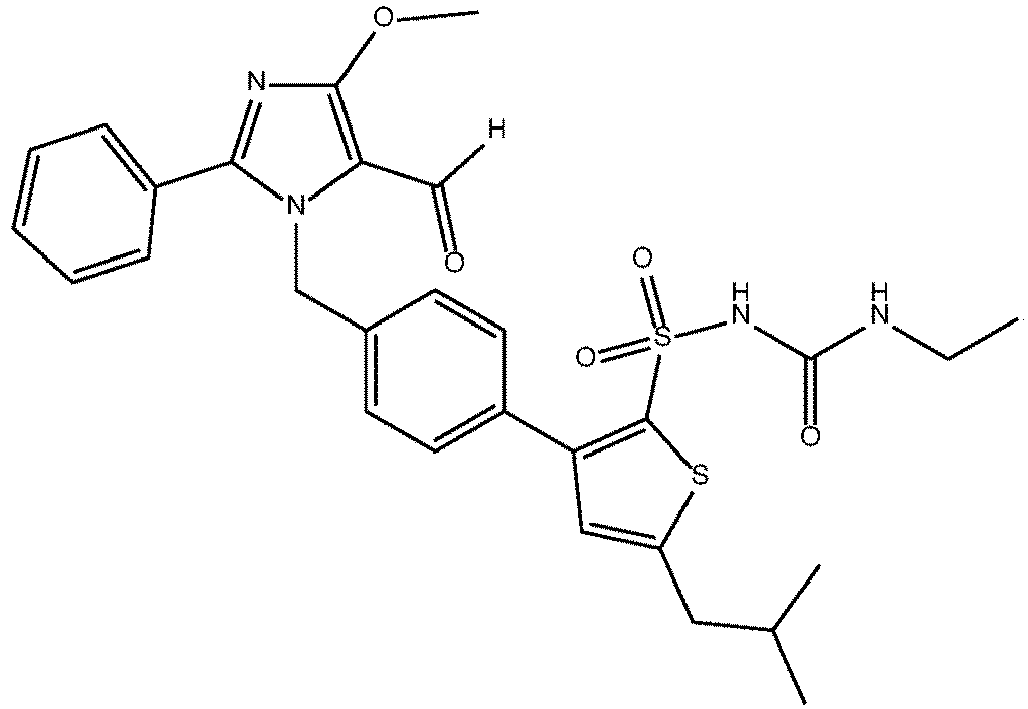
Applications Claiming Priority (2)
| Application Number | Priority Date | Filing Date | Title |
|---|---|---|---|
| US201562241485P | 2015-10-14 | 2015-10-14 | |
| PCT/US2016/057016 WO2017066552A1 (en) | 2015-10-14 | 2016-10-14 | Methods and compositions for the treatment of epidermolysis bullosa |
Publications (3)
| Publication Number | Publication Date |
|---|---|
| EP3373951A1 EP3373951A1 (de) | 2018-09-19 |
| EP3373951A4 EP3373951A4 (de) | 2019-08-07 |
| EP3373951B1 true EP3373951B1 (de) | 2021-11-17 |
Family
ID=58518552
Family Applications (1)
| Application Number | Title | Priority Date | Filing Date |
|---|---|---|---|
| EP16856265.0A Active EP3373951B1 (de) | 2015-10-14 | 2016-10-14 | Verfahren und zusammensetzungen zur behandlung von epidermolysis bullosa |
Country Status (5)
| Country | Link |
|---|---|
| US (1) | US10960045B2 (de) |
| EP (1) | EP3373951B1 (de) |
| JP (1) | JP2018530590A (de) |
| MA (1) | MA43230A (de) |
| WO (1) | WO2017066552A1 (de) |
Families Citing this family (8)
| Publication number | Priority date | Publication date | Assignee | Title |
|---|---|---|---|---|
| US10640464B2 (en) | 2011-01-03 | 2020-05-05 | The William M. Yarbrough Foundation | Use of isothiocyanate functional surfactants as Nrf2 inducers to treat epidermolysis bullosa simplex and related diseases |
| WO2017218623A1 (en) * | 2016-06-14 | 2017-12-21 | Tarix Orphan Llc | Methods and compositions for the treatment of epidermolysis bullosa |
| DK3634391T3 (da) * | 2017-05-17 | 2025-03-31 | Bpgbio Inc | Anvendelse af coenzym q10-formuleringer i behandlingen og forebyggelsen af epidermolysis bullosa |
| AU2018303333B2 (en) * | 2017-07-17 | 2023-02-09 | Monash University | Angiotensin receptor agonists and uses thereof |
| CN108689999B (zh) * | 2018-06-04 | 2020-05-22 | 西安交通大学 | 一种吡唑类化合物及其应用 |
| GB2620502A (en) * | 2021-03-09 | 2024-01-10 | Mascarenhas Desmond | Modulation of mammalian cell lineage by synthetic immodulins |
| CA3228644A1 (en) * | 2021-08-12 | 2023-02-16 | Onconova Therapeutics, Inc. | Methods and compositions for treating cancer |
| WO2025122594A1 (en) * | 2023-12-04 | 2025-06-12 | Constant Therapeutics, Llc | Improved methods and compositions for the treatment of pemphigus or pemphigoid disease |
Family Cites Families (12)
| Publication number | Priority date | Publication date | Assignee | Title |
|---|---|---|---|---|
| US4244946A (en) | 1979-06-11 | 1981-01-13 | The Salk Institute For Biological Studies | Water-soluble peptides affecting gonadal function |
| US4305872A (en) | 1979-10-19 | 1981-12-15 | Kenneth Wingrove | Polypeptide derivatives |
| US4316891A (en) | 1980-06-14 | 1982-02-23 | The Salk Institute For Biological Studies | Extended N-terminal somatostatin |
| ATE210677T1 (de) * | 1993-09-24 | 2001-12-15 | Univ Southern California | Die verwendung von angiotensin iii und seiner analoge für die gewebeheilung |
| US6031072A (en) | 1996-07-12 | 2000-02-29 | Mcgill University | Compounds and methods for modulating cell adhesion |
| US20020168761A1 (en) | 2000-01-24 | 2002-11-14 | Gour Barbara J. | Peptidomimetic modulators of cell adhesion |
| US6989363B1 (en) * | 1997-12-11 | 2006-01-24 | Millennium Pharmaceuticals, Inc. | Angiotensin converting enzyme homolog and therapeutic and diagnostic uses therefor |
| YU78601A (sh) | 1999-05-05 | 2005-07-19 | Aventis Pharma Deutschland Gmbh. | 1-(p-tienilbenzil)-imidazoli kao agonisti angiotenzin-(1-7)- receptora, postupak za njihovu proizvodnju, njihova primena i farmaceutski preparati koji ih sadrže |
| BRPI0800585B8 (pt) | 2008-02-13 | 2021-05-25 | Univ Minas Gerais | composições farmacêuticas do peptídeo des-[asp1]-[ala1]-angiotensina-(1-7) e uso do peptídeo des-[asp1]-[ala1]-angiotensina-(1-7) |
| CL2008003736A1 (es) | 2008-12-15 | 2009-05-29 | Univ Pontificia Catolica Chile | Uso de angiotensina (1-9) para preparar un medicamento, util para prevenir, revertir y/o disminuir el remodelado cardiovascular, pulmonar, renal y/o cerebral. |
| KR20150028761A (ko) * | 2011-12-16 | 2015-03-16 | 타릭스 파마슈티컬스 엘티디. | 섬유증 치료용 안지오텐신 |
| US20140031295A1 (en) | 2012-07-19 | 2014-01-30 | Lotus Tissue Repair, Inc. | Recombinant C7 and Methods of Use |
-
2016
- 2016-10-14 JP JP2018519376A patent/JP2018530590A/ja active Pending
- 2016-10-14 EP EP16856265.0A patent/EP3373951B1/de active Active
- 2016-10-14 US US15/768,447 patent/US10960045B2/en active Active
- 2016-10-14 WO PCT/US2016/057016 patent/WO2017066552A1/en not_active Ceased
- 2016-10-14 MA MA043230A patent/MA43230A/fr unknown
Non-Patent Citations (1)
| Title |
|---|
| None * |
Also Published As
| Publication number | Publication date |
|---|---|
| JP2018530590A (ja) | 2018-10-18 |
| EP3373951A4 (de) | 2019-08-07 |
| US20180344799A1 (en) | 2018-12-06 |
| US10960045B2 (en) | 2021-03-30 |
| MA43230A (fr) | 2021-04-14 |
| WO2017066552A1 (en) | 2017-04-20 |
| EP3373951A1 (de) | 2018-09-19 |
Similar Documents
| Publication | Publication Date | Title |
|---|---|---|
| EP3373951B1 (de) | Verfahren und zusammensetzungen zur behandlung von epidermolysis bullosa | |
| AU2018205186B2 (en) | Angiotensin in treating brain conditions | |
| US20180050079A1 (en) | Angiotensin peptides in treating marfan syndrome and related disorders | |
| US9333233B2 (en) | Methods and compositions for the delayed treatment of stroke | |
| AU2014269028A1 (en) | Angiotensins in muscular dystrophy | |
| US20230110554A1 (en) | Methods and compositions for treatment of coronavirus infection | |
| US20140088002A1 (en) | Compositions and methods for treatment of diabetes | |
| WO2017218623A1 (en) | Methods and compositions for the treatment of epidermolysis bullosa | |
| US20160199436A1 (en) | Methods and compositions for the treatment of amyotrophic lateral sclerosis | |
| AU2014332346B2 (en) | Novel peptide compositions | |
| WO2015057403A2 (en) | Compositions and methods for treatment of inflammatory bowel disease | |
| WO2025122594A1 (en) | Improved methods and compositions for the treatment of pemphigus or pemphigoid disease | |
| WO2016010844A1 (en) | Methods and compositions for the treatment of stroke | |
| US20170275333A1 (en) | Novel peptide compositions |
Legal Events
| Date | Code | Title | Description |
|---|---|---|---|
| STAA | Information on the status of an ep patent application or granted ep patent |
Free format text: STATUS: THE INTERNATIONAL PUBLICATION HAS BEEN MADE |
|
| PUAI | Public reference made under article 153(3) epc to a published international application that has entered the european phase |
Free format text: ORIGINAL CODE: 0009012 |
|
| STAA | Information on the status of an ep patent application or granted ep patent |
Free format text: STATUS: REQUEST FOR EXAMINATION WAS MADE |
|
| 17P | Request for examination filed |
Effective date: 20180514 |
|
| AK | Designated contracting states |
Kind code of ref document: A1 Designated state(s): AL AT BE BG CH CY CZ DE DK EE ES FI FR GB GR HR HU IE IS IT LI LT LU LV MC MK MT NL NO PL PT RO RS SE SI SK SM TR |
|
| AX | Request for extension of the european patent |
Extension state: BA ME |
|
| A4 | Supplementary search report drawn up and despatched |
Effective date: 20190709 |
|
| RIC1 | Information provided on ipc code assigned before grant |
Ipc: A61K 38/08 20190101AFI20190628BHEP Ipc: A61K 31/415 20060101ALI20190628BHEP Ipc: A61K 38/12 20060101ALI20190628BHEP Ipc: A61P 17/02 20060101ALI20190628BHEP |
|
| STAA | Information on the status of an ep patent application or granted ep patent |
Free format text: STATUS: EXAMINATION IS IN PROGRESS |
|
| 17Q | First examination report despatched |
Effective date: 20200414 |
|
| RIC1 | Information provided on ipc code assigned before grant |
Ipc: A61K 31/4178 20060101ALI20210311BHEP Ipc: A61K 31/415 20060101ALI20210311BHEP Ipc: A61K 38/12 20060101ALI20210311BHEP Ipc: A61K 38/08 20190101AFI20210311BHEP |
|
| GRAP | Despatch of communication of intention to grant a patent |
Free format text: ORIGINAL CODE: EPIDOSNIGR1 |
|
| STAA | Information on the status of an ep patent application or granted ep patent |
Free format text: STATUS: GRANT OF PATENT IS INTENDED |
|
| INTG | Intention to grant announced |
Effective date: 20210520 |
|
| GRAS | Grant fee paid |
Free format text: ORIGINAL CODE: EPIDOSNIGR3 |
|
| GRAA | (expected) grant |
Free format text: ORIGINAL CODE: 0009210 |
|
| STAA | Information on the status of an ep patent application or granted ep patent |
Free format text: STATUS: THE PATENT HAS BEEN GRANTED |
|
| AK | Designated contracting states |
Kind code of ref document: B1 Designated state(s): AL AT BE BG CH CY CZ DE DK EE ES FI FR GB GR HR HU IE IS IT LI LT LU LV MC MK MT NL NO PL PT RO RS SE SI SK SM TR |
|
| REG | Reference to a national code |
Ref country code: GB Ref legal event code: FG4D |
|
| REG | Reference to a national code |
Ref country code: IE Ref legal event code: FG4D |
|
| REG | Reference to a national code |
Ref country code: DE Ref legal event code: R096 Ref document number: 602016066434 Country of ref document: DE |
|
| REG | Reference to a national code |
Ref country code: AT Ref legal event code: REF Ref document number: 1447509 Country of ref document: AT Kind code of ref document: T Effective date: 20211215 |
|
| REG | Reference to a national code |
Ref country code: LT Ref legal event code: MG9D |
|
| REG | Reference to a national code |
Ref country code: NL Ref legal event code: MP Effective date: 20211117 |
|
| REG | Reference to a national code |
Ref country code: AT Ref legal event code: MK05 Ref document number: 1447509 Country of ref document: AT Kind code of ref document: T Effective date: 20211117 |
|
| PG25 | Lapsed in a contracting state [announced via postgrant information from national office to epo] |
Ref country code: RS Free format text: LAPSE BECAUSE OF FAILURE TO SUBMIT A TRANSLATION OF THE DESCRIPTION OR TO PAY THE FEE WITHIN THE PRESCRIBED TIME-LIMIT Effective date: 20211117 Ref country code: LT Free format text: LAPSE BECAUSE OF FAILURE TO SUBMIT A TRANSLATION OF THE DESCRIPTION OR TO PAY THE FEE WITHIN THE PRESCRIBED TIME-LIMIT Effective date: 20211117 Ref country code: FI Free format text: LAPSE BECAUSE OF FAILURE TO SUBMIT A TRANSLATION OF THE DESCRIPTION OR TO PAY THE FEE WITHIN THE PRESCRIBED TIME-LIMIT Effective date: 20211117 Ref country code: BG Free format text: LAPSE BECAUSE OF FAILURE TO SUBMIT A TRANSLATION OF THE DESCRIPTION OR TO PAY THE FEE WITHIN THE PRESCRIBED TIME-LIMIT Effective date: 20220217 Ref country code: AT Free format text: LAPSE BECAUSE OF FAILURE TO SUBMIT A TRANSLATION OF THE DESCRIPTION OR TO PAY THE FEE WITHIN THE PRESCRIBED TIME-LIMIT Effective date: 20211117 |
|
| PG25 | Lapsed in a contracting state [announced via postgrant information from national office to epo] |
Ref country code: IS Free format text: LAPSE BECAUSE OF FAILURE TO SUBMIT A TRANSLATION OF THE DESCRIPTION OR TO PAY THE FEE WITHIN THE PRESCRIBED TIME-LIMIT Effective date: 20220317 Ref country code: SE Free format text: LAPSE BECAUSE OF FAILURE TO SUBMIT A TRANSLATION OF THE DESCRIPTION OR TO PAY THE FEE WITHIN THE PRESCRIBED TIME-LIMIT Effective date: 20211117 Ref country code: PT Free format text: LAPSE BECAUSE OF FAILURE TO SUBMIT A TRANSLATION OF THE DESCRIPTION OR TO PAY THE FEE WITHIN THE PRESCRIBED TIME-LIMIT Effective date: 20220317 Ref country code: PL Free format text: LAPSE BECAUSE OF FAILURE TO SUBMIT A TRANSLATION OF THE DESCRIPTION OR TO PAY THE FEE WITHIN THE PRESCRIBED TIME-LIMIT Effective date: 20211117 Ref country code: NO Free format text: LAPSE BECAUSE OF FAILURE TO SUBMIT A TRANSLATION OF THE DESCRIPTION OR TO PAY THE FEE WITHIN THE PRESCRIBED TIME-LIMIT Effective date: 20220217 Ref country code: NL Free format text: LAPSE BECAUSE OF FAILURE TO SUBMIT A TRANSLATION OF THE DESCRIPTION OR TO PAY THE FEE WITHIN THE PRESCRIBED TIME-LIMIT Effective date: 20211117 Ref country code: LV Free format text: LAPSE BECAUSE OF FAILURE TO SUBMIT A TRANSLATION OF THE DESCRIPTION OR TO PAY THE FEE WITHIN THE PRESCRIBED TIME-LIMIT Effective date: 20211117 Ref country code: HR Free format text: LAPSE BECAUSE OF FAILURE TO SUBMIT A TRANSLATION OF THE DESCRIPTION OR TO PAY THE FEE WITHIN THE PRESCRIBED TIME-LIMIT Effective date: 20211117 Ref country code: GR Free format text: LAPSE BECAUSE OF FAILURE TO SUBMIT A TRANSLATION OF THE DESCRIPTION OR TO PAY THE FEE WITHIN THE PRESCRIBED TIME-LIMIT Effective date: 20220218 Ref country code: ES Free format text: LAPSE BECAUSE OF FAILURE TO SUBMIT A TRANSLATION OF THE DESCRIPTION OR TO PAY THE FEE WITHIN THE PRESCRIBED TIME-LIMIT Effective date: 20211117 |
|
| PG25 | Lapsed in a contracting state [announced via postgrant information from national office to epo] |
Ref country code: SM Free format text: LAPSE BECAUSE OF FAILURE TO SUBMIT A TRANSLATION OF THE DESCRIPTION OR TO PAY THE FEE WITHIN THE PRESCRIBED TIME-LIMIT Effective date: 20211117 Ref country code: SK Free format text: LAPSE BECAUSE OF FAILURE TO SUBMIT A TRANSLATION OF THE DESCRIPTION OR TO PAY THE FEE WITHIN THE PRESCRIBED TIME-LIMIT Effective date: 20211117 Ref country code: RO Free format text: LAPSE BECAUSE OF FAILURE TO SUBMIT A TRANSLATION OF THE DESCRIPTION OR TO PAY THE FEE WITHIN THE PRESCRIBED TIME-LIMIT Effective date: 20211117 Ref country code: EE Free format text: LAPSE BECAUSE OF FAILURE TO SUBMIT A TRANSLATION OF THE DESCRIPTION OR TO PAY THE FEE WITHIN THE PRESCRIBED TIME-LIMIT Effective date: 20211117 Ref country code: DK Free format text: LAPSE BECAUSE OF FAILURE TO SUBMIT A TRANSLATION OF THE DESCRIPTION OR TO PAY THE FEE WITHIN THE PRESCRIBED TIME-LIMIT Effective date: 20211117 Ref country code: CZ Free format text: LAPSE BECAUSE OF FAILURE TO SUBMIT A TRANSLATION OF THE DESCRIPTION OR TO PAY THE FEE WITHIN THE PRESCRIBED TIME-LIMIT Effective date: 20211117 |
|
| VS25 | Lapsed in a validation state [announced via postgrant information from nat. office to epo] |
Ref country code: MD Free format text: LAPSE BECAUSE OF FAILURE TO SUBMIT A TRANSLATION OF THE DESCRIPTION OR TO PAY THE FEE WITHIN THE PRESCRIBED TIME-LIMIT Effective date: 20211117 |
|
| REG | Reference to a national code |
Ref country code: DE Ref legal event code: R097 Ref document number: 602016066434 Country of ref document: DE |
|
| PLBE | No opposition filed within time limit |
Free format text: ORIGINAL CODE: 0009261 |
|
| STAA | Information on the status of an ep patent application or granted ep patent |
Free format text: STATUS: NO OPPOSITION FILED WITHIN TIME LIMIT |
|
| 26N | No opposition filed |
Effective date: 20220818 |
|
| PG25 | Lapsed in a contracting state [announced via postgrant information from national office to epo] |
Ref country code: AL Free format text: LAPSE BECAUSE OF FAILURE TO SUBMIT A TRANSLATION OF THE DESCRIPTION OR TO PAY THE FEE WITHIN THE PRESCRIBED TIME-LIMIT Effective date: 20211117 |
|
| PG25 | Lapsed in a contracting state [announced via postgrant information from national office to epo] |
Ref country code: SI Free format text: LAPSE BECAUSE OF FAILURE TO SUBMIT A TRANSLATION OF THE DESCRIPTION OR TO PAY THE FEE WITHIN THE PRESCRIBED TIME-LIMIT Effective date: 20211117 |
|
| PG25 | Lapsed in a contracting state [announced via postgrant information from national office to epo] |
Ref country code: MC Free format text: LAPSE BECAUSE OF FAILURE TO SUBMIT A TRANSLATION OF THE DESCRIPTION OR TO PAY THE FEE WITHIN THE PRESCRIBED TIME-LIMIT Effective date: 20211117 Ref country code: IT Free format text: LAPSE BECAUSE OF FAILURE TO SUBMIT A TRANSLATION OF THE DESCRIPTION OR TO PAY THE FEE WITHIN THE PRESCRIBED TIME-LIMIT Effective date: 20211117 |
|
| REG | Reference to a national code |
Ref country code: CH Ref legal event code: PL |
|
| REG | Reference to a national code |
Ref country code: BE Ref legal event code: MM Effective date: 20221031 |
|
| PG25 | Lapsed in a contracting state [announced via postgrant information from national office to epo] |
Ref country code: LU Free format text: LAPSE BECAUSE OF NON-PAYMENT OF DUE FEES Effective date: 20221014 |
|
| PG25 | Lapsed in a contracting state [announced via postgrant information from national office to epo] |
Ref country code: LI Free format text: LAPSE BECAUSE OF NON-PAYMENT OF DUE FEES Effective date: 20221031 Ref country code: CH Free format text: LAPSE BECAUSE OF NON-PAYMENT OF DUE FEES Effective date: 20221031 |
|
| PG25 | Lapsed in a contracting state [announced via postgrant information from national office to epo] |
Ref country code: BE Free format text: LAPSE BECAUSE OF NON-PAYMENT OF DUE FEES Effective date: 20221031 |
|
| PG25 | Lapsed in a contracting state [announced via postgrant information from national office to epo] |
Ref country code: IE Free format text: LAPSE BECAUSE OF NON-PAYMENT OF DUE FEES Effective date: 20221014 |
|
| PG25 | Lapsed in a contracting state [announced via postgrant information from national office to epo] |
Ref country code: HU Free format text: LAPSE BECAUSE OF FAILURE TO SUBMIT A TRANSLATION OF THE DESCRIPTION OR TO PAY THE FEE WITHIN THE PRESCRIBED TIME-LIMIT; INVALID AB INITIO Effective date: 20161014 |
|
| PG25 | Lapsed in a contracting state [announced via postgrant information from national office to epo] |
Ref country code: CY Free format text: LAPSE BECAUSE OF FAILURE TO SUBMIT A TRANSLATION OF THE DESCRIPTION OR TO PAY THE FEE WITHIN THE PRESCRIBED TIME-LIMIT Effective date: 20211117 |
|
| PG25 | Lapsed in a contracting state [announced via postgrant information from national office to epo] |
Ref country code: MK Free format text: LAPSE BECAUSE OF FAILURE TO SUBMIT A TRANSLATION OF THE DESCRIPTION OR TO PAY THE FEE WITHIN THE PRESCRIBED TIME-LIMIT Effective date: 20211117 |
|
| PG25 | Lapsed in a contracting state [announced via postgrant information from national office to epo] |
Ref country code: MT Free format text: LAPSE BECAUSE OF FAILURE TO SUBMIT A TRANSLATION OF THE DESCRIPTION OR TO PAY THE FEE WITHIN THE PRESCRIBED TIME-LIMIT Effective date: 20211117 |
|
| VS25 | Lapsed in a validation state [announced via postgrant information from nat. office to epo] |
Ref country code: MA Free format text: FAILURE TO ELECT DOMICILE IN THE NATIONAL COUNTRY Effective date: 20220218 |
|
| PG25 | Lapsed in a contracting state [announced via postgrant information from national office to epo] |
Ref country code: TR Free format text: LAPSE BECAUSE OF FAILURE TO SUBMIT A TRANSLATION OF THE DESCRIPTION OR TO PAY THE FEE WITHIN THE PRESCRIBED TIME-LIMIT Effective date: 20211117 |
|
| PGFP | Annual fee paid to national office [announced via postgrant information from national office to epo] |
Ref country code: DE Payment date: 20251027 Year of fee payment: 10 |
|
| PGFP | Annual fee paid to national office [announced via postgrant information from national office to epo] |
Ref country code: GB Payment date: 20251024 Year of fee payment: 10 |
|
| PGFP | Annual fee paid to national office [announced via postgrant information from national office to epo] |
Ref country code: FR Payment date: 20251029 Year of fee payment: 10 |