EP3370757B1 - Angiopoietine zur förderung der blutgerinnung und zur behandlung von blutgerinnungsstörungen - Google Patents
Angiopoietine zur förderung der blutgerinnung und zur behandlung von blutgerinnungsstörungen Download PDFInfo
- Publication number
- EP3370757B1 EP3370757B1 EP16810118.6A EP16810118A EP3370757B1 EP 3370757 B1 EP3370757 B1 EP 3370757B1 EP 16810118 A EP16810118 A EP 16810118A EP 3370757 B1 EP3370757 B1 EP 3370757B1
- Authority
- EP
- European Patent Office
- Prior art keywords
- angiopoietin
- ang1
- protein
- ang2
- blood coagulation
- Prior art date
- Legal status (The legal status is an assumption and is not a legal conclusion. Google has not performed a legal analysis and makes no representation as to the accuracy of the status listed.)
- Active
Links
Images

Classifications
-
- A—HUMAN NECESSITIES
- A61—MEDICAL OR VETERINARY SCIENCE; HYGIENE
- A61K—PREPARATIONS FOR MEDICAL, DENTAL OR TOILETRY PURPOSES
- A61K38/00—Medicinal preparations containing peptides
- A61K38/16—Peptides having more than 20 amino acids; Gastrins; Somatostatins; Melanotropins; Derivatives thereof
- A61K38/17—Peptides having more than 20 amino acids; Gastrins; Somatostatins; Melanotropins; Derivatives thereof from animals; from humans
- A61K38/18—Growth factors; Growth regulators
- A61K38/1891—Angiogenesic factors; Angiogenin
-
- A—HUMAN NECESSITIES
- A61—MEDICAL OR VETERINARY SCIENCE; HYGIENE
- A61P—SPECIFIC THERAPEUTIC ACTIVITY OF CHEMICAL COMPOUNDS OR MEDICINAL PREPARATIONS
- A61P7/00—Drugs for disorders of the blood or the extracellular fluid
- A61P7/04—Antihaemorrhagics; Procoagulants; Haemostatic agents; Antifibrinolytic agents
-
- C—CHEMISTRY; METALLURGY
- C07—ORGANIC CHEMISTRY
- C07K—PEPTIDES
- C07K14/00—Peptides having more than 20 amino acids; Gastrins; Somatostatins; Melanotropins; Derivatives thereof
- C07K14/435—Peptides having more than 20 amino acids; Gastrins; Somatostatins; Melanotropins; Derivatives thereof from animals; from humans
- C07K14/475—Growth factors; Growth regulators
- C07K14/515—Angiogenesic factors; Angiogenin
-
- G—PHYSICS
- G01—MEASURING; TESTING
- G01N—INVESTIGATING OR ANALYSING MATERIALS BY DETERMINING THEIR CHEMICAL OR PHYSICAL PROPERTIES
- G01N33/00—Investigating or analysing materials by specific methods not covered by groups G01N1/00 - G01N31/00
- G01N33/48—Biological material, e.g. blood, urine; Haemocytometers
- G01N33/50—Chemical analysis of biological material, e.g. blood, urine; Testing involving biospecific ligand binding methods; Immunological testing
- G01N33/86—Chemical analysis of biological material, e.g. blood, urine; Testing involving biospecific ligand binding methods; Immunological testing involving blood coagulating time or factors, or their receptors
-
- C—CHEMISTRY; METALLURGY
- C07—ORGANIC CHEMISTRY
- C07K—PEPTIDES
- C07K2319/00—Fusion polypeptide
- C07K2319/30—Non-immunoglobulin-derived peptide or protein having an immunoglobulin constant or Fc region, or a fragment thereof, attached thereto
Definitions
- the present invention resides in the field of medicine, and relates to the use of angiopoietin molecules or variants thereof to promote blood coagulation in a subject in need thereof.
- Blood coagulation disorders in humans are caused by inborn genetic conditions or may be a side effect of drug treatment for other conditions. Blood loss may occur during surgery or after injury. Injury is the second leading cause of death for people aged five to 45 years, and over four million people worldwide die of injuries every year, often because of extensive blood loss.
- adsorbent chemicals such as zeolites, e.g., QuikClot
- other hemostatic agents such as microfibrillar collagen hemostat (MCH), chitosan hemostat, and styptics
- thrombin fibrin glue
- desmopressin adsorbent chemical
- coagulation factor concentrates adsorbent protein
- prothrombin complex concentrate adsorbent protein
- cryoprecipitate adsorbent chemicals
- TXA tranexamic acid
- epsilon-aminocaproic acid aminomethylbenzoic acid
- Mechanical devices such as a hemostatic clamp, are also used.
- WO 01/05825 discloses nucleic acids encoding human angiopoietins, the polypeptides encoded by these nucleic acids and the application of these polypeptides in a variety of therapeutic methods.
- an AngF1-Fc-F1 angiopoietin protein for use in methods for stimulating blood coagulation in a subject in need thereof.
- the present invention is predicated, in part, on the discovery that both angiopoietin-1 (Ang1) and angiopoietin-2 (Ang2) bind to and modulate the function of thrombomodulin (TM), an endothelial cell surface molecule that plays an essential role as a coagulation regulator.
- TM functions as a cofactor in the thrombin-mediated activation of protein C, an anticoagulant protein, and of thrombin-activatable fibrinolysis inhibitor (TAFI), an inhibitor of blood clot dissolution.
- the present disclosure provides a method of treating, preventing or ameliorating at least one symptom, indication or complication of a blood coagulation disorder comprising administering to a subject in need thereof a pharmaceutical composition comprising a therapeutically effective amount of an angiopoietin protein and a pharmaceutically acceptable carrier.
- the present disclosure provides for the use of a therapeutically effective amount of an angiopoietin protein (i) for treating, preventing or ameliorating at least one symptom, indication or complication of a blood coagulation disorder, or (ii) in the manufacture of a medicament for treating, preventing or ameliorating at least one symptom, indication or complication of a blood coagulation disorder.
- the blood coagulation disorder is selected from the group consisting of inborn platelet pathologies such as thrombasthenia of Glanzmann and Naegeli (Glanzmann thrombasthenia), Bernard-Soulier syndrome (abnormal glycoprotein Ib-IX-V complex), gray platelet syndrome (deficient alpha granules), delta storage pool deficiency (deficient dense granules), and Von Willebrand disease; platelet disorders caused by insufficient production including myelodysplastic syndrome or other bone marrow disorders or by destruction by the immune system including immune thrombocytopenic purpura/ITP; coagulation factor disorders such as hemophilias including hemophilia A (factor VIII deficiency), hemophilia B (factor IX deficiency or "Christmas disease”) and hemophilia C (factor XI deficiency, mild bleeding tendency); deficiency of Vitamin K, Factor XII mutations, thrombocytopenia, uremia
- the present invention provides an AngF1-Fc-F1 angiopoietin protein for use in a method of stimulating blood coagulation, comprising administering to a subject in need thereof a pharmaceutical composition comprising a therapeutically effective amount of the angiopoietin protein and a pharmaceutically acceptable carrier.
- the subject is undergoing surgery.
- the subject is bleeding due to injury.
- the present disclosure provides for the use of a therapeutically effective amount of an angiopoietin protein (i) for stimulating blood coagulation, or (ii) in the manufacture of a medicament for stimulating blood coagulation.
- the angiopoietin protein is administered at a site of injury or a site associated with a surgical procedure.
- the angiopoietin protein of the pharmaceutical composition may be specified binding properties and/or comprise a native or modified angiopoietin protein.
- the angiopoietin protein binds a purified soluble extracellular domain of thrombomodulin with an EC 50 value of less than 100 nM.
- the angiopoietin protein is hAng1. In other aspects of the disclosure, the angiopoietin protein is hAng2. In the invention, the angiopoietin protein is a modified angiopoietin protein as defined below.
- the modified angiopoietin protein comprises a fusion protein comprising angiopoietin-1 or a fragment thereof fused to a multimerizing domain.
- the multimerizing domain is an immunoglobulin Fc fragment.
- the fusion protein comprises at least one fibrinogen-like domain of angiopoietin-1 fused to an Fc fragment.
- the fusion protein may comprise a first fibrinogen-like domain of angiopoietin-1 fused at its C-terminal end to the N-terminal end of an Fc fragment and the Fc fragment fused at its C-terminal end to the N-terminal end of a second fibrinogen-like domain of angiopoietin-1.
- the modified angiopoietin is AngF1-Fc-F1.
- the modified angiopoietin comprises an amino acid sequence of SEQ ID NO: 2.
- the modified angiopoietin protein comprises a fusion protein comprising angiopoietin-2 or a fragment thereof fused to a multimerizing domain.
- the multimerizing domain is an immunoglobulin Fc fragment.
- the fusion protein comprises at least one fibrinogen-like domain of angiopoietin-2 fused to an Fc fragment.
- the fusion protein may comprise a first fibrinogen-like domain of angiopoietin-2 fused at its C-terminal end to the N-terminal end of an Fc fragment and the Fc fragment fused at its C-terminal end to the N-terminal end of a second fibrinogen-like domain of angiopoietin-2.
- the modified angiopoietin is AngF2-Fc-F2.
- the modified angiopoietin comprises an amino acid sequence of SEQ ID NO:4.
- the angiopoietin protein is administered intravenously. In some cases, the angiopoietin protein is administered subcutaneously.
- the angiopoietin is administered in combination with a second therapeutic agent or therapy.
- an “angiopoietin” includes Angiopoietin-1 (Ang1) or Angiopoietin-2 (Ang2), unless otherwise specified.
- Ang1 refers to human Ang1
- hAng2 refers to human Ang2.
- EC 50 refers to the half maximal effective concentration, which includes the concentration of a ligand that induces a response, for example a cellular response, halfway between the baseline and maximum after a specified exposure time.
- the EC 50 essentially represents the concentration of a ligand where 50% of its maximal effect is observed.
- IC 50 refers to the half maximal inhibitory concentration of a cellular response.
- IC50 refers to the half maximal inhibitory concentration of a cellular response.
- the measure of the effectiveness of a particular moiety e.g. protein, compound, or molecule
- an assay quantitates the amount of such moiety needed to inhibit a given biological process.
- modified angiopoietin or “modified angiopoietin protein” refer to recombinant angiopoietins (e.g., angiopoietin expressed in an adenoviral vector; Thurston et al 2000, Nat. Med. ), mutant and chimeric forms of angiopoietins, and fusion proteins comprising angiopoietin or a fragment thereof that specifically bind thrombomodulin (TM).
- angiopoietins e.g., angiopoietin expressed in an adenoviral vector; Thurston et al 2000, Nat. Med.
- mutant and chimeric forms of angiopoietins and fusion proteins comprising angiopoietin or a fragment thereof that specifically bind thrombomodulin (TM).
- TM thrombomodulin
- Ang1 and “native Ang2,” as used herein, refer to a full-length Ang1 or Ang2, respectively, without N-terminal signal peptide.
- preventing refers to preventing development of a symptom, indication or complication of a blood coagulation disorder.
- the term "subject” refers to an animal, preferably a mammal, that exhibits one or more symptoms, indications or complications of a blood coagulation disorder, and/or who has been diagnosed with a blood coagulation disorder and/or is in need of amelioration, prevention and/or treatment of a blood coagulation disorder.
- the term "a subject in need thereof' may also include, e.g., subjects who, prior to treatment, exhibit (or have exhibited) one or more symptoms or indications of a blood coagulation disorder including but not limited to excessive bleeding and slow blood coagulation time.
- the terms “treat”, “treating”, or the like mean to alleviate a symptom or a complication, eliminate the causation of a symptom or a complication either on a temporary or permanent basis, or to prevent or slow the appearance of a symptom or complication of a blood coagulation disorder in the subject.
- the terms “treat”, “treating”, or the like refer to e.g., reducing bleeding or reducing time needed to coagulate blood in a patient in need thereof.
- terapéuticaally effective amount is meant an amount that produces the desired effect for which it is administered. The exact amount will depend on the purpose of the treatment, and will be ascertainable by one skilled in the art using known techniques (see, for example, Lloyd (1999) The Art, Science and Technology of Pharmaceutical Compounding ).
- angiopoietins were identified as ligands for the endothelial-specific receptor tyrosine kinase, Tie2.
- Angiopoietin/Tie2 signaling profoundly influences angiogenic processes, both during development and in the adult, for example in tumor vasculature.
- Angiopoietins have not previously been implicated in any processes other than the regulation of blood vessel formation and function via modulation of Tie2 activity.
- Ang1 Angiopoietin-1
- Ang2 Angiopoietin-2
- TM thrombomodulin
- EMF Esmon, C.T., et al., 1982, J. Biol. Chem.257:7944-7947 ; Owen, W.G., et al., 1981, J. Biol. Chem.
- Ang1 and Ang2 inhibited both activation of protein C and TAFI in cultured endothelial cells, and inhibited the binding of thrombin to TM in vitro.
- Administration of thrombin to mice rapidly increased plasma Ang1 levels, and Ang1 levels were significantly elevated in plasma prepared from wound blood.
- administration of a modified angiopoietin promoted a rapid increase in circulating thrombin/antithrombin level and fibrin deposition in the lungs of mice.
- the present disclosure provides methods for treating, preventing or ameliorating at least one symptom, indication or complication of a blood coagulation disorder.
- the present invention provides an AngF1-Fc-F1 angiopoietin protein for use in a method for stimulating blood coagulation in a subject.
- the methods comprise administering a therapeutically effective amount of a pharmaceutical composition comprising the modified angiopoietin protein to a subject in need thereof.
- the blood coagulation disorder may include, but is not limited to, inborn platelet pathologies such as thrombasthenia of Glanzmann and Naegeli (Glanzmann thrombasthenia), Bernard-Soulier syndrome (abnormal glycoprotein Ib-IX-V complex), gray platelet syndrome (deficient alpha granules), delta storage pool deficiency (deficient dense granules), and Von Willebrand disease.
- Blood coagulation disorders also include but are not limited to, platelet disorders caused by insufficient production (e.g., in myelodysplastic syndrome or other bone marrow disorders) or destruction by the immune system (immune thrombocytopenic purpura/ITP).
- Blood coagulation disorders also include, but are not limited to, coagulation factor disorders such as hemophilias including hemophilia A (factor VIII deficiency), hemophilia B (factor IX deficiency or "Christmas disease”) and hemophilia C (factor XI deficiency, mild bleeding tendency). Blood coagulation disorders also include, but are not limited to, deficiency of Vitamin K, Factor XII mutations, thrombocytopenia, uremia, and congenital afibrinogenemia. Deficiencies in blood coagulation may also be associated with liver failure (acute and chronic forms, early liver failure, end-stage liver failure).
- Bleeding or excessive bleeding may also be associated with treatment of a patient with warfarin or aspirin, or may occur during surgery or after injury.
- promotion of blood coagulation at a site of injury or surgery is contemplated.
- the present invention includes an AngF1-Fc-F1 angiopoietin protein for use in methods for stimulating blood coagulation, comprising administering a therapeutically effective amount of a pharmaceutical composition comprising the modified angiopoietin protein to a subject in need thereof, wherein the pharmaceutical composition is administered to the subject in a single dose, or in multiple doses, e.g., as part of a specific therapeutic dosing regimen.
- the therapeutic dosing regimen may comprise administering multiple doses of the pharmaceutical composition to the subject at a frequency of about once a day, once every two days, once every three days, once every four days, once every five days, once every six days, once a week, once every two weeks, once every three weeks, once every four weeks, once a month, once every two months, once every three months, once every four months, or less frequently.
- the therapeutic dosing regimen comprises administering multiple doses of the pharmaceutical composition to the subject at a frequency of about once a day, about 2 times a day, about 3 times a day or more than 4 times a day.
- the modified angiopoietin protein is administered subcutaneously, intravenously, intracranially, intraventricularly, or delivered systemically in an adenoviral vector to a subject in need thereof.
- the modified angiopoietin protein is administered at a site of injury or a site associated with a surgical procedure.
- administration at a site of injury or surgery is by injection.
- the site-specific administration of the angiopoietin protein or modified angiopoietin protein results in a high relative concentration of angiopoietin at the site to promote blood coagulation.
- the "high relative concentration" is measured against plasma levels of angiopoietin, and may be, for example, greater than 10 nM, greater than 50 nM or greater than 100 nM.
- the present invention comprises administering to a subject in need thereof a therapeutic composition comprising a modified angiopoietin.
- Non-limiting examples of categories of modified angiopoietins include recombinant angiopoietins (e.g., angiopoietin expressed in an adenoviral vector; Thurston et al 2000, Nat. Med. ), mutant and chimeric forms of angiopoietins, and fusion proteins comprising angiopoietin or a fragment thereof that specifically bind thrombomodulin (TM).
- the modified angiopoietin is a fusion protein comprising one or more domains of the angiopoietin molecule fused to a multimerizing domain.
- the multimerizing domain(s) function to connect the various components of the angiopoietin molecule (e.g., the fibrinogen-like domains) with one another.
- a "multimerizing domain” is any macromolecule that has the ability to associate (covalently or non-covalently) with a second macromolecule of the same or similar structure or constitution.
- a multimerizing domain may be a polypeptide comprising an immunoglobulin C H 3 domain.
- a non-limiting example of a multimerizing domain is an Fc portion of an immunoglobulin, e.g. , an Fc domain of an IgG selected from the isotypes IgG1, IgG2, IgG3, and IgG4, as well as any allotype within each isotype group.
- the multimerizing domain is an Fc fragment or an amino acid sequence of 1 to about 200 amino acids in length containing at least one cysteine residues.
- the multimerizing domain is a cysteine residue or a short cysteine-containing peptide.
- Other multimerizing domains include peptides or polypeptides comprising or consisting of a leucine zipper, a helix-loop motif, or a coiled-coil motif.
- the modified angiopoietin is a fusion protein comprising one or more fibrinogen-like domains of the angiopoietin-1 molecule fused to the Fc fragment of an immunoglobulin comprising any of the amino acid sequences, as set forth in US Patent No. 7,008,781 .
- the fusion protein that can be used in the context of the methods comprises a first fibrinogen-like domain of angiopoietin fused at its C-terminal end to the N-terminal end of an IgG Fc fragment and the C-terminal of the Fc fragment fused to the N-terminal end of a second fibrinogen-like domain of angiopoietin ( Davis, S., et al, 2003; Nat. Struct. Biol. 10:38-44 ), wherein the angiopoietin may be Ang1 or Ang2.
- the present invention comprises the use of the modified angiopoietin referred to and known in the art as AngF1-Fc-F1.
- the modified angiopoietin is a dimer comprising two AngF1-Fc-F1s that associate through intramolecular association of the Fc fragments (also referred to as BowAng1, as disclosed in Davis, 2003, supra ).
- the fusion protein comprises the amino acid sequence of SEQ ID NO: 2.
- the methods of the present disclosure comprise the use of the modified angiopoietin referred to and known in the art as AngF2-Fc-F2.
- the modified angiopoietin is a dimer comprising two AngF2-Fc-F2s that associate through intramolecular association of the Fc fragments (also referred to as BowAng2, as disclosed in Davis, 2003, supra ).
- the fusion protein comprises the amino acid sequence of SEQ ID NO: 4.
- BowAng1 and BowAng2 contain the Ang1 or Ang2 fibrinogen domain followed by human Fc and another fibrinogen domain, so that following Fc-mediated dimerization, the proteins contain 4 angiopoietin fibrinogen domains (Davis, 2003, supra ).
- modified angiopoietins that can be used in the context of the methods of the present disclosure include any of the modified angiopoietin molecules as set forth in US Patent Nos. 6265564 , 6441137 , and 6825008 .
- the present disclosure includes modified angiopoietins that bind purified soluble extracellular domain of TM with an EC 50 value of less than about 100 nM, as measured by an in vitro assay, e.g., using the assay format as defined in Example 3 herein ( e.g ., assessing the ability of modified angiopoietins to bind purified soluble extracellular domain of TM), or a substantially similar assay.
- the modified angiopoietin of the present disclosure binds purified soluble extracellular domain of TM, with an EC 50 value of less than about 90 nM, 80 nM, 70 nM, 60 nM, 50 nM, 40 nM, 30 nM, 20 nM or 10 nM as measured by an in vitro assay, e.g ., using the assay format as defined in Example 3 herein ( e.g. , assessing the ability of modified angiopoietins to bind purified soluble extracellular domain of TM), or a substantially similar assay.
- the present disclosure includes modified angiopoietins that inhibit APC formation in cultured HUVECs with an IC 50 of less than about 100 nM as measured by an cell-based assay, e.g ., using the assay format as defined in Example 5 herein ( e.g. , assessing the ability of modified angiopoietins to inhibit APC formation in cultured HUVECs), or a substantially similar assay.
- the modified angiopoietins of the present disclosure inhibit APC formation in a cultured HUVECs with an IC 50 of less than about 90 nM, 80 nM, 70 nM, 60 nM, 50 nM, 40 nM, 30 nM, 20 nM or 10 nM as measured by an cell-based assay, e.g ., using the assay format as defined in Example 5 herein ( e.g. , assessing the ability of modified angiopoietins to inhibit APC formation in cultured HUVECs), or a substantially similar assay.
- the present invention involves administering a modified angiopoietin protein to a subject wherein the modified angiopoietin protein is contained within a pharmaceutical composition.
- the pharmaceutical compositions may be formulated with suitable carriers (e.g ., pharmaceutically acceptably carriers), excipients, and other agents that provide suitable transfer, delivery, tolerance, and the like.
- suitable carriers e.g ., pharmaceutically acceptably carriers
- excipients e.g., pharmaceutically acceptably carriers
- excipients e.g., and other agents that provide suitable transfer, delivery, tolerance, and the like.
- a multitude of appropriate formulations can be found in the formulary known to all pharmaceutical chemists: Remington's Pharmaceutical Sciences, Mack Publishing Company, Easton, PA .
- formulations include, for example, powders, pastes, ointments, jellies, waxes, oils, lipids, lipid (cationic or anionic) containing vesicles (such as LIPOFECTINTM), DNA conjugates, anhydrous absorption pastes, oil-in-water and water-in-oil emulsions, emulsions carbowax (polyethylene glycols of various molecular weights), semi-solid gels, and semi-solid mixtures containing carbowax. See also Powell et al. "Compendium of excipients for parenteral formulations" PDA (1998) J Pharm Sci Technol 52:238-311 .
- compositions e.g., encapsulation in liposomes, microparticles, microcapsules, recombinant cells capable of expressing the mutant viruses, receptor mediated endocytosis (see, e.g., Wu et al., 1987, J. Biol. Chem. 262: 4429-4432 ).
- Methods of administration include, but are not limited to, intradermal, intramuscular, intraperitoneal, intravenous, subcutaneous, intranasal, epidural, and oral routes.
- the composition may be administered by any convenient route, for example by infusion or bolus injection, by absorption through epithelial or mucocutaneous linings ( e.g. , oral mucosa, rectal and intestinal mucosa, etc.) and may be administered together with other biologically active agents.
- a pharmaceutical composition can be delivered subcutaneously or intravenously with a standard needle and syringe.
- a pen delivery device readily has applications in delivering a pharmaceutical composition.
- Such a pen delivery device can be reusable or disposable.
- a reusable pen delivery device generally utilizes a replaceable cartridge that contains a pharmaceutical composition. Once all of the pharmaceutical composition within the cartridge has been administered and the cartridge is empty, the empty cartridge can readily be discarded and replaced with a new cartridge that contains the pharmaceutical composition. The pen delivery device can then be reused.
- a disposable pen delivery device there is no replaceable cartridge. Rather, the disposable pen delivery device comes prefilled with the pharmaceutical composition held in a reservoir within the device. Once the reservoir is emptied of the pharmaceutical composition, the entire device is discarded.
- the pharmaceutical composition can be delivered in a controlled release system.
- a pump may be used.
- polymeric materials can be used; see, Medical Applications of Controlled Release, Langer and Wise (eds.), 1984, CRC Press, Boca Raton, Florida .
- a controlled release system can be placed in proximity of the composition's target, thus requiring only a fraction of the systemic dose (see, e.g., Goodson, 1984, in Medical Applications of Controlled Release, supra, vol. 2, pp. 115-138 ).
- Other controlled release systems are discussed in the review by Langer, 1990, Science 249:1527-1533 .
- the injectable preparations may include dosage forms for intravenous, subcutaneous, intracutaneous and intramuscular injections, drip infusions, etc. These injectable preparations may be prepared by known methods. For example, the injectable preparations may be prepared, e.g ., by dissolving, suspending or emulsifying the angiopoietin protein or modified angiopoietin protein described above in a sterile aqueous medium or an oily medium conventionally used for injections.
- aqueous medium for injections there are, for example, physiological saline, an isotonic solution containing glucose and other auxiliary agents, etc., which may be used in combination with an appropriate solubilizing agent such as an alcohol (e.g ., ethanol), a polyalcohol (e.g ., propylene glycol, polyethylene glycol), a nonionic surfactant [ e.g ., polysorbate 80, HCO-50 (polyoxyethylene (50 mol) adduct of hydrogenated castor oil)], etc.
- an oily medium there are employed, e.g. , sesame oil, soybean oil, etc., which may be used in combination with a solubilizing agent such as benzyl benzoate, benzyl alcohol, etc.
- the injection thus prepared is preferably filled in an appropriate ampoule.
- the pharmaceutical compositions for oral or parenteral use described above are prepared into dosage forms in a unit dose suited to fit a dose of the active ingredients.
- dosage forms in a unit dose include, for example, tablets, pills, capsules, injections (ampoules), suppositories, etc.
- the amount of the modified angiopoietin protein (AngF1-Fc-F1) administered to a subject according to the methods is, generally, a therapeutically effective amount.
- therapeutically effective amount means an amount of the angiopoietin protein or modified angiopoietin protein that results in reduction in the severity or duration of a symptom, indication or complication of a blood coagulation disorder, or promotes blood coagulation.
- a therapeutically effective amount can be from about 0.05 mg to about 600 mg, e.g., about 0.05 mg, about 0.1 mg, about 1.0 mg, about 1.5 mg, about 2.0 mg, about 10 mg, about 20 mg, about 30 mg, about 40 mg, about 50 mg, about 60 mg, about 70 mg, about 80 mg, about 90 mg, about 100 mg, about 110 mg, about 120 mg, about 130 mg, about 140 mg, about 150 mg, about 160 mg, about 170 mg, about 180 mg, about 190 mg, about 200 mg, about 210 mg, about 220 mg, about 230 mg, about 240 mg, about 250 mg, about 260 mg, about 270 mg, about 280 mg, about 290 mg, about 300 mg, about 310 mg, about 320 mg, about 330 mg, about 340 mg, about 350 mg, about 360 mg, about 370 mg, about 380 mg, about 390 mg, about 400 mg, about 410
- the amount of the angiopoietin protein or modified angiopoietin protein contained within the individual doses may be expressed in terms of milligrams of protein per kilogram of the subject's body weight (i.e ., mg/kg).
- the modified angiopoietin may be administered to a subject at a dose of about 0.0001 to about 100 mg/kg of patient body weight.
- the modified angiopoietin protein is administered to a subject in need thereof at a dose of about 5 - 25 mg/kg of the subject's body weight.
- cDNA expression libraries were constructed in the expression vector pJFE with mRNA isolated from human umbilical vein endothelial cells (HUVECs) and from the endothelial-like cell line EA.hy926, using a kit (Invitrogen).
- the libraries were transfected into dishes of COS cells and screened as in Davis, S., et al., (1994; Science. 266:816-819 ) with the chimeric molecule Ang1-FD-Fc, consisting of the Tie2-binding fibrinogen-like domain (FD) of Ang1 fused to a human Fc tag (Davis, 2003, supra, SEQ ID NO:5), at a concentration of 1 ⁇ g/ml.
- FD Tie2-binding fibrinogen-like domain
- TM thrombomodulin
- Example 2 Ang1-FD-Fc and Ang2-FD-Fc bind saturably to COS cells overexpressing TM
- Ang1-FD-Fc and Ang2-FD-Fc were assessed.
- COS cells in 48-well plates were transfected with an expression vector containing TM, or with empty vector as a control. Two days after transfection, cells were incubated with 0, 0.16, 0.4, 1, 2.56, 6.4, 16, 40 or 100 nM of Ang1-FD-Fc (SEQ ID NO:5; residues 1-15 correspond to the signal peptide) or Ang2-FD-Fc (SEQ ID NO:6; residues 1-15 correspond to the signal peptide) in 200 ⁇ l binding buffer (PBS/10% calf serum) for 30 minutes at room temperature.
- PBS/10% calf serum 200 ⁇ l binding buffer
- Specific binding is defined as the difference between binding to TM-transfected COS cells and binding to COS cells transfected with empty vector.
- the soluble extracellular domain of human TM (R&D Systems) or the soluble extracellular domain of human Tie2 (produced at Regeneron; SEQ ID NO:9) at 100nM were incubated with BowAng1 or BowAng2 at 100, 250 or 500nM or with 500nM human Fc control protein in binding buffer (0.15M NaCl, 20mM Tris pH 7.5, 2mM CaCl 2 , 0.1% Triton X-100, 1 mg/ml BSA) on ice for 60 minutes. Following incubation, BowAng1, BowAng2 or human Fc were pulled down by incubation with 25 ⁇ l protein A/G beads (Santa Cruz Biotechnology) for 60 minutes.
- TM and Tie2 were then washed with binding buffer and proteins were eluted by heating in SDS sample buffer and then resolved on an SDS gel. Co-precipitation of TM and Tie2 was assessed by western blot with an anti-TM monoclonal antibody (Santa Cruz Biotechnology (D-3), used at 1:500 dilution) or a monoclonal anti-Tie2 antibody (clone 33.1, Peters, K.G. et al., 1998, British Journal of Cancer, 77:51-56 ).
- TM and Tie2 Co-precipitation of TM and Tie2 was assessed by western blot with an anti-TM monoclonal antibody (Santa Cruz Biotechnology (D-3), used at 1:500 dilution) or a monoclonal anti-Tie2 antibody (clone 33.1 (Peters, supra ).
- Example 5 Native Ang1 and Ang2 inhibit APC and TAFI formation in cultured HUVECs
- HUVEC monolayers were assessed using a modified version of a previously described method (Slungaard, supra ). 50,000 HUVECs (VEC Technologies) were plated in 48-well plates in 200 ⁇ l of MCDB131 complete medium.
- reaction buffer HBSS + 10mM HEPES pH 7.4 + 1 mg/ml BSA
- reaction buffer HBSS + 10mM HEPES pH 7.4 + 1 mg/ml BSA
- reaction buffer containing 0.2 ⁇ M protein C (Enzyme Research Labs), 0.1 U/ml thrombin (Sigma) and native human Ang1 (R&D Systems), native human Ang2 (R&D Systems), human PF4 (R&D Systems) or a control Fc-containing protein at 1, 10, 50, 100, 500 or 1000 nM.
- the OD 405 nm at ⁇ 10 minutes after S-2366 addition was used to assess the relative levels of TM-dependent APC formation in each sample (after subtracting the value observed when the procedure was carried out with no HUVECs in the wells).
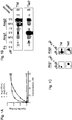
- the graph in Fig. 2A depicts the relative amounts of APC formation (compared to APC formation in the presence of the control protein) as a function of angiopoietin concentration.
- Both Ang1 and Ang2 substantially inhibited APC formation (relative to the amount generated in the presence of 1 ⁇ M of a control protein), with IC 50 values in the hundreds of nM ( Fig. 2A ). Consistent with its higher affinity for TM, Ang2 was a more potent inhibitor of APC production than was Ang1 ( Fig. 2A ).
- HUVECs were incubated with protein C and thrombin plus either a control protein (0.5 ⁇ M), native Ang1 (0.5 ⁇ M) or PF4 (10 ⁇ g/ml, ⁇ 1.3 ⁇ M) for 60 minutes and cell supernatants were then assayed for APC levels.
- the graph in Fig. 2B depicts the relative amounts of APC generated (the amount of APC generated in the presence of the control protein was assigned a value of 1.0).
- HUVECs The ability of angiopoietins to affect aTAFI formation in HUVECs was assessed.
- 50,000 HUVECs (VEC Technologies) were plated in 48-well plates in 200 ⁇ l of MCDB131 complete medium. The next day the cells were washed three times with reaction buffer (HBSS + 10mM HEPES pH 7.4 + 1 mg/ml BSA) and then incubated at 37°C for 60 minutes with 100 ⁇ l of reaction buffer containing 0.2 ⁇ M TAFI (Enzyme Research Labs), 1 U/ml thrombin, and native human Ang1 (1nM or 100 nM), native human Ang2 (1 nM or 100 nM) or a control Fc-containing protein (1 ⁇ M). Following incubation, cell supernatants were used to measure aTAFI activity using the fluorogenic ACTIFLUOR TAFIa Activity Assay (American Diagnostica).
- the graph in Fig. 2C depicts the relative amounts of aTAFI generated (the amount of aTAFI generated in the presence of the control protein was assigned a value of 1.0).
- Relative levels of aTAFI in the Ang1 100nM and the Ang2 100nM treatment groups were significantly different from the control group (***, P ⁇ 0.001, one-way ANOVA with Tukey's multiple comparisons test). Similar to their effect on formation of APC, native Ang1 and Ang2 at 100 nM significantly inhibited aTAFI formation in HUVECs ( Fig. 2C ).
- Example 6 Ang1 and Ang2 inhibit both APC and aTAFI formation in COS cells overexpressing TM but lacking Tie2 expression (inhibition does not require Tie2)
- COS7 cells transfected with expression vectors for TM or control empty vector were seeded, one day after transfection, into 48 well plates ( ⁇ 80,000/well). The next day, cells were washed three times with reaction buffer (HBSS + 10 mM HEPES + 1 mg/ml BSA) and then incubated with 100 ⁇ l of reaction buffer containing 1, 3, 9, 27, 81, 243, or 729 nM of native human Ang1 or Ang2 for 30 minutes at 4°C. 0.2 ⁇ M protein C and 0.1 U/ml thrombin were then added and incubated for 60 minutes at 37°C. Following incubation, the reaction was stopped with hirudin and APC levels were determined, as above.
- reaction buffer HBSS + 10 mM HEPES + 1 mg/ml BSA
- COS cells transfected with expression vectors for TM or control empty vector in 10cm dishes were rinsed in PBS, collected using a spatula, disaggregated by trituration, and pelleted.
- Cells were resuspended in reaction buffer (HBSS + 10mM HEPES pH7.4 + 1mg/ml BSA, ⁇ 80,000 cells/reaction) and incubated with 72 ⁇ l of reaction buffer containing various concentrations of native human Ang1 or Ang2 (1, 3, 9, 27, 81, 243, or 729 nM) for 30 minutes at 4°C.
- 0.2 ⁇ M TAFI and 1 U/ml thrombin were added in a final volume of 80 ⁇ l and incubated for 30 minutes at 22°C. Cells were then pelleted and 75 ⁇ l of the supernatants were transferred to a 96 well plate. 25 ⁇ l of 2mM 5,5'-dithiobis-(2-nitrobenzoic acid) (Sigma) and 50 ⁇ l of a thiol-releasing TAFI substrate (R2 reagent, Pefakit TAFI, Pentapharm) were then added, and the OD 405 nm at 10 minutes was used to determine TAFI activity.
- the graph in Fig. 2E depicts aTAFI formation relative to the amount generated in the absence of angiopoietin.
- angiopoietins significantly inhibited both APC and aTAFI formation, indicating that the inhibition does not require Tie2 ( Fig. 2D and 2E ).
- angiopoietin-mediated inhibition in COS cells was observed even at low nM concentrations, presumably reflecting enhanced, avidity-driven angiopoietin binding to overexpressed TM.
- EPCR endothelial Protein C receptor
- EPCR is expressed at high levels in HUVECs and binds Protein C with high affinity (40), promoting delivery of protein C to the thrombin/TM complex, thus amplifying its activity (41).
- EPCR is expressed at low levels in microvasculature ( Laszik Z., et al., 1997, Circulation. 96:3633-3640 ).
- HUVECs were infected with adenoviruses ( ⁇ 30 pfu/cell) encoding either a non-silencing control shRNA or a Tie2 specific shRNA as described ( Daly, C. et al., 2004, Genes & Development. 18:1060-1071 .
- the sequence of the Tie2 shRNA was: 5'- TGAAGTACCTGATATTCTA-3' (SEQ ID NO:8) (nucleotides 946-964 in the human Tie2 (TEK) cDNA, NM_000459).
- Fig. 3A TGAAGTACCTGATATTCTA-3'
- Fig. 3B Thrombin-like thelial cells
- the APC assay was done as described in Example 5 above (except that thrombin was present at 1 U/ml), in the presence of 1 ⁇ M control protein or Ang1.
- Western blot for Tie2 was performed with the monoclonal antibody clone 33.1 (Peters, supra ).
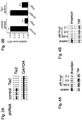
- the graph in Fig. 3B depicts the relative amounts of APC generated in the presence of 1 ⁇ M control protein or native Ang1 (the amount of APC generated in the presence of the control protein was assigned a value of 1.0).
- Ang1 was still capable of inhibiting APC formation ( Fig. 3B ), indicating that Tie2 is not required for this effect.
- Example 8 Ang1 and Ang2 inhibit binding of thrombin to TM
- TM was then pulled down by incubation for 60 minutes with 20 ⁇ l Ni-NTA beads (Thermo Scientific). Beads were then washed with binding buffer and bound proteins were eluted by heating in SDS sample buffer. Western blots were then performed to assess pull-down of TM (monoclonal antibody D-3 from Santa Cruz Biotechnology) and co-precipitation of thrombin (goat polyclonal antibody from R&D Systems).
- angiopoietins can inhibit formation of a stable complex of thrombin with TM, and that this is one mechanism by which angiopoietins interfere with generation of APC and aTAFI.
- Example 9 Ang1 is present in mouse platelets
- Ang1 was detected with a rabbit polyclonal antibody that recognizes both mouse and human Ang1 (mouse and human Ang1 proteins are 97% identical).
- Ang2 was detected with a goat polyclonal antibody raised against a peptide that is identical in the human and mouse proteins.
- Ang1 rabbit polyclonal generated at QCB for Regeneron, used at 1 ⁇ g/ml
- Ang2 goat polyclonal (C-19) from Santa Cruz Biotechnology, used at 1:200 dilution.
- the Ang1 and Ang2 antibodies recognize both the mouse and human proteins.
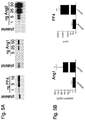
- Ang1 protein was detected in mouse platelets at levels ( ⁇ 30ng/10 6 platelets) similar to those reported in human platelets ( ⁇ 55ng/10 6 platelets) (46).
- PF4 was detected in platelet lysate at ⁇ 3ng/10 6 platelets, similar to the estimated level of PF4 in human platelets ( ⁇ 12ng/10 6 platelets) ( Peterson J.E., et al., 2010, American journal of hematology, 85:487-493 ).
- Ang2 was not detected in mouse platelets ( Fig. 5A ).
- the polyclonal antibody used to detect Ang2 was raised against a peptide that is identical in human/mouse Ang2 and this antibody readily detects Ang2 in mouse tissue lysates by western blot. While Ang2 is not observed in platelets, it is present in endothelial cell Weibel-Palade bodies (WPB) and is released upon stimulation with thrombin in vitro ( Fiedler, U. et al, 2004, Blood, 103:4150-4156 ), suggesting the possibility that Ang2 is released from activated endothelial cells at sites of vessel injury. Ang1 is present in mouse platelets ( Fig. 5A ) but Ang2 is not detected in mouse platelets (Ang2 has been shown in art to be found in endothelial cell Weibel-Palade bodies).
- Example 10 Ang1 is 100X higher in serum than in plasma
- serum preparation blood was collected by cardiac puncture and expelled into serum separator tubes (BD Biosciences). Following a 30 minute incubation to allow for blood clotting, samples were centrifuged at 2,000 x g for 10 minutes and the serum layer was collected and stored at -80°C.
- Plasma preparation blood was collected by cardiac puncture, expelled into EDTA tubes (BD Biosciences), mixed and then centrifuged at 2,000 x g at 4°C for 10 minutes. The supernatant (platelet-poor plasma) was collected and centrifuged again at 2,000 x g for 10 minutes. The plasma supernatant was collected and either used immediately or stored in aliquots at -80°C.
- Blood was collected from C57BL/6 mice by cardiac puncture and used to prepare either plasma or serum. Ang1 and PF4 levels were then determined by ELISA.
- Ang1 ELISA 96 well ELISA plates (Corning) were coated overnight at 4°C with 10 ⁇ g/ml of His-tagged Tie2 extracellular domain. Wells were washed 3 times with PBS + 0.05% Tween 20 (PBST) and blocked for 2 hours at RT with PBS + 3% BSA. Wells were washed again and incubated for 1 hour with 100 ⁇ l of protein standard (recombinant human Ang1 from R&D Systems) or plasma/serum samples diluted in PBST + 3% BSA. Plasma samples were diluted 1:5, serum samples were diluted 1:20.
- PBST PBS + 0.05% Tween 20
- PF4 ELISA was performed according to the protocol outlined in the mouse CXCL4/PF4 DuoSet (R&D Systems, catalog number DY595). Plasma samples were diluted 1:10 or 1:50 and serum samples were diluted 1:2000.
- Example 11 Ang1 is released from activated platelets in vivo
- Ang1 is released from activated platelets in vivo
- plasma levels of Ang1 were measured 10 minutes after intravenous administration of thrombin to mice.
- C57BL/6 mice were injected into the tail vein with PBS or 10 units of thrombin (Sigma) in a volume of 100 ⁇ l.
- PBS 10 units of thrombin
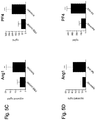
- Ang1 plasma levels were significantly higher following acute thrombin treatment, consistent with release of both of these factors from activated platelets.
- Ang1 plasma level is higher following acute thrombin treatment (consistent with Ang1 being released from activated platelets) ( Fig. 5C ).
- Example 12 Ang1 is released from platelets in response to blood vessel injury
- Ang1 levels were measured in plasma prepared from blood collected at the site of tail nicks in mice.
- C57BL/6 mice were placed under a heating lamp for approximately 5 min. Mice were then placed in a restrainer and the distal 2 to 4 mm of tail was severed with a single diagonal cut.
- Blood was collected into heparinized capillary tubes for an initial period of 30 seconds and discarded. Blood was then collected into a second heparinized capillary tube until the tube was full (this took 2-5 minutes).
- a disposable Pasteur pipette was used to expel the blood into a microfuge tube containing EDTA. Plasma was then prepared as described above.
- Ang1 and PF4 levels were significantly higher in plasma prepared from tail nick blood than in plasma prepared from systemic blood (collected via cardiac puncture) ( Fig. 5D ), suggesting release of Ang1 from platelets at the site of injury.
- Ang1 level was higher in plasma prepared from tail nick blood than in plasma prepared from systemic blood, suggesting release of Ang1 from platelets at the site of injury ( Fig. 5D ).
- Example 13 Intravenous administration of BowAng1 and BowAng2 to mice promotes a rapid increase in circulating thrombin/antithrombin level and fibrin deposition in lung
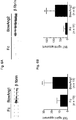
- lungs were harvested. Lungs were homogenized in ice-cold PBS containing cOmpleteTM protease inhibitor cocktail (with EDTA) plus 10 units/ml heparin. Following overnight incubation at 4°C, lysates were spun for 10 minutes in a microcentrifuge. The pellets were resuspended in 3M urea and incubated at 37°C for 2 hours to extract cross-linked fibrin. Samples were then vortexed and spun for 10 minutes in a microcentrifuge. Pellets were resuspended in SDS-PAGE sample buffer and incubated at 65°C for 90 minutes. The amount of fibrin in the samples was determined by Western blot using a monoclonal anti-fibrin antibody from American Diagnostica ( Fig. 6A ).
Landscapes
- Health & Medical Sciences (AREA)
- Life Sciences & Earth Sciences (AREA)
- Chemical & Material Sciences (AREA)
- Engineering & Computer Science (AREA)
- Medicinal Chemistry (AREA)
- General Health & Medical Sciences (AREA)
- Organic Chemistry (AREA)
- Hematology (AREA)
- Immunology (AREA)
- Molecular Biology (AREA)
- Bioinformatics & Cheminformatics (AREA)
- Vascular Medicine (AREA)
- Proteomics, Peptides & Aminoacids (AREA)
- Veterinary Medicine (AREA)
- Zoology (AREA)
- Pharmacology & Pharmacy (AREA)
- Gastroenterology & Hepatology (AREA)
- Animal Behavior & Ethology (AREA)
- Public Health (AREA)
- Biochemistry (AREA)
- Biomedical Technology (AREA)
- Urology & Nephrology (AREA)
- Genetics & Genomics (AREA)
- Diabetes (AREA)
- Epidemiology (AREA)
- Chemical Kinetics & Catalysis (AREA)
- General Chemical & Material Sciences (AREA)
- Nuclear Medicine, Radiotherapy & Molecular Imaging (AREA)
- Biophysics (AREA)
- Toxicology (AREA)
- Microbiology (AREA)
- Cell Biology (AREA)
- Biotechnology (AREA)
- Food Science & Technology (AREA)
- Physics & Mathematics (AREA)
- Analytical Chemistry (AREA)
- General Physics & Mathematics (AREA)
- Pathology (AREA)
- Medicines That Contain Protein Lipid Enzymes And Other Medicines (AREA)
- Peptides Or Proteins (AREA)
Claims (8)
- AngF1-Fc-F1-Angiopoetin-Protein zur Verwendung in einem Verfahren des Stimulierens von Blutgerinnung, umfassend das Verabreichen einer pharmazeutischen Zusammensetzung an ein Subjekt, das dessen bedarf, die eine therapeutisch wirksame Menge des Angiopoetin-Proteins und einen pharmazeutisch annehmbaren Träger umfasst.
- Angiopoetin-Protein zur Verwendung in dem Verfahren nach Anspruch 1, wobei das Subjekt einer Operation unterzogen wird.
- Angiopoetin-Protein zur Verwendung in dem Verfahren nach Anspruch 1, wobei das Subjekt Aufgrund einer Verletzung blutet.
- Angiopoetin-Protein zur Verwendung in dem Verfahren nach Anspruch 1, wobei das Angiopoetin-Protein gereinigte lösliche extrazelluläre Domäne von Thrombomodulin mit einem EC50-Wert von weniger als 100 nM bindet.
- Angiopoetin-Protein zur Verwendung in dem Verfahren nach Anspruch 1, wobei das Angiopoetin-Protein intravenös verabreicht wird.
- Angiopoetin-Protein zur Verwendung in dem Verfahren nach Anspruch 1, wobei das Angiopoetin-Protein subkutan verabreicht wird.
- Angiopoetin-Protein zur Verwendung in dem Verfahren nach Anspruch 1, wobei das Angiopoetin-Protein an einer Verletzungsstelle oder einer Stelle in Verbindung mit einem chirurgischen Eingriff verabreicht wird.
- Angiopoetin-Protein zur Verwendung in dem Verfahren nach Anspruch 1, wobei das modifizierte Angiopoetin-Protein die Aminosäuresequenz von SEQ ID NO: 2 umfasst.
Applications Claiming Priority (2)
| Application Number | Priority Date | Filing Date | Title |
|---|---|---|---|
| US201562252217P | 2015-11-06 | 2015-11-06 | |
| PCT/US2016/060527 WO2017079556A1 (en) | 2015-11-06 | 2016-11-04 | Use of angiopoietins in promoting blood coagulation and in the treatment of blood coagulation disorders |
Publications (2)
| Publication Number | Publication Date |
|---|---|
| EP3370757A1 EP3370757A1 (de) | 2018-09-12 |
| EP3370757B1 true EP3370757B1 (de) | 2021-04-14 |
Family
ID=57543138
Family Applications (1)
| Application Number | Title | Priority Date | Filing Date |
|---|---|---|---|
| EP16810118.6A Active EP3370757B1 (de) | 2015-11-06 | 2016-11-04 | Angiopoietine zur förderung der blutgerinnung und zur behandlung von blutgerinnungsstörungen |
Country Status (4)
| Country | Link |
|---|---|
| US (1) | US10588940B2 (de) |
| EP (1) | EP3370757B1 (de) |
| ES (1) | ES2867249T3 (de) |
| WO (1) | WO2017079556A1 (de) |
Families Citing this family (1)
| Publication number | Priority date | Publication date | Assignee | Title |
|---|---|---|---|---|
| EP3370757B1 (de) | 2015-11-06 | 2021-04-14 | Regeneron Pharmaceuticals, Inc. | Angiopoietine zur förderung der blutgerinnung und zur behandlung von blutgerinnungsstörungen |
Family Cites Families (9)
| Publication number | Priority date | Publication date | Assignee | Title |
|---|---|---|---|---|
| US6265564B1 (en) | 1996-08-02 | 2001-07-24 | Regeneron Pharmaceuticals, Inc. | Expressed ligand-vascular intercellular signalling molecule |
| US9585916B2 (en) * | 1999-03-26 | 2017-03-07 | Northern Therapeutics Inc. | Cell based therapy for the pulmonary system |
| JP4493854B2 (ja) | 1998-12-23 | 2010-06-30 | リジェネロン・ファーマシューティカルズ・インコーポレイテッド | リガンドの生物学的活性を増強する方法 |
| CA2379152A1 (en) * | 1999-07-16 | 2001-01-25 | Hyseq, Inc. | Novel angiopoietin materials and methods |
| US7081443B2 (en) | 2002-05-21 | 2006-07-25 | Korea Advanced Institutes Of Science And Technology (Kaist) | Chimeric comp-ang1 molecule |
| CA2516486A1 (en) * | 2003-02-19 | 2004-09-02 | Dnavec Research Inc. | Method of treating ischemic disease |
| EP1984391A4 (de) * | 2006-01-19 | 2009-08-12 | Eyegene Inc | Peptidhaltige pharmazeutische zusammensetzung zur behandlung von mit dem gefässsystem in zusammenhang stehenden krankheiten |
| PL3062811T3 (pl) | 2013-11-01 | 2019-10-31 | Regeneron Pharma | Interwencje oparte na angiopoetynie do leczenia malarii mózgowej |
| EP3370757B1 (de) | 2015-11-06 | 2021-04-14 | Regeneron Pharmaceuticals, Inc. | Angiopoietine zur förderung der blutgerinnung und zur behandlung von blutgerinnungsstörungen |
-
2016
- 2016-11-04 EP EP16810118.6A patent/EP3370757B1/de active Active
- 2016-11-04 ES ES16810118T patent/ES2867249T3/es active Active
- 2016-11-04 WO PCT/US2016/060527 patent/WO2017079556A1/en not_active Ceased
- 2016-11-04 US US15/773,498 patent/US10588940B2/en active Active
Non-Patent Citations (1)
| Title |
|---|
| None * |
Also Published As
| Publication number | Publication date |
|---|---|
| WO2017079556A1 (en) | 2017-05-11 |
| EP3370757A1 (de) | 2018-09-12 |
| ES2867249T3 (es) | 2021-10-20 |
| US20180318392A1 (en) | 2018-11-08 |
| US10588940B2 (en) | 2020-03-17 |
Similar Documents
| Publication | Publication Date | Title |
|---|---|---|
| US20130029912A1 (en) | Treatment of paroxysmal nocturnal hemoglobinuria, hemolytic anemias and disease states involving intravascular and extravascular hemolysis | |
| US20110015130A1 (en) | Polypeptides Selective for alphavbeta3 Integrin Conjugated With a Variant Of Human Serum Albumin (HSA) And Pharmaceutical Uses Thereof | |
| US12571800B2 (en) | Means and methods for treating angiogenesis-related diseases | |
| AU2017267047B2 (en) | Glycosylated VWF fusion proteins with improved pharmacokinetics | |
| JP2010202664A (ja) | 第viii因子と低密度リポタンパク質レセプター関連タンパク質との相互作用のアンタゴニスト | |
| EP1382345A2 (de) | Verwendung von Hämostaseinhibitoren | |
| Baaij et al. | First report of inhibitory von Willebrand factor alloantibodies in type 2B von Willebrand disease. | |
| EP3370757B1 (de) | Angiopoietine zur förderung der blutgerinnung und zur behandlung von blutgerinnungsstörungen | |
| AU2015229222B2 (en) | Compositions of human prothrombin and activated factor X for improving hemostasis in the treatment of bleeding disorders | |
| Sick et al. | Activation of CD47 receptors causes histamine secretion from mast cells | |
| AU2016287787B2 (en) | B1SP fusion protein therapeutics, methods, and uses | |
| TW201902920A (zh) | 重組robo2蛋白、組合物、方法及其用途 | |
| HK1260224B (en) | Angiopoietins for use in promoting blood coagulation and in the treatment of blood coagulation disorders | |
| US11026996B2 (en) | Human Notch1 based fusion proteins as decoy inhibitors of jagged-notch signaling and DLL-notch signaling | |
| Ferreira et al. | Alphastatin-C a new inhibitor of endothelial cell activation is a pro-arteriogenic agent in vivo and retards B16-F10 melanoma growth in a preclinical model | |
| Rushe | Engineered soluble protein C pathway receptors as novel pro-haemostatic agents | |
| Mannucci et al. | BIC International Conference: Abstract Book | |
| HK40003559B (en) | Glycosylated vwf fusion proteins with improved pharmacokinetics | |
| JPWO2005079859A1 (ja) | 標的指向性運搬体 |
Legal Events
| Date | Code | Title | Description |
|---|---|---|---|
| STAA | Information on the status of an ep patent application or granted ep patent |
Free format text: STATUS: UNKNOWN |
|
| STAA | Information on the status of an ep patent application or granted ep patent |
Free format text: STATUS: THE INTERNATIONAL PUBLICATION HAS BEEN MADE |
|
| PUAI | Public reference made under article 153(3) epc to a published international application that has entered the european phase |
Free format text: ORIGINAL CODE: 0009012 |
|
| STAA | Information on the status of an ep patent application or granted ep patent |
Free format text: STATUS: REQUEST FOR EXAMINATION WAS MADE |
|
| 17P | Request for examination filed |
Effective date: 20180510 |
|
| AK | Designated contracting states |
Kind code of ref document: A1 Designated state(s): AL AT BE BG CH CY CZ DE DK EE ES FI FR GB GR HR HU IE IS IT LI LT LU LV MC MK MT NL NO PL PT RO RS SE SI SK SM TR |
|
| AX | Request for extension of the european patent |
Extension state: BA ME |
|
| DAV | Request for validation of the european patent (deleted) | ||
| DAX | Request for extension of the european patent (deleted) | ||
| STAA | Information on the status of an ep patent application or granted ep patent |
Free format text: STATUS: EXAMINATION IS IN PROGRESS |
|
| 17Q | First examination report despatched |
Effective date: 20190809 |
|
| REG | Reference to a national code |
Ref country code: HK Ref legal event code: DE Ref document number: 1260224 Country of ref document: HK |
|
| GRAP | Despatch of communication of intention to grant a patent |
Free format text: ORIGINAL CODE: EPIDOSNIGR1 |
|
| STAA | Information on the status of an ep patent application or granted ep patent |
Free format text: STATUS: GRANT OF PATENT IS INTENDED |
|
| RIC1 | Information provided on ipc code assigned before grant |
Ipc: A61P 7/04 20060101ALI20201117BHEP Ipc: C07K 14/515 20060101ALI20201117BHEP Ipc: A61K 38/18 20060101AFI20201117BHEP |
|
| INTG | Intention to grant announced |
Effective date: 20201204 |
|
| GRAS | Grant fee paid |
Free format text: ORIGINAL CODE: EPIDOSNIGR3 |
|
| GRAA | (expected) grant |
Free format text: ORIGINAL CODE: 0009210 |
|
| STAA | Information on the status of an ep patent application or granted ep patent |
Free format text: STATUS: THE PATENT HAS BEEN GRANTED |
|
| AK | Designated contracting states |
Kind code of ref document: B1 Designated state(s): AL AT BE BG CH CY CZ DE DK EE ES FI FR GB GR HR HU IE IS IT LI LT LU LV MC MK MT NL NO PL PT RO RS SE SI SK SM TR |
|
| REG | Reference to a national code |
Ref country code: GB Ref legal event code: FG4D |
|
| REG | Reference to a national code |
Ref country code: CH Ref legal event code: EP |
|
| REG | Reference to a national code |
Ref country code: DE Ref legal event code: R096 Ref document number: 602016056171 Country of ref document: DE |
|
| REG | Reference to a national code |
Ref country code: IE Ref legal event code: FG4D |
|
| REG | Reference to a national code |
Ref country code: AT Ref legal event code: REF Ref document number: 1381697 Country of ref document: AT Kind code of ref document: T Effective date: 20210515 |
|
| REG | Reference to a national code |
Ref country code: NL Ref legal event code: FP |
|
| REG | Reference to a national code |
Ref country code: LT Ref legal event code: MG9D |
|
| REG | Reference to a national code |
Ref country code: AT Ref legal event code: MK05 Ref document number: 1381697 Country of ref document: AT Kind code of ref document: T Effective date: 20210414 |
|
| REG | Reference to a national code |
Ref country code: ES Ref legal event code: FG2A Ref document number: 2867249 Country of ref document: ES Kind code of ref document: T3 Effective date: 20211020 |
|
| PG25 | Lapsed in a contracting state [announced via postgrant information from national office to epo] |
Ref country code: LT Free format text: LAPSE BECAUSE OF FAILURE TO SUBMIT A TRANSLATION OF THE DESCRIPTION OR TO PAY THE FEE WITHIN THE PRESCRIBED TIME-LIMIT Effective date: 20210414 Ref country code: FI Free format text: LAPSE BECAUSE OF FAILURE TO SUBMIT A TRANSLATION OF THE DESCRIPTION OR TO PAY THE FEE WITHIN THE PRESCRIBED TIME-LIMIT Effective date: 20210414 Ref country code: AT Free format text: LAPSE BECAUSE OF FAILURE TO SUBMIT A TRANSLATION OF THE DESCRIPTION OR TO PAY THE FEE WITHIN THE PRESCRIBED TIME-LIMIT Effective date: 20210414 Ref country code: BG Free format text: LAPSE BECAUSE OF FAILURE TO SUBMIT A TRANSLATION OF THE DESCRIPTION OR TO PAY THE FEE WITHIN THE PRESCRIBED TIME-LIMIT Effective date: 20210714 Ref country code: HR Free format text: LAPSE BECAUSE OF FAILURE TO SUBMIT A TRANSLATION OF THE DESCRIPTION OR TO PAY THE FEE WITHIN THE PRESCRIBED TIME-LIMIT Effective date: 20210414 |
|
| PG25 | Lapsed in a contracting state [announced via postgrant information from national office to epo] |
Ref country code: PT Free format text: LAPSE BECAUSE OF FAILURE TO SUBMIT A TRANSLATION OF THE DESCRIPTION OR TO PAY THE FEE WITHIN THE PRESCRIBED TIME-LIMIT Effective date: 20210816 Ref country code: NO Free format text: LAPSE BECAUSE OF FAILURE TO SUBMIT A TRANSLATION OF THE DESCRIPTION OR TO PAY THE FEE WITHIN THE PRESCRIBED TIME-LIMIT Effective date: 20210714 Ref country code: PL Free format text: LAPSE BECAUSE OF FAILURE TO SUBMIT A TRANSLATION OF THE DESCRIPTION OR TO PAY THE FEE WITHIN THE PRESCRIBED TIME-LIMIT Effective date: 20210414 Ref country code: RS Free format text: LAPSE BECAUSE OF FAILURE TO SUBMIT A TRANSLATION OF THE DESCRIPTION OR TO PAY THE FEE WITHIN THE PRESCRIBED TIME-LIMIT Effective date: 20210414 Ref country code: SE Free format text: LAPSE BECAUSE OF FAILURE TO SUBMIT A TRANSLATION OF THE DESCRIPTION OR TO PAY THE FEE WITHIN THE PRESCRIBED TIME-LIMIT Effective date: 20210414 Ref country code: LV Free format text: LAPSE BECAUSE OF FAILURE TO SUBMIT A TRANSLATION OF THE DESCRIPTION OR TO PAY THE FEE WITHIN THE PRESCRIBED TIME-LIMIT Effective date: 20210414 Ref country code: IS Free format text: LAPSE BECAUSE OF FAILURE TO SUBMIT A TRANSLATION OF THE DESCRIPTION OR TO PAY THE FEE WITHIN THE PRESCRIBED TIME-LIMIT Effective date: 20210814 Ref country code: GR Free format text: LAPSE BECAUSE OF FAILURE TO SUBMIT A TRANSLATION OF THE DESCRIPTION OR TO PAY THE FEE WITHIN THE PRESCRIBED TIME-LIMIT Effective date: 20210715 |
|
| REG | Reference to a national code |
Ref country code: DE Ref legal event code: R097 Ref document number: 602016056171 Country of ref document: DE |
|
| PG25 | Lapsed in a contracting state [announced via postgrant information from national office to epo] |
Ref country code: DK Free format text: LAPSE BECAUSE OF FAILURE TO SUBMIT A TRANSLATION OF THE DESCRIPTION OR TO PAY THE FEE WITHIN THE PRESCRIBED TIME-LIMIT Effective date: 20210414 Ref country code: CZ Free format text: LAPSE BECAUSE OF FAILURE TO SUBMIT A TRANSLATION OF THE DESCRIPTION OR TO PAY THE FEE WITHIN THE PRESCRIBED TIME-LIMIT Effective date: 20210414 Ref country code: EE Free format text: LAPSE BECAUSE OF FAILURE TO SUBMIT A TRANSLATION OF THE DESCRIPTION OR TO PAY THE FEE WITHIN THE PRESCRIBED TIME-LIMIT Effective date: 20210414 Ref country code: RO Free format text: LAPSE BECAUSE OF FAILURE TO SUBMIT A TRANSLATION OF THE DESCRIPTION OR TO PAY THE FEE WITHIN THE PRESCRIBED TIME-LIMIT Effective date: 20210414 Ref country code: SM Free format text: LAPSE BECAUSE OF FAILURE TO SUBMIT A TRANSLATION OF THE DESCRIPTION OR TO PAY THE FEE WITHIN THE PRESCRIBED TIME-LIMIT Effective date: 20210414 Ref country code: SK Free format text: LAPSE BECAUSE OF FAILURE TO SUBMIT A TRANSLATION OF THE DESCRIPTION OR TO PAY THE FEE WITHIN THE PRESCRIBED TIME-LIMIT Effective date: 20210414 |
|
| PLBE | No opposition filed within time limit |
Free format text: ORIGINAL CODE: 0009261 |
|
| STAA | Information on the status of an ep patent application or granted ep patent |
Free format text: STATUS: NO OPPOSITION FILED WITHIN TIME LIMIT |
|
| 26N | No opposition filed |
Effective date: 20220117 |
|
| PG25 | Lapsed in a contracting state [announced via postgrant information from national office to epo] |
Ref country code: IS Free format text: LAPSE BECAUSE OF FAILURE TO SUBMIT A TRANSLATION OF THE DESCRIPTION OR TO PAY THE FEE WITHIN THE PRESCRIBED TIME-LIMIT Effective date: 20210814 Ref country code: AL Free format text: LAPSE BECAUSE OF FAILURE TO SUBMIT A TRANSLATION OF THE DESCRIPTION OR TO PAY THE FEE WITHIN THE PRESCRIBED TIME-LIMIT Effective date: 20210414 |
|
| PG25 | Lapsed in a contracting state [announced via postgrant information from national office to epo] |
Ref country code: MC Free format text: LAPSE BECAUSE OF FAILURE TO SUBMIT A TRANSLATION OF THE DESCRIPTION OR TO PAY THE FEE WITHIN THE PRESCRIBED TIME-LIMIT Effective date: 20210414 |
|
| PG25 | Lapsed in a contracting state [announced via postgrant information from national office to epo] |
Ref country code: LU Free format text: LAPSE BECAUSE OF NON-PAYMENT OF DUE FEES Effective date: 20211104 Ref country code: BE Free format text: LAPSE BECAUSE OF NON-PAYMENT OF DUE FEES Effective date: 20211130 |
|
| REG | Reference to a national code |
Ref country code: BE Ref legal event code: MM Effective date: 20211130 |
|
| PG25 | Lapsed in a contracting state [announced via postgrant information from national office to epo] |
Ref country code: IE Free format text: LAPSE BECAUSE OF NON-PAYMENT OF DUE FEES Effective date: 20211104 |
|
| PG25 | Lapsed in a contracting state [announced via postgrant information from national office to epo] |
Ref country code: HU Free format text: LAPSE BECAUSE OF FAILURE TO SUBMIT A TRANSLATION OF THE DESCRIPTION OR TO PAY THE FEE WITHIN THE PRESCRIBED TIME-LIMIT; INVALID AB INITIO Effective date: 20161104 |
|
| P01 | Opt-out of the competence of the unified patent court (upc) registered |
Effective date: 20230425 |
|
| PG25 | Lapsed in a contracting state [announced via postgrant information from national office to epo] |
Ref country code: CY Free format text: LAPSE BECAUSE OF FAILURE TO SUBMIT A TRANSLATION OF THE DESCRIPTION OR TO PAY THE FEE WITHIN THE PRESCRIBED TIME-LIMIT Effective date: 20210414 |
|
| PG25 | Lapsed in a contracting state [announced via postgrant information from national office to epo] |
Ref country code: MK Free format text: LAPSE BECAUSE OF FAILURE TO SUBMIT A TRANSLATION OF THE DESCRIPTION OR TO PAY THE FEE WITHIN THE PRESCRIBED TIME-LIMIT Effective date: 20210414 |
|
| PG25 | Lapsed in a contracting state [announced via postgrant information from national office to epo] |
Ref country code: MT Free format text: LAPSE BECAUSE OF FAILURE TO SUBMIT A TRANSLATION OF THE DESCRIPTION OR TO PAY THE FEE WITHIN THE PRESCRIBED TIME-LIMIT Effective date: 20210414 |
|
| PGFP | Annual fee paid to national office [announced via postgrant information from national office to epo] |
Ref country code: NL Payment date: 20251022 Year of fee payment: 10 |
|
| REG | Reference to a national code |
Ref country code: CH Ref legal event code: U11 Free format text: ST27 STATUS EVENT CODE: U-0-0-U10-U11 (AS PROVIDED BY THE NATIONAL OFFICE) Effective date: 20251201 |
|
| PG25 | Lapsed in a contracting state [announced via postgrant information from national office to epo] |
Ref country code: TR Free format text: LAPSE BECAUSE OF FAILURE TO SUBMIT A TRANSLATION OF THE DESCRIPTION OR TO PAY THE FEE WITHIN THE PRESCRIBED TIME-LIMIT Effective date: 20210414 |
|
| PGFP | Annual fee paid to national office [announced via postgrant information from national office to epo] |
Ref country code: DE Payment date: 20251022 Year of fee payment: 10 |
|
| PGFP | Annual fee paid to national office [announced via postgrant information from national office to epo] |
Ref country code: GB Payment date: 20251022 Year of fee payment: 10 |
|
| PGFP | Annual fee paid to national office [announced via postgrant information from national office to epo] |
Ref country code: IT Payment date: 20251022 Year of fee payment: 10 |
|
| PGFP | Annual fee paid to national office [announced via postgrant information from national office to epo] |
Ref country code: FR Payment date: 20251022 Year of fee payment: 10 |
|
| PGFP | Annual fee paid to national office [announced via postgrant information from national office to epo] |
Ref country code: CH Payment date: 20251201 Year of fee payment: 10 |
|
| PGFP | Annual fee paid to national office [announced via postgrant information from national office to epo] |
Ref country code: ES Payment date: 20251201 Year of fee payment: 10 |