EP3359508B1 - Abzielung auf den histonsignalweg zur detektion und überwindung von anthracyclinresistenz - Google Patents
Abzielung auf den histonsignalweg zur detektion und überwindung von anthracyclinresistenz Download PDFInfo
- Publication number
- EP3359508B1 EP3359508B1 EP16852924.6A EP16852924A EP3359508B1 EP 3359508 B1 EP3359508 B1 EP 3359508B1 EP 16852924 A EP16852924 A EP 16852924A EP 3359508 B1 EP3359508 B1 EP 3359508B1
- Authority
- EP
- European Patent Office
- Prior art keywords
- expression
- genes
- epirubicin
- resistance
- histone
- Prior art date
- Legal status (The legal status is an assumption and is not a legal conclusion. Google has not performed a legal analysis and makes no representation as to the accuracy of the status listed.)
- Active
Links
Images











Classifications
-
- C—CHEMISTRY; METALLURGY
- C12—BIOCHEMISTRY; BEER; SPIRITS; WINE; VINEGAR; MICROBIOLOGY; ENZYMOLOGY; MUTATION OR GENETIC ENGINEERING
- C12Q—MEASURING OR TESTING PROCESSES INVOLVING ENZYMES, NUCLEIC ACIDS OR MICROORGANISMS; COMPOSITIONS OR TEST PAPERS THEREFOR; PROCESSES OF PREPARING SUCH COMPOSITIONS; CONDITION-RESPONSIVE CONTROL IN MICROBIOLOGICAL OR ENZYMOLOGICAL PROCESSES
- C12Q1/00—Measuring or testing processes involving enzymes, nucleic acids or microorganisms; Compositions therefor; Processes of preparing such compositions
- C12Q1/68—Measuring or testing processes involving enzymes, nucleic acids or microorganisms; Compositions therefor; Processes of preparing such compositions involving nucleic acids
- C12Q1/6876—Nucleic acid products used in the analysis of nucleic acids, e.g. primers or probes
- C12Q1/6883—Nucleic acid products used in the analysis of nucleic acids, e.g. primers or probes for diseases caused by alterations of genetic material
- C12Q1/6886—Nucleic acid products used in the analysis of nucleic acids, e.g. primers or probes for diseases caused by alterations of genetic material for cancer
-
- A—HUMAN NECESSITIES
- A61—MEDICAL OR VETERINARY SCIENCE; HYGIENE
- A61K—PREPARATIONS FOR MEDICAL, DENTAL OR TOILETRY PURPOSES
- A61K31/00—Medicinal preparations containing organic active ingredients
- A61K31/13—Amines
- A61K31/135—Amines having aromatic rings, e.g. ketamine, nortriptyline
- A61K31/136—Amines having aromatic rings, e.g. ketamine, nortriptyline having the amino group directly attached to the aromatic ring, e.g. benzeneamine
-
- A—HUMAN NECESSITIES
- A61—MEDICAL OR VETERINARY SCIENCE; HYGIENE
- A61K—PREPARATIONS FOR MEDICAL, DENTAL OR TOILETRY PURPOSES
- A61K31/00—Medicinal preparations containing organic active ingredients
- A61K31/16—Amides, e.g. hydroxamic acids
- A61K31/165—Amides, e.g. hydroxamic acids having aromatic rings, e.g. colchicine, atenolol, progabide
-
- A—HUMAN NECESSITIES
- A61—MEDICAL OR VETERINARY SCIENCE; HYGIENE
- A61K—PREPARATIONS FOR MEDICAL, DENTAL OR TOILETRY PURPOSES
- A61K31/00—Medicinal preparations containing organic active ingredients
- A61K31/16—Amides, e.g. hydroxamic acids
- A61K31/165—Amides, e.g. hydroxamic acids having aromatic rings, e.g. colchicine, atenolol, progabide
- A61K31/166—Amides, e.g. hydroxamic acids having aromatic rings, e.g. colchicine, atenolol, progabide having the carbon of a carboxamide group directly attached to the aromatic ring, e.g. procainamide, procarbazine, metoclopramide, labetalol
-
- A—HUMAN NECESSITIES
- A61—MEDICAL OR VETERINARY SCIENCE; HYGIENE
- A61K—PREPARATIONS FOR MEDICAL, DENTAL OR TOILETRY PURPOSES
- A61K31/00—Medicinal preparations containing organic active ingredients
- A61K31/16—Amides, e.g. hydroxamic acids
- A61K31/165—Amides, e.g. hydroxamic acids having aromatic rings, e.g. colchicine, atenolol, progabide
- A61K31/167—Amides, e.g. hydroxamic acids having aromatic rings, e.g. colchicine, atenolol, progabide having the nitrogen of a carboxamide group directly attached to the aromatic ring, e.g. lidocaine, paracetamol
-
- A—HUMAN NECESSITIES
- A61—MEDICAL OR VETERINARY SCIENCE; HYGIENE
- A61K—PREPARATIONS FOR MEDICAL, DENTAL OR TOILETRY PURPOSES
- A61K31/00—Medicinal preparations containing organic active ingredients
- A61K31/16—Amides, e.g. hydroxamic acids
- A61K31/18—Sulfonamides
-
- A—HUMAN NECESSITIES
- A61—MEDICAL OR VETERINARY SCIENCE; HYGIENE
- A61K—PREPARATIONS FOR MEDICAL, DENTAL OR TOILETRY PURPOSES
- A61K31/00—Medicinal preparations containing organic active ingredients
- A61K31/33—Heterocyclic compounds
- A61K31/335—Heterocyclic compounds having oxygen as the only ring hetero atom, e.g. fungichromin
- A61K31/34—Heterocyclic compounds having oxygen as the only ring hetero atom, e.g. fungichromin having five-membered rings with one oxygen as the only ring hetero atom, e.g. isosorbide
- A61K31/343—Heterocyclic compounds having oxygen as the only ring hetero atom, e.g. fungichromin having five-membered rings with one oxygen as the only ring hetero atom, e.g. isosorbide condensed with a carbocyclic ring, e.g. coumaran, bufuralol, befunolol, clobenfurol, amiodarone
-
- A—HUMAN NECESSITIES
- A61—MEDICAL OR VETERINARY SCIENCE; HYGIENE
- A61K—PREPARATIONS FOR MEDICAL, DENTAL OR TOILETRY PURPOSES
- A61K31/00—Medicinal preparations containing organic active ingredients
- A61K31/33—Heterocyclic compounds
- A61K31/395—Heterocyclic compounds having nitrogen as a ring hetero atom, e.g. guanethidine or rifamycins
- A61K31/40—Heterocyclic compounds having nitrogen as a ring hetero atom, e.g. guanethidine or rifamycins having five-membered rings with one nitrogen as the only ring hetero atom, e.g. sulpiride, succinimide, tolmetin, buflomedil
- A61K31/403—Heterocyclic compounds having nitrogen as a ring hetero atom, e.g. guanethidine or rifamycins having five-membered rings with one nitrogen as the only ring hetero atom, e.g. sulpiride, succinimide, tolmetin, buflomedil condensed with carbocyclic rings, e.g. carbazole
- A61K31/404—Indoles, e.g. pindolol
- A61K31/4045—Indole-alkylamines; Amides thereof, e.g. serotonin, melatonin
-
- A—HUMAN NECESSITIES
- A61—MEDICAL OR VETERINARY SCIENCE; HYGIENE
- A61K—PREPARATIONS FOR MEDICAL, DENTAL OR TOILETRY PURPOSES
- A61K31/00—Medicinal preparations containing organic active ingredients
- A61K31/33—Heterocyclic compounds
- A61K31/395—Heterocyclic compounds having nitrogen as a ring hetero atom, e.g. guanethidine or rifamycins
- A61K31/41—Heterocyclic compounds having nitrogen as a ring hetero atom, e.g. guanethidine or rifamycins having five-membered rings with two or more ring hetero atoms, at least one of which being nitrogen, e.g. tetrazole
- A61K31/4164—1,3-Diazoles
- A61K31/4184—1,3-Diazoles condensed with carbocyclic rings, e.g. benzimidazoles
-
- A—HUMAN NECESSITIES
- A61—MEDICAL OR VETERINARY SCIENCE; HYGIENE
- A61K—PREPARATIONS FOR MEDICAL, DENTAL OR TOILETRY PURPOSES
- A61K31/00—Medicinal preparations containing organic active ingredients
- A61K31/33—Heterocyclic compounds
- A61K31/395—Heterocyclic compounds having nitrogen as a ring hetero atom, e.g. guanethidine or rifamycins
- A61K31/41—Heterocyclic compounds having nitrogen as a ring hetero atom, e.g. guanethidine or rifamycins having five-membered rings with two or more ring hetero atoms, at least one of which being nitrogen, e.g. tetrazole
- A61K31/42—Oxazoles
-
- A—HUMAN NECESSITIES
- A61—MEDICAL OR VETERINARY SCIENCE; HYGIENE
- A61K—PREPARATIONS FOR MEDICAL, DENTAL OR TOILETRY PURPOSES
- A61K31/00—Medicinal preparations containing organic active ingredients
- A61K31/33—Heterocyclic compounds
- A61K31/395—Heterocyclic compounds having nitrogen as a ring hetero atom, e.g. guanethidine or rifamycins
- A61K31/435—Heterocyclic compounds having nitrogen as a ring hetero atom, e.g. guanethidine or rifamycins having six-membered rings with one nitrogen as the only ring hetero atom
-
- A—HUMAN NECESSITIES
- A61—MEDICAL OR VETERINARY SCIENCE; HYGIENE
- A61K—PREPARATIONS FOR MEDICAL, DENTAL OR TOILETRY PURPOSES
- A61K31/00—Medicinal preparations containing organic active ingredients
- A61K31/33—Heterocyclic compounds
- A61K31/395—Heterocyclic compounds having nitrogen as a ring hetero atom, e.g. guanethidine or rifamycins
- A61K31/435—Heterocyclic compounds having nitrogen as a ring hetero atom, e.g. guanethidine or rifamycins having six-membered rings with one nitrogen as the only ring hetero atom
- A61K31/4353—Heterocyclic compounds having nitrogen as a ring hetero atom, e.g. guanethidine or rifamycins having six-membered rings with one nitrogen as the only ring hetero atom ortho- or peri-condensed with heterocyclic ring systems
-
- A—HUMAN NECESSITIES
- A61—MEDICAL OR VETERINARY SCIENCE; HYGIENE
- A61K—PREPARATIONS FOR MEDICAL, DENTAL OR TOILETRY PURPOSES
- A61K31/00—Medicinal preparations containing organic active ingredients
- A61K31/33—Heterocyclic compounds
- A61K31/395—Heterocyclic compounds having nitrogen as a ring hetero atom, e.g. guanethidine or rifamycins
- A61K31/495—Heterocyclic compounds having nitrogen as a ring hetero atom, e.g. guanethidine or rifamycins having six-membered rings with two or more nitrogen atoms as the only ring heteroatoms, e.g. piperazine or tetrazines
- A61K31/505—Pyrimidines; Hydrogenated pyrimidines, e.g. trimethoprim
- A61K31/506—Pyrimidines; Hydrogenated pyrimidines, e.g. trimethoprim not condensed and containing further heterocyclic rings
-
- A—HUMAN NECESSITIES
- A61—MEDICAL OR VETERINARY SCIENCE; HYGIENE
- A61K—PREPARATIONS FOR MEDICAL, DENTAL OR TOILETRY PURPOSES
- A61K31/00—Medicinal preparations containing organic active ingredients
- A61K31/70—Carbohydrates; Sugars; Derivatives thereof
- A61K31/7028—Compounds having saccharide radicals attached to non-saccharide compounds by glycosidic linkages
- A61K31/7034—Compounds having saccharide radicals attached to non-saccharide compounds by glycosidic linkages attached to a carbocyclic compound, e.g. phloridzin
- A61K31/704—Compounds having saccharide radicals attached to non-saccharide compounds by glycosidic linkages attached to a carbocyclic compound, e.g. phloridzin attached to a condensed carbocyclic ring system, e.g. sennosides, thiocolchicosides, escin, daunorubicin
-
- A—HUMAN NECESSITIES
- A61—MEDICAL OR VETERINARY SCIENCE; HYGIENE
- A61K—PREPARATIONS FOR MEDICAL, DENTAL OR TOILETRY PURPOSES
- A61K45/00—Medicinal preparations containing active ingredients not provided for in groups A61K31/00 - A61K41/00
- A61K45/06—Mixtures of active ingredients without chemical characterisation, e.g. antiphlogistics and cardiaca
-
- G—PHYSICS
- G01—MEASURING; TESTING
- G01N—INVESTIGATING OR ANALYSING MATERIALS BY DETERMINING THEIR CHEMICAL OR PHYSICAL PROPERTIES
- G01N33/00—Investigating or analysing materials by specific methods not covered by groups G01N1/00 - G01N31/00
- G01N33/48—Biological material, e.g. blood, urine; Haemocytometers
- G01N33/50—Chemical analysis of biological material, e.g. blood, urine; Testing involving biospecific ligand binding methods; Immunological testing
- G01N33/53—Immunoassay; Biospecific binding assay; Materials therefor
- G01N33/575—Immunoassay; Biospecific binding assay; Materials therefor for cancer
- G01N33/5758—Immunoassay; Biospecific binding assay; Materials therefor for cancer involving compounds serving as markers for tumours, cancers or neoplasias, e.g. cellular determinants, receptors, heat shock/stress proteins, A-protein, oligosaccharides or metabolites
-
- G—PHYSICS
- G16—INFORMATION AND COMMUNICATION TECHNOLOGY [ICT] SPECIALLY ADAPTED FOR SPECIFIC APPLICATION FIELDS
- G16B—BIOINFORMATICS, i.e. INFORMATION AND COMMUNICATION TECHNOLOGY [ICT] SPECIALLY ADAPTED FOR GENETIC OR PROTEIN-RELATED DATA PROCESSING IN COMPUTATIONAL MOLECULAR BIOLOGY
- G16B25/00—ICT specially adapted for hybridisation; ICT specially adapted for gene or protein expression
-
- G—PHYSICS
- G16—INFORMATION AND COMMUNICATION TECHNOLOGY [ICT] SPECIALLY ADAPTED FOR SPECIFIC APPLICATION FIELDS
- G16B—BIOINFORMATICS, i.e. INFORMATION AND COMMUNICATION TECHNOLOGY [ICT] SPECIALLY ADAPTED FOR GENETIC OR PROTEIN-RELATED DATA PROCESSING IN COMPUTATIONAL MOLECULAR BIOLOGY
- G16B25/00—ICT specially adapted for hybridisation; ICT specially adapted for gene or protein expression
- G16B25/10—Gene or protein expression profiling; Expression-ratio estimation or normalisation
-
- C—CHEMISTRY; METALLURGY
- C12—BIOCHEMISTRY; BEER; SPIRITS; WINE; VINEGAR; MICROBIOLOGY; ENZYMOLOGY; MUTATION OR GENETIC ENGINEERING
- C12Q—MEASURING OR TESTING PROCESSES INVOLVING ENZYMES, NUCLEIC ACIDS OR MICROORGANISMS; COMPOSITIONS OR TEST PAPERS THEREFOR; PROCESSES OF PREPARING SUCH COMPOSITIONS; CONDITION-RESPONSIVE CONTROL IN MICROBIOLOGICAL OR ENZYMOLOGICAL PROCESSES
- C12Q2600/00—Oligonucleotides characterized by their use
- C12Q2600/106—Pharmacogenomics, i.e. genetic variability in individual responses to drugs and drug metabolism
-
- C—CHEMISTRY; METALLURGY
- C12—BIOCHEMISTRY; BEER; SPIRITS; WINE; VINEGAR; MICROBIOLOGY; ENZYMOLOGY; MUTATION OR GENETIC ENGINEERING
- C12Q—MEASURING OR TESTING PROCESSES INVOLVING ENZYMES, NUCLEIC ACIDS OR MICROORGANISMS; COMPOSITIONS OR TEST PAPERS THEREFOR; PROCESSES OF PREPARING SUCH COMPOSITIONS; CONDITION-RESPONSIVE CONTROL IN MICROBIOLOGICAL OR ENZYMOLOGICAL PROCESSES
- C12Q2600/00—Oligonucleotides characterized by their use
- C12Q2600/158—Expression markers
-
- G—PHYSICS
- G01—MEASURING; TESTING
- G01N—INVESTIGATING OR ANALYSING MATERIALS BY DETERMINING THEIR CHEMICAL OR PHYSICAL PROPERTIES
- G01N2800/00—Detection or diagnosis of diseases
- G01N2800/52—Predicting or monitoring the response to treatment, e.g. for selection of therapy based on assay results in personalised medicine; Prognosis
Definitions
- the invention relates to the targeting of the histone pathway in order to assess and overcome anthracycline resistance.
- the taxanes and anthracyclines are widely used as adjuvant therapy, but also in the metastatic setting. Both target rapidly proliferating cancer cells.
- the taxanes interfere with microtubule depolymerisation, causing cell-cycle arrest (Ringel and Horwitz 1991; Chazard et al. 1994), whereas anthracyclines introduce DNA breaks, form free radicals and covalently bind topoisomerase II-DNA complexes (Minotti et al. 2004; Minotti et al. 2004).
- the taxanes and anthracyclines are both natural products and susceptible to resistance mediated by over-expression of the multidrug transporter P-glycoprotein.
- MDR1 and MDR2/3, which bind non-specifically to multiple drugs and actively export them across the cellular membrane (Schinkel et al. 1991; van der Bliek et al. 1988). Although this results in decreased intracellular drug concentrations and cytotoxicity, the clinical relevance of MDR genes remains to be determined.
- Other mechanisms include reduced topoisomerase activity (Giaccone et al. 1992; de Jong et al. 1990), reduced Fas ligand expression (Friesen et al. 1997) and downregulation of TP53 expression (Lowe et al. 1993).
- the molecular drivers of clinical anthracycline resistance remain largely unknown.
- WO 2007/085497 A2 describes methods comprising the measurement of transcription of at least one of a group of genes for determining the prognosis or outcome of treatment of anthracycline in a subject with cell proliferative disorder.
- WO 2014/047723 A1 describe a method of prognosing cancer recurrence in non-small cell lung cancer based on gene expression data from 22 genes, including HIST3H2A.
- a method for determining a likelihood of resistance to anthracycline in a patient with breast cancer comprising: detecting a level of expression in a sample from the patient, of HIST1H2BK, HIST1H2BD, NEDD9, SYTL2, NHP2, ARPP19, TXNRD1, CENPF, STMN1, CCT5, APRT, UBEC2C, BAX, HDAC1, E2F1, E2F2, E2F4 and CDKN2A; comparing the level of the genes detected to a level of expression of the genes in a control sample; and wherein there is a likelihood of anthracycline resistance if there is a relatively higher level of expression of the genes in the subject sample compared to the control sample.
- a method for prognosticating survival in cancer patient comprising: detecting a level of expression in the sample of HIST1H2BK, HIST1H2BD, NEDD9, SYTL2, NHP2, ARPP19, TXNRD1, CENPF, STMN1, CCT5, APRT, UBEC2C, BAX, HDAC1, E2F1, E2F2, E2F4 and CDKN2A; comparing the level of the genes detected to a level of expression of the genes in a control sample; and wherein there is a likelihood of poor survival if there is a relatively higher level of expression of the genes in the subject sample compared to the control sample.
- a histone deacetylase inhibitor in the treatment of a cancer patient receiving anthracycline and exhibiting upregulation of at least one histone gene.
- a histone deacetylase inhibitor in the treatment of a breast cancer patient receiving anthracycline.
- a method of sensitizing, or re-sensitizing, a patient with breast cancer to anthracycline comprising administering to the patient a histone deacetylase inhibitor.
- composition comprising a plurality of reagents, preferably nucleic acid sequences, wherein each of the reagents is for detecting a level of expression in the sample of a gene in the regulatory pathway of at least one histone gene from the H1, H2A, H2B, H3 and H4 gene families.
- an array comprising, for a plurality of genes in the regulatory pathway of at least one histone gene from the H1, H2A, H2B, H3 and H4 gene families, one or more polynucleotide probes complementary and hybridizable to an expression product of the gene.
- kits for determining a likelihood of resistance to anthracycline in a patient comprising detection agents for detecting a level of expression in the sample of a gene in the regulatory pathway of at least one histone gene from the H1, H2A, H2B, H3 and H4 gene families, and instructions for use.
- kits for prognosticating survival in cancer patient comprising detection agents for detecting a level of expression in the sample of a gene in the regulatory pathway of at least one histone gene from the H1, H2A, H2B, H3 and H4 gene families, and instructions for use.
- a computer program product for use in conjunction with a computer having a processor and a memory connected to the processor, the computer program product comprising a computer readable storage medium having a computer mechanism encoded thereon, wherein the computer program mechanism may be loaded into the memory of the computer and cause the computer to carry out the method as defined in the claims.
- a computer implemented product for determining a likelihood of resistance to anthracycline in a breast cancer patient comprising: a means for receiving values corresponding to a subject expression profile in a subject sample; a database comprising a control expression profile associated with HIST1H2BK, HIST1H2BD, NEDD9, SYTL2, NHP2, ARPP19, TXNRD1, CENPF, STMN1, CCT5, APRT, UBEC2C, BAX, HDAC1, E2F1, E2F2, E2F4 and CDKN2A; and a processor disposed to compare the subject expression profile to the control expression profile and determine a likelihood of anthracycline resistance if there is a relatively higher level of expression of the genes in the subject sample compared to the control sample.
- a computer implemented product for prognosticating survival in a breast cancer patient comprising: a means for receiving values corresponding to a subject expression profile in a subject sample; and a database comprising a control expression profile associated HIST1H2BK, HIST1H2BD, NEDD9, SYTL2, NHP2, ARPP19, TXNRD1, CENPF, STMN1, CCT5, APRT, UBEC2C, BAX, HDAC1, E2F1, E2F2, E2F4 and CDKN2A; and a processor disposed to compare the subject expression profile to the control expression profile and determine there is a likelihood of poor survival if there is a relatively higher level of expression of the at least one gene in the subject sample compared to the control sample.
- MDR multidrug resistance
- MCF7 ER+HER2-, luminal A
- ZR-75-1 ER+HER2+, luminal B
- SKBR3 ER-HER2+, HER2-amplified
- MDA-MB-231 ER-/PR-/HER2-, triple negative
- a method for determining a likelihood of resistance to anthracycline in a patient with cancer comprising: detecting a level of expression in the sample of HIST1H2BK, HIST1H2BD, NEDD9, SYTL2, NHP2, ARPP19, TXNRD1, CENPF, STMN1, CCT5, APRT, UBEC2C, BAX, HDAC1, E2F1, E2F2, E2F4 and CDKN2A; comparing the level of the at least one gene detected to a level of expression of the at least one gene in a control sample; and wherein there is a likelihood of anthracycline resistance if there is a relatively higher level of expression of the at least one gene in the subject sample compared to the control sample.
- a method for prognosticating survival in cancer patient comprising: detecting a level of expression in the sample of HIST1H2BK, HIST1H2BD, NEDD9, SYTL2, NHP2, ARPP19, TXNRD1, CENPF, STMN1, CCT5, APRT, UBEC2C, BAX, HDAC1, E2F1, E2F2, E2F4 and CDKN2A; comparing the level of the genes detected to a level of expression of the genes in a control sample; and wherein there is a likelihood of poor survival if there is a relatively higher level of expression of the genes in the subject sample compared to the control sample.
- Histones H2A, H2B, H3 and H4 are known as the core histones, while histones H1 and H5 are known as the linker histones.
- the H1 family comprises the H1F subfamily comprising H1F0, H1FNT, H1FOO, and H1FX; and the H1H1 subfamily comprising HIST1H1A, IST1H1B, HIST1H1C, HIST1H1D, HIST1H1E and HIST1H1T.
- the H2A family comprises the H2AF subfamily comprising H2AFB1 , H2AFB2, H2AFB3, H2AFJ, H2AFV, H2AFX, H2AFY, H2AFY2 and H2AFZ; the H2A1 subfamily comprising HIST1H2AA, HIST1H2AB, HIST1H2AC, HIST1H2AD, HIST1H2AE, HIST1H2AG, HIST1H2AI, HIST1H2AJ, HIST1H2AK, HIST1H2AL, and HIST1H2AM; the H2A2 subfamily comprising HIST2H2AA3, HIST2H2AC.
- the H2B family comprises the H2BF subfamily comprising H2BFM, H2BFS, and H2BFWT; the H2B1 subfamily comprising HIST1H2BA, HIST1H2BB, HIST1H2BC, HIST1H2BD, HIST1H2BE, HIST1H2BF, HIST1H2BG, HIST1H2BH, HIST1H2BI, HIST1H2BJ, HIST1H2BK, HIST1H2BL, HIST1H2BM, HIST1H2BN, and HIST1H2BO; and the H2B2 subfamily comprising HIST2H2BE.
- the H3 family comprises the H3A1 subfamily comprisingHIST1H3A, HIST1H3B, HIST1 H3C, HIST1 H3D, HIST1 H3E, HIST1H3F, HIST1 H3G, HIST1 H3H, HIST1 H3I, and HIST1 H3J; the H3A2 subfamily comprising HIST2H3C; and the H3A3 subfamily comprising HIST3H3.
- the H4 family comprises the H41 subfamily comprising HIST1H4A, HIST1H4B, HIST1H4C, HIST1H4D, HIST1H4E, HIST1H4F, HIST1H4G, HIST1H4H, HIST1H4I, HIST1 H4J, HIST1 H4K, and HIST1 H4L; and the H44 subfamily comprising HIST4H4.
- the cancer is a multidrug resistant cancer.
- Cancers could include Adrenal Cancer, Anal Cancer, Bile Duct Cancer, Bladder Cancer, Bone Cancer, Brain/CNS Tumors, Breast Cancer, Castleman Disease, Cervical Cancer, Colon/Rectum Cancer, Endometrial Cancer, Esophagus Cancer, Ewing Family Of Tumors, Eye Cancer, Gallbladder Cancer, Gastrointestinal Carcinoid Tumors, Gastrointestinal Stromal Tumor (GIST), Gestational Trophoblastic Disease, Hodgkin Disease, Kaposi Sarcoma, Kidney Cancer, Laryngeal and Hypopharyngeal Cancer, Leukemia, Liver Cancer, Lung Cancer, Lung Carcinoid Tumor, Lymphoma, Malignant Mesothelioma, Multiple Myeloma, Myelodysplastic Syndrome, Nasal Cavity and Paranasal Sinus Cancer, Nasopharyngeal Cancer
- level of expression or “expression level” as used herein refers to a measurable level of expression of the products of biomarkers, such as, without limitation, the level of messenger RNA transcript expressed or of a specific exon or other portion of a transcript, the level of proteins or portions thereof expressed of the biomarkers, the number or presence of DNA polymorphisms of the biomarkers, the enzymatic or other activities of the biomarkers, and the level of specific metabolites.
- a person skilled in the art will appreciate that a number of methods can be used to determine the amount of a protein product of the biomarker of the invention, including immunoassays such as Western blots, ELISA, and immunoprecipitation followed by SDS-PAGE and immunocytochemistry.
- immunoassays such as Western blots, ELISA, and immunoprecipitation followed by SDS-PAGE and immunocytochemistry.
- control refers to a specific value or dataset that can be used to prognose or classify the value e.g. expression level or reference expression profile obtained from the test sample associated with an outcome class.
- control refers to a specific value or dataset that can be used to prognose or classify the value e.g. expression level or reference expression profile obtained from the test sample associated with an outcome class.
- the term “differentially expressed” or “differential expression” as used herein refers to a difference in the level of expression of the biomarkers that can be assayed by measuring the level of expression of the products of the biomarkers, such as the difference in level of messenger RNA transcript or a portion thereof expressed or of proteins expressed of the biomarkers. In a preferred embodiment, the difference is statistically significant.
- the term “difference in the level of expression” refers to an increase or decrease in the measurable expression level of a given biomarker, for example as measured by the amount of messenger RNA transcript and/or the amount of protein in a sample as compared with the measurable expression level of a given biomarker in a control.
- sample refers to any fluid, cell or tissue sample from a subject that can be assayed for biomarker expression products and/or a reference expression profile, e.g. genes differentially expressed in subjects.
- Important histone genes may be from the H2A or H2B families, preferably selected from the group consisting of H2AFB1, H2AFB2, H2AFB3, H2AFJ, H2AFV, H2AFX, H2AFY, H2AFY2, H2AFZ, HIST1H2AA, HIST1H2AB, HIST1H2AC, HIST1H2AD, HIST1H2AE, HIST1H2AG, HIST1H2AI, HIST1H2AJ, HIST1H2AK, HIST1H2AL, HIST1H2AM, HIST2H2AA3, HIST2H2AC, H2BFM, H2BFS, H2BFWT, HIST1H2BA, HIST1H2BB, HIST1H2BC, HIST1H2BD, HIST1H2BE, HIST1H2BF, HIST1H2BG, HIST1H2BH, HIST1H2BI, HIST1H2BJ, HIST1H2
- the histone genes of the invention comprise all of the genes in Table 7.
- the method may further comprise treating the patient with adjuvant therapy that does not comprise anthracycline if there is a relatively higher level of expression of the genes in the subject sample compared to the control sample.
- the method may also further comprise administering to the patient anthracycline along with an inhibitor of at least one gene in the regulatory pathway of at least one histone gene, if there is a relatively higher level of expression of the at least one gene in the subject sample compared to the control sample.
- the inhibitor is a histone deacetylase inhibitor, preferably panobinostat, quisinostat, givinostat, abexinostat, pracinostat, belinostat mocetinostat, Apicidin A, CAY10603, Oxamflatin, Trichostatin A, Sciptaid, CBHA or Dacinostat.
- the breast cancer is early breast cancer, preferably selected from the following subtype: ER+HER2-, luminal A, ER+HER2+, luminal B, ER-HER2+, HER2-amplified and ER-/PR-/HER2-, triple negative.
- the anthracycline is Daunorubicin Doxorubicin, Epirubicin, Idarubicin, Valrubicin, or Mitoxantrone, preferably Epirubicin.
- a histone deacetylase inhibitor in the treatment of a breast cancer patient receiving anthracycline.
- a method of sensitizing, or re-sensitizing, a patient with breast cancer to anthracycline comprising administering to the patient a histone deacetylase inhibitor.
- composition comprising a plurality of reagents, preferably nucleic acid sequences, wherein each of the reagents is for detecting a level of expression in the sample of a gene in the regulatory pathway of at least one histone gene from the H1, H2A, H2B, H3 and H4 gene families.
- an array comprising, for a plurality of genes in the regulatory pathway of at least one histone gene from the H1, H2A, H2B, H3 and H4 gene families, one or more polynucleotide probes complementary and hybridizable to an expression product of the gene.
- kits for determining a likelihood of resistance to anthracycline in a patient comprising detection agents for detecting a level of expression in the sample of a gene in the regulatory pathway of at least one histone gene from the H1, H2A, H2B, H3 and H4 gene families, and instructions for use.
- kits for prognosticating survival in cancer patient comprising detection agents for detecting a level of expression in the sample of a gene in the regulatory pathway of at least one histone gene from the H1, H2A, H2B, H3 and H4 gene families, and instructions for use.
- a computer program product for use in conjunction with a computer having a processor and a memory connected to the processor, the computer program product comprising a computer readable storage medium having a computer mechanism encoded thereon, wherein the computer program mechanism may be loaded into the memory of the computer and cause the computer to carry out the method of the invention.
- a computer implemented product for determining a likelihood of resistance to anthracycline in a patient comprising: a means for receiving values corresponding to a subject expression profile in a subject sample; a database comprising a control expression profile associated with HIST1H2BK, HIST1H2BD, NEDD9, SYTL2, NHP2, ARPP19, TXNRD1, CENPF, STMN1, CCT5, APRT, UBEC2C, BAX, HDAC1, E2F1, E2F2, E2F4 and CDKN2A; and processor disposed to compare the subject expression profile to the control expression profile and determine a likelihood of anthracycline resistance if there is a relatively higher level of expression of the genes in the subject sample compared to the control sample.
- a computer implemented product for prognosticating survival in cancer patient comprising: a means for receiving values corresponding to a subject expression profile in a subject sample; and a database comprising a control expression profile associated with HIST1H2BK, HIST1H2BD, NEDD9, SYTL2, NHP2, ARPP19, TXNRD1, CENPF, STMN1, CCT5, APRT, UBEC2C, BAX, HDAC1, E2F1, E2F2, E2F4 and CDKN2A; and a processor disposed to compare the subject expression profile to the control expression profile and determine there is a likelihood of poor survival if there is a relatively higher level of expression of the genes in the subject sample compared to the control sample.
- pharmaceutically acceptable carrier means any and all solvents, dispersion media, coatings, antibacterial and antifungal agents, isotonic and absorption delaying agents, and the like that are physiologically compatible.
- pharmaceutically acceptable carriers include one or more of water, saline, phosphate buffered saline, dextrose, glycerol, ethanol and the like, as well as combinations thereof.
- isotonic agents for example, sugars, polyalcohols such as mannitol, sorbitol, or sodium chloride in the composition.
- Pharmaceutically acceptable carriers may further comprise minor amounts of auxiliary substances such as wetting or emulsifying agents, preservatives or buffers, which enhance the shelf life or effectiveness of the pharmacological agent.
- therapeutically effective amount refers to an amount effective, at dosages and for a particular period of time necessary, to achieve the desired therapeutic result.
- a therapeutically effective amount of the pharmacological agent may vary according to factors such as the disease state, age, sex, and weight of the individual, and the ability of the pharmacological agent to elicit a desired response in the individual.
- a therapeutically effective amount is also one in which any toxic or detrimental effects of the pharmacological agent are outweighed by the therapeutically beneficial effects.
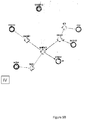
- the BR9601 trial recruited 374 pre- and post-menopausal women with completely excised, histologically confirmed breast cancer and a clear indication for adjuvant chemotherapy. Patients were randomized between 8 cycles of CMF (i.v. cyclophosphamide 750 mg/m 2 , methotrexate 50 mg/m 2 and 5-fluorouracil 600 mg/m 2 ) every 21 days, and E-CMF (4 cycles of epirubicin 100 mg/m 2 every 21 days followed by 4 cycles of the same CMF regimen) (Poole et al. 2006)( Figure 8 ). The protocol was approved by central and local ethics committees, and each patient provided written informed consent prior to randomization. For the current analysis, tissue blocks were retrieved and RNA was extracted. The primary outcomes of the BR9601 study were RFS and OS, although distant relapse-free survival was also reported (Poole et al. 2006).
- MDA-MB-231, MCF7, ZR-75-1, SKBR3 were purchased from ATCC and cultured in DMEM (except SKBR3, cultured in RPMI) supplemented with 10% heat-inactivated fetal bovine serum and 1% L-glutamine (Gibco, Burlington, Canada).
- Epirubicin-resistant cell lines were generated by exposing native cells to increasing concentrations of epirubicin with an initial concentration set at 0.5nM. Resistance was defined when IC 50 value superseded the IC 50 value of the corresponding native cell line, and resistant cells could not tolerate further increase in drug concentration.
- Drug resistance and cross resistance were determined by exposing cells to drug concentrations ranging from 0.3-3000nM for 72h. Cell viability was determined by Cell Counting Kit-8 (CCK-8, Dojindo, Cedarlane, Burlington, Canada). IC 50 were calculated in GraphPad Prism5.
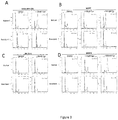
- cells were synchronized by the double-thymidine block (Whitfield et al. 2000) and incubated with DMSO or epirubicin doses established for each cell line: 25nM for MDA-MB-231, 30nM for MCF7, 15nM for SKBR3, 10nM for ZR-75-1.
- Cells were collected at 48h, fixed with 80% ethanol and incubated with 2mg/ml RNase A and 0.1mg/ml propidium iodide (both from Sigma, Oakville, Canada) prior to analysis.
- apoptosis experiments cells were treated with DMSO or epirubicin at concentrations described above, and collected at 72h for staining with Annexin V apoptosis-detection eFluor450 (eBioscience, San Diego, USA). Data were collected by FACSCanto II and FACSDiva (BD Biosciences, Mississauga, Canada) and analyzed by FlowJo (Treestar, Ashland, USA).
- Cells were cultured in the presence or absence of epirubicin for up to 96h (see Flow Cytometry for epirubicin concentrations). Cells were collected at 24, 48, 72 and 96 hours and counted by ViCell (Beckman Coulter, Mississauga, Canada). Data were analyzed in GraphPad Prism5 software.
- Illumina Human HT-12-V4 Bead Chips were used for the whole genome microarray analysis by the UHN Microarray Centre, Toronto, Canada. Total RNA was extracted with the RNeasy Mini kit (Qiagen, Toronto, Canada) and used for profiling gene expression changes. Raw data were normalized with the R3.0.0 lumi package using Simple Scaling Normalization; the 10% most variable probes were retained for differential analysis using the genefilter package. Differentially expressed probes were identified using limma with a Benjamini-Hochberg corrected P-value cutoff of 0.05.
- transcript levels were quantified from the standard curve generated from the control, Universal Human Reference RNA samples (Agilent, Mississauga, Canada). Statistical significance was determined using unpaired t-test.
- WCL were prepared by adding equal volume of 2x RIPA buffer, supplemented with 25 units of benzonase nuclease (Sigma-Aldrich, Oakville, Canada) and Complete Mini protease inhibitor cocktail (Roche, Laval, Canada), incubating on ice for 30 minutes and sonicating for 15 minutes with 30-second on-off intervals. Twenty ⁇ g of WCL were run on a 12% gel. A list of primary antibodies used in immunoblotting is provided in Table 6. Signals were developed with the BM Chemiluminescence Blotting Substrate POD (Roche, Laval, Canada) and ChemiDoc Imaging System (Bio-Rad, Mississauga, Canada).
- RNAiMAX Lipofectamine RNAiMAX
- 30nM siRNAs Dharmacon, Waltman, USA
- Negative controls included media only, lipofectamine only, or mock transfection with non-targeting siRNA.
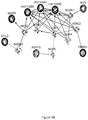
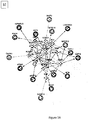
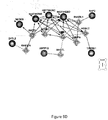
- nCounter gene expression codeset included 7 genes within the histone module and 11 additional genes that were identified in Kegg pathways (Kanehisa et al. 2014) as being important for histone function (Table 7); HIST1H2AC was excluded from the codeset since probes cross-hybridized to other genes. All 18 genes were functionally related ( Figure 13 ). mRNA codesets were processed on nCounter according to manufacturer's instructions (NanoString Technologies, Seattle, USA). Raw mRNA abundance data were pre-processed using the NanoStringNorm R package. A range of pre-processing schemes was assessed to optimize normalization parameters as previously described (Sabine et al., submitted).
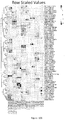
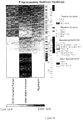
- each gene was median dichotomized into low- and high-expression groups and univariate Cox proportional hazards models were fit ( Figure 14 ). Survival analysis of clinical variables modelled age as binary variable (dichotomized at age >50), while nodal status, pathological grade, ER status and HER2 status were modelled as ordinal variables ( Figure 8B ). Tumor size was treated as a continuous variable.
- MDS 'module-dysregulation score'
- Raw mRNA abundance counts data were preprocessed using R package NanoStringNorm (v1.1.19). In total, 252 preprocessing schemes were assessed, including the use of six positive controls, eight negative controls and six housekeeping genes (TRFC, TBP, GUSB, TMED10, SF3A1, and PUM1) followed by global normalization ( Figure 11 ). The investigators used two criteria to help identify the optimal preprocessing parameters as previously described (Sabine et al., submitted). First, each of the 252 combinations of preprocessing schemes was ranked based on their ability to maximize Euclidean distance of ERBB2 mRNA abundance levels between HER2-positive and HER2-negative patients.
- MDS profiles (equation 1) of patients within each training set were used to fit a univariate Cox proportional hazards model.
- the parameters estimated by the univariate model were applied to patient-wise MDS in the testing set of each fold to generate per-patient risk scores.
- These continuous risk scores were dichotomized based on the median threshold derived from each training set, and the resulting dichotomized groups were evaluated through Kaplan-Meier analysis. Models were trained and validated using DRFS truncated to 10 years as an end-point.
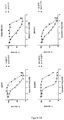
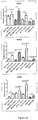
- Resistant cell lines generated from epirubicin-sensitive native cell lines MDA-MB-231, MCF7, SKBR3 and ZR-75-1 exhibited 7- to 67-fold increased resistance to epirubicin ( Figure 1 ).
- MDA-MB-231, MCF7 and ZR-75-1 epirubicin-resistant cells were not taxane-resistant, SKBR3 epirubicin-resistant cells were cross-resistant to both, paclitaxel and docetaxel ( Figure 1B ).
- MDA-MB-231 and SKBR3 cells were cross-resistant to SN-38, whereas MCF7 and ZR-75-1 tolerated only small increases in SN-38 concentrations. None of the cell lines were cross-resistant to carboplatin ( Figure 1B ).
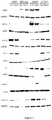
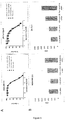
- Epirubicin-resistant cells showed no marked alterations in EGFR, HER2 and HER3 expression levels ( Figure 2 ); ER and PR expression decreased slightly in epirubicin-resistant ZR-75-1 cells compared to native cells. MDR1 was only upregulated in resistant SKBR3 cells, which may explain their cross resistance to taxanes ( Figure 1B ).
- TOPOII ⁇ expression was downregulated in epirubicin-resistant ZR-75-1 cells ( Figure 2 ); no changes in MDR or TOPOII ⁇ were observed in epirubicin-resistant MDA-MB-231 and MCF7 cell lines.
- the investigators cultured cells with or without epirubicin for up to 96h.
- the native MDA-MB-231 and MCF7 cell populations doubled every 25h and 29h, respectively (Table 2), whereas native SKBR3 and ZR-75-1 cells grew more slowly, doubling every 45h and 50h, respectively.
- apoptotic cells were scored by flow cytometry after 72h of exposure to epirubicin.
- the apoptotic index was consistently lower for resistant cells compared to native controls (Table 1).
- MDA-MB-231 and SKBR3 resistant cells required a substantially higher concentration of epirubicin (1000nM) to induce apoptosis; even at this concentration of epirubicin, the apoptotic index was still nearly 50% lower compared to the native cells (Table 1).
- Resistant cell lines overcome epirubicin-induced G2 / M arrest
- Module I contained three histone genes (HIST1 H2AC, HIST1H2BK, HIST1H2BD) and several genes involved in RNA processing and mitosis ( Figure 4B ). Importantly, all three histone genes were upregulated in all four cell lines and directly interconnected without linker genes. Within module I, significantly enriched pathways included cell-cycle regulation ( Figure 4E ), consistent with our results in Figure 3 .
- Module II contained three directly connected genes (TACC3, AURKA, NFKBIA) involved in Aurora A kinase signaling; while NFKBIA was upregulated, TACC3 and AURKA were downregulated.
- Histone gene knockdown is not sufficient to resensitize breast cancer cells to epirubicin
- HIST1 H2BK rather than HIST1 H2BD, was selected because high transcript levels of this variant were associated with poor survival of breast cancer patients in our in silico analysis (data not shown; for online tool see reference (Gyorffy et al. 2010)).
- a proliferation assay was performed to assess whether resistant cells were resensitized to epirubicin. A decrease in histone transcripts was confirmed by qRT-PCR and summarized in Table 4.
- Histone module is a clinical marker of anthracycline sensitivity
- DRFS distant relapse free survival
- HDAC inhibitors induce cytotoxicity in epirubicin-resistant cells lines
- HDAC histone deacetylase
- Anthracycline resistance represents a major obstacle to the effective treatment of women with breast cancer. Although various mechanisms may contribute to anthracycline resistance, including activation of drug transporters, reduced activity of TOPOII ⁇ and inhibition of apoptosis, the majority of the molecular mechanisms involved in clinical drug resistance remain unknown. Using a panel of four paired cell lines representative of the major molecular subtypes of breast cancer the investigators have shown that deregulation of histones involved in chromosome maintenance, epigenetic pathways, cell division and gene regulation are observed consistently in epirubicin resistant cell lines. This observation was then validated clinically in the BR9601 adjuvant clinical trial cohort.
- the dysregulation of histones is associated to increased cell cycle progression, specifically the release of a G2/M cell cycle block in the presence of epirubicin, and a reduction in apoptotic cell death.
- transcriptional knockdown of the two histone variants contributing to the dysregulation signature failed to resensitize cells to anthracycline, possibly due to two reasons.
- small-molecule inhibitor screen the investigators have shown that drugs directly targeting HDAC function do reverse epirubicin resistance.
- Epirubicin-resistant cell lines were generated by exposing native, non-resistant cell lines to increasing concentrations of epirubicin. Interestingly, only a single cell line, SKBR3, upregulated drug transporters and this was associated with cross resistance to taxanes.
- SKBR3 single cell line
- MCF-7 this critical threshold concentration was around 30nM (19). Although this concentration is identical to the selection dose of our resistant MCF-7 cells, MDR was not upregulated, suggesting a stochastic nature of molecular events that take place en route to drug resistance. Importantly, it indicates that there exist previously unappreciated MDR-independent mechanisms of resistance that should be evaluated for clinical relevance.
- H2A and H2B histones form octamers with H3 and H4 histones, which participate in packaging of DNA into nucleosomes (Wyrick and Parra 2009). These histones are replication-dependent and cell-cycle regulated, increasing 35-fold in S-phase during DNA replication (Harris et al. 1991). Thus, elevated histone transcript levels may be a consequence of a stalled cell cycle as cells struggle to repair epirubicin-induced DNA damage. However, since resistant cells did not stall, the investigators eliminated the possibility that upregulated histone transcripts were a mere reflection of accumulated mRNA.
- H3 and H4 histones modification patterns strongly associate with either active or repressed gene transcriptional status.
- Current understanding of H2A and H2B histone modifications is based on studies in yeast and few tumour cell lines; nonetheless, two important features of H2A and H2B histone modifications have been revealed.
- modified sites are acetylated, phosphorylated and ubiquitinated, but not methylated (Parra and Wyrick 2007; Parra et al. 2006; Beck et al. 2006), a modification most commonly observed with H3 and H4 histones.
- HDACi acetylated phosphorylated and ubiquitinated, but not methylated
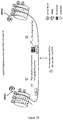
- modifying the acetylation pattern may have activated transcriptional repressors and pro-apoptotic genes outlined in our model ( Figure 7B , point 1).
- the N-terminal end of H2A and H2B histones possesses a repression domain that inactivates gene transcription in approximately 10% of the yeast genome (Parra and Wyrick 2007; Parra et al. 2006), suggesting that these domains could have collaborated with acetylation patterns induced by HDACi to repress genes involved in resistance, such as those involved in cell cycle or apoptosis ( Figure 7B , point 2).
- our model also recognizes that resistance might have been reversed by an increased accessibility of epirubicin to DNA ( Figure 7B , point 3).
- HDACi panobinostat sensitizes gastric cancer cells to anthracyclines.
- Our findings are consistent with their study and show that multiple HDACi reverse anthracycline resistance in breast cancer cells. This is an important finding since many of the pharmacological inhibitors tested in our study are in use either as single-agents or as combination therapies in phase II/III clinical trials (Groselj et al. 2013; Wagner et al. 2010; Lee et al. 2012); HDAC inhibitors currently in clinical trials include panobinostat, quisinostat, givinostat, abexinostat, pracinostat, belinostat and mocetinostat (Table 5).
- anthracycline resistance may lead to cross-resistance to taxanes (Guo et al. 2004; Gosland et al. 1996) as it did in one of our resistant cell lines, it may be that taxanes, not anthracyclines, should be used in a first-line treatment (Paridaens et al. 2000). Furthermore, as cancer cells could acquire resistance to HDACi (Lee et al. 2012), sequential therapy involving HDACi, taxanes and anthracyclines will be an important aspect of clinical trial design and medical practice.
- the investigators have identified novel pathways containing histone H2A and H2B genes as a mechanism of drug resistance across a spectrum of breast cancer cell lines and validated this finding in the BR9601 adjuvant clinical trial cohort. Furthermore, the investigators have developed a relevant model for studying clinical resistance as low histone expression correlated with better patient outcome. The model system opens avenues to its use for developing and testing novel single or combination, breast cancer therapies
- the investigators generated paired native and epirubicin-resistant MDA-MB-231, MCF7, SKBR3 and ZR-75-1 epirubicin-resistant breast cancer cell lines to identify pathways contributing to anthracycline resistance.
- Native cell lines were exposed to increasing concentrations of epirubicin until resistant cells were generated; characterization of these cells revealed that they were cross-resistant to doxorubicin and SN-38, and had alterations in apoptosis and cell cycle profiles.
- the investigators used a complementary approach including gene expression analyses to identify molecular pathways involved in resistance, and small-molecule inhibitors to reverse resistance. Gene expression analysis identified deregulation of histone H2A and H2B genes in all four cell lines.
- Histone deacetylase small-molecule inhibitors reversed resistance and were cytotoxic for epirubicin-resistant cell lines confirming that histone pathways are associated with epirubicin resistance.
- the present study has revealed a key pathway that contributes to anthracycline resistance and established model systems for investigating drug resistance in all four major breast cancer subtypes. As this process can be targeted with small-molecule inhibitors, it presents a possible means of reversing clinical anthracycline resistance.
Landscapes
- Health & Medical Sciences (AREA)
- Life Sciences & Earth Sciences (AREA)
- Chemical & Material Sciences (AREA)
- General Health & Medical Sciences (AREA)
- Medicinal Chemistry (AREA)
- Animal Behavior & Ethology (AREA)
- Veterinary Medicine (AREA)
- Public Health (AREA)
- Epidemiology (AREA)
- Pharmacology & Pharmacy (AREA)
- Engineering & Computer Science (AREA)
- Molecular Biology (AREA)
- Physics & Mathematics (AREA)
- Genetics & Genomics (AREA)
- Immunology (AREA)
- Biotechnology (AREA)
- Organic Chemistry (AREA)
- Proteomics, Peptides & Aminoacids (AREA)
- Analytical Chemistry (AREA)
- Pathology (AREA)
- Biophysics (AREA)
- Bioinformatics & Cheminformatics (AREA)
- Zoology (AREA)
- Wood Science & Technology (AREA)
- Biochemistry (AREA)
- Microbiology (AREA)
- Spectroscopy & Molecular Physics (AREA)
- Bioinformatics & Computational Biology (AREA)
- Evolutionary Biology (AREA)
- Medical Informatics (AREA)
- Theoretical Computer Science (AREA)
- Biomedical Technology (AREA)
- Urology & Nephrology (AREA)
- Hematology (AREA)
- General Engineering & Computer Science (AREA)
- Oncology (AREA)
- Hospice & Palliative Care (AREA)
- Cell Biology (AREA)
- General Physics & Mathematics (AREA)
- Food Science & Technology (AREA)
Claims (6)
- Verfahren zum Bestimmen einer Wahrscheinlichkeit der Resistenz auf Anthracyclin in einem Patienten mit Brustkrebs, umfassend:a. Erfassen eines Expressionspegels in einer Probe aus dem Patienten von HIST1H2BK, HIST1H2BD, NEDD9, SYTL2, NHP2, ARPP19, TXNRD1, CENPF, STMN1, CCT5, APRT, UBEC2C, BAX, HDAC1, E2F1, E2F2, E2F4 und CDKN2A,b. Vergleichen des Pegels der in a erfassten Gene mit einem Expressionspegelwobei eine Wahrscheinlichkeit der Resistenz auf Anthracyclin besteht, wenn ein vergleichsweise höherer Expressionspegel von Genen in der Patientenprobe im Vergleich zur Kontrollprobe vorhanden ist.
der Gene in einer Kontrollgruppe und - Verfahren zum Prognostizieren des Überlebens bei einem Brustkrebspatienten, umfassend:a. Erfassen eines Expressionspegels in einer Probe aus dem Patienten von HIST1H2BK, HIST1H2BD, NEDD9, SYTL2, NHP2, ARPP19, TXNRD1, CENPF, STMN1, CCT5, APRT, UBEC2C, BAX, HDAC1, E2F1, E2F2, E2F4 und CDKN2A,b. Vergleichen des Pegels der in a erfassten Gene mit einem Expressionspegel der Gene in einer Kontrollgruppe undwobei eine geringe Überlebenswahrscheinlichkeit besteht, wenn ein vergleichsweise höherer Expressionspegel von Genen in der Patientenprobe im Vergleich zur Kontrollprobe vorhanden ist.
- Verfahren nach Anspruch 1 oder 2, wobei der Brustkrebs ein früher Brustkrebs ist, vorzugsweise ausgewählt aus dem folgenden Subtyp: ER+HER2-, Luminal A, ER+HER2+, Luminal B, ER-HER2+, HER2-amplifiziert und ER-/PR-/HER2-, dreifach negativ.
- Verfahren nach einem der Ansprüche 1 bis 3, wobei das Anthracyclin Daunorubicin, Doxorubicin, Epirubicin, Idarubicin, Valrubicin oder Mitoxathron is, wobei das Anthracyclin vorzugsweise Epirubicin ist.
- Rechnerimplementiertes Produkt zum Bestimmen einer Wahrscheinlichkeit der Resistenz auf Anthracyclin in einem Patienten mit Brustkrebs, umfassend:a. ein Mittel zur Aufnahme von Werten, die einem Patientenexpressionsprofils in einer Patientenprobe entspricht,b. eine Datenbank, die ein Kontrollexpressionsprofil umfasst, das mit HIST1H2BK, HIST1H2BD, NEDD9, SYTL2, NHP2, ARPP19, TXNRD1, CENPF, STMN1, CCT5, APRT, UBEC2C, BAX, HDAC1, E2F1, E2F2, E2F4 und CDKN2A assoziiert ist, undc. einen Prozessor, der dazu beschaffen ist, das Patientenexpressionsprofil mit dem Kontrollexpressionsprofil zu vergleichen und eine Wahrscheinlichkeit der Anthracyclinresistenz zu bestimmen, wenn ein vergleichsweise höherer Expressionspegel von Genen in der Patientenprobe im Vergleich zur Kontrollprobe vorhanden ist.
- Rechnerimplementiertes Produkt zum Prognostizieren des Überlebens bei einem Brustkrebspatienten, umfassend:a. ein Mittel zur Aufnahme von Werten, die einem Patientenexpressionsprofils in einer Patientenprobe entspricht, undb. eine Datenbank, die ein Kontrollexpressionsprofil umfasst, das mit HIST1H2BK, HIST1H2BD, NEDD9, SYTL2, NHP2, ARPP19, TXNRD1, CENPF, STMN1, CCT5, APRT, UBEC2C, BAX, HDAC1, E2F1, E2F2, E2F4 und CDKN2A assoziiert ist, undc. einen Prozessor, der dazu beschaffen ist, das Patientenexpressionsprofil mit dem Kontrollexpressionsprofil zu vergleichen und zu bestimmen, dass eine geringe Überlebenswahrscheinlichkeit besteht, wenn ein vergleichsweise höherer Expressionspegel von Genen in der Patientenprobe im Vergleich zur Kontrollprobe vorhanden ist.
Applications Claiming Priority (2)
| Application Number | Priority Date | Filing Date | Title |
|---|---|---|---|
| US201562237928P | 2015-10-06 | 2015-10-06 | |
| PCT/CA2016/000247 WO2017059521A1 (en) | 2015-10-06 | 2016-10-04 | Targeting the histone pathway to detect and overcome anthracyclin resistance |
Publications (3)
| Publication Number | Publication Date |
|---|---|
| EP3359508A1 EP3359508A1 (de) | 2018-08-15 |
| EP3359508A4 EP3359508A4 (de) | 2019-05-08 |
| EP3359508B1 true EP3359508B1 (de) | 2020-09-09 |
Family
ID=58487151
Family Applications (1)
| Application Number | Title | Priority Date | Filing Date |
|---|---|---|---|
| EP16852924.6A Active EP3359508B1 (de) | 2015-10-06 | 2016-10-04 | Abzielung auf den histonsignalweg zur detektion und überwindung von anthracyclinresistenz |
Country Status (5)
| Country | Link |
|---|---|
| US (1) | US11015226B2 (de) |
| EP (1) | EP3359508B1 (de) |
| CN (1) | CN108367995B (de) |
| CA (1) | CA3000858C (de) |
| WO (1) | WO2017059521A1 (de) |
Families Citing this family (2)
| Publication number | Priority date | Publication date | Assignee | Title |
|---|---|---|---|---|
| CN109913551A (zh) * | 2019-03-26 | 2019-06-21 | 深圳大学 | 乳腺癌分型的核酸组合物、乳腺癌分型试剂盒及其使用方法 |
| CN110904104B (zh) * | 2019-11-26 | 2024-03-08 | 广西医科大学附属肿瘤医院 | 人hist1h2bk基因的用途及相关产品 |
Family Cites Families (7)
| Publication number | Priority date | Publication date | Assignee | Title |
|---|---|---|---|---|
| WO2006060742A2 (en) * | 2004-12-02 | 2006-06-08 | Oncotech, Inc. | Reagents and methods for predicting drug resistance |
| WO2007085497A2 (en) * | 2006-01-30 | 2007-08-02 | Epigenomics Ag | Markers for the prediction of outcome of anthracycline treatment |
| EA201201640A1 (ru) * | 2007-01-30 | 2013-09-30 | Фармасайкликс, Инк. | Способы определения устойчивости рака к ингибиторам гистондеацетилазы |
| AU2010236415A1 (en) * | 2009-04-14 | 2011-12-01 | The Regents Of The University Of California | Histone modification patterns for clinical diagnosis and prognosis of cancer |
| US8859202B2 (en) * | 2012-01-20 | 2014-10-14 | The Ohio State University | Breast cancer biomarker signatures for invasiveness and prognosis |
| WO2014047723A1 (en) | 2012-09-27 | 2014-04-03 | Universite Laval | Gene expression profiling for prognosis of non-small cell lung cancer |
| AU2013360335B2 (en) * | 2012-12-13 | 2017-12-07 | Immunomedics, Inc. | Dosages of immunoconjugates of antibodies and SN-38 for improved efficacy and decreased toxicity |
-
2016
- 2016-10-04 WO PCT/CA2016/000247 patent/WO2017059521A1/en not_active Ceased
- 2016-10-04 US US15/766,583 patent/US11015226B2/en active Active
- 2016-10-04 CA CA3000858A patent/CA3000858C/en active Active
- 2016-10-04 CN CN201680072846.3A patent/CN108367995B/zh active Active
- 2016-10-04 EP EP16852924.6A patent/EP3359508B1/de active Active
Non-Patent Citations (1)
| Title |
|---|
| None * |
Also Published As
| Publication number | Publication date |
|---|---|
| EP3359508A1 (de) | 2018-08-15 |
| CN108367995B (zh) | 2021-08-27 |
| EP3359508A4 (de) | 2019-05-08 |
| US11015226B2 (en) | 2021-05-25 |
| US20180282819A1 (en) | 2018-10-04 |
| CA3000858C (en) | 2022-09-27 |
| WO2017059521A1 (en) | 2017-04-13 |
| CN108367995A (zh) | 2018-08-03 |
| CA3000858A1 (en) | 2017-04-13 |
Similar Documents
| Publication | Publication Date | Title |
|---|---|---|
| Du et al. | 5-Fluorouracil targets histone acetyltransferases p300/CBP in the treatment of colorectal cancer | |
| Nunes et al. | Targeting NF-kappa B signaling by artesunate restores sensitivity of castrate-resistant prostate cancer cells to antiandrogens | |
| Han et al. | Let‐7c functions as a metastasis suppressor by targeting MMP11 and PBX3 in colorectal cancer | |
| Zhu et al. | LSD1 inhibition suppresses the growth of clear cell renal cell carcinoma via upregulating P21 signaling | |
| Quinn et al. | Therapeutic inhibition of the receptor tyrosine kinase AXL improves sensitivity to platinum and taxane in ovarian cancer | |
| Zhao et al. | Transcriptional downregulation of miR-4306 serves as a new therapeutic target for triple negative breast cancer | |
| Yang et al. | Long noncoding RNA GAS5 modulates α-Solanine-induced radiosensitivity by negatively regulating miR-18a in human prostate cancer cells | |
| Oncul et al. | Long non-coding RNAs in ovarian cancer: expression profile and functional spectrum | |
| Braunstein et al. | Downregulation of histone H2A and H2B pathways is associated with anthracycline sensitivity in breast cancer | |
| Yao et al. | Hepatocyte nuclear factor 4α suppresses the aggravation of colon carcinoma | |
| Chung et al. | Platinum‐based combination chemotherapy triggers cancer cell death through induction of BNIP3 and ROS, but not autophagy | |
| Ji et al. | UBR5 promotes cell proliferation and inhibits apoptosis in colon cancer by destablizing P21 | |
| Wu et al. | Curcumin suppresses lung cancer progression via circRUNX1 mediated miR‐760/RAB3D axis | |
| Mansoori et al. | The synergy between miR-486–5p and tamoxifen causes profound cell death of tamoxifen-resistant breast cancer cells | |
| EP2376081A2 (de) | Enzastaurin zur krebsbehandlung | |
| Lai et al. | HAF mediates the evasive resistance of anti-angiogenesis TKI through disrupting HIF-1α and HIF-2α balance in renal cell carcinoma | |
| Zhang et al. | Regulation of SOD2 and β-arrestin1 by interleukin-6 contributes to the increase of IGF-1R expression in docetaxel resistant prostate cancer cells | |
| Yoshikawa et al. | Increased MYBL2 expression in aggressive hormone‐sensitive prostate cancer | |
| Bao et al. | Transcriptional analysis of metastatic uveal melanoma survival nominates NRP1 as a therapeutic target | |
| WO2016041932A1 (en) | Map3k8 as a marker for selecting a patient affected with an ovarian cancer for a treatment with a mek inhibitor | |
| US11015226B2 (en) | Targeting the histone pathway to detect and overcome anthracyclin resistance | |
| Hossain et al. | Association between histone deacetylase activity and vitamin D‐dependent gene expressions in relation to sulforaphane in human colorectal cancer cells | |
| US9687467B2 (en) | Diagnosis and treatment of taxane-resistant cancers | |
| Shi et al. | PDLIM2 acts as a cancer suppressor gene in non-small cell lung cancer via the down regulation of NF-κB signaling | |
| CA3221779A1 (en) | Composition and method for treating a drug-resistant cancer |
Legal Events
| Date | Code | Title | Description |
|---|---|---|---|
| STAA | Information on the status of an ep patent application or granted ep patent |
Free format text: STATUS: THE INTERNATIONAL PUBLICATION HAS BEEN MADE |
|
| PUAI | Public reference made under article 153(3) epc to a published international application that has entered the european phase |
Free format text: ORIGINAL CODE: 0009012 |
|
| STAA | Information on the status of an ep patent application or granted ep patent |
Free format text: STATUS: REQUEST FOR EXAMINATION WAS MADE |
|
| 17P | Request for examination filed |
Effective date: 20180411 |
|
| AK | Designated contracting states |
Kind code of ref document: A1 Designated state(s): AL AT BE BG CH CY CZ DE DK EE ES FI FR GB GR HR HU IE IS IT LI LT LU LV MC MK MT NL NO PL PT RO RS SE SI SK SM TR |
|
| AX | Request for extension of the european patent |
Extension state: BA ME |
|
| DAV | Request for validation of the european patent (deleted) | ||
| DAX | Request for extension of the european patent (deleted) | ||
| A4 | Supplementary search report drawn up and despatched |
Effective date: 20190410 |
|
| RIC1 | Information provided on ipc code assigned before grant |
Ipc: C12Q 1/68 20180101ALI20190404BHEP Ipc: C04B 40/06 20060101AFI20190404BHEP Ipc: C40B 30/04 20060101ALI20190404BHEP Ipc: A61K 31/704 20060101ALI20190404BHEP Ipc: G01N 33/48 20060101ALI20190404BHEP |
|
| REG | Reference to a national code |
Ref country code: DE Ref legal event code: R079 Ref document number: 602016043877 Country of ref document: DE Free format text: PREVIOUS MAIN CLASS: C04B0040060000 Ipc: C12Q0001688600 |
|
| GRAP | Despatch of communication of intention to grant a patent |
Free format text: ORIGINAL CODE: EPIDOSNIGR1 |
|
| STAA | Information on the status of an ep patent application or granted ep patent |
Free format text: STATUS: GRANT OF PATENT IS INTENDED |
|
| RIC1 | Information provided on ipc code assigned before grant |
Ipc: C12Q 1/6886 20180101AFI20200306BHEP |
|
| INTG | Intention to grant announced |
Effective date: 20200401 |
|
| GRAS | Grant fee paid |
Free format text: ORIGINAL CODE: EPIDOSNIGR3 |
|
| GRAA | (expected) grant |
Free format text: ORIGINAL CODE: 0009210 |
|
| STAA | Information on the status of an ep patent application or granted ep patent |
Free format text: STATUS: THE PATENT HAS BEEN GRANTED |
|
| AK | Designated contracting states |
Kind code of ref document: B1 Designated state(s): AL AT BE BG CH CY CZ DE DK EE ES FI FR GB GR HR HU IE IS IT LI LT LU LV MC MK MT NL NO PL PT RO RS SE SI SK SM TR |
|
| REG | Reference to a national code |
Ref country code: GB Ref legal event code: FG4D |
|
| REG | Reference to a national code |
Ref country code: AT Ref legal event code: REF Ref document number: 1311643 Country of ref document: AT Kind code of ref document: T Effective date: 20200915 Ref country code: CH Ref legal event code: EP |
|
| REG | Reference to a national code |
Ref country code: IE Ref legal event code: FG4D |
|
| REG | Reference to a national code |
Ref country code: DE Ref legal event code: R096 Ref document number: 602016043877 Country of ref document: DE |
|
| REG | Reference to a national code |
Ref country code: SE Ref legal event code: TRGR |
|
| REG | Reference to a national code |
Ref country code: NL Ref legal event code: FP |
|
| REG | Reference to a national code |
Ref country code: CH Ref legal event code: NV Representative=s name: VALIPAT S.A. C/O BOVARD SA NEUCHATEL, CH |
|
| REG | Reference to a national code |
Ref country code: NO Ref legal event code: T2 Effective date: 20200909 |
|
| REG | Reference to a national code |
Ref country code: LT Ref legal event code: MG4D |
|
| PG25 | Lapsed in a contracting state [announced via postgrant information from national office to epo] |
Ref country code: HR Free format text: LAPSE BECAUSE OF FAILURE TO SUBMIT A TRANSLATION OF THE DESCRIPTION OR TO PAY THE FEE WITHIN THE PRESCRIBED TIME-LIMIT Effective date: 20200909 Ref country code: BG Free format text: LAPSE BECAUSE OF FAILURE TO SUBMIT A TRANSLATION OF THE DESCRIPTION OR TO PAY THE FEE WITHIN THE PRESCRIBED TIME-LIMIT Effective date: 20201209 Ref country code: FI Free format text: LAPSE BECAUSE OF FAILURE TO SUBMIT A TRANSLATION OF THE DESCRIPTION OR TO PAY THE FEE WITHIN THE PRESCRIBED TIME-LIMIT Effective date: 20200909 Ref country code: GR Free format text: LAPSE BECAUSE OF FAILURE TO SUBMIT A TRANSLATION OF THE DESCRIPTION OR TO PAY THE FEE WITHIN THE PRESCRIBED TIME-LIMIT Effective date: 20201210 Ref country code: LT Free format text: LAPSE BECAUSE OF FAILURE TO SUBMIT A TRANSLATION OF THE DESCRIPTION OR TO PAY THE FEE WITHIN THE PRESCRIBED TIME-LIMIT Effective date: 20200909 |
|
| REG | Reference to a national code |
Ref country code: AT Ref legal event code: MK05 Ref document number: 1311643 Country of ref document: AT Kind code of ref document: T Effective date: 20200909 |
|
| PG25 | Lapsed in a contracting state [announced via postgrant information from national office to epo] |
Ref country code: LV Free format text: LAPSE BECAUSE OF FAILURE TO SUBMIT A TRANSLATION OF THE DESCRIPTION OR TO PAY THE FEE WITHIN THE PRESCRIBED TIME-LIMIT Effective date: 20200909 Ref country code: PL Free format text: LAPSE BECAUSE OF FAILURE TO SUBMIT A TRANSLATION OF THE DESCRIPTION OR TO PAY THE FEE WITHIN THE PRESCRIBED TIME-LIMIT Effective date: 20200909 Ref country code: RS Free format text: LAPSE BECAUSE OF FAILURE TO SUBMIT A TRANSLATION OF THE DESCRIPTION OR TO PAY THE FEE WITHIN THE PRESCRIBED TIME-LIMIT Effective date: 20200909 |
|
| PG25 | Lapsed in a contracting state [announced via postgrant information from national office to epo] |
Ref country code: CZ Free format text: LAPSE BECAUSE OF FAILURE TO SUBMIT A TRANSLATION OF THE DESCRIPTION OR TO PAY THE FEE WITHIN THE PRESCRIBED TIME-LIMIT Effective date: 20200909 Ref country code: PT Free format text: LAPSE BECAUSE OF FAILURE TO SUBMIT A TRANSLATION OF THE DESCRIPTION OR TO PAY THE FEE WITHIN THE PRESCRIBED TIME-LIMIT Effective date: 20210111 Ref country code: RO Free format text: LAPSE BECAUSE OF FAILURE TO SUBMIT A TRANSLATION OF THE DESCRIPTION OR TO PAY THE FEE WITHIN THE PRESCRIBED TIME-LIMIT Effective date: 20200909 Ref country code: SM Free format text: LAPSE BECAUSE OF FAILURE TO SUBMIT A TRANSLATION OF THE DESCRIPTION OR TO PAY THE FEE WITHIN THE PRESCRIBED TIME-LIMIT Effective date: 20200909 Ref country code: EE Free format text: LAPSE BECAUSE OF FAILURE TO SUBMIT A TRANSLATION OF THE DESCRIPTION OR TO PAY THE FEE WITHIN THE PRESCRIBED TIME-LIMIT Effective date: 20200909 |
|
| PG25 | Lapsed in a contracting state [announced via postgrant information from national office to epo] |
Ref country code: IS Free format text: LAPSE BECAUSE OF FAILURE TO SUBMIT A TRANSLATION OF THE DESCRIPTION OR TO PAY THE FEE WITHIN THE PRESCRIBED TIME-LIMIT Effective date: 20210109 Ref country code: ES Free format text: LAPSE BECAUSE OF FAILURE TO SUBMIT A TRANSLATION OF THE DESCRIPTION OR TO PAY THE FEE WITHIN THE PRESCRIBED TIME-LIMIT Effective date: 20200909 Ref country code: AT Free format text: LAPSE BECAUSE OF FAILURE TO SUBMIT A TRANSLATION OF THE DESCRIPTION OR TO PAY THE FEE WITHIN THE PRESCRIBED TIME-LIMIT Effective date: 20200909 Ref country code: AL Free format text: LAPSE BECAUSE OF FAILURE TO SUBMIT A TRANSLATION OF THE DESCRIPTION OR TO PAY THE FEE WITHIN THE PRESCRIBED TIME-LIMIT Effective date: 20200909 |
|
| REG | Reference to a national code |
Ref country code: DE Ref legal event code: R097 Ref document number: 602016043877 Country of ref document: DE |
|
| PG25 | Lapsed in a contracting state [announced via postgrant information from national office to epo] |
Ref country code: LU Free format text: LAPSE BECAUSE OF NON-PAYMENT OF DUE FEES Effective date: 20201004 Ref country code: MC Free format text: LAPSE BECAUSE OF FAILURE TO SUBMIT A TRANSLATION OF THE DESCRIPTION OR TO PAY THE FEE WITHIN THE PRESCRIBED TIME-LIMIT Effective date: 20200909 Ref country code: SK Free format text: LAPSE BECAUSE OF FAILURE TO SUBMIT A TRANSLATION OF THE DESCRIPTION OR TO PAY THE FEE WITHIN THE PRESCRIBED TIME-LIMIT Effective date: 20200909 |
|
| PLBE | No opposition filed within time limit |
Free format text: ORIGINAL CODE: 0009261 |
|
| STAA | Information on the status of an ep patent application or granted ep patent |
Free format text: STATUS: NO OPPOSITION FILED WITHIN TIME LIMIT |
|
| 26N | No opposition filed |
Effective date: 20210610 |
|
| PG25 | Lapsed in a contracting state [announced via postgrant information from national office to epo] |
Ref country code: DK Free format text: LAPSE BECAUSE OF FAILURE TO SUBMIT A TRANSLATION OF THE DESCRIPTION OR TO PAY THE FEE WITHIN THE PRESCRIBED TIME-LIMIT Effective date: 20200909 Ref country code: SI Free format text: LAPSE BECAUSE OF FAILURE TO SUBMIT A TRANSLATION OF THE DESCRIPTION OR TO PAY THE FEE WITHIN THE PRESCRIBED TIME-LIMIT Effective date: 20200909 |
|
| PG25 | Lapsed in a contracting state [announced via postgrant information from national office to epo] |
Ref country code: IT Free format text: LAPSE BECAUSE OF FAILURE TO SUBMIT A TRANSLATION OF THE DESCRIPTION OR TO PAY THE FEE WITHIN THE PRESCRIBED TIME-LIMIT Effective date: 20200909 |
|
| PG25 | Lapsed in a contracting state [announced via postgrant information from national office to epo] |
Ref country code: TR Free format text: LAPSE BECAUSE OF FAILURE TO SUBMIT A TRANSLATION OF THE DESCRIPTION OR TO PAY THE FEE WITHIN THE PRESCRIBED TIME-LIMIT Effective date: 20200909 Ref country code: MT Free format text: LAPSE BECAUSE OF FAILURE TO SUBMIT A TRANSLATION OF THE DESCRIPTION OR TO PAY THE FEE WITHIN THE PRESCRIBED TIME-LIMIT Effective date: 20200909 Ref country code: CY Free format text: LAPSE BECAUSE OF FAILURE TO SUBMIT A TRANSLATION OF THE DESCRIPTION OR TO PAY THE FEE WITHIN THE PRESCRIBED TIME-LIMIT Effective date: 20200909 |
|
| PG25 | Lapsed in a contracting state [announced via postgrant information from national office to epo] |
Ref country code: MK Free format text: LAPSE BECAUSE OF FAILURE TO SUBMIT A TRANSLATION OF THE DESCRIPTION OR TO PAY THE FEE WITHIN THE PRESCRIBED TIME-LIMIT Effective date: 20200909 |
|
| PGFP | Annual fee paid to national office [announced via postgrant information from national office to epo] |
Ref country code: NL Payment date: 20250814 Year of fee payment: 10 |
|
| PGFP | Annual fee paid to national office [announced via postgrant information from national office to epo] |
Ref country code: GB Payment date: 20250814 Year of fee payment: 10 Ref country code: BE Payment date: 20250917 Year of fee payment: 10 |
|
| PGFP | Annual fee paid to national office [announced via postgrant information from national office to epo] |
Ref country code: FR Payment date: 20250808 Year of fee payment: 10 |
|
| PGFP | Annual fee paid to national office [announced via postgrant information from national office to epo] |
Ref country code: SE Payment date: 20250812 Year of fee payment: 10 |
|
| PGFP | Annual fee paid to national office [announced via postgrant information from national office to epo] |
Ref country code: IE Payment date: 20250812 Year of fee payment: 10 |
|
| REG | Reference to a national code |
Ref country code: CH Ref legal event code: U11 Free format text: ST27 STATUS EVENT CODE: U-0-0-U10-U11 (AS PROVIDED BY THE NATIONAL OFFICE) Effective date: 20251101 |
|
| PGFP | Annual fee paid to national office [announced via postgrant information from national office to epo] |
Ref country code: DE Payment date: 20250813 Year of fee payment: 10 |
|
| PGFP | Annual fee paid to national office [announced via postgrant information from national office to epo] |
Ref country code: NO Payment date: 20251009 Year of fee payment: 10 |
|
| PGFP | Annual fee paid to national office [announced via postgrant information from national office to epo] |
Ref country code: CH Payment date: 20251101 Year of fee payment: 10 |