EP3305909A1 - Systemic lupus erythematosus biomarker and diagnostic kit thereof - Google Patents
Systemic lupus erythematosus biomarker and diagnostic kit thereof Download PDFInfo
- Publication number
- EP3305909A1 EP3305909A1 EP15893904.1A EP15893904A EP3305909A1 EP 3305909 A1 EP3305909 A1 EP 3305909A1 EP 15893904 A EP15893904 A EP 15893904A EP 3305909 A1 EP3305909 A1 EP 3305909A1
- Authority
- EP
- European Patent Office
- Prior art keywords
- seq
- dna
- sle
- diagnostic kit
- sequence
- Prior art date
- Legal status (The legal status is an assumption and is not a legal conclusion. Google has not performed a legal analysis and makes no representation as to the accuracy of the status listed.)
- Granted
Links
Images


Classifications
-
- C—CHEMISTRY; METALLURGY
- C12—BIOCHEMISTRY; BEER; SPIRITS; WINE; VINEGAR; MICROBIOLOGY; ENZYMOLOGY; MUTATION OR GENETIC ENGINEERING
- C12Q—MEASURING OR TESTING PROCESSES INVOLVING ENZYMES, NUCLEIC ACIDS OR MICROORGANISMS; COMPOSITIONS OR TEST PAPERS THEREFOR; PROCESSES OF PREPARING SUCH COMPOSITIONS; CONDITION-RESPONSIVE CONTROL IN MICROBIOLOGICAL OR ENZYMOLOGICAL PROCESSES
- C12Q1/00—Measuring or testing processes involving enzymes, nucleic acids or microorganisms; Compositions therefor; Processes of preparing such compositions
- C12Q1/68—Measuring or testing processes involving enzymes, nucleic acids or microorganisms; Compositions therefor; Processes of preparing such compositions involving nucleic acids
- C12Q1/6876—Nucleic acid products used in the analysis of nucleic acids, e.g. primers or probes
- C12Q1/6883—Nucleic acid products used in the analysis of nucleic acids, e.g. primers or probes for diseases caused by alterations of genetic material
-
- C—CHEMISTRY; METALLURGY
- C12—BIOCHEMISTRY; BEER; SPIRITS; WINE; VINEGAR; MICROBIOLOGY; ENZYMOLOGY; MUTATION OR GENETIC ENGINEERING
- C12Q—MEASURING OR TESTING PROCESSES INVOLVING ENZYMES, NUCLEIC ACIDS OR MICROORGANISMS; COMPOSITIONS OR TEST PAPERS THEREFOR; PROCESSES OF PREPARING SUCH COMPOSITIONS; CONDITION-RESPONSIVE CONTROL IN MICROBIOLOGICAL OR ENZYMOLOGICAL PROCESSES
- C12Q1/00—Measuring or testing processes involving enzymes, nucleic acids or microorganisms; Compositions therefor; Processes of preparing such compositions
- C12Q1/68—Measuring or testing processes involving enzymes, nucleic acids or microorganisms; Compositions therefor; Processes of preparing such compositions involving nucleic acids
- C12Q1/6813—Hybridisation assays
- C12Q1/6827—Hybridisation assays for detection of mutation or polymorphism
-
- C—CHEMISTRY; METALLURGY
- C12—BIOCHEMISTRY; BEER; SPIRITS; WINE; VINEGAR; MICROBIOLOGY; ENZYMOLOGY; MUTATION OR GENETIC ENGINEERING
- C12N—MICROORGANISMS OR ENZYMES; COMPOSITIONS THEREOF; PROPAGATING, PRESERVING, OR MAINTAINING MICROORGANISMS; MUTATION OR GENETIC ENGINEERING; CULTURE MEDIA
- C12N15/00—Mutation or genetic engineering; DNA or RNA concerning genetic engineering, vectors, e.g. plasmids, or their isolation, preparation or purification; Use of hosts therefor
- C12N15/09—Recombinant DNA-technology
- C12N15/11—DNA or RNA fragments; Modified forms thereof; Non-coding nucleic acids having a biological activity
-
- C—CHEMISTRY; METALLURGY
- C12—BIOCHEMISTRY; BEER; SPIRITS; WINE; VINEGAR; MICROBIOLOGY; ENZYMOLOGY; MUTATION OR GENETIC ENGINEERING
- C12Q—MEASURING OR TESTING PROCESSES INVOLVING ENZYMES, NUCLEIC ACIDS OR MICROORGANISMS; COMPOSITIONS OR TEST PAPERS THEREFOR; PROCESSES OF PREPARING SUCH COMPOSITIONS; CONDITION-RESPONSIVE CONTROL IN MICROBIOLOGICAL OR ENZYMOLOGICAL PROCESSES
- C12Q1/00—Measuring or testing processes involving enzymes, nucleic acids or microorganisms; Compositions therefor; Processes of preparing such compositions
- C12Q1/68—Measuring or testing processes involving enzymes, nucleic acids or microorganisms; Compositions therefor; Processes of preparing such compositions involving nucleic acids
-
- C—CHEMISTRY; METALLURGY
- C12—BIOCHEMISTRY; BEER; SPIRITS; WINE; VINEGAR; MICROBIOLOGY; ENZYMOLOGY; MUTATION OR GENETIC ENGINEERING
- C12Q—MEASURING OR TESTING PROCESSES INVOLVING ENZYMES, NUCLEIC ACIDS OR MICROORGANISMS; COMPOSITIONS OR TEST PAPERS THEREFOR; PROCESSES OF PREPARING SUCH COMPOSITIONS; CONDITION-RESPONSIVE CONTROL IN MICROBIOLOGICAL OR ENZYMOLOGICAL PROCESSES
- C12Q1/00—Measuring or testing processes involving enzymes, nucleic acids or microorganisms; Compositions therefor; Processes of preparing such compositions
- C12Q1/68—Measuring or testing processes involving enzymes, nucleic acids or microorganisms; Compositions therefor; Processes of preparing such compositions involving nucleic acids
- C12Q1/6806—Preparing nucleic acids for analysis, e.g. for polymerase chain reaction [PCR] assay
-
- C—CHEMISTRY; METALLURGY
- C12—BIOCHEMISTRY; BEER; SPIRITS; WINE; VINEGAR; MICROBIOLOGY; ENZYMOLOGY; MUTATION OR GENETIC ENGINEERING
- C12Q—MEASURING OR TESTING PROCESSES INVOLVING ENZYMES, NUCLEIC ACIDS OR MICROORGANISMS; COMPOSITIONS OR TEST PAPERS THEREFOR; PROCESSES OF PREPARING SUCH COMPOSITIONS; CONDITION-RESPONSIVE CONTROL IN MICROBIOLOGICAL OR ENZYMOLOGICAL PROCESSES
- C12Q1/00—Measuring or testing processes involving enzymes, nucleic acids or microorganisms; Compositions therefor; Processes of preparing such compositions
- C12Q1/68—Measuring or testing processes involving enzymes, nucleic acids or microorganisms; Compositions therefor; Processes of preparing such compositions involving nucleic acids
- C12Q1/6813—Hybridisation assays
- C12Q1/6816—Hybridisation assays characterised by the detection means
-
- C—CHEMISTRY; METALLURGY
- C12—BIOCHEMISTRY; BEER; SPIRITS; WINE; VINEGAR; MICROBIOLOGY; ENZYMOLOGY; MUTATION OR GENETIC ENGINEERING
- C12Q—MEASURING OR TESTING PROCESSES INVOLVING ENZYMES, NUCLEIC ACIDS OR MICROORGANISMS; COMPOSITIONS OR TEST PAPERS THEREFOR; PROCESSES OF PREPARING SUCH COMPOSITIONS; CONDITION-RESPONSIVE CONTROL IN MICROBIOLOGICAL OR ENZYMOLOGICAL PROCESSES
- C12Q1/00—Measuring or testing processes involving enzymes, nucleic acids or microorganisms; Compositions therefor; Processes of preparing such compositions
- C12Q1/68—Measuring or testing processes involving enzymes, nucleic acids or microorganisms; Compositions therefor; Processes of preparing such compositions involving nucleic acids
- C12Q1/6869—Methods for sequencing
-
- C—CHEMISTRY; METALLURGY
- C12—BIOCHEMISTRY; BEER; SPIRITS; WINE; VINEGAR; MICROBIOLOGY; ENZYMOLOGY; MUTATION OR GENETIC ENGINEERING
- C12Q—MEASURING OR TESTING PROCESSES INVOLVING ENZYMES, NUCLEIC ACIDS OR MICROORGANISMS; COMPOSITIONS OR TEST PAPERS THEREFOR; PROCESSES OF PREPARING SUCH COMPOSITIONS; CONDITION-RESPONSIVE CONTROL IN MICROBIOLOGICAL OR ENZYMOLOGICAL PROCESSES
- C12Q2600/00—Oligonucleotides characterized by their use
- C12Q2600/118—Prognosis of disease development
-
- C—CHEMISTRY; METALLURGY
- C12—BIOCHEMISTRY; BEER; SPIRITS; WINE; VINEGAR; MICROBIOLOGY; ENZYMOLOGY; MUTATION OR GENETIC ENGINEERING
- C12Q—MEASURING OR TESTING PROCESSES INVOLVING ENZYMES, NUCLEIC ACIDS OR MICROORGANISMS; COMPOSITIONS OR TEST PAPERS THEREFOR; PROCESSES OF PREPARING SUCH COMPOSITIONS; CONDITION-RESPONSIVE CONTROL IN MICROBIOLOGICAL OR ENZYMOLOGICAL PROCESSES
- C12Q2600/00—Oligonucleotides characterized by their use
- C12Q2600/154—Methylation markers
-
- C—CHEMISTRY; METALLURGY
- C12—BIOCHEMISTRY; BEER; SPIRITS; WINE; VINEGAR; MICROBIOLOGY; ENZYMOLOGY; MUTATION OR GENETIC ENGINEERING
- C12Q—MEASURING OR TESTING PROCESSES INVOLVING ENZYMES, NUCLEIC ACIDS OR MICROORGANISMS; COMPOSITIONS OR TEST PAPERS THEREFOR; PROCESSES OF PREPARING SUCH COMPOSITIONS; CONDITION-RESPONSIVE CONTROL IN MICROBIOLOGICAL OR ENZYMOLOGICAL PROCESSES
- C12Q2600/00—Oligonucleotides characterized by their use
- C12Q2600/156—Polymorphic or mutational markers
Definitions
- the present invention relates to a DNA methylation biomarker in peripheral blood from systemic lupus erythematosus, and a diagnostic kit for systemic lupus erythematosus.
- SLE systemic lupus erythematosus
- SLE is a multi-organ, multi-system autoimmune disease characterized by variable clinical manifestations, affecting kidney, neuropsychiatric and blood systems, etc.
- the early diagnosis of the SLE patients is of great importance in the prevention and treatment of SLE if it can be developed before suffering pivotal organs, thereby improving the quality of life and increasing the survival rate.
- the current biological diagnostic markers are mostly detected after the organ damages occurring in the biochemical and immunological level, therefore, early diagnosis cannot be applied in the organ-involved patients of SLE.
- hypomethylation of DNA is involved in the aberrant activation of CD4 + T cell, thereby, plays a pivotal role in the pathogenesis of SLE.
- Previous studies identified hypomethylation genes in CD4 + T cells from SLE patients include CD11a, CD70, CD40L and perforin, etc. Hypomethylation of these genes contributes to their overex-pression, thus activating the autoreactive T cells, consequently, leads to the perturbance of SLE.
- the object of the present invention is to provide a new DNA methylation biomarker with high sensitive in peripheral blood from systemic lupus erythematosus patients, and accordingly to provide a diagnostic kit with high sensitivity and specificity for systemic lupus erythematosus, because traditional systemic lupus erythematosus laboratory indexes sensitivity or specificity are not high so as to overcome the deficiencies of the prior art through the present invention.
- the DNA methylation marker with high sensitivity and specificity in peripheral blood from systemic lupus erythematosus patients is a DNA sequence within 1500bp upstream from a transcription start site of a human IF144L gene, namely chr1: 79,085,190-79,085,311 (hg19), and a DNA sequence thereof is represented by SEQ ID NO.1.
- the DNA sequence contains two CG sites, and the methylation levels thereof in peripheral blood from SLE patients were significantly reduced compared with the healthy controls and also were significantly reduced compared with the RA disease controls.
- the present invention also provides use of a biomarker as defined in the DNA sequence represented by SEQ ID NO. 1 for the manufacture of SLE diagnostic kit, the use comprising detecting the methylation levels of two CG sites contained in the DNA sequence represented by SEQ ID NO. 1 in peripheral blood from subjects.
- the sequencing results analyzed by the software to determine the methylation levels of the DNA sequence within 1500bp upstream from a transcription start site of a subject IFI44L gene in peripheral blood after sequencing by the PCR amplification of target DNA fragment comprising the following steps: (1) genome-wide DNA extraction in peripheral blood from the subjects; (2) measuring the concentration of the extracted genomic DNA; (3) treating the genomic DNA with bisulfite; (4) amplifying the DNA fragments by the specific PCR primers; (5) examining PCR products by electrophoresis; (6) sequencing the PCR products; (7) analyzing the results from sequencing and obtaining the methylation levels of two CG sites contained in SEQ ID NO. 1.
- Another object of the present invention is to provide a diagnostic kit for the diagnosis of SLE, comprising a set of PCR primers as set forth in SEQ ID NO. 2 and SEQ ID NO. 3, and a probe as set forth in SEQ ID No.4, as well as any desired reagents or media, such as genomic DNA extraction from peripheral blood, measuring DNA concentration, bisulfite treatment, PCR analysis, electrophoresis, and pyrosequencing analysis. More specifically, one or more selected components can be involved in the diagnostic kit as follows: deoxyribonucleoside triphosphates, buffers, stabilizers, thermostable DNA polymerase and markers (including fluorescent labels, chemiluminescent labels and radioactive labels).
- the methylation levels of SEQ ID NO. 1 sequence at the two CG sites detected by the present invention need to design specific PCR primers amplification of the DNA sequence of SEQ ID NO.1 at the two CG sites.
- Primer design is based on the target DNA sequence including SEQ ID NO.1 and the DNA sequence including the bases in 200bp nucleotides upstream and downstream sequence, the primer sequences are: upstream primer 5'-TGTGGATAGTGATAATTTGTTATAAAGTAA-3' (as shown in SEQ ID NO.2) ; downstream primer 5'-AACCTCATCCAATCTTAAAACACTTATA-3' (as shown in SEQ ID NO. 3), the downstream primer 5'-end is labeled with biotin.
- the methylation levels of the DNA segment at the two CG sites for pyrosequencing analysis of the present invention needs a special probe, and the primer design is based on a segment of SEQ ID NO.1 in 1500bp upstream region of the IFI44L transcriptional start site as primer sequences: 5'-AATGTTGTTATTTTATTTTAGATAG -3' ((as shown in SEQ ID N0.4).
- DNA methylation chip (Illumina 450K) was firstly used to screen the differential DNA methylation of genes in peripheral blood cells from SLE patients in the worldwide.
- the present invention provides SLE early diagnostic kits through large-scale screening of clinical samples using the latest genetic and epigenetic detection technology to find markers for early diagnosis in patients with SLE. In comparison with the samples from healthy group, we found some hypermethylation or hypomethylation of specific genes in the peripheral blood cells from patients with SLE, among which, IFI44L gene showed significant changes in DNA methylation level.
- IFI44L is an IFN-inducible gene located in the type I IFN signaling pathway. IFI44L can be used as a diagnostic maker for SLE as the type I IFN signaling pathway plays an important role in the pathogenesis of SLE.
- the present invention overcomes the above noted deficiencies and can be carried out by no more than1 ml peripheral blood from SLE patients.
- the patient's compliance can be largely improved by DNA methylation markers.
- the diagnostic kit of the present invention detects with high specificity and sensitivity and has followed advantages: less time consuming, simple operation and small amount of sample required for easy on widespread clinical application prospect.
- the accuracy and specificity of the detecting results (which are over 90%), as well as the efficiency have been greatly improved when using pyrosequencing instrument with specific primers and probes.
- the development and application of the invention will be of great importance for improving the diagnosis and treatment of patients with SLE, ultimately improving the quality of life and increasing the survival rates.
- the present invention provides a diagnostic kit for SLE consists of: (1) Whole Blood DNA extraction reagents: proteinase K, cell lysate, wash buffer, elution buffer, adsorption column; (2) bisulfite treatment reagents: dilution buffer, conversion buffer, binding buffer, wash buffer, de-sulfonation buffer, elution buffer; (3) PCR Reagents: DNA polymerase, PCR reaction buffer, PCR primers in SEQ ID NO. 2 and SEQ ID NO.
- electrophoresis reagents of PCR products the electrophoresis buffer and agarose
- electrophoresis buffer and agarose the electrophoresis buffer and agarose
- pyrosequencing reagents streptomycin labeled agarose beads, denaturing buffer, sequence primers shown in SEQ ID NO. 4, washing buffer
- Example 1 Preparation of SLE diagnostic kit.
- the present invention provides a diagnostic kit for SLE consists of: (1) Whole Blood DNA extraction reagents: proteinase K, cell lysate, wash buffer, elution buffer, adsorption column; (2) bisulfite treatment reagents: dilution buffer, conversion buffer, binding buffer, wash buffer, de-sulfonation buffer, elution buffer; (3) PCR Reagents: DNA polymerase, PCR reaction buffer, PCR primers in SEQ ID NO. 2 and SEQ ID NO.
- electrophoresis reagents of PCR products the electrophoresis buffer and agarose
- electrophoresis buffer and agarose the electrophoresis buffer and agarose
- pyrosequencing reagents streptomycin labeled agarose beads, denaturing buffer, sequence primers shown in SEQ ID NO. 4, washing buffer
- Example 2 The application of the diagnostic kit for SLE patients and detection of DNA methylation levels in peripheral blood.
- Step 1 SLE patient peripheral blood genomic DNA extraction
- Step 2 Determination of the concentration of extracted genomic DNA.
- Step 3 Bisulfite treatment of genomic DNA.
- Step 4 Amplifying target DNA fragment and sequencing
- PCR components are shown in table 1; and the PCR reaction conditions are shown in table 2.
- Table 1 PCR components 5 ⁇ buffer 4 ⁇ l Upstream primer (10ng/ ⁇ l) 0.4 ⁇ l Downstream primer (10ng/ ⁇ l) 0.4 ⁇ l dNTP 0.5 ⁇ l Taq DNA polymerase 0.5 ⁇ l Nuclease-Free Water 12.2 ⁇ l DNA 2 ⁇ l Total volume 20 ⁇ l
- Table 2 Specific PCR conditions of Methylation Step Temperature Time Cycle number Initial activation 96°C 2min 1 Denaturation 96°C 10s 45 Annealing 58°C 30s Extension 72°C 1min Final extension 72°C 10min 1
- Procedures of Vacuum Workstation (1) Ensure that the vacuum Q24 workstation correctly and securely fitted, the base plate 24 preheated (80°C), washing trough, filling the trough (50ml 70% ethanol, 40ml denaturing solution, wash buffer 50ml, 50ml and 70ml high purity water), to open the vacuum pump, the vacuum switch is open, a vacuum is applied in the vacuum apparatus. (2) High water probe, the vacuum is applied, the cleaning process of the probe was filtered off, washed with 70ml high purity water probe, to ensure that the water is transferred to a waste container, the vacuum Jian shut off the vacuum, and placed the rest position (P position). (6) with 70ml high purity water to refill the reagent tank 5.
- probes containing the sequencing primer well plates the vacuum switch closed (OFF), transferred to a vacuum device comprising a reagent of high purity water bath and shaken 10second, the probe is lowered to the second reagent vessel containing pure water and a high vacuum is applied cleaning the probe, with the probe was filtered 70ml high purity water rinsing, vacuum 90°C raising vertical 5 second, drain probe to filter, and then close the vacuum apparatus, placing the rest position, such as a more than one orifice, again filling agent tank, repeating. Turn off the vacuum pump, and the PyroMark Q24 Vacuum Workstation has been assembled correctly and securely.
- the concrete step is: (1) Annealing of sequencing primer to samples: Heat the PyroMark Q24 Plate containing the samples at 80°C for 2 min using the PyroMark Q24 Plate Holder (two are supplied with the vacuum workstation) and a heating block. Remove the plate from the plate holder and allow the samples cool to room temperature (15-25°C) for at least 5 min. The plate can now be processed in the PyroMark Q24 Instrument. (2) Preparation of PyroMark Gold Q24 Reagents. Open the PyroMark Gold Q24 Reagents box and remove the vials containing freeze-dried enzyme and substrate mixtures, and the tubes containing nucleotides.
- Step 5 Analysis of methylated DNA sequence level by sequencing results.
- Example 3 To test sensitivity and specificity of the diagnostic kit for SLE
- RA rheumatoid arthritis
- the actual area of the Area Under Curve (AUC) is from 0.5 to 1, and it is generally believed that for a diagnostic test, when the area is between 0.5 and 0.7, it is of a low diagnostic value, while the area is between 0.7 to 0.9, the diagnostic value is moderate, or of a high diagnostic value when the area is over 0.9.
- AUC Area Under Curve
- the present invention provides a diagnostic kit SLE overcomes the deficiencies of the prior art methods of detecting SLE, only need to extract in patients with no more than I ml to find DNA methylation markers from peripheral blood of SLE patients, thus significantly improve patient treatment compliance.
- High specificity and sensitivity of the kit of the present invention the inspection took short, simple operation, small amount of sample required for easy on widespread clinical application prospect.
- Use pyrosequencing instrument with specific primers and probes can greatly reduce DNA methylation inspection time, greatly improve the efficiency and results of laboratory tests to check the accuracy and specificity (can reach more than 90%).
- the new technology and product development and application will have a great significance for improving the diagnosis and treatment of SLE, the SLE patients to improve quality of life and survival.
Landscapes
- Chemical & Material Sciences (AREA)
- Life Sciences & Earth Sciences (AREA)
- Organic Chemistry (AREA)
- Health & Medical Sciences (AREA)
- Engineering & Computer Science (AREA)
- Proteomics, Peptides & Aminoacids (AREA)
- Zoology (AREA)
- Wood Science & Technology (AREA)
- Genetics & Genomics (AREA)
- Analytical Chemistry (AREA)
- Bioinformatics & Cheminformatics (AREA)
- Molecular Biology (AREA)
- Biotechnology (AREA)
- General Engineering & Computer Science (AREA)
- Physics & Mathematics (AREA)
- Biochemistry (AREA)
- Biophysics (AREA)
- General Health & Medical Sciences (AREA)
- Microbiology (AREA)
- Immunology (AREA)
- Biomedical Technology (AREA)
- Pathology (AREA)
- Chemical Kinetics & Catalysis (AREA)
- Plant Pathology (AREA)
- Measuring Or Testing Involving Enzymes Or Micro-Organisms (AREA)
Abstract
Description
- The present invention relates to a DNA methylation biomarker in peripheral blood from systemic lupus erythematosus, and a diagnostic kit for systemic lupus erythematosus.
- SLE (systemic lupus erythematosus, SLE) is a multi-organ, multi-system autoimmune disease characterized by variable clinical manifestations, affecting kidney, neuropsychiatric and blood systems, etc. The early diagnosis of the SLE patients is of great importance in the prevention and treatment of SLE if it can be developed before suffering pivotal organs, thereby improving the quality of life and increasing the survival rate. However, the current biological diagnostic markers are mostly detected after the organ damages occurring in the biochemical and immunological level, therefore, early diagnosis cannot be applied in the organ-involved patients of SLE.
- In recent years, the apparent genetic marker research has developed rapidly, many epigenetic markers such as DNA methylation markers, serum microRNA markers were screened and identified these markers for early diagnosis and prognosis of the disease great value. A lot of literatures have identified that hypomethylation of DNA, is involved in the aberrant activation of CD4+T cell, thereby, plays a pivotal role in the pathogenesis of SLE. Previous studies identified hypomethylation genes in CD4+T cells from SLE patients include CD11a, CD70, CD40L and perforin, etc. Hypomethylation of these genes contributes to their overex-pression, thus activating the autoreactive T cells, consequently, leads to the perturbance of SLE. Recently, the phenomenon of methylation in regulatory sequences of CD11a and CD70 promoter has been identified to be used as a secondary diagnosis in SLE. However, this method is limited, for detecting the methylation levels of the two genes can only be done in peripheral blood CD4+T cells genome. This requires us to collect more samples of peripheral blood (about 20ml or more), and then using the density gradient centrifugation and MACS methods to isolate the peripheral blood CD4+T cells. In addition to large samples and low compliance of the patients, high cost and the time-consuming of the experiments, contribute most to the burden on patients. Additionally, previous methods used to detect the methylation levels of CD11a and CD70 genes, including cloning and sequencing, chip technology, all of which are time-consuming and, without a precise quantitative methylation level, bringing difficulties when applied in clinic.
- To date, there is lack of diagnostic criteria for SLE with high sensitivity and specificity, autoantibodies like antinuclear antibodies (ANA), exhibiting high sensitivity (95%) but relatively low specificity (65%) in SLE. Due to this, the joint determination of various laboratories indexes was a supplementary diagnostic method in SLE, and resulted in the increasing medical costs and placing a heavy burden on patients. Therefore, developing a new diagnostic marker for SLE will be of great importance and necessary to improve the diagnosis and treatment level of this disease.
- The object of the present invention is to provide a new DNA methylation biomarker with high sensitive in peripheral blood from systemic lupus erythematosus patients, and accordingly to provide a diagnostic kit with high sensitivity and specificity for systemic lupus erythematosus, because traditional systemic lupus erythematosus laboratory indexes sensitivity or specificity are not high so as to overcome the deficiencies of the prior art through the present invention.
- Long term studies by the inventors have found that the genome-wide epigenetic modifications may play a central role in the development of SLE, especially some aberrant DNA methylations, may be used as early diagnostic markers. It has been confirmed that the methylation levels at two CG sites in the region of IFI44L gene promoter in SLE patients were significantly reduced compared with the healthy controls and the RA disease controls in the SLE patients, when detecting DNA methylation status within 1500bp upstream region of the IFI44L transcriptional start site through large samples of SLE patients, healthy people, and patients with RA. Hence, the methylation levels of two CG sites used for the diagnosis of sensitivity and specificity for SEL are high.
- The DNA methylation marker with high sensitivity and specificity in peripheral blood from systemic lupus erythematosus patients is a DNA sequence within 1500bp upstream from a transcription start site of a human IF144L gene, namely chr1: 79,085,190-79,085,311 (hg19), and a DNA sequence thereof is represented by SEQ ID NO.1.
- The DNA sequence contains two CG sites, and the methylation levels thereof in peripheral blood from SLE patients were significantly reduced compared with the healthy controls and also were significantly reduced compared with the RA disease controls.
- The present invention also provides use of a biomarker as defined in the DNA sequence represented by SEQ ID NO. 1 for the manufacture of SLE diagnostic kit, the use comprising detecting the methylation levels of two CG sites contained in the DNA sequence represented by SEQ ID NO. 1 in peripheral blood from subjects.
- Specifically, the sequencing results analyzed by the software to determine the methylation levels of the DNA sequence within 1500bp upstream from a transcription start site of a subject IFI44L gene in peripheral blood after sequencing by the PCR amplification of target DNA fragment, comprising the following steps: (1) genome-wide DNA extraction in peripheral blood from the subjects; (2) measuring the concentration of the extracted genomic DNA; (3) treating the genomic DNA with bisulfite; (4) amplifying the DNA fragments by the specific PCR primers; (5) examining PCR products by electrophoresis; (6) sequencing the PCR products; (7) analyzing the results from sequencing and obtaining the methylation levels of two CG sites contained in SEQ ID NO. 1.
- Another object of the present invention is to provide a diagnostic kit for the diagnosis of SLE, comprising a set of PCR primers as set forth in SEQ ID NO. 2 and SEQ ID NO. 3, and a probe as set forth in SEQ ID No.4, as well as any desired reagents or media, such as genomic DNA extraction from peripheral blood, measuring DNA concentration, bisulfite treatment, PCR analysis, electrophoresis, and pyrosequencing analysis. More specifically, one or more selected components can be involved in the diagnostic kit as follows: deoxyribonucleoside triphosphates, buffers, stabilizers, thermostable DNA polymerase and markers (including fluorescent labels, chemiluminescent labels and radioactive labels).
- The methylation levels of SEQ ID NO. 1 sequence at the two CG sites detected by the present invention need to design specific PCR primers amplification of the DNA sequence of SEQ ID NO.1 at the two CG sites. Primer design is based on the target DNA sequence including SEQ ID NO.1 and the DNA sequence including the bases in 200bp nucleotides upstream and downstream sequence, the primer sequences are: upstream primer 5'-TGTGGATAGTGATAATTTGTTATAAAGTAA-3' (as shown in SEQ ID NO.2) ; downstream primer 5'-AACCTCATCCAATCTTAAAACACTTATA-3' (as shown in SEQ ID NO. 3), the downstream primer 5'-end is labeled with biotin. The methylation levels of the DNA segment at the two CG sites for pyrosequencing analysis of the present invention needs a special probe, and the primer design is based on a segment of SEQ ID NO.1 in 1500bp upstream region of the IFI44L transcriptional start site as primer sequences: 5'-AATGTTGTTATTTTATTTTAGATAG -3' ((as shown in SEQ ID N0.4).
- DNA methylation chip (Illumina 450K) was firstly used to screen the differential DNA methylation of genes in peripheral blood cells from SLE patients in the worldwide. The present invention provides SLE early diagnostic kits through large-scale screening of clinical samples using the latest genetic and epigenetic detection technology to find markers for early diagnosis in patients with SLE. In comparison with the samples from healthy group, we found some hypermethylation or hypomethylation of specific genes in the peripheral blood cells from patients with SLE, among which, IFI44L gene showed significant changes in DNA methylation level. By expanding the sample of subjects, further studies have confirmed that the DNA methylation level of the IFI44L promoter in blood from SLE patients was significantly reduced compared with the normal people and RA patients. IFI44L is an IFN-inducible gene located in the type I IFN signaling pathway. IFI44L can be used as a diagnostic maker for SLE as the type I IFN signaling pathway plays an important role in the pathogenesis of SLE.
- The present invention overcomes the above noted deficiencies and can be carried out by no more than1 ml peripheral blood from SLE patients. The patient's compliance can be largely improved by DNA methylation markers. The diagnostic kit of the present invention detects with high specificity and sensitivity and has followed advantages: less time consuming, simple operation and small amount of sample required for easy on widespread clinical application prospect. The accuracy and specificity of the detecting results (which are over 90%), as well as the efficiency have been greatly improved when using pyrosequencing instrument with specific primers and probes. The development and application of the invention will be of great importance for improving the diagnosis and treatment of patients with SLE, ultimately improving the quality of life and increasing the survival rates.
-
-
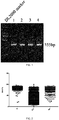
Figure 1 is the specific primer PCR amplified DNA fragment (SEQ ID NO. 1) of electrophoresis. -
Figure 2 is the differences of methylation level atCG site 1 in SLE patients, healthy controls and RA patients. -
Figure 3 is the differences of methylation level atCG site 2 in SLE patients, healthy controls and RA patients. -
Figure 4 is the ROC graph of methylation atlevel CG site 1 for SLE diagnosis (compared with healthy controls). -
Figure 5 is the ROC graph of methylation atlevel CG site 2 for SLE diagnosis (compared with healthy controls). -
Figure 6 is the ROC graph of methylation level atCG site 1 for the differential diagnosis between SLE and RA (compared to RA). -
Figure 7 is the ROC graph of methylation level atCG site 2 for the differential diagnosis between SLE and RA (compared with RA). - The present invention provides a diagnostic kit for SLE consists of: (1) Whole Blood DNA extraction reagents: proteinase K, cell lysate, wash buffer, elution buffer, adsorption column; (2) bisulfite treatment reagents: dilution buffer, conversion buffer, binding buffer, wash buffer, de-sulfonation buffer, elution buffer; (3) PCR Reagents: DNA polymerase, PCR reaction buffer, PCR primers in SEQ ID NO. 2 and SEQ ID NO. 3; (4) electrophoresis reagents of PCR products: the electrophoresis buffer and agarose; (5) pyrosequencing reagents: streptomycin labeled agarose beads, denaturing buffer, sequence primers shown in SEQ ID NO. 4, washing buffer; (6) software for sequencing analysis: PyroMark Q24 Application Software 2.0.
- The following is the detail descriptions of the embodiments of the present invention, including but not limited to, those technological changes according to the invention are protected. Unless otherwise stated, all the technical and scientific terms used herein are generally known to general technical staff in this field.
- The present invention provides a diagnostic kit for SLE consists of: (1) Whole Blood DNA extraction reagents: proteinase K, cell lysate, wash buffer, elution buffer, adsorption column; (2) bisulfite treatment reagents: dilution buffer, conversion buffer, binding buffer, wash buffer, de-sulfonation buffer, elution buffer; (3) PCR Reagents: DNA polymerase, PCR reaction buffer, PCR primers in SEQ ID NO. 2 and SEQ ID NO. 3; (4) electrophoresis reagents of PCR products: the electrophoresis buffer and agarose; (5) pyrosequencing reagents: streptomycin labeled agarose beads, denaturing buffer, sequence primers shown in SEQ ID NO. 4, washing buffer; (6) software for sequencing analysis: PyroMark Q24 Application Software 2.0.
- Step 1: SLE patient peripheral blood genomic DNA extraction
- (1) Add 0.5ml whole blood to a 1.5ml micro-centrifuge tube, and then add 1ml of ice cold nuclease free water, mix thoroughly by vortexing or pipetting; (2) Incubate the sample for 5 min at room temperature and Centrifuge for 5 min at 800xg (∼3,000 rpm); (3) Discard the supernatant and resuspend the pellet in 150µl of 1xPBS; (4) Add 20µl of Proteinase K Solution, mix by vortexing; (5) Add 350µl of Lysis Solution, mix thoroughly by vortexing or pipetting; (6) Incubate the sample at 56°C for 10 minutes during which the sample and mix by inverting 3 times; (7) Add 180µl of ethanol (96-100%) and mix by pipetting; (8) Transfer the prepared mixture to the spin column. Centrifuge for 1 min at 6,000xg (∼8,000 rpm); (9) Place the column into a new collection tube; (10) Add 500µl of Wash Buffer WB I. Centrifuge for 1 min at 8,000xg (∼10,000 rpm). Discard the flow-through and place the column back into the collection tube; (11) Add 500 µ I of Wash Buffer II to the column. Centrifuge for 3 min at maximum speed (≥20,000g, ≥14,000rpm). Discard the collection tube containing the flow-through solution; (12) ≥20000g (≥14000rpm) empty centrifugal I min, the adsorption column was transferred to a new 1.5ml centrifuge tube; (13) Add 80µl of Elution Buffer to the center of the column membrane to elute genomic DNA. Incubate for 2 min at room temperature; (14) Centrifuge for 1 min at 8,000xg (∼10,000 rpm); (15) Collect genomic DNA.
- Step 2: Determination of the concentration of extracted genomic DNA.
- Using the NanoDrop 2000 software from the Thermo Scientific, drawing 1µl DNA extracts to the detecting board and reading the concentration of the sample.
- Step 3: Bisulfite treatment of genomic DNA.
- (1) According to the DNA concentration and calculate the volume of bisulfite treated DNA (200g); (2) Add 5µl of M-Dilution Buffer to the DNA sample and adjust the total volume to 50µl with water. Mix the sample by flicking or pipetting up and down; (3) Incubate the sample at 37°C for 15 minutes; (4) Prepare the CT Conversion Reagent (CT), minimize its exposure to light: Add 750µl water and 210µl of M-Dilution Buffer to a tube of CT Conversion Reagent, mix at room temperature with frequent vortexing or shaking for 10 minutes; (5) After the above incubation, add 100µl of the prepared CT Conversion Reagent to each sample and mix; (6) Incubate the sample in the dark at 50°C for 12-16 hours; (7) Incubate the sample at 0-4°C (e.g., on ice) for 10 minutes; (8) Add 400µl of M-Binding Buffer to a column and place the column into a provided Collection Tube; (9) Load the sample (from Step 7) into the column containing the M-Binding Buffer. Close the cap and mix by inverting the column several times; (10) Centrifuge at full speed (>10,000xg) for 30 seconds; (11) Add 100µl of M-Wash Buffer to the column. Centrifuge at full speed for 30 seconds. Discard the supernatant; (12) Add 200µl of M-Desulphonation Buffer to the column and let stand at 20-30°C for 18 minutes; (13) Centrifuge at full speed (>10,000xg) for 30 seconds; (14) Add 200µl of M-Wash Buffer to the Wash Buffer. Centrifuge at full speed (>10,000xg) for 30 seconds; (15) Repeat the previous steps once. Discard the supernatant; (16) Centrifuge at full speed (>10,000xg) for 30 seconds. Discard the supernatant; (17) Place the column into a 1.5ml micro-centrifuge tube; (18) Add 10µl of M-Elution Buffer directly to the column matrix. Centrifuge for 30 seconds at full speed (>10,000xg) to elute the DNA; (19) Repeat the previous step once, discard the column. The column collected after the centrifuge tube is the DNA treated with sulfite.
- Step 4: Amplifying target DNA fragment and sequencing
- These include:
- 1. Design specific PCR primers to amplify the target DNA fragment followed by sequencing.
- Use PyroMark Assay Design 2.0 software to design primers. Input the target DNA sequence (including the bases in 200bp upstream and downstream sequence) into software, and then obtaining specific PCR primers, upstream primer 5'-TGTGGATAGTGATAATTTGTTATAAAGTAA-3' (as shown in SEQ ID NO. 2), downstream primer 5'-AACCTCATCCAATCTTAAAACACTTATA-3' (as shown in SEQ ID NO. 3), which can amplify a PCR product containing the target DNA sequence, with biotin markers at 5 'end of the downstream primer. The sequencing results are average at a length of 355bp, while two CG sites can be detected in the target DNA sequence. The probe sequence is designed as: 5'-AATGTTGTTATTTTATTTTAGATAG-3' (as shown in SEQ ID NO. 4).
- DNA fragments by specific PCR primers amplification.
- The PCR components are shown in table 1; and the PCR reaction conditions are shown in table 2.
Table 1: PCR components 5×buffer 4µl Upstream primer (10ng/µl) 0.4µl Downstream primer (10ng/µl) 0.4µl dNTP 0.5µl Taq DNA polymerase 0.5µl Nuclease-Free Water 12.2µl DNA 2µl Total volume 20µl Table 2: Specific PCR conditions of Methylation Step Temperature Time Cycle number Initial activation 96° C 2min 1 Denaturation 96°C 10s 45 Annealing 58°C 30s Extension 72°C 1min Final extension 72° C 10min 1 - (1) prepare electrophoresis buffer (50×TAE) and dilute to 1×TAE with deionized water; Weigh out the 0.5g agarose and place in an Erlenmeyer flask with
50ml 1×TAE. Dissolve the agarose in a revolving-plate microwave oven. (2) Cool the solution to 50°C, add 2.5µl Ethidium bromide (EB), swirl and mix, then pour the gel onto a taped plate with casting combs in place immediately. Allow more than 60 minutes for solidification. (3) Carefully remove the tape and the gel casting combs, place the gel in a horizontal electrophoresis apparatus. Add 1XTAE electrophoresis buffer to the reservoirs until the buffer just covers the agarose gel. (4) Add 6µl PCR products into each wells and load DNA marks into the first well. (5) Electrophorese the gel at 150-200mA/135V until the required separation has been achieved, usually 25 minutes. (6) After electrophoresis, the gel was placed condensate gel imaging system to observe any obvious specific electrophoretic bands, as shown infigure 1 . - Apply Qiagen pyrosequencing Q24 to DNA sequence.
- (1) Prepare the reagents and samples; 50ml ethanol (70%) (15ml+35ml), 40ml Denaturation Solution, 10µm sequencing primers, sequencing DNA probe sequence 5'-AATGTTGTTATTTTATT TTAGA-TAG-3', as shown in SEQ ID NO.4. 50ml wash buffer (45ml H2O + 5ml Wash Buffer), wash reagent compartment (each with up to thirty times), five high-water. (2) Prepare a mixture called Mix①: total volume is 80l/well, including 40ul binding buffer + 2µl streptavidin-coated Sepharose beads + 18µl of high purity water + 20µl PCR product (final plus). (3) Prepare a mixture called Minx②: 10 µM × X µl = 0.3 µM ×25 µl × n (n is the number of samples required, a Mix② is required every 10 samples addded), calculate X (requiring 10 µM sequencing primers), and 25 µ I × n-X µl is the volum of annealing buffer. (4) Biotinylated PCR products are immobilized on streptavidin coated Sepharose beads. Gently shake the bottle with streptavidin-coated Sepharose beads from side to side until a homogenous solution is obtained. (5) Mix the total amount of streptavidin-coated Sepharose beads (2 µl per sample) and Binding Buffer (40 µl per sample) in a tube. (6) Add high-purity water to a total volume of 80µl per well including the PCR product to be added in
step 4. The amount of water depends on the amount of PCR product used. (7) Add the solution prepared instep 2 to a 24-well PCR plate or strips. (8) Add 5-20µl of a well-optimized, biotinylated PCR product to each well of the PCR plate (or strips) according to the plate setup. The total volume per well should be 80µl. (9) Seal the PCR plate to ensure that no leakage is possible between the wells. (10) Agitate the PCR plate (or strips) constantly for at least 5-10 min using a mixer (1400 rpm). Sepharose beads sediment quickly and capturing of beads must take place immediately once the agitation is complete. During immobilization, prepare the vacuum workstation for the sample preparation. (11) Dilute the sequencing primer to 0.3µM in Annealing Buffer, i.e., Mix②. Add 25µl of the solution to each well of a PyroMark Q24 Plate that is to be used. Use one of the supplied PyroMark Q24 Plate Holders as support when preparing and moving the plate. - Procedures of Vacuum Workstation: (1) Ensure that the vacuum Q24 workstation correctly and securely fitted, the base plate 24 preheated (80°C), washing trough, filling the trough (50ml 70% ethanol, 40ml denaturing solution, wash buffer 50ml, 50ml and 70ml high purity water), to open the vacuum pump, the vacuum switch is open, a vacuum is applied in the vacuum apparatus. (2) High water probe, the vacuum is applied, the cleaning process of the probe was filtered off, washed with 70ml high purity water probe, to ensure that the water is transferred to a waste container, the vacuum Jian shut off the vacuum, and placed the rest position (P position). (6) with 70ml high purity water to refill the reagent tank 5. (3) 11.4.8 After the fixed sample and 11.5 ready Pyromark Q24 orifice Mix②, place the PCR plate (or the strips) and PyroMark Q24 Plate on the worktable to ensure consistency with the loading position of the sample plate inch. (4) Switch on the vacuum pump, vacuum applied in the vacuum apparatus. Carefully lower the filter probes into the PCR plate (or strips) to capture the beads containing immobilized template. Hold the filter probes in place for 15 s, carefully remove the vacuum device (agar microspheres precipitate quickly, if the oscillating plate or tube is placed over row Imm, then again one minute before capture oscillation) to ensure that all liquid tank hole and suck out all the microspheres have been captured by filtration probe tip, 70% ethanol reagent tank 5second. (5) The elution buffer 10s. Raise the vacuum means exceed 90°C vertical 5second, to filter probe drainage, vacuum means to hold Pyromark Q24 plate, turn off the vacuum switch (OFF) on the unit by gently rocking vacuum device to release the beads i.e. probes containing the sequencing primer well plates, the vacuum switch closed (OFF), transferred to a vacuum device comprising a reagent of high purity water bath and shaken 10second, the probe is lowered to the second reagent vessel containing pure water and a high vacuum is applied cleaning the probe, with the probe was filtered 70ml high purity water rinsing, vacuum 90°C raising vertical 5 second, drain probe to filter, and then close the vacuum apparatus, placing the rest position, such as a more than one orifice, again filling agent tank, repeating. Turn off the vacuum pump, and the PyroMark Q24 Vacuum Workstation has been assembled correctly and securely.
- Using the PyroMark Q24. The concrete step is: (1) Annealing of sequencing primer to samples: Heat the PyroMark Q24 Plate containing the samples at 80°C for 2 min using the PyroMark Q24 Plate Holder (two are supplied with the vacuum workstation) and a heating block. Remove the plate from the plate holder and allow the samples cool to room temperature (15-25°C) for at least 5 min. The plate can now be processed in the PyroMark Q24 Instrument. (2) Preparation of PyroMark Gold Q24 Reagents. Open the PyroMark Gold Q24 Reagents box and remove the vials containing freeze-dried enzyme and substrate mixtures, and the tubes containing nucleotides. Reconstitute the volumes of reagents required according to the handbook supplied with the reagents and fill PyroMark Q24 Cartridge. (3) Starting the run of PyroMark Q24: Open the cartridge gate and insert the filled reagent cartridge, ilnsert the USB stick containing the run file into the USB port at the front of the instrument, using the up and down screen buttons, select "Run" in the main menu and press "OK", select the run file using the up and down screen buttons. To view the contents of a folder, select the folder and press "Select". To go back to the previous view, press "Back". When the run file is selected, press "Select" to start the run. When the run is finished and the instrument confirms that the run file has been saved to the USB memory stick, press "Close". Clean the reagent cartridge.
- Step 5: Analysis of methylated DNA sequence level by sequencing results.
- According to FIG sequencing results, direct reading software PyroMark value Q24 Application Software 2.0 is given to determine the methylation levels of two CG sites.
- Using the method described in Example 2, detected 1056 cases of SLE patients with 587 healthy controls, 553 cases of rheumatoid arthritis (abbreviated RA) DNA sequences in patients with IFI44L gene transcription start site upstream within -1500bp that methylation level SEQ ID N0.1 contains two CG sites, test results show: the healthy control group, two CG sites showed hypermethylation, two CG sites methylation levels in SLE patients compared with healthy controls and RA patients were significantly lower (as shown in
figures 2 and3 ). - To evaluate the sensitivity and specificity of methylation levels valued by ROC curves in the diagnosis of SLE. The actual area of the Area Under Curve (AUC) is from 0.5 to 1, and it is generally believed that for a diagnostic test, when the area is between 0.5 and 0.7, it is of a low diagnostic value, while the area is between 0.7 to 0.9, the diagnostic value is moderate, or of a high diagnostic value when the area is over 0.9. The analysis of methylation levels at the
CG site 1 between SLE patients and healthy controls, with a specificity of 96.10895% and a sensitivity of 91.67513% (as shown infigure 4 ). The analysis of methylation levels at theCG site 2 between SLE patients and healthy controls, with a specificity of 95.91440% and a sensitivity of 93.50254% (as shown infigure 5 ). The analysis of methylation levels at theCG site 1 between SLE patients and the RA disease controls, with a specificity of 83.72549% and a sensitivity of 91.67513% (as shown infigure 6 ). The analysis of methylation levels at theCG site 2 between SLE patients and the RA disease controls, with a specificity of 89.80392% and a sensitivity of 82.53807% (as shown infigure 7 ). - The present invention provides a diagnostic kit SLE overcomes the deficiencies of the prior art methods of detecting SLE, only need to extract in patients with no more than I ml to find DNA methylation markers from peripheral blood of SLE patients, thus significantly improve patient treatment compliance. High specificity and sensitivity of the kit of the present invention, the inspection took short, simple operation, small amount of sample required for easy on widespread clinical application prospect. Use pyrosequencing instrument with specific primers and probes can greatly reduce DNA methylation inspection time, greatly improve the efficiency and results of laboratory tests to check the accuracy and specificity (can reach more than 90%). The new technology and product development and application will have a great significance for improving the diagnosis and treatment of SLE, the SLE patients to improve quality of life and survival.

Claims (7)
- A biomarker for early diagnosis of systemic lupus erythematosus, characterized by a segment of DNA sequence located in 1500bp upstream region of IFI44L human gene transcriptional start site, wherein the segment of DNA sequence is located in chr1: 79,085,190-79,085,311 as shown in SEQ NO. 1.
- A use of a biomarker as defined in nucleic acid sequence represented by SEQ ID NO. 1 for the manufacture of SLE diagnostic kit, comprising detecting methylation levels of the SEQ ID NO. 1 sequence in 1500bp upstream region of IFI44L gene transcriptional start site in blood from the subjects.
- The use of claim 2, comprising the following steps: (1) genome-wide DNA extraction in peripheral blood from the subjects; (2) measuring the concentration of the extracted genomic DNA; (3) treating the genomic DNA with bisulfite; (4) amplifying the DNA fragments represented by SEQ ID NO. 1 by the specific PCR primers; (5) examining PCR products by electrophoresis; (6) sequencing the PCR products; and (7) analyzing the results from sequencing and obtaining the methylation levels of two CG sites contained in SEQ ID No. 1.
- A set of oligonucleotide PCR primers, complementary to the nucleic acid sequence in the promoter region of IFI44L gene contained in SEQ ID No. 4 including the nucleic acid sequence in SEQ ID No. 1, wherein the set of nucleotide sequence of PCR primers in upstream primer is set forth in SEQ ID NO. 2 and in downstream primer is set forth in SEQ ID NO. 3.
- A SLE diagnostic kit, characterized in that the kit comprises a set of PCR primers is set forth in SEQ ID NO. 2 and SEQ ID NO. 3, and the downstream primer 5'-end is labeled with biotin.
- The SLE diagnostic kit of claim 5, wherein the kit further comprises a probe as defined in SEQ ID NO. 4.
- A probe for detecting the methylation levels of the nucleic acid sequence at CG sites in the promoter region of IFI44L gene as shown in SEQ ID No. 1, wherein a set of nucleotide sequence of the probe is set forth in SEQ ID No. 4.
Applications Claiming Priority (2)
| Application Number | Priority Date | Filing Date | Title |
|---|---|---|---|
| CN201510297277.XA CN105316404B (en) | 2015-02-27 | 2015-06-03 | Systemic lupus erythematosus biomarker and diagnostic kit thereof |
| PCT/CN2015/090336 WO2016192252A1 (en) | 2015-06-03 | 2015-09-23 | Systemic lupus erythematosus biomarker and diagnostic kit thereof |
Publications (3)
| Publication Number | Publication Date |
|---|---|
| EP3305909A1 true EP3305909A1 (en) | 2018-04-11 |
| EP3305909A4 EP3305909A4 (en) | 2019-01-02 |
| EP3305909B1 EP3305909B1 (en) | 2022-07-20 |
Family
ID=60022893
Family Applications (1)
| Application Number | Title | Priority Date | Filing Date |
|---|---|---|---|
| EP15893904.1A Not-in-force EP3305909B1 (en) | 2015-06-03 | 2015-09-23 | Systemic lupus erythematosus biomarker and diagnostic kit thereof |
Country Status (4)
| Country | Link |
|---|---|
| US (2) | US20180305745A1 (en) |
| EP (1) | EP3305909B1 (en) |
| CN (1) | CN105316404B (en) |
| WO (1) | WO2016192252A1 (en) |
Families Citing this family (7)
| Publication number | Priority date | Publication date | Assignee | Title |
|---|---|---|---|---|
| CN108611410B (en) * | 2018-04-28 | 2021-05-18 | 深圳市人民医院 | Use of N6-methyladenine in autoimmune diseases |
| CN109234378A (en) * | 2018-09-27 | 2019-01-18 | 中国航天员科研训练中心 | Predict the method and DNA methylation marker of weightless bone loss osteocalcin OC downside risk |
| WO2021041931A1 (en) * | 2019-08-28 | 2021-03-04 | The Regents Of The University Of California | Methods of producing dna methylation profiles |
| CN111149767B (en) * | 2020-02-24 | 2021-07-20 | 中南大学湘雅二医院 | Construction method and application of a humanized cutaneous lupus erythematosus mouse model |
| CN111089967B (en) * | 2020-03-25 | 2020-06-26 | 中南大学湘雅二医院 | Application of skin tissue immune cell in situ detection kit for lupus erythematosus classification |
| CN111455045B (en) * | 2020-06-18 | 2020-09-29 | 中南大学湘雅二医院 | Diagnostic reagents for systemic lupus erythematosus and their platforms and applications |
| FR3125065A1 (en) * | 2021-07-08 | 2023-01-13 | bioMérieux | Method and kit for detecting a replicative respiratory virus |
Family Cites Families (10)
| Publication number | Priority date | Publication date | Assignee | Title |
|---|---|---|---|---|
| US104837A (en) * | 1870-06-28 | Improvement in hose-couplings | ||
| AU2007244868B2 (en) * | 2006-04-24 | 2013-11-21 | Genentech, Inc. | Methods and compositions for detecting autoimmune disorders |
| AU2007286915B2 (en) * | 2006-08-11 | 2014-05-15 | Baylor Research Institute | Gene expression signatures in blood leukocytes permit differential diagnosis of acute infections |
| CN101594882A (en) * | 2006-12-06 | 2009-12-02 | 米迪缪尼有限公司 | Interferon alpha-induced pharmacodynamic markers |
| WO2009155559A1 (en) * | 2008-06-20 | 2009-12-23 | Medimmune Llc | Interferon alpha-induced pharmacodynamic markers |
| AU2010289383B2 (en) * | 2009-09-03 | 2015-04-16 | Medimmune, Llc | Type 1 interferon diagnostic |
| CN102140511A (en) * | 2010-12-28 | 2011-08-03 | 中南大学 | Methylated marker IL-2RG in systemic lupus erythematosus (SLE) whole blood genome and application thereof |
| US20130065229A1 (en) * | 2011-06-27 | 2013-03-14 | Exagen Diagnostics, Inc. | Biomarkers for systemic lupus erythematosus |
| WO2013033627A2 (en) * | 2011-09-01 | 2013-03-07 | The Regents Of The University Of California | Diagnosis and treatment of arthritis using epigenetics |
| WO2013101771A2 (en) * | 2011-12-30 | 2013-07-04 | Genentech, Inc. | Compositions and method for treating autoimmune diseases |
-
2015
- 2015-06-03 CN CN201510297277.XA patent/CN105316404B/en active Active
- 2015-09-23 WO PCT/CN2015/090336 patent/WO2016192252A1/en not_active Ceased
- 2015-09-23 EP EP15893904.1A patent/EP3305909B1/en not_active Not-in-force
- 2015-09-23 US US15/578,963 patent/US20180305745A1/en not_active Abandoned
-
2020
- 2020-03-13 US US16/817,729 patent/US20200208203A1/en not_active Abandoned
Also Published As
| Publication number | Publication date |
|---|---|
| EP3305909B1 (en) | 2022-07-20 |
| US20200208203A1 (en) | 2020-07-02 |
| WO2016192252A1 (en) | 2016-12-08 |
| US20180305745A1 (en) | 2018-10-25 |
| CN105316404A (en) | 2016-02-10 |
| CN105316404B (en) | 2017-02-22 |
| EP3305909A4 (en) | 2019-01-02 |
Similar Documents
| Publication | Publication Date | Title |
|---|---|---|
| US20200208203A1 (en) | Kit for diagnosis of systemic lupus erythematosus and probe for the detection and quantification of the methylation level of an ifi44l fragment | |
| Legler et al. | Workshop report on the extraction of foetal DNA from maternal plasma | |
| US20200056244A1 (en) | Methods of treating a subject with a high gleason score prostate cancer | |
| KR102352847B1 (en) | Biomarkers for Inflammatory Bowel Disease | |
| KR102204274B1 (en) | How to build an amplicon library through a one-step process | |
| JP7007364B2 (en) | Multiplex allele-specific PCR assay for detection of estrogen receptor ESR1 mutation | |
| CN113025701B (en) | Early screening method and kit for non-alcoholic fatty liver disease susceptibility gene | |
| CN105112500A (en) | A kind of primer, probe and kit for detecting C-KIT gene mutation | |
| CN101323877B (en) | Reagent box for detecting No 21 chromosome and idiochromosome number abnormality | |
| CN107022641B (en) | Primer for detecting deafness gene and application thereof | |
| CN110438220A (en) | The motionless syndrome gene panel kit of cilium and its application | |
| CN107012139A (en) | A method for rapidly constructing an amplicon library | |
| Nallamilli et al. | Genetic testing for hereditary nonpolyposis colorectal cancer (HNPCC) | |
| CN110157808A (en) | Application of a non-coding RNA related to the occurrence and development of laryngeal squamous cell carcinoma | |
| CN111549116B (en) | Female early-onset ovarian dysfunction susceptibility gene detection model and detection kit | |
| CN104774918A (en) | IL28B gene polymorphism detection kit based on real-time fluorescent PCR | |
| CN109371124A (en) | Application of the miR-6802-3p in postmenopausal osteoporosis early diagnosis | |
| WO2012006534A4 (en) | Methods, compositions and kits for diagnosing and treating alzheimer's disease using mitochondrial co3 gene mutations | |
| CN107022621A (en) | BRAF gene mutation detection primer probe and its kit | |
| EP2450455B1 (en) | Method for determining presence or absence of epithelial cancer-origin cell in biological sample, and kit therefor | |
| CN118086508A (en) | A primer set, kit and application for high-sensitivity detection of FLT3-ITD mutation based on high-throughput sequencing technology | |
| CN104561251A (en) | Method and kit for detecting deletion mutation of cell apoptosis regulator gene (BIM) | |
| WO2015042649A1 (en) | A quantitative assay for target dna in a mixed sample comprising target and non-target dna | |
| Xu et al. | Non-invasive prenatal diagnosis: a comparison of cell free fetal DNA (cffDNA) based screening and fetal nucleated red blood cell (fnRBC) initiated testing | |
| CN104711255B (en) | Detection of THSD7A gene sequence and expression changes and its application in the prediction of coronary heart disease |
Legal Events
| Date | Code | Title | Description |
|---|---|---|---|
| STAA | Information on the status of an ep patent application or granted ep patent |
Free format text: STATUS: THE INTERNATIONAL PUBLICATION HAS BEEN MADE |
|
| PUAI | Public reference made under article 153(3) epc to a published international application that has entered the european phase |
Free format text: ORIGINAL CODE: 0009012 |
|
| STAA | Information on the status of an ep patent application or granted ep patent |
Free format text: STATUS: REQUEST FOR EXAMINATION WAS MADE |
|
| 17P | Request for examination filed |
Effective date: 20171204 |
|
| AK | Designated contracting states |
Kind code of ref document: A1 Designated state(s): AL AT BE BG CH CY CZ DE DK EE ES FI FR GB GR HR HU IE IS IT LI LT LU LV MC MK MT NL NO PL PT RO RS SE SI SK SM TR |
|
| AX | Request for extension of the european patent |
Extension state: BA ME |
|
| DAV | Request for validation of the european patent (deleted) | ||
| DAX | Request for extension of the european patent (deleted) | ||
| A4 | Supplementary search report drawn up and despatched |
Effective date: 20181204 |
|
| RIC1 | Information provided on ipc code assigned before grant |
Ipc: C12Q 1/68 20180101AFI20181128BHEP Ipc: C12N 15/11 20060101ALI20181128BHEP |
|
| STAA | Information on the status of an ep patent application or granted ep patent |
Free format text: STATUS: EXAMINATION IS IN PROGRESS |
|
| 17Q | First examination report despatched |
Effective date: 20200304 |
|
| RAP1 | Party data changed (applicant data changed or rights of an application transferred) |
Owner name: THE SECOND XIANGYA HOSPITAL OF CENTRAL SOUTH UNIVERSITY Owner name: THE REGENTS OF THE UNIVERSITY OF MICHIGAN |
|
| GRAP | Despatch of communication of intention to grant a patent |
Free format text: ORIGINAL CODE: EPIDOSNIGR1 |
|
| STAA | Information on the status of an ep patent application or granted ep patent |
Free format text: STATUS: GRANT OF PATENT IS INTENDED |
|
| INTG | Intention to grant announced |
Effective date: 20220224 |
|
| GRAS | Grant fee paid |
Free format text: ORIGINAL CODE: EPIDOSNIGR3 |
|
| GRAA | (expected) grant |
Free format text: ORIGINAL CODE: 0009210 |
|
| STAA | Information on the status of an ep patent application or granted ep patent |
Free format text: STATUS: THE PATENT HAS BEEN GRANTED |
|
| AK | Designated contracting states |
Kind code of ref document: B1 Designated state(s): AL AT BE BG CH CY CZ DE DK EE ES FI FR GB GR HR HU IE IS IT LI LT LU LV MC MK MT NL NO PL PT RO RS SE SI SK SM TR |
|
| REG | Reference to a national code |
Ref country code: GB Ref legal event code: FG4D |
|
| REG | Reference to a national code |
Ref country code: CH Ref legal event code: EP |
|
| REG | Reference to a national code |
Ref country code: DE Ref legal event code: R096 Ref document number: 602015079985 Country of ref document: DE |
|
| REG | Reference to a national code |
Ref country code: AT Ref legal event code: REF Ref document number: 1505566 Country of ref document: AT Kind code of ref document: T Effective date: 20220815 |
|
| REG | Reference to a national code |
Ref country code: IE Ref legal event code: FG4D |
|
| REG | Reference to a national code |
Ref country code: LT Ref legal event code: MG9D |
|
| REG | Reference to a national code |
Ref country code: NL Ref legal event code: MP Effective date: 20220720 |
|
| PG25 | Lapsed in a contracting state [announced via postgrant information from national office to epo] |
Ref country code: SE Free format text: LAPSE BECAUSE OF FAILURE TO SUBMIT A TRANSLATION OF THE DESCRIPTION OR TO PAY THE FEE WITHIN THE PRESCRIBED TIME-LIMIT Effective date: 20220720 Ref country code: RS Free format text: LAPSE BECAUSE OF FAILURE TO SUBMIT A TRANSLATION OF THE DESCRIPTION OR TO PAY THE FEE WITHIN THE PRESCRIBED TIME-LIMIT Effective date: 20220720 Ref country code: PT Free format text: LAPSE BECAUSE OF FAILURE TO SUBMIT A TRANSLATION OF THE DESCRIPTION OR TO PAY THE FEE WITHIN THE PRESCRIBED TIME-LIMIT Effective date: 20221121 Ref country code: NO Free format text: LAPSE BECAUSE OF FAILURE TO SUBMIT A TRANSLATION OF THE DESCRIPTION OR TO PAY THE FEE WITHIN THE PRESCRIBED TIME-LIMIT Effective date: 20221020 Ref country code: NL Free format text: LAPSE BECAUSE OF FAILURE TO SUBMIT A TRANSLATION OF THE DESCRIPTION OR TO PAY THE FEE WITHIN THE PRESCRIBED TIME-LIMIT Effective date: 20220720 Ref country code: LV Free format text: LAPSE BECAUSE OF FAILURE TO SUBMIT A TRANSLATION OF THE DESCRIPTION OR TO PAY THE FEE WITHIN THE PRESCRIBED TIME-LIMIT Effective date: 20220720 Ref country code: LT Free format text: LAPSE BECAUSE OF FAILURE TO SUBMIT A TRANSLATION OF THE DESCRIPTION OR TO PAY THE FEE WITHIN THE PRESCRIBED TIME-LIMIT Effective date: 20220720 Ref country code: FI Free format text: LAPSE BECAUSE OF FAILURE TO SUBMIT A TRANSLATION OF THE DESCRIPTION OR TO PAY THE FEE WITHIN THE PRESCRIBED TIME-LIMIT Effective date: 20220720 Ref country code: ES Free format text: LAPSE BECAUSE OF FAILURE TO SUBMIT A TRANSLATION OF THE DESCRIPTION OR TO PAY THE FEE WITHIN THE PRESCRIBED TIME-LIMIT Effective date: 20220720 |
|
| REG | Reference to a national code |
Ref country code: AT Ref legal event code: MK05 Ref document number: 1505566 Country of ref document: AT Kind code of ref document: T Effective date: 20220720 |
|
| PG25 | Lapsed in a contracting state [announced via postgrant information from national office to epo] |
Ref country code: PL Free format text: LAPSE BECAUSE OF FAILURE TO SUBMIT A TRANSLATION OF THE DESCRIPTION OR TO PAY THE FEE WITHIN THE PRESCRIBED TIME-LIMIT Effective date: 20220720 Ref country code: IS Free format text: LAPSE BECAUSE OF FAILURE TO SUBMIT A TRANSLATION OF THE DESCRIPTION OR TO PAY THE FEE WITHIN THE PRESCRIBED TIME-LIMIT Effective date: 20221120 Ref country code: HR Free format text: LAPSE BECAUSE OF FAILURE TO SUBMIT A TRANSLATION OF THE DESCRIPTION OR TO PAY THE FEE WITHIN THE PRESCRIBED TIME-LIMIT Effective date: 20220720 Ref country code: GR Free format text: LAPSE BECAUSE OF FAILURE TO SUBMIT A TRANSLATION OF THE DESCRIPTION OR TO PAY THE FEE WITHIN THE PRESCRIBED TIME-LIMIT Effective date: 20221021 |
|
| REG | Reference to a national code |
Ref country code: DE Ref legal event code: R097 Ref document number: 602015079985 Country of ref document: DE |
|
| PG25 | Lapsed in a contracting state [announced via postgrant information from national office to epo] |
Ref country code: SM Free format text: LAPSE BECAUSE OF FAILURE TO SUBMIT A TRANSLATION OF THE DESCRIPTION OR TO PAY THE FEE WITHIN THE PRESCRIBED TIME-LIMIT Effective date: 20220720 Ref country code: RO Free format text: LAPSE BECAUSE OF FAILURE TO SUBMIT A TRANSLATION OF THE DESCRIPTION OR TO PAY THE FEE WITHIN THE PRESCRIBED TIME-LIMIT Effective date: 20220720 Ref country code: MC Free format text: LAPSE BECAUSE OF FAILURE TO SUBMIT A TRANSLATION OF THE DESCRIPTION OR TO PAY THE FEE WITHIN THE PRESCRIBED TIME-LIMIT Effective date: 20220720 Ref country code: DK Free format text: LAPSE BECAUSE OF FAILURE TO SUBMIT A TRANSLATION OF THE DESCRIPTION OR TO PAY THE FEE WITHIN THE PRESCRIBED TIME-LIMIT Effective date: 20220720 Ref country code: CZ Free format text: LAPSE BECAUSE OF FAILURE TO SUBMIT A TRANSLATION OF THE DESCRIPTION OR TO PAY THE FEE WITHIN THE PRESCRIBED TIME-LIMIT Effective date: 20220720 Ref country code: AT Free format text: LAPSE BECAUSE OF FAILURE TO SUBMIT A TRANSLATION OF THE DESCRIPTION OR TO PAY THE FEE WITHIN THE PRESCRIBED TIME-LIMIT Effective date: 20220720 |
|
| REG | Reference to a national code |
Ref country code: CH Ref legal event code: PL |
|
| REG | Reference to a national code |
Ref country code: BE Ref legal event code: MM Effective date: 20220930 |
|
| PLBE | No opposition filed within time limit |
Free format text: ORIGINAL CODE: 0009261 |
|
| STAA | Information on the status of an ep patent application or granted ep patent |
Free format text: STATUS: NO OPPOSITION FILED WITHIN TIME LIMIT |
|
| PG25 | Lapsed in a contracting state [announced via postgrant information from national office to epo] |
Ref country code: SK Free format text: LAPSE BECAUSE OF FAILURE TO SUBMIT A TRANSLATION OF THE DESCRIPTION OR TO PAY THE FEE WITHIN THE PRESCRIBED TIME-LIMIT Effective date: 20220720 Ref country code: EE Free format text: LAPSE BECAUSE OF FAILURE TO SUBMIT A TRANSLATION OF THE DESCRIPTION OR TO PAY THE FEE WITHIN THE PRESCRIBED TIME-LIMIT Effective date: 20220720 |
|
| 26N | No opposition filed |
Effective date: 20230421 |
|
| PG25 | Lapsed in a contracting state [announced via postgrant information from national office to epo] |
Ref country code: LU Free format text: LAPSE BECAUSE OF NON-PAYMENT OF DUE FEES Effective date: 20220923 Ref country code: AL Free format text: LAPSE BECAUSE OF FAILURE TO SUBMIT A TRANSLATION OF THE DESCRIPTION OR TO PAY THE FEE WITHIN THE PRESCRIBED TIME-LIMIT Effective date: 20220720 |
|
| PG25 | Lapsed in a contracting state [announced via postgrant information from national office to epo] |
Ref country code: LI Free format text: LAPSE BECAUSE OF NON-PAYMENT OF DUE FEES Effective date: 20220930 Ref country code: IE Free format text: LAPSE BECAUSE OF NON-PAYMENT OF DUE FEES Effective date: 20220923 Ref country code: CH Free format text: LAPSE BECAUSE OF NON-PAYMENT OF DUE FEES Effective date: 20220930 |
|
| PG25 | Lapsed in a contracting state [announced via postgrant information from national office to epo] |
Ref country code: SI Free format text: LAPSE BECAUSE OF FAILURE TO SUBMIT A TRANSLATION OF THE DESCRIPTION OR TO PAY THE FEE WITHIN THE PRESCRIBED TIME-LIMIT Effective date: 20220720 |
|
| PG25 | Lapsed in a contracting state [announced via postgrant information from national office to epo] |
Ref country code: BE Free format text: LAPSE BECAUSE OF NON-PAYMENT OF DUE FEES Effective date: 20220930 |
|
| PGFP | Annual fee paid to national office [announced via postgrant information from national office to epo] |
Ref country code: GB Payment date: 20230920 Year of fee payment: 9 |
|
| PGFP | Annual fee paid to national office [announced via postgrant information from national office to epo] |
Ref country code: FR Payment date: 20230928 Year of fee payment: 9 Ref country code: DE Payment date: 20230920 Year of fee payment: 9 |
|
| PG25 | Lapsed in a contracting state [announced via postgrant information from national office to epo] |
Ref country code: HU Free format text: LAPSE BECAUSE OF FAILURE TO SUBMIT A TRANSLATION OF THE DESCRIPTION OR TO PAY THE FEE WITHIN THE PRESCRIBED TIME-LIMIT; INVALID AB INITIO Effective date: 20150923 |
|
| PG25 | Lapsed in a contracting state [announced via postgrant information from national office to epo] |
Ref country code: CY Free format text: LAPSE BECAUSE OF FAILURE TO SUBMIT A TRANSLATION OF THE DESCRIPTION OR TO PAY THE FEE WITHIN THE PRESCRIBED TIME-LIMIT Effective date: 20220720 |
|
| PG25 | Lapsed in a contracting state [announced via postgrant information from national office to epo] |
Ref country code: MK Free format text: LAPSE BECAUSE OF FAILURE TO SUBMIT A TRANSLATION OF THE DESCRIPTION OR TO PAY THE FEE WITHIN THE PRESCRIBED TIME-LIMIT Effective date: 20220720 Ref country code: IT Free format text: LAPSE BECAUSE OF FAILURE TO SUBMIT A TRANSLATION OF THE DESCRIPTION OR TO PAY THE FEE WITHIN THE PRESCRIBED TIME-LIMIT Effective date: 20220720 |
|
| PG25 | Lapsed in a contracting state [announced via postgrant information from national office to epo] |
Ref country code: TR Free format text: LAPSE BECAUSE OF FAILURE TO SUBMIT A TRANSLATION OF THE DESCRIPTION OR TO PAY THE FEE WITHIN THE PRESCRIBED TIME-LIMIT Effective date: 20220720 |
|
| PG25 | Lapsed in a contracting state [announced via postgrant information from national office to epo] |
Ref country code: BG Free format text: LAPSE BECAUSE OF FAILURE TO SUBMIT A TRANSLATION OF THE DESCRIPTION OR TO PAY THE FEE WITHIN THE PRESCRIBED TIME-LIMIT Effective date: 20220720 |
|
| PG25 | Lapsed in a contracting state [announced via postgrant information from national office to epo] |
Ref country code: MT Free format text: LAPSE BECAUSE OF FAILURE TO SUBMIT A TRANSLATION OF THE DESCRIPTION OR TO PAY THE FEE WITHIN THE PRESCRIBED TIME-LIMIT Effective date: 20220720 |
|
| REG | Reference to a national code |
Ref country code: DE Ref legal event code: R119 Ref document number: 602015079985 Country of ref document: DE |
|
| GBPC | Gb: european patent ceased through non-payment of renewal fee |
Effective date: 20240923 |
|
| PG25 | Lapsed in a contracting state [announced via postgrant information from national office to epo] |
Ref country code: DE Free format text: LAPSE BECAUSE OF NON-PAYMENT OF DUE FEES Effective date: 20250401 |
|
| PG25 | Lapsed in a contracting state [announced via postgrant information from national office to epo] |
Ref country code: GB Free format text: LAPSE BECAUSE OF NON-PAYMENT OF DUE FEES Effective date: 20240923 |
|
| PG25 | Lapsed in a contracting state [announced via postgrant information from national office to epo] |
Ref country code: FR Free format text: LAPSE BECAUSE OF NON-PAYMENT OF DUE FEES Effective date: 20240930 |