EP3268028B1 - Compositions and methods for treating cancer - Google Patents
Compositions and methods for treating cancer Download PDFInfo
- Publication number
- EP3268028B1 EP3268028B1 EP16762206.7A EP16762206A EP3268028B1 EP 3268028 B1 EP3268028 B1 EP 3268028B1 EP 16762206 A EP16762206 A EP 16762206A EP 3268028 B1 EP3268028 B1 EP 3268028B1
- Authority
- EP
- European Patent Office
- Prior art keywords
- monomer
- cells
- mab
- cancer
- tramp
- Prior art date
- Legal status (The legal status is an assumption and is not a legal conclusion. Google has not performed a legal analysis and makes no representation as to the accuracy of the status listed.)
- Active
Links
Images







Classifications
-
- C—CHEMISTRY; METALLURGY
- C07—ORGANIC CHEMISTRY
- C07K—PEPTIDES
- C07K16/00—Immunoglobulins [IG], e.g. monoclonal or polyclonal antibodies
- C07K16/18—Immunoglobulins [IG], e.g. monoclonal or polyclonal antibodies against material from animals or humans
- C07K16/24—Immunoglobulins [IG], e.g. monoclonal or polyclonal antibodies against material from animals or humans against cytokines, lymphokines or interferons
- C07K16/244—Interleukins [IL]
-
- A—HUMAN NECESSITIES
- A61—MEDICAL OR VETERINARY SCIENCE; HYGIENE
- A61K—PREPARATIONS FOR MEDICAL, DENTAL OR TOILETRY PURPOSES
- A61K39/00—Medicinal preparations containing antigens or antibodies
- A61K39/395—Antibodies; Immunoglobulins; Immune serum, e.g. antilymphocytic serum
-
- A—HUMAN NECESSITIES
- A61—MEDICAL OR VETERINARY SCIENCE; HYGIENE
- A61P—SPECIFIC THERAPEUTIC ACTIVITY OF CHEMICAL COMPOUNDS OR MEDICINAL PREPARATIONS
- A61P35/00—Antineoplastic agents
-
- A—HUMAN NECESSITIES
- A61—MEDICAL OR VETERINARY SCIENCE; HYGIENE
- A61P—SPECIFIC THERAPEUTIC ACTIVITY OF CHEMICAL COMPOUNDS OR MEDICINAL PREPARATIONS
- A61P43/00—Drugs for specific purposes, not provided for in groups A61P1/00-A61P41/00
-
- C—CHEMISTRY; METALLURGY
- C07—ORGANIC CHEMISTRY
- C07K—PEPTIDES
- C07K16/00—Immunoglobulins [IG], e.g. monoclonal or polyclonal antibodies
- C07K16/18—Immunoglobulins [IG], e.g. monoclonal or polyclonal antibodies against material from animals or humans
- C07K16/28—Immunoglobulins [IG], e.g. monoclonal or polyclonal antibodies against material from animals or humans against receptors, cell surface antigens or cell surface determinants
- C07K16/30—Immunoglobulins [IG], e.g. monoclonal or polyclonal antibodies against material from animals or humans against receptors, cell surface antigens or cell surface determinants from tumour cells
- C07K16/3069—Reproductive system, e.g. ovaria, uterus, testes, prostate
-
- C—CHEMISTRY; METALLURGY
- C07—ORGANIC CHEMISTRY
- C07K—PEPTIDES
- C07K2317/00—Immunoglobulins specific features
- C07K2317/70—Immunoglobulins specific features characterized by effect upon binding to a cell or to an antigen
- C07K2317/73—Inducing cell death, e.g. apoptosis, necrosis or inhibition of cell proliferation
-
- C—CHEMISTRY; METALLURGY
- C07—ORGANIC CHEMISTRY
- C07K—PEPTIDES
- C07K2317/00—Immunoglobulins specific features
- C07K2317/70—Immunoglobulins specific features characterized by effect upon binding to a cell or to an antigen
- C07K2317/76—Antagonist effect on antigen, e.g. neutralization or inhibition of binding
Definitions
- the present invention generally relates to compositions for use in treating cancer.
- Cancer is the deadliest disease that kills millions of people every year in this world. Understanding mechanisms by which cancer cells escape death and identifying the associated therapeutic target are important areas of research. Suppression of cell-mediated inflammation (1) is believed to be one of the major reasons for the persistence and progression of this fatal disease. However, mechanisms by which this high level of suppression is maintained and tumor cells escape death are poorly understood. Since IL-12 heterodimer is the most important cytokine in terms of cell-mediated immunity (2), this molecule is always under scanner for the treatment of cancer (3, 4).
- IL-12 family of cytokines has four different members including IL-12p40 monomer (p40), IL-12p40 homodimer (p40 2 ), IL-12 heterodimer (p40:p35), and IL-23 heterodimer (p40:p19).
- IL-12p40 monomer and IL-12p40 homodimer were considered as nonfunctional members of the IL-12 family (5).
- YAMAMOTO M ET AL "TSU68 Prevents Liver Metastasis of Colon Cancer Xenografts by Modulating the Premetastatic Niche",CANCER RESEARCH, AMERICAN ASSOCIATION FOR CANCER RESEARCH, US, vol. 68, no. 23, 1 December 2008 (2008-12-01), pages 9754-9762 , discloses antibody C17.8 as able to inhibit liver metastasis of a mouse TK-4 tumour model.
- IL-12p40 monomer suppresed the caveolin-mediated internalization of IL-12R ⁇ 1 and associated IL-12 heterodimer signaling that were neutralized by IL-12p40 monomer mAb.
- the present invention provides a composition comprising a therapeutically effective amount of an antibody against IL-12p40 monomer for use in treating cancer, wherein the antibody neutralizes the IL-12p40 monomer, does not significantly neutralize the action of IL-12p40 homodimer, and does not bind IL-12 heterodimer, wherein the cancer is selected from the group consisting of prostate cancer, breast cancer, liver cancer, colon cancer, ovarian cancer and pancreatic cancer.
- the antibody suppresses inhibition of IL-12 heterodimer signaling.
- the antibody upregulates production of IFN- ⁇ .
- the antibody thereof at least reduces the internalization of IL-12R ⁇ 1 via a caveolin-mediated pathway.
- the antibody thereof may be a monoclonal antibody or an immunologically active fragment of a monoclonal antibody.
- the antibody is a polyclonal, monoclonal, human, humanized, and chimeric antibody; a single chain antibody or an epitope-binding antibody fragment of such an antibody.
- the antibody is a humanized antibody or an immunologically active fragment thereof.
- the cancer may be, for example, prostate cancer, breast cancer or liver cancer.
- the cancer is characterized by excess production of IL-12p40 monomer.
- the composition also includes at least one pharmaceutically acceptable carrier.
- the composition may be administered orally.
- the composition is administered by a subcutaneous, intra-articular, intradermal, intravenous, intraperitoneal or intramuscular route.
- the subject is a human subject.
- therapeutic effect means an effect which induces, ameliorates or otherwise causes an improvement in the pathological symptoms, disease progression or physiological conditions associated with or resistance to succumbing to a disorder, for example restenosis, of a human or veterinary patient.
- therapeutically effective amount as used with respect to a drug means an amount of the drug which imparts a therapeutic effect to the human or veterinary patient.
- internalization means a process in which molecules, such as proteins, are engulfed by the cell membrane and drawn into the cell.
- antibody herein is used in the broadest sense and specifically covers, for example, monoclonal antibodies, polyclonal antibodies, multispecific antibodies and antibody fragments etc., so long as these fragments exhibit the desired immunological activity.
- One aspect of the invention provides a composition comprising a therapeutically effective amount of an antibody against IL-12p40 monomer for use in treating cancer, as defined in the present claims, for example prostate cancer.
- Prostate cancer is the most common form of male cancer that develops in the prostate in elderly people. Since the impairment of immune system is also very common among elderly population, several immunotherapies including activation of tumor-specific T cells, inflammatory cytokine production, and the activation of antigen-presenting cells are possible approaches to fight against this deadly disease (19).
- the present composition for use in treating cancer is not limited to the treatment of prostate cancer.
- the composition for use is applicable to the treatment of ovarian cancer, prostate cancer, liver cancer, colon cancer, breast cancer and pancreatic cancer.
- the method is applicable to cancers characterized by an overproduction of IL-12p40 monomer.
- IL-12 heterodimer is the most important cytokine that triggers cell-mediated immune response.
- IL-12 heterodimer consists of a heavy chain (p40) and a light chain (p35) linked covalently by disulfide bonds to give rise to the so-called bioactive heterodimeric (p70) molecule (5). It is produced mainly by antigen presenting cells upon activation through Toll-like receptors and by interactions with CD4+ T cells (5, 20).
- IL-12p40 monomer has been shown to pair with p19 to form a newly discovered cytokine, IL-23 heterodimer (21). Either p19 or p35 is constitutively expressed in many cell types.
- IL-12p40 monomer may not be a general feature of lung cancer.
- t-type calcium influx was significantly reduced in TRAMP, 4T1 and Hepa, but not KLN, cells when treated with IL-12p40 monomer neutralizing antibody.
- TUNEL and Annexin-V staining experiments displayed more death in TRAMP, 4T1 and Hepa, but not KLN, cells after treatment with IL-12p40 monomer mAb.
- intraperitoneal injection of IL-12p40 monomer mAb, but not IgG significantly reduced the size of the prostate tumors grown in the flank of male C57BL/6 mice.
- cancer cells with epithelial origin such as 4T1 and hepatocellular origin such as Hepa also expressed significant amount of IFN ⁇ when treated with IL-12p40 monomer mAb further suggesting that functional blocking of IL-12p40 monomer could stimulate IFN ⁇ production in a wide range of cancer cells. Consistent with the cytotoxic nature of IFN ⁇ , neutralization of this molecule abrogated IL-12p40 monomer mAb-mediated death of TRAMP, 4T1 and Hepa cells, demonstrating that IL-12p40 monomer mAb induces death of cancer cells via IFN ⁇ .
- IL-12 signaling pathway plays a critical role in the induction of IFN ⁇ in various cells (5).
- Interaction of IL-12 heterodimer and its receptor IL-12R in the plasma membrane triggers the activation of Janus family of tyrosine kinases that in turn phosphorylates the tyrosine residues of signal transducer and activator of transcription 3 and 4 (STAT3 and STAT4).
- STAT3 and STAT4 tyrosine kinases that in turn phosphorylates the tyrosine residues of signal transducer and activator of transcription 3 and 4
- STAT3 and STAT4 tyrosine phosphorylations
- These dimers then translocate to the nucleus and bind to IFN ⁇ promoter for the transcription of IFN ⁇ (30).
- IL-12p40 monomer mAb stimulated the production of IL-12 heterodimer in TRAMP cells, suggesting that the absence of IL-12p40 monomer may favor the interaction of IL-12 heterodimer with IL-12R to turn on the positive autoregulatory effect of IL-12 (31) in these cells.
- a successful interaction between IL-12 heterodimer and IL-12R transmits the downstream signal and then internalizes the receptor inside the cell.
- an unsuccessful interaction between IL-12 heterodimer and IL-12R leaves the receptor arrested in the membrane, which is unable to transmit any downstream signaling cascade.
- IL-12p40 monomer treatment increased the membrane localization of IL-12R ⁇ 1 and IL-12p40 monomer mAb decreased the level of IL-12R ⁇ 1 in the membrane.
- either IL-12p40 monomer or IL-12p40 monomer mAb did not have any effect on the internalization of IL-12R ⁇ 2.
- IL-12p40 homodimer is an antagonist of IL-12 heterodimer as the former competes with the latter for binding to IL-12R ⁇ 1 (5).
- IL-12p40 monomer reportedly does not have any IL-12 heterodimer-antagonizing activity and binds IL-12R ⁇ 1 very weakly (10 to 20 times less potent compared to p402) (5).
- TRAMP cells suggest that it is IL-12p40 monomer, but not IL-12p40 homodimer, that antagonizes IL-12 heterodimer signaling via suppressing caveolin-mediated internalization of IL-12R ⁇ 1. Therefore, this is a paradigm shift of knowledge.
- IL-12p40 monomer mAb may have therapeutic efficacy in prostate and other cancers, which are associated with excessive production of IL-12p40 monomer.
- the invention provides a composition for use in treating a cancer in a human or veterinary subject, as defined in the present claims.
- the antibody is, for example, a polyclonal antibody, a monoclonal antibody, a humanized antibody, a human antibody, a chimeric antibody, a Fab fragment, a Fab' fragment, a F(ab)2 fragment, or a single chain Fv (scFv) fragment.
- the antibody is linked to another molecule to form an immunoconjugate molecule.
- the antibody may be linked to a cytotoxic agent, possibly through a linker.
- the antibody encompassed by this disclosure can be of any type (e.g., IgG, IgE, IgM, IgD, IgA, and IgY), class (e.g., IgG1, IgG2, IgG3, IgG4, IgA1 and IgA2) or subclass of immunoglobulin molecule.
- type e.g., IgG, IgE, IgM, IgD, IgA, and IgY
- class e.g., IgG1, IgG2, IgG3, IgG4, IgA1 and IgA2
- subclass of immunoglobulin molecule e.g., immunoglobulin molecule.
- compositions including at least one antibody to IL-12p40 monomer.
- the pharmaceutical composition may include 1, 2, 3, 4, 5 or more of such antibodies.
- the antibody can be administered in combination with another therapeutic substance.
- it may be combined with a cytotoxic drug or other anti-cancer agent.
- compositions can be in the form of, for example, tablets, pills, dragees, hard and soft gel capsules, granules, pellets, aqueous, lipid, oily or other solutions, emulsions such as oil-in-water emulsions, liposomes, aqueous or oily suspensions, syrups, alixiers, solid emulsions, solid dispersions or dispersible powders.
- the agent may be admixed with commonly known and used adjuvants and excipients, for example, gum arabic, talcum, starch, sugars (such as, e.g., mannitose, methyl cellulose, lactose), gelatin, surface-active agents, magnesium stearate, aqueous or non-aqueous solvents, paraffin derivatives, cross-linking agents, dispersants, emulsifiers, lubricants, conserving agents, flavoring agents (e.g., ethereal oils), solubility enhancers (e.g., benzyl benzoate or benzyl alcohol) or bioavailability enhancers (e.g. GELUCIRE).
- the agent may also be dispersed in a microparticle, e.g. a nanoparticulate, composition.
- the agent or pharmaceutical compositions of the agent can be dissolved or suspended in a physiologically acceptable diluent, such as, e.g., water, buffer, oils with or without solubilizers, surface-active agents, dispersants or emulsifiers.
- a physiologically acceptable diluent such as, e.g., water, buffer, oils with or without solubilizers, surface-active agents, dispersants or emulsifiers.
- oils for example and without limitation, olive oil, peanut oil, cottonseed oil, soybean oil, castor oil and sesame oil may be used.
- the agent or pharmaceutical compositions of the agent can be in the form of an aqueous, lipid, oily or other kind of solution or suspension or even administered in the form of liposomes or nano-suspensions.
- the IL-12p40 monomer antibody or pharmaceutical compositions including the antibody can be administered by any method that allows for the delivery of a therapeutic effective amount of the agent to the subject.
- Modes of administration can include, but are not limited to oral, topical, transdermal and parenteral routes, as well as direct injection into a tissue and delivery by a catheter.
- Parenteral routes can include, but are not limited to subcutaneous, intradermal, intra-articular, intravenous, intraperitoneal and intramuscular routes.
- the route of administration is by topical or transdermal administration, such as by a lotion, cream, a patch, an injection, an implanted device, a graft or other controlled release carrier.
- Routes of administration include any route which directly delivers the composition to the systemic circulation (e.g., by injection), including any parenteral route. Alternatively, administration can be by delivery directly to the affected tissue.
- composition for use according to the invention comprises administering at least one IL-12p40 monomer antibody, in a dose, concentration and for a time sufficient to prevent the development of, or to lessen the extent of a cancer, for example, any of the cancers mentioned above.
- Certain embodiments include administering systemically the IL-12p40 monomer antibody in a dose between about 0.1 micrograms and about 100 milligrams per kilogram body weight of the subject, between about 0.1 micrograms and about 10 milligrams per kilogram body weight of the subject, between about 0.1 micrograms and about 1 milligram per kilogram body weight of the subject.
- the IL-12p40 monomer antibody or therapeutic composition containing the agent can be administered in a single daily dose or in multiple doses per day. Treatment may require administration over extended periods of time.
- the amount per administered dose or the total amount administered will be determined by the physician and will depend on such factors as the mass of the patient, the age and general health of the patient and the tolerance of the patient to the compound.
- mice and Regents All murine cancer cell lines were purchased from ATCC. Male C57 BL/6 mice (Harlan) were used for this study. Mouse IL-12p40 monomer (cat# 554594) and p70 (cat# 554592) were purchased from BD Biosciences. Mouse IL-12p40 homodimer (cat# 499-ML) was purchased from R&D. Hamster IgG (cat# IR-HT-GF) was obtained from Innovative Research. Mouse IgG (cat# sc-2025) was purchased from Santa Cruz Biotechnology. Chloropromazine (cat # C8138), filipin (cat# F9765), MTT assay kit (cat# CGD1), and LDH assay kit (cat# TOX7) were purchased from Sigma.
- IFN ⁇ neutralizing antibody catalog # 16-7311-81
- TUNEL assay kit catalog # QIA39
- Annexin V assay kit catalog # K101-25
- Sandwich ELISA was used to quantify mouse IL-12p40 homodimer and IL-12p40 monomer as described by us (11, 12). Briefly, for IL-12p40 homodimer, mAb a3-1d (1.3 mg/mL) was diluted 1:3000 and added to each well (100 ⁇ L/well) of a 96-well ELISA plate for coating. The biotinylated IL-12p40 homodimer mAb d7-12c (2 mg/mL) was diluted 1:3000 and used as detection antibody.
- mAb a3-3a (1.3 mg/mL) and biotinylated IL-12p40 monomer mAb a3-7g (2 mg/mL) were also diluted 1:3000 and used as coating and detection antibodies, respectively (11). Concentrations of IFN- ⁇ , IL-12 heterodimer and IL-10 were measured in serum free supernatants of different treatment groups by ELISA (eBioscience), according to the manufacturer's instructions.
- MTT and LDH assays were performed as described by Jana. M. et al. (32) and Khasnavis. S. et al. (33).
- the IL-12p40 monomer mAb a3-3a was injected once a week intraperitonially in 0.1ml volume of sterile PBS-1% normal mouse serum. The tumors were then measured to determine regression or progression. Infrared dye (Alexa 800-conjugated 2DG dye; Licor) was injected via tail-vein on the day before imaging analysis. Mice were sacrificed at the end of the study and tumor tissues were collected appropriately for western blot, mRNA expression and immunohistochemical analysis.
- Tissue preparation and Immunohistochemistry Paraffin embedded tissue sections were prepared and tissue sections were cut 5 micron in size. To eliminate endogenous peroxidase activity, tissue sections were deparaffinized, rehydrated and incubated with 3% H 2 O 2 in methanol for 15 min at room temperature. Antigen retrieval was performed at 95°C for 20 min by placing the slides in 0.01 M sodium citrate buffer (pH 6.0). After blocking, the slides were then incubated with the primary antibodies (Table 1) at 2h room temperature followed by washing and incubation with Cy2, Cy3 or Cy5 (Jackson ImmunoResearch Laboratories, West Grove, PA) secondary antibodies at RT for 1h. Mouse IgG was used as an isotype control (34).
- TUNEL assay Following treatments with mAb against either IL-12p40 monomer or IL-12p40 homodimer, TUNEL assays were performed as described by Corbett GT et al. (35).
- Real-time quantitative PCR The mRNA quantification was performed using the ABI-Prism7700 sequence detection system (Applied Biosystems) using SYBR GREEN (Applied Biosystems) as described by Brahmachari S et al. (6); Jana M et al. (32) and Corbett GT et al. (35). The mRNA expressions of respective genes were normalized to the level of GAPDH mRNA. Data were processed by the ABI Sequence Detection System 1.6 software and analyzed by ANOVA.
- FACS Surface expression of IL-12R ⁇ 1 and IL-12R ⁇ 2 were monitored as described by Brahmachari S et al. (6). Briefly, after treatment, cells were incubated for 10 min with Accutase (BD Bioscience) for detachment of adherent cells. After washing with FACS buffer, cells were incubated with PEtagged IL-12R ⁇ 1 and IL-12R ⁇ 2 antibodies at 4°C for 1 h. For intracellular staining, permeabilization was done before incubation with IL-12p40 monomer and IL-12p40 homodimer mAbs. APC-conjugated antihamster secondary antibodies were used. After washing, the cells were analyzed through FACS (BD Biosciences, San Jose, CA). Cells were gated based on morphological characteristics. Apoptotic and necrotic cells were not accepted for FACS analysis.
- Membrane isolation After treatment, cells were scraped in PBS and cell pellets were dissolved in homogenization buffer (250 mM sucrose, 1 mM EDTA, 10 mM Tris-HCl, pH 7.2, protease inhibitors and phosphatase inhibitors) and then homogenized with hand homogenizer. Cell debris was removed by centrifugation at 500g for 10 min at 4°C followed by centrifugation of supernatant at 100,000 g for 1h. Supernatants were discarded and the pellet containing membrane fractions were dissolved in SDS-PAGE sample buffer.
- homogenization buffer 250 mM sucrose, 1 mM EDTA, 10 mM Tris-HCl, pH 7.2, protease inhibitors and phosphatase inhibitors
- Immunoblot analyses were performed as described by Jana M et al. (32) Khasnavis S (33) and Corbett GT et al. (35) using different primary antibodies (Table 1).
- Example 2 Levels of IL-12 family of cytokines (IL-12p40 monomer, IL-12p40 homodimer, IL-12 heterodimer, and IL-23 heterodimer) in different mouse cancer cell lines.
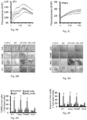
- IL-12 family of cytokines in cancer, at first, we monitored the level of these cytokines in different cancer cell lines. It was not possible to examine the role of IL-12p40 monomer and IL-12p40 homodimer in the pathogenesis of any disease due to the unavailability of specific functional blocking monoclonal antibodies (mAb). Therefore, we have generated neutralizing mAbs against each of IL-12p40 monomer and IL-12p40 homodimer and developed ELISA to monitor these cytokines separately (11). The quantification analyses were performed in different adherent mouse cancer cells including squamous (KLN), prostate (TRAMP), breast (4T1), and liver hepatoma (Hepa) cell lines.
- KLN squamous
- TRAMP prostate
- T1 breast (4T1
- Hepa liver hepatoma
- IL-12p40 monomer IL-12p40 homodimer
- IL-12 heterodimer IL-12 heterodimer
- IL-23 heterodimer IL-12 heterodimer
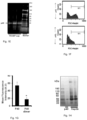
- the level of IL-12p40 monomer was much higher than IL-12p40 homodimer, IL-12 heterodimer or IL-23 heterodimer in TRAMP, 4T1 and Hepa cells ( Fig. 1A-C ).
- Example 3 Selective neutralization of IL-12p40 monomer by monoclonal antibody stimulates the death response in cancer cells.
- IL-12p40 monomer Since among the IL-12 family members, the level of IL-12p40 monomer was the highest in most of the cancer cells, we examined its role in growth and survival of cancer cells. It is often quite straightforward to consider a knock out mouse model to investigate the role of a molecule in any disease process. However, we cannot use IL-12p40 monomer (-/-) mice in this case because knocking out the p40 gene will knock down IL-12 heterodimer, IL-23 heterodimer, IL-12p40 homodimer, and IL-12p40 monomer. Therefore, to investigate the role of IL-12p40 homodimer and IL-12p40 monomer in life and death of different cancer cells, the only feasible approach is to use neutralizing monoclonal antibodies against these molecules.
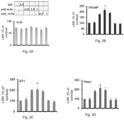
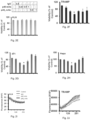
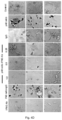
- the IL-12p40 monomer mAb a3-3a but not IL-12p40 homodimer mAb a3-1d, increased release of LDH Figure 2 (A-D) and decreased MTT Fig. 2 (E-H) in TRAMP Fig. 2 (B & F), 4T1 Fig. 2 (C & G) and Hepa Fig. 2 (D & H) cells.
- IL-12p40 monomer mAb had not effect on either LDH or MTT in KLN lung cancer cells, indicating the specificity of the effect.
- mAb displayed a reduced t-type calcium influx in TRAMP ( Fig. 2F ), 4T1 ( Fig. 2G ) and Hepa (Fig. 4H) cells.
- TRAMP TRAMP
- Fig. 2G 4T1
- Fig. 4H Hepa
- IL-12p40 monomer mAb remained unable to modulate t-type calcium influx in KLN cancer cells ( Fig. 2E ). Accordingly, TUNEL ( Fig. 2M ) and Annexin V-labeling ( Fig. 2N ) followed by the quantitative analyses ( Fig.
- mice were treated with IL-12p40 monomer mAa3-3a at a dose of 2mg/Kg body weight via intraperitoneally twice a week for 2 weeks. The tumor size was recorded every alternate day after treatment of IL-12p40 monomer mAb. Animals that received IgG were analyzed as negative controls. Control animals did not receive any antibody.
- Example 4 Specific neutralization of IL-12p40 monomer stimulates the production of IFN- ⁇ in cultured tumor cells and in vivo in tumor tissue.
- IL-12p40 monomer mAb-treatment increased the level of IFN ⁇ in TRAMP cells.
- IL-12p40 monomer mAb treatment decreased the level of IL-10, an anti-inflammatory cytokine that is known to support the growth of cancer cells (14).
- TUNEL Fig. 4D
- LDH Fig. 4E
- MTT Fig.
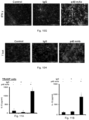
- IL-12p40 monomer mAb-treated tumor tissue expressed more IFN ⁇ mRNA ( Fig. 10A-B ) and protein ( Fig. 10C & 10G ) compared to control and IgG-treated tumors.
- the expression of T-bet, IFN ⁇ inducing transcription factor was also found to be upregulated in the tumor of IL-12p40 monomer mAb-treated, but not control and IgG-treated, mice ( Fig. 10H ). Since the upregulation of IL-10 (15) and the regulatory T cell marker Foxp3 (16) are believed to inhibit the cytotoxic effects in cancer cells, we also monitored these molecules in tumor tissue.
- Example 5 Specific neutralization of IL-12p40 monomer induces IL-12 heterodimer production in TRAMP tumor cells.
- the upregulation of IFN- ⁇ is achieved by the activation of IL-12 signaling pathway (13, 17). Since IL-12p40 monomer mAb increased the production of IFN- ⁇ and induced death in TRAMP cells via IFN- ⁇ , we investigated the involvement of IL-12 heterodimer in these processes. The production of IL-12 heterodimer markedly increased in IL-12p40 monomer mAb-treated TRAMP cells ( Fig. 11A ) and in vivo in tumor tissue ( Fig. 10B ) as compared to control and IgG-treatment, suggesting that IL-12 signaling pathway could be involved in L-12p40 monomer mAb-mediated IFN- ⁇ production and cell death.
- Example 6 Selective neutralization of IL-12p40 monomer induces the internalization of IL-12R ⁇ 1 in TRAMP cells:
- the IL-12 signaling pathway is initiated by the interaction between IL-12 heterodimer and IL-12 receptor, which is a heterodimer of IL-12R ⁇ 1 and IL-12R ⁇ 2.
- IL-12 receptor A functional IL-12 receptor has been reported to be internalized after successful binding with its ligand IL-12 heterodimer (18), otherwise it stays arrested in the membrane. Therefore, we examined if IL-12p40 monomer was involved in the arresting of IL-12 receptor in TRAMP cells in order to negate the IL-12 signaling pathway.
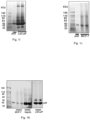
- Our FACS analyses revealed that the treatment with IL-12p40 monomer, but neither IL-12p40 homodimer nor p70, increased the surface expression of IL-12R ⁇ 1 in TRAMP cells ( Fig. 5Ai-iv ).
- IL-12p40 monomer did not have any effect on the surface expression of IL-12R ⁇ 2 ( Fig. 13 ). Furthermore, treatment with IL-12p40 monomer mAb, but not IgG, down-regulated the membrane level of IL-12R ⁇ 1 ( Fig. 5Av & vi ), suggesting the involvement of IL-12p40 monomer in the arresting of IL-12R ⁇ 1 on the membrane. To further confirm, we performed immunoblot analyses of IL-12R ⁇ 1 in the membrane fraction of TRAMP cells treated with IL-12p40 monomer, IL-12p40 homodimer, or p70, separately.
- IL-12R ⁇ 1 in whole cell extract when TRAMP cells were treated with these cytokines ( Fig. 5D ), negating the possibility of induction of IL-12R ⁇ 1 level by IL-12p40 monomer.
- the IL-12p40 monomer mAb abrogated IL-12p40 monomer-mediated increase in IL-12R ⁇ 1 in membrane of TRAMP cells ( Fig. 5E ), suggesting that IL-12p40 monomer is indeed involved in the membrane arrest of IL-12R ⁇ 1.
- Pan-Cadherin was analyzed to monitor the purity of the membrane fraction ( Fig. 5F ; top panel).
- Immunofluorescence analysis further confirmed that the IL-12p40 monomer mAb-mediated internalization of IL-12R ⁇ 1 in TRAMP cells is caveolin-dependent ( Fig. 5J-L ) as neutralizing IL-12p40 monomer with IL-12p40 monomer mAb was unable to internalize IL-12R ⁇ 1 when TRAMP cells were pretreated with filipin ( Fig. 5L ).
- IF immunofluorescence
- WB Western blot
- FACS fluorescence-activated cell sorting
- IC immunocytochemistry
- BL blocking Antibody Manufacturer Catalog Host Application Dilution IFNy eBioscience 16-7311-81 Rat Blocking, IF 0.25-1 ⁇ g/mL (BL), 1:100 (IF) Tbet Santacruz sc-21003 Rabbit IF 1:100 IL-12 heterodimer eBioscience 16-7123-81 Rat Blocking 0.25-1 ⁇ g/mL (BL) IL-12R ⁇ 1 BD Bioscience (PE-tagged) 551974 Mouse FACS 0.5-1 ⁇ g/ 10 6 cells Santacruz sc-658 Rabbit WB 1:200 IL-12R ⁇ 2 BD Bioscience 552819 Hamster FACS 0.5-1 ⁇ g/ 10 6 cells Caveolin-1 Cell Signaling Technology 3238 Rabbit WB, IC 1:1000 (WB) 1:400 (IC) Clathrin Cell Signaling Technology 2410 Rabbit WB, IC 1:1000 (
- Example 7 Levels of IL-12p40 monomer, IL-12p40 homodimer and IL-12 heterodimer in human patients
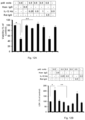
- Table 3 shows serum levels of IL-12p40 monomer, IL-12p40 homodimer and IL-12 heterodimer measured using ELISA in 11 prostate cancer patients and 11 control subjects. Concentrations of IL-12p40 monomer and IL-12p40 homodimer were measured in serum of prostate cancer patients and healthy controls by a sandwich ELISA as described in Hybridoma 27: 141-151, 2008 ; J. Immunol. 182: 5013-5023, 2009 . Briefly, for quantifying p40, we used mAb a3-3a for coating and mAb a3-7g for detection.
- mAb a3-1d and mAb d7-12c were used for coating and detection, respectively.
- Levels of IL-12 heterodimer in serum were measured using the IL-12 ELISA kit from eBioscience (San Diego, CA 92121).
- Each level reported in Table 3 is an average of three measurements.
- the serum levels of IL-12p40 monomer are higher in the prostate cancer patients as compared to the control subjects.
- the results suggest that excess IL-12p40 monomer may play a role in the pathogenesis of prostate cancer and that treatment of cancer patients with the monoclonal antibody against IL-12p40 monomer may inhibit/stop the progression of the prostate cancer.
- Table 3 Levels of IL-12p40 monomer, IL-12p40 homodimer and IL-12 heterodimer in serum of prostate cancer patients and control subjects Samples Age Race/ Ethnicity Gleason score PSA (ng/ml) Stage p40 (pg/ml) p40 2 (pg/ml) IL-12 (pg/ml) PC-1 55 White 6-7 13.15 III 3471 ⁇ 318 -96 ⁇ 14 4 ⁇ 0.4 PC-2 58 Asian 8-9 42.4 III 2962 ⁇ 732 330 ⁇ 290 4 ⁇ 0.084 PC-3 56 White 8-9 28.1 III 4246 ⁇ 1272 618 ⁇ 478 6 ⁇ 1.76 PC-4 67 White 7 22.48 III 3337 ⁇ 2206 514 ⁇ 68 3 ⁇ 0.753 PC-5 61 White 7-8 29.0 III 2799 ⁇ 291 -113 ⁇ 90 3 ⁇ 2.93 PC-6 56 White 8-9 56.4 III 2494 ⁇ 1251 454 ⁇ 88 6 ⁇ 2.49 PC-7 60 White 8-9 24.6 III 3590 ⁇ 1822 -163 ⁇ 3 3 ⁇ 2.8
Landscapes
- Health & Medical Sciences (AREA)
- Chemical & Material Sciences (AREA)
- Life Sciences & Earth Sciences (AREA)
- Medicinal Chemistry (AREA)
- Organic Chemistry (AREA)
- General Health & Medical Sciences (AREA)
- Immunology (AREA)
- Pharmacology & Pharmacy (AREA)
- Animal Behavior & Ethology (AREA)
- Public Health (AREA)
- Veterinary Medicine (AREA)
- Proteomics, Peptides & Aminoacids (AREA)
- Molecular Biology (AREA)
- Genetics & Genomics (AREA)
- Biochemistry (AREA)
- Biophysics (AREA)
- Engineering & Computer Science (AREA)
- Bioinformatics & Cheminformatics (AREA)
- Microbiology (AREA)
- Mycology (AREA)
- Epidemiology (AREA)
- Nuclear Medicine, Radiotherapy & Molecular Imaging (AREA)
- General Chemical & Material Sciences (AREA)
- Chemical Kinetics & Catalysis (AREA)
- Gynecology & Obstetrics (AREA)
- Pregnancy & Childbirth (AREA)
- Reproductive Health (AREA)
- Cell Biology (AREA)
- Medicines Containing Antibodies Or Antigens For Use As Internal Diagnostic Agents (AREA)
- Peptides Or Proteins (AREA)
Applications Claiming Priority (2)
| Application Number | Priority Date | Filing Date | Title |
|---|---|---|---|
| US201562131343P | 2015-03-11 | 2015-03-11 | |
| PCT/US2016/020864 WO2016144743A1 (en) | 2015-03-11 | 2016-03-04 | Compositions and methods for treating cancer |
Publications (3)
| Publication Number | Publication Date |
|---|---|
| EP3268028A1 EP3268028A1 (en) | 2018-01-17 |
| EP3268028A4 EP3268028A4 (en) | 2018-09-05 |
| EP3268028B1 true EP3268028B1 (en) | 2025-05-21 |
Family
ID=56879779
Family Applications (1)
| Application Number | Title | Priority Date | Filing Date |
|---|---|---|---|
| EP16762206.7A Active EP3268028B1 (en) | 2015-03-11 | 2016-03-04 | Compositions and methods for treating cancer |
Country Status (5)
| Country | Link |
|---|---|
| US (1) | US11279754B2 (https=) |
| EP (1) | EP3268028B1 (https=) |
| JP (1) | JP6871876B2 (https=) |
| CA (1) | CA2979210A1 (https=) |
| WO (1) | WO2016144743A1 (https=) |
Families Citing this family (2)
| Publication number | Priority date | Publication date | Assignee | Title |
|---|---|---|---|---|
| JP6871876B2 (ja) | 2015-03-11 | 2021-05-19 | ラッシュ ユニヴァーシティ メディカル センター | がんを治療するための組成物と方法 |
| US20230174636A1 (en) * | 2020-05-12 | 2023-06-08 | Rush University Medical Center | Compositions and methods for treating cancer |
Family Cites Families (4)
| Publication number | Priority date | Publication date | Assignee | Title |
|---|---|---|---|---|
| US7282204B2 (en) | 2003-03-10 | 2007-10-16 | Schering Corporation | Uses of IL-23 agonists and antagonists; related reagents |
| MY157915A (en) * | 2004-12-21 | 2016-08-15 | Centocor Inc | Anti-il-12 antibodies, epitopes, compositions, methods and uses. |
| WO2012159100A1 (en) * | 2011-05-19 | 2012-11-22 | Rush University Medical Center | Il-12 p40 monomer, monoclonal antibody against p40 homodimer and the combination of the two for autoimmune disease treatment |
| JP6871876B2 (ja) | 2015-03-11 | 2021-05-19 | ラッシュ ユニヴァーシティ メディカル センター | がんを治療するための組成物と方法 |
-
2016
- 2016-03-04 JP JP2017566608A patent/JP6871876B2/ja active Active
- 2016-03-04 WO PCT/US2016/020864 patent/WO2016144743A1/en not_active Ceased
- 2016-03-04 US US15/551,710 patent/US11279754B2/en not_active Expired - Fee Related
- 2016-03-04 EP EP16762206.7A patent/EP3268028B1/en active Active
- 2016-03-04 CA CA2979210A patent/CA2979210A1/en active Pending
Non-Patent Citations (2)
| Title |
|---|
| 2016, Retrieved from the Internet <URL:https://www.biolegend.com/en-gb/products/ultra-leaf-low-endotoxin--azide-free-purified-anti-mouse-il-12-il-23-p40-monomer--dimer--heterodimer-antibody-7751> [retrieved on 20200507] * |
| 2019, Retrieved from the Internet <URL:https://www.merckmillipore.com/NL/en/product/Anti-IL-12-IL-23-p40-mouse-PE-clone-C17.8-Antibody,MM_NF-MABF1514?ReferrerURL=https%3A%2F%2Fwww.google.com%2F&bd=1> [retrieved on 20191115] * |
Also Published As
| Publication number | Publication date |
|---|---|
| WO2016144743A1 (en) | 2016-09-15 |
| JP2018509469A (ja) | 2018-04-05 |
| US11279754B2 (en) | 2022-03-22 |
| CA2979210A1 (en) | 2016-09-15 |
| EP3268028A4 (en) | 2018-09-05 |
| JP6871876B2 (ja) | 2021-05-19 |
| US20180194837A1 (en) | 2018-07-12 |
| EP3268028A1 (en) | 2018-01-17 |
Similar Documents
| Publication | Publication Date | Title |
|---|---|---|
| US12318448B2 (en) | Use of TLR agonist and anti-CD47 agent to enhance phagocytosis of cancer cells | |
| KR100847944B1 (ko) | Cd40 항체 제제 및 방법 | |
| Parihar et al. | IL-12 enhances the natural killer cell cytokine response to Ab-coated tumor cells | |
| US9585957B2 (en) | Adenosine receptor agonists and antagonists to modulate T cell responses | |
| CN101873864A (zh) | 用于诱发单核细胞免疫应答的重组细胞lag-3或其衍生物的应用 | |
| US11987626B2 (en) | Treatment of eosinophil or mast cell related disorders | |
| JP5834004B2 (ja) | ループス治療のための方法および組成物 | |
| JP2019218359A (ja) | Gd2陽性がんを処置するための製剤および方法 | |
| EP3268028B1 (en) | Compositions and methods for treating cancer | |
| AU2021207295A1 (en) | Compositions and methods | |
| CN102245205A (zh) | 用于减少b-辅助性t细胞以治疗自身免疫疾病的方法 | |
| Casati et al. | Human lymphocyte activation gene-3 molecules expressed by activated T cells deliver costimulation signal for dendritic cell activation | |
| US20260069594A1 (en) | Use of an agent capable of inhibiting the activation of mait cells for the treatment of rheumatoid arthritis | |
| KR20220016104A (ko) | 암 치료를 위한 프로카스파아제-3 활성화 및 면역요법 | |
| HK40074080A (en) | Use of trl agonist and anti-cd47 agent to enhance phagocytosis of cancer cells | |
| HK1172823A (en) | Cd40 antibody formulation and methods |
Legal Events
| Date | Code | Title | Description |
|---|---|---|---|
| STAA | Information on the status of an ep patent application or granted ep patent |
Free format text: STATUS: THE INTERNATIONAL PUBLICATION HAS BEEN MADE |
|
| PUAI | Public reference made under article 153(3) epc to a published international application that has entered the european phase |
Free format text: ORIGINAL CODE: 0009012 |
|
| STAA | Information on the status of an ep patent application or granted ep patent |
Free format text: STATUS: REQUEST FOR EXAMINATION WAS MADE |
|
| 17P | Request for examination filed |
Effective date: 20171011 |
|
| AK | Designated contracting states |
Kind code of ref document: A1 Designated state(s): AL AT BE BG CH CY CZ DE DK EE ES FI FR GB GR HR HU IE IS IT LI LT LU LV MC MK MT NL NO PL PT RO RS SE SI SK SM TR |
|
| AX | Request for extension of the european patent |
Extension state: BA ME |
|
| DAV | Request for validation of the european patent (deleted) | ||
| DAX | Request for extension of the european patent (deleted) | ||
| REG | Reference to a national code |
Ref country code: HK Ref legal event code: DE Ref document number: 1242573 Country of ref document: HK |
|
| A4 | Supplementary search report drawn up and despatched |
Effective date: 20180806 |
|
| RIC1 | Information provided on ipc code assigned before grant |
Ipc: C07K 14/54 20060101ALI20180731BHEP Ipc: A61K 38/20 20060101AFI20180731BHEP Ipc: A61K 39/395 20060101ALI20180731BHEP |
|
| STAA | Information on the status of an ep patent application or granted ep patent |
Free format text: STATUS: EXAMINATION IS IN PROGRESS |
|
| 17Q | First examination report despatched |
Effective date: 20191125 |
|
| TPAC | Observations filed by third parties |
Free format text: ORIGINAL CODE: EPIDOSNTIPA |
|
| TPAC | Observations filed by third parties |
Free format text: ORIGINAL CODE: EPIDOSNTIPA |
|
| GRAP | Despatch of communication of intention to grant a patent |
Free format text: ORIGINAL CODE: EPIDOSNIGR1 |
|
| STAA | Information on the status of an ep patent application or granted ep patent |
Free format text: STATUS: GRANT OF PATENT IS INTENDED |
|
| INTG | Intention to grant announced |
Effective date: 20241213 |
|
| GRAS | Grant fee paid |
Free format text: ORIGINAL CODE: EPIDOSNIGR3 |
|
| GRAA | (expected) grant |
Free format text: ORIGINAL CODE: 0009210 |
|
| STAA | Information on the status of an ep patent application or granted ep patent |
Free format text: STATUS: THE PATENT HAS BEEN GRANTED |
|
| AK | Designated contracting states |
Kind code of ref document: B1 Designated state(s): AL AT BE BG CH CY CZ DE DK EE ES FI FR GB GR HR HU IE IS IT LI LT LU LV MC MK MT NL NO PL PT RO RS SE SI SK SM TR |
|
| REG | Reference to a national code |
Ref country code: GB Ref legal event code: FG4D |
|
| REG | Reference to a national code |
Ref country code: CH Ref legal event code: EP |
|
| REG | Reference to a national code |
Ref country code: DE Ref legal event code: R096 Ref document number: 602016092313 Country of ref document: DE |
|
| REG | Reference to a national code |
Ref country code: IE Ref legal event code: FG4D |
|
| REG | Reference to a national code |
Ref country code: NL Ref legal event code: MP Effective date: 20250521 |
|
| P01 | Opt-out of the competence of the unified patent court (upc) registered |
Free format text: CASE NUMBER: UPC_APP_4013_3268028/2025 Effective date: 20250821 |
|
| PG25 | Lapsed in a contracting state [announced via postgrant information from national office to epo] |
Ref country code: PT Free format text: LAPSE BECAUSE OF FAILURE TO SUBMIT A TRANSLATION OF THE DESCRIPTION OR TO PAY THE FEE WITHIN THE PRESCRIBED TIME-LIMIT Effective date: 20250922 Ref country code: ES Free format text: LAPSE BECAUSE OF FAILURE TO SUBMIT A TRANSLATION OF THE DESCRIPTION OR TO PAY THE FEE WITHIN THE PRESCRIBED TIME-LIMIT Effective date: 20250521 Ref country code: FI Free format text: LAPSE BECAUSE OF FAILURE TO SUBMIT A TRANSLATION OF THE DESCRIPTION OR TO PAY THE FEE WITHIN THE PRESCRIBED TIME-LIMIT Effective date: 20250521 |
|
| REG | Reference to a national code |
Ref country code: LT Ref legal event code: MG9D |
|
| PG25 | Lapsed in a contracting state [announced via postgrant information from national office to epo] |
Ref country code: NO Free format text: LAPSE BECAUSE OF FAILURE TO SUBMIT A TRANSLATION OF THE DESCRIPTION OR TO PAY THE FEE WITHIN THE PRESCRIBED TIME-LIMIT Effective date: 20250821 Ref country code: GR Free format text: LAPSE BECAUSE OF FAILURE TO SUBMIT A TRANSLATION OF THE DESCRIPTION OR TO PAY THE FEE WITHIN THE PRESCRIBED TIME-LIMIT Effective date: 20250822 |
|
| PG25 | Lapsed in a contracting state [announced via postgrant information from national office to epo] |
Ref country code: NL Free format text: LAPSE BECAUSE OF FAILURE TO SUBMIT A TRANSLATION OF THE DESCRIPTION OR TO PAY THE FEE WITHIN THE PRESCRIBED TIME-LIMIT Effective date: 20250521 Ref country code: PL Free format text: LAPSE BECAUSE OF FAILURE TO SUBMIT A TRANSLATION OF THE DESCRIPTION OR TO PAY THE FEE WITHIN THE PRESCRIBED TIME-LIMIT Effective date: 20250521 |
|
| PG25 | Lapsed in a contracting state [announced via postgrant information from national office to epo] |
Ref country code: BG Free format text: LAPSE BECAUSE OF FAILURE TO SUBMIT A TRANSLATION OF THE DESCRIPTION OR TO PAY THE FEE WITHIN THE PRESCRIBED TIME-LIMIT Effective date: 20250521 |
|
| PG25 | Lapsed in a contracting state [announced via postgrant information from national office to epo] |
Ref country code: HR Free format text: LAPSE BECAUSE OF FAILURE TO SUBMIT A TRANSLATION OF THE DESCRIPTION OR TO PAY THE FEE WITHIN THE PRESCRIBED TIME-LIMIT Effective date: 20250521 |
|
| PG25 | Lapsed in a contracting state [announced via postgrant information from national office to epo] |
Ref country code: RS Free format text: LAPSE BECAUSE OF FAILURE TO SUBMIT A TRANSLATION OF THE DESCRIPTION OR TO PAY THE FEE WITHIN THE PRESCRIBED TIME-LIMIT Effective date: 20250821 |
|
| PG25 | Lapsed in a contracting state [announced via postgrant information from national office to epo] |
Ref country code: IS Free format text: LAPSE BECAUSE OF FAILURE TO SUBMIT A TRANSLATION OF THE DESCRIPTION OR TO PAY THE FEE WITHIN THE PRESCRIBED TIME-LIMIT Effective date: 20250921 |
|
| PG25 | Lapsed in a contracting state [announced via postgrant information from national office to epo] |
Ref country code: LV Free format text: LAPSE BECAUSE OF FAILURE TO SUBMIT A TRANSLATION OF THE DESCRIPTION OR TO PAY THE FEE WITHIN THE PRESCRIBED TIME-LIMIT Effective date: 20250521 |
|
| REG | Reference to a national code |
Ref country code: AT Ref legal event code: MK05 Ref document number: 1796221 Country of ref document: AT Kind code of ref document: T Effective date: 20250521 |
|
| PG25 | Lapsed in a contracting state [announced via postgrant information from national office to epo] |
Ref country code: SM Free format text: LAPSE BECAUSE OF FAILURE TO SUBMIT A TRANSLATION OF THE DESCRIPTION OR TO PAY THE FEE WITHIN THE PRESCRIBED TIME-LIMIT Effective date: 20250521 Ref country code: AT Free format text: LAPSE BECAUSE OF FAILURE TO SUBMIT A TRANSLATION OF THE DESCRIPTION OR TO PAY THE FEE WITHIN THE PRESCRIBED TIME-LIMIT Effective date: 20250521 Ref country code: DK Free format text: LAPSE BECAUSE OF FAILURE TO SUBMIT A TRANSLATION OF THE DESCRIPTION OR TO PAY THE FEE WITHIN THE PRESCRIBED TIME-LIMIT Effective date: 20250521 |
|
| PG25 | Lapsed in a contracting state [announced via postgrant information from national office to epo] |
Ref country code: CZ Free format text: LAPSE BECAUSE OF FAILURE TO SUBMIT A TRANSLATION OF THE DESCRIPTION OR TO PAY THE FEE WITHIN THE PRESCRIBED TIME-LIMIT Effective date: 20250521 |
|
| PG25 | Lapsed in a contracting state [announced via postgrant information from national office to epo] |
Ref country code: EE Free format text: LAPSE BECAUSE OF FAILURE TO SUBMIT A TRANSLATION OF THE DESCRIPTION OR TO PAY THE FEE WITHIN THE PRESCRIBED TIME-LIMIT Effective date: 20250521 |
|
| PG25 | Lapsed in a contracting state [announced via postgrant information from national office to epo] |
Ref country code: RO Free format text: LAPSE BECAUSE OF FAILURE TO SUBMIT A TRANSLATION OF THE DESCRIPTION OR TO PAY THE FEE WITHIN THE PRESCRIBED TIME-LIMIT Effective date: 20250521 Ref country code: SK Free format text: LAPSE BECAUSE OF FAILURE TO SUBMIT A TRANSLATION OF THE DESCRIPTION OR TO PAY THE FEE WITHIN THE PRESCRIBED TIME-LIMIT Effective date: 20250521 |
|
| PG25 | Lapsed in a contracting state [announced via postgrant information from national office to epo] |
Ref country code: IT Free format text: LAPSE BECAUSE OF FAILURE TO SUBMIT A TRANSLATION OF THE DESCRIPTION OR TO PAY THE FEE WITHIN THE PRESCRIBED TIME-LIMIT Effective date: 20250521 |
|
| REG | Reference to a national code |
Ref country code: DE Ref legal event code: R097 Ref document number: 602016092313 Country of ref document: DE |
|
| PLBE | No opposition filed within time limit |
Free format text: ORIGINAL CODE: 0009261 |
|
| STAA | Information on the status of an ep patent application or granted ep patent |
Free format text: STATUS: NO OPPOSITION FILED WITHIN TIME LIMIT |
|
| REG | Reference to a national code |
Ref country code: CH Ref legal event code: L10 Free format text: ST27 STATUS EVENT CODE: U-0-0-L10-L00 (AS PROVIDED BY THE NATIONAL OFFICE) Effective date: 20260402 |
|
| 26N | No opposition filed |
Effective date: 20260224 |