EP3268013B1 - Il-10-producing cd4+ t cells for use in treating a cancer - Google Patents
Il-10-producing cd4+ t cells for use in treating a cancer Download PDFInfo
- Publication number
- EP3268013B1 EP3268013B1 EP16710702.8A EP16710702A EP3268013B1 EP 3268013 B1 EP3268013 B1 EP 3268013B1 EP 16710702 A EP16710702 A EP 16710702A EP 3268013 B1 EP3268013 B1 EP 3268013B1
- Authority
- EP
- European Patent Office
- Prior art keywords
- cells
- cell
- cancer
- tumor
- expresses
- Prior art date
- Legal status (The legal status is an assumption and is not a legal conclusion. Google has not performed a legal analysis and makes no representation as to the accuracy of the status listed.)
- Active
Links
Images


Classifications
-
- A—HUMAN NECESSITIES
- A61—MEDICAL OR VETERINARY SCIENCE; HYGIENE
- A61K—PREPARATIONS FOR MEDICAL, DENTAL OR TOILETRY PURPOSES
- A61K38/00—Medicinal preparations containing peptides
- A61K38/16—Peptides having more than 20 amino acids; Gastrins; Somatostatins; Melanotropins; Derivatives thereof
- A61K38/17—Peptides having more than 20 amino acids; Gastrins; Somatostatins; Melanotropins; Derivatives thereof from animals; from humans
- A61K38/19—Cytokines; Lymphokines; Interferons
- A61K38/20—Interleukins [IL]
- A61K38/2066—IL-10
-
- A—HUMAN NECESSITIES
- A61—MEDICAL OR VETERINARY SCIENCE; HYGIENE
- A61K—PREPARATIONS FOR MEDICAL, DENTAL OR TOILETRY PURPOSES
- A61K40/00—Cellular immunotherapy
- A61K40/10—Cellular immunotherapy characterised by the cell type used
-
- A—HUMAN NECESSITIES
- A61—MEDICAL OR VETERINARY SCIENCE; HYGIENE
- A61K—PREPARATIONS FOR MEDICAL, DENTAL OR TOILETRY PURPOSES
- A61K40/00—Cellular immunotherapy
- A61K40/10—Cellular immunotherapy characterised by the cell type used
- A61K40/11—T-cells, e.g. tumour infiltrating lymphocytes [TIL] or regulatory T [Treg] cells; Lymphokine-activated killer [LAK] cells
-
- A—HUMAN NECESSITIES
- A61—MEDICAL OR VETERINARY SCIENCE; HYGIENE
- A61K—PREPARATIONS FOR MEDICAL, DENTAL OR TOILETRY PURPOSES
- A61K40/00—Cellular immunotherapy
- A61K40/20—Cellular immunotherapy characterised by the effect or the function of the cells
- A61K40/22—Immunosuppressive or immunotolerising
-
- A—HUMAN NECESSITIES
- A61—MEDICAL OR VETERINARY SCIENCE; HYGIENE
- A61K—PREPARATIONS FOR MEDICAL, DENTAL OR TOILETRY PURPOSES
- A61K40/00—Cellular immunotherapy
- A61K40/40—Cellular immunotherapy characterised by antigens that are targeted or presented by cells of the immune system
- A61K40/41—Vertebrate antigens
- A61K40/418—Antigens related to induction of tolerance to non-self
-
- A—HUMAN NECESSITIES
- A61—MEDICAL OR VETERINARY SCIENCE; HYGIENE
- A61K—PREPARATIONS FOR MEDICAL, DENTAL OR TOILETRY PURPOSES
- A61K40/00—Cellular immunotherapy
- A61K40/40—Cellular immunotherapy characterised by antigens that are targeted or presented by cells of the immune system
- A61K40/41—Vertebrate antigens
- A61K40/42—Cancer antigens
-
- A—HUMAN NECESSITIES
- A61—MEDICAL OR VETERINARY SCIENCE; HYGIENE
- A61P—SPECIFIC THERAPEUTIC ACTIVITY OF CHEMICAL COMPOUNDS OR MEDICINAL PREPARATIONS
- A61P35/00—Antineoplastic agents
-
- A—HUMAN NECESSITIES
- A61—MEDICAL OR VETERINARY SCIENCE; HYGIENE
- A61P—SPECIFIC THERAPEUTIC ACTIVITY OF CHEMICAL COMPOUNDS OR MEDICINAL PREPARATIONS
- A61P37/00—Drugs for immunological or allergic disorders
- A61P37/02—Immunomodulators
- A61P37/06—Immunosuppressants, e.g. drugs for graft rejection
-
- G—PHYSICS
- G01—MEASURING; TESTING
- G01N—INVESTIGATING OR ANALYSING MATERIALS BY DETERMINING THEIR CHEMICAL OR PHYSICAL PROPERTIES
- G01N33/00—Investigating or analysing materials by specific methods not covered by groups G01N1/00 - G01N31/00
- G01N33/48—Biological material, e.g. blood, urine; Haemocytometers
- G01N33/50—Chemical analysis of biological material, e.g. blood, urine; Testing involving biospecific ligand binding methods; Immunological testing
- G01N33/53—Immunoassay; Biospecific binding assay; Materials therefor
- G01N33/575—Immunoassay; Biospecific binding assay; Materials therefor for cancer
- G01N33/5758—Immunoassay; Biospecific binding assay; Materials therefor for cancer involving compounds serving as markers for tumours, cancers or neoplasias, e.g. cellular determinants, receptors, heat shock/stress proteins, A-protein, oligosaccharides or metabolites
- G01N33/5759—Immunoassay; Biospecific binding assay; Materials therefor for cancer involving compounds serving as markers for tumours, cancers or neoplasias, e.g. cellular determinants, receptors, heat shock/stress proteins, A-protein, oligosaccharides or metabolites involving compounds localised on the membrane of tumour or cancer cells
-
- A—HUMAN NECESSITIES
- A61—MEDICAL OR VETERINARY SCIENCE; HYGIENE
- A61K—PREPARATIONS FOR MEDICAL, DENTAL OR TOILETRY PURPOSES
- A61K2239/00—Indexing codes associated with cellular immunotherapy of group A61K40/00
- A61K2239/31—Indexing codes associated with cellular immunotherapy of group A61K40/00 characterized by the route of administration
-
- A—HUMAN NECESSITIES
- A61—MEDICAL OR VETERINARY SCIENCE; HYGIENE
- A61K—PREPARATIONS FOR MEDICAL, DENTAL OR TOILETRY PURPOSES
- A61K2239/00—Indexing codes associated with cellular immunotherapy of group A61K40/00
- A61K2239/38—Indexing codes associated with cellular immunotherapy of group A61K40/00 characterised by the dose, timing or administration schedule
-
- A—HUMAN NECESSITIES
- A61—MEDICAL OR VETERINARY SCIENCE; HYGIENE
- A61K—PREPARATIONS FOR MEDICAL, DENTAL OR TOILETRY PURPOSES
- A61K2239/00—Indexing codes associated with cellular immunotherapy of group A61K40/00
- A61K2239/46—Indexing codes associated with cellular immunotherapy of group A61K40/00 characterised by the cancer treated
- A61K2239/48—Blood cells, e.g. leukemia or lymphoma
-
- A—HUMAN NECESSITIES
- A61—MEDICAL OR VETERINARY SCIENCE; HYGIENE
- A61K—PREPARATIONS FOR MEDICAL, DENTAL OR TOILETRY PURPOSES
- A61K40/00—Cellular immunotherapy
- A61K40/50—Cellular immunotherapy characterised by the use of allogeneic cells
-
- G—PHYSICS
- G01—MEASURING; TESTING
- G01N—INVESTIGATING OR ANALYSING MATERIALS BY DETERMINING THEIR CHEMICAL OR PHYSICAL PROPERTIES
- G01N2333/00—Assays involving biological materials from specific organisms or of a specific nature
- G01N2333/435—Assays involving biological materials from specific organisms or of a specific nature from animals; from humans
- G01N2333/705—Assays involving receptors, cell surface antigens or cell surface determinants
- G01N2333/70503—Immunoglobulin superfamily, e.g. VCAMs, PECAM, LFA-3
- G01N2333/70525—ICAM molecules, e.g. CD50, CD54, CD102
-
- G—PHYSICS
- G01—MEASURING; TESTING
- G01N—INVESTIGATING OR ANALYSING MATERIALS BY DETERMINING THEIR CHEMICAL OR PHYSICAL PROPERTIES
- G01N2333/00—Assays involving biological materials from specific organisms or of a specific nature
- G01N2333/435—Assays involving biological materials from specific organisms or of a specific nature from animals; from humans
- G01N2333/705—Assays involving receptors, cell surface antigens or cell surface determinants
- G01N2333/70503—Immunoglobulin superfamily, e.g. VCAMs, PECAM, LFA-3
- G01N2333/70539—MHC-molecules, e.g. HLA-molecules
-
- G—PHYSICS
- G01—MEASURING; TESTING
- G01N—INVESTIGATING OR ANALYSING MATERIALS BY DETERMINING THEIR CHEMICAL OR PHYSICAL PROPERTIES
- G01N2333/00—Assays involving biological materials from specific organisms or of a specific nature
- G01N2333/435—Assays involving biological materials from specific organisms or of a specific nature from animals; from humans
- G01N2333/705—Assays involving receptors, cell surface antigens or cell surface determinants
- G01N2333/70596—Molecules with a "CD"-designation not provided for elsewhere in G01N2333/705
Definitions
- the present invention relates to a CD4 + T cell that produces high levels of IL-10 for use in the treatment and/or prevention of a tumor that expresses CD13, HLA-class I and CD54 and/or for use in inducing Graft versus tumour (GvT).
- the present invention relates also to an in vitro method to select a subject to be treated with said cell.
- Tregs T regulatory cells
- FOXP3 forkhead box P3
- Tregs CD25 + Tregs
- Tr1 T regulatory type 1
- Tr1 cells are induced in the periphery upon chronic antigen(Ag) stimulation in the presence of IL-10 2 , and are characterized by the co-expression of CD49b and LAG-3 3 and the ability to secrete IL-10, Transforming Growth Factor (TGF)- ⁇ , variable amounts of IFN- ⁇ , and low levels of IL-2, and minimal amounts of IL-4 and IL-17 2-4 . Tr1 cells suppress T-cell responses primarily via the secretion of IL-10 and TGF- ⁇ 2,5 and by the specific killing of myeloid antigen-presenting cells through the release of Granzyme B (GzB) and perforin 6 .
- GzB Granzyme B
- Tr1 cells are induced in vitro when T cells are activated in the presence of recombinant human IL-10 or tolerogenic dendritic cells (DC-10) that secrete high amounts of IL-10 and express immunoglobulin-like transcript-4 (ILT4) and HLA-G 7,8 .
- DC-10 tolerogenic dendritic cells
- ILT4 immunoglobulin-like transcript-4
- HLA-G 7,8 HLA-G 7,8 .
- Treg-based cell therapy has been extensively tested in pre-clinical models of Graft-versus-Host-Disease (GvHD) 9-11 and humanized mouse models of xeno-GvHD 12 .
- GvHD Graft-versus-Host-Disease
- allo-HSCT allogeneic hematopoietic stem cell transplantation
- the inventors demonstrated the safety and feasibility of Tr1 cell-infusion in a clinical trial aimed at providing immune reconstitution in the absence of severe GvHD in hematological cancer patients undergoing haploidentical HSCT 18 . Although a small cohort of patients was treated, results demonstrated that after infusion of IL-10 DLI only mild GvHD (grade II or III, responsive to therapy) was observed and a tolerance signature was achieved. Furthermore, the treatment accelerated immune reconstitution after transplantation, and correlated with long-lasting disease remission 18 .
- a major difference between the CD25 + Treg-based trials and the IL-10 DLI trial is that, in the formers, a pool of polyclonal non-Ag-specific cells was administered, whereas the inventors used a cell product containing in vitro primed donor-derived host-specific Tr1 cells.
- Andolfi et al. discloses the use of a bidirectional lentiviral vector (LV) encoding for human IL-10 and the marker gene, green fluorescent protein (GFP), which are independently co-expressed to generate CD4 LV-IL-10 cells.
- LV bidirectional lentiviral vector
- GFP green fluorescent protein
- CD4 LV-IL-10 cells displayed typical Tr1 features: the anergic phenotype, the IL-10- and TGF- ⁇ -dependent suppression of allogeneic T-cell responses, the ability to suppress in a cell-to-cell contact independent manner in vitro.
- CD4 LV-IL-10 cells were able to control xeno graft-versus-host disease (GvHD), demonstrating their suppressive function in vivo 18 .
- GvHD xeno graft-versus-host disease
- a CD4+ T cell that produces high levels of IL-10 was generated.
- an homogenous IL-10-engineered CD4 + T (CD4 IL-10 ) cell population was generated by transducing human CD4+T cells with a bidirectional lentiviral vector (LV) encoding for human IL-10 and ⁇ NGFR, as clinical grade marker gene, leading to a constitutive over expression of IL-10.
- LV bidirectional lentiviral vector
- the CD4 IL-10 cell population of the invention was able to eliminate tumor, but maintained the intrinsic characteristic, Tr1-like, to prevent xeno-GvHD.
- the CD4 IL-10 cell population of the invention kills tumors (or target cells) expressing CD13.
- CD13 on the tumor or target cells is determinant for the anti-tumoral activity of the CD4 IL-10 cell population.
- the killing activity of CD4 IL-10 of the invention requires the presence of CD13, HLA-class I and CD54 on the tumor. Therefore, the adoptive transfer of CD4 IL-10 cells of the invention mediates in vivo potent anti-tumor effect, preferably an anti-leukemia effect (Graft versus Leukemia, GvL), and prevents xeno-GvHD without compromising the GvL effect mediated by HSCT.
- an anti-leukemia effect preferably an anti-leukemia effect (Graft versus Leukemia, GvL)
- allo-specific CD4 IL-10 T cells are also capable of eliminating CD13 + tumor cell lines in an HLA-1 dependent manner.
- CD4 IL-10 cells of the present invention homogenously express GzB, are CD18 + , which in association with CD11a forms LFA-1, CD2 + , and CD226 + .
- CD4 IL-10 cells of the present invention acquired the ability to eliminate target cells, such as tumor cells for instance primary myeloid cells, such as primary leukemic blasts.
- target cells such as tumor cells for instance primary myeloid cells, such as primary leukemic blasts.
- the inventors demonstrate that anti-leukemic activity of CD4 1L-10 cells is specific for myeloid cells and requires the presence of HLA-class I on the tumor.
- the inventors identify HLA-class I CD13, CD54, and optionally CD112 as biomarkers of CD4 IL-10 cell anti-leukemic activity.
- the inventors provide evidences that adoptive transfer of CD4 IL-10 cells mediate in vivo potent anti-myeloid tumor and anti-leukemic effects and prevent xeno-GvHD without compromising the anti-leukemic effect mediated by allogeneic T cells.
- CD4 IL-10 cells i) specifically killed target cells, in particular myeloid cells; ii) mediate anti-tumor (GvT) or anti-leukemic (GvL) effects, iii) allow allogeneic T cells to maintain their anti-leukemic (GvL) effect; and iv) maintain the ability to inhibit GvHD.
- graft-versus-tumor In the contest of solid tumors the ability of immunotherapy with CD4 IL-10 cells to eliminate tumor cells is termed graft-versus-tumor (GvT), whereas in the contest of hematological diseases the anti-tumor effect mediated by immunotherapy with CD4 IL-10 cells or allogeneic T cells is named Graft-versus-Leukemia (GvL).
- CD4 IL-10 cells of the present invention prevent GvHD while at the same time preserve GvL in patients affected by a variety of hematological malignancies who receive allo-HSCT.
- the ability of CD4 IL-10 cells to eliminate myeloid leukemia in an alloAg-independent but HLA class I-dependent manner renders them an interesting therapeutic approach to limit, and possibly to overcome, leukemia relapse caused by the loss of shared HLA alleles after haploidentical-HSCT, or matched unrelated HSCT.
- CD4 IL-10 cells mediate anti-leukemic effects in an alloAg-independent manner, rendering possible the use of autologous or even third party cells as immunotherapy.
- CD4 IL-10 cells might be used as anti-tumor cells in the contest of other malignancies mediated by aberrant myeloid cells, such as in extramedullary manifestations (EM) of AML, which include myeloid sarcoma and leukemia cutis.
- EM extramedullary manifestations
- the treatment for EM is chemotherapy.
- EM is often a form of relapse after allo-HSCT.
- CD4 IL-10 cells may also be used as adjuvant therapy in other malignancies, such as in solid tumors, where tumor-associated myeloid cells are known to play a critical role in promoting tumor neo-vascularization.
- CD4 IL-10 cells of the present invention i) specifically kill target cells that express CD13, CD54 and HLA-class I in particular leukemic cells and primary blasts.
- the target cells may also express further markers such as CD112, CD58 or CD155, ii) mediate anti-leukemic and anti-tumor effects in vivo, and iii) preserve GvL mediated by allogeneic T cells.
- immunotherapy with CD4 IL-10 cells represents an innovative tool to prevent GvHD in patients affected by a variety of hematological malignancies who receive allo-HSCT. In addition, it opens new perspectives also in the contest of other malignancies mediated by aberrant myeloid cells.
- the present invention relates to some specific applications of CD4 IL-10 cells:
- the surprising and remarkable effect of the CD4 IL-10 cells of the present invention resides in the fact that not only such cells are able to suppress tumor (such as hematological tumors) but they do not induce GvHD, as allo-HSCT does. Moreover the CD4 IL-10 cells of the present invention do not inhibit GvL mediated by allo-HSCT. All together these data demonstrate the superior and advantageous properties of the CD4 IL-10 cells of the present invention for the tumors and for the treatment and/or prevention of GvHD preserving at the same time GvT and/or GvL after allo-HSCT to cure myeloid malignancies.
- the present invention provides a CD4 + T cell that produces high levels of IL-10 for use in the treatment and/or prevention of a tumor, wherein said tumor expresses CD13, HLA-class I and CD54.
- said cell is modified to produce high levels of IL-10.
- said cell is genetically modified to produce IL-10.
- said cell expresses CD18 and/or CD2 and/or CD226.
- said cell is CD226 ++ , i.e expresses high levels of CD226.
- said cell expresses granzyme B (GzB).
- said cell prevents GvHD.
- said cell induces Graft versus Tumour (GvT) and/or induces Graft versus leukemia (GvL).
- GvT Graft versus Tumour
- GvL Graft versus leukemia
- said cell is autologous, heterologous, polyclonal or allo-specific.
- a preferred cell is autologous and polyclonal or heterologous and polyclonal.
- said tumor further expresses at least one marker selected from the group consisting of: CD112, CD58.
- said tumor further expresses CD155.
- the tumor is a solid or hematological tumor.
- the tumor is leukemic or a myeloid tumor.
- the tumor is mediated by a cell selected from the group consisting of: macrophage, monocyte, granulocyte, erythrocyte, thrombocyte, mast cell, B cell, T cell, NK cell, dendritic cell, Kupffer cell, microglial cell and plasma cell.
- a cell selected from the group consisting of: macrophage, monocyte, granulocyte, erythrocyte, thrombocyte, mast cell, B cell, T cell, NK cell, dendritic cell, Kupffer cell, microglial cell and plasma cell.
- the solid tumor or the hematological tumor is selected from a cell of the group consisting of: Adrenal Cancer, Anal Cancer, Bile Duct Cancer, Bladder Cancer, Bone Cancer, Brain/CNS Tumors In Adults, Brain/CNS Tumors In Children, Breast Cancer, Breast Cancer In Men, Cancer of Unknown Primary, Castleman Disease, Cervical Cancer, Colon/Rectum Cancer, Endometrial Cancer, Esophagus Cancer, Ewing Family Of Tumors, Eye Cancer, Gallbladder Cancer, Gastrointestinal Carcinoid Tumors, Gastrointestinal Stromal Tumor (GIST), Gestational Trophoblastic Disease, Hodgkin Disease, Kaposi Sarcoma, Kidney Cancer, Laryngeal and Hypopharyngeal Cancer, Leukemia, Acute Lymphocytic (ALL), Acute Myeloid (AML, including myeloid sarcoma and leukemia cutis), Chronic Lymphocytic (CLL), Chronic Myeloid (CML) Leukemia,
- the tumor is refractory to a therapeutic intervention.
- said cell is used in combination with a therapeutic intervention.
- the combination may be simultaneous or performed at different times.
- the therapeutic intervention is selected from the group consisting of: chemotherapy, radiotherapy, allo-HSCT, blood transfusion, blood marrow transplant.
- the invention also provides a CD4 + T cell that produces high levels of IL-10 for use in the treatment and/or prevention of leukemia relapse.
- the invention also provides a CD4 + T cell that produces high levels of IL-10 for use in a method to induce Graft versus tumour (GvT).
- GvT Graft versus tumour
- said cell is modified to produce high levels of IL-10.
- said cell is genetically modified to produce IL-10.
- the invention also provides a composition comprising a CD4 + T cell as defined above and proper excipients for use in the treatment and/or prevention of a tumor wherein said tumor expresses CD13, HLA-class I and CD54 or for use in the treatment and/or prevention of leukemia relapse or for use in a method to induce Graft versus tumour (GvT).
- a composition comprising a CD4 + T cell as defined above and proper excipients for use in the treatment and/or prevention of a tumor wherein said tumor expresses CD13, HLA-class I and CD54 or for use in the treatment and/or prevention of leukemia relapse or for use in a method to induce Graft versus tumour (GvT).
- GvT Graft versus tumour
- composition further comprises a therapeutic agent.
- the invention also provides an in vitro method to select a subject to be treated with a CD4 + T cell that produces high level of IL-10 comprising detecting the presence of a cell that expresses CD13, HLA-class I and CD54 in a biological sample obtained from the subject, wherein if the presence of the cell that expresses CD13, HLA-class I and CD54 is detected, the subject is selected to be treated with said CD4 + T cell.
- the cell further expresses CD112 and/or CD58.
- the presence of CD13, HLA-class I, CD54, and CD112 is detected.
- the cell further expresses CD155.
- the invention also provides a use of a kit in the method as defined above, wherein the kit comprises means to detect the presence of a cell that expresses at least CD13, HLA-class I and CD54 in a biological sample.
- any CD4+ cell that produces high levels of IL-10 (also named CD4 IL-10 ) is contemplated.
- the cell constitutively produces high levels of IL-10.
- Such cell may be obtained by any genetic modifications, cell fusion or any other means known in the art.
- a CD4+ T cell that produces high levels of IL-10 may be generated by any means known to the skilled person in the art. For instance a pure population of IL-10-producing cells can be obtained by selection of CD49b + LAG-3 + T cells from induced alloAG-specific IL-10-anergized T cells (as described in WO2013192215 ).
- Said cell produce IL-10 is a CD4+ T cell that constitutively produces, overexpresses or expresses high levels of IL-10 in respect to a reference cell.
- the cell secretes at least 1 ng/ml of IL-10 as determined according to known methods in the art, such as described in the material and method section.
- the CD4+ cell genetically modified to produce IL-10 is a CD4+ T cell that constitutively produces, overexpresses or expresses high levels of IL-10 in respect to a reference cell.
- the cell secretes at least 1 ng/ml of IL-10 as determined according to known methods in the art, such as described in the material and method section.
- the CD4+ T cell may also produce or express high levels of IFN- ⁇ in respect of a reference cell.
- the cell expresses at least 1 ng/ml of IFN ⁇ as determined according to known methods in the art, such as described in the material and method section.
- a reference cell may be a CD4 + cell transduced with a lentivirus for the expression of GFP (CD4 GIP cells), as described herein.
- the subject to be treated is affected by a tumor and may receive autologous or heterologous polyclonal CD4+ T cells that produce high level of IL-10.
- a polyclonal CD4+ T cell means a CD4+ T cell isolated from peripheral blood or cord blood.
- Said polyclonal CD4+ T cell may be autologous (when it has been obtained from the patient to be treated) or heterologous (when it has been obtained from a subject that is not the patient to be treated).
- Tr1-like cell is a cell that recapitulated the features of a Tr1 cell: Tr1 cells suppress T-cell responses primarily via the secretion of IL-10 and TGF- ⁇ and by the specific killing of myeloid antigen-presenting cells through the release of Granzyme B (GzB) and perforin.
- GzB Granzyme B
- the CD4+ T cells genetically modified produce constitutively high levels of IL-10 and may be use as adjuvant therapy in protocols aims at preventing GvHD while allowing to maintain GvL after allo-HSCT.
- Graft-versus-leukemia is a major component of the overall beneficial effects of allogeneic bone marrow transplantation (BMT) in the treatment of leukemia.
- the term graft-versus-leukemia (GvL) is used to describe the immune-mediated response, which conserves a state of continued remission of a hematological malignancy following allogeneic marrow stem cell transplants. GvL effect after allogeneic bone marrow transplantation (BMT) is well accepted. In GvL reactions, the allo-response suppresses residual leukemia.
- GvT graft versus tumor effect
- the graft contains donor T lymphocytes that are beneficial for recipient.
- Donor T-cells eliminate malignant residual host T-cells (GvL) or eliminates diverse kinds of tumors.
- GvT might develop after recognizing tumor-specific or recipient-specific alloantigens. It could lead to remission or immune control of hematologic malignancies. This effect applies in myeloma and lymphoid leukemias, lymphoma, multiple myeloma and possibly breast cancer.
- allo-specific immunotherapy means cell therapy with T cells that have been primed/stimulated with cells isolated or generated from an allogeniec donor.
- allo-HSCT it means T cells from the HSCT donor that have been primed/stimulated with cells isolated from the recipient (patient) who will be treated with HSCT
- the CD4+ T cell genetically modified to produce constitutively high levels of IL-10 of the present invention may be used alone or in combination with other therapeutic intervention such as radiotherapy, chemotherapy, immunosuppressant and immunomodulatory therapies .
- Chemotherapy may include Abitrexate (Methotrexate Injection), Abraxane (Paclitaxel Injection), Adcetris (Brentuximab Vedotin Injection), Adriamycin (Doxorubicin), Adrucil Injection (5-FU (fluorouracil)), Afinitor (Everolimus), Afinitor Disperz (Everolimus), Alimta (PEMETREXED), Alkeran Injection (Melphalan Injection), Alkeran Tablets (Melphalan), Aredia (Pamidronate), Arimidex (Anastrozole), Aromasin (Exemestane), Arranon (Nelarabine), Arzerra (Ofatumumab Injection), Avastin (Bevacizum
- Radiotherapy means the use of radiation, usually X-rays, to treat illness. X-rays were discovered in 1895 and since then radiation has been used in medicine for diagnosis and investigation (X-rays) and treatment (radiotherapy). Radiotherapy may be from outside the body as external radiotherapy, using X-rays, cobalt irradiation, electrons, and more rarely other particles such as protons. It may also be from within the body as internal radiotherapy, which uses radioactive metals or liquids (isotopes) to treat cancer.
- the CD4+ T cell of the present invention may be used in an amount that can be easily determined by the skilled person in the art according to body weight and known other factors.
- 10 4 to 10 8 cells/kg may be administered.
- Preferably 10 6 cells/kg are used.
- the CD4+ T cell genetically modified to produce constitutively high levels of IL-10 of the present invention may be used with a single or multiple administrations.
- the CD4+ T cell producing high levels of IL-10 of the invention, in particular genetically modified may be administered according to different schedules comprising: every day, every 7 days or every 14 or 21 days, every month.
- the CD4+ T cell of the present invention may be administered according to different administration routes comprising systemically, subcutaneously, intraperitoneally. Typically the cell is administered as it is, within a saline or physiological solution which may contain 2-20 % , preferably 7 % human serum albumin.
- the CD4+ T cell of the present invention may act on cells surrounding the tumor such as monocytes/macrophages, Kupffer cells, microglia.
- the CD4+ T cell of the present invention act on the tumor cell itself, for instance on leukemia blasts expressing CD13, CD54, HLA-class I, and optionally CD112.
- a target cell is a cell that expresses the cell surface marker CD13, CD54 and HLA-class I.
- a target cell comprises a myeloid cell.
- a solid tumour is a neoplasm (new growth of cells) or lesion (damage of anatomic structures or disturbance of physiological functions) formed by an abnormal growth of body tissue cells other than blood, bone marrow or lymphatic cells.
- a solid tumour consists of an abnormal mass of cells which may stem from different tissue types such as liver, colon, breast, or lung, and which initially grows in the organ of its cellular origin. However, such cancers may spread to other organs through metastatic tumor growth in advanced stages of the disease.
- a hematological tumor is a cancer type affecting blood, bone marrow, and lymph nodes.
- Hematological tumours may derive from either of the two major blood cell lineages: myeloid and lymphoid cell lines.
- the myeloid cell line normally produces granulocytes, erythrocytes, thrombocytes, macrophages, and mast cells, whereas the lymphoid cell line produces B, T, NK and plasma cells.
- Lymphomas e.g.
- lymphocytic leukemias and myeloma are derived from the lymphoid line, while acute and chronic myelogenous leukemia (AML, CML), myelodysplastic syndromes and myeloproliferative diseases are myeloid in origin.
- AML, CML myelogenous leukemia
- myelodysplastic syndromes myeloproliferative diseases are myeloid in origin.
- the tumor to be treated may be refractory or resistant to a therapeutic intervention.
- the tendency of malignant cells to acquire mutations that allow them to resist the effects of antineoplastic drugs is an important factor limiting the effectiveness of chemotherapy.
- Tumors that are heterogeneous mixtures of chemo sensitive and chemo resistant cells may initially appear to respond to treatment, but then relapse as the chemo sensitive cells are killed off and the drug resistant cells become predominant.
- glycoprotein that actively "pump" drugs out of the cell before they can exert their pharmacological effect. Since this mechanism is not drug-specific (i.e., it works on any potentially toxic molecule) it can make a tumor resistant to many drugs - even drugs to which it has not been previously exposed. This important phenomenon is called "multiple drug resistance”.
- FIG. 1 CD4 IL-10 cells are phenotypically and functionally super-imposable to Tr1 cells.
- A Scheme of the LV-IL-10/ ⁇ NGFR and LV-GFP/ ⁇ NGFR vectors. The presence of the bidirectional promoter (mCMV/PGK) allows the co-regulated expression of ⁇ NGFR and human IL-10 or GFP genes.
- ⁇ encapsidation signal including the 5' portion of GAG gene (GA); RRE, Rev-responsive element; cPPT, central poly-purine tract; polyA, poly-adenylation site from the Simian Virus 40; CTE, constitutive transport element; WPRE, woodchuck hepatitis virus post-transcription regulatory element.
- GAG gene GAG gene
- RRE Rev-responsive element
- cPPT central poly-purine tract
- polyA poly-adenylation site from the Simian Virus 40
- CTE constitutive transport element
- WPRE woodchuck hepatitis virus post-tran
- CD4 IL-10 cells suppress T cell proliferation in vitro. Allogeneic PBMC cells were labeled with CSFE and stimulated with immobilized anti-CD3 and anti-CD28 mAbs alone (filled light grey histogram) or in the presence of CD4 IL-10 cells (red solid line) or CD4 GFP cells (black solid line) at 1:1 ratio. After 4 days of culture, the percentage of proliferating PBMC was determined by CSFE dilution. One representative donor out of six tested is shown. The suppression mediated by CD4 IL-10 cells or CD4 GFP cells was calculated as follows: ([proliferation responder-proliferation transduced)/proliferation responder] x 100). D.
- CD18, CD2 and CD226 on freshly isolated CD4 + T, CD4 IL-10 , and CD4 GFP cells was evaluated by FACS. Un-stained CD4 IL-10 cells (filled light gray histogram, isotype control), freshly isolated CD4 + T cells (dashed black line histogram), CD4 GFP cells (black line histogram), CD4 IL-10 cells (red solid line histogram). Numbers indicate the MFI on CD4 + gated cells. One representative donor out of 5 tested is shown.
- FIG. 2 CD4 IL-10 cells specifically lyse myeloid cell lines in HLA-class and I-GzB-dependent manner.
- A. CD4 IL-10 and CD4 GFP cells were co-cultured with CD3, CD14, U937, BV-173, Daudi, K562 and ALL-CM target cell lines at 5:1 (E:T) ratio. After 6 hours, degranulation of CD4 IL-10 and CD4 GFP cells was measured by the co-expression of CD107a and Granzyme (GzB). Numbers in quadrants indicate percentage of positive cells, one representative donor is depicted. B.
- CD4 IL-10 and CD4 GFP cells were co-cultured with CD14, U937, BV-173, K562, THP-1, and ALL-CM cells at 1:1 ratio. After 3 days, residual leukemic cell lines (CD45 low CD3 - ) were analyzed and counted by FACS. Cytolysis mediated by CD4 IL-10 cells was measured as elimination index (see Material and Methods) for each target cells. Analysis was performed at least in three independent experiments. Dots represent the elimination index of CD4 IL-10 cells generated from different healthy donors. Lines represent mean values of the elimination index. Rectangular box indicates the threshold of cytotoxicity. D.
- CD4 IL-10 and CD4 GFP cells were co-cultured with ALL-CM or U937 target cell line at 1:1 (E:T) ratio in the presence of 10 ⁇ g/ml of anti-HLA class I or isotype control mAbs. After 3 days, residual leukemic cell lines (CD45 low CD3 - ) were analyzed and counted by FACS. Cytolytic effect by CD4 IL-10 cells was measured as elimination index for each target cells. Dots represent CD4 IL-10 cells generated from different healthy donors. Lines represent mean values of the elimination index. * P ⁇ 0.05, Mann Whitney t-test. E.
- CD4 IL-10 cells specifically degranulate when co-cultures with myeloid cells.
- CD4 IL-10 and CD4 GFP cells were co-cultured with CD3, CD14, U937, BV-173, Daudi, K562 and ALL-CM target cell lines at 5:1 (E:T) ratio. After 6 hours, degranulation of CD4 IL-10 and CD4 GFP cells was measured by the co-expression of CD107a and Granzyme (GzB).
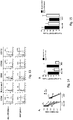
- FIG. 4 CD4 IL-10 cells specifically kill in vitro primary blasts expressing CD13, CD54, and CD112.
- B CD4 IL-10 and CD4 GFP cells were co-cultured with primary blast at 1:1 (E:T) ratio. After 3 days, residual leukemic blasts (CD45 low CD3 - ) were analyzed and counted by FACS.
- Cytolytic effect of CD4 IL-10 cells was measured as elimination index (see Material and Methods) for each target cells. Dots represent each primary blast co-cultured with CD4 IL-10 cells. Rectangular box indicates the threshold of cytotoxicity. C. Correlation between cytotoxicity and expression of specific markers on primary blasts. Plots represent percentages of CD13, CD54, HLA-class I, CD58, CD155, and CD112 positive primary blasts versus elimination index of CD4 IL-10 cells for each primary blast tested in a co-culture assay (mean ⁇ SEM). The line represents the linear regression. The P value of the correlation and the coefficient of determination (R2) are reported (two-tailed test).
- CD13 expression defines the killing specificity of CD4 IL-10 cells.
- A. The expression of the CD13, CD54, HLA-class I, CD58, CD155, and CD112 on U266, and MM1S cell lines was analyzed by FACS. Numbers indicate the percentages of positive cells (black solid line) according to isotype control (filled light gray histogram).
- B. CD4 IL-10 and CD4 GFP cells were co-cultured with ALL-CM, K562, MM1S, and U266 cells at 1:1 ratio. After 3 days, residual leukemic cell lines (CD45 low CD3 - ) were analyzed and counted by FACS.
- Cytolysis mediated by CD4 IL-10 cells was measured as elimination index (see Material and Methods) for each target cells. Analysis was performed at least in three independent experiments. Dots represent the elimination index of CD4 IL-10 cells generated from different healthy donors. Lines represent mean values of the elimination index. Rectangular box indicates the threshold of cytotoxicity.
- FIG. 6 The molecular mechanism underlying the lytic activity of CD4 IL-10 cells is comparable to that of bona fide Tr1 cells. This mechanism requires stable adhesion between CD4 IL-10 cells and CD13 + blasts mediated by LFA-1/CD54 interaction, activation of CD4 IL-10 cells via HLA class I (Signal 1), via CD2 (Signal 2), and via CD226 (Signal 3), leading to GzB release and killing of leukemic blasts.
- FIG. 7 The in vivo localization of CD4 IL-10 cells influences their anti-leukemic activity.
- CD4 IL-10 cells delayed the subcutaneous ALL-CM tumor growth. NSG mice were sub-cutaneously injected with ALL-CM (2x10 6 cells/mouse). Three days later mice received allogeneic PBMC (2x10 6 cells/mouse), or CD4 IL-10 cells, or CD4 GFP cells (1x10 6 cells/mouse). Tumor growth was measured at the indicated time points after ALL-CM injection.
- CD4 IL-10 cells do not mediate GvL effect in the ALL-CM leukemia model of T-cell therapy.
- NSG mice were intravenously injected with ALL-CM (5x10 6 cells/mouse) alone or, on day three, with allogeneic PBMC (5x10 6 cells/mouse), CD4 IL-10 cells, or CD4 GFP cells (2.5x10 6 cells/mouse).
- mice were intravenously injected with ALL-CM (5x10 6 cells/mouse) alone or, on day three, with allogeneic PBMC (5x10 6 cells/mouse), CD4 IL-10 cells, or CD4 GFP cells (2.5x10 6 cells/mouse).
- ALL-CM 5x10 6 cells/mouse
- allogeneic PBMC 5x10 6 cells/mouse
- CD4 IL-10 cells or CD4 GFP cells (2.5x10 6 cells/mouse).
- the percentages of human T cells (hCD45 + hCD3 + ) in peripheral blood, bone marrow, spleen, lung, and liver were evaluated by FACS.
- D. CD4 IL-10 cells mediate anti-leukemic effect in a model of extramedullary tumors. NSG mice were intravenously injected with THP-1 leukemia cells (2x10 6 cells/mouse).
- CD4 IL-10 cells do not express CXCR4.
- CD4 IL-10 cells, ALL-CM, and PBMC were analyzed for the expression of CXCR4 and of CD62L by FACS. Numbers indicate the percentage of positive cells (black solid line) according to isotype control (filled light gray histogram). One representative out of three tested is shown.
- FIG. 9 Adoptive transfer of CD4 IL-10 cells prevents GvHD while spearing the Graft-versus-Leukemia of allogeneic T cells.
- A In vivo localization of CD4 IL-10 cells in conditioned mice. NSG mice were sub-lethally irradiated and intravenously injected with ALL-CM (5x10 6 cells/mouse). Three days later mice received allogeneic PBMC (5x10 6 cells/mouse), or CD4 IL-10 cells, or CD4 GFP cells (2.5x10 6 cells/mouse).
- mice received allogeneic PBMC (5x10 6 cells/mouse) alone or in combination with CD4 IL-10 cells (2.5x10 6 cells/mouse).
- As control mice were injected with CD4 IL-10 cells or CD4 GFP cells (2.5x10 6 cells/mouse) alone.
- Leukemia free survival presence of more than 50% of circulating human blast hCD45 + hCD3 - in peripheral blood
- xeno-GvHD free survival presence of more than 50% of circulating human T lymphocytes hCD45 + hCD3 + in peripheral blood with a loss of weight higher than 20%
- Statistical analysis were perform by comparing treated mice versus un-treated control mice (ALL-CM): * P ⁇ 0.05, **** P ⁇ 0.0001; two-way ANOVA plus Bonferroni post-test.
- CD4 IL-10 cells express TIGIT (T cell immunoreceptor with Ig and ITIM domains).
- CD4 GFP and CD4 IL-10 cells were analyzed for the expression of TIGIT by FACS. Numbers indicate the percentage of positive cells (CD4 GFP cells, black solid line, CD4 IL-10 cells, red solid line) according to isotype control (filled light gray histogram). One representative out of three tested is shown.
- FIG 11 Enriched allo-specific CD4 + T cells are efficiently transduced with LV-IL-10.
- FIG 12 Enforced IL-10 expression in allo-specific CD4 + T cells promotes their conversion into Tr1-like cells with the ability to kill myeloid cells.
- Allo-CD4 IL-10 or allo-CD4 ⁇ NGFR cells were tested for their ability to suppress proliferation of autologous CD4 + T cells primed with allo-mDC.
- dots represent the suppression of allo-CD4 IL-10 cells or allo-CD4 ⁇ NGFR cells generated from different healthy donors. Lines represent mean value ⁇ SEM of % of suppression.
- D CD4 IL-10 and CD4 ⁇ NGFR cells were co-cultured with ALL-CM, U937, K562, mDC allo or mDC third party as target cells at 1:1 ratio. After 3 days, residual leukemic cell lines (CD45 low CD3 - ) were analyzed and counted by FACS. Cytolysis mediated by CD4 IL-10 cells was measured as elimination index (see Material and Methods) for each target cells. Analysis was performed in two independent experiments.
- FIG. 13 HLA-class I expression is abolished by ⁇ 2 microglobulin gene disruption.
- CD4 IL-10 cell-mediated killing of myeloid cell lines is HLA-class I-dependent.
- A. CD4 IL-10 and CD4 ⁇ NGFR cells were co-cultured with ALL-CM, ⁇ 2m -/- ALL-CM, U937 or ⁇ 2m -/- U937 target cell line at 1:1 (E:T) ratio. After 3 days, residual leukemic cell lines (CD45 low CD3 - ) were analyzed and counted by FACS. Cytolytic effect by CD4 IL-10 cells was measured as elimination index for each target cells.
- B. CD4 IL-10 and CD4 ⁇ NGFR cells were co-cultured with ALL-CM or U937 target cell line at 5:1 (E:T) ratio in the presence of 10 ⁇ g/ml of anti-HLA class I or isotype control mAbs.
- CD4 IL-10 cell-mediated killing of myeloid cell lines is TCR-independent .
- CD4 IL-10 and CD4 ⁇ NGFR cells were co-cultured with ALL-CM or U937 target cell line at 5:1 (E:T) ratio in the presence of 10 ⁇ g/ml of anti-HLA class II or isotype control mAbs.
- E:T 5:1
- degranulation of CD4 IL-10 and CD4 ⁇ NGFR cells was measured by the co-expression of CD107a and Granzyme (GzB).
- GzB Granzyme
- Plasmid construction The coding sequence of human IL-10 was excised from pH15C (ATCC n° 68192). The resulting 549bp fragment was cloned into the multiple cloning site of pBluKSM (Invitrogen) to obtain pBluKSM-hIL-10. A fragment of 555bp was obtained by excision of hIL-10 from pBluKSM-hIL-10 and ligation to 1074.1071.hPGK.GFP.WPRE.mhCMV.dNGFR.SV40PA (here named LV- ⁇ NGFR), to obtain LV-IL-10/ ⁇ NGFR.
- bidirectional promoter human PGK promoter plus minimal core element of the CMV promoter in opposite direction
- VSV-G-pseudotyped third generation LVs were produced by Ca 3 PO 4 transient four-plasmid co-transfection into 293T cells and concentrated by ultracentrifugation as described 19 with a small modification: 1 ⁇ M sodium butyrate was added to the cultures for vector collection. Titer was estimated on 293T cells by limiting dilution, and vector particles were measured by HIV-1 Gag p24 antigen immune capture (NEN Life Science Products; Waltham, MA). Vector infectivity was calculated as the ratio between titer and particle. For concentrated vectors, titers ranged from 5x10 8 to 6x10 9 transducing units/ml, and infectivity from 5x10 4 to 10 5 transducing units/ng of p24.
- PBMC Peripheral blood mononuclear cells
- CD4 + T cells were purified by negative selection with the CD4 T cell isolation kit (Miltenyi Biotec, Bergisch Gladbach, Germany) with a resulting purity of >95%.
- CD14 + and CD3 + T cells were purified by positive selection with CD14 + and CD3 + Microbeads (Miltenyi Biotec, Bergisch Gladbach, Germany) with a resulting purity of >95%.
- U937 (monocytic cell line), K562 (erythroleukemic cell line), BV-173 (a pre-B lymphoblastic leukemia 20 , Daudi (B lymphoblastic cell line), THP1 (myelomonocytic leukemia) cell lines were obtained from the ATCC.
- ALL-CM cell line derived from a CML patient suffering from a Philadelphia chromosome-positive lymphoid blast crisis is described in Bondanza et al. 41 .
- To generate 2m-deficient ALL-CM and U937 cell lines cells were nucleofected by Amaxa 4D Nucleofector System with X-unit (LONZA group ltd, CH) using EP100 program.
- 3x10 5 cells were re-suspended in a solution containing 20 ⁇ l of SF solution (LONZA) and 3 ⁇ l of pre-mixed Cas9 plasmid (500 ng) and the specific B2M guide #18 CRISPR plasmid (GAGTAGCGCGAGCACAGCTA (SEQ ID No. 1) cut in B2M exon1, 250 ng). After nucleofection, cells were expanded in culture. All cell lines were routinely tested for mycoplasma contamination.
- CD4 + purified T cells were activated for 48 hours with soluble anti-CD3 monoclonal antibody (mAb, 30 ng/ml, OKT3, Miltenyi Biotec, Bergisch Gladbach, Germany), anti-CD28 mAb (1 ⁇ g/ml, BD, Biosciences) and rhlL-2 (50 U/ml, Chiron, Italy) and transduced with LV-GFP/ ⁇ NGFR (CD4 GFP ), LV-IL-10/ ⁇ NGFR (CD4 IL-10 ) with MOI of 20 as previously described 18 .
- mAb soluble anti-CD3 monoclonal antibody
- mAb anti-CD28 mAb
- rhlL-2 50 U/ml, Chiron, Italy
- Transduced CD4 + ⁇ NGFR + T cells were purified 14 days after transduction by FACS-sorting or using CD271 + Microbeads (Miltenyi Biotec, Bergisch Gladbach, Germany) and expanded in X-VIVO 15 medium supplemented with 5% human serum (BioWhittaker-Lonza, Washington, DC), 100 U/ml penicillin-streptomycin (BioWhittaker), and 50 U/ml rhIL-2.
- CD4 GFP and CD4 IL-10 cells were stimulated every two weeks in the presence of an allogeneic feeder mixture containing 10 6 PBMC (irradiated at 6,000 rad) per ml 10 5 JY cells (an Epstein-Barr virus - trabsformed lymphoblastoid cell line expressing high levels of human leukocyte antigen and co-stimulatory molecules, irradiated at 10,000 rad) per ml, and soluble anti-CD3 mAb (1 ⁇ g/ml). Cultures were maintained in 50-100 U/ml rhlL-2 (PROLEUKIN, Novartis, Italy). All FACS phenotypic analysis, in vitro and in vivo experiments were performed in cells from at least 12 days after feeder addition, in resting state.
- na ⁇ ve CD4 + T cells (10 6 /well) were stimulated with allogeneic mature dendritic cells (mDC) (10 5 /well) in a final volume of 1 mL in 24-well plates.
- mDC allogeneic mature dendritic cells
- half of the medium was replaced by fresh medium supplemented with 25 U/ml of rhIL-2, and at day 14, cells were collected, washed and transduced with LV-GFP/ ⁇ NGFR (CD4 ⁇ NGFR ) or LV-IL-10/ ⁇ NGFR (CD4 IL-10 ) with MOI of 20 after 24 hours of secondary stimulation with the same allo-mDC used for priming.
- Transduced CD4 + ⁇ NGFR + T cells were purified and expanded as above.
- Cytokine determination To measure cytokine production, CD4 GFP and CD4 IL-10 cells were stimulated with immobilized anti-CD3 (10 ⁇ g/ml) and soluble anti-CD28 (1 ⁇ g/ml) mAbs in a final volume of 200 ⁇ l of medium (96 well round-bottom plates, 2x10 5 /well). Culture supernatants were harvested after 48 hours of culture and levels of IL-4, IL-10, IFN- ⁇ and IL-17, were determined by ELISA according to the manufacturer's instructions (BD Biosciences).
- Cytotoxicity assays T-cell degranulation was evaluated in a CD107a flow cytometric assay, according to the protocol described in 6 .
- anti-HLA-class I clone W6/32, Biolegend, USA
- isotype control IgG2a,k, BD Pharmigen, USA
- the cytotoxic activity of CD4 GFP and CD4 IL-10 cells was analyzed in a standard 51 Cr-release assay as described in detail elsewhere.
- target and effector cells CD4 GFP and CD4 IL-10 cells
- CD4 GFP and CD4 IL-10 cells were plated in a ratio 1:1 for 3 days.
- EI Elimination index
- CD4 IL-10 and CD4 GFP cells were stained with anti-CD4 (BD Pharmingen, USA), anti-CD226 (Biolegend, USA), anti-CD2, anti-CD18, anti-CXCR4 (BD Pharmingen, USA) mAbs after a 2.4G2 blocking step.
- anti-CD4 BD Pharmingen, USA
- anti-CD226 Biolegend, USA
- anti-CD218 anti-CXCR4
- mAbs after a 2.4G2 blocking step.
- cell surface antigens on target cells leukemic cell lines and primary blasts were stained with anti-CD45, anti-HLA-class I, anti-CD112, anti-CD155 (Biolegend, USA), anti-CD13, anti-CD54, anti-CD58 (BD Pharmigen, USA).
- Samples were acquired using a FACS Canto II flow cytometer (Becton Dickinson, USA), and data were analyzed with FCS express (De Novo Software, CA, USA). The inventors set quadrant markers to unstained controls.
- ALL-CM leukemia model 6- to 8-week-old female NSG mice were obtained from Charles-River Italia (Calco, Italy). The experimental protocol was approved by the internal committee for animal studies of the inventors institution (Institutional Animal Care and Use Committee [IACUC #488]). On day 0 mice were infused with ALL-CM leukemia (5x10 6 ) and three days after with either allogeneic PBMC (5x10 6 ) or CD4 IL-10 or CD4 GFP cells (2.5x10 6 ). Cells were re-suspended in 250 ⁇ l of PBS and infused intravenously. Survival and weight loss was monitored at least 3 times per week as previously described 20 and moribund mice were humanely killed for ethical reasons.
- mice were bled and human chimerism was determined by calculating the frequency on human CD45 + cells within the total lymphocyte population.
- mice were euthanized at day 7 and 14 after ALL-CM injection to analyse human cells distribution in different organs.
- mice 6- to 8-week-old female NSG mice were obtained from Charles-River Italia (Calco, Italy). The experimental protocol was approved by the internal committee for animal studies of the inventors institution (Institutional Animal Care and Use Committee [IACUC #488]). On day 0 mice were infused with THP-1 leukemia (2x10 6 ) and three days after with allogeneic PBMC (2x10 6 ) or fourteen days after with CD4 IL-10 or CD4 GFP cells (1x10 6 ). Cells were re-suspended in 250 ⁇ l of PBS and infused intravenously. Survival and weight loss was monitored at least 3 times per week as previously described 20 and moribund mice were humanely killed for ethical reasons. Mice were euthanized at week 5 after THP1 injection to analyse human cells in the liver.
- Subcutaneous ALL-CM tumor model 6- to 8-week-old female NSG mice were used. The experimental protocol was approved by the internal committee for animal studies of San Raffaele Scientific Institute (Institutional Animal Care and Use Committee [IACUC #488]). On day 0 mice were infused with ALL-CM (2x10 6 ) cells and three days later with allogeneic PBMC (2x10 6 ) or with CD4 IL-10 cells (1x10 6 ) or CD4 GFP cells (1x10 6 ). Cells were re-suspended in 1 ml of PBS and infused sub-cutaneously. Sarcoma growth was monitored by measurements at least 3 times per week and moribund mice were humanely killed for ethical reasons.
- mice 6- to 8-week-old female NSG mice were used.
- the experimental protocol was approved by the internal committee for animal studies of San Raffaele Scientific Institute (Institutional Animal Care and Use Committee [IACUC #488]).
- mice received total body irradiation with a single dose of 175-200 cGy irradiation from a linear accelerator according to the weight of mice, and were immediately infused with ALL-CM (5x10 6 ).
- ALL-CM ALL-CM
- mice On day 3 mice were then injected with allogeneic PBMC (5x10 6 ) alone or in the presence of with CD GFP and CD4 IL-10 cells (2.5x10 6 ).
- mice were re-suspended in 250 ⁇ l of PBS and infused intravenously. Survival and weight loss was monitored at least 3 times per week as previously described 20 and moribund mice were humanely killed for ethical reasons. At weekly intervals, mice were bled and human chimerism was determined by calculating the frequency on human CD45 + cells within the total lymphocyte population. In some experiments mice were euthanized at day 7 and 14 after ALL-CM injection to analyse human cells distribution in different organs.
- CD4 IL-10 cells kill myeloid cells in HLA-class I- and GzB-dependent manner.
- the inventors generated CD4 IL-10 cells by transducing CD4 + T cells with a novel bidirectional LV co-encoding human IL-10 and ⁇ NGFR, as clinical grade marker gene ( Figure 1A ).
- T cells were transduced with a bidirectional LV co-encoding for GFP (in IL-10 position) and ⁇ NGFR ( Figure 1A ).
- enforced expression of human IL-10 into CD4 + T cells allows the generation of cells (CD4 IL-10 cells) superimposable to Tr1 cells.
- CD4 IL-10 cells in contrast to control LV-transduced CD4 GFP cells, secreted significantly higher levels of IL-10 (p ⁇ 0.0001). Significantly higher levels of IFN- ⁇ (p ⁇ 0.01) and comparable low amounts of IL-4 and IL-17 ( Figure 1B ) were observed. It is believed that the properties, characteristics and biological activities of CD4 IL-10 cells are due to the high level of IL-10 produced. CD4 IL-10 cells, but not CD4 GFP cells, suppressed T-cell responses in vitro ( Figure 1C ). CD4 IL-10 cells expressed CD18, which in association with CD11a forms LFA-1, CD2 and CD226 at levels higher than those detected on memory freshly isolated CD4+T cells and on CD4 GFP cells ( Figure ID).
- CD4 IL-10 cells To evaluate the ability of CD4 IL-10 cells to kill transformed myeloid cells, the inventors tested a panel of leukemic cell lines. Freshly isolated T lymphocytes (CD3) and monocytes (CD14) were used as negative and positive control, respectively. The inventors first evaluated the degranulation of CD4 IL-10 and CD4 GFP cells by the co-expression of GzB and the lysosomal-associated membrane protein1 (LAMP-1 or CD107a), a marker of cytotoxic degranulation in NK cells and cytotoxic T lymphocytes.
- CD3 Freshly isolated T lymphocytes
- CD14 monocytes
- LAMP-1 or CD107a the lysosomal-associated membrane protein1
- CD4 IL-10 cells did not degranulate when co-cultured with CD3, BV-173, a pre-B lymphoblastic leukemia 22 , Daudi, a B lymphoblastic cell line, or K562, an erythroleukemic cell line ( Figure 2A and 3 ). Consistent with the activation and the release of GzB, CD4 IL-10 cells lysed at 100:1 (T eff :target) ratio U937 and ALL-CM cells at significantly higher levels as compared to CD4 GFP cells (p ⁇ 0.05). Conversely, CD4 IL-10 cells did not lyse BV-173, Daudi, or K562 cells ( Figure 2B ). Similarly, in co-culture experiments CD4 IL-10 cells eliminated CD14, U932, ALL-CM, and THP-1, a prototypic monocytic cell line, but not BV-173 or K562 cells ( Figure 2C ).
- CD4 IL-10 cells specifically kill CD13 + leukemic blasts that express CD54 and CD112 in vitro.
- the inventors next investigated the phenotype of leukemic cell lines. Results indicated that U937, THP-1, and ALL-CM cells target of CD4 IL-10 -mediated lysis were CD13 + and expressed CD54, HLA-class I, CD58, CD155, and CD112 ( Figures 4A ).
- CD13 + , BV-173 cells that were not killed by CD4 IL-10 cells were HLA-class I + CD58 + but expressed CD54 and CD112 at low levels.
- HLA-class I According to the role of HLA-class I in promoting CD4 IL-10 cell-activation, although expressing CD54, CD58, CD155 or CD112, HLA-class I neg K562 and Daudi cells were not killed ( Figures 4A ).
- CD4 IL-10 cells can eliminate primary AML blasts (Table 1). As negative controls the inventors used primary ALL blasts. CD4 IL-10 cells, generated from four different healthy donors, killed four out of eight primary AML blasts tested ( Figure 4B ). We performed correlation studies to define whether CD4 IL-10 -mediated killing of primary AML blasts was associated with the expression of specific markers. Results showed that CD4 IL-10 -mediated lysis correlated with the expression of CD13, of CD54, and of CD112 on AML blasts, but not with CD58 or CD155 ( Figure 4C ). Notably, CD4 IL-10 cells did not eliminate Leu#7 that was CD13 + CD54 + but CD112 neg ( Figure 4C ).
- CD4 IL-10 cells efficiently eliminate Leu#10 a primary ALL blasts that was CD13 + CD54 + CD112 + ( Figure 4B ).
- the expression of CD13 is determinant for the anti-leukemic activity of CD4 IL-10 cells, since two human multiple myeloma cell lines U266 and MM1S that were CD54 + CD112 + but did not express CD13 were not killed ( ( Figure 5A-B ).
- CD4 IL-10 cells eliminate CD13 + leukemic cells and optimal CD4 IL-10 -mediated killing requires stable CD54/LFA-1-mediated adhesion and CD112/CD226-mediated activation ( Figure 6 ).
- CD13, CD54, and CD112 can be used as biomarkers for the identification of target of anti-leukemic effect of CD4 IL-10 cells.
- CD4 IL-10 cells mediate anti-leukemic effects in vivo.
- the inventors developed the humanized model of subcutaneous myeloid sarcoma: NSG mice were sub-cutaneously injected with ALL-CM cells and three weeks later developed subcutaneous myeloid sarcoma (13.9 ⁇ 1.16 mm, mean ⁇ SEM, n 9, Figure 7A ) .
- PBMC, CD4 IL-10 or CD4 GFP cells were injected within the tumor at day three after ALL-CM infusion.
- Treatment with CD4 IL-10 cells significantly delayed myeloid sarcoma growth ( Figure 7A ).
- mice injected with CD4 GIP cells developed myeloid sarcoma similarly to control untreated mice, whereas injection of allogeneic PBMC completely prevented tumor growth ( Figure 7A ).
- ALL-CM cell infusion NSG mice developed leukemia in four weeks ( Figure 7B ).
- injection of allogeneic PBMC, three days after ALL-CM challenge, delayed leukemia progression Figure 7B
- FIG 7B we detected a significantly lower proportion of circulating human blasts (on average 4.8%, p ⁇ 0.01) as compared to that control untreated mice (data not shown).
- CD4 IL-10 cells delayed the subcutaneous myeloid sarcoma development, while they do not inhibit the leukemia growth.
- CD4 IL-10 cells do not co-localize with leukemic cells in the bone marrow.
- CXCR4 known to regulate the homing of human hematopoietic stem cells and myeloid leukemia in the bone marrow of humanized mice 25-27 .
- resting CD4 IL-10 cells do not express significant levels of CXCR4 ( Figure 8 ).
- CD4 IL-10 and CD4 GFP cells localized in the spleen and lung and their frequencies declined on day fourteen ( Figure 7C ).
- CD4 IL-10 cells were also identified in the liver at both time points analyzed ( Figure 7C ).
- T cells were also identified in the spleen, lung, liver, and in bone marrow of PBMC-injected mice at both time points ( Figure 7C ).
- CD4 IL-10 cells mediate potent and specific anti-leukemic effects in peripheral tissues in different humanized models.
- CD4 IL-10 cells prevents xeno-GvHD while spearing the GvL of allogeneic T cells.
- the inventors next investigated the effects of CD4 IL-10 cells on both GvL and xeno-GvHD mediated by allogeneic human T cells in vivo.
- a humanized model of GvL/xeno-GvHD NSG mice were sub-lethally irradiated, injected with ALL-CM cells, and three days later received allogeneic PBMC alone or in combination with CD4 IL-10 cells ( Figure 9A and B ).
- Alloantigen-specific LV-10 transduced T cells (allo)CD4 IL-10 were generated by stimulation of na ⁇ ve CD4 + T cells stimulated with allogeneic mature dendritic cells (allo-mDC) and transduction upon secondary stimulation ( Figure 11A ). Transduction efficiency of na ⁇ ve CD4 + cells was on average 55% ( Figure 11B ).
- Allo-CD4 IL-10 cells proliferated significantly less (p ⁇ 0.001, Figure 12A ) and produced significantly higher levels of IL-10 upon restimulation with allo-mDC, compared to allo-CD4 ⁇ NGFR cells (p ⁇ 0.0001, Figure 12B ). Conversely, allo-CD4 IL-10 and allo-CD4 ⁇ NGFR cells showed similar low proliferative capacity in response to third party antigens, ( Figure 12A ), although allo-CD4 IL-10 produced significantly higher levels of IL-10 (p ⁇ 0.001, Figure 12B ).
- Allo-CD4 IL-10 but not allo-CD4 ⁇ NGFR cells efficiently suppressed the proliferation of allo-specific T cell lines activated with allo-mDC, but not with a third party mDC ( Figure 12C ).
- Allo-CD4 IL-10 cells killed ALL-CM and U937, but not K562 leukemic cell lines, similar to what we observed with polyclonal CD4 IL-10 cells ( Figure 12D ). These results show that enforced IL-10 expression in allo-specific CD4 + T cells promotes their conversion into Tr1-like cells able to kill myeloid cell lines.
- HLA-class I expression on target cells in CD4 IL-10 -mediated killing we selectively deleted HLA-class I expression on ALL-CM and U937 cell lines by disrupting the ⁇ 2 -microglobulin encoding gene.
- ⁇ 2m-deficient ( ⁇ 2m -/- ) ALL-CM and U937 cell lines were killed by CD4 IL-10 cells at significantly lower levels compared to 2m positive ALL-CM (p ⁇ 0.001) and U937 (p ⁇ 0.05) cell lines ( Figure 14A ).
- CD4 IL-10 -mediated cytotoxicity which also requires stable CD54-mediated adhesion, and activation via CD226.
- CD13, CD54, and CD112 are biomarkers of CD4 IL-10 -mediated killing of primary blasts.
- CD4 IL-10 cells mediate potent anti-leukemic effects and prevent xeno-GvHD without compromising the GvL mediated by allogeneic T cells.
- CD13 expression determines the target specificity of CD4 IL-10 cells.
- killing of primary blasts by CD4 IL-10 cells correlates with CD54 expression ( Figure 4 ), revealing the importance of stable adhesion between target and CD4 IL-10 cells for effective cytolysis, as it was previously shown for Tr1 cells 6 .
- CD54 on myeloid blasts allows stable and prolonged interaction with LFA-1 (CD18-CD11a) on CD4 IL-10 cells, which is required for achieving the signaling threshold necessary to activate effector function that culminate with the secretion of lytic granules containing GzB.
- CD54 is not sufficient to render CD13 + blasts target of CD4 IL-10 -mediated lysis.
- the interaction between CD112 on myeloid leukemic blasts and CD226 on CD4 IL-10 cells leads to their activation, resembling the mechanism previously described for NK-mediated lysis of AML blasts 29 .
- CD112/CD226 interaction promotes the stabilization of CD4 IL-10 - target cell conjugate that triggers CD4 IL-10 cell degranulation.
- CD226-mediated activation of T cells can be inhibited by TIGIT 31 , another receptor for CD112 and CD155 32 .
- TIGIT binds to CD155 with higher affinity that CD226 and inhibits the cytotoxicity and IFN- ⁇ production of NK cells 33,34 .
- CD4 IL-10 cells express TIGIT ( Figure 10 ); nevertheless, the finding that CD155 is less express than CD112 on primary blasts 29,35 and that CD4 IL-10 -mediated lysis does not correlate with the expression of CD155, suggests that activation of CD4 IL-10 cells via CD226/CD112 interaction is dominant on the inhibition mediated by TIGIT/CD155. Based on our findings we find that the selective expression of CD13, CD54 and CD112 on leukemic blasts could be used as biomarker of anti-leukemic effect mediated by CD4 IL-10 cells.
- CD4 IL-10 cells show that CD4 IL-10 cells need to be triggered via HLA-class I to release GzB and kill target cells.
- CD4 IL-10 cells to eliminate myeloid leukemia in an alloAg-independent but HLA class l-dependent manner renders them an interesting tool to limit, and possibly to overcome, leukemia relapse caused by the lost of shared HLA alleles after haploidentical-HSCT, or matched unrelated HSCT 36-38 .
- CD4 IL-10 cells mediate anti-leukemic effect in humanized murine models of myeloid tumors. This anti-tumor effect is strictly related to the co-localization of CD4 IL-10 and leukemic cells.
- CD4 IL-10 cells display an effective anti-tumor activity when either locally injected within the myeloid sarcoma, or systemically injected in mice with liver-bearing myeloid tumors ( Figure 7 ).
- CD4 IL-10 cell immunotherapy prevents leukemia development in conditioned humanized mice, in which a significant frequency of CD4 IL-10 cells is present in the bone marrow as soon as seven days post-infusion ( Figure 9 ).
- CD4 IL-10 cells are present in limited numbers and for a short period of time in the bone marrow, and therefore they do not control leukemia progression, which occurs at later time points. It should be noted that the limited lifespan of CD4 IL-10 cells could be beneficial in case of immunotherapy, as it could avoid the risk of general immunosuppression. This is one of the important aspects to be considered in case of Treg-cell based immunotherapy.
- CD4 IL-10 cell immunotherapy prevents xeno-GvHD without hampering the anti-leukemic effect of allogeneic PBMC ( Figure 9 ).
- co-infusion of in vitro expanded or freshly isolated human CD4 + CD25 + Tregs with allogeneic PBMC 39 or conventional donor T cells 17 rescued humanized mice from leukemia and survived without xeno-GvHD.
- human CD4 + CD25 + Tregs have been show to migrate into the bone marrow, where they are converted into IL-17-producing T cells and lose the ability to suppress anti-tumor activity of human T cells 39 .
- LV-hIL-10 can be used to convert allo-specific CD4+ T cells into allo-specific Tr1-like cells (allo-CD4 IL-10 cells), which specifically kill myeloid target cells and suppress allo-specific T cell responses in vitro.
- allo-CD4 IL-10 cells allo-specific Tr1-like cells
- the lack of HLA-class I on target cells, or the inhibition of HLA class I recognition by neutralizing mAbs abrogate the CD4 IL-10 -mediated killing in vitro and in vivo, suggesting that activation of CD4 IL-10 cells through receptor/HLA class I interaction is necessary for GzB release and killing of target cells.
- inhibition of HLA-class II does not impair CD4 IL-10 cell activation and the elimination of target myeloid cells.
- the present invention provides evidence for the use of CD4 IL-10 cell immunotherapy after allo-HSCT for hematological malignancies aimed at inhibiting GvHD while allowing to maintain GvL.
- the expression of CD13, CD54 and HLA-I and optionally CD112 on tumor cells, in particular myeloid blasts allows patient selection and to design ad hoc therapeutic protocol.
- the present invention provides evidences for the use of polyclonal CD4 IL-10 cell or allo-specific immunotherapy for mediating GvT and providing GvL in the contest of tumor or allo-HSCT, respectively.
- CD4 IL-10 cells eliminate myeloid leukemia in a TCR-independent but HLA class I-dependent manner suggests their possible use to limit, and possibly to overcome, leukemia relapse caused by the loss of not-shared HLA alleles after allo-HSCT.
Landscapes
- Health & Medical Sciences (AREA)
- Life Sciences & Earth Sciences (AREA)
- General Health & Medical Sciences (AREA)
- Animal Behavior & Ethology (AREA)
- Veterinary Medicine (AREA)
- Public Health (AREA)
- Epidemiology (AREA)
- Immunology (AREA)
- Engineering & Computer Science (AREA)
- Chemical & Material Sciences (AREA)
- Medicinal Chemistry (AREA)
- Pharmacology & Pharmacy (AREA)
- Bioinformatics & Cheminformatics (AREA)
- Zoology (AREA)
- Gastroenterology & Hepatology (AREA)
- Proteomics, Peptides & Aminoacids (AREA)
- Hematology (AREA)
- Biomedical Technology (AREA)
- Molecular Biology (AREA)
- Organic Chemistry (AREA)
- Nuclear Medicine, Radiotherapy & Molecular Imaging (AREA)
- General Chemical & Material Sciences (AREA)
- Chemical Kinetics & Catalysis (AREA)
- Urology & Nephrology (AREA)
- Cell Biology (AREA)
- Biotechnology (AREA)
- Transplantation (AREA)
- Microbiology (AREA)
- Food Science & Technology (AREA)
- Pathology (AREA)
- Physics & Mathematics (AREA)
- Analytical Chemistry (AREA)
- Biochemistry (AREA)
- General Physics & Mathematics (AREA)
- Medicines Containing Material From Animals Or Micro-Organisms (AREA)
- Medicines That Contain Protein Lipid Enzymes And Other Medicines (AREA)
- Oncology (AREA)
- Developmental Biology & Embryology (AREA)
- Virology (AREA)
Priority Applications (1)
| Application Number | Priority Date | Filing Date | Title |
|---|---|---|---|
| EP21196509.0A EP3988106A1 (en) | 2015-03-13 | 2016-03-11 | Il-10-producing cd4+ t cells and uses thereof |
Applications Claiming Priority (2)
| Application Number | Priority Date | Filing Date | Title |
|---|---|---|---|
| EP15159075 | 2015-03-13 | ||
| PCT/EP2016/055353 WO2016146542A1 (en) | 2015-03-13 | 2016-03-11 | Il-10-producing cd4+ t cells and uses thereof |
Related Child Applications (1)
| Application Number | Title | Priority Date | Filing Date |
|---|---|---|---|
| EP21196509.0A Division EP3988106A1 (en) | 2015-03-13 | 2016-03-11 | Il-10-producing cd4+ t cells and uses thereof |
Publications (2)
| Publication Number | Publication Date |
|---|---|
| EP3268013A1 EP3268013A1 (en) | 2018-01-17 |
| EP3268013B1 true EP3268013B1 (en) | 2021-10-13 |
Family
ID=52669533
Family Applications (2)
| Application Number | Title | Priority Date | Filing Date |
|---|---|---|---|
| EP16710702.8A Active EP3268013B1 (en) | 2015-03-13 | 2016-03-11 | Il-10-producing cd4+ t cells for use in treating a cancer |
| EP21196509.0A Withdrawn EP3988106A1 (en) | 2015-03-13 | 2016-03-11 | Il-10-producing cd4+ t cells and uses thereof |
Family Applications After (1)
| Application Number | Title | Priority Date | Filing Date |
|---|---|---|---|
| EP21196509.0A Withdrawn EP3988106A1 (en) | 2015-03-13 | 2016-03-11 | Il-10-producing cd4+ t cells and uses thereof |
Country Status (5)
| Country | Link |
|---|---|
| US (2) | US20180050092A1 (da) |
| EP (2) | EP3268013B1 (da) |
| DK (1) | DK3268013T3 (da) |
| ES (1) | ES2900632T3 (da) |
| WO (1) | WO2016146542A1 (da) |
Families Citing this family (11)
| Publication number | Priority date | Publication date | Assignee | Title |
|---|---|---|---|---|
| WO2017093969A1 (en) | 2015-12-04 | 2017-06-08 | Novartis Ag | Compositions and methods for immunooncology |
| TWI794171B (zh) | 2016-05-11 | 2023-03-01 | 美商滬亞生物國際有限公司 | Hdac抑制劑與pd-l1抑制劑之組合治療 |
| TWI808055B (zh) | 2016-05-11 | 2023-07-11 | 美商滬亞生物國際有限公司 | Hdac 抑制劑與 pd-1 抑制劑之組合治療 |
| WO2018175636A2 (en) | 2017-03-22 | 2018-09-27 | Novartis Ag | Compositions and methods for immunooncology |
| US20220214333A1 (en) * | 2019-04-16 | 2022-07-07 | Regents Of The University Of Minnesota | Biomarker for transplantation tolerance induced by apoptotic donor leukocytes |
| WO2022005462A1 (en) * | 2020-06-30 | 2022-01-06 | Tr1X, Inc. | Poly-donor cd4+ t cells expressing il-10 and uses thereof |
| US20230285560A1 (en) * | 2020-08-14 | 2023-09-14 | The Board Of Trustees Of The Leland Stanford Junior University | Cd200 blockade to increase the anti-tumor activity of cytotoxic t cells |
| KR20250005565A (ko) | 2021-12-30 | 2025-01-09 | 티알1엑스, 인크. | Il-10을 발현하는 다중공여자 cd4+ t 세포 및 이의 용도 |
| WO2023129929A1 (en) | 2021-12-30 | 2023-07-06 | Tr1X, Inc. | Cd4+ t cells expressing il-10 and chimeric antigen receptors and uses thereof |
| US20250049918A1 (en) * | 2022-09-22 | 2025-02-13 | Brown University | Targeting the immune suppressive tumor microenvironment |
| WO2026015450A1 (en) | 2024-07-06 | 2026-01-15 | Tr1X, Inc. | Cd4+ t cells expressing il-10 and chimeric antigen receptors and uses thereof |
Family Cites Families (2)
| Publication number | Priority date | Publication date | Assignee | Title |
|---|---|---|---|---|
| US20040175827A1 (en) * | 2001-07-02 | 2004-09-09 | Fowler Daniel H. | Methods of generating human cd4+ th2 cells and uses thereof |
| CA2877286C (en) | 2012-06-18 | 2023-05-16 | Yale University | Compositions and methods for diminishing an immune response |
-
2016
- 2016-03-11 DK DK16710702.8T patent/DK3268013T3/da active
- 2016-03-11 WO PCT/EP2016/055353 patent/WO2016146542A1/en not_active Ceased
- 2016-03-11 EP EP16710702.8A patent/EP3268013B1/en active Active
- 2016-03-11 US US15/557,263 patent/US20180050092A1/en not_active Abandoned
- 2016-03-11 EP EP21196509.0A patent/EP3988106A1/en not_active Withdrawn
- 2016-03-11 ES ES16710702T patent/ES2900632T3/es active Active
-
2025
- 2025-02-25 US US19/062,832 patent/US20250367258A1/en active Pending
Non-Patent Citations (1)
| Title |
|---|
| None * |
Also Published As
| Publication number | Publication date |
|---|---|
| US20250367258A1 (en) | 2025-12-04 |
| EP3988106A1 (en) | 2022-04-27 |
| DK3268013T3 (da) | 2021-12-20 |
| ES2900632T3 (es) | 2022-03-17 |
| WO2016146542A1 (en) | 2016-09-22 |
| CA2978655A1 (en) | 2016-09-22 |
| EP3268013A1 (en) | 2018-01-17 |
| US20180050092A1 (en) | 2018-02-22 |
Similar Documents
| Publication | Publication Date | Title |
|---|---|---|
| US20250367258A1 (en) | IL-10-Producing CD4+ T Cells and Uses Thereof | |
| US20230167187A1 (en) | Virus-specific immune cells expressing chimeric antigen receptors | |
| US20240269177A1 (en) | Subject-Specific Tumor Inhibiting Cells and the Use Thereof | |
| US20240376429A1 (en) | Virus-specific immune cells expressing chimeric antigen receptors | |
| US20250281540A1 (en) | Methods for Haematopoietic Stem Cell Transplantation | |
| US20240226168A1 (en) | Engineered nk cells and uses thereof | |
| CA2978655C (en) | Il-10-producing cd4+ t cells and uses thereof | |
| US20250213687A1 (en) | Therapeutic t cell product | |
| WO2024035343A1 (en) | Chimeric antigen receptor domains | |
| WO2025146286A1 (en) | Human t cell receptors and uses thereof | |
| EP4251192A1 (en) | Agents and methods for increasing liver immune response | |
| WO2025076471A2 (en) | Modulating the tumor immune microenvironment via targeting regulatory t cells (tregs) with chimeric antigen receptor (car) t cell therapy | |
| WO2025034996A1 (en) | Engineered t cells with nk cell receptors & uses thereof | |
| Zoine | Developing novel cellular and gene therapies for pediatric malignancies | |
| JP2023500671A (ja) | がんのt細胞治療のための細胞傷害性エフェクターメモリーt細胞の産生方法 |
Legal Events
| Date | Code | Title | Description |
|---|---|---|---|
| STAA | Information on the status of an ep patent application or granted ep patent |
Free format text: STATUS: THE INTERNATIONAL PUBLICATION HAS BEEN MADE |
|
| PUAI | Public reference made under article 153(3) epc to a published international application that has entered the european phase |
Free format text: ORIGINAL CODE: 0009012 |
|
| STAA | Information on the status of an ep patent application or granted ep patent |
Free format text: STATUS: REQUEST FOR EXAMINATION WAS MADE |
|
| 17P | Request for examination filed |
Effective date: 20171013 |
|
| AK | Designated contracting states |
Kind code of ref document: A1 Designated state(s): AL AT BE BG CH CY CZ DE DK EE ES FI FR GB GR HR HU IE IS IT LI LT LU LV MC MK MT NL NO PL PT RO RS SE SI SK SM TR |
|
| AX | Request for extension of the european patent |
Extension state: BA ME |
|
| DAV | Request for validation of the european patent (deleted) | ||
| DAX | Request for extension of the european patent (deleted) | ||
| STAA | Information on the status of an ep patent application or granted ep patent |
Free format text: STATUS: EXAMINATION IS IN PROGRESS |
|
| 17Q | First examination report despatched |
Effective date: 20190527 |
|
| GRAP | Despatch of communication of intention to grant a patent |
Free format text: ORIGINAL CODE: EPIDOSNIGR1 |
|
| STAA | Information on the status of an ep patent application or granted ep patent |
Free format text: STATUS: GRANT OF PATENT IS INTENDED |
|
| INTG | Intention to grant announced |
Effective date: 20210519 |
|
| GRAS | Grant fee paid |
Free format text: ORIGINAL CODE: EPIDOSNIGR3 |
|
| GRAA | (expected) grant |
Free format text: ORIGINAL CODE: 0009210 |
|
| STAA | Information on the status of an ep patent application or granted ep patent |
Free format text: STATUS: THE PATENT HAS BEEN GRANTED |
|
| AK | Designated contracting states |
Kind code of ref document: B1 Designated state(s): AL AT BE BG CH CY CZ DE DK EE ES FI FR GB GR HR HU IE IS IT LI LT LU LV MC MK MT NL NO PL PT RO RS SE SI SK SM TR |
|
| REG | Reference to a national code |
Ref country code: GB Ref legal event code: FG4D |
|
| REG | Reference to a national code |
Ref country code: CH Ref legal event code: EP |
|
| REG | Reference to a national code |
Ref country code: DE Ref legal event code: R096 Ref document number: 602016064850 Country of ref document: DE |
|
| REG | Reference to a national code |
Ref country code: IE Ref legal event code: FG4D |
|
| REG | Reference to a national code |
Ref country code: AT Ref legal event code: REF Ref document number: 1437654 Country of ref document: AT Kind code of ref document: T Effective date: 20211115 |
|
| REG | Reference to a national code |
Ref country code: DK Ref legal event code: T3 Effective date: 20211215 |
|
| REG | Reference to a national code |
Ref country code: NL Ref legal event code: FP |
|
| REG | Reference to a national code |
Ref country code: FI Ref legal event code: FGE Ref country code: SE Ref legal event code: TRGR |
|
| REG | Reference to a national code |
Ref country code: NO Ref legal event code: T2 Effective date: 20211013 |
|
| REG | Reference to a national code |
Ref country code: LT Ref legal event code: MG9D |
|
| REG | Reference to a national code |
Ref country code: AT Ref legal event code: MK05 Ref document number: 1437654 Country of ref document: AT Kind code of ref document: T Effective date: 20211013 |
|
| REG | Reference to a national code |
Ref country code: ES Ref legal event code: FG2A Ref document number: 2900632 Country of ref document: ES Kind code of ref document: T3 Effective date: 20220317 |
|
| PG25 | Lapsed in a contracting state [announced via postgrant information from national office to epo] |
Ref country code: RS Free format text: LAPSE BECAUSE OF FAILURE TO SUBMIT A TRANSLATION OF THE DESCRIPTION OR TO PAY THE FEE WITHIN THE PRESCRIBED TIME-LIMIT Effective date: 20211013 Ref country code: LT Free format text: LAPSE BECAUSE OF FAILURE TO SUBMIT A TRANSLATION OF THE DESCRIPTION OR TO PAY THE FEE WITHIN THE PRESCRIBED TIME-LIMIT Effective date: 20211013 Ref country code: BG Free format text: LAPSE BECAUSE OF FAILURE TO SUBMIT A TRANSLATION OF THE DESCRIPTION OR TO PAY THE FEE WITHIN THE PRESCRIBED TIME-LIMIT Effective date: 20220113 Ref country code: AT Free format text: LAPSE BECAUSE OF FAILURE TO SUBMIT A TRANSLATION OF THE DESCRIPTION OR TO PAY THE FEE WITHIN THE PRESCRIBED TIME-LIMIT Effective date: 20211013 |
|
| PG25 | Lapsed in a contracting state [announced via postgrant information from national office to epo] |
Ref country code: IS Free format text: LAPSE BECAUSE OF FAILURE TO SUBMIT A TRANSLATION OF THE DESCRIPTION OR TO PAY THE FEE WITHIN THE PRESCRIBED TIME-LIMIT Effective date: 20220213 Ref country code: PT Free format text: LAPSE BECAUSE OF FAILURE TO SUBMIT A TRANSLATION OF THE DESCRIPTION OR TO PAY THE FEE WITHIN THE PRESCRIBED TIME-LIMIT Effective date: 20220214 Ref country code: PL Free format text: LAPSE BECAUSE OF FAILURE TO SUBMIT A TRANSLATION OF THE DESCRIPTION OR TO PAY THE FEE WITHIN THE PRESCRIBED TIME-LIMIT Effective date: 20211013 Ref country code: LV Free format text: LAPSE BECAUSE OF FAILURE TO SUBMIT A TRANSLATION OF THE DESCRIPTION OR TO PAY THE FEE WITHIN THE PRESCRIBED TIME-LIMIT Effective date: 20211013 Ref country code: HR Free format text: LAPSE BECAUSE OF FAILURE TO SUBMIT A TRANSLATION OF THE DESCRIPTION OR TO PAY THE FEE WITHIN THE PRESCRIBED TIME-LIMIT Effective date: 20211013 Ref country code: GR Free format text: LAPSE BECAUSE OF FAILURE TO SUBMIT A TRANSLATION OF THE DESCRIPTION OR TO PAY THE FEE WITHIN THE PRESCRIBED TIME-LIMIT Effective date: 20220114 |
|
| REG | Reference to a national code |
Ref country code: DE Ref legal event code: R097 Ref document number: 602016064850 Country of ref document: DE |
|
| PG25 | Lapsed in a contracting state [announced via postgrant information from national office to epo] |
Ref country code: SM Free format text: LAPSE BECAUSE OF FAILURE TO SUBMIT A TRANSLATION OF THE DESCRIPTION OR TO PAY THE FEE WITHIN THE PRESCRIBED TIME-LIMIT Effective date: 20211013 Ref country code: SK Free format text: LAPSE BECAUSE OF FAILURE TO SUBMIT A TRANSLATION OF THE DESCRIPTION OR TO PAY THE FEE WITHIN THE PRESCRIBED TIME-LIMIT Effective date: 20211013 Ref country code: RO Free format text: LAPSE BECAUSE OF FAILURE TO SUBMIT A TRANSLATION OF THE DESCRIPTION OR TO PAY THE FEE WITHIN THE PRESCRIBED TIME-LIMIT Effective date: 20211013 Ref country code: EE Free format text: LAPSE BECAUSE OF FAILURE TO SUBMIT A TRANSLATION OF THE DESCRIPTION OR TO PAY THE FEE WITHIN THE PRESCRIBED TIME-LIMIT Effective date: 20211013 Ref country code: CZ Free format text: LAPSE BECAUSE OF FAILURE TO SUBMIT A TRANSLATION OF THE DESCRIPTION OR TO PAY THE FEE WITHIN THE PRESCRIBED TIME-LIMIT Effective date: 20211013 |
|
| PLBE | No opposition filed within time limit |
Free format text: ORIGINAL CODE: 0009261 |
|
| STAA | Information on the status of an ep patent application or granted ep patent |
Free format text: STATUS: NO OPPOSITION FILED WITHIN TIME LIMIT |
|
| 26N | No opposition filed |
Effective date: 20220714 |
|
| PG25 | Lapsed in a contracting state [announced via postgrant information from national office to epo] |
Ref country code: MC Free format text: LAPSE BECAUSE OF FAILURE TO SUBMIT A TRANSLATION OF THE DESCRIPTION OR TO PAY THE FEE WITHIN THE PRESCRIBED TIME-LIMIT Effective date: 20211013 Ref country code: AL Free format text: LAPSE BECAUSE OF FAILURE TO SUBMIT A TRANSLATION OF THE DESCRIPTION OR TO PAY THE FEE WITHIN THE PRESCRIBED TIME-LIMIT Effective date: 20211013 |
|
| PG25 | Lapsed in a contracting state [announced via postgrant information from national office to epo] |
Ref country code: SI Free format text: LAPSE BECAUSE OF FAILURE TO SUBMIT A TRANSLATION OF THE DESCRIPTION OR TO PAY THE FEE WITHIN THE PRESCRIBED TIME-LIMIT Effective date: 20211013 |
|
| P01 | Opt-out of the competence of the unified patent court (upc) registered |
Effective date: 20230523 |
|
| P02 | Opt-out of the competence of the unified patent court (upc) changed |
Effective date: 20230527 |
|
| REG | Reference to a national code |
Ref country code: DE Ref legal event code: R082 Ref document number: 602016064850 Country of ref document: DE Representative=s name: KRAUS & LEDERER PARTGMBB, DE |
|
| PG25 | Lapsed in a contracting state [announced via postgrant information from national office to epo] |
Ref country code: HU Free format text: LAPSE BECAUSE OF FAILURE TO SUBMIT A TRANSLATION OF THE DESCRIPTION OR TO PAY THE FEE WITHIN THE PRESCRIBED TIME-LIMIT; INVALID AB INITIO Effective date: 20160311 |
|
| PG25 | Lapsed in a contracting state [announced via postgrant information from national office to epo] |
Ref country code: MK Free format text: LAPSE BECAUSE OF FAILURE TO SUBMIT A TRANSLATION OF THE DESCRIPTION OR TO PAY THE FEE WITHIN THE PRESCRIBED TIME-LIMIT Effective date: 20211013 Ref country code: CY Free format text: LAPSE BECAUSE OF FAILURE TO SUBMIT A TRANSLATION OF THE DESCRIPTION OR TO PAY THE FEE WITHIN THE PRESCRIBED TIME-LIMIT Effective date: 20211013 |
|
| PG25 | Lapsed in a contracting state [announced via postgrant information from national office to epo] |
Ref country code: TR Free format text: LAPSE BECAUSE OF FAILURE TO SUBMIT A TRANSLATION OF THE DESCRIPTION OR TO PAY THE FEE WITHIN THE PRESCRIBED TIME-LIMIT Effective date: 20211013 |
|
| PG25 | Lapsed in a contracting state [announced via postgrant information from national office to epo] |
Ref country code: MT Free format text: LAPSE BECAUSE OF FAILURE TO SUBMIT A TRANSLATION OF THE DESCRIPTION OR TO PAY THE FEE WITHIN THE PRESCRIBED TIME-LIMIT Effective date: 20211013 |
|
| PGFP | Annual fee paid to national office [announced via postgrant information from national office to epo] |
Ref country code: ES Payment date: 20250402 Year of fee payment: 10 |
|
| PGFP | Annual fee paid to national office [announced via postgrant information from national office to epo] |
Ref country code: CH Payment date: 20250401 Year of fee payment: 10 |
|
| REG | Reference to a national code |
Ref country code: CH Ref legal event code: U11 Free format text: ST27 STATUS EVENT CODE: U-0-0-U10-U11 (AS PROVIDED BY THE NATIONAL OFFICE) Effective date: 20260401 |
|
| PGFP | Annual fee paid to national office [announced via postgrant information from national office to epo] |
Ref country code: SE Payment date: 20260327 Year of fee payment: 11 |
|
| PGFP | Annual fee paid to national office [announced via postgrant information from national office to epo] |
Ref country code: GB Payment date: 20260327 Year of fee payment: 11 |
|
| PGFP | Annual fee paid to national office [announced via postgrant information from national office to epo] |
Ref country code: NO Payment date: 20260326 Year of fee payment: 11 Ref country code: DE Payment date: 20260317 Year of fee payment: 11 Ref country code: DK Payment date: 20260325 Year of fee payment: 11 Ref country code: IE Payment date: 20260309 Year of fee payment: 11 |
|
| PGFP | Annual fee paid to national office [announced via postgrant information from national office to epo] |
Ref country code: LU Payment date: 20260320 Year of fee payment: 11 Ref country code: BE Payment date: 20260320 Year of fee payment: 11 Ref country code: FI Payment date: 20260324 Year of fee payment: 11 Ref country code: IT Payment date: 20260319 Year of fee payment: 11 |
|
| PGFP | Annual fee paid to national office [announced via postgrant information from national office to epo] |
Ref country code: NL Payment date: 20260326 Year of fee payment: 11 |
|
| PGFP | Annual fee paid to national office [announced via postgrant information from national office to epo] |
Ref country code: FR Payment date: 20260306 Year of fee payment: 11 |