EP3267633B1 - Informationsverarbeitungssystem, proxy-server, verfahren zur verhinderung von adressenduplikation und computerlesbares aufzeichnungsmedium - Google Patents
Informationsverarbeitungssystem, proxy-server, verfahren zur verhinderung von adressenduplikation und computerlesbares aufzeichnungsmedium Download PDFInfo
- Publication number
- EP3267633B1 EP3267633B1 EP16758635.3A EP16758635A EP3267633B1 EP 3267633 B1 EP3267633 B1 EP 3267633B1 EP 16758635 A EP16758635 A EP 16758635A EP 3267633 B1 EP3267633 B1 EP 3267633B1
- Authority
- EP
- European Patent Office
- Prior art keywords
- address
- subnet
- request
- dhcp
- client terminal
- Prior art date
- Legal status (The legal status is an assumption and is not a legal conclusion. Google has not performed a legal analysis and makes no representation as to the accuracy of the status listed.)
- Active
Links
- 238000000034 method Methods 0.000 title claims description 31
- 230000010365 information processing Effects 0.000 title claims description 19
- 230000002265 prevention Effects 0.000 title claims description 6
- 238000012545 processing Methods 0.000 claims description 68
- 238000012790 confirmation Methods 0.000 claims description 59
- 230000004044 response Effects 0.000 claims description 44
- 238000004891 communication Methods 0.000 description 15
- 238000010586 diagram Methods 0.000 description 13
- 230000006870 function Effects 0.000 description 11
- 101001109518 Homo sapiens N-acetylneuraminate lyase Proteins 0.000 description 4
- 102100022686 N-acetylneuraminate lyase Human genes 0.000 description 4
- NRNCYVBFPDDJNE-UHFFFAOYSA-N pemoline Chemical compound O1C(N)=NC(=O)C1C1=CC=CC=C1 NRNCYVBFPDDJNE-UHFFFAOYSA-N 0.000 description 3
- 230000008569 process Effects 0.000 description 3
- 230000000694 effects Effects 0.000 description 2
- 238000005516 engineering process Methods 0.000 description 2
- 230000008901 benefit Effects 0.000 description 1
- 230000008859 change Effects 0.000 description 1
- 230000001419 dependent effect Effects 0.000 description 1
Images




Classifications
-
- H—ELECTRICITY
- H04—ELECTRIC COMMUNICATION TECHNIQUE
- H04L—TRANSMISSION OF DIGITAL INFORMATION, e.g. TELEGRAPHIC COMMUNICATION
- H04L61/00—Network arrangements, protocols or services for addressing or naming
- H04L61/50—Address allocation
- H04L61/5007—Internet protocol [IP] addresses
- H04L61/5014—Internet protocol [IP] addresses using dynamic host configuration protocol [DHCP] or bootstrap protocol [BOOTP]
-
- H—ELECTRICITY
- H04—ELECTRIC COMMUNICATION TECHNIQUE
- H04L—TRANSMISSION OF DIGITAL INFORMATION, e.g. TELEGRAPHIC COMMUNICATION
- H04L12/00—Data switching networks
- H04L12/28—Data switching networks characterised by path configuration, e.g. LAN [Local Area Networks] or WAN [Wide Area Networks]
- H04L12/46—Interconnection of networks
-
- H—ELECTRICITY
- H04—ELECTRIC COMMUNICATION TECHNIQUE
- H04L—TRANSMISSION OF DIGITAL INFORMATION, e.g. TELEGRAPHIC COMMUNICATION
- H04L61/00—Network arrangements, protocols or services for addressing or naming
- H04L61/09—Mapping addresses
- H04L61/10—Mapping addresses of different types
- H04L61/103—Mapping addresses of different types across network layers, e.g. resolution of network layer into physical layer addresses or address resolution protocol [ARP]
-
- H—ELECTRICITY
- H04—ELECTRIC COMMUNICATION TECHNIQUE
- H04L—TRANSMISSION OF DIGITAL INFORMATION, e.g. TELEGRAPHIC COMMUNICATION
- H04L61/00—Network arrangements, protocols or services for addressing or naming
- H04L61/09—Mapping addresses
- H04L61/10—Mapping addresses of different types
- H04L61/106—Mapping addresses of different types across networks, e.g. mapping telephone numbers to data network addresses
-
- H—ELECTRICITY
- H04—ELECTRIC COMMUNICATION TECHNIQUE
- H04L—TRANSMISSION OF DIGITAL INFORMATION, e.g. TELEGRAPHIC COMMUNICATION
- H04L61/00—Network arrangements, protocols or services for addressing or naming
- H04L61/09—Mapping addresses
- H04L61/25—Mapping addresses of the same type
- H04L61/2503—Translation of Internet protocol [IP] addresses
- H04L61/2521—Translation architectures other than single NAT servers
- H04L61/2528—Translation at a proxy
-
- H—ELECTRICITY
- H04—ELECTRIC COMMUNICATION TECHNIQUE
- H04L—TRANSMISSION OF DIGITAL INFORMATION, e.g. TELEGRAPHIC COMMUNICATION
- H04L61/00—Network arrangements, protocols or services for addressing or naming
- H04L61/50—Address allocation
- H04L61/5046—Resolving address allocation conflicts; Testing of addresses
-
- H—ELECTRICITY
- H04—ELECTRIC COMMUNICATION TECHNIQUE
- H04L—TRANSMISSION OF DIGITAL INFORMATION, e.g. TELEGRAPHIC COMMUNICATION
- H04L61/00—Network arrangements, protocols or services for addressing or naming
- H04L61/50—Address allocation
- H04L61/5092—Address allocation by self-assignment, e.g. picking addresses at random and testing if they are already in use
-
- H—ELECTRICITY
- H04—ELECTRIC COMMUNICATION TECHNIQUE
- H04L—TRANSMISSION OF DIGITAL INFORMATION, e.g. TELEGRAPHIC COMMUNICATION
- H04L61/00—Network arrangements, protocols or services for addressing or naming
- H04L61/59—Network arrangements, protocols or services for addressing or naming using proxies for addressing
-
- H—ELECTRICITY
- H04—ELECTRIC COMMUNICATION TECHNIQUE
- H04L—TRANSMISSION OF DIGITAL INFORMATION, e.g. TELEGRAPHIC COMMUNICATION
- H04L2101/00—Indexing scheme associated with group H04L61/00
- H04L2101/60—Types of network addresses
- H04L2101/618—Details of network addresses
- H04L2101/622—Layer-2 addresses, e.g. medium access control [MAC] addresses
-
- H—ELECTRICITY
- H04—ELECTRIC COMMUNICATION TECHNIQUE
- H04L—TRANSMISSION OF DIGITAL INFORMATION, e.g. TELEGRAPHIC COMMUNICATION
- H04L2101/00—Indexing scheme associated with group H04L61/00
- H04L2101/60—Types of network addresses
- H04L2101/668—Internet protocol [IP] address subnets
Definitions
- the present invention relates to an information processing system, a proxy server, an address duplication prevention method, and a program for causing a computer to execute the method that dynamically allocates an IP (Internet Protocol) address in response to a request from a terminal.
- IP Internet Protocol
- a unique IP address is allocated to each terminal connected to a network.
- a network administrator allocates an IP address to each terminal, when a number of network terminals becomes large, management of IP addresses becomes more complicated. Accordingly, a server dynamically allocates an IP address by using DHCP (Dynamic Host Configuration Protocol) to thereby manage the IP addresses.
- DHCP Dynamic Host Configuration Protocol
- NPL 1 A method for dynamically allocating an IP address is described in "3.1 Client-server interaction-allocating a network address" in RFC2131 (referred to as NPL 1) distributed by IETF (Internet Engineering Task Force). The method will be briefly described.
- a DHCP server transmits an ICMP (Internet Control Message Protocol) echo request by addressing the IP address to be allocated as a destination.
- the DHCP server determines whether or not the specified IP address is used based on whether there is an ICMP echo response from any one of client terminals.
- the DHCP server confirms a use state of an IP address by using ICMP so as not to allocate the IP address already used, thereby preventing duplicate allocation of the same IP address to a plurality of client terminals.
- IPv6 Internet Protocol Version 6
- NPL 2 RFC3315
- PTL 1 discloses a method in which a DHCP relay agent is provided between subnets of a network to which a plurality of subnets are connected through routers, and thereby one DHCP server manages IP addresses.
- PTL 2 discloses that a plurality of DHCP servers are located in a network in order to enhance reliability in allocating an IP address.
- US 2012/011230 A2 discloses a gateway that may be utilized to assign Internet protocol (IP) addresses to client devices in a shared subnet.
- the gateway may include a dynamic host protocol configuration (DHCP) proxy server.
- the proxy server may receive discover messages from the client devices.
- the proxy server may send proxy discover messages to a master DHCP server and receive offer messages containing IP addresses and local options.
- the proxy server may add/modify the local options to create proxy offer messages, send the proxy offer messages to the client devices and receive IP address request messages from the client devices.
- the proxy server may send proxy IP address request messages to the master DHCP server and receive acknowledgement messages.
- the proxy server may add/modify local options in the acknowledgement messages to create proxy acknowledgement messages and send the proxy acknowledgement messages to the client devices to assign the IP addresses and the local options
- JP-2006-050006 A provides a network connection setting technology capable of attaining transparent utilization of a plurality of local networks as if to be one and same network by utilizing Internet phones each having a gateway function to apply connection setting to a plurality of the local networks by way of the Internet.
- the network connection setting method applies the connection setting via the Internet to the first local network provided with the first gateway apparatus having an IP phone function and the second local network provided with the second gateway apparatus having an IP phone function generates a tunnel for connecting the first and second gateway apparatuses during a speech between the first and second gateway apparatuses, compares a first local address in the first local network with a second local address in the second local network to discriminate the presence of duplication, and sets a bridge for interconnecting the first and second local networks when no duplication exists between the first and second local addresses on the basis of a result of the discrimination.
- US 2013/166737 A1 discloses techniques for detecting duplicate IP addresses at a DHCP relay agent.
- Embodiments identify a list of DHCP clients that have valid IP address leases from one or more DHCP servers. Additionally, network traffic from a first node passing through the DHCP relay agent is monitored. Embodiments then determine whether the first node is using a duplicate IP address, based on the monitored network traffic and the identified list of DHCP clients.
- a network between a DHCP server and a client terminal may not have IP reachability.
- a predetermined communication via the network may not be performed.
- an ICMP echo request does not reach the client terminal from the DHCP server.
- communication using ICMP may be blocked by a firewall installed in a communication device such as a router, which relays communication between a subnet to which the DHCP server is connected and a subnet to which the client terminal is connected.
- the DHCP server cannot confirm a use state of an IP address. In this case, the DHCP server cannot confirm whether or not there is duplicate allocation of an IP address.
- the DHCP server may duplicatedly allocate the same IP address to a plurality of client terminals within the same subnet.
- the present invention has been made to solve the problems in the above-mentioned techniques, and a primary object of the present invention is to provide an information processing system, a proxy server, an address duplication prevention method, and a program for causing a computer to execute the method, that are capable of preventing duplicate allocation of an IP address.
- a DHCP server it is possible for a DHCP server to confirm whether or not an IP address is used, even in a network in which a path on which the DHCP server and a client terminal communicate with each other using a DHCP has no IP reachability, and it is also possible to prevent duplicate allocation of an IP address.
- each component in each system indicates a functional block. Some or all of the components in each system are implemented by any combination of, for example, a computer 500 and a program as illustrated in Fig. 8 .
- the computer 500 includes, as an example, the following components.
- Each component of each device in each example embodiment is implemented in such a manner that the CPU 501 acquires the program 504 for implementing these functions and executes the program.
- the program 504 for implementing a function of each component of each device is preliminarily stored in, for example, the storage device 505 or the RAM 503, and is read out, as needed, by the CPU 501.
- the program 504 may be supplied to the CPU 501 via the communication network 509, or may be preliminarily stored in the recording medium 506, and the program may be read out by the driving device 507 and supplied to the CPU 501.
- each device may be implemented by any combination of a different information processing device 500 and a different program, for each component.
- a plurality of components included in each device may be implemented by any combination of a single information processing device 500 and a program.
- each device is also implemented by a general-purpose or dedicated circuitry, a processor, and the like, or a combination thereof. These may be composed of a single chip, or may be composed of a plurality of chips connected through a bus. Some or all of the components of each device may be implemented by a combination of the above-mentioned circuitry or the like and the program.
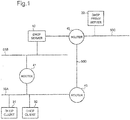
- FIG. 1 is a block diagram illustrating a configuration example of the network including the information processing system according to the present example embodiment.
- the network illustrated in Fig. 1 includes subnets 50A to 50D.
- the subnet 50A is connected to the subnet 50B via a router 41, and is also connected to the subnet 50D via a router 43.
- the subnet 50D is connected to the subnet 50C via a router 42.
- a DHCP server 10 is connected to the subnet 50B.
- a DHCP proxy server 20 is connected to the subnet 50C.
- the information processing system includes the DHCP server 10 and the DHCP proxy server 20.
- the DHCP server 10 is connected to the subnet 50A via the subnet 50B and the router 41, and is also connected to the subnet 50C via the router 42.
- DHCP client terminals (hereinafter simply referred to as "client terminals") 31 and 32 are connected to the subnet 50A.
- the DHCP server 10 is a server that distributes network configuration information to the client terminals 31 and 32.
- the client terminals 31 and 32 are terminals that request the DHCP server 10 to send network configuration information by using DHCP, and acquire the network configuration information from the DHCP server 10.
- the network configuration information includes a subnet mask as well as an IP address.
- the IP address includes a network address that is different for each subnet, and a host address that is an address different for each terminal.
- the DHCP proxy server 20 receives, from the DHCP server 10, a request for confirming a use state of the IP address, and confirms whether or not the IP address to be confirmed is used, on behalf of the DHCP server 10.
- the routers 41 to 43 relay communication between subnets.
- the router 41 includes a function of a DHCP relay agent, as well as typical functions as a router. Accordingly, the request for allocating an IP address and the allocation of an IP address in response to the request are performed through the router 41.
- the present example embodiment illustrates a case where four subnets, three routers, and two client terminals are used, for ease of explanation.
- the number of subnets, the number of routers, and the number of client terminals are not limited to these numbers.
- the configuration of the DHCP server 10 in the information processing system according to the present example embodiment will be described.
- Fig. 2 is a functional block diagram illustrating a configuration example of the DHCP server illustrated in Fig. 1 .
- the DHCP server 10 includes an information processing unit 11 and a storage unit 15.
- the DHCP server 10 is implemented by the above-mentioned computer 500 and the like.
- the information processing unit 11 includes a memory (not illustrated) that stores a program and a CPU (Central Processing Unit) (not illustrated) that executes processes in accordance with the program.
- a CPU Central Processing Unit
- the storage unit 15 includes a DHCP related information storage unit 16 and a proxy destination address storage unit 17.
- the information processing unit 11 includes a DHCP processing unit 12 and an address duplication confirmation processing unit 13.
- the CPU executes the program, thereby virtually constructing the DHCP processing unit 12 and the address duplication confirmation processing unit 13 in the DHCP server 10.
- the DHCP processing unit 12 and the DHCP related information storage unit 16 correspond to configurations provided in a typical DHCP server.
- the address duplication confirmation processing unit 13 and the proxy destination address storage unit 17 are configurations added to the DHCP server according to the present example embodiment.
- the DHCP related information storage unit 16 stores information held by typical DHCPv4 and DHCPv6 servers.
- the DHCP related information storage unit 16 stores information on the use state of the generated IP address.
- the information on the use state of the IP address indicates one of states of "in use”, "unused", and "unusable", of the generated IP address.
- the DHCP related information storage unit 16 manages the IP address allocated by the DHCP processing unit 12, as "in use”.
- the proxy destination address storage unit 17 stores the IP address of the DHCP proxy server 20.
- the present example embodiment assumes a case where the IP address of the DHCP proxy server 20 is stored in the proxy destination address storage unit 17 in advance.
- a means used for the proxy destination address storage unit 17 to store the IP address of the DHCP proxy server 20 is not particularly limited.
- the DHCP processing unit 12 distributes IPv4 (Internet Protocol Version 4)/IPv6 network configuration information to client terminals and manages the network configuration information.
- the DHCP processing unit 12 includes functions of typical DHCPv4 and DHCPv6 servers, and executes standard processes of protocol disclosed in NPL 1, NPL 2, and other literature.
- the DHCP processing unit 12 refers to the DHCP related information storage unit 16, and selects an unused IP address or generates a new IP address.
- the DHCP processing unit 12 allocates the IP address.
- the DHCP processing unit selects or generates another IP address.
- the address duplication confirmation processing unit 13 confirms the actual use state of the IP address selected or generated by the DHCP processing unit 12.
- the address duplication confirmation processing unit 13 includes a function of transmitting a request message, and a function of receiving a response message from the DHCP proxy server 20.
- the request message is a message for requesting the DHCP proxy server 20 to confirm the use state of the IP address.
- the address duplication confirmation processing unit 13 determines whether or not to actually allocate the IP address, the use state of which has been confirmed, to the client terminal, depending on the confirmation result indicating the use state of the IP address.
- the response message received from the DHCP proxy server 20 includes the confirmation result indicating the use state of the IP address.
- Fig. 4 is a diagram illustrating an example of the request message for requesting confirmation of the use state of the IP address.
- the request message is transmitted from the DHCP server to the DHCP proxy server.
- Fig. 5 is a diagram illustrating an example of the response message including the confirmation result indicating the use state of the IP address.
- the response message is transmitted from the DHCP proxy server to the DHCP server.
- the target IP address the use state of which is to be confirmed, i.e., the IP address determined by the DHCP server 10 is described in the field "TARGET IP ADDRESS TO BE CONFIRMED".
- the IP address, the use state of which is confirmed i.e., the IP address specified in the request message by the DHCP server 10
- the confirmation result indicating the use state of the IP address, confirmed by the DHCP proxy server 20 is described in the field "CONFIRMATION RESULT”.
- a value indicating information on "in use” or "unused” is described in the field "CONFIRMATION RESULT”.
- Fig. 3 is a functional block diagram illustrating a configuration example of the DHCP proxy server illustrated in Fig. 1 .
- the DHCP proxy server 20 includes an address use confirmation processing unit 21 and a discovery processing unit 22.
- a memory (not illustrated) that stores a program and a CPU (not illustrated) that executes processes in accordance with the program, are provided.
- the DHCP proxy server 20 is implemented by the computer 500 illustrated in Fig. 8 , or other devices.
- the CPU executes the program, thereby virtually constructing the address use confirmation processing unit 21 and the discovery processing unit 22 in the DHCP proxy server 20.
- the address use confirmation processing unit 21 receives a request message from the DHCP server 10, and transmits a response message including the confirmation result to the DHCP server 10.
- the request message is a message indicating a request for confirming the use state of the specified IP address. Note that the messages to be transmitted or received by the address use confirmation processing unit 21 have been described above with reference to Figs. 4 and 5 , and thus detailed descriptions thereof are omitted.
- the discovery processing unit 22 confirms the use state of the specified IP address, and returns the result.
- the discovery processing unit 22 specifies the address included in the request message as a destination and transmits an echo request to the subnet to which the client terminal that has requested to allocate the IP address is connected.
- the echo request is a request for a terminal to change a destination of a received message and send a reply.
- the discovery processing unit 22 notifies the address use confirmation processing unit 21 of presence or absence of an echo response.
- the echo response is a response to the echo request.
- a method for confirming a use state of an IP address a method using ICMP is described in the present example embodiment, and a method using ARP (Address Resolution Protocol) is described in a second example embodiment.
- ARP Address Resolution Protocol
- the method for confirming a use state of an IP address is not limited to the methods using these communication protocols. While an example in which the IPv4 protocol is used will be described below, the present example embodiment can also be applied to a case where the IPv6 protocol is used.
- the discovery processing unit 22 transmits an ICMP echo request by using the specified IP address as a destination.
- the discovery processing unit 22 determines that the IP address is used.
- the discovery processing unit 22 determines that the IP address is not used.
- the discovery processing unit 22 notifies the address use confirmation processing unit 21 of presence or absence of the ICMP echo response as the confirmation result.
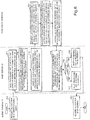
- FIG. 4 is a flowchart illustrating an operation procedure of the system according to the present example embodiment.
- Step F01 The client terminal 31 sends a request for allocation of an IP address by using DHCP.
- a procedure of the protocol of DHCP is based on NPL1, which is a standard technology, and a detailed description thereof is omitted herein.
- a DHCP relay agent function executed by the router 41 transfers the request message of allocation of an IP address from the client terminal 31 to the DHCP server 10 located on the subnet 50B.
- Step F11 When the DHCP server 10 receives a request for allocation of an IP address from the client terminal 31, the DHCP processing unit 12 selects an unused IP address by referring to the DHCP related information storage unit 16.
- Step F12 The DHCP processing unit 12 requests the address duplication confirmation processing unit 13 to confirm the use state of the IP address selected in the step F11.
- Step F13 The address duplication confirmation processing unit 13 refers to the proxy destination address storage unit 17 and specifies the IP address of the DHCP proxy server 20. Subsequently, the address duplication confirmation processing unit 13 transmits, to the DHCP proxy server 20, a message for requesting confirmation as to whether or not the IP address selected by the DHCP processing unit 12 is used.
- Step F21 When the DHCP proxy server 20 receives, from the DHCP server 10, a message for requesting confirmation of the use state of the specified IP address, the address use confirmation processing unit 21 requests the discovery processing unit 22 to confirm the use state of the specified IP address.
- the discovery processing unit 22 sends the ICMP echo request to the subnet 50A by using the specified IP address as a destination. Specifically, the discovery processing unit 22 sends, to the subnet 50C, the ICMP echo request using, as a destination, the IP address in which the subnet 50A is set as a network address. The network address in the ICMP echo request is read out by the router 42, and is transferred to the router 43 via the subnet 50D. In the router 43, since the network address in the ICMP echo request is set to the subnet 50A, the router 43 sends the ICMP echo request to the subnet 50A. Thus, the ICMP echo request reaches the subnet 50A through the subnet 50C, the router 42, the subnet 50D, and the router 43.
- the ICMP echo response reaches the DHCP proxy server 20 through a reverse path to a path through which the ICMP echo request is transferred.
- the discovery processing unit 22 determines that the specified IP address is used. When the ICMP echo response is not received, the discovery processing unit 22 determines that the specified IP address is not used. The discovery processing unit 22 notifies the address use confirmation processing unit 21 of presence or absence of the ICMP echo response as the confirmation result.
- Step F23 The address use confirmation processing unit 21 generates a response message including the confirmation result indicating the use state of the specified IP address, and transmits the generated response message to the DHCP server 10.
- Step F14 Upon receiving the response message including the confirmation result indicating the use state of the specified IP address, the address duplication confirmation processing unit 13 of the DHCP server 10 notifies the DHCP processing unit 12 of the confirmation result.
- Step F15 Based on the confirmation result notified in the step F14, the DHCP processing unit 12 determines whether or not the target IP address is used.
- Step F16 In the confirmation result notified in the step F14, when the target IP address is not used, the DHCP processing unit 12 allocates the IP address to the client terminal 31 in accordance with the protocol of DHCP.
- Step F17 In the confirmation result notified in the step F14, when the target IP address is already used, the DHCP processing unit 12 returns to the step F11 and selects another IP address.
- Step F02 The client terminal 31 receives allocation of the IP address via the router 41 in accordance with the protocol of DHCP.
- the DHCP server requests the proxy server, which is connected to a subnet being different from the subnet to which the DHCP server is connected, to confirm the use state by specifying an IP address.
- the proxy server transmits the ICMP echo request using the specified IP address as a destination
- the proxy server since the proxy server is connected to a subnet being different from the subnet to which the DHCP server is connected, the ICMP echo request is transferred via a communication path other than a network having no IP reachability.
- the proxy server can confirm whether or not the target IP address to be confirmed is used in the subnet to which the client terminal that has sent the request for allocation of the IP address belongs.
- the DHCP server determines whether or not the target IP address is used, based on the confirmation result received from the proxy server, thereby enabling preventing duplicate allocation of the IP address.
- the DHCP proxy server uses ICMP for the confirmation of the use state of the IP address, while in the present example embodiment, ARP is used instead of ICMP as a communication protocol.
- ARP that is supported by a large number of client terminals is used for confirmation of a use state of an IP address.
- Fig. 7 is a block diagram illustrating a configuration example of the network including the information processing system according to the present example embodiment.
- the DHCP proxy server 20 is connected to the subnet 50C as illustrated in Fig. 1 .
- the DHCP proxy server 20 is connected to the subnet 50A.
- the DHCP proxy server 20 and a client terminal which requests allocation of an IP address are located in the same subnet 50A.
- the discovery processing unit 22 of the DHCP proxy server 20 uses the specified IP address as a destination, and transmits an ARP request to the subnet 50A to which the client terminal which has requested allocation of the IP address is connected.
- the discovery processing unit 22 determines that the IP address is used.
- the discovery processing unit 22 determines that the IP address is not used.
- step F22 in the step F22, which has been described above with reference to Fig. 6 of the first example embodiment, ARP can be used as a means for confirming a use state of an IP address.
- the operation of the step F22 in the flowchart illustrated in Fig. 6 is replaced by an operation of step F22', which is described below, corresponding to the configuration described above with reference to Fig. 7 .
- Step F22' The discovery processing unit 22 of the DHCP proxy server 20 uses the specified IP address as a destination and transmits the ARP request to the subnet 50A. When the ARP response is received, the discovery processing unit 22 determines that the IP address is used. When the ARP response is not received, the discovery processing unit 22 determines that the IP address is not used. The discovery processing unit 22 notifies the address use confirmation processing unit 21 of presence or absence of the ARP response as the confirmation result.
- the DHCP proxy server confirms the use state of the IP address by using ARP instead of ICMP as a communication protocol. Since a typical client terminal supports ARP required for normal communication, even when the client terminal sends no response to ICMP, the DHCP proxy server can confirm whether or not the IP address is used. Even when ICMP is not supported by a client terminal in a subnet to be discovered, the DHCP server refers to the confirmation result obtained by the DHCP proxy server, thereby preventing a duplicated allocation of the same IP address to a plurality of client terminals.
- a program describing a procedure for executing the address duplication prevention method according to the present example embodiment may be installed in a computer including a server.
- the program is installed and is executed by the computer, which is already connected to a network, and thereby obtaining the same advantageous effects as those of the example embodiments described above.
Landscapes
- Engineering & Computer Science (AREA)
- Computer Networks & Wireless Communication (AREA)
- Signal Processing (AREA)
- Small-Scale Networks (AREA)
- Data Exchanges In Wide-Area Networks (AREA)
Claims (6)
- Informationsverarbeitungssystem, umfassend:
einen DHCP-Server (10), der konfiguriert ist, um nach dem Empfangen einer Anforderung zur Adresszuweisung von einem Client-Endgerät (31, 32) eine Anforderungsnachricht zum Anfordern einer Bestätigung eines Nutzungszustands einer Zieladresse an ein zweites Subnetz zu senden, das sich von einem ersten Subnetz unterscheidet, mit dem der DHCP-Server verbunden ist, und nach dem Empfangen einer Antwortnachricht, die ein Bestätigungsergebnis für die Anforderungsnachricht von dem zweiten Subnetz enthält, zu bestimmen, ob die Adresse dem Client-Endgerät basierend auf dem Bestätigungsergebnis zugeordnet werden soll oder nicht; wobei das Informationsverarbeitungssystem dadurch gekennzeichnet ist, dass es ferner umfasst:
einen Proxy-Server (20), der mit dem zweiten Subnetz verbunden ist und konfiguriert ist, um nach dem Empfangen der Anforderungsnachricht vom DHCP-Server (10) eine Echoanforderung zu senden, um ein Client-Terminal (31, 32) unter Verwendung der Zieladresse aufzufordern, eine Antwort an ein Subnetz zu senden, mit dem das Client-Terminal, das die Adresszuweisung angefordert hat, verbunden ist, und die Antwortnachricht einschließlich des Vorhandenseins oder Fehlens einer Antwort auf die Echoanforderung als Bestätigungsergebnis an den DHCP-Server (10) zu übertragen. - Proxy-Server (20), umfassend:
Verwendungsbestätigungsverarbeitungsmittel (21) zum Empfangen einer Anforderungsnachricht zum Anfordern einer Bestätigung eines Verwendungszustands einer Zieladresse über ein zweites Subnetz (50C), das sich vom ersten Subnetz (50B) unterscheidet, von einem DHCP-Server (10), der mit einem ersten Subnetz (50B) verbunden ist und zum Empfangen einer Anforderungsnachricht mit einem Bestätigungsergebnis an den DHCP-Server (10); und wobei der Proxy-Server (20) ist dadurch gekennzeichnet, dass er ferner umfasst:
Erkennungs-Verarbeitungsmittel (22) zum Senden, wenn das Verwendungsbestätigungs-Verarbeitungsmittel die Anforderungsnachricht vom DHCP-Server empfängt, einer Echo-Anforderung zum Anfordern eines Client-Endgeräts (31, 32) unter Verwendung der Zieladresse zum Senden einer Antwort an ein Subnetz, mit dem das Client-Endgerät (31, 32), das die Adresszuweisung angefordert hat, verbunden ist, und zum Benachrichtigen des Verwendungsbestätigungs-Verarbeitungsmittels (21) über das Vorhandensein oder Fehlen einer Antwort auf die Echo-Anforderung als Bestätigungsergebnis. - Proxy-Server (20) nach Anspruch 2, wobei die Echoanforderung entweder eine ICMP-, Internet Control Message Protocol-, Echoanforderung oder eine ARP-, Address Resolution Protocol-, Anforderung ist.
- Proxy-Server (20) nach Anspruch 3, wobei, wenn das Client-Terminal (31, 32) mit dem zweiten Subnetz verbunden ist, die Erkennungsverarbeitungsmittel die ARP-Anforderung als Echo-Anforderung verwendet.
- Verfahren zur Verhinderung von Adressduplikaten, das von einem Proxy-Server (20) ausgeführt wird, der mit einem Subnetz (50C) verbunden ist, das sich von einem Subnetz (50B) unterscheidet, mit dem ein DHCP-Server (10) verbunden ist, dadurch gekennzeichnet, dass es Folgendes umfasst:Senden, nach dem Empfangen einer Anforderungsnachricht zum Anfordern einer Bestätigung eines Verwendungszustands einer Zieladresse vom DHCP-Server (10), der eine Anforderung zur Adresszuweisung von einem Client-Endgerät (31, 32) empfängt, einer Echoanforderung zum Anfordern eines Client-Endgeräts unter Verwendung der Zieladresse zum Senden einer Antwort an ein Subnetz, mit dem das Client-Endgerät, das die Adresszuweisung angefordert hat, verbunden ist;Erzeugen einer Antwortnachricht, die das Vorhandensein oder Fehlen einer Antwort auf die Echoanforderung als Bestätigungsergebnis als Antwort auf die Anforderungsnachricht beinhaltet; undZurückgeben der erzeugten Antwortnachricht an den DHCP-Server (10).
- Computerlesbares Aufzeichnungsmedium, gekennzeichnet durch das Speichern eines Programms zum Veranlassen der Ausführung durch einen Computer, der mit einem Subnetz (50C) verbunden ist, das sich von einem Subnetz (50B) unterscheidet, mit dem ein DHCP-Server (10) verbunden ist:eine Prozedur zum Senden, nach dem Empfangen einer Anforderungsnachricht zum Anfordern einer Bestätigung eines Verwendungszustands einer Zieladresse vom DHCP-Server (10), der eine Anforderung zur Adresszuweisung von einem Client-Endgerät (31, 32) empfängt, einer Echoanforderung zum Anfordern eines Client-Endgeräts unter Verwendung der Zieladresse zum Senden einer Antwort an ein Subnetz, mit dem das Client-Endgerät, das die Adresszuweisung angefordert hat, verbunden ist;eine Prozedur zum Erzeugen einer Antwortnachricht, einschließlich des Vorhandenseins oder Fehlens einer Antwort auf die Echoanforderung als Bestätigungsergebnis als Antwort auf die Anforderungsnachricht; undeine Prozedur zum Zurückgeben der erzeugten Antwortnachricht an den DHCP-Server (10).
Applications Claiming Priority (2)
| Application Number | Priority Date | Filing Date | Title |
|---|---|---|---|
| JP2015040088 | 2015-03-02 | ||
| PCT/JP2016/001117 WO2016139937A1 (ja) | 2015-03-02 | 2016-03-02 | 情報処理システム、代理サーバ、アドレス重複防止方法及びコンピュータ読み取り可能記録媒体 |
Publications (3)
| Publication Number | Publication Date |
|---|---|
| EP3267633A1 EP3267633A1 (de) | 2018-01-10 |
| EP3267633A4 EP3267633A4 (de) | 2018-12-05 |
| EP3267633B1 true EP3267633B1 (de) | 2019-12-25 |
Family
ID=56848786
Family Applications (1)
| Application Number | Title | Priority Date | Filing Date |
|---|---|---|---|
| EP16758635.3A Active EP3267633B1 (de) | 2015-03-02 | 2016-03-02 | Informationsverarbeitungssystem, proxy-server, verfahren zur verhinderung von adressenduplikation und computerlesbares aufzeichnungsmedium |
Country Status (5)
| Country | Link |
|---|---|
| US (1) | US20180083918A1 (de) |
| EP (1) | EP3267633B1 (de) |
| JP (1) | JP6394781B2 (de) |
| BR (1) | BR112017018386A2 (de) |
| WO (1) | WO2016139937A1 (de) |
Families Citing this family (6)
| Publication number | Priority date | Publication date | Assignee | Title |
|---|---|---|---|---|
| JP6939154B2 (ja) * | 2017-07-06 | 2021-09-22 | 株式会社リコー | 機器設定装置、機器設定システム、機器設定方法、及びプログラム |
| JP7158833B2 (ja) * | 2017-08-31 | 2022-10-24 | キヤノン株式会社 | 情報処理装置及びその制御方法、並びにプログラム |
| CN111405029B (zh) * | 2020-03-12 | 2023-06-02 | 北京字节跳动网络技术有限公司 | 一种请求处理方法及装置 |
| EP3919344B1 (de) * | 2020-06-05 | 2024-08-28 | Mitsubishi Electric R&D Centre Europe B.V. | Verfahren zur geolokalisierung einer interferenzquelle in einem kommunikationsbasierten transportsystem |
| CN114374670B (zh) * | 2021-12-29 | 2024-04-30 | 中国电信股份有限公司 | 管理ip资源池的方法、装置、dhcp服务器及存储介质 |
| US12574351B2 (en) * | 2023-06-22 | 2026-03-10 | Juniper Networks, Inc. | Automating controller IP address change in client-based agent environments |
Family Cites Families (3)
| Publication number | Priority date | Publication date | Assignee | Title |
|---|---|---|---|---|
| JP4366270B2 (ja) * | 2004-07-30 | 2009-11-18 | キヤノン株式会社 | ネットワーク接続設定装置及びネットワーク接続設定方法 |
| US8458303B2 (en) * | 2010-07-12 | 2013-06-04 | Cisco Technology, Inc. | Utilizing a gateway for the assignment of internet protocol addresses to client devices in a shared subset |
| US9736005B2 (en) * | 2011-12-22 | 2017-08-15 | International Business Machines Corporation | Duplicate IP address detection by a DHCP relay agent |
-
2016
- 2016-03-02 JP JP2017503347A patent/JP6394781B2/ja active Active
- 2016-03-02 EP EP16758635.3A patent/EP3267633B1/de active Active
- 2016-03-02 WO PCT/JP2016/001117 patent/WO2016139937A1/ja not_active Ceased
- 2016-03-02 US US15/555,007 patent/US20180083918A1/en not_active Abandoned
- 2016-03-02 BR BR112017018386-2A patent/BR112017018386A2/pt not_active Application Discontinuation
Non-Patent Citations (1)
| Title |
|---|
| None * |
Also Published As
| Publication number | Publication date |
|---|---|
| WO2016139937A1 (ja) | 2016-09-09 |
| BR112017018386A2 (pt) | 2018-04-17 |
| JP6394781B2 (ja) | 2018-09-26 |
| US20180083918A1 (en) | 2018-03-22 |
| JPWO2016139937A1 (ja) | 2017-12-21 |
| EP3267633A1 (de) | 2018-01-10 |
| EP3267633A4 (de) | 2018-12-05 |
Similar Documents
| Publication | Publication Date | Title |
|---|---|---|
| EP3267633B1 (de) | Informationsverarbeitungssystem, proxy-server, verfahren zur verhinderung von adressenduplikation und computerlesbares aufzeichnungsmedium | |
| CN108307002B (zh) | 一种dhcp报文处理方法及装置 | |
| US9705844B2 (en) | Address management in a connectivity platform | |
| US10601766B2 (en) | Determine anomalous behavior based on dynamic device configuration address range | |
| US20120324063A1 (en) | Method, network device, and system for automatically configuring network device in ipv6 network | |
| CN107592209A (zh) | 一种多网卡服务器自动配置ip地址信息的方法和系统 | |
| JP7207827B2 (ja) | リソース取得方法および装置 | |
| CN102843441B (zh) | 控制地址配置方式的方法和设备 | |
| JP2012529802A (ja) | 動的ホスト構成プロトコルバージョン6サーバのipアドレスを取得するための方法、動的ホスト構成プロトコルバージョン6サーバ、および動的ホスト構成プロトコルバージョン6通信システム | |
| US20190149509A1 (en) | Method for configuring communication devices of an industrial automation system, and configuration data distributing unit | |
| CN108429824B (zh) | 一种地址分配方法及装置 | |
| CN101873320B (zh) | 一种基于DHCPv6中继的客户端信息确认方法及其装置 | |
| CN108429822B (zh) | 通信系统、IPv6地址分配方法、装置及分布式网关 | |
| KR20060066580A (ko) | 무선 네트워크 환경에서의 주소할당 방법 및 그 장치 | |
| CN112019653B (zh) | 接入交换机、ip地址部署方法、装置及可读存储介质 | |
| CN120223676A (zh) | 一种地址前缀冲突检测方法及装置 | |
| US11729140B2 (en) | Method and system for managing DHCP servers | |
| CN107172229B (zh) | 路由器的配置方法及装置 | |
| EP4029224B1 (de) | Zuweisung virtueller adressen zum vermeiden von konflikten in umgebungen mit mehreren netzwerken | |
| CN115550905A (zh) | 一种IPv6地址自动配置方法及装置 | |
| CN107295113B (zh) | 一种网络配置的方法、交换机和服务器 | |
| CN119743464B (zh) | 一种IPv6地址配置方法、服务器及存储介质 | |
| WO2015008541A1 (ja) | 通信装置、通信方法、及びプログラム | |
| CN111586153B (zh) | 一种用于云平台的通信方法及装置 | |
| CN119316351A (zh) | 路由器自动分配ula地址方法、装置、计算机设备及存储介质 |
Legal Events
| Date | Code | Title | Description |
|---|---|---|---|
| STAA | Information on the status of an ep patent application or granted ep patent |
Free format text: STATUS: THE INTERNATIONAL PUBLICATION HAS BEEN MADE |
|
| PUAI | Public reference made under article 153(3) epc to a published international application that has entered the european phase |
Free format text: ORIGINAL CODE: 0009012 |
|
| STAA | Information on the status of an ep patent application or granted ep patent |
Free format text: STATUS: REQUEST FOR EXAMINATION WAS MADE |
|
| 17P | Request for examination filed |
Effective date: 20171002 |
|
| AK | Designated contracting states |
Kind code of ref document: A1 Designated state(s): AL AT BE BG CH CY CZ DE DK EE ES FI FR GB GR HR HU IE IS IT LI LT LU LV MC MK MT NL NO PL PT RO RS SE SI SK SM TR |
|
| AX | Request for extension of the european patent |
Extension state: BA ME |
|
| DAV | Request for validation of the european patent (deleted) | ||
| DAX | Request for extension of the european patent (deleted) | ||
| A4 | Supplementary search report drawn up and despatched |
Effective date: 20181102 |
|
| RIC1 | Information provided on ipc code assigned before grant |
Ipc: H04L 12/46 20060101AFI20181026BHEP Ipc: H04L 12/70 20130101ALI20181026BHEP |
|
| GRAP | Despatch of communication of intention to grant a patent |
Free format text: ORIGINAL CODE: EPIDOSNIGR1 |
|
| STAA | Information on the status of an ep patent application or granted ep patent |
Free format text: STATUS: GRANT OF PATENT IS INTENDED |
|
| RIC1 | Information provided on ipc code assigned before grant |
Ipc: H04L 29/12 20060101ALI20190624BHEP Ipc: H04L 12/46 20060101AFI20190624BHEP Ipc: H04L 12/70 20130101ALI20190624BHEP |
|
| INTG | Intention to grant announced |
Effective date: 20190719 |
|
| GRAS | Grant fee paid |
Free format text: ORIGINAL CODE: EPIDOSNIGR3 |
|
| GRAA | (expected) grant |
Free format text: ORIGINAL CODE: 0009210 |
|
| STAA | Information on the status of an ep patent application or granted ep patent |
Free format text: STATUS: THE PATENT HAS BEEN GRANTED |
|
| AK | Designated contracting states |
Kind code of ref document: B1 Designated state(s): AL AT BE BG CH CY CZ DE DK EE ES FI FR GB GR HR HU IE IS IT LI LT LU LV MC MK MT NL NO PL PT RO RS SE SI SK SM TR |
|
| REG | Reference to a national code |
Ref country code: GB Ref legal event code: FG4D |
|
| REG | Reference to a national code |
Ref country code: CH Ref legal event code: EP |
|
| REG | Reference to a national code |
Ref country code: DE Ref legal event code: R096 Ref document number: 602016026892 Country of ref document: DE |
|
| REG | Reference to a national code |
Ref country code: AT Ref legal event code: REF Ref document number: 1218364 Country of ref document: AT Kind code of ref document: T Effective date: 20200115 |
|
| REG | Reference to a national code |
Ref country code: IE Ref legal event code: FG4D |
|
| REG | Reference to a national code |
Ref country code: NL Ref legal event code: MP Effective date: 20191225 |
|
| PG25 | Lapsed in a contracting state [announced via postgrant information from national office to epo] |
Ref country code: LT Free format text: LAPSE BECAUSE OF FAILURE TO SUBMIT A TRANSLATION OF THE DESCRIPTION OR TO PAY THE FEE WITHIN THE PRESCRIBED TIME-LIMIT Effective date: 20191225 Ref country code: GR Free format text: LAPSE BECAUSE OF FAILURE TO SUBMIT A TRANSLATION OF THE DESCRIPTION OR TO PAY THE FEE WITHIN THE PRESCRIBED TIME-LIMIT Effective date: 20200326 Ref country code: NO Free format text: LAPSE BECAUSE OF FAILURE TO SUBMIT A TRANSLATION OF THE DESCRIPTION OR TO PAY THE FEE WITHIN THE PRESCRIBED TIME-LIMIT Effective date: 20200325 Ref country code: FI Free format text: LAPSE BECAUSE OF FAILURE TO SUBMIT A TRANSLATION OF THE DESCRIPTION OR TO PAY THE FEE WITHIN THE PRESCRIBED TIME-LIMIT Effective date: 20191225 Ref country code: LV Free format text: LAPSE BECAUSE OF FAILURE TO SUBMIT A TRANSLATION OF THE DESCRIPTION OR TO PAY THE FEE WITHIN THE PRESCRIBED TIME-LIMIT Effective date: 20191225 Ref country code: SE Free format text: LAPSE BECAUSE OF FAILURE TO SUBMIT A TRANSLATION OF THE DESCRIPTION OR TO PAY THE FEE WITHIN THE PRESCRIBED TIME-LIMIT Effective date: 20191225 Ref country code: BG Free format text: LAPSE BECAUSE OF FAILURE TO SUBMIT A TRANSLATION OF THE DESCRIPTION OR TO PAY THE FEE WITHIN THE PRESCRIBED TIME-LIMIT Effective date: 20200325 |
|
| REG | Reference to a national code |
Ref country code: LT Ref legal event code: MG4D |
|
| PG25 | Lapsed in a contracting state [announced via postgrant information from national office to epo] |
Ref country code: HR Free format text: LAPSE BECAUSE OF FAILURE TO SUBMIT A TRANSLATION OF THE DESCRIPTION OR TO PAY THE FEE WITHIN THE PRESCRIBED TIME-LIMIT Effective date: 20191225 Ref country code: RS Free format text: LAPSE BECAUSE OF FAILURE TO SUBMIT A TRANSLATION OF THE DESCRIPTION OR TO PAY THE FEE WITHIN THE PRESCRIBED TIME-LIMIT Effective date: 20191225 |
|
| PG25 | Lapsed in a contracting state [announced via postgrant information from national office to epo] |
Ref country code: AL Free format text: LAPSE BECAUSE OF FAILURE TO SUBMIT A TRANSLATION OF THE DESCRIPTION OR TO PAY THE FEE WITHIN THE PRESCRIBED TIME-LIMIT Effective date: 20191225 |
|
| PG25 | Lapsed in a contracting state [announced via postgrant information from national office to epo] |
Ref country code: PT Free format text: LAPSE BECAUSE OF FAILURE TO SUBMIT A TRANSLATION OF THE DESCRIPTION OR TO PAY THE FEE WITHIN THE PRESCRIBED TIME-LIMIT Effective date: 20200520 Ref country code: RO Free format text: LAPSE BECAUSE OF FAILURE TO SUBMIT A TRANSLATION OF THE DESCRIPTION OR TO PAY THE FEE WITHIN THE PRESCRIBED TIME-LIMIT Effective date: 20191225 Ref country code: NL Free format text: LAPSE BECAUSE OF FAILURE TO SUBMIT A TRANSLATION OF THE DESCRIPTION OR TO PAY THE FEE WITHIN THE PRESCRIBED TIME-LIMIT Effective date: 20191225 Ref country code: CZ Free format text: LAPSE BECAUSE OF FAILURE TO SUBMIT A TRANSLATION OF THE DESCRIPTION OR TO PAY THE FEE WITHIN THE PRESCRIBED TIME-LIMIT Effective date: 20191225 Ref country code: EE Free format text: LAPSE BECAUSE OF FAILURE TO SUBMIT A TRANSLATION OF THE DESCRIPTION OR TO PAY THE FEE WITHIN THE PRESCRIBED TIME-LIMIT Effective date: 20191225 |
|
| PG25 | Lapsed in a contracting state [announced via postgrant information from national office to epo] |
Ref country code: SM Free format text: LAPSE BECAUSE OF FAILURE TO SUBMIT A TRANSLATION OF THE DESCRIPTION OR TO PAY THE FEE WITHIN THE PRESCRIBED TIME-LIMIT Effective date: 20191225 Ref country code: IS Free format text: LAPSE BECAUSE OF FAILURE TO SUBMIT A TRANSLATION OF THE DESCRIPTION OR TO PAY THE FEE WITHIN THE PRESCRIBED TIME-LIMIT Effective date: 20200425 Ref country code: SK Free format text: LAPSE BECAUSE OF FAILURE TO SUBMIT A TRANSLATION OF THE DESCRIPTION OR TO PAY THE FEE WITHIN THE PRESCRIBED TIME-LIMIT Effective date: 20191225 |
|
| REG | Reference to a national code |
Ref country code: DE Ref legal event code: R097 Ref document number: 602016026892 Country of ref document: DE |
|
| PG25 | Lapsed in a contracting state [announced via postgrant information from national office to epo] |
Ref country code: DK Free format text: LAPSE BECAUSE OF FAILURE TO SUBMIT A TRANSLATION OF THE DESCRIPTION OR TO PAY THE FEE WITHIN THE PRESCRIBED TIME-LIMIT Effective date: 20191225 Ref country code: MC Free format text: LAPSE BECAUSE OF FAILURE TO SUBMIT A TRANSLATION OF THE DESCRIPTION OR TO PAY THE FEE WITHIN THE PRESCRIBED TIME-LIMIT Effective date: 20191225 Ref country code: ES Free format text: LAPSE BECAUSE OF FAILURE TO SUBMIT A TRANSLATION OF THE DESCRIPTION OR TO PAY THE FEE WITHIN THE PRESCRIBED TIME-LIMIT Effective date: 20191225 |
|
| PLBE | No opposition filed within time limit |
Free format text: ORIGINAL CODE: 0009261 |
|
| REG | Reference to a national code |
Ref country code: CH Ref legal event code: PL |
|
| STAA | Information on the status of an ep patent application or granted ep patent |
Free format text: STATUS: NO OPPOSITION FILED WITHIN TIME LIMIT |
|
| REG | Reference to a national code |
Ref country code: AT Ref legal event code: MK05 Ref document number: 1218364 Country of ref document: AT Kind code of ref document: T Effective date: 20191225 |
|
| PG25 | Lapsed in a contracting state [announced via postgrant information from national office to epo] |
Ref country code: SI Free format text: LAPSE BECAUSE OF FAILURE TO SUBMIT A TRANSLATION OF THE DESCRIPTION OR TO PAY THE FEE WITHIN THE PRESCRIBED TIME-LIMIT Effective date: 20191225 |
|
| 26N | No opposition filed |
Effective date: 20200928 |
|
| REG | Reference to a national code |
Ref country code: BE Ref legal event code: MM Effective date: 20200331 |
|
| PG25 | Lapsed in a contracting state [announced via postgrant information from national office to epo] |
Ref country code: LU Free format text: LAPSE BECAUSE OF NON-PAYMENT OF DUE FEES Effective date: 20200302 |
|
| PG25 | Lapsed in a contracting state [announced via postgrant information from national office to epo] |
Ref country code: IE Free format text: LAPSE BECAUSE OF NON-PAYMENT OF DUE FEES Effective date: 20200302 Ref country code: FR Free format text: LAPSE BECAUSE OF NON-PAYMENT OF DUE FEES Effective date: 20200331 Ref country code: LI Free format text: LAPSE BECAUSE OF NON-PAYMENT OF DUE FEES Effective date: 20200331 Ref country code: IT Free format text: LAPSE BECAUSE OF FAILURE TO SUBMIT A TRANSLATION OF THE DESCRIPTION OR TO PAY THE FEE WITHIN THE PRESCRIBED TIME-LIMIT Effective date: 20191225 Ref country code: AT Free format text: LAPSE BECAUSE OF FAILURE TO SUBMIT A TRANSLATION OF THE DESCRIPTION OR TO PAY THE FEE WITHIN THE PRESCRIBED TIME-LIMIT Effective date: 20191225 Ref country code: CH Free format text: LAPSE BECAUSE OF NON-PAYMENT OF DUE FEES Effective date: 20200331 |
|
| PG25 | Lapsed in a contracting state [announced via postgrant information from national office to epo] |
Ref country code: PL Free format text: LAPSE BECAUSE OF FAILURE TO SUBMIT A TRANSLATION OF THE DESCRIPTION OR TO PAY THE FEE WITHIN THE PRESCRIBED TIME-LIMIT Effective date: 20191225 Ref country code: BE Free format text: LAPSE BECAUSE OF NON-PAYMENT OF DUE FEES Effective date: 20200331 |
|
| PGFP | Annual fee paid to national office [announced via postgrant information from national office to epo] |
Ref country code: DE Payment date: 20210216 Year of fee payment: 6 Ref country code: GB Payment date: 20210217 Year of fee payment: 6 |
|
| PG25 | Lapsed in a contracting state [announced via postgrant information from national office to epo] |
Ref country code: TR Free format text: LAPSE BECAUSE OF FAILURE TO SUBMIT A TRANSLATION OF THE DESCRIPTION OR TO PAY THE FEE WITHIN THE PRESCRIBED TIME-LIMIT Effective date: 20191225 Ref country code: MT Free format text: LAPSE BECAUSE OF FAILURE TO SUBMIT A TRANSLATION OF THE DESCRIPTION OR TO PAY THE FEE WITHIN THE PRESCRIBED TIME-LIMIT Effective date: 20191225 Ref country code: CY Free format text: LAPSE BECAUSE OF FAILURE TO SUBMIT A TRANSLATION OF THE DESCRIPTION OR TO PAY THE FEE WITHIN THE PRESCRIBED TIME-LIMIT Effective date: 20191225 |
|
| PG25 | Lapsed in a contracting state [announced via postgrant information from national office to epo] |
Ref country code: MK Free format text: LAPSE BECAUSE OF FAILURE TO SUBMIT A TRANSLATION OF THE DESCRIPTION OR TO PAY THE FEE WITHIN THE PRESCRIBED TIME-LIMIT Effective date: 20191225 |
|
| REG | Reference to a national code |
Ref country code: DE Ref legal event code: R119 Ref document number: 602016026892 Country of ref document: DE |
|
| GBPC | Gb: european patent ceased through non-payment of renewal fee |
Effective date: 20220302 |
|
| PG25 | Lapsed in a contracting state [announced via postgrant information from national office to epo] |
Ref country code: GB Free format text: LAPSE BECAUSE OF NON-PAYMENT OF DUE FEES Effective date: 20220302 Ref country code: DE Free format text: LAPSE BECAUSE OF NON-PAYMENT OF DUE FEES Effective date: 20221001 |