EP3265115B1 - Abaloparatide combined with alendronate for reducing non-vertebral bone fractures - Google Patents
Abaloparatide combined with alendronate for reducing non-vertebral bone fractures Download PDFInfo
- Publication number
- EP3265115B1 EP3265115B1 EP16759540.4A EP16759540A EP3265115B1 EP 3265115 B1 EP3265115 B1 EP 3265115B1 EP 16759540 A EP16759540 A EP 16759540A EP 3265115 B1 EP3265115 B1 EP 3265115B1
- Authority
- EP
- European Patent Office
- Prior art keywords
- abaloparatide
- bone
- bmd
- teriparatide
- placebo
- Prior art date
- Legal status (The legal status is an assumption and is not a legal conclusion. Google has not performed a legal analysis and makes no representation as to the accuracy of the status listed.)
- Revoked
Links
Images










Classifications
-
- A—HUMAN NECESSITIES
- A61—MEDICAL OR VETERINARY SCIENCE; HYGIENE
- A61K—PREPARATIONS FOR MEDICAL, DENTAL OR TOILETRY PURPOSES
- A61K38/00—Medicinal preparations containing peptides
- A61K38/16—Peptides having more than 20 amino acids; Gastrins; Somatostatins; Melanotropins; Derivatives thereof
- A61K38/17—Peptides having more than 20 amino acids; Gastrins; Somatostatins; Melanotropins; Derivatives thereof from animals; from humans
- A61K38/22—Hormones
- A61K38/29—Parathyroid hormone, i.e. parathormone; Parathyroid hormone-related peptides
-
- A—HUMAN NECESSITIES
- A61—MEDICAL OR VETERINARY SCIENCE; HYGIENE
- A61K—PREPARATIONS FOR MEDICAL, DENTAL OR TOILETRY PURPOSES
- A61K45/00—Medicinal preparations containing active ingredients not provided for in groups A61K31/00 - A61K41/00
- A61K45/06—Mixtures of active ingredients without chemical characterisation, e.g. antiphlogistics and cardiaca
-
- A—HUMAN NECESSITIES
- A61—MEDICAL OR VETERINARY SCIENCE; HYGIENE
- A61K—PREPARATIONS FOR MEDICAL, DENTAL OR TOILETRY PURPOSES
- A61K9/00—Medicinal preparations characterised by special physical form
- A61K9/0012—Galenical forms characterised by the site of application
- A61K9/0019—Injectable compositions; Intramuscular, intravenous, arterial, subcutaneous administration; Compositions to be administered through the skin in an invasive manner
-
- A—HUMAN NECESSITIES
- A61—MEDICAL OR VETERINARY SCIENCE; HYGIENE
- A61P—SPECIFIC THERAPEUTIC ACTIVITY OF CHEMICAL COMPOUNDS OR MEDICINAL PREPARATIONS
- A61P19/00—Drugs for skeletal disorders
- A61P19/02—Drugs for skeletal disorders for joint disorders, e.g. arthritis, arthrosis
-
- A—HUMAN NECESSITIES
- A61—MEDICAL OR VETERINARY SCIENCE; HYGIENE
- A61P—SPECIFIC THERAPEUTIC ACTIVITY OF CHEMICAL COMPOUNDS OR MEDICINAL PREPARATIONS
- A61P19/00—Drugs for skeletal disorders
- A61P19/04—Drugs for skeletal disorders for non-specific disorders of the connective tissue
-
- A—HUMAN NECESSITIES
- A61—MEDICAL OR VETERINARY SCIENCE; HYGIENE
- A61P—SPECIFIC THERAPEUTIC ACTIVITY OF CHEMICAL COMPOUNDS OR MEDICINAL PREPARATIONS
- A61P19/00—Drugs for skeletal disorders
- A61P19/08—Drugs for skeletal disorders for bone diseases, e.g. rachitism, Paget's disease
-
- A—HUMAN NECESSITIES
- A61—MEDICAL OR VETERINARY SCIENCE; HYGIENE
- A61P—SPECIFIC THERAPEUTIC ACTIVITY OF CHEMICAL COMPOUNDS OR MEDICINAL PREPARATIONS
- A61P19/00—Drugs for skeletal disorders
- A61P19/08—Drugs for skeletal disorders for bone diseases, e.g. rachitism, Paget's disease
- A61P19/10—Drugs for skeletal disorders for bone diseases, e.g. rachitism, Paget's disease for osteoporosis
Definitions
- osteoporotic fractures are expected to have an increasing impact on the health of our population.
- Today, osteoporosis is estimated to affect over 20 million Americans, with 1.5 million osteoporotic fractures occurring in the United States every year (1).
- currently available medications can only modestly decrease the risk of clinical non-vertebral fracture (2, 3).
- the mainstay of osteoporosis treatment is the use of oral and intravenous bisphosphonates. These drugs act by suppressing bone resorption but also decrease bone formation (4).
- Teriparatide (TPTD, hPTH(1-34)) is the only currently-available anabolic agent, and it acts by a mechanism that involves stimulating new bone formation (along with resorption) and reconstituting internal bone microarchitecture (5-7).
- BMD bone mineral density
- the effects of teriparatide on bone mineral density (BMD) are superior to antiresorptive agents at the spine, but its effects at the hip are more modest, and often delayed until the second year of a 2-year course of therapy (8, 9).
- BMD bone mineral density
- hip fractures are particularly common among osteoporosis patients, there is a need to develop new treatments for improvement of BMD and decrease of hip fracture risk in osteoporosis patients.
- the invention provides a polypeptide of SEQ ID NO:1 and alendronate for use in preventing or reducing non-vertebral bone fractures in a subject in need thereof, wherein said use comprises administering to the subject the polypeptide once daily by subcutaneous injection for a first period of time of 18 months, followed by an administration of alendronate for six months.
- the ⁇ P ⁇ THrP analogue for use in the present invention is abaloparatide ([Glu 22, 25 , Leu 23, 28, 31 , Aib 29 , Lys 26, 30 ]hPTHrP(1-34)NH 2 ), which has the amino acid sequence set forth in SEQ ID NO:1:.
- Aib is a-aminoisobutyric acid or 2-aminoisobutyric acid.
- the subject has diabetes (e.g., type II diabetes). In certain embodiments, the subject has osteoporosis.
- the abaloparatide and alendronate for use provided herein comprises administering to the subject a therapeutically effective amount of abaloparatide and alendronate.
- the PTHrP analogue for use of the invention is abaloparatide.
- the non-vertebral bone fractures are hip or wrist fractures.
- the method comprises administering to the subject a therapeutically effective amount of the anti-resorptive agent alendronate.
- parathyroid hormone-related protein refers to native human PTHrP (hPTHrP) and fragments thereof.
- the sequence of native hPTHrP (1-34) is: Ala Val Ser Glu His Gln Leu Leu His Asp Lys Gly Lys Ser Ile Gln Asp Leu Arg Arg Arg Phe Phe Leu His His Leu Ile Ala Glu Ile His Tur Ala (SEQ ID N0:2).
- PTHrP is a protein with homology to PTH at the amino-terminus that binds to the same G-protein coupled receptor.
- PTH primarily acts as an endocrine regulator of calcium homeostasis
- PTHrP plays a fundamental paracrine role in the mediation of endochondral bone development (11).
- the differential effects of these proteins may be related not only to differential tissue expression, but also to distinct receptor binding properties (12-14).
- PTHrP has been investigated as a potential treatment for osteoporosis. The results of these studies have been mixed, with some suggesting that intermittent administration of high dose PTHrP increases bone formation without concomitant stimulation of bone resorption and others reporting measurable stimulation of bone resorption and significant hypercalcemia (15-17).
- fragment of hPTHrP refers to a polypeptide having a sequence comprising less than the full complement of amino acids found in hPTHrP, which nonetheless elicits a similar biological response. Typically, fragments will be truncated from the C-terminus and will range from 30 to 40 residues in length.
- an “analogue” ofPTHrP refers to a polypeptide having between about 1 and about 20, between about 1 and about 15, or between about 1 and about 10 art- accepted substitutions, additions, or insertions relative to PTHrP (i.e., relative to hPTHrP or a fragment thereof), or combinations thereof, not to exceed atotal combination of 20 substitutions, additions, and insertions.
- insertions include the insertion of an amino acid between two existing amino acids in the peptide chain.
- “addition” means the addition of an amino acid to the Nor C terminus of the peptide chain.
- substitution means the substitution of an amino acid for an existing amino acid in the peptide chain.
- “art-accepted” substitutions, insertions, or additions are those which one of ordinary skill in the art would expect to maintain or increase the biological and/or hormonal activity of the peptide and not adversely affect the biological activity of the peptide.
- Art-accepted substitutions include, for example, substitution of one amino acid with a chemically or biologically similar amino acid, such as substituting one hydrophobic amino acid for another hydrophobic amino acid.
- PTHrP analogues are described with reference to their variation from the native sequence of hPTHrP.
- the PTHrP analogue for use of the invention is abaloparatide.
- Abaloparatide was selected to retain potent anabolic activity with decreased bone resorption, less calciummobilizing potential, and improved room temperature stability (18).
- Studies performed in animals have demonstrated marked bone anabolic activity for the PTHrP analogue abaloparatide, with complete reversal of bone loss in ovariectomy-induced osteopenic rats and monkeys (19, 20).
- Subjects treated with teriparatide demonstrated a statistically significant reduction in new vertebral fractures compared to the placebo group (not as claimed). Compared to subjects treated with teriparatide, subjects treated with abaloparatide demonstrated a statistically significant reduction in major osteoporotic fractures (not as claimed).
- abaloparatide was further found to significantly decrease the risk of major osteoporotic fracture and any clinical fracture in postmenopausal women, irrespective of baseline fracture probability, using the Fracture Risk Assessment Tool (FRAX).
- FFAX Fracture Risk Assessment Tool
- TBS is a grey-scale textural analysis applied to spinal DXA images that has been shown to be correlated with trabecular bone microarchitecture and bone strength. TBS is also a predictor of fragility fractures of the spine and hip in postmenopausal women independent of BMD and other major clinical risk factors. As such, it captures additional patients at risk of fracture that are missed by BMD alone (35), and together with BMD more accurately captures bone strength.
- a normal or even slightly higher than normal BMD does not necessarily indicate a lower fracture risk.
- subjects with type II diabetes may have increased fracture risk (especially at the hips and/or wrists) despite a higher BMD (21).
- One factor behind the discrepancy between relatively normal BMD and high fracture risks may be the higher cortical porosity of subjects with diabetes (e.g., type II diabetes).
- subjects with type II diabetes may have a cortical porosity up to twice that of controls (21).
- the abaloparatide and alendronate for use in preventing or reducing non-vertebral bone fractures as more specifically defined herein) may be beneficial to subjects having diabetes and/or subjects having higher cortical porosity.
- an earlier increase in bone formation marker P1NP in subjects treated with abaloparatide compared to subjects treated with teriparatide may contribute to the faster effects of abaloparatide on BMD (see, e.g., Example 1, Fig. 6A ; and Example 3, Fig. 14B ; not as claimed).
- subjects treated with abaloparatide showed an earlier return to the baseline at 18 months compared to subjects treated with teriparatide (see, e.g., Example 1, Fig. 6B ; not as claimed).
- non-vertebral bone fractures which may exhibit reduced fracture risk include, without limitation, wrist, hips, and clinical non-vertebral fractures (e.g., non-vertebral fractures with or without high trauma, confirmed through x-ray scan, radiologist report, emergency room/urgent care reports, hospital discharge reports, surgery reports, hospital or clinical notes, or other medical confirmation).
- clinical non-vertebral fractures e.g., non-vertebral fractures with or without high trauma, confirmed through x-ray scan, radiologist report, emergency room/urgent care reports, hospital discharge reports, surgery reports, hospital or clinical notes, or other medical confirmation.
- the alendronate and abaloparatide for use as claimed improve BMD and/or trabecular bone score TBS in the subject.
- bones which may exhibit improved BMD and/or TBS following administration include, without limitation, the total hip, wrist, femur, cortical bone of the femur (femoral diaphysis), and/or femoral neck in the subject.
- Exemplary non-vertebral bone fractures that may exhibit reduced fracture risk include, without limitation, major osteoporotic fracture, wrist, hip, clinical fracture.
- the anti-resorptive therapeutic agent for use in the present invention is the bisphosphonate alendronate.
- subject in need thereof' as used herein refers to a mammalian subject, e.g., a human.
- a subject in need thereof has a fracture risk higher than normal.
- the abaloparatide and alendronate for use are for use in a subject having low BMD and high cortical porosity.
- BMD may be measured by digital X-ray radiogrammetry (DXR) or other methods known in the art.
- the term "low BMD” means a BMD T-score ⁇ about 2 or ⁇ about - 2.5, e.g., at one or more sites selected from the group consisting of spine (e.g., lumbar spine), hip (e.g., total hip or femoral neck), and wrist.
- the term "cortical porosity” means the fraction of cortical bone volume that is not occupied by the bone. Cortical porosity may be measured by DXR or other methods known in the art to provide an estimation of the local intensity minima ("holes") in the cortical bone regions using a recursive (climbing) algorithm starting from the outer region (10).
- a combined porosity measure is derived from the area percentage of holes found in the cortical part relative to the entire cortical area, by averaging over the involved bones and scaling to reflect a volumetric ratio rather than the projected area.
- a "high cortical porosity” means a porosity of about 10% higher, about 15% higher, about 20% higher, about 50% higher, about 100% higher, or about 150% higher than that of healthy subjects from the same age group as controls.
- the subject may have a cortical porosity of about 0.01256, which the control group has a cortical porosity of about 0.01093 (10).
- Subjects having a high cortical porosity may have a slightly low BMD, a normal BMD, or even a slightly higher than normal BMD, e.g., a BMD T-score of at least about -2, at least about -1.5, at least about -1, at least about -0.5, at least about -0.25, at least about -0.2, at least about -0.1, at least about 0, about -2 to about 3, about -2 to about 2.5, about -2 to about 2, about -2 to about 1.5, about -2 to about 1, about -2 to about 0.5, about -2 to about 0.25, about -2 to about 0.2, about -2 to about 0.1, or about -2 to about 0.
- a slightly low BMD e.g., a BMD T-score of at least about -2, at least about -1.5, at least about -1, at least about -0.5, at least about -0.25, at least about -0.2, at least about -0.1, at least about 0, about -2 to about
- subjects with type II diabetes may have a cortical porosity up to twice that of controls while having normal or even slightly higher than normal BMD (21).
- suitable subjects in need thereof include, without limitation, women, women with osteoporosis and/or diabetes (e.g., type I or type II diabetes), postmenopausal women, postmenopausal women with osteoporosis and/or diabetes (e.g., type I or type II diabetes), and men with osteoporosis and/or diabetes (e.g., type I or type II diabetes).
- therapeutically effective amount refers to an amount of a compound or agent that is sufficient to elicit the required or desired therapeutic and/or prophylactic response, as the particular treatment context may require.
- the therapeutically effective amount is an amount of the composition that yields maximum therapeutic effect.
- the therapeutically effective amount yields a therapeutic effect that is less than the maximum therapeutic effect.
- a therapeutically effective amount may be an amount that produces a therapeutic effect while avoiding one or more side effects associated with a dosage that yields maximum therapeutic effect.
- a therapeutically effective amount for a particular composition will vary based on a variety of factors, including but not limited to the characteristics of the therapeutic composition (e.g., activity, pharmacokinetics, pharmacodynamics, and bioavailability), the physiological condition of the subject (e.g., age, body weight, sex, disease type and stage, medical history, general physical condition, responsiveness to a given dosage, and other present medications), the nature of any pharmaceutically acceptable carriers in the composition, and the route of administration.
- the characteristics of the therapeutic composition e.g., activity, pharmacokinetics, pharmacodynamics, and bioavailability
- the physiological condition of the subject e.g., age, body weight, sex, disease type and stage, medical history, general physical condition, responsiveness to a given dosage, and other present medications
- the nature of any pharmaceutically acceptable carriers in the composition e.g., a therapeutically effective amount through routine experimentation, namely by monitoring a subject's response to administration of a composition and adjusting the dosage accordingly
- Examples of therapeutically effective amounts of abaloparatide include, without limitation, 10 ⁇ g to 250 ⁇ g, 50 ⁇ g to 200 ⁇ g, 50 ⁇ g to 150 ⁇ g, 70 ⁇ g to 100 ⁇ g, 70 ⁇ g to 90 ⁇ g, 75 ⁇ g to 85 ⁇ g, about 20 ⁇ g, about 40 ⁇ g, about 60 ⁇ g, about 80 ⁇ g, about 100 ⁇ g, about 120 ⁇ g, about 150 ⁇ g, about 200 ⁇ g, or about 250 ⁇ g.
- Other examples of therapeutically effective amounts of abaloparatide may also include, without limitation, about 5 ⁇ g/kg or about 20 ⁇ g/kg.
- One skilled in the art can select a therapeutically effective amount of the alendronate. The amount of the alendronatecan be further optimized subsequent to the therapy of abaloparatide.
- Abaloparatide is administered by subcutaneous injection.
- Abaloparatide is administered once a day for 18 months in the present invention.
- the alendronate is administered once a day, twice a day, three times a day, or more than three times a day. In other embodiments, administration may occur once every 2 days, once every 3 days, once every 4 days, once per week, once per month. In certain embodiments, the alendronate is administered once a day.
- the abaloparatide and alendronate for use provided herein reduce the wrist fracture risk of subjects treated with abaloparatide by 40% to 70%, 50% to 65%, 55% to 60%, or at least 58% when compared to untreated subjects or subjects treated with placebo.
- the wrist fracture risk for subjects treated with abaloparatide is reduced by 40% to 80%, 50% to 75%, 60% to 75%, 65% to 75%, 70% to 75%, or at least 72% compared to subjects treated with teriparatide.
- subjects are administered with abaloparatide at a daily dose of 20 ⁇ g, 40 ⁇ g, or 80 ⁇ g for 18 months and then administered with alendronate for 6 months with a dosage of 10 mg/day or 70 mg/week (e.g., oral), 5 mg/day or 35 mg/week (e.g., oral), 15 mg/day or 105 mg/week (e.g., oral), 20 mg/day or 140 mg/week (e.g., oral), 5 to 20 mg/day or 35 to 140 mg/week (e.g., oral), 5 to 15 mg/day or 35 to 105 mg/week (e.g., oral), 5 to 10 mg/day or 35 to 70 mg/week (e.g., oral), or 10 to 20 mg/day or 70 to 140 mg/week (e.g., oral).
- a dosage of 10 mg/day or 70 mg/week e.g., oral
- 5 mg/day or 35 mg/week e.g., oral
- BMD at the femoral neck may increase by at least 2.2%, at least 2.7%, at least 3%, at least 3.1%, at least 4.5%, at least 5%, at least 6%, 1.5% to 4%, 2% to 4%, 2.5% to 4%, 2% to 3.5%, 1.5% to 6%, 2% to 6%, 2.5% to 6%, 1.5% to 5%, 2% to 5%, 2.5% to 5%, 1.5% to 4.5%, 2% to 4.5%, or 2.5% to 4.5%; and BMD for the total hip may increase by at least 1.4%, at least 2.0%, at least 2.6%, at least 3%, at least 3.5%, at least 4%, at least 4.5%, at least 5%, at least 5.5%, at least 6%, at least 7%, 0.6% to 3%, 1% to 3%, 1.5%
- abaloparatide is administered in combination with one or more additional osteoporosis therapies, including for example an alendronate therapy.
- the additional osteoporosis therapy may be administered before, during, or after the treatment with abaloparatide.
- Abaloparatide and the additional osteoporosis therapy may be administered separately or as part of the same composition. Administration of the two agents may occur at or around the same time, e.g., simultaneously, or the two agents may be administered at different times.
- abaloparatide and alendronate are administered in pharmaceutical compositions as the active ingredient(s).
- Such pharmaceutical compositions may further comprise a pharmaceutically acceptable carrier.
- a "pharmaceutically acceptable carrier” as used herein refers to a pharmaceutically acceptable material, composition, or vehicle that is involved in carrying or transporting a compound or molecule of interest from one tissue, organ, or portion of the body to another tissue, organ, or portion of the body.
- a pharmaceutically acceptable carrier may comprise a variety of components, including but not limited to a liquid or solid filler, diluent, excipient, solvent, buffer, encapsulating material, surfactant, stabilizing agent, binder, or pigment, or some combination thereof.
- Each component of the carrier must be “pharmaceutically acceptable” in that it must be compatible with the other ingredients of the composition and must be suitable for contact with any tissue, organ, or portion of the body that it may encounter, meaning that it must not carry a risk of toxicity, irritation, allergic response, immunogenicity, or any other complication that excessively outweighs its therapeutic benefits.
- Examples of pharmaceutically acceptable carriers that may be used in conjunction with the compositions described herein (not as claimed) include, but are not limited to, (1) sugars, such as lactose, glucose, sucrose, or mannitol; (2) starches, such as com starch and potato starch; (3) cellulose and its derivatives, such as sodium carboxymethyl cellulose, ethyl cellulose and cellulose acetate; (4) powdered tragacanth; (5) malt; (6) gelatin; (7) talc; (8) excipients, such as cocoa butter and suppository waxes; (9) oils, such as peanut oil, cottonseed oil, safflower oil, sesame oil, olive oil, com oil and soybean oil; (10) glycols such as propylene glycol; (11) polyols such as glycerin, sorbitol, mannitol and polyethylene glycol; (12) esters, such as ethyl oleate and ethyl laurate
- abaloparatide is administered as a pharmaceutical composition having a pH range of 2 to 7, 4.5 to 5.6, or about 5.1.
- Example 1 Evaluation of the PTHrP analogue abaloparatide for use in the reduction of fractures in postmenopausal women with osteoporosis.
- the ACTIVE phase 3 fracture prevention trial was conducted for abaloparatide in postmenopausal women with osteoporosis who were otherwise healthy.
- the enrolled subjects were treated with 80 micrograms ( ⁇ g) of abaloparatide, a matching placebo, or the approved daily dose of 20 ⁇ g of teriparatide for 18 months.
- the ACTIVE trial evaluated fracture rates, fracture risks, BMD, and bone turnover biomarkers (e.g., CTX and Pl NP) in all patient groups.
- Eligible subjects in the abaloparatide and placebo treatment groups continued in an extension study (ACTIVExtend), in which they received an approved alendronate therapy for osteoporosis management for 6 months and were evaluated for fracture incidence.
- Fracture risk reduction and hazard ratio were derived from Kaplan-Meier (KM) curve.
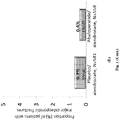
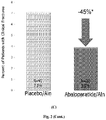
- the abaloparatide treatment group exhibited a significant reduction in the risk of non-vertebral fractures (e.g., wrist) and clinical fractures (excluding fingers, toes, sternum, patella, skull and facial bones).
- the abaloparatide treatment group showed a statistically significant reduction in major osteoporotic fractures, clinical fractures, new vertebral fractures and non-vertebral fractures both during the ACTIVE trial and the ACTIVExtend study (Tables 1 and 2).
- subjects treated with teriparatide Compared to subjects treated with placebo, subjects treated with teriparatide demonstrated statistically significant fracture reduction only in new vertebral fractures, but did not show a statistically significant reduction in major osteoporotic fractures, clinical fractures, or non-vertebral fractures (Table 1).
- BMD and bone turnover biomarkers were also evaluated in all patient groups to compare the effects of abaloparatide versus teriparatide.
- Abaloparatide also demonstrated a statistically significant BMD increase versus teriparatide in total hip BMD and femoral neck BMD through the 18-month ACTIVE trial (Tables 4-5).
- Abaloparatide demonstrated a statistically significant BMD increase versus teriparatide in lumbar spine at 6 months and 12 months, and a non-statistically significant BMD increase at 18 months (Tables 4-5).
- abaloparatide group (square) demonstrated an earlier rise (at about one month) in P1NP marker (bone formation) compared to the teriparatide group (triangle) ( Fig. 6A ).
- abaloparatide (square) showed an earlier return (at 18 months) compared to the teriparatide group (triangle) ( Fig. 6B ).
- the ACTIVE pivotal Phase 3 fracture prevention trial for the PTHrP analogue abaloparatide, Study BA058-05-003 was a randomized, double-blind, placebo-controlled trial in postmenopausal osteoporotic women randomized to receive daily doses of one of the following for 18 months: 80 micrograms ( ⁇ g) of abaloparatide; a matching placebo; or the approved daily dose of 20 ⁇ g of teriparatide. Treatment with abaloparatide at a daily dose of 80 ⁇ g or placebo remained blinded to all parties throughout the study. Teriparatide used was a proprietary prefilled drug and device combination that could not be repackaged.
- Study medication was self-administered daily by subcutaneous injection for a maximum of 18 months. All enrolled patients also received calcium and vitamin D supplementation from the time of enrollment until the end of the treatment period. It was recommended to patients that they also continue these supplements through the one-month follow-up period.
- DXA dual-energy X-ray absorptiometry
- Postmenopausal women older than 65 who met the above fracture criteria but had a T-score of ⁇ -2.0 could also be enrolled. Women at age 65 or older who did not meet the fracture criteria could also be enrolled if their T-score was ⁇ -3.0. All patients were to be in good general health as determined by medical history, physical examination (including vital signs), and clinical laboratory testing. This study population contained a patient population reflective of the type of severe osteoporosis patients that specialists would be expected to treat in their practices.
- the primary efficacy endpoint was the number of patients treated with abaloparatide with incident vertebral fractures at the end of treatment as compared to those who received placebo.
- the pre-specified secondary efficacy parameters included, among other endpoints, reduction in the incidence/risk of non-vertebral fractures; changes in BMD of the spine, hip, and femoral neck from baseline to end of treatment as assessed by DXA and as compared to teriparatide; and the number of hypercalcemic events in abaloparatide treated patients when compared to teriparatide at end of treatment.
- Safety evaluations performed in the ACTIVE trial included physical examinations, vital signs, 12-lead electrocardiograms, or ECGs, clinical laboratory tests and monitoring, and recording of adverse events.
- Specific safety assessments included pre-dose and post-dose (four hours) determination of serum calcium, determination of creatinine clearance, post-dose ECG assessments at selected visits, and assessments of postural hypotension (60 minutes post-dose) at selected clinic visits.
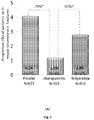
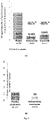
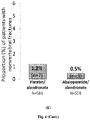
- the primary endpoint of incident vertebral fracture reduction was performed excluding worsening vertebral fractures and including only new vertebral fractures ( Figs. 3A and 3B ).
- ⁇ ⁇ : p ⁇ 0.0001
- Abaloparatide also demonstrated improved effects on clinical fractures as compared to teriparatide at 18 months.
- abaloparatide demonstrated a significant reduction of 86% in the incidence of new vertebral fractures as compared to placebo (p ⁇ 0.0001).
- Abaloparatide also demonstrated improved effects on new vertebral fractures as compared to teriparatide (80% reduction) at 18 months (p ⁇ 0.0001).
- Fig. 3B further demonstrates that no patients treated with abaloparatide had a vertebral fracture during the 6 months alendronate treatment period.
- Abaloparatide also demonstrated improved effects on non-vertebral fractures as compared to teriparatide at 18 months. As shown in Figs.
- Fig. 5A demonstrated changes in wrist BMD in all patient groups: placebo (diamond), patients treated with abaloparatide (square), and patients treated with teriparatide (triangle).
- abaloparatide unexpectedly showed significant improvement in BMD maintenance at the ultra-distal radius at 18 months.
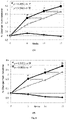
- Fig. 6A and Fig. 6B demonstrated the changes in bone turnover markers: CTX (bone resorption) and P1NP (bone formation) in all patient groups: placebo (diamond), patients treated with abaloparatide (square), and patients treated with teriparatide (triangle).
- Fig. 6A and Fig. 6B demonstrate that for P1NP marker (bone formation), abaloparatide (square) showed earlier rise in about one month comparing to teriparatide (triangle); and for CTX marker (bone resorption), abaloparatide (square) showed earlier return at 18 months comparing to teriparatide (triangle).
- Bone resorption Changes in bone resorption showed a significant difference between patients treated with abaloparatide and patients treated with teriparatide.
- CTX increased significantly more in the teriparatide group than in the group treated with abaloparatide. While abaloparatide showed a transient elevated level of CTX compared to placebo, teriparatide showed a persistent elevated level of CTX compared to placebo.
- the difference in CTX levels between abaloparatide group and teriparatide group may indicate different "anabolic windows" between the two treatments.
- the CTX level in the group treated with abaloparatide was statistically insignificant compared to placebo; whereas teriparatide showed elevated levels compared to placebo.
- Bone formation Changes in bone turn-over showed a different pattern from changes in bone resorption.
- the P1NP level of the teriparatide group was higher than that of the group treated with abaloparatide while the difference of the P1NP levels was not so significant as the difference in the CTX levels.
- the P1NP levels of both treatment groups were significantly higher than that of the placebo at all time points.
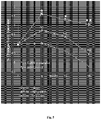
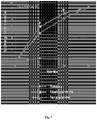
- Fig. 7 demonstrates changes in BMD at the spine in all patient groups: placebo (diamond), patients treated with abaloparatide (square), and patients treated with teriparatide (triangle).
- Abaloparatide showed significantly greater BMD increase as compared to teriparatide at 6 and 12 months at lumbar spine.
- Fig. 8 demonstrates changes in BMD at non-vertebral sites (total hip and femoral neck) in all patient groups: placebo (diamond), patients treated with abaloparatide (square), and patients treated with teriparatide (triangle).
- abaloparatide and teriparatide showed significantly greater BMD increase as compared to placebo.
- Abaloparatide showed significantly greater BMD increase as compared to teriparatide at 6, 12, and 18 months at total hip and femoral neck.
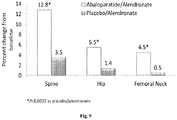
- Fig. 9 demonstrates that at all sites tested, including spine (e.g., lumbar spine), hip and femoral neck, the patients treated with abaloparatide for 18 months followed by a treatment with alendronate for 6 months exhibited a significant BMD increase.
- spine e.g., lumbar spine
- alendronate e.g., alendronate
- Table 6 demonstrates the percentage of patients with BMD increase at the spine, hip and femoral neck at 25 months. More patients in abaloparatide treatment group achieved BMD threshold response. Table 6: Percentage of Patients with BMD Increase at the Spine. Hip and Femoral Neck BMD Placebo (%) Abaloparatide (%) P Value > 0% 40.0 83.1 ⁇ 0.0001 > 3% 7.4 51.7 ⁇ 0.0001 > 6% 0.5 20.4 ⁇ 0.0001
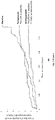
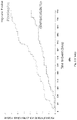
- Fig. 4B demonstrates the Kaplan-Meier curve of time to first incident non-vertebral fractures by treatment group in the intent-to-treat population (excluding fingers, toes, sternum, patella, skull and facial bones).
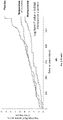
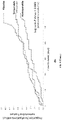
- Fig. 2B demonstrates the Kaplan-Meier curve of time to first incident clinical fractures by treatment group in the intent-to-treat population (excluding fingers, toes, sternum, patella, skull and facial bones).
- the Kaplan-Meier curves show a significant reduction in the risk of non-vertebral and clinical fractures in the group treated with abaloparatide.
- the ACTIVE trial also evaluated several potential safety measures, including blood calcium levels, orthostatic hypotension, nausea, dizziness, and injection-site reactions.
- the adverse events (AEs) reported by ⁇ 5% in any treatment group were summarized below in Table 7 for groups treated with placebo, abaloparatide, and teriparatide, respectively.
- FRAX is a prediction tool for assessing an individual's risk of fracture by incorporating non-BMD clinical risk factors, including age, sex, weight, height, previous fracture, parent fractured hip, current smoking, alcohol, or glucocorticoids, rheumatoid arthritis, and secondary osteoporosis, in addition to or in alternative to femoral neck BMD.
- FRAX can estimate a country-specific 10-year probability of hip fracture and a 10-year probability of a maj or osteoporotic fracture (clinical spine, forearm, hip or shoulder fracture).
- Baseline clinical risk factors (such as age, BMI, prior fracture, glucocorticoid use, rheumatoid arthritis, smoking and maternal history of hip fracture) were entered into country- specific FRAX models to calculate the 10-year probability of major osteoporotic fractures with or without inclusion of femoral neck BMD.
- abaloparatide significantly decreased the risk of major osteoporotic fracture and any clinical fracture in postmenopausal women, irrespective of baseline fracture probability.
- BMI body mass index
- subjects were excluded if they had been treated with calcitonin, estrogens, estrogen derivatives, selective estrogen receptor modulators, tibolone, progestins, anabolic steroids or daily glucocorticoids in the past six months, if they had received bisphosphonates or strontium in the past five years, or if they had ever received parathyroid hormone or its analogues, fluoride, gallium nitrate or denosumab.
- Dual X-ray absorptiometry DXA scans were obtained at each local site and then sent to a central imaging reader (BioClinica Inc. Newton, PA) where they underwent a quality control review and then analyzed according to each manufacturers guidelines. Scans performed during the treatment period on the same instrument used for the baseline scan were acquired. Each study site performed Instrument Quality Control over time (instrument standardization and phantom calibration) that was reviewed by the central reader.
- Biochemical Markers of bone turnover Fasting morning blood samples (collected 24 hours after last injection if taking teriparatide) were obtained at each visit.
- Serum osteocalcin (OC) was measured via electrochemiluminescence assay (Roche Diagnostics, Basel, Switzerland), with intra-assay with coefficients of variation (CVs) of 1.8% and 4.8% respectively.
- Serum amino-terminal propeptide of type 1 procollagen (P1NP) was measured via radioimmunoassay (Orion Diagnostica, Espoo, Finland) with inter- and intra-assay CVs of 4.5% and 5.5% respectively.
- Serum ⁇ -c-terminal telopeptide of type one collagen (CTX) was measured via electrochemiluminescence assay (Roche Diagnostics, Basel, Switzerland) with inter- and intraassay CVs of 3.8% and 6.9% respectively.
- Efficacy and safety were assessed using all randomized patients who received at least one dose of study drug. Baseline characteristics and safety parameters were summarized using descriptive statistics. The primary efficacy endpoints were changes from baseline to 24 weeks in BMD and bone turnover markers. The efficacy endpoints were analyzed using a mixed model repeated-measures analysis of the change at each visit, which included treatment group, study visit and treatment-by-visit interaction as the fixed effects. The variance-covariance matrix between visits was assumed to be unstructured. Comparisons of mean change from baseline for each abaloparatide dose versus placebo at Week 24 were assessed using this model in a sequential fashion, starting from the 80mg group, then the 40mg and lastly the 20mg. The comparison of teriparatide vs.
- the 3% threshold was chosen based on DXA scanner precision of approximately 1% corresponding to the least significant change (LSC) in BMD at the 95% confidence limits of 3% and to conform with prior responder analyses (22-28). In the responder analysis, only those patients who had both baseline and Week 24 BMD measurements were included (valid-completers). The difference in the number (%) of responders between treatment groups was assessed by the Chi-square test. All hypotheses were tested at the 2-sided 5% significance level. Because this was a Phase-II, dose-response, hypothesis generating study, p-values were not adjusted for multiple comparisons. The SAS System Version 8.2 (SAS Institute Inc.) was used for the statistical analysis.
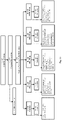
- Fig. 11 shows the disposition of the study subjects. Of the 222 patients randomized, all but 1 received at least 1 dose of study drug, 191 (86%) patients had BMD measurements at 12 weeks, and 184 (83%) completed the study through the 24-week visit. Subjects in the 5 treatment groups were similar in regard to demographic and clinical characteristics, including baseline BMD measurements and levels of biochemical markers of bone turnover.
- Fig. 12 shows the 24-week changes in BMD of lumbar spine ( Fig. 12A ), femoral neck ( Fig. 12B ), and total hip ( Fig. 12C ) in the various treatment groups: patients treated with placebo (square), patients treated with abaloparatide at 20 ⁇ g (triangle), patients treated with abaloparatide at 40 ⁇ g (reversed triangle), patients treated with abaloparatide at 80 ⁇ g (diamond), and patients treated with teriparatide (filled circle).
- Lumbar spine BMD At 24-weeks, lumbar spine BMD ( ⁇ SD) increased by 1.6 ⁇ 3.4% in the placebo group, 5.5 ⁇ 4.1% in the teriparatide group, and 2.9 ⁇ 2.6%, 5.2 ⁇ 4.5%, and 6.7 ⁇ 4.2% in abaloparatide 20, 40 and 80- ⁇ g groups, respectively. Compared to placebo, the increases in BMD in the 40 and 80- ⁇ g abaloparatide groups and the teriparatide group were statistically significant ( p ⁇ 0.001). The difference in the BMD increase between the abaloparatide 80- ⁇ g group and the teriparatide group was not statistically significant. Additionally, the effects of abaloparatide on lumbar spine BMD showed a significant dose response (linear trend) ( p ⁇ 0.001).
- Femoral neck BMD At 24-weeks, BMD at the femoral neck increased by 0.8 ⁇ 4.8% in the placebo group, 1.1 ⁇ 4.6% in the teriparatide group, and 2.7 ⁇ 4.0%, 2.2 ⁇ 4.4% and 3.1 ⁇ 4.2% in abaloparatide 20, 40 and 80- ⁇ g groups, respectively.
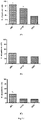
- Fig. 13 The results of the responder analyses are shown in Fig. 13 .
- more abaloparatide-treated women had a >3% total hip BMD gain (37%) than those treated with teriparatide (16%, p ⁇ 0.02) or placebo (15%, p ⁇ 0.04) ( Fig. 13C ).
- Fig. 13B There was no statistically significant difference in the percent of women experiencing >3% BMD increases at the femoral neck in any of the three groups.
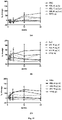
- Fig. 14 shows the 24-week changes in serum biochemical markers of bone formation (P1NP ( Fig. 14B ), OC ( Fig. 14C )) and bone resorption (CTX, Fig. 14A ) in the various treatment groups: patients treated with placebo (square), patients treated with abaloparatide at 20 ⁇ g (triangle), patients treated with abaloparatide at 40 ⁇ g (reversed triangle), patients treated with abaloparatide at 80 ⁇ g (diamond), and patients treated with teriparatide (filled circle).
- a p ⁇ 0.002 versus placebo at 24 weeks.
- b p ⁇ 0.003 versus teriparatide at 24-weeks
- Bone formation In the 40- ⁇ g and 80- ⁇ g abaloparatide groups (and the teriparatide group) P1NP began to increase by week 1. After 24-weeks, the median (interquartile range) of P1NP had increased by 55 (-2, 160)% in the 40- ⁇ g abaloparatide group, 52 (0, 158)% in the 80- ⁇ g abaloparatide group, and by 98 (21, 184)% in the teriparatide group (all changes statistically significantly different than placebo, which decreased by 20 (7, 28)%, p ⁇ 0.001).
- P1NP increased more in the teriparatide group than in the 20- ⁇ g abaloparatide group ( p ⁇ 0.001) but the increase was not significantly different when compared to the two higher dose groups of abaloparatide.
- the pattern of the change in OC was generally similar to those observed in P1NP.
- the effects of abaloparatide showed a significant dose response (linear trend) ( p ⁇ 0.001).
- Bone resorption Changes in bone resorption showed a slightly different pattern than those in bone formation with increases not apparent until week 12.
- the median (interquartile range) of CTX had increased by 32 (-13, 77)% in the 40- ⁇ g abaloparatide group, 23 (-9, 86)% in the 80- ⁇ g abaloparatide group, and by 76 (13, 130)% in the teriparatide group (all changes statistically significantly different than placebo, which decreased by 7 (-19, 26)%).
- CTX increased more in the teriparatide group than in any abaloparatide group (p ⁇ 0.003). In contrast to markers of bone formation, there was no incremental increase in CTX between the 40- ⁇ g abaloparatide and 80- ⁇ g abaloparatide groups.
- TEAEs treatment-emergent AEs
- Severe events included back and chest pain (placebo group), influenza, ascites and ovarian epithelial cancer (abaloparatide 20- ⁇ g group, diagnosed after 14 days of treatment), headache (abaloparatide 40- ⁇ g group), dyspepsia, syncope, diarrhea and upper abdominal pain (abaloparatide 80- ⁇ g group), and arthralgia and joint injury (teriparatide group).
- One event of severe intensity, syncope in a patient in the abaloparatide 80- ⁇ g group was assessed as probably related to study treatment; the event was reported as resolved within 1 day and did not require treatment.
- Serum calcium levels ⁇ 10.5 mg/dL were observed 4-hours post-dose in 1 patient (2%) in the placebo group, 3 patients (7%) in the abaloparatide 20- ⁇ g group, 6 patients (14%) in the abaloparatide 40- ⁇ g, 5 patients (11%) in the abaloparatide 80- ⁇ g group, and 18 patients (40%) in the teriparatide group.
- the incidence of hypercalcemia at 4-hours was greater in the teriparatide group than in each abaloparatide group ( p ⁇ 0.01).
- the highest value obtained by any patient 24-hours post-dose were 10.7, 11.3, 11.1, 10.7, and 11.2 mg/dL in the placebo, abaloparatide 20- ⁇ g, abaloparatide 40- ⁇ g, abaloparatide 80- ⁇ g, and teriparatide groups, respectively.
- the baseline demographic and baseline characteristics in the extension population were similar to those of the entire study cohort and the number of subjects per treatment group ranged from 7-14 women.
- lumbar spine BMD increased by 0.7%, 5.1%, 9.8%, 12.9%, and 8.6% in the placebo, abaloparatide 20, 40 and 80- ⁇ g groups, and the teriparatide group, respectively.
- Total hip BMD increased by 0.7%, 1.9%, 2.1%, 2.7%, and 1.3% in the placebo, abaloparatide 20, 40 and 80- ⁇ g groups, and the teriparatide group, respectively.
- Femoral neck BMD increased by 1.0%, 3.9%, 1.8%, 4.1%, and 2.2% in the placebo, abaloparatide 20, 40 and 80- ⁇ g groups, and the teriparatide group, respectively.
- spine BMD which increased more in the abaloparatide 40- ⁇ g, abaloparatide 80- ⁇ g, and teriparatide groups as compared to placebo.
- tolerability was similar in all groups with treatment-related TEAEs occurring in 36%, 31%, 30%, 29% and 21% in the placebo, abaloparatide 20 ⁇ g, 40 ⁇ g, and 80 ⁇ g, and teriparatide groups, respectively.
- the most common AEs were arthralgia and urinary tract infection (each 15%), bronchitis, influenza and nasopharyngitis (each 9%), and anemia, back pain, dizziness, dyslipidemia, hypercalciuria, and injection site hematoma (each 7%).
- TBS TBS Calculator v2.2, Medimaps group, Plan-les-Ouates, Geneva, Switzerland
- TPTD teriparatide
- TBS increased by +2.4%, +2.7%, +3.6% and +2.6% in the abaloparatide 20- ⁇ g, abaloparatide 40- ⁇ g, abaloparatide 80- ⁇ g and TPTD groups, and decreased by -1.1% in the placebo group (PBO).
- the 24-week increases in TBS were significantly greater in all treatment groups compared to the change in the placebo group (p ⁇ 0.005).
- OVX osteopenic rats The bone anabolic effect of six weeks daily administration of the PTHrP analogue abaloparatide to adult ovariectomized (OVX) osteopenic rats were assessed. Bone mass in OVX osteopenic rats received marked gains in response to abaloparatide treatment. Gains in bone mass were observed not only in the trabecular bone compartment of the lumbar spine and the femur, but also at the cortical bone of the femur (femoral diaphysis). These dose depended gains in bone mass were associated with improved bone microarchitecture and increased bone biomechanical properties.
- Sprague-Dawley rats were either sham-operated (Sham) or ovariectomized (OVX) at 12 weeks of age and remained untreated for 8 weeks (bone depletion period).
- SC subcutaneous injection
- the study design is outlined in Table 9.
- Table 9 Study Design Surgical Model Treatment N Sex Species Age Dosing Regimen Sham Vehicle 24 Sprague-Dawley Rats 20 weeks 6 weeks daily SC treatment OVX Vehicle 20 OVX abaloparatide 5 u2:/kg 20 OVX abaloparatide 20 u2:/kg 21
- Bone densitometry was measured in vivo by dual energy x-ray adsorptiometry (DXA) at baseline and end of study at six weeks. Animals were then euthanized and the femurs and L4 vertebrae were collected, wrapped with ethanol-soaked gauze and frozen at -20°C for high resolution CT ( ⁇ CT) and biomechanical testing.
- DXA dual energy x-ray adsorptiometry
- Rats were anesthetized with isoflurane and DXA (PIXImus, GE-Lunar Corporation, Fitchburg, WI) was used to measure in vivo bone mineral density (BMD) (grams per square centimeter) of the forth lumbar vertebrae (L4) and whole femur. BMD was measured at baseline and at the end of the 6-week dosing period.
- BMD bone mineral density
- Quantitative microcomputed tomography (mCT40 ⁇ CT scanner, Scanco Medical AG, Basserdorf, Switzerland) was used ex vivo to assess trabecular bone morphology in the forth-lumbar vertebrae and distal femoral metaphysis, and cortical bone geometry at the midfemoral diaphysis.
- Morphometric parameters including bone volume fraction (BV/TV, %), bone volume (BV, mm 3 ), total volume (TV, mm 3 ), trabecular number (Tb.N, 1/mm), trabecular thickness (Tb.Th, mm), trabecular spacing (Tb.Sp,mm), connectivity density (Conn.D, 1/mm 3 ), structural model index (SMI) and bone density (BD, mg/mm 2 ).
- Vertebrae bones were mechanically assayed by a compression test. Freshfrozen vertebrae were thawed to room temperature then the posterior pedicle arch, spinous process, and cranial and caudal ends were removed to obtain a vertebral body specimen with two parallel surfaces and a height approximately equal to 4 mm. Width in the medial-lateral and anterior-posterior directions at both the cranial and caudal ends was measured for the calculation of cross-sectional area. Vertebrae were placed between two platens and a load applied at a constant displacement rate of 6 mm/min until failure in an Instron Mechanical Testing Instrument (Instron 4465 retrofitted to 5500).
- the load and displacement curve was recorded by instrument software (Bluehill v2.5, Instron).
- the locations for maximum load at failure, stiffness and energy absorbed were selected manually from the load and displacement curve and calculated by instrument software (Bluehill v2.5, Instron).
- the intrinsic properties, ultimate strength, elastic modulus and toughness, were calculated from maximum load (N), stiffness (N/mm), energy absorbed (mJ), cross-sectional area and height (mm).
- pQCT was performed on the excised right femurs using a Stratec XCT-RM and associated software (Stratectechnik GmbH, Pforzheim, Germany; software version 5.40). The scan was performed at 50% of the total femoral length from the distal end of the femur. The positions were verified using scout views and one 0.5-mm slice perpendicular to the long axis of the femoral shaft was acquired from each site. The scans were analyzed using a threshold for delineation of the external boundary. Axial area moment of inertia obtained from the pQCT scan was used in the calculation of intrinsic strength parameters at the femoral shaft.
- each right femur was placed on the lower supports of a three point bending fixture with the anterior side facing downward in an Instron Mechanical Testing Instrument (Instron 4465 retrofitted to 5500).
- the span between the two lower supports was set at 14 mm.
- the upper loading device was aligned to the center of the femoral shaft.
- the load was applied at a constant displacement rate of 6 mm/min until the femur broke.
- the locations of maximum load, stiffness and energy absorbed were selected manually from the load and displacement curve and values calculated by instrument software (Bluehill v2.5, Instron).
- the intrinsic properties, ultimate strength, elastic modulus and toughness, were calculated from maximum load (N), stiffness (N/mm), energy absorbed (mJ), anterior-posterior diameter (mm) and moment of inertia (mm 4 ).
- Results are expressed as mean and standard deviation. Statistical analysis was performed using ANOVA followed by Tukey's multiple comparison test (Graphpad Instat, Cary, NC; release 9.1). All comparisons made in the text are statistically significant (p ⁇ 0.05) unless otherwise stated.
- BMD bone mineral density
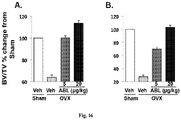
- OVX was associated with significant bone deterioration, particularly in the trabecular compartment ( FIG. 16 , Tables 7 and 8).
- OVX-Veh rats had 36% lower BV/TV in the vertebral trabecular bone ( Fig. 16A , Table 8, p ⁇ 0.001 vs Sham).
- Tb.N, Tb.Th and BD were lower together with higher Tb.Sp in the vertebral bone of OVX-Veh rats compared to Sham control rats (Table 10).
- Table 10 Effect of OVX and abaloparatide treatment on L4 lumbar spine, assessed by ⁇ CT SHAM Vehicle OVX Vehicle OVX Abaloparatide 5 ⁇ g/kg 20 ⁇ g/kg L4 Lumbar Spine BV/TV (%) 51.5 ⁇ 4.3 ⁇ 33.0 ⁇ 0.5 ⁇ 51.7 ⁇ 4.7 ⁇ 58.6 ⁇ 5.3 ⁇ TV (mm 3 ) 30.4 ⁇ 3.1 33.0 ⁇ 4.1 32.3 ⁇ 5.3 30.7 ⁇ 4.6 BV (mm3) 15.7 ⁇ 1.9 ⁇ 10.9 ⁇ 2.1 ⁇ 16.6 ⁇ 2.7 ⁇ 18.0 ⁇ 2.8 ⁇ Tb.Th (mm) 0.110 ⁇ 0.01 ⁇ 0.095 ⁇ 0.01 ⁇ 0.136 ⁇ 0.01 ⁇ 0.152 ⁇ 0.01 ⁇ Tb.N (1/mm) 4.87 ⁇ 0.28 ⁇ 3.62 ⁇ 0.48 ⁇ 3.91 ⁇ 0.30 ⁇ 4.05 ⁇ 0.27 ⁇ Tb.
- BV/TV Bone volume fraction
- TV Total volume
- BV Bone volume
- MV marrow volume
- Ct.Th cortical thickness
- Tb.Th trabecular thickness
- Tb.N trabecular number
- Tb.Sp trabecular separation
- Conn.D Connectivity density
- SMI Structure model index
- BD bone density.
- p vs. vehicle treated OVX rats ⁇ p ⁇ 0.05; ⁇ p ⁇ 0.01; ⁇ p ⁇ 0.001.
- p vs. vehicle treated Sham rats ⁇ p ⁇ 0.05; ⁇ ⁇ p ⁇ 0.01; ⁇ ⁇ ⁇ p ⁇ 0.001.
- BV/TV was 71% lower in OVXVeh rats relative to Sham rats ( Fig. 16B , Table 9, p ⁇ 0.001 vs Sham).
- Tb.N, Tb.Th, and Conn.D were lower in OVX-Veh rats (Table 11).
- Cortical bone was also decreased by OVX, with BV/TV and Ct.Th significantly lower in the femur diaphysis of OVX-Veh rats than Sham control rats (Table 13, p ⁇ 0.01 vs Sham).
- Table 11 Effect of OVX and abaloparatide treatment on the distal femoral trabecular bone and femoral diaphysis. assessed by ⁇ CT SHAM Vehicle OVX Vehicle OVX Abaloparatide 5 ⁇ g/kg 20 ⁇ g/kg Femoral trabecular bone BV/TV (%) 53.0 ⁇ 9.2 ⁇ 15.2 ⁇ 4.5 ⁇ 37.2 ⁇ 6.5 ⁇ sss 56.2 ⁇ 7.9 ⁇ TV (mm 3 ) 30.2 ⁇ 2.8 28.9 ⁇ 2.8 28.9 ⁇ 3.5 29.2 ⁇ 3.6 BV (mm 3 ) 16.11 3.8 ⁇ 4.43 ⁇ 1.5 ⁇ 10.76 ⁇ 2.4 ⁇ 16.58 3.8 ⁇ Tb.Th (mm) 0.119 ⁇ 0.02 ⁇ 0.087 ⁇ 0.01 ⁇ 0.128 ⁇ 0.01 ⁇ 0.186 ⁇ 0.03 ⁇ Tb.N (1/mm) 5.74 ⁇ 0.62 ⁇ 1.66 ⁇ 0.59 ⁇ 2.
- BV/TV Bone volume fraction
- TV Total volume
- BV Bone volume
- MV marrow volume
- Ct.Th cortical thickness
- Tb.Th trabecular thickness
- Tb.N trabecular number
- Tb.Sp trabecular separation
- Conn.D Connectivity density
- SMI Structure model index
- BD bone density.
- p vs. vehicle treated OVX rats ⁇ p ⁇ 0.05; ⁇ p ⁇ 0.01; ⁇ p ⁇ 0.001.
- p vs. vehicle treated Sham rats ⁇ p ⁇ 0.05; ⁇ ⁇ p ⁇ 0.01; ⁇ ⁇ ⁇ p ⁇ 0.001.
- abaloparatide 20 ⁇ g/kg-treated animals had significantly higher BV/TV in the vertebral trabecular bone compartment compared to OVX-Veh animals (77%, p ⁇ 0.001 vs OVX-Veh, Fig. 16A , Table 10) and Sham-Veh animals (14%,p ⁇ 0.001 vs OVX-Veh, Fig.
- abaloparatide 5 ⁇ g/kg treatment increased BV/TV by 56% over OVXVeh treatment ( p ⁇ 0.001 vs OVX-Veh).
- abaloparatide 5 ⁇ g/kg and abaloparatide 20 ⁇ g/kg treatment increased BV/TV by approximately 2.5- and 3.7-fold, respectively, over OVX-Veh ( p ⁇ 0.001 vs OVX-Veh, Fig. 16B , Table 11).
- Tb.Th, Tb.N along with lower Tb.Sp, better connectivity density, and more plate-like architecture (SMI) were significantly improved compared to Vehicle-treated animals at the femur (Table 11).
- SMI plate-like architecture
- L4 maximum load and ultimate strength were ⁇ 28% lower in OVX-Veh rats compared to Sham control rats (p ⁇ 0.01, Table 12). Compression testing of L4 showed that rats treated with abaloparatide 5 ⁇ g/kg and abaloparatide 20 ⁇ g/kg had significantly higher mechanical testing values compared to OVX-Veh treated rats control with maximum load (170% and 180%, p ⁇ 0.05 and 0.01 vs. OVX-Veh, respectively, Table 12), energy absorbed (280% and 290%, p ⁇ 0.001), ultimate strength (170% and 180%, p ⁇ 0.001) and toughness (270%, both groups, p ⁇ 0.001).
- Table 13 Effect of OVX and abaloparatide treatment on the femur, assessed by biomechanical testing SHAM Vehicle OVX Vehicle OVX Abaloparatide 5 ⁇ g/kg 20 ⁇ g/kg Three Point Bending Test of the Femur Maximum Load (N) 188 ⁇ 14 ⁇ 204 ⁇ 21 ⁇ 223 ⁇ 16 ⁇ 224 ⁇ 25 ⁇ Stiffness (N/mm) 771 ⁇ 105 779 ⁇ 133 874 ⁇ 120 ⁇ 872 ⁇ 127 ⁇ Energy (mJ) 56 ⁇ 16 ⁇ 71 ⁇ 19 ⁇ 78 ⁇ n ⁇ 76 ⁇ 20 ⁇ Ult.
- p vs. vehicle treated Sham rats ⁇ p ⁇ 0.05; ⁇ ⁇ p ⁇ 0.01; ⁇ ⁇ ⁇ p ⁇ 0.001.
- treatment with abaloparatide 5 ⁇ g/kg and abaloparatide 20 ⁇ g/kg improved mechanical properties of the femur compared to Sham control rats, with maximum load (19%, p ⁇ 0.001 vs OVXVeh, Table 13), stiffness (13%, p ⁇ 0.01 vs OVX-Veh), energy (34% and 37%, respectively, p ⁇ 0.001 vs OVX-Veh), ultimate strength (7%, p ⁇ 0.05 vs OVXVeh), toughness (22% and 29%, respectively, p ⁇ 0.05 vs OVX-Veh), and the axial area of moment of inertia (15%, p ⁇ 0.01 vs OVX-Veh) higher than OVX-Veh control Cantilever compression of the femoral neck showed that the maximum load tolerated was 108% lower in OVX-Veh treated rats than Sham rats ( p ⁇ 0.01 vs Sham, Table 13).
- OVX rats treated with abaloparatide 5 ⁇ g/kg and abaloparatide 20 ⁇ g/kg demonstrated increased strength of the femoral neck, with maximum load (23% and 16%, respectively, p ⁇ 0.01 vs OVX-Veh, Table 13), and energy (48%, p ⁇ 0.05 vs OVX-Veh) higher than OVX-Veh control.
- abaloparatide treatment improved bone strength parameters in OVX rats.
- BV/TV bone volume fraction
- BMD gains were greater than observed with teriparatide (rhPTH(1-34)) at both the 12 and 24-week time points.
- the increase in lumbar spine BMD with abaloparatide was markedly greater than that observed with teriparatide 20 ⁇ g and were comparable to previously reported PTH induced bone gains in clinical studies (37).
- PTHrP The molecular mechanisms by which abaloparatide exerts its anabolic action are not fully understood but may have some similarities to the parent protein, PTHrP.
- PTH and PTHrP share some sequence homology and may have arisen by duplication of a common ancestral gene, but each plays a distinct role in bone physiology.
- PTH secreted by the parathyroid glands, acts in a classical endocrine manner to promote osteoclastic bone resorption and calcium mobilization.
- PTHrP functions as a paracrine regulator of bone formation.
- PTH and PTHrP both increase intracellular cAMP concentrations by activating the same PTH/PTHrP receptor type 1 (PTHR), a G proteincoupled receptor (GPCR).
- PTHR PTH/PTHrP receptor type 1
- GPCR G proteincoupled receptor
Landscapes
- Health & Medical Sciences (AREA)
- Life Sciences & Earth Sciences (AREA)
- Physical Education & Sports Medicine (AREA)
- Medicinal Chemistry (AREA)
- Chemical & Material Sciences (AREA)
- Veterinary Medicine (AREA)
- Animal Behavior & Ethology (AREA)
- Public Health (AREA)
- General Health & Medical Sciences (AREA)
- Pharmacology & Pharmacy (AREA)
- Engineering & Computer Science (AREA)
- Bioinformatics & Cheminformatics (AREA)
- Rheumatology (AREA)
- Orthopedic Medicine & Surgery (AREA)
- Chemical Kinetics & Catalysis (AREA)
- Organic Chemistry (AREA)
- Nuclear Medicine, Radiotherapy & Molecular Imaging (AREA)
- General Chemical & Material Sciences (AREA)
- Epidemiology (AREA)
- Endocrinology (AREA)
- Immunology (AREA)
- Gastroenterology & Hepatology (AREA)
- Proteomics, Peptides & Aminoacids (AREA)
- Zoology (AREA)
- Dermatology (AREA)
- Biomedical Technology (AREA)
- Medicines That Contain Protein Lipid Enzymes And Other Medicines (AREA)
- Peptides Or Proteins (AREA)
- Pharmaceuticals Containing Other Organic And Inorganic Compounds (AREA)
- Medicinal Preparation (AREA)
Priority Applications (1)
| Application Number | Priority Date | Filing Date | Title |
|---|---|---|---|
| EP22179423.3A EP4137147A3 (en) | 2015-03-03 | 2016-03-03 | Uses of abaloparatide in reducing fracture risk |
Applications Claiming Priority (6)
| Application Number | Priority Date | Filing Date | Title |
|---|---|---|---|
| US201562127729P | 2015-03-03 | 2015-03-03 | |
| US201562165841P | 2015-05-22 | 2015-05-22 | |
| US201562201564P | 2015-08-05 | 2015-08-05 | |
| US201562239733P | 2015-10-09 | 2015-10-09 | |
| US201662278762P | 2016-01-14 | 2016-01-14 | |
| PCT/US2016/020787 WO2016141250A1 (en) | 2015-03-03 | 2016-03-03 | USES OF PTHrP ANALOGUE IN REDUCING FRACTURE RISK |
Related Child Applications (1)
| Application Number | Title | Priority Date | Filing Date |
|---|---|---|---|
| EP22179423.3A Division EP4137147A3 (en) | 2015-03-03 | 2016-03-03 | Uses of abaloparatide in reducing fracture risk |
Publications (3)
| Publication Number | Publication Date |
|---|---|
| EP3265115A1 EP3265115A1 (en) | 2018-01-10 |
| EP3265115A4 EP3265115A4 (en) | 2019-05-22 |
| EP3265115B1 true EP3265115B1 (en) | 2022-06-22 |
Family
ID=56849024
Family Applications (2)
| Application Number | Title | Priority Date | Filing Date |
|---|---|---|---|
| EP16759540.4A Revoked EP3265115B1 (en) | 2015-03-03 | 2016-03-03 | Abaloparatide combined with alendronate for reducing non-vertebral bone fractures |
| EP22179423.3A Pending EP4137147A3 (en) | 2015-03-03 | 2016-03-03 | Uses of abaloparatide in reducing fracture risk |
Family Applications After (1)
| Application Number | Title | Priority Date | Filing Date |
|---|---|---|---|
| EP22179423.3A Pending EP4137147A3 (en) | 2015-03-03 | 2016-03-03 | Uses of abaloparatide in reducing fracture risk |
Country Status (8)
| Country | Link |
|---|---|
| US (9) | US20170065682A1 (https=) |
| EP (2) | EP3265115B1 (https=) |
| JP (5) | JP6755256B2 (https=) |
| AU (3) | AU2016226103A1 (https=) |
| CA (1) | CA2977812A1 (https=) |
| DK (1) | DK3265115T3 (https=) |
| ES (1) | ES2927067T3 (https=) |
| WO (1) | WO2016141250A1 (https=) |
Families Citing this family (10)
| Publication number | Priority date | Publication date | Assignee | Title |
|---|---|---|---|---|
| US10568937B2 (en) | 2016-04-18 | 2020-02-25 | Radius Health, Inc. | Formulations of abaloparatide, transdermal patches thereof, and uses thereof |
| CA3045458A1 (en) * | 2016-11-30 | 2018-06-07 | Purdue Research Foundation | Fracture targeted bone regeneration through parathyroid hormone receptor stimulation |
| WO2019232283A1 (en) | 2018-05-30 | 2019-12-05 | Purdue Research Foundation | Targeting anabolic drugs for accelerated fracture repair |
| IL284533B2 (en) * | 2019-01-11 | 2024-02-01 | Radius Health Inc | Methods for detecting antibodies to neutralizing thyroid hormone (PTH) and thyroid hormone-related peptide (PTHRP) analog |
| JP7454511B2 (ja) | 2019-02-14 | 2024-03-22 | 富士フイルム株式会社 | 骨折リスク評価値取得装置及びその作動方法並びに骨折リスク評価値取得プログラム |
| EP4027899A4 (en) * | 2019-09-12 | 2023-08-16 | Radius Health, Inc. | METHODS OF ENHANCING SPINE FUSION USING ABALOPARATIDE |
| CN112646042A (zh) * | 2019-10-10 | 2021-04-13 | 陕西麦科奥特科技有限公司 | 活性多肽化合物 |
| WO2022149066A1 (en) * | 2021-01-05 | 2022-07-14 | Radius Health, Inc. | Treatment of long bone fractures with abaloparatide |
| US20220378881A1 (en) * | 2021-05-25 | 2022-12-01 | Radius Health, Inc. | Treatment and prevention of osteoporosis in high body mass index individuals |
| WO2025032376A1 (en) * | 2023-08-04 | 2025-02-13 | Precise Biopharma Pvt Ltd | A room temperature stable solution for injection of abaloparatide |
Citations (2)
| Publication number | Priority date | Publication date | Assignee | Title |
|---|---|---|---|---|
| WO2009137093A1 (en) * | 2008-05-09 | 2009-11-12 | Radius Health, Inc. | Method of subcutaneous drug delivery of pthrp analogs |
| WO2010022176A1 (en) * | 2008-08-19 | 2010-02-25 | Ferring International Center S.A. | Methods of treatment for skeletal conditons |
Family Cites Families (8)
| Publication number | Priority date | Publication date | Assignee | Title |
|---|---|---|---|---|
| SE9702401D0 (sv) * | 1997-06-19 | 1997-06-19 | Astra Ab | Pharmaceutical use |
| EP1531855A4 (en) * | 2002-01-10 | 2009-07-22 | Osteotrophin Llc | TREATMENT OF BONE DISEASES WITH SKELETTAL ANABOLIKA |
| AU2006343306A1 (en) * | 2005-09-06 | 2007-11-15 | Zelos Therapeutics, Inc. | Parathyroid hormone analogues and methods of use |
| HRP20120643T1 (hr) * | 2006-08-25 | 2012-08-31 | Ares Trading S.A. | Liječenje poremećaja hrskavice sa fgf-18 |
| BRPI0719821B8 (pt) * | 2006-10-03 | 2021-05-25 | Ipsen Pharma Sas | composição estável na armazenagem apropriada para administração a pacientes |
| EP2699252B1 (en) * | 2011-04-22 | 2017-10-25 | Radius Health, Inc. | Method of drug delivery for pth, pthrp and related peptides |
| CN104619727B (zh) * | 2012-06-25 | 2019-04-05 | 布里格姆及妇女医院股份有限公司 | 靶向治疗 |
| KR20180067573A (ko) * | 2015-10-09 | 2018-06-20 | 라디우스 헬쓰, 인코포레이티드 | PTHrP 유사체의 제형, 이의 경피 패취, 및 이의 용도 |
-
2016
- 2016-03-03 CA CA2977812A patent/CA2977812A1/en active Pending
- 2016-03-03 EP EP16759540.4A patent/EP3265115B1/en not_active Revoked
- 2016-03-03 EP EP22179423.3A patent/EP4137147A3/en active Pending
- 2016-03-03 AU AU2016226103A patent/AU2016226103A1/en not_active Abandoned
- 2016-03-03 DK DK16759540.4T patent/DK3265115T3/da active
- 2016-03-03 ES ES16759540T patent/ES2927067T3/es active Active
- 2016-03-03 JP JP2017546245A patent/JP6755256B2/ja active Active
- 2016-03-03 WO PCT/US2016/020787 patent/WO2016141250A1/en not_active Ceased
- 2016-08-31 US US15/253,545 patent/US20170065682A1/en not_active Abandoned
-
2017
- 2017-09-01 US US15/694,658 patent/US20170368148A1/en not_active Abandoned
-
2019
- 2019-09-10 US US16/566,499 patent/US20200061160A1/en not_active Abandoned
-
2020
- 2020-06-16 US US16/903,256 patent/US20200376088A1/en not_active Abandoned
- 2020-08-25 JP JP2020141522A patent/JP7049412B2/ja active Active
- 2020-11-10 AU AU2020267182A patent/AU2020267182A1/en not_active Abandoned
-
2021
- 2021-09-10 US US17/471,543 patent/US20220125887A1/en not_active Abandoned
-
2022
- 2022-03-25 JP JP2022050196A patent/JP2022075999A/ja active Pending
-
2023
- 2023-04-06 US US18/296,801 patent/US20230381283A1/en not_active Abandoned
- 2023-05-19 US US18/320,638 patent/US20230321199A1/en not_active Abandoned
- 2023-07-19 JP JP2023117588A patent/JP2023129523A/ja active Pending
-
2024
- 2024-05-03 AU AU2024202952A patent/AU2024202952A1/en active Pending
-
2025
- 2025-03-04 US US19/070,407 patent/US20250195619A1/en not_active Abandoned
- 2025-04-10 JP JP2025064970A patent/JP2025100689A/ja active Pending
- 2025-06-12 US US19/236,620 patent/US20250387454A1/en active Pending
Patent Citations (2)
| Publication number | Priority date | Publication date | Assignee | Title |
|---|---|---|---|---|
| WO2009137093A1 (en) * | 2008-05-09 | 2009-11-12 | Radius Health, Inc. | Method of subcutaneous drug delivery of pthrp analogs |
| WO2010022176A1 (en) * | 2008-08-19 | 2010-02-25 | Ferring International Center S.A. | Methods of treatment for skeletal conditons |
Non-Patent Citations (15)
| Title |
|---|
| 2013 |
| 2014, pages 28 |
| AMUGONGO ET AL., BONE, vol. 67, 2014, pages 257 - 268 |
| ANONYMOUS: "FOSAMAX - HIGHLIGHTS OF PRESCRIBING INFORMATION", 1 February 2012 (2012-02-01), pages 1 - 24, XP055802143, Retrieved from the Internet <URL:http://web.archive.org/web/20130824100835if_/http://www.accessdata.fda.gov/drugsatfda_docs/label/2012/021575s017lbl.pdf> [retrieved on 20210506] * |
| ANONYMOUS: "NCT01343004: Study to Evaluate the Safety and Efficacy of BA058 (Abaloparatide) for Prevention of Fracture in Postmenopausal Women (ACTIVE)", 26 January 2015 (2015-01-26), pages 1 - 6, XP055706128, Retrieved from the Internet <URL:https://clinicaltrials.gov/ct2/history/NCT01343004?V_13=View#StudyPageTop> [retrieved on 20200617] * |
| CENTER, CURR OSTEOPOROS REP, vol. 8, 2010, pages 227 - 234 |
| COSMAN ET AL., ASBMR 2015 ANNUAL MEETING, 12 October 2015 (2015-10-12) |
| DATABASE EMBASE [online] ELSEVIER SCIENCE PUBLISHERS, AMSTERDAM, NL; 1 February 2015 (2015-02-01), COSMAN F: "Eighteen months of treatment with abaloparatide followed by six months of treatment with alendronate in postmenopausal women with osteoporosis - Results of the ACTIVExtend trial", Database accession no. EMB-620768919 * |
| DATABASE EMBASE [online] ELSEVIER SCIENCE PUBLISHERS, AMSTERDAM, NL; 1 February 2015 (2015-02-01), DOHMEIER D ET AL: "Transdermal delivery of abaloparatide: Optimization of the pharmacokinetic profile in cynomologus monkeys", Database accession no. EMB-620769961 * |
| DATABASE EMBASE [online] ELSEVIER SCIENCE PUBLISHERS, AMSTERDAM, NL; 1 February 2015 (2015-02-01), FITZPATRICK L ET AL: "Effects of abaloparatide on major osteoporotic fracture incidence in postmenopausal women with osteoporosis - Results of the Phase 3 ACTIVE trial", Database accession no. EMB-620769127 * |
| DATABASE EMBASE [online] ELSEVIER SCIENCE PUBLISHERS, AMSTERDAM, NL; 1 February 2015 (2015-02-01), HARRIS A ET AL: "Response rates for hip, femoral neck and lumbar spine BMD are higher for patients treated with abaloparatide when compared to placebo or teriparatide - Results of the ACTIVE trial", Database accession no. EMB-620769884 * |
| FORTEO LABEL, 2013 |
| JOURNAL OF BONE AND MINERAL RESEARCH 20150201 JOHN WILEY AND SONS INC. NLD, vol. 30, no. Supplement 1, 1 February 2015 (2015-02-01), ISSN: 1523-4681 * |
| PAPAPOULOS, ANN. N.Y. ACAD. SCI., vol. 1218, 2011, pages 15 - 32 |
| RADIUS ANNOUNCES POSITIVE PHASE 3 TOP-LINE RESULTS FOR ITS INVESTIGATIONAL DRUG ABALOPARATIDE-SC IN POSTMENOPAUSAL WOMEN WITH SEVERE OSTEOPOROSIS, 21 December 2014 (2014-12-21), Retrieved from the Internet <URL:https://web.archive.org/web/ 20150928 070545> |
Also Published As
| Publication number | Publication date |
|---|---|
| CA2977812A1 (en) | 2016-09-09 |
| EP4137147A2 (en) | 2023-02-22 |
| EP3265115A4 (en) | 2019-05-22 |
| EP4137147A3 (en) | 2023-04-05 |
| US20170065682A1 (en) | 2017-03-09 |
| JP2020189884A (ja) | 2020-11-26 |
| EP3265115A1 (en) | 2018-01-10 |
| WO2016141250A1 (en) | 2016-09-09 |
| JP2018508530A (ja) | 2018-03-29 |
| US20230381283A1 (en) | 2023-11-30 |
| AU2024202952A1 (en) | 2024-05-23 |
| AU2016226103A1 (en) | 2017-08-31 |
| JP2025100689A (ja) | 2025-07-03 |
| US20200061160A1 (en) | 2020-02-27 |
| US20200376088A1 (en) | 2020-12-03 |
| ES2927067T3 (es) | 2022-11-02 |
| US20220125887A1 (en) | 2022-04-28 |
| JP7049412B2 (ja) | 2022-04-06 |
| JP2022075999A (ja) | 2022-05-18 |
| US20230321199A1 (en) | 2023-10-12 |
| US20250195619A1 (en) | 2025-06-19 |
| JP2023129523A (ja) | 2023-09-14 |
| US20170368148A1 (en) | 2017-12-28 |
| JP6755256B2 (ja) | 2020-09-16 |
| AU2020267182A1 (en) | 2020-12-03 |
| US20250387454A1 (en) | 2025-12-25 |
| DK3265115T3 (da) | 2022-09-05 |
Similar Documents
| Publication | Publication Date | Title |
|---|---|---|
| US20250195619A1 (en) | Uses of pthrp analogue in reducing fracture risk | |
| JP6177718B2 (ja) | 骨の靭性、及び、剛性を増し、骨折を減少させる方法 | |
| KR20120067336A (ko) | 1회당 100~200 단위의 pth가 주 1회 투여되는 것을 특징으로 하는, pth 함유 골다공증 치료/예방제 | |
| US20050192227A1 (en) | Method for reducing the risk of cancer | |
| HK40088026A (en) | Uses of abaloparatide in reducing fracture risk | |
| US20220378881A1 (en) | Treatment and prevention of osteoporosis in high body mass index individuals | |
| Cosman | Teriparatide and abaloparatide treatment for osteoporosis | |
| CN119258199A (zh) | 特立帕肽或其盐在骨质疏松症治疗和/或预防剂的制备中的应用 | |
| EP1769804A2 (en) | Method of increasing bone toughness and stiffness and reducing fractures |
Legal Events
| Date | Code | Title | Description |
|---|---|---|---|
| STAA | Information on the status of an ep patent application or granted ep patent |
Free format text: STATUS: THE INTERNATIONAL PUBLICATION HAS BEEN MADE |
|
| PUAI | Public reference made under article 153(3) epc to a published international application that has entered the european phase |
Free format text: ORIGINAL CODE: 0009012 |
|
| STAA | Information on the status of an ep patent application or granted ep patent |
Free format text: STATUS: REQUEST FOR EXAMINATION WAS MADE |
|
| 17P | Request for examination filed |
Effective date: 20170824 |
|
| AK | Designated contracting states |
Kind code of ref document: A1 Designated state(s): AL AT BE BG CH CY CZ DE DK EE ES FI FR GB GR HR HU IE IS IT LI LT LU LV MC MK MT NL NO PL PT RO RS SE SI SK SM TR |
|
| AX | Request for extension of the european patent |
Extension state: BA ME |
|
| DAV | Request for validation of the european patent (deleted) | ||
| DAX | Request for extension of the european patent (deleted) | ||
| RIC1 | Information provided on ipc code assigned before grant |
Ipc: A61P 19/02 20060101ALI20181219BHEP Ipc: A61P 19/04 20060101ALI20181219BHEP Ipc: C07K 14/47 20060101ALI20181219BHEP Ipc: A61P 19/10 20060101ALI20181219BHEP Ipc: A61K 38/16 20060101ALI20181219BHEP Ipc: A61P 19/08 20060101ALI20181219BHEP Ipc: A61K 38/29 20060101AFI20181219BHEP |
|
| A4 | Supplementary search report drawn up and despatched |
Effective date: 20190423 |
|
| RIC1 | Information provided on ipc code assigned before grant |
Ipc: C07K 14/47 20060101ALI20190415BHEP Ipc: A61P 19/08 20060101ALI20190415BHEP Ipc: A61P 19/10 20060101ALI20190415BHEP Ipc: A61P 19/04 20060101ALI20190415BHEP Ipc: A61K 38/29 20060101AFI20190415BHEP Ipc: A61K 38/16 20060101ALI20190415BHEP Ipc: A61P 19/02 20060101ALI20190415BHEP |
|
| STAA | Information on the status of an ep patent application or granted ep patent |
Free format text: STATUS: EXAMINATION IS IN PROGRESS |
|
| 17Q | First examination report despatched |
Effective date: 20200623 |
|
| RIC1 | Information provided on ipc code assigned before grant |
Ipc: A61K 31/663 20060101ALI20211109BHEP Ipc: C07K 14/47 20060101ALI20211109BHEP Ipc: A61P 19/10 20060101ALI20211109BHEP Ipc: A61P 19/08 20060101ALI20211109BHEP Ipc: A61K 38/16 20060101ALI20211109BHEP Ipc: A61K 38/29 20060101AFI20211109BHEP |
|
| GRAP | Despatch of communication of intention to grant a patent |
Free format text: ORIGINAL CODE: EPIDOSNIGR1 |
|
| STAA | Information on the status of an ep patent application or granted ep patent |
Free format text: STATUS: GRANT OF PATENT IS INTENDED |
|
| INTG | Intention to grant announced |
Effective date: 20220107 |
|
| GRAS | Grant fee paid |
Free format text: ORIGINAL CODE: EPIDOSNIGR3 |
|
| GRAA | (expected) grant |
Free format text: ORIGINAL CODE: 0009210 |
|
| STAA | Information on the status of an ep patent application or granted ep patent |
Free format text: STATUS: THE PATENT HAS BEEN GRANTED |
|
| RAP3 | Party data changed (applicant data changed or rights of an application transferred) |
Owner name: RADIUS HEALTH, INC. |
|
| AK | Designated contracting states |
Kind code of ref document: B1 Designated state(s): AL AT BE BG CH CY CZ DE DK EE ES FI FR GB GR HR HU IE IS IT LI LT LU LV MC MK MT NL NO PL PT RO RS SE SI SK SM TR |
|
| REG | Reference to a national code |
Ref country code: GB Ref legal event code: FG4D |
|
| REG | Reference to a national code |
Ref country code: CH Ref legal event code: EP |
|
| REG | Reference to a national code |
Ref country code: DE Ref legal event code: R096 Ref document number: 602016073004 Country of ref document: DE |
|
| REG | Reference to a national code |
Ref country code: AT Ref legal event code: REF Ref document number: 1499341 Country of ref document: AT Kind code of ref document: T Effective date: 20220715 |
|
| REG | Reference to a national code |
Ref country code: IE Ref legal event code: FG4D |
|
| REG | Reference to a national code |
Ref country code: DK Ref legal event code: T3 Effective date: 20220901 |
|
| REG | Reference to a national code |
Ref country code: NL Ref legal event code: FP |
|
| REG | Reference to a national code |
Ref country code: SE Ref legal event code: TRGR |
|
| REG | Reference to a national code |
Ref country code: LT Ref legal event code: MG9D |
|
| PG25 | Lapsed in a contracting state [announced via postgrant information from national office to epo] |
Ref country code: NO Free format text: LAPSE BECAUSE OF FAILURE TO SUBMIT A TRANSLATION OF THE DESCRIPTION OR TO PAY THE FEE WITHIN THE PRESCRIBED TIME-LIMIT Effective date: 20220922 Ref country code: LT Free format text: LAPSE BECAUSE OF FAILURE TO SUBMIT A TRANSLATION OF THE DESCRIPTION OR TO PAY THE FEE WITHIN THE PRESCRIBED TIME-LIMIT Effective date: 20220622 Ref country code: HR Free format text: LAPSE BECAUSE OF FAILURE TO SUBMIT A TRANSLATION OF THE DESCRIPTION OR TO PAY THE FEE WITHIN THE PRESCRIBED TIME-LIMIT Effective date: 20220622 Ref country code: GR Free format text: LAPSE BECAUSE OF FAILURE TO SUBMIT A TRANSLATION OF THE DESCRIPTION OR TO PAY THE FEE WITHIN THE PRESCRIBED TIME-LIMIT Effective date: 20220923 Ref country code: FI Free format text: LAPSE BECAUSE OF FAILURE TO SUBMIT A TRANSLATION OF THE DESCRIPTION OR TO PAY THE FEE WITHIN THE PRESCRIBED TIME-LIMIT Effective date: 20220622 Ref country code: BG Free format text: LAPSE BECAUSE OF FAILURE TO SUBMIT A TRANSLATION OF THE DESCRIPTION OR TO PAY THE FEE WITHIN THE PRESCRIBED TIME-LIMIT Effective date: 20220922 |
|
| REG | Reference to a national code |
Ref country code: ES Ref legal event code: FG2A Ref document number: 2927067 Country of ref document: ES Kind code of ref document: T3 Effective date: 20221102 |
|
| REG | Reference to a national code |
Ref country code: AT Ref legal event code: MK05 Ref document number: 1499341 Country of ref document: AT Kind code of ref document: T Effective date: 20220622 |
|
| PG25 | Lapsed in a contracting state [announced via postgrant information from national office to epo] |
Ref country code: RS Free format text: LAPSE BECAUSE OF FAILURE TO SUBMIT A TRANSLATION OF THE DESCRIPTION OR TO PAY THE FEE WITHIN THE PRESCRIBED TIME-LIMIT Effective date: 20220622 Ref country code: LV Free format text: LAPSE BECAUSE OF FAILURE TO SUBMIT A TRANSLATION OF THE DESCRIPTION OR TO PAY THE FEE WITHIN THE PRESCRIBED TIME-LIMIT Effective date: 20220622 |
|
| PG25 | Lapsed in a contracting state [announced via postgrant information from national office to epo] |
Ref country code: SM Free format text: LAPSE BECAUSE OF FAILURE TO SUBMIT A TRANSLATION OF THE DESCRIPTION OR TO PAY THE FEE WITHIN THE PRESCRIBED TIME-LIMIT Effective date: 20220622 Ref country code: SK Free format text: LAPSE BECAUSE OF FAILURE TO SUBMIT A TRANSLATION OF THE DESCRIPTION OR TO PAY THE FEE WITHIN THE PRESCRIBED TIME-LIMIT Effective date: 20220622 Ref country code: RO Free format text: LAPSE BECAUSE OF FAILURE TO SUBMIT A TRANSLATION OF THE DESCRIPTION OR TO PAY THE FEE WITHIN THE PRESCRIBED TIME-LIMIT Effective date: 20220622 Ref country code: PT Free format text: LAPSE BECAUSE OF FAILURE TO SUBMIT A TRANSLATION OF THE DESCRIPTION OR TO PAY THE FEE WITHIN THE PRESCRIBED TIME-LIMIT Effective date: 20221024 Ref country code: EE Free format text: LAPSE BECAUSE OF FAILURE TO SUBMIT A TRANSLATION OF THE DESCRIPTION OR TO PAY THE FEE WITHIN THE PRESCRIBED TIME-LIMIT Effective date: 20220622 Ref country code: CZ Free format text: LAPSE BECAUSE OF FAILURE TO SUBMIT A TRANSLATION OF THE DESCRIPTION OR TO PAY THE FEE WITHIN THE PRESCRIBED TIME-LIMIT Effective date: 20220622 Ref country code: AT Free format text: LAPSE BECAUSE OF FAILURE TO SUBMIT A TRANSLATION OF THE DESCRIPTION OR TO PAY THE FEE WITHIN THE PRESCRIBED TIME-LIMIT Effective date: 20220622 |
|
| PG25 | Lapsed in a contracting state [announced via postgrant information from national office to epo] |
Ref country code: PL Free format text: LAPSE BECAUSE OF FAILURE TO SUBMIT A TRANSLATION OF THE DESCRIPTION OR TO PAY THE FEE WITHIN THE PRESCRIBED TIME-LIMIT Effective date: 20220622 Ref country code: IS Free format text: LAPSE BECAUSE OF FAILURE TO SUBMIT A TRANSLATION OF THE DESCRIPTION OR TO PAY THE FEE WITHIN THE PRESCRIBED TIME-LIMIT Effective date: 20221022 |
|
| REG | Reference to a national code |
Ref country code: DE Ref legal event code: R026 Ref document number: 602016073004 Country of ref document: DE |
|
| PLBI | Opposition filed |
Free format text: ORIGINAL CODE: 0009260 |
|
| PG25 | Lapsed in a contracting state [announced via postgrant information from national office to epo] |
Ref country code: AL Free format text: LAPSE BECAUSE OF FAILURE TO SUBMIT A TRANSLATION OF THE DESCRIPTION OR TO PAY THE FEE WITHIN THE PRESCRIBED TIME-LIMIT Effective date: 20220622 |
|
| PLAX | Notice of opposition and request to file observation + time limit sent |
Free format text: ORIGINAL CODE: EPIDOSNOBS2 |
|
| 26 | Opposition filed |
Opponent name: AERA A/S Effective date: 20230321 |
|
| PGFP | Annual fee paid to national office [announced via postgrant information from national office to epo] |
Ref country code: IE Payment date: 20230327 Year of fee payment: 8 Ref country code: FR Payment date: 20230328 Year of fee payment: 8 Ref country code: DK Payment date: 20230329 Year of fee payment: 8 |
|
| PGFP | Annual fee paid to national office [announced via postgrant information from national office to epo] |
Ref country code: SE Payment date: 20230315 Year of fee payment: 8 Ref country code: IT Payment date: 20230321 Year of fee payment: 8 Ref country code: GB Payment date: 20230327 Year of fee payment: 8 Ref country code: DE Payment date: 20230329 Year of fee payment: 8 Ref country code: BE Payment date: 20230327 Year of fee payment: 8 |
|
| P01 | Opt-out of the competence of the unified patent court (upc) registered |
Effective date: 20230520 |
|
| PGFP | Annual fee paid to national office [announced via postgrant information from national office to epo] |
Ref country code: NL Payment date: 20230326 Year of fee payment: 8 |
|
| PGFP | Annual fee paid to national office [announced via postgrant information from national office to epo] |
Ref country code: ES Payment date: 20230403 Year of fee payment: 8 Ref country code: CH Payment date: 20230402 Year of fee payment: 8 |
|
| PLBB | Reply of patent proprietor to notice(s) of opposition received |
Free format text: ORIGINAL CODE: EPIDOSNOBS3 |
|
| RDAF | Communication despatched that patent is revoked |
Free format text: ORIGINAL CODE: EPIDOSNREV1 |
|
| REG | Reference to a national code |
Ref country code: DE Ref legal event code: R103 Ref document number: 602016073004 Country of ref document: DE Ref country code: DE Ref legal event code: R064 Ref document number: 602016073004 Country of ref document: DE |
|
| PG25 | Lapsed in a contracting state [announced via postgrant information from national office to epo] |
Ref country code: MC Free format text: LAPSE BECAUSE OF FAILURE TO SUBMIT A TRANSLATION OF THE DESCRIPTION OR TO PAY THE FEE WITHIN THE PRESCRIBED TIME-LIMIT Effective date: 20220622 |
|
| RDAG | Patent revoked |
Free format text: ORIGINAL CODE: 0009271 |
|
| STAA | Information on the status of an ep patent application or granted ep patent |
Free format text: STATUS: PATENT REVOKED |
|
| REG | Reference to a national code |
Ref country code: CH Ref legal event code: PL |
|
| 27W | Patent revoked |
Effective date: 20230814 |
|
| GBPR | Gb: patent revoked under art. 102 of the ep convention designating the uk as contracting state |
Effective date: 20230814 |
|
| REG | Reference to a national code |
Ref country code: SE Ref legal event code: ECNC |
|
| PG25 | Lapsed in a contracting state [announced via postgrant information from national office to epo] |
Ref country code: BG Free format text: LAPSE BECAUSE OF FAILURE TO SUBMIT A TRANSLATION OF THE DESCRIPTION OR TO PAY THE FEE WITHIN THE PRESCRIBED TIME-LIMIT Effective date: 20220622 |
|
| PG25 | Lapsed in a contracting state [announced via postgrant information from national office to epo] |
Ref country code: BG Free format text: LAPSE BECAUSE OF FAILURE TO SUBMIT A TRANSLATION OF THE DESCRIPTION OR TO PAY THE FEE WITHIN THE PRESCRIBED TIME-LIMIT Effective date: 20220622 |
|
| PG25 | Lapsed in a contracting state [announced via postgrant information from national office to epo] |
Ref country code: LU Free format text: LAPSE BECAUSE OF NON-PAYMENT OF DUE FEES Effective date: 20230303 |
|
| PG25 | Lapsed in a contracting state [announced via postgrant information from national office to epo] |
Ref country code: CY Free format text: LAPSE BECAUSE OF FAILURE TO SUBMIT A TRANSLATION OF THE DESCRIPTION OR TO PAY THE FEE WITHIN THE PRESCRIBED TIME-LIMIT; INVALID AB INITIO Effective date: 20160303 |
|
| PG25 | Lapsed in a contracting state [announced via postgrant information from national office to epo] |
Ref country code: HU Free format text: LAPSE BECAUSE OF FAILURE TO SUBMIT A TRANSLATION OF THE DESCRIPTION OR TO PAY THE FEE WITHIN THE PRESCRIBED TIME-LIMIT; INVALID AB INITIO Effective date: 20160303 |
|
| PG25 | Lapsed in a contracting state [announced via postgrant information from national office to epo] |
Ref country code: TR Free format text: LAPSE BECAUSE OF FAILURE TO SUBMIT A TRANSLATION OF THE DESCRIPTION OR TO PAY THE FEE WITHIN THE PRESCRIBED TIME-LIMIT Effective date: 20220622 |