EP3250679B1 - Reprogramming method for producing induced pluripotent stem cells (ipsc) - Google Patents
Reprogramming method for producing induced pluripotent stem cells (ipsc) Download PDFInfo
- Publication number
- EP3250679B1 EP3250679B1 EP16702146.8A EP16702146A EP3250679B1 EP 3250679 B1 EP3250679 B1 EP 3250679B1 EP 16702146 A EP16702146 A EP 16702146A EP 3250679 B1 EP3250679 B1 EP 3250679B1
- Authority
- EP
- European Patent Office
- Prior art keywords
- δ133p53β
- isoform
- cells
- ipsc
- δ133p53γ
- Prior art date
- Legal status (The legal status is an assumption and is not a legal conclusion. Google has not performed a legal analysis and makes no representation as to the accuracy of the status listed.)
- Active
Links
Images



Classifications
-
- C—CHEMISTRY; METALLURGY
- C12—BIOCHEMISTRY; BEER; SPIRITS; WINE; VINEGAR; MICROBIOLOGY; ENZYMOLOGY; MUTATION OR GENETIC ENGINEERING
- C12N—MICROORGANISMS OR ENZYMES; COMPOSITIONS THEREOF; PROPAGATING, PRESERVING, OR MAINTAINING MICROORGANISMS; MUTATION OR GENETIC ENGINEERING; CULTURE MEDIA
- C12N5/00—Undifferentiated human, animal or plant cells, e.g. cell lines; Tissues; Cultivation or maintenance thereof; Culture media therefor
- C12N5/06—Animal cells or tissues; Human cells or tissues
- C12N5/0602—Vertebrate cells
- C12N5/0696—Artificially induced pluripotent stem cells, e.g. iPS
-
- A—HUMAN NECESSITIES
- A61—MEDICAL OR VETERINARY SCIENCE; HYGIENE
- A61P—SPECIFIC THERAPEUTIC ACTIVITY OF CHEMICAL COMPOUNDS OR MEDICINAL PREPARATIONS
- A61P19/00—Drugs for skeletal disorders
- A61P19/02—Drugs for skeletal disorders for joint disorders, e.g. arthritis, arthrosis
-
- A—HUMAN NECESSITIES
- A61—MEDICAL OR VETERINARY SCIENCE; HYGIENE
- A61P—SPECIFIC THERAPEUTIC ACTIVITY OF CHEMICAL COMPOUNDS OR MEDICINAL PREPARATIONS
- A61P21/00—Drugs for disorders of the muscular or neuromuscular system
-
- A—HUMAN NECESSITIES
- A61—MEDICAL OR VETERINARY SCIENCE; HYGIENE
- A61P—SPECIFIC THERAPEUTIC ACTIVITY OF CHEMICAL COMPOUNDS OR MEDICINAL PREPARATIONS
- A61P25/00—Drugs for disorders of the nervous system
- A61P25/14—Drugs for disorders of the nervous system for treating abnormal movements, e.g. chorea, dyskinesia
-
- A—HUMAN NECESSITIES
- A61—MEDICAL OR VETERINARY SCIENCE; HYGIENE
- A61P—SPECIFIC THERAPEUTIC ACTIVITY OF CHEMICAL COMPOUNDS OR MEDICINAL PREPARATIONS
- A61P25/00—Drugs for disorders of the nervous system
- A61P25/14—Drugs for disorders of the nervous system for treating abnormal movements, e.g. chorea, dyskinesia
- A61P25/16—Anti-Parkinson drugs
-
- A—HUMAN NECESSITIES
- A61—MEDICAL OR VETERINARY SCIENCE; HYGIENE
- A61P—SPECIFIC THERAPEUTIC ACTIVITY OF CHEMICAL COMPOUNDS OR MEDICINAL PREPARATIONS
- A61P25/00—Drugs for disorders of the nervous system
- A61P25/28—Drugs for disorders of the nervous system for treating neurodegenerative disorders of the central nervous system, e.g. nootropic agents, cognition enhancers, drugs for treating Alzheimer's disease or other forms of dementia
-
- A—HUMAN NECESSITIES
- A61—MEDICAL OR VETERINARY SCIENCE; HYGIENE
- A61P—SPECIFIC THERAPEUTIC ACTIVITY OF CHEMICAL COMPOUNDS OR MEDICINAL PREPARATIONS
- A61P3/00—Drugs for disorders of the metabolism
- A61P3/08—Drugs for disorders of the metabolism for glucose homeostasis
- A61P3/10—Drugs for disorders of the metabolism for glucose homeostasis for hyperglycaemia, e.g. antidiabetics
-
- A—HUMAN NECESSITIES
- A61—MEDICAL OR VETERINARY SCIENCE; HYGIENE
- A61P—SPECIFIC THERAPEUTIC ACTIVITY OF CHEMICAL COMPOUNDS OR MEDICINAL PREPARATIONS
- A61P35/00—Antineoplastic agents
-
- A—HUMAN NECESSITIES
- A61—MEDICAL OR VETERINARY SCIENCE; HYGIENE
- A61P—SPECIFIC THERAPEUTIC ACTIVITY OF CHEMICAL COMPOUNDS OR MEDICINAL PREPARATIONS
- A61P9/00—Drugs for disorders of the cardiovascular system
-
- A—HUMAN NECESSITIES
- A61—MEDICAL OR VETERINARY SCIENCE; HYGIENE
- A61P—SPECIFIC THERAPEUTIC ACTIVITY OF CHEMICAL COMPOUNDS OR MEDICINAL PREPARATIONS
- A61P9/00—Drugs for disorders of the cardiovascular system
- A61P9/10—Drugs for disorders of the cardiovascular system for treating ischaemic or atherosclerotic diseases, e.g. antianginal drugs, coronary vasodilators, drugs for myocardial infarction, retinopathy, cerebrovascula insufficiency, renal arteriosclerosis
-
- A—HUMAN NECESSITIES
- A61—MEDICAL OR VETERINARY SCIENCE; HYGIENE
- A61P—SPECIFIC THERAPEUTIC ACTIVITY OF CHEMICAL COMPOUNDS OR MEDICINAL PREPARATIONS
- A61P9/00—Drugs for disorders of the cardiovascular system
- A61P9/12—Antihypertensives
-
- C—CHEMISTRY; METALLURGY
- C12—BIOCHEMISTRY; BEER; SPIRITS; WINE; VINEGAR; MICROBIOLOGY; ENZYMOLOGY; MUTATION OR GENETIC ENGINEERING
- C12N—MICROORGANISMS OR ENZYMES; COMPOSITIONS THEREOF; PROPAGATING, PRESERVING, OR MAINTAINING MICROORGANISMS; MUTATION OR GENETIC ENGINEERING; CULTURE MEDIA
- C12N2501/00—Active agents used in cell culture processes, e.g. differentation
- C12N2501/40—Regulators of development
-
- C—CHEMISTRY; METALLURGY
- C12—BIOCHEMISTRY; BEER; SPIRITS; WINE; VINEGAR; MICROBIOLOGY; ENZYMOLOGY; MUTATION OR GENETIC ENGINEERING
- C12N—MICROORGANISMS OR ENZYMES; COMPOSITIONS THEREOF; PROPAGATING, PRESERVING, OR MAINTAINING MICROORGANISMS; MUTATION OR GENETIC ENGINEERING; CULTURE MEDIA
- C12N2501/00—Active agents used in cell culture processes, e.g. differentation
- C12N2501/998—Proteins not provided for elsewhere
-
- C—CHEMISTRY; METALLURGY
- C12—BIOCHEMISTRY; BEER; SPIRITS; WINE; VINEGAR; MICROBIOLOGY; ENZYMOLOGY; MUTATION OR GENETIC ENGINEERING
- C12N—MICROORGANISMS OR ENZYMES; COMPOSITIONS THEREOF; PROPAGATING, PRESERVING, OR MAINTAINING MICROORGANISMS; MUTATION OR GENETIC ENGINEERING; CULTURE MEDIA
- C12N2506/00—Differentiation of animal cells from one lineage to another; Differentiation of pluripotent cells
- C12N2506/13—Differentiation of animal cells from one lineage to another; Differentiation of pluripotent cells from connective tissue cells, from mesenchymal cells
- C12N2506/1307—Differentiation of animal cells from one lineage to another; Differentiation of pluripotent cells from connective tissue cells, from mesenchymal cells from adult fibroblasts
-
- C—CHEMISTRY; METALLURGY
- C12—BIOCHEMISTRY; BEER; SPIRITS; WINE; VINEGAR; MICROBIOLOGY; ENZYMOLOGY; MUTATION OR GENETIC ENGINEERING
- C12N—MICROORGANISMS OR ENZYMES; COMPOSITIONS THEREOF; PROPAGATING, PRESERVING, OR MAINTAINING MICROORGANISMS; MUTATION OR GENETIC ENGINEERING; CULTURE MEDIA
- C12N2510/00—Genetically modified cells
Definitions
- the present application is in the field of cellular biology and more particularly, in the field of the stem cells. It relates to the method for reprogramming induced pluripotent stem cells (iPSC) comprising a transduction of somatic differentiated cells with vector expressing p53 isoform, to the induced pluripotent stem cells obtained by the method of the invention and their use.
- iPSC induced pluripotent stem cells
- the present invention also relates to a method for detecting induced pluripotent stem cells (iPSC).
- Induced pluripotent stem cells are a type of pluripotent stem cell generated directly from adult cells.
- the iPSC technology was pioneered by Japanese Shinya Yamanaka, demonstrating in 2006 that the introduction of four specific genes (Oct4, Sox2, cMyc and Nanog) encoding transcription factors could convert adult cells into pluripotent stem cells.
- pluripotent stem cells hold great promise in the field of regenerative medicine. Its objectives are to repair tissues altered by accident, diseases or aging. This represents a new therapeutic field with tremendous medical impact because it offers the possibility to treat and cure diseases currently without adequate treatment.
- Regenerative medicine applies to most medical domains and constitutes one of the most promising developments of the biotechnology industry. Ischemic, degenerative and/or ageing-associated diseases are the major causes of mortality in the population of developed countries.
- stem cells could be a source of cells for cellular therapy for these diseases because of their proliferative and differentiating capacity.
- medical applications of embryonic stem cells are hampered by immunological and ethical concerns.
- the original set of reprogramming factors (also called Yamanaka factors) comprises the genes Oct4, Sox2, cMyc and Nanog. More recently, some specific combinations including three of these factors were reported to also generate iPSC.
- the original Yamanaka factors include c-myc, an oncogene that is known to alter DNA repair machinery and to result in DNA lesions and chromosomal aberrations. While this factor is in fact not necessary to induce iPSCs, using only the other Yamanaka factors results in decreased reprogramming efficiency.
- p53 in stem cell (SC) homeostasis and in pluripotency induction. p53 not only ensures genomic integrity after genotoxic insults but also controls SC proliferation and differentiation. Additionally, p53 provides an effective barrier to the generation of iPSCs from terminally differentiated cells. If wild-type (wt) p53 has inhibitory effects, some p53 mutants display completely opposite effects (Sarig et al, 2010).
- wt wild-type
- p53 mutants display completely opposite effects (Sarig et al, 2010).
- a recent genome wide study demonstrated that p53 regulates approximately 3600 genes in mouse ES cells (Li et al, 2012). Out of these, about 2000 genes are positively regulated while 1600 are repressed. Positively regulated genes are enriched in genes responsible for differentiation while negatively regulated genes, in maintaining ES cell status.
- p53 represses key regulators of ES phenotype like Oct 4, Nanog, Sox2, c-myc (Li et al, 2012; Lin et al, 2005). Consequently, recent reports showed that p53 is an obstacle to cellular reprogramming through p21 signalling pathway (Hong et al, 2009).
- generating iPSC by p53 depletion or expression of mutated p53 proteins carries great risk due to the fact that these cells present tumor like features and develop malignant tumors when injected in mice.
- the permanent suppression of p53 may thus lower the quality of iPSCs, in particular by accumulating DNA lesions and chromosomal aberrations during iPSC derivation and maintenance (Tapia & Scholer, 2010). So the use in cell therapy of iPSC obtained by the depletion of p53 genes or the expression of mutated p53 proteins is hazardous and unsure.
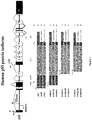
- FIG. 1 A scheme summarizing the features of isoforms ⁇ , ⁇ and ⁇ of TAp53, ⁇ 40p53, and ⁇ 133p53 is presented in Figure 1 .
- the TAp53 ⁇ isoform is the best described and classically mentioned in the literature as p53.
- p53 isoforms can be divided in two groups: long isoforms that contain the transactivation domain (TA and ⁇ 40) and short isoforms without transactivation domain ( ⁇ 133 and ⁇ 160).
- the ⁇ and ⁇ isoforms do not contain the canonical C-terminal oligomerization domain, but an additional domain with unknown function(s) to date (Khoury and Bourdon, 2011).
- p53 isoforms can regulate p53 transcriptional activity and have different outcomes on cell fate by regulating cell cycle progression, programmed cell death, replicative senescence, viral replication, cell differentiation and angiogenesis (Aoubala et al, 2011; Bourdon et al, 2005; Hofstetter et al, 2012; Nutthasirikul et al, 2013; Terrier et al, 2012).
- WO 2012/044979 discloses the use of ⁇ 133p53 ⁇ isoform for increasing reprogramming efficiency and thus iPSCs induction in the presence of at least one reprogramming factor selected from Yamanaka factors.
- this document contains no data showing that iPSC obtained with the method disclosed are genetically stable and do not have DNA damages or alterations in DNA repair machinery. Consequently, there is still a need for methods allowing efficient reprogramming of somatic cells to induced pluripotent stem cells (iPSC) that are free of genetic damages and have normal somatic cells functions and in particular an unaltered DNA repair machinery, thus guaranteeing their genetic stability and their possible clinical use.
- iPSC induced pluripotent stem cells
- ⁇ 133p53 ⁇ isoform and/or ⁇ 133p53 ⁇ is involved in stem cell reprogramming.
- ⁇ 133p53 ⁇ and/or ⁇ 133p53 ⁇ isoforms is (are) able to induce stem cell reprogramming of somatic differentiated cells in the absence of heterologous induction of any of the Yamanaka transcription factors (Oct4, Sox2, cMyc and Nanog) or without depleting or inducing mutations in p53 genes .
- the overexpression of these isoforms does not alter DNA in the reprogrammed iPSC.
- DNA repair checkpoint response also remains functional.
- the inventors further demonstrated that among ⁇ 133p53 isoforms, only isoforms ⁇ and ⁇ are able to induce a reprogramming in the absence of all Yamanaka factors, the expression of ⁇ 133p53 ⁇ isoform not permitting to induce iPSCs in the absence of Yamanaka factors. They further demonstrated that expression of ⁇ 133p53 ⁇ isoform does not alter the DNA repair machinery of reprogrammed iPSCs, contrary to expression of ⁇ 133p53 ⁇ isoform, the expression of which results in decrease of the accumulation of p21WAF1 in the presence of DNA damage, indicating that the DNA repair function of p53 is altered in cells expressing ⁇ 133p53 ⁇ isoform.
- the present invention thus relates to a reprogramming method induced pluripotent stem cells (iPSC) comprising
- both ⁇ 133p53 ⁇ and ⁇ 133p53 ⁇ isoforms are highly expressed in the obtained iPSC.
- a high expression indicates that an elevated level of these isoforms is not associated with genetic instability or alteration of the DNA repair response, contrary to the one due to the overexpression of Yamanaka transcription factors or to the depletion or the expression of mutated p53 proteins. Consequently, using physiological p53 isoforms in the reprogramming the method of the present invention allows reducing the risk of genetic alteration because the ⁇ 133p53 ⁇ isoforms do not alter the DNA repair response) and thus obtaining induced pluripotent stem cells with better efficiency and stability, which may be used in cell therapy.
- the present invention thus relates to induced pluripotent stem cells (iPSC) obtained by the reprogramming method of the invention, wherein the iPSC obtained by the method of the invention contain the vector expressing ⁇ 133p53 ⁇ and/or ⁇ 133p53 ⁇ isoforms.
- iPSC induced pluripotent stem cells
- iPSC may be used in cell therapy and/or as in vitro model to study a variety of diseases.
- the present invention thus relates to iPSC as obtained from the reprogramming method of the invention for use in cell therapy and/or as models to study a variety of diseases.
- induced pluripotent stem cells specifically express ⁇ 133p53 ⁇ isoform, ⁇ 133p53 ⁇ isoform, or both ⁇ 133p53 ⁇ and ⁇ 133p53 ⁇ isoforms also allows detecting iPSC by detecting ⁇ 133p53 ⁇ , ⁇ 133p53 ⁇ isoform, or both ⁇ 133p53 ⁇ and ⁇ 133p53 ⁇ isoforms in a cell population containing iPSC.
- the present invention thus relates to a method for detecting Induced pluripotent stem cells (iPSC) comprising detecting the presence of ⁇ 133p53 ⁇ isoform ⁇ 133p53 ⁇ isoform, or both ⁇ 133p53 ⁇ and ⁇ 133p53 ⁇ isoforms by detecting ⁇ 133p53 ⁇ isoform, ⁇ 133p53 ⁇ isoform, or both ⁇ 133p53 ⁇ and ⁇ 133p53 ⁇ isoforms polypeptide and/or a fragment thereof, and/or by detecting ⁇ 133p53 ⁇ , ⁇ 133p53 ⁇ isoform, or both ⁇ 133p53 ⁇ and ⁇ 133p53 ⁇ isoforms mRNA.
- iPSC Induced pluripotent stem cells
- P53 isoforms are presented in Figure 1 .
- Table 1 below provides amino acids and nucleic acid sequences of full-length p53 (denoted as "p53”), and of ⁇ 133p53 ⁇ and ⁇ 133p53 ⁇ isoforms.
- Table 1 Amino acids and nucleic acid sequences of full-length p53 (denoted as "p53”), and of ⁇ 133p53 ⁇ and ⁇ 133p53 ⁇ isoforms.
- Isoform Amino acids sequence (SEQ ID NO: / Genbank accession number) Nucleic acid sequence (SEQ ID NO: / Genbank accession number) ⁇ 133p53 ⁇ SEQ ID NO:1 / NP_001119588.1 SEQ ID NO:2 / NM_001126116.1 ⁇ 133p53 ⁇ SEQ ID NO:3 / NP_001119589.1 SEQ ID NO:4 / NM_001126117.1 p53 SEQ ID NO:5 / NP_000537.3 SEQ ID NO:6 / NM_000546.4
- iPSC Induced pluripotent stem cells
- induced pluripotent stem cells or “iPSC” refer to pluripotent stem cells obtained from a non-pluripotent cell, typically an adult somatic cell (a cell of the body, rather than gametes or an embryo), by inducing a "forced” expression of certain genes.
- iPSCs are believed to be similar to natural pluripotent stem cells, such as embryo stem cells (ESCs) in many respects.
- ESCs embryo stem cells
- iPSCs are not adult stem cells, but reprogrammed cells given pluripotent capabilities. iPSCs do not refer to cells as they are found in nature.
- somatic cells or “somatic differentiated cell” refer to differentiated adult cells.
- the somatic cells or somatic differentiated cells may be non-cancerous (also called “normal cells”) or cancerous cells.
- the somatic cells or somatic differentiated cells used in the present application are non-cancerous cells.
- reprogramming refers to a process that alters or reverses the differentiation status of a somatic cell that is either partially or terminally differentiated.
- DNA repair or “DNA repair checkpoint response” or just “DNA repair response” or “DNA repair mechanisms” or “DNA repair machinery” refers to several processes by which a cell identifies and corrects the DNA damage. For each type of DNA damage, the cell has evolved a specific method of repairing the damage or eliminating the damaging compound.
- Various cell proteins are known to be involved in DNA repair and may thus be tested in order to determine the presence or absence of DNA repair alterations in a given cell. Examples of such proteins known to be involved in DNA repair include two p53 targets: p21WAF-1 (inhibitors of cyclin complex/Cdks) and Mdm2 (proteins involved in p53 degradation).
- Plasmid vector refers to a replicable DNA construct.
- viral vector refers to a nucleic acid vector that includes at least one element of a virus genome and may be packaged into a viral particle.
- virus refers to a nucleic acid vector that includes at least one element of a virus genome and may be packaged into a viral particle.
- viral refers to viral particles that are formed when the nucleic acid vector is transduced into an appropriate cell or cell line according to suitable conditions allowing the generation of viral particles.
- viral vector has to be understood broadly as including nucleic acid vector (e.g. DNA viral vector) as well as viral particles generated thereof.
- infectious refers to the ability of a viral vector to infect and enter into a host cell or subject.
- regulatory elements or “regulatory sequence” refers to any element that allows, contributes or modulates the expression of nucleic acid molecule(s) in a given host cell or subject, including replication, duplication, transcription, splicing, translation, stability and/or transport of the nucleic acid(s) or its derivative (i.e. mRNA).
- an aging-associated disease refers to a disease that is seen with increasing frequency with increasing senescence.
- Age-associated diseases are to be distinguished from the aging process itself because all adult humans age, but not all adult humans experience all age-associated diseases.
- degenerative diseases refers to medical problems that worsen over time. These degenerative diseases may affect the central nervous system (brain and spinal cord), bones, blood vessels or heart.
- A133p53 ⁇ isoform, ⁇ 133p53 ⁇ isoform, or both ⁇ 133p53 ⁇ and ⁇ 133p53 ⁇ isoforms have the capacity:
- the present invention thus relates to a reprogramming method for producing induced pluripotent stem cells (iPSC), comprising:
- the reprogramming method of the invention does not comprise a step of expression of Yamanaka transcription factors (Oct4, Sox2, cMyc and Nanog) or a depletion of p53 or an expression of p53 mutated proteins.
- the somatic differentiated cells are not and have not been previously transduced with one or more vector(s) expressing one or more of Yamanaka transcription factors (Oct4, Sox2, cMyc and Nanog), one or more p53 mutated proteins, or an inhibitor of p53.
- Somatic dedifferentiated cells for use with the reprogramming method of the present invention may be primary cells or immortalized cells.
- Such cells may be primary cells (non-immortalized cells), such as those freshly isolated from an animal, or may be derived from a cell line (immortalized cells).
- the somatic cells are mammalian cells, such as, for example, human cells or mouse cells. They may be obtained by well-known methods, from different organs, such as, but not limited to skin, lung, pancreas, liver, stomach, intestine, heart, reproductive organs, bladder, kidney, urethra and other urinary organs, or generally from any organ or tissue containing living somatic cells.
- Mammalian somatic cells useful in the present invention include, by way of example, adult stem cells, Sertoli cells, endothelial cells, granulosa epithelial cells, neurons, pancreatic islet cells, epidermal cells, epithelial cells, hepatocytes, hair follicle cells, keratinocytes, hematopoietic cells, melanocytes, chondrocytes, lymphocytes (B and T lymphocytes), erythrocytes, macrophages, monocytes, mononuclear cells, fibroblasts, cardiac muscle cells, other known muscle cells, and generally any live somatic cells. These cells may be non-cancerous or cancerous cell, preferably these cells are non-cancerous cells.
- the somatic differentiated stem cells used with the reprogramming method of the invention are selected from the group consisting of human peripheral blood mononuclear cells (PBMC), CD4+ lymphocytes or fibroblasts. More preferably, the somatic differentiated cells are human fibroblasts.
- ⁇ 133p53 ⁇ isoform In a preferred embodiment of the method for producing induced pluripotent stem cells according to the invention, it is the ⁇ 133p53 ⁇ isoform, ⁇ 133p53 ⁇ isoform or both ⁇ 133p53 ⁇ and ⁇ 133p53 ⁇ isoforms (preferably only the ⁇ 133p53 ⁇ isoform) that is/are transduced in somatic differentiated cells in step b).
- expression of ⁇ 133p53 ⁇ isoform is particularly associated to induction of pluripotent stem cells.
- Any appropriate vector expressing ⁇ 133p53 ⁇ isoform, ⁇ 133p53 ⁇ isoform, or both ⁇ 133p53 ⁇ and ⁇ 133p53 ⁇ isoforms may be used.
- a suitable vector comprises a nucleic acid molecule encoding ⁇ 133p53 ⁇ isoform, ⁇ 133p53 ⁇ isoform, or both ⁇ 133p53 ⁇ and ⁇ 133p53 ⁇ isoforms and elements necessary to allow expression thereof.
- Suitable vectors notably include plasmid vectors and viral vectors.
- Viral vectors can be replication-competent or -selective (e.g. engineered to replicate better or selectively in specific host cells), or can be genetically disabled so as to be replication-defective or replication-impaired.
- such vectors are commercially available (e.g. in Invitrogen, Stratagene, Amersham Biosciences, Promega, etc.) or available from depositary institutions such as the American Type Culture Collection (ATCC, Rockville, Md.) or have been the subject of numerous publications describing their sequence, organization and methods of producing, allowing the artisan to apply them.
- a plasmid vector expressing ⁇ 133p53 ⁇ isoform, ⁇ 133p53 ⁇ isoform, or both ⁇ 133p53 ⁇ and ⁇ 133p53 ⁇ isoforms is used.
- plasmid vectors include, without limitation, pREP4, pCEP4 (Invitrogen), pCI (Promega), pVAX (Invitrogen) and pGWiz (Gene Therapy System Inc).
- a plasmid vector may be complexed to lipids or polymers to form particulate structures such as liposomes, lipoplexes or nanoparticles.
- a viral vector expressing ⁇ 133p53 ⁇ isoform, ⁇ 133p53 ⁇ isoform, or both ⁇ 133p53 ⁇ and ⁇ 133p53 ⁇ isoforms is used (i.e a viral vector comprising a nucleic acid molecule encoding ⁇ 133p53 ⁇ isoform, ⁇ 133p53 ⁇ isoform, or both ⁇ 133p53 ⁇ and ⁇ 133p53 ⁇ isoforms and elements necessary to allow expression thereof).
- viral vectors are generated from a variety of different viruses (e.g. retrovirus, adenovirus, adenovirus-associated virus (AAV), poxvirus, herpes virus, measles virus, foamy virus, alphavirus, vesicular stomatis virus, etc).
- viruses e.g. retrovirus, adenovirus, adenovirus-associated virus (AAV), poxvirus, herpes virus, measles virus, foamy virus, alphavirus, vesicular stomatis virus, etc.
- retrovirus e.g. retrovirus, adenovirus, adenovirus-associated virus (AAV), poxvirus, herpes virus, measles virus, foamy virus, alphavirus, vesicular stomatis virus, etc.
- AAV adenovirus-associated virus
- poxvirus e.g. retrovirus, adenovirus-associated virus (AAV), poxvirus, herpes virus,
- a retroviral vector expressing ⁇ 133p53 ⁇ isoform, ⁇ 133p53 ⁇ isoform, or both A133p53 ⁇ and ⁇ 133p53 ⁇ isoforms isoform is used (i.e a retroviral vector comprising a nucleic acid molecule encoding ⁇ 133p53 ⁇ isoform, ⁇ 133p53 ⁇ isoform, or both ⁇ 133p53 ⁇ and ⁇ 133p53 ⁇ isoforms and elements necessary to allow expression thereof).
- Retroviruses have the property of infecting, and in most cases integrating into, dividing cells and in this regard are particularly appropriate for use in the context of the present invention for producing induced pluripotent stem cells.
- a suitable retrovirus generally contains the LTR sequences, an encapsidation region and a nucleic acid molecule encoding ⁇ 133p53 ⁇ or ⁇ 133p53 ⁇ isoform.
- the recombinant retrovirus can be derived from a retrovirus of any origin (murine, primate, feline, human, etc.) and in particular from the MoMuLV (Moloney murine leukemia virus), MVS (Murine sarcoma virus), Friend murine retrovirus (Fb29), Murine Embryonic Stem Cell Virus (MESV), LN virus or Murine Stem Cell Virus (MSCV). It is propagated in an encapsidation cell line which is able to supply in trans the viral polypeptides gag, pol and/or env which are required for constituting a viral particle.
- MoMuLV Moloney murine leukemia virus
- MVS Murine sarcoma virus
- Fb29 Friend murine retrovirus
- MEV Murine Embryonic Stem Cell Virus
- MSCV Murine Stem Cell Virus
- the retroviral vector according to the invention can contain modifications, in particular in the LTRs (replacement of the promoter region with a eukaryotic promoter) or the encapsidation region (replacement with a heterologous encapsidation region).
- the vector used for transducing cancer cells in step b) is a Murine Stem Cell Virus (MSCV), which is derived from the Murine Embryonic Stem Cell Virus (MESV) and the LN retroviral vectors (Grez, M., et al. 1990; Miller, A. D. et al. 1989).
- MSCV Murine Stem Cell Virus
- the transducing vector may be obtained by cloning a molecule encoding ⁇ 133p53 ⁇ isoform, ⁇ 133p53 ⁇ isoform, or both ⁇ 133p53 ⁇ and ⁇ 133p53 ⁇ isoforms into a pMSCV vector commercialized by Clontech, such as pMSCVhyg, pMSCVneo, or pMSCVpuro.
- ⁇ 133p53 ⁇ isoform ⁇ 133p53 ⁇ isoform
- ⁇ 133p53 ⁇ isoform ⁇ 133p53 ⁇ isoform
- both ⁇ 133p53 ⁇ and ⁇ 133p53 ⁇ isoforms may be used.
- viral vectors examples include adenoviral vectors, which may be derived from a variety of human or animal sources (e.g. canine, ovine, simian adenovirus, etc). Any serotype can be employed with a special preference for human adenoviruses and a specific preference for subgenus C such as Ad2, Ad5, Ad6, and subgenus B such as Ad11, Ad34 and Ad35.
- adenovirus are available from ATCC or have been the subject of numerous publications describing their sequence, organization and methods of producing, allowing the artisan to apply them.
- nucleic acid molecule encoding ⁇ 133p53 ⁇ isoform, ⁇ 133p53 ⁇ isoform, or both ⁇ 133p53 ⁇ and ⁇ 133p53 ⁇ isoforms can then be inserted in any location of the adenoviral genome, with a specific preference for insertion in replacement of the E1 and/or E3 region. They may be positioned in sense or antisense orientation relative to the natural transcriptional direction of the region in question.
- viral vectors examples include poxvirus vectors such as fowlpox vectors (e.g. FP9), canarypox vectors (e.g. ALVAC) and vaccinia virus vectors, the latter being preferred.
- poxvirus vectors such as fowlpox vectors (e.g. FP9), canarypox vectors (e.g. ALVAC) and vaccinia virus vectors, the latter being preferred.
- Suitable vaccinia viruses include without limitation the Copenhagen strain, the Wyeth strain, NYVAC and the modified Ankara (MVA) strain.
- the general conditions for constructing and producing recombinant poxvirus are well known in the art.
- the nucleic acid molecule encoding ⁇ 133p53 ⁇ isoform, ⁇ 133p53 ⁇ isoform, or both ⁇ 133p53 ⁇ and ⁇ 133p53 ⁇ isoforms is preferably inserted within the poxviral genome in a non-essential locus.
- Thymidine kinase gene is particularly appropriate for insertion in Copenhagen vaccinia vectors and deletion II or III for insertion in MVA vector.
- viral vectors suitable in the context of the invention are morbillivirus which can be obtained from the paramyxoviridae family, with a specific preference for measles virus. Insertion of the nucleic acid molecule encoding ⁇ 133p53 ⁇ isoform, ⁇ 133p53 ⁇ isoform, or both ⁇ 133p53 ⁇ and ⁇ 133p53 ⁇ isoforms between P and M genes or between H and L genes is particularly appropriate.
- the nucleic acid molecule encoding ⁇ 133p53 ⁇ isoform, ⁇ 133p53 ⁇ isoform, or both ⁇ 133p53 ⁇ and ⁇ 133p53 ⁇ isoforms are in a form suitable for expression in somatic cells, which means that each of the nucleic acid molecules set forth herein is operably linked to appropriate regulatory sequences.
- Suitable promoters for constitutive expression in eukaryotic systems include viral promoters, such as SV40 promoter, the cytomegalovirus (CMV) immediate early promoter or enhancer, the adenovirus early and late promoters, the thymidine kinase (TK) promoter of herpes simplex virus (HSV)-1 and retroviral long-terminal repeats (e.g.
- PGK phosphoglycero kinase
- suitable promoters for a Murine Stem Cell Virus (MSCV) vector include those present in pMSCV vector commercialized by Clontech, such as pMSCVhyg, pMSCVneo, or pMSCVpuro.
- transduced somatic differentiated cells are cultured in a medium supporting their expansion.
- a medium may be a basal medium (comprising inorganic salts, amino acids, vitamins and glucose, such as DMEM), which may be supplemented with a reducing agent (such as ⁇ -mercaptoethanol), at least one antibiotic (such as Penicillin-Streptomycin), and/or at least one growth factor able to sustain expansion of the type of transduced somatic differentiated cells (including, but not limited to, Epidermal Growth Factor (EGF) and/or basic Fibroblast Growth Factor (bFGF)).
- EGF Epidermal Growth Factor
- bFGF basic Fibroblast Growth Factor
- Step b) is performed for a period sufficient in order to recover induced pluripotent stem cells from the transduced somatic differentiated cell culture.
- a suitable period should be optimized for each type of somatic differentiated cells, but will generally be between 3 and 30 days, in particular between 7 and 20 days, more particularly, between 9 and 24 days.
- iPSC having genetic stability i.e.without DNA damages or damages of DNA repair response
- step c induced pluripotent stem cells are isolated from the transduced somatic differentiated cells culture.
- induced pluripotent stem cells may be isolated based on selection of any feature specific to induced pluripotent stem cells compared to other somatic differentiated cells.
- iPSCs can be identified and isolated by any one of means of: '
- iPSCs are isolated based on iPSC-specific cell surface markers.
- transduced differentiated somatic cells are stained using antibodies directed to one or more iPSC-specific cell surface markers, and cells having the desired surface marker phenotype are sorted.
- Those skilled in the art know how to implement such isolation based on surface cell markers. For instance, flow cytometry cell-sorting may be used, transduced somatic cells are directly or indirectly fluorescently stained with antibodies directed to one or more iPSC-specific cell surface markers and cells by detected by flow cytometer laser as having the desired surface marker phenotype are sorted.
- magnetic separation may be used.
- the most common surface markers used to distinguish iPSCs are SSEA3, SSEA4, TRA-1-60, and TRA-1-81.
- SSEA3 and SSEA4 by reprogramming cells usually precedes the expression of TRA-1 -60 and TRA-1 -81, which are detected only at later stages of reprogramming.
- TRA-1-60 and TRA-1-81 antigens recognize distinct and unique epitopes on the same large glycoprotein Podocalyxin (also called podocalyxin-like, PODXL)1.
- PODXL podocalyxin-like
- CD30 tumor necrosis factor receptor superfamily, member 8, TNFRSF8
- CD9 leukocyte antigen,MIC3
- CD50 intercellular adhesion molecule-3, ICAM3
- CD200 MRC OX-2 antigen, MOX2
- CD90 Thy-1 cell surface antigen,THY1
- iPSC may be selected by the expression of the Yamanaka transcription factors (Oct4, Sox2, cMyc and Nanog).
- iPSCs are isolated by flow cytometry cell-sorting based on DNA dye side population (SP) phenotype.
- SP DNA dye side population
- This method is based on the passive uptake of cell-permeable DNA dyes by live cells and pumping out of such DNA dyes by a side population of stem cells via ATP-Binding Cassette (ABC) transporters allowing the observation of a side population that has a low DNA dye fluorescence at the appropriate wavelength.
- ABC pumps can be specifically inhibited by drugs such as verapamil (100 ⁇ M final concentration) or reserpine (5 ⁇ M final concentration), and these drugs may be used to generate control samples, in which no SP phenotype may be detected.
- Appropriate cell-permeable DNA dyes that may be used include Hoechst 33342 (the main used DNA dye for this purpose, see Golebiewska et al., 2011) and Vybrant® DyeCycleTM stains available in various fluorescences (violet, green, and orange; see Telford et al-2010).
- iPSC are isolated by embryoid body (EB) formation.
- Embryoid bodies (EB) are the three dimensional aggregates formed in suspension by induced pluripotent stem cells (iPSC).
- iPSC induced pluripotent stem cells
- the aggregate formation is induced by using different reagents. According to used protocol it is possible to obtain different EB formation such as self-aggregated EBs, hanging drop EBs, EBs in AggreWells ect (Lin et al., 2014).
- iPSC are isolated by iPSC colony picking.
- a protocol for iPSC colony picking is described in the Examples given below. However, skilled artisan may implement other protocols of iPSC colony picking well known in the art.
- the reprogramming method of the present invention comprises, before the step a), a step a1) of isolating and culturing the somatic pluripotent cells which will be transduced with the expression vector.
- step a1) is performed about 2 days before step a) by culturing the somatic differentiated cells in appropriate cell medium in order to achieve 50 to 80%, particularly, 60 to 70% of confluency.
- appropriate cell medium is provided with « Invitrogen kit » : CytoTune®-iPS 2.0 Sendai Reprogramming Kit (Catalog Numbers A16517, A16518).
- the viruses are removed of transduced somatic differentiated cells by replacing the cell medium with fresh cell medium.
- iPSC Induced pluripotent stem cells
- the present invention relates to induced pluripotent stem cells (iPSC) obtained by the reprogramming method of the invention, wherein the iPSC contain an expression vector encoding ⁇ 133p53 ⁇ isoform, ⁇ 133p53 ⁇ isoform or both ⁇ 133p53 ⁇ and ⁇ 133p53 ⁇ isoforms.
- iPSC induced pluripotent stem cells
- the reprogramming method of the invention does not require performing (and in one embodiment does not comprise) a step of expression of Yamanaka transcription factors (Oct4, Sox2, cMyc and Nanog) or a depletion of p53 or an expression of p53 mutated proteins, and the iPSC obtained by the reprogramming method of the invention are stable and non-cancerous and have better capacity to be re-differentiated in non-cancerous somatic multipotent, unipotent or differentiated somatic cells.
- Yamanaka transcription factors Oct4, Sox2, cMyc and Nanog
- the genetic stability of the iPSC obtained by the method of the invention is preserved because of the use of one of these or both ⁇ 133p53 ⁇ and ⁇ 133p53 ⁇ isoforms since their expression does not create DNA damage DNA, and also does not alter DNA repair mechanisms.
- the iPSC produced by the method of the invention contain the expression vector encoding ⁇ 133p53 ⁇ and/or ⁇ 133p53 ⁇ isoforms.
- the iPSC produced by the method of the invention also express ⁇ 133p53 ⁇ and/or ⁇ 133p53 ⁇ isoforms.
- the iPSC obtained from reprogramming method of the present invention may be differentiated to hematopoietic stem cells.
- the iPSCs as produced by the reprogramming method of the invention are used in cell therapy.
- the iPSCs produced by the reprogramming method of the invention are used as therapeutic agent in the treatment of aging-associated and/or degenerative diseases.
- aging-associated diseases are diseases selected from the group comprising or consisting of atherosclerosis, cardiovascular disease, cancer, arthritis, cataracts, osteoporosis, type 2 diabetes, hypertension, Alzheimer's disease and Parkinson disease.
- degenerative diseases are diseases selected from the group comprising or consisting of diseases affecting the central nervous system (Alzheimer's disease and Parkinson disease, Huntington diseases), bones (Duchene and Becker muscular dystrophies), blood vessels or heart.
- the iPSCs produced by the reprogramming method of the invention are used as therapeutic agent for the treatment of aging -associated and degenerative diseases selected from the group consisting of cardiovascular diseases, diabetes, cancer, arthritis, hypertension , myocardial infection, strokes, amyotrophic lateral sclerosis, Alzheimer's disease and Parkinson disease.
- the iPSCs produced by the reprogramming method of the invention are used in vitro as model for studying diseases selected from the group comprising or consisting of amyotrophic lateral sclerosis, adenosine deaminase deficiency-related severe combined immunodeficiency, Shwachman-Bodian-Diamond syndrome, Gaucher disease type III, Duchene and Becker muscular dystrophies, Parkinson's disease, Huntington's disease, type 1 diabetes mellitus, Down syndrome and spinal muscular atrophy.
- diseases selected from the group comprising or consisting of amyotrophic lateral sclerosis, adenosine deaminase deficiency-related severe combined immunodeficiency, Shwachman-Bodian-Diamond syndrome, Gaucher disease type III, Duchene and Becker muscular dystrophies, Parkinson's disease, Huntington's disease, type 1 diabetes mellitus, Down syndrome and spinal muscular atrophy.
- ⁇ 133p53 ⁇ isoform As mentioned above, the Inventors have found that ⁇ 133p53 ⁇ isoform, ⁇ 133p53 ⁇ isoform or both ⁇ 133p53 ⁇ and ⁇ 133p53 ⁇ are specifically expressed in iPSC.
- iPSC Induced pluripotent stem cells
- the invention thus relates to a method for detecting Induced pluripotent stem cells (iPSC) in cell population comprising detecting the presence of ⁇ 133p53 ⁇ isoform, ⁇ 133p53 ⁇ isoform or both ⁇ 133p53 ⁇ and ⁇ 133p53 ⁇ by detecting a ⁇ 133p53 ⁇ , ⁇ 133p53 ⁇ isoform or both ⁇ 133p53 ⁇ and ⁇ 133p53 ⁇ isoform polypeptide and/or a fragment thereof, and/or by detecting a ⁇ 133p53 ⁇ isoform, ⁇ 133p53 ⁇ isoform or both ⁇ 133p53 ⁇ and ⁇ 133p53 ⁇ mRNA.
- iPSC Induced pluripotent stem cells
- the detecting method according to the invention is based on detecting the presence of ⁇ 133p53 ⁇ isoform.
- the detecting of presence of ⁇ 133p53 ⁇ isoform is carried out by using a probe capable of specifically hybridizing with said ⁇ 133p53 ⁇ isoform mRNA or complementary sequence thereof having at least 10, 15, 20, 25, 30, 35, 40, 45, 50 or more nucleotides length which is specific of said ⁇ 133p53 ⁇ isoform.
- Detection of presence of ⁇ 133p53 ⁇ isoform using a probe capable of specifically hybridizing with a fragment of ⁇ 133p53 ⁇ isoform having at least 10, 15, 20, 25, 30, 35, 40, 45, 50 or more nucleotides length which is specific of said ⁇ 133p53 ⁇ isoform is also described.
- probes and fragments are described in international patent application WO2011/000891 (the probes and fragments preferably hybridizing with ⁇ 133p53 ⁇ isoform mRNA having the sequence SEQ ID NO: 2) and may be used in the method for detecting Induced pluripotent stem cells (iPSC) of the present invention.
- iPSC Induced pluripotent stem cells
- the presence of ⁇ 133p53 ⁇ isoform may be also detected by using a probe capable of specifically hybridizing with said ⁇ 133p53 ⁇ isoform mRNA or complementary sequence thereof having at least 10, 15, 20, 25, 30, 35, 40, 45, 50 or more nucleotides length which is specific of said ⁇ 133p53 ⁇ isoform.
- Detection of presence of ⁇ 133p53 ⁇ isoform using a probe capable of specifically hybridizing with a fragment of ⁇ 133p53 ⁇ isoform having at least 10, 15, 20, 25, 30, 35, 40, 45, 50 or more nucleotides length which is specific of said ⁇ 133p53 ⁇ isoform is also described.
- probes and fragments are also described in international patent application WO2011/000891 (the probes and fragments preferably hybridizing with ⁇ 133p53 ⁇ isoform mRNA having the sequence SEQ ID NO: 6) and may be used in the method for detecting Induced pluripotent stem cells (iPSC) of the present invention.
- iPSC Induced pluripotent stem cells
- the reprogramming method for iPS production by the human ⁇ 133p53 ⁇ isoforms is adapted from the « Invitrogen kit » : CytoTune®-iPS 2.0 Sendai Reprogramming Kit (Catalog Numbers A16517, A16518).
- CytoTune®-iPS 2.0 Sendai Reprogramming Kit Catalog Numbers A16517, A16518.
- the above mentioned kit will be used according to the manufacturer instructions as follows:
- the fibroblasts were transduced with the CytoTuneR 2.0 Sendai reprogramming vectors control probe and with the vectors expressing ⁇ 133p53 isoforms ( ⁇ and y) at the appropriate MOI. The cells were incubated overnight.
- iPSC colonies gelatin-coated 12-well feeder plates were prepared. Before picking colonies, 1 ml hES medium containing 10 ⁇ m Y27632 (ROCK (rho-associated kinase inhibitor) to each well of the plate was added and incubated it in a 37°C incubator. Then, the iPSC colonies were examined under a microscope in a hood and the colonies were marked on the bottom of the dish. One colony was cut into small pieces with a 200 ⁇ L pipette and the cut pieces were transferred to the 12-well feeder plates with a 200 ⁇ L pipettes. The plate containing the picked colonies was incubated in a 37°C incubator for 24-48 hours. After the colonies attach the plates, the medium was replaced with fresh hES medium and had been changed every day.
- ROCK rho-associated kinase inhibitor
- the human ⁇ 133p53 isoforms ( ⁇ and ⁇ ) are cloned in the pMSCV-hyg (Clontech Laboratories, sold as a part of the Cat No 634401) vector for viral production. Viral particles were produced following next procedure:
- the mixture was incubated 30 min at room temperature. In meantime the cells were washed and plated in 5 ml of growth medium without antibiotics.
- Example 1 ⁇ 1133p53 ⁇ is highly expressed in ES and iPSC compared to dedifferentiated cells
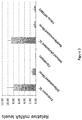
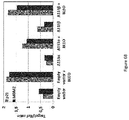
- ⁇ 133p53 ⁇ mRNA levels were analyzed by qPCR in iPSCs induced from fibroblasts with 4 factors (Oct4, Sox2, Klf4, c-myc) or 6 factors (Nanog and Lyn28 in addition of the 4 factors) after 3 weeks of reprogramming.
- ⁇ 133p53 ⁇ _mRNA levels were also analyzed in human embryonic stem cells before (ES) and after (ES-F) fibroblastic differentiation, in skin fibroblasts before (Sk-F) and after (iPSCs) reprogramming and after re-differentiation (iPSC-F) and from human neonatal (HFFSM3).
- mRNA expression of ⁇ 133p53 ⁇ is clearly increased in embryonic stem cells and in iPSCs compared to fibroblasts, indicating that elevated level of this isoform is not associated with genetic instability. This would provide a major advantage compared to mutant p53, which use in iPSC technology is hampered by genetic instability they confer.
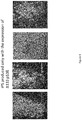
- Human primary fibroblast cells were established from normal human foreskin and display a maximum of 72 population doublings before the onset of senescence. As shown on figure 5 , ⁇ 133p53 ⁇ splice isoform of p53 produces iPSC-like cells, which express key regulators of pluripotency ( Figure 4 ).
- Example 3 The expression of ⁇ 133p53 ⁇ isoform preserves the ability of cells to repair DNA
- p53 is a limiting factor in iPSC reprogrammation from normal cells and it is also considered that the alteration of p53 expression during the reprograming somatic cells to iPSC could lead to the formation of iPSC containing DNA damage and/or chromosomal abnormalities.
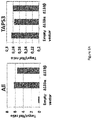
- ⁇ 133p53 isoforms do not affect the DNA damage and DNA repair response, the inventors have tested the transactivational function of p53 in normal fibroblasts expressing ⁇ 133p53 ⁇ isoform or ⁇ 133p53 ⁇ isoform in the presence of DNA breaks caused by a radiomimetic agent (bleomycin).
- ⁇ 133p53 ⁇ thus prevents the accumulation of p21WAF1 in the presence of DNA damage, indicating that the transcriptional function of wild type p53 is altered in these cells.
- Histone variant H2AX and Chk2 kinase proteins two proteins involved in the repair of DNA damages upstream of p53, are activated in cells expressing ⁇ 133p53 ⁇ and ⁇ 133p53 ⁇ .
Landscapes
- Health & Medical Sciences (AREA)
- Engineering & Computer Science (AREA)
- Life Sciences & Earth Sciences (AREA)
- Bioinformatics & Cheminformatics (AREA)
- Chemical & Material Sciences (AREA)
- Organic Chemistry (AREA)
- General Health & Medical Sciences (AREA)
- Biomedical Technology (AREA)
- Public Health (AREA)
- Chemical Kinetics & Catalysis (AREA)
- General Chemical & Material Sciences (AREA)
- Medicinal Chemistry (AREA)
- Nuclear Medicine, Radiotherapy & Molecular Imaging (AREA)
- Pharmacology & Pharmacy (AREA)
- Veterinary Medicine (AREA)
- Animal Behavior & Ethology (AREA)
- Neurology (AREA)
- Neurosurgery (AREA)
- Zoology (AREA)
- Biotechnology (AREA)
- Genetics & Genomics (AREA)
- Wood Science & Technology (AREA)
- Diabetes (AREA)
- Heart & Thoracic Surgery (AREA)
- Cardiology (AREA)
- Microbiology (AREA)
- Developmental Biology & Embryology (AREA)
- General Engineering & Computer Science (AREA)
- Cell Biology (AREA)
- Biochemistry (AREA)
- Transplantation (AREA)
- Psychology (AREA)
- Orthopedic Medicine & Surgery (AREA)
- Physical Education & Sports Medicine (AREA)
- Urology & Nephrology (AREA)
- Rheumatology (AREA)
- Immunology (AREA)
- Psychiatry (AREA)
- Hospice & Palliative Care (AREA)
- Vascular Medicine (AREA)
Applications Claiming Priority (2)
| Application Number | Priority Date | Filing Date | Title |
|---|---|---|---|
| EP15305145 | 2015-01-30 | ||
| PCT/EP2016/052085 WO2016120493A1 (en) | 2015-01-30 | 2016-02-01 | Reprogramming method for producing induced pluripotent stem cells (ipsc) |
Publications (2)
| Publication Number | Publication Date |
|---|---|
| EP3250679A1 EP3250679A1 (en) | 2017-12-06 |
| EP3250679B1 true EP3250679B1 (en) | 2020-08-19 |
Family
ID=52589314
Family Applications (1)
| Application Number | Title | Priority Date | Filing Date |
|---|---|---|---|
| EP16702146.8A Active EP3250679B1 (en) | 2015-01-30 | 2016-02-01 | Reprogramming method for producing induced pluripotent stem cells (ipsc) |
Country Status (4)
| Country | Link |
|---|---|
| US (1) | US10767165B2 (cg-RX-API-DMAC7.html) |
| EP (1) | EP3250679B1 (cg-RX-API-DMAC7.html) |
| JP (1) | JP2018509890A (cg-RX-API-DMAC7.html) |
| WO (1) | WO2016120493A1 (cg-RX-API-DMAC7.html) |
Families Citing this family (10)
| Publication number | Priority date | Publication date | Assignee | Title |
|---|---|---|---|---|
| CN109689860A (zh) | 2016-09-12 | 2019-04-26 | 哈佛学院院长及董事 | 转录因子控制干细胞的分化 |
| EP4056189A1 (en) * | 2016-09-30 | 2022-09-14 | Mayo Foundation for Medical Education and Research | Viral vectors for nuclear reprogramming |
| US20200063105A1 (en) * | 2017-05-01 | 2020-02-27 | President And Fellows Of Harvard College | Transcription factors controlling differentiation of stem cells |
| GB2564437B (en) | 2017-07-10 | 2020-11-04 | Univ Brunel | Method of testing a gene therapy vector using induced pluripotent stem cells |
| EP3717654A4 (en) | 2017-12-01 | 2021-11-10 | President And Fellows Of Harvard College | METHODS AND COMPOSITIONS FOR PRODUCING OLIGODENDROCYTE PRECURSOR CELLS |
| WO2019195675A1 (en) | 2018-04-06 | 2019-10-10 | President And Fellows Of Harvard College | Methods of identifying combinations of transcription factors |
| JP2022534295A (ja) * | 2019-05-30 | 2022-07-28 | イミュノルクス インターナショナル コーポレーション | ワクチン接種及び疾患治療法のための自己人工多能性幹細胞とのポックスウイルスの使用 |
| GB201909975D0 (en) * | 2019-07-11 | 2019-08-28 | Babraham Inst | Novel reprogramming method |
| US20220273591A1 (en) * | 2019-07-26 | 2022-09-01 | The Board Of Trustees Of The Leland Stanford Junior University | Methods for determining risk of developing insulin resistance |
| CN114736872A (zh) * | 2022-05-06 | 2022-07-12 | 中国科学院动物研究所 | 提高多能干细胞性能的组合物、方法及其应用 |
Family Cites Families (7)
| Publication number | Priority date | Publication date | Assignee | Title |
|---|---|---|---|---|
| WO2009117439A2 (en) * | 2008-03-17 | 2009-09-24 | The Scripps Research Institute | Combined chemical and genetic approaches for generation of induced pluripotent stem cells |
| CA2695590C (en) * | 2008-06-27 | 2018-01-09 | Kyoto University | Method of efficiently establishing induced pluripotent stem cells |
| US8703413B2 (en) * | 2008-09-22 | 2014-04-22 | Children's Medical Center Corporation | Detection of human somatic cell reprogramming |
| EP2272979A1 (en) | 2009-06-30 | 2011-01-12 | Centre National de la Recherche Scientifique (CNRS) | Method for testing a subject thought to be predisposed to having cancer |
| KR101774206B1 (ko) * | 2009-08-07 | 2017-09-04 | 고쿠리츠 다이가쿠 호진 교토 다이가쿠 | 유도된 다능성 줄기 세포의 효율적인 확립 방법 |
| WO2012044979A2 (en) * | 2010-10-01 | 2012-04-05 | The Goverment Of The United States Of America As Represented By The Secretary Of The Department Of Health And Human Services | Manipulation of stem cell function by p53 isoforms |
| US10920198B2 (en) * | 2015-01-30 | 2021-02-16 | Centre National De La Recherche Scientifique (Cnrs) | Delta133p53beta and delta133p53gamma isoforms are biomarkers of cancer stem cells |
-
2016
- 2016-02-01 WO PCT/EP2016/052085 patent/WO2016120493A1/en not_active Ceased
- 2016-02-01 US US15/547,212 patent/US10767165B2/en active Active
- 2016-02-01 JP JP2017540262A patent/JP2018509890A/ja active Pending
- 2016-02-01 EP EP16702146.8A patent/EP3250679B1/en active Active
Non-Patent Citations (1)
| Title |
|---|
| None * |
Also Published As
| Publication number | Publication date |
|---|---|
| EP3250679A1 (en) | 2017-12-06 |
| US20180023056A1 (en) | 2018-01-25 |
| US10767165B2 (en) | 2020-09-08 |
| JP2018509890A (ja) | 2018-04-12 |
| WO2016120493A1 (en) | 2016-08-04 |
Similar Documents
| Publication | Publication Date | Title |
|---|---|---|
| EP3250679B1 (en) | Reprogramming method for producing induced pluripotent stem cells (ipsc) | |
| CN102317448B (zh) | 多能细胞/多潜能细胞及方法 | |
| JP6584776B2 (ja) | 細胞を幼若化するための方法 | |
| EP2499241B1 (en) | Methods of generating neural stem cells | |
| JP5802195B2 (ja) | 幹細胞を調節するための組成物および方法ならびにその使用 | |
| WO2010013359A1 (en) | Efficient method for establishing induced pluripotent stem cells | |
| JP6264670B2 (ja) | 幹細胞における腫瘍化原因細胞の除去方法 | |
| CA2449589A1 (en) | Gene transfer into primate embryonic stem cells using vsv-g pseudotyped simian immunodeficiency virus vector | |
| EP3372681A1 (en) | Immortalized stem cells, and method for producing same | |
| KR20140004724A (ko) | 전분화능을 위한 선천적 잠재력을 갖는 체세포 | |
| WO2018113145A1 (zh) | 一种同时抵抗细胞衰老及恶性转化的人多能干细胞的制备方法 | |
| Piaceski et al. | Translating the combination of gene therapy and tissue engineering for treating recessive dystrophic epidermolysis bullosa | |
| Tashiro et al. | Efficient adenovirus vector‐mediated PPAR gamma gene transfer into mouse embryoid bodies promotes adipocyte differentiation | |
| Chang et al. | Immortalization of human umbilical vein endothelial cells with telomerase reverse transcriptase and simian virus 40 large T antigen | |
| JP5924741B2 (ja) | 人工癌幹細胞の作製方法及びその分化誘導方法 | |
| JP2013009742A (ja) | 多能性幹細胞の増殖を抑制するための組成物及び方法 | |
| US11542524B2 (en) | Elimination of proliferating cells from stem cell-derived grafts | |
| US20210010030A1 (en) | Method for reprogramming somatic cells | |
| WO2025220751A1 (ja) | 薬剤依存的な細胞死誘導可能不死化細胞及びその作製方法 | |
| GB2564437A (en) | Method of testing a gene therapy vector | |
| CN118222633A (zh) | 诱导成纤维细胞转分化为肾小管上皮细胞的方法及产品 | |
| Mayers | Engineering Red Blood Cell Progenitors to Achieve Greater Proliferative Potential | |
| WO2011145615A1 (ja) | 多能性幹細胞の製造のための核酸 | |
| HK1064702A (en) | Gene transfer into primate emborynic stem cells using vsv-g-pseudotype simian immunodeficiency virus vector |
Legal Events
| Date | Code | Title | Description |
|---|---|---|---|
| STAA | Information on the status of an ep patent application or granted ep patent |
Free format text: STATUS: THE INTERNATIONAL PUBLICATION HAS BEEN MADE |
|
| PUAI | Public reference made under article 153(3) epc to a published international application that has entered the european phase |
Free format text: ORIGINAL CODE: 0009012 |
|
| STAA | Information on the status of an ep patent application or granted ep patent |
Free format text: STATUS: REQUEST FOR EXAMINATION WAS MADE |
|
| 17P | Request for examination filed |
Effective date: 20170829 |
|
| AK | Designated contracting states |
Kind code of ref document: A1 Designated state(s): AL AT BE BG CH CY CZ DE DK EE ES FI FR GB GR HR HU IE IS IT LI LT LU LV MC MK MT NL NO PL PT RO RS SE SI SK SM TR |
|
| AX | Request for extension of the european patent |
Extension state: BA ME |
|
| DAV | Request for validation of the european patent (deleted) | ||
| DAX | Request for extension of the european patent (deleted) | ||
| STAA | Information on the status of an ep patent application or granted ep patent |
Free format text: STATUS: EXAMINATION IS IN PROGRESS |
|
| 17Q | First examination report despatched |
Effective date: 20181205 |
|
| RIN1 | Information on inventor provided before grant (corrected) |
Inventor name: ARSIC, NIKOLA Inventor name: ROUX, PIERRE Inventor name: FORT, PHILIPPE Inventor name: RAYNAUD, PEGGY Inventor name: GADEA, GILLES |
|
| GRAP | Despatch of communication of intention to grant a patent |
Free format text: ORIGINAL CODE: EPIDOSNIGR1 |
|
| STAA | Information on the status of an ep patent application or granted ep patent |
Free format text: STATUS: GRANT OF PATENT IS INTENDED |
|
| INTG | Intention to grant announced |
Effective date: 20200318 |
|
| GRAS | Grant fee paid |
Free format text: ORIGINAL CODE: EPIDOSNIGR3 |
|
| GRAA | (expected) grant |
Free format text: ORIGINAL CODE: 0009210 |
|
| STAA | Information on the status of an ep patent application or granted ep patent |
Free format text: STATUS: THE PATENT HAS BEEN GRANTED |
|
| AK | Designated contracting states |
Kind code of ref document: B1 Designated state(s): AL AT BE BG CH CY CZ DE DK EE ES FI FR GB GR HR HU IE IS IT LI LT LU LV MC MK MT NL NO PL PT RO RS SE SI SK SM TR |
|
| REG | Reference to a national code |
Ref country code: CH Ref legal event code: EP |
|
| REG | Reference to a national code |
Ref country code: DE Ref legal event code: R096 Ref document number: 602016042201 Country of ref document: DE |
|
| REG | Reference to a national code |
Ref country code: AT Ref legal event code: REF Ref document number: 1303965 Country of ref document: AT Kind code of ref document: T Effective date: 20200915 |
|
| REG | Reference to a national code |
Ref country code: IE Ref legal event code: FG4D |
|
| REG | Reference to a national code |
Ref country code: LT Ref legal event code: MG4D |
|
| REG | Reference to a national code |
Ref country code: NL Ref legal event code: MP Effective date: 20200819 |
|
| PG25 | Lapsed in a contracting state [announced via postgrant information from national office to epo] |
Ref country code: BG Free format text: LAPSE BECAUSE OF FAILURE TO SUBMIT A TRANSLATION OF THE DESCRIPTION OR TO PAY THE FEE WITHIN THE PRESCRIBED TIME-LIMIT Effective date: 20201119 Ref country code: LT Free format text: LAPSE BECAUSE OF FAILURE TO SUBMIT A TRANSLATION OF THE DESCRIPTION OR TO PAY THE FEE WITHIN THE PRESCRIBED TIME-LIMIT Effective date: 20200819 Ref country code: NO Free format text: LAPSE BECAUSE OF FAILURE TO SUBMIT A TRANSLATION OF THE DESCRIPTION OR TO PAY THE FEE WITHIN THE PRESCRIBED TIME-LIMIT Effective date: 20201119 Ref country code: SE Free format text: LAPSE BECAUSE OF FAILURE TO SUBMIT A TRANSLATION OF THE DESCRIPTION OR TO PAY THE FEE WITHIN THE PRESCRIBED TIME-LIMIT Effective date: 20200819 Ref country code: HR Free format text: LAPSE BECAUSE OF FAILURE TO SUBMIT A TRANSLATION OF THE DESCRIPTION OR TO PAY THE FEE WITHIN THE PRESCRIBED TIME-LIMIT Effective date: 20200819 Ref country code: PT Free format text: LAPSE BECAUSE OF FAILURE TO SUBMIT A TRANSLATION OF THE DESCRIPTION OR TO PAY THE FEE WITHIN THE PRESCRIBED TIME-LIMIT Effective date: 20201221 Ref country code: FI Free format text: LAPSE BECAUSE OF FAILURE TO SUBMIT A TRANSLATION OF THE DESCRIPTION OR TO PAY THE FEE WITHIN THE PRESCRIBED TIME-LIMIT Effective date: 20200819 Ref country code: GR Free format text: LAPSE BECAUSE OF FAILURE TO SUBMIT A TRANSLATION OF THE DESCRIPTION OR TO PAY THE FEE WITHIN THE PRESCRIBED TIME-LIMIT Effective date: 20201120 |
|
| REG | Reference to a national code |
Ref country code: AT Ref legal event code: MK05 Ref document number: 1303965 Country of ref document: AT Kind code of ref document: T Effective date: 20200819 |
|
| PG25 | Lapsed in a contracting state [announced via postgrant information from national office to epo] |
Ref country code: IS Free format text: LAPSE BECAUSE OF FAILURE TO SUBMIT A TRANSLATION OF THE DESCRIPTION OR TO PAY THE FEE WITHIN THE PRESCRIBED TIME-LIMIT Effective date: 20201219 Ref country code: LV Free format text: LAPSE BECAUSE OF FAILURE TO SUBMIT A TRANSLATION OF THE DESCRIPTION OR TO PAY THE FEE WITHIN THE PRESCRIBED TIME-LIMIT Effective date: 20200819 Ref country code: RS Free format text: LAPSE BECAUSE OF FAILURE TO SUBMIT A TRANSLATION OF THE DESCRIPTION OR TO PAY THE FEE WITHIN THE PRESCRIBED TIME-LIMIT Effective date: 20200819 Ref country code: NL Free format text: LAPSE BECAUSE OF FAILURE TO SUBMIT A TRANSLATION OF THE DESCRIPTION OR TO PAY THE FEE WITHIN THE PRESCRIBED TIME-LIMIT Effective date: 20200819 Ref country code: PL Free format text: LAPSE BECAUSE OF FAILURE TO SUBMIT A TRANSLATION OF THE DESCRIPTION OR TO PAY THE FEE WITHIN THE PRESCRIBED TIME-LIMIT Effective date: 20200819 |
|
| PG25 | Lapsed in a contracting state [announced via postgrant information from national office to epo] |
Ref country code: CZ Free format text: LAPSE BECAUSE OF FAILURE TO SUBMIT A TRANSLATION OF THE DESCRIPTION OR TO PAY THE FEE WITHIN THE PRESCRIBED TIME-LIMIT Effective date: 20200819 Ref country code: DK Free format text: LAPSE BECAUSE OF FAILURE TO SUBMIT A TRANSLATION OF THE DESCRIPTION OR TO PAY THE FEE WITHIN THE PRESCRIBED TIME-LIMIT Effective date: 20200819 Ref country code: RO Free format text: LAPSE BECAUSE OF FAILURE TO SUBMIT A TRANSLATION OF THE DESCRIPTION OR TO PAY THE FEE WITHIN THE PRESCRIBED TIME-LIMIT Effective date: 20200819 Ref country code: SM Free format text: LAPSE BECAUSE OF FAILURE TO SUBMIT A TRANSLATION OF THE DESCRIPTION OR TO PAY THE FEE WITHIN THE PRESCRIBED TIME-LIMIT Effective date: 20200819 Ref country code: EE Free format text: LAPSE BECAUSE OF FAILURE TO SUBMIT A TRANSLATION OF THE DESCRIPTION OR TO PAY THE FEE WITHIN THE PRESCRIBED TIME-LIMIT Effective date: 20200819 |
|
| REG | Reference to a national code |
Ref country code: DE Ref legal event code: R097 Ref document number: 602016042201 Country of ref document: DE |
|
| PG25 | Lapsed in a contracting state [announced via postgrant information from national office to epo] |
Ref country code: AT Free format text: LAPSE BECAUSE OF FAILURE TO SUBMIT A TRANSLATION OF THE DESCRIPTION OR TO PAY THE FEE WITHIN THE PRESCRIBED TIME-LIMIT Effective date: 20200819 Ref country code: AL Free format text: LAPSE BECAUSE OF FAILURE TO SUBMIT A TRANSLATION OF THE DESCRIPTION OR TO PAY THE FEE WITHIN THE PRESCRIBED TIME-LIMIT Effective date: 20200819 Ref country code: ES Free format text: LAPSE BECAUSE OF FAILURE TO SUBMIT A TRANSLATION OF THE DESCRIPTION OR TO PAY THE FEE WITHIN THE PRESCRIBED TIME-LIMIT Effective date: 20200819 |
|
| PLBE | No opposition filed within time limit |
Free format text: ORIGINAL CODE: 0009261 |
|
| STAA | Information on the status of an ep patent application or granted ep patent |
Free format text: STATUS: NO OPPOSITION FILED WITHIN TIME LIMIT |
|
| PG25 | Lapsed in a contracting state [announced via postgrant information from national office to epo] |
Ref country code: SK Free format text: LAPSE BECAUSE OF FAILURE TO SUBMIT A TRANSLATION OF THE DESCRIPTION OR TO PAY THE FEE WITHIN THE PRESCRIBED TIME-LIMIT Effective date: 20200819 |
|
| 26N | No opposition filed |
Effective date: 20210520 |
|
| PG25 | Lapsed in a contracting state [announced via postgrant information from national office to epo] |
Ref country code: IT Free format text: LAPSE BECAUSE OF FAILURE TO SUBMIT A TRANSLATION OF THE DESCRIPTION OR TO PAY THE FEE WITHIN THE PRESCRIBED TIME-LIMIT Effective date: 20200819 |
|
| PG25 | Lapsed in a contracting state [announced via postgrant information from national office to epo] |
Ref country code: SI Free format text: LAPSE BECAUSE OF FAILURE TO SUBMIT A TRANSLATION OF THE DESCRIPTION OR TO PAY THE FEE WITHIN THE PRESCRIBED TIME-LIMIT Effective date: 20200819 |
|
| PG25 | Lapsed in a contracting state [announced via postgrant information from national office to epo] |
Ref country code: MC Free format text: LAPSE BECAUSE OF FAILURE TO SUBMIT A TRANSLATION OF THE DESCRIPTION OR TO PAY THE FEE WITHIN THE PRESCRIBED TIME-LIMIT Effective date: 20200819 |
|
| REG | Reference to a national code |
Ref country code: BE Ref legal event code: MM Effective date: 20210228 |
|
| PG25 | Lapsed in a contracting state [announced via postgrant information from national office to epo] |
Ref country code: LI Free format text: LAPSE BECAUSE OF NON-PAYMENT OF DUE FEES Effective date: 20210228 Ref country code: LU Free format text: LAPSE BECAUSE OF NON-PAYMENT OF DUE FEES Effective date: 20210201 Ref country code: CH Free format text: LAPSE BECAUSE OF NON-PAYMENT OF DUE FEES Effective date: 20210228 |
|
| PG25 | Lapsed in a contracting state [announced via postgrant information from national office to epo] |
Ref country code: IE Free format text: LAPSE BECAUSE OF NON-PAYMENT OF DUE FEES Effective date: 20210201 |
|
| PG25 | Lapsed in a contracting state [announced via postgrant information from national office to epo] |
Ref country code: BE Free format text: LAPSE BECAUSE OF NON-PAYMENT OF DUE FEES Effective date: 20210228 |
|
| PG25 | Lapsed in a contracting state [announced via postgrant information from national office to epo] |
Ref country code: CY Free format text: LAPSE BECAUSE OF FAILURE TO SUBMIT A TRANSLATION OF THE DESCRIPTION OR TO PAY THE FEE WITHIN THE PRESCRIBED TIME-LIMIT Effective date: 20200819 |
|
| PG25 | Lapsed in a contracting state [announced via postgrant information from national office to epo] |
Ref country code: HU Free format text: LAPSE BECAUSE OF FAILURE TO SUBMIT A TRANSLATION OF THE DESCRIPTION OR TO PAY THE FEE WITHIN THE PRESCRIBED TIME-LIMIT; INVALID AB INITIO Effective date: 20160201 |
|
| PG25 | Lapsed in a contracting state [announced via postgrant information from national office to epo] |
Ref country code: MK Free format text: LAPSE BECAUSE OF FAILURE TO SUBMIT A TRANSLATION OF THE DESCRIPTION OR TO PAY THE FEE WITHIN THE PRESCRIBED TIME-LIMIT Effective date: 20200819 |
|
| PG25 | Lapsed in a contracting state [announced via postgrant information from national office to epo] |
Ref country code: MT Free format text: LAPSE BECAUSE OF FAILURE TO SUBMIT A TRANSLATION OF THE DESCRIPTION OR TO PAY THE FEE WITHIN THE PRESCRIBED TIME-LIMIT Effective date: 20200819 |
|
| PGFP | Annual fee paid to national office [announced via postgrant information from national office to epo] |
Ref country code: DE Payment date: 20250312 Year of fee payment: 10 |
|
| PGFP | Annual fee paid to national office [announced via postgrant information from national office to epo] |
Ref country code: FR Payment date: 20250226 Year of fee payment: 10 |
|
| PGFP | Annual fee paid to national office [announced via postgrant information from national office to epo] |
Ref country code: GB Payment date: 20250226 Year of fee payment: 10 |
|
| PG25 | Lapsed in a contracting state [announced via postgrant information from national office to epo] |
Ref country code: TR Free format text: LAPSE BECAUSE OF FAILURE TO SUBMIT A TRANSLATION OF THE DESCRIPTION OR TO PAY THE FEE WITHIN THE PRESCRIBED TIME-LIMIT Effective date: 20200819 |