EP3250584B1 - Multi-epitopic construct - Google Patents
Multi-epitopic construct Download PDFInfo
- Publication number
- EP3250584B1 EP3250584B1 EP16701871.2A EP16701871A EP3250584B1 EP 3250584 B1 EP3250584 B1 EP 3250584B1 EP 16701871 A EP16701871 A EP 16701871A EP 3250584 B1 EP3250584 B1 EP 3250584B1
- Authority
- EP
- European Patent Office
- Prior art keywords
- seq
- epitope
- amino acid
- mice
- construct according
- Prior art date
- Legal status (The legal status is an assumption and is not a legal conclusion. Google has not performed a legal analysis and makes no representation as to the accuracy of the status listed.)
- Active
Links
Images








Classifications
-
- C—CHEMISTRY; METALLURGY
- C07—ORGANIC CHEMISTRY
- C07K—PEPTIDES
- C07K14/00—Peptides having more than 20 amino acids; Gastrins; Somatostatins; Melanotropins; Derivatives thereof
- C07K14/195—Peptides having more than 20 amino acids; Gastrins; Somatostatins; Melanotropins; Derivatives thereof from bacteria
-
- C—CHEMISTRY; METALLURGY
- C07—ORGANIC CHEMISTRY
- C07K—PEPTIDES
- C07K14/00—Peptides having more than 20 amino acids; Gastrins; Somatostatins; Melanotropins; Derivatives thereof
- C07K14/435—Peptides having more than 20 amino acids; Gastrins; Somatostatins; Melanotropins; Derivatives thereof from animals; from humans
- C07K14/46—Peptides having more than 20 amino acids; Gastrins; Somatostatins; Melanotropins; Derivatives thereof from animals; from humans from vertebrates
-
- A—HUMAN NECESSITIES
- A61—MEDICAL OR VETERINARY SCIENCE; HYGIENE
- A61K—PREPARATIONS FOR MEDICAL, DENTAL OR TOILETRY PURPOSES
- A61K39/00—Medicinal preparations containing antigens or antibodies
- A61K39/0005—Vertebrate antigens
-
- A—HUMAN NECESSITIES
- A61—MEDICAL OR VETERINARY SCIENCE; HYGIENE
- A61K—PREPARATIONS FOR MEDICAL, DENTAL OR TOILETRY PURPOSES
- A61K39/00—Medicinal preparations containing antigens or antibodies
- A61K39/0005—Vertebrate antigens
- A61K39/0008—Antigens related to auto-immune diseases; Preparations to induce self-tolerance
-
- A—HUMAN NECESSITIES
- A61—MEDICAL OR VETERINARY SCIENCE; HYGIENE
- A61K—PREPARATIONS FOR MEDICAL, DENTAL OR TOILETRY PURPOSES
- A61K39/00—Medicinal preparations containing antigens or antibodies
- A61K39/0005—Vertebrate antigens
- A61K39/0012—Lipids; Lipoproteins
-
- A—HUMAN NECESSITIES
- A61—MEDICAL OR VETERINARY SCIENCE; HYGIENE
- A61K—PREPARATIONS FOR MEDICAL, DENTAL OR TOILETRY PURPOSES
- A61K39/00—Medicinal preparations containing antigens or antibodies
- A61K39/02—Bacterial antigens
- A61K39/04—Mycobacterium, e.g. Mycobacterium tuberculosis
-
- A—HUMAN NECESSITIES
- A61—MEDICAL OR VETERINARY SCIENCE; HYGIENE
- A61K—PREPARATIONS FOR MEDICAL, DENTAL OR TOILETRY PURPOSES
- A61K39/00—Medicinal preparations containing antigens or antibodies
- A61K39/118—Chlamydiaceae, e.g. Chlamydia trachomatis or Chlamydia psittaci
-
- A—HUMAN NECESSITIES
- A61—MEDICAL OR VETERINARY SCIENCE; HYGIENE
- A61K—PREPARATIONS FOR MEDICAL, DENTAL OR TOILETRY PURPOSES
- A61K39/00—Medicinal preparations containing antigens or antibodies
- A61K39/385—Haptens or antigens, bound to carriers
-
- A—HUMAN NECESSITIES
- A61—MEDICAL OR VETERINARY SCIENCE; HYGIENE
- A61P—SPECIFIC THERAPEUTIC ACTIVITY OF CHEMICAL COMPOUNDS OR MEDICINAL PREPARATIONS
- A61P9/00—Drugs for disorders of the cardiovascular system
- A61P9/10—Drugs for disorders of the cardiovascular system for treating ischaemic or atherosclerotic diseases, e.g. antianginal drugs, coronary vasodilators, drugs for myocardial infarction, retinopathy, cerebrovascula insufficiency, renal arteriosclerosis
-
- C—CHEMISTRY; METALLURGY
- C07—ORGANIC CHEMISTRY
- C07K—PEPTIDES
- C07K14/00—Peptides having more than 20 amino acids; Gastrins; Somatostatins; Melanotropins; Derivatives thereof
- C07K14/195—Peptides having more than 20 amino acids; Gastrins; Somatostatins; Melanotropins; Derivatives thereof from bacteria
- C07K14/295—Peptides having more than 20 amino acids; Gastrins; Somatostatins; Melanotropins; Derivatives thereof from bacteria from Chlamydiales (O)
-
- C—CHEMISTRY; METALLURGY
- C07—ORGANIC CHEMISTRY
- C07K—PEPTIDES
- C07K14/00—Peptides having more than 20 amino acids; Gastrins; Somatostatins; Melanotropins; Derivatives thereof
- C07K14/195—Peptides having more than 20 amino acids; Gastrins; Somatostatins; Melanotropins; Derivatives thereof from bacteria
- C07K14/35—Peptides having more than 20 amino acids; Gastrins; Somatostatins; Melanotropins; Derivatives thereof from bacteria from Mycobacteriaceae (F)
-
- C—CHEMISTRY; METALLURGY
- C07—ORGANIC CHEMISTRY
- C07K—PEPTIDES
- C07K14/00—Peptides having more than 20 amino acids; Gastrins; Somatostatins; Melanotropins; Derivatives thereof
- C07K14/435—Peptides having more than 20 amino acids; Gastrins; Somatostatins; Melanotropins; Derivatives thereof from animals; from humans
- C07K14/46—Peptides having more than 20 amino acids; Gastrins; Somatostatins; Melanotropins; Derivatives thereof from animals; from humans from vertebrates
- C07K14/47—Peptides having more than 20 amino acids; Gastrins; Somatostatins; Melanotropins; Derivatives thereof from animals; from humans from vertebrates from mammals
-
- C—CHEMISTRY; METALLURGY
- C07—ORGANIC CHEMISTRY
- C07K—PEPTIDES
- C07K14/00—Peptides having more than 20 amino acids; Gastrins; Somatostatins; Melanotropins; Derivatives thereof
- C07K14/435—Peptides having more than 20 amino acids; Gastrins; Somatostatins; Melanotropins; Derivatives thereof from animals; from humans
- C07K14/46—Peptides having more than 20 amino acids; Gastrins; Somatostatins; Melanotropins; Derivatives thereof from animals; from humans from vertebrates
- C07K14/47—Peptides having more than 20 amino acids; Gastrins; Somatostatins; Melanotropins; Derivatives thereof from animals; from humans from vertebrates from mammals
- C07K14/4701—Peptides having more than 20 amino acids; Gastrins; Somatostatins; Melanotropins; Derivatives thereof from animals; from humans from vertebrates from mammals not used
- C07K14/4702—Regulators; Modulating activity
-
- C—CHEMISTRY; METALLURGY
- C07—ORGANIC CHEMISTRY
- C07K—PEPTIDES
- C07K14/00—Peptides having more than 20 amino acids; Gastrins; Somatostatins; Melanotropins; Derivatives thereof
- C07K14/435—Peptides having more than 20 amino acids; Gastrins; Somatostatins; Melanotropins; Derivatives thereof from animals; from humans
- C07K14/705—Receptors; Cell surface antigens; Cell surface determinants
-
- C—CHEMISTRY; METALLURGY
- C07—ORGANIC CHEMISTRY
- C07K—PEPTIDES
- C07K14/00—Peptides having more than 20 amino acids; Gastrins; Somatostatins; Melanotropins; Derivatives thereof
- C07K14/435—Peptides having more than 20 amino acids; Gastrins; Somatostatins; Melanotropins; Derivatives thereof from animals; from humans
- C07K14/705—Receptors; Cell surface antigens; Cell surface determinants
- C07K14/70596—Molecules with a "CD"-designation not provided for elsewhere
-
- C—CHEMISTRY; METALLURGY
- C07—ORGANIC CHEMISTRY
- C07K—PEPTIDES
- C07K14/00—Peptides having more than 20 amino acids; Gastrins; Somatostatins; Melanotropins; Derivatives thereof
- C07K14/435—Peptides having more than 20 amino acids; Gastrins; Somatostatins; Melanotropins; Derivatives thereof from animals; from humans
- C07K14/775—Apolipopeptides
-
- A—HUMAN NECESSITIES
- A61—MEDICAL OR VETERINARY SCIENCE; HYGIENE
- A61K—PREPARATIONS FOR MEDICAL, DENTAL OR TOILETRY PURPOSES
- A61K39/00—Medicinal preparations containing antigens or antibodies
- A61K2039/58—Medicinal preparations containing antigens or antibodies raising an immune response against a target which is not the antigen used for immunisation
-
- A—HUMAN NECESSITIES
- A61—MEDICAL OR VETERINARY SCIENCE; HYGIENE
- A61K—PREPARATIONS FOR MEDICAL, DENTAL OR TOILETRY PURPOSES
- A61K39/00—Medicinal preparations containing antigens or antibodies
- A61K2039/60—Medicinal preparations containing antigens or antibodies characteristics by the carrier linked to the antigen
- A61K2039/6031—Proteins
- A61K2039/6043—Heat shock proteins
-
- A—HUMAN NECESSITIES
- A61—MEDICAL OR VETERINARY SCIENCE; HYGIENE
- A61K—PREPARATIONS FOR MEDICAL, DENTAL OR TOILETRY PURPOSES
- A61K39/00—Medicinal preparations containing antigens or antibodies
- A61K2039/60—Medicinal preparations containing antigens or antibodies characteristics by the carrier linked to the antigen
- A61K2039/6031—Proteins
- A61K2039/6068—Other bacterial proteins, e.g. OMP
-
- A—HUMAN NECESSITIES
- A61—MEDICAL OR VETERINARY SCIENCE; HYGIENE
- A61K—PREPARATIONS FOR MEDICAL, DENTAL OR TOILETRY PURPOSES
- A61K39/00—Medicinal preparations containing antigens or antibodies
- A61K2039/60—Medicinal preparations containing antigens or antibodies characteristics by the carrier linked to the antigen
- A61K2039/6031—Proteins
- A61K2039/6081—Albumin; Keyhole limpet haemocyanin [KLH]
-
- A—HUMAN NECESSITIES
- A61—MEDICAL OR VETERINARY SCIENCE; HYGIENE
- A61K—PREPARATIONS FOR MEDICAL, DENTAL OR TOILETRY PURPOSES
- A61K39/00—Medicinal preparations containing antigens or antibodies
- A61K2039/64—Medicinal preparations containing antigens or antibodies characterised by the architecture of the carrier-antigen complex, e.g. repetition of carrier-antigen units
-
- C—CHEMISTRY; METALLURGY
- C07—ORGANIC CHEMISTRY
- C07K—PEPTIDES
- C07K2319/00—Fusion polypeptide
Definitions
- This invention relates to multiple epitope constructs, immunogenic and vaccine compositions comprising recombinant molecules presenting inserted multiple and different epitopes from a variety of antigens.
- the invention relates to such compositions for eliciting an immune response against antigens and pathogens involved in the development of atherosclerosis the invention includes inter alia methods of treating and/or preventing the disease and recombinant protein products.
- Atherosclerosis is increasingly recognized as a complex chronic inflammatory disease of the arterial walls as evidenced by the presence of inflammatory cells, activated immune cells and cytokines in lesions, all of which indicate involvement of the immune system.
- Dendritic cells DCs
- a major component of the innate response involves the entry of monocytes into nascent lesions, followed by differentiation of monocytes into macrophages and CD11c + cells with DC-like properties.
- Atherosclerotic plaques are known to contain macrophage-derived foam cells in which macrophages interact with T cells to produce a wide array of cytokines that can exert both pro- and anti-inflammatory effects.
- oxLDLs oxidized low-density lipoproteins
- ⁇ 2GP1 ⁇ 2-glycoprotein I
- PC phosphatidylcholine
- HSPs heat shock proteins
- C5aR complement component 5a receptor
- protease-activated receptor (PAR)-1 inhibition showed a strong antithrombotic effect, leading to a significant decrease in platelet aggregation, whereas primary haemostatic function was preserved ( Chintala et al 2010 Arterioscler Thromb Vasc Biol 30: 2143-2149 ).
- C5a is a protein fragment released from complement component C5 and is a 74 amino acid peptide in humans that is generated by the cleavage of C5a convertase on the C5 ⁇ -chain during the classical, alternative, and lectin pathways of complement activation.
- C5a mediates its effects via its G protein-coupled C5a receptor (C5aR/CD88) on the plasma membrane of target cells triggering intracellular signaling, which results in chemotaxis, a respiratory burst and release of pro-inflammatory mediators from granulocytes.
- C5aR/CD88 G protein-coupled C5a receptor
- C5a attracts and activates neutrophils, monocytes, and platelets and stimulates the release of inflammatory mediators, including reactive oxidants, proteolytic enzymes, chemokines, cytokines, and complement factors C3 and properdin. Secretion of C3 and properdin by neutrophils, as well as the presence of apoptotic and necrotic decidual tissue, and may accelerate alternative pathway activation creating a proinflammatory amplification loop at sites of leukocyte infiltration that enhances C3 activation and deposition and generates additional C5a.
- Human C5aR is an integral membrane glycoprotein, consisting of 350 amino acids forming a single poly-peptide chain.
- C5a/C5aR interactions have been shown to modify the production of IL-12, thus regulating Th-1 cell responses, and to potentiate the production of cytokines such as IL-6, IL-8, and TNF-alpha.
- the C5aR is expressed abundantly on leukocytes, including neutrophils, monocytes, eosinophils, and lymphocytes.
- C5aR is also expressed by a wide range of parenchymal cells, including glomerular mesangial and proximal tubular epithelial cells. Parenchymal C5aR expression has been shown to be enhanced in areas of acute inflammation.
- Ruptured or vulnerable plaques of atherosclerosis are usually characterized by the presence of a large lipid core, a reduced number of smooth muscle cells, a thin fibrous cap, and an increased number of inflammatory cells, such as macrophages and T cells. Macrophages are thought to play a major role in plaque destabilization and rupture. Through the production of matrix metalloproteinases (MMPs), these cells are capable of degrading components of the extracellular matrix, such as collagen, proteoglycans,and elastin.
- MMPs matrix metalloproteinases
- MMP-1, MMP-3, and MMP-9 are present in the shoulder region of atherosclerotic plaques, and it has been shown that overexpression of active MMP-9 in apoE-deficient mice induces plaque disruption.
- the stimulatory effect of C5a on the expression of MMP-1 and MMP-9 mRNA in monocyte-derived macrophages isolated from different donors and in human macrophages isolated from atherosclerotic plaques has also been reported.
- C5a anaphylatoxin C5a in the pathogenesis of atherosclerosis. It has recently been reported that there is a predictive value of C5a plasma levels for cardiovascular events in patients with advanced atherosclerosis. Receptors for C5a were detected in atherosclerotic lesions. Furthermore, C5a induces the expression of adhesion molecules by endothelial cells. C5a activates macrophages, causing them to release the inflammatory mediators TNF-alpha, interleukin-1. TNF-alpha, on the other hand, directly induces MMP expression in these cells.
- C5aR complement component 5a receptor
- protease-activated receptor (PAR)-1 inhibition showed a strong antithrombotic effect, leading to a significant decrease in platelet aggregation, whereas primary haemostatic function was preserved ( Chintala et al 2010 Arterioscler Thromb Vasc Biol 30: 2143-2149 ).
- a recombinant construct comprising:
- the scaffold portion is native dendroaspin and comprises an amino acid sequence selected from SEQ ID NO:1 ( Figure 14A ).
- the first pathway to atherosclerosis formation is via a C5 interaction and more preferably by a C5a or C5Ar pathway.
- the C5 epitope is therefore a C5a epitope or a C5a receptor (C5aR) epitope.
- the C5a epitope comprises 5 to 40 contiguous amino acid residues selected from the C5a sequence ( SEQ ID NO:2 ) ( Figure 14B ), e.g. from 8 to 40 amino acid residues, for example from 8 to 35 amino acid residues.
- the C5a epitope comprises from 8 to 20, e.g. 8 to 15 contiguous amino acid residues selected from the C5a sequence.
- the C5a epitope is a polypeptide comprising, or consisting of, the amino acid sequence selected from the group comprising EQRAARISLGPR ( SEQ ID NO:3 ), RAARISLGPRCIKAFTE ( SEQ ID NO:4 ) and CVNNDETCEQ ( SEQ ID NO:5 ) or a functional fragment thereof that has antigenic activity.
- the epitope may comprise a sequence of from 5 to 40 contiguous amino acid residues selected from the C5a sequence and comprising SEQ ID NO 2, 3 or 4.
- the C5aR epitope comprises 5 to 45 contiguous amino acid residues selected from the C5aR sequence ( SEQ ID NO:6 ; Figure 14C ), for example from 10 to 40 amino acid residues or for example from 14 to 35 amino acid residues..
- the C5aR epitope may be at the N-terminal end (containing free amino group) or the C-terminal end (containing free carboxyl group) of the C5aR amino acid sequence.
- the C5aR epitope is a polypeptide comprising, or consisting of, an amino acid sequence selected from the group comprising MNSFNYTTPDYGHYDDKDTLD ( SEQ ID NO:7 ), TLDLNTPVDKTSN( SEQ ID NO:8) and MNSFNYTTPDYGHYDDKDTLDLNTPVDKTSN( SEQ ID NO:9 ) or a functional fragment thereof that has antigenic activity.
- references herein to a functional fragment encompasses portions of the epitope amino acid sequences that retains sufficient amino acids to provide and act as an antigenic determinant and to possess antigenic activity and thus function as an epitope.
- a functional fragment also encompasses portions of epitope amino acid sequences that when incorporated and presented in the scaffold portion, elicits an immune response against atherosclerosis that can be determined by, for example and without limitation a reduction in the area occupied by an atherosclerotic lesion.
- Reference to a first and second species of epitope is intended to convey that they are each separately and independently associated with different pathways that ultimately lead to atherosclerosis and associated diseases.
- the recombinant construct comprises more than one first species of epitopes.
- the second species of epitope is a human epitope.
- the second species of epitope may comprise from 5 to 40, e.g. from 9 to 40 amino acid residues, for example from 9 to 20 amino acid residues.
- the second species of epitope associated with an anti-arteriosclerotic vascular disease response is selected from the group comprising, or consisting of apolipoprotein (Apo) epitopes, heat-shock protein (HSP) epitopes, Chlamydia pneumonia epitopes, protease-activated receptor-1 epitopes (PAR-1) and perilipin epitopes.
- Apo apolipoprotein
- HSP heat-shock protein
- PAR-1 protease-activated receptor-1 epitopes
- perilipin epitopes perilipin epitopes.
- the second epitope is a heat-shock protein (HSP) epitope, Chlamydia pneumonia epitope, tissue factor or PAR-1 epitope.
- HSP heat-shock protein
- said heat-shock protein is a HSP 60 or a HSP 65. More preferably said HSP 60 is a human HSP 60 or a Mycobacterium bovis HSP. More preferably said epitope capable of eliciting a response against HSP 60 is a polypeptide comprising, or consisting of the amino acid sequence selected from the group comprising peptide 1 (AA) 153-160: AELKKQSK; ( SEQ ID NO:10 ), peptide 1 (AA) 153-163: AELKKQSKPVT; ( SEQ ID NO:11 ), peptide 1 (AA) 303-312: PGFGDNRKNQ ( SEQ ID NO:12 ), peptide 2: AA 277-286 PGFGDNRKNQ ( SEQ ID NO:13 ), peptide (AA) 516-528) KGIIDPTKVVRTA ( SEQ ID NO:14 ), and mycobacterium (AA) 253-268: EGEALSTLVVNKIR
- said chlamydia pneumonia is Cpn1 or Cpn2. More preferably, said epitope capable of eliciting a response against Cpn is a polypeptide comprising, or consisting of the amino acid sequence selected from the group comprising the major outer membrane protein (MOMP) (amino acid sequence (AA) 67-74: GDYVFDRI (SEQ ID NO:16) , and putative outer membrane protein (Pomp) 5 of Cpn (amino acid sequence (AA) 283-291: QAVANGGAI ( SEQ ID NO:17 ) or a functional fragment thereof that has antigenic activity.
- MOMP major outer membrane protein
- the tissue factor epitope is (AA56-67) and comprises the sequence EWEPKPVNQVYT ( SEQ ID NO:19 ).
- the PAR-1 epitope is (AA42-55) and comprises the amino acid sequence SFLLRNPNDKYEPF ( SEQ ID NO:19) .
- the recombinant construct of the present invention comprises more than one second epitope for example it may comprises 2, 3, 4, 5, 6, 7, 8, 9 or 10 identical or different second epitopes.
- the recombinant construct may comprise a C5aR epitope, a Cpn epitope and two different HSP epitopes or it may comprise a C5aR epitope, a Cpn epitope, a HSP epitope and a PAR-1 epitope.
- the amino acid sequences of the first and/or second epitope are incorporated into (a) loop I and/or loop II; (b) loop I and/or loop III; (c) loop II and/or loop III; or (d) loop I, loop II and loop III of the dendroaspin scaffold.
- Loop I comprises amino acid residues 4-16, loop II residues 23-36 and loop III residues 40-50.
- the further amino acids being incorporated may extend into or substitute regions external to the loops, i.e. residues 1-3, 17-22 and 37-39 such that residues of the non-loop regions are augmented or substituted for those of the further amino acid sequence or sequences being inserted.
- the further amino acid residues are preferably incorporated into either loop I or loop II.
- a preferred location for the inserted further sequence is at a site in dendroaspin scaffold between amino acid residues: 4-16, 18-21, 23-36, or 52-59.
- Each inserted further amino acid sequence or portion of a further amino acid sequence is preferably an amino acid sequence in the range 3-40 amino acid residues, more preferably 3-16, even more preferably 3-14 amino acid residues long.
- the start of the inserted further amino acid sequence may be at any one of amino acid residues 1-57 of the dendroaspin scaffold.
- the end of the inserted further amino acid sequence may be at any one of amino acid residues 3-59 of the dendroaspin scaffold.
- the linear distance between these is preferably in the range 1-35 amino acids, more preferably 1-14 amino acids.
- the RGD-containing loop may be modified by insertion, deletion or substitution of one of more amino acid residues, preferably a maximum of 8 or a minimum of 1 amino acids can be modified within loop III of dendroaspin.
- Loop I and/or loop II may be modified by insertion, deletion or substitution of one or more amino acid residues. Any suitable number of amino acids can be inserted into the dendroaspin scaffold to give the desired bi- or multi-functional activity although a number of residues in the range 14 to 36 are preferred for insertion at one or more sites in the dendroaspin scaffold.
- the first or second epitopes may be attached at either or both of the C and/or N terminus ends of the dendroaspin scaffold protein.
- an expression vector comprising the nucleic acids encoding the proteins incorporated into the construct of the first aspect of the invention.
- an antigenic composition comprising the protein according to the first aspect of the invention and an antigenic hydrophobic complex.
- a pharmaceutical composition comprising the immunogenic composition of the present invention, formulated as an injectable or oral product.
- the pharmaceutical composition further includes a suitable adjuvant, excipient, diluent and/or carrier.
- a pharmaceutical composition comprising the protein of the first aspect of the invention, the vector of the invention or the immunogenic composition of the invention.
- the recombinant construct according to the first aspect of the invention; the vector of the invention; the immunogenic composition of the invention; the pharmaceutical composition of the invention; and the pharmaceutical composition of the invention is for use in a method of eliciting an anti-atherosclerosis response in a mammal comprising administering a product selected from: the recombinant protein according to the first aspect of the invention; the vector of the invention; the immunogenic composition of the invention; the pharmaceutical composition of the invention; and the pharmaceutical composition of the invention.
- the recombinant construct according to the first aspect of the invention; the vector of the invention; the immunogenic composition of the invention; the pharmaceutical composition of the invention; and the pharmaceutical composition of the invention is for use in treating, preventing or reducing atherosclerosis, wherein said products are administered to an individual .
- the product may be administered in a therapeutically effective amount or therapeutically acceptable amount.
- the products of the invention are for use in treating an individual with early stage atherosclerosis or an individual identified as at risk of developing atherosclerosis.
- the product may be administered in a therapeutically effective amount or therapeutically acceptable amount.
- a vaccine comprising the protein according to the first aspect of the invention or the vector of the invention.
- a method of eliciting an immune response against epitopes associated with at least two independent pathways associated with atherosclerosis formation comprising:
- the present invention provides methods and products for advantageously targeting, simultaneously , both the independent C5 and ApoB/PAR-1/HSP/Cpn related pathways in order to provide improved treatments for the prevention and reduction of early stage atherosclerosis.
- the present invention provides products and vaccines for targeting both pathways simultaneously using combined epitopes within a dendroaspin scaffold.
- An alternative embodiment is the construct AH h H m R wherein the antigenic epitopes are from ApoB (AA688-707), designated as A, human HSP60 (AA303-312) ( SEQ ID NO: 12 ) designated as H h , mycobacterium (AA253-268) ( SEQ ID NO:15 ) designated as H m and complement component 5a receptor (AA1-31) ( SEQ ID NO:9 ) designated as R.
- ApoB AA688-707
- H h human HSP60
- H h mycobacterium
- AA253-268 SEQ ID NO:15
- complement component 5a receptor AA1-31
- Immunization of B6;129S -Ldlr tm1Her Apob tm2Sgy /J mice with these elicited production of high levels of antibodies against each epitope (apart from hHSP60 153-163 and P which induced a low antibody response).
- Reduction of plaque size in the aortic sinus and descending aorta correlated with alterations in cellular immune responses when compared with controls.
- these new recombinant constructs may provide new antigenic and structural features which are favourable for significant reduction in atherosclerotic lesion formation. This present invention offers a novel strategy for developing anti-atherosclerotic agents.
- the induced immune response is associated with an anti-atherogenic effect, detected as a significant reduction in the size of the atheromatous lesion area both in aorta sinus and descending aortas with a rate in the following order: RPHC ⁇ RHHC >AHHC.
- Native dendroaspin is a 59 amino acid peptide and the dendroaspin scaffold lends itself to modification.
- dendroaspin including the RGD motif
- further functional amino acid sequences e.g. active portions or motifs of agonists, antagonists or inhibitors of factors in the clotting cascade
- the resulting molecules are particularly useful as anticoagulants and do not suffer from the drawbacks associated with existing anticoagulants (see International application WO 01/57210 ).
- Such hybrid polypeptides may comprise a first amino acid sequence including the RGD motif and conferring dendroaspin activity and a further amino acid sequence conferring activity other than that of dendroaspin activity. In this way the hybrid dendroaspin-based molecules molecules may be rendered multifunctional.
- C5a is a protein fragment released from complement component C5. This 74 amino acid peptide in humans is generated by the cleavage of C5a convertase on the C5 ⁇ -chain during the classical, alternative, and lectin pathways of complement activation.
- the C5a receptor also known as component 5a receptor (C5AR1) or CD88 (cluster of differentiation 88) is a G protein-coupled receptor for Ca.
- Human C5aR is an integral membrane glycoprotein consisting of 350 amino acids forming a single poly-peptide chain. The C5aR is not released as a soluble receptor and does not circulate. C5aR is expressed on differentiated myeloid cells, such as U937 and HL-60.
- C5aR is expressed on liver parenchymal cells, lung vascular smooth muscle, lung and umbilical vascular endothelial cells, bronchial and alveolar epithelial cells, HepG2 cells, a hepatoma cell line, mesangial cells, as well as astrocytes and microglial cells, on cultured human fetal astrocytes and astrocyte cell line.
- Glutathione S-transferase-dendroaspin GST-tagged-den here referred to as a control, Figure 1A
- GST-recombinant construct AHHC [ApoB100 peptide, amino acids (aa) 688-707 (numbered including signal peptide), human heat shock protein (hHSP) 60 peptide, aa 303-312 and aa153-163, respectively; and Chlamydia pneumoniae (Cpn) derived epitope ("C”, denotes a combination of aa 66-73 from major out membrane protein (MOMP) and aa 283-291 from outer membrane 5 of Cpn)] was described previously and construct RHHC ("R” denotes a C5aR peptide, aa 1-31) and RPHC ("P” denotes an protease activated receptor-1 (PAR-1) peptide, aa 42-55) were generated.
- RHHC R
- R denotes a C5aR
- FIG. 1B Schematic presentation of these constructs using dendroaspin as a scaffold is shown in Figure 1B .
- These recombinant molecules were expressed in Escherichia coli (BL-21 strain), purified by affinity and ion exchange chromatography and analyzed by sodium dodecyl sulfate polyacrylamide gel electrophoresis, all these procedures were similar to those described for AHHC previously [ Lu et at 2012; Atherosclerosis 225: 56-68 ].
- mice B6;129S -Ldlr tm1Her ApOb tm2Sgy /J mice were used, each group of mice consisting of 5-6-week-old males.
- Dendroaspin as a control antigen, since dendroaspin was used as a scaffold and previous data showed no effect of dendroaspin on lesion reduction when used for subcutaneous immunization in mice.
- the immunizing antigens used were constructs AHHC, RHHC and RPHC, respectively.
- the repetitive immunization multiple sites strategy (RIMMS) was adopted [1] and mice were sacrificed at the end of week 12 (a high-fat diet was started at the end of week 2 and continued for 10 weeks).
- the control groups followed the diet program after immunization with GST-tagged Den and Alum (adjuvant).
- aorta tissues were harvested and mounted in optimal cutting temperature compound (OCT) and in paraffin, for immunohistochemical (IHC) analyses and lesion measurement, respectively.
- OCT optimal cutting temperature compound
- IHC immunohistochemical
- Atherosclerotic lesions in aortic roots were examined by an Olympus UULH Optical microscope (Olympus Optical Co. Ltd, Tokyo, Japan) and analyzed with Image-Pro Plus TM software, version 7.0 (Media Cybernetics, Inc., Bethesda, MD, USA). Longitudinally opened descending aortas were evaluated for the extent of atherosclerosis after Oil Red O (ORO) staining.
- ORO Oil Red O
- the peptide-specific antibody levels in the plasma samples were measured by ELISA following the manufacturer's instructions.
- One third of spleens were embedded in OCT and the remaining part was homogenized by pressing through 70 ⁇ m cell strainer and frozen for further analysis.
- OCT-embedded samples were used for detection of CD68, CD11c, Interleukin (IL)-10 and tumour necrosis factor (TNF)- ⁇ , Foxp3, vascular cell adhesion molecule (VCAM)1, alpha smooth muscle cell (alpha-SMC), matrix metalloproteinase 9 (MMP9) by IHC analyses.
- Sections of paraffin-embedded tissues were stained with hematoxylin and eosin (HE) and elastin/van Gieson (Sigma) for histological examination by the Olympus U-ULH Optical microscope.
- Spleen cells were processed for staining (30 min at 4 °C) using allophycocyanin-anti-mouse Foxp3, IL-2, IL4 and IL-17 antibodies (BioLegend, Cambridge, UK).
- mouse C57BL/6 PBMCs were stimulated with different antigens or pre- incubated with antiserum of antigen (in order to see any antagonism of antiserum).
- Antigen-induced differentiation of monocytes into macrophages was measured by flow cytometry which was compared to cell populations from non-induced cells or control antigen (GST-Den)-induced cells.
- IL-10 and TNF- ⁇ levels in the lesions were quantified by IHC analyses (rat antimouse TNF- ⁇ and IL-10 purchased from BioLegend, CA, USA). Plasma levels of the cytokines, IL-10, transforming growth factor beta (TGF- ⁇ ), TNF- ⁇ and interferon gamma (IFN- ⁇ ) were measured by ELISA following the manufacturer's instructions (R&D systems, Abingdon, UK). Levels of concanavalin A (ConA)-induced IL-10, TGF- ⁇ , TNF- ⁇ , and IFN- ⁇ in splenocyte cultures were also measured.
- IHC analyses rat antimouse TNF- ⁇ and IL-10 purchased from BioLegend, CA, USA.
- Plasma levels of the cytokines, IL-10, transforming growth factor beta (TGF- ⁇ ), TNF- ⁇ and interferon gamma (IFN- ⁇ ) were measured by ELISA following the manufacturer's instructions (R&D systems, Abingdon, UK).
- CD4 + CD25 + Treg cells were isolated by using regulatory T cell isolation kit of Miltenyi Biotec (Bergisch Gladbach, Germany) from spleen CD4 + T cells of B6;129S- Ldlr tm1Her Apob tm2Sgy /J mice immunized subcutaneously with constructs, respectively.
- CD4 + CD25 - T effector cells were isolated from spleen CD4 + T cells (unbound to beads binding CD4 + CD25 + cells , 99.5% of CD4 + cells) of same construct-immunized mice respectively.
- CD4 + CD25 - cells (2 ⁇ 10 5 ) were co-cultured with CD4 + CD25 + cells (2 ⁇ 10 5 ), and stimulated with 1 ⁇ M related construct or with GST-Den control. After 2 days of culture, the proliferation of T effector cells was measured for the shift in fluorescence intensity of a population of cells by flow cytometry expressed as mean fluorescence intensity (MFI).
- MFI mean fluorescence intensity
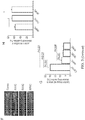
- Peptide-specific immunoglobulin G in the sera of immunized mice was assessed. Antibody levels were measured by ELISA test in the sera of mice immunized with either dendroaspin (GST-tagged) or constructs within dendroaspin scaffold (GST-tagged) at weeks 2 and week 12 respectively after first immunization. In AHHC-immunized mice, ApoB peptide-, hHSP60 30a-312 - and Cpn-peptide-specific antibodies were observed when these peptides were used as ELISA antigens ( Figure 2A ).
- the reduction of atherosclerotic lesion size in the aortic sinus was assessed. Following immunization with AHHC, RHHC, RPHC, and after a 10-week high-fat diet, the aortic sinuses of the mice were evaluated for the extent of atherosclerosis. The calculated plaque sizes from the immunized animals were compared with those of the controls. Representative photomicrograph of sections with lesions from experimental groups are shown in Figure 3A . The plaque areas are shown in Figure 3B .
- Lesion size was smaller in mice immunized with all three constructs showing 31,071 ⁇ 998.7 ⁇ m 2 , 24,123 ⁇ 1967 ⁇ m 2 and 21,386 ⁇ 2482 ⁇ m 2 ( P ⁇ 0.001) compared with controls (70200 ⁇ 5718 ⁇ m 2 ).
- the percentage of reduction in lesion size is shown in Figure 3C , showing 55.7 ⁇ 3.4%, 65.6 ⁇ 1.3% and 69.5 ⁇ 1.1 % when assuming reduction in lesion of control animals as zero percent.
- the percentage of anti-CD68-stained area in the lesions showed 14.9 ⁇ 1.6%, 13.6 ⁇ 1.3% and 10.3 ⁇ 0.8% in mice immunized with AHHC , RHHC and RPHC, respectively compared to 43.7 ⁇ 3.2 % in control mice immunized with GST-Den ( P ⁇ 0.001).
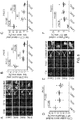
- Plasma levels of atheroprotective cytokines IL-10 were significantly increased in mice immunized with these three constructs compared with controls ( Figures 6E and 6F ). Immunization with RPHC had more effect than with other two constructs on promoting the secretion of IL-10 and TGF- ⁇ ( P ⁇ 0.05 to ⁇ 0.001). Plasma levels of the atherogenic cytokine TNF- ⁇ were significantly reduced by immunization with these three constructs ( Figure 6G ). A similar trend was obtained for these constructs in respect of plasma levels of IFN- ⁇ ( Figure 6H ).
- slightly higher plasma levels of IFN- ⁇ from mice immunized with AHHC was observed compared to that of control mice (24 versus 20.8 pg/ml), this difference did not show statistical significance.
- TNF- ⁇ Figure 4K
- IFN- ⁇ levels Figure 6L
- TNF- ⁇ and IFN- ⁇ in RPHC-immunized mice were significantly decreased in the supernatants of splenocytes of mice immunized with these constructs compared with the control when stimulated with 10 ⁇ g/mL of ConA.
- levels of TNF- ⁇ and IFN- ⁇ in RPHC-immunized mice were lower than those in AHHC-immunized mice ( P ⁇ 0.05-0.01) when stimulated with 10 ⁇ g/mL of ConA, respectively.
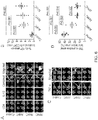
- Antigen-induced specific Treg cell function was investigated. To assess whether functional Treg cells were induced by immunization, antigen-specific Treg cells (CD4 + CD25 + T cells) were co-cultured with CD4 + effector T-cells (CD4 + CD25 - T cells). Proliferation of effector T-cells from control mice immunized with GST-Den in response to stimulation with GST-Den at 1 ⁇ M did not show suppression in the presence of Treg cells from GST-Den-immunized mice ( Figures 8A and 8B ).
- monocyte differentiation into macrophages in PBMC from C57BL/6 background naive mice in response to treatment with recombinant constructs and the effect of construct-specific immune sera on the differentiation was investigated.
- monocytes can differentiate into macrophage (or subsets) upon stimulation with macrophage-colony stimulating factor (M-CSF) or atherogenic antigens.
- M-CSF macrophage-colony stimulating factor
- AHHC converted into RHHC with a single domain substitution could maintain the same effect on stimulation of monocyte (from naive mice C57BL/6 with same background)
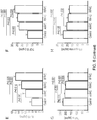
- PBMCs were stimulated with either RHHC or AHHC. After 3 days, the expression of cell surface marker CD206 (mannose receptor, a macrophage marker) was assessed.
- CD206 mannose receptor, a macrophage marker
- TLR4 Toll-like receptor 4
- MyD88 myeloid differentiation factor 88
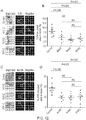
- Anti-TLR4 stained area was significantly smaller in the plaques of mice immunized with AHHC, RHHC and RPHC, showing 4.6 ⁇ 1.0%, 3.4 ⁇ 0.5% and 4.2 ⁇ 0.6%, respectively, compared with that in controls immunized with dendroaspin (8.1 ⁇ 1.1%) ( Figures 12A and 12B ).
- anti-MyD88 stained area was significantly smaller in the lesions of mice immunized with these three constructs, showing 9.7 ⁇ 1.2%, 9.6 ⁇ 1.6% and 10.2 ⁇ 1.9%, respectively, compared with that in controls (18.6 ⁇ 2.4%) ( Figures 12C and 12D ).
- mice were immunized with two Keyhole limpet hemocyanin (KLH)-conjugated peptides derived from mycobacterial heat shock protein (HSP) 60 (AA253-268) ( SEQ ID NO:15 ) designated as mHSP60 253-268 , human HSP60 (AA516-528) ( SEQ ID NO:14 )designated as hHSP60 516-528 , respectively.
- KLH Keyhole limpet hemocyanin
- mice were immunized with these two peptides and two weeks after the first immunization, mice were placed on a high-fat diet. Results indicated that the two peptides showed similar functions apart from that mHSP60 peptide has lower titres for IgG and IgG1 and little for IgG2c, than those of hHSP60 peptide. Similar functions include: induced specific immune responses; lesion reduction; increased Treg expression; increased concentration of atheroprotective cytokines: IL-10 and TGF- ⁇ and decreased concentration of pro-inflammatory cytokines: TNF- ⁇ and INF- ⁇ ; inhibition of CD4 + CD25 - T-cell proliferation by Treg cells and down-regulation of TLR4/MyD88 pathway (data not shown).
- the transcriptional regulator FOXP3 (forkhead box P3) governs mouse CD4 + CD25 + Treg function ( Fontenot et al., Nat Immunol. 2003;4:330 -336 ; Hori S, Nomura T, Sakaguchi S. Science. 2003;299:1057-1061 ) and it has been shown that transfer of natural CD4 + CD25 + Tregs significantly reduces plaque progression in the ApoE-KO mouse model ( Ait-Oufella et al., Nat Med. 2006;12:178-180 ; Mor et al Arterioscler Thromb Vasc Biol. 2007;27: 893-900 ).
- Tregs are capable of influencing the size and composition of atherosclerotic lesions
- several reports support the theory that antigen-specific responses may be operable in the evolving atheromatous plaque.
- atherogenic antigen-induced Treg may have a specific function on lesion reduction.
- the first method to look at the immune response and adoptive transfer in KO mice, involved incorporating construct AH h H m R into a dendroaspin scaffold to generate a recombinant construct.
- the antigenic epitopes from ApoB was designated as A, human HSP60 (AA303-312) ( SEQ ID NO: 12 ) designated as H h , mycobacterium (AA253-268) ( SEQ ID NO:15 ) designated as H m and complement component 5a receptor (AA1-31) ( SEQ ID NO:9 ) designated as R.
- Mice were immunized with AH h H m R by RIMM (repetitive, multiple site immunization strategy) protocol.
- Treg cells were purified from the blood of immunized mice with AH h H m R (Treg S ) and with dendroaspin (Treg C ) respectively). Adoptive transfer was achieved though retro-orbital plexus of the mice.
- the second method to evaluate the effect of Treg cells on atherosclerotic lesion formation, involved adoptive transfer of Treg cells from the blood of AGD-den (Control)- and AHhHmR - immunized mice, respectively. Recipients were from the same strain non-immunized naive mice and were fed with a high-fat diet (HFD) for 10 weeks then sacrificed. Histological and immunohistochemical assessment of lesion development, analysis of cytokine level, assessment of Treg activity and foam cell formation were evaluated.
- HFD high-fat diet
- Treg S isolated from the blood of atherogenic anti-immunized mice after adoptively being transferred into the vein of a non-immunized mice when compared to Treg from the blood of non-atherogenic antigen-immunized mice showed lesser lesion formation.
- Transfer of natural CD4 + CD25 + Tregs significantly reduced plaque progression in the ApoE-KO mouse model.
- IL-10 and TGF- ⁇ higher concentration of atheroprotective cytokines
- TGF- ⁇ and INF- ⁇ pro-inflammatory cytokines
- constructs of the present invention offer attractive opportunities in the cell-based therapy for the treatment of atherosclerosis.
Landscapes
- Health & Medical Sciences (AREA)
- Chemical & Material Sciences (AREA)
- Life Sciences & Earth Sciences (AREA)
- Organic Chemistry (AREA)
- General Health & Medical Sciences (AREA)
- Medicinal Chemistry (AREA)
- Molecular Biology (AREA)
- Biophysics (AREA)
- Genetics & Genomics (AREA)
- Biochemistry (AREA)
- Gastroenterology & Hepatology (AREA)
- Proteomics, Peptides & Aminoacids (AREA)
- Immunology (AREA)
- Animal Behavior & Ethology (AREA)
- Pharmacology & Pharmacy (AREA)
- Public Health (AREA)
- Veterinary Medicine (AREA)
- Microbiology (AREA)
- Mycology (AREA)
- Epidemiology (AREA)
- Zoology (AREA)
- Toxicology (AREA)
- Cell Biology (AREA)
- Rheumatology (AREA)
- Engineering & Computer Science (AREA)
- Bioinformatics & Cheminformatics (AREA)
- Heart & Thoracic Surgery (AREA)
- General Chemical & Material Sciences (AREA)
- Urology & Nephrology (AREA)
- Vascular Medicine (AREA)
- Cardiology (AREA)
- Pulmonology (AREA)
- Chemical Kinetics & Catalysis (AREA)
- Communicable Diseases (AREA)
- Nuclear Medicine, Radiotherapy & Molecular Imaging (AREA)
- Peptides Or Proteins (AREA)
- Medicines Containing Antibodies Or Antigens For Use As Internal Diagnostic Agents (AREA)
- Medicines That Contain Protein Lipid Enzymes And Other Medicines (AREA)
- Medicines Containing Material From Animals Or Micro-Organisms (AREA)
- Medicinal Preparation (AREA)
Applications Claiming Priority (3)
| Application Number | Priority Date | Filing Date | Title |
|---|---|---|---|
| GBGB1501354.3A GB201501354D0 (en) | 2015-01-27 | 2015-01-27 | Multi-epitopic construct |
| GBGB1510195.9A GB201510195D0 (en) | 2015-06-11 | 2015-06-11 | Multi-epitopic construct |
| PCT/GB2016/050150 WO2016120596A1 (en) | 2015-01-27 | 2016-01-25 | Multi-epitopic construct |
Publications (2)
| Publication Number | Publication Date |
|---|---|
| EP3250584A1 EP3250584A1 (en) | 2017-12-06 |
| EP3250584B1 true EP3250584B1 (en) | 2021-05-12 |
Family
ID=55237682
Family Applications (1)
| Application Number | Title | Priority Date | Filing Date |
|---|---|---|---|
| EP16701871.2A Active EP3250584B1 (en) | 2015-01-27 | 2016-01-25 | Multi-epitopic construct |
Country Status (5)
| Country | Link |
|---|---|
| US (2) | US11332515B2 (https=) |
| EP (1) | EP3250584B1 (https=) |
| JP (4) | JP6831334B2 (https=) |
| GB (1) | GB2539743A (https=) |
| WO (1) | WO2016120596A1 (https=) |
Families Citing this family (3)
| Publication number | Priority date | Publication date | Assignee | Title |
|---|---|---|---|---|
| JP6831334B2 (ja) | 2015-01-27 | 2021-02-17 | スロムボーシス リサーチ インスティチュート | 複数エピトープ構築物 |
| USD807376S1 (en) | 2015-06-14 | 2018-01-09 | Google Inc. | Display screen with animated graphical user interface for smart home automation system having a multifunction status |
| WO2022043686A1 (en) * | 2020-08-25 | 2022-03-03 | Thrombosis Research Institute | Vaccine |
Family Cites Families (5)
| Publication number | Priority date | Publication date | Assignee | Title |
|---|---|---|---|---|
| GB0002625D0 (en) | 2000-02-05 | 2000-03-29 | Trigen Ltd | Dendroaspin molecules |
| WO2001094411A1 (en) * | 2000-06-05 | 2001-12-13 | The Regents Of The University Of California | Peptides modulating protease activated receptors and methods of using same |
| EP2281007B1 (en) | 2008-04-10 | 2014-07-09 | Thrombosis Research Institute | Anti-atheroma vaccine |
| GB201206761D0 (en) * | 2012-04-17 | 2012-05-30 | Thrombosis Res Inst | Anti-atherogenic peptides |
| JP6831334B2 (ja) | 2015-01-27 | 2021-02-17 | スロムボーシス リサーチ インスティチュート | 複数エピトープ構築物 |
-
2016
- 2016-01-25 JP JP2017557501A patent/JP6831334B2/ja active Active
- 2016-01-25 US US15/546,858 patent/US11332515B2/en active Active
- 2016-01-25 WO PCT/GB2016/050150 patent/WO2016120596A1/en not_active Ceased
- 2016-01-25 GB GB1601286.6A patent/GB2539743A/en not_active Withdrawn
- 2016-01-25 EP EP16701871.2A patent/EP3250584B1/en active Active
-
2020
- 2020-10-08 JP JP2020170199A patent/JP7204226B2/ja active Active
-
2022
- 2022-03-14 US US17/693,785 patent/US20220195013A1/en not_active Abandoned
- 2022-12-21 JP JP2022204742A patent/JP7662203B2/ja active Active
-
2025
- 2025-03-27 JP JP2025053425A patent/JP2025094254A/ja active Pending
Non-Patent Citations (1)
| Title |
|---|
| None * |
Also Published As
| Publication number | Publication date |
|---|---|
| US20180273608A1 (en) | 2018-09-27 |
| US11332515B2 (en) | 2022-05-17 |
| CA2974884A1 (en) | 2016-08-04 |
| JP6831334B2 (ja) | 2021-02-17 |
| WO2016120596A1 (en) | 2016-08-04 |
| GB2539743A8 (en) | 2017-01-11 |
| JP7662203B2 (ja) | 2025-04-15 |
| US20220195013A1 (en) | 2022-06-23 |
| JP2021019614A (ja) | 2021-02-18 |
| JP2018505697A (ja) | 2018-03-01 |
| GB2539743A (en) | 2016-12-28 |
| GB201601286D0 (en) | 2016-03-09 |
| EP3250584A1 (en) | 2017-12-06 |
| JP7204226B2 (ja) | 2023-01-16 |
| JP2023030096A (ja) | 2023-03-07 |
| WO2016120596A8 (en) | 2018-01-04 |
| JP2025094254A (ja) | 2025-06-24 |
Similar Documents
| Publication | Publication Date | Title |
|---|---|---|
| US20220195013A1 (en) | Multi-epitopic construct | |
| JP5569946B2 (ja) | 免疫抑制剤および自己免疫疾患の予防および治療剤 | |
| US8703146B2 (en) | Toll-like receptor 5 ligands and methods of use | |
| Kolly et al. | Inflammatory role of ASC in antigen-induced arthritis is independent of caspase-1, NALP-3, and IPAF | |
| US20110262449A1 (en) | Method for the treatment of gout or pseudogout | |
| JP2019511458A (ja) | 組み換えIgG Fc多量体 | |
| CN110494449B (zh) | Alt-803与抗cd38抗体组合用于癌症治疗 | |
| KR20180123064A (ko) | 질환의 요인이 되는 생체내 단백질을 표적으로 하는 컨쥬게이트 백신 | |
| JP2011526485A (ja) | 血栓障害および自己免疫障害の処置におけるcd31ペプチドの使用 | |
| Sales-Junior et al. | The regulatory CD4+ CD25+ T cells have a limited role on pathogenesis of infection with Trypanosoma cruzi | |
| JP6247696B2 (ja) | ペプチド | |
| JP5784009B2 (ja) | Fviii由来ペプチド | |
| Odales et al. | Antitumor efficacy of MUC1-derived variable epitope library treatments in a mouse model of breast cancer | |
| CA2580261A1 (en) | Treatment of atherosclerosis | |
| Guan et al. | Development of recombinant vaccines against IL-12/IL-23 p40 and in vivo evaluation of their effects in the downregulation of intestinal inflammation in murine colitis | |
| CA2974884C (en) | Multi-epitopic construct | |
| AU2016271857B2 (en) | IL-23-P19 vaccines | |
| WO2013156771A1 (en) | Anti-atherogenic peptides | |
| CN105859837B (zh) | 胆固醇酯转运蛋白抗原肽和融合蛋白以及其组合物和应用 | |
| JP6488376B2 (ja) | 免疫原性を低減するかまたは予防するためのヒト化コブラ毒因子を含む医薬組成物、薬剤および組み合わせ医薬 | |
| Kitano | Role of NKT cell activation in malondialdehyde-modified low density lipoprotein immunization for atherosclerosis prevention | |
| HK1209138B (en) | Factor viii-derived peptides for use in the treatment of haemophilia a |
Legal Events
| Date | Code | Title | Description |
|---|---|---|---|
| STAA | Information on the status of an ep patent application or granted ep patent |
Free format text: STATUS: THE INTERNATIONAL PUBLICATION HAS BEEN MADE |
|
| PUAI | Public reference made under article 153(3) epc to a published international application that has entered the european phase |
Free format text: ORIGINAL CODE: 0009012 |
|
| STAA | Information on the status of an ep patent application or granted ep patent |
Free format text: STATUS: REQUEST FOR EXAMINATION WAS MADE |
|
| 17P | Request for examination filed |
Effective date: 20170801 |
|
| AK | Designated contracting states |
Kind code of ref document: A1 Designated state(s): AL AT BE BG CH CY CZ DE DK EE ES FI FR GB GR HR HU IE IS IT LI LT LU LV MC MK MT NL NO PL PT RO RS SE SI SK SM TR |
|
| AX | Request for extension of the european patent |
Extension state: BA ME |
|
| DAV | Request for validation of the european patent (deleted) | ||
| DAX | Request for extension of the european patent (deleted) | ||
| STAA | Information on the status of an ep patent application or granted ep patent |
Free format text: STATUS: EXAMINATION IS IN PROGRESS |
|
| 17Q | First examination report despatched |
Effective date: 20181129 |
|
| GRAP | Despatch of communication of intention to grant a patent |
Free format text: ORIGINAL CODE: EPIDOSNIGR1 |
|
| STAA | Information on the status of an ep patent application or granted ep patent |
Free format text: STATUS: GRANT OF PATENT IS INTENDED |
|
| INTG | Intention to grant announced |
Effective date: 20200612 |
|
| GRAJ | Information related to disapproval of communication of intention to grant by the applicant or resumption of examination proceedings by the epo deleted |
Free format text: ORIGINAL CODE: EPIDOSDIGR1 |
|
| STAA | Information on the status of an ep patent application or granted ep patent |
Free format text: STATUS: EXAMINATION IS IN PROGRESS |
|
| INTC | Intention to grant announced (deleted) | ||
| GRAP | Despatch of communication of intention to grant a patent |
Free format text: ORIGINAL CODE: EPIDOSNIGR1 |
|
| STAA | Information on the status of an ep patent application or granted ep patent |
Free format text: STATUS: GRANT OF PATENT IS INTENDED |
|
| INTG | Intention to grant announced |
Effective date: 20210118 |
|
| GRAS | Grant fee paid |
Free format text: ORIGINAL CODE: EPIDOSNIGR3 |
|
| GRAA | (expected) grant |
Free format text: ORIGINAL CODE: 0009210 |
|
| STAA | Information on the status of an ep patent application or granted ep patent |
Free format text: STATUS: THE PATENT HAS BEEN GRANTED |
|
| AK | Designated contracting states |
Kind code of ref document: B1 Designated state(s): AL AT BE BG CH CY CZ DE DK EE ES FI FR GB GR HR HU IE IS IT LI LT LU LV MC MK MT NL NO PL PT RO RS SE SI SK SM TR |
|
| REG | Reference to a national code |
Ref country code: GB Ref legal event code: FG4D |
|
| REG | Reference to a national code |
Ref country code: CH Ref legal event code: EP |
|
| REG | Reference to a national code |
Ref country code: DE Ref legal event code: R096 Ref document number: 602016057714 Country of ref document: DE |
|
| REG | Reference to a national code |
Ref country code: IE Ref legal event code: FG4D |
|
| REG | Reference to a national code |
Ref country code: AT Ref legal event code: REF Ref document number: 1392142 Country of ref document: AT Kind code of ref document: T Effective date: 20210615 |
|
| REG | Reference to a national code |
Ref country code: NL Ref legal event code: FP |
|
| REG | Reference to a national code |
Ref country code: SE Ref legal event code: TRGR |
|
| REG | Reference to a national code |
Ref country code: LT Ref legal event code: MG9D |
|
| REG | Reference to a national code |
Ref country code: AT Ref legal event code: MK05 Ref document number: 1392142 Country of ref document: AT Kind code of ref document: T Effective date: 20210512 |
|
| PG25 | Lapsed in a contracting state [announced via postgrant information from national office to epo] |
Ref country code: FI Free format text: LAPSE BECAUSE OF FAILURE TO SUBMIT A TRANSLATION OF THE DESCRIPTION OR TO PAY THE FEE WITHIN THE PRESCRIBED TIME-LIMIT Effective date: 20210512 Ref country code: LT Free format text: LAPSE BECAUSE OF FAILURE TO SUBMIT A TRANSLATION OF THE DESCRIPTION OR TO PAY THE FEE WITHIN THE PRESCRIBED TIME-LIMIT Effective date: 20210512 Ref country code: HR Free format text: LAPSE BECAUSE OF FAILURE TO SUBMIT A TRANSLATION OF THE DESCRIPTION OR TO PAY THE FEE WITHIN THE PRESCRIBED TIME-LIMIT Effective date: 20210512 Ref country code: AT Free format text: LAPSE BECAUSE OF FAILURE TO SUBMIT A TRANSLATION OF THE DESCRIPTION OR TO PAY THE FEE WITHIN THE PRESCRIBED TIME-LIMIT Effective date: 20210512 Ref country code: BG Free format text: LAPSE BECAUSE OF FAILURE TO SUBMIT A TRANSLATION OF THE DESCRIPTION OR TO PAY THE FEE WITHIN THE PRESCRIBED TIME-LIMIT Effective date: 20210812 |
|
| PG25 | Lapsed in a contracting state [announced via postgrant information from national office to epo] |
Ref country code: IS Free format text: LAPSE BECAUSE OF FAILURE TO SUBMIT A TRANSLATION OF THE DESCRIPTION OR TO PAY THE FEE WITHIN THE PRESCRIBED TIME-LIMIT Effective date: 20210912 Ref country code: GR Free format text: LAPSE BECAUSE OF FAILURE TO SUBMIT A TRANSLATION OF THE DESCRIPTION OR TO PAY THE FEE WITHIN THE PRESCRIBED TIME-LIMIT Effective date: 20210813 Ref country code: LV Free format text: LAPSE BECAUSE OF FAILURE TO SUBMIT A TRANSLATION OF THE DESCRIPTION OR TO PAY THE FEE WITHIN THE PRESCRIBED TIME-LIMIT Effective date: 20210512 Ref country code: NO Free format text: LAPSE BECAUSE OF FAILURE TO SUBMIT A TRANSLATION OF THE DESCRIPTION OR TO PAY THE FEE WITHIN THE PRESCRIBED TIME-LIMIT Effective date: 20210812 Ref country code: PT Free format text: LAPSE BECAUSE OF FAILURE TO SUBMIT A TRANSLATION OF THE DESCRIPTION OR TO PAY THE FEE WITHIN THE PRESCRIBED TIME-LIMIT Effective date: 20210913 Ref country code: PL Free format text: LAPSE BECAUSE OF FAILURE TO SUBMIT A TRANSLATION OF THE DESCRIPTION OR TO PAY THE FEE WITHIN THE PRESCRIBED TIME-LIMIT Effective date: 20210512 Ref country code: RS Free format text: LAPSE BECAUSE OF FAILURE TO SUBMIT A TRANSLATION OF THE DESCRIPTION OR TO PAY THE FEE WITHIN THE PRESCRIBED TIME-LIMIT Effective date: 20210512 |
|
| PG25 | Lapsed in a contracting state [announced via postgrant information from national office to epo] |
Ref country code: RO Free format text: LAPSE BECAUSE OF FAILURE TO SUBMIT A TRANSLATION OF THE DESCRIPTION OR TO PAY THE FEE WITHIN THE PRESCRIBED TIME-LIMIT Effective date: 20210512 Ref country code: ES Free format text: LAPSE BECAUSE OF FAILURE TO SUBMIT A TRANSLATION OF THE DESCRIPTION OR TO PAY THE FEE WITHIN THE PRESCRIBED TIME-LIMIT Effective date: 20210512 Ref country code: SM Free format text: LAPSE BECAUSE OF FAILURE TO SUBMIT A TRANSLATION OF THE DESCRIPTION OR TO PAY THE FEE WITHIN THE PRESCRIBED TIME-LIMIT Effective date: 20210512 Ref country code: SK Free format text: LAPSE BECAUSE OF FAILURE TO SUBMIT A TRANSLATION OF THE DESCRIPTION OR TO PAY THE FEE WITHIN THE PRESCRIBED TIME-LIMIT Effective date: 20210512 Ref country code: CZ Free format text: LAPSE BECAUSE OF FAILURE TO SUBMIT A TRANSLATION OF THE DESCRIPTION OR TO PAY THE FEE WITHIN THE PRESCRIBED TIME-LIMIT Effective date: 20210512 Ref country code: DK Free format text: LAPSE BECAUSE OF FAILURE TO SUBMIT A TRANSLATION OF THE DESCRIPTION OR TO PAY THE FEE WITHIN THE PRESCRIBED TIME-LIMIT Effective date: 20210512 Ref country code: EE Free format text: LAPSE BECAUSE OF FAILURE TO SUBMIT A TRANSLATION OF THE DESCRIPTION OR TO PAY THE FEE WITHIN THE PRESCRIBED TIME-LIMIT Effective date: 20210512 |
|
| REG | Reference to a national code |
Ref country code: DE Ref legal event code: R097 Ref document number: 602016057714 Country of ref document: DE |
|
| PLBE | No opposition filed within time limit |
Free format text: ORIGINAL CODE: 0009261 |
|
| STAA | Information on the status of an ep patent application or granted ep patent |
Free format text: STATUS: NO OPPOSITION FILED WITHIN TIME LIMIT |
|
| 26N | No opposition filed |
Effective date: 20220215 |
|
| PG25 | Lapsed in a contracting state [announced via postgrant information from national office to epo] |
Ref country code: IS Free format text: LAPSE BECAUSE OF FAILURE TO SUBMIT A TRANSLATION OF THE DESCRIPTION OR TO PAY THE FEE WITHIN THE PRESCRIBED TIME-LIMIT Effective date: 20210912 Ref country code: AL Free format text: LAPSE BECAUSE OF FAILURE TO SUBMIT A TRANSLATION OF THE DESCRIPTION OR TO PAY THE FEE WITHIN THE PRESCRIBED TIME-LIMIT Effective date: 20210512 |
|
| PG25 | Lapsed in a contracting state [announced via postgrant information from national office to epo] |
Ref country code: IT Free format text: LAPSE BECAUSE OF FAILURE TO SUBMIT A TRANSLATION OF THE DESCRIPTION OR TO PAY THE FEE WITHIN THE PRESCRIBED TIME-LIMIT Effective date: 20210512 |
|
| REG | Reference to a national code |
Ref country code: BE Ref legal event code: MM Effective date: 20220131 |
|
| PG25 | Lapsed in a contracting state [announced via postgrant information from national office to epo] |
Ref country code: BE Free format text: LAPSE BECAUSE OF NON-PAYMENT OF DUE FEES Effective date: 20220131 |
|
| PG25 | Lapsed in a contracting state [announced via postgrant information from national office to epo] |
Ref country code: HU Free format text: LAPSE BECAUSE OF FAILURE TO SUBMIT A TRANSLATION OF THE DESCRIPTION OR TO PAY THE FEE WITHIN THE PRESCRIBED TIME-LIMIT; INVALID AB INITIO Effective date: 20160125 |
|
| PG25 | Lapsed in a contracting state [announced via postgrant information from national office to epo] |
Ref country code: MK Free format text: LAPSE BECAUSE OF FAILURE TO SUBMIT A TRANSLATION OF THE DESCRIPTION OR TO PAY THE FEE WITHIN THE PRESCRIBED TIME-LIMIT Effective date: 20210512 Ref country code: CY Free format text: LAPSE BECAUSE OF FAILURE TO SUBMIT A TRANSLATION OF THE DESCRIPTION OR TO PAY THE FEE WITHIN THE PRESCRIBED TIME-LIMIT Effective date: 20210512 |
|
| PG25 | Lapsed in a contracting state [announced via postgrant information from national office to epo] |
Ref country code: MT Free format text: LAPSE BECAUSE OF FAILURE TO SUBMIT A TRANSLATION OF THE DESCRIPTION OR TO PAY THE FEE WITHIN THE PRESCRIBED TIME-LIMIT Effective date: 20210512 |
|
| PG25 | Lapsed in a contracting state [announced via postgrant information from national office to epo] |
Ref country code: TR Free format text: LAPSE BECAUSE OF FAILURE TO SUBMIT A TRANSLATION OF THE DESCRIPTION OR TO PAY THE FEE WITHIN THE PRESCRIBED TIME-LIMIT Effective date: 20210512 |
|
| REG | Reference to a national code |
Ref country code: CH Ref legal event code: U11 Free format text: ST27 STATUS EVENT CODE: U-0-0-U10-U11 (AS PROVIDED BY THE NATIONAL OFFICE) Effective date: 20260211 |
|
| PGFP | Annual fee paid to national office [announced via postgrant information from national office to epo] |
Ref country code: LU Payment date: 20260122 Year of fee payment: 11 Ref country code: NL Payment date: 20260119 Year of fee payment: 11 |
|
| PGFP | Annual fee paid to national office [announced via postgrant information from national office to epo] |
Ref country code: SE Payment date: 20260119 Year of fee payment: 11 |
|
| PGFP | Annual fee paid to national office [announced via postgrant information from national office to epo] |
Ref country code: GB Payment date: 20260108 Year of fee payment: 11 |
|
| PGFP | Annual fee paid to national office [announced via postgrant information from national office to epo] |
Ref country code: MC Payment date: 20260128 Year of fee payment: 11 |
|
| PGFP | Annual fee paid to national office [announced via postgrant information from national office to epo] |
Ref country code: DE Payment date: 20260107 Year of fee payment: 11 Ref country code: IE Payment date: 20260120 Year of fee payment: 11 |
|
| PGFP | Annual fee paid to national office [announced via postgrant information from national office to epo] |
Ref country code: FR Payment date: 20260106 Year of fee payment: 11 |
|
| PGFP | Annual fee paid to national office [announced via postgrant information from national office to epo] |
Ref country code: CH Payment date: 20260211 Year of fee payment: 11 |