EP3225053B1 - Identitäts- und telefonnummerverifizierung - Google Patents
Identitäts- und telefonnummerverifizierung Download PDFInfo
- Publication number
- EP3225053B1 EP3225053B1 EP15779069.2A EP15779069A EP3225053B1 EP 3225053 B1 EP3225053 B1 EP 3225053B1 EP 15779069 A EP15779069 A EP 15779069A EP 3225053 B1 EP3225053 B1 EP 3225053B1
- Authority
- EP
- European Patent Office
- Prior art keywords
- message
- channels
- channel
- destination device
- receiving
- Prior art date
- Legal status (The legal status is an assumption and is not a legal conclusion. Google has not performed a legal analysis and makes no representation as to the accuracy of the status listed.)
- Active
Links
Images


Classifications
-
- H—ELECTRICITY
- H04—ELECTRIC COMMUNICATION TECHNIQUE
- H04W—WIRELESS COMMUNICATION NETWORKS
- H04W4/00—Services specially adapted for wireless communication networks; Facilities therefor
- H04W4/12—Messaging; Mailboxes; Announcements
- H04W4/14—Short messaging services, e.g. short message services [SMS] or unstructured supplementary service data [USSD]
-
- H—ELECTRICITY
- H04—ELECTRIC COMMUNICATION TECHNIQUE
- H04L—TRANSMISSION OF DIGITAL INFORMATION, e.g. TELEGRAPHIC COMMUNICATION
- H04L61/00—Network arrangements, protocols or services for addressing or naming
- H04L61/50—Address allocation
- H04L61/5007—Internet protocol [IP] addresses
-
- H—ELECTRICITY
- H04—ELECTRIC COMMUNICATION TECHNIQUE
- H04L—TRANSMISSION OF DIGITAL INFORMATION, e.g. TELEGRAPHIC COMMUNICATION
- H04L63/00—Network architectures or network communication protocols for network security
- H04L63/08—Network architectures or network communication protocols for network security for authentication of entities
- H04L63/083—Network architectures or network communication protocols for network security for authentication of entities using passwords
-
- H—ELECTRICITY
- H04—ELECTRIC COMMUNICATION TECHNIQUE
- H04M—TELEPHONIC COMMUNICATION
- H04M3/00—Automatic or semi-automatic exchanges
- H04M3/42—Systems providing special services or facilities to subscribers
- H04M3/42025—Calling or Called party identification service
- H04M3/42034—Calling party identification service
- H04M3/42042—Notifying the called party of information on the calling party
-
- H—ELECTRICITY
- H04—ELECTRIC COMMUNICATION TECHNIQUE
- H04W—WIRELESS COMMUNICATION NETWORKS
- H04W12/00—Security arrangements; Authentication; Protecting privacy or anonymity
- H04W12/06—Authentication
- H04W12/068—Authentication using credential vaults, e.g. password manager applications or one time password [OTP] applications
-
- H—ELECTRICITY
- H04—ELECTRIC COMMUNICATION TECHNIQUE
- H04L—TRANSMISSION OF DIGITAL INFORMATION, e.g. TELEGRAPHIC COMMUNICATION
- H04L63/00—Network architectures or network communication protocols for network security
- H04L63/18—Network architectures or network communication protocols for network security using different networks or channels, e.g. using out of band channels
Definitions
- This specification relates generally to user authentication and, in particular, to identity and phone number verification.
- Two-factor authentication is a method for authenticating a user's identity by combining two different factors associated with the user.
- Each factor can be an object that the user possesses (e.g., a bank card, a mobile phone, a key, a driver's license), information the user knows (e.g., a password, a birth date, a Personal Identification Number or PIN number), or a characteristic of the user (e.g., one or more fingerprints, a signature, facial look).
- the user's identity can be authenticated when both factors are verified.
- Two-factor authentication is generally more secure than single factor authentication.
- one aspect of the subject matter described in this specification can be embodied in methods that include the actions of receiving, from a computer system, a request comprising a phone number; identifying a primary channel and one or more secondary channels based on, at least in part, respective performance data of the primary and secondary channels; sending a first message comprising a first text string via the primary channel to a destination device associated with the phone number; after sending the first message, determining that a conversion event for the message and the primary channel did not occur within a specified time period wherein the occurrence of a conversion event means receiving, from the computer system, a second text string submitted by a user of the destination device that matches the first text string; and based on the determining, sending a second message comprising the first text string via a particular secondary channel to the destination device.
- the action of receiving, identifying, sending, and determining are performed by one or more computer processors.
- Other embodiments of this aspect include corresponding systems, apparatus, and computer programs.
- the aspect can further comprise sending the computer system a fail message for the request.
- Receiving the second text string can further comprises receiving, from the computer system, an Internet Protocol (IP) address for the destination device, and determining whether the IP address is associated with the user. Determining that the conversion event did not occur can comprise determining that the primary channel failed to deliver a corresponding message within the specified time period.
- Receiving and sending can be via one or more application program interfaces.
- a particular channel can be a voice channel and a corresponding message can be a voice message comprising a spoken version of the first text string.
- a particular channel can be a messaging channel and a corresponding message can be a short message service (SMS) message comprising the first text string.
- SMS short message service
- Performance data of a particular channel can comprise a rate of conversion events of past messages sent via the particular channel, or current connection status to the particular channel. Identifying primary and secondary channels can further comprise ranking the channels based on respective performance data. Identifying primary and secondary channels can be further based on local regulation of respective carriers of the channels. Identifying primary and secondary channels can be further based on a device type of the destination device.
- the first text string can be a one-time password.
- the system described herein verifies a phone number of a user by using one or more distinct communication channels to reach the user.
- the system can fail over to different channels automatically based on past performance of the channels.
- the system can take into account local telecommunication regulations when communicating with users.
- the system can receive requests for verifying phone numbers and provide verification results via a single application program interface.
- a business e.g., a retailer, bank, or instant messaging service
- a two-factor authentication method to authenticate a user's identify. For instance, when a user signs up for an online access at a bank's website, the bank (e.g., servers hosting the website) can send a PIN number to a phone number associated with the user. The user can submit the PIN number at the website. The bank thus can confirm the user's identity if the PIN number submitted by the user matches the PIN number sent to the phone number.
- the bank e.g., servers hosting the website
- the bank thus can confirm the user's identity if the PIN number submitted by the user matches the PIN number sent to the phone number.
- the phone number is of a land-line phone and the PIN number is sent to the phone number in a text message.
- a connection to the phone number may not be available when the bank sends the PIN number to the phone number.
- FIG. 1 illustrates an example system for identity and phone number verification.
- a server system 122 provides functionality for identity and phone number verification.
- the server system 122 comprises software components and databases that can be deployed at one or more data centers 121 in one or more geographic locations, for example.
- the server system 122 software components comprise a number verifier 112, a PIN generator 114, a template manager 116, a workflow updater 118, and a channel manager 120.
- the software components can comprise subcomponents that can execute on the same or on different individual data processing apparatus.
- the server system 122 databases comprise a performance database 130, a templates database 132, and a workflows database 134.
- the databases can reside in one or more physical storage systems. The software components and data will be further described below.
- the number verifier 112 is a software component that receives a request from a computer system 140 of a customer (e.g., a retailer, bank, or online service provider).
- the computer system 140 comprises one or more data processing apparatus at the same or different geographic locations.
- the request comprises a phone number of a user that the customer wants to verify.
- the number verifier 112 can receive the request from the computer system 140 through one or more data communication networks 113 such as the Internet or a public switched telephone number (PSTN), for example.
- PSTN public switched telephone number
- the number verifier 112 can receive the request from the computer system 140 via an application program interface (API).
- API application program interface
- the computer system 140 can submit a request by an API call with the following input fields:
- API access key and API secret key are used to verify the request is from the customer.
- Phone number is a phone number that the customer wants to verify.
- Language is the language setting that is used for a message to be sent to the phone number. There can be a default language setting for the message if this input field is not used.
- Code length is the number of digits of a PIN number (or a length of a password text string) that is going to be sent (as part of the message) to the phone number.
- Brand is the customer's brand, service, or company name (or a phrase or sentence including the name) that is going to be sent (as part of the message) to the phone number.
- SenderID is used when the message is a short message service (SMS) message. Fewer or more input fields are possible.
- SMS short message service
- the number verifier 112 can provide output to the computer system 140 using the following output fields of the API:
- Request ID is an identifier for the request that can be used later for verifying the user and phone number, by providing a PIN number submitted by the user, as will be further described below.
- Workflow is a list of communication channels that can be used to send the message to the phone number. The list of communication channels will be further described below.
- Status indicates whether the request is accepted or rejected. For instance, the number verifier 112 can reject the request if the phone number provided by the computer system 140 is not valid ( e.g., with a wrong number of digits), or the phone number has been verified before as an invalid or fake number. An invalid or fake number can be stored in the performance data database 130. The number verifier 112 can also reject the request if the phone number is of specific prefixes, networks, or number types.
- the number verifier 112 can reject a phone number with a prefix for toll-free numbers (e.g., 800-prefix in the United States), or a phone number for directory assistance (e.g., an area code and 555-1212 in the United States).
- a prefix for toll-free numbers e.g., 800-prefix in the United States
- a phone number for directory assistance e.g., an area code and 555-1212 in the United States.
- Other output fields are possible.
- the PIN generator 114 is a software component that generates a password to be included for the message to be sent to the phone number.
- a password can be a text string.
- a password can be a series of numerical digits or a PIN number.
- a number of digits in a PIN number or a length (character count) of a text string can be specified by the Code length value described above.
- the password can be a one-time password.
- the PIN generator can generate a one-time password, for example, by applying a hash function to a combination of a secret key (or a previous password) and a time stamp, or additionally the phone number.
- the PIN generator can retire the one-time password after a pre-determined period of time (e.g., 15 minutes) from the time of the time stamp, such that it is unlikely the one-time password can be re-used later on.
- the template manager 116 is a software component that accesses templates stored in the templates database 132 and composes the message (to be sent to the phone number) by inserting at least the brand name received in the request, and the password (e.g., a PIN number) generated by the PIN generator, into a template.
- the template can be specific to the language setting, or to the customer.
- the workflow updater 118 is a software component that creates a list of communication channels to be used to send the message to a destination device 150 associated with the phone number.
- a destination device 150 can be a cell phone, a fixed-line (land-line) phone, or a computing device supporting a voice over Internet Protocol (VOIP) function. Other examples of a destination device 150 are possible.
- a communication channel can be a message channel for SMS messages or instant messages.
- a communication channel can be a voice channel for a voice call (e.g., a phone call).
- the template manager 116 can compose a spoken version of the message to be sent to the phone number via the voice channel, for example, by using a text-to-speech (TTS) software program.
- spoken versions of templates and numerical numbers can be stored in the templates database 132.
- the template manager 116 can compose the message by using spoken versions of a template and numerical numbers for a PIN number stored in the templates database 132.
- the channel manager 120 is a software component that sends the message to the destination device 150 through a particular communication channel, for example, by directing the message to a carrier of the particular channel.
- the carrier can deliver the message through the network 113, for example.
- the workflow updater 118 can identify a primary channel and one or more secondary channels for sending the message to the destination device 150.
- the channel manager 120 sends a message to the destination device 150, starting from the primary channel. If the delivery of the message via the primary channel has failed (e.g., as notified by a carrier of the primary channel), or a conversion event has not happened within a specified time period ( e.g., 45 seconds), then the channel manager 120 sends another message via a secondary channel.
- a conversion event happens when the phone number is verified based on the password included in the message sent to the phone number. Conversion events will be further described below.
- the channel manager 120 may direct a carrier of a voice channel to terminate delivery of a voice message via the voice channel if a voicemail (a function implemented by hardware or software) picks up the voice message. If this happens, the channel manager 120 determines that the delivery of the voice message has failed. In this way, the password is not left in the voicemail that may be accessible by another person other than the intended user.
- a voicemail a function implemented by hardware or software
- the channel manager 120 determines that the request for verifying the phone number has failed.
- a fail message can be provided to the computer system 140 by the number verifier 112.
- the workflow updater 118 can identify a primary channel and one or more secondary channels based on a device type of the destination device 150. For instance, if the destination device 150 is a cellular phone, the workflow updater 118 can designate the cellular phone's SMS message service as the primary channel, and the voice channel (phone calls) as a secondary channel, since SMS messages can be less intrusive for the user of the destination device 150. The workflow updater 118 can also designate the cellular phone's SMS message service as the primary channel, and as a secondary channel, and designate the voice channel as another secondary channel.
- the channel manager 120 can first sends a message through the SMS message, if no conversion event happens, the channel manager 120 can re-try the SMS message service, before initiating a phone call through the voice channel.
- the workflow updater 118 can designate the fixed-line phone's voice channel as the primary and secondary channels, since messaging services may not be available for the fixed-line phone.
- the workflow updater 118 can identify a primary channel and one or more secondary channel based on local regulation of respective carriers of the channels. For instance, local regulation may prohibit text messages delivered to a phone number without an existing consent (e.g., not on a do-not-call list) or a pre-approved code (e.g., SenderID described earlier). If an existing consent or a pre-approved code is not available for the phone number for the destination device 150, the workflow updater 118 can designate the voice channel of the phone number as the primary and secondary channels.
- local regulation may prohibit text messages delivered to a phone number without an existing consent (e.g., not on a do-not-call list) or a pre-approved code (e.g., SenderID described earlier). If an existing consent or a pre-approved code is not available for the phone number for the destination device 150, the workflow updater 118 can designate the voice channel of the phone number as the primary and secondary channels.
- the workflow updater 118 can identify a primary channel and one or more secondary channels based on respective performance data of the primary and secondary channels.
- the workflow updater 118 can access performance data stored in the performance data database 130.
- Performance data of a communication channel can be a conversion rate of the channel--i.e., a ratio of a number of conversion events to a total number of messages sent via the channel, for example, over the past month.
- a conversion rate can be measured for a group of phone numbers, such as phone numbers having a same prefix in North America Numbering plan ( e.g., phone numbers from (415) 575-0000 to (415) 575-9999).
- Performance data of a communication channel can be a current connection status (e.g., currently available, intermittently available for the past five minutes, or currently unavailable) of the communication channel.
- the workflow updater 118 can designate a channel that is currently available as the primary channel and another channel that is intermittently available as a secondary channel.
- the workflow updater 118 can rank the channels based on respective performance data and identify primary and secondary channels based on the ranking. For instance, the workflow updater 118 can rank available channels based on respective conversion rates, and designate a channel with the highest conversion rate as the primary channel, another channel with the second highest conversion rate as a "first" secondary channel, and so on.
- the workflow updater 118 can identify a primary channel only. That is, only one attempt of delivering the message to the destination device 150 is performed by the channel manager 120.
- the workflow updater 118 can identify primary and secondary channels based on a predefined workflow. For instance, a particular customer may prefer a particular workflow of an ordered list of communication channels (e.g., SMS, voice, voice).
- the particular workflow can be stored in the workflows database 134.
- the workflow updater 118 can access the workflows database 134 for the particular workflow, and identify primary and secondary channels according to the particular workflow.
- FIG. 2 is a data flow diagram of an example method for identity and phone number verification, based on the system illustrated in FIG. 1 , for example.
- the method can be implemented using software components executing on one or more data processing apparatus that are part of the data center 121 described earlier.
- the number verifier 112 receives a request from the computer system 140 of a customer, as indicated by the arrow 202.
- the request comprises a phone number that the customer wants to verify.
- the number verifier 112 can receive the request via an API call by the computer system 140, as described earlier.
- the number verifier 112 can determine whether the phone number is valid, and pass the phone number (204) to workflow updater 118.
- the workflow updater 118 can identify a primary channel and one or more secondary channels for sending a message to the destination device 150 associated with the phone number. For instance, the workflow updater 118 can access the performance data database 130 and identify the primary and secondary channels based on respective performance data. The workflow updater 118 then passes the identified primary and secondary channels to the channel manager 120. For instance, the workflow updater 118 can pass the identified channels in a workflow file (or an object) 206 that lists a primary channel in SMS, a secondary channel in SMS, and another secondary channel in TTS.
- the PIN generator 114 generates a password 208 (e.g., a PIN number, or a text string) that will be used to verify the phone number.
- a password 208 e.g., a PIN number, or a text string
- the template manager 116 For each identified channel, the template manager 116 composes a message including the customer's information (e.g., brand name) and the password generated by the PIN generator. The template manager 116 then provides the messages for the identified channels to the channel manager 120.
- the channel manager 120 first sends to the destination device 150 a corresponding message via the primary channel (210).
- the user (152) of the destination device 150 can read (or listen to) the password in the message, and submit the password 220 to the computer system 140 of the customer.
- the user 152 can submit the password 220 through a web page served by the computer system 140.
- the computer system 140 can send the password 220 (submitted by the user 152) to the number verifier 112 for verification (230).
- the computer system 140 can send the password 220 by an API call to the same API used for the initial request (202), with the following input fields:
- API access key and API secret key are used to verify the customer.
- Request ID is the identifier for the initial request.
- PIN code is the password 220 submitted by the user 152.
- IP address can be an Internet Protocol address of the destination device 150, if available.
- the number verifier 112 can compare the password 220 (submitted by the user 152) with the password 208 generated by the PIN generator 114 for the initial request (202). If the password 220 and the password 208 match, the number verifier 112 determines that it is a conversion event-- i.e ., the phone number and the identity of the user are verified. If the conversion event has occurred within a specified time period (e.g., 45 seconds) from the time instance when the message was sent out to the destination device 150 via the primary channel, the number verifier 112 can record and store the conversion event (and the corresponding channel and phone number) in the performance data database 130.
- a specified time period e.g. 45 seconds
- the number verifier 112 can also determine a conversion event by determining whether the IP address is associated with the user 152. For instance, if the IP address is different from an IP address previously recorded for the phone number ( e.g., for a previous request for verifying the phone number), the number verifier 112 can determine that a conversion event has not happened since the different IP addresses may indicate a fraudulent activity. As for another example, if the IP address has been associated with multiple ( e.g., more than five) other phone numbers, or if the IP address has been associated with another phone number for multiple times ( e.g., more than three times), the number verifier 112 can determine that a conversion event has not happened since the multiple uses of the IP address may be suspicious. In yet some implementations, an IP address can be included as an input field of the API call for the initial request (202). The number verifier 112 can determine whether to accept or reject the initial request based an existing mapping between phone numbers and IP addresses.
- the password 220 submitted by the user 152 may not match the original password 208 because, for example, the user 152 has mistaken one or more digits (or characters) in the password 220. As another example, the password 220 may have been submitted not by a user, but by a fraudulent machine ( e.g., a bot).
- the number verifier 112 can terminate the current workflow 206 if a number of failed passwords 220 exceeds a specified number ( e.g., 3 times).
- the customer 140 can submit a new request (202) to re-start the phone number and identity verification.
- the channel manager 120 can send to the destination device 150 a corresponding message via a secondary channel (212).
- the channel manager 120 can continue sending to the destination device 150 messages via secondary channels until a conversion event has occurred (within a specified time period), or until all secondary channels in the workflow 206 are exhausted.
- the number verifier 112 can provide verification results to the computer system 140 (230) via the API with the following output fields:
- Request ID is the identifier for the initial request.
- Status describes the result for the original request 202.
- the result can be successful (e.g., a conversion event has occurred within a specified time period), failed ( e.g., no conversion event has occurred), or expired ( e.g., no message has been successfully delivered within 5 minutes).
- Price is the fee (charged to the customer) for a successful verification.
- Event ID can describe a message type for a conversion event, for example, an SMS message or a voice call.
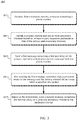
- FIG. 3 is a flow chart of another example method for identity and phone number verification.
- the method can be implemented using software components executing on one or more data processing apparatus that are part of the data center 121 described earlier.
- the method begins by receiving, from a computer system, a request comprising a phone number (302).
- the method identifies a primary channel and one or more secondary channels based on, at least in part, respective performance data of the primary and secondary channels (304).
- the method sends a first message comprising a first text string via the primary channel to a destination device associated with the phone number (306).
- the method determines that a conversion event for the message and the primary channel did not occur within a specified time period (308). Based on the determining, the method sends a second message comprising the first text string via a particular secondary channel to the destination device (310).
- Implementations of the subject matter and the operations described in this specification can be implemented in digital electronic circuitry, or in computer software, firmware, or hardware, including the structures disclosed in this specification and their structural equivalents, or in combinations of one or more of them.
- Implementations of the subject matter described in this specification can be implemented as one or more computer programs, i.e., one or more modules of computer program instructions, encoded on computer storage medium for execution by, or to control the operation of, data processing apparatus.
- the program instructions can be encoded on an artificially-generated propagated signal, e.g., a machine-generated electrical, optical, or electromagnetic signal, that is generated to encode information for transmission to suitable receiver apparatus for execution by a data processing apparatus.
- a computer storage medium can be, or be included in, a computer-readable storage device, a computer-readable storage substrate, a random or serial access memory array or device, or a combination of one or more of them.
- a computer storage medium is not a propagated signal, a computer storage medium can be a source or destination of computer program instructions encoded in an artificially-generated propagated signal.
- the computer storage medium can also be, or be included in, one or more separate physical components or media (e.g., multiple CDs, disks, or other storage devices).
- the operations described in this specification can be implemented as operations performed by a data processing apparatus on data stored on one or more computer-readable storage devices or received from other sources.
- the term "data processing apparatus” encompasses all kinds of apparatus, devices, and machines for processing data, including by way of example a programmable processor, a computer, a system on a chip, or multiple ones, or combinations, of the foregoing
- the apparatus can include special purpose logic circuitry, e.g., an FPGA (field programmable gate array) or an ASIC (application-specific integrated circuit).
- the apparatus can also include, in addition to hardware, code that creates an execution environment for the computer program in question, e.g., code that constitutes processor firmware, a protocol stack, a database management system, an operating system, a cross-platform runtime environment, a virtual machine, or a combination of one or more of them.
- the apparatus and execution environment can realize various different computing model infrastructures, such as web services, distributed computing and grid computing infrastructures.
- a computer program (also known as a program, software, software application, script, or code) can be written in any form of programming language, including compiled or interpreted languages, declarative or procedural languages, and it can be deployed in any form, including as a stand-alone program or as a module, component, subroutine, object, or other unit suitable for use in a computing environment.
- a computer program may, but need not, correspond to a file in a file system.
- a program can be stored in a portion of a file that holds other programs or data (e.g., one or more scripts stored in a markup language resource), in a single file dedicated to the program in question, or in multiple coordinated files (e.g., files that store one or more modules, sub-programs, or portions of code).
- a computer program can be deployed to be executed on one computer or on multiple computers that are located at one site or distributed across multiple sites and interconnected by a communication network.
- the processes and logic flows described in this specification can be performed by one or more programmable processors executing one or more computer programs to perform actions by operating on input data and generating output.
- the processes and logic flows can also be performed by, and apparatus can also be implemented as, special purpose logic circuitry, e.g., an FPGA (field programmable gate array) or an ASIC (application-specific integrated circuit).
- processors suitable for the execution of a computer program include, by way of example, both general and special purpose microprocessors, and any one or more processors of any kind of digital computer.
- a processor will receive instructions and data from a read-only memory or a random access memory or both.
- the essential elements of a computer are a processor for performing actions in accordance with instructions and one or more memory devices for storing instructions and data.
- a computer will also include, or be operatively coupled to receive data from or transfer data to, or both, one or more mass storage devices for storing data, e.g., magnetic, magneto-optical disks, or optical disks.
- mass storage devices for storing data, e.g., magnetic, magneto-optical disks, or optical disks.
- a computer need not have such devices.
- a computer can be embedded in another device, e.g., a mobile telephone, a personal digital assistant (PDA), a mobile audio or video player, a game console, a Global Positioning System (GPS) receiver, or a portable storage device (e.g., a universal serial bus (USB) flash drive), to name just a few.
- Devices suitable for storing computer program instructions and data include all forms of non-volatile memory, media and memory devices, including by way of example semiconductor memory devices, e.g., EPROM, EEPROM, and flash memory devices; magnetic disks, e.g., internal hard disks or removable disks; magneto-optical disks; and CD-ROM and DVD-ROM disks.
- the processor and the memory can be supplemented by, or incorporated in, special purpose logic circuitry.
- implementations of the subject matter described in this specification can be implemented on a computer having a display device, e.g., a CRT (cathode ray tube) or LCD (liquid crystal display) monitor, for displaying information to the user and a keyboard and a pointing device, e.g., a mouse or a trackball, by which the user can provide input to the computer.
- a display device e.g., a CRT (cathode ray tube) or LCD (liquid crystal display) monitor
- keyboard and a pointing device e.g., a mouse or a trackball
- Other kinds of devices can be used to provide for interaction with a user as well; for example, feedback provided to the user can be any form of sensory feedback, e.g., visual feedback, auditory feedback, or tactile feedback; and input from the user can be received in any form, including acoustic, speech, or tactile input.
- a computer can interact with a user by sending resources to and receiving resources from a device that is used
- Implementations of the subject matter described in this specification can be implemented in a computing system that includes a back-end component, e.g., as a data server, or that includes a middleware component, e.g., an application server, or that includes a front-end component, e.g., a client computer having a graphical user interface or a Web browser through which a user can interact with an implementation of the subject matter described in this specification, or any combination of one or more such back-end, middleware, or front-end components.
- the components of the system can be interconnected by any form or medium of digital data communication, e.g., a communication network.
- Examples of communication networks include a local area network (“LAN”) and a wide area network (“WAN”), an inter-network (e.g., the Internet), and peer-to-peer networks (e.g., ad hoc peer-to-peer networks).
- LAN local area network
- WAN wide area network
- inter-network e.g., the Internet
- peer-to-peer networks e.g., ad hoc peer-to-peer networks.
- the computing system can include clients and servers.
- a client and server are generally remote from each other and typically interact through a communication network. The relationship of client and server arises by virtue of computer programs running on the respective computers and having a client-server relationship to each other.
- a server transmits data (e.g., an HTML page) to a client device (e.g., for purposes of displaying data to and receiving user input from a user interacting with the client device).
- client device e.g., for purposes of displaying data to and receiving user input from a user interacting with the client device.
- Data generated at the client device e.g., a result of the user interaction
- a system of one or more computers can be configured to perform particular operations or actions by virtue of having software, firmware, hardware, or a combination of them installed on the system that in operation causes or cause the system to perform the actions.
- One or more computer programs can be configured to perform particular operations or actions by virtue of including instructions that, when executed by data processing apparatus, cause the apparatus to perform the actions.
Landscapes
- Engineering & Computer Science (AREA)
- Signal Processing (AREA)
- Computer Networks & Wireless Communication (AREA)
- Computer Security & Cryptography (AREA)
- Computer Hardware Design (AREA)
- Computing Systems (AREA)
- General Engineering & Computer Science (AREA)
- Telephonic Communication Services (AREA)
Claims (14)
- Ein Verfahren, das Folgendes umfasst:Empfang einer Anfrage (202) von einem Computersystem (140), die eine Telefonnummer (204) umfasst;Identifizierung eines Primärkanals (210) und eines oder mehrerer Sekundärkanäle (212) basierend auf zumindest teilweise jeweiligen Raten von Konversionsereignissen von Nachrichten, die über jeweilige Kanäle (210, 212) gesendet wurden;Senden einer ersten Nachricht, die eine erste Textzeichenfolge (208) umfasst, über den Primärkanal (210) an ein Zielgerät (150), das der Telefonnummer (204) zugeordnet ist;nach dem Senden der ersten Nachricht die Feststellung, dass innerhalb eines bestimmten Zeitraums kein Konversionsereignis für die Nachricht und den Primärkanal (21) aufgetreten ist, wobei das Auftreten eines Konversionsereignisses den Empfang einer zweiten Textzeichenfolge (220) vom Computersystem (140) bedeutet, die von einem Benutzer (152) des Zielgeräts (150) gesendet wurde und mit der ersten Textzeichenfolge (208) übereinstimmt;basierend auf der Feststellung, Senden einer zweiten Nachricht, die die erste Textzeichenfolge (208) umfasst, über einen bestimmten Sekundärkanal (212) an das Zielgerät (150),wobei der Empfang, die Identifizierung, das Senden und die Feststellung von einem oder mehreren Computerprozessoren (122) durchgeführt werden.
- Das Verfahren nach Anspruch 1, wobei der Empfang der zweiten Textzeichenfolge (220) zudem Folgendes umfasst:Empfang einer IP-Adresse (Internet Protocol) für das Zielgerät (150) vom Computersystem (140) undFeststellung, ob die IP-Adresse dem Benutzer zugeordnet ist (152).
- Das Verfahren nach Anspruch 1, wobei die Feststellung, dass das Konversionsereignis nicht aufgetreten ist, die Feststellung umfasst, dass der Primärkanal (210) innerhalb des angegebenen Zeitraums keine entsprechende Nachricht übermitteln konnte.
- Das Verfahren nach Anspruch 1, wobei der Empfang und das Senden über eine oder mehrere Anwendungsprogrammschnittstellen erfolgen.
- Das Verfahren nach Anspruch 1, wobei die Identifizierung von Primär- (210) und Sekundärkanälen (212) zudem Folgendes umfasst:Erstellung einer Rangfolge der Kanäle (210, 212) basierend auf den jeweiligen Raten von Konversionsereignissen undAuswahl der Kanäle mit dem höchsten Rang (210, 212) als die identifizierten Kanäle.
- Das Verfahren nach Anspruch 1, wobei die Identifizierung von Primär- (210) und Sekundärkanälen (212) zudem auf einer lokalen Regulierung der jeweiligen Träger der Kanäle (210, 212) basiert.
- Das Verfahren nach Anspruch 1, wobei die Identifizierung von Primär- (210) und Sekundärkanälen (212) zudem auf einem Gerätetyp der Zielvorrichtung (150) basiert.
- Ein System mit einem oder mehreren Computerprozessoren (122), die so programmiert sind, dass sie Operationen ausführen, die Folgendes umfassen:Empfang einer Anfrage von einem Computersystem (140), die eine Telefonnummer (204) umfasst;Identifizierung eines Primärkanals (210) und eines oder mehrerer Sekundärkanäle (212) basierend auf zumindest teilweise Raten von Konversionsereignissen von Nachrichten, die über jeweilige Kanäle (210, 212) gesendet wurden;Senden einer ersten Nachricht, die eine erste Textzeichenfolge (208) umfasst, über den Primärkanal (210) an ein Zielgerät (150), das der Telefonnummer (204) zugeordnet ist;nach dem Senden der ersten Nachricht die Feststellung, dass innerhalb eines bestimmten Zeitraums kein Konversionsereignis für die Nachricht und den Primärkanal (210) aufgetreten ist, wobei das Auftreten eines Konversionsereignisses den Empfang einer zweiten Textzeichenfolge (220) vom Computersystem (140) bedeutet, die von einem Benutzer (152) des Zielgeräts (150) gesendet wurde und mit der ersten Textzeichenfolge (208) übereinstimmt;basierend auf der Feststellung, Senden einer zweiten Nachricht, die die erste Textzeichenfolge (208) umfasst, über einen bestimmten Sekundärkanal (212) an das Zielgerät (150),wobei der Empfang, die Identifizierung, das Senden und die Feststellung von dem einem oder den mehreren Computerprozessoren (122) durchgeführt werden.
- Das System nach Anspruch 8, wobei beim Empfang der zweiten Textzeichenfolge (220) der eine oder die mehreren Computerprozessoren (122) so programmiert sind, dass sie weitere Operationen ausführen, die Folgendes umfassen:Empfang einer IP-Adresse (Internet Protocol) für das Zielgerät (150) vom Computersystem (140) undFeststellung, ob die IP-Adresse dem Benutzer zugeordnet ist (152).
- Das System nach Anspruch 8, wobei die Feststellung, dass das Konversionsereignis nicht aufgetreten ist, der eine oder die mehreren Computerprozessoren (122) so programmiert sind, dass sie Operationen ausführen, die die Feststellung umfassen, dass der Primärkanal (210) innerhalb des angegebenen Zeitraums keine entsprechende Nachricht übermitteln konnte.
- Das System nach Anspruch 8, wobei der Empfang und das Senden über eine oder mehrere Anwendungsprogrammschnittstellen erfolgen.
- Das System nach Anspruch 8, wobei bei der Identifizierung der Primär- (210) und Sekundärkanäle (212) der eine oder die mehreren Computerprozessoren (122) so programmiert sind, dass sie weitere Operationen ausführen, die Folgendes umfassen:Erstellung einer Rangfolge der Kanäle (210, 212) basierend auf den jeweiligen Raten von Konversionsereignissen undAuswahl der Kanäle mit dem höchsten Rang (210, 212) als die identifizierten Kanäle.
- Das System nach Anspruch 8, wobei die Identifizierung von Primär- (210) und Sekundärkanälen (212) ferner auf einer lokalen Regulierung der jeweiligen Träger der Kanäle (210, 212) basiert.
- Das System nach Anspruch 8, wobei die Identifizierung von Primär- (210) und Sekundärkanälen (212) ferner auf einem Gerätetyp der Zielvorrichtung (150) basiert.
Applications Claiming Priority (2)
| Application Number | Priority Date | Filing Date | Title |
|---|---|---|---|
| US14/552,349 US9516480B2 (en) | 2014-11-24 | 2014-11-24 | Identity and phone number verification |
| PCT/US2015/050475 WO2016085558A1 (en) | 2014-11-24 | 2015-09-16 | Identity and phone number verification |
Publications (2)
| Publication Number | Publication Date |
|---|---|
| EP3225053A1 EP3225053A1 (de) | 2017-10-04 |
| EP3225053B1 true EP3225053B1 (de) | 2020-06-03 |
Family
ID=54293335
Family Applications (1)
| Application Number | Title | Priority Date | Filing Date |
|---|---|---|---|
| EP15779069.2A Active EP3225053B1 (de) | 2014-11-24 | 2015-09-16 | Identitäts- und telefonnummerverifizierung |
Country Status (4)
| Country | Link |
|---|---|
| US (3) | US9516480B2 (de) |
| EP (1) | EP3225053B1 (de) |
| CA (1) | CA2968656C (de) |
| WO (1) | WO2016085558A1 (de) |
Families Citing this family (8)
| Publication number | Priority date | Publication date | Assignee | Title |
|---|---|---|---|---|
| EP3275165B1 (de) * | 2015-03-25 | 2020-06-24 | Sinch AB | Verfahren und systeme zur verifizierung von benutzern durch telefonnummern |
| DE102015006751A1 (de) * | 2015-05-26 | 2016-12-01 | Giesecke & Devrient Gmbh | Verfahren zur Bereitstellung eines persönlichen Identifikationscodes eines Sicherheitsmoduls |
| US20170364548A1 (en) * | 2016-06-21 | 2017-12-21 | Bank Of America Corporation | System for monitoring data points within a data record to validate association between the data points and an entity associated with the data record |
| CN106777245B (zh) * | 2016-12-27 | 2020-09-25 | 上海大汉三通通信股份有限公司 | 一种短信类型判别方法、系统及短信管理平台 |
| JP6611067B2 (ja) * | 2017-02-08 | 2019-11-27 | パナソニックIpマネジメント株式会社 | 情報表示装置および情報表示システム |
| WO2020243619A1 (en) * | 2019-05-30 | 2020-12-03 | Jpmorgan Chase Bank, N.A. | Systems and methods for digital identity verification |
| US20220060467A1 (en) * | 2020-08-24 | 2022-02-24 | Just One Technologies LLC | Systems and methods for phone number certification and verification |
| CN114640956B (zh) * | 2020-12-15 | 2024-01-19 | 北京金山云网络技术有限公司 | 短信下发方法、装置、系统及电子设备 |
Family Cites Families (14)
| Publication number | Priority date | Publication date | Assignee | Title |
|---|---|---|---|---|
| US5720003A (en) | 1994-10-27 | 1998-02-17 | Lucent Technologies Inc. | Method and apparatus for determining the accuracy limit of a learning machine for predicting path performance degradation in a communications network |
| DE60101798T2 (de) | 2001-08-31 | 2004-06-17 | Stonesoft Corp. | Datenübertragungs-Methode und -netzknoten zur Leitwegeauswahl mittels Umlaufzeit und Paket-Übertragungsrate |
| US7142866B2 (en) * | 2003-09-09 | 2006-11-28 | Harris Corporation | Load leveling in mobile ad-hoc networks to support end-to-end delay reduction, QoS and energy leveling |
| US9105032B2 (en) * | 2007-05-03 | 2015-08-11 | Yellowpages.Com Llc | Systems and methods to provide advertisements for real time communications |
| US8918085B2 (en) | 2008-08-05 | 2014-12-23 | Mediafriends, Inc. | Social messaging hub |
| WO2011050745A1 (zh) * | 2009-10-30 | 2011-05-05 | 北京飞天诚信科技有限公司 | 认证方法及系统 |
| US8819244B2 (en) * | 2010-04-07 | 2014-08-26 | Apple Inc. | Apparatus and method for establishing and utilizing backup communication channels |
| US9077676B2 (en) * | 2010-11-10 | 2015-07-07 | Rave Wireless, Inc. | Intelligent messaging |
| FR2973618B1 (fr) * | 2011-03-30 | 2013-04-26 | Banque Accord | Authentification forte par presentation du numero |
| US9811783B2 (en) * | 2011-06-24 | 2017-11-07 | Jobvite, Inc. | Method and system for channel optimization |
| US8850535B2 (en) * | 2011-08-05 | 2014-09-30 | Safefaces LLC | Methods and systems for identity verification in a social network using ratings |
| US20130239173A1 (en) * | 2012-03-12 | 2013-09-12 | Stephen T. Dispensa | Computer program and method for administering secure transactions using secondary authentication |
| US9860241B2 (en) * | 2014-04-15 | 2018-01-02 | Level 3 Communications, Llc | Device registration, authentication, and authorization system and method |
| US9461998B2 (en) * | 2014-10-31 | 2016-10-04 | Facebook, Inc. | Techniques for call-based user verification |
-
2014
- 2014-11-24 US US14/552,349 patent/US9516480B2/en active Active
-
2015
- 2015-09-16 CA CA2968656A patent/CA2968656C/en active Active
- 2015-09-16 EP EP15779069.2A patent/EP3225053B1/de active Active
- 2015-09-16 WO PCT/US2015/050475 patent/WO2016085558A1/en not_active Ceased
-
2016
- 2016-12-05 US US15/369,617 patent/US9906955B2/en active Active
-
2018
- 2018-02-26 US US15/905,772 patent/US10321315B2/en active Active
Non-Patent Citations (1)
| Title |
|---|
| None * |
Also Published As
| Publication number | Publication date |
|---|---|
| US9516480B2 (en) | 2016-12-06 |
| US20160150405A1 (en) | 2016-05-26 |
| WO2016085558A1 (en) | 2016-06-02 |
| CA2968656C (en) | 2018-09-04 |
| US20170086073A1 (en) | 2017-03-23 |
| US9906955B2 (en) | 2018-02-27 |
| CA2968656A1 (en) | 2016-06-02 |
| US10321315B2 (en) | 2019-06-11 |
| EP3225053A1 (de) | 2017-10-04 |
| US20180192290A1 (en) | 2018-07-05 |
Similar Documents
| Publication | Publication Date | Title |
|---|---|---|
| US10321315B2 (en) | Identity and phone number verification | |
| US11856132B2 (en) | Validating automatic number identification data | |
| US11166158B2 (en) | Identity and phone number verification | |
| US9047473B2 (en) | System and method for second factor authentication services | |
| US8151326B2 (en) | Using audio in N-factor authentication | |
| US9009793B2 (en) | Dynamic pin dual factor authentication using mobile device | |
| AU2019403479B2 (en) | Tokenized online application sessions | |
| CN103916244B (zh) | 验证方法及装置 | |
| US20250086260A1 (en) | System and method for authenticating users using weak authentication techniques, with differences for different features | |
| US10063535B2 (en) | User authentication based on personal access history | |
| US9544317B2 (en) | Identification of potential fraudulent website activity | |
| JP2011505100A (ja) | 逆発信者idプロセスを使用したユーザidの認証 | |
| CN104734849A (zh) | 对第三方应用进行鉴权的方法及系统 | |
| EP1904920A2 (de) | System und verfahren für sicherheit bei globaler computertransaktion, die rückwärts-authentifikation eines servers durch einen client ermöglicht | |
| CN107729727A (zh) | 一种帐号的实名认证方法及装置 | |
| US20110246366A1 (en) | Authentication using telecommunications device | |
| CN106878244B (zh) | 一种真实性证明信息提供方法及装置 | |
| KR101207694B1 (ko) | 기업형 메시지 서비스를 제공하는 방법 및 장치 | |
| CN114449520B (zh) | 一种银行流水的远程获得方法及装置 | |
| JP2005056299A (ja) | Wwwサービスにおける本人認証方法、本人認証システム、コンピュータプログラム、プログラム格納媒体 | |
| US20230300132A1 (en) | Authentication method and system | |
| CN116861402A (zh) | 登陆凭证的管理方法、装置、终端设备及存储介质 | |
| CN107992521A (zh) | 处理用户的服务请求的方法及装置 | |
| HK1254002B (zh) | 处理用户的服务请求的方法及装置 |
Legal Events
| Date | Code | Title | Description |
|---|---|---|---|
| STAA | Information on the status of an ep patent application or granted ep patent |
Free format text: STATUS: THE INTERNATIONAL PUBLICATION HAS BEEN MADE |
|
| PUAI | Public reference made under article 153(3) epc to a published international application that has entered the european phase |
Free format text: ORIGINAL CODE: 0009012 |
|
| STAA | Information on the status of an ep patent application or granted ep patent |
Free format text: STATUS: REQUEST FOR EXAMINATION WAS MADE |
|
| 17P | Request for examination filed |
Effective date: 20170531 |
|
| AK | Designated contracting states |
Kind code of ref document: A1 Designated state(s): AL AT BE BG CH CY CZ DE DK EE ES FI FR GB GR HR HU IE IS IT LI LT LU LV MC MK MT NL NO PL PT RO RS SE SI SK SM TR |
|
| AX | Request for extension of the european patent |
Extension state: BA ME |
|
| STAA | Information on the status of an ep patent application or granted ep patent |
Free format text: STATUS: EXAMINATION IS IN PROGRESS |
|
| 17Q | First examination report despatched |
Effective date: 20171214 |
|
| DAV | Request for validation of the european patent (deleted) | ||
| DAX | Request for extension of the european patent (deleted) | ||
| GRAP | Despatch of communication of intention to grant a patent |
Free format text: ORIGINAL CODE: EPIDOSNIGR1 |
|
| STAA | Information on the status of an ep patent application or granted ep patent |
Free format text: STATUS: GRANT OF PATENT IS INTENDED |
|
| INTG | Intention to grant announced |
Effective date: 20190724 |
|
| GRAJ | Information related to disapproval of communication of intention to grant by the applicant or resumption of examination proceedings by the epo deleted |
Free format text: ORIGINAL CODE: EPIDOSDIGR1 |
|
| STAA | Information on the status of an ep patent application or granted ep patent |
Free format text: STATUS: EXAMINATION IS IN PROGRESS |
|
| GRAJ | Information related to disapproval of communication of intention to grant by the applicant or resumption of examination proceedings by the epo deleted |
Free format text: ORIGINAL CODE: EPIDOSDIGR1 |
|
| GRAP | Despatch of communication of intention to grant a patent |
Free format text: ORIGINAL CODE: EPIDOSNIGR1 |
|
| INTC | Intention to grant announced (deleted) | ||
| GRAP | Despatch of communication of intention to grant a patent |
Free format text: ORIGINAL CODE: EPIDOSNIGR1 |
|
| STAA | Information on the status of an ep patent application or granted ep patent |
Free format text: STATUS: GRANT OF PATENT IS INTENDED |
|
| INTG | Intention to grant announced |
Effective date: 20200103 |
|
| INTC | Intention to grant announced (deleted) | ||
| INTG | Intention to grant announced |
Effective date: 20200114 |
|
| GRAS | Grant fee paid |
Free format text: ORIGINAL CODE: EPIDOSNIGR3 |
|
| GRAA | (expected) grant |
Free format text: ORIGINAL CODE: 0009210 |
|
| STAA | Information on the status of an ep patent application or granted ep patent |
Free format text: STATUS: THE PATENT HAS BEEN GRANTED |
|
| AK | Designated contracting states |
Kind code of ref document: B1 Designated state(s): AL AT BE BG CH CY CZ DE DK EE ES FI FR GB GR HR HU IE IS IT LI LT LU LV MC MK MT NL NO PL PT RO RS SE SI SK SM TR |
|
| REG | Reference to a national code |
Ref country code: GB Ref legal event code: FG4D |
|
| REG | Reference to a national code |
Ref country code: CH Ref legal event code: EP Ref country code: AT Ref legal event code: REF Ref document number: 1278396 Country of ref document: AT Kind code of ref document: T Effective date: 20200615 |
|
| REG | Reference to a national code |
Ref country code: DE Ref legal event code: R096 Ref document number: 602015053807 Country of ref document: DE |
|
| REG | Reference to a national code |
Ref country code: LT Ref legal event code: MG4D |
|
| PG25 | Lapsed in a contracting state [announced via postgrant information from national office to epo] |
Ref country code: LT Free format text: LAPSE BECAUSE OF FAILURE TO SUBMIT A TRANSLATION OF THE DESCRIPTION OR TO PAY THE FEE WITHIN THE PRESCRIBED TIME-LIMIT Effective date: 20200603 Ref country code: FI Free format text: LAPSE BECAUSE OF FAILURE TO SUBMIT A TRANSLATION OF THE DESCRIPTION OR TO PAY THE FEE WITHIN THE PRESCRIBED TIME-LIMIT Effective date: 20200603 Ref country code: SE Free format text: LAPSE BECAUSE OF FAILURE TO SUBMIT A TRANSLATION OF THE DESCRIPTION OR TO PAY THE FEE WITHIN THE PRESCRIBED TIME-LIMIT Effective date: 20200603 Ref country code: GR Free format text: LAPSE BECAUSE OF FAILURE TO SUBMIT A TRANSLATION OF THE DESCRIPTION OR TO PAY THE FEE WITHIN THE PRESCRIBED TIME-LIMIT Effective date: 20200904 Ref country code: NO Free format text: LAPSE BECAUSE OF FAILURE TO SUBMIT A TRANSLATION OF THE DESCRIPTION OR TO PAY THE FEE WITHIN THE PRESCRIBED TIME-LIMIT Effective date: 20200903 |
|
| REG | Reference to a national code |
Ref country code: NL Ref legal event code: MP Effective date: 20200603 |
|
| PG25 | Lapsed in a contracting state [announced via postgrant information from national office to epo] |
Ref country code: BG Free format text: LAPSE BECAUSE OF FAILURE TO SUBMIT A TRANSLATION OF THE DESCRIPTION OR TO PAY THE FEE WITHIN THE PRESCRIBED TIME-LIMIT Effective date: 20200903 Ref country code: HR Free format text: LAPSE BECAUSE OF FAILURE TO SUBMIT A TRANSLATION OF THE DESCRIPTION OR TO PAY THE FEE WITHIN THE PRESCRIBED TIME-LIMIT Effective date: 20200603 Ref country code: RS Free format text: LAPSE BECAUSE OF FAILURE TO SUBMIT A TRANSLATION OF THE DESCRIPTION OR TO PAY THE FEE WITHIN THE PRESCRIBED TIME-LIMIT Effective date: 20200603 Ref country code: LV Free format text: LAPSE BECAUSE OF FAILURE TO SUBMIT A TRANSLATION OF THE DESCRIPTION OR TO PAY THE FEE WITHIN THE PRESCRIBED TIME-LIMIT Effective date: 20200603 |
|
| REG | Reference to a national code |
Ref country code: AT Ref legal event code: MK05 Ref document number: 1278396 Country of ref document: AT Kind code of ref document: T Effective date: 20200603 |
|
| PG25 | Lapsed in a contracting state [announced via postgrant information from national office to epo] |
Ref country code: NL Free format text: LAPSE BECAUSE OF FAILURE TO SUBMIT A TRANSLATION OF THE DESCRIPTION OR TO PAY THE FEE WITHIN THE PRESCRIBED TIME-LIMIT Effective date: 20200603 Ref country code: AL Free format text: LAPSE BECAUSE OF FAILURE TO SUBMIT A TRANSLATION OF THE DESCRIPTION OR TO PAY THE FEE WITHIN THE PRESCRIBED TIME-LIMIT Effective date: 20200603 |
|
| PG25 | Lapsed in a contracting state [announced via postgrant information from national office to epo] |
Ref country code: SM Free format text: LAPSE BECAUSE OF FAILURE TO SUBMIT A TRANSLATION OF THE DESCRIPTION OR TO PAY THE FEE WITHIN THE PRESCRIBED TIME-LIMIT Effective date: 20200603 Ref country code: EE Free format text: LAPSE BECAUSE OF FAILURE TO SUBMIT A TRANSLATION OF THE DESCRIPTION OR TO PAY THE FEE WITHIN THE PRESCRIBED TIME-LIMIT Effective date: 20200603 Ref country code: AT Free format text: LAPSE BECAUSE OF FAILURE TO SUBMIT A TRANSLATION OF THE DESCRIPTION OR TO PAY THE FEE WITHIN THE PRESCRIBED TIME-LIMIT Effective date: 20200603 Ref country code: RO Free format text: LAPSE BECAUSE OF FAILURE TO SUBMIT A TRANSLATION OF THE DESCRIPTION OR TO PAY THE FEE WITHIN THE PRESCRIBED TIME-LIMIT Effective date: 20200603 Ref country code: IT Free format text: LAPSE BECAUSE OF FAILURE TO SUBMIT A TRANSLATION OF THE DESCRIPTION OR TO PAY THE FEE WITHIN THE PRESCRIBED TIME-LIMIT Effective date: 20200603 Ref country code: CZ Free format text: LAPSE BECAUSE OF FAILURE TO SUBMIT A TRANSLATION OF THE DESCRIPTION OR TO PAY THE FEE WITHIN THE PRESCRIBED TIME-LIMIT Effective date: 20200603 Ref country code: ES Free format text: LAPSE BECAUSE OF FAILURE TO SUBMIT A TRANSLATION OF THE DESCRIPTION OR TO PAY THE FEE WITHIN THE PRESCRIBED TIME-LIMIT Effective date: 20200603 Ref country code: PT Free format text: LAPSE BECAUSE OF FAILURE TO SUBMIT A TRANSLATION OF THE DESCRIPTION OR TO PAY THE FEE WITHIN THE PRESCRIBED TIME-LIMIT Effective date: 20201006 |
|
| PG25 | Lapsed in a contracting state [announced via postgrant information from national office to epo] |
Ref country code: PL Free format text: LAPSE BECAUSE OF FAILURE TO SUBMIT A TRANSLATION OF THE DESCRIPTION OR TO PAY THE FEE WITHIN THE PRESCRIBED TIME-LIMIT Effective date: 20200603 Ref country code: SK Free format text: LAPSE BECAUSE OF FAILURE TO SUBMIT A TRANSLATION OF THE DESCRIPTION OR TO PAY THE FEE WITHIN THE PRESCRIBED TIME-LIMIT Effective date: 20200603 Ref country code: IS Free format text: LAPSE BECAUSE OF FAILURE TO SUBMIT A TRANSLATION OF THE DESCRIPTION OR TO PAY THE FEE WITHIN THE PRESCRIBED TIME-LIMIT Effective date: 20201003 |
|
| REG | Reference to a national code |
Ref country code: DE Ref legal event code: R097 Ref document number: 602015053807 Country of ref document: DE |
|
| PLBE | No opposition filed within time limit |
Free format text: ORIGINAL CODE: 0009261 |
|
| STAA | Information on the status of an ep patent application or granted ep patent |
Free format text: STATUS: NO OPPOSITION FILED WITHIN TIME LIMIT |
|
| PG25 | Lapsed in a contracting state [announced via postgrant information from national office to epo] |
Ref country code: DK Free format text: LAPSE BECAUSE OF FAILURE TO SUBMIT A TRANSLATION OF THE DESCRIPTION OR TO PAY THE FEE WITHIN THE PRESCRIBED TIME-LIMIT Effective date: 20200603 |
|
| REG | Reference to a national code |
Ref country code: CH Ref legal event code: PL |
|
| 26N | No opposition filed |
Effective date: 20210304 |
|
| PG25 | Lapsed in a contracting state [announced via postgrant information from national office to epo] |
Ref country code: SI Free format text: LAPSE BECAUSE OF FAILURE TO SUBMIT A TRANSLATION OF THE DESCRIPTION OR TO PAY THE FEE WITHIN THE PRESCRIBED TIME-LIMIT Effective date: 20200603 |
|
| REG | Reference to a national code |
Ref country code: BE Ref legal event code: MM Effective date: 20200930 |
|
| PG25 | Lapsed in a contracting state [announced via postgrant information from national office to epo] |
Ref country code: LU Free format text: LAPSE BECAUSE OF NON-PAYMENT OF DUE FEES Effective date: 20200916 |
|
| PG25 | Lapsed in a contracting state [announced via postgrant information from national office to epo] |
Ref country code: CH Free format text: LAPSE BECAUSE OF NON-PAYMENT OF DUE FEES Effective date: 20200930 Ref country code: BE Free format text: LAPSE BECAUSE OF NON-PAYMENT OF DUE FEES Effective date: 20200930 Ref country code: IE Free format text: LAPSE BECAUSE OF NON-PAYMENT OF DUE FEES Effective date: 20200916 Ref country code: LI Free format text: LAPSE BECAUSE OF NON-PAYMENT OF DUE FEES Effective date: 20200930 |
|
| REG | Reference to a national code |
Ref country code: DE Ref legal event code: R081 Ref document number: 602015053807 Country of ref document: DE Owner name: VONAGE BUSINESS INC., HOLMDEL, US Free format text: FORMER OWNER: NEXMO, INC., SAN FRANCISCO, CA, US |
|
| REG | Reference to a national code |
Ref country code: GB Ref legal event code: 732E Free format text: REGISTERED BETWEEN 20220224 AND 20220302 |
|
| PG25 | Lapsed in a contracting state [announced via postgrant information from national office to epo] |
Ref country code: TR Free format text: LAPSE BECAUSE OF FAILURE TO SUBMIT A TRANSLATION OF THE DESCRIPTION OR TO PAY THE FEE WITHIN THE PRESCRIBED TIME-LIMIT Effective date: 20200603 Ref country code: MT Free format text: LAPSE BECAUSE OF FAILURE TO SUBMIT A TRANSLATION OF THE DESCRIPTION OR TO PAY THE FEE WITHIN THE PRESCRIBED TIME-LIMIT Effective date: 20200603 Ref country code: CY Free format text: LAPSE BECAUSE OF FAILURE TO SUBMIT A TRANSLATION OF THE DESCRIPTION OR TO PAY THE FEE WITHIN THE PRESCRIBED TIME-LIMIT Effective date: 20200603 |
|
| PG25 | Lapsed in a contracting state [announced via postgrant information from national office to epo] |
Ref country code: MK Free format text: LAPSE BECAUSE OF FAILURE TO SUBMIT A TRANSLATION OF THE DESCRIPTION OR TO PAY THE FEE WITHIN THE PRESCRIBED TIME-LIMIT Effective date: 20200603 Ref country code: MC Free format text: LAPSE BECAUSE OF FAILURE TO SUBMIT A TRANSLATION OF THE DESCRIPTION OR TO PAY THE FEE WITHIN THE PRESCRIBED TIME-LIMIT Effective date: 20200603 |
|
| PGFP | Annual fee paid to national office [announced via postgrant information from national office to epo] |
Ref country code: DE Payment date: 20250819 Year of fee payment: 11 |
|
| PGFP | Annual fee paid to national office [announced via postgrant information from national office to epo] |
Ref country code: GB Payment date: 20250814 Year of fee payment: 11 |
|
| PGFP | Annual fee paid to national office [announced via postgrant information from national office to epo] |
Ref country code: FR Payment date: 20250821 Year of fee payment: 11 |