EP3200414B1 - Verfahren und vorrichtung zur identifikation eines verlorenen datenpakets - Google Patents
Verfahren und vorrichtung zur identifikation eines verlorenen datenpakets Download PDFInfo
- Publication number
- EP3200414B1 EP3200414B1 EP14888846.4A EP14888846A EP3200414B1 EP 3200414 B1 EP3200414 B1 EP 3200414B1 EP 14888846 A EP14888846 A EP 14888846A EP 3200414 B1 EP3200414 B1 EP 3200414B1
- Authority
- EP
- European Patent Office
- Prior art keywords
- packet
- synchronization sequence
- synchronization
- sequence
- control
- Prior art date
- Legal status (The legal status is an assumption and is not a legal conclusion. Google has not performed a legal analysis and makes no representation as to the accuracy of the status listed.)
- Not-in-force
Links
- 238000000034 method Methods 0.000 title claims description 23
- 238000010586 diagram Methods 0.000 description 20
- 230000008569 process Effects 0.000 description 4
- 230000005540 biological transmission Effects 0.000 description 3
- TZSMWSKOPZEMAJ-UHFFFAOYSA-N bis[(2-methoxyphenyl)methyl] carbonate Chemical compound COC1=CC=CC=C1COC(=O)OCC1=CC=CC=C1OC TZSMWSKOPZEMAJ-UHFFFAOYSA-N 0.000 description 3
- 210000004271 bone marrow stromal cell Anatomy 0.000 description 3
- 230000009471 action Effects 0.000 description 1
- 230000001174 ascending effect Effects 0.000 description 1
- 230000009286 beneficial effect Effects 0.000 description 1
- 230000007774 longterm Effects 0.000 description 1
- 238000003672 processing method Methods 0.000 description 1
- 238000006467 substitution reaction Methods 0.000 description 1
- 230000009466 transformation Effects 0.000 description 1
- 238000000844 transformation Methods 0.000 description 1
Images




Classifications
-
- H—ELECTRICITY
- H04—ELECTRIC COMMUNICATION TECHNIQUE
- H04J—MULTIPLEX COMMUNICATION
- H04J3/00—Time-division multiplex systems
- H04J3/02—Details
- H04J3/06—Synchronising arrangements
- H04J3/0635—Clock or time synchronisation in a network
- H04J3/0638—Clock or time synchronisation among nodes; Internode synchronisation
- H04J3/0658—Clock or time synchronisation among packet nodes
- H04J3/0661—Clock or time synchronisation among packet nodes using timestamps
-
- H—ELECTRICITY
- H04—ELECTRIC COMMUNICATION TECHNIQUE
- H04L—TRANSMISSION OF DIGITAL INFORMATION, e.g. TELEGRAPHIC COMMUNICATION
- H04L41/00—Arrangements for maintenance, administration or management of data switching networks, e.g. of packet switching networks
- H04L41/06—Management of faults, events, alarms or notifications
- H04L41/069—Management of faults, events, alarms or notifications using logs of notifications; Post-processing of notifications
-
- H—ELECTRICITY
- H04—ELECTRIC COMMUNICATION TECHNIQUE
- H04L—TRANSMISSION OF DIGITAL INFORMATION, e.g. TELEGRAPHIC COMMUNICATION
- H04L43/00—Arrangements for monitoring or testing data switching networks
-
- H—ELECTRICITY
- H04—ELECTRIC COMMUNICATION TECHNIQUE
- H04L—TRANSMISSION OF DIGITAL INFORMATION, e.g. TELEGRAPHIC COMMUNICATION
- H04L43/00—Arrangements for monitoring or testing data switching networks
- H04L43/04—Processing captured monitoring data, e.g. for logfile generation
-
- H—ELECTRICITY
- H04—ELECTRIC COMMUNICATION TECHNIQUE
- H04L—TRANSMISSION OF DIGITAL INFORMATION, e.g. TELEGRAPHIC COMMUNICATION
- H04L43/00—Arrangements for monitoring or testing data switching networks
- H04L43/08—Monitoring or testing based on specific metrics, e.g. QoS, energy consumption or environmental parameters
- H04L43/0823—Errors, e.g. transmission errors
- H04L43/0829—Packet loss
-
- H—ELECTRICITY
- H04—ELECTRIC COMMUNICATION TECHNIQUE
- H04L—TRANSMISSION OF DIGITAL INFORMATION, e.g. TELEGRAPHIC COMMUNICATION
- H04L69/00—Network arrangements, protocols or services independent of the application payload and not provided for in the other groups of this subclass
- H04L69/40—Network arrangements, protocols or services independent of the application payload and not provided for in the other groups of this subclass for recovering from a failure of a protocol instance or entity, e.g. service redundancy protocols, protocol state redundancy or protocol service redirection
-
- H—ELECTRICITY
- H04—ELECTRIC COMMUNICATION TECHNIQUE
- H04W—WIRELESS COMMUNICATION NETWORKS
- H04W4/00—Services specially adapted for wireless communication networks; Facilities therefor
- H04W4/06—Selective distribution of broadcast services, e.g. multimedia broadcast multicast service [MBMS]; Services to user groups; One-way selective calling services
-
- H—ELECTRICITY
- H04—ELECTRIC COMMUNICATION TECHNIQUE
- H04W—WIRELESS COMMUNICATION NETWORKS
- H04W56/00—Synchronisation arrangements
Definitions
- the disclosure relates to the field of communications, and in particular to a method and device for identifying a lost data packet.
- LTE long term evolution
- the Multimedia Broadcast Multicast Service (MBMS) synchronization protocol regulates that a receiving end needs to detect the continuity of synchronization frames through synchronization information carried by the synchronization frames.
- the synchronization frames are sorted again to determine whether one or more synchronization frames are lost (generally a packet number of a data packet starts from 0 in related art).
- the disclosure provides a method and device for identifying a lost data packet, to at least solve the problem above.
- An embodiment of the disclosure provides a method for identifying a lost data packet, wherein the method includes: when a first synchronization sequence in which a received synchronization packet is located includes a control packet, uniformly sorting packet numbers in the first synchronization sequence, wherein the packet numbers include: a packet number of a data packet and a packet number of the control packet; and when the packet numbers in a sorting result are discontinuous, taking a data packet corresponding to a lost packet number in the sorting result as a lost data packet.
- the synchronization packet carries the following information: counting information for a synchronization period, wherein the counting information is used for determining a synchronization period to which a synchronization packet, in which the data packet is located, belongs.
- the counting information is carried in the following fields of the synchronization packet: a specific field of the counting information, and an extension field of the synchronization packet.
- the device includes: an sorting component, configured to, when a first synchronization sequence in which a received synchronization packet is located includes a control packet, uniformly sort the packet numbers in the first synchronization sequence, wherein the packet numbers include: a packet number of a data packet and a packet number of the control packet; and a determining component, configured to, when the packet numbers in a sorting result are discontinuous, take a data packet corresponding to a lost packet number in the sorting result as a lost data packet.
- the sorting component is configured to, when the received synchronization packet carries the following information, sort a first packet number of the data packet and a second packet number of the control packet in the first synchronization sequence: counting information for a synchronization period, wherein the counting information is used for determining a synchronization period to which a synchronization packet, in which the data packet is located, belongs.
- the sorting component is configured to, when the counting information is carried in the following fields of the synchronization packet, sort the first packet number of the data packet and the second packet number of the control packet in the first synchronization sequence: a specific field of the counting information, and an extension field of the synchronization packet.
- the packet numbers of data packets and control packets in the received synchronization packet are sorted, and when the packet numbers are discontinuous, the lost data packet is determined through the lost packet number, thereby solving the problem that there is no effective technical solution, which is able to identify one or more lost packets in a received packet rapidly and accurately, in related art, and then the lost data packet can be rapidly and accurately determined in the received packet.
- Fig. 1 is a flowchart of a method for identifying a lost data packet in an embodiment of the disclosure, as shown in Fig. 1 , and the method includes the following steps:
- the packet numbers of data packets and control packets in the received synchronization packet are sorted, and when the packet numbers are discontinuous, the lost data packet is determined through the lost packet number, thereby solving the problem that there is no effective technical solution, which is able to identify one or more lost packets in a received packet rapidly and accurately, in related art, and then the lost data packet can be rapidly and accurately determined in the received packet.
- the lost data packet may be determined based on the discontinuity of the packet numbers, and the data packet corresponding to the lost packet number is taken as the lost data packet; the technical solution above rapidly identifies the lost data packet after data packets are sorted.
- the identification of the lost data packet in the synchronization packet may be realized through the following manners (there are two situations in embodiments of the disclosure, and the main basis is judging whether the control packet is received in the first synchronization sequence):
- the first situation when the first synchronization sequence in which the received synchronization packet is located includes a control packet, the packet numbers in the first synchronization sequence are uniformly sorted, wherein the packet numbers include: the packet number of the data packet and the packet number of the control packet; when the packet numbers in a sorting result are discontinuous, the data packet corresponding to the lost packet number in the sorting result is taken as the lost data packet; the packet number of each control packet is the same in the MBMS synchronization protocol, thus when the packet numbers in a sorting result are discontinuous, the lost data packet may be determined according to the lost packet number.
- the received first synchronization sequence actually includes six packets: five data packets, of which packet numbers are 0, 1, 2, 3, 4 in turn, and a control packet, of which the packet number is 5.
- a synchronization sequence which includes the data packets of which packet numbers are 0, 1, 2 and the control packet of which the packet number is 5, is received by the first base station, which means the first synchronization sequence received by the first base station loses data packets of which the data packet numbers are 3, 4.
- the packet numbers 0, 1, 2, 5 in the sorting result are identified through the technical solution of the disclosure, and when the packet numbers are discontinuous, the lost packet numbers are 3, 4, so the data packets of which the sequence numbers are 3, 4 are the lost packets in the first synchronization sequence.
- the disclosure further provides following technical solutions so as to determine the lost data packet: 1 is subtracted from the first packet number of the data packet in the sorting result in turn and is continuously subtracted for X times to determine the lost data packet in the first synchronization sequence in turn, alternatively, in a implementation process, the technical solution of the addition executed for X times and the subtraction executed for X times continuously can be combined according to actual needs.
- the total number of packets, which is referred to as total packet num, or Total Number Of Packet, in the second synchronization sequence is obtained by subtracting the total number of packets of the control packet in the first synchronization sequence from the total number of packets of the control packet in the third synchronization sequence, and then the packet number, which is referred to as Packet Number or Packet Num, of the last data packet in the second synchronization sequence is subtracted, further, the packet number of the control packet in the next synchronization sequence of the synchronization sequence, the obtained value represents the number of the lost data packet prior to the control packet of the second synchronization sequence.
- the packet number of the lost packet is obtained by adding or subtracting to or from the packet number of the last data packet in the second synchronization sequence on its own, and 1 is added or subtracted every time.
- the packet number of the lost packet is obtained by adding or subtracting 1 every time on its own.
- the first synchronization sequence and the second synchronization sequence are the first two synchronization sequences in the synchronization period, and the first synchronization sequence loses the control packet and the control packet is received in the second synchronization sequence. Then, the value, obtained by subtracting the packet number of the last data packet in the first synchronization from the total number of packets in the second control packet and by subtracting the packet number of the control packet in the next synchronization sequence of the synchronization sequence, represents the lost data packet prior to the control packet of the second synchronization sequence.
- the packet number of the lost packet is obtained by adding or subtracting 1 to or from the obtained value every time.
- the packet number of the lost packet is obtained by adding or subtracting to or from the packet number of the last data packet in the first synchronization sequence on its own, every time, 1 is added or subtracted.
- control packet refers to the Type 0, Type 3 packet in the synchronization protocol
- data packet refers to the Type 1, Type 2 packet in the synchronization protocol.
- the eNB sorts the synchronization packet after the synchronization packet is received, and identifies lost Type 1 packet according to the sorting result, the Type 0 or the Type 3.
- the eNB analyzes Timestamp, Packet Number included in the Type 1 packet header, and Timestamp, Packet Number, Total Number of Packet included in the Type 0 or Type 3 packet header.
- the same Type 1, and Type 0 or Type 3 belong to the same synchronization sequence.
- the synchronization packet of the synchronization sequence is sorted in an ascending order according to the Packet Number. When the Packet Number is discontinuous, the Type 1 packet is lost, and the Packet Number which is not received is the Packet Number of the Type 1 packet.
- the Total Number of Packet, in the Type 0 or Type 3 of the previous and next synchronization sequences of the synchronization sequence is needed so as to judge whether the Type 1 of the synchronization sequence is lost, and the Packet Number which is not received is the packet number of the Type 1 packet.
- the synchronization packet carries the following information: counting information for a synchronization period, wherein the counting information is used for determining a synchronization period to which the data packet belongs, alternatively, the counting information is carried in the following fields of the synchronization packet: a specific field of the counting information, and an extension field of the synchronization packet.
- whether the first synchronization packet is a synchronization packet received initially in current synchronization period is determined according to the counting information in the synchronization packet, that is the synchronization period counter of a sending end is increased in the synchronization information of the synchronization frame, and the receiving end determines the synchronization period to which the synchronization frame belongs according to the synchronization period counter.
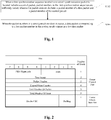
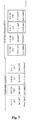
- the SYNC PDU Type 0 format As shown in Fig. 2 , Fig. 3, Fig. 4, Fig. 5, in related art, the SYNC PDU Type 0 format, the SYNC PDU Type 1 format, the SYNC PDU Type 2 format, the SYNC PDU Type 3 format; when a disorder occurs in the Type 0, Type 1, Type 2, Type 3, as shown in Fig. 6 , the BMSC sends two synchronization sequences, as shown in Fig. 7 , a disorder occurs in two adjacent synchronization sequences in two adjacent synchronization periods on the eNB side.
- Fig. 8 The processing method in related art is shown in Fig. 8 , and the technical solution of the disclosure, the Type 1 format, the Type 2 format and the Type 3 format after the synchronization period counter has been added are shown in Fig. 9-13.
- Fig. 14 is a schematic diagram of a method for sending two synchronization sequences in an example embodiment of the disclosure
- Fig. 15 is a schematic diagram of a disorder occurring in two adjacent synchronization sequences in two adjacent synchronization periods in a new method provided in an example embodiment of the disclosure
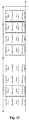
- Fig. 16 is a schematic diagram for processing a disorder in two adjacent synchronization sequences in an embodiment of the disclosure.
- the BMSC sends a synchronization sequence in a synchronization period N in order, and the synchronization sequence includes three Type 1 packets; one Type 3 packet; the Packet Number is 0, 1, 2, 3 respectively; the Timestamp is 50, the synchronization period counter is N (Fig. 13).
- the BMSC sends a synchronization sequence in the next synchronization period N+1 in order; the synchronization sequence includes three Type 1 packets; one Type 3 packet; the Packet Numbers is 0, 1, 2, 3 respectively; the Timestamp is 10; the synchronization period counter is N+1 (Fig. 13).
- the eNB receives two synchronization sequences in disorder, including 8 synchronization frames.
- the synchronization frame in step 2 is in the synchronization period N in disorder
- the synchronization frame in step 1 is in the synchronization period N+1 in disorder ( Fig. 14 ).
- the eNB divides received synchronization sequences into synchronization sequences in two synchronization periods according to the synchronization period counter.
- the eNB divides into two different synchronization sequences according to the Timestamp.
- the eNB sorts the synchronization frames respectively again according to the Packet Number in two synchronization sequences, and obtains two complete synchronization sequences ( Fig. 15 ).
- the disclosure further provides a device for identifying a lost data packet, the device is applied in a first base station and used for realizing the embodiments and example implementation above, and the description is not repeated here.
- the components used in the device are described below.
- the term "component” used below may realize the combination of software and/or hardware with preset functions.
- the device described in the embodiment below may be realized by the software, however, the hardware, or the combination of the software and the hardware are also possible.
- Fig. 17 is a structural diagram of a device for identifying a lost data packet in an embodiment of the disclosure, as shown in Fig. 17, the device includes:
- the packet numbers of data packets and control packets in the received synchronization packet are sorted, and when the packet numbers are discontinuous, the lost data packet is determined through the lost packet number, thereby solving the problem that there is no effective technical solution, which is able to identify one or more lost packets in a received packet rapidly and accurately, in related art, and then the lost data packet can be rapidly and accurately determined in the received packet.
- the sorting component 170 is configured to, when the received synchronization packet carries the following information, sort a first packet number of the data packet and a second packet number of the control packet in the first synchronization sequence: counting information for a synchronization period, wherein the counting information is used for determining a synchronization period to which the synchronization packet, in which the data packet is located, belongs; further configured to, when the counting information is carried in the following fields of the synchronization packet, sort the first packet number of the data packet and the second packet number of the control packet in the first synchronization sequence: a specific field of the counting information, and an extension field of the synchronization packet.
- each functional element in embodiment of the disclosure may be integrated in a processing element, or each element exists independently, or two or more elements are integrated in an element.
- the integrated element may be realized by hardware, or realized by software functional element.
- the disclosure realizes the following beneficial effects: it is solved that the problem that there is no effective technical solution, which is able to identify one or more lost packets in a received packet rapidly and accurately, in related art, and then the lost data packet can be rapidly and accurately determined in the received packet.
- the above-mentioned components or steps of the disclosure can be realized by using general purpose calculating device, can be integrated in one calculating device or distributed on a network which consists of a plurality of calculating devices.
- the components or the steps of the disclosure can be realized by using the executable program code of the calculating device. Consequently, they can be stored in the storing device and executed by the calculating device, and under some circumstances, the shown or described steps can be executed in different orders, or they are made into integrated circuit component respectively, or a plurality of components or steps thereof are made into one integrated circuit component. In this way, the disclosure is not restricted to any particular hardware and software combination.
- the packet numbers of data packets and control packets in the received synchronization packet are sorted, and when the packet numbers are discontinuous, the lost data packet is determined through the lost packet number, thereby solving the problem that there is no effective technical solution, which is able to identify one or more lost packets in a received packet rapidly and accurately, in related art, and then the lost data packet can be rapidly and accurately determined in the received packet.
Landscapes
- Engineering & Computer Science (AREA)
- Computer Networks & Wireless Communication (AREA)
- Signal Processing (AREA)
- Computer Security & Cryptography (AREA)
- Environmental & Geological Engineering (AREA)
- Data Mining & Analysis (AREA)
- Multimedia (AREA)
- Synchronisation In Digital Transmission Systems (AREA)
- Maintenance And Management Of Digital Transmission (AREA)
- Mobile Radio Communication Systems (AREA)
- Communication Control (AREA)
- Data Exchanges In Wide-Area Networks (AREA)
Claims (8)
- Verfahren zum Identifizieren eines verlorenen Datenpakets, Folgendes umfassend:das gleichmäßige Sortieren von Paketnummern in der ersten Synchronisationssequenz, wenn eine erste Synchronisationssequenz, in der sich ein empfangenes Synchronisationspaket befindet, ein Steuerpaket umfasst, wobei die Paketnummern Folgendes umfassen: eine Paketnummer eines Datenpakets und eine Paketnummer des Steuerpakets (S 102); unddas Übernehmen eines Datenpakets, das einer verlorenen Paketnummer im Sortierergebnis entspricht, als verlorenes Datenpaket (S104), wenn die Paketnummern in einem Sortierergebnis diskontinuierlich sind;das Erhalten eines Steuerpakets einer zweiten Synchronisationssequenz und eines Steuerpakets einer dritten Synchronisationssequenz, wenn die erste Synchronisationssequenz kein Steuerpaket umfasst und keine anfänglich in einer aktuellen Synchronisationsperiode empfangene Synchronisationssequenz ist, wobei die erste Synchronisationssequenz die zweite Synchronisationssequenz und die dritte Synchronisationssequenz in derselben Synchronisationsperiode liegen; die zweite Synchronisationssequenz liegt vor der ersten Synchronisationssequenz und die dritte Synchronisationssequenz folgt nach der ersten Synchronisationssequenz; eine Anzahl X verlorener Datenpakete aus einem letzten Datenpaket der ersten Synchronisationssequenz zum Steuerpaket, wobei die erste Synchronisationssequenz dieses letzte Datenpaket nicht umfasst und X gemäß der folgenden Formel bestimmt wird: X = Y-Z-P, wobei Y eine Gesamtzahl von Datenpaketen ist, die durch ein Feld einer Gesamtanzahl von Paketen im Steuerpaket der dritten Synchronisationssequenz angezeigt wird, wobei Z eine Gesamtzahl von Datenpaketen ist, die durch ein Feld einer Gesamtanzahl von Datenpaketen im Steuerpaket der zweiten Synchronisationssequenz angezeigt wird, und wobei P eine Paketnummer des Steuerpakets in der dritten Synchronisationssequenz ist, was unter Addition von 1 zu einer letzten Paketnummer des Datenpakets im Sortierergebnis und unter kontinuierlicher X-maliger Addition geschieht, um das verlorene Datenpaket in der ersten Synchronisationssequenz reihum zu bestimmen.
- Verfahren nach Anspruch 1, das Folgendes umfasst:das Erhalten eines Steuerpakets einer vierten Synchronisationssequenz, wenn die erste Synchronisationssequenz kein Steuerpaket umfasst und eine Synchronisationssequenz ist, die anfangs in einer aktuellen Synchronisationsperiode empfangen wird, wobei die erste Synchronisationssequenz und die vierte Synchronisationssequenz in derselben Synchronisationsperiode liegen und die vierte Synchronisationssequenz nach der ersten Synchronisationssequenz folgt;eine Anzahl A verlorener Datenpakete aus einem letzten Datenpaket in der ersten Synchronisationssequenz zum Steuerpaket, wobei die erste Synchronisationssequenz dieses Datenpaket nicht umfasst und A gemäß der folgenden Formel bestimmt wird:A = B-P; wobei B eine Gesamtzahl von Datenpaketen ist, die durch ein Feld einer Gesamtanzahl von Paketen im Steuerpaket der vierten Synchronisationssequenz angezeigt wird, und wobei P die Paketnummer des Steuerpakets in der vierten Synchronisationssequenz ist;das Addieren von 1 zu einer letzten Paketnummer des Datenpakets im Sortierergebnis und das kontinuierliche A-malige Addieren, um eine Paketnummer zu bestimmen, die reihum dem verlorenen Datenpaket der ersten Synchronisationssequenz entspricht.
- Verfahren nach einem der Ansprüche 1 oder 2, wobei das Synchronisationspaket die folgenden Informationen trägt:
Zählinformationen für eine Synchronisationsperiode, wobei die Zählinformationen zum Bestimmen einer Synchronisationsperiode dienen, zu der ein Synchronisationspaket gehört, in dem sich das Datenpaket befindet. - Verfahren nach Anspruch 3, wobei die Zählinformationen in den folgenden Feldern des Synchronisationspakets getragen werden:
in einem spezifischen Feld der Zählinformationen und in einem Erweiterungsfeld des Synchronisationspakets. - Vorrichtung zum Identifizieren eines verlorenen Datenpakets, Folgendes umfassend:eine Sortierkomponente (170), die dazu konfiguriert ist, die Paketnummern der ersten Synchronisationssequenz gleichmäßig zu sortieren, wenn eine erste Synchronisationssequenz, in der sich ein empfangenes Synchronisationspaket befindet, ein Steuerpaket umfasst, , wobei die Paketnummern Folgendes umfassen: eine Paketnummer eines Datenpakets und eine Paketnummer des Steuerpakets; undeine Bestimmungskomponente (172), die so konfiguriert ist, dass sie ein Datenpaket, das einer verlorenen Paketnummer im Sortierergebnis entspricht, als ein verlorenes Datenpaket annimmt, wenn die Paketnummern in einem Sortierergebnis diskontinuierlich sind;wobei die Bestimmungskomponente (172) ferner konfiguriert ist, um ein Steuerpaket einer zweiten Synchronisationssequenz und ein Steuerpaket einer dritten Synchronisationssequenz zu erhalten, wenn die erste Synchronisationssequenz kein Steuerpaket umfasst und keine anfänglich in einer aktuellen Synchronisationsperiode empfangene Synchronisationssequenz ist, wobei die erste Synchronisationssequenz, die zweite Synchronisationssequenz und die dritte Synchronisationssequenz in derselben Synchronisationsperiode liegen; die zweite Synchronisationssequenz liegt vor der ersten Synchronisationssequenz und die dritte Synchronisationssequenz folgt nach der ersten Synchronisationssequenz; eine Anzahl X verlorener Datenpakete aus einem letzten Datenpaket der ersten Synchronisationssequenz zum Steuerpaket, wobei die erste Synchronisationssequenz dieses letzte Datenpaket nicht umfasst und X gemäß der folgenden Formel bestimmt wird: X = Y-Z-P, wobei Y eine Gesamtzahl von Datenpaketen ist, die durch ein Feld einer Gesamtanzahl von Paketen im Steuerpaket der dritten Synchronisationssequenz angezeigt wird, wobei Z eine Gesamtzahl von Datenpaketen ist, die durch ein Feld einer Gesamtanzahl von Paketen im Steuerpaket der zweiten Synchronisationssequenz angezeigt wird, und wobei P eine Paketnummer des Steuerpakets in der dritten Synchronisationssequenz ist; und gemäß der Konfiguration wird zu einer letzten Paketnummer des Datenpakets im Sortierergebnis eine 1 addiert und kontinuierlich X-mal addiert, um das verlorene Datenpaket der ersten Synchronisationssequenz reihum zu bestimmen.
- Verfahren nach Anspruch 5, wobei
die Bestimmungskomponente ferner so konfiguriert ist, dass sie ein Steuerpaket einer vierten Synchronisationssequenz erhält, wenn die erste Synchronisationssequenz kein Steuerpaket umfasst und eine anfänglich in einer aktuellen Synchronisationsperiode empfangene Synchronisationssequenz ist, wobei die erste Synchronisationssequenz und die vierte Synchronisationssequenz in derselben Synchronisationsperiode liegen und die vierte Synchronisationssequenz nach der ersten Synchronisationssequenz folgt; eine Anzahl A verlorener Datenpakete aus einem letzten Datenpaket der ersten Synchronisationssequenz zum Steuerpaket, wobei die erste Synchronisationssequenz dieses Datenpaket nicht umfasst und A gemäß der folgenden Formel bestimmt wird: A = B-P; wobei B eine Gesamtzahl von Datenpaketen ist, die durch ein Feld einer Gesamtanzahl von Paketen im Steuerpaket der vierten Synchronisationssequenz angezeigt wird, wobei P die Paketnummer des Steuerpakets in der vierten Synchronisationssequenz ist; und gemäß der Konfiguration wird zu einer letzten Paketnummer des Datenpakets im Sortierergebnis eine 1 addiert und kontinuierlich A-mal addiert, um eine Paketnummer zu bestimmen, die dem verlorenen Datenpaket der ersten Synchronisationssequenz reihum entspricht. - Vorrichtung nach einem der Ansprüche 5 oder 6, wobei die Sortierkomponente konfiguriert ist, um eine erste Paketnummer des Datenpakets und eine zweite Paketnummer des Steuerpakets in der ersten Synchronisationssequenz zu sortieren, wenn das empfangene Synchronisationspaket die folgenden Informationen trägt: Zählinformationen für eine Synchronisationsperiode, wobei die Zählinformationen zum Bestimmen einer Synchronisationsperiode dienen, zu der ein Synchronisationspaket gehört, in dem sich das Datenpaket befindet.
- Vorrichtung nach Anspruch 7, wobei die Sortierkomponente dazu konfiguriert ist, die erste Paketnummer des Datenpakets und die zweite Paketnummer des Steuerpakets zu sortieren, wenn die folgenden Felder des Synchronisationspakets die Zählinformationen tragen: ein spezifisches Feld der Zählinformationen und ein Erweiterungsfeld des Synchronisationspakets.
Applications Claiming Priority (2)
| Application Number | Priority Date | Filing Date | Title |
|---|---|---|---|
| CN201410447438.4A CN105471825B (zh) | 2014-09-03 | 2014-09-03 | 丢失数据报文的识别方法及装置 |
| PCT/CN2014/094557 WO2015154522A1 (zh) | 2014-09-03 | 2014-12-22 | 丢失数据报文的识别方法及装置 |
Publications (3)
| Publication Number | Publication Date |
|---|---|
| EP3200414A1 EP3200414A1 (de) | 2017-08-02 |
| EP3200414A4 EP3200414A4 (de) | 2017-09-06 |
| EP3200414B1 true EP3200414B1 (de) | 2019-06-26 |
Family
ID=54287257
Family Applications (1)
| Application Number | Title | Priority Date | Filing Date |
|---|---|---|---|
| EP14888846.4A Not-in-force EP3200414B1 (de) | 2014-09-03 | 2014-12-22 | Verfahren und vorrichtung zur identifikation eines verlorenen datenpakets |
Country Status (4)
| Country | Link |
|---|---|
| EP (1) | EP3200414B1 (de) |
| JP (1) | JP2017533616A (de) |
| CN (1) | CN105471825B (de) |
| WO (1) | WO2015154522A1 (de) |
Families Citing this family (2)
| Publication number | Priority date | Publication date | Assignee | Title |
|---|---|---|---|---|
| CN108243171B (zh) * | 2016-12-27 | 2020-12-22 | 北京新唐思创教育科技有限公司 | 在线直播互动系统及方法 |
| CN115344616A (zh) * | 2022-08-23 | 2022-11-15 | 中国民航信息网络股份有限公司 | 一种航班舱位状态缓存系统及航班舱位状态缓存方法 |
Family Cites Families (10)
| Publication number | Priority date | Publication date | Assignee | Title |
|---|---|---|---|---|
| JP3566931B2 (ja) * | 2001-01-26 | 2004-09-15 | 日本電信電話株式会社 | 音声信号の符号列のパケット組立方法、装置及びパケット分解方法、装置並びにこれらの方法を実行するプログラム、プログラムを記録する記録媒体 |
| US7113773B2 (en) * | 2003-05-16 | 2006-09-26 | Qualcomm Incorporated | Reliable reception of broadcast/multicast content |
| JP4705814B2 (ja) * | 2005-07-08 | 2011-06-22 | 株式会社日立製作所 | 同期配信方法 |
| JP4859419B2 (ja) * | 2005-09-14 | 2012-01-25 | 株式会社エヌ・ティ・ティ・ドコモ | 無線基地局およびユーザ共通データ伝送方法 |
| CN101500341B (zh) * | 2008-02-02 | 2011-02-02 | 上海贝尔阿尔卡特股份有限公司 | 基于窗的内容同步的网关和基站及其方法 |
| CN101394252A (zh) * | 2008-11-12 | 2009-03-25 | 北京佳讯飞鸿电气股份有限公司 | 一种基于rtp的数据传输方法 |
| CN101656747A (zh) * | 2009-09-25 | 2010-02-24 | 深圳创维数字技术股份有限公司 | 流媒体数据的传输方法及系统 |
| CN102036170B (zh) * | 2009-09-29 | 2012-04-04 | 华为技术有限公司 | 处理子帧的方法和设备 |
| JP2012129868A (ja) * | 2010-12-16 | 2012-07-05 | Nec Corp | 通信システム |
| CN103501259B (zh) * | 2013-10-21 | 2016-08-31 | 腾讯科技(深圳)有限公司 | 一种丢包检测的方法及检测装置 |
-
2014
- 2014-09-03 CN CN201410447438.4A patent/CN105471825B/zh not_active Expired - Fee Related
- 2014-12-22 WO PCT/CN2014/094557 patent/WO2015154522A1/zh not_active Ceased
- 2014-12-22 EP EP14888846.4A patent/EP3200414B1/de not_active Not-in-force
- 2014-12-22 JP JP2017512671A patent/JP2017533616A/ja active Pending
Non-Patent Citations (1)
| Title |
|---|
| None * |
Also Published As
| Publication number | Publication date |
|---|---|
| JP2017533616A (ja) | 2017-11-09 |
| WO2015154522A1 (zh) | 2015-10-15 |
| CN105471825A (zh) | 2016-04-06 |
| EP3200414A1 (de) | 2017-08-02 |
| CN105471825B (zh) | 2019-08-23 |
| EP3200414A4 (de) | 2017-09-06 |
Similar Documents
| Publication | Publication Date | Title |
|---|---|---|
| PH12019502192A1 (en) | Method and device for transmitting uplink demodulation reference signal | |
| US10327253B2 (en) | Data sending and receiving method and device | |
| CN107547300B (zh) | 一种网络质量检测方法及装置 | |
| JP2016526323A5 (de) | ||
| JP5916873B2 (ja) | パケットロス検出方法及びシステム、送信装置並びに受信装置 | |
| US20150295843A1 (en) | Time-triggered ethernet-based data transmission method and node device | |
| EP3522465A1 (de) | Verfahren, vorrichtung und system zur übertragung von dienstdaten und speichermedium | |
| EP3166364A1 (de) | Pddch-übertragungsverfahren, basisstation und benutzergerät | |
| US11146469B2 (en) | Packet loss detection method, apparatus, and system | |
| CN105578584A (zh) | 非对称上行载波聚合下的上行同步方法及装置 | |
| JP6381152B2 (ja) | リソース割振り方法およびユーザ機器 | |
| CN110121901B (zh) | 免授权数据传输的确认方法和装置 | |
| US10439768B2 (en) | Parallel multiuser data transmission method and primary node | |
| CN105898867A (zh) | 覆盖范围增强的mtc ue的寻呼方法和装置 | |
| JP2017539155A5 (de) | ||
| EP3200414B1 (de) | Verfahren und vorrichtung zur identifikation eines verlorenen datenpakets | |
| EP3749027A1 (de) | Verfahren zur ankermaster-am-verwaltung und knoten | |
| CN106664720B (zh) | 一种随机接入响应消息的传输方法和基站以及用户设备 | |
| US10098177B2 (en) | Data transmission method and terminal | |
| CN107222403A (zh) | 一种数据传输方法、系统和电子设备 | |
| US10567206B2 (en) | Synchronization method, apparatus, and system | |
| WO2015154523A1 (zh) | 丢失数据的恢复处理方法及装置 | |
| WO2016169203A1 (zh) | 一种信道探测方法、装置及系统 | |
| CN106664722A (zh) | 一种消息的发送、接收方法和基站以及用户设备 | |
| CN108023686B (zh) | 一种tcp延时处理方法、装置及系统 |
Legal Events
| Date | Code | Title | Description |
|---|---|---|---|
| STAA | Information on the status of an ep patent application or granted ep patent |
Free format text: STATUS: THE INTERNATIONAL PUBLICATION HAS BEEN MADE |
|
| PUAI | Public reference made under article 153(3) epc to a published international application that has entered the european phase |
Free format text: ORIGINAL CODE: 0009012 |
|
| STAA | Information on the status of an ep patent application or granted ep patent |
Free format text: STATUS: REQUEST FOR EXAMINATION WAS MADE |
|
| 17P | Request for examination filed |
Effective date: 20170403 |
|
| AK | Designated contracting states |
Kind code of ref document: A1 Designated state(s): AL AT BE BG CH CY CZ DE DK EE ES FI FR GB GR HR HU IE IS IT LI LT LU LV MC MK MT NL NO PL PT RO RS SE SI SK SM TR |
|
| AX | Request for extension of the european patent |
Extension state: BA ME |
|
| A4 | Supplementary search report drawn up and despatched |
Effective date: 20170808 |
|
| RIC1 | Information provided on ipc code assigned before grant |
Ipc: H04L 29/06 20060101AFI20170802BHEP Ipc: H04W 4/06 20090101ALI20170802BHEP |
|
| DAX | Request for extension of the european patent (deleted) | ||
| GRAP | Despatch of communication of intention to grant a patent |
Free format text: ORIGINAL CODE: EPIDOSNIGR1 |
|
| STAA | Information on the status of an ep patent application or granted ep patent |
Free format text: STATUS: GRANT OF PATENT IS INTENDED |
|
| INTG | Intention to grant announced |
Effective date: 20180828 |
|
| GRAS | Grant fee paid |
Free format text: ORIGINAL CODE: EPIDOSNIGR3 |
|
| GRAA | (expected) grant |
Free format text: ORIGINAL CODE: 0009210 |
|
| STAA | Information on the status of an ep patent application or granted ep patent |
Free format text: STATUS: THE PATENT HAS BEEN GRANTED |
|
| AK | Designated contracting states |
Kind code of ref document: B1 Designated state(s): AL AT BE BG CH CY CZ DE DK EE ES FI FR GB GR HR HU IE IS IT LI LT LU LV MC MK MT NL NO PL PT RO RS SE SI SK SM TR |
|
| REG | Reference to a national code |
Ref country code: GB Ref legal event code: FG4D |
|
| REG | Reference to a national code |
Ref country code: CH Ref legal event code: EP |
|
| REG | Reference to a national code |
Ref country code: AT Ref legal event code: REF Ref document number: 1149634 Country of ref document: AT Kind code of ref document: T Effective date: 20190715 |
|
| REG | Reference to a national code |
Ref country code: DE Ref legal event code: R096 Ref document number: 602014049291 Country of ref document: DE |
|
| REG | Reference to a national code |
Ref country code: IE Ref legal event code: FG4D |
|
| REG | Reference to a national code |
Ref country code: NL Ref legal event code: MP Effective date: 20190626 |
|
| PG25 | Lapsed in a contracting state [announced via postgrant information from national office to epo] |
Ref country code: SE Free format text: LAPSE BECAUSE OF FAILURE TO SUBMIT A TRANSLATION OF THE DESCRIPTION OR TO PAY THE FEE WITHIN THE PRESCRIBED TIME-LIMIT Effective date: 20190626 Ref country code: AL Free format text: LAPSE BECAUSE OF FAILURE TO SUBMIT A TRANSLATION OF THE DESCRIPTION OR TO PAY THE FEE WITHIN THE PRESCRIBED TIME-LIMIT Effective date: 20190626 Ref country code: NO Free format text: LAPSE BECAUSE OF FAILURE TO SUBMIT A TRANSLATION OF THE DESCRIPTION OR TO PAY THE FEE WITHIN THE PRESCRIBED TIME-LIMIT Effective date: 20190926 Ref country code: LT Free format text: LAPSE BECAUSE OF FAILURE TO SUBMIT A TRANSLATION OF THE DESCRIPTION OR TO PAY THE FEE WITHIN THE PRESCRIBED TIME-LIMIT Effective date: 20190626 Ref country code: HR Free format text: LAPSE BECAUSE OF FAILURE TO SUBMIT A TRANSLATION OF THE DESCRIPTION OR TO PAY THE FEE WITHIN THE PRESCRIBED TIME-LIMIT Effective date: 20190626 Ref country code: FI Free format text: LAPSE BECAUSE OF FAILURE TO SUBMIT A TRANSLATION OF THE DESCRIPTION OR TO PAY THE FEE WITHIN THE PRESCRIBED TIME-LIMIT Effective date: 20190626 |
|
| REG | Reference to a national code |
Ref country code: LT Ref legal event code: MG4D |
|
| PG25 | Lapsed in a contracting state [announced via postgrant information from national office to epo] |
Ref country code: LV Free format text: LAPSE BECAUSE OF FAILURE TO SUBMIT A TRANSLATION OF THE DESCRIPTION OR TO PAY THE FEE WITHIN THE PRESCRIBED TIME-LIMIT Effective date: 20190626 Ref country code: BG Free format text: LAPSE BECAUSE OF FAILURE TO SUBMIT A TRANSLATION OF THE DESCRIPTION OR TO PAY THE FEE WITHIN THE PRESCRIBED TIME-LIMIT Effective date: 20190926 Ref country code: RS Free format text: LAPSE BECAUSE OF FAILURE TO SUBMIT A TRANSLATION OF THE DESCRIPTION OR TO PAY THE FEE WITHIN THE PRESCRIBED TIME-LIMIT Effective date: 20190626 Ref country code: GR Free format text: LAPSE BECAUSE OF FAILURE TO SUBMIT A TRANSLATION OF THE DESCRIPTION OR TO PAY THE FEE WITHIN THE PRESCRIBED TIME-LIMIT Effective date: 20190927 |
|
| REG | Reference to a national code |
Ref country code: AT Ref legal event code: MK05 Ref document number: 1149634 Country of ref document: AT Kind code of ref document: T Effective date: 20190626 |
|
| PG25 | Lapsed in a contracting state [announced via postgrant information from national office to epo] |
Ref country code: PT Free format text: LAPSE BECAUSE OF FAILURE TO SUBMIT A TRANSLATION OF THE DESCRIPTION OR TO PAY THE FEE WITHIN THE PRESCRIBED TIME-LIMIT Effective date: 20191028 Ref country code: SK Free format text: LAPSE BECAUSE OF FAILURE TO SUBMIT A TRANSLATION OF THE DESCRIPTION OR TO PAY THE FEE WITHIN THE PRESCRIBED TIME-LIMIT Effective date: 20190626 Ref country code: AT Free format text: LAPSE BECAUSE OF FAILURE TO SUBMIT A TRANSLATION OF THE DESCRIPTION OR TO PAY THE FEE WITHIN THE PRESCRIBED TIME-LIMIT Effective date: 20190626 Ref country code: EE Free format text: LAPSE BECAUSE OF FAILURE TO SUBMIT A TRANSLATION OF THE DESCRIPTION OR TO PAY THE FEE WITHIN THE PRESCRIBED TIME-LIMIT Effective date: 20190626 Ref country code: RO Free format text: LAPSE BECAUSE OF FAILURE TO SUBMIT A TRANSLATION OF THE DESCRIPTION OR TO PAY THE FEE WITHIN THE PRESCRIBED TIME-LIMIT Effective date: 20190626 Ref country code: NL Free format text: LAPSE BECAUSE OF FAILURE TO SUBMIT A TRANSLATION OF THE DESCRIPTION OR TO PAY THE FEE WITHIN THE PRESCRIBED TIME-LIMIT Effective date: 20190626 Ref country code: CZ Free format text: LAPSE BECAUSE OF FAILURE TO SUBMIT A TRANSLATION OF THE DESCRIPTION OR TO PAY THE FEE WITHIN THE PRESCRIBED TIME-LIMIT Effective date: 20190626 |
|
| PG25 | Lapsed in a contracting state [announced via postgrant information from national office to epo] |
Ref country code: ES Free format text: LAPSE BECAUSE OF FAILURE TO SUBMIT A TRANSLATION OF THE DESCRIPTION OR TO PAY THE FEE WITHIN THE PRESCRIBED TIME-LIMIT Effective date: 20190626 Ref country code: SM Free format text: LAPSE BECAUSE OF FAILURE TO SUBMIT A TRANSLATION OF THE DESCRIPTION OR TO PAY THE FEE WITHIN THE PRESCRIBED TIME-LIMIT Effective date: 20190626 Ref country code: IS Free format text: LAPSE BECAUSE OF FAILURE TO SUBMIT A TRANSLATION OF THE DESCRIPTION OR TO PAY THE FEE WITHIN THE PRESCRIBED TIME-LIMIT Effective date: 20191026 Ref country code: IT Free format text: LAPSE BECAUSE OF FAILURE TO SUBMIT A TRANSLATION OF THE DESCRIPTION OR TO PAY THE FEE WITHIN THE PRESCRIBED TIME-LIMIT Effective date: 20190626 |
|
| PG25 | Lapsed in a contracting state [announced via postgrant information from national office to epo] |
Ref country code: TR Free format text: LAPSE BECAUSE OF FAILURE TO SUBMIT A TRANSLATION OF THE DESCRIPTION OR TO PAY THE FEE WITHIN THE PRESCRIBED TIME-LIMIT Effective date: 20190626 |
|
| PG25 | Lapsed in a contracting state [announced via postgrant information from national office to epo] |
Ref country code: PL Free format text: LAPSE BECAUSE OF FAILURE TO SUBMIT A TRANSLATION OF THE DESCRIPTION OR TO PAY THE FEE WITHIN THE PRESCRIBED TIME-LIMIT Effective date: 20190626 Ref country code: DK Free format text: LAPSE BECAUSE OF FAILURE TO SUBMIT A TRANSLATION OF THE DESCRIPTION OR TO PAY THE FEE WITHIN THE PRESCRIBED TIME-LIMIT Effective date: 20190626 |
|
| PG25 | Lapsed in a contracting state [announced via postgrant information from national office to epo] |
Ref country code: IS Free format text: LAPSE BECAUSE OF FAILURE TO SUBMIT A TRANSLATION OF THE DESCRIPTION OR TO PAY THE FEE WITHIN THE PRESCRIBED TIME-LIMIT Effective date: 20200224 |
|
| REG | Reference to a national code |
Ref country code: DE Ref legal event code: R097 Ref document number: 602014049291 Country of ref document: DE |
|
| PLBE | No opposition filed within time limit |
Free format text: ORIGINAL CODE: 0009261 |
|
| STAA | Information on the status of an ep patent application or granted ep patent |
Free format text: STATUS: NO OPPOSITION FILED WITHIN TIME LIMIT |
|
| PG2D | Information on lapse in contracting state deleted |
Ref country code: IS |
|
| REG | Reference to a national code |
Ref country code: CH Ref legal event code: PL |
|
| 26N | No opposition filed |
Effective date: 20200603 |
|
| REG | Reference to a national code |
Ref country code: BE Ref legal event code: MM Effective date: 20191231 |
|
| PG25 | Lapsed in a contracting state [announced via postgrant information from national office to epo] |
Ref country code: MC Free format text: LAPSE BECAUSE OF FAILURE TO SUBMIT A TRANSLATION OF THE DESCRIPTION OR TO PAY THE FEE WITHIN THE PRESCRIBED TIME-LIMIT Effective date: 20190626 Ref country code: SI Free format text: LAPSE BECAUSE OF FAILURE TO SUBMIT A TRANSLATION OF THE DESCRIPTION OR TO PAY THE FEE WITHIN THE PRESCRIBED TIME-LIMIT Effective date: 20190626 |
|
| GBPC | Gb: european patent ceased through non-payment of renewal fee |
Effective date: 20191222 |
|
| PG25 | Lapsed in a contracting state [announced via postgrant information from national office to epo] |
Ref country code: FR Free format text: LAPSE BECAUSE OF NON-PAYMENT OF DUE FEES Effective date: 20191231 Ref country code: GB Free format text: LAPSE BECAUSE OF NON-PAYMENT OF DUE FEES Effective date: 20191222 Ref country code: LU Free format text: LAPSE BECAUSE OF NON-PAYMENT OF DUE FEES Effective date: 20191222 Ref country code: IE Free format text: LAPSE BECAUSE OF NON-PAYMENT OF DUE FEES Effective date: 20191222 |
|
| PG25 | Lapsed in a contracting state [announced via postgrant information from national office to epo] |
Ref country code: LI Free format text: LAPSE BECAUSE OF NON-PAYMENT OF DUE FEES Effective date: 20191231 Ref country code: CH Free format text: LAPSE BECAUSE OF NON-PAYMENT OF DUE FEES Effective date: 20191231 Ref country code: BE Free format text: LAPSE BECAUSE OF NON-PAYMENT OF DUE FEES Effective date: 20191231 |
|
| PGFP | Annual fee paid to national office [announced via postgrant information from national office to epo] |
Ref country code: DE Payment date: 20201208 Year of fee payment: 7 |
|
| PG25 | Lapsed in a contracting state [announced via postgrant information from national office to epo] |
Ref country code: CY Free format text: LAPSE BECAUSE OF FAILURE TO SUBMIT A TRANSLATION OF THE DESCRIPTION OR TO PAY THE FEE WITHIN THE PRESCRIBED TIME-LIMIT Effective date: 20190626 |
|
| PG25 | Lapsed in a contracting state [announced via postgrant information from national office to epo] |
Ref country code: HU Free format text: LAPSE BECAUSE OF FAILURE TO SUBMIT A TRANSLATION OF THE DESCRIPTION OR TO PAY THE FEE WITHIN THE PRESCRIBED TIME-LIMIT; INVALID AB INITIO Effective date: 20141222 Ref country code: MT Free format text: LAPSE BECAUSE OF FAILURE TO SUBMIT A TRANSLATION OF THE DESCRIPTION OR TO PAY THE FEE WITHIN THE PRESCRIBED TIME-LIMIT Effective date: 20190626 |
|
| REG | Reference to a national code |
Ref country code: DE Ref legal event code: R079 Ref document number: 602014049291 Country of ref document: DE Free format text: PREVIOUS MAIN CLASS: H04L0029060000 Ipc: H04L0065000000 |
|
| PG25 | Lapsed in a contracting state [announced via postgrant information from national office to epo] |
Ref country code: MK Free format text: LAPSE BECAUSE OF FAILURE TO SUBMIT A TRANSLATION OF THE DESCRIPTION OR TO PAY THE FEE WITHIN THE PRESCRIBED TIME-LIMIT Effective date: 20190626 |
|
| REG | Reference to a national code |
Ref country code: DE Ref legal event code: R119 Ref document number: 602014049291 Country of ref document: DE |
|
| PG25 | Lapsed in a contracting state [announced via postgrant information from national office to epo] |
Ref country code: DE Free format text: LAPSE BECAUSE OF NON-PAYMENT OF DUE FEES Effective date: 20220701 |