EP3171870B1 - Protein phosphatase 2a inhibitors for treating myelodysplastic syndromes - Google Patents
Protein phosphatase 2a inhibitors for treating myelodysplastic syndromes Download PDFInfo
- Publication number
- EP3171870B1 EP3171870B1 EP15825076.1A EP15825076A EP3171870B1 EP 3171870 B1 EP3171870 B1 EP 3171870B1 EP 15825076 A EP15825076 A EP 15825076A EP 3171870 B1 EP3171870 B1 EP 3171870B1
- Authority
- EP
- European Patent Office
- Prior art keywords
- alkyl
- alkenyl
- alkynyl
- substituted
- pp2a
- Prior art date
- Legal status (The legal status is an assumption and is not a legal conclusion. Google has not performed a legal analysis and makes no representation as to the accuracy of the status listed.)
- Not-in-force
Links
- 0 CC*(CC*(CC1)CC*1I(C)(C)C=C**1*=CCC(CC(C)C)*C1)*1C(CC)C1C Chemical compound CC*(CC*(CC1)CC*1I(C)(C)C=C**1*=CCC(CC(C)C)*C1)*1C(CC)C1C 0.000 description 6
Images


Classifications
-
- A—HUMAN NECESSITIES
- A61—MEDICAL OR VETERINARY SCIENCE; HYGIENE
- A61K—PREPARATIONS FOR MEDICAL, DENTAL OR TOILETRY PURPOSES
- A61K31/00—Medicinal preparations containing organic active ingredients
- A61K31/33—Heterocyclic compounds
- A61K31/395—Heterocyclic compounds having nitrogen as a ring hetero atom, e.g. guanethidine or rifamycins
- A61K31/495—Heterocyclic compounds having nitrogen as a ring hetero atom, e.g. guanethidine or rifamycins having six-membered rings with two or more nitrogen atoms as the only ring heteroatoms, e.g. piperazine or tetrazines
- A61K31/496—Non-condensed piperazines containing further heterocyclic rings, e.g. rifampin, thiothixene or sparfloxacin
-
- A—HUMAN NECESSITIES
- A61—MEDICAL OR VETERINARY SCIENCE; HYGIENE
- A61K—PREPARATIONS FOR MEDICAL, DENTAL OR TOILETRY PURPOSES
- A61K31/00—Medicinal preparations containing organic active ingredients
- A61K31/33—Heterocyclic compounds
- A61K31/335—Heterocyclic compounds having oxygen as the only ring hetero atom, e.g. fungichromin
- A61K31/34—Heterocyclic compounds having oxygen as the only ring hetero atom, e.g. fungichromin having five-membered rings with one oxygen as the only ring hetero atom, e.g. isosorbide
-
- A—HUMAN NECESSITIES
- A61—MEDICAL OR VETERINARY SCIENCE; HYGIENE
- A61K—PREPARATIONS FOR MEDICAL, DENTAL OR TOILETRY PURPOSES
- A61K31/00—Medicinal preparations containing organic active ingredients
- A61K31/33—Heterocyclic compounds
- A61K31/395—Heterocyclic compounds having nitrogen as a ring hetero atom, e.g. guanethidine or rifamycins
- A61K31/435—Heterocyclic compounds having nitrogen as a ring hetero atom, e.g. guanethidine or rifamycins having six-membered rings with one nitrogen as the only ring hetero atom
- A61K31/44—Non condensed pyridines; Hydrogenated derivatives thereof
- A61K31/445—Non condensed piperidines, e.g. piperocaine
- A61K31/4523—Non condensed piperidines, e.g. piperocaine containing further heterocyclic ring systems
- A61K31/454—Non condensed piperidines, e.g. piperocaine containing further heterocyclic ring systems containing a five-membered ring with nitrogen as a ring hetero atom, e.g. pimozide, domperidone
-
- A—HUMAN NECESSITIES
- A61—MEDICAL OR VETERINARY SCIENCE; HYGIENE
- A61K—PREPARATIONS FOR MEDICAL, DENTAL OR TOILETRY PURPOSES
- A61K31/00—Medicinal preparations containing organic active ingredients
- A61K31/56—Compounds containing cyclopenta[a]hydrophenanthrene ring systems; Derivatives thereof, e.g. steroids
- A61K31/57—Compounds containing cyclopenta[a]hydrophenanthrene ring systems; Derivatives thereof, e.g. steroids substituted in position 17 beta by a chain of two carbon atoms, e.g. pregnane or progesterone
- A61K31/573—Compounds containing cyclopenta[a]hydrophenanthrene ring systems; Derivatives thereof, e.g. steroids substituted in position 17 beta by a chain of two carbon atoms, e.g. pregnane or progesterone substituted in position 21, e.g. cortisone, dexamethasone, prednisone or aldosterone
-
- A—HUMAN NECESSITIES
- A61—MEDICAL OR VETERINARY SCIENCE; HYGIENE
- A61K—PREPARATIONS FOR MEDICAL, DENTAL OR TOILETRY PURPOSES
- A61K31/00—Medicinal preparations containing organic active ingredients
- A61K31/70—Carbohydrates; Sugars; Derivatives thereof
- A61K31/7042—Compounds having saccharide radicals and heterocyclic rings
- A61K31/7052—Compounds having saccharide radicals and heterocyclic rings having nitrogen as a ring hetero atom, e.g. nucleosides, nucleotides
- A61K31/706—Compounds having saccharide radicals and heterocyclic rings having nitrogen as a ring hetero atom, e.g. nucleosides, nucleotides containing six-membered rings with nitrogen as a ring hetero atom
-
- A—HUMAN NECESSITIES
- A61—MEDICAL OR VETERINARY SCIENCE; HYGIENE
- A61K—PREPARATIONS FOR MEDICAL, DENTAL OR TOILETRY PURPOSES
- A61K47/00—Medicinal preparations characterised by the non-active ingredients used, e.g. carriers or inert additives; Targeting or modifying agents chemically bound to the active ingredient
- A61K47/06—Organic compounds, e.g. natural or synthetic hydrocarbons, polyolefins, mineral oil, petrolatum or ozokerite
- A61K47/16—Organic compounds, e.g. natural or synthetic hydrocarbons, polyolefins, mineral oil, petrolatum or ozokerite containing nitrogen, e.g. nitro-, nitroso-, azo-compounds, nitriles, cyanates
- A61K47/18—Amines; Amides; Ureas; Quaternary ammonium compounds; Amino acids; Oligopeptides having up to five amino acids
- A61K47/183—Amino acids, e.g. glycine, EDTA or aspartame
-
- A—HUMAN NECESSITIES
- A61—MEDICAL OR VETERINARY SCIENCE; HYGIENE
- A61P—SPECIFIC THERAPEUTIC ACTIVITY OF CHEMICAL COMPOUNDS OR MEDICINAL PREPARATIONS
- A61P35/00—Antineoplastic agents
-
- A—HUMAN NECESSITIES
- A61—MEDICAL OR VETERINARY SCIENCE; HYGIENE
- A61P—SPECIFIC THERAPEUTIC ACTIVITY OF CHEMICAL COMPOUNDS OR MEDICINAL PREPARATIONS
- A61P37/00—Drugs for immunological or allergic disorders
- A61P37/02—Immunomodulators
-
- A—HUMAN NECESSITIES
- A61—MEDICAL OR VETERINARY SCIENCE; HYGIENE
- A61P—SPECIFIC THERAPEUTIC ACTIVITY OF CHEMICAL COMPOUNDS OR MEDICINAL PREPARATIONS
- A61P43/00—Drugs for specific purposes, not provided for in groups A61P1/00-A61P41/00
-
- A—HUMAN NECESSITIES
- A61—MEDICAL OR VETERINARY SCIENCE; HYGIENE
- A61P—SPECIFIC THERAPEUTIC ACTIVITY OF CHEMICAL COMPOUNDS OR MEDICINAL PREPARATIONS
- A61P7/00—Drugs for disorders of the blood or the extracellular fluid
-
- A—HUMAN NECESSITIES
- A61—MEDICAL OR VETERINARY SCIENCE; HYGIENE
- A61P—SPECIFIC THERAPEUTIC ACTIVITY OF CHEMICAL COMPOUNDS OR MEDICINAL PREPARATIONS
- A61P7/00—Drugs for disorders of the blood or the extracellular fluid
- A61P7/04—Antihaemorrhagics; Procoagulants; Haemostatic agents; Antifibrinolytic agents
-
- A—HUMAN NECESSITIES
- A61—MEDICAL OR VETERINARY SCIENCE; HYGIENE
- A61P—SPECIFIC THERAPEUTIC ACTIVITY OF CHEMICAL COMPOUNDS OR MEDICINAL PREPARATIONS
- A61P7/00—Drugs for disorders of the blood or the extracellular fluid
- A61P7/06—Antianaemics
Definitions
- MDS Myelodysplastic syndromes
- AML acute myeloid leukemia
- lenalidomide represents the only targeted therapeutic.
- Treatment with LEN yields sustained red blood cell transfusion independence accompanied by partial or complete resolution of cytogenetic abnormalities in the majority of patients with a chromosome 5q deletion (del5q), whereas only a minority of patients with non-del5q MDS achieve a meaningful response, infrequently accompanied by cytogenetic improvement.
- responses in patients with del5q MDS are relatively durable, lasting a median of 2.5 years, resistance emerges over time with resumption of transfusion dependence.
- WO2008/097561A1 describes protein phosphatase inhibitors having an anti-tumor activity for treating cancers.
- PP2A protein phosphatase 2A
- MDS meylodysplastic syndrome
- a current therapy such as lenalidomide, azacitidine, decitabine, dexamethasone, or pharmaceutically acceptable salt thereof.
- the current therapy can be maintained and supplemented with the composition comprising a PP2A inhibitor, or it can be replaced by PP2A inhibitor treatment.
- the PP2A inhibitor can therefore be administered alone or in combination with other treatments.
- the methods can further involve administering to the subject a therapeutically effective dose of lenalidomide, azacitidine, decitabine, or dexamethasone.
- a pharmaceutical composition for use in treating an MDS comprising a protein phosphatase 2A (PP2A) inhibitor and lenalidomide.
- P2A protein phosphatase 2A
- Lenalidomide is the drug of choice for lower risk MDS patients with deletion of chromosome 5 (del(5q)), yielding transfusion independence (TI) in 67% of patients compared to 26% in non-del (5q) MDS.
- Lenalidomide is selectively cytotoxic to del(5q) cells via inhibition of the haplodeficient protein phosphatase 2A (PP2A) and cell division cycle 25C (Cdc25C).
- PP2A inhibition by lenalidomide stabilizes MDM2 leading to p53 degradation and subsequent arrest of del(5q) progenitors in G2/M, restoring non-clonal erythropoiesis.
- the magnitude of PP2A reduction at time of response corresponds to duration of response, whereas lenalidomide resistance has been linked to PP2A over-expression and consequent p53 accumulation.
- lenalidomide enhances erythroid receptor signaling to restore effective erythropoiesis in a subset of patients.
- PP2A inhibition promotes coalescence of lipid rafts with attendant incorporation and upregulation of the erythropoietin receptor along with its signaling intermediates to yield a more efficient receptor signaling platform. Therefore, PP2A as an attractive therapeutic target in the treatment of myeloid disorders, such as MDS.
- Protein phosphatase 2A is a ubiquitous serine/threonine phosphatase that dephosphorylates numerous proteins of both ATM/ATR-dependent and -independent response pathways.
- PP2A inhibitors are known in the art and can be identified by screening compound libraries.
- cantharidin is an active constituent of mylabris, a traditional Chinese medicine, and is a potent and selective inhibitor of PP2A.
- cantharadin has previously been used in the treatment of hepatomas and has shown efficacy against multidrug-resistant leukemia cell lines, its severe toxicity limits its clinical usefulness.
- LB100 is a small molecule derivative of cantharadin with significantly less toxicity.
- the PP2A inhibitor is LB 100, which has the structure:
- LB-100 has been approved by the Food and Drug Administration for Phase I study in patients with advanced cancers given alone and then in combination with a widely used anticancer drug, docetaxel. Additional, non-limiting examples of PP2A inhibitors related to LB100 are described, for example, in WO 2014/005084 and WO/2010/014254 by Lixte Biotechnology, Inc .
- a protein phosphatase 2A (PP2A) inhibitor for use in treating del(5q) myelodysplastic syndrome (MDS) in a subject afflicted therewith is disclosed.
- the MDS is characterized by refractory anemia (RA), refractory neutropenia (RN), and/or refractory thrombocytopenia (RT).
- the MDS is characterized by refractory anemia (RA) with ringed sideroblasts (RARS).
- RARS ringed sideroblasts
- the MDS is characterized by refractory cytopenia with multilineage dysplasia (RCMD).
- the MDS is characterized by refractory cytopenia with multilineage dysplasia and ringed sideroblasts (RCMD-RS).
- MDS is characterized by refractory anemia (RA) with excess blasts-1 (RAEB-1).
- RAEB-1 refractory anemia
- RAEB-2 refractory anemia
- RAEB-t refractory anemia
- the MDS is unclassified myelodysplastic syndrome (MDS-U).
- the subject has become resistant to or non-responsive to a current therapy.
- the MDS has become resistant to a current therapy.
- the current therapy comprises lenalidomide, or a pharmaceutically acceptable salt thereof.
- the current therapy comprises azacitidine, decitabine, or a pharmaceutically acceptable salt thereof.
- the resistance is caused by an upregulation of protein phosphatase 2A (PP2A) activity.
- the current therapy is maintained and supplemented with a composition comprising a protein phosphatase 2A (PP2A) inhibitor.
- the pharmaceutical composition for use in accordance with the invention further comprises lenalidomide (LEN).
- the subject was previously treated with lenalidomide.
- the MDS in the subject is resistant to lenalidomide.
- the PP2A inhibitor reduces or reverses the resistance of the MDS to the lenalidomide.
- the compound re-sensitizes the MDS to the lenalidomide.
- the pharmaceutical composition for use in accordance with the invention further comprises dexamethasone.
- the pharmaceutical composition for use in accordance with the invention reduces the number of blasts in the bone marrow or peripheral blood of the subject. In some embodiments, the pharmaceutical composition for use in accordance with the invention reduces the number of myeloblasts in the bone marrow or peripheral blood of the subject. In some embodiments, the pharmaceutical composition for use in accordance with the invention reduces the number of sideroblasts or ringed sideroblasts in the bone marrow or peripheral blood of the subject. In some embodiments, the pharmaceutical composition for use in accordance with the invention increases the concentration of normal red blood cells, normal white blood cells and/or platelets in the subject. In some embodiments, the pharmaceutical composition for use in accordance with the invention increases the concentration of hemoglobin in the subject.
- the PP2A inhibitor inhibits PP2A activity in hematopoietic stem cells and/or progenitor cells in the subject.
- the MDS in the subject is low risk MDS based on the IPSS system.
- the MDS in the subject is intermediate-1 risk MDS based on the IPSS system.
- the MDS in the subject is intermediate-2 risk MDS based on the IPSS system.
- the MDS in the subject is high risk MDS based on the IPSS system.
- the PP2A inhibitor is a compound having the structure: wherein:
- the PP2A inhibitor has the structure:
- bond a in the compound is present. In some embodiments, bond a in the compound is absent.
- R 3 is OH, O - or OR 9 , where R9 is H, methyl, ethyl or phenyl.
- R 3 is OH, O - or OR 9 , wherein R 9 is methyl.
- R 4 is or
- R 4 is wherein Rio is H, alkyl, alkenyl, alkynyl, aryl, or
- R 4 is wherein R 10 is -H, -CH 3 , -CH 2 CH 3 , or In some embodiments, or
- R 4 is
- R 4 is wherein R 10 is H, alkyl, alkenyl, alkynyl, aryl,
- R 4 is or
- R4 is
- the PP2A inhibitor has the structure wherein
- the PP2A inhibitor has the structure wherein
- the PP2A inhibitor has the structure or a salt or ester thereof.
- the PP2A inhibitor has the structure: or a salt thereof.
- the protein phosphatase 2A (pp2A) inhibitor has the structure: wherein
- the protein phosphatase 2A inhibitor has the structure
- the protein phosphatase 2A inhibitor has the structure
- the protein phosphatase 2A inhibitor has the structure
- R 4 is O-.
- R 4 is or where X is O, S, NR 10 , or N + R 10 R 10
- the protein phosphatase inhibitor 2A has the structure or
- R 4 is
- R 4 is
- R 4 is where R 10 is
- R 4 is where Rio is
- R 4 is
- R 4 is
- R 5 and R 6 together O. In another embodiment, R 7 and R 8 are each H.
- the protein phosphatase inhibitor 2A has the structure wherein bond a is present or absent;
- the protein phosphatase 2A inhibitor has the structure wherein bond a is present or absent;
- X is O or NH + R 10 where R 10 is H, alkyl, substituted C 2 -C 12 alkyl, alkenyl, substituted C 4 -C 12 alkenyl, alkynyl, substituted alkynyl, aryl, substituted aryl where the substituent is other than chloro,
- X is -CH 2 CH 2 R 16 , where R 16 is any substitutent that is a precursor to an aziridinyl intermediate. In one embodiment, X is O.
- X is NH + R 10 , where R 10 H, alkyl, substituted C 2 -C 12 alkyl, alkenyl, substituted C 4 -C 12 alkenyl, alkynyl, substituted alkynyl, aryl, substituted aryl where the substituent is other than chloro,
- Rio is methyl. In another embodiment Rio is
- R 10 is
- R 10 is ethyl. In another embodiment, R 10 is absent.
- the protein phosphatase 2A inhibitor has the structure wherein bond a is present or absent;
- the protein phosphatase 2A inhibitor has the structure wherein bond a is present or absent;
- bond a is present. In another embodiment, bond a is absent.
- the protein phosphatase 2A inhibitor has the structure or
- the protein phosphatase 2A inhibitor has the structure or
- the protein phosphatase 2A inhibitor has the structure wherein bond a is present or absent;
- the protein phosphatase inhibitor has the structure
- the protein phosphatase inhibitor has the structure wherein bond a is present or absent;
- the protein phosphatase 2A inhibitor has the structure
- the bond a is present. In one embodiment of the method, the bond is absent.
- R 4 is where R 10 is alkyl or hydroxylalkyl or R 4 is where R 3 is OH.
- R 3 is OR 9 where R 9 , is (CH 2 ) 1-6 (CHNHBOC)CO 2 H, (CH 2 ) 1-6 (CHNH 2 )CO 2 H, or (CH 2 ) 1-6 CCI 3 .
- R 9 is CH 2 (CHNHBOC)CO 2 H, CH 2 (CHNH 2 )CO 2 H, or CH 2 CCI 3 .
- R 3 is O(CH 2 ) 1-6 R 9 or O(CH 2 )R 9 , where R 9 is phenyl.
- R 3 is O(CH 2 )R 9 , where R 9 is phenyl.
- R 3 is OH and R 4 is
- R 4 is wherein R 10 is alkyl or hydroxyalkyl.
- R 10 is -CH 2 CH 2 OH or -CH 3 .
- the protein phosphatase inhibitor has the structure or
- the protein phosphatase inhibitor has the structure or
- the amount of the PP2A inhibitor and the amount of the lenalidomide are each periodically administered to the subject. In some embodiments of the invention, the amount of the compound and the amount of the lenalidomide are administered simultaneously, separately or sequentially. In some embodiments of the invention, the amount of the compound and the amount of the lenalidomide when taken together is more effective to treat the subject than when the compound or the lenalidomide is administered alone. In some embodiments of the invention, the amount of the compound and the amount of the lenalidomide when taken together has a greater than additive effect on the MDS in the subject. In some embodiments of the invention, the amount of the compound and the amount of the myelodysplastic syndrome when taken together is effective to reduce a clinical symptom of the MDS in the subject.
- a pharmaceutical composition comprising a PP2A inhibitor and at least one pharmaceutically acceptable carrier for use in treating del(5q) MDS.
- a pharmaceutical composition comprising a PP2A inhibitor and lenalidomide, and at least one pharmaceutically acceptable carrier for use in treating del(5q) MDS.
- the pharmaceutically acceptable carrier comprises a liposome.
- the PP2A inhibitor is contained in a liposome or microsphere, or the compound and the lenalidomide are contained in a liposome or microsphere.
- composition comprising an amount a PP2A inhibitor for use in treating a subject afflicted with del(5q) MDS as an add-on therapy or in combination with, or simultaneously, contemporaneously or concomitantly with lenalidomide.
- the compound and/or the lenalidomide is orally administered to the subject.
- the subject is transfusion dependent prior to treatment.
- the subject is transfusion independent following treatment.
- the del(5q) MDS is primary (where no apparent risk factors are found) or secondary (where the del(5q) MDS develops after being exposed to, for example, chemotherapy or radiation therapy, or exposure to industrial chemicals such as benzene).
- the first International Prognostic Scoring System was derived from a study published in 1997 and separates patients into four categories: low risk, intermediate-1 risk, intermediate-2 risk, and high risk ( Greenberg P, Cox C, LeBeau MM, et al. International scoring system for evaluating prognosis in myelodysplastic syndromes.Blood 1997; 89:2079-2088 ).
- IPSS International Prognostic Scoring System
- a revised IPSS was developed in 2012 and separates patients into five categories: very low risk, low risk, intermediate risk, high risk, and very high risk ( Greenberg PL, Tuechler H, Schanz J, et al. Revised international prognostic scoring system for myelodysplastic syndromes. Blood 2012; 120:2454-2465 ).
- compositions for use in accordance with the invention comprising the disclosed molecule in a pharmaceutically acceptable carrier.
- Pharmaceutical carriers are known to those skilled in the art. These most typically would be standard carriers for administration of drugs to humans, including solutions such as sterile water, saline, and buffered solutions at physiological pH.
- suitable carriers and their formulations are described in Remington: The Science and Practice of Pharmacy (21 ed.) ed. PP. Gerbino, Lippincott Williams & Wilkins, Philadelphia, PA. 2005 .
- an appropriate amount of a pharmaceutically-acceptable salt is used in the formulation to render the formulation isotonic.
- the pharmaceutically-acceptable carrier examples include, but are not limited to, saline, Ringer's solution and dextrose solution.
- the pH of the solution is preferably from 5 to 8, and more preferably from 7 to 7.5.
- the solution should be RNAse free.
- Further carriers include sustained release preparations such as semipermeable matrices of solid hydrophobic polymers containing the antibody, which matrices are in the form of shaped articles, e.g., films, liposomes or microparticles. It will be apparent to those persons skilled in the art that certain carriers may be more preferable depending upon, for instance, the route of administration and concentration of composition being administered.
- compositions may include carriers, thickeners, diluents, buffers, preservatives, surface active agents and the like in addition to the molecule of choice.
- Pharmaceutical compositions may also include one or more active ingredients such as antimicrobial agents, antiinflammatory agents, anesthetics, and the like.
- Preparations for parenteral administration include sterile aqueous or non-aqueous solutions, suspensions, and emulsions.
- non-aqueous solvents are propylene glycol, polyethylene glycol, vegetable oils such as olive oil, and injectable organic esters such as ethyl oleate.
- Aqueous carriers include water, alcoholic/aqueous solutions, emulsions or suspensions, including saline and buffered media.
- Parenteral vehicles include sodium chloride solution, Ringer's dextrose, dextrose and sodium chloride, lactated Ringer's, or fixed oils.
- Intravenous vehicles include fluid and nutrient replenishers, electrolyte replenishers (such as those based on Ringer's dextrose), and the like. Preservatives and other additives may also be present such as, for example, antimicrobials, anti-oxidants, chelating agents, and inert gases and the like.
- compositions may potentially be administered as a pharmaceutically acceptable acid- or base- addition salt, formed by reaction with inorganic acids such as hydrochloric acid, hydrobromic acid, perchloric acid, nitric acid, thiocyanic acid, sulfuric acid, and phosphoric acid, and organic acids such as formic acid, acetic acid, propionic acid, glycolic acid, lactic acid, pyruvic acid, oxalic acid, malonic acid, succinic acid, maleic acid, and fumaric acid, or by reaction with an inorganic base such as sodium hydroxide, ammonium hydroxide, potassium hydroxide, and organic bases such as mono-, di-, trialkyl and aryl amines and substituted ethanolamines.
- inorganic acids such as hydrochloric acid, hydrobromic acid, perchloric acid, nitric acid, thiocyanic acid, sulfuric acid, and phosphoric acid
- organic acids such as formic acid, acetic acid, propionic acid, glyco
- the compounds used in the disclosed method are protein phosphatase 2A (PP2A) inhibitors. Methods of preparation may be found in US 7,998,957 B2 and US 8,426,444 B2 .
- Compound LB-100 is an inhibitor of PP2A in vitro in human cancer cells and in xenografts of human tumor cells in mice when given parenterally in mice.
- Lenalidomide is an effective treatment for MDS patients with chromosome 5q deletion. Without wishing to be bound by any scientific theory, the activity of lenalidomide is attributed at least in part to its phosphatase activity. LB100, a more potent inhibitor, is effective in treating MDS.
- resistance of MDS to lenalidomide is due at least in part to an increase in PP2A activity.
- Treatment of a subject afflicted lenalidomide resistant MDS with LB100 re-sensitizes the MDS to the lenalidomide.
- the myeloid disorder is a myelodysplastic syndrome (MDS).
- MDSs are hematological (blood-related) medical conditions with ineffective production (or dysplasia) of the myeloid class of blood cells.
- the MDS patient has a chromosome 5q deletion (del(5q)).
- the myeloid disorder is a myelodysplastic/myeloproliferative neoplasms (MDS/MPN). In some cases, the myeloid disorder is a myelodysplastic syndrome with myeloproliferative features. In some cases, the myeloid disorder is a therapy-related myeloid neoplasm.
- MDS/MPN myelodysplastic/myeloproliferative neoplasms
- the myeloid disorder is a myelodysplastic syndrome with myeloproliferative features.
- the myeloid disorder is a therapy-related myeloid neoplasm.
- compositions including pharmaceutical composition, may be administered in a number of ways depending on whether local or systemic treatment is desired, and on the area to be treated.
- the disclosed compositions can be administered intravenously, intraperitoneally, intramuscularly, subcutaneously, intracavity, or transdermally.
- the compositions may be administered orally, parenterally (e.g., intravenously), by intramuscular injection, by intraperitoneal injection, transdermally, extracorporeally, ophthalmically, vaginally, rectally, intranasally, topically or the like, including topical intranasal administration or administration by inhalant.
- Parenteral administration of the composition is generally characterized by injection.
- Injectables can be prepared in conventional forms, either as liquid solutions or suspensions, solid forms suitable for solution of suspension in liquid prior to injection, or as emulsions.
- a revised approach for parenteral administration involves use of a slow release or sustained release system such that a constant dosage is maintained.
- compositions disclosed herein may be administered prophylactically to patients or subjects who are at risk for MDS.
- compositions required will vary from subject to subject, depending on the species, age, weight and general condition of the subject, the severity of the allergic disorder being treated, the particular nucleic acid or vector used, its mode of administration and the like. Thus, it is not possible to specify an exact amount for every composition. However, an appropriate amount can be determined by one of ordinary skill in the art using only routine experimentation given the teachings herein. For example, effective dosages and schedules for administering the compositions may be determined empirically, and making such determinations is within the skill in the art. The dosage ranges for the administration of the compositions are those large enough to produce the desired effect in which the symptoms disorder are affected.
- the dosage should not be so large as to cause adverse side effects, such as unwanted cross-reactions, anaphylactic reactions, and the like.
- the dosage will vary with the age, condition, sex and extent of the disease in the patient, route of administration, or whether other drugs are included in the regimen, and can be determined by one of skill in the art.
- the dosage can be adjusted by the individual physician in the event of any counterindications. Dosage can vary, and can be administered in one or more dose administrations daily, for one or several days. Guidance can be found in the literature for appropriate dosages for given classes of pharmaceutical products.
- a typical daily dosage of the disclosed composition used alone might range from 1 ng/kg to up to 100 mg/kg of body weight or more per day, depending on the factors mentioned above.
- the molecule containing lenalidomide is administered in a dose equivalent to parenteral administration of 0.1 ng to 100 g per kg of body weight, 10 ng to 50 g per kg of body weight, 100 ng to 1 g per kg of body weight, from lng to 100 mg per kg of body weight, from 1 ng to 50 mg per kg of body weight, from 1 mg to 500 mg per kg of body weight; and from 1 mg to 50 mg per kg of body weight.
- the amount of molecule containing lenalidomide administered to achieve a therapeutic effective dose is 0.1 ng, 1 ng, 10 ng, 100 ng, 1 ⁇ g, 10 ⁇ g, 100 ng, 1 mg, 2 mg, 3 mg, 4 mg, 5 mg, 6 mg, 7 mg, 8 mg, 9 mg, 10 mg, 11 mg, 12 mg, 13 mg, 14 mg, 15 mg, 16 mg, 17 mg, 18 mg, 19 mg, 20 mg, 30 mg, 40 mg, 50 mg, 60 mg, 70 mg, 80 mg, 90 mg, 100 mg, 500 mg per kg of body weight or greater. **
- subject refers to any individual who is the target of administration or treatment.
- the subject can be a vertebrate, for example, a mammal.
- the subject can be a human or veterinary patient.
- patient refers to a subject under the treatment of a clinician, e.g., physician.
- terapéuticaally effective refers to the amount of the composition used is of sufficient quantity to ameliorate one or more causes or symptoms of a disease or disorder. Such amelioration only requires a reduction or alteration, not necessarily elimination.
- pharmaceutically acceptable refers to those compounds, materials, compositions, and/or dosage forms which are, within the scope of sound medical judgment, suitable for use in contact with the tissues of human beings and animals without excessive toxicity, irritation, allergic response, or other problems or complications commensurate with a reasonable benefit/risk ratio.
- carrier means a compound, composition, substance, or structure that, when in combination with a compound or composition, aids or facilitates preparation, storage, administration, delivery, effectiveness, selectivity, or any other feature of the compound or composition for its intended use or purpose.
- a carrier can be selected to minimize any degradation of the active ingredient and to minimize any adverse side effects in the subject.
- treatment refers to the medical management of a patient with the intent to cure, ameliorate, stabilize, or prevent a disease, pathological condition, or disorder.
- This term includes active treatment, that is, treatment directed specifically toward the improvement of a disease, pathological condition, or disorder, and also includes causal treatment, that is, treatment directed toward removal of the cause of the associated disease, pathological condition, or disorder.
- this term includes palliative treatment, that is, treatment designed for the relief of symptoms rather than the curing of the disease, pathological condition, or disorder; preventative treatment, that is, treatment directed to minimizing or partially or completely inhibiting the development of the associated disease, pathological condition, or disorder; and supportive treatment, that is, treatment employed to supplement another specific therapy directed toward the improvement of the associated disease, pathological condition, or disorder.
- alkyl is intended to include both branched and straight-chain saturated aliphatic hydrocarbon groups having the specified number of carbon atoms.
- C 1 -C n as in “C 1 -C 6 alkyl” is defined to include groups having 1, 2, n-1 or n carbons in a linear or branched arrangement, and specifically includes methyl, ethyl, propyl, butyl, pentyl, hexyl, and so on.
- An embodiment can be C1-C12 alkyl.
- Alkoxy represents an alkyl group as described above attached through an oxygen bridge.
- alkenyl refers to a non-aromatic hydrocarbon radical, straight or branched, containing at least 1 carbon to carbon double bond, and up to the maximum possible number of non-aromatic carbon- carbon double bonds may be present.
- C 2 -C 6 alkenyl is defined to include groups having 1, 2...., n-1 or n carbons.
- C 2 -C 6 alkenyl means an alkenyl radical having 2, 3, 4, 5, or 6 carbon atoms, and at least 1 carbon-carbon double bond, and up to, for example, 3 carbon-carbon double bonds in the case of a C 6 alkenyl, respectively.
- Alkenyl groups include ethenyl , propenyl, butenyl and cyclohexenyl. As described above with respect to alkyl, the straight, branched or cyclic portion of the alkenyl group may contain double bonds and may be substituted if a substituted alkenyl group is indicated. An embodiment can be C 2 -C 12 alkenyl.
- alkynyl refers to a hydrocarbon radical straight or branched, containing at least 1 carbon to carbon triple bond, and up to the maximum possible number of non-aromatic carbon-carbon triple bonds may be present.
- C 2 -C 6 alkynyl is defined to include groups having 1, 2...., n-1 or n carbons.
- “C 2 -C 6 alkynyl” means an alkynyl radical having 2 or 3 carbon atoms, and 1 carbon-carbon triple bond, or having 4 or 5 carbon atoms, and up to 2 carbon-carbon triple bonds, or having 6 carbon atoms, and up to 3 carbon-carbon triple bonds.
- Alkynyl groups include ethynyl, propynyl and butynyl. As described above with respect to alkyl, the straight or branched portion of the alkynyl group may contain triple bonds and may be substituted if a substituted alkynyl group is indicated. An embodiment can be a C 2 -C n alkynyl.
- aryl is intended to mean any stable monocyclic or bicyclic carbon ring of up to 10 atoms in each ring, wherein at least one ring is aromatic.
- aryl elements include phenyl, naphthyl, tetrahydro-naphthyl , indanyl, biphenyl, phenanthryl, anthryl or acenaphthyl.
- the aryl substituent is bicyclic and one ring is non-aromatic, it is understood that attachment is via the aromatic ring.
- the substituted aryls included in this invention include substitution at any suitable position with amines, substituted amines, alkylamines, hydroxys and alkylhydroxys , wherein the "alkyl" portion of the alkylamines and alkylhydroxys is a C 2 -C n alkyl as defined hereinabove.
- the substituted amines may be substituted with alkyl, alkenyl , alkynl, or aryl groups as hereinabove defined.
- alkyl, alkenyl, alkynyl, and aryl substituents may be substituted or unsubstituted, unless specifically defined otherwise.
- a (C 2 -C 6 ) alkyl may be substituted with one or more substituents selected from OH, oxo, halogen, alkoxy, dialkylamino, or heterocyclyl , such as morpholinyl, piperidinyl.
- substituted means that a given structure has a substituent which can be an alkyl, alkenyl, or aryl group as defined above.
- the term shall be deemed to include multiple degrees of substitution by a named substitutent.
- the substituted compound can be independently substituted by one or more of the disclosed substituent moieties, singly or plurally. By independently substituted, it is meant that the (two or more) substituents can be the same or different.
- substituents and substitution patterns on the disclosed compounds can be selected by one of ordinary skill in the art to provide compounds that are chemically stable and that can be readily synthesized by techniques known in the art, as well as those methods set forth below, from readily available starting materials. If a substituent is itself substituted with more than one group, it is understood that these multiple groups may be on the same carbon or on different carbons, so long as a stable structure results.
- administering an agent may be performed using any of the various methods or delivery systems well known to those skilled in the art.
- the administering can be performed, for example, orally, parenterally, intraperitoneally, intravenously, intraarterially, transdermally, sublingually, intramuscularly, rectally, transbuccally, intranasally, liposomally, via inhalation, vaginally, intraoccularly, via local delivery, subcutaneously, intraadiposally, intraarticularly, intrathecally, into a cerebral ventricle, intraventicularly, intratumorally, into cerebral parenchyma or intraparenchchymally.
- the following delivery systems which employ a number of routinely used pharmaceutical carriers, may be used but are only representative of the many possible systems envisioned for administering compositions in accordance with the invention.
- pharmaceutically acceptable carrier refers to a carrier or excipient that is suitable for use with humans and/or animals without undue adverse side effects (such as toxicity, irritation, and allergic response) commensurate with a reasonable benefit/risk ratio. It can be a pharmaceutically acceptable solvent, suspending agent or vehicle, for delivering the instant compounds to the subject.
- the disclosed compounds may be in a salt form.
- a “salt” is a salt of the instant compounds which has been modified by making acid or base salts of the compounds.
- the salt is pharmaceutically acceptable.
- pharmaceutically acceptable salts include, but are not limited to, mineral or organic acid salts of basic residues such as amines; alkali or organic salts of acidic residues such as phenols .
- the salts can be made using an organic or inorganic acid.
- Such acid salts are chlorides , bromides, sulfates, nitrates, phosphates, sulfonates, formates, tartrates, maleates, malates, citrates, benzoates, salicylates, ascorbates, and the like.
- Phenolate salts are the alkaline earth metal salts, sodium, potassium or lithium.
- pharmaceutically acceptable salt in this respect, refers to the relatively non-toxic, inorganic and organic acid or base addition salts of compounds of the present invention.
- salts can be prepared in situ during the final isolation and purification of the compounds of the invention, or by separately reacting a purified compound of the invention in its free base or free acid form with a suitable organic or inorganic acid or base, and isolating the salt thus formed.
- Representative salts include the hydrobromide, hydrochloride, sulfate, bisulfate, phosphate, nitrate, acetate, valerate, oleate, palmitate, stearate, laurate, benzoate, lactate, phosphate, tosylate, citrate, maleate, fumarate, succinate, tartrate, napthylate, mesylate, glucoheptonate, lactobionate, and laurylsulphonate salts and the like.
- the term "therapeutically effective amount” or “effective amount” refers to the quantity of a component that is sufficient to yield a desired therapeutic response without undue adverse side effects (such as toxicity, irritation, or allergic response) commensurate with a reasonable benefit/risk ratio when used in the manner of this invention.
- the specific effective amount will vary with such factors as the particular condition being treated, the physical condition of the patient, the type of mammal being treated, the duration of the treatment, the nature of concurrent therapy (if any), and the specific formulations employed and the structure of the compounds.
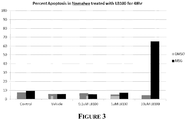
- Example 1 In vitro evaluation of LB-100 on lymphoblastoid cells
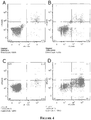
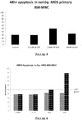
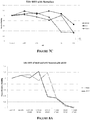
- Non-del(5q) patient BM MNCs treated with LB-100 did not lead to apoptosis ( Figure 5 ).
- LB-100 induced apoptosis in a dose dependent fashion and was more cytotoxic than lenalidomide at 101.iM and with a mild increase in apoptosis at 1 ⁇ M ( Figure 6 )
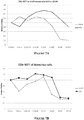
- HL60 cells treated with LB-100 showed a significant decreased proliferation in comparison to treatment with lenalidomide, with a significant difference at 1 ⁇ M ( Figure 7A ).
- HL60 cells and U937 cells were compared ( Figures 8A and 8B ).
- Namalwa cells treated with LB-100 showed a significant decrease in proliferation in comparison to control ( Figures 7B and 7C ).
- Example 2 A Phase 1 Study Evaluating the Safety and Efficacy of LB-100 in Patients with Low or Intermediate-1 Risk Myelodysplastic Syndrome
- LB-100 is a specific small molecule inhibitor of PP2A that displays greater potency than lenalidomide. LB-100 has been shown in vitro and in vivo to cause cell cycle arrest in several malignancies and also sensitizes cells to chemotherapy and radiation. The safety, tolerance and preliminary activity of targeted PP2A inhibition by LB100 is investigated in lower risk MDS patients with symptomatic anemia.
- Secondary objectives include exploration of preliminary estimates of LB-100 activity using standard international working group (IWG) 2006 response criteria, evaluation of LB-100 activity as measured by rise in hemoglobin or frequency of red blood cell (RBC) transfusions, rate of TI and the durability of response, assessment of the effect of LB-100 on pathologic and cytogenetic responses, and evaluation of the effect of LB-100 on the hematologic and cytogenetic response in patients with del(5q) MDS.
- IWG international working group
- AEs incidence and severity of adverse events
- NCI CTCAE National Cancer , Institute Common Terminology Criteria for Adverse Events
- MTD MTD based on the protocol defined DLT
- exposure-related PK parameters generated from LB-100 plasma concentration-time data using standard PK analysis approaches
- Secondary Endpoints include efficacy as defined by the IWG criteria, erythroid hematological improvement (HI-E), cytogenetic response, response (complete response [CR], partial response [PR] and marrow CR), response (in subset of patients with del(5q) MDS who have failed lenalidomide, platelet hematological improvement (HI-P), neutrophil hematological improvement (HI-N), duration of response, and Acute myeloid leukemia (AML) transformation according to World Health Organization (WHO) criteria.
- IWG erythroid hematological improvement
- cytogenetic response response (complete response [CR], partial response [PR] and marrow CR)
- response in subset of patients with del(5q) MDS who have failed lenalidomide
- platelet hematological improvement HI-P
- neutrophil hematological improvement HI-N
- duration of response and Acute myeloid leukemia (AML) transformation according to World Health Organization (WHO) criteria.
- the initial Dose Escalation Phase evaluates LB-100 administered intravenously. Cohorts of at least 3 evaluable patients are enrolled using a modified 3 + 3 design.
- patients receive intravenous infusions of LB-100 over 30 minutes on days 1-3 of each 21 day cycle at escalating doses starting at Dose Level 1 (0.5mg/m2). Patients are followed for at least 3 weeks before the safety of each cohort can be fully assessed and decisions made for dose escalation in the next cohort.
- the MTD is defined as the dose level below which DLT is manifested in >33% of the patients.
- LB-100 administered intravenously is evaluated in the Expansion Phase, in which up to 14 additional evaluable patients are treated at the MTD using the 21 day cycle.
- the number of patients enrolled depends on the number of dose levels evaluated before reaching DLT. Three to 6 evaluable patients are entered per dose level for each schedule. Up to 60 evaluable patients are treated in the Dose Escalation Phase. Up to 14 additional evaluable patients aretreated at the level of the MTD of one or more of the schedules in the Expansion Phase, for a total of up to 20 evaluable patients at the MTD.
- Correlative Studies include assessing target inhibition and the biological activity of PP2A inhibition by evaluating changes in phosphorylation of PP2A substrates (e.g., CDC25C, MDM2) and p53 expression by immunohistochemistry in bone marrow (BM) biopsies. Also included is evaluation of changes in BM progenitor colony forming capacity, comparison of changes in erythropoietin-induced STATS activation in erythroid progenitors by flow cytometry in the presence of human plasma before and after LB100 treatment, and assessment of possible PK/pharmacodynamic (PD) or PD/efficacy correlations.
- An amount of LB-100 is administered to a subject afflicted with del(5q) MDS.
- the amount of the LB-100 is effective to treat the del(5q) MDS.
- An amount of LB-100 in combination with lenalidomide is administered to a subject afflicted with del(5q) MDS.
- the amount of the LB-100 and the lenalidomide is effective to treat the del(5q) MDS.
- An amount of LB-100 is administered to a subject afflicted with non-del(5q) MDS.
- the amount of the LB-100 is effective to treat the non-del(5q) MDS.
- An amount of LB-100 in combination with lenalidomide is administered to a subject afflicted with non-del(5q) MDS.
- the amount of the LB-100 and the lenalidomide is effective to treat the non-del(5q) MDS.
- MDS that is resistant to lenalidomide is also evaluated and the LB-100 or the LB-100 in combination with lenalidomide is effective to treat the MDS.
Landscapes
- Health & Medical Sciences (AREA)
- Life Sciences & Earth Sciences (AREA)
- Chemical & Material Sciences (AREA)
- Pharmacology & Pharmacy (AREA)
- Veterinary Medicine (AREA)
- Public Health (AREA)
- General Health & Medical Sciences (AREA)
- Animal Behavior & Ethology (AREA)
- Medicinal Chemistry (AREA)
- Epidemiology (AREA)
- Chemical Kinetics & Catalysis (AREA)
- General Chemical & Material Sciences (AREA)
- Engineering & Computer Science (AREA)
- Nuclear Medicine, Radiotherapy & Molecular Imaging (AREA)
- Organic Chemistry (AREA)
- Bioinformatics & Cheminformatics (AREA)
- Hematology (AREA)
- Diabetes (AREA)
- Molecular Biology (AREA)
- Immunology (AREA)
- Proteomics, Peptides & Aminoacids (AREA)
- Oil, Petroleum & Natural Gas (AREA)
- Pharmaceuticals Containing Other Organic And Inorganic Compounds (AREA)
- Medicines That Contain Protein Lipid Enzymes And Other Medicines (AREA)
- Medicinal Preparation (AREA)
Applications Claiming Priority (3)
| Application Number | Priority Date | Filing Date | Title |
|---|---|---|---|
| US201462028729P | 2014-07-24 | 2014-07-24 | |
| US201462029327P | 2014-07-25 | 2014-07-25 | |
| PCT/US2015/041714 WO2016014783A1 (en) | 2014-07-24 | 2015-07-23 | Protein phosphatase 2a inhibitors for treating myelodysplastic syndromes |
Publications (3)
| Publication Number | Publication Date |
|---|---|
| EP3171870A1 EP3171870A1 (en) | 2017-05-31 |
| EP3171870A4 EP3171870A4 (en) | 2017-12-27 |
| EP3171870B1 true EP3171870B1 (en) | 2021-10-20 |
Family
ID=55163749
Family Applications (1)
| Application Number | Title | Priority Date | Filing Date |
|---|---|---|---|
| EP15825076.1A Not-in-force EP3171870B1 (en) | 2014-07-24 | 2015-07-23 | Protein phosphatase 2a inhibitors for treating myelodysplastic syndromes |
Country Status (5)
| Country | Link |
|---|---|
| US (3) | US20170209434A1 (OSRAM) |
| EP (1) | EP3171870B1 (OSRAM) |
| JP (2) | JP6453441B2 (OSRAM) |
| CN (1) | CN106572989B (OSRAM) |
| WO (2) | WO2016014783A1 (OSRAM) |
Families Citing this family (9)
| Publication number | Priority date | Publication date | Assignee | Title |
|---|---|---|---|---|
| WO2010147612A1 (en) | 2009-06-18 | 2010-12-23 | Lixte Biotechnology, Inc. | Methods of modulating cell regulation by inhibiting p53 |
| CA2877167A1 (en) | 2012-06-29 | 2014-01-03 | Lixte Biotechnology, Inc. | Oxabicycloheptanes and oxabicycloheptenes for the treatment of diabetes |
| CA2909160C (en) | 2013-04-09 | 2021-05-25 | Lixte Biotechnology, Inc. | Formulations of oxabicycloheptanes and oxabicycloheptenes |
| CN106572989B (zh) | 2014-07-24 | 2021-08-27 | H·李·莫菲特癌症中心与研究所公司 | 用于治疗骨髓增生异常综合征的蛋白磷酸酶2a抑制剂 |
| WO2016134257A1 (en) | 2015-02-19 | 2016-08-25 | Lixter Biotechnology, Inc. | Oxabicycloheptanes and oxabicycloheptenes for the treatment of depressive and stress disorders |
| CN107708686B (zh) | 2015-05-15 | 2021-02-19 | 莱克斯特生物技术公司 | 氧杂二环庚烷前药 |
| US20190111053A1 (en) | 2016-01-27 | 2019-04-18 | Lixte Biotechnology, Inc. | Clinical regimen for treating myelodysplastic syndrome with phosphatase inhibitor |
| WO2018107004A1 (en) | 2016-12-08 | 2018-06-14 | Lixte Biotechnology, Inc. | Oxabicycloheptanes for modulation of immune response |
| CN113694071B (zh) * | 2021-08-31 | 2025-08-15 | 上海交通大学医学院附属瑞金医院 | 清除和/或溶解衰老细胞和/或抑制细胞衰老的化合物用于治疗精神障碍 |
Family Cites Families (29)
| Publication number | Priority date | Publication date | Assignee | Title |
|---|---|---|---|---|
| US8404716B2 (en) * | 2002-10-15 | 2013-03-26 | Celgene Corporation | Methods of treating myelodysplastic syndromes with a combination therapy using lenalidomide and azacitidine |
| US7189740B2 (en) * | 2002-10-15 | 2007-03-13 | Celgene Corporation | Methods of using 3-(4-amino-oxo-1,3-dihydro-isoindol-2-yl)-piperidine-2,6-dione for the treatment and management of myelodysplastic syndromes |
| US7879569B2 (en) | 2004-11-09 | 2011-02-01 | The Trustees Of The University Of Pennsylvania | Methods for diagnosis of myelodysplastic syndromes (MDS) |
| WO2007092414A2 (en) | 2006-02-06 | 2007-08-16 | Lixte Biotechnology Holdings, Inc. | Use of phosphatases to treat tumors overexpressing n-cor |
| TWI449524B (zh) * | 2006-09-07 | 2014-08-21 | Stemline Therapeutics Inc | 以斑螫酸酐(cantharidin)及斑螫酸酐類似物進行之癌症治療 |
| BRPI0806365B8 (pt) | 2007-02-06 | 2021-05-25 | Lixte Biotechnology Holdings Inc | composto, uso do composto, composição farmacêutica e uso da composição farmacêutica |
| WO2009020565A1 (en) | 2007-08-03 | 2009-02-12 | Lixte Biotechnology, Inc. | Use of phosphates to treat neuroblastomas and medullogastomas |
| WO2009045440A1 (en) | 2007-10-01 | 2009-04-09 | Lixte Biotechnology Holdings, Inc. | Hdac inhibitors |
| US8058268B2 (en) | 2008-08-01 | 2011-11-15 | Lixte Biotechnology, Inc. | Neuroprotective agents for the prevention and treatment of neurodegenerative diseases |
| WO2010147612A1 (en) | 2009-06-18 | 2010-12-23 | Lixte Biotechnology, Inc. | Methods of modulating cell regulation by inhibiting p53 |
| CA2730428A1 (en) | 2008-08-01 | 2010-02-04 | Lixte Biotechnology, Inc. | Methods for regulating cell mitosis by inhibiting serine/threonine phosphatase |
| US8227473B2 (en) | 2008-08-01 | 2012-07-24 | Lixte Biotechnology, Inc. | Oxabicycloheptanes and oxabicycloheptenes, their preparation and use |
| US20120135522A1 (en) | 2009-06-18 | 2012-05-31 | Kovach John S | Methods of modulating cell regulation by inhibiting p53 |
| WO2011094683A2 (en) * | 2010-01-29 | 2011-08-04 | H. Lee Moffitt Cancer Center And Research Institute, Inc. | Method of identifying myelodysplastic syndromes |
| US20140235649A1 (en) | 2011-05-24 | 2014-08-21 | Lixte Biotechnology, Inc. | Use of phosphatase inhibitors or histone deacetylase inhibitors to treat diseases characterized by loss of protein function |
| WO2013056211A2 (en) * | 2011-10-13 | 2013-04-18 | H. Lee Moffitt Cancer Center & Research Institute, Inc. | Telomerase reverse transcriptase deficience as diagnostic marker of myelodysplastic syndrome |
| US20150174123A1 (en) | 2012-06-29 | 2015-06-25 | Lixte Biotechnology, Inc. | Oxabicycloheptanes and oxabicycloheptenes for the treatment of reperfusion injury |
| CA2877167A1 (en) | 2012-06-29 | 2014-01-03 | Lixte Biotechnology, Inc. | Oxabicycloheptanes and oxabicycloheptenes for the treatment of diabetes |
| US9738933B2 (en) * | 2012-12-05 | 2017-08-22 | H. Lee Moffitt Cancer Center And Research Institute, Inc. | RNF41 as a biomarker predicting response to lenalidomide in non-del(5q) MDS |
| WO2014137741A1 (en) | 2013-03-05 | 2014-09-12 | Lixte Biotechnology, Inc. | Hdac inhibitors for treating traumatic brain injury |
| US20160009727A1 (en) | 2013-03-15 | 2016-01-14 | Lixte Biotechnology, Inc. | Sanguinarine analog pp2c inhibitors for cancer treatment |
| CA2909160C (en) | 2013-04-09 | 2021-05-25 | Lixte Biotechnology, Inc. | Formulations of oxabicycloheptanes and oxabicycloheptenes |
| EP3068398A4 (en) | 2013-11-15 | 2017-11-15 | Lixte Biotechnology, Inc. | Protein phosphatase inhibitors that cross the blood brain barrier |
| WO2015196073A1 (en) | 2014-06-20 | 2015-12-23 | Lixte Biotechnology, Inc. | Oxabicycloheptanes and oxabicycloheptenes for the treatment of ovarian cancer |
| CN106572989B (zh) | 2014-07-24 | 2021-08-27 | H·李·莫菲特癌症中心与研究所公司 | 用于治疗骨髓增生异常综合征的蛋白磷酸酶2a抑制剂 |
| CA2960989A1 (en) | 2014-09-12 | 2016-03-17 | Lixte Biotechnology, Inc. | Human dosing of phosphatase inhibitor |
| US9994584B2 (en) | 2014-10-15 | 2018-06-12 | Lixte Biotechnology, Inc. | Process of synthesizing 3-(4-methylpiperazine-1-carbonyl)-7-oxabicyclo[2.2.1] heptane-2-carboxylic acid |
| WO2016134257A1 (en) | 2015-02-19 | 2016-08-25 | Lixter Biotechnology, Inc. | Oxabicycloheptanes and oxabicycloheptenes for the treatment of depressive and stress disorders |
| CN107708686B (zh) | 2015-05-15 | 2021-02-19 | 莱克斯特生物技术公司 | 氧杂二环庚烷前药 |
-
2015
- 2015-07-23 CN CN201580041767.1A patent/CN106572989B/zh not_active Expired - Fee Related
- 2015-07-23 US US15/328,838 patent/US20170209434A1/en not_active Abandoned
- 2015-07-23 JP JP2017504104A patent/JP6453441B2/ja not_active Expired - Fee Related
- 2015-07-23 WO PCT/US2015/041714 patent/WO2016014783A1/en not_active Ceased
- 2015-07-23 US US15/328,235 patent/US10071094B2/en active Active
- 2015-07-23 WO PCT/US2015/041709 patent/WO2016014778A1/en not_active Ceased
- 2015-07-23 EP EP15825076.1A patent/EP3171870B1/en not_active Not-in-force
-
2018
- 2018-08-20 US US16/105,479 patent/US10434100B2/en active Active
- 2018-12-12 JP JP2018232414A patent/JP6862404B2/ja not_active Expired - Fee Related
Non-Patent Citations (2)
| Title |
|---|
| NIMER STEPHEN D: "Myelodysplastic syndromes.", BLOOD 15 MAY 2008, vol. 111, no. 10, 15 May 2008 (2008-05-15), pages 4841 - 4851, ISSN: 1528-0020 * |
| VARDIMAN JAMES: "The classification of MDS: from FAB to WHO and beyond.", LEUKEMIA RESEARCH DEC 2012, vol. 36, no. 12, December 2012 (2012-12-01), pages 1453 - 1458, ISSN: 1873-5835 * |
Also Published As
| Publication number | Publication date |
|---|---|
| CN106572989B (zh) | 2021-08-27 |
| CN106572989A (zh) | 2017-04-19 |
| EP3171870A1 (en) | 2017-05-31 |
| JP2019069969A (ja) | 2019-05-09 |
| US20170340628A1 (en) | 2017-11-30 |
| WO2016014778A1 (en) | 2016-01-28 |
| US10434100B2 (en) | 2019-10-08 |
| US20170209434A1 (en) | 2017-07-27 |
| US10071094B2 (en) | 2018-09-11 |
| JP2017523178A (ja) | 2017-08-17 |
| WO2016014783A1 (en) | 2016-01-28 |
| EP3171870A4 (en) | 2017-12-27 |
| US20190046525A1 (en) | 2019-02-14 |
| JP6453441B2 (ja) | 2019-01-16 |
| JP6862404B2 (ja) | 2021-04-21 |
Similar Documents
| Publication | Publication Date | Title |
|---|---|---|
| US10434100B2 (en) | Protein phosphatase 2A inhibitors for treating myelodysplastic syndromes | |
| JP2022153502A (ja) | 関節疾患及び皮膚疾患の治療のためのラパマイシンとメトホルミンの併用 | |
| JP2011509305A (ja) | A2arアゴニストによる神経障害性疼痛の髄腔内治療 | |
| AU2016213972A1 (en) | Combinations of IRS/Stat3 dual modulators and anti-cancer agents for treating cancer | |
| EP2906564B1 (en) | Treating brain cancer using agelastatin a (aa) and analogues thereof | |
| TW202118488A (zh) | Mdm2抑制劑的藥物組合物及其在預防和/或治療疾病中的用途 | |
| EP2780011B1 (en) | Combination therapy for ovarian cancer | |
| EP3407887A1 (en) | Clincal regimen for treating myelodysplastic syndrome with phosphatase inhibitor | |
| EP3324974B1 (en) | Compounds, compositions, methods for treating diseases, and methods for preparing compounds | |
| HK1238548B (en) | Protein phosphatase 2a inhibitors for treating myelodysplastic syndromes | |
| EP4212159A1 (en) | Use of sphingosine-1-phosphate receptor agonist | |
| WO2026064898A1 (en) | Combination therapies | |
| CN115551518B (zh) | 使用n2-喹啉或异喹啉取代的嘌呤衍生物的癌症联合疗法 | |
| CN120513251A (zh) | 肿瘤氧化还原激活的含6-硫代嘌呤的二聚体化合物 | |
| WO2021146127A1 (en) | Use of n2-quincline or isoquinoline substituted purine derivatives in cancer treatment | |
| NZ623622B2 (en) | Combination therapy for ovarian cancer |
Legal Events
| Date | Code | Title | Description |
|---|---|---|---|
| STAA | Information on the status of an ep patent application or granted ep patent |
Free format text: STATUS: THE INTERNATIONAL PUBLICATION HAS BEEN MADE |
|
| PUAI | Public reference made under article 153(3) epc to a published international application that has entered the european phase |
Free format text: ORIGINAL CODE: 0009012 |
|
| STAA | Information on the status of an ep patent application or granted ep patent |
Free format text: STATUS: REQUEST FOR EXAMINATION WAS MADE |
|
| 17P | Request for examination filed |
Effective date: 20170214 |
|
| AK | Designated contracting states |
Kind code of ref document: A1 Designated state(s): AL AT BE BG CH CY CZ DE DK EE ES FI FR GB GR HR HU IE IS IT LI LT LU LV MC MK MT NL NO PL PT RO RS SE SI SK SM TR |
|
| AX | Request for extension of the european patent |
Extension state: BA ME |
|
| DAV | Request for validation of the european patent (deleted) | ||
| DAX | Request for extension of the european patent (deleted) | ||
| A4 | Supplementary search report drawn up and despatched |
Effective date: 20171129 |
|
| RIC1 | Information provided on ipc code assigned before grant |
Ipc: A61P 35/00 20060101ALI20171123BHEP Ipc: A61K 31/34 20060101AFI20171123BHEP |
|
| REG | Reference to a national code |
Ref country code: HK Ref legal event code: DE Ref document number: 1238548 Country of ref document: HK |
|
| STAA | Information on the status of an ep patent application or granted ep patent |
Free format text: STATUS: EXAMINATION IS IN PROGRESS |
|
| 17Q | First examination report despatched |
Effective date: 20190515 |
|
| GRAP | Despatch of communication of intention to grant a patent |
Free format text: ORIGINAL CODE: EPIDOSNIGR1 |
|
| STAA | Information on the status of an ep patent application or granted ep patent |
Free format text: STATUS: GRANT OF PATENT IS INTENDED |
|
| INTG | Intention to grant announced |
Effective date: 20210430 |
|
| GRAS | Grant fee paid |
Free format text: ORIGINAL CODE: EPIDOSNIGR3 |
|
| GRAA | (expected) grant |
Free format text: ORIGINAL CODE: 0009210 |
|
| STAA | Information on the status of an ep patent application or granted ep patent |
Free format text: STATUS: THE PATENT HAS BEEN GRANTED |
|
| AK | Designated contracting states |
Kind code of ref document: B1 Designated state(s): AL AT BE BG CH CY CZ DE DK EE ES FI FR GB GR HR HU IE IS IT LI LT LU LV MC MK MT NL NO PL PT RO RS SE SI SK SM TR |
|
| REG | Reference to a national code |
Ref country code: GB Ref legal event code: FG4D |
|
| REG | Reference to a national code |
Ref country code: CH Ref legal event code: EP |
|
| REG | Reference to a national code |
Ref country code: IE Ref legal event code: FG4D |
|
| REG | Reference to a national code |
Ref country code: DE Ref legal event code: R096 Ref document number: 602015074334 Country of ref document: DE |
|
| REG | Reference to a national code |
Ref country code: AT Ref legal event code: REF Ref document number: 1439337 Country of ref document: AT Kind code of ref document: T Effective date: 20211115 |
|
| REG | Reference to a national code |
Ref country code: LT Ref legal event code: MG9D |
|
| RAP4 | Party data changed (patent owner data changed or rights of a patent transferred) |
Owner name: LIXTE BIOTECHNOLOGY, INC. Owner name: H. LEE MOFFITT CANCER CENTER AND RESEARCH INSTITUTE, INC. |
|
| REG | Reference to a national code |
Ref country code: NL Ref legal event code: MP Effective date: 20211020 |
|
| REG | Reference to a national code |
Ref country code: DE Ref legal event code: R081 Ref document number: 602015074334 Country of ref document: DE Owner name: LIXTE BIOTECHNOLOGY, INC., PASADENA, US Free format text: FORMER OWNERS: H. LEE MOFFITT CANCER CENTER AND RESEARCH INSTITUTE, INC., TAMPA, FL, US; LIXTE BIOTECHNOLOGY, INC., EAST SETAUKET, NY, US Ref country code: DE Ref legal event code: R081 Ref document number: 602015074334 Country of ref document: DE Owner name: H. LEE MOFFITT CANCER CENTER AND RESEARCH INST, US Free format text: FORMER OWNERS: H. LEE MOFFITT CANCER CENTER AND RESEARCH INSTITUTE, INC., TAMPA, FL, US; LIXTE BIOTECHNOLOGY, INC., EAST SETAUKET, NY, US |
|
| REG | Reference to a national code |
Ref country code: AT Ref legal event code: MK05 Ref document number: 1439337 Country of ref document: AT Kind code of ref document: T Effective date: 20211020 |
|
| PG25 | Lapsed in a contracting state [announced via postgrant information from national office to epo] |
Ref country code: RS Free format text: LAPSE BECAUSE OF FAILURE TO SUBMIT A TRANSLATION OF THE DESCRIPTION OR TO PAY THE FEE WITHIN THE PRESCRIBED TIME-LIMIT Effective date: 20211020 Ref country code: LT Free format text: LAPSE BECAUSE OF FAILURE TO SUBMIT A TRANSLATION OF THE DESCRIPTION OR TO PAY THE FEE WITHIN THE PRESCRIBED TIME-LIMIT Effective date: 20211020 Ref country code: FI Free format text: LAPSE BECAUSE OF FAILURE TO SUBMIT A TRANSLATION OF THE DESCRIPTION OR TO PAY THE FEE WITHIN THE PRESCRIBED TIME-LIMIT Effective date: 20211020 Ref country code: BG Free format text: LAPSE BECAUSE OF FAILURE TO SUBMIT A TRANSLATION OF THE DESCRIPTION OR TO PAY THE FEE WITHIN THE PRESCRIBED TIME-LIMIT Effective date: 20220120 Ref country code: AT Free format text: LAPSE BECAUSE OF FAILURE TO SUBMIT A TRANSLATION OF THE DESCRIPTION OR TO PAY THE FEE WITHIN THE PRESCRIBED TIME-LIMIT Effective date: 20211020 |
|
| PG25 | Lapsed in a contracting state [announced via postgrant information from national office to epo] |
Ref country code: IS Free format text: LAPSE BECAUSE OF FAILURE TO SUBMIT A TRANSLATION OF THE DESCRIPTION OR TO PAY THE FEE WITHIN THE PRESCRIBED TIME-LIMIT Effective date: 20220220 Ref country code: SE Free format text: LAPSE BECAUSE OF FAILURE TO SUBMIT A TRANSLATION OF THE DESCRIPTION OR TO PAY THE FEE WITHIN THE PRESCRIBED TIME-LIMIT Effective date: 20211020 Ref country code: PT Free format text: LAPSE BECAUSE OF FAILURE TO SUBMIT A TRANSLATION OF THE DESCRIPTION OR TO PAY THE FEE WITHIN THE PRESCRIBED TIME-LIMIT Effective date: 20220221 Ref country code: PL Free format text: LAPSE BECAUSE OF FAILURE TO SUBMIT A TRANSLATION OF THE DESCRIPTION OR TO PAY THE FEE WITHIN THE PRESCRIBED TIME-LIMIT Effective date: 20211020 Ref country code: NO Free format text: LAPSE BECAUSE OF FAILURE TO SUBMIT A TRANSLATION OF THE DESCRIPTION OR TO PAY THE FEE WITHIN THE PRESCRIBED TIME-LIMIT Effective date: 20220120 Ref country code: NL Free format text: LAPSE BECAUSE OF FAILURE TO SUBMIT A TRANSLATION OF THE DESCRIPTION OR TO PAY THE FEE WITHIN THE PRESCRIBED TIME-LIMIT Effective date: 20211020 Ref country code: LV Free format text: LAPSE BECAUSE OF FAILURE TO SUBMIT A TRANSLATION OF THE DESCRIPTION OR TO PAY THE FEE WITHIN THE PRESCRIBED TIME-LIMIT Effective date: 20211020 Ref country code: HR Free format text: LAPSE BECAUSE OF FAILURE TO SUBMIT A TRANSLATION OF THE DESCRIPTION OR TO PAY THE FEE WITHIN THE PRESCRIBED TIME-LIMIT Effective date: 20211020 Ref country code: GR Free format text: LAPSE BECAUSE OF FAILURE TO SUBMIT A TRANSLATION OF THE DESCRIPTION OR TO PAY THE FEE WITHIN THE PRESCRIBED TIME-LIMIT Effective date: 20220121 Ref country code: ES Free format text: LAPSE BECAUSE OF FAILURE TO SUBMIT A TRANSLATION OF THE DESCRIPTION OR TO PAY THE FEE WITHIN THE PRESCRIBED TIME-LIMIT Effective date: 20211020 |
|
| REG | Reference to a national code |
Ref country code: DE Ref legal event code: R097 Ref document number: 602015074334 Country of ref document: DE |
|
| PG25 | Lapsed in a contracting state [announced via postgrant information from national office to epo] |
Ref country code: SM Free format text: LAPSE BECAUSE OF FAILURE TO SUBMIT A TRANSLATION OF THE DESCRIPTION OR TO PAY THE FEE WITHIN THE PRESCRIBED TIME-LIMIT Effective date: 20211020 Ref country code: SK Free format text: LAPSE BECAUSE OF FAILURE TO SUBMIT A TRANSLATION OF THE DESCRIPTION OR TO PAY THE FEE WITHIN THE PRESCRIBED TIME-LIMIT Effective date: 20211020 Ref country code: RO Free format text: LAPSE BECAUSE OF FAILURE TO SUBMIT A TRANSLATION OF THE DESCRIPTION OR TO PAY THE FEE WITHIN THE PRESCRIBED TIME-LIMIT Effective date: 20211020 Ref country code: EE Free format text: LAPSE BECAUSE OF FAILURE TO SUBMIT A TRANSLATION OF THE DESCRIPTION OR TO PAY THE FEE WITHIN THE PRESCRIBED TIME-LIMIT Effective date: 20211020 Ref country code: DK Free format text: LAPSE BECAUSE OF FAILURE TO SUBMIT A TRANSLATION OF THE DESCRIPTION OR TO PAY THE FEE WITHIN THE PRESCRIBED TIME-LIMIT Effective date: 20211020 Ref country code: CZ Free format text: LAPSE BECAUSE OF FAILURE TO SUBMIT A TRANSLATION OF THE DESCRIPTION OR TO PAY THE FEE WITHIN THE PRESCRIBED TIME-LIMIT Effective date: 20211020 |
|
| PLBE | No opposition filed within time limit |
Free format text: ORIGINAL CODE: 0009261 |
|
| STAA | Information on the status of an ep patent application or granted ep patent |
Free format text: STATUS: NO OPPOSITION FILED WITHIN TIME LIMIT |
|
| 26N | No opposition filed |
Effective date: 20220721 |
|
| PG25 | Lapsed in a contracting state [announced via postgrant information from national office to epo] |
Ref country code: AL Free format text: LAPSE BECAUSE OF FAILURE TO SUBMIT A TRANSLATION OF THE DESCRIPTION OR TO PAY THE FEE WITHIN THE PRESCRIBED TIME-LIMIT Effective date: 20211020 |
|
| PG25 | Lapsed in a contracting state [announced via postgrant information from national office to epo] |
Ref country code: SI Free format text: LAPSE BECAUSE OF FAILURE TO SUBMIT A TRANSLATION OF THE DESCRIPTION OR TO PAY THE FEE WITHIN THE PRESCRIBED TIME-LIMIT Effective date: 20211020 |
|
| PG25 | Lapsed in a contracting state [announced via postgrant information from national office to epo] |
Ref country code: MC Free format text: LAPSE BECAUSE OF FAILURE TO SUBMIT A TRANSLATION OF THE DESCRIPTION OR TO PAY THE FEE WITHIN THE PRESCRIBED TIME-LIMIT Effective date: 20211020 |
|
| REG | Reference to a national code |
Ref country code: CH Ref legal event code: PL |
|
| REG | Reference to a national code |
Ref country code: BE Ref legal event code: MM Effective date: 20220731 |
|
| PG25 | Lapsed in a contracting state [announced via postgrant information from national office to epo] |
Ref country code: LU Free format text: LAPSE BECAUSE OF NON-PAYMENT OF DUE FEES Effective date: 20220723 Ref country code: LI Free format text: LAPSE BECAUSE OF NON-PAYMENT OF DUE FEES Effective date: 20220731 Ref country code: CH Free format text: LAPSE BECAUSE OF NON-PAYMENT OF DUE FEES Effective date: 20220731 |
|
| PG25 | Lapsed in a contracting state [announced via postgrant information from national office to epo] |
Ref country code: IT Free format text: LAPSE BECAUSE OF FAILURE TO SUBMIT A TRANSLATION OF THE DESCRIPTION OR TO PAY THE FEE WITHIN THE PRESCRIBED TIME-LIMIT Effective date: 20211020 Ref country code: BE Free format text: LAPSE BECAUSE OF NON-PAYMENT OF DUE FEES Effective date: 20220731 |
|
| P01 | Opt-out of the competence of the unified patent court (upc) registered |
Effective date: 20230428 |
|
| PG25 | Lapsed in a contracting state [announced via postgrant information from national office to epo] |
Ref country code: IE Free format text: LAPSE BECAUSE OF NON-PAYMENT OF DUE FEES Effective date: 20220723 |
|
| PGFP | Annual fee paid to national office [announced via postgrant information from national office to epo] |
Ref country code: GB Payment date: 20230721 Year of fee payment: 9 |
|
| PGFP | Annual fee paid to national office [announced via postgrant information from national office to epo] |
Ref country code: FR Payment date: 20230726 Year of fee payment: 9 Ref country code: DE Payment date: 20230719 Year of fee payment: 9 |
|
| PG25 | Lapsed in a contracting state [announced via postgrant information from national office to epo] |
Ref country code: HU Free format text: LAPSE BECAUSE OF FAILURE TO SUBMIT A TRANSLATION OF THE DESCRIPTION OR TO PAY THE FEE WITHIN THE PRESCRIBED TIME-LIMIT; INVALID AB INITIO Effective date: 20150723 |
|
| PG25 | Lapsed in a contracting state [announced via postgrant information from national office to epo] |
Ref country code: MK Free format text: LAPSE BECAUSE OF FAILURE TO SUBMIT A TRANSLATION OF THE DESCRIPTION OR TO PAY THE FEE WITHIN THE PRESCRIBED TIME-LIMIT Effective date: 20211020 Ref country code: CY Free format text: LAPSE BECAUSE OF FAILURE TO SUBMIT A TRANSLATION OF THE DESCRIPTION OR TO PAY THE FEE WITHIN THE PRESCRIBED TIME-LIMIT Effective date: 20211020 |
|
| PG25 | Lapsed in a contracting state [announced via postgrant information from national office to epo] |
Ref country code: MT Free format text: LAPSE BECAUSE OF FAILURE TO SUBMIT A TRANSLATION OF THE DESCRIPTION OR TO PAY THE FEE WITHIN THE PRESCRIBED TIME-LIMIT Effective date: 20211020 |
|
| REG | Reference to a national code |
Ref country code: DE Ref legal event code: R119 Ref document number: 602015074334 Country of ref document: DE |
|
| GBPC | Gb: european patent ceased through non-payment of renewal fee |
Effective date: 20240723 |
|
| PG25 | Lapsed in a contracting state [announced via postgrant information from national office to epo] |
Ref country code: DE Free format text: LAPSE BECAUSE OF NON-PAYMENT OF DUE FEES Effective date: 20250201 |
|
| PG25 | Lapsed in a contracting state [announced via postgrant information from national office to epo] |
Ref country code: FR Free format text: LAPSE BECAUSE OF NON-PAYMENT OF DUE FEES Effective date: 20240731 |
|
| PG25 | Lapsed in a contracting state [announced via postgrant information from national office to epo] |
Ref country code: GB Free format text: LAPSE BECAUSE OF NON-PAYMENT OF DUE FEES Effective date: 20240723 |
|
| PG25 | Lapsed in a contracting state [announced via postgrant information from national office to epo] |
Ref country code: TR Free format text: LAPSE BECAUSE OF FAILURE TO SUBMIT A TRANSLATION OF THE DESCRIPTION OR TO PAY THE FEE WITHIN THE PRESCRIBED TIME-LIMIT Effective date: 20211020 |