EP3170000B1 - Verfahren zur behandlung von rheumatoider arthritis - Google Patents
Verfahren zur behandlung von rheumatoider arthritis Download PDFInfo
- Publication number
- EP3170000B1 EP3170000B1 EP15741291.7A EP15741291A EP3170000B1 EP 3170000 B1 EP3170000 B1 EP 3170000B1 EP 15741291 A EP15741291 A EP 15741291A EP 3170000 B1 EP3170000 B1 EP 3170000B1
- Authority
- EP
- European Patent Office
- Prior art keywords
- cell
- cells
- patient
- targeted therapy
- rituximab
- Prior art date
- Legal status (The legal status is an assumption and is not a legal conclusion. Google has not performed a legal analysis and makes no representation as to the accuracy of the status listed.)
- Active
Links
Images
Classifications
-
- G—PHYSICS
- G01—MEASURING; TESTING
- G01N—INVESTIGATING OR ANALYSING MATERIALS BY DETERMINING THEIR CHEMICAL OR PHYSICAL PROPERTIES
- G01N33/00—Investigating or analysing materials by specific methods not covered by groups G01N1/00 - G01N31/00
- G01N33/48—Biological material, e.g. blood, urine; Haemocytometers
- G01N33/50—Chemical analysis of biological material, e.g. blood, urine; Testing involving biospecific ligand binding methods; Immunological testing
- G01N33/5005—Chemical analysis of biological material, e.g. blood, urine; Testing involving biospecific ligand binding methods; Immunological testing involving human or animal cells
- G01N33/5008—Chemical analysis of biological material, e.g. blood, urine; Testing involving biospecific ligand binding methods; Immunological testing involving human or animal cells for testing or evaluating the effect of chemical or biological compounds, e.g. drugs, cosmetics
- G01N33/5044—Chemical analysis of biological material, e.g. blood, urine; Testing involving biospecific ligand binding methods; Immunological testing involving human or animal cells for testing or evaluating the effect of chemical or biological compounds, e.g. drugs, cosmetics involving specific cell types
- G01N33/5047—Cells of the immune system
- G01N33/5052—Cells of the immune system involving B-cells
-
- G—PHYSICS
- G01—MEASURING; TESTING
- G01N—INVESTIGATING OR ANALYSING MATERIALS BY DETERMINING THEIR CHEMICAL OR PHYSICAL PROPERTIES
- G01N33/00—Investigating or analysing materials by specific methods not covered by groups G01N1/00 - G01N31/00
- G01N33/48—Biological material, e.g. blood, urine; Haemocytometers
- G01N33/50—Chemical analysis of biological material, e.g. blood, urine; Testing involving biospecific ligand binding methods; Immunological testing
- G01N33/53—Immunoassay; Biospecific binding assay; Materials therefor
- G01N33/569—Immunoassay; Biospecific binding assay; Materials therefor for microorganisms, e.g. protozoa, bacteria, viruses
- G01N33/56966—Animal cells
- G01N33/56972—White blood cells
-
- C—CHEMISTRY; METALLURGY
- C07—ORGANIC CHEMISTRY
- C07K—PEPTIDES
- C07K16/00—Immunoglobulins [IG], e.g. monoclonal or polyclonal antibodies
- C07K16/18—Immunoglobulins [IG], e.g. monoclonal or polyclonal antibodies against material from animals or humans
- C07K16/28—Immunoglobulins [IG], e.g. monoclonal or polyclonal antibodies against material from animals or humans against receptors, cell surface antigens or cell surface determinants
- C07K16/2866—Immunoglobulins [IG], e.g. monoclonal or polyclonal antibodies against material from animals or humans against receptors, cell surface antigens or cell surface determinants against receptors for cytokines, lymphokines, interferons
-
- G—PHYSICS
- G01—MEASURING; TESTING
- G01N—INVESTIGATING OR ANALYSING MATERIALS BY DETERMINING THEIR CHEMICAL OR PHYSICAL PROPERTIES
- G01N33/00—Investigating or analysing materials by specific methods not covered by groups G01N1/00 - G01N31/00
- G01N33/48—Biological material, e.g. blood, urine; Haemocytometers
- G01N33/50—Chemical analysis of biological material, e.g. blood, urine; Testing involving biospecific ligand binding methods; Immunological testing
- G01N33/5005—Chemical analysis of biological material, e.g. blood, urine; Testing involving biospecific ligand binding methods; Immunological testing involving human or animal cells
- G01N33/5008—Chemical analysis of biological material, e.g. blood, urine; Testing involving biospecific ligand binding methods; Immunological testing involving human or animal cells for testing or evaluating the effect of chemical or biological compounds, e.g. drugs, cosmetics
- G01N33/5082—Supracellular entities, e.g. tissue, organisms
-
- G—PHYSICS
- G01—MEASURING; TESTING
- G01N—INVESTIGATING OR ANALYSING MATERIALS BY DETERMINING THEIR CHEMICAL OR PHYSICAL PROPERTIES
- G01N33/00—Investigating or analysing materials by specific methods not covered by groups G01N1/00 - G01N31/00
- G01N33/48—Biological material, e.g. blood, urine; Haemocytometers
- G01N33/50—Chemical analysis of biological material, e.g. blood, urine; Testing involving biospecific ligand binding methods; Immunological testing
- G01N33/5005—Chemical analysis of biological material, e.g. blood, urine; Testing involving biospecific ligand binding methods; Immunological testing involving human or animal cells
- G01N33/5094—Chemical analysis of biological material, e.g. blood, urine; Testing involving biospecific ligand binding methods; Immunological testing involving human or animal cells for blood cell populations
-
- G—PHYSICS
- G01—MEASURING; TESTING
- G01N—INVESTIGATING OR ANALYSING MATERIALS BY DETERMINING THEIR CHEMICAL OR PHYSICAL PROPERTIES
- G01N33/00—Investigating or analysing materials by specific methods not covered by groups G01N1/00 - G01N31/00
- G01N33/48—Biological material, e.g. blood, urine; Haemocytometers
- G01N33/50—Chemical analysis of biological material, e.g. blood, urine; Testing involving biospecific ligand binding methods; Immunological testing
- G01N33/53—Immunoassay; Biospecific binding assay; Materials therefor
- G01N33/564—Immunoassay; Biospecific binding assay; Materials therefor for pre-existing immune complex or autoimmune disease, i.e. systemic lupus erythematosus, rheumatoid arthritis, multiple sclerosis, rheumatoid factors or complement components C1-C9
-
- G—PHYSICS
- G01—MEASURING; TESTING
- G01N—INVESTIGATING OR ANALYSING MATERIALS BY DETERMINING THEIR CHEMICAL OR PHYSICAL PROPERTIES
- G01N33/00—Investigating or analysing materials by specific methods not covered by groups G01N1/00 - G01N31/00
- G01N33/48—Biological material, e.g. blood, urine; Haemocytometers
- G01N33/50—Chemical analysis of biological material, e.g. blood, urine; Testing involving biospecific ligand binding methods; Immunological testing
- G01N33/68—Chemical analysis of biological material, e.g. blood, urine; Testing involving biospecific ligand binding methods; Immunological testing involving proteins, peptides or amino acids
- G01N33/6893—Chemical analysis of biological material, e.g. blood, urine; Testing involving biospecific ligand binding methods; Immunological testing involving proteins, peptides or amino acids related to diseases not provided for elsewhere
-
- C—CHEMISTRY; METALLURGY
- C07—ORGANIC CHEMISTRY
- C07K—PEPTIDES
- C07K2317/00—Immunoglobulins specific features
- C07K2317/20—Immunoglobulins specific features characterized by taxonomic origin
- C07K2317/24—Immunoglobulins specific features characterized by taxonomic origin containing regions, domains or residues from different species, e.g. chimeric, humanized or veneered
-
- C—CHEMISTRY; METALLURGY
- C07—ORGANIC CHEMISTRY
- C07K—PEPTIDES
- C07K2317/00—Immunoglobulins specific features
- C07K2317/70—Immunoglobulins specific features characterized by effect upon binding to a cell or to an antigen
- C07K2317/76—Antagonist effect on antigen, e.g. neutralization or inhibition of binding
-
- G—PHYSICS
- G01—MEASURING; TESTING
- G01N—INVESTIGATING OR ANALYSING MATERIALS BY DETERMINING THEIR CHEMICAL OR PHYSICAL PROPERTIES
- G01N2333/00—Assays involving biological materials from specific organisms or of a specific nature
- G01N2333/435—Assays involving biological materials from specific organisms or of a specific nature from animals; from humans
- G01N2333/52—Assays involving cytokines
- G01N2333/54—Interleukins [IL]
- G01N2333/5412—IL-6
-
- G—PHYSICS
- G01—MEASURING; TESTING
- G01N—INVESTIGATING OR ANALYSING MATERIALS BY DETERMINING THEIR CHEMICAL OR PHYSICAL PROPERTIES
- G01N2333/00—Assays involving biological materials from specific organisms or of a specific nature
- G01N2333/435—Assays involving biological materials from specific organisms or of a specific nature from animals; from humans
- G01N2333/705—Assays involving receptors, cell surface antigens or cell surface determinants
- G01N2333/70596—Molecules with a "CD"-designation not provided for elsewhere in G01N2333/705
-
- G—PHYSICS
- G01—MEASURING; TESTING
- G01N—INVESTIGATING OR ANALYSING MATERIALS BY DETERMINING THEIR CHEMICAL OR PHYSICAL PROPERTIES
- G01N2800/00—Detection or diagnosis of diseases
- G01N2800/10—Musculoskeletal or connective tissue disorders
- G01N2800/101—Diffuse connective tissue disease, e.g. Sjögren, Wegener's granulomatosis
- G01N2800/102—Arthritis; Rheumatoid arthritis, i.e. inflammation of peripheral joints
-
- G—PHYSICS
- G01—MEASURING; TESTING
- G01N—INVESTIGATING OR ANALYSING MATERIALS BY DETERMINING THEIR CHEMICAL OR PHYSICAL PROPERTIES
- G01N2800/00—Detection or diagnosis of diseases
- G01N2800/52—Predicting or monitoring the response to treatment, e.g. for selection of therapy based on assay results in personalised medicine; Prognosis
Definitions
- the invention relates to a method for determining whether a rheumatoid arthritis (RA) patient is susceptible to treatment with a B cell targeted therapy, such as Rituximab.
- the invention also relates to a method for treating a RA patient who is refractory to B cell targeted therapy.
- Inflammatory arthritis is a prominent clinical manifestation in diverse autoimmune disorders including rheumatoid arthritis (RA), psoriatic arthritis (PsA), systemic lupus erythematosus (SLE), Sjogren's syndrome and polymyositis.
- RA rheumatoid arthritis
- PsA psoriatic arthritis
- SLE systemic lupus erythematosus
- Sjogren's syndrome and polymyositis.
- RA is a chronic inflammatory disease that affects approximately 0.5 to 1% of the adult population in northern Europe and North America. It is a systemic inflammatory disease characterized by chronic inflammation in the synovial membrane of affected joints, which ultimately leads to loss of daily function due to chronic pain and fatigue. The majority of patients also experience progressive deterioration of cartilage and bone in the affected joints, which may eventually lead to permanent disability. The long-term prognosis of RA is poor, with approximately 50% of patients experiencing significant functional disability within 10 years from the time of diagnosis. Life expectancy is reduced by an average of 3-10 years.
- Inflammatory bone diseases such as RA
- RA Inflammatory bone diseases
- TNF- ⁇ tumor necrosis factor- ⁇
- RA immune response
- an immune response is thought to be initiated/perpetuated by one or several antigens presenting in the synovial compartment, producing an influx of acute inflammatory cells and lymphocytes into the joint.
- Successive waves of inflammation lead to the formation of an invasive and erosive tissue called pannus.
- IL-I interleukin-1
- B cells are thought to contribute to the immunopathogenesis of RA, predominantly by serving as the precursors of autoantibody-producing cells but also as antigen presenting cells (APC) and pro-inflammatory cytokine producing cells.
- a number of autoantibody specificities have been identified including antibodies to Type II collagen and proteoglycans, as well as rheumatoid factors and most importantly anti citrullinated protein antibodies (ACPA).
- ACPA citrullinated protein antibodies
- WO 2012/118750 discloses biomarkers comprising elevated total plasma/plasmablast cell mRNA or an elevated expression level of a plasma/plasmablast cell-enriched gene, useful for predicting the response of a patient to B-cell antagonist.
- DMARDs disease modifying anti-rheumatic drugs
- Methotrexate, leflunomide and sulfasalazine are traditional DMARDs and are often effective as first-line treatment.
- Biologic agents designed to target specific components of the immune system that play role in RA are also used as therapeutics.
- TNF- ⁇ inhibitors etanercept, infliximab and adalimumab
- human IL-1 receptor antagonist anakinra
- selective co-stimulation modulators abatacept
- Rituximab is indicated for the treatment of moderate to severe RA in adult patients who have had an inadequate response to, or cannot tolerate, one or more TNF- ⁇ inhibitor therapies. It has been shown to be effective in the treatment of RA in patients refractory to treatment with anti-TNF therapy.
- the Rituximab antibody is a genetically engineered chimeric murine/human monoclonal antibody directed against the CD20 antigen.
- Rituximab binds human complement and lyses lymphoid B-cell lines through complement-dependent cytotoxicity. Additionally, it has significant activity in assays for antibody-dependent cellular cyotoxicity. More recently, Rituximab has been shown to have anti-proliferative effects in tritiated thymidine-incorporation assays and to induce apoptosis directly. Other anti-CD19 and anti-CD20 antibodies have not been shown to have this activity.
- Rituximab treatment has been shown to result in B cell depletion in peripheral blood, bone marrow and the synovium. However, not all patients refractory to treatment with anti-TNF therapy are responsive to Rituximab treatment. Current evidence on the efficacy of Rituximab relates primarily to rheumatoid factor, ACPA positive patients, although even within this population clinical responses are heterogeneous with only 60% achieving an ACR20 response within 6 months.
- Rituximab is associated with various safety issues, especially infusion-related adverse events and is also very expensive, costing approximately $10,000 per treatment course.
- the present inventors have made the surprising finding that the histomorphological type of a synovial sample from a RA patient is predictive of the patient's response to B cell targeted therapy.
- the present invention relates to a method for determining whether a Rheumatoid Arthritis (RA) patient is susceptible to treatment with a B cell targeted therapy, which method comprises the step of analysing B cells and germinal centre-like structures (GC-LS) in a synovial tissue sample from the patient; wherein a patient whose synovial tissue sample is B cell rich and GC-LS negative is determined to be susceptible to treatment with the B cell targeted therapy, whereas a patient whose synovial tissue sample is B-cell poor or GC-LS positive is determined to be resistant to treatment with the B cell targeted therapy.
- a patient whose synovial tissue sample is B cell rich and GC-LS negative is determined to be susceptible to treatment with the B cell targeted therapy
- a patient whose synovial tissue sample is B-cell poor or GC-LS positive is determined to be resistant to treatment with the B cell targeted therapy.
- the step of analysing B cells and GC-LS is performed by histological analysis.
- a patient whose synovial tissue sample is B cell poor may be characterised by a diffuse pattern of a small number of B cells interspersed with prevalent myeloid inflammatory infiltrate, while a patient whose synovial tissue sample is B cell rich may be characterised by the clustering of B cells in an aggregated pattern.
- a patient who is GC-LS positive may be characterised by the presence of B cell aggregates and detection of CD21 within said aggregates.
- B cells may be analysed by determining CD20 expression or other markers in the synovial sample.
- the B cell targeted therapy may be B cell depletion therapy.
- the B cell targeted therapy may be selected from the following list: Rituximab, Ocrelizumab, Veltuzumab, Ofatumumab and Epratuzumab.
- the B cell targeted therapy may be Rituximab.
- a patient whose synovial tissue sample is GC-LS positive may be resistant to Rituximab therapy and determined to be suitable for treatment with an agent which downregulates IL-6 mediated signalling.
- the agent that downregulates IL-6 signalling may be an IL-6 receptor antagonist, for example the agent may be Tocilizumab.
- the method of the present invention may be performed using a synovial sample from a RA patient who is refractory to synthetic or biologic (e.g. anti-TNF) DMARD therapies.
- synthetic or biologic e.g. anti-TNF
- the present invention provides a method for treating a Rheumatoid Arthritis (RA) patient who is refractory to treatment with a B cell targeted therapy which comprises the step of disrupting germinal centre-like structures (GC-LS) in the synovium.
- RA Rheumatoid Arthritis
- the GC-LS may be disrupted by treatment with an agent which downregulates IL-6 mediated signalling, a proteasome inhibitor or a growth factor inhibitor.
- RA is a chronic, systemic inflammatory disorder that may affect many tissues and organs, but principally attacks synovial joints. It is a disabling and painful condition, which can lead to substantial loss of functioning and mobility if not adequately treated.
- RA a systemic autoimmune disease as autoimmunity plays a pivotal role in its chronicity and progression.
- synovial sample refers to a sample derived from a synovial joint. Typically the synovial sample will be derived for a synovial joint of a RA patient.
- a synovial sample may be a synovial tissue biopsy and the synovial joint may display active inflammation at the time the sample is taken.
- RA a number of cell types are involved in the aetiology of RA, including T cells, B cells, monocytes, macrophages, dendritic cells and synovial fibroblasts.
- Autoantibodies known to be associated with RA include those targeting Rheumatoid factor (RF) and anti citrullinated protein antibodies (ACPA).
- RF Rheumatoid factor
- ACPA anti citrullinated protein antibodies
- DMARDs disease-modifying antirheumatic drugs
- hydrochloroquine sulfasalazine
- leflunomide sulfasalazine
- methotrexate MTX
- TNF- ⁇ antagonists such as Adalimumab, Etanercept, Golimumab and Infliximab.
- TNF- ⁇ antagonist-refractory or inadequate responders ir.
- the method of the present invention may be performed on a synovial sample from a RA patient who has previously been determined to be refractory to DMARD-therapy and/or TNF- ⁇ antagonist therapy.
- the method may also be performed on a synovial sample from a RA patient unable to tolerate TNF- ⁇ antagonist therapy.
- B cells play a central role in the pathogenesis of RA.
- Immature B cells are produced in the bone marrow. After reaching the IgM + immature stage in the bone marrow, these immature B cells migrate to secondary lymphoid tissues (such as the spleen, lymph nodes) where they are called transitional B cells, and some of these cells differentiate into mature B lymphocytes and possibly plasma cells.
- secondary lymphoid tissues such as the spleen, lymph nodes
- B cells may be defined by a range of cell surface markers which are expressed at different stages of B cell development and maturation (Table 1). These B cell markers may include CD19, CD20, CD22, CD23, CD24, CD27, CD38, CD40, CD72, CD79a and CD79b, CD138 and immunoglobulin (Ig).
- Immunoglobulins are glycoproteins belonging to the immunoglobulin superfamily which recognise foreign antigens and facilitate the humoral response of the immune system. Ig may occur in two physical forms, a soluble form that is secreted from the cell, and a membrane-bound form that is attached to the surface of a B cell and is referred to as the B cell receptor (BCR). Mammalian Ig may be grouped into five classes (isotypes) based on which heavy chain they possess. Immature B cells, which have never been exposed to an antigen, are known as na ⁇ ve B cells and express only the IgM isotype in a cell surface bound form.
- B cells begin to express both IgM and IgD when they reach maturity - the co-expression of both these immunoglobulin isotypes renders the B cell 'mature' and ready to respond to antigen.
- B cell activation follows engagement of the cell bound antibody molecule with an antigen, causing the cell to divide and differentiate into an antibody producing plasma cell. In this activated form, the B cell starts to produce antibody in a secreted form rather than a membrane-bound form.
- Some daughter cells of the activated B cells undergo isotype switching to change from IgM or IgD to the other antibody isotypes, IgE, IgA or IgG, that have defined roles in the immune system.
- CD19 is expressed by essentially all B-lineage cells and regulates intracellular signal transduction by amplifying Src-family kinase activity.
- CD20 is a mature B cell-specific molecule that functions as a membrane embedded Ca2 + channel. Expression of CD20 is restricted to the B cell lineage from the pre-B-cell stage until terminal differentiation into plasma cells.
- CD22 functions as a mammalian lectin for ⁇ 2,6-linked sialic acid that regulates follicular B-cell survival and negatively regulates signaling.
- CD23 is a low-affinity receptor for IgE expressed on activated B cells that influences IgE production.
- CD24 is a GPI-anchored glycoprotein which was among the first pan-B-cell molecules to be identified.
- CD27 is a member of the TNF-receptor superfamily. It binds to its ligand CD70, and plays a key role in regulating B-cell activation and immunoglobulin synthesis. This receptor transduces signals that lead to the activation of NF- ⁇ B and MAPK8/JNK.
- CD38 is also known as cyclic ADP ribose hydrolase. It is a glycoprotein that also functions in cell adhesion, signal transduction and calcium signalling and is generally a marker of cell activation.
- CD40 serves as a critical survival factor for germinal centre (GC) B cells and is the ligand for CD154 expressed by T cells.
- CD72 functions as a negative regulator of signal transduction and as the B-cell ligand for Semaphorin 4D (CD100).
- CD79a/CD79b dimer is closely associated with the B-cell antigen receptor, and enables the cell to respond to the presence of antigens on its surface.
- the CD79a/CD79b dimer is present on the surface of B-cells throughout their life cycle, and is absent on all other healthy cells.
- CD138 is also known as Syndecan 1. Syndecans mediate cell binding, cell signalling, and cytoskeletal organization. CD138 may be useful as a cell surface marker for plasma cells.
- the method of the present invention comprises the step of analysing the presence of B cells in a synovial sample from a RA patient and determining if a RA patient is B cell rich or B cell poor. This analysis may involve determining the presence of cells expressing one or more of the markers detailed in Table 1.
- the presence of B cells may be determined by analysing the level and pattern of B cells in a synovial sample from a RA patient. Such analysis may be performed by histological analysis.
- the identification of RA patients who are B cell rich or B cell poor may be performed by using a system for grading lymphocytic aggregates known to those skilled in the art.
- a system for grading lymphocytic aggregates known to those skilled in the art.
- the present inventors use a system adapted from the one described in their previous publication ( Manzo et al. Eur J Immunol. (2005); 35(5):1347-1359 ).
- the radial cell count is estimated by counting the number of cells from the more centrally located vessel to the identifiable edge of its aggregate. The determination is made at the point of widest infiltration.
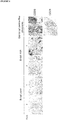
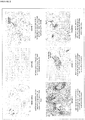
- the maximum lymphocytic aggregate identified may be graded according to the maximum radial cell count measured from the central vessel as described by Manzo et al. (as above). Aggregates may be categorised into three groups according to the radial cell count as shown in Table 5 and the grading atlas provided as Figures 2 and 3 . Table 5 Grade Radial Cell Count 0 Uninflamed / Diffuse No aggregates visualised 1 2-5 cells 2 6-10 cells 3 >10 cells
- biopsies are thus classified as B cell poor (Grade 0 and 1), B cell rich (Grade 2 and 3) and Germinal Center (GC) rich Grade 4 + CD 21 positivity (see Atlas 1, Figure 2 ).
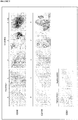
- Such a grading system may also be used in combination with analysis of B cell surface markers, for example CD20and/or CD79a (see Atlas 2, Figure 3 ).
- the presence of B cells within a synovial sample from a RA patient may be determined by analysing the level of B cell markers within the sample using techniques such as next-generation sequencing, gene expression arrays, PCR and proteomics. Such techniques may be used assess the level of a B cell marker RNA and/or protein within the synovial sample, with an increased level of the B cell marker determining a B cell rich profile.
- the B cell marker may be, for example, CD20 and/or CD79a.
- the synovial sample may be a synovial tissue biopsy.
- the method of the present invention comprises the step of analysing the presence of GC-LS in a synovial sample from a RA patient.
- Germinal centres are sites where mature B cells rapidly proliferate, differentiate, and undergo somatic hypermutation and class switch recombination during an immune response. During this process of rapid division and selection, B cells are known as centroblasts, and once they have stopped proliferating they are known as centrocytes. B cells within germinal centres express CD138 when they differentiate into plasma cells. Germinal centres develop dynamically after the activation of B cells by T-cell dependent antigen.
- GC-LS refers to an ectopic or tertiary lymphatic structure that forms in non-lymphoid tissues and may develop to become a place of autoantibody generation.
- GC-LS form in the synovium.
- GC-LS are typically characterised by the presence of aggregated T and/or B lymphocytes alongside follicular dendritic cells (FDCs).
- FDCs have high expression of complement receptors CR1 and CR2 (CD35 and CD21 respectively) and Fc-receptor Fc ⁇ RIIb (CD32). Further FDC specific molecular markers include FDC-M1, FDC-M2 and C4.
- the identification of GC-LS in a synovial sample of a RA patient may therefore involve determining the presence of cells positive for one or more of the above markers. For example it may involve determining the presence of plasma cells (CD138 + ) and/or FDCs (CD35 + -CD21 + ).
- GC-LS The identification of GC-LS may be performed using the immunohistochemistry scoring analysis as provided in Atlas 2 ( Figure 3 ).
- a RA patient identified as B cell rich and/or GC-LS negative by the method of the present invention is determined as being susceptible to treatment with a B cell targeted therapy whereas a patient who is B-cell poor and/or GC-LS positive is determined as resistant to treatment with a B cell targeted therapy.
- a B cell targeted therapy refers to the administration of an agent that interferes with or inhibits the development and/or function of B cells.
- the B cell targeted therapy may cause B cell depletion or the inhibition of B cell development and maturation.
- the B cell targeted therapy is directed against B cells in all stages of development other than undifferentiated stem cells and terminally differentiated antibody-producing plasma cells.
- the agent may be a small molecule drug, such as a Bruton's tyrosine kinase (BTK) inhibitor or other agent which targets B cell signalling pathways.
- BTK Bruton's tyrosine kinase
- Direct depletion of B cells may be performed through the use of monoclonal antibodies (mAbs) directed against cell surface markers (e.g. CD20 and CD22).
- mAbs monoclonal antibodies directed against cell surface markers (e.g. CD20 and CD22).
- Such mAbs bind to the target antigen and kill the cell by initiating a mixture of apoptosis, complement dependent cytotoxicity (CDC), and antibody-dependent cell-mediated cellular cytotoxicity (ADCC).
- CDC complement dependent cytotoxicity
- ADCC antibody-dependent cell-mediated cellular cytotoxicity
- the B cell targeted therapy used in the present invention may be an agent directed against CD20, for example Rituximab, Ocrelizumab, Veltuzumab or Ofatumumab, or an agent directed against CD22 such as Epratuzumab.
- Rituximab is a chimeric mouse/human immunoglobulin G1 (IgG1) monoclonal antibody to CD20 that stimulates B cell destruction upon binding to CD20.
- IgG1 immunoglobulin G1
- Rituximab depletes CD20 surface-positive naive and memory B cells from the blood, bone marrow and lymph nodes via mechanisms which include antibody-dependent cellular cytotoxicity (ADCC), complement dependent cytotoxicity (CDC). It does not affect CD20-negative early B cell lineage precursor cells and late B lineage plasma cells in the bone marrow.
- Ocrelizumab is a humanized anti-CD20 monoclonal antibody that causes CD20 + B cell depletion following binding to CD20 via mechanisms including ADCC and CDC.
- Veltuzumab is a humanized, second-generation anti-CD20 monoclonal antibody that causes CD20 + B cell depletion following binding to CD20 via mechanisms including ADCC and CDC.
- Ofatumumab is a human monoclonal IgG1 antibody to CD20 and may inhibit early-stage B lymphocyte activation.
- Ofatumumab targets a different epitope located closer to the N-terminus of CD20 compared to the epitope targeted by rituximab and includes an extracellular loop, as it binds to both the small and large loops of the CD20 molecule.
- Ofatumumab stimulates B cell destruction through ADCC and CDC pathways.
- a RA patient identified by the method of the present invention as GC-LS positive is determined to be suitable for treatment with an agent which downregulates interleukin-6 (IL-6) signalling.
- IL-6 interleukin-6
- IL-6 is a cytokine that provokes a broad range of cellular and physiological responses, including inflammation, hematopoiesis, and oncogenesis by regulating cell growth, gene activation, proliferation, survival, and differentiation. It is able to directly influence B cell activation state and late stage differentiation towards plasma cells.
- JAK Janus Kinase
- STAT3 is essential for GP130-mediated cell survival and G1 to S cell-cycle-transition signals. Both c-Myc and Pim have been identified as target genes of STAT3 and together can compensate for STAT3 in cell survival and cell-cycle transition. SHP2 links cytokine receptor to the Ras/MAP (Mitogen-Activated Protein) kinase pathway and is essential for mitogenic activity.
- Ras/MAP Mitogen-Activated Protein
- the Ras-mediated pathway acting through SHC, GRB2 (Growth Factor Receptor Bound protein-2) and SOS1 (Son of Sevenless-1) upstream and activating MAP kinases downstream, activates transcription factors such as Elk1 and NF-IL-6 (C/EBP- ⁇ ) that can act through their own cognate response elements in the genome.
- IL-6 In addition to JAK/STAT and Ras/MAP kinase pathways, IL-6 also activates PI3K (Phosphoinositide-3 Kinase).
- PI3K Phosphoinositide-3 Kinase
- the anti-apoptotic mechanism of PI3K/Akt is attributed to phosphorylation of the BCL2 family member BAD (BCL2 Associated Death Promoter) by Akt.
- BAD BCL2 Associated Death Promoter
- the phosphorylated BAD is then associated with 14-3-3, which sequesters BAD from BCLXL, thereby promoting cell survival.
- Regulating the BCL2 family member is also considered as one of the anti-apoptotic mechanisms of STAT3, which was may be capable of inducing BCL2 in pro-B cells.
- the termination of the IL-6-type cytokine signaling is through the action of tyrosine phosphatases, proteasome, and JAK kinase inhibitors SOCS (Suppressor of Cytokine Signaling), PIAS (Protein Inhibitors of Activated STATs), and internalization of the cytokine receptors via GP130.
- an agent which downregulates IL-6 signalling may interfere with or inhibit any of the above stages involved in IL-6 mediated signalling such that IL-6 signalling and responses are diminished.
- the agent may be an IL-6 receptor antagonist such as Tocilizumab, which is a humanized monoclonal antibody against the IL-6 receptor.
- An IL-6 receptor antagonist refers to an agent that reduces the level of IL-6 that is able to bind to the IL-6 receptor.
- the present invention also provides a method for treating a RA patient who is refractory to treatment with a B cell targeted therapy, which comprises the step of disrupting GC-LS in the synovium.
- the GC-LS may be disrupted by treatment with an agent which downregulates IL-6 mediated signalling, for example Tocilizumab.
- an agent which downregulates IL-6 mediated signalling for example Tocilizumab.
- Tocilizumab is a humanized monoclonal IgG1 antibody against the IL-6 receptor that binds to soluble and membrane-bound IL-6 receptor. Tocilizumab inhibits the induction of biological activity due to IL-6 in cells that have expressed both membrane-bound IL-6 receptor and gp130 molecules, and also inhibits the induction of biological activity due to IL-6/IL-6 receptor complex formation in cells that express gp130 alone. Furthermore, since it has the capacity to dissociate IL-6/IL-6 receptor complexes that have already formed, it is able to block IL-6 signal transduction.
- the GC-LS may be disrupted by treatment with a growth factor inhibitor or an agent that inhibits signalling required for B cell function.
- the agent may, for example, inhibit B-cell activating factor (BAFF) or a proliferation-inducing ligand (APRIL) signalling.
- BAFF B-cell activating factor
- APRIL proliferation-inducing ligand
- agents include, but are not limited to, Belimumab and Atacicept.
- Belimumab is a human monoclonal IgG1 ⁇ antibody that inhibits BAFF (also known as B-lymphocyte stimulator (BLyS)).
- BAFF also known as B-lymphocyte stimulator (BLyS)
- BAFF is a 285-amino acid type II protein that is a member of the TNF ligand superfamily and is a vital B cell survival factor, with important roles in the differentiation of immature to mature B cells and in immunoglobulin class switching and production. Belimumab inhibits B cell survival and differentiation by neutralizing soluble BAFF, without directly causing B cell death.
- Atacicept is a fully human recombinant fusion protein containing the extracellular ligand-binding portion of the TACI (Transmembrane Activator and CAML [calcium-modulator and cyclophilin-ligand]-Interactor) receptor and a modified Fc portion of human IgG. Atacicept, therefore, contains the binding portion of a receptor that binds both BAFF and APRIL.
- APRIL is a structural homologue of BAFF that is secreted as a soluble protein by monocytes, macrophages, dendritic cells, neutrophils and T cells, and shares some of the biological properties of BAFF.
- the GC-LS may be disrupted by a proteasome inhibitor such as Bortezomib.
- Bortezomib is an N-protected dipeptide that binds the catalytic site of the 26S proteasome, thereby inhibiting proteasome function.
- the proteasome regulates protein expression and function by degradation of ubiquitylated proteins, and also removes abnormal or misfolded proteins from the cell.
- the present disclosure also describes a kit for use in a method of determining whether a RA patient is susceptible to treatment with a B cell targeted therapy, which method comprises the step of analysing the presence of B cells and/or germinal centre-like structures (GC-LS) in a synovial tissue sample from the patient; wherein a patient whose synovial tissue sample is B cell rich and/or GC-LS negative is determined to be susceptible to treatment with the B cell targeted therapy, whereas a patient whose synovial tissue sample is B-cell poor and/or GC-LS positive is determined to be resistant to treatment with the B cell targeted therapy.
- GC-LS germinal centre-like structures
- the kit may comprise;
- Agents for the detection of GC-LS in a synovial sample of a RA patient may include agents that detect CD21.
- the kit may also comprise instructions for use.
- the kit may also comprise a B cell targeted therapy or an agent that downregulates IL-6 signalling.
- Example 1 An investigation into the molecular mechanisms predicting response to Rituximab in RA patients resistant to anti-TNF therapy
- Table 2 Patient demographics of 27 patients recruited are shown in Table 2.
- the primary outcome measure was the number of responders at 3 months within each histomorphological subgroup.
- Synovial tissue specimens were immediately fixed in 4% formalin. After paraffin embedding, 3 ⁇ m serial sections underwent routine H&E staining in order to define the predominant histological pattern of RA synovitis as either diffuse or aggregate. Lymphocytic aggregates were classified into three groups based on a scoring system the present inventors had adapted from their previous publication ( Manzo et al. Eur J Immunol. (2005); 35(5):1347-1359 ). Depending on the numbers of B cell identified per high power field (HPF), biopsies were classified as B cell poor (Grade 0 and 1), B cell rich (Grade 2 and 3) and Germinal Center (GC) rich Grade 4 + CD 21 positive.
- HPF high power field
Landscapes
- Health & Medical Sciences (AREA)
- Life Sciences & Earth Sciences (AREA)
- Engineering & Computer Science (AREA)
- Immunology (AREA)
- Biomedical Technology (AREA)
- Chemical & Material Sciences (AREA)
- Hematology (AREA)
- Molecular Biology (AREA)
- Urology & Nephrology (AREA)
- Cell Biology (AREA)
- Medicinal Chemistry (AREA)
- Biochemistry (AREA)
- General Health & Medical Sciences (AREA)
- Physics & Mathematics (AREA)
- Food Science & Technology (AREA)
- Analytical Chemistry (AREA)
- Microbiology (AREA)
- Biotechnology (AREA)
- General Physics & Mathematics (AREA)
- Pathology (AREA)
- Tropical Medicine & Parasitology (AREA)
- Toxicology (AREA)
- Bioinformatics & Cheminformatics (AREA)
- Proteomics, Peptides & Aminoacids (AREA)
- Organic Chemistry (AREA)
- Ecology (AREA)
- Genetics & Genomics (AREA)
- Biophysics (AREA)
- Zoology (AREA)
- Virology (AREA)
- Rehabilitation Therapy (AREA)
- Rheumatology (AREA)
- Measuring Or Testing Involving Enzymes Or Micro-Organisms (AREA)
- Medicines Containing Antibodies Or Antigens For Use As Internal Diagnostic Agents (AREA)
- Medicines That Contain Protein Lipid Enzymes And Other Medicines (AREA)
Claims (10)
- Verfahren zum Bestimmen, ob ein Patient mit rheumatoider Arthritis (RA) auf eine Behandlung mit einer auf B-Zellen ausgerichteten Therapie anspricht, wobei dieses Verfahren den Schritt des Analysierens von B-Zellen und keimzentrumsähnlichen Strukturen (GC-LS) in einer Synovialgewebeprobe von dem Patienten umfasst, wobei der Schritt des Analysierens von B-Zellen und GC-LS durch histologische Analyse durchgeführt wird;
wobei bestimmt wird, dass ein Patient, dessen Synovialgewebeprobe reich an B-Zellen und GC-LS-negativ ist, auf eine Behandlung mit der auf B-Zellen ausgerichteten Therapie anspricht, während bestimmt wird, dass ein Patient, dessen Synovialgewebeprobe arm an B-Zellen oder GC-LS-positiv ist, gegen die Behandlung mit der auf B-Zellen ausgerichteten Therapie resistent ist. - Verfahren nach Anspruch 1, wobei ein Patient, dessen Synovialgewebeprobe arm an B-Zellen ist, durch ein diffuses Muster von B-Zellen gekennzeichnet ist und ein Patient, dessen Synovialgewebeprobe reich an B-Zellen ist, durch ein aggregiertes Muster von B-Zellen gekennzeichnet ist.
- Verfahren nach einem der vorhergehenden Ansprüche, wobei ein Patient, dessen Synovialgewebeprobe GC-LS-positiv ist, durch das Vorliegen von B- Zell-Aggregate und den Nachweis von CD21 innerhalb der Aggregate gekennzeichnet ist.
- Verfahren nach einem der vorhergehenden Ansprüche, wobei B-Zellen durch das Bestimmen von CD20-Expression in der Synovialgewebeprobe analysiert werden.
- Verfahren nach einem der vorhergehenden Ansprüche, wobei die auf B-Zellen ausgerichtete Therapie Abreicherung an B-Zellen ist.
- Verfahren nach einem der vorhergehenden Ansprüche, wobei die auf B-Zellen ausgerichtete Therapie ausgewählt ist aus der folgenden Liste: Rituximab, Ocrelizumab, Veltuzumab, Ofatumumab und Epratuzumab.
- Verfahren nach Anspruch 6, wobei die auf B-Zellen ausgerichtete Therapie Rituximab ist.
- Verfahren nach einem der vorhergehenden Ansprüche, wobei der RA-Patient in Bezug auf anti-TNF-Therapie refraktär ist.
- Gegen B-Zell-Oberflächenmarker gerichteter monoklonaler Antikörper zur Verwendung bei der Behandlung von rheumatoider Arthritis (RA) bei einem Patienten, bei dem festgestellt worden ist, dass er auf eine Behandlung mit einer auf B-Zellen ausgerichteten Therapie anspricht, wobei der Patient durch das Verfahren nach einem der Ansprüche 1-8 identifiziert worden ist.
- Monoklonaler Antikörper zur Verwendung nach Anspruch 9, wobei der monoklonale Antikörper ausgewählt ist aus: Rituximab, Ocrelizumab, Veltuzumab, Ofatumumab und Epratuzumab.
Priority Applications (1)
| Application Number | Priority Date | Filing Date | Title |
|---|---|---|---|
| EP21167005.4A EP3957993A1 (de) | 2014-07-17 | 2015-07-17 | Verfahren zur behandlung von rheumatoider arthritis |
Applications Claiming Priority (2)
| Application Number | Priority Date | Filing Date | Title |
|---|---|---|---|
| GBGB1412736.9A GB201412736D0 (en) | 2014-07-17 | 2014-07-17 | Method |
| PCT/GB2015/052088 WO2016009226A1 (en) | 2014-07-17 | 2015-07-17 | Method for treating rheumatoid arthritis |
Related Child Applications (1)
| Application Number | Title | Priority Date | Filing Date |
|---|---|---|---|
| EP21167005.4A Division EP3957993A1 (de) | 2014-07-17 | 2015-07-17 | Verfahren zur behandlung von rheumatoider arthritis |
Publications (2)
| Publication Number | Publication Date |
|---|---|
| EP3170000A1 EP3170000A1 (de) | 2017-05-24 |
| EP3170000B1 true EP3170000B1 (de) | 2021-04-07 |
Family
ID=51494758
Family Applications (2)
| Application Number | Title | Priority Date | Filing Date |
|---|---|---|---|
| EP21167005.4A Withdrawn EP3957993A1 (de) | 2014-07-17 | 2015-07-17 | Verfahren zur behandlung von rheumatoider arthritis |
| EP15741291.7A Active EP3170000B1 (de) | 2014-07-17 | 2015-07-17 | Verfahren zur behandlung von rheumatoider arthritis |
Family Applications Before (1)
| Application Number | Title | Priority Date | Filing Date |
|---|---|---|---|
| EP21167005.4A Withdrawn EP3957993A1 (de) | 2014-07-17 | 2015-07-17 | Verfahren zur behandlung von rheumatoider arthritis |
Country Status (4)
| Country | Link |
|---|---|
| US (2) | US10416159B2 (de) |
| EP (2) | EP3957993A1 (de) |
| GB (1) | GB201412736D0 (de) |
| WO (1) | WO2016009226A1 (de) |
Families Citing this family (2)
| Publication number | Priority date | Publication date | Assignee | Title |
|---|---|---|---|---|
| GB202100821D0 (en) * | 2021-01-21 | 2021-03-10 | Univ London Queen Mary | Method for treating rheumatoid arthritis |
| GB202116748D0 (en) * | 2021-11-19 | 2022-01-05 | Univ London Queen Mary | Method for treating rheumatoid arthritis |
Family Cites Families (1)
| Publication number | Priority date | Publication date | Assignee | Title |
|---|---|---|---|---|
| BR112013021725A2 (pt) | 2011-02-28 | 2016-11-01 | Genentech Inc | marcadores biológicos e métodos para prever resposta aos antagonistas de células b |
-
2014
- 2014-07-17 GB GBGB1412736.9A patent/GB201412736D0/en not_active Ceased
-
2015
- 2015-07-17 EP EP21167005.4A patent/EP3957993A1/de not_active Withdrawn
- 2015-07-17 US US15/326,620 patent/US10416159B2/en active Active
- 2015-07-17 EP EP15741291.7A patent/EP3170000B1/de active Active
- 2015-07-17 WO PCT/GB2015/052088 patent/WO2016009226A1/en not_active Ceased
-
2019
- 2019-09-16 US US16/572,432 patent/US11815434B2/en active Active
Non-Patent Citations (1)
| Title |
|---|
| None * |
Also Published As
| Publication number | Publication date |
|---|---|
| WO2016009226A1 (en) | 2016-01-21 |
| US20200081006A1 (en) | 2020-03-12 |
| EP3957993A1 (de) | 2022-02-23 |
| US20170205408A1 (en) | 2017-07-20 |
| EP3170000A1 (de) | 2017-05-24 |
| US10416159B2 (en) | 2019-09-17 |
| GB201412736D0 (en) | 2014-09-03 |
| US11815434B2 (en) | 2023-11-14 |
Similar Documents
| Publication | Publication Date | Title |
|---|---|---|
| EP2322553A2 (de) | Interleukin-17FAntikörper und andere Antagonisten der IL-17F Signalübertragung sowie deren Verwendungen | |
| US20080241130A1 (en) | Methods and compositions for modulating il-17f/il-17a biological activity | |
| US20200087368A1 (en) | Identification of a novel b cell cytokine | |
| EP2367550B1 (de) | Il-3-inhibitoren zur verwendung bei der behandlung von rheumatoider arthritis im frühstadium | |
| US11815434B2 (en) | Method for treating rheumatoid arthritis | |
| AU2013364049A1 (en) | TSPAN 33 is a candidate for antibody targeted therapy for the treatment of B cell Hodgkin lymphomas | |
| WO2022157506A9 (en) | Method for treating rheumatoid arthritis | |
| KR20220080124A (ko) | 생물학적 요법에 대한 요구를 예측하는 방법 | |
| Rochas et al. | B cells and autoantibodies: diagnosis and pathophysiology | |
| Li et al. | All authors were involved in drafting the article or revising it critically for important intellectual content, and all authors approved the final version to be published. Dr. Yasuda had full access to all of the data in the study and takes responsibility for the integrity of the data and the accuracy of the data analysis. |
Legal Events
| Date | Code | Title | Description |
|---|---|---|---|
| STAA | Information on the status of an ep patent application or granted ep patent |
Free format text: STATUS: THE INTERNATIONAL PUBLICATION HAS BEEN MADE |
|
| PUAI | Public reference made under article 153(3) epc to a published international application that has entered the european phase |
Free format text: ORIGINAL CODE: 0009012 |
|
| STAA | Information on the status of an ep patent application or granted ep patent |
Free format text: STATUS: REQUEST FOR EXAMINATION WAS MADE |
|
| 17P | Request for examination filed |
Effective date: 20170217 |
|
| AK | Designated contracting states |
Kind code of ref document: A1 Designated state(s): AL AT BE BG CH CY CZ DE DK EE ES FI FR GB GR HR HU IE IS IT LI LT LU LV MC MK MT NL NO PL PT RO RS SE SI SK SM TR |
|
| AX | Request for extension of the european patent |
Extension state: BA ME |
|
| DAV | Request for validation of the european patent (deleted) | ||
| DAX | Request for extension of the european patent (deleted) | ||
| STAA | Information on the status of an ep patent application or granted ep patent |
Free format text: STATUS: EXAMINATION IS IN PROGRESS |
|
| 17Q | First examination report despatched |
Effective date: 20190820 |
|
| GRAP | Despatch of communication of intention to grant a patent |
Free format text: ORIGINAL CODE: EPIDOSNIGR1 |
|
| STAA | Information on the status of an ep patent application or granted ep patent |
Free format text: STATUS: GRANT OF PATENT IS INTENDED |
|
| INTG | Intention to grant announced |
Effective date: 20201015 |
|
| GRAS | Grant fee paid |
Free format text: ORIGINAL CODE: EPIDOSNIGR3 |
|
| GRAA | (expected) grant |
Free format text: ORIGINAL CODE: 0009210 |
|
| STAA | Information on the status of an ep patent application or granted ep patent |
Free format text: STATUS: THE PATENT HAS BEEN GRANTED |
|
| AK | Designated contracting states |
Kind code of ref document: B1 Designated state(s): AL AT BE BG CH CY CZ DE DK EE ES FI FR GB GR HR HU IE IS IT LI LT LU LV MC MK MT NL NO PL PT RO RS SE SI SK SM TR |
|
| REG | Reference to a national code |
Ref country code: GB Ref legal event code: FG4D |
|
| REG | Reference to a national code |
Ref country code: AT Ref legal event code: REF Ref document number: 1380341 Country of ref document: AT Kind code of ref document: T Effective date: 20210415 Ref country code: CH Ref legal event code: EP |
|
| REG | Reference to a national code |
Ref country code: DE Ref legal event code: R096 Ref document number: 602015067763 Country of ref document: DE |
|
| REG | Reference to a national code |
Ref country code: IE Ref legal event code: FG4D |
|
| REG | Reference to a national code |
Ref country code: LT Ref legal event code: MG9D |
|
| REG | Reference to a national code |
Ref country code: NL Ref legal event code: MP Effective date: 20210407 Ref country code: AT Ref legal event code: MK05 Ref document number: 1380341 Country of ref document: AT Kind code of ref document: T Effective date: 20210407 |
|
| PG25 | Lapsed in a contracting state [announced via postgrant information from national office to epo] |
Ref country code: FI Free format text: LAPSE BECAUSE OF FAILURE TO SUBMIT A TRANSLATION OF THE DESCRIPTION OR TO PAY THE FEE WITHIN THE PRESCRIBED TIME-LIMIT Effective date: 20210407 Ref country code: NL Free format text: LAPSE BECAUSE OF FAILURE TO SUBMIT A TRANSLATION OF THE DESCRIPTION OR TO PAY THE FEE WITHIN THE PRESCRIBED TIME-LIMIT Effective date: 20210407 Ref country code: LT Free format text: LAPSE BECAUSE OF FAILURE TO SUBMIT A TRANSLATION OF THE DESCRIPTION OR TO PAY THE FEE WITHIN THE PRESCRIBED TIME-LIMIT Effective date: 20210407 Ref country code: AT Free format text: LAPSE BECAUSE OF FAILURE TO SUBMIT A TRANSLATION OF THE DESCRIPTION OR TO PAY THE FEE WITHIN THE PRESCRIBED TIME-LIMIT Effective date: 20210407 Ref country code: BG Free format text: LAPSE BECAUSE OF FAILURE TO SUBMIT A TRANSLATION OF THE DESCRIPTION OR TO PAY THE FEE WITHIN THE PRESCRIBED TIME-LIMIT Effective date: 20210707 Ref country code: HR Free format text: LAPSE BECAUSE OF FAILURE TO SUBMIT A TRANSLATION OF THE DESCRIPTION OR TO PAY THE FEE WITHIN THE PRESCRIBED TIME-LIMIT Effective date: 20210407 |
|
| PG25 | Lapsed in a contracting state [announced via postgrant information from national office to epo] |
Ref country code: GR Free format text: LAPSE BECAUSE OF FAILURE TO SUBMIT A TRANSLATION OF THE DESCRIPTION OR TO PAY THE FEE WITHIN THE PRESCRIBED TIME-LIMIT Effective date: 20210708 Ref country code: IS Free format text: LAPSE BECAUSE OF FAILURE TO SUBMIT A TRANSLATION OF THE DESCRIPTION OR TO PAY THE FEE WITHIN THE PRESCRIBED TIME-LIMIT Effective date: 20210807 Ref country code: LV Free format text: LAPSE BECAUSE OF FAILURE TO SUBMIT A TRANSLATION OF THE DESCRIPTION OR TO PAY THE FEE WITHIN THE PRESCRIBED TIME-LIMIT Effective date: 20210407 Ref country code: PL Free format text: LAPSE BECAUSE OF FAILURE TO SUBMIT A TRANSLATION OF THE DESCRIPTION OR TO PAY THE FEE WITHIN THE PRESCRIBED TIME-LIMIT Effective date: 20210407 Ref country code: PT Free format text: LAPSE BECAUSE OF FAILURE TO SUBMIT A TRANSLATION OF THE DESCRIPTION OR TO PAY THE FEE WITHIN THE PRESCRIBED TIME-LIMIT Effective date: 20210809 Ref country code: NO Free format text: LAPSE BECAUSE OF FAILURE TO SUBMIT A TRANSLATION OF THE DESCRIPTION OR TO PAY THE FEE WITHIN THE PRESCRIBED TIME-LIMIT Effective date: 20210707 Ref country code: ES Free format text: LAPSE BECAUSE OF FAILURE TO SUBMIT A TRANSLATION OF THE DESCRIPTION OR TO PAY THE FEE WITHIN THE PRESCRIBED TIME-LIMIT Effective date: 20210407 Ref country code: SE Free format text: LAPSE BECAUSE OF FAILURE TO SUBMIT A TRANSLATION OF THE DESCRIPTION OR TO PAY THE FEE WITHIN THE PRESCRIBED TIME-LIMIT Effective date: 20210407 Ref country code: RS Free format text: LAPSE BECAUSE OF FAILURE TO SUBMIT A TRANSLATION OF THE DESCRIPTION OR TO PAY THE FEE WITHIN THE PRESCRIBED TIME-LIMIT Effective date: 20210407 |
|
| REG | Reference to a national code |
Ref country code: DE Ref legal event code: R097 Ref document number: 602015067763 Country of ref document: DE |
|
| PG25 | Lapsed in a contracting state [announced via postgrant information from national office to epo] |
Ref country code: SK Free format text: LAPSE BECAUSE OF FAILURE TO SUBMIT A TRANSLATION OF THE DESCRIPTION OR TO PAY THE FEE WITHIN THE PRESCRIBED TIME-LIMIT Effective date: 20210407 Ref country code: SM Free format text: LAPSE BECAUSE OF FAILURE TO SUBMIT A TRANSLATION OF THE DESCRIPTION OR TO PAY THE FEE WITHIN THE PRESCRIBED TIME-LIMIT Effective date: 20210407 Ref country code: EE Free format text: LAPSE BECAUSE OF FAILURE TO SUBMIT A TRANSLATION OF THE DESCRIPTION OR TO PAY THE FEE WITHIN THE PRESCRIBED TIME-LIMIT Effective date: 20210407 Ref country code: DK Free format text: LAPSE BECAUSE OF FAILURE TO SUBMIT A TRANSLATION OF THE DESCRIPTION OR TO PAY THE FEE WITHIN THE PRESCRIBED TIME-LIMIT Effective date: 20210407 Ref country code: CZ Free format text: LAPSE BECAUSE OF FAILURE TO SUBMIT A TRANSLATION OF THE DESCRIPTION OR TO PAY THE FEE WITHIN THE PRESCRIBED TIME-LIMIT Effective date: 20210407 Ref country code: RO Free format text: LAPSE BECAUSE OF FAILURE TO SUBMIT A TRANSLATION OF THE DESCRIPTION OR TO PAY THE FEE WITHIN THE PRESCRIBED TIME-LIMIT Effective date: 20210407 |
|
| PLBE | No opposition filed within time limit |
Free format text: ORIGINAL CODE: 0009261 |
|
| STAA | Information on the status of an ep patent application or granted ep patent |
Free format text: STATUS: NO OPPOSITION FILED WITHIN TIME LIMIT |
|
| REG | Reference to a national code |
Ref country code: CH Ref legal event code: PL |
|
| 26N | No opposition filed |
Effective date: 20220110 |
|
| PG25 | Lapsed in a contracting state [announced via postgrant information from national office to epo] |
Ref country code: MC Free format text: LAPSE BECAUSE OF FAILURE TO SUBMIT A TRANSLATION OF THE DESCRIPTION OR TO PAY THE FEE WITHIN THE PRESCRIBED TIME-LIMIT Effective date: 20210407 |
|
| REG | Reference to a national code |
Ref country code: BE Ref legal event code: MM Effective date: 20210731 |
|
| PG25 | Lapsed in a contracting state [announced via postgrant information from national office to epo] |
Ref country code: LI Free format text: LAPSE BECAUSE OF NON-PAYMENT OF DUE FEES Effective date: 20210731 Ref country code: CH Free format text: LAPSE BECAUSE OF NON-PAYMENT OF DUE FEES Effective date: 20210731 |
|
| PG25 | Lapsed in a contracting state [announced via postgrant information from national office to epo] |
Ref country code: IS Free format text: LAPSE BECAUSE OF FAILURE TO SUBMIT A TRANSLATION OF THE DESCRIPTION OR TO PAY THE FEE WITHIN THE PRESCRIBED TIME-LIMIT Effective date: 20210807 Ref country code: AL Free format text: LAPSE BECAUSE OF FAILURE TO SUBMIT A TRANSLATION OF THE DESCRIPTION OR TO PAY THE FEE WITHIN THE PRESCRIBED TIME-LIMIT Effective date: 20210407 Ref country code: LU Free format text: LAPSE BECAUSE OF NON-PAYMENT OF DUE FEES Effective date: 20210717 |
|
| PG25 | Lapsed in a contracting state [announced via postgrant information from national office to epo] |
Ref country code: IT Free format text: LAPSE BECAUSE OF FAILURE TO SUBMIT A TRANSLATION OF THE DESCRIPTION OR TO PAY THE FEE WITHIN THE PRESCRIBED TIME-LIMIT Effective date: 20210407 Ref country code: IE Free format text: LAPSE BECAUSE OF NON-PAYMENT OF DUE FEES Effective date: 20210717 Ref country code: BE Free format text: LAPSE BECAUSE OF NON-PAYMENT OF DUE FEES Effective date: 20210731 |
|
| PG25 | Lapsed in a contracting state [announced via postgrant information from national office to epo] |
Ref country code: HU Free format text: LAPSE BECAUSE OF FAILURE TO SUBMIT A TRANSLATION OF THE DESCRIPTION OR TO PAY THE FEE WITHIN THE PRESCRIBED TIME-LIMIT; INVALID AB INITIO Effective date: 20150717 |
|
| PG25 | Lapsed in a contracting state [announced via postgrant information from national office to epo] |
Ref country code: CY Free format text: LAPSE BECAUSE OF FAILURE TO SUBMIT A TRANSLATION OF THE DESCRIPTION OR TO PAY THE FEE WITHIN THE PRESCRIBED TIME-LIMIT Effective date: 20210407 |
|
| PGFP | Annual fee paid to national office [announced via postgrant information from national office to epo] |
Ref country code: GB Payment date: 20230724 Year of fee payment: 9 |
|
| PGFP | Annual fee paid to national office [announced via postgrant information from national office to epo] |
Ref country code: FR Payment date: 20230720 Year of fee payment: 9 Ref country code: DE Payment date: 20230720 Year of fee payment: 9 |
|
| PG25 | Lapsed in a contracting state [announced via postgrant information from national office to epo] |
Ref country code: MK Free format text: LAPSE BECAUSE OF FAILURE TO SUBMIT A TRANSLATION OF THE DESCRIPTION OR TO PAY THE FEE WITHIN THE PRESCRIBED TIME-LIMIT Effective date: 20210407 |
|
| PG25 | Lapsed in a contracting state [announced via postgrant information from national office to epo] |
Ref country code: MT Free format text: LAPSE BECAUSE OF FAILURE TO SUBMIT A TRANSLATION OF THE DESCRIPTION OR TO PAY THE FEE WITHIN THE PRESCRIBED TIME-LIMIT Effective date: 20210407 |
|
| REG | Reference to a national code |
Ref country code: DE Ref legal event code: R119 Ref document number: 602015067763 Country of ref document: DE |
|
| GBPC | Gb: european patent ceased through non-payment of renewal fee |
Effective date: 20240717 |
|
| PG25 | Lapsed in a contracting state [announced via postgrant information from national office to epo] |
Ref country code: DE Free format text: LAPSE BECAUSE OF NON-PAYMENT OF DUE FEES Effective date: 20250201 |
|
| PG25 | Lapsed in a contracting state [announced via postgrant information from national office to epo] |
Ref country code: FR Free format text: LAPSE BECAUSE OF NON-PAYMENT OF DUE FEES Effective date: 20240731 |
|
| PG25 | Lapsed in a contracting state [announced via postgrant information from national office to epo] |
Ref country code: GB Free format text: LAPSE BECAUSE OF NON-PAYMENT OF DUE FEES Effective date: 20240717 |
|
| PG25 | Lapsed in a contracting state [announced via postgrant information from national office to epo] |
Ref country code: TR Free format text: LAPSE BECAUSE OF FAILURE TO SUBMIT A TRANSLATION OF THE DESCRIPTION OR TO PAY THE FEE WITHIN THE PRESCRIBED TIME-LIMIT Effective date: 20210407 |