EP3169797B2 - Means and methods for identifying a patient having a braf-positive cancer as a non-responder to a braf inhibitor and as a responder to an mapk/erk inhibitor - Google Patents
Means and methods for identifying a patient having a braf-positive cancer as a non-responder to a braf inhibitor and as a responder to an mapk/erk inhibitor Download PDFInfo
- Publication number
- EP3169797B2 EP3169797B2 EP15734713.9A EP15734713A EP3169797B2 EP 3169797 B2 EP3169797 B2 EP 3169797B2 EP 15734713 A EP15734713 A EP 15734713A EP 3169797 B2 EP3169797 B2 EP 3169797B2
- Authority
- EP
- European Patent Office
- Prior art keywords
- braf
- inhibitor
- nras
- mutation
- seq
- Prior art date
- Legal status (The legal status is an assumption and is not a legal conclusion. Google has not performed a legal analysis and makes no representation as to the accuracy of the status listed.)
- Active
Links
Images




Classifications
-
- C—CHEMISTRY; METALLURGY
- C12—BIOCHEMISTRY; BEER; SPIRITS; WINE; VINEGAR; MICROBIOLOGY; ENZYMOLOGY; MUTATION OR GENETIC ENGINEERING
- C12Q—MEASURING OR TESTING PROCESSES INVOLVING ENZYMES, NUCLEIC ACIDS OR MICROORGANISMS; COMPOSITIONS OR TEST PAPERS THEREFOR; PROCESSES OF PREPARING SUCH COMPOSITIONS; CONDITION-RESPONSIVE CONTROL IN MICROBIOLOGICAL OR ENZYMOLOGICAL PROCESSES
- C12Q1/00—Measuring or testing processes involving enzymes, nucleic acids or microorganisms; Compositions therefor; Processes of preparing such compositions
- C12Q1/68—Measuring or testing processes involving enzymes, nucleic acids or microorganisms; Compositions therefor; Processes of preparing such compositions involving nucleic acids
- C12Q1/6876—Nucleic acid products used in the analysis of nucleic acids, e.g. primers or probes
- C12Q1/6883—Nucleic acid products used in the analysis of nucleic acids, e.g. primers or probes for diseases caused by alterations of genetic material
- C12Q1/6886—Nucleic acid products used in the analysis of nucleic acids, e.g. primers or probes for diseases caused by alterations of genetic material for cancer
-
- A—HUMAN NECESSITIES
- A61—MEDICAL OR VETERINARY SCIENCE; HYGIENE
- A61K—PREPARATIONS FOR MEDICAL, DENTAL OR TOILETRY PURPOSES
- A61K31/00—Medicinal preparations containing organic active ingredients
- A61K31/70—Carbohydrates; Sugars; Derivatives thereof
- A61K31/7088—Compounds having three or more nucleosides or nucleotides
-
- A—HUMAN NECESSITIES
- A61—MEDICAL OR VETERINARY SCIENCE; HYGIENE
- A61P—SPECIFIC THERAPEUTIC ACTIVITY OF CHEMICAL COMPOUNDS OR MEDICINAL PREPARATIONS
- A61P35/00—Antineoplastic agents
-
- A—HUMAN NECESSITIES
- A61—MEDICAL OR VETERINARY SCIENCE; HYGIENE
- A61P—SPECIFIC THERAPEUTIC ACTIVITY OF CHEMICAL COMPOUNDS OR MEDICINAL PREPARATIONS
- A61P43/00—Drugs for specific purposes, not provided for in groups A61P1/00-A61P41/00
-
- A—HUMAN NECESSITIES
- A61—MEDICAL OR VETERINARY SCIENCE; HYGIENE
- A61K—PREPARATIONS FOR MEDICAL, DENTAL OR TOILETRY PURPOSES
- A61K39/00—Medicinal preparations containing antigens or antibodies
- A61K2039/505—Medicinal preparations containing antigens or antibodies comprising antibodies
-
- C—CHEMISTRY; METALLURGY
- C12—BIOCHEMISTRY; BEER; SPIRITS; WINE; VINEGAR; MICROBIOLOGY; ENZYMOLOGY; MUTATION OR GENETIC ENGINEERING
- C12Q—MEASURING OR TESTING PROCESSES INVOLVING ENZYMES, NUCLEIC ACIDS OR MICROORGANISMS; COMPOSITIONS OR TEST PAPERS THEREFOR; PROCESSES OF PREPARING SUCH COMPOSITIONS; CONDITION-RESPONSIVE CONTROL IN MICROBIOLOGICAL OR ENZYMOLOGICAL PROCESSES
- C12Q2600/00—Oligonucleotides characterized by their use
- C12Q2600/106—Pharmacogenomics, i.e. genetic variability in individual responses to drugs and drug metabolism
-
- C—CHEMISTRY; METALLURGY
- C12—BIOCHEMISTRY; BEER; SPIRITS; WINE; VINEGAR; MICROBIOLOGY; ENZYMOLOGY; MUTATION OR GENETIC ENGINEERING
- C12Q—MEASURING OR TESTING PROCESSES INVOLVING ENZYMES, NUCLEIC ACIDS OR MICROORGANISMS; COMPOSITIONS OR TEST PAPERS THEREFOR; PROCESSES OF PREPARING SUCH COMPOSITIONS; CONDITION-RESPONSIVE CONTROL IN MICROBIOLOGICAL OR ENZYMOLOGICAL PROCESSES
- C12Q2600/00—Oligonucleotides characterized by their use
- C12Q2600/156—Polymorphic or mutational markers
Definitions
- the present invention relates to the field of diagnostics, in particular, cancer diagnostics. More specifically, it relates to a method for identifying whether a subject suffering from a BRAF-positive cancer is a non-responder to a BRAF inhibitor, or not, and/or is a responder to an MAPK/ERK inhibitor, a method for assessing responsiveness to targeted therapy in a subject and a method for assessing cancer in a subject. Moreover, contemplated by the invention are a kit and a device for diagnosing cancer. Further, the invention relates to a MAPK/ERK inhibitor for use in treating a subject suffering from a BRAF-positive cancer.
- NGS next generation sequencing
- Metastatic melanoma in particular, has one of the highest mutation rates of any cancer 6 .
- Some studies have identified genomic characters such as the loss of heterozygosity that vary between primary tumors and metastases 7 , and others have shown that this genetic heterogeneity is also present within individual tumors 8 .
- Intrinsically resistant tumors either do not initially respond or include a resistant subclone, which is rapidly selected during treatment, resulting in a failure to reduce tumor burden and rapid relapse.
- Acquired resistance mechanisms arise during treatment and may include selection or occurrence of additional activating mutations in genes of the MAPK pathway 10,24,25 or inactivating mutations in MAPK inhibitors 26 .
- alternative splicing of the BRAF transcript and other non-genetic mechanisms have been reported to play a role in therapeutic resistance 27 .
- the list of known resistance mechanisms is far from complete and in many individual cases, the mechanism of resistance remains unknown.
- Activating BRAF or NRAS mutations are frequently found in human melanomas 10, 45-55 .
- the analyzed melanoma cells have a mutation in either BRAF or NRAS, but not a double mutation of BRAF and NRAS.
- the cell lines YUSAC (BRAF mutant V600E, NRAS wt), YUGEN (BRAF mutant V600E, NRAS wt) and YUDOSO (NRAS mutant Q61K, BRAF wt) disclosed in 46 could be mentioned here.
- NRAS and BRAF activating mutations can coexist in the same melanoma, they are thought to be mutually exclusive at the single-cell level 45 .
- NRAS mutation for example NRASQ61R
- BRAFV600E BRAFV600E
- the present invention thus, relates to a method for identifying whether a subject suffering from a BRAF-positive cancer, wherein said BRAF-positive cancer is comprised of a cell population derived from a single cell clone, is a non-responder to a BRAF inhibitor, or not, and/or is a responder to an MAPK/ERK inhibitor comprising the steps of:
- the method of the present invention preferably, is an ex vivo method. Moreover, it may comprise steps in addition to those explicitly mentioned above. For example, further steps may relate to sample pre-treatments or evaluation of the results obtained by the method.
- the method may be carried out manually or assisted by automation.
- step (a), and/or (b) may in total or in part be assisted by automation, e.g., by a suitable robotic and sensory equipment for the determination in step (a) and/or a computer-implemented calculation algorithm on a data processing device for the identification in step (b).
- identifying means assessing whether the subject is a non-responder, or not, or is a responder, or not, to a BRAF inhibitor. Accordingly, identifying may aim to rule-in a subject into the groups of non-responders or to rule-out it from said group. Likewise, identifying may aim to rule-in a subject into the group of responders to rule out it from said group. Moreover, identifying also encompasses assessing that the subject is a responder to a MAPK/ERK inhibitor. As will be understood by those skilled in the art, such an assessment is, usually, not intended to be correct for 100% of the subjects to be investigated. The term, however, requires that the assessment is correct for a certain portion of subjects (e.g.
- Whether a portion is statistically significant can be determined without further ado by the person skilled in the art using various well known statistic evaluation tools, e.g., determination of confidence intervals, p-value determination, Student's t-test, Mann-Whitney test etc.. Details are found in Dowdy and Wearden, Statistics for Research, John Wiley & Sons, New York 1983 .
- Preferred confidence intervals are at least 90%, at least 95%, at least 97%, at least 98% or at least 99 %.
- the p-values are, preferably, 0.1, 0.05, 0.01, 0.005, or 0.0001.
- subject as used herein relates to animals, typically mammals, and, more typically, humans.
- subject according to the present invention shall suffer from a BRAF-positive cancer.
- a "BRAF-positive cancer” as used herein refers to a cancer that comprises cancer cells, typically, derived from a single cell clone, having an impairment of the BRAF activity.
- the BRAF activity is increased resulting in an activation of, inter alia, the MAPK-pathway in said cells.
- BRAF activation is caused by at least one mutation in the BRAF gene resulting in, e.g., a constitutive active BRAF protein or a BRAF protein that can not be controlled any longer within a cell.
- Particular BRAF mutations that result in an activated BRAF protein are specified elsewhere herein.
- the subject may or may not have received a BRAF inhibitor treatment.
- Typical BRAF-positive cancers in accordance with the present invention are melanoma cancer, non-Hodgkin lymphoma cancer, colorectal cancer, papillary thyroid carcinoma cancer, non-small-cell lung carcinoma cancer, hairy cell leukemia or adenocarcinoma of the lung. More typically, it is melanoma cancer.
- BRAF inhibitor refers to a molecule that is capable of interfering with BRAF activity.
- a BRAF inhibitor may be an anti-BRAF antibody that specifically binds to BRAF protein and inhibits its activity.
- a BRAF inhibitor may be an inhibiting nucleic acid.
- Inhibiting nucleic acids may be aptamers that specifically bind to BRAF protein and inhibit its activity.
- Other inhibiting nucleic acids may bind to BRAF transcripts and inhibit the translation thereof or degrade them.
- inhibiting nucleic acids may be antisense nucleic acids, morpholino oligonucleotides, inhibitory RNA molecules such as siRNAs or micro RNAs, or ribozymes.
- Antisense nucleic acid molecules are, typically, RNA and comprise a nucleic acid sequence which is essentially or perfectly complementary to the target transcript.
- an antisense nucleic acid molecule essentially consists of a nucleic acid sequence being complementary to at least 100 contiguous nucleotides, more preferably, at least 200, at least 300, at least 400 or at least 500 contiguous nucleotides of the target transcript.
- How to generate and use antisense nucleic acid molecules is well known in the art (see, e.g., Weiss, B. (ed.): Antisense Oligodeoxynucleotides and Antisense RNA : Novel Pharmacological and Therapeutic Agents, CRC Press, Boca Raton, FL, 1997 ).
- Morpholino oligonucleotides are synthetic nucleic acid molecules having a length of 20 to 30 nucleotides and, typically 25 nucleotides.
- Morpholinos bind to complementary sequences of target transcripts by standard nucleic acid base-pairing. They have standard nucleic acid bases which are bound to morpholine rings instead of desoxyribose rings and linked through phosphorodiamidate groups instead of phosphates (see, e.g., Summerton 1997, Antisense & Nucleic Acid Drug Development 7* (3): 187-95 ). Due to replacement of anionic phosphates with the uncharged phosphorodiamidate groups eliminates ionization in the usual physiological pH range, so morpholinos in organisms or cells are uncharged molecules. The entire backbone of a morpholino is made from these modified subunits.
- morpholinos do not degrade their target RNA molecules. Rather, they sterically block binding to a target sequence within a RNA and simply getting in the way of molecules that might otherwise interact with the RNA (see, e.g., Summerton 1999, Biochimica et Biophysica Acta 1489 (1): 141-58 ).
- RNAi Small interfering RNAs
- RNAi RNA interference
- micro RNAs comprise complementary RNA targeting sequences and also act via RNAi mechanisms.
- RNAi is generally used to silence expression of a gene of interest by targeting mRNA. Briefly, the process of RNAi in the cell is initiated by double stranded RNAs (dsRNAs) which are cleaved by a ribonuclease, thus producing siRNA duplexes. The siRNA binds to another intracellular enzyme complex which is thereby activated to target whatever mRNA molecules are homologous (or complementary) to the siRNA sequence.
- dsRNAs double stranded RNAs
- the function of the complex is to target the homologous mRNA molecule through base pairing interactions between one of the siRNA strands and the target mRNA.
- the mRNA is then cleaved approximately 12 nucleotides from the 3' terminus of the siRNA and degraded. In this manner, specific mRNAs can be targeted and degraded, thereby resulting in a loss of protein expression from the targeted mRNA.
- a complementary nucleotide sequence as used herein refers to the region on the RNA strand that is complementary to an RNA transcript of a portion of the target gene.
- dsRNA refers to RNA having a duplex structure comprising two complementary and antiparallel nucleic acid strands.
- RNA strands forming the dsRNA may have the same or a different number of nucleotides, with the maximum number of base pairs being the number of nucleotides in the shortest strand of the dsRNA.
- the dsRNA is no more than 49, more preferably less than 25, and most preferably between 19 and 23, nucleotides in length. dsRNAs of this length are particularly efficient in inhibiting the expression of the target gene using RNAi techniques.
- siRNAs short interfering RNAs
- the complementary regions of the siRNA allow sufficient hybridization of the siRNA to the target RNA and thus mediate RNAi.
- siRNAs are approximately 21-25 nucleotides in length.
- the siRNA sequence needs to be of sufficient length to bring the siRNA and target RNA together through complementary base-pairing interactions.
- the siRNA used with the Tet expression system of the invention may be of varying lengths.
- the length of the siRNA is preferably greater than or equal to ten nucleotides and of sufficient length to stably interact with the target RNA; specifically 15-30 nucleotides; more specifically any integer between 15 and 30 nucleotides, most preferably 15, 16, 17, 18, 19, 20, 21, 22, 23, 24, 25, 26, 27, 28, 29, and 30.
- sufficient length is meant an oligonucleotide of greater than or equal to 15 nucleotides that is of a length great enough to provide the intended function under the expected condition.
- stably interact is meant interaction of the small interfering RNA with target nucleic acid (e.g., by forming hydrogen bonds with complementary nucleotides in the target under physiological conditions).
- complementarity is 100% between the siRNA and the RNA target, but can be less if desired, preferably 91%, 92%, 93%, 94%, 95%, 96%, 97%, 98%, or 99%. For example, 19 bases out of 21 bases may be base-paired. In some instances, where selection between various allelic variants is desired, 100% complementary to the target gene is required in order to effectively discern the target sequence from the other allelic sequence. When selecting between allelic targets, choice of length is also an important factor because it is the other factor involved in the percent complementary and the ability to differentiate between allelic differences. Methods relating to the use of RNAi to silence genes in organisms, including C.
- Ribozymes are catalytic RNA molecules possessing a well defined tertiary structure that allows for catalyzing either the hydrolysis of one of their own phosphodiester bonds (self-cleaving ribozymes), or the hydrolysis of bonds in other RNAs, but they have also been found to catalyze the aminotransferase activity of the ribosome.
- the ribozymes envisaged in accordance with the present invention are, preferably, those which specifically hydrolyze the target transcripts.
- hammerhead ribozymes are preferred in accordance with the present invention. How to generate and use such ribozymes is well known in the art (see, e.g., Hean J, Weinberg MS (2008).
- BRAF inhibitors may be small molecules that bind to BRAF and inhibit its activity.
- Such small molecule inhibitors of BRAF can be obtained by well known screening procedures or molecular modelling approaches aiming to identify compounds that bind to the active site of the BRAF kinase domain.
- BAY43-9006 also known as Sorafenib or Nexavar, is a small molecule compound that inhibits BRAF activity via binding to the inactive form of the kinase domain and blocks the activation thereof.
- PLX4032 also known as Vemurafenib, is a BRAF inhibitor that anchors itself in the ATP binding pocket of the kinase domain and, thereby, blocks activity of the active enzyme.
- the BRAF inhibitor referred to herein is selected from the group consisting of: LGX818 (Encorafenib), PLX4032 (Vemurafenib), GSK2118436 (Dabrafenib), GDC-0879, and BAY43-9006 (Sorafenib). More typically, the BRAF inhibitor is LGX818 (Encorafenib), PLX4032 (Vemurafenib) or GSK2118436 (Dabrafenib).
- non-responder to a BRAF inhibitor refers to a subject exhibiting a BRAF-positive cancer which upon administration of a BRAF inhibitor shows progression or no or insignificant amelioration or cure of the cancer or after a period of response to treatment develops acquired resistance to therapy.
- MAPK/ERK inhibitor refers to a molecule that is capable of interfering with MAPK activity and, in particular, ERK activity.
- a MAPK/ERK inhibitor may be an anti- MAPK/ERK antibody that specifically binds to MAPK/ERK proteins and inhibits their activity.
- a MAPK/ERK inhibitor may be an inhibiting nucleic acid. Inhibiting nucleic acids may be aptamers that specifically bind to MAPK/ERK protein and inhibit its activity. Other inhibiting nucleic acids may bind to MAPK/ERK transcripts and inhibit the translation thereof or degrade them.
- such inhibiting nucleic acids may be antisense nucleic acids, morpholino oligonucleotides, inhibitory RNA molecules such as siRNAs or micro RNAs, or ribozymes.
- MAPK/ERK inhibitors may be small molecules that bind to MAPK/ERK and inhibit its activity. Such small molecule inhibitors of MAPK/ERK can be obtained by well known screening procedures or molecular modelling approaches aiming to identify compounds that bind to the active site of the MAPK/ERK kinase domain.
- the MAPK/ERK inhibitor referred to herein is a MEK inhibitor selected from the group consisting of: U0126, GSK1120212 (Trametinib), MEK162, and SCH772984. More typically, the MAPK/ERK inhibitor is GSK1120212 (Trametinib), MEK162, or SCH772984. Most typically, the MAPK/ERK inhibitor is an ERK inhibitor and, in particular, SCH772984.
- the term "responder to a MAPK/ERK inhibitor” refers to a subject exhibiting a BRAF-positive cancer which upon administration of a MAPK/ERK inhibitor shows less progression, significant amelioration or cure of the cancer.
- sample refers to samples comprising cancer cells or proteins and/or nucleic acids of cancer cells.
- Said cancer cells are derived from a single cell clone.
- Said samples may be derived from biopsy material from tumor tissues or body fluids as well as tissues obtained from autopsy.
- Body fluids can be obtained by well known techniques and include, typically, samples of blood, lymphatic fluids, alveolar, bronchial or pharyngeal lavage, liquor or urine.
- Tissues can be obtained by biopsy procedures which are also well known to those skilled in the art. Tissues are typically obtained from the tissue containing the tumor and comprise cancer cells or proteins and/or nucleic acids thereof.
- single cell clone refers to a subpopulation and, preferably, a clonal subpopulation of cancer cells comprising a BRAF and an NRAS mutation in its genome.
- Single cell clones can be obtained by techniques well known to those skilled in the art. Such techniques typically include isolation of cells from body tissues or fluids, sorting of cells and growth of new cultures from each of these individual cells.
- BRAF also called “v-raf murine sarcoma viral oncogene homolog B”
- BRAF protein is a member of the Raf kinase family and is involved in the MAPK/ERK signaling pathway affecting cell growth and differentiation.
- the BRAF protein, also called B-Raf is a serine/threonine kinase consisting of 766 amino acid in length in humans.
- BRAF as referred to in the context of the present invention is typically human BRAF.
- the protein sequence of human BRAF protein has been deposited in the NCBI database under accession number NP_004324.2, mRNA/cDNA sequences are shown under NM_004333.4 (see also SEQ ID NO: 13).
- a mouse BRAF protein ortholog is also known and has been deposited under NCBI database under accession number NP_647455.3, mRNA/cDNA sequences are shown under NM_139294.5.
- the term also encompasses variants of the aforementioned specific BRAF proteins. Such variants have at least the same essential biological and immunological properties as the specific BRAF proteins.
- a variant as referred to in accordance with the present invention shall have an amino acid sequence which differs due to at least one amino acid substitution, deletion and/or addition wherein the amino acid sequence of the variant is still, preferably, at least 50%, 60%, 70%, 80%, 85%, 90%, 92%, 95%, 97%, 98%, or 99% identical with the amino sequence of the specific BRAF proteins.
- the degree of identity between two amino acid sequences can be determined by algorithms well known in the art.
- the degree of identity is to be determined by comparing two optimally aligned sequences over a comparison window, where the fragment of amino acid sequence in the comparison window may comprise additions or deletions (e.g., gaps or overhangs) as compared to the reference sequence (which does not comprise additions or deletions) for optimal alignment.
- the comparison window preferably, is the entire length of the query sequence or at least 50% of its length. The percentage is calculated by determining the number of positions at which the identical amino acid residue occurs in both sequences to yield the number of matched positions, dividing the number of matched positions by the total number of positions in the window of comparison and multiplying the result by 100 to yield the percentage of sequence identity.
- Optimal alignment of sequences for comparison may be conducted by the local homology algorithm of Smith 1981, Add. APL. Math. 2:482 , by the homology alignment algorithm of Needleman 1970, J. Mol. Biol. 48:443 , by the search for similarity method of Pearson 1988, Proc. Natl. Acad Sci. (USA) 85: 2444 (1988 ), by computerized implementations of these algorithms (GAP, BESTFIT, BLAST, PASTA, and TFASTA in the Wisconsin Genetics Software Package, Genetics Computer Group (GCG), 575 Science Dr., Madison, WI), or by visual inspection. Given that two sequences have been identified for comparison, GAP and BESTFIT are preferably employed to determine their optimal alignment and, thus, the degree of identity.
- variants referred to above may be allelic variants or any other species specific homologs, paralogs, or orthologs.
- variants referred to herein include fragments of the specific BRAF proteins or the aforementioned types of variants as long as these fragments have the essential immunological and biological properties as referred to above. Such fragments may be, e.g., degradation products of the BRAF proteins. Further included are variants which differ due to posttranslational modifications such as phosphorylation.
- the aforementioned BRAF proteins may be present as a monomer and/or in dimerized form.
- Typical mutations in the BRAF gene of BRAF-positive cancer cells are those which cause one or more amino acid substitutions in the BRAF protein.
- said at least one mutation in the BRAF protein is a mutation resulting in an activated BRAF protein.
- the BRAF-positive cancer cell in accordance with the present invention has a mutated BRAF gene which encodes a BRAF protein having an amino acid substitution at a position corresponding to amino acid 600 in the human BRAF protein. It will be understood that the position of a given amino acid may vary due to amino acid deletions or additional amino acids elsewhere in the protein which occur as a result of mutagenizing events or in paralogs or orthologs of other species.
- a position that corresponds to, e.g., position 600 in the human BRAF protein, i.e. V600, as referred to herein also encompasses mutations in a valine which is not at position 600 due to such events provided that the said valine is flanked by the same amino acids as V600 in the human BRAF protein.
- Amino acid 600 is located in exon 15 and encoded by the base-pair 1799 in the human BRAF gene.
- the BRAF gene in BRAF-positive cells therefore, comprises a mutation of the BRAF gene that results in an amino acid substitution at position corresponding to amino acid 600 of exon 15 of human BRAF protein.
- said amino acid substitution is one of the aforementioned substitutions.
- the BRAF gene in accordance with the present invention may have at least one mutation, i.e. may have one or more, e.g., two, three, four, five, etc., mutations including one of the aforementioned substitutions.
- NRAS refers to also called “neuroblastoma RAS viral oncogene homolg”, as used herein refers to a gene encoding the NRAS protein.
- the NRAS protein is a member of the Ras protein family and is involved as well in the MAPK/ERK signaling pathway affecting cell growth and differentiation.
- the NRAS protein is a GTP/GDP-binding protein having an intrinsic GTPase activity. In the GTP-bound stage, it is capable of interacting and activating Raf kinases such as the BRAF protein.
- the NRAS protein consists of 189 amino acid in length in humans.
- NRAS as referred to in the context of the present invention is typically human NRAS.
- the protein sequence of human NRAS protein has been deposited in the NCBI database under accession number NP_002515.1, mRNA/cDNA sequences are shown under NM_002524.4 (see also SEQ ID NO: 14).
- a mouse NRAS protein ortholog is also known and has been deposited under NCBI database under accession number NP_035067.2, mRNA/cDNA sequences are shown under NM_010937.2.
- the term also encompasses variants of the aforementioned specific NRAS proteins. Such variants have at least the same essential biological and immunological properties as the NRAS.
- a variant as referred to in accordance with the present invention shall have an amino acid sequence which differs due to at least one amino acid substitution, deletion and/or addition wherein the amino acid sequence of the variant is still, preferably, at least 50%, 60%, 70%, 80%, 85%, 90%, 92%, 95%, 97%, 98%, or 99% identical with the amino sequence of the specific NRAS proteins.
- variants referred to above may be allelic variants or any other species specific homologs, paralogs, or orthologs.
- variants referred to herein include fragments of the specific NRAS proteins or the aforementioned types of variants as long as these fragments have the essential immunological and biological properties as referred to above. Such fragments may be, e.g., degradation products of the NRAS proteins. Further included are variants which differ due to posttranslational modifications.
- the NRAS gene may comprise at least one mutation, i.e. one or more, e.g., two, three, four, five etc. mutations.
- said at least one mutation is a mutation resulting in the activation of the NRAS protein.
- the mutation of the NRAS gene results in an amino acid substitution at a position corresponding to amino acid 61 of exon 2 of the human NRAS protein.
- said amino acid substitution is a glutamine-to-lysine substitution (Q61K), a glutamine-to-arginine substitution (Q61R), or a glutamine-to-leucine (Q61L).
- Amino acid 61 is located in exon 2 and encoded by the base-pair 181 in the human NRAS gene.
- Determining the presence or absence of at least one mutation in at least the NRAS gene in a sample of the subject can be carried out by various techniques on either protein or nucleic acid level.
- the mutation can be determined based on the amino acid exchange elicited thereby.
- specific detection agents such as antibodies or aptamers that specifically bind to either the wild-type (i.e. non-mutated) or mutated form of the protein can be applied. If mutation specific detection agents are applied, specific binding of such agents indicates the presence of the mutation while absence of specific binding shall indicate the absence thereof.
- the determination comprises (i) contacting the sample with a specific detection agent for a time and under conditions sufficient to allow for specific binding of the agent to the mutated NRAS protein, and (ii) detecting the specifically bound detection agent.
- Specific antibodies as referred to herein preferably, encompass to all types of antibodies which, preferably, specifically bind to NRAS.
- the antibody is a monoclonal antibody, a polyclonal antibody, a single chain antibody, a chimeric antibody or any fragment or derivative of such antibodies being still capable of binding NRAS.
- Such fragments and derivatives comprised by the term antibody as used herein encompass a bi-specific antibody, a synthetic antibody, an Fab, F(ab)2 Fv or scFv fragment, or a chemically modified derivative of any of these antibodies.
- Specific binding as used in the context of the antibody of the present invention means that the antibody does not cross react with other proteins or peptides. Specific binding can be tested by various well known techniques.
- Antibodies or fragments thereof in general, can be obtained by using methods which are described, e.g., in Harlow and Lane "Antibodies, A Laboratory Manual", CSH Press, Cold Spring Harbor, 1988 .
- Monoclonal antibodies can be prepared by the techniques which comprise the fusion of mouse myeloma cells to spleen cells derived from immunized mammals and, preferably, immunized mice ( Kohler 1975, Nature 256, 495 , and Galfré 1981, Meth. Enzymol. 73,3 ).
- an immunogenic peptide having the mutated portion of NRAS is applied to a mammal.
- the said peptide is, preferably, conjugated to a carrier protein, such as bovine serum albumin, thyroglobulin, and keyhole limpet hemocyanin (KLH).
- a carrier protein such as bovine serum albumin, thyroglobulin, and keyhole limpet hemocyanin (KLH).
- various adjuvants can be used to increase the immunological response.
- adjuvants encompass, preferably, Freund's adjuvant, mineral gels, e.g., aluminum hydroxide, and surface active substances, e.g., lysolecithin, pluronic polyols, polyanions, peptides, oil emulsions, keyhole limpet hemocyanin, and dinitrophenol.
- Monoclonal antibodies which specifically bind to the extracellular domain of the B-type plexin can be subsequently prepared using the well known hybridoma technique, the human B cell hybridoma technique, and the EBV hybridoma technique.
- Specific aptamers as used herein are, preferably, oligonucleic acid or peptide molecules that bind to a specific target molecule ( Ellington 1990, Nature 346 (6287): 818-22 ). Bock 1992, Nature 355 (6360): 564-6 ). Oligonucleic acid aptamers are engineered through repeated rounds of selection or the so called systematic evolution of ligands by exponential enrichment (SELEX technology). Peptide aptamers are designed to interfere with protein interactions inside cells. They usually comprise of a variable peptide loop attached at both ends to a protein scaffold. This double structural constraint shall increase the binding affinity of the peptide aptamer into the nanomolar range.
- Said variable peptide loop length is, preferably, composed of ten to twenty amino acids, and the scaffold may be any protein having improved solubility and compacity properties, such as thioredoxin-A.
- Peptide aptamer selection can be made using different systems including, e.g., the yeast two-hybrid system (see e.g., Hoppe-Seyler 2000,. J Mol Med. 78 (8): 426-30 ).
- detectable labels include gold particles, latex beads, acridan ester, luminol, ruthenium, enzymatically active labels, radioactive labels, magnetic labels ("e.g. magnetic beads", including paramagnetic and superparamagnetic labels), and fluorescent labels.
- Enzymatically active labels include e.g. horseradish peroxidase, alkaline phosphatase, beta-Galactosidase, Luciferase, and derivatives thereof.
- Suitable substrates for detection include di-amino-benzidine (DAB), 3,3'-5,5'-tetramethylbenzidine, NBT-BCIP (4-nitro blue tetrazolium chloride and 5-bromo-4-chloro-3-indolyl-phosphate, available as ready-made stock solution from Roche Diagnostics), CDP-Star TM (Amersham Biosciences), ECF TM (Amersham Biosciences).
- a suitable enzyme-substrate combination may result in a colored reaction product, fluorescence or chemiluminescence, which can be measured according to methods known in the art (e.g. using a light-sensitive film or a suitable camera system).
- Typical fluorescent labels include fluorescent proteins (such as GFP and its derivatives BFP, RFP and others), peptide tags, such as His-tag, FLAG-tag, Myc-tag and others, Cy3, Cy5, Texas Red, Fluorescein, and the Alexa dyes (e.g. Alexa 568). Further fluorescent labels are available e.g. from Molecular Probes (Oregon). Also the use of quantum dots as fluorescent labels is contemplated.
- Typical radioactive labels include 35 S, 125 I, 32 P, 33 P and the like.
- the presence or absence of the aforementioned labels can be tested by methods and devices well known in the art including biosensors, optical devices coupled to immunoassays, analytical devices such as mass spectrometers, NMR- analyzers, or chromatography devices. Further, methods include ELISA (enzyme-linked immunosorbent assay)-based methods, fully-automated or robotic immunoassays, e.g., available on ElecsysTM analyzer, CBA which is an enzymatic Cobalt Binding Assay, available for example on Roche-HitachiTM analyzers, and latex agglutination assays, e.g., available on Roche-HitachiTM analyzers.
- ELISA enzyme-linked immunosorbent assay
- Suitable measurement methods according the present invention also include precipitation, particularly immunoprecipitation, electrochemiluminescence, RIA (radioimmunoassay), sandwich enzyme immune tests, electrochemiluminescence sandwich immunoassays (ECLIA), dissociation-enhanced lanthanide fluoro immuno assay (DELFIA), scintillation proximity assay (SPA), turbidimetry, nephelometry, latex-enhanced turbidimetry or nephelometry, or solid phase immune tests.
- precipitation particularly immunoprecipitation, electrochemiluminescence, RIA (radioimmunoassay), sandwich enzyme immune tests, electrochemiluminescence sandwich immunoassays (ECLIA), dissociation-enhanced lanthanide fluoro immuno assay (DELFIA), scintillation proximity assay (SPA), turbidimetry, nephelometry, latex-enhanced turbidi
- the mutated NRAS protein may be detected directly.
- differences in physical or chemical properties may be measured by mass spectroscopy or NMR based techniques.
- differences in biological activity may be measured such as increased biological activity in a cell-free or cell-based test system (activity testing).
- the mutation can be determined by determining the nucleic acid sequence of the gene or its transcripts encoding the protein. To this end, nucleic acids or oligonucleotides that specifically bind to either the wild-type (i.e. non-mutated) or mutated form of the gene or its transcript can be applied. If mutation specific nucleic acids or oligonucleotides are applied, specific binding of such agents to the gene or its transcript or an amplicon thereof indicates the presence of the mutation while absence of specific binding shall indicate the absence thereof.
- the determination comprises (i) contacting the sample with a specific nucleic acid or oligonucleotide for a time and under conditions sufficient to allow for specific binding of the said agent to the mutated NRAS gene or its transcript, and (ii) detecting the specifically bound nucleic acid or oligonucleotide.
- hybridization techniques are applied according to this aspect of the invention. Said hybridization techniques include Southern blot hybridization or Northern blot hybridization.
- the determination comprises (i) contacting the sample with specific primer oligonucleotides which allow for amplification of the mutated NRAS gene only for a time and under conditions sufficient to allow for specific amplification of a portion of the said mutated NRAS gene, and (ii) detecting the amplification product.
- the presence of an amplification product is indicative for the presence of the mutated NRAS gene, while the absence of an amplification product indicates its absence.
- PCR-based techniques are applied according to this aspect of the invention. Said PCR-based techniques include PCR, RT-PCR, nested PCR, qPCR, light cycle PCR, real-time PCR, irt-PCR, touchdown-PCR, multiplex-PCR, digital PCR, and others.
- the determination comprises performing sequencing of the mutated NRAS gene or its transcripts, in particular, of the mutated base-pair(s).
- conventional sequencing according to Sanger or Maxam-Gilbert may be applied.
- advanced sequencing techniques may be applied such as shotgun sequencing, bridge PCR, massively parallel signature sequencing (MPSS), polony sequencing, 454 pyrosequencing, Illumina (Solexa) sequencing, SOLiD sequencing, Ion Torrent semiconductor sequencing, DNA nanoball sequencing, heliscope single molecule sequencing, Single molecule real time (SMRT) sequencing, nanopore DNA sequencing, tunnelling currents DNA sequencing, sequencing by hybridization, sequencing with mass spectrometry, microfluidic Sanger sequencing, microscopy-based techniques, and RNAP sequencing.
- MPSS massively parallel signature sequencing
- polony sequencing 454 pyrosequencing
- Illumina (Solexa) sequencing Illumina (Solexa) sequencing
- SOLiD sequencing Ion Torrent semiconductor sequencing
- DNA nanoball sequencing heliscope
- the presence of the at least one mutation in exon 2 of the catalytic subunit of NRAS nucleic acid is determined by a hybridization based technology and, in particular, by
- the one or more locus-specific oligonucleotides can be in physical proximity to the nucleic acid to be detected, i.e. the nucleic acid encoding the NRAS protein having the at least one mutation (the NRAS nucleic acid).
- Specific hybridization conditions which only allow hybridization of the one or more locus-specific oligonucleotides to the NRAS target sequence in the NRAS nucleic acid if the mutation is present can be determined by the person skilled in the art without further ado.
- the conditions may vary dependent on the locus-specific oligonucleotide(s) applied. Particular envisaged conditions are those referred to in the accompanying Examples, below.
- Detection of the specific hybridization can be carried out by any technique which allows for the detection of nucleic acid hybrid of the locus-specific oligonucleotide and the target nucleic acid.
- the locus specific oligonucleotide may be coupled to a detectable label.
- detectable labels for nucleic acids in the context of hybridization techniques are well known in the art and encompass, e.g., radioactive labels, fluorescent labels, chromogenic labels, dyes, enzymatic labels, labels detectable by antibodies or aptameres, and the like. Particular envisaged labels are those referred to in the accompanying Examples, below.
- Determination of the at least one mutation is carried out by detecting the specific hybridization.
- the information on the locus-specificity of the oligonucleotide indicates, furthermore, the kind of the mutation detected by hybridization, i.e. since the oligonucleotide has been designed to hybridize with a certain target sequence comprising, e.g., a certain mutation, the hybridization detected also indicates the presence of the said certain mutation in the target nucleic acid.
- step b) further comprises the step of generating an amplification product containing the target sequence within the NRAS nucleic acid by amplifying the NRAS nucleic acid in the sample with one or both of the following oligonucleotide primers: forward oligonucleotide primer having SEQ ID NO:11 and reverse oligonucleotide primer having SEQ ID NO: 12.
- the amplification can be carried out by PCR as specified elsewhere herein in detail, i.e. the reverse and forward primers are allowed to anneal to the target sequence such that DNA synthesis can occur. Subsequently, the newly synthesized DNA strands are dissociated and the cycle is started again. Typically, the amplification PCR is carried out for 15 to 45 cycles, more typically for 16 to 40 cycles and even more typically for 16 to 30 cycles. Suitable PCR conditions depend on the applied forward and reverse primers and can be determined by those skilled in the art without further ado. Particular PCR conditions envisaged in accordance with the present invention are those specified in the accompanying Examples, below.
- the method further encompasses determining the presence or absence of at least one mutation in the BRAF gene, whereby the presence of the said at least one mutation further identifies the subject as a non-responder to a BRAF inhibitor and a responder to a MAPK/ERK inhibitor.
- the at least one BRAF mutation to be determined is, typically, one of the BRAF amino acid substitutions referred to before.
- the said BRAF mutation can be determined on the protein or nucleic acid level as well in a manner analogous to the determination of the at least one NRAS mutation specified elsewhere herein.
- the presence of the at least one mutation in exon 15 of the catalytic subunit of BRAF nucleic acid is determined by a hybridization based technology and, in particular, by
- the one or more locus-specific oligonucleotides can be in physical proximity to the nucleic acid to be detected, i.e. the nucleic acid encoding the BRAF protein having the at least one mutation (the BRAF nucleic acid).
- Specific hybridization conditions which only allow hybridization of the one or more locus-specific oligonucleotides to the BRAF target sequence in the BRAF nucleic acid if the mutation is present can be determined by the person skilled in the art without further ado.
- the conditions may vary dependent on the locus-specific oligonucleotide(s) applied. Particular envisaged conditions are those referred to in the accompanying Examples, below.
- Detection of the specific hybridization can be carried out by any technique which allows for the detection of nucleic acid hybrid of the locus-specific oligonucleotide and the target nucleic acid.
- the locus specific oligonucleotide may be coupled to a detectable label.
- Particular envisaged labels are those referred to in the accompanying Examples, below.
- Determination of the at least one mutation is carried out by detecting the specific hybridization.
- the information on the locus-specificity of the oligonucleotide indicates, furthermore, the kind of the mutation detected by hybridization, i.e. since the oligonucleotide has been designed to hybridize with a certain target sequence comprising, e.g., a certain mutation, the hybridization detected also indicates the presence of the said certain mutation in the target nucleic acid.
- step b) further comprises the step of generating an amplification product containing the target sequence within the BRAF nucleic acid by amplifying the NRAS nucleic acid in the sample with one or both of the following oligonucleotide primers: forward oligonucleotide primer having SEQ ID NO:5 and reverse oligonucleotide primer having SEQ ID 6.
- PCR telomere amplification
- Particular PCR conditions envisaged in accordance with the present invention are those specified in the accompanying Examples, below.
- the subject is to be identified as a non-responder to a BRAF inhibitor and a responder to a MAPK/ERK inhibitor.
- the said identification will lead to a recommendation of therapeutic measures to be applied to the said subject.
- a subject having at least one mutation in the NRAS protein in accordance with the invention will be a non-responder to BRAF inhibitors but, at the same time, will respond to MAPK/ERK inhibitors. Accordingly, it is envisaged in accordance with the present invention that a recommendation of a suitable therapy can be given to such a subject upon proper identification.
- the method of the invention further comprises recommending to the subject the administration of a MAPK/ERK inhibitor, in particular, a MAPK/ERK inhibitor as specified herein, if the subject has been identified as a non-responder to a BRAF inhibitor and a responder to a MAPK/ERK inhibitor.
- the method may further comprise administering to the subject said MAPK/ERK inhibitor, in particular, a MAPK/ERK inhibitor as specified herein, and, in still an aspect, adjusting the dosage of or refraining from the administration of a BRAF inhibitor, in particular, a BRAF inhibitor as specified herein.
- exome sequencing on multiple samples from three stage IV melanoma patients who each received a different therapy but progressed quickly under treatment was performed.
- Surplus biopsy material from different stages (depending on availability) was used including blood, dysplastic nevi, primary tumors and, metastases before treatment as well as metastases after death obtained during autopsy.
- multiple histologically distinct regions were sequenced of the same primary tumor when possible and single-cell clones were made from early passage cultures for targeted re-sequencing.
- the confluence of increasingly more specific targeted pathway inhibitor pipelines and the application of powerful next-generation sequencing technologies have, advantageously, allowed for an improved characterization and treatment approach tailored to the key driver pathways most relevant to metastatic melanoma progression 2,22,23 .
- the present invention it is now possible to characterize cancer and, in particular, cancer with BRAF-positive cancer cells for resistance to BRAF inhibitors and to select more effective therapies for those patients that are resistant. Moreover, the present invention also provides for more efficient therapies based on the use of MEK/ERK inhibitors in patients which suffer from BRAF-positive cancers that exhibit resistance to BRAF inhibitors. In general, the studies underlying the present invention have also provided for a diagnostic method for diagnosing or assessing cancer, in particular, with respect to double-mutant cancer cells carrying at least one NRAS and at least one BRAF mutation.
- the BRAF-positive cancer is comprised of a cell population derived from a single cell clone.
- the cells of the cell population contain in their genome at least one mutation in the BRAF gene and at least one mutation in the NRAS gene.
- the BRAF-inhibitor is a small molecule inhibitor of BRAF activity.
- said small molecule inhibitor of BRAF activity is LGX818, PLX4032 and/or GSK2118436.
- the said MAPK/ERK inhibitor is a small molecule inhibitor of MEK or ERK activity.
- said inhibitor of MEK activity is GSK1120212 or MEK162
- said inhibitor of ERK activity is SCH772984.
- the mutation of the NRAS gene results in an amino acid substitution at a position corresponding to amino acid 61 of exon 2 of the human NRAS protein.
- said amino acid substitution is a glutamine-to-lysine substitution (Q61K), a glutamine-to-arginine substitution (Q61R), or a glutamine-to-leucine (Q61L).
- the mutation of the BRAF gene results in an amino acid substitution at position corresponding to amino acid 600 of exon 15 of human BRAF protein.
- said amino acid substitution is a valine-to-glutamate substitution (V600E), a valine-to-lysine substitution (V600K), a valine-to-arginine substitution (V600R), or a valine-to-aspartic acid substitution (V600D).
- said sample comprises a BRAF-positive cancer cell.
- said sample is selected from the group consisting of tissue resection samples, tissue biopsy samples, primary tumor samples, samples of metastatic lesion, or samples comprising circulating tumor cells including blood.
- the presence of the at least one mutation in exon 2 of the catalytic subunit of NRAS nucleic acid is determined by
- step b) further comprises the step of generating an amplification product containing the target sequence within the NRAS nucleic acid by amplifying the NRAS nucleic acid in the sample with one or both of the following oligonucleotide primers: forward oligonucleotide primer having SEQ ID NO:11 and reverse oligonucleotide primer having SEQ ID NO: 12.
- the presence of the at least one mutation in exon 15 of the catalytic subunit of BRAF nucleic acid is determined by
- step b) further comprises the step of generating an amplification product containing the target sequence within the BRAF nucleic acid by amplifying the NRAS nucleic acid in the sample with one or both of the following oligonucleotide primers: forward oligonucleotide primer having SEQ ID NO:5 and reverse oligonucleotide primer having SEQ ID 6.
- said method further comprises recommending to the subject the administration of a MAPK/ERK inhibitor drug if the subject has been identified as a non-responder to a BRAF inhibitor and a responder to a MAPK/ERK inhibitor.
- the present invention also relates to an MAPK/ERK inhibitor for use in treating a subject suffering from a BRAFpositive cancer, whereby the said cancer has been found to comprise cancer cells carrying (i) at least one mutation in the NRAS gene or (ii) at least one mutation in the NRAS gene and at least one mutation in the BRAF gene.
- an MAPK/ERK inhibitor for the preparation of a medicament for the treatment of a BRAF-positive cancer patient, whereby the said cancer has been found to (i) at least have at least one mutation in the NRAS gene or (ii) at least have at least one mutation in the NRAS gene and at least one mutation in the BRAF gene is contemplated according to the invention.
- the MAPK/ERK inhibitor shall be used for treating as medicament and may be accordingly formulated as such.
- the term "medicament” as used herein refers, in one aspect, to a pharmaceutical composition containing the inhibitor referred to above as pharmaceutical active compound, wherein the pharmaceutical composition may be used for human or non-human therapy of the diseases specified herein in a therapeutically effective dose.
- the inhibitor typically, can be present in liquid or lyophilized form.
- the medicament is, in an aspect, for topical or systemic administration. Conventionally, a medicament will be administered intramuscular or, subcutaneous. However, depending on the nature and the mode of action of a compound, the medicament may be administered by other routes as well.
- the inhibitor shall be the active ingredient of the composition, and is, typically, administered in conventional dosage forms prepared by combining the drug with standard pharmaceutical carriers according to conventional procedures. These procedures may involve mixing, granulating, and compression, or dissolving the ingredients as appropriate to the desired preparation. It will be appreciated that the form and character of the pharmaceutical acceptable carrier or diluent is dictated by the amount of active ingredient with which it is to be combined, the route of administration, and other well-known variables.
- a carrier must be acceptable in the sense of being compatible with the other ingredients of the formulation and being not deleterious to the recipient thereof.
- the pharmaceutical carrier employed may include a solid, a gel, or a liquid.
- solid carriers examples include lactose, terra alba, sucrose, talc, gelatin, agar, pectin, acacia, magnesium stearate, stearic acid and the like.
- liquid carriers are phosphate buffered saline solution, syrup, oil, water, emulsions, various types of wetting agents, and the like.
- the carrier or diluent may include time delay material well known to the art, such as glyceryl mono-stearate or glyceryl distearate alone or with a wax.
- suitable carriers comprise those mentioned above and others well known in the art, see, e.g., Remington's Pharmaceutical Sciences, Mack Publishing Company, Easton, Pennsylvania.
- a diluent is selected so as not to affect the biological activity of the combination.
- examples of such diluents are distilled water, physiological saline, Ringer's solutions, dextrose solution, and Hank's solution.
- the pharmaceutical composition or formulation may also include other carriers, adjuvants, or nontoxic, non-therapeutic, non-immunogenic stabilizers and the like.
- a therapeutically effective dose refers to an amount of the compound to be used in medicament according to the present invention which prevents, ameliorates or treats the symptoms accompanying a disease referred to in this specification.
- Therapeutic efficacy and toxicity of the compound can be determined by standard pharmaceutical procedures in cell cultures or experimental animals, e.g., ED50 (the dose therapeutically effective in 50% of the population) and LD50 (the dose lethal to 50% of the population).
- the dose ratio between therapeutic and toxic effects is the therapeutic index, and it can be expressed as the ratio, LD50/ED50.
- the dosage regimen will be determined by the attending physician and other clinical factors. As is well known in the medical arts, dosages for any one patient depends upon many factors, including the patient's size, body surface area, age, the particular compound to be administered, sex, time and route of administration, general health, and other drugs being administered concurrently. Progress can be monitored by periodic assessment.
- the medicament referred to herein is administered at least once in order to treat or ameliorate or prevent a disease or condition recited in this specification.
- the said medicament may be administered more than one time.
- Specific medicaments are prepared in a manner well known in the pharmaceutical art and comprise at least one active compound referred to herein above in admixture or otherwise associated with a pharmaceutically acceptable carrier or diluent.
- the active compound(s) will usually be mixed with a carrier or the diluent.
- the resulting formulations are to be adapted to the mode of administration. Dosage recommendations shall be indicated in the prescribers or users instructions in order to anticipate dose adjustments depending on the considered recipient.
- the medicament according to the present invention may, in a further aspect, of the invention comprise drugs in addition to the MAPK/ERK inhibitor which are added to the medicament during its formulation. Details on such drugs are to be found elsewhere herein. Finally, it is to be understood that the formulation of a medicament takes place under GMP standardized conditions or the like in order to ensure quality, pharmaceutical security, and effectiveness of the medicament.
- the MAPK/ERK inhibitor may also be used in a method of treating BRAF-positive cancer in a subject suffering therefrom, said method comprises administering to the subject a therapeutically effective amount of a MAPK/ERK inhibitor.
- a method for diagnosing cancer in a sample of a subject suspected to suffer from cancer comprising: a) generating one or more amplification products containing target sequences within the BRAF nucleic acid and the NRAS nucleic acid by amplifying nucleic acids in the sample with two of the following primer oligonucleotides: CTAAGAGGAAAGATGAAGTACTATG (SEQ ID NO:1); CTAGTAACTCAGCAGCATCTCAG (SEQ ID NO:2); CTACTGTTTTCCTTTACTTACTACACCTCAGA (SEQ ID NO:3); and/or ATCCAGACAACTGTTCAAACTGAT (SEQ ID NO:4) and with two of the following primer oligonucleotides: GGTGAAACCTGTTTGTTGGACAT (SEQ ID NO:7); TGTATTGGTCTCTCATGGCACTGT (SEQ ID NO:8); GATAGGCAGAAATGGGCTTGA (SEQ ID NO:9); and/or ATCATCCTTTCA
- diagnosis means assessing whether a subject as referred to herein suffers from cancer (i.e. rule-in into the cancer group of patients), or not (i.e. rule-out). As will be understood by those skilled in the art, such an assessment is usually not intended to be correct for 100% of the subjects to be diagnosed. The term, however, requires that assessment of the presence or absence of cancer is correct for a statistically significant portion of the subjects (e.g. a cohort in a cohort study). Whether a portion is statistically significant can be determined as described elsewhere herein.
- cancer refers to all malignant neoplasms characterized by abnormal cell growth and invasiveness.
- the cancer referred to herein is a BRAF-positive cancer as specified elsewhere herein.
- generating one or more amplification products can be achieved by any primer-based nucleic acid amplification technique.
- the generation is achieved by PCR-based techniques referred to in detail elsewhere herein or n the accompanying Examples.
- said cancer is derived from a single cell clone.
- the invention also encompasses a kit for diagnosing cancer, typically, derived from a single cell clone, in a sample of a subject comprising the following oligonucleotides: CTAAGAGGAAAGATGAAGTACTATG (SEQ ID NO:1); CTAGTAACTCAGCAGCATCTCAG (SEQ ID NO:2); CTACTGTTTTCCTTTACTTACTACACCTCAGA (SEQ ID NO:3); ATCCAGACAACTGTTCAAACTGAT (SEQ ID NO:4); GGTGAAACCTGTTTGTTGGACAT (SEQ ID NO:7); TGTATTGGTCTCTCATGGCACTGT (SEQ ID NO:8); GATAGGCAGAAATGGGCTTGA (SEQ ID NO:9); and ATCATCCTTTCAGAGAAAATAATGC (SEQ ID NO:10).
- CTAAGAGGAAAGATGAAGTACTATG SEQ ID NO:1
- CTAGTAACTCAGCAGCATCTCAG SEQ ID NO:2
- kit refers to a collection of the aforementioned components, typically, provided in separately or within a single container.
- the container also comprises instructions for carrying out the method of the present invention. These instructions may be in the form of a manual or may be provided by a computer program code which is capable of carrying out the identification referred to in the methods of the present invention and to establish a diagnosis accordingly when implemented on a computer or a data processing device.
- the computer program code may be provided on a data storage medium or device such as an optical storage medium (e.g., a Compact Disc) or directly on a computer or data processing device.
- the kit may comprise positive and negative control target nucleic acids.
- the kit in an aspect may also comprise other components required for performing the method of the invention, such as detection agents, e.g., an antibody, buffers, other reagents required for detection, for example, conjugate and/or substrates and the like.
- a device for diagnosing cancer typically, derived from a single cell clone, in a sample of a subject suspected to suffer from cancer and/or for identifying whether a subject suffering from a BRAF-positive cancer is a non-responder to a BRAF inhibitor, or not, and/or is a responder to an MAPK/ERK inhibitor comprising:
- the term "device” as used herein relates to a system comprising the aforementioned components operatively linked to each other as to allow the diagnosis or identification according to the methods of the invention.
- the analysing unit in an aspect, comprises said oligonucleotides in immobilized form on a solid support which is to be contacted to the sample comprising the target nucleic acids to be determined.
- the analysing unit may further comprise or be operatively linked to vials comprising washing and hybridization solutions for carrying out the hybridization reaction.
- the detector is adapted to detect the specific hybridization of the oligonucleotides and the target nucleic acids.
- different detectors may be used, e.g., optical detectors may be applied in the case of fluorescent labels or dyes.
- the device may further comprise a computing device for data evaluation.
- a computing device may be a general purpose computer or a portable computing device, for example. It should also be understood that multiple computing devices may be used together, such as over a network or other methods of transferring data, for performing one or more steps of the methods disclosed herein. Exemplary computing devices include desktop computers, laptop computers, personal data assistants and smart phones, cellular devices, tablet computers, servers, and the like.
- a computing device comprises a processor capable of executing a plurality of instructions (such as a program of software).
- a computing device has access to a memory.
- a memory is a computer readable medium and may comprise a single storage device or multiple storage devices, located either locally with the computing device or accessible to the computing device across a network, for example.
- Computer-readable media may be any available media that can be accessed by the computing device and includes both volatile and non-volatile media. Further, computer readable-media may be one or both of removable and non-removable media. By way of example, and not limitation, computer-readable media may comprise computer storage media. Exemplary computer storage media includes, but is not limited to, RAM, ROM, EEPROM, flash memory or any other memory technology, CD-ROM, Digital Versatile Disk (DVD) or other optical disk storage, magnetic cassettes, magnetic tape, magnetic disk storage or other magnetic storage devices, or any other medium which can be used for storing a plurality of instructions capable of being accessed by the computing device and executed by the processor of the computing device.
- the computing device may also have access to an output device.
- exemplary output devices include fax machines, displays, printers, and files, for example.
- a computing device may perform one or more steps of a method disclosed herein, and thereafter provide an output, via an output device, relating to a result of the method.
- the invention envisages a method of assessing responsiveness to targeted therapy against cancer, typically, derived from a single cell clone, in a patient comprising:
- the presence of mutations in the BRAF and NRAS genes are determined selective amplification, probe hybridization or nucleic acid sequencing as described elsewhere herein in detail.
- the locus-specific or mutation specific oligonucleotides or the primer oligonucleotides specified elsewhere herein may be used.
- the invention relates to a method of assessing cancer, typically, derived from a single cell clone, in a patient comprising:
- the invention relates to a method of assessing cancer, typically, derived from a single cell clone, in a patient comprising:
- nucleic acid probe specific for mutations in the BRAF and NRAS genes are the locus-specific or mutation specific oligonucleotides specified elsewhere herein.
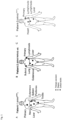
- Patient 3 received a targeted MEK inhibitor (i.e. MEK162), and was also progressive according to CT ( Figure 1F ). Analysis of the sequencing results showed expected numbers of total single nucleotide variations (SNVs) in the tumor samples, as published in previous studies 6,12 . Both dysplastic nevi from patient 1 had a lower protein-coding mutational burden than any tumor biopsy from the three patients, as measured by the total number of genes with nonsynonymous SNVs. Nevus 1 had 133 and nevus 2 had 101 mutated genes, whereas patient 1's tumor biopsies had an average of 186 mutated genes. Patient 2 and patient 3 averaged 196 and 234 mutated genes in their tumors, respectively.
- MEK162 MEK162
- the nevi had a reduced ratio of non-synonymous to synonymous mutations (i.e. 0.79) as compared to all other sequenced primary (1.20) and metastatic melanoma (1.22) lesions, indicating a lower proportion of protein coding changes in nevi versus melanoma tumors in general.
- the primary tumors each had higher numbers of private SNVs than each patient's metastases, suggesting an increased exclusive genetic diversity in primary tumors than in metastases 13 .
- patient 1 had 96 private SNVs exclusive to the primary tumor, and an average of 35 private SNVs in all metastases.
- Patient 2 had an average of 48 private SNVs exclusive to each of the three punches of the primary tumor, and on average 24 private SNVs in the metastases. Likewise, except for the one clear outlier metastasis (i.e. Late 1) in patient 3, each of the two primary tumor punches had higher numbers of private SNVs (i.e. 89) than the metastases (i.e. 38). Thus, overall the primary tumors had 2-2.7 fold significantly higher numbers (t-test, p ⁇ .00048) of private SNVs than the same patient's metastases in our cohort, with one outlier metastasis showing extraordinary numbers of private mutations.
- Exome sequencing could confirm the known BRAF and NRAS mutation status that was initially identified by Sanger sequencing at the time of diagnosis for each patient ( Figure 1 ). Additionally, the data for other known oncogenes and tumor suppressors were screened that could play a role in melanoma progression in our cohort. Although patient 2 had no known oncogenic drivers at the time of diagnosis, a non-synonymous germline mutation in the Melanocortin receptor MC1RV92M was identified, which has been shown to be significantly associated with an elevated risk of acquiring metastatic melanoma 14 . In addition, patient 3 had the germline mutation MITFE318K that was recently associated with an increased risk of developing melanoma 15 .
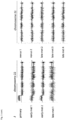
- Chromosomal imbalances could be identified in the investigated cohort that are known to occur frequently in melanoma ( Figure 1 G-I ).
- Patient 1 gained copies in 6p, 7, 8q and 17q ( Figure 1G ) in the late metastases 3 and 4 ( Figure 1G ).
- Patient 2 had gains in chromosome 1q, 7 and 22 in the late metastases ( Figure 1H ).
- patient 3 we found gains in chromosome 1q, 6p and 20q ( Figure 1I ). All patients showed at least partial losses in chromosome 6q, 9p and 10 as well as in some samples in chromosome 11,2 and 17 ( Figure 1 G-I ).
- CONTRA provides gene-specific information on CNVs.
- a consistent loss of the CDKN2A locus on chromosome 9 was found ( Figure 1G-I ) in all of the tumor samples, except in the nevi from patient 1. These losses were confirmed by qPCR to be homozygous in Patients 1 and 3, and heterozygous in patient 2 (data not shown), as predicted by both the EXCAVATOR and CONTRA algorithms ( Figures 1G-I , suppl. Table 3).
- PTEN chromosome 10
- the chromosome 10 CNVs would suggest that the late metastases derived from primary punch #2; however, the chromosome 14 CNVs are more suggestive of a late lineage deriving from primary punch #1 ( Figure 1I )
- the primary punch #2 has fewer losses in chromosome 11 than the other two primary punches, which suggests less similarity to the late metastases, whereas the pattern of losses on chromosome 3 would suggest a closer relationship between primary punch #2 and the late metastases ( Figure 1 H ).
- intra-patient CNV heterogeneity was quite high, as can be observed in patients where we sequenced multiple regions of the same primary tumor ( Figure 1 H,I ).
- Example 2 Whole-exome phylogenetic analysis identifies inter-tumor relationships and progression-relevant SNVs
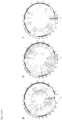
- phylogenetic algorithms were applied to the SNV and indel calls from each patient.
- Whole-exome phylogenetic analysis allowed to not only group tumor samples based on their total SNVs, insertions and deletions, but also to determine evolutionary relationships among the samples and to even find diagnostic characters supporting specific phylogenetic nodes ( Figure 2 ).
- the biopsies from patient 1 and 3 i.e. treated with BRAF and MEK targeted inhibitors, respectively
- TACC1 has been found to be frequently mutated in melanoma tumors, no role for TACC1 in treatment resistance has yet been identified 12 6. Since there may be intrapatient, inter-tumor heterogeneity of resistance mechanisms, it was sought to identify explanatory protein-coding changes in any of the post-treatment samples. In patient 1, a nonsynonymous mutation in GNAQT96S was detected in the primary and late metastasis 1, and TACC1C133A in the same biopsy. Although these mutations are in genes previously shown to be affected in melanoma, their role in treatment resistance remains unknown. Likewise, no known mechanisms of resistance were identified in the exome data of the other two patients.
- the BRAF-inhibitor treated patient samples (i.e. patient 1) were further investigated, due to the greater knowledge of BRAF-inhibitor resistance mechanisms in the literature 9 .
- Sanger sequencing was conducted on the same biopsy samples and on additional biopsies for which DNA was too limiting for exome sequencing without amplification.
- the BRAFV600E mutation could be confirmed by standard Sanger sequencing of PCR amplicons from all tumor samples (data not shown).
- activating NRAS mutations are the most common resistance mechanism so far identified, being present in 17.8% of BRAF-inhibitor resistant tumors 9 , it was chosen to first conduct Sanger sequencing of exons 2 and 3 of the NRAS locus in all patient 1 samples.
- the activating mutation NRASQ61K in patient 1 late metastasis number 6 was identified which arose after relapse.
- the same mutation was absent in all other metastatic samples.
- this metastasis still had the BRAFV600E mutation, as well as two additional mutations that were found exclusively and ubiquitously in all of patient 1's other post-treatment metastases: TACC1L452V and C11orf30K22N (data not shown).
- No other specific mutations were tested by Sanger sequencing, but subsequent exome sequencing of a primary cell culture derived from late metastasis 6 (i.e. culture number M121224), could also confirm the presence of these mutations.
- Example 4 Two activating MAPK mutations are present in single, BRAF-inhibitor resistant, but MEK and ERK-inhibitor sensitive melanoma cells
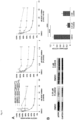
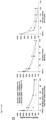
- M121224 were treated with LGX818 and two other commercially available BRAF inhibitors (i.e. PLX4032 and GSK2128436), and cell viability was measured by the MTT assay ( Figure 4A ).
- a BRAFV600E mutated melanoma cell culture (M980513) was included as a positive control and an NRASQ61R mutated cell culture (M010817) as a negative control for BRAF inhibitor treatment.
- the M121224 line was still resistant to LGX818 to the same extent as the BRAFwt cell culture, M010817 ( Figure 4A ).
- M121224 was also resistant to PLX4032 and GSK2118436 but to a lesser extent than the LGX818 inhibitor, to which the patient derived resistance ( Figure 4A ).
- Phosphorylated ERK (pERK) levels in M121224 were significantly decreased at the IC50 concentration of LGX818 and PLX4032 ( Figure 4B ).
- Significant down-regulation of three pERK target genes in M980513 and M121224 was observed at the IC50 concentration of PLX4032 and LGX818 ( Figure 4C ), but not in the control NRASQ61R cell line.
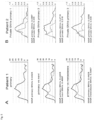
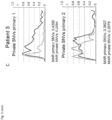
- a bimodal distribution was observed of the MAFs in the primary tumor, with a peak at 0.35 and a secondary peak at 0.15.
- the first peak likely corresponds to clonal heterozygous mutations and indicates a tumor purity of 70%.
- DNA was either isolated from paraffin embedded tissue stored in the biobank of the institute of Dermatology of the University Hospital of Zürich, fresh frozen tissue, or PBMCs.
- DNA from paraffin blocks was isolated using the FFPE DNA isolation kit from Qiagen (QIAamp DNA FFPE Tissue Kit #56404) and optimized protocols developed by Ultan McDermott at the Sanger institute. For DNA isolation from non-paraffin embedded samples we followed standard DNA isolation protocols published earlier. Given patient consent samples were collected during autopsy shortly after death. Samples were processed immediately after collection to ensure best possible DNA and RNA quality. Where possible, primary cell cultures were established as in previous studies 28 .
- each tumor sample was evaluated by a trained dermato-histopathologist. Quality of the tissue as well as tumor content was checked and regions suitable for DNA isolation were marked. When available, DNA was sequenced from dysplastic nevi, primary melanoma tumors and metastases taken before therapy, as well as metastases obtained during necropsy. Germline DNA from PBMCs was sequenced for all patients if available as a reference 29 .
- DNA quality was measured by an Agilent 2100 Bioanalyzer or Agilent 2200 Tapestation. One to three ⁇ g of high quality DNA was used to prepare the whole exome library using the Agilent SureSelect V4 or V5 kit. Sequencing was performed on an Illumina Hiseq 2000 machine in the Functional Genomics Center at University of Zürich. For the whole exome sequencing we sequenced 0.25 lanes per sample, paired-end, with 100bp reads.
- Bioinformatics analysis was conducted with a modified GATK pipeline 30-32 : Quality control was done with "FASTQC” 33 . Alignment of the FASTQ file to the reference genome "hg19" 34 was done with “BWA” 35 . Transformation from SAM to BAM file format was done with “BWA”. PCR duplicates were marked by MarkDuplicates from "Picard” 36 , Local realignment around indels with RealignerTargetCreator (GATK), realigning with IndelRealigner (GATK), fix mate information with FixMateInformation (Picard), base quality score recalibration with Baserecalibrator (GATK) and PrintReads (GATK). Variant calling was done with UnifiedGenotyper (GATK). For annotation of the VCF files we used Annovar 37 . Furthermore we used Samtools 38 and Bedtools 39 . For data interpretation Microsoft Access, Microsoft Excel, Venny 40 , ConSet 41 and IGV 42,43 was used.
- the mutant allele frequency was calculated for all the samples to get an impression of the degree of contamination with non-tumor tissue. Most of the samples showed a mutant allele frequency of 0.4 to 0.5 which corresponds to close to 100% tumor material being (Data not shown).
- SNVs were filtered according to the following read count criteria: A base must have at least four mutant reads and at least 10 total reads, if less than 10 total reads, at least half of them must be mutated. Also all SNVs with a phred-scaled quality score of ⁇ 50 were excluded from further analysis. A SNV was called somatic if the unfiltered blood sample from the same patient did not show any mutant read for this position.
- Mutant allele ratios were calculated by dividing mutant read counts by total read counts for each called SNV. Frequencies for these ratios were calculated and trendlines were plotted in Excel with the Moving Average method (period: 3). To reduce the number of false positive SNVs more strict filtering was applied on the private SNVs. Quality threshold was raised to a phred score of 100, and the SNV needed to have at least 10 total reads. Genes that had more than 8 SNVs were excluded.
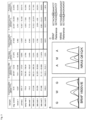
- BRAF V600E 6-VIC-TAGCTACAGAGAAATC-MGB
- NRAS Q61K 6-FAM-CAGCTGGAAAAGAA-MGB
- the DNA was diluted to a final concentration of 4 ⁇ M; DNA concentration varied from 0.3ng/ ⁇ l to 6.6ng/ ⁇ l depending on the expected frequency of the target sequence. Chip loading and thermocycling conditions were according to the Life Technologies instructions. Fluorescence measurement was performed using the Quant Studio 3D and output was processed by QuantStudio 3D AnalysisSuite Software. Fluorescence values were Poisson corrected and copies per ⁇ l were calculated. Every sample showing a precision higher than 15% was classified as negative for the specific mutation.
- the cells from a confluent T75 cell culture flask were pelleted and resuspended in 100 ⁇ l FACS buffer (1% FBS, 5mM EDTA pH8, 0.01% NaN3/ddH2O in PBS). Cells were incubated for 20 minutes at 4°C with the following photosensitive antibodies: Anti-human MCSP-FITC (Miltenyi Biotec 130-098-794, Bergisch Gladbach Germany), diluted 1:20 in FACS buffer. Anti-human Fibroblasts/Epithelial-PE (ABIN319868, Aachen Germany), diluted 1:200 in FACS buffer. After washing, cells were resuspended in 200 ⁇ l FACS buffer and sorted using the Aria IIb (BD Biosciences, Franklin Lakes, New Jersey, USA).
- FACS buffer 1% FBS, 5mM EDTA pH8, 0.01% NaN3/ddH2O in PBS.
- PBMCs 1x10⁷ PBMCs were used for isolating melanoma cells with the CD56+CD16+NK cell isolation kit from Miltenyi Biotec (Bergisch Gladbach, Germany), according to the manufacturer's instructions.
- One deviation from the manual was in the last step, which is a positive selection for NK cells, whereas the flow-through contained the melanoma cells; other immune non-NK cells were depleted in the first step.
- After collecting the flow-through containing all non-immune cells cells were pelleted for 5 minutes at 1500rpm and DNA isolation followed as with the non-paraffin samples reported here.
- Variants diagnostic for a given clade are defined as existing solely in that clade and nowhere else for that position. All leaves emanating from the node in question must share a variant and all other leaves must contain a different character for a variant to be diagnostic. Diagnostic variants can therefore also be termed an apomorphy.
- Tris-buffered saline pH 7.4
- Stop solution 0.05M Tris Base, 0.15M NaCl and 0.01M EDTA in H2O, final pH 7.4 was added for 10 minutes.
- the pellet was washed two times with RPMI1640 and finally the cells were cultured in RPMI1640supplemented with 5mM L-glutamine (Biochrom, Berlin, Germany), 1mM sodium pyruvate (Gibco, Carlsbad, CA, USA) and 10% FCS (Gibco (Carlsbad, CA, USA)) in 37°C and 5% CO2 atmosphere. After several passages melanoma culture was confirmed by immunohistochemistry and mutation status of the cells was assessed.
- BRAFV600E, NRASWT Cell sensitivity for different small molecule inhibitors was evaluated for the cell cultures M980513 (BRAFV600E, NRASWT), M000921 (BRAFV600E, NRASWT), M010817 (BRAFWT, NRASQ61R) and M121224 (BRAFV600E, NRASQ61K).
- 1x10 ⁇ 4 cells were seeded and treated for 72 hours with different concentrations of either a BRAF inhibitor (PLX4032, LGX818 or GSK2118436), a MEK inhibitor (MEK162), an ERK inhibitor (SCH772984), or a combination of a BRAF and MEK inhibitor (LGX818+MEK162).
- DMSO treatment was used as a control.
- Total protein was collected by washing cells twice with ice cold PBS and subsequent lysis in RIPA buffer (20mM Tris-HCl (pH 7.5), 1% Triton X-100 (Sigma), 137mM NaCl, 10% glycerol and protease inhibitors (Roche). Concentration of the protein was measured with the Bio-Rad Dc Protein Assay (Bio-Rad, Hercules, CA, USA) according to the manufacturer's protocol. SDS-Page was used to separate the proteins, after which they were transferred onto a nitrocellulose membrane.
- Membranes were probed with a rabbit anti-pERK antibody (Cell Signaling, product nr #4376S) and a rabbit anti-GAPDH antibody (Abcam, Cambridge, UK, product nr ab9385), followed by horseradish peroxidase-conjugated goat anti-rabbit IgG (Santa Cruz, product nr sc-2030)Bound antibodies were detected using chemiluminescence (ECL, GE Healthcare, Chalfont St. Giles, UK). Afterwards, band intensity was measured using ImageJ software (imagej.nih.gov/ij/) and pERK band intensity was corrected for corresponding GAPDH band intensity.
- chemiluminescence ECL, GE Healthcare, Chalfont St. Giles, UK
- the ViiA7 (Life Technologies) was used, and the reaction mix consisted of 5 ⁇ l SYBR Green (Roche), 3.5 ⁇ l H2O, 0.5 ⁇ l forward + reverse primer (10 ⁇ M) (Microsynth) and 1 ⁇ l of cDNA (50 ng) Cycling conditions were: 10min of 95°C, followed by 40 cycles of 95°C for 10 seconds and 58°C for 30 seconds, ending with 15 seconds of 95°C, 1 minute 60°C and 15 seconds 95°C.
- GAPDH was used as housekeeping gene.
Landscapes
- Health & Medical Sciences (AREA)
- Chemical & Material Sciences (AREA)
- Life Sciences & Earth Sciences (AREA)
- Organic Chemistry (AREA)
- Proteomics, Peptides & Aminoacids (AREA)
- Engineering & Computer Science (AREA)
- Immunology (AREA)
- Pathology (AREA)
- Zoology (AREA)
- Wood Science & Technology (AREA)
- Analytical Chemistry (AREA)
- Genetics & Genomics (AREA)
- General Health & Medical Sciences (AREA)
- Bioinformatics & Cheminformatics (AREA)
- Molecular Biology (AREA)
- Biochemistry (AREA)
- Oncology (AREA)
- Biophysics (AREA)
- General Engineering & Computer Science (AREA)
- Physics & Mathematics (AREA)
- Biotechnology (AREA)
- Hospice & Palliative Care (AREA)
- Microbiology (AREA)
- Medicinal Chemistry (AREA)
- Public Health (AREA)
- Animal Behavior & Ethology (AREA)
- Veterinary Medicine (AREA)
- Pharmacology & Pharmacy (AREA)
- General Chemical & Material Sciences (AREA)
- Chemical Kinetics & Catalysis (AREA)
- Nuclear Medicine, Radiotherapy & Molecular Imaging (AREA)
- Epidemiology (AREA)
- Measuring Or Testing Involving Enzymes Or Micro-Organisms (AREA)
- Medicines That Contain Protein Lipid Enzymes And Other Medicines (AREA)
- Apparatus Associated With Microorganisms And Enzymes (AREA)
Applications Claiming Priority (2)
| Application Number | Priority Date | Filing Date | Title |
|---|---|---|---|
| EP14176944 | 2014-07-14 | ||
| PCT/EP2015/065986 WO2016008853A1 (en) | 2014-07-14 | 2015-07-13 | Means and methods for identifying a patient having a braf-positive cancer as a non-responder to a braf inhibitor and as a responder to an mapk/erk inhibitor |
Publications (3)
| Publication Number | Publication Date |
|---|---|
| EP3169797A1 EP3169797A1 (en) | 2017-05-24 |
| EP3169797B1 EP3169797B1 (en) | 2019-08-21 |
| EP3169797B2 true EP3169797B2 (en) | 2025-02-19 |
Family
ID=51210291
Family Applications (1)
| Application Number | Title | Priority Date | Filing Date |
|---|---|---|---|
| EP15734713.9A Active EP3169797B2 (en) | 2014-07-14 | 2015-07-13 | Means and methods for identifying a patient having a braf-positive cancer as a non-responder to a braf inhibitor and as a responder to an mapk/erk inhibitor |
Country Status (7)
| Country | Link |
|---|---|
| US (1) | US20190194757A1 (enExample) |
| EP (1) | EP3169797B2 (enExample) |
| JP (1) | JP7036594B2 (enExample) |
| CN (1) | CN107148481A (enExample) |
| CA (1) | CA2953732C (enExample) |
| ES (1) | ES2751925T5 (enExample) |
| WO (1) | WO2016008853A1 (enExample) |
Families Citing this family (5)
| Publication number | Priority date | Publication date | Assignee | Title |
|---|---|---|---|---|
| US11040027B2 (en) | 2017-01-17 | 2021-06-22 | Heparegenix Gmbh | Protein kinase inhibitors for promoting liver regeneration or reducing or preventing hepatocyte death |
| WO2018213302A1 (en) | 2017-05-16 | 2018-11-22 | Biomed Valley Discoveries, Inc. | Compositions and methods for treating cancer with atypical braf mutations |
| CN112795647B (zh) * | 2019-11-14 | 2022-08-16 | 北京肿瘤医院(北京大学肿瘤医院) | 一种肿瘤标志物及其应用 |
| CN111020033A (zh) * | 2019-12-24 | 2020-04-17 | 中山大学达安基因股份有限公司 | 多重检测braf基因突变的试剂盒及方法 |
| US20240288397A1 (en) * | 2021-06-23 | 2024-08-29 | Royal Melbourne Institute Of Technology | Conductometric sensor for detecting a nucleic acid and a method for the detection thereof |
Family Cites Families (9)
| Publication number | Priority date | Publication date | Assignee | Title |
|---|---|---|---|---|
| US20120252015A1 (en) * | 2011-02-18 | 2012-10-04 | Bio-Rad Laboratories | Methods and compositions for detecting genetic material |
| EP3249053A1 (en) * | 2009-03-27 | 2017-11-29 | Life Technologies Corporation | Methods, compositions, and kits for detecting allelic variants |
| US20130315934A1 (en) * | 2010-10-28 | 2013-11-28 | Yale University | Methods and Compositions for Assessing and Treating Cancer |
| WO2012061683A2 (en) | 2010-11-05 | 2012-05-10 | Glaxosmithkline Llc | Methods for treating cancer |
| CN104689318A (zh) * | 2010-11-19 | 2015-06-10 | 葛兰素史密斯克莱知识产权(第2号)有限公司 | 使用braf抑制剂的治疗方法 |
| WO2012068562A2 (en) | 2010-11-19 | 2012-05-24 | The Regents Of The University Of California | Compositions and methods for detection and treatment of b-raf inhibitor-resistant melanomas |
| WO2014009319A1 (en) * | 2012-07-11 | 2014-01-16 | Boehringer Ingelheim International Gmbh | Indolinone derivatives anticancer compounds |
| WO2014009318A1 (en) * | 2012-07-11 | 2014-01-16 | Boehringer Ingelheim International Gmbh | 3-{3-[1 -(4-dimethylaminomethyl-phenylamino)-1 -phenyl-meth-(z)-ylidene]-2-oxo-2,3-dihydro-1 h-indol-6-yll-propynoic acid ethylamide and its use in the treatment of cancer |
| CA2886397A1 (en) * | 2012-09-26 | 2014-04-03 | Insight Genetics, Inc. | Methods and compositions relating to next generation sequencing for genetic testing in alk related cancers |
-
2015
- 2015-07-13 CA CA2953732A patent/CA2953732C/en active Active
- 2015-07-13 US US15/326,344 patent/US20190194757A1/en not_active Abandoned
- 2015-07-13 EP EP15734713.9A patent/EP3169797B2/en active Active
- 2015-07-13 ES ES15734713T patent/ES2751925T5/es active Active
- 2015-07-13 WO PCT/EP2015/065986 patent/WO2016008853A1/en not_active Ceased
- 2015-07-13 CN CN201580038260.0A patent/CN107148481A/zh active Pending
- 2015-07-13 JP JP2017522732A patent/JP7036594B2/ja active Active
Also Published As
| Publication number | Publication date |
|---|---|
| WO2016008853A1 (en) | 2016-01-21 |
| CN107148481A (zh) | 2017-09-08 |
| EP3169797A1 (en) | 2017-05-24 |
| EP3169797B1 (en) | 2019-08-21 |
| ES2751925T5 (en) | 2025-05-13 |
| CA2953732C (en) | 2023-09-26 |
| US20190194757A1 (en) | 2019-06-27 |
| JP7036594B2 (ja) | 2022-03-15 |
| CA2953732A1 (en) | 2016-01-21 |
| JP2017529094A (ja) | 2017-10-05 |
| ES2751925T3 (es) | 2020-04-02 |
Similar Documents
| Publication | Publication Date | Title |
|---|---|---|
| Carvalho et al. | Lack of microRNA‐101 causes E‐cadherin functional deregulation through EZH2 up‐regulation in intestinal gastric cancer | |
| Rivera et al. | DGCR8 microprocessor defect characterizes familial multinodular goiter with schwannomatosis | |
| Okayama et al. | Identification of genes upregulated in ALK-positive and EGFR/KRAS/ALK-negative lung adenocarcinomas | |
| Lin et al. | Genetic interactions reveal distinct biological and therapeutic implications in breast cancer | |
| US9441277B2 (en) | Compositions and methods for detecting cancer metastasis | |
| EP3910073A1 (en) | Splice variants associated with neomorphic sf3b1 mutants | |
| Liu et al. | Rare deleterious germline variants and risk of lung cancer | |
| EP3169797B1 (en) | Means and methods for identifying a patient having a braf-positive cancer as a non-responder to a braf inhibitor and as a responder to an mapk/erk inhibitor | |
| Flynn et al. | Multi-omic analysis of SDHB-deficient pheochromocytomas and paragangliomas identifies metastasis and treatment-related molecular profiles | |
| Galvan et al. | Germline polymorphisms and survival of lung adenocarcinoma patients: a genome‐wide study in two European patient series | |
| KR20180108820A (ko) | 암 후생유전적 프로파일링 | |
| Tian et al. | NOP2-mediated 5-methylcytosine modification of APOL1 messenger RNA activates PI3K-Akt and facilitates clear cell renal cell carcinoma progression | |
| de Bony et al. | Comprehensive identification of long noncoding RNAs in colorectal cancer | |
| US20150118243A1 (en) | Methods and Compositions for Identifying, Diagnosing, and Treating Neuroblastoma | |
| Biswas et al. | Genomic profiling of multiple sequentially acquired tumor metastatic sites from an “exceptional responder” lung adenocarcinoma patient reveals extensive genomic heterogeneity and novel somatic variants driving treatment response | |
| WO2014135655A1 (en) | Compositions and methods for treating muscle-invasive bladder cancer | |
| Gara et al. | GATA3 and APOBEC3B are prognostic markers in adrenocortical carcinoma and APOBEC3B is directly transcriptionally regulated by GATA3 | |
| Tombolan et al. | NELL1, whose high expression correlates with negative outcomes, has different methylation patterns in alveolar and embryonal rhabdomyosarcoma | |
| Chen et al. | The genetics of splicing in neuroblastoma | |
| Bersani et al. | Exploring circular MET RNA as a potential biomarker in tumors exhibiting high MET activity | |
| Van Goubergen et al. | Targeting the CLK 2/SRSF 9 splicing axis in prostate cancer leads to decreased ARV 7 expression | |
| Gong et al. | Rare pathogenic structural variants show potential to enhance prostate cancer germline testing for African men | |
| Ekstrom et al. | USP44 overexpression drives a MYC-like gene expression program in neuroblastoma through epigenetic reprogramming | |
| WO2016040167A1 (en) | Compositions and methods for detecting and treating small cell lung cancer | |
| Kamikatahira et al. | The SNP rs6508974 in AXL is a functional polymorphism and a promising biomarker for gefitinib treatment |
Legal Events
| Date | Code | Title | Description |
|---|---|---|---|
| STAA | Information on the status of an ep patent application or granted ep patent |
Free format text: STATUS: THE INTERNATIONAL PUBLICATION HAS BEEN MADE |
|
| PUAI | Public reference made under article 153(3) epc to a published international application that has entered the european phase |
Free format text: ORIGINAL CODE: 0009012 |
|
| STAA | Information on the status of an ep patent application or granted ep patent |
Free format text: STATUS: REQUEST FOR EXAMINATION WAS MADE |
|
| 17P | Request for examination filed |
Effective date: 20170117 |
|
| AK | Designated contracting states |
Kind code of ref document: A1 Designated state(s): AL AT BE BG CH CY CZ DE DK EE ES FI FR GB GR HR HU IE IS IT LI LT LU LV MC MK MT NL NO PL PT RO RS SE SI SK SM TR |
|
| AX | Request for extension of the european patent |
Extension state: BA ME |
|
| DAV | Request for validation of the european patent (deleted) | ||
| DAX | Request for extension of the european patent (deleted) | ||
| STAA | Information on the status of an ep patent application or granted ep patent |
Free format text: STATUS: EXAMINATION IS IN PROGRESS |
|
| 17Q | First examination report despatched |
Effective date: 20180212 |
|
| REG | Reference to a national code |
Ref country code: DE Ref legal event code: R079 Ref document number: 602015036258 Country of ref document: DE Free format text: PREVIOUS MAIN CLASS: C12Q0001680000 Ipc: C12Q0001688600 |
|
| GRAP | Despatch of communication of intention to grant a patent |
Free format text: ORIGINAL CODE: EPIDOSNIGR1 |
|
| RIC1 | Information provided on ipc code assigned before grant |
Ipc: C12Q 1/6886 20180101AFI20190215BHEP |
|
| STAA | Information on the status of an ep patent application or granted ep patent |
Free format text: STATUS: GRANT OF PATENT IS INTENDED |
|
| INTG | Intention to grant announced |
Effective date: 20190328 |
|
| RAP1 | Party data changed (applicant data changed or rights of an application transferred) |
Owner name: UNIVERSITAET ZUERICH PROREKTORAT MNW |
|
| GRAS | Grant fee paid |
Free format text: ORIGINAL CODE: EPIDOSNIGR3 |
|
| GRAA | (expected) grant |
Free format text: ORIGINAL CODE: 0009210 |
|
| STAA | Information on the status of an ep patent application or granted ep patent |
Free format text: STATUS: THE PATENT HAS BEEN GRANTED |
|
| AK | Designated contracting states |
Kind code of ref document: B1 Designated state(s): AL AT BE BG CH CY CZ DE DK EE ES FI FR GB GR HR HU IE IS IT LI LT LU LV MC MK MT NL NO PL PT RO RS SE SI SK SM TR |
|
| REG | Reference to a national code |
Ref country code: GB Ref legal event code: FG4D |
|
| REG | Reference to a national code |
Ref country code: CH Ref legal event code: EP |
|
| REG | Reference to a national code |
Ref country code: DE Ref legal event code: R096 Ref document number: 602015036258 Country of ref document: DE |
|
| REG | Reference to a national code |
Ref country code: AT Ref legal event code: REF Ref document number: 1169822 Country of ref document: AT Kind code of ref document: T Effective date: 20190915 |
|
| REG | Reference to a national code |
Ref country code: IE Ref legal event code: FG4D |
|
| REG | Reference to a national code |
Ref country code: LT Ref legal event code: MG4D |
|
| REG | Reference to a national code |
Ref country code: NL Ref legal event code: MP Effective date: 20190821 |
|
| PG25 | Lapsed in a contracting state [announced via postgrant information from national office to epo] |
Ref country code: PT Free format text: LAPSE BECAUSE OF FAILURE TO SUBMIT A TRANSLATION OF THE DESCRIPTION OR TO PAY THE FEE WITHIN THE PRESCRIBED TIME-LIMIT Effective date: 20191223 Ref country code: FI Free format text: LAPSE BECAUSE OF FAILURE TO SUBMIT A TRANSLATION OF THE DESCRIPTION OR TO PAY THE FEE WITHIN THE PRESCRIBED TIME-LIMIT Effective date: 20190821 Ref country code: SE Free format text: LAPSE BECAUSE OF FAILURE TO SUBMIT A TRANSLATION OF THE DESCRIPTION OR TO PAY THE FEE WITHIN THE PRESCRIBED TIME-LIMIT Effective date: 20190821 Ref country code: LT Free format text: LAPSE BECAUSE OF FAILURE TO SUBMIT A TRANSLATION OF THE DESCRIPTION OR TO PAY THE FEE WITHIN THE PRESCRIBED TIME-LIMIT Effective date: 20190821 Ref country code: HR Free format text: LAPSE BECAUSE OF FAILURE TO SUBMIT A TRANSLATION OF THE DESCRIPTION OR TO PAY THE FEE WITHIN THE PRESCRIBED TIME-LIMIT Effective date: 20190821 Ref country code: NO Free format text: LAPSE BECAUSE OF FAILURE TO SUBMIT A TRANSLATION OF THE DESCRIPTION OR TO PAY THE FEE WITHIN THE PRESCRIBED TIME-LIMIT Effective date: 20191121 Ref country code: NL Free format text: LAPSE BECAUSE OF FAILURE TO SUBMIT A TRANSLATION OF THE DESCRIPTION OR TO PAY THE FEE WITHIN THE PRESCRIBED TIME-LIMIT Effective date: 20190821 Ref country code: BG Free format text: LAPSE BECAUSE OF FAILURE TO SUBMIT A TRANSLATION OF THE DESCRIPTION OR TO PAY THE FEE WITHIN THE PRESCRIBED TIME-LIMIT Effective date: 20191121 |
|
| PG25 | Lapsed in a contracting state [announced via postgrant information from national office to epo] |
Ref country code: AL Free format text: LAPSE BECAUSE OF FAILURE TO SUBMIT A TRANSLATION OF THE DESCRIPTION OR TO PAY THE FEE WITHIN THE PRESCRIBED TIME-LIMIT Effective date: 20190821 Ref country code: IS Free format text: LAPSE BECAUSE OF FAILURE TO SUBMIT A TRANSLATION OF THE DESCRIPTION OR TO PAY THE FEE WITHIN THE PRESCRIBED TIME-LIMIT Effective date: 20191221 Ref country code: RS Free format text: LAPSE BECAUSE OF FAILURE TO SUBMIT A TRANSLATION OF THE DESCRIPTION OR TO PAY THE FEE WITHIN THE PRESCRIBED TIME-LIMIT Effective date: 20190821 Ref country code: LV Free format text: LAPSE BECAUSE OF FAILURE TO SUBMIT A TRANSLATION OF THE DESCRIPTION OR TO PAY THE FEE WITHIN THE PRESCRIBED TIME-LIMIT Effective date: 20190821 Ref country code: GR Free format text: LAPSE BECAUSE OF FAILURE TO SUBMIT A TRANSLATION OF THE DESCRIPTION OR TO PAY THE FEE WITHIN THE PRESCRIBED TIME-LIMIT Effective date: 20191122 |
|
| REG | Reference to a national code |
Ref country code: AT Ref legal event code: MK05 Ref document number: 1169822 Country of ref document: AT Kind code of ref document: T Effective date: 20190821 |
|
| PG25 | Lapsed in a contracting state [announced via postgrant information from national office to epo] |
Ref country code: TR Free format text: LAPSE BECAUSE OF FAILURE TO SUBMIT A TRANSLATION OF THE DESCRIPTION OR TO PAY THE FEE WITHIN THE PRESCRIBED TIME-LIMIT Effective date: 20190821 |
|
| REG | Reference to a national code |
Ref country code: ES Ref legal event code: FG2A Ref document number: 2751925 Country of ref document: ES Kind code of ref document: T3 Effective date: 20200402 |
|
| PG25 | Lapsed in a contracting state [announced via postgrant information from national office to epo] |
Ref country code: RO Free format text: LAPSE BECAUSE OF FAILURE TO SUBMIT A TRANSLATION OF THE DESCRIPTION OR TO PAY THE FEE WITHIN THE PRESCRIBED TIME-LIMIT Effective date: 20190821 Ref country code: PL Free format text: LAPSE BECAUSE OF FAILURE TO SUBMIT A TRANSLATION OF THE DESCRIPTION OR TO PAY THE FEE WITHIN THE PRESCRIBED TIME-LIMIT Effective date: 20190821 Ref country code: AT Free format text: LAPSE BECAUSE OF FAILURE TO SUBMIT A TRANSLATION OF THE DESCRIPTION OR TO PAY THE FEE WITHIN THE PRESCRIBED TIME-LIMIT Effective date: 20190821 Ref country code: EE Free format text: LAPSE BECAUSE OF FAILURE TO SUBMIT A TRANSLATION OF THE DESCRIPTION OR TO PAY THE FEE WITHIN THE PRESCRIBED TIME-LIMIT Effective date: 20190821 Ref country code: DK Free format text: LAPSE BECAUSE OF FAILURE TO SUBMIT A TRANSLATION OF THE DESCRIPTION OR TO PAY THE FEE WITHIN THE PRESCRIBED TIME-LIMIT Effective date: 20190821 |
|
| REG | Reference to a national code |
Ref country code: DE Ref legal event code: R026 Ref document number: 602015036258 Country of ref document: DE |
|
| PG25 | Lapsed in a contracting state [announced via postgrant information from national office to epo] |
Ref country code: CZ Free format text: LAPSE BECAUSE OF FAILURE TO SUBMIT A TRANSLATION OF THE DESCRIPTION OR TO PAY THE FEE WITHIN THE PRESCRIBED TIME-LIMIT Effective date: 20190821 Ref country code: SM Free format text: LAPSE BECAUSE OF FAILURE TO SUBMIT A TRANSLATION OF THE DESCRIPTION OR TO PAY THE FEE WITHIN THE PRESCRIBED TIME-LIMIT Effective date: 20190821 Ref country code: SK Free format text: LAPSE BECAUSE OF FAILURE TO SUBMIT A TRANSLATION OF THE DESCRIPTION OR TO PAY THE FEE WITHIN THE PRESCRIBED TIME-LIMIT Effective date: 20190821 Ref country code: IS Free format text: LAPSE BECAUSE OF FAILURE TO SUBMIT A TRANSLATION OF THE DESCRIPTION OR TO PAY THE FEE WITHIN THE PRESCRIBED TIME-LIMIT Effective date: 20200224 |
|
| PLBI | Opposition filed |
Free format text: ORIGINAL CODE: 0009260 |
|
| PLAX | Notice of opposition and request to file observation + time limit sent |
Free format text: ORIGINAL CODE: EPIDOSNOBS2 |
|
| 26 | Opposition filed |
Opponent name: STRAWMAN LIMITED Effective date: 20200520 |
|
| PG2D | Information on lapse in contracting state deleted |
Ref country code: IS |
|
| PG25 | Lapsed in a contracting state [announced via postgrant information from national office to epo] |
Ref country code: SI Free format text: LAPSE BECAUSE OF FAILURE TO SUBMIT A TRANSLATION OF THE DESCRIPTION OR TO PAY THE FEE WITHIN THE PRESCRIBED TIME-LIMIT Effective date: 20190821 |
|
| PLBB | Reply of patent proprietor to notice(s) of opposition received |
Free format text: ORIGINAL CODE: EPIDOSNOBS3 |
|
| PG25 | Lapsed in a contracting state [announced via postgrant information from national office to epo] |
Ref country code: MC Free format text: LAPSE BECAUSE OF FAILURE TO SUBMIT A TRANSLATION OF THE DESCRIPTION OR TO PAY THE FEE WITHIN THE PRESCRIBED TIME-LIMIT Effective date: 20190821 |
|
| REG | Reference to a national code |
Ref country code: BE Ref legal event code: MM Effective date: 20200731 |
|
| PG25 | Lapsed in a contracting state [announced via postgrant information from national office to epo] |
Ref country code: LU Free format text: LAPSE BECAUSE OF NON-PAYMENT OF DUE FEES Effective date: 20200713 |
|
| PG25 | Lapsed in a contracting state [announced via postgrant information from national office to epo] |
Ref country code: BE Free format text: LAPSE BECAUSE OF NON-PAYMENT OF DUE FEES Effective date: 20200731 |
|
| PG25 | Lapsed in a contracting state [announced via postgrant information from national office to epo] |
Ref country code: IE Free format text: LAPSE BECAUSE OF NON-PAYMENT OF DUE FEES Effective date: 20200713 |
|
| PG25 | Lapsed in a contracting state [announced via postgrant information from national office to epo] |
Ref country code: MT Free format text: LAPSE BECAUSE OF FAILURE TO SUBMIT A TRANSLATION OF THE DESCRIPTION OR TO PAY THE FEE WITHIN THE PRESCRIBED TIME-LIMIT Effective date: 20190821 Ref country code: CY Free format text: LAPSE BECAUSE OF FAILURE TO SUBMIT A TRANSLATION OF THE DESCRIPTION OR TO PAY THE FEE WITHIN THE PRESCRIBED TIME-LIMIT Effective date: 20190821 |
|
| PG25 | Lapsed in a contracting state [announced via postgrant information from national office to epo] |
Ref country code: MK Free format text: LAPSE BECAUSE OF FAILURE TO SUBMIT A TRANSLATION OF THE DESCRIPTION OR TO PAY THE FEE WITHIN THE PRESCRIBED TIME-LIMIT Effective date: 20190821 |
|
| APBM | Appeal reference recorded |
Free format text: ORIGINAL CODE: EPIDOSNREFNO |
|
| APBP | Date of receipt of notice of appeal recorded |
Free format text: ORIGINAL CODE: EPIDOSNNOA2O |
|
| APAH | Appeal reference modified |
Free format text: ORIGINAL CODE: EPIDOSCREFNO |
|
| APBQ | Date of receipt of statement of grounds of appeal recorded |
Free format text: ORIGINAL CODE: EPIDOSNNOA3O |
|
| REG | Reference to a national code |
Ref country code: DE Ref legal event code: R082 Ref document number: 602015036258 Country of ref document: DE Representative=s name: KRAUS & LEDERER PARTGMBB, DE |
|
| APBU | Appeal procedure closed |
Free format text: ORIGINAL CODE: EPIDOSNNOA9O |
|
| PUAH | Patent maintained in amended form |
Free format text: ORIGINAL CODE: 0009272 |
|
| STAA | Information on the status of an ep patent application or granted ep patent |
Free format text: STATUS: PATENT MAINTAINED AS AMENDED |
|
| 27A | Patent maintained in amended form |
Effective date: 20250219 |
|
| AK | Designated contracting states |
Kind code of ref document: B2 Designated state(s): AL AT BE BG CH CY CZ DE DK EE ES FI FR GB GR HR HU IE IS IT LI LT LU LV MC MK MT NL NO PL PT RO RS SE SI SK SM TR |
|
| REG | Reference to a national code |
Ref country code: DE Ref legal event code: R102 Ref document number: 602015036258 Country of ref document: DE |
|
| REG | Reference to a national code |
Ref country code: ES Ref legal event code: DC2A Ref document number: 2751925 Country of ref document: ES Kind code of ref document: T5 Effective date: 20250513 |
|
| PGFP | Annual fee paid to national office [announced via postgrant information from national office to epo] |
Ref country code: ES Payment date: 20250801 Year of fee payment: 11 |
|
| PGFP | Annual fee paid to national office [announced via postgrant information from national office to epo] |
Ref country code: DE Payment date: 20250620 Year of fee payment: 11 |
|
| PGFP | Annual fee paid to national office [announced via postgrant information from national office to epo] |
Ref country code: CH Payment date: 20250801 Year of fee payment: 11 |
|
| PGFP | Annual fee paid to national office [announced via postgrant information from national office to epo] |
Ref country code: GB Payment date: 20260618 Year of fee payment: 12 |
|
| PGFP | Annual fee paid to national office [announced via postgrant information from national office to epo] |
Ref country code: IT Payment date: 20260618 Year of fee payment: 12 |
|
| PGFP | Annual fee paid to national office [announced via postgrant information from national office to epo] |
Ref country code: FR Payment date: 20260619 Year of fee payment: 12 |
|
| REG | Reference to a national code |
Ref country code: CH Ref legal event code: U11 Free format text: ST27 STATUS EVENT CODE: U-0-0-U10-U11 (AS PROVIDED BY THE NATIONAL OFFICE) Effective date: 20260801 |