EP3157488B1 - Druckkammer und aufzug für ein differentielles luftdrucksystem mit medizinischer datensammlungskapazität - Google Patents
Druckkammer und aufzug für ein differentielles luftdrucksystem mit medizinischer datensammlungskapazität Download PDFInfo
- Publication number
- EP3157488B1 EP3157488B1 EP15810415.8A EP15810415A EP3157488B1 EP 3157488 B1 EP3157488 B1 EP 3157488B1 EP 15810415 A EP15810415 A EP 15810415A EP 3157488 B1 EP3157488 B1 EP 3157488B1
- Authority
- EP
- European Patent Office
- Prior art keywords
- user
- cockpit
- unweighting
- data
- treadmill
- Prior art date
- Legal status (The legal status is an assumption and is not a legal conclusion. Google has not performed a legal analysis and makes no representation as to the accuracy of the status listed.)
- Active
Links
Images





































Classifications
-
- A—HUMAN NECESSITIES
- A63—SPORTS; GAMES; AMUSEMENTS
- A63B—APPARATUS FOR PHYSICAL TRAINING, GYMNASTICS, SWIMMING, CLIMBING, OR FENCING; BALL GAMES; TRAINING EQUIPMENT
- A63B22/00—Exercising apparatus specially adapted for conditioning the cardio-vascular system, for training agility or co-ordination of movements
- A63B22/02—Exercising apparatus specially adapted for conditioning the cardio-vascular system, for training agility or co-ordination of movements with movable endless bands, e.g. treadmills
- A63B22/0235—Exercising apparatus specially adapted for conditioning the cardio-vascular system, for training agility or co-ordination of movements with movable endless bands, e.g. treadmills driven by a motor
- A63B22/0242—Exercising apparatus specially adapted for conditioning the cardio-vascular system, for training agility or co-ordination of movements with movable endless bands, e.g. treadmills driven by a motor with speed variation
- A63B22/025—Exercising apparatus specially adapted for conditioning the cardio-vascular system, for training agility or co-ordination of movements with movable endless bands, e.g. treadmills driven by a motor with speed variation electrically, e.g. D.C. motors with variable speed control
-
- A—HUMAN NECESSITIES
- A63—SPORTS; GAMES; AMUSEMENTS
- A63B—APPARATUS FOR PHYSICAL TRAINING, GYMNASTICS, SWIMMING, CLIMBING, OR FENCING; BALL GAMES; TRAINING EQUIPMENT
- A63B22/00—Exercising apparatus specially adapted for conditioning the cardio-vascular system, for training agility or co-ordination of movements
- A63B22/02—Exercising apparatus specially adapted for conditioning the cardio-vascular system, for training agility or co-ordination of movements with movable endless bands, e.g. treadmills
-
- A—HUMAN NECESSITIES
- A61—MEDICAL OR VETERINARY SCIENCE; HYGIENE
- A61G—TRANSPORT, PERSONAL CONVEYANCES, OR ACCOMMODATION SPECIALLY ADAPTED FOR PATIENTS OR DISABLED PERSONS; OPERATING TABLES OR CHAIRS; CHAIRS FOR DENTISTRY; FUNERAL DEVICES
- A61G10/00—Treatment rooms or enclosures for medical purposes
- A61G10/02—Treatment rooms or enclosures for medical purposes with artificial climate; with means to maintain a desired pressure, e.g. for germ-free rooms
-
- A—HUMAN NECESSITIES
- A63—SPORTS; GAMES; AMUSEMENTS
- A63B—APPARATUS FOR PHYSICAL TRAINING, GYMNASTICS, SWIMMING, CLIMBING, OR FENCING; BALL GAMES; TRAINING EQUIPMENT
- A63B21/00—Exercising apparatus for developing or strengthening the muscles or joints of the body by working against a counterforce, with or without measuring devices
- A63B21/00181—Exercising apparatus for developing or strengthening the muscles or joints of the body by working against a counterforce, with or without measuring devices comprising additional means assisting the user to overcome part of the resisting force, i.e. assisted-active exercising
-
- A—HUMAN NECESSITIES
- A63—SPORTS; GAMES; AMUSEMENTS
- A63B—APPARATUS FOR PHYSICAL TRAINING, GYMNASTICS, SWIMMING, CLIMBING, OR FENCING; BALL GAMES; TRAINING EQUIPMENT
- A63B22/00—Exercising apparatus specially adapted for conditioning the cardio-vascular system, for training agility or co-ordination of movements
- A63B22/0002—Exercising apparatus specially adapted for conditioning the cardio-vascular system, for training agility or co-ordination of movements involving an exercising of arms
- A63B22/001—Exercising apparatus specially adapted for conditioning the cardio-vascular system, for training agility or co-ordination of movements involving an exercising of arms by simultaneously exercising arms and legs, e.g. diagonally in anti-phase
-
- A—HUMAN NECESSITIES
- A63—SPORTS; GAMES; AMUSEMENTS
- A63B—APPARATUS FOR PHYSICAL TRAINING, GYMNASTICS, SWIMMING, CLIMBING, OR FENCING; BALL GAMES; TRAINING EQUIPMENT
- A63B22/00—Exercising apparatus specially adapted for conditioning the cardio-vascular system, for training agility or co-ordination of movements
- A63B22/0015—Exercising apparatus specially adapted for conditioning the cardio-vascular system, for training agility or co-ordination of movements with an adjustable movement path of the support elements
- A63B22/0023—Exercising apparatus specially adapted for conditioning the cardio-vascular system, for training agility or co-ordination of movements with an adjustable movement path of the support elements the inclination of the main axis of the movement path being adjustable, e.g. the inclination of an endless band
-
- A—HUMAN NECESSITIES
- A63—SPORTS; GAMES; AMUSEMENTS
- A63B—APPARATUS FOR PHYSICAL TRAINING, GYMNASTICS, SWIMMING, CLIMBING, OR FENCING; BALL GAMES; TRAINING EQUIPMENT
- A63B22/00—Exercising apparatus specially adapted for conditioning the cardio-vascular system, for training agility or co-ordination of movements
- A63B22/0048—Exercising apparatus specially adapted for conditioning the cardio-vascular system, for training agility or co-ordination of movements with cantilevered support elements pivoting about an axis
- A63B22/0056—Exercising apparatus specially adapted for conditioning the cardio-vascular system, for training agility or co-ordination of movements with cantilevered support elements pivoting about an axis the pivoting movement being in a vertical plane, e.g. steppers with a horizontal axis
-
- A—HUMAN NECESSITIES
- A63—SPORTS; GAMES; AMUSEMENTS
- A63B—APPARATUS FOR PHYSICAL TRAINING, GYMNASTICS, SWIMMING, CLIMBING, OR FENCING; BALL GAMES; TRAINING EQUIPMENT
- A63B22/00—Exercising apparatus specially adapted for conditioning the cardio-vascular system, for training agility or co-ordination of movements
- A63B22/0076—Rowing machines for conditioning the cardio-vascular system
-
- A—HUMAN NECESSITIES
- A63—SPORTS; GAMES; AMUSEMENTS
- A63B—APPARATUS FOR PHYSICAL TRAINING, GYMNASTICS, SWIMMING, CLIMBING, OR FENCING; BALL GAMES; TRAINING EQUIPMENT
- A63B22/00—Exercising apparatus specially adapted for conditioning the cardio-vascular system, for training agility or co-ordination of movements
- A63B22/02—Exercising apparatus specially adapted for conditioning the cardio-vascular system, for training agility or co-ordination of movements with movable endless bands, e.g. treadmills
- A63B22/0207—Exercising apparatus specially adapted for conditioning the cardio-vascular system, for training agility or co-ordination of movements with movable endless bands, e.g. treadmills having shock absorbing means
-
- A—HUMAN NECESSITIES
- A63—SPORTS; GAMES; AMUSEMENTS
- A63B—APPARATUS FOR PHYSICAL TRAINING, GYMNASTICS, SWIMMING, CLIMBING, OR FENCING; BALL GAMES; TRAINING EQUIPMENT
- A63B22/00—Exercising apparatus specially adapted for conditioning the cardio-vascular system, for training agility or co-ordination of movements
- A63B22/06—Exercising apparatus specially adapted for conditioning the cardio-vascular system, for training agility or co-ordination of movements with support elements performing a rotating cycling movement, i.e. a closed path movement
- A63B22/0605—Exercising apparatus specially adapted for conditioning the cardio-vascular system, for training agility or co-ordination of movements with support elements performing a rotating cycling movement, i.e. a closed path movement performing a circular movement, e.g. ergometers
-
- A—HUMAN NECESSITIES
- A63—SPORTS; GAMES; AMUSEMENTS
- A63B—APPARATUS FOR PHYSICAL TRAINING, GYMNASTICS, SWIMMING, CLIMBING, OR FENCING; BALL GAMES; TRAINING EQUIPMENT
- A63B22/00—Exercising apparatus specially adapted for conditioning the cardio-vascular system, for training agility or co-ordination of movements
- A63B22/06—Exercising apparatus specially adapted for conditioning the cardio-vascular system, for training agility or co-ordination of movements with support elements performing a rotating cycling movement, i.e. a closed path movement
- A63B22/0664—Exercising apparatus specially adapted for conditioning the cardio-vascular system, for training agility or co-ordination of movements with support elements performing a rotating cycling movement, i.e. a closed path movement performing an elliptic movement
-
- A—HUMAN NECESSITIES
- A63—SPORTS; GAMES; AMUSEMENTS
- A63B—APPARATUS FOR PHYSICAL TRAINING, GYMNASTICS, SWIMMING, CLIMBING, OR FENCING; BALL GAMES; TRAINING EQUIPMENT
- A63B24/00—Electric or electronic controls for exercising apparatus of preceding groups; Controlling or monitoring of exercises, sportive games, training or athletic performances
- A63B24/0062—Monitoring athletic performances, e.g. for determining the work of a user on an exercise apparatus, the completed jogging or cycling distance
-
- A—HUMAN NECESSITIES
- A63—SPORTS; GAMES; AMUSEMENTS
- A63B—APPARATUS FOR PHYSICAL TRAINING, GYMNASTICS, SWIMMING, CLIMBING, OR FENCING; BALL GAMES; TRAINING EQUIPMENT
- A63B24/00—Electric or electronic controls for exercising apparatus of preceding groups; Controlling or monitoring of exercises, sportive games, training or athletic performances
- A63B24/0075—Means for generating exercise programmes or schemes, e.g. computerized virtual trainer, e.g. using expert databases
-
- A—HUMAN NECESSITIES
- A63—SPORTS; GAMES; AMUSEMENTS
- A63B—APPARATUS FOR PHYSICAL TRAINING, GYMNASTICS, SWIMMING, CLIMBING, OR FENCING; BALL GAMES; TRAINING EQUIPMENT
- A63B24/00—Electric or electronic controls for exercising apparatus of preceding groups; Controlling or monitoring of exercises, sportive games, training or athletic performances
- A63B24/0087—Electric or electronic controls for exercising apparatus of groups A63B21/00 - A63B23/00, e.g. controlling load
-
- A—HUMAN NECESSITIES
- A63—SPORTS; GAMES; AMUSEMENTS
- A63B—APPARATUS FOR PHYSICAL TRAINING, GYMNASTICS, SWIMMING, CLIMBING, OR FENCING; BALL GAMES; TRAINING EQUIPMENT
- A63B71/00—Games or sports accessories not covered in groups A63B1/00 - A63B69/00
- A63B71/06—Indicating or scoring devices for games or players, or for other sports activities
- A63B71/0619—Displays, user interfaces and indicating devices, specially adapted for sport equipment, e.g. display mounted on treadmills
- A63B71/0622—Visual, audio or audio-visual systems for entertaining, instructing or motivating the user
-
- A—HUMAN NECESSITIES
- A63—SPORTS; GAMES; AMUSEMENTS
- A63B—APPARATUS FOR PHYSICAL TRAINING, GYMNASTICS, SWIMMING, CLIMBING, OR FENCING; BALL GAMES; TRAINING EQUIPMENT
- A63B71/00—Games or sports accessories not covered in groups A63B1/00 - A63B69/00
- A63B71/06—Indicating or scoring devices for games or players, or for other sports activities
- A63B71/0686—Timers, rhythm indicators or pacing apparatus using electric or electronic means
-
- G—PHYSICS
- G06—COMPUTING OR CALCULATING; COUNTING
- G06Q—INFORMATION AND COMMUNICATION TECHNOLOGY [ICT] SPECIALLY ADAPTED FOR ADMINISTRATIVE, COMMERCIAL, FINANCIAL, MANAGERIAL OR SUPERVISORY PURPOSES; SYSTEMS OR METHODS SPECIALLY ADAPTED FOR ADMINISTRATIVE, COMMERCIAL, FINANCIAL, MANAGERIAL OR SUPERVISORY PURPOSES, NOT OTHERWISE PROVIDED FOR
- G06Q20/00—Payment architectures, schemes or protocols
- G06Q20/08—Payment architectures
- G06Q20/10—Payment architectures specially adapted for electronic funds transfer [EFT] systems; specially adapted for home banking systems
- G06Q20/102—Bill distribution or payments
-
- H—ELECTRICITY
- H04—ELECTRIC COMMUNICATION TECHNIQUE
- H04L—TRANSMISSION OF DIGITAL INFORMATION, e.g. TELEGRAPHIC COMMUNICATION
- H04L67/00—Network arrangements or protocols for supporting network services or applications
- H04L67/01—Protocols
- H04L67/10—Protocols in which an application is distributed across nodes in the network
-
- A—HUMAN NECESSITIES
- A63—SPORTS; GAMES; AMUSEMENTS
- A63B—APPARATUS FOR PHYSICAL TRAINING, GYMNASTICS, SWIMMING, CLIMBING, OR FENCING; BALL GAMES; TRAINING EQUIPMENT
- A63B71/00—Games or sports accessories not covered in groups A63B1/00 - A63B69/00
- A63B71/06—Indicating or scoring devices for games or players, or for other sports activities
- A63B71/0619—Displays, user interfaces and indicating devices, specially adapted for sport equipment, e.g. display mounted on treadmills
- A63B2071/0655—Tactile feedback
-
- A—HUMAN NECESSITIES
- A63—SPORTS; GAMES; AMUSEMENTS
- A63B—APPARATUS FOR PHYSICAL TRAINING, GYMNASTICS, SWIMMING, CLIMBING, OR FENCING; BALL GAMES; TRAINING EQUIPMENT
- A63B71/00—Games or sports accessories not covered in groups A63B1/00 - A63B69/00
- A63B71/06—Indicating or scoring devices for games or players, or for other sports activities
- A63B71/0619—Displays, user interfaces and indicating devices, specially adapted for sport equipment, e.g. display mounted on treadmills
- A63B2071/0658—Position or arrangement of display
-
- A—HUMAN NECESSITIES
- A63—SPORTS; GAMES; AMUSEMENTS
- A63B—APPARATUS FOR PHYSICAL TRAINING, GYMNASTICS, SWIMMING, CLIMBING, OR FENCING; BALL GAMES; TRAINING EQUIPMENT
- A63B22/00—Exercising apparatus specially adapted for conditioning the cardio-vascular system, for training agility or co-ordination of movements
- A63B22/0002—Exercising apparatus specially adapted for conditioning the cardio-vascular system, for training agility or co-ordination of movements involving an exercising of arms
- A63B22/001—Exercising apparatus specially adapted for conditioning the cardio-vascular system, for training agility or co-ordination of movements involving an exercising of arms by simultaneously exercising arms and legs, e.g. diagonally in anti-phase
- A63B22/0012—Exercising apparatus specially adapted for conditioning the cardio-vascular system, for training agility or co-ordination of movements involving an exercising of arms by simultaneously exercising arms and legs, e.g. diagonally in anti-phase the exercises for arms and legs being functionally independent
-
- A—HUMAN NECESSITIES
- A63—SPORTS; GAMES; AMUSEMENTS
- A63B—APPARATUS FOR PHYSICAL TRAINING, GYMNASTICS, SWIMMING, CLIMBING, OR FENCING; BALL GAMES; TRAINING EQUIPMENT
- A63B22/00—Exercising apparatus specially adapted for conditioning the cardio-vascular system, for training agility or co-ordination of movements
- A63B22/18—Exercising apparatus specially adapted for conditioning the cardio-vascular system, for training agility or co-ordination of movements with elements, i.e. platforms, having a circulating, nutating or rotating movement, generated by oscillating movement of the user, e.g. platforms wobbling on a centrally arranged spherical support
-
- A—HUMAN NECESSITIES
- A63—SPORTS; GAMES; AMUSEMENTS
- A63B—APPARATUS FOR PHYSICAL TRAINING, GYMNASTICS, SWIMMING, CLIMBING, OR FENCING; BALL GAMES; TRAINING EQUIPMENT
- A63B2208/00—Characteristics or parameters related to the user or player
- A63B2208/05—Characteristics or parameters related to the user or player the user being at least partly surrounded by a pressure different from the atmospheric pressure
- A63B2208/053—Characteristics or parameters related to the user or player the user being at least partly surrounded by a pressure different from the atmospheric pressure higher pressure
-
- A—HUMAN NECESSITIES
- A63—SPORTS; GAMES; AMUSEMENTS
- A63B—APPARATUS FOR PHYSICAL TRAINING, GYMNASTICS, SWIMMING, CLIMBING, OR FENCING; BALL GAMES; TRAINING EQUIPMENT
- A63B2209/00—Characteristics of used materials
- A63B2209/08—Characteristics of used materials magnetic
-
- A—HUMAN NECESSITIES
- A63—SPORTS; GAMES; AMUSEMENTS
- A63B—APPARATUS FOR PHYSICAL TRAINING, GYMNASTICS, SWIMMING, CLIMBING, OR FENCING; BALL GAMES; TRAINING EQUIPMENT
- A63B2209/00—Characteristics of used materials
- A63B2209/10—Characteristics of used materials with adhesive type surfaces, i.e. hook and loop-type fastener
-
- A—HUMAN NECESSITIES
- A63—SPORTS; GAMES; AMUSEMENTS
- A63B—APPARATUS FOR PHYSICAL TRAINING, GYMNASTICS, SWIMMING, CLIMBING, OR FENCING; BALL GAMES; TRAINING EQUIPMENT
- A63B2220/00—Measuring of physical parameters relating to sporting activity
- A63B2220/30—Speed
-
- A—HUMAN NECESSITIES
- A63—SPORTS; GAMES; AMUSEMENTS
- A63B—APPARATUS FOR PHYSICAL TRAINING, GYMNASTICS, SWIMMING, CLIMBING, OR FENCING; BALL GAMES; TRAINING EQUIPMENT
- A63B2220/00—Measuring of physical parameters relating to sporting activity
- A63B2220/50—Force related parameters
- A63B2220/56—Pressure
-
- A—HUMAN NECESSITIES
- A63—SPORTS; GAMES; AMUSEMENTS
- A63B—APPARATUS FOR PHYSICAL TRAINING, GYMNASTICS, SWIMMING, CLIMBING, OR FENCING; BALL GAMES; TRAINING EQUIPMENT
- A63B2225/00—Miscellaneous features of sport apparatus, devices or equipment
- A63B2225/09—Adjustable dimensions
- A63B2225/093—Height
-
- A—HUMAN NECESSITIES
- A63—SPORTS; GAMES; AMUSEMENTS
- A63B—APPARATUS FOR PHYSICAL TRAINING, GYMNASTICS, SWIMMING, CLIMBING, OR FENCING; BALL GAMES; TRAINING EQUIPMENT
- A63B2225/00—Miscellaneous features of sport apparatus, devices or equipment
- A63B2225/20—Miscellaneous features of sport apparatus, devices or equipment with means for remote communication, e.g. internet or the like
-
- A—HUMAN NECESSITIES
- A63—SPORTS; GAMES; AMUSEMENTS
- A63B—APPARATUS FOR PHYSICAL TRAINING, GYMNASTICS, SWIMMING, CLIMBING, OR FENCING; BALL GAMES; TRAINING EQUIPMENT
- A63B2230/00—Measuring physiological parameters of the user
- A63B2230/01—User's weight
-
- A—HUMAN NECESSITIES
- A63—SPORTS; GAMES; AMUSEMENTS
- A63B—APPARATUS FOR PHYSICAL TRAINING, GYMNASTICS, SWIMMING, CLIMBING, OR FENCING; BALL GAMES; TRAINING EQUIPMENT
- A63B2230/00—Measuring physiological parameters of the user
- A63B2230/04—Measuring physiological parameters of the user heartbeat characteristics, e.g. ECG, blood pressure modulations
- A63B2230/06—Measuring physiological parameters of the user heartbeat characteristics, e.g. ECG, blood pressure modulations heartbeat rate only
Definitions
- HIPAA and HITECH define PHI as individually identifiable health information including demographic information such as date of birth and zip code, that: (A) is created or received by a health care provider, health plan, public health authority, employer, life insurer, school or university, or health care clearinghouse; and (B) relates to the past, present, or future physical or mental health or condition of any individual, the provision of health care to an individual, or the past, present, or future payment for the provision of health care to an individual.
- the base can further include an electronic control system within the non-pressure sealed portion in communication with the treadmill motor and configured for providing a voltage-controlled signal to the blower.
- the base can further include a user accessible cover over the non-pressure sealed portion containing the blower and a non-user accessible cover over the non-pressure sealed portion containing the non-user-serviceable treadmill motor and electronic control system.
- the base can further include a user accessible cover only over the non-pressure sealed portion containing the blower.
- the base can further include a plug-in outlet for use with the blower, said outlet being positioned in a bulkhead separating two portions of the non-pressure sealed portion.
- the base can include lighting to improve video and still image capture.
- the interior of the pressure bag can be selectively reflective to enhance the distribution of light around the user's lower extremities.
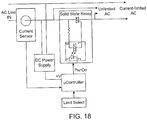
- the base can further include a current limiting circuit, an automatic current inrush and RMS limiting circuit or a circuit adapted and configured to reduce/eliminate circuit breaker overload.
- the circuit or circuits can be external to DAP system, external to the treadmill or DAP system electronics and part of the DAP system, or integrated into the DAP system electronics.
- the circuit can be electrically connected to both of and is between a power supply for a DAP system and the DAP system electronics.
- analyzing comprises identifying at least one other user sharing characteristics with the user and having a favorable workout outcome.
- the favorable workout outcome can comprise at least one of user satisfaction, obtaining the desired result and progress towards the desired result.
- Current medical condition can comprise at least one of original diagnosis, dates of injuries, date or type of illness, date or type of interventions, an indication of rehabilitation progress, and a previous treatment and date of treatment.
- therapy history comprises prescribed therapy history, actual therapy history, therapy history on an unweighting system, therapy history using other equipment.
- the method can further comprise generating a recommended therapy or workout based on a medical guideline. In some embodiments, providing the user's information occurs at a same appointment or workout session as the analyzing and generating steps.
- the system can be configured to connect to one or more unweighting systems.
- the storage database can comprise a centralized or cloud based database.
- the user interface can be accessed through a network interface such as an internet or LAN, a local terminal, laptop, tablet, computer, or smart phone.
- the system can comprise instructions for sending the suggested workout routine to a particular unweighting system, a medical professional, or an insurance provider.
- an unweighting usage system comprises an unweighting system; a user interface configured to allow identification of a user to the system; and a processor comprising instructions for downloading a workout routine to the unweighting system, the workout routine comprising a desired duration, speed, incline, and level of unweighting, and recording performance data from the workout routine in the unweighting system.
- a category 3 DAP system comprises a positive pressure chamber with a seal interface configured to receive a portion of a user's body and form a seal between the user's body and the chamber, wherein the system is appropriate for use by users requiring full assistance to use the system.
- providing a user category further comprises providing at least one of a user type, the user type comprising at least one of an athlete, a casual user, a rehabilitation user, and a chronic user, a type of medical condition, a desired result, and a DAP system access need, the DAP system access needs comprising a need for lift assistance and a need for a physical therapist; and matching, using a processor, the at least one of the user type, the type of medical condition, the desired result, and the DAP system access need to a user category.
- the method can further comprise matching, using a processor, the at least one of the user type, the type of medical condition, the desired result, and the DAP system access need to a user category.
- the matching step can comprise matching the at least one of the user type, the type of medical condition, the desired result, and the DAP system access need to a DAP system category.
- the self-contained feedback device can include the computer readable instructions of the processor in the display and can further include outputting the one of more gait parameters on the display.
- the processor can be adapted and configured to provide clock signal synchronized sensor output data from the pair of sensors.
- the processor can be adapted and configured to provide clock signal synchronized sensor output data from the pair of sensors.
- the sensors can be IR sensors, optical mouse sensors, laser sensors, proximity sensors, or light sensors.
- the display can be a PC, a tablet or a smart phone.
- communication with the display can be wired or wirelessly.
- the display can be in communication with the processor supported by the enclosure.
- an integrated differential air pressure assisted gait training system includes a differential air pressure system having a computer controller, at least one gait measurement or indication system in communication with the computer controller, and a computer readable database stored within or accessible to the computer controller comprising collected DAP system data from the differential air pressure system and gait system data from the at least one gait measurement or indication system
- the display output can be changed.
- the real time feedback can include an arrow oriented to indicate to the user an indication of a detected force asymmetry.
- the real time feedback can include an arrow oriented to indicate to the user an indication of a detected cadence asymmetry.
- the real time feedback can further include an arrow oriented to indicate to the user an indication of unweighted assisted force asymmetry data.
- the gait measurement system can further include a camera, a ground force sensor, an inertial sensor on the user's leg, and an inertial sensor on the user's hips.
- the gait measurement system can further include an EEMG sensor and an inertial sensor.
- the gait measurement system can further include a user sensor
- the user sensor can be on or implanted in a user.
- the user sensor can be an instrumented or a marked article worn by the user.
- the user sensor can be a prosthesis, an exoskeleton, an active EEM, a passive EEM, a biofeedback device, an instrumented or marked pair of shoes, an instrumented or marked pair of pants, an instrumented or marked shirt, an instrumented or marked article worn by the user.
- a patient worn data sensor such as for example a shoe based sensor system for collecting and storing or transmitting data appropriate to the type of sensor to the integrated unweighted gait training system
- the integrated unweighting gait system receives the patient worn sensor data and integrates the patient worn sensor data from or collected by the patient worn sensor into a feedback loop to unweight a patient to achieve a desired gait.
- the step of capturing additional patient worn sensor data is performed when the user is using the patient worn sensor in an environment outside of the integrated unweighting gait training system.
- the patient worn sensor data from an environment outside of the integrated unweighting gait training system is used as part of the data in a subsequent unweighted gait therapy treatment session.
- the patient worn sensor is a shoe sensor.
- the patient worn sensor is any of the patient worn sensors described herein or as is appropriate for any of those listed in FIGs. 4 , 5A , 5B , and 17 , for example.
- the feedback loop can further include providing biomechanics feedback to the user for biomechanics modification.
- the at least one action related to control using synthesized data can include the use of processed unweighting system data or gait system data by manipulating one or more data streams.
- analyzing step optionally, there follows a step of continuing the performing step without adapting the therapy routine. Still further, after the analyzing step there follows a step of continuing the performing step after adapting the therapy routine.
- Other optional steps include: providing the user with feedback regarding how the user's impaired walking biomechanics are changing; repeating the unweighting, performing, collecting and analyzing steps to progressively re-train the user for walking or running with proper biomechanics; or repeating the unweighting, performing, collecting and analyzing steps to progressively proceed from a partial unweighting environment during the unweighting step to a full weight bearing environment during the unweighting step.
- the system processor or controller of an integrated gait training system or the processor of a self-contained biometric sensor system contains computer readable instructions adapted and configured for storing, in a computer readable database stored within or accessible to the processor, the collected, synchronized or synthesized data of the unweighting system and the gait system.
- the cloud connected medical treadmill software system includes computer readable instructions for an outcome of a single exercise session or a set of exercise sessions to be electronically reported back to a group of medical professionals and an electronic payment is distributed according to one or a combination of: the payment being evenly distributed among multiple medical professionals or a portion of the payment being sent to a prescribing medical professional or a portion of the payment being sent to an ancillary care team professional.
- the cloud connected medical treadmill software system includes computer readable instructions for a third party to electronically submit a payment for a prescribed exercise session or set of sessions prescribed by a health care provider.
- the software system includes computer readable instructions for a third party to electronically submit payment following completion of a prescribed exercise session or set of sessions based on improvement in metrics measured by the software system.
- the cloud connected medical treadmill software system includes computer readable instructions for a third party to electronically submit payment for a preventative exercise session or set of sessions requested by a third party or the paying third party based on user meeting a single or multitude of health risk criteria.
- the cloud connected medical treadmill software system includes computer readable instructions enabling a treadmill owner and a medical professional to distinguish availability of a treadmill to be used for the medical professional's therapy sessions or open availability for unsupervised sessions.
- aspects of various embodiments described herein generally relate to systems and methods for collecting and analyzing data to aid in scheduling and managing treatment and diagnostic information provided by assisted training systems such as unweighting systems as well as other personal assistance systems. More particularly, embodiments may relate to management of treatment resources and schedules such that patients in need of therapeutic treatment can access available appropriate treatments (e.g., treatments, assessments) from unweighting and assistive training systems regardless of type of treatment or location and timing of treatments. Further embodiments may relate to multimodality therapy involving unweighting, personalized assistive, and various types of other forms of rehabilitation therapy, and relate to the scheduling and integration of multiple modes of therapy such as alternating time on an unweighting system to improve walking with flexibility, stretching or strength training protocols.
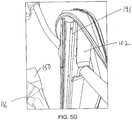
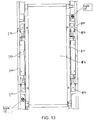
- FIG. 5G is a perspective view of a side stanchion 102 having an exterior cleat channel.
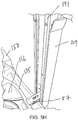
- an external channel or channels 191 may be provided.
- One advantage of an external guide cleat channel 191 is that the interior of slide stanchions 102 are open. Open stanchion interiors permit easier use of guide roller assemblies or shown in FIGs. 3 , 24C-24G .
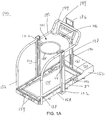
- FIG. 7 is a top down view of the differential air pressure system 100 in FIG. 5A illustrating one configuration of air bag 116 attachment points 131 for coupling the air bag 116 to the cockpit ring assembly 102.
- Bag 116 is attached to a cockpit ring 135 at multiple points 131 to preserve the round shape of the opening in bag 116.
- the multiple points 131 may include any of a number of different types of attachment mechanism, strap, band, fastener, belt, clip, hook and the like suited to maintaining the bag 116 in position relative to and supported by the cockpit ring 135 and cockpit support mechanism 102. More or fewer attachments 131 may be provided so as to permit conformity between the bag 116 and support ring 135 and support mechanism 102.
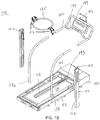
- FIG. 1C is an isometric view of the differential air pressure system of FIG. 1A in an alternative configuration for removal of railings and a folding user interface and screen for compact storage or shipping.
- FIG. 1C is similarly configured to FIG. 1B .
- the front railings 142, 144 user control interface 149 and touch screen 186 remain attached to hinged front stanchion 148 and fold down as shown to treadmill belt 178.
- FIG. 8 is a perspective view of an embodiment of a treadmill base 150 with service covers 151, 152 removed to show components within a user serviceable component area (see FIGs. 9 and 10 ) outside of a non-user serviceable component area within air tight base frame 107.
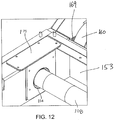
- a pressure wall 153 separates the pressurized volume portion from the non-pressurized portion.
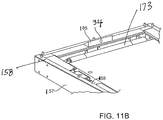
- FIG. 11B is a rearward looking perspective view of the treadmill rear portion of FIG. 11A illustrating one of several alternative camera 34 or camera with mount 185 locations for a rear mounted camera located within the pressure controlled volume of the treadmill base.
- FIG. 14A is an enlarged perspective view of a lead cell and treadmill deck mount 180 of the treadmill base of FIG. 8 with the treadmill tread 178 removed.
- FIG. 14B is a perspective view similar to FIG. 14A with the treadmill deck 177 in place to illustrate the comparable height between the treadmill tread height and the overall height of a load cell 180, a damper 182 and a deck mount bracket 176.
- FIG. 14C is a cross section view of the mount and bracket 176 of FIG. 14B .
- Dimensions of the associated components may be a damper 182 with a height of about 1.6" from the top of the load cell 180 to the deck mount 176.
- the load cell 180 may be about 1.2" tall.
- the height adjustment mechanism 240 and locking lever 244 may also include any of a number of pins, sliders, ratchets, gears or other mechanical holders to engage and hold the strap 205 against the weight of the cockpit 135 and bag 116 as well as the operating process of the DAP system.
- the strap based cockpit system 200 also illustrates a 2 connection point coupling between the cockpit ring and the DAP bag 116.
- a forward 222 and aft 220 bag-ring attachment configuration is used.
- Bag 116 includes one or more windows as described elsewhere herein.
- FIG. 21A shows a window 210 shown in the side of DAP bag 116.
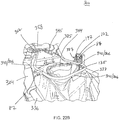
- FIG. 23B is a top down view of the differential air pressure system of FIG. 23A showing the cockpit in an upper position in relation to the large screen user interface.
- the cockpit locking mechanism cover is shown in place in this view.
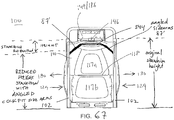
- Four cleat retainers are shown, one each fore and aft and on left side and on right side adjacent to cockpit side arm 87.
- Left and right stanchions 102 are provided with covers 304. Additional details of the design and function of the user entry point/seal interface 344 may be appreciated by reference to U.S. Patent Application Publication No. US2011/0098615 , incorporated herein by reference in its entirety for all purposes.
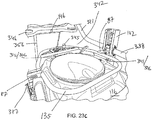
- FIG. 23C is a top perspective view of the differential air pressure system of FIG. 23A showing a cockpit cover over the user entry point/seal interface 344 and the cockpit in a lowered position in relation to the large screen user interface.
- the cover of the cockpit locking mechanism 345 and stanchion cover 304 are removed in this view.
- a portion of the locking pin and roller assembly 387 within the interior of a stanchion 102 is also shown in this view.
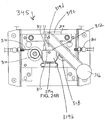
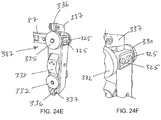
- FIG. 24C will now be used to explain the operation of the locking pin and roller assembly 387 when the single level cockpit locking actuator 345 is used.
- Lock actuation cable 319 is within cable sheath 324 that runs within cockpit frame 135. Cable 319 rounds pulley 323 and terminates at the locking pin block 329.
- a latch engagement spring 328 is positioned between locking pin block 329 and fixed spring stop 327. The latch engagement spring 328 maintains an outward (i.e., locking pins 113 engaged) bias against the locking pin block 329 and a tension on cable 319.
- the lever 316 of actuator 345 is moved to release, the tension on cable 319 over comes the bias of spring 328 and moves pins 113 and block 329 into a disengaged or pin retracted configuration. In the disengaged or pin retracted configuration the cockpit and bag are free to move vertically along stanchion 102.
- pins 113 engage with openings 114 in locking plate 37.
- Bag 116 is secured to rigid cockpit frame 135 at bag retaining cleats, 341 within cleat receivers 306 at fore, aft, left and right positions.
- the four connection points between the bag 116 and the receivers 306 define a cockpit plane.
- FIG. 28 is a side section view which shows the left side stanchion 102 and a cross section of the pressure bag 116 in the vicinity of the user entry point/seal interface 344.
- User entry point/seal interface 344 has an edge for engagement by zipper (not shown) in some embodiments to a user wearing a complementary pressure garment with a zipper.
- the user entry point/seal interface 344 is attached to the cockpit connection point 306 by a span of bag fabric 453.
- the span of fabric 453 has a length which is greater in length than the horizontal distance 451 between cockpit attachment point 306 and user entry point/seal interface 344.
- the additional material span allows the horizontal plane of the user entry point/seal interface 344 (extending forward from the user entry point/seal interface 344) to move both vertically and laterally with respect to the plane of the bag connection point 306 (i.e., a plane approximated by a line between aft connector 306 and forward connector 306.) In this way, the zipper plane connected to the user (plane with the user entry point/seal interface344) is displaced out of plane from the cockpit plane.
- This design provides for arm swing while allowing for narrower spacing of front and rear hand rails as shown by spacing 457. In this way the hand rails aft of stanchions 102 may still be used as grips on hand rails before, during, and after exercise or therapy.
- the front and rear adapters illustrated in FIG. 29 are similarly sized and shaped. Modifications to one or both of the front and rear adapters is possible to provide custom size cockpits or various user interfaces depending upon the category of user that is using the machine.
- the front and rear adapter may be a separate piece or may also be integrally formed with the associated front or rear hand rail.
- Unweighting systems typically need to establish an adjustable cockpit height that can be locked in place once the desired position is reached.
- the alignment of the locking holes In systems with discrete locking intervals and a cockpit that is held in a largely horizontal orientation, it is necessary that the alignment of the locking holes be such that the locking pins can easily engage with both right and left sets of locking holes simultaneously.
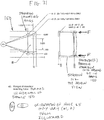
- FIG. 31 shows slotted mounting holes 65 that allow for both mounting hole positioning and residual tolerances the stanchion mounting plates 353. Using the biasing member 364, the stanchion position can be adjusted so that fasteners F align with appropriate openings 65.
- System 600 further comprises a random access memory (RAM), or other dynamic storage device 604 (referred to as main memory) coupled to bus 611 for storing information and instructions to be executed by processor 612.
- main memory 604 also may be used for storing temporary variables or other intermediate information during execution of instructions by processor 612.
- Certain embodiments may be implemented as a computer program product that may include instructions stored on a machine-readable medium. These instructions may be used to program a general-purpose or special-purpose processor to perform the described operations.
- a machine-readable medium includes any mechanism for storing or transmitting information in a form (e.g., software, processing application) readable by a machine (e.g., a computer).
- the system will collect gait and unweighting and other system parameters while therapy is ongoing.
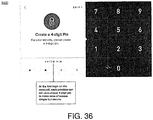
- a new team member (provider) account is established and the new team member is invited to create authentication credentials for the AlterG system.
- Authentication credentials may include any suitable form of authentication, such as an email address and password. This authentication is stored in the database to allow the new team member to log into the web system, mobile device, or any AlterG treadmill they have access to.
- the initial creation of a new team member and the assignment of a specific treadmill or group of treadmills automatically sends the new team members account information to the assigned devices to allow for quick access set-up at first login.
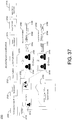
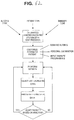
- FIG. 37 is a flow chart of a method 3700 of patient identification for use with medical exercise equipment systems.
- a patient logs into a medical treadmill system such as those described herein (step 3705).
- the user presses "start session” or otherwise appropriately initiates an exercise session (step 3710).
- the system captures an initial or start session image 1 of the user (step 3715).
- the user begins the session (step 3720) and interacts with the system as described herein.
- the user presses the "stop session” button (step 3725).
- the system captures an end of session image 2 (step 3730).
- the end of session report 3740 may include, for example, custom generated fields for a particular provider or to meet requirements for reporting.
- the report includes the user name or identification (3745) and session summary or results (3750) along with beginning and ending session ID checks (3755).
- the beginning image capture 1 is a user image 3770 and ending session image capture 2 is a user image 3775 each of which may include one or more biometric or other identification tags used in a recognition protocol or method.
- the end of session report 3740 would include images 3770, 3775.
- images from prior sessions are compared to images 3770, 3775 (step 3792).
- the image comparison proceeds using facial recognition or other appropriate biometric recognition methods (step 3794).
- the results of the image comparison is provided to the payer (step 3796) and indicated in the end of session report 3740.
- the current embodiment of the security and data management system deploys a novel shielding process to allow for the visual display of multiple patient names that are similar, and information that allows for the easy distinguishing of patients with similar names, but without providing too much information that would disclose the identity of the patient to someone other than the patient themselves or a provider with approved access to their medical history.
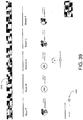
- FIG. 39 illustrates the shielding of patient names and identifiable characteristics while showing patient first name and last initial.
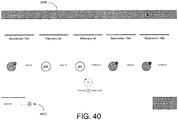
- FIG. 40 illustrates a process result where the search requires a match of the first three letters of the user name, but due to the smaller number of possible "active users" on the device in the last 60 days, only date of birth (without the year) is displayed to navigate to the patient record, which would then display the full patient name to ensure the appropriate account had been selected.
- the verification of day and month of birth would allow for a simple patient identification, without the display of first or last name within a search results listing.
- This example is meant to show the flexibility of the search shielding, which could use a multitude of search and shielding criteria to limit the potential for identification of patient with similar matching characteristics. Additional examples include searching for date of birth and initials, searching for last name only with date of birth displayed, or any other combination of first name, last name, initials, month of birth, day of birth, year of birth, type of account, gender or recent activity on the AlterG system.
- Comparison data for a medical device is typically in the form of normative data that has been segmented by certain characteristics such as age, gender, height, weight, medical condition, etc.
- An exemplary normative comparison 4100 is illustrated in FIG. 41 .
- Comparative data can be broad with many data points, or small with a single data point for comparative reference.
- the security concern with allowing filtering of comparative data down to a single user is the ability to re-identify that single user or small group of users based on the number of metrics provided.
- the use of comparison or normative thresholds ensures that a minimum number of data points (users or user sessions) are added to the comparison to ensure that comparative matches are not re-identified when only a small number of matches are available.
- the access to treadmill data via remote systems is a relatively new concept that provides security concerns for most medical institutions. Strong user authentication is a necessary feature to any medically focused treadmill system, but even with high standards for authentication, accounts can be compromised.
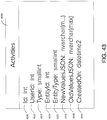
- An important novel feature is the deployment of an activities tracking table in a relational database to identify every modification, access and utilization that occurs within the system. The activities table provides a high level of oversight into system access in order to identify and isolate potential security breaches or unauthorized access.
- the transition of exercise equipment into the medical environment provides a hurdle of high-level access tracking to the system to be able to identify and isolate breaches to the system.
- the implementation of detailed audit logs of provider and patient access to exercise specific patient data has not been implemented in previous instrumented treadmills.
- the building of an "activities" table in the relational database provides a structure for collecting interactions with the system that can be presented back to administrators of the system.
- the activities table allows for segmentation of audit log data to easily identify which records have been accessed or modified.
- Tracking actions is an important step for meeting hospital system standards of data security and privacy that does not exist in any other treadmill or exercise equipment system.
- the ability to track specific patient records that were accessed, the time and date that accessed occurred and the ability to create reports on filtered information provides an important infrastructure required by most healthcare system to meet the standards typically required in a Business Associates Agreement (BAA) that hospital system require of vendors.
- BAA Business Associates Agreement
- the Business Associates Agreement states that the vendor will maintain proper security and privacy of the hospitals data and will allow for specific features such as ability to audit access, define scope of breach and revoke access, none of which exist in the current treadmill or exercise equipment market with the specific standards in the AlterG system.
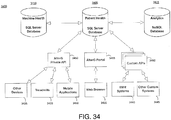
- the integration of exercise and physical activity metrics into the electronic medical record used by physicians and hospital systems is a new phenomenon with activity trackers and heart rate monitors beginning to integrate using application programming interfaces (APIs) that connect exercise data repositories to the Electronic Medical Record (EMR).
- APIs application programming interfaces
- EMR Electronic Medical Record
- the storage medium stores a user created account.
- Each user of the networked unweighting system has an associated secure profile, which contains, for example:
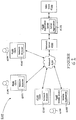
- FIG. 65 describes the structure of user provisioning and authentication access to the user types described in one embodiment.
- the system is set-up in tiers of access with organizations being the highest level of structure. Facilities can then be added to an organization to differentiate between locations in a larger healthcare system.
- devices treadmills or other non-treadmill devices
- FIG.66 The administrator management screen is described in FIG.66 .
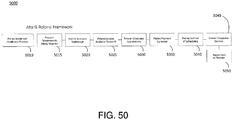
- FIG. 57 illustrates an exemplary method 5700 to generate and push DAP scores 572 to an EMR.
- the user completes a session (5705) and a score is calculated (5710).
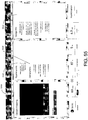
- the session results are pushed to an AlterG database (5715) and then to an EMR using a suitable custom API (5720).
- the DAP result 5725 is then present in the EMR.
- FIG. 57 depicts the structure and one embodiment of format for the integration of DAP specific metrics into the EMR or an EMR intermediary described in the following example.
- the patient weighs 200 lbs and would need to lose 16 points to achieve an actual body weight of 184 lbs, equivalent to 2001bs at 92%.
- the scoring matrix could also replace percent unweighting (80 -> 92) with effective body weight, which in the previous example would be displayed as: 1.0/160/0 to 1.0/184/0.
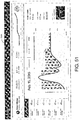
- FIG. 46 illustrates a screen shot 4600 of a medical treadmill user dashboard display.
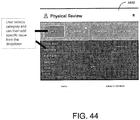
- the main graph interface with the underlying control labels at the bottom of the screen and a novel user menu that can be swiped upwards to reveal functional score, goals, achievements, pain scale, perceived exertion and various other metrics specific to the individual user.
- FIG. 46 illustrates a screen shot 4600 of a medical treadmill user dashboard display.
- the main graph interface with the underlying control labels at the bottom of the screen and a novel user menu that can be swiped upwards to reveal functional score, goals, achievements, pain scale, perceived exertion and various other metrics specific to the individual user.
- Another exercise prescription feature in the present disclosure is the utilization of pre-programmed workouts and packages of pre-programmed workouts.
- Workout programs may be created, edited or developed in a web environment and transferred to a treadmill with a media storage device such as a portable flash drive.
- identifying the user comprises providing user information or providing an identifier configured to access user information through the unweighting system.
- An appropriate workout routine can be selected based on user information.
- the appropriate workout routine is selected based on reviewing past workout routines and performance data of other users sharing one or more user characteristics.
- the method can further comprise adjusting the downloaded workout routine.
- the method can further comprise sending performance data to at least one of a doctor, and insurance provider, and a patient file.
- the method can further comprise sending at least one of performance data, user feedback, and therapist feedback to an aggregate user database.
- the method further comprises adjusting future unweighting workouts based on the performance data, user feedback, or technician feedback.
- the method can further comprise assessing user performance after a workout session to determine whether to modify workout parameters or scheduling.
- Embodiments of the present invention provide a system to retrain individuals to improve or alter walking or running mechanics by unweighting the individual in a differential air pressure environment and simultaneously measuring one or more parameters of gait or biomechanics such as stride length, ground reaction force, lateral movement of knees, angles of knees and ankles, forefoot or heel strike parameters, muscle activation patterns, or movement symmetry.
- gait or biomechanics such as stride length, ground reaction force, lateral movement of knees, angles of knees and ankles, forefoot or heel strike parameters, muscle activation patterns, or movement symmetry.
- the parameters described above are suboptimal at full weightbearing walking or running.
- a patient with recent orthopedic surgery in one lower limb such as total knee arthroplasty will typically walk with asymmetric motion.
- a patient can walk with greater symmetry due to reduced pain.
- Retraining symmetry in walking can be important in speeding the recovery of function in such a patient and reducing risk of future injury due to the asymmetry of gait in such a patient.
- Embodiments of the unweighted assisted gait training methods herein provide an effective method of retraining symmetry of mechanics and gait to enable the patient to practice walking symmetrically, providing feedback to the patient when such symmetry is achieved and when it is violated.
- One specific aspect of treatment using this methodology is to unweight the patient and measure biomechanics, determine at what level of unweighting the desired mechanics of gait and motion can be achieved, and then provide feedback to the patient, athlete, trainer or physical therapist on an ongoing or periodic basis. Such feedback would enable recognition of proper mechanics and would reinforce more time walking or running with proper mechanics. More time spent walking or running with proper mechanics would retrain muscles in proper motion and would drive neuroplasticity to train such proper motion. Over time, as the desired gait mechanics are achieved with more consistency, the amount of unweighting may be progressively reduced in order to acclimate the user to walking or running in this new method of gait patterns until such patterns are set as new biomechanics at full gravity.
- the system will collect gait and unweighting and other system parameters while therapy is ongoing.
- FIG. 29 illustrates how the left and right load cell force data may be matched with a clock signal to provide an indication of unweighting assisted force asymmetry data.
- the unweighting assisted force asymmetry data is then provided to the user in a simple display or other feedback technique such as the indicator shown on the right side of FIG. 29 .
- the placement of the arrow in the middle is the desired location. As the user trains, the detected force asymmetry will cause deflection of the arrow. As the patient alters his gait, the arrow moves in a corresponding direction.
- the data from one or more data streams may be used in calculations or further processing to yield a determination or outcome related to the input data streams or according to the therapy being undertaken.
- One example is the use of an algorithm to perform transformations of one or more data streams. The output of these functions will be stored along with the other recorded data.
- an algorithm may include various weighting factors to a data stream such that some data may be processed in a manner consistent with the type of therapy being delivered.
- a processing algorithm may include fuzzy logic or artificial intelligence using a computer processor adapted and configured for that purpose.
- the unweighting environment permits greater ability to adjust gait desirably in response to these inputs than does an alternate environment such as pools or harness systems in which the gait measurements would be altered by the forces and restrictions placed on the user by the harness or pool environment and the ability of the user to adjust gait is less in such environments than in an unweighting environment.
- FIG. 11 illustrates an exemplary data collection and information processing flow for this specific system configuration and therapy example.
- FIG. 12 illustrates one exemplary work flow scenario.
- FIG. 13 is one example of a patient specific therapy procedure using the system and methods above. The patient in this example would likely use a category 2 or category 3 DAP system as described in the '124 application.
- biofeedback integrated into a system with gait measurement, analysis, and unweighting based upon the specific therapy needs of a specific patient or class of patient.
- exemplary types of biofeedback may include indicators to give the patient a sensation that triggers the patient to act such as an audible alarm when the patient needs to lift their leg, an electronic stimulation sequence that starts a muscle firing sequence to extend the foot, a visual cue and the like.
- FIG. 21 One additional aspect of the embodiment of FIG. 21 is the provision for the full stimulation of designated and associated action groups to help with training of a targeting muscle group.
- the term user here, covers the patient and/or a therapist and/or a physician and/or an assistant.
- a user interface to the system is implemented by a keyboard/monitor setup or GUI screen or touch pad or wireless controller attached to or in communication with the system control computer.
- the input device is easily reachable by the patient, as long as the patient has enough use of upper limbs. It enables the user (therapist or patient) to input selected kinematic and dynamic stepping parameters, treadmill speed, unweighting and other system specific parameters into the control and monitor system.
- a condensed stepping performance can also be viewed on this monitor interface in real time, based on preselected performance parameters (see e.g., the display in FIG. 5 or FIG. 10 ).
- the integrated unweighting system with gait measurement may be operated to use differential pressure assistance to selectively and controllably adjust the mechanical load acting on the patient while optimizing the work or therapy performed by the patient to provide effective stepping and standing during therapy along with measurable and repeatable data collection, synthesis feedback into specific therapy regimes and protocols.
- FIG. 32A is a perspective view of a GaitBox.
- the GaitBox is an enclosure with a pair of sensor (S1, S2) positioned in an appropriate location and aspect on the enclosure to obtain information for user calculations as described above. Shown in phantom on the top of the enclosure is an optional display.
- the Gaitbox will communicate with the display device wirelessly via Bluetooth or Wi-Fi, although other implementations could use a wired connection such as Ethernet or RS-232.
- the GaitBox system incorporates one or more video cameras, which can communicate with the processor and/or as well as visual display in either a wired or wireless configuration.
- the visual display will show the video in real time.
- the video may appear on a separate "page" which can be selected by the user, or alongside other information on the primary screen.
- the GaitBox application provides for selection of the camera to be displayed.
- a GaitBox application provides for simultaneous display of multiple camera views.
- GaitBox session data is saved to a server on the Internet, a Web-based application will make that information available via a browser. If information is associated with a particular user, they will have the ability to see only the information from their own sessions.
- Gait techniques and systems and the GaitBox are shown in use and configured for providing therapy utilizing unweighting systems, the various examples disclosed herein are not so limited.
- the gait methods and systems described herein, particularly for the GaitBox may be adapted and configured for use with a treadmill with (as described) or without an unweighting system or other assisted use device.
- gait data generated by the system can be connected and compared with data from devices aimed at other segments of the care continuum.
- An example might be gait data collected from a Tibion bionic leg matched against data collected from the system, compared to gait data collected from full mobility measurement system such as those produced by Optogait or Zebris. Doing so allows showing efficacy of treatment over time, beyond the range of any single system.
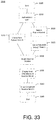
- FIG. 33A is a normal symmetrical stride.
- FIG. 33B and 33C illustrate two kinds of gait abnormality, phase asymmetry ( FIG. 33B ) and stride jitter ( FIG. 33C ).
- FIG. 33B A is compared to B.
- FIG. 33C A1 is compared to A2.
- Quantitative information on the efficacy of the human sense of balance can be obtained by, for example, the electrophysiological measurement of eye movements or of the postural responses of the limbs. A balance control deficit is indicated if a response is outside of the limits expected for individuals having a normal balance function. Quantitative postural information may also be obtained by measuring contractile activity of the muscles generating the internal body forces for maintaining the equilibrium position using electromyographic (EMG) recordings.
- EMG electromyographic
- Unweighting can be a helpful tool in conducting balance assessment.
- a part or parts of the body can be unweighted.
- Feedback sensors can be used to assess the user's balance response to the uneven weighting.
- physical injury or damage can be severe enough that unweighting is helpful in allowing sufficient mobility for the patient during a balance assessment.
- FIG. 35 illustrates an embodiment of a balance assessment system.
- An unweighting system can be used to sense and collect data related to the balance function of a user. This data can be stored in an aggregate user database, and analyzed based on stored normal and impaired user data. This analysis can result in a diagnosis of the user and/or a recommended treatment protocol.
- Unweighting systems can also be used to perform assessments of a user's concussive state.
- a concussion or a mild traumatic brain injury (MTBI) is the most common type of traumatic brain injury.
- Concussion can cause a variety of physical, cognitive, and emotional symptoms, which may not be recognized if subtle. Symptoms generally resolve within three weeks, but may persist and may develop into complications. People who have one concussion can be more susceptible to another, especially in cases in which the new injury occurs before symptoms from the previous concussion have resolved. There can also be a negative progressive process in which smaller impacts cause the same symptom severity. Repeated concussions may increase the risk in later life for dementia, Parkinson's disease, and/or depression. As such, it is important to quickly and accurately diagnose a concussion so that further harm can be prevented and recovery can begin.
- MTBI mild traumatic brain injury
- Unweighting systems can be used to collect entered and sensed data from a user.
- the unweighting system can comprise a user interface.
- the user interface can be used to collect user information, for example, related to the aggravating injury and resulting symptoms. Example information to be collected is shown in Appendix A - An Acute Concussion Evaluation provided by the Centers for Disease Control and Prevention (CDC).
- the system can also be configured to collect physical data using the sensors described above to gather information about the physical function of the user.
- the user interface can also be used to perform cognitive testing of the user. For example, the system can ask the user questions and seek user input.
- the collected data can be uploaded to an aggregate database of users and compared to the user's own previous data or to data from other normal or impaired users. Analysis of this data can result in a concussion diagnosis of the user.
- the method can further comprise transferring funds from the user to a treatment facility or provider.
- the method can further comprise providing a cost for the suggested workout routine. Differential pricing can be used to determine the cost.
- the method can further comprise providing a list of unweighting systems appropriate for the suggested workout routine.
- the method can further comprise providing available appointment times for suitable unweighting systems.
- the method can further comprise scheduling an appointment.
- generating a suggested workout routine comprises generating workout routine on equipment other than an unweighting system.
- the method can further comprise uploading the suggested workout routine to the database.
- the method can further comprise performing the suggested workout and uploading performance data to the database.
- the method comprises an iterative process, generating periodic updates for the user or a medical professional.
- the method can further comprise generating subsequent suggested workout routines based on user progress.
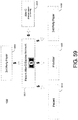
- a potential user flow of the payments model is outlined in methods 5800 and 5900, respectively, as shown in FIGs. 58 and 59 .
- These exemplary methods illustrate an embodiment where the 3rd party payer (insurance, employer, etc.) deposits funds into a patient "escrow" account to be withdrawn from once certain performance improvement metrics are achieved.
- An orthopedic surgeon creates a patient record for a patient with moderate knee osteoarthritis.
- instrumented exercise is a known treatment for mild to moderate knee osteoarthritis, and the physician would like to provide a structured exercise program for the patient prior to surgical intervention or in attempt to delay a surgical intervention.
- the physician uses the software application to create basic exercise recommendations and a plan of care for a 12-week exercise programming using the instrumented treadmill.
- the patient is scheduled to perform unsupervised self-care therapy sessions on a treadmill at a local physical therapy clinic.
- the patient schedules an appointment using their mobile device or connected smartwatch to perform the 12-sessions prescribed by the physician.
- the patient's insurer submits an escrow payment of $450 into the account. Payments of $25 per session are debited for the use of the treadmill and the remaining $150 is paid to the physician based on the meeting of certain metrics with the potential for another $150 in bonus payments if the patient's progress exceeds a certain threshold.
- the machine health interface provides a dashboard of whole system expected longevity and individual part risk of failure with an advanced notification system that warns the clinic owner, customer support team or maintenance individuals of risk of failure, actions that are leading to advancement of machine wear and failure and a smart warranty system that reviews corrective actions as a result of abusive use and reduces, modifies or negates a warranty.
- the treadmill motor brake may use a treadmill motor to apply the braking force using a technique generally known as DC Injection Braking.
- Multi-phase brushless motors including induction motors and brushless DC motors, will hold position when a DC voltage is applied across two of the motor phases.
- a three-phase induction motor holds position in this way.
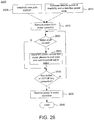
- FIG. 25 is a block diagram of an embodiment of a treadmill motor brake.
- the microcontroller disables AC power from the motor controller, enables the brake, and pulses DC power to two motor phases.
- a freewheeling diode is also connected across the motor windings to limit voltage spikes due to the motor inductance.
- the high-voltage DC is produced in a conventional manner with a bridge or synchronous rectifier plus a filter formed from capacitors and inductors.
- the motor relay may be constructed with MOSFETs, TRIACs, or a mechanical relay.
- the brake pulse switch is preferably a MOSFET that can switch on and off quickly.
- the brake relay can be a mechanical or MOSFET-based DPDT relay.
- the treadmill controller may be separate from the braking apparatus as shown in FIG. 25 , or a custom controller may be designed to share components between the brake and the normal motor controller functions. For instance, the bridge rectifier and filter may be shared. Then a single high-voltage DC rail could provide power for both braking and motor operation.
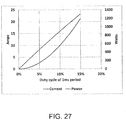
- FIG. 27 is a graph of braking current and power vs. duty cycle of a 1 ms period.
- the braking current is limited by motor inductance.
- the graph is based on the following assumptions: the treadmill motor has a 2.2ohm phase-phase resistance, and a 17.9 mH inductance. Pulses are provided with a DC rail of 304V.
- the device may be otherwise oriented (rotated 90 degrees or at other orientations) and the spatially relative descriptors used herein interpreted accordingly.
- the terms “upwardly”, “downwardly”, “vertical”, “horizontal” and the like are used herein for the purpose of explanation only unless specifically indicated otherwise.
- a numeric value may have a value that is +/- 0.1% of the stated value (or range of values), +/- 1% of the stated value (or range of values), +/- 2% of the stated value (or range of values), +/- 5% of the stated value (or range of values), +/- 10% of the stated value (or range of values), etc. Any numerical range recited herein is intended to include all sub-ranges subsumed therein.
Landscapes
- Health & Medical Sciences (AREA)
- General Health & Medical Sciences (AREA)
- Physical Education & Sports Medicine (AREA)
- Cardiology (AREA)
- Vascular Medicine (AREA)
- Engineering & Computer Science (AREA)
- Business, Economics & Management (AREA)
- Accounting & Taxation (AREA)
- Life Sciences & Earth Sciences (AREA)
- Finance (AREA)
- Multimedia (AREA)
- Human Computer Interaction (AREA)
- Orthopedic Medicine & Surgery (AREA)
- Biophysics (AREA)
- Veterinary Medicine (AREA)
- Economics (AREA)
- Animal Behavior & Ethology (AREA)
- Databases & Information Systems (AREA)
- Software Systems (AREA)
- Pulmonology (AREA)
- Signal Processing (AREA)
- Computer Networks & Wireless Communication (AREA)
- Development Economics (AREA)
- Public Health (AREA)
- Strategic Management (AREA)
- Physics & Mathematics (AREA)
- General Business, Economics & Management (AREA)
- General Physics & Mathematics (AREA)
- Theoretical Computer Science (AREA)
- Measurement Of The Respiration, Hearing Ability, Form, And Blood Characteristics Of Living Organisms (AREA)
- Medical Treatment And Welfare Office Work (AREA)
- Rehabilitation Tools (AREA)
Claims (15)
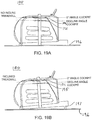
- Differentielles Luftdruck-Übungssystem (100), umfassend:einen Rahmen (150), der eine Übungsvorrichtung (178) und eine Benutzersteuertafel (149) trägt;eine verriegelbare, druckbeständige Cockpitanordnung (101), die mit dem Rahmen gekoppelt ist, um den Betriebsdruck des differentiellen Luftdrucksystems zu tragen,einen DAP-Entlastungsbeutel (116), der mit der Cockpitanordnung gekoppelt ist, wobei der Beutel eine Vielzahl von Fenstern (141a, 141b, 141c) aufweist; undeinen Tragrahmen, der angepasst und konfiguriert ist, um die Cockpitanordnung entlang eines Paars von Cockpitträgern (102) gleitend zu tragen, die das Cockpit relativ zu der Übungsvorrichtung aus einer Gebrauchsposition auf einer ersten Höhe, in der sich der DAP-Entlastungsbeutel in einer entfalteten Konfiguration befindet, zu einer Austrittsposition auf einer zweiten Höhe, in der sich der DAP-Entlastungsbeutel in einer gefalteten Konfiguration befindet, zu bewegen, wobei in der gefalteten Konfiguration keines der Vielzahl von Fenstern gefaltet ist.
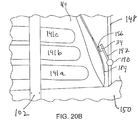
- System nach Anspruch 1, wobei alle der Vielzahl von Seitenfenstern (141) mit flexiblen, faltbaren, gefalteten Abschnitten durchsetzt sind.
- System nach Anspruch 2, wobei alle gefalteten Abschnitte durch horizontale Stangen (118) verstärkt sind, die Fensterfalten verhindern.
- System nach einem der vorhergehenden Ansprüche, wobei die Cockpitanordnung (101) eine Cockpitbenutzeröffnung beinhaltet und wobei Höhen der Seitenfenster (141) zwischen den gefalteten Abschnitten geringer sind als der Abstand zwischen den Cockpitträgern (102) und der Cockpitbenutzeröffnung.
- System nach einem der vorhergehenden Ansprüche, wobei die Seitenfenster (141a, 141b, 141c) in horizontaler Ausrichtung mit dem Rahmen (150) angeordnet sind, der die Übungsvorrichtung (178) trägt.
- System nach einem der vorhergehenden Ansprüche, wobei der DAP-Entlastungsbeutel (116) eine Rückwand (125) beinhaltet und die Seitenfenster (141a, 141b, 141c) sich über die Cockpitträger (102) mit einem Abschnitt auf die Benutzersteuertafel (149) und einem Abschnitt auf die Rückwand (125) hinauserstrecken.
- System nach einem der Ansprüche 1 bis 5, wobei der DAP-Entlastungsbeutel (116) eine Rückwand (125) beinhaltet, die mit einem oberen Fenster (117a) und einem unteren Fenster (117b) bereitgestellt ist.
- System nach Anspruch 2 oder 3, wobei die gefalteten Abschnitte auf vertikal gleitbare Weise an den Cockpitträgern (102) angebracht sind.
- System nach einem der vorhergehenden Ansprüche, wobei der DAP-Entlastungsbeutel (116) elastische Elemente (119, 120) beinhaltet, um das Falten des DAP-Entlastungsbeutels in einer vorbestimmten bevorzugten Richtung und Sequenz zu erzwingen.
- System nach einem der vorhergehenden Ansprüche, wobei der DAP-Entlastungsbeutel (116) eine Vorderwand (127) beinhaltet, die mit einem Kamerafenster (189) bereitgestellt ist.
- System nach einem der vorhergehenden Ansprüche, ferner umfassend eine oder mehrere Leuchten (72) in dem DAP-Entlastungsbeutel (116).
- System nach Anspruch 11, wobei das eine oder die mehreren Leuchten (72) an dem Rahmen (150) bereitgestellt sind, um einen inneren Abschnitt des DAP-Entlastungsbeutels (116) zu beleuchten.
- System nach Anspruch 12, wobei eine Innenfläche des DAP-Entlastungsbeutels (116) mit einer reflektierenden Fläche beschichtet ist, um das Beleuchten zu unterstützen.
- System nach einem der vorhergehenden Ansprüche, ferner umfassend einen oder mehrere Klemmen (122) an dem DAP-Entlastungsbeutel (116), die zum Gleiteingriff mit einem inneren Klemmenführungskanal oder einem äußeren Klemmenführungskanal (191) des Tragrahmens konfiguriert sind.
- System nach einem der vorhergehenden Ansprüche, ferner umfassend ein Paar von Cockpitführungsrollenanordnungen (106), die je mit einem jeweiligen Paar von Cockpitträgern (102) gekoppelt sind.
Applications Claiming Priority (4)
| Application Number | Priority Date | Filing Date | Title |
|---|---|---|---|
| US201462013999P | 2014-06-18 | 2014-06-18 | |
| US201462024916P | 2014-07-15 | 2014-07-15 | |
| US201462054311P | 2014-09-23 | 2014-09-23 | |
| PCT/US2015/036530 WO2015195983A1 (en) | 2014-06-18 | 2015-06-18 | Pressure chamber and lift for differential air pressure system with medical data collection capabilities |
Publications (3)
| Publication Number | Publication Date |
|---|---|
| EP3157488A1 EP3157488A1 (de) | 2017-04-26 |
| EP3157488A4 EP3157488A4 (de) | 2018-09-05 |
| EP3157488B1 true EP3157488B1 (de) | 2019-11-06 |
Family
ID=54936116
Family Applications (1)
| Application Number | Title | Priority Date | Filing Date |
|---|---|---|---|
| EP15810415.8A Active EP3157488B1 (de) | 2014-06-18 | 2015-06-18 | Druckkammer und aufzug für ein differentielles luftdrucksystem mit medizinischer datensammlungskapazität |
Country Status (7)
| Country | Link |
|---|---|
| US (4) | US20170128769A1 (de) |
| EP (1) | EP3157488B1 (de) |
| KR (1) | KR20170020876A (de) |
| CN (1) | CN106794107A (de) |
| AU (1) | AU2015277005A1 (de) |
| ES (1) | ES2763123T3 (de) |
| WO (1) | WO2015195983A1 (de) |
Families Citing this family (164)
| Publication number | Priority date | Publication date | Assignee | Title |
|---|---|---|---|---|
| WO2014153201A1 (en) | 2013-03-14 | 2014-09-25 | Alterg, Inc. | Method of gait evaluation and training with differential pressure system |
| US10342461B2 (en) | 2007-10-15 | 2019-07-09 | Alterg, Inc. | Method of gait evaluation and training with differential pressure system |
| WO2009051750A1 (en) | 2007-10-15 | 2009-04-23 | Alterg, Inc. | Systems, methods and apparatus for calibrating differential air pressure devices |
| WO2010107632A1 (en) | 2009-03-17 | 2010-09-23 | Woodway Usa, Inc. | Power generating manually operated treadmill |
| CN102481225B (zh) | 2009-05-15 | 2015-10-07 | 奥尔特格公司 | 空气压差系统 |
| WO2012129125A2 (en) | 2011-03-18 | 2012-09-27 | Alterg, Inc. | Differential air pressure systems and methods of using and calibrating such systems for mobility impaired users |
| US9914003B2 (en) | 2013-03-05 | 2018-03-13 | Alterg, Inc. | Monocolumn unweighting systems |
| WO2014153016A1 (en) | 2013-03-14 | 2014-09-25 | Alterg, Inc. | Cantilevered unweighting systems |
| US10265565B2 (en) | 2013-03-14 | 2019-04-23 | Alterg, Inc. | Support frame and related unweighting system |
| WO2015135593A1 (en) * | 2014-03-14 | 2015-09-17 | Massineboecker Gmbh | A method for controlling an individulized video data output on a display device and system |
| US10456624B2 (en) * | 2014-08-25 | 2019-10-29 | The Uab Research Foundation | System and method for performing exercise testing and training |
| US11197628B2 (en) | 2015-07-10 | 2021-12-14 | Bodyport Inc. | Cardiovascular health monitoring device |
| US11696715B2 (en) | 2015-07-10 | 2023-07-11 | Bodyport Inc. | Cardiovascular signal acquisition, fusion, and noise mitigation |
| CN107848090B (zh) * | 2015-07-14 | 2020-07-31 | 弗朗茨凯斯乐有限责任公司 | 具有工具夹紧装置的机床单元 |
| WO2017062504A1 (en) | 2015-10-06 | 2017-04-13 | Woodway Usa, Inc. | Manual treadmill and methods of operating the same |
| US20170286854A1 (en) * | 2016-03-30 | 2017-10-05 | General Electric Company | Automatic revision of a predictive damage model |
| US10252109B2 (en) * | 2016-05-13 | 2019-04-09 | Icon Health & Fitness, Inc. | Weight platform treadmill |
| CN105999623A (zh) * | 2016-07-01 | 2016-10-12 | 河南省人民医院 | 一种适宜可自动调节扶手高度的活动平板运动试验机 |
| EP3478375B2 (de) * | 2016-07-01 | 2024-05-22 | Woodway USA, Inc. | Motorisiertes laufband mit motorbremsmechanismus und verfahren zum betrieb davon |
| US12214260B2 (en) * | 2016-08-27 | 2025-02-04 | Peloton Interactive, Inc. | Exercise machine controls |
| US11298591B2 (en) * | 2016-08-27 | 2022-04-12 | Peloton Interactive, Inc. | Exercise machine controls |
| CN107874984A (zh) * | 2016-09-29 | 2018-04-06 | 龙华科技大学 | 多功能下肢步态复健与助走机器装置结构改良 |
| US20180126222A1 (en) * | 2016-11-10 | 2018-05-10 | International Business Machines Corporation | Scheduling exercise equipment based on medical data |
| CN106730603A (zh) * | 2016-12-30 | 2017-05-31 | 天津航正科技有限公司 | 一种健身采集健身器 |
| EP3579934B1 (de) | 2017-02-13 | 2024-08-07 | Woodway USA, Inc. | Konsolenanordnung für ein laufband |
| US11090528B2 (en) | 2017-05-04 | 2021-08-17 | The Trustees Of The University Of Pennsylvania | Robotic physical therapy systems and data analysis of user interactions |
| US10645079B2 (en) | 2017-05-12 | 2020-05-05 | Bank Of America Corporation | Preventing unauthorized access to secured information systems using authentication tokens and multi-device authentication prompts |
| RU2692535C1 (ru) * | 2017-06-05 | 2019-06-25 | Общество с ограниченной ответственностью "БИОТЕХПРОДАКТС" | Способ реабилитации и восстановления двигательной активности под аудиовизуальным самоконтролем |
| LT3634201T (lt) * | 2017-06-06 | 2023-06-26 | Thoracent, Inc. | Aparatas bronchoskopijai atlikti |
| CN107296597A (zh) * | 2017-06-20 | 2017-10-27 | 淮阴师范学院 | 一种采用红外线非接触式测量的人体心跳测量器 |
| USD1010028S1 (en) * | 2017-06-22 | 2024-01-02 | Boost Treadmills, LLC | Unweighting exercise treadmill |
| CN107536311B (zh) * | 2017-10-17 | 2020-05-26 | 国家康复辅具研究中心 | 智能多功能座椅系统 |
| US11957954B2 (en) | 2017-10-18 | 2024-04-16 | Alterg, Inc. | Gait data collection and analytics system and methods for operating unweighting training systems |
| CN107617190B (zh) * | 2017-10-31 | 2022-11-15 | 清华大学 | 减重训练康复平台 |
| WO2019089850A1 (en) * | 2017-10-31 | 2019-05-09 | Alterg, Inc. | System for unweighting a user related methods of exercise |
| KR101963868B1 (ko) * | 2018-02-05 | 2019-07-31 | 김형식 | 하지 보행 재활 기기 |
| CA3091651C (en) | 2018-02-19 | 2023-11-14 | Woodway Usa, Inc. | Differential air pressure exercise and therapeutic device |
| CN108433943B (zh) * | 2018-05-06 | 2019-10-29 | 万金芬 | 具有防倒保护功能的康复机器人 |
| CN109124652A (zh) * | 2018-07-11 | 2019-01-04 | 芜湖帮许来诺医疗设备科技有限公司 | 一种新型医疗辅助工具 |
| CN108771828A (zh) * | 2018-08-08 | 2018-11-09 | 上海懒猫智能科技有限公司 | 一种可调速无动力跑步机及其速度控制系统 |
| CN109124985B (zh) * | 2018-08-20 | 2024-03-22 | 中国科学院苏州生物医学工程技术研究所 | 基于路径规划的个性化上肢康复训练机器人系统 |
| CN113038903A (zh) * | 2018-09-17 | 2021-06-25 | 塞吉博克斯股份有限公司 | 用于便携式手术围罩的数据分析和界面平台 |
| CN109276848A (zh) * | 2018-11-21 | 2019-01-29 | 甘肃斯波特体育设备设施有限公司 | 一种智能监控跑步机 |
| AU2019397046B2 (en) * | 2018-12-12 | 2024-01-25 | Peloton Interactive, Inc. | Exercise machine controls |
| US12023148B2 (en) * | 2019-02-19 | 2024-07-02 | Zwift, Inc. | Physical movement tracking |
| US11185735B2 (en) | 2019-03-11 | 2021-11-30 | Rom Technologies, Inc. | System, method and apparatus for adjustable pedal crank |
| US11471729B2 (en) | 2019-03-11 | 2022-10-18 | Rom Technologies, Inc. | System, method and apparatus for a rehabilitation machine with a simulated flywheel |
| US12029940B2 (en) | 2019-03-11 | 2024-07-09 | Rom Technologies, Inc. | Single sensor wearable device for monitoring joint extension and flexion |
| USD930089S1 (en) | 2019-03-12 | 2021-09-07 | Woodway Usa, Inc. | Treadmill |
| RU2701712C1 (ru) * | 2019-04-25 | 2019-09-30 | Сергей Николаевич Перминов | Механический тренажер |
| US11433276B2 (en) | 2019-05-10 | 2022-09-06 | Rehab2Fit Technologies, Inc. | Method and system for using artificial intelligence to independently adjust resistance of pedals based on leg strength |
| US11904207B2 (en) | 2019-05-10 | 2024-02-20 | Rehab2Fit Technologies, Inc. | Method and system for using artificial intelligence to present a user interface representing a user's progress in various domains |
| US12102878B2 (en) | 2019-05-10 | 2024-10-01 | Rehab2Fit Technologies, Inc. | Method and system for using artificial intelligence to determine a user's progress during interval training |
| US11801423B2 (en) | 2019-05-10 | 2023-10-31 | Rehab2Fit Technologies, Inc. | Method and system for using artificial intelligence to interact with a user of an exercise device during an exercise session |
| US11957960B2 (en) | 2019-05-10 | 2024-04-16 | Rehab2Fit Technologies Inc. | Method and system for using artificial intelligence to adjust pedal resistance |
| US11833393B2 (en) | 2019-05-15 | 2023-12-05 | Rehab2Fit Technologies, Inc. | System and method for using an exercise machine to improve completion of an exercise |
| TWI688423B (zh) * | 2019-05-30 | 2020-03-21 | 華勛股份有限公司 | 應用於跑步機之跑步參數偵測系統及其偵測方法 |
| MX2021015340A (es) * | 2019-06-12 | 2022-04-06 | Fitness Anywhere LLC | Sistema de ejercicio para utilizar anclajes de ubicación variable y elementos de polarización variable, y el método de uso de los mismos. |
| US12402804B2 (en) | 2019-09-17 | 2025-09-02 | Rom Technologies, Inc. | Wearable device for coupling to a user, and measuring and monitoring user activity |
| US11701548B2 (en) * | 2019-10-07 | 2023-07-18 | Rom Technologies, Inc. | Computer-implemented questionnaire for orthopedic treatment |
| US11071597B2 (en) | 2019-10-03 | 2021-07-27 | Rom Technologies, Inc. | Telemedicine for orthopedic treatment |
| US12380984B2 (en) | 2019-10-03 | 2025-08-05 | Rom Technologies, Inc. | Systems and methods for using artificial intelligence and machine learning to generate treatment plans having dynamically tailored cardiac protocols for users to manage a state of an electromechanical machine |
| US12224052B2 (en) | 2019-10-03 | 2025-02-11 | Rom Technologies, Inc. | System and method for using AI, machine learning and telemedicine for long-term care via an electromechanical machine |
| US12420145B2 (en) | 2019-10-03 | 2025-09-23 | Rom Technologies, Inc. | Systems and methods of using artificial intelligence and machine learning for generating alignment plans to align a user with an imaging sensor during a treatment session |
| US11270795B2 (en) | 2019-10-03 | 2022-03-08 | Rom Technologies, Inc. | Method and system for enabling physician-smart virtual conference rooms for use in a telehealth context |
| US12427376B2 (en) | 2019-10-03 | 2025-09-30 | Rom Technologies, Inc. | Systems and methods for an artificial intelligence engine to optimize a peak performance |
| US11955220B2 (en) | 2019-10-03 | 2024-04-09 | Rom Technologies, Inc. | System and method for using AI/ML and telemedicine for invasive surgical treatment to determine a cardiac treatment plan that uses an electromechanical machine |
| US12347543B2 (en) | 2019-10-03 | 2025-07-01 | Rom Technologies, Inc. | Systems and methods for using artificial intelligence to implement a cardio protocol via a relay-based system |
| US12605613B2 (en) | 2022-05-04 | 2026-04-21 | Rom Technologies, Inc. | Systems and methods for using smart exercise devices to perform cardiovascular rehabilitation |
| US12562243B2 (en) | 2019-10-03 | 2026-02-24 | Rom Technologies, Inc. | System and method for processing medical claims using biometric signatures |
| US12539446B2 (en) | 2019-10-03 | 2026-02-03 | Rom Technologies, Inc. | Method and system for using sensors to optimize a user treatment plan in a telemedicine environment |
| US12087426B2 (en) | 2019-10-03 | 2024-09-10 | Rom Technologies, Inc. | Systems and methods for using AI ML to predict, based on data analytics or big data, an optimal number or range of rehabilitation sessions for a user |
| US11075000B2 (en) | 2019-10-03 | 2021-07-27 | Rom Technologies, Inc. | Method and system for using virtual avatars associated with medical professionals during exercise sessions |
| US12555667B2 (en) | 2019-10-03 | 2026-02-17 | Rom Technologies, Inc. | Systems and methods for using AI/ML and for cardiac and pulmonary treatment via an electromechanical machine related to urologic disorders and antecedents and sequelae of certain urologic surgeries |
| US12220201B2 (en) | 2019-10-03 | 2025-02-11 | Rom Technologies, Inc. | Remote examination through augmented reality |
| US12154672B2 (en) | 2019-10-03 | 2024-11-26 | Rom Technologies, Inc. | Method and system for implementing dynamic treatment environments based on patient information |
| US11955222B2 (en) | 2019-10-03 | 2024-04-09 | Rom Technologies, Inc. | System and method for determining, based on advanced metrics of actual performance of an electromechanical machine, medical procedure eligibility in order to ascertain survivability rates and measures of quality-of-life criteria |
| US11955223B2 (en) | 2019-10-03 | 2024-04-09 | Rom Technologies, Inc. | System and method for using artificial intelligence and machine learning to provide an enhanced user interface presenting data pertaining to cardiac health, bariatric health, pulmonary health, and/or cardio-oncologic health for the purpose of performing preventative actions |
| US11515028B2 (en) | 2019-10-03 | 2022-11-29 | Rom Technologies, Inc. | Method and system for using artificial intelligence and machine learning to create optimal treatment plans based on monetary value amount generated and/or patient outcome |
| US12020800B2 (en) | 2019-10-03 | 2024-06-25 | Rom Technologies, Inc. | System and method for using AI/ML and telemedicine to integrate rehabilitation for a plurality of comorbid conditions |
| US11830601B2 (en) | 2019-10-03 | 2023-11-28 | Rom Technologies, Inc. | System and method for facilitating cardiac rehabilitation among eligible users |
| US11317975B2 (en) | 2019-10-03 | 2022-05-03 | Rom Technologies, Inc. | Method and system for treating patients via telemedicine using sensor data from rehabilitation or exercise equipment |
| US11282599B2 (en) | 2019-10-03 | 2022-03-22 | Rom Technologies, Inc. | System and method for use of telemedicine-enabled rehabilitative hardware and for encouragement of rehabilitative compliance through patient-based virtual shared sessions |
| US12246222B2 (en) | 2019-10-03 | 2025-03-11 | Rom Technologies, Inc. | Method and system for using artificial intelligence to assign patients to cohorts and dynamically controlling a treatment apparatus based on the assignment during an adaptive telemedical session |
| US11069436B2 (en) | 2019-10-03 | 2021-07-20 | Rom Technologies, Inc. | System and method for use of telemedicine-enabled rehabilitative hardware and for encouraging rehabilitative compliance through patient-based virtual shared sessions with patient-enabled mutual encouragement across simulated social networks |
| US12100499B2 (en) | 2020-08-06 | 2024-09-24 | Rom Technologies, Inc. | Method and system for using artificial intelligence and machine learning to create optimal treatment plans based on monetary value amount generated and/or patient outcome |
| US12469587B2 (en) | 2019-10-03 | 2025-11-11 | Rom Technologies, Inc. | Systems and methods for assigning healthcare professionals to remotely monitor users performing treatment plans on electromechanical machines |
| US12230381B2 (en) | 2019-10-03 | 2025-02-18 | Rom Technologies, Inc. | System and method for an enhanced healthcare professional user interface displaying measurement information for a plurality of users |
| US11101028B2 (en) | 2019-10-03 | 2021-08-24 | Rom Technologies, Inc. | Method and system using artificial intelligence to monitor user characteristics during a telemedicine session |
| US11961603B2 (en) | 2019-10-03 | 2024-04-16 | Rom Technologies, Inc. | System and method for using AI ML and telemedicine to perform bariatric rehabilitation via an electromechanical machine |
| US11282604B2 (en) | 2019-10-03 | 2022-03-22 | Rom Technologies, Inc. | Method and system for use of telemedicine-enabled rehabilitative equipment for prediction of secondary disease |
| US11915815B2 (en) | 2019-10-03 | 2024-02-27 | Rom Technologies, Inc. | System and method for using artificial intelligence and machine learning and generic risk factors to improve cardiovascular health such that the need for additional cardiac interventions is mitigated |
| US11282608B2 (en) | 2019-10-03 | 2022-03-22 | Rom Technologies, Inc. | Method and system for using artificial intelligence and machine learning to provide recommendations to a healthcare provider in or near real-time during a telemedicine session |
| US11139060B2 (en) | 2019-10-03 | 2021-10-05 | Rom Technologies, Inc. | Method and system for creating an immersive enhanced reality-driven exercise experience for a user |
| US11515021B2 (en) | 2019-10-03 | 2022-11-29 | Rom Technologies, Inc. | Method and system to analytically optimize telehealth practice-based billing processes and revenue while enabling regulatory compliance |
| US12548656B2 (en) | 2019-10-03 | 2026-02-10 | Rom Technologies, Inc. | System and method for an enhanced patient user interface displaying real-time measurement information during a telemedicine session |
| US12020799B2 (en) | 2019-10-03 | 2024-06-25 | Rom Technologies, Inc. | Rowing machines, systems including rowing machines, and methods for using rowing machines to perform treatment plans for rehabilitation |
| US12176089B2 (en) | 2019-10-03 | 2024-12-24 | Rom Technologies, Inc. | System and method for using AI ML and telemedicine for cardio-oncologic rehabilitation via an electromechanical machine |
| US11265234B2 (en) | 2019-10-03 | 2022-03-01 | Rom Technologies, Inc. | System and method for transmitting data and ordering asynchronous data |
| US12327623B2 (en) | 2019-10-03 | 2025-06-10 | Rom Technologies, Inc. | System and method for processing medical claims |
| US12478837B2 (en) | 2019-10-03 | 2025-11-25 | Rom Technologies, Inc. | Method and system for monitoring actual patient treatment progress using sensor data |
| US11756666B2 (en) | 2019-10-03 | 2023-09-12 | Rom Technologies, Inc. | Systems and methods to enable communication detection between devices and performance of a preventative action |
| US11087865B2 (en) | 2019-10-03 | 2021-08-10 | Rom Technologies, Inc. | System and method for use of treatment device to reduce pain medication dependency |
| US12420143B1 (en) | 2019-10-03 | 2025-09-23 | Rom Technologies, Inc. | System and method for enabling residentially-based cardiac rehabilitation by using an electromechanical machine and educational content to mitigate risk factors and optimize user behavior |
| US20230245750A1 (en) | 2019-10-03 | 2023-08-03 | Rom Technologies, Inc. | Systems and methods for using elliptical machine to perform cardiovascular rehabilitation |
| US11955221B2 (en) | 2019-10-03 | 2024-04-09 | Rom Technologies, Inc. | System and method for using AI/ML to generate treatment plans to stimulate preferred angiogenesis |
| US11325005B2 (en) | 2019-10-03 | 2022-05-10 | Rom Technologies, Inc. | Systems and methods for using machine learning to control an electromechanical device used for prehabilitation, rehabilitation, and/or exercise |
| US12589279B2 (en) | 2019-10-03 | 2026-03-31 | Rom Technologies, Inc. | Systems and methods of using artificial intelligence and machine learning for generating an alignment plan capable of enabling the aligning of a user's body during a treatment session |
| US11887717B2 (en) | 2019-10-03 | 2024-01-30 | Rom Technologies, Inc. | System and method for using AI, machine learning and telemedicine to perform pulmonary rehabilitation via an electromechanical machine |
| US12230382B2 (en) | 2019-10-03 | 2025-02-18 | Rom Technologies, Inc. | Systems and methods for using artificial intelligence and machine learning to predict a probability of an undesired medical event occurring during a treatment plan |
| US12150792B2 (en) | 2019-10-03 | 2024-11-26 | Rom Technologies, Inc. | Augmented reality placement of goniometer or other sensors |
| US11923065B2 (en) | 2019-10-03 | 2024-03-05 | Rom Technologies, Inc. | Systems and methods for using artificial intelligence and machine learning to detect abnormal heart rhythms of a user performing a treatment plan with an electromechanical machine |
| US11915816B2 (en) | 2019-10-03 | 2024-02-27 | Rom Technologies, Inc. | Systems and methods of using artificial intelligence and machine learning in a telemedical environment to predict user disease states |
| US11978559B2 (en) | 2019-10-03 | 2024-05-07 | Rom Technologies, Inc. | Systems and methods for remotely-enabled identification of a user infection |
| US12191018B2 (en) | 2019-10-03 | 2025-01-07 | Rom Technologies, Inc. | System and method for using artificial intelligence in telemedicine-enabled hardware to optimize rehabilitative routines capable of enabling remote rehabilitative compliance |
| US12062425B2 (en) | 2019-10-03 | 2024-08-13 | Rom Technologies, Inc. | System and method for implementing a cardiac rehabilitation protocol by using artificial intelligence and standardized measurements |
| CN114761094A (zh) * | 2019-10-14 | 2022-07-15 | 阿雷纳创新公司 | 用于健身应用的模块化电磁驱动装置 |
| US12562271B2 (en) | 2019-11-06 | 2026-02-24 | Rom Technologies, Inc. | System for remote treatment utilizing privacy controls |
| US11826613B2 (en) | 2019-10-21 | 2023-11-28 | Rom Technologies, Inc. | Persuasive motivation for orthopedic treatment |
| US12424319B2 (en) | 2019-11-06 | 2025-09-23 | Rom Technologies, Inc. | System for remote treatment utilizing privacy controls |
| CA3100378A1 (en) * | 2019-11-20 | 2021-05-20 | Royal Bank Of Canada | System and method for unauthorized activity detection |
| US20220409050A1 (en) * | 2019-11-29 | 2022-12-29 | Opum Technologies Limited | Clinical monitoring of patient data |
| CN111297577B (zh) * | 2020-02-19 | 2022-03-01 | 郑州大学体育学院 | 一种跌倒风险预测及抗跌倒训练一体化的智能座椅 |
| TWM596645U (zh) * | 2020-02-25 | 2020-06-11 | 亞得健康科技股份有限公司 | 具緩衝輔助之跑步機 |
| US11107591B1 (en) | 2020-04-23 | 2021-08-31 | Rom Technologies, Inc. | Method and system for describing and recommending optimal treatment plans in adaptive telemedical or other contexts |
| JP7290136B2 (ja) * | 2020-05-15 | 2023-06-13 | トヨタ自動車株式会社 | メンテナンスシステム、メンテナンス方法、及びプログラム |
| WO2021262809A1 (en) | 2020-06-26 | 2021-12-30 | Rom Technologies, Inc. | System, method and apparatus for anchoring an electronic device and measuring a joint angle |
| USD1016012S1 (en) * | 2020-07-31 | 2024-02-27 | FLIR Belgium BVBA | Module for power control system |
| ES1264055Y (es) * | 2020-08-22 | 2021-06-18 | Sanchez Osorio Nicolas Eduardo | Sistema para el estudio biomecánico del movimiento de un individuo |
| US12367960B2 (en) | 2020-09-15 | 2025-07-22 | Rom Technologies, Inc. | System and method for using AI ML and telemedicine to perform bariatric rehabilitation via an electromechanical machine |
| WO2022066950A1 (en) * | 2020-09-23 | 2022-03-31 | Blue Goji Llc | Apparatus for natural torso and limbs tracking and feedback for electronic interaction |
| US11060268B1 (en) * | 2020-10-13 | 2021-07-13 | Conivate IP, Inc. | Methods and systems for plumbing fixture installations |
| US12370404B2 (en) * | 2020-10-13 | 2025-07-29 | The Board Of Regents Of The University Of Texas System | Simulating a split-belt with a single-belt treadmill |
| US12515104B2 (en) | 2020-10-28 | 2026-01-06 | Rom Technologies, Inc. | Systems and methods for using machine learning to control a rehabilitation and exercise electromechanical device |
| TWI737527B (zh) * | 2020-10-29 | 2021-08-21 | 基赫科技股份有限公司 | 跑步機 |
| US11872433B2 (en) * | 2020-12-01 | 2024-01-16 | Boost Treadmills, LLC | Unweighting enclosure, system and method for an exercise device |
| EP4291885B1 (de) * | 2021-05-06 | 2026-02-04 | Liebherr-Components Biberach GmbH | Vorrichtung zum bestimmen des ist-zustands und/oder der restlebensdauer von strukturbauteilen einer arbeitsmaschine |
| US20210260462A1 (en) * | 2021-05-07 | 2021-08-26 | Xiamen Renhe Sports Equipment Co.,Ltd | Magnetic type emergency switch mounting structure of treadmill |
| JP7635666B2 (ja) * | 2021-07-26 | 2025-02-26 | トヨタ自動車株式会社 | 管理システム、方法及びプログラム |
| US20230033796A1 (en) * | 2021-07-29 | 2023-02-02 | Caterpillar Inc. | Systems and methods for determining extended warranty pricing based on machine activity |
| US12495042B2 (en) * | 2021-08-16 | 2025-12-09 | Capital One Services, Llc | Systems and methods for resetting an authentication counter |
| USD976340S1 (en) | 2021-09-09 | 2023-01-24 | Boost Treadmills, LLC | Ovate enclosure of a DAP unweighting system |
| USD976342S1 (en) | 2021-09-09 | 2023-01-24 | Boost Treadmills, LLC | Portions of an enclosure of a DAP unweighting system |
| USD976344S1 (en) | 2021-09-09 | 2023-01-24 | Boost Treadmills, LLC | Enclosure of a DAP unweighting system |
| USD976343S1 (en) | 2021-09-09 | 2023-01-24 | Boost Treadmills, LLC | Portion of an enclosure of a DAP unweighting system |
| USD977117S1 (en) | 2021-09-09 | 2023-01-31 | Boost Treadmills, LLC | Ovoidal platform of a DAP unweighting system |
| USD976341S1 (en) | 2021-09-09 | 2023-01-24 | Boost Treadmills, LLC | Handlebar portions of a DAP unweighting system |
| CN113918292B (zh) * | 2021-09-30 | 2025-11-18 | 深圳市科曼医疗设备有限公司 | 一种参数调节方法、装置、计算机设备及可读存储介质 |
| US20230109901A1 (en) * | 2021-10-12 | 2023-04-13 | Boost Treadmills, LLC | Height-Adjustable Seal Frame Structure for DAP Exercise System |
| US12582873B1 (en) * | 2021-10-12 | 2026-03-24 | Boost Treadmills, LLC | Comparative exercise session equivalence for unweighted exercise, MicroGravity systems and related devices and methods |
| US11883713B2 (en) * | 2021-10-12 | 2024-01-30 | Boost Treadmills, LLC | DAP system control and related devices and methods |
| JP7586054B2 (ja) * | 2021-11-11 | 2024-11-19 | トヨタ自動車株式会社 | 使用条件提案システム、使用条件提案方法、及び、プログラム |
| US20250229132A1 (en) * | 2021-12-28 | 2025-07-17 | Drax Inc. | Ai exercise guide device and method |
| EP4500417A1 (de) | 2022-03-30 | 2025-02-05 | Ecolab USA Inc. | System und verfahren zur steuerung des reinigungsverhaltens und verwaltung verbotener, sauberkeitsbeeinträchtiger aktionen in einer reinraumumgebung |
| CN115006804B (zh) * | 2022-07-14 | 2023-04-07 | 江苏医药职业学院 | 一种偏瘫患者重心前后转移训练装置 |
| CN115569350B (zh) * | 2022-09-27 | 2023-05-05 | 徐州医科大学 | 一种带休息椅的步态康复训练仪的电机控制系统 |
| CN115554103B (zh) * | 2022-09-28 | 2025-11-18 | 北京机械设备研究所 | 一种下肢行走训练减重装置及下肢行走训练系统 |
| CZ2022510A3 (cs) * | 2022-12-06 | 2024-01-31 | Btl Medical Development A.S. | Cvičební zařízení |
| CN116650905B (zh) * | 2023-06-20 | 2025-09-23 | 天津金万象医疗器械有限公司 | 一种反重力跑台柔性升降机构 |
| CN116510259B (zh) * | 2023-06-30 | 2023-09-12 | 江汉大学 | 一种用于下肢运动的姿态监测设备及方法 |
| US20250099812A1 (en) * | 2023-08-24 | 2025-03-27 | Boost Treadmills | Comparative Exercisa Session Equivalende, Differential Air Pressure (DAP) Systems, Controls And Related Devices And Methods |
| WO2026006499A1 (en) * | 2024-06-25 | 2026-01-02 | Lifeward, Inc. | Motorized height adjustable cockpit for differential air pressure system |
| CN119405298A (zh) * | 2024-12-12 | 2025-02-11 | 北京童康汇网络科技有限公司 | 儿童身高测量设备、方法、装置、存储介质及计算机程序 |
| CN121027957A (zh) * | 2025-08-28 | 2025-11-28 | 无锡芯感智科技股份有限公司 | 基于数据处理的电流传感器可靠性检测分析系统 |
Family Cites Families (13)
| Publication number | Priority date | Publication date | Assignee | Title |
|---|---|---|---|---|
| US2785004A (en) * | 1954-10-14 | 1957-03-12 | Cooper Leon | Collapsible window for flexible panels |
| US3165314A (en) * | 1962-07-09 | 1965-01-12 | Jerome P Clearman | Invalid walker and ambulatory aid |
| US5133339A (en) * | 1991-04-15 | 1992-07-28 | Whalen Robert T | Exercise method and apparatus utilizing differential air pressure |
| JP2002360644A (ja) * | 2001-04-02 | 2002-12-17 | Gunze Ltd | 運動補助装置 |
| WO2009023321A2 (en) * | 2007-05-14 | 2009-02-19 | Joseph Hidler | Body- weight support system and method of using the same |
| US10342461B2 (en) * | 2007-10-15 | 2019-07-09 | Alterg, Inc. | Method of gait evaluation and training with differential pressure system |
| WO2009051750A1 (en) * | 2007-10-15 | 2009-04-23 | Alterg, Inc. | Systems, methods and apparatus for calibrating differential air pressure devices |
| CN102481225B (zh) * | 2009-05-15 | 2015-10-07 | 奥尔特格公司 | 空气压差系统 |
| WO2012129125A2 (en) * | 2011-03-18 | 2012-09-27 | Alterg, Inc. | Differential air pressure systems and methods of using and calibrating such systems for mobility impaired users |
| GB2491614A (en) * | 2011-06-08 | 2012-12-12 | Fiona Mary Egan | An exercise device with a vacuum chamber made of modular components |
| JP5888900B2 (ja) * | 2011-08-11 | 2016-03-22 | 昭和電機株式会社 | 運動装置 |
| CN202860021U (zh) * | 2012-07-27 | 2013-04-10 | 唐丹 | 一种轨道式减重步行训练系统 |
| US9723381B2 (en) * | 2013-12-23 | 2017-08-01 | Nike, Inc. | Athletic monitoring system having automatic pausing of media content |
-
2015
- 2015-06-18 EP EP15810415.8A patent/EP3157488B1/de active Active
- 2015-06-18 CN CN201580044152.4A patent/CN106794107A/zh active Pending
- 2015-06-18 AU AU2015277005A patent/AU2015277005A1/en not_active Abandoned
- 2015-06-18 ES ES15810415T patent/ES2763123T3/es active Active
- 2015-06-18 US US15/319,629 patent/US20170128769A1/en not_active Abandoned
- 2015-06-18 KR KR1020177001506A patent/KR20170020876A/ko not_active Withdrawn
- 2015-06-18 WO PCT/US2015/036530 patent/WO2015195983A1/en not_active Ceased
-
2020
- 2020-01-14 US US16/742,718 patent/US20200384309A1/en not_active Abandoned
-
2022
- 2022-04-04 US US17/713,064 patent/US20230058141A1/en not_active Abandoned
-
2023
- 2023-08-16 US US18/450,961 patent/US20240189658A1/en active Pending
Non-Patent Citations (1)
| Title |
|---|
| None * |
Also Published As
| Publication number | Publication date |
|---|---|
| US20230058141A1 (en) | 2023-02-23 |
| US20170128769A1 (en) | 2017-05-11 |
| ES2763123T3 (es) | 2020-05-27 |
| US20200384309A1 (en) | 2020-12-10 |
| EP3157488A1 (de) | 2017-04-26 |
| CN106794107A (zh) | 2017-05-31 |
| KR20170020876A (ko) | 2017-02-24 |
| US20240189658A1 (en) | 2024-06-13 |
| AU2015277005A1 (en) | 2017-02-02 |
| WO2015195983A1 (en) | 2015-12-23 |
| EP3157488A4 (de) | 2018-09-05 |
Similar Documents
| Publication | Publication Date | Title |
|---|---|---|
| US20240189658A1 (en) | Pressure chamber and lift for differential air pressure system with medical data collection capabilities | |
| US20240245957A1 (en) | Method of gait evaluation and training with differential pressure system | |
| US20240342549A1 (en) | Gait data collection and analytics system and methods for operating unweighting training systems | |
| US12226668B2 (en) | System for unweighting a user and related methods of exercise | |
| US10342461B2 (en) | Method of gait evaluation and training with differential pressure system | |
| KR102093522B1 (ko) | 환자에 의해 관리되는 물리 재활치료를 증강시키기 위한 비침습적 모션 추적 시스템, 장치, 및 방법 | |
| US20040127337A1 (en) | Reducing errors in screening-test administration | |
| US20170273601A1 (en) | System and method for applying biomechanical characterizations to patient care | |
| US20130281888A1 (en) | Task-associated motion analysis | |
| Zedda et al. | DoMoMEA: A home-based telerehabilitation system for stroke patients | |
| Stoller et al. | Feedback-controlled robotics-assisted treadmill exercise to assess and influence aerobic capacity early after stroke: a proof-of-concept study | |
| JP6426249B1 (ja) | 施術支援装置、施術支援システム、施術支援方法、プログラム | |
| US20130253375A1 (en) | Automated Method Of Detecting Neuromuscular Performance And Comparative Measurement Of Health Factors | |
| JP2003334269A (ja) | 運動指導支援システム | |
| Li | Ergonomic risk assessment in construction manufacturing facilities | |
| Maszuhn et al. | Bridging Gaps in Fracture Rehabilitation: A Mobile Solution Proposal for Comprehensive Recovery. | |
| Abdullah | Design and Development of Biofeedback Stick Technology (BfT) to Improve the Quality of Life of Walking Stick Users | |
| Team | Optimizing Outpatient Stroke Rehab |
Legal Events
| Date | Code | Title | Description |
|---|---|---|---|
| STAA | Information on the status of an ep patent application or granted ep patent |
Free format text: STATUS: THE INTERNATIONAL PUBLICATION HAS BEEN MADE |
|
| PUAI | Public reference made under article 153(3) epc to a published international application that has entered the european phase |
Free format text: ORIGINAL CODE: 0009012 |
|
| STAA | Information on the status of an ep patent application or granted ep patent |
Free format text: STATUS: REQUEST FOR EXAMINATION WAS MADE |
|
| 17P | Request for examination filed |
Effective date: 20170112 |
|
| AK | Designated contracting states |
Kind code of ref document: A1 Designated state(s): AL AT BE BG CH CY CZ DE DK EE ES FI FR GB GR HR HU IE IS IT LI LT LU LV MC MK MT NL NO PL PT RO RS SE SI SK SM TR |
|
| AX | Request for extension of the european patent |
Extension state: BA ME |
|
| DAV | Request for validation of the european patent (deleted) | ||
| DAX | Request for extension of the european patent (deleted) | ||
| RIC1 | Information provided on ipc code assigned before grant |
Ipc: A63B 22/00 20060101ALI20180223BHEP Ipc: A63B 22/06 20060101ALI20180223BHEP Ipc: A63B 71/06 20060101ALI20180223BHEP Ipc: A63B 21/00 20060101ALI20180223BHEP Ipc: A63B 22/18 20060101ALI20180223BHEP Ipc: A61H 3/00 20060101AFI20180223BHEP Ipc: A63B 24/00 20060101ALI20180223BHEP Ipc: A63B 22/02 20060101ALI20180223BHEP |
|
| RIC1 | Information provided on ipc code assigned before grant |
Ipc: A63B 22/00 20060101ALI20180725BHEP Ipc: A63B 21/00 20060101ALI20180725BHEP Ipc: A63B 24/00 20060101ALI20180725BHEP Ipc: A63B 22/02 20060101ALI20180725BHEP Ipc: A63B 22/18 20060101ALI20180725BHEP Ipc: A63B 22/06 20060101ALI20180725BHEP Ipc: A63B 71/06 20060101ALI20180725BHEP Ipc: A61H 3/00 20060101AFI20180725BHEP |
|
| A4 | Supplementary search report drawn up and despatched |
Effective date: 20180803 |
|
| GRAP | Despatch of communication of intention to grant a patent |
Free format text: ORIGINAL CODE: EPIDOSNIGR1 |
|
| STAA | Information on the status of an ep patent application or granted ep patent |
Free format text: STATUS: GRANT OF PATENT IS INTENDED |
|
| INTG | Intention to grant announced |
Effective date: 20190516 |
|
| GRAS | Grant fee paid |
Free format text: ORIGINAL CODE: EPIDOSNIGR3 |
|
| GRAA | (expected) grant |
Free format text: ORIGINAL CODE: 0009210 |
|
| STAA | Information on the status of an ep patent application or granted ep patent |
Free format text: STATUS: THE PATENT HAS BEEN GRANTED |
|
| AK | Designated contracting states |
Kind code of ref document: B1 Designated state(s): AL AT BE BG CH CY CZ DE DK EE ES FI FR GB GR HR HU IE IS IT LI LT LU LV MC MK MT NL NO PL PT RO RS SE SI SK SM TR |
|
| REG | Reference to a national code |
Ref country code: GB Ref legal event code: FG4D |
|
| REG | Reference to a national code |
Ref country code: CH Ref legal event code: EP Ref country code: AT Ref legal event code: REF Ref document number: 1197786 Country of ref document: AT Kind code of ref document: T Effective date: 20191115 |
|
| REG | Reference to a national code |
Ref country code: IE Ref legal event code: FG4D |
|
| REG | Reference to a national code |
Ref country code: DE Ref legal event code: R096 Ref document number: 602015041279 Country of ref document: DE |
|
| REG | Reference to a national code |
Ref country code: NL Ref legal event code: FP |
|
| REG | Reference to a national code |
Ref country code: LT Ref legal event code: MG4D |
|
| PG25 | Lapsed in a contracting state [announced via postgrant information from national office to epo] |
Ref country code: LV Free format text: LAPSE BECAUSE OF FAILURE TO SUBMIT A TRANSLATION OF THE DESCRIPTION OR TO PAY THE FEE WITHIN THE PRESCRIBED TIME-LIMIT Effective date: 20191106 Ref country code: SE Free format text: LAPSE BECAUSE OF FAILURE TO SUBMIT A TRANSLATION OF THE DESCRIPTION OR TO PAY THE FEE WITHIN THE PRESCRIBED TIME-LIMIT Effective date: 20191106 Ref country code: NO Free format text: LAPSE BECAUSE OF FAILURE TO SUBMIT A TRANSLATION OF THE DESCRIPTION OR TO PAY THE FEE WITHIN THE PRESCRIBED TIME-LIMIT Effective date: 20200206 Ref country code: PT Free format text: LAPSE BECAUSE OF FAILURE TO SUBMIT A TRANSLATION OF THE DESCRIPTION OR TO PAY THE FEE WITHIN THE PRESCRIBED TIME-LIMIT Effective date: 20200306 Ref country code: PL Free format text: LAPSE BECAUSE OF FAILURE TO SUBMIT A TRANSLATION OF THE DESCRIPTION OR TO PAY THE FEE WITHIN THE PRESCRIBED TIME-LIMIT Effective date: 20191106 Ref country code: GR Free format text: LAPSE BECAUSE OF FAILURE TO SUBMIT A TRANSLATION OF THE DESCRIPTION OR TO PAY THE FEE WITHIN THE PRESCRIBED TIME-LIMIT Effective date: 20200207 Ref country code: BG Free format text: LAPSE BECAUSE OF FAILURE TO SUBMIT A TRANSLATION OF THE DESCRIPTION OR TO PAY THE FEE WITHIN THE PRESCRIBED TIME-LIMIT Effective date: 20200206 Ref country code: LT Free format text: LAPSE BECAUSE OF FAILURE TO SUBMIT A TRANSLATION OF THE DESCRIPTION OR TO PAY THE FEE WITHIN THE PRESCRIBED TIME-LIMIT Effective date: 20191106 Ref country code: FI Free format text: LAPSE BECAUSE OF FAILURE TO SUBMIT A TRANSLATION OF THE DESCRIPTION OR TO PAY THE FEE WITHIN THE PRESCRIBED TIME-LIMIT Effective date: 20191106 |
|
| REG | Reference to a national code |
Ref country code: ES Ref legal event code: FG2A Ref document number: 2763123 Country of ref document: ES Kind code of ref document: T3 Effective date: 20200527 |
|
| PG25 | Lapsed in a contracting state [announced via postgrant information from national office to epo] |
Ref country code: IS Free format text: LAPSE BECAUSE OF FAILURE TO SUBMIT A TRANSLATION OF THE DESCRIPTION OR TO PAY THE FEE WITHIN THE PRESCRIBED TIME-LIMIT Effective date: 20200306 Ref country code: RS Free format text: LAPSE BECAUSE OF FAILURE TO SUBMIT A TRANSLATION OF THE DESCRIPTION OR TO PAY THE FEE WITHIN THE PRESCRIBED TIME-LIMIT Effective date: 20191106 Ref country code: HR Free format text: LAPSE BECAUSE OF FAILURE TO SUBMIT A TRANSLATION OF THE DESCRIPTION OR TO PAY THE FEE WITHIN THE PRESCRIBED TIME-LIMIT Effective date: 20191106 |
|
| PG25 | Lapsed in a contracting state [announced via postgrant information from national office to epo] |
Ref country code: AL Free format text: LAPSE BECAUSE OF FAILURE TO SUBMIT A TRANSLATION OF THE DESCRIPTION OR TO PAY THE FEE WITHIN THE PRESCRIBED TIME-LIMIT Effective date: 20191106 |
|
| PG25 | Lapsed in a contracting state [announced via postgrant information from national office to epo] |
Ref country code: RO Free format text: LAPSE BECAUSE OF FAILURE TO SUBMIT A TRANSLATION OF THE DESCRIPTION OR TO PAY THE FEE WITHIN THE PRESCRIBED TIME-LIMIT Effective date: 20191106 Ref country code: DK Free format text: LAPSE BECAUSE OF FAILURE TO SUBMIT A TRANSLATION OF THE DESCRIPTION OR TO PAY THE FEE WITHIN THE PRESCRIBED TIME-LIMIT Effective date: 20191106 Ref country code: EE Free format text: LAPSE BECAUSE OF FAILURE TO SUBMIT A TRANSLATION OF THE DESCRIPTION OR TO PAY THE FEE WITHIN THE PRESCRIBED TIME-LIMIT Effective date: 20191106 Ref country code: CZ Free format text: LAPSE BECAUSE OF FAILURE TO SUBMIT A TRANSLATION OF THE DESCRIPTION OR TO PAY THE FEE WITHIN THE PRESCRIBED TIME-LIMIT Effective date: 20191106 |
|
| REG | Reference to a national code |
Ref country code: DE Ref legal event code: R097 Ref document number: 602015041279 Country of ref document: DE |
|
| REG | Reference to a national code |
Ref country code: AT Ref legal event code: MK05 Ref document number: 1197786 Country of ref document: AT Kind code of ref document: T Effective date: 20191106 |
|
| PG25 | Lapsed in a contracting state [announced via postgrant information from national office to epo] |
Ref country code: SM Free format text: LAPSE BECAUSE OF FAILURE TO SUBMIT A TRANSLATION OF THE DESCRIPTION OR TO PAY THE FEE WITHIN THE PRESCRIBED TIME-LIMIT Effective date: 20191106 Ref country code: SK Free format text: LAPSE BECAUSE OF FAILURE TO SUBMIT A TRANSLATION OF THE DESCRIPTION OR TO PAY THE FEE WITHIN THE PRESCRIBED TIME-LIMIT Effective date: 20191106 |
|
| PLBE | No opposition filed within time limit |
Free format text: ORIGINAL CODE: 0009261 |
|
| STAA | Information on the status of an ep patent application or granted ep patent |
Free format text: STATUS: NO OPPOSITION FILED WITHIN TIME LIMIT |
|
| 26N | No opposition filed |
Effective date: 20200807 |
|
| PG25 | Lapsed in a contracting state [announced via postgrant information from national office to epo] |
Ref country code: AT Free format text: LAPSE BECAUSE OF FAILURE TO SUBMIT A TRANSLATION OF THE DESCRIPTION OR TO PAY THE FEE WITHIN THE PRESCRIBED TIME-LIMIT Effective date: 20191106 Ref country code: SI Free format text: LAPSE BECAUSE OF FAILURE TO SUBMIT A TRANSLATION OF THE DESCRIPTION OR TO PAY THE FEE WITHIN THE PRESCRIBED TIME-LIMIT Effective date: 20191106 |
|
| PG25 | Lapsed in a contracting state [announced via postgrant information from national office to epo] |
Ref country code: MC Free format text: LAPSE BECAUSE OF FAILURE TO SUBMIT A TRANSLATION OF THE DESCRIPTION OR TO PAY THE FEE WITHIN THE PRESCRIBED TIME-LIMIT Effective date: 20191106 |
|
| REG | Reference to a national code |
Ref country code: CH Ref legal event code: PL |
|
| PG25 | Lapsed in a contracting state [announced via postgrant information from national office to epo] |
Ref country code: LU Free format text: LAPSE BECAUSE OF NON-PAYMENT OF DUE FEES Effective date: 20200618 |
|
| REG | Reference to a national code |
Ref country code: BE Ref legal event code: MM Effective date: 20200630 |
|
| PG25 | Lapsed in a contracting state [announced via postgrant information from national office to epo] |
Ref country code: IE Free format text: LAPSE BECAUSE OF NON-PAYMENT OF DUE FEES Effective date: 20200618 Ref country code: CH Free format text: LAPSE BECAUSE OF NON-PAYMENT OF DUE FEES Effective date: 20200630 Ref country code: LI Free format text: LAPSE BECAUSE OF NON-PAYMENT OF DUE FEES Effective date: 20200630 |
|
| PG25 | Lapsed in a contracting state [announced via postgrant information from national office to epo] |
Ref country code: BE Free format text: LAPSE BECAUSE OF NON-PAYMENT OF DUE FEES Effective date: 20200630 |
|
| PG25 | Lapsed in a contracting state [announced via postgrant information from national office to epo] |
Ref country code: TR Free format text: LAPSE BECAUSE OF FAILURE TO SUBMIT A TRANSLATION OF THE DESCRIPTION OR TO PAY THE FEE WITHIN THE PRESCRIBED TIME-LIMIT Effective date: 20191106 Ref country code: MT Free format text: LAPSE BECAUSE OF FAILURE TO SUBMIT A TRANSLATION OF THE DESCRIPTION OR TO PAY THE FEE WITHIN THE PRESCRIBED TIME-LIMIT Effective date: 20191106 Ref country code: CY Free format text: LAPSE BECAUSE OF FAILURE TO SUBMIT A TRANSLATION OF THE DESCRIPTION OR TO PAY THE FEE WITHIN THE PRESCRIBED TIME-LIMIT Effective date: 20191106 |
|
| PG25 | Lapsed in a contracting state [announced via postgrant information from national office to epo] |
Ref country code: MK Free format text: LAPSE BECAUSE OF FAILURE TO SUBMIT A TRANSLATION OF THE DESCRIPTION OR TO PAY THE FEE WITHIN THE PRESCRIBED TIME-LIMIT Effective date: 20191106 |
|
| P01 | Opt-out of the competence of the unified patent court (upc) registered |
Effective date: 20230413 |
|
| PGFP | Annual fee paid to national office [announced via postgrant information from national office to epo] |
Ref country code: NL Payment date: 20250827 Year of fee payment: 11 |
|
| PGFP | Annual fee paid to national office [announced via postgrant information from national office to epo] |
Ref country code: ES Payment date: 20250725 Year of fee payment: 11 |
|
| PGFP | Annual fee paid to national office [announced via postgrant information from national office to epo] |
Ref country code: DE Payment date: 20250729 Year of fee payment: 11 |
|
| PGFP | Annual fee paid to national office [announced via postgrant information from national office to epo] |
Ref country code: IT Payment date: 20250827 Year of fee payment: 11 |
|
| PGFP | Annual fee paid to national office [announced via postgrant information from national office to epo] |
Ref country code: GB Payment date: 20250721 Year of fee payment: 11 |
|
| PGFP | Annual fee paid to national office [announced via postgrant information from national office to epo] |
Ref country code: FR Payment date: 20250821 Year of fee payment: 11 |