EP3156793A1 - Testing method for specific ingredients in antiperspirant and humectant cosmetic compositions - Google Patents
Testing method for specific ingredients in antiperspirant and humectant cosmetic compositions Download PDFInfo
- Publication number
- EP3156793A1 EP3156793A1 EP15190253.3A EP15190253A EP3156793A1 EP 3156793 A1 EP3156793 A1 EP 3156793A1 EP 15190253 A EP15190253 A EP 15190253A EP 3156793 A1 EP3156793 A1 EP 3156793A1
- Authority
- EP
- European Patent Office
- Prior art keywords
- detector substance
- composition
- aluminium
- humectant
- cosmetic composition
- Prior art date
- Legal status (The legal status is an assumption and is not a legal conclusion. Google has not performed a legal analysis and makes no representation as to the accuracy of the status listed.)
- Granted
Links
Images





Classifications
-
- G—PHYSICS
- G01—MEASURING; TESTING
- G01N—INVESTIGATING OR ANALYSING MATERIALS BY DETERMINING THEIR CHEMICAL OR PHYSICAL PROPERTIES
- G01N31/00—Investigating or analysing non-biological materials by the use of the chemical methods specified in the subgroup; Apparatus specially adapted for such methods
- G01N31/22—Investigating or analysing non-biological materials by the use of the chemical methods specified in the subgroup; Apparatus specially adapted for such methods using chemical indicators
-
- G—PHYSICS
- G01—MEASURING; TESTING
- G01N—INVESTIGATING OR ANALYSING MATERIALS BY DETERMINING THEIR CHEMICAL OR PHYSICAL PROPERTIES
- G01N21/00—Investigating or analysing materials by the use of optical means, i.e. using sub-millimetre waves, infrared, visible or ultraviolet light
- G01N21/75—Systems in which material is subjected to a chemical reaction, the progress or the result of the reaction being investigated
- G01N21/77—Systems in which material is subjected to a chemical reaction, the progress or the result of the reaction being investigated by observing the effect on a chemical indicator
- G01N21/78—Systems in which material is subjected to a chemical reaction, the progress or the result of the reaction being investigated by observing the effect on a chemical indicator producing a change of colour
-
- G—PHYSICS
- G01—MEASURING; TESTING
- G01N—INVESTIGATING OR ANALYSING MATERIALS BY DETERMINING THEIR CHEMICAL OR PHYSICAL PROPERTIES
- G01N31/00—Investigating or analysing non-biological materials by the use of the chemical methods specified in the subgroup; Apparatus specially adapted for such methods
- G01N31/22—Investigating or analysing non-biological materials by the use of the chemical methods specified in the subgroup; Apparatus specially adapted for such methods using chemical indicators
- G01N31/221—Investigating or analysing non-biological materials by the use of the chemical methods specified in the subgroup; Apparatus specially adapted for such methods using chemical indicators for investigating pH value
Definitions
- the invention concerns a method for demonstrating the potential for a moisturisation and/or antiperspirancy effect from a cosmetic composition.
- Cosmetic compositions contain a number of different ingredients to perform various functions. Some cosmetic compositions are intended to provide a moisturisation and/or antiperspirancy effect to the user. It is beneficial to be able to demonstrate the potential for a moisturisation and/or antiperspirancy effect from a cosmetic composition. The present invention addresses that goal.
- a method of demonstrating the potential for a moisturisation and/or antiperspirancy effect from a cosmetic composition comprising contacting the composition with a detector substance for aluminium-containing antiperspirant salt and/or moisturiser, said detector substance generating a visible colour change to indicate the presence of aluminium-containing antiperspirant salt and/or moisturiser.
- the moisturiser is a humectant.
- the step of contacting the composition with the detector substance comprises the application of the composition to a fibrous substrate comprising the detector substance.
- the fibrous substrate is paper.
- the cosmetic composition is an antiperspirant composition.
- the cosmetic composition is in the form of a stick, aerosol, roll-on or cream.
- the cosmetic composition is in the form of a stick
- the detector substance is for an aluminium-containing antiperspirant salt.
- the detector substance comprises Chromeazurol S or xylenol orange.
- the detector substance is for a humectant.
- the detector substance is for glycerol.
- the detector substance comprises enzymes.
- the detector substance is for polypropylene glycol or polyethylene glycol.
- the detector substance comprises an inorganic salt and a pH indicator dye.
- a method of distinguishing a cosmetic composition having a moisturisation and/or antiperspirancy effect from another cosmetic composition comprising contacting the composition with a detector substance for aluminium-containing antiperspirant salt and/or moisturiser, said detector substance generating a visible colour change to indicate the presence of aluminium-containing antiperspirant salt and/or moisturiser.
- the present invention relates to a method for demonstrating the potential for an antiperspirancy effect from a cosmetic composition comprising contacting the composition with a detector substance for aluminium containing antiperspirant salt, said detector substance generating a visible colour change to indicate the presence of an aluminium-containing antiperspirant salt.
- the cosmetic composition which may for example be in the form of a stick, is contacted with the detector substance.
- This may be performed, for example, by mixing the composition with the detector substance on a substrate surface, such as in a container or vessel.
- the detector substance may be present in or on a fibrous substrate, and the composition may be applied to the fibrous substrate. So, for example, the composition can be applied to the fibrous material, for example by applying a smear, and then the substrate can be monitored to see whether there is a colour change.
- the method may, at least with respect to the detection of moisturiser, be carried out ambient humidity conditions: in particular at relative humidity of less than 80%, more particularly less than 70%. In one or more embodiments of particular interest the method is carried out at relative humidity of from 20 to 60%.
- a test for the presence of aluminium can provide a visible colour change to indicate the antiperspirancy potential of a product.
- a suitable test is the reagent Chromeazurol S obtainable from the Sigma Aldrich company. For this particular reagent, a colour change from orange to purple indicates a positive result.
- Another suitable reagent is xylenol orange.
- Compounds such as some polypropylene glycols and polyethylene glycols are used in cosmetic compositions to provide moisturising properties. These particular materials are humectants. In other words, such compounds help to retain moisture when applied to the skin of a user.
- the method relates to the demonstration of the presence of a range of moisturisers, inlcuding humectants, such as polyethylene glycols, polypropylene glycols, butylene glycols, pentylene glycols, hexylene glycols, isomers, dimers and trimers thereof, and other liquid "hydroxyl" humectants such as diglycerol and polyglycerol.
- the method involves the detection of a polyethylene glycol, such as PEG-4, PEG-6, PEG-8 and PEG-10.
- a preferred humectant is PEG-8.
- a preferred method of doing so comprises applying a cosmetic composition to a fibrous substrate comprising the detector substance and monitoring for a colour change.
- One preferred method of testing for the presence of a humectant such as PEG-8 is the use of a colour changing indicating paper.
- Particularly preferred methods use indicator papers comprising an inorganic salt and a pH indicator dye.
- the application of a material that contains moisture or a humectant causes a pH change resulting in the colour change which can be observed as a positive result.
- a particularly preferred test substrate is "Wator Paper” obtainable from the Macherey-Nagel company (Reference: 90610).
- glycerol is glycerol.
- the presence of glycerol as humectant can be detected by a suitable test, such as the "free glycerol reagent" obtainable from the Sigma Aldrich company.
- This particular reagent contains a number of enzymes and other components which can provide a visible colour change as an indication for the presence of glycerol in a test composition. For this particular reagent, a colour change to purple indicates a positive result.
- a fibrous substrate can be used in the test which may be, for example, paper or card.
- the method can be used for compositions in the form of a stick and for compositions in non-stick forms, such as roll-on, aerosol or cream compositions. This is especially the case for methods relating to humectants and antiperspirant effects, particularly for glycerol and aluminium salts.
- moisturisers are triglycerides, such as those in sunflower seed oil.
- the present method also relates to demonstrating the potential for moisturisation from cosmetic compositions containing such moisturisers.
- a suitable detector substance is a reagent for the presence of triglycerides.
- One such reagent is the Serum Triglyceride Determination Kit available from the Sigma Aldrich company. The kit contains enzymes and other compounds.
- the procedure involves enzymatic hydrolysis by lipase of the triglycerides to glycerol and free fatty acids.
- the glycerol produced is then measured by coupled enzyme reactions.
- Triglycerides are first hydrolyzed by lipoprotein lipase to glycerol and free fatty acids. Glycerol is then phosphorylated by adenosine-5'-triphosphate (ATP) forming glycerol-1-phosphate (G-1-P) and adenosine-5'-diphosphate (ADP) in the reaction catalyzed by glycerol kinase (GK). G-1-P is then oxidized by glycerol phosphate oxidase (GPO) to dihydroxy-acetone phosphate (DAP) and hydrogen peroxide (H 2 O 2 ).
- GPO glycerol phosphate oxidase
- DAP dihydroxy-acetone phosphate
- H 2 O 2 hydrogen peroxide
- Peroxidase catalyzes the reaction of H 2 O 2 with 4-aminoantipyrine (4-AAP) and sodium N-ethyl-N-(3-sulfopropyl) m-anisidine (ESPA) to produce a quinoneimine dye that shows an absorbance maximum at 540 nm.
- the increase in absorbance at 540 nm is directly proportional to triglyceride concentration of the sample.
- the composition may be mixed with a material to make it more fluid to facilitate the interaction with the detector substance.
- a material that can be used for this purpose is a volatile silicone such as cyclopentasiloxane.
- the method could be performed without such a substrate.
- the cosmetic composition could be mixed with a detector substance on another surface or in a vessel or container.
- the invention also relates to a method of demonstrating the potential for a moisturisation and/or antiperspirancy effect from a cosmetic composition, said method comprising the mixing of the composition with a detector substance for aluminium-containing antiperspirant salt and/or moisturiser, said detector substance generating a visible colour change to indicate the presence of aluminium-containing antiperspirant salt and/or moisturiser.
- the moisturiser is a humectant.
- the method of the invention was exemplified in relation to the presence of a humectant.
- Three different cosmetic compositions were assessed in the method. The components of each of the three cosmetic compositions that were used are set out below:
- each of the cosmetic compositions were assessed according to the method of the invention in relation to demonstrating the potential for a moisturisation and/or antiperspirancy effect.
- the cosmetic compositions were applied to a fibrous substrate comprising a detector substance for moisture.
- the fibrous substrate used in the test was the "Wator" test paper obtainable from the Machery-Nagel company.
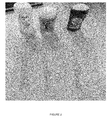
- FIGURE 1 shows the three cosmetic compositions and a sheet of the fibrous test substrate prior to application.
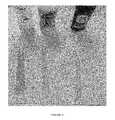
- FIGURE 2 shows the situation where the cosmetic compositions, which were each in the form of a stick, have been applied to the fibrous substrate by drawing the sticks over the surface of the fibrous substrate.
- FIGURE 2 shows the situation immediately after application, with a smear of each product being visible on the test substrate. No colour change has yet occurred.
- FIGURE 3 shows the situation three minutes after application. Only one of the three cosmetic compositions has produced a visible colour change, where the streak has turned blue. There is a positive colour change from the Dove Nourished Beauty Stick cosmetic composition, and there is no colour change (negative result) from the Secret Outlast Completely Clean Invisible Solid cosmetic composition and the Lady Speed Stick Invisible Dry Powder Fresh Stick cosmetic composition. The positive result is believed to be due to the inclusion of PEG-8 in the Dove Nourished Beauty Stick. The test demonstrates the potential for a moisturisation effect from the cosmetic composition.
- test protocol in general terms is set out below, and is described with reference to Figures 4 and 5 .
- the test comprises taking a piece of the test paper from its protective packaging immediately before the test. Before the test, the paper is kept in the packaging to avoid contact with environmental moisture, which could affect the results.
- the cosmetic product to be tested is used to deposit material on the test substrate. This can either be in the form of a smear, or could also take the form of either text or a picture applied to the surface of the paper. After some time has elapsed, typically around three minutes, a visible colour change can be seen for cosmetic compositions having the potential for moisturisation. In particular, a positive test result can be seen for cosmetic composition containing PEG-8.
- the method can be performed simultaneously with a cosmetic composition which does produce a positive result and also using a cosmetic composition which does not produce a positive result.
- FIGURE 4 shows the positive result resulting from the application of a cosmetic composition (Dove) which does contain the humectant PEG-8
- FIGURE 5 shows the negative result from the application of a comparative product which does not contain PEG-8. There is a visible colour change to indicate a positive result for the cosmetic composition that does contain the humectant PEG-8.
- the "Wator” test paper is known to produce a positive result in the presence of moisture (water). To assess whether the positive result seen for cosmetic compositions containing a humectant such as PEG-8 is due to the presence of water, or the attraction of water from ambient environments, a further test was carried out.
- test substrate paper Two pieces of the test substrate paper were used. One of the pieces of paper was placed in a desiccator whilst the other was left out on a bench surface, in ambient conditions. To each piece, one drop of PEG-8 liquid was added and the paper was subsequently monitored for any positive reactions.
- FIGURES 6 and 7 show the result of the test. Both papers reacted positively with PEG-8.
- FIGURE 6 shows the positive result from the addition of a drop of PEG-8 material to the test paper left open in ambient conditions.
- FIGURE 7 shows the positive result obtained from the addition of a drop of PEG-8 liquid to the test paper which was then kept within a desiccator. The test results indicate that the positive colour change is due to the addition of the PEG-8 liquid itself, rather than the attraction of ambient moisture to the test paper by the presence of the humectant in the cosmetic composition.
- PEG-8 liquid that is typically used in the preparation of cosmetic compositions, such as the Dove Advanced Care Stick range, contains a small amount of moisture.
- the water content of the PEG-8 liquid used is no more than 1%.
- a further test was performed using the PEG-8 liquid alongside the commercially-available surfactant Tween-20.
- the commercially-available Tween-20 liquid contains a maximum moisture value of 3% water. The test was performed comprising addition a drop of each of the liquids to a test substrate and monitoring the results. Two pieces of moisture paper were placed on a bench top surface. To one piece of paper, one drop of PEG-8 was added. To the other piece of paper, one drop of Tween-20 was added. The products were then left to react with the paper.
- glycerol Another humectant used in commercial cosmetic compositions is glycerol.
- the method of the invention relates to a method of demonstrating the potential for a moisturisation effect from a cosmetic compositions, using a fibrous substrate comprising a testing substance for a humectant.
- This humectant may be glycerol.
- the presence of glycerol can be detected, for example, by the use of a glycerol assay kit obtainable from the Sigma Aldrich company.
- the commercially-available kit provides a means to determine glycerol concentrations by a coupled enzyme assay comprising glycerol kinase and glycerol phosphate oxidase, producing a colorimetric result.
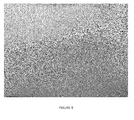
- FIGURE 9 shows the results of an assay involving the detection of the humectant glycerol in a cosmetic composition.
- the commercially-available glycerol assay test substance was used at dilution factors 0.5 and 0.3, where the detector substance was diluted using de-mineralised water.
- the results in FIGURE 9 show that the Dove composition produces a positive result for indicating the potential for a moisturisation effect from a cosmetic composition at dilution factors of 0.5 and 0.3.
- the Nivea product does not produce such a visible colour change at either the 0.3 or the 0.5 dilution factors.
- the composition of the two materials used in the test are set out below.
- Another aspect of the invention is a method of demonstrating the potential for an antiperspirancy effect from a cosmetic composition.
- One commonly used form of antiperspirant agent is aluminium compounds, and aluminium salts, such as aluminium chlorohydrate, aluminium zirconium chlorohydrates and aluminium zirconium chlorohydrate glycine complexes.
- a test for the presence of aluminium compounds could indicate the potential for an antiperspirancy effect from a cosmetic composition. Also, more than one test can be performed at the same time.
- FIGURE 10 shows the results of tests for demonstrating the potential for a moisturisation and antiperspirancy effect from four different cosmetic compositions.
- the components of the four different cosmetic compositions tested are set out below:
- the four different cosmetic compositions were assessed using a method of demonstrating the potential for moisturisation and an antiperspirancy effect.
- the first composition tested (Dove Purely Pampering) contains a humectant (glycerol) but no antiperspirant aluminium salts. As shown in FIGURE 10 , this product therefore shows a positive change in relation to "care”, in other words moisturisation but a negative result for an antiperspirancy effect.
- the Garnier Mineral product shows a positive result for "protection”, demonstrating the presence of aluminium salts for an antiperspirant effect. However, there is a negative result in terms of "care” or moisturisation for this product. The same is true of the Nivea product which again demonstrates an antiperspirant effect, but no moisturisation.
- the last product has a positive result for "care", demonstrating the presence of the humectant glycerol.
- the Dove Original product also demonstrates the potential for an antiperspirant effect, by the positive colour change for the presence of antiperspirant aluminium salts.
- the aluminium test results are due to the presence of the Chromeazurol S within the test substrate.
Landscapes
- Life Sciences & Earth Sciences (AREA)
- Health & Medical Sciences (AREA)
- Chemical & Material Sciences (AREA)
- Physics & Mathematics (AREA)
- Pathology (AREA)
- Analytical Chemistry (AREA)
- Biochemistry (AREA)
- General Health & Medical Sciences (AREA)
- General Physics & Mathematics (AREA)
- Immunology (AREA)
- Plasma & Fusion (AREA)
- Chemical Kinetics & Catalysis (AREA)
- Engineering & Computer Science (AREA)
- Biophysics (AREA)
- Molecular Biology (AREA)
- Cosmetics (AREA)
Abstract
Description
- The invention concerns a method for demonstrating the potential for a moisturisation and/or antiperspirancy effect from a cosmetic composition.
- Cosmetic compositions contain a number of different ingredients to perform various functions. Some cosmetic compositions are intended to provide a moisturisation and/or antiperspirancy effect to the user. It is beneficial to be able to demonstrate the potential for a moisturisation and/or antiperspirancy effect from a cosmetic composition. The present invention addresses that goal.
- According to the present invention, there is provided a method of demonstrating the potential for a moisturisation and/or antiperspirancy effect from a cosmetic composition, said method comprising contacting the composition with a detector substance for aluminium-containing antiperspirant salt and/or moisturiser, said detector substance generating a visible colour change to indicate the presence of aluminium-containing antiperspirant salt and/or moisturiser.
- Preferably, the moisturiser is a humectant.
- Conveniently, the step of contacting the composition with the detector substance comprises the application of the composition to a fibrous substrate comprising the detector substance.
- Advantageously, the fibrous substrate is paper.
- Preferably, the cosmetic composition is an antiperspirant composition.
- Advantageously, the cosmetic composition is in the form of a stick, aerosol, roll-on or cream.
- Preferably, the cosmetic composition is in the form of a stick
- Conveniently, the detector substance is for an aluminium-containing antiperspirant salt.
- Advantageously, the detector substance comprises Chromeazurol S or xylenol orange.
- Preferably, the detector substance is for a humectant.
- Conveniently, the detector substance is for glycerol.
- Advantageously, the detector substance comprises enzymes.
- Preferably, the detector substance is for polypropylene glycol or polyethylene glycol.
- Conveniently, the detector substance comprises an inorganic salt and a pH indicator dye.
- According to the invention, there is provided a method of distinguishing a cosmetic composition having a moisturisation and/or antiperspirancy effect from another cosmetic composition, said method comprising contacting the composition with a detector substance for aluminium-containing antiperspirant salt and/or moisturiser, said detector substance generating a visible colour change to indicate the presence of aluminium-containing antiperspirant salt and/or moisturiser.
- The invention will now be described, by way of example, with reference to the following figures in which:
-
FIGURE 1 is a photograph of three cosmetic compositions and a substrate prior to application, -
FIGURE 2 is a photograph of the three cosmetic compositions immediately after application to the substrate, -
FIGURE 3 is a photograph three minutes after application of the three cosmetic compositions to the substrate, -
FIGURE 4 is a photograph showing a positive result from the application of a cosmetic composition to a test substrate, -
FIGURE 5 is a photograph of a negative result of the application of a comparative cosmetic product to a test substrate, -
FIGURE 6 is a photograph of PEG-8 applied to a test substrate under ambient conditions, -
FIGURE 7 is a photograph of PEG-8 applied to a test substrate within a desiccator, -
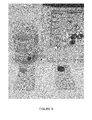
FIGURE 8 is a photograph showing the results of the application of the surfactant Tween-20 and PEG-8, -
FIGURE 9 is a photograph showing the results of the application of two cosmetic compositions to a test substrate with two different dilutions of a test substance, and -
FIGURE 10 is a photograph showing the results of the application of four cosmetic compositions to test substrates for the detection of glycerol and aluminium. - Aluminium compounds are used in many cosmetic compositions to provide antiperspirancy effects. It would be beneficial to be able to demonstrate such antiperspirancy effects in a simple and quick way. In one aspect, the present invention relates to a method for demonstrating the potential for an antiperspirancy effect from a cosmetic composition comprising contacting the composition with a detector substance for aluminium containing antiperspirant salt, said detector substance generating a visible colour change to indicate the presence of an aluminium-containing antiperspirant salt.
- To perform the method, the cosmetic composition, which may for example be in the form of a stick, is contacted with the detector substance. This may be performed, for example, by mixing the composition with the detector substance on a substrate surface, such as in a container or vessel. Alternatively, the detector substance may be present in or on a fibrous substrate, and the composition may be applied to the fibrous substrate. So, for example, the composition can be applied to the fibrous material, for example by applying a smear, and then the substrate can be monitored to see whether there is a colour change.
- Advantageously the method may, at least with respect to the detection of moisturiser, be carried out ambient humidity conditions: in particular at relative humidity of less than 80%, more particularly less than 70%. In one or more embodiments of particular interest the method is carried out at relative humidity of from 20 to 60%.
- A test for the presence of aluminium can provide a visible colour change to indicate the antiperspirancy potential of a product. A suitable test is the reagent Chromeazurol S obtainable from the Sigma Aldrich company. For this particular reagent, a colour change from orange to purple indicates a positive result. Another suitable reagent is xylenol orange.
- Compounds such as some polypropylene glycols and polyethylene glycols are used in cosmetic compositions to provide moisturising properties. These particular materials are humectants. In other words, such compounds help to retain moisture when applied to the skin of a user. The method relates to the demonstration of the presence of a range of moisturisers, inlcuding humectants, such as polyethylene glycols, polypropylene glycols, butylene glycols, pentylene glycols, hexylene glycols, isomers, dimers and trimers thereof, and other liquid "hydroxyl" humectants such as diglycerol and polyglycerol. Preferably, the method involves the detection of a polyethylene glycol, such as PEG-4, PEG-6, PEG-8 and PEG-10. A preferred humectant is PEG-8.
- It would be beneficial to be able to provide a method of demonstrating the potential for a moisturisation effect from a cosmetic composition comprising the application of the composition to a fibrous substrate comprising a detector substance for a moisturiser, said detector substance generating a visible colour change to indicate the presence of a moisturiser, preferably a humectant. A preferred method of doing so comprises applying a cosmetic composition to a fibrous substrate comprising the detector substance and monitoring for a colour change.
- One preferred method of testing for the presence of a humectant such as PEG-8 is the use of a colour changing indicating paper. Particularly preferred methods use indicator papers comprising an inorganic salt and a pH indicator dye. The application of a material that contains moisture or a humectant causes a pH change resulting in the colour change which can be observed as a positive result. A particularly preferred test substrate is "Wator Paper" obtainable from the Macherey-Nagel company (Reference: 90610).
- Another preferred humectant is glycerol. The presence of glycerol as humectant can be detected by a suitable test, such as the "free glycerol reagent" obtainable from the Sigma Aldrich company. This particular reagent contains a number of enzymes and other components which can provide a visible colour change as an indication for the presence of glycerol in a test composition. For this particular reagent, a colour change to purple indicates a positive result.
- In one aspect, a fibrous substrate can be used in the test which may be, for example, paper or card. The method can be used for compositions in the form of a stick and for compositions in non-stick forms, such as roll-on, aerosol or cream compositions. This is especially the case for methods relating to humectants and antiperspirant effects, particularly for glycerol and aluminium salts.
- Other preferred moisturisers are triglycerides, such as those in sunflower seed oil. The present method also relates to demonstrating the potential for moisturisation from cosmetic compositions containing such moisturisers. A suitable detector substance is a reagent for the presence of triglycerides. One such reagent is the Serum Triglyceride Determination Kit available from the Sigma Aldrich company. The kit contains enzymes and other compounds.
- The procedure involves enzymatic hydrolysis by lipase of the triglycerides to glycerol and free fatty acids. The glycerol produced is then measured by coupled enzyme reactions.
- Triglycerides are first hydrolyzed by lipoprotein lipase to glycerol and free fatty acids. Glycerol is then phosphorylated by adenosine-5'-triphosphate (ATP) forming glycerol-1-phosphate (G-1-P) and adenosine-5'-diphosphate (ADP) in the reaction catalyzed by glycerol kinase (GK). G-1-P is then oxidized by glycerol phosphate oxidase (GPO) to dihydroxy-acetone phosphate (DAP) and hydrogen peroxide (H2O2). Peroxidase (POD) catalyzes the reaction of H2O2 with 4-aminoantipyrine (4-AAP) and sodium N-ethyl-N-(3-sulfopropyl) m-anisidine (ESPA) to produce a quinoneimine dye that shows an absorbance maximum at 540 nm. The increase in absorbance at 540 nm is directly proportional to triglyceride concentration of the sample.
- In some cases, it is beneficial to dilute or soften the cosmetic composition for use in the method. For example, the composition may be mixed with a material to make it more fluid to facilitate the interaction with the detector substance. One material that can be used for this purpose is a volatile silicone such as cyclopentasiloxane.
- Whilst the invention has been described in relation to a fibrous substrate, the method could be performed without such a substrate. So, for example, the cosmetic composition could be mixed with a detector substance on another surface or in a vessel or container. The invention also relates to a method of demonstrating the potential for a moisturisation and/or antiperspirancy effect from a cosmetic composition, said method comprising the mixing of the composition with a detector substance for aluminium-containing antiperspirant salt and/or moisturiser, said detector substance generating a visible colour change to indicate the presence of aluminium-containing antiperspirant salt and/or moisturiser. Preferably, the moisturiser is a humectant.
- The method of the invention was exemplified in relation to the presence of a humectant. Three different cosmetic compositions were assessed in the method. The components of each of the three cosmetic compositions that were used are set out below:
- Dove Nourished Beauty Stick
Aluminium Zirconium Tetrachlorohydrex GLY, Cyclopentasiloxane, Stearyl Alcohol, C12-15 Alkyl Benzoate, PPG-14 Butyl Ether, Hydrogenated Castor Oil, PEG-8, Dimethicone, Fragrance (Parfum), Silica, Polyethylene, Helianthus Annuus (sunflower) Seed Oil, Steareth-100, BHT, Hydroxyethyl Urea - Secret Outlast Completely Clean Invisible Solid
Aluminium Zirconium Tetrachlorohydrex GLY, Cyclopentasiloxane, Stearyl Alcohol, C12-15 Alkyl Benzoate, PPG-14 Butyl Ether, Cyclodextrin, Petrolatum, Phenyl Trimethicone, Hydrogenated Castor Oil, Talc, Fragrance, Ozokerite, Behenyl Alcohol, Panthenyl Triacetate, Tocopheryl Acetate, Acetyl Glucosamine - Lady Speed Stick Invisible Dry Powder Fresh Stick
Aluminium Zirconium Tetrachlorohydrex GLY, Elaeis Guineensis (palm) Kernel Oil, Stearyl Alcohol, Cyclomethicone, C12-15 Alkyl Benzoate, PPG-14 Butyl Ether, Hydrogenated Castor Oil, Hydrogenated Soybean Oil, PEG-8 Distearate, Fragrance, Hydrolyzed Corn Starch, Behenyl Alcohol - Each of the cosmetic compositions were assessed according to the method of the invention in relation to demonstrating the potential for a moisturisation and/or antiperspirancy effect. The cosmetic compositions were applied to a fibrous substrate comprising a detector substance for moisture. In particular, the fibrous substrate used in the test was the "Wator" test paper obtainable from the Machery-Nagel company.
-
FIGURE 1 shows the three cosmetic compositions and a sheet of the fibrous test substrate prior to application. -
FIGURE 2 shows the situation where the cosmetic compositions, which were each in the form of a stick, have been applied to the fibrous substrate by drawing the sticks over the surface of the fibrous substrate.FIGURE 2 shows the situation immediately after application, with a smear of each product being visible on the test substrate. No colour change has yet occurred. -
FIGURE 3 shows the situation three minutes after application. Only one of the three cosmetic compositions has produced a visible colour change, where the streak has turned blue. There is a positive colour change from the Dove Nourished Beauty Stick cosmetic composition, and there is no colour change (negative result) from the Secret Outlast Completely Clean Invisible Solid cosmetic composition and the Lady Speed Stick Invisible Dry Powder Fresh Stick cosmetic composition. The positive result is believed to be due to the inclusion of PEG-8 in the Dove Nourished Beauty Stick. The test demonstrates the potential for a moisturisation effect from the cosmetic composition. - The test protocol in general terms is set out below, and is described with reference to
Figures 4 and5 . - The test comprises taking a piece of the test paper from its protective packaging immediately before the test. Before the test, the paper is kept in the packaging to avoid contact with environmental moisture, which could affect the results. Next, the cosmetic product to be tested is used to deposit material on the test substrate. This can either be in the form of a smear, or could also take the form of either text or a picture applied to the surface of the paper. After some time has elapsed, typically around three minutes, a visible colour change can be seen for cosmetic compositions having the potential for moisturisation. In particular, a positive test result can be seen for cosmetic composition containing PEG-8.
- The method can be performed simultaneously with a cosmetic composition which does produce a positive result and also using a cosmetic composition which does not produce a positive result.
FIGURE 4 shows the positive result resulting from the application of a cosmetic composition (Dove) which does contain the humectant PEG-8, whereasFIGURE 5 shows the negative result from the application of a comparative product which does not contain PEG-8. There is a visible colour change to indicate a positive result for the cosmetic composition that does contain the humectant PEG-8. - The "Wator" test paper is known to produce a positive result in the presence of moisture (water). To assess whether the positive result seen for cosmetic compositions containing a humectant such as PEG-8 is due to the presence of water, or the attraction of water from ambient environments, a further test was carried out.
- In the test, two pieces of the test substrate paper were used. One of the pieces of paper was placed in a desiccator whilst the other was left out on a bench surface, in ambient conditions. To each piece, one drop of PEG-8 liquid was added and the paper was subsequently monitored for any positive reactions.
-
FIGURES 6 and7 show the result of the test. Both papers reacted positively with PEG-8.FIGURE 6 shows the positive result from the addition of a drop of PEG-8 material to the test paper left open in ambient conditions.FIGURE 7 shows the positive result obtained from the addition of a drop of PEG-8 liquid to the test paper which was then kept within a desiccator. The test results indicate that the positive colour change is due to the addition of the PEG-8 liquid itself, rather than the attraction of ambient moisture to the test paper by the presence of the humectant in the cosmetic composition. - Commercially-available PEG-8 liquid, that is typically used in the preparation of cosmetic compositions, such as the Dove Advanced Care Stick range, contains a small amount of moisture. The water content of the PEG-8 liquid used is no more than 1%. A further test was performed using the PEG-8 liquid alongside the commercially-available surfactant Tween-20. The commercially-available Tween-20 liquid contains a maximum moisture value of 3% water. The test was performed comprising addition a drop of each of the liquids to a test substrate and monitoring the results. Two pieces of moisture paper were placed on a bench top surface. To one piece of paper, one drop of PEG-8 was added. To the other piece of paper, one drop of Tween-20 was added. The products were then left to react with the paper.
- As shown in
FIGURE 8 , PEG-8 reacted strongly with the "Wator paper", whereas Tween-20 failed to produce a positive test result. This seems to indicate that the presence of PEG-8 itself was producing the positive result, rather than the moisture present in either of the two compositions. - Another humectant used in commercial cosmetic compositions is glycerol. The method of the invention relates to a method of demonstrating the potential for a moisturisation effect from a cosmetic compositions, using a fibrous substrate comprising a testing substance for a humectant. This humectant may be glycerol. The presence of glycerol can be detected, for example, by the use of a glycerol assay kit obtainable from the Sigma Aldrich company. The commercially-available kit provides a means to determine glycerol concentrations by a coupled enzyme assay comprising glycerol kinase and glycerol phosphate oxidase, producing a colorimetric result.
FIGURE 9 shows the results of an assay involving the detection of the humectant glycerol in a cosmetic composition. - The commercially-available glycerol assay test substance was used at dilution factors 0.5 and 0.3, where the detector substance was diluted using de-mineralised water. The results in
FIGURE 9 show that the Dove composition produces a positive result for indicating the potential for a moisturisation effect from a cosmetic composition at dilution factors of 0.5 and 0.3. The Nivea product does not produce such a visible colour change at either the 0.3 or the 0.5 dilution factors. The composition of the two materials used in the test are set out below. - Dove INCI
Aqua, Aluminium Chlorohydrate, Helianthus Annuus Seed Oil (Seed), Glycerin, Steareth-2, Parfum, Steareth-20, Disodium EDTA, Tocopheryl Acetate, Alpha-isomethyl lonone, Benzyl Benzoate, Benzyl Salicylate, Butylphenyl Methylpropional, Citronellol, Geraniol, Hexyl Cinnamal, Hydroxycitronellal, Linalool - Nivea INCI
Aqua, Aluminium Chlorohydrate, PPG-15 Stearyl Ether, Steareth - 2, Steareth - 21, Parfum, Octyldodecanol, Persea Gratissima Oil, Glycerin, Panthenol, Trisodium EDTA, Geranil, Limonene, Citronellol, Butylphenyl Methylpropional, Alpha-Isomethyl lonone, Linalool - Another aspect of the invention is a method of demonstrating the potential for an antiperspirancy effect from a cosmetic composition. One commonly used form of antiperspirant agent is aluminium compounds, and aluminium salts, such as aluminium chlorohydrate, aluminium zirconium chlorohydrates and aluminium zirconium chlorohydrate glycine complexes. A test for the presence of aluminium compounds could indicate the potential for an antiperspirancy effect from a cosmetic composition. Also, more than one test can be performed at the same time.
-
FIGURE 10 shows the results of tests for demonstrating the potential for a moisturisation and antiperspirancy effect from four different cosmetic compositions. The components of the four different cosmetic compositions tested are set out below: - Dove Purely Pampering Moisturising Lotion
Aqua, Glycerin, Stearic Acid, Caprylic/Capric Triglyceride, Dimethicone, Glycol Stearate, PEG-100 Stearate, Cyclopentasiloxane, Petrolatum, Butyrospermum Parkii Butter, Tocopheryl Acetate, Potassium Lactate, Sodium PCA, Helianthus Annuus Hybrid Oil (Hybrid), Isomerized Linoleic Acid (Isomerized), Urea, Collagen Amino Acids, Lactic Acid, Glyceryl Stearate, Stearamide AMP, Triethanolamine, Cetyl Alcohol, Acrylates/C10-30 Alkyl Acrylate Crosspolymer, Carbomer, Disodium EDTA, parfum, Phenoxyethanol, Methylparaben, Propylparaben, Coumarin, Hydroxyisohexyl 3-cyclohexene Carboxaldehyde, Titanium Dioxide - Dove Original RO
Aqua, Aluminium Chlorohydrate, Helianthus Annuus Seed Oil (Seed), Glycerin, Steareth-2, parfum, Steareth-20, Disodium EDTA, Tocopheryl Acetate, Alpha-isomethyl lonone, Benzyl Benzoate, Benzyl Salicylate, Butylphenyl Methylpropional, Citronellol, Geraniol, Hexyl Cinnamal, Hydroxycitronellal, Linalool - Garnier Mineral InvisiDry RO
Aqua, Aluminium Chlorohydrate, Cetearyl Alcohol, Ceteareth-33, parfum (fragrance), Perlite, Phenoxyethanol, Dimethicone, L-limonene, Benzyl Salicylate, Benzyl Alcohol, Linalool, Geraniol, Citronellol, Methylisothiazolinone, Hexyl Cinnamal, F.I.L. C38465/1 - Nivea Powder Touch RO
Aqua, Aluminium Chlorohydrate, PPG-15 Stearyl Ether, Steareth-2, Steareth-21, parfum, Kaolin, Persea Gratissima Oil, Trisodium EDTA, L-limonene, Linalool, Alpha-isomethyl lonone, Geraniol, Benzyl Alcohol, Coumarin - The four different cosmetic compositions were assessed using a method of demonstrating the potential for moisturisation and an antiperspirancy effect. The first composition tested (Dove Purely Pampering) contains a humectant (glycerol) but no antiperspirant aluminium salts. As shown in
FIGURE 10 , this product therefore shows a positive change in relation to "care", in other words moisturisation but a negative result for an antiperspirancy effect. - The Garnier Mineral product shows a positive result for "protection", demonstrating the presence of aluminium salts for an antiperspirant effect. However, there is a negative result in terms of "care" or moisturisation for this product. The same is true of the Nivea product which again demonstrates an antiperspirant effect, but no moisturisation.
- The last product (Dove Original) has a positive result for "care", demonstrating the presence of the humectant glycerol. The Dove Original product also demonstrates the potential for an antiperspirant effect, by the positive colour change for the presence of antiperspirant aluminium salts. The aluminium test results are due to the presence of the Chromeazurol S within the test substrate.
Claims (14)
- A method of demonstrating the potential for a moisturisation and/or antiperspirancy effect from a cosmetic composition, said method comprising contacting the composition with a detector substance for aluminium-containing antiperspirant salt and/or moisturiser, said detector substance generating a visible colour change to directly indicate the presence of aluminium-containing antiperspirant salt and/or moisturiser, wherein such method is carried out at relative humidity of less than 80%.
- A method according to claim 1 wherein the moisturiser is a humectant.
- A method according to claim 1 or 2 wherein the step of contacting the composition with the detector substance comprises the application of the composition to a fibrous substrate comprising the detector substance.
- A method according to claim 3, wherein in the fibrous substrate is paper.
- A method according to any preceding of the preceding claims, wherein the cosmetic composition is an antiperspirant composition.
- A method according to any of the preceding claims wherein the cosmetic composition is in the form of a stick, aerosol, roll-on or cream.
- A method according to any of the preceding claims, wherein the cosmetic composition is in the form of a stick
- A method according to any of the preceding claims, wherein the detector substance is for an aluminium-containing antiperspirant salt.
- A method according to claim 8, wherein the detector substance comprises Chromeazurol S or xylenol orange.
- A method according to any of the preceding claims, wherein the detector substance is for a humectant.
- A method according to claim 10, wherein the detector substance is for glycerol.
- A method according to claim 11, wherein the detector substance comprises enzymes.
- A method according to claim 10, wherein the detector substance is for polypropylene glycol or polyethylene glycol.
- A method according to claim 13, wherein the detector substance comprises an inorganic salt and a pH indicator dye.
Priority Applications (10)
| Application Number | Priority Date | Filing Date | Title |
|---|---|---|---|
| EP15190253.3A EP3156793B1 (en) | 2015-10-16 | 2015-10-16 | Testing method for specific ingredients in antiperspirant and humectant cosmetic compositions |
| ES15190253T ES2719835T3 (en) | 2015-10-16 | 2015-10-16 | Test procedure for specific ingredients in moisturizing antiperspirant cosmetic compositions |
| AU2016269660A AU2016269660B2 (en) | 2015-06-05 | 2016-05-27 | Testing method for specific ingredients in antiperspirant and humectant cosmetic compositions |
| EA201792384A EA036689B1 (en) | 2015-06-05 | 2016-05-27 | Demonstrating the potential for a moisturisation effect from a cosmetic composition |
| CN201680032891.6A CN107690577B (en) | 2015-06-05 | 2016-05-27 | Test method for specific ingredients used in antiperspirant and humectant cosmetic compositions |
| PCT/EP2016/062056 WO2016193167A1 (en) | 2015-06-05 | 2016-05-27 | Testing method for specific ingredients in antiperspirant and humectant cosmetic compositions |
| MX2017015738A MX2017015738A (en) | 2015-06-05 | 2016-05-27 | Testing method for specific ingredients in antiperspirant and humectant cosmetic compositions. |
| BR112017025855-2A BR112017025855B1 (en) | 2015-06-05 | 2016-05-27 | METHOD OF DEMONSTRATING THE POTENTIAL OF A HYDRATION EFFECT |
| PH12017502208A PH12017502208B1 (en) | 2015-06-05 | 2017-12-04 | Testing method for specific ingredients in antiperspirant and humectant cosmetic compositions |
| ZA2017/08263A ZA201708263B (en) | 2015-06-05 | 2017-12-05 | Testing method for specific ingredients in antiperspirant and humectant cosmetic compositions |
Applications Claiming Priority (1)
| Application Number | Priority Date | Filing Date | Title |
|---|---|---|---|
| EP15190253.3A EP3156793B1 (en) | 2015-10-16 | 2015-10-16 | Testing method for specific ingredients in antiperspirant and humectant cosmetic compositions |
Publications (2)
| Publication Number | Publication Date |
|---|---|
| EP3156793A1 true EP3156793A1 (en) | 2017-04-19 |
| EP3156793B1 EP3156793B1 (en) | 2019-01-16 |
Family
ID=54359856
Family Applications (1)
| Application Number | Title | Priority Date | Filing Date |
|---|---|---|---|
| EP15190253.3A Active EP3156793B1 (en) | 2015-06-05 | 2015-10-16 | Testing method for specific ingredients in antiperspirant and humectant cosmetic compositions |
Country Status (8)
| Country | Link |
|---|---|
| EP (1) | EP3156793B1 (en) |
| CN (1) | CN107690577B (en) |
| AU (1) | AU2016269660B2 (en) |
| BR (1) | BR112017025855B1 (en) |
| EA (1) | EA036689B1 (en) |
| ES (1) | ES2719835T3 (en) |
| MX (1) | MX2017015738A (en) |
| WO (1) | WO2016193167A1 (en) |
Families Citing this family (1)
| Publication number | Priority date | Publication date | Assignee | Title |
|---|---|---|---|---|
| BR112019023209B1 (en) | 2017-05-10 | 2023-11-14 | L'oreal | METHOD FOR EVALUATING THE EFFECTIVENESS OF AN ANTIPERSPIRANT WITHOUT AMINE |
Citations (2)
| Publication number | Priority date | Publication date | Assignee | Title |
|---|---|---|---|---|
| US4690815A (en) * | 1985-08-15 | 1987-09-01 | Charles Of The Ritz Group Ltd. | Method for testing skin for presence of moisturizer |
| US20110020943A1 (en) * | 2008-03-21 | 2011-01-27 | Arkray, Inc. | Dry testing tool, method for measuring metal, and method for producing dry testing tool |
Family Cites Families (4)
| Publication number | Priority date | Publication date | Assignee | Title |
|---|---|---|---|---|
| US20080145948A1 (en) * | 2006-12-18 | 2008-06-19 | 3M Innovative Properties Company | Chemical indicator test strip |
| CN101819154B (en) * | 2010-03-02 | 2012-02-08 | 苏州市玮琪生物科技有限公司 | Chromatographic triglyceride self-test system |
| CN103616309A (en) * | 2013-11-29 | 2014-03-05 | 中山鼎晟生物科技有限公司 | Method for testing humidity of cosmetics |
| CN103767972B (en) * | 2014-01-24 | 2016-01-20 | 广州市科能化妆品科研有限公司 | A kind of ternary moisturizing lock water composition and the application in cosmetics thereof |
-
2015
- 2015-10-16 ES ES15190253T patent/ES2719835T3/en active Active
- 2015-10-16 EP EP15190253.3A patent/EP3156793B1/en active Active
-
2016
- 2016-05-27 AU AU2016269660A patent/AU2016269660B2/en active Active
- 2016-05-27 WO PCT/EP2016/062056 patent/WO2016193167A1/en not_active Ceased
- 2016-05-27 EA EA201792384A patent/EA036689B1/en not_active IP Right Cessation
- 2016-05-27 BR BR112017025855-2A patent/BR112017025855B1/en active IP Right Grant
- 2016-05-27 MX MX2017015738A patent/MX2017015738A/en unknown
- 2016-05-27 CN CN201680032891.6A patent/CN107690577B/en active Active
Patent Citations (2)
| Publication number | Priority date | Publication date | Assignee | Title |
|---|---|---|---|---|
| US4690815A (en) * | 1985-08-15 | 1987-09-01 | Charles Of The Ritz Group Ltd. | Method for testing skin for presence of moisturizer |
| US20110020943A1 (en) * | 2008-03-21 | 2011-01-27 | Arkray, Inc. | Dry testing tool, method for measuring metal, and method for producing dry testing tool |
Non-Patent Citations (2)
| Title |
|---|
| "Free Glycerol Reagent", 13 November 2006 (2006-11-13), XP055257471, Retrieved from the Internet <URL:http://www.sigmaaldrich.com/content/dam/sigma-aldrich/docs/Sigma/Bulletin/f6428bul.pdf> [retrieved on 20160311] * |
| ANONYMOUS: "WATOR - Indicator Paper for Determination of Water distribution in butter According to DIN 10311", 20 August 2008 (2008-08-20), XP055257377, Retrieved from the Internet <URL:ftp://ftp.mn-net.com/english/Instruction_leaflets/Testpapers/90610en.pdf> [retrieved on 20160310] * |
Also Published As
| Publication number | Publication date |
|---|---|
| EA201792384A1 (en) | 2018-06-29 |
| WO2016193167A1 (en) | 2016-12-08 |
| MX2017015738A (en) | 2018-04-13 |
| AU2016269660A1 (en) | 2017-12-21 |
| EP3156793B1 (en) | 2019-01-16 |
| CN107690577B (en) | 2021-04-02 |
| EA036689B1 (en) | 2020-12-08 |
| ES2719835T3 (en) | 2019-07-16 |
| CN107690577A (en) | 2018-02-13 |
| AU2016269660B2 (en) | 2018-05-10 |
| BR112017025855B1 (en) | 2020-11-24 |
| BR112017025855A2 (en) | 2018-08-14 |
Similar Documents
| Publication | Publication Date | Title |
|---|---|---|
| US10328013B1 (en) | Cosmetic composition and methods of use thereof | |
| RU2700412C2 (en) | Antiperspirant compositions | |
| US20120317733A1 (en) | Enzymatic peracid generation for use in hair care products | |
| CN103860396A (en) | Oil-in-water type emulsion solid cosmetic material | |
| US20160166491A1 (en) | Deodorant composition and deodorant agent | |
| CN107837200B (en) | Novel efficient water-locking moisturizing toner and preparation method thereof | |
| BR112018075882B1 (en) | COMPOSITION OF POWDER HAIR DYE AND ITS METHOD OF USE | |
| KR20170137004A (en) | Cosmetic compositions | |
| CN109922782A (en) | Oil-based cosmetic cosmetic preparation | |
| CN108618992A (en) | A kind of glabridin composition and preparation method thereof | |
| US20210369583A1 (en) | Compositions for providing skin care benefits and methods of use | |
| JP2017048140A (en) | Antiperspirant composition | |
| AU2016269660B2 (en) | Testing method for specific ingredients in antiperspirant and humectant cosmetic compositions | |
| US12478567B2 (en) | Natural hydrocarbon/ester compositions with improved sensory properties | |
| TW577748B (en) | External preparations for skin whitening | |
| WO2021026565A1 (en) | Dissolvable vitamin c and retinol film | |
| Kulawik-Pióro et al. | Determining the quality of hydrophobic barrier creams by rheological measurements, sensory analysis, pH determination and permeation time measurements | |
| JP5667579B2 (en) | Body care composition with reduced odor containing hydroxypropyltrialkylammonium salt | |
| EP3775885A1 (en) | Evaluating the efficacy of leave-on cosmetic compositions to protect from pollutants | |
| CN101940542B (en) | Shaving agent composition | |
| US20250000758A1 (en) | High separation dual phase eye make-up remover | |
| EP4731171A2 (en) | Mineral facial sunscreen | |
| KR20230110586A (en) | Inverse emulsion comprising at least one fatty alcohol, non-ionic sugar ester, ethylcellulose and methods of using the same | |
| JP2012519721A (en) | Cosmetic composition for lightening skin | |
| Ebauer | Testing–the substantiation of stem cell claims |
Legal Events
| Date | Code | Title | Description |
|---|---|---|---|
| PUAI | Public reference made under article 153(3) epc to a published international application that has entered the european phase |
Free format text: ORIGINAL CODE: 0009012 |
|
| STAA | Information on the status of an ep patent application or granted ep patent |
Free format text: STATUS: THE APPLICATION HAS BEEN PUBLISHED |
|
| AK | Designated contracting states |
Kind code of ref document: A1 Designated state(s): AL AT BE BG CH CY CZ DE DK EE ES FI FR GB GR HR HU IE IS IT LI LT LU LV MC MK MT NL NO PL PT RO RS SE SI SK SM TR |
|
| AX | Request for extension of the european patent |
Extension state: BA ME |
|
| STAA | Information on the status of an ep patent application or granted ep patent |
Free format text: STATUS: REQUEST FOR EXAMINATION WAS MADE |
|
| 17P | Request for examination filed |
Effective date: 20170517 |
|
| RBV | Designated contracting states (corrected) |
Designated state(s): AL AT BE BG CH CY CZ DE DK EE ES FI FR GB GR HR HU IE IS IT LI LT LU LV MC MK MT NL NO PL PT RO RS SE SI SK SM TR |
|
| STAA | Information on the status of an ep patent application or granted ep patent |
Free format text: STATUS: EXAMINATION IS IN PROGRESS |
|
| 17Q | First examination report despatched |
Effective date: 20180423 |
|
| GRAP | Despatch of communication of intention to grant a patent |
Free format text: ORIGINAL CODE: EPIDOSNIGR1 |
|
| STAA | Information on the status of an ep patent application or granted ep patent |
Free format text: STATUS: GRANT OF PATENT IS INTENDED |
|
| INTG | Intention to grant announced |
Effective date: 20180905 |
|
| GRAS | Grant fee paid |
Free format text: ORIGINAL CODE: EPIDOSNIGR3 |
|
| GRAA | (expected) grant |
Free format text: ORIGINAL CODE: 0009210 |
|
| STAA | Information on the status of an ep patent application or granted ep patent |
Free format text: STATUS: THE PATENT HAS BEEN GRANTED |
|
| AK | Designated contracting states |
Kind code of ref document: B1 Designated state(s): AL AT BE BG CH CY CZ DE DK EE ES FI FR GB GR HR HU IE IS IT LI LT LU LV MC MK MT NL NO PL PT RO RS SE SI SK SM TR |
|
| REG | Reference to a national code |
Ref country code: GB Ref legal event code: FG4D |
|
| REG | Reference to a national code |
Ref country code: CH Ref legal event code: EP |
|
| REG | Reference to a national code |
Ref country code: IE Ref legal event code: FG4D |
|
| REG | Reference to a national code |
Ref country code: DE Ref legal event code: R096 Ref document number: 602015023542 Country of ref document: DE |
|
| REG | Reference to a national code |
Ref country code: AT Ref legal event code: REF Ref document number: 1090078 Country of ref document: AT Kind code of ref document: T Effective date: 20190215 |
|
| REG | Reference to a national code |
Ref country code: NL Ref legal event code: MP Effective date: 20190116 |
|
| REG | Reference to a national code |
Ref country code: LT Ref legal event code: MG4D |
|
| PG25 | Lapsed in a contracting state [announced via postgrant information from national office to epo] |
Ref country code: NL Free format text: LAPSE BECAUSE OF FAILURE TO SUBMIT A TRANSLATION OF THE DESCRIPTION OR TO PAY THE FEE WITHIN THE PRESCRIBED TIME-LIMIT Effective date: 20190116 |
|
| REG | Reference to a national code |
Ref country code: AT Ref legal event code: MK05 Ref document number: 1090078 Country of ref document: AT Kind code of ref document: T Effective date: 20190116 |
|
| REG | Reference to a national code |
Ref country code: ES Ref legal event code: FG2A Ref document number: 2719835 Country of ref document: ES Kind code of ref document: T3 Effective date: 20190716 |
|
| PG25 | Lapsed in a contracting state [announced via postgrant information from national office to epo] |
Ref country code: PT Free format text: LAPSE BECAUSE OF FAILURE TO SUBMIT A TRANSLATION OF THE DESCRIPTION OR TO PAY THE FEE WITHIN THE PRESCRIBED TIME-LIMIT Effective date: 20190516 Ref country code: NO Free format text: LAPSE BECAUSE OF FAILURE TO SUBMIT A TRANSLATION OF THE DESCRIPTION OR TO PAY THE FEE WITHIN THE PRESCRIBED TIME-LIMIT Effective date: 20190416 Ref country code: SE Free format text: LAPSE BECAUSE OF FAILURE TO SUBMIT A TRANSLATION OF THE DESCRIPTION OR TO PAY THE FEE WITHIN THE PRESCRIBED TIME-LIMIT Effective date: 20190116 Ref country code: FI Free format text: LAPSE BECAUSE OF FAILURE TO SUBMIT A TRANSLATION OF THE DESCRIPTION OR TO PAY THE FEE WITHIN THE PRESCRIBED TIME-LIMIT Effective date: 20190116 Ref country code: LT Free format text: LAPSE BECAUSE OF FAILURE TO SUBMIT A TRANSLATION OF THE DESCRIPTION OR TO PAY THE FEE WITHIN THE PRESCRIBED TIME-LIMIT Effective date: 20190116 Ref country code: PL Free format text: LAPSE BECAUSE OF FAILURE TO SUBMIT A TRANSLATION OF THE DESCRIPTION OR TO PAY THE FEE WITHIN THE PRESCRIBED TIME-LIMIT Effective date: 20190116 |
|
| PG25 | Lapsed in a contracting state [announced via postgrant information from national office to epo] |
Ref country code: IS Free format text: LAPSE BECAUSE OF FAILURE TO SUBMIT A TRANSLATION OF THE DESCRIPTION OR TO PAY THE FEE WITHIN THE PRESCRIBED TIME-LIMIT Effective date: 20190516 Ref country code: GR Free format text: LAPSE BECAUSE OF FAILURE TO SUBMIT A TRANSLATION OF THE DESCRIPTION OR TO PAY THE FEE WITHIN THE PRESCRIBED TIME-LIMIT Effective date: 20190417 Ref country code: LV Free format text: LAPSE BECAUSE OF FAILURE TO SUBMIT A TRANSLATION OF THE DESCRIPTION OR TO PAY THE FEE WITHIN THE PRESCRIBED TIME-LIMIT Effective date: 20190116 Ref country code: BG Free format text: LAPSE BECAUSE OF FAILURE TO SUBMIT A TRANSLATION OF THE DESCRIPTION OR TO PAY THE FEE WITHIN THE PRESCRIBED TIME-LIMIT Effective date: 20190416 Ref country code: RS Free format text: LAPSE BECAUSE OF FAILURE TO SUBMIT A TRANSLATION OF THE DESCRIPTION OR TO PAY THE FEE WITHIN THE PRESCRIBED TIME-LIMIT Effective date: 20190116 Ref country code: HR Free format text: LAPSE BECAUSE OF FAILURE TO SUBMIT A TRANSLATION OF THE DESCRIPTION OR TO PAY THE FEE WITHIN THE PRESCRIBED TIME-LIMIT Effective date: 20190116 |
|
| REG | Reference to a national code |
Ref country code: DE Ref legal event code: R097 Ref document number: 602015023542 Country of ref document: DE |
|
| PG25 | Lapsed in a contracting state [announced via postgrant information from national office to epo] |
Ref country code: DK Free format text: LAPSE BECAUSE OF FAILURE TO SUBMIT A TRANSLATION OF THE DESCRIPTION OR TO PAY THE FEE WITHIN THE PRESCRIBED TIME-LIMIT Effective date: 20190116 Ref country code: EE Free format text: LAPSE BECAUSE OF FAILURE TO SUBMIT A TRANSLATION OF THE DESCRIPTION OR TO PAY THE FEE WITHIN THE PRESCRIBED TIME-LIMIT Effective date: 20190116 Ref country code: AT Free format text: LAPSE BECAUSE OF FAILURE TO SUBMIT A TRANSLATION OF THE DESCRIPTION OR TO PAY THE FEE WITHIN THE PRESCRIBED TIME-LIMIT Effective date: 20190116 Ref country code: AL Free format text: LAPSE BECAUSE OF FAILURE TO SUBMIT A TRANSLATION OF THE DESCRIPTION OR TO PAY THE FEE WITHIN THE PRESCRIBED TIME-LIMIT Effective date: 20190116 Ref country code: CZ Free format text: LAPSE BECAUSE OF FAILURE TO SUBMIT A TRANSLATION OF THE DESCRIPTION OR TO PAY THE FEE WITHIN THE PRESCRIBED TIME-LIMIT Effective date: 20190116 Ref country code: SK Free format text: LAPSE BECAUSE OF FAILURE TO SUBMIT A TRANSLATION OF THE DESCRIPTION OR TO PAY THE FEE WITHIN THE PRESCRIBED TIME-LIMIT Effective date: 20190116 Ref country code: RO Free format text: LAPSE BECAUSE OF FAILURE TO SUBMIT A TRANSLATION OF THE DESCRIPTION OR TO PAY THE FEE WITHIN THE PRESCRIBED TIME-LIMIT Effective date: 20190116 |
|
| PLBE | No opposition filed within time limit |
Free format text: ORIGINAL CODE: 0009261 |
|
| STAA | Information on the status of an ep patent application or granted ep patent |
Free format text: STATUS: NO OPPOSITION FILED WITHIN TIME LIMIT |
|
| PG25 | Lapsed in a contracting state [announced via postgrant information from national office to epo] |
Ref country code: SM Free format text: LAPSE BECAUSE OF FAILURE TO SUBMIT A TRANSLATION OF THE DESCRIPTION OR TO PAY THE FEE WITHIN THE PRESCRIBED TIME-LIMIT Effective date: 20190116 |
|
| 26N | No opposition filed |
Effective date: 20191017 |
|
| PG25 | Lapsed in a contracting state [announced via postgrant information from national office to epo] |
Ref country code: SI Free format text: LAPSE BECAUSE OF FAILURE TO SUBMIT A TRANSLATION OF THE DESCRIPTION OR TO PAY THE FEE WITHIN THE PRESCRIBED TIME-LIMIT Effective date: 20190116 |
|
| PG25 | Lapsed in a contracting state [announced via postgrant information from national office to epo] |
Ref country code: TR Free format text: LAPSE BECAUSE OF FAILURE TO SUBMIT A TRANSLATION OF THE DESCRIPTION OR TO PAY THE FEE WITHIN THE PRESCRIBED TIME-LIMIT Effective date: 20190116 |
|
| PG25 | Lapsed in a contracting state [announced via postgrant information from national office to epo] |
Ref country code: MC Free format text: LAPSE BECAUSE OF FAILURE TO SUBMIT A TRANSLATION OF THE DESCRIPTION OR TO PAY THE FEE WITHIN THE PRESCRIBED TIME-LIMIT Effective date: 20190116 |
|
| REG | Reference to a national code |
Ref country code: CH Ref legal event code: PL |
|
| PG25 | Lapsed in a contracting state [announced via postgrant information from national office to epo] |
Ref country code: CH Free format text: LAPSE BECAUSE OF NON-PAYMENT OF DUE FEES Effective date: 20191031 Ref country code: LU Free format text: LAPSE BECAUSE OF NON-PAYMENT OF DUE FEES Effective date: 20191016 Ref country code: LI Free format text: LAPSE BECAUSE OF NON-PAYMENT OF DUE FEES Effective date: 20191031 |
|
| REG | Reference to a national code |
Ref country code: BE Ref legal event code: MM Effective date: 20191031 |
|
| PG25 | Lapsed in a contracting state [announced via postgrant information from national office to epo] |
Ref country code: BE Free format text: LAPSE BECAUSE OF NON-PAYMENT OF DUE FEES Effective date: 20191031 |
|
| PG25 | Lapsed in a contracting state [announced via postgrant information from national office to epo] |
Ref country code: IE Free format text: LAPSE BECAUSE OF NON-PAYMENT OF DUE FEES Effective date: 20191016 |
|
| PG25 | Lapsed in a contracting state [announced via postgrant information from national office to epo] |
Ref country code: CY Free format text: LAPSE BECAUSE OF FAILURE TO SUBMIT A TRANSLATION OF THE DESCRIPTION OR TO PAY THE FEE WITHIN THE PRESCRIBED TIME-LIMIT Effective date: 20190116 |
|
| PG25 | Lapsed in a contracting state [announced via postgrant information from national office to epo] |
Ref country code: MT Free format text: LAPSE BECAUSE OF FAILURE TO SUBMIT A TRANSLATION OF THE DESCRIPTION OR TO PAY THE FEE WITHIN THE PRESCRIBED TIME-LIMIT Effective date: 20190116 Ref country code: HU Free format text: LAPSE BECAUSE OF FAILURE TO SUBMIT A TRANSLATION OF THE DESCRIPTION OR TO PAY THE FEE WITHIN THE PRESCRIBED TIME-LIMIT; INVALID AB INITIO Effective date: 20151016 |
|
| REG | Reference to a national code |
Ref country code: DE Ref legal event code: R081 Ref document number: 602015023542 Country of ref document: DE Owner name: UNILEVER GLOBAL IP LIMITED, WIRRAL, GB Free format text: FORMER OWNER: UNILEVER N.V., ROTTERDAM, NL |
|
| REG | Reference to a national code |
Ref country code: ES Ref legal event code: PC2A Owner name: UNILEVER IP HOLDINGS B.V. Effective date: 20211228 |
|
| REG | Reference to a national code |
Ref country code: GB Ref legal event code: 732E Free format text: REGISTERED BETWEEN 20220127 AND 20220202 |
|
| PG25 | Lapsed in a contracting state [announced via postgrant information from national office to epo] |
Ref country code: MK Free format text: LAPSE BECAUSE OF FAILURE TO SUBMIT A TRANSLATION OF THE DESCRIPTION OR TO PAY THE FEE WITHIN THE PRESCRIBED TIME-LIMIT Effective date: 20190116 |
|
| P01 | Opt-out of the competence of the unified patent court (upc) registered |
Effective date: 20230426 |
|
| PGFP | Annual fee paid to national office [announced via postgrant information from national office to epo] |
Ref country code: DE Payment date: 20251021 Year of fee payment: 11 |
|
| PGFP | Annual fee paid to national office [announced via postgrant information from national office to epo] |
Ref country code: GB Payment date: 20251022 Year of fee payment: 11 |
|
| PGFP | Annual fee paid to national office [announced via postgrant information from national office to epo] |
Ref country code: IT Payment date: 20251021 Year of fee payment: 11 |
|
| PGFP | Annual fee paid to national office [announced via postgrant information from national office to epo] |
Ref country code: FR Payment date: 20251030 Year of fee payment: 11 |
|
| PGFP | Annual fee paid to national office [announced via postgrant information from national office to epo] |
Ref country code: ES Payment date: 20251210 Year of fee payment: 11 |