EP3153014A1 - Callus inducing agent and callus induction method - Google Patents
Callus inducing agent and callus induction method Download PDFInfo
- Publication number
- EP3153014A1 EP3153014A1 EP15803135.1A EP15803135A EP3153014A1 EP 3153014 A1 EP3153014 A1 EP 3153014A1 EP 15803135 A EP15803135 A EP 15803135A EP 3153014 A1 EP3153014 A1 EP 3153014A1
- Authority
- EP
- European Patent Office
- Prior art keywords
- callus
- group
- inducing
- salt
- formula
- Prior art date
- Legal status (The legal status is an assumption and is not a legal conclusion. Google has not performed a legal analysis and makes no representation as to the accuracy of the status listed.)
- Granted
Links
Images




Classifications
-
- A—HUMAN NECESSITIES
- A01—AGRICULTURE; FORESTRY; ANIMAL HUSBANDRY; HUNTING; TRAPPING; FISHING
- A01H—NEW PLANTS OR NON-TRANSGENIC PROCESSES FOR OBTAINING THEM; PLANT REPRODUCTION BY TISSUE CULTURE TECHNIQUES
- A01H4/00—Plant reproduction by tissue culture techniques ; Tissue culture techniques therefor
- A01H4/002—Culture media for tissue culture
-
- A—HUMAN NECESSITIES
- A01—AGRICULTURE; FORESTRY; ANIMAL HUSBANDRY; HUNTING; TRAPPING; FISHING
- A01H—NEW PLANTS OR NON-TRANSGENIC PROCESSES FOR OBTAINING THEM; PLANT REPRODUCTION BY TISSUE CULTURE TECHNIQUES
- A01H4/00—Plant reproduction by tissue culture techniques ; Tissue culture techniques therefor
- A01H4/005—Methods for micropropagation; Vegetative plant propagation using cell or tissue culture techniques
-
- A—HUMAN NECESSITIES
- A01—AGRICULTURE; FORESTRY; ANIMAL HUSBANDRY; HUNTING; TRAPPING; FISHING
- A01N—PRESERVATION OF BODIES OF HUMANS OR ANIMALS OR PLANTS OR PARTS THEREOF; BIOCIDES, e.g. AS DISINFECTANTS, AS PESTICIDES OR AS HERBICIDES; PEST REPELLANTS OR ATTRACTANTS; PLANT GROWTH REGULATORS
- A01N39/00—Biocides, pest repellants or attractants, or plant growth regulators containing aryloxy- or arylthio-aliphatic or cycloaliphatic compounds, containing the group or, e.g. phenoxyethylamine, phenylthio-acetonitrile, phenoxyacetone
- A01N39/02—Aryloxy-carboxylic acids; Derivatives thereof
- A01N39/04—Aryloxy-acetic acids; Derivatives thereof
-
- A—HUMAN NECESSITIES
- A01—AGRICULTURE; FORESTRY; ANIMAL HUSBANDRY; HUNTING; TRAPPING; FISHING
- A01N—PRESERVATION OF BODIES OF HUMANS OR ANIMALS OR PLANTS OR PARTS THEREOF; BIOCIDES, e.g. AS DISINFECTANTS, AS PESTICIDES OR AS HERBICIDES; PEST REPELLANTS OR ATTRACTANTS; PLANT GROWTH REGULATORS
- A01N43/00—Biocides, pest repellants or attractants, or plant growth regulators containing heterocyclic compounds
- A01N43/48—Biocides, pest repellants or attractants, or plant growth regulators containing heterocyclic compounds having rings with two nitrogen atoms as the only ring hetero atoms
- A01N43/60—1,4-Diazines; Hydrogenated 1,4-diazines
-
- C—CHEMISTRY; METALLURGY
- C12—BIOCHEMISTRY; BEER; SPIRITS; WINE; VINEGAR; MICROBIOLOGY; ENZYMOLOGY; MUTATION OR GENETIC ENGINEERING
- C12N—MICROORGANISMS OR ENZYMES; COMPOSITIONS THEREOF; PROPAGATING, PRESERVING, OR MAINTAINING MICROORGANISMS; MUTATION OR GENETIC ENGINEERING; CULTURE MEDIA
- C12N15/00—Mutation or genetic engineering; DNA or RNA concerning genetic engineering, vectors, e.g. plasmids, or their isolation, preparation or purification; Use of hosts therefor
- C12N15/09—Recombinant DNA-technology
- C12N15/63—Introduction of foreign genetic material using vectors; Vectors; Use of hosts therefor; Regulation of expression
- C12N15/79—Vectors or expression systems specially adapted for eukaryotic hosts
- C12N15/82—Vectors or expression systems specially adapted for eukaryotic hosts for plant cells, e.g. plant artificial chromosomes (PACs)
- C12N15/8201—Methods for introducing genetic material into plant cells, e.g. DNA, RNA, stable or transient incorporation, tissue culture methods adapted for transformation
- C12N15/8202—Methods for introducing genetic material into plant cells, e.g. DNA, RNA, stable or transient incorporation, tissue culture methods adapted for transformation by biological means, e.g. cell mediated or natural vector
- C12N15/8205—Agrobacterium mediated transformation
-
- C—CHEMISTRY; METALLURGY
- C12—BIOCHEMISTRY; BEER; SPIRITS; WINE; VINEGAR; MICROBIOLOGY; ENZYMOLOGY; MUTATION OR GENETIC ENGINEERING
- C12N—MICROORGANISMS OR ENZYMES; COMPOSITIONS THEREOF; PROPAGATING, PRESERVING, OR MAINTAINING MICROORGANISMS; MUTATION OR GENETIC ENGINEERING; CULTURE MEDIA
- C12N5/00—Undifferentiated human, animal or plant cells, e.g. cell lines; Tissues; Cultivation or maintenance thereof; Culture media therefor
- C12N5/0018—Culture media for cell or tissue culture
- C12N5/0025—Culture media for plant cell or plant tissue culture
Definitions
- the present invention relates to an agent for inducing a callus and a method for inducing a callus.
- Plants have totipotency, such that they are able to form calluses from somatic cells that have been highly differentiated. If calluses are cultured under constant conditions, also, plant bodies can be reproduced through differentiation of adventitious embryos, adventitious buds, and adventitious roots.
- Callus culture is advantageous in the following respect; for example, 1) it has reproductive integrity; 2) it has the ability to differentiate a callus cell mass into various tissues and individuals; 3) a large quantity of homogeneous growth cells that are difficult to obtain in plants can be obtained; 4) a callus is suitable as an experimental material because of the absence of seasonal changes in the quality or quantity of cells; 5) the influence of a substance that has been added to the medium on plants can be directly observed; and 6) some plant species are easily induced to undergo genetic variation as a result of callus formation, and such plants can be used for breeding.
- callus culture has been extensively used for the production of useful materials, the development of new varieties, the gene introduction into plants, the reproduction of transformants, the production of artificial seeds, and other purposes.
- a callus is produced by a method in which a piece of plant tissue is cultured in a medium containing phytohormones (i.e., auxin and cytokinine) ( Skoog, F., and Miller, C.O., 1957, Chemical regulation of growth and organ formation in plant tissue cultured in vitro, Symp. Soc. Exp. Biol., 54, 118-130 ).
- auxin and cytokinine phytohormones
- 2,4-dichlorophenoxyacetic acid and 2,4,5-trichlorophenoxy acetic acid are known, and, concerning an analog thereof; i.e., 4-chlorophenoxyacetic acid, it was reported that the number of days required for leaf tissue culture of African violet, from implanting of explants to callus formation, and formation of adventitious shoots and adventitious roots, was reduced as a result of treatment performed at a particular concentration ( Miyoshi Hakozaki et al., Effects of 4-Chlorophenoxyacetic Acid on the Callus and Adventitious Organogenesis from Cultured Leaf Explant African Violet in Vitro, Memoirs of the Institute of Science and Technology, Meiji University, 40, 1-7, 2001 ). However, callus formation efficiency was not high, and plant species capable of callus formation were limited.
- JP H6-67668 (B) (1994 ) describes that N-methyl-N'-phenylacetylpiperazine, N-benzyl-N'-benzoylpiperazine, and the like are useful as decolorants against the color development system of bicolor thermal recording materials.
- JP 2002-503239 (A ) describes that a piperazine derivative having substituents at positions other than 1- and 4-positions of the piperazine ring is useful as an anti-inflammatory agent.
- Fipexide which is a type of a 1,4-disubstituted piperazine derivative (e.g., 1-[(p-chlorophenoxy)acetyl]-4-piperonylpiperazine or 1-(4-chlorophenoxyacetyl)-4-(1,3-benzodioxole-5-ylmethyl)piperazine), is known as an antidepressant.
- 1,4-disubstituted piperazine derivative e.g., 1-[(p-chlorophenoxy)acetyl]-4-piperonylpiperazine or 1-(4-chlorophenoxyacetyl)-4-(1,3-benzodioxole-5-ylmethyl)piperazine
- 1-piperonylpiperazine (1-(3,4-methylenedioxybenzyl)piperazine) and many 1-substituted piperazine derivatives as analogs thereof are commercially available as raw materials for chemical production.
- the present invention is summarized as follows.
- the agent for inducing a callus comprises, as an active ingredient, a 1,4-disubstituted piperazine derivative or a 1-substituted piperazine derivative having a basic structure different from a conventional agent for inducing a callus.
- a 1,4-disubstituted piperazine derivative or a 1-substituted piperazine derivative having a basic structure different from a conventional agent for inducing a callus.
- the present invention relates to an agent for inducing a callus and a method for inducing a callus with the use of a compound comprising a particular type of substituted piperazine skeleton in which a nitrogen atom is substituted with Ar 1 -C(R 1 )(R 2 )- and a phenoxyacetyl group (-CO-CH 2 -O-Ar 2 ) in which a benzene ring is substituted with 1 to 3 halogen atoms in a molecule or with the use of two types of compounds comprising the substituted piperazine skeleton and the substituted phenoxyacetyl group in separate molecules in combination.
- halogen atoms as substituents of the substituted phenyl group represented by Ar 2 in Formulae (I) and (I-2) include fluorine, chlorine, and iodine atoms.
- Examples of compounds comprising a phenoxyacetyl group (-CO-CH 2 -O-Ar 2 ) with a benzene ring being substituted with 1 to 3 halogen atoms include 2,4-dichlorophenoxyacetic acid, 2,4,5-trichlorophenoxyacetic acid, and 4-chlorophenoxyacetic acid, and these compounds are known as synthetic auxins.
- Examples of the C 1-6 -alkoxy group as a substituent of the substituted phenyl group represented by Ar 1 in Formulae (I) and (I-1) include a methoxy group, an ethoxy group, a propoxy group, and an isopropoxy group, and examples of the substituted methylenedioxy group include a difluoromethylenedioxy group and a dichloromethylenedioxy group.
- Examples of the substituted phenyl group represented by Ar 1 include a 3,4-methylenedioxyphenyl group (a 1,3-benzodioxol-5-yl group), a 2,3-methylenedioxyphenyl group (a 1,3-benzodioxol-4-yl group), a 3,4-(difluoromethylenedioxy)phenyl group (a 2,2-difluoro-1,3-benzodioxol-5-yl group), a 2,3-(difluoromethylenedioxy)phenyl group (a 2,2-difluoro-1,3-benzodioxol-4-yl group), a 3,4-methylenedioxy-5-methoxyphenyl group (a 7-methoxy-1,3-benzodioxol-5-yl group), a 3,4-dimethoxyphenyl group, and a 3,4,5-trimethoxyphenyl group, with the 3,4-methylenedioxy
- Examples of the substituted phenyl group represented by Ar 2 in Formulae (I) and (I-2) include a 4-chlorophenyl group, a 2,4-dichlorophenyl group, and a 2,4,5-trichlorophenyl group, with the 4-chlorophenyl group being preferable.
- Examples of the C 1-3 -alkyl group represented by R 1 or R 2 in Formulae (I) and (I-1) include a methyl group, an ethyl group, a propyl group, and an isopropyl group, and such C 1-3 alkyl group may be substituted with one or more substituents selected from among, for example, an amino group, a hydroxyl group, a carboxyl group, a cyano group, a halogen atom (e.g., a fluorine, chlorine, or iodine atom), and a nitro group.
- R 1 and R 2 may together form an oxo group.
- R 1 and R 2 are preferably hydrogen atoms.
- R 3 , R 4 , R 5 , R 6 , R 7 , R 8 , R 9 , and R 10 are preferably hydrogen atoms.
- Examples of the C 1-7 hydrocarbon group represented by R 11 in Formula (I-1) include: C 1-5 -alkyl groups such as a methyl group, an ethyl group, a propyl group, an isopropyl group, a butyl group, an isobutyl group, a sec-butyl group, a tert-butyl group, a pentyl group, and an isopentyl group; C 2-5 -alkenyl groups such as an allyl group (a 2-propen-1-yl group) and a 2-methyl-2-propen-1-yl group; C 2-5 -alkynyl groups such as a propargyl group (a 2-propyn-1-yl group); and a benzyl group.
- C 1-5 -alkyl groups such as a methyl group, an ethyl group, a propyl group, an isopropyl group, a butyl group, an isobutyl group,
- Such C 1-7 hydrocarbon group may be substituted with one or more substituents selected from among, for example, an amino group, a hydroxyl group, a cyano group, a halogen atom (e.g., a fluorine, chlorine, or iodine atom), and a methoxy group.
- substituents selected from among, for example, an amino group, a hydroxyl group, a cyano group, a halogen atom (e.g., a fluorine, chlorine, or iodine atom), and a methoxy group.
- 1-piperonylpiperazine in which a substituted phenyl group represented by Ar 1 is a 3,4-methylenedioxyphenyl group (a 1,3-benzodioxol-5-yl group) and R 1 , R 2 , R 3 , R 4 , R 5 , R 6 , R 7 , R 8 , R 9 , R 10 , and R 11 are each a hydrogen atom is a commercially available compound comprising a small number of substituents. This compound is preferable from the viewpoint of availability.
- salts of the compounds represented by Formula (I) or (I-1) include salts with inorganic acids, such as hydrochloric acid, sulfuric acid, phosphoric acid, hydrobromic acid, hydroiodic acid, nitric acid, pyrosulfuric acid, and metaphosphoric acid, and salts with organic acids, such as citric acid, benzoic acid, acetic acid, propionic acid, fumaric acid, maleic acid, tartaric acid, succinic acid, sulfonic acid (e.g., methanesulfonic acid, p-toluenesulfonic acid, or naphthalenesulfonic acid), and amino acid (e.g., glutamic acid).
- inorganic acids such as hydrochloric acid, sulfuric acid, phosphoric acid, hydrobromic acid, hydroiodic acid, nitric acid, pyrosulfuric acid, and metaphosphoric acid
- organic acids such as citric acid, benzoic acid, ace
- Examples of salts of the compounds represented by Formula (I-2) include alkaline metal salts, such as sodium salt and potassium salt, lysine salt, and arginine salt.
- the compounds represented by Formula (I) can be produced in accordance with a conventional technique, such as the method described in JP 2002-503239 A , in the manner described below: wherein Ar 1 , Ar 2 , R 1 , R 2 , R 3 , R 4 , R 5 , R 6 , R 7 , R 8 , R 9 , and R 10 are as defined above; and X 1 and X 2 each independently represent a halogen atom (a chlorine, bromine, or iodine atom).
- a compound represented by Formula (I-1a) is equivalent to a compound represented by Formula (I-1), wherein R 11 represents a hydrogen atom.
- Products that can be obtained in the manner described above may be purified in accordance with a conventional technique, such as column chromatography using silica gel as a carrier, or recrystallization using methanol, ethanol, chloroform, dimethylsulfoxide, or water.
- eluting solvents used for column chromatography include methanol, ethanol, chloroform, acetone, hexane, dichloromethane, ethyl acetate, and a solvent mixture of any thereof.
- plants to which the present invention is applicable include: dicotyledonous plants, such as Arabidopsis plants, trees (e.g., Populus and Eucalyptus ), rapeseed, tomato, tobacco, soybean, carrot, melon, apple, Manihot utilissima, Spirodela polyrhiza, and Striga; and monocotyledonous plants, such as Gramineae plants (e.g., rice, wheat, barley, maize, and Brachypodium distachyon ) and Liliaceae plants (e.g., onion).
- dicotyledonous plants such as Arabidopsis plants, trees (e.g., Populus and Eucalyptus ), rapeseed, tomato, tobacco, soybean, carrot, melon, apple, Manihot utilissima, Spirodela polyrhiza, and Striga
- monocotyledonous plants such as Gramineae plants (e.g., rice, wheat, barley, mai
- Plants, plant cells, pieces of plant tissue, or plant seeds to be implanted into media are not particularly limited, provided that they are capable of callus induction.
- Examples of plant tissues include shoot apex, stalk, leaf, shoot, germ cell, and root.
- Plants and the like to be implanted are preferably disinfected and sterilized with the use of, for example, an aqueous solution of sodium hypochlorite. Plants and the like grown by aseptic seeding are not necessarily sterilized.
- the agent for inducing a callus according to the present invention can contain known additives for preparation, in addition to the active ingredients described above.
- known additives for preparation include an excipient, an emulsifier, and a moistening agent.
- the configuration of the agent for inducing a callus according to the present invention is not particularly limited, provided that such agent can be used in the art. Examples of configurations include an emulsion, a liquid, an oil solution, an aqueous solution, water dispersible powder, a flowable agent, a dusting powder, a microgranule, a granule, an aerosol, and a paste.
- plants and the like can be brought into contact with the agent for inducing a callus according to the present invention without particular limitation.
- an adequate means can be selected from among soaking, coating, spraying, and addition to the medium.
- plants and the like are preferably cultured in a medium containing the agent for inducing a callus according to the present invention.
- Any callus induction medium may be used without particular limitation, provided that it contains (i) the compound represented by Formula (I) or a salt thereof or (ii) the compound represented by Formula (I-1) or a salt thereof and the compound represented by Formula (I-2) or a salt thereof and it is capable of callus induction.
- concentration of the compound represented by Formula (I) or a salt thereof in the medium is not particularly limited, it is generally 5 to 200 ⁇ M and preferably 15 to 60 ⁇ M.
- the concentration of the compound represented by Formula (I-1) or a salt thereof in the medium is not particularly limited, and it is generally 0.01 to 100 ⁇ M, and preferably 0.1 to 60 ⁇ M. While the concentration of the compound represented by Formula (I-2) or a salt thereof in the medium is not particularly limited, it is generally 0.01 to 100 ⁇ M, and preferably 0.1 to 60 ⁇ M.
- Components other than the compound described above may be, for example, a saccharide, a gelling agent, or an inorganic salt, which is generally used for callus induction.
- Phytohormone may be added to the medium, provided that the effects of the present invention are not adversely affected.
- Culture is preferably conducted under aseptic conditions. Culture is preferably carried out at 20°C to 25°C, and light conditions are preferably set between continuous light conditions and continuous dark conditions. In general, callus induction is observed 2 to 4 weeks after the initiation of culture.
- the medium may be exchanged with a fresh callus induction medium (i.e., agarose solid MS medium or liquid MS medium containing 0.9% sucrose) every month.
- a fresh callus induction medium i.e., agarose solid MS medium or liquid MS medium containing 0.9% sucrose
- the grown callus may be redifferentiated by, for example, transferring the callus to a MS medium (0.9% agarose and 1.5% sucrose) containing auxin (indoleacetic acid) at 0.15 mg/l and cytokinine (N 6 -2-isopentenyladenine) at 0.5 mg/l and developing a shoot (an adventitious bud) about 2 to 4 weeks thereafter.
- auxin indoleacetic acid
- cytokinine N 6 -2-isopentenyladenine
- the callus obtained according to the present invention can be used for production of a transgenic crop.
- a callus may be prepared from a cell infected with Agrobacterium , or a callus may be infected with Agrobacterium comprising a plasmid to be introduced into a callus cell. Thereafter, a cell comprising a plasmid inserted into the chromosome may be separated and then redifferentiated to reproduce a plant.
- a transgenic crop that is capable of stable gene transfer can be obtained.
- Wild-type seeds of Arabidopsis ( Columbia ) were sowed in a 1/2 MS medium supplemented with fipexide at 0, 15, 30, or 45 ⁇ M, and morphological observation was conducted.
- the root organ of Arabidopsis ( Columbia ) was cut, treated in a 1/2 MS medium supplemented with fipexide at 45 ⁇ M for 2 weeks to induce a callus, and then cultured in a redifferentiation medium (auxin/cytokinine). As a result, redifferentiation was observed ( Fig. 2A ).
- Fipexide is a compound formed by an amide bond between 4-chlorophenoxyacetic acid and 1-piperonylpiperazine, and fipexide is deduced to be non-enzymatically hydrolyzed in a plant. Thus, treatment with 4-chlorophenoxyacetic acid or 1-piperonylpiperazine alone or treatment with both thereof was attempted.
- Arabidopsis Columbia was allowed to germinate under weak lighting conditions for 7 days, the hypocotyl cut therefrom was placed on a 1/2 MS medium supplemented with 4-chlorophenoxyacetic acid and/or 1-piperonylpiperazine at 0, 5, 15, 30, 45, or 60 ⁇ M, and morphological observation thereof was conducted.
- Fig. 5 shows the conditions of the wild-type rice (Nipponbare) 30 days after seed germination. Callus formation was observed at fipexide concentration of 45 ⁇ M.
- Fig. 6 shows the results of callus induction activity tests of fipexide (FPX) on soybean seed (Tsurunoko), tomato seed (Micro-Tom), and cucumber seed (Natsu Suzumi).
- the induced callus was cultured in a redifferentiation medium (i.e., a MS medium (0.9% agarose and 1.5% sucrose) containing auxin (indoleacetic acid) at 0.15 mg/l and cytokinine (N 6 -2-isopentenyladenine) at 0.5 mg/l or a 1/2 MS medium (0.9% Phytoagar (agarose for plants) and 0.2% sucrose) containing 3-indolebutyric acid (IBA) at 0.1 mg/l and 6-benzylaminopurine (BAP) at 0.2 mg/l).
- a redifferentiation medium i.e., a MS medium (0.9% agarose and 1.5% sucrose
- auxin indoleacetic acid
- cytokinine N 6 -2-isopentenyladenine
- the conditions of the aseptic stalk (which is not the hypocotyl) and the root organ sections of wild-type Populus 30 days after cutting in the presence of fipexide are shown at the center of Fig. 7 , and the conditions thereof 30 days after the medium was exchanged with a fresh redifferentiation medium are shown on the right of Fig. 7 .
- callus induction was conducted with the use of fipexide instead of auxin/cytokinine, and whether or not Agrobacterium -infected callus was transformed was examined.
- the GUS gene was introduced into a pH35GS binary vector comprising a Gateway cassette ( Kubo M. et al., Genes & Dev., 19, 1855-1860, 2005 ) (manufactured by Inplanta Innovations Inc.; Production code: IN3-VEC17) using the Gateway system, and the resulting binary vector was used for the Agrobacterium method, so as to confirm infection.
- a Gateway cassette Kubo M. et al., Genes & Dev., 19, 1855-1860, 2005
- Production code IN3-VEC17
- compositions of the MS1 medium, the modified MS1 medium, and the GUS substrate solution are shown below.
Landscapes
- Life Sciences & Earth Sciences (AREA)
- Engineering & Computer Science (AREA)
- Biotechnology (AREA)
- Health & Medical Sciences (AREA)
- Biomedical Technology (AREA)
- Genetics & Genomics (AREA)
- Cell Biology (AREA)
- Wood Science & Technology (AREA)
- Zoology (AREA)
- Developmental Biology & Embryology (AREA)
- Bioinformatics & Cheminformatics (AREA)
- Organic Chemistry (AREA)
- Chemical & Material Sciences (AREA)
- Botany (AREA)
- Environmental Sciences (AREA)
- General Health & Medical Sciences (AREA)
- General Engineering & Computer Science (AREA)
- Microbiology (AREA)
- Biochemistry (AREA)
- Plant Pathology (AREA)
- Molecular Biology (AREA)
- Pest Control & Pesticides (AREA)
- Dentistry (AREA)
- Agronomy & Crop Science (AREA)
- Physics & Mathematics (AREA)
- Biophysics (AREA)
- Micro-Organisms Or Cultivation Processes Thereof (AREA)
- Breeding Of Plants And Reproduction By Means Of Culturing (AREA)
- Organic Low-Molecular-Weight Compounds And Preparation Thereof (AREA)
- Agricultural Chemicals And Associated Chemicals (AREA)
Abstract
Description
- The present invention relates to an agent for inducing a callus and a method for inducing a callus.
- Plants have totipotency, such that they are able to form calluses from somatic cells that have been highly differentiated. If calluses are cultured under constant conditions, also, plant bodies can be reproduced through differentiation of adventitious embryos, adventitious buds, and adventitious roots. Callus culture is advantageous in the following respect; for example, 1) it has reproductive integrity; 2) it has the ability to differentiate a callus cell mass into various tissues and individuals; 3) a large quantity of homogeneous growth cells that are difficult to obtain in plants can be obtained; 4) a callus is suitable as an experimental material because of the absence of seasonal changes in the quality or quantity of cells; 5) the influence of a substance that has been added to the medium on plants can be directly observed; and 6) some plant species are easily induced to undergo genetic variation as a result of callus formation, and such plants can be used for breeding. Thus, callus culture has been extensively used for the production of useful materials, the development of new varieties, the gene introduction into plants, the reproduction of transformants, the production of artificial seeds, and other purposes.
- In general, a callus is produced by a method in which a piece of plant tissue is cultured in a medium containing phytohormones (i.e., auxin and cytokinine) (Skoog, F., and Miller, C.O., 1957, Chemical regulation of growth and organ formation in plant tissue cultured in vitro, Symp. Soc. Exp. Biol., 54, 118-130). This method was established over 30 years ago, and this technique is indispensable for the production of transgenic crops at present. However, types of auxin and cytokinine to be used and the amount of auxin relative to that of cytokinine vary depending on plant species. Accordingly, it has been difficult to find adequate conditions for callus formation.
- As synthetic auxins, 2,4-dichlorophenoxyacetic acid and 2,4,5-trichlorophenoxy acetic acid are known, and, concerning an analog thereof; i.e., 4-chlorophenoxyacetic acid, it was reported that the number of days required for leaf tissue culture of African violet, from implanting of explants to callus formation, and formation of adventitious shoots and adventitious roots, was reduced as a result of treatment performed at a particular concentration (Miyoshi Hakozaki et al., Effects of 4-Chlorophenoxyacetic Acid on the Callus and Adventitious Organogenesis from Cultured Leaf Explant African Violet in Vitro, Memoirs of the Institute of Science and Technology, Meiji University, 40, 1-7, 2001). However, callus formation efficiency was not high, and plant species capable of callus formation were limited.
- As a 1,4-disubstituted piperazine derivative,
JP H6-67668 (B) (1994 -
JP 2002-503239 (A - Fipexide, which is a type of a 1,4-disubstituted piperazine derivative (e.g., 1-[(p-chlorophenoxy)acetyl]-4-piperonylpiperazine or 1-(4-chlorophenoxyacetyl)-4-(1,3-benzodioxole-5-ylmethyl)piperazine), is known as an antidepressant.
- Further, 1-piperonylpiperazine (1-(3,4-methylenedioxybenzyl)piperazine) and many 1-substituted piperazine derivatives as analogs thereof are commercially available as raw materials for chemical production.
- However, there has been no report demonstrating that 1,4-disubstituted piperazine derivatives and 1-substituted piperazine derivatives are capable of callus induction.
- It is an object of the present invention to provide an agent for inducing a callus, which has a basic structure different from that of a conventional agent for inducing a callus, and a method for inducing a callus using such agent for inducing a callus.
- The present invention is summarized as follows.
- (1) An agent for inducing a callus comprising a compound represented by Formula (I) or a salt thereof:

- wherein Ar1 represents a phenyl group substituted with at least one substituent selected from among a C1-6-alkoxy group and a substituted or unsubstituted methylenedioxy group;
- Ar2 represents a phenyl group substituted with 1 to 3 halogen atoms;
- R1 and R2 each represent a hydrogen atom, a substituted or unsubstituted C1-3-alkyl group, a cyano group, or a carboxyl group;
- R1 and R2 may together form an oxo group;
- R3, R4, R5, R6, R7, R8, R9, and R10 each represent a hydrogen atom or a methyl group; and
- R3 and R4, R5 and R6, R7 and R8, and/or R9 and R10 may together form an oxo group.
- (2) The agent for inducing a callus according to item (1) above, wherein the compound represented by Formula (I) or a salt thereof is fipexide or a salt thereof.
- (3) An agent for inducing a callus comprising a compound represented by Formula (I-1) or a salt thereof:

HO-CO-CH2-O-Ar2 (I-2)
wherein Ar2 is as defined above with respect to Formula (I) in item (1). - (4) The agent for inducing a callus according to item (3), wherein the compound represented by Formula (I-1) or a salt thereof is 1-piperonylpiperazine or a salt thereof and the compound represented by Formula (I-2) or a salt thereof is 4-chlorophenoxyacetic acid or a salt thereof.
- (5) A method for inducing a callus comprising bringing a plant, a plant cell, a piece of plant tissue, or a plant seed into contact with the agent for inducing a callus according to any of (1) to (4) and inducing callus formation.
- (6) A method for producing a callus comprising bringing a plant, a plant cell, a piece of plant tissue, or a plant seed into contact with the agent for inducing a callus according to any of items (1) to (4), inducing callus formation, and growing the callus.
- (7) A callus produced by the method according to item (6).
- (8) A method for plant transformation involving the use of a medium containing the agent for inducing a callus according to any of items (1) to (4) as a callus induction medium in the method for plant transformation by the Agrobacterium method.
- The agent for inducing a callus according to the present invention comprises, as an active ingredient, a 1,4-disubstituted piperazine derivative or a 1-substituted piperazine derivative having a basic structure different from a conventional agent for inducing a callus. Thus, such agent can be applied to a wide variety of plants.
-
-
Fig. 1 shows the results of the callus induction activity test of fipexide (FPX) using Anabidopsis. -
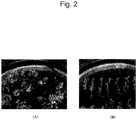
Fig. 2 shows the redifferentiation conditions as a result of treatment with fipexide (A) and without treatment (B). -
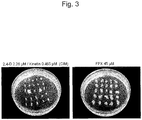
Fig. 3 shows the results of a comparison of callus induction efficiency attained with the aid of fipexide (FPX) and that attained via a conventional technique (with the aid of 2,4-dichlorophenoxyacetic acid (2,4-D)/ kinetin). -
Fig. 4 shows the results of the callus induction activity tests of fipexide (FPX), 4-chlorophenoxyacetic acid (CPA) alone, 1-piperonylpiperazine (PPZ) alone, and 4-chlorophenoxyacetic acid (CPA) in combination with 1-piperonylpiperazine (PPZ). -
Fig. 5 shows the results of the callus induction activity test of fipexide (FPX) using the wild-type rice (Nipponbare). -
Fig. 6 shows the results of the callus induction activity test of fipexide (FPX) on soybean seed (Tsurunoko), tomato seed (Micro-Tom), and cucumber seed (Natsu Suzumi). -
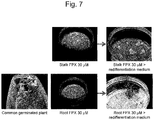
Fig. 7 shows the results of the callus induction activity test of fipexide (FPX) using wild-type Populus. -
Fig. 8 shows the results of plant transformation performed by the Agrobacterium method that employs callus induction caused by fipexide. - Hereafter, the present invention is described in detail.
- The present invention relates to an agent for inducing a callus and a method for inducing a callus with the use of a compound comprising a particular type of substituted piperazine skeleton in which a nitrogen atom is substituted with Ar1-C(R1)(R2)- and a phenoxyacetyl group (-CO-CH2-O-Ar2) in which a benzene ring is substituted with 1 to 3 halogen atoms in a molecule or with the use of two types of compounds comprising the substituted piperazine skeleton and the substituted phenoxyacetyl group in separate molecules in combination.
- The correlation between the compound comprising the substituted piperazine skeleton and callus induction has not yet been reported.
- Examples of halogen atoms as substituents of the substituted phenyl group represented by Ar2 in Formulae (I) and (I-2) include fluorine, chlorine, and iodine atoms.
- Examples of compounds comprising a phenoxyacetyl group (-CO-CH2-O-Ar2) with a benzene ring being substituted with 1 to 3 halogen atoms include 2,4-dichlorophenoxyacetic acid, 2,4,5-trichlorophenoxyacetic acid, and 4-chlorophenoxyacetic acid, and these compounds are known as synthetic auxins.
- Examples of the C1-6-alkoxy group as a substituent of the substituted phenyl group represented by Ar1 in Formulae (I) and (I-1) include a methoxy group, an ethoxy group, a propoxy group, and an isopropoxy group, and examples of the substituted methylenedioxy group include a difluoromethylenedioxy group and a dichloromethylenedioxy group.
- Examples of the substituted phenyl group represented by Ar1 include a 3,4-methylenedioxyphenyl group (a 1,3-benzodioxol-5-yl group), a 2,3-methylenedioxyphenyl group (a 1,3-benzodioxol-4-yl group), a 3,4-(difluoromethylenedioxy)phenyl group (a 2,2-difluoro-1,3-benzodioxol-5-yl group), a 2,3-(difluoromethylenedioxy)phenyl group (a 2,2-difluoro-1,3-benzodioxol-4-yl group), a 3,4-methylenedioxy-5-methoxyphenyl group (a 7-methoxy-1,3-benzodioxol-5-yl group), a 3,4-dimethoxyphenyl group, and a 3,4,5-trimethoxyphenyl group, with the 3,4-methylenedioxyphenyl group (the 1,3-benzodioxol-5-yl group) being preferable.
- Examples of the substituted phenyl group represented by Ar2 in Formulae (I) and (I-2) include a 4-chlorophenyl group, a 2,4-dichlorophenyl group, and a 2,4,5-trichlorophenyl group, with the 4-chlorophenyl group being preferable.
- Examples of the C1-3-alkyl group represented by R1 or R2 in Formulae (I) and (I-1) include a methyl group, an ethyl group, a propyl group, and an isopropyl group, and such C1-3 alkyl group may be substituted with one or more substituents selected from among, for example, an amino group, a hydroxyl group, a carboxyl group, a cyano group, a halogen atom (e.g., a fluorine, chlorine, or iodine atom), and a nitro group. R1 and R2 may together form an oxo group. R1 and R2 are preferably hydrogen atoms.
- In Formulae (I) and (1-1), R3, R4, R5, R6, R7, R8, R9, and R10 are preferably hydrogen atoms.
- Examples of the C1-7 hydrocarbon group represented by R11 in Formula (I-1) include: C1-5-alkyl groups such as a methyl group, an ethyl group, a propyl group, an isopropyl group, a butyl group, an isobutyl group, a sec-butyl group, a tert-butyl group, a pentyl group, and an isopentyl group; C2-5-alkenyl groups such as an allyl group (a 2-propen-1-yl group) and a 2-methyl-2-propen-1-yl group; C2-5-alkynyl groups such as a propargyl group (a 2-propyn-1-yl group); and a benzyl group. Such C1-7 hydrocarbon group may be substituted with one or more substituents selected from among, for example, an amino group, a hydroxyl group, a cyano group, a halogen atom (e.g., a fluorine, chlorine, or iodine atom), and a methoxy group.
- Among the compounds represented by Formula (I), fipexide in which a substituted phenyl group represented by Ar1 is a 3,4-methylenedioxyphenyl group (a 1,3-benzodioxol-5-yl group), a substituted phenyl group represented by Ar2 is a 4-chlorophenyl group, and R1, R2, R3, R4, R5, R6, R7, R8, R9, and R10 are each a hydrogen atom is a commercially available compound known as an antidepressant comprising a small number of substituents. This compound is preferable from the viewpoint of availability.
- Among the compounds represented by Formula (I-1), 1-piperonylpiperazine in which a substituted phenyl group represented by Ar1 is a 3,4-methylenedioxyphenyl group (a 1,3-benzodioxol-5-yl group) and R1, R2, R3, R4, R5, R6, R7, R8, R9, R10, and R11 are each a hydrogen atom is a commercially available compound comprising a small number of substituents. This compound is preferable from the viewpoint of availability.
- Examples of salts of the compounds represented by Formula (I) or (I-1) include salts with inorganic acids, such as hydrochloric acid, sulfuric acid, phosphoric acid, hydrobromic acid, hydroiodic acid, nitric acid, pyrosulfuric acid, and metaphosphoric acid, and salts with organic acids, such as citric acid, benzoic acid, acetic acid, propionic acid, fumaric acid, maleic acid, tartaric acid, succinic acid, sulfonic acid (e.g., methanesulfonic acid, p-toluenesulfonic acid, or naphthalenesulfonic acid), and amino acid (e.g., glutamic acid).
- Examples of salts of the compounds represented by Formula (I-2) include alkaline metal salts, such as sodium salt and potassium salt, lysine salt, and arginine salt.
- The compounds represented by Formula (I) can be produced in accordance with a conventional technique, such as the method described in
JP 2002-503239 A 
- A compound represented by Formula (I-1a) is equivalent to a compound represented by Formula (I-1), wherein R11 represents a hydrogen atom.
- Products that can be obtained in the manner described above may be purified in accordance with a conventional technique, such as column chromatography using silica gel as a carrier, or recrystallization using methanol, ethanol, chloroform, dimethylsulfoxide, or water. Examples of eluting solvents used for column chromatography include methanol, ethanol, chloroform, acetone, hexane, dichloromethane, ethyl acetate, and a solvent mixture of any thereof.
- Many of the compounds represented by Formulae (I), (I-1), and (I-2) are commercially available, and such commercially available compounds can be used in the present invention.
- Examples of plants to which the present invention is applicable include: dicotyledonous plants, such as Arabidopsis plants, trees (e.g., Populus and Eucalyptus), rapeseed, tomato, tobacco, soybean, carrot, melon, apple, Manihot utilissima, Spirodela polyrhiza, and Striga; and monocotyledonous plants, such as Gramineae plants (e.g., rice, wheat, barley, maize, and Brachypodium distachyon) and Liliaceae plants (e.g., onion).
- Plants, plant cells, pieces of plant tissue, or plant seeds to be implanted into media are not particularly limited, provided that they are capable of callus induction. Examples of plant tissues include shoot apex, stalk, leaf, shoot, germ cell, and root. Plants and the like to be implanted are preferably disinfected and sterilized with the use of, for example, an aqueous solution of sodium hypochlorite. Plants and the like grown by aseptic seeding are not necessarily sterilized.
- The agent for inducing a callus according to the present invention can contain known additives for preparation, in addition to the active ingredients described above. Examples of known additives for preparation include an excipient, an emulsifier, and a moistening agent. The configuration of the agent for inducing a callus according to the present invention is not particularly limited, provided that such agent can be used in the art. Examples of configurations include an emulsion, a liquid, an oil solution, an aqueous solution, water dispersible powder, a flowable agent, a dusting powder, a microgranule, a granule, an aerosol, and a paste.
- In the method for inducing a callus and the method for producing a callus according to the present invention, plants and the like can be brought into contact with the agent for inducing a callus according to the present invention without particular limitation. In accordance with a plant type, a target organ, a dosage form of the agent for inducing a callus, and other factors, an adequate means can be selected from among soaking, coating, spraying, and addition to the medium. To this end, plants and the like are preferably cultured in a medium containing the agent for inducing a callus according to the present invention.
- Any callus induction medium may be used without particular limitation, provided that it contains (i) the compound represented by Formula (I) or a salt thereof or (ii) the compound represented by Formula (I-1) or a salt thereof and the compound represented by Formula (I-2) or a salt thereof and it is capable of callus induction.
- While the concentration of the compound represented by Formula (I) or a salt thereof in the medium is not particularly limited, it is generally 5 to 200 µM and preferably 15 to 60 µM.
- When the compound represented by Formula (I-1) or a salt thereof is used in combination with the compound represented by Formula (I-2) or a salt thereof, the concentration of the compound represented by Formula (I-1) or a salt thereof in the medium is not particularly limited, and it is generally 0.01 to 100 µM, and preferably 0.1 to 60 µM. While the concentration of the compound represented by Formula (I-2) or a salt thereof in the medium is not particularly limited, it is generally 0.01 to 100 µM, and preferably 0.1 to 60 µM.
- Components other than the compound described above may be, for example, a saccharide, a gelling agent, or an inorganic salt, which is generally used for callus induction. Phytohormone may be added to the medium, provided that the effects of the present invention are not adversely affected.
- Culture is preferably conducted under aseptic conditions. Culture is preferably carried out at 20°C to 25°C, and light conditions are preferably set between continuous light conditions and continuous dark conditions. In general, callus induction is observed 2 to 4 weeks after the initiation of culture.
- In order to grow the callus that was induced in the manner described above, for example, the medium may be exchanged with a fresh callus induction medium (i.e., agarose solid MS medium or liquid MS medium containing 0.9% sucrose) every month.
- The grown callus may be redifferentiated by, for example, transferring the callus to a MS medium (0.9% agarose and 1.5% sucrose) containing auxin (indoleacetic acid) at 0.15 mg/l and cytokinine (N6-2-isopentenyladenine) at 0.5 mg/l and developing a shoot (an adventitious bud) about 2 to 4 weeks thereafter.
- The callus obtained according to the present invention can be used for production of a transgenic crop. For example, a callus may be prepared from a cell infected with Agrobacterium, or a callus may be infected with Agrobacterium comprising a plasmid to be introduced into a callus cell. Thereafter, a cell comprising a plasmid inserted into the chromosome may be separated and then redifferentiated to reproduce a plant. Thus, a transgenic crop that is capable of stable gene transfer can be obtained.
- This description includes part or all of the content as disclosed in the description and/or drawings of
Japanese Patent Application No. 2014-117832 - Hereafter, the present invention is described in greater detail with reference to the examples, although the technical scope of the present invention is not limited to these examples.
- Wild-type seeds of Arabidopsis (Columbia) were sowed in a 1/2 MS medium supplemented with fipexide at 0, 15, 30, or 45 µM, and morphological observation was conducted.
- As a result of treatment with fipexide, callus formation was mainly observed in the root at low concentration of 15 µM and in the shoot apex at high concentration of 45 µM (
Fig. 1 ). Since callus formation is suppressed in the root at high concentration, it was considered that the root was more sensitive to fipexide than the shoot apex and cell division was inhibited in the root. - The root organ of Arabidopsis (Columbia) was cut, treated in a 1/2 MS medium supplemented with fipexide at 45 µM for 2 weeks to induce a callus, and then cultured in a redifferentiation medium (auxin/cytokinine). As a result, redifferentiation was observed (
Fig. 2A ). - In contrast, the root organ of Arabidopsis (Columbia) was cut and then cultured in the redifferentiation medium without callus induction. As a result, redifferentiation was not observed (
Fig. 2B ). - Callus induction in Arabidopsis that was carried out at the optimized auxin/cytokinine concentration (i.e., 2,4-dichlorophenoxyacetic acid at 2.26 µM and kinetin at 0.465 µM) was compared with callus induction that was carried out at the fipexide concentration of 45 µM. As a result, callus induction efficiency of the fipexide was found to be higher than that attained at the optimized auxin/cytokinine concentration.
Fig. 3 shows the conditions of the hypocotyl that had been cultured under constant lighting conditions for 87 days. - Fipexide is a compound formed by an amide bond between 4-chlorophenoxyacetic acid and 1-piperonylpiperazine, and fipexide is deduced to be non-enzymatically hydrolyzed in a plant. Thus, treatment with 4-chlorophenoxyacetic acid or 1-piperonylpiperazine alone or treatment with both thereof was attempted.
- Arabidopsis (Columbia) was allowed to germinate under weak lighting conditions for 7 days, the hypocotyl cut therefrom was placed on a 1/2 MS medium supplemented with 4-chlorophenoxyacetic acid and/or 1-piperonylpiperazine at 0, 5, 15, 30, 45, or 60 µM, and morphological observation thereof was conducted.
- As a result, callus induction activity was observed by treatment with 4-chlorophenoxyacetic acid as with the case of treatment with fipexide. This indicates that the 4-chlorophenoxyacetic acid structure plays a key role in callus formation.
- When the plant was treated with 1-piperonylpiperazine alone, in contrast, the number and the length of lateral roots were increased, and the leaf area was enlarged, although callus induction activity was not observed.
- When the hypocotyl of Arabidopsis was treated with both 4-chlorophenoxyacetic acid and 1-piperonylpiperazine, in addition, the callus growth rate was faster than the case in which the plant was treated with 4-chlorophenoxyacetic acid alone. This indicates that cell elongation activity of 1-piperonylpiperazine additively accelerates the callus induction caused by 4-chlorophenoxyacetic acid.
- The results are shown in
Fig. 4 . - As with the case of Arabidopsis germination conditions, plants were cultured in a fipexide medium with the use of sterilized seeds. As a result, callus induction was observed in germinated rice seeds, germinated Eucalyptus seeds, soybean seed (Tsurunoko), tomato seed (Micro-Tom), and cucumber seed (Natsu Suzumi).
-
Fig. 5 shows the conditions of the wild-type rice (Nipponbare) 30 days after seed germination. Callus formation was observed at fipexide concentration of 45 µM. -
Fig. 6 shows the results of callus induction activity tests of fipexide (FPX) on soybean seed (Tsurunoko), tomato seed (Micro-Tom), and cucumber seed (Natsu Suzumi). - As with the case of Arabidopsis plants, stalks and roots of Populus were cultured in a fipexide medium and, as a result, callus induction was observed in the stalks and the roots of Populus.
- The induced callus was cultured in a redifferentiation medium (i.e., a MS medium (0.9% agarose and 1.5% sucrose) containing auxin (indoleacetic acid) at 0.15 mg/l and cytokinine (N6-2-isopentenyladenine) at 0.5 mg/l or a 1/2 MS medium (0.9% Phytoagar (agarose for plants) and 0.2% sucrose) containing 3-indolebutyric acid (IBA) at 0.1 mg/l and 6-benzylaminopurine (BAP) at 0.2 mg/l). As a result, redifferentiation was observed.
- The conditions of the aseptic stalk (which is not the hypocotyl) and the root organ sections of wild-type Populus 30 days after cutting in the presence of fipexide are shown at the center of
Fig. 7 , and the conditions thereof 30 days after the medium was exchanged with a fresh redifferentiation medium are shown on the right ofFig. 7 . - Under general callus induction conditions for Populus, callus induction was conducted with the use of fipexide instead of auxin/cytokinine, and whether or not Agrobacterium-infected callus was transformed was examined.
- The GUS gene was introduced into a pH35GS binary vector comprising a Gateway cassette (Kubo M. et al., Genes & Dev., 19, 1855-1860, 2005) (manufactured by Inplanta Innovations Inc.; Production code: IN3-VEC17) using the Gateway system, and the resulting binary vector was used for the Agrobacterium method, so as to confirm infection.
- The transformation procedure is described below.
- 1. From young plants of aseptically cultured Populus (Populus tremula x tremuloides T89) that had been grown in pots, stalk samples (length: 5 mm) were cut.
- 2. The stalk samples were cultured in the presence of Agrobacterium (for 3 days, in the dark, at 22°C).
- 3. After Agrobacterium was washed away, the stalk samples were placed on MS1 medium or modified MS1 medium (containing 30 µM fipexide instead of 3-indolebutyric acid (IBA) and 6-benzylaminopurine (BAP)) and cultured at 25°C.
- 4. (On the fourth week, it was confirmed that many calluses were formed in modified MS1 medium containing fipexide while callus was not formed in conventional MS1 medium.)
- 5. Two months after the initiation of callus induction culture, 23 calluses were fixed in 90% (w/w) acetone at -30°C overnight, the samples were washed twice with 50 mM PBS buffer (pH 7.0), and the samples were subjected to incubation in GUS substrate solution at 37°C for 15 minutes for staining.
- As a result, GUS activity was observed in all samples. The results are shown in
Fig. 8 . - The compositions of the MS1 medium, the modified MS1 medium, and the GUS substrate solution are shown below.
-
- 4.4 g of Murashige & Skoog salt
- 20 g of sucrose
- 0.2 mg of BAP
- 0.1 mg of IBA
- 0.01 mg of TDZ (thidiazuron)
- pH 5.6
-
- 4.4 g of Murashige & Skoog salt
- 20 g of sucrose
- 30 µM of fipexide
- pH 5.6
-
- 1 mM of X-Gluc
- 50 mM of PBS (pH7.0)
- 0.1 % of Triton X-100
- 1 mM of potassium ferricyanide
- 1 mM of potassium ferrocyanide
- Thus, it was found that callus induction caused by fipexide was applicable to a plant transformation technique by the Agrobacterium method.
- All publications, patents, and patent applications cited herein are incorporated herein by reference in their entirety.
Claims (8)
- An agent for inducing a callus comprising a compound represented by Formula (I) or a salt thereof:
 wherein Ar1 represents a phenyl group substituted with at least one substituent selected from among a C1-6-alkoxy group and a substituted or unsubstituted methylenedioxy group;Ar2 represents a phenyl group substituted with 1 to 3 halogen atoms;R1 and R2 each represent a hydrogen atom, a substituted or unsubstituted C1-3-alkyl group, a cyano group, or a carboxyl group;R1 and R2 may together form an oxo group;R3, R4, R5, R6, R7, R8, R9, and R10 each represent a hydrogen atom or a methyl group; andR3 and R4, R5 and R6, R7 and R8, and/or R9 and R10 may together form an oxo group.
 - The agent for inducing a callus according to claim 1, wherein the compound represented by Formula (I) or a salt thereof is fipexide or a salt thereof.
- An agent for inducing a callus comprising a compound represented by Formula (I-1) or a salt thereof:

HO-CO-CH2-O-Ar2 (I-2)
wherein Ar2 is as defined above with respect to Formula (I) in claim 1. - The agent for inducing a callus according to claim 3, wherein the compound represented by Formula (I-1) or a salt thereof is 1-piperonylpiperazine or a salt thereof and the compound represented by Formula (I-2) or a salt thereof is 4-chlorophenoxyacetic acid or a salt thereof.
- A method for inducing a callus comprising bringing a plant, a plant cell, a piece of plant tissue, or a plant seed into contact with the agent for inducing a callus according to any one of claims 1 to 4 and inducing callus formation.
- A method for producing a callus comprising bringing a plant, a plant cell, a piece of plant tissue, or a plant seed into contact with the agent for inducing a callus according to any one of claims 1 to 4, inducing callus formation, and growing the callus.
- A callus produced by the method according to claim 6.
- A method for plant transformation involving the use of a medium containing the agent for inducing a callus according to any one of claims 1 to 4 as a callus induction medium in the method for plant transformation by the Agrobacterium method.
Applications Claiming Priority (2)
| Application Number | Priority Date | Filing Date | Title |
|---|---|---|---|
| JP2014117832 | 2014-06-06 | ||
| PCT/JP2015/065332 WO2015186591A1 (en) | 2014-06-06 | 2015-05-28 | Callus inducing agent and callus induction method |
Publications (3)
| Publication Number | Publication Date |
|---|---|
| EP3153014A1 true EP3153014A1 (en) | 2017-04-12 |
| EP3153014A4 EP3153014A4 (en) | 2017-11-15 |
| EP3153014B1 EP3153014B1 (en) | 2020-12-30 |
Family
ID=54766664
Family Applications (1)
| Application Number | Title | Priority Date | Filing Date |
|---|---|---|---|
| EP15803135.1A Not-in-force EP3153014B1 (en) | 2014-06-06 | 2015-05-28 | Agent for inducing plant callus and method for inducing plant callus |
Country Status (4)
| Country | Link |
|---|---|
| US (2) | US10676711B2 (en) |
| EP (1) | EP3153014B1 (en) |
| JP (1) | JP6536836B2 (en) |
| WO (1) | WO2015186591A1 (en) |
Cited By (1)
| Publication number | Priority date | Publication date | Assignee | Title |
|---|---|---|---|---|
| CN110100735A (en) * | 2019-06-17 | 2019-08-09 | 山东农业大学 | A kind of method of tissue culture loud, high-pitched sound apple seedling adventitious root Regeneration in Vitro adventitious bud |
Families Citing this family (9)
| Publication number | Priority date | Publication date | Assignee | Title |
|---|---|---|---|---|
| WO2018236745A1 (en) | 2017-06-20 | 2018-12-27 | Carnot, Llc | Compositions and methods for increasing efficiency of cardiac metabolism |
| EP4497474A3 (en) | 2018-10-17 | 2025-04-23 | Imbria Pharmaceuticals, Inc. | Methods of treating rheumatic diseases using trimetazidine-based compounds |
| EP3976101A4 (en) | 2019-05-31 | 2023-06-21 | Imbria Pharmaceuticals, Inc. | METHOD OF TREATMENT OF FIBROSIS USING COMPOUNDS TO PROMOTE GLUCOSE OXIDATION |
| CN111448992A (en) * | 2019-10-30 | 2020-07-28 | 福建农林大学 | A kind of medium and method for rapidly inducing Brachypodium biscarp seeds to produce callus |
| US11780811B2 (en) | 2020-06-30 | 2023-10-10 | Imbria Pharmaceuticals, Inc. | Methods of synthesizing 2-[4-[(2,3,4-trimethoxyphenyl)methyl]piperazin-1-yl]ethyl pyridine-3-carboxylate |
| US11530184B2 (en) | 2020-06-30 | 2022-12-20 | Imbria Pharmaceuticals, Inc. | Crystal forms of 2-[4-[(2,3,4-trimethoxyphenyl)methyl]piperazin-1-yl]ethyl pyridine-3-carboxylate |
| US11883396B2 (en) | 2021-05-03 | 2024-01-30 | Imbria Pharmaceuticals, Inc. | Methods of treating kidney conditions using modified forms of trimetazidine |
| CN115715544B (en) * | 2022-11-04 | 2024-06-21 | 北京林业大学 | Application of small molecular compound in eucalyptus asexual propagation and genetic transformation |
| WO2025005176A1 (en) * | 2023-06-30 | 2025-01-02 | 公立大学法人大阪 | Plant callus inducing agent, method for inducing callus, method for producing callus, and method for producing plant body |
Family Cites Families (6)
| Publication number | Priority date | Publication date | Assignee | Title |
|---|---|---|---|---|
| IT1151532B (en) * | 1982-03-29 | 1986-12-24 | Ravizza Spa | PROCEDURE FOR THE PREPARATION OF P. CHLOROFENOSSIACETIL-PIPERONILPIPERAZINA |
| JPH0667668B2 (en) | 1985-01-24 | 1994-08-31 | 株式会社リコー | Two-color thermal recording material |
| JPS62201572A (en) * | 1986-03-03 | 1987-09-05 | Mitsui Toatsu Chem Inc | Inducing medium for callus |
| US6207665B1 (en) * | 1997-06-12 | 2001-03-27 | Schering Aktiengesellschaft | Piperazine derivatives and their use as anti-inflammatory agents |
| JP2003047463A (en) * | 2001-07-24 | 2003-02-18 | Kumho Petrochem Co Ltd | Method for regenerating plant body for callus derived from mature seed of zoysia japonica steud |
| GB201211634D0 (en) * | 2012-06-28 | 2012-08-15 | Randox Lab | Assay for benzylpiperazine and metabolites |
-
2015
- 2015-05-28 US US15/315,886 patent/US10676711B2/en not_active Expired - Fee Related
- 2015-05-28 WO PCT/JP2015/065332 patent/WO2015186591A1/en not_active Ceased
- 2015-05-28 JP JP2016525126A patent/JP6536836B2/en active Active
- 2015-05-28 EP EP15803135.1A patent/EP3153014B1/en not_active Not-in-force
-
2020
- 2020-04-28 US US16/860,597 patent/US11345885B2/en active Active
Cited By (1)
| Publication number | Priority date | Publication date | Assignee | Title |
|---|---|---|---|---|
| CN110100735A (en) * | 2019-06-17 | 2019-08-09 | 山东农业大学 | A kind of method of tissue culture loud, high-pitched sound apple seedling adventitious root Regeneration in Vitro adventitious bud |
Also Published As
| Publication number | Publication date |
|---|---|
| JP6536836B2 (en) | 2019-07-03 |
| EP3153014A4 (en) | 2017-11-15 |
| US10676711B2 (en) | 2020-06-09 |
| US20170105414A1 (en) | 2017-04-20 |
| WO2015186591A1 (en) | 2015-12-10 |
| US20200255797A1 (en) | 2020-08-13 |
| US11345885B2 (en) | 2022-05-31 |
| EP3153014B1 (en) | 2020-12-30 |
| JPWO2015186591A1 (en) | 2017-04-20 |
Similar Documents
| Publication | Publication Date | Title |
|---|---|---|
| US11345885B2 (en) | Agent for inducing callus and method for inducing callus | |
| JP3307604B2 (en) | Method for producing transformed cucumber for mass production of superoxide dismutase | |
| HU191749B (en) | Method for producing haploide seeds at angiosperms with creating haploides by the way of bringing on apomixis | |
| US6815205B2 (en) | Auxinic analogues of indole-3-acetic acid | |
| AU2016380736A1 (en) | High stress resistant plant growth regulator and preparation and use thereof | |
| Pérez-Jiménez et al. | Relationships between endogenous hormonal content and direct somatic embryogenesis in Prunus persica L. Batsch cotyledons | |
| US10435394B2 (en) | Plant growth-promotion agent and method for promoting plant growth | |
| JPWO2012147750A1 (en) | Imidazole derivatives | |
| Tippani et al. | In vitro plantlet regeneration and Agrobacterium tumefaciens-mediated genetic transformation of Indian Kino tree (Pterocarpus marsupium Roxb.) | |
| Salma et al. | Conserving biodiversity of a potent anticancer plant, Catharanthus roseus through in vitro biotechnological intercessions: substantial progress and imminent prospects | |
| JP2025098336A (en) | Composition for promoting plant redifferentiation | |
| JP2024018660A (en) | plant activator | |
| Li et al. | Establishment of regeneration, transformation, and genome editing procedures for a seed-propagated carnation (Dianthus caryophyllus L.) variety | |
| CN112772662A (en) | Application of small molecular compound in promoting plant growth and development | |
| Trolinder | Use of plant bioregulators in tissue culture | |
| JP6842082B2 (en) | Plant growth regulator | |
| Mondal et al. | In vitro flowering in Rauvolfia serpentina (L.) Benth. ex. Kurz | |
| CN116239500B (en) | High-activity abscisic acid functional analogue (I) and preparation method thereof | |
| WO2025005176A1 (en) | Plant callus inducing agent, method for inducing callus, method for producing callus, and method for producing plant body | |
| JP6120272B2 (en) | Auxin biosynthesis inhibitor with boronic acid group | |
| Nikolić et al. | Gibberellic acid promotes in vitro regeneration and shoot multiplication in Lotus corniculatus L. | |
| EP0866850A1 (en) | Auxinic analogues of indole-3-acetic acid | |
| Largia | In Vitro Studies in Andrographis paniculata Pertaining to Andrographolides Accumulation | |
| EP2552190B1 (en) | Method for maturing and synchronizing conifer somatic embryos | |
| WO2025207779A1 (en) | Kinase inhibitors for plant cell reprogramming |
Legal Events
| Date | Code | Title | Description |
|---|---|---|---|
| STAA | Information on the status of an ep patent application or granted ep patent |
Free format text: STATUS: THE INTERNATIONAL PUBLICATION HAS BEEN MADE |
|
| PUAI | Public reference made under article 153(3) epc to a published international application that has entered the european phase |
Free format text: ORIGINAL CODE: 0009012 |
|
| STAA | Information on the status of an ep patent application or granted ep patent |
Free format text: STATUS: REQUEST FOR EXAMINATION WAS MADE |
|
| 17P | Request for examination filed |
Effective date: 20161208 |
|
| AK | Designated contracting states |
Kind code of ref document: A1 Designated state(s): AL AT BE BG CH CY CZ DE DK EE ES FI FR GB GR HR HU IE IS IT LI LT LU LV MC MK MT NL NO PL PT RO RS SE SI SK SM TR |
|
| AX | Request for extension of the european patent |
Extension state: BA ME |
|
| DAV | Request for validation of the european patent (deleted) | ||
| DAX | Request for extension of the european patent (deleted) | ||
| RAP1 | Party data changed (applicant data changed or rights of an application transferred) |
Owner name: RIKEN |
|
| A4 | Supplementary search report drawn up and despatched |
Effective date: 20171016 |
|
| RIC1 | Information provided on ipc code assigned before grant |
Ipc: C12N 5/00 20060101ALI20171010BHEP Ipc: A01N 39/04 20060101ALI20171010BHEP Ipc: A01P 21/00 20060101ALI20171010BHEP Ipc: C12N 15/82 20060101ALI20171010BHEP Ipc: A01N 43/60 20060101ALI20171010BHEP Ipc: A01H 5/00 20060101ALI20171010BHEP Ipc: A01H 4/00 20060101AFI20171010BHEP |
|
| STAA | Information on the status of an ep patent application or granted ep patent |
Free format text: STATUS: EXAMINATION IS IN PROGRESS |
|
| 17Q | First examination report despatched |
Effective date: 20180824 |
|
| GRAP | Despatch of communication of intention to grant a patent |
Free format text: ORIGINAL CODE: EPIDOSNIGR1 |
|
| STAA | Information on the status of an ep patent application or granted ep patent |
Free format text: STATUS: GRANT OF PATENT IS INTENDED |
|
| INTG | Intention to grant announced |
Effective date: 20200716 |
|
| GRAS | Grant fee paid |
Free format text: ORIGINAL CODE: EPIDOSNIGR3 |
|
| GRAA | (expected) grant |
Free format text: ORIGINAL CODE: 0009210 |
|
| STAA | Information on the status of an ep patent application or granted ep patent |
Free format text: STATUS: THE PATENT HAS BEEN GRANTED |
|
| AK | Designated contracting states |
Kind code of ref document: B1 Designated state(s): AL AT BE BG CH CY CZ DE DK EE ES FI FR GB GR HR HU IE IS IT LI LT LU LV MC MK MT NL NO PL PT RO RS SE SI SK SM TR |
|
| REG | Reference to a national code |
Ref country code: GB Ref legal event code: FG4D |
|
| REG | Reference to a national code |
Ref country code: AT Ref legal event code: REF Ref document number: 1349010 Country of ref document: AT Kind code of ref document: T Effective date: 20210115 |
|
| REG | Reference to a national code |
Ref country code: DE Ref legal event code: R096 Ref document number: 602015064207 Country of ref document: DE |
|
| REG | Reference to a national code |
Ref country code: IE Ref legal event code: FG4D |
|
| PG25 | Lapsed in a contracting state [announced via postgrant information from national office to epo] |
Ref country code: RS Free format text: LAPSE BECAUSE OF FAILURE TO SUBMIT A TRANSLATION OF THE DESCRIPTION OR TO PAY THE FEE WITHIN THE PRESCRIBED TIME-LIMIT Effective date: 20201230 Ref country code: FI Free format text: LAPSE BECAUSE OF FAILURE TO SUBMIT A TRANSLATION OF THE DESCRIPTION OR TO PAY THE FEE WITHIN THE PRESCRIBED TIME-LIMIT Effective date: 20201230 Ref country code: NO Free format text: LAPSE BECAUSE OF FAILURE TO SUBMIT A TRANSLATION OF THE DESCRIPTION OR TO PAY THE FEE WITHIN THE PRESCRIBED TIME-LIMIT Effective date: 20210330 Ref country code: GR Free format text: LAPSE BECAUSE OF FAILURE TO SUBMIT A TRANSLATION OF THE DESCRIPTION OR TO PAY THE FEE WITHIN THE PRESCRIBED TIME-LIMIT Effective date: 20210331 |
|
| REG | Reference to a national code |
Ref country code: AT Ref legal event code: MK05 Ref document number: 1349010 Country of ref document: AT Kind code of ref document: T Effective date: 20201230 |
|
| PG25 | Lapsed in a contracting state [announced via postgrant information from national office to epo] |
Ref country code: SE Free format text: LAPSE BECAUSE OF FAILURE TO SUBMIT A TRANSLATION OF THE DESCRIPTION OR TO PAY THE FEE WITHIN THE PRESCRIBED TIME-LIMIT Effective date: 20201230 Ref country code: LV Free format text: LAPSE BECAUSE OF FAILURE TO SUBMIT A TRANSLATION OF THE DESCRIPTION OR TO PAY THE FEE WITHIN THE PRESCRIBED TIME-LIMIT Effective date: 20201230 Ref country code: BG Free format text: LAPSE BECAUSE OF FAILURE TO SUBMIT A TRANSLATION OF THE DESCRIPTION OR TO PAY THE FEE WITHIN THE PRESCRIBED TIME-LIMIT Effective date: 20210330 |
|
| REG | Reference to a national code |
Ref country code: NL Ref legal event code: MP Effective date: 20201230 |
|
| PG25 | Lapsed in a contracting state [announced via postgrant information from national office to epo] |
Ref country code: HR Free format text: LAPSE BECAUSE OF FAILURE TO SUBMIT A TRANSLATION OF THE DESCRIPTION OR TO PAY THE FEE WITHIN THE PRESCRIBED TIME-LIMIT Effective date: 20201230 |
|
| REG | Reference to a national code |
Ref country code: LT Ref legal event code: MG9D |
|
| PG25 | Lapsed in a contracting state [announced via postgrant information from national office to epo] |
Ref country code: RO Free format text: LAPSE BECAUSE OF FAILURE TO SUBMIT A TRANSLATION OF THE DESCRIPTION OR TO PAY THE FEE WITHIN THE PRESCRIBED TIME-LIMIT Effective date: 20201230 Ref country code: SK Free format text: LAPSE BECAUSE OF FAILURE TO SUBMIT A TRANSLATION OF THE DESCRIPTION OR TO PAY THE FEE WITHIN THE PRESCRIBED TIME-LIMIT Effective date: 20201230 Ref country code: PT Free format text: LAPSE BECAUSE OF FAILURE TO SUBMIT A TRANSLATION OF THE DESCRIPTION OR TO PAY THE FEE WITHIN THE PRESCRIBED TIME-LIMIT Effective date: 20210430 Ref country code: LT Free format text: LAPSE BECAUSE OF FAILURE TO SUBMIT A TRANSLATION OF THE DESCRIPTION OR TO PAY THE FEE WITHIN THE PRESCRIBED TIME-LIMIT Effective date: 20201230 Ref country code: NL Free format text: LAPSE BECAUSE OF FAILURE TO SUBMIT A TRANSLATION OF THE DESCRIPTION OR TO PAY THE FEE WITHIN THE PRESCRIBED TIME-LIMIT Effective date: 20201230 Ref country code: CZ Free format text: LAPSE BECAUSE OF FAILURE TO SUBMIT A TRANSLATION OF THE DESCRIPTION OR TO PAY THE FEE WITHIN THE PRESCRIBED TIME-LIMIT Effective date: 20201230 Ref country code: EE Free format text: LAPSE BECAUSE OF FAILURE TO SUBMIT A TRANSLATION OF THE DESCRIPTION OR TO PAY THE FEE WITHIN THE PRESCRIBED TIME-LIMIT Effective date: 20201230 |
|
| PGFP | Annual fee paid to national office [announced via postgrant information from national office to epo] |
Ref country code: NL Payment date: 20210519 Year of fee payment: 7 |
|
| PG25 | Lapsed in a contracting state [announced via postgrant information from national office to epo] |
Ref country code: AT Free format text: LAPSE BECAUSE OF FAILURE TO SUBMIT A TRANSLATION OF THE DESCRIPTION OR TO PAY THE FEE WITHIN THE PRESCRIBED TIME-LIMIT Effective date: 20201230 Ref country code: PL Free format text: LAPSE BECAUSE OF FAILURE TO SUBMIT A TRANSLATION OF THE DESCRIPTION OR TO PAY THE FEE WITHIN THE PRESCRIBED TIME-LIMIT Effective date: 20201230 |
|
| PG25 | Lapsed in a contracting state [announced via postgrant information from national office to epo] |
Ref country code: IS Free format text: LAPSE BECAUSE OF FAILURE TO SUBMIT A TRANSLATION OF THE DESCRIPTION OR TO PAY THE FEE WITHIN THE PRESCRIBED TIME-LIMIT Effective date: 20210430 |
|
| REG | Reference to a national code |
Ref country code: DE Ref legal event code: R097 Ref document number: 602015064207 Country of ref document: DE |
|
| PG25 | Lapsed in a contracting state [announced via postgrant information from national office to epo] |
Ref country code: IT Free format text: LAPSE BECAUSE OF FAILURE TO SUBMIT A TRANSLATION OF THE DESCRIPTION OR TO PAY THE FEE WITHIN THE PRESCRIBED TIME-LIMIT Effective date: 20201230 Ref country code: AL Free format text: LAPSE BECAUSE OF FAILURE TO SUBMIT A TRANSLATION OF THE DESCRIPTION OR TO PAY THE FEE WITHIN THE PRESCRIBED TIME-LIMIT Effective date: 20201230 |
|
| PLBE | No opposition filed within time limit |
Free format text: ORIGINAL CODE: 0009261 |
|
| STAA | Information on the status of an ep patent application or granted ep patent |
Free format text: STATUS: NO OPPOSITION FILED WITHIN TIME LIMIT |
|
| PG25 | Lapsed in a contracting state [announced via postgrant information from national office to epo] |
Ref country code: ES Free format text: LAPSE BECAUSE OF FAILURE TO SUBMIT A TRANSLATION OF THE DESCRIPTION OR TO PAY THE FEE WITHIN THE PRESCRIBED TIME-LIMIT Effective date: 20201230 Ref country code: DK Free format text: LAPSE BECAUSE OF FAILURE TO SUBMIT A TRANSLATION OF THE DESCRIPTION OR TO PAY THE FEE WITHIN THE PRESCRIBED TIME-LIMIT Effective date: 20201230 |
|
| 26N | No opposition filed |
Effective date: 20211001 |
|
| REG | Reference to a national code |
Ref country code: CH Ref legal event code: PL |
|
| GBPC | Gb: european patent ceased through non-payment of renewal fee |
Effective date: 20210528 |
|
| PG25 | Lapsed in a contracting state [announced via postgrant information from national office to epo] |
Ref country code: MC Free format text: LAPSE BECAUSE OF FAILURE TO SUBMIT A TRANSLATION OF THE DESCRIPTION OR TO PAY THE FEE WITHIN THE PRESCRIBED TIME-LIMIT Effective date: 20201230 Ref country code: LU Free format text: LAPSE BECAUSE OF NON-PAYMENT OF DUE FEES Effective date: 20210528 Ref country code: LI Free format text: LAPSE BECAUSE OF NON-PAYMENT OF DUE FEES Effective date: 20210531 Ref country code: CH Free format text: LAPSE BECAUSE OF NON-PAYMENT OF DUE FEES Effective date: 20210531 |
|
| REG | Reference to a national code |
Ref country code: BE Ref legal event code: MM Effective date: 20210531 |
|
| PG25 | Lapsed in a contracting state [announced via postgrant information from national office to epo] |
Ref country code: SI Free format text: LAPSE BECAUSE OF FAILURE TO SUBMIT A TRANSLATION OF THE DESCRIPTION OR TO PAY THE FEE WITHIN THE PRESCRIBED TIME-LIMIT Effective date: 20201230 |
|
| PG25 | Lapsed in a contracting state [announced via postgrant information from national office to epo] |
Ref country code: IE Free format text: LAPSE BECAUSE OF NON-PAYMENT OF DUE FEES Effective date: 20210528 Ref country code: GB Free format text: LAPSE BECAUSE OF NON-PAYMENT OF DUE FEES Effective date: 20210528 |
|
| PG25 | Lapsed in a contracting state [announced via postgrant information from national office to epo] |
Ref country code: IS Free format text: LAPSE BECAUSE OF FAILURE TO SUBMIT A TRANSLATION OF THE DESCRIPTION OR TO PAY THE FEE WITHIN THE PRESCRIBED TIME-LIMIT Effective date: 20210430 |
|
| PG25 | Lapsed in a contracting state [announced via postgrant information from national office to epo] |
Ref country code: BE Free format text: LAPSE BECAUSE OF NON-PAYMENT OF DUE FEES Effective date: 20210531 |
|
| PG25 | Lapsed in a contracting state [announced via postgrant information from national office to epo] |
Ref country code: HU Free format text: LAPSE BECAUSE OF FAILURE TO SUBMIT A TRANSLATION OF THE DESCRIPTION OR TO PAY THE FEE WITHIN THE PRESCRIBED TIME-LIMIT; INVALID AB INITIO Effective date: 20150528 |
|
| PG25 | Lapsed in a contracting state [announced via postgrant information from national office to epo] |
Ref country code: CY Free format text: LAPSE BECAUSE OF FAILURE TO SUBMIT A TRANSLATION OF THE DESCRIPTION OR TO PAY THE FEE WITHIN THE PRESCRIBED TIME-LIMIT Effective date: 20201230 |
|
| PG25 | Lapsed in a contracting state [announced via postgrant information from national office to epo] |
Ref country code: SM Free format text: LAPSE BECAUSE OF FAILURE TO SUBMIT A TRANSLATION OF THE DESCRIPTION OR TO PAY THE FEE WITHIN THE PRESCRIBED TIME-LIMIT Effective date: 20201230 |
|
| PGFP | Annual fee paid to national office [announced via postgrant information from national office to epo] |
Ref country code: FR Payment date: 20230526 Year of fee payment: 9 Ref country code: DE Payment date: 20230519 Year of fee payment: 9 |
|
| PG25 | Lapsed in a contracting state [announced via postgrant information from national office to epo] |
Ref country code: MK Free format text: LAPSE BECAUSE OF FAILURE TO SUBMIT A TRANSLATION OF THE DESCRIPTION OR TO PAY THE FEE WITHIN THE PRESCRIBED TIME-LIMIT Effective date: 20201230 |
|
| PG25 | Lapsed in a contracting state [announced via postgrant information from national office to epo] |
Ref country code: TR Free format text: LAPSE BECAUSE OF FAILURE TO SUBMIT A TRANSLATION OF THE DESCRIPTION OR TO PAY THE FEE WITHIN THE PRESCRIBED TIME-LIMIT Effective date: 20201230 |
|
| PG25 | Lapsed in a contracting state [announced via postgrant information from national office to epo] |
Ref country code: MT Free format text: LAPSE BECAUSE OF FAILURE TO SUBMIT A TRANSLATION OF THE DESCRIPTION OR TO PAY THE FEE WITHIN THE PRESCRIBED TIME-LIMIT Effective date: 20201230 |
|
| REG | Reference to a national code |
Ref country code: DE Ref legal event code: R119 Ref document number: 602015064207 Country of ref document: DE |
|
| PG25 | Lapsed in a contracting state [announced via postgrant information from national office to epo] |
Ref country code: DE Free format text: LAPSE BECAUSE OF NON-PAYMENT OF DUE FEES Effective date: 20241203 |
|
| PG25 | Lapsed in a contracting state [announced via postgrant information from national office to epo] |
Ref country code: FR Free format text: LAPSE BECAUSE OF NON-PAYMENT OF DUE FEES Effective date: 20240531 |