EP3150712B1 - Biotechnological methods for providing 3,4-dihydroxyphenyl compounds and methylated variants thereof - Google Patents
Biotechnological methods for providing 3,4-dihydroxyphenyl compounds and methylated variants thereof Download PDFInfo
- Publication number
- EP3150712B1 EP3150712B1 EP15188136.4A EP15188136A EP3150712B1 EP 3150712 B1 EP3150712 B1 EP 3150712B1 EP 15188136 A EP15188136 A EP 15188136A EP 3150712 B1 EP3150712 B1 EP 3150712B1
- Authority
- EP
- European Patent Office
- Prior art keywords
- catalytically active
- active fragment
- 4hpa3h
- nucleic acid
- sequence
- Prior art date
- Legal status (The legal status is an assumption and is not a legal conclusion. Google has not performed a legal analysis and makes no representation as to the accuracy of the status listed.)
- Active
Links
Images





Classifications
-
- C—CHEMISTRY; METALLURGY
- C12—BIOCHEMISTRY; BEER; SPIRITS; WINE; VINEGAR; MICROBIOLOGY; ENZYMOLOGY; MUTATION OR GENETIC ENGINEERING
- C12P—FERMENTATION OR ENZYME-USING PROCESSES TO SYNTHESISE A DESIRED CHEMICAL COMPOUND OR COMPOSITION OR TO SEPARATE OPTICAL ISOMERS FROM A RACEMIC MIXTURE
- C12P17/00—Preparation of heterocyclic carbon compounds with only O, N, S, Se or Te as ring hetero atoms
- C12P17/02—Oxygen as only ring hetero atoms
- C12P17/06—Oxygen as only ring hetero atoms containing a six-membered hetero ring, e.g. fluorescein
-
- C—CHEMISTRY; METALLURGY
- C12—BIOCHEMISTRY; BEER; SPIRITS; WINE; VINEGAR; MICROBIOLOGY; ENZYMOLOGY; MUTATION OR GENETIC ENGINEERING
- C12N—MICROORGANISMS OR ENZYMES; COMPOSITIONS THEREOF; PROPAGATING, PRESERVING, OR MAINTAINING MICROORGANISMS; MUTATION OR GENETIC ENGINEERING; CULTURE MEDIA
- C12N9/00—Enzymes; Proenzymes; Compositions thereof; Processes for preparing, activating, inhibiting, separating or purifying enzymes
- C12N9/0004—Oxidoreductases (1.)
- C12N9/0071—Oxidoreductases (1.) acting on paired donors with incorporation of molecular oxygen (1.14)
-
- C—CHEMISTRY; METALLURGY
- C12—BIOCHEMISTRY; BEER; SPIRITS; WINE; VINEGAR; MICROBIOLOGY; ENZYMOLOGY; MUTATION OR GENETIC ENGINEERING
- C12N—MICROORGANISMS OR ENZYMES; COMPOSITIONS THEREOF; PROPAGATING, PRESERVING, OR MAINTAINING MICROORGANISMS; MUTATION OR GENETIC ENGINEERING; CULTURE MEDIA
- C12N9/00—Enzymes; Proenzymes; Compositions thereof; Processes for preparing, activating, inhibiting, separating or purifying enzymes
- C12N9/10—Transferases (2.)
- C12N9/1003—Transferases (2.) transferring one-carbon groups (2.1)
- C12N9/1007—Methyltransferases (general) (2.1.1.)
-
- C—CHEMISTRY; METALLURGY
- C12—BIOCHEMISTRY; BEER; SPIRITS; WINE; VINEGAR; MICROBIOLOGY; ENZYMOLOGY; MUTATION OR GENETIC ENGINEERING
- C12P—FERMENTATION OR ENZYME-USING PROCESSES TO SYNTHESISE A DESIRED CHEMICAL COMPOUND OR COMPOSITION OR TO SEPARATE OPTICAL ISOMERS FROM A RACEMIC MIXTURE
- C12P17/00—Preparation of heterocyclic carbon compounds with only O, N, S, Se or Te as ring hetero atoms
- C12P17/10—Nitrogen as only ring hetero atom
-
- C—CHEMISTRY; METALLURGY
- C12—BIOCHEMISTRY; BEER; SPIRITS; WINE; VINEGAR; MICROBIOLOGY; ENZYMOLOGY; MUTATION OR GENETIC ENGINEERING
- C12P—FERMENTATION OR ENZYME-USING PROCESSES TO SYNTHESISE A DESIRED CHEMICAL COMPOUND OR COMPOSITION OR TO SEPARATE OPTICAL ISOMERS FROM A RACEMIC MIXTURE
- C12P7/00—Preparation of oxygen-containing organic compounds
- C12P7/02—Preparation of oxygen-containing organic compounds containing a hydroxy group
- C12P7/22—Preparation of oxygen-containing organic compounds containing a hydroxy group aromatic
-
- C—CHEMISTRY; METALLURGY
- C12—BIOCHEMISTRY; BEER; SPIRITS; WINE; VINEGAR; MICROBIOLOGY; ENZYMOLOGY; MUTATION OR GENETIC ENGINEERING
- C12P—FERMENTATION OR ENZYME-USING PROCESSES TO SYNTHESISE A DESIRED CHEMICAL COMPOUND OR COMPOSITION OR TO SEPARATE OPTICAL ISOMERS FROM A RACEMIC MIXTURE
- C12P7/00—Preparation of oxygen-containing organic compounds
- C12P7/24—Preparation of oxygen-containing organic compounds containing a carbonyl group
- C12P7/26—Ketones
-
- C—CHEMISTRY; METALLURGY
- C12—BIOCHEMISTRY; BEER; SPIRITS; WINE; VINEGAR; MICROBIOLOGY; ENZYMOLOGY; MUTATION OR GENETIC ENGINEERING
- C12P—FERMENTATION OR ENZYME-USING PROCESSES TO SYNTHESISE A DESIRED CHEMICAL COMPOUND OR COMPOSITION OR TO SEPARATE OPTICAL ISOMERS FROM A RACEMIC MIXTURE
- C12P7/00—Preparation of oxygen-containing organic compounds
- C12P7/40—Preparation of oxygen-containing organic compounds containing a carboxyl group including Peroxycarboxylic acids
- C12P7/42—Hydroxy-carboxylic acids
-
- C—CHEMISTRY; METALLURGY
- C12—BIOCHEMISTRY; BEER; SPIRITS; WINE; VINEGAR; MICROBIOLOGY; ENZYMOLOGY; MUTATION OR GENETIC ENGINEERING
- C12Y—ENZYMES
- C12Y114/00—Oxidoreductases acting on paired donors, with incorporation or reduction of molecular oxygen (1.14)
- C12Y114/14—Oxidoreductases acting on paired donors, with incorporation or reduction of molecular oxygen (1.14) with reduced flavin or flavoprotein as one donor, and incorporation of one atom of oxygen (1.14.14)
- C12Y114/14001—Unspecific monooxygenase (1.14.14.1)
-
- C—CHEMISTRY; METALLURGY
- C12—BIOCHEMISTRY; BEER; SPIRITS; WINE; VINEGAR; MICROBIOLOGY; ENZYMOLOGY; MUTATION OR GENETIC ENGINEERING
- C12Y—ENZYMES
- C12Y201/00—Transferases transferring one-carbon groups (2.1)
- C12Y201/01—Methyltransferases (2.1.1)
Definitions
- the present invention relates to biotechnological methods genetically modified enzymes or catalytically active fragments thereof possessing optimized substrate tolerance and high region - and product specificity obtained by rational optimization of the active site binding pocket of the prototypic enzyme 4-hydroxyphenylacetate 3-hydroxylase (4HPA3H) for hydroxylating a 4-hydroxyphenyl compound to yield a 3,4-dihydroxyphenyl compound.
- a method coupled to the aforementioned method either using a suitable oxidase or hydroxylase and further enabling the subsequent site specific methylation of the 3,4-dihydroxyphenyl compound in a coupled enzymatic reaction by providing a suitable O-methyltransferase.
- Suitable nucleic acid and amino acid sequences, vectors, and recombinant host cells for conducting the above methods are provided.
- 3,4-dihydroxyphenyl compounds e.g. caffeic acid, piceatannol, eriodictyol, 3,4-dihydroxybenzoic acid and esculetin are precious natural products having inter alia antioxidative properties, e.g., by scavenging harmful oxygen species. Further favorable characteristics including a variety of health benefits including anti-inflammatory or anti-cancer activities are attributed to said class of compounds. Said substances, however, only occur in very low concentrations in plants suitable for food products. This especially applies for eriodictyol or its glycosides eriocitrin and neoeriocitrin present in plants of the genus Citrus. Eriodictyol (cf. Fig.
- eriodictyol is a well-known flavoring substance which is suitable to effectively reduce and mask the bitter impression or taste of a variety of bitter constituents. From the state of the art, this property of eriodictyol is known from EP 1 258 200 B1 .
- flavonoids derived from eriodictyol are also of huge interest in the food and health industry, including hesperetin, hesperidin, neohesperidin, eriocitrin, neoeriocitrin and homoeriodictyol (cf. Fig. 13 ).
- naringenin In contrast to the availability of eriodictyol from natural sources, the related substance naringenin (cf. Fig. 1 and Fig. 13 ) or its glycosides naringin and narirutin are available in sufficient amounts in various citrus species like for example grapefruit or bitter orange (Poncirus trifoliata). Therefore, naringenin and its related substances would basically represent a suitable and cost-sensitive alternative starting material for obtaining eriodictyol.
- Chemical oxidation does not represent a suitable process for oxidizing a flavonoid ring without additionally oxidizing other positions in the ring system as side effect, whereas chemical oxidation will only yield mixtures of different oxidation products comprising eriodictyol, but not as the only product.
- no single step chemical oxidation method for introducing an oxidation at a specific flavonoid ring position is currently known.
- Another problem is the further oxidation of the obtained products yielding chinon-like or higher molecular oxidation products of eriodictyol, respectively.
- Hydroxylations are a type of oxygen transfer reactions which functionalize organic molecules.
- the hydroxyl group is introduced by substitution of a hydrogen atom or - less commonly - of another functionality.
- these reactions are an essential part of the synthetic routes to a multiplicity of natural products, the selective introduction of a hydroxyl group into alkyl or, in particular, aryl moieties is one of the most challenging fields in synthesis.
- the number of methods for direct (aromatic) hydroxylation is still limited.
- enzyme-mediated hydroxylation often proved to be more effective due to high regio- and/or stereoselectivity, and is increasingly favored while being more environmentally compatible (due to omission of reactive chemicals and the potential reduction in organic solvents).
- Cytochrome P450 oxidases are ubiquitous enzymes occurring in all domains of life. Their function and most common reaction catalyzed by said enzymes is a monooxygenase reaction, e.g., the insertion of one atom of oxygen into the aliphatic position of an organic substrate while the other oxygen atom is reduced to water.
- flavin-dependent monooxygenases are an interesting target for catalyzing hydroxylation reactions in biotechnology. These monooxygenases belong to a superfamily of enzymes that is involved in key metabolic processes in both prokaryotic and eukaryotic cells, such as the biosynthesis of polyketides, cholesterol or antibiotics.
- the classification of flavin adenine dinucleotide (FAD) dependent monooxygenases is based on structural features as well as on the type of electron donor and oxygen transfer.
- the prototypic enzyme 4-hydroxyphenylacetate 3-hydroxylase (4HPA3H or HpaB, EC 1.14.14.9) catalyzes the reaction of 4-hydroxyphenylacetate with oxygen to 3,4-dihydroxyphenylacetate.
- reaction water is formed by consumption of the cofactor FADH 2 which is produced from FAD by an additional flavin reductase component (HpaC, E.C. 1.5.1.36).
- HpaC flavin reductase component
- 4HPA3H is an attractive biocatalyst for challenging oxidation of monophenols to ⁇ -diphenols (catechols), but so far no specific rational design of said enzyme has been performed to make it a suitable tool for versatile biotechnological applications in the industrial scale requiring high standards with respect to the stability, specificity and conversion rate of an enzyme.
- 4HPA3H-mediated hydroxylation proceeds without side reactions leading to undesired by-products.
- EP 3 002 335 A1 describes the insertion of mutations into the genome of bacterial P450 oxidases to provide a recombinant microorganism which is able to produced eriodictyol from the starting material naringenin, however, the rate of catalysis obtained for this specific substrate is very low for the disclosed method and the subsequent isolation of the resulting product is laborious.
- US 2014/0363858 A1 discloses a biotechnological method for oxidizing naringenin to eriodictyol using a native wild-type enzyme, i.e. the two component non-P450 hydroxylase HpaBC from E . coli that catalyzes the hydroxylation of 4-hydroxyacetate (4HPA) into 3,4-dihydroxyphenylacetate, the first step of the 4HPA degradation in E . coli.
- a native wild-type enzyme i.e. the two component non-P450 hydroxylase HpaBC from E . coli that catalyzes the hydroxylation of 4-hydroxyacetate (4HPA) into 3,4-dihydroxyphenylacetate
- the large component HpaB of this two component enzyme represents a FADH2-utilizing monooxygenase
- the small component HpaC is an NAD(P)H-flavin oxidoreductase that acts as a coupling or cofactor recycling factor for supplying FADH2 to HpaB.
- the activity obtained towards naringenin was extremely low and the reaction rate for the conversion of naringenin to eriodictyol is extremely low and only proceeds incomplete ( ⁇ 10%), whereas the method as such is not suitable to generate eriodictyol in sufficient amounts and purities as required in the chemical, food and pharmaceutical industry for further use of the compound.
- the object of the present invention was thus the provision of genetically modified enzymes and nucleic acids encoding the same, belonging to the family of enzyme 4-hydroxyphenylacetate 3-hydroxylase (4HPA3H) derived from E. coli obtained by rational protein design, having an optimized substrate spectrum, and simultaneously good stability, functionality and activity and superior regio- and product specificity, or the provision of genetically modified enzymes and nucleic acids encoding the same, belonging to the P450 family of oxidases which can be heterologously expressed in high amounts and are suitable to convert 4-hydroxyphenyl compounds to 3,4-hydroxyphenyl compounds in whole-cell based as well as cell-free approaches. It was another object to integrate said enzymes as oxidation/hydroxylation catalyzing enzymes into biotechnological methods suitable for reliable production in an industrial scale and to define of a suitable cofactor recycling system.
- 4HPA3H 4-hydroxyphenylacetate 3-hydroxylase
- This object has been achieved by providing a genetically modified Escherichia coli derived 4-hydroxyphenylacetate 3-hydroxylase or a catalytically active fragment thereof, comprising at least one mutation in its active site and by providing biotechnological methods functional both in a whole-cell approach and in a cell-free system for the conversion of at least one 4-hydroxyphenyl compound for producing at least one 3,4-dihydroxyphenol compound. Further, this method has been integrated in a complex biotechnological method comprising the subsequent methylation of the 3,4-dihydroxyphenol compound in a further step. Further suitable nucleic acid and amino acid sequences, vectors and recombinant host cells have also been provided. Finally, an optimized cofactor recycling system is suggested which can be used in combination with the methods according to the present invention.
- the present invention provides a method for catalyzing the biotechnological conversion of at least one 4-hydroxyphenyl compound for producing at least one 3,4-dihydroxyphenol compound, comprising the following steps of (i) providing at least one amino acid sequence comprising or consisting of a genetically modified Escherichia coli derived 4-hydroxyphenylacetate 3-hydroxylase or a catalytically active fragment thereof, comprising at least one mutation in its active site, wherein the active site comprises the residues 1157, M293, Y301 and S462, wherein the nomenclature refers to the respective wild-type enzyme according to SEQ ID NO:98; (ii) providing at least one 4-hydroxyphenyl compound; (iii) reacting the at least one 4-hydroxyphenyl compound and the at least one amino acid sequence comprising or consisting of the 4-hydroxyphenylacetate 3-hydroxylase or the catalytically active fragment thereof under suitable reaction conditions for allowing the hydroxylation of the at least one 4-hydroxyphenyl compound by the at least one amino
- the method is performed as whole-cell approach. In another embodiment, the method is performed in a cell-free in vitro system.
- the methods according to the present invention are performed as a continuous flow process, preferably wherein the at least one amino acid sequence or catalytically active fragment thereof is provided immobilized on a suitable carrier. In another embodiment, the methods according to the present invention are performed as a batch process.
- the method according to any aspect of the present invention optionally provides a suitable cofactor recycling system comprising or consisting of at least one amino acid sequence comprising a cofactor recycling enzyme, or a catalytically active fragment thereof.
- the methods of the present invention use at least one genetically modified 4-hydroxyphenylacetate 3-hydroxylase or the catalytically active fragment thereof, or they use at least one recombinant nucleic acid molecule encoding the at least one genetically modified 4-hydroxyphenylacetate 3-hydroxylase or the catalytically active fragment thereof is, which is selected from the group consisting of SEQ ID NOs:2 to 79 and 99 to 175 or a homologous sequence having at least 66%, 67%, 68%, 69%, 70%, 71%, 72%, 73%, 74%, 75%, 76%, 77%, 78%, 79%, 80%, 81%, 82%, 83%, 84%, 85%, 86%, 87%, 88%, 89%, 90%, 91%, 92%, 93%, 94%, 95%, 96%, 97%, 98% or 99% sequence homology to said SEQ ID NOs provided that the genetic modification of the active site of the respective SEQ ID NO is still present in the homologous sequence and provided that
- the methods according to the present invention use a 4-hydroxyphenylacetate 3-hydroxylase or the catalytically active fragment thereof for hydroxylation of a substrate which, under suitable reaction conditions, provides suitable regio- and product specificity so that essentially no further conversion of the resulting at least one 3,4-dihydroxyphenol compound is effected.
- the present invention is directed to a method for catalyzing the biotechnological conversion of at least one 4-hydroxyphenyl compound for producing at least one 3,4-dihydroxyphenol compound further methylated at the 3' and/or 4'position, comprising the following steps: (i) performing a method as defined in any one of claims 1 to 8 for providing at least one 3,4-dihydroxyphenol compound by employing a genetically modified hydroxylase or oxidase, or a catalytically active fragment thereof, wherein the hydroxylase or oxidase, or the catalytically active fragment thereof, catalyzes the hydroxylation of the at least one 4-hydroxyphenyl compound at the 3' position; (ii) providing at least one amino acid sequence comprising at least one O-methyltransferase or a catalytically active fragment thereof, or at least one recombinant nucleic acid molecule encoding the at least one O-methyltransferase or the catalytically active fragment thereof, and optional
- the at least one O-methyltransferase or the catalytically active fragment thereof, or the at least one recombinant nucleic acid molecule encoding the O-methyltransferase or the catalytically active fragment thereof is selected from the group consisting of SEQ ID NOs:87 to 89 and 193 to 197 and 183 to 185 and 198 to 202 or a homologous sequence having at least 66%, 67%, 68%, 69%, 70%, 71%, 72%, 73%, 74%, 75%, 76%, 77%, 78%, 79%, 80%, 81%, 82%, 83%, 84%, 85%, 86%, 87%, 88%, 89%, 90%, 91%, 92%, 93%, 94%, 95%, 96%, 97%, 98% or 99% sequence homology to said SEQ ID NOs, provided that the respective homologous sequence still provides O-methyltransferase activity, optionally after expression; and optionally, the at least
- a recombinant nucleic acid molecule as an aspect of the present invention comprising or consisting of a sequence selected from the group consisting of SEQ ID NOs:2 to 79, or a homologous sequence having at least 66%, 67%, 68%, 69%, 70%, 71%, 72%, 73%, 74%, 75%, 76%, 77%, 78%, 79%, 80%, 81%, 82%, 83%, 84%, 85%, 86%, 87%, 88%, 89%, 90%, 91%, 92%, 93%, 94%, 95%, 96%, 97%, 98% or 99% sequence homology to said SEQ ID NOs, provided that the respective homologous sequence still provides 4-hydroxyphenylacetate 3-hydroxylase or oxidase activity after expression and provided that the homologous sequence still comprises the at least one genetic modification of the active site in comparison to the respective SEQ ID NO suitable for performing methods according to the present invention.
- a recombinant amino acid molecule as an aspect of the present invention comprising or consisting of a sequence selected from the group consisting of SEQ ID NOs:99 to 175, or a homologous sequence having at least 66%, 67%, 68%, 69%, 70%, 71%, 72%, 73%, 74%, 75%, 76%, 77%, 78%, 79%, 80%, 81%, 82%, 83%, 84%, 85%, 86%, 87%, 88%, 89%, 90%, 91%, 92%, 93%, 94%, 95%, 96%, 97%, 98% or 99% sequence homology to said SEQ ID NOs, provided that the respective homologous sequence still provides 4-hydroxyphenylacetate 3-hydroxylase or oxidase activity and provided that the homologous sequence still comprises the at least one genetic modification of the active site in comparison to the respective SEQ ID NO suitable for performing methods according to the present invention.
- the present invention additionally provides as an aspect a vector system comprising or consisting of at least one vector, wherein the at least one vector comprises (i) at least one recombinant nucleic acid molecule; and (ii) optionally: at least one recombinant nucleic acid molecule encoding at least one cofactor recycling enzyme, or a catalytically active fragment thereof, and/or (iv) optionally: at least one recombinant nucleic acid molecule encoding at least one O-methyltransferase or a catalytically active fragment thereof, and/or (v) optionally: at least one recombinant nucleic acid molecule encoding at least one S-adenosylmethionine synthetase or the catalytically active fragment thereof, wherein the at least one recombinant nucleic acid molecule according to (i), and optionally the at least one recombinant nucleic acid molecule according to (ii), and/or optionally the at least one
- the present invention additionally provides as an aspect a recombinant host cell comprising or consisting of at least one recombinant nucleic acid molecule as defined above for the specific aspects and embodiments according to the present invention, and/or comprising or consisting of at least one recombinant amino acid as defined above for the specific aspects and embodiments according to the present invention, and/or comprising or consisting of at least one vector system as defined above for the specific aspects and embodiments according to the present invention, preferably wherein the host cell is selected from the group consisting of procaryotic cells, including Escherichia coli spp., particularly E. coli BL21, E. coli BL21 (DE3), E. coli MG1655 or E.
- procaryotic cells including Escherichia coli spp., particularly E. coli BL21, E. coli BL21 (DE3), E. coli MG1655 or E.
- Bacillus spp. particularly Bacillus licheniformis, Bacillus subitilis or Bacillus amyloliquefaciens, and derivatives thereof
- yeast cells including Saccharomyces spp., particularly S. cerevesiae, and derivatives thereof, Hansenula or Pichia spp., particularly P . pastoris and H. polymorpha, and derivatives thereof, Kluyveromyces spp, particularly K. lactis, and derivatives thereof
- fungi including Aspergillus spp., particularly A . oryzae, A. nidulans, or A. niger, and derivatives thereof, or Trichoderma spp., particularly T. reesei oder T. harzianum, and derivatives thereof, insect cells, or mammalian cell-lines.
- biotechnology or “biotechnological” as used herein refers to methods and molecular tools relying on the use of a living substance, e.g. a host cell, or relying on a biocatalytic step comprising the use of an enzyme, or a catalytically active fragment or variant thereof mediating a chemical reaction, during at least one manufacturing step.
- This term is thus used as the counterpart of the term “chemical process” or “chemical synthesis”.
- biotechnological methods thus comprise whole-cell, i.e.
- biotechnological comprises biocatalytical enzymatic in vivo and in vitro reactions which can take place without the presence of a recombinant host cell. Combinations of the aforementioned biotechnological methods are also comprised by the present disclosure.
- derivatives or descendants resulting from natural phenomena during reproduction are thus comprised by the term recombinant host cell according to the present disclosure.
- vector system as used herein defines a system comprising at least one vector, preferably a plasmid vector suitable for transformation, transfection or transduction of a recombinant host cell.
- a vector per se thus denotes a cargo for the delivery of a biomolecule into a host cell of interest.
- a vector system thus can comprise one vector encoding at least one target molecule, preferably a nucleic acid molecule, to be introduced into a host cell.
- a vector of the vector system can also comprise more than one target molecules to be introduced.
- the vector system can be built from several individual vectors carrying at least one target molecule to be introduced.
- amino acid or “amino acid sequence” or “amino acid molecule” comprises any natural or chemically synthesized protein, peptide, polypeptide and enzyme or a modified protein, peptide, polypeptide and enzyme, wherein the term “modified” comprises any chemical or enzymatic modification of the protein, peptide, polypeptide and enzyme.
- sequence(s) and "molecule(s)” are used interchangeably herein when referring to nucleic acid or amino acid sequences/molecules.
- Active site as used herein in connection with an enzyme or a catalytically active fragment thereof denotes the region of an enzyme where its substrate molecule(s) bind and undergo a chemical reaction.
- nucleic acid molecule or an amino acid molecule or a host cell implying a targeted and purposive manipulation and/or modification achieved by means of molecular biology or protein engineering, e.g. by introducing a heterologous sequence into another host cell. Further modifications include, but are not limited to, one or more point mutation(s), one or more point mutation(s), e.g. for targeted protein engineering or for codon optimization, deletion(s), and one or more insertion(s) of at least one nucleic acid or amino acid molecule, modification of an amino acid sequence, or a combination thereof.
- catalytically active fragment as used herein referring to amino acid sequences denotes the core sequence derived from a given template amino acid sequence comprising all or part of the active site of the template sequence with the proviso that the resulting catalytically active fragment still possesses the activity characterizing the template sequence, herein the substrate binding and enzymatic activity of the template sequence, for which the active site of the native enzyme or a variant thereof is responsible. Said modifications are suitable to generate less bulky amino acid sequences still having the same activity as a template sequence making the catalytically active fragment a more versatile or more stable tool.
- nucleic acid or amino acid sequences Whenever the present disclosure relates to the percentage of the homology or identity of nucleic acid or amino acid sequences these values define those as obtained by using the EMBOSS Water Pairwise Sequence Alignments (nucleotide) programme (http://www.ebi.ac.uk/Tools/psa/emboss water/nucleotide.html) nucleic acids or the EMBOSS Water Pairwise Sequence Alignments (protein) programme (http://www.ebi.ac.uk/Tools/psa/emboss water/) for amino acid sequences.
- a method for catalyzing the biotechnological conversion of at least one 4-hydroxyphenyl compound for producing at least one 3,4-dihydroxyphenol compound comprising the following steps: (i) providing at least one amino acid sequence comprising or consisting of a genetically modified Escherichia coli derived 4-hydroxyphenylacetate 3-hydroxylase (4HPA3H) or a catalytically active fragment thereof, comprising at least one mutation in its active site, wherein the active site comprises the residues 1157, M293, Y301 and S462, wherein the nomenclature refers to the respective wild-type enzyme according to SEQ ID NO:98; (ii) providing at least one 4-hydroxyphenyl compound; (iii) reacting the at least one 4-hydroxyphenyl compound and the at least one amino acid sequence comprising or consisting of the 4-hydroxyphenylacetate 3-hydroxylase or the catalytically active fragment thereof under suitable reaction conditions for allowing the hydroxylation of the at least one 4-hydroxy
- the wild-type 4HPA3H underlying the analysis conducted for the present invention does not possess the ability to hydroxylate ferulic acid as does a homologous protein from Pseudomonas aeruginosa.
- the three-dimensional structures of 44HPA3H and the corresponding Pseudomonas aeruginosa enzyme were modeled based on crystallographic data of the related enzyme from Thermus thermophilus (PDB accession 2YYJ) (cf. Example 1 below).
- a genetically modified Escherichia coli derived 4-hydroxyphenylacetate 3-hydroxylase (4HPA3H) or a catalytically active fragment thereof thus comprises or consists of at least one mutation in the active site which comprises the residues 1157, M293, Y301 and S462, wherein the nomenclature refers to the respective wild-type enzyme according to SEQ ID NO:98.
- the resulting amino acid sequence comprises at least one of a I157V, M239P, Y301I, Y301L or S462A mutation or a combination thereof. Further preferred variants of SEQ ID NO:98 are detailed in the Examples.
- Preferred genetically modified Escherichia coli derived 4-hydroxyphenylacetate 3-hydroxylase (4HPA3H) or a catalytically active fragment thereof comprises the mutations Y301I/S462A, I157V/Y301F, I157V/S462A, Y301L/S462A or Y301I/S462A.
- the person having skill in the art knowing about the present disclosure having revealed the above essential active sites of Escherichia coli derived 4-hydroxyphenylacetate 3-hydroxylase (4HPA3H) and providing tests for assessing the substrate specificity can easily design further suitable variants using site-directed mutagenesis of the respective positions.
- Escherichia coli derived thus implies that the respective sequence has its natural origin in Escherichia coli.
- step (i) according to the first aspect is performed as follows: (a1) providing at least one recombinant host cell comprising or consisting of the genetically modified 4-hydroxyphenylacetate 3-hydroxylase or the catalytically active fragment thereof, or comprising or consisting of at least one recombinant nucleic acid molecule encoding the genetically modified 4-hydroxyphenylacetate 3-hydroxylase or the catalytically active fragment thereof; (b1) optionally: providing at least one recombinant host cell comprising or consisting of at least one amino acid sequence comprising a cofactor recycling enzyme, or a catalytically active fragment thereof, wherein the at least one cofactor recycling enzyme is selected from the group consisting of a flavin reductase or a catalytically active fragment thereof, preferably a flavin reductase, or at least one recombinant nucleic acid molecule encoding a flavin
- a whole-cell approach as also defined above is conducted in the presence of a host cell and thus includes biotechnological methods performed in vivo, fermentative, by using secretory tags to secrete a protein of interest into the culture supernatant, using suspensions of host cells and using lysates of host cells.
- At least one cofactor recycling enzyme, or a catalytically active fragment thereof is used and provided either as a nucleic acid or as a amino acid molecule. It was one of the findings underlying the present application that the combination of the methods disclosed herein with a suitable cofactor recycling system specifically recycling and regeneration of the mandatory but costly cofactor NADH: NAD + formed during the reaction of the 4HPA3H according to the present application and to provide the necessary cofactor FADH2 (cf. Fig. 2 ).
- Preferred cofactor recycling enzymes for cascade biocatalysis to be combined with the methods according to the present invention, or the nucleic acid sequence encoding the same can be one or more independently being selected from a formate dehydrogenase (FDH) from Candida boidinii (see SEQ ID NOs:81 and 177) or a flavin reductase (PrnF) from Pseudomonas protegens (see SEQ ID NOs:80 and 176) or a flavin reductase HpaC from E.
- FDH formate dehydrogenase
- PrnF flavin reductase
- HpaC flavin reductase
- GDH glucose-dehydrogenase
- PTDH phosphonate dehydrogenase
- G6PDH glucose-6-phosphate dehydrogenase from Leuconostoc mesenteroides
- ADH2 alcohol dehydrogenase 2
- endogenous enzymes of the recombinant host cell might be suitable to act as cofactor recycling system, e.g., the enzyme HpaC from E. coli, or the sequence encoding the same, according to SEQ ID NOs:82 or 178, either alone or in combination with a recombinant cofactor recycling system to be additionally introduced.
- cofactor recycling system e.g., the enzyme HpaC from E. coli, or the sequence encoding the same, according to SEQ ID NOs:82 or 178, either alone or in combination with a recombinant cofactor recycling system to be additionally introduced.
- step (i) is performed as follows: (a2) providing at least one isolated amino acid sequence comprising or consisting of a genetically modified Escherichia coli derived 4-hydroxyphenylacetate 3-hydroxylase or a catalytically active fragment thereof, comprising at least one mutation in its active site; and (b2) optionally providing at least one amino acid sequence comprising or consisting of at least one cofactor recycling enzyme, or a catalytically active fragment thereof, wherein the at least one cofactor recycling enzyme is selected from the group consisting of a flavin reductase or a catalytically active fragment thereof, and/or a formate dehydrogenase or a catalytically active fragment thereof.
- isolated implies that the amino acid sequence is provided independently of a recombinant host cell and thus comprises an amino acid sequence isolated from its expression host, optionally purified, or isolated from the supernatant in case of a secretory way of producing and discharging the sequence, or also including a chemically synthesized amino acid sequences, especially in the context of catalytically active fragments according to the present disclosure.
- the biotechnological conversion of the at least one 4-hydroxyphenyl compound for producing at least one 3,4-dihydroxyphenol compound is performed as a continuous flow process, preferably wherein the at least one amino acid sequence or catalytically active fragment thereof having hydroxylase activity according to the present disclosure is provided immobilized on a suitable carrier.
- a continuous flow process preferably wherein the at least one amino acid sequence or catalytically active fragment thereof having hydroxylase activity according to the present disclosure is provided immobilized on a suitable carrier.
- Immobilization in the sense of the present disclosure means non-covalent, including electrostatic interactions, van der Waals forces, ⁇ -effects or hydrophobic interactions, as well as covalent immobilization.
- the term thus implies the fixation of an enzyme of interest, or of a catalytically active fragment thereof, onto a carrier. This can imply an interaction via a tag attached to the enzyme or catalytically active fragment thereof, hydrogen bonding, ionic bonding and the like, but also the permanent fixation via cross-linking to establish a covalent bond between the enzyme of interest and the carrier.
- Suitable carriers including a variety of column materials optionally coupled to or including a reactive group, wherein the reactive group can interact with the enzyme to be immobilized permanently or reversibly, are known to the person having skill in the art.
- the method of biotechnological conversion of the at least one 4-hydroxyphenyl compound for producing at least one 3,4-dihydroxyphenol compound is performed as a batch process.
- This can imply in vivo and in vitro batch processes. Batch processes are well known in the field of industrial biotechnology and can thus be readily adapted to be suitable to perform the methods according to the present disclosure by the skilled person.
- the methods are performed using specific enzymes, wherein the at least one genetically modified 4-hydroxyphenylacetate 3-hydroxylase or the catalytically active fragment thereof, or the at least one recombinant nucleic acid molecule encoding the at least one genetically modified 4-hydroxyphenylacetate 3-hydroxylase or the catalytically active fragment thereof is selected from the group consisting of SEQ ID NOs:2 to 79 and 99 to 175 or a homologous sequence having at least 66%, 67%, 68%, 69%, 70%, 71%, 72%, 73%, 74%, 75%, 76%, 77%, 78%, 79%, 80%, 81%, 82%, 83%, 84%, 85%, 86%, 87%, 88%, 89%, 90%, 91%, 92%, 93%, 94%, 95%, 96%, 97%, 98% or 99% sequence homology to said SEQ ID NOs provided that the genetic modification of the active site of the respective SEQ ID NO is still present in the
- the use at least one cofactor recycling enzyme or a catalytically active fragment thereof for performing the methods of the present invention is a suitable and cost saving process, as the expensive cofactors necessary to perform the oxidation/hydroxylation of the 4-hydroxyphenol compound can be recycled instead of supplementing huge amounts of the respective cofactors identified to be mandatory (see Fig. 2 ).
- the use of cofactor recycling enzymes might not be necessary in case said cofactor recycling enzymes are already present in the recombinant host cell used.
- the use of one or more cofactor recycling enzyme or a catalytically active fragment thereof, and/or the use of the cofactors, alone or in combination, will be required to allow the activity of the main enzyme or catalytically active fragment thereof used for the bioconversion yielding a 3,4-dihydroxyphenol compound.
- step (iii) according to the first aspect of the present invention is catalyzed by the at least one amino acid sequence comprising or consisting of the 4-hydroxyphenylacetate 3-hydroxylase or the catalytically active fragment thereof under suitable reaction conditions provides suitable regio-and product specificity so that essentially no further conversion of the resulting at least one 3,4-dihydroxyphenol compound is effected.
- mutation of SEQ ID NO:1 at least one position independently being selected from 1157, M293, Y301 and S462 in the active site to a less voluminous and less sterically demanding group has a favorable effect with respect to the substrate tolerance of the enzyme still providing a high regio- and product specificity so that no further conversion of the starting material other than the desired hydroxylation at the 4' position is effected.
- the person having skill in the field of protein chemistry can easily derive that said characteristics apply to several possible mutants all carrying a less voluminous amino acid at one of the specified positions of the active site.
- the at least one 4-hydroxyphenyl compound is independently selected from the group consisting of naringenin, phloretin, p-coumaric acid, ferulic acid, resveratrol, p-hydroxybenzoic acid, 2-hydroxycarbazole, umbelliferone, rheosmin, or enantiomers, precursors or derivatives, including glycosides, including pruning, phloridzin, naringin, or narirutin, of the aforementioned molecules, wherein the flavanones of the aforementioned molecules include (2S)- and/or (2R)-enantiomers thereof.
- naringenin is a precursor of eriodictyol and eriodictyol is thus a precursor of the compound homoeriodictyol.
- a “derivative" in the context of a compound as used according to the present disclosure describes a variant of a core compound, which has been chemically or enzymatically modified, i.e. by methylation, hydroxylation, glycosylation, coupling to another compound and the like, whereas the core sequence of the non-derivatized compound is still present in the derivative.
- nucleic acid molecules according to the present disclosure can optionally be codon optimized. This implies that the codon usage of a given nucleic acid sequence can be modified to be compatible with the codon usage of a recombinant host cell of interest to allow better transcription rates and the expression of functional amino acid sequences in a recombinant host cell of interest.
- codon-optimized sequences of the nucleic acid molecules according to the present invention are also comprised by the present disclosure.
- genetically modified enzymes or catalytically active fragments thereof of 4HPA3H are explicitly comprised by the present invention, provided that they comprise at least one or more mutation(s) at a position independently being selected from 1157, M293, Y301 and S462 in the active site with respect to SEQ ID NO:98 to another canonical amino acid sequence can be readily derived from the skilled person in the field of protein chemistry having knowledge of the contribution of the present invention which defines the importance of said concrete positions and the effect of a mutation thereof to another residue.
- a method for catalyzing the biotechnological conversion of at least one 4-hydroxyphenyl compound for producing at least one 3,4-dihydroxyphenol compound further methylated at the 3' and/or 4'position comprising the following steps: (i) performing a method as defined in any one of claims 1 to 8 for providing at least one 3,4-dihydroxyphenol compound by employing a genetically modified hydroxylase or oxidase, or a catalytically active fragment thereof, wherein the hydroxylase or oxidase, or the catalytically active fragment thereof, catalyzes the hydroxylation of the at least one 4-hydroxyphenyl compound at the 3' position; (ii) providing at least one amino acid sequence comprising at least one O-methyltransferase or a catalytically active fragment thereof, or at least one recombinant nucleic acid molecule encoding the at least one O-methyltransferase or the catalytically active fragment thereof, and
- the at least one O-methyltransferase or the catalytically active fragment thereof, or the at least one recombinant nucleic acid molecule encoding the O-methyltransferase or the catalytically active fragment thereof is selected from the group consisting of SEQ ID NOs:87 to 89 and 193 to 197 and 183 to 185 and 198 to 202 or a homologous sequence having at least 66%, 67%, 68%, 69%, 70%, 71%, 72%, 73%, 74%, 75%, 76%, 77%, 78%, 79%, 80%, 81%, 82%, 83%, 84%, 85%, 86%, 87%, 88%, 89%, 90%, 91%, 92%, 93%, 94%, 95%, 96%, 97%, 98% or 99% sequence homology to said SEQ ID NOs, provided that the respective homologous sequence still provides O-methyltransferase activity
- the method according to the second aspect of the present invention comprises the use of a 3'-O-methyltransferase, or a catalytically active fragment thereof, or the use of a 4'-O-methyltransferase, or a catalytically active fragment thereof, or a combination of both, depending on the compound to be methylated and depending on the product which is intended to be achieved. Consequently, in one embodiment of the second aspect one methylation either at position 3' or 4' can be introduced, or, in another embodiment, both positions can be methylated simultaneously or consecutively.
- S-adenosylmethionine is provided as cofactor either for in vitro or for in vivo approaches.
- the use of S-adenosylmethionine may be optional, in case the environment as provided by the recombinant host cell and the culture medium used for its propagation might already provide sufficient S-adenosylmethionine, however, the additional supply of this cofactor might still be beneficial in case high amounts of substrate to be methylated is present.
- S-adenosylmethionine can alternatively be provided by the activity of an S-adenosylmethionine synthetase or a catalytivcally active fragment thereof.
- an S-adenosylmethionine synthetase or a catalytically active fragment thereof which can be utilized to provide the cofactor S-adenosylmethionine as cofactor for an O-methyltransferase or a catalytically active fragment thereof according to the present disclosure.
- Preferred S-adenosylmethionine synthetases, or sequences encoding the same, according to the present disclosure are independently selected from the group consisting of SEG ID NOs:90 to 94 and 186 to 190 or a homologous sequence having at least 66%, 67%, 68%, 69%, 70%, 71%, 72%, 73%, 74%, 75%, 76%, 77%, 78%, 79%, 80%, 81%, 82%, 83%, 84%, 85%, 86%, 87%, 88%, 89%, 90%, 91%, 92%, 93%, 94%, 95%, 96%, 97%, 98% or 99% sequence homology to said SEQ ID NOs, provided that the respective homologous sequence still provides S-adenosylmethionine activity, optionally after expression.
- the oxidase, or the catalytically active fragment thereof catalyzing the hydroxylation of the at least one 4-hydroxyphenyl compound at the 3' position as to step (i), or the nucleic acid sequence encoding the oxidase, or the catalytically active fragment thereof can be independently be selected from the group consisting SEQ ID NOs:95 to 97, 191 and 192 or a homologous sequence having at least 66%, 67%, 68%, 69%, 70%, 71%, 72%, 73%, 74%, 75%, 76%, 77%, 78%, 79%, 80%, 81%, 82%, 83%, 84%, 85%, 86%, 87%, 88%, 89%, 90%, 91%, 92%, 93%, 94%, 95%, 96%, 97%, 98% or 99% sequence homology thereto provided that the homologous sequence, optionally after expression, still provides cofactor recycling activity.
- a preferred oxidase, or the catalytically active fragment thereof, according to this embodiment is derived from Bacillus megaterium deposited as ATCC 14581 and includes at least one mutation at a position independently selected from the group consisting of A75, F88, L189 A331 and R472 with reference to the sequence as presented in SEQ ID NO:97.
- the use at least one cofactor recycling enzyme or a catalytically active fragment thereof for performing the methods of the present invention is a suitable and cost saving process, as the expensive cofactors necessary to perform the oxidation/hydroxylation of the 4-hydroxyphenol compound can be recycled instead of supplementing huge amounts of the respective cofactors identified to be mandatory (see Fig. 2 ).
- the use of at least one cofactor recycling enzyme, or a catalytically active fragment thereof is thus implied by the method according to this second aspect.
- cofactor recycling enzymes For in vivo applications, the use of cofactor recycling enzymes might not be necessary in case said cofactor recycling enzymes are already present in the recombinant host cell used.
- the use of one or more cofactor recycling enzyme or a catalytically active fragment thereof, and/or the use of the cofactors, alone or in combination, will be required to allow the activity of the main enzyme or catalytically active fragment thereof used for the bioconversion yielding a 3,4-dihydroxyphenol compound to be further converted with the help of a O-methyltransferase to a methylated derivative there.
- a recombinant nucleic acid molecule comprising or consisting of a sequence selected from the group consisting of SEQ ID NOs:2 to 79, or a homologous sequence having at least 66%, 67%, 68%, 69%, 70%, 71%, 72%, 73%, 74%, 75%, 76%, 77%, 78%, 79%, 80%, 81%, 82%, 83%, 84%, 85%, 86%, 87%, 88%, 89%, 90%, 91%, 92%, 93%, 94%, 95%, 96%, 97%, 98% or 99% sequence homology to said SEQ ID NOs, provided that the respective homologous sequence still provides 4-hydroxyphenylacetate 3-hydroxylase or oxidase activity after expression and provided that the homologous sequence still comprises the at least one genetic modification of the active site in comparison to the respective SEQ ID NO.
- the recombinant nucleic acid molecules according to this aspect are the result of a detailed study on the active site of the encoded enzyme 4HPA3H yielding information on those amino acid positions in the enzyme resulting after expression, which (i) define the active site and can thus also be made the basis for a core enzyme, i.e. a catalytically active fragment; (ii) which positions are necessary for substrate binding and conversion and (iii) which positions can be exchanged by means of site-directed mutagenesis to yield an enzyme or catalytically active fragment thereof with an enhanced substrate spectrum and at the same time providing a high catalytic rate, stability and region- and substrate specificity.
- All recombinant nucleic acid molecules according to the present disclosure can optionally be codon optimized. This implies that the codon usage of a given nucleic acid sequence can be modified to be compatible with the codon usage of a recombinant host cell of interest to allow better transcription rates and the expression of functional amino acid sequences in a recombinant host cell of interest.
- the person having skill in the art in the knowledge of the genetic code and the codon usage of a target recombinant host cell can easily adapt a nucleic acid molecule according to the present disclosure without effecting a change in the resulting amino acid sequence after translation. Therefore, codon-optimized sequences of the nucleic acid molecules according to the present disclosure are also comprised by the present disclosure and are one reason for defining the degree of sequence homology as defined in the context of nucleic acid sequences.
- a recombinant amino acid molecule comprising or consisting of a sequence selected from the group consisting of SEQ ID NOs:99 to 175, or a homologous sequence having at least 66%, 67%, 68%, 69%, 70%, 71%, 72%, 73%, 74%, 75%, 76%, 77%, 78%, 79%, 80%, 81%, 82%, 83%, 84%, 85%, 86%, 87%, 88%, 89%, 90%, 91%, 92%, 93%, 94%, 95%, 96%, 97%, 98% or 99% sequence homology to said SEQ ID NOs, provided that the respective homologous sequence still provides 4-hydroxyphenylacetate 3-hydroxylase or oxidase activity and provided that the homologous sequence still comprises the at least one genetic modification of the active site in comparison to the respective SEQ ID NO, wherein this aspect is based on those findings as detailed above for the aspect disclosing recombinant nucleic acid molecules according to the present invention.
- a vector system comprising or consisting of at least one vector, wherein the at least one vector comprises (i) at least one recombinant nucleic acid molecule; and (ii) optionally: at least one recombinant nucleic acid molecule encoding at least one cofactor recycling enzyme, or a catalytically active fragment thereof, and/or (iv) optionally: at least one recombinant nucleic acid molecule encoding at least one O-methyltransferase or a catalytically active fragment thereof, and/or (v) optionally: at least one recombinant nucleic acid molecule encoding at least one S-adenosylmethionine synthetase or the catalytically active fragment thereof, wherein the at least one recombinant nucleic acid molecule according to (i), and optionally the at least one recombinant nucleic acid molecule according to (ii), and/or optionally the
- a suitable single vector building the scaffold for a vector system of the present invention is well within the ability of the person skilled in the art depending on the chosen recombinant host cell of interest.
- Said vectors are commercially available and can easily be adapted for utilizing them as cargos for nucleic acid sequences according to the present disclosure.
- All amino acid sequences according to the various embodiments according to the present application can be produced using recombinant DNA techniques, including the use of a suitable expression vector present in a recombinant host cell.
- a suitable expression vector present in a recombinant host cell Such methods are routine and known in the art and the skilled person is able to define a vector and its necessary and optional components to obtain an expression vector or an integrating vector capable of (i) replicating in a host cell and to build the template for transcribing and subsequently expressing a nucleic acid molecule according to the present disclosure ligated into said expression vector, or (ii) capable of integrating the ligated nucleic acid molecule encoding the enzyme or catalytically fragment thereof according to the present invention into a host cell's genome.
- said fragments can be obtained by chemical synthesis, and can be optionally ligated together to result in a functional catalytically active fragment according to the present disclosure.
- polypeptides especially catalytically active fragments, may also be synthesized in vitro, e.g., by solid phase peptide synthetic methods.
- the solid phase peptide synthetic methods are routine and known in the art.
- a polypeptide produced using recombinant techniques or by solid phase peptide synthetic methods can be further purified by routine methods, such as fractionation on immunoaffinity or ion-exchange columns, ethanol precipitation, reverse phase HPLC, chromatography on silica or on an anion-exchange resin such as DEAE, chromatofocusing, SDS-PAGE, ammonium sulfate precipitation, gel filtration using, for example, Sephadex G-75, or ligand affinity.
- all nucleic acid or amino acid sequences according to the present invention or disclosure can additionally comprise a tag sequence.
- a tag sequence is a nucleic acid or amino acid sequence portion which can be located in front, in the middle or at the end of a sequence of interest, encoding or representing a sequence allowing the better analysis of a sequence of interest, wherein the analysis includes, but is not restricted to the purification, visualisation or further processing of a sequence of interest.
- Suitable tags can be selected from the group consisting of a polyhistidin(His)-Tag, a glutathione-S-transferase (GST)-tag, a thioredoxintag, a FLAG-tag, a Tag having fluoresecent properties, selected from (E)GFP ((enhanced) green fluorescent protein) tag, a DsRed-tag, a mCherry-tag and the like or, a streptavidin or strep-tag, a maltose-binding protein (MBP) tag, a transit peptide allowing the targeting to a subcellular compartment, including mitochondria or the nucleus, a snap-tag and/or a secretion tag allowing the secretion of an amino acid sequence attached thereto, a non-naturally amino acid not normally occurring in nature, or a combination of the aforementioned tags.
- E E
- GST glutathione-S-transferase
- MBP maltose
- a catalytically active fragment according to the present disclosure defines a minimal sequence comprising all or part of the active site of an enzyme still fulfilling the enzymatic function of the enzyme it is derived of.
- the function of a catalytically active fragment according to the present disclosure can be further fine-tuned and adapted to the methods, wherein said molecules are to be utilized. Said further modifications can be introduced on the nucleic acid level or on the amino acid level. Such modified sequences which are readily available to the skilled person, are also comprised by the present disclosure.
- the vector system comprising or consisting of at least one vector is suitable for both, the in vivo as well as the in vitro approaches according to the first and the second aspect of the present invention, as it can be utilized to provide the desired enzymes or catalytically active fragments thereof.
- the vector system comprising or consisting of at least one vector is suitable for the provision of the encoded at least one enzyme or catalytically active fragment thereof independent of the above disclosed first or second aspect, and can also be utilized to provide the encoded at least one enzyme or catalytically active fragment for other assays or methods or as the basis for further genetic modification of the sequences comprised by the at least one vector in the system.
- a recombinant host cell comprising or consisting of at least one recombinant nucleic acid molecule as defined in the above aspect concerning recombinant nucleic acid molecules of the present invention, and/or comprising or consisting of at least one recombinant amino acid as defined in the above aspect concerning recombinant amino acid molecules of the present invention, and/or comprising or consisting of at least one vector system as defined in the above aspect concerning a vector system of the present invention comprising or consisting of at least one vector, preferably wherein the host cell is selected from the group consisting of procaryotic cells, including Escherichia coli spp., particularly E. coli BL21, E.
- Bacillus spp. particularly Bacillus licheniformis, Bacillus subitilis or Bacillus amyloliquefaciens, and derivatives thereof
- yeast cells including Saccharomyces spp., particularly S. cerevesiae, and derivatives thereof, Hansenula or Pichia spp., particularly P. pastoris and H. polymorpha, and derivatives thereof, Kluyveromyces spp, particularly K. lactis, and derivatives thereof
- fungi including Aspergillus spp., particularly A. oryzae, A. nidulans, or A. niger, and derivatives thereof, or Trichoderma spp., particularly T. reesei oder T. harzianum, and derivatives thereof, insect cells, or mammalian cell-lines.
- a recombinant host cell “comprising" at least one recombinant nucleic acid molecule according to the present invention as insert thus implies a host cell carrying said insert on an extrachromosomally replicating vector or having said insert stably integrated into its genome.
- a recombinant host cell “comprising” denotes a host cell which is provided with at least one nucleic acid sequence, optionally modified, and/or at least one amino acid sequence, optionally modified, or fusion molecules thereof, wherein the sequences have been produced fermentative (in another host cell or organism) and/or chemically, in vitro or in vivo, but outside, i.e. ex vivo, with respect to said recombinant host cell.
- Suitable host cells according to the present invention are, for example, selected from the group consisting of procaryotic cells, including Escherichia coli spp., particularly E. coli BL21, E. coli BL21(DE3), E. coli MG1655 or E. coli W3110 and derivatives thereof, Bacillus spp., particularly Bacillus licheniformis, Bacillus subitilis or Bacillus amyloliquefaciens, and derivatives thereof, yeast cells, including Saccharomyces spp., particularly S . cerevesiae, and derivatives thereof, Hansenula or Pichia spp., particularly P . pastoris and H.
- procaryotic cells including Escherichia coli spp., particularly E. coli BL21, E. coli BL21(DE3), E. coli MG1655 or E. coli W3110 and derivatives thereof, Bacillus spp., particularly Bacillus licheniform
- polymorpha, and derivatives thereof Kluyveromyces spp, particularly K. lactis, and derivatives thereof, fungi, including Aspergillus spp., particularly A. oryzae, A. nidulans, or A. niger, and derivatives thereof, or Trichoderma spp., particularly T. reesei oder T. harzianum, and derivatives thereof, insect cells, or mammalian cell-lines suitable and optimized for recombinant protein expression.
- Suitable reaction conditions as referred to herein including inter alia buffers, including buffer composition and pH, additives, temperature- and pH-conditions, reaction times and the like can be readily determined by the skilled person in knowledge of the disclosure provided herein, especially the knowledge about the nature of the enzymes and substrates and their catalytical activity, including possible necessary cofactors.
- compositions comprising naringenin and, preferably as an intermediate or as an educt, eriodictyol or homoeriodictyol in a ratio of 1:100 to 100:1 by wt.%, preferably in a ratio of 1:10 to 10:1 by wt.%, more preferably in a ratio of 1:5 to 5:1 by wt.%, or a composition comprising phloretin and 3-hydroxyphloretin in a ratio of 1:100 to 100:1 by wt.%, preferably in a ratio of 1:10 to 10:1 by wt.%, more preferably in a ratio of 1:5 to 5:1 by wt.%, obtainable by a method according to any one of the aspects and embodiments detailed above in relation to the methods according to the present application, wherein the at least one 4-hydroxyphenyl compound provided in step (ii) of claim is selected from naringenin
- the composition may be obtained by using naringenin as starting material either by an in vivo or an in vitro approach as disclosed for the methods according to the present invention. Due to the high region- and substrate specificity, the biotechnological methods disclosed herein provide a high substrate turnover and at the same time do not lead to undesired side products (cf. Fig. 12 ).
- the educt is eriodictyol, in case a one step biocatalytic method according to the first aspect of the present invention is conducted. In another embodiment, the educt is homoeriodictyol, in case the two step biocatalytic method according to the second aspect of the present invention is conducted.
- the starting material by either an in vivo or an in vitro approach as disclosed for the methods according to the present invention is phloretin and the educt one step biocatalytic method according to the first aspect of the present invention, either conducted as an in vivo or an in vitro approach, is 3-hydroxyphloretin.
- Example 1 Protein modeling, identification of relevant positions in the active site of 4HPA3H and protein expression
- the wild-type 4HPA3H underlying the analysis conducted for the present invention does not possess the ability to hydroxylate ferulic acid as does a homologous protein from Pseudomonas aeruginosa.
- a homologous protein from Pseudomonas aeruginosa To optimize the 4HPA3H for the purpose of the present invention and to gain insight into the architecture of the individual active sites, the three-dimensional structures of 4HPA3H and the corresponding Pseudomonas aeruginosa enzyme were modeled based on crystallographic data of the related enzyme from Thermus thermophilus (PDB accession 2YYJ).
- Both models were aligned to the template which also contains the substrate 4-hydroxyphenylacetate and FAD to inspect the active site of the enzyme 4HPA3H which are proximate to the aromatic ring of 4-hydroxyphenylacetate bound in the active site for the targeted mutagenesis fur the purpose of the present application.
- the active site of the enzyme 4HPA3H which are proximate to the aromatic ring of 4-hydroxyphenylacetate bound in the active site for the targeted mutagenesis fur the purpose of the present application.
- E. coli M293, Y301, S462
- Pseudomonas aeruginosa P293, F301, A462
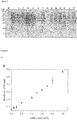
- FIG. 4 and 5 Examples for the expression and optionally purification of selected 4HPA3H variants according to the present invention are illustrated in Fig. 4 and 5 , respectively, produced in E. coli BL21(DE3).
- codon optimization and by using different commercially available expression vectors further expression studies were conducted using yeast and fungus as recombinant expression hosts which also resulted in a good yield and functionally expressed enzymes (data not shown).Furthermore, a library of further single, double, triple and quadrupol mutants of 4HPA3H was generated starting by generating further single point mutation variants by mutating each of the positions 157, 293, 301 and 462 against any possible canonical amino acid.
- mutants having at least one mutation at position 301 namely Y301S, especially in combination with a mutation at position 462, especially S462A and S462G provided promising results.
- mutation of M293 to cysteine, serine, valine, isoleucine and alanine and additionally to lysine provided mutants with favorably enhanced characteristics, either concerning their stability, substrate tolerance in the active site or concerning the catalytic rate for the starting materials as depicted in Fig. 1 .
- mutations enhancing the substrate specificity were introduced at position I157, wherein mutations against serine, cysteine, threonine, asparagine and glutamine were introduced which proved to have superior characteristics in comparison to the wild-type enzyme.
- a targeted combination of mutations in the above identified amino acids belonging to the active site of 4HPA3H thus provides a toolbox for the targeted and site-directed mutagenesis of the enzyme which also allows the generation of an enzyme with a further optimized peculiar excellent performance towards one substrate of interest.
- the cells Similar to its known substrate 1, the cells also converted the compounds 13 and 15 with high efficiency (100 %) ( Fig. 3A ). Remarkably, the biocatalysts were also capable of hydroxylation of 5, 9 and 11, although lower yields of catechol products were obtained (78, 39 and 9 %). A potential involvement of other endogenous monooxygenases in these conversions was ruled out by control reactions (i.e. application of cells harboring the empty vector) which showed no conversion. In contrast to the substrates mentioned above, ferulic acid (3) and naringenin (7) were not accepted, most probably because of their bulky methoxy (3) or chromanone substituent (7) by the wild-type enzyme.
- 4HPA3H was also tested for conversion of 4-methoxycinnamic acid and 4-aminocinnamic acid. These two analogues of p -coumaric acid (1) were no substrates for the enzyme (data not shown). Hence, in accordance with a previous study (which showed that 4HPA3H enzymes are unable to hydroxylate cinnamic acid), the presence of a phenolic hydroxyl group in the substrate seems to be mandatory for enzymatic turnover.
- the enzymes 4HPA3H-Y301F and -S462A were comparably active towards substrates which were also well-accepted by the wild-type enzyme (1, 13, 15 in Fig.1 ), whereas the variants M293P and, in particular, I157V showed reduced activity (see Fig. 3 ). This reduced activity was only observed against the natural substrate. Still said positions M293 and 1157 proved to be valuable targets for the generation of mutants having more than one mutation in the active site to modulate substrate specificity and catalytic rate.
- the variants are characterized by an altered substrate specificity: the enzyme Y301F proved to be superior in conversion of the substrates 5, 9 and 11 (cf. Fig. 1 ). Strikingly, most variants were also capable of oxidation of naringenin (7) and, to a minor extend, of ferulic acid (3). This effect was even more pronounced in some double variants which produced up to 26 (I157V/Y301F) and 30 % (Y301F/S462A) of catechol from the bulky substrates 2-hydroxycarbazole (11) and naringenin (7) ( Fig. 3B ).
- variants and the wild-type enzyme were applied for in vivo hydroxylation reactions after appropriate expression was confirmed by SDS-PAGE (see Fig. 4 and 5 ).
- PrnF from Pseudomonas protegens Pf-5 (NCBI accession AAY91318.1) which is a part of the pseudomonad two-component arylamine oxygenase system showed to have high sequence identity (99 %) to the strain Pseudomonas protegens CHAO.
- Recombinant PrnF proved to be well expressed in E. coli (in a yield of 175 mg I -1 of culture).
- the purified protein was highly active in reduction of FAD with NADH (16,660 ⁇ 1,600 nmol min -1 mg -1 ).
- this fine-tuning yielded (I) a reduction in the content of NADH from 200 ⁇ M (standard conditions according to reference) to 25 ⁇ M without loss of activity (see Fig. S4 in Supporting Information), (II) tolerance of high concentrations of substrate (1 mM) and (III) of the co-solvent methanol (10 %, v/v) (which is beneficial due to enhanced substrate solubility).
- the redox system was susceptible to high concentrations of FAD which proved to be inhibitory (see Fig. 7 ).
- the accompanying cofactor recycling redox enzymes PrnF and FDH were used in excess due to their high specific activity.
- Example 6 Hydroxylation of naringenin to eriodictyol using a solid phase-based cascade system
- Fig. 4B shows the purified enzymes as used for the in vitro biocatalytical approach.
- each reaction mixture was transferred to a suitable sterile flask, which was then connected to a peristaltic pump. During reaction, the reaction mixture was slightly stirred with the help of a magnetic stirrer. Using a flow rate of 1 ml/min, the system was washed with the basis buffer for 2 min and a control sample was taken. Only then, the substrate was added, here 200 ⁇ M naringenin (from a 10 mM stock solution in methanol). The substrate was pumped over the Talon column having the enzymes bound thereto with a flow rate of 1 ml/min at maximum. During the time range from 0 - 1310 min, the sample extraction was performed in samples of 35 each.
- eriodictyol might have the capability to stick to the Co 2+ ions of the Talon column reactive groups used for interaction with, e.g. a HIS-tagged protein/enzyme of interest. It is thus recommended and within the skills of a person having skill in the art to define the right way of coupling the enzymes to a specific column, to avoid unspecific binding of an educt/product either to the reactive tag on a column or the column material/resin to further increase the yield of an in vitro biocatalytic process according to the present invention.
- the biocatalytic in vitro process detailed above for a concentration of 9 mU and 35 mU of the oxidase showed a pronounced high regio- and substrate specificity yielding exclusively the desired products without any detectable side products (see Fig. 12 ).
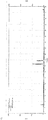
- a product peak attributable to eriodictyol can be detected (see Fig. 12 (B) ).
- Fig. 12 (B) shows a product peak attributable to eriodictyol peak.
- Example 7 Combined two-step biotechnological generation of further methylated 3,4-dihydroxyphenol compound.
- a vector system was designed comprising pET28+ (for E. coli) and the shuttle vector pD1214 (for S . cerevisia) and carrying a 3' or 4'O-methyltransferase coding region (see e.g. SEQ ID NOs:87 to 89 and 193 to 197) or both as well as a coding region for a 4HPA3H enzyme (see, e.g.
- SEQ ID NOs:1 to 79 either on the same or on a different vector for cotransformation.
- 4HPA3H variants were cloned into different expression vectors to equip them with different protein tags for subsequent purification and/or immobilization for in vitro catalytical approaches.
- tag-free variants were generated.
- step 1 of this procedure was conducted as detailed in Example 6.
- the educt of step 1 was then subjected to a further round of derivatization using a column having an O-methyltransferase non-covalently attached thereto. Further experiments were done using an immobilized enzyme.
- the eluate of step 1 was then transferred to the column having the O-methyltransferase bound thereto.
- the buffer system for the interaction was chosen in a range to be optimal for the catalytic activity of the O-methyltransferase.
- the following buffers according to Table 1 were tested: Table 1 Buffer 50 mM Tris-HCI, pH 8.8 with 2 mM MgCl 2 50 mM Tris-HCI, pH 7.5 100 mM KPi pH 7.5 with 140 ⁇ M MgCl 2 10 mM HEPES, pH 7.2 with 100 ⁇ M MgCI2 100 mM HEPES pH 7.7 50 mM NaH2PO4 pH 8.0 with 300 mM NaCl 100 mM KPi pH 7.5 50 mM Tris-HCI, pH 7.6
Landscapes
- Chemical & Material Sciences (AREA)
- Organic Chemistry (AREA)
- Life Sciences & Earth Sciences (AREA)
- Engineering & Computer Science (AREA)
- Zoology (AREA)
- Wood Science & Technology (AREA)
- Health & Medical Sciences (AREA)
- Genetics & Genomics (AREA)
- Bioinformatics & Cheminformatics (AREA)
- General Health & Medical Sciences (AREA)
- Biochemistry (AREA)
- General Engineering & Computer Science (AREA)
- Microbiology (AREA)
- Biotechnology (AREA)
- Chemical Kinetics & Catalysis (AREA)
- General Chemical & Material Sciences (AREA)
- Biomedical Technology (AREA)
- Molecular Biology (AREA)
- Medicinal Chemistry (AREA)
- Enzymes And Modification Thereof (AREA)
- Micro-Organisms Or Cultivation Processes Thereof (AREA)
- Preparation Of Compounds By Using Micro-Organisms (AREA)
Description
- The present invention relates to biotechnological methods genetically modified enzymes or catalytically active fragments thereof possessing optimized substrate tolerance and high region - and product specificity obtained by rational optimization of the active site binding pocket of the prototypic enzyme 4-hydroxyphenylacetate 3-hydroxylase (4HPA3H) for hydroxylating a 4-hydroxyphenyl compound to yield a 3,4-dihydroxyphenyl compound. Further provided is a method coupled to the aforementioned method either using a suitable oxidase or hydroxylase and further enabling the subsequent site specific methylation of the 3,4-dihydroxyphenyl compound in a coupled enzymatic reaction by providing a suitable O-methyltransferase. Suitable nucleic acid and amino acid sequences, vectors, and recombinant host cells for conducting the above methods are provided. Finally, compositions are provided which can be obtained according to one method provided herein.
- 3,4-dihydroxyphenyl compounds, e.g. caffeic acid, piceatannol, eriodictyol, 3,4-dihydroxybenzoic acid and esculetin are precious natural products having inter alia antioxidative properties, e.g., by scavenging harmful oxygen species. Further favorable characteristics including a variety of health benefits including anti-inflammatory or anti-cancer activities are attributed to said class of compounds. Said substances, however, only occur in very low concentrations in plants suitable for food products. This especially applies for eriodictyol or its glycosides eriocitrin and neoeriocitrin present in plants of the genus Citrus. Eriodictyol (cf.
Fig. 1 andFig. 13 ) is a well-known flavoring substance which is suitable to effectively reduce and mask the bitter impression or taste of a variety of bitter constituents. From the state of the art, this property of eriodictyol is known fromEP 1 258 200 B1Fig. 13 ). - In contrast to the availability of eriodictyol from natural sources, the related substance naringenin (cf.
Fig. 1 andFig. 13 ) or its glycosides naringin and narirutin are available in sufficient amounts in various citrus species like for example grapefruit or bitter orange (Poncirus trifoliata). Therefore, naringenin and its related substances would basically represent a suitable and cost-sensitive alternative starting material for obtaining eriodictyol. - Chemical oxidation, however, does not represent a suitable process for oxidizing a flavonoid ring without additionally oxidizing other positions in the ring system as side effect, whereas chemical oxidation will only yield mixtures of different oxidation products comprising eriodictyol, but not as the only product. Moreover, no single step chemical oxidation method for introducing an oxidation at a specific flavonoid ring position is currently known. Another problem is the further oxidation of the obtained products yielding chinon-like or higher molecular oxidation products of eriodictyol, respectively.
- There is thus a persisting need for advancements in the field of enzymatic oxidation for use in biotechnology to yield eriodictyol similar to the natural process occurring during the canonical flavonoid biosynthetic pathway from naringenin to eriodictyol by hydroxylation, whereas this need always encompasses the wish to increase the yield and purity of the respective target compound.
- Hydroxylations are a type of oxygen transfer reactions which functionalize organic molecules. The hydroxyl group is introduced by substitution of a hydrogen atom or - less commonly - of another functionality. Although these reactions are an essential part of the synthetic routes to a multiplicity of natural products, the selective introduction of a hydroxyl group into alkyl or, in particular, aryl moieties is one of the most challenging fields in synthesis. Hence, the number of methods for direct (aromatic) hydroxylation is still limited. In contrast to these chemosynthetic approaches, enzyme-mediated hydroxylation often proved to be more effective due to high regio- and/or stereoselectivity, and is increasingly favored while being more environmentally compatible (due to omission of reactive chemicals and the potential reduction in organic solvents). Indeed, biocatalytic oxidative transformations have been used for hydroxylation of structurally divergent compounds, including steroids, alkaloids, terpenoids or fatty acids. These enzymatic processes nearly exclusively rely on cytochrome P450-type enzymes, certainly because a multitude of these proteins has been produced recombinantly. In addition, many cytochrome enzymes are well characterized with respect to substrate scope, such as the enzyme from Bacillus megaterium and its variants.
- A major problem associated with the establishment of suitable enzymatic procedures in this regard is the isolation or the stable expression of heterologous oxidases by means of molecular biology. Cytochrome P450 oxidases are ubiquitous enzymes occurring in all domains of life. Their function and most common reaction catalyzed by said enzymes is a monooxygenase reaction, e.g., the insertion of one atom of oxygen into the aliphatic position of an organic substrate while the other oxygen atom is reduced to water. Currently, it is notoriously difficult to express P450 oxidases in a heterologous way and to obtain a stable enzyme possessing its intrinsic enzymatic capabilities, still several suitable variants are already at hand, whereas the current research emphasis exclusively focused on the isolation and characterization of this class of enzymes and not the characterization thereof as regards there use in biotechnological methods defining, by means of metabolic engineering, a pathway and suitable host cells and substrates to utilize these P450 oxidases for complex in vivo and in vitro methods for yielding 3,4-dihydroxyphenol compounds in an industrial scale.
- Alternatively, flavin-dependent monooxygenases are an interesting target for catalyzing hydroxylation reactions in biotechnology. These monooxygenases belong to a superfamily of enzymes that is involved in key metabolic processes in both prokaryotic and eukaryotic cells, such as the biosynthesis of polyketides, cholesterol or antibiotics. The classification of flavin adenine dinucleotide (FAD) dependent monooxygenases is based on structural features as well as on the type of electron donor and oxygen transfer. The prototypic enzyme 4-hydroxyphenylacetate 3-hydroxylase (4HPA3H or HpaB, EC 1.14.14.9) catalyzes the reaction of 4-hydroxyphenylacetate with oxygen to 3,4-dihydroxyphenylacetate. During the reaction water is formed by consumption of the cofactor FADH2 which is produced from FAD by an additional flavin reductase component (HpaC, E.C. 1.5.1.36). Because its highly specific reaction is not restricted to the natural substrate 4-hydroxyphenylacetate, 4HPA3H is an attractive biocatalyst for challenging oxidation of monophenols to σ-diphenols (catechols), but so far no specific rational design of said enzyme has been performed to make it a suitable tool for versatile biotechnological applications in the industrial scale requiring high standards with respect to the stability, specificity and conversion rate of an enzyme. Notably, 4HPA3H-mediated hydroxylation proceeds without side reactions leading to undesired by-products. However, despite its efficiency and reaction specificity, applicability of 4HPA3H in biotechnology is still limited because a toolbox of enzymes with extended substrate scope, i.e. including natural products other than simple monophenols (such as flavonoids or alkaloids), is not yet available.
-
EP 3 002 335 A1 describes the insertion of mutations into the genome of bacterial P450 oxidases to provide a recombinant microorganism which is able to produced eriodictyol from the starting material naringenin, however, the rate of catalysis obtained for this specific substrate is very low for the disclosed method and the subsequent isolation of the resulting product is laborious. -
US 2014/0363858 A1 discloses a biotechnological method for oxidizing naringenin to eriodictyol using a native wild-type enzyme, i.e. the two component non-P450 hydroxylase HpaBC from E. coli that catalyzes the hydroxylation of 4-hydroxyacetate (4HPA) into 3,4-dihydroxyphenylacetate, the first step of the 4HPA degradation in E. coli. The large component HpaB of this two component enzyme represents a FADH2-utilizing monooxygenase, while the small component HpaC is an NAD(P)H-flavin oxidoreductase that acts as a coupling or cofactor recycling factor for supplying FADH2 to HpaB. As evident from Figure 2C and as disclosed in paragraph [0093] of this US-application, the activity obtained towards naringenin was extremely low and the reaction rate for the conversion of naringenin to eriodictyol is extremely low and only proceeds incomplete (<10%), whereas the method as such is not suitable to generate eriodictyol in sufficient amounts and purities as required in the chemical, food and pharmaceutical industry for further use of the compound. No suggestions are made as to the possibility of genetically engineering the enzyme subunit HpaB responsible for the catalysis of the naringenin to eriodictyol reaction. Furthermore,US 2014/0363858 A1 discloses that the expensive cofactors NADH and FAD which are essential for the activity of the enzyme catalyzing the reaction from naringenin to eriodictyol have to be supplemented. - Kabumoto et al. (Biosci. Biotechnol. Biochem., 73 (9), pp. 1922-1927, 2009) discloses an Actinomycete cytochrome P450 protein, which was subjected to directed evolution experiments.
- Consequently, there exists a long felt need for establishing biotechnological methods including both in vivo enzymatic methods using a whole-cell approach and in vitro enzymatic methods in a cell-free system, or a combination thereof, to catalyze the oxidation of different 4-hydroxyphenyl compounds and - in a coupled enzymatic reaction -also the further methylation of the resulting 3,4-dihydroxyphenyl compounds. Specifically, there is a need for genetically modified enzymes having an enhanced substrate spectrum and simultaneously high catalytic activity and region- and product specificity. Therefore, there is a need especially for suitable genetically engineered enzymes, which can be utilized in said reactions, which have to be designed by laborious rational design to yield enzymes, which can be stably and functionally produced, which provide high yields and strict region- and product specificity with respect to their substrates and which can be applied in vivo and in vitro systems, comprising a whole-cell approach and cell-free methods necessary for their broad applicability in an industrial scale. As regards enzymatic reaction, there is always the additional need to optimize the cost. Therefore, suitable cofactor recycling systems are demanded, fine-tuned concerning the specific reaction to be catalyzed and the enzyme used therefore, to achieve biotechnological methods which need less cofactor supplementation and are thus cost-saving.
- The object of the present invention was thus the provision of genetically modified enzymes and nucleic acids encoding the same, belonging to the family of enzyme 4-hydroxyphenylacetate 3-hydroxylase (4HPA3H) derived from E. coli obtained by rational protein design, having an optimized substrate spectrum, and simultaneously good stability, functionality and activity and superior regio- and product specificity, or the provision of genetically modified enzymes and nucleic acids encoding the same, belonging to the P450 family of oxidases which can be heterologously expressed in high amounts and are suitable to convert 4-hydroxyphenyl compounds to 3,4-hydroxyphenyl compounds in whole-cell based as well as cell-free approaches. It was another object to integrate said enzymes as oxidation/hydroxylation catalyzing enzymes into biotechnological methods suitable for reliable production in an industrial scale and to define of a suitable cofactor recycling system.
- This object has been achieved by providing a genetically modified Escherichia coli derived 4-hydroxyphenylacetate 3-hydroxylase or a catalytically active fragment thereof, comprising at least one mutation in its active site and by providing biotechnological methods functional both in a whole-cell approach and in a cell-free system for the conversion of at least one 4-hydroxyphenyl compound for producing at least one 3,4-dihydroxyphenol compound. Further, this method has been integrated in a complex biotechnological method comprising the subsequent methylation of the 3,4-dihydroxyphenol compound in a further step. Further suitable nucleic acid and amino acid sequences, vectors and recombinant host cells have also been provided. Finally, an optimized cofactor recycling system is suggested which can be used in combination with the methods according to the present invention.
- In a first aspect, the present invention provides a method for catalyzing the biotechnological conversion of at least one 4-hydroxyphenyl compound for producing at least one 3,4-dihydroxyphenol compound, comprising the following steps of (i) providing at least one amino acid sequence comprising or consisting of a genetically modified Escherichia coli derived 4-hydroxyphenylacetate 3-hydroxylase or a catalytically active fragment thereof, comprising at least one mutation in its active site, wherein the active site comprises the residues 1157, M293, Y301 and S462, wherein the nomenclature refers to the respective wild-type enzyme according to SEQ ID NO:98; (ii) providing at least one 4-hydroxyphenyl compound; (iii) reacting the at least one 4-hydroxyphenyl compound and the at least one amino acid sequence comprising or consisting of the 4-hydroxyphenylacetate 3-hydroxylase or the catalytically active fragment thereof under suitable reaction conditions for allowing the hydroxylation of the at least one 4-hydroxyphenyl compound by the at least one amino acid sequence comprising or consisting of the 4-hydroxyphenylacetate 3-hydroxylase or the catalytically active fragment thereof to yield at least one 3,4-dihydroxyphenol compound; and (iv) optionally isolating and/or purifying the resulting at least one 3,4-dihydroxyphenol compound, wherein the at least one 4-hydroxyphenyl compound is independently selected from the group consisting of naringenin, phloretin, p-coumaric acid, ferulic acid, resveratrol, p-hydroxybenzoic acid, 2-hydroxycarbazole, umbelliferone, rheosmin, or glycosides of the aforementioned molecules, including prunin, phloridzin, naringin, or narirutin.
- In one embodiment, the method is performed as whole-cell approach. In another embodiment, the method is performed in a cell-free in vitro system.
- In one embodiment, the methods according to the present invention are performed as a continuous flow process, preferably wherein the at least one amino acid sequence or catalytically active fragment thereof is provided immobilized on a suitable carrier. In another embodiment, the methods according to the present invention are performed as a batch process.
- The method according to any aspect of the present invention optionally provides a suitable cofactor recycling system comprising or consisting of at least one amino acid sequence comprising a cofactor recycling enzyme, or a catalytically active fragment thereof.
- According to one embodiment, the methods of the present invention use at least one genetically modified 4-hydroxyphenylacetate 3-hydroxylase or the catalytically active fragment thereof, or they use at least one recombinant nucleic acid molecule encoding the at least one genetically modified 4-hydroxyphenylacetate 3-hydroxylase or the catalytically active fragment thereof is, which is selected from the group consisting of SEQ ID NOs:2 to 79 and 99 to 175 or a homologous sequence having at least 66%, 67%, 68%, 69%, 70%, 71%, 72%, 73%, 74%, 75%, 76%, 77%, 78%, 79%, 80%, 81%, 82%, 83%, 84%, 85%, 86%, 87%, 88%, 89%, 90%, 91%, 92%, 93%, 94%, 95%, 96%, 97%, 98% or 99% sequence homology to said SEQ ID NOs provided that the genetic modification of the active site of the respective SEQ ID NO is still present in the homologous sequence and provided that the homologous sequence, optionally after expression, still provides 4-hydroxyphenylacetate 3-hydroxylase activity; and/or they use at least one cofactor recycling enzyme, or the catalytically active fragment thereof, or they use at least one recombinant nucleic acid molecule encoding the at least one cofactor recycling enzyme, or the catalytically active fragment thereof which is selected from the group consisting of SEQ ID NOs:80 to 86 and 176 to 182 or a homologous sequence having at least 66%, 67%, 68%, 69%, 70%, 71%, 72%, 73%, 74%, 75%, 76%, 77%, 78%, 79%, 80%, 81%, 82%, 83%, 84%, 85%, 86%, 87%, 88%, 89%, 90%, 91%, 92%, 93%, 94%, 95%, 96%, 97%, 98% or 99% sequence homology thereto provided that the homologous sequence, optionally after expression, still provides cofactor recycling activity.
- In one embodiment, the methods according to the present invention use a 4-hydroxyphenylacetate 3-hydroxylase or the catalytically active fragment thereof for hydroxylation of a substrate which, under suitable reaction conditions, provides suitable regio- and product specificity so that essentially no further conversion of the resulting at least one 3,4-dihydroxyphenol compound is effected.
- In a second aspect, the present invention is directed to a method for catalyzing the biotechnological conversion of at least one 4-hydroxyphenyl compound for producing at least one 3,4-dihydroxyphenol compound further methylated at the 3' and/or 4'position, comprising the following steps: (i) performing a method as defined in any one of claims 1 to 8 for providing at least one 3,4-dihydroxyphenol compound by employing a genetically modified hydroxylase or oxidase, or a catalytically active fragment thereof, wherein the hydroxylase or oxidase, or the catalytically active fragment thereof, catalyzes the hydroxylation of the at least one 4-hydroxyphenyl compound at the 3' position; (ii) providing at least one amino acid sequence comprising at least one O-methyltransferase or a catalytically active fragment thereof, or at least one recombinant nucleic acid molecule encoding the at least one O-methyltransferase or the catalytically active fragment thereof, and optionally providing a cofactor, preferably S-adenosylmethionine; and/or optionally providing a S-adenosylmethionine synthetase, or a catalytically active fragment thereof, or at least one recombinant nucleic acid molecule encoding the at least one S-adenosylmethionine synthetase or the catalytically active fragment thereof; (iii) reacting the at least one 3,4-dihydroxyphenol compound and the at least one amino acid sequence comprising the O-methyltransferase or the catalytically active fragment thereof under suitable reaction conditions for allowing the introduction of at least one methylation of the at least one 3,4-dihydroxyphenol compound by the at least one amino acid sequence comprising the O-methyltransferase or the catalytically active fragment thereof to yield at least one 3,4-dihydroxyphenol compound methylated at the 3' and/or 4'position; and (iv) optionally isolating and/ or purifying the resulting at least one 3,4-dihydroxyphenol compound methylated at the 3' and/or 4'position.
- In one embodiment of this further aspect, the at least one O-methyltransferase or the catalytically active fragment thereof, or the at least one recombinant nucleic acid molecule encoding the O-methyltransferase or the catalytically active fragment thereof is selected from the group consisting of SEQ ID NOs:87 to 89 and 193 to 197 and 183 to 185 and 198 to 202 or a homologous sequence having at least 66%, 67%, 68%, 69%, 70%, 71%, 72%, 73%, 74%, 75%, 76%, 77%, 78%, 79%, 80%, 81%, 82%, 83%, 84%, 85%, 86%, 87%, 88%, 89%, 90%, 91%, 92%, 93%, 94%, 95%, 96%, 97%, 98% or 99% sequence homology to said SEQ ID NOs, provided that the respective homologous sequence still provides O-methyltransferase activity, optionally after expression; and optionally, the at least one S-adenosylmethionine synthetase or the catalytically active fragment thereof, or the at least one recombinant nucleic acid molecule encoding the S-adenosylmethionine synthetase or the catalytically active fragment thereof is selected from the group consisting of SEQ ID NOs:90 to 94 and 186 to 190 or a homologous sequence having at least 66%, 67%, 68%, 69%, 70%, 71%, 72%, 73%, 74%, 75%, 76%, 77%, 78%, 79%, 80%, 81%, 82%, 83%, 84%, 85%, 86%, 87%, 88%, 89%, 90%, 91%, 92%, 93%, 94%, 95%, 96%, 97%, 98% or 99% sequence homology to said SEQ ID NOs, provided that the respective homologous sequence still provides S-adenosylmethionine synthetase activity, optionally after expression.
- Further provided is a recombinant nucleic acid molecule as an aspect of the present invention comprising or consisting of a sequence selected from the group consisting of SEQ ID NOs:2 to 79, or a homologous sequence having at least 66%, 67%, 68%, 69%, 70%, 71%, 72%, 73%, 74%, 75%, 76%, 77%, 78%, 79%, 80%, 81%, 82%, 83%, 84%, 85%, 86%, 87%, 88%, 89%, 90%, 91%, 92%, 93%, 94%, 95%, 96%, 97%, 98% or 99% sequence homology to said SEQ ID NOs, provided that the respective homologous sequence still provides 4-hydroxyphenylacetate 3-hydroxylase or oxidase activity after expression and provided that the homologous sequence still comprises the at least one genetic modification of the active site in comparison to the respective SEQ ID NO suitable for performing methods according to the present invention.
- In addition, provided is a recombinant amino acid molecule as an aspect of the present invention comprising or consisting of a sequence selected from the group consisting of SEQ ID NOs:99 to 175, or a homologous sequence having at least 66%, 67%, 68%, 69%, 70%, 71%, 72%, 73%, 74%, 75%, 76%, 77%, 78%, 79%, 80%, 81%, 82%, 83%, 84%, 85%, 86%, 87%, 88%, 89%, 90%, 91%, 92%, 93%, 94%, 95%, 96%, 97%, 98% or 99% sequence homology to said SEQ ID NOs, provided that the respective homologous sequence still provides 4-hydroxyphenylacetate 3-hydroxylase or oxidase activity and provided that the homologous sequence still comprises the at least one genetic modification of the active site in comparison to the respective SEQ ID NO suitable for performing methods according to the present invention.
- The present invention additionally provides as an aspect a vector system comprising or consisting of at least one vector, wherein the at least one vector comprises (i) at least one recombinant nucleic acid molecule; and (ii) optionally: at least one recombinant nucleic acid molecule encoding at least one cofactor recycling enzyme, or a catalytically active fragment thereof, and/or (iv) optionally: at least one recombinant nucleic acid molecule encoding at least one O-methyltransferase or a catalytically active fragment thereof, and/or (v) optionally: at least one recombinant nucleic acid molecule encoding at least one S-adenosylmethionine synthetase or the catalytically active fragment thereof, wherein the at least one recombinant nucleic acid molecule according to (i), and optionally the at least one recombinant nucleic acid molecule according to (ii), and/or optionally the at least one recombinant nucleic acid molecule according to (iv), and/or optionally the at least one recombinant nucleic acid molecule according to (v) are provided on the same or on different vectors and correspond to recombinant nucleic acid molecules as presented above for the further aspects and embodiments of the present invention.
- Furthermore, the present invention additionally provides as an aspect a recombinant host cell comprising or consisting of at least one recombinant nucleic acid molecule as defined above for the specific aspects and embodiments according to the present invention, and/or comprising or consisting of at least one recombinant amino acid as defined above for the specific aspects and embodiments according to the present invention, and/or comprising or consisting of at least one vector system as defined above for the specific aspects and embodiments according to the present invention, preferably wherein the host cell is selected from the group consisting of procaryotic cells, including Escherichia coli spp., particularly E. coli BL21, E. coli BL21 (DE3), E. coli MG1655 or E. coli W3110 and derivatives thereof, Bacillus spp., particularly Bacillus licheniformis, Bacillus subitilis or Bacillus amyloliquefaciens, and derivatives thereof, yeast cells, including Saccharomyces spp., particularly S. cerevesiae, and derivatives thereof, Hansenula or Pichia spp., particularly P. pastoris and H. polymorpha, and derivatives thereof, Kluyveromyces spp, particularly K. lactis, and derivatives thereof, fungi, including Aspergillus spp., particularly A. oryzae, A. nidulans, or A. niger, and derivatives thereof, or Trichoderma spp., particularly T. reesei oder T. harzianum, and derivatives thereof, insect cells, or mammalian cell-lines.
- The present invention is defined according to the claims.
-
-
Figure 1 (Fig. 1 ) shows substrates (odd numbers) used in hydroxylation reactions and corresponding catechol products (even numbers). The hydroxyl groups introduced into the monophenols by 4HPA3H-mediated oxidation are depicted in grey and marked by a dotted circle. 1 p-coumaric acid, 2 caffeic acid, 3 ferulic acid, 4 5-hydroxyferulic acid, 5 resveratrol, 6 piceatannol, 7 naringenin, 8 eriodictyol, 9 p-hydroxybenzoic acid, 10 3,4-dihydroxybenzoic acid, 11 2-hydroxycarbazole, 12 2,3-dihydroxycarbazole, 13 umbelliferone, 14 esculetin, 15 rheosmin, 16 4-(3,4-dihydroxyphenyl)-butan-2-one. -
Figure 2 (Fig. 2 ) shows a general scheme of the enzyme cascade for in vitro hydroxylation using 4HPA3H. For recycling of hydride-transferring cofactors, here exemplary a formate dehydrogenase (FDH) from Candida boidinii and the flavin reductase PrnF from Pseudomonas protegens were applied. -
Figure 3 (Fig. 3 ) shows the hydroxylation with life whole-cell biocatalysts. Substrates (200 µM) as shown inFig. 1 were added to suspensions of bacterial cells expressing 4HPA3H or its single (A) and double variants (B). After incubation for 16 hours, catechols and residual substrates were extracted and analyzed by HPLC -
Figure 4 (Fig. 4 ) shows (A) an SDS-PAGE of purified enzymes used in in vitro hydroxylation. Equal amounts of protein (5 µg) were used for separation in polyacrylamide gels with (10% (w/v) crosslinking. Lane 1: wild-type 4HPA3H, lane 2: 4HPA3H-Y301I, lane 3: 4HPA3H-Y301F/S462A, lane 4: PrnF, M: molecular marker and (B) an SDS-PAGE of purified enzymes used for in vitro hydroxylation studies, showing on a 14% gel several enzymes including enzymes used as cofactor recycling enzymes. -
Figure 5 (Fig. 5 ) shows an SDS-PAGE of cells expressing 4HPA3H (lane 1), the variants Y301F (lane 2), S462A (lane 3), M293P (lane 4), I157V (lane 5), Y301L (lane 6), Y301I (lane 7), Y301F/S462A (lane 8), Y301L/S462A (lane 9), Y301I/S462A (lane 10), Y301F/I157V (lane 11) and I157V/S462A (lane 12), or harboring the empty vector pET28a(+) (lane 13). Lysates from equal amounts of cells were applied to polyacrylamide gels with 10% (w/v) crosslinking. M: molecular markers. -
Figure 6 (Fig. 6 ) shows a catechol complex formation assay for determination of 4HPA3H activity. (A) Standard curve for the determination of caffeic acid (2 cf.Fig. 1 ). Mixtures of caffeic acid and p-coumaric acid (1) were incubated with FeCl3 and analyzed at 595 nm as described in the Experimental Section. (B) Time course of the oxidation of p-coumaric acid (1 cf.Fig. 1 ) by wild-type 4HPA3H. The enzymatic reaction was performed under optimized conditions, and produced caffeic acid (2 cf.Fig. 1 ) was detected as Fe3+ complex. Data are the means ± standard deviations obtained from three measurements. -
Figure 7 (Fig. 7 ) shows the dependence of the in vitro conversion of p-coumaric acid on the FAD (filled circles) and NADH concentration (open circles). The reactions were performed using the 4HPA3H/PrnF/FDH system. -
Figure 8 (Fig. 8 ) shows the in vitro hydroxylation by the 4HPA3H/PrnF/FDH system. Purified 4HPA3H (A) or variants (B) (Y301I depicted in white and Y301F/S462A depicted in black) were used for conversion of substrates (1 mM) under optimized conditions. The numbers correspond to substrates as explained in the legend forFig. 1 above. -
Figure 9 (Fig. 9 ) shows the structure of naringenin and eriodictyol and one exemplary enzmye 4HPA3H Y301F/S462A catalyzing the hydroxylation of naringenin in the presence of cofactors and optionally the cofactor recycling enzymes PrnF and FDH. -
Figure 10 (Fig. 10 ) shows the conversion of naringenin to eriodictyol by the 4HPA3H variant Y301F/S462A (9 mU) enzyme over the time as obtained by a cell-free biocatalytic approach using the enzyme immobilized on a carrier (Talon Co2+ column). -
Figure 11 (Fig. 11 ) shows the conversion of naringenin to eriodictyol by the 4HPA3H variant Y301F/S462A (35 mU) enzyme over the time as obtained by a cell-free biocatalytic approach using the enzyme immobilized on a carrier (Talon Co2+ column) -
Figure 12 (Fig. 12 ) shows (A) an HPLC-chromatogram at the timepoint "0" min of the solid phase-based cascade reaction as detailed in Example 12. Only the naringenin educt peak can be detected before starting the biocatalytic conversion.Fig. 12 (B) shows an HPLC-chromatogram at the timepoint "30" min of the solid phase-based cascade reaction as detailed in Example 12. Besides the naringenin peak, an eriodictyol peak can now be detected.Fig. 12 (C) shows an HPLC-chromatogram at the timepoint "240" min of the solid phase-based cascade reaction as detailed in Example 12. As evident from this chromatogram, already after 4 h of reaction time, there is a pronounced eriodictyol peak besides the remaining naringenin peak. Notably, no side-products attributable to other substances other than eriodictyol or naringenin can be detected. All small peaks in this chromatogram are already present at the timepoint "0" (s.Fig. 12 (A) ) and are thus attributable to molecules present in the initial solution. -
Figure 13 (Fig. 13 ) shows several flavonoid compounds, including eriodictyol, hesperetin, and glycosides thereof, and homoeriodictyol. - The term "biotechnology" or "biotechnological" as used herein refers to methods and molecular tools relying on the use of a living substance, e.g. a host cell, or relying on a biocatalytic step comprising the use of an enzyme, or a catalytically active fragment or variant thereof mediating a chemical reaction, during at least one manufacturing step. This term is thus used as the counterpart of the term "chemical process" or "chemical synthesis". In the sense of the present disclosure biotechnological methods thus comprise whole-cell, i.e. in vivo, approaches wherein at least one amino acid is produced within a living cell and/or wherein a reaction of interest takes place in the presence of a recombinant host cell, either living or dead, comprising in vivo in the cell or in a suspension comprising the cells or in the supernatant of the culture medium comprising the cells, or in the lysate of cells without further purification. Furthermore, the term "biotechnological" comprises biocatalytical enzymatic in vivo and in vitro reactions which can take place without the presence of a recombinant host cell. Combinations of the aforementioned biotechnological methods are also comprised by the present disclosure.
- The term "derivative" or "descendant" as used herein in the context of a recombinant host cell according to the present application relates to the descendants of such a recombinant host cell which result from natural reproductive propagation including sexual and asexual propagation. It is well known to the person having skill in the art that said propagation can lead to the introduction of mutations into the genome of an organism resulting from natural phenomena which results in a descendant or progeny, which is genomically different to the parental recombinant host cell, however, still belongs to the same genus/species and possesses the same characteristics as the parental recombinant host cell. Such derivatives or descendants resulting from natural phenomena during reproduction are thus comprised by the term recombinant host cell according to the present disclosure.
- The term vector system as used herein defines a system comprising at least one vector, preferably a plasmid vector suitable for transformation, transfection or transduction of a recombinant host cell. A vector per se thus denotes a cargo for the delivery of a biomolecule into a host cell of interest. A vector system thus can comprise one vector encoding at least one target molecule, preferably a nucleic acid molecule, to be introduced into a host cell. A vector of the vector system can also comprise more than one target molecules to be introduced. Alternatively, the vector system can be built from several individual vectors carrying at least one target molecule to be introduced.
- The terms protein, polypeptide and enzyme are used interchangeably herein. The term "amino acid" or "amino acid sequence" or "amino acid molecule" comprises any natural or chemically synthesized protein, peptide, polypeptide and enzyme or a modified protein, peptide, polypeptide and enzyme, wherein the term "modified" comprises any chemical or enzymatic modification of the protein, peptide, polypeptide and enzyme.
- The terms "sequence(s)" and "molecule(s)" are used interchangeably herein when referring to nucleic acid or amino acid sequences/molecules.
- "Active site" as used herein in connection with an enzyme or a catalytically active fragment thereof denotes the region of an enzyme where its substrate molecule(s) bind and undergo a chemical reaction.
- The terms "genetically modified" or "recombinant" or "genetical engineering"/"genetically engineered" as used herein refer to a nucleic acid molecule or an amino acid molecule or a host cell implying a targeted and purposive manipulation and/or modification achieved by means of molecular biology or protein engineering, e.g. by introducing a heterologous sequence into another host cell. Further modifications include, but are not limited to, one or more point mutation(s), one or more point mutation(s), e.g. for targeted protein engineering or for codon optimization, deletion(s), and one or more insertion(s) of at least one nucleic acid or amino acid molecule, modification of an amino acid sequence, or a combination thereof.
- The term "catalytically active fragment" as used herein referring to amino acid sequences denotes the core sequence derived from a given template amino acid sequence comprising all or part of the active site of the template sequence with the proviso that the resulting catalytically active fragment still possesses the activity characterizing the template sequence, herein the substrate binding and enzymatic activity of the template sequence, for which the active site of the native enzyme or a variant thereof is responsible. Said modifications are suitable to generate less bulky amino acid sequences still having the same activity as a template sequence making the catalytically active fragment a more versatile or more stable tool.
- Whenever the present disclosure relates to the percentage of the homology or identity of nucleic acid or amino acid sequences these values define those as obtained by using the EMBOSS Water Pairwise Sequence Alignments (nucleotide) programme (http://www.ebi.ac.uk/Tools/psa/emboss water/nucleotide.html) nucleic acids or the EMBOSS Water Pairwise Sequence Alignments (protein) programme (http://www.ebi.ac.uk/Tools/psa/emboss water/) for amino acid sequences. Those tools provided by the European Molecular Biology Laboratory (EMBL) European Bioinformatics Institute (EBI) for local sequence alignments use a modified Smith-Waterman algorithm (see http://www.ebi.ac.uk/Tools/psa/ and Smith, T.F. & Waterman, M.S. "Identification of common molecular subsequences" Journal of Molecular Biology, 1981 147 (1):195-197). When conducting an alignment, the default parameters defined by the EMBL-EBI are used. Those parameters are (i) for amino acid sequences: Matrix = BLOSUM62, gap open penalty = 10 and gap extend penalty = 0,5 or (ii) for nucleic acid sequences: Matrix = DNAfull, gap open penalty = 10 and gap extend penalty = 0,5.
- The present invention is as defined in the attached set of claims.
- According to a first aspect of the present invention, there is provided a method for catalyzing the biotechnological conversion of at least one 4-hydroxyphenyl compound for producing at least one 3,4-dihydroxyphenol compound, comprising the following steps: (i) providing at least one amino acid sequence comprising or consisting of a genetically modified Escherichia coli derived 4-hydroxyphenylacetate 3-hydroxylase (4HPA3H) or a catalytically active fragment thereof, comprising at least one mutation in its active site, wherein the active site comprises the residues 1157, M293, Y301 and S462, wherein the nomenclature refers to the respective wild-type enzyme according to SEQ ID NO:98; (ii) providing at least one 4-hydroxyphenyl compound; (iii) reacting the at least one 4-hydroxyphenyl compound and the at least one amino acid sequence comprising or consisting of the 4-hydroxyphenylacetate 3-hydroxylase or the catalytically active fragment thereof under suitable reaction conditions for allowing the hydroxylation of the at least one 4-hydroxyphenyl compound by the at least one amino acid sequence comprising or consisting of the 4-hydroxyphenylacetate 3-hydroxylase or the catalytically active fragment thereof to yield at least one 3,4-dihydroxyphenol compound; and (iv) optionally isolating and/ or purifying the resulting at least one 3,4-dihydroxyphenol compound, wherein the at least one 4-hydroxyphenyl compound is independently selected from the group consisting of naringenin, phloretin, p-coumaric acid, ferulic acid, resveratrol, p-hydroxybenzoic acid, 2-hydroxycarbazole, umbelliferone, rheosmin, or glycosides of the aforementioned molecules, including prunin, phloridzin, naringin, or narirutin.
- The wild-type 4HPA3H underlying the analysis conducted for the present invention does not possess the ability to hydroxylate ferulic acid as does a homologous protein from Pseudomonas aeruginosa. To optimize the 4HPA3H for the purpose of the present invention and to gain insight into the architecture of the individual active sites, the three-dimensional structures of 44HPA3H and the corresponding Pseudomonas aeruginosa enzyme were modeled based on crystallographic data of the related enzyme from Thermus thermophilus (PDB accession 2YYJ) (cf. Example 1 below).
- According to one embodiment according to the present invention, a genetically modified Escherichia coli derived 4-hydroxyphenylacetate 3-hydroxylase (4HPA3H) or a catalytically active fragment thereof thus comprises or consists of at least one mutation in the active site which comprises the residues 1157, M293, Y301 and S462, wherein the nomenclature refers to the respective wild-type enzyme according to SEQ ID NO:98. In a preferred embodiment, the resulting amino acid sequence comprises at least one of a I157V, M239P, Y301I, Y301L or S462A mutation or a combination thereof. Further preferred variants of SEQ ID NO:98 are detailed in the Examples. Preferred genetically modified Escherichia coli derived 4-hydroxyphenylacetate 3-hydroxylase (4HPA3H) or a catalytically active fragment thereof, comprises the mutations Y301I/S462A, I157V/Y301F, I157V/S462A, Y301L/S462A or Y301I/S462A. The person having skill in the art knowing about the present disclosure having revealed the above essential active sites of Escherichia coli derived 4-hydroxyphenylacetate 3-hydroxylase (4HPA3H) and providing tests for assessing the substrate specificity can easily design further suitable variants using site-directed mutagenesis of the respective positions. All further variants of an Escherichia coli derived 4-hydroxyphenylacetate 3-hydroxylase (4HPA3H/ HpaB) comprising one or more mutations at the 1157, M239, Y301 or S462 are thus comprised by the present invention comprising a mutation against alanine, arginine, asparagine, aspartic acid, cysteine, glutamine, glutamic acid, glycine, histidine, isoleucine, leucine, lysine, methionine, phenylalanine, proline, serine, threonine, tryptophan, tyrosine or valine as represented in SEQ ID NOs:2 to 77 and 99 to 174 for the corresponding nucleic acid and amino acid sequences, respectively. Those variants are thus comprised by the disclosure of the present application providing the contribution of disclosing the relevant amino acid positions located in the active site of Escherichia coli derived 4HPA3H.
- The term "Escherichia coli derived" thus implies that the respective sequence has its natural origin in Escherichia coli.
- In one embodiment according to the present invention there is provided a method, wherein the method is performed as whole-cell approach, and wherein step (i) according to the first aspect is performed as follows: (a1) providing at least one recombinant host cell comprising or consisting of the genetically modified 4-hydroxyphenylacetate 3-hydroxylase or the catalytically active fragment thereof, or comprising or consisting of at least one recombinant nucleic acid molecule encoding the genetically modified 4-hydroxyphenylacetate 3-hydroxylase or the catalytically active fragment thereof; (b1) optionally: providing at least one recombinant host cell comprising or consisting of at least one amino acid sequence comprising a cofactor recycling enzyme, or a catalytically active fragment thereof, wherein the at least one cofactor recycling enzyme is selected from the group consisting of a flavin reductase or a catalytically active fragment thereof, preferably a flavin reductase, or at least one recombinant nucleic acid molecule encoding a flavin reductase or a catalytically active fragment thereof; and/or a formate dehydrogenase or a catalytically active fragment thereof, or at least one recombinant nucleic acid molecule encoding the at least one formate dehydrogenase or the catalytically active fragment thereof, wherein the at least one recombinant host cell according to step (a1) and (b1) is the same or are different recombinant host cell(s), and (c1) cultivating said at least one recombinant host cell under suitable reaction conditions allowing the functional expression and/or catalytic activity of the at least one genetically modified 4-hydroxyphenylacetate 3-hydroxylase and optionally also allowing the functional expression and/or catalytic activity of the at least one amino acid sequence comprising a cofactor recycling enzyme or the catalytically active fragment thereof.
- A whole-cell approach as also defined above is conducted in the presence of a host cell and thus includes biotechnological methods performed in vivo, fermentative, by using secretory tags to secrete a protein of interest into the culture supernatant, using suspensions of host cells and using lysates of host cells.
- In one embodiment according to the methods provided by the present invention at least one cofactor recycling enzyme, or a catalytically active fragment thereof is used and provided either as a nucleic acid or as a amino acid molecule. It was one of the findings underlying the present application that the combination of the methods disclosed herein with a suitable cofactor recycling system specifically recycling and regeneration of the mandatory but costly cofactor NADH: NAD+ formed during the reaction of the 4HPA3H according to the present application and to provide the necessary cofactor FADH2 (cf.
Fig. 2 ). Preferred cofactor recycling enzymes for cascade biocatalysis to be combined with the methods according to the present invention, or the nucleic acid sequence encoding the same can be one or more independently being selected from a formate dehydrogenase (FDH) from Candida boidinii (see SEQ ID NOs:81 and 177) or a flavin reductase (PrnF) from Pseudomonas protegens (see SEQ ID NOs:80 and 176) or a flavin reductase HpaC from E. coli (SEQ ID NOs:82 and 178), a glucose-dehydrogenase (GDH) from Bacillus megaterium (SEQ ID NOs:83 and 179), a phosphonate dehydrogenase (PTDH), e.g., from Pseudomonas stutzeri (SEQ ID NOs:84 and 180), a glucose-6-phosphate dehydrogenase from Leuconostoc mesenteroides (G6PDH) (SEQ ID NOs:85 and 181), or a alcohol dehydrogenase, preferably a alcohol dehydrogenase 2 (ADH2) from S. cerevisiae (SEQ ID NOs:86 and 182) (cf. e.g. Riva, S. & Fessner, W.-D.; 23-42; Wiley-VCH, 2014; doi:10.1002/9783527682492). It is within the ability of the skilled person in the field of metabolic engineering to define further suitable enzymes which can be used for the purpose of providing a cofactor recycling system according to the present invention, and to combine them in a suitable way in the knowledge of the mechanism as detailed inFig. 2 . - In case of a whole-cell approach according to the methods of the present invention, endogenous enzymes of the recombinant host cell might be suitable to act as cofactor recycling system, e.g., the enzyme HpaC from E. coli, or the sequence encoding the same, according to SEQ ID NOs:82 or 178, either alone or in combination with a recombinant cofactor recycling system to be additionally introduced.
- In a further embodiment according to the methods provided by the present invention, there is provided a method according to the first aspect, wherein the method is performed in a cell-free in vitro system, and wherein step (i) is performed as follows: (a2) providing at least one isolated amino acid sequence comprising or consisting of a genetically modified Escherichia coli derived 4-hydroxyphenylacetate 3-hydroxylase or a catalytically active fragment thereof, comprising at least one mutation in its active site; and (b2) optionally providing at least one amino acid sequence comprising or consisting of at least one cofactor recycling enzyme, or a catalytically active fragment thereof, wherein the at least one cofactor recycling enzyme is selected from the group consisting of a flavin reductase or a catalytically active fragment thereof, and/or a formate dehydrogenase or a catalytically active fragment thereof.
- The term "isolated" implies that the amino acid sequence is provided independently of a recombinant host cell and thus comprises an amino acid sequence isolated from its expression host, optionally purified, or isolated from the supernatant in case of a secretory way of producing and discharging the sequence, or also including a chemically synthesized amino acid sequences, especially in the context of catalytically active fragments according to the present disclosure.
- The person having skill in the art is well aware of the fact that the essential cofactors for the reaction catalyzed according to this aspect of the present invention (see, e.g.
Fig. 2 ) have to be supplemented for in vitro approaches, even in higher amounts, in case no or a low amount of a cofactor recycling enzyme or a catalytically active fragment thereof is present in the reaction. Furthermore, the skilled person can easily define one or more other enzymes or catalytically active fragments thereof suitable as cofactor recycling enzymes in knowledge of the reaction mechanism as disclosed inFig. 2 , in case an enzymatic cofactor recycling is desired. - In one embodiment of the method according to the present invention, the biotechnological conversion of the at least one 4-hydroxyphenyl compound for producing at least one 3,4-dihydroxyphenol compound is performed as a continuous flow process, preferably wherein the at least one amino acid sequence or catalytically active fragment thereof having hydroxylase activity according to the present disclosure is provided immobilized on a suitable carrier. Such continuous flow processes are well known in the field of industrial biotechnology and can thus be readily adapted to be suitable to perform the methods according to the present disclosure.
- "Immobilization" in the sense of the present disclosure means non-covalent, including electrostatic interactions, van der Waals forces, π-effects or hydrophobic interactions, as well as covalent immobilization. The term thus implies the fixation of an enzyme of interest, or of a catalytically active fragment thereof, onto a carrier. This can imply an interaction via a tag attached to the enzyme or catalytically active fragment thereof, hydrogen bonding, ionic bonding and the like, but also the permanent fixation via cross-linking to establish a covalent bond between the enzyme of interest and the carrier. Suitable carriers, including a variety of column materials optionally coupled to or including a reactive group, wherein the reactive group can interact with the enzyme to be immobilized permanently or reversibly, are known to the person having skill in the art.
- In another embodiment according to the present disclosure, the method of biotechnological conversion of the at least one 4-hydroxyphenyl compound for producing at least one 3,4-dihydroxyphenol compound is performed as a batch process. This can imply in vivo and in vitro batch processes. Batch processes are well known in the field of industrial biotechnology and can thus be readily adapted to be suitable to perform the methods according to the present disclosure by the skilled person.
- In a further embodiment according to the present disclosure, the methods are performed using specific enzymes, wherein the at least one genetically modified 4-hydroxyphenylacetate 3-hydroxylase or the catalytically active fragment thereof, or the at least one recombinant nucleic acid molecule encoding the at least one genetically modified 4-hydroxyphenylacetate 3-hydroxylase or the catalytically active fragment thereof is selected from the group consisting of SEQ ID NOs:2 to 79 and 99 to 175 or a homologous sequence having at least 66%, 67%, 68%, 69%, 70%, 71%, 72%, 73%, 74%, 75%, 76%, 77%, 78%, 79%, 80%, 81%, 82%, 83%, 84%, 85%, 86%, 87%, 88%, 89%, 90%, 91%, 92%, 93%, 94%, 95%, 96%, 97%, 98% or 99% sequence homology to said SEQ ID NOs provided that the genetic modification of the active site of the respective SEQ ID NO is still present in the homologous sequence and provided that the homologous sequence, optionally after expression, still provides 4-hydroxyphenylacetate 3-hydroxylase activity; and/or wherein the at least one cofactor recycling enzyme, or the catalytically active fragment thereof, or the at least one recombinant nucleic acid molecule encoding the at least one cofactor recycling enzyme, or the catalytically active fragment thereof is selected from the group consisting of SEQ ID NOs:80 to 86 and 176 to 182 or a homologous sequence having at least 66%, 67%, 68%, 69%, 70%, 71%, 72%, 73%, 74%, 75%, 76%, 77%, 78%, 79%, 80%, 81%, 82%, 83%, 84%, 85%, 86%, 87%, 88%, 89%, 90%, 91%, 92%, 93%, 94%, 95%, 96%, 97%, 98% or 99% sequence homology thereto provided that the homologous sequence, optionally after expression, still provides cofactor recycling activity.
- As detailed above, the use at least one cofactor recycling enzyme or a catalytically active fragment thereof for performing the methods of the present invention is a suitable and cost saving process, as the expensive cofactors necessary to perform the oxidation/hydroxylation of the 4-hydroxyphenol compound can be recycled instead of supplementing huge amounts of the respective cofactors identified to be mandatory (see
Fig. 2 ). For in vivo applications, the use of cofactor recycling enzymes might not be necessary in case said cofactor recycling enzymes are already present in the recombinant host cell used. For in vitro applications, the use of one or more cofactor recycling enzyme or a catalytically active fragment thereof, and/or the use of the cofactors, alone or in combination, will be required to allow the activity of the main enzyme or catalytically active fragment thereof used for the bioconversion yielding a 3,4-dihydroxyphenol compound. - In a further embodiment according to the present invention, there is provided a method, wherein the hydroxylation in step (iii) according to the first aspect of the present invention is catalyzed by the at least one amino acid sequence comprising or consisting of the 4-hydroxyphenylacetate 3-hydroxylase or the catalytically active fragment thereof under suitable reaction conditions provides suitable regio-and product specificity so that essentially no further conversion of the resulting at least one 3,4-dihydroxyphenol compound is effected. It was found that mutation of SEQ ID NO:1 at least one position independently being selected from 1157, M293, Y301 and S462 in the active site to a less voluminous and less sterically demanding group has a favorable effect with respect to the substrate tolerance of the enzyme still providing a high regio- and product specificity so that no further conversion of the starting material other than the desired hydroxylation at the 4' position is effected. The person having skill in the field of protein chemistry can easily derive that said characteristics apply to several possible mutants all carrying a less voluminous amino acid at one of the specified positions of the active site. At the same time, it is known to the skilled person that even keeping a voluminous amino acid at a specific position in the active site, but simultaneously modifying another position comprised by the active site of an enzyme can easily be mutated to achieve further favorable enzyme characteristics like for example an enhanced catalytic rate. Relevant for introducing said mutations is the knowledge of the active site of an enzyme, as defined herein with reference to SEQ ID NOs:98 as nucleic acid and amino acid sequence, respectively, encoding E. coli 4HPA3H/HpaB.
- In one embodiment concerning any of the disclosed methods according to the present disclosure, the at least one 4-hydroxyphenyl compound is independently selected from the group consisting of naringenin, phloretin, p-coumaric acid, ferulic acid, resveratrol, p-hydroxybenzoic acid, 2-hydroxycarbazole, umbelliferone, rheosmin, or enantiomers, precursors or derivatives, including glycosides, including pruning, phloridzin, naringin, or narirutin, of the aforementioned molecules, wherein the flavanones of the aforementioned molecules include (2S)- and/or (2R)-enantiomers thereof.
- The term "precursor" as used in the present disclosure is meant to describe those compounds, which represent the antecedent compound as found during the natural biosynthetic pathway, or representing the antecedent step in a chemical synthesis, leading to a compound according to the present disclosure. For example, naringenin is a precursor of eriodictyol and eriodictyol is thus a precursor of the compound homoeriodictyol. A "derivative" in the context of a compound as used according to the present disclosure describes a variant of a core compound, which has been chemically or enzymatically modified, i.e. by methylation, hydroxylation, glycosylation, coupling to another compound and the like, whereas the core sequence of the non-derivatized compound is still present in the derivative.
- All nucleic acid molecules according to the present disclosure can optionally be codon optimized. This implies that the codon usage of a given nucleic acid sequence can be modified to be compatible with the codon usage of a recombinant host cell of interest to allow better transcription rates and the expression of functional amino acid sequences in a recombinant host cell of interest. The person having skill in the art in the knowledge of the genetic code and the codon usage of a target recombinant host cell can easily adapt a nucleic acid molecule according to the present disclosure without effecting a change in the resulting amino acid sequence after translation. Therefore, codon-optimized sequences of the nucleic acid molecules according to the present invention are also comprised by the present disclosure. Furthermore, more than the specifically disclosed genetically modified enzymes or catalytically active fragments thereof of 4HPA3H are explicitly comprised by the present invention, provided that they comprise at least one or more mutation(s) at a position independently being selected from 1157, M293, Y301 and S462 in the active site with respect to SEQ ID NO:98 to another canonical amino acid sequence can be readily derived from the skilled person in the field of protein chemistry having knowledge of the contribution of the present invention which defines the importance of said concrete positions and the effect of a mutation thereof to another residue.
- In a second aspect according to the present invention there is provided a method for catalyzing the biotechnological conversion of at least one 4-hydroxyphenyl compound for producing at least one 3,4-dihydroxyphenol compound further methylated at the 3' and/or 4'position, comprising the following steps: (i) performing a method as defined in any one of claims 1 to 8 for providing at least one 3,4-dihydroxyphenol compound by employing a genetically modified hydroxylase or oxidase, or a catalytically active fragment thereof, wherein the hydroxylase or oxidase, or the catalytically active fragment thereof, catalyzes the hydroxylation of the at least one 4-hydroxyphenyl compound at the 3' position; (ii) providing at least one amino acid sequence comprising at least one O-methyltransferase or a catalytically active fragment thereof, or at least one recombinant nucleic acid molecule encoding the at least one O-methyltransferase or the catalytically active fragment thereof, and optionally providing a cofactor, preferably S-adenosylmethionine; and/or optionally providing a S-adenosylmethionine synthetase, or a catalytically active fragment thereof, or at least one recombinant nucleic acid molecule encoding the at least one S-adenosylmethionine synthetase or the catalytically active fragment thereof; (iii) reacting the at least one 3,4-dihydroxyphenol compound and the at least one amino acid sequence comprising the O-methyltransferase or the catalytically active fragment thereof under suitable reaction conditions for allowing the introduction of at least one methylation of the at least one 3,4-dihydroxyphenol compound by the at least one amino acid sequence comprising the O-methyltransferase or the catalytically active fragment thereof to yield at least one 3,4-dihydroxyphenol compound methylated at the 3' and/or 4'position; and (iv) optionally isolating and/or purifying the resulting at least one 3,4-dihydroxyphenol compound methylated at the 3' and/or 4'position.
- In one embodiment according to the second aspect of the present invention there is provided a method, wherein the at least one O-methyltransferase or the catalytically active fragment thereof, or the at least one recombinant nucleic acid molecule encoding the O-methyltransferase or the catalytically active fragment thereof is selected from the group consisting of SEQ ID NOs:87 to 89 and 193 to 197 and 183 to 185 and 198 to 202 or a homologous sequence having at least 66%, 67%, 68%, 69%, 70%, 71%, 72%, 73%, 74%, 75%, 76%, 77%, 78%, 79%, 80%, 81%, 82%, 83%, 84%, 85%, 86%, 87%, 88%, 89%, 90%, 91%, 92%, 93%, 94%, 95%, 96%, 97%, 98% or 99% sequence homology to said SEQ ID NOs, provided that the respective homologous sequence still provides O-methyltransferase activity, optionally after expression; and optionally, wherein the at least one S-adenosylmethionine synthetase or the catalytically active fragment thereof, or the at least one recombinant nucleic acid molecule encoding the S-adenosylmethionine synthetase or the catalytically active fragment thereof is selected from the group consisting of SEQ ID NOs:90 to 94 and 186 to 190 or a homologous sequence having at least 66%, 67%, 68%, 69%, 70%, 71%, 72%, 73%, 74%, 75%, 76%, 77%, 78%, 79%, 80%, 81%, 82%, 83%, 84%, 85%, 86%, 87%, 88%, 89%, 90%, 91%, 92%, 93%, 94%, 95%, 96%, 97%, 98% or 99% sequence homology to said SEQ ID NOs, provided that the respective homologous sequence still provides S-adenosylmethionine synthetase activity, optionally after expression.
- There is provided an embodiment, wherein the method according to the second aspect of the present invention comprises the use of a 3'-O-methyltransferase, or a catalytically active fragment thereof, or the use of a 4'-O-methyltransferase, or a catalytically active fragment thereof, or a combination of both, depending on the compound to be methylated and depending on the product which is intended to be achieved. Consequently, in one embodiment of the second aspect one methylation either at position 3' or 4' can be introduced, or, in another embodiment, both positions can be methylated simultaneously or consecutively.
- As this second aspect implements and further utilizes the knowledge as disclosed above for the first aspect of the present invention, all embodiments according to the first aspect likewise represent embodiments for the second aspect according to the present invention.
- According to one embodiment concerning the second aspect of the present invention, S-adenosylmethionine is provided as cofactor either for in vitro or for in vivo approaches. In the case of in vivo methods, the use of S-adenosylmethionine may be optional, in case the environment as provided by the recombinant host cell and the culture medium used for its propagation might already provide sufficient S-adenosylmethionine, however, the additional supply of this cofactor might still be beneficial in case high amounts of substrate to be methylated is present. In the case of in vitro methods, it is necessary to provide S-adenosylmethionine or a comparable source for providing a methyl donor.
- For approaches comprising at least one in vivo step, S-adenosylmethionine can alternatively be provided by the activity of an S-adenosylmethionine synthetase or a catalytivcally active fragment thereof.
- In another embodiment of the second aspect, there is thus provided an S-adenosylmethionine synthetase or a catalytically active fragment thereof, which can be utilized to provide the cofactor S-adenosylmethionine as cofactor for an O-methyltransferase or a catalytically active fragment thereof according to the present disclosure.
- Preferred S-adenosylmethionine synthetases, or sequences encoding the same, according to the present disclosure are independently selected from the group consisting of SEG ID NOs:90 to 94 and 186 to 190 or a homologous sequence having at least 66%, 67%, 68%, 69%, 70%, 71%, 72%, 73%, 74%, 75%, 76%, 77%, 78%, 79%, 80%, 81%, 82%, 83%, 84%, 85%, 86%, 87%, 88%, 89%, 90%, 91%, 92%, 93%, 94%, 95%, 96%, 97%, 98% or 99% sequence homology to said SEQ ID NOs, provided that the respective homologous sequence still provides S-adenosylmethionine activity, optionally after expression.
- Disclosed is the oxidase, or the catalytically active fragment thereof, catalyzing the hydroxylation of the at least one 4-hydroxyphenyl compound at the 3' position as to step (i), or the nucleic acid sequence encoding the oxidase, or the catalytically active fragment thereof can be independently be selected from the group consisting SEQ ID NOs:95 to 97, 191 and 192 or a homologous sequence having at least 66%, 67%, 68%, 69%, 70%, 71%, 72%, 73%, 74%, 75%, 76%, 77%, 78%, 79%, 80%, 81%, 82%, 83%, 84%, 85%, 86%, 87%, 88%, 89%, 90%, 91%, 92%, 93%, 94%, 95%, 96%, 97%, 98% or 99% sequence homology thereto provided that the homologous sequence, optionally after expression, still provides cofactor recycling activity. A preferred oxidase, or the catalytically active fragment thereof, according to this embodiment is derived from Bacillus megaterium deposited as ATCC 14581 and includes at least one mutation at a position independently selected from the group consisting of A75, F88, L189 A331 and R472 with reference to the sequence as presented in SEQ ID NO:97.
- As detailed above, the use at least one cofactor recycling enzyme or a catalytically active fragment thereof for performing the methods of the present invention is a suitable and cost saving process, as the expensive cofactors necessary to perform the oxidation/hydroxylation of the 4-hydroxyphenol compound can be recycled instead of supplementing huge amounts of the respective cofactors identified to be mandatory (see
Fig. 2 ). According to one embodiment of the second aspect of the present invention the use of at least one cofactor recycling enzyme, or a catalytically active fragment thereof is thus implied by the method according to this second aspect. - For in vivo applications, the use of cofactor recycling enzymes might not be necessary in case said cofactor recycling enzymes are already present in the recombinant host cell used. For in vitro applications, the use of one or more cofactor recycling enzyme or a catalytically active fragment thereof, and/or the use of the cofactors, alone or in combination, will be required to allow the activity of the main enzyme or catalytically active fragment thereof used for the bioconversion yielding a 3,4-dihydroxyphenol compound to be further converted with the help of a O-methyltransferase to a methylated derivative there.
- According to a further aspect according to the present invention, which can be combined with the preceding aspects of the present invention, there is provided a recombinant nucleic acid molecule comprising or consisting of a sequence selected from the group consisting of SEQ ID NOs:2 to 79, or a homologous sequence having at least 66%, 67%, 68%, 69%, 70%, 71%, 72%, 73%, 74%, 75%, 76%, 77%, 78%, 79%, 80%, 81%, 82%, 83%, 84%, 85%, 86%, 87%, 88%, 89%, 90%, 91%, 92%, 93%, 94%, 95%, 96%, 97%, 98% or 99% sequence homology to said SEQ ID NOs, provided that the respective homologous sequence still provides 4-hydroxyphenylacetate 3-hydroxylase or oxidase activity after expression and provided that the homologous sequence still comprises the at least one genetic modification of the active site in comparison to the respective SEQ ID NO.
- The recombinant nucleic acid molecules according to this aspect are the result of a detailed study on the active site of the encoded enzyme 4HPA3H yielding information on those amino acid positions in the enzyme resulting after expression, which (i) define the active site and can thus also be made the basis for a core enzyme, i.e. a catalytically active fragment; (ii) which positions are necessary for substrate binding and conversion and (iii) which positions can be exchanged by means of site-directed mutagenesis to yield an enzyme or catalytically active fragment thereof with an enhanced substrate spectrum and at the same time providing a high catalytic rate, stability and region- and substrate specificity.
- All recombinant nucleic acid molecules according to the present disclosure can optionally be codon optimized. This implies that the codon usage of a given nucleic acid sequence can be modified to be compatible with the codon usage of a recombinant host cell of interest to allow better transcription rates and the expression of functional amino acid sequences in a recombinant host cell of interest. The person having skill in the art in the knowledge of the genetic code and the codon usage of a target recombinant host cell can easily adapt a nucleic acid molecule according to the present disclosure without effecting a change in the resulting amino acid sequence after translation. Therefore, codon-optimized sequences of the nucleic acid molecules according to the present disclosure are also comprised by the present disclosure and are one reason for defining the degree of sequence homology as defined in the context of nucleic acid sequences.
- In another aspect, there is provided a recombinant amino acid molecule comprising or consisting of a sequence selected from the group consisting of SEQ ID NOs:99 to 175, or a homologous sequence having at least 66%, 67%, 68%, 69%, 70%, 71%, 72%, 73%, 74%, 75%, 76%, 77%, 78%, 79%, 80%, 81%, 82%, 83%, 84%, 85%, 86%, 87%, 88%, 89%, 90%, 91%, 92%, 93%, 94%, 95%, 96%, 97%, 98% or 99% sequence homology to said SEQ ID NOs, provided that the respective homologous sequence still provides 4-hydroxyphenylacetate 3-hydroxylase or oxidase activity and provided that the homologous sequence still comprises the at least one genetic modification of the active site in comparison to the respective SEQ ID NO, wherein this aspect is based on those findings as detailed above for the aspect disclosing recombinant nucleic acid molecules according to the present invention.
- In another aspect according to the present invention, there is provided a vector system comprising or consisting of at least one vector, wherein the at least one vector comprises (i) at least one recombinant nucleic acid molecule; and (ii) optionally: at least one recombinant nucleic acid molecule encoding at least one cofactor recycling enzyme, or a catalytically active fragment thereof, and/or (iv) optionally: at least one recombinant nucleic acid molecule encoding at least one O-methyltransferase or a catalytically active fragment thereof, and/or (v) optionally: at least one recombinant nucleic acid molecule encoding at least one S-adenosylmethionine synthetase or the catalytically active fragment thereof, wherein the at least one recombinant nucleic acid molecule according to (i), and optionally the at least one recombinant nucleic acid molecule according to (ii), and/or optionally the at least one recombinant nucleic acid molecule according to (iv), and/or optionally the at least one recombinant nucleic acid molecule according to (v) are provided on the same or on different vectors and correspond to recombinant nucleic acid molecules as presented above for the further aspects and embodiments of the present invention.
- The choice of a suitable single vector building the scaffold for a vector system of the present invention is well within the ability of the person skilled in the art depending on the chosen recombinant host cell of interest. Said vectors are commercially available and can easily be adapted for utilizing them as cargos for nucleic acid sequences according to the present disclosure.
- All amino acid sequences according to the various embodiments according to the present application can be produced using recombinant DNA techniques, including the use of a suitable expression vector present in a recombinant host cell. Such methods are routine and known in the art and the skilled person is able to define a vector and its necessary and optional components to obtain an expression vector or an integrating vector capable of (i) replicating in a host cell and to build the template for transcribing and subsequently expressing a nucleic acid molecule according to the present disclosure ligated into said expression vector, or (ii) capable of integrating the ligated nucleic acid molecule encoding the enzyme or catalytically fragment thereof according to the present invention into a host cell's genome. Furthermore, especially in the context of catalytically active fragments according to the present disclosure, said fragments can be obtained by chemical synthesis, and can be optionally ligated together to result in a functional catalytically active fragment according to the present disclosure.
- The polypeptides, especially catalytically active fragments, may also be synthesized in vitro, e.g., by solid phase peptide synthetic methods. The solid phase peptide synthetic methods are routine and known in the art. A polypeptide produced using recombinant techniques or by solid phase peptide synthetic methods can be further purified by routine methods, such as fractionation on immunoaffinity or ion-exchange columns, ethanol precipitation, reverse phase HPLC, chromatography on silica or on an anion-exchange resin such as DEAE, chromatofocusing, SDS-PAGE, ammonium sulfate precipitation, gel filtration using, for example, Sephadex G-75, or ligand affinity.
- According to one embodiment of the present invention, all nucleic acid or amino acid sequences according to the present invention or disclosure can additionally comprise a tag sequence. A tag sequence is a nucleic acid or amino acid sequence portion which can be located in front, in the middle or at the end of a sequence of interest, encoding or representing a sequence allowing the better analysis of a sequence of interest, wherein the analysis includes, but is not restricted to the purification, visualisation or further processing of a sequence of interest. Suitable tags can be selected from the group consisting of a polyhistidin(His)-Tag, a glutathione-S-transferase (GST)-tag, a thioredoxintag, a FLAG-tag, a Tag having fluoresecent properties, selected from (E)GFP ((enhanced) green fluorescent protein) tag, a DsRed-tag, a mCherry-tag and the like or, a streptavidin or strep-tag, a maltose-binding protein (MBP) tag, a transit peptide allowing the targeting to a subcellular compartment, including mitochondria or the nucleus, a snap-tag and/or a secretion tag allowing the secretion of an amino acid sequence attached thereto, a non-naturally amino acid not normally occurring in nature, or a combination of the aforementioned tags.
- As defined above, a catalytically active fragment according to the present disclosure defines a minimal sequence comprising all or part of the active site of an enzyme still fulfilling the enzymatic function of the enzyme it is derived of. By conjugating other effectors or catalytically active fragments, the function of a catalytically active fragment according to the present disclosure can be further fine-tuned and adapted to the methods, wherein said molecules are to be utilized. Said further modifications can be introduced on the nucleic acid level or on the amino acid level. Such modified sequences which are readily available to the skilled person, are also comprised by the present disclosure.
- The vector system comprising or consisting of at least one vector is suitable for both, the in vivo as well as the in vitro approaches according to the first and the second aspect of the present invention, as it can be utilized to provide the desired enzymes or catalytically active fragments thereof. Furthermore, the vector system comprising or consisting of at least one vector is suitable for the provision of the encoded at least one enzyme or catalytically active fragment thereof independent of the above disclosed first or second aspect, and can also be utilized to provide the encoded at least one enzyme or catalytically active fragment for other assays or methods or as the basis for further genetic modification of the sequences comprised by the at least one vector in the system.
- In another aspect of the present invention, there is provided a recombinant host cell comprising or consisting of at least one recombinant nucleic acid molecule as defined in the above aspect concerning recombinant nucleic acid molecules of the present invention, and/or comprising or consisting of at least one recombinant amino acid as defined in the above aspect concerning recombinant amino acid molecules of the present invention, and/or comprising or consisting of at least one vector system as defined in the above aspect concerning a vector system of the present invention comprising or consisting of at least one vector, preferably wherein the host cell is selected from the group consisting of procaryotic cells, including Escherichia coli spp., particularly E. coli BL21, E. coli BL21 (DE3), E. coli MG1655 or E. coli W3110 and derivatives thereof, Bacillus spp., particularly Bacillus licheniformis, Bacillus subitilis or Bacillus amyloliquefaciens, and derivatives thereof, yeast cells, including Saccharomyces spp., particularly S. cerevesiae, and derivatives thereof, Hansenula or Pichia spp., particularly P. pastoris and H. polymorpha, and derivatives thereof, Kluyveromyces spp, particularly K. lactis, and derivatives thereof, fungi, including Aspergillus spp., particularly A. oryzae, A. nidulans, or A. niger, and derivatives thereof, or Trichoderma spp., particularly T. reesei oder T. harzianum, and derivatives thereof, insect cells, or mammalian cell-lines.
- Methods and means for cultivating a recombinant host cell according to the present disclosure which allow the viability of the respective host cell and which allow the introduction, maintenance and transcription, translation and possibly secretion of the vectors, nucleic acid and amino acid molecules disclosed herein are well known to the person having skill in the art.
- A recombinant host cell "comprising" at least one recombinant nucleic acid molecule according to the present invention as insert thus implies a host cell carrying said insert on an extrachromosomally replicating vector or having said insert stably integrated into its genome. Likewise, this term a recombinant host cell "comprising" denotes a host cell which is provided with at least one nucleic acid sequence, optionally modified, and/or at least one amino acid sequence, optionally modified, or fusion molecules thereof, wherein the sequences have been produced fermentative (in another host cell or organism) and/or chemically, in vitro or in vivo, but outside, i.e. ex vivo, with respect to said recombinant host cell.
- Suitable host cells according to the present invention are, for example, selected from the group consisting of procaryotic cells, including Escherichia coli spp., particularly E. coli BL21, E. coli BL21(DE3), E. coli MG1655 or E. coli W3110 and derivatives thereof, Bacillus spp., particularly Bacillus licheniformis, Bacillus subitilis or Bacillus amyloliquefaciens, and derivatives thereof, yeast cells, including Saccharomyces spp., particularly S. cerevesiae, and derivatives thereof, Hansenula or Pichia spp., particularly P. pastoris and H. polymorpha, and derivatives thereof, Kluyveromyces spp, particularly K. lactis, and derivatives thereof, fungi, including Aspergillus spp., particularly A. oryzae, A. nidulans, or A. niger, and derivatives thereof, or Trichoderma spp., particularly T. reesei oder T. harzianum, and derivatives thereof, insect cells, or mammalian cell-lines suitable and optimized for recombinant protein expression.
- Suitable reaction conditions as referred to herein, including inter alia buffers, including buffer composition and pH, additives, temperature- and pH-conditions, reaction times and the like can be readily determined by the skilled person in knowledge of the disclosure provided herein, especially the knowledge about the nature of the enzymes and substrates and their catalytical activity, including possible necessary cofactors.
- Disclosed but not comprised within the claimed scope is a composition comprising naringenin and, preferably as an intermediate or as an educt, eriodictyol or homoeriodictyol in a ratio of 1:100 to 100:1 by wt.%, preferably in a ratio of 1:10 to 10:1 by wt.%, more preferably in a ratio of 1:5 to 5:1 by wt.%, or a composition comprising phloretin and 3-hydroxyphloretin in a ratio of 1:100 to 100:1 by wt.%, preferably in a ratio of 1:10 to 10:1 by wt.%, more preferably in a ratio of 1:5 to 5:1 by wt.%, obtainable by a method according to any one of the aspects and embodiments detailed above in relation to the methods according to the present application, wherein the at least one 4-hydroxyphenyl compound provided in step (ii) of claim is selected from naringenin or phloretin, including a precursor, enantiomer or derivative thereof.
- The composition may be obtained by using naringenin as starting material either by an in vivo or an in vitro approach as disclosed for the methods according to the present invention. Due to the high region- and substrate specificity, the biotechnological methods disclosed herein provide a high substrate turnover and at the same time do not lead to undesired side products (cf.
Fig. 12 ). In one embodiment, the educt is eriodictyol, in case a one step biocatalytic method according to the first aspect of the present invention is conducted. In another embodiment, the educt is homoeriodictyol, in case the two step biocatalytic method according to the second aspect of the present invention is conducted. In another embodiment, the starting material by either an in vivo or an in vitro approach as disclosed for the methods according to the present invention is phloretin and the educt one step biocatalytic method according to the first aspect of the present invention, either conducted as an in vivo or an in vitro approach, is 3-hydroxyphloretin. - The present invention is further described with reference to the following non-limiting examples.
- The present invention is further illustrated by the following non limiting examples.
- The wild-type 4HPA3H underlying the analysis conducted for the present invention does not possess the ability to hydroxylate ferulic acid as does a homologous protein from Pseudomonas aeruginosa. To optimize the 4HPA3H for the purpose of the present invention and to gain insight into the architecture of the individual active sites, the three-dimensional structures of 4HPA3H and the corresponding Pseudomonas aeruginosa enzyme were modeled based on crystallographic data of the related enzyme from Thermus thermophilus (PDB accession 2YYJ). Both models were aligned to the template which also contains the substrate 4-hydroxyphenylacetate and FAD to inspect the active site of the enzyme 4HPA3H which are proximate to the aromatic ring of 4-hydroxyphenylacetate bound in the active site for the targeted mutagenesis fur the purpose of the present application. Notably, only three positions which differ in the enzymes from E. coli (M293, Y301, S462) and Pseudomonas aeruginosa (P293, F301, A462) were identified. Remarkably, all these positions are occupied by less voluminous residues in the latter enzyme, resulting in a more spacious active site. Thus, those residues were substituted the enzyme from E. coli to shift the substrate scope in favor of more bulky substrates, yielding the variants M293P, Y301F and S462A. For similar reasons, isoleucine 157 which seems to directly interact with the phenolic moiety of 4-hydroxyphenylacetate was exchanged against valine. Several other mutations for the positions 157, 293, 301 and 462 were conducted demonstrating that said positions are indeed crucial for the enzymatic activity, especially concerning substrate specificity and regio selectivity of the resulting mutated variants.
- Examples for the expression and optionally purification of selected 4HPA3H variants according to the present invention are illustrated in
Fig. 4 and5 , respectively, produced in E. coli BL21(DE3). After codon optimization and by using different commercially available expression vectors, further expression studies were conducted using yeast and fungus as recombinant expression hosts which also resulted in a good yield and functionally expressed enzymes (data not shown).Furthermore, a library of further single, double, triple and quadrupol mutants of 4HPA3H was generated starting by generating further single point mutation variants by mutating each of the positions 157, 293, 301 and 462 against any possible canonical amino acid. Besides the mutants described and tested in detail, mutants having at least one mutation at position 301, namely Y301S, especially in combination with a mutation at position 462, especially S462A and S462G provided promising results. Furthermore, mutation of M293 to cysteine, serine, valine, isoleucine and alanine and additionally to lysine provided mutants with favorably enhanced characteristics, either concerning their stability, substrate tolerance in the active site or concerning the catalytic rate for the starting materials as depicted inFig. 1 . Further favorably mutations enhancing the substrate specificity were introduced at position I157, wherein mutations against serine, cysteine, threonine, asparagine and glutamine were introduced which proved to have superior characteristics in comparison to the wild-type enzyme. Strikingly, a targeted combination of mutations in the above identified amino acids belonging to the active site of 4HPA3H thus provides a toolbox for the targeted and site-directed mutagenesis of the enzyme which also allows the generation of an enzyme with a further optimized peculiar excellent performance towards one substrate of interest. - In order to probe the substrate requirements of 4HPa3H from E.coli, whole-cell biocatalysts were used which proved to be well suited for conducting hydroxylation reactions. The expression strain BL21(DE3) was used producing high levels of the recombinant monooxygenase (up to 246 mg I-1 of culture) under auto-inducing conditions, but the cells were not co-transformed with a plasmid harboring the gene for a flavin reductase component as the endogenous activity proved to be sufficient to enable in vivo transformation of substrates. Suspensions of the cells were tested for hydroxylation of a panel of eight phenolic compounds (
Fig. 1 ) which belong to different classes of natural products: we included (I) phenolic acids and ketones such as p-coumaric acid (1), ferulic acid (3), rheosmin (15) and p-hydroxybenzoic acid (9), (II) polycyclic compounds such as the hydroxycou-marin umbelliferone (13), the stilbene resveratrol (5) and the flavonoid naringenin (7). Additionally, 2-hydroxycarbazole (11) was included, a readily available alkaloid-like substrate resembling carbazoles from plant (clauralia alkaloids) or bacterial origin (carazostatin, carbazomadurins). Similar to its knownsubstrate 1, the cells also converted thecompounds Fig. 3A ). Remarkably, the biocatalysts were also capable of hydroxylation of 5, 9 and 11, although lower yields of catechol products were obtained (78, 39 and 9 %). A potential involvement of other endogenous monooxygenases in these conversions was ruled out by control reactions (i.e. application of cells harboring the empty vector) which showed no conversion. In contrast to the substrates mentioned above, ferulic acid (3) and naringenin (7) were not accepted, most probably because of their bulky methoxy (3) or chromanone substituent (7) by the wild-type enzyme. 4HPA3H was also tested for conversion of 4-methoxycinnamic acid and 4-aminocinnamic acid. These two analogues of p-coumaric acid (1) were no substrates for the enzyme (data not shown). Hence, in accordance with a previous study (which showed that 4HPA3H enzymes are unable to hydroxylate cinnamic acid), the presence of a phenolic hydroxyl group in the substrate seems to be mandatory for enzymatic turnover. - Remarkably, the enzymes 4HPA3H-Y301F and -S462A were comparably active towards substrates which were also well-accepted by the wild-type enzyme (1, 13, 15 in
Fig.1 ), whereas the variants M293P and, in particular, I157V showed reduced activity (seeFig. 3 ). This reduced activity was only observed against the natural substrate. Still said positions M293 and 1157 proved to be valuable targets for the generation of mutants having more than one mutation in the active site to modulate substrate specificity and catalytic rate. - The variants are characterized by an altered substrate specificity: the enzyme Y301F proved to be superior in conversion of the
substrates Fig. 1 ). Strikingly, most variants were also capable of oxidation of naringenin (7) and, to a minor extend, of ferulic acid (3). This effect was even more pronounced in some double variants which produced up to 26 (I157V/Y301F) and 30 % (Y301F/S462A) of catechol from the bulky substrates 2-hydroxycarbazole (11) and naringenin (7) (Fig. 3B ). As especially the substitution Y301F seems to be have greatest impact on acceptance of challenging compounds, we decided to introduce a leucine or isoleucine into this position. Both amino acids are similar to phenylalanine with respect to hydrophobicity, but are smaller in size. Strikingly, the preferred substrate of the resulting mutant enzymes was ferulic acid (3) (which was converted up to 45 % in particular by 4HPA3H-Y301I), excelling well-known substrates such as p-coumaric acid (1) (Fig. 3A ). Obviously, subtle changes in size and hydrophobicity of the active site ― e.g. the formal replacement of a hydroxyl group by a hydrogen atom in the variants Y301F and S462A only - are sufficient to change the substrate scope of 4HPA3H enzymes. Several variants obtained by error-prone polymerase chain reaction were capable of conversion of the phenols lacking the carboxyl group of the natural substrate. This altered substrate preference was attributed to minor changes in second-shell positions which influence the positioning of active site residues. - Further experiments were conducted with a variant comprising three or four mutations in the active site residues 157, 293, 301, and 462, which all yielded enzymes with improved binding and catalysis characteristics suggesting the importance of those residues for targeted rational design of 4HPA3H.
- The variants and the wild-type enzyme were applied for in vivo hydroxylation reactions after appropriate expression was confirmed by SDS-PAGE (see
Fig. 4 and5 ). - To gain structural information on the hydroxylation products, we performed whole-cell biotransformations in a large scale (500 mL of cell suspension). Each substrate was converted by the enzyme variant that showed highest conversion in the analytic in vivo reactions (see above). Similar to those transformations, the catechol products were extracted from the reaction mixture after 16 hours of incubation. The compounds which were purified by preparative reserved-phase HPLC, were identified as the catechols shown in
Fig. 1 by 1H-NMR, MS and MS2 measurements. Noteworthy, 4HPA3H and its variants demonstrated strict regio- and product specificity. In contrast to the enzyme from Pseudomonas aeruginosa, which performs sequential hydroxylation, no further conversion of the catechols into pyrogallol-like polyphenols was observed for both the wild-type enzyme and its variants. - In order to characterize 4HPA3H and its variants with respect to specific activity, the development of a convenient in vitro assay was necessary. As the enzymes rely on a reductase component which provides the cofactor FADH2 (see
Fig. 2 ), the inventors focused on screening of a suitable reductase enzyme in the first step. The flavin reductase HpaC from E. coli - the endogenous partner of 4HPA3H - was not accessible due to formation of mainly insoluble protein under a variety of expression conditions (data not shown). In the search for homologous proteins, PrnF from Pseudomonas protegens Pf-5 (NCBI accession AAY91318.1) which is a part of the pseudomonad two-component arylamine oxygenase system showed to have high sequence identity (99 %) to the strain Pseudomonas protegens CHAO. Recombinant PrnF proved to be well expressed in E. coli (in a yield of 175 mg I-1 of culture). The purified protein was highly active in reduction of FAD with NADH (16,660 ± 1,600 nmol min-1 mg-1). - For assaying 4HPA3H in microplate scale, 4HPA3H was incubated with PrnF, the substrate p-coumaric acid (1 cf.
Fig. 1 ) and the formate dehydrogenase (FDH) from Candida boidinii. Similar as reported in our previous publication, this enzyme was introduced for regeneration of the costly cofactor NADH: NAD+ formed during the reaction is recycled with sodium formate, yielding a sequential three-enzyme cascade for hydride transfer (Fig. 2 ). The conversion of p-coumaric acid (1 cf.Fig. 1 ) was measured spectrophotometrically by a previously established catechol complexation method (M. Dippe, B. Weigel, R. Heinke, T. Vogt, L. A. Wessjohann, 2014), which could be applied for quantitative determination of the product caffeic acid (seeFig. 6 ). The inventors then assayed 4HPA3H under optimized conditions (see next section), yielding a specific activity (6.2 ± 0.5 nmol min-1 mg-1) comparable to this from literature (Y. Lin, Y. Yan, Microb. Cell Fact. 2012, 11:42 .). The two variants Y301F/S462A and Y301I - which were also produced recombinantly (in yields of 147 and 112 mg I-1 of culture, respectively) and applied as purified enzymes - showed reduced activities (1.6 ± 0.3 nmol min-1 mg-1 and 1.3 ± 0.6 nmol min-1 mg-1) towards p-coumaric acid (1 cf.Fig. 1 ). However, similar to the data obtained from whole-cell biotransformations (see Example 2), these variants were beneficial in the conversion of ferulic acid (3 cf.Fig. 1 ), which is also reflected by comparably high conversion rates (4HPA3H-Y301F/S462A: 1.06 ± 0.31 nmol min-1 mg-1, 4HPA3H-Y301I: 4.49 ± 0.20 nmol min-1 mg-1). - In a multitude of biocatalytic conversions, cell-free (in vitro) systems proved to be suitable, especially with emphasis on substrate depletion by and toxicity to the used microorganism, side reactions, and facile product purification. In order to develop an effective and low-cost enzyme system for in vitro hydroxylation, several parameters of the 4HPA3H reaction with respect to maximum reaction rate were optimized. By means of a spectrophotometric assay (Example 4 above), the inventors screened different buffer systems and optimized the concentration of the components p-coumaric acid (1 cf.
Fig. 1 ), FAD, NADH and methanol, the incubation temperature and oxygen transfer (i.e. by variation of the shaking frequency) (optimum conditions are given in the Experimental Section). In particular, this fine-tuning yielded (I) a reduction in the content of NADH from 200 µM (standard conditions according to reference) to 25 µM without loss of activity (see Fig. S4 in Supporting Information), (II) tolerance of high concentrations of substrate (1 mM) and (III) of the co-solvent methanol (10 %, v/v) (which is beneficial due to enhanced substrate solubility). In contrast, the redox system was susceptible to high concentrations of FAD which proved to be inhibitory (seeFig. 7 ). In contrast to the cofactors, the accompanying cofactor recycling redox enzymes PrnF and FDH were used in excess due to their high specific activity. - Subsequently, the optimized reaction conditions were applied to the in vitro oxidation of the substrates shown in
Fig. 1 . In accordance with the whole-cell transformation experiments (Fig. 3 ), product yields in the conversion by the wild-type 4HPA3H (Fig. 8A ) ranged from high (1, 13, 15 cf.Fig. 1 ) or moderate (5 cf.Fig. 1 ) to low (9, 11 cf.Fig. 1 ), whereasferulic acid 3 was not oxidized. Consistently, the mutant enzymes Y301F/S462A and Y301I (Fig. 8B ) proved to be optimal for transformation of thechallenging substrates Fig. 1 ) by the wild-type 4HPA3H (25 % yield) was observed (which might be explained by increased substrate availability). The hydroxycarbazole (11) was not accepted by the double variant Y301F/S462A, probably because of the high substrate concentration which seems to reflect strong product inhibition - an effect which has previously been observed for other 4HPA3H enzymes. Noteworthy, HPLC analysis of the reaction products confirmed product specificity. - Stock solutions of naringin and eriodictyol (10 mM each) in methanol were produced (for the structure of the compounds, see
Fig. 9 ). They were diluted using acetonitrile for obtaining the desired concentrations (70, 110, 140, 210 and 280 µM). 10 µl of each sample was injected in to a HPLC machine and calibration curves were produced for both substances (data not shown). - First the catalysis was performed using 9 mU oxidase 4HPA3H in a 10 ml reaction comprising 1 ml 1M Tris/HCI, pH 7.5; 25 µl of a 10mM NADH solution, 20 µl of a 5 mM FAD solution and 1 ml formate solution using 9 mU 4HPA3H-Y301F/S462A (SEQ ID NO:175) and 0.57 mU PrnF-reductase (SEQ ID NO:176) and 640 mU FDH (SEQ ID NO:177). Subsequently the enzymes were mixes, 100 µl 1M Tris/HCI solution, pH 7.5, was added and ddH2O (deionized, reverse osmosis) was added
ad 2 ml. The enzyme solution was at least 5 times passed through a 1 ml Talon column with a flow rate of 0.1 ml/min-1 to let the proteins bind to the column in a homogenous way. The evaluation of the complete binding of the proteins to the column material was measured via Bradford assay. Then, the column was washed once with 50 mM Tris/HCI, pH 7.5 (= basis buffer), and connected to a peristaltic pump.Fig. 4B shows the purified enzymes as used for the in vitro biocatalytical approach. - The constituents of each reaction mixture were transferred to a suitable sterile flask, which was then connected to a peristaltic pump. During reaction, the reaction mixture was slightly stirred with the help of a magnetic stirrer. Using a flow rate of 1 ml/min, the system was washed with the basis buffer for 2 min and a control sample was taken. Only then, the substrate was added, here 200 µM naringenin (from a 10 mM stock solution in methanol). The substrate was pumped over the Talon column having the enzymes bound thereto with a flow rate of 1 ml/min at maximum. During the time range from 0 - 1310 min, the sample extraction was performed in samples of 35 each. Said samples were mixed with an equal volume of acetonitrile and were immediately injected into a HPLC device (20 each). The evaluation was conducted with the help of a calibration curve done at the beginning of the experiment and thereby measuring and calculating the peak areas (see
Fig. 10 ). Using 9 mU 4HPA3H-Y301F/S462A (SEQ ID NO:175) after 1290 min, the biocatalytic formation of 42.4 µM eriodictyol and a remaining concentration of 29.3 µM naringenin could be confirmed which corresponds to a yield of >12.2 mg (>21.2 %) using 9 mU/1 ml column volume of the catalyst after 21.5 h. - The same assay was performed using 35 mU hydroxylase/ 1 ml column volume and the concentration of the co-enzymes for regeneration of the cofactor was increased equivalently. As also evident from
Fig. 11 , this catalysis yielded 67.7 µM eriodictyol and a remaining concentration if 33.3 µM naringenin already after 240 min., which means that in a time of below 4 h >19.5 mg (>33.8 %) product could be yielded, whereas the total yield is still higher. - It was further observed that eriodictyol might have the capability to stick to the Co2+ ions of the Talon column reactive groups used for interaction with, e.g. a HIS-tagged protein/enzyme of interest. It is thus recommended and within the skills of a person having skill in the art to define the right way of coupling the enzymes to a specific column, to avoid unspecific binding of an educt/product either to the reactive tag on a column or the column material/resin to further increase the yield of an in vitro biocatalytic process according to the present invention.
- Remarkably, the biocatalytic in vitro process detailed above for a concentration of 9 mU and 35 mU of the oxidase showed a pronounced high regio- and substrate specificity yielding exclusively the desired products without any detectable side products (see
Fig. 12 ). Already after 30 min reaction time, a product peak attributable to eriodictyol can be detected (seeFig. 12 (B) ). Already after 240 min, there is a pronounced eriodictyol peak (seeFig. 12 (C) ), whereas the reaction can easily be prolonged and the reaction conditions (buffer composition, enzyme concentration, flow rate, inclusion of a pause/stationary interaction phase) to achieve an even higher naringenin to eriodictyol ratio from up to 1:100. As evident, when comparingFig. 12 (A) toFig. 12 (C) small peaks, which can still be recognized in the chromatogram were already present in the solution at the timepoint "0" at the begin of the reaction before any substrate conversion proving that said side products were not the result of the oxidase system used, but rather peaks resulting from the molecules contained in the starting buffer/solution. This is indicative of a highly specific and efficient reaction yielding no side products, especially no further oxidized products, than the product eriodictyol. - To further test the applicability of the biotechnological method using a genetically engineered oxidase from E. coli for its reliable and versatile use in the production of methylated 3,4-dihydroxyphenol compounds, especially flavonoids, a vector system was designed comprising pET28+ (for E. coli) and the shuttle vector pD1214 (for S. cerevisia) and carrying a 3' or 4'O-methyltransferase coding region (see e.g. SEQ ID NOs:87 to 89 and 193 to 197) or both as well as a coding region for a 4HPA3H enzyme (see, e.g. SEQ ID NOs:1 to 79), either on the same or on a different vector for cotransformation. Additionally, several constructs were created, wherein the 4HPA3H variants were cloned into different expression vectors to equip them with different protein tags for subsequent purification and/or immobilization for in vitro catalytical approaches. Furthermore, tag-free variants were generated. Concerning in vivo assays, depending on the type of host cell, also a cofactor recycling enzymes was coexpressed with the aforementioned enzymes.
- After verification of functional protein expression in vivo and (after purification of the necessary enzymes) in vitro assays were performed which integrated both steps of the enzyme cascade, i.e. first the oxidation of a 4-hydroxyphenol to a 3,4-dihydroxyphenol compound and then the further methylation of the thus obtained intermediate to a further methylated compound with methylations at the 3' or 4'position or both.
- For in vivo testing, suspensions of E. coli BL21(DE3) cells were tested for hydroxylation of a panel of several phenolic compounds as detailed above in Example 2. A specific focus was laid on the optimization for the protocol using naringenin as starting substance yielding hesperetin (see
Fig. 13 ), when simultaneously providing a 4HPA3H enzyme and a 4-O-methyltransferase or yielding homoeriodictyol when providing a 4HPA3H enzyme and a 3-O-methyltransferase. Naringenin could be added to the shaking culture comprising the transformed host cell carrying a plasmid for producing 4HPA3H and a suitable O-methyltransferase. In view of the successful provision of this in vivo system, further experiments will be conducted by replacing the staring material and the O-methyltransferase, as the mechanism elucidated by the present work can easily be adapted to a wide range of 3-hydroxyphenyl compounds accepted by the active site of the 4HPA3H enzyme, which can readily be converted into a 3,4-dihydroxyphenol compound and subsequently be tailor-made methylated at a desired position using a suitable O-methyltransferase. - The same assay, after purification of the 4HPA3H variants and the respective O-methyltransferase, was repeated as in vitro biocatalytic assay providing these enzymes as well as suitable cofactor recycling enzymes (see Example 6) for the substrate naringenin. Here, a two-step procedure had to be applied, whereas
step 1 of this procedure was conducted as detailed in Example 6. The educt ofstep 1 was then subjected to a further round of derivatization using a column having an O-methyltransferase non-covalently attached thereto. Further experiments were done using an immobilized enzyme. The eluate ofstep 1 was then transferred to the column having the O-methyltransferase bound thereto. The buffer system for the interaction was chosen in a range to be optimal for the catalytic activity of the O-methyltransferase. The following buffers according to Table 1 were tested:Table 1 Buffer 50 mM Tris-HCI, pH 8.8 with 2 mM MgCl 250 mM Tris-HCI, pH 7.5 100 mM KPi pH 7.5 with 140 µM MgCl 210 mM HEPES, pH 7.2 with 100 µM MgCI2 100 mM HEPES pH 7.7 50 mM NaH2PO4 pH 8.0 with 300 mM NaCl 100 mM KPi pH 7.5 50 mM Tris-HCI, pH 7.6 - Additionally, this enzymatic biocatalytic approach performed ex vivo demanded the addition of S-adenosylmethionine to the buffer, which served as cofactor for the O-methyltransferase. Optimized buffer conditions can be determined depending on the O-methyltransferase of interest. The above assay yielded hesperetin and homoeriodictyol in sufficient amounts and purities to plan industrial scale applications based on this method. It is also envisaged to introduce a third step, in case a further methylation should be introduced into a substrate of interest, which can be conducted as
step 2 taking into account the peculiarities as demanded by the O-methyltransferase of interest, which, however, can be readily determined in routine pre-experiments. -
- <110> Symrise AG, IPB (Leibniz-Institut für Pflanzenbiochemie)
- <120> Biotechnological methods for providing 3,4-dihydroxyphenyl compounds and methylated variants thereof
- <130> SM 5830-01EP
- <150>
EP14187583.1
<151> 2014-10-03 - <160> 202
- <170> PatentIn version 3.5
- <210> 1
<211> 1563
<212> DNA
<213> Escherichia coli 4HPA3H HpaB wt - <400> 1


- <210> 2
<211> 1563
<212> DNA
<213> Escherichia coli 4HPA3H HpaB I157A - <400> 2


- <210> 3
<211> 1563
<212> DNA
<213> Escherichia coli 4HPA3H HpaB I157C - <400> 3


- <210> 4
<211> 1563
<212> DNA
<213> Escherichia coli 4HPA3H HpaB I157D - <400> 4


- <210> 5
<211> 1563
<212> DNA
<213> Escherichia coli 4HPA3H HpaB I157E - <400> 5


- <210> 6
<211> 1563
<212> DNA
<213> Escherichia coli 4HPA3H HpaB I157F - <400> 6


- <210> 7
<211> 1563
<212> DNA
<213> Escherichia coli 4HPA3H HpaB I157G - <400> 7

- <210> 8
<211> 1563
<212> DNA
<213> Escherichia coli 4HPA3H HpaB I157H - <400> 8
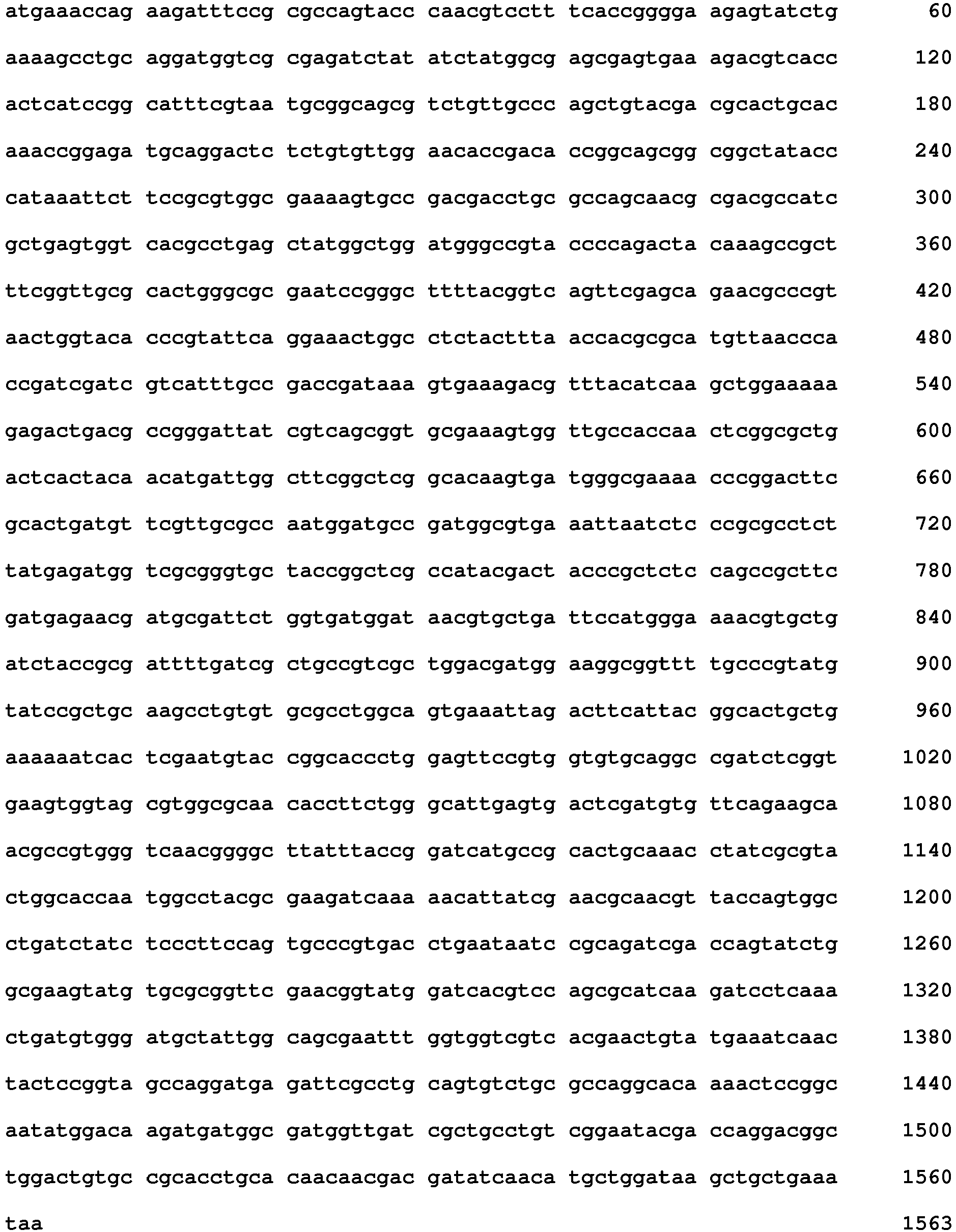
- <210> 9
<211> 1563
<212> DNA
<213> Escherichia coli 4HPA3H HpaB I157K - <400> 9

- <210> 10
<211> 1563
<212> DNA
<213> Escherichia coli 4HPA3H HpaB I157L - <400> 10

- <210> 11
<211> 1563
<212> DNA
<213> Escherichia coli 4HPA3H HpaB I157M - <400> 11

- <210> 12
<211> 1563
<212> DNA
<213> Escherichia coli 4HPA3H HpaB I157N - <400> 12

- <210> 13
<211> 1563
<212> DNA
<213> Escherichia coli 4HPA3H HpaB I157P - <400> 13


- <210> 14
<211> 1563
<212> DNA
<213> Escherichia coli 4HPA3H HpaB I157Q - <400> 14


- <210> 15
<211> 1563
<212> DNA
<213> Escherichia coli 4HPA3H HpaB I157R - <400> 15


- <210> 16
<211> 1563
<212> DNA
<213> Escherichia coli 4HPA3H HpaB I157S - <400> 16


- <210> 17
<211> 1563
<212> DNA
<213> Escherichia coli 4HPA3H HpaB I157T - <400> 17


- <210> 18
<211> 1563
<212> DNA
<213> Escherichia coli 4HPA3H HpaB I157V - <400> 18


- <210> 19
<211> 1563
<212> DNA
<213> Escherichia coli 4HPA3H HpaB I157W - <400> 19


- <210> 20
<211> 1563
<212> DNA
<213> Escherichia coli 4HPA3H HpaB I157Y - <400> 20


- <210> 21
<211> 1563
<212> DNA
<213> Escherichia coli 4HPA3H HpaB M293A - <400> 21


- <210> 22
<211> 1563
<212> DNA
<213> Escherichia coli 4HPA3H HpaB M293C - <400> 22


- <210> 23
<211> 1563
<212> DNA
<213> Escherichia coli 4HPA3H HpaB M293D - <400> 23

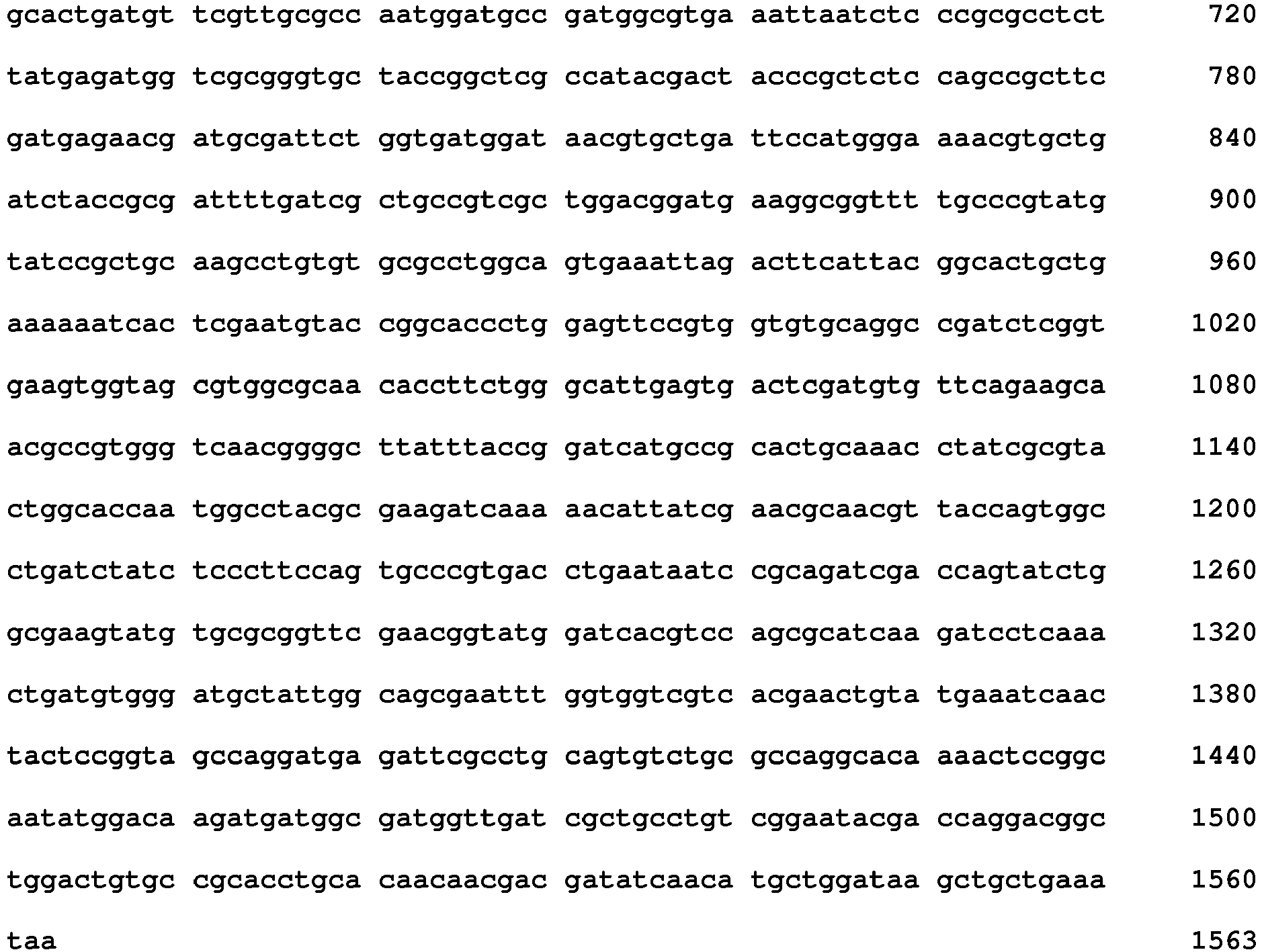
- <210> 24
<211> 1563
<212> DNA
<213> Escherichia coli 4HPA3H HpaB M293E - <400> 24


- <210> 25
<211> 1563
<212> DNA
<213> Escherichia coli 4HPA3H HpaB M293F - <400> 25


- <210> 26
<211> 1563
<212> DNA
<213> Escherichia coli 4HPA3H HpaB M293G - <400> 26


- <210> 27
<211> 1563
<212> DNA
<213> Escherichia coli 4HPA3H HpaB M293H - <400> 27


- <210> 28
<211> 1563
<212> DNA
<213> Escherichia coli 4HPA3H HpaB M293I - <400> 28
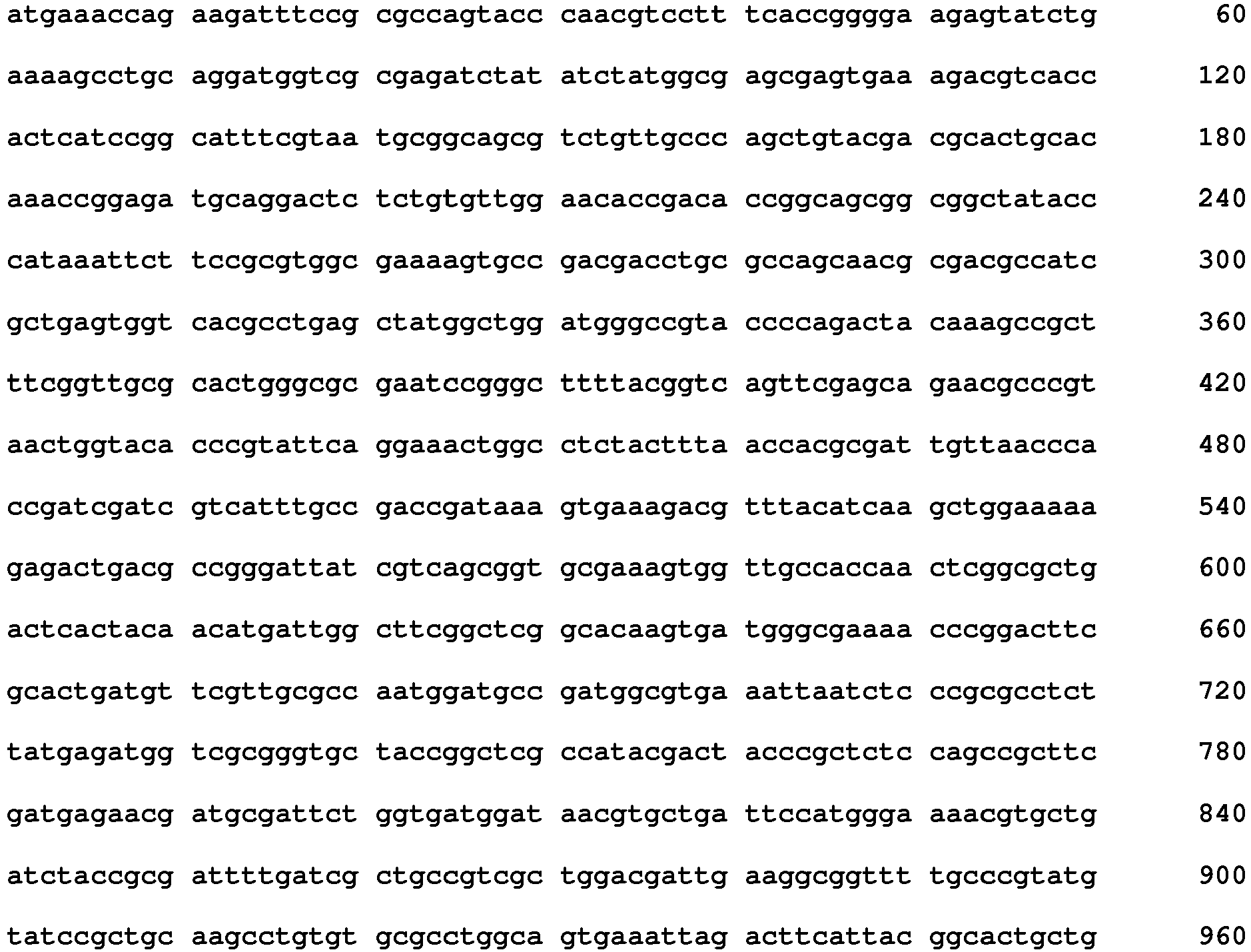

- <210> 29
<211> 1563
<212> DNA
<213> Escherichia coli 4HPA3H HpaB M293K - <400> 29


- <210> 30
<211> 1563
<212> DNA
<213> Escherichia coli 4HPA3H HpaB M293L - <400> 30


- <210> 31
<211> 1563
<212> DNA
<213> Escherichia coli 4HPA3H HpaB M293N - <400> 31


- <210> 32
<211> 1563
<212> DNA
<213> Escherichia coli 4HPA3H HpaB M293P - <400> 32


- <210> 33
<211> 1563
<212> DNA
<213> Escherichia coli 4HPA3H HpaB M293Q - <400> 33


- <210> 34
<211> 1563
<212> DNA
<213> Escherichia coli 4HPA3H HpaB M293R - <400> 34


- <210> 35
<211> 1563
<212> DNA
<213> Escherichia coli 4HPA3H HpaB M293S - <400> 35


- <210> 36
<211> 1563
<212> DNA
<213> Escherichia coli 4HPA3H HpaB M293T - <400> 36


- <210> 37
<211> 1563
<212> DNA
<213> Escherichia coli 4HPA3H HpaB M293V - <400> 37


- <210> 38
<211> 1563
<212> DNA
<213> Escherichia coli 4HPA3H HpaB M293W - <400> 38


- <210> 39
<211> 1563
<212> DNA
<213> Escherichia coli 4HPA3H HpaB M293Y - <400> 39

- <210> 40
<211> 1563
<212> DNA
<213> Escherichia coli 4HPA3H HpaB Y301A - <400> 40

- <210> 41
<211> 1563
<212> DNA
<213> Escherichia coli 4HPA3H HpaB Y301C - <400> 41

- <210> 42
<211> 1563
<212> DNA
<213> Escherichia coli 4HPA3H HpaB Y301D - <400> 42

- <210> 43
<211> 1563
<212> DNA
<213> Escherichia coli 4HPA3H HpaB Y301E - <400> 43

- <210> 44
<211> 1563
<212> DNA
<213> Escherichia coli 4HPA3H HpaB Y301F - <400> 44


- <210> 45
<211> 1563
<212> DNA
<213> Escherichia coli 4HPA3H HpaB Y301G - <400> 45


- <210> 46
<211> 1563
<212> DNA
<213> Escherichia coli 4HPA3H HpaB Y301H - <400> 46


- <210> 47
<211> 1563
<212> DNA
<213> Escherichia coli 4HPA3H HpaB Y301I - <400> 47


- <210> 48
<211> 1563
<212> DNA
<213> Escherichia coli 4HPA3H HpaB Y301K - <400> 48


- <210> 49
<211> 1563
<212> DNA
<213> Escherichia coli 4HPA3H HpaB Y301L - <400> 49


- <210> 50
<211> 1563
<212> DNA
<213> Escherichia coli 4HPA3H HpaB Y301M - <400> 50


- <210> 51
<211> 1563
<212> DNA
<213> Escherichia coli 4HPA3H HpaB Y301N - <400> 51


- <210> 52
<211> 1563
<212> DNA
<213> Escherichia coli 4HPA3H HpaB Y301P - <400> 52


- <210> 53
<211> 1563
<212> DNA
<213> Escherichia coli 4HPA3H HpaB Y301Q - <400> 53


- <210> 54
<211> 1563
<212> DNA
<213> Escherichia coli 4HPA3H HpaB Y301R - <400> 54


- <210> 55
<211> 1563
<212> DNA
<213> Escherichia coli 4HPA3H HpaB Y301S - <400> 55


- <210> 56
<211> 1563
<212> DNA
<213> Escherichia coli 4HPA3H HpaB Y301T - <400> 56


- <210> 57
<211> 1563
<212> DNA
<213> Escherichia coli 4HPA3H HpaB Y301V - <400> 57


- <210> 58
<211> 1563
<212> DNA
<213> Escherichia coli 4HPA3H HpaB Y301W - <400> 58


- <210> 59
<211> 1563
<212> DNA
<213> Escherichia coli 4HPA3H HpaB S462A - <400> 59


- <210> 60
<211> 1563
<212> DNA
<213> Escherichia coli 4HPA3H HpaB S462C - <400> 60


- <210> 61
<211> 1563
<212> DNA
<213> Escherichia coli 4HPA3H HpaB S462D - <400> 61


- <210> 62
<211> 1563
<212> DNA
<213> Escherichia coli 4HPA3H HpaB S462E - <400> 62


- <210> 63
<211> 1563
<212> DNA
<213> Escherichia coli 4HPA3H HpaB S462F - <400> 63


- <210> 64
<211> 1563
<212> DNA
<213> Escherichia coli 4HPA3H HpaB S462G - <400> 64


- <210> 65
<211> 1563
<212> DNA
<213> Escherichia coli 4HPA3H HpaB S462H - <400> 65


- <210> 66
<211> 1563
<212> DNA
<213> Escherichia coli 4HPA3H HpaB S462I - <400> 66


- <210> 67
<211> 1563
<212> DNA
<213> Escherichia coli 4HPA3H HpaB S462K - <400> 67


- <210> 68
<211> 1563
<212> DNA
<213> Escherichia coli 4HPA3H HpaB S462L - <400> 68
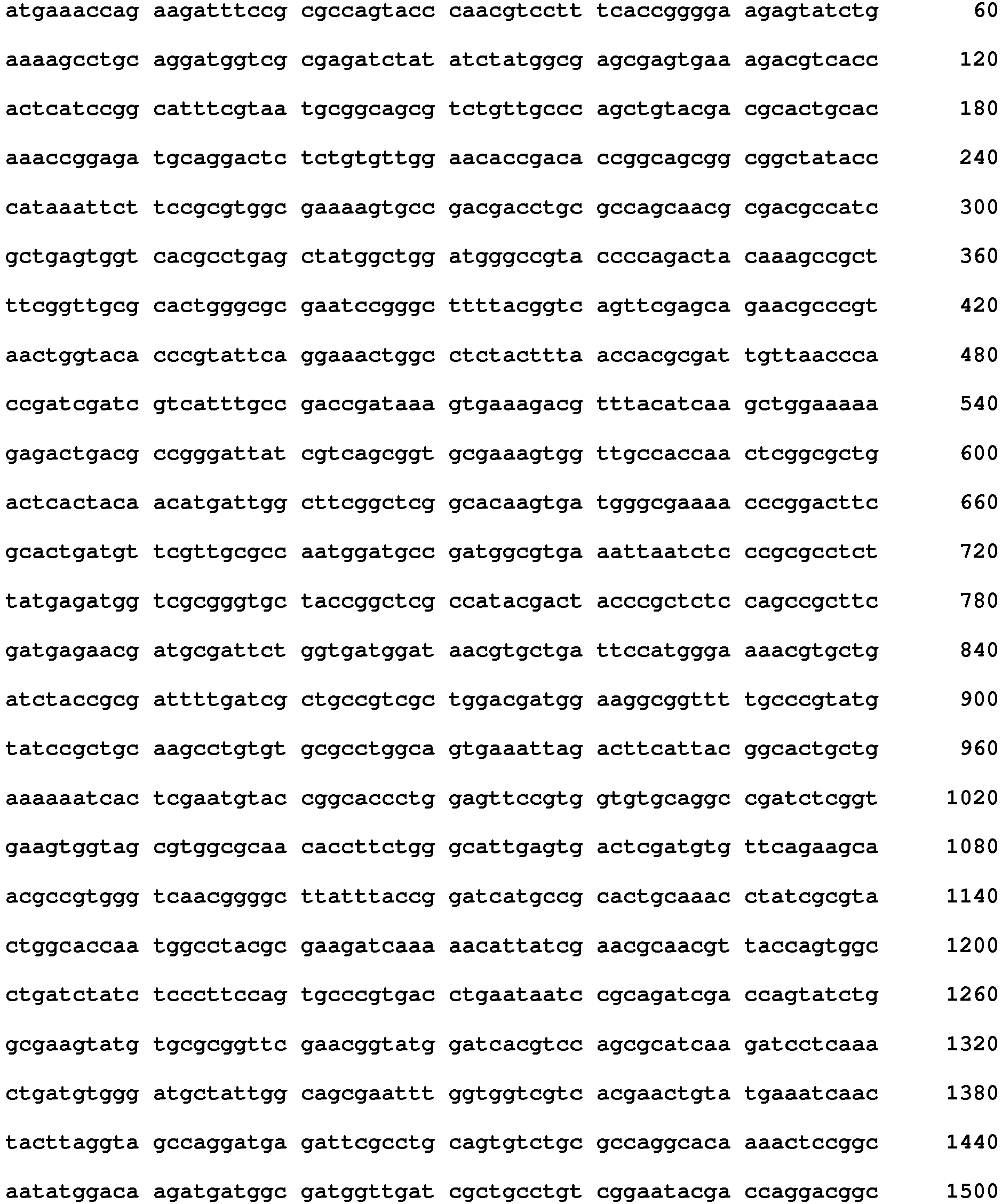

- <210> 69
<211> 1563
<212> DNA
<213> Escherichia coli 4HPA3H HpaB S462M - <400> 69


- <210> 70
<211> 1563
<212> DNA
<213> Escherichia coli 4HPA3H HpaB S462N - <400> 70

- <210> 71
<211> 1563
<212> DNA
<213> Escherichia coli 4HPA3H HpaB S462P - <400> 71

- <210> 72
<211> 1563
<212> DNA
<213> Escherichia coli 4HPA3H HpaB S462Q - <400> 72

- <210> 73
<211> 1563
<212> DNA
<213> Escherichia coli 4HPA3H HpaB S462R - <400> 73

- <210> 74
<211> 1563
<212> DNA
<213> Escherichia coli 4HPA3H HpaB S462T - <400> 74

- <210> 75
<211> 1563
<212> DNA
<213> Escherichia coli 4HPA3H HpaB S462V - <400> 75

- <210> 76
<211> 1563
<212> DNA
<213> Escherichia coli 4HPA3H HpaB S462W - <400> 76


- <210> 77
<211> 1563
<212> DNA
<213> Escherichia coli 4HPA3H HpaB S462Y - <400> 77


- <210> 78
<211> 1563
<212> DNA
<213> Escherichia coli 4HPA3H HpaB Y301F/S462A - <400> 78


- <210> 79
<211> 6856
<212> DNA
<213> Artificial Sequence - <220>
<223> pet28b-HpaB_Y301F_S462A - <400> 79



- <210> 80
<211> 561
<212> DNA
<213> Pseudomonas protegens flavin reductase PrnF - <400> 80

- <210> 81
<211> 1131
<212> DNA
<213> Candida boidinii formate dehydrogenase FDH - <400> 81
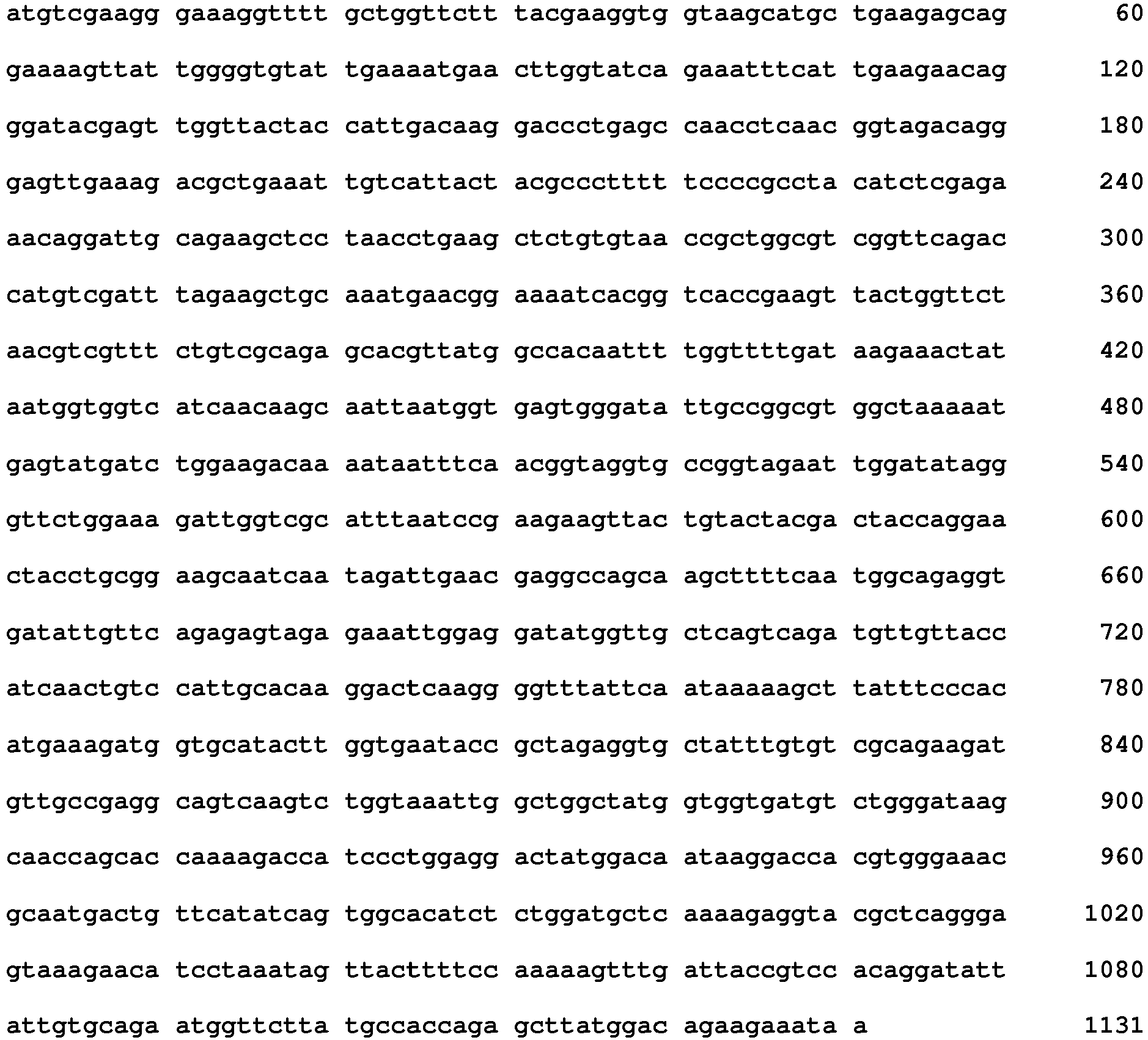
- <210> 82
<211> 513
<212> DNA
<213> Escherichia coli HpaC - <400> 82
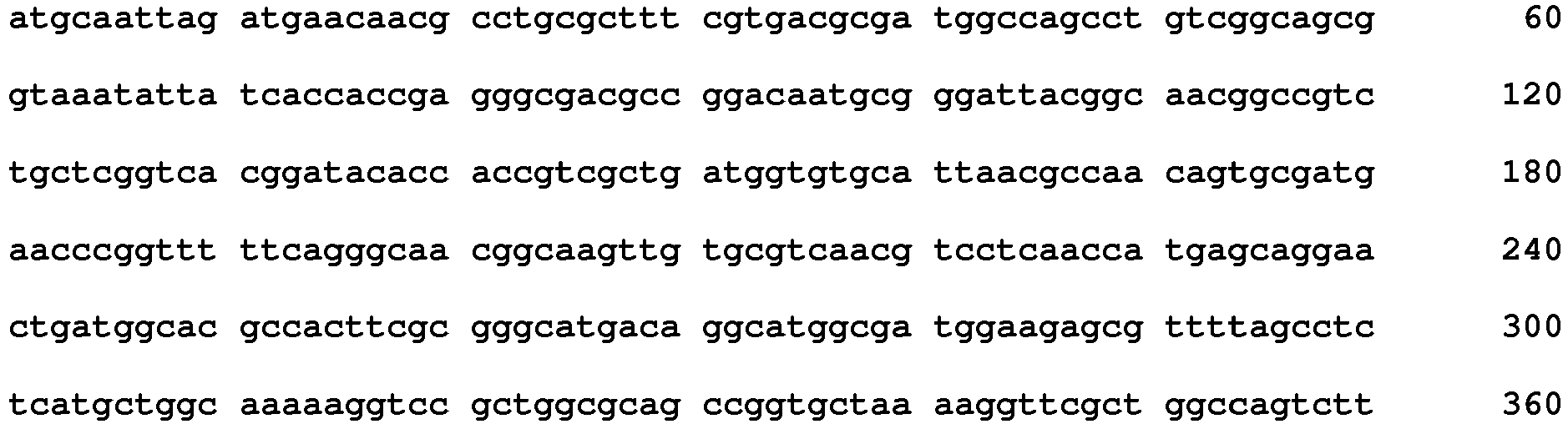

- <210> 83
<211> 1431
<212> DNA
<213> Bacillus megaterium GDH - <400> 83

- <210> 84
<211> 1011
<212> DNA
<213> Pseudomonas stutzeri PTDH - <400> 84

- <210> 85
<211> 1461
<212> DNA
<213> Leuconostoc mesenteroides G6PDH - <400> 85


- <210> 86
<211> 1047
<212> DNA
<213> Saccharomyces cerevisiae ADH2 - <400> 86


- <210> 87
<211> 714
<212> DNA
<213> Mesembryanthemum crystallinum McPFOMT - <400> 87

- <210> 88
<211> 1092
<212> DNA
<213> Arabidopsis thaliana (AtCOMT) - <400> 88


- <210> 89
<211> 1107
<212> DNA
<213> Clarkia breweri IEMT1 - <400> 89


- <210> 90
<211> 1155
<212> DNA
<213> Saccharomyces cereviasiae ScSAMS - <400> 90

- <210> 91
<211> 1221
<212> DNA
<213> Cryptosporidium parvum CpSAMS - <400> 91

- <210> 92
<211> 1179
<212> DNA
<213> Leishmania donovani LdSAMS - <400> 92


- <210> 93
<211> 1200
<212> DNA
<213> Mycobacterium smegmatis MsSAMS - <400> 93
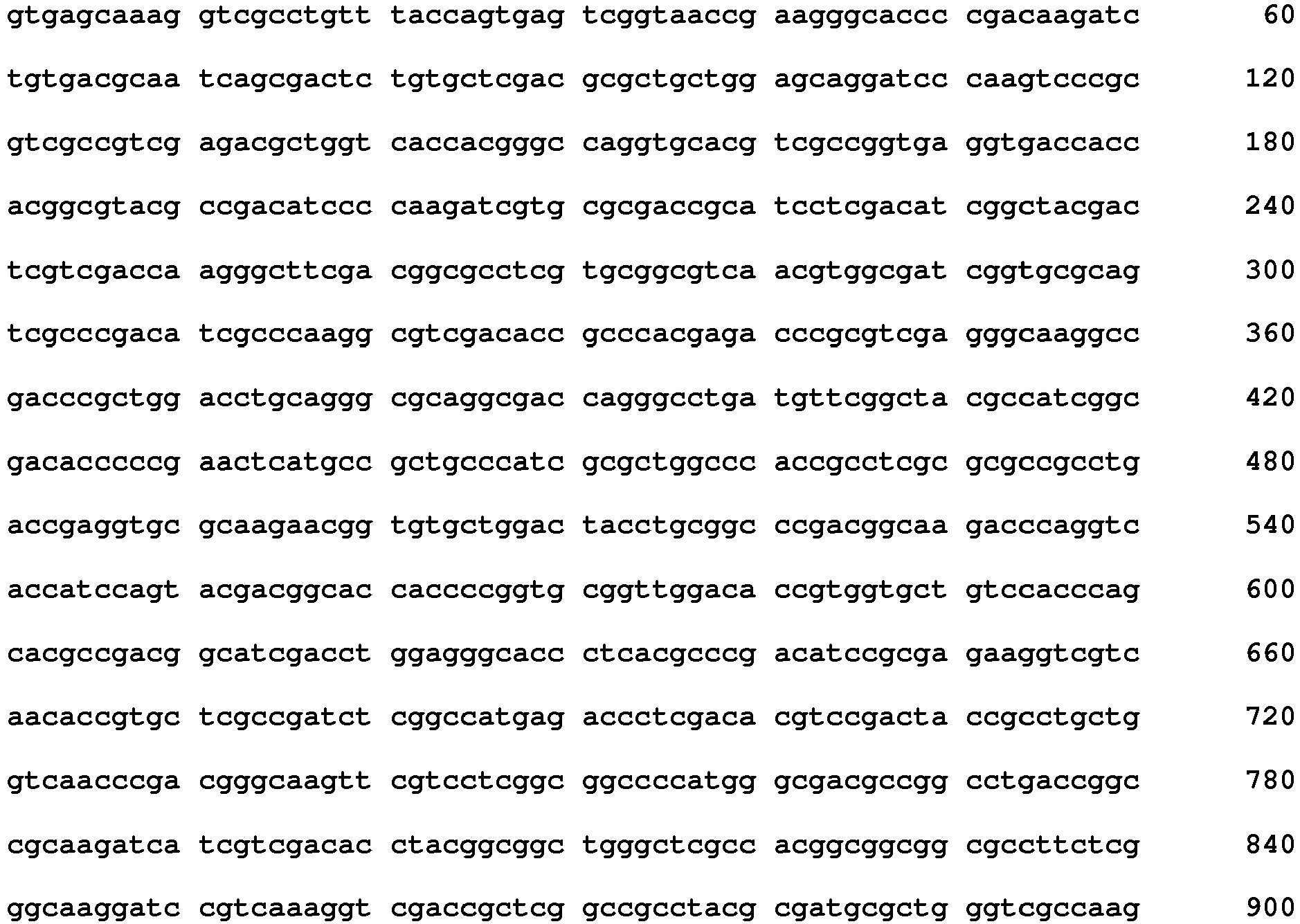
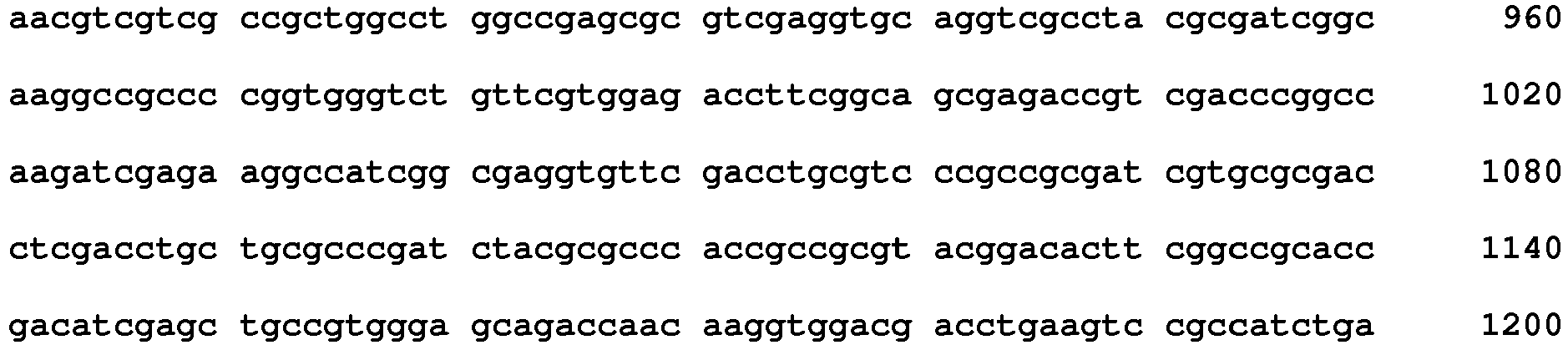
- <210> 94
<211> 3398
<212> DNA
<213> Bos taurus BtSAMS cDNA - <400> 94


- <210> 95
<211> 3150
<212> DNA
<213> Bacillus megaterium A75G F88V L189Q R472C - <400> 95

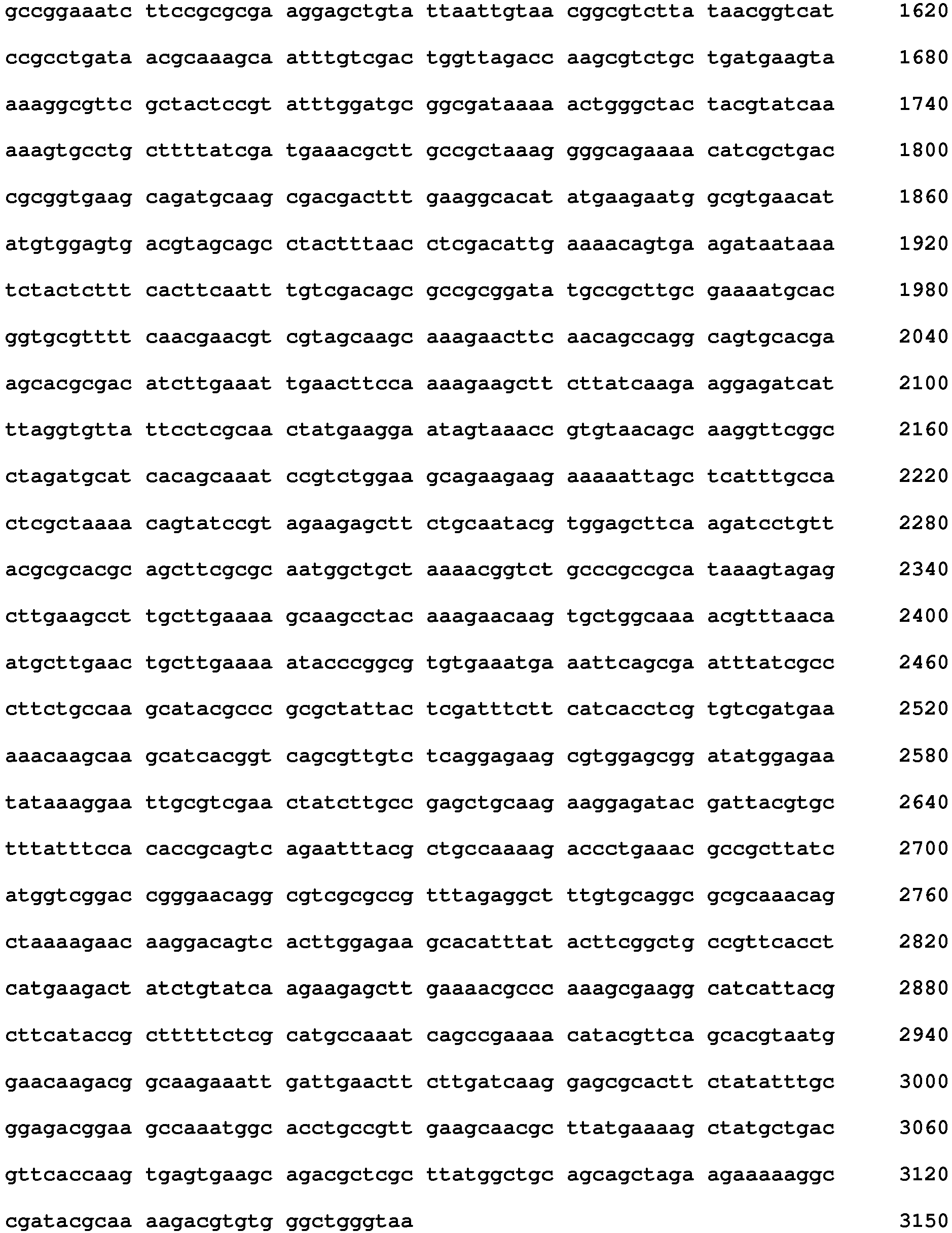
- <210> 96
<211> 3150
<212> DNA
<213> Bacillus megaterium A75G/ F88V/L189Q/A331S/R472C - <400> 96



- <210> 97
<211> 1049
<212> PRT
<213> Bacillus megaterium ATCC 14581 NADPH-cytochrome P450 reductase wt - <400> 97


- <211> 520
<212> PRT
<213> Escherichia coli 4HPA3H HpaB wt - <400> 98
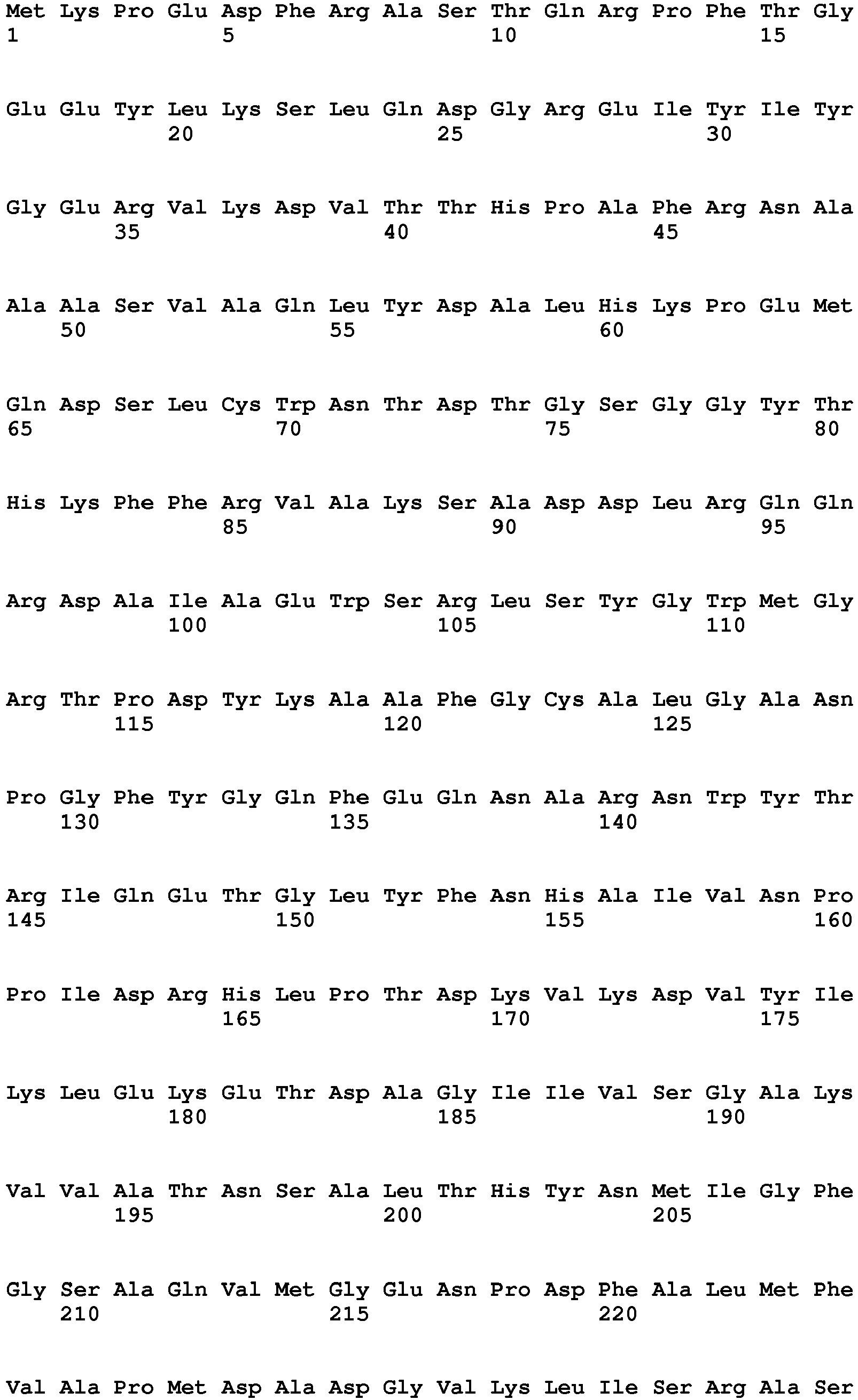

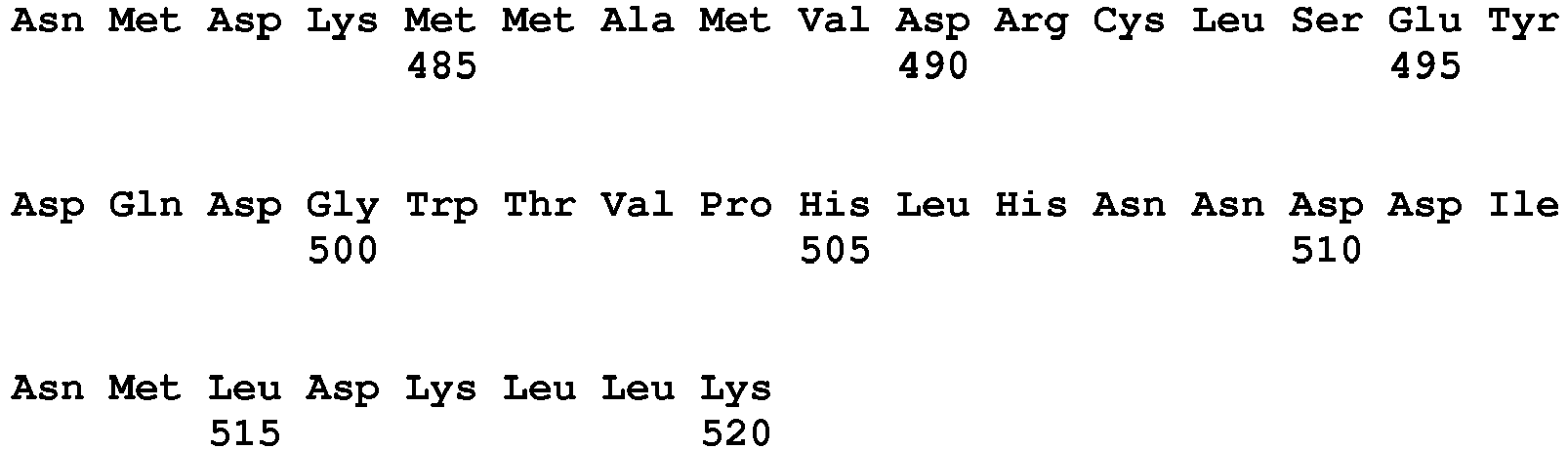
- <210> 99
<211> 520
<212> PRT
<213> Escherichia coli 4HPA3H HpaB I157A - <400> 99


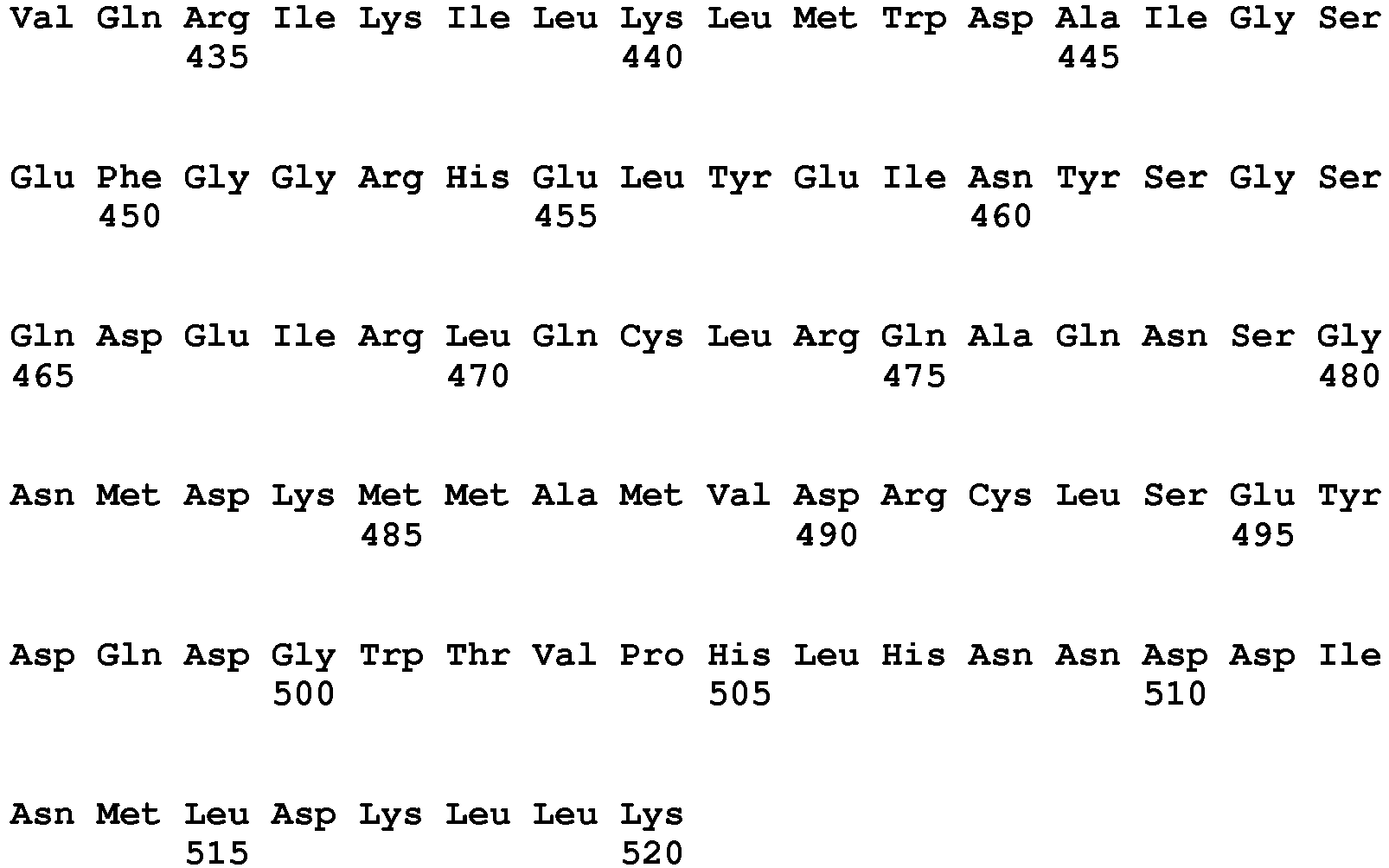
- <210> 100
<211> 520
<212> PRT
<213> Escherichia coli 4HPA3H HpaB I157C - <400> 100


- <210> 101
<211> 520
<212> PRT
<213> Escherichia coli 4HPA3H HpaB I157D - <400> 101


- <210> 102
<211> 520
<212> PRT
<213> Escherichia coli 4HPA3H HpaB I157E - <400> 102



- <210> 103
<211> 520
<212> PRT
<213> Escherichia coli 4HPA3H HpaB I157F - <400> 103


- <210> 104
<211> 520
<212> PRT
<213> Escherichia coli 4HPA3H HpaB I157G - <400> 104


- <210> 105
<211> 520
<212> PRT
<213> Escherichia coli 4HPA3H HpaB I157H - <400> 105

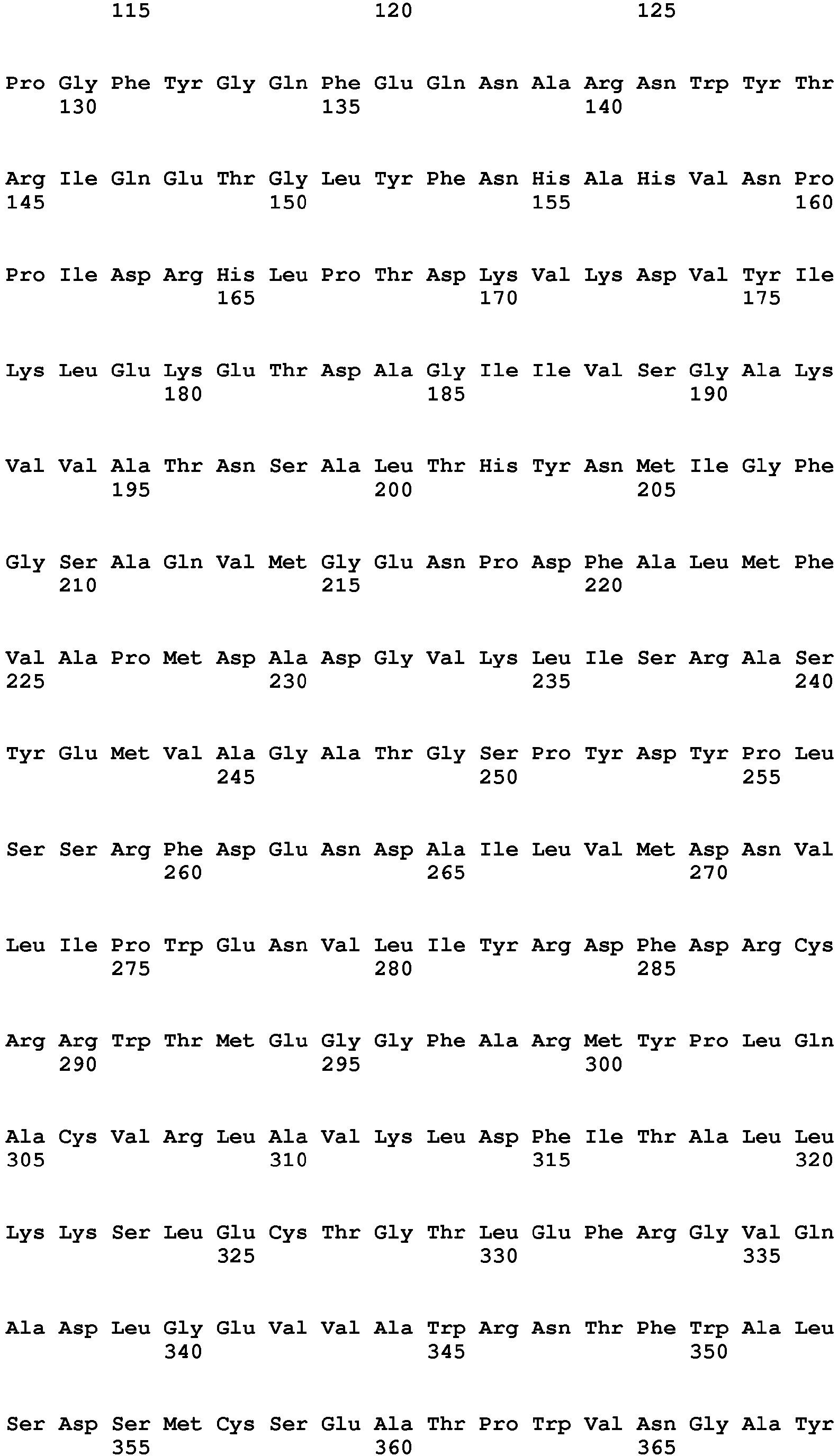

- <210> 106
<211> 520
<212> PRT
<213> Escherichia coli 4HPA3H HpaB I157K - <400> 106


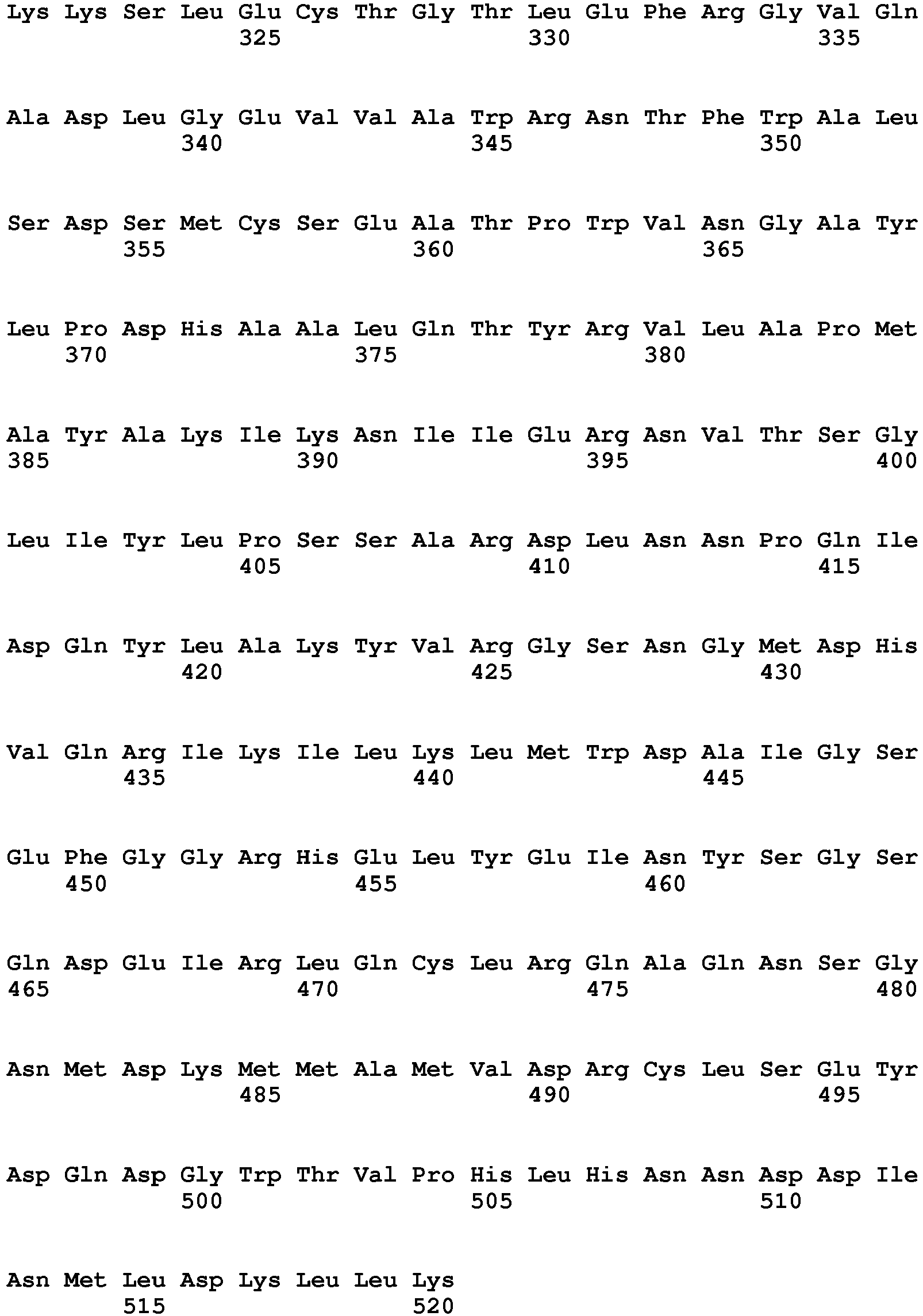
- <210> 107
<211> 520
<212> PRT
<213> Escherichia coli 4HPA3H HpaB I157L - <400> 107


- <210> 108
<211> 520
<212> PRT
<213> Escherichia coli 4HPA3H HpaB I157M - <400> 108

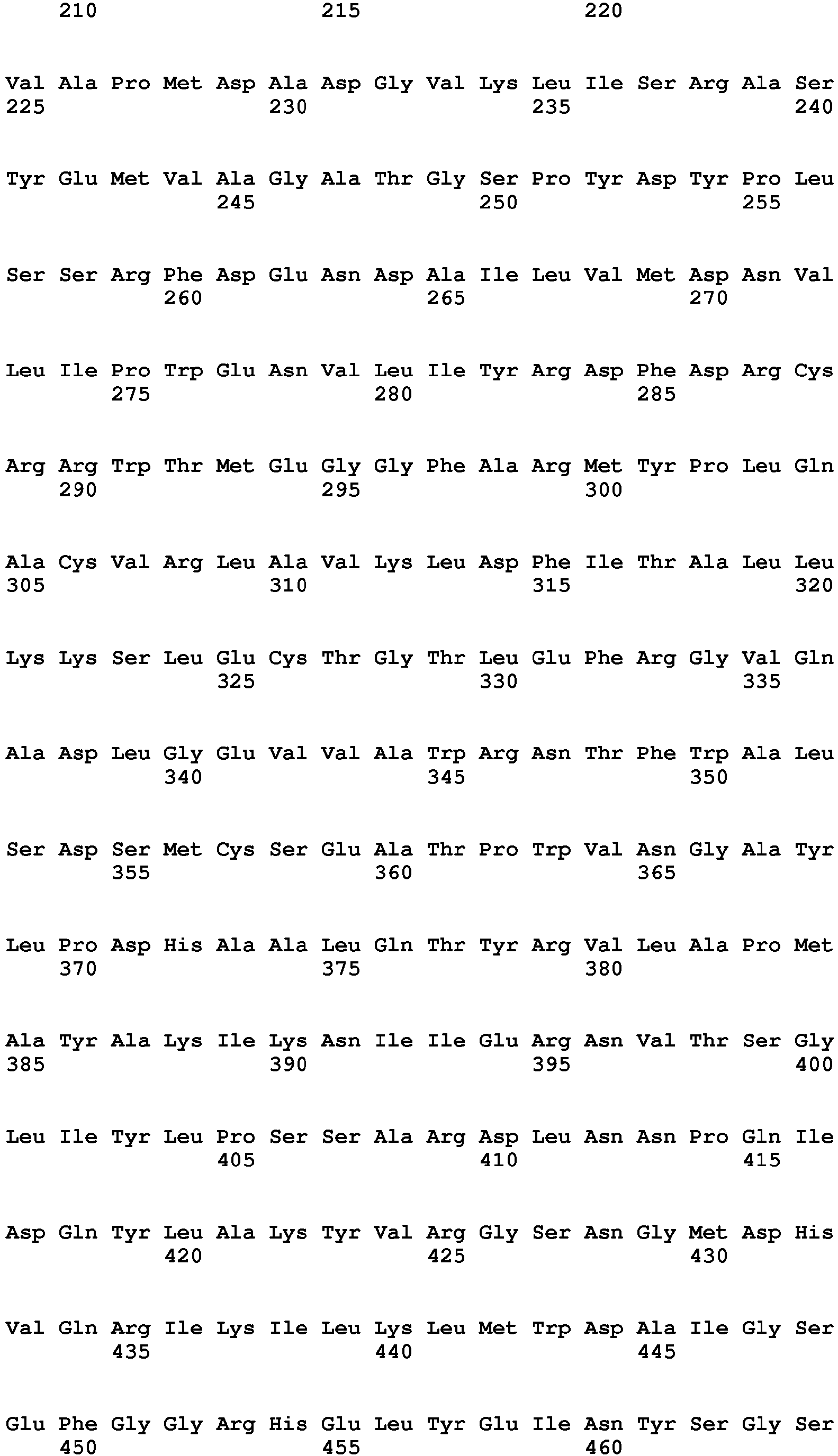

- <210> 109
<211> 520
<212> PRT
<213> Escherichia coli 4HPA3H HpaB I157N - <400> 109


- <210> 110
<211> 520
<212> PRT
<213> Escherichia coli 4HPA3H HpaB I157P - <400> 110
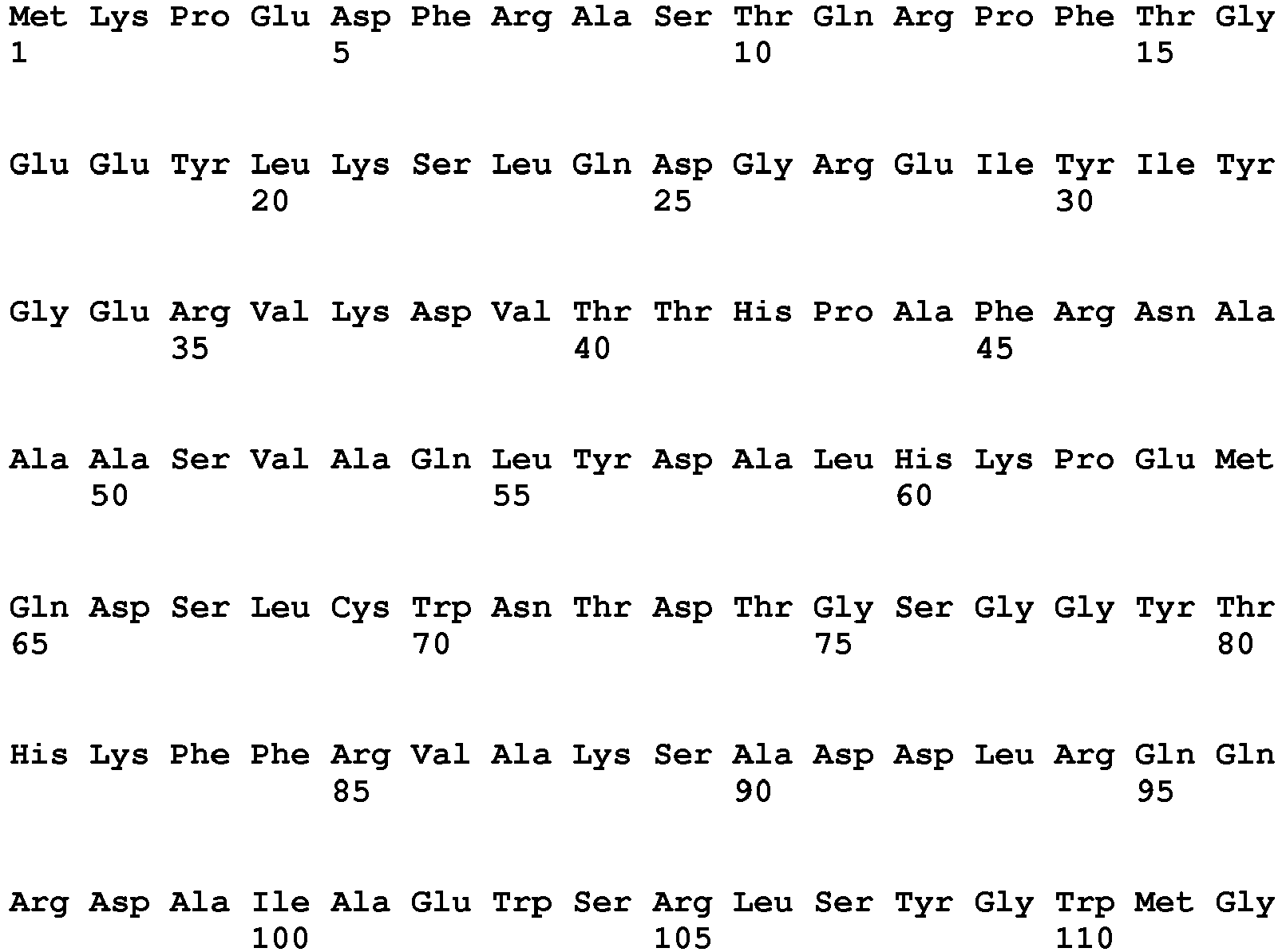


- <210> 111
<211> 520
<212> PRT
<213> Escherichia coli 4HPA3H HpaB I157Q - <400> 111


- <210> 112
<211> 520
<212> PRT
<213> Escherichia coli 4HPA3H HpaB I157R - <400> 112


- <210> 113
<211> 520
<212> PRT
<213> Escherichia coli 4HPA3H HpaB I157S - <400> 113


- <210> 114
<211> 520
<212> PRT
<213> Escherichia coli 4HPA3H HpaB I157T - <400> 114


- <210> 115
<211> 520
<212> PRT
<213> Escherichia coli 4HPA3H HpaB I157V - <400> 115


- <210> 116
<211> 520
<212> PRT
<213> Escherichia coli 4HPA3H HpaB I157W - <400> 116

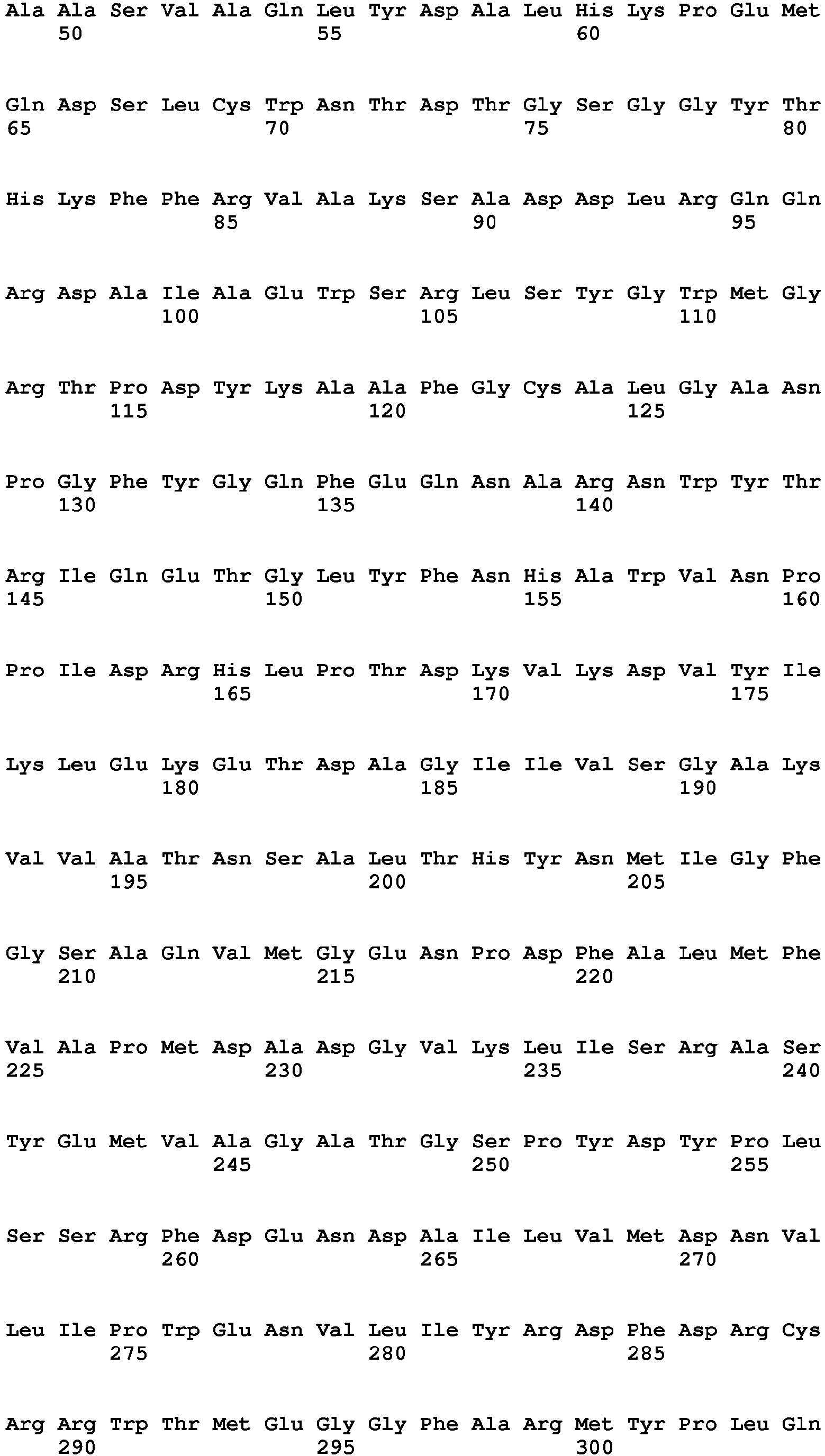

- <210> 117
<211> 520
<212> PRT
<213> Escherichia coli 4HPA3H HpaB I157Y - <400> 117


- <210> 118
<211> 520
<212> PRT
<213> Escherichia coli 4HPA3H HpaB M293A - <400> 118


- <210> 119
<211> 520
<212> PRT
<213> Escherichia coli 4HPA3H HpaB M293C - <400> 119


- <210> 120
<211> 520
<212> PRT
<213> Escherichia coli 4HPA3H HpaB M293D - <400> 120


- <210> 121
<211> 520
<212> PRT
<213> Escherichia coli 4HPA3H HpaB M293E - <400> 121


- <210> 122
<211> 520
<212> PRT
<213> Escherichia coli 4HPA3H HpaB M293F - <400> 122



- <210> 123
<211> 520
<212> PRT
<213> Escherichia coli 4HPA3H HpaB M293G - <400> 123


- <210> 124
<211> 520
<212> PRT
<213> Escherichia coli 4HPA3H HpaB M293H - <400> 124


- <210> 125
<211> 520
<212> PRT
<213> Escherichia coli 4HPA3H HpaB M293I - <400> 125

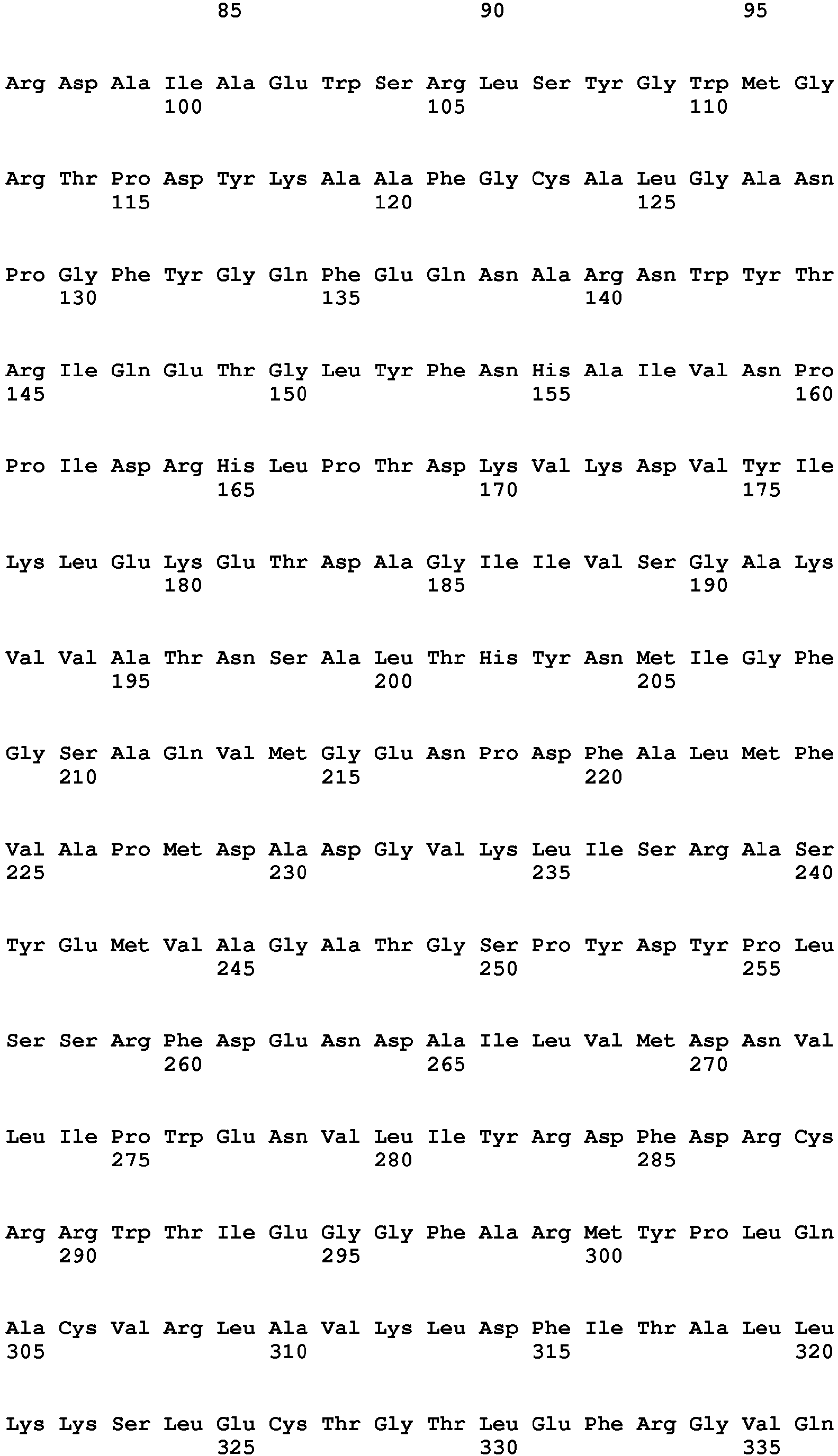

- <210> 126
<211> 520
<212> PRT
<213> Escherichia coli 4HPA3H HpaB M293K - <400> 126


- <210> 127
<211> 520
<212> PRT
<213> Escherichia coli 4HPA3H HpaB M293L - <400> 127


- <210> 128
<211> 520
<212> PRT
<213> Escherichia coli 4HPA3H HpaB M293N - <400> 128


- <210> 129
<211> 520
<212> PRT
<213> Escherichia coli 4HPA3H HpaB M293P - <400> 129


- <210> 130
<211> 520
<212> PRT
<213> Escherichia coli 4HPA3H HpaB M293Q - <400> 130


- <210> 131
<211> 520
<212> PRT
<213> Escherichia coli 4HPA3H HpaB M293R - <400> 131


- <210> 132
<211> 520
<212> PRT
<213> Escherichia coli 4HPA3H HpaB M293S - <400> 132


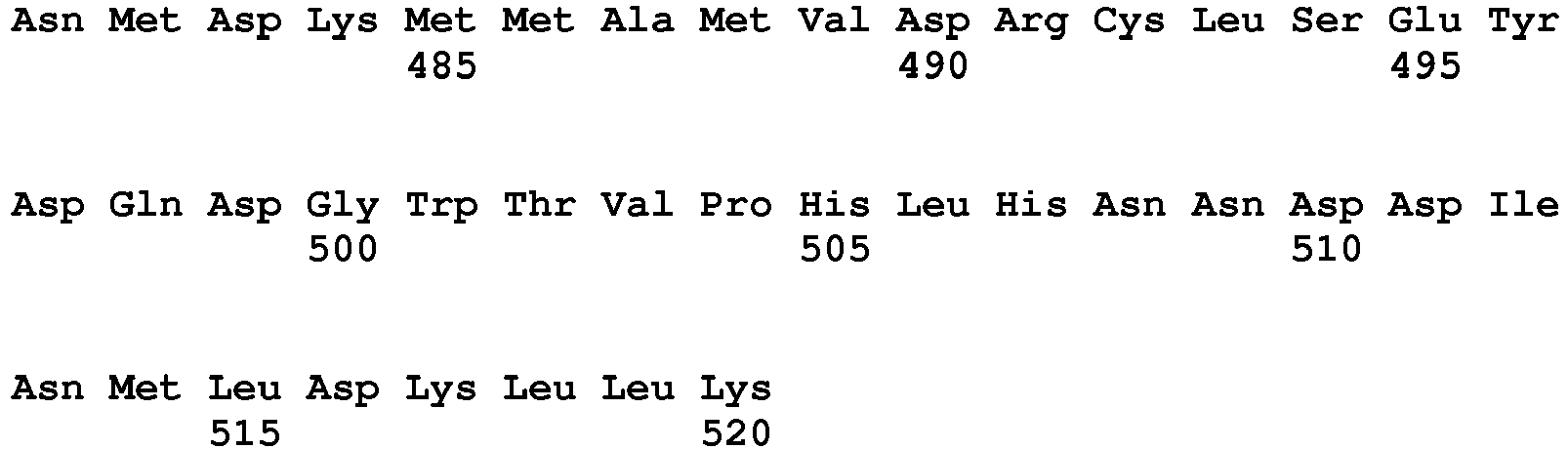
- <210> 133
<211> 520
<212> PRT
<213> Escherichia coli 4HPA3H HpaB M293T - <400> 133


- <210> 134
<211> 520
<212> PRT
<213> Escherichia coli 4HPA3H HpaB M293V - <400> 134


- <210> 135
<211> 520
<212> PRT
<213> Escherichia coli 4HPA3H HpaB M293W - <400> 135


- <210> 136
<211> 520
<212> PRT
<213> Escherichia coli 4HPA3H HpaB M293Y - <400> 136


- <210> 137
<211> 520
<212> PRT
<213> Escherichia coli 4HPA3H HpaB Y301A - <400> 137


- <210> 138
<211> 520
<212> PRT
<213> Escherichia coli 4HPA3H HpaB Y301C - <400> 138


- <210> 139
<211> 520
<212> PRT
<213> Escherichia coli 4HPA3H HpaB Y301D - <400> 139


- <210> 140
<211> 520
<212> PRT
<213> Escherichia coli 4HPA3H HpaB Y301E - <400> 140


- <210> 141
<211> 520
<212> PRT
<213> Escherichia coli 4HPA3H HpaB Y301F - <400> 141


- <210> 142
<211> 520
<212> PRT
<213> Escherichia coli 4HPA3H HpaB Y301G - <400> 142


- <210> 143
<211> 520
<212> PRT
<213> Escherichia coli 4HPA3H HpaB Y301H - <400> 143
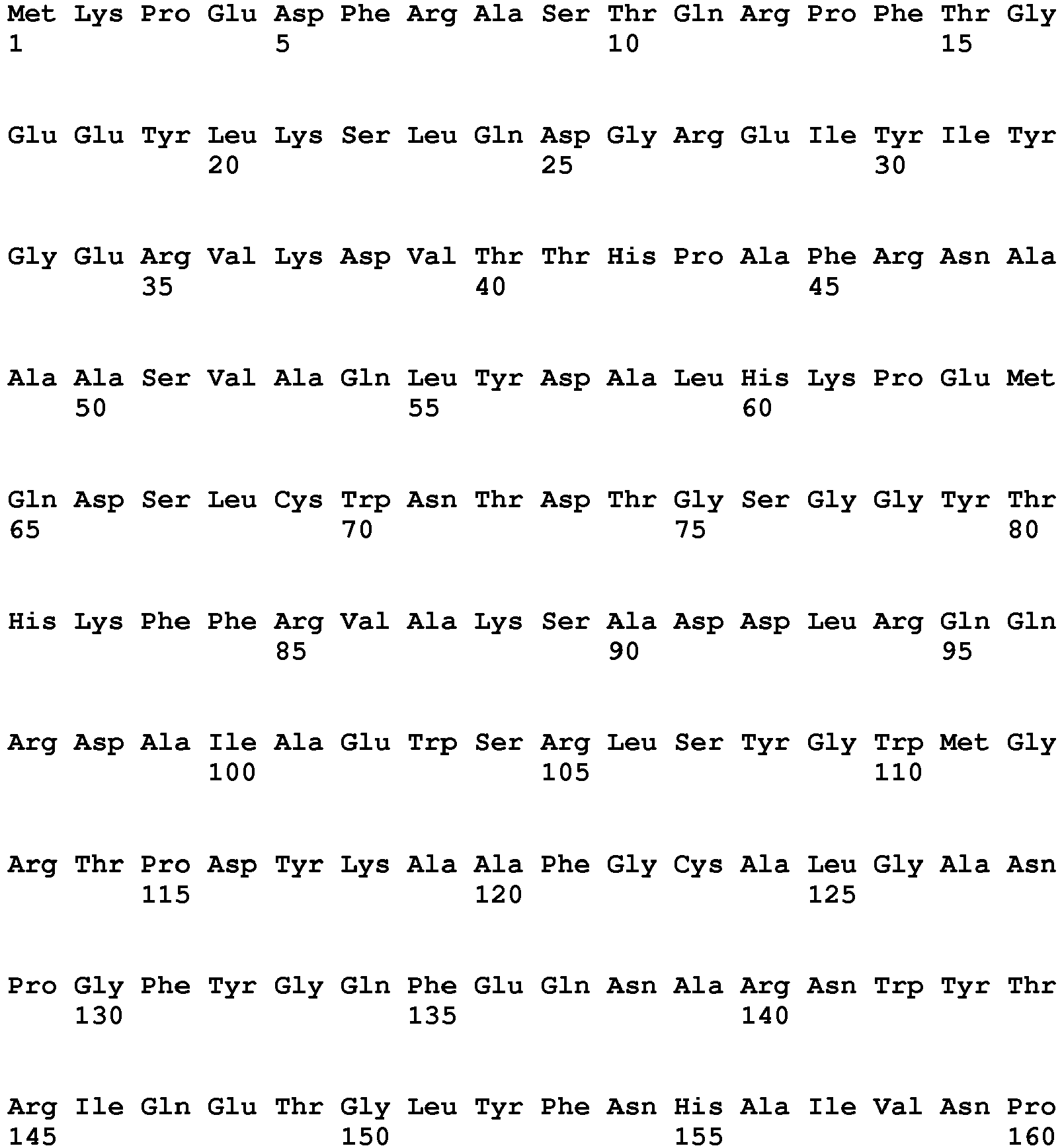


- <210> 144
<211> 520
<212> PRT
<213> Escherichia coli 4HPA3H HpaB Y301I - <400> 144


- <210> 145
<211> 520
<212> PRT
<213> Escherichia coli 4HPA3H HpaB Y301K - <400> 145


- <210> 146
<211> 520
<212> PRT
<213> Escherichia coli 4HPA3H HpaB Y301L - <400> 146


- <210> 147
<211> 520
<212> PRT
<213> Escherichia coli 4HPA3H HpaB Y301M - <400> 147


- <210> 148
<211> 520
<212> PRT
<213> Escherichia coli 4HPA3H HpaB Y301N - <400> 148
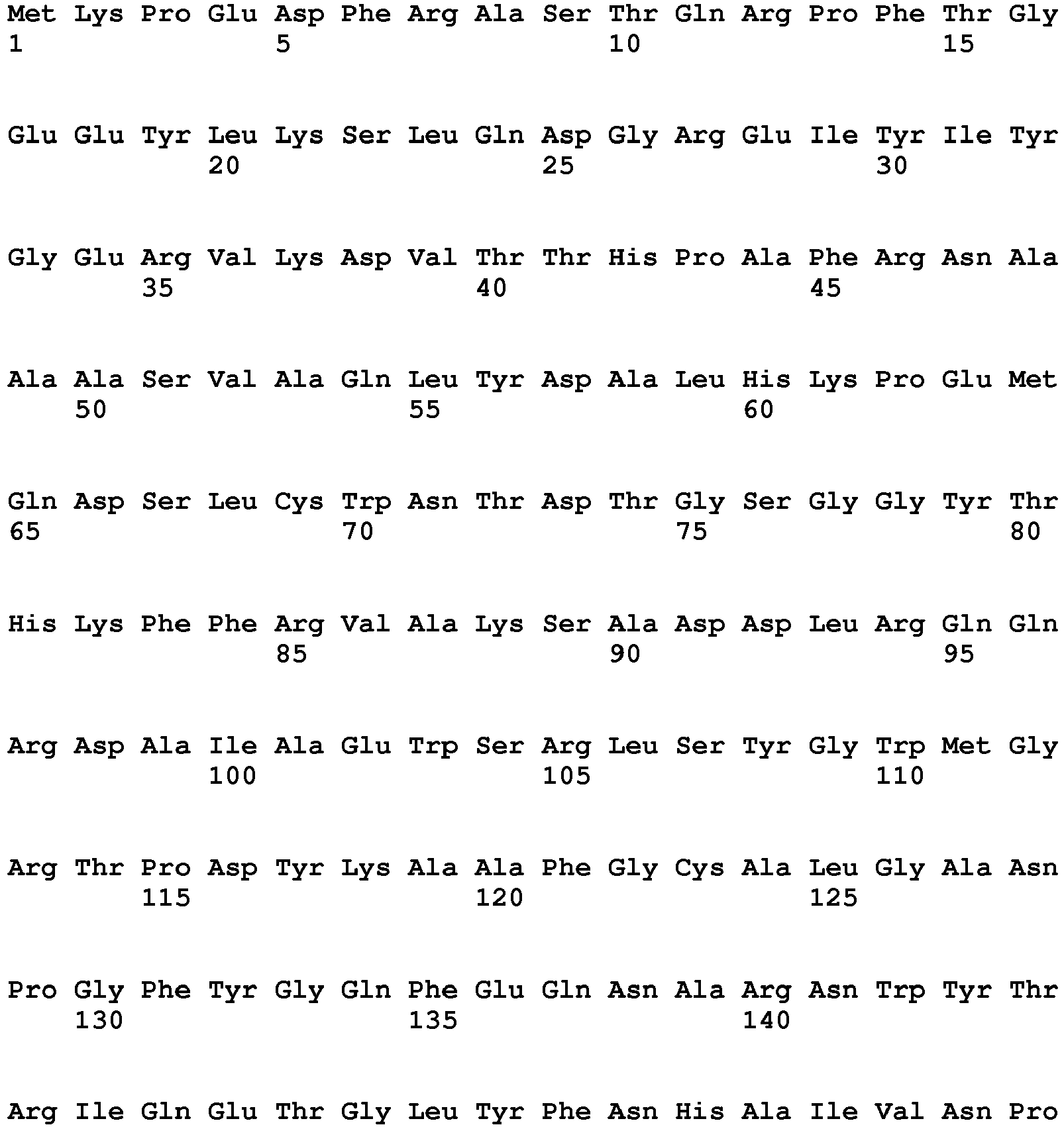


- <210> 149
<211> 520
<212> PRT
<213> Escherichia coli 4HPA3H HpaB Y301P - <400> 149


- <210> 150
<211> 520
<212> PRT
<213> Escherichia coli 4HPA3H HpaB Y301Q - <400> 150


- <210> 151
<211> 520
<212> PRT
<213> Escherichia coli 4HPA3H HpaB Y301R - <400> 151


- <210> 152
<211> 520
<212> PRT
<213> Escherichia coli 4HPA3H HpaB Y301S - <400> 152


- <210> 153
<211> 520
<212> PRT
<213> Escherichia coli 4HPA3H HpaB Y301T - <400> 153


- <210> 154
<211> 520
<212> PRT
<213> Escherichia coli 4HPA3H HpaB Y301V - <400> 154


- <210> 155
<211> 520
<212> PRT
<213> Escherichia coli 4HPA3H HpaB Y301W - <400> 155


- <210> 156
<211> 520
<212> PRT
<213> Escherichia coli 4HPA3H HpaB S462A - <400> 156


- <210> 157
<211> 520
<212> PRT
<213> Escherichia coli 4HPA3H HpaB S462C - <400> 157


- <210> 158
<211> 520
<212> PRT
<213> Escherichia coli 4HPA3H HpaB S462D - <400> 158


- <210> 159
<211> 520
<212> PRT
<213> Escherichia coli 4HPA3H HpaB S462E - <400> 159

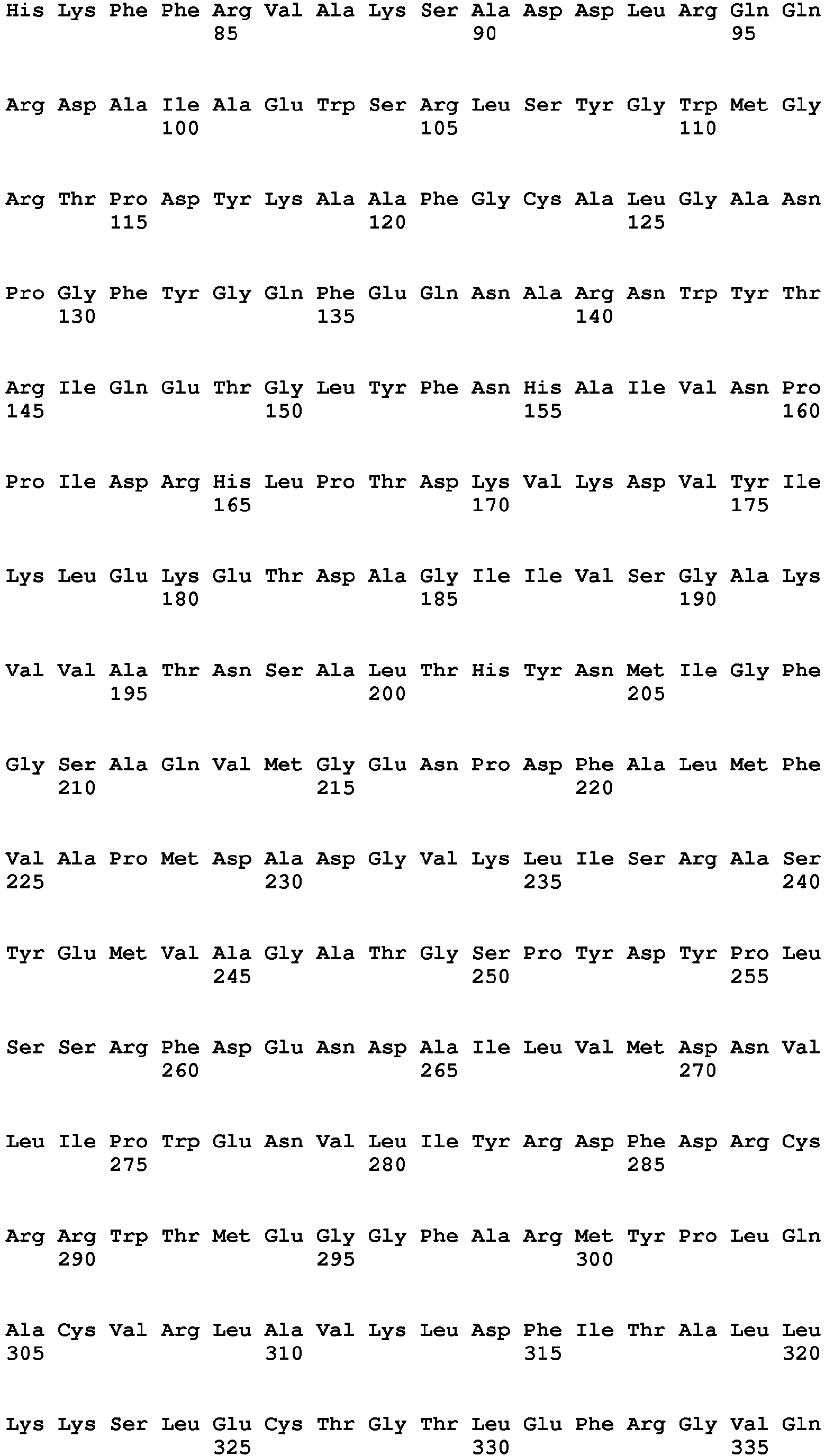

- <210> 160
<211> 520
<212> PRT
<213> Escherichia coli 4HPA3H HpaB S462F - <400> 160


- <210> 161
<211> 520
<212> PRT
<213> Escherichia coli 4HPA3H HpaB S462G - <400> 161


- <210> 162
<211> 520
<212> PRT
<213> Escherichia coli 4HPA3H HpaB S462H - <400> 162
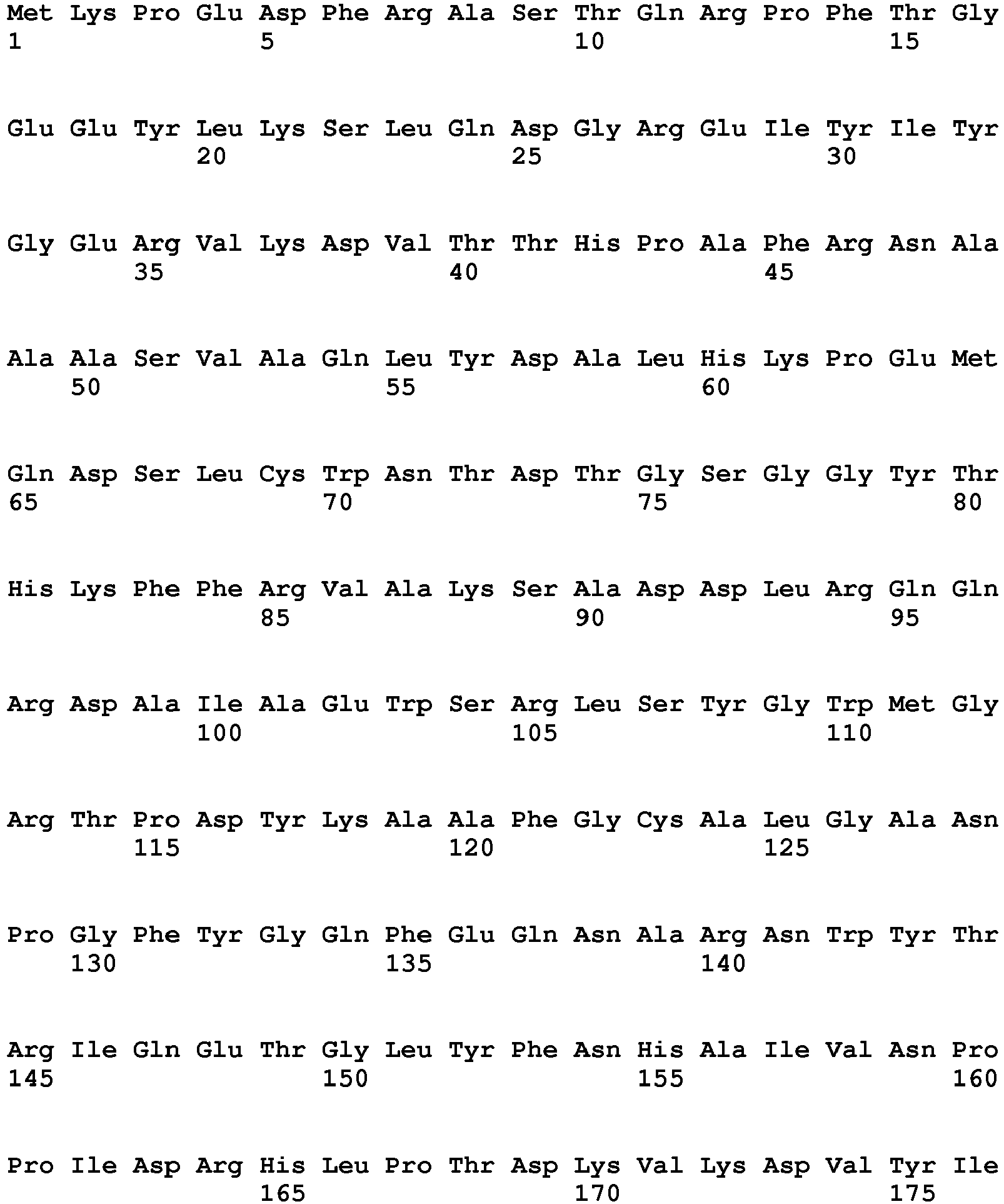


- <210> 163
<211> 520
<212> PRT
<213> Escherichia coli 4HPA3H HpaB S462I - <400> 163


- <210> 164
<211> 520
<212> PRT
<213> Escherichia coli 4HPA3H HpaB S462K - <400> 164


- <210> 165
<211> 520
<212> PRT
<213> Escherichia coli 4HPA3H HpaB S462L - <400> 165


- <210> 166
<211> 520
<212> PRT
<213> Escherichia coli 4HPA3H HpaB S462M - <400> 166


- <210> 167
<211> 520
<212> PRT
<213> Escherichia coli 4HPA3H HpaB S462N - <400> 167


- <210> 168
<211> 520
<212> PRT
<213> Escherichia coli 4HPA3H HpaB S462P - <400> 168


- <210> 169
<211> 520
<212> PRT
<213> Escherichia coli 4HPA3H HpaB S462Q - <400> 169

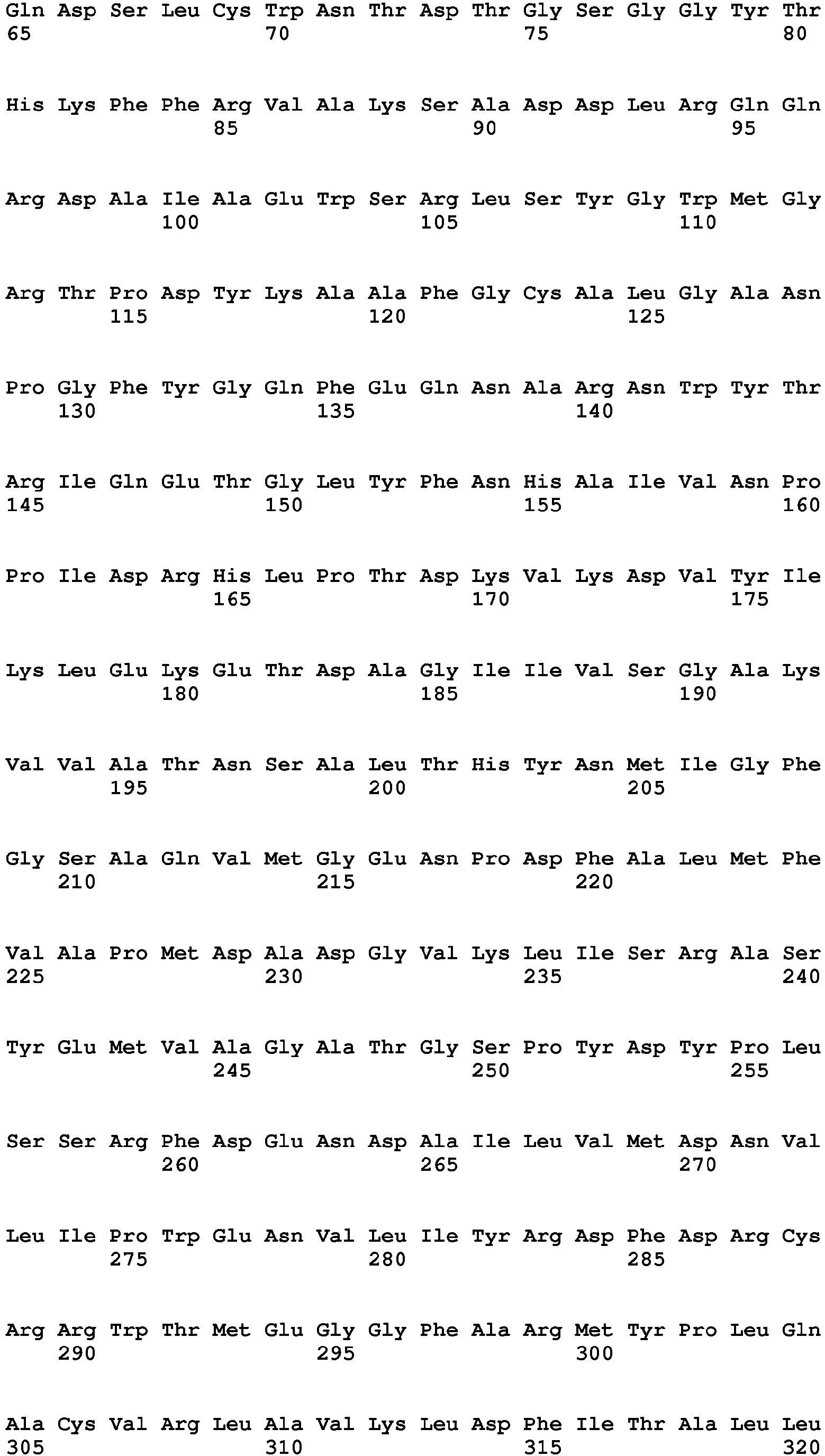
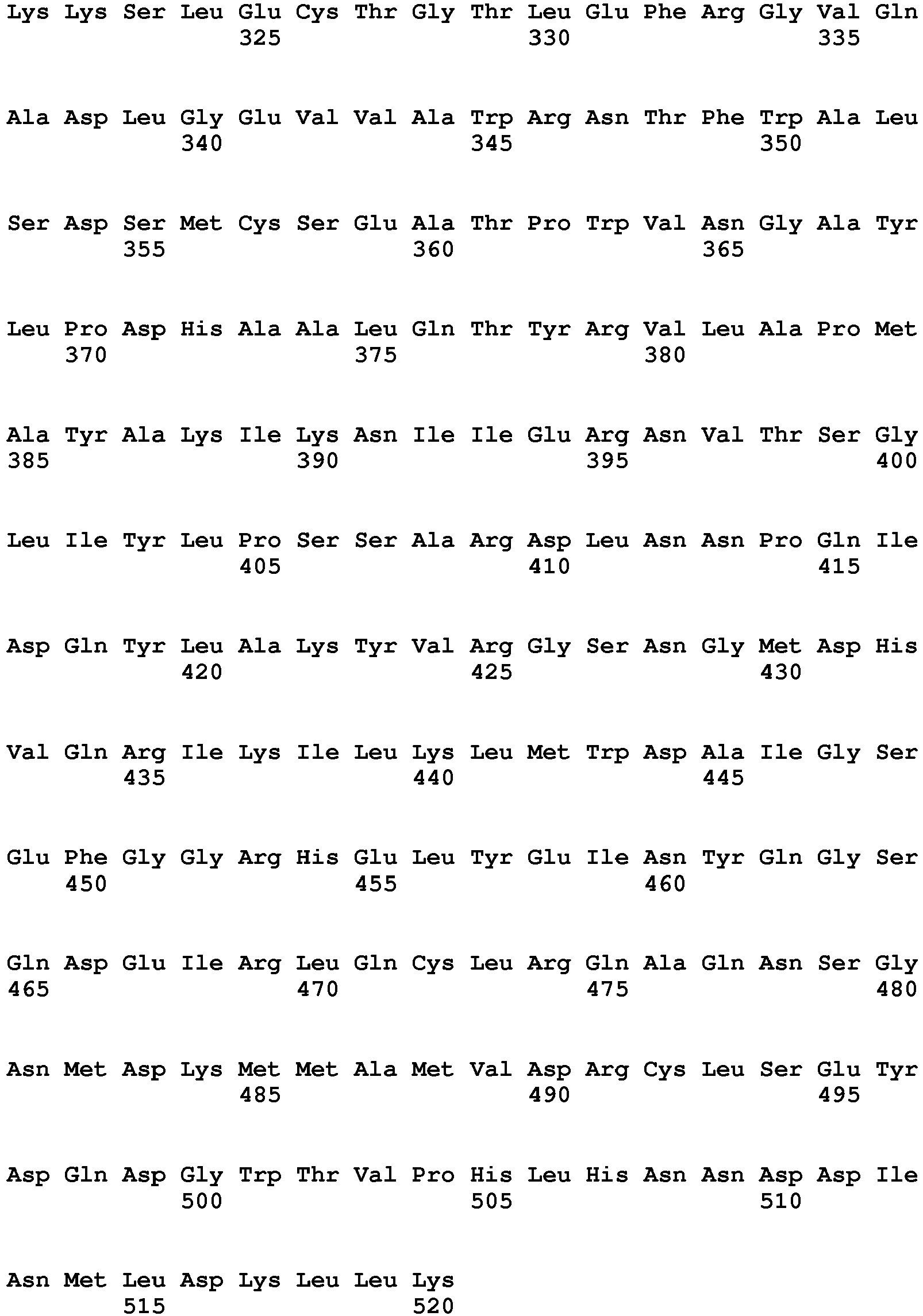
- <210> 170
<211> 520
<212> PRT
<213> Escherichia coli 4HPA3H HpaB S462R - <400> 170

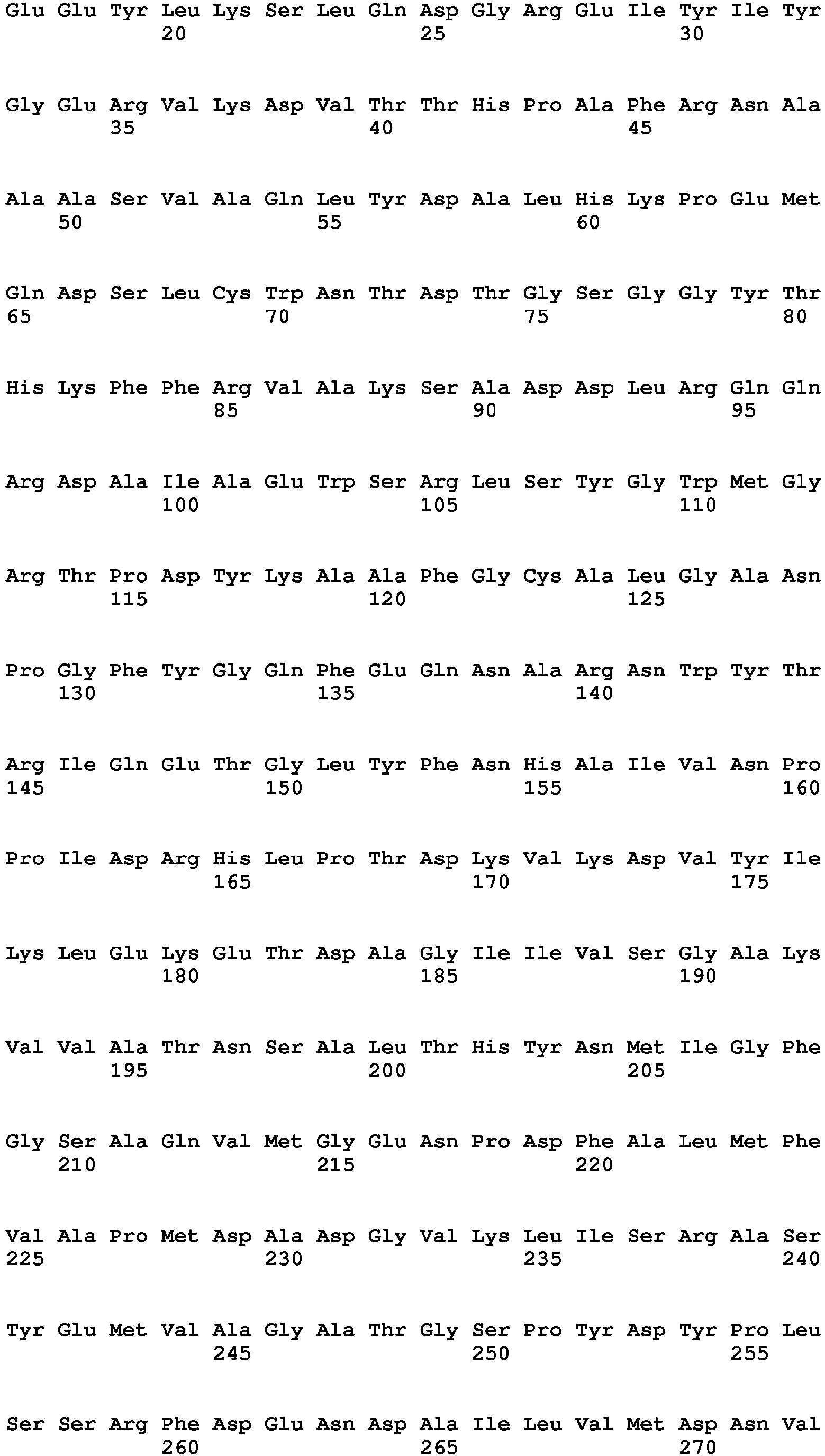


- <210> 171
<211> 520
<212> PRT
<213> Escherichia coli 4HPA3H HpaB S462T - <400> 171

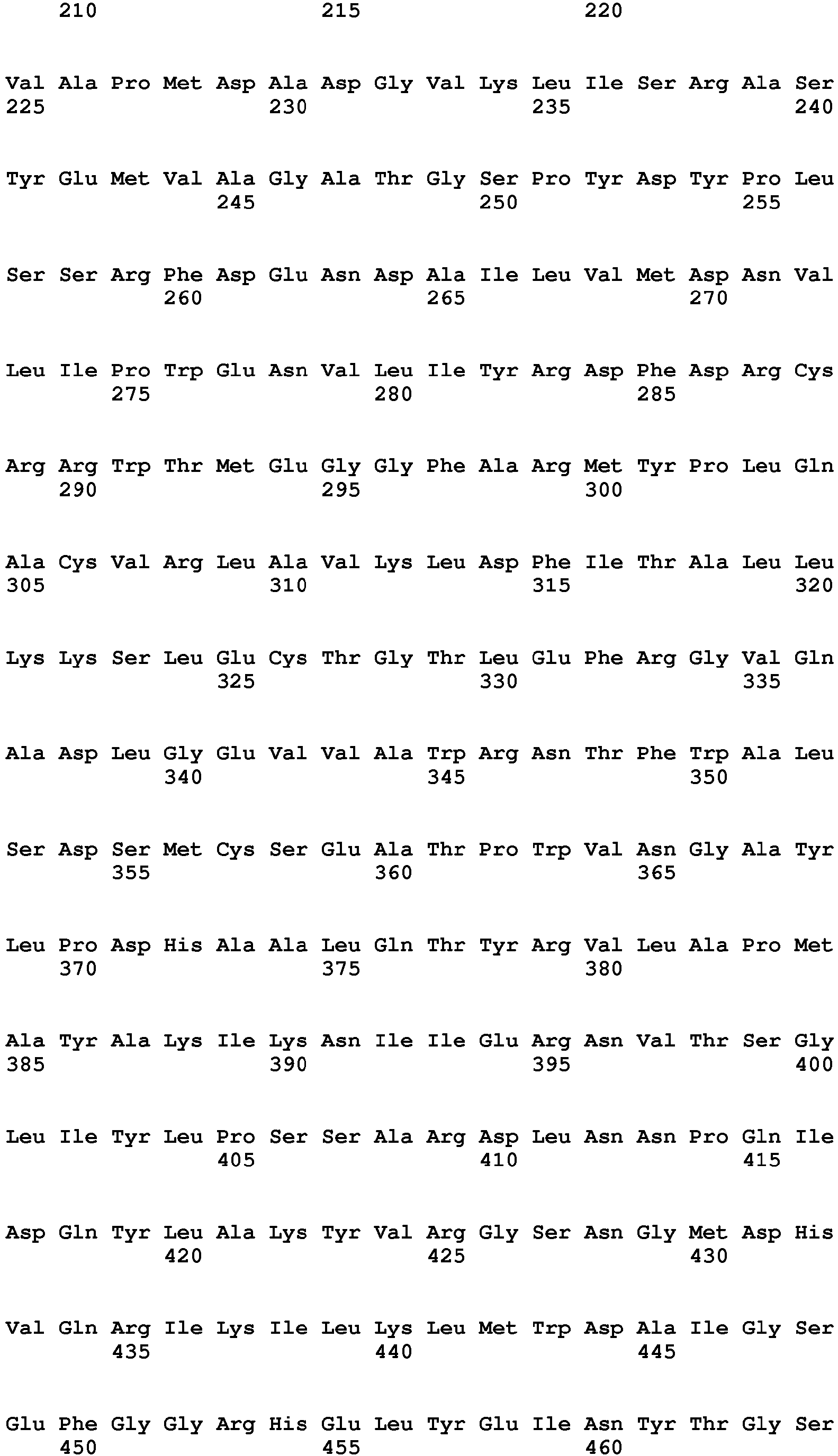

- <210> 172
<211> 520
<212> PRT
<213> Escherichia coli 4HPA3H HpaB S462V - <400> 172


- <210> 173
<211> 520
<212> PRT
<213> Escherichia coli 4HPA3H HpaB S462W - <400> 173


- <210> 174
<211> 520
<212> PRT
<213> Escherichia coli 4HPA3H HpaB S462Y - <400> 174


- <210> 175
<211> 520
<212> PRT
<213> Escherichia coli 4HPA3H HpaB Y301F/S462A - <400> 175


- <210> 176
<211> 186
<212> PRT
<213> Pseudomonas protegens flavin reductase PrnF - <400> 176

- <210> 177
<211> 376
<212> PRT
<213> Candida boidinii formate dehydrogenase FDH - <400> 177


- <210> 178
<211> 170
<212> PRT
<213> Escherichia coli HpaC - <400> 178

- <210> 179
<211> 476
<212> PRT
<213> Bacillus megaterium GDH - <400> 179


- <210> 180
<211> 289
<212> PRT
<213> Pseudomonas stutzeri PTDH - <400> 180


- <210> 181
<211> 486
<212> PRT
<213> Leuconostoc mesenteroides G6PDH - <400> 181


- <210> 182
<211> 348
<212> PRT
<213> Saccharomyces cerevisiae ADH2 - <400> 182


- <210> 183
<211> 237
<212> PRT
<213> Mesembryanthemum crystallinum McPFOMT - <400> 183

- <210> 184
<211> 363
<212> PRT
<213> Arabidopsis thaliana (AtCOMT) - <400> 184


- <210> 185
<211> 368
<212> PRT
<213> Clarkia breweri IEMT1 - <400> 185


- <210> 186
<211> 384
<212> PRT
<213> Saccharomyces cerevisiae ScSAMS - <400> 186


- <210> 187
<211> 406
<212> PRT
<213> Cryptosporidium parvum CpSAMS - <400> 187


- <210> 188
<211> 392
<212> PRT
<213> Leishmania donovani LdSAMS - <400> 188


- <210> 189
<211> 399
<212> PRT
<213> Mycobacterium smegmatis MsSAMS - <400> 189


- <210> 190
<211> 396
<212> PRT
<213> Bos Taurus BtSAMS - <400> 190


- <210> 191
<211> 1049
<212> PRT
<213> Bacillus megaterium A75G F88V L189Q R472C - <400> 191

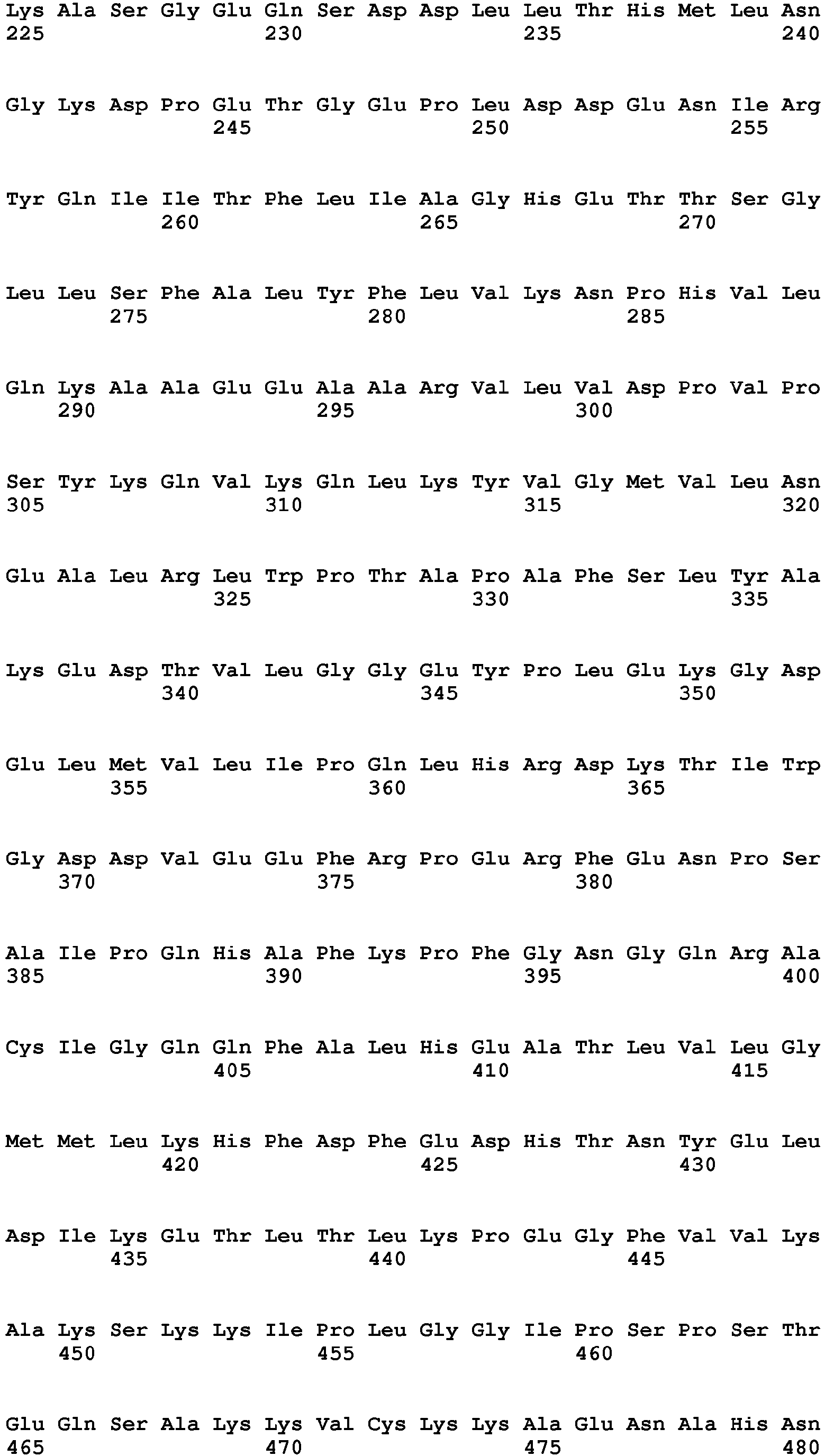


- <210> 192
<211> 1049
<212> PRT
<213> Bacillus megaterium A75G/ F88V/L189Q/A331S/R472C - <400> 192

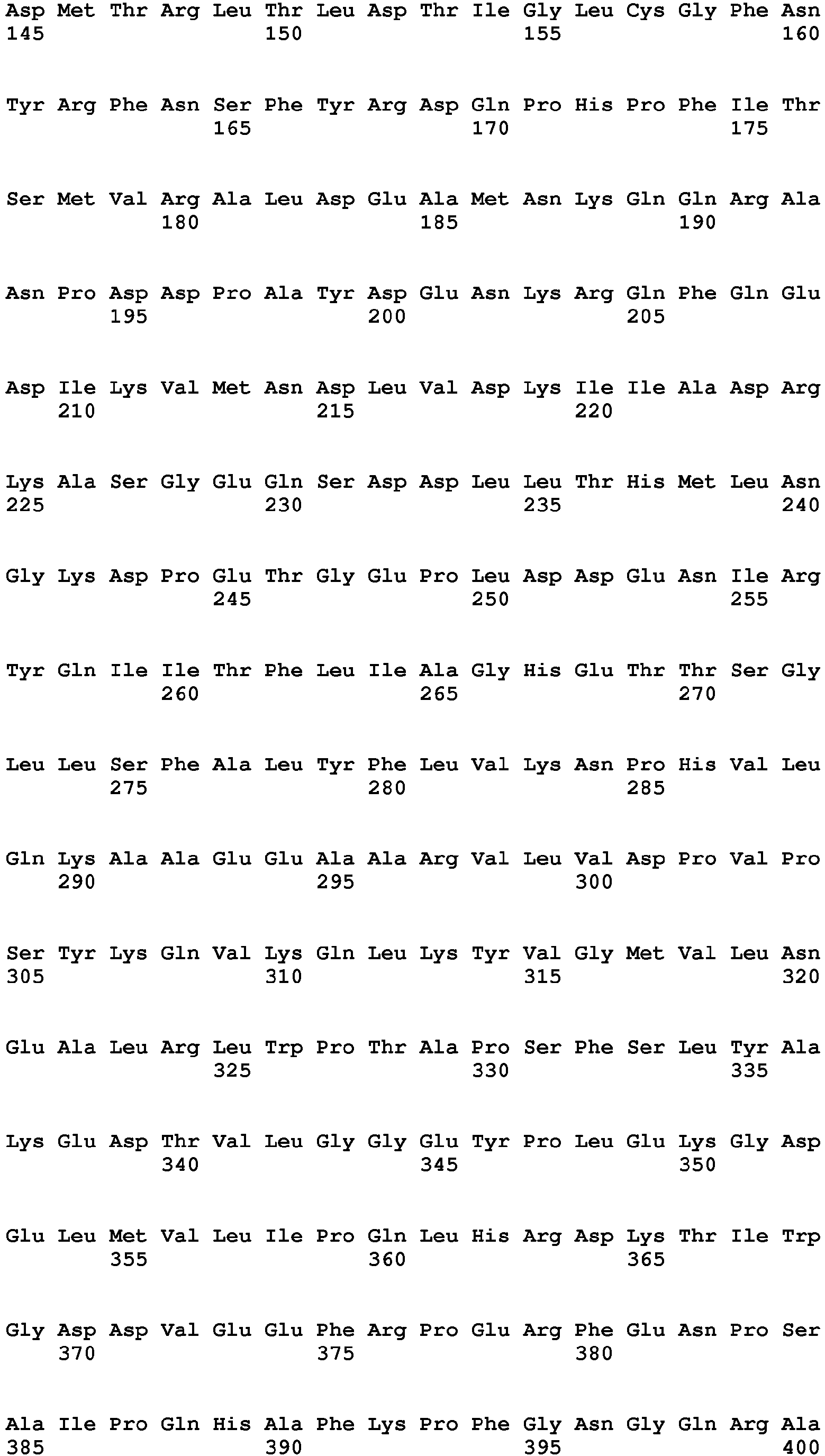


- <210> 193
<211> 1077
<212> DNA
<213> Glycine max (GmSOMT) - <400> 193


- <210> 194
<211> 663
<212> DNA
<213> Myxococcus xanthus (MxSafC) - <400> 194

- <210> 195
<211> 1107
<212> DNA
<213> Clarkia breweri (CbMOMT) - <400> 195


- <210> 196
<211> 1107
<212> DNA
<213> Clarkia breweri (CbMOMT-L322N) - <400> 196


- <210> 197
<211> 1107
<212> DNA
<213> Clarkia breweri (CbMOMT-T133S) - <400> 197

- <210> 198
<211> 358
<212> PRT
<213> Glycine max (GmSOMT) - <400> 198
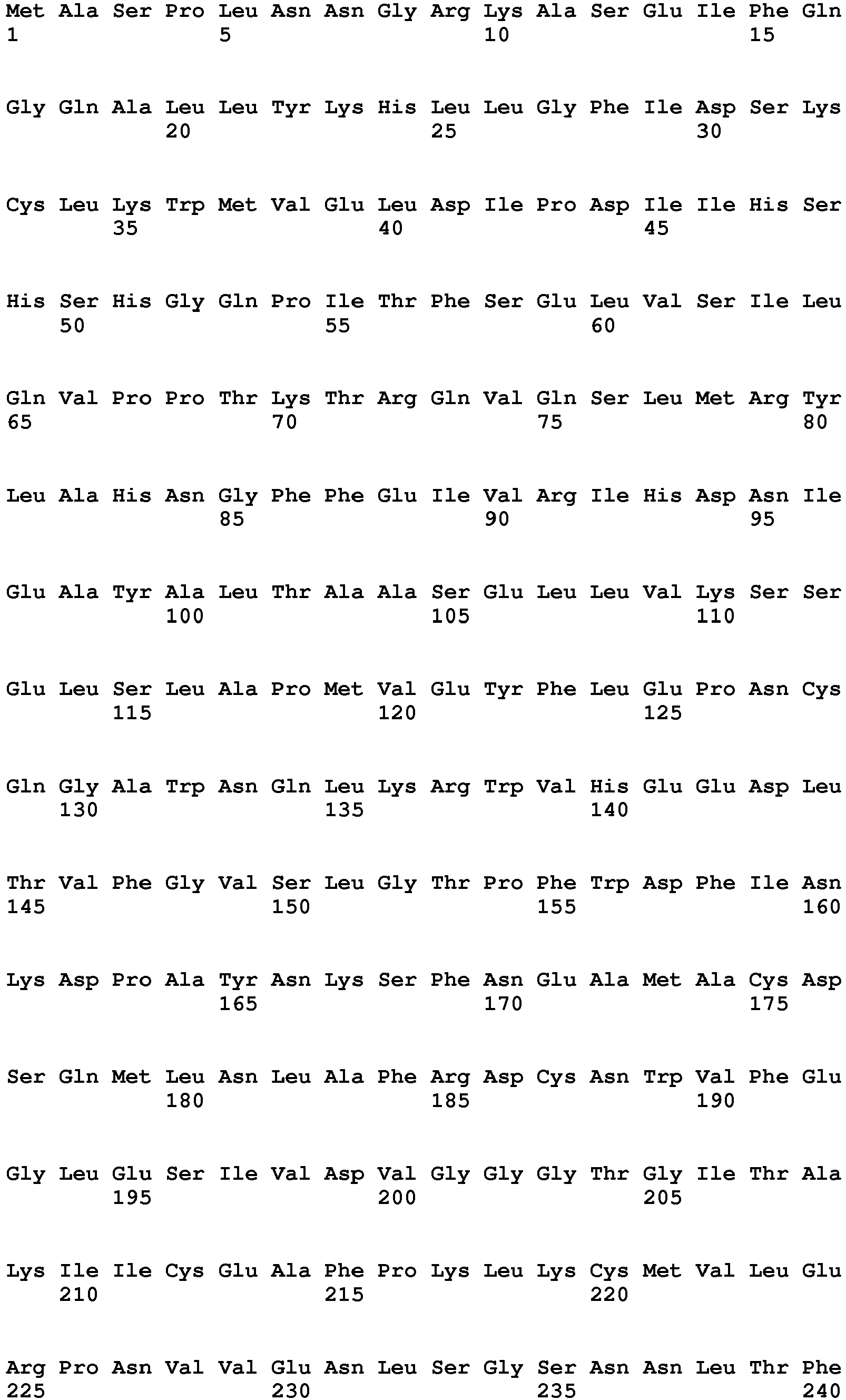

- <210> 199
<211> 220
<212> PRT
<213> Myxococcus xanthus (MxSafC) - <400> 199

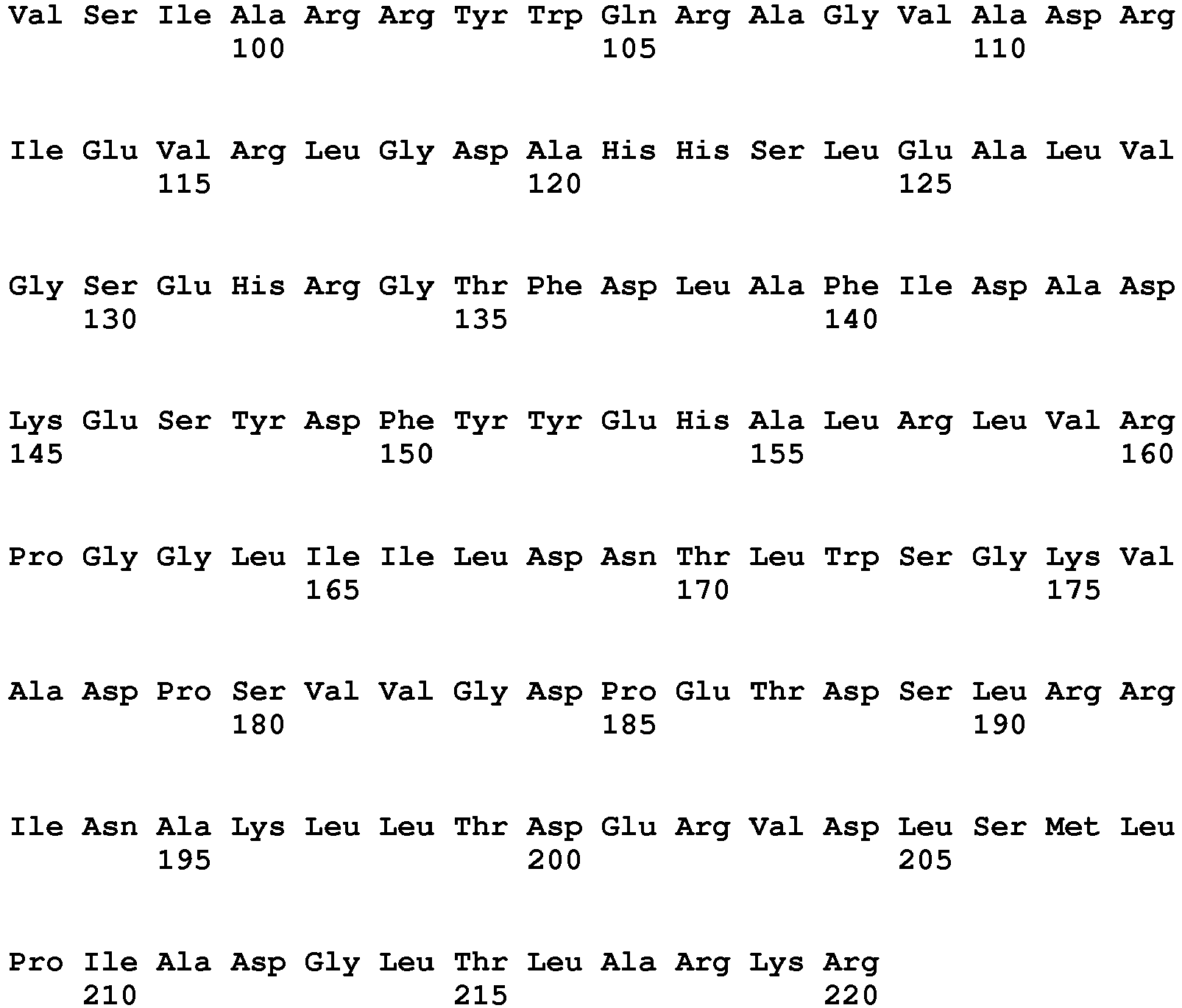
- <210> 200
<211> 368
<212> PRT
<213> Clarkia breweri (CbMOMT) - <400> 200


- <210> 201
<211> 368
<212> PRT
<213> Clarkia breweri (CbMOMT-L322N) - <400> 201


- <210> 202
<211> 368
<212> PRT
<213> Clarkia breweri (CbMOMT4-T133S) - <400> 202

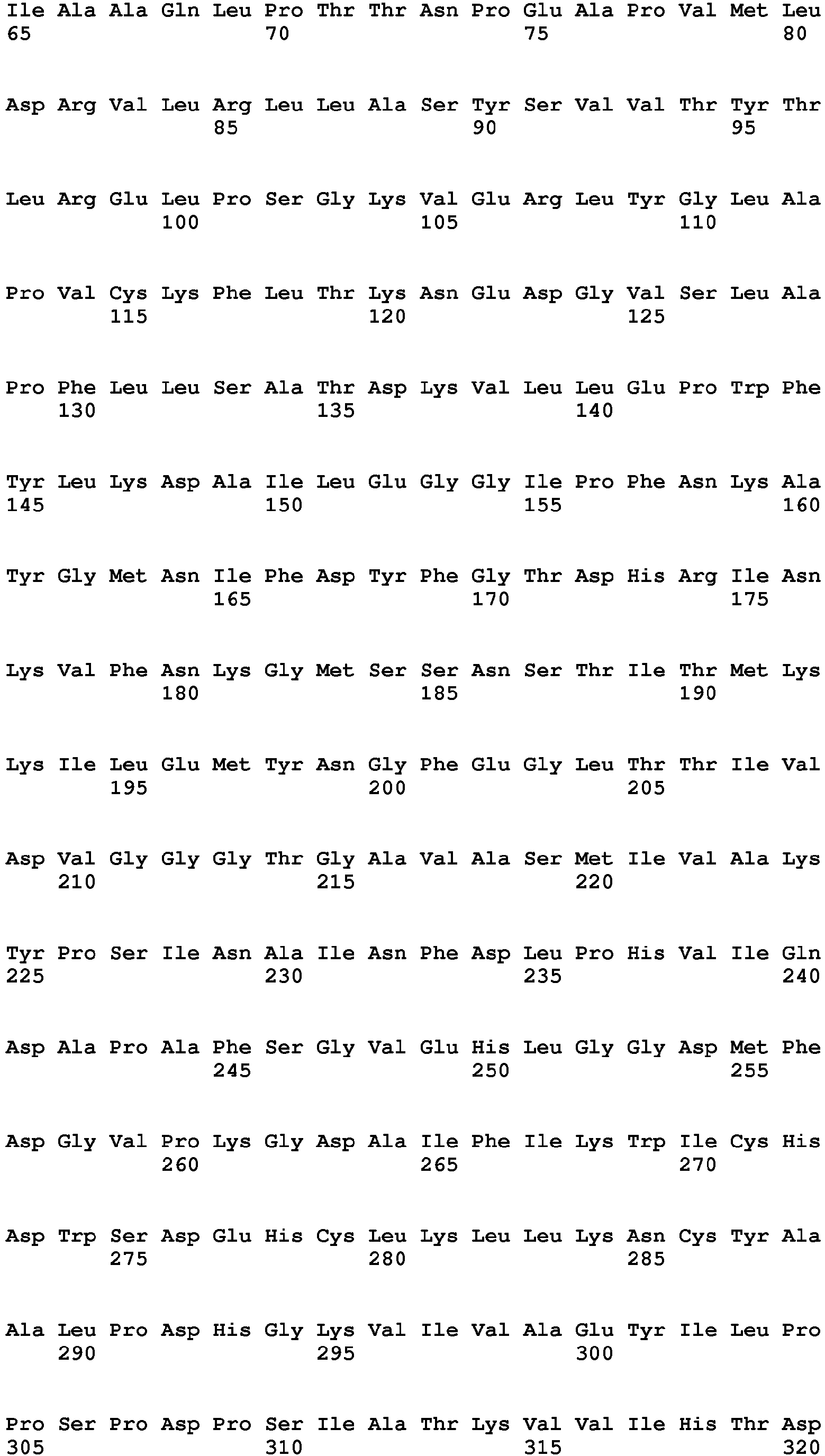

Claims (13)
- A method for catalyzing the biotechnological conversion of at least one 4-hydroxyphenyl compound for producing at least one 3,4-dihydroxyphenol compound, comprising the following steps:(i) providing at least one amino acid sequence comprising or consisting of a genetically modified Escherichia coli derived 4-hydroxyphenylacetate 3-hydroxylase or a catalytically active fragment thereof, comprising at least one mutation in its active site, wherein the active site comprises the residues 1157, M293, Y301 and S462, wherein the nomenclature refers to the respective wild-type enzyme according to SEQ ID NO:98;(ii) providing at least one 4-hydroxyphenyl compound;(iii) reacting the at least one 4-hydroxyphenyl compound and the at least one amino acid sequence comprising or consisting of the 4-hydroxyphenylacetate 3-hydroxylase or the catalytically active fragment thereof under suitable reaction conditions for allowing the hydroxylation of the at least one 4-hydroxyphenyl compound by the at least one amino acid sequence comprising or consisting of the 4-hydroxyphenylacetate 3-hydroxylase or the catalytically active fragment thereof to yield at least one 3,4-dihydroxyphenol compound; and(iv) optionally isolating and/ or purifying the resulting at least one 3,4-dihydroxyphenol compound;wherein the at least one 4-hydroxyphenyl compound is independently selected from the group consisting of naringenin, phloretin, p-coumaric acid, ferulic acid, resveratrol, p-hydroxybenzoic acid, 2-hydroxycarbazole, umbelliferone, rheosmin, or glycosides of the aforementioned molecules, including prunin, phloridzin, naringin, or narirutin.
- The method according to claim 1,wherein the method is performed as whole-cell approach, andwherein step (i) is performed as follows:(a1) providing at least one recombinant host cell comprising or consisting of the genetically modified 4-hydroxyphenylacetate 3-hydroxylase or the catalytically active fragment thereof, or comprising or consisting of at least one recombinant nucleic acid molecule encoding the genetically modified 4-hydroxyphenylacetate 3-hydroxylase or the catalytically active fragment thereof;(b1) optionally: providing at least one recombinant host cell comprising or consisting of at least one amino acid sequence comprising a cofactor recycling enzyme, or a catalytically active fragment thereof, wherein the at least one cofactor recycling enzyme is selected from the group consisting of a flavin reductase or a catalytically active fragment thereof, or at least one recombinant nucleic acid molecule encoding a flavin reductase or a catalytically active fragment thereof; and/or a formate dehydrogenase or a catalytically active fragment thereof, or at least one recombinant nucleic acid molecule encoding the at least one formate dehydrogenase or the catalytically active fragment thereof, wherein the at least one recombinant host cell according to step (a1) and (b1) is the same or are different recombinant host cell(s), and(c1) cultivating said at least one recombinant host cell under suitable reaction conditions allowing the functional expression and/or catalytic activity of the at least one genetically modified 4-hydroxyphenylacetate 3-hydroxylase and optionally also allowing the functional expression and/or catalytic activity of the at least one amino acid sequence comprising a cofactor recycling enzyme or the catalytically active fragment thereof.
- The method according to claim 1,wherein the method is performed in a cell-free in vitro system, andwherein step (i) is performed as follows:(a2) providing at least one isolated amino acid sequence comprising or consisting of a genetically modified Escherichia coli derived 4-hydroxyphenylacetate 3-hydroxylase or a catalytically active fragment thereof, comprising at least one mutation in its active site; and(b2) optionally providing at least one amino acid sequence comprising or consisting of at least one cofactor recycling enzyme, or a catalytically active fragment thereof, wherein the at least one cofactor recycling enzyme is selected from the group consisting of a flavin reductase or a catalytically active fragment thereof, and/or a formate dehydrogenase or a catalytically active fragment thereof.
- The method according to claims 1 or 3, wherein the biotechnological conversion of the at least one 4-hydroxyphenyl compound for producing at least one 3,4-dihydroxyphenol compound is performed as a continuous flow process, preferably wherein the at least one amino acid sequence or catalytically active fragment thereof is provided immobilized on a suitable carrier.
- The method according to claims 1 to 3, wherein the biotechnological conversion of the at least one 4-hydroxyphenyl compound for producing at least one 3,4-dihydroxyphenol compound is performed as a batch process.
- The method according to any one of claims 1 to 5, wherein the at least one genetically modified 4-hydroxyphenylacetate 3-hydroxylase or the catalytically active fragment thereof, or the at least one recombinant nucleic acid molecule encoding the at least one genetically modified 4-hydroxyphenylacetate 3-hydroxylase or the catalytically active fragment thereof is selected from the group consisting of SEQ ID NOs:2 to 79 and 99 to 175 or a homologous sequence having at least 66%, 67%, 68%, 69%, 70%, 71%, 72%, 73%, 74%, 75%, 76%, 77%, 78%, 79%, 80%, 81%, 82%, 83%, 84%, 85%, 86%, 87%, 88%, 89%, 90%, 91%, 92%, 93%, 94%, 95%, 96%, 97%, 98% or 99% sequence homology to said SEQ ID NOs provided that the genetic modification of the active site of the respective SEQ ID NO is still present in the homologous sequence and provided that the homologous sequence, optionally after expression, still provides 4-hydroxyphenylacetate 3-hydroxylase activity; and/or
wherein the at least one cofactor recycling enzyme, or the catalytically active fragment thereof, or the at least one recombinant nucleic acid molecule encoding the at least one cofactor recycling enzyme, or the catalytically active fragment thereof is selected from the group consisting of SEQ ID NOs:80 to 86 and 176 to 182 or a homologous sequence having at least 66%, 67%, 68%, 69%, 70%, 71%, 72%, 73%, 74%, 75%, 76%, 77%, 78%, 79%, 80%, 81%, 82%, 83%, 84%, 85%, 86%, 87%, 88%, 89%, 90%, 91%, 92%, 93%, 94%, 95%, 96%, 97%, 98% or 99% sequence homology thereto provided that the homologous sequence, optionally after expression, still provides cofactor recycling activity. - The method according to any one of claims 1 to 6, wherein the hydroxylation in step (iii) catalyzed by the at least one amino acid sequence comprising or consisting of the 4-hydroxyphenylacetate 3-hydroxylase or the catalytically active fragment thereof under suitable reaction conditions provides suitable regio- and product specificity so that essentially no further conversion of the resulting at least one 3,4-dihydroxyphenol compound is effected.
- A method for catalyzing the biotechnological conversion of at least one 4-hydroxyphenyl compound for producing at least one 3,4-dihydroxyphenol compound further methylated at the 3'and/or 4'position, comprising the following steps:(i) performing a method as defined in any one of claims 1 to 7 for providing at least one 3,4-dihydroxyphenol compound by employing a genetically modified hydroxylase or oxidase, or a catalytically active fragment thereof, wherein the hydroxylase or oxidase, or the catalytically active fragment thereof, catalyzes the hydroxylation of the at least one 4-hydroxyphenyl compound at the 3' position;(ii) providing at least one amino acid sequence comprising at least one O-methyltransferase or a catalytically active fragment thereof, or at least one recombinant nucleic acid molecule encoding the at least one O-methyltransferase or the catalytically active fragment thereof, and optionally providing a cofactor, preferably S-adenosylmethionine; and/or optionally providing a S-adenosylmethionine synthetase, or a catalytically active fragment thereof, or at least one recombinant nucleic acid molecule encoding the at least one S-adenosylmethionine synthetase or the catalytically active fragment thereof;(iii) reacting the at least one 3,4-dihydroxyphenol compound and the at least one amino acid sequence comprising the O-methyltransferase or the catalytically active fragment thereof under suitable reaction conditions for allowing the introduction of at least one methylation of the at least one 3,4-dihydroxyphenol compound by the at least one amino acid sequence comprising the O-methyltransferase or the catalytically active fragment thereof to yield at least one 3,4-dihydroxyphenol compound methylated at the 3'and/or 4'position; and(iv) optionally isolating and/ or purifying the resulting at least one 3,4-dihydroxyphenol compound methylated at the 3'and/or 4'position.
- The method according to claim 8, wherein the at least one O-methyltransferase or the catalytically active fragment thereof, or the at least one recombinant nucleic acid molecule encoding the O-methyltransferase or the catalytically active fragment thereof is selected from the group consisting of SEQ ID NOs:87 to 89 and 193 to 197 and 183 to 185 and 198 to 202 or a homologous sequence having at least 66%, 67%, 68%, 69%, 70%, 71%, 72%, 73%, 74%, 75%, 76%, 77%, 78%, 79%, 80%, 81%, 82%, 83%, 84%, 85%, 86%, 87%, 88%, 89%, 90%, 91%, 92%, 93%, 94%, 95%, 96%, 97%, 98% or 99% sequence homology to said SEQ ID NOs, provided that the respective homologous sequence still provides O-methyltransferase activity, optionally after expression; and optionally, wherein the at least one S-adenosylmethionine synthetase or the catalytically active fragment thereof, or the at least one recombinant nucleic acid molecule encoding the S-adenosylmethionine synthetase or the catalytically active fragment thereof is selected from the group consisting of SEQ ID NOs:90 to 94 and 186 to 190 or a homologous sequence having at least 66%, 67%, 68%, 69%, 70%, 71%, 72%, 73%, 74%, 75%, 76%, 77%, 78%, 79%, 80%, 81%, 82%, 83%, 84%, 85%, 86%, 87%, 88%, 89%, 90%, 91%, 92%, 93%, 94%, 95%, 96%, 97%, 98% or 99% sequence homology to said SEQ ID NOs, provided that the respective homologous sequence still provides S-adenosylmethionine synthetase activity, optionally after expression.
- A recombinant nucleic acid molecule comprising or consisting of a sequence selected from the group consisting of SEQ ID NOs:2 to 79, or a homologous sequence having at least 66%, 67%, 68%, 69%, 70%, 71%, 72%, 73%, 74%, 75%, 76%, 77%, 78%, 79%, 80%, 81%, 82%, 83%, 84%, 85%, 86%, 87%, 88%, 89%, 90%, 91%, 92%, 93%, 94%, 95%, 96%, 97%, 98% or 99% sequence homology to said SEQ ID NOs, provided that the respective homologous sequence still provides 4-hydroxyphenylacetate 3-hydroxylase or oxidase activity after expression and provided that the homologous sequence still comprises the at least one genetic modification of the active site in comparison to the respective SEQ ID NO.
- A recombinant amino acid molecule comprising or consisting of a sequence selected from the group consisting of SEQ ID NOs:99 to 175, or a homologous sequence having at least 66%, 67%, 68%, 69%, 70%, 71%, 72%, 73%, 74%, 75%, 76%, 77%, 78%, 79%, 80%, 81%, 82%, 83%, 84%, 85%, 86%, 87%, 88%, 89%, 90%, 91%, 92%, 93%, 94%, 95%, 96%, 97%, 98% or 99% sequence homology to said SEQ ID NOs, provided that the respective homologous sequence still provides 4-hydroxyphenylacetate 3-hydroxylase or oxidase activity and provided that the homologous sequence still comprises the at least one genetic modification of the active site in comparison to the respective SEQ ID NO.
- A vector system comprising or consisting of at least one vector, wherein the at least one vector comprises(i) at least one recombinant nucleic acid molecule according to claim 10; and(ii) optionally: at least one recombinant nucleic acid molecule encoding at least one cofactor recycling enzyme, or a catalytically active fragment thereof as defined in claim 6,
and/or(iii) optionally: at least one recombinant nucleic acid molecule encoding at least one O-methyltransferase or a catalytically active fragment thereof as defined in claim 8 or 9;
and/or(iv) optionally: at least one recombinant nucleic acid molecule encoding at least onewherein the at least one recombinant nucleic acid molecule according to (i) and optionally the at least one recombinant nucleic acid molecule according to (ii) and/or optionally the at least one recombinant nucleic acid molecule according to (iii) and/or (iv) are provided on the same or on different vectors.
S-adenosylmethionine synthetase or the catalytically active fragment thereof as defined in claim 8 or 9; - A recombinant host cell comprising or consisting of at least one recombinant nucleic acid molecule according to claim 10, and/or comprising or consisting of at least one recombinant amino acid according to claim 11, and/or comprising or consisting of at least one vector system according to claim 12, preferably wherein the host cell is selected from the group consisting of procaryotic cells, including Escherichia coli spp., particularly E. coli BL21, E. coli BL21(DE3) , E. coli MG1655 or E. coli W3110 and derivatives thereof, Bacillus spp., particularly Bacillus licheniformis, Bacillus subitilis or Bacillus amyloliquefaciens, and derivatives thereof, yeast cells, including Saccharomyces spp., particularly S. cerevesiae, and derivatives thereof, Hansenula or Pichia spp., particularly P. pastoris and H. polymorpha, and derivatives thereof, Kluyveromyces spp, particularly K. lactis, and derivatives thereof, fungi, including Aspergillus spp., particularly A. oryzae, A. nidulans, or A. niger, and derivatives thereof, or Trichoderma spp., particularly T. reesei oder T. harzianum, and derivatives thereof, insect cells, or mammalian cell-lines.
Priority Applications (4)
| Application Number | Priority Date | Filing Date | Title |
|---|---|---|---|
| EP15188136.4A EP3150712B1 (en) | 2015-10-02 | 2015-10-02 | Biotechnological methods for providing 3,4-dihydroxyphenyl compounds and methylated variants thereof |
| US15/764,644 US10988786B2 (en) | 2015-10-02 | 2016-09-30 | Mutant 4-hydroxyphenylacetate 3-hydroxylases and uses thereof |
| CN201680057257.8A CN108699577B (en) | 2015-10-02 | 2016-09-30 | Biotechnological process for providing 3,4-dihydroxyphenyl compounds and methylated variants thereof |
| PCT/EP2016/073456 WO2017055573A1 (en) | 2015-10-02 | 2016-09-30 | Biotechnological methods for providing 3,4-dihydroxyphenyl compounds and methylated variants thereof |
Applications Claiming Priority (1)
| Application Number | Priority Date | Filing Date | Title |
|---|---|---|---|
| EP15188136.4A EP3150712B1 (en) | 2015-10-02 | 2015-10-02 | Biotechnological methods for providing 3,4-dihydroxyphenyl compounds and methylated variants thereof |
Publications (2)
| Publication Number | Publication Date |
|---|---|
| EP3150712A1 EP3150712A1 (en) | 2017-04-05 |
| EP3150712B1 true EP3150712B1 (en) | 2021-12-01 |
Family
ID=57068103
Family Applications (1)
| Application Number | Title | Priority Date | Filing Date |
|---|---|---|---|
| EP15188136.4A Active EP3150712B1 (en) | 2015-10-02 | 2015-10-02 | Biotechnological methods for providing 3,4-dihydroxyphenyl compounds and methylated variants thereof |
Country Status (4)
| Country | Link |
|---|---|
| US (1) | US10988786B2 (en) |
| EP (1) | EP3150712B1 (en) |
| CN (1) | CN108699577B (en) |
| WO (1) | WO2017055573A1 (en) |
Families Citing this family (12)
| Publication number | Priority date | Publication date | Assignee | Title |
|---|---|---|---|---|
| US10975403B2 (en) * | 2017-08-09 | 2021-04-13 | Conagen Inc. | Biosynthesis of eriodictyol from engineered microbes |
| CN110938606B (en) * | 2018-12-24 | 2023-01-17 | 中国科学院微生物研究所 | HpaBC gene, mutant and its application |
| WO2021058115A1 (en) * | 2019-09-27 | 2021-04-01 | Symrise Ag | Methods for the biocatalytical manufacturing of dihydrochalcones |
| WO2021237681A1 (en) * | 2020-05-29 | 2021-12-02 | Rhodia Poliamida E Especialidades Sa | Chemoenzymatic degradation of epoxy resins |
| JP2023534790A (en) | 2020-07-15 | 2023-08-14 | エボニック オペレーションズ ゲーエムベーハー | A polynucleotide encoding an amino acid sequence encoding an oxidoreductase |
| CN116848256A (en) * | 2020-12-22 | 2023-10-03 | 密歇根大学董事会 | Biocatalytic platform for chemical synthesis |
| CN112858272A (en) * | 2021-01-07 | 2021-05-28 | 宁德师范学院 | Detection method of phenols |
| CN118202065A (en) * | 2021-11-15 | 2024-06-14 | 深圳华大智造科技股份有限公司 | Method for detecting DNA methylation modification in whole genome range |
| CN114350697A (en) * | 2022-02-14 | 2022-04-15 | 南京合谷生命生物科技有限公司 | Preparation method and catalytic application of strain for improving caffeic acid yield |
| CN116656641A (en) * | 2022-02-18 | 2023-08-29 | 中国科学院分子植物科学卓越创新中心 | Caffeic acid O-methyltransferase mutant and its application |
| CN116144614B (en) * | 2022-10-21 | 2024-09-27 | 浙大宁波理工学院 | 4-Hydroxyphenylacetic acid-3-hydroxylase mutant and application thereof |
| CN115838702B (en) * | 2022-10-31 | 2025-04-25 | 陕西科技大学 | A 3′-O-methyltransferase mutant and its application |
Family Cites Families (5)
| Publication number | Priority date | Publication date | Assignee | Title |
|---|---|---|---|---|
| DE10122898A1 (en) | 2001-05-11 | 2002-11-14 | Haarmann & Reimer Gmbh | Use of hydroxyflavanones to mask the bitter taste |
| CN101397549A (en) * | 2007-09-24 | 2009-04-01 | 南开大学 | Aryl hydrocarbon hydroxylase system and use |
| AU2011343222B2 (en) * | 2010-12-16 | 2016-09-29 | Pharmazell Gmbh | Novel 7B-hydroxysteroid dehydrogenase mutants and process for the preparation of ursodeoxycholic acid |
| DE102012213492A1 (en) * | 2012-07-31 | 2014-02-06 | Symrise Ag | Process for the biotechnological production of dihydrochalcones |
| US10036047B2 (en) | 2013-06-10 | 2018-07-31 | University Of Georgia Research Foundation, Inc. | Methods for hydroxylating phenylpropanoids |
-
2015
- 2015-10-02 EP EP15188136.4A patent/EP3150712B1/en active Active
-
2016
- 2016-09-30 US US15/764,644 patent/US10988786B2/en active Active
- 2016-09-30 CN CN201680057257.8A patent/CN108699577B/en active Active
- 2016-09-30 WO PCT/EP2016/073456 patent/WO2017055573A1/en not_active Ceased
Non-Patent Citations (1)
| Title |
|---|
| None * |
Also Published As
| Publication number | Publication date |
|---|---|
| US10988786B2 (en) | 2021-04-27 |
| CN108699577A (en) | 2018-10-23 |
| US20190194707A1 (en) | 2019-06-27 |
| CN108699577B (en) | 2023-02-17 |
| WO2017055573A1 (en) | 2017-04-06 |
| EP3150712A1 (en) | 2017-04-05 |
Similar Documents
| Publication | Publication Date | Title |
|---|---|---|
| US10988786B2 (en) | Mutant 4-hydroxyphenylacetate 3-hydroxylases and uses thereof | |
| Mondal et al. | Non-native site-selective enzyme catalysis | |
| US9109237B2 (en) | Method of preparing piceatannol using bacterial cytochrome P450 and composition therefor | |
| AU784049B2 (en) | Modified cytochrome P450 monooxygenases | |
| Fesko et al. | Expanding the threonine aldolase toolbox for the asymmetric synthesis of tertiary α-amino acids | |
| Louie et al. | Structure and reaction mechanism of basil eugenol synthase | |
| CN110777125B (en) | A kind of efficient preparation method of heterocyclic drug intermediate | |
| Hummel et al. | Towards a large‐scale asymmetric reduction process with isolated enzymes: Expression of an (S)‐alcohol dehydrogenase in E. coli and studies on the synthetic potential of this biocatalyst | |
| Zhang et al. | Identification of a novel ene reductase from Pichia angusta with potential application in (R)-levodione production | |
| Zhao et al. | A recombinant L-threonine aldolase with high diastereoselectivity in the synthesis of L-threo-dihydroxyphenylserine | |
| Hu et al. | Engineered ketoreductase-catalyzed stereoselective reduction of ethyl 2′-ketopantothenate and its analogues: chemoenzymatic synthesis of d-pantothenic acid | |
| WO2019140682A1 (en) | Ketoreductase mutant and application thereof | |
| EP2611912B1 (en) | Novel monooxygenase variants | |
| EP3607076A1 (en) | Regioselective hydroxylation of isophorone and further conversion to ketoisophorone | |
| Ke et al. | Functional Expression and Construction of a Self‐Sufficient Cytochrome P450 Chimera for Efficient Steroidal C14α Hydroxylation in Escherichia coli | |
| Tang et al. | Structure-guided evolution of carbonyl reductase for efficient biosynthesis of ethyl (R)-2-hydroxy-4-phenylbutyrate | |
| US10036047B2 (en) | Methods for hydroxylating phenylpropanoids | |
| CN119752868A (en) | Glycolaldehyde synthase mutant protein and its application | |
| JP2005198655A (en) | Cephalosporin C acylase | |
| EP3649246A1 (en) | Method for preparing amines from aldehydes and ketones by biocatalysis | |
| US20110045550A1 (en) | Fission Yeast Expressing Cytochrome P450 Reductase | |
| US20250027127A1 (en) | Cannabinoid production in bacteria | |
| Yu et al. | Engineering the Enantioselectivity of Yeast Old Yellow Enzyme OYE2y in Asymmetric Reduction of | |
| Renn | Engineering and Discovery of Novel Biocatalysts | |
| Ren et al. | Multi-layered engineering of Aspergillus terreus enhances biosynthesis of the plant-derived fungicide physcion |
Legal Events
| Date | Code | Title | Description |
|---|---|---|---|
| PUAI | Public reference made under article 153(3) epc to a published international application that has entered the european phase |
Free format text: ORIGINAL CODE: 0009012 |
|
| STAA | Information on the status of an ep patent application or granted ep patent |
Free format text: STATUS: THE APPLICATION HAS BEEN PUBLISHED |
|
| AK | Designated contracting states |
Kind code of ref document: A1 Designated state(s): AL AT BE BG CH CY CZ DE DK EE ES FI FR GB GR HR HU IE IS IT LI LT LU LV MC MK MT NL NO PL PT RO RS SE SI SK SM TR |
|
| AX | Request for extension of the european patent |
Extension state: BA ME |
|
| STAA | Information on the status of an ep patent application or granted ep patent |
Free format text: STATUS: REQUEST FOR EXAMINATION WAS MADE |
|
| 17P | Request for examination filed |
Effective date: 20171005 |
|
| RBV | Designated contracting states (corrected) |
Designated state(s): AL AT BE BG CH CY CZ DE DK EE ES FI FR GB GR HR HU IE IS IT LI LT LU LV MC MK MT NL NO PL PT RO RS SE SI SK SM TR |
|
| STAA | Information on the status of an ep patent application or granted ep patent |
Free format text: STATUS: EXAMINATION IS IN PROGRESS |
|
| 17Q | First examination report despatched |
Effective date: 20190710 |
|
| GRAP | Despatch of communication of intention to grant a patent |
Free format text: ORIGINAL CODE: EPIDOSNIGR1 |
|
| STAA | Information on the status of an ep patent application or granted ep patent |
Free format text: STATUS: GRANT OF PATENT IS INTENDED |
|
| INTG | Intention to grant announced |
Effective date: 20201118 |
|
| GRAJ | Information related to disapproval of communication of intention to grant by the applicant or resumption of examination proceedings by the epo deleted |
Free format text: ORIGINAL CODE: EPIDOSDIGR1 |
|
| STAA | Information on the status of an ep patent application or granted ep patent |
Free format text: STATUS: EXAMINATION IS IN PROGRESS |
|
| GRAS | Grant fee paid |
Free format text: ORIGINAL CODE: EPIDOSNIGR3 |
|
| STAA | Information on the status of an ep patent application or granted ep patent |
Free format text: STATUS: GRANT OF PATENT IS INTENDED |
|
| INTC | Intention to grant announced (deleted) | ||
| GRAP | Despatch of communication of intention to grant a patent |
Free format text: ORIGINAL CODE: EPIDOSNIGR1 |
|
| INTG | Intention to grant announced |
Effective date: 20210511 |
|
| GRAA | (expected) grant |
Free format text: ORIGINAL CODE: 0009210 |
|
| STAA | Information on the status of an ep patent application or granted ep patent |
Free format text: STATUS: THE PATENT HAS BEEN GRANTED |
|
| AK | Designated contracting states |
Kind code of ref document: B1 Designated state(s): AL AT BE BG CH CY CZ DE DK EE ES FI FR GB GR HR HU IE IS IT LI LT LU LV MC MK MT NL NO PL PT RO RS SE SI SK SM TR |
|
| REG | Reference to a national code |
Ref country code: GB Ref legal event code: FG4D |
|
| REG | Reference to a national code |
Ref country code: AT Ref legal event code: REF Ref document number: 1451797 Country of ref document: AT Kind code of ref document: T Effective date: 20211215 Ref country code: CH Ref legal event code: EP |
|
| REG | Reference to a national code |
Ref country code: DE Ref legal event code: R096 Ref document number: 602015075368 Country of ref document: DE |
|
| REG | Reference to a national code |
Ref country code: IE Ref legal event code: FG4D |
|
| REG | Reference to a national code |
Ref country code: LT Ref legal event code: MG9D |
|
| REG | Reference to a national code |
Ref country code: NL Ref legal event code: MP Effective date: 20211201 |
|
| REG | Reference to a national code |
Ref country code: AT Ref legal event code: MK05 Ref document number: 1451797 Country of ref document: AT Kind code of ref document: T Effective date: 20211201 |
|
| PG25 | Lapsed in a contracting state [announced via postgrant information from national office to epo] |
Ref country code: RS Free format text: LAPSE BECAUSE OF FAILURE TO SUBMIT A TRANSLATION OF THE DESCRIPTION OR TO PAY THE FEE WITHIN THE PRESCRIBED TIME-LIMIT Effective date: 20211201 Ref country code: LT Free format text: LAPSE BECAUSE OF FAILURE TO SUBMIT A TRANSLATION OF THE DESCRIPTION OR TO PAY THE FEE WITHIN THE PRESCRIBED TIME-LIMIT Effective date: 20211201 Ref country code: FI Free format text: LAPSE BECAUSE OF FAILURE TO SUBMIT A TRANSLATION OF THE DESCRIPTION OR TO PAY THE FEE WITHIN THE PRESCRIBED TIME-LIMIT Effective date: 20211201 Ref country code: BG Free format text: LAPSE BECAUSE OF FAILURE TO SUBMIT A TRANSLATION OF THE DESCRIPTION OR TO PAY THE FEE WITHIN THE PRESCRIBED TIME-LIMIT Effective date: 20220301 Ref country code: AT Free format text: LAPSE BECAUSE OF FAILURE TO SUBMIT A TRANSLATION OF THE DESCRIPTION OR TO PAY THE FEE WITHIN THE PRESCRIBED TIME-LIMIT Effective date: 20211201 |
|
| PG25 | Lapsed in a contracting state [announced via postgrant information from national office to epo] |
Ref country code: SE Free format text: LAPSE BECAUSE OF FAILURE TO SUBMIT A TRANSLATION OF THE DESCRIPTION OR TO PAY THE FEE WITHIN THE PRESCRIBED TIME-LIMIT Effective date: 20211201 Ref country code: PL Free format text: LAPSE BECAUSE OF FAILURE TO SUBMIT A TRANSLATION OF THE DESCRIPTION OR TO PAY THE FEE WITHIN THE PRESCRIBED TIME-LIMIT Effective date: 20211201 Ref country code: NO Free format text: LAPSE BECAUSE OF FAILURE TO SUBMIT A TRANSLATION OF THE DESCRIPTION OR TO PAY THE FEE WITHIN THE PRESCRIBED TIME-LIMIT Effective date: 20220301 Ref country code: LV Free format text: LAPSE BECAUSE OF FAILURE TO SUBMIT A TRANSLATION OF THE DESCRIPTION OR TO PAY THE FEE WITHIN THE PRESCRIBED TIME-LIMIT Effective date: 20211201 Ref country code: HR Free format text: LAPSE BECAUSE OF FAILURE TO SUBMIT A TRANSLATION OF THE DESCRIPTION OR TO PAY THE FEE WITHIN THE PRESCRIBED TIME-LIMIT Effective date: 20211201 Ref country code: GR Free format text: LAPSE BECAUSE OF FAILURE TO SUBMIT A TRANSLATION OF THE DESCRIPTION OR TO PAY THE FEE WITHIN THE PRESCRIBED TIME-LIMIT Effective date: 20220302 Ref country code: ES Free format text: LAPSE BECAUSE OF FAILURE TO SUBMIT A TRANSLATION OF THE DESCRIPTION OR TO PAY THE FEE WITHIN THE PRESCRIBED TIME-LIMIT Effective date: 20211201 |
|
| PG25 | Lapsed in a contracting state [announced via postgrant information from national office to epo] |
Ref country code: NL Free format text: LAPSE BECAUSE OF FAILURE TO SUBMIT A TRANSLATION OF THE DESCRIPTION OR TO PAY THE FEE WITHIN THE PRESCRIBED TIME-LIMIT Effective date: 20211201 |
|
| PG25 | Lapsed in a contracting state [announced via postgrant information from national office to epo] |
Ref country code: SM Free format text: LAPSE BECAUSE OF FAILURE TO SUBMIT A TRANSLATION OF THE DESCRIPTION OR TO PAY THE FEE WITHIN THE PRESCRIBED TIME-LIMIT Effective date: 20211201 Ref country code: SK Free format text: LAPSE BECAUSE OF FAILURE TO SUBMIT A TRANSLATION OF THE DESCRIPTION OR TO PAY THE FEE WITHIN THE PRESCRIBED TIME-LIMIT Effective date: 20211201 Ref country code: RO Free format text: LAPSE BECAUSE OF FAILURE TO SUBMIT A TRANSLATION OF THE DESCRIPTION OR TO PAY THE FEE WITHIN THE PRESCRIBED TIME-LIMIT Effective date: 20211201 Ref country code: PT Free format text: LAPSE BECAUSE OF FAILURE TO SUBMIT A TRANSLATION OF THE DESCRIPTION OR TO PAY THE FEE WITHIN THE PRESCRIBED TIME-LIMIT Effective date: 20220401 Ref country code: EE Free format text: LAPSE BECAUSE OF FAILURE TO SUBMIT A TRANSLATION OF THE DESCRIPTION OR TO PAY THE FEE WITHIN THE PRESCRIBED TIME-LIMIT Effective date: 20211201 Ref country code: CZ Free format text: LAPSE BECAUSE OF FAILURE TO SUBMIT A TRANSLATION OF THE DESCRIPTION OR TO PAY THE FEE WITHIN THE PRESCRIBED TIME-LIMIT Effective date: 20211201 |
|
| REG | Reference to a national code |
Ref country code: DE Ref legal event code: R097 Ref document number: 602015075368 Country of ref document: DE |
|
| PG25 | Lapsed in a contracting state [announced via postgrant information from national office to epo] |
Ref country code: IS Free format text: LAPSE BECAUSE OF FAILURE TO SUBMIT A TRANSLATION OF THE DESCRIPTION OR TO PAY THE FEE WITHIN THE PRESCRIBED TIME-LIMIT Effective date: 20220401 |
|
| PLBE | No opposition filed within time limit |
Free format text: ORIGINAL CODE: 0009261 |
|
| STAA | Information on the status of an ep patent application or granted ep patent |
Free format text: STATUS: NO OPPOSITION FILED WITHIN TIME LIMIT |
|
| PG25 | Lapsed in a contracting state [announced via postgrant information from national office to epo] |
Ref country code: DK Free format text: LAPSE BECAUSE OF FAILURE TO SUBMIT A TRANSLATION OF THE DESCRIPTION OR TO PAY THE FEE WITHIN THE PRESCRIBED TIME-LIMIT Effective date: 20211201 Ref country code: AL Free format text: LAPSE BECAUSE OF FAILURE TO SUBMIT A TRANSLATION OF THE DESCRIPTION OR TO PAY THE FEE WITHIN THE PRESCRIBED TIME-LIMIT Effective date: 20211201 |
|
| 26N | No opposition filed |
Effective date: 20220902 |
|
| PG25 | Lapsed in a contracting state [announced via postgrant information from national office to epo] |
Ref country code: SI Free format text: LAPSE BECAUSE OF FAILURE TO SUBMIT A TRANSLATION OF THE DESCRIPTION OR TO PAY THE FEE WITHIN THE PRESCRIBED TIME-LIMIT Effective date: 20211201 |
|
| PG25 | Lapsed in a contracting state [announced via postgrant information from national office to epo] |
Ref country code: MC Free format text: LAPSE BECAUSE OF FAILURE TO SUBMIT A TRANSLATION OF THE DESCRIPTION OR TO PAY THE FEE WITHIN THE PRESCRIBED TIME-LIMIT Effective date: 20211201 Ref country code: IT Free format text: LAPSE BECAUSE OF FAILURE TO SUBMIT A TRANSLATION OF THE DESCRIPTION OR TO PAY THE FEE WITHIN THE PRESCRIBED TIME-LIMIT Effective date: 20211201 |
|
| REG | Reference to a national code |
Ref country code: BE Ref legal event code: MM Effective date: 20221031 |
|
| PG25 | Lapsed in a contracting state [announced via postgrant information from national office to epo] |
Ref country code: LU Free format text: LAPSE BECAUSE OF NON-PAYMENT OF DUE FEES Effective date: 20221002 |
|
| PG25 | Lapsed in a contracting state [announced via postgrant information from national office to epo] |
Ref country code: BE Free format text: LAPSE BECAUSE OF NON-PAYMENT OF DUE FEES Effective date: 20221031 |
|
| PG25 | Lapsed in a contracting state [announced via postgrant information from national office to epo] |
Ref country code: IE Free format text: LAPSE BECAUSE OF NON-PAYMENT OF DUE FEES Effective date: 20221002 |
|
| PG25 | Lapsed in a contracting state [announced via postgrant information from national office to epo] |
Ref country code: HU Free format text: LAPSE BECAUSE OF FAILURE TO SUBMIT A TRANSLATION OF THE DESCRIPTION OR TO PAY THE FEE WITHIN THE PRESCRIBED TIME-LIMIT; INVALID AB INITIO Effective date: 20151002 |
|
| PG25 | Lapsed in a contracting state [announced via postgrant information from national office to epo] |
Ref country code: CY Free format text: LAPSE BECAUSE OF FAILURE TO SUBMIT A TRANSLATION OF THE DESCRIPTION OR TO PAY THE FEE WITHIN THE PRESCRIBED TIME-LIMIT Effective date: 20211201 |
|
| PG25 | Lapsed in a contracting state [announced via postgrant information from national office to epo] |
Ref country code: MK Free format text: LAPSE BECAUSE OF FAILURE TO SUBMIT A TRANSLATION OF THE DESCRIPTION OR TO PAY THE FEE WITHIN THE PRESCRIBED TIME-LIMIT Effective date: 20211201 |
|
| PG25 | Lapsed in a contracting state [announced via postgrant information from national office to epo] |
Ref country code: TR Free format text: LAPSE BECAUSE OF FAILURE TO SUBMIT A TRANSLATION OF THE DESCRIPTION OR TO PAY THE FEE WITHIN THE PRESCRIBED TIME-LIMIT Effective date: 20211201 |
|
| PG25 | Lapsed in a contracting state [announced via postgrant information from national office to epo] |
Ref country code: MT Free format text: LAPSE BECAUSE OF FAILURE TO SUBMIT A TRANSLATION OF THE DESCRIPTION OR TO PAY THE FEE WITHIN THE PRESCRIBED TIME-LIMIT Effective date: 20211201 |
|
| REG | Reference to a national code |
Ref country code: CH Ref legal event code: U11 Free format text: ST27 STATUS EVENT CODE: U-0-0-U10-U11 (AS PROVIDED BY THE NATIONAL OFFICE) Effective date: 20251101 |
|
| PGFP | Annual fee paid to national office [announced via postgrant information from national office to epo] |
Ref country code: DE Payment date: 20251020 Year of fee payment: 11 |
|
| PGFP | Annual fee paid to national office [announced via postgrant information from national office to epo] |
Ref country code: GB Payment date: 20251024 Year of fee payment: 11 |
|
| PGFP | Annual fee paid to national office [announced via postgrant information from national office to epo] |
Ref country code: FR Payment date: 20251022 Year of fee payment: 11 |
|
| PGFP | Annual fee paid to national office [announced via postgrant information from national office to epo] |
Ref country code: CH Payment date: 20251101 Year of fee payment: 11 |