EP3145267B1 - Dual radio access technology user equipment - Google Patents
Dual radio access technology user equipment Download PDFInfo
- Publication number
- EP3145267B1 EP3145267B1 EP16196824.3A EP16196824A EP3145267B1 EP 3145267 B1 EP3145267 B1 EP 3145267B1 EP 16196824 A EP16196824 A EP 16196824A EP 3145267 B1 EP3145267 B1 EP 3145267B1
- Authority
- EP
- European Patent Office
- Prior art keywords
- rat
- lte
- data
- processor
- tune
- Prior art date
- Legal status (The legal status is an assumption and is not a legal conclusion. Google has not performed a legal analysis and makes no representation as to the accuracy of the status listed.)
- Active
Links
Images


Classifications
-
- H—ELECTRICITY
- H04—ELECTRIC COMMUNICATION TECHNIQUE
- H04W—WIRELESS COMMUNICATION NETWORKS
- H04W72/00—Local resource management
- H04W72/12—Wireless traffic scheduling
- H04W72/1215—Wireless traffic scheduling for collaboration of different radio technologies
-
- H—ELECTRICITY
- H04—ELECTRIC COMMUNICATION TECHNIQUE
- H04J—MULTIPLEX COMMUNICATION
- H04J11/00—Orthogonal multiplex systems, e.g. using WALSH codes
- H04J11/0023—Interference mitigation or co-ordination
-
- H—ELECTRICITY
- H04—ELECTRIC COMMUNICATION TECHNIQUE
- H04W—WIRELESS COMMUNICATION NETWORKS
- H04W56/00—Synchronisation arrangements
- H04W56/001—Synchronization between nodes
- H04W56/002—Mutual synchronization
-
- H—ELECTRICITY
- H04—ELECTRIC COMMUNICATION TECHNIQUE
- H04W—WIRELESS COMMUNICATION NETWORKS
- H04W76/00—Connection management
- H04W76/20—Manipulation of established connections
- H04W76/28—Discontinuous transmission [DTX]; Discontinuous reception [DRX]
-
- H—ELECTRICITY
- H04—ELECTRIC COMMUNICATION TECHNIQUE
- H04J—MULTIPLEX COMMUNICATION
- H04J11/00—Orthogonal multiplex systems, e.g. using WALSH codes
- H04J2011/0003—Combination with other multiplexing techniques
- H04J2011/0006—Combination with other multiplexing techniques with CDM/CDMA
-
- H—ELECTRICITY
- H04—ELECTRIC COMMUNICATION TECHNIQUE
- H04L—TRANSMISSION OF DIGITAL INFORMATION, e.g. TELEGRAPHIC COMMUNICATION
- H04L27/00—Modulated-carrier systems
- H04L27/26—Systems using multi-frequency codes
- H04L27/2601—Multicarrier modulation systems
-
- H—ELECTRICITY
- H04—ELECTRIC COMMUNICATION TECHNIQUE
- H04W—WIRELESS COMMUNICATION NETWORKS
- H04W36/00—Hand-off or reselection arrangements
- H04W36/14—Reselecting a network or an air interface
- H04W36/142—Reselecting a network or an air interface over the same radio air interface technology
-
- H—ELECTRICITY
- H04—ELECTRIC COMMUNICATION TECHNIQUE
- H04W—WIRELESS COMMUNICATION NETWORKS
- H04W48/00—Access restriction; Network selection; Access point selection
- H04W48/16—Discovering, processing access restriction or access information
-
- H—ELECTRICITY
- H04—ELECTRIC COMMUNICATION TECHNIQUE
- H04W—WIRELESS COMMUNICATION NETWORKS
- H04W56/00—Synchronisation arrangements
-
- H—ELECTRICITY
- H04—ELECTRIC COMMUNICATION TECHNIQUE
- H04W—WIRELESS COMMUNICATION NETWORKS
- H04W72/00—Local resource management
- H04W72/50—Allocation or scheduling criteria for wireless resources
- H04W72/56—Allocation or scheduling criteria for wireless resources based on priority criteria
- H04W72/566—Allocation or scheduling criteria for wireless resources based on priority criteria of the information or information source or recipient
- H04W72/569—Allocation or scheduling criteria for wireless resources based on priority criteria of the information or information source or recipient of the traffic information
-
- H—ELECTRICITY
- H04—ELECTRIC COMMUNICATION TECHNIQUE
- H04W—WIRELESS COMMUNICATION NETWORKS
- H04W76/00—Connection management
- H04W76/10—Connection setup
- H04W76/15—Setup of multiple wireless link connections
- H04W76/16—Involving different core network technologies, e.g. a packet-switched [PS] bearer in combination with a circuit-switched [CS] bearer
-
- H—ELECTRICITY
- H04—ELECTRIC COMMUNICATION TECHNIQUE
- H04W—WIRELESS COMMUNICATION NETWORKS
- H04W88/00—Devices specially adapted for wireless communication networks, e.g. terminals, base stations or access point devices
- H04W88/02—Terminal devices
- H04W88/06—Terminal devices adapted for operation in multiple networks or having at least two operational modes, e.g. multi-mode terminals
-
- H—ELECTRICITY
- H04—ELECTRIC COMMUNICATION TECHNIQUE
- H04W—WIRELESS COMMUNICATION NETWORKS
- H04W88/00—Devices specially adapted for wireless communication networks, e.g. terminals, base stations or access point devices
- H04W88/16—Gateway arrangements
Definitions
- aspects of the present disclosure relate generally to wireless communication systems, and more particularly to voice/data hybrid mode within a user equipment (UE).
- UE user equipment
- Wireless communication systems are widely deployed to provide various telecommunication services such as telephony, video, data, messaging, and broadcasts.
- Typical wireless communication systems may employ multiple-access technologies capable of supporting communication with multiple users by sharing available system resources (e.g., bandwidth, transmit power).
- multiple-access technologies include code division multiple access (CDMA) systems, time division multiple access (TDMA) systems, frequency division multiple access (FDMA) systems, orthogonal frequency division multiple access (OFDMA) systems, single-carrier frequency divisional multiple access (SC-FDMA) systems, and time division synchronous code division multiple access (TD-SCDMA) systems.
- CDMA code division multiple access
- TDMA time division multiple access
- FDMA frequency division multiple access
- OFDMA orthogonal frequency division multiple access
- SC-FDMA single-carrier frequency divisional multiple access
- TD-SCDMA time division synchronous code division multiple access
- LTE Long Term Evolution
- UMTS Universal Mobile Telecommunications System
- LTE technology is designed to better support mobile broadband Internet access by improving spectral efficiency, lower costs, improve services, make use of new spectrum, and better integrate with other open standards using OFDMA on the downlink (DL), SC-FDMA on the uplink (UL), and multiple-input multiple-output (MIMO) antenna technology.
- OFDMA on the downlink
- SC-FDMA on the uplink
- MIMO multiple-input multiple-output
- LTE technology Preferably, these improvements should be applicable to other multi-access technologies and the telecommunication standards that employ these technologies.
- Research and development continue to advance LTE technology not only to meet the growing demand for mobile broadband access, but to advance and enhance the user experience with mobile communications.
- a UE may use more than one radio access technology, as described, for example, in EP 2 107 732 A1 .
- a method for a voice/data hybrid mode within a UE includes adaptively performing a first radio access technology (RAT) scan between a second radio access technology (RAT) activity in response to an out of service (OoS) event.
- RAT radio access technology
- OoS out of service
- a receive chain is shared between a first RAT modem and a second RAT modem of the UE.
- a computer program product for a single radio UE includes a non-transitory computer-readable medium having program code recorded thereon.
- the computer program product has program code to adaptively perform a first radio access technology (RAT) scan between a second radio access technology (RAT) activity in response to an out of service (OoS) event.
- RAT radio access technology
- OoS out of service
- a receive chain is shared between a first RAT modem and a second RAT modem of the UE.
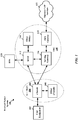
- the UE 102 may also be referred to by those skilled in the art as a mobile station, a subscriber station, a mobile unit, a subscriber unit, a wireless unit, a remote unit, a mobile device, a wireless device, a wireless communications device, a remote device, a mobile subscriber station, an access terminal, a mobile terminal, a wireless terminal, a remote terminal, a handset, a user agent, a mobile client, a client, or some other suitable terminology.
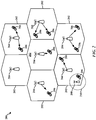
- the eNodeBs 204 are responsible for all radio related functions including radio bearer control, admission control, mobility control, scheduling, security, and connectivity to the serving gateway 116.
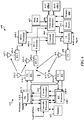
- FIGURE 6 is a block diagram of an eNodeB 610 in communication with a UE 650 in an access network.
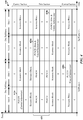
- a controller/processor 620 implements the functionality of the L2 layer.
- the controller/processor 620 provides header compression, ciphering, packet segmentation and reordering, multiplexing between logical and transport channels, and radio resource allocations to the UE 650 based on various priority metrics.
- the controller/processor 620 is also responsible for HARQ operations, retransmission of lost packets, and signaling to the UE 650.
- Simultaneous voice and LTE is the current de facto standard for voice delivery when LTE is an overlay to a CDMA2000 (1x) network.
- voice service is deployed as a 1x service that runs in parallel with LTE data services.
- a handset runs two radios simultaneously to implement SVLTE communication.
- C2K (CDMA2000) operators that are planning on releasing a multimode LTE/C2K handset. These include options that involve network support and/or upgrades including: (1) voice over IP over LTE (VoLTE) and (2) 1x Circuit Switched Fallback (1xCSFB); and options that specify reduced or no network support including: (1) dual receiver 1xCSFB and (2) SVLTE.
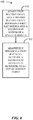
- FIGURE 7 illustrates a method 700 for a voice/data (e.g., 1x/LTE) hybrid mode operation according to an aspect of the present disclosure.
- a primary (first) receive chain and a diversity (second) receive chain are shared between an LTE modem and a 1x modem of a UE.
- the UE 650 includes a first RAT 690-1 (e.g., an LTE modem) and a second RAT 690-2 (e.g., a 1x modem) that share a single receive path.
- a first RAT 690-1 e.g., an LTE modem
- a second RAT 690-2 e.g., a 1x modem
- a first receiver 654-1 RX-1 has a first antenna 652-1 and a second receiver 654-2 RX-2 has a second antenna 652-2 that are shared between the first RAT 690-1 and the second RAT 690-2 of the UE 650.
- the sharing of the primary (e.g., the first receiver 654-1 RX-1, the first antenna 652-1, and the first RX-1 processor 660-1) and diversity (second receiver 654-2 RX-2, the second antenna 652-1, and the second RX-2 processor 660-2) receive chains of the UE 650 prohibits camping on both an LTE network and a 1x network.
- 1x pages and LTE pages may collide during operation of the UE 650.
- a tune-away from LTE to listen for 1x pages or perform other like 1x activity is referred to as a "1x tune-away.”
- the 1x tune-away results from sharing of the primary and diversity receive chains to provide a voice/data hybrid mode.
- the first RAT 690-1 and the second RAT 690-2 adaptively share the primary and diversity receive chains to enable reception of LTE data and 1x voice calls.
- GCF Global Certification Forum
- the UE 650 adaptively performs the LTE suspend request according to a predetermined priority of the detected LTE activity and a 1x tune-away.
- a 1x tune-way for a mobile or UE terminated activity e.g., incoming activity
- the detected LTE activity may be awarded priority over a mobile or UE originated activity (e.g., an outgoing activity).
- the LTE suspend request is received to enable a 1x tune-away.
- the UE may distinguish between a LTE suspend request for a mobile originated 1x activity versus a LTE suspend request for mobile terminated page reception. If the suspend request is for mobile originated activity, then the UE can take a longer time to respond to the suspend request if it is in the middle of an important LTE activity. On the other hand, the UE will be more stringent about delaying a suspend request for a mobile terminated page reception.
- This aspect of the disclosure adaptively honors LTE suspend requests according to the importance of the LTE activity, such that predetermined LTE activities take priority over a 1x tune-away. For example, delaying a mobile originated activity by a few seconds slightly degrades the user experience.
- the LTE suspend request indicates whether the request is for a mobile originated or a mobile terminated (MT) activity. For a mobile originated activity, delaying the honoring of an LTE suspend request is more likely so that the LTE activity may complete. Conversely, for mobile terminated activities, the LTE suspend request is delayed only for the higher priority LTE activities.
- the voice/data hybrid mode enables a single receive chain in an LTE connected mode while performing 1x paging requests.
- the UE 650 may temporarily operate as a single output device. That is, the UE 650 informs the network that it is temporarily operating as a single output device, such that the UE has access to a single receive chain.
- the UE 650 operates at a reduced rate without completely shutting down LTE, while being able to perform the 1x paging requests. For example, during an LTE traffic mode, the UE 650 reduces a rank to one (1), thereby allowing an LTE call (with a single receive chain) simultaneous with 1x page monitoring (using the other receive chain).
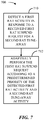
- FIGURE 8 illustrates a method 800 for voice/data hybrid mode within a UE 650 according to an aspect of the present disclosure.
- This aspect of the disclosure modifies the behavior of 1x out-of-service (OoS) behavior by executing full scans repeatedly, while accounting for back-offs.
- the current behavior is to scan for available 1x systems for 15 minutes continuously with a subsequent telescopic backoff for scans.
- the system selection scans prevent situations where the LTE system acquisition (during RLF (radio link failure), OoS scan, etc.) does not interfere with a 1x paging wakeup.
- a first receive chain and a second receive chain are shared between a first RAT modem and a second RAT modem of a UE.
- a first radio access technology (RAT) scan is adaptively performed between a second radio access technology (RAT) activity in response to an out of service (OoS) event.
- RAT radio access technology
- 1x scans are adaptively performed in between LTE activity when 1x is out of coverage.
- LTE system acquisition is performed in an adaptive manner for managing interference with 1x paging wakeup events or other like 1x tune-away activity when LTE is out of coverage.
- the voice/data hybrid mode may enable a connection to both an LTE network and a CDMA2000 network, while maintaining registration and overhead information on both types of networks concurrently.
- the UE 650 does not have a signaling mechanism for communicating with the LTE network to indicate the honoring of an LTE suspension request to tune-away for responding to a 1x paging request.
- a eNB scheduler may implement mechanisms to throttle back downlink assignments if a UE goes into a temporary outage when responding to a 1x paging request. During the outage, the eNB will not read the uplink LTE control channels carrying channel quality indicator (CQI) and/or ACK/NAK (acknowledgement/negative acknowledgement) information. For example, the scheduler may have a control loop that applies an offset to the CQI based scheduling determined by the history of ACK/NACKs received. If a number of subsequent NACKs are received (as would be the case during suspend), the scheduler would apply a negative offset (delta) to the CQI, and schedule the UE with smaller packet sizes than suggested by the UE reported CQI.
- CQI channel quality indicator
- ACK/NAK acknowledgement/negative acknowledgement
- the UE could have a mechanism that compares the scheduled packet size with the expected packet size, in accordance with the reported CQI. If the actual packet size is much smaller than expected, the UE can apply a corresponding positive offset to the reported CQI. That is, the UE reports a CQI and the eNB schedules a data rate based on the CQI. Honoring of LTE suspend requests causes a large number of packet drops. Dropping the scheduling rate due to reduced CQI reporting also leads to packet loss. Therefore, the eNB gradually drops the data rate based on the dropped/lost packets. After the tune-away, the data rate is gradually increased, which leads to an insufficient data rate.
- the measurement gap is either not scheduled or is aborted. Also, the measurement report is not reported to the network. Reporting of incorrect measurement reports to the network is avoided. That is, the periodic measurement may be incorrect because the UE may be tuned away for 1x tune-away activity.
- the UE ignores a RLC (radio link controller) reset in the uplink (UL) if the RLC is due to a tune-away.
- RLC radio link controller
- a higher priority may be awarded to LTE when approaching a maximum number of RLC resets. That is, if the maximum number of RLC resets is near, then the tune-away will not occur.
- RLC resets that are due to 1x tune-away are ignored so that the uplink connection is not released. That is, a 1x tune-away is not performed once the UE begins approaching the maximum RLC reset amount to avoid a loss of the LTE connection.
- Flow control applications may also be adjusted to accommodate for the 1x tune-away (e.g., for voice calls).
- the UE may support domain availability notification to help the network start routing SMS messages over 1x if reducing SMS interruption is important. Movement of the SMS domain over 1x may also result in having to perform IMS re-registration upon returning to LTE. This is designed based on inputs from the operator on their SMS sequential retry logic. In this configuration, when the UE tunes-away to LTE to receive pages, the SMS domain is maintained over IMS for a certain duration to prevent a change in the SMS domain during short outages.
- applications are throttled during the transitions from LTE for 1x monitoring to enable the voice/data hybrid mode. Throttling of applications may cause buffer overflows at the application/HLOS (high level operating system). Application throttling may prevent technology change notifications from being posted to the application when the UE has transitioned to 1x for periodic monitoring and during voice calls. Application flow control may be performed to avoid indicating to the applications that a 1x tune-away is being performed for ensuring that an IP context is saved. Otherwise, the IP context is torn down by the application if communication of the 1x tune-away is not blocked from the application.
- HLOS high level operating system
- the UE predicts when a suspend/tune-away is going to happen. During the predicted suspend/tune-away, the UE does not engage in activities on the LTE side that cannot be completed prior to the predicted suspend/tune-away. Based on the UE knowledge of a 1x tune-away, the 1x tune-away is rescheduled to avoid overlap with an LTE activity (e.g., an LTE tracking area update) that cannot be completed if the 1x tune-away is performed. The 1x tune-way is rescheduled to reduce the probability of overlap.
- the receive window for a TCP transmission control protocol
- the transmit rate may be reduced or transmission may be halted during the 1x tune-away.
- the voice/data hybrid mode may occasionally miss a 1x paging slot. In the event that a page is missed, this configuration relies on the retries from the 1x side. As indicated above, certain high priority LTE activities are awarded priority over 1x tune-aways. In this configuration, after a suspend to read a 1x page is overruled by a higher priority LTE activity, it should be ensured that on the next paging occasion, reading of the 1x page takes priority. To ensure that the probability of missing two consecutive pages is low, in this configuration, the priority is reversed (e.g., the 1x tune-away trumps the LTE priority) so that two consecutive paging requests are not missed.
- the priority is reversed (e.g., the 1x tune-away trumps the LTE priority) so that two consecutive paging requests are not missed.
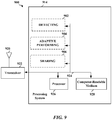
- FIGURE 9 is a diagram illustrating an example of a hardware implementation for an apparatus 900 employing a voice data hybrid mode according to one aspect of the present disclosure.
- the voice/data hybrid mode system 914 may be implemented with a bus architecture, represented generally by a bus 924.
- the bus 924 may include any number of interconnecting buses and bridges depending on the specific application of the voice/data hybrid mode system 914 and the overall design constraints.
- the bus 924 links together various circuits including one or more processors and/or hardware modules, represented by a processor 926, a detecting module 902, an adaptive performing module 904, a sharing module 906, and a computer-readable medium 928.
- the bus 924 may also link various other circuits such as timing sources, peripherals, voltage regulators, and power management circuits, which are well known in the art, and therefore, will not be described any further.
- the apparatus includes the voice/data hybrid mode system 914 coupled to a transceiver 922.
- the transceiver 922 is coupled to one or more antennas 920.
- the transceiver 922 provides a means for communicating with various other apparatus over a transmission medium.
- the voice/data hybrid mode system 914 includes the processor 926 coupled to the computer-readable medium 928.
- the processor 926 is responsible for general processing, including the execution of software stored on the computer-readable medium 928.
- the software when executed by the processor 926, causes the voice/data hybrid mode system 914 to perform the various functions described supra for any particular apparatus.
- the computer-readable medium 928 may also be used for storing data that is manipulated by the processor 926 when executing software.
- the voice/data hybrid mode system 914 further includes the detecting module 902 for detecting a first radio access technology (RAT) activity in response to a received first RAT suspend request for a second RAT tune-away.
- the system 914 also includes the adaptive performing module 904 for adaptively performing the first RAT suspend request according to a predetermined priority of the detected first RAT activity and a second RAT tune-away activity.
- the system 914 also has the sharing module 906 for sharing a first receive chain and a second receive chain between a first RAT modem and a second RAT modem.
- the detecting module 902, the adaptive performing module 904, and the sharing module may be software modules running in the processor 926, resident/stored in the computer-readable medium 928, one or more hardware modules coupled to the processor 926, or some combination thereof.
- the voice/data hybrid mode system 914 may be a component of the UE 650.
- the apparatus 900 for wireless communication includes means for detecting and means for adaptively performing.
- the means may be the detecting module 902, the adaptive performing module 904 and/or the voice/data hybrid mode system 914 of the apparatus 900 configured to perform the functions recited by the detecting means and the adaptive performing means.
- the detecting means may be the controller/processor 680 and/or memory 682 configured to perform the functions recited by the detecting means.
- the adaptive performing means may be the controller/processor 680 and/or memory 682 configured to perform the functions recited by the adaptive performing means.
- the sharing means may be the controller/processor 680 and/or memory 682, the first RX-1 processors 660-1, the second RX-2 processor 660-2, the transmit TX processor 670, and/or the first receiver 654-1 RX-1, and/or the second receiver 654-2 RX-2 configured to perform the functions recited by the sharing means.
- the aforementioned means may be any module or any apparatus configured to perform the functions recited by the aforementioned means.
- DSP digital signal processor
- ASIC application specific integrated circuit
- FPGA field programmable gate array
- a general-purpose processor may be a microprocessor, but in the alternative, the processor may be any conventional processor, controller, microcontroller, or state machine.
- a processor may also be implemented as a combination of computing devices, e.g., a combination of a DSP and a microprocessor, a plurality of microprocessors, one or more microprocessors in conjunction with a DSP core, or any other such configuration.
- a software module may reside in RAM memory, flash memory, ROM memory, EPROM memory, EEPROM memory, registers, hard disk, a removable disk, a CD-ROM, or any other form of storage medium known in the art.
- An exemplary storage medium is coupled to the processor such that the processor can read information from, and write information to, the storage medium.
- the storage medium may be integral to the processor.
- the processor and the storage medium may reside in an ASIC.
- the ASIC may reside in a user terminal.
- the processor and the storage medium may reside as discrete components in a user terminal.
- the functions described may be implemented in hardware, software, firmware, or any combination thereof. If implemented in software, the functions may be stored on or transmitted over as one or more instructions or code on a computer-readable medium.
- Computer-readable media includes both computer storage media and communication media including any medium that facilitates transfer of a computer program from one place to another.
- a storage media may be any available media that can be accessed by a general purpose or special purpose computer.
- such computer-readable media can comprise RAM, ROM, EEPROM, CD-ROM or other optical disk storage, magnetic disk storage or other magnetic storage devices, or any other medium that can be used to carry or store desired program code means in the form of instructions or data structures and that can be accessed by a general-purpose or special-purpose computer, or a general-purpose or special-purpose processor. Also, any connection is properly termed a computer-readable medium.
- Disk and disc includes compact disc (CD), laser disc, optical disc, digital versatile disc (DVD), floppy disk and Blu-ray disc where disks usually reproduce data magnetically, while discs reproduce data optically with lasers. Combinations of the above should also be included within the scope of computer-readable media.
Landscapes
- Engineering & Computer Science (AREA)
- Computer Networks & Wireless Communication (AREA)
- Signal Processing (AREA)
- Mobile Radio Communication Systems (AREA)
Applications Claiming Priority (4)
| Application Number | Priority Date | Filing Date | Title |
|---|---|---|---|
| US201261594998P | 2012-02-03 | 2012-02-03 | |
| US13/756,133 US9370043B2 (en) | 2012-02-03 | 2013-01-31 | Voice/data hybrid mode |
| EP13707074.4A EP2810516B1 (en) | 2012-02-03 | 2013-02-01 | Dual radio access technology user equipment |
| PCT/US2013/024345 WO2013116650A1 (en) | 2012-02-03 | 2013-02-01 | Voice/data hybrid mode |
Related Parent Applications (2)
| Application Number | Title | Priority Date | Filing Date |
|---|---|---|---|
| EP13707074.4A Division EP2810516B1 (en) | 2012-02-03 | 2013-02-01 | Dual radio access technology user equipment |
| EP13707074.4A Division-Into EP2810516B1 (en) | 2012-02-03 | 2013-02-01 | Dual radio access technology user equipment |
Publications (2)
| Publication Number | Publication Date |
|---|---|
| EP3145267A1 EP3145267A1 (en) | 2017-03-22 |
| EP3145267B1 true EP3145267B1 (en) | 2019-10-30 |
Family
ID=48902800
Family Applications (2)
| Application Number | Title | Priority Date | Filing Date |
|---|---|---|---|
| EP16196824.3A Active EP3145267B1 (en) | 2012-02-03 | 2013-02-01 | Dual radio access technology user equipment |
| EP13707074.4A Active EP2810516B1 (en) | 2012-02-03 | 2013-02-01 | Dual radio access technology user equipment |
Family Applications After (1)
| Application Number | Title | Priority Date | Filing Date |
|---|---|---|---|
| EP13707074.4A Active EP2810516B1 (en) | 2012-02-03 | 2013-02-01 | Dual radio access technology user equipment |
Country Status (6)
| Country | Link |
|---|---|
| US (2) | US9370043B2 (OSRAM) |
| EP (2) | EP3145267B1 (OSRAM) |
| JP (1) | JP6104942B2 (OSRAM) |
| KR (1) | KR101728453B1 (OSRAM) |
| CN (1) | CN104081861A (OSRAM) |
| WO (1) | WO2013116650A1 (OSRAM) |
Families Citing this family (33)
| Publication number | Priority date | Publication date | Assignee | Title |
|---|---|---|---|---|
| US20130272121A1 (en) * | 2012-04-17 | 2013-10-17 | Cygnus Broadband, Inc. | Systems and methods for application-aware admission control in a communication network |
| US9084287B2 (en) * | 2012-02-08 | 2015-07-14 | Qualcomm Incorporated | Dual domain camping with a single radio UE |
| US8693561B2 (en) * | 2012-03-16 | 2014-04-08 | Posedge Inc. | Receive signal detection of multi-carrier signals |
| US9019843B2 (en) * | 2012-09-13 | 2015-04-28 | International Business Machines Corporation | Utilizing stored data to reduce packet data loss in a mobile data network with data breakout at the edge |
| US8879506B1 (en) * | 2012-10-29 | 2014-11-04 | Sprint Spectrum L.P. | Method and apparatus for dynamically scheduled tuneaway |
| US9692550B2 (en) | 2012-11-29 | 2017-06-27 | Huawei Technologies Co., Ltd. | Systems and methods for waveform selection and adaptation |
| US10154540B2 (en) * | 2013-03-29 | 2018-12-11 | Intel Corporation | LTE-1x hybrid device and system |
| KR102157853B1 (ko) * | 2014-01-28 | 2020-09-21 | 삼성전자주식회사 | 다수의 통신방식을 지원하는 무선통신 환경에서 네트워크 검색을 위한 방법 및 전자장치 |
| KR102155754B1 (ko) * | 2014-02-10 | 2020-09-14 | 삼성전자 주식회사 | 단말 능력 및 가입자 정보에 따른 네트워크 접속 제어 방법 및 그 장치 |
| US9380643B2 (en) * | 2014-02-14 | 2016-06-28 | Apple Inc. | Uplink behavior for a device using multiple radio access technologies |
| US9247578B2 (en) * | 2014-03-06 | 2016-01-26 | Apple Inc. | While performing measurement for a first RAT performing tune away operations for a second RAT |
| CN111432492B (zh) * | 2014-05-20 | 2023-08-01 | 索尼公司 | 无线通信系统中的电子设备、方法和计算机可读存储介质 |
| US9554360B2 (en) | 2014-06-06 | 2017-01-24 | Qualcomm Incorporated | Apparatus and method for improving data throughput of a tune-away operation in a wireless communication system |
| US9131429B1 (en) | 2014-06-30 | 2015-09-08 | Qualcomm Incorporated | Tune-away blocking during a VoLTE call on DSDS mobile device |
| WO2016011661A1 (en) * | 2014-07-25 | 2016-01-28 | Qualcomm Incorporated | Method to optimize lte data performance through fast or quick scheduling request approach for single radio hybrid tune away devices |
| US10917222B2 (en) * | 2014-09-30 | 2021-02-09 | Apple Inc. | Simultaneous operation of multiple time division duplex links using a single transceiver |
| US9999024B2 (en) | 2015-01-08 | 2018-06-12 | Qualcomm Incorporated | Evolved multimedia broadcast multicast service (eMBMS) streaming loss control in a radio sharing concurrent radio access technology (RAT) capable mobile device |
| US9516665B2 (en) * | 2015-02-03 | 2016-12-06 | Qualcomm Incorporated | RAT selection based on application preference |
| BR112017021893A2 (pt) * | 2015-04-14 | 2018-07-10 | Qualcomm Inc | equipamento e método para controlar operação de dessintonização |
| US20170086100A1 (en) * | 2015-09-23 | 2017-03-23 | Qualcomm Incorporated | Managing Tune-Away Performance During An Ongoing Voice Communication Session |
| US9854601B2 (en) * | 2015-12-04 | 2017-12-26 | Qualcomm Incorporated | Deliberating retransmissions to avoid new hybrid automatic repeat requests (HARQ) |
| US9986479B2 (en) * | 2016-03-01 | 2018-05-29 | Qualcomm Incorporated | Carrier prioritization for tune-away |
| US10129806B2 (en) | 2016-03-10 | 2018-11-13 | At&T Mobility Ii Llc | Method to assign IP traffic to desired network elements based on packet or service type |
| WO2017177452A1 (zh) * | 2016-04-15 | 2017-10-19 | 华为技术有限公司 | VoLTE通信方法、设备以及系统 |
| US10045259B2 (en) | 2016-04-29 | 2018-08-07 | Apple Inc. | Call setup techniques using WLAN radio and shared cellular radio |
| US10863472B2 (en) * | 2017-09-07 | 2020-12-08 | Htc Corporation | Method and device of communicating with a LTE network and a NR network |
| US10231282B1 (en) * | 2017-09-13 | 2019-03-12 | Qualcomm, Incorporated | Techniques and apparatuses for tune-away management |
| WO2019061429A1 (zh) * | 2017-09-30 | 2019-04-04 | 深圳市云中飞网络科技有限公司 | 一种csfb的回落结果检测方法及装置、计算机存储介质 |
| KR102423049B1 (ko) * | 2018-02-23 | 2022-07-21 | 삼성전자주식회사 | 안테나 튜닝(tuning)을 수행하는 전자 장치 및 그 방법 |
| US10912054B2 (en) | 2018-06-29 | 2021-02-02 | Apple Inc. | 5G new radio de-registration procedures |
| CN111801964B (zh) * | 2018-07-13 | 2021-12-31 | 华为技术有限公司 | 一种无线通信方法及装置 |
| WO2021044932A1 (ja) * | 2019-09-04 | 2021-03-11 | 三菱電機株式会社 | 通信システム、通信端末およびネットワーク |
| US11844013B1 (en) | 2021-05-04 | 2023-12-12 | T-Mobile Usa, Inc. | Radio access technology prioritization |
Family Cites Families (37)
| Publication number | Priority date | Publication date | Assignee | Title |
|---|---|---|---|---|
| EP1467584A1 (en) | 2003-04-11 | 2004-10-13 | Telefonaktiebolaget LM Ericsson (publ) | Method and apparatus for wireless intersystem handover |
| US7133646B1 (en) * | 2003-12-29 | 2006-11-07 | Miao George J | Multimode and multiband MIMO transceiver of W-CDMA, WLAN and UWB communications |
| GB0408417D0 (en) | 2004-04-15 | 2004-05-19 | Koninkl Philips Electronics Nv | Wireless network |
| US7864659B2 (en) * | 2004-08-02 | 2011-01-04 | Interdigital Technology Corporation | Quality control scheme for multiple-input multiple-output (MIMO) orthogonal frequency division multiplexing (OFDM) systems |
| US7738882B2 (en) * | 2005-06-13 | 2010-06-15 | Toshiba America Research, Inc. | Framework of media-independent pre-authentication improvements: including considerations for failed switching and switchback |
| US8068835B2 (en) | 2005-10-27 | 2011-11-29 | Qualcomm Incorporated | Tune-away and cross paging systems and methods |
| US9247467B2 (en) | 2005-10-27 | 2016-01-26 | Qualcomm Incorporated | Resource allocation during tune-away |
| US8073436B2 (en) * | 2006-01-31 | 2011-12-06 | Toshiba America Research, Inc. | Applications and/or situation responsive utilization of silent periods |
| EP2092771B1 (en) * | 2006-10-25 | 2018-06-27 | QUALCOMM Incorporated | Uniform out-of-service search for wireless communication systems |
| US8498639B2 (en) * | 2007-02-09 | 2013-07-30 | Qualcomm Incorporated | Flexible channel quality indicator reporting |
| US20080261628A1 (en) * | 2007-04-19 | 2008-10-23 | Motorola, Inc. | Inter-system paging control |
| US9913206B2 (en) * | 2008-03-21 | 2018-03-06 | Interdigital Patent Holdings, Inc. | Method and apparatus for searching for closed subscriber group cells |
| EP2107732A1 (en) * | 2008-04-01 | 2009-10-07 | Sequans Communications | Method and system for radio access technology monitoring in a wireless communications system |
| US20100034126A1 (en) | 2008-08-08 | 2010-02-11 | Qualcomm Incorporated | Method and apparatus for handling measurement gaps in wireless networks |
| JP5374144B2 (ja) * | 2008-12-25 | 2013-12-25 | 京セラ株式会社 | 無線通信装置及び無線通信装置の制御方法 |
| JP5069674B2 (ja) * | 2008-12-25 | 2012-11-07 | 京セラ株式会社 | 無線通信装置及び無線通信装置の制御方法 |
| KR20100080740A (ko) * | 2009-01-02 | 2010-07-12 | 엘지전자 주식회사 | 무선통신 시스템에서 펨토 기지국의 운영방법 |
| US8218466B2 (en) * | 2009-03-17 | 2012-07-10 | Qualcomm Incorporated | Methods and apparatus for changing paging parameters in a communication system |
| US9955452B2 (en) * | 2009-04-10 | 2018-04-24 | Qualcomm Incorporated | Dynamically adjusting paging cycles of a network at an access terminal based on service availability of another network within a wireless communication system |
| CA2759677A1 (en) | 2009-04-21 | 2010-10-28 | Research In Motion Limited | Methods and apparatus to suspend packet switched services |
| US20100284333A1 (en) | 2009-05-08 | 2010-11-11 | Qualcomm Incorporated | Method and apparatus for data session suspend control in a wireless communication system |
| CN102204378A (zh) * | 2009-11-03 | 2011-09-28 | 高通股份有限公司 | 用于在td-scdma多模终端中调度寻呼监视区间的方法和装置 |
| US20110317635A1 (en) * | 2009-12-18 | 2011-12-29 | Qualcomm Incorporated | Apparatus and method for receiving cell system information during autonomous gaps |
| US20110207491A1 (en) | 2010-02-19 | 2011-08-25 | Arvind Swaminathan | Apparatus for and Method of Improving Multi-RAT Out-of-Service Performance |
| US20110217969A1 (en) * | 2010-03-05 | 2011-09-08 | Qualcomm, Incorporated | Devices with multiple subscriptions that utilize a single baseband-radio frequency resource chain |
| US9848405B2 (en) | 2010-06-21 | 2017-12-19 | Clearwire Ip Holdings L.L.C. | System and method for paging cycle management in a wireless network |
| CN101977420B (zh) * | 2010-07-23 | 2013-10-02 | 展讯通信(上海)有限公司 | 找网与业务冲突的解决方法及多卡多待手机 |
| US8842535B2 (en) * | 2010-08-03 | 2014-09-23 | Apple Inc. | Method and apparatus for radio link control during network congestion in a mobile wireless device |
| CN102480337B (zh) | 2010-11-30 | 2016-04-13 | 国际商业机器公司 | 无线电软件系统以及用于其的解码装置和方法 |
| US9973942B2 (en) * | 2011-05-20 | 2018-05-15 | Apple Inc. | Apparatus and methods for client server interaction in hybrid network environments |
| US8688160B2 (en) * | 2011-05-02 | 2014-04-01 | Apple Inc. | Single-radio device supporting coexistence between multiple radio access technologies |
| US8725145B2 (en) | 2011-01-25 | 2014-05-13 | Qualcomm Incorporated | Mobile device requests of non-communication time periods to a wireless communication network |
| US9167549B2 (en) * | 2011-02-21 | 2015-10-20 | Lg Electronics Inc. | Method and apparatus for location update in a wireless communication system |
| US8811922B2 (en) * | 2011-04-18 | 2014-08-19 | Apple Inc. | LTE/1X dual-standby with single-chip radio |
| US9077490B2 (en) * | 2011-08-19 | 2015-07-07 | Intel Mobile Communications GmbH | Method and device for transmitting a channel quality information |
| US8515489B2 (en) * | 2011-08-29 | 2013-08-20 | Mediatek Inc. | Methods for scheduling radio activities for multiple radio access technologie modules in a communications apparatus and communications apparatuses utilizing the same |
| US8548510B2 (en) * | 2011-12-29 | 2013-10-01 | Blackberry Limited | Method and apparatus for receiving messages under first and second network coverage |
-
2013
- 2013-01-31 US US13/756,133 patent/US9370043B2/en active Active
- 2013-02-01 JP JP2014555754A patent/JP6104942B2/ja not_active Expired - Fee Related
- 2013-02-01 EP EP16196824.3A patent/EP3145267B1/en active Active
- 2013-02-01 CN CN201380007673.3A patent/CN104081861A/zh active Pending
- 2013-02-01 WO PCT/US2013/024345 patent/WO2013116650A1/en not_active Ceased
- 2013-02-01 KR KR1020147024511A patent/KR101728453B1/ko not_active Expired - Fee Related
- 2013-02-01 EP EP13707074.4A patent/EP2810516B1/en active Active
-
2016
- 2016-05-09 US US15/150,348 patent/US20160255557A1/en not_active Abandoned
Non-Patent Citations (1)
| Title |
|---|
| None * |
Also Published As
| Publication number | Publication date |
|---|---|
| EP3145267A1 (en) | 2017-03-22 |
| KR20140122744A (ko) | 2014-10-20 |
| EP2810516A1 (en) | 2014-12-10 |
| US20160255557A1 (en) | 2016-09-01 |
| WO2013116650A1 (en) | 2013-08-08 |
| CN104081861A (zh) | 2014-10-01 |
| US9370043B2 (en) | 2016-06-14 |
| JP2015507438A (ja) | 2015-03-05 |
| KR101728453B1 (ko) | 2017-04-19 |
| US20130201850A1 (en) | 2013-08-08 |
| JP6104942B2 (ja) | 2017-03-29 |
| EP2810516B1 (en) | 2017-01-04 |
Similar Documents
| Publication | Publication Date | Title |
|---|---|---|
| EP3145267B1 (en) | Dual radio access technology user equipment | |
| EP2848069B1 (en) | Mechanism to improve dynamic sharing of receive chain(s) among radio access technologies | |
| KR102104143B1 (ko) | 단일 무선 ue 와의 이중 도메인 캠핑 | |
| EP3130098B1 (en) | Methods and apparatus for sending fast negative acknowledgements (nacks) | |
| US10021711B2 (en) | Methods and apparatus for reducing resource contention | |
| US9743459B2 (en) | Long term evolution (LTE) connected discontinuous reception (CDRX) for single-radio hybrid tune away devices | |
| EP3078143B1 (en) | Delaying radio link control retransmissions | |
| JP2017521966A (ja) | 単一無線ハイブリッドチューンアウェイデバイスのための高速または迅速スケジューリング要求手法を通してlteデータパフォーマンスを最適化するための方法 | |
| US20170150548A1 (en) | Techniques for carrier deactivation in wireless communications | |
| US9143977B2 (en) | Background traffic handling in LTE | |
| US9307452B2 (en) | Method and apparatus for decreasing LTE re-acquisition delay in S102-less CSFB | |
| EP3202168B1 (en) | Techniques for optimizing http implementation as a transport protocol for epc-level proximity services (prose) discovery |
Legal Events
| Date | Code | Title | Description |
|---|---|---|---|
| PUAI | Public reference made under article 153(3) epc to a published international application that has entered the european phase |
Free format text: ORIGINAL CODE: 0009012 |
|
| STAA | Information on the status of an ep patent application or granted ep patent |
Free format text: STATUS: REQUEST FOR EXAMINATION WAS MADE |
|
| 17P | Request for examination filed |
Effective date: 20161102 |
|
| AC | Divisional application: reference to earlier application |
Ref document number: 2810516 Country of ref document: EP Kind code of ref document: P |
|
| AK | Designated contracting states |
Kind code of ref document: A1 Designated state(s): AL AT BE BG CH CY CZ DE DK EE ES FI FR GB GR HR HU IE IS IT LI LT LU LV MC MK MT NL NO PL PT RO RS SE SI SK SM TR |
|
| STAA | Information on the status of an ep patent application or granted ep patent |
Free format text: STATUS: EXAMINATION IS IN PROGRESS |
|
| 17Q | First examination report despatched |
Effective date: 20180328 |
|
| GRAP | Despatch of communication of intention to grant a patent |
Free format text: ORIGINAL CODE: EPIDOSNIGR1 |
|
| STAA | Information on the status of an ep patent application or granted ep patent |
Free format text: STATUS: GRANT OF PATENT IS INTENDED |
|
| RIC1 | Information provided on ipc code assigned before grant |
Ipc: H04W 72/12 20090101AFI20190516BHEP Ipc: H04W 76/28 20180101ALI20190516BHEP Ipc: H04W 48/16 20090101ALN20190516BHEP Ipc: H04W 76/16 20180101ALN20190516BHEP Ipc: H04L 27/26 20060101ALN20190516BHEP Ipc: H04W 88/06 20090101ALN20190516BHEP |
|
| INTG | Intention to grant announced |
Effective date: 20190614 |
|
| GRAS | Grant fee paid |
Free format text: ORIGINAL CODE: EPIDOSNIGR3 |
|
| GRAA | (expected) grant |
Free format text: ORIGINAL CODE: 0009210 |
|
| STAA | Information on the status of an ep patent application or granted ep patent |
Free format text: STATUS: THE PATENT HAS BEEN GRANTED |
|
| AC | Divisional application: reference to earlier application |
Ref document number: 2810516 Country of ref document: EP Kind code of ref document: P |
|
| AK | Designated contracting states |
Kind code of ref document: B1 Designated state(s): AL AT BE BG CH CY CZ DE DK EE ES FI FR GB GR HR HU IE IS IT LI LT LU LV MC MK MT NL NO PL PT RO RS SE SI SK SM TR |
|
| REG | Reference to a national code |
Ref country code: GB Ref legal event code: FG4D |
|
| REG | Reference to a national code |
Ref country code: CH Ref legal event code: EP |
|
| REG | Reference to a national code |
Ref country code: DE Ref legal event code: R096 Ref document number: 602013062401 Country of ref document: DE |
|
| REG | Reference to a national code |
Ref country code: AT Ref legal event code: REF Ref document number: 1197483 Country of ref document: AT Kind code of ref document: T Effective date: 20191115 |
|
| REG | Reference to a national code |
Ref country code: IE Ref legal event code: FG4D |
|
| REG | Reference to a national code |
Ref country code: LT Ref legal event code: MG4D |
|
| PG25 | Lapsed in a contracting state [announced via postgrant information from national office to epo] |
Ref country code: FI Free format text: LAPSE BECAUSE OF FAILURE TO SUBMIT A TRANSLATION OF THE DESCRIPTION OR TO PAY THE FEE WITHIN THE PRESCRIBED TIME-LIMIT Effective date: 20191030 Ref country code: BG Free format text: LAPSE BECAUSE OF FAILURE TO SUBMIT A TRANSLATION OF THE DESCRIPTION OR TO PAY THE FEE WITHIN THE PRESCRIBED TIME-LIMIT Effective date: 20200130 Ref country code: PT Free format text: LAPSE BECAUSE OF FAILURE TO SUBMIT A TRANSLATION OF THE DESCRIPTION OR TO PAY THE FEE WITHIN THE PRESCRIBED TIME-LIMIT Effective date: 20200302 Ref country code: NL Free format text: LAPSE BECAUSE OF FAILURE TO SUBMIT A TRANSLATION OF THE DESCRIPTION OR TO PAY THE FEE WITHIN THE PRESCRIBED TIME-LIMIT Effective date: 20191030 Ref country code: SE Free format text: LAPSE BECAUSE OF FAILURE TO SUBMIT A TRANSLATION OF THE DESCRIPTION OR TO PAY THE FEE WITHIN THE PRESCRIBED TIME-LIMIT Effective date: 20191030 Ref country code: LV Free format text: LAPSE BECAUSE OF FAILURE TO SUBMIT A TRANSLATION OF THE DESCRIPTION OR TO PAY THE FEE WITHIN THE PRESCRIBED TIME-LIMIT Effective date: 20191030 Ref country code: LT Free format text: LAPSE BECAUSE OF FAILURE TO SUBMIT A TRANSLATION OF THE DESCRIPTION OR TO PAY THE FEE WITHIN THE PRESCRIBED TIME-LIMIT Effective date: 20191030 Ref country code: NO Free format text: LAPSE BECAUSE OF FAILURE TO SUBMIT A TRANSLATION OF THE DESCRIPTION OR TO PAY THE FEE WITHIN THE PRESCRIBED TIME-LIMIT Effective date: 20200130 Ref country code: PL Free format text: LAPSE BECAUSE OF FAILURE TO SUBMIT A TRANSLATION OF THE DESCRIPTION OR TO PAY THE FEE WITHIN THE PRESCRIBED TIME-LIMIT Effective date: 20191030 Ref country code: GR Free format text: LAPSE BECAUSE OF FAILURE TO SUBMIT A TRANSLATION OF THE DESCRIPTION OR TO PAY THE FEE WITHIN THE PRESCRIBED TIME-LIMIT Effective date: 20200131 |
|
| REG | Reference to a national code |
Ref country code: NL Ref legal event code: MP Effective date: 20191030 |
|
| PG25 | Lapsed in a contracting state [announced via postgrant information from national office to epo] |
Ref country code: HR Free format text: LAPSE BECAUSE OF FAILURE TO SUBMIT A TRANSLATION OF THE DESCRIPTION OR TO PAY THE FEE WITHIN THE PRESCRIBED TIME-LIMIT Effective date: 20191030 Ref country code: RS Free format text: LAPSE BECAUSE OF FAILURE TO SUBMIT A TRANSLATION OF THE DESCRIPTION OR TO PAY THE FEE WITHIN THE PRESCRIBED TIME-LIMIT Effective date: 20191030 Ref country code: IS Free format text: LAPSE BECAUSE OF FAILURE TO SUBMIT A TRANSLATION OF THE DESCRIPTION OR TO PAY THE FEE WITHIN THE PRESCRIBED TIME-LIMIT Effective date: 20200229 |
|
| PG25 | Lapsed in a contracting state [announced via postgrant information from national office to epo] |
Ref country code: AL Free format text: LAPSE BECAUSE OF FAILURE TO SUBMIT A TRANSLATION OF THE DESCRIPTION OR TO PAY THE FEE WITHIN THE PRESCRIBED TIME-LIMIT Effective date: 20191030 |
|
| PG25 | Lapsed in a contracting state [announced via postgrant information from national office to epo] |
Ref country code: DK Free format text: LAPSE BECAUSE OF FAILURE TO SUBMIT A TRANSLATION OF THE DESCRIPTION OR TO PAY THE FEE WITHIN THE PRESCRIBED TIME-LIMIT Effective date: 20191030 Ref country code: EE Free format text: LAPSE BECAUSE OF FAILURE TO SUBMIT A TRANSLATION OF THE DESCRIPTION OR TO PAY THE FEE WITHIN THE PRESCRIBED TIME-LIMIT Effective date: 20191030 Ref country code: ES Free format text: LAPSE BECAUSE OF FAILURE TO SUBMIT A TRANSLATION OF THE DESCRIPTION OR TO PAY THE FEE WITHIN THE PRESCRIBED TIME-LIMIT Effective date: 20191030 Ref country code: CZ Free format text: LAPSE BECAUSE OF FAILURE TO SUBMIT A TRANSLATION OF THE DESCRIPTION OR TO PAY THE FEE WITHIN THE PRESCRIBED TIME-LIMIT Effective date: 20191030 Ref country code: RO Free format text: LAPSE BECAUSE OF FAILURE TO SUBMIT A TRANSLATION OF THE DESCRIPTION OR TO PAY THE FEE WITHIN THE PRESCRIBED TIME-LIMIT Effective date: 20191030 |
|
| REG | Reference to a national code |
Ref country code: DE Ref legal event code: R097 Ref document number: 602013062401 Country of ref document: DE |
|
| REG | Reference to a national code |
Ref country code: AT Ref legal event code: MK05 Ref document number: 1197483 Country of ref document: AT Kind code of ref document: T Effective date: 20191030 |
|
| PG25 | Lapsed in a contracting state [announced via postgrant information from national office to epo] |
Ref country code: IT Free format text: LAPSE BECAUSE OF FAILURE TO SUBMIT A TRANSLATION OF THE DESCRIPTION OR TO PAY THE FEE WITHIN THE PRESCRIBED TIME-LIMIT Effective date: 20191030 Ref country code: SK Free format text: LAPSE BECAUSE OF FAILURE TO SUBMIT A TRANSLATION OF THE DESCRIPTION OR TO PAY THE FEE WITHIN THE PRESCRIBED TIME-LIMIT Effective date: 20191030 Ref country code: SM Free format text: LAPSE BECAUSE OF FAILURE TO SUBMIT A TRANSLATION OF THE DESCRIPTION OR TO PAY THE FEE WITHIN THE PRESCRIBED TIME-LIMIT Effective date: 20191030 |
|
| PLBE | No opposition filed within time limit |
Free format text: ORIGINAL CODE: 0009261 |
|
| STAA | Information on the status of an ep patent application or granted ep patent |
Free format text: STATUS: NO OPPOSITION FILED WITHIN TIME LIMIT |
|
| REG | Reference to a national code |
Ref country code: CH Ref legal event code: PL |
|
| 26N | No opposition filed |
Effective date: 20200731 |
|
| REG | Reference to a national code |
Ref country code: BE Ref legal event code: MM Effective date: 20200229 |
|
| PG25 | Lapsed in a contracting state [announced via postgrant information from national office to epo] |
Ref country code: LU Free format text: LAPSE BECAUSE OF NON-PAYMENT OF DUE FEES Effective date: 20200201 Ref country code: MC Free format text: LAPSE BECAUSE OF FAILURE TO SUBMIT A TRANSLATION OF THE DESCRIPTION OR TO PAY THE FEE WITHIN THE PRESCRIBED TIME-LIMIT Effective date: 20191030 |
|
| PG25 | Lapsed in a contracting state [announced via postgrant information from national office to epo] |
Ref country code: SI Free format text: LAPSE BECAUSE OF FAILURE TO SUBMIT A TRANSLATION OF THE DESCRIPTION OR TO PAY THE FEE WITHIN THE PRESCRIBED TIME-LIMIT Effective date: 20191030 Ref country code: AT Free format text: LAPSE BECAUSE OF FAILURE TO SUBMIT A TRANSLATION OF THE DESCRIPTION OR TO PAY THE FEE WITHIN THE PRESCRIBED TIME-LIMIT Effective date: 20191030 Ref country code: CH Free format text: LAPSE BECAUSE OF NON-PAYMENT OF DUE FEES Effective date: 20200229 Ref country code: LI Free format text: LAPSE BECAUSE OF NON-PAYMENT OF DUE FEES Effective date: 20200229 |
|
| PG25 | Lapsed in a contracting state [announced via postgrant information from national office to epo] |
Ref country code: IE Free format text: LAPSE BECAUSE OF NON-PAYMENT OF DUE FEES Effective date: 20200201 |
|
| PG25 | Lapsed in a contracting state [announced via postgrant information from national office to epo] |
Ref country code: BE Free format text: LAPSE BECAUSE OF NON-PAYMENT OF DUE FEES Effective date: 20200229 |
|
| PG25 | Lapsed in a contracting state [announced via postgrant information from national office to epo] |
Ref country code: TR Free format text: LAPSE BECAUSE OF FAILURE TO SUBMIT A TRANSLATION OF THE DESCRIPTION OR TO PAY THE FEE WITHIN THE PRESCRIBED TIME-LIMIT Effective date: 20191030 Ref country code: MT Free format text: LAPSE BECAUSE OF FAILURE TO SUBMIT A TRANSLATION OF THE DESCRIPTION OR TO PAY THE FEE WITHIN THE PRESCRIBED TIME-LIMIT Effective date: 20191030 Ref country code: CY Free format text: LAPSE BECAUSE OF FAILURE TO SUBMIT A TRANSLATION OF THE DESCRIPTION OR TO PAY THE FEE WITHIN THE PRESCRIBED TIME-LIMIT Effective date: 20191030 |
|
| PG25 | Lapsed in a contracting state [announced via postgrant information from national office to epo] |
Ref country code: MK Free format text: LAPSE BECAUSE OF FAILURE TO SUBMIT A TRANSLATION OF THE DESCRIPTION OR TO PAY THE FEE WITHIN THE PRESCRIBED TIME-LIMIT Effective date: 20191030 |
|
| PGFP | Annual fee paid to national office [announced via postgrant information from national office to epo] |
Ref country code: DE Payment date: 20240109 Year of fee payment: 12 Ref country code: GB Payment date: 20240111 Year of fee payment: 12 |
|
| PGFP | Annual fee paid to national office [announced via postgrant information from national office to epo] |
Ref country code: FR Payment date: 20240108 Year of fee payment: 12 |
|
| REG | Reference to a national code |
Ref country code: DE Ref legal event code: R119 Ref document number: 602013062401 Country of ref document: DE |
|
| GBPC | Gb: european patent ceased through non-payment of renewal fee |
Effective date: 20250201 |