EP3140977B1 - Dynamic activation of user profiles based on biometric identification - Google Patents
Dynamic activation of user profiles based on biometric identification Download PDFInfo
- Publication number
- EP3140977B1 EP3140977B1 EP15724837.8A EP15724837A EP3140977B1 EP 3140977 B1 EP3140977 B1 EP 3140977B1 EP 15724837 A EP15724837 A EP 15724837A EP 3140977 B1 EP3140977 B1 EP 3140977B1
- Authority
- EP
- European Patent Office
- Prior art keywords
- biometric information
- user
- user profile
- stored
- detected
- Prior art date
- Legal status (The legal status is an assumption and is not a legal conclusion. Google has not performed a legal analysis and makes no representation as to the accuracy of the status listed.)
- Active
Links
Images

Classifications
-
- G—PHYSICS
- G06—COMPUTING OR CALCULATING; COUNTING
- G06F—ELECTRIC DIGITAL DATA PROCESSING
- G06F21/00—Security arrangements for protecting computers, components thereof, programs or data against unauthorised activity
- G06F21/30—Authentication, i.e. establishing the identity or authorisation of security principals
- G06F21/31—User authentication
- G06F21/32—User authentication using biometric data, e.g. fingerprints, iris scans or voiceprints
-
- G—PHYSICS
- G06—COMPUTING OR CALCULATING; COUNTING
- G06F—ELECTRIC DIGITAL DATA PROCESSING
- G06F21/00—Security arrangements for protecting computers, components thereof, programs or data against unauthorised activity
- G06F21/30—Authentication, i.e. establishing the identity or authorisation of security principals
- G06F21/45—Structures or tools for the administration of authentication
-
- H—ELECTRICITY
- H04—ELECTRIC COMMUNICATION TECHNIQUE
- H04L—TRANSMISSION OF DIGITAL INFORMATION, e.g. TELEGRAPHIC COMMUNICATION
- H04L63/00—Network architectures or network communication protocols for network security
- H04L63/08—Network architectures or network communication protocols for network security for authentication of entities
- H04L63/0861—Network architectures or network communication protocols for network security for authentication of entities using biometrical features, e.g. fingerprint, retina-scan
-
- H—ELECTRICITY
- H04—ELECTRIC COMMUNICATION TECHNIQUE
- H04W—WIRELESS COMMUNICATION NETWORKS
- H04W12/00—Security arrangements; Authentication; Protecting privacy or anonymity
- H04W12/06—Authentication
-
- H—ELECTRICITY
- H04—ELECTRIC COMMUNICATION TECHNIQUE
- H04W—WIRELESS COMMUNICATION NETWORKS
- H04W12/00—Security arrangements; Authentication; Protecting privacy or anonymity
- H04W12/06—Authentication
- H04W12/065—Continuous authentication
-
- H—ELECTRICITY
- H04—ELECTRIC COMMUNICATION TECHNIQUE
- H04W—WIRELESS COMMUNICATION NETWORKS
- H04W12/00—Security arrangements; Authentication; Protecting privacy or anonymity
- H04W12/60—Context-dependent security
- H04W12/68—Gesture-dependent or behaviour-dependent
Definitions
- the present disclosure relates generally to user devices, and more particularly, to dynamic activation of user profiles based on biometric identification of users.
- a person may want to make only certain information and device functionality available, while keeping other information private and functions restricted, when sharing his user device with one group of users versus another group of users.
- a person may define a number of different user profiles, each of which grants certain access rights and allows certain functions to be performed. For example, a person may have one user profile accessible by himself only and one or more other user profiles accessible to others with whom he may share his user device.
- US 8,325,995 B1 relates to automated authentication of a user on to a computer.
- US 2012/0331566 A1 relates to a computer implemented method, system, and computer program product for capturing and manipulating content using biometric data.
- US 2012/0047574 A1 relates to a terminal to recognize input signals of multiple users to control the terminal.
- EP 2 541 452 A1 relates to an authentication method for ensuring continuous security of a device.
- the apparatus may be a user device.
- the apparatus may detect biometric information for a predetermined period of time.
- the predetermined period of time may be set by a hysteresis timer.
- the apparatus may compare the detected biometric information with stored biometric information associated with a stored user profile of a plurality of user profiles.
- the apparatus may then determine whether to display the stored user profile based on the comparison after the predetermined period of time has elapsed.
- processors include microprocessors, microcontrollers, digital signal processors (DSPs), field programmable gate arrays (FPGAs), programmable logic devices (PLDs), state machines, gated logic, discrete hardware circuits, and other suitable hardware configured to perform the various functionality described throughout this disclosure.
- DSPs digital signal processors
- FPGAs field programmable gate arrays
- PLDs programmable logic devices
- state machines gated logic, discrete hardware circuits, and other suitable hardware configured to perform the various functionality described throughout this disclosure.
- One or more processors in the processing system may execute software.
- Software shall be construed broadly to mean instructions, instruction sets, code, code segments, program code, programs, subprograms, software modules, applications, software applications, software packages, routines, subroutines, objects, executables, threads of execution, procedures, functions, etc., whether referred to as software, firmware, middleware, microcode, hardware description language, or otherwise.
- the functions described may be implemented in hardware, software, firmware, or any combination thereof. If implemented in software, the functions may be stored on or encoded as one or more instructions or code on a computer-readable medium.
- Computer-readable media includes computer storage media. Storage media may be any available media that can be accessed by a computer.
- such computer-readable media can comprise a random-access memory (RAM), a read-only memory (ROM), an electrically erasable programmable ROM (EEPROM), compact disk ROM (CD-ROM) or other optical disk storage, magnetic disk storage or other magnetic storage devices, or any other medium that can be used to carry or store desired program code in the form of instructions or data structures and that can be accessed by a computer. Combinations of the above should also be included within the scope of computer-readable media.
- RAM random-access memory
- ROM read-only memory
- EEPROM electrically erasable programmable ROM
- CD-ROM compact disk ROM
- CD-ROM compact disk ROM
- user devices may have one or more user profiles, each having a different set of permissions to access the information stored on the user device and to perform functions.
- a person may want to avoid a potentially lengthy process of logging out of one user profile and logging into another user profile before handing the user device to another user.
- a more convenient and dynamic way to switch user profiles is needed, in which user devices may recognize when to switch, or not to switch, between user profiles.
- a user device may have one or more biometric sensors at various locations around or near the perimeter of the device.
- a user device may have biometric sensors located along one or more edges of the user device.
- the biometric sensors may compare the detected biometric information of a user holding the device with stored biometric information associated with stored user profiles in a database and determine whether to switch to a stored user profile based on the detected biometric information.
- a user device include a cellular phone, a smart phone, a session initiation protocol (SIP) phone, a laptop, a personal digital assistant (PDA), a multimedia device, a video device, a digital audio player (e.g., MP3 player), a camera, a game console, a tablet, or any other similar functioning device.
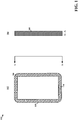
- FIG. 1 is an illustration of a user device 100 with biometric sensors 106, 108, 110 in a front view 102 and a side view 104.
- the user device 100 has one or more biometric sensors 106, 108, 110.
- These biometric sensors 106, 108, 110 may detect, for example, fingerprint information, electrocardiogram information, tissue capacitance measurements, touch-based behavioral movements (e.g., SilentSense), and other biometric information.
- the biometric sensors 106, 108, 110 may be located in various parts of the user device 100. In one configuration, one or more biometric sensors (e.g., the biometric sensor 106) may be located along the front side of the user device 100.
- one or more biometric sensors may be located along the edges of the user device 100.
- one or more biometric sensors e.g., the biometric sensor 110
- a user input mechanism e.g., a button
- One or more biometric sensors may also be located on the back side of the user device 100.
- one or more sensors in any combination may detect one or more types of biometric information, compare the detected biometric information with stored biometric information associated with one or more stored user profiles stored in a database, and determine whether to display the stored user profile based on the comparison.
- a hysteresis timer may be utilized such that the user device 100 detects biometric information for a predetermined period of time set by the hysteresis timer before the user device 100 may switch to a different user profile.
- the hysteresis timer may be a variable value and configurable for each user profile or a group of user profiles.
- a shorter timer value may be desirable for the user profile corresponding to the owner of the device so that when the owner picks up the user device, the user profile switches immediately or after a brief period of time (e.g., 1 second).
- a shorter timer value may also be desirable for the owner's child's user profile. For example, if the owner of the user device 100 is doing important work and the child picks up the device, a shorter timer value would allow for a quicker switch in user profiles in order to protect the owner's work from being corrupted by the child's use of the user device 100.
- a group of user profiles that belong to the children of the user device's owner may be associated with a hysteresis timer having a shorter time.
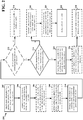
- FIG. 2 is a flow chart 200 of a method of biometric identification for a user device.
- the method may be performed by a user device (e.g., the user device 100).
- the user device detects biometric information such as fingerprint information, electrocardiogram information, tissue capacitance measurements, and/or touch-based behavioral movements from one or more sensors on the user device.
- the one or more sensors may be located around the perimeter or at the edges of the user device.
- the user device may detect biometric information periodically or continuously depending on, for example, the power level of the user device.
- the periodicity at which the user device polls for biometric information may be preset or subsequently set by a user.
- the user device may determine whether the same biometric information has been detected for a predetermined period of time.
- the predetermined period of time is set by a hysteresis timer, which may be a variable value and may be configured for each user profile or a group of user profiles.
- a user device is configured to poll for fingerprint information once every second when the battery is either charging or at more than 50% capacity.
- the user device is configured to detect whether the same fingerprint information is detected for the next five seconds.
- the user device compares the detected biometric information with stored biometric information associated with a stored user profile of a number of user profiles stored in a database. For example, the user device compares the detected biometric information with biometric information from the owner's user profile and other stored user profiles.
- the user device may indicate on the user interface that biometric information has been detected and the hysteresis timer has been started.
- biometric information has been detected and a comparison has been performed
- the user device may indicate on the user interface that biometric or fingerprint information has been detected and that a five second hysteresis timer has been started.
- the user device may indicate that both fingerprint information and electrocardiogram information has been detected and that a five second hysteresis timer has been started.
- the user device may provide through a user interface of the device an input to set an option not to display the stored user profile or the default user profile. If this option is selected, the user device does not change to a different user profile despite detecting biometric information from another user. For example, the owner may have sensitive information that the owner wishes to share with a second user. When the second user holds the user device, the user device may detect fingerprint information for the second user and indicate that biometric information has been detected and the hysteresis timer has been started. If the owner or the second user does not wish to switch user profiles, either the owner or the second user may choose not to display a stored user profile associated with the second user or a default user profile.
- the user device determines whether to display the stored user profile based on the comparison in step 204. As part of this determination, at step 212, the user device may determine whether, in step 208, a user set on an option not to display the stored user profile or the default user profile. As shown in step 214, if the option is set on, the user device will not display the stored user profile or default user profile. For example, if the owner sets on an option not to display a stored user profile or a default user profile, when a different user touches the user device, the user device will continue to display only the owner's profile.
- the user device determines whether to display the stored user profiled based on whether the detected biometric information matches stored biometric information associated with a stored user profile. In one aspect, if the detected biometric information does not match any of the stored biometric information associated with any one of the stored user profiles, the user device may proceed to step 218.
- the user device may determine a number of times within a time period the detected biometric information has been determined not to match the stored biometric information associated with any of the user profiles. For example, if an unidentified user who does not have a stored user profile on the user device repeatedly attempts to access the user device, the user device may store the number of unsuccessful attempts by the unidentified user over a period of thirty seconds.
- the user device associates the hysteresis timer with the detected biometric information and updates the hysteresis timer with a value of zero.
- the hysteresis timer may be updated with a non-zero value. For example, if the number of failed attempts by an unidentified user to access the device exceeds five attempts within a period of thirty seconds, the user device will associate a hysteresis timer with the detected biometric information of the unidentified user and set the hysteresis timer value to zero.
- the user device displays a default user profile after a predetermined period of time, based on the hysteresis timer, has elapsed. For example, if the detected biometric information does not match any of the stored user profiles, the user device may display a default user profile after eight seconds. If the detected biometric information does not match any of the stored user profiles, and the number of unsuccessful attempts exceeds five within a period of thirty seconds, the user may immediately display a default user profile.
- the default user profile may be a user profile with limited access to certain data or functionalities the user device.
- the default user profile may also be a locked screen that prevents the unknown user from further accessing the user device.
- the user device displays the stored user profile after a predetermined period of time, based on the hysteresis timer, has elapsed.
- the user device may not display the stored user profile.
- the user device may have user profiles belonging to the owner, the owner's son, and the owner's daughter.
- the owner may configure the user device such that a user profile switch from the owner's user profile to the son's user profile is allowed, a user profile switch from the owner's user profile to the daughter's user profile is allowed, but a user profile switch from the son's user profile to the user daughter's user profile, and vice versa, is not allowed.
- the owner's user profile is currently being displayed, and the daughter uses the user device
- the user device may display the daughter's user profile after five seconds has elapsed based on the hysteresis timer. Subsequently, the son may use the user device. Because the daughter's user profile is currently being displayed, switching from the daughter's user profile to the son's user profile represents a prohibited profile switch combination. Therefore, the user device will not display the son's user profile.
- the user device may determine that a previously detected biometric information did not match any of the stored biometric information associated with any one of the user profiles stored in the database. When that happens, the user device may provide the user with the option to store the previously detected biometric information.
- only certain user profiles e.g., administrators, owners
- the owner's friend may attempt to access the user device, but the owner's friend may not have a user profile stored on the user device. The owner's friend may hand the user device to the owner, and the user device will load the owner's user profile.
- the user device may indicate on the user interface that a previously detected biometric information, belonging to the owner's friend, did not match any of the stored biometric information associated with any one of the stored user profiles.
- the user device then provides through the user interface an input to set an option to store the friend's biometric information in a new user profile for future use.
- the user device may store the previously detected biometric information in a new user profile. For example, the owner may decide to store the friend's biometric information into a new user profile.
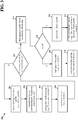
- FIG. 3 is a flow chart 300 of another method of biometric identification for a user device.
- the method may be performed by a user device (e.g., the user device 100).
- the user device is running a first user's profile.
- the user device may be running a father's profile.
- the user device detects biometric information from one or more biometric sensors located on the device.
- the biometric sensors may detect fingerprint information, electrocardiogram information, and tissue capacitance measurements.
- the biometric sensors may be located around the perimeter or at the edges of the user device.
- the user device may detect biometric information periodically or continuously depending on, for example, the power level of the user device.
- the periodicity at which the user device polls for biometric information may be preset or subsequently set by a user. For example, the user device has fingerprint sensors located around the perimeter, and the father's son picks up the user device. The user device, detecting for fingerprint information every second, detects the son's fingerprint information.
- the user device upon detecting biometric information, displays a pop-up message on the user interface indicating that a new user has been detected. For example, upon detecting the son's fingerprint information, the user device displays "A new user is detected" on the display.
- the user device upon detecting a new user, the user device starts a hysteresis timer. For example, the user device is configured to detect whether the same fingerprint information is continuously detected for the next five seconds.
- the user device determines whether the new user is still holding or using the device (i.e., whether the detected biometric information is still present). If the user is no longer holding or using the device, the user device may continue to run with the previous profile. On the other hand, if the new user is still holding or using the device, the user device may proceed to step 312. For example, if the son is no longer holding the user device when the hysteresis timer expired after five seconds, the user device may continue to run with the father's user profile.
- the user device will find an appropriate profile based on the detected biometric information.
- the user device may compare the detected biometric information with stored biometric information associated with a stored user profile of a number of user profiles stored in a database. For example, the user device may compare the detected biometric information with biometric information of the son's user profile and other user profiles.
- the user device determines whether a match between the detected biometric information and stored biometric information is found.
- the user device will load the appropriate (or corresponding) user profile containing the matching biometric information. For example, the user device determines that the detected biometric information matches stored biometric information corresponding to the son's user profile and loads the son's user profile.
- the user device displays a pop-up message on the user interface indicating the new user profile has been loaded. For example, the user device displays a message saying that the "Son's profile is loaded.”
- the user device loads a public / default user profile.
- the public / default user profile may be a user profile with limited access to the user device.
- the public / default profile may also be a locked screen that prevents the unknown user from further accessing the user device.
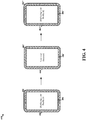
- FIG. 4 is a diagram 400 illustrating an example of biometric identification for a user device.
- a user device displays a first user profile.
- biometric information e.g., fingerprint information
- the user device Upon detecting biometric information (e.g., fingerprint information) on the front perimeter area 402, lateral edges 404, and/or the user input mechanisms 406 (e.g., buttons) of the user device, the user device displays a message indicating that a new user has been detected.
- the user device determines whether the detected biometric information matches the biometric information of a stored user profile. If so, the user device determines the value of a hysteresis timer associated with the user profile and starts the hysteresis timer. After the hysteresis timer expires, if the same biometric information is still detected by the user device, the user device displays a second user profile that corresponds to the detected biometric information.
- FIG. 5 is a conceptual data flow diagram 500 illustrating the data flow between different modules/means/components in an exemplary apparatus 502.
- the apparatus may be a user device (e.g., the user device 100).
- the apparatus may include an input and detection module 504, a hysteresis timer 506, a storage module 508, and an identification and display module 510.
- the input and detection module 504 is configured to detect biometric information for a predetermined period of time.
- the predetermined period of time may be set by a hysteresis timer 506.
- the biometric information may include one or more of fingerprint information, electrocardiogram information, tissue capacitance measurements, and touch-based behavioral movement information.
- the input and detection module 504 may be further configured to detect biometric information received from one or more sensors located at a perimeter or one or more edges of the apparatus.
- the storage module 508 is configured to store the detected biometric information and user profiles associated with the biometric information.
- the identification and display module 510 is configured to compare the detected biometric information with the stored biometric information associated with a stored user profile of a number of user profiles stored in a database and to determine whether to display the stored user profile based on the comparison after the predetermined period of time has elapsed.
- the identification and display module 510 may also be configured to indicate on a user interface of the apparatus that the biometric information has been detected and the hysteresis timer has been started.
- the identification and display module 510 may also be configured to display the stored user profile if the detected biometric information matches the stored biometric information associated with the stored user profile.
- the identification and display module 510 may also be configured to display a default user profile if the detected biometric information does not match the stored biometric information associated with any one of the plurality of user profiles stored in the database.
- the identification and display module 510 may be configured to determine a number of times within a time period the detected biometric information has been determined not to match the stored biometric information associated with any one of the user profiles. In this configuration, the identification and display module 510 is configured to associate the hysteresis timer with the detected biometric information when the number of times (i.e., failed attempts) exceeds a threshold (e.g., 5 attempts, 10 attempts) within a time period (e.g., 30 seconds). The identification and display module 510 is also configured to update the hysteresis timer associated with the detected biometric information with a predetermined value. The predetermined value may be zero. In yet another configuration, the identification and display module 510 may be configured to not display the stored user profile if a current user profile and the stored user profile comprise a prohibited profile switch combination.
- the identification and display module 510 may be configured to provide through a user interface of the apparatus an input to set on an option not to display the stored user profile or the default user profile. If this option is set on, the identification and display module will determine not to display the stored user profile or the default user profile.
- the identification and display module 510 may be configured to provide through a user interface of the apparatus an input to set on an option to store a previously detected biometric information if the previously detected biometric information was determined not to match any of the stored biometric information associated with any one of the user profiles stored in the database.
- the storage module 508 may be configured to store the previously detected biometric information in a new user profile when the option is set on.
- the hysteresis timer 506 may have a variable value.
- the hysteresis timer 506 may be associated with one of the stored user profile or a group of user profiles.
- the apparatus may include additional modules that perform each of the steps of the algorithm in the aforementioned flow charts of FIGs. 2 and 3 . As such, each step in the aforementioned flow charts of FIGs. 2 and 3 may be performed by a module and the apparatus may include one or more of those modules.
- the modules may be one or more hardware components specifically configured to carry out the stated processes/algorithm, implemented by a processor configured to perform the stated processes/algorithm, stored within a computer-readable medium for implementation by a processor, or some combination thereof.
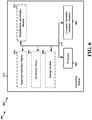
- FIG. 6 is a diagram 600 illustrating an example of a hardware implementation for an apparatus 502' employing a processing system 614.
- the processing system 614 may be implemented with a bus architecture, represented generally by the bus 624.
- the bus 624 may include any number of interconnecting buses and bridges depending on the specific application of the processing system 614 and the overall design constraints.
- the bus 624 links together various circuits including one or more processors and/or hardware modules, represented by the processor 604, the modules 504, 506, 508, 510 and the computer-readable medium / memory 606.
- the bus 624 may also link various other circuits such as timing sources, peripherals, voltage regulators, and power management circuits, which are well known in the art, and therefore, will not be described any further.
- the processing system 614 includes a processor 604 coupled to a computer-readable medium / memory 606.
- the processor 604 is responsible for general processing, including the execution of software stored on the computer-readable medium / memory 606.
- the software when executed by the processor 604, causes the processing system 614 to perform the various functions described supra for any particular apparatus.
- the computer-readable medium / memory 606 may also be used for storing data that is manipulated by the processor 604 when executing software.
- the processing system further includes at least one of the modules 504, 506, 508, 510.
- the modules may be software modules running in the processor 604, resident/stored in the computer readable medium / memory 606, one or more hardware modules coupled to the processor 604, or some combination thereof.
- the apparatus 502/502' for biometric identification includes means for detecting biometric information for a predetermined period of time (e.g., the input and detection module 504).
- the predetermined period of time is set by a hysteresis timer.
- the apparatus may further include means for comparing the detected biometric information with stored biometric information associated with a stored user profile of a plurality of user profiles stored in a database (e.g., the identification and display module 510).
- the apparatus may further include means for determining whether to display the stored user profile based on the comparison after the predetermined period of time has elapsed (e.g., the identification and display module 510).
- the biometric information may include one or more of fingerprint information, electrocardiogram information, and tissue capacitance measurements.
- the means for detecting biometric information is configured to receive biometric signals from one or more sensors located at a perimeter of the device. In another configuration, the means for detecting biometric information is configured to receive biometric information from one or more sensors located at one or more edges of the device. In another configuration, the means for determining whether to display the stored user profile is configured to display the stored user profile if the detected biometric information matches the stored biometric information associated with the stored user profile. In another configuration, the means for determining whether to display the stored user profile is configured to display a default user profile if the detected biometric information does not match the stored biometric information associated with any one of the plurality of user profiles stored in the database.
- the means for determining whether to display the stored user profile is configured to determine a number of times within a time period the detected biometric information has been determined not to match the stored biometric information associated with any one of the user profiles.
- the means for determining is further configured to associate the hysteresis timer with the detected biometric information when the number of times exceeds a threshold.
- the means for determining is further configured to update the hysteresis timer associated with the detected biometric information with a value of zero.
- the apparatus may also include means for indicating on a user interface of the device that the biometric information has been detected and the hysteresis timer has been started (e.g., the identification and display module 510).
- the hysteresis timer has a variable value.
- the hysteresis timer is associated with one of the stored user profiles or a group of user profiles.
- the apparatus may also include means for providing through a user interface of the device an input to set on an option not to display the stored user profile or the default user profile (e.g., the identification and display module 510).
- the means for determining whether to display the stored user profile is configured to not display the stored user profile or the default user profile when the option is set on.
- the apparatus may also include means for providing through a user interface of the device an input to set on an option to store a previously detected biometric information if the previously detected biometric information was determined not to match any of the stored biometric information associated with any one of the plurality of user profiles stored in the database (e.g., the identification and display module 510).
- the apparatus may also include means for storing the previously detected biometric information in a new user profile when the option is set on (e.g., the storage module 508).
- Combinations such as "at least one of A, B, or C,” “at least one of A, B, and C,” and “A, B, C, or any combination thereof' include any combination of A, B, and/or C, and may include multiples of A, multiples of B, or multiples of C.
- combinations such as “at least one of A, B, or C,” “at least one of A, B, and C,” and “A, B, C, or any combination thereof' may be A only, B only, C only, A and B, A and C, B and C, or A and B and C, where any such combinations may contain one or more member or members of A, B, or C.
Landscapes
- Engineering & Computer Science (AREA)
- Computer Security & Cryptography (AREA)
- Theoretical Computer Science (AREA)
- Computer Hardware Design (AREA)
- General Engineering & Computer Science (AREA)
- Software Systems (AREA)
- Physics & Mathematics (AREA)
- General Physics & Mathematics (AREA)
- Computer Networks & Wireless Communication (AREA)
- Signal Processing (AREA)
- Biomedical Technology (AREA)
- General Health & Medical Sciences (AREA)
- Computing Systems (AREA)
- Health & Medical Sciences (AREA)
- User Interface Of Digital Computer (AREA)
- Collating Specific Patterns (AREA)
- Measuring And Recording Apparatus For Diagnosis (AREA)
- Measurement Of The Respiration, Hearing Ability, Form, And Blood Characteristics Of Living Organisms (AREA)
Applications Claiming Priority (2)
| Application Number | Priority Date | Filing Date | Title |
|---|---|---|---|
| US14/272,434 US9990483B2 (en) | 2014-05-07 | 2014-05-07 | Dynamic activation of user profiles based on biometric identification |
| PCT/US2015/028637 WO2015171431A1 (en) | 2014-05-07 | 2015-04-30 | Dynamic activation of user profiles based on biometric identification |
Publications (2)
| Publication Number | Publication Date |
|---|---|
| EP3140977A1 EP3140977A1 (en) | 2017-03-15 |
| EP3140977B1 true EP3140977B1 (en) | 2020-02-12 |
Family
ID=53267587
Family Applications (1)
| Application Number | Title | Priority Date | Filing Date |
|---|---|---|---|
| EP15724837.8A Active EP3140977B1 (en) | 2014-05-07 | 2015-04-30 | Dynamic activation of user profiles based on biometric identification |
Country Status (6)
| Country | Link |
|---|---|
| US (1) | US9990483B2 (enExample) |
| EP (1) | EP3140977B1 (enExample) |
| JP (1) | JP2017516221A (enExample) |
| KR (1) | KR20170003645A (enExample) |
| CN (1) | CN106462684B (enExample) |
| WO (1) | WO2015171431A1 (enExample) |
Families Citing this family (17)
| Publication number | Priority date | Publication date | Assignee | Title |
|---|---|---|---|---|
| JP5398231B2 (ja) * | 2008-11-04 | 2014-01-29 | キヤノン株式会社 | 画像処理装置及びその制御方法、並びにプログラム |
| KR102173725B1 (ko) * | 2013-11-25 | 2020-11-04 | 삼성전자주식회사 | 생체 신호를 측정하는 방법 및 장치 |
| US9582296B2 (en) * | 2014-09-18 | 2017-02-28 | International Business Machines Corporation | Dynamic multi-user computer configuration settings |
| EP3910515A1 (en) * | 2014-10-02 | 2021-11-17 | Trunomi Ltd. | Systems and methods for context-based permissioning of personally identifiable information |
| US20160182950A1 (en) * | 2014-12-17 | 2016-06-23 | Lenovo (Singapore) Pte. Ltd. | Identification of a user for personalized media content presentation |
| US9577992B2 (en) * | 2015-02-04 | 2017-02-21 | Aerendir Mobile Inc. | Data encryption/decryption using neuro and neuro-mechanical fingerprints |
| US10154460B1 (en) | 2015-02-17 | 2018-12-11 | Halo Wearables LLC | Power management for wearable devices |
| US10537245B2 (en) | 2015-02-17 | 2020-01-21 | Halo Wearables, Llc | Measurement correlation and information tracking for a portable device |
| JP6210099B2 (ja) * | 2015-09-29 | 2017-10-11 | コニカミノルタ株式会社 | 画面遷移制御方法、画面遷移制御装置およびプログラム |
| TWI590100B (zh) * | 2016-03-25 | 2017-07-01 | 速博思股份有限公司 | 手持裝置的操作方法 |
| TWI647584B (zh) * | 2016-04-12 | 2019-01-11 | 速博思股份有限公司 | 手持裝置的操作權限啟用/停用方法 |
| US12440193B2 (en) | 2017-04-07 | 2025-10-14 | Toi Labs, Inc. | System, method and apparatus for forming machine learning sessions |
| US10528713B2 (en) | 2017-08-01 | 2020-01-07 | Motorola Solutions, Inc. | Distributed biometric identification system for a mobile environment |
| CN109756882B (zh) * | 2017-11-03 | 2021-11-19 | 中国电信股份有限公司 | 通信方法、系统、smsr以及计算机可读存储介质 |
| WO2020172645A1 (en) * | 2019-02-22 | 2020-08-27 | Toi Labs, Inc. | User detection and identification in a bathroom setting |
| US11487857B2 (en) * | 2019-09-24 | 2022-11-01 | Bank Of America Corporation | Spectrum authentication in edge devices |
| US12189940B2 (en) * | 2023-03-27 | 2025-01-07 | Motorola Mobility Llc | Fingerprint encoded gesture initiation of device actions |
Family Cites Families (25)
| Publication number | Priority date | Publication date | Assignee | Title |
|---|---|---|---|---|
| US6819219B1 (en) | 2000-10-13 | 2004-11-16 | International Business Machines Corporation | Method for biometric-based authentication in wireless communication for access control |
| JP2005293209A (ja) * | 2004-03-31 | 2005-10-20 | Ntt Data Corp | 個人認証装置、情報端末、個人認証方法、およびプログラム |
| JP2006041598A (ja) * | 2004-07-22 | 2006-02-09 | Canon Inc | 画像処理装置、画像処理装置の制御方法、制御プログラム及び記憶媒体 |
| JP2006338510A (ja) * | 2005-06-03 | 2006-12-14 | Hitachi Ltd | 情報処理装置 |
| US7505613B2 (en) * | 2005-07-12 | 2009-03-17 | Atrua Technologies, Inc. | System for and method of securing fingerprint biometric systems against fake-finger spoofing |
| CN100464276C (zh) * | 2005-12-30 | 2009-02-25 | 联想(北京)有限公司 | 配置和保护用户软硬件配置信息的方法和系统 |
| JP4177858B2 (ja) * | 2006-05-18 | 2008-11-05 | 株式会社カシオ日立モバイルコミュニケーションズ | 指紋認証機能付き携帯端末装置及びプログラム |
| JP2008033011A (ja) * | 2006-07-28 | 2008-02-14 | Ricoh Co Ltd | 情報表示装置、表示制御方法およびプログラム |
| US7787870B2 (en) * | 2006-09-29 | 2010-08-31 | Motorola, Inc. | Method and system for associating a user profile to a caller identifier |
| JP4956131B2 (ja) * | 2006-10-06 | 2012-06-20 | シャープ株式会社 | 生体認証装置及び方法、並びに生体認証処理プログラム |
| JP2009017239A (ja) * | 2007-07-04 | 2009-01-22 | Nec Corp | 携帯電話端末及びその認証機能によるモード変更方法 |
| US20090165145A1 (en) | 2007-12-21 | 2009-06-25 | Nokia Corporation | Changing modes in a device |
| WO2011004499A1 (ja) * | 2009-07-10 | 2011-01-13 | 富士通株式会社 | 電子機器、そのセキュリティ方法、そのセキュリティプログラム及び記録媒体 |
| US8791787B2 (en) * | 2009-12-11 | 2014-07-29 | Sony Corporation | User personalization with bezel-displayed identification |
| KR20120018685A (ko) | 2010-08-23 | 2012-03-05 | 주식회사 팬택 | 복수 사용자의 입력을 인식할 수 있는 단말기 및 그 제어방법 |
| US20120089922A1 (en) * | 2010-10-07 | 2012-04-12 | Sony Corporation | Apparatus and method for effectively implementing system and desktop configuration enhancements |
| US8811685B1 (en) * | 2011-06-21 | 2014-08-19 | Google Inc. | Proximity wakeup |
| US20120331566A1 (en) * | 2011-06-23 | 2012-12-27 | International Business Machines Corporation | Capturing and manipulating content using biometric data |
| EP2541452A1 (en) | 2011-06-29 | 2013-01-02 | Fujitsu Limited | Authentication method of user of electronic device |
| US20130097416A1 (en) * | 2011-10-18 | 2013-04-18 | Google Inc. | Dynamic profile switching |
| US20130176108A1 (en) | 2012-01-06 | 2013-07-11 | Intuit Inc. | Automated mechanism to switch user data sets in a touch-based device |
| JP6027716B2 (ja) * | 2012-04-03 | 2016-11-16 | 旭光電機株式会社 | 装着型使用者状態情報取得装置 |
| JP2013239125A (ja) * | 2012-05-17 | 2013-11-28 | Panasonic Corp | 携帯端末 |
| CN111178332A (zh) | 2012-05-18 | 2020-05-19 | 苹果公司 | 用于操纵用户界面的设备、方法和图形用户界面 |
| JP5872986B2 (ja) * | 2012-09-10 | 2016-03-01 | シャープ株式会社 | 携帯情報装置、携帯情報装置用プログラム、携帯情報装置用プログラムを記憶した記録媒体、および、携帯情報装置の操作方法 |
-
2014
- 2014-05-07 US US14/272,434 patent/US9990483B2/en active Active
-
2015
- 2015-04-30 WO PCT/US2015/028637 patent/WO2015171431A1/en not_active Ceased
- 2015-04-30 KR KR1020167034220A patent/KR20170003645A/ko not_active Abandoned
- 2015-04-30 CN CN201580023662.3A patent/CN106462684B/zh active Active
- 2015-04-30 EP EP15724837.8A patent/EP3140977B1/en active Active
- 2015-04-30 JP JP2016565654A patent/JP2017516221A/ja active Pending
Non-Patent Citations (1)
| Title |
|---|
| None * |
Also Published As
| Publication number | Publication date |
|---|---|
| CN106462684B (zh) | 2019-06-04 |
| US20150324564A1 (en) | 2015-11-12 |
| JP2017516221A (ja) | 2017-06-15 |
| CN106462684A (zh) | 2017-02-22 |
| KR20170003645A (ko) | 2017-01-09 |
| US9990483B2 (en) | 2018-06-05 |
| EP3140977A1 (en) | 2017-03-15 |
| WO2015171431A1 (en) | 2015-11-12 |
Similar Documents
| Publication | Publication Date | Title |
|---|---|---|
| US9990483B2 (en) | Dynamic activation of user profiles based on biometric identification | |
| US11443019B2 (en) | Methods and devices for fingerprint unlocking | |
| RU2604429C2 (ru) | Способ и аппарат для автоматического подключения беспроводной сети | |
| US9128737B2 (en) | Dynamic profile switching based on user identification | |
| WO2013000150A1 (en) | Method, apparatus and computer program product for retrieval of lost or forgotten passwords | |
| US9965086B2 (en) | Method for enabling function module of terminal, and terminal device | |
| CN109254809B (zh) | 基于人脸识别的差异化应用加载方法、装置和终端设备 | |
| CN103150120A (zh) | 解除显示屏锁定的方法、装置及终端 | |
| CN108009014A (zh) | 一种应用使用管理方法及移动终端 | |
| US9626546B2 (en) | Electronic device and control method thereof | |
| CN104318140A (zh) | 一种终端解锁的方法 | |
| CN104318185B (zh) | 一种应用控制方法、设备及移动终端 | |
| US20170168682A1 (en) | Method and electronic device for controlling shortcut switch | |
| CN104866205A (zh) | 一种操作大屏幕智能终端的触控屏幕的方法和装置 | |
| US20160077578A1 (en) | Method for controlling an electronic device with aid of thermal detection, and associated apparatus and associated computer program product | |
| EP4601146A1 (en) | Charging control method and apparatus, and electronic device | |
| US10977350B2 (en) | Contact information display method and device, and information display method and device | |
| CN103869985A (zh) | 信息处理方法和终端设备 | |
| US20060136736A1 (en) | Time managing system and method | |
| US11507652B2 (en) | Protecting communication devices from unwanted access | |
| US10679026B2 (en) | Method and device for controlling fingerprint sensor and storage medium | |
| CN104111799B (zh) | 一种锁屏状态下的手势提醒方法 | |
| CN106959743B (zh) | 一种控制方法及电子设备 | |
| CN112147964A (zh) | 设备管理方法、装置、电子设备和介质 | |
| CN114838485B (zh) | 用于控制空调器的方法及装置、空调器、存储介质 |
Legal Events
| Date | Code | Title | Description |
|---|---|---|---|
| STAA | Information on the status of an ep patent application or granted ep patent |
Free format text: STATUS: THE INTERNATIONAL PUBLICATION HAS BEEN MADE |
|
| PUAI | Public reference made under article 153(3) epc to a published international application that has entered the european phase |
Free format text: ORIGINAL CODE: 0009012 |
|
| STAA | Information on the status of an ep patent application or granted ep patent |
Free format text: STATUS: REQUEST FOR EXAMINATION WAS MADE |
|
| 17P | Request for examination filed |
Effective date: 20160928 |
|
| AK | Designated contracting states |
Kind code of ref document: A1 Designated state(s): AL AT BE BG CH CY CZ DE DK EE ES FI FR GB GR HR HU IE IS IT LI LT LU LV MC MK MT NL NO PL PT RO RS SE SI SK SM TR |
|
| AX | Request for extension of the european patent |
Extension state: BA ME |
|
| DAV | Request for validation of the european patent (deleted) | ||
| DAX | Request for extension of the european patent (deleted) | ||
| STAA | Information on the status of an ep patent application or granted ep patent |
Free format text: STATUS: EXAMINATION IS IN PROGRESS |
|
| 17Q | First examination report despatched |
Effective date: 20180913 |
|
| GRAP | Despatch of communication of intention to grant a patent |
Free format text: ORIGINAL CODE: EPIDOSNIGR1 |
|
| STAA | Information on the status of an ep patent application or granted ep patent |
Free format text: STATUS: GRANT OF PATENT IS INTENDED |
|
| RIC1 | Information provided on ipc code assigned before grant |
Ipc: H04L 29/06 20060101AFI20190723BHEP Ipc: G06F 21/45 20130101ALI20190723BHEP Ipc: G06F 21/32 20130101ALI20190723BHEP Ipc: H04W 12/06 20090101ALI20190723BHEP |
|
| INTG | Intention to grant announced |
Effective date: 20190827 |
|
| GRAS | Grant fee paid |
Free format text: ORIGINAL CODE: EPIDOSNIGR3 |
|
| GRAA | (expected) grant |
Free format text: ORIGINAL CODE: 0009210 |
|
| STAA | Information on the status of an ep patent application or granted ep patent |
Free format text: STATUS: THE PATENT HAS BEEN GRANTED |
|
| AK | Designated contracting states |
Kind code of ref document: B1 Designated state(s): AL AT BE BG CH CY CZ DE DK EE ES FI FR GB GR HR HU IE IS IT LI LT LU LV MC MK MT NL NO PL PT RO RS SE SI SK SM TR |
|
| REG | Reference to a national code |
Ref country code: GB Ref legal event code: FG4D |
|
| REG | Reference to a national code |
Ref country code: CH Ref legal event code: EP |
|
| REG | Reference to a national code |
Ref country code: AT Ref legal event code: REF Ref document number: 1233616 Country of ref document: AT Kind code of ref document: T Effective date: 20200215 |
|
| REG | Reference to a national code |
Ref country code: IE Ref legal event code: FG4D |
|
| REG | Reference to a national code |
Ref country code: DE Ref legal event code: R096 Ref document number: 602015046760 Country of ref document: DE |
|
| PG25 | Lapsed in a contracting state [announced via postgrant information from national office to epo] |
Ref country code: RS Free format text: LAPSE BECAUSE OF FAILURE TO SUBMIT A TRANSLATION OF THE DESCRIPTION OR TO PAY THE FEE WITHIN THE PRESCRIBED TIME-LIMIT Effective date: 20200212 Ref country code: NO Free format text: LAPSE BECAUSE OF FAILURE TO SUBMIT A TRANSLATION OF THE DESCRIPTION OR TO PAY THE FEE WITHIN THE PRESCRIBED TIME-LIMIT Effective date: 20200512 Ref country code: FI Free format text: LAPSE BECAUSE OF FAILURE TO SUBMIT A TRANSLATION OF THE DESCRIPTION OR TO PAY THE FEE WITHIN THE PRESCRIBED TIME-LIMIT Effective date: 20200212 |
|
| REG | Reference to a national code |
Ref country code: LT Ref legal event code: MG4D |
|
| REG | Reference to a national code |
Ref country code: NL Ref legal event code: MP Effective date: 20200212 |
|
| PG25 | Lapsed in a contracting state [announced via postgrant information from national office to epo] |
Ref country code: SE Free format text: LAPSE BECAUSE OF FAILURE TO SUBMIT A TRANSLATION OF THE DESCRIPTION OR TO PAY THE FEE WITHIN THE PRESCRIBED TIME-LIMIT Effective date: 20200212 Ref country code: LV Free format text: LAPSE BECAUSE OF FAILURE TO SUBMIT A TRANSLATION OF THE DESCRIPTION OR TO PAY THE FEE WITHIN THE PRESCRIBED TIME-LIMIT Effective date: 20200212 Ref country code: GR Free format text: LAPSE BECAUSE OF FAILURE TO SUBMIT A TRANSLATION OF THE DESCRIPTION OR TO PAY THE FEE WITHIN THE PRESCRIBED TIME-LIMIT Effective date: 20200513 Ref country code: HR Free format text: LAPSE BECAUSE OF FAILURE TO SUBMIT A TRANSLATION OF THE DESCRIPTION OR TO PAY THE FEE WITHIN THE PRESCRIBED TIME-LIMIT Effective date: 20200212 Ref country code: BG Free format text: LAPSE BECAUSE OF FAILURE TO SUBMIT A TRANSLATION OF THE DESCRIPTION OR TO PAY THE FEE WITHIN THE PRESCRIBED TIME-LIMIT Effective date: 20200512 Ref country code: IS Free format text: LAPSE BECAUSE OF FAILURE TO SUBMIT A TRANSLATION OF THE DESCRIPTION OR TO PAY THE FEE WITHIN THE PRESCRIBED TIME-LIMIT Effective date: 20200612 |
|
| PG25 | Lapsed in a contracting state [announced via postgrant information from national office to epo] |
Ref country code: NL Free format text: LAPSE BECAUSE OF FAILURE TO SUBMIT A TRANSLATION OF THE DESCRIPTION OR TO PAY THE FEE WITHIN THE PRESCRIBED TIME-LIMIT Effective date: 20200212 |
|
| PG25 | Lapsed in a contracting state [announced via postgrant information from national office to epo] |
Ref country code: SK Free format text: LAPSE BECAUSE OF FAILURE TO SUBMIT A TRANSLATION OF THE DESCRIPTION OR TO PAY THE FEE WITHIN THE PRESCRIBED TIME-LIMIT Effective date: 20200212 Ref country code: RO Free format text: LAPSE BECAUSE OF FAILURE TO SUBMIT A TRANSLATION OF THE DESCRIPTION OR TO PAY THE FEE WITHIN THE PRESCRIBED TIME-LIMIT Effective date: 20200212 Ref country code: LT Free format text: LAPSE BECAUSE OF FAILURE TO SUBMIT A TRANSLATION OF THE DESCRIPTION OR TO PAY THE FEE WITHIN THE PRESCRIBED TIME-LIMIT Effective date: 20200212 Ref country code: CZ Free format text: LAPSE BECAUSE OF FAILURE TO SUBMIT A TRANSLATION OF THE DESCRIPTION OR TO PAY THE FEE WITHIN THE PRESCRIBED TIME-LIMIT Effective date: 20200212 Ref country code: ES Free format text: LAPSE BECAUSE OF FAILURE TO SUBMIT A TRANSLATION OF THE DESCRIPTION OR TO PAY THE FEE WITHIN THE PRESCRIBED TIME-LIMIT Effective date: 20200212 Ref country code: PT Free format text: LAPSE BECAUSE OF FAILURE TO SUBMIT A TRANSLATION OF THE DESCRIPTION OR TO PAY THE FEE WITHIN THE PRESCRIBED TIME-LIMIT Effective date: 20200705 Ref country code: EE Free format text: LAPSE BECAUSE OF FAILURE TO SUBMIT A TRANSLATION OF THE DESCRIPTION OR TO PAY THE FEE WITHIN THE PRESCRIBED TIME-LIMIT Effective date: 20200212 Ref country code: SM Free format text: LAPSE BECAUSE OF FAILURE TO SUBMIT A TRANSLATION OF THE DESCRIPTION OR TO PAY THE FEE WITHIN THE PRESCRIBED TIME-LIMIT Effective date: 20200212 Ref country code: DK Free format text: LAPSE BECAUSE OF FAILURE TO SUBMIT A TRANSLATION OF THE DESCRIPTION OR TO PAY THE FEE WITHIN THE PRESCRIBED TIME-LIMIT Effective date: 20200212 |
|
| REG | Reference to a national code |
Ref country code: DE Ref legal event code: R097 Ref document number: 602015046760 Country of ref document: DE |
|
| REG | Reference to a national code |
Ref country code: AT Ref legal event code: MK05 Ref document number: 1233616 Country of ref document: AT Kind code of ref document: T Effective date: 20200212 |
|
| PG25 | Lapsed in a contracting state [announced via postgrant information from national office to epo] |
Ref country code: MC Free format text: LAPSE BECAUSE OF FAILURE TO SUBMIT A TRANSLATION OF THE DESCRIPTION OR TO PAY THE FEE WITHIN THE PRESCRIBED TIME-LIMIT Effective date: 20200212 |
|
| REG | Reference to a national code |
Ref country code: CH Ref legal event code: PL |
|
| PLBE | No opposition filed within time limit |
Free format text: ORIGINAL CODE: 0009261 |
|
| STAA | Information on the status of an ep patent application or granted ep patent |
Free format text: STATUS: NO OPPOSITION FILED WITHIN TIME LIMIT |
|
| 26N | No opposition filed |
Effective date: 20201113 |
|
| PG25 | Lapsed in a contracting state [announced via postgrant information from national office to epo] |
Ref country code: CH Free format text: LAPSE BECAUSE OF NON-PAYMENT OF DUE FEES Effective date: 20200430 Ref country code: AT Free format text: LAPSE BECAUSE OF FAILURE TO SUBMIT A TRANSLATION OF THE DESCRIPTION OR TO PAY THE FEE WITHIN THE PRESCRIBED TIME-LIMIT Effective date: 20200212 Ref country code: LI Free format text: LAPSE BECAUSE OF NON-PAYMENT OF DUE FEES Effective date: 20200430 Ref country code: LU Free format text: LAPSE BECAUSE OF NON-PAYMENT OF DUE FEES Effective date: 20200430 Ref country code: IT Free format text: LAPSE BECAUSE OF FAILURE TO SUBMIT A TRANSLATION OF THE DESCRIPTION OR TO PAY THE FEE WITHIN THE PRESCRIBED TIME-LIMIT Effective date: 20200212 |
|
| REG | Reference to a national code |
Ref country code: BE Ref legal event code: MM Effective date: 20200430 |
|
| PG25 | Lapsed in a contracting state [announced via postgrant information from national office to epo] |
Ref country code: SI Free format text: LAPSE BECAUSE OF FAILURE TO SUBMIT A TRANSLATION OF THE DESCRIPTION OR TO PAY THE FEE WITHIN THE PRESCRIBED TIME-LIMIT Effective date: 20200212 Ref country code: BE Free format text: LAPSE BECAUSE OF NON-PAYMENT OF DUE FEES Effective date: 20200430 Ref country code: PL Free format text: LAPSE BECAUSE OF FAILURE TO SUBMIT A TRANSLATION OF THE DESCRIPTION OR TO PAY THE FEE WITHIN THE PRESCRIBED TIME-LIMIT Effective date: 20200212 |
|
| PG25 | Lapsed in a contracting state [announced via postgrant information from national office to epo] |
Ref country code: IE Free format text: LAPSE BECAUSE OF NON-PAYMENT OF DUE FEES Effective date: 20200430 |
|
| REG | Reference to a national code |
Ref country code: DE Ref legal event code: R079 Ref document number: 602015046760 Country of ref document: DE Free format text: PREVIOUS MAIN CLASS: H04L0029060000 Ipc: H04L0065000000 |
|
| PG25 | Lapsed in a contracting state [announced via postgrant information from national office to epo] |
Ref country code: TR Free format text: LAPSE BECAUSE OF FAILURE TO SUBMIT A TRANSLATION OF THE DESCRIPTION OR TO PAY THE FEE WITHIN THE PRESCRIBED TIME-LIMIT Effective date: 20200212 Ref country code: MT Free format text: LAPSE BECAUSE OF FAILURE TO SUBMIT A TRANSLATION OF THE DESCRIPTION OR TO PAY THE FEE WITHIN THE PRESCRIBED TIME-LIMIT Effective date: 20200212 Ref country code: CY Free format text: LAPSE BECAUSE OF FAILURE TO SUBMIT A TRANSLATION OF THE DESCRIPTION OR TO PAY THE FEE WITHIN THE PRESCRIBED TIME-LIMIT Effective date: 20200212 |
|
| PG25 | Lapsed in a contracting state [announced via postgrant information from national office to epo] |
Ref country code: MK Free format text: LAPSE BECAUSE OF FAILURE TO SUBMIT A TRANSLATION OF THE DESCRIPTION OR TO PAY THE FEE WITHIN THE PRESCRIBED TIME-LIMIT Effective date: 20200212 Ref country code: AL Free format text: LAPSE BECAUSE OF FAILURE TO SUBMIT A TRANSLATION OF THE DESCRIPTION OR TO PAY THE FEE WITHIN THE PRESCRIBED TIME-LIMIT Effective date: 20200212 |
|
| PGFP | Annual fee paid to national office [announced via postgrant information from national office to epo] |
Ref country code: GB Payment date: 20260320 Year of fee payment: 12 |
|
| PGFP | Annual fee paid to national office [announced via postgrant information from national office to epo] |
Ref country code: FR Payment date: 20260317 Year of fee payment: 12 |
|
| PGFP | Annual fee paid to national office [announced via postgrant information from national office to epo] |
Ref country code: DE Payment date: 20260319 Year of fee payment: 12 |