EP3139928B1 - Anordrin-zusammensetzungen und verfahren zur behandlung von krankheiten - Google Patents
Anordrin-zusammensetzungen und verfahren zur behandlung von krankheiten Download PDFInfo
- Publication number
- EP3139928B1 EP3139928B1 EP15788674.8A EP15788674A EP3139928B1 EP 3139928 B1 EP3139928 B1 EP 3139928B1 EP 15788674 A EP15788674 A EP 15788674A EP 3139928 B1 EP3139928 B1 EP 3139928B1
- Authority
- EP
- European Patent Office
- Prior art keywords
- anordrin
- agent
- tamoxifen
- individual
- cells
- Prior art date
- Legal status (The legal status is an assumption and is not a legal conclusion. Google has not performed a legal analysis and makes no representation as to the accuracy of the status listed.)
- Active
Links
Images








Classifications
-
- A—HUMAN NECESSITIES
- A61—MEDICAL OR VETERINARY SCIENCE; HYGIENE
- A61K—PREPARATIONS FOR MEDICAL, DENTAL OR TOILETRY PURPOSES
- A61K31/00—Medicinal preparations containing organic active ingredients
- A61K31/56—Compounds containing cyclopenta[a]hydrophenanthrene ring systems; Derivatives thereof, e.g. steroids
- A61K31/565—Compounds containing cyclopenta[a]hydrophenanthrene ring systems; Derivatives thereof, e.g. steroids not substituted in position 17 beta by a carbon atom, e.g. estrane, estradiol
- A61K31/568—Compounds containing cyclopenta[a]hydrophenanthrene ring systems; Derivatives thereof, e.g. steroids not substituted in position 17 beta by a carbon atom, e.g. estrane, estradiol substituted in positions 10 and 13 by a chain having at least one carbon atom, e.g. androstanes, e.g. testosterone
- A61K31/569—Compounds containing cyclopenta[a]hydrophenanthrene ring systems; Derivatives thereof, e.g. steroids not substituted in position 17 beta by a carbon atom, e.g. estrane, estradiol substituted in positions 10 and 13 by a chain having at least one carbon atom, e.g. androstanes, e.g. testosterone substituted in position 17 alpha, e.g. ethisterone
-
- A—HUMAN NECESSITIES
- A61—MEDICAL OR VETERINARY SCIENCE; HYGIENE
- A61K—PREPARATIONS FOR MEDICAL, DENTAL OR TOILETRY PURPOSES
- A61K31/00—Medicinal preparations containing organic active ingredients
- A61K31/13—Amines
- A61K31/135—Amines having aromatic rings, e.g. ketamine, nortriptyline
- A61K31/138—Aryloxyalkylamines, e.g. propranolol, tamoxifen, phenoxybenzamine
-
- A—HUMAN NECESSITIES
- A61—MEDICAL OR VETERINARY SCIENCE; HYGIENE
- A61K—PREPARATIONS FOR MEDICAL, DENTAL OR TOILETRY PURPOSES
- A61K31/00—Medicinal preparations containing organic active ingredients
- A61K31/33—Heterocyclic compounds
- A61K31/395—Heterocyclic compounds having nitrogen as a ring hetero atom, e.g. guanethidine or rifamycins
- A61K31/41—Heterocyclic compounds having nitrogen as a ring hetero atom, e.g. guanethidine or rifamycins having five-membered rings with two or more ring hetero atoms, at least one of which being nitrogen, e.g. tetrazole
- A61K31/4196—1,2,4-Triazoles
-
- A—HUMAN NECESSITIES
- A61—MEDICAL OR VETERINARY SCIENCE; HYGIENE
- A61K—PREPARATIONS FOR MEDICAL, DENTAL OR TOILETRY PURPOSES
- A61K31/00—Medicinal preparations containing organic active ingredients
- A61K31/33—Heterocyclic compounds
- A61K31/395—Heterocyclic compounds having nitrogen as a ring hetero atom, e.g. guanethidine or rifamycins
- A61K31/435—Heterocyclic compounds having nitrogen as a ring hetero atom, e.g. guanethidine or rifamycins having six-membered rings with one nitrogen as the only ring hetero atom
- A61K31/44—Non condensed pyridines; Hydrogenated derivatives thereof
- A61K31/445—Non condensed piperidines, e.g. piperocaine
- A61K31/4523—Non condensed piperidines, e.g. piperocaine containing further heterocyclic ring systems
- A61K31/4535—Non condensed piperidines, e.g. piperocaine containing further heterocyclic ring systems containing a heterocyclic ring having sulfur as a ring hetero atom, e.g. pizotifen
-
- A—HUMAN NECESSITIES
- A61—MEDICAL OR VETERINARY SCIENCE; HYGIENE
- A61K—PREPARATIONS FOR MEDICAL, DENTAL OR TOILETRY PURPOSES
- A61K45/00—Medicinal preparations containing active ingredients not provided for in groups A61K31/00 - A61K41/00
- A61K45/06—Mixtures of active ingredients without chemical characterisation, e.g. antiphlogistics and cardiaca
-
- A—HUMAN NECESSITIES
- A61—MEDICAL OR VETERINARY SCIENCE; HYGIENE
- A61P—SPECIFIC THERAPEUTIC ACTIVITY OF CHEMICAL COMPOUNDS OR MEDICINAL PREPARATIONS
- A61P1/00—Drugs for disorders of the alimentary tract or the digestive system
- A61P1/16—Drugs for disorders of the alimentary tract or the digestive system for liver or gallbladder disorders, e.g. hepatoprotective agents, cholagogues, litholytics
-
- A—HUMAN NECESSITIES
- A61—MEDICAL OR VETERINARY SCIENCE; HYGIENE
- A61P—SPECIFIC THERAPEUTIC ACTIVITY OF CHEMICAL COMPOUNDS OR MEDICINAL PREPARATIONS
- A61P15/00—Drugs for genital or sexual disorders; Contraceptives
- A61P15/12—Drugs for genital or sexual disorders; Contraceptives for climacteric disorders
-
- A—HUMAN NECESSITIES
- A61—MEDICAL OR VETERINARY SCIENCE; HYGIENE
- A61P—SPECIFIC THERAPEUTIC ACTIVITY OF CHEMICAL COMPOUNDS OR MEDICINAL PREPARATIONS
- A61P19/00—Drugs for skeletal disorders
- A61P19/08—Drugs for skeletal disorders for bone diseases, e.g. rachitism, Paget's disease
- A61P19/10—Drugs for skeletal disorders for bone diseases, e.g. rachitism, Paget's disease for osteoporosis
-
- A—HUMAN NECESSITIES
- A61—MEDICAL OR VETERINARY SCIENCE; HYGIENE
- A61P—SPECIFIC THERAPEUTIC ACTIVITY OF CHEMICAL COMPOUNDS OR MEDICINAL PREPARATIONS
- A61P3/00—Drugs for disorders of the metabolism
- A61P3/04—Anorexiants; Antiobesity agents
-
- A—HUMAN NECESSITIES
- A61—MEDICAL OR VETERINARY SCIENCE; HYGIENE
- A61P—SPECIFIC THERAPEUTIC ACTIVITY OF CHEMICAL COMPOUNDS OR MEDICINAL PREPARATIONS
- A61P3/00—Drugs for disorders of the metabolism
- A61P3/06—Antihyperlipidemics
-
- A—HUMAN NECESSITIES
- A61—MEDICAL OR VETERINARY SCIENCE; HYGIENE
- A61P—SPECIFIC THERAPEUTIC ACTIVITY OF CHEMICAL COMPOUNDS OR MEDICINAL PREPARATIONS
- A61P35/00—Antineoplastic agents
-
- A—HUMAN NECESSITIES
- A61—MEDICAL OR VETERINARY SCIENCE; HYGIENE
- A61P—SPECIFIC THERAPEUTIC ACTIVITY OF CHEMICAL COMPOUNDS OR MEDICINAL PREPARATIONS
- A61P35/00—Antineoplastic agents
- A61P35/02—Antineoplastic agents specific for leukemia
-
- A—HUMAN NECESSITIES
- A61—MEDICAL OR VETERINARY SCIENCE; HYGIENE
- A61P—SPECIFIC THERAPEUTIC ACTIVITY OF CHEMICAL COMPOUNDS OR MEDICINAL PREPARATIONS
- A61P43/00—Drugs for specific purposes, not provided for in groups A61P1/00-A61P41/00
Definitions
- the present invention relates to an anordrin for use in methods of reducing a postmenopausal symptom in an individual, and methods of reducing side effects of at least one other agent in an individual.
- the present invention also relates to compositions comprising anordrin and at least one other agent.
- Estrogen binds to its receptors to regulate RNA transcription, stimulate cell proliferation and modulate metabolic signaling in many tissues during mammalian reproduction and development.
- Three genes for estrogenic binding proteins have been identified, encoding estrogen receptor (ER) ⁇ and ⁇ , and G-protein coupled estrogen receptor 1 (GPER1).
- ER- ⁇ and ⁇ have similar structural and functional domains, containing activation function domain 1 (AF-1), a DNA binding domain (DBD), a dimerization domain and activation function domain 2 (AF-2), which is the ligand binding domain (LBD). They both belong to the nuclear super family of ligand-dependent transcription factors and have highly conserved DBD and LBD regions (95%).
- ER- ⁇ and ⁇ also regulate diverse biological functions through membrane-initiated estrogen signaling (MIES), associating with plasma membrane by interaction with their ligand binding domain.
- MIES membrane-initiated estrogen signaling
- ER- ⁇ is the dominant functional estrogen receptor, as compared to ER- ⁇ .
- ER- ⁇ -36 lacks the AF-1 domain and contains a partial ligand binding domain. It has been found localized to the cell membrane and cytosol. Since ER- ⁇ -36 is restricted to modulating MIES and was found to be uniquely expressed in tamoxifen-resisted cancer cells, such as MDA-MB-231 and Hec1A, MIES modulated by membrane-associated ER is thought to be responsible for the resistance to anti-estrogen therapy found by some researchers (3,4).
- GPER1 Orphan G-protein coupled receptor 30
- HRT/ERT Hormone (estrogen) replacement therapy
- SERMs selective estrogen receptor modulators
- Tamoxifen was marketed as an antagonist of the estrogen classical pathway to treat breast cancer patients, and was also reported as an agonist of ESR- ⁇ -36, potentially leading to anti-estrogen therapy resistance while stimulating the growth of endometrial epithelium cells, resulting in endometrium cancer (7, 8).
- Raloxifene was marketed as an upgraded version of tamoxifen, having fewer side effects and the advantages of inhibiting cancer cell migration and preventing postmenopausal symptoms, such as osteoporosis.
- raloxifene can still cause serious side effects common to tamoxifen treatment, such as thromboembolism and non-alcohol steatohepatitis (NASH) (9,10).
- NASH non-alcohol steatohepatitis
- Ipriflavone is a derivative of phytohormone, and its metabolite binds to the ER- ⁇ LBD with a lower affinity than E2, exhibiting reduced estrogenic effects.
- the metabolites of ipriflavone and isoflavone show comparable binding affinity and activity with ER- ⁇ as E2, and they have been utilized in some countries as a medicine to prevent osteoporosis. However, their effectiveness was not supported in at least one clinical trial (11). Moreover, potential side effects as seen with traditional HRT are still a concern to some investigators (12).
- Estrogen is known to cause hormone-induced cancer, and anordrin, as an estrogen receptor antagonist, was subsequently found to inhibit malignant cell growth (15, 16, 17).
- Chinese physicians used it as an anti-tumor agent for nearly a decade under legally licensed conditions. However, confusing results were reported for many patients during clinical therapy. Its clinical usage as an anti-tumor agent was stopped in 1998 after the introduction of the clinical trial law in China, and all of the relevant clinical data were never collected and studied.
- US 5,001,120 describes the use of certain A-nor-5 ⁇ -androstanes as malignant cell growth inhibitors.
- WO 2012/136133 relates to the use of A-nor-5 ⁇ -androstane compounds for preparing anti-malignant tumor medicine.
- ⁇ -Anordrin AF-53, 2 ⁇ , 17 ⁇ -Diethynyl-A-nor-5 ⁇ -androstane-2 ⁇ , 17 ⁇ -diol dipropionate
- Drugs of the Future (1997), 22(10), 1073-1078 , discusses chemistry and antitumour acivity of ⁇ -Anordrin.
- the invention provides an anordrin for use in a method of reducing side effect of at least one other agent in an individual wherein the method comprises administering to the individual an effective amount of the anordrin in combination with the other agent, wherein the other agent is selected from the group consisting of tamoxifen, raloxifene, lasofoxifene, apeledoxifene, arzoxifene, ormeloxifene, ospemifene, levormeloxifene, anastrozole, letrozole, exemestane, vorozole, formestane, and fadrozole.
- the other agent is tamoxifen.
- the other agent is raloxifene, lasofoxifene or apeledoxifene. In some embodiments, the other agent is anastrozole. In some embodiments, the side effects of at least one other agent comprise elevated sugar uptake, decreased cellular ATP concentrations, or both. In some embodiments, the side effects comprise insulin resistance.
- the individual is positive for membrane bound estrogen receptor. In some embodiments, the individual is positive for VEGFR or EGFR.
- the invention also provides an anordrin for use in a method of reducing a postmenopausal symptom in an individual, wherein the method comprises administering to the individual an effective amount of the anordrin.
- the method further comprises administering to the individual an effective amount of at least one other agent selected from the group consisting of raloxifene or functional equivalent thereof and an aromatase inhibitor.
- the other agent is raloxifene or functional equivalent thereof (such as raloxifene, lasofoxifene, or apeledoxifene).
- the other agent is an aromatase inhibitor, such as anastrozole.
- the postmenopausal symptom is selected from the group consisting of fat liver, insulin resistance, high sugar uptake and/or low cellular ATP concentrations, weight gain, high blood triglyceride, and osteoporosis and organ atrophy.
- the anordrin and the other agent are administered sequentially. In some embodiments, the anordrin and the other agent are administered simultaneously.
- the individual is human.
- the invention also provides a pharmaceutical composition
- a pharmaceutical composition comprising anordrin and at least one other agent selected from the group consisting of tamoxifen, raloxifene, lasofoxifene, apeledoxifene, arzoxifene, ormeloxifene, ospemifene, levormeloxifene, anastrozole, letrozole, exemestane, vorozole, formestane, and fadrozole, wherein the weight ratio of anodrin and the other agent is less than 1:1.
- the other agent is tamoxifen.
- the other agent is raloxifene, lasofoxifene, or apeledoxifene.
- the other agent is anastrozole.
- the pharmaceutical composition further comprises a lipid (such as corn oil).
- the pharmaceutical composition further comprises protein (such as casein).
- the pharmaceutical composition can be present in a unit dosage form, for example an oral unit dosage form, such as capsules, tablets, pills, caplets, gels, liquids (e.g., suspensions, solutions, emulsions), powders or other particulates, and so forth.
- an oral unit dosage form such as capsules, tablets, pills, caplets, gels, liquids (e.g., suspensions, solutions, emulsions), powders or other particulates, and so forth.
- the present application provides an anordrin for use in methods and compositions comprising anordrin for reducing side effects, and reducing postmenopausal symptom(s).
- the inventions are based on the discovery of the unique properties and mechanism of actions of anordrin or analog thereof (such as anordrin).
- anordrin or analog thereof such as anordrin
- anordrin or analog thereof is a specifically selective estrogen receptor modulator of membrane-associated estrogen binding proteins.
- anordrin or analog thereof (such as anordrin) binds to GPER1 and functions as an agonist on the GPER1 pathway, which modulates metabolic signals to balance the consumption of bioenergy.
- anordrin or analog thereof (such as anordrin) thus include: i) the inhibition of malignant cell migration and growth regulated by membrane-associated estrogen receptors through estrogen-mediated HER/VEGFR pathways, ii) the modulation of estrogen metabolic effect as an agonist which leads to reduction of postmenopausal symptoms such as fat liver, weight gain, high blood triglyceride, and osteoporosis and organ atrophy, iii) the neutralization of detrimental effects by drugs such as tamoxifen, raloxifene and anastrozole , which include, for example, osteoporosis, non-alcohol steatohepatitis (NASH), atrophy of organs and endometrium cancer
- NASH non-alcohol steatohepatitis
- an anordrin for use in a method of reducing side effect of at least one other agent selected from the group consisting of tamoxifen, raloxifene, lasofoxifene, apeledoxifene, arzoxifene, ormeloxifene, ospemifene, levormeloxifene, anastrozole, letrozole, exemestane, vorozole, formestane, and fadrozole, wherein the method comprises administering the anordrin in combination with such other agent.
- an anordrin for use in a method of reducing a postmenopausal syndrome, wherein the method comprises administering the anordrin alone or in combination with at least one other agent, wherein the other agent is raloxifene or functional equivalent thereof.
- compositions comprising anordrin and at least one other agent selected from the group consisting of tamoxifen, raloxifene, lasofoxifene, apeledoxifene, arzoxifene, ormeloxifene, ospemifene, levormeloxifene, anastrozole, letrozole, exemestane, vorozole, formestane, and fadrozole, wherein the weight ratio of anodrin and the other agent is less than 1:1.
- treatment is an approach for obtaining beneficial or desired clinical results.
- beneficial or desired clinical results include, but are not limited to, any one or more of: alleviation of one or more symptoms, diminishment of extent of disease, preventing or delaying spread (e.g., metastasis, for example metastasis to the lung or to the lymph node) of disease, preventing or delaying recurrence of disease, delay or slowing of disease progression, amelioration of the disease state, and remission (whether partial or total).
- treatment is a reduction of pathological consequence of a proliferative disease.
- the methods of the invention contemplate any one or more of these aspects of treatment. Any reference to methods of treatment of the human or animal body using a compound should be interpreted as meaning the compound for use in that method.
- ER estrogen receptor
- PR progesterone receptors
- HER2 protein HER2 protein
- mER refers to membrane-bound estrogen receptor. ER was facilitated onto plasma membrane through the palmitoylation modification at a Cysteine residue of its estrogen binding domain (LBD). ER- ⁇ -36 is a truncated ER- ⁇ variant. It remains palmitoylation motif (445-453) and possesses a unique 27 amino acid instead of 140 amino acid region (456-595) of fullength ER- ⁇ at C-terminus. Since ER- ⁇ -36 possesses a partial LBD and predominantly localizes at plasma membrane and cytosol, it does not bind with estrogen resulting in losing the modulating ability of estrogen classical pathway.
- mER EGFR positive
- VEGFR positive used herein refer to individuals who are clinically positive for membrane-bound estrogen receptor, epidermal growth factor receptor (EGFR), or vascular epidermal growth factor receoptor (VEGFR).
- an effective amount refers to an amount of a compound or composition sufficient to treat a specified disorder, condition or disease such as ameliorate, palliate, lessen, and/or delay one or more of its symptoms.
- an effective amount comprises an amount sufficient to cause a tumor to shrink and/or to decrease the growth rate of the tumor (such as to suppress tumor growth) or to prevent or delay other unwanted cell proliferation.
- the term "individual” is a mammal, including humans.
- An individual includes, but is not limited to, human, bovine, horse, feline, canine, rodent, or primate. In some embodiments, the individual is human.
- adjuvant setting refers to a clinical setting in which an individual has had a history of a proliferative disease, particularly cancer, and generally (but not necessarily) been responsive to therapy, which includes, but is not limited to, surgery (such as surgical resection), radiotherapy, and chemotherapy. However, because of their history of the proliferative disease (such as cancer), these individuals are considered at risk of development of the disease.
- Treatment or administration in the "adjuvant setting” refers to a subsequent mode of treatment.
- the degree of risk i.e., when an individual in the adjuvant setting is considered as "high risk” or "low risk) depends upon several factors, most usually the extent of disease when first treated.
- the methods provided herein may also be practiced in a "neoadjuvant setting," i.e., the method may be carried out before the primary/definitive therapy.
- the individual has previously been treated.
- the individual has not previously been treated.
- the treatment is a first line therapy.
- Alkyl is a linear or branched saturated hydrocarbon.
- an alkyl group can have 1 to 12 carbon atoms (i.e., (C 1 -C 12 alkyl)), or 1 to 10 carbon atoms (i.e., (C 1 -C 10 alkyl)), or 1 to 8 carbon atoms (i.e., (C 1 -C 8 alkyl)), or 1 to 6 carbon atoms (i.e., (C 1 -C 6 alkyl)), or 1 to 4 carbon atoms (i.e., (C 1 -C 4 alkyl)).
- alkyl groups include, but are not limited to, methyl (Me, -CH 3 ), ethyl (Et, -CH 2 CH 3 ), 1-propyl ( n -Pr, n -propyl, -CH 2 CH 2 CH 3 ), 2-propyl ( i -Pr, i -propyl, -CH(CH 3 ) 2 ), 1-butyl ( n -Bu, n -butyl, -CH 2 CH 2 CH 2 CH 3 ), 2-methyl-1-propyl ( i -Bu, i -butyl, -CH 2 CH(CH 3 ) 2 ), 2-butyl ( s -Bu, s -butyl, -CH(CH 3 )CH 2 CH 3 ), 2-methyl-2-propyl ( t -Bu, t -butyl, - C(CH 3 ) 3 ), 1-pentyl ( n -pentyl, -CHCH 2
- alkenyl is a linear or branched hydrocarbon with at least one carbon-carbon double bond.
- an alkenyl group can have 2 to 12 carbon atoms (i.e., C 2 -C 12 alkenyl), or 2 to 10 carbon atoms (i.e., C 2 -C 10 alkenyl), or 2 to 8 carbon atoms (i.e., C 2 -C 8 alkenyl), or 2 to 6 carbon atoms (i.e., C 2 -C 6 alkenyl), or 2 to 4 carbon atoms (i.e., C 2 -C 4 alkenyl).
- references to "about” a value or parameter herein includes (and describes) variations that are directed to that value or parameter per se. For example, description referring to "about X” includes description of "X”.
- the anordrin and the other agent are administered sequentially. In some embodiments, the anordrin and the other agent are administered simultaneously.
- the anordrin and the other agent may be administered concurrently.
- the administrations of the anordrin and the other agent are initiated at about the same time (for example, within any one of 1, 2, 3, 4, 5, 6, or 7 days).
- the administrations of the anordrin and the other agent are terminated at about the same time (for example, within any one of 1, 2, 3, 4, 5, 6, or 7 days).
- the administration of the other agent continues (for example for about any one of 0.5, 1, 2, 3, 4, 5, 6, 7, 8, 9, 10, 11, or 12 months) after the termination of the administration of the anordrin.
- the administration of the other agent is initiated after (for example after about any one of 0.5, 1, 2, 3, 4, 5, 6, 7, 8, 9, 10, 11, or 12 months) the initiation of the administration of the anordrin. In some embodiments, the administrations of the anordrin and the other agent are initiated and terminated at about the same time. In some embodiments, the administrations of the anordrin and the other agent are initiated at about the same time and the administration of the other agent continues (for example for about any one of 0.5, 1, 2, 3, 4, 5, 6, 7, 8, 9, 10, 11, or 12 months) after the termination of the administration of the anordrin.
- the administration of the anordrin and the other agent stop at about the same time and the administration of the other agent is initiated after (for example after about any one of 0.5, 1, 2, 3, 4, 5, 6, 7, 8, 9, 10, 11, or 12 months) the initiation of the administration of the anordrin. In some embodiments, the administration of the anordrin and the other agent stop at about the same time and the administration of the anordrin or is initiated after (for example after about any one of 0.5, 1, 2, 3, 4, 5, 6, 7, 8, 9, 10, 11, or 12 months) the initiation of the administration of the other agent.
- agent or agents as described can be administered as well as a pharmaceutical composition containing the agent(s), wherein the pharmaceutical composition comprises a pharmaceutically acceptable carrier vehicle, or the like.
- an effective amount is an amount sufficient to delay development. In some embodiments, an effective amount is an amount sufficient to prevent or delay recurrence. An effective amount can be administered in one or more administrations.
- an anordrin for use in a method of reducing side effect of at least one other agent, the method comprising administering to the individual an effective amount of anordrin in combination with the other agent, wherein the other agent is selected from the group consisting of tamoxifen, raloxifene, lasofoxifene, apeledoxifene, arzoxifene, ormeloxifene, ospemifene, levormeloxifene, anastrozole, letrozole, exemestane, vorozole, formestane, and fadrozole.
- the individual may be mER positive.
- the individual may be EGFR positive.
- the individual may be VEGFR positive.
- tamoxifen include, e.g., uterine cancer, non-alcohol steatohepatitis (NASH), cardiovascular and heart attack, diarrhea, nausea, headache, hot flashes, sinusitis, weight gain, leg cramps, and ankle swelling.
- Side effects of raloxifene include, e.g., decreasing blood triglyceride, NASH, cardiovascular and heart attack, blood clots, stoke, deep vein thrombosis, and pulomary embolism.
- Side effects of anastrozole include, e.g., diarrhea, nausea, headache, hot flashes, sinusitis, weight gain, muscle pain, organ atrophy, and osteoporosis.
- an anordrin for use in a method of reducing a postmenopausal symptom in an individual, wherein the method comprises administering to the individual an effective amount of an anordrin.
- the anordrin may be for use in a method of reducing a postmenopausal symptom in an individual, wherein the method comprises administering to the individual: a) an effective amount of an anordrin; and b) an effective amount of at least one other agent is selected from the group consisting of raloxifene or functional equivalent thereof and an aromatase inhibitor.
- the anordrin and the other agent are administered sequentially.
- the anordrin and the other agent are may be administered simultaneously (for example in a single composition, such as the pharmaceutical compositions described herein).
- Postmenopausal syndromes described herein include, but are not limited to, fat liver, weight gain, high blood triglyceride, and osteoporosis and organ atrophy.
- an anordrin for use in a method of preventing (or reducing symptoms of) osteoporosis in an individual, wherein the method comprises administering to the individual an effective amount of an anordrin.
- the anordrin is for use in a method of preventing (or reducing symptoms of) osteoporosis in an individual, wherein the method comprises administering to the individual: a) an effective amount of an anordrin; and b) an effective amount of at least one other agent, wherein the other agent is raloxifene or functional equivalent thereof.
- the other agent is raloxifene.
- the other agent is selected from the group consisting of tamoxifen, raloxifene, lasofoxifene, apeledoxifene, arzoxifene, ormeloxifene, ospemifene, and levormeloxifene.
- the anordrin is for use in a method of preventing (or reducing symptoms of) osteoporosis in an individual, comprising administering to the individual: a) an effective amount of an anordrin; and b) an effective amount of at least one other agent, wherein the other agent is an aromatase inhibitor.
- the other agent is anastrozole.
- the method further comprises administering to the individual an effective amount of calcium.
- Suitable amounts of calcium include, but are not limited to, about 1 to about 500 mg/day, such as about 10 to about 200 mg/day, about 50 to about 1500 mg/day.
- the method further comprises administering to the individual an effective amount of vitamin D.
- Suitable amounts of vitamin D include, but are not limited to, about 400 to about 800 IU/day, such as about 500 to about 600 IU/day.
- an anordrin for use in a method of preventing (or reducing symptoms of) fatty liver in an individual, wherein the method comprises administering to the individual an effective amount of an anordrin.
- the anordrin is for use in a method of preventing (or reducing symptoms of) fatty liver in an individual, wherein the method comprises administering to the individual: a) an effective amount of an anordrin; and b) an effective amount of at least one other agent, wherein the other agent is raloxifene or functional equivalent thereof.
- the other agent is raloxifene.
- the other agent is selected from the group consisting of tamoxifen, raloxifene, lasofoxifene, apeledoxifene, arzoxifene, ormeloxifene, ospemifene, and levormeloxifene.
- the anordrin is for use in a method of preventing (or reducing symptoms of) fatty liver in an individual, comprising administering to the individual: a) an effective amount of an anordrin; and b) an effective amount of at least one other agent, wherein the other agent is an aromatase inhibitor.
- the other agent is anastrozole.
- the anordrin is for use in a method of preventing (or reducing symptoms of) insulin resistance in an individual, wherein the method comprises administering to the individual an effective amount of an anordrin.
- the anordrin is for use in a method of preventing (or reducing symptoms of) insulin resistance in an individual, wherein the method comprises administering to the individual: a) an effective amount of an anordrin; and b) an effective amount of at least one other agent, wherein the other agent is raloxifene or functional equivalent thereof.
- the other agent is raloxifene.
- the other agent is selected from the group consisting of tamoxifen, raloxifene, lasofoxifene, apeledoxifene, arzoxifene, ormeloxifene, ospemifene, and levormeloxifene.
- the anordrin is for use in a method of preventing (or reducing symptoms of) insulin resistance in an individual, comprising administering to the individual: a) an effective amount of an anordrin; and b) an effective amount of at least one other agent, wherein the other agent is an aromatase inhibitor.
- the other agent is anastrozole.
- the anordrin is for use in a method of reducing sugar uptake or increasing cellular ATP concentrations or both in an individual, wherein the method comprises administering to the individual an effective amount of an anordrin.
- the anordrin is for use in a method of reducing sugar uptake or increasing cellular ATP concentrations or both in an individual, wherein the method comprises administering to the individual: a) an effective amount of an anordrin; and b) an effective amount of at least one other agent, wherein the other agent is raloxifene or functional equivalent thereof.
- the other agent is raloxifene.
- the other agent is selected from the group consisting of tamoxifen, raloxifene, lasofoxifene, apeledoxifene, arzoxifene, ormeloxifene, ospemifene, and levormeloxifene.
- the anordrin is for use in a method of reducing sugar uptake or increasing cellular ATP concentrations or both in an individual, wherein the method comprises administering to the individual: a) an effective amount of an anordrin; and b) an effective amount of at least one other agent, wherein the other agent is an aromatase inhibitor.
- the other agent is anastrozole.
- an anordrin for use in a method of preventing (or reducing symptoms of) organ atrophy in an individual, wherein the method comprises administering to the individual an effective amount of an anordrin.
- the anordrin is for use in a method of preventing (or reducing symptoms of) organ atrophy in an individual, wherein the method comprises administering to the individual: a) an effective amount of an anordrin; and b) an effective amount of at least one other agent, wherein the other agent is raloxifene or functional equivalent thereof.
- the other agent is raloxifene.
- the other agent is selected from the group consisting of tamoxifen, raloxifene, lasofoxifene, apeledoxifene, arzoxifene, ormeloxifene, ospemifene, and levormeloxifene.
- the anordrin is for use in a method of preventing (or reducing symptoms of) organ atrophy in an individual, wherein the method comprises administering to the individual: a) an effective amount of an anordrin; and b) an effective amount of at least one other agent, wherein the other agent is an aromatase inhibitor.
- the other agent is anastrozole.
- an anordrin for use in a method of preventing (or reducing symptoms of) weight gain in an individual, wherein the method comprises administering to the individual an effective amount of an anordrin.
- the anordrin is for use in a method of preventing (or reducing symptoms of) weight gain in an individual, wherein the method comprises administering to the individual: a) an effective amount of an anordrin; and b) an effective amount of at least one other agent, wherein the other agent is raloxifene or functional equivalent thereof.
- the other agent is raloxifene.
- the other agent is selected from the group consisting of tamoxifen, raloxifene, lasofoxifene, apeledoxifene, arzoxifene, ormeloxifene, ospemifene, and levormeloxifene.
- the anordrin is for use in a method of preventing (or reducing symptoms of) weight gain in an individual, wherein the method comprises administering to the individual: a) an effective amount of an anordrin; and b) an effective amount of at least one other agent, wherein the other agent is an aromatase inhibitor.
- the other agent is anastrozole.
- an anordrin for use in a method of reducing blood triglyceride in an individual, wherein the method comprises administering to the individual an effective amount of an anordrin.
- the anordrin is for use in a method of reducing blood triglyceride in an individual, wherein the method comprises administering to the individual: a) an effective amount of an anordrin; and b) an effective amount of at least one other agent, wherein the other agent is raloxifene or functional equivalent thereof.
- the other agent is raloxifene.
- the other agent is selected from the group consisting of tamoxifen, raloxifene, lasofoxifene, apeledoxifene, arzoxifene, ormeloxifene, ospemifene, and levormeloxifene.
- the anordrin is for use in a method of reducing blood triglyceride in an individual, in an individual, wherein the method comprises administering to the individual: a) an effective amount of an anordrin; and b) an effective amount of at least one other agent, wherein the other agent is an aromatase inhibitor.
- the other agent is anastrozole.
- the anordrin is for use in a method of reducing blood viscocity and/or thromboembolism in an individual, wherein the method comprises administering to the individual an effective amount of an anordrin.
- the anordrin is for use in a method of reducing blood viscocity and/or thromboembolism in an individual, wherein the method comprises administering to the individual: a) an effective amount of an anordrin; and b) an effective amount of at least one other agent, wherein the other agent is raloxifene or functional equivalent thereof.
- the other agent is raloxifene.
- the other agent is selected from the group consisting of tamoxifen, raloxifene, lasofoxifene, apeledoxifene, arzoxifene, ormeloxifene, ospemifene, and levormeloxifene.
- the anordrin is for use in a method of reducing blood viscocity and/or thromboembolism in an individual, wherein the method comprises administering to the individual: a) an effective amount of an anordrin; and b) an effective amount of at least one other agent, wherein the other agent is an aromatase inhibitor.
- the other agent is anastrozole.
- composition comprising anordrin and the other agent can be administered simultaneously (i.e., simultaneous administration) and/or sequentially (i.e., sequential administration).
- the anordrin and the other agent are administered simultaneously.
- simultaneous administration means that the anordrin and the other agent are administered with a time separation of no more than about 15 minute(s), such as no more than about any of 10, 5, or 1 minutes.
- the anordrin and the other agent may be contained in the same composition (e.g., a composition comprising both the anordrin and the other agent, for example the pharmaceutical composition comprised herein) or in separate compositions (e.g., the anordrin and the other agent are contained in separate compositions).
- the anordrin and the other agent are administered sequentially.
- sequential administration means that the drug in the anordrin and the other agent are administered with a time separation of more than about 15 minutes, such as more than about any of 20, 30, 40, 50, 60 or more minutes. Either the anordrin or the other agent may be administered first.
- the anordrin and the other agent are contained in separate compositions, which may be contained in the same or different packages.
- the administration of the anordrin and the other agent are concurrent, i.e., the administration period of the anordrin and that of the other agent overlap with each other.
- the anordrin is administered for at least one cycle (for example, at least any of 2, 3, or 4 cycles) prior to the administration of the other agent.
- the other agent is administered for at least any of one, two, three, or four weeks.
- the administrations of the anordrin and the other agent are initiated at about the same time (for example, within any one of 1, 2, 3, 4, 5, 6, or 7 days).
- the administrations of the anordrin and the other agent are terminated at about the same time (for example, within any one of 1, 2, 3, 4, 5, 6, or 7 days). In some embodiments, the administration of the other agent continues (for example for about any one of 1, 2, 3, 4, 5, 6, 7, 8, 9, 10, 11, or 12 months) after the termination of the administration of the anordrin. In some embodiments, the administration of the other agent is initiated after (for example after about any one of 1, 2, 3, 4, 5, 6, 7, 8, 9, 10, 11, or we months) the initiation of the administration of the anordrin. In some embodiments, the administrations of the anordrin and the other agent are initiated and terminated at about the same time.
- the administrations of the anordrin and the other agent are initiated at about the same time and the administration of the other agent continues (for example for about any one of 1, 2, 3, 4, 5, 6, 7, 8, 9, 10, 11, or 12 months) after the termination of the administration of the anordrin.
- the administration of the anordrin and the other agent stop at about the same time and the administration of the other agent is initiated after (for example after about any one of 1, 2, 3, 4, 5, 6, 7, 8, 9, 10, 11, or we months) the initiation of the administration of the anordrin.
- the dosing frequency of the anordrin and/or the other agent may be adjusted over the course of the treatment, based on the judgment of the administering physician.
- the anordrin and the other agent can be administered at different dosing frequency or intervals.
- the anordrin can be administered weekly, while another agent can be administered more or less frequently.
- Various formulations and devices for achieving sustained release are known in the art. Exemplary dosing frequencies are further provided herein.
- the anordrin and the other agent can be administered using the same route of administration or different routes of administration. Exemplary administration routes are further provided herein.
- the anordrin and the other agent are administered at a predetermined ratio.
- the ratio by weight of the anordrin and the other agent is about 1 to 1.
- the weight ratio may be between about 0.001 to about 1 and about 1000 to about 1, or between about 0.01 to about 1 and 100 to about 1.
- the ratio by weight of the anordrin and the other agent is less than about any of 100:1, 50:1, 30:1, 10:1, 9:1, 8:1, 7:1, 6:1, 5:1, 4:1, 3:1, 2:1, and 1:1 In some embodiments, the ratio by weight of the anordrin and the other agent is more than about any of 1:1, 2:1, 3:1, 4:1, 5:1, 6:1, 7:1, 8:1, 9:1, 30:1, 50:1, 100:1. Other ratios are contemplated.
- the doses required for the anordrin and/or the other agent may (but not necessarily) be lower than what is normally required when each agent is administered alone.
- a subtherapeutic amount of the drug in the anordrin and/or the other agent are administered.
- “Subtherapeutic amount” or “subtherapeutic level” refer to an amount that is less than therapeutic amount, that is, less than the amount normally used when the drug in the anordrin and/or the other agent are administered alone. The reduction may be reflected in terms of the amount administered at a given administration and/or the amount administered over a given period of time (reduced frequency).
- enough other agent is administered so as to allow reduction of the normal dose of the anordrin required to effect the same degree of treatment by at least about any of 5%, 10%, 20%, 30%, 50%, 60%, 70%, 80%, 90%, or more.
- enough anordrin is administered so as to allow reduction of the normal dose of the other agent required to effect the same degree of treatment by at least about any of 5%, 10%, 20%, 30%, 50%, 60%, 70%, 80%, 90%, or more.
- the doses of both the anordrin and the other agent are reduced as compared to the corresponding normal dose of each when administered alone.
- both the anordrin and the other agent are administered at a subtherapeutic, i.e., reduced, level.
- the dose of the anordrin and/or the other agent is substantially less than the established maximum toxic dose (MTD).
- the dose of the anordrin and/or the other agent is less than about 50%, 40%, 30%, 20%, or 10% of the MTD.
- the dose of anordrin and/or the dose of the other agent is higher than what is normally required when each agent is administered alone.
- the dose of the anordrin and/or the other agent is substantially higher than the established maximum toxic dose (MTD).
- MTD maximum toxic dose
- the dose of the anordrin and/or the other agent is more than about 50%, 40%, 30%, 20%, or 10% of the MTD of the agent when administered alone.
- the amount of anordrin is included in any of the following ranges: about 0.1 to about 0.5 mg, about 0.5 to about 5 mg, about 5 to about 10 mg, about 10 to about 15 mg, about 15 to about 20 mg, about 20 to about 25 mg, about 20 to about 50 mg, about 25 to about 50 mg, about 50 to about 75 mg, about 50 to about 100 mg, about 75 to about 100 mg, about 100 to about 125 mg, about 125 to about 150 mg, about 150 to about 175 mg, about 175 to about 200 mg, about 200 to about 225 mg, about 225 to about 250 mg, about 250 to about 300 mg, about 300 to about 350 mg, about 350 to about 400 mg, about 400 to about 450 mg, or about 450 to about 500 mg.
- the amount of anordrin e.g., a unit dosage form
- the amount of anordrin is in the range of about 5 mg to about 500 mg, such as about 30 mg to about 300 mg or about 50 mg to about 200 mg.
- the amount of the anordrin includes at least about any of 0.01 mg/kg, 0.05 mg/kg, 0.1 mg/kg, 0.25 mg/kg, 0.5 mg/kg, 1 mg/kg, 2.5 mg/kg, 3.5 mg/kg, 5 mg/kg, 6.5 mg/kg, 7.5 mg/kg, 10 mg/kg, 15 mg/kg or 20 mg/kg.
- the amount of the anordrin includes at least about any of 0.01 mg/kg/day, 0.05 mg/kg/day, 0.1 mg/kg/day, 0.25 mg/kg/day, 0.5 mg/kg/day, 1 mg/kg/day, 2.5 mg/kg/day, 3.5 mg/kg/day, 5 mg/kg/day, 6.5 mg/kg/day, 7.5 mg/kg/day, 10 mg/kg/day, 15 mg/kg/day or 20 mg/kg/day.
- the amount of the other agent includes at least about any of 0.01 mg/kg, 0.05 mg/kg, 0.1 mg/kg, 0.25 mg/kg, 0.5 mg/kg, 1 mg/kg, 2.5 mg/kg, 3.5 mg/kg, 5 mg/kg, 6.5 mg/kg, 7.5 mg/kg, 10 mg/kg, 15 mg/kg or 20 mg/kg.
- the amount of the anordrin includes at least about any of 0.01 mg/kg/day, 0.05 mg/kg/day, 0.1 mg/kg/day, 0.25 mg/kg/day, 0.5 mg/kg/day, 1 mg/kg/day, 2.5 mg/kg/day, 3.5 mg/kg/day, 5 mg/kg/day, 6.5 mg/kg/day, 7.5 mg/kg/day, 10 mg/kg/day, 15 mg/kg/day or 20 mg/kg/day.
- Exemplary dosing frequencies for the anordrin include, but are not limited to, once every 2 weeks, once every 3 weeks, once every 4 weeks, once every 6 weeks, or once every 8 weeks.
- the composition is administered at least about any of 1x, 2x, 3x, 4x, 5x, 6x, or 7x (i.e., daily) a week, or three times daily, two times daily.
- the intervals between each administration are less than about any of 6 months, 3 months, 1 month, 20 days, 15 days, 12 days, 10 days, 9 days, 8 days, 7 days, 6 days, 5 days, 4 days, 3 days, 2 days, or 1 day.
- the intervals between each administration are more than about any of 1 month, 2 months, 3 months, 4 months, 5 months, 6 months, 8 months, or 12 months. In some embodiments, there is no break in the dosing schedule. In some embodiments, the interval between each administration is no more than about a week.
- the administration of the anordrin can be extended over an extended period of time, such as from about a month up to about seven years.
- the composition is administered over a period of at least about any of 2, 3, 4, 5, 6, 7, 8, 9, 10, 11, 12, 18, 24, 30, 36, 48, 60, 72, or 84 months.
- the individual is treated for at least about any of one, two, three, four, five, six, seven, eight, nine, or ten treatment cycles.
- the dosing frequency of the other agent can be the same or different from that of the anordrin. Exemplary frequencies are provided above.
- the anordrin (and the other agent) described herein can be administered to an individual (such as human) via various routes, including, for example, oral, intravenous, intra-arterial, intraperitoneal, intrapulmonary, inhalation, intravesicular, intramuscular, intra-tracheal, subcutaneous, intraocular, intrathecal, transmucosal, and transdermal.
- sustained continuous release formulation of the composition may be used.
- a combination of the administration configurations described herein can be used.
- the combination therapy methods described herein may be performed alone or in conjunction with another therapy, such as surgery, radiation, chemotherapy, immunotherapy, gene therapy, and the like. Additionally, a person having a greater risk of developing the proliferative disease may receive treatments to inhibit or and/or delay the development of the disease.
- the appropriate doses of other agents will be approximately those already employed in clinical therapies wherein the other agent are administered alone or in combination with other agents. Variation in dosage will likely occur depending on the condition being treated. As described above, in some embodiments, the other agents may be administered at a reduced level.
- the invention also provides pharmaceutical compositions useful for methods described herein. Also disclosed are compositions, medicine, kits, and unit dosages useful for methods described herein.
- the methods of the present application comprise administration of anordrin.
- raloxifene or functional equivalent thereof.
- “Functional equivalent thereof” used herein refers to compounds that functions through the same mechanism as raloxifene.
- functional equivalents of raloxifene include, but are not limited to, lasofoxifene, apeledoxifene, arzoxifene, ormeloxifene, ospemifene, and levormeloxifene.
- the method comprises administration of an aromatase inhibitor.
- aromatase inhibitor refers to a class of agents that inhibit aromatase activity. Aromatase inhibitors have been used in the treatment of breast cancer and ovarian cancer in postmenopausal women to reduce increase of estrogen conversion during cycle with external testosterone. Suitable aromatase inhibitors include, but are not limited to, anastrozole (Arimidex), letrozole (Femara), exemestane (Aromasin), vorozole (Rivizor), formestane (Lentaron), and fadrozole (Afema).
- a pharmaceutical composition comprising an anordrin and at least one other agent selected from the group consisting of tamoxifen, raloxifene, lasofoxifene, apeledoxifene, arzoxifene, ormeloxifene, ospemifene, levormeloxifene, anastrozole, letrozole, exemestane, vorozole, formestane, and fadrozole, wherein the weight ratio of anodrin and the other agent is less than 1:1.
- the other agent is tamoxifen.
- a pharmaceutical composition comprising an anordrin and at least one other agent, wherein the other agent is raloxifene. In some embodiments, there is provided a pharmaceutical composition comprising an anordrin and at least one other agent, wherein the other agent is anastrozole.
- the pharmaceutical composition further comprises a lipid, which includes, but is not limited to, corn oil.
- the lipid can be present, for example, in the amount of about 1%-5% (w/w).
- the pharmaceutical composition further comprises protein (such as casein).
- Protein such as casein
- Protein can be present, for example, in the amount of about 5%-50% (w/w).
- the ratio by weight of the anordrin and the other agent in the composition is less than 1 to 1.
- the weight ratio of anordrin and the other agent in the composition may be about 1:10 to about 1:15.
- composition in some embodiments may be present in a unit dosage form (such as an oral unit dosage form).
- Suitable unit dosage forms include, but are not limited to, capsules, tablets, pills, caplets, gels, liquids (e.g., suspensions, solutions, emulsions), powders or other particulates, and so forth.
- the present application provides methods and compositions comprising anordrin.
- Anordrin is a compound having a structure depicted below.
- anordrin or analog thereof such as anordrin
- the ER- ⁇ ligand binding domain was expressed as a GST fusion protein (GST-ER- ⁇ -LBD) in E.coli and purified using glutathione beads.
- the binding affinities of anordrin or analog thereof (such as anordrin), tamoxifen and E2 to the ER- ⁇ LBD were compared using a 3H-E2 competition assay. It was found that 50nM anordrin or analog thereof (such as anordrin) could not inhibit the binding of 0.5nM 3H-E2 to 2 ⁇ g GST-ER- ⁇ -LBD.
- Bcl-2 is a key member of the anti-apoptosis family of proteins. Its overexpression has been linked to many kinds of cancers in humans.
- the Bcl-2 promoter contains an ERE sequence, and Bcl-2 mRNA expression in MCF-7 cells has been found to be positively regulated by E2 and inhibited by tamoxifen (19).
- tamoxifen (19).
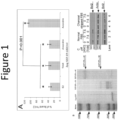
- Nehra's results we found that the expression level of Bcl-2 protein was enhanced by estrogen ( Figure 1C , Lane 1 and 4), and 7.5 ⁇ M tamoxifen was found to inhibit Bcl-2 expression ( Figure 1C , lane 2).
- anordrin or analog thereof did not significantly affect the mRNA level of BRCA1 as measured using RT-qPCR in MCF-7 cells, while tamoxifen significantly inhibited the synthesis of BRCA1 mRNAs under the same conditions ( Figure 13B , column 2 and 4).
- anordrin or analog thereof is not involved in the classic pathway of estrogen regulation.
- anordrin or analog thereof did not appear to modulate gene transcription through classic ER pathways, we did find that 7.5 ⁇ M anordrin was able to inhibit MCF-7 cell growth by more than 50% ( Figure 13A , column 1, row 1 and 2).
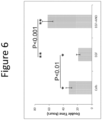
- treatment of T47D cells with 7.5 ⁇ M anordrin or analog thereof (such as anordrin) not only blocked the increase in cell growth induced by 10ng/ml EGF, but resulted in a further decrease below basal levels ( Figure 6 ).
- Insulin binds to insulin receptor (IR), stimulating the phosphorylation of insulin receptor substrate (IRS) through the insulin like growth factor receptor 1 (IGFR1) pathway.
- Phosphorylated IRS interacts with estrogen-ER complex, which can then translocate into the nucleus to regulate RNA transcription through the estrogen classical pathway.
- the proliferation of MCF-7 cells is modulated by IL, and the sensitivity of these cells to tamoxifen was found to be increased after IL was temporarily removed from culture medium (21) or when IRS expression was transiently knocked down using IRS-specific siRNA (22).
- the IL-IRS-IGFR1-ER pathway plays an important role in the regulation of MCF-7 proliferation.
- MIESs effect their regulation of cell proliferation, migration, cell-cell junction and matrix, and energy metabolism through a series of scaffold protein complexes.
- ER- ⁇ association with the plasma membrane is facilitated by palmitoylation at residue C447 in the LBD.
- ER- ⁇ -36 is a truncated ER- ⁇ variant, retaining the palmitoylation motif (445-453) and possessing a unique C-terminal 27 amino acid sequence in place of the typical 140 amino acids (456-595) of full-ength ER- ⁇ (1). Since ER- ⁇ -36 possesses a partial LBD and predominantly localizes to plasma membrane and cytosol, it may have impaired estrogen binding, resulting in loss of the modulating ability of the estrogen classical pathway.
- ER- ⁇ -36 is a unique and highly expressed ER- ⁇ variant in MDA-MB-231 and Hec1A cells and was demonstrated to regulate cell proliferation through the modulation of MAPK/ERK (1/2) pathways (23).
- MAPK/ERK 1/2
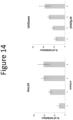
- Anordrin treatment was also found to inhibit the proliferation of both Hec1A and Ishikawa cells at doses ranging from 2-8 ⁇ M ( Figure 14A, B).
- anordrin treatment of HepG2 cells showed inhibition of cell growth characterized by a biphasic dose response, with intermediate concentrations around 7 ⁇ M showing the greatest degree of inhibition ( Figure 7A ).
- Phosphorylation of ERK in HepG2 cells showed a similar non-monotonic dose response to anordrin treatment, with maximal phosphorylation occurring at a concentration of 10 ⁇ M anordrin ( Figure 7B ), suggesting anordrin may act through the ERK pathway to mediate its inhibitory effects on cell growth.
- E2-ER complexes associated with the plasma membrane can modulate the biological functions of scaffolding proteins, such as Cas-associated substrate (p130Cas), also known as breast cancer antiestrogen resistance 1 (BCAR1) in humans.
- the integrin-p130Cas complex plays a fundamental role in the regulation of extracellular matrix (ECM) and cancer cell migration and invasion.
- ECM extracellular matrix
- ER- ⁇ -36 has previously been shown to modulate MDA-MB-231 cell migration (24).
- anordrin has been reported as an anti-angiogenic agent resulting in inhibition of cell migration and invasion (16), we studied its ability to modulate MDA-MB-231 cell migration using matrixgel.
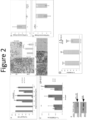
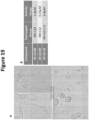
- MDA-MB-231 cells were exposed to either 10nM E2 or 10ng/ml EGF in combination with anordrin or vehicle control in basal wells. After 20 hours migrated cells were stained and quantified using a plate reader at 560nm. We found that both E2 and EGF slightly enhanced MDA-MB-231 cell migration. 6 ⁇ M anordrin significantly inhibited the migration of MDA-MB-231 cells in medium containing either E2 or EGF ( Figure 2E and F ). Interestingly, anordrin more efficiently inhibited MDA-MB-231 cell migration mediated by EGF than by E2. Furthermore, we knocked down ER- ⁇ -36 or GPER1 in MDA-MB-231 cells using specific siRNAs. We found that the migration efficiency of MDA-MB-231 cells decreased in response to ER- ⁇ -36 knockdown. In contrast, the cell migration efficiency was not affected when expression of GPER1 was knocked down in MDA-MB231 cells ( Fig. 22 ).
- Integrin translocation to the cell surface is regulated by the p130Cas scaffold protein complex to play a fundamental role in cell attachment and migration. Integrin ⁇ 3 ⁇ 1 has been reported to be involved in MCF-7 cell attachment as well as MDA-MB-231 cell migration (25, 26). Our results suggest a role for anordrin as a possible down-regulator of integrin distribution onto the cell membrane through negative modulation of the E2-ER-p130cas-integrin signaling pathway. To verify the hypothesis, we treated MCF-7 and MDA-MB-231 cells with 6 ⁇ M anordrin for 16 hours and measured cell surface integrin ⁇ 1 distribution using a FITC-labeled anti-integrin ⁇ 1 antibody.
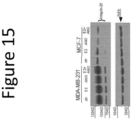
- anordrin down-regulated integrin ⁇ 1 distribution to the plasma membrane of MCF-7 ( Figure 2H ) and MDA-MB-231 ( Figure 2G ) cells. However, it did not affect the expression level of integrin ⁇ 1 in either MCF-7 or MDA-MB-231 cells ( Figure 15 ). Taken together, we conclude that anordrin or analog thereof (such as anordrin) binds to membrane-associated ER to inhibit cell migration and proliferation.
- Estrogen also plays an important role in the control of energy balance in female mammals. Estrogen modulation of metabolic signaling affects the central nervous system, liver, skeletal muscle, bone, kidney, the cardiovascular systems, etc.
- the complex of estrogen and its receptor cross-talks with insulin (IL)-insulin receptor (IR) complex or leptin/neuron peptide Y (NPY) and their receptors to regulate food intake, glucose metabolism and adipocyte composition.
- IL insulin
- IR insulin receptor
- NPY leptin/neuron peptide Y
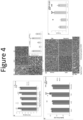
- FIG 3B shows that 200nM anordrin not only reversed the inhibitory effect of 1 ⁇ M tamoxifen on glucose metabolism but further enhanced glucose consumption compared to control ( Figure 4B , bar TAM vs bar TAM+ANO).
- E2 has been shown to increase energy expenditure, leading to reduced body weight (28).
- anordrin sustained in 200 ⁇ l sterile water containing 2.5% methyl cellulose
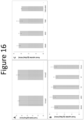
- the results show improved glucose consumption in anordrin-treated female mice (group1) compared to controls (group 2) (Figure 3G). Food intake and body mass did not change significantly during the testing period ( Figure 16A ).
- anordrin had no affect on glucose consumption in male db/db mice (data not shown).
- Estrogen is one of the key adipokines involved in the regulation of glucose metabolism, modulating the balance between ATP synthesis and deposition of fat in adipose tissue. Decreasing estrogen levels can lead to increased fat storage and obesity in postmenopausal women, increasing the incidence of diabetes II and non-alcohol steatohepatitis (NASH). Consequently, anti-estrogen therapies, such as tamoxifen, enhance the incidence of NASH in breast cancer patients.
- anordrin enhances glucose metabolism in MCF-7 cells and db/db mice, and we predicted that it could prevent increased liver fat in ovariectomized (OVX) mice as well as NASH induced by tamoxifen in normal mice.
- mice were surgically excised. 3 days post surgery, the mice were given intragastric injection of ipriflavone, E2, anordrin or vehicle control. Body mass and food intake were measured weekly. We found that after 6 weeks body mass increased in ipriflavone and control groups, but remained unchanged in sham, E2 and anordrin groups ( Figure 4A ). Food intake was not affected in any of the groups ( Figure 16B ), indicating the differences were due to changes in energy expenditure. Mice were then sacrificed to harvest 30-50mg of liver, and total lipid was extracted using a 1ml mixture of chloroform:methanol (2:1) and 0.5ml physiological salt solution.
- TC and TG assay kits 29.
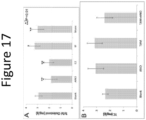
- the results show decreased amounts of TC and TG in the livers of ovariectomized (OVX) mice for the anordrin and E2 groups compared to controls, but no change for the ipriflavone group ( Figure 4D , Figure 17A ).
- the paraffin sections of livers from the anordrin and E2 groups exhibited smaller fat deposits compared to those from the control and ipriflavone groups ( Figure 4C ).
- anordrin and tamoxifen on glucose metabolism, normal 6-week old mice were treated with either drug alone or in combination.
- Body weight, NASH syndrome and liver TG phenotypes were completely reversed in mice fed with tamoxifen as above in combination with anordrin at a dose of 0.45 ⁇ g/g body mass ( Figure 4 , B, E and F). Liver TC levels were not different between any of the groups ( Figure 17B ).
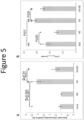
- anordrin can reverse the increased serum viscosity and TG levels induced by tamoxifen treatment ( Figure 5 ). Furthermore, immunofluorescence (IF) staining of paraffin sections of mice liver using antibodies against GPER1, ER- ⁇ , and ER- ⁇ respectively showed that only GPER1 was localized at the perinucleus compared to other estrogen receptors (ER- ⁇ , and ER- ⁇ , Fig. 21 ). Taken together, the results suggest that tamoxifen may induce NASH through inhibiting the function of GPER1. In contrast, anordrin or analog thereof (such as anordrin) is an agonist of GPER1 .
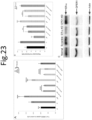
- Elevated TG deposition in the perinucleus may be caused by increased glucose uptake or a decreased cellular ATP concentration. Therefore, we tested whether tamoxifen and anordrin or analog thereof (such as anordrin) can regulate glucose uptake and cellular ATP concentrations through ER- ⁇ or GPER1. Glucose uptake was measured using fluorescently labeled glucose (2-NBDG), and ATP concentrations were measured using an ATP analysis kit. We found that anordrin enhanced 2-NBDG uptake and cellular ATP concentrations ( Fig. 23 A and B ). Tamoxifen enhanced 2-NBDG uptake, but decreased cellular ATP concentrations ( Fig. 23 A and B ).
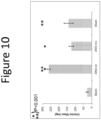
- Anordrin or analog thereof also has potential therapeutic benefits in the treatment of post-menopausal women. It was found to prevent uterine atrophy in ovariectomized mice ( Figure 8B ), and to decrease the extent of tamoxifen-induced uterine and vaginal atrophy ( Figure 8 , A and C). In particular, a corn oil and casein formulation of anordrin enhanced its activity to prevent uterine atrophy in mice as compared to a formulation using methyl-cellulose ( Figure 10 ).
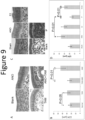
- anordrin causes hypertrophy of endometrial epithelial cells in mice, it does not induce endometrial epithelial cell proliferation, with the epithelium remaining a monolayer, as compared to tamoxifen and E2, which both induce proliferation and development of a polylayer ( Figure 9 , A and C).
- Combination treatment with anordrin and tamoxifen resulted in neither hypertrophy nor increased proliferation ( Figure 9A ).
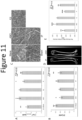
- Osteoporosis is a progressive bone disease common in post-menopausal women, characterized by decreased bone mass and density. Decreased serum Ca 2+ concentration ([Ca 2+ ]) and increased phoaphate concentration ([P i ]) are clinical diagnostic markers used to indicate progression of osteoporosis. Anordrin was found to prevent osteoporosis in ovariectomized mice as indicated by increased serum Ca 2+ ( Figure 11A ), decreased P i ( Figure 11B ), and increased bone density ( Figure 11 , D and E). It was also found to prevent decrease in bone marrow cells ( Figure 11C ).
- Estrogen, tamoxifen and raloxifene all bind to the LBD of ERs to modulate the estrogen classical pathway. Estrogen replacement therapy or treatment with tamoxifen or raloxifene can enhance expression of ApoD, a component of HDL ( Figure13B , column3), potentially leading to blood clot formation.
- ApoD a component of HDL ( Figure13B , column3)
- SERM that does not modulate the classical pathway of estrogen would not cause blood clots or thromboembolism.
- anordrin was identified as a compound that does not modulate the ER classical pathway, and also decreases serum viscosity induced by tamoxifen.
- Tamoxifen is a useful therapeutic as an antagonist of the ER classical pathway, but is also an agonist of mERs, inducing the proliferation of endometrial epithelial cells.
- Anordrin can neutralize tamoxifen-induced proliferation of endometrial epithelial cells, and as such is useful in combination therapy.
- anordrin is an antagonist of mER.
- Anordrin does not modulate the ER classical pathway, but it can enhance estrogen metabolic signaling.
- anordrin is an agonist of GPER1, through which it modulates estrogen metabolic signaling.
- tamoxifen is an antagonist of GPER1 and inhibits estrogen metabolic signaling.
- Estrogen binding to its membrane-associated receptors can lead to cytosolic Ca 2+ oscillations, conveying signals to the extracellular matrix (ECM) and impacting cell migration.
- InsP 3 R is one of the major Ca 2+ channels involved in the regulation of diverse signal transduction pathways. It has been reported to take part in the estrogen modulation of Ca 2+ release from endoplasmic reticulum (30), and has also been shown to be involved in functional regulation of actin filaments (31). However, the detailed molecular mechanisms underlying this action are not clearly understood. The E2-ER complex has been reported to regulate cell migration through c-Src (32).
- c-Src is a non-receptor tyrosine kinase that plays an important role in the regulation of cell adhesion, invasion, growth and differentiation.
- the key regulatory mechanisms of c-Src tyrosine kinase involve the control of its phosphorylation states and kinase activity, which can be modulated by Ca 2+ signaling induced by E2 interaction with ER .
- the c-Src-FAK (focal adhesion kinase)-p130Cas scaffold reacts with focal adhesion complexes to regulate the actin cytoskeleton, resulting in the modulation of cell motility and adhesion.
- the p130Cas/BCAR1 complex interacts with integrin to regulate ECM and migration.
- Anordrin binds to membrane-associated ER and blocks the signal transduction pathway of estrogen-mediated integrin translocation, resulting in the inhibition of cell migration.
- tamoxifen is an agonist of this signal transduction pathway, and BCAR1, as a core component of this scaffold, is thought to be implicated in the development of tamoxifen-resistance during the treatment of breast cancer patients.
- the FAK-CDC42-ARHGAP21 pathway has been reported to regulate the formation of integrin-F-actin scaffold complex, and consequently glioblastomas cell migration (33).
- EGF binds to Her1, resulting in activition of the c-Src phosphorylation pathway to regulate cell proliferation and migration.
- Anordrin modulation of cell proliferation and migration has also been demonstrated to act through the c-Src pathway.
- anordrin could block the stimulatory effects of EGF on cell migration in MDA-MB-231 cells and cell growth in T47D cells.
- anordrin was used as an anti-tumor medicine in the 1990's, it was found to improve the quality of life and increase the lifespan of patients whose cancers were potentially caused by EGF/Her1 and failed to be inhibited by an EGF competitor.
- Our results suggest that anordrin can be used in anti-tumor therapies to treat those patients whose tumor growth is dependent on membrane-associated ER and the Her1-c-Src pathway.
- GPER1 has been primarily considered to be linked to anti-estrogen resistance in reproductive cancers, since it was found to be involved in activation of MAPK/ERK and PI3K/AKT by estrogen through the EGFR pathway in ER-negative, but GPER1 positive, breast cancer cell lines (34). Subsequently, it was reported to be approximatelydantly expressed in biopsy specimens of reproductive cancers from patients. Notably, GPER1 expression is associated with tumor size, ER-negative-her-2/neu, and extramammary metastases (35). However, reports showed that knockdown of GPER1 failed to correlate with ERK activity (36). The GPER1-selective agonist G1 also failed to exert an estrogenic effect in the uterus or mammary gland (37).
- Estrogen regulation of energy balance has been reported to be primarily mediated by ER- ⁇ . Knockout of ER- ⁇ has been shown to result in loss of estrogen modulation of obesity (39). 25% of GPER1 knockout mice have been shown to exhibit obesity (40). In contrast, ER- ⁇ knockout mice do not show increased rates of obesity (41). These results suggest that cross-talk between ER- ⁇ and GPER1 is important for the estrogen regulation of energy balance. GPER1 is predominantly localized to the endoplasmic reticulum, where estrogen and phosphatidylinositol 3, 4, 5-triphosphate (IP 3 ) signals are generated, leading to Ca 2+ release from InsP 3 R (5). White et al.
- GPER1 has been found to also localize to the plasma membrane, cross-talk between GPER1 and IL-IR complex has never been reported.
- estrogen-ER- ⁇ not only regulates Glut-4 expression and its translocation to cell membrane (43), it also cross-talks with IL-IR complex to regulate glucose uptake in MCF-7 and skeletal muscle cells (44, 45).
- tamoxifen was found to prevent osteoporosis during clinical usage.
- Anordrin was also found to prevent osteoporosis in our experiments ( Figure 11 ).
- Tamoxifen can enhance 2-NBDG uptake and inhibit ATP generation.
- the elevated intake of glucose caused by tamoxifen cannot be metabolized into APT. Consequently, excess glucose can be transformed into TG.
- This chain of events explains why tamoxifen can induce NASH when used for breast cancer therapy.
- glucose cannot be metabolized, excessive amount of TG is stored up, leading to inhibition of further uptake of glucose even at the presence of high insulin concentrations.
- Anordrin or analog thereof can counteract the effects of tamoxifen on glucose uptake and glucose metabolism to ATP and TG. Therefore, combination of anordrin and tamoxifen can prevent tamoxifen-induced insulin resistance and incidence of diabetes II.
- ER- ⁇ ligand binding domain and ER- ⁇ -36 were cloned into pGEX-6P-1 at EcoRI and XhoI sites.
- GST-ER fusion proteins were induced using 0.1 ⁇ M IPTG and expressed in E.coli at 25°C for 3hours. Bacteria were harvested. GST fusion proteins were purified following manufacturer's instructions. Purified protein on GST-beads was eluted using 1X sample buffer at 100°C for 5 minutes. The supernant was run on 10% SDS-PAGE. Gel was stained using Coomassie blue-R250. Protein bands were cut and characterized by LC-MSMS.
- ER- ⁇ -36 and GPER1 cDNAs were purchased from YR gene and subcloned into pRetro-AcGFP and pQXIX-EGFP vectors, respectively (Clontech).
- MCF-7, T47D, MDA-MB-231, Hec-1A, CHO-K1 and HEK-293 cells were grown following ATCC protocol.
- the plasmids of pVSV-G protein cDNA with ER- ⁇ -36 or GPER1 cDNA were co-transfected into HEK-293 package cells. After 72hours of transfection, supernatant was harvested and concentrated using ultracentrifugation at 25krpm for 2hours.
- Virus was resuspensed using culture medium of stable cells. Cells were infected using virus at 37°C for 2 hours, grown for 2 days and GFP-positive cells were seeded into 96well plates at one cell per well. The expression of GFP fusion protein was checked using western blotting.
- Binding and competition assays GST and GST-ER- ⁇ fusion proteins were expressed in E.coli and purified using glutathione beads. 2 ⁇ g/ml GST (40-80nM) fusion proteins in 1ml TE buffer was mixed with 1nM 3 H-E2 at 4 0 C for 2h. Radioactivity on beads was measured using a GM meter. HEK-293 cells were transfected to express GST fusion proteins of ER- ⁇ or GPER1. Cells were lysed in 1X TE buffer containing protease inhibitor cocktail (sigma) on ice for 30min, 80% glycerol was added to reach 20% glycerol. Tubes were centrifuged at 300g for 5min and supernatant was collected.
- Protein concentration was measured by Bio-rad protein concentration assay kit. 100nM anordrin and 1nM 3 H-E2 was added to 1ml lysate (5mg/ml total protein) at 4 0 C for 2h. Radioactivity on beads was measured using GM meter.
- TE buffer 50mM Tris (pH8.0), 5mM EDTA, 2mM PMSF and protease inhibitor cocktail (Sigma)
- 80% glycerol in TE buffer was added to cell lysates to reach 20% and centrifuged at 800g for 5min. The supernatant was transferred to new tubes and total protein concentration was adjusted to 5mg/ml.
- Drugs and 3 H-E2 were added to 1ml protein solution and incubated at 4 0 C for 2hours. Microsome was precipitated at 25krpm for 2hours. Bound 3 H-E2 was measured using GM meter.
- Drug inhibition assay Cells were inoculated into 24 well plates and treated using the designated concentration of drugs. Cell number was counted using a cell counter (Count Star).
- Transwell and flow cytometry assay Cells were starved for 48hours in phenol red free medium containing 5% charcoal-stripped FBS, and then changed into phenol red free medium for an additional 24hours. Transwell was performed following the Chemicon kit instructions (CAT#ECM55 1). Briefly, cells were trypsinized, washed using 1X DPBS containing Ca2+ and Mg2+ (Sigma) and resuspensed in serum and phenol red free medium at a cell density of 0.5 ⁇ 10 6 cells/ml. 200 ⁇ l cell suspension containing drugs was added into the upper chamber and inserted into the lower chamber containing 0.5ml medium with 10% FBS for 16hours. Flow cytometry was performed by suspending cells in trypsin-free cell suspension buffer (Millipore), and labeling with FITC-antibody (millinpore) following company instructions.
- siRNAs against ER- ⁇ and GPER1 were designed according to references 46 and 47 respectively, and were synthesized by Genepharma Co., LTD.
- Glucose concentration assay glucose concentration in medium or total blood from mouse tail was measured using glucose assay kits following manufacturer's instructions (Yicheng, Beijing).
- OVX mice model and administration of drugs The ovaries of 6 week old mice were excised by surgery. 3 days post surgery drugs were administered by gastric tract injection every day or mixed with food.
- Thighbone was fixed in 1X DPBS containing 3% formaldehyde for two weeks. The fixation solution was exchanged after one week. The density of thighbone was measured by Siemens Inveon Micro-CT. Inveon Research Workplace (IRW) was used to analyze the HU2000 value at the following measurement conditions: 80KVP, 500mA, 1500ms exposure time; CCD Readout installation: 2048axial, 2048 binning; FOV Transaxial: 19.03mm, axial: 19.03mm, pixels size: 9.29 ⁇ m.
- IRW Inveon Research Workplace
- RNA extraction Extraction of cellular lysate, Western blotting, total RNA extraction and RT-qPCR: Cells were harvested and lysed in RIPA buffer or 1X DPBS containing 1% triton-x100 and protease inhibitor cocktail. Total protein concentration was measured using Bio-rad protein staining dye. Western blotting was performed following standard protocol using nitrocellulose membrane (Millipore) and Bio-rad semi-dry transfer system. Total RNA was extracted using RNA extract solution (sigma). RT-qPCR was performed using the Roche Sybr qPCR kit, ABI7900HT PCR machine using the program: 95°C for 10 min followed by 40 cycles of 95°C for 10sec and 60 0 C for 1min.
- Dinordrin has a similar structure as anordrin except that it has an -H at R6 position.
- 50nM dinordrin blocked 63.2 ⁇ 5.7% of 0.5nM [H 3 -E2] binding to 1 ⁇ g of GST-ER- ⁇ -LBD on beads.
- Paraffin was removed from mouse liver sections using xylene. The liver sections were stained using antibodies against GPER1, ER- ⁇ or ER- ⁇ respectively. References
Landscapes
- Health & Medical Sciences (AREA)
- General Health & Medical Sciences (AREA)
- Veterinary Medicine (AREA)
- Public Health (AREA)
- Life Sciences & Earth Sciences (AREA)
- Animal Behavior & Ethology (AREA)
- Chemical & Material Sciences (AREA)
- Medicinal Chemistry (AREA)
- Pharmacology & Pharmacy (AREA)
- Epidemiology (AREA)
- General Chemical & Material Sciences (AREA)
- Organic Chemistry (AREA)
- Nuclear Medicine, Radiotherapy & Molecular Imaging (AREA)
- Chemical Kinetics & Catalysis (AREA)
- Engineering & Computer Science (AREA)
- Bioinformatics & Cheminformatics (AREA)
- Physical Education & Sports Medicine (AREA)
- Hematology (AREA)
- Obesity (AREA)
- Rheumatology (AREA)
- Orthopedic Medicine & Surgery (AREA)
- Diabetes (AREA)
- Oncology (AREA)
- Child & Adolescent Psychology (AREA)
- Gastroenterology & Hepatology (AREA)
- Reproductive Health (AREA)
- Endocrinology (AREA)
- Acyclic And Carbocyclic Compounds In Medicinal Compositions (AREA)
- Pharmaceuticals Containing Other Organic And Inorganic Compounds (AREA)
- Medicines That Contain Protein Lipid Enzymes And Other Medicines (AREA)
- Medicinal Preparation (AREA)
Claims (12)
- Anordrin für die Verwendung in einem Verfahren zum Reduzieren eines postmenopausalen Symptoms bei einem Individuum, wobei das Verfahren das Verabreichen einer wirksamen Menge des Anordrins an das Individuum umfasst.
- Anordrin für die Verwendung nach Anspruch 1, wobei das Verfahren ferner das Verabreichen einer wirksamen Menge von wenigstens einem anderen Mittel an das Individuum umfasst, wobei das andere Mittel aus der Gruppe ausgewählt ist, bestehend aus Raloxifen, Lasofoxifen, Bazedoxifen, Arzoxifen, Ormeloxifen, Ospemifen und Levormeloxifen.
- Anordrin für die Verwendung nach Anspruch 1 oder 2, wobei die postmenopausalen Symptome aus der Gruppe ausgewählt sind, bestehend aus Fettleber, Gewichtszunahme, hohen Bluttriglyceriden und Osteoporose und Organschwund.
- Anordrin für die Verwendung in einem Verfahren zum Reduzieren der Nebenwirkung von wenigstens einem anderen Mittel bei einem Individuum, wobei das Verfahren das Verabreichen einer wirksamen Menge des Anordrins an das Individuum in Kombination mit dem anderen Mittel umfasst, wobei das andere Mittel aus der Gruppe ausgewählt ist, bestehend aus Tamoxifen, Raloxifen, Lasofoxifen, Bazedoxifen, Arzoxifen, Ormeloxifen, Ospemifen, Levormeloxifen, Anastrozol, Letrozol, Exemestan, Vorozol, Formestan und Fadrozol.
- Anordrin für die Verwendung nach Anspruch 4, wobei das andere Mittel Tamoxifen ist.
- Anordrin für die Verwendung nach Anspruch 4 oder 5, wobei die Nebenwirkung von wenigstens einem Mittel eine erhöhte Zuckeraufnahme, verringerte zelluläre ATP-Konzentrationen oder eine Insulinresistenz umfasst.
- Anordrin für die Verwendung nach einem der Ansprüche 1 bis 6, wobei das Anordrin und das andere Mittel sequenziell verabreicht werden.
- Anordrin für die Verwendung nach einem der Ansprüche 1-7, wobei das Anordrin und das andere Mittel gleichzeitig verabreicht werden.
- Anordrin für die Verwendung nach einem der Ansprüche 1-8, wobei das Individuum ein Mensch ist.
- Anordrin für die Verwendung nach einem der Ansprüche 1-9, wobei die wirksame Menge des Anordrins etwa 0,5 bis etwa 5 mg beträgt.
- Pharmazeutische Zusammensetzung, umfassend Anordrin und wenigstens ein anderes Mittel, ausgewählt aus der Gruppe, bestehend aus Tamoxifen, Raloxifen, Lasofoxifen, Bazedoxifen, Arzoxifen, Ormeloxifen, Ospemifen, Levormeloxifen, Anastrozol, Letrozol, Exemestan, Vorozol, Formestan und Fadrozol,
wobei das Gewichtsverhältnis von Anordrin und dem anderen Mittel weniger als 1 : 1 beträgt. - Pharmazeutische Zusammensetzung nach Anspruch 11, wobei das wenigstens eine andere Mittel Tamoxifen ist.
Applications Claiming Priority (2)
| Application Number | Priority Date | Filing Date | Title |
|---|---|---|---|
| CN201410192569.2A CN104208069A (zh) | 2014-05-08 | 2014-05-08 | 双炔失碳酯组合物和疾病治疗方法 |
| PCT/CN2015/077942 WO2015169173A1 (en) | 2014-05-08 | 2015-04-30 | Anordrin compositions and methods for treating diseases |
Publications (4)
| Publication Number | Publication Date |
|---|---|
| EP3139928A1 EP3139928A1 (de) | 2017-03-15 |
| EP3139928A4 EP3139928A4 (de) | 2017-12-13 |
| EP3139928B1 true EP3139928B1 (de) | 2025-03-05 |
| EP3139928C0 EP3139928C0 (de) | 2025-03-05 |
Family
ID=52090245
Family Applications (1)
| Application Number | Title | Priority Date | Filing Date |
|---|---|---|---|
| EP15788674.8A Active EP3139928B1 (de) | 2014-05-08 | 2015-04-30 | Anordrin-zusammensetzungen und verfahren zur behandlung von krankheiten |
Country Status (5)
| Country | Link |
|---|---|
| US (3) | US10231978B2 (de) |
| EP (1) | EP3139928B1 (de) |
| JP (4) | JP6594339B2 (de) |
| CN (3) | CN113101292B (de) |
| WO (1) | WO2015169173A1 (de) |
Families Citing this family (13)
| Publication number | Priority date | Publication date | Assignee | Title |
|---|---|---|---|---|
| CN113101292B (zh) | 2014-05-08 | 2023-07-11 | 上海市生物医药技术研究院 | 双炔失碳酯组合物和疾病治疗方法 |
| CN105279394B (zh) * | 2015-10-13 | 2017-12-26 | 山西农业大学 | 用于神经肽受体筛选的方法 |
| JP6788255B2 (ja) * | 2015-11-19 | 2020-11-25 | 国立大学法人信州大学 | 新規ベクター及びこれを用いた可溶化タンパク質の製造方法 |
| PL3525774T3 (pl) | 2016-10-11 | 2022-04-25 | Duke University | Leczenie lazofoksyfenem raka piersi er+ |
| WO2018090049A1 (en) * | 2016-11-14 | 2018-05-17 | The Brigham And Women's Hospital, Inc. | Estrogen sensing through gper1 regulates normal and malignant liver growth |
| CN115737637A (zh) | 2017-01-10 | 2023-03-07 | 王巍 | 拉索昔芬调节膜结合雌激素信号的应用及治疗癌症的方法 |
| WO2019041078A1 (en) * | 2017-08-28 | 2019-03-07 | Zhejiang Jiachi Pharmaceutical Development Ltd. | ASYMMETRIC SYNTHESIS AND USES OF COMPOUNDS IN TREATMENT OF DISEASES |
| CN109662968B (zh) * | 2017-10-13 | 2021-05-18 | 上海奥奇医药科技有限公司 | 含A-失碳-5α雄甾烷化合物的升白制剂及其应用 |
| WO2019199891A1 (en) | 2018-04-10 | 2019-10-17 | Duke University | Lasofoxifene treatment of breast cancer |
| CN111773388B (zh) * | 2019-04-04 | 2023-07-18 | 上海奥奇医药科技有限公司 | A-失碳-5α雄甾烷化合物类药物与抗癌药物的联合应用 |
| US20210299098A1 (en) * | 2020-03-31 | 2021-09-30 | Cipla Limited | Selective estrogen receptor modulator for treatment of pancreatic cancer |
| WO2022246634A1 (en) * | 2021-05-25 | 2022-12-01 | Zhejiang Jiachi Development Pharmaceuticals Ltd. | Compositions for treating insomnia and uses thereof |
| GB202116903D0 (en) | 2021-11-18 | 2022-01-05 | Sermonix Pharmaceuticals Inc | Lasofoxifene treatment of aromatase-resistant er+ cancer |
Citations (1)
| Publication number | Priority date | Publication date | Assignee | Title |
|---|---|---|---|---|
| WO2007045027A1 (en) * | 2005-10-19 | 2007-04-26 | Chavah Pty Ltd | Reduction of side effects from aromatase inhibitors used for treating breast cancer |
Family Cites Families (12)
| Publication number | Priority date | Publication date | Assignee | Title |
|---|---|---|---|---|
| US5001120A (en) * | 1989-05-10 | 1991-03-19 | Natural Pharmacia International, Inc. | Use of A-Nor-steroids as malignant cells growth inhibitors |
| US7985422B2 (en) * | 2002-08-05 | 2011-07-26 | Torrent Pharmaceuticals Limited | Dosage form |
| JP2006508061A (ja) * | 2002-09-20 | 2006-03-09 | ファイザー・プロダクツ・インク | エストロゲン受容体に対するアミドおよびスルホンアミドリガンド |
| US20050227929A1 (en) * | 2003-11-13 | 2005-10-13 | Masferrer Jaime L | Combination therapy comprising a Cox-2 inhibitor and an antineoplastic agent |
| AU2005267210A1 (en) * | 2004-06-30 | 2006-02-02 | Merck & Co., Inc. | Estrogen receptor modulators |
| CN101297970A (zh) * | 2006-03-17 | 2008-11-05 | 山东蓝金生物工程有限公司 | 同载抗代谢药物及其增效剂的抗癌缓释注射剂 |
| US20090142337A1 (en) | 2006-05-08 | 2009-06-04 | Astex Therapeutics Limited | Pharmaceutical Combinations of Diazole Derivatives for Cancer Treatment |
| MX2013000521A (es) | 2010-07-16 | 2013-03-05 | Merck Patent Gmbh | Partido para usarse en tratamiento de cancer de mama y/o metastasis osea. |
| CN101987081B (zh) * | 2010-07-16 | 2012-08-08 | 钟术光 | 一种控释制剂 |
| AU2012229147B2 (en) | 2011-03-11 | 2015-12-24 | Merrimack Pharmaceuticals, Inc. | Use of inhibitors of EGFR-family receptors in the treatment of hormone refractory breast cancers |
| CN102218069B (zh) | 2011-04-08 | 2012-09-26 | 上海奥奇医药科技有限公司 | A-失碳-5α-雄甾烷化合物在制备抗恶性肿瘤药物中的应用 |
| CN113101292B (zh) | 2014-05-08 | 2023-07-11 | 上海市生物医药技术研究院 | 双炔失碳酯组合物和疾病治疗方法 |
-
2014
- 2014-05-08 CN CN202110246492.2A patent/CN113101292B/zh active Active
- 2014-05-08 CN CN202010899146.XA patent/CN111956653B/zh active Active
- 2014-05-08 CN CN201410192569.2A patent/CN104208069A/zh active Pending
-
2015
- 2015-04-30 JP JP2016566286A patent/JP6594339B2/ja active Active
- 2015-04-30 US US15/309,426 patent/US10231978B2/en active Active
- 2015-04-30 WO PCT/CN2015/077942 patent/WO2015169173A1/en not_active Ceased
- 2015-04-30 EP EP15788674.8A patent/EP3139928B1/de active Active
-
2019
- 2019-01-30 US US16/262,617 patent/US10857158B2/en active Active
- 2019-05-10 JP JP2019089931A patent/JP2019142969A/ja not_active Withdrawn
-
2020
- 2020-11-19 US US16/953,168 patent/US11911397B2/en active Active
- 2020-12-29 JP JP2020219768A patent/JP7084467B2/ja active Active
-
2022
- 2022-03-17 JP JP2022042432A patent/JP2022078330A/ja not_active Withdrawn
Patent Citations (1)
| Publication number | Priority date | Publication date | Assignee | Title |
|---|---|---|---|---|
| WO2007045027A1 (en) * | 2005-10-19 | 2007-04-26 | Chavah Pty Ltd | Reduction of side effects from aromatase inhibitors used for treating breast cancer |
Also Published As
| Publication number | Publication date |
|---|---|
| US20170151263A1 (en) | 2017-06-01 |
| CN113101292A (zh) | 2021-07-13 |
| JP2017514853A (ja) | 2017-06-08 |
| JP2022078330A (ja) | 2022-05-24 |
| US10231978B2 (en) | 2019-03-19 |
| EP3139928C0 (de) | 2025-03-05 |
| CN113101292B (zh) | 2023-07-11 |
| US11911397B2 (en) | 2024-02-27 |
| JP6594339B2 (ja) | 2019-10-23 |
| EP3139928A4 (de) | 2017-12-13 |
| US20210069212A1 (en) | 2021-03-11 |
| US20190262360A1 (en) | 2019-08-29 |
| JP2021050241A (ja) | 2021-04-01 |
| WO2015169173A1 (en) | 2015-11-12 |
| US10857158B2 (en) | 2020-12-08 |
| CN104208069A (zh) | 2014-12-17 |
| CN111956653A (zh) | 2020-11-20 |
| JP7084467B2 (ja) | 2022-06-14 |
| EP3139928A1 (de) | 2017-03-15 |
| JP2019142969A (ja) | 2019-08-29 |
| CN111956653B (zh) | 2023-06-30 |
Similar Documents
| Publication | Publication Date | Title |
|---|---|---|
| EP3139928B1 (de) | Anordrin-zusammensetzungen und verfahren zur behandlung von krankheiten | |
| Deng et al. | Mangiferin attenuates osteoporosis by inhibiting osteoblastic ferroptosis through Keap1/Nrf2/SLC7A11/GPX4 pathway | |
| Peng et al. | Potential of selective estrogen receptor modulators as treatments and preventives of breast cancer | |
| Sreeja et al. | Pomegranate extract demonstrate a selective estrogen receptor modulator profile in human tumor cell lines and in vivo models of estrogen deprivation | |
| EP3568132B1 (de) | Lasofoxifenmodulation von membraninitiierten östrogensignalen und verfahren zur tumorbehandlung | |
| Cassoni et al. | Activation of functional oxytocin receptors stimulates cell proliferation in human trophoblast and choriocarcinoma cell lines | |
| Yang et al. | ER-mediated anti-tumor effects of shikonin on breast cancer | |
| JP7697986B2 (ja) | 化合物の不斉合成および疾患処置における使用 | |
| Zhan et al. | A novel taspine derivative, HMQ1611, inhibits breast cancer cell growth via estrogen receptor α and EGF receptor signaling pathways | |
| Lv et al. | Selective estrogen receptor modulator with estrogen does not affect the proliferation and apoptosis of uterine leiomyoma cells | |
| Sola et al. | Antiestrogenic therapies in solid cancers and multiple myeloma | |
| Xing et al. | Up-and Down-regulated Leukemia-related Protein 16 Affects ERα Expression and Prolactin Secretion by GH3 Cells | |
| Yu et al. | Estrogen in combination with 5-azacitidine up-regulates p75NTR expression and induces apoptosis in 22Rv1 prostate cancer cells | |
| Foulds | The Dual ERα Inhibitory Effects of the Tissue-Selective Estrogen Complex for Endometrial and Breast Safety | |
| Yu et al. | A variant of human estrogen receptor-α, hER-α36 weakens docetaxel drug efficacy against human breast cancer cell line MCF-7 | |
| Fox et al. | STAT5b, c-Src, and EGFR signaling play integral roles in estrogen-stimulated proliferation of ER-positive breast cancer cells | |
| CN101139335A (zh) | 7-羟基-3-[(4-羟基)-3-((e)-3,7-二甲基-辛基-2,6-二烯基)苯基]-4h-1-苯并吡喃-4-酮的用途 |
Legal Events
| Date | Code | Title | Description |
|---|---|---|---|
| STAA | Information on the status of an ep patent application or granted ep patent |
Free format text: STATUS: THE INTERNATIONAL PUBLICATION HAS BEEN MADE |
|
| PUAI | Public reference made under article 153(3) epc to a published international application that has entered the european phase |
Free format text: ORIGINAL CODE: 0009012 |
|
| STAA | Information on the status of an ep patent application or granted ep patent |
Free format text: STATUS: REQUEST FOR EXAMINATION WAS MADE |
|
| 17P | Request for examination filed |
Effective date: 20161102 |
|
| AK | Designated contracting states |
Kind code of ref document: A1 Designated state(s): AL AT BE BG CH CY CZ DE DK EE ES FI FR GB GR HR HU IE IS IT LI LT LU LV MC MK MT NL NO PL PT RO RS SE SI SK SM TR |
|
| AX | Request for extension of the european patent |
Extension state: BA ME |
|
| DAV | Request for validation of the european patent (deleted) | ||
| DAX | Request for extension of the european patent (deleted) | ||
| A4 | Supplementary search report drawn up and despatched |
Effective date: 20171114 |
|
| RIC1 | Information provided on ipc code assigned before grant |
Ipc: A61P 19/10 20060101ALI20171106BHEP Ipc: A61P 3/04 20060101ALI20171106BHEP Ipc: A61P 1/16 20060101ALI20171106BHEP Ipc: A61P 15/12 20060101ALI20171106BHEP Ipc: A61P 35/00 20060101ALI20171106BHEP Ipc: A61K 31/56 20060101AFI20171106BHEP Ipc: A61P 3/06 20060101ALI20171106BHEP |
|
| STAA | Information on the status of an ep patent application or granted ep patent |
Free format text: STATUS: EXAMINATION IS IN PROGRESS |
|
| 17Q | First examination report despatched |
Effective date: 20200212 |
|
| GRAP | Despatch of communication of intention to grant a patent |
Free format text: ORIGINAL CODE: EPIDOSNIGR1 |
|
| STAA | Information on the status of an ep patent application or granted ep patent |
Free format text: STATUS: GRANT OF PATENT IS INTENDED |
|
| INTG | Intention to grant announced |
Effective date: 20241001 |
|
| GRAS | Grant fee paid |
Free format text: ORIGINAL CODE: EPIDOSNIGR3 |
|
| GRAA | (expected) grant |
Free format text: ORIGINAL CODE: 0009210 |
|
| STAA | Information on the status of an ep patent application or granted ep patent |
Free format text: STATUS: THE PATENT HAS BEEN GRANTED |
|
| AK | Designated contracting states |
Kind code of ref document: B1 Designated state(s): AL AT BE BG CH CY CZ DE DK EE ES FI FR GB GR HR HU IE IS IT LI LT LU LV MC MK MT NL NO PL PT RO RS SE SI SK SM TR |
|
| REG | Reference to a national code |
Ref country code: GB Ref legal event code: FG4D |
|
| REG | Reference to a national code |
Ref country code: CH Ref legal event code: EP |
|
| REG | Reference to a national code |
Ref country code: DE Ref legal event code: R096 Ref document number: 602015091160 Country of ref document: DE |
|
| REG | Reference to a national code |
Ref country code: IE Ref legal event code: FG4D |
|
| U01 | Request for unitary effect filed |
Effective date: 20250305 |
|
| U07 | Unitary effect registered |
Designated state(s): AT BE BG DE DK EE FI FR IT LT LU LV MT NL PT RO SE SI Effective date: 20250311 |
|
| U20 | Renewal fee for the european patent with unitary effect paid |
Year of fee payment: 11 Effective date: 20250305 |
|
| PGFP | Annual fee paid to national office [announced via postgrant information from national office to epo] |
Ref country code: GB Payment date: 20250305 Year of fee payment: 11 |
|
| PG25 | Lapsed in a contracting state [announced via postgrant information from national office to epo] |
Ref country code: RS Free format text: LAPSE BECAUSE OF FAILURE TO SUBMIT A TRANSLATION OF THE DESCRIPTION OR TO PAY THE FEE WITHIN THE PRESCRIBED TIME-LIMIT Effective date: 20250605 |
|
| PG25 | Lapsed in a contracting state [announced via postgrant information from national office to epo] |
Ref country code: ES Free format text: LAPSE BECAUSE OF FAILURE TO SUBMIT A TRANSLATION OF THE DESCRIPTION OR TO PAY THE FEE WITHIN THE PRESCRIBED TIME-LIMIT Effective date: 20250305 |
|
| PG25 | Lapsed in a contracting state [announced via postgrant information from national office to epo] |
Ref country code: NO Free format text: LAPSE BECAUSE OF FAILURE TO SUBMIT A TRANSLATION OF THE DESCRIPTION OR TO PAY THE FEE WITHIN THE PRESCRIBED TIME-LIMIT Effective date: 20250605 |
|
| PG25 | Lapsed in a contracting state [announced via postgrant information from national office to epo] |
Ref country code: HR Free format text: LAPSE BECAUSE OF FAILURE TO SUBMIT A TRANSLATION OF THE DESCRIPTION OR TO PAY THE FEE WITHIN THE PRESCRIBED TIME-LIMIT Effective date: 20250305 |
|
| PG25 | Lapsed in a contracting state [announced via postgrant information from national office to epo] |
Ref country code: GR Free format text: LAPSE BECAUSE OF FAILURE TO SUBMIT A TRANSLATION OF THE DESCRIPTION OR TO PAY THE FEE WITHIN THE PRESCRIBED TIME-LIMIT Effective date: 20250606 |
|
| PG25 | Lapsed in a contracting state [announced via postgrant information from national office to epo] |
Ref country code: SM Free format text: LAPSE BECAUSE OF FAILURE TO SUBMIT A TRANSLATION OF THE DESCRIPTION OR TO PAY THE FEE WITHIN THE PRESCRIBED TIME-LIMIT Effective date: 20250305 |
|
| PG25 | Lapsed in a contracting state [announced via postgrant information from national office to epo] |
Ref country code: PL Free format text: LAPSE BECAUSE OF FAILURE TO SUBMIT A TRANSLATION OF THE DESCRIPTION OR TO PAY THE FEE WITHIN THE PRESCRIBED TIME-LIMIT Effective date: 20250305 |
|
| PG25 | Lapsed in a contracting state [announced via postgrant information from national office to epo] |
Ref country code: CZ Free format text: LAPSE BECAUSE OF FAILURE TO SUBMIT A TRANSLATION OF THE DESCRIPTION OR TO PAY THE FEE WITHIN THE PRESCRIBED TIME-LIMIT Effective date: 20250305 |
|
| PG25 | Lapsed in a contracting state [announced via postgrant information from national office to epo] |
Ref country code: SK Free format text: LAPSE BECAUSE OF FAILURE TO SUBMIT A TRANSLATION OF THE DESCRIPTION OR TO PAY THE FEE WITHIN THE PRESCRIBED TIME-LIMIT Effective date: 20250305 |
|
| PG25 | Lapsed in a contracting state [announced via postgrant information from national office to epo] |
Ref country code: IS Free format text: LAPSE BECAUSE OF FAILURE TO SUBMIT A TRANSLATION OF THE DESCRIPTION OR TO PAY THE FEE WITHIN THE PRESCRIBED TIME-LIMIT Effective date: 20250705 |
|
| REG | Reference to a national code |
Ref country code: CH Ref legal event code: H13 Free format text: ST27 STATUS EVENT CODE: U-0-0-H10-H13 (AS PROVIDED BY THE NATIONAL OFFICE) Effective date: 20251125 |
|
| PG25 | Lapsed in a contracting state [announced via postgrant information from national office to epo] |
Ref country code: MC Free format text: LAPSE BECAUSE OF FAILURE TO SUBMIT A TRANSLATION OF THE DESCRIPTION OR TO PAY THE FEE WITHIN THE PRESCRIBED TIME-LIMIT Effective date: 20250305 |
|
| PLBE | No opposition filed within time limit |
Free format text: ORIGINAL CODE: 0009261 |
|
| STAA | Information on the status of an ep patent application or granted ep patent |
Free format text: STATUS: NO OPPOSITION FILED WITHIN TIME LIMIT |
|
| REG | Reference to a national code |
Ref country code: CH Ref legal event code: L10 Free format text: ST27 STATUS EVENT CODE: U-0-0-L10-L00 (AS PROVIDED BY THE NATIONAL OFFICE) Effective date: 20260114 |
|
| PG25 | Lapsed in a contracting state [announced via postgrant information from national office to epo] |
Ref country code: CH Free format text: LAPSE BECAUSE OF NON-PAYMENT OF DUE FEES Effective date: 20250430 |
|
| 26N | No opposition filed |
Effective date: 20251208 |