EP3137622B1 - Methods of reducing decline in vital capacity - Google Patents
Methods of reducing decline in vital capacity Download PDFInfo
- Publication number
- EP3137622B1 EP3137622B1 EP15785560.2A EP15785560A EP3137622B1 EP 3137622 B1 EP3137622 B1 EP 3137622B1 EP 15785560 A EP15785560 A EP 15785560A EP 3137622 B1 EP3137622 B1 EP 3137622B1
- Authority
- EP
- European Patent Office
- Prior art keywords
- skeletal muscle
- subject
- decline
- als
- tirasemtiv
- Prior art date
- Legal status (The legal status is an assumption and is not a legal conclusion. Google has not performed a legal analysis and makes no representation as to the accuracy of the status listed.)
- Active
Links
Images



Classifications
-
- A—HUMAN NECESSITIES
- A61—MEDICAL OR VETERINARY SCIENCE; HYGIENE
- A61K—PREPARATIONS FOR MEDICAL, DENTAL OR TOILETRY PURPOSES
- A61K31/00—Medicinal preparations containing organic active ingredients
- A61K31/33—Heterocyclic compounds
- A61K31/395—Heterocyclic compounds having nitrogen as a ring hetero atom, e.g. guanethidine or rifamycins
- A61K31/495—Heterocyclic compounds having nitrogen as a ring hetero atom, e.g. guanethidine or rifamycins having six-membered rings with two or more nitrogen atoms as the only ring heteroatoms, e.g. piperazine or tetrazines
- A61K31/4985—Pyrazines or piperazines ortho- or peri-condensed with heterocyclic ring systems
-
- A—HUMAN NECESSITIES
- A61—MEDICAL OR VETERINARY SCIENCE; HYGIENE
- A61K—PREPARATIONS FOR MEDICAL, DENTAL OR TOILETRY PURPOSES
- A61K31/00—Medicinal preparations containing organic active ingredients
-
- A—HUMAN NECESSITIES
- A61—MEDICAL OR VETERINARY SCIENCE; HYGIENE
- A61K—PREPARATIONS FOR MEDICAL, DENTAL OR TOILETRY PURPOSES
- A61K31/00—Medicinal preparations containing organic active ingredients
- A61K31/33—Heterocyclic compounds
- A61K31/395—Heterocyclic compounds having nitrogen as a ring hetero atom, e.g. guanethidine or rifamycins
- A61K31/41—Heterocyclic compounds having nitrogen as a ring hetero atom, e.g. guanethidine or rifamycins having five-membered rings with two or more ring hetero atoms, at least one of which being nitrogen, e.g. tetrazole
- A61K31/425—Thiazoles
- A61K31/428—Thiazoles condensed with carbocyclic rings
-
- A—HUMAN NECESSITIES
- A61—MEDICAL OR VETERINARY SCIENCE; HYGIENE
- A61K—PREPARATIONS FOR MEDICAL, DENTAL OR TOILETRY PURPOSES
- A61K45/00—Medicinal preparations containing active ingredients not provided for in groups A61K31/00 - A61K41/00
- A61K45/06—Mixtures of active ingredients without chemical characterisation, e.g. antiphlogistics and cardiaca
-
- A—HUMAN NECESSITIES
- A61—MEDICAL OR VETERINARY SCIENCE; HYGIENE
- A61P—SPECIFIC THERAPEUTIC ACTIVITY OF CHEMICAL COMPOUNDS OR MEDICINAL PREPARATIONS
- A61P11/00—Drugs for disorders of the respiratory system
-
- A—HUMAN NECESSITIES
- A61—MEDICAL OR VETERINARY SCIENCE; HYGIENE
- A61P—SPECIFIC THERAPEUTIC ACTIVITY OF CHEMICAL COMPOUNDS OR MEDICINAL PREPARATIONS
- A61P25/00—Drugs for disorders of the nervous system
- A61P25/28—Drugs for disorders of the nervous system for treating neurodegenerative disorders of the central nervous system, e.g. nootropic agents, cognition enhancers, drugs for treating Alzheimer's disease or other forms of dementia
Definitions
- Vital capacity is the maximum amount of air one can expel from the lungs after a maximum inhalation. Vital capacity is a measure of underlying lung disease (e.g., asthma, pulmonary fibrosis, cystic fibrosis, COPD) and neurodegenerative disease (e.g., amyotrophic lateral sclerosis (ALS), myasthenia gravis, spinal muscle atrophy (SMA), muscular dystrophy). Vital capacity can be measured by spirometry, which is a common pulmonary function test measuring lung function, specifically the amount and/or speed of air that can be inhaled and exhaled. Indications for spirometry include measuring the effect of disease on pulmonary function and monitoring the course of diseases that affect respiratory function.
- spirometry is a common pulmonary function test measuring lung function, specifically the amount and/or speed of air that can be inhaled and exhaled. Indications for spirometry include measuring the effect of disease on pulmonary function and monitoring the course of diseases that affect respiratory function.
- spirometry is invaluable as a screening test of general respiratory health.
- One of the most important aspects of spirometry includes vital capacity ( Miller, M. R., et al. (2005), Eur.Respir.J. 26: 319 ⁇ 338 ).
- Vital capacity can be measured either by a forced exhalation maneuver, yielding forced vital capacity (FVC), or a slow exhalation maneuver, yielding slow vital capacity (SVC, also referred to in the literature as VC or expiratory vital capacity). SVC measures the volume of air expired non-forcefully in one breath and is a more accurate measure of vital capacity than FVC in the setting of advancing disease.
- FVC forced vital capacity
- SVC slow vital capacity
- ALS patients can develop poor or uncoordinated glottal closure which can cause falsely low or variable FVC measurements ( Brinkmann, J., et al. (1997), J.Neurol.Sci. 147: 97-111 ). Also, when patients with ALS develop weakness of the face and mouth or have upper motor neuron disease impairing rapid coordinated movements, FVC becomes technically difficult to measure ( Paillisse, C., et al.
- ALS is a disease of the nerve cells in the brain and spinal cord that control voluntary muscle movement.
- progressive death of motor neurons leads to denervation of skeletal muscles.
- Surviving motor units attempt to compensate for dying ones by innervating more muscle fibers (termed sprouting), but are only partially successful ( Kiernan MC, et al. (2011), Lancet 377(9769): 942-955 ).
- Kiernan MC et al. (2011), Lancet 377(9769): 942-955 .
- progressive denervation and its consequent skeletal muscle atrophy lead to weakness, fatigue, and eventually complete paralysis and death, primarily from respiratory complications.
- Rilutek® (riluzole, Sanofi-Aventis U.S. LLC) is the only approved medication for the treatment of ALS, prolonging survival or time to tracheostomy by approximately 2-3 months versus placebo ( Lacomblez, L., et al. (1996), Lancet 347(9013): 1425-1431 ). Riluzole, however, does not improve measurable parameters of neuromuscular or pulmonary function. The mechanism by which riluzole prolongs life in ALS has not been confirmed but it is thought to inhibit glutamate release, inactivate voltage-dependent sodium channels, and interfere with intracellular events that follow transmitter binding at excitatory amino acid receptors.
- Muscle contraction is driven by the cyclical interaction of myosin thick filaments and actin/troponin/tropomyosin-containing thin filaments.
- the motor protein myosin hydrolyzes adenosine triphosphate in a cycle that governs its interaction with actin filaments, converting the chemical energy of the phosphate bond into mechanical force.
- Actin is a filamentous polymer and is the substrate upon which myosin pulls during force generation. Bound to actin are regulatory proteins, the troponin complex and tropomyosin, which make the actin-myosin interaction dependent on changes in intracellular calcium levels.
- the troponin complex consists of three components; troponin C (TnC), which binds calcium, troponin T, which acts as a structural linker between actin and tropomyosin, and troponin I, which tethers the troponin complex and tropomyosin to actin and also initiates the movement of tropomyosin upon calcium binding to TnC.
- TnC troponin C
- TnI troponin I
- Calcium binding to TnC causes a conformational change in the troponin complex that leads to displacement of tropomyosin on the actin filament, exposing myosin binding sites and allowing force development to proceed.
- striated muscle There are three classes of striated muscle: slow skeletal (type I), fast skeletal (type II), and cardiac. Each muscle type has its own unique combination of troponin isoforms that form the troponin complex. Although all troponin isoforms are highly conserved across species (for example, fast skeletal muscle TnC shares 98% amino acid identity between mouse and humans, justifying the use of non-human species for preparation of screening and test materials), at the amino acid level, homology between fast skeletal muscle and cardiac muscle troponin elements is substantially lower (42-64% amino acid identity). This enables a means to generate selective troponin activators.
- Selective skeletal muscle troponin activators have been developed based on the hypothesis that amplifying the response of the sarcomere, the fundamental contractile unit in skeletal muscle, to inadequate motor neuron input would improve muscle force generation and physical function in individuals with neuromuscular diseases, such as ALS.
- One way to amplify the sarcomere response is to increase the calcium sensitivity of the troponin-tropomyosin regulatory complex, which is the calcium sensor within the sarcomere that regulates the actin-myosin force-generating interaction.
- WO 2013/010015 A2 discloses "[a] method for treating ALS in a subject, comprising administering to the subject a therapeutically effective amount of riluzole and a therapeutically effective amount of CK-2017357" (see abstract).
- ISSN: 0028-3878 discloses "A Phase 2, Single Dose Study of CK-2017357, a Skeletal Muscle Troponin Activator in Patients with ALS" (see title).
- WO 2013/151938 A1 discloses "[c]ompositions and methods for improving diaphragm function in a patient” (see abstract).
- the invention provides a skeletal muscle troponin activator for use in a method of reducing decline in slow vital capacity in a subject, the method comprising administering to the subject a therapeutically effective amount of the skeletal muscle troponin activator, wherein the skeletal muscle troponin activator is 1-(2-(((3-fluoro-1-(3-fluoropyridin-2-yl)cyclobutyl)methyl)amino)pyrimidin-5-yl)-1H-pyrrole-3-carboxamide, or a pharmaceutically acceptable salt thereof.
- the invention also provides a skeletal muscle troponin activator for use in a method of reducing progressive respiratory decline in a subject with amyotrophic lateral sclerosis (ALS), the method comprising administering to the subject a therapeutically effective amount of the skeletal muscle troponin activator, wherein the skeletal muscle troponin activator is 1-(2-(((3-fluoro-1-(3-fluoropyridin-2-yl)cyclobutyl)methyl)amino)pyrimidin-5-yl)-1H-pyrrole-3-carboxamide, or a pharmaceutically acceptable salt thereof, wherein the decline of the subject's slow vital capacity (SVC) is reduced.
- SVC slow vital capacity
- the subject receiving such administration suffers from a lung disease (e.g., asthma, pulmonary fibrosis, cystic fibrosis, or COPD) or a neurodegenerative disease (e.g., amyotrophic lateral sclerosis (ALS), myasthenia gravis, spinal muscle atrophy (SMA), or muscular dystrophy).
- a lung disease e.g., asthma, pulmonary fibrosis, cystic fibrosis, or COPD
- a neurodegenerative disease e.g., amyotrophic lateral sclerosis (ALS), myasthenia gravis, spinal muscle atrophy (SMA), or muscular dystrophy.
- the subject suffers from ALS.
- a fast skeletal muscle troponin activator is administered to a subject suffering from ALS to reduce decline in slow vital capacity.
- a fast skeletal muscle troponin activator is administered to a subject suffering from ALS to reduce progressive respiratory decline, as measured by SVC.
- the compounds described herein include crystalline and amorphous forms of those compounds, including, for example, polymorphs, pseudopolymorphs, unsolvated polymorphs (including anhydrates), conformational polymorphs of the compounds, as well as mixtures thereof.
- the compounds described herein are in the form of pharmaceutically acceptable salts.
- the compounds described herein are in the form of pharmaceutically acceptable solvates (including, but not limited to, hydrates).
- the compounds described herein are in the form of pharmaceutically acceptable solvates of pharmaceutically acceptable salts.
- pharmaceutically acceptable salt refers to salts that retain the biological effectiveness and properties of the compounds described herein and, which are not biologically or otherwise undesirable.
- the compounds described herein are capable of forming acid and/or base salts by virtue of the presence of amino and/or carboxyl groups or groups similar thereto.
- Pharmaceutically acceptable acid addition salts can be formed with inorganic acids and organic acids.
- Inorganic acids from which salts can be derived include, for example, hydrochloric acid, hydrobromic acid, sulfuric acid, nitric acid, phosphoric acid, and the like.
- Organic acids from which salts can be derived include, for example, acetic acid, propionic acid, glycolic acid, pyruvic acid, oxalic acid, maleic acid, malonic acid, succinic acid, fumaric acid, tartaric acid, citric acid, benzoic acid, cinnamic acid, mandelic acid, methanesulfonic acid, ethanesulfonic acid, p-toluenesulfonic acid, salicylic acid, and the like.
- Pharmaceutically acceptable base addition salts can be formed with inorganic and organic bases.
- Inorganic bases from which salts can be derived include, for example, sodium, potassium, lithium, ammonium, calcium, magnesium, iron, zinc, copper, manganese, aluminum, and the like.
- Organic bases from which salts can be derived include, for example, primary, secondary, and tertiary amines, substituted amines including naturally occurring substituted amines, cyclic amines, basic ion exchange resins, and the like, specifically such as isopropylamine, trimethylamine, diethylamine, triethylamine, tripropylamine, and ethanolamine.
- the pharmaceutically acceptable base addition salt is chosen from ammonium, potassium, sodium, calcium, and magnesium salts.
- solvate refers to a compound in physical association with a pharmaceutically acceptable solvent.
- a compound molecule may be associated with any number of solvent molecules.
- the ratio of compound to solvent molecules may be 1:1 (e.g., a hydrate), 2:1 (e.g., a hemihydrate), 1:2 (e.g., a dihydrate), or any other ratio that leads to a stable solvate.
- a compound of Formula X encompasses the compound of Formula X, solvates of those compounds, and mixtures thereof.
- the compounds described herein can be enriched isotopic forms, e.g., enriched in the content of 2 H, 3 H, 11 C, 13 C and/or 14 C.
- the compound contains at least one deuterium atom.
- deuterated forms can be made, for example, by the procedure described in U.S. Patent Nos. 5,846,514 and 6,334,997 .
- deuterated compounds may improve the efficacy and increase the duration of action of compounds described herein.
- Deuterium substituted compounds can be synthesized using various methods, such as those described in: Dean, D., Recent Advances in the Synthesis and Applications of Radiolabeled Compounds for Drug Discovery and Development, Curr. Pharm. Des., 2000; 6(10 ); Kabalka, G.
- skeletal muscle includes skeletal muscle tissue as well as components thereof, such as skeletal muscle fibers, the myofibrils comprising the skeletal muscle fibers, the skeletal sarcomere which comprises the myofibrils, and the various components of the skeletal sarcomere described herein, including skeletal myosin, actin, tropomyosin, troponin C, troponin I, troponin T and fragments and isoforms thereof.
- skeletal muscle includes fast skeletal muscle tissue as well as components thereof, such as fast skeletal muscle fibers, the myofibrils comprising the fast skeletal muscle fibers, the fast skeletal sarcomere which comprises the myofibrils, and the various components of the fast skeletal sarcomere described herein, including fast skeletal myosin, actin, tropomyosin, troponin C, troponin I, troponin T and fragments and isoforms thereof.
- Skeletal muscle does not include cardiac muscle or a combination of sarcomeric components that occurs in such combination in its entirety in cardiac muscle.
- selective binding refers to preferential binding to a target protein in one type of muscle or muscle fiber as opposed to other types.
- a compound selectively binds to fast skeletal troponin C if the compound preferentially binds troponin C in the troponin complex of a fast skeletal muscle fiber or sarcomere in comparison with troponin C in the troponin complex of a slow muscle fiber or sarcomere or with troponin C in the troponin complex of a cardiac sarcomere.
- patient and subject refer to an animal, such as a mammal, bird or fish.
- the patient or subject is a mammal. Mammals include, for example, mice, rats, dogs, cats, pigs, sheep, horses, cows and humans.
- the patient or subject is a human, for example a human that has been or will be the object of treatment, observation or experiment.
- the compounds, compositions and methods described herein can be useful in both human therapy and veterinary applications.
- Treatment means any treatment of a disease in a subject, including one or more of: preventing the disease, i.e., causing the clinical symptoms of the disease not to develop; inhibiting the disease; slowing or arresting the development of clinical symptoms; and/or relieving the disease, i.e., causing the regression of clinical symptoms.
- the term “therapeutic” refers to a beneficial or desirable consequence of a medical treatment. In certain instances, “therapeutic” refers to the ability to modulate the contractility of fast skeletal muscle.
- modulation refers to a change in function or efficiency of one or more components of the fast skeletal muscle sarcomere, including myosin, actin, tropomyosin, troponin C, troponin I, and troponin T from fast skeletal muscle, including fragments and isoforms thereof, as a direct or indirect response to the presence of a compound described herein, relative to the activity of the fast skeletal sarcomere in the absence of the compound.
- the change may be an increase in activity (potentiation) or a decrease in activity (inhibition), and may be due to the direct interaction of the compound with the sarcomere, or due to the interaction of the compound with one or more other factors that in turn affect the sarcomere or one or more of its components.
- modulation is a potentiation of function or efficiency of one or more components of the fast skeletal muscle sarcomere, including myosin, actin, tropomyosin, troponin C, troponin I, and troponin T from fast skeletal muscle, including fragments and isoforms thereof. Modulation may be mediated by any mechanism and at any physiological level, for example, through sensitization of the fast skeletal sarcomere to contraction at lower Ca 2+ concentrations.
- therapeutically effective amount refers to that amount of a compound described herein that is sufficient to effect treatment, as defined below, when administered to a subject in need of such treatment.
- the therapeutically effective amount will vary depending upon the subject and disease condition being treated, the weight and age of the subject, the severity of the disease condition, the particular compound selected from the disclosed formulas, the dosing regimen to be followed, timing of administration, the manner of administration and the like, all of which can readily be determined by one of ordinary skill in the art.
- pharmaceutically acceptable carrier or “pharmaceutically acceptable excipient” includes any and all solvents, dispersion media, coatings, antibacterial and antifungal agents, isotonic and absorption delaying agents and the like.
- pharmaceutically acceptable carrier or “pharmaceutically acceptable excipient” includes any and all solvents, dispersion media, coatings, antibacterial and antifungal agents, isotonic and absorption delaying agents and the like.
- the use of such media and agents for pharmaceutically active substances is well known in the art. Except insofar as any conventional media or agent is incompatible with the active ingredient, its use in the therapeutic compositions is contemplated. Supplementary active ingredients can also be incorporated into the compositions.
- the subject suffers from a disease or condition that affects pulmonary function.
- diseases and conditions include multiple sclerosis, stroke, Arnold-Chiari malformation, quadriplegia, amyotrophic lateral sclerosis (ALS), poliomyelitis, spinal muscular atrophy (SMA), syringomyelia, Guillain-Barre syndrome, tumor compression, neuralgic neuropathy, critical-illness polyneuropathy, chronic inflammatory demyelinating polyneuropathy, Charcot-Marie-Tooth disease, idiopathic, chronic obstructive pulmonary disease (COPD), asthma, myasthenia gravis, Lambert-Eaton syndrome, botulism, organophosphate exposure, drug use, muscular dystrophies (including Duchenne muscular dystrophy, Becker muscular dystrophy, limb-girdle muscular dystrophy, congenital muscular dystrophy, facioscapulohumeral muscular dystrophy, myotonic muscular dystrophy, oculopharyn
- 1-(2-(((3-fluoro-1-(3-fluoropyridin-2-yl)cyclobutyl)methyl)amino)pyrimidin-5-yl)-1H-pyrrole-3-carboxamide for use in reducing the decline in slow vital capacity in a subject suffering from any one or more of these diseases or conditions.
- ALS patient quality of life may be improved.
- the decline in slow vital capacity is reduced in a subject with ALS by administering to the subject a therapeutically effective amount of the skeletal muscle troponin activator.
- the reduction in decline of slow vital capacity is relative to, for example, one or more comparable subjects, or an average of a group of comparable subjects, who are not receiving the skeletal muscle troponin activator.
- the decline of percent predicted vital capacity is reduced by 5%, 10%, 15%, 20%, 25%, 30%, 35%, 40%, 45%, 50%, 60%, 70% 80% or 90% compared to one or more comparable subjects, or an average of a group of comparable subjects, who are not receiving a skeletal muscle troponin activator.
- the reduction in respiratory decline as measured by percent predicted SVC is relative to, for example, one or more comparable subjects, or an average of a group of comparable subjects, who are not receiving the skeletal muscle troponin activator.
- the respiratory decline as measured by percent predicted SVC is reduced by 5%, 10%, 15%, 20%, 25%, 30%, 35%, 40%, 45%, 50%, 60%, 70% 80% or 90% compared to one or more comparable subjects, or an average of a group of comparable subjects, who are not receiving the skeletal muscle troponin activator.
- the patient has a baseline SVC lower than about 80%, or alternatively lower than about 75%, 70%, 65%, 60%, 55%, 50%, 45%, 40%, 35%, 30%, 25% or 20% of predicted of healthy individual in similar conditions.
- the patient has a baseline forced vital capacity (FVC) lower than about 80%, or alternatively lower than about 75%, 70%, 65%, 60%, 55%, 50%, 45%, 40%, 35%, 30%, 25% or 20% of predicted of healthy individual in similar conditions.
- FVC forced vital capacity
- the patient shows evidence of increased work of breathing indicative of reduced pulmonary function, e.g., significant tachypnea, intercostal retractions, or other physical signs of respiratory distress.
- Two additional measures of pulmonary function are maximal static inspiratory pressure and sniff nasal inspiratory pressure.
- the patient has a maximal static inspiratory pressure or sniff nasal inspiratory pressure that is lower than about 80%, or alternatively lower than about 75%, 70%, 65%, 60%, 55%, 50%, 45%, 40%, 35%, 30%, 25% or 20% of predicted of healthy individual in similar conditions.
- Direct measures of pulmonary function include invasive methods such as transdiaphragmatic pressure [Pdi] or noninvasive means such as ultrasonography.
- invasive methods such as transdiaphragmatic pressure [Pdi] or noninvasive means such as ultrasonography.
- a sniff Pdi or Pdi max greater than 80 cm of water in men and greater than 70 cm of water in women rules out clinically significant diaphragmatic weakness.
- a twitch Pdi greater than 10 cm of water with unilateral phrenic-nerve stimulation or greater than 20 cm of water with bilateral phrenic-nerve stimulation also rules out clinically significant weakness.
- the patient is a male patient having a sniff Pdi or Pdi max lower than about 80 cm of water, or alternatively lower than about 75 cm, 70 cm, 65 cm, 60 cm, 55 cm, 50 cm, 45 cm, 40 cm, 35 cm, 30 cm, or 25 cm of water.
- the patient is a female patient having a sniff Pdi or Pdi max lower than about 70 cm of water, or alternatively lower than about 65 cm, 60 cm, 55 cm, 50 cm, 45 cm, 40 cm, 35 cm, 30 cm, 25 cm, or 20 cm of water.
- the patient has a twitch Pdi lower than about 10 cm, or alternatively lower than about 9 cm, 8 cm, 7 cm, 6 cm, 5 cm, 4 cm, 3 cm, 2 cm or 1 cm of water with unilateral phrenic-nerve stimulation.
- the patient has a twitch Pdi lower than about 20 cm, or alternatively lower than about 19 cm, 18 cm, 17 cm, 16 cm, 15 cm, 14 cm, 13 cm, 12 cm, 11 cm, 10 cm, 9 cm, 8 cm, 7 cm, 6 cm, 5 cm, 4 cm, 3 cm, 2 cm or 1 cm of water with bilateral phrenic-nerve stimulation.
- the skeletal muscle troponin activator is for use in a method of reducing the decline in slow vital capacity in a subject by and/or reducing progressive respiratory decline in a subject, as measured by slow vital capacity (SVC), described herein wherein the method further comprises administering to the patient a second therapeutic agent.
- the second therapeutic agents may be an ALS treatment, such as riluzole.
- the dose of riluzole is lowered (e.g., lowered by 75% or 50% or 25%).
- the second therapeutic agent may be used, for example, in those amounts indicated in the Physicians' Desk Reference (PDR) or as otherwise determined by one of ordinary skill in the art.
- a daily dose ranges from about 0.05 to 100 mg/kg of body weight; in certain embodiments, from about 0.10 to 10.0 mg/kg of body weight; and in certain embodiments, from about 0.15 to 1.0 mg/kg of body weight.
- the dosage range would be about from 3.5 to 7000 mg per day; in certain embodiments, about from 7.0 to 700.0 mg per day, and in certain embodiments, about from 10.0 to 100.0 mg per day.
- the amount of the skeletal muscle troponin activator administered will, of course, be dependent on the subject and disease state being treated, the severity of the affliction, the manner and schedule of administration and the judgment of the prescribing physician.
- a dose range for administration may be from about 100 to 1000 mg per day.
- the skeletal muscle troponin activator is administered once a day.
- the skeletal muscle troponin activator is administered twice a day.
- the skeletal muscle troponin activator is administered in two equal does per day.
- the skeletal muscle troponin activators is administered in two unequal doses per day (e.g., a larger first dose than the second dose, or a larger second dose than the first dose).
- a first daily dose of a skeletal muscle troponin activator is administered for a first time period, then a second daily dose of a skeletal muscle troponin activator is administered after the first time period.
- the first time period may be 1 day, 2 days, 3 days, 4 days, 5 days, 6 days, 1 week, 2 weeks, 3 weeks, 4 weeks, 5 weeks, 6 weeks, 7 weeks or 8 weeks.
- the first daily dose may be smaller than the second daily dose.
- the first daily dose may be larger than the second daily dose.
- Administration of the skeletal muscle troponin activators described herein can be via any of the accepted modes of administration including, but not limited to, orally, sublingually, subcutaneously, intravenously, intranasally, topically, transdermally, intraperitoneally, intramuscularly, intrapulmonarilly, vaginally, rectally, or intraocularly.
- the skeletal muscle troponin activator is administered orally.
- compositions include solid, semi-solid, liquid and aerosol dosage forms, such as, e.g., tablets, capsules, powders, liquids, suspensions, suppositories, aerosols or the like.
- the skeletal muscle troponin activators can also be administered in sustained or controlled release dosage forms, including depot injections, osmotic pumps, pills, transdermal (including electrotransport) patches, and the like, for prolonged and/or timed, pulsed administration at a predetermined rate.
- the compositions are provided in unit dosage forms suitable for single administration of a precise dose.
- the skeletal muscle troponin activators described herein can be administered either alone or more typically in combination with a conventional pharmaceutical carrier, excipient or the like (e.g., mannitol, lactose, starch, magnesium stearate, sodium saccharine, talcum, cellulose, sodium crosscarmellose, glucose, gelatin, sucrose, magnesium carbonate, and the like).
- a conventional pharmaceutical carrier e.g., mannitol, lactose, starch, magnesium stearate, sodium saccharine, talcum, cellulose, sodium crosscarmellose, glucose, gelatin, sucrose, magnesium carbonate, and the like.
- the pharmaceutical composition can also contain minor amounts of nontoxic auxiliary substances such as wetting agents, emulsifying agents, solubilizing agents, pH buffering agents and the like (e.g., sodium acetate, sodium citrate, cyclodextrine derivatives, sorbitan monolaurate, triethanolamine acetate, triethanolamine oleate, and the
- the pharmaceutical composition will contain about 0.005% to 95%; in certain embodiments, about 0.5% to 50% by weight of a skeletal muscle troponin activator.
- Actual methods of preparing such dosage forms are known, or will be apparent, to those skilled in this art; for example, see Remington's Pharmaceutical Sciences, Mack Publishing Company, Easton, Pennsylvania .
- the compositions will take the form of a pill or tablet and thus the composition will contain, along with the active ingredient, a diluent such as lactose, sucrose, dicalcium phosphate, or the like; a lubricant such as magnesium stearate or the like; and a binder such as starch, gum acacia, polyvinylpyrrolidine, gelatin, cellulose, cellulose derivatives or the like.
- a powder, marume, solution or suspension e.g., in propylene carbonate, vegetable oils or triglycerides
- a gelatin capsule e.g., in propylene carbonate, vegetable oils or triglycerides
- Liquid pharmaceutically administrable compositions can, for example, be prepared by dissolving, dispersing, etc. a skeletal muscle troponin activator and optional pharmaceutical adjuvants in a carrier (e.g., water, saline, aqueous dextrose, glycerol, glycols, ethanol or the like) to form a solution or suspension.
- a carrier e.g., water, saline, aqueous dextrose, glycerol, glycols, ethanol or the like
- injectables can be prepared in conventional forms, either as liquid solutions or suspensions, as emulsions, or in solid forms suitable for dissolution or suspension in liquid prior to injection.
- the percentage of the skeletal muscle troponin activator contained in such parenteral compositions is highly dependent on the specific nature thereof, as well as the activity of the chemical entities and the needs of the subject.
- composition will comprise from about 0.2 to 2% of the active agent in solution.
- compositions of the skeletal muscle troponin activators described herein may also be administered to the respiratory tract as an aerosol or solution for a nebulizer, or as a micro fine powder for insufflation, alone or in combination with an inert carrier such as lactose.
- the particles of the pharmaceutical composition have diameters of less than 50 microns, in certain embodiments, less than 10 microns.
- Skeletal muscle troponin activators suitable for the methods described herein can be selected from compounds disclosed in U.S. Patent Nos. 7,598,248 , 7,851,484 , 7,956,056 , 7,989,469 , 7,998,976 , 8,686,007 , 8,759,380 , 8,962,632 , and 8,969,346 , and U.S. Patent Publication Nos. 2010/0173930 and 2013/0150368 .
- a skeletal muscle troponin activator (not that of the claims) is tirasemtiv, i.e., 6-ethynyl-1-(pentan-3-yl)-1H-imidazo[4,5-b]pyrazin-2(3H)one (CA Index name: 2H-Imidazo[4,5-b]pyrazin-2-one, 1-(1-ethylpropyl)-6-ethynyl-1,3-dihydro; also known as CK-2017357), or a pharmaceutically acceptable salt thereof.
- the structure of tirasemtiv is as follows:
- Tirasemtiv and methods for preparing the compound are disclosed in U.S. Patent No. 7,598,248 .
- Tirasemtiv is a highly selective activator of the fast skeletal muscle troponin complex and was developed as a means to increase muscle strength by amplifying the response of muscle when neuromuscular input is diminished secondary to a neuromuscular disease.
- Tirasemtiv slows the rate of calcium release from fast skeletal TnC, increasing its affinity for calcium and thus sensitizes muscle to calcium. As a consequence, the force-calcium relationship of muscle fibers shifts leftwards and muscle force increases relative to control.
- Tirasemtiv is selective for fast skeletal muscle troponin with little effect on slow skeletal muscle troponin and no effect on cardiac muscle troponin.
- tirasemtiv By sensitizing the fast skeletal troponin complex to calcium, tirasemtiv amplifies the response of muscle to submaximal nerve stimulation. In preclinical models of limited neuromuscular input, tirasemtiv increased the force of muscle contraction at submaximal nerve stimulation frequencies and increased grip strength ( Malik, F., et al. (2012), The fast skeletal troponin activator, CK-2017357, increases muscle function and survival in SOD1 (G93A) mice; a model of ALS, American Academy of Neurology 64th Annual Meeting in New Orleans, LA, New Jersey , LA; Russell, A., et al. (2012), Nat Med 18(3): 452-455 ).
- Tirasemtiv has been studied in several human clinical trials for the treatment of conditions associated with skeletal muscle function. Because tirasemtiv has been demonstrated both to amplify skeletal muscle force production in response to diminished neuronal input and to delay the onset and reduce the magnitude of skeletal muscle fatigue during repeated or sustained efforts, it may be useful in the treatment of patients with ALS.
- a skeletal muscle troponin activator (not that of the claims) is tirasemtiv and the daily dose of tirasemtiv is 100 to 1000 mg per day. In some embodiments, the daily dose of tirasemtiv is 125 to 500 mg per day. In some embodiments, the daily dose of tirasemtiv is 250 to 1000 mg per day. In some embodiments, the daily dose of tirasemtiv is 250 to 500 mg per day. In some embodiments, the daily dose of tirasemtiv is 250 to 375 mg per day. In some embodiments, the daily dose of tirasemtiv is 375 to 1000 mg per day. In some embodiments, the daily dose of tirasemtiv is 375 to 500 mg per day.
- the daily dose of tirasemtiv is 250 mg per day. In some embodiments, the daily dose of tirasemtiv is 375 mg per day. In some embodiments, the daily dose of tirasemtiv is 500 mg per day. In some embodiments, the tirasemtiv is administered once a day. In some embodiments, the tirasemtiv is administered twice a day (i.e., the daily dose of tirasemtiv is divided into two separate doses administered at two different times in the day). In some embodiments, the daily dose of tirasemtiv is administered in two equal does per day (e.g., two equal doses of 125 mg, or two equal doses of 250 mg).
- the daily dose of tirasemtiv is administered in two unequal doses per day (e.g., a larger first dose than the second dose (e.g., 250 mg first then 125 mg second; or 500 mg first then 125 mg second; or 500 mg first then 250 mg second), or a larger second dose than the first dose (e.g., 125 mg first then 250 mg second; or 125 mg first then 500 mg second; or 250 mg first then 500 mg second)).
- a first daily dose of tirasemtiv is administered for a first time period, then a second daily dose of tirasemtiv is administered after the first time period.
- the first time period may be 1 day, 2 days, 3 days, 4 days, 5 days, 6 days, 1 week, 2 weeks, 3 weeks, 4 weeks, 5 weeks, 6 weeks, 7 weeks or 8 weeks.
- the first daily dose may be smaller than the second daily dose (e.g., 250 mg first daily dose, 375 mg second daily dose; or 250 mg first daily dose, 500 mg second daily dose).
- the first daily dose may be larger than the second daily dose (e.g., 375 mg first daily dose, 250 mg second daily dose; or 500 mg first daily dose, 375 mg second daily dose; or 500 mg first daily dose, 250 mg second daily dose).
- tirasemtiv is administered in an amount sufficient to maintain a mean plasma concentration of at least about 5 ⁇ g/ml for 24 hours, or about 10 ⁇ g/ml for 24 hours, or about 12 ⁇ g/ml for 24 hours, or about 14 ⁇ g/ml for 24 hours, or about 16 ⁇ g/ml for 24 hours, or about 20 ⁇ g/ml for 24 hours.
- the skeletal muscle troponin activator is 1-(2-(((3-fluoro-1-(3-fluoropyridin-2-yl)cyclobutyl)methyl)amino)pyrimidin-5-yl)-1H-pyrrole-3-carboxamide or a pharmaceutically acceptable salt thereof, as disclosed in U.S. Patent No. 8,962,632 .
- BENEFIT-ALS was a multi-national, randomized, stratified, double-blind, placebo-controlled, parallel-group study of tirasemtiv in patients with ALS.
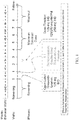
- the study consisted of a screening period, an open-label/lead-in period, and a double-blind treatment period. Following screening, eligible patients received open-label tirasemtiv, 125 mg BID, for 7 days. Patients who tolerated the 7-day lead-in period were randomized in a 1:1 ratio to tirasemtiv or placebo. Over the first 3 weeks of double-blind treatment, patients randomized to tirasemtiv had their TDD up-titrated as follows: 250 mg for 7 days, then 375 mg for 7 days, then 500 mg for 7 days.
- Randomization was stratified by riluzole use. Patients taking riluzole (which is metabolized by CYP 1A2, an enzyme inhibited by tirasemtiv) prior to study entry continued taking riluzole but at half the approved dose (i.e., 50 mg/day) because prior studies demonstrated that riluzole exposure approximately doubled when administered concomitantly with tirasemtiv. Clinical assessments occurred every 4 weeks during double-blind treatment; patients also returned for follow-up evaluations at 1 and 4 weeks after their final dose of double-blind study medication ( FIG. 1 ).
- the primary objective of BENEFIT-ALS was to assess the effect of tirasemtiv (administered BID up to a maximum daily dose of 500 mg) versus placebo on the total score of the revised form of the ALS Functional Rating Scale (ALSFRS-R).
- the primary endpoint was the change from baseline to the average of the ALSFRS-R total scores obtained at Visits 6 and 7 (i.e., after approximately 8 and 12 weeks of double-blind treatment).
- the primary analysis was conducted using all observed data during the randomized double-blind treatment period without imputation for missing data and based on the modified full analysis set (Modified FAS).
- the secondary objectives included assessments of the effect of tirasemtiv versus placebo on measures of respiratory function (Maximum Voluntary Ventilation (MVV), Sniff Nasal Inspiratory Pressure (SNIP), SVC) and skeletal muscle function including handgrip fatigue and muscle-strength mega-score (i.e., the average z-score for muscle strength measurements across the following tested bilateral muscle groups: elbow flexion, wrist extension, knee extension, ankle dorsiflexion, and handgrip)).
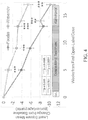
- Secondary endpoints included the changes from baseline in each of the above mentioned measures (MVV, SNIP, SVC, and muscle-strength mega-score) for the Modified FAS, and the slope of each of the measures from baseline to Week 12 for the Modified FAS.
- Eligible patients were males and females, 18 years of age and older, with a diagnosis of familial or sporadic ALS and meeting the World Federation of Neurology El Escorial criteria of definite ALS, probable ALS, laboratory-supported probable ALS, or possible ALS.
- Patients were to have an upright SVC > 50% of predicted for age, height, and sex, a diminished, but measurable, maximum voluntary grip strength in at least one hand (i.e., between 10-50 pounds for females and 10-70 pounds for males), and at least 4 of the 12 ALSFRS-R questions were to have been scored as a 2 or 3.
- Patients were to be able to swallow tablets without crushing, and in the opinion of the investigator, were expected to do so for the duration of the study.
- Safety data presented were based on the safety analysis set, defined as all patients who received at least 1 dose of double-blind study drug. Of the 605 randomized patients, 596 (295 placebo, 301 tirasemtiv) received at least 1 dose of double-blind study drug and were included in the safety analysis set. Data for the primary and secondary efficacy endpoints were analyzed with the Modified FAS. This analysis set included all patients who received at least 1 dose of double-blind study drug and had at least 1 efficacy assessment during the double-blind treatment period, and excluded 156 patients who were randomized in blocks containing patients affected by a study drug assignment error in which 58 patients randomized to and treated with double-blind tirasemtiv were dispensed double-blind placebo instead. Based on these criteria, the Modified FAS consisted of 388 patients (210 placebo, 178 tirasemtiv).
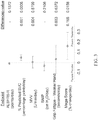
- FIG. 3 depicts the difference in the slope of change from baseline between placebo and tirasemtiv for the various endpoints.
- the changes from baseline to the average of ALSFRS total score at Visits 6 and 7 were not statistically different between treatment groups.
- the LS mean changes from baseline were -2.40 in the placebo group and -2.98 in the tirasemtiv group.
- the LS mean ⁇ standard error (SE) difference between treatment groups i.e., tirasemtiv response minus placebo response
- was -0.58 ⁇ 0.366 (95% confidence interval: -1.30, 0.14; p 0.114).
- Subgroup analyses of change from baseline in SVC showed that tirasemtiv reduced the decline in SVC compared to placebo regardless of age, gender, riluzole use, or BMI ( FIG. 5 ).
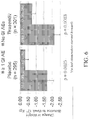
- AEs that were reported for more than 1 patient included the following: dysphagia (0.3% placebo, 0.7% tirasemtiv), pneumonia (0.3% placebo, 0.7% tirasemtiv), confusional state (0% placebo, 0.7% tirasemtiv), delirium (0% placebo, 0.7% tirasemtiv), and respiratory failure (1.0% placebo, 0.5% tirasemtiv).
Landscapes
- Health & Medical Sciences (AREA)
- Pharmacology & Pharmacy (AREA)
- Veterinary Medicine (AREA)
- Public Health (AREA)
- General Health & Medical Sciences (AREA)
- Chemical & Material Sciences (AREA)
- Animal Behavior & Ethology (AREA)
- Life Sciences & Earth Sciences (AREA)
- Medicinal Chemistry (AREA)
- Epidemiology (AREA)
- Engineering & Computer Science (AREA)
- Bioinformatics & Cheminformatics (AREA)
- Neurosurgery (AREA)
- Organic Chemistry (AREA)
- Nuclear Medicine, Radiotherapy & Molecular Imaging (AREA)
- General Chemical & Material Sciences (AREA)
- Chemical Kinetics & Catalysis (AREA)
- Neurology (AREA)
- Biomedical Technology (AREA)
- Psychiatry (AREA)
- Hospice & Palliative Care (AREA)
- Pulmonology (AREA)
- Pharmaceuticals Containing Other Organic And Inorganic Compounds (AREA)
- Medicines That Contain Protein Lipid Enzymes And Other Medicines (AREA)
- Medicines Containing Material From Animals Or Micro-Organisms (AREA)
Priority Applications (5)
| Application Number | Priority Date | Filing Date | Title |
|---|---|---|---|
| HRP20220183TT HRP20220183T1 (hr) | 2014-04-29 | 2015-04-28 | Postupci smanjivanja propadanja vitalnog kapaciteta |
| PL15785560T PL3137622T3 (pl) | 2014-04-29 | 2015-04-28 | Sposoby redukowania spadku pojemności życiowej |
| SI201531795T SI3137622T1 (sl) | 2014-04-29 | 2015-04-28 | Postopki za zmanjšanje upada vitalne kapacitete |
| RS20220127A RS63018B1 (sr) | 2014-04-29 | 2015-04-28 | Metode za smanjenje opadanja vitalnog kapaciteta |
| SM20220096T SMT202200096T1 (it) | 2014-04-29 | 2015-04-28 | Metodi per ridurre il declino della capacità vitale |
Applications Claiming Priority (5)
| Application Number | Priority Date | Filing Date | Title |
|---|---|---|---|
| US201461985799P | 2014-04-29 | 2014-04-29 | |
| US201462006337P | 2014-06-02 | 2014-06-02 | |
| US201462022407P | 2014-07-09 | 2014-07-09 | |
| US201462094542P | 2014-12-19 | 2014-12-19 | |
| PCT/US2015/027897 WO2015168064A1 (en) | 2014-04-29 | 2015-04-28 | Methods of reducing decline in vital capacity |
Publications (3)
| Publication Number | Publication Date |
|---|---|
| EP3137622A1 EP3137622A1 (en) | 2017-03-08 |
| EP3137622A4 EP3137622A4 (en) | 2018-01-10 |
| EP3137622B1 true EP3137622B1 (en) | 2021-11-24 |
Family
ID=54359220
Family Applications (1)
| Application Number | Title | Priority Date | Filing Date |
|---|---|---|---|
| EP15785560.2A Active EP3137622B1 (en) | 2014-04-29 | 2015-04-28 | Methods of reducing decline in vital capacity |
Country Status (14)
| Country | Link |
|---|---|
| US (1) | US20170042890A1 (pl) |
| EP (1) | EP3137622B1 (pl) |
| CY (1) | CY1124995T1 (pl) |
| DK (1) | DK3137622T3 (pl) |
| ES (1) | ES2906218T3 (pl) |
| HR (1) | HRP20220183T1 (pl) |
| HU (1) | HUE057533T2 (pl) |
| LT (1) | LT3137622T (pl) |
| PL (1) | PL3137622T3 (pl) |
| PT (1) | PT3137622T (pl) |
| RS (1) | RS63018B1 (pl) |
| SI (1) | SI3137622T1 (pl) |
| SM (1) | SMT202200096T1 (pl) |
| WO (1) | WO2015168064A1 (pl) |
Families Citing this family (7)
| Publication number | Priority date | Publication date | Assignee | Title |
|---|---|---|---|---|
| US8299248B2 (en) | 2006-08-02 | 2012-10-30 | Cytokinetics, Incorporated | Certain 1H-imidazo[4,5-b]pyrazin-2(3H)-ones and 1H-imidazo[4,5-b]pyrazin-2-ols and methods for their use |
| AR081626A1 (es) | 2010-04-23 | 2012-10-10 | Cytokinetics Inc | Compuestos amino-piridazinicos, composiciones farmaceuticas que los contienen y uso de los mismos para tratar trastornos musculares cardiacos y esqueleticos |
| US9133123B2 (en) | 2010-04-23 | 2015-09-15 | Cytokinetics, Inc. | Certain amino-pyridines and amino-triazines, compositions thereof, and methods for their use |
| AR081331A1 (es) | 2010-04-23 | 2012-08-08 | Cytokinetics Inc | Amino- pirimidinas composiciones de las mismas y metodos para el uso de los mismos |
| US10272082B2 (en) | 2011-07-13 | 2019-04-30 | Cytokinetics, Inc. | Combination ALS therapy |
| CN109069498B (zh) | 2016-02-12 | 2021-08-17 | 细胞动力学股份有限公司 | 四氢异喹啉衍生物 |
| AU2021373814A1 (en) | 2020-11-06 | 2023-05-25 | Cytokinetics, Inc. | Bicyclic 1,4-diazepanones and therapeutic uses thereof |
Family Cites Families (15)
| Publication number | Priority date | Publication date | Assignee | Title |
|---|---|---|---|---|
| US2017357A (en) * | 1933-07-29 | 1935-10-15 | Firm Soc Alsacienne De Const M | Metal carriage for mule machines |
| US20100173930A1 (en) | 2006-08-01 | 2010-07-08 | Alex Muci | Certain Chemical Entities, Compositions and Methods |
| US8227603B2 (en) * | 2006-08-01 | 2012-07-24 | Cytokinetics, Inc. | Modulating skeletal muscle |
| KR101410453B1 (ko) | 2006-08-02 | 2014-06-27 | 싸이토키네틱스, 인코포레이티드 | 소정의 화학 물질, 조성물 및 방법 |
| US7851484B2 (en) | 2007-03-30 | 2010-12-14 | Cytokinetics, Inc. | Certain chemical entities, compositions, and methods |
| US7989469B2 (en) | 2008-02-04 | 2011-08-02 | Cytokinetics, Incorporated | Certain chemical entities, compositions, and methods |
| US7998976B2 (en) | 2008-02-04 | 2011-08-16 | Cytokinetics, Inc. | Certain chemical entities, compositions and methods |
| AR081626A1 (es) | 2010-04-23 | 2012-10-10 | Cytokinetics Inc | Compuestos amino-piridazinicos, composiciones farmaceuticas que los contienen y uso de los mismos para tratar trastornos musculares cardiacos y esqueleticos |
| US9133123B2 (en) | 2010-04-23 | 2015-09-15 | Cytokinetics, Inc. | Certain amino-pyridines and amino-triazines, compositions thereof, and methods for their use |
| AR081331A1 (es) | 2010-04-23 | 2012-08-08 | Cytokinetics Inc | Amino- pirimidinas composiciones de las mismas y metodos para el uso de los mismos |
| US8759380B2 (en) | 2011-04-22 | 2014-06-24 | Cytokinetics, Inc. | Certain heterocycles, compositions thereof, and methods for their use |
| US10272082B2 (en) | 2011-07-13 | 2019-04-30 | Cytokinetics, Inc. | Combination ALS therapy |
| MX354965B (es) | 2012-04-02 | 2018-03-27 | Cytokinetics Inc | Metodo para mejorar la funcion del diafragma. |
| CN104395458A (zh) * | 2012-04-11 | 2015-03-04 | 赛特凯恩蒂克公司 | 改善对骨骼肌疲劳的抵抗力 |
| DE102012103489B4 (de) * | 2012-04-20 | 2015-11-12 | Maschinenfabrik Reinhausen Gmbh | Laststufenschalter und dessen Verwendung zur Spannungsregelung in einem Verteiltransformator |
-
2015
- 2015-04-28 PL PL15785560T patent/PL3137622T3/pl unknown
- 2015-04-28 HU HUE15785560A patent/HUE057533T2/hu unknown
- 2015-04-28 WO PCT/US2015/027897 patent/WO2015168064A1/en not_active Ceased
- 2015-04-28 US US15/306,981 patent/US20170042890A1/en not_active Abandoned
- 2015-04-28 DK DK15785560.2T patent/DK3137622T3/da active
- 2015-04-28 PT PT157855602T patent/PT3137622T/pt unknown
- 2015-04-28 HR HRP20220183TT patent/HRP20220183T1/hr unknown
- 2015-04-28 SM SM20220096T patent/SMT202200096T1/it unknown
- 2015-04-28 ES ES15785560T patent/ES2906218T3/es active Active
- 2015-04-28 SI SI201531795T patent/SI3137622T1/sl unknown
- 2015-04-28 EP EP15785560.2A patent/EP3137622B1/en active Active
- 2015-04-28 RS RS20220127A patent/RS63018B1/sr unknown
- 2015-04-28 LT LTEPPCT/US2015/027897T patent/LT3137622T/lt unknown
-
2022
- 2022-02-15 CY CY20221100129T patent/CY1124995T1/el unknown
Non-Patent Citations (1)
| Title |
|---|
| None * |
Also Published As
| Publication number | Publication date |
|---|---|
| EP3137622A4 (en) | 2018-01-10 |
| HRP20220183T1 (hr) | 2022-04-29 |
| EP3137622A1 (en) | 2017-03-08 |
| PL3137622T3 (pl) | 2022-05-09 |
| ES2906218T3 (es) | 2022-04-13 |
| PT3137622T (pt) | 2022-03-08 |
| SMT202200096T1 (it) | 2022-03-21 |
| CY1124995T1 (el) | 2023-01-05 |
| SI3137622T1 (sl) | 2022-05-31 |
| HUE057533T2 (hu) | 2022-05-28 |
| RS63018B1 (sr) | 2022-04-29 |
| WO2015168064A1 (en) | 2015-11-05 |
| LT3137622T (lt) | 2022-04-25 |
| DK3137622T3 (da) | 2022-02-07 |
| US20170042890A1 (en) | 2017-02-16 |
Similar Documents
| Publication | Publication Date | Title |
|---|---|---|
| EP3137622B1 (en) | Methods of reducing decline in vital capacity | |
| US20220152053A1 (en) | Methods and compositions for treating various disorders | |
| US10688096B2 (en) | Methods for treatment of sleep-related breathing disorders | |
| Craps et al. | Clinical investigation of agents with prophylactic anti‐allergic effects in bronchial asthma | |
| US12303474B2 (en) | S-enantiomerically enriched compositions of beta blockers for treating amyotrophic lateral sclerosis | |
| EP3666258B1 (en) | Method of treating prader-willi syndrome | |
| WO2012104823A2 (en) | Pyridopyrimidinone compounds in the treatment of neurodegenerative diseases | |
| CN115803059A (zh) | 使用甲基巴多索隆或其类似物治疗covid-19的方法 | |
| CN109316480A (zh) | 组合als疗法 | |
| US10695437B2 (en) | Polycomplexes of poly-lysine compounds for preventing and/or combatting amyotrophic lateral sclerosis | |
| DE19519056A1 (de) | Verwendung von Antidepressiva zur Behandlung von Asthma und/oder Atemwegserkrankungen mittels inhalatorischer Applikation | |
| US20200253959A1 (en) | Compounds and pharmaceutical compositions thereof for use in the treatment of fibrotic diseases | |
| JPWO2006011397A1 (ja) | 糖尿病の予防または治療のための薬剤 | |
| HK1236577A1 (en) | Methods of reducing decline in vital capacity | |
| HK1236577B (en) | Methods of reducing decline in vital capacity | |
| WO2024153813A1 (en) | Beta 2-adrenergic receptor agonists for treatment or prevention of muscle wasting | |
| JP2019038858A (ja) | ペマフィブラートを含有する医薬 | |
| JP2023539788A (ja) | 口内乾燥症の治療剤 | |
| US20250332159A1 (en) | Reactive oxygen species modulation through binding of ligands at the nq-binding site of the respiratory complex iii | |
| CN115778962B (zh) | 治疗男性食管癌患者的药物及其相关应用 | |
| EP4501326A1 (en) | Therapeutic agent for respiratory disease | |
| WO2023145735A1 (ja) | サルコペニアを含む老化関連異常の抑制の新規治療と予防 | |
| Villanueva | Small molecule improves muscle function in myasthenia gravis | |
| WO2025250560A1 (en) | Methods for treating bronchiectasis | |
| WO2024180201A1 (en) | Compositions and methods for treating spinal muscular atrophy |
Legal Events
| Date | Code | Title | Description |
|---|---|---|---|
| REG | Reference to a national code |
Ref country code: HR Ref legal event code: TUEP Ref document number: P20220183 Country of ref document: HR |
|
| STAA | Information on the status of an ep patent application or granted ep patent |
Free format text: STATUS: THE INTERNATIONAL PUBLICATION HAS BEEN MADE |
|
| PUAI | Public reference made under article 153(3) epc to a published international application that has entered the european phase |
Free format text: ORIGINAL CODE: 0009012 |
|
| STAA | Information on the status of an ep patent application or granted ep patent |
Free format text: STATUS: REQUEST FOR EXAMINATION WAS MADE |
|
| 17P | Request for examination filed |
Effective date: 20161123 |
|
| AK | Designated contracting states |
Kind code of ref document: A1 Designated state(s): AL AT BE BG CH CY CZ DE DK EE ES FI FR GB GR HR HU IE IS IT LI LT LU LV MC MK MT NL NO PL PT RO RS SE SI SK SM TR |
|
| AX | Request for extension of the european patent |
Extension state: BA ME |
|
| DAV | Request for validation of the european patent (deleted) | ||
| DAX | Request for extension of the european patent (deleted) | ||
| REG | Reference to a national code |
Ref country code: DE Ref legal event code: R079 Ref document number: 602015075247 Country of ref document: DE Free format text: PREVIOUS MAIN CLASS: C12Q0001000000 Ipc: A61K0031498500 |
|
| A4 | Supplementary search report drawn up and despatched |
Effective date: 20171207 |
|
| RIC1 | Information provided on ipc code assigned before grant |
Ipc: A61P 11/00 20060101ALI20171201BHEP Ipc: A61K 31/4985 20060101AFI20171201BHEP Ipc: A61K 31/00 20060101ALI20171201BHEP Ipc: A61P 25/28 20060101ALI20171201BHEP |
|
| REG | Reference to a national code |
Ref country code: HK Ref legal event code: DE Ref document number: 1236577 Country of ref document: HK |
|
| STAA | Information on the status of an ep patent application or granted ep patent |
Free format text: STATUS: EXAMINATION IS IN PROGRESS |
|
| 17Q | First examination report despatched |
Effective date: 20190722 |
|
| GRAP | Despatch of communication of intention to grant a patent |
Free format text: ORIGINAL CODE: EPIDOSNIGR1 |
|
| STAA | Information on the status of an ep patent application or granted ep patent |
Free format text: STATUS: GRANT OF PATENT IS INTENDED |
|
| INTG | Intention to grant announced |
Effective date: 20210608 |
|
| GRAS | Grant fee paid |
Free format text: ORIGINAL CODE: EPIDOSNIGR3 |
|
| GRAA | (expected) grant |
Free format text: ORIGINAL CODE: 0009210 |
|
| STAA | Information on the status of an ep patent application or granted ep patent |
Free format text: STATUS: THE PATENT HAS BEEN GRANTED |
|
| AK | Designated contracting states |
Kind code of ref document: B1 Designated state(s): AL AT BE BG CH CY CZ DE DK EE ES FI FR GB GR HR HU IE IS IT LI LT LU LV MC MK MT NL NO PL PT RO RS SE SI SK SM TR |
|
| REG | Reference to a national code |
Ref country code: GB Ref legal event code: FG4D |
|
| REG | Reference to a national code |
Ref country code: AT Ref legal event code: REF Ref document number: 1449329 Country of ref document: AT Kind code of ref document: T Effective date: 20211215 |
|
| REG | Reference to a national code |
Ref country code: DE Ref legal event code: R096 Ref document number: 602015075247 Country of ref document: DE |
|
| REG | Reference to a national code |
Ref country code: IE Ref legal event code: FG4D |
|
| REG | Reference to a national code |
Ref country code: DK Ref legal event code: T3 Effective date: 20220203 |
|
| REG | Reference to a national code |
Ref country code: RO Ref legal event code: EPE |
|
| REG | Reference to a national code |
Ref country code: FI Ref legal event code: FGE |
|
| REG | Reference to a national code |
Ref country code: PT Ref legal event code: SC4A Ref document number: 3137622 Country of ref document: PT Date of ref document: 20220308 Kind code of ref document: T Free format text: AVAILABILITY OF NATIONAL TRANSLATION Effective date: 20220224 Ref country code: SE Ref legal event code: TRGR |
|
| REG | Reference to a national code |
Ref country code: NL Ref legal event code: FP |
|
| REG | Reference to a national code |
Ref country code: NO Ref legal event code: T2 Effective date: 20211124 |
|
| REG | Reference to a national code |
Ref country code: ES Ref legal event code: FG2A Ref document number: 2906218 Country of ref document: ES Kind code of ref document: T3 Effective date: 20220413 |
|
| REG | Reference to a national code |
Ref country code: EE Ref legal event code: FG4A Ref document number: E021990 Country of ref document: EE Effective date: 20220215 |
|
| REG | Reference to a national code |
Ref country code: HR Ref legal event code: T1PR Ref document number: P20220183 Country of ref document: HR |
|
| REG | Reference to a national code |
Ref country code: GR Ref legal event code: EP Ref document number: 20220400424 Country of ref document: GR Effective date: 20220418 |
|
| REG | Reference to a national code |
Ref country code: HU Ref legal event code: AG4A Ref document number: E057533 Country of ref document: HU |
|
| REG | Reference to a national code |
Ref country code: HR Ref legal event code: ODRP Ref document number: P20220183 Country of ref document: HR Payment date: 20220426 Year of fee payment: 8 |
|
| REG | Reference to a national code |
Ref country code: SK Ref legal event code: T3 Ref document number: E 39765 Country of ref document: SK |
|
| REG | Reference to a national code |
Ref country code: DE Ref legal event code: R097 Ref document number: 602015075247 Country of ref document: DE |
|
| PLBE | No opposition filed within time limit |
Free format text: ORIGINAL CODE: 0009261 |
|
| STAA | Information on the status of an ep patent application or granted ep patent |
Free format text: STATUS: NO OPPOSITION FILED WITHIN TIME LIMIT |
|
| REG | Reference to a national code |
Ref country code: AT Ref legal event code: UEP Ref document number: 1449329 Country of ref document: AT Kind code of ref document: T Effective date: 20211124 |
|
| 26N | No opposition filed |
Effective date: 20220825 |
|
| REG | Reference to a national code |
Ref country code: HR Ref legal event code: ODRP Ref document number: P20220183 Country of ref document: HR Payment date: 20230321 Year of fee payment: 9 |
|
| P01 | Opt-out of the competence of the unified patent court (upc) registered |
Effective date: 20230506 |
|
| PGFP | Annual fee paid to national office [announced via postgrant information from national office to epo] |
Ref country code: GR Payment date: 20240312 Year of fee payment: 10 |
|
| PGFP | Annual fee paid to national office [announced via postgrant information from national office to epo] |
Ref country code: IS Payment date: 20240307 Year of fee payment: 10 |
|
| PGFP | Annual fee paid to national office [announced via postgrant information from national office to epo] |
Ref country code: IE Payment date: 20240312 Year of fee payment: 10 Ref country code: NL Payment date: 20240315 Year of fee payment: 10 |
|
| PGFP | Annual fee paid to national office [announced via postgrant information from national office to epo] |
Ref country code: MC Payment date: 20240325 Year of fee payment: 10 |
|
| PGFP | Annual fee paid to national office [announced via postgrant information from national office to epo] |
Ref country code: RO Payment date: 20240327 Year of fee payment: 10 Ref country code: EE Payment date: 20240322 Year of fee payment: 10 Ref country code: BG Payment date: 20240318 Year of fee payment: 10 Ref country code: GB Payment date: 20240307 Year of fee payment: 10 Ref country code: SK Payment date: 20240312 Year of fee payment: 10 |
|
| REG | Reference to a national code |
Ref country code: HR Ref legal event code: ODRP Ref document number: P20220183 Country of ref document: HR Payment date: 20240312 Year of fee payment: 10 |
|
| PGFP | Annual fee paid to national office [announced via postgrant information from national office to epo] |
Ref country code: LU Payment date: 20240411 Year of fee payment: 10 |
|
| PGFP | Annual fee paid to national office [announced via postgrant information from national office to epo] |
Ref country code: TR Payment date: 20240328 Year of fee payment: 10 Ref country code: SE Payment date: 20240312 Year of fee payment: 10 Ref country code: RS Payment date: 20240320 Year of fee payment: 10 Ref country code: PL Payment date: 20240301 Year of fee payment: 10 Ref country code: LV Payment date: 20240305 Year of fee payment: 10 Ref country code: IT Payment date: 20240313 Year of fee payment: 10 Ref country code: HR Payment date: 20240312 Year of fee payment: 10 Ref country code: FR Payment date: 20240308 Year of fee payment: 10 Ref country code: BE Payment date: 20240319 Year of fee payment: 10 |
|
| PGFP | Annual fee paid to national office [announced via postgrant information from national office to epo] |
Ref country code: LT Payment date: 20240409 Year of fee payment: 10 |
|
| PGFP | Annual fee paid to national office [announced via postgrant information from national office to epo] |
Ref country code: DE Payment date: 20240306 Year of fee payment: 10 |
|
| PGFP | Annual fee paid to national office [announced via postgrant information from national office to epo] |
Ref country code: DK Payment date: 20240411 Year of fee payment: 10 |
|
| PGFP | Annual fee paid to national office [announced via postgrant information from national office to epo] |
Ref country code: CH Payment date: 20240501 Year of fee payment: 10 |
|
| PGFP | Annual fee paid to national office [announced via postgrant information from national office to epo] |
Ref country code: ES Payment date: 20240509 Year of fee payment: 10 |
|
| PGFP | Annual fee paid to national office [announced via postgrant information from national office to epo] |
Ref country code: CZ Payment date: 20240417 Year of fee payment: 10 Ref country code: AT Payment date: 20240326 Year of fee payment: 10 |
|
| PGFP | Annual fee paid to national office [announced via postgrant information from national office to epo] |
Ref country code: SM Payment date: 20240430 Year of fee payment: 10 Ref country code: NO Payment date: 20240409 Year of fee payment: 10 Ref country code: FI Payment date: 20240412 Year of fee payment: 10 Ref country code: CY Payment date: 20240305 Year of fee payment: 10 Ref country code: SI Payment date: 20240314 Year of fee payment: 10 |
|
| PGFP | Annual fee paid to national office [announced via postgrant information from national office to epo] |
Ref country code: PT Payment date: 20240422 Year of fee payment: 10 |
|
| PGFP | Annual fee paid to national office [announced via postgrant information from national office to epo] |
Ref country code: MT Payment date: 20240423 Year of fee payment: 10 Ref country code: HU Payment date: 20240319 Year of fee payment: 10 |
|
| PGFP | Annual fee paid to national office [announced via postgrant information from national office to epo] |
Ref country code: AL Payment date: 20240409 Year of fee payment: 10 |
|
| PGFP | Annual fee paid to national office [announced via postgrant information from national office to epo] |
Ref country code: MK Payment date: 20240304 Year of fee payment: 10 |
|
| REG | Reference to a national code |
Ref country code: HR Ref legal event code: PBON Ref document number: P20220183 Country of ref document: HR Effective date: 20250428 |
|
| REG | Reference to a national code |
Ref country code: DK Ref legal event code: EBP Effective date: 20250430 |
|
| REG | Reference to a national code |
Ref country code: CH Ref legal event code: H13 Free format text: ST27 STATUS EVENT CODE: U-0-0-H10-H13 (AS PROVIDED BY THE NATIONAL OFFICE) Effective date: 20251125 Ref country code: LT Ref legal event code: MM4D Effective date: 20250428 |
|
| REG | Reference to a national code |
Ref country code: SE Ref legal event code: EUG |