EP3128678B1 - Steuerkanalübertragungsverfahren, basisstation und endgerät - Google Patents
Steuerkanalübertragungsverfahren, basisstation und endgerät Download PDFInfo
- Publication number
- EP3128678B1 EP3128678B1 EP16184656.3A EP16184656A EP3128678B1 EP 3128678 B1 EP3128678 B1 EP 3128678B1 EP 16184656 A EP16184656 A EP 16184656A EP 3128678 B1 EP3128678 B1 EP 3128678B1
- Authority
- EP
- European Patent Office
- Prior art keywords
- control channel
- format
- terminal
- control
- base station
- Prior art date
- Legal status (The legal status is an assumption and is not a legal conclusion. Google has not performed a legal analysis and makes no representation as to the accuracy of the status listed.)
- Expired - Lifetime
Links
Images




Classifications
-
- G—PHYSICS
- G06—COMPUTING OR CALCULATING; COUNTING
- G06F—ELECTRIC DIGITAL DATA PROCESSING
- G06F21/00—Security arrangements for protecting computers, components thereof, programs or data against unauthorised activity
- G06F21/10—Protecting distributed programs or content, e.g. vending or licensing of copyrighted material ; Digital rights management [DRM]
- G06F21/105—Arrangements for software license management or administration, e.g. for managing licenses at corporate level
-
- H—ELECTRICITY
- H04—ELECTRIC COMMUNICATION TECHNIQUE
- H04W—WIRELESS COMMUNICATION NETWORKS
- H04W72/00—Local resource management
- H04W72/20—Control channels or signalling for resource management
-
- H—ELECTRICITY
- H04—ELECTRIC COMMUNICATION TECHNIQUE
- H04B—TRANSMISSION
- H04B7/00—Radio transmission systems, i.e. using radiation field
- H04B7/02—Diversity systems; Multi-antenna system, i.e. transmission or reception using multiple antennas
- H04B7/04—Diversity systems; Multi-antenna system, i.e. transmission or reception using multiple antennas using two or more spaced independent antennas
- H04B7/0413—MIMO systems
-
- H—ELECTRICITY
- H04—ELECTRIC COMMUNICATION TECHNIQUE
- H04L—TRANSMISSION OF DIGITAL INFORMATION, e.g. TELEGRAPHIC COMMUNICATION
- H04L1/00—Arrangements for detecting or preventing errors in the information received
- H04L1/0001—Systems modifying transmission characteristics according to link quality, e.g. power backoff
-
- H—ELECTRICITY
- H04—ELECTRIC COMMUNICATION TECHNIQUE
- H04L—TRANSMISSION OF DIGITAL INFORMATION, e.g. TELEGRAPHIC COMMUNICATION
- H04L1/00—Arrangements for detecting or preventing errors in the information received
- H04L1/0001—Systems modifying transmission characteristics according to link quality, e.g. power backoff
- H04L1/0006—Systems modifying transmission characteristics according to link quality, e.g. power backoff by adapting the transmission format
-
- H—ELECTRICITY
- H04—ELECTRIC COMMUNICATION TECHNIQUE
- H04L—TRANSMISSION OF DIGITAL INFORMATION, e.g. TELEGRAPHIC COMMUNICATION
- H04L1/00—Arrangements for detecting or preventing errors in the information received
- H04L1/0001—Systems modifying transmission characteristics according to link quality, e.g. power backoff
- H04L1/0023—Systems modifying transmission characteristics according to link quality, e.g. power backoff characterised by the signalling
- H04L1/0025—Transmission of mode-switching indication
-
- H—ELECTRICITY
- H04—ELECTRIC COMMUNICATION TECHNIQUE
- H04L—TRANSMISSION OF DIGITAL INFORMATION, e.g. TELEGRAPHIC COMMUNICATION
- H04L1/00—Arrangements for detecting or preventing errors in the information received
- H04L1/0001—Systems modifying transmission characteristics according to link quality, e.g. power backoff
- H04L1/0023—Systems modifying transmission characteristics according to link quality, e.g. power backoff characterised by the signalling
- H04L1/0028—Formatting
- H04L1/0029—Reduction of the amount of signalling, e.g. retention of useful signalling or differential signalling
-
- H—ELECTRICITY
- H04—ELECTRIC COMMUNICATION TECHNIQUE
- H04L—TRANSMISSION OF DIGITAL INFORMATION, e.g. TELEGRAPHIC COMMUNICATION
- H04L1/00—Arrangements for detecting or preventing errors in the information received
- H04L1/0001—Systems modifying transmission characteristics according to link quality, e.g. power backoff
- H04L1/0023—Systems modifying transmission characteristics according to link quality, e.g. power backoff characterised by the signalling
- H04L1/0028—Formatting
- H04L1/003—Adaptive formatting arrangements particular to signalling, e.g. variable amount of bits
-
- H—ELECTRICITY
- H04—ELECTRIC COMMUNICATION TECHNIQUE
- H04L—TRANSMISSION OF DIGITAL INFORMATION, e.g. TELEGRAPHIC COMMUNICATION
- H04L63/00—Network architectures or network communication protocols for network security
- H04L63/08—Network architectures or network communication protocols for network security for authentication of entities
- H04L63/0853—Network architectures or network communication protocols for network security for authentication of entities using an additional device, e.g. smartcard, SIM or a different communication terminal
-
- H—ELECTRICITY
- H04—ELECTRIC COMMUNICATION TECHNIQUE
- H04L—TRANSMISSION OF DIGITAL INFORMATION, e.g. TELEGRAPHIC COMMUNICATION
- H04L63/00—Network architectures or network communication protocols for network security
- H04L63/08—Network architectures or network communication protocols for network security for authentication of entities
- H04L63/0861—Network architectures or network communication protocols for network security for authentication of entities using biometrical features, e.g. fingerprint, retina-scan
-
- H—ELECTRICITY
- H04—ELECTRIC COMMUNICATION TECHNIQUE
- H04W—WIRELESS COMMUNICATION NETWORKS
- H04W52/00—Power management, e.g. Transmission Power Control [TPC] or power classes
- H04W52/04—Transmission power control [TPC]
- H04W52/18—TPC being performed according to specific parameters
- H04W52/26—TPC being performed according to specific parameters using transmission rate or quality of service QoS [Quality of Service]
- H04W52/262—TPC being performed according to specific parameters using transmission rate or quality of service QoS [Quality of Service] taking into account adaptive modulation and coding [AMC] scheme
-
- H—ELECTRICITY
- H04—ELECTRIC COMMUNICATION TECHNIQUE
- H04W—WIRELESS COMMUNICATION NETWORKS
- H04W72/00—Local resource management
-
- H—ELECTRICITY
- H04—ELECTRIC COMMUNICATION TECHNIQUE
- H04W—WIRELESS COMMUNICATION NETWORKS
- H04W72/00—Local resource management
- H04W72/20—Control channels or signalling for resource management
- H04W72/23—Control channels or signalling for resource management in the downlink direction of a wireless link, i.e. towards a terminal
-
- H—ELECTRICITY
- H04—ELECTRIC COMMUNICATION TECHNIQUE
- H04L—TRANSMISSION OF DIGITAL INFORMATION, e.g. TELEGRAPHIC COMMUNICATION
- H04L1/00—Arrangements for detecting or preventing errors in the information received
- H04L1/004—Arrangements for detecting or preventing errors in the information received by using forward error control
- H04L1/0075—Transmission of coding parameters to receiver
-
- H—ELECTRICITY
- H04—ELECTRIC COMMUNICATION TECHNIQUE
- H04L—TRANSMISSION OF DIGITAL INFORMATION, e.g. TELEGRAPHIC COMMUNICATION
- H04L1/00—Arrangements for detecting or preventing errors in the information received
- H04L1/12—Arrangements for detecting or preventing errors in the information received by using return channel
- H04L1/16—Arrangements for detecting or preventing errors in the information received by using return channel in which the return channel carries supervisory signals, e.g. repetition request signals
- H04L1/18—Automatic repetition systems, e.g. Van Duuren systems
- H04L1/1812—Hybrid protocols; Hybrid automatic repeat request [HARQ]
-
- H—ELECTRICITY
- H04—ELECTRIC COMMUNICATION TECHNIQUE
- H04L—TRANSMISSION OF DIGITAL INFORMATION, e.g. TELEGRAPHIC COMMUNICATION
- H04L5/00—Arrangements affording multiple use of the transmission path
- H04L5/14—Two-way operation using the same type of signal, i.e. duplex
- H04L5/1438—Negotiation of transmission parameters prior to communication
- H04L5/1453—Negotiation of transmission parameters prior to communication of modulation type
Definitions
- the present invention relates to a control channel transmitting method, a base station and a terminal, in particular, to a control channel transmitting method, a base station and a terminal for adaptively controlling a communication parameter with the use of a control channel.
- adaptive radio link control such as adaptive modulation/demodulation, HARQ (Hybrid Automatic Repeat request), scheduling or such is used, for the purpose of improving data packet transmission efficiency.
- the adaptive radio link control is carried out with the use of a separate or a shared control channel, and, a link parameter which is used in a data channel transmitted approximately simultaneously with the control channel, is notified of to each user terminal.
- the control channel transmits information such as a data channel modulating method, an encoding rate and so forth.
- the control channel transmits information such as packet numbers of packets transmitted via a data channel, the number of times of re-transmission and so forth.
- the control channel transmits information such as a user ID.
- HSPDA High Speed Downlink Packet Access
- 3GPP Third Generation Partnership Project
- HS-SCCH Shared Control Channel for HS-DSCH
- Table 1 HS-SCCH physical channel Channelization-code-set information 7 bits Modulation scheme information 1 bit Transport-block size information 6 bits Hybrid-ARQ process information 3 bits Redundancy and constellation version 3 bits New data indicator 1 bit Ue identity 16 bits
- a control channel transmitting method in the prior art used in the adaptive radio link control in order to positively demodulate the control channel transmitting information required for data channel demodulation on a reception side, a fixed control channel format is used. Further, in order to avoid degradation in data channel transmission efficiency, an information amount is reduced to be bare minimum in the control channel transmitting method in the prior art, the control channel format to be used is fixed, and thus, a variable control channel format is not used.
- US 2004/062221 A1 which relates to signaling and control mechanisms in MIMO HARQ schemes for wireless communication system. It is suggested to add further bits (such as "swapping bits") to a signalling channel such as the Secondary Packet Data Control Channel (SPDCCH) to allow larger amount of information bits to be conveyed in the MIMO antenna system.
- SPDCCH Secondary Packet Data Control Channel
- MIMAC A Rate Adaptive MAC Protocol for MIMO-based Wireless Networks
- UCLA Computer Science Department Technical Report # 040035 It deals inter alia with the PLCP header format in a IEEE 802.11 system.
- the HT SIGNAL field comprised in the PLCP header is not sent when a MIMO device communicates with a legacy 802.11a device.
- MIMO Multiple Input Multiple Output
- a radio parameter for each sub-carrier or for each transmission antenna is carried out adaptive control of a radio parameter for each sub-carrier or for each transmission antenna.
- MIMO transmission has such a problem that the number of variable parameters increases, and the number of bits required for the control channel increases. Further, also for a case where the number of simultaneously multiplexing users via one frame increases, required information of the control channel increases in proportion to the number of users.
- the upper limit of a channel capacity simultaneously transmittable is defined by the number of channels which can be multiplexed orthogonally. Accordingly, when the information amount of the control channel increases, the number of data channels available for data transmission decreases, and as a result, the data transmission efficiency degrades.
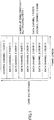
- FIG. 1 illustrates the number of codes available for data channels when the number of simultaneously multiplexing users is 1.
- the number of codes required for transmitting the control channels is 1, the number of codes available for the data channels is 7 as all the remaining code resources which can be orthogonalized are used for the data channels.
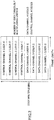
- FIG. 2 illustrates the number of codes available for data channels when the number of simultaneously multiplexing users is 4.
- the number of simultaneously multiplexing users is 4 as in FIG. 2
- 4 codes are used for the control channel, and thus, the number of codes available for the data channels is limited to 4. Accordingly, the data channel transmission efficiency per frame degrades in 4/7.
- communication quality differs for each sub-carrier due to frequency selective fading, and thus, it is possible to improve total throughput by carrying out communications with always selecting a sub-carrier having good communication quality.
- the present invention has been devised in consideration of this point, and an object of the present invention is to provide a control channel transmitting method, a base station and a terminal by which total throughput can be improved without degradation in data channel transmission efficiency.
- control channel transmitting method which has a step of selecting one control channel format from among a plurality of control channel formats having different information amounts according to a predetermined condition and a step of transmitting a control channel with the use of the thus-selected control channel format.
- a base station which has format selecting means for selecting a control channel format from among a plurality of control channel formats having different information amounts according to a predetermined condition and transmitting means for transmitting a control channel to a terminal with the use of the thus-selected control channel format.
- a terminal which has control channel demodulating means for having a control channel format notified of from a base station which transmits a control channel with the use of the control channel format which is selected from among a plurality of control channel formats having different information amounts according to a predetermined condition, and demodulating the control channel thus received from the base station with the use of the thus-notified control channel format, and data channel demodulating means for demodulating a data channel received from the base station with the use of a result of the demodulation of the control channel thus carried out by the control channel demodulating means.
- one control channel format is selected from among a plurality of control channel formats having different information amounts according to a predetermined condition and a control channel is transmitted with the use of the thus-selected control channel format.
- the predetermined condition may include the number of multiplexing users in one transmission frame, a transmission/reception function mounted in a user terminal (as in embodiments), QoS of a data channel, propagation path quality or such.
- the present invention it is possible to provide a control channel transmitting method, a base station and a terminal for improving total throughput without degradation in data channel transmission efficiency.
- a plurality of control channel formats having different information amounts one thereof is selected according to a predetermined condition, wherein said predetermined condition is a transmission/reception function (UE capability) of a user terminal and then, the selected control channel format is used.
- the predetermined condition could be a different situation (the number of simultaneously multiplexing users, QoS, propagation path quality or such).
- Table 2 CONTROL CHANNEL FORMAT A CONTENTS NUMBER OF BITS VARIABLE RANGE MODULATING METHOD (ANTENNA 1) 2 4 TYPES (QPSK, 8PSK, 16QAM, 64QAM) MODULATING METHOD (ANTENNA 2) 2 4 TYPES (QPSK, 8PSK, 16QAM, 64QAM) MODULATING METHOD (ANTENNA 3) 2 4 TYPES (QPSK, 8PSK, 16QAM, 64QAM) MODULATING METHOD (ANTENNA 4) 2 4 TYPES (QPSK, 8PSK, 16QAM, 64QAM) ENCODING RATE 2 4 TYPES (1/3, 1/2, 2/3, 3/4) SPREADING FACTOR 3 8 TYPES (1, 2, 4, 8, 16, 32, 64, 128) CODE SET 128 MAX
- a control channel format A shown in Table 2 has, as adaptive control parameters, a modulating method (antenna 1) through a modulating method (antenna 4), an encoding rate, a spreading factor and a code set.
- a modulating method (antenna 1) through a modulating method (antenna 4)
- an encoding rate For example, for the modulating method (antenna 1) through the modulating method (antenna 4), four types of modulating methods (QPSK, 8PSK, 16QAM, 64QAM) are set as variable ranges.
- the control channel format A shown in Table 2 is such that the number of types and the variable ranges of the adaptive control parameters are wide, and thus, the modulating method can be made variable for each antenna upon MIMO transmission, for example.
- a control channel format B shown in Table 3 has, as adaptive control parameters, a modulating method (common for antennas), an encoding rate, a spreading factor and a code set.
- the modulating method common for antennas
- the modulating method is such that two types of modulating methods (QPSK and 16QAM) are set as a variable range.
- the control channel format B shown in Table 3 is such that, the types and the variable range of the adaptive control parameters are limited in comparison to those of the control channel format A, and the number of bits is approximately 1/2 of that of the control channel format A.
- control channel format B for a user terminal compliant to MIMO transmission, when such a condition that a modulating method is not variable for each antenna, and the modulating method is controlled in common to the antennas are allowed.
- the control channel format A having the large information amount is used, and thus, a larger benefit of the adaptive radio link control can be obtained, whereby total throughput can be improved.
- the control channel format B having the smaller information amount is used, and thus, the information amount of the control channel is limited. Then, the information amount of data channels is increased by an amount by which the information amount of the control channel is thus reduced, and thus, it is possible to avoid degradation in data channel transmission efficiency.
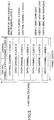
- FIG. 3 illustrates one example showing the number of codes available for data channels when the number of simultaneously multiplexing users is 4.
- control channel format B having the information amount approximately 1/2 of that of the control channel format A is used, and thus, two control channels (for two users) are multiplexed in one spreading code.
- FIG. 3 shows the example in which time slots along a time direction are used, and thus, the two control channels are multiplexed in a time domain in one spreading code.
- the number of multiplexing may be increased in a code domain by increasing a spreading factor of the control channels.
- FIG. 4 illustrates another example showing the number of codes available for data channels when the number of simultaneously multiplexing users is 4.
- the spreading factor of the control channels is doubled, and the control channel format B having the information amount approximately 1/2 of that of the control channel format A is used.
- the number of codes available for data channels increases to 6. Accordingly, in the example of FIG. 4 , in comparison to the case of FIG. 2 , the data channel transmission efficiency improves.
- control channel format may be switched according to whether or not a user terminal is compliant to MIMO transmission.
- FIG. 5 shows another example showing the number of codes available for data channels when the number of simultaneously multiplexing users is 3.
- FIG. 5 an example which embodies the present invention is shown in which one user terminal compliant to MIMO transmission and other two user terminals not compliant to MIMO transmission are mixed.
- the control channel format A is allocated to the user terminal compliant to MIMO transmission
- the control channel format B is allocated to the user terminals not compliant to MIMO transmission.
- control channel format B being allocated to the user terminals not compliant to MIMO transmission, two control channels (for two users) are multiplexed in one spreading code.
- control channel format A being allocated to the user terminal compliant to MIMO transmission, one control channel (for a single user) is multiplexed in one spreading code.
- control channels shown in FIGS. 3 through 5 may be combined together appropriately.
- FIG. 5 the example is shown in which the two control channel formats B are multiplexed in the signal spreading code in the time domain. However, they may be multiplexed in a code domain as shown in FIG. 4 , where the spreading factor of the control channels is doubled.
- control channel format A having the wider variable range of the adaptive radio link control should be used.
- the control channel format B requiring the smaller information amount should be used.
- the control channel format A having the wider variable range of the adaptive radio link control, from which improvement in throughput is thus expected should be used.
- control channel format to use is selected according to a transmission/reception function (UE capability) of a user terminal, and thus, transmission efficiency (total throughput) is maximized.
- UE capability transmission/reception function
- the control is made mainly by a base station.
- the base station selects the control channel format, and notifies a user terminal of the thus-selected control channel format by means of signaling.
- the singling should be made at a time of connection to the user terminal, or every predetermined time interval.
- the present invention is applicable not only to down-link transmission from the base station to the user terminal but also to up-link transmission from the user terminal to the base station in the same manner.
- FIG. 6 shows a configuration of one embodiment of a system achieving a control channel transmitting method according to the present invention.
- the system of FIG. 6 includes a base station 1 and a user terminal 2.
- the base station 1 is configured to include a format selection/allocation part 10, a signaling generation part 11, a control channel generation part 12, a data channel generation part 13, a multiplexing part 14, a selection part 15, a transmission part 16, a propagation path measurement part 17, a control channel demodulation part 18, a data channel demodulation part 19 and a reception part 20.
- the user terminal 2 is configured to include a reception part 51, a data channel demodulation part 52, a signaling demodulation part 53, a control channel demodulation part 54, a propagation path measurement part 55, a control channel generation part 56, a format allocation part 57, a data channel generation part 58, a multiplexing part 59 and a transmission part 60.
- the format selection/allocation part 10 of the base station 1 selects a control channel format as described above, and determines allocation of control channels and data channels in a frame (multiplexing method).
- a transmission/reception function of the user terminals is used for the control channel format selection.
- the number of users to be multiplexed information such as down QoS, down CQI (Channel Quality Indicator) or such, could be used for the control channel format selection.
- Format allocation information indicating the selected allocation of the control channel format is notified of to the user terminal 2 as signaling information from the signaling generation part 11 via the selection part 15 and the transmission part 16. Further, the format allocation information is notified of to the control channel generation part 12 and the data channel generation part 13.
- a control channel and data channels generated by the control channel generation part 12 and the data channel generation part 13 are multiplexed by the multiplexing part 14 based on the format allocation information, and then, are transmitted to the user terminal 2 via the transmission part 16.
- the signaling demodulation part 53 of the user terminal 2 demodulates the signaling information (format allocation information) notified of from the base station 1 via the reception part 51, and notifies the control channel demodulation part 54 of the down-link control channel format.
- the control channel demodulation part 54 demodulates the control channel.
- the control channel demodulation part 54 notifies the data channel demodulation part 52 of down-link adaptive control parameters demodulated from the control channel.
- the data channel demodulation part 52 uses the adaptive control parameters notified of from the control channel demodulation part 54, and carries out demodulation of the data channels.
- Down CQI (which may be used for selecting the down-link control channel format in a comparative example) is measured by the propagation path measurement part 55 of the user terminal 2. Then, the down CQI, together with up QoS, a transmission/reception function of the user terminal 1, is transmitted to the base station 1 by means of an up-link control channel for the base station 1 from the user terminal 2.
- the up-link control channel format is selected by the format selection/allocation part 10 of the base station 1, the same as the down-link control channel format.
- the transmission/reception function of the user terminal is used for selecting the up-link control channel format.
- the number of users multiplexed, the up QoS, the up CQI (Channel Quality Indicator) or such could be used for selecting the up-link control channel format.
- the selected up-link control channel format is notified of to the user terminal 2 as signaling information, from the signaling generation part 11, via the selection part 15 and the transmission part 16.
- the signaling demodulation part 53 demodulates the signaling information notified of from the base station 1 via the reception part 51, and notifies the format allocation part 57 of the up-link control channel format.
- the format allocation part 57 determines allocation of the up-link control channel and data channels (multiplexing method), and notifies the control channel generation part 56 and the data channel generation part 58 of the format allocation information.
- the up-link control channel format selected by the format selection/allocation part 10 is notified of to the up-link control channel demodulation part 18 therefrom.
- the control channel demodulation part 18 demodulates the control channel, based on the up-link control channel format, notified of from the format selection/allocation part 10.
- the control channel demodulation part 18 notifies the data channel demodulation part 19 of the up-link adaptive control parameters, demodulated from the control channel.
- the data channel demodulation part 19 uses the adaptive control parameters notified of from the control channel demodulation part 18, and demodulates the data channels.
- Up CQI (which may be used for selecting the up-link control channel format in a comparative example) is measured by the propagation path measurement part 17 of the base station 1.
- the measured up CQI is notified of to the format selection/allocation part 10 from the propagation path measurement part 17. Further, the up QoS, the down CQI and the transmission/reception function of the user terminal 2, transmitted by means of the up-link control channel from the user terminal 2 to the base station 1, are transmitted to the format selection/allocation part 10.
- FIG. 7 shows a configuration of one embodiment of the format selection/allocation part.
- the format selection/allocation part 10 is configured to include a down control channel resource allocation part 100, a down data channel resource allocation part 101, an up control channel resource allocation part 102 and an up data channel resource allocation part 103.
- FIG. 8 shows the flow chart of one example of the processing procedure of the format selection/allocation part.
- Step S1 the down control channel resource allocation part 100 and the up control channel resource allocation part 102 allocate radio resources to the control channels of the respective user terminals 2 according to the number of simultaneously multiplexing users and the transmission//reception functions of the user terminals 2.
- Step S2 the down control channel resource allocation part 100 and the up control channel resource allocation part 102 adjust the radio resources to be allocated to the control channels of the respective user terminals 2 according to CQI (reception quality, propagation path variation).
- CQI reception quality, propagation path variation
- Step S3 the down control channel resource allocation part 100 and the up control channel resource allocation part 102 adjust the radio resources to be allocated to the control channels of the respective user terminals 2 according to QoS (transmission rates, required delays).
- QoS transmission rates, required delays
- Step S4 the down control channel resource allocation part 100 and the up control channel resource allocation part 102 determine whether or not data channel radio resources are sufficient. When they determine that the data channel radio resources are sufficient (Yes of S4), Step S5 is then proceeded with.
- Step S5 the down data channel resource allocation part 101 and the up data channel resource allocation part 103 allocate radio resources to data channels of the respective user terminals 2 according to CQI and QoS.
- Step S1 is then returned to. That is, until it is determined in Step S4 that the data channel radio resources are sufficient, the processing of Steps S1 through S4 is repeated.
- the above-described format allocation information can be created, and thus, the format allocation information can be notified of to the signaling generation part 11, the control channel generation part 12, the data channel generation part 13 and the up-link control channel demodulation part 18.
- FIG. 9 shows a configuration of one embodiment of the format allocation part.
- the format allocation part 57 is configured to include an up control channel resource allocation part 151 and an up data channel resource allocation part 152.
- the up control channel resource allocation part 151 allocates radio resources to the up-link control channel of the respective user terminal 2.
- the up data channel resource allocation part 152 allocates radio resources to the data channels of the respective user terminal 2.
- the format allocation part 57 can create the above-described format allocation information, and thus, can notify the control channel generation part 56 and the data channel generation part 58 of the format allocation information.
- the format allocation part 57 can create the above-described format allocation information, and thus, can notify the control channel generation part 56 and the data channel generation part 58 of the format allocation information.
- a control channel transmitting method comprising:
- a base station comprising:
- a terminal comprising:
- a terminal comprising:
Landscapes
- Engineering & Computer Science (AREA)
- Computer Networks & Wireless Communication (AREA)
- Signal Processing (AREA)
- Quality & Reliability (AREA)
- General Engineering & Computer Science (AREA)
- Computer Hardware Design (AREA)
- Computer Security & Cryptography (AREA)
- Theoretical Computer Science (AREA)
- Software Systems (AREA)
- Computing Systems (AREA)
- Biomedical Technology (AREA)
- Multimedia (AREA)
- General Health & Medical Sciences (AREA)
- Technology Law (AREA)
- Physics & Mathematics (AREA)
- General Physics & Mathematics (AREA)
- Health & Medical Sciences (AREA)
- Mobile Radio Communication Systems (AREA)
- Management, Administration, Business Operations System, And Electronic Commerce (AREA)
- Storage Device Security (AREA)
Claims (7)
- Steuerkanalübertragungsverfahren, das Folgendes umfasst:Auswählen eines Steuerkanalformats unter mehreren Steuerkanalformaten, die unterschiedliche Informationsmengen aufweisen, gemäß einer vorbestimmten Bedingung; undÜbertragen eines Steuerkanals mit der Verwendung des so ausgewählten Steuerkanalformats an ein Endgerät (2),dadurch gekennzeichnet, dass:das eine Steuerkanalformat nach Maßgabe, ob das Endgerät (2) mit Multiple-Input-Multiple-Output-Übertragung konform ist, ausgewählt wird; undeine Anzahl Bits des Steuerkanalformats, das ausgewählt wird, wenn das Endgerät (2) mit der Multiple-Input-Multiple-Output-Übertragung konform ist, größer als eine Anzahl von Bits des Steuerkanalformats ist, das ausgewählt wird, wenn das Endgerät (2) nicht mit Multiple-Input-Multiple-Output-Übertragung konform ist.
- Steuerkanalübertragungsverfahren nach Anspruch 1, wobei:der Steuerkanal derart übertragen wird, dass die Steuerkanäle in einem Zeitbereich gemultiplext werden.
- Steuerkanalübertragungsverfahren nach Anspruch 1, wobei:der Steuerkanal derart übertragen wird, dass die Steuerkanäle in einem Frequenzbereich gemultiplext werden.
- Steuerkanalübertragungsverfahren nach Anspruch 1, wobei:der Steuerkanal derart übertragen wird, dass die Steuerkanäle in einem Codebereich gemultiplext werden.
- Steuerkanalübertragungsverfahren nach Anspruch 1, wobei:das ausgewählte Kanalformat dem Endgerät (2) mittels einer Signalisierung von einer Basisstation (1) gemeldet wird, die an einem Zeitpunkt der Rufverbindung oder jedem vorbestimmten Zeitintervall durchgeführt wird.
- Steuerkanalübertragungsverfahren nach Anspruch 1, wobei:die Anzahl der Steuerkanäle, die in einem Rahmen gemultiplext werden, gemäß dem so ausgewählten Steuerkanalformat und einem Multiplex-Verfahren von einer vorherigen Anzahl verringert wird und die Anzahl der in dem einen Rahmen zu multiplexenden Datenkanäle von einer vorherigen Anzahl um den Betrag erhöht wird, um den die Anzahl von in dem einen Rahmen zu multiplexenden Steuerkanälen so verringert wird.
- Basisstation (1), die Folgendes umfasst:Formatauswahlmittel (10) zum Auswählen eines Steuerkanalformats unter mehreren Steuerkanalformaten, die unterschiedliche Informationsmengen aufweisen, gemäß einer vordefinierten Bedingung; undSendemittel (16) zum Senden eines Steuerkanals an ein Endgerät (2) mit der Verwendung des so ausgewählten Steuerkanalformats,dadurch gekennzeichnet, dass:das eine Steuerkanalformat nach Maßgabe, ob das Endgerät (2) mit Multiple-Input-Multiple-Output-Übertragung konform ist, ausgewählt wird; undeine Anzahl von Bits des Steuerkanalformats, das ausgewählt wird, wenn das Endgerät (2) mit der Multiple-Input-Multiple-Output-Übertragung konform ist, größer als eine Anzahl von Bits des Steuerkanalformats ist, das ausgewählt wird, wenn das Endgerät (2) nicht mit Multiple-Input-Multiple-Output-Übertragung konform ist.
Priority Applications (1)
| Application Number | Priority Date | Filing Date | Title |
|---|---|---|---|
| EP16184656.3A EP3128678B1 (de) | 2004-12-28 | 2004-12-28 | Steuerkanalübertragungsverfahren, basisstation und endgerät |
Applications Claiming Priority (3)
| Application Number | Priority Date | Filing Date | Title |
|---|---|---|---|
| EP04807981A EP1835631A4 (de) | 2004-12-28 | 2004-12-28 | Steuerkanal-übertragungsverfahren, basisstation und endgerät |
| EP16184656.3A EP3128678B1 (de) | 2004-12-28 | 2004-12-28 | Steuerkanalübertragungsverfahren, basisstation und endgerät |
| PCT/JP2004/019626 WO2006070466A1 (ja) | 2004-12-28 | 2004-12-28 | 制御チャネル伝送方法、基地局及び端末 |
Related Parent Applications (1)
| Application Number | Title | Priority Date | Filing Date |
|---|---|---|---|
| EP04807981A Division EP1835631A4 (de) | 2004-12-28 | 2004-12-28 | Steuerkanal-übertragungsverfahren, basisstation und endgerät |
Publications (2)
| Publication Number | Publication Date |
|---|---|
| EP3128678A1 EP3128678A1 (de) | 2017-02-08 |
| EP3128678B1 true EP3128678B1 (de) | 2017-12-13 |
Family
ID=36614593
Family Applications (2)
| Application Number | Title | Priority Date | Filing Date |
|---|---|---|---|
| EP04807981A Ceased EP1835631A4 (de) | 2004-12-28 | 2004-12-28 | Steuerkanal-übertragungsverfahren, basisstation und endgerät |
| EP16184656.3A Expired - Lifetime EP3128678B1 (de) | 2004-12-28 | 2004-12-28 | Steuerkanalübertragungsverfahren, basisstation und endgerät |
Family Applications Before (1)
| Application Number | Title | Priority Date | Filing Date |
|---|---|---|---|
| EP04807981A Ceased EP1835631A4 (de) | 2004-12-28 | 2004-12-28 | Steuerkanal-übertragungsverfahren, basisstation und endgerät |
Country Status (6)
| Country | Link |
|---|---|
| US (6) | US8374189B2 (de) |
| EP (2) | EP1835631A4 (de) |
| JP (1) | JP4637860B2 (de) |
| KR (4) | KR20110045104A (de) |
| CN (1) | CN101091328B (de) |
| WO (1) | WO2006070466A1 (de) |
Families Citing this family (30)
| Publication number | Priority date | Publication date | Assignee | Title |
|---|---|---|---|---|
| JP4589711B2 (ja) * | 2004-12-14 | 2010-12-01 | 富士通株式会社 | 無線通信システム及び無線通信装置 |
| KR20110045104A (ko) * | 2004-12-28 | 2011-05-03 | 콘텐트가드 홀딩즈 인코포레이티드 | 라이센스 중심의 콘텐츠 소비를 위한 방법, 시스템, 및 장치 |
| JP4776292B2 (ja) * | 2005-07-14 | 2011-09-21 | パナソニック株式会社 | 通信装置及び通信方法 |
| EP2495924B1 (de) | 2005-09-30 | 2013-09-25 | Fujitsu Limited | Steuerungskanalinformationsübertragungsverfahren und Basisstation und Endgerät mit dem Verfahren |
| US7778246B2 (en) * | 2005-12-01 | 2010-08-17 | Electronics And Telecommunications Research Institute | Method and apparatus for IP data transmission using legacy transmission system and broadband downstream transmission system in HFC network |
| US8374161B2 (en) | 2006-07-07 | 2013-02-12 | Qualcomm Incorporated | Method and apparatus for sending data and control information in a wireless communication system |
| US9143288B2 (en) * | 2006-07-24 | 2015-09-22 | Qualcomm Incorporated | Variable control channel for a wireless communication system |
| WO2008078733A1 (ja) * | 2006-12-26 | 2008-07-03 | Panasonic Corporation | 無線通信基地局装置および制御チャネルのmcs制御方法 |
| GB2448897A (en) | 2007-05-01 | 2008-11-05 | Nec Corp | Control channel communications in a cellular communications network |
| GB2455056A (en) | 2007-10-04 | 2009-06-03 | Fujitsu Ltd | Signalling mechanism in an OFDMA wireless communication network |
| US9130612B2 (en) | 2008-01-07 | 2015-09-08 | Qualcomm Incorporated | Unified uplink control signal formats |
| JP5138416B2 (ja) * | 2008-02-25 | 2013-02-06 | 京セラ株式会社 | 基地局および無線通信方法 |
| US8520559B2 (en) * | 2008-04-02 | 2013-08-27 | Alcatel Lucent | Method for routing via access terminals |
| US8675550B2 (en) * | 2008-06-14 | 2014-03-18 | Alcatel Lucent | Method for backhaul interference management with access terminal router |
| JP5042156B2 (ja) * | 2008-07-30 | 2012-10-03 | 株式会社日立製作所 | 無線通信システム、無線通信装置及び無線通信方法 |
| KR101663313B1 (ko) * | 2009-02-02 | 2016-10-07 | 엘지전자 주식회사 | 무선 통신 시스템에서 상향링크 제어 신호 전송 방법 |
| MY158329A (en) * | 2009-02-05 | 2016-09-30 | Lg Electronics Inc | Method and apparatus of transmitting uplink control signal in wireless communication system |
| US8483150B2 (en) | 2009-02-05 | 2013-07-09 | Lg Electronics Inc. | Method and apparatus of transmitting uplink control signal in wireless communication system |
| US9078272B2 (en) * | 2010-09-28 | 2015-07-07 | Kyocera Corporation | Base station and control method of base station |
| US9516609B2 (en) | 2010-11-08 | 2016-12-06 | Qualcomm Incorporated | System and method for uplink multiple input multiple output transmission |
| US9380490B2 (en) | 2010-11-08 | 2016-06-28 | Qualcomm Incorporated | System and method for uplink multiple input multiple output transmission |
| US8842542B2 (en) | 2012-02-08 | 2014-09-23 | Qualcomm Incorporated | Method and apparatus for scheduling resources for uplink MIMO communication |
| US9084207B2 (en) | 2010-11-08 | 2015-07-14 | Qualcomm Incorporated | System and method for uplink multiple input multiple output transmission |
| US9007888B2 (en) | 2010-11-08 | 2015-04-14 | Qualcomm Incorporated | System and method for uplink multiple input multiple output transmission |
| US8953713B2 (en) | 2010-11-08 | 2015-02-10 | Qualcomm Incorporated | System and method for uplink multiple input multiple output transmission |
| KR101892688B1 (ko) | 2011-11-07 | 2018-10-05 | 삼성전자 주식회사 | 다중 안테나를 위한 제어 채널 검색 방법 및 장치 |
| CN106571859B (zh) * | 2015-10-09 | 2020-02-14 | 华为技术有限公司 | 一种多输入多输出mimo传输方法及装置 |
| CN117040708A (zh) | 2022-05-09 | 2023-11-10 | 北京三星通信技术研究有限公司 | 由基站或网络节点执行的方法及相关设备 |
| EP4494413A4 (de) | 2022-05-09 | 2025-10-29 | Samsung Electronics Co Ltd | Von einer basisstation oder einem netzwerkknoten ausgeführtes verfahren und zugehörige vorrichtungen |
| JP7751854B2 (ja) * | 2022-08-04 | 2025-10-09 | Ntt株式会社 | 基地局装置、無線通信システム、制御装置、及び無線通信方法 |
Family Cites Families (20)
| Publication number | Priority date | Publication date | Assignee | Title |
|---|---|---|---|---|
| US3898390A (en) * | 1973-05-15 | 1975-08-05 | Martin Marietta Corp | Multiple zone communications system and method |
| US5761240A (en) * | 1996-02-06 | 1998-06-02 | Ericsson Inc. | Method and apparatus for determining an optical communications channel without loss of channel messages on a current communications channel |
| US6138012A (en) * | 1997-08-04 | 2000-10-24 | Motorola, Inc. | Method and apparatus for reducing signal blocking in a satellite communication system |
| JPH11355860A (ja) | 1998-06-08 | 1999-12-24 | Nippon Telegr & Teleph Corp <Ntt> | ユーザ情報送受信方法 |
| EP0966125B1 (de) * | 1998-06-15 | 2007-04-04 | Motorola, Inc. | Verfahren und Gerät zur Verbesserung der Kapazität in einem Funkkommunikationssystem |
| EP1169800A4 (de) * | 1999-04-12 | 2002-10-23 | Samsung Electronics Co Ltd | Verfahren und vorrichtung zur getorten übertragung in einem cdma nachrichtenübertragungssystem |
| US6496496B1 (en) | 1999-04-22 | 2002-12-17 | Nortel Networks Limited | Crucial control message transmission method and systems |
| US20020114295A1 (en) * | 2000-06-28 | 2002-08-22 | Shoji Takahiro | Base station apparatus and channel assigning method |
| US6934254B2 (en) * | 2001-01-18 | 2005-08-23 | Motorola, Inc. | Method and apparatus for dynamically allocating resources in a communication system |
| CA2380039C (en) * | 2001-04-03 | 2008-12-23 | Samsung Electronics Co., Ltd. | Method of transmitting control data in cdma mobile communication system |
| US7630403B2 (en) * | 2002-03-08 | 2009-12-08 | Texas Instruments Incorporated | MAC aggregation frame with MSDU and fragment of MSDU |
| US7224704B2 (en) * | 2002-04-01 | 2007-05-29 | Texas Instruments Incorporated | Wireless network scheduling data frames including physical layer configuration |
| US6741587B2 (en) * | 2002-04-02 | 2004-05-25 | Nokia Corporation | Inter-frequency measurements with MIMO terminals |
| JP4005400B2 (ja) * | 2002-04-10 | 2007-11-07 | 富士通株式会社 | 送信フォーマット組み合わせ情報選択方法及び移動端末装置 |
| JP4014597B2 (ja) * | 2002-06-25 | 2007-11-28 | 富士通株式会社 | 電力制御方法及び装置 |
| US7391755B2 (en) * | 2002-09-30 | 2008-06-24 | Lucent Technologies Inc. | Signaling and control mechanisms in MIMO harq schemes for wireless communication systems |
| US8320301B2 (en) * | 2002-10-25 | 2012-11-27 | Qualcomm Incorporated | MIMO WLAN system |
| US8391249B2 (en) * | 2003-02-18 | 2013-03-05 | Qualcomm Incorporated | Code division multiplexing commands on a code division multiplexed channel |
| US9473269B2 (en) * | 2003-12-01 | 2016-10-18 | Qualcomm Incorporated | Method and apparatus for providing an efficient control channel structure in a wireless communication system |
| KR20110045104A (ko) * | 2004-12-28 | 2011-05-03 | 콘텐트가드 홀딩즈 인코포레이티드 | 라이센스 중심의 콘텐츠 소비를 위한 방법, 시스템, 및 장치 |
-
2004
- 2004-11-18 KR KR1020117008735A patent/KR20110045104A/ko not_active Ceased
- 2004-12-28 JP JP2006550533A patent/JP4637860B2/ja not_active Expired - Lifetime
- 2004-12-28 CN CN200480044771.5A patent/CN101091328B/zh not_active Expired - Lifetime
- 2004-12-28 EP EP04807981A patent/EP1835631A4/de not_active Ceased
- 2004-12-28 KR KR1020077014631A patent/KR101027572B1/ko not_active Expired - Lifetime
- 2004-12-28 KR KR1020097020645A patent/KR101027575B1/ko not_active Expired - Lifetime
- 2004-12-28 WO PCT/JP2004/019626 patent/WO2006070466A1/ja not_active Ceased
- 2004-12-28 KR KR1020117003149A patent/KR101073738B1/ko not_active Expired - Lifetime
- 2004-12-28 EP EP16184656.3A patent/EP3128678B1/de not_active Expired - Lifetime
-
2007
- 2007-06-21 US US11/812,789 patent/US8374189B2/en active Active
-
2009
- 2009-11-25 US US12/625,759 patent/US8254341B2/en not_active Expired - Lifetime
-
2012
- 2012-12-19 US US13/720,270 patent/US8737341B2/en not_active Expired - Lifetime
-
2014
- 2014-04-22 US US14/258,143 patent/US8861542B2/en not_active Expired - Lifetime
- 2014-09-09 US US14/481,487 patent/US9019980B2/en not_active Expired - Lifetime
-
2015
- 2015-03-19 US US14/663,036 patent/US9432976B2/en not_active Expired - Lifetime
Non-Patent Citations (1)
| Title |
|---|
| None * |
Also Published As
| Publication number | Publication date |
|---|---|
| EP1835631A1 (de) | 2007-09-19 |
| KR101073738B1 (ko) | 2011-10-13 |
| US9019980B2 (en) | 2015-04-28 |
| US20140376503A1 (en) | 2014-12-25 |
| EP3128678A1 (de) | 2017-02-08 |
| US8254341B2 (en) | 2012-08-28 |
| US20070248041A1 (en) | 2007-10-25 |
| US20140226598A1 (en) | 2014-08-14 |
| US8737341B2 (en) | 2014-05-27 |
| US8374189B2 (en) | 2013-02-12 |
| KR20090110884A (ko) | 2009-10-22 |
| EP1835631A4 (de) | 2012-02-22 |
| KR101027575B1 (ko) | 2011-04-06 |
| US20130107839A1 (en) | 2013-05-02 |
| KR20070086701A (ko) | 2007-08-27 |
| US20100074229A1 (en) | 2010-03-25 |
| JPWO2006070466A1 (ja) | 2008-06-12 |
| US8861542B2 (en) | 2014-10-14 |
| JP4637860B2 (ja) | 2011-02-23 |
| CN101091328B (zh) | 2015-08-26 |
| CN101091328A (zh) | 2007-12-19 |
| KR101027572B1 (ko) | 2011-04-06 |
| KR20110018469A (ko) | 2011-02-23 |
| US9432976B2 (en) | 2016-08-30 |
| WO2006070466A1 (ja) | 2006-07-06 |
| US20150195825A1 (en) | 2015-07-09 |
| KR20110045104A (ko) | 2011-05-03 |
Similar Documents
| Publication | Publication Date | Title |
|---|---|---|
| EP3128678B1 (de) | Steuerkanalübertragungsverfahren, basisstation und endgerät | |
| US9065511B2 (en) | Wireless communication system | |
| EP3606245B1 (de) | Funkübertragungsvorrichtung und funkübertragungsverfahren | |
| US8855225B2 (en) | Frequency selective and frequency diversity transmissions in a wireless communication system | |
| CN102523078B (zh) | 基站、发送方法及通信系统 | |
| US8320356B2 (en) | Wireless communication apparatus and wireless communication method | |
| EP2495923B1 (de) | Verfahren zur Sendung von Daten auf dem Steuerungskanal, und Basis Station und mobiles Endgerät die das Verfahren anwenden | |
| JP5230577B2 (ja) | 制御チャネル伝送方法、基地局、端末及び無線通信システム | |
| CN105071898B (zh) | 控制信道传输方法、基站以及终端 |
Legal Events
| Date | Code | Title | Description |
|---|---|---|---|
| PUAI | Public reference made under article 153(3) epc to a published international application that has entered the european phase |
Free format text: ORIGINAL CODE: 0009012 |
|
| STAA | Information on the status of an ep patent application or granted ep patent |
Free format text: STATUS: THE APPLICATION HAS BEEN PUBLISHED |
|
| AC | Divisional application: reference to earlier application |
Ref document number: 1835631 Country of ref document: EP Kind code of ref document: P |
|
| AK | Designated contracting states |
Kind code of ref document: A1 Designated state(s): DE FR GB IT |
|
| STAA | Information on the status of an ep patent application or granted ep patent |
Free format text: STATUS: REQUEST FOR EXAMINATION WAS MADE |
|
| 17P | Request for examination filed |
Effective date: 20170209 |
|
| RBV | Designated contracting states (corrected) |
Designated state(s): DE FR GB IT |
|
| GRAP | Despatch of communication of intention to grant a patent |
Free format text: ORIGINAL CODE: EPIDOSNIGR1 |
|
| STAA | Information on the status of an ep patent application or granted ep patent |
Free format text: STATUS: GRANT OF PATENT IS INTENDED |
|
| RIC1 | Information provided on ipc code assigned before grant |
Ipc: H04B 1/69 20110101AFI20170607BHEP Ipc: H04W 72/00 20090101ALI20170607BHEP Ipc: H04B 7/04 20170101ALI20170607BHEP Ipc: H04L 1/00 20060101ALI20170607BHEP |
|
| INTG | Intention to grant announced |
Effective date: 20170706 |
|
| GRAS | Grant fee paid |
Free format text: ORIGINAL CODE: EPIDOSNIGR3 |
|
| GRAA | (expected) grant |
Free format text: ORIGINAL CODE: 0009210 |
|
| STAA | Information on the status of an ep patent application or granted ep patent |
Free format text: STATUS: THE PATENT HAS BEEN GRANTED |
|
| REG | Reference to a national code |
Ref country code: GB Ref legal event code: FG4D |
|
| REG | Reference to a national code |
Ref country code: FR Ref legal event code: PLFP Year of fee payment: 14 |
|
| REG | Reference to a national code |
Ref country code: DE Ref legal event code: R096 Ref document number: 602004052188 Country of ref document: DE |
|
| REG | Reference to a national code |
Ref country code: DE Ref legal event code: R097 Ref document number: 602004052188 Country of ref document: DE |
|
| PLBE | No opposition filed within time limit |
Free format text: ORIGINAL CODE: 0009261 |
|
| STAA | Information on the status of an ep patent application or granted ep patent |
Free format text: STATUS: NO OPPOSITION FILED WITHIN TIME LIMIT |
|
| 26N | No opposition filed |
Effective date: 20180914 |
|
| REG | Reference to a national code |
Ref country code: DE Ref legal event code: R082 Ref document number: 602004052188 Country of ref document: DE Representative=s name: HL KEMPNER PATENTANWAELTE, SOLICITORS (ENGLAND, DE Ref country code: DE Ref legal event code: R082 Ref document number: 602004052188 Country of ref document: DE Representative=s name: HL KEMPNER PATENTANWALT, RECHTSANWALT, SOLICIT, DE |
|
| PGFP | Annual fee paid to national office [announced via postgrant information from national office to epo] |
Ref country code: GB Payment date: 20231109 Year of fee payment: 20 |
|
| PGFP | Annual fee paid to national office [announced via postgrant information from national office to epo] |
Ref country code: IT Payment date: 20231110 Year of fee payment: 20 Ref country code: FR Payment date: 20231108 Year of fee payment: 20 Ref country code: DE Payment date: 20231031 Year of fee payment: 20 |
|
| REG | Reference to a national code |
Ref country code: DE Ref legal event code: R071 Ref document number: 602004052188 Country of ref document: DE |
|
| REG | Reference to a national code |
Ref country code: GB Ref legal event code: PE20 Expiry date: 20241227 |
|
| PG25 | Lapsed in a contracting state [announced via postgrant information from national office to epo] |
Ref country code: GB Free format text: LAPSE BECAUSE OF EXPIRATION OF PROTECTION Effective date: 20241227 |
|
| PG25 | Lapsed in a contracting state [announced via postgrant information from national office to epo] |
Ref country code: GB Free format text: LAPSE BECAUSE OF EXPIRATION OF PROTECTION Effective date: 20241227 |