EP3126377B1 - An isolated donor mhc-derived peptide and uses thereof - Google Patents
An isolated donor mhc-derived peptide and uses thereof Download PDFInfo
- Publication number
- EP3126377B1 EP3126377B1 EP15713503.9A EP15713503A EP3126377B1 EP 3126377 B1 EP3126377 B1 EP 3126377B1 EP 15713503 A EP15713503 A EP 15713503A EP 3126377 B1 EP3126377 B1 EP 3126377B1
- Authority
- EP
- European Patent Office
- Prior art keywords
- tregs
- peptide
- cells
- cd40ig
- specific
- Prior art date
- Legal status (The legal status is an assumption and is not a legal conclusion. Google has not performed a legal analysis and makes no representation as to the accuracy of the status listed.)
- Active
Links
Images


Classifications
-
- A—HUMAN NECESSITIES
- A61—MEDICAL OR VETERINARY SCIENCE; HYGIENE
- A61K—PREPARATIONS FOR MEDICAL, DENTAL OR TOILETRY PURPOSES
- A61K39/00—Medicinal preparations containing antigens or antibodies
- A61K39/0005—Vertebrate antigens
- A61K39/001—Preparations to induce tolerance to non-self, e.g. prior to transplantation
-
- A—HUMAN NECESSITIES
- A61—MEDICAL OR VETERINARY SCIENCE; HYGIENE
- A61K—PREPARATIONS FOR MEDICAL, DENTAL OR TOILETRY PURPOSES
- A61K40/00—Cellular immunotherapy
- A61K40/10—Cellular immunotherapy characterised by the cell type used
- A61K40/11—T-cells, e.g. tumour infiltrating lymphocytes [TIL] or regulatory T [Treg] cells; Lymphokine-activated killer [LAK] cells
-
- A—HUMAN NECESSITIES
- A61—MEDICAL OR VETERINARY SCIENCE; HYGIENE
- A61K—PREPARATIONS FOR MEDICAL, DENTAL OR TOILETRY PURPOSES
- A61K40/00—Cellular immunotherapy
- A61K40/20—Cellular immunotherapy characterised by the effect or the function of the cells
- A61K40/22—Immunosuppressive or immunotolerising
-
- A—HUMAN NECESSITIES
- A61—MEDICAL OR VETERINARY SCIENCE; HYGIENE
- A61K—PREPARATIONS FOR MEDICAL, DENTAL OR TOILETRY PURPOSES
- A61K40/00—Cellular immunotherapy
- A61K40/40—Cellular immunotherapy characterised by antigens that are targeted or presented by cells of the immune system
- A61K40/41—Vertebrate antigens
- A61K40/418—Antigens related to induction of tolerance to non-self
-
- A—HUMAN NECESSITIES
- A61—MEDICAL OR VETERINARY SCIENCE; HYGIENE
- A61P—SPECIFIC THERAPEUTIC ACTIVITY OF CHEMICAL COMPOUNDS OR MEDICINAL PREPARATIONS
- A61P37/00—Drugs for immunological or allergic disorders
- A61P37/02—Immunomodulators
- A61P37/06—Immunosuppressants, e.g. drugs for graft rejection
-
- C—CHEMISTRY; METALLURGY
- C07—ORGANIC CHEMISTRY
- C07K—PEPTIDES
- C07K14/00—Peptides having more than 20 amino acids; Gastrins; Somatostatins; Melanotropins; Derivatives thereof
- C07K14/435—Peptides having more than 20 amino acids; Gastrins; Somatostatins; Melanotropins; Derivatives thereof from animals; from humans
- C07K14/705—Receptors; Cell surface antigens; Cell surface determinants
- C07K14/70503—Immunoglobulin superfamily
- C07K14/70539—MHC-molecules, e.g. HLA-molecules
-
- C—CHEMISTRY; METALLURGY
- C12—BIOCHEMISTRY; BEER; SPIRITS; WINE; VINEGAR; MICROBIOLOGY; ENZYMOLOGY; MUTATION OR GENETIC ENGINEERING
- C12N—MICROORGANISMS OR ENZYMES; COMPOSITIONS THEREOF; PROPAGATING, PRESERVING, OR MAINTAINING MICROORGANISMS; MUTATION OR GENETIC ENGINEERING; CULTURE MEDIA
- C12N5/00—Undifferentiated human, animal or plant cells, e.g. cell lines; Tissues; Cultivation or maintenance thereof; Culture media therefor
- C12N5/06—Animal cells or tissues; Human cells or tissues
- C12N5/0602—Vertebrate cells
- C12N5/0634—Cells from the blood or the immune system
- C12N5/0636—T lymphocytes
- C12N5/0637—Immunosuppressive T lymphocytes, e.g. regulatory T cells or Treg
-
- G—PHYSICS
- G01—MEASURING; TESTING
- G01N—INVESTIGATING OR ANALYSING MATERIALS BY DETERMINING THEIR CHEMICAL OR PHYSICAL PROPERTIES
- G01N33/00—Investigating or analysing materials by specific methods not covered by groups G01N1/00 - G01N31/00
- G01N33/48—Biological material, e.g. blood, urine; Haemocytometers
- G01N33/50—Chemical analysis of biological material, e.g. blood, urine; Testing involving biospecific ligand binding methods; Immunological testing
- G01N33/53—Immunoassay; Biospecific binding assay; Materials therefor
- G01N33/569—Immunoassay; Biospecific binding assay; Materials therefor for microorganisms, e.g. protozoa, bacteria, viruses
- G01N33/56966—Animal cells
- G01N33/56972—White blood cells
-
- A—HUMAN NECESSITIES
- A61—MEDICAL OR VETERINARY SCIENCE; HYGIENE
- A61K—PREPARATIONS FOR MEDICAL, DENTAL OR TOILETRY PURPOSES
- A61K39/00—Medicinal preparations containing antigens or antibodies
- A61K2039/57—Medicinal preparations containing antigens or antibodies characterised by the type of response, e.g. Th1, Th2
- A61K2039/577—Medicinal preparations containing antigens or antibodies characterised by the type of response, e.g. Th1, Th2 tolerising response
-
- A—HUMAN NECESSITIES
- A61—MEDICAL OR VETERINARY SCIENCE; HYGIENE
- A61K—PREPARATIONS FOR MEDICAL, DENTAL OR TOILETRY PURPOSES
- A61K2239/00—Indexing codes associated with cellular immunotherapy of group A61K40/00
- A61K2239/38—Indexing codes associated with cellular immunotherapy of group A61K40/00 characterised by the dose, timing or administration schedule
-
- C—CHEMISTRY; METALLURGY
- C12—BIOCHEMISTRY; BEER; SPIRITS; WINE; VINEGAR; MICROBIOLOGY; ENZYMOLOGY; MUTATION OR GENETIC ENGINEERING
- C12N—MICROORGANISMS OR ENZYMES; COMPOSITIONS THEREOF; PROPAGATING, PRESERVING, OR MAINTAINING MICROORGANISMS; MUTATION OR GENETIC ENGINEERING; CULTURE MEDIA
- C12N2501/00—Active agents used in cell culture processes, e.g. differentation
- C12N2501/50—Cell markers; Cell surface determinants
-
- C—CHEMISTRY; METALLURGY
- C12—BIOCHEMISTRY; BEER; SPIRITS; WINE; VINEGAR; MICROBIOLOGY; ENZYMOLOGY; MUTATION OR GENETIC ENGINEERING
- C12N—MICROORGANISMS OR ENZYMES; COMPOSITIONS THEREOF; PROPAGATING, PRESERVING, OR MAINTAINING MICROORGANISMS; MUTATION OR GENETIC ENGINEERING; CULTURE MEDIA
- C12N2502/00—Coculture with; Conditioned medium produced by
- C12N2502/11—Coculture with; Conditioned medium produced by blood or immune system cells
- C12N2502/1121—Dendritic cells
-
- G—PHYSICS
- G01—MEASURING; TESTING
- G01N—INVESTIGATING OR ANALYSING MATERIALS BY DETERMINING THEIR CHEMICAL OR PHYSICAL PROPERTIES
- G01N2333/00—Assays involving biological materials from specific organisms or of a specific nature
- G01N2333/435—Assays involving biological materials from specific organisms or of a specific nature from animals; from humans
- G01N2333/705—Assays involving receptors, cell surface antigens or cell surface determinants
- G01N2333/70503—Immunoglobulin superfamily, e.g. VCAMs, PECAM, LFA-3
- G01N2333/70539—MHC-molecules, e.g. HLA-molecules
-
- G—PHYSICS
- G01—MEASURING; TESTING
- G01N—INVESTIGATING OR ANALYSING MATERIALS BY DETERMINING THEIR CHEMICAL OR PHYSICAL PROPERTIES
- G01N2800/00—Detection or diagnosis of diseases
- G01N2800/24—Immunology or allergic disorders
- G01N2800/245—Transplantation related diseases, e.g. graft versus host disease
-
- G—PHYSICS
- G01—MEASURING; TESTING
- G01N—INVESTIGATING OR ANALYSING MATERIALS BY DETERMINING THEIR CHEMICAL OR PHYSICAL PROPERTIES
- G01N2800/00—Detection or diagnosis of diseases
- G01N2800/52—Predicting or monitoring the response to treatment, e.g. for selection of therapy based on assay results in personalised medicine; Prognosis
Definitions
- Allogeneic human to human transplant remains the best treatment to replace organs that have failed following disease.
- the incompatibility between the molecules of the major histocompatibility complex (MHC) of the recipient and donor cells is the main barrier to long-term success of organ transplantation.
- MHC major histocompatibility complex
- the induction of tolerance to the allograft has become a major objective and certain tolerance strategies are beginning to be applied clinically (1).
- Different populations of Tregs have been described as being capable of inducing tolerance to allogeneic organs. Most of these Tregs are CD4 + Tregs, while CD8 + Tregs are less well defined (2).
- CD8 + CD40Ig Tregs CD8 + CD40Ig Tregs
- potent suppressive capacity 2, 4-6. It has been showed that donor-specific CD8 + CD40Ig Tregs but not natural CD8 + CD45RC low Tregs transferred tolerance to naive transplant recipients.
- Treg-mediated suppression of immune response against the transplant such as donor-specific antibodies which are associated with antibody-mediated rejection
- non specific immunosuppressive drugs which have the drawbacks to increase the attack rate of opportunistic diseases (e.g. bacterial, viral or fungal infections) and increase the mortality of transplanted patients.
- the present invention relates to:
- CD8 + CD40Ig Tregs' TCR fine specificity influences Treg function and allograft survival have thus demonstrated for the first time in transplantation that induced CD8 + CD40Ig Tregs recognized a dominant peptide (called Du51) derived from a polymorphic region of donor MHC class II molecules.
- the inventors generated a specific tetramer and demonstrated ex vivo and in vivo the dominant tolerance exerted by antigen-specific CD8 + CD40Ig Tregs. Finally, they demonstrated that this peptide was recognized by Tregs expressing V ⁇ 11 and V ⁇ 18-specific TCRs. These TCRs comprised a private but restricted V ⁇ 11 repertoire in the spleen and graft, but a private and diverse V ⁇ 18 repertoire in the spleen and a more restricted V ⁇ 18 repertoire in the graft, that ensure efficient suppression of alloreactive immune responses.
- peptide refers to a polymer of amino acid residues joined by peptide bonds, whether produced naturally or synthetically, having no specific length.
- peptide does not exclude post-translational modifications that include but are not limited to phosphorylation, acetylation, glycosylation and the like.
- amino acid polymers in which one or more amino acid residue is an artificial chemical mimetic of a corresponding naturally occurring amino acid, as well as to naturally occurring amino acid polymers and non-naturally occurring amino acid polymer.
- an “isolated" peptide it is intended that the peptide is essentially free from contaminating cellular components, such as carbohydrate, lipid, or other proteinaceous impurities associated with the polypeptide in nature.
- a preparation of isolated peptide contains the peptide in a highly purified form, i.e., at least about 80% pure, at least about 90% pure, at least about 95% pure, greater than 95% pure, such as 96%, 97%, or 98% or more pure, or greater than 99% pure.
- a particular protein preparation contains an isolated peptide is by the appearance of a single band following SDS-polyacrylamide gel electrophoresis of the protein preparation and Coomassie Brilliant Blue staining of the gel.
- other analytical chemistry techniques such as high performance liquid chromatography (HPLC) or mass spectrometry (MS) may also be used to determine purity.
- HPLC high performance liquid chromatography
- MS mass spectrometry
- peptides disclosed herein may be produced by conventional automated peptide synthesis methods or by recombinant expression. General principles for designing and making proteins are well known to those of skill in the art.
- Peptides disclosed herein may be synthesized in solution or on a solid support in accordance with conventional techniques. Various automatic synthesizers are commercially available and can be used in accordance with known protocols as described in Stewart and Young; Tam et al., 1983; Merrifield, 1986 and Barany and Merrifield, Gross and Meienhofer, 1979. Peptides disclosed herein may also be synthesized by solid-phase technology employing an exemplary peptide synthesizer such as a Model 433A from Applied Biosystems Inc. The purity of any given peptide; generated through automated peptide synthesis or through recombinant methods may be determined using reverse phase HPLC analysis. Chemical authenticity of each peptide may be established by any method well known to those of skill in the art.
- recombinant DNA technology may be employed wherein a nucleotide sequence which encodes a peptide of choice is inserted into an expression vector, transformed or transfected into an appropriate host cell and cultivated under conditions suitable for expression as described herein below. Recombinant methods are especially preferred for producing longer peptides (polypeptides).
- the present specification discloses an in vitro or ex vivo method for generating a population of CD8 + CD45RC low Tregs, comprising a step of culturing a population of CD8 + Tregs with a culture medium comprising an isolated peptide that consists of the amino acid sequence as set forth in SEQ ID NO:2 in the presence of a population of plasmacytoid dendritic cells.
- pDCs are mature pDCs.
- the term "culture medium” refers to any medium capable of supporting the growth and the differentiation of T cells into regulatory T cells. Typically, it consists of a base medium containing nutrients (a source of carbon, aminoacids), a pH buffer and salts, which can be supplemented with growth factors and/or antibiotics. Typically, the base medium can be RPMI 1640, DMEM, IMDM, X-VIVO or AIM-V medium, all of which are commercially available standard media.
- CDM chemically defined medium
- CDM chemically defined medium
- a chemically defined medium is a serum-free and feeder-free medium.
- the step of culturing a population of CD8 + Tregs with the peptide disclosed herein in the presence of a population of pDCs shall be carried out for the necessary time required for the presentation of said peptide by the pDCs to the CD8 + Tregs.
- the culture of a population of CD8 + Tregs with the peptide disclosed herein in the presence of a population of pDCs shall be carried from 1 day to 1 week or more.
- the method may comprise an additional step of isolating the population of regulatory T cells thus generated.
- Any therapeutic agent disclosed herein as above described may be combined with pharmaceutically acceptable excipients, and optionally sustained-release matrices, such as biodegradable polymers, to form therapeutic compositions.
- “Pharmaceutically” or “pharmaceutically acceptable” refers to molecular entities and compositions that do not produce an adverse, allergic or other untoward reaction when administered to a mammal, especially a human, as appropriate.
- a pharmaceutically acceptable carrier or excipient refers to a non-toxic solid, semi-solid or liquid filler, diluent, encapsulating material or formulation auxiliary of any type.
- compositions for example, the route of administration, the dosage and the regimen naturally depend upon the condition to be treated, the severity of the illness, the age, weight, and sex of the patient, etc.
- compositions disclosed herein can be formulated for a topical, oral, intranasal, intraocular, intravenous, intramuscular or subcutaneous administration.
- the pharmaceutical compositions contain vehicles which are pharmaceutically acceptable for a formulation capable of being injected.
- vehicles which are pharmaceutically acceptable for a formulation capable of being injected.
- These may be in particular isotonic, sterile, saline solutions (monosodium or disodium phosphate, sodium, potassium, calcium or magnesium chloride and the like or mixtures of such salts), or dry, especially freeze-dried compositions which upon addition, depending on the case, of sterilized water or physiological saline, permit the constitution of injectable solutions.
- the doses used for the administration can be adapted as a function of various parameters, and in particular as a function of the mode of administration used, of the relevant pathology, or alternatively of the desired duration of treatment.
- the daily dosage of the products may be varied over a wide range from 0.01 to 1,000 mg per adult per day.
- the compositions contain 0.01, 0.05, 0.1, 0.5, 1.0, 2.5, 5.0, 10.0, 15.0, 25.0, 50.0, 100, 250 and 500 mg of the active ingredient for the symptomatic adjustment of the dosage to the subject to be treated.
- a medicament typically contains from about 0.01 mg to about 500 mg of the active ingredient, preferably from 1 mg to about 100 mg of the active ingredient.
- An effective amount of the drug is ordinarily supplied at a dosage level from 0.0002 mg/kg to about 20 mg/kg of body weight per day, especially from about 0.001 mg/kg to 7 mg/kg of body weight per day.
- an effective amount of a polypeptide disclosed herein may be dissolved or dispersed in a pharmaceutically acceptable carrier or aqueous medium.
- the pharmaceutical forms suitable for injectable use include sterile aqueous solutions or dispersions; formulations including sesame oil, peanut oil or aqueous propylene glycol; and sterile powders for the extemporaneous preparation of sterile injectable solutions or dispersions.
- the form must be sterile and must be fluid to the extent that easy syringability exists. It must be stable under the conditions of manufacture and storage and must be preserved against the contaminating action of microorganisms, such as bacteria and fungi.
- Solutions of the active compounds as free base or pharmacologically acceptable salts can be prepared in water suitably mixed with a surfactant, such as hydroxypropylcellulose. Dispersions can also be prepared in glycerol, liquid polyethylene glycols, mixtures thereof and in oils. Under ordinary conditions of storage and use, these preparations contain a preservative to prevent the growth of microorganisms.
- the peptides disclosed herein can be formulated into a composition in a neutral or salt form.
- Pharmaceutically acceptable salts include the acid addition salts (formed with the free amino groups of the protein) and which are formed with inorganic acids such as, for example, hydrochloric or phosphoric acids, or such organic acids as acetic, oxalic, tartaric, mandelic, and the like. Salts formed with the free carboxyl groups can also be derived from inorganic bases such as, for example, sodium, potassium, ammonium, calcium, or ferric hydroxides, and such organic bases as isopropylamine, trimethylamine, histidine, procaine and the like.
- the carrier can also be a solvent or dispersion medium containing, for example, water, ethanol, polyol (for example, glycerol, propylene glycol, and liquid polyethylene glycol, and the like), suitable mixtures thereof, and vegetables oils.
- the proper fluidity can be maintained, for example, by the use of a coating, such as lecithin, by the maintenance of the required particle size in the case of dispersion and by the use of surfactants.
- the prevention of the action of microorganisms can be brought about by various antibacterial and antifungal agents, for example, parabens, chlorobutanol, phenol, sorbic acid, thimerosal, and the like.
- isotonic agents for example, sugars or sodium chloride.
- Prolonged absorption of the injectable compositions can be brought about by the use in the compositions of agents delaying absorption, for example, aluminium monostearate and gelatin.
- Sterile injectable solutions are prepared by incorporating the active compounds in the required amount in the appropriate solvent with several of the other ingredients enumerated above, as required, followed by filtered sterilization.
- dispersions are prepared by incorporating the various sterilized active ingredients into a sterile vehicle which contains the basic dispersion medium and the required other ingredients from those enumerated above.
- the preferred methods of preparation are vacuum-drying and freeze-drying techniques which yield a powder of the active ingredient plus any additional desired ingredient from a previously sterile-filtered solution thereof.
- solutions Upon formulation, solutions will be administered in a manner compatible with the dosage formulation and in such amount as is therapeutically effective.
- the formulations are easily administered in a variety of dosage forms, such as the type of injectable solutions described above, but drug release capsules and the like can also be employed.
- the solution may be suitably buffered and the liquid diluent first rendered isotonic with sufficient saline or glucose.
- aqueous solutions are especially suitable for intravenous, intramuscular, subcutaneous and intraperitoneal administration.
- sterile aqueous media which can be employed will be known to those of skill in the art in light of the present disclosure.
- one dosage could be dissolved in 1 ml of isotonic NaCl solution and either added to 1000 ml of hypodermoclysis fluid or injected at the proposed site of infusion, (see for example, " Remington's Pharmaceutical Sciences" 15th Edition, pages 1035-1038 and 1570-1580 ).
- Some variation in dosage will necessarily occur depending on the condition of the subject being treated. The person responsible for administration will, in any event, determine the appropriate dose for the individual subject.
- other pharmaceutically acceptable forms include, e.g. tablets or other solids for oral administration; time release capsules; and any other form currently used.
- compositions for use in inducing immune tolerance in a patient in need thereof.
- compositions for use in preventing or reducing transplant rejection in a patient in need thereof are methods and compositions for use in preventing or reducing transplant rejection in a patient in need thereof.
- an isolated peptide that consists of the amino acid sequence as set forth in SEQ ID NO:2 for use as drug.
- an isolated peptide that consists of the amino acid sequence as set forth in SEQ ID NO:2 for use in inducing tolerance in a patient in need thereof.
- a peptide that consists of the amino acid sequence as set forth in SEQ ID NO:2 for use in preventing or reducing transplant rejection in a patient in need thereof.
- immune tolerance refers to a state of unresponsiveness of the immune system to substances or tissues that have the capacity to elicit an immune response. Peptides disclosed herein are useful for achieving tolerance or partial tolerance against the transplant upon transplantation of said transplant. As used herein, a “partial tolerance” is a partial immune tolerance results in a reduced immune response.
- immune response includes T cell mediated and/or B cell mediated immune responses.
- exemplary immune responses include T cell responses, e.g., cytokine production and cellular cytotoxicity
- immune response includes immune responses that are indirectly effected by T cell activation, e.g., antibody production (humoral responses) and activation of cytokine responsive cells, e.g., macrophages.
- Immune cells involved in the immune response include lymphocytes, such as B cells and T cells (CD4 + , CD8 + , Th1 and Th2 cells); antigen presenting cells (e.g. professional antigen presenting cells such as dendritic cells); natural killer cells; myeloid cells, such as macrophages, eosinophils, mast cells, basophils, and granulocytes.
- immune responses are involved in transplant rejection, as well as in the concomitant physiological result of such immune responses, such as for example, interstitial fibrosis, chronic graft arteriosclerosis, or vasculitis.
- treated patients with a peptide disclosed herein in comparison with untreated patients display the following physiological features: a) a decreased level of an immune response against the transplant (thought to be mediated at least in part by B cell mediated immune responses, more particularly donor-specific antibodies); b) a delay in the onset or progression of an immune response against the transplant; or c) a reduced risk of the onset or progression of an immune response against the transplant.
- patient in need thereof an individual suffering from or susceptible of suffering from transplant rejection to be treated.
- the individuals to be treated in the frame disclosed herein are mammals, preferably human beings.
- the term "preventing or reducing transplant rejection” is meant to encompass prevention or inhibition of immune transplant rejection, as well as delaying the onset or the progression of immune transplant rejection.
- the term is also meant to encompass prolonging survival of a transplant in a patient, or reversing failure of a transplant in a patient.
- the term is meant to encompass ameliorating a symptom of an immune transplant rejection, including, for example, ameliorating an immunological complication associated with immune rejection, such as for example, interstitial fibrosis, chronic graft arteriosclerosis, or vasculitis.
- transplant rejection encompasses both acute and chronic transplant rejection.
- Acute rejection is the rejection by the immune system of a tissue transplant recipient when the transplanted tissue is immunologically foreign. Acute rejection is characterized by infiltration of the transplant tissue by immune cells of the recipient, which carry out their effector function and destroy the transplant tissue. The onset of acute rejection is rapid and generally occurs in humans within a few weeks after transplant surgery. Generally, acute rejection can be inhibited or suppressed with immunosuppressive drugs such as rapamycin, cyclosporin and the like. “Chronic rejection” generally occurs in humans within several months to years after engraftment, even in the presence of successful immunosuppression of acute rejection. Fibrosis is a common factor in chronic rejection of all types of organ transplants.
- transplantation refers to the insertion of a transplant (also called graft) into a recipient, whether the transplantation is syngeneic (where the donor and recipient are genetically identical), allogeneic (where the donor and recipient are of different genetic origins but of the same species), or xenogeneic (where the donor and recipient are from different species).
- the host is human and the graft is an isograft, derived from a human of the same or different genetic origins.
- the graft is derived from a species different from that into which it is transplanted, including animals from phylogenically widely separated species, for example, a baboon heart being transplanted into a human host.
- the donor of the transplant is a human.
- the donor of the transplant can be a living donor or a deceased donor, namely a cadaveric donor.
- the transplant is an organ, a tissue or cells.
- organ refers to a solid vascularized organ that performs a specific function or group of functions within an organism.
- the term organ includes, but is not limited to, heart, lung, kidney, liver, pancreas, skin, uterus, bone, cartilage, small or large bowel, bladder, brain, breast, blood vessels, esophagus, fallopian tube, gallbladder, ovaries, pancreas, prostate, placenta, spinal cord, limb including upper and lower, spleen, stomach, testes, thymus, thyroid, trachea, ureter, urethra, uterus.
- tissue refers to any type of tissue in human or animals, and includes, but is not limited to, vascular tissue, skin tissue, hepatic tissue, pancreatic tissue, neural tissue, urogenital tissue, gastrointestinal tissue, skeletal tissue including bone and cartilage, adipose tissue, connective tissue including tendons and ligaments, amniotic tissue, chorionic tissue, dura, pericardia, muscle tissue, glandular tissue, facial tissue, ophthalmic tissue.
- the transplant is a cardiac allotransplant.
- cells refers to a composition enriched for cells of interest, preferably a composition comprising at least 30%, preferably at least 50%, even more preferably at least 65% of said cells.
- the cells are selected from the group consisting of multipotent hematopoietic stem cells derived from bone marrow, peripheral blood, or umbilical cord blood; or pluripotent (i.e. embryonic stem cells (ES) or induced pluripotent stem cells (iPS)) or multipotent stem cell-derived differentiated cells of different cell lineages such as cardiomyocytes, beta-pancreatic cells, hepatocytes, neurons, etc...
- pluripotent i.e. embryonic stem cells (ES) or induced pluripotent stem cells (iPS)
- multipotent stem cell-derived differentiated cells of different cell lineages such as cardiomyocytes, beta-pancreatic cells, hepatocytes, neurons, etc...
- the cell composition is used for allogeneic hematopoietic stem cell transplantation (HSCT) and thus comprises multipotent hematopoietic stem cells, usually derived from bone marrow, peripheral blood, or umbilical cord blood.
- HSCT allogeneic hematopoietic stem cell transplantation
- HSCT can be curative for patients with leukemia and lymphomas.
- an important limitation of allogeneic HCT is the development of graft versus host disease (GVHD), which occurs in a severe form in about 30-50% of humans who receive this therapy.
- GVHD graft versus host disease
- Peptides disclosed herein are useful in inducing immune tolerance and thus in preventing or reducing Graft-versus-Host-Disease (GvHD).
- the patient in need thereof is affected with a disease selected from the group consisting of acute myeloid leukemia (AML); acute lymphoid leukemia (ALL); chronic myeloid leukemia (CML); myelodysplasia syndrome (MDS) / myeloproliferative syndrome; lymphomas such as Hodgkin and non-Hodgkin lymphomas, chronic lymphatic leukemia (CLL) and multiple myeloma.
- AML acute myeloid leukemia
- ALL acute lymphoid leukemia
- CML chronic myeloid leukemia
- MDS myelodysplasia syndrome
- lymphomas such as Hodgkin and non-Hodgkin lymphomas, chronic lymphatic leukemia (CLL) and multiple myeloma.
- FIGURES are a diagrammatic representation of FIGURES.
- AdCD40Ig human IgG1
- Ad recombinant non-coding adenovirus
- Peptides libraries 16-mer overlapping peptide libraries with 4 aa lagging were designed to cover the entire polymorphic sequences of MHC-I RT1.A u (alpha 1, 2 and 3 domains), MHC-II RT1.B u (all domains) and MHC-II RT1.D u (alpha2 and beta1 domains) as previously published (17-19) and manufactured by GL Biochem Ltd (Shangai, China). Lyophilized peptides were dissolved in 0.4% sterile DMSO / sterile water and stored at -80°C. As control peptides, we used in vitro various allogeneic non activating peptides #7, 26 and 39 and in vivo, we used peptide #31.
- Degenerated 9 to 15-mer overlapping peptides with 1 to 2 aa lagging were designed to cover the sequence of positively isolated 16-mer peptide and synthesized by GL Biochem Ltd (Shangai, China).
- T cells were purified as previously described (6). Briefly, total splenocytes were depleted with a cocktail of anti- ⁇ T cells (V65), anti-CD45RA cells (OX33), anti-CD161 NK cells (3.2.3) and anti-CDllb/c monocytes (OX42) using magnetic beads (Dynal). Enriched T cells were labeled with anti-CD45RC-biotin (OX22) and Strepavidin-PE-Cy7, anti-CD8 ⁇ -PE (OX8), anti-TCR ⁇ -Alexa 647 (R73) and anti-CD25-FITC (OX39) mAbs. CD8 + CD45RC low T cells and CD4 + CD25 - T cells were sorted after gating of TCR ⁇ + cells with FACSAria (BD Biosciences, Mountain View, CA). Purity of sorted populations was greater than 99%.
- Plasmacytoid dendritic cells were purified as previously described (6). Briefly, splenocytes recovered after collagenase digestion were further purified by negative depletion with anti-TCR (R73 and V65) T cells and anti-CD45RA (OX33) B cells mAbs. Enriched cells were labeled with anti-CD45R-PE (His24), anti-CD4-APC (OX35), anti-TCR-FITC (R73) and anti-CD45RA-FITC (OX33). pDCs, defined as CD45R and CD4 positive cells, were sorted after gating on FITC negative cells.
- pDCs from LEW.1A naive rats (1.25 ⁇ 10 4 cells), syngeneic CD8 + CD40Ig Tregs (5 ⁇ 10 4 cells) and 120 ⁇ g/ml of allogeneic peptides were plated in triplicate in 200 ⁇ l of complete RPMI-1640 medium in round-bottom 96 wells plates for 6 days at 37°C, 5% CO2.
- pDCs were matured with 0.5 ⁇ M of CpG ODN 1826.
- sorted CFSE-labeled CD4 + CD25 - T cells from LEW.1A origin (5 ⁇ 10 4 cells) and allogeneic pDCs isolated from donor LEW.1W animals (1.25 ⁇ 10 4 cells) were plated in triplicate for 6 days in a final volume of 200 ⁇ l of completed RPMI-1640 medium in round-bottom 96 wells plates with FACS-sorted freshly purified naive CD8 + CD45RC low Treg cells, peptide-expanded CD8 + CD40Ig Treg cells (5 ⁇ 10 4 cells), Du51 tetramer + or - CD8 + CD40Ig Tregs.
- splenocytes isolated from donor LEW.1W animals were frozen-thawed to induce apoptosis. Apoptotic cells were then cultured overnight with pDCs isolated from recipient LEW.1A animals (8:1 ratio) at 0.65 ⁇ 10 6 pDCs/mL. Alloantigens-loaded pDCs were finally washed and plated as described before for the direct MLR.
- CD3/anti-CD28 stimulations round-bottom 96 wells plates were coated with anti-CD3 (1 ⁇ g/mL, BD Pharmingen) and anti-CD28 (10 ⁇ g/mL) mAbs for 1 hour at 37°C, 5% CO2, then washed and 5.10 4 CD8 + CD40Ig Treg cells were added to each well in 200 ⁇ l completed RPMI-1640 for 1, 2, 3 and 6 days.
- Extracellular and intracellular staining For extracellular staining, cells were stained with the following mAbs: anti-TCR ⁇ (R73, Alexa Fluor 647-conjugated), anti-CD8 ⁇ (OX8, PE-Cy7-conjugated, ebiosciences), anti-CD4 (W3.25, PE-Cy7-conjugated), anti-CD45RC (OX22, FITC-conjugated), anti-CD28 (JJ319, biotin-labeled), anti-CD71 (OX26, biotin-labeled), anti-mouse Vb11 (KT11, biotin-labeled, AbD Serotec) anti-CD25 (OX39, biotin-labeled) and anti-MHC-II (OX6, biotin-labeled).
- anti-TCR ⁇ R73, Alexa Fluor 647-conjugated
- anti-CD8 ⁇ OX8, PE-Cy7-conjugated, ebio
- Cytokine assays IFN ⁇ , IL-10 were measured in coculture supernatants using ELISA from BD Biosciences OptEIA, IL-12 and TGF ⁇ using ELISA from Invitrogen and R&D System respectively.
- RT1-A a -peptide complexes Production of biotinylated RT1-A a -peptide complexes: Briefly, the heavy chain RT1-A a and the ⁇ 2microglobuline ( ⁇ 2m) were cloned in pET24 and produced in Escherichia coli BL21-DE3. Recombinant proteins were produced as inclusion bodies, dissolved in 8M urea and refolded in vitro as previously described for human HLA-A2/peptide complexes (61).
- RT1-A a , ⁇ 2m and peptide Du51 were refolded in 0,4M L-arginine, 0,1M Tris pH8, 2mM EDTA, 5mM reduced glutathione, and 0,5mM oxydated glutathione for 5 days at 4°C.
- the solution was then concentrated and the buffer changed on amicon membrane 10 Kd (Millipore, Bedford, MA).
- Folded MHC/peptide complexes were biotinylated with the BirA enzyme (Avidity, Denvers CO) for 5h at 30°C and desalted on Hiprep 26/10 desalting column (GE Healthcare).
- MHC/peptide complexes were then purified by anion exchange Q-Sepharose chromatography. Biotinylation was tested by tetramerization with streptavidin (Sigma Aldrich) at a molar ratio of 4:1.
- Tetramerization and staining Tetramerization of RT1.A a /Du51 was performed at room temperature by addition of streptavidin-PE (Jackson ImmunoResearch) or streptavidin-APC (BD Biosciences) at a 4:1-molar ratio, in four equal aliquots added at 15-min intervals.
- streptavidin-PE Jackson ImmunoResearch
- streptavidin-APC streptavidin-APC
- Cells were further stained for CD8 and CD45RC and fluorescence was analyzed on a FACSCanto II cytometer (BD Biosciences, Mountain View, CA). Cells were first gated by their morphology and dead cells excluded by selecting DAPI negative cells.
- Peptides treatment in vivo 16-mer peptides were dissolved in 0.4% DMSO/PBS before injection.
- first protocol single doses of peptide (500 ⁇ g/injection) were injected i.v at different time points before and after transplantation at day -6, -3, 0 +3 and +7 into grafted LEW.1A recipients.
- mini osmotic pumps AZET, Cupertino, CA, USA
- a first pump was implanted on day -7 before transplantation and was replaced by a second one at day +7, allowing delivery of 14 or 28 mg of peptide per animal for 28 consecutive days.
- a depleting anti-CD8 ⁇ mAb (OX8, IgG1, 3 mg/kg) or an anti-MHC class Ia and Ib mAb (OX18, 3 mg/kg) were injected i.p. twice a week from day -7 until rejection. Allografts were monitored daily by palpation and allograft rejection was defined as complete cessation of palpable heart beat.
- Adoptive cell transfer Cell transfers were performed by i.v. injection of purified sorted total or Du51 tetramer - CD8 + CD40Ig Tregs into LEW.1A recipients sublethally irradiated (4.5 Gy whole-body irradiation) on the day before transplantation. Total splenocytes (1,5.10 8 cells) were adoptively transferred i.v. the day before heart transplantation into naive LEW-1A recipients that had received 4.5 Gy of whole-body irradiation the same day.
- Recipients received splenocytes from Du51-treated rats (defined as 1 st spl-transferred) or from naive rats (naive spl-transferred) or no cells (untreated irradiated).
- Morphometric analysis of cardiac grafts The upper third of the graft was fixed in paraformaldehyde and embedded in paraffin. Five ⁇ m coronal sections were stained with hematoxylin-eosine-safron. Tissues were analyzed by a pathologist (K.R.) blinded to the groups and chronic rejection was evaluated as previously described (63).
- Donor specific alloantibody detection Alloantibodies were analyzed by cytofluorimetry as described elsewhere (28). Briefly, after digestion by collagenase D and red blood cell lysis, allogeneic spleen cells were incubated with diluted (1/8) heat-inactivated serum, and then with FITC-conjugated goat anti-rat IgG antibodies (H+L chain specific) (Jackson Laboratories), a mouse anti-rat IgG1 MAb (MCA 194, Serotec), IgG2a (MCA 278, Serotec) or IgG2b (MCA 195, Serotec).
- H+L chain specific Jackson Laboratories
- MCA 194, Serotec mouse anti-rat IgG1 MAb
- IgG2a MCA 278, Serotec
- IgG2b MCA 195, Serotec
- Antibody binding was revealed using FITC-coupled F(ab)'2 goat anti-mouse IgG (Jackson Laboratories). Cells were analyzed using a FACS Canto II cytofluorimeter (BD Biosciences, Mountain View, CA) and the results were expressed as mean channel fluorescence for each serum.
- Statistical analysis For the peptide activation test, a non-parametric Wilcoxon signed-rank test, comparing column median to a hypothetical value of 1.0, was done. Statistical significance for the TCR V ⁇ 11 expression, phenotype of activated cells, cytokine expression, proliferation assay and tetramer staining was evaluated by a two-tailed Mann Whitney t test. Graft survival was analyzed by Kaplan-Meier log-rank test. The Two-Way ANOVA test and Bonferroni post-tests were used for donor-specific antibody analysis and splenocyte phenotypic characterization. Analyses were made with GraphPad Prism 5.04 software (GraphPad, San Diego, CA, USA). For the diversity analysis, Kruskal-Wallis and Dunn's multiple comparison post-test were performed using GraphPad Prism 6.0c. A P-value less than 0.05 was considered significant.
- CD8 + CD40Ig Tregs In order to identify TCR recognition of allogeneic MHC/peptide complexes by CD8 + CD40Ig Tregs and subsequent activation of their function, we had to select a specific marker of activation allowing analysis by flow cytometry following exposure to antigenic stimulation. Therefore, we screened molecules expressed at different time points by CD8 + CD40Ig Tregs upon stimulation with polyclonal anti-CD3 and anti-CD28 antibodies. Expression of molecules on freshly isolated CD8 + CD40Ig Tregs has been previously assessed by Q RT-PCR (5) and demonstrated that among these molecules, CD25 and IFN ⁇ were markers distinguishing CD8 + CD40Ig Tregs from other cell populations. We analyzed by flow cytometry at day 0, 1, 2, 3 and 6 their expression of CD71, CD25 and IFN ⁇ .
- CD71, CD25 and IFN ⁇ expression increased significantly from the first day and remained stable over time with respectively 82 ⁇ 4.5%, 98.1 ⁇ 1.9% and 91.7 ⁇ 7% of positive cells at day 6.
- CD25 was the most and the earliest up-regulated marker and since it was a marker previously described by us and others (5, 12), we selected this marker to assess CD8 + CD40Ig Treg activation for the remaining aspects of this study.
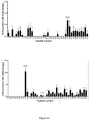
- CD8 + CD40Ig Tregs cells recognized two donor MHC class II-derived peptides.
- donors RT1 u
- recipients RT1 a
- donor and recipient MHC I and II amino acids aa
- Peptides were first grouped into pools of 6 to 8 peptides (30 ⁇ g/ml of each peptide) and tested in an in vitro assay where immature or mature syngeneic recipient pDCs and sorted-CD8 + CD40Ig Tregs from CD40Ig-treated long-term allograft bearing recipients were cocultured for 3 or 6 days.
- Du51 induced a stronger upregulation of CD25 expression compared to Bu31, suggesting that Du51 is the dominant peptide recognized by CD8 + CD40Ig Tregs, while Bu31 is sub-dominant.
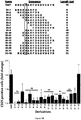
- antigen-specific CD8 + CD40Ig Tregs mainly recognized two peptides, Bu31 (YLRYDSDVGEYRAVTE) and Du51 (NREEYARFDSDVGEYR), derived respectively from the ⁇ 1 chain of donor MHC class II RT1.B u and RT1.D u molecules.
- CD8 + CD40Ig Tregs recognized an unusually long allogeneic 15-mer peptide.
- Du51-activated CD8 + CD40Ig Treg cells displayed a modified phenotype and efficiently suppressed antigen-specific activated T cells.
- CD8 + CD40Ig Tregs The phenotype of Du51-activated CD8 + CD40Ig Tregs was analyzed 6 days after stimulation.
- CD8 + CD40Ig Tregs acted through secretion of high levels of IFN ⁇ , that in turn induced IDO expression by DCs and graft ECs and this action was necessary for tolerance induction in vivo (5).
- stimulation of CD8 + Tregs by the peptide in the presence of pDCs led to significant increased expression of IFN ⁇ , most likely by activated CD8 + CD40Ig Tregs.
- CD8 + CD40Ig Tregs in the presence of allogeneic pDCs or syngeneic pDC and a lysate of donor cells, could suppress the proliferation of syngeneic effector CD4 + CD25 - T cells, showing that CD8 + CD40Ig Tregs acted through the direct and indirect pathway of allorecognition, and that they are more efficient suppressor cells than naive CD8 + CD45RC low Tregs (6).
- Du51-stimulated CD8 + CD40Ig Tregs could efficiently suppress effector T cell proliferation after 6 days coculture and thus maintained their suppressor activity, compared to CD8 + CD40Ig Tregs stimulated with a non-activating control peptide.
- non peptide-specific cells can be visualized and excluded as they bind to a control tetramer bearing the same heavy chain RT1.A a but with an irrelevant peptide associated.
- Cells were secondary stained with CD8-PeCy7 and CD45RC-FITC to identify either CD8 + CD45RC low Tregs or CD8 + CD45RC high T cells. With such a strategy, we were able to identify 2.19 ⁇ 0.6% in the spleen and 1.16 ⁇ 0.25% in the graft of Du51-specific cells among CD8 + CD40Ig Tregs.
- naive splenic CD8 + CD45RC low Tregs population we evaluated the precursor frequency at 0.73 ⁇ 0.2%, demonstrating that even 120 days following transplantation and CD40Ig treatment, the frequency was still increased around 3 times and that in naive animals, we were able to identify a pool of donor-specific Tregs. This difference was true when looking at the percentage and absolute number of tetramer-positive CD8 + CD40Ig Tregs or naive CD8 + CD45RC low T cells in the spleen (0.624 ⁇ 0.128 vs. 0.173 ⁇ 0.071 respectively for percentage and 623800 ⁇ 127700 vs. 172600 ⁇ 70500 for absolute number in the spleen, p ⁇ 0.05).
- CD8 + CD45RC low Tregs total CD8 + CD40Ig Tregs, RT1A a /Du51 tetramer negative (tet - ) and RT1A a /Du51 tetramer positive (tet + ) CD8 + CD40Ig Tregs were sorted and incubated for 6 days with allogeneic (direct pathway) or alloantigens-loaded syngeneic pDCs (indirect pathway) and naive CFSE-labeled syngeneic CD4 + CD25 - T cells.
- RT1A a /Du51 tetramer-specific CD8 + CD40Ig Tregs were activated by tetramer binding (data not shown and (27)).
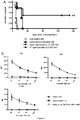
- total CD8 + CD40Ig Tregs suppressed more efficiently the proliferation of effector CD4 + CD25 - T cells induced by both direct and indirect pathways of alloantigen presentation than naive CD8 + CD45RC low Tregs ( Figure 2A ) .
- Figure 2A we observed a significant difference between the suppressive potential of tet + vs.
- tet - CD8 + CD40Ig Tregs that were depleted in Du51 antigen-specific cells
- tet - CD8 + CD40Ig Tregs were unable to inhibit allograft rejection, demonstrating the crucial role of the antigen-specific CD8 + CD40Ig Tregs in the tolerogenic activity of the total CD8 + CD40Ig Treg pool preventing allograft rejection and promoting the infectious tolerance.
- CD8 + CD45RC low Tregs through the indirect pathway of presentation, can recognize one dominant allopeptide, named Du51, (and one sub-dominant) derived from the ⁇ 1 domain of natural donor MHC class II molecules. These peptides share 80-90% homology with human HLA class II molecules and thus could be used to detect specific CD8 + Tregs in humans.
- Du51-specific CD8 + CD45RC low Tregs were enriched in CD40Ig-treated long-term surviving recipients, expressed a biased restricted V ⁇ 11 chain, displayed a strong suppressive activity ex-vivo and played a crucial role in tolerance induction upon adoptive transfer.
- peptide Du51 was shown to induce prolongation of allograft survival in vivo, inducing donor-specific CD8 + Tregs.
- the rat MHC class I molecule RT1.A a has been known to accommodate particularly long peptides, with key-position residues as Gln, Met or Leu at P2, Phe at P3, Pro at P4 and Arg at the C terminus (21, 22). Speir et al has demonstrated previously in a model of maternally transmitted minor histocompatibility antigen (MTF-E) of 13 residues that important anchor residues (in particular arginine at position 13 (P13)) allowed binding with considerable bulged conformation (37).
- MTF-E minor histocompatibility antigen
- peptide Du51 was not involved in acute rejection in their model and the two immunodominant peptides identified by ballet et al. were not recognized by our CD8 + CD40Ig Tregs, suggesting that Tregs and non-Tregs did not recognize the same antigens.
- RT1.A a /Du51-tetramer, which in addition to being a valuable tool to track antigen-specific cells, can also be used to determine TCR fine specificity and affinity.
- this tetramer we identified in naive animals a pool of antigen-specific Treg precursors of ⁇ 0.73%, which was expanded around three times by 120 days following transplantation and CD40Ig treatment. This precursor frequency correlated with the observations of Leavenworth et al.
- Foxp3 does not seem to be an interesting marker of CD8 + CD40Ig Tregs unstimulated or stimulated with peptide, although upon several rounds of strong anti-CD3/anti-CD28/IL-2 stimulation, we were able to detect substantial levels of Foxp3 (data not shown).
- IFN ⁇ was already shown by us as a crucial cytokine in our model (6).
- TCR sequences that are shared between individuals tend to be more efficiently produced by a process of convergent recombination (43) and thus present at a higher frequency in the naive T cell repertoire (44-46).
- inter-individually shared TCR sequences are not necessarily dominant in the immune response to antigen (47). This appears to be the case in our model, suggesting that this process may be modified by either TCR expansion or TCR ⁇ ,-chain pairing.
- More recent publications have revealed the important contribution of the alpha-chain in the specific pMHC recognition and how TCR ⁇ diversity should be taken into consideration, as some specific TCR V ⁇ pairings dictate and alter MHC restriction (48, 49).
- naive CD8 + Tregs displayed a highly diverse repertoire that was remodeled and biased by expansion of Du51-specific CD8 + Tregs after transplantation and CD40Ig treatment.
Landscapes
- Health & Medical Sciences (AREA)
- Life Sciences & Earth Sciences (AREA)
- Immunology (AREA)
- Chemical & Material Sciences (AREA)
- Engineering & Computer Science (AREA)
- General Health & Medical Sciences (AREA)
- Organic Chemistry (AREA)
- Biomedical Technology (AREA)
- Cell Biology (AREA)
- Public Health (AREA)
- Veterinary Medicine (AREA)
- Animal Behavior & Ethology (AREA)
- Zoology (AREA)
- Epidemiology (AREA)
- Genetics & Genomics (AREA)
- Bioinformatics & Cheminformatics (AREA)
- Hematology (AREA)
- Biochemistry (AREA)
- Medicinal Chemistry (AREA)
- Biotechnology (AREA)
- Microbiology (AREA)
- Molecular Biology (AREA)
- Wood Science & Technology (AREA)
- Urology & Nephrology (AREA)
- Pharmacology & Pharmacy (AREA)
- Transplantation (AREA)
- General Engineering & Computer Science (AREA)
- Proteomics, Peptides & Aminoacids (AREA)
- Biophysics (AREA)
- Gastroenterology & Hepatology (AREA)
- Toxicology (AREA)
- Virology (AREA)
- Physics & Mathematics (AREA)
- Mycology (AREA)
- General Physics & Mathematics (AREA)
- Food Science & Technology (AREA)
- Analytical Chemistry (AREA)
- Pathology (AREA)
- Tropical Medicine & Parasitology (AREA)
- Nuclear Medicine, Radiotherapy & Molecular Imaging (AREA)
Applications Claiming Priority (2)
| Application Number | Priority Date | Filing Date | Title |
|---|---|---|---|
| EP14163081 | 2014-04-01 | ||
| PCT/EP2015/057257 WO2015150491A1 (en) | 2014-04-01 | 2015-04-01 | An isolated donor mhc-derived peptide and uses thereof |
Publications (2)
| Publication Number | Publication Date |
|---|---|
| EP3126377A1 EP3126377A1 (en) | 2017-02-08 |
| EP3126377B1 true EP3126377B1 (en) | 2019-09-04 |
Family
ID=50390011
Family Applications (1)
| Application Number | Title | Priority Date | Filing Date |
|---|---|---|---|
| EP15713503.9A Active EP3126377B1 (en) | 2014-04-01 | 2015-04-01 | An isolated donor mhc-derived peptide and uses thereof |
Country Status (5)
| Country | Link |
|---|---|
| US (1) | US10105425B2 (enExample) |
| EP (1) | EP3126377B1 (enExample) |
| JP (2) | JP2017515795A (enExample) |
| ES (1) | ES2749073T3 (enExample) |
| WO (1) | WO2015150491A1 (enExample) |
Families Citing this family (3)
| Publication number | Priority date | Publication date | Assignee | Title |
|---|---|---|---|---|
| SG10202110335PA (en) * | 2016-04-06 | 2021-10-28 | Immatics Biotechnologies Gmbh | Novel peptides and combination of peptides for use in immunotherapy against aml and other cancers |
| WO2019099788A1 (en) * | 2017-11-16 | 2019-05-23 | Benaroya Sesearch Institute At Virginia Mason | Antigen-specific t regulatory cell assay |
| EP3894543A1 (en) * | 2018-12-14 | 2021-10-20 | INSERM (Institut National de la Santé et de la Recherche Médicale) | Isolated mhc-derived human peptides and uses thereof for stimulating and activating the suppressive function of cd8cd45rc low tregs |
Family Cites Families (6)
| Publication number | Priority date | Publication date | Assignee | Title |
|---|---|---|---|---|
| EP0563485A1 (en) | 1992-03-30 | 1993-10-06 | Schering-Plough | In vitro generation of human dendritic cells and uses thereof |
| AU687733B2 (en) | 1992-04-01 | 1998-03-05 | Rockefeller University, The | Method for in vitro proliferation of dendritic cell precursors and their use to produce immunogens |
| US5635363A (en) | 1995-02-28 | 1997-06-03 | The Board Of Trustees Of The Leland Stanford Junior University | Compositions and methods for the detection, quantitation and purification of antigen-specific T cells |
| FR2798128B1 (fr) | 1999-09-06 | 2001-11-16 | Inst Nat Sante Rech Med | Moyens de detection et de purification de populations lymphocytaires t cd8+ specifiques de peptides presentes dans le contexte hla |
| EP1642905B1 (en) * | 2004-10-02 | 2009-01-21 | Immatics Biotechnologies GmbH | Immunogenic T-helper epitopes from human tumour antigens and immunotherapeutic methods using said epitopes |
| US20090004213A1 (en) * | 2007-03-26 | 2009-01-01 | Immatics Biotechnologies Gmbh | Combination therapy using active immunotherapy |
-
2015
- 2015-04-01 WO PCT/EP2015/057257 patent/WO2015150491A1/en not_active Ceased
- 2015-04-01 ES ES15713503T patent/ES2749073T3/es active Active
- 2015-04-01 JP JP2016559818A patent/JP2017515795A/ja not_active Ceased
- 2015-04-01 US US15/300,896 patent/US10105425B2/en not_active Expired - Fee Related
- 2015-04-01 EP EP15713503.9A patent/EP3126377B1/en active Active
-
2019
- 2019-12-04 JP JP2019219661A patent/JP2020055845A/ja active Pending
Non-Patent Citations (1)
| Title |
|---|
| None * |
Also Published As
| Publication number | Publication date |
|---|---|
| ES2749073T3 (es) | 2020-03-19 |
| EP3126377A1 (en) | 2017-02-08 |
| JP2020055845A (ja) | 2020-04-09 |
| JP2017515795A (ja) | 2017-06-15 |
| US10105425B2 (en) | 2018-10-23 |
| WO2015150491A1 (en) | 2015-10-08 |
| US20170021001A1 (en) | 2017-01-26 |
Similar Documents
| Publication | Publication Date | Title |
|---|---|---|
| Picarda et al. | MHC-derived allopeptide activates TCR-biased CD8+ Tregs and suppresses organ rejection | |
| CN107148427B (zh) | 新型免疫原性肽 | |
| AU2008290061B2 (en) | CDCA1 peptide and pharmaceutical agent comprising the same | |
| KR102228843B1 (ko) | Cd4+ t-세포 반응의 증강을 위한 변형된 에피토프 | |
| RU2761653C2 (ru) | Пептиды и способы для лечения диабета | |
| TW202043255A (zh) | 具增進氧化還原酶基序之免疫原肽 | |
| JP2020055844A (ja) | 単離されたドナーmhc由来ペプチド及びその使用 | |
| JP2020516313A (ja) | 白血病およびその他のがんに対する免疫療法において使用するためのペプチドおよびペプチドの組み合わせ | |
| AU2018250926B2 (en) | Methods to produce peptides, polypeptides or cells for modulating immunity | |
| US10105425B2 (en) | Isolated donor MHC-derived peptide and uses thereof | |
| TW201416375A (zh) | 對於th1細胞之cdca1抗原決定位胜肽及含此之疫苗 | |
| KR20230147078A (ko) | 치료에 사용하기 위한 t 세포 | |
| AU756962B2 (en) | The HA-1 antigen | |
| JP2019519197A (ja) | Amlおよびその他のがんに対する免疫療法において使用するための新規ペプチドおよびペプチドの組み合わせ | |
| US20060045884A1 (en) | Vaccines for autoimmune and infectious disease | |
| JP2012530106A (ja) | HLA−Gα1多量体及びその薬学的使用 |
Legal Events
| Date | Code | Title | Description |
|---|---|---|---|
| STAA | Information on the status of an ep patent application or granted ep patent |
Free format text: STATUS: THE INTERNATIONAL PUBLICATION HAS BEEN MADE |
|
| PUAI | Public reference made under article 153(3) epc to a published international application that has entered the european phase |
Free format text: ORIGINAL CODE: 0009012 |
|
| STAA | Information on the status of an ep patent application or granted ep patent |
Free format text: STATUS: REQUEST FOR EXAMINATION WAS MADE |
|
| 17P | Request for examination filed |
Effective date: 20160926 |
|
| AK | Designated contracting states |
Kind code of ref document: A1 Designated state(s): AL AT BE BG CH CY CZ DE DK EE ES FI FR GB GR HR HU IE IS IT LI LT LU LV MC MK MT NL NO PL PT RO RS SE SI SK SM TR |
|
| AX | Request for extension of the european patent |
Extension state: BA ME |
|
| DAV | Request for validation of the european patent (deleted) | ||
| DAX | Request for extension of the european patent (deleted) | ||
| STAA | Information on the status of an ep patent application or granted ep patent |
Free format text: STATUS: EXAMINATION IS IN PROGRESS |
|
| 17Q | First examination report despatched |
Effective date: 20180319 |
|
| GRAP | Despatch of communication of intention to grant a patent |
Free format text: ORIGINAL CODE: EPIDOSNIGR1 |
|
| STAA | Information on the status of an ep patent application or granted ep patent |
Free format text: STATUS: GRANT OF PATENT IS INTENDED |
|
| INTG | Intention to grant announced |
Effective date: 20190401 |
|
| GRAS | Grant fee paid |
Free format text: ORIGINAL CODE: EPIDOSNIGR3 |
|
| GRAA | (expected) grant |
Free format text: ORIGINAL CODE: 0009210 |
|
| STAA | Information on the status of an ep patent application or granted ep patent |
Free format text: STATUS: THE PATENT HAS BEEN GRANTED |
|
| AK | Designated contracting states |
Kind code of ref document: B1 Designated state(s): AL AT BE BG CH CY CZ DE DK EE ES FI FR GB GR HR HU IE IS IT LI LT LU LV MC MK MT NL NO PL PT RO RS SE SI SK SM TR |
|
| REG | Reference to a national code |
Ref country code: GB Ref legal event code: FG4D |
|
| REG | Reference to a national code |
Ref country code: CH Ref legal event code: EP |
|
| REG | Reference to a national code |
Ref country code: AT Ref legal event code: REF Ref document number: 1175187 Country of ref document: AT Kind code of ref document: T Effective date: 20190915 |
|
| REG | Reference to a national code |
Ref country code: DE Ref legal event code: R096 Ref document number: 602015037115 Country of ref document: DE |
|
| REG | Reference to a national code |
Ref country code: IE Ref legal event code: FG4D |
|
| REG | Reference to a national code |
Ref country code: NL Ref legal event code: MP Effective date: 20190904 |
|
| REG | Reference to a national code |
Ref country code: LT Ref legal event code: MG4D |
|
| PG25 | Lapsed in a contracting state [announced via postgrant information from national office to epo] |
Ref country code: NO Free format text: LAPSE BECAUSE OF FAILURE TO SUBMIT A TRANSLATION OF THE DESCRIPTION OR TO PAY THE FEE WITHIN THE PRESCRIBED TIME-LIMIT Effective date: 20191204 Ref country code: HR Free format text: LAPSE BECAUSE OF FAILURE TO SUBMIT A TRANSLATION OF THE DESCRIPTION OR TO PAY THE FEE WITHIN THE PRESCRIBED TIME-LIMIT Effective date: 20190904 Ref country code: SE Free format text: LAPSE BECAUSE OF FAILURE TO SUBMIT A TRANSLATION OF THE DESCRIPTION OR TO PAY THE FEE WITHIN THE PRESCRIBED TIME-LIMIT Effective date: 20190904 Ref country code: FI Free format text: LAPSE BECAUSE OF FAILURE TO SUBMIT A TRANSLATION OF THE DESCRIPTION OR TO PAY THE FEE WITHIN THE PRESCRIBED TIME-LIMIT Effective date: 20190904 Ref country code: LT Free format text: LAPSE BECAUSE OF FAILURE TO SUBMIT A TRANSLATION OF THE DESCRIPTION OR TO PAY THE FEE WITHIN THE PRESCRIBED TIME-LIMIT Effective date: 20190904 Ref country code: BG Free format text: LAPSE BECAUSE OF FAILURE TO SUBMIT A TRANSLATION OF THE DESCRIPTION OR TO PAY THE FEE WITHIN THE PRESCRIBED TIME-LIMIT Effective date: 20191204 |
|
| PG25 | Lapsed in a contracting state [announced via postgrant information from national office to epo] |
Ref country code: GR Free format text: LAPSE BECAUSE OF FAILURE TO SUBMIT A TRANSLATION OF THE DESCRIPTION OR TO PAY THE FEE WITHIN THE PRESCRIBED TIME-LIMIT Effective date: 20191205 Ref country code: LV Free format text: LAPSE BECAUSE OF FAILURE TO SUBMIT A TRANSLATION OF THE DESCRIPTION OR TO PAY THE FEE WITHIN THE PRESCRIBED TIME-LIMIT Effective date: 20190904 Ref country code: AL Free format text: LAPSE BECAUSE OF FAILURE TO SUBMIT A TRANSLATION OF THE DESCRIPTION OR TO PAY THE FEE WITHIN THE PRESCRIBED TIME-LIMIT Effective date: 20190904 Ref country code: RS Free format text: LAPSE BECAUSE OF FAILURE TO SUBMIT A TRANSLATION OF THE DESCRIPTION OR TO PAY THE FEE WITHIN THE PRESCRIBED TIME-LIMIT Effective date: 20190904 |
|
| REG | Reference to a national code |
Ref country code: AT Ref legal event code: MK05 Ref document number: 1175187 Country of ref document: AT Kind code of ref document: T Effective date: 20190904 |
|
| REG | Reference to a national code |
Ref country code: ES Ref legal event code: FG2A Ref document number: 2749073 Country of ref document: ES Kind code of ref document: T3 Effective date: 20200319 |
|
| PG25 | Lapsed in a contracting state [announced via postgrant information from national office to epo] |
Ref country code: NL Free format text: LAPSE BECAUSE OF FAILURE TO SUBMIT A TRANSLATION OF THE DESCRIPTION OR TO PAY THE FEE WITHIN THE PRESCRIBED TIME-LIMIT Effective date: 20190904 Ref country code: PL Free format text: LAPSE BECAUSE OF FAILURE TO SUBMIT A TRANSLATION OF THE DESCRIPTION OR TO PAY THE FEE WITHIN THE PRESCRIBED TIME-LIMIT Effective date: 20190904 Ref country code: PT Free format text: LAPSE BECAUSE OF FAILURE TO SUBMIT A TRANSLATION OF THE DESCRIPTION OR TO PAY THE FEE WITHIN THE PRESCRIBED TIME-LIMIT Effective date: 20200106 Ref country code: EE Free format text: LAPSE BECAUSE OF FAILURE TO SUBMIT A TRANSLATION OF THE DESCRIPTION OR TO PAY THE FEE WITHIN THE PRESCRIBED TIME-LIMIT Effective date: 20190904 Ref country code: RO Free format text: LAPSE BECAUSE OF FAILURE TO SUBMIT A TRANSLATION OF THE DESCRIPTION OR TO PAY THE FEE WITHIN THE PRESCRIBED TIME-LIMIT Effective date: 20190904 Ref country code: AT Free format text: LAPSE BECAUSE OF FAILURE TO SUBMIT A TRANSLATION OF THE DESCRIPTION OR TO PAY THE FEE WITHIN THE PRESCRIBED TIME-LIMIT Effective date: 20190904 |
|
| PG25 | Lapsed in a contracting state [announced via postgrant information from national office to epo] |
Ref country code: IS Free format text: LAPSE BECAUSE OF FAILURE TO SUBMIT A TRANSLATION OF THE DESCRIPTION OR TO PAY THE FEE WITHIN THE PRESCRIBED TIME-LIMIT Effective date: 20200224 Ref country code: SM Free format text: LAPSE BECAUSE OF FAILURE TO SUBMIT A TRANSLATION OF THE DESCRIPTION OR TO PAY THE FEE WITHIN THE PRESCRIBED TIME-LIMIT Effective date: 20190904 Ref country code: SK Free format text: LAPSE BECAUSE OF FAILURE TO SUBMIT A TRANSLATION OF THE DESCRIPTION OR TO PAY THE FEE WITHIN THE PRESCRIBED TIME-LIMIT Effective date: 20190904 Ref country code: CZ Free format text: LAPSE BECAUSE OF FAILURE TO SUBMIT A TRANSLATION OF THE DESCRIPTION OR TO PAY THE FEE WITHIN THE PRESCRIBED TIME-LIMIT Effective date: 20190904 |
|
| REG | Reference to a national code |
Ref country code: DE Ref legal event code: R097 Ref document number: 602015037115 Country of ref document: DE |
|
| PLBE | No opposition filed within time limit |
Free format text: ORIGINAL CODE: 0009261 |
|
| STAA | Information on the status of an ep patent application or granted ep patent |
Free format text: STATUS: NO OPPOSITION FILED WITHIN TIME LIMIT |
|
| PG2D | Information on lapse in contracting state deleted |
Ref country code: IS |
|
| PG25 | Lapsed in a contracting state [announced via postgrant information from national office to epo] |
Ref country code: DK Free format text: LAPSE BECAUSE OF FAILURE TO SUBMIT A TRANSLATION OF THE DESCRIPTION OR TO PAY THE FEE WITHIN THE PRESCRIBED TIME-LIMIT Effective date: 20190904 Ref country code: IS Free format text: LAPSE BECAUSE OF FAILURE TO SUBMIT A TRANSLATION OF THE DESCRIPTION OR TO PAY THE FEE WITHIN THE PRESCRIBED TIME-LIMIT Effective date: 20200105 |
|
| 26N | No opposition filed |
Effective date: 20200605 |
|
| PG25 | Lapsed in a contracting state [announced via postgrant information from national office to epo] |
Ref country code: SI Free format text: LAPSE BECAUSE OF FAILURE TO SUBMIT A TRANSLATION OF THE DESCRIPTION OR TO PAY THE FEE WITHIN THE PRESCRIBED TIME-LIMIT Effective date: 20190904 |
|
| PG25 | Lapsed in a contracting state [announced via postgrant information from national office to epo] |
Ref country code: MC Free format text: LAPSE BECAUSE OF FAILURE TO SUBMIT A TRANSLATION OF THE DESCRIPTION OR TO PAY THE FEE WITHIN THE PRESCRIBED TIME-LIMIT Effective date: 20190904 |
|
| REG | Reference to a national code |
Ref country code: CH Ref legal event code: PL |
|
| PG25 | Lapsed in a contracting state [announced via postgrant information from national office to epo] |
Ref country code: LU Free format text: LAPSE BECAUSE OF NON-PAYMENT OF DUE FEES Effective date: 20200401 Ref country code: LI Free format text: LAPSE BECAUSE OF NON-PAYMENT OF DUE FEES Effective date: 20200430 Ref country code: CH Free format text: LAPSE BECAUSE OF NON-PAYMENT OF DUE FEES Effective date: 20200430 |
|
| REG | Reference to a national code |
Ref country code: BE Ref legal event code: MM Effective date: 20200430 |
|
| PG25 | Lapsed in a contracting state [announced via postgrant information from national office to epo] |
Ref country code: BE Free format text: LAPSE BECAUSE OF NON-PAYMENT OF DUE FEES Effective date: 20200430 |
|
| PG25 | Lapsed in a contracting state [announced via postgrant information from national office to epo] |
Ref country code: IE Free format text: LAPSE BECAUSE OF NON-PAYMENT OF DUE FEES Effective date: 20200401 |
|
| PGFP | Annual fee paid to national office [announced via postgrant information from national office to epo] |
Ref country code: FR Payment date: 20210429 Year of fee payment: 7 Ref country code: DE Payment date: 20210408 Year of fee payment: 7 Ref country code: IT Payment date: 20210414 Year of fee payment: 7 |
|
| PGFP | Annual fee paid to national office [announced via postgrant information from national office to epo] |
Ref country code: GB Payment date: 20210415 Year of fee payment: 7 Ref country code: ES Payment date: 20210506 Year of fee payment: 7 |
|
| PG25 | Lapsed in a contracting state [announced via postgrant information from national office to epo] |
Ref country code: TR Free format text: LAPSE BECAUSE OF FAILURE TO SUBMIT A TRANSLATION OF THE DESCRIPTION OR TO PAY THE FEE WITHIN THE PRESCRIBED TIME-LIMIT Effective date: 20190904 Ref country code: MT Free format text: LAPSE BECAUSE OF FAILURE TO SUBMIT A TRANSLATION OF THE DESCRIPTION OR TO PAY THE FEE WITHIN THE PRESCRIBED TIME-LIMIT Effective date: 20190904 Ref country code: CY Free format text: LAPSE BECAUSE OF FAILURE TO SUBMIT A TRANSLATION OF THE DESCRIPTION OR TO PAY THE FEE WITHIN THE PRESCRIBED TIME-LIMIT Effective date: 20190904 |
|
| PG25 | Lapsed in a contracting state [announced via postgrant information from national office to epo] |
Ref country code: MK Free format text: LAPSE BECAUSE OF FAILURE TO SUBMIT A TRANSLATION OF THE DESCRIPTION OR TO PAY THE FEE WITHIN THE PRESCRIBED TIME-LIMIT Effective date: 20190904 |
|
| REG | Reference to a national code |
Ref country code: DE Ref legal event code: R119 Ref document number: 602015037115 Country of ref document: DE |
|
| GBPC | Gb: european patent ceased through non-payment of renewal fee |
Effective date: 20220401 |
|
| PG25 | Lapsed in a contracting state [announced via postgrant information from national office to epo] |
Ref country code: GB Free format text: LAPSE BECAUSE OF NON-PAYMENT OF DUE FEES Effective date: 20220401 Ref country code: FR Free format text: LAPSE BECAUSE OF NON-PAYMENT OF DUE FEES Effective date: 20220430 Ref country code: DE Free format text: LAPSE BECAUSE OF NON-PAYMENT OF DUE FEES Effective date: 20221103 |
|
| REG | Reference to a national code |
Ref country code: ES Ref legal event code: FD2A Effective date: 20230526 |
|
| PG25 | Lapsed in a contracting state [announced via postgrant information from national office to epo] |
Ref country code: IT Free format text: LAPSE BECAUSE OF NON-PAYMENT OF DUE FEES Effective date: 20220401 |
|
| PG25 | Lapsed in a contracting state [announced via postgrant information from national office to epo] |
Ref country code: ES Free format text: LAPSE BECAUSE OF NON-PAYMENT OF DUE FEES Effective date: 20220402 |