EP3122428B1 - Sprayable sunscreen compositions and methods - Google Patents
Sprayable sunscreen compositions and methods Download PDFInfo
- Publication number
- EP3122428B1 EP3122428B1 EP15768469.7A EP15768469A EP3122428B1 EP 3122428 B1 EP3122428 B1 EP 3122428B1 EP 15768469 A EP15768469 A EP 15768469A EP 3122428 B1 EP3122428 B1 EP 3122428B1
- Authority
- EP
- European Patent Office
- Prior art keywords
- composition according
- acid
- sunscreen
- glycol
- skin
- Prior art date
- Legal status (The legal status is an assumption and is not a legal conclusion. Google has not performed a legal analysis and makes no representation as to the accuracy of the status listed.)
- Active
Links
Images



Classifications
-
- A—HUMAN NECESSITIES
- A61—MEDICAL OR VETERINARY SCIENCE; HYGIENE
- A61K—PREPARATIONS FOR MEDICAL, DENTAL OR TOILETRY PURPOSES
- A61K8/00—Cosmetics or similar toiletry preparations
- A61K8/18—Cosmetics or similar toiletry preparations characterised by the composition
- A61K8/30—Cosmetics or similar toiletry preparations characterised by the composition containing organic compounds
- A61K8/40—Cosmetics or similar toiletry preparations characterised by the composition containing organic compounds containing nitrogen
-
- A—HUMAN NECESSITIES
- A61—MEDICAL OR VETERINARY SCIENCE; HYGIENE
- A61K—PREPARATIONS FOR MEDICAL, DENTAL OR TOILETRY PURPOSES
- A61K8/00—Cosmetics or similar toiletry preparations
- A61K8/18—Cosmetics or similar toiletry preparations characterised by the composition
- A61K8/30—Cosmetics or similar toiletry preparations characterised by the composition containing organic compounds
- A61K8/31—Hydrocarbons
-
- A—HUMAN NECESSITIES
- A61—MEDICAL OR VETERINARY SCIENCE; HYGIENE
- A61K—PREPARATIONS FOR MEDICAL, DENTAL OR TOILETRY PURPOSES
- A61K8/00—Cosmetics or similar toiletry preparations
- A61K8/18—Cosmetics or similar toiletry preparations characterised by the composition
- A61K8/30—Cosmetics or similar toiletry preparations characterised by the composition containing organic compounds
- A61K8/33—Cosmetics or similar toiletry preparations characterised by the composition containing organic compounds containing oxygen
-
- A—HUMAN NECESSITIES
- A61—MEDICAL OR VETERINARY SCIENCE; HYGIENE
- A61K—PREPARATIONS FOR MEDICAL, DENTAL OR TOILETRY PURPOSES
- A61K8/00—Cosmetics or similar toiletry preparations
- A61K8/18—Cosmetics or similar toiletry preparations characterised by the composition
- A61K8/30—Cosmetics or similar toiletry preparations characterised by the composition containing organic compounds
- A61K8/33—Cosmetics or similar toiletry preparations characterised by the composition containing organic compounds containing oxygen
- A61K8/34—Alcohols
-
- A—HUMAN NECESSITIES
- A61—MEDICAL OR VETERINARY SCIENCE; HYGIENE
- A61K—PREPARATIONS FOR MEDICAL, DENTAL OR TOILETRY PURPOSES
- A61K8/00—Cosmetics or similar toiletry preparations
- A61K8/18—Cosmetics or similar toiletry preparations characterised by the composition
- A61K8/30—Cosmetics or similar toiletry preparations characterised by the composition containing organic compounds
- A61K8/33—Cosmetics or similar toiletry preparations characterised by the composition containing organic compounds containing oxygen
- A61K8/34—Alcohols
- A61K8/345—Alcohols containing more than one hydroxy group
-
- A—HUMAN NECESSITIES
- A61—MEDICAL OR VETERINARY SCIENCE; HYGIENE
- A61K—PREPARATIONS FOR MEDICAL, DENTAL OR TOILETRY PURPOSES
- A61K8/00—Cosmetics or similar toiletry preparations
- A61K8/18—Cosmetics or similar toiletry preparations characterised by the composition
- A61K8/30—Cosmetics or similar toiletry preparations characterised by the composition containing organic compounds
- A61K8/33—Cosmetics or similar toiletry preparations characterised by the composition containing organic compounds containing oxygen
- A61K8/35—Ketones, e.g. benzophenone
-
- A—HUMAN NECESSITIES
- A61—MEDICAL OR VETERINARY SCIENCE; HYGIENE
- A61K—PREPARATIONS FOR MEDICAL, DENTAL OR TOILETRY PURPOSES
- A61K8/00—Cosmetics or similar toiletry preparations
- A61K8/18—Cosmetics or similar toiletry preparations characterised by the composition
- A61K8/30—Cosmetics or similar toiletry preparations characterised by the composition containing organic compounds
- A61K8/33—Cosmetics or similar toiletry preparations characterised by the composition containing organic compounds containing oxygen
- A61K8/37—Esters of carboxylic acids
- A61K8/375—Esters of carboxylic acids the alcohol moiety containing more than one hydroxy group
-
- A—HUMAN NECESSITIES
- A61—MEDICAL OR VETERINARY SCIENCE; HYGIENE
- A61K—PREPARATIONS FOR MEDICAL, DENTAL OR TOILETRY PURPOSES
- A61K8/00—Cosmetics or similar toiletry preparations
- A61K8/18—Cosmetics or similar toiletry preparations characterised by the composition
- A61K8/72—Cosmetics or similar toiletry preparations characterised by the composition containing organic macromolecular compounds
- A61K8/84—Cosmetics or similar toiletry preparations characterised by the composition containing organic macromolecular compounds obtained by reactions otherwise than those involving only carbon-carbon unsaturated bonds
- A61K8/85—Polyesters
-
- A—HUMAN NECESSITIES
- A61—MEDICAL OR VETERINARY SCIENCE; HYGIENE
- A61K—PREPARATIONS FOR MEDICAL, DENTAL OR TOILETRY PURPOSES
- A61K8/00—Cosmetics or similar toiletry preparations
- A61K8/18—Cosmetics or similar toiletry preparations characterised by the composition
- A61K8/72—Cosmetics or similar toiletry preparations characterised by the composition containing organic macromolecular compounds
- A61K8/84—Cosmetics or similar toiletry preparations characterised by the composition containing organic macromolecular compounds obtained by reactions otherwise than those involving only carbon-carbon unsaturated bonds
- A61K8/86—Polyethers
-
- A—HUMAN NECESSITIES
- A61—MEDICAL OR VETERINARY SCIENCE; HYGIENE
- A61Q—SPECIFIC USE OF COSMETICS OR SIMILAR TOILETRY PREPARATIONS
- A61Q17/00—Barrier preparations; Preparations brought into direct contact with the skin for affording protection against external influences, e.g. sunlight, X-rays or other harmful rays, corrosive materials, bacteria or insect stings
- A61Q17/04—Topical preparations for affording protection against sunlight or other radiation; Topical sun tanning preparations
-
- A—HUMAN NECESSITIES
- A61—MEDICAL OR VETERINARY SCIENCE; HYGIENE
- A61K—PREPARATIONS FOR MEDICAL, DENTAL OR TOILETRY PURPOSES
- A61K2800/00—Properties of cosmetic compositions or active ingredients thereof or formulation aids used therein and process related aspects
- A61K2800/20—Chemical, physico-chemical or functional or structural properties of the composition as a whole
- A61K2800/30—Characterized by the absence of a particular group of ingredients
- A61K2800/31—Anhydrous
Definitions
- the invention relates to the field of sunscreen active personal care formulations, particularly those that are applied to mammal skin, hair or nails that are damp, moist or otherwise wet surfaces, and more particularly to sprayable sunscreen formulations.
- UV-B The electromagnetic radiation (light energy) within the ultraviolet (UV) spectrum that reaches the earth's surface falls within the wavelength range of approximately 290 to 400 nanometers (nm).
- UV-A longer wavelengths
- UV-C radiation from about 200 to 290 nm
- UV-A has been shown to penetrate the skin more deeply than UV-B. In studies which have occurred over the past two decades, it has been shown that the effects of prolonged UV-A exposure can result in premature skin aging, wrinkling, and has been implicated as a potential initiator for the development of skin cancers. UV-A damages skin cells in the basal layer of the epidermis (keratinocytes) where most skin cancers occur. In addition to harming skin, UV radiation can also cause damage to other areas, such as hair, causing it to change color and impacting color-treated hair as well, creating damage to the physical character of the hair and loss of shine or manageability.
- Topical photoprotective treatments such as sunscreens have been developed to mitigate or prevent skin or hair damage.
- Sunscreen formulations are applied topically to protect against UV induced skin damage and are prepared in various forms, including creams, lotions, and sprays.
- Conventional sunscreen formulators will typically incorporate organic chemical compounds that chemically absorb UV radiation (organic UV filters) and inorganic compounds that in addition to absorbing, also physically scatter and/or reflect the radiation (UV blockers) into the sunscreen product.
- sunscreens were formulated predominantly to prevent sunburn and associated acute discomfort. Consequently, they included primarily UV-B filters and UV blockers.
- SPDF sun protection factor
- SPF is an in vivo laboratory measurement of the effectiveness of sunscreen in preventing sunburn. It is a numerical value. The higher the SPF, the more protection a sunscreen offers against UV-B.
- FDA United States Food and Drug Administration
- sunscreens that include filters that also absorb UV-A radiation.
- the approved organic UV-A filter is limited to butyl methoxydibenzoylmethane (avobenzone or AVO) due to statutory requirements.
- AVO has been shown to degrade in the presence of sunlight by photolytic mechanisms, with the products of photodegradation being less effective at absorbing UV-A radiation than the parent compound. This means that protection against UV-A is reduced from time of initial application and upon subsequent exposure to sunlight when AVO is used as an UV-A filter.
- Photodegradation is particularly pronounced when AVO is used in combination with 2-ethylhexyl (2E)-3-(4-methoxyphenyl)prop-2-enoate (octylmethoxycinnamate, octinoxate, OMC.)
- UV-A/UV-B ratio describes the performance of a sunscreen in the UV-A in relation to its performance in the UV-B range. It is calculated as the ratio between the areas under the UV-A and UV-B parts of the extinction curve, both areas being normalized to the range of wavelengths involved.
- the UV-A/UV-B ratio is further defined and detailed testing procedures are provided in " Measurement of UV-A/UV-B ratio according to the Boots Star rating system," (2008 revision), Boots UK Limited, Nottingham, NG2 3AA, UK (January 2008 ), the contents of which are incorporated herein by reference.
- the critical wavelength is given as the upper limit of the spectral range from 290 nm on, within which 90% of the area under the extinction curve of the whole UV-range between 290 nm and 400 nm is covered. If that wavelength is 370 nm or greater, the product is considered "broad spectrum,” which denotes balanced protection throughout the UV-B and UV-A ranges.
- the critical wavelength is further defined and detailed testing procedures are provided in Diffey BL, et al, "In-vitro assessment of the broad-spectrum ultraviolet protection of sunscreen products," J Amer Acad Dermatol 43:1024-35, 2000 .
- Sunscreens and other products having sunscreen protection typically require re-application. They are applied as creams, lotions, or other cosmetic formulations (lip balm or liquid foundation for example). Most use is for exposure to the sun outdoors, for example, walking, participating in sports, running, swimming, beach activities, and the like. As noted above, while users do not generally like the use of a greasy formulation, creating a resistance to use, and there is a desire for a more "dry"- feeling formulation on application, it is also a problem when applied sunscreen products in whatever form are contacted with moisture - either from perspiration due to physical activity, from rain or from swimming, etc.
- the user also knows and desires (and good protection dictates) that if the product washes off, it will require re-application, which is difficult to do when wet, or can become greasy to the surface of the skin when wet, causing users to not re-apply either because they believe it will not be effective, because it feels oily or greasy or because it simply drips off or causes blotchy or spotty application on the skin.
- Clearer formulations are preferred for use also by users, so that it does not appear they are wearing sunscreen when in use. If the sunscreen starts to smear, wipe off, drip or otherwise separate off the skin, it can appear white and/or clumped in oily-looking patches on the damp skin. This is not only an aesthetically undesirable result, it can discourage use and/or re-application when the skin becomes wet, leading to no protection and harm to the skin or hair.
- the clear products are generally "anhydrous,” meaning they have very little water in them and preferably less than about 5% water.
- Such formulations come in "clear” products like gels, clear lotions, or sprayable sunscreen products.
- the active and inactive ingredients are generally in a solution form with a base solvent, such as an organic alcohol.
- Sprayable sunscreens based on alcohol solutions are a growing global product trend.
- the popularity of sprayable sunscreen formulations derives from their ease of use and application. When in an active setting, they take little time to apply, dry quickly and typically do not exhibit the greasiness associated with traditional sunscreen lotions and creams. In addition, they are easier to put on another person or yourself, which is especially useful for parents who need to apply sunscreen to themselves and to their children. In a beach situation, they are also less likely to have sand stuck in the lotion which is then rubbed into the skin.
- U.S. Patent No. 8,778,313 B2 is directed to improving sunscreens for enhanced SPF and UV-A and UV-B protective sunscreens for spray use that incorporate at least one ester-terminated poly(ester amide) polymer in combination with a combined sunscreen protection system.
- U.S. Patent Application Publication No. 2014/0017186 A1 is directed to a sprayable sunscreen formulation having a co-polymer formed from a vinyl monomer and an acid-functional monomer, with an optional different third vinyl monomer.
- U.S. Patent Application Publication No. 2014/0348757 A1 discloses a sprayable alcohol-based sunscreen formulation using a film-forming polymer comprising shellac.
- U.S. Patent Publication No. 2014/0170090 A1 teaches a sunscreen composition having avobenzone in an amount for providing UV-A protection, an alcohol, and an antioxidant such as a vitamin, and further may include a water-penetrating polymer which is hydrophobic such as an alkyl maleate/acrylate copolymer.
- Patent documents US 2011/0104078 and WO 03/013456 also concern sun screening compositions.
- Alcohol-based spray sunscreens are typically simple solutions in ethanol of organic UV filters, emollients, and film formers.
- a major disadvantage of many existing sprayable sunscreens products in this area of the art is that when sprayed on wet skin, the oily components rapidly fall out of solution and coalesce. This then creates an aesthetically displeasing whitening due to the scattering of light at the phase interfaces. See Fig. 1 .
- an ideal sprayable or other clear-type anhydrous sunscreen should spread out quickly on the skin into a uniform film. Additionally, in sprayable formulations, the emollients and filters should not drop out of solution and coalesce.
- solvent-based compositions such as sprayable or other solvent-based sunscreen formulations, that eliminates the above-noted deficiencies in the art, and achieves a dry feel, an aesthetically pleasing appearance and feel on the skin and a uniform film application, particularly when the skin is exposed to wetness or moisture.
- the invention includes a composition, comprising: a solvent base comprising at least one non-aqueous solvent; at least one sunscreen active ingredient that is a UV blocker and/or a UV absorber; and a polymer reaction product of a random polymerization of at least one organic diol, at least one polycarboxylic acid and at least one polyol having at least three functional groups.
- a solvent base comprising at least one non-aqueous solvent
- sunscreen active ingredient that is a UV blocker and/or a UV absorber
- a polymer reaction product of a random polymerization of at least one organic diol, at least one polycarboxylic acid and at least one polyol having at least three functional groups In one preferred embodiment, it is also advantageous to include emollients such as esters in the compositions.
- the at least one non-aqueous solvent may be an organic alcohol of about 1 to about 10 carbon atoms; an alkylene glycol; a polymeric alkylene glycol; a branched chain hydrocarbon of about 6 to about 22 carbon atoms; an alkyl ester or alkyl ether of an organic alcohol, an alkylene glycol, a branched chain hydrocarbon of about 6 to about 22 carbon atoms or a polymeric alkylene glycol; an alkyl ether or an alkyl ester; or a combination thereof.
- the non-aqueous solvent is an organic alcohol selected from the group consistent of ethanol, propanol, isopropanol, butanol, isobutanol, pentanol, isopentanol and/or hexanol.
- the non-aqueous solvent is an alkylene glycol or a polymeric alkylene glycol selected from the group consisting of polypropylene glycol, polyethylene glycol and copolymers thereof; ethylene glycol; propylene glycol; butylene glycol; pentylene glycol; hexylene glycol; a diglycol; dodecane; isododcane or any of the branched chain hydrocarbons such as those available from ExxonMobil under the trade name IsoparTM; and/or a diglycol.
- the non-aqueous solvent may also be dimethyl ether or a diethyl ether.
- the solvent base may be present in an amount of at least about 35% to about 95% by weight of the composition, preferably wherein at least about 85% to about 100% of the solvent base is the non-aqueous solvent. More preferably, the solvent base may be present in the composition in an amount that is about 35% to about 65% of the composition, and wherein preferably at least about 95% to about 100% of the solvent base is the non-aqueous solvent.
- the at least one sunscreen active ingredient is present in an amount of about 0.5% to about 75% of the composition, more preferably about 5% to about 70% of the at least one sunscreen active ingredient is present in the composition, and most preferably about 20% to about 50% of the at least one sunscreen active ingredient is present in the composition.
- the at least one sunscreen active ingredient may be selected from the group consisting of octocrylene, oxybenzone, octisalate, homosalate, avobenzone, octinoxate, and combinations thereof.
- the polymer reaction product is derived from the esterification of at least one organic diol, at least one polycarboxylic acid, and at least one polyol.
- the at least one organic diol may be 1,3-pentanediol, 2,2,4-trimethyl-1,3-pentanediol, 1,2-pentane diol, 2-methyl-1,3-propanediol and combinations thereof, and is most preferably 2,2,4-trimethyl-1,3-pentane diol.
- the at least one polycarboxylic acid may be selected from the group consisting of propanedioic acid; decanedioic acid; pentanedioic acid; hexanedioic acid; heptanedioic acid; octanedioic acid; nonanedioic acid; and decanedioic acid, and combinations thereof.
- the at least one polycarboxylic acid is a diacid, and is preferably hexanedioic acid
- the at least one polyol may be selected from the group consisting of dimerdiol, trimethylolpropane, ditrimethylolpropane, glycerol, 1,2,3-propane triol, and combinations thereof.
- the polymer is most preferably a random polymer of 2,2,4-trimethyl-1,3-pentane diol, heptanedioic acid and glycerol.
- the invention concerns a composition suitable for use in a personal care formulation, comprising at least one sunscreen active ingredient that is a UV blocker and/or a UV absorber; and a polymer reaction product of a random polymerization of at least one polycarboxylic acid, at least one organic diol and at least one polyol, wherein a ratio of organic diokpolycarboxylic acid:polyol is 5:5:1 to 25:25:1.
- the skin is a good barrier and is hydrophobic. As a result, water is not evenly dispersed when skin is wet. On wet skin, high local concentrations of water exist on the surface in the form of droplets.
- a sprayable-type sunscreen when the sunscreen interacts with the water droplets, its composition is changed significantly. If the oily components (emollients, UV filters and polymers) of the sunscreen are very water intolerant, they are pushed out of the solution by the water and coalesce.
- Water intolerant herein refers to the rate and amount of coalescence that occurs when the sunscreen formulation comes in contact with the water. The coalescence results in a whitening effect due to the difference in refractive index between the oil and water phases. Fig.
- FIG. 1 shows a prior art wet-skin, alcohol-based spray sunscreen sprayed on wet skin.
- Fig. 2 shows a prior art wet-skin, alcohol-based spray sunscreen sprayed on 600 grit wet/dry sandpaper.
- compositions of the present invention are useful as sunscreen-containing products that have a dry feel and/or are substantially "clear” (meaning they are formulated for virtually no color when used on the skin) and/or are applied as a spray and/or employed in cosmetics having sunscreens, that minimize an aesthetically unappealing oily or greasy feel in use and which resist loss or separation of formulation components when applied on a wet keratinous surface such as skin or hair. They are especially suitable for, but not limited to, spray sunscreen formulations for use on wet human skin.
- compositions include at least one solvent, preferably a non-aqueous solvent; at least one sunscreen active ingredient that is a UV blocker and/or a UV absorber; and a polymer reaction product of a random polymerization of at least one organic diol, at least one dicarboxylic acid and at least one polyol having at least three functional groups.
- Such compositions may also include various optional cosmetic and/or sunscreen formulation components as are known in the art or to be developed as described further below.
- the compositions preferably are substantially anhydrous, but need not be fully non-aqueous solvent based, and so may include some water.
- the composition has at least about 35% to about 95% of a solvent base, of which at least about 85% up to about 100% of the solvent base is a non-aqueous solvent. More preferably there is about 35% to about 65% of a solvent base, of which about 95% to about 100% is a non-aqueous solvent.
- water is acceptable (preferably more than about 0 up to about 15%), in preferred embodiments, water is omitted or is only a minor component of the solvent base.
- Suitable non-aqueous solvents include, but are not limited to organic alcohols, such as of about 1 to about 10 carbon atoms, including, but not limited to methanol, ethanol, propanol, isopropanol, butanol, isobutanol, pentanol, isopentanol, hexanol, and the like; polymeric glycols, such as polypropylene glycols or polyethylene glycols (PEGs) of varying length, and copolymers of such polymeric glycols, glycol compounds such as ethylene glycol, propylene glycol, butylene glycol, pentylene glycol, hexylene glycol, diglycols and similar compounds, sorbitols or isosorbitols; branched chain hydrocarbons of about 6 to about 22 carbon atoms, such as isoalkanes and isoparaffins of varying lengths (e.g., C10-13, C13-14, C13-16 iso
- the solvent base including the non-aqueous solvent acts as a carrier compound for the sunscreen active agents and other components in the compositions herein.
- the at least one sunscreen active ingredient may be any acceptable a UV blocker and/or a UV absorber in whatever form that is useful in the desired sunscreen product preferably intended for initial use and/or re-application on skin having or subject to moisture, perspiration, water and the like, including but not limited to solvent-based or solvent/water-based lotions, cream, spray or other form of sunscreen products, cosmetics or hair care products having sunscreen in whatever form and similar products without intending to be limiting, even though the invention is especially useful in spray on sunscreen and hair products having sunscreens wherein the user has a skin or hair surface that is moist, damp, wet, etc.
- sunscreen actives can be an organic or inorganic compound, a UV-absorbing polymer, or the like. UV-absorbing polymers are disclosed, for example, in applicant's co-pending U.S. Publication No. 2011/0104078 A1 .
- UV blocking and/or absorbing materials include but are not limited to non-polymeric chemical UV filters, such as, octyl triazone, diethylhexyl butamido triazone, diethylamino hydroxybenzoyl hexyl benzoate, iscotrizinol, dimethico-diethylbenzalmalonate, polysilicone-15, isopentenyl-4-methoxycinnamate, ethylhexyl methoxycinnamate, ethylhexyl triazone, p-aminobenzoic acid (PABA), octyldimethyl-PABA, PEG-25 PABA, ethylhexyl dimethyl PABA, methylene bis-benztriazolyl tetramethylbutylphenol, bisodium phenyl dibenzimidazole tetrasulfonate, bis-ethylhexyloxyphenol methoxyphenol tri
- such materials are used in combinations useful for effect or synergy to achieve desired blocking or absorbing combinations.
- the invention is more directed to maintaining such materials and other additives in the compositions, however, and so it is not intended that the sunscreen active ingredient(s) used are limited.
- the sunscreen active agent(s) is/are preferably present in an amount effective to provide sunscreen protection consistent with the desired SPF of the composition and can be from about 0.5% to about 75% of the composition, preferably about 5% to about 70% of the composition, and most preferably about 20% to about 50% of the composition, although the amount may be adjusted for desired end effects and based on the selected active ingredients as is known in the art.
- novel polymers used in the compositions herein are one or more reaction products of random polymerization of at least one organic diol, at least one dicarboxylic acid and at least one polyol having at least three functional groups, and are preferably reaction products derived from the esterification of at least one organic diol, at least one polycarboxylic acid and at least one polyol.
- Such polymers typically form polyesters or polyether polyols which are cross-polymers, i . e ., they are cross-linked polymer chains having a cross-link density of about 0.1 to about 2.0.
- the cross-linking may be controlled by adjusting the amount of polyol in the monomer charge to the reaction.
- Suitable organic diols are one or more such diols which may be branched and/or linear, saturated and/or unsaturated, aliphatic and/or aromatic and are about two to about fifty four carbon atoms in length with two hydroxyl groups, including, for example, ethylene glycol, 2,2,4-trimethyl-1-3 pentane diol, 1,2-propanediol; 1,3-propanediol; 1,3-butylene glycol; 1,4-butanediol; 2-methyl-1,3-propanediol; diethylene glycol; tetraethylene glycol; 1,5-pentanediol; neopentyl glycol; 1,6-hexanediol; dipropylene glycol; 1,2-octanediol; dimerdiol, and combinations of the above components.
- Preferred compounds are pentane diols and alkyl pentane diols.
- the at least one polycarboxylic acid may be an acid or in its anhydride form, but is preferably an acid for random polymerization.
- polyacids having more than two carboxylic acid groups (or their anhydride forms) may be used, a diacid is preferred.
- Suitable polyacids may be branched and/or linear, saturated and/or unsaturated, aliphatic and/or aromatic and may have from about two to about fifty four carbon atoms, and two to four, but more preferably two, carboxylic acid and/or anhydride groups, specifically preferred are diacids.
- Such acids may also have from zero to two sulfonic acid groups (and acid salts thereof).
- Examples of preferred polyacids are without limitation, carbonic acid; propanedioic acid; decanedioic acid; pentanedioic acid; hexanedioic acid (adipic acid); heptanedioic acid; octanedioic acid; nonanedioic acid; decanedioic acid; dimer acid; trimer acid; tetramer acid; phthalic acid; isophthalic acid; pyromellitic acid; naphthylene dicarboxylic acid; sodium sulfophthalic acid and combinations thereof.
- the above-noted polyacids and/or organic diols may omit any UV-absorbing moiety or may contain an UV-absorbing entity as described in U.S. Publication No. 2011/0104078 A1 .
- the polyols are preferably those which have three or more hydroxyl groups to provide a site of cross-linking as well as reactive functionality.
- Suitable polyols include but are not limited to dimerdiol, trimethylolpropane, ditrimethylolpropane, glycerol, 1,2,3-propane triol, and combinations thereof.
- the polyol is glycerol.
- the random polymer is combined in a manner that the ratio of diol:polycarboxylic acid:polyol is about 5:5:1 to about 25:25:1, and preferably about 10:10:1.
- the polymer is preferably formed by thermal esterification at from about 100°C to about 250°C and a pressure of about 760 mmHg to about 1 mm Hg.
- compositions may include those known in the art of sunscreen formulations, or for use in personal care compositions such as cosmetics the require a sunscreen.
- emollients such as esters.
- the compositions may include, optionally, for example, surfactants, buffers, perfumes, colorants, dyes, viscosity modifiers, water, oils, emulsifiers, preservatives, antioxidants, emollients, thickeners, gellants, vitamins, humectants, alcohols, botanical extracts and powders.
- suitable additive or components include may include one or more vegetable oils in the product, such as, for example, almond oil, castor oil, coconut oil, corn (maize) oil, cottonseed oil, canola oil, flax seed oil, hempseed oil, nut oil, olive oil, palm oil, peanut oil, safflower oil, sesame oil, soybean oil, sunflower oil, jojoba oil and combinations of these oils.
- vegetable oils in the product such as, for example, almond oil, castor oil, coconut oil, corn (maize) oil, cottonseed oil, canola oil, flax seed oil, hempseed oil, nut oil, olive oil, palm oil, peanut oil, safflower oil, sesame oil, soybean oil, sunflower oil, jojoba oil and combinations of these oils.
- Surfactants may be included in the personal care composition, such as, for example, an anionic surfactant, a zwitterionic surfactant, a cationic surfactant, a non-ionic surfactant and combinations of these.
- Other exemplary components or additives may include, without limitation, lipids, additional alcohols, waxes, pigments, vitamins, fragrances, bleaching agents, antibacterial agents, anti-inflammatory agents, antimycotic agents, thickeners, gums, starches, chitosan, polymeric materials, cellulosic materials, glycerin, proteins, amino acids, keratin fibers, fatty acids, siloxanes, botanical extracts, abrasives and/or exfoliants (chemical or mechanical), anticaking agents, antioxidant agents, binders, biological additives, buffering agents, bulking agents, chelating agents, chemical additives, denaturants, external analgesics, film formers, humectants, opacifying agents, pH adjusters, preserv
- the personal care composition of the invention may also include one or more optical brighteners as described in U.S. Patent Publication No. 2011/0104078 A1 , incorporated in relevant part herein by reference, and also including for example, a triazine-stilbenes (di-, tetra- or hexa-sulfonated), a courmarin, an imidazoline, a diazole, a triazole, a benzoxazoline, and a biphenyl stilbene.
- one or more optical brighteners as described in U.S. Patent Publication No. 2011/0104078 A1 , incorporated in relevant part herein by reference, and also including for example, a triazine-stilbenes (di-, tetra- or hexa-sulfonated), a courmarin, an imidazoline, a diazole, a triazole, a benzoxazoline, and a biphenyl stilbene.
- a method of protecting skin, hair, and/or nails of a mammal from damage caused by exposure to light in the UV wavelengths by applying to the skin, hair or nails a composition as described above, and that is particularly useful when the skin, hair or nails is damp, moist or otherwise wet.
- Skin includes the external integument of living mammals, reptiles, amphibians, birds and other animals as well as processed skins, such as leathers or suedes.
- “Hair” includes hair, fur, wool and other filamentous keratinized structures of mammals and other animals.
- “nails” includes claws, hooves and analogous structures of mammals and other animals.
- Phase A ingredients identified in Table 1 below, were heated to 40°C or until the solids were dissolved, and mixed until uniform.
- Phase B ingredients from Table 1 were mixed until uniform.
- Phase B ingredients were added to the Phase A ingredients after the Phase A Ingredient mixture had cooled to room temperature and all ingredients were mixed well to form sunscreen formulations
- Fig. 3 shows a comparison of the Control formulation versus the Example formulation containing a polymer according to the invention herein.
- the photos in Fig. 3 show clearly how the addition of only the inventive polymer to the Example formulation dramatically improved the water tolerance and dispersibility of the oil phase components in dilute solution in water, which is the key to non-whitening efficacy prior to rubbing in of the product.
- the SPF 30 Control and SPF-30+ inventive Example formulations were sprayed onto wet, 600-grit, black sandpaper in an identical manner. While sandpaper is not a substitute for human skin, the results clearly showed similar behavior to that which was experienced in vivo , but was much easier to see in photographic form.
- Fig. 4 shows the Control formulation. It is clear by the larger droplet size and whitening within the droplets that coalescence and plating out of the oily components has occurred.
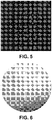
- Fig. 5 illustrates how the addition of the inventive Example polymer has reduced coalescence, and virtually eliminated any whitening effect.
- Figs. 6 and 7 show the comparison of the two formulations on human skin.
- Example 1 Using the formulations of Example 1, further evaluations were undertaken to measure various parameters of the formulations.
- the Minolta Chroma Meter CR-300 is a useful tool for the objective assessment of surface color, and is often used in studies to quantify skin color change. Typical applications where it has been used is in the determination of the efficacy of anti-irritants, tanning accelerators, and antiperspirants. It is a reflectance colorimeter, and surface color data is output in the form of the L* a* b* color coordinate system.
- the L* value relates to skin lightness, while the a* (red/green) and b* (blue/yellow) values are measures of skin color.
- ⁇ E* is a linear combination of the changes in both skin lightness as well as color.
- the gloss of the surface of skin can be expressed by direct reflection of light sent to the surface.
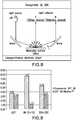
- the Skin-Glossymeter GL-200 from Khazaka of GmbH is a probe which measures both the portion of directly reflected light (Reflection channel, R) which is related to the gloss, and the scattered portion from the surface (Diffuse channel, D) as illustrated in the schematic representation of Fig. 8 provided by Khazaka.
- the value obtained, the Skin Gloss Value (SGV) is unitless, and is a function of probe design.
- the Skin-Glossymeter GL-200 is specially designed to assess the gloss of the skin surface with diffuse scattering correction (DSC), thus allowing the comparison of gloss measurements obtained from different skin types accurately without interference of skin color or formulation color.
- DSC diffuse scattering correction
Landscapes
- Health & Medical Sciences (AREA)
- Life Sciences & Earth Sciences (AREA)
- Animal Behavior & Ethology (AREA)
- General Health & Medical Sciences (AREA)
- Public Health (AREA)
- Veterinary Medicine (AREA)
- Birds (AREA)
- Epidemiology (AREA)
- Emergency Medicine (AREA)
- Dermatology (AREA)
- Cosmetics (AREA)
Priority Applications (1)
| Application Number | Priority Date | Filing Date | Title |
|---|---|---|---|
| PL15768469T PL3122428T3 (pl) | 2014-03-27 | 2015-03-27 | Kompozycje i metody ochrony przeciwsłonecznej w sprayu |
Applications Claiming Priority (2)
| Application Number | Priority Date | Filing Date | Title |
|---|---|---|---|
| US201461971370P | 2014-03-27 | 2014-03-27 | |
| PCT/US2015/023133 WO2015148999A1 (en) | 2014-03-27 | 2015-03-27 | Sprayable sunscreen compositions and methods |
Publications (3)
| Publication Number | Publication Date |
|---|---|
| EP3122428A1 EP3122428A1 (en) | 2017-02-01 |
| EP3122428A4 EP3122428A4 (en) | 2017-10-04 |
| EP3122428B1 true EP3122428B1 (en) | 2019-05-15 |
Family
ID=54188797
Family Applications (1)
| Application Number | Title | Priority Date | Filing Date |
|---|---|---|---|
| EP15768469.7A Active EP3122428B1 (en) | 2014-03-27 | 2015-03-27 | Sprayable sunscreen compositions and methods |
Country Status (10)
| Country | Link |
|---|---|
| US (2) | US10709650B2 (https=) |
| EP (1) | EP3122428B1 (https=) |
| JP (2) | JP6759102B2 (https=) |
| KR (1) | KR102339775B1 (https=) |
| CN (1) | CN106332545B (https=) |
| AU (2) | AU2015237198A1 (https=) |
| BR (1) | BR112016022199B1 (https=) |
| ES (1) | ES2742127T3 (https=) |
| PL (1) | PL3122428T3 (https=) |
| WO (1) | WO2015148999A1 (https=) |
Cited By (1)
| Publication number | Priority date | Publication date | Assignee | Title |
|---|---|---|---|---|
| US20240240058A1 (en) * | 2022-04-14 | 2024-07-18 | AHAY Society Pty Ltd | Body adhesive |
Families Citing this family (5)
| Publication number | Priority date | Publication date | Assignee | Title |
|---|---|---|---|---|
| US20190374454A1 (en) * | 2018-06-11 | 2019-12-12 | Symrise Ag | Oxybenzone-free compositions |
| US11590064B2 (en) * | 2019-10-04 | 2023-02-28 | Johnson & Johnson Consumer Inc. | Sprayable sunscreen composition |
| CN112386516B (zh) * | 2020-11-25 | 2023-04-07 | 上海新高姿化妆品有限公司 | 一种低渗透温和的防晒组合物及其制备方法和应用 |
| US20260090975A1 (en) * | 2024-09-27 | 2026-04-02 | Momentive Performance Materials Inc. | Cosmetic composition, comprising uv filter compound and crosslinked polyester component |
| WO2026073025A1 (en) * | 2024-09-27 | 2026-04-02 | Momentive Performance Materials Inc. | Cosmetic composition, comprising colorant and crosslinked polyester component |
Family Cites Families (16)
| Publication number | Priority date | Publication date | Assignee | Title |
|---|---|---|---|---|
| US5833961A (en) * | 1996-06-25 | 1998-11-10 | Inolex Investment Corporation | Polyester-based suncreen formulations |
| US5989527A (en) * | 1998-01-26 | 1999-11-23 | Inolex Investment Corporation | Compositions and methods for improving the performance of chemical exfoliating agents, sunless tanning agents, skin lightening agents and insect repellents |
| US6703139B1 (en) * | 1998-07-10 | 2004-03-09 | Otsuka Chemical Co., Ltd. | Weather-resistant composition, coating materials and molded articles |
| JP3967475B2 (ja) * | 1998-09-30 | 2007-08-29 | 株式会社クラレ | ポリウレタン組成物およびそれからなる皮革様シート状物 |
| US6576702B2 (en) * | 2000-07-20 | 2003-06-10 | Noveon Ip Holdings Corp. | Plasticized waterborne polyurethane dispersions and manufacturing process |
| GB0119645D0 (en) * | 2001-08-11 | 2001-10-03 | Boots Co Plc | Personal care compositions |
| DE10163256A1 (de) * | 2001-12-21 | 2003-07-10 | Henkel Kgaa | Oberflächenmodifiziertes Zinkoxid zur Herstellung nanopartikulärer Dispersionen |
| US6902722B2 (en) * | 2003-04-14 | 2005-06-07 | L'oreal | Aqueous antisun/sunscreen compositions comprising amphiphilic 2-acrylamidomethylpropanesulfonic acid polymers and water-soluble silicones |
| FR2857590B1 (fr) * | 2003-07-17 | 2006-01-27 | Oreal | Composition cosmetique de soin ou de maquillage des matieres keratiniques comprenant un polyester et utilisations |
| DE10350322A1 (de) * | 2003-10-23 | 2005-06-09 | Coty B.V. | Klimabeständiger kosmetischer Komplex |
| JP2007197412A (ja) * | 2005-12-28 | 2007-08-09 | Shiseido Co Ltd | 有機珪素化合物による処理粉体 |
| KR101778627B1 (ko) * | 2009-11-02 | 2017-09-26 | 인올렉스 인베스트먼트 코포레이션 | Uv 흡수 복합 폴리에스테르 중합체, uv 흡수 복합 폴리에스테르 중합체를 포함하는 조성물, 및 관련 방법 |
| FR2961093A1 (fr) * | 2010-06-09 | 2011-12-16 | Oreal | Composition cosmetique comprenant un polymere et un derive de 4-carboxy 2-pyrrolidinone, procede de traitement cosmetique et compose |
| CA2834035C (en) * | 2011-04-27 | 2018-12-18 | Isp Investments Inc. | Clear wet sprays and gels |
| WO2013041515A1 (en) * | 2011-09-20 | 2013-03-28 | Dsm Ip Assets B.V. | Novel polyester based uv filters |
| US20140004057A1 (en) * | 2012-06-28 | 2014-01-02 | Johnson & Johnson Consumer Companies, Inc. | Sunscreen compositions containing an ultraviolet radiation-absorbing polyester |
-
2015
- 2015-03-27 PL PL15768469T patent/PL3122428T3/pl unknown
- 2015-03-27 JP JP2016559170A patent/JP6759102B2/ja active Active
- 2015-03-27 ES ES15768469T patent/ES2742127T3/es active Active
- 2015-03-27 WO PCT/US2015/023133 patent/WO2015148999A1/en not_active Ceased
- 2015-03-27 BR BR112016022199-0A patent/BR112016022199B1/pt active IP Right Grant
- 2015-03-27 CN CN201580016877.2A patent/CN106332545B/zh active Active
- 2015-03-27 EP EP15768469.7A patent/EP3122428B1/en active Active
- 2015-03-27 US US14/671,782 patent/US10709650B2/en active Active
- 2015-03-27 AU AU2015237198A patent/AU2015237198A1/en not_active Abandoned
- 2015-03-27 KR KR1020167027970A patent/KR102339775B1/ko active Active
-
2020
- 2020-06-05 US US16/894,216 patent/US20200297604A1/en not_active Abandoned
- 2020-06-12 JP JP2020102069A patent/JP2020147596A/ja active Pending
- 2020-06-16 AU AU2020204003A patent/AU2020204003B2/en active Active
Non-Patent Citations (1)
| Title |
|---|
| None * |
Cited By (1)
| Publication number | Priority date | Publication date | Assignee | Title |
|---|---|---|---|---|
| US20240240058A1 (en) * | 2022-04-14 | 2024-07-18 | AHAY Society Pty Ltd | Body adhesive |
Also Published As
| Publication number | Publication date |
|---|---|
| CN106332545A (zh) | 2017-01-11 |
| PL3122428T3 (pl) | 2019-10-31 |
| US20200297604A1 (en) | 2020-09-24 |
| US20150272846A1 (en) | 2015-10-01 |
| AU2020204003A1 (en) | 2020-07-02 |
| EP3122428A1 (en) | 2017-02-01 |
| AU2015237198A1 (en) | 2016-10-13 |
| CN106332545B (zh) | 2019-11-26 |
| EP3122428A4 (en) | 2017-10-04 |
| WO2015148999A1 (en) | 2015-10-01 |
| KR20160128417A (ko) | 2016-11-07 |
| KR102339775B1 (ko) | 2021-12-15 |
| ES2742127T3 (es) | 2020-02-13 |
| JP6759102B2 (ja) | 2020-09-23 |
| US10709650B2 (en) | 2020-07-14 |
| AU2020204003B2 (en) | 2021-11-25 |
| BR112016022199B1 (pt) | 2021-03-16 |
| JP2020147596A (ja) | 2020-09-17 |
| JP2017509654A (ja) | 2017-04-06 |
Similar Documents
| Publication | Publication Date | Title |
|---|---|---|
| AU2020204003B2 (en) | Sprayable sunscreen compositions and methods | |
| AU2021202557B2 (en) | Sunscreen composition | |
| CN104114144B (zh) | 提供防护对抗uv射线的护肤方法和/或化妆用方法 | |
| KR20180045007A (ko) | 실리콘 지방상을 포함하는 무수 스크리닝 조성물 | |
| CN104114143A (zh) | 用于防护皮肤对抗uv射线的化妆品套装 | |
| CN105188653B (zh) | 包含部花青和亲脂性苯并三唑uv-遮蔽剂和/或双-间苯二酚基三嗪化合物的化妆品或者皮肤病学组合物 | |
| CN105188646B (zh) | 包含部花青,油相和c1-c4单烷醇的化妆品或者皮肤病学组合物 | |
| KR102099074B1 (ko) | 자외 방사선-흡수 폴리에스테르를 함유하는 썬스크린 조성물 | |
| CA2953053C (en) | Finisher cosmetic composition comprising uv agent | |
| US11291621B2 (en) | Transparent sunscreen composition | |
| AU2014218415A1 (en) | UV absorbing complex polyester polymers, compositions containing UV absorbing complex polyester polymers, and related methods |
Legal Events
| Date | Code | Title | Description |
|---|---|---|---|
| STAA | Information on the status of an ep patent application or granted ep patent |
Free format text: STATUS: THE INTERNATIONAL PUBLICATION HAS BEEN MADE |
|
| PUAI | Public reference made under article 153(3) epc to a published international application that has entered the european phase |
Free format text: ORIGINAL CODE: 0009012 |
|
| STAA | Information on the status of an ep patent application or granted ep patent |
Free format text: STATUS: REQUEST FOR EXAMINATION WAS MADE |
|
| 17P | Request for examination filed |
Effective date: 20161027 |
|
| AK | Designated contracting states |
Kind code of ref document: A1 Designated state(s): AL AT BE BG CH CY CZ DE DK EE ES FI FR GB GR HR HU IE IS IT LI LT LU LV MC MK MT NL NO PL PT RO RS SE SI SK SM TR |
|
| AX | Request for extension of the european patent |
Extension state: BA ME |
|
| DAV | Request for validation of the european patent (deleted) | ||
| DAX | Request for extension of the european patent (deleted) | ||
| A4 | Supplementary search report drawn up and despatched |
Effective date: 20170905 |
|
| RIC1 | Information provided on ipc code assigned before grant |
Ipc: A61Q 17/04 20060101AFI20170830BHEP Ipc: A61K 8/37 20060101ALI20170830BHEP Ipc: A61K 8/85 20060101ALI20170830BHEP Ipc: A61K 8/31 20060101ALI20170830BHEP Ipc: A61K 8/35 20060101ALI20170830BHEP Ipc: A61K 8/40 20060101ALI20170830BHEP Ipc: A61K 8/34 20060101ALI20170830BHEP Ipc: A61K 8/33 20060101ALI20170830BHEP Ipc: A61K 8/86 20060101ALI20170830BHEP |
|
| GRAP | Despatch of communication of intention to grant a patent |
Free format text: ORIGINAL CODE: EPIDOSNIGR1 |
|
| STAA | Information on the status of an ep patent application or granted ep patent |
Free format text: STATUS: GRANT OF PATENT IS INTENDED |
|
| INTG | Intention to grant announced |
Effective date: 20181129 |
|
| GRAS | Grant fee paid |
Free format text: ORIGINAL CODE: EPIDOSNIGR3 |
|
| GRAA | (expected) grant |
Free format text: ORIGINAL CODE: 0009210 |
|
| STAA | Information on the status of an ep patent application or granted ep patent |
Free format text: STATUS: THE PATENT HAS BEEN GRANTED |
|
| AK | Designated contracting states |
Kind code of ref document: B1 Designated state(s): AL AT BE BG CH CY CZ DE DK EE ES FI FR GB GR HR HU IE IS IT LI LT LU LV MC MK MT NL NO PL PT RO RS SE SI SK SM TR |
|
| REG | Reference to a national code |
Ref country code: CH Ref legal event code: EP |
|
| RIN1 | Information on inventor provided before grant (corrected) |
Inventor name: BURGO, ROCCO Inventor name: LAMPE, LORRAINE |
|
| REG | Reference to a national code |
Ref country code: DE Ref legal event code: R096 Ref document number: 602015030400 Country of ref document: DE |
|
| REG | Reference to a national code |
Ref country code: IE Ref legal event code: FG4D |
|
| REG | Reference to a national code |
Ref country code: SE Ref legal event code: TRGR |
|
| REG | Reference to a national code |
Ref country code: NL Ref legal event code: MP Effective date: 20190515 |
|
| REG | Reference to a national code |
Ref country code: LT Ref legal event code: MG4D |
|
| PG25 | Lapsed in a contracting state [announced via postgrant information from national office to epo] |
Ref country code: AL Free format text: LAPSE BECAUSE OF FAILURE TO SUBMIT A TRANSLATION OF THE DESCRIPTION OR TO PAY THE FEE WITHIN THE PRESCRIBED TIME-LIMIT Effective date: 20190515 Ref country code: HR Free format text: LAPSE BECAUSE OF FAILURE TO SUBMIT A TRANSLATION OF THE DESCRIPTION OR TO PAY THE FEE WITHIN THE PRESCRIBED TIME-LIMIT Effective date: 20190515 Ref country code: NO Free format text: LAPSE BECAUSE OF FAILURE TO SUBMIT A TRANSLATION OF THE DESCRIPTION OR TO PAY THE FEE WITHIN THE PRESCRIBED TIME-LIMIT Effective date: 20190815 Ref country code: PT Free format text: LAPSE BECAUSE OF FAILURE TO SUBMIT A TRANSLATION OF THE DESCRIPTION OR TO PAY THE FEE WITHIN THE PRESCRIBED TIME-LIMIT Effective date: 20190915 Ref country code: FI Free format text: LAPSE BECAUSE OF FAILURE TO SUBMIT A TRANSLATION OF THE DESCRIPTION OR TO PAY THE FEE WITHIN THE PRESCRIBED TIME-LIMIT Effective date: 20190515 Ref country code: LT Free format text: LAPSE BECAUSE OF FAILURE TO SUBMIT A TRANSLATION OF THE DESCRIPTION OR TO PAY THE FEE WITHIN THE PRESCRIBED TIME-LIMIT Effective date: 20190515 Ref country code: NL Free format text: LAPSE BECAUSE OF FAILURE TO SUBMIT A TRANSLATION OF THE DESCRIPTION OR TO PAY THE FEE WITHIN THE PRESCRIBED TIME-LIMIT Effective date: 20190515 |
|
| PG25 | Lapsed in a contracting state [announced via postgrant information from national office to epo] |
Ref country code: LV Free format text: LAPSE BECAUSE OF FAILURE TO SUBMIT A TRANSLATION OF THE DESCRIPTION OR TO PAY THE FEE WITHIN THE PRESCRIBED TIME-LIMIT Effective date: 20190515 Ref country code: RS Free format text: LAPSE BECAUSE OF FAILURE TO SUBMIT A TRANSLATION OF THE DESCRIPTION OR TO PAY THE FEE WITHIN THE PRESCRIBED TIME-LIMIT Effective date: 20190515 Ref country code: BG Free format text: LAPSE BECAUSE OF FAILURE TO SUBMIT A TRANSLATION OF THE DESCRIPTION OR TO PAY THE FEE WITHIN THE PRESCRIBED TIME-LIMIT Effective date: 20190815 Ref country code: GR Free format text: LAPSE BECAUSE OF FAILURE TO SUBMIT A TRANSLATION OF THE DESCRIPTION OR TO PAY THE FEE WITHIN THE PRESCRIBED TIME-LIMIT Effective date: 20190816 |
|
| REG | Reference to a national code |
Ref country code: AT Ref legal event code: MK05 Ref document number: 1132743 Country of ref document: AT Kind code of ref document: T Effective date: 20190515 |
|
| PG25 | Lapsed in a contracting state [announced via postgrant information from national office to epo] |
Ref country code: AT Free format text: LAPSE BECAUSE OF FAILURE TO SUBMIT A TRANSLATION OF THE DESCRIPTION OR TO PAY THE FEE WITHIN THE PRESCRIBED TIME-LIMIT Effective date: 20190515 Ref country code: DK Free format text: LAPSE BECAUSE OF FAILURE TO SUBMIT A TRANSLATION OF THE DESCRIPTION OR TO PAY THE FEE WITHIN THE PRESCRIBED TIME-LIMIT Effective date: 20190515 Ref country code: SK Free format text: LAPSE BECAUSE OF FAILURE TO SUBMIT A TRANSLATION OF THE DESCRIPTION OR TO PAY THE FEE WITHIN THE PRESCRIBED TIME-LIMIT Effective date: 20190515 Ref country code: EE Free format text: LAPSE BECAUSE OF FAILURE TO SUBMIT A TRANSLATION OF THE DESCRIPTION OR TO PAY THE FEE WITHIN THE PRESCRIBED TIME-LIMIT Effective date: 20190515 Ref country code: CZ Free format text: LAPSE BECAUSE OF FAILURE TO SUBMIT A TRANSLATION OF THE DESCRIPTION OR TO PAY THE FEE WITHIN THE PRESCRIBED TIME-LIMIT Effective date: 20190515 |
|
| REG | Reference to a national code |
Ref country code: ES Ref legal event code: FG2A Ref document number: 2742127 Country of ref document: ES Kind code of ref document: T3 Effective date: 20200213 |
|
| REG | Reference to a national code |
Ref country code: DE Ref legal event code: R097 Ref document number: 602015030400 Country of ref document: DE |
|
| PG25 | Lapsed in a contracting state [announced via postgrant information from national office to epo] |
Ref country code: SM Free format text: LAPSE BECAUSE OF FAILURE TO SUBMIT A TRANSLATION OF THE DESCRIPTION OR TO PAY THE FEE WITHIN THE PRESCRIBED TIME-LIMIT Effective date: 20190515 |
|
| PLBE | No opposition filed within time limit |
Free format text: ORIGINAL CODE: 0009261 |
|
| STAA | Information on the status of an ep patent application or granted ep patent |
Free format text: STATUS: NO OPPOSITION FILED WITHIN TIME LIMIT |
|
| PG25 | Lapsed in a contracting state [announced via postgrant information from national office to epo] |
Ref country code: TR Free format text: LAPSE BECAUSE OF FAILURE TO SUBMIT A TRANSLATION OF THE DESCRIPTION OR TO PAY THE FEE WITHIN THE PRESCRIBED TIME-LIMIT Effective date: 20190515 |
|
| 26N | No opposition filed |
Effective date: 20200218 |
|
| PG25 | Lapsed in a contracting state [announced via postgrant information from national office to epo] |
Ref country code: SI Free format text: LAPSE BECAUSE OF FAILURE TO SUBMIT A TRANSLATION OF THE DESCRIPTION OR TO PAY THE FEE WITHIN THE PRESCRIBED TIME-LIMIT Effective date: 20190515 |
|
| PG25 | Lapsed in a contracting state [announced via postgrant information from national office to epo] |
Ref country code: MC Free format text: LAPSE BECAUSE OF FAILURE TO SUBMIT A TRANSLATION OF THE DESCRIPTION OR TO PAY THE FEE WITHIN THE PRESCRIBED TIME-LIMIT Effective date: 20190515 |
|
| REG | Reference to a national code |
Ref country code: CH Ref legal event code: PL |
|
| REG | Reference to a national code |
Ref country code: BE Ref legal event code: MM Effective date: 20200331 |
|
| PG25 | Lapsed in a contracting state [announced via postgrant information from national office to epo] |
Ref country code: LU Free format text: LAPSE BECAUSE OF NON-PAYMENT OF DUE FEES Effective date: 20200327 |
|
| PG25 | Lapsed in a contracting state [announced via postgrant information from national office to epo] |
Ref country code: LI Free format text: LAPSE BECAUSE OF NON-PAYMENT OF DUE FEES Effective date: 20200331 Ref country code: CH Free format text: LAPSE BECAUSE OF NON-PAYMENT OF DUE FEES Effective date: 20200331 Ref country code: IE Free format text: LAPSE BECAUSE OF NON-PAYMENT OF DUE FEES Effective date: 20200327 |
|
| PG25 | Lapsed in a contracting state [announced via postgrant information from national office to epo] |
Ref country code: BE Free format text: LAPSE BECAUSE OF NON-PAYMENT OF DUE FEES Effective date: 20200331 |
|
| PG25 | Lapsed in a contracting state [announced via postgrant information from national office to epo] |
Ref country code: MT Free format text: LAPSE BECAUSE OF FAILURE TO SUBMIT A TRANSLATION OF THE DESCRIPTION OR TO PAY THE FEE WITHIN THE PRESCRIBED TIME-LIMIT Effective date: 20190515 Ref country code: CY Free format text: LAPSE BECAUSE OF FAILURE TO SUBMIT A TRANSLATION OF THE DESCRIPTION OR TO PAY THE FEE WITHIN THE PRESCRIBED TIME-LIMIT Effective date: 20190515 |
|
| PG25 | Lapsed in a contracting state [announced via postgrant information from national office to epo] |
Ref country code: RO Free format text: LAPSE BECAUSE OF FAILURE TO SUBMIT A TRANSLATION OF THE DESCRIPTION OR TO PAY THE FEE WITHIN THE PRESCRIBED TIME-LIMIT Effective date: 20190515 Ref country code: MK Free format text: LAPSE BECAUSE OF FAILURE TO SUBMIT A TRANSLATION OF THE DESCRIPTION OR TO PAY THE FEE WITHIN THE PRESCRIBED TIME-LIMIT Effective date: 20190515 Ref country code: IS Free format text: LAPSE BECAUSE OF FAILURE TO SUBMIT A TRANSLATION OF THE DESCRIPTION OR TO PAY THE FEE WITHIN THE PRESCRIBED TIME-LIMIT Effective date: 20190915 |
|
| P01 | Opt-out of the competence of the unified patent court (upc) registered |
Effective date: 20230515 |
|
| PGFP | Annual fee paid to national office [announced via postgrant information from national office to epo] |
Ref country code: ES Payment date: 20250410 Year of fee payment: 11 |
|
| PGFP | Annual fee paid to national office [announced via postgrant information from national office to epo] |
Ref country code: SE Payment date: 20260211 Year of fee payment: 12 |
|
| PGFP | Annual fee paid to national office [announced via postgrant information from national office to epo] |
Ref country code: GB Payment date: 20260209 Year of fee payment: 12 |
|
| PGFP | Annual fee paid to national office [announced via postgrant information from national office to epo] |
Ref country code: DE Payment date: 20260128 Year of fee payment: 12 |
|
| PGFP | Annual fee paid to national office [announced via postgrant information from national office to epo] |
Ref country code: IT Payment date: 20260220 Year of fee payment: 12 |
|
| PGFP | Annual fee paid to national office [announced via postgrant information from national office to epo] |
Ref country code: FR Payment date: 20260209 Year of fee payment: 12 |
|
| PGFP | Annual fee paid to national office [announced via postgrant information from national office to epo] |
Ref country code: PL Payment date: 20260112 Year of fee payment: 12 |