EP3115995B1 - Semiconductor memory device, method for repairing bad column and setting method for setting redundant information thereof - Google Patents
Semiconductor memory device, method for repairing bad column and setting method for setting redundant information thereof Download PDFInfo
- Publication number
- EP3115995B1 EP3115995B1 EP16178002.8A EP16178002A EP3115995B1 EP 3115995 B1 EP3115995 B1 EP 3115995B1 EP 16178002 A EP16178002 A EP 16178002A EP 3115995 B1 EP3115995 B1 EP 3115995B1
- Authority
- EP
- European Patent Office
- Prior art keywords
- column
- col
- bad
- columns
- redundant
- Prior art date
- Legal status (The legal status is an assumption and is not a legal conclusion. Google has not performed a legal analysis and makes no representation as to the accuracy of the status listed.)
- Active
Links
Images


Classifications
-
- G—PHYSICS
- G11—INFORMATION STORAGE
- G11C—STATIC STORES
- G11C29/00—Checking stores for correct operation ; Subsequent repair; Testing stores during standby or offline operation
- G11C29/70—Masking faults in memories by using spares or by reconfiguring
- G11C29/78—Masking faults in memories by using spares or by reconfiguring using programmable devices
- G11C29/785—Masking faults in memories by using spares or by reconfiguring using programmable devices with redundancy programming schemes
-
- G—PHYSICS
- G11—INFORMATION STORAGE
- G11C—STATIC STORES
- G11C29/00—Checking stores for correct operation ; Subsequent repair; Testing stores during standby or offline operation
- G11C29/70—Masking faults in memories by using spares or by reconfiguring
- G11C29/78—Masking faults in memories by using spares or by reconfiguring using programmable devices
- G11C29/80—Masking faults in memories by using spares or by reconfiguring using programmable devices with improved layout
- G11C29/808—Masking faults in memories by using spares or by reconfiguring using programmable devices with improved layout using a flexible replacement scheme
-
- G—PHYSICS
- G11—INFORMATION STORAGE
- G11C—STATIC STORES
- G11C29/00—Checking stores for correct operation ; Subsequent repair; Testing stores during standby or offline operation
- G11C29/70—Masking faults in memories by using spares or by reconfiguring
- G11C29/76—Masking faults in memories by using spares or by reconfiguring using address translation or modifications
-
- G—PHYSICS
- G11—INFORMATION STORAGE
- G11C—STATIC STORES
- G11C16/00—Erasable programmable read-only memories
- G11C16/02—Erasable programmable read-only memories electrically programmable
- G11C16/06—Auxiliary circuits, e.g. for writing into memory
- G11C16/08—Address circuits; Decoders; Word-line control circuits
-
- G—PHYSICS
- G11—INFORMATION STORAGE
- G11C—STATIC STORES
- G11C16/00—Erasable programmable read-only memories
- G11C16/02—Erasable programmable read-only memories electrically programmable
- G11C16/06—Auxiliary circuits, e.g. for writing into memory
- G11C16/10—Programming or data input circuits
-
- G—PHYSICS
- G11—INFORMATION STORAGE
- G11C—STATIC STORES
- G11C16/00—Erasable programmable read-only memories
- G11C16/02—Erasable programmable read-only memories electrically programmable
- G11C16/06—Auxiliary circuits, e.g. for writing into memory
- G11C16/34—Determination of programming status, e.g. threshold voltage, overprogramming or underprogramming, retention
- G11C16/3404—Convergence or correction of memory cell threshold voltages; Repair or recovery of overerased or overprogrammed cells
-
- G—PHYSICS
- G11—INFORMATION STORAGE
- G11C—STATIC STORES
- G11C16/00—Erasable programmable read-only memories
- G11C16/02—Erasable programmable read-only memories electrically programmable
- G11C16/06—Auxiliary circuits, e.g. for writing into memory
- G11C16/34—Determination of programming status, e.g. threshold voltage, overprogramming or underprogramming, retention
- G11C16/3436—Arrangements for verifying correct programming or erasure
- G11C16/3454—Arrangements for verifying correct programming or for detecting overprogrammed cells
- G11C16/3459—Circuits or methods to verify correct programming of nonvolatile memory cells
-
- G—PHYSICS
- G11—INFORMATION STORAGE
- G11C—STATIC STORES
- G11C29/00—Checking stores for correct operation ; Subsequent repair; Testing stores during standby or offline operation
- G11C29/04—Detection or location of defective memory elements, e.g. cell constructio details, timing of test signals
- G11C29/08—Functional testing, e.g. testing during refresh, power-on self testing [POST] or distributed testing
- G11C29/12—Built-in arrangements for testing, e.g. built-in self testing [BIST] or interconnection details
- G11C29/44—Indication or identification of errors, e.g. for repair
-
- G—PHYSICS
- G11—INFORMATION STORAGE
- G11C—STATIC STORES
- G11C29/00—Checking stores for correct operation ; Subsequent repair; Testing stores during standby or offline operation
- G11C29/70—Masking faults in memories by using spares or by reconfiguring
- G11C29/78—Masking faults in memories by using spares or by reconfiguring using programmable devices
- G11C29/80—Masking faults in memories by using spares or by reconfiguring using programmable devices with improved layout
- G11C29/816—Masking faults in memories by using spares or by reconfiguring using programmable devices with improved layout for an application-specific layout
- G11C29/82—Masking faults in memories by using spares or by reconfiguring using programmable devices with improved layout for an application-specific layout for EEPROMs
-
- G—PHYSICS
- G11—INFORMATION STORAGE
- G11C—STATIC STORES
- G11C16/00—Erasable programmable read-only memories
- G11C16/02—Erasable programmable read-only memories electrically programmable
- G11C16/04—Erasable programmable read-only memories electrically programmable using variable threshold transistors, e.g. FAMOS
- G11C16/0483—Erasable programmable read-only memories electrically programmable using variable threshold transistors, e.g. FAMOS comprising cells having several storage transistors connected in series
Definitions
- the invention relates to a semiconductor memory device, and particularly relates to a semiconductor memory device repairing a bad column by using a redundant memory.
- a redundancy scheme exists to repair apparent physical defect of a memory element occurring during a manufacturing process.
- a redundancy scheme may include an address conversion circuit and a redundant memory region. Wherein the address conversion circuit converts an address of the memory element having the physical defect to an address of a memory element in the redundant memory region. Accordingly, the redundant memory region serves to repair the defective memory element.
- the address information of the defective memory and the memory element in the redundant memory region is stored in a fuse read only memory (ROM) or a register during a test for the memory chip or when the memory chip is shipped.
- ROM read only memory
- An embodiment of the invention provides a semiconductor memory device.
- the semiconductor memory device includes a memory array, a redundant information memory section, and a column selection control circuit.
- the memory array has a memory region including a plurality of memory cells and a redundant memory region including a plurality of memory cells.
- a column address of each column in the memory array corresponds to a set of an even column and an odd column.
- the redundant information memory section stores redundant information, wherein the redundant information includes an address of a bad column, identification information for identifying a failure in which one of the even column or the odd column of the bad column, and an address of a redundant column of the redundant memory region for repairing the bad column.
- the column selection control circuit selects a column of the memory array according to the column address.
- the semiconductor memory device further includes a page buffer, the page buffer keeps data read from the selected page of the memory array or keeps data programmed to the selected page, and the column selection control circuit selects data kept in the odd page or the even page in the page buffer.
- the redundant information includes addresses of a first bad column and a second bad column, when two column addresses of two adjacent columns are consistent with the addresses of the first bad column and the second bad column, one of the even column and the odd column of the first bad column having the failure is converted into the column of the redundant column based on the identification information, and the other one of the even column and the odd column of the first bad column without the failure is not converted into the another column of the redundant column, while one of the even column and the odd column of the second bad column not only having the failure but also adjacent to the column of the first bad column having the failure is converted into the another column of the redundant column.
- An embodiment of the invention provides a method for repairing a bad column of a semiconductor memory device including a memory array and a redundant information memory section.
- the memory array has a memory region including a plurality of memory cells and a redundant memory region including a plurality of memory cells.
- the method for repairing a bad column includes steps as follows: storing redundant information in the redundant information memory section, the redundant information comprises an address of a bad column including an even column and an odd column set as a set, an address of a redundant column in the redundant memory region for repairing the bad column, and identification information identifying a failure in which one of the even column or the odd column of the bad column; and selecting a column of the memory array.
- the step of selecting includes steps as follows: determining whether a column address of the column is consistent with the address of the bad column based on the redundant information; converting a column of the bad column having the failure into a column of the redundant column based on the identification information when the column address and the address of the bad column are consistent, and not converting another column of the bad column without the failure into another column of the redundant column.
- the step of selecting includes determining whether a failure exists in the even column or the odd column based on the identification information during a period of selecting an odd page or an even page.
- An embodiment of the invention provides a setting method for setting redundant information of a semiconductor memory device having a memory array.
- the memory array includes a memory region having a plurality of memory cells and a redundant memory region having a plurality of memory cells.
- the setting method includes steps as follows: detecting an address of a bad column; identifying a failure in one of an even column and an odd column of the bad column, and generating identification information according to a type or a combination of the failure; and setting the identification information and an address of a redundant column used to convert the detected bad column into a redundant column of the redundant memory region in the semiconductor memory device.
- the combination of the failure identifies a failure crossing the even column of a first bad column and the odd column of a second bad column or a failure crossing the odd column of the first bad column and the even column of the second bad column.
- the identification information identifying which one of the even column or the odd column of the bad column has a failure is stored as the redundant information, and the bad column is repaired by using the redundant column based on the identification information.
- unnecessary repair to the even column or the odd column that does not have a failure may be eliminated, so as to improve a repair efficiency of the redundant memory.
- the word line WL0 to the word line WL31, the source side selection line SGS and the drain side selection line SGD are connected to the word line selection circuit 160 through commonly input to a gate of a block selection transistor from a block selection line BSEL.
- the word line selection circuit 160 selects a block through the block selection line BSEL according to the row address information Ax. And based on an operation state, the word line selection circuit 160 suitably drives the source side selection line SGS, the drain side selection line SGD, and the word line WLO to the word line WL31 of the selected block.
- the redundant information memory section 150 stores address information of a bad column (bad bit line) in the memory region MM or address information of a redundant column that repairs the bad column.
- a bad column is a physical defect in the product to be shipped.
- the bad column includes, for example, a defect such as a short circuit between adjacent columns, an open circuit in a column, or a defect of a memory unit.
- the redundant information includes an address of the bad column, a flag bit for identifying which of the even column or the odd column of the bad column has a failure, and an address of the redundant column for repairing the bad column.
- the redundant information is stored in a fuse ROM or other non-volatile media when the product is shipped, for example.
- the flag bit "L” indicates that the failure of the bad column starts from the even column
- the flag bit "H” indicates that the failure of the bad column starts from the odd bit.
- a column address Col_1 has the flag bit "H”, so the failure of the column address Col_1 is at the odd column
- a column address Col_2 has the flag bit "L”, so the failure of the column address Col_2 includes the even column.
- the failures of the column address Col_1 and the column address Col_2 demonstrate the situation of the bad columns of FIG. 1(B) .
- the column selection control circuit 180 determines whether any of column addresses that have increments from a starting column address is consistent with the address of the bad column. If consistent, the address pointer is moved to the column address of the redundant column.
- conversion of the column address differs according to a value of the flag bit that indicates a property of the bad column.
- the flag bit is "L"
- the bad column has a failure that starts from the even column, as shown in FIG.1 (A)
- a set of the even column and the odd column of the redundant column serves to repair a bad column including a set of even column and the odd column.
- the flag bit is "H"
- the control section 140 controls operations of respective parts of the flash memory based on the read command.
- the data kept by the page buffer/sense circuit 170 are continuously read.
- the column selection control circuit 180 makes the address of the starting column provided by the address register 130 increment, while reads the data kept in the page buffer/sense circuit 170 at the same time.
- the increment of the column address may be achieved by moving the address pointer by using software or using an address counter.
- the address of the bad column is converted into a column address of the redundant column (indicated as "R" in the figure) for an operation on the odd page.
- R column address of the redundant column
Landscapes
- For Increasing The Reliability Of Semiconductor Memories (AREA)
- Read Only Memory (AREA)
Description
- The invention relates to a semiconductor memory device, and particularly relates to a semiconductor memory device repairing a bad column by using a redundant memory.
- For semiconductor memories such as flash memory, dynamic random access memory (DRAM), etc., it is a challenge to manufacture a memory element without a failure or a defect due to the continuous increase of the degree of integration. Thus, a redundancy scheme exists to repair apparent physical defect of a memory element occurring during a manufacturing process. For example, a redundancy scheme may include an address conversion circuit and a redundant memory region. Wherein the address conversion circuit converts an address of the memory element having the physical defect to an address of a memory element in the redundant memory region. Accordingly, the redundant memory region serves to repair the defective memory element. The address information of the defective memory and the memory element in the redundant memory region is stored in a fuse read only memory (ROM) or a register during a test for the memory chip or when the memory chip is shipped. In addition, when the address of the defective memory element is input and the address is detected, accessing of the defective memory element is forbidden. Instead, the memory element in the redundant memory region is accessed. Thus, superficially. the defective memory element does not seem to exist. By adopting such redundancy scheme (e.g.,
Japan Patent Publication No. 2000-311496 Japan Patent Publication No. 2002-288993 - An NAND type flash memory has a memory array. The memory array has NAND strings each including a plurality of memory cells that are serially connected. In addition, one page of data are read from or programmed (written) to the memory array as a unit through a page buffer/sense circuit. Besides, during reading and programming operations with page as a unit, to suppress interference between adjacent bit lines as much as possible, a method of dividing a page into an odd page and an even page is adopted. In the flash memory, when a column of the memory array has a failure (e.g., a short circuit or an open circuit), the even column and the odd column of the column including the failure are set as a set of bad columns, and the set of bad columns are repaired by using a set of redundant columns in the redundant memory region.
-
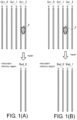
FIGs. 1(A) and 1(B) are views illustrating a conventional method for repairing a bad column of a flash memory. As shown inFIG. 1(A) , the memory array has a column address Col_0 having an even column e and an odd column o, a column address Col_1 having an even column e and an odd column o, and a column address Col_2 having an even column e and an odd column o. When there is a failure F (e.g., short circuit) between the even column e and the odd column o in the column address Col_2, a set of an even column e and an odd column o in a redundant column address Red_0 in the redundant memory region is used to repair the set of the even column e and the odd column o of the column address Col_2 containing failure. - Alternatively, as shown in
FIG. 1(B) , when the failure F crosses the odd column o of the column address Col_1 and the even column e of the column address Col_2, the set of the even column e and the odd column o in the column address Col_1 containing failure and the set of the even column e and the odd column o in the column address Col_2 containing failure, are repaired by using a set of the even column e and the odd column o in the redundant column address Red_0 and a set of an even column e and an odd column o in a redundant column address Red_1. - However, in the two sets of bad columns shown in
FIG. 1(B) , the even column e in the column address Col_1 and the odd column o in the column address Col_2 are actually not defective and do not need to be repaired. Since the even column e in the column address Col_1 and the odd column o in the column address Col_2 that are not defective are also repaired, there is a waste in the repairing process of the redundant memory region, so the repair efficiency is lowered, and more redundant memory is consequently needed, thereby making the cost of the flash memory increase. - Some other background information can be found in
US 2013/0336060 andUS 6,122,194 . - The invention is as defined in and by the appended claims. The invention provides a semiconductor memory device can improve an efficiency of adopting a redundant memory to repair bad columns.
- An embodiment of the invention provides a semiconductor memory device. The semiconductor memory device includes a memory array, a redundant information memory section, and a column selection control circuit. The memory array has a memory region including a plurality of memory cells and a redundant memory region including a plurality of memory cells. A column address of each column in the memory array corresponds to a set of an even column and an odd column. The redundant information memory section stores redundant information, wherein the redundant information includes an address of a bad column, identification information for identifying a failure in which one of the even column or the odd column of the bad column, and an address of a redundant column of the redundant memory region for repairing the bad column. The column selection control circuit selects a column of the memory array according to the column address. The column selection control circuit determines whether the column address is consistent with the address of the bad column based on the redundant information. When the column address and the address of the bad column are consistent, a column of the bad column having the failure is converted into a column of the redundant column based on the identification information, and another column of the bad column without the failure is not converted into another column of the redundant column.
- According to an embodiment of the invention, the column of the bad column having the failure is an odd column, while the another column of the bad column without the failure is an even column. According to an embodiment of the invention, the column of the bad column having the failure is an even column, while the another column of the bad column without the failure is an odd column. According to an embodiment of the invention, during a period that the column selection control circuit selects an odd page or an even page, the column selection control circuit determines whether a failure exists in the even column or the odd column based on the identification information. According to an embodiment of the invention, the semiconductor memory device further includes a page buffer, the page buffer keeps data read from the selected page of the memory array or keeps data programmed to the selected page, and the column selection control circuit selects data kept in the odd page or the even page in the page buffer.
- According to an embodiment of the invention, the redundant information includes addresses of a first bad column and a second bad column, when two column addresses of two adjacent columns are consistent with the addresses of the first bad column and the second bad column, one of the even column and the odd column of the first bad column having the failure is converted into the column of the redundant column based on the identification information, and the other one of the even column and the odd column of the first bad column without the failure is not converted into the another column of the redundant column, while one of the even column and the odd column of the second bad column not only having the failure but also adjacent to the column of the first bad column having the failure is converted into the another column of the redundant column.
- An embodiment of the invention provides a method for repairing a bad column of a semiconductor memory device including a memory array and a redundant information memory section. The memory array has a memory region including a plurality of memory cells and a redundant memory region including a plurality of memory cells. The method for repairing a bad column includes steps as follows: storing redundant information in the redundant information memory section, the redundant information comprises an address of a bad column including an even column and an odd column set as a set, an address of a redundant column in the redundant memory region for repairing the bad column, and identification information identifying a failure in which one of the even column or the odd column of the bad column; and selecting a column of the memory array. The step of selecting includes steps as follows: determining whether a column address of the column is consistent with the address of the bad column based on the redundant information; converting a column of the bad column having the failure into a column of the redundant column based on the identification information when the column address and the address of the bad column are consistent, and not converting another column of the bad column without the failure into another column of the redundant column. According to an embodiment of the invention, the step of selecting includes determining whether a failure exists in the even column or the odd column based on the identification information during a period of selecting an odd page or an even page.
- An embodiment of the invention provides a setting method for setting redundant information of a semiconductor memory device having a memory array. The memory array includes a memory region having a plurality of memory cells and a redundant memory region having a plurality of memory cells. The setting method includes steps as follows: detecting an address of a bad column; identifying a failure in one of an even column and an odd column of the bad column, and generating identification information according to a type or a combination of the failure; and setting the identification information and an address of a redundant column used to convert the detected bad column into a redundant column of the redundant memory region in the semiconductor memory device. According to an embodiment of the invention, the combination of the failure identifies a failure crossing the even column of a first bad column and the odd column of a second bad column or a failure crossing the odd column of the first bad column and the even column of the second bad column.
- Based on the invention, the identification information identifying which one of the even column or the odd column of the bad column has a failure is stored as the redundant information, and the bad column is repaired by using the redundant column based on the identification information. Thus, unnecessary repair to the even column or the odd column that does not have a failure may be eliminated, so as to improve a repair efficiency of the redundant memory.
- The accompanying drawings are included to provide a further understanding of the invention, and are incorporated in and constitute a part of this specification. The drawings illustrate embodiments of the invention and, together with the description, serve to explain the principles of the invention.
-
FIGs. 1(A) and 1(B) are schematic views illustrating a conventional method for repairing a bad column of a flash memory. -
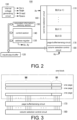
FIG. 2 is a block view illustrating a configuration of a flash memory according to an embodiment of the invention. -
FIG. 3 is a view illustrating a configuration of a memory block. -
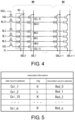
FIG. 4 is a view illustrating a configuration of NAND strings. -
FIG. 5 is a view illustrating redundant information of a redundant information memory section. -
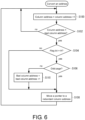
FIG. 6 is a flowchart illustrating a method for repairing a bad column of a flash memory. -
FIG. 7 is a view illustrating a specific example of a method for repairing a bad column. -
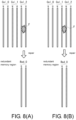
FIG. 8(A) and 8(B) are schematic views illustrating a method for repairing a bad column of a flash memory according to an embodiment of the invention. -
FIG. 9 is a flowchart illustrating a method for setting redundant information according to an embodiment of the invention. - In the following, the embodiments of the invention will be described in detail with reference to the accompanying drawings. The invention may be applied in non-volatile memory in various types of memory structures. An NAND type flash memory is described herein as an exemplary embodiment.
-
FIG. 2 is a view illustrating a configuration of an NAND type flash memory according to an embodiment of the invention. A flash memory 100 of this embodiment includes a memory array 110 comprising a plurality of memory cells arranged in a matrix, an input/output buffer 120 connected to an external input/output terminal I/O and keeping inputting and outputting data, an address register 130 receiving address data from the input/output buffer 120, a control section 140 receiving command data from the input/output buffer 120 or receiving an external signal to control respective parts of the flash memory 100, a redundant information memory section 150 storing redundant information relating to a bad column of the memory array 110 or a redundant column of the memory array 110 for repairing the bad column, a word line selection circuit 160 receiving row address information Ax from the address register 130 and selecting a block and a word line based on a decoding result of the row address information Ax, a page buffer/sensing circuit 170 keeping data read from a page selected by the word line selection circuit 160 or keeping data written to the selected page, a column selection control circuit 180 receiving column address information Ay from the address register 130 and selecting data of the page buffer/sensing circuit 170 based on a decoding result of the column address information Ay, and an internal voltage generating circuit 190 generating various voltages (e.g., a programming voltage Vpgm, a pass voltage Vpass, a read voltage Vread, and an erase voltage Vers) required for data reading, programming, and erasing. - The
memory array 110 includes m memory blocks, i.e., memory block BLK(0), memory block BLK(1)...memory block BLK(m-1) arranged along a column direction.FIG. 3 is a view illustrating a configuration of a memory block. Thememory array 110 includes a memory region MM where memory cells for regular data reading and writing are configured and a redundant memory area MR where redundant memory cells for repairing a bad column in the memory region MM are configured. One memory block includes a plurality of pages, and the memory cells of the memory region MM and the memory cells of the redundant memory region MR are included in a page. -
FIG. 4 illustrates an example of NAND strings formed in a memory block. A memory block is formed by arranging a plurality of NAND strings NU in a row direction, and the NAND strings NU includes a plurality of memory cells serially connected. In the example shown inFIG. 4 , one memory block includes n columns (bits) of the NAND strings NU, and a portion of the NAND strings NU are assigned to the redundant memory region MR. For example, one page includes 2 K bytes, and 64 bytes of the 2 K bytes are assigned to the redundant memory region MR. Bit lines GBL0, GBL2, GBL4...GBLn-2 in even numbers form even pages, and bit lines GBL1, GBL3, GBL5...GBLn-1 in odd numbers form add pages. - One NAND string NU includes 32 serially connected memory cells MCO~MC31, a source side selection transistor SEL_S, and a drain side selection transistor SEL_D, for example. Gates of the memory cells MC0~MC31 are respectively connected to corresponding word line WLO to word line WL31, gates of the source side selection transistor SEL_S and the drain side selection transistor SEL_D are respectively connected to a source side selection line SGS and a drain side selection line SGD. In addition, the source side selection transistor SEL_S is connected to a common source line SL, and a drain side selection transistor SEL_D is connected to a corresponding bit line GBL (GBL0~GBLn-1).
- The word line WL0 to the word line WL31, the source side selection line SGS and the drain side selection line SGD are connected to the word
line selection circuit 160 through commonly input to a gate of a block selection transistor from a block selection line BSEL. The wordline selection circuit 160 selects a block through the block selection line BSEL according to the row address information Ax. And based on an operation state, the wordline selection circuit 160 suitably drives the source side selection line SGS, the drain side selection line SGD, and the word line WLO to the word line WL31 of the selected block. - The memory unit MC0~MC31 includes a metal oxide semiconductor (MOS) type transistor, for example. The MOS type transistor includes a tunnel oxidation film formed on a channel, a floating gate (charge accumulating layer) that accumulates charges formed on the tunnel oxidation film, and a control gate formed on the floating gate with intervention of a dielectric film. Normally, when the charges do not accumulate in the floating gate, namely when a data "1" is written, a threshold value is in a negative state, and the memory unit is "normally on". When electrons accumulate in the floating gate, namely a data "0" is written, the threshold is converted to a positive state, and the memory unit MC0~MC31 is "normally off". The memory unit MC0~MC31 may be a unit that stores binary data or a unit that stores multilevel data.
- The bit line GBL0, the bit line GBL1, ...,the bit line GBLn-1 connected to respective the NAND strings NU are connected to the page buffer/
sense circuit 170 through a bit line selection circuit not shown herein. In an exemplary embodiment, the bit line selection circuit may select an even page by an even bit line or an odd page by an odd bit line in reading or programming, and connecting the selected even bit line or odd bit line to the page buffer/sense circuit 170. For example, when a page is being read, the odd page of the page can be firstly grounded to a reference potential such as GND, and a potential or a current of the bit line of the even page is sensed by the sense circuit. Then, the even page is grounded to the reference potential such as GND, and a potential or a current of the bit line of the odd page is sensed by the sense circuit. Thus, through reading or programming by proceeding separately with the even and odd pages, one sense circuit is shared by a pair of an even bit line and an odd bit line. If each of the even page and the odd page forms a page, the page buffer/sense circuit 170 includes a sense circuit for one page and the page buffer keeps data of two pages. For example, assuming that one page in thememory array 110 has 2 K bytes. in a reading operation, a half of data, namely 1 K bytes of the even bit, are sensed and kept by the sense circuit, and then the other half the data, namely 1 Kbytes of the odd bit, are sensed and kept by the sense circuit. - Besides, in another embodiment, the page buffer/
sense circuit 170 may include a high-speed cache register that keeps the same data as that of the page buffer. The high-speed cache register is connected to the page buffer through a transmission gate. During a period when the page buffer is connected to the page selected by the memory array, data are input and output through the high-speed cache buffer. - The redundant
information memory section 150 stores address information of a bad column (bad bit line) in the memory region MM or address information of a redundant column that repairs the bad column. A bad column is a physical defect in the product to be shipped. The bad column includes, for example, a defect such as a short circuit between adjacent columns, an open circuit in a column, or a defect of a memory unit. The redundant information includes an address of the bad column, a flag bit for identifying which of the even column or the odd column of the bad column has a failure, and an address of the redundant column for repairing the bad column. The redundant information is stored in a fuse ROM or other non-volatile media when the product is shipped, for example. -
FIG. 5 is an example of the redundant information stored by the redundantinformation memory section 150. In an example, one bad column including a set of an even column and an odd column is repaired by a redundant column including a set of an even column and an odd column in the redundant memory region MR. That is, the address of a corresponding bad column corresponds to a set of the even column and the odd column, and the flag bit identifies which of the even column and the odd column of the bad column has a failure. Here, a flag bit "L" in a low logical level indicates that at least the even column has a failure, and a flag bit "H" in a high logical level indicates that only the odd column has a failure. In other words, when the initial bit line of the memory array starts from an even bit, the flag bit "L" indicates that the failure of the bad column starts from the even column, and the flag bit "H" indicates that the failure of the bad column starts from the odd bit. In the example ofFIG. 5 , a column address Col_1 has the flag bit "H", so the failure of the column address Col_1 is at the odd column, and a column address Col_2 has the flag bit "L", so the failure of the column address Col_2 includes the even column. The failures of the column address Col_1 and the column address Col_2 demonstrate the situation of the bad columns ofFIG. 1(B) . - The column
selection control circuit 180 selects the bit line GBL0~GBLn-1 based on the column address information Ay, so as to write data to or read data from the selected bit line. In addition, when the column address information Ay is consistent with the address of the bad column, the columnselection control circuit 180 converts the column address information Ay into the address of the redundant column based on the redundant information stored in the redundantinformation memory section 150. The columnselection control circuit 180 determines whether an input column address is consistent with the address of the bad column when a random read or programming operation is performed based on a column address input externally. If consistent, an address pointer is moved to the column address of the redundant address. Besides, when a sequential reading or programming operation is performed, the columnselection control circuit 180 determines whether any of column addresses that have increments from a starting column address is consistent with the address of the bad column. If consistent, the address pointer is moved to the column address of the redundant column. Here, it should be noted that conversion of the column address differs according to a value of the flag bit that indicates a property of the bad column. In other words, when the flag bit is "L", the bad column has a failure that starts from the even column, as shown inFIG.1 (A) , and a set of the even column and the odd column of the redundant column serves to repair a bad column including a set of even column and the odd column. Alternatively, when the flag bit is "H", as shown inFIG. 1(B) , the bad column has a failure that starts from the odd column. Thus, the even column of the bad column without a failure is not replaced by the redundant column. Instead, the repair of the bad column is performed by replacing the odd column of the bad column having a failure with the odd column of the redundant column. - In the following, details concerning a method for repairing a bad column of a flash memory are described with reference to a flow shown in
FIG. 6 . When an external controller inputs a read command, address information, and an external control signal into the flash memory, thecontrol section 140 controls operations of respective parts of the flash memory based on the read command. Here, as an example of a read operation, the data kept by the page buffer/sense circuit 170 are continuously read. Thus, the columnselection control circuit 180 makes the address of the starting column provided by theaddress register 130 increment, while reads the data kept in the page buffer/sense circuit 170 at the same time. The increment of the column address may be achieved by moving the address pointer by using software or using an address counter. - The column
selection control circuit 180 can make the column address increment by one by adopting the aforementioned ways (S100), and then determining whether the column address meets the address of the bad column based on the redundant information shown inFIG. 5 (S102). The address of the bad column is an address of a column to be repaired or fixed by using the redundant column. When the column address and the address of the bad column are inconsistent, an increment of one of the column address is performed by Step S100. When the column address and the address of the bad column are consistent, the columnselection control circuit 180 refers to the flag bit added based on the property of the bad column to determine whether the flag bit is "H" or "L" (S104). - When the flag bit is "L", namely when a failure exists in the even column of the bad column, the column
selection control circuit 180 moves the address pointer to the address of the redundant column shown in the redundant information (S108), so as to read the data kept in the redundant column. In other words, the bad column including the even column and the odd column is directly repaired by the redundant column including the even column and the odd column, so as to move the address pointer by reading a column of the redundant column when reading the even page and reading another column of the redundant column when reading the odd page. - Alternatively, when the flag bit is "H", namely when the failure exists in the odd column of the bad column (S104), the column
selection control circuit 180 further determines whether to perform the read operation of the odd page of the bad column (S106). In the reading operation of the even page of the bad column without the failure, an increment of one of the address of the bad column is performed (S110), and a column of the redundant columns is used to repair the increment address corresponding to the odd column of the bad column having the failure, while in the reading operation of the odd page, an increment of one of the address of the bad column is not performed. Instead, the movement of the address pointer is controlled by using another column of the redundant column for repairing. - In addition, the repair of the bad column is similarly performed in other random read operations or random or sequential programming operations.
-
FIG. 7 illustrates an example of repairing a bad column. Here, the address of the bad column is set as "0110011". An upper segment ofFIG. 7 indicates the conversion of the column address when the flag bit is "L" (which indicates the even column of the bad column has a failure), and a lower segment ofFIG. 7 indicates the conversion of the column address when the flag bit is "H" (which indicates the odd column of the bad column has a failure). - Under the circumstance that the flag bit indicated in the upper segment is "L", increments of the column address are performed until the column address is "0110011". When the incremental column address is set as "0110011", for an operation on the even page, the address of the bad column is converted to a column address of the redundant column (indicated as "R" in the figure), and for an operation on the odd page, the address of the bad column is converted to another column address of the redundant column (indicated as "R" in the figure).
- Under the circumstance that the flag bit indicated in the lower segment is "H", when the column address is set to be the bad column "0110011", the address of the bad column is converted into a column address of the redundant column (indicated as "R" in the figure) for an operation on the odd page. For an operation on the even page, an increment of one of the address of the bad column is performed, and the incremental bad address is converted into another column address of the redundant column.
-
FIGs. 8(A) and 8(B) are schematic views illustrating repairing a bad column according to this embodiment.FIGs. 8(A) and 8(B) respectively correspond toFIGs. 1(A) and 1(B) . As shown inFIGs. 1(A) and8(A) , when an even column e of the column address Col_2 has a failure, the flag bit is "L", and a redundant column address Red_0 corresponding to a set of an even column and an odd column is used to repair the set of odd column o and even column e of bad column address Col_2. Besides, as shown inFIG. 8(B) , when an odd column o of the bad column address Col_1 and the even column e of the bad column address Col_2 have failures, the flag bit becomes "H". Different from the previous repair process, the even column e of the bad column address Col_1 and the odd column o of the bad column address Col_2 are not repaired. Instead, redundant column address Red_0 corresponding to a set of the even column and the odd column is used to repair the odd column o of the bad column address Col_1 and the even column e of the adjacent bad column address Col_2. - In this way, in the process of repairing a bad column including a set of an even column and an odd column as a unit by using a redundant column in this embodiment, even failures crossing adjacent columns, the failures can still be repaired by using a set of an even column and an odd column of a redundant column. Thus, the repair efficiency using the redundant memory is able to be increased, and a yield rate of the product is consequently improved.
- Besides, in this embodiment, an example where a page starts with the even column is described for ease of illustration. However, in an example differing thereto and starting with the odd column, the embodiment is equally applicable.
- In the following, details concerning a method for setting redundant information of this embodiment are described with reference to
FIG. 9 . Before a flash memory is shipped, a test sequence determined in advance by a bad product detecting device or an external controller is performed, so as to detect a bad column of the flash memory (S200). For example, a write operation is performed externally of the chip, and data read from the memory array are compared to the data written for comparison/verification, and a bad column is detected based on a result of verification. Alternatively, with block as a unit, an erase operation is performed based on an erase command, and the bad column is detected based on a result of erasing verification. Then, a type of failure or combination of failures of the detected bad column is identified (S210). Which type of identification information is formed may also be determined by a form of operation of the flash memory, such as identifying whether the failure of the bad column exists in the even column or the odd column (such as the flag bit). Alternatively, an operation may be performed to identify a combination of failure from the even column to the odd column or from the odd column to the even column. Then, the redundant information as shown inFIG. 5 is set in the fuse ROM or other non-volatile memory sections in the flash memory (S220).
Claims (8)
- A semiconductor memory device (100), comprising:a memory array (110), having a memory region (MM) comprising a plurality of memory cells and a redundant memory region (MR) comprising a plurality of memory cells, wherein a column address of each set of columns in the memory array (110) corresponds to a set of an even column (e) and an odd column (o),wherein one sense circuit is shared by the set of an even column and an odd column, and wherein an even page is selected by the even column and an odd page is selected by the odd column;a redundant information memory section (150), storing redundant information, wherein the redundant information comprises a bad column address of a set of bad columns (Col_1, Col_2), identification information for identifying a failure in which one of the even column (e) or the odd column (o) of the set of bad columns (Col_1, Col_2), and a redundant column address of a set of redundant columns (Red_0) of the redundant memory region (MR) for repairing the set of bad columns (Col_1, Col_2); anda column selection control circuit (180), configured to:select a set of columns of the memory array (110) according to the column address,determine whether the column address is consistent with the bad column address of the set of bad columns (Col_1, Col_2) based on the redundant information,determine whether a failure exists in an odd column (o) or an even column (e) of the set of bad columns (Col_1, Col_2) based on the identification information when the column address of the set of columns is consistent with the bad column address of the set of bad columns (Col_1, Col_2),wherein when the failure exists in the odd column (o) of a first set of bad columns (Col_1) and in the even column (e) of a second set of bad columns (Col_2), wherein the even column (e) of the second set of bad columns (Col_2) is adjacent to the odd column (o) of the first set of bad columns (Col_1) and the failure does not exist in the even column (e) of the first set of bad columns (Col_1) and the failure does not exist in the odd column (o) of the second set of bad columns (Col_2), convert the even page (e) of the second set of bad columns (Col_2) having the failure into a column of the set of redundant columns (Red_0), and convert the odd page (o) of the first set of bad columns (Col_1) having the failure into another column of the set of redundant columns (Red_0).
- The semiconductor memory device (100) as claimed in any one of claims 1 to 3, wherein during a period that the column selection control circuit (180) selects the odd page or the even page, the column selection control circuit (180) determines whether a failure exists in the even column (e) or the odd column (o) based on the identification information.
- The semiconductor memory device (100) as claimed in claim 2, wherein the semiconductor memory device (100) further comprises a page buffer (170), the page buffer (170) keeps data read from the selected page of the memory array (110) or keeps data programmed to the selected page, and the column selection control circuit (180) selects data kept in the odd page or the even page in the page buffer (170).
- The semiconductor memory device (100) as claimed in claim 1, wherein the redundant information includes bad column addresses of the first set of bad columns (Col_1) and the second set of bad columns (Col_2), when two column addresses of two adjacent columns are consistent with the addresses of the first set of bad columns (Col_1) and the second set of bad columns (Col_2), one of the even column (e) and the odd column (o) of the first set of bad columns (Col_1) having the failure is converted into the column of the set of redundant columns (Red_0) based on the identification information, and the other one of the even column (e) and the odd column (o) of the first set of bad columns (Col_1) without the failure is not converted into the another column of the set of redundant columns (Red_0), while one of the even column (e) and the odd column (o) of the second set of bad columns (Col_2) not only having the failure but also adjacent to the column of the first set of bad columns having the failure is converted into the another column of the set of redundant columns (Red_0).
- A method for repairing a bad column (Col_1, Col_2) of a semiconductor memory device (100), wherein the semiconductor memory device (100) comprises a memory array (110) and a redundant information memory section (150), the memory array (110) has a memory region (MM) comprising a plurality of memory cells and a redundant memory region (MR) comprising a plurality of memory cells, the method for repairing the bad column (Col_1, Col_2) comprising steps as follows:storing redundant information in the redundant information memory section (150), the redundant information comprises a bad column address of a set of bad columns (Col_1, Col_2) including an even column (e) and an odd column (o) set as a set, a redundant column address of a set of redundant columns (Red_0) in the redundant memory region (MR) for repairing the set of bad columns (Col_1, Col_2) and identification information identifying a failure in which one of the even column (e) or the odd column (o) of the set of bad columns (Col_1, Col_2); andselecting (S100) a set of columns of the memory array (110), and determining (S102) whether a column address of the column is consistent with the bad column address of the set of bad columns (Col_1, Col_2) based on the redundant information;determining whether a failure exists in an odd column (o) or an even column (e) of the set of bad columns (Col_1, Col_2) based on the identification information when the column address of the set of columns is consistent with the bad column address of the set of bad columns (Col_1, Col_2), wherein one sense circuit is shared by the set of an even column and an odd column, and wherein an even page is selected by the even column and an odd page is selected by the odd column;wherein when the failure exists in the odd column (o) of a first set of bad columns (Col_1) and in the even column (e) of a set of second bad columns (Col_2), wherein the even column (e) of the second set of bad columns (Col_2) is adjacent to the odd coumn (o) of the first set of bad columns (Col_1) and the failure does not exist in the even column (e) of the first set of bad columns (Col_1) and the failure does not exist in the odd column (o) of the second set of bad columns (Col_2), convert the even page (e) of the second set of bad columns (Col_2) having the failure into a column of the set of redundant columns (Red_0), and convert the odd page (o) of the first set of bad columns (Col_1) having the failure into another column of the set of redundant columns (Red_0).
- The method for repairing the bad column (Col_1, Col_2) as claimed in claim 5, wherein the redundant information includes bad column addresses of the first set of bad columns and the second set of bad columns, and the step of the determining comprising determining whether two column addresses of two adjacent columns are consistent with the addresses of the first set of bad columns (Col_1) and the second set of bad columns (Col_2), and the method for repairing the bad column (Col_1, Col_2) further comprises converting a column of the first set of bad columns (Col_1) having the failure into a column of the set of redundant columns (Red_0) based on the identification information; and not converting the other column of the first set of bad columns (Col_1) without the failure into the another column of the set of redundant columns (Red_0), but converting a column of the set of second bad columns (Col_2) not only having the failure but also adjacent to the column of the first set of bad columns having the failure into the another column of the set of redundant columns (Red_0).
- A setting method for setting redundant information of a semiconductor memory device (100), wherein the semiconductor memory device (100) comprises a memory array (110), the memory array (110) comprises a memory region (MM) having a plurality of memory cells and a redundant memory region (MR) having a plurality of memory cells, the method comprising steps as follows:detecting (S200) a bad column address of a set of bad columns (Col_1, Col_2);identifying (S210) a failure in one of an even column (e) and an odd column (o) of the set of bad columns (Col_1, Col_2) wherein one sense circuit is shared by the set of an even column and an odd column, and wherein an even page is selected by the even column and an odd page is selected by the odd column;and generating identification information according to a type or a combination of the failure; andsetting (S220) the identification information and a redundant column address of a set of redundant columns (Red_0) used to convert the detected set of bad columns (Col_1, Col_2) into a set of redundant columns (Red_0) of the redundant memory region (MR) in the semiconductor memory device (100), wherein identification information indicates whether the failure exists in the odd column (o) or the even column (e) of the set of bad columns (Col_1, Col_2),when the failure exists in the odd column (o) of a first set of bad columns (Col_1) and in the even column (e) of a second set of bad columns (Col_2), wherein the even column (e) of the second set of bad columns (Col_2) is adjacent to the odd column (o) of the first set of bad columns (Col_1) and the failure does not exist in the even column (e) of the first set of bad columns (Col_1) and the failure does not exist in the odd column (o) of the second set of bad columns (Col_2), converting the even page (e) of the second set of bad columns (Col_2) into a column of the set of redundant columns (Red_0), and converting the odd page (e) of the first set of bad columns (Col_1) having the failure into another column of the set of redundant columns (Red_0).
- The setting method as claimed in claim 7, wherein the combination of failure identifies a failure crossing the even column (e) of the first set of bad columns (Col_1) and the odd column (o) of the second set of bad columns (Col_2) or a failure crossing the odd column (o) of the first set of bad columns (Col_1) and the even column (e) of the second set of bad columns (Col_2).
Applications Claiming Priority (1)
| Application Number | Priority Date | Filing Date | Title |
|---|---|---|---|
| JP2015136735A JP6144729B2 (en) | 2015-07-08 | 2015-07-08 | Semiconductor memory device |
Publications (3)
| Publication Number | Publication Date |
|---|---|
| EP3115995A1 EP3115995A1 (en) | 2017-01-11 |
| EP3115995B1 true EP3115995B1 (en) | 2025-04-09 |
| EP3115995C0 EP3115995C0 (en) | 2025-04-09 |
Family
ID=56615819
Family Applications (1)
| Application Number | Title | Priority Date | Filing Date |
|---|---|---|---|
| EP16178002.8A Active EP3115995B1 (en) | 2015-07-08 | 2016-07-05 | Semiconductor memory device, method for repairing bad column and setting method for setting redundant information thereof |
Country Status (7)
| Country | Link |
|---|---|
| US (1) | US9627094B2 (en) |
| EP (1) | EP3115995B1 (en) |
| JP (1) | JP6144729B2 (en) |
| KR (1) | KR101771635B1 (en) |
| CN (1) | CN106340324B (en) |
| ES (1) | ES3030458T3 (en) |
| TW (1) | TWI595497B (en) |
Families Citing this family (13)
| Publication number | Priority date | Publication date | Assignee | Title |
|---|---|---|---|---|
| KR101521258B1 (en) * | 2013-09-10 | 2015-05-21 | 연세대학교 산학협력단 | Apparatus and redundancy analysis for memory reparing |
| US10002042B2 (en) * | 2015-10-22 | 2018-06-19 | Sandisk Technologies Llc | Systems and methods of detecting errors during read operations and skipping word line portions |
| KR102384864B1 (en) | 2017-11-03 | 2022-04-08 | 삼성전자주식회사 | Non-Volatile Memory device and method for repairing defective strings |
| US10971247B2 (en) * | 2018-03-29 | 2021-04-06 | Samsung Electronics Co., Ltd. | Semiconductor memory devices, memory systems, and methods of operating semiconductor memory devices |
| CN110867205B (en) * | 2018-08-27 | 2021-10-08 | 华邦电子股份有限公司 | Memory device and memory peripheral circuit |
| US10908838B2 (en) | 2018-09-25 | 2021-02-02 | Sandisk Technologies Llc | Column replacement with non-dedicated replacement columns |
| US11373726B2 (en) * | 2019-04-03 | 2022-06-28 | Texas Instruments Incorporated | Management of multiple memory in-field self-repair options |
| WO2021007698A1 (en) * | 2019-07-12 | 2021-01-21 | Yangtze Memory Technologies Co., Ltd. | Memory device providing bad column repair and method of operating same |
| KR102578438B1 (en) * | 2020-10-20 | 2023-09-14 | 한양대학교 산학협력단 | Method for improving vertical hole defects in three dimensional flash memory |
| WO2022085967A1 (en) | 2020-10-20 | 2022-04-28 | 한양대학교 산학협력단 | Three-dimensional flash memory having improved degree of integration, and operating method therefor |
| TWI752704B (en) * | 2020-11-03 | 2022-01-11 | 華邦電子股份有限公司 | Memory storage apparatus and operating method thereof |
| US11815995B1 (en) * | 2022-04-27 | 2023-11-14 | Macronix International Co., Ltd. | Redundancy schemes for repairing column defects |
| US12633370B2 (en) | 2024-06-26 | 2026-05-19 | Macronix International Co., Ltd. | Repairing defective columns of compute-in-memory and near-memory computing devices |
Citations (1)
| Publication number | Priority date | Publication date | Assignee | Title |
|---|---|---|---|---|
| US20120057419A1 (en) * | 2010-09-06 | 2012-03-08 | Hynix Semiconductor Inc. | Semiconductor memory device and method of operating the same |
Family Cites Families (22)
| Publication number | Priority date | Publication date | Assignee | Title |
|---|---|---|---|---|
| JP2575919B2 (en) * | 1990-03-22 | 1997-01-29 | 株式会社東芝 | Redundancy circuit of semiconductor memory device |
| JP3568265B2 (en) * | 1995-02-20 | 2004-09-22 | 富士通株式会社 | Semiconductor memory device |
| KR100268433B1 (en) * | 1997-12-29 | 2000-10-16 | 윤종용 | Semiconductor memory device with column redundancy scheme |
| US6199177B1 (en) * | 1998-08-28 | 2001-03-06 | Micron Technology, Inc. | Device and method for repairing a semiconductor memory |
| US6052318A (en) * | 1998-12-22 | 2000-04-18 | Siemens Aktiengesellschaft | Repairable semiconductor memory circuit having parrel redundancy replacement wherein redundancy elements replace failed elements |
| JP2000235800A (en) | 1999-02-12 | 2000-08-29 | Mitsubishi Electric Corp | Semiconductor storage device |
| JP2000311496A (en) | 1999-04-28 | 2000-11-07 | Nec Corp | Redundant address setting circuit and semiconductor memory device incorporating the same |
| JP2002197888A (en) * | 2000-12-26 | 2002-07-12 | Sanyo Electric Co Ltd | Semiconductor storage device |
| JP2002208294A (en) * | 2001-01-12 | 2002-07-26 | Toshiba Corp | Semiconductor memory device having redundancy system |
| KR100385956B1 (en) * | 2001-02-14 | 2003-06-02 | 삼성전자주식회사 | Semiconductor memory device having effective column redundancy scheme |
| JP2002288993A (en) | 2001-03-23 | 2002-10-04 | Mitsubishi Electric Corp | Semiconductor storage device |
| TW594775B (en) * | 2001-06-04 | 2004-06-21 | Toshiba Corp | Semiconductor memory device |
| US6704228B2 (en) | 2001-12-28 | 2004-03-09 | Samsung Electronics Co., Ltd | Semiconductor memory device post-repair circuit and method |
| KR100563736B1 (en) | 2004-01-16 | 2006-03-28 | 주식회사 하이닉스반도체 | Repair device for semiconductor memory devices |
| EP1717818B1 (en) * | 2004-02-20 | 2017-01-18 | Cypress Semiconductor Corporation | Semiconductor storage device and redundancy method for semiconductor storage device |
| US7286380B2 (en) * | 2005-09-29 | 2007-10-23 | Intel Corporation | Reconfigurable memory block redundancy to repair defective input/output lines |
| US7949908B2 (en) * | 2006-10-11 | 2011-05-24 | Marvell Israel (M.I.S.L) Ltd. | Memory repair system and method |
| US7996736B2 (en) * | 2008-10-26 | 2011-08-09 | Sandisk 3D Llc | Bad page marking strategy for fast readout in memory |
| US20120075943A1 (en) * | 2010-09-29 | 2012-03-29 | Macronix International Co., Ltd. | Method and Apparatus for Memory Repair With Redundant Columns |
| KR101196907B1 (en) * | 2010-10-27 | 2012-11-05 | 에스케이하이닉스 주식회사 | Semiconductor memory device and method of operation thereof |
| JP5378574B1 (en) * | 2012-06-13 | 2013-12-25 | ウィンボンド エレクトロニクス コーポレーション | Semiconductor memory device |
| JP2014186772A (en) | 2013-03-22 | 2014-10-02 | Toshiba Corp | Semiconductor memory device, controller, and memory system |
-
2015
- 2015-07-08 JP JP2015136735A patent/JP6144729B2/en active Active
-
2016
- 2016-06-16 TW TW105118913A patent/TWI595497B/en active
- 2016-07-05 EP EP16178002.8A patent/EP3115995B1/en active Active
- 2016-07-05 ES ES16178002T patent/ES3030458T3/en active Active
- 2016-07-06 CN CN201610527692.4A patent/CN106340324B/en active Active
- 2016-07-06 US US15/202,578 patent/US9627094B2/en active Active
- 2016-07-06 KR KR1020160085769A patent/KR101771635B1/en active Active
Patent Citations (1)
| Publication number | Priority date | Publication date | Assignee | Title |
|---|---|---|---|---|
| US20120057419A1 (en) * | 2010-09-06 | 2012-03-08 | Hynix Semiconductor Inc. | Semiconductor memory device and method of operating the same |
Also Published As
| Publication number | Publication date |
|---|---|
| KR101771635B1 (en) | 2017-08-25 |
| US20170011809A1 (en) | 2017-01-12 |
| JP2017021872A (en) | 2017-01-26 |
| EP3115995A1 (en) | 2017-01-11 |
| TWI595497B (en) | 2017-08-11 |
| KR20170007154A (en) | 2017-01-18 |
| ES3030458T3 (en) | 2025-06-30 |
| TW201715533A (en) | 2017-05-01 |
| US9627094B2 (en) | 2017-04-18 |
| EP3115995C0 (en) | 2025-04-09 |
| CN106340324A (en) | 2017-01-18 |
| JP6144729B2 (en) | 2017-06-07 |
| CN106340324B (en) | 2020-01-21 |
Similar Documents
| Publication | Publication Date | Title |
|---|---|---|
| US9627094B2 (en) | Semiconductor memory device, method for repairing bad column and setting method for setting redundant information thereof | |
| CN103489486B (en) | Storage arrangement and redundancy approach | |
| US7525839B2 (en) | Semiconductor memory device capable of correcting a read level properly | |
| US20120257453A1 (en) | Nonvolatile semiconductor memory device | |
| KR101950758B1 (en) | Semiconductor device | |
| US8194465B2 (en) | Non-volatile semiconductor storage device | |
| US8605514B2 (en) | Nonvolatile semiconductor memory device | |
| KR101731576B1 (en) | Semiconductor memory device and programming method of nand flash memory | |
| US10395753B2 (en) | Semiconductor memory device and programming method thereof | |
| KR101699476B1 (en) | Semiconductor memory device | |
| US20150121174A1 (en) | Semiconductor storing device and redundancy method thereof | |
| US10803954B2 (en) | Memory system | |
| JP5336053B2 (en) | Nonvolatile memory device and method of operating the same | |
| US20120063237A1 (en) | Nonvolatile memory device and method of operating the same | |
| US7558118B2 (en) | NAND flash memory device | |
| CN105321566A (en) | Semiconductor memory device and programming method thereof | |
| JP2010108548A (en) | Non volatile semiconductor storage device and its control method | |
| KR101651573B1 (en) | Semiconductor memory device and programming method thereof | |
| TWI478170B (en) | Memory device and redundancy method | |
| TWI521530B (en) | Semiconductor memory device and programming method thereof | |
| JP5710815B1 (en) | Semiconductor memory device |
Legal Events
| Date | Code | Title | Description |
|---|---|---|---|
| PUAI | Public reference made under article 153(3) epc to a published international application that has entered the european phase |
Free format text: ORIGINAL CODE: 0009012 |
|
| STAA | Information on the status of an ep patent application or granted ep patent |
Free format text: STATUS: REQUEST FOR EXAMINATION WAS MADE |
|
| 17P | Request for examination filed |
Effective date: 20160705 |
|
| AK | Designated contracting states |
Kind code of ref document: A1 Designated state(s): AL AT BE BG CH CY CZ DE DK EE ES FI FR GB GR HR HU IE IS IT LI LT LU LV MC MK MT NL NO PL PT RO RS SE SI SK SM TR |
|
| AX | Request for extension of the european patent |
Extension state: BA ME |
|
| STAA | Information on the status of an ep patent application or granted ep patent |
Free format text: STATUS: EXAMINATION IS IN PROGRESS |
|
| 17Q | First examination report despatched |
Effective date: 20200701 |
|
| GRAP | Despatch of communication of intention to grant a patent |
Free format text: ORIGINAL CODE: EPIDOSNIGR1 |
|
| STAA | Information on the status of an ep patent application or granted ep patent |
Free format text: STATUS: GRANT OF PATENT IS INTENDED |
|
| INTG | Intention to grant announced |
Effective date: 20241119 |
|
| GRAS | Grant fee paid |
Free format text: ORIGINAL CODE: EPIDOSNIGR3 |
|
| GRAA | (expected) grant |
Free format text: ORIGINAL CODE: 0009210 |
|
| STAA | Information on the status of an ep patent application or granted ep patent |
Free format text: STATUS: THE PATENT HAS BEEN GRANTED |
|
| AK | Designated contracting states |
Kind code of ref document: B1 Designated state(s): AL AT BE BG CH CY CZ DE DK EE ES FI FR GB GR HR HU IE IS IT LI LT LU LV MC MK MT NL NO PL PT RO RS SE SI SK SM TR |
|
| REG | Reference to a national code |
Ref country code: GB Ref legal event code: FG4D |
|
| REG | Reference to a national code |
Ref country code: CH Ref legal event code: EP |
|
| REG | Reference to a national code |
Ref country code: IE Ref legal event code: FG4D |
|
| U01 | Request for unitary effect filed |
Effective date: 20250409 |
|
| U07 | Unitary effect registered |
Designated state(s): AT BE BG DE DK EE FI FR IT LT LU LV MT NL PT RO SE SI Effective date: 20250415 |
|
| REG | Reference to a national code |
Ref country code: ES Ref legal event code: FG2A Ref document number: 3030458 Country of ref document: ES Kind code of ref document: T3 Effective date: 20250630 |
|
| U20 | Renewal fee for the european patent with unitary effect paid |
Year of fee payment: 10 Effective date: 20250725 |
|
| PGFP | Annual fee paid to national office [announced via postgrant information from national office to epo] |
Ref country code: ES Payment date: 20250812 Year of fee payment: 10 |
|
| PG25 | Lapsed in a contracting state [announced via postgrant information from national office to epo] |
Ref country code: NO Free format text: LAPSE BECAUSE OF FAILURE TO SUBMIT A TRANSLATION OF THE DESCRIPTION OR TO PAY THE FEE WITHIN THE PRESCRIBED TIME-LIMIT Effective date: 20250709 Ref country code: GR Free format text: LAPSE BECAUSE OF FAILURE TO SUBMIT A TRANSLATION OF THE DESCRIPTION OR TO PAY THE FEE WITHIN THE PRESCRIBED TIME-LIMIT Effective date: 20250710 |
|
| PG25 | Lapsed in a contracting state [announced via postgrant information from national office to epo] |
Ref country code: PL Free format text: LAPSE BECAUSE OF FAILURE TO SUBMIT A TRANSLATION OF THE DESCRIPTION OR TO PAY THE FEE WITHIN THE PRESCRIBED TIME-LIMIT Effective date: 20250409 |
|
| PGFP | Annual fee paid to national office [announced via postgrant information from national office to epo] |
Ref country code: GB Payment date: 20250722 Year of fee payment: 10 |
|
| PG25 | Lapsed in a contracting state [announced via postgrant information from national office to epo] |
Ref country code: HR Free format text: LAPSE BECAUSE OF FAILURE TO SUBMIT A TRANSLATION OF THE DESCRIPTION OR TO PAY THE FEE WITHIN THE PRESCRIBED TIME-LIMIT Effective date: 20250409 |
|
| PG25 | Lapsed in a contracting state [announced via postgrant information from national office to epo] |
Ref country code: RS Free format text: LAPSE BECAUSE OF FAILURE TO SUBMIT A TRANSLATION OF THE DESCRIPTION OR TO PAY THE FEE WITHIN THE PRESCRIBED TIME-LIMIT Effective date: 20250709 |
|
| PG25 | Lapsed in a contracting state [announced via postgrant information from national office to epo] |
Ref country code: IS Free format text: LAPSE BECAUSE OF FAILURE TO SUBMIT A TRANSLATION OF THE DESCRIPTION OR TO PAY THE FEE WITHIN THE PRESCRIBED TIME-LIMIT Effective date: 20250809 |
|
| PG25 | Lapsed in a contracting state [announced via postgrant information from national office to epo] |
Ref country code: SM Free format text: LAPSE BECAUSE OF FAILURE TO SUBMIT A TRANSLATION OF THE DESCRIPTION OR TO PAY THE FEE WITHIN THE PRESCRIBED TIME-LIMIT Effective date: 20250409 |
|
| PG25 | Lapsed in a contracting state [announced via postgrant information from national office to epo] |
Ref country code: CZ Free format text: LAPSE BECAUSE OF FAILURE TO SUBMIT A TRANSLATION OF THE DESCRIPTION OR TO PAY THE FEE WITHIN THE PRESCRIBED TIME-LIMIT Effective date: 20250409 |
|
| PG25 | Lapsed in a contracting state [announced via postgrant information from national office to epo] |
Ref country code: SK Free format text: LAPSE BECAUSE OF FAILURE TO SUBMIT A TRANSLATION OF THE DESCRIPTION OR TO PAY THE FEE WITHIN THE PRESCRIBED TIME-LIMIT Effective date: 20250409 |
|
| PLBE | No opposition filed within time limit |
Free format text: ORIGINAL CODE: 0009261 |
|
| STAA | Information on the status of an ep patent application or granted ep patent |
Free format text: STATUS: NO OPPOSITION FILED WITHIN TIME LIMIT |
|
| REG | Reference to a national code |
Ref country code: CH Ref legal event code: L10 Free format text: ST27 STATUS EVENT CODE: U-0-0-L10-L00 (AS PROVIDED BY THE NATIONAL OFFICE) Effective date: 20260218 |
|
| REG | Reference to a national code |
Ref country code: CH Ref legal event code: H13 Free format text: ST27 STATUS EVENT CODE: U-0-0-H10-H13 (AS PROVIDED BY THE NATIONAL OFFICE) Effective date: 20260224 |
|
| 26N | No opposition filed |
Effective date: 20260112 |
|
| PG25 | Lapsed in a contracting state [announced via postgrant information from national office to epo] |
Ref country code: CH Free format text: LAPSE BECAUSE OF NON-PAYMENT OF DUE FEES Effective date: 20250731 |
|
| PG25 | Lapsed in a contracting state [announced via postgrant information from national office to epo] |
Ref country code: IE Free format text: LAPSE BECAUSE OF NON-PAYMENT OF DUE FEES Effective date: 20250705 |
|
| PG25 | Lapsed in a contracting state [announced via postgrant information from national office to epo] |
Ref country code: MC Free format text: LAPSE BECAUSE OF FAILURE TO SUBMIT A TRANSLATION OF THE DESCRIPTION OR TO PAY THE FEE WITHIN THE PRESCRIBED TIME-LIMIT Effective date: 20250409 |
|
| PG25 | Lapsed in a contracting state [announced via postgrant information from national office to epo] |
Ref country code: CY Free format text: LAPSE BECAUSE OF FAILURE TO SUBMIT A TRANSLATION OF THE DESCRIPTION OR TO PAY THE FEE WITHIN THE PRESCRIBED TIME-LIMIT Effective date: 20250409 |