EP3110439B1 - Pcsk9 vaccines - Google Patents
Pcsk9 vaccines Download PDFInfo
- Publication number
- EP3110439B1 EP3110439B1 EP15714770.3A EP15714770A EP3110439B1 EP 3110439 B1 EP3110439 B1 EP 3110439B1 EP 15714770 A EP15714770 A EP 15714770A EP 3110439 B1 EP3110439 B1 EP 3110439B1
- Authority
- EP
- European Patent Office
- Prior art keywords
- seq
- peptide
- pcsk9
- vaccine
- artificial sequence
- Prior art date
- Legal status (The legal status is an assumption and is not a legal conclusion. Google has not performed a legal analysis and makes no representation as to the accuracy of the status listed.)
- Active
Links
Images



Classifications
-
- A—HUMAN NECESSITIES
- A61—MEDICAL OR VETERINARY SCIENCE; HYGIENE
- A61K—PREPARATIONS FOR MEDICAL, DENTAL OR TOILETRY PURPOSES
- A61K39/00—Medicinal preparations containing antigens or antibodies
- A61K39/0005—Vertebrate antigens
-
- A—HUMAN NECESSITIES
- A61—MEDICAL OR VETERINARY SCIENCE; HYGIENE
- A61P—SPECIFIC THERAPEUTIC ACTIVITY OF CHEMICAL COMPOUNDS OR MEDICINAL PREPARATIONS
- A61P3/00—Drugs for disorders of the metabolism
- A61P3/06—Antihyperlipidemics
-
- A—HUMAN NECESSITIES
- A61—MEDICAL OR VETERINARY SCIENCE; HYGIENE
- A61P—SPECIFIC THERAPEUTIC ACTIVITY OF CHEMICAL COMPOUNDS OR MEDICINAL PREPARATIONS
- A61P35/00—Antineoplastic agents
-
- A—HUMAN NECESSITIES
- A61—MEDICAL OR VETERINARY SCIENCE; HYGIENE
- A61P—SPECIFIC THERAPEUTIC ACTIVITY OF CHEMICAL COMPOUNDS OR MEDICINAL PREPARATIONS
- A61P35/00—Antineoplastic agents
- A61P35/04—Antineoplastic agents specific for metastasis
-
- A—HUMAN NECESSITIES
- A61—MEDICAL OR VETERINARY SCIENCE; HYGIENE
- A61P—SPECIFIC THERAPEUTIC ACTIVITY OF CHEMICAL COMPOUNDS OR MEDICINAL PREPARATIONS
- A61P37/00—Drugs for immunological or allergic disorders
- A61P37/02—Immunomodulators
- A61P37/04—Immunostimulants
-
- A—HUMAN NECESSITIES
- A61—MEDICAL OR VETERINARY SCIENCE; HYGIENE
- A61P—SPECIFIC THERAPEUTIC ACTIVITY OF CHEMICAL COMPOUNDS OR MEDICINAL PREPARATIONS
- A61P43/00—Drugs for specific purposes, not provided for in groups A61P1/00-A61P41/00
-
- A—HUMAN NECESSITIES
- A61—MEDICAL OR VETERINARY SCIENCE; HYGIENE
- A61P—SPECIFIC THERAPEUTIC ACTIVITY OF CHEMICAL COMPOUNDS OR MEDICINAL PREPARATIONS
- A61P9/00—Drugs for disorders of the cardiovascular system
-
- A—HUMAN NECESSITIES
- A61—MEDICAL OR VETERINARY SCIENCE; HYGIENE
- A61P—SPECIFIC THERAPEUTIC ACTIVITY OF CHEMICAL COMPOUNDS OR MEDICINAL PREPARATIONS
- A61P9/00—Drugs for disorders of the cardiovascular system
- A61P9/10—Drugs for disorders of the cardiovascular system for treating ischaemic or atherosclerotic diseases, e.g. antianginal drugs, coronary vasodilators, drugs for myocardial infarction, retinopathy, cerebrovascula insufficiency, renal arteriosclerosis
-
- C—CHEMISTRY; METALLURGY
- C07—ORGANIC CHEMISTRY
- C07K—PEPTIDES
- C07K14/00—Peptides having more than 20 amino acids; Gastrins; Somatostatins; Melanotropins; Derivatives thereof
- C07K14/435—Peptides having more than 20 amino acids; Gastrins; Somatostatins; Melanotropins; Derivatives thereof from animals; from humans
-
- C—CHEMISTRY; METALLURGY
- C07—ORGANIC CHEMISTRY
- C07K—PEPTIDES
- C07K16/00—Immunoglobulins [IG], e.g. monoclonal or polyclonal antibodies
- C07K16/40—Immunoglobulins [IG], e.g. monoclonal or polyclonal antibodies against enzymes
-
- C—CHEMISTRY; METALLURGY
- C07—ORGANIC CHEMISTRY
- C07K—PEPTIDES
- C07K19/00—Hybrid peptides, i.e. peptides covalently bound to nucleic acids, or non-covalently bound protein-protein complexes
-
- C—CHEMISTRY; METALLURGY
- C12—BIOCHEMISTRY; BEER; SPIRITS; WINE; VINEGAR; MICROBIOLOGY; ENZYMOLOGY; MUTATION OR GENETIC ENGINEERING
- C12N—MICROORGANISMS OR ENZYMES; COMPOSITIONS THEREOF; PROPAGATING, PRESERVING, OR MAINTAINING MICROORGANISMS; MUTATION OR GENETIC ENGINEERING; CULTURE MEDIA
- C12N9/00—Enzymes; Proenzymes; Compositions thereof; Processes for preparing, activating, inhibiting, separating or purifying enzymes
- C12N9/14—Hydrolases (3)
- C12N9/48—Hydrolases (3) acting on peptide bonds (3.4)
- C12N9/50—Proteinases, e.g. Endopeptidases (3.4.21-3.4.25)
- C12N9/64—Proteinases, e.g. Endopeptidases (3.4.21-3.4.25) derived from animal tissue
- C12N9/6421—Proteinases, e.g. Endopeptidases (3.4.21-3.4.25) derived from animal tissue from mammals
- C12N9/6424—Serine endopeptidases (3.4.21)
- C12N9/6454—Dibasic site splicing serine proteases, e.g. kexin (3.4.21.61); furin (3.4.21.75) and other proprotein convertases
-
- C—CHEMISTRY; METALLURGY
- C12—BIOCHEMISTRY; BEER; SPIRITS; WINE; VINEGAR; MICROBIOLOGY; ENZYMOLOGY; MUTATION OR GENETIC ENGINEERING
- C12Y—ENZYMES
- C12Y304/00—Hydrolases acting on peptide bonds, i.e. peptidases (3.4)
- C12Y304/21—Serine endopeptidases (3.4.21)
- C12Y304/21061—Kexin (3.4.21.61), i.e. proprotein convertase subtilisin/kexin type 9
-
- A—HUMAN NECESSITIES
- A61—MEDICAL OR VETERINARY SCIENCE; HYGIENE
- A61K—PREPARATIONS FOR MEDICAL, DENTAL OR TOILETRY PURPOSES
- A61K39/00—Medicinal preparations containing antigens or antibodies
- A61K2039/555—Medicinal preparations containing antigens or antibodies characterised by a specific combination antigen/adjuvant
- A61K2039/55505—Inorganic adjuvants
-
- A—HUMAN NECESSITIES
- A61—MEDICAL OR VETERINARY SCIENCE; HYGIENE
- A61K—PREPARATIONS FOR MEDICAL, DENTAL OR TOILETRY PURPOSES
- A61K39/00—Medicinal preparations containing antigens or antibodies
- A61K2039/555—Medicinal preparations containing antigens or antibodies characterised by a specific combination antigen/adjuvant
- A61K2039/55511—Organic adjuvants
- A61K2039/55516—Proteins; Peptides
-
- A—HUMAN NECESSITIES
- A61—MEDICAL OR VETERINARY SCIENCE; HYGIENE
- A61K—PREPARATIONS FOR MEDICAL, DENTAL OR TOILETRY PURPOSES
- A61K39/00—Medicinal preparations containing antigens or antibodies
- A61K2039/57—Medicinal preparations containing antigens or antibodies characterised by the type of response, e.g. Th1, Th2
-
- A—HUMAN NECESSITIES
- A61—MEDICAL OR VETERINARY SCIENCE; HYGIENE
- A61K—PREPARATIONS FOR MEDICAL, DENTAL OR TOILETRY PURPOSES
- A61K39/00—Medicinal preparations containing antigens or antibodies
- A61K2039/62—Medicinal preparations containing antigens or antibodies characterised by the link between antigen and carrier
- A61K2039/627—Medicinal preparations containing antigens or antibodies characterised by the link between antigen and carrier characterised by the linker
-
- A—HUMAN NECESSITIES
- A61—MEDICAL OR VETERINARY SCIENCE; HYGIENE
- A61K—PREPARATIONS FOR MEDICAL, DENTAL OR TOILETRY PURPOSES
- A61K38/00—Medicinal preparations containing peptides
-
- C—CHEMISTRY; METALLURGY
- C07—ORGANIC CHEMISTRY
- C07K—PEPTIDES
- C07K2317/00—Immunoglobulins specific features
- C07K2317/30—Immunoglobulins specific features characterized by aspects of specificity or valency
- C07K2317/34—Identification of a linear epitope shorter than 20 amino acid residues or of a conformational epitope defined by amino acid residues
-
- C—CHEMISTRY; METALLURGY
- C07—ORGANIC CHEMISTRY
- C07K—PEPTIDES
- C07K2317/00—Immunoglobulins specific features
- C07K2317/70—Immunoglobulins specific features characterized by effect upon binding to a cell or to an antigen
- C07K2317/76—Antagonist effect on antigen, e.g. neutralization or inhibition of binding
-
- C—CHEMISTRY; METALLURGY
- C07—ORGANIC CHEMISTRY
- C07K—PEPTIDES
- C07K2319/00—Fusion polypeptide
- C07K2319/55—Fusion polypeptide containing a fusion with a toxin, e.g. diphteria toxin
Definitions
- the present invention relates to immunogenic peptides capable to induce the formation of antibodies directed to Proprotein Convertase Subtilisin/Kexin Type 9 (PCSK9).
- PCSK9 Proprotein Convertase Subtilisin/Kexin Type 9
- LDLc Low Density Lipoprotein cholesterol
- PCSK9 is mainly expressed in the liver, intestine and kidney and is also found secreted in the blood stream. It directly interacts with the low density lipoprotein (LDL) receptor (LDLR), and the formed complex is subsequently internalized. By binding LDLR, PCSK9 promotes the receptor degradation and results in plasma LDLc elevation.
- "Gain of function mutations” (GOF) in the PCSK9 gene enhance its interaction with the LDLR, leading to markedly higher LDLc levels, subsequent hypercholesterolemia and predisposition to atherosclerosis.
- PCSK9 "Loss of function mutations" (LOF) mutations are linked to reduced risk for coronary heart disease (CHD).
- CHD coronary heart disease
- two cases of healthy women having loss of functional PCSK9 and very low LDLc ( ⁇ 14mg/dL) highlighted PCSK9 as non-essential and as promising target for lowering LDLc levels in the blood stream.
- PCSK9 over-expression in wild type mice reduces significantly the hepatic LDLR protein, despite the stable mRNA levels, leading to increased circulating LDLc.
- overexpression of PCSK9 in LDLR -/- mice does not influence the levels of LDLc, confirming the dependence of PCSK9 on LDLR for playing a role in the LDL catabolism.
- PCSK9-/- mice showed a 2.8 fold increase in the levels of LDLR and reduction of LDLc compared to wild type animals.
- PCSK9 secretion in the circulation was abrogated, upon inactivation of PCSK9 in the liver tissue, confirming the liver as the major organ responsible for the PCSK9 secretion.
- PCSK9 plays a crucial role in LDL catabolism though the direct actions on LDLR. Inhibition of PCSK9 turns to be beneficial for the LDLc levels. Therefore, anti-PCSK9 therapies are promising approach in terms of beneficial modulation of LDLc levels.
- PCSK9 also known as neural apoptosis-regulated convertase 1 (NARC-1), is a secreted proteinase K-like subtilase and member of the mammalian proprotein convertase (PC) family. It is synthesized as a ⁇ 72kDa proprotein and in order to be functional, the precursor (pro-PCSK9) is processed for autocatalysis. This results in the formation of a product (aa31-152) that binds non-covalently tight in 1:1 complex formation with the PCSK9 fragment (aal53-692) in this mature form ( ⁇ 60-63kDa) PCSK9 is proceeded towards the secretory pathway.
- NARC-1 neural apoptosis-regulated convertase 1
- PCSK9 truncated (furin cleaved) form of PCSK9
- Human and mouse plasma contains the two forms of PCSK9, mature (aal53-692) and its truncated version (aa218-692) and in mouse plasma the truncated form can represent up to ⁇ 50% of the total plasma PCSK9.
- This furin cleaved truncated PCSK9 is a product of the cleavage of mature PCSK9 (aal53-692) at the site aa218-219, therefore termed as furin/PC5/6A cleavage site.
- furin/PC5/6A cleavage site Upon such cleavage a subsequent PCSK9 truncated fragment (aa219-692) (so called furin cleaved PCSK9) is formed.
- PCSK9 catalytic domain interacts with LDLR through different sites.
- PCSK9 is positioning itself with the EGF (B) domain of the LDLR in a structural conformation which again strengthens and optimizes this interaction through a second site known as region where the furin/PC5/6A cleavage site (aa218-219) is positioned.
- SREBP Sterol-Regulatory Element Binding Protein
- statins are the most common used therapy against dyslipidemia. But despite their efficacy, the treatment with statins is quite often linked to adverse effects such as raised liver enzymes, muscle pain and myositis. In addition, significant number of statin treated patients fails to reach their goals in term of beneficial LDLc management and some of them are even statin intolerant. Interestingly, by acting on the SREBP statins not only increase the LDLR but also elevate the PCSK9 expression, leading to counteracting pharmacologic effect.
- statins together with an anti-PCSK9 therapy was considered as promising approach for the LDLc management with potency of synergistic/additive effect in comparison to individual treatment.
- WO 2009/055783 A2 discloses vaccines with antigenic PCSK9 peptides.
- Luo et al. discloses function and distribution of circulating human PCSK9 expressed extrahepatically in transgenic mice.
- An object of the present invention is to provide means and methods for reducing LDLc in an individual; it is a specific object of the present invention to provide new antigenic PCSK9 peptides as vaccines with improved antigenic potential and being efficient for reduction of cholesterol in vaccinated individuals.
- the present invention is defined by the appended claims.
- the present invention concerns specific immunopotentiating variants (amino acid exchanges and optional truncations) of PCSK9 fragment consisting of amino acid residues 209 to 222 SEQ ID No.1.
- VARIOTOPE®s i.e. amino acid variations of the original, native sequence of the peptide PEEDGTRFHRQASK (SEQ.ID.No.1).
- VARIOTOPE®s have an amino acid sequence which is different from the original protein/peptide sequence from which they are derived.
- the VARIOTOPE®s according to the present invention are considered as foreign by the immune system and therefore do not need to break self-tolerance.
- the present invention relates to a vaccine, vaccine composition or composition
- a vaccine, vaccine composition or composition comprising at least one peptide consisting of a VARIOTOPE® peptide or a peptide fragment thereof, derived from the PCSK9 fragment consisting of amino acid residues 209 to 222 (SEQ ID No.1), as defined in the claims.
- the present disclosure also provides a vaccine comprising at least one peptide consisting of 9 to 25 amino acid residues, said peptide being a variant of the peptide PEEDGTRFHRQASK (SEQ.ID.No.1) with an increased immunogenicity in mammals, especially humans, compared to PEEDGTRFHRQASK (SEQ.ID.No.1) and wherein said variant is characterised by at least one and at most four amino acid exchanges compared to PEEDGTRFHRQASK (SEQ.ID.No.1).
- the peptides provided with the present invention are immunopotentiating variants of the native PCSK9 amino acid sequence PEEDGTRFHRQASK (SEQ ID No.1).
- the peptides according to the present invention have been diligently designed and selected to provide an improved immune response against PCSK9 under careful consideration of self-tolerance issues usually connected to vaccines relying on native PCSK9 sequences.
- the peptides according to the present invention have amino acid variations compared to the native sequence PEEDGTRFHRQASK (SEQ ID No.1). It is surprising that with such few amino acid exchanges, immunopotentiating peptide variations could be provided, especially with regard to their other beneficial property, namely that these novel peptides do not have to break self-tolerance.
- Preferred peptides according to the present invention have an increased immunogenicity, compared to the peptide PEEDGTRFHRQASK (SEQ.ID.No.1), of at least 50 %, preferably at least 100 %, especially at least 200%, as evidenced in a serum ELISA, for example as evidenced by the example below.
- the peptides in the vaccine of the present invention have an increased ability to reduce total cholesterol levels, compared to the peptide PEEDGTRFHRQASK (SEQ.ID.No.1), of at least 3 %, preferably at least 5 %, especially at least 10%, as evidenced in a serum cholesterol test (in absolute figures, the untreated comparison being 100%), for example as evidenced by the example below.
- the peptides according to the present invention such enhanced total cholesterol lowering levels compared to the native sequence has been experimentally confirmed in a scientifically accepted cholesterol model.
- the variant according to the present invention is preferably selected from the group consisting of PEEDGTRFHRRASK (SEQ.ID.No.17), PEEDGTRFHRKASK (SEQ.ID.No.18), and PEEDGTRFHRTASK (SEQ.ID.No.36).
- PEEDGTRFHRRASK SEQ.ID.No.17
- PEEDGTRFHRKASK SEQ.ID.No.18
- PEEDGTRFHRTASK SEQ.ID.No.36
- the peptides contained in the vaccines according to the present invention are preferably coupled or fused to a pharmaceutically acceptable carrier, preferably a carrier protein, especially a protein comprising at least one T cell epitope.
- a vaccine according to the present invention allows treating or preventing pathological conditions linked to PCSK9 and its role in diseases such as dyslipidemia, hyperlipidemia, hypercholesterolemia and/or atherosclerosis.
- the peptides of the present invention are variants (amino acid exchanges and optional truncations) of the PCSK9 fragment having amino acid sequence PEEDGTRFHRQASK (SEQ ID No.1).
- the PCSK9 VARIOTOPE® peptides according to the present invention are used in a form where the peptides consist of the sequences given (optionally with a linker attached to its N- or C-terminus, especially at its C-terminus; said linker being or containing preferably a cysteine residue, especially a cysteine residue at the C-terminus).
- the vaccine of the present invention comprise at least one, at least 2, or at least 3, of the peptides defined herein and allows the active immunization of a mammal, in particular a human individual, where neutralizing antibodies to the PCSK9 are induced by vaccination with derived fragments, especially when coupled or fused to a peptide or polypeptide or a carrier protein (as a T cell epitope comprising molecule).
- the peptide/carrier combination is mostly important since peptides of the present invention usually do not have the capacity to induce relevant amounts of antibodies when injected without coupling.
- the vaccine may comprise a combination of two or more peptides as disclosed herein.
- the vaccine of the present invention comprises next to one or more peptides linked to SEQ ID No. 1 and as defined herein also other peptides such as mimotopes (i.e. mutants of PCSK9 fragments ; EP12182241 ) or fragments of PCSK9 (see e.g. WO 2013/037889 ).
- the peptides of the present invention can be chemically synthesized by methods which are well known in the art. Of course, it is also possible to produce the peptides of the present invention using recombinant methods.
- the peptides can also be produced in microorganisms such as bacteria, yeast or fungi, in eukaryotic cells such as mammalian or insect cells, or in a recombinant virus vector such as adenovirus, poxvirus, herpes virus, Simliki forest virus, baculovirus, bacteriophage, Sindbis virus or Sendai virus.
- Suitable bacteria for producing the peptides include E. coli, B. subtilis or any other bacterium that is capable of expressing such peptides.
- Suitable yeast cells for expressing the peptides of the present invention include Saccharomyces cerevisiae, Schizosaccharomyces pombe, Candida, Pichia pastoris or any other yeast capable of expressing peptides.
- Corresponding means and methods are well known in the art.
- methods for isolating and purifying recombinantly produced peptides are well known in the art and include e.g. gel filtration, affinity chromatography, ion exchange chromatography etc.
- the peptides according to the present invention are able to induce antibodies that specifically bind to human PCSK9 and inhibit the PCSK9-mediated degradation of LDLR.
- fusion polypeptides may be made wherein the peptides are translationally fused (covalently linked) to a heterologous polypeptide which enables isolation by affinity chromatography.
- Typical heterologous polypeptides are His-Tag (e.g. His6; 6 histidine residues), GST-Tag (Glutathione-S-transferase) etc.
- His-Tag e.g. His6; 6 histidine residues
- GST-Tag Glutathione-S-transferase
- the fusion polypeptide may comprise a cleavage site at the junction between the peptide and the heterologous polypeptide.
- the cleavage site may consist of an amino acid sequence that is cleaved with an enzyme specific for the amino acid sequence at the site (e.g. proteases).
- the vaccine and peptides of the present invention can be administered to any kind of mammal including humans. It is however preferred to administer the vaccine and peptides of the present invention to humans.
- Table A Amino acid residues Amino acid Three letter code One letter code alanine ala A arginine arg R asparagine asn N aspartic acid asp D cysteine cys C glutamic acid glu E glutamine gln Q glycine gly G histidine his H isoleucine ile I leucine leu L lysine lys K methionine met M phenylalanine phe F proline pro P serine ser S threonine thr T tryptophan trp W tyrosine tyr Y valine val V
- At least one peptide comprised in the vaccine of the present invention comprises at its N- and/or C-terminus at least one cysteine residue bound directly or via a spacer sequence thereto.
- This cysteine residue may serve as a reactive group in order to bind the peptide to another molecule or a carrier. For instance, this group may be used to bind the peptide to a carrier protein.
- the cysteine residue can be bound directly to the peptides of the present invention or via a spacer sequence.
- the spacer sequence comprises preferably at least one, preferably at least two, more preferably at least three, even more preferably at least four, and optionally a maximum of ten, preferably a minimum of five small non-polar amino acid residues such as glycines.
- cysteine residue or other amino acid linkers are not to be regarded as (N- or C-terminal) exchanges or variations of the native PCSK9 peptide epitope PEEDGTRFHRQASK (SEQ.ID.No.1) or fragments thereof, but additions to the epitope sequence eliciting the specific antibody response in the vaccinated individual.
- the vaccine according to the present invention comprises a protein carrier, preferably a protein carrier selected from the group consisting of keyhole limpet haemocyanin (KLH), CRM (preferably CRM197), tetanus toxoid (TT), diphtheria toxin (DT), protein D or any other protein or peptide containing helper T-cell epitopes.
- KLH keyhole limpet haemocyanin
- CRM preferably CRM197
- TT tetanus toxoid
- DT diphtheria toxin
- protein D protein D or any other protein or peptide containing helper T-cell epitopes.
- the peptide is preferably coupled or fused to a pharmaceutically acceptable carrier, preferably KLH (Keyhole Limpet Hemocyanin), CRM, tetanus toxoid, albumin-binding protein, bovine serum albumin, a dendrimer, peptide linkers (or flanking regions) as well as the adjuvant substances described in Singh et al. ( Singh et al., Nat. Biotech. 17, (1999): 1075-1081 (in particular those in Table 1 of that document)), and O'Hagan et al.
- KLH Keyhole Limpet Hemocyanin
- CRM Keyhole Limpet Hemocyanin
- tetanus toxoid albumin-binding protein
- bovine serum albumin bovine serum albumin
- a dendrimer peptide linkers (or flanking regions) as well as the adjuvant substances described in Singh et al. ( Singh et al., Nat. Biotech. 17, (1999): 1075-10
- conjugation chemistry e.g. via heterobifunctional compounds such as GMBS and of course also others as described in " Bioconjugate Techniques", Greg T. Hermanson ) in this context can be selected from reactions known to the skilled man in the art.
- a protein carrier by methods known in the art.
- proteins comprise a peptide as described herein together with an unrelated immunogenic protein.
- the immunogenic protein is capable of eliciting a recall response.
- proteins include tetanus, tuberculosis, hepatitis proteins and protein D, a surface protein of the gram-negative bacterium Haemophilus influenza B ( WO 91/18926 ).
- a protein D derivative is used which comprises approximately the first third of the protein (e.g., the first N-terminal 100-110 amino acids) and which may be lipidated.
- LYTA protein known as LYTA
- LYTA is derived from Streptococcus pneumoniae, which synthesizes an N-acetyl-L-alanine amidase known as amidase LYTA (encoded by the LytA gene; Gene 43; (1986):265-292 ).
- LYTA is an autolysin that specifically degrades certain bonds in the peptidoglycan backbone.
- a repeat portion of LYTA may be incorporated into a fusion protein. A repeat portion is found in the C-terminal region starting at residue 178. A particularly preferred repeat portion incorporates residues 188-305.
- the peptide is formulated with an adjuvant, preferably adsorbed to aluminium hydroxide (Alhydrogel, Al(OH) 3 ).
- the vaccine according to the present invention may be formulated with an adjuvant, preferably a low soluble aluminum composition, in particular aluminum hydroxide.
- adjuvants like MF59, aluminum phosphate, calcium phosphate, cytokines (e.g. IL-2, IL-12, GM-CSF), saponins (e.g. QS21), MDP derivatives, CpG oligonucleotides, LPS, MPL, polyphosphazenes, emulsions (e.g.
- liposomes e.g. LTK63 and LTR72
- iscoms cochleates, PLG microparticles, poloxamer particles, virus-like particles, heat-labile enterotoxin (LT), cholera toxin (CT), mutant toxins (e.g. LTK63 and LTR72), microparticles and/or polymerized liposomes may be used.
- LT heat-labile enterotoxin
- CT cholera toxin
- mutant toxins e.g. LTK63 and LTR72
- microparticles and/or polymerized liposomes may be used.
- Suitable adjuvants are commercially available as, for example, AS01B, AS02A, AS15, AS-2 and derivatives thereof (GlaxoSmithKline, Philadelphia, PA); CWS, TDM, Leif, aluminum salts such as aluminum hydroxide gel (alum) or aluminum phosphate; salts of calcium, iron or zinc; an insoluble suspension of acylated tyrosine; acylated sugars; cationically or anionically derivatized polysaccharides; polyphosphazenes; biodegradable microspheres; monophosphoryl lipid A and quil A. Cytokines, such as GM-CSF or interleukin-2, -7 or -12 may also be used as adjuvants.
- Cytokines such as GM-CSF or interleukin-2, -7 or -12 may also be used as adjuvants.
- Preferred adjuvants for use in eliciting a predominantly Th1-type response include, for example, a combination of monophosphoryl lipid A, preferably 3-O-deacylated monophosphoryl lipid A (3D-MPL), optionally with an aluminum salt (see, for example, Ribi et al., Immunology and Immunopharmacology of Bacterial Endotoxins, Plenum Publ. Corp., NY, (1986): 407-419 ; GB 2122204B ; GB 2220211 ; and US 4,912,094 ).
- a preferred form of 3D-MPL is an emulsion having a small particle size less than 0.2 mm in diameter, and its method of manufacture is disclosed in WO 94/21292 .
- Aqueous formulations comprising monophosphoryl lipid A and a surfactant have been described in WO 98/43670 .
- Exemplified preferred adjuvants include AS01B (MPL and QS21 in a liposome formulation), 3D-MPL and QS21 in a liposome formulation, AS02A (MPL and QS21 and an oil-in-water emulsion), 3D-MPL and QS21 and an oil-in-water emulsion, and AS 15.
- MPL adjuvants are disclosed e.g. in US 4,436,727 ; US 4,877,611 ; US 4,866,034 and US 4,912,094 .
- CpG-containing oligonucleotides (in which the CpG dinucleotide is unmethylated) also induce a predominantly Th1 response.
- CpG is an abbreviation for cytosine-guanosine dinucleotide motifs present in DNA.
- Such oligonucleotides are well known and are described, for example, in WO 96/02555 , WO 99/33488 , US 6,008,200 and US 5,856,462 .
- Immunostimulatory DNA sequences are also described, for example, by Sato et al., Science 273; (1996) :352 .
- CpG when formulated into vaccines is generally administered in free solution together with free antigen ( WO 96/02555 ; McCluskie and Davis, supra) or covalently conjugated to an antigen ( WO 98/16247 ), or formulated with a carrier such as aluminium hydroxide ((Hepatitis surface antigen) Davis et al., supra; Brazolot-Millan et al., PNAS USA, 95(26), (1998):15553-8 ).
- a carrier such as aluminium hydroxide
- CpG is known in the art as being an adjuvant that can be administered by both systemic and mucosal routes ( WO 96/02555 , EP 0 468 520 , Davis et al., J.lmmunol, 160(2), (1998):870-876 ; McCluskie and Davis, J.Immunol., 161(9), (1998) :4463-6 ).
- Another preferred adjuvant is a saponin or saponin mimetics or derivatives, preferably QS21 (Aquila Biopharmaceuticals Inc.), which may be used alone or in combination with other adjuvants.
- QS21 Amla Biopharmaceuticals Inc.
- an enhanced system involves the combination of a monophosphoryl lipid A and saponin derivative, such as the combination of QS21 and 3D-MPL as described in WO 94/00153 , or a less reactogenic composition where the QS21 is quenched with cholesterol as described in WO 96/33739 .
- Other preferred formulations comprise an oil-in-water emulsion and tocopherol.
- a particularly potent adjuvant formulation involving QS21, 3D-MPL and tocopherol in an oil-in-water emulsion is described in WO 95/17210 .
- Additional saponin adjuvants of use in the present invention include QS7 (described in WO 96/33739 and WO 96/11711 ) and QS17 (described in US 5,057,540 and EP 0 362 279 B1 ).
- adjuvants include Montanide ISA 720 (Seppic, France), SAF (Chiron, California, United States), ISCOMS (CSL), MF-59 (Chiron), the SBAS series of adjuvants (e.g., SBAS-2, AS2', AS2, SBAS-4, or SBAS6, available from GlaxoSmithKline), Detox (Corixa), RC-529 (Corixa, Hamilton, MT) and other aminoalkyl glucosaminide 4-phosphates (AGPs).
- Further example adjuvants include synthetic MPL and adjuvants based on Shiga toxin B subunit (see WO 2005/112991 ). It is particularly preferred to use aluminium hydroxide as adjuvant.
- the vaccine of the present invention may be administered by any suitable route known for vaccines, preferably subcutaneously, intramuscularly, intradermally, or intravenously.
- the medicament may comprise respective carriers, adjuvants, and/or excipients.
- a vaccine which comprises a peptide of the present invention and the pharmaceutically acceptable carrier may be administered by any suitable mode of application, e.g. intradermally (i.d.), intraperitoneally (i.p.), intramuscularly (i.m.), intranasally, orally, subcutaneously (s.c.), etc. and in any suitable delivery device ( O'Hagan et al., Nature Reviews, Drug Discovery 2 (9), (2003), 727-735 ).
- the peptides of the present invention are preferably formulated for intradermal, subcutaneous or intramuscular administration. Means and methods for obtaining respective formulations are known to the person skilled in the art.
- the vaccine is used for the treatment and/or prevention of disorders caused by hyperlipidemia, hypercholesterolemia and/or atherosclerosis, preferably cardiovascular diseases, stroke or peripheral vascular diseases and other diseases linked to PCSK9, e.g. neoplastic diseases, such as melanoma and liver cancer metastasis ( Sun et al, Neoplasia, 14(12) 2012, 1122-1131 ) in particular in mammals, preferably in humans.
- neoplastic diseases such as melanoma and liver cancer metastasis
- the peptides of the present invention are able to induce the formation of antibodies which are able to bind specifically PCSK9.
- the interaction of the antibodies with PCSK9 leads to the increase of low density lipoprotein receptor in liver hepatocytes in vivo , increased plasma cholesterol uptake and subsequent reduction of the plasma LDL cholesterol levels and thus the overall cholesterol levels.
- the present invention discloses antibodies able to bind the aa209-222 PCSK9 region and negatively influence the PCSK9/LDLR interaction and therefore beneficially reduce plasma cholesterol. Those antibodies also block the cleavage of the mature PCSK9 (aal53-692) protein by furin and therefore inhibit the production of LDLR binding truncated form of PCSK9 (aa219-692). Additionally, the peptides of the present invention are able to induce the formation of antibodies which are able to bind PCSK9 in the region 209-222 and inhibit the process of furin cleavage of the mature PCSK9.
- the disease associated with atherosclerosis is preferably selected from the group consisting of peripheral arterial occlusive disease, coronary heart disease, apoplectic cerebral insultus and stroke.
- diseases associated with hyperlipidemia, hypercholesterolemia and/or atherosclerosis and “disorders caused by hyperlipidemia, hypercholesterolemia and/or atherosclerosis” refer to diseases which are a consequence of hyperlipidemia, hypercholesterolemia and atherosclerosis. These diseases include among others peripheral arterial occlusive disease, coronary heart disease and apoplectic cerebral insultus (see e.g. Steinberg, D. J Lipid Res 46(2005):179-190 and Steinberg, D. J Lipid Res 47(2006):1339-1351 ).
- the peptides of the present invention are administered to a mammal or an individual in an amount of 0.1 ng to 10 mg, preferably of 0.5 to 500 ⁇ g, more preferably 1 to 100 ⁇ g, per immunization. In a preferred embodiment these amounts refer to all peptides (if more than one peptide is used in the vaccine) present in the vaccine. In another preferred embodiment these amounts refer to each single fragment present in the vaccine. It is of course possible to provide a vaccine in which the peptides are present in different or equal amounts. However, the peptides of the present invention may alternatively be administered to a mammal or an individual in an amount of 0.1 ng to 10 mg, preferably 10 ng to 1 mg, in particular 100 ng to 300 ⁇ g/kg body weight.
- the amount of peptides that may be combined with the carrier materials to produce a single dosage form will vary depending upon the host treated and the particular mode of administration.
- the dose of the vaccine may vary according to factors such as the disease state, age, sex and weight of the mammal or individual, and the ability of antibody to elicit a desired response in the individual. Dosage regime may be adjusted to provide the optimum therapeutic response. For example, several divided doses may be administered daily or the dose may be proportionally reduced as indicated by the exigencies of the therapeutic situation.
- the dose of the vaccine may also be varied to provide optimum preventative dose response depending upon the circumstances. For instance, the peptides and vaccine of the present invention may be administered to an individual at intervals of several days, one or two weeks or even months or years depending always on the level of antibodies directed to PCSK9.
- the peptide/vaccine is applied between 2 and 10, preferably between 2 and 7, and most preferably up to 5. This number of immunizations may lead to a basic immunisation.
- the time interval between the subsequent vaccinations is chosen to be between 2 weeks and 5 years, preferably between 1 month and up to 3 years, more preferably between 2 months and 1.5 years.
- An exemplified vaccination schedule may comprise 3 to 4 initial vaccinations over a period of 6 to 8 weeks and up to 6 months, preferably followed with further administrations after such initial vaccinations. Thereafter the vaccination may e.g. be repeated every two to ten years. The repeated administration of the peptide/vaccine of the present invention may maximize the final effect of a therapeutic vaccination.
- the vaccine of the present invention may also comprise antigens derived from other proteins.
- proteins involved in the regulation of the LDL and/or HDL levels within a human body For instance, the PCSK9 fragments of the present invention may be combined with epitopes derived from human CETP protein.
- the vaccine of the present invention may also comprise antigens derived from a different epitope of the PCSK9 protein.
- the vaccine of the present invention may also comprise antigens derived from other proteins suitable for the treatment of hyperlipidemia, hypercholesterolemia and/or atherosclerosis, preferably cardiovascular diseases, stroke or peripheral vascular diseases.
- the vaccine contains the peptides of the present invention in an amount of 0.5 to 500 ⁇ g, preferably 1 to 100 ⁇ g and alternatively from 0.1 ng to 10 mg, preferably 10 ng to 1 mg, in particular 100 ng to 100 ⁇ g, or, alternatively, e.g. 100 fmol to 10 ⁇ mol, preferably 10 pmol to 1 ⁇ mol, in particular 100 pmol to 100 nmol.
- the vaccine may also contain auxiliary substances, e.g. buffers, stabilizers etc.
- Yet another aspect of the present invention relates to a method for treating an individual suffering or at risk to suffer from atherosclerosis or a disease associated with atherosclerosis in the course of which a peptide or vaccine according to the present invention is administered to said individual.
- the individual to be treated may receive also other active ingredients known to influence the LDL and/or HDL levels in humans and mammals such as statins, fibrates, nicotinic acid, cholesterol uptake inhibitor (e.g. ezetimibe), ApoA1 Milano, delipidated HDL, plant sterols. It is particularly preferred to administer to an individual the vaccine of the present invention together (i.e. at the same time, consecutively etc.) with statins.
- the vaccine of the present invention can also be combined with methods like LDL apheresis.
- LDL apheresis is a form of apheresis to eliminate the cholesterol-containing particle low-density lipoprotein (LDL) from the bloodstream.
- LDL apheresis works by leading venous blood through a column coated with antibodies to apolipoprotein B (the main protein of LDL particles), dextran sulfate or polyacrylate, or by precipitating LDL with heparin at low pH.
- apolipoprotein B the main protein of LDL particles
- dextran sulfate or polyacrylate or by precipitating LDL with heparin at low pH.
- preventing covers measures not only to prevent the occurrence of disease, such as risk factor reduction, but also to arrest its progress and reduce its consequences once established.
- treatment encompasses the improvement and/or reversal of the symptoms of disease.
- a compound which causes an improvement in any parameter associated with disease when used in the screening methods of the instant invention may thereby be identified as a therapeutic compound.
- treatment refers to both therapeutic treatment and prophylactic or preventative measures.
- those who may benefit from treatment with compositions and methods of the present invention include those already with a disease and/or disorder as well as those in which a disease and/or disorder is to be prevented (e.g., using a prophylactic treatment of the present invention).
- the peptides were conjugated via the heterobifunctional linker GMBS (4-Maleimidobutyric acid N-hydroxysuccinimide ester) to KLH (Keyhole Limpet Hemocyanin).
- GMBS 4-Maleimidobutyric acid N-hydroxysuccinimide ester
- mice 5 BALB/c mice were subcutaneously immunized. Mice had access to food and water ad libitum and were kept under a 12 h light/dark cycle. The age of mice at the beginning of experiments was 8 to 10 weeks.
- mice were injected four times in 2 week intervals with 15 ⁇ g of net peptide coupled to KLH and adsorbed to Alhydrogel as adjuvant in a volume of 1 ml in total.
- ELISA immunoassay To determine the immunogenicity of the vaccines, and thus to identify the amount of PCSK9 specific antibodies in the plasma of immunized animals, ELISA immunoassay was performed.
- the ELISA immunoassay generates a signal which can be easily quantified and represents a quantitative measure of the amount of vaccine induced PCSK9-specific antibodies.
- the titers as measured by ELISA correlate directly with the amount ( ⁇ g/ml) of target specific antibodies in the plasma sample of treated animals. All plasma samples were collected two weeks after the final immunization and equality treated.
- Bound antibodies were detected by incubation with anti-mouse IgG antibody, ABTS was added as substrate and the OD at 405 nm was measured. As negative control sera from the control group injected with an irrelevant peptide were analyzed. The titers were defined as the dilution of the serum where 50% of the ODmax in the assay is reached.
- TC Total cholesterol
- HRP peroxidase
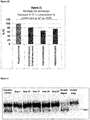
- the furin cleavage reaction was performed with 2 Units Furin ( ⁇ 110ng) (New England Biolabs) in PCSK9 buffer containing 100 mM Hepes Buffer pH 7.5, 5% Triton-X and 1mM CaCl.
- 2U Furin ( ⁇ 110ng) (New England Biolabs) was added to the reaction solution and incubated over night at RT.
- the reaction product was analyzed by SDS-PAGE under reducing conditions.
- Sequence information and titers against huPCSK9 (ODmax/2): Seq ID Sequence ODmax/2 Seq 1 PEEDGTRFHRQASK 12074 Seq 2 AEEDGTRFHRQASK 36869 Seq 3 PAEDGTRFHRQASK 2774 Seq 4 PEEDGTRFARQASK 21494 Seq 5 PEEDGTRFHAQASK 33442 Seq 6 PEEDGTRFHRAASK 22475 Seq 7 PEEDGTRFHRQAAK 15676 Seq 8 PEEDGTRFHRQASA 23638 Seq 9 TEEDGTRFHRQASK 23944 Seq 10 PQEDGTRFHRQASK 29228 Seq 11 PKEDGTRFHRQASK 6610 Seq 12 PEEDGSRFHRQASK 12636 Seq 13 PEEDGTRFHQQASK 18490 Seq 14 PEEDGTRFHKQASK 17795 Seq 15 PEEDGTRFHMQASK 15556 Seq 16 PEEDGTRFHREASK 18670 Seq 17 PEEDGTRFHRRASK 28996 Seq
- VARIOPTOPEs® that have the potential to elicit a higher titer against huPCSK9 (e.g. measured as ODmax/2) according to the present example) are regarded as immunopotentiating variants of the native sequence PEEDGTRFHRQASK.
- a preferred VARIOPTOPE® according to the present invention has a pronounced immunopotentiating property (measured e.g. as an ODmax/2 in the present example of above 20000 or as a raising this effect to 150%, preferably of doubling of this effect, compared to the native sequence).
- An even more preferred VARIOPTOPE® according to the present invention has an even more pronounced immunopotentiating property (measured e.g.
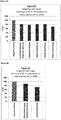
- FIG. 2A in % Negative Control 100 Seq 1 PEEDGTRFHRQASK (original sequence) 81 Seq 10 P Q EDGTRFHRQASK 78 Seq 17 PEEDGTRFHR R ASK 81 Seq 18 PEEDGTRFHR K ASK 81 Seq 23 PEEDGTRFHRQAS R 70 Figure 2B TC in % Negative Control 100 Seq 1 PEEDGTRFH RQASK (original sequence) 89 Seq 36 PEEDGTRFHRTASK 72 Figure 2C TC in % multiple AA exchanges Negative Control 100 Seq 1 PEEDGTRFHRQASK (original sequence) 81 Seq 41 PEEDGSRFHKQASK 66 Seq 44 PEEDGSRFHRQATK 74 These results are also depicted in Fig. 2 .
- VARIOPTOPEs® that have the potential to elicit a comparable reduction of TC compared to the native sequence PEEDGTRFHRQASK are preferred.
- an even more preferred VARIOPTOPE® according to the present invention has the ability to reduce TC to an even higher amount than the native sequence (measured e.g. as a reduction in % TC as measured in the present example of more than 5 %, especially more than 10% (absolute, i.e. compared to the negative control), compared to the native sequence).
- Seq 1 PEEDGTRFHRQASK (original native Sequence)
- Seq 2 A EEDGTRFHRQASK Seq 9: T
- EEDGTRFHRQASK Seq 10 P Q EDGTRFHRQASK Seq 17: PEEDGTRFHR R ASK Seq 18: PEEDGTRFHR K
- Seq 36 PEEDGTRFHR T
- mice per group were injected five times in 2 week intervals with vaccines containing 1 ⁇ g of net peptide.
- antigenic peptides were coupled to KLH and adsorbed to 0.2% Alhydrogel as adjuvant in a volume of 1 ml in total.
- GMP-like material was used for the described experiments. Blood samples were taken approximately 2 weeks after the final injection.
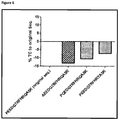
- vaccines containing the sequences Seq 9: TEEDGTRFHRQASK Seq 17: PEEDGTRFHRRASK Seq 18: PEEDGTRFHRKASK Seq 23: PEEDGTRFHRQASR are 3 to 10% more powerful to reduce TC levels in comparison to the vaccine containing the original sequence.
- the vaccine containing the Seq 24: PEEDGTRFHRQASL possesses the ability to reduce TC levels compared to the negative control ( Figure 4 ) but compared to the original peptide containing vaccine the TC levels were higher (+9%).
Landscapes
- Health & Medical Sciences (AREA)
- Chemical & Material Sciences (AREA)
- Life Sciences & Earth Sciences (AREA)
- Organic Chemistry (AREA)
- General Health & Medical Sciences (AREA)
- Medicinal Chemistry (AREA)
- Engineering & Computer Science (AREA)
- Genetics & Genomics (AREA)
- Bioinformatics & Cheminformatics (AREA)
- Biochemistry (AREA)
- Immunology (AREA)
- Animal Behavior & Ethology (AREA)
- Public Health (AREA)
- Veterinary Medicine (AREA)
- Pharmacology & Pharmacy (AREA)
- Zoology (AREA)
- Wood Science & Technology (AREA)
- Molecular Biology (AREA)
- Microbiology (AREA)
- General Chemical & Material Sciences (AREA)
- Chemical Kinetics & Catalysis (AREA)
- Nuclear Medicine, Radiotherapy & Molecular Imaging (AREA)
- General Engineering & Computer Science (AREA)
- Biomedical Technology (AREA)
- Biophysics (AREA)
- Proteomics, Peptides & Aminoacids (AREA)
- Mycology (AREA)
- Epidemiology (AREA)
- Biotechnology (AREA)
- Cardiology (AREA)
- Heart & Thoracic Surgery (AREA)
- Urology & Nephrology (AREA)
- Diabetes (AREA)
- Oncology (AREA)
- Hematology (AREA)
- Vascular Medicine (AREA)
- Obesity (AREA)
- Toxicology (AREA)
- Gastroenterology & Hepatology (AREA)
- Medicines Containing Antibodies Or Antigens For Use As Internal Diagnostic Agents (AREA)
Priority Applications (1)
| Application Number | Priority Date | Filing Date | Title |
|---|---|---|---|
| PL15714770T PL3110439T3 (pl) | 2014-02-28 | 2015-02-23 | Szczepionki PCSK9 |
Applications Claiming Priority (2)
| Application Number | Priority Date | Filing Date | Title |
|---|---|---|---|
| EP14157221 | 2014-02-28 | ||
| PCT/EP2015/053725 WO2015128287A1 (en) | 2014-02-28 | 2015-02-23 | Pcsk9 vaccines |
Publications (2)
| Publication Number | Publication Date |
|---|---|
| EP3110439A1 EP3110439A1 (en) | 2017-01-04 |
| EP3110439B1 true EP3110439B1 (en) | 2019-03-27 |
Family
ID=50179534
Family Applications (1)
| Application Number | Title | Priority Date | Filing Date |
|---|---|---|---|
| EP15714770.3A Active EP3110439B1 (en) | 2014-02-28 | 2015-02-23 | Pcsk9 vaccines |
Country Status (16)
| Country | Link |
|---|---|
| US (1) | US10004791B2 (enExample) |
| EP (1) | EP3110439B1 (enExample) |
| JP (1) | JP6494667B2 (enExample) |
| KR (1) | KR102360250B1 (enExample) |
| CN (1) | CN106459209B (enExample) |
| AU (1) | AU2015222283B2 (enExample) |
| BR (1) | BR112016019389A8 (enExample) |
| CA (1) | CA2940315C (enExample) |
| DK (1) | DK3110439T3 (enExample) |
| ES (1) | ES2732741T3 (enExample) |
| IL (1) | IL247159B (enExample) |
| MX (1) | MX374276B (enExample) |
| PL (1) | PL3110439T3 (enExample) |
| RU (1) | RU2698971C2 (enExample) |
| SG (1) | SG11201606685XA (enExample) |
| WO (1) | WO2015128287A1 (enExample) |
Families Citing this family (7)
| Publication number | Priority date | Publication date | Assignee | Title |
|---|---|---|---|---|
| CA3003943A1 (en) | 2015-11-03 | 2017-05-11 | Affiris Ag | Method for vaccination against a self-antigen in a human patient |
| CN107531795B (zh) * | 2016-01-05 | 2021-01-19 | 江苏恒瑞医药股份有限公司 | Pcsk9抗体、其抗原结合片段及其医药用途 |
| ES2571055B1 (es) * | 2016-02-15 | 2016-12-28 | Araclon Biotech, S.L. | Conjugado amiloide y usos y procedimientos del mismo |
| CN106822881A (zh) * | 2016-12-09 | 2017-06-13 | 四川大学 | 一种针对pcsk9的抗高血脂蛋白疫苗 |
| US11325945B2 (en) | 2017-04-12 | 2022-05-10 | Cadila Healthcare Limited | Peptide based PCSK9 vaccine |
| WO2022147373A1 (en) * | 2020-12-31 | 2022-07-07 | The United States Of America, As Represented By The Secretary, Department Of Health And Human Services | Antibody-guided pcsk9-mimicking immunogens lacking 9-residue sequence overlap with human proteins |
| CN119136838A (zh) | 2022-02-28 | 2024-12-13 | 特瑞德姆生物科技有限责任两合公司 | 由至少一种β-葡聚糖或甘露聚糖组成或包含至少一种β-葡聚糖或甘露聚糖的偶联物 |
Family Cites Families (6)
| Publication number | Priority date | Publication date | Assignee | Title |
|---|---|---|---|---|
| KR101660578B1 (ko) | 2009-09-03 | 2016-09-27 | 화이자 백신스 엘엘씨 | Pcsk9 백신 |
| AU2010313324A1 (en) * | 2009-10-30 | 2012-04-12 | Merck Sharp & Dohme Corp. | AX213 and AX132 PCSK9 antagonists and variants |
| CA2777698A1 (en) * | 2009-10-30 | 2011-05-05 | Merck Sharp & Dohme Corp. | Ax1 and ax189 pcsk9 antagonists and variants |
| GB201005005D0 (en) | 2010-03-25 | 2010-05-12 | Angeletti P Ist Richerche Bio | New vaccine |
| ES2565757T3 (es) * | 2011-09-13 | 2016-04-06 | Affiris Ag | Vacuna de PCSK9 |
| WO2013148284A1 (en) * | 2012-03-29 | 2013-10-03 | Genentech, Inc. | Antibodies that bind to a pcsk9 cleavage site and methods of use |
-
2015
- 2015-02-23 PL PL15714770T patent/PL3110439T3/pl unknown
- 2015-02-23 EP EP15714770.3A patent/EP3110439B1/en active Active
- 2015-02-23 MX MX2016010838A patent/MX374276B/es active IP Right Grant
- 2015-02-23 CA CA2940315A patent/CA2940315C/en active Active
- 2015-02-23 BR BR112016019389A patent/BR112016019389A8/pt not_active Application Discontinuation
- 2015-02-23 WO PCT/EP2015/053725 patent/WO2015128287A1/en not_active Ceased
- 2015-02-23 AU AU2015222283A patent/AU2015222283B2/en not_active Ceased
- 2015-02-23 JP JP2016571473A patent/JP6494667B2/ja not_active Expired - Fee Related
- 2015-02-23 KR KR1020167026735A patent/KR102360250B1/ko not_active Expired - Fee Related
- 2015-02-23 CN CN201580015813.0A patent/CN106459209B/zh not_active Expired - Fee Related
- 2015-02-23 ES ES15714770T patent/ES2732741T3/es active Active
- 2015-02-23 US US15/122,316 patent/US10004791B2/en not_active Expired - Fee Related
- 2015-02-23 RU RU2016138365A patent/RU2698971C2/ru active
- 2015-02-23 SG SG11201606685XA patent/SG11201606685XA/en unknown
- 2015-02-23 DK DK15714770.3T patent/DK3110439T3/da active
-
2016
- 2016-08-08 IL IL247159A patent/IL247159B/en active IP Right Grant
Non-Patent Citations (1)
| Title |
|---|
| None * |
Also Published As
| Publication number | Publication date |
|---|---|
| IL247159B (en) | 2018-01-31 |
| PL3110439T3 (pl) | 2019-09-30 |
| NZ722918A (en) | 2022-03-25 |
| RU2016138365A (ru) | 2018-03-29 |
| BR112016019389A2 (pt) | 2017-10-24 |
| WO2015128287A1 (en) | 2015-09-03 |
| JP6494667B2 (ja) | 2019-04-03 |
| KR20160124901A (ko) | 2016-10-28 |
| JP2017508006A (ja) | 2017-03-23 |
| US10004791B2 (en) | 2018-06-26 |
| EP3110439A1 (en) | 2017-01-04 |
| AU2015222283A1 (en) | 2016-09-08 |
| MX374276B (es) | 2025-03-06 |
| DK3110439T3 (da) | 2019-05-13 |
| AU2015222283B2 (en) | 2019-11-21 |
| SG11201606685XA (en) | 2016-09-29 |
| CN106459209A (zh) | 2017-02-22 |
| US20170065689A1 (en) | 2017-03-09 |
| RU2016138365A3 (enExample) | 2018-08-20 |
| ES2732741T3 (es) | 2019-11-25 |
| RU2698971C2 (ru) | 2019-09-02 |
| CA2940315A1 (en) | 2015-09-03 |
| CN106459209B (zh) | 2019-10-11 |
| BR112016019389A8 (pt) | 2022-11-08 |
| CA2940315C (en) | 2022-08-23 |
| MX2016010838A (es) | 2016-11-17 |
| KR102360250B1 (ko) | 2022-02-07 |
Similar Documents
| Publication | Publication Date | Title |
|---|---|---|
| US11980657B2 (en) | Peptide vaccines for hypercholesterolemia related diseases | |
| CA2940315C (en) | Pcsk9 vaccines | |
| US9220762B2 (en) | PCSK9 peptide combination vaccine and method of use | |
| NZ722918B2 (en) | PCSK9 Vaccines |
Legal Events
| Date | Code | Title | Description |
|---|---|---|---|
| PUAI | Public reference made under article 153(3) epc to a published international application that has entered the european phase |
Free format text: ORIGINAL CODE: 0009012 |
|
| STAA | Information on the status of an ep patent application or granted ep patent |
Free format text: STATUS: REQUEST FOR EXAMINATION WAS MADE |
|
| 17P | Request for examination filed |
Effective date: 20160914 |
|
| AK | Designated contracting states |
Kind code of ref document: A1 Designated state(s): AL AT BE BG CH CY CZ DE DK EE ES FI FR GB GR HR HU IE IS IT LI LT LU LV MC MK MT NL NO PL PT RO RS SE SI SK SM TR |
|
| AX | Request for extension of the european patent |
Extension state: BA ME |
|
| DAX | Request for extension of the european patent (deleted) | ||
| STAA | Information on the status of an ep patent application or granted ep patent |
Free format text: STATUS: EXAMINATION IS IN PROGRESS |
|
| 17Q | First examination report despatched |
Effective date: 20170913 |
|
| GRAP | Despatch of communication of intention to grant a patent |
Free format text: ORIGINAL CODE: EPIDOSNIGR1 |
|
| STAA | Information on the status of an ep patent application or granted ep patent |
Free format text: STATUS: GRANT OF PATENT IS INTENDED |
|
| INTG | Intention to grant announced |
Effective date: 20180820 |
|
| GRAS | Grant fee paid |
Free format text: ORIGINAL CODE: EPIDOSNIGR3 |
|
| GRAA | (expected) grant |
Free format text: ORIGINAL CODE: 0009210 |
|
| STAA | Information on the status of an ep patent application or granted ep patent |
Free format text: STATUS: THE PATENT HAS BEEN GRANTED |
|
| AK | Designated contracting states |
Kind code of ref document: B1 Designated state(s): AL AT BE BG CH CY CZ DE DK EE ES FI FR GB GR HR HU IE IS IT LI LT LU LV MC MK MT NL NO PL PT RO RS SE SI SK SM TR |
|
| REG | Reference to a national code |
Ref country code: GB Ref legal event code: FG4D |
|
| REG | Reference to a national code |
Ref country code: CH Ref legal event code: EP |
|
| REG | Reference to a national code |
Ref country code: AT Ref legal event code: REF Ref document number: 1112222 Country of ref document: AT Kind code of ref document: T Effective date: 20190415 |
|
| REG | Reference to a national code |
Ref country code: IE Ref legal event code: FG4D |
|
| REG | Reference to a national code |
Ref country code: DE Ref legal event code: R096 Ref document number: 602015027112 Country of ref document: DE |
|
| REG | Reference to a national code |
Ref country code: NL Ref legal event code: FP |
|
| REG | Reference to a national code |
Ref country code: DK Ref legal event code: T3 Effective date: 20190507 |
|
| REG | Reference to a national code |
Ref country code: SE Ref legal event code: TRGR |
|
| PG25 | Lapsed in a contracting state [announced via postgrant information from national office to epo] |
Ref country code: LT Free format text: LAPSE BECAUSE OF FAILURE TO SUBMIT A TRANSLATION OF THE DESCRIPTION OR TO PAY THE FEE WITHIN THE PRESCRIBED TIME-LIMIT Effective date: 20190327 Ref country code: NO Free format text: LAPSE BECAUSE OF FAILURE TO SUBMIT A TRANSLATION OF THE DESCRIPTION OR TO PAY THE FEE WITHIN THE PRESCRIBED TIME-LIMIT Effective date: 20190627 |
|
| PG25 | Lapsed in a contracting state [announced via postgrant information from national office to epo] |
Ref country code: GR Free format text: LAPSE BECAUSE OF FAILURE TO SUBMIT A TRANSLATION OF THE DESCRIPTION OR TO PAY THE FEE WITHIN THE PRESCRIBED TIME-LIMIT Effective date: 20190628 Ref country code: HR Free format text: LAPSE BECAUSE OF FAILURE TO SUBMIT A TRANSLATION OF THE DESCRIPTION OR TO PAY THE FEE WITHIN THE PRESCRIBED TIME-LIMIT Effective date: 20190327 Ref country code: RS Free format text: LAPSE BECAUSE OF FAILURE TO SUBMIT A TRANSLATION OF THE DESCRIPTION OR TO PAY THE FEE WITHIN THE PRESCRIBED TIME-LIMIT Effective date: 20190327 Ref country code: LV Free format text: LAPSE BECAUSE OF FAILURE TO SUBMIT A TRANSLATION OF THE DESCRIPTION OR TO PAY THE FEE WITHIN THE PRESCRIBED TIME-LIMIT Effective date: 20190327 Ref country code: BG Free format text: LAPSE BECAUSE OF FAILURE TO SUBMIT A TRANSLATION OF THE DESCRIPTION OR TO PAY THE FEE WITHIN THE PRESCRIBED TIME-LIMIT Effective date: 20190627 |
|
| PG25 | Lapsed in a contracting state [announced via postgrant information from national office to epo] |
Ref country code: CZ Free format text: LAPSE BECAUSE OF FAILURE TO SUBMIT A TRANSLATION OF THE DESCRIPTION OR TO PAY THE FEE WITHIN THE PRESCRIBED TIME-LIMIT Effective date: 20190327 Ref country code: RO Free format text: LAPSE BECAUSE OF FAILURE TO SUBMIT A TRANSLATION OF THE DESCRIPTION OR TO PAY THE FEE WITHIN THE PRESCRIBED TIME-LIMIT Effective date: 20190327 Ref country code: EE Free format text: LAPSE BECAUSE OF FAILURE TO SUBMIT A TRANSLATION OF THE DESCRIPTION OR TO PAY THE FEE WITHIN THE PRESCRIBED TIME-LIMIT Effective date: 20190327 Ref country code: PT Free format text: LAPSE BECAUSE OF FAILURE TO SUBMIT A TRANSLATION OF THE DESCRIPTION OR TO PAY THE FEE WITHIN THE PRESCRIBED TIME-LIMIT Effective date: 20190727 Ref country code: SK Free format text: LAPSE BECAUSE OF FAILURE TO SUBMIT A TRANSLATION OF THE DESCRIPTION OR TO PAY THE FEE WITHIN THE PRESCRIBED TIME-LIMIT Effective date: 20190327 Ref country code: AL Free format text: LAPSE BECAUSE OF FAILURE TO SUBMIT A TRANSLATION OF THE DESCRIPTION OR TO PAY THE FEE WITHIN THE PRESCRIBED TIME-LIMIT Effective date: 20190327 |
|
| REG | Reference to a national code |
Ref country code: ES Ref legal event code: FG2A Ref document number: 2732741 Country of ref document: ES Kind code of ref document: T3 Effective date: 20191125 |
|
| PG25 | Lapsed in a contracting state [announced via postgrant information from national office to epo] |
Ref country code: SM Free format text: LAPSE BECAUSE OF FAILURE TO SUBMIT A TRANSLATION OF THE DESCRIPTION OR TO PAY THE FEE WITHIN THE PRESCRIBED TIME-LIMIT Effective date: 20190327 |
|
| PG25 | Lapsed in a contracting state [announced via postgrant information from national office to epo] |
Ref country code: IS Free format text: LAPSE BECAUSE OF FAILURE TO SUBMIT A TRANSLATION OF THE DESCRIPTION OR TO PAY THE FEE WITHIN THE PRESCRIBED TIME-LIMIT Effective date: 20190727 |
|
| REG | Reference to a national code |
Ref country code: DE Ref legal event code: R097 Ref document number: 602015027112 Country of ref document: DE |
|
| PLBE | No opposition filed within time limit |
Free format text: ORIGINAL CODE: 0009261 |
|
| STAA | Information on the status of an ep patent application or granted ep patent |
Free format text: STATUS: NO OPPOSITION FILED WITHIN TIME LIMIT |
|
| PG25 | Lapsed in a contracting state [announced via postgrant information from national office to epo] |
Ref country code: SI Free format text: LAPSE BECAUSE OF FAILURE TO SUBMIT A TRANSLATION OF THE DESCRIPTION OR TO PAY THE FEE WITHIN THE PRESCRIBED TIME-LIMIT Effective date: 20190327 |
|
| 26N | No opposition filed |
Effective date: 20200103 |
|
| PG25 | Lapsed in a contracting state [announced via postgrant information from national office to epo] |
Ref country code: TR Free format text: LAPSE BECAUSE OF FAILURE TO SUBMIT A TRANSLATION OF THE DESCRIPTION OR TO PAY THE FEE WITHIN THE PRESCRIBED TIME-LIMIT Effective date: 20190327 |
|
| PG25 | Lapsed in a contracting state [announced via postgrant information from national office to epo] |
Ref country code: LU Free format text: LAPSE BECAUSE OF NON-PAYMENT OF DUE FEES Effective date: 20200223 Ref country code: MC Free format text: LAPSE BECAUSE OF FAILURE TO SUBMIT A TRANSLATION OF THE DESCRIPTION OR TO PAY THE FEE WITHIN THE PRESCRIBED TIME-LIMIT Effective date: 20190327 |
|
| PG25 | Lapsed in a contracting state [announced via postgrant information from national office to epo] |
Ref country code: IE Free format text: LAPSE BECAUSE OF NON-PAYMENT OF DUE FEES Effective date: 20200223 |
|
| REG | Reference to a national code |
Ref country code: FI Ref legal event code: PCE Owner name: AFFIRIS CVD GMBH |
|
| REG | Reference to a national code |
Ref country code: NL Ref legal event code: PD Owner name: AFFIRIS CVD GMBH; AT Free format text: DETAILS ASSIGNMENT: CHANGE OF OWNER(S), ASSIGNMENT; FORMER OWNER NAME: AFFIRIS AG Effective date: 20220503 |
|
| REG | Reference to a national code |
Ref country code: ES Ref legal event code: PC2A Owner name: AFFIRIS CVD GMBH Effective date: 20220517 |
|
| PG25 | Lapsed in a contracting state [announced via postgrant information from national office to epo] |
Ref country code: MT Free format text: LAPSE BECAUSE OF FAILURE TO SUBMIT A TRANSLATION OF THE DESCRIPTION OR TO PAY THE FEE WITHIN THE PRESCRIBED TIME-LIMIT Effective date: 20190327 Ref country code: CY Free format text: LAPSE BECAUSE OF FAILURE TO SUBMIT A TRANSLATION OF THE DESCRIPTION OR TO PAY THE FEE WITHIN THE PRESCRIBED TIME-LIMIT Effective date: 20190327 |
|
| REG | Reference to a national code |
Ref country code: DE Ref legal event code: R081 Ref document number: 602015027112 Country of ref document: DE Owner name: AFFIRIS CVD GMBH, AT Free format text: FORMER OWNER: AFFIRIS AG, WIEN, AT |
|
| REG | Reference to a national code |
Ref country code: BE Ref legal event code: PD Owner name: AFFIRIS CVD GMBH; AT Free format text: DETAILS ASSIGNMENT: CHANGE OF OWNER(S), ASSIGNMENT; FORMER OWNER NAME: AFFIRIS AG Effective date: 20220427 |
|
| REG | Reference to a national code |
Ref country code: GB Ref legal event code: 732E Free format text: REGISTERED BETWEEN 20220526 AND 20220601 |
|
| PG25 | Lapsed in a contracting state [announced via postgrant information from national office to epo] |
Ref country code: MK Free format text: LAPSE BECAUSE OF FAILURE TO SUBMIT A TRANSLATION OF THE DESCRIPTION OR TO PAY THE FEE WITHIN THE PRESCRIBED TIME-LIMIT Effective date: 20190327 |
|
| REG | Reference to a national code |
Ref country code: AT Ref legal event code: PC Ref document number: 1112222 Country of ref document: AT Kind code of ref document: T Owner name: AFFIRIS CVD GMBH, AT Effective date: 20220530 |
|
| REG | Reference to a national code |
Ref country code: AT Ref legal event code: UEP Ref document number: 1112222 Country of ref document: AT Kind code of ref document: T Effective date: 20190327 |
|
| P01 | Opt-out of the competence of the unified patent court (upc) registered |
Effective date: 20230522 |
|
| P02 | Opt-out of the competence of the unified patent court (upc) changed |
Effective date: 20230531 |
|
| PGFP | Annual fee paid to national office [announced via postgrant information from national office to epo] |
Ref country code: NL Payment date: 20240220 Year of fee payment: 10 Ref country code: ES Payment date: 20240319 Year of fee payment: 10 |
|
| PGFP | Annual fee paid to national office [announced via postgrant information from national office to epo] |
Ref country code: AT Payment date: 20240209 Year of fee payment: 10 |
|
| PGFP | Annual fee paid to national office [announced via postgrant information from national office to epo] |
Ref country code: FI Payment date: 20240219 Year of fee payment: 10 Ref country code: DE Payment date: 20240216 Year of fee payment: 10 Ref country code: GB Payment date: 20240222 Year of fee payment: 10 Ref country code: CH Payment date: 20240301 Year of fee payment: 10 |
|
| PGFP | Annual fee paid to national office [announced via postgrant information from national office to epo] |
Ref country code: SE Payment date: 20240221 Year of fee payment: 10 Ref country code: PL Payment date: 20240213 Year of fee payment: 10 Ref country code: IT Payment date: 20240229 Year of fee payment: 10 Ref country code: FR Payment date: 20240222 Year of fee payment: 10 Ref country code: DK Payment date: 20240221 Year of fee payment: 10 Ref country code: BE Payment date: 20240219 Year of fee payment: 10 |
|
| REG | Reference to a national code |
Ref country code: DE Ref legal event code: R119 Ref document number: 602015027112 Country of ref document: DE |
|
| REG | Reference to a national code |
Ref country code: DK Ref legal event code: EBP Effective date: 20250228 |
|
| REG | Reference to a national code |
Ref country code: SE Ref legal event code: EUG Ref country code: CH Ref legal event code: PL |
|
| REG | Reference to a national code |
Ref country code: NL Ref legal event code: MM Effective date: 20250301 |
|
| PG25 | Lapsed in a contracting state [announced via postgrant information from national office to epo] |
Ref country code: FI Free format text: LAPSE BECAUSE OF NON-PAYMENT OF DUE FEES Effective date: 20250223 |
|
| REG | Reference to a national code |
Ref country code: AT Ref legal event code: MM01 Ref document number: 1112222 Country of ref document: AT Kind code of ref document: T Effective date: 20250223 |
|
| PG25 | Lapsed in a contracting state [announced via postgrant information from national office to epo] |
Ref country code: AT Free format text: LAPSE BECAUSE OF NON-PAYMENT OF DUE FEES Effective date: 20250223 |
|
| PG25 | Lapsed in a contracting state [announced via postgrant information from national office to epo] |
Ref country code: CH Free format text: LAPSE BECAUSE OF NON-PAYMENT OF DUE FEES Effective date: 20250228 |
|
| GBPC | Gb: european patent ceased through non-payment of renewal fee |
Effective date: 20250223 |
|
| PG25 | Lapsed in a contracting state [announced via postgrant information from national office to epo] |
Ref country code: NL Free format text: LAPSE BECAUSE OF NON-PAYMENT OF DUE FEES Effective date: 20250301 |
|
| REG | Reference to a national code |
Ref country code: BE Ref legal event code: MM Effective date: 20250228 |
|
| PG25 | Lapsed in a contracting state [announced via postgrant information from national office to epo] |
Ref country code: DE Free format text: LAPSE BECAUSE OF NON-PAYMENT OF DUE FEES Effective date: 20250902 |
|
| PG25 | Lapsed in a contracting state [announced via postgrant information from national office to epo] |
Ref country code: GB Free format text: LAPSE BECAUSE OF NON-PAYMENT OF DUE FEES Effective date: 20250223 |
|
| PG25 | Lapsed in a contracting state [announced via postgrant information from national office to epo] |
Ref country code: DK Free format text: LAPSE BECAUSE OF NON-PAYMENT OF DUE FEES Effective date: 20250228 |
|
| PG25 | Lapsed in a contracting state [announced via postgrant information from national office to epo] |
Ref country code: IT Free format text: LAPSE BECAUSE OF NON-PAYMENT OF DUE FEES Effective date: 20250223 Ref country code: FR Free format text: LAPSE BECAUSE OF NON-PAYMENT OF DUE FEES Effective date: 20250228 |
|
| PG25 | Lapsed in a contracting state [announced via postgrant information from national office to epo] |
Ref country code: BE Free format text: LAPSE BECAUSE OF NON-PAYMENT OF DUE FEES Effective date: 20250228 |
|
| REG | Reference to a national code |
Ref country code: ES Ref legal event code: FD2A Effective date: 20260407 |
|
| PG25 | Lapsed in a contracting state [announced via postgrant information from national office to epo] |
Ref country code: ES Free format text: LAPSE BECAUSE OF NON-PAYMENT OF DUE FEES Effective date: 20250224 |
|
| PG25 | Lapsed in a contracting state [announced via postgrant information from national office to epo] |
Ref country code: PL Free format text: LAPSE BECAUSE OF NON-PAYMENT OF DUE FEES Effective date: 20250223 |