EP3108900B1 - Prototypsysteme von theranostischen biomarkern zur molekularen in-vivo-verwaltung von krebs - Google Patents
Prototypsysteme von theranostischen biomarkern zur molekularen in-vivo-verwaltung von krebs Download PDFInfo
- Publication number
- EP3108900B1 EP3108900B1 EP15174121.2A EP15174121A EP3108900B1 EP 3108900 B1 EP3108900 B1 EP 3108900B1 EP 15174121 A EP15174121 A EP 15174121A EP 3108900 B1 EP3108900 B1 EP 3108900B1
- Authority
- EP
- European Patent Office
- Prior art keywords
- group
- hydrogen atom
- optionally substituted
- substituted alkyl
- theranostic
- Prior art date
- Legal status (The legal status is an assumption and is not a legal conclusion. Google has not performed a legal analysis and makes no representation as to the accuracy of the status listed.)
- Active
Links
- 0 CN(C)c1ccc(C=CC2=CC*(CC(O)=O)=CC=C2)cc1 Chemical compound CN(C)c1ccc(C=CC2=CC*(CC(O)=O)=CC=C2)cc1 0.000 description 16
- NWSNQNRNVNAYKM-UHFFFAOYSA-N C/[O]=C(\CCl)/Nc1cc2ncnc(Nc(cc3)ccc3Br)c2cc1 Chemical compound C/[O]=C(\CCl)/Nc1cc2ncnc(Nc(cc3)ccc3Br)c2cc1 NWSNQNRNVNAYKM-UHFFFAOYSA-N 0.000 description 1
- GLWHCNAXIKNLLS-UHFFFAOYSA-N COc1cc2cccc(Nc(cc3Cl)ccc3F)c2cc1OCCCN1CCOCC1 Chemical compound COc1cc2cccc(Nc(cc3Cl)ccc3F)c2cc1OCCCN1CCOCC1 GLWHCNAXIKNLLS-UHFFFAOYSA-N 0.000 description 1
- LPCJURLBTXOJHS-UHFFFAOYSA-N [O-][N+](c(cc1N=CN2)ccc1C2=O)=O Chemical compound [O-][N+](c(cc1N=CN2)ccc1C2=O)=O LPCJURLBTXOJHS-UHFFFAOYSA-N 0.000 description 1
- CCCGYXZEVXWXAU-UHFFFAOYSA-N [O-][N+](c1cc2ncnc(Cl)c2cc1)=O Chemical compound [O-][N+](c1cc2ncnc(Cl)c2cc1)=O CCCGYXZEVXWXAU-UHFFFAOYSA-N 0.000 description 1
Images


Classifications
-
- A—HUMAN NECESSITIES
- A61—MEDICAL OR VETERINARY SCIENCE; HYGIENE
- A61K—PREPARATIONS FOR MEDICAL, DENTAL OR TOILETRY PURPOSES
- A61K49/00—Preparations for testing in vivo
- A61K49/0002—General or multifunctional contrast agents, e.g. chelated agents
-
- A—HUMAN NECESSITIES
- A61—MEDICAL OR VETERINARY SCIENCE; HYGIENE
- A61K—PREPARATIONS FOR MEDICAL, DENTAL OR TOILETRY PURPOSES
- A61K49/00—Preparations for testing in vivo
- A61K49/001—Preparation for luminescence or biological staining
- A61K49/0013—Luminescence
- A61K49/0017—Fluorescence in vivo
- A61K49/0019—Fluorescence in vivo characterised by the fluorescent group, e.g. oligomeric, polymeric or dendritic molecules
- A61K49/0021—Fluorescence in vivo characterised by the fluorescent group, e.g. oligomeric, polymeric or dendritic molecules the fluorescent group being a small organic molecule
- A61K49/0032—Methine dyes, e.g. cyanine dyes
-
- A—HUMAN NECESSITIES
- A61—MEDICAL OR VETERINARY SCIENCE; HYGIENE
- A61K—PREPARATIONS FOR MEDICAL, DENTAL OR TOILETRY PURPOSES
- A61K49/00—Preparations for testing in vivo
- A61K49/001—Preparation for luminescence or biological staining
- A61K49/0013—Luminescence
- A61K49/0017—Fluorescence in vivo
- A61K49/0019—Fluorescence in vivo characterised by the fluorescent group, e.g. oligomeric, polymeric or dendritic molecules
- A61K49/0021—Fluorescence in vivo characterised by the fluorescent group, e.g. oligomeric, polymeric or dendritic molecules the fluorescent group being a small organic molecule
- A61K49/0041—Xanthene dyes, used in vivo, e.g. administered to a mice, e.g. rhodamines, rose Bengal
-
- A—HUMAN NECESSITIES
- A61—MEDICAL OR VETERINARY SCIENCE; HYGIENE
- A61K—PREPARATIONS FOR MEDICAL, DENTAL OR TOILETRY PURPOSES
- A61K49/00—Preparations for testing in vivo
- A61K49/001—Preparation for luminescence or biological staining
- A61K49/0013—Luminescence
- A61K49/0017—Fluorescence in vivo
- A61K49/005—Fluorescence in vivo characterised by the carrier molecule carrying the fluorescent agent
- A61K49/0052—Small organic molecules
-
- A—HUMAN NECESSITIES
- A61—MEDICAL OR VETERINARY SCIENCE; HYGIENE
- A61K—PREPARATIONS FOR MEDICAL, DENTAL OR TOILETRY PURPOSES
- A61K49/00—Preparations for testing in vivo
- A61K49/06—Nuclear magnetic resonance [NMR] contrast preparations; Magnetic resonance imaging [MRI] contrast preparations
- A61K49/08—Nuclear magnetic resonance [NMR] contrast preparations; Magnetic resonance imaging [MRI] contrast preparations characterised by the carrier
- A61K49/085—Nuclear magnetic resonance [NMR] contrast preparations; Magnetic resonance imaging [MRI] contrast preparations characterised by the carrier conjugated systems
-
- A—HUMAN NECESSITIES
- A61—MEDICAL OR VETERINARY SCIENCE; HYGIENE
- A61K—PREPARATIONS FOR MEDICAL, DENTAL OR TOILETRY PURPOSES
- A61K49/00—Preparations for testing in vivo
- A61K49/06—Nuclear magnetic resonance [NMR] contrast preparations; Magnetic resonance imaging [MRI] contrast preparations
- A61K49/08—Nuclear magnetic resonance [NMR] contrast preparations; Magnetic resonance imaging [MRI] contrast preparations characterised by the carrier
- A61K49/10—Organic compounds
- A61K49/101—Organic compounds the carrier being a complex-forming compound able to form MRI-active complexes with paramagnetic metals
- A61K49/106—Organic compounds the carrier being a complex-forming compound able to form MRI-active complexes with paramagnetic metals the complex-forming compound being cyclic, e.g. DOTA
Definitions
- the present invention relates to theranostic systems and their use in the therapy and diagnosis of tyrosine kinase related malignancies.
- Tyrosine Kinase Receptors are known to be implicated in the initiation and progression of multiple multifunctional malignancies such as colorectal cancer (CRC), lung, head & neck, breast, prostate, gastrointestinal, brain tumors and melanoma.
- Colorectal cancer is the second most common cause of cancer-related deaths in the developed world. In Europe, there has been an average annual estimate of 1.7 million cancer associated deaths ( Ferlay J., Parkin D.M., Steliarova-Foucher E., Eur. J. Cancer, 2010 Mar:46(4):765-81 ).
- the tyrosine kinase receptors (TKRs), largely epitomized by the ERB-B family of proto-oncogenes (ERB1-4), contain (i) an extracellular ligand-binding domain (domains I-IV), (ii) a single membrane spanning region, (iii) a juxtamembrane nuclear localization signal, and (iv) a cytoplasmic tyrosine kinase domain.
- ERBB1 the epidermal growth factor receptor-axis (EGFR-axis) has been the most comprehensively studied molecular target in oncology therapeutics over the past decade and is now a validated target for the treatment of cancer patients ( Wheeler D.L., Dunn E.F., Harari P.M., Nat. Rev. Clin. Oncol., 2010 Sep;7(9):493-507 ).
- EGFR inhibitors may have a key role in regulating tumor response, such as the induction of tumor/stromal interactions (angiogenesis), translocation of surface receptors to the nucleus, altered DNA damage response, and as yet undiscovered mutations.
- Intrinsic and acquired resistance to EGFR inhibitors is increasingly well-recognized, and epitomized by (i) genetic and epigenetic variations of genes in the EGFR oncogenic cascade ( Yarden Y., Sliwkowski M.X., Nat. Rev. Mol. Cell.
- NIR near-infra-red
- Magnetic resonance imaging on the other hand, has high resolution but significant limitations due to inherent low sensitivity of the MR probes which makes validation of in vivo imaging experiments by more than one approach essential. This problem cannot be solved by merely adding two different classes of probes, e.g. optical and MRI together, unless they have identical pharmacokinetic properties (Flurrano, 2007).
- Optical imaging with anti-EGFR antibodies failed to introduce a therapeutic functionality (EI-Sayed IH, 2005).
- Radiolabelled TKI exhibit non-specific binding and suboptimal pharmacokinetic properties due to low hydrophilicity (Abourbech G, 2007).
- MRI probes are very limited (Suwa T, 1998). Thus, multimodal probes are needed in order to solve this problem and provide scaffolds for the amplification of MRI contrast agents.
- Natural terpenoids have also been implicated in the targeting of apoptosis pathways. Treatment of breast and prostate cancer with triterpenoids has been shown to target inflammatory pathways which can be exploited for the prevention and treatment of cancer ( Yadav V.R., Prasad S., Sung B., Kannappan R., Aggarwal B.B., Toxins (Basel), 2010 Oct;2(10):2428-66 ). Particular targets downstream of TKRs have also been identified as therapeutic targets of isoprenoids.
- Ras pathway activation in gliomas has proven to be a critical target of the treatment with intranasal administration of perillyl alcohol ( da Fonseca C.O., Linden R., Futuro D., Gattass C.R., Quirico-Santos T., Arch. Immunol. Ther. Exp. (Warsz), 2008 Jul-Aug;56(4):267-76 ). Further studies are currently trying to unravel the activities and propose a unifying mechanism of the anticancer actions of triterpenoids and their synthetic analogs ( Safe S.H., Prather P.L., Brents L.K., Chadalapaka G., Jutooru I., Anticancer Agents Med. Chem., 2012 Dec;12(10):1211-20 ).
- Tocotrienols a group of vitamin E derivatives, have been strongly associated with TKR pathways. Based on the inducible c-Rous sarcoma tyrosine kinase (c-SRC) inhibitory properties of tocotrienols, it may be postulated that tocotrienols have anti-cancer effects in SRC-mediated malignancies (e.g . gliomas, melanomas or malignancies associated with chronic inflammatory disorders). Antiproliferative effects of tocotrienols in pre-neoplastic mammary epithelial cells do not reflect a reduction in EGF-receptor mitogenic responsiveness.
- c-SRC inducible c-Rous sarcoma tyrosine kinase
- cancer stem cells a cell population with dominant expression of TKR and a rapidly progressing area of cancer initiation and progression, have been implicated in the theory for cancer chemoprevention by natural dietary compounds ( Li Y., Wicha M.S., Schwartz S.J., Sun D., J. Nutr. Biochem., 2011 Sep;22(9):799-806 ).
- Retinoids a nutrient category with strong epidemiologic association with cancer prevention, are shown to arrest breast cancer proliferation through selective reduction of the duration of receptor tyrosine kinase signalling ( Tighe A.P., Talmage D.A., Exp. Cell. Res. 2004 Dec 10;301(2):147-57 ).
- the present invention provides a theranostic system comprising:
- the theranostic system according to the present invention finds use in the treatment and/or diagnosis of cancer.
- Described herein is a theranostic system including:
- the theranostic system includes the beacon and the quinazoline-based tyrosine kinase inhibitor.
- the theranostic system does not comprise the natural product.
- the theranostic system may either be a combination of the beacon and the quinazoline-based tyrosine kinase inhibitor (i.e. B + quinazoline) or a complex of the beacon and the quinazoline-based tyrosine kinase inhibitor (i.e. [B-quinazoline]).
- the "-" indicates that there is a chemical bond ( e.g. covalent) between the beacon and the quinazoline-based tyrosine kinase inhibitor.
- the theranostic system includes the beacon and the natural product.
- the theranostic system does not comprise the quinazoline-based tyrosine kinase inhibitor.
- the theranostic system may either be a combination of the beacon and the natural product (i.e. B + NatP) or a complex of the beacon and the natural product (i.e. [B-NatP]).
- the "-" indicates that there is a chemical bond (e.g . covalent) between the beacon and the natural product.
- Another theranostic system described herein includes the beacon, the quinazoline-based tyrosine kinase inhibitor and the natural product.
- the theranostic system may be a combination of the beacon, the quinazoline-based tyrosine kinase inhibitor and the natural product (i.e. B + quinazoline + NatP).
- the theranostic system may either be a combination of a complex of the beacon and the quinazoline-based tyrosine kinase inhibitor and the natural product (i.e.
- the beacon (B) may be any imaging/sensing agent that can be detected by one or more of optical, magnetic, radiofrequency (RF) or positron emission tomography (PET) detection methods.
- RF radiofrequency
- PET positron emission tomography
- the beacon is a rhodamine, cyanine or coumarin or derivatives thereof, a fluorescent quantum dot, a fluorescent lanthanide complex, a paramagnetic lanthanide complex, a radionucleotide (for PET), or a heterometallic multimodal compound.
- the beacon is a rhodamine, cyanine or coumarin or derivatives thereof, a fluorescent lanthanide complex, a paramagnetic lanthanide complex or a heterometallic multimodal compound.
- the beacon is selected from the group consisting of carbocyanine, oxocarbocyanine, macrocyanine, indocarbocyanine, fluorescein, polymethine, rhodamine, xanthene, Cy®5, Cy5.5®, Cy, ViVoTag®-660, 680 and 750; AlexaFluor® 660, 680, 700, 750, 790; Dy-677, Dy-780; Dylight 680; HiLyteTMFluor 680, 750; IRDye 800CW, 700DX and ADS 780WS, 830WS, 832WS.
- the beacon is a heterometallic multimodal compound.
- the heterometallic multimodal compound includes: (1) a functionalised macrocyclic lanthanide complex; and (2) a poly-pyridyl near infra-red (NIR) emitter transition metal complex.
- NIR poly-pyridyl near infra-red
- the hetero-metallic multimodal compound has the structure of general Formula A.
- Ln 3+ is a trivalent lanthanide metal selected from the group consisting of La(III), Ce(III), Pr(III), Nd(III), Sm(III), Eu(III), Gd(III), Tb(III), Dy(III), Ho(III), Er(III), Tm(III), Yb(III) and Lu(III).
- the trivalent lanthanide metal is preferably Gd 3+ .
- TM is a transition metal selected from the group consisting of: ruthenium, rhenium and iridium.
- X is a negatively charged counterion selected from the group consisting of: PF 6 and ClO 4 .
- Z is O.
- the quinazoline-based tyrosine kinase inhibitor has the general structure defined by Formula I below.
- Formula I In Formula I:
- R 2 represents a hydrogen atom, a halogen atom, OR c , N(R c )(R d ), SR c or an optionally substituted alkyl group; wherein R c and R d each independently represent a hydrogen atom or an optionally substituted alkyl or acyl group.
- R 2 is
- R 3 represents a hydrogen atom, a halogen atom, NO 2 , CN, N 3 , OR g , N(R g )(R h ), SR g or an optionally substituted alkyl, alkenyl or alkynyl group; wherein R g and R h each independently represent a hydrogen atom or an optionally substituted alkyl, acyl, alkenyl or alkynyl group.
- R i is an acroyl, crotonoyl, pentenoyl or pentadienoyl group.
- the quinazoline-based tyrosine kinase inhibitor is an anilinoquinazoline-based tyrosine kinase inhibitor of general Formula II.
- R 1e represents a hydrogen atom and R 1f represents an optionally substituted alkyl, alkenyl, alkynyl, acyl, cycloalkyl, cycloalkenyl, aryl, aralkyl, heterocyclyl or heterocyclylalkyl group.
- R 1e represents a hydrogen atom and R 1f represents an optionally substituted aryl, aralkyl, heterocyclyl or heterocyclylalkyl group.
- R 1e represents a hydrogen atom and R 1f represents wherein n is 0 to 4, and each R 1g independently represents a hydrogen atom, a halogen, NO 2 , CN, N 3 , or an optionally substituted alkyl, alkenyl, alkynyl, alkoxy, acyl, cycloalkyl, cycloalkenyl, aryl, aralkyl, heterocyclyl or heterocyclylalkyl group.
- the natural product is a phytochemical (i.e. plant-derived) natural product.
- the natural product is a marine-derived natural product.
- the natural product, marine-derived natural product or phytochemical natural product contains one or more aromatic rings and one or more hydroxyl groups.
- the natural product is selected from: (i) chromanols of the vitamin E superfamily (e.g. ⁇ , ⁇ , ⁇ , ⁇ tocopherols and ⁇ , ⁇ , ⁇ , ⁇ tocotrienols), and precursors, analogues and derivatives thereof; (ii) poly(oxo)phenolic compounds (such as tannins, gallic acid, catechols and epicatechin), and analogues and derivatives thereof; (iii) retinoids, and analogues and derivatives thereof; (iv) resveratrol, and precursors, analogues and derivatives thereof; (v) flavonoids; and (vi) terpenes and terpenoids.
- chromanols of the vitamin E superfamily e.g. ⁇ , ⁇ , ⁇ , ⁇ tocopherols and ⁇ , ⁇ , ⁇ , ⁇ tocotrienols
- poly(oxo)phenolic compounds such as tannins, gallic acid
- the natural product is linked (conjugated) to the beacon (B) with an enzymatically cleavable esteric or peptidic bond.
- the natural product is linked to the beacon (B) with a poly(ethylene glycol) linker (e.g . TEG or HEG), (ii) a C 1 -C 20 aliphatic chain ( e.g. C 1 -C 10 , preferably C 5 ); or (iii) a conjugate of a poly(ethylene glycol) linker with a C 1 -C 20 aliphatic chain, wherein the poly(ethylene glycol) linker and the C 1 -C 20 aliphatic chain are conjugated via a peptidic or esteric bond.
- a poly(ethylene glycol) linker e.g . TEG or HEG
- a C 1 -C 20 aliphatic chain e.g. C 1 -C 10 , preferably C 5
- the quinazoline-based tyrosine kinase inhibitor of Formula I or the anilinoquinazoline-based tyrosine kinase inhibitor of Formula II is linked to the beacon (B) with an enzymatically cleavable esteric or peptidic bond.
- the anilinoquinazoline-based tyrosine kinase inhibitor is linked to the beacon (B) with a poly(ethylene glycol) linker (e.g. TEG or HEG), (ii) a C 1 -C 20 aliphatic chain (e.g.
- C 1 -C 10 preferably C 5
- a conjugate of a poly(ethylene glycol) linker with a C 1 -C 20 aliphatic chain wherein the poly(ethylene glycol) linker and the C 1 -C 20 aliphatic chain are conjugated via a peptidic or esteric bond.
- theranostic system includes a compound of Formula B wherein:
- Ln 3+ is a trivalent lanthanide metal selected from the group consisting of La(III), Ce(III), Pr(III), Nd(III), Sm(III), Eu(III), Gd(III), Tb(III), Dy(III), Ho(III), Er(III), Tm(III), Yb(III) and Lu(III).
- the trivalent lanthanide metal is preferably Gd 3+ .
- TM is a transition metal selected from the group consisting of ruthenium, rhenium and iridium.
- X is a negatively charged counterion selected from the group consisting of PF 6 and ClO 4 .
- R 1 is selected from the group consisting of a 2-methoxyaniline, 2-bromoaniline, 2-fluoroaniline, 2-chloroaniline, 3-methoxyaniline, 3-bromoaniline, 3-fluoroaniline, 3-chloroaniline, 3,5,difluoroaniline, 3,5,dichloroaniline, 3,5,dibromoaniline, 3-(trifluoromethyl)aniline, 4-chloro-3-(trifluoromethyl)aniline, 3-chloro-4-fluoroaniline, 4-fluoro-3-(trifluoromethyl)aniline, 4-fluoroaniline, 4-methoxyaniline, 4-bromoaniline, 4-chloroaniline, 4-isopropylaniline 3-bromo-5-(trifluoromethyl)aniline, bis(trifluoromethyl)aniline, 4-( tert -butyl)aniline and 1-napthylmethylamine moiety.
- R 1a is a hydrogen atom and R 1b is selected from a group consisting of a 2-methoxyphenyl, 2-bromophenyl, 2-fluorophenyl, 2-chlorophenyl, 3-methoxyphenyl, 3-bromophenyl, 3-fluorophenyl, 3-chlorophenyl, 3,5,difluorophenyl, 3,5,dichlorophenyl, 3,5,dibromophenyl, 3-(trifluoromethyl)phenyl, 4-chloro-3-(trifluoromethyl)phenyl, 3-chloro-4-fluorophenyl, 4-fluoro-3-(trifluoromethyl)phenyl, 4-fluorophenyl, 4-methoxyphenyl, 4-bromophenyl, 4-chlorophenyl, 4-isopropylphenyl 3-bromo-5-(trifluoromethyl)phenyl, bis(trifluoromethyl)phenyl, 4-(
- Also described herein is a method for treating and/or diagnosing cancer using the theranostic systems of the present invention.
- Also described herein is a method of treating and/or diagnosing cancer in a patient in need thereof comprising administering to the patient the theranostic systems of the present invention.
- the theranostic systems described herein can be used in methods of treating and/or diagnosing multiple multifunctional malignancies such as colorectal cancer, lung cancer, head & neck cancer, breast cancer, prostate cancer, gastrointestinal cancer, brain tumors and melanoma.
- kits including a container having the theranostic system according to the present invention, as herein described.
- the present invention relates to theranostic systems.
- the theranostic systems allow for therapeutic targeting, modulation of activity and in vivo molecular diagnostics of tyrosine kinases in common malignancies.
- the theranostic systems of the present invention serve to interfere with disease progression at the molecular level (treatment), deliver the therapeutic moiety at the desired target site (drug delivery) as well as provide a means of detection for screening, diagnosis, and monitoring of the disease.
- the disclosures pertaining to interference with disease progression relate to (i) the direct and specific targeting and imaging/sensing of cancer-mediating forms of tyrosine kinases in prevalent and intractable malignancies, (ii) modulation of the tyrosine kinase activity and associated progression of the malignancy by marine-derived natural products or phytochemicals (phytochemical natural products) and their derivatives conjugated in theranostic complexes or (iii) the combinations of the above.
- Theranostic systems of the present invention are capable of: (i) specifically targeting a population of malignant cells which express a well-defined and constitutively activated tyrosine kinase contributing to the malignant growth (e.g . the intracellular kinase domain); (ii) reporting the existence and quantifying the abundance of this kinase by means of their sensing and imaging components, with the reporting properties amplified within a fluorescent, magnetic or bimodal ( e.g .
- theranostic systems of the present invention have a broad application in the field of tyrosine kinase mediated malignancies, they are particularly suitable for variants of the tyrosine kinase trans-membrane receptors (TKR) which: (i) are deprived of their ligand-binding extracellular domain (e.g . variant EGFRvIII in gliomas) or (ii) translocate to the nucleus and mitochondria (e.g . phosphorylated EGFR in lung, colon, breast cancer and gliomas).
- TTKR tyrosine kinase trans-membrane receptors
- biomarkers which are targets of the theranostic systems of the present invention are members of the tyrosine kinase receptor superfamily, which are epitomized by the epidermal growth factor receptor (EGFR/ERB-I) and include HER2, ERB3, ERB4, VEGFR, PDGFR, IGFR and other trans-membrane receptors thereof and (b) Cluster Domains - CD - ( e.g . CD3, CD4, CD8) associated with LCK, FYN, SRC and other kinase-associated receptor thereof) or their downstream effectors whose functions are dependent on those of TKR.
- Other kinase targets include the members of the molecular pathway(s) downstream of the TKRs axis, such as the members of the MAPK and ERK cascades.
- the present invention also relates to the management of malignant diseases by deciphering theranostic biomarkers in the tyrosine kinase axes, i.e. downstream effectors, parallel and converging pathways mediated by any of the tyrosine kinase superfamily members.
- a major aspect in the overall management of malignant diseases is the management of intrinsic and acquired resistance to current therapies.
- Well-recognized mechanisms of resistance include (i) mechanisms against chemotherapy, and (ii) molecular mechanisms against targeted therapies within these axes.
- Chemotherapy-related resistance involves (a) overexpression of efflux transporters, represented by P-glycoprotein and the ATP-binding cassette superfamily, leading to reduced drug accumulation, (b) sequestration of the drug in acidic organelles, (c) resistance to transport of macromolecules and their carriers and (d) acidic and hypoxic microenvironments.
- Possible approaches for management include (i) inhibition and evasion of drug efflux, (ii) formulations inhibiting transporter activity, (iii) co-delivery of the anticancer drug with a specific inhibitor of the transporter function or its expression, (iv) triggering of drug release, (v) altering rate of drug release and (vi) simultaneous delivery of drug and efflux.
- Intrinsic and acquired resistance to anti-EGFR therapies is increasingly well-recognized and epitomised by (i) genetic and epigenetic variations of genes in the EGFR oncogenic cascade, (ii) critical downstream effectors RAS/RAF/MEK/ERK and PI3K/AKT/mTOR, (iii) parallel pathways, including VEGFR, (iv) aberrant expression of the EGFRvIII variant, underlining the significance of kinase-domain targeting theranostic systems, and (v) nuclear and mitochondrial translocation and constitutive activation of phosphorylated EGFR (pEGFR). Nucleus and mitochondria-translocated pEGFR define a key role for lipid rafts and endocytosis pathways. Nuclear EGFR modulates transcription factors and the expression of cyclin D1 and defines an emerging target in triple negative breast cancer and lung cancer. Nuclear and mitochondrial translocation is mostly prominent in malignant gliomas and colon cancers intractable to current anti-EGFR therapies.
- any alkyl, alkenyl or alkynyl group may be linear or branched and may preferably contain up to 6, and especially up to 4 carbon atoms.
- Preferred alkyl groups are methyl, ethyl, propyl and butyl.
- Preferred alkenyl and alkynyl groups include propenyl, butenyl, propynyl and butynyl groups.
- an alkyl moiety forms part of another group, for example the alkyl moiety of an aralkyl group, it is preferred that it contains up to 6, especially up to 4, carbon atoms.
- Preferred alkyl moieties are methyl and ethyl.
- An aryl group may be any aromatic hydrocarbon group and may preferably contain from 6 to 18, more preferably 6 to 16, particularly 6 to 14, and especially 6 to 10 carbon atoms.
- Preferred aryl groups include phenyl, naphthyl, anthryl, phenanthryl and pyryl groups, especially a phenyl or naphthyl, and particularly a phenyl group.
- an aryl moiety forms part of another group, for example the aryl moiety of an aralkyl group, it is preferred that it is a phenyl, naphthyl, anthryl, phenanthryl or pyryl, especially phenyl or naphthyl, and particularly a naphthyl moiety.
- An aralkyl group may be any alkyl group substituted by an aryl group.
- a preferred aralkyl group contains from 7 to 30, particularly 7 to 24 and especially 7 to 18, carbon atoms, particularly preferred aralkyl groups being benzyl, naphthylmethyl, anthrylmethyl, phenanthrylmethyl and pyrylmethyl groups.
- a particularly preferred aralkyl group is a naphthylmethyl group.
- a cycloalkyl group may be any saturated cyclic hydrocarbon group and may contain from 3 to 12, preferably 3 to 8, and especially 3 to 6, carbon atoms.
- Preferred cycloalkyl groups are cyclopropyl, cyclopentyl and cyclohexyl groups.
- a cycloalkenyl group may be any cyclic hydrocarbon group which contains at least one carbon-carbon double bond.
- a cycloalkenyl group is effectively a cycloalkyl group in which at least one carbon-carbon single bond has been replaced by a carbon-carbon double bond.
- a cycloalkenyl group may therefore contain from 3 to 12, preferably 3 to 8, and especially 3 to 6, carbon atoms.
- Preferred cycloalkenyl groups are cyclopentenyl and cyclohexenyl groups.
- An acyl group may be any group of the general formula R-CO- where R represents an optionally substituted alkyl, alkenyl, alkynyl, cycloalkyl, cycloalkenyl, aryl, aralkyl, heterocyclyl or heterocyclylalkyl group.
- R represents an optionally substituted alkyl, alkenyl, alkynyl, cycloalkyl, cycloalkenyl, aryl, aralkyl, heterocyclyl or heterocyclylalkyl group.
- Preferred acyl groups are acryloyl, crotonoyl, pentenoyl and pentadienoyl groups.
- An alkoxy group may be any group of the general formula RO- where R represents an optionally substituted alkyl, alkenyl, alkynyl, cycloalkyl, cycloalkenyl, aryl, aralkyl, heterocyclyl or heterocyclylalkyl group.
- Preferred alkoxy groups are methoxy, ethoxy, propoxy and butoxy groups. Methoxy is an especially preferred alkoxy group.
- a heteroaryl group may be any aromatic monocyclic or polycyclic ring system which contains at least one heteroatom.
- a heteroaryl group is a 5- to 18-membered, particularly a 5- to 14-membered, and especially a 5- to 10-membered, aromatic ring system containing at least one heteroatom selected from oxygen, sulphur and nitrogen atoms.
- Preferred heteroaryl groups include pyridyl, pyrylium, thiopyrylium, pyrrolyl, furyl, thienyl, indolinyl, isoindolinyl, indolizinyl, imidazolyl, pyridonyl, pyronyl, pyrimidinyl, pyrazinyl, oxazolyl, thiazolyl, purinyl, quinolinyl, isoquinolinyl, quinoxalinyl, pyridazinyl, benzofuranyl, benzoxazolyl and acridinyl groups.
- a heterocyclic group may be any monocyclic or polycyclic ring system which contains at least one heteroatom and may be unsaturated or partially or fully saturated.
- the term "heterocyclic” thus includes heteroaryl groups as defined above as well as nonaromatic heterocyclic groups.
- a heterocyclic group is a 3- to 18-membered, particularly a 3- to 14-membered, especially a 5- to 10-membered, ring system containing at least one heteroatom selected from oxygen, sulphur and nitrogen atoms.
- Preferred heterocyclic groups include the specific heteroaryl groups named above as well as pyranyl, piperidinyl, pyrrolidinyl, dioxanyl, piperazinyl, morpholinyl, thiomorpholinyl, morpholinosulphonyl, tetrahydroisoquinolinyl and tetrahydrofuranyl groups.
- a heterocyclylalkyl group may be any alkyl group substituted by a heterocyclic group.
- the heterocyclic moiety is a 3- to 18- membered, particularly a 3- to 14-membered, and especially a 5- to 10-membered, heterocyclic group as defined above and the alkyl moiety is a C 1-6 alkyl, preferably C 1-4 alkyl, and especially methyl, group.
- substituent groups which are optionally present may be any one or more of those customarily employed in the development of pharmaceutical compounds and/or the modification of such compounds to influence their structure/activity, stability, bioavailability or other property.
- substituents include, for example, halogen atoms, nitro, cyano, hydroxyl, phosphonyl, cycloalkyl, alkyl, alkenyl, haloalkyl, alkoxy, haloalkoxy, amino, alkylamino, dialkylamino, formyl, alkoxycarbonyl, carboxyl, alkanoyl, alkylthio, alkylsulphinyl, alkylsulphonyl, alkylsulphonato, arylsulphinyl, arylsulphonyl, arylsulphonato, carbamoyl, alkylamido, aryl and aralkyl groups.
- any of the foregoing optional substituents represents or contains an alkyl or alkenyl substituent group
- this may be linear or branched and may contain up to 12, preferably up to 6, and especially up to 4, carbon atoms.
- a cycloalkyl group may contain from 3 to 8, preferably from 3 to 6, carbon atoms.
- An aryl group or moiety may contain from 6 to 10 carbon atoms, phenyl groups being especially preferred.
- a halogen atom may be a fluorine, chlorine, bromine or iodine atom and any group which contains a halo moiety, such as a haloalkyl group, may thus contain any one or more of these halogen atoms.
- Phosphonate is an especially preferred phosphonyl group.
- Preferred optional substituents include halogen atoms, nitro, cyano, hydroxyl, C 1-6 alkyl, C 1-6 haloalkyl, C 1-6 alkoxy, C 1-6 haloalkoxy, amino, C 1-6 alkylamino, di-(C 1-6 alkyl)amino, formyl, C 1-6 alkoxycarbonyl, carboxyl, C 1-6 alkanoyl, C 1-6 alkylthio, C 1-6 alkylsulphinyl, C 1-6 alkylsulphonyl, carbamoyl and C 1-6 alkylamido groups.
- Particularly preferred optional substituents include halogen atoms, nitro, cyano, hydroxyl, C 1-4 alkyl, C 1-4 haloalkyl, C 1-4 alkoxy and C 1-4 haloalkoxy groups with halogen atoms being especially preferred.
- Described herein is a theranostic system comprising:
- the beacon (B) is a sensing or imaging agent that can be detected by optical means (e.g. spectroscopy), by magnetic means (e.g . MRI), by radiofrequency, or by positron emission tomography (PET).
- the beacon may be any organic or inorganic bioluminescent, fluorescent, magnetic, magnetofluorescent compound, or any magnetic or magnetofluorescent nanoparticle.
- the beacon may be unimodal. In other words, the beacon can be detected by a single means of detection only.
- the beacon may be bimodal or multimodal. In other words, the beacon can be detected by more than one means of detection.
- a bimodal or multimodal beacon can be detected by optical and magnetic means of detection.
- the beacon may be a rhodamine, cyanine, coumarin or derivatives thereof, a fluorescent quantum dot, a fluorescent lanthanide complex, a paramagnetic lanthanide complex, a radionucleotide (for PET), or a heterometallic multimodal compound.
- the beacon is a rhodamine, cyanine or coumarin or derivatives thereof, a fluorescent lanthanide complex, a paramagnetic lanthanide complex or a heterometallic multimodal compound.
- the beacon may be a coumarin, rhodamine, xanthene or cyanine dye or derivatives thereof.
- the beacon may be a fluorophore emitting in the NIR wavelength region or in the visible region close to NIR region.
- fluorophores of these categories include, but are not limited to carbocyanine, oxocarbocyanine, macrocyanine, indocarbocyanine, fluorescein, polymethine, rhodamine, xanthene, Cy®5, Cy5.5®, Cy, ViVoTag®-660, 680 and 750; AlexaFluor® 660, 680, 700, 750, 790; Dy-677, 780; Dylight 680; HiLyteTMFluor 680, 750; IRDye 800CW, 700DX and ADS 780WS, 830WS, 832WS.
- the beacon may be a heterometallic multimodal (e.g . bimodal) compound or mixture ( e.g . suitable for optical and/or magnetic and/or radiofrequency imaging).
- the beacon may be a heterometallic multimodal compound or mixture comprising: (1) a functionalised macrocyclic lanthanide complex; and (2) a poly-pyridyl near infra-red emitter transition metal complex.
- the beacon is a heterometallic multimodal compound comprising the functionalised macrocyclic lanthanide complex and the poly-pyridyl near infra-red emitter transition metal complex.
- the functionalised macrocyclic lanthanide complex comprises a functionalised macrocyclic ligand and a trivalent (preferably paramagnetic) lanthanide metal.
- the trivalent lanthanide metal may be Lanthanum (La(III)), Cerium (Ce(III)), Praseodymium (Pr(III)), Neodymium (Nd(III)), Samarium (Sm(III)), Europium (Eu(III)), gadolinium (Gd(III)), Terbium (Tb(III)), Dysprosium (Dy(III)), Holmium (Ho(III)), Erbium (Er(III)), Thulium (Tm(III)), Ytterbium (Yb(III)), and Lutetium (Lu(III)).
- Gd(III) and Dy(III) provide MRI and radiofrequency imaging properties.
- Eu(III) and Tb(III) are emitters of visible light and provide optical imaging attributes.
- Nd(III) and Yb(III) are NIR emitters and provide optical imaging attributes.
- Pr(III), Sm(III), Dy(III) and Tm(III) are capable of emitting in both the visible and NIR spectrum.
- the trivalent lanthanide metal is Gd(III).
- the functionalised macrocyclic lanthanide complex may be a complex defined by Formula D wherein:
- the poly-pyridyl near infra-red emitter transition metal complex may be a complex defined by Formula E.
- transition metals are ruthenium and iridium. Ruthenium is most preferred.
- the beacon when the beacon is a heterometallic multimodal compound comprising: (1) a functionalised macrocyclic trivalent lanthanide complex; and (2) a poly-pyridyl near infra-red emitter transition metal complex, the beacon can be defined by Formula A.
- R 1a , R 1b , R 1c , Ln 3+ , TM, X, Z and n are as already defined herein.
- Ln 3+ is Gd 3+
- TM is Ru, Re or Ir (preferably Ru);
- n is 2;
- Z is O and X is PF 6 .
- the beacon may also be selected from the group consisting of:
- the theranostic systems described herein may comprise one or more quinazoline-based tyrosine kinase inhibitors. These small molecule kinase inhibitors are preferred over peptides due to lower cost and the reduced likelihood for immunogenicity. To date, the US FDA has approved 28 small-molecule kinase inhibitors, half of which were approved in the past 3 years. These include inhibitors against lipid kinases, protein kinases, serine/threonine kinases and tyrosine kinases.
- quinazoline-based tyrosine kinase inhibitors that can be used in the theranostic systems described herein have the general structure defined by Formula I below.
- R 1 may be selected from the group consisting of a 2-methoxyaniline, 2-bromoaniline, 2-fluoroaniline, 2-chloroaniline, 3-methoxyaniline, 3-bromoaniline, 3-fluoroaniline, 3-chloroaniline, 3,5,difluoroaniline, 3,5,dichloroaniline, 3,5,dibromoaniline, 3-(trifluoromethyl)aniline, 4-chloro-3-(trifluoromethyl)aniline, 3-chloro-4-fluoroaniline, 4-fluoro-3-(trifluoromethyl)aniline, 4-fluoroaniline, 4-methoxyaniline, 4-bromoaniline, 4-chloroaniline, 4-isopropylaniline 3-bromo-5-(trifluoromethyl)aniline, bis(trifluoromethyl)aniline, 4-( tert-butyl ) aniline and 1-napthylmethylamine moiety.
- R 3 may be a hydrogen atom or a Michael acceptor group.
- R 3 may be a hydrogen atom or OR m or NH(R m ), wherein R m is an acroyl, crotonoyl, pentenoyl or pentadienoyl group.
- R m may be selected from the group consisting of:
- R 1 is selected from a 2-methoxyaniline, 2-bromoaniline, 2-fluoroaniline, 2-chloroaniline, 3-methoxyaniline, 3-bromoaniline, 3-fluoroaniline, 3-chloroaniline, 3,5,difluoroaniline, 3,5,dichloroaniline, 3,5,dibromoaniline, 3-(trifluoromethyl)aniline, 4-chloro-3-(trifluoromethyl)aniline, 3-chloro-4-fluoroaniline, 4-fluoro-3-(trifluoromethyl)aniline, 4-fluoroaniline, 4-methoxyaniline, 4-bromoaniline, 4-chloroaniline, 4-isopropylaniline 3-bromo-5-(trifluoromethyl)aniline, bis(trifluoromethyl)aniline, 4-( tert -butyl) aniline or 1-napthylmethylamine moiety; and R 3 is represented by OR m or NH(R m)(R
- R 3 is a Michael acceptor group
- this group enables a covalent bond to be formed between a carbon atom of the Michael acceptor on the quinazoline based tyrosine-kinase inhibitor and a sulfur atom of a cysteine residue of a tyrosine kinase.
- This bonding can irreversibly attach the quinazoline based tyrosine-kinase inhibitor to the tyrosine kinase. This can result in the inactivation of the tyrosine kinase.
- the quinazoline-based tyrosine kinase inhibitor may be conjugated ( e.g. via a covalent bond or a linker) to the beacon through the substituents at R 1 , R 2 or R 3 .
- the theranostic systems described herein may comprise one or more natural products.
- the natural product may be a phytochemical natural product (i.e. plant-derived) or a marine-derived natural product.
- the natural product may be a marine-derived natural product or phytochemical natural product containing at least one aromatic ring and at least one hydroxyl group.
- the natural product may be selected from the group including: (i) chromanols of the vitamin E superfamily (e.g. ⁇ , ⁇ , ⁇ , ⁇ tocopherols and ⁇ , ⁇ , ⁇ , ⁇ tocotrienols), and precursors, analogues and derivatives thereof; (ii) poly(oxo)phenolic compounds (such as tannins, gallic acid, catechols and epicatechin), and analogues and derivatives thereof; (iii) retinoids, and analogues and derivatives thereof; (iv) resveratrol, and precursors, analogues and derivatives thereof; (v) flavonoids; and (vi) terpenes and terpenoids.
- chromanols of the vitamin E superfamily e.g. ⁇ , ⁇ , ⁇ , ⁇ tocopherols and ⁇ , ⁇ , ⁇ , ⁇ tocotrienols
- poly(oxo)phenolic compounds such as tannins
- the natural product or phytochemical natural product may contain one or more aromatic rings and one or more hydroxyl groups.
- the natural product may be a chromanol of the vitamin E superfamily, which includes, but is not limited to, ⁇ , ⁇ , ⁇ , ⁇ -tocopherols and ⁇ , ⁇ , ⁇ , ⁇ -tocotrienols and precursors, analogues and derivatives thereof.
- the structures of ⁇ , ⁇ , ⁇ , ⁇ -tocopherol and ⁇ , ⁇ , ⁇ -tocotrienol are presented below.
- the phytochemical natural product is a poly(oxo)phenolic compound.
- the phytochemical natural product is a retinoid.
- first generation retinoids such as retinol, tretinoin, isotretinoin and alitretinoin
- second generation retinoids such as acitretin
- third generation retinoids such as adapalene and bexatorene.
- the phytochemical natural product is selected from resveratrol and analogues and derivatives thereof.
- the response to the targeted inhibition of cancers just using a combination or complex of the quinazoline-based tyrosine kinase inhibitors and the beacon may be insufficient due to intrinsic or acquired molecular mechanisms leading to the resistance to kinase inhibition.
- the natural product may have (tyrosine kinase) signal modulating properties which potentiate or sensitise the cancer cells to the combination or complex of the quinazoline-based tyrosine kinase inhibitors and the beacon.
- the inclusion of a natural product with signal-modulating properties in the therapeutic systems of the present invention may increase the anti-cancer properties of the systems by (i) amplifying their signal modulating potential, (ii) facilitating delivery to the required sub-cellular target organelle (e.g . mitochondria with phosphoEGFR) or (iii) enabling monitoring of the interference with the receptor binding and signal transduction attributes.
- a natural product with signal-modulating properties may increase the anti-cancer properties of the systems by (i) amplifying their signal modulating potential, (ii) facilitating delivery to the required sub-cellular target organelle (e.g . mitochondria with phosphoEGFR) or (iii) enabling monitoring of the interference with the receptor binding and signal transduction attributes.
- theranostic system comprises an anilinoquinazoline of Formula II in combination with a beacon as defined herein (i.e. B + anilinoquinazoline).
- Theranostic systems may further comprise a natural product as already defined herein.
- the natural product may be complexed to the beacon (i.e. [B-NatP]), or the natural product may be free ( i.e. it is not complexed to any of the other components in the theranostic system).
- each R 1e , R 1f , R 2 and R 3 are as already defined herein.
- R 1e is represented by a hydrogen atom and R 1f is represented by an optionally substituted aryl or aralkyl group.
- R 1f is wherein n is 0 to 4, and each R 1g independently represents a hydrogen atom, a halogen, NO 2 , CN, N 3 , or an optionally substituted alkyl, alkenyl, alkynyl, alkoxy, acyl, cycloalkyl, cycloalkenyl, aryl, aralkyl, heterocyclyl or heterocyclylalkyl group.
- R 1f is represented by a aromatic group selected from
- the aniline moiety at the C-4 position of the quinazoline ring can be recognized by the gatekeeper residue of a tyrosine kinase and improves the kinase-inhibiting (i.e. therapeutic) activity of the quinazoline.
- R 3 is NHR m , wherein R m is selected from the group consisting of:
- the anilinoquinazoline of Formula II may have the structure of Formula Ila.
- R 1f and R 3 are as already defined herein.
- the anilinoquinazoline may be selected from the group consisting of:
- the anilinoquinazolines of Formula Ila (when R 3 is represented by a hydrogen atom) may be synthesised via the following reaction scheme.
- the aniline may be selected from the group consisting of 2-methoxyaniline, 2-bromoaniline, 2-fluoroaniline, 2-chloroaniline, 3-methoxyaniline, 3-bromoaniline, 3-fluoroaniline, 3-chloroaniline, 3,5,difluoroaniline, 3,5,dichloroaniline, 3,5,dibromoaniline, 3-(trifluoromethyl)aniline, 4-chloro-3-(trifluoromethyl)aniline, 3-chloro-4-fluoroaniline, 4-fluoro-3-(trifluoromethyl)aniline, 4-fluoroaniline, 4-methoxyaniline, 4-bromoaniline, 4-chloroaniline, 4-isopropylaniline 3-bromo-5-(trifluoromethyl)aniline, bis(trifluoromethyl)aniline and 4-( tert-butyl ) aniline.
- Anilinoquinazoline molecules with functionality (such as a Michael acceptor group) at the C6 position of the anilinoquinazoline ring can be accessed using synthetic procedures familiar to one skilled in the art (see e.g. J. Med. Chem., 43 (2000) 1380-1397 ).
- the free anilinoquinazolines have shown significant antiproliferative properties in EGFR+ve cell systems and tumors. Accordingly, it is considered that these compounds can serve as future candidates for preclinical and clinical application.
- the theranostic system comprises a complex of an anilinoquinazoline-based tyrosine kinase inhibitor, (also referred to herein as Tyrosine Kinase Inhibiting Factor (TKIF)) and the beacon as already defined herein.
- TKIF Tyrosine Kinase Inhibiting Factor
- This complex can be depicted in shorthand as [anilinoquinazoline-B].
- the anilinoquinazoline is complexed to the beacon through a flexible linker or bridge.
- This theranostic system may further comprise a natural product as already defined herein in combination with the [anilinoquinazoline-B] complex.
- These theranostic systems can be depicted in short hand as NatP + [anilinoquinazoline-B].
- the theranostic system may be a combination of a [anilinoquinazoline-B] complex and a free natural product. Combining the complex with a free natural product with signal-modulating properties may either sensitize resistant tumors to the kinase inhibiting action of the anilinoquinazoline or offer synergistic and/or additive effects, thus optimizing the therapeutic attributes and minimizing the required dose of the therapeutic agents.
- the beacon is conjugated to the anilinoquinazoline away from the tyrosine kinase-binding site.
- R 1e is a hydrogen atom and R 1f is selected from a 2-methoxyphenyl, 2-bromophenyl, 2-fluorophenyl, 2-chlorophenyl, 3-methoxyphenyl, 3-bromophenyl, 3-fluorophenyl, 3-chlorophenyl, 3,5,difluorophenyl, 3,5,dichlorophenyl, 3,5,dibromophenyl, 3-(trifluoromethyl) phenyl, 4-chloro-3-(trifluoromethyl) phenyl, 3-chloro-4-fluorophenyl, 4-fluoro-3-(trifluoromethyl) phenyl, 4-fluorophenyl, 4-methoxyphenyl, 4-bromoaniline, 4-chlorophenyl, 4-isopropylphenyl 3-bromo-5-(trifluoromethyl)phenyl, bis(trifluoromethyl) phenyl, 4-( tert)
- the beacon may be a fluorophore emitting in the NIR wavelength region.
- the beacon may be a fluorophore emitting in the NIR wavelength region selected from the group consisting of carbocyanine, oxocarbocyanine, macrocyanine, indocarbocyanine, fluorescein, polymethine, rhodamine, xanthene, Cy®5, Cy5.5®, Cy, ViVoTag®-660, 680 and 750; AlexaFluor® 660, 680, 700, 750, 790; Dy-677, 780; Dylight 680; HiLyteTMFluor 680, 750; IRDye 800CW, 700DX and ADS 780WS, 830WS, 832WS.
- the beacon is preferably a fluorophore emitting in the NIR wavelength region
- the beacon is preferably a cyanine derivative. Cyanine derivatives are preferred due to their high extinction coefficients, high fluorescent yield in hydrophobic environments and high Signal to Noise Ratio (SNR), enabling deep penetration in tissues. More preferably, the beacon is a heptacyanine dye. Even more preferably, the heptacyanine dye is
- the linker, L may preferably be selected from the group consisting of tetra(ethylene glycol) (TEG), hexa(ethylene glycol) (HEG), a C 5 aliphatic chain, and a conjugate of a TEG with the C 5 aliphatic chain, wherein the TEG linker and the C 5 aliphatic chain are conjugated via a peptidic or esteric bond.
- TEG tetra(ethylene glycol)
- HEG hexa(ethylene glycol)
- C 5 aliphatic chain a conjugate of a TEG with the C 5 aliphatic chain, wherein the TEG linker and the C 5 aliphatic chain are conjugated via a peptidic or esteric bond.
- L may be a bond.
- the beacon is directly bonded to the anilinoquinazoline.
- the structures above are comprised of five moieties: a) a cyanine dye which has been selected for its biological compatibility and NIR emission; b) a Michael Acceptor (enabling formation of a new bond between the ⁇ -carbon atom of the acrylamide Michael acceptor on the anilinoquinazoline tyrosine-kinase inhibitor and the ⁇ -sulfur atom of a Cysteine of the tyrosine kinase upon their interaction), thus assuring a target recognizing attribute; c) a C4 aniline which has the suitable size and orientation in order to be recognized by the gatekeeper and achieve maximum kinase-inhibiting (i.e.
- a quinazoline moiety which is combined with cyanine and gives an optical ( i.e. imaging) attribute
- e) a tetra(ethylene glycol) (TEG) bridge which keeps the backbone dye core further away from the hinge region.
- TEG tetra(ethylene glycol)
- the beacon is conjugated to the anilinoquinazoline in proximity to the tyrosine kinase-binding site.
- the beacon may be a fluorophore emitting in the NIR wavelength region.
- the beacon may be a fluorophore emitting in the NIR wavelength region selected from the group consisting of carbocyanine, oxocarbocyanine, macrocyanine, indocarbocyanine, fluorescein, polymethine, rhodamine, xanthene, Cy®5, Cy5.5®, Cy, ViVoTag®-660, 680 and 750; AlexaFluor® 660, 680, 700, 750, 790; Dy-677, 780; Dylight 680; HiLyteTMFluor 680, 750; IRDye 800CW, 700DX and ADS 780WS, 830WS, 832WS.
- the beacon is preferably a fluorophore emitting in the NIR wavelength region
- the beacon is preferably a cyanine derivative. Cyanine derivatives are preferred due to their high extinction coefficients, high fluorescent yield in hydrophobic environments and high Signal to Noise Ratio (SNR), enabling deep penetration in tissues. More preferably, the beacon is a heptacyanine dye. Even more preferably, the heptacyanine dye is
- the linker, L is bonded to the meta-position of the phenyl ring.
- the linker, L may preferably be selected from the group consisting of tetra(ethylene glycol) (TEG), hexa(ethylene glycol) (HEG), a C 5 aliphatic chain, and a conjugate of a TEG with the C 5 aliphatic chain, wherein the TEG linker and the C 5 aliphatic chain are conjugated via a peptidic or esteric bond.
- TEG tetra(ethylene glycol)
- HEG hexa(ethylene glycol)
- C 5 aliphatic chain a conjugate of a TEG with the C 5 aliphatic chain, wherein the TEG linker and the C 5 aliphatic chain are conjugated via a peptidic or esteric bond.
- L may be a bond.
- the beacon is directly bonded to the anilinoquinazoline.
- anilinoquinazoline-based tyrosine kinase inhibitor is complexed to a hetero-metallic multimodal compound/scaffold including: (1) a functionalised macrocyclic trivalent lanthanide complex; and (2) a poly-pyridyl near infra-red emitter transition metal complex.
- the complex may be represented by the Formula B: wherein
- the beacon (B) is "multimodal" and can be detected by optical and/or magnetic and/or radiofrequency imaging.
- organometallic structures are promising solutions for combined optical and magnetic or optical and radiofrequency imaging clinical applications.
- Favorable magnetic properties are disclosed by vibrating sample magnetometry and suitability for MRI imaging is documented with relaxometry.
- Gadolinium already well-documented for its MRI imaging suitability replacing iron-containing contrast agents, also has favourable radiofrequency imaging properties.
- Radiofrequency imaging with microwave radiation is an emerging technology comprising an extremely favourable method for screening of cancer because it carries lower energy compared to X-rays, thus being safe, non-ionizing and without side effects for the human body ( Nikolova N.K., IEEE Microwave Magazine, December 2011 ). These features allow frequent patient screening which is especially important when monitoring younger individuals.
- the ability to combine radiofrequency imaging with anti-EGFR targeting is expected to be of high clinical value for lung cancer screening and monitoring, where current screening solutions have considerable shortcomings.
- the functionalised macrocyclic lanthanide complex and the poly-pyridyl near infra-red emitter transition metal complex can be coupled by refluxing in an alcoholic solvent (e.g. methanol or ethanol) in the presence of a base (e.g. NaHCO 3 ).
- an alcoholic solvent e.g. methanol or ethanol
- a base e.g. NaHCO 3
- the complex of the anilinoquinazoline-based tyrosine kinase inhibitor and the hetero-metallic multimodal compound/scaffold may be represented by Formula C.
- R 5 is defined as above.
- R 5 and Ln 3+ are as already defined herein.
- Ln 3+ is Gd 3+ .
- Another aspect of this system can be represented by the formula [Anilinoquinazoline] 3 Ln 3+ ⁇ 2H 2 O, wherein the anilinoquinazoline is as defined herein by Formula II and Ln 3+ is as defined herein.
- An example of this aspect is depicted below.
- theranostic system comprises a natural product as already defined herein in combination with a beacon as already defined herein (i.e. B + NatP).
- Theranostic systems may further comprise a quinazoline or anilinoquinazoline-based tyrosine kinase inhibitor as already defined herein.
- the quinazoline or anilinoquinazoline-based tyrosine kinase inhibitor may be complexed to the beacon (i.e. [B-quinazoline] or [B-anilinoquinazoline), or the quinazoline or anilinoquinazoline-based tyrosine kinase inhibitor may be free ( i.e. it is not complexed to any of the other components in the theranostic system).
- the theranostic system comprises a complex of the natural product (also referred to herein as NatP) and the beacon as defined herein.
- This complex can be depicted in shorthand as [NatP-B].
- the natural product may be may be selected from the group including: (i) chromanols of the vitamin E superfamily ( e.g.
- the natural product may be complexed with the beacon via an ester bond, with an -OH group from the natural product forming this linkage.
- the ester bond may cleavable under physiological conditions.
- the beacon is a fluorescent beacon
- covalent binding through the OH-group in such a cleavable bond gives the natural product-based theranostic system functionalities of tunable fluorescence.
- This tunable fluorescence can allow for deciphering of the role of phytochemical natural products in the overall in vivo management of tyrosine-kinase mediated malignancies when complexed in theranostic systems.
- Ln 3+ is as already defined herein and NatP is any natural product as already defined herein.
- the natural product is linked to the beacon via an ester bond.
- Ln 3+ is Gd.
- NatP may be represented by a natural product selected from the group consisting of: (i) chromanols of the vitamin E superfamily (e.g. ⁇ , ⁇ , ⁇ , ⁇ tocopherols and ⁇ , ⁇ , ⁇ tocotrienols), and precursors, analogues and derivatives thereof; (ii) poly(oxo)phenolic compounds (such as tannins, gallic acid, catechols and epicatechin), and analogues and derivatives thereof; (iii) retinoids, their analogues and their derivatives; (iv) resveratrol, its precursors, analogues and derivatives; (v) flavonoids; and (vi) terpenes and terpenoids.
- NatP is ⁇ , ⁇ , ⁇ or ⁇ tocopherol or ⁇ , ⁇ , ⁇ or ⁇ tocotrienol, and precursors, analogues and derivatives thereof.
- NatP is a natural product as already defined herein and R 1b , R 1c , TM, X, Z and n are as already defined herein.
- the natural product is linked to the beacon via an ester bond.
- Ln 3+ is Gd.
- TM is Ru.
- X is PF 6 .
- n is 2.
- Z is O.
- NatP may be represented by a natural product selected from the group consisting of: (i) chromanols of the vitamin E superfamily (e.g. ⁇ , ⁇ , ⁇ , ⁇ tocopherols and ⁇ , ⁇ , ⁇ tocotrienols), and precursors, analogues and derivatives thereof; (ii) poly(oxo)phenolic compounds (such as tannins, gallic acid, catechols and epicatechin), and analogues and derivatives thereof; (iii) retinoids, their analogues and their derivatives; (iv) resveratrol, its precursors, analogues and derivatives; (v) flavonoids; and (vi) terpenes and terpenoids.
- NatP is ⁇ , ⁇ , ⁇ or ⁇ tocopherol or ⁇ , ⁇ , ⁇ or ⁇ tocotrienol, and precursors, analogues and derivatives thereof.
- the complex of the natural product and the beacon has one of the following structures: wherein NatP is a natural product as already defined herein.
- the natural product is bonded to the beacon via a hydroxyl group.
- [B-NatP] complexes of this aspect are as follows:
- beacons used in this aspect of can be synthesized according to the following reaction schemes.
- the complex of the natural product and the beacon may be synthesized according to the following reaction schemes (alpha-tocopherol is the natural product in these schemes).
- optically active therapeutic agents enable direct detection, sensing and therapy.
- complexes of the natural product and the beacon of this aspect of Embodiment 4 have shown enhanced proapoptotic properties in cancer cells compared to the "free" natural product. Without wishing to be bound by theory, it is believed this is due to structural modifications within the signal modulating aromatic ring and induction of complementary proapoptotic pathways by the hydrolysis products.
- Described herein is a method for treating and/or diagnosing cancer using the theranostic systems of the present invention.
- the theranostic systems describer herein can be used in methods of treating and/or diagnosing multiple multifunctional malignancies such as colorectal cancer, lung cancer, head & neck cancer, breast cancer, prostate cancer, gastrointestinal cancer, brain tumors and melanoma.
- the theranostic systems described herein solve the problems associated with early cancer detection.
- the theranostic systems may be administered by injection of the novel theranostic agents intravenously. Alternatively, they may be applied locally to the area of interest or sprayed.
- the theranostic systems may be detected with a fluorescence endoscope or a fluorescence attachment to a standard endoscope or a fluorescent endoscopy capsule.
- the applications include, but are not limited to: (i) minimization/elimination of target biopsies and frequency of surveillance; (ii) detection and localization of high-grade dysplasias in predisposing conditions ( e.g . inflammations, familial cancers etc .); (iii) identification of neoplasia beneath the mucosa ( e.g .
- the theranostic systems may be used with a fluorescent whole body imaging system, such as Fluorescent Molecular Tomography (FMT) for early cancer detection and localization of micrometastasis.
- FMT Fluorescent Molecular Tomography
- the theranostic systems may be used with an external fluorescent probe for delineation of surgical margins.
- the theranostic systems may be used with a suitable MRI coil for early cancer detection and assessment of micrometastasis.
- the theranostic systems may be used with a suitable RF antenna for early cancer detection and assessment of micrometastasis.
- any endoscopy accessible malignancy e.g. lung, stomach, endometrial, cervical cancer etc .
- laparoscopically accessible lesions e.g. ovarian cancer
- directly visible lesions such as skin melanomas, oral cancer etc.
- the theranostic systems are advantageous in that they could be used to detect cancer at the very early stages of carcinogenesis, before any suspicious visible lesions arise.
- they could replace the use of conventional endoscopic technology with molecular optical endoscopy and thus advance diagnosis beyond the state-of-the-art.
- the theranostic systems are also advantageous in that they will increase the efficacy, sensitivity, and predictive diagnostic value of cancer diagnosis. In turn, this will lead to a reduction in the ambiguity of diagnosis and allow definitive diagnosis and treatment on the same visit.
- the technology also has the potential to be extended to the diagnosis of many types of cancer and chronic inflammatory disorders.
- theranostic systems with magnetic or RF or nuclear functionalities will enable the detection of early micrometastasis through appropriate MRI imaging modalities and treatment monitoring with MRI, RF or PET applications. Additionally, MRI, RF and PET attributes will enable the direct assessment of brain malignancies as well as their localization and dissemination at the very early cellular level. Further, the kinase inhibitory properties will ensure early inactivation of cancer stimulating signals generated and transduced through the kinase receptors.
- kits including a container having the theranostic system as herein described.
- the kit may include more than one container.
- the kit may include a first container containing a complex or combination of the quinazoline based tyrosine kinase inhibitor and the beacon and a second container containing the natural product.
- the kit may include a first container containing a complex or combination of the natural product and the beacon and a second container containing the quinazoline based tyrosine kinase inhibitor.
- the kits may further include written instructions as to the use of the components in the treatment and diagnosis of cancer.
- the instructions may provide directions for mixing the contents of the first and second containers prior to application or for the sequential application of the contents of the first and second containers. Methods of application may also be described.
- the first step in the synthesis of the anilinoquinazolines involves the cyclization of commercially available 2-amino-4-nitrobenzoic acid to 7-nitroquinazolin-4(3H)-one.
- the introduction of the aniline moiety of the anilinoquinazolines at the C4 position can be achieved by a two-step process of (a) chlorination and (b) nucleophilic aromatic substitution by different anilines.
- the next step in the synthesis of the anilinoquinazolines was the reduction of the nitro group at the C7 position.
- the reduction of the different anilinoquinazolines was performed by an iron (Fe) catalyst in the presence of a solvent (ethanol: acetic acid: water (2:2:1)).
- ethanol acetic acid: water (2:2:1)
- a representative method to obtain the N 4 -(4-bromophenyl)quinazoline-4,7-diamine from N-(4-bromophenyl)-7-nitroquinazolin-4-amine is described below.
- the anilinoquinazolines are further modified at their C7 position by chloroacetylchloride.
- chloroacetylchloride In a general method, five equivalents of triethylamine was added to a solution of the anilinoquinazoline in DMF under argon atmosphere at room temperature. The solution was stirred for 30 mins. The temperature of the solution was brought to 0 °C and 1.7 equivalents of chloroacetylchloride was added dropwise for 30 mins. The required compound precipitated out and was filtered.
- N 4 -(4-bromophenyl)quinazoline-4,7-diamine (0.2696 mmol) was dissolved in 10mL tetrahydrofuran and 11mL dimethylformamide. After, triethylamine (41 ⁇ L, 0.3126 mmol) was added to the solution and the solution was stirred for 30 mins. at room-temperature. The temperature of the solution was brought to 0 °C and chloroacetyl chloride (25 ⁇ L (0.3126 mmol) was added dropwise into the solution. The precipitate was collected and dried under vacuum. The product was confirmed by 1 H NMR spectra.
- the functionalisation of the cyclen was performed by heating ethyl chloroacetate with the starting cyclen in dry ethanol in the presence of caesium carbonate.
- the compound was stirred at room temperature for 12 h in the presence of a 20% aqueous solution of HCl and then refluxed for 36 h.
- theranostic system comprises an anilinoquinazoline tyrosine-kinase inhibitor in combination or complexed to a multimodal heterometallic compound comprising a functionalised macrocyclic lanthanide complex and a poly-pyridyl near infra-red emitter transition metal complex.
- the ruthenium complex was subjected to spectrophotometric analysis.
- the excitation/emission spectra confirmed that ruthenium retained its fluorescence properties and signal strength throughout the complexation process.
- the excitation/emission maximum was determined to be at 470/639 nm (data not shown).
- the ruthenium complex demonstrates favorable imaging and intracellular distribution properties.
- GFP green fluorescent protein
- Luc luciferase
- SW480, SW460 malignant glioma
- U87 malignant glioma
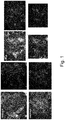
- confocal and standard upright fluorescence microscopy revealed bright red fluorescent "dots" in the cytoplasm, mostly prominent in the perinuclear area (see Figure 1 ).
- the formation of "dots" rather than diffuse cytoplasmic distribution is highly suggestive of sub-cellular organelle uptake, making these compounds suitable for more specific targeting. Without wishing to be bound by theory, it is postulated that these compounds have a predilection to negatively charged organelles (e.g . mitochondria) due to their cationic charge.
- the anti-proliferative efficacy of the ruthenium complex was also examined to rule out non-specific cell killing effect (i.e. non-specific cytotoxicity).
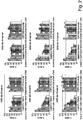
- the efficacy was assessed against a widely applied metal-based chemotherapeutic, cis-platinum, in colon cancer cells with differential expression of EGFR (SW480, EGFR+ve, SW620, EGFR-ve) in a colorimetric cell viability assay. The results of this experiment are shown in Figure 2 .
- an ApoPercentage cell-based assay was performed prior to final conjugation with the cyanine. It was determined that the anilinoquinazoline induced programmed cell-death, i.e. specific anti-cancer effect rather than non-specific toxicity (results not shown).
- the antiproliferative efficacy of the conjugate was assessed against a commercially available tyrosine kinase inhibitor (gefitinib), a free anilinoquinazoline, and a free cyanine dye (indocyanine green (ICG)) in an MTT colorimetric assay.
- the present invention relates to the efficacy of theranostic complexes/systems to modulate the interaction between the targeted marker (i.e. TKR) and proteins downstream the pathway and effectively transduce the anti-cancer signals.
- TKR targeted marker
- BRET/FRET Bioluminescence/Fluorescence Resonance Energy Transfer
- Predictive Pharmacology involves the identification and validation in the in vitro stage, of surrogate end markers of response to the new therapeutic approach. These markers include proteins interacting with the target molecule (e.g . EGFR) and affect the final outcome of the targeted therapy.
- target molecule e.g . EGFR
- BRET Bioluminescence Resonance Transfer Energy
- Cell lines were transfected with plasmids expressing proteins emitting at a particular wavelength (biosensors), which is modulated due to the transfer of energy between neighbouring molecules due to resonance.
- This technology offers a valuable tool in the molecular pharmacology of drug/target and protein-protein interactions, as it can (i) delineate the signaling pathways that are modulated and (ii) identify the intracellular proteins that are chemically associated with the target as a consequence of its (de)activation (response biomarkers).
- Cell lines not expressing the receptors of interest were transfected with plasmids encoding proteins that emit at a given, well defined wavelength due to transfer of energy between two neighbouring molecules (biosensors) due to resonance.
- the co-transfection involved subcloned plasmids of (a) the receptor/target on a luciferase vector (energy donor) and (b) one of the major proteins of the EGFR signalling cascade modulated by the activation of the target/receptor (e.g. Grb2, p85, pLC ⁇ 1, STAT5A, KRas, Raf, Caveolin-1, KSR1 etc) in a pGFP2 vector (energy acceptor).
- the target/receptor e.g. Grb2, p85, pLC ⁇ 1, STAT5A, KRas, Raf, Caveolin-1, KSR1 etc
- Plasmids useful for this invention were designed and constructed by a commercial provider. They include EGFR-luciferase, GFP2/Grb2, GFP2/KRas, GFP2/Raf, GFP2/Caveolin-1, GFP2/KSR1. Additional constructs also include GFP2/PLCy1, STAT5A/GFP2 etc..
- Colon cell lines negative for EGFR expression were co-transfected with DNA EGFR/luciferase ( energy donor ) and 40-fold higher dose of DNA plasmid encoding one of GFP2/Grb2, GFP2/KRas, GFP2/Caveolin-1, GFP2/KSR1, STAT5A/GFP2 etc. ( energy acceptor ), according to the signalling pathway of interest.
- the 1:40 ratio was established based on previous saturation experiments and has been documented as the optimal in order to assure the best possible augmentation of the optical signal due to resonance transfer energy elicited by the bound compound.
- the cells were transferred to a solution of glucose and pyruvate in PBS and were grown under FBS starving conditions. Subsequently the clones were incubated with serial concentrations of the compounds with the best EGFR-inhibiting properties.
- the drug within the theranostic system binding onto the receptor of interest and generating the molecular signal is itself fluorescent.
- the drug serves as the "energy acceptor" itself.
- EGFR-Grb2 and caveolin-caveolin interactions were performed for EGFR-Grb2 and caveolin-caveolin interactions. These are membrane proteins related to lipid rafts and play a critical role in EGFR translocation to the mitochondria and the nucleus.
- Theranostic systems comprising a cyanine dye and a quinazoline showed significant BRET signal-modulating efficacies for interactions in the EGFR cluster (data not shown).
- the intracellular distribution and "pharmacokinetics" of the fluorescent theranostic systems of the natural products described herein denotes their value as (i) probes for the functional analysis of natural chromanols and (ii) potential markers for the detection of mitochondrial targets, such as the translocated phosphoEGFR for cancer prevention and therapy.
- DCE- ⁇ T dicarboxylic ester of ⁇ -Tocotrienol
- the fluorescent esters of the natural products disclosed herein can also be used as molecular probes for deciphering the interaction between the natural product and potential biomarkers in cancer cells.
- EGFR negative colon cancer cells were transiently transfected with a rationally designed EGFR-Luc plasmid and incubated with the DCE- ⁇ -Tocotrienol ester. Bioluminescence of the Luciferase (donor) was assessed against the fluorescence signal of either the DCE- ⁇ -Tocotrienol ester or the hydrolysis product (acceptor). An amplified FRET signal was detected strongly suggesting that the EGFR membrane tyrosine kinase receptor is a potential target for DCE- ⁇ -Tocotrienol ( Figure 5 ).
- DCE- ⁇ -Tocotrienol also had an effect on the EGFR axis.
- BRET signals of the interaction between EGFR-Luc and Grb2-GFP demonstrated that neither the ester nor the hydrolysis products elicit any unwanted activation within the EGFR axis.
- SW620 cells were seeded in T75 flasks in DMEM, 10% FBS and 1% Penicillin/Streptomycin (all from Gibco). The cells were allowed to attach overnight. The following day the medium was removed and fresh medium containing 0.04 mM of either ⁇ T ( ⁇ -tocotrienol) or DCE- ⁇ T (diluted in absolute ethanol; final concentration of ethanol in the medium was 0.1% v/v). For control untreated cells, equal amount of fresh medium (containing ethanol at 0.1% v/v final concentration) was added.
- SW620 cells were harvested after 24, 36 and 48 hrs of incubation with ⁇ T or DCE- ⁇ T. Briefly, the medium was removed and the cells were rinsed three times with PBS (without Ca, Mg) (Gibco). Fresh PBS was added and the cells were scraped off the flasks and collected in tubes. Collected cells were centrifuged at 1000rpm (165g) for 3min and the supernatant was removed. The cell pellet was re-suspended in PBS and the centrifugation step was repeated. The supernatant was removed and the cells in minimal residual PBS were snap-freezed in liquid nitrogen. Once frozen the cells were stored in -80°C until the proteomics analysis.
- a threshold of relative protein abundance equal or greater than 1.5-fold increase or decrease was set. Proteins with relative abundance equal or greater than 1.5-fold increase (Log(e) ratio ⁇ 0.4) or 1.5-fold decrease (Log(e) ratio ⁇ - 0.4) compared to control were considered up-regulated or down-regulated respectively.
- the Panther Protein Classification System http://www.pantherdb.org
- the UniProt database http://www.uniprot.org
- the proteomic analysis of SW620 cells identified 771, 598 and 516 proteins expressed at 24, 36 and 48 hrs of exposure to ⁇ T or DCE- ⁇ T. Both, ⁇ T and DCE- ⁇ T are able to evoke an equal or greater that 1.5-fold increase in the expression of a variety of proteins participating in multiple cellular functions.
- DCE- ⁇ T elicited the expression of 37, 30 and 29 proteins at 24, 36 and 48 hrs respectively.
- these proteins include mostly histone modification and chromatin remodelling factors; regulators of transcription and translation; modulators of cell cycle and apoptosis; hnRNPs; protein modification factors; components of the vesicular transportation and exocytosis system; and, intracellular signal transducers.
- the proteins elicited by DCE- ⁇ -Tocotrienol were:
- yT and DCE- ⁇ T were also found to induce an epigenetic imprint in SW620 cells.
- the expression of proteins involved in epigenetic events and transcriptional regulation was either explicitly elicited or up-regulated in yT and DCE- ⁇ T treated cells as opposed to control untreated cells.
- the epigenetic imprint consists of DNA, RNA and protein methyl-transferases, demethylases, components of HAT and HDAC complexes; histone variants associated with either transcriptionally active chromatin or heterochromatin; DNA and RNA helicases that influence the transcriptional and translational potential; components of the transcription machinery including transcription factors, transcription regulators, co-activators and co-repressors; snRNPs and hnRNPs involved in RNA splicing, RNA processing and histone 3'-end processing.
- ⁇ T increased the level of certain snRNP components by ⁇ 3-fold, of RNA helicases by ⁇ 1.9-fold and of transcription regulators/co-factors by ⁇ 2-fold, whilst, DCE- ⁇ T increased histone H3 forms by 1.8-fold or greater. Notably, ⁇ T and DCE- ⁇ T increased histone H2A.Z by 24-fold and 23-fold respectively.
- the ⁇ T and DCE- ⁇ T dependent epigenetic imprint of SW620 cells also includes down-regulated proteins.
- ⁇ T down-regulated primarily regulators of transcription, snRNPs, hnRNPs and histone H2 and H3 types.
- the protein level decreased at least 2-fold for hnRNPs, 1.8-fold for snRNPs, 1.8-fold for histone H2B types and at least 3.7-fold for H3 types.
- DCE- ⁇ T decreased certain snRNP components by 2-fold, DNA repair factors by 2-fold, and histone H3 types by at least 6-fold.
- proteins modulated by DCE- ⁇ -Tocotrienol were:
Landscapes
- Health & Medical Sciences (AREA)
- General Health & Medical Sciences (AREA)
- Veterinary Medicine (AREA)
- Epidemiology (AREA)
- Life Sciences & Earth Sciences (AREA)
- Animal Behavior & Ethology (AREA)
- Public Health (AREA)
- Engineering & Computer Science (AREA)
- Biomedical Technology (AREA)
- Nuclear Medicine, Radiotherapy & Molecular Imaging (AREA)
- Radiology & Medical Imaging (AREA)
- Chemical & Material Sciences (AREA)
- Medicinal Chemistry (AREA)
- Pharmaceuticals Containing Other Organic And Inorganic Compounds (AREA)
- Medicines Containing Antibodies Or Antigens For Use As Internal Diagnostic Agents (AREA)
Claims (14)
- Theranostisches System, das Folgendes umfasst:einen Beacon in Kombination mit oder komplexiert mit zumindest einer Verbindung, die aus der aus einem Tyrosinkinase-Hemmer auf Chinazolin-Basis und einem natürlichen Produkt bestehenden Gruppe ausgewählt ist;wobei der Beacon eine heterometallische Verbindung der allgemeinen Struktur ist, die durch Formel A definiert ist:
 worin R1a, R1b und R1c jeweils unabhängig für ein Wasserstoffatom oder eine gegebenenfalls substituierte Alkyl- oder Acylgruppe stehen;Ln3+ ein dreiwertiges Lanthanoidmetall ist;TM ein Übergangsmetall ist, das zu Nahinfrarotemissionen in der Lage ist;X ein negativ geladenes Gegenion ist;Z durch O, NH, S, einen Poly(ethylenglykol)-Linker, eine aliphatische C1-C20-Kette oder ein Konjugat eines Poly(ethylenglykol)-Linkers mit einer aliphatischen C1-C20-Kette dargestellt ist, wobei der Poly(ethylenglykol)-Linker und die aliphatische C1-C20-Kette über eine Peptid- oder Esterbindung konjugiert sind; undn = 2 ist;wobei der Tyrosinkinase-Hemmer auf Chinazolin-Basis die durch Formel I definierte allgemeine Formel I aufweist:
 worin R1 für ein Wasserstoffatom, ein Halogenatom, N3, CN, NO2, ORa, N(Ra)(Rb), SRa oder eine gegebenenfalls substituierte Alkyl-, Alkenyl-, Alkinyl-, Acyl-, Cycloalkyl-, Cycloalkenyl-, Aryl-, Aralkyl-, Heterocyclyl- oder Heterocyclylalkylgruppe steht;R2 für ein Wasserstoffatom, ein Halogenatom, ORa, SRa, N(Ra)(Rb) oder eine gegebenenfalls substituierte Alkyl-, Alkenyl-, Alkinyl-, Acyl-, Cycloalkyl-, Cycloalkenyl-, Aryl-, Aralkyl-, Heterocyclyl- oder Heterocyclylalkylgruppe steht undR3 für ein Wasserstoffatom, ein Halogenatom, N3, CN, NO2, ORa, SRa oder N(Ra)(Rb) oder eine gegebenenfalls substituierte Alkyl-, Alkenyl-, Alkinyl-, Acyl-, Cycloalkyl-, Cycloalkenyl-, Aryl-, Aralkyl-, Heterocyclyl- oder Heterocyclylalkylgruppe steht;worin Ra und Rb jeweils unabhängig für ein Wasserstoffatom oder eine gegebenenfalls substituierte Alkyl-, Alkenyl-, Alkinyl-, Acyl-, Cycloalkyl-, Cycloalkenyl-, Aryl-, Aralkyl-, Heterocyclyl- oder Heterocyclylalkylgruppe stehen; undwobei das natürliche Produkt ein Chromanol der Vitamin-E-Überfamilie ist, das aus α-, β-, γ- und δ-Tocopherolen und α-, β-, γ- und δ-Tocotrienolen ausgewählt ist.
 - Theranotisches System nach Anspruch 1, wobei der Tyrosinkinase-Hemmer auf Chinazolin-Basis ein Tyrosinkinase-Hemmer auf Anilinochinazolin-Basis ist, der die durch Formel II definierte allgemeine Struktur aufweist:
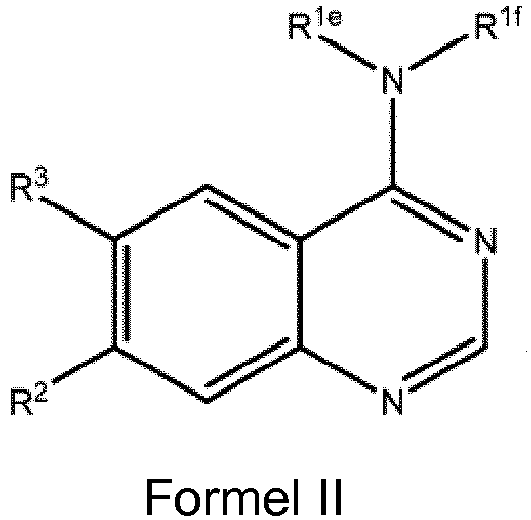 worin R1e und R1f jeweils unabhängig voneinander für ein Wasserstoffatom oder eine gegebenenfalls substituierte Alkyl-, Alkenyl-, Alkinyl-, Acyl-, Cycloalkyl-, Cycloalkenyl-, Aryl-, Aralkyl-, Heterocyclyl- oder Heterocyclylalkylgruppe stehen;R2 für ein Wasserstoffatom, ein Halogenatom, ORa, SRa, N(Ra)(Rb) oder eine gegebenenfalls substituierte Alkyl-, Alkenyl-, Alkinyl-, Acyl-, Cycloalkyl-, Cycloalkenyl-, Aryl-, Aralkyl-, Heterocyclyl- oder Heterocyclylalkylgruppe steht undR3 für ein Wasserstoffatom, ein Halogenatom, N3, CN, NO2, ORa, SRa oder N(Ra)(Rb) oder eine gegebenenfalls substituierte Alkyl-, Alkenyl-, Alkinyl-, Acyl-, Cycloalkyl-, Cycloalkenyl-, Aryl-, Aralkyl-, Heterocyclyl- oder Heterocyclylalkylgruppe steht;worin Ra und Rb jeweils unabhängig für ein Wasserstoffatom oder eine gegebenenfalls substituierte Alkyl-, Alkenyl-, Alkinyl-, Acyl-, Cycloalkyl-, Cycloalkenyl-, Aryl-, Aralkyl-, Heterocyclyl- oder Heterocyclylalkylgruppe stehen.
 - Theranostisches System nach Anspruch 2, wobei R1e für ein Wasserstoffatom steht und R1f für eine gegebenenfalls substituierte Aryl-, Aralkyl-, Heterocyclyl- oder Heterocyclylalkylgruppe steht.
- Theranostisches System nach Anspruch 2 oder 3, wobei R1f für

worin n = 0 bis 4 ist, und die R1g jeweils unabhängig für ein Wasserstoffatom, ein Halogen, NO2, CN, N3 oder eine gegebenenfalls substituierte Alkyl-, Alkenyl-, Alkinyl-, Acyl-, Cycloalkyl-, Cycloalkenyl-, Aryl-, Aralkyl-, Heterocyclyl- oder Heterocyclylalkylgruppe stehen. - Theranostisches System nach einem der Ansprüche 2 bis 4, worin R1f für eine 2-Methoxyphenyl-, 2-Bromphenyl-, 2-Fluorphenyl-, 2-Chlorphenyl-, 3-Methoxyphenyl-, 3-Bromphenyl-, 3-Fluorphenyl-, 3-Chlorphenyl-, 3,5-Difluorphenyl-, 3,5-Dichlorphenyl-, 3,5-Dibromphenyl-, 3-(Trifluormethyl)phenyl-, 4-Chlor-3-(trifluormethyl)phenyl-, 3-Chlor-4-fluorphenyl-, 4-Fluor-3-(trifluormethyl)phenyl-, 4-Fluorphenyl-, 4-Methoxyphenyl-, 4-Bromphenyl-, 4-Chlorphenyl-, 4-Isopropylphenyl-, 3-Brom-5-(trifluormethyl)phenyl-, Bis(trifluormethyl)phenyl-, 4-(tert-Butyl)phenyl- oder 1-Naphthylmethyl-Gruppierung steht.
- Theranostisches System nach einem der Ansprüche 1 bis 5, wobei R2 für ein Wasserstoffatom, ein Halogenatom, ORc, N(Rc)(Rd), SRc oder eine gegebenenfalls substituierte Alkylgruppe steht, wobei Rc und Rd jeweils unabhängig für ein Wasserstoffatom oder eine gegebenenfalls substituierte Alkyl- oder Acylgruppe stehen.
- Theranostisches System nach einem der Ansprüche 1 bis 6, wobei R3 für ein Wasserstoffatom, ein Halogenatom, ORg, N(Rg)(Rh), SRg oder eine gegebenenfalls substituierte Alkyl-, Alkenyl- oder Alkinylgruppe steht, wobei Rg und Rh jeweils unabhängig für ein Wasserstoffatom oder eine gegebenenfalls substituierte Alkyl-, Acyl-, Alkenyl- oder Alkinylgruppe stehen.
- Theranostisches System nach einem der Ansprüche 1 bis 7, wobei das System einen Komplex der Formel B
 R1a, R1b und R1c jeweils unabhängig für ein Wasserstoffatom oder eine gegebenenfalls substituierte Alkyl- oder Acylgruppe stehen;Ln3+ ein dreiwertiges Lanthanoidmetall ist;TM ein Übergangsmetall ist, das zu Nahinfrarotemissionen in der Lage ist;X ein negativ geladenes Gegenion ist;Z durch O, NH, S, einen Poly(ethylenglykol)-Linker, eine aliphatische C1-C20-Kette oder ein Konjugat eines Poly(ethylenglykol)-Linkers mit einer aliphatischen C1-C20-Kette dargestellt ist, wobei der Poly(ethylenglykol)-Linker und die aliphatische C1-C20-Kette über eine Peptid- oder Esterbindung konjugiert sind;n = 2 ist undR5 durch die Struktur

worin R1, R1e, R1f, R2 und R3 wie in einem der Ansprüche 1 bis 7 definiert sind. - Theranostisches System nach einem der Ansprüche 1 bis 7, wobei das System einen Komplex der Formel III oder der Formel IV umfasst:

- Theranostisches System nach einem der Ansprüche 1 bis 7, wobei das System einen Komplex des natürlichen Produkts und des Beacons der Formel H


- Theranostisches System nach einem der vorangegangenen Ansprüche, das den Beacon in Kombination oder komplexiert mit dem Tyrosinkinase-Hemmer auf Chinazolin-Basis umfasst und außerdem das natürliche Produkt umfasst.
- Theranostisches System nach einem der vorangegangenen Ansprüche, wobei R2 aus NHC(=O)CH2Cl, SC(=O)CH2Cl, OC(=O)CH2Cl, NHC(=O)CH2Br, SC(=O)CH2Br, OC(=O)CH2Br, NHC(=O)CH2F, SC(=O)CH2F und OC(=O)CH2F ausgewählt ist.
- Theranostisches System nach einem der vorangegangenen Ansprüche, wobei R3 aus der aus einem Wasserstoffatom oder ORm oder NH(Rm) bestehenden Gruppe ausgewählt ist, wobei Rm eine Acroyl-, Crotonoyl-, Pentenoyl- oder Pentadienoylgruppe ist oder wobei Rm aus der aus folgenden bestehenden Gruppe ausgewählt ist:


- Theranostisches System nach einem der vorangegangenen Ansprüche zur Verwendung zur Behandlung und/oder Diagnose von Krebs.
Priority Applications (2)
| Application Number | Priority Date | Filing Date | Title |
|---|---|---|---|
| EP15174121.2A EP3108900B1 (de) | 2015-06-26 | 2015-06-26 | Prototypsysteme von theranostischen biomarkern zur molekularen in-vivo-verwaltung von krebs |
| CY20191100748T CY1122413T1 (el) | 2015-06-26 | 2019-07-12 | Πρωτοτυπα συστηματα θεραγνωστικων βιοδεικτων για in vivo μοριακη διαχειριση του καρκινου |
Applications Claiming Priority (1)
| Application Number | Priority Date | Filing Date | Title |
|---|---|---|---|
| EP15174121.2A EP3108900B1 (de) | 2015-06-26 | 2015-06-26 | Prototypsysteme von theranostischen biomarkern zur molekularen in-vivo-verwaltung von krebs |
Publications (2)
| Publication Number | Publication Date |
|---|---|
| EP3108900A1 EP3108900A1 (de) | 2016-12-28 |
| EP3108900B1 true EP3108900B1 (de) | 2019-04-24 |
Family
ID=53502487
Family Applications (1)
| Application Number | Title | Priority Date | Filing Date |
|---|---|---|---|
| EP15174121.2A Active EP3108900B1 (de) | 2015-06-26 | 2015-06-26 | Prototypsysteme von theranostischen biomarkern zur molekularen in-vivo-verwaltung von krebs |
Country Status (2)
| Country | Link |
|---|---|
| EP (1) | EP3108900B1 (de) |
| CY (1) | CY1122413T1 (de) |
Families Citing this family (1)
| Publication number | Priority date | Publication date | Assignee | Title |
|---|---|---|---|---|
| CN108047209A (zh) * | 2017-12-11 | 2018-05-18 | 北京化工大学 | 一种新型替尼类化合物及其制备方法与应用 |
Family Cites Families (1)
| Publication number | Priority date | Publication date | Assignee | Title |
|---|---|---|---|---|
| WO2007029251A2 (en) * | 2005-09-06 | 2007-03-15 | T.K. Signal Ltd. | Polyalkylene glycol derivatives of 4- (phenylamino)quinazolines useful as irreversible inhibitors of epidermal gr0wth fact0r receptor tyrosine kinase |
-
2015
- 2015-06-26 EP EP15174121.2A patent/EP3108900B1/de active Active
-
2019
- 2019-07-12 CY CY20191100748T patent/CY1122413T1/el unknown
Non-Patent Citations (1)
| Title |
|---|
| None * |
Also Published As
| Publication number | Publication date |
|---|---|
| CY1122413T1 (el) | 2021-01-27 |
| EP3108900A1 (de) | 2016-12-28 |
Similar Documents
| Publication | Publication Date | Title |
|---|---|---|
| EP3528805B1 (de) | Simvastatin und chemotherapeutische konjugate mit einem heptamethincarbocyaninfarbstoff zur resensibilisierung von menschlichen tumoren gegen hormonale antagonisten und chemotherapie | |
| EP2968614B1 (de) | Verfahren zur herstellung und synthese von aminosäurelinkergruppen konjugiert an verbindungen zur zielgerichteten bildgebung von tumoren | |
| US11578265B2 (en) | AIEgens for cancer cell imaging | |
| JP6793122B2 (ja) | 術中イメージング | |
| EP2524702B1 (de) | Diagnosemittel für krebs | |
| WO2018049132A1 (en) | Psma-targeted nir dyes and their uses | |
| KR20180081494A (ko) | 암의 표적화 치료를 위한 광역학 치료제의 합성 및 조성물 | |
| Martínez‐Alonso et al. | A Novel Near‐IR Absorbing Ruthenium (II) Complex as Photosensitizer for Photodynamic Therapy and its Cetuximab Bioconjugates | |
| Gurram et al. | Near-infrared fluorescent probe for fast track of cyclooxygenase-2 in Golgi apparatus in cancer cells | |
| JPWO2018174253A1 (ja) | ニトロベンゼン誘導体またはその塩およびそれらの用途 | |
| Lu et al. | Log P analyzation-based discovery of GSH activated biotin-tagged fluorescence probe for selective colorectal cancer imaging | |
| Zhang et al. | Near-infrared fluorescent molecular probes with cetuximab in the in vivo fluorescence imaging for epithelial ovarian cancer | |
| Chen et al. | Tumor-specific cascade recognition of activatable probes for fluorescence navigation surgery | |
| KR102332454B1 (ko) | 암 세포 검출용 발광 프로브 화합물 및 이를 포함하는 암 세포 검출용 발광 센서 | |
| Xu et al. | An innovative fluorescent probe targeting IGF1R for breast cancer diagnosis | |
| US10640524B2 (en) | Prototype systems of theranostic biomarkers for in vivo molecular management of cancer | |
| JP7008339B2 (ja) | ペプチダーゼ活性検出用赤色蛍光プローブ | |
| EP3108900A1 (de) | Prototypsysteme von theranostischen biomarkern zur molekularen in-vivo-verwaltung von krebs | |
| WO2018064961A1 (en) | Multi-modal bioprobe for bladder cancer imaging and photodynamic therapy | |
| Chen et al. | Squaraine dye based prostate-specific membrane antigen probes for near-infrared fluorescence imaging of prostate cancer | |
| Ma et al. | Dual-molecular targeted NIR II probe with enhanced response for head and neck squamous cell carcinoma imaging | |
| Jiang et al. | Engineering a near-infrared LAP fluorescent probe with high sensitivity and selectivity for surgical resection of liver cancer | |
| Wang et al. | Design, synthesis and application of near-infrared fluorescence probe IR-780-Crizotinib in detection of ALK positive tumors | |
| KR20200032453A (ko) | 암 세포를 표적화하기 위한 plk 선택적 형광 프로브 화합물 및 이를 포함하는 plk 검출용 형광 센서 | |
| Wang et al. | Design, Synthesis, and Evaluation of Boron Dipyrromethene‐Based Fluorescent Probes Targeting BRAF for Melanoma Diagnosis |
Legal Events
| Date | Code | Title | Description |
|---|---|---|---|
| PUAI | Public reference made under article 153(3) epc to a published international application that has entered the european phase |
Free format text: ORIGINAL CODE: 0009012 |
|
| STAA | Information on the status of an ep patent application or granted ep patent |
Free format text: STATUS: REQUEST FOR EXAMINATION WAS MADE |
|
| 17P | Request for examination filed |
Effective date: 20150626 |
|
| AK | Designated contracting states |
Kind code of ref document: A1 Designated state(s): AL AT BE BG CH CY CZ DE DK EE ES FI FR GB GR HR HU IE IS IT LI LT LU LV MC MK MT NL NO PL PT RO RS SE SI SK SM TR |
|
| AX | Request for extension of the european patent |
Extension state: BA ME |
|
| STAA | Information on the status of an ep patent application or granted ep patent |
Free format text: STATUS: EXAMINATION IS IN PROGRESS |
|
| 17Q | First examination report despatched |
Effective date: 20180103 |
|
| GRAP | Despatch of communication of intention to grant a patent |
Free format text: ORIGINAL CODE: EPIDOSNIGR1 |
|
| STAA | Information on the status of an ep patent application or granted ep patent |
Free format text: STATUS: GRANT OF PATENT IS INTENDED |
|
| RIC1 | Information provided on ipc code assigned before grant |
Ipc: A61K 49/10 20060101ALN20181015BHEP Ipc: A61K 49/08 20060101ALI20181015BHEP Ipc: A61K 49/00 20060101AFI20181015BHEP |
|
| INTG | Intention to grant announced |
Effective date: 20181115 |
|
| GRAS | Grant fee paid |
Free format text: ORIGINAL CODE: EPIDOSNIGR3 |
|
| GRAA | (expected) grant |
Free format text: ORIGINAL CODE: 0009210 |
|
| STAA | Information on the status of an ep patent application or granted ep patent |
Free format text: STATUS: THE PATENT HAS BEEN GRANTED |
|
| AK | Designated contracting states |
Kind code of ref document: B1 Designated state(s): AL AT BE BG CH CY CZ DE DK EE ES FI FR GB GR HR HU IE IS IT LI LT LU LV MC MK MT NL NO PL PT RO RS SE SI SK SM TR |
|
| REG | Reference to a national code |
Ref country code: GB Ref legal event code: FG4D |
|
| REG | Reference to a national code |
Ref country code: CH Ref legal event code: EP |
|
| REG | Reference to a national code |
Ref country code: AT Ref legal event code: REF Ref document number: 1123348 Country of ref document: AT Kind code of ref document: T Effective date: 20190515 Ref country code: IE Ref legal event code: FG4D |
|
| REG | Reference to a national code |
Ref country code: DE Ref legal event code: R096 Ref document number: 602015028733 Country of ref document: DE |
|
| REG | Reference to a national code |
Ref country code: NL Ref legal event code: MP Effective date: 20190424 |
|
| REG | Reference to a national code |
Ref country code: LT Ref legal event code: MG4D |
|
| PG25 | Lapsed in a contracting state [announced via postgrant information from national office to epo] |
Ref country code: NL Free format text: LAPSE BECAUSE OF FAILURE TO SUBMIT A TRANSLATION OF THE DESCRIPTION OR TO PAY THE FEE WITHIN THE PRESCRIBED TIME-LIMIT Effective date: 20190424 |
|
| REG | Reference to a national code |
Ref country code: GR Ref legal event code: EP Ref document number: 20190402131 Country of ref document: GR Effective date: 20191016 |
|
| PG25 | Lapsed in a contracting state [announced via postgrant information from national office to epo] |
Ref country code: AL Free format text: LAPSE BECAUSE OF FAILURE TO SUBMIT A TRANSLATION OF THE DESCRIPTION OR TO PAY THE FEE WITHIN THE PRESCRIBED TIME-LIMIT Effective date: 20190424 Ref country code: PT Free format text: LAPSE BECAUSE OF FAILURE TO SUBMIT A TRANSLATION OF THE DESCRIPTION OR TO PAY THE FEE WITHIN THE PRESCRIBED TIME-LIMIT Effective date: 20190824 Ref country code: ES Free format text: LAPSE BECAUSE OF FAILURE TO SUBMIT A TRANSLATION OF THE DESCRIPTION OR TO PAY THE FEE WITHIN THE PRESCRIBED TIME-LIMIT Effective date: 20190424 Ref country code: NO Free format text: LAPSE BECAUSE OF FAILURE TO SUBMIT A TRANSLATION OF THE DESCRIPTION OR TO PAY THE FEE WITHIN THE PRESCRIBED TIME-LIMIT Effective date: 20190724 Ref country code: HR Free format text: LAPSE BECAUSE OF FAILURE TO SUBMIT A TRANSLATION OF THE DESCRIPTION OR TO PAY THE FEE WITHIN THE PRESCRIBED TIME-LIMIT Effective date: 20190424 Ref country code: LT Free format text: LAPSE BECAUSE OF FAILURE TO SUBMIT A TRANSLATION OF THE DESCRIPTION OR TO PAY THE FEE WITHIN THE PRESCRIBED TIME-LIMIT Effective date: 20190424 Ref country code: SE Free format text: LAPSE BECAUSE OF FAILURE TO SUBMIT A TRANSLATION OF THE DESCRIPTION OR TO PAY THE FEE WITHIN THE PRESCRIBED TIME-LIMIT Effective date: 20190424 Ref country code: FI Free format text: LAPSE BECAUSE OF FAILURE TO SUBMIT A TRANSLATION OF THE DESCRIPTION OR TO PAY THE FEE WITHIN THE PRESCRIBED TIME-LIMIT Effective date: 20190424 |
|
| PG25 | Lapsed in a contracting state [announced via postgrant information from national office to epo] |
Ref country code: RS Free format text: LAPSE BECAUSE OF FAILURE TO SUBMIT A TRANSLATION OF THE DESCRIPTION OR TO PAY THE FEE WITHIN THE PRESCRIBED TIME-LIMIT Effective date: 20190424 Ref country code: LV Free format text: LAPSE BECAUSE OF FAILURE TO SUBMIT A TRANSLATION OF THE DESCRIPTION OR TO PAY THE FEE WITHIN THE PRESCRIBED TIME-LIMIT Effective date: 20190424 Ref country code: BG Free format text: LAPSE BECAUSE OF FAILURE TO SUBMIT A TRANSLATION OF THE DESCRIPTION OR TO PAY THE FEE WITHIN THE PRESCRIBED TIME-LIMIT Effective date: 20190724 Ref country code: PL Free format text: LAPSE BECAUSE OF FAILURE TO SUBMIT A TRANSLATION OF THE DESCRIPTION OR TO PAY THE FEE WITHIN THE PRESCRIBED TIME-LIMIT Effective date: 20190424 |
|
| REG | Reference to a national code |
Ref country code: AT Ref legal event code: MK05 Ref document number: 1123348 Country of ref document: AT Kind code of ref document: T Effective date: 20190424 |
|
| PG25 | Lapsed in a contracting state [announced via postgrant information from national office to epo] |
Ref country code: IS Free format text: LAPSE BECAUSE OF FAILURE TO SUBMIT A TRANSLATION OF THE DESCRIPTION OR TO PAY THE FEE WITHIN THE PRESCRIBED TIME-LIMIT Effective date: 20190824 |
|
| REG | Reference to a national code |
Ref country code: DE Ref legal event code: R097 Ref document number: 602015028733 Country of ref document: DE |
|
| PG25 | Lapsed in a contracting state [announced via postgrant information from national office to epo] |
Ref country code: CZ Free format text: LAPSE BECAUSE OF FAILURE TO SUBMIT A TRANSLATION OF THE DESCRIPTION OR TO PAY THE FEE WITHIN THE PRESCRIBED TIME-LIMIT Effective date: 20190424 Ref country code: MC Free format text: LAPSE BECAUSE OF FAILURE TO SUBMIT A TRANSLATION OF THE DESCRIPTION OR TO PAY THE FEE WITHIN THE PRESCRIBED TIME-LIMIT Effective date: 20190424 Ref country code: SK Free format text: LAPSE BECAUSE OF FAILURE TO SUBMIT A TRANSLATION OF THE DESCRIPTION OR TO PAY THE FEE WITHIN THE PRESCRIBED TIME-LIMIT Effective date: 20190424 Ref country code: EE Free format text: LAPSE BECAUSE OF FAILURE TO SUBMIT A TRANSLATION OF THE DESCRIPTION OR TO PAY THE FEE WITHIN THE PRESCRIBED TIME-LIMIT Effective date: 20190424 Ref country code: AT Free format text: LAPSE BECAUSE OF FAILURE TO SUBMIT A TRANSLATION OF THE DESCRIPTION OR TO PAY THE FEE WITHIN THE PRESCRIBED TIME-LIMIT Effective date: 20190424 Ref country code: DK Free format text: LAPSE BECAUSE OF FAILURE TO SUBMIT A TRANSLATION OF THE DESCRIPTION OR TO PAY THE FEE WITHIN THE PRESCRIBED TIME-LIMIT Effective date: 20190424 Ref country code: RO Free format text: LAPSE BECAUSE OF FAILURE TO SUBMIT A TRANSLATION OF THE DESCRIPTION OR TO PAY THE FEE WITHIN THE PRESCRIBED TIME-LIMIT Effective date: 20190424 |
|
| REG | Reference to a national code |
Ref country code: CH Ref legal event code: PL |
|
| PG25 | Lapsed in a contracting state [announced via postgrant information from national office to epo] |
Ref country code: SM Free format text: LAPSE BECAUSE OF FAILURE TO SUBMIT A TRANSLATION OF THE DESCRIPTION OR TO PAY THE FEE WITHIN THE PRESCRIBED TIME-LIMIT Effective date: 20190424 |
|
| PLBE | No opposition filed within time limit |
Free format text: ORIGINAL CODE: 0009261 |
|
| STAA | Information on the status of an ep patent application or granted ep patent |
Free format text: STATUS: NO OPPOSITION FILED WITHIN TIME LIMIT |
|
| REG | Reference to a national code |
Ref country code: BE Ref legal event code: MM Effective date: 20190630 |
|
| PG25 | Lapsed in a contracting state [announced via postgrant information from national office to epo] |
Ref country code: TR Free format text: LAPSE BECAUSE OF FAILURE TO SUBMIT A TRANSLATION OF THE DESCRIPTION OR TO PAY THE FEE WITHIN THE PRESCRIBED TIME-LIMIT Effective date: 20190424 |
|
| 26N | No opposition filed |
Effective date: 20200127 |
|
| PG25 | Lapsed in a contracting state [announced via postgrant information from national office to epo] |
Ref country code: IE Free format text: LAPSE BECAUSE OF NON-PAYMENT OF DUE FEES Effective date: 20190626 |
|
| PG25 | Lapsed in a contracting state [announced via postgrant information from national office to epo] |
Ref country code: CH Free format text: LAPSE BECAUSE OF NON-PAYMENT OF DUE FEES Effective date: 20190630 Ref country code: SI Free format text: LAPSE BECAUSE OF FAILURE TO SUBMIT A TRANSLATION OF THE DESCRIPTION OR TO PAY THE FEE WITHIN THE PRESCRIBED TIME-LIMIT Effective date: 20190424 Ref country code: LI Free format text: LAPSE BECAUSE OF NON-PAYMENT OF DUE FEES Effective date: 20190630 Ref country code: BE Free format text: LAPSE BECAUSE OF NON-PAYMENT OF DUE FEES Effective date: 20190630 Ref country code: LU Free format text: LAPSE BECAUSE OF NON-PAYMENT OF DUE FEES Effective date: 20190626 |
|
| PG25 | Lapsed in a contracting state [announced via postgrant information from national office to epo] |
Ref country code: MT Free format text: LAPSE BECAUSE OF FAILURE TO SUBMIT A TRANSLATION OF THE DESCRIPTION OR TO PAY THE FEE WITHIN THE PRESCRIBED TIME-LIMIT Effective date: 20190424 Ref country code: HU Free format text: LAPSE BECAUSE OF FAILURE TO SUBMIT A TRANSLATION OF THE DESCRIPTION OR TO PAY THE FEE WITHIN THE PRESCRIBED TIME-LIMIT; INVALID AB INITIO Effective date: 20150626 |
|
| PG25 | Lapsed in a contracting state [announced via postgrant information from national office to epo] |
Ref country code: MK Free format text: LAPSE BECAUSE OF FAILURE TO SUBMIT A TRANSLATION OF THE DESCRIPTION OR TO PAY THE FEE WITHIN THE PRESCRIBED TIME-LIMIT Effective date: 20190424 |
|
| PGFP | Annual fee paid to national office [announced via postgrant information from national office to epo] |
Ref country code: DE Payment date: 20251021 Year of fee payment: 11 |
|
| PGFP | Annual fee paid to national office [announced via postgrant information from national office to epo] |
Ref country code: GB Payment date: 20251020 Year of fee payment: 11 |
|
| PGFP | Annual fee paid to national office [announced via postgrant information from national office to epo] |
Ref country code: IT Payment date: 20251022 Year of fee payment: 11 |
|
| PGFP | Annual fee paid to national office [announced via postgrant information from national office to epo] |
Ref country code: FR Payment date: 20251020 Year of fee payment: 11 |
|
| PGFP | Annual fee paid to national office [announced via postgrant information from national office to epo] |
Ref country code: GR Payment date: 20251006 Year of fee payment: 11 |
|
| PGFP | Annual fee paid to national office [announced via postgrant information from national office to epo] |
Ref country code: CY Payment date: 20251009 Year of fee payment: 11 |