EP3107933B1 - Peptid-mimetika und ihre verwendung in medizin - Google Patents
Peptid-mimetika und ihre verwendung in medizin Download PDFInfo
- Publication number
- EP3107933B1 EP3107933B1 EP15705512.0A EP15705512A EP3107933B1 EP 3107933 B1 EP3107933 B1 EP 3107933B1 EP 15705512 A EP15705512 A EP 15705512A EP 3107933 B1 EP3107933 B1 EP 3107933B1
- Authority
- EP
- European Patent Office
- Prior art keywords
- seq
- arg
- glu
- lys
- asp
- Prior art date
- Legal status (The legal status is an assumption and is not a legal conclusion. Google has not performed a legal analysis and makes no representation as to the accuracy of the status listed.)
- Active
Links
Images





Classifications
-
- C—CHEMISTRY; METALLURGY
- C07—ORGANIC CHEMISTRY
- C07K—PEPTIDES
- C07K14/00—Peptides having more than 20 amino acids; Gastrins; Somatostatins; Melanotropins; Derivatives thereof
- C07K14/435—Peptides having more than 20 amino acids; Gastrins; Somatostatins; Melanotropins; Derivatives thereof from animals; from humans
- C07K14/705—Receptors; Cell surface antigens; Cell surface determinants
-
- A—HUMAN NECESSITIES
- A61—MEDICAL OR VETERINARY SCIENCE; HYGIENE
- A61P—SPECIFIC THERAPEUTIC ACTIVITY OF CHEMICAL COMPOUNDS OR MEDICINAL PREPARATIONS
- A61P25/00—Drugs for disorders of the nervous system
- A61P25/14—Drugs for disorders of the nervous system for treating abnormal movements, e.g. chorea, dyskinesia
- A61P25/16—Anti-Parkinson drugs
-
- A—HUMAN NECESSITIES
- A61—MEDICAL OR VETERINARY SCIENCE; HYGIENE
- A61P—SPECIFIC THERAPEUTIC ACTIVITY OF CHEMICAL COMPOUNDS OR MEDICINAL PREPARATIONS
- A61P27/00—Drugs for disorders of the senses
- A61P27/02—Ophthalmic agents
-
- A—HUMAN NECESSITIES
- A61—MEDICAL OR VETERINARY SCIENCE; HYGIENE
- A61P—SPECIFIC THERAPEUTIC ACTIVITY OF CHEMICAL COMPOUNDS OR MEDICINAL PREPARATIONS
- A61P9/00—Drugs for disorders of the cardiovascular system
-
- G—PHYSICS
- G01—MEASURING; TESTING
- G01N—INVESTIGATING OR ANALYSING MATERIALS BY DETERMINING THEIR CHEMICAL OR PHYSICAL PROPERTIES
- G01N33/00—Investigating or analysing materials by specific methods not covered by groups G01N1/00 - G01N31/00
- G01N33/48—Biological material, e.g. blood, urine; Haemocytometers
- G01N33/50—Chemical analysis of biological material, e.g. blood, urine; Testing involving biospecific ligand binding methods; Immunological testing
- G01N33/5005—Chemical analysis of biological material, e.g. blood, urine; Testing involving biospecific ligand binding methods; Immunological testing involving human or animal cells
- G01N33/5008—Chemical analysis of biological material, e.g. blood, urine; Testing involving biospecific ligand binding methods; Immunological testing involving human or animal cells for testing or evaluating the effect of chemical or biological compounds, e.g. drugs, cosmetics
-
- G—PHYSICS
- G01—MEASURING; TESTING
- G01N—INVESTIGATING OR ANALYSING MATERIALS BY DETERMINING THEIR CHEMICAL OR PHYSICAL PROPERTIES
- G01N33/00—Investigating or analysing materials by specific methods not covered by groups G01N1/00 - G01N31/00
- G01N33/48—Biological material, e.g. blood, urine; Haemocytometers
- G01N33/50—Chemical analysis of biological material, e.g. blood, urine; Testing involving biospecific ligand binding methods; Immunological testing
- G01N33/68—Chemical analysis of biological material, e.g. blood, urine; Testing involving biospecific ligand binding methods; Immunological testing involving proteins, peptides or amino acids
- G01N33/6872—Intracellular protein regulatory factors and their receptors, e.g. including ion channels
-
- G—PHYSICS
- G16—INFORMATION AND COMMUNICATION TECHNOLOGY [ICT] SPECIALLY ADAPTED FOR SPECIFIC APPLICATION FIELDS
- G16C—COMPUTATIONAL CHEMISTRY; CHEMOINFORMATICS; COMPUTATIONAL MATERIALS SCIENCE
- G16C20/00—Chemoinformatics, i.e. ICT specially adapted for the handling of physicochemical or structural data of chemical particles, elements, compounds or mixtures
- G16C20/90—Programming languages; Computing architectures; Database systems; Data warehousing
-
- G—PHYSICS
- G16—INFORMATION AND COMMUNICATION TECHNOLOGY [ICT] SPECIALLY ADAPTED FOR SPECIFIC APPLICATION FIELDS
- G16C—COMPUTATIONAL CHEMISTRY; CHEMOINFORMATICS; COMPUTATIONAL MATERIALS SCIENCE
- G16C99/00—Subject matter not provided for in other groups of this subclass
-
- A—HUMAN NECESSITIES
- A61—MEDICAL OR VETERINARY SCIENCE; HYGIENE
- A61K—PREPARATIONS FOR MEDICAL, DENTAL OR TOILETRY PURPOSES
- A61K38/00—Medicinal preparations containing peptides
-
- G—PHYSICS
- G01—MEASURING; TESTING
- G01N—INVESTIGATING OR ANALYSING MATERIALS BY DETERMINING THEIR CHEMICAL OR PHYSICAL PROPERTIES
- G01N2333/00—Assays involving biological materials from specific organisms or of a specific nature
- G01N2333/435—Assays involving biological materials from specific organisms or of a specific nature from animals; from humans
- G01N2333/705—Assays involving receptors, cell surface antigens or cell surface determinants
Definitions
- the present invention concerns the field of ion channels, and in particular relates to peptides which are suitable for use in the treatment of conditions where the L-type calcium channel density is altered.
- Ion channels are integral membrane proteins that help establish and control the small voltage gradient across the plasma membrane of living cells by allowing the flow of ions down their electrochemical gradient. They are present in the membranes that surround all biological cells regulating the flow of ions across it.
- L-Type Calcium Channels are ion channels that couple membrane depolarization to cellular Ca 2+ entry 1 . LTCCs are critical for numerous processes including cardiac action potential propagation, muscle contraction, Ca 2+ -dependent gene expression, synaptic efficacy, and cell survival by contributing to various signaling cascades.
- LTCCs play a critical role in Ca 2+ dependent signaling processes in a variety of cell types and are mostly found in skeletal muscle, smooth muscle, bone (osteoblasts), atrial and ventricular myocytes (responsible for prolonged action potential in cardiac cell; also termed DHP receptors), dendrites and dendritic spines of cortical neurons.
- LTCCs can be found in excitable cells such as cardiac and skeletal muscles, smooth muscles, neuronal cells, cells which are present in the eye and are responsible for vision.
- LTCCs are the initiators of the Ca 2+ -induced Ca 2 + release (CICR) process in the heart and are composed of different subunits: the pore-forming subunit Ca v ⁇ 1.2 and the accessory Ca v ⁇ 2 and Ca v ⁇ 2 ⁇ subunits.
- the number of functional LTCCs at the plasma membrane strongly influences the strength and duration of Ca 2+ signals triggering myocardial systolic/diastolic cycles and cardiac rhythm and changes in the LTCC density have been observed in aging and various diseases.
- Database UniProt 13 October 2009 (XP002729771)
- Database accession no. C7TQ54 corresponds to the protein sequence of the mouse Ca v ⁇ 2 subunit.
- Database UniProt 5 July 2004 (XP002729772)
- Database accession no. Q6TME0 corresponds to the protein sequence of the human Ca v ⁇ 2dN4 splice variant.
- US 2002142938 provides the amino acid sequences of transporter peptides that are related to the calcium channel transporter subfamily.
- the present invention concerns an isolated peptide consisting of the amino acid sequence of SEQ ID NO:10, and its use as a peptide binding domain.
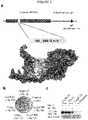
- the amino acid sequence set forth in SEQ ID NO:10 corresponds to a previously unknown binding domain [hereafter referred to as Tail Interacting Domain (TID), see Example 1] of the Ca v ⁇ 2 target protein, which is the binding site of the peptides (set forth in SEQ ID NO:1 to 9 and SEQ ID NO:12 to 22) and which, upon binding to the TID, extend the half-life of the Ca v ⁇ 1.2 protein, pore-forming subunit of LTCCs.
- TID Tail Interacting Domain
- the invention also relates to mimetic peptides set forth in SEQ ID NO:1 to 9 and SEQ ID NO:12 to 22 that bind to the peptide binding domain TID of the Ca v ⁇ 2 protein according to SEQ ID NO:10, thus acting on the modulation of the density and function of LTCCs.
- the present invention concerns an isolated peptide having an amino acid sequence chosen from the group consisting of:
- the peptides of the present invention have the advantages of being specific for LTCCs as they bind to a pocket domain (TID, SEQ ID NO:10) in the Ca v ⁇ 2 protein, subunit of the LTCC.
- a further aspect of the present invention is the use of an isolated peptide chosen from the group consisting of SEQ ID NO:1, SEQ ID NO:2, SEQ ID NO:3, SEQ ID NO:4, SEQ ID NO:5, SEQ ID NO:6, SEQ ID NO:7, SEQ ID NO:8, SEQ ID NO:9, , SEQ ID NO:12, SEQ ID NO:13, SEQ ID NO:14, SEQ ID NO:15, SEQ ID NO:16, SEQ ID NO:17, SEQ ID NO:18, SEQ ID NO:19, SEQ ID NO:20, SEQ ID NO:21, SEQ ID NO:22 for the preparation of a medicament.
- the invention relates to the use of an isolated peptide chosen from the group consisting of SEQ ID NO:1, SEQ ID NO:2, SEQ ID NO:3, SEQ ID NO:4, SEQ ID NO:5, SEQ ID NO:6, SEQ ID NO:7, SEQ ID NO:8, SEQ ID NO:9, , SEQ ID NO:12, SEQ ID NO:13, SEQ ID NO:14, SEQ ID NO:15, SEQ ID NO:16, SEQ ID NO:17, SEQ ID NO:18, SEQ ID NO:19, SEQ ID NO:20, SEQ ID NO:21, SEQ ID NO:22 for the treatment of conditions having altered LTCC density and function.
- a further aspect of the present invention relates to a pharmaceutical composition
- a pharmaceutical composition comprising one or more peptides chosen from the group consisting of SEQ ID NO:1, SEQ ID NO:2, SEQ ID NO:3, SEQ ID NO:4, SEQ ID NO:5, SEQ ID NO:6, SEQ ID NO:7, SEQ ID NO:8, SEQ ID NO:9, , SEQ ID NO:12, SEQ ID NO:13, SEQ ID NO:14, SEQ ID NO:15, SEQ ID NO:16, SEQ ID NO:17, SEQ ID NO:18, SEQ ID NO:19, SEQ ID NO:20, SEQ ID NO:21, SEQ ID NO:22 and/or pharmaceutically acceptable carrier.
- a further aspect of the present invention relates to the use of the isolated peptide chosen from the SEQ ID NO:10 for further optimization and development of novel peptides (in addition to SEQ ID NO:1-9 and SEQ ID NO:12-22) or synthetic compounds able to bind the TID binding domain in Ca v ⁇ 2 and to modulate LTCC density and function.
- the present invention concerns an isolated peptide consisting of the amino acid sequence of SEQ ID NO:10, corresponding to the TID binding domain of the Ca v ⁇ 2 target protein.
- Ca v ⁇ 2 is the Voltage-dependent L-type calcium channel subunit beta-2, also known as CACNB2 [gene ID 783 (Homo sapiens), gene ID 12296 (Mus musculus)].
- the TID binding site of the Ca v ⁇ 2 (SEQ ID NO:10) was previously unknown and it has been here revealed as a triggering domain for the modulation of Ca v ⁇ 1.2 protein half-life.
- peptides binding to the TID induce a molecular mechanism that increases Ca v ⁇ 1.2 protein density and function at the plasma membrane.
- the invention relates to the use of the isolated peptide of SEQ ID NO:10 as a peptide binding domain.
- this peptide-binding domain in Ca v ⁇ 2 is relevant for further optimization and development of novel mimetic peptides or synthetic compounds that are more specific for the binding to the TID domain in Ca v ⁇ 2 and lead to a modulation of LTCC density and function.
- the invention concerns mimetic peptides (SEQ ID NO: 1 to 9 and SEQ ID NO:12 to 22) that bind to the TID peptide binding domain of the Ca v ⁇ 2 protein according to SEQ ID NO:10, thus acting on density and function of voltage dependent LTCCs.
- the invention concerns an isolated peptide having an amino acid sequence chosen from the group consisting of:
- each isolated peptide has a corresponding SEQ ID NO., according to the following Table 1.
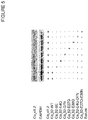
- the isolated peptides of the present invention have the amino acid sequences defined in Table 1, in which the three and one letter IUPAC amino acid code is used (ie. Arg and R corresponds to the amino acid Arginine, Pro and P corresponds to the amino acid Proline). Each peptide has a peptide number and a corresponding SEQ ID NO., as above reported in the Table 1.
- the subject of the invention is therefore a novel group of low molecular weight peptides, which can be chemically synthesized.
- peptides are of synthetic origin and are therefore easy to manufacture in large quantities, and they can be modified chemically and biologically or conjugates to other moieties (i.e. carriers).
- peptides have the advantages of being of synthetic origin, and therefore do not have the disadvantages seen in natural peptides such as the tendency to induce inflammatory response and pathogen transfer due to undefined factors that cannot be eliminated by purification prior to implantation, the significant degree of variability between different lots and the difficulty of availability of large scale sources.
- the peptides according to the present invention offer advantages such as: i) good biocompatibility; ii) reduced side effects due to limited systemic toxicity or drug-drug interactions (e.g. degradation products are amino acids); iii) reduced secondary complications (e.g.
- the invention regards an isolated peptide, wherein:
- the invention relates to an isolated peptide according to the invention, chosen from the group consisting of SEQ ID NO:1, SEQ ID NO:2, SEQ ID NO:3, SEQ ID NO:4, SEQ ID NO:5, SEQ ID NO:6, SEQ ID NO:7, SEQ ID NO:8, SEQ ID NO:9, , SEQ ID NO:12, SEQ ID NO:13, SEQ ID NO:14, SEQ ID NO:15, SEQ ID NO:16, SEQ ID NO:17, SEQ ID NO:18, SEQ ID NO:19, SEQ ID NO:20, SEQ ID NO:21, SEQ ID NO:22.
- the invention relates to the use of an isolated peptide chosen from the group consisting of SEQ ID NO:1, SEQ ID NO:2, SEQ ID NO:3, SEQ ID NO:4, SEQ ID NO:5, SEQ ID NO:6, SEQ ID NO:7, SEQ ID NO:8, SEQ ID NO:9, , SEQ ID NO:12, SEQ ID NO:13, SEQ ID NO:14, SEQ ID NO:15, SEQ ID NO:16, SEQ ID NO:17, SEQ ID NO:18, SEQ ID NO:19, SEQ ID NO:20, SEQ ID NO:21, SEQ ID NO:22 for the preparation of a medicament.
- an isolated peptide chosen from the group consisting of SEQ ID NO:1, SEQ ID NO:2, SEQ ID NO:3, SEQ ID NO:4, SEQ ID NO:5, SEQ ID NO:6, SEQ ID NO:7, SEQ ID NO:8, SEQ ID NO:9, , SEQ ID NO:12, SEQ ID NO:13, SEQ ID NO:14
- peptides of the present invention surprisingly have been shown to be useful in the preparation of a medicament (Examples 4, 5, 6, and 7).
- the invention relates to the use of an isolated peptide chosen from the group consisting of SEQ ID NO:1, SEQ ID NO:2, SEQ ID NO:3, SEQ ID NO:4, SEQ ID NO:5, SEQ ID NO:6, SEQ ID NO:7, SEQ ID NO:8, SEQ ID NO:9, , SEQ ID NO:12, SEQ ID NO:13, SEQ ID NO:14, SEQ ID NO:15, SEQ ID NO:16, SEQ ID NO:17, SEQ ID NO:18, SEQ ID NO:19, SEQ ID NO:20, SEQ ID NO:21, SEQ ID NO:22 for the treatment of conditions having altered LTCC density (Examples 4, 5, 6, and 7)
- peptides of the invention may be useful in any situation involving conditions having altered LTCC density or in those conditions where an intervention for the modulation of LTCC density or intracellular Ca 2 + concentration is preferable. Such conditions may occur as a result of genetic and/or metabolic disorders, and/or other diseases and/or conditions.
- Peptides of the invention aim at augmenting LTCC protein density by extending the calcium channel half-life through a mechanism that rely on the binding of peptides to a solvent-exposed domain (TID, SEQ ID NO:10) in Ca v ⁇ 2 protein, subunit of LTCC.
- TID solvent-exposed domain
- Certain peptides of the present invention may be used to ameliorate the effects of diseases such as heart pathology.
- the invention relates to the use of an isolated peptide chosen from the group consisting of SEQ ID NO:1, SEQ ID NO:2, SEQ ID NO:3, SEQ ID NO:4, SEQ ID NO:5, SEQ ID NO:6, SEQ ID NO:7, SEQ ID NO:8, SEQ ID NO:9, , SEQ ID NO:12, SEQ ID NO:13, SEQ ID NO:14, SEQ ID NO:15, SEQ ID NO:16, SEQ ID NO:17, SEQ ID NO:18, SEQ ID NO:19, SEQ ID NO:20, SEQ ID NO:21, SEQ ID NO:22 wherein said conditions having altered LTCC density and function are cardiovascular dysfunctions selected from the group consisting of heart failure, reduction of myocardial contraction, fibrillation, diabetic cardiomyopathy, dilated cardiomyopathy, genetic-based disorders (i.e. channelopathies such as Brugada syndrome, Timothy syndrome, or short QT syndrome), cardiac hypertrophy, hypotension, hyperthyroidism, hypo
- the invention relates to the use of an isolated peptide chosen from the group consisting of SEQ ID NO:1, SEQ ID NO:2, SEQ ID NO:3, SEQ ID NO:4, SEQ ID NO:5, SEQ ID NO:6, SEQ ID NO:7, SEQ ID NO:8, SEQ ID NO:9, , SEQ ID NO:12, SEQ ID NO:13, SEQ ID NO:14, SEQ ID NO:15, SEQ ID NO:16, SEQ ID NO:17, SEQ ID NO:18, SEQ ID NO:19, SEQ ID NO:20, SEQ ID NO:21 wherein said conditions having altered LTCC density and function are ophthalmological conditions selected from the group consisting of lens transparency, and altered intraocular pressure.
- the invention relates to the use of an isolated peptide chosen from the group consisting of SEQ ID NO:1, SEQ ID NO:2, SEQ ID NO:3, SEQ ID NO:4, SEQ ID NO:5, SEQ ID NO:6, SEQ ID NO:7, SEQ ID NO:8, SEQ ID NO:9, , SEQ ID NO:12, SEQ ID NO:13, SEQ ID NO:14, SEQ ID NO:15, SEQ ID NO:16, SEQ ID NO:17, SEQ ID NO:18, SEQ ID NO:19, SEQ ID NO:20, SEQ ID NO:21, SEQ ID NO:22 wherein said conditions having altered LTCC density and function are neurological conditions selected from the group consisting of vascular dementia, Alzheimer's disease, Parkinson's disease, Prion disease and hypokalemic periodic paralysis.
- the invention relates to a pharmaceutical composition
- a pharmaceutical composition comprising one or more peptides chosen from the group consisting of SEQ ID NO:1, SEQ ID NO:2, SEQ ID NO:3, SEQ ID NO:4, SEQ ID NO:5, SEQ ID NO:6, SEQ ID NO:7, SEQ ID NO:8, SEQ ID NO:9, , SEQ ID NO:12, SEQ ID NO:13, SEQ ID NO:14, SEQ ID NO:15, SEQ ID NO:16, SEQ ID NO:17, SEQ ID NO:18, SEQ ID NO:19, SEQ ID NO:20, SEQ ID NO:21, SEQ ID NO:22 and/or pharmaceutically acceptable carrier.
- Exemplary pharmaceutically acceptable carriers or excipients include any and all solvents, dispersion media, diluents, or other liquid vehicles, dispersion or suspension aids, surface active agents, isotonic agents, thickening or emulsifying agents, preservatives, solid binders, lubricants and the like, nanoparticles, nucleic acids (i.e aptamers), cell-penetrating molecules or peptides as suited to the particular form of administration and dosage.
- solvents dispersion media, diluents, or other liquid vehicles, dispersion or suspension aids, surface active agents, isotonic agents, thickening or emulsifying agents, preservatives, solid binders, lubricants and the like, nanoparticles, nucleic acids (i.e aptamers), cell-penetrating molecules or peptides as suited to the particular form of administration and dosage.
- composition according to the present invention can be for enteral and parenteral administration (i.e. intravenous, intraperitoneal, oral, sublingual, aerosol, inhalation, spray, rectal, intraocular, topical or transdermal).
- enteral and parenteral administration i.e. intravenous, intraperitoneal, oral, sublingual, aerosol, inhalation, spray, rectal, intraocular, topical or transdermal.
- the invention relates to method of screening for a peptide or other synthetic molecule which binds the amino acid sequence of SEQ ID NO:10 comprising the steps of:
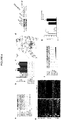
- Mimetic peptides affect LTCC protein stability and function in vitro
- Modified MP penetrates the plasma membrane and affect LTCC function in vitro
- a cell-penetrating peptide was conjugated to the MP (SEQ ID NO:03).
- the MP SEQ ID NO:03
- TAT trans-activating transcriptional activator from Human Immunodeficiency Virus 1
- TAT-MP SEQ ID N: 3
- MP was used in an inducible and cardiac specific knockout of the phosphoinositide-dependent kinase 1 (PDK1), the upstream activator of all three Akt isoforms.
- PDK1 phosphoinositide-dependent kinase 1
- DM diabetic cardiomyopathy
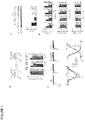
- mice were injected with streptozotocin (STZ), a compound that is toxic for the insulin-producing beta cells of the pancreas ( Figure 7 ).
- STZ streptozotocin
- FIG 7b cardiac dysfunction in DM mice was associated with reduced Ca v ⁇ 1.2 protein levels in DM mice compared to control mice ( Figure 7b ).
- MP SEQ ID N: 3
- scramble SEQ ID N:11
- functional analyses of cardiomyocytes isolated from the same treated mice revealed that the TAT-MP restored I Ca as well as cell contractility and systolic Ca 2+ amplitudes ( Figure 7c,d ).
- CMs cardiomyocytes
- iPSCs induced pluripotent stem cells
- MP SEQ ID N: 3
Landscapes
- Health & Medical Sciences (AREA)
- Life Sciences & Earth Sciences (AREA)
- Engineering & Computer Science (AREA)
- Chemical & Material Sciences (AREA)
- Immunology (AREA)
- Biomedical Technology (AREA)
- Molecular Biology (AREA)
- Bioinformatics & Cheminformatics (AREA)
- Medicinal Chemistry (AREA)
- General Health & Medical Sciences (AREA)
- Organic Chemistry (AREA)
- Cell Biology (AREA)
- Urology & Nephrology (AREA)
- Hematology (AREA)
- Computing Systems (AREA)
- Theoretical Computer Science (AREA)
- Biochemistry (AREA)
- Toxicology (AREA)
- Bioinformatics & Computational Biology (AREA)
- Proteomics, Peptides & Aminoacids (AREA)
- Pathology (AREA)
- Analytical Chemistry (AREA)
- General Physics & Mathematics (AREA)
- Microbiology (AREA)
- Food Science & Technology (AREA)
- Physics & Mathematics (AREA)
- Biotechnology (AREA)
- Pharmacology & Pharmacy (AREA)
- Chemical Kinetics & Catalysis (AREA)
- Veterinary Medicine (AREA)
- Public Health (AREA)
- Animal Behavior & Ethology (AREA)
- Nuclear Medicine, Radiotherapy & Molecular Imaging (AREA)
- General Chemical & Material Sciences (AREA)
- Genetics & Genomics (AREA)
- Biophysics (AREA)
- Gastroenterology & Hepatology (AREA)
- Zoology (AREA)
- Tropical Medicine & Parasitology (AREA)
- Neurology (AREA)
Claims (10)
- Isoliertes Peptid, bestehend aus der Aminosäuresequenz SEQ ID NO:10.
- Isoliertes Peptid gemäß Anspruch 1 zur Verwendung als Peptidbindungsdomäne.
- Isoliertes Peptid, das eine Aminosäuresequenz aufweist, ausgewählt aus der Gruppe bestehend aus:A- Arg-Pro-Asp-Arg-Glu-Ala-Pro-B (SEQ ID NO:2)
oderA- Arg-Pro-Asp-Arg-Asp-Ala-Pro-B (SEQ ID NO:1)oder
Lys-Gln-Arg-Asp-Arg-His-Lys-Glu-Lys-Asp (SEQ ID NO:8), oder Lys-Gln-Arg-Asp-Arg-His-Lys-Asp-Lys-Asp (SEQ ID NO:9); oder Lys-Gln-Arg-Ser-Arg-His-Lys-Glu-Lys-Asp (SEQ ID NO:21) oder Lys-Gln-Arg-Ser-Arg-His-Lys-Asp-Lys-Asp (SEQ ID NO:22),
wobei:A eine Aminosäuresequenz ist, ausgewählt aus der Gruppe bestehend aus Asp-Gln-undB eine Aminosäuresequenz ist, die gegebenenfalls vorhanden ist und, falls vorhanden, aus der Gruppe ausgewählt wird, bestehend aus: Arg-, Arg-Ser, Arg-Ser-Gln-Ala-Glu-Glu-Glu-Pro-Cys (SEQ ID NO:23), Arg-Ser-Gln-Ala-Glu-Glu-Glu-Pro-Cys-Leu-Glu-Pro-Val-Lys-Lys (SEQ ID NO:24), Arg-Ser-Gln-Ala-Glu-Glu-Glu-Pro-Cys-Leu-Glu-Pro-Val-Lys-Lys-Ser-Gln-His-Arg (SEQ ID NO:25), Arg-Ser-Gln, oder Arg-Ser-Gln-Ala-Glu-Glu-Glu-Pro-Cys-Leu-Glu-Pro (SEQ ID NO:26). - Isoliertes Peptid gemäß Anspruch 3, ausgewählt aus der Gruppe bestehend aus SEQ ID NO:1, SEQ ID NO:2, SEQ ID NO:3, SEQ ID NO:4, SEQ ID NO:5, SEQ ID NO:6, SEQ ID NO:7, SEQ ID NO:8, SEQ ID NO:9, SEQ ID NO:12, SEQ ID NO:13, SEQ ID NO:14, SEQ ID NO:15, SEQ ID NO:16, SEQ ID NO:17, SEQ ID NO:18, SEQ ID NO:19, SEQ ID NO:20, SEQ ID NO:21, SEQ ID NO:22.
- Verwendung eines isolierten Peptids, ausgewählt aus der Gruppe bestehend aus SEQ ID NO:1, SEQ ID NO:2, SEQ ID NO:3, SEQ ID NO:4, SEQ ID NO:5, SEQ ID NO:6, SEQ ID NO:7, SEQ ID NO:8, SEQ ID NO:9, SEQ ID NO:12, SEQ ID NO:13, SEQ ID NO:14, SEQ ID NO:15, SEQ ID NO:16, SEQ ID NO:17, SEQ ID NO:18, SEQ ID NO:19, SEQ ID NO:20, SEQ ID NO:21, SEQ ID NO:22 zur Herstellung eines Medikaments.
- Isoliertes Peptid, ausgewählt aus der Gruppe bestehend aus SEQ ID NO:1, SEQ ID NO:2, SEQ ID NO:3, SEQ ID NO:4, SEQ ID NO:5, SEQ ID NO:6, SEQ ID NO:7, SEQ ID NO:8, SEQ ID NO:9, SEQ ID NO:12, SEQ ID NO:13, SEQ ID NO:14, SEQ ID NO:15, SEQ ID NO:16, SEQ ID NO:17, SEQ ID NO:18, SEQ ID NO:19, SEQ ID NO:20, SEQ ID NO:21, SEQ ID NO:22 zur Verwendung bei der Behandlung von Erkrankungen, die eine veränderte LTCC-Dichte und -Funktion aufweisen, wobei die Erkrankungen, die eine veränderte LTCC-Dichte und -Funktion aufweisen, Kreislaufstörungen sind, ausgewählt aus der Gruppe bestehend aus Herzversagen, Verminderung der Myokardkontraktion, Flimmern, diabetische Kardiomyopathie, Brugada-Syndrom, Timothy-Syndrom, kurzes QT-Syndrom, Herzhypertrophie, dilatative Kardiomyopathie, Hypotonie, Hyperthyreose, Hypothyreose, akutes Herzversagen, chronisches Herzversagen, Myokardinfarkt.
- Verwendung gemäß Anspruch 6, wobei die Erkrankungen, die eine veränderte LTCC-Dichte und -Funktion aufweisen, ophthalmologische Erkrankungen sind, ausgewählt aus der Gruppe bestehend aus Durchsichtigkeit der Augenlinse und verändertem Augeninnendruck.
- Verwendung gemäß Anspruch 6, wobei die Erkrankungen, die eine veränderte LTCC-Dichte und -Funktion aufweisen, neurologische Erkrankungen sind, ausgewählt aus der Gruppe bestehend aus vaskulärer Demenz, Alzheimer-Krankheit, Morbus Parkinson, Prionenkrankheit und hypokaliämischer periodischer Paralyse.
- Pharmazeutische Zusammensetzung, umfassend ein oder mehrere Peptide, ausgewählt aus der Gruppe bestehend aus SEQ ID NO:1, SEQ ID NO:2, SEQ ID NO:3, SEQ ID NO:4, SEQ ID NO:5, SEQ ID NO:6, SEQ ID NO:7, SEQ ID NO:8, SEQ ID NO:9, SEQ ID NO:12, SEQ ID NO:13, SEQ ID NO:14, SEQ ID NO:15, SEQ ID NO:16, SEQ ID NO:17, SEQ ID NO:18, SEQ ID NO:19, SEQ ID NO:20, SEQ ID NO:21, SEQ ID NO:22 und/oder pharmazeutisch annehmbare Träger zur enteralen und parenteralen Verabreichung durch intravenöse, intraperitoneale, orale, sublinguale, Aerosol-, Inhalations-, Spray-, rektale, intraokuläre, topische oder transdermale Verabreichung).
- Verfahren zum Screenen auf ein Peptid oder synthetisches Molekül, das die Aminosäuresequenz SEQ ID NO:10 bindet, umfassend folgende Schritte:a) Transfektion einer Säugetierzelle mit der Aminosäuresequenz SEQ ID NO:10;b) Kontaktieren der Säugetierzelle mit einer Screening-Verbindung;c) Nachweisen der Bindung der Screening-Verbindung an die Säugetierzelle;
oderd) virtuelles Hochdurchsatz-Screening der Datenbank der Verbindungs-Bibliothek, um Peptide oder Moleküle mit neuartiger chemischer Struktur zu identifizieren, die an das makromolekulare Zielmolekül Cavβ2 binden, bestehend aus SEQ ID NO:10; odere) computergestützter Wirkstoffdesign von Verbindungen, die an das makromolekulare Zielmolekül Cavβ2 binden, bestehend aus SEQ ID NO:10.
Applications Claiming Priority (2)
| Application Number | Priority Date | Filing Date | Title |
|---|---|---|---|
| ITMI20140097 | 2014-01-24 | ||
| PCT/EP2015/051376 WO2015110589A1 (en) | 2014-01-24 | 2015-01-23 | Mimetic peptides and their use in medicine |
Publications (2)
| Publication Number | Publication Date |
|---|---|
| EP3107933A1 EP3107933A1 (de) | 2016-12-28 |
| EP3107933B1 true EP3107933B1 (de) | 2020-08-12 |
Family
ID=50486974
Family Applications (1)
| Application Number | Title | Priority Date | Filing Date |
|---|---|---|---|
| EP15705512.0A Active EP3107933B1 (de) | 2014-01-24 | 2015-01-23 | Peptid-mimetika und ihre verwendung in medizin |
Country Status (4)
| Country | Link |
|---|---|
| US (1) | US9873725B2 (de) |
| EP (1) | EP3107933B1 (de) |
| ES (1) | ES2829927T3 (de) |
| WO (1) | WO2015110589A1 (de) |
Families Citing this family (1)
| Publication number | Priority date | Publication date | Assignee | Title |
|---|---|---|---|---|
| IT202000021292A1 (it) | 2020-09-09 | 2022-03-09 | Consiglio Nazionale Ricerche | Composizione in forma di polvere a base di microparticelle incorporanti nanoparticelle per la veicolazione di composti terapeutici/diagnostici |
Family Cites Families (1)
| Publication number | Priority date | Publication date | Assignee | Title |
|---|---|---|---|---|
| US20020142938A1 (en) | 2001-03-30 | 2002-10-03 | Chunhua Yan | Isolated human transporter proteins, nucleic acid molecules encoding human transporter proteins, and uses thereof |
-
2015
- 2015-01-23 US US15/120,700 patent/US9873725B2/en active Active
- 2015-01-23 ES ES15705512T patent/ES2829927T3/es active Active
- 2015-01-23 WO PCT/EP2015/051376 patent/WO2015110589A1/en not_active Ceased
- 2015-01-23 EP EP15705512.0A patent/EP3107933B1/de active Active
Non-Patent Citations (1)
| Title |
|---|
| None * |
Also Published As
| Publication number | Publication date |
|---|---|
| US20170008946A1 (en) | 2017-01-12 |
| WO2015110589A1 (en) | 2015-07-30 |
| US9873725B2 (en) | 2018-01-23 |
| EP3107933A1 (de) | 2016-12-28 |
| ES2829927T3 (es) | 2021-06-02 |
Similar Documents
| Publication | Publication Date | Title |
|---|---|---|
| JP5801197B2 (ja) | 痛みの治療に関する薬剤及び方法 | |
| JP4790624B2 (ja) | 生体分子パーティションモチーフ及びそれらの使用 | |
| CN107921085B (zh) | 用于治疗衰老相关病症的方法和组合物 | |
| KR20050090420A (ko) | 메타스틴 유도체 및 이의 용도 | |
| JP2018535964A (ja) | 線維芽細胞増殖因子(fgf)1アナログによるステロイド誘導性高血糖の処置 | |
| US8663936B2 (en) | Sodium channel protein type III α-subunit splice variant | |
| Levine et al. | The mitochondrial peptide humanin targets but does not denature amyloid oligomers in type II diabetes | |
| JP2010046088A (ja) | 新規なぺプチド類 | |
| WO2018232735A1 (en) | USE OF A PIEZO REGULATOR IN THE PREPARATION OF A MEDICINAL PRODUCT | |
| DE60115878T2 (de) | Schmerz signalisierende moleküle | |
| JP2013520166A (ja) | Rage融合タンパク質及びその使用方法 | |
| US7491501B2 (en) | Methods for identifying modulators of intracellular aggregate formation | |
| US11351227B2 (en) | Chemokine decoy receptors of rodent gammaherpesviruses and uses thereof | |
| US9873725B2 (en) | Mimetic peptides which modulate L-type calcium channels | |
| US20210369677A1 (en) | Small molecule activators of polycystin-2 (pkd2) and uses thereof | |
| Hoppmann et al. | Expression, purification and fluorine-18 radiolabeling of recombinant S100 proteins—potential probes for molecular imaging of receptor for advanced glycation endproducts (RAGE) in vivo | |
| JP4512273B2 (ja) | 新規なぺプチド類 | |
| JPWO2003027672A1 (ja) | プロキネティシン受容体を用いた新規スクリーニング方法 | |
| JPH10327879A (ja) | 新規ヒト・7−トランスメンブラン受容体をコードしているcDNAクローンHNFDY20 | |
| JP2002509693A (ja) | カドヘリン由来成長因子及びその使用 | |
| Amuzescu et al. | Channelopathies and Heart Disease | |
| Vidal et al. | Enforced dimerization between XBP1s and ATF6f enhances the protective effects of the unfolded protein response (UPR) in models of neurodegeneration | |
| JP3503978B2 (ja) | グルタミン酸遊離阻害活性及びカルシウムチャネル阻害活性を有するペプチド | |
| WO2025106527A1 (en) | Compositions and methods for the treatment of friedreich's ataxia | |
| WO2016038608A1 (en) | Peptides derived from angiotensin receptor and use thereof |
Legal Events
| Date | Code | Title | Description |
|---|---|---|---|
| STAA | Information on the status of an ep patent application or granted ep patent |
Free format text: STATUS: THE INTERNATIONAL PUBLICATION HAS BEEN MADE |
|
| PUAI | Public reference made under article 153(3) epc to a published international application that has entered the european phase |
Free format text: ORIGINAL CODE: 0009012 |
|
| STAA | Information on the status of an ep patent application or granted ep patent |
Free format text: STATUS: REQUEST FOR EXAMINATION WAS MADE |
|
| 17P | Request for examination filed |
Effective date: 20160822 |
|
| AK | Designated contracting states |
Kind code of ref document: A1 Designated state(s): AL AT BE BG CH CY CZ DE DK EE ES FI FR GB GR HR HU IE IS IT LI LT LU LV MC MK MT NL NO PL PT RO RS SE SI SK SM TR |
|
| AX | Request for extension of the european patent |
Extension state: BA ME |
|
| DAX | Request for extension of the european patent (deleted) | ||
| STAA | Information on the status of an ep patent application or granted ep patent |
Free format text: STATUS: EXAMINATION IS IN PROGRESS |
|
| 17Q | First examination report despatched |
Effective date: 20190212 |
|
| GRAP | Despatch of communication of intention to grant a patent |
Free format text: ORIGINAL CODE: EPIDOSNIGR1 |
|
| STAA | Information on the status of an ep patent application or granted ep patent |
Free format text: STATUS: GRANT OF PATENT IS INTENDED |
|
| RIC1 | Information provided on ipc code assigned before grant |
Ipc: A61P 25/16 20060101ALI20200124BHEP Ipc: G01N 33/50 20060101ALI20200124BHEP Ipc: C07K 14/705 20060101AFI20200124BHEP Ipc: G16C 99/00 20190101ALI20200124BHEP Ipc: A61P 9/00 20060101ALI20200124BHEP Ipc: G16C 20/90 20190101ALI20200124BHEP Ipc: C07K 7/04 20060101ALI20200124BHEP Ipc: A61P 27/02 20060101ALI20200124BHEP Ipc: A61K 38/00 20060101ALI20200124BHEP |
|
| INTG | Intention to grant announced |
Effective date: 20200304 |
|
| GRAS | Grant fee paid |
Free format text: ORIGINAL CODE: EPIDOSNIGR3 |
|
| GRAA | (expected) grant |
Free format text: ORIGINAL CODE: 0009210 |
|
| STAA | Information on the status of an ep patent application or granted ep patent |
Free format text: STATUS: THE PATENT HAS BEEN GRANTED |
|
| AK | Designated contracting states |
Kind code of ref document: B1 Designated state(s): AL AT BE BG CH CY CZ DE DK EE ES FI FR GB GR HR HU IE IS IT LI LT LU LV MC MK MT NL NO PL PT RO RS SE SI SK SM TR |
|
| RAP1 | Party data changed (applicant data changed or rights of an application transferred) |
Owner name: CONSIGLIO NAZIONALE DELLE RICERCHE |
|
| REG | Reference to a national code |
Ref country code: CH Ref legal event code: EP |
|
| REG | Reference to a national code |
Ref country code: IE Ref legal event code: FG4D |
|
| REG | Reference to a national code |
Ref country code: DE Ref legal event code: R096 Ref document number: 602015057296 Country of ref document: DE |
|
| REG | Reference to a national code |
Ref country code: AT Ref legal event code: REF Ref document number: 1301478 Country of ref document: AT Kind code of ref document: T Effective date: 20200915 |
|
| REG | Reference to a national code |
Ref country code: RO Ref legal event code: EPE |
|
| REG | Reference to a national code |
Ref country code: NL Ref legal event code: FP |
|
| REG | Reference to a national code |
Ref country code: LT Ref legal event code: MG4D |
|
| PG25 | Lapsed in a contracting state [announced via postgrant information from national office to epo] |
Ref country code: LT Free format text: LAPSE BECAUSE OF FAILURE TO SUBMIT A TRANSLATION OF THE DESCRIPTION OR TO PAY THE FEE WITHIN THE PRESCRIBED TIME-LIMIT Effective date: 20200812 Ref country code: HR Free format text: LAPSE BECAUSE OF FAILURE TO SUBMIT A TRANSLATION OF THE DESCRIPTION OR TO PAY THE FEE WITHIN THE PRESCRIBED TIME-LIMIT Effective date: 20200812 Ref country code: SE Free format text: LAPSE BECAUSE OF FAILURE TO SUBMIT A TRANSLATION OF THE DESCRIPTION OR TO PAY THE FEE WITHIN THE PRESCRIBED TIME-LIMIT Effective date: 20200812 Ref country code: NO Free format text: LAPSE BECAUSE OF FAILURE TO SUBMIT A TRANSLATION OF THE DESCRIPTION OR TO PAY THE FEE WITHIN THE PRESCRIBED TIME-LIMIT Effective date: 20201112 Ref country code: BG Free format text: LAPSE BECAUSE OF FAILURE TO SUBMIT A TRANSLATION OF THE DESCRIPTION OR TO PAY THE FEE WITHIN THE PRESCRIBED TIME-LIMIT Effective date: 20201112 Ref country code: FI Free format text: LAPSE BECAUSE OF FAILURE TO SUBMIT A TRANSLATION OF THE DESCRIPTION OR TO PAY THE FEE WITHIN THE PRESCRIBED TIME-LIMIT Effective date: 20200812 Ref country code: GR Free format text: LAPSE BECAUSE OF FAILURE TO SUBMIT A TRANSLATION OF THE DESCRIPTION OR TO PAY THE FEE WITHIN THE PRESCRIBED TIME-LIMIT Effective date: 20201113 |
|
| PG25 | Lapsed in a contracting state [announced via postgrant information from national office to epo] |
Ref country code: IS Free format text: LAPSE BECAUSE OF FAILURE TO SUBMIT A TRANSLATION OF THE DESCRIPTION OR TO PAY THE FEE WITHIN THE PRESCRIBED TIME-LIMIT Effective date: 20201212 Ref country code: RS Free format text: LAPSE BECAUSE OF FAILURE TO SUBMIT A TRANSLATION OF THE DESCRIPTION OR TO PAY THE FEE WITHIN THE PRESCRIBED TIME-LIMIT Effective date: 20200812 Ref country code: LV Free format text: LAPSE BECAUSE OF FAILURE TO SUBMIT A TRANSLATION OF THE DESCRIPTION OR TO PAY THE FEE WITHIN THE PRESCRIBED TIME-LIMIT Effective date: 20200812 |
|
| PG25 | Lapsed in a contracting state [announced via postgrant information from national office to epo] |
Ref country code: DK Free format text: LAPSE BECAUSE OF FAILURE TO SUBMIT A TRANSLATION OF THE DESCRIPTION OR TO PAY THE FEE WITHIN THE PRESCRIBED TIME-LIMIT Effective date: 20200812 Ref country code: CZ Free format text: LAPSE BECAUSE OF FAILURE TO SUBMIT A TRANSLATION OF THE DESCRIPTION OR TO PAY THE FEE WITHIN THE PRESCRIBED TIME-LIMIT Effective date: 20200812 Ref country code: EE Free format text: LAPSE BECAUSE OF FAILURE TO SUBMIT A TRANSLATION OF THE DESCRIPTION OR TO PAY THE FEE WITHIN THE PRESCRIBED TIME-LIMIT Effective date: 20200812 Ref country code: SM Free format text: LAPSE BECAUSE OF FAILURE TO SUBMIT A TRANSLATION OF THE DESCRIPTION OR TO PAY THE FEE WITHIN THE PRESCRIBED TIME-LIMIT Effective date: 20200812 |
|
| REG | Reference to a national code |
Ref country code: DE Ref legal event code: R097 Ref document number: 602015057296 Country of ref document: DE |
|
| PG25 | Lapsed in a contracting state [announced via postgrant information from national office to epo] |
Ref country code: AL Free format text: LAPSE BECAUSE OF FAILURE TO SUBMIT A TRANSLATION OF THE DESCRIPTION OR TO PAY THE FEE WITHIN THE PRESCRIBED TIME-LIMIT Effective date: 20200812 |
|
| REG | Reference to a national code |
Ref country code: ES Ref legal event code: FG2A Ref document number: 2829927 Country of ref document: ES Kind code of ref document: T3 Effective date: 20210602 |
|
| PLBE | No opposition filed within time limit |
Free format text: ORIGINAL CODE: 0009261 |
|
| STAA | Information on the status of an ep patent application or granted ep patent |
Free format text: STATUS: NO OPPOSITION FILED WITHIN TIME LIMIT |
|
| PG25 | Lapsed in a contracting state [announced via postgrant information from national office to epo] |
Ref country code: SK Free format text: LAPSE BECAUSE OF FAILURE TO SUBMIT A TRANSLATION OF THE DESCRIPTION OR TO PAY THE FEE WITHIN THE PRESCRIBED TIME-LIMIT Effective date: 20200812 |
|
| 26N | No opposition filed |
Effective date: 20210514 |
|
| PG25 | Lapsed in a contracting state [announced via postgrant information from national office to epo] |
Ref country code: SI Free format text: LAPSE BECAUSE OF FAILURE TO SUBMIT A TRANSLATION OF THE DESCRIPTION OR TO PAY THE FEE WITHIN THE PRESCRIBED TIME-LIMIT Effective date: 20200812 Ref country code: MC Free format text: LAPSE BECAUSE OF FAILURE TO SUBMIT A TRANSLATION OF THE DESCRIPTION OR TO PAY THE FEE WITHIN THE PRESCRIBED TIME-LIMIT Effective date: 20200812 |
|
| PG25 | Lapsed in a contracting state [announced via postgrant information from national office to epo] |
Ref country code: LU Free format text: LAPSE BECAUSE OF NON-PAYMENT OF DUE FEES Effective date: 20210123 |
|
| REG | Reference to a national code |
Ref country code: AT Ref legal event code: UEP Ref document number: 1301478 Country of ref document: AT Kind code of ref document: T Effective date: 20200812 |
|
| PG25 | Lapsed in a contracting state [announced via postgrant information from national office to epo] |
Ref country code: PT Free format text: LAPSE BECAUSE OF FAILURE TO SUBMIT A TRANSLATION OF THE DESCRIPTION OR TO PAY THE FEE WITHIN THE PRESCRIBED TIME-LIMIT Effective date: 20201214 |
|
| PG25 | Lapsed in a contracting state [announced via postgrant information from national office to epo] |
Ref country code: HU Free format text: LAPSE BECAUSE OF FAILURE TO SUBMIT A TRANSLATION OF THE DESCRIPTION OR TO PAY THE FEE WITHIN THE PRESCRIBED TIME-LIMIT; INVALID AB INITIO Effective date: 20150123 |
|
| PG25 | Lapsed in a contracting state [announced via postgrant information from national office to epo] |
Ref country code: CY Free format text: LAPSE BECAUSE OF FAILURE TO SUBMIT A TRANSLATION OF THE DESCRIPTION OR TO PAY THE FEE WITHIN THE PRESCRIBED TIME-LIMIT Effective date: 20200812 |
|
| PG25 | Lapsed in a contracting state [announced via postgrant information from national office to epo] |
Ref country code: MK Free format text: LAPSE BECAUSE OF FAILURE TO SUBMIT A TRANSLATION OF THE DESCRIPTION OR TO PAY THE FEE WITHIN THE PRESCRIBED TIME-LIMIT Effective date: 20200812 |
|
| PG25 | Lapsed in a contracting state [announced via postgrant information from national office to epo] |
Ref country code: TR Free format text: LAPSE BECAUSE OF FAILURE TO SUBMIT A TRANSLATION OF THE DESCRIPTION OR TO PAY THE FEE WITHIN THE PRESCRIBED TIME-LIMIT Effective date: 20200812 |
|
| PG25 | Lapsed in a contracting state [announced via postgrant information from national office to epo] |
Ref country code: MT Free format text: LAPSE BECAUSE OF FAILURE TO SUBMIT A TRANSLATION OF THE DESCRIPTION OR TO PAY THE FEE WITHIN THE PRESCRIBED TIME-LIMIT Effective date: 20200812 |
|
| PGFP | Annual fee paid to national office [announced via postgrant information from national office to epo] |
Ref country code: GB Payment date: 20251204 Year of fee payment: 12 |
|
| PGFP | Annual fee paid to national office [announced via postgrant information from national office to epo] |
Ref country code: FR Payment date: 20251128 Year of fee payment: 12 Ref country code: NL Payment date: 20251215 Year of fee payment: 12 |
|
| PGFP | Annual fee paid to national office [announced via postgrant information from national office to epo] |
Ref country code: IE Payment date: 20251209 Year of fee payment: 12 |
|
| PGFP | Annual fee paid to national office [announced via postgrant information from national office to epo] |
Ref country code: PL Payment date: 20251128 Year of fee payment: 12 |
|
| PGFP | Annual fee paid to national office [announced via postgrant information from national office to epo] |
Ref country code: RO Payment date: 20251224 Year of fee payment: 12 |
|
| REG | Reference to a national code |
Ref country code: CH Ref legal event code: U11 Free format text: ST27 STATUS EVENT CODE: U-0-0-U10-U11 (AS PROVIDED BY THE NATIONAL OFFICE) Effective date: 20260201 |
|
| PGFP | Annual fee paid to national office [announced via postgrant information from national office to epo] |
Ref country code: ES Payment date: 20260209 Year of fee payment: 12 |
|
| PGFP | Annual fee paid to national office [announced via postgrant information from national office to epo] |
Ref country code: DE Payment date: 20251203 Year of fee payment: 12 |
|
| PGFP | Annual fee paid to national office [announced via postgrant information from national office to epo] |
Ref country code: AT Payment date: 20251230 Year of fee payment: 12 |
|
| PGFP | Annual fee paid to national office [announced via postgrant information from national office to epo] |
Ref country code: BE Payment date: 20260106 Year of fee payment: 12 Ref country code: IT Payment date: 20251219 Year of fee payment: 12 |
|
| PGFP | Annual fee paid to national office [announced via postgrant information from national office to epo] |
Ref country code: CH Payment date: 20260201 Year of fee payment: 12 |