EP3107395B1 - Bioactive protein, use thereof and method for its production - Google Patents
Bioactive protein, use thereof and method for its production Download PDFInfo
- Publication number
- EP3107395B1 EP3107395B1 EP15708905.3A EP15708905A EP3107395B1 EP 3107395 B1 EP3107395 B1 EP 3107395B1 EP 15708905 A EP15708905 A EP 15708905A EP 3107395 B1 EP3107395 B1 EP 3107395B1
- Authority
- EP
- European Patent Office
- Prior art keywords
- protein
- plant
- hytlo1
- biomass
- trichoderma
- Prior art date
- Legal status (The legal status is an assumption and is not a legal conclusion. Google has not performed a legal analysis and makes no representation as to the accuracy of the status listed.)
- Active
Links
Images






Classifications
-
- C—CHEMISTRY; METALLURGY
- C07—ORGANIC CHEMISTRY
- C07K—PEPTIDES
- C07K14/00—Peptides having more than 20 amino acids; Gastrins; Somatostatins; Melanotropins; Derivatives thereof
- C07K14/37—Peptides having more than 20 amino acids; Gastrins; Somatostatins; Melanotropins; Derivatives thereof from fungi
-
- A—HUMAN NECESSITIES
- A01—AGRICULTURE; FORESTRY; ANIMAL HUSBANDRY; HUNTING; TRAPPING; FISHING
- A01N—PRESERVATION OF BODIES OF HUMANS OR ANIMALS OR PLANTS OR PARTS THEREOF; BIOCIDES, e.g. AS DISINFECTANTS, AS PESTICIDES OR AS HERBICIDES; PEST REPELLANTS OR ATTRACTANTS; PLANT GROWTH REGULATORS
- A01N63/00—Biocides, pest repellants or attractants, or plant growth regulators containing microorganisms, viruses, microbial fungi, animals or substances produced by, or obtained from, microorganisms, viruses, microbial fungi or animals, e.g. enzymes or fermentates
- A01N63/50—Isolated enzymes; Isolated proteins
Definitions
- the present invention relates to the field of agronomy. More in particular the invention relates to the stimulation and promotion of plant growth and/or plant health via the use of certain bioactive peptides alone and/or in combination with phytostimulants. According to certain aspects of the invention the promotion of plant growth and/or plant health is mediated by facilitating the interaction between the plant and plant stimulatory fungal species, such as Trichoderma spp..
- Trichoderma spp. Fungi belonging to the genus Trichoderma are more and more subject of study, both because of their relevance as pathogen antagonists and their active and positive interaction with the colonized plants. Thanks to these beneficial characteristics, bio-pesticides and bio-fertilizer that use Trichoderma spp. as active ingredient are developed and commercialized ( Harman et al., 2010, Plant Disease 94:928-939 ).
- Trichoderma antagonistic activity is principally based on mycoparasitism ( Lorito et al., 1993, Phytopathology, 83:313-318 ; Lorito et al., 1996, Molecular Plant-Microbe Interactions, 9:206-213 ; Sanz et al., 2004, Current Genetics, 46: 277-286 ; Zeilinger et al., 1999, Fungal Genetics and Biology, 26:131-140 ), antibiosis ( Schirmbock et al., 1994, Applied and Environmental Microbiology, 60:4364-4370 ; Vinale et al., 2008, Physiological and Molecular Plant Pathology, 72: 80-86 , Vinale et al., 2009, Letters in Applied Microbiology, 48, 705-711 ) and competition for nutrients and ecological niches ( Vargas et al., 2009, Plant Physiology,151: 792-808 ).
- Trichoderma strains can activate ISR ( Hanson and Howell 2004, Phytopathology, 94:171-176 ; Mandal and Mitra, 2007, Physiological and Molecular Plant Pathology, 71: 201-209 ; Segarra et al. 2007, Proteomics, 7:3943-3952 ), a mechanism triggered upon root colonisation by non-pathogenic rhizobacteria or fungi and regulated by a specific signal transduction cascade ( Pieterse et al., 1996, Plant Cell, 8:1225-1237 ; Segarra, et al., 2009, Plant Biology, 11:90-96 ).
- plants whose roots are colonized by selected Trichoderma isolates are "sensitized” and respond faster and/or more intensely to pathogen attack, following a mechanism known as priming ( Ahn, et al., 2007, Molecular Plant Pathogen Interaction, 20-759-768 ; Conrath et al., 2006, Plant Signalling and Behavior, 1:179-184 ).
- the inventors of the present invention carried out experiments wherein the presence of M icrobial A ssociated M olecular P atters proteins (MAMPs) produced by selected Trichoderma spp. during their interaction with plant material was investigated. Instead of selecting the Trichoderma species T. harzianum, T. atroviride, T. asperellum, T. virens most commonly applied in bio-pesticides and bio-fertilizer, the inventors of the present invention investigated a newly isolated strain of T. longibrachiatum ( T.
- longibrachiatum strain MK1 KV966
- MK1 or KV966 longibrachiatum strains in the field in general are not considered to be good candidate biocontrol agents. This is amongst others due to their unfavourable growth dynamics, but also because of their ability, not found in most other Trichoderma species, to grow at 37° C. Therefore, they have been much less investigated, from a molecular point of view, for biocontrol application purposes.
- T. longibrachiatum MK1 incubations an about 7 KDa protein was selected for further analysis.
- This protein turned out to be a Type II hydrophobin protein and thus was designated HYTLO1.
- plant growth modulation including improvement of plant fresh weight, improvement of plant dry weight, improvement of root development, including improvement of root nodulation in Leguminosae, increase of germination percentage and increase of germination speed, disease and/or pathogen control and induction of systemic resistance.
- Autologous proteins from Trichoderma species, in particular T. longibrachiatum, having such features have not been described in the prior art.
- the present invention thus according to a first aspect relates to the use of a source of a protein having at least 90% sequence similarity with an amino acid sequence according to SEQ ID NO: 1, for the improvement of root nodulation in the treatment of a plant selected from the Leguminosae.
- the source of the protein is selected from biomass of a Trichoderma longibrachiatum strain comprising an autologous gene coding for the protein or from a product comprising the protein derived from such biomass wherein the protein is expressed as an autologous protein.
- the source of the protein may be combined with the use of one or more plant biostimulants selected from (i) a Trichoderma species other than Trichoderma longibrachiatum, (ii) harzianic acid or a biologically active isomer thereof, such as iso-harzianic acid, (iii) 6-pentyl- ⁇ -pyrone or (iv) rhizobia.
- a further aspect of the invention relates to a seed from a plant selected from the Leguminosae treated with a composition comprising a carrier and biomass of a Trichoderma longibrachiatum strain comprising an autologous gene coding for the protein as defined above or a product comprising the protein derived from such biomass wherein the protein is expressed as an autologous protein, wherein said seed comprises on its surface the biomass or respectively the product comprising the protein derived from such biomass.
- Yet a further aspect of the invention relates to a method for growing a number of plants selected from the Leguminosae wherein the number of plants is provided as seeds according to the invention and providing to the number of seeds suitable nutrients and environmental conditions to develop.
- Trichoderma species are known for their beneficial effects on plant health and plant growth. However, the recorded benefits of Trichoderma species is mostly restricted to T. harzianum, T. virens , T asperellum and T. atroviride. T. longibrachiatum in general is less considered in association with beneficial effects on plants or for use as biocontrol agent. Instead this species is scientifically described and commercially used in relation to the production of plant biomass degrading enzymes. The inventors of the present invention however have surprisingly found that T. longibrachiatum is able to produce a bioactive hydrophobin, designated HYTLO1, that has a distinct positive effects on plants. In addition HYTLO1 has negative effects on various plant pathogens. Thus HYTLO1 may be used in the treatment of plants. Positive effects of T. longibrachiatum on plants may be selected from plant growth modulation and/or disease control, including disease prevention, and/or stimulation of systemic resistance.
- Modulation should be understood as any change or alteration including alterations that can be considered as improvements (increases), but also alterations that may be considered as reductions (decreases). Modulations that can be considered as improvements or increases (stimulations) are preferred.
- plant growth modulation may be understood as referring to modulation of growth parameters of plants. The modulation of plant growth parameters may be established with reference to an untreated control.
- the plant growth parameter may be root development. Root development may be assessed with any method known to the skilled person, for example as exemplified in the examples.
- the plant growth modulation is improvement (stimulation) of root nodulation in a plant from the family Leguminosae (or alternatively named Fabaceae).
- Root nodules are root organs of Leguminosae containing symbiotic rhizobia capable of fixing atmospheric nitrogen.
- Root nodulation is the process of root nodule formation.
- the plant from the family Leguminosae may be selected as presented previously.
- Glycine max is selected with particular preference in connection to the stimulation of root nodulation.
- Stimulation (improvement) of nodulation may be an increase of the nodule density and may be assessed on the basis of this, as is exemplified in the examples.
- An alternative plant growth parameter that may be modulated, which is not within the claimed use, is the germination percentage.
- the germination percentage may be assessed with any method known to the skilled person, for example by using an hemocytometer
- germination speed is assessed with any method known to the skilled person, for example by using an hemocytometer.
- T. longibrachiatum in addition to modulation of plant growth also has beneficial effects on disease control (also not within the claimed use).
- Disease control should be understood as meaning to include both disease prevention and/or treatment of a disease.
- Diseases that may be effectively controlled with T. longibrachiatum include, but are not restricted to fungal diseases, such as fungal diseases caused by soil-borne fungal pathogens such as Rhizoctonia spp. , for example Rhizoctonia solani , Fusarium spp. Fusarium graminearum , Pythium spp. , for example Pythium ultimum , or fungal diseases caused by aerial-borne fungal pathogens such as Alternaria spp. Alternaria alternata , Botrytis spp. for example Botrytis cinerea , but also diseases caused by bacterial pathogens such as Xantomonas spp. , for example
- ISR Induced systemic resistance
- plants respond with a signalling cascade that leads to the systemic expression of a broad spectrum and long lasting disease resistance that is efficient against amongst others fungi, bacteria and viruses.
- Induced systemic resistance is amongst others associated with the activation of plant defence responses, which may include "oxidative burst ", synthesis of phytoalexins, accumulation of PR (Pathogenesis- Related) proteins, localized programmed cell death also known as HR (Hypersensitive Response), etc.
- the plant selected for treatment is from the family Leguminosae, such as from the genus Gycine , for example Glycine max (soy bean), from the genus Phaseolus, from the genus Pisum , for example Pisum sativum (pea), from the genus Cicer , for example Cicer arietinum , from the genus Medicago, for example Medicago sativa (alfafa), from the genus Arachis , for example Arachis hypogaea (peanut), from the genus Ceratonia , for example Ceratonia siliqua (carob), from the genus Glycyrrhiza , for example Glycyrrhiza glabra (liquorice), or from the genus Lupinus, for example Lupinus angustifolius.
- the genus Gycine for example Glycine max (soy bean)
- Pisum sativum pea
- Cicer Cicer
- the skilled person will know that of the plant species mentioned above, various varieties are available for cultivation. Reference to a specific plant species is to be considered as including the various varieties available.
- the selected plant may be in any developmental stage such as a seed, a seedling, a young developing plant, or a full grown plant.
- T. longibrachiatum on plants are linked to the HYTLO1 protein having the amino acid sequence of SEQ ID NO: 1.
- This protein has been found in the secreotome of the T. longibrachiatum strain MK1.
- additional T. longibrachiatum strains may express proteins having amino acid sequences similar to the HYTLO1 protein.
- the invention in general relates to the use of Trichoderma longibrachiatum for the treatment of a plant.
- the Trichoderma longibrachiatum is in particular from a strain comprising an autologous nucleotide sequence coding for a protein having at least 90% sequence similarity with the amino acid sequence of SEQ ID NO: 1, such as Trichoderma longibrachiatum strain MK1.
- the nucleotide sequence coding for the amino acid sequence may be the sequence of SEQ ID NO: 2.
- a nucleotide sequence coding for protein sequences may be a DNA sequence and/or a RNA sequence.
- an autologous nucleotide sequence is a nucleotide sequence present in the autologous genome of an organism, i.e. it is not introduced from an external source viz. it is not a heterologous sequence.
- the T. longibrachiatum used in the invention is not genetically modified in respect of the HYTLO1 protein.
- the selected T. longibrachiatum does not comprise any artificially introduced foreign nucleotide sequences i.e. it is a non-GM organism.
- the autologous nucleotide sequence codes for a protein having at least 90% sequence similarity with the amino acid sequence of SEQ ID NO: 1.
- at least 90% similarity should be understood as meaning over 90%, such as at least 90%, at least 95%, at least 97%, at least 99% sequence similarity.
- sequence similarity is used it embraces sequence “identity” and “conservative changes”. According to certain embodiments the conservative changes are disregarded and the % sequence similarity refers to % sequence identity.
- sequence identity is known to the skilled person.
- sequences are aligned for optimal comparison purposes (e.g., gaps can be introduced in the sequence of a first amino acid or nucleic acid sequence for optimal alignment with a second amino or nucleic acid sequence).
- alignment may be carried out over the full lengths of the sequences being compared.
- the alignment may be carried out over a shorter comparison length, for example over about 20, about 50, about 100 or more nucleic acids/bases or amino acids.
- the amino acid residues or nucleotides at corresponding amino acid positions or nucleotide positions are then compared.
- a position in the first sequence is occupied by the same amino acid residue or nucleotide as the corresponding position in the second sequence, then the molecules are identical at that position.
- the two sequences being compared are of the same or substantially the same length.
- the percentage of "conservative changes” may be determined similar to the percentage of sequence identity. However, in this case changes at a specific location of an amino acid or nucleotide sequence that are likely to preserve the functional properties of the original residue are scored as if no change occurred.
- amino acid sequences are the physico- chemical properties of the amino acids.
- a conservative substitution for an amino acid in a polypeptide of the invention may be selected from other members of the class to which the amino acid belongs.
- an amino acid belonging to a grouping of amino acids having a particular size or characteristic can be substituted for another amino acid without substantially altering the activity of a protein, particularly in regions of the protein that are not directly associated with biological activity (see, e.g., Watson, et al., Molecular Biology of the Gene, The Benjamin/Cummings Pub. Co., p. 224 -4th Edition 1987 ).
- nonpolar (hydrophobic) amino acids include alanine, leucine, isoleucine, valine, proline, phenylalanine, tryptophan, and tyrosine.
- Polar neutral amino acids include glycine, serine, threonine, cysteine, tyrosine, asparagine and glutamine.
- the positively charged (basic) amino acids include arginine, lysine and histidine.
- the negatively charged (acidic) amino acids include aspartic acid and glutamic acid.
- Conservative substitutions include, for example, Lys for Arg and vice versa to maintain a positive charge; Glu for Asp and vice versa to maintain a negative charge; Ser for Thr and vice versa so that a free -OH is maintained; and Gln for Asn and vice versa to maintain a free -NH2.
- conservative substitutions in the amino acid sequence of SEQ ID NO: 1 can be made in accordance with those set forth below as follows: Conservative Amino Acid Substitutions Original residue Conservative substitution Ala (A) Gly; Ser Arg (R) Lys, His Asn (N) Gln; His Asp (D) Glu; Asn Cys (C) Ser; Ala Gln (Q) Asn Glu (E) Asp; Gln Gly (G) Ala His (H) Asn; Gln Ile (I) Leu; Val Leu (L) Ile; Val Lys (K) Arg; His Met (M) Leu; Ile; Tyr Phe (F) Tyr; Met; Leu Pro (P) Ala Ser (S) Thr Thr (T) Ser Trp (W) Tyr; Phe Tyr (Y) Trp; Phe Val (V) Ile; Leu
- nucleotide sequences the relevant functional property is mainly the biological information that a certain nucleotide carries within the open reading frame of the sequence in relation to the transcription and/or translation machinery. It is common knowledge that the genetic code has degeneracy (or redundancy) and that multiple codons may carry the same information in respect of the amino acid for which they code.
- amino acid leucine is coded by UUA, UUG, CUU, CUC, CUA, CUG codons (or TTA, TTG, CTT, CTC, CTA, CTG for DNA), and the amino acid serine is specified by UCA, UCG, UCC, UCU, AGU, AGC (or TCA, TCG, TCC, TCT, AGT, AGC for DNA). Nucleotide changes that do not alter the translated information are considered conservative changes.
- the skilled person will be aware of the fact that several different computer programs, using different mathematical algorithms, are available to determine the identity between two sequences. For instance, use can be made of a computer program employing the Needleman and Wunsch algorithm ( Needleman and Wunsch, Journal of Molecular Biolology, 48, 443-453 ). According to an embodiment the computer program is the GAP program in the Accelrys GCG software package (Accelrys Inc., San Diego U.S. A). Substitution matrices that may be used are for example a BLOSUM 62 matrix or a PAM250 matrix, with a gap weight of 16, 14, 12, 10, 8, 6, or 4 and a length weight of 1, 2, 3, 4, 5, or 6. The skilled person will appreciate that all these different parameters will yield slightly different results but that the overall percentage identity of two sequences is not significantly altered when using different algorithms.
- the percent identity between two nucleotide sequences is determined using the GAP program in the Accelrys GCG software package (Accelrys Inc., San Diego U.S. A) A NWSgapdna CMP matrix and a gap weight of 40, 50, 60, 70, or 80 and a length weight of 1, 2, 3, 4, 5, or 6 is used.
- the percent identity of two amino acid or nucleotide sequences is determined using the algorithm of E. Meyers and W. Miller ( Meyers and Miller, 1989, Bull. Math. Biol. 51, 5-37 ) which has been incorporated into the ALIGN program (version 2.0) (available at the ALIGN Query using sequence data of the Genestream server IGH Montpellier France http://vegajgh.mrs.fr/bin align-guess.cgi) using a PAM120 weight residue table, a gap length penalty of 12 and a gap penalty of 4.
- BLAST Basic Local Alignment Tool
- BLAST queries are performed with the following parameters.
- the percentage of "conservative changes” may be determined similar to the percentage of sequence identity with the aid of the indicated algorithms and computer programs.
- Some computer programs, e.g., BLASTp, present the number/percentage of positives ( similarity) and the number/percentage of identity.
- the use of the Trichoderma longibrachiatum biomass, or of the product comprising the protein derived from such biomass is combined with the use of one or more plant biostimulants selected from (i) a Trichoderma species other than Trichoderma longibrachiatum, (ii) harzianic acid or a biologically active isomer thereof, such as, iso-harzianic acid, (iii) 6-pentyl- ⁇ -pyrone or (iv) rhizobia.
- HA, iso-HA and 6PP are known metabolites of Trichoderma species having beneficial effects on plants.
- such phytostimulatory agents provide additional effects on plants in respect of (a) plant growth modulation, such as improvement of plant fresh weight, improvement of plant dry weight, improvement of root development, including improved nodulation in Leguminosae, increase of germination percentage and/or increase of germination speed, or (b) disease control such as via anti-microbial activity, preferably antifungal activity, or via stimulation of systemic resistance.
- plant growth modulation such as improvement of plant fresh weight, improvement of plant dry weight, improvement of root development, including improved nodulation in Leguminosae, increase of germination percentage and/or increase of germination speed
- disease control such as via anti-microbial activity, preferably antifungal activity, or via stimulation of systemic resistance.
- Trichoderma species different from Trichoderma longibrachiatum having plant stimulatory features may be readily identified by the skilled person and may for example be selected from T. harzianum (for example strain T22), T. atroviride (for example strain P1), T. asperellum , T. virens (for example strain GV41).
- Harzianic acid ( CAS: 157148-06-6 ) or alternatively HA is an alkaloid compound of the structural formula (1) below, having the chemical formula C 19 H 27 NO 6 and a MW of 365.42.
- HA is commercially marketed by various parties and may amongst others be obtained in a suitable form from CHEMFACES (http://www.chemfaces.com/ natural/Harzianic-acid-CFN00118.html).
- harzianic acid includes all stereochemical isomers of the compound of formula 1, such as iso-harzianic acid.
- Iso-Harzianic acid or alternatively iso-HA is a stereoisomer of HA with the structural formula (2) below, having the chemical formula C 19 H 27 NO 6 and a MW of 365,42.
- 6-Pentyl- ⁇ -pyrone ( CAS: 27593-23-3 ) or alternatively 6PP is a compound of the structural formula (3) below having the chemical formula C 10 H 14 O 2 and a MW of 166.216. It is commercially marketed by various parties and may amongst others be obtained in a suitable form from SIGMA.
- Rhizobia are nitrogen-fixing bacteria capable of living in a symbiotic relationship with plants from the family Leguminosae.
- the skilled person will know that rhizobia may have a certain host specificity and it is within the ambit of the knowledge of the skilled person to select rhizobia capable of living in a symbiotic relationship with a selected plant from the family Leguminosae.
- any rhizobia may be used that have specificity for a selected plant from the family Leguminosae, such as from the genus Glycine , for example Glycine max (soy bean), from the genus Phaseolus, from the genus Pisum , for example Pisum sativum (pea), from the genus Cicer , for example Cicer arietinum , from the genus Medicago, for example Medicago sativa (alfafa), from the genus Arachis , for example Arachis hypogaea (peanut), from the genus Ceratonia , for example Ceratonia siliqua (carob), from the genus Glycyrrhiza , for example Glycyrrhiza glabra (liquorice), or from the genus Lupinus, for example Lupinus angustifolius.
- Glycine for example Glycine max (soy bean)
- the rhizobia for example may be selected from the genus Rhizobium such as R. leguminosarum, R. tropici, R. loti, R. trifolii, R. meliloti, R. fredii, R. cellulosilyticum, R. daejeonense, R. etli, R. galegae, R. gallicum, R. giardinii, R. hainanense, R. huautlense, R. indigoferae,, R. loessense o huanglingense, R. lusitanum, R. mongolense, R. sullae o hedysari, R.
- Rhizobium such as R. leguminosarum, R. tropici, R. loti, R. trifolii, R. meliloti, R. fredii, R. cellulosilyticum, R. daejeonense, R
- mediterraneum (ex.Rhizobium mediterraneum), M. plurifarium, M. septentrionale, M. temperatum, M. tianshanense (ex Rhizobium tianshanense), or from the genus Azorhizobium such as A. caulinodans, A. doebereinerae o johannae or from the genus Methylobacterium such as M. nodulans or from the genus Ensifer (ex Sinorhizobium) such as E. abri, E. americanum, E. arboris, E. fredii (ex Rhizobium fredii), E. indiaense, E. kostiense, E.
- Sinorhizobium such as E. abri, E. americanum, E. arboris, E. fredii (ex Rhizobium fredii), E. indiaense, E. kostiense, E.
- E. adhaerens E. adhaerens
- E. saheli or sahelense E. terangae
- E. Xinjiangense or combinations thereof.
- selected rhizobia preferably are "soybean rhizobia" capable of forming root nodules in soybean ( Glycine max ), such as for example Bradyrhizobium japonicum, Bradyrhizobium elkanii, Bradyrhizobium diazoefficiens, Bradyrhizobium liaoningense , Ensifer fredii, Ensifer xinjiangenese, Mesorhizobium tianshanense or others known to the skilled person.
- the source of the protein may be provided in a composition.
- the composition preferably is an agronomical composition, in particular an agronomical composition aimed at improvement of root nodulation in Leguminosae.
- the carrier may be selected from any suitable carrier, such as an agronomically acceptable carrier. Selection of suitable carriers is within the ambit of the knowledge of the skilled person. Suitable carriers or co-formulants could be clay, sands, active carbon, for solid formulations or lactose/celluloses for immobilization and dispersal of solid and liquid formulations. HYTLO1 and HA could be dissolved in ethanol or methanol at low concentration 10 -3 M and diluted in water at 10 -5 to 10 -6 M for the application.
- 6PP could be dissolved in ethyl acetate or acetone at 10 -3 M to be further dissolved in water to 10 -5 to 10 -6 M for the application.
- Anti-oxidants such as benzotriazole, benzophenone, acrylate could be added to the composition to increase the shelf-life.
- Liquid formulations could be added to a solid, spore-based formulation of living Trichoderma or other microbe to potentiate the effect.
- the active principle could be prepared by freeze drying, spray drying, fluid-bed drying, vacuum drying, tray drying or liquid stabilisation by buffering the pH.
- the designing of the final formulation could be done, but not limited to, by processing the pure or crude protein in blended mixed in powders or dissolved in liquids or solvents.
- formulations will be optimized so that an amount of 30 ml (30 gr if dried) to 5 Liter (5 kg if dried) of formulated product will be applied for 1 hectare of crop.
- Application to the crop may be by any known means such as by using drip irrigation systems, drenching, fogging or spraying or any other crop application system.
- a source of the protein should be understood as a source suitable to provide the protein.
- the source of the protein may be biomass of a Trichoderma longibrachiatum strain, such as Trichoderma longibrachiatum strain MK1 deposited as CBS 137023, preferably viable biomass.
- the source is selected as viable biomass the protein need not be present but instead may be expressed in situ at a later stage. This is in particular the case when viable spores are selected as the biomass.
- the source of the protein may be a product derived from such biomass, such as an at least partially purified extract.
- the protein preferably is provided from a source wherein it is in a purified state or form.
- a purified state or form should be understood as a state wherein the protein is more pure than in its original state, i.e. it is cleaned and/or separated from foreign elements and/or elements present in the environment from which it originates.
- the protein need not be 100% pure. Instead it may have a purity of for example 40-99.9%, such as 50-99%, or 60-95%, or 70-90%, or 80-90%, or 85-90%.
- the content of the protein in the composition may be between 100% w/w (pure protein) and 0.1 ppb (1•10 -10 ) or , such as between 10% w/w and 0.1 ppb, between 5% w/w and 1 ppb, between 1% w/w and 5 ppb, between 0.1 % w/w and 10 ppb, based on the activity demonstrated in our assays.
- the protein may be combined with one or more plant biostimulants such as selected from (i) a Trichoderma species, preferably a Trichoderma species other than Trichoderma longibrachiatum, (ii) harzianic acid, or a biologically active isomer thereof, such as iso-harzianic acid or (iii) 6-pentyl- ⁇ -pyrone.
- plant biostimulants such as selected from (i) a Trichoderma species, preferably a Trichoderma species other than Trichoderma longibrachiatum, (ii) harzianic acid, or a biologically active isomer thereof, such as iso-harzianic acid or (iii) 6-pentyl- ⁇ -pyrone.
- a Trichoderma species preferably a Trichoderma species other than Trichoderma longibrachiatum, (ii) harzianic acid, or a biologically active isomer thereof, such as iso-harzianic acid or (iii) 6-
- a method for producing an autologous protein of Trichoderma longibrachiatum having at least 90% sequence similarity with an amino acid sequence according to SEQ ID NO: 1 comprises:
- Trichoderma longibrachiatum comprising a functional autologous gene coding for the protein having at least 90% sequence similarity with an amino acid sequence according to SEQ ID NO: 1 is provided.
- the skilled person is able to determine whether or not a certain T. longibrachiatum strain comprises a functional autologous gene coding for the protein.
- T. longibrachiatum strain MK1 may be selected.
- the non-GM T may be selected.
- longibrachiatum strain and any protein isolated therefrom any nucleotide sequences present will be free of nucleotide sequences from a different organism.
- products obtained by the use of genetic modification are received with reservations and even banned by certain consumer groups.
- special regulations may apply to bringing GM organisms and products derived therefrom in the environment. In view of this, non-GM production has certain benefits.
- T. longibrachiatum may be provided in any suitable viable form, such as in the form of spores and/or hyphal biomass.
- biomass of T. longibrachiatum is cultured under conditions suitable for expression of the gene. Culturing may be in a solid state fermentation or a liquid fermentation or semi-solid fermentation. It is preferred to culture T. longibrachiatum in a liquid fermentation. The skilled person will be able to determine suitable culture conditions for both solid state fermentations and liquid fermentation to allow growth of T. longibrachiatum and expression of the gene.
- T. longibrachiatum may be grown on Murashige and Skoog medium + 0.8-1.3 %, such as 1% sucrose for 6-8, such as 7 days at 23-27°C, such as 25 °C under aeration e.g. by shaking at 150 rpm.
- the protein is obtained.
- the protein may be obtained in the from of biomass, preferably viable biomass.
- the protein may be isolated from the biomass and/or the culture broth . It is believed that the protein is secreted and is also bound to the fungus structure lining the external surface. Methods for isolation/purification of proteins from cultured biomass are known and/or can be easily developed by the skilled person without an undue burden.
- the methods presented in example 3 may be used.
- Other methods based on chromatography techniques that exploit the size or the hydrophobic properties of the proteins may be used.
- a method to obtain the protein could be either by membrane purification, starting from centrifuging the biomass followed by fractionation of the supernatant fractionation by a membrane filter with a final cutting of 5 kD, thus obtaining the about 7 kD protein.
- Another method could be based on adsorption chromatography or expanded bed chromatography ( Birger et al., 1999, Journal of Chromatography A, 865:129-144 ). These methods could be integrated by extraction with an appropriated solvent for hydrophobic compounds.
- Trichoderma longibrachiatum strain MK1 (KV966) comprises an autologous nucleotide sequence coding for a protein having at least 70% sequence similarity with the amino acid sequence of SEQ ID NO: 1 and thus may be used as a source for obtaining this protein, in particular as a non-GM product. It has been deposited with The Centraalbureau voor Schimmelcultures, Utrecht, The Netherlands (CBS) on December 10 th , 2013 under deposit number CBS 137023. The strain was isolated from natural soil in an agricultural field and it was identified as Trichoderma longibrachiatum on the basis of morphological and physiological characteristics.
- Trichoderma longibrachiatum strain MK1 may be cultured with methods suitable for culturing other Trichoderma longibrachiatum strains known to the skilled person, e.g. by using the culture conditions as detailed above and as exemplified in experiment 3.
- reference to Trichoderma longibrachiatum strain MK1 refers to the strain deposited under deposit number CBS 137023 or any equivalent strain, including derived strains, having its characterising features.
- Seeds treated with a source of a protein having at least 90% sequence similarity with an amino acid sequence according to SEQ ID NO: 1, said protein being obtained as an autologous protein from Trichoderma longibrachiatum are yet a further aspect of the invention.
- the protein and/or the protein source will be present.
- the seed is from any plant of the family Leguminosae, preferably from a commercially relevant plant as identified above.
- a further aspect of the invention relates to a method for producing crop plants from the family Leguminosae which employs the use of a source of the HYTLO1 protein.
- the method comprises the steps of:
- a number of plants is provided.
- a number of should be understood as meaning one or more and includes in particular a plurality.
- the plants may be selected as any plant from the family Leguminosae in particular commercially relevant plants as identified above. Again, the skilled person will know that of the plant species mentioned above, various varieties are available for cultivation. Reference to a specific plant species is to be considered as including the various varieties available.
- the plants may be provided as seeds, seedlings or young developing plants.
- the provided number of plants is treated with a source of the HYTLO1 protein.
- Treatment may comprise contacting the plant with the protein source.
- seeds, seedlings of developing plants may be contacted with the protein source by applying a liquid solution comprising the protein source.
- the liquid solution may be applied by means of soaking as a drench, by watering or by spraying.
- the liquid solution may have a content of the protein ranging from pure protein to 1x10 -11 M, such as 50% w/v to 1x10 -9 M, preferably 1x10 -3 M to 1x10 -9 M, such as 1x10 -5 M to 1x10 -8 M, more preferably 5x10 -6 M to 1x10 -7 M.
- the number of plants is provided with suitable nutrients and environmental conditions to allow the plant to develop further.
- suitable nutrients such as N, P, S, CO 2
- environmental conditions such as a suitable root substrate, suitable temperature and suitable light conditions
- T. longibrachiatum low molecular weight secretome was analysed by SDS-PAGE.
- a protein with an estimated molecular weight of about 8 kDa resulted to be profusely secreted when T. longibrachiatum was grown in liquid media added with plant tissue, fungal biomass or cellulose.
- the band, corresponding to this protein was excised from the SDS-PAGE gel and sequenced by Edman reaction process. The first 15 amino acidic residues of the protein were obtained. Blastp analysis of this peptide provides intermediate level homologies with hydrophobin from various fungi including T. reesei, T.
- Hytlol cDNA sequence resulted 216 bp long and the in silico translation gave a predicted protein of 71 aa (SEQ ID NO: 1), with a molecular weight of 7218 Da and 8 cysteine residues arranged in the strictly conserved hydrophobin motif X n -C-X 5-10 -C-C-X 11-44 -C-X 8-23 -C-X 5-9 -C-C-X 6-18 -C-X m .
- the genomic copy of the Hytlol gene was obtained by PCR amplification performed on T.
- Hytlo1 For GCTGTCTGCCCTACCGGCC
- HytlolRev TTACTGGGTGCCGAGGGC
- T. longibrachiatum Hytlol was strongly activated when T. longibrachiatum was grown in a basic salt medium (SMS) in the presence of sucrose, cellulose and chitin, and less in the presence of tomato leaf extracts, or R. solani culture filtrate or cell walls ( Fig. 1 ).
- SMS basic salt medium
- T. longibrachiatum MK1 spore suspension 10 8 /ml was used to inoculate Erlenmeyer flasks containing 100 ml of Murashige and Skoog (M&S base medium) enriched with 1% sucrose.
- M&S base medium Murashige and Skoog
- the culture filtrate (CF) was separated from the biomass by filtration with Miracloth paper (Calbiochem La Jolla, CA, USA) and subsequently centrifugated at 20.000 rpm for 20 min.
- the obtained clear CF was poured in a separator funnel, vigorously shaken for 5 minutes and decanted for 5 more minutes.
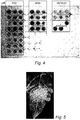
- HYTLO1 had direct inhibitory effect on germination of spores of Botrytis cinerea and Alternaria spp., but not of T. harzianum as shown in Fig. 3 .
- Antifungal effect of T. longibrachiatum HYTLO1 was also tested in comparison with similar hydrophobins (of similar size) from two different Trichoderma strains, but only HYTLO1 from T. longibrachiatum strain MK1 exhibited a strong antifungal effect on a ELISA-based inhibition assay ( Fig. 4 ).
- HYTLO1 beneficially affects on plants.
- 5a- HYTLO1 activates systemically different plant defence responses (not according to the claimed use).
- HYTLO1 protect plants from pathogen infection (not according to the claimed use).
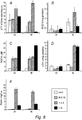
- HYTLO1 In order to determine if purified HYTLO1 is able to protect the plant from foliar infection by a pathogenic fungus, the protein was tested on tomato grown-up plants against Botrytis cinerea. Indeed the application of any tested concentration of HYTLO1 above 1,25 ⁇ M (concentration of the HYTLO1 solution of which 10 ⁇ L were applied) significantly reduced the size of the developing necrotic area caused by the pathogen up to 72 hr after the inoculation ( Fig. 8 ). This demonstrate that HYTLO1 can be used directly as an antimicrobial agent for plant protection.
- HYTLO1 enhances plant growth and development (not according to the claimed use).
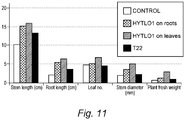
- harzianum T22 (applied as spore suspension according the typical application rate of commercial products) and that of the germinating hormone 1-naphthaleneacetic acid (GERMON E - produced by L. Gobbi, Italy) (applied at the typical application rate of commercial products).
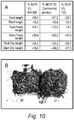
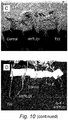
- Applications were made once per week for one month by watering the tomato plants. Results, expressed in terms of plant height and length, root length and weight, number of leaves, stem diameter and weight, are combined and shown in Fig. 10 and Fig. 11 .
- HYTLO1 treatment increased all of the growth parameters considered in comparison to any of the other treatments as well as of the untreated control.
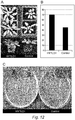
- HYTLO1 The growth promotion effect of HYTLO1 apart from tomato ( Solanaceae ) was also confirmed on representative plant species of other plant families ( Fig. 12 shows as examples the effect on Arabidopsis thaliana ( Brassicaceae ), Cucumis sativus ( Cucurbitaceae ), and Lotus japonicus ( Leguminosae )) .
- the experiments demonstrate that HYTLO1 can be effectively used to promote growth and productivity of a variety of crop plants, as well to stimulate seed germination, and root formation.
- HYTLO1 has a key role in the biocontrol activity of T. longibrachiatum (not according to claimed use).
- HYTLO1 The role of HYTLO1 on the biocontrol and plant growth promotion effect of Trichoderma longibrachiatum was demonstrated by targeted knock-out of the Hytlol gene by using a standard protoplast transformation method based on treatment with polyethylene glycol (PEG) was used ( Punt et al., 1987, Gene, 56:117-124 ). The lack of Hytlol transcripts in a few randomly selected mutants was confirmed by RT-PCR and Northern analysis. The growth rate of the selected ⁇ - Hytlo1 mutants was the same as of wild type both on solid or liquid growth substrates, while spores were similar in colour, shape and number to those of the wild type. However, the selected mutants were strongly impaired when growing against R. solani or P.
- HYTLO1 for plant growth promotion applied either singly or in combination with other beneficial molecules
- Tested metabolites include 6PP and Harzianic Acid, and experiments were performed on seed germination, stem or root elongation as well fresh/dry weight.
- the results shown in Table 1 were obtained by using cucumber seeds coated with the solutions of the tested compounds, that were then transferred in Petri dishes and left to germinate on filter humid paper. First seed germination was evaluated, then the germinated seedlings were transplanted into pots containing sterilised soil.
- the purified protein was applied in combination with two strains of T. harzianum (T22 and TH1) and one strain of T. asperellum (CS1).
- T. harzianum T22 and TH1
- T. asperellum CS1
- Table 2 expressed in terms of increased stem and root length or fresh/dry weight.
- Cucumber seeds were coated with the purified molecule solutions and/or spore suspension, transferred into Petri dishes and left to germinate on humid filter paper. Germinated seedlings were transplanted into pots containing sterilised soil.
- harzianum strain TH1 + HYTLO1 determined a significant increase in plant growth promotion effect of up to 33% more compared to controls (synergistic results as by the Limpel's formula are underlined in the Table).
- Table 2 Effect of combined application of HYTLO1, HA and 6PP and different Trichoderma spp. strains on cucumber seed germination and growth promotion. Values are percentage increase compared to water control.
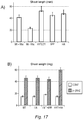
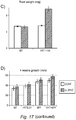
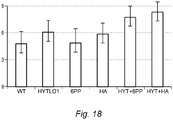
- HYTLO1 either applied alone or in combination with HA or 6PP enhances the plant growth promotion effect of rhizobia, such as Rhizobium sp., on plant, and that this phenomenon may be due to an increased number of nodule formation on the treated roots.
- This data demonstrate that HYTLO1 can be used to enhance the efficacy and usefulness of rhizobia-based, such as Rhizobium-based, microbial inocula, in terms of promotion of plant agronomic performance as well as in fertilizing the soil due to nitrogen fixation by the nodulated bacteria.
Landscapes
- Life Sciences & Earth Sciences (AREA)
- Health & Medical Sciences (AREA)
- Chemical & Material Sciences (AREA)
- General Health & Medical Sciences (AREA)
- Organic Chemistry (AREA)
- Proteomics, Peptides & Aminoacids (AREA)
- Engineering & Computer Science (AREA)
- Zoology (AREA)
- Mycology (AREA)
- Environmental Sciences (AREA)
- Biochemistry (AREA)
- Biophysics (AREA)
- Gastroenterology & Hepatology (AREA)
- Genetics & Genomics (AREA)
- Medicinal Chemistry (AREA)
- Molecular Biology (AREA)
- Microbiology (AREA)
- Pest Control & Pesticides (AREA)
- Agronomy & Crop Science (AREA)
- Biotechnology (AREA)
- Plant Pathology (AREA)
- Virology (AREA)
- Dentistry (AREA)
- Wood Science & Technology (AREA)
- Breeding Of Plants And Reproduction By Means Of Culturing (AREA)
- Developmental Biology & Embryology (AREA)
- Botany (AREA)
- Physiology (AREA)
- Peptides Or Proteins (AREA)
- Preparation Of Compounds By Using Micro-Organisms (AREA)
Priority Applications (2)
| Application Number | Priority Date | Filing Date | Title |
|---|---|---|---|
| RS20210795A RS62071B1 (sr) | 2014-02-21 | 2015-02-23 | Bioaktivni protein, njegova primena i postupak za proizvodnju |
| HRP20211069TT HRP20211069T1 (hr) | 2014-02-21 | 2015-02-23 | Bioaktivni protein, njegova uporaba i postupak njegove proizvodnje |
Applications Claiming Priority (3)
| Application Number | Priority Date | Filing Date | Title |
|---|---|---|---|
| EP14156146.4A EP2910127A1 (en) | 2014-02-21 | 2014-02-21 | Bioactive protein, use thereof and method for its production |
| EP14197253 | 2014-12-10 | ||
| PCT/NL2015/050115 WO2015126256A1 (en) | 2014-02-21 | 2015-02-23 | Bioactive protein, use thereof and method for its production |
Publications (2)
| Publication Number | Publication Date |
|---|---|
| EP3107395A1 EP3107395A1 (en) | 2016-12-28 |
| EP3107395B1 true EP3107395B1 (en) | 2021-04-07 |
Family
ID=52633559
Family Applications (1)
| Application Number | Title | Priority Date | Filing Date |
|---|---|---|---|
| EP15708905.3A Active EP3107395B1 (en) | 2014-02-21 | 2015-02-23 | Bioactive protein, use thereof and method for its production |
Country Status (10)
| Country | Link |
|---|---|
| US (2) | US20170204147A1 (enExample) |
| EP (1) | EP3107395B1 (enExample) |
| BR (1) | BR112016019393B1 (enExample) |
| CA (1) | CA2940101C (enExample) |
| ES (1) | ES2878428T3 (enExample) |
| HR (1) | HRP20211069T1 (enExample) |
| HU (1) | HUE055515T2 (enExample) |
| MX (1) | MX382209B (enExample) |
| RS (1) | RS62071B1 (enExample) |
| WO (1) | WO2015126256A1 (enExample) |
Families Citing this family (8)
| Publication number | Priority date | Publication date | Assignee | Title |
|---|---|---|---|---|
| MX2019011716A (es) | 2017-03-30 | 2019-12-16 | Advanced Biological Marketing Inc | Control aumentado microbiano y bioracional de plagas de nematodos de plantas. |
| WO2019084246A1 (en) * | 2017-10-25 | 2019-05-02 | Advanced Biological Marketing, Inc. | COMBINED MICROBIAL AND AGRICULTURAL CHEMISTRY FORMULATION PROCESS, COMPOSITION DERIVED FROM MICROBE, AND USE THEREOF |
| WO2020245154A1 (en) | 2019-06-07 | 2020-12-10 | Bayer Cropscience Biologics Gmbh | Methods of increasing the germination rate of fungal spores |
| CA3182710A1 (en) | 2020-05-28 | 2021-12-02 | Danstar Ferment Ag | Novel fermentation substrate for solid-state fermentation |
| CA3184174A1 (en) | 2020-06-08 | 2021-12-16 | Danstar Ferment Ag | Novel formulations for increasing the germination rate of fungal spores |
| WO2022040510A1 (en) | 2020-08-21 | 2022-02-24 | Bayer Cropscience Lp | Combinations of trichoderma and bradyrhizobium |
| CN112760234B (zh) * | 2021-02-02 | 2023-01-31 | 吉林农业大学 | 一种哈茨木霉与绿色木霉液体培养基及哈茨木霉与绿色木霉菌剂制备方法 |
| CN114480437B (zh) * | 2022-02-14 | 2023-06-20 | 中国农业科学院农业环境与可持续发展研究所 | 具有亚砷酸盐和甲基亚砷酸盐结合能力的蛋白a9、含所述蛋白基因的工程菌株及应用 |
Family Cites Families (5)
| Publication number | Priority date | Publication date | Assignee | Title |
|---|---|---|---|---|
| CN1337459A (zh) | 2000-08-09 | 2002-02-27 | 玉溪红塔烟草(集团)有限责任公司 | 一种微生物(a405)及其制备方法 |
| AU2009205716A1 (en) | 2008-01-15 | 2015-04-16 | Michigan State University | Polymicrobial formulations for enhancing plant productivity |
| EP2393365B1 (en) * | 2009-02-06 | 2015-05-13 | Cornell University | Trichoderma strains that induce resistance to plant diseases and/or increase plant growth |
| CN102212485B (zh) | 2011-05-09 | 2012-12-19 | 中国农业科学院农业资源与农业区划研究所 | 一种长柄木霉及其在防治蔬菜病害中的应用 |
| CA2859490A1 (en) * | 2012-04-05 | 2013-10-10 | Basf Plant Science Company Gmbh | Fungal resistant plants expressing hydrophobin |
-
2015
- 2015-02-23 HR HRP20211069TT patent/HRP20211069T1/hr unknown
- 2015-02-23 CA CA2940101A patent/CA2940101C/en active Active
- 2015-02-23 MX MX2016010794A patent/MX382209B/es unknown
- 2015-02-23 RS RS20210795A patent/RS62071B1/sr unknown
- 2015-02-23 US US15/120,456 patent/US20170204147A1/en not_active Abandoned
- 2015-02-23 WO PCT/NL2015/050115 patent/WO2015126256A1/en not_active Ceased
- 2015-02-23 ES ES15708905T patent/ES2878428T3/es active Active
- 2015-02-23 BR BR112016019393-8A patent/BR112016019393B1/pt not_active IP Right Cessation
- 2015-02-23 EP EP15708905.3A patent/EP3107395B1/en active Active
- 2015-02-23 HU HUE15708905A patent/HUE055515T2/hu unknown
-
2019
- 2019-03-08 US US16/297,120 patent/US10875898B2/en not_active Expired - Fee Related
Non-Patent Citations (1)
| Title |
|---|
| None * |
Also Published As
| Publication number | Publication date |
|---|---|
| BR112016019393A2 (enExample) | 2017-08-15 |
| US20200031882A1 (en) | 2020-01-30 |
| US10875898B2 (en) | 2020-12-29 |
| HRP20211069T1 (hr) | 2021-10-01 |
| MX382209B (es) | 2025-03-13 |
| CA2940101A1 (en) | 2015-08-27 |
| RS62071B1 (sr) | 2021-07-30 |
| EP3107395A1 (en) | 2016-12-28 |
| HUE055515T2 (hu) | 2021-12-28 |
| ES2878428T3 (es) | 2021-11-18 |
| WO2015126256A1 (en) | 2015-08-27 |
| CA2940101C (en) | 2023-08-22 |
| US20170204147A1 (en) | 2017-07-20 |
| BR112016019393B1 (pt) | 2022-10-25 |
| MX2016010794A (es) | 2016-10-26 |
Similar Documents
| Publication | Publication Date | Title |
|---|---|---|
| US10875898B2 (en) | Bioactive protein, use thereof and method for its production | |
| Baysal et al. | An inhibitory effect of a new Bacillus subtilis strain (EU07) against Fusarium oxysporum f. sp. radicis-lycopersici | |
| KR102078252B1 (ko) | 인삼 뿌리썩음병에 대한 길항력을 가지는 바실러스 벨레젠시스 arri17 및 이의 이용 | |
| Funck Jensen et al. | Clonostachys rosea to control plant diseases | |
| Narayanasamy | Mechanisms of action of bacterial biological control agents | |
| CN107427011B (zh) | 预防农作物和观赏植物中,优选葡萄种植和木本植物中的感染的方法 | |
| KR102604427B1 (ko) | 트리코더마 롱기브라키아툼 균주를 포함하는 식물병 방제용 조성물 및 이를 이용한 식물병 방제 방법 | |
| Mohammadi et al. | Effects of Potassium Phosphite on biochemical contents and enzymatic activities of Chinese potatoes inoculated by Phytophthora infestans. | |
| Miao et al. | Protection of melon against Fusarium wilt-root knot nematode complex by endophytic fungi Penicillium brefeldianum HS-1 | |
| Nguyen et al. | Exploration of a multifunctional biocontrol agent Streptomyces sp. JCK-8055 for the management of apple fire blight | |
| KR102670172B1 (ko) | 트리코더마 롱기브라키아툼 균주로부터 유래된 살균 화합물을 포함하는 식물병 방제용 조성물 및 이를 이용한 식물병 방제 방법 | |
| Sharma et al. | The chemical dialogue between plants and beneficial microorganisms | |
| Kumar et al. | Mycorrhizal fungi: an eco-friendly input for sustenance of soil fertility and plant health | |
| Kefela et al. | Paenibacillus polymyxa, Bacillus licheniformis and Bradyrhizobium japonicum IRAT FA3 promote faster seed germination rate, growth and disease resistance under pathogenic pressure | |
| EP2910127A1 (en) | Bioactive protein, use thereof and method for its production | |
| Aarthi et al. | Biocontrol Potential of Endophytes Against Rhizoctonia bataticola: Antifungal Activity, Metabolite Profiling, and Plant Defense Mechanisms | |
| CN110831615A (zh) | 引发剂衍生肽及其用途 | |
| Atwa | Induction of resistance against damping-off and root rot diseases in faba bean | |
| CN116904335B (zh) | 一种Bt菌株及其在防治黄曲条跳甲方面的应用 | |
| KR102175138B1 (ko) | 식물 병원균 슈도모나스 시링게에 대하여 항균활성을 갖는 크라이세오박테리움 인돌로제네스 균주 및 이의 용도 | |
| El-Khateeb et al. | Biocontrol Potential of Culture Filtrates of Sclerotium cepivorum Against Onion White Rot Disease | |
| KR20220167983A (ko) | 신규한 페니실리움 브라실리아눔 균주 및 이의 용도 | |
| Estrada Rivera | La deacetilasa de histonas HDA-2 del hongo simbionte Trichoderma atroviride modula múltiples respuestas en Arabidopsis thaliana | |
| Hall | Effects of the plant pathogen Pseudomonas syringae pathovar syringae on Vitis vinifera | |
| Subedi | Use of Biorational Products for the Control of Diseases in HighTunnel Tomatoes and Induction of Certain Defense Genes in tomato by Trichoderma hamatum 382 |
Legal Events
| Date | Code | Title | Description |
|---|---|---|---|
| PUAI | Public reference made under article 153(3) epc to a published international application that has entered the european phase |
Free format text: ORIGINAL CODE: 0009012 |
|
| STAA | Information on the status of an ep patent application or granted ep patent |
Free format text: STATUS: REQUEST FOR EXAMINATION WAS MADE |
|
| 17P | Request for examination filed |
Effective date: 20160921 |
|
| AK | Designated contracting states |
Kind code of ref document: A1 Designated state(s): AL AT BE BG CH CY CZ DE DK EE ES FI FR GB GR HR HU IE IS IT LI LT LU LV MC MK MT NL NO PL PT RO RS SE SI SK SM TR |
|
| AX | Request for extension of the european patent |
Extension state: BA ME |
|
| DAX | Request for extension of the european patent (deleted) | ||
| STAA | Information on the status of an ep patent application or granted ep patent |
Free format text: STATUS: EXAMINATION IS IN PROGRESS |
|
| 17Q | First examination report despatched |
Effective date: 20170801 |
|
| GRAP | Despatch of communication of intention to grant a patent |
Free format text: ORIGINAL CODE: EPIDOSNIGR1 |
|
| STAA | Information on the status of an ep patent application or granted ep patent |
Free format text: STATUS: GRANT OF PATENT IS INTENDED |
|
| INTG | Intention to grant announced |
Effective date: 20191127 |
|
| GRAS | Grant fee paid |
Free format text: ORIGINAL CODE: EPIDOSNIGR3 |
|
| GRAJ | Information related to disapproval of communication of intention to grant by the applicant or resumption of examination proceedings by the epo deleted |
Free format text: ORIGINAL CODE: EPIDOSDIGR1 |
|
| GRAL | Information related to payment of fee for publishing/printing deleted |
Free format text: ORIGINAL CODE: EPIDOSDIGR3 |
|
| STAA | Information on the status of an ep patent application or granted ep patent |
Free format text: STATUS: EXAMINATION IS IN PROGRESS |
|
| INTC | Intention to grant announced (deleted) | ||
| REG | Reference to a national code |
Ref country code: DE Ref legal event code: R079 Ref document number: 602015067726 Country of ref document: DE Free format text: PREVIOUS MAIN CLASS: A01N0063040000 Ipc: C07K0014370000 |
|
| GRAP | Despatch of communication of intention to grant a patent |
Free format text: ORIGINAL CODE: EPIDOSNIGR1 |
|
| STAA | Information on the status of an ep patent application or granted ep patent |
Free format text: STATUS: GRANT OF PATENT IS INTENDED |
|
| RIC1 | Information provided on ipc code assigned before grant |
Ipc: C07K 14/37 20060101AFI20200918BHEP |
|
| INTG | Intention to grant announced |
Effective date: 20201023 |
|
| GRAJ | Information related to disapproval of communication of intention to grant by the applicant or resumption of examination proceedings by the epo deleted |
Free format text: ORIGINAL CODE: EPIDOSDIGR1 |
|
| GRAL | Information related to payment of fee for publishing/printing deleted |
Free format text: ORIGINAL CODE: EPIDOSDIGR3 |
|
| GRAP | Despatch of communication of intention to grant a patent |
Free format text: ORIGINAL CODE: EPIDOSNIGR1 |
|
| INTG | Intention to grant announced |
Effective date: 20201023 |
|
| GRAA | (expected) grant |
Free format text: ORIGINAL CODE: 0009210 |
|
| STAA | Information on the status of an ep patent application or granted ep patent |
Free format text: STATUS: THE PATENT HAS BEEN GRANTED |
|
| AK | Designated contracting states |
Kind code of ref document: B1 Designated state(s): AL AT BE BG CH CY CZ DE DK EE ES FI FR GB GR HR HU IE IS IT LI LT LU LV MC MK MT NL NO PL PT RO RS SE SI SK SM TR |
|
| REG | Reference to a national code |
Ref country code: GB Ref legal event code: FG4D |
|
| REG | Reference to a national code |
Ref country code: AT Ref legal event code: REF Ref document number: 1379591 Country of ref document: AT Kind code of ref document: T Effective date: 20210415 Ref country code: CH Ref legal event code: EP |
|
| REG | Reference to a national code |
Ref country code: DE Ref legal event code: R096 Ref document number: 602015067726 Country of ref document: DE |
|
| REG | Reference to a national code |
Ref country code: IE Ref legal event code: FG4D |
|
| REG | Reference to a national code |
Ref country code: RO Ref legal event code: EPE |
|
| REG | Reference to a national code |
Ref country code: HR Ref legal event code: TUEP Ref document number: P20211069T Country of ref document: HR |
|
| REG | Reference to a national code |
Ref country code: LT Ref legal event code: MG9D |
|
| REG | Reference to a national code |
Ref country code: NL Ref legal event code: MP Effective date: 20210407 |
|
| REG | Reference to a national code |
Ref country code: HR Ref legal event code: T1PR Ref document number: P20211069 Country of ref document: HR |
|
| PG25 | Lapsed in a contracting state [announced via postgrant information from national office to epo] |
Ref country code: FI Free format text: LAPSE BECAUSE OF FAILURE TO SUBMIT A TRANSLATION OF THE DESCRIPTION OR TO PAY THE FEE WITHIN THE PRESCRIBED TIME-LIMIT Effective date: 20210407 Ref country code: LT Free format text: LAPSE BECAUSE OF FAILURE TO SUBMIT A TRANSLATION OF THE DESCRIPTION OR TO PAY THE FEE WITHIN THE PRESCRIBED TIME-LIMIT Effective date: 20210407 Ref country code: NL Free format text: LAPSE BECAUSE OF FAILURE TO SUBMIT A TRANSLATION OF THE DESCRIPTION OR TO PAY THE FEE WITHIN THE PRESCRIBED TIME-LIMIT Effective date: 20210407 |
|
| REG | Reference to a national code |
Ref country code: ES Ref legal event code: FG2A Ref document number: 2878428 Country of ref document: ES Kind code of ref document: T3 Effective date: 20211118 |
|
| PG25 | Lapsed in a contracting state [announced via postgrant information from national office to epo] |
Ref country code: SE Free format text: LAPSE BECAUSE OF FAILURE TO SUBMIT A TRANSLATION OF THE DESCRIPTION OR TO PAY THE FEE WITHIN THE PRESCRIBED TIME-LIMIT Effective date: 20210407 Ref country code: PT Free format text: LAPSE BECAUSE OF FAILURE TO SUBMIT A TRANSLATION OF THE DESCRIPTION OR TO PAY THE FEE WITHIN THE PRESCRIBED TIME-LIMIT Effective date: 20210809 Ref country code: NO Free format text: LAPSE BECAUSE OF FAILURE TO SUBMIT A TRANSLATION OF THE DESCRIPTION OR TO PAY THE FEE WITHIN THE PRESCRIBED TIME-LIMIT Effective date: 20210707 Ref country code: PL Free format text: LAPSE BECAUSE OF FAILURE TO SUBMIT A TRANSLATION OF THE DESCRIPTION OR TO PAY THE FEE WITHIN THE PRESCRIBED TIME-LIMIT Effective date: 20210407 Ref country code: LV Free format text: LAPSE BECAUSE OF FAILURE TO SUBMIT A TRANSLATION OF THE DESCRIPTION OR TO PAY THE FEE WITHIN THE PRESCRIBED TIME-LIMIT Effective date: 20210407 Ref country code: GR Free format text: LAPSE BECAUSE OF FAILURE TO SUBMIT A TRANSLATION OF THE DESCRIPTION OR TO PAY THE FEE WITHIN THE PRESCRIBED TIME-LIMIT Effective date: 20210708 Ref country code: IS Free format text: LAPSE BECAUSE OF FAILURE TO SUBMIT A TRANSLATION OF THE DESCRIPTION OR TO PAY THE FEE WITHIN THE PRESCRIBED TIME-LIMIT Effective date: 20210807 |
|
| REG | Reference to a national code |
Ref country code: HU Ref legal event code: AG4A Ref document number: E055515 Country of ref document: HU |
|
| REG | Reference to a national code |
Ref country code: DE Ref legal event code: R097 Ref document number: 602015067726 Country of ref document: DE |
|
| PG25 | Lapsed in a contracting state [announced via postgrant information from national office to epo] |
Ref country code: DK Free format text: LAPSE BECAUSE OF FAILURE TO SUBMIT A TRANSLATION OF THE DESCRIPTION OR TO PAY THE FEE WITHIN THE PRESCRIBED TIME-LIMIT Effective date: 20210407 Ref country code: EE Free format text: LAPSE BECAUSE OF FAILURE TO SUBMIT A TRANSLATION OF THE DESCRIPTION OR TO PAY THE FEE WITHIN THE PRESCRIBED TIME-LIMIT Effective date: 20210407 Ref country code: CZ Free format text: LAPSE BECAUSE OF FAILURE TO SUBMIT A TRANSLATION OF THE DESCRIPTION OR TO PAY THE FEE WITHIN THE PRESCRIBED TIME-LIMIT Effective date: 20210407 Ref country code: SM Free format text: LAPSE BECAUSE OF FAILURE TO SUBMIT A TRANSLATION OF THE DESCRIPTION OR TO PAY THE FEE WITHIN THE PRESCRIBED TIME-LIMIT Effective date: 20210407 Ref country code: SK Free format text: LAPSE BECAUSE OF FAILURE TO SUBMIT A TRANSLATION OF THE DESCRIPTION OR TO PAY THE FEE WITHIN THE PRESCRIBED TIME-LIMIT Effective date: 20210407 |
|
| PLBE | No opposition filed within time limit |
Free format text: ORIGINAL CODE: 0009261 |
|
| STAA | Information on the status of an ep patent application or granted ep patent |
Free format text: STATUS: NO OPPOSITION FILED WITHIN TIME LIMIT |
|
| REG | Reference to a national code |
Ref country code: HR Ref legal event code: ODRP Ref document number: P20211069 Country of ref document: HR Payment date: 20220203 Year of fee payment: 8 |
|
| 26N | No opposition filed |
Effective date: 20220110 |
|
| PG25 | Lapsed in a contracting state [announced via postgrant information from national office to epo] |
Ref country code: IS Free format text: LAPSE BECAUSE OF FAILURE TO SUBMIT A TRANSLATION OF THE DESCRIPTION OR TO PAY THE FEE WITHIN THE PRESCRIBED TIME-LIMIT Effective date: 20210807 Ref country code: AL Free format text: LAPSE BECAUSE OF FAILURE TO SUBMIT A TRANSLATION OF THE DESCRIPTION OR TO PAY THE FEE WITHIN THE PRESCRIBED TIME-LIMIT Effective date: 20210407 |
|
| REG | Reference to a national code |
Ref country code: DE Ref legal event code: R119 Ref document number: 602015067726 Country of ref document: DE |
|
| PG25 | Lapsed in a contracting state [announced via postgrant information from national office to epo] |
Ref country code: MC Free format text: LAPSE BECAUSE OF FAILURE TO SUBMIT A TRANSLATION OF THE DESCRIPTION OR TO PAY THE FEE WITHIN THE PRESCRIBED TIME-LIMIT Effective date: 20210407 |
|
| REG | Reference to a national code |
Ref country code: CH Ref legal event code: PL |
|
| REG | Reference to a national code |
Ref country code: AT Ref legal event code: UEP Ref document number: 1379591 Country of ref document: AT Kind code of ref document: T Effective date: 20210407 |
|
| REG | Reference to a national code |
Ref country code: BE Ref legal event code: MM Effective date: 20220228 |
|
| GBPC | Gb: european patent ceased through non-payment of renewal fee |
Effective date: 20220223 |
|
| PG25 | Lapsed in a contracting state [announced via postgrant information from national office to epo] |
Ref country code: LU Free format text: LAPSE BECAUSE OF NON-PAYMENT OF DUE FEES Effective date: 20220223 |
|
| PG25 | Lapsed in a contracting state [announced via postgrant information from national office to epo] |
Ref country code: LI Free format text: LAPSE BECAUSE OF NON-PAYMENT OF DUE FEES Effective date: 20220228 Ref country code: IE Free format text: LAPSE BECAUSE OF NON-PAYMENT OF DUE FEES Effective date: 20220223 Ref country code: GB Free format text: LAPSE BECAUSE OF NON-PAYMENT OF DUE FEES Effective date: 20220223 Ref country code: DE Free format text: LAPSE BECAUSE OF NON-PAYMENT OF DUE FEES Effective date: 20220901 Ref country code: CH Free format text: LAPSE BECAUSE OF NON-PAYMENT OF DUE FEES Effective date: 20220228 |
|
| PG25 | Lapsed in a contracting state [announced via postgrant information from national office to epo] |
Ref country code: BE Free format text: LAPSE BECAUSE OF NON-PAYMENT OF DUE FEES Effective date: 20220228 |
|
| REG | Reference to a national code |
Ref country code: HR Ref legal event code: ODRP Ref document number: P20211069 Country of ref document: HR Payment date: 20230201 Year of fee payment: 9 |
|
| P01 | Opt-out of the competence of the unified patent court (upc) registered |
Effective date: 20230510 |
|
| REG | Reference to a national code |
Ref country code: HR Ref legal event code: ODRP Ref document number: P20211069 Country of ref document: HR Payment date: 20240206 Year of fee payment: 10 |
|
| PGFP | Annual fee paid to national office [announced via postgrant information from national office to epo] |
Ref country code: ES Payment date: 20240301 Year of fee payment: 10 |
|
| PGFP | Annual fee paid to national office [announced via postgrant information from national office to epo] |
Ref country code: AT Payment date: 20240201 Year of fee payment: 10 |
|
| PG25 | Lapsed in a contracting state [announced via postgrant information from national office to epo] |
Ref country code: MK Free format text: LAPSE BECAUSE OF FAILURE TO SUBMIT A TRANSLATION OF THE DESCRIPTION OR TO PAY THE FEE WITHIN THE PRESCRIBED TIME-LIMIT Effective date: 20210407 Ref country code: CY Free format text: LAPSE BECAUSE OF FAILURE TO SUBMIT A TRANSLATION OF THE DESCRIPTION OR TO PAY THE FEE WITHIN THE PRESCRIBED TIME-LIMIT Effective date: 20210407 |
|
| PGFP | Annual fee paid to national office [announced via postgrant information from national office to epo] |
Ref country code: RO Payment date: 20240205 Year of fee payment: 10 Ref country code: HU Payment date: 20240207 Year of fee payment: 10 Ref country code: BG Payment date: 20240209 Year of fee payment: 10 |
|
| PGFP | Annual fee paid to national office [announced via postgrant information from national office to epo] |
Ref country code: TR Payment date: 20240209 Year of fee payment: 10 Ref country code: RS Payment date: 20240205 Year of fee payment: 10 Ref country code: IT Payment date: 20240222 Year of fee payment: 10 Ref country code: HR Payment date: 20240206 Year of fee payment: 10 Ref country code: FR Payment date: 20240226 Year of fee payment: 10 |
|
| PG25 | Lapsed in a contracting state [announced via postgrant information from national office to epo] |
Ref country code: MT Free format text: LAPSE BECAUSE OF FAILURE TO SUBMIT A TRANSLATION OF THE DESCRIPTION OR TO PAY THE FEE WITHIN THE PRESCRIBED TIME-LIMIT Effective date: 20210407 |
|
| REG | Reference to a national code |
Ref country code: HR Ref legal event code: PBON Ref document number: P20211069 Country of ref document: HR Effective date: 20250223 |
|
| REG | Reference to a national code |
Ref country code: AT Ref legal event code: MM01 Ref document number: 1379591 Country of ref document: AT Kind code of ref document: T Effective date: 20250223 |
|
| PG25 | Lapsed in a contracting state [announced via postgrant information from national office to epo] |
Ref country code: BG Free format text: LAPSE BECAUSE OF NON-PAYMENT OF DUE FEES Effective date: 20250223 Ref country code: HU Free format text: LAPSE BECAUSE OF NON-PAYMENT OF DUE FEES Effective date: 20250224 |
|
| PG25 | Lapsed in a contracting state [announced via postgrant information from national office to epo] |
Ref country code: HR Free format text: LAPSE BECAUSE OF NON-PAYMENT OF DUE FEES Effective date: 20250223 |
|
| PG25 | Lapsed in a contracting state [announced via postgrant information from national office to epo] |
Ref country code: AT Free format text: LAPSE BECAUSE OF NON-PAYMENT OF DUE FEES Effective date: 20250223 |
|
| PG25 | Lapsed in a contracting state [announced via postgrant information from national office to epo] |
Ref country code: RS Free format text: LAPSE BECAUSE OF NON-PAYMENT OF DUE FEES Effective date: 20250223 |
|
| PG25 | Lapsed in a contracting state [announced via postgrant information from national office to epo] |
Ref country code: RO Free format text: LAPSE BECAUSE OF NON-PAYMENT OF DUE FEES Effective date: 20250223 |