EP3104852B1 - Zusammensetzungen und verfahren zur behandlung von alters- und altersbedingten erkrankungen und symptomen - Google Patents
Zusammensetzungen und verfahren zur behandlung von alters- und altersbedingten erkrankungen und symptomen Download PDFInfo
- Publication number
- EP3104852B1 EP3104852B1 EP15749364.4A EP15749364A EP3104852B1 EP 3104852 B1 EP3104852 B1 EP 3104852B1 EP 15749364 A EP15749364 A EP 15749364A EP 3104852 B1 EP3104852 B1 EP 3104852B1
- Authority
- EP
- European Patent Office
- Prior art keywords
- panel
- octyl
- cells
- atp
- compound
- Prior art date
- Legal status (The legal status is an assumption and is not a legal conclusion. Google has not performed a legal analysis and makes no representation as to the accuracy of the status listed.)
- Active
Links
Images















Classifications
-
- A—HUMAN NECESSITIES
- A61—MEDICAL OR VETERINARY SCIENCE; HYGIENE
- A61K—PREPARATIONS FOR MEDICAL, DENTAL OR TOILETRY PURPOSES
- A61K31/00—Medicinal preparations containing organic active ingredients
- A61K31/21—Esters, e.g. nitroglycerine, selenocyanates
- A61K31/215—Esters, e.g. nitroglycerine, selenocyanates of carboxylic acids
- A61K31/22—Esters, e.g. nitroglycerine, selenocyanates of carboxylic acids of acyclic acids, e.g. pravastatin
- A61K31/225—Polycarboxylic acids
-
- A—HUMAN NECESSITIES
- A61—MEDICAL OR VETERINARY SCIENCE; HYGIENE
- A61K—PREPARATIONS FOR MEDICAL, DENTAL OR TOILETRY PURPOSES
- A61K31/00—Medicinal preparations containing organic active ingredients
- A61K31/185—Acids; Anhydrides, halides or salts thereof, e.g. sulfur acids, imidic, hydrazonic or hydroximic acids
- A61K31/19—Carboxylic acids, e.g. valproic acid
- A61K31/194—Carboxylic acids, e.g. valproic acid having two or more carboxyl groups, e.g. succinic, maleic or phthalic acid
-
- A—HUMAN NECESSITIES
- A61—MEDICAL OR VETERINARY SCIENCE; HYGIENE
- A61K—PREPARATIONS FOR MEDICAL, DENTAL OR TOILETRY PURPOSES
- A61K31/00—Medicinal preparations containing organic active ingredients
- A61K31/185—Acids; Anhydrides, halides or salts thereof, e.g. sulfur acids, imidic, hydrazonic or hydroximic acids
- A61K31/19—Carboxylic acids, e.g. valproic acid
- A61K31/195—Carboxylic acids, e.g. valproic acid having an amino group
- A61K31/197—Carboxylic acids, e.g. valproic acid having an amino group the amino and the carboxyl groups being attached to the same acyclic carbon chain, e.g. gamma-aminobutyric acid [GABA], beta-alanine, epsilon-aminocaproic acid or pantothenic acid
- A61K31/198—Alpha-amino acids, e.g. alanine or edetic acid [EDTA]
-
- A—HUMAN NECESSITIES
- A61—MEDICAL OR VETERINARY SCIENCE; HYGIENE
- A61K—PREPARATIONS FOR MEDICAL, DENTAL OR TOILETRY PURPOSES
- A61K45/00—Medicinal preparations containing active ingredients not provided for in groups A61K31/00 - A61K41/00
- A61K45/06—Mixtures of active ingredients without chemical characterisation, e.g. antiphlogistics and cardiaca
-
- A—HUMAN NECESSITIES
- A61—MEDICAL OR VETERINARY SCIENCE; HYGIENE
- A61P—SPECIFIC THERAPEUTIC ACTIVITY OF CHEMICAL COMPOUNDS OR MEDICINAL PREPARATIONS
- A61P19/00—Drugs for skeletal disorders
- A61P19/02—Drugs for skeletal disorders for joint disorders, e.g. arthritis, arthrosis
-
- A—HUMAN NECESSITIES
- A61—MEDICAL OR VETERINARY SCIENCE; HYGIENE
- A61P—SPECIFIC THERAPEUTIC ACTIVITY OF CHEMICAL COMPOUNDS OR MEDICINAL PREPARATIONS
- A61P25/00—Drugs for disorders of the nervous system
-
- A—HUMAN NECESSITIES
- A61—MEDICAL OR VETERINARY SCIENCE; HYGIENE
- A61P—SPECIFIC THERAPEUTIC ACTIVITY OF CHEMICAL COMPOUNDS OR MEDICINAL PREPARATIONS
- A61P3/00—Drugs for disorders of the metabolism
-
- A—HUMAN NECESSITIES
- A61—MEDICAL OR VETERINARY SCIENCE; HYGIENE
- A61P—SPECIFIC THERAPEUTIC ACTIVITY OF CHEMICAL COMPOUNDS OR MEDICINAL PREPARATIONS
- A61P35/00—Antineoplastic agents
-
- A—HUMAN NECESSITIES
- A61—MEDICAL OR VETERINARY SCIENCE; HYGIENE
- A61P—SPECIFIC THERAPEUTIC ACTIVITY OF CHEMICAL COMPOUNDS OR MEDICINAL PREPARATIONS
- A61P7/00—Drugs for disorders of the blood or the extracellular fluid
Definitions
- the present invention relates to treating aging and age-related diseases.
- DR dietary restriction
- CR calorie restriction
- WO 2009/005464 discloses the use of alpha-ketoglutarate, amides, and salts and mixtures thereof for the manufacture of a pharmaceutical preparation or a food or feed supplement for the in vivo therapeutic improvement of blood vessel elasticity.
- WO2015/049365 discloses inducing autophagy in a cell comprising contacting the cell with at least one acetyl CoA (AcCoA) depleting agent.
- AcCoA acetyl CoA
- the one or more compounds are administered in an effective amount or a therapeutically effective amount.
- the effective amount or the therapeutically effective amount of the one or more compounds is administered as several doses over a given period of time, e.g., a daily dose for a week or more.
- the amount of the one or more compounds administered to the subject increases the a-ketoglutarate levels in the subject by about 30-60%, preferably about 45-55%, more preferably about 50%.
- the compound is administered as a daily dose of about 0.25-2, preferably about 0.5-2, more preferably about 1-2, most preferably about 2, grams per kilogram weight of the subject per day.
- the subject is an animal, which may or may not be an animal model of aging or an age-related disease.
- the subject is a nematode, a rodent, or a non-human primate.
- the subject is a human.
- the ATP synthase is mammalian ATP synthase, human ATP synthase, mammalian mitochondrial ATP synthase, or human mitochondrial ATP synthase.
- the present invention provides a glutarate compound or a glutamate compound for use in inhibiting, reducing, slowing, or preventing the aging of a subject; treating, inhibiting, reducing, or preventing an age-related disease in the subject; and/or increasing the lifespan of the subject.
- the compound is a glutarate compound or a glutamate compound.
- the compound is a glutarate compound and a glutamate compound.
- the compound is an a-KG compound.
- the compound is a 2-HG compound.
- the compound is an a-KG compound and a 2-HG compound.
- the compound is provided in an effective amount or a therapeutically effective amount.
- the medicament is provided as divided doses. In some embodiments, the effective amount or the therapeutically effective amount is provided as divided doses.
- the subject is an animal, which may or may not be an animal model of aging or an age- related disease. In some embodiments, the subject is a nematode, a rodent, or a non- human primate. In some embodiments, the subject is a human. In some embodiments, the ATP synthase is mammalian ATP synthase, human ATP synthase, mammalian mitochondrial ATP synthase, or human mitochondrial ATP synthase.
- the present invention is directed to compositions for use in treating or inhibiting aging and age-related diseases in a subject, said compositions comprise at least one glutarate compound, at least one glutamate compound, or both. In some embodiments, the present invention is directed to compositions for increasing the lifespan of a subject, said compositions comprise at least one glutarate compound, at least one glutamate compound, or both.
- the subject is an animal, which may or may not be an animal model of aging or an age-related disease.
- the subject is a nematode, a rodent, or a non-human primate. In some embodiments, the subject is a human.
- age-related diseases refers to diseases and disorders often associated with aging and includes cancers (e.g., gliomas, leukemia, lymphoma, breast cancer, prostate cancer, lung cancer, and the like), neurodegenerative diseases (e.g., Parkinson's disease, Alzheimer's disease, Huntington's disease, dementia, and the like), sarcopenia, osteopenia, osteoporosis, arthritis, atherosclerosis, cardiovascular disease, hypertension, cataracts, presbyopia, glaucoma, type 2 diabetes, metabolic syndrome, alopecia, chronic inflammation, immunosenescence, age-related visual decline, age-related hair loss, thinning, and/or graying, and the like.
- an "age-related heart condition” refers to cardiac hypertrophy, cardiomyopathy, heart failure, cardiac hypertrophy, cardiomyopathy, heart failure, and cardiovascular disease.
- compositions that treat or inhibit "aging” in subjects are those that treat or inhibit symptoms related to aging.
- Symptoms related to aging include cancers, cholesterol build-up, stiffening of arterial wall, increased blood pressure, immunosenescence, muscle loss, bone loss, arthritis, osteoporosis, memory loss, hearing loss, visual decline, increased wrinkles, hair loss/thinning/graying, decreased stress resistance, dementia, loss of hearing, loss of vision, loss of mobility, loss of muscle strength and stamina, frailty, fatigue, increased susceptibility to infection, dry and/or wrinkled skin, and altered sleep patterns and circadian cycles.
- glutarate compound refers to ⁇ -KG compounds, 2-HG compounds, and compounds having the following structural formula I: wherein
- a “glutamate compound” refers to compounds having the following structural formula II: wherein
- C1-C10 alkyl refers to an alkyl having 1-10 carbon atoms
- C1-C10 alkenyl refers to an alkenyl having 1-10 carbon atoms
- an " ⁇ -KG compound” refers to ⁇ -ketoglutarate ( ⁇ -ketoglutarate), derivatives of ⁇ -ketoglutarate (e.g., the derivatives set forth in MacKenzie, et al. (2007) Mol Cell Biol 27(9):3282-3289 )), analogues of ⁇ -ketoglutarate (e.g., phosphonate analogues (e.g., those recited in Bunik, et al.
- esters of ⁇ -ketoglutarate e.g., dimethyl ⁇ -ketoglutarate and octyl ⁇ -ketoglutarate
- esters of ⁇ -ketoglutarate e.g., dimethyl ⁇ -ketoglutarate and octyl ⁇ -ketoglutarate
- various species specific analogues e.g., human ⁇ -ketoglutarate, porcine ⁇ - ketoglutarate, murine ⁇ -ketoglutarate , bovine ⁇ -ketoglutarate, and the like.
- KG may be used to refer to the term "ketoglutarate", e.g., ⁇ -ketoglutarate is abbreviated as ⁇ -KG.
- a "2-HG compound” refers to 2-hydroxyglutaric acid, 2-hydroxypentanedioate, and compounds having 2-hydroxypentanedioate as part of its backbone structure and includes 1-alkyl-( S )-2-hydroxypentanedioate, 1-alkyl-( R )-2-hydroxypentanedioate, 1-alkenyl-( S )-2-hydroxypentanedioate, 1-alkenyl-( R )-2-hydroxypentanedioate, 5-alkyl-( S )-2-hydroxypentanedioate, 5-alkyl-( R )-2-hydroxypentanedioate, 5-alkenyl-( S )-2-hydroxypentanedioate, and 5-alkenyl-( R )-2-hydroxypentanedioate, wherein alkyl is a straight or branched C1-C10 alkyl and alkenyl is
- the 2-HG compound is 1-octyl-( S )-2-hydroxypentanedioate, 1-octyl-( R )-2-hydroxypentanedioate, 5 -octyl-( S )- 2-hydroxypentanedioate, or 5-octyl-( R )-2-hydroxypentanedioate.
- HG may be used to refer to the term "hydroxypentanedioate", e.g., 2-hydroxypentanedioate is abbreviated as 2-HG.
- a “pharmaceutically acceptable solvate” refers to a solvate form of a specified compound that retains the biological effectiveness of such compound.
- solvates include compounds of the invention in combination with water, isopropanol, ethanol, methanol, dimethyl sulfoxide, ethyl acetate, acetic acid, ethanolamine, or acetone.
- solvates For example, a complex with water is known as a "hydrate”.
- Solvates of compounds of formulas I and II are within the scope of the invention.
- pharmaceutically acceptable salts refers to salt forms that are pharmacologically acceptable and substantially non-toxic to the subject being treated with the compound of the invention.
- Pharmaceutically acceptable salts include conventional acid-addition salts or base-addition salts formed from suitable non-toxic organic or inorganic acids or inorganic bases.
- Exemplary acid-addition salts include those derived from inorganic acids such as hydrochloric acid, hydrobromic acid, hydroiodic acid, sulfuric acid, sulfamic acid, phosphoric acid, and nitric acid, and those derived from organic acids such as p-toluenesulfonic acid, methanesulfonic acid, ethanedisulfonic acid, isethionic acid, oxalic acid, p-bromophenylsulfonic acid, carbonic acid, succinic acid, citric acid, benzoic acid, 2-acetoxybenzoic acid, acetic acid, phenylacetic acid, propionic acid, glycolic acid, stearic acid, lactic acid, malic acid, tartaric acid, ascorbic acid, maleic acid, hydroxymaleic acid, glutamic acid, salicylic acid, sulfanilic acid, and fumaric acid.
- inorganic acids such as hydrochloric acid, hydrobro
- Exemplary base-addition salts include those derived from ammonium hydroxides (e.g., a quaternary ammonium hydroxide such as tetramethylammonium hydroxide), those derived from inorganic bases such as alkali or alkaline earth-metal (e.g., sodium, potassium, lithium, calcium, or magnesium) hydroxides, and those derived from non-toxic organic bases such as basic amino acids.
- ammonium hydroxides e.g., a quaternary ammonium hydroxide such as tetramethylammonium hydroxide
- inorganic bases such as alkali or alkaline earth-metal (e.g., sodium, potassium, lithium, calcium, or magnesium) hydroxides
- non-toxic organic bases such as basic amino acids.
- a pharmaceutically acceptable prodrug is a compound that may be converted under physiological conditions or by solvolysis to the specified compound or to a pharmaceutically acceptable salt of such compound.
- a pharmaceutically active metabolite refers to a pharmacologically active product produced through metabolism in the body of a specified compound or salt thereof. Prodrugs and active metabolites of a compound may be identified using routine techniques known in the art. See, e.g., Bertolini, G. et al., (1997) J. Med. Chem. 40:2011-2016 ; Shan, D. et al., J. Pharm. Sci., 86(7):765-767 ; Bagshawe K., (1995) Drug Dev. Res.
- the amount of the glutarate compound administered to the subject is a therapeutically effective amount or an effective amount.
- an "effective amount” is a dose that results in an observable difference as compared to a placebo.
- a “therapeutically effective amount” refers to an amount of one or more compounds of the present invention that, when administered to a subject, (i) treats or inhibits the particular disease, condition, or disorder, (ii) attenuates, ameliorates, or eliminates one or more symptoms of the particular disease, condition, or disorder, and/or (iii) inhibits or delays the onset of one or more symptoms of the particular disease, condition, or disorder, as compared to a control.
- a therapeutically effective amount of one or more compounds of the present invention will vary depending upon factors such as the given compound(s), the pharmaceutical formulation, route of administration, the type of disease or disorder, the degree of the disease or disorder, and the identity of the subject being treated, but can nevertheless be readily determined by one skilled in the art.
- a "therapeutically effective amount" of a glutarate compound, a glutamate compound, or both is one that delays or inhibits the onset of age-related symptoms and/or extends the lifespan of a given subject as compared to one or more control subjects.
- a therapeutically effective amount of the one or more glutarate compounds and/or the one or more glutamate compounds is administered as a daily dose of about 0.25-2, about 0.5-2, about 1-2, or about 2 grams, per kilogram weight of the subject per day.
- a daily dose of about 0.25-2, about 0.5-2, about 1-2, or about 2 grams, per kilogram weight of the subject per day.
- certain factors may influence the dosage required to effectively treat a subject, including but not limited to the severity of the disease or disorder, previous treatments, the general health and/or age of the subject, and other diseases present.
- the amount of the one or more glutarate compounds and/or the one or more glutamate compounds administered to a subject is one that results in about a 50% increase in ⁇ -KG levels in the subject.
- the therapeutically effective amount may be administered as a single dose or as multiple doses over a period of time.
- a subject may be treated with one or more glutarate compounds and/or one or more glutamate compounds at least once.
- the subject may be treated with the one or more glutarate compounds and/or the one or more glutamate compounds from about one time per week to about once daily for a given treatment period.
- the length of the treatment period will depend on a variety of factors such as the severity of the disease or disorder, the concentration and activity of the one or more compounds of the present invention, or a combination thereof. It will also be appreciated that the effective dosage of the one or more compounds used for treatment may increase or decrease over the course of a particular treatment.
- the one or more glutarate compounds and/or the one or more glutamate compounds to be administered to a subject may be provided as a pharmaceutical formulation.
- Pharmaceutical formulations may be prepared in a unit-dosage form appropriate for the desired mode of administration.
- the pharmaceutical formulations of the present invention may be administered by any suitable route including oral, rectal, nasal, topical (including buccal and sublingual), vaginal, and parenteral (including subcutaneous, intramuscular, intravenous, and intradermal). It will be appreciated that the route of administration may vary with the condition and age of the recipient, the nature of the condition to be treated, and the given compound(s) of the present invention. In some embodiments, the route of administration is oral. In some embodiments, the one or more glutarate compounds and/or the one or more glutamate compounds are provided in the form of a foodstuff.
- the actual dosages of the glutarate compounds and/or the glutamate compounds used in the pharmaceutical formulations will vary according to the particular compound(s) being used, the particular composition formulated, the mode of administration, and the particular site, subject, and disease being treated. Optimal dosages for a given set of conditions may be ascertained by those skilled in the art using dosage determination tests in view of the experimental data for a given compound. Administration of prodrugs may be dosed at weight levels that are chemically equivalent to the weight levels of the fully active forms.
- compositions of this invention comprise a therapeutically effective amount of one or more compounds of the present invention, and an inert, pharmaceutically acceptable carrier or diluent.
- pharmaceutically acceptable carrier is intended to include any and all solvents, dispersion media, coatings, antibacterial, and antifungal agents, isotonic and absorption delaying agents, and the like, compatible with pharmaceutical administration.
- the pharmaceutical carrier employed may be either a solid or liquid.
- Exemplary of solid carriers are lactose, sucrose, talc, gelatin, agar, pectin, acacia, magnesium stearate, stearic acid, and the like.
- Exemplary of liquid carriers are syrup, peanut oil, olive oil, water, and the like.
- the carrier or diluent may include time-delay or time-release material known in the art, such as glyceryl monostearate or glyceryl distearate alone or with a wax, ethylcellulose, hydroxypropylmethylcellulose, methylmethacrylate, and the like.
- time-delay or time-release material known in the art, such as glyceryl monostearate or glyceryl distearate alone or with a wax, ethylcellulose, hydroxypropylmethylcellulose, methylmethacrylate, and the like.
- time-delay or time-release material known in the art, such as glyceryl monostearate or glyceryl distearate alone or with a wax, ethylcellulose, hydroxypropylmethylcellulose, methylmethacrylate, and the like.
- Toxicity and therapeutic efficacy of glutarate compounds and glutamate compounds can be determined by standard pharmaceutical procedures in cell cultures or experimental animals, e.g., for determining the LD 50 (the dose lethal to 50% of the population) and the ED 50 (the dose therapeutically effective in 50% of the population).
- the dose ratio between toxic and therapeutic effects is the therapeutic index and it can be expressed as the ratio LD 50 /ED 50 .
- Compounds exhibiting large therapeutic indices are preferred. While compounds that exhibit toxic side effects may be used, care should be taken to design a delivery system that targets such compounds to the site of affected tissue in order to minimize potential damage to uninfected cells and, thereby, reduce side effects.
- the data obtained from the cell culture assays and animal studies can be used in formulating a range of dosage for use in humans.
- the dosage of such compounds lies preferably within a range of circulating concentrations that include the ED 50 with little or no toxicity.
- the dosage may vary within this range depending upon the dosage form employed and the route of administration utilized.
- the therapeutically effective dose can be estimated initially from cell culture assays.
- a dose may be formulated in animal models to achieve a circulating plasma concentration range that includes the IC 50 (i.e., the concentration of the test compound that achieves a half-maximal inhibition of symptoms) as determined in cell culture.
- IC 50 i.e., the concentration of the test compound that achieves a half-maximal inhibition of symptoms
- levels in plasma may be measured, for example, by high performance liquid chromatography.
- ⁇ -KG extends the lifespan of adult C . elegans
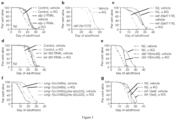
- ⁇ -KG not only extends lifespan, but also delays age-related phenotypes, such as the decline in rapid, coordinated body movement (Supplementary Videos 1 and 2, available on the internet at WorldWideWeb.natureDOTCOM/nature/journal/v510/n7505/fig_tab/nature13264_SV1. HyperTextMarkupLanguage and WorldWideWeb.natureDOTCOM/nature/journal/v510/n7505/fig_tab/nature13264_SV2. HyperTextMarkupLanguage, wherein "WorldWideWeb” is "www”, “DOTCOM” is “.com”, and “HyperTextMarkupLanguage” is "html”). ⁇ -KG supplementation in the adult stage is sufficient for longevity ( Figure 5 , Panel c).
- ⁇ -KG is decarboxylated to succinyl-CoA and CO 2 by ⁇ -KG dehydrogenase (encoded by ogdh-1 ), a key control point in the TCA cycle.
- ⁇ -KG dehydrogenase encoded by ogdh-1
- ogdh-1 a key control point in the TCA cycle.
- Increasing ⁇ -KG levels by ogdh-1 RNAi Figure 5 , Panel b
- Figure 1 , Panel f also extends worm lifespan ( Figure 1 , Panel f), consistent with a direct effect of ⁇ -KG on longevity independent of the bacterial food.
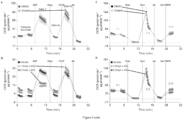
- ⁇ -KG inhibits the activity of Complex V, but not Complex IV, from bovine heart mitochondria ( Figure 2 , Panel c, Figure 6 , Panel b, data not shown). This inhibition is also readily detected in live mammalian cells ( Figure 2 , Panel d, data not shown) and in live nematodes ( Figure 2 , Panel e), as evidenced by reduced ATP levels. Concomitantly, oxygen consumption rates are lowered ( Figure 2 , Panels f-g), similar to the scenario with atp-2 knockdown ( Figure 6 , Panel c). Specific inhibition of Complex V, but not the other ETC complexes, by ⁇ -KG is further confirmed by respiratory control analysis ( Figure 2 , Panel h, Figure 6 , Panels d-h).
- ⁇ -KG does not extend the lifespan of eat-2(ad1116) animals ( Figure 3 , Panel c), which is a model of DR with impaired pharyngeal pumping and therefore reduced food intake.
- the longevity of eat-2 mutants involves TOR/ let-363 , an important mediator of the effects of DR on longevity.
- ⁇ -KG does not increase the lifespan of CeTOR(RNAi) animals ( Figure 3 , Panel d).
- AMP-activated protein kinase is another conserved major sensor of cellular energy status. Both AMPK/ aak-2 and the FoxO transcription factor DAF-16 mediate DR-induced longevity in C .
- ⁇ -KG is not only a metabolite, but also a co-substrate for a large family of dioxygenases.
- the hypoxia inducible factor (HIF-1) is modified by one of these enzymes, the prolyl 4-hydroxylase (PHD) EGL-9, and thereafter degraded by the von Hippel-Lindau (VHL) protein.
- PLD prolyl 4-hydroxylase
- VHL von Hippel-Lindau
- cardiomyocytes of neonatal rats were isolated by collagenase digestion and cultured overnight in DMEM containing 10% fetal calf serum (FCS), and then culture medium was changed to serum-free high glucose insulin-transferrin-sodium selenite (ITS). Hypertrophy of cardiomyocytes was induced by treating the cells with 1 mM isoproterenol (ISO) or phenylephrine (PE) for 48 hours.
- ISO isoproterenol
- PE phenylephrine
- octyl ⁇ -KG (200 ⁇ M) completely abolished ISO-induced hypertrophy (left panel), as well as suppressed ISO- and PE-induced overexpression (right panel) of the hypertrophy associated markers, atrial natriuretic factor (ANF) and brain natriuretic peptide (BNP), indicating a cardio-protective and anti-hypertrophy effect by ⁇ -KG.
- ANF atrial natriuretic factor
- BNP brain natriuretic peptide
- mice were fed octyl ⁇ -KG and assessed whether the molecular and cellular effects of octyl ⁇ -KG could be recapitulated in vivo, particularly its inhibition of mitochondrial ATP synthase (Complex V) activity.
- Mice were fed a chow diet that was pre-mixed with either octyl ⁇ -KG (1.5 mg/g body weight) or octanol (control) for one week. The animals showed no abnormality either physiologically or behaviorally after 5 days feeding with octyl ⁇ -KG or octanol. The mice were sacrificed, hearts harvested, and mitochondria isolated.
- OCR oxygen consumption rate
- the cardio-protective effect of ⁇ -KG in vivo was examined. Hypertrophy and heart failure were induced by chronic infusion of isoproterenol for 3 weeks at a dose of 30 ⁇ g per gram bodyweight per day using osmotic mini-pumps (Alzet, model 1004). DBA2/J female mice at 8 weeks old were used for this study. The mice were fed octyl ⁇ -KG at 0.5 mg/g body weight daily in chow during the three weeks of the study. ISO-induced cardiac hypertrophy and cardiomyopathy were determined at the end of experiment by assessing heart size and heart to body weight ratio.
- ISO-treated mice displayed a marked increase in heart size and heart to body weight ratio, whereas ISO-treated mice when also treated with octyl ⁇ -KG exhibited significantly reduced heart size and heart to body weight ratio.
- the EF for the control group (No-ISO, plus octanol) after three weeks is comparable to the basal before the treatment.
- the EF of ISO-treated is significantly reduced compared to the no-ISO group.
- the EF of the ISO plus octyl ⁇ -KG is restored to the levels of the no-ISO group.
- 2-HG extends the lifespan of adult C . elegans
- the metabolite 2-HG is linked to the TCA cycle and related amino acid metabolic pathways ( Figure 16 , Panel E).
- metabolite levels in octyl 2-HG treated cells were measured by LC-MS. It was found that 2-HG is accumulated to about 20-100 fold after octyl 2-HG treatment ( Figure 16 , Panel D, and Figure 20 , Panel C). Compared to the accumulation of 2-HG, there is no dramatic change ( ⁇ 2-fold) in TCA cycle metabolites or related amino acids ( Figure 16 , Panel D, and Figure 20 , Panel C).
- ATP synthase is a major source of cellular energy and the sole site for oxidative phosphorylation.
- glycolysis is inhibited, such as under conditions of glucose insufficiency, cells are forced to rely on mitochondrial respiration as a source of ATP.
- the inherent inhibition of ATP synthase and mitochondrial respiration in mutant IDH1 cancer cells thus suggests a possible Achilles' heel for these cancers. Supporting this idea, when cultured in glucose-free, galactose-containing medium, e.g., when respiration is the primary source of energy, IDH1(R132H) cells exhibit drastically decreased cell viability ( Figure 17 , Panel A and Figure 21 , Panel A).
- ketosis In complex organisms, glucose limitation can be achieved through ketosis, wherein cells use ketone bodies (instead of glucose) for energy. Ketosis is naturally induced upon prolonged starvation (or fasting), in a survival mode for the body to derive energy from its relatively long-lasting fat reservoir while sparing protein in muscle and other tissues from catabolism. Ketosis can also be implemented through a low-carbohydrate-high-fat "ketogenic diet", which has shown benefits against cancer. One reason for this may be that tumor cells largely depend on glucose for growth and survival.
- TOR is a major regulator of cell growth
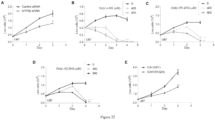
- decreased mTOR pathway activity in ATP synthase-inhibited cells predicts a possible cell growth arrest. Indeed, growth is completely arrested when ATP5B knockdown cells are cultured with galactose as a sole sugar source, e.g., when they are forced to rely on mitochondrial respiration for ATP production ( Figure 17 , Panel E). Even in glucose medium, decreased cell growth is readily detectable ( Figure 22 , Panel A). Treatment with octyl ⁇ -KG or octyl 2-HG similarly inhibits U87 cell growth ( Figure 22 , Panels B-D).
- Caenorhabditis elegans strains were maintained using methods known in the art. The following strains were used: Strain Genotype Source Bristol N2 wild-type Caenorhabditis Genetics Center (CGC), University of Minnesota DA1116 eat-2(ad1116) II CGC CB1370 daf-2(e1370) III CGC CF1038 daf-16(mu86) I CGC PD8120 smg-1(cc546ts) I CGC SM190 smg-1(cc546ts) I; pha-4(zu225) V CGC RB754 aak-2(ok524)X CGC ZG31 hif1(ia4)V CGC ZG596 hif1(ia7)V CGC JT307 egl-9(sa307)V CGC CB5602 vhl-1(ok161)X CGC DA2123 adls2122[lgg-1::GFP
- U87 cells were cultured in glucose-free DMEM (Life technologies, 11966-025) supplemented with 10% fetal bovine serum (FBS) and 10 mM glucose, or in glucose-free DMEM supplemented with 10% FBS and 10 mM galactose when indicated.
- IDH1(R132H) mutant or IDH1(WT) expressing U87 cells were as reported ( Li, et al. Neuro Oncol 15, 57-68 ).
- Normal human diploid fibroblasts WI-38 ATCC, CCL-75
- EMEM ATCC, 30-2003
- HEK 293, A549, and HeLa cells were cultured with DMEM (Life technologies, 11966-065) supplemented with 10% FBS.
- Jurkat and HCT 116 cells were cultured in RPMI (Life technologies, 11875-093) supplemented with 10% FBS. All the cells were cultured at 37°C and 5% CO 2 .
- Cells were transfected with indicated siRNA using Thermo Scientific DharmaFECT Transfection Reagent 1 by following the manufacturer's instructions. Knock down efficiency was confirmed by immunoblotting on the first and the last day of the growth inhibition assay.
- 1-octanol (0.95 ml, 6.0 mmol), DMAP (37 mg, 0.3 mmol), and DCC (0.743 g, 3.6 mmol) were added to a solution of 1-cyclobutene-1-carboxylic acid (0.295 g, 3.0 mmol) in dry CH 2 Cl 2 (6.0 ml) at 0 °C. After it had stirred for 1 hour, the solution was allowed to warm to room temperature and stirred for another 8 hours. The precipitate was filtered and washed with ethyl acetate (3 X 100 ml). The combined organic phases were washed with water and brine, and dried over anhydrous Na 2 SO 4 .
- 5-octyl ⁇ -KG (5-(Octyloxy)-2,5-dioxopentanoic acid): To a solution of 1-benzyl 5-octyl 2-oxopentanedioate (0.12 g, 0.344 mmol) in ethyl acetate (15 ml) was added 5% Pd/C (80 mg). Over the mixture was passed a stream of argon and then the argon was replaced with hydrogen gas and the mixture was stirred vigorously for 15 minutes. The mixture was filtered through a thick pad of Celite to give the desired product 5-octyl ⁇ -KG (0.088 g, 99%) as white solid.
- (S)-5-benzyl 1-octyl 2-hydroxypentanedioate To a solution of ( S )-2-amino-5-(benzyloxy)-5-oxopentanoic acid (1.187 g, 5.0 mmol) in H 2 O (25 ml) and acetic acid (10 ml) cooled to 0 °C was added slowly a solution of aqueous sodium nitrite (1.07 g in 15 ml H 2 O). The reaction mixture was allowed to warm slowly to room temperature and was stirred overnight. The mixture was concentrated.
- RNAi in C . elegans was accomplished by feeding worms HT115(DE3) bacteria expressing target-gene double-stranded RNA (dsRNA) from the pL4440 vector. See Timmons & Fire, Nature 395, 854 (1998). dsRNA production was induced overnight on plates containing 1 mM IPTG. All RNAi feeding clones were obtained from the C . elegans ORF-RNAi Library (Thermo Scientific/Open Biosystems) unless otherwise stated.
- the C . elegans TOR (CeTOR) RNAi clone Long et al. Curr Biol 12, 1448-1461 (2002 ) was obtained from Joseph Avruch (MGH/Harvard). Efficient knockdown was confirmed by Western blotting of the corresponding protein or by qRT-PCR of the mRNA.
- the primer sequences used for qRT-PCR are as follows:
- RNAi knockdown of both ogdh-1 and atp-2 was validated by quantitative RT-PCR and atp-2 knockdown was also validated by Western blotting. Transcripts of ogdh-1 were reduced by 85%, and transcripts and protein levels of atp- 2 were reduced by 52% and 83%, respectively, in larvae that were cultivated on bacteria that expressed the corresponding dsRNAs. In addition, RNAi of atp-2 was found to be associated with delayed post-embryonic development and larval arrest, which is consistent with the phenotypes of atp-2(ua2) animals.
- RNAi was used to inactivate atp-2 , ogdh-1 , and CeTOR in mature animals in the presence or absence of exogenous ⁇ -KG.
- concentration of ⁇ -KG used in these experiments (8 mM) was empirically determined to be most beneficial for wild-type animals ( Figure 1 , Panel c).
- This approach enabled the evaluation of the contribution of essential proteins and pathways to the longevity conferred by supplemental ⁇ -KG. Specifically, substantial, but not complete, inactivation of atp-2 in adult animals that had completed embryonic and larval development was possible.
- Lifespan assays were conducted at 20 °C on solid nematode growth media (NGM) using standard protocols and were replicated in at least two independent experiments.
- C. elegans were synchronized by performing either a timed egg lay ( Sutphin & Kaeberlein, J Vis Exp (2009 )) or an egg preparation (lysing about 100 gravid worms in 70 ⁇ l M9 buffer, 25 ⁇ l bleach (10% sodium hypochlorite solution), and 5 ⁇ l 10 N NaOH ( Brenner Genetics 77, 71-94 (1974 )).
- Assay plates were seeded with OP50 (or a designated RNAi feeding clone, see below). Worms were moved to new assay plates every 4 days (to ensure sufficient food was present at all times and to reduce the risk of mold contamination). To assess the survival of the worms, the animals were prodded with a platinum wire every 2-3 days, and those that failed to respond were scored as dead. For analysis concerning mutant strains, the corresponding parent strain was used as a control in the same experiment.
- RNAi was accomplished by feeding N2 worms HT115(DE3) bacteria expressing target-gene dsRNA from pL4440 ( Timmons & Fire, Nature 395, 854 (1998 )); control RNAi was done in parallel for every experiment by feeding N2 worms HT115(DE3) bacteria expressing either GFP dsRNA or empty vector (which gave identical lifespan results).
- Lifespan data is provided in Figure 13 , including sample sizes.
- the sample size was chosen on the basis of standards done in the field in published manuscripts. No statistical method was used to predetermine the sample size. Animals were assigned randomly to the experimental groups. Worms that ruptured, bagged (e.g., exhibited internal progeny hatching), or crawled off the plates were censored. Lifespan data were analyzed using GraphPad Prism; P -values were calculated using the log-rank (Mantel-Cox) test.
- a protocol adapted from Abada et al. was performed as follows.
- a 10 cm NGM plate was seeded with two spots of OP50 as shown in Figure 5 , Panel e.
- vehicle (H 2 O) or ⁇ -KG (8 mM) was added to the top of the lawn and allowed to dry over 2 days at room temperature.
- About 50-100 synchronized adult day 1 worms were placed onto the center of the plate and their preference for either bacterial lawn was recorded after 3 hours at room temperature.
- Target identification using DARTS was conducted in accordance with methods know in the art. See e.g., Lomenick, et al. PNAS USA 106, 21984-21989 (2009 ).
- human Jurkat cells were lysed using M-PER (Thermo Scientific, 78501) with the addition of protease inhibitors (Roche, 11836153001) and phosphatase inhibitors ( Lomenick, et al. Curr Protoc Chem Biol 3, 163-180 (2011 )).
- TNC buffer 50 mM Tris-HCl pH 8.0, 50 mM NaCl, 10 mM CaCl 2
- protein concentration was then determined using the BCA Protein Assay kit (Pierce, 23227).
- Cell lysates were incubated with either vehicle (H 2 O) or ⁇ -KG for 1 hour on ice followed by an additional 20 minutes at room temperature. Digestion was performed using Pronase (Roche, 10165921001) at room temperature for 30 minutes and stopped using excess protease inhibitors with immediate transfer to ice. The resulting digests were separated by SDS-PAGE and visualized using SYPRO Ruby Protein Gel Stain (Invitrogen, S12000).
- HeLa cells were lysed in M-PER buffer (Thermo Scientific, 78501) with the addition of protease inhibitors (Roche, 11836153001) and phosphatase inhibitors (50 mM NaF, 10 mM ⁇ -glycerophosphate, 5 mM sodium pyrophosphate, 2 mM Na 3 VO 4 ).
- Lysed animals were centrifuged at 14,000 rpm for 10 minutes at 4 °C to pellet worm debris, and supernatant was collected for DARTS. Protein concentration was determined by BCA Protein Assay kit (Pierce, 23223). A worm lysate concentration of 1.13 ⁇ g/ ⁇ l was used for the DARTS experiment. All steps were performed on ice or at 4 °C to help prevent premature protein degradation. TNC buffer (50 mM Tris-HCl pH 8.0, 50 mM NaCl, 10 mM CaCl 2 ) was added to the worm lysates. Worm lysates were incubated with vehicle control (H 2 O) or ⁇ -KG for 1 hour on ice and then 50 minutes at room temperature.
- vehicle control H 2 O
- DARTS was performed as described above. Briefly, U87 cells were lysed in M-PER buffer (Thermo Scientific, 78501) with the addition of protease (Roche, 11836153001) and phosphatase (50 mM NaF, 2 mM Na 3 VO 4 ) inhibitors. Chilled TNC buffer (50 mM Tris-HCl pH 8.0, 50 mM NaCl, 10 mM CaCl 2 ) was added to the lysate, and protein concentration of the solution was measured on an aliquot by the BCA Protein Assay kit (Pierce, 23227).
- the tissue was disrupted in 10 volumes of MSHE+BSA with a glass Dounce homogenizer (5-6 strokes) and the homogenate was centrifuged at 800 ⁇ g for 10 minutes to remove tissue debris and nuclei. The supernatant was decanted through a cell strainer and centrifuged at 8,000 ⁇ g for 10 minutes. The dark mitochondrial pellet was resuspended in MSHE+BSA and recentrifuged at 8,000 ⁇ g for 10 minutes. The final mitochondrial pellets were used for various assays as described below.
- ATP hydrolysis by ATP synthase was measured using submitochondrial particles (see Alberts, B. Molecular Biology of the Cell. 3rd edn, (Garland Pub., 1994 ) and references therein). Mitochondria were isolated from mouse liver as described above.
- the final mitochondrial pellet was resuspended in buffer A (250 mM sucrose, 10 mM Tris-HCl, 1 mM ATP, 5 mM MgCl 2 , and 0.1 mM EGTA, pH 7.4) at 10 ⁇ g/ ⁇ l, subjected to sonication on ice (Fisher Scientific Model 550 Sonic Dismembrator; medium power, alternating between 10 second intervals of sonication and resting on ice for a total of 60 seconds of sonication), and then centrifuged at 18,000 ⁇ g for 10 minutes at 4 °C. The supernatant was collected and centrifuged at 100,000 ⁇ g for 45 minutes at 4 °C. The final pellet (submitochondrial particles) was resuspended in buffer B (250 mM sucrose, 10 mM Tris-HCl, and 0.02 mM EGTA, pH 7.4).
- buffer A 250 mM sucrose, 10 mM Tris-HC
- the SMP ATPase activity was assayed using the Complex V Activity Buffer as above.
- the production of ADP is coupled to the oxidation of NADH to NAD + through pyruvate kinase and lactate dehydrogenase.
- the addition of ⁇ -KG did not affect the activity of pyruvate kinase or lactate dehydrogenase when external ADP was added.
- the absorbance decrease of NADH at 340 nm correlates to ATPase activity.
- SMPs (2.18 ng/ ⁇ l) were incubated with vehicle or ⁇ -KG for 90 minutes at room temperature prior to the addition of activity buffer, and then the absorbance decrease of NADH at 340 nm was measured every 1 minute for 1 hour. Oligomycin (Cell Signaling Technology, 9996) was used as a positive control for the assay.
- Normal human diploid fibroblast WI-38 (ATCC, CCL-75) cells were seeded in 96-well plates at 2 ⁇ 10 4 cells per well. Cells were treated with either DMSO (vehicle control) or octyl ⁇ -KG at varying concentrations for 2 hours in triplicate. ATP levels were measured using the CellTiter-Glo luminescent ATP assay (Promega, G7572); luminescence was read using Analyst HT (Molecular Devices). In parallel, identically treated cells were lysed in M-PER (Thermo Scientific, 78501) to obtain protein concentration by BCA Protein Assay kit (Pierce, 23223). ATP levels were normalized to protein content. Statistical analysis was performed using GraphPad Prism (unpaired t-test).
- OCR Oxygen Consumption Rates
- ECAR Extracellular Acidification Rates
- OCR measurements were made using a Seahorse XF-24 analyzer (Seahorse Bioscience) ( Wu, et al. Am J Physiol Cell Physiol 292, C125-136 (2007 )). Cells were seeded in Seahorse XF-24 cell culture microplates at 50,000 cells/well in DMEM media supplemented with 10% FBS and 10 mM glucose, and incubated at 37 °C and 5% CO 2 for overnight. Treatment with octyl ⁇ -KG or DMSO (vehicle control) was for 1 hour.
- OCR oxygen consumption rates
- Mitochondrial RCR was analyzed using isolated mouse liver mitochondria (see Brand, et al. Biochem J 435, 297-312 (2011 ) and references therein). Mitochondria were isolated from mouse liver as described above. The final mitochondrial pellet was resuspended in 30 ⁇ l of MAS buffer (70 mM sucrose, 220 mM mannitol, 10 mM KH 2 PO 4 , 5 mM MgCl 2 , 2 mM HEPES, 1 mM EGTA, and 0.2% fatty acid free BSA, pH 7.2).
- MAS buffer 70 mM sucrose, 220 mM mannitol, 10 mM KH 2 PO 4 , 5 mM MgCl 2 , 2 mM HEPES, 1 mM EGTA, and 0.2% fatty acid free BSA, pH 7.2.
- Isolated mitochondrial respiration was measured by running coupling and electron flow assays as described ( Rogers, et al. PLoS One 6, e21746 (2011 )).
- 20 ⁇ g of mitochondria in complete MAS buffer (MAS buffer supplemented with 10 mM succinate and 2 ⁇ M rotenone) were seeded into a XF24 Seahorse plate by centrifugation at 2,000 ⁇ g for 20 minutes at 4 °C.
- the MAS buffer was supplemented with 10 mM sodium pyruvate (Complex I substrate), 2 mM malate (Complex II inhibitor), and 4 ⁇ M FCCP, and the mitochondria are seeded the same way as described for the coupling assay.
- the sequential injections were as follows: 2 ⁇ M rotenone (Complex I inhibitor), 10 mM succinate (Complex II substrate), 4 ⁇ M antimycin A (Complex III inhibitor), and 10 mM/100 ⁇ M ascorbate/tetramethylphenylenediamine (Complex IV substrate).
- ATP synthesis enzyme inhibition kinetic analysis was performed using isolated mitochondria. Mitochondria were isolated from mouse liver as described above. The final mitochondrial pellet was resuspended in MAS buffer supplemented with 5 mM sodium ascorbate (Sigma, A7631) and 5 mM TMPD (Sigma, T7394).
- the reaction was carried out in MAS buffer containing 5 mM sodium ascorbate, 5 mM TMPD, luciferase reagent (Roche, 11699695001), octanol or octyl ⁇ -KG, variable amounts of ADP (Sigma, A2754), and 3.75 ng/ ⁇ l mitochondria.
- ATP synthesis was monitored by the increase in luminescence over time by a luminometer (Analyst HT, Molecular Devices). ATP synthase-independent ATP formation, derived from the oligomycin-insensitive luminescence, was subtracted as background. The initial velocity of ATP synthesis was calculated from the slope of the first 3 minutes of the reaction, before the velocity begins to decrease. Enzyme inhibition kinetics was analyzed by nonlinear regression least squares fit using GraphPad Prism.
- mTOR pathway activity in cells treated with octyl ⁇ -KG, 2-HG, or oligomycin was determined by the levels of phosphorylation of known mTOR substrates, including S6K (T389), 4E-BP1 (S65), AKT (S473), and ULK1 (S757) ( Pullen & Thomas, FEBS Lett 410, 78-82 (1997 ); Burnett, et al. PNAS USA 95, 1432-1437 (1998 ); Gingras, et al. Genes Dev 15, 2852-2864 (2001 ); Sarbassov, et al. Science 307, 1098-1101 (2005 ); and Kim, et al. Nat Cell Biol 13, 132-141 (2011 )).
- S6K T389
- 4E-BP1 S65
- AKT S473
- ULK1 ULK1
- P-S6K T389 Cell Signaling Technology, 9234
- S6K Cell Signaling Technology, 9202S
- P-4E-BP1 S65 Cell Signaling Technology, 9451S
- 4E-BP1 Cell Signaling Technology, 9452S
- P-AKT S473 Cell Signaling Technology, 4060S
- AKT Cell Signaling Technology, 4691S
- P-ULK1 S757 Cell Signaling Technology, 6888
- ULK1 Cell Signaling Technology, 4773S
- GAPDH Santa Cruz Biotechnology, 25778).
- DA2123 animals carrying an integrated GFP::LGG-1 translational fusion gene ( Kang, et al. Genes Dev 21, 2161-2171 (2007 ); Hansen, et al. PLoS Genet 4, e24 (2008 ); and Alberti, et al. Autophagy 6, 622-633 (2010 )), were used to quantify levels of autophagy.
- an egg preparation of gravid adults was prepared (by lysing about 100 gravid worms in 70 ⁇ l M9 buffer, 25 ⁇ l bleach and 5 ⁇ l 10 N NaOH), and the eggs were allowed to hatch overnight in M9 causing starvation induced L1 diapause.
- L1 larvae were deposited onto NGM treatment plates containing vehicle, 8 mM ⁇ -KG, or 40 ⁇ M oligomycin, and seeded with either E . coli OP50, HT115(DE3) with an empty vector, or HT115(DE3) expressing dsRNAs targeting atp-2 , CeTOR / let-363 , or ogdh-1 as indicated.
- E . coli OP50 E . coli OP50
- HT115(DE3) with an empty vector
- HT115(DE3) expressing dsRNAs targeting atp-2 , CeTOR / let-363 , or ogdh-1 as indicated.
- individual L3 larvae were mounted onto microscope slides and anesthetized with 1.6 mM levamisole (Sigma, 31742).
- Nematodes were observed using an Axiovert 200M Zeiss confocal microscope with a LSM5 Pascal laser, and images were captured using the LSM Image Examiner (Zeiss).
- GFP::LGG-1 puncta autophagosomes
- Hyp7 the LSM Image Examiner
- GFP::LGG-1 puncta autophagosomes
- Measurements were made blind to both the genotype and supplement.
- Statistical analysis was performed using Microsoft Excel ( t -test, two-tailed, two-sample unequal variance).
- HEK-293 cells were seeded in 6-well plates at 2.5 ⁇ 10 5 cells/well in DMEM media supplemented with 10% FBS and 10 mM glucose, and incubated overnight before treatment with either octanol (vehicle control) or octyl ⁇ -KG for 72 hours.
- Cells were lysed in M-PER buffer with protease and phosphatase inhibitors. Lysates were subjected to SDS-PAGE on a 4-12% Bis-Tris gradient gel with MES running buffer and Western blotted for LC3 (Novus, NB100-2220).
- LC3 is the mammalian homolog of worm LGG-1, and conversion of the soluble LC3-I to the lipidated LC3-II is activated in autophagy, e.g., upon starvation ( Kabeya, et al. EMBO J 19, 5720-5728 (2000 )).
- the pharyngeal pumping rates of 20 wild-type N2 worms per condition were assessed. Pharyngeal contractions were recorded for 1 minute using a Zeiss M2BioDiscovery microscope and an attached Sony NDR-XR500V video camera at 12-fold optical zoom. The resulting videos were played back at 0.3x speed using MPlayerX and pharyngeal pumps were counted. Statistical analysis was performed using Microsoft Excel (t-test, two-tailed, two-sample unequal variance).
- Synchronized adult worms were collected from plates with vehicle (H 2 O) or 8 mM ⁇ -KG, washed 3 times with M9 buffer, and flash frozen. Worms were lysed in M9 using Lysing Matrix C tubes (MP Biomedicals, 6912-100) and the FastPrep-24 (MP Biomedicals) high-speed benchtop homogenizer in the 4 °C room (disrupt worms for 20 seconds at 6.5 m/s, rest on ice for 1 minute; repeat three times). Lysed animals were centrifuged at 14,000 rpm for 10 minutes at 4 °C to pellet worm debris, and the supernatant was saved.
- Lysing Matrix C tubes MP Biomedicals, 6912-100
- the FastPrep-24 MP Biomedicals
- the protein concentration of the supernatant was determined by the BCA Protein Assay kit (Pierce, 23223); there was no difference in protein level per worm in ⁇ -KG treated and vehicle treated animals (data not shown). ⁇ -KG content was assessed as described previously ( MacKenzie, et al. Mol Cell Biol 27, 3282-3289 (2007 )) with modifications. Worm lysates were incubated at 37 °C in 100 mM KH 2 PO 4 (pH 7.2), 10 mM NH 4 Cl, 5 mM MgCl 2 , and 0.3 mM NADH for 10 minutes. Glutamate dehydrogenase (Sigma, G2501) was then added to reach a final concentration of 1.83 units/ml.
- glutamate dehydrogenase uses ⁇ -KG and NADH to make glutamate.
- the absorbance decrease was monitored at 340 nm.
- the intracellular level of ⁇ -KG was determined from the absorbance decrease in NADH.
- the approximate molarity of ⁇ -KG present inside the animals was estimated using average protein content (about 245 ng/worm, from BCA assay) and volume (about 3 nL for adult worms 1.1 mm in length and 60 ⁇ m in diameter (WorldWideWeb.wormatlasDOTORG/hermaphrodite/introduction/Introframeset.Hyper TextMarkupLanguage, wherein "WorldWideWeb” is "www", “DOTORG” is “.org", and "HyperTextMarkupLanguage” is "html”)).
- ⁇ -KG analysis by LC/MS/MS was carried out on an Agilent 1290 Infinity UHPLC system and 6460 Triple Quadrupole mass spectrometer (Agilent Technologies) using an electrospray ionization (ESI) source with Agilent Jet Stream technology.
- ESI electrospray ionization
- the column was maintained at room temperature. The following gradient was applied: 0-0.41 min: 100% B isocratic; 0.41-5.30 min: 100-30% B; 5.3-5.35 min: 30-0% B; 5.35-7.35 min: 0% B isocratic; 7.35-7.55 min: 0-100%B; 7.55-9.55 min: 100% B isocratic.
- the ESI mass spectra data were recorded on a negative ionization mode by MRM.
- MRM transitions of ⁇ -KG and its ISTD 13 C 4 - ⁇ -KG (Cambridge Isotope Laboratories) were determined using a 1-min 37% B isocratic UHPLC method through the column at flow rate of 0.6 ml/min.
- the precursor ion of [M-H] - and the product ion of [M-CO 2 -H] - were observed to have the highest signal to noise ratios.
- the precursor and product ions are respectively 145.0 and 100.9 for AKG, and 149.0 and 104.9 for ISTD 13 C 4 - ⁇ -KG.
- Nitrogen was used as the drying, sheath, and collision gas. All the source and analyzer parameters were optimized using Agilent MassHunter Source and iFunnel Optimizer and Optimizer software respectively.
- the source parameters are as follows: drying gas temperature 120 °C, drying gas flow 13 L/min, nebulizer pressure 55 psi, sheath gas temperature 400 °C, sheath gas flow 12 L/min, capillary voltage 2000 V, and nozzle voltage 0 V.
- the analyzer parameters are as follows: fragmentor voltage 55 V, collision energy 2 V, and cell accelerator voltage 1 V. The UHPLC eluants before 1 minute and after 5.3 minutes were diverted to waste.
- Octyl ⁇ -KG a membrane-permeable ester of ⁇ -KG ( MacKenzie, et al. Mol Cell Biol 27, 3282-3289 (2007 ); Zhao, et al. Science 324, 261-265 (2009 ); Xu, et al. Cancer Cell 19, 17-30 (2011 ); and Jin, et al. Cancer Res 73, 496-501 (2013 )), was used to deliver ⁇ -KG across lipid membranes in experiments using cells and mitochondria. Upon hydrolysis by cellular esterases, octyl ⁇ -KG yields ⁇ -KG and the byproduct octanol.
- esterases in the mitochondrial and cell culture experiments were confirmed using calcein AM (C1430, Molecular Probes), an esterase substrate, which fluoresces upon hydrolysis, and also by mass spectrometry (data not shown).
- calcein AM C1430, Molecular Probes
- An esterase substrate which fluoresces upon hydrolysis
- mass spectrometry data not shown.
- the hydrolysis by esterases explains why distinct esters of ⁇ -KG, such as 1-octyl ⁇ -KG, 5-octyl ⁇ -KG, and dimethyl ⁇ -KG, have similar effects to ⁇ -KG ( Figure 6 , Panels g-h, and Figure 13 ).
- Cells were cultured for 24 hours, rinsed with PBS, and medium containing [1,2- 13 C]glucose (1 g/L) added. After 24 hours culture, cells were rinsed with ice-cold 150 mM NH 4 AcO (pH 7.3) followed by addition of 400 ml cold methanol and 400 ml cold water. Cells were scraped off, transferred to an Eppendorf tube, and 10 nmol norvaline as well as 400 ml chloroform added to each sample. For the metabolite extraction, samples were vortexed for 5 minutes on ice, spun down, and the aqueous layer transferred into a glass vial and dried.
- Metabolites were resuspended in 70% ACN, and 5 ml sample loaded onto a Phenomenex Luna 3u NH2 100A (150 ⁇ 2.0 mm) column.
- the chromatographic separation was performed on an UltiMate 300RSLC (Thermo Scientific) with mobile phases A (5 mM NH 4 AcO, pH 9.9) and B (ACN) and a flow rate of 300 ml / minutes.
- the gradient ran from 15% A to 95% A over 18 minutes, 9 minutes isocratic at 95% A, and re-equilibration for 7 minutes.
- Metabolite detection was achieved with a Thermo Scientific Q Exactive mass spectrometer run in polarity switching mode (+3.0 kV / -2.25 kV).
- TraceFinder 3.1 (Thermo Scientific) was used to quantify metabolites as area under the curve using retention time and accurate mass measurements ( ⁇ 3 ppm). Relative amounts of metabolites were calculated by summing up all isotopomers of a given metabolite.
- mice liver mitochondria were suspended at 1 ⁇ g/ ⁇ l in medium consisting of 220 mM mannitol, 70 mM sucrose, 2 mM HEPES, 2.74 ⁇ M antimycin A, 5 ⁇ M rotenone, 1 mM
- the mitochondria suspension was incubated with designated drug for 30 minutes in 37 °C. After incubation, the suspension was transferred to ice for 10 minutes incubation. Afterwards, 100 ⁇ M [ 3 H]ADP (specific radioactivity, 185 kBq/pmol) was added, and the mixture was immediately vortexed and incubated for 20 seconds on ice. The reaction was terminated by addition of 10 ⁇ M carboxyatractyloside, and the mixture was centrifuged at 10,000 g for 10 minutes at 4 °C.
- the supernatant was collected for reading and the pellet was washed twice with the same medium supplemented with 10 ⁇ M carboxyatractyloside. After washing, the pellet was lysed by the addition of 0.2 ml of 1% SDS. The radioactivity of the lysate and supernatant was determined by TRI-CARB 2300 TR liquid scintillation analyzer. The ADP-ATP translocation rate was determined by the ratio of the pellet versus the sum reading of the pellet and supernatant.
- ⁇ -KG extends the adult lifespan of C. elegans.
- Panel a shows that ⁇ -KG extends the lifespan of adult worms in the metabolite longevity screen. 8 mM was used for all metabolites.
- Panel b shows the structure of ⁇ -KG.
- Panel c shows the dose response of ⁇ -KG in longevity.
- Panels d-e show that ⁇ -KG extends the lifespan of worms fed ampicillin-arrested (Panel d) or ⁇ -irradiation-killed (Panel e) bacteria ( P ⁇ 0.0001).
- ⁇ -KG binds and inhibits ATP synthase.
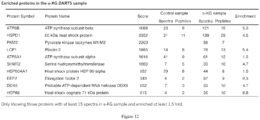
- Panel b is a gel that confirms ⁇ -KG binding specifically to ATP5B using DARTS and Western blotting.
- Panel c is a graph showing the inhibition of ATP synthase by ⁇ -KG (released from octyl ⁇ -KG). This inhibition was reversible (not shown).
- Panel i is an Eadie-Hofstee plot of steady-state inhibition kinetics of ATP synthase by ⁇ -KG (produced by in situ hydrolysis of octyl ⁇ -KG).
- [ S ] is the substrate (ADP) concentration
- V is the initial velocity of ATP synthesis in the presence of 200 ⁇ M octanol (vehicle control) or octyl ⁇ -KG.
- ⁇ -KG produced from octyl ⁇ -KG decreases the apparent V max (53.9 to 26.7) and K m (25.9 to 15.4), by nonlinear regression least squares fit.
- RNAi control (6) atp-2 (2), CeTOR (3), N2 (5), daf-2 (2), eat-2 (2), pha-4 (2), daf-16 (2), hif-1 (5).
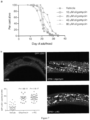
- Panel a shows decreased phosphorylation of mTOR substrates in U87 cells treated with octyl ⁇ -KG or oligomycin. Similar results were obtained in HEK-293, normal human fibroblasts, and MEFs (not shown).
- Panel b shows increased autophagy in animals treated with ⁇ -KG or RNAi for atp-2 or CeTOR.
- Panel c shows GFP::LGG-1 puncta quantitated using ImageJ. 2-3 independent experiments. Bars indicate the mean. **** P ⁇ 0.0001; NS, not significant.
- Panel d shows that ⁇ -KG levels are increased in starved worms (** P ⁇ 0.01). Mean ⁇ s.d. is plotted. By t -test, two-tailed, two-sample unequal variance in Panels c-d.
- Panel e is a schematic model of ⁇ -KG-mediated longevity. As ⁇ -KG levels are elevated in starved C . elegans (Panel d), ⁇ -KG may mediate lifespan extension by a mechanism that is similar to the starvation/DR pathway (Panel e).
- Panel b shows worms supplemented with 8 mM ⁇ -KG and worms with RNAi knockdown of ⁇ -KGDH (encoded by ogdh-1 ) have increased ⁇ -KG levels. Young adult worms were placed on treatment plates seeded with control HT115 E.
- Panel c shows that ⁇ -KG treatment beginning at the egg stage and that beginning in adulthood produced identical lifespan increases.
- ⁇ -KG does not alter the growth rate of the OP50 E. coli, which is the standard laboratory food source for nematodes.
- ⁇ -KG (8 mM) or vehicle (H 2 O) was added to standard LB media and the pH was adjusted to 6.6 by the addition of NaOH.
- Bacterial cells from the same overnight OP50 culture were added to the LB ⁇ ⁇ -KG mixture at a 1:40 dilution, and then placed in the 37 °C incubator shaker at 300 rpm. The absorbance at 595 nm was read at 1 hour time intervals to generate the growth curve.
- Panel e is a schematic representation of food preference assay.
- Panel g shows that the pharyngeal pumping rate of C . elegans on 8 mM ⁇ -KG is not significantly altered (by t -test, two-tailed, two-sample unequal variance).
- Panel h shows the brood size of C . elegans treated with 8 mM ⁇ -KG. Brood size analysis was conducted at 20 °C.
- a-KG binds to the beta subunit of ATP synthase and inhibits the activity of Complex V but not the other ETC complexes.
- Panel a is a Western blot showing protection of the ATP-2 protein from Pronase digestion upon ⁇ -KG binding in the DARTS assay.
- the antibody for human ATP5B (Sigma, AV48185) recognizes the epitope 144 IMNVIGEPIDERGPIKTKQFAPIHAEAPEFMEMSVEQEILVTGIKVVDLL 193 (SEQ ID NO:7) that has 90% identity to the C . elegans ATP-2.
- the lower molecular weight band near 20 kDa is a proteolytic fragment of the full-length protein corresponding to the domain directly bound by ⁇ -KG.
- Panel b shows that ⁇ -KG does not affect Complex IV activity.
- Complex IV activity was assayed using the MitoTox OXPHOS Complex IV Activity Kit (Abcam, ab109906). Relative Complex IV activity was compared to vehicle (H 2 O) controls. Potassium cyanide (Sigma, 60178) was used as a positive control for the assay.
- Complex V activity was assayed using the MitoTox Complex V OXPHOS Activity Microplate Assay (Abcam, ab109907).
- Panel c shows that atp-2(RNAi) worms have lower oxygen consumption compared to control ( gfp in RNAi vector), P ⁇ 0.0001 ( t -test, two-tailed, two-sample unequal variance) for the entire time series (2 independent experiments); similar to ⁇ -KG treated worms shown in Figure 2 , Panel g. Panel d shows that ⁇ -KG does not affect the electron flow through the electron transport chain.
- Panels e-f show no significant difference in coupling (Panel e) or electron flow (Panel f) was observed with either octanol or DMSO vehicle control.
- Panels g-h show that treatment with 1-octyl ⁇ -KG or 5-octyl ⁇ -KG gave identical results in coupling (Panel g) or electron flow (Panel h) assays. Mean ⁇ s.d. is plotted in all cases.
- treatment with oligomycin extends C . elegans lifespan and enhances autophagy in a manner dependent on let-363.
- Panel a shows that oligomycin extends the lifespan of adult C . elegans in a concentration dependent manner. Treatment with oligomycin began at the young adult stage. 40 ⁇ M oligomycin increased the mean lifespan of N2 worms by 32.3% ( P ⁇ 0.0001, by log-rank test); see Figure 13 for details.
- Panel b shows confocal images of GFP::LGG-1 puncta in L3 epidermis of C .
- Panel c shows there is no significant difference (n.s.) between control worms treated with oligomycin and CeTOR(RNAi) worms treated with vehicle, nor between vehicle and ⁇ -KG treated CeTOR(RNAi) worms, consistent with independent experiments in Figure 4 , Panels b-c; also, oligomycin does not augment autophagy in CeTOR(RNAi) worms (if anything, there may be a small decrease*); by t -test, two-tailed, two-sample unequal variance. Bars indicate the mean.
- Figure 8 shows analyses of oxidative stress in worms treated with a-KG or atp-2 RNAi.
- Panel a shows that the atp-2(RNAi) worms have higher levels of DCF fluorescence than gfp control worms ( P ⁇ 0.0001, by t -test, two-tailed, two-sample unequal variance).
- ROS levels were measured using 2',7'-dichlorodihydrofluorescein diacetate (H 2 DCF-DA).
- H 2 DCF-DA (Molecular Probes, D399) was dissolved in ethanol to a stock concentration of 1.5 mg/ml. Fresh stock was prepared every time prior to use.
- a working concentration of H 2 DCF-DA at 30 ng/ml was hydrolyzed by 0.1 M NaOH at room temperature for 30 minutes to generate 2',7'-dichlorodihydrofluorescein (DCFH) before mixing with whole worm lysates in a black 96-well plate (Greiner Bio-One).
- DCFH 2',7'-dichlorodihydrofluorescein
- Oxidized protein levels were determined by the OxyBlot. Synchronized young adult N2 animals were placed onto plates containing vehicle or 8 mM ⁇ -KG, and seeded with OP50 or HT115 bacteria that expressed control or atp-2 dsRNA. Adult day 2 and day 3 worms were collected and washed 4 times with M9 buffer, and then stored at -80 °C for at least 24 hours. Laemmli buffer (Biorad, 161-0737) was added to every sample and animals were lysed by alternate boil/freeze cycles. Lysed animals were centrifuged at 14,000 rpm for 10 minutes at 4 °C to pellet worm debris, and supernatant was collected for oxyblot analysis.
- Protein concentration of samples was determined by the 660 nm Protein Assay (Thermo Scientific, 1861426) and normalized for all samples. Carbonylation of proteins in each sample was detected using the OxyBlot Protein Oxidation Detection Kit (Millipore, S7150).
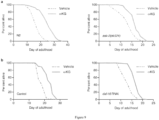
- Figure 9 shows lifespans of ⁇ -KG in the absence of aak-2, daf-16, hif-1, vhl-1 or egl-9.
- Two different hif-1 mutant alleles Zhang, et al. PLoS One 4, e6348 (2009 ) have been used: ia4 (shown in Figure 3 , Panel g) is a deletion over several introns and exons; ia7 (shown above) is an early stop codon, causing a truncated protein. Both alleles have the same effect on lifespan. Both alleles were tested for ⁇ -KG longevity and obtained the same results.
- ⁇ -KG decreases TOR pathway activity but does not directly interact with TOR.
- Panel a shows that phosphorylation of S6K (T389) was decreased in U87 cells treated with octyl ⁇ -KG, but not in cells treated with octanol control. Same results were obtained using HEK-293 and MEF cells.
- Panel b shows phosphorylation of AMPK (T172) is upregulated in WI-38 cells upon Complex V inhibition by ⁇ -KG, consistent with decreased ATP content in ⁇ -KG treated cells and animals.
- Panel c shows that ⁇ -KG still induces autophagy in aak-2(RNAi) worms; ** P ⁇ 0.01 ( t -test, two-tailed, two-sample unequal variance). Number of GFP::LGG-1 containing puncta was quantitated using ImageJ. Bars indicate the mean. Panels d-e show that ⁇ -KG does not bind to TOR directly as determined by DARTS.
- HEK-293 (Panel d) or HeLa (Panel e) cells were lysed in M-PER buffer (Thermo Scientific, 78501) with the addition of protease inhibitors (Roche, 11836153001) and phosphatase inhibitors (50 mM NaF, 10 mM ⁇ -glycerophosphate, 5 mM sodium pyrophosphate, 2 mM Na 3 VO 4 ). Protein concentration of the lysate was measured by BCA Protein Assay kit (Pierce, 23227).
- Chilled TNC buffer 50 mM Tris-HCl pH 8.0, 50 mM NaCl, 10 mM CaCl 2 ) was added to the protein lysate, and the protein lysate was then incubated with vehicle control (DMSO) or varying concentrations of ⁇ -KG for 1 hour (for Panel d) or 3 hours (for Panel e) at room temperature.
- DMSO vehicle control
- Pronase (Roche, 10165921001) digestions were performed for 20 minutes at room temperature, and stopped by adding SDS loading buffer and immediately heating at 95 °C for 5 minutes (for Panel d) or 70 °C for 10 minutes (for Panel e).
- Panel f shows increased autophagy in HEK-293 cells treated with octyl ⁇ -KG was confirmed by Western blot analysis of MAP1 LC3 (Novus, NB100-2220), consistent with decreased phosphorylation of the autophagy initiating kinase ULK1 ( Figure 4 , Panel a).
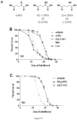
- 2-HG extends the lifespan of adult C. elegans.
- Panel A shows the chemical structures of 2-hydroxyglutaric acid and ⁇ -ketoglutaric acid.
- Panel B shows the lifespan of ( R )-2-HG supplemented worms is similar to worms supplemented with ⁇ -KG.
- 2-HG binds and inhibits ATP synthase.
- Panel A is a gel showing that ATP5B is a 2-HG binding protein as identified by DARTS and Western blotting.
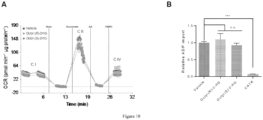
- Panel B shows inhibition of ATP synthase by 2-HG.
- 2-HG released from octyl 2-HG (600 ⁇ M), decreases state 3 (initiated by 2 mM ADP), but not state 4o (oligomycin insensitive, that is, Complex V independent) or 3u (FCCP-uncoupled maximal respiratory capacity), respiration in mitochondria isolated from mouse liver.
- Octanol is used as vehicle.
- Panel C shows decreased ATP content in U87 cells treated with octyl 2-HG or octyl ⁇ -KG (* P ⁇ 0.05, *** P ⁇ 0.001; unpaired t-test, two-tailed, two-sample unequal variance). Octanol has no effect on ATP content.
- Panel D shows decreased respiration as indicated by OCR (** P ⁇ 0.01, unpaired t -test, two-tailed, two-sample unequal variance) in octyl 2-HG treated U87 cells in glucose media. Octanol shows no effect on OCR compared to DMSO. Mean ⁇ s.d. is plotted.
- Figure 16 shows inhibition of ATP synthase in IDH1(R132H) cells.
- Panel E is a schematic model of metabolite signaling by ⁇ -KG and 2-HG through ATP synthase inhibition.
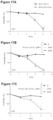
- Figures 17A-I show metabolic vulnerability in cells with ATP5B knockdown, 2-HG accumulation, or IDH mutations.
- Figure 17A shows that U87/IDH1(R132H) cells have increased sensitivity to glucose starvation (***P ⁇ 0.001).
- Figures 17B-D show that octyl ⁇ -KG or octyl 2-HG treated U87 cells exhibit decreased viability upon glucose starvation (****P ⁇ 0.0001, ***P ⁇ 0.001, **P ⁇ 0.01, *P ⁇ 0.05).
- Octanol has no effect on viability.
- Figure 17F shows that HCT 116 IDH1(R132H/+) cells exhibit increased vulnerability to glucose-free medium supplemented with (R)-3-hydroxybutyrate (***P ⁇ 0.001). By unpaired t-test, two-tailed, two-sample unequal variance. Mean ⁇ s.d. is plotted in all cases.
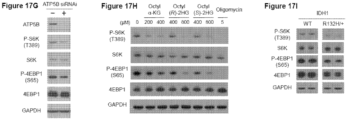
- Figures 17G-I show that U87 cells with ATP5B knockdown, membrane-permeable esterase-hydrolysable analogs of ⁇ -KG or 2-HG treatment, or stably expressing IDH1(R132H) exhibit decreased mTOR Complex 1 activity in glucose-free, galactose-containing medium.
- S6K (T389) and 4E-BP1 (S65) are substrates of mTOR Complex 1. Octanol exhibits no effect on TOR activity.
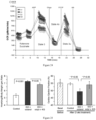
- Panel A shows OCR from isolated mouse liver mitochondria at basal (pyruvate and malate as Complex I substrate and Complex II inhibitor, respectively, in presence of FCCP) and in response to sequential injection of rotenone (Rote; Complex I inhibitor), succinate (Complex II substrate), antimycin A (AA; Complex III inhibitor), tetramethylphenylenediamine (TMPD; cytochrome c (Complex IV) substrate).
- CATR carboxyatractyloside
- 2-HG inhibits cellular respiration and decreases ATP levels.
- Panel A shows oligomycin, a known inhibitor of ATP synthase, is used as a positive control (* P ⁇ 0.05; unpaired t-test, two-tailed, two-sample unequal variance).
- Panels B-C show U87 cells treated with octyl 2-HG have decreased ATP synthase dependent (oligomycin sensitive) oxygen consumption rate (OCR) (* P ⁇ 0.05, **P ⁇ 0.01, *** P ⁇ 0.001; unpaired t-test, two-tailed, two-sample unequal variance). Mean ⁇ s.d. is plotted in all cases.
- Figure 20 shows cellular energetics and metabolic profiles of 2-HG accumulated cells.
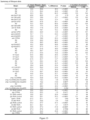
- Panel B shows 2-HG levels are about 100 folder higher in HCT 116/IDH1 (R132H/+) cells than in parental control cells (**** P ⁇ 0.0001).
- Panel C shows the metabolic profile of TCA cycle intermediates and related amino acids in octyl (S) -2-HG treated U87 cells (* P ⁇ 0.05).
- Panel D shows the metabolic profile of TCA cycle intermediates and related amino acids in octyl ⁇ -KG treated U87 cells (*** P ⁇ 0.001, ** P ⁇ 0.01). Unpaired t-test, two-tailed, two-sample unequal variance. Mean ⁇ s.d. is plotted in all cases.
- HCT 116 IDH1(R132H/+) cells exihibit metabolic vulnerability and growth inhibition.
- Panel A shows that HCT 116 IDH1(R132H/+) cells have increased sensitivity to glucose starvation.
- Panel B shows that HCT 116 IDH1(R132H/+) cells present decreased growth rate. ** P ⁇ 0.01; unpaired t-test, two-tailed, two-sample unequal variance. Mean ⁇ s.d. is plotted in all cases.
- Figure 22 shows cell growth inhibition upon ATP5B knockdown, treatment with octyl 2-HG or octyl ⁇ -KG, or IDH1(R132H) mutation.
- Panel A shows that even in glucose medium, ATP5B knockdown decreases the growth rate of U87 cells.
- Panels B-D show that U87 cells exhibit decreased growth rate upon octyl ⁇ -KG or octyl 2-HG treatment in glucose-free medium. Growth rate was reduced also in glucose medium albeit to a lesser extent (not shown).
- Panel E shows that U87 cells expressing IDH1(R132H) exhibit decreased proliferation rate even in glucose medium.
Landscapes
- Health & Medical Sciences (AREA)
- Chemical & Material Sciences (AREA)
- Medicinal Chemistry (AREA)
- Pharmacology & Pharmacy (AREA)
- Life Sciences & Earth Sciences (AREA)
- Animal Behavior & Ethology (AREA)
- General Health & Medical Sciences (AREA)
- Public Health (AREA)
- Veterinary Medicine (AREA)
- Epidemiology (AREA)
- Chemical Kinetics & Catalysis (AREA)
- General Chemical & Material Sciences (AREA)
- Nuclear Medicine, Radiotherapy & Molecular Imaging (AREA)
- Organic Chemistry (AREA)
- Bioinformatics & Cheminformatics (AREA)
- Engineering & Computer Science (AREA)
- Emergency Medicine (AREA)
- Diabetes (AREA)
- Hematology (AREA)
- Biomedical Technology (AREA)
- Neurology (AREA)
- Neurosurgery (AREA)
- Immunology (AREA)
- Orthopedic Medicine & Surgery (AREA)
- Rheumatology (AREA)
- Physical Education & Sports Medicine (AREA)
- Obesity (AREA)
- Acyclic And Carbocyclic Compounds In Medicinal Compositions (AREA)
- Pharmaceuticals Containing Other Organic And Inorganic Compounds (AREA)
Claims (7)
- Verbindung zur Verwendung bei einem Behandeln von Herzhypertrophie bei einem Subjekt, der dies benötigt, wobei die Verbindung ausgewählt ist aus 1-Octylalpha-ketoglutarat und pharmazeutisch verträglichen Solvaten und Salzen davon, wobei die Herzgröße reduziert ist und die Herzleistung des Subjekts auf das Leistungsniveau vor der Herzhypertrophie zurückgeführt wird.
- Verbindung zur Verwendung bei einem Behandeln von Herzhypertrophie bei einem Subjekt, der dies benötigt, wobei die Verbindung ausgewählt ist aus 5-Octylalpha-ketoglutarat und pharmazeutisch verträglichen Solvaten und Salzen davon, wobei die Herzgröße reduziert ist und die Herzleistung des Subjekts auf das Leistungsniveau vor der Herzhypertrophie zurückgeführt wird.
- Verbindung zur Verwendung bei einem Behandeln von Herzhypertrophie bei einem Subjekt, der dies benötigt, wobei die Verbindung ausgewählt ist aus 2-Hydroxyglutarsäure, 2-Hydroxypentandioat, 1-Octyl-(S)-2-hydroxypentandioat, 1-Octyl-(R)-2-hydroxypentandioat, 5-Octyl-(S)-2-hydroxypentandioat, 5-Octyl-(R)-2-hydroxypentandioat und pharmazeutisch verträglichen Solvaten und Salzen davon, wobei die Herzgröße reduziert ist und die Herzleistung des Subjekts auf das Leistungsniveau vor der Herzhypertrophie zurückgeführt wird.
- Verbindung zur Verwendung nach einem der Ansprüche 1 bis 3, wobei die Verbindung als eine Tagesdosis von etwa 0,25-2 Gramm pro Kilogramm Gewicht des Subjekts pro Tag verabreicht wird.
- Verbindung zur Verwendung nach einem der Ansprüche 1 bis 3, wobei die Verbindung als eine Tagesdosis von etwa 0,5-2 Gramm pro Kilogramm Gewicht des Subjekts pro Tag verabreicht wird.
- Verbindung zur Verwendung nach einem der Ansprüche 1 bis 3, wobei die Verbindung als eine Tagesdosis von etwa 1-2 Gramm pro Kilogramm Gewicht des Subjekts pro Tag verabreicht wird.
- Verbindung zur Verwendung nach einem der Ansprüche 1 bis 3, wobei die Verbindung als eine Tagesdosis von etwa 2 Gramm pro Kilogramm Körpergewicht des Patienten pro Tag verabreicht wird.
Applications Claiming Priority (3)
| Application Number | Priority Date | Filing Date | Title |
|---|---|---|---|
| US201461939092P | 2014-02-12 | 2014-02-12 | |
| US201461955463P | 2014-03-19 | 2014-03-19 | |
| PCT/US2015/015304 WO2015123229A1 (en) | 2014-02-12 | 2015-02-11 | Compositions and methods for treating aging and age-related diseases and symptoms |
Publications (3)
| Publication Number | Publication Date |
|---|---|
| EP3104852A1 EP3104852A1 (de) | 2016-12-21 |
| EP3104852A4 EP3104852A4 (de) | 2017-12-13 |
| EP3104852B1 true EP3104852B1 (de) | 2024-08-14 |
Family
ID=53800568
Family Applications (1)
| Application Number | Title | Priority Date | Filing Date |
|---|---|---|---|
| EP15749364.4A Active EP3104852B1 (de) | 2014-02-12 | 2015-02-11 | Zusammensetzungen und verfahren zur behandlung von alters- und altersbedingten erkrankungen und symptomen |
Country Status (7)
| Country | Link |
|---|---|
| US (3) | US20160354334A1 (de) |
| EP (1) | EP3104852B1 (de) |
| KR (1) | KR20160111529A (de) |
| CN (2) | CN113082009A (de) |
| DK (1) | DK3104852T3 (de) |
| ES (1) | ES2992382T3 (de) |
| WO (1) | WO2015123229A1 (de) |
Families Citing this family (13)
| Publication number | Priority date | Publication date | Assignee | Title |
|---|---|---|---|---|
| WO2017123808A1 (en) | 2016-01-15 | 2017-07-20 | The J. David Gladstone Institutes | Methods of treating disease by metabolic control of t-cell differentiation |
| WO2017210608A1 (en) * | 2016-06-02 | 2017-12-07 | Yale University | Compositions and methods for targeting and treating homologous recombination-deficient tumors |
| KR20190080875A (ko) * | 2016-09-30 | 2019-07-08 | 더 리젠츠 오브 더 유니버시티 오브 캘리포니아 | 모발 성장 자극을 위한 알파-케토부티레이트, 알파-케토글루타레이트, 및 2-하이드록시부티레이트 |
| WO2018085486A1 (en) | 2016-11-02 | 2018-05-11 | University Of Cincinnati | Compositions and methods for treating patients suffering from glioma or leukemia |
| WO2018200736A2 (en) * | 2017-04-25 | 2018-11-01 | The Buck Institute For Research On Aging | Formulations for extending lifespan and healthspan |
| US20200253907A1 (en) * | 2017-08-21 | 2020-08-13 | The Regents Of The University Of California | Compositions and Methods for Treating Neurodegenerative Diseases |
| WO2019173459A1 (en) * | 2018-03-07 | 2019-09-12 | Beth Israel Deaconess Medical Center, Inc. | Compositions and methods for treating cancer |
| JP7545896B2 (ja) * | 2018-04-16 | 2024-09-05 | ザ リージェンツ オブ ザ ユニバーシティ オブ カリフォルニア | オートファジーを活性化することによる発毛のための方法及び組成物 |
| US11311538B2 (en) | 2018-07-13 | 2022-04-26 | Yale University | Compositions and methods for targeting cancers |
| CN112512584A (zh) * | 2018-07-27 | 2021-03-16 | 国立大学法人大阪大学 | 用于抑制衰老、预防、改善或治疗衰老相关疾病或症状、或者延长寿命的组合物 |
| US11802103B2 (en) | 2018-09-25 | 2023-10-31 | Ponce De Leon Health Designated Activity Company | Process of making calcium alpha-ketoglutarate |
| EP3867223B1 (de) * | 2018-10-17 | 2025-12-10 | The Regents of the University of California | Prodrugs von alpha-ketoglutarat, alpha-ketobutyrat, alpha-ketoisovalerat und alpha-ketoisohexanoat und verwendungen davon |
| CA3142781A1 (en) * | 2019-06-10 | 2020-12-17 | Buck Institute For Research On Aging | Methods and compositions for altering senescence associated secretory phenotype |
Citations (2)
| Publication number | Priority date | Publication date | Assignee | Title |
|---|---|---|---|---|
| WO2009005464A1 (en) * | 2007-07-02 | 2009-01-08 | Entress Ab | New use of known pharmacologically active chemical compounds |
| WO2015049365A2 (en) * | 2013-10-03 | 2015-04-09 | INSERM (Institut National de la Santé et de la Recherche Médicale) | Methods and pharmaceutical compositions for modulating autophagy in a subject in need thereof |
Family Cites Families (7)
| Publication number | Priority date | Publication date | Assignee | Title |
|---|---|---|---|---|
| ES2275218T3 (es) * | 2003-05-07 | 2007-06-01 | Osteologix A/S | Sales de estroncio hidrosolubles para el tratamiento de afecciones de cartilagos y/o huesos. |
| EP1778616A1 (de) * | 2004-08-09 | 2007-05-02 | Cancer Research Technology Limited | Alpha-ketoglutarate und ihre verwendung als therapeutische mittel |
| AU2005316295B2 (en) * | 2004-12-17 | 2012-03-22 | Alan B. Cash | Method for extending lifespan and delaying the onset of age-related disease |
| JP2008528448A (ja) * | 2005-01-03 | 2008-07-31 | ザ リージェンツ オブ ザ ユニバーシティ オブ ミシガン | 新規化合物に関連する組成物および方法、ならびにその標的 |
| PL372183A1 (pl) * | 2005-01-11 | 2006-07-24 | Sgp & Sons Ab | Preparat przeciwnowotworowy oraz zastosowanie preparatu przeciwnowotworowego |
| WO2011163319A2 (en) * | 2010-06-22 | 2011-12-29 | Cash Alan B | Activation of amp-protein activated kinase by oxaloacetate compounds |
| EP2634259A1 (de) * | 2012-03-01 | 2013-09-04 | Deutsches Krebsforschungszentrum | Mittel und Verfahren zur Bestimmung von (D)-2-Hydroxyglutarat (D2HG) |
-
2015
- 2015-02-11 WO PCT/US2015/015304 patent/WO2015123229A1/en not_active Ceased
- 2015-02-11 DK DK15749364.4T patent/DK3104852T3/da active
- 2015-02-11 EP EP15749364.4A patent/EP3104852B1/de active Active
- 2015-02-11 CN CN202110294357.5A patent/CN113082009A/zh active Pending
- 2015-02-11 KR KR1020167024468A patent/KR20160111529A/ko not_active Ceased
- 2015-02-11 ES ES15749364T patent/ES2992382T3/es active Active
- 2015-02-11 US US15/114,014 patent/US20160354334A1/en not_active Abandoned
- 2015-02-11 CN CN201580012347.0A patent/CN106163513A/zh active Pending
-
2019
- 2019-03-09 US US16/297,590 patent/US20190192470A1/en not_active Abandoned
-
2022
- 2022-09-27 US US17/935,693 patent/US20230218559A1/en active Pending
Patent Citations (2)
| Publication number | Priority date | Publication date | Assignee | Title |
|---|---|---|---|---|
| WO2009005464A1 (en) * | 2007-07-02 | 2009-01-08 | Entress Ab | New use of known pharmacologically active chemical compounds |
| WO2015049365A2 (en) * | 2013-10-03 | 2015-04-09 | INSERM (Institut National de la Santé et de la Recherche Médicale) | Methods and pharmaceutical compositions for modulating autophagy in a subject in need thereof |
Also Published As
| Publication number | Publication date |
|---|---|
| WO2015123229A1 (en) | 2015-08-20 |
| US20190192470A1 (en) | 2019-06-27 |
| CN106163513A (zh) | 2016-11-23 |
| CN113082009A (zh) | 2021-07-09 |
| DK3104852T3 (da) | 2024-11-11 |
| ES2992382T3 (es) | 2024-12-11 |
| KR20160111529A (ko) | 2016-09-26 |
| EP3104852A1 (de) | 2016-12-21 |
| US20230218559A1 (en) | 2023-07-13 |
| US20160354334A1 (en) | 2016-12-08 |
| EP3104852A4 (de) | 2017-12-13 |
Similar Documents
| Publication | Publication Date | Title |
|---|---|---|
| US20230218559A1 (en) | Compositions and Methods for Treating Aging and Age-Related Diseases and Symptoms | |
| Zhong et al. | NFATc1-mediated expression of SLC7A11 drives sensitivity to TXNRD1 inhibitors in osteoclast precursors | |
| Yan et al. | Membrane damage during ferroptosis is caused by oxidation of phospholipids catalyzed by the oxidoreductases POR and CYB5R1 | |
| Ramana et al. | Mitogenic responses of vascular smooth muscle cells to lipid peroxidation-derived aldehyde 4-hydroxy-trans-2-nonenal (HNE): role of aldose reductase-catalyzed reduction of the HNE-glutathione conjugates in regulating cell growth | |
| Chin et al. | The metabolite α-ketoglutarate extends lifespan by inhibiting ATP synthase and TOR | |
| Zhang et al. | The zinc transporter ZIP7 (Slc39a7) controls myocardial reperfusion injury by regulating mitophagy | |
| Ahn et al. | MondoA coordinately regulates skeletal myocyte lipid homeostasis and insulin signaling | |
| WO2017015660A1 (en) | Prevention and treatment of aging and neurodegenerative diseases | |
| Sugatani et al. | SIRT6 deficiency culminates in low-turnover osteopenia | |
| Qin et al. | Design and synthesis of neuroprotective methylthiazoles and modification as NO-chimeras for neurodegenerative therapy | |
| US9206115B2 (en) | ATGListatin and pharmaceutical composition comprising the same | |
| Mason et al. | Development of an improved and specific inhibitor of NADPH oxidase 2 to treat traumatic brain injury | |
| EP3365329B1 (de) | Nurr1:rxr-aktivierende verbindungen zur gleichzeitigen behandlung von symptomen und pathologie von morbus parkinson | |
| Belosludtsev et al. | The effect of DS16570511, a new inhibitor of mitochondrial calcium uniporter, on calcium homeostasis, metabolism, and functional state of cultured cortical neurons and isolated brain mitochondria | |
| Konovalova et al. | Exposure to arginine analog canavanine induces aberrant mitochondrial translation products, mitoribosome stalling, and instability of the mitochondrial proteome | |
| Wang et al. | Itaconate prolongs the healthy lifespan by activating UPRmt in Caenorhabditis elegans | |
| US20190255079A1 (en) | Compositions and methods useful for treating diseases characterized by insufficient pantothenate kinase activity | |
| WO2008155390A2 (en) | Use of inhibitors of sirtuins and/or ampk for the preparation of a medicament for the treatment of polyalanine diseases. | |
| Gherardi et al. | Crosstalk between mitochondrial Ca2+ uptake and autophagy in skeletal muscle | |
| Wang et al. | An optimized fluorescent biosensor for monitoring long-chain fatty acyl-CoAs metabolism in vivo | |
| Sestito et al. | Design, synthesis and biological evaluation of new H2S-releasing rivastigmine derivatives as neuroprotective molecules | |
| Adriano et al. | Searching for a therapy of creatine transporter deficiency: some effects of creatine ethyl ester in brain slices in vitro | |
| HK1232452B (en) | Compositions and methods for treating aging and age-related diseases and symptoms | |
| HK1232452A1 (en) | Compositions and methods for treating aging and age-related diseases and symptoms | |
| EP3263559A1 (de) | Lipaseinhibitoren |
Legal Events
| Date | Code | Title | Description |
|---|---|---|---|
| PUAI | Public reference made under article 153(3) epc to a published international application that has entered the european phase |
Free format text: ORIGINAL CODE: 0009012 |
|
| STAA | Information on the status of an ep patent application or granted ep patent |
Free format text: STATUS: REQUEST FOR EXAMINATION WAS MADE |
|
| 17P | Request for examination filed |
Effective date: 20160728 |
|
| AK | Designated contracting states |
Kind code of ref document: A1 Designated state(s): AL AT BE BG CH CY CZ DE DK EE ES FI FR GB GR HR HU IE IS IT LI LT LU LV MC MK MT NL NO PL PT RO RS SE SI SK SM TR |
|
| AX | Request for extension of the european patent |
Extension state: BA ME |
|
| DAX | Request for extension of the european patent (deleted) | ||
| RIC1 | Information provided on ipc code assigned before grant |
Ipc: A61K 31/198 20060101ALI20170713BHEP Ipc: C12N 5/02 20060101ALI20170713BHEP Ipc: A61P 35/00 20060101ALI20170713BHEP Ipc: A61K 31/19 20060101ALI20170713BHEP Ipc: A61K 31/225 20060101AFI20170713BHEP Ipc: A61K 31/194 20060101ALI20170713BHEP Ipc: A61P 19/02 20060101ALI20170713BHEP Ipc: A61P 25/00 20060101ALI20170713BHEP Ipc: A61P 7/00 20060101ALI20170713BHEP Ipc: A61P 3/00 20060101ALI20170713BHEP |
|
| A4 | Supplementary search report drawn up and despatched |
Effective date: 20171115 |
|
| RIC1 | Information provided on ipc code assigned before grant |
Ipc: A61K 31/198 20060101ALI20171109BHEP Ipc: A61P 19/02 20060101ALI20171109BHEP Ipc: C12N 5/02 20060101ALI20171109BHEP Ipc: A61P 25/00 20060101ALI20171109BHEP Ipc: A61P 7/00 20060101ALI20171109BHEP Ipc: A61K 31/194 20060101ALI20171109BHEP Ipc: A61P 35/00 20060101ALI20171109BHEP Ipc: A61K 31/19 20060101ALI20171109BHEP Ipc: A61K 31/225 20060101AFI20171109BHEP Ipc: A61P 3/00 20060101ALI20171109BHEP |
|
| REG | Reference to a national code |
Ref country code: HK Ref legal event code: DE Ref document number: 1232452 Country of ref document: HK |
|
| STAA | Information on the status of an ep patent application or granted ep patent |
Free format text: STATUS: EXAMINATION IS IN PROGRESS |
|
| 17Q | First examination report despatched |
Effective date: 20191113 |
|
| GRAP | Despatch of communication of intention to grant a patent |
Free format text: ORIGINAL CODE: EPIDOSNIGR1 |
|
| STAA | Information on the status of an ep patent application or granted ep patent |
Free format text: STATUS: GRANT OF PATENT IS INTENDED |
|
| INTG | Intention to grant announced |
Effective date: 20240315 |
|
| GRAS | Grant fee paid |
Free format text: ORIGINAL CODE: EPIDOSNIGR3 |
|
| GRAA | (expected) grant |
Free format text: ORIGINAL CODE: 0009210 |
|
| STAA | Information on the status of an ep patent application or granted ep patent |
Free format text: STATUS: THE PATENT HAS BEEN GRANTED |
|
| AK | Designated contracting states |
Kind code of ref document: B1 Designated state(s): AL AT BE BG CH CY CZ DE DK EE ES FI FR GB GR HR HU IE IS IT LI LT LU LV MC MK MT NL NO PL PT RO RS SE SI SK SM TR |
|
| REG | Reference to a national code |
Ref country code: GB Ref legal event code: FG4D |
|
| REG | Reference to a national code |
Ref country code: CH Ref legal event code: EP |
|
| REG | Reference to a national code |
Ref country code: DE Ref legal event code: R096 Ref document number: 602015089535 Country of ref document: DE |
|
| REG | Reference to a national code |
Ref country code: IE Ref legal event code: FG4D |
|
| REG | Reference to a national code |
Ref country code: DK Ref legal event code: T3 Effective date: 20241108 |
|
| P01 | Opt-out of the competence of the unified patent court (upc) registered |
Free format text: CASE NUMBER: UPC_APP_117560/2023 Effective date: 20230510 |
|
| REG | Reference to a national code |
Ref country code: NL Ref legal event code: FP |
|
| REG | Reference to a national code |
Ref country code: SE Ref legal event code: TRGR |
|
| REG | Reference to a national code |
Ref country code: LT Ref legal event code: MG9D |
|
| REG | Reference to a national code |
Ref country code: ES Ref legal event code: FG2A Ref document number: 2992382 Country of ref document: ES Kind code of ref document: T3 Effective date: 20241211 |
|
| REG | Reference to a national code |
Ref country code: AT Ref legal event code: MK05 Ref document number: 1712636 Country of ref document: AT Kind code of ref document: T Effective date: 20240814 |
|
| PG25 | Lapsed in a contracting state [announced via postgrant information from national office to epo] |
Ref country code: FI Free format text: LAPSE BECAUSE OF FAILURE TO SUBMIT A TRANSLATION OF THE DESCRIPTION OR TO PAY THE FEE WITHIN THE PRESCRIBED TIME-LIMIT Effective date: 20240814 Ref country code: PL Free format text: LAPSE BECAUSE OF FAILURE TO SUBMIT A TRANSLATION OF THE DESCRIPTION OR TO PAY THE FEE WITHIN THE PRESCRIBED TIME-LIMIT Effective date: 20240814 Ref country code: PT Free format text: LAPSE BECAUSE OF FAILURE TO SUBMIT A TRANSLATION OF THE DESCRIPTION OR TO PAY THE FEE WITHIN THE PRESCRIBED TIME-LIMIT Effective date: 20241216 Ref country code: GR Free format text: LAPSE BECAUSE OF FAILURE TO SUBMIT A TRANSLATION OF THE DESCRIPTION OR TO PAY THE FEE WITHIN THE PRESCRIBED TIME-LIMIT Effective date: 20241115 |
|
| PG25 | Lapsed in a contracting state [announced via postgrant information from national office to epo] |
Ref country code: BG Free format text: LAPSE BECAUSE OF FAILURE TO SUBMIT A TRANSLATION OF THE DESCRIPTION OR TO PAY THE FEE WITHIN THE PRESCRIBED TIME-LIMIT Effective date: 20240814 |
|
| PG25 | Lapsed in a contracting state [announced via postgrant information from national office to epo] |
Ref country code: LV Free format text: LAPSE BECAUSE OF FAILURE TO SUBMIT A TRANSLATION OF THE DESCRIPTION OR TO PAY THE FEE WITHIN THE PRESCRIBED TIME-LIMIT Effective date: 20240814 |
|
| PG25 | Lapsed in a contracting state [announced via postgrant information from national office to epo] |
Ref country code: AT Free format text: LAPSE BECAUSE OF FAILURE TO SUBMIT A TRANSLATION OF THE DESCRIPTION OR TO PAY THE FEE WITHIN THE PRESCRIBED TIME-LIMIT Effective date: 20240814 Ref country code: IS Free format text: LAPSE BECAUSE OF FAILURE TO SUBMIT A TRANSLATION OF THE DESCRIPTION OR TO PAY THE FEE WITHIN THE PRESCRIBED TIME-LIMIT Effective date: 20241214 |
|
| PG25 | Lapsed in a contracting state [announced via postgrant information from national office to epo] |
Ref country code: HR Free format text: LAPSE BECAUSE OF FAILURE TO SUBMIT A TRANSLATION OF THE DESCRIPTION OR TO PAY THE FEE WITHIN THE PRESCRIBED TIME-LIMIT Effective date: 20240814 |
|
| PG25 | Lapsed in a contracting state [announced via postgrant information from national office to epo] |
Ref country code: RS Free format text: LAPSE BECAUSE OF FAILURE TO SUBMIT A TRANSLATION OF THE DESCRIPTION OR TO PAY THE FEE WITHIN THE PRESCRIBED TIME-LIMIT Effective date: 20241114 |
|
| PG25 | Lapsed in a contracting state [announced via postgrant information from national office to epo] |
Ref country code: RS Free format text: LAPSE BECAUSE OF FAILURE TO SUBMIT A TRANSLATION OF THE DESCRIPTION OR TO PAY THE FEE WITHIN THE PRESCRIBED TIME-LIMIT Effective date: 20241114 Ref country code: PT Free format text: LAPSE BECAUSE OF FAILURE TO SUBMIT A TRANSLATION OF THE DESCRIPTION OR TO PAY THE FEE WITHIN THE PRESCRIBED TIME-LIMIT Effective date: 20241216 Ref country code: PL Free format text: LAPSE BECAUSE OF FAILURE TO SUBMIT A TRANSLATION OF THE DESCRIPTION OR TO PAY THE FEE WITHIN THE PRESCRIBED TIME-LIMIT Effective date: 20240814 Ref country code: LV Free format text: LAPSE BECAUSE OF FAILURE TO SUBMIT A TRANSLATION OF THE DESCRIPTION OR TO PAY THE FEE WITHIN THE PRESCRIBED TIME-LIMIT Effective date: 20240814 Ref country code: IS Free format text: LAPSE BECAUSE OF FAILURE TO SUBMIT A TRANSLATION OF THE DESCRIPTION OR TO PAY THE FEE WITHIN THE PRESCRIBED TIME-LIMIT Effective date: 20241214 Ref country code: HR Free format text: LAPSE BECAUSE OF FAILURE TO SUBMIT A TRANSLATION OF THE DESCRIPTION OR TO PAY THE FEE WITHIN THE PRESCRIBED TIME-LIMIT Effective date: 20240814 Ref country code: GR Free format text: LAPSE BECAUSE OF FAILURE TO SUBMIT A TRANSLATION OF THE DESCRIPTION OR TO PAY THE FEE WITHIN THE PRESCRIBED TIME-LIMIT Effective date: 20241115 Ref country code: FI Free format text: LAPSE BECAUSE OF FAILURE TO SUBMIT A TRANSLATION OF THE DESCRIPTION OR TO PAY THE FEE WITHIN THE PRESCRIBED TIME-LIMIT Effective date: 20240814 Ref country code: BG Free format text: LAPSE BECAUSE OF FAILURE TO SUBMIT A TRANSLATION OF THE DESCRIPTION OR TO PAY THE FEE WITHIN THE PRESCRIBED TIME-LIMIT Effective date: 20240814 Ref country code: AT Free format text: LAPSE BECAUSE OF FAILURE TO SUBMIT A TRANSLATION OF THE DESCRIPTION OR TO PAY THE FEE WITHIN THE PRESCRIBED TIME-LIMIT Effective date: 20240814 |
|
| PG25 | Lapsed in a contracting state [announced via postgrant information from national office to epo] |
Ref country code: RO Free format text: LAPSE BECAUSE OF FAILURE TO SUBMIT A TRANSLATION OF THE DESCRIPTION OR TO PAY THE FEE WITHIN THE PRESCRIBED TIME-LIMIT Effective date: 20240814 Ref country code: SM Free format text: LAPSE BECAUSE OF FAILURE TO SUBMIT A TRANSLATION OF THE DESCRIPTION OR TO PAY THE FEE WITHIN THE PRESCRIBED TIME-LIMIT Effective date: 20240814 |
|
| PG25 | Lapsed in a contracting state [announced via postgrant information from national office to epo] |
Ref country code: EE Free format text: LAPSE BECAUSE OF FAILURE TO SUBMIT A TRANSLATION OF THE DESCRIPTION OR TO PAY THE FEE WITHIN THE PRESCRIBED TIME-LIMIT Effective date: 20240814 |
|
| PG25 | Lapsed in a contracting state [announced via postgrant information from national office to epo] |
Ref country code: CZ Free format text: LAPSE BECAUSE OF FAILURE TO SUBMIT A TRANSLATION OF THE DESCRIPTION OR TO PAY THE FEE WITHIN THE PRESCRIBED TIME-LIMIT Effective date: 20240814 |
|
| PG25 | Lapsed in a contracting state [announced via postgrant information from national office to epo] |
Ref country code: SK Free format text: LAPSE BECAUSE OF FAILURE TO SUBMIT A TRANSLATION OF THE DESCRIPTION OR TO PAY THE FEE WITHIN THE PRESCRIBED TIME-LIMIT Effective date: 20240814 |
|
| REG | Reference to a national code |
Ref country code: DE Ref legal event code: R097 Ref document number: 602015089535 Country of ref document: DE |
|
| PLBE | No opposition filed within time limit |
Free format text: ORIGINAL CODE: 0009261 |
|
| STAA | Information on the status of an ep patent application or granted ep patent |
Free format text: STATUS: NO OPPOSITION FILED WITHIN TIME LIMIT |
|
| 26N | No opposition filed |
Effective date: 20250515 |
|
| PG25 | Lapsed in a contracting state [announced via postgrant information from national office to epo] |
Ref country code: MC Free format text: LAPSE BECAUSE OF FAILURE TO SUBMIT A TRANSLATION OF THE DESCRIPTION OR TO PAY THE FEE WITHIN THE PRESCRIBED TIME-LIMIT Effective date: 20240814 |
|
| PG25 | Lapsed in a contracting state [announced via postgrant information from national office to epo] |
Ref country code: LU Free format text: LAPSE BECAUSE OF NON-PAYMENT OF DUE FEES Effective date: 20250211 |
|
| PG25 | Lapsed in a contracting state [announced via postgrant information from national office to epo] |
Ref country code: IE Free format text: LAPSE BECAUSE OF NON-PAYMENT OF DUE FEES Effective date: 20250211 |
|
| REG | Reference to a national code |
Ref country code: CH Ref legal event code: U11 Free format text: ST27 STATUS EVENT CODE: U-0-0-U10-U11 (AS PROVIDED BY THE NATIONAL OFFICE) Effective date: 20260301 |
|
| PGFP | Annual fee paid to national office [announced via postgrant information from national office to epo] |
Ref country code: NL Payment date: 20260226 Year of fee payment: 12 |
|
| PGFP | Annual fee paid to national office [announced via postgrant information from national office to epo] |
Ref country code: SE Payment date: 20260227 Year of fee payment: 12 |
|
| PGFP | Annual fee paid to national office [announced via postgrant information from national office to epo] |
Ref country code: GB Payment date: 20260227 Year of fee payment: 12 |
|
| PGFP | Annual fee paid to national office [announced via postgrant information from national office to epo] |
Ref country code: ES Payment date: 20260302 Year of fee payment: 12 |
|
| PGFP | Annual fee paid to national office [announced via postgrant information from national office to epo] |
Ref country code: NO Payment date: 20260227 Year of fee payment: 12 Ref country code: DK Payment date: 20260225 Year of fee payment: 12 Ref country code: DE Payment date: 20260227 Year of fee payment: 12 |
|
| PGFP | Annual fee paid to national office [announced via postgrant information from national office to epo] |
Ref country code: BE Payment date: 20260227 Year of fee payment: 12 Ref country code: IT Payment date: 20260219 Year of fee payment: 12 |
|
| PGFP | Annual fee paid to national office [announced via postgrant information from national office to epo] |
Ref country code: FR Payment date: 20260225 Year of fee payment: 12 |
|
| PGFP | Annual fee paid to national office [announced via postgrant information from national office to epo] |
Ref country code: CH Payment date: 20260301 Year of fee payment: 12 |