EP3080602B1 - Treating neurodegenerative disease - Google Patents
Treating neurodegenerative disease Download PDFInfo
- Publication number
- EP3080602B1 EP3080602B1 EP14868919.3A EP14868919A EP3080602B1 EP 3080602 B1 EP3080602 B1 EP 3080602B1 EP 14868919 A EP14868919 A EP 14868919A EP 3080602 B1 EP3080602 B1 EP 3080602B1
- Authority
- EP
- European Patent Office
- Prior art keywords
- laccer
- subject
- inhibitor
- progressive
- level
- Prior art date
- Legal status (The legal status is an assumption and is not a legal conclusion. Google has not performed a legal analysis and makes no representation as to the accuracy of the status listed.)
- Active
Links
Images
















Classifications
-
- G—PHYSICS
- G01—MEASURING; TESTING
- G01N—INVESTIGATING OR ANALYSING MATERIALS BY DETERMINING THEIR CHEMICAL OR PHYSICAL PROPERTIES
- G01N33/00—Investigating or analysing materials by specific methods not covered by groups G01N1/00 - G01N31/00
- G01N33/48—Biological material, e.g. blood, urine; Haemocytometers
- G01N33/50—Chemical analysis of biological material, e.g. blood, urine; Testing involving biospecific ligand binding methods; Immunological testing
- G01N33/53—Immunoassay; Biospecific binding assay; Materials therefor
- G01N33/564—Immunoassay; Biospecific binding assay; Materials therefor for pre-existing immune complex or autoimmune disease, i.e. systemic lupus erythematosus, rheumatoid arthritis, multiple sclerosis, rheumatoid factors or complement components C1-C9
-
- A—HUMAN NECESSITIES
- A61—MEDICAL OR VETERINARY SCIENCE; HYGIENE
- A61K—PREPARATIONS FOR MEDICAL, DENTAL OR TOILETRY PURPOSES
- A61K31/00—Medicinal preparations containing organic active ingredients
- A61K31/33—Heterocyclic compounds
- A61K31/395—Heterocyclic compounds having nitrogen as a ring hetero atom, e.g. guanethidine or rifamycins
- A61K31/435—Heterocyclic compounds having nitrogen as a ring hetero atom, e.g. guanethidine or rifamycins having six-membered rings with one nitrogen as the only ring hetero atom
- A61K31/44—Non condensed pyridines; Hydrogenated derivatives thereof
- A61K31/445—Non condensed piperidines, e.g. piperocaine
-
- A—HUMAN NECESSITIES
- A61—MEDICAL OR VETERINARY SCIENCE; HYGIENE
- A61K—PREPARATIONS FOR MEDICAL, DENTAL OR TOILETRY PURPOSES
- A61K31/00—Medicinal preparations containing organic active ingredients
- A61K31/33—Heterocyclic compounds
- A61K31/395—Heterocyclic compounds having nitrogen as a ring hetero atom, e.g. guanethidine or rifamycins
- A61K31/535—Heterocyclic compounds having nitrogen as a ring hetero atom, e.g. guanethidine or rifamycins having six-membered rings with at least one nitrogen and one oxygen as the ring hetero atoms, e.g. 1,2-oxazines
- A61K31/5375—1,4-Oxazines, e.g. morpholine
-
- A—HUMAN NECESSITIES
- A61—MEDICAL OR VETERINARY SCIENCE; HYGIENE
- A61K—PREPARATIONS FOR MEDICAL, DENTAL OR TOILETRY PURPOSES
- A61K31/00—Medicinal preparations containing organic active ingredients
- A61K31/70—Carbohydrates; Sugars; Derivatives thereof
- A61K31/7088—Compounds having three or more nucleosides or nucleotides
- A61K31/713—Double-stranded nucleic acids or oligonucleotides
-
- A—HUMAN NECESSITIES
- A61—MEDICAL OR VETERINARY SCIENCE; HYGIENE
- A61K—PREPARATIONS FOR MEDICAL, DENTAL OR TOILETRY PURPOSES
- A61K31/00—Medicinal preparations containing organic active ingredients
- A61K31/70—Carbohydrates; Sugars; Derivatives thereof
- A61K31/715—Polysaccharides, i.e. having more than five saccharide radicals attached to each other by glycosidic linkages; Derivatives thereof, e.g. ethers, esters
- A61K31/716—Glucans
-
- A—HUMAN NECESSITIES
- A61—MEDICAL OR VETERINARY SCIENCE; HYGIENE
- A61P—SPECIFIC THERAPEUTIC ACTIVITY OF CHEMICAL COMPOUNDS OR MEDICINAL PREPARATIONS
- A61P25/00—Drugs for disorders of the nervous system
-
- A—HUMAN NECESSITIES
- A61—MEDICAL OR VETERINARY SCIENCE; HYGIENE
- A61P—SPECIFIC THERAPEUTIC ACTIVITY OF CHEMICAL COMPOUNDS OR MEDICINAL PREPARATIONS
- A61P43/00—Drugs for specific purposes, not provided for in groups A61P1/00-A61P41/00
-
- C—CHEMISTRY; METALLURGY
- C12—BIOCHEMISTRY; BEER; SPIRITS; WINE; VINEGAR; MICROBIOLOGY; ENZYMOLOGY; MUTATION OR GENETIC ENGINEERING
- C12N—MICROORGANISMS OR ENZYMES; COMPOSITIONS THEREOF; PROPAGATING, PRESERVING, OR MAINTAINING MICROORGANISMS; MUTATION OR GENETIC ENGINEERING; CULTURE MEDIA
- C12N15/00—Mutation or genetic engineering; DNA or RNA concerning genetic engineering, vectors, e.g. plasmids, or their isolation, preparation or purification; Use of hosts therefor
- C12N15/09—Recombinant DNA-technology
- C12N15/11—DNA or RNA fragments; Modified forms thereof; Non-coding nucleic acids having a biological activity
- C12N15/113—Non-coding nucleic acids modulating the expression of genes, e.g. antisense oligonucleotides; Antisense DNA or RNA; Triplex- forming oligonucleotides; Catalytic nucleic acids, e.g. ribozymes; Nucleic acids used in co-suppression or gene silencing
- C12N15/1137—Non-coding nucleic acids modulating the expression of genes, e.g. antisense oligonucleotides; Antisense DNA or RNA; Triplex- forming oligonucleotides; Catalytic nucleic acids, e.g. ribozymes; Nucleic acids used in co-suppression or gene silencing against enzymes
-
- C—CHEMISTRY; METALLURGY
- C12—BIOCHEMISTRY; BEER; SPIRITS; WINE; VINEGAR; MICROBIOLOGY; ENZYMOLOGY; MUTATION OR GENETIC ENGINEERING
- C12N—MICROORGANISMS OR ENZYMES; COMPOSITIONS THEREOF; PROPAGATING, PRESERVING, OR MAINTAINING MICROORGANISMS; MUTATION OR GENETIC ENGINEERING; CULTURE MEDIA
- C12N2310/00—Structure or type of the nucleic acid
- C12N2310/10—Type of nucleic acid
- C12N2310/14—Type of nucleic acid interfering nucleic acids [NA]
-
- C—CHEMISTRY; METALLURGY
- C12—BIOCHEMISTRY; BEER; SPIRITS; WINE; VINEGAR; MICROBIOLOGY; ENZYMOLOGY; MUTATION OR GENETIC ENGINEERING
- C12N—MICROORGANISMS OR ENZYMES; COMPOSITIONS THEREOF; PROPAGATING, PRESERVING, OR MAINTAINING MICROORGANISMS; MUTATION OR GENETIC ENGINEERING; CULTURE MEDIA
- C12N2320/00—Applications; Uses
- C12N2320/30—Special therapeutic applications
-
- G—PHYSICS
- G01—MEASURING; TESTING
- G01N—INVESTIGATING OR ANALYSING MATERIALS BY DETERMINING THEIR CHEMICAL OR PHYSICAL PROPERTIES
- G01N2400/00—Assays, e.g. immunoassays or enzyme assays, involving carbohydrates
-
- G—PHYSICS
- G01—MEASURING; TESTING
- G01N—INVESTIGATING OR ANALYSING MATERIALS BY DETERMINING THEIR CHEMICAL OR PHYSICAL PROPERTIES
- G01N2405/00—Assays, e.g. immunoassays or enzyme assays, involving lipids
-
- G—PHYSICS
- G01—MEASURING; TESTING
- G01N—INVESTIGATING OR ANALYSING MATERIALS BY DETERMINING THEIR CHEMICAL OR PHYSICAL PROPERTIES
- G01N2800/00—Detection or diagnosis of diseases
- G01N2800/28—Neurological disorders
- G01N2800/285—Demyelinating diseases; Multipel sclerosis
-
- G—PHYSICS
- G01—MEASURING; TESTING
- G01N—INVESTIGATING OR ANALYSING MATERIALS BY DETERMINING THEIR CHEMICAL OR PHYSICAL PROPERTIES
- G01N2800/00—Detection or diagnosis of diseases
- G01N2800/50—Determining the risk of developing a disease
-
- G—PHYSICS
- G01—MEASURING; TESTING
- G01N—INVESTIGATING OR ANALYSING MATERIALS BY DETERMINING THEIR CHEMICAL OR PHYSICAL PROPERTIES
- G01N2800/00—Detection or diagnosis of diseases
- G01N2800/52—Predicting or monitoring the response to treatment, e.g. for selection of therapy based on assay results in personalised medicine; Prognosis
Definitions
- the invention relates to methods of diagnosing or determining risk of developing progressive multiple sclerosis (MS), e.g., primary progressive multiple sclerosis (PPMS) or secondary progressive multiple sclerosis (SPMS) in a subject, based on detecting a level of lactosylceramide (LacCer), and methods of treating progressive MS, based on administration of an inhibitor of LacCer synthesis.
- MS progressive multiple sclerosis
- PPMS primary progressive multiple sclerosis
- SPMS secondary progressive multiple sclerosis
- Astrocytes are the most abundant cells in the central nervous system (CNS). Under normal conditions astrocytes modulate synaptic activity, and provide nutrients and support needed for neuronal survival 1-4 . In the context of neuroinflammation, astrocytes control CNS infiltration by peripheral pro-inflammatory leukocytes 5-8 and regulate the activity of microglia, oligodendrocytes and cells of the adaptive immune system 9 . Thus, it is important to characterize the mechanisms regulating astrocyte activation during CNS inflammation, as well as potential targets for the therapeutic modulation of astrocyte activity.
- MS Multiple sclerosis
- RRMS relapsing-remitting clinical course
- SPMS secondary progressive MS
- lactosylceramide (LacCer) levels are up-regulated in the CNS during chronic experimental autoimmune encephalomyelitis (EAE), an experimental model of multiple sclerosis (MS).
- LacCer synthesized by ⁇ -1,4-galactosyltransferase 6 (B4GALT6) in astrocytes acts in an autocrine manner to trigger transcriptional programs that promote the recruitment and activation of CNS-infiltrating monocytes and microglia, and neurodegeneration.
- B4GALT6 expression and LacCer levels were detected in CNS MS lesions in human patients.
- B4GALT6 is a therapeutic target for MS and other neuroinflammatory disorders.
- the invention provides methods for diagnosing or determining risk of developing secondary progressive multiple sclerosis (SPMS) in a subject.
- the methods include detecting a level of lactosylceramide (LacCer) in a sample from a subject; comparing the level of LacCer in the sample to a reference level of LacCer that represents a level of LacCer in a control subject who has or is at risk of developing SPMS, and diagnosing SPMS in a subject or identifying a subject as at risk of developing SPMS when the level of LacCer in the sample is above the reference level.
- the methods include administering a treatment for MS, e.g., as known in the art or described herein, to a subject who has been identified as having or at risk of developing SPMS.
- the subject has relapsing remitting multiple sclerosis, and the level indicates that the subject is at risk of developing SPMS. In some embodiments,wherein the subject has an increased risk of developing SPMS within 1, 3, 6, 9, 12 months, 2 years, 3 years, 4 years, or 5 years.
- the invention provides methods for treating progressive MS, e.g., primary progressive multiple sclerosis (PPMS) or secondary progressive multiple sclerosis (SPMS) in a subject, by administering to the subject a therapeutically effective amount of an inhibitor of LacCer synthesis.
- progressive MS e.g., primary progressive multiple sclerosis (PPMS) or secondary progressive multiple sclerosis (SPMS)
- PPMS primary progressive multiple sclerosis
- SPMS secondary progressive multiple sclerosis
- PPMS primary progressive multiple sclerosis
- SPMS secondary progressive multiple sclerosis
- the invention provides methods for treating progressive multiple sclerosis (MS) in a subject.
- the methods include detecting a level of lactosylceramide (LacCer) in a sample from a subject who has or is suspected of having progressive MS; comparing the level of LacCer in the sample to a reference level of LacCer, e.g., a reference level that represents a level of LacCer in a control subject who has or is at risk of developing progressive MS, and administering a treatment comprising administering to the subject a therapeutically effective amount of an inhibitor of LacCer synthesis to a subject who has a level of LacCer above the reference level.
- the methods include administering another treatment for MS, e.g., as known in the art or described herein, e.g., a standard treatment for MS.
- the invention features methods for selecting a treatment for a subject who has or is suspected of having MS, e.g. progressive MS.
- the methods include detecting a level of lactosylceramide (LacCer) in a sample from a subject who has or is suspected of having progressive MS; comparing the level of LacCer in the sample to a reference level of LacCer, e.g., a reference level that represents a level of LacCer in a control subject who has or is at risk of developing progressive MS, and selecting a treatment comprising administering to the subject a therapeutically effective amount of an inhibitor of LacCer synthesis to a subject who has a level of LacCer above the reference level.
- the methods include administering the treatment for MS, and optionally administering another treatment for MS, e.g., as known in the art or described herein, to a subject who has been identified as having or at risk of developing SPMS.
- the inhibitor of LacCer synthesis is an inhibitor of glucosylceramide (GlcCer) synthesis.
- the inhibitor of GlcCer synthesis is selected from the group consisting of 1-(3',4'-ethylenedioxy)phenyl-2-nonanoylamino-3-pyrrolidino-1-propanol; 1-(3',4'-ethylenedioxy)phenyl-2-octanoylamino-3-pyrrolidino-1-propanol; D-threo-(1R,2R)-phenyl-2-decanoylamino-3-morpholino-1-propanol (PDMP) and analogs thereof including D-PDMP; PPMP (DL-threo-1-Phenyl-2-palmitoylamino-3-morpholino-1-propanol), D-threo-EtDO-P4; ((1R, 2R)-nonanoic acid[2-(1R, 2R)-
- the deoxynojiromycin-based GlcCer inhibitor is N -(5-adamantane-1'-yl-methoxy)-pentyl-1-deoxynojirimycin (AMP-DNM), N -butyl-deoxynojirimycin (miglustat) or a long-chain N-alkyl derivative of 1,5-dideoxy-1,5-imino-D-glucitol having from nine to about 20 carbon atoms in the alkyl chain.
- the N-alkyl substituent is selected from the group consisting of nonyl, decyl, undecyl, dodecyl, tetradecyl, hexadecyl, cis-11-hexadecenyl, octadecyl, cis-13-octadecenyl, and eicosyl.
- the inhibitor of LacCer synthesis is an inhibitor of B4GALT6 selected from the group consisting of a small molecule, an inhibitory nucleic acid targeting B4GALT6, or an inhibitory antibody that binds specifically to B4GALT6 and inhibits LacCer synthesis.
- the inhibitory nucleic acid targeting B4GALT6 is selected from the group consisting of antisense, siRNA, shRNA, and miRNA.
- the methods include administering an inhibitor of B4GALT6 and an inhibitor of GlcCer synthesis.
- the methods include selecting the subject on the basis that the subject has progressive MS, e.g., PPMS or SPMS.
- the methods include administering an activator of glucocerebrosidase.
- the activator of glucocerebrosidase is Saposin C or an active fragment thereof; NCGC00182186 (5-cyclopropylidene-7-(difluoromethyl)-N-(2-phenylsulfanylphenyl)-1H-pyrazolo[1,5-a]pyrimidine-3 - carboxamide); NCGC00182510 ([2-(tert-butylamino)-2-oxoethyl] 2-[2-(4-bromoanilino)-2-oxoethoxy]benzoate) or phosphatidylserine.
- the methods include administering a treatment, e.g., a compound, orally, nasally, intravenously, or intrathecally.
- a treatment e.g., a compound, orally, nasally, intravenously, or intrathecally.
- the subject has SPMS and/or is selected on the basis that they have SPMS.
- B4GALT6 up-regulation in astrocytes during the chronic phase of NOD EAE increases the CNS levels of the bioactive lipid LacCer, which acts in an autocrine manner to boost CNS inflammation and promote neurodegeneration.
- B4GALT5 and B4GALT6 are members of the ⁇ 4-galactosyltransferase family that catalyze LacCer synthesis 17 .
- both enzymes are specifically up-regulated by astrocytes during chronic EAE and MS, B4GALT6, but not B4GALT5, is responsible for the increase in CNS LacCer levels and consequently astrocyte activation and disease progression. Previous studies described different biological roles for B4GALT5 and B4GALT6.
- B4GALT5 is essential for embryonic development 23,24 .
- Tokuda and coworkers have recently demonstrated that B4GALT6 deficiency results in a significant decrease in LacCer synthase activity in the CNS of naive mice; LacCer synthesis in the kidney, however, is controlled by B4GALT5 24 .
- B4GALT5 24 is controlled by B4GALT5 24 .
- Microglia and Ly6C high CCR2 + inflammatory monocytes are major components of the immune response in the CNS, with profound effects on neurodegeneration 9,14,19,21,31 .
- Astrocytes regulate leukocyte infiltration to the CNS through several mechanisms that range from the formation of a glial scar 39 to the secretion of chemokines, for example CCL-2 which recruits inflammatory monocytes to the CNS 20,21 .
- the B4GALT6/LacCer axis controls the transactivation of the ccl2 promoter by NF- ⁇ B and IRF-1 and consequently, CCL-2 production by astrocytes.
- LacCer synthesis leads to both a decrease in CCL-2 production by astrocytes and a significant reduction in the recruitment of inflammatory monocytes to the CNS.
- B4GALT6 was also found to control the production of CCL-5 and CXCL-10; thus, these data identify the B4GALT6/LacCer pathway as an important regulator of inflammatory cell recruitment into the CNS.
- CNS-infiltrating monocytes and microglia take different phenotypes that have been associated with pro- or anti-inflammatory activities; M1 pro-inflammatory microglia and monocytes are thought to contribute to the pathogenesis of MS and other CNS disorders 29,30,40 .
- M1 pro-inflammatory microglia and monocytes are thought to contribute to the pathogenesis of MS and other CNS disorders 29,30,40 .
- GM-CSF for example, promotes the polarization of M1 macrophages and activates microglia during EAE 41 .
- the B4GALT6/LacCer axis controls the production of GM-CSF by astrocytes and consequently controls microglial activation.
- astrocytes also constitute a significant source of GM-CSF during chronic CNS inflammation.
- LacCer produced by astrocytes controls the recruitment and the activation of inflammatory monocytes and microglia during chronic CNS inflammation.
- Lipids exert significant effects on the immune response during microbial infections and autoimmunity, acting either as targets or regulators of the immune response 44-46 .
- lipid-specific antibodies and T cells have been identified in MS 47,48 , the role of bioactive lipids in CNS autoimmunity is mostly unknown. Steinman and coworkers recently reported that myelin sheath lipids induce apoptosis in autoreactive T cells and ameliorate EAE 44 . Decreased levels of these lipids were detected in MS brain samples, suggesting that they play a role in the regulation of CNS-specific T cells.
- LacCer produced by B4GALT6 controls a broad array of processes that drive CNS inflammation and neurodegeneration and are thought to play an important role in progressive MS.
- the modulation of LacCer synthesis is a therapeutic approach for progressive MS and also for other neurologic disorders in which astrocyte activation contributes to disease pathology.
- the methods include obtaining a sample from a subject, and evaluating the presence and/or level of LacCer in the sample, and comparing the presence and/or level with one or more references, e.g., a control reference that represents a normal level of LacCer, e.g., a level in an unaffected subject, and/or a disease reference that represents a level of LacCer associated with progressive multiple sclerosis (e.g., PPMS or SPMS), e.g., a level in a subject having progressive multiple sclerosis (e.g., PPMS or SPMS).
- the presence of a level of LacCer above the reference level indicates that the subject indicates that the subject has with progressive multiple sclerosis (e.g., PPMS or SPMS).
- the level of LacCer is comparable to the level of LacCer in the disease reference, and the subject has one or more symptoms associated with progressive MS, e.g., PPMS or SMPS, then the subject has progressive MS, e.g., PPMS or SMPS.
- progressive MS e.g., PPMS or SMPS
- the subject has no overt signs or symptoms of progressive MS, e.g., of PPMS or SMPS (e.g., has relapsing-remitting MS but has not shown signs of developing progressive MS, e.g., PPMS or SMPS), but the level of LacCer is comparable to the level of LacCer in the disease reference, then the subject is likely to develop or has an increased risk of developing progressive MS, e.g., PPMS or SMPS.
- progressive MS e.g., of PPMS or SMPS
- the sample includes a biological fluid, e.g., blood, plasma, serum, tears, saliva, semen, urine, and/or cerebrospinal fluid, or a biological tissue, e.g., a biopsy sample from a CNS lesion.
- a biological fluid e.g., blood, plasma, serum, tears, saliva, semen, urine, and/or cerebrospinal fluid
- a biological tissue e.g., a biopsy sample from a CNS lesion.
- a treatment e.g., as known in the art or as described herein, can be administered.
- LacCer can be evaluated using methods known in the art, e.g., chromatography (e.g., liquid or thin layer chromatography) and/or mass spectrometry, e.g., using LC-MS/MS analysis, e.g., performed on a triple-quadrupole LC/MS/MS system, MRI-spectroscopy (see, e.g. Taki et al., J Biochem.
- bioassays e.g., by measuring proliferation of tumor cell lines that proliferate in the presence of LacCer; see, e.g., Jiang et al., Glycobiology 16:1045-1051 (2006 ); Hamamura et al., Proc. Natl. Acad. Sci. U. S. A. 102 (31):11041-11046 (2005 )); enzymatic assays for the detection of B4GALT6 activity; and immunoassays, e.g., quantitative immunoassay methods (such as ELISA or immunofluorescence) using an anti-LacCer antibody.
- bioassays e.g., by measuring proliferation of tumor cell lines that proliferate in the presence of LacCer; see, e.g., Jiang et al., Glycobiology 16:1045-1051 (2006 ); Hamamura et al., Proc. Natl. Acad. Sci. U. S. A. 102
- Anti-LacCer antibodies are known in the art, e.g., mouse anti-lactosyl ceramide antibody (clone TrA7; IgM) ( Symington et al., J Biol Chem 259:6008-6012 (1984 ) and Dohi et al., Cancer Res. 48:5680-5685 (1988 )); other antibodies are commercially available, e.g., from Funakoshi Corp.
- Suitable reference values can be determined using methods known in the art, e.g., using standard clinical trial methodology and statistical analysis.
- the reference values can have any relevant form.
- the reference comprises a predetermined value for a meaningful level of LacCer, e.g., a control reference level that represents a normal level of LacCer, e.g., a level in an unaffected subject or a subject who has RRMS but is not presently at risk of developing progressive MS, e.g., PPMS or SMPS, and/or a disease reference that represents a level of LacCer associated with progressive MS, e.g., PPMS or SMPS, e.g., a level in a subject having progressive MS, e.g., PPMS or SMPS, or who later develops progressive MS, e.g., PPMS or SMPS (e.g., within a time period of 1, 3, 6, 9, 12 months, 2 years, 3 years, 4 years, or 5 years).
- the predetermined level can be a single cut-off (threshold) value, such as a median or mean, or a level that defines the boundaries of an upper or lower quartile, tertile, or other segment of a clinical trial population that is determined to be statistically different from the other segments. It can be a range of cut-off (or threshold) values, such as a confidence interval. It can be established based upon comparative groups, such as where association with risk of developing disease or presence of disease in one defined group is a fold higher, or lower, (e.g., approximately 2-fold, 4-fold, 8-fold, 16-fold or more) than the risk or presence of disease in another defined group.
- groups such as a low-risk group, a medium-risk group and a high-risk group, or into quartiles, the lowest quartile being subjects with the lowest risk and the highest quartile being subjects with the highest risk, or into n-quantiles (i.e., n regularly spaced intervals) the lowest of the n-quantiles being subjects with the lowest risk and the highest of the n-quantiles being subjects
- the predetermined level is a level or occurrence in the same subject, e.g., at a different time point, e.g., an earlier time point.
- a control reference subject does not have a disorder described herein (e.g., progressive MS, e.g., PPMS or SMPS) and does not develop progressive MS, e.g., PPMS or SMPS within 1, 3, 6, 9, 12 months, 2 years, 3 years, 4 years, or 5 years.
- progressive MS e.g., PPMS or SMPS
- PPMS or SMPS progressive MS
- a disease reference subject is one who has (or has an increased risk of developing, e.g., of developing within a specific time period, e.g., 1, 3, 6, 9, 12 months, 2 years, 3 years, 4 years, or 5 years) progressive MS, e.g., PPMS or SMPS.
- An increased risk is defined as a risk above the risk of subjects in the general population.
- the level of LacCer in a subject being greater than or equal to a reference level of LacCer is indicative of a clinical status (e.g., indicative of a disorder as described herein, e.g., SPMS).
- the level of LacCer in a subject being less than or equal to the reference level of LacCer is indicative of the absence of progressive MS, e.g., PPMS or SMPS, or normal risk of developing progressive MS, e.g., PPMS or SMPS, e.g., within 1, 3, 6, 9, 12 months, 2 years, 3 years, 4 years, or 5 years.
- the amount by which the level in the subject is above the reference level is sufficient to distinguish a subject from a control subject, and optionally is a statistically significantly more than the level in a control subject.
- the "being equal” refers to being approximately equal (e.g., not statistically different).
- a predetermined reference value can depend upon the particular population of subjects (e.g., human subjects) selected. For example, an apparently healthy population, or a population of subjects with RRMS but not progressive MS, e.g., PPMS or SMPS (and who do not develop progressive MS, e.g., PPMS or SMPS, within a given time period, e.g., within 1, 3, 6, 9, 12 months, 2 years, 3 years, 4 years, or 5 years) will have a different 'normal' range of levels of LacCer than will a population of subjects which have, or are likely to develop (e.g., within a given time period, e.g., within 1, 3, 6, 9, 12 months, 2 years, 3 years, 4 years, or 5 years), a disorder described herein.
- a disorder described herein can depend upon the particular population of subjects (e.g., human subjects) selected. For example, an apparently healthy population, or a population of subjects with RRMS but not progressive MS, e.g., PPMS
- the predetermined values selected may take into account the category (e.g., sex, age, health, risk, presence of RRMS or other diseases) in which a subject (e.g., human subject) falls.
- a subject e.g., human subject
- Appropriate ranges and categories can be selected with no more than routine experimentation by those of ordinary skill in the art.
- levels of AHR, CCL2, CCL5, CCL7, CXCL10, CXCL3, CXCL9, Marco, NRF2, Timp1, TLR2, TLR8, TNFa, or VEGF mRNA or protein can be evaluated in a sample from a subject.
- Levels above a reference level indicate that the subject has or is at risk of developing progressive MS, e.g., PPMS or SPMS.
- a number of methods are known in the art for determining mRNA or protein levels.
- the presence and/or level of a protein can be evaluated using methods known in the art, e.g., using quantitative immunoassay methods.
- high throughput methods e.g., protein or gene chips as are known in the art (see, e.g., Ch. 12, Genomics, in Griffiths et al., Eds. Modern genetic Analysis, 1999 , W. H. Freeman and Company; Ekins and Chu, Trends in Biotechnology, 1999, 17:217-218 ; MacBeath and Schreiber, Science 2000, 289(5485):1760-1763 ; Simpson, Proteins and Proteomics: A Laboratory Manual, Cold Spring Harbor Laboratory Press; 2002 ; Hardiman, Microarrays Methods and Applications: Nuts & Bolts, DNA Press, 2003 ), can be used to detect the presence and/or level of a protein or mRNA.
- the methods described herein include methods for the treatment of a neurological disorder, i.e., a neurological disorder associated with dysfunction of astrocytes, using as an active agent an inhibitor of LacCer synthesis, e.g., an inhibitor of B4GALT6 and/or glucosylceramide (GlcCer) synthase.
- a neurological disorder i.e., a neurological disorder associated with dysfunction of astrocytes
- an inhibitor of LacCer synthesis e.g., an inhibitor of B4GALT6 and/or glucosylceramide (GlcCer) synthase.
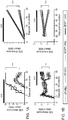
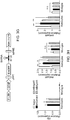
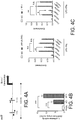
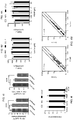
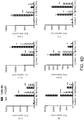
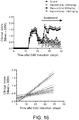
- Figs. 1A-B the depletion of reactive astrocytes during the acute phase resulted in a significant worsening of EAE ( Fig. 1A ), but astrocyte depletion during the progressive phase led to a significant amelioration of EAE ( Fig. 1B ).
- the disorder is progressive MS, e.g., SPMS or PPMS, and is not RRMS.
- the disease may be another neurodegenerative disease, e.g., Parkinson's Disease, Alzheimer's Disease, Amyotrophic Lateral Sclerosis, Alexander disease, Huntington Disease, or Rett's disease (See, e.g., Maragakis and Rothstein, Nature Clinical Practice Neurology (2006) 2, 679-689 ); or brain and spinal cord trauma. Dysfunction of astrocytes is described, e.g. in Maragakis and Rothstein, Nature Clinical Practice Neurology (2006) 2, 679-689 .
- a treatment comprising administration of a therapeutically effective amount of an inhibitor of LacCer synthesis can be administered.
- These methods can thus include obtaining a sample from a subject, and evaluating the presence and/or level of LacCer in the sample, and comparing the presence and/or level with one or more references, e.g., a control reference that represents a normal level of LacCer, e.g., a level in an unaffected subject, and/or a disease reference that represents a level of LacCer associated with progressive multiple sclerosis (e.g., PPMS or SPMS), e.g., a level in a subject having progressive multiple sclerosis (e.g., PPMS or SPMS).
- a control reference that represents a normal level of LacCer, e.g., a level in an unaffected subject
- a disease reference that represents a level of LacCer associated with progressive multiple sclerosis (e.g., PPMS or SPMS), e.g., a level in a subject having progressive multiple sclerosis (e.g., PPMS or SPMS).
- the presence of a level of LacCer above the reference level indicates that the subject indicates that the subject has with progressive multiple sclerosis (e.g., PPMS or SPMS), and should be treated with an inhibitor of LacCer synthesis.
- progressive multiple sclerosis e.g., PPMS or SPMS
- These methods can also be used to predict whether someone will benefit from treatment with an inhibitor of GlcCer synthase; a subject who has a level of LacCer above a reference level is more likely to benefit from treatment with an inhibitor of LacCer synthesis than is a subject who has a level of LacCer below the reference level.
- the methods can be used for selecting a treatment for a subject; a treatment with an inhibitor of LacCer synthesis is selected for a subject who has a level of LacCer above a reference level.
- the subject has one or more symptoms associated with progressive MS, e.g., PPMS or SMPS, and/or the subject has been diagnosed with MS, e.g., progressive MS, e.g., PPMS or SMPS, or previously diagnosed with RRMS but is suspected of having transitioned to progressive MS.
- progressive MS e.g., PPMS or SMPS
- the methods include administering a therapeutically effective amount of an inhibitor of GlcCer synthase as described herein, to a subject who is in need of, or who has been determined to be in need of, such treatment.
- to "treat” means to ameliorate at least one symptom of the disorder associated with activation of astrocytes.
- a treatment can result in a reduction in one or more symptoms of MS, e.g., depression and fatigue, bladder dysfunction, spasticity, pain, ataxia, and intention tremor.
- a therapeutically effective amount can be an amount sufficient to prevent the onset of an acute episode or to shorten the duration of an acute episode, or to decrease the severity of one or more symptoms, e.g., heat sensitivity, internuclears ophthalmoplegia, optic neuritis, and Lhermitte symptom.
- a therapeutically effective amount is an amount sufficient to prevent the appearance of, delay or prevent the growth (i.e., increase in size) of, or promote the healing of a demyelinated lesion in one or more of the brain, optic nerves, and spinal cord of the subject, e.g., as demonstrated on MRI.
- the disorder is MS, e.g., progressive MS, e.g., PPMS or SMPS; in some embodiments, the disorder is not Alzheimer's disease (AD), Niemann-Pick Disease Parkinson's disease, Landry-Guillain-Barre-Strohl syndrome, RRMS, viral encephalitis, acquired immunodeficiency disease (AIDS)-related dementia, amyotrophic lateral sclerosis, brain trauma, or a spinal cord disorder.
- AD Alzheimer's disease
- Niemann-Pick Disease Parkinson's disease e.g., PPMS or SMPS
- RRMS e.g., PPMS or SMPS
- the disorder is not Alzheimer's disease (AD), Niemann-Pick Disease Parkinson's disease, Landry-Guillain-Barre-Strohl syndrome, RRMS, viral encephalitis, acquired immunodeficiency disease (AIDS)-related dementia, amyotrophic lateral sclerosis, brain trauma, or a spinal cord disorder.
- the methods do not include administering a glutathione donor such as S-nitroglutathione (GSNO), L-2-oxo-thiazolidine 4-carboxylate (Procysteine), N-acetyl cysteine (NAC), or N-acetyl glutathione as an active agent.
- a glutathione donor such as S-nitroglutathione (GSNO), L-2-oxo-thiazolidine 4-carboxylate (Procysteine), N-acetyl cysteine (NAC), or N-acetyl glutathione as an active agent.
- MS Multiple Sclerosis
- CNS central nervous system
- MS is typically characterized clinically by recurrent or chronically progressive neurologic dysfunction, caused by lesions in the CNS.
- the lesions include multiple areas of demyelination affecting the brain, optic nerves, and spinal cord.
- the underlying etiology is uncertain, but MS is widely believed to be at least partly an autoimmune or immune-mediated disease.
- RRMS relapsing-remitting course
- CNS central nervous system
- SPMS secondary progressive MS
- the progressive and irreversible disability that characterizes SPMS occurs in the absence of new inflammatory lesions, suggesting that other mechanisms might play a role in this stage of MS ( Rovaris et al., Lancet Neurol 5, 343-354 (2006 )).
- SPMS Secondary Progressive Multiple Sclerosis
- RRMS Relapsing/Remitting Multiple Sclerosis
- PPMS Primary progressive MS
- a diagnosis of MS, and a determination of subtype can be made using methods known in the art, e.g., on the basis of the presence of CNS lesions disseminated in space and time, and the elimination of alternative diagnoses (Problems of experimental trials of therapy in multiple sclerosis: Report by the panel on the evaluation of experimental trials of therapy in multiple sclerosis. Ann N Y Acad Sci. 122: 1965; 552-568).
- a diagnosis can be made based on the presence of clinical signs and symptoms including heat sensitivity, internuclear ophthalmoplegia, optic neuritis, and Lhermitte symptom (see, e.g., McDonald et al., Recommended Diagnostic Criteria for Multiple Sclerosis: Guidelines From the International Panel on the Diagnosis of Multiple Sclerosis. Ann. Neurol. 2001; 50:121 ; and Polman et al., Diagnostic Criteria for Multiple Sclerosis: 2005 Revisions to the "McDonald Criteria.” Ann Neurol 2005;58:840-846 ).
- Methods of quantifying disability in MS include the Kurtzke Expanded Disability Status Scale (EDSS); MRI scanning; The Scripps Neurologic Rating Scale (SNRS); The Krupp Fatigue Severity Scale (FSS); The Incapacity Status Scale (ISS); The Functional Independent Measure (FIM); The Ambulation Index (AI); The Cambridge Multiple Sclerosis Basic Score (CAMBS); The Functional Assessment of Multiple Sclerosis (FAMS); Profile of Mood States (POMS); and the Sickness Impact Profile (SIP).
- EDSS Kurtzke Expanded Disability Status Scale
- SNRS Scripps Neurologic Rating Scale
- FSS Krupp Fatigue Severity Scale
- ISS Incapacity Status Scale
- FAMS Functional Independent Measure
- AI The Ambulation Index
- CAMBS The Cambridge Multiple Sclerosis Basic Score
- FAMS Profile of Mood States
- POMS Profile of Mood States
- SIP Sickness Impact Profile
- the methods described herein include methods for the treatment of progressive multiple sclerosis (e.g., PPMS or SPMS) using inhibitors of LacCer synthesis, e.g., inhibitors of B4GALT6 and/or glucosylceramide (GlcCer) synthase, or activators of glucocerebrosidase.
- inhibitors of LacCer synthesis e.g., inhibitors of B4GALT6 and/or glucosylceramide (GlcCer) synthase, or activators of glucocerebrosidase.
- the methods include identifying a subject having progressive multiple sclerosis (e.g., PPMS or SPMS), and administering a therapeutically effective amount of a specific inhibitor of LacCer synthesis, e.g., a therapeutic composition comprising a specific inhibitor of B4GALT6 and/or GlcCer synthesis, to a subject who has progressive multiple sclerosis (e.g., PPMS or SPMS).
- a specific inhibitor of LacCer synthesis e.g., a therapeutic composition comprising a specific inhibitor of B4GALT6 and/or GlcCer synthesis
- Inhibitors of GlcCer synthase include small molecules, most of which are enzyme substrate analogs that bind to the enzyme active site and prevent substrate binding. These inhibitors include ceramide analogs (see, e.g., U.S. Pat. Nos. 6,569,889 ; 6,255,336 ; 5,916,911 ; 5,302,609 ; Lee et al., J. Biol. Chem. 274(21):14662 (1999 ); Abe et al., J. Biochem. 111:191 (1992 ); Inokuchi et al., J. Lipid Res. 28:565 (1987 ); Shayman et al., J. Biol. Chem.
- Examples include 1-(3',4'-ethylenedioxy)phenyl-2-nonanoylamino-3-pyrrolidino-1-propanol; 1-(3',4'-ethylenedioxy)phenyl-2-octanoylamino-3-pyrrolidino-1-propanol; D-threo-(1R,2R)-phenyl-2-decanoylamino-3-morpholino-1-propanol (PDMP) and analogs thereof including D-PDMP, see, e.g., Hillaert et al., Bioorg Med Chem.
- deoxynojiromycin-based GCS inhibitors e.g., N -butyl-deoxynojirimycin (NB-DNJ also known as miglustat), N-(5'-adamantane-1'-yl-methoxy)-pentyl-1-deoxynojirimycin (AMP-DNM), or a1-deoxynojirimycin with a long alkyl side chain, e.g., long-chain N-alkyl derivative of 1,5-dideoxy-1,5-imino-D-glucitol having from nine to about 20 carbon atoms in the alkyl chain.
- NB-DNJ N -butyl-deoxynojirimycin
- AMP-DNM N-(5'-adamantane-1'-yl-methoxy)-pentyl-1-deoxynojirimycin
- a1-deoxynojirimycin with a long alkyl side chain e.g., long-
- the N-alkyl substituent thus can be, e.g, nonyl, decyl, undecyl, dodecyl, tetradecyl, hexadecyl, cis-11-hexadecenyl, octadecyl, cis-13-octadecenyl, and eicosyl. See US 6,610,703 )); and PPMP (DL-threo-1-Phenyl-2-palmitoylamino-3-morpholino-1-propanol) see US20130217691 and US 20050101674 .
- Additional inhibitors useful in the present methods include those described in 8,389,517 ; 20110166134 ; 20070203223 ; 20050222244 ; 20130095089 ; 7,335,681 ; 7,253,185 ; 7,148,251 ; 6,916,802 ; 6,890,949 ; 6,051,598 ; 6,040,332 ; 6,030,995 ; 5,952,370 ; 5,945,442 ; 20090247559 ; 20060111400 ; 20060058349 ; 20060074107 ; 8,557,844 ; 20100204162 ; 8,252,789 ; 20130012539 ; and 20090163500 .
- Specific inhibitors of B4GALT6 include inhibitory nucleic acids that target the B4GALT6 gene or mRNA; the sequence of the human B4GALT6 mRNA is in GenBank at Acc. No. NM_004775.3; the genomic sequence is at NC_000018.10.
- Inhibitory nucleic acids useful in the present methods and compositions include antisense oligonucleotides, ribozymes, external guide sequence (EGS) oligonucleotides, siRNA compounds, single- or double-stranded RNA interference (RNAi) compounds such as siRNA compounds, modified bases/locked nucleic acids (LNAs), antagomirs, peptide nucleic acids (PNAs), and other oligomeric compounds or oligonucleotide mimetics which hybridize to at least a portion of the target B4GALT6 nucleic acid and modulate its function.
- RNAi RNA interference
- the inhibitory nucleic acids include antisense RNA, antisense DNA, chimeric antisense oligonucleotides, antisense oligonucleotides comprising modified linkages, interference RNA (RNAi), short interfering RNA (siRNA); a micro, interfering RNA (miRNA); a small, temporal RNA (stRNA); or a short, hairpin RNA (shRNA); small RNA-induced gene activation (RNAa); small activating RNAs (saRNAs), or combinations thereof.
- RNAi interference RNA
- siRNA short interfering RNA
- miRNA micro, interfering RNA
- shRNA small, temporal RNA
- shRNA short, hairpin RNA
- RNAa small RNA-induced gene activation
- saRNAs small activating RNAs
- the inhibitory nucleic acids can be modified, e.g., to include a modified nucleotide (e.g., locked nucleic acid) or backbone (e.g., backbones that do not include a phosphorus atom therein), or can by mixmers or gapmers; see, e.g., WO2013/006619 .
- a number of siRNAs directed against B4GALT6 are commercially available, e.g., from origene, labome, abnova, and qiagen.
- inhibitory nucleic acids used to practice the methods described herein can be isolated from a variety of sources, genetically engineered, amplified, and/or expressed or generated recombinantly or synthetically.
- Recombinant nucleic acid sequences can be individually isolated or cloned and tested for a desired activity. Any recombinant expression system can be used, including e.g. in vitro, bacterial, fungal, mammalian, yeast, insect or plant cell expression systems.
- Nucleic acid sequences can be inserted into delivery vectors and expressed from transcription units within the vectors.
- the recombinant vectors can be DNA plasmids or viral vectors.
- Generation of the vector construct can be accomplished using any suitable genetic engineering techniques well known in the art, including, without limitation, the standard techniques of PCR, oligonucleotide synthesis, restriction endonuclease digestion, ligation, transformation, plasmid purification, and DNA sequencing, for example as described in Sambrook et al. "Molecular Cloning: A Laboratory Manual.” (1989 )), Coffin et al. (Retroviruses. (1997 )) and " RNA Viruses: A Practical Approach” (Alan J.
- Viral vectors comprise a nucleotide sequence having sequences for the production of recombinant virus in a packaging cell.
- Viral vectors expressing nucleic acids of the invention can be constructed based on viral backbones including, but not limited to, a retrovirus, lentivirus, adenovirus, adeno-associated virus, pox virus or alphavirus.
- the recombinant vectors capable of expressing the nucleic acids of the invention can be delivered as described herein, and persist in target cells (e.g., stable transformants).
- Inhibitory nucleic acids can be synthesized in vitro by well-known chemical synthesis techniques, as described in, e.g., Adams (1983) J. Am. Chem. Soc. 105:661 ; Belousov (1997) Nucleic Acids Res. 25:3440-3444 ; Frenkel (1995) Free Radic. Biol. Med. 19:373-380 ; Blommers (1994) Biochemistry 33:7886-7896 ; Narang (1979) Meth. Enzymol. 68:90 ; Brown (1979) Meth. Enzymol. 68:109 ; Beaucage (1981) Tetra. Lett. 22:1859 ; U.S. Patent No. 4,458,066 .
- Inhibitory nucleic acids for use in the methods described herein can include one or more modifications, e.g., be stabilized against nucleolytic degradation such as by the incorporation of a modification, e.g., a nucleotide modification.
- inhibitory nucleic acids can include a phosphorothioate at least the first, second, or third internucleotide linkage at the 5' or 3' end of the nucleotide sequence.
- inhibitory nucleic acids can include a 2'-modified nucleotide, e.g., a 2'-deoxy, 2'-deoxy-2'-fluoro, 2'-O-methyl, 2'-O-methoxyethyl (2'-O-MOE), 2'-O-aminopropyl (2'-O-AP), 2'-O-dimethylaminoethyl (2'-O-DMAOE), 2'-O-dimethylaminopropyl (2'-O-DMAP), 2'-O-dimethylaminoethyloxyethyl (2'-O-DMAEOE), or 2'-O--N-methylacetamido (2'-O--NMA).
- a 2'-modified nucleotide e.g., a 2'-deoxy, 2'-deoxy-2'-fluoro, 2'-O-methyl, 2'-O-methoxyethyl (2'-O
- the inhibitory nucleic acids can include at least one 2'-O-methyl-modified nucleotide, and in some embodiments, all of the nucleotides include a 2'-O-methyl modification.
- the inhibitory nucleic acids are "locked," i.e., comprise nucleic acid analogues in which the ribose ring is "locked” by a methylene bridge connecting the 2'-O atom and the 4'-C atom (see, e.g., Kaupinnen et al., Drug Disc. Today 2(3):287-290 (2005 ); Koshkin et al., J. Am. Chem. Soc., 120(50):13252-13253 (1998 )).
- US 20100004320 US 20090298916
- US 20090143326 for additional modifications see US 20100004320 , US 20090298916 , and US 20090143326 .
- inhibitory nucleic acids such as, e.g., subcloning, labeling probes (e.g., random-primer labeling using Klenow polymerase, nick translation, amplification), sequencing, hybridization and the like are well described in the scientific and patent literature, see, e.g., Sambrook et al., Molecular Cloning; A Laboratory Manual 3d ed. (2001 ); Current Protocols in Molecular Biology, Ausubel et al., eds. (John Wiley & Sons, Inc., New York 2010 ); Kriegler, Gene Transfer and Expression: A Laboratory Manual (1990 ); Laboratory Techniques In Biochemistry And Molecular Biology: Hybridization With Nucleic Acid Probes, Part I. Theory and Nucleic Acid Preparation, Tijssen, ed. Elsevier, N.Y. (1993 ).
- labeling probes e.g., random-primer labeling using Klenow polymerase, nick translation, amplification
- sequencing hybridization and the like
- Antibodies that bind to and inhibit the activity of B4GALT6 can also be used; the sequence of human B4GALT6 protein is in GenBank at Acc. No. NP_004766.2.
- the term "antibody” as used herein refers to an immunoglobulin molecule or an antigen-binding portion thereof. Examples of antigen-binding portions of immunoglobulin molecules include F(ab) and F(ab') 2 fragments, which retain the ability to bind antigen.
- the antibody can be polyclonal, monoclonal, recombinant, chimeric, de-immunized or humanized, fully human, non-human, (e.g., murine), or single chain antibody.
- the antibody has effector function and can fix complement. In some embodiments, the antibody has reduced or no ability to bind an Fc receptor.
- the antibody can be an isotype or subtype, fragment or other mutant, which does not support binding to an Fc receptor, e.g., it has a mutagenized or deleted Fc receptor binding region.
- Antibodies that bind to B4GALT6 are available commercially from EMD Millipore, R&D Systems, Cell Signaling Technology, OriGene, Novus Biologicals, Thermo Fisher Scientific, LSBio, Abcam, and/or Cloud-Clone Corp.), and one of skill in the art would readily be able to make or obtain an antibody and test the ability of the antibody to inhibit LacCer synthesis in a cell expressing B4GALT6.
- Activators of glucocerebrosidase can also be used, in addition to or as an alternative to the other compounds described herein. Activators are known in the art, including NCGC00182186 (5-cyclopropylidene-7-(difluoromethyl)-N-(2-phenylsulfanylphenyl)-1H-pyrazolo [1,5 -a]pyrimidine-3 -carboxamide) and NCGC00182510 ([2-(tert-butylamino)-2-oxoethyl] 2-[2-(4-bromoanilino)-2-oxoethoxy]benzoate) (see, e.g., Goldin et al., PLoS ONE 7(1):e29861 ); or Saposin C or phosphatidylserine (see, e.g., Salvioli et al., Biochem.
- Saposin C is a sphingolipid activator protein of 8.5 kDa that activates lysosomal glucocerebrosidase.
- Two functional domains, each comprising a binding site adjacent to or partially overlapping with an activation site, have been identified. Domain 1 is located within amino acid positions 6-34, and domain 2 is amino acids 41-60. The activation sites span residues 27-34 and 41-49, and binding sites comprise residues 6-27 and 45-60.
- Saposin C or active fragments thereof (e.g., comprising Domains 1 or 2) can be used.
- sequence of human Saposin C is as follows (domains 1 and 2 are bold and double-underlined):
- the methods can include screening for subjects for SPMS, e.g., by screening for one or more indicators of progressive multiple sclerosis (e.g., PPMS or SPMS).
- Methods for identifying subjects with progressive multiple sclerosis are known in the art, and can also include identifying subjects by detecting elevated levels of LacCer as described herein.
- SPMS is identified by progression of disability in a subject with MS to an EDSS of 3.5 or greater, usually in motor/cerebellar functions. SPMS can also be diagnosed in the presence of deterioration in symptoms independent of relapses for ⁇ 6 months following an initial relapsing-remitting course.
- PPMS can be diagnosed, e.g., based on the progression of disability from the onset of disease (e.g., without periods of improvement), e.g., a minimum of one year of disease progression with at least two of a positive brain MRI, a positive spinal cord MRI, and positive CSF findings.
- the methods can include detecting the presence of progressive multiple sclerosis (e.g., PPMS or SPMS) in a subject, or a likelihood of development of progressive multiple sclerosis (e.g., PPMS or SPMS) in a subject (e.g., within a specific time period, e.g., 1, 3,6, 9, 12 months, 2 years, 3 years, 4 years, or 5 years, e.g., using a method described herein), and selecting the subject on the basis that they have or are likely to develop progressive multiple sclerosis (e.g., PPMS or SPMS).
- a specific time period e.g., 1, 3,6, 9, 12 months, 2 years, 3 years, 4 years, or 5 years, e.g., using a method described herein
- the methods described herein can be practiced on any mammal, preferably a human.
- a treatment described herein is administered in combination with a standard treatment for MS, e.g., administration of corticosteroid therapy, interferon beta-lb, Glatiramer acetate, mitoxantrone, Fingolimod, teriflunomide, dimethyl fumarate, natalizumab, cannabis, or a combination thereof.
- the treatment described herein is administered in combination with a treatment for one or more symptoms of MS, e.g., depression and fatigue, bladder dysfunction, spasticity, pain, ataxia, and intention tremor; such treatments include pharmacological agents, exercise, and appropriate orthotics. Additional information on the diagnosis and treatment of MS can be found at the National MS Society website, on the world wide web at nationalmssociety.org.
- a treatment for progressive MS is administered, e.g., comprising mitoxantrone or natalizumab.
- compositions which include inhibitors of LacCer synthesis as active ingredients. Also included are the pharmaceutical compositions themselves.
- compositions typically include a pharmaceutically acceptable carrier.
- pharmaceutically acceptable carrier includes saline, solvents, dispersion media, coatings, antibacterial and antifungal agents, isotonic and absorption delaying agents, and the like, compatible with pharmaceutical administration. Supplementary active compounds can also be incorporated into the compositions.
- compositions are typically formulated to be compatible with the intended route of administration.
- routes of administration that are especially useful in the present methods include parenteral (e.g., intravenous), intrathecal, oral, and nasal or intranasal (e.g., by administration as drops or inhalation) administration.
- parenteral e.g., intravenous
- intrathecal e.g., intrathecal
- oral e.g., a parenteral
- nasal or intranasal e.g., by administration as drops or inhalation
- delivery directly into the CNS or CSF can be used, e.g., using implanted intrathecal pumps (see, e,g., Borrini et al., Archives of Physical Medicine and Rehabilitation 2014;95:1032-8 ; Penn et al., N. Eng. J. Med.
- nanoparticles e.g., gold nanoparticles (e.g., glucose-coated gold nanoparticles, see, e.g., Gromnicova et al. (2013) PLoS ONE 8(12): e81043 ).
- compositions suitable for injectable use can include sterile aqueous solutions (where water soluble) or dispersions and sterile powders for the extemporaneous preparation of sterile injectable solutions or dispersion.
- suitable carriers include physiological saline, bacteriostatic water, Cremophor ELTM (BASF, Parsippany, NJ) or phosphate buffered saline (PBS).
- the composition must be sterile and should be fluid to the extent that easy syringability exists. It should be stable under the conditions of manufacture and storage and must be preserved against the contaminating action of microorganisms such as bacteria and fungi.
- the carrier can be a solvent or dispersion medium containing, for example, water, ethanol, polyol (for example, glycerol, propylene glycol, and liquid polyetheylene glycol, and the like), and suitable mixtures thereof.
- the proper fluidity can be maintained, for example, by the use of a coating such as lecithin, by the maintenance of the required particle size in the case of dispersion and by the use of surfactants.
- Prevention of the action of microorganisms can be achieved by various antibacterial and antifungal agents, for example, parabens, chlorobutanol, phenol, ascorbic acid, thimerosal, and the like.
- isotonic agents for example, sugars, polyalcohols such as mannitol, sorbitol, sodium chloride in the composition.
- Prolonged absorption of the injectable compositions can be brought about by including in the composition an agent that delays absorption, for example, aluminum monostearate and gelatin.
- Sterile injectable solutions can be prepared by incorporating the active compound in the required amount in an appropriate solvent with one or a combination of ingredients enumerated above, as required, followed by filtered sterilization.
- dispersions are prepared by incorporating the active compound into a sterile vehicle, which contains a basic dispersion medium and the required other ingredients from those enumerated above.
- the preferred methods of preparation are vacuum drying and freeze-drying, which yield a powder of the active ingredient plus any additional desired ingredient from a previously sterile-filtered solution thereof.
- compositions can be formulated with an inert diluent or an edible carrier.
- the active compound can be incorporated with excipients and used in the form of tablets, troches, or capsules, e.g., gelatin capsules.
- Oral compositions can also be prepared using a fluid carrier for use as a mouthwash.
- Pharmaceutically compatible binding agents, and/or adjuvant materials can be included as part of the composition.
- the tablets, pills, capsules, troches and the like can contain any of the following ingredients, or compounds of a similar nature: a binder such as microcrystalline cellulose, gum tragacanth or gelatin; an excipient such as starch or lactose, a disintegrating agent such as alginic acid, Primogel, or corn starch; a lubricant such as magnesium stearate or Sterotes; a glidant such as colloidal silicon dioxide; a sweetening agent such as sucrose or saccharin; or a flavoring agent such as peppermint, methyl salicylate, or orange flavoring.
- a binder such as microcrystalline cellulose, gum tragacanth or gelatin
- an excipient such as starch or lactose, a disintegrating agent such as alginic acid, Primogel, or corn starch
- a lubricant such as magnesium stearate or Sterotes
- a glidant such as colloidal silicon dioxide
- the compounds can be delivered in the form of an aerosol spray from a pressured container or dispenser that contains a suitable propellant, e.g., a gas such as carbon dioxide, or a nebulizer.
- a suitable propellant e.g., a gas such as carbon dioxide, or a nebulizer.
- nucleic acid agents can be administered by any method suitable for administration of nucleic acid agents, such as a DNA vaccine.
- methods include gene guns, bio injectors, and skin patches as well as needle-free methods such as the micro-particle DNA vaccine technology disclosed in U.S. Patent No. 6,194,389 , and the mammalian transdermal needle-free vaccination with powder-form vaccine as disclosed in U.S. Patent No. 6,168,587 .
- intranasal delivery is possible, as described in, inter alia, Hamajima et al., Clin. Immunol. Immunopathol., 88(2), 205-10 (1998 ).
- Liposomes e.g., as described in U.S. Patent No. 6,472,375
- microencapsulation can also be used to deliver a compound described herein.
- Biodegradable microparticle delivery systems can also be used (e.g., as described in U.S. Patent No. 6,471,996 ).
- the therapeutic compounds are prepared with carriers that will protect the therapeutic compounds against rapid elimination from the body, such as a controlled release formulation, including implants and microencapsulated delivery systems.
- a controlled release formulation including implants and microencapsulated delivery systems.
- Biodegradable, biocompatible polymers can be used, such as ethylene vinyl acetate, polyanhydrides, polyglycolic acid, collagen, polyorthoesters, and polylactic acid.
- Such formulations can be prepared using standard techniques, or obtained commercially, e.g., from Alza Corporation and Nova Pharmaceuticals, Inc.
- Liposomal suspensions (including liposomes targeted to selected cells with monoclonal antibodies to cellular antigens) can also be used as pharmaceutically acceptable carriers. These can be prepared according to methods known to those skilled in the art, for example, as described in U.S. Patent No. 4,522,811 .
- compositions can be included in a container, pack, or dispenser, e.g., single-dose dispenser together with instructions for administration.
- the container, pack, or dispenser can also be included as part of a kit that can include, for example, sufficient single-dose dispensers for one day, one week, or one month of treatment.
- Dosage, toxicity and therapeutic efficacy of the compounds can be determined, e.g., by standard pharmaceutical procedures in cell cultures or experimental animals, e.g., for determining the LD50 (the dose lethal to 50% of the population) and the ED50 (the dose therapeutically effective in 50% of the population).
- the dose ratio between toxic and therapeutic effects is the therapeutic index and it can be expressed as the ratio LD50/ED50.
- Compounds that exhibit high therapeutic indices are preferred. While compounds that exhibit toxic side effects may be used, care should be taken to design a delivery system that targets such compounds to the site of affected tissue in order to minimize potential damage to uninfected cells and, thereby, reduce side effects.
- the data obtained from the cell culture assays and animal studies can be used in formulating a range of dosage for use in humans.
- the dosage of such compounds lies preferably within a range of circulating concentrations that include the ED50 with little or no toxicity.
- the dosage may vary within this range depending upon the dosage form employed and the route of administration utilized.
- the therapeutically effective dose can be estimated initially from cell culture assays.
- a dose may be formulated in animal models to achieve a circulating plasma concentration range that includes the IC50 (i.e., the concentration of the test compound that achieves a half-maximal inhibition of symptoms) as determined in cell culture.
- IC50 i.e., the concentration of the test compound that achieves a half-maximal inhibition of symptoms
- levels in plasma may be measured, for example, by high performance liquid chromatography.
- an "effective amount” is an amount sufficient to effect beneficial or desired results.
- a therapeutic amount is one that achieves the desired therapeutic effect. This amount can be the same or different from a prophylactically effective amount, which is an amount necessary to prevent onset of disease or disease symptoms.
- An effective amount can be administered in one or more administrations, applications or dosages.
- a therapeutically effective amount of a composition depends on the composition selected. The compositions can be administered one from one or more times per day to one or more times per week; including once every other day. The skilled artisan will appreciate that certain factors may influence the dosage and timing required to effectively treat a subject, including but not limited to the severity of the disease or disorder, previous treatments, the general health and/or age of the subject, and other diseases present.
- treatment of a subject with a therapeutically effective amount of the compositions described herein can include a single treatment or a series of treatments.
- mice C57BL/6J, NOD/ShiLtJ (NOD), IRF-1 deficient mice and GFAP-HSV-TK mice, were from The Jackson Laboratory. Heterozygote GFAP-HSV-TK bearing C57B1/6 mice were used to generate F1 littermates that were either GFAP TK or WT F1. Tg(GFP-hGFAP) FVB transgenic mice have been described 49 . All animals were kept in a pathogen-free facility at the Harvard Institutes of Medicine. All experiments were carried out in accordance with guidelines prescribed by the Institutional Animal Care and Use Committee of Harvard Medical School.
- EAE induction and treatments EAE was induced by immunization female mice with MOG 35-55 peptide emulsified in CFA (Difco Laboratories) at a dose of 100 ⁇ g (C57BL/6 and F1 mice) or 150 ⁇ g (NOD mice) per mouse, followed by the administration of pertussis toxin (150 ng per mouse; List biological laboratories, Inc.) on days 0 and 2 as described 14 .
- Clinical signs of EAE were assessed according to the following score: 0, no signs of disease; 1, loss of tone in the tail; 2, hind limb paresis; 3, hind limb paralysis; 4, tetraplegia; 5, moribund.GCV (APP Pharmaceuticals), or vehicle control (PBS) was administered daily (25mg/kg, subcutaneously) 7 days before EAE induction and continued for the duration of the acute phase (day 15), or only during the progressive/chronic phase (day 30-50). LacCer (Matreya LLC) or vehicle (10% DMSO), were administered at a dose of 10 ⁇ g per mouse together with the MOG 35-55 peptide to C57BL/6J mice during EAE induction, and also intraperitoneally (i.p.) every other 3 days thereafter.
- LacCer or vehicle administration to NOD mice were initiated 35 days after disease induction at a dose of 10 ⁇ g per mouse given i.p. every 3 other days.
- PDMP Motreya LLC
- vehicle control 5% tween-80
- IF Immunofluorescence
- Enzymes were inactivated with 20 ml of Ca 2+ /Mg 2+ -free HBSS containing 2 mM EDTA and 20 mM HEPES.
- the digested tissue was triturated and passed through a 100- ⁇ M cell strainer.
- Cells were centrifuged and resuspended in 30% isotonic Percoll (GE Healthcare) and 40 ⁇ g/ml DNAse I, underlined by 70% isotonic Percoll, and centrifuged at 1000 ⁇ g at 4°C for 25 min. Cells were collected from the 70%-30% interphase, and sorted by FACS Aria.
- Microglia were sorted as CD11b + cells with low CD45 expression and low Ly6C (CD11b+/CD45 low /Ly6C low ), while the inflammatory monocytes were considered as CD11b + /Ly6C high52 .
- T-cells were sorted as CD3 + CD4 + cells.
- Astrocytes were isolated following the depletion of lymphocytes, microglia, monocytes ( Fig. S3B ), and oligodendrocytes, and lymphocytes (T-cells, B-cells, and NK cells) ( Fig. S3C ). Sorted cells were found to be >85% GFAP + by FACS analysis ( Fig. S3D ).
- LacCer measurement Chemical standards of LacCer (d18:1/16:0) and LacCer (d18:1/18:0) were obtained from Avanti Polar Lipids. Quantification of LacCer (d18:1/16:0) and LacCer (d18:1/18:0) was achieved by LC-MS/MS analysis performed on an Agilent (Agilent Technologies, Santa Clara, CA) 6460 triple-quadrupole LC/MS/MS system. The fragments from the [M+H] + ions for LacCer and internal standard were subjected to collision induced dissociation and the two major types of fragment ions were monitored via electrospray ionization in the positive ion mode in multiple reaction monitoring (MRM) mode for each ion.
- MRM multiple reaction monitoring
- MRM transitions corresponded to the loss of the neutral lactosyl moiety, and to the formation of the lactose ion.
- the MRM transitions used for quantification for LacCer (d18:1/16:0) and LacCer(d18:1/18:0) were 862.5>464.5 and 890.6>548.5, respectively.
- Secondary confirmatory MRM transitions for LacCer(d18:1/16:0) and LacCer(d18:1/18:0) of 862.5>264.3 and 890.6>264.3 were also monitored.
- Mass spectrometer parameter settings were gas temp (325 °C), gas flow (12 L/min), nebulizer (25 psi), sheath gas temp (400 °C), sheath gas flow (12 L/min), capillary voltage (4000v), and nozzle voltage (500v).
- the gradient started at 20%A and progressed to 100% A in 10 minutes and maintained for the next 10 minutes.
- the column was re-equilibrated to starting conditions for 5 minutes before the next injection.
- An internal standard of non-native LacCer (18:1/12:0) was utilized since a stable isotope version was not available.
- Standard curve mixture was analyzed at various concentrations between 0.10 nM to 3.3 ⁇ M in LacCer (d18:1/16:0) and an internal standard concentration of 1 ⁇ M.
- the lower limit of quantification was estimated at 1 nM and a R 2 of 0.9969 was obtained using linear regression analysis.
- a standard curve with the internal standard doped in was run between 1 nM to 3.3 ⁇ M. Since the standards were only available only for LacCer (18:1/16:0), the values for LacCer (18:1/18:0) assumes that the relative ionization efficiency for the two closely related lipids is identical.
- the bottom layer was removed using a glass Pasteur pipet and transferred to a clean vial for evaporation under a stream of gentle nitrogen.
- the dried sample was reconstituted in 100 ⁇ l of 2:1 chloroform-methanol, and analyzed using the HPLC-MS.
- nCounter Gene expression 100 - 200ng of total RNA was hybridized with reporter and capture probes for nCounter Gene Expression code sets (Mouse Inflammation Kit, or a custom made astrocyte-oriented probe set ( Table S1 )), according to manufacturer's instructions (NanoString Technologies). Data were normalized to spiked positive controls and housekeeping genes (nSolver Analysis system). Transcript counts less than the mean of the negative control transcripts plus 2 standard deviations for each sample were considered background.
- Nanostring generated gene expression data were analyzed by use of the Expander 6.06 platform 53 . Genes were clustered using the unbiased CLICK algorithm , and each cluster was further analyzed for enrichments in transcription factors binding sites (promoter analysis).
- Aldh1l1 (Mm03048957_m1), aqp4 (Mm00802131_m1), b4galt5 (Mm00480147_m1), b4galt6 (Mm00480045_m1), ccl5 (Mm01302427_m1), cd19 (Mm00515420_m1), cd3e (Mm00599684_g1), cd40 (Mm00441891_m1), csf2 (Mm01290062_m1), cxcl10 (Mm00445235_m1), emr1 (Mm00802529_m1) ,foxp3 (Mm00475162_m1), gapdh (Mm00484668_m1), gfap (Mm01253033_m1), h2-Aa (Mm0043921 1_m1), Ifng (Mm01168134_m1), Il10 (
- T-cell proliferation and cytokine measurement Splenocytes and lymph node cells were cultured in X-VIVO medium and were plated for 72h at a density of 5x10 5 cells per well in the presence of MOG 35-55 peptide. During the final 16h, cells were pulsed with 1 Ci [3H]thymidine (PerkinElmer), followed by collection on glass fiber filters and analysis of incorporated [3H]thymidine in a -counter (1450 MicroBeta TriLux; PerkinElmer). Supernatants were collect after 48 h of culture for cytokine measurement by enzyme-linked immunosorbent assay 14 .
- cytokine staining For intracellular cytokine staining, cells were stimulated for 6 h with PMA (phorbol 12-myristate 13-acetate; 50 ng/ml; Sigma), ionomycin (1 ⁇ g/ml; Sigma) and monensin (GolgiStop; 1 ml/ml; BD Biosciences). After staining of surface markers, cells were fixed and made permeable according to the manufacturer's instructions BD Cytofix/CytopermTM Kit (BD Biosciences), or Foxp3 Fixation/Permeabilization (Ebiosceince).
- Mouse primary microglia Mouse primary microglia were prepared as described 54 with minor modifications. Cerebral cortices from 1- to 3-day-old neonatal mice were dissected, carefully stripped of their meninges, digested with 0.25% trypsin, and dispersed into a single-cell level. The cell suspension ("mixed glia") was then cultured at 37°C in humidified 5% CO2-95% air. Medium was replaced every 4-5 days. Mixed glia cultures reached confluence after 7-10 days, and were used to harvest microglia between 15 and 20 days after preparation. Microglia were isolated by the mild trypsinization procedure (Mild T/E) as previously described 54 .
- Mild T/E mild trypsinization procedure
- microglia were allowed to recover for 24-48 hours.
- Mouse primary leptomeningeal phagocytes The meninges were carefully stripped from the brains of 1- to 3-day-old neonatal mice, and digested with 1% collagenase for 20 min at 37°C, and then dispersed into a single-cell level. Isolated cells, were incubated with anti-mouse CD16/CD32 for 15 min on ice to block the Fc receptors, and stained with APC-conjugated antibody for CD11b (M1/70) for 30 min at 4°C. Cells were washed, incubated with 7-AAD for exclusion of dead cells, and sorted.
- Mouse Primary choroid plexus cells Mouse primary choroid plexus cells were prepared as described 55,56 with minor modifications. In brief, the choroid plexus was removed from 1- to 3-day-old neonatal mice, digested with 1% collagenase for 20min at 37°C, and then dispersed into a single-cell level.
- the cell suspension was washed in culture medium for choroid plexus cells [Dulbecco's modified Eagle medium/ Ham's F12 (Invitrogen) supplemented with 10% foetal calf serum (Sigma-Aldrich), 1 mM 1-glutamine, 1 mM sodium pyruvate, 100 U/ ml penicillin, 100mg/ml streptomycin, 5mg/ml insulin, 20mM Ara-C) and cultured (2.5x10 5 cells/well) at 37°C, 5% CO2 in poly-D-lysine coated 24-well plates. After 24h, the medium was changed, and the cells were either left untreated or treated as described.
- culture medium for choroid plexus cells [Dulbecco's modified Eagle medium/ Ham's F12 (Invitrogen) supplemented with 10% foetal calf serum (Sigma-Aldrich), 1 mM 1-glutamine, 1 mM sodium pyruvate, 100 U/
- Plasmids The dual reporter construct expressing Gaussia luciferase under the murine Ccl2 promoter, and Secreted alkaline phosphatase (SEAP) under the CMV promoter (used for transfection normalization), was from GeneCopoeia, Inc.
- the construct encoding IRF1 was from Addgene.
- the pLenti-GFAP-EGFP-mir30-shAct1 vector 25 was a kind gift from Dr. Guang-Xian Zhang (Thomas Jefferson University, PA, USA).
- pLenti-GFAP-EGFP-mir30-shRNA harboring shRNA sequences against b4galt5, b4galt6, and a non-targeting shRNA were cloned using the pLenti-GFAP-EGFP-mir30-shAct1 vector 25 as a backbone, by replacing the shRNA for Act1 with the above-mentioned in vitro validated shRNA sequences ( b4galt5 : 5'- GCAGCCTGAATGACTCAGATT ctcgag AATCTGAGTCATTCAGGCTGC-3' (SEQ ID NO:2), b4galt6 : 5'-CGATGGACTGAACAATTTATT ctcgag AATAAATTGTTCAGTCCACG-3' (SEQ ID NO:3), and a non-targeting shRNA : 5'-GCGCGATAGCGCTAATAATTT ctcgag
- Lentivirus particles were then generated by transfecting 293FT cells (Invitrogen) with 3 ⁇ g of the newly generated pLenti-GFAP-EGFP-mir30-shRNA vectors and 9 ⁇ g of the ViraPowerTM Packaging mix (The helper plasmids pLP1, pLP2, pLP/VSV-G, Invitrogen). 48h later supernatants were collected, filtered through a 0.45 ⁇ M PVDF filter, and concentrated over-night with the Lenti-XTM concentrator kit (Clontech) according to the manufacture's instructions. The viral titrate was determined using the Lenti-XTM qRT-PCR titration kit (Clontech) according to the manufacture's instructions, and stored at -70°C.
- NOD EAE mice 35 days after immunization (progressive phase) were anesthetized by an i.p. injection of ketamine (100 mg/kg) and xylazine (20 mg/kg) and placed in a Kopf Stereotaxic Alignment System.
- ketamine 100 mg/kg
- xylazine 20 mg/kg
- shB4galt5 1 ⁇ 10 7 IU/mouse of shB4galt5, shBrgalt5, shControl (non-targeting) virus were injected 0.44 mm posterior to the bregma, 1.0 mm lateral to it and 2.2 mm below the skull surface. Injection speed was maintained at 1 ⁇ l/minute to prevent leaking.
- Viability Assay Astrocytes, microglia or Ly6Chigh monocytes were pre-treated with indicited concentrations of PDMP or LaCcer, and further activated with LPS/IFN ⁇ (microglia and astrocytes), CCL-2 (monocytes), or left untreated. Viability was assed following activation using the CellTiter-FluorTM Cell viability assay (Promega).
- ChIP ChIP. Cells were crosslinked with 1% formaldehyde for 15 min. Crosslinking was stopped by the addition of Glycine, and cells were lysed with 0.35 ml lysis buffer (1% SDS, 10 mM EDTA and 50 mM Tris-HCl, pH 8.1) containing 1 ⁇ protease inhibitor 'cocktail' (Roche Molecular Biochemicals). Chromatin was sheared by sonication and supernatants were collected after centrifugation and diluted in buffer (1% Triton X-100, 2 mM EDTA, 150 mM NaCl nd 20 mM Tris-HCl, pH 8.1).
- Antibody (5 ⁇ g) was prebound for 6 h to protein A and protein G Dynal magnetic beads (Invitrogen) and was washed three times with ice-cold 5% BSA in PBS, and then was added to the diluted chromatin and immunoprecipitated overnight (antibodies described below). Magnetic bead-chromatin complexes were then washed three times in RIPA buffer (50 mM HEPES, pH 7.6, 1 mM EDTA, 0.7% sodium deoxycholate, 1% Nonidet-P40 and 0.5 M LiCl), followed by three times with Tris-EDTA buffer.
- RIPA buffer 50 mM HEPES, pH 7.6, 1 mM EDTA, 0.7% sodium deoxycholate, 1% Nonidet-P40 and 0.5 M LiCl
- Immunoprecipitated chromatin was then extracted with 1% SDS, 0.1 M NaHCO3 and heated for at least 8 h at 65 °C for reversal of the formaldehyde crosslinking.
- DNA fragments were purified with a QIAquick DNA purification Kit (Qiagen) and analyzed by SYBR Green real-time PCR (primers described below).
- the following antibodies were used for ChIP: anti-IRF1 (SC-640x; Santa Cruz Biotechnology), anti-NF- ⁇ B p65 (ab7970; Abcam), and rabbit IgG (ab27478; Abcam).
- primer pairs were used: The following primer pairs were used: ccl2 :NF- ⁇ B forward, 5'-CAGCTAAATATCTCTCCCGAAGG-3' (SEQ ID NO:5), and reverse, 5'-CATAGATGCCCACAGCTCAT-3' (SEQ ID NO:6); ccl2 :ISRE forward, 5'-CTGCCAATTCTTCCCTCTTTC-3' (SEQ ID NO:7), and reverse, 5'-GTGGGTTGGA-ATTTGGTATTT-3' (SEQ ID NO:8); csf2 :NF- ⁇ B forward, 5'- GACCAGATGGGTGGAGTGACC-3' (SEQ ID NO:9), and reverse, 5'-AGCCACACGCTTCTGGTTCC-3' (SEQ ID NO:10); csf2 :ISRE forward, 5'-GCTTTCGAGGGTCA-GATAACA-3' (SEQ ID NO:11), and reverse, 5'-CACACGCTTGGGCTAAGA-3' (SEQ ID
- Monocytes migration assay Splenic Ly6C high monocytes were sorted (CD11b + /F4-80 + , SSC low /Ly6C high ), and seeded in the upper chamber of a 24-well cell culture insert with 3- ⁇ m pore-size (Corning). Cells were pre-treated with PDMP, LacCer, PDMP+LacCer or vehicle for 1h. Then inserts were transferred to different wells with pre-warmed media containing CLL-2 (50 ng/ml, peprotech) or vehicle (PBS). Migrating monocytes were quantified in the lower chamber after 3 hr.
- Human primary astrocytes Human fetal astrocytes were isolated as previously described 57 from human CNS tissue from fetuses at 17-23 wk of gestation obtained from the Human Fetal Tissue Repository (Albert Einstein College of Medicine, Bronx, NY) following Canadian Institutes for Health Research-approved guidelines. Cultures were >90% pure.
- MS tissues Brain tissue was obtained from MS patients with clinically diagnosed and neuropathologically confirmed MS, non-MS CNS inflammatory diseases (NMSCID, including viral encephalitis, Rasmussen's encephalitis and ADEM and healthy controls. Autopsy samples were immediately frozen in liquid nitrogen. White matter MS tissue samples were selected as previously described 58 . All patients and controls, or their next of kin, had given informed consent for autopsy and use of their brain tissue for research purposes. Ethic approval was given prior to autopsy (CHUM alle approval: SL05.022 and SL05.023 and BH07.001).
- EAE Experimental autoimmune encephalomyelitis induced in susceptible mouse strains constitutes a useful experimental model of MS. Different aspects of MS, however, are modeled by the EAE that develops in each mouse strain. C57BL/6 mice immunized with the myelin peptide MOG 35-55 , for example, develop a monophasic form of EAE that resembles a single attack during RRMS. Immunization of non-obese diabetic (NOD) mice with the same antigen, however, leads to the development of an acute attack (acute phase), which is followed by a phase of progressive and irreversible accumulation of neurological impairment (progressive phase) that resembles SPMS 13,14 .
- NOD non-obese diabetic
- astrocyte depletion during the progressive phase led to a significant amelioration of EAE ( Fig. 1b ) .
- reactive astrocyte depletion in acute EAE results in increased monocyte and T-cell recruitment to the CNS 5,8
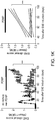
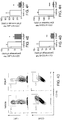
- depletion during the progressive phase of EAE decreased leukocyte infiltration in the CNS ( Fig. 9b ) but did not affect the peripheral T-cell response ( Figs. 9c ,d ).
- GCV administration might potentially deplete neural progenitor cells (NPCs) in NOD C57BL/6 GFAP-HSV-TK hybrid mice
- NPCs show protective effects in EAE 15,16 .
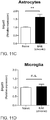
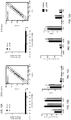
- astrocytes from naive NOD mice, or during the acute and the progressive phases of EAE (Figs. 10a -g ), and analyzed their transcriptome using a custom made Nanostring nCounter array ( Table 1 ).
- Table 1 Nanostring nCounter array
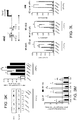
- LacCer administration in the absence of MOG immunization did not result in the induction of EAE-like disease nor in astrocyte activation in vivo ( Fig. 12a ).
- LacCer administration resulted in a significant worsening of EAE in C57BL/6 mice ( Fig. 1g ).
- LacCer administration initiated during the progressive phase, 35 days after EAE induction in NOD mice also resulted in a significant worsening of disease clinical symptoms ( Fig. 1h ).
- the worsening of C57BL/6 and NOD EAE that followed LacCer administration was not linked to changes in the T-cell response ( Figs. 12b -e).
- LacCer has been suggested to promote pathology during experimental spinal cord injury 18 .
- Our unbiased analyses identified two sets of genes: genes down-regulated during EAE and up-regulated by PDMP, and genes up-regulated during EAE and down-regulated by PDMP (clusters 1 and 2 in Fig. 2a , respectively).
- Cluster 2 included several genes associated with EAE and MS pathology: ccl2 (recruitment of inflammatory monocytes into the CNS) 19-21 , ccl5 and cxcl10 (recruitment of peripheral immune cells to the CNS), IL-1 ⁇ ( il1b ), osteopontin ( opn ), nitric oxide synthase ( nos2 ) , MHC-II ( H2-Aa ) and vimentin ( vim, associated with astrocyte activation).
- Validation experiments by qPCR on independent samples confirmed the suppressive effects of PDMP on the expression of representative genes included in cluster 2 ( Fig. 2b ).
- Demyelination Remyelination B can Il12 Bdnf Il4 Ccl2 Icam Cd274 Il5 Ccl5 Il1b Cntf Lif Cd24 Il23 Csf1 Mmp12 Cd40 Il33 Ctla4 Mmp9 Cd80 Il6 Cxcl1 Ngf Cd86 Mmp2 Cxcl12 Nos2 Csf2 Ncan Cd95l Nrf2 Cx3cl1 Nos2 Fgf2 Nt3 Cxcl10 Opn Gs Ntf4 Cxcl8 TNFa If1 Pdgf Gfap Traf3ip2 Il10 Slc1a2 H2-Aa Vcam Il11 Tgfb1 H2-Ab Vim Il27 Timp1
- LacCer produced by B4GALT6 acts in an autocrine manner to boost astrocyte activation
- shRNAs to NOD mice using a lentivirus-based system optimized for astrocyte-specific knock-down in vivo 25 ( Fig. 3g ).
- the mouse gfap promoter drives the expression of an shRNA of choice and a GFP reporter.
- intra-cerebroventricular (i.c.v.) injection of shRNA-encoding lentivirus during the progressive phase 35 days after EAE induction in NOD mice, we detected expression of the GFP reporter restricted to GFAP + astrocytes but not Iba1 + microglia and inflammatory macrophages ( Fig.
- LacCer activates NF-kB in astrocytes 18,26 . Accordingly, we found a decreased translocation of NF- ⁇ B to the nucleus following B4GALT6 inhibition; conversely, exogenous LacCer triggered NF- ⁇ B activation, and even abrogated the inhibition induced by PDMP ( Fig. 14f ) .
- the role of IRF1/ISRE in the regulation of astrocyte activity by LacCer is unknown.
- LacCer treatment enhanced the translocation of IRF-1 to the nucleus, whereas B4GALT6 inhibition interfered with this process ( Fig. 3k ).
- chromatin immunoprecipitation (ChIP) experiments we detected a significant recruitment of NF- ⁇ B and IRF-1 to the nos2 promoter in astrocytes activated with LPS/IPN ⁇ ( Fig. 3l ).
- IRF-1 deficiency abrogated the up-regulation triggered by LacCer of nos2 and other genes that harbor ISRE biding sites in their promoters ( csf2 , ccl2 , ccl5, il6 and tlr2) ( Fig. 3m ).
- B4GALT6 controls the production of CCL-2 and the recruitment of inflammatory monocytes into the CNS.
- the inhibition of B4GALT6 or treatment with LacCer did not affect the viability of purified Ly6C high monocytes, their migration in a CCL-2 gradient, or their response to LPS/IPN ⁇ stimulation ( Figs. 4j -m), suggesting that B4GALT6/LacCer does not act directly in monocytes to control their recruitment to the CNS.
- Example 5 B4GALT6 in astrocytes regulates the activation of microglia and CNS-infiltrating monocytes
- B4GALT5/6 inhibition reduced the expression of genes associated with microglia activation during EAE ( Figs. 5a,b ).
- M1 associated genes M2 associated genes Ccl4 Icam Arg1 Il8 Ccl5 Il1b Ccl1 Il21 Ccl8 Il6 Ccl2 Il21r Ccl15 Il7r Ccl17 Irf4 Ccl19 Il15 Ccl20 Maf Ccl20 Il15ra Cd14 Pparg Ccl23 Il12a Cd163 Ptgst1 Cd40 Il12b Cd206 Sra1 Cd80 Il12ra Cd209 Stat6 Cd83 Il18 Cd36 Tgfb Cd86 Il18r Cd39 Tlr1 Cxcl9 Il23a Cd73 Tlr8 Cxcl10 Irf5 Cxcl1 Ym1 Cxcl11 Nos2 Cxcl2 Cxcl13 Ptgs2 Cxcl3 H2-Aa Socs3 Fizz1 H2-ab Stat1 Igf1
- B4GALT6 and B4GALT5 expression were analyzed in brain samples from MS patients and controls.
- NMCID non-MS CNS inflammatory diseases
- LacCer levels were significantly up-regulated in MS lesions, suggesting that increased B4GALT6 activity and LacCer levels are also associated with MS pathology.
- B4GALT6 also modulates the activity of human astrocytes.
- human primary astrocytes were activated by either the TLR-3 agonist poly(I:C) (an exogenous stimuli) or IL-1 ⁇ (endogenous stimuli), in the presence of PDMP or vehicle control.
- TLR-3 agonist poly(I:C) an exogenous stimuli
- IL-1 ⁇ endogenous stimuli
- LacCer promotes astrocyte activation and neurodegeneration.
- Miglustat a drug approved for human use ( Venier, R.E. & Igdoura, S.A. Miglustat as a therapeutic agent: prospects and caveats. J Med Genet 49, 591-597 (2012 )), crosses the blood brain barrier and inhibits the synthesis of glucosylceramide (GlcCer), which is used by B4GALT6 to synthesize LacCer ( Fig. 1A ) ( Venier & Igdoura, J Med Genet 49, 591-597 (2012 ); Jeyakumar et al., Nature reviews. Neuroscience 6, 713-725 (2005 ); Platt et al.
- Miglustat In support of its repurposing for the modulation of astrocyte activity, it was found that, similar to the observation with PDMP, Miglustat inhibits astrocyte activation ( Fig. 7B ). Thus, Miglustat can be used to suppress pathologic astrocyte activation in MS and other neurodegenerative diseases.
- Example 8 Miglustat treatment halts chronic EAE progression
- EAE Experimental autoimmune encephalomyelitis
- Miglustat was administrated daily via the oral or nasal routes. Mice treated orally were given a single dose of either 1800kg/mg or 600mg/kg of Miglustat, while mice treated nasally where treated twice a day with a dose of 900 mg/kg (amounting to 1800mg/kg per day).
- daily administration of Miglustat suppressed the clinical course of disease progression ( Fig. 16 ). Moreover, it also reduced the recruitment of inflammatory monocytes to the CNS ( Fig.
Landscapes
- Health & Medical Sciences (AREA)
- Life Sciences & Earth Sciences (AREA)
- Chemical & Material Sciences (AREA)
- Engineering & Computer Science (AREA)
- General Health & Medical Sciences (AREA)
- Medicinal Chemistry (AREA)
- Immunology (AREA)
- Molecular Biology (AREA)
- Animal Behavior & Ethology (AREA)
- Pharmacology & Pharmacy (AREA)
- Public Health (AREA)
- Veterinary Medicine (AREA)
- Biomedical Technology (AREA)
- Hematology (AREA)
- Epidemiology (AREA)
- Urology & Nephrology (AREA)
- Biochemistry (AREA)
- Biotechnology (AREA)
- Genetics & Genomics (AREA)
- Physics & Mathematics (AREA)
- Microbiology (AREA)
- Organic Chemistry (AREA)
- Bioinformatics & Cheminformatics (AREA)
- Rehabilitation Therapy (AREA)
- General Physics & Mathematics (AREA)
- Analytical Chemistry (AREA)
- Food Science & Technology (AREA)
- Pathology (AREA)
- Cell Biology (AREA)
- Rheumatology (AREA)
- General Engineering & Computer Science (AREA)
- Wood Science & Technology (AREA)
- Zoology (AREA)
- Nuclear Medicine, Radiotherapy & Molecular Imaging (AREA)
- Chemical Kinetics & Catalysis (AREA)
- General Chemical & Material Sciences (AREA)
- Plant Pathology (AREA)
- Biophysics (AREA)
- Virology (AREA)
- Neurosurgery (AREA)
Applications Claiming Priority (3)
| Application Number | Priority Date | Filing Date | Title |
|---|---|---|---|
| US201361963738P | 2013-12-12 | 2013-12-12 | |
| US201462049813P | 2014-09-12 | 2014-09-12 | |
| PCT/US2014/070099 WO2015089443A2 (en) | 2013-12-12 | 2014-12-12 | Treating neurodegenerative disease |
Publications (3)
| Publication Number | Publication Date |
|---|---|
| EP3080602A2 EP3080602A2 (en) | 2016-10-19 |
| EP3080602A4 EP3080602A4 (en) | 2017-07-05 |
| EP3080602B1 true EP3080602B1 (en) | 2018-11-28 |
Family
ID=53371971
Family Applications (1)
| Application Number | Title | Priority Date | Filing Date |
|---|---|---|---|
| EP14868919.3A Active EP3080602B1 (en) | 2013-12-12 | 2014-12-12 | Treating neurodegenerative disease |
Country Status (7)
| Country | Link |
|---|---|
| US (1) | US9927437B2 (enExample) |
| EP (1) | EP3080602B1 (enExample) |
| JP (1) | JP6550388B2 (enExample) |
| KR (1) | KR20160089528A (enExample) |
| CN (1) | CN106030302B (enExample) |
| CA (1) | CA2933554A1 (enExample) |
| WO (1) | WO2015089443A2 (enExample) |
Families Citing this family (8)
| Publication number | Priority date | Publication date | Assignee | Title |
|---|---|---|---|---|
| US10512656B2 (en) | 2016-04-21 | 2019-12-24 | Baylor College Of Medicine | Compositions and methods for the treatment of lysosomal storage disorders and disorders characterized by lysosomal dysfunction |
| JP7084689B2 (ja) * | 2016-12-08 | 2022-06-15 | 公益財団法人東京都医学総合研究所 | 脳組織の異常を伴う非ヒト動物の作製方法およびその利用 |
| WO2019030645A1 (en) * | 2017-08-08 | 2019-02-14 | Kashiv Pharma Llc | Pharmaceutical composition comprising eliglustat |
| JP2021515037A (ja) | 2018-02-26 | 2021-06-17 | アントルクス,インコーポレーテッド | 寛容原性リポソーム及びその使用方法 |
| WO2019169317A1 (en) * | 2018-03-02 | 2019-09-06 | Stueve Olaf | Methods and compositions for treating natalizumab-associated progressive multifocal encephalopathy |
| EP3833398A4 (en) * | 2018-09-21 | 2021-12-22 | University of Connecticut | COMPOSITIONS AND METHODS OF RESTORING PATERNAL UBE3A GENE EXPRESSION IN ANGELMAN'S SYNDROME IN HUMANS |
| CN114717232A (zh) * | 2020-12-22 | 2022-07-08 | 未来智人再生医学研究院(广州)有限公司 | 表达irf-1靶向抑制因子的多能干细胞及其衍生物与应用 |
| CN116794308B (zh) * | 2023-07-20 | 2026-05-26 | 中国药科大学 | β-1,4-半乳糖基转移酶1及其抑制剂在制备治疗急慢性肝病药物中的应用 |
Family Cites Families (12)
| Publication number | Priority date | Publication date | Assignee | Title |
|---|---|---|---|---|
| US5700909A (en) * | 1993-07-30 | 1997-12-23 | The Regents Of The University Of California | Prosaposin and cytokine-derived peptides |
| EP1825853A2 (en) * | 1998-07-27 | 2007-08-29 | Johns Hopkins University | Methods for treating conditions modulated by lactosyceramide |
| US20070270350A1 (en) * | 2003-12-23 | 2007-11-22 | Musc Foundation For Research Development | Methods and Compositions for the Prevention and Treatment of Inflammatory Diseases or Conditions |
| FR2869915B1 (fr) * | 2004-05-07 | 2006-08-18 | Merck Sante Soc Par Actions Si | Gm3 synthase, comme cible therapeutique dans les complications microvasculaires du diabete |
| WO2005123055A2 (en) * | 2004-06-14 | 2005-12-29 | Musc Foundation For Research Development | Methods for treating inflammatory disorders |
| US7572592B2 (en) * | 2005-01-31 | 2009-08-11 | Glycominds Ltd | Method for diagnosing multiple sclerosis |
| US8263576B2 (en) * | 2006-08-15 | 2012-09-11 | Mayo Foundation For Medical Education And Research | Non-natural sphingolipid analogs and uses thereof |
| EP2353004B1 (en) | 2008-11-12 | 2018-01-03 | Yeda Research and Development Co. Ltd. | Diagnosis of multiple sclerosis |
| US20120128665A1 (en) * | 2010-11-18 | 2012-05-24 | Synta Pharmaceuticals Corp. | Preselection of subjects for therapeutic treatment based on hypoxic status |
| AU2011349256B2 (en) * | 2010-12-20 | 2017-01-05 | Scidec Therapeutics, Inc. | Methods for treating neurological conditions and compositions and materials therefor |
| CN102994554A (zh) * | 2011-09-15 | 2013-03-27 | 花王株式会社 | 神经酰胺和/或葡萄糖神经酰胺产生促进剂的制造方法 |
| CN103059160B (zh) * | 2011-10-20 | 2015-12-02 | 中国科学院上海药物研究所 | β-葡聚糖GFPBW1及其制备方法和用途 |
-
2014
- 2014-12-12 WO PCT/US2014/070099 patent/WO2015089443A2/en not_active Ceased
- 2014-12-12 CN CN201480075396.4A patent/CN106030302B/zh active Active
- 2014-12-12 US US15/103,632 patent/US9927437B2/en active Active
- 2014-12-12 KR KR1020167018593A patent/KR20160089528A/ko not_active Abandoned
- 2014-12-12 JP JP2016539206A patent/JP6550388B2/ja not_active Expired - Fee Related
- 2014-12-12 CA CA2933554A patent/CA2933554A1/en not_active Abandoned
- 2014-12-12 EP EP14868919.3A patent/EP3080602B1/en active Active
Non-Patent Citations (1)
| Title |
|---|
| None * |
Also Published As
| Publication number | Publication date |
|---|---|
| US20160313324A1 (en) | 2016-10-27 |
| CN106030302B (zh) | 2019-09-24 |
| KR20160089528A (ko) | 2016-07-27 |
| JP6550388B2 (ja) | 2019-07-24 |
| EP3080602A4 (en) | 2017-07-05 |
| WO2015089443A3 (en) | 2015-11-12 |
| US9927437B2 (en) | 2018-03-27 |
| EP3080602A2 (en) | 2016-10-19 |
| CA2933554A1 (en) | 2015-06-18 |
| JP2017502278A (ja) | 2017-01-19 |
| WO2015089443A2 (en) | 2015-06-18 |
| CN106030302A (zh) | 2016-10-12 |
Similar Documents
| Publication | Publication Date | Title |
|---|---|---|
| US9927437B2 (en) | Treating neurodegenerative disease | |
| Gentile et al. | Siponimod (BAF312) prevents synaptic neurodegeneration in experimental multiple sclerosis | |
| Mayo et al. | Regulation of astrocyte activation by glycolipids drives chronic CNS inflammation | |
| Radandish et al. | The role of distinct subsets of macrophages in the pathogenesis of MS and the impact of different therapeutic agents on these populations | |
| Morelli et al. | Selective immunomodulation of inflammatory pathways in keratinocytes by the Janus Kinase (JAK) inhibitor Tofacitinib: implications for the employment of JAK‐targeting drugs in psoriasis | |
| De Vito et al. | MiR‐142‐3p regulates synaptopathy‐driven disease progression in multiple sclerosis | |
| Cacabelos et al. | Neuroimmune crosstalk in CNS disorders: the histamine connection | |
| Clarkson et al. | ISGylation is induced in neurons by demyelination driving ISG15-dependent microglial activation | |
| Zhou et al. | C5aR1+ microglia exacerbate neuroinflammation and cerebral edema in acute brain injury | |
| Fan et al. | Microglial mayhem NLRP3 inflammasome's role in multiple sclerosis pathology | |
| Mayo et al. | B4GALT6 regulates astrocyte activation during CNS inflammation | |
| US11208475B1 (en) | Methods and compositions for treating inflammatory or autoimmune diseases or conditions using serotonin receptor activators | |
| US20140056848A1 (en) | Method for the Treatment of Multiple Sclerosis | |
| Liu et al. | Atsttrin reduces lipopolysaccharide-induced neuroinflammation by inhibiting the nuclear factor kappa B signaling pathway | |
| Wang et al. | Ursolic acid derivative UAOS-Na treats experimental autoimmune encephalomyelitis by immunoregulation and protecting myelin | |
| Dejbakht et al. | Multiple Sclerosis: New Insights into Molecular Pathogenesis and Novel Platforms for Disease Treatment | |
| Liu et al. | BTK inhibition suppresses neuroinflammation and neurodegeneration in amyotrophic lateral sclerosis | |
| HK1230277B (en) | Treating neurodegenerative disease | |
| HK1230277A1 (en) | Treating neurodegenerative disease | |
| KR20240159829A (ko) | 면역계를 조정하기 위한 조성물 및 방법 | |
| US20240245770A1 (en) | Compositions and methods for treating neuromuscular disorders | |
| Giovannelli et al. | Full title: Amyotrophic lateral sclerosis transcriptomics reveals immunological effects of low-dose interleukin-2 | |
| Chen | Profiling the Molecular Signatures of Astrocytes in Synucleinopathy and Therapeutic Targeting in Aging | |
| Petersen-Cherubini | Role of Encephalitogenic Markers on T Cells in Multiple Sclerosis | |
| US20240009274A1 (en) | Use of NRG-1Beta1 for Detection and/or Treatment of Multiple Sclerosis |
Legal Events
| Date | Code | Title | Description |
|---|---|---|---|
| PUAI | Public reference made under article 153(3) epc to a published international application that has entered the european phase |
Free format text: ORIGINAL CODE: 0009012 |
|
| 17P | Request for examination filed |
Effective date: 20160712 |
|
| AK | Designated contracting states |
Kind code of ref document: A2 Designated state(s): AL AT BE BG CH CY CZ DE DK EE ES FI FR GB GR HR HU IE IS IT LI LT LU LV MC MK MT NL NO PL PT RO RS SE SI SK SM TR |
|
| AX | Request for extension of the european patent |
Extension state: BA ME |
|
| DAX | Request for extension of the european patent (deleted) | ||
| A4 | Supplementary search report drawn up and despatched |
Effective date: 20170607 |
|
| RIC1 | Information provided on ipc code assigned before grant |
Ipc: G01N 33/48 20060101AFI20170531BHEP Ipc: A61P 25/00 20060101ALI20170531BHEP |
|
| REG | Reference to a national code |
Ref country code: HK Ref legal event code: DE Ref document number: 1230277 Country of ref document: HK |
|
| GRAP | Despatch of communication of intention to grant a patent |
Free format text: ORIGINAL CODE: EPIDOSNIGR1 |
|
| INTG | Intention to grant announced |
Effective date: 20180705 |
|
| RIN1 | Information on inventor provided before grant (corrected) |
Inventor name: QUINTANA, FRANCISCO J. Inventor name: WEINER, HOWARD Inventor name: HALSE, REZA Inventor name: MAYO, LIOR |
|
| GRAS | Grant fee paid |
Free format text: ORIGINAL CODE: EPIDOSNIGR3 |
|
| GRAA | (expected) grant |
Free format text: ORIGINAL CODE: 0009210 |
|
| AK | Designated contracting states |
Kind code of ref document: B1 Designated state(s): AL AT BE BG CH CY CZ DE DK EE ES FI FR GB GR HR HU IE IS IT LI LT LU LV MC MK MT NL NO PL PT RO RS SE SI SK SM TR |
|
| REG | Reference to a national code |
Ref country code: CH Ref legal event code: EP |
|
| REG | Reference to a national code |
Ref country code: AT Ref legal event code: REF Ref document number: 1070831 Country of ref document: AT Kind code of ref document: T Effective date: 20181215 |
|
| REG | Reference to a national code |
Ref country code: DE Ref legal event code: R096 Ref document number: 602014037166 Country of ref document: DE |
|
| REG | Reference to a national code |
Ref country code: IE Ref legal event code: FG4D |
|
| REG | Reference to a national code |
Ref country code: NL Ref legal event code: MP Effective date: 20181128 |
|
| REG | Reference to a national code |
Ref country code: LT Ref legal event code: MG4D |
|
| REG | Reference to a national code |
Ref country code: AT Ref legal event code: MK05 Ref document number: 1070831 Country of ref document: AT Kind code of ref document: T Effective date: 20181128 |
|
| PG25 | Lapsed in a contracting state [announced via postgrant information from national office to epo] |
Ref country code: AT Free format text: LAPSE BECAUSE OF FAILURE TO SUBMIT A TRANSLATION OF THE DESCRIPTION OR TO PAY THE FEE WITHIN THE PRESCRIBED TIME-LIMIT Effective date: 20181128 Ref country code: LV Free format text: LAPSE BECAUSE OF FAILURE TO SUBMIT A TRANSLATION OF THE DESCRIPTION OR TO PAY THE FEE WITHIN THE PRESCRIBED TIME-LIMIT Effective date: 20181128 Ref country code: LT Free format text: LAPSE BECAUSE OF FAILURE TO SUBMIT A TRANSLATION OF THE DESCRIPTION OR TO PAY THE FEE WITHIN THE PRESCRIBED TIME-LIMIT Effective date: 20181128 Ref country code: ES Free format text: LAPSE BECAUSE OF FAILURE TO SUBMIT A TRANSLATION OF THE DESCRIPTION OR TO PAY THE FEE WITHIN THE PRESCRIBED TIME-LIMIT Effective date: 20181128 Ref country code: BG Free format text: LAPSE BECAUSE OF FAILURE TO SUBMIT A TRANSLATION OF THE DESCRIPTION OR TO PAY THE FEE WITHIN THE PRESCRIBED TIME-LIMIT Effective date: 20190228 Ref country code: HR Free format text: LAPSE BECAUSE OF FAILURE TO SUBMIT A TRANSLATION OF THE DESCRIPTION OR TO PAY THE FEE WITHIN THE PRESCRIBED TIME-LIMIT Effective date: 20181128 Ref country code: IS Free format text: LAPSE BECAUSE OF FAILURE TO SUBMIT A TRANSLATION OF THE DESCRIPTION OR TO PAY THE FEE WITHIN THE PRESCRIBED TIME-LIMIT Effective date: 20190328 Ref country code: FI Free format text: LAPSE BECAUSE OF FAILURE TO SUBMIT A TRANSLATION OF THE DESCRIPTION OR TO PAY THE FEE WITHIN THE PRESCRIBED TIME-LIMIT Effective date: 20181128 Ref country code: NO Free format text: LAPSE BECAUSE OF FAILURE TO SUBMIT A TRANSLATION OF THE DESCRIPTION OR TO PAY THE FEE WITHIN THE PRESCRIBED TIME-LIMIT Effective date: 20190228 |
|
| PG25 | Lapsed in a contracting state [announced via postgrant information from national office to epo] |
Ref country code: GR Free format text: LAPSE BECAUSE OF FAILURE TO SUBMIT A TRANSLATION OF THE DESCRIPTION OR TO PAY THE FEE WITHIN THE PRESCRIBED TIME-LIMIT Effective date: 20190301 Ref country code: RS Free format text: LAPSE BECAUSE OF FAILURE TO SUBMIT A TRANSLATION OF THE DESCRIPTION OR TO PAY THE FEE WITHIN THE PRESCRIBED TIME-LIMIT Effective date: 20181128 Ref country code: AL Free format text: LAPSE BECAUSE OF FAILURE TO SUBMIT A TRANSLATION OF THE DESCRIPTION OR TO PAY THE FEE WITHIN THE PRESCRIBED TIME-LIMIT Effective date: 20181128 Ref country code: PT Free format text: LAPSE BECAUSE OF FAILURE TO SUBMIT A TRANSLATION OF THE DESCRIPTION OR TO PAY THE FEE WITHIN THE PRESCRIBED TIME-LIMIT Effective date: 20190328 Ref country code: SE Free format text: LAPSE BECAUSE OF FAILURE TO SUBMIT A TRANSLATION OF THE DESCRIPTION OR TO PAY THE FEE WITHIN THE PRESCRIBED TIME-LIMIT Effective date: 20181128 |
|
| PG25 | Lapsed in a contracting state [announced via postgrant information from national office to epo] |
Ref country code: NL Free format text: LAPSE BECAUSE OF FAILURE TO SUBMIT A TRANSLATION OF THE DESCRIPTION OR TO PAY THE FEE WITHIN THE PRESCRIBED TIME-LIMIT Effective date: 20181128 |
|
| PG25 | Lapsed in a contracting state [announced via postgrant information from national office to epo] |
Ref country code: DK Free format text: LAPSE BECAUSE OF FAILURE TO SUBMIT A TRANSLATION OF THE DESCRIPTION OR TO PAY THE FEE WITHIN THE PRESCRIBED TIME-LIMIT Effective date: 20181128 Ref country code: IT Free format text: LAPSE BECAUSE OF FAILURE TO SUBMIT A TRANSLATION OF THE DESCRIPTION OR TO PAY THE FEE WITHIN THE PRESCRIBED TIME-LIMIT Effective date: 20181128 Ref country code: CZ Free format text: LAPSE BECAUSE OF FAILURE TO SUBMIT A TRANSLATION OF THE DESCRIPTION OR TO PAY THE FEE WITHIN THE PRESCRIBED TIME-LIMIT Effective date: 20181128 Ref country code: PL Free format text: LAPSE BECAUSE OF FAILURE TO SUBMIT A TRANSLATION OF THE DESCRIPTION OR TO PAY THE FEE WITHIN THE PRESCRIBED TIME-LIMIT Effective date: 20181128 |
|
| REG | Reference to a national code |
Ref country code: CH Ref legal event code: PL |
|
| REG | Reference to a national code |
Ref country code: DE Ref legal event code: R097 Ref document number: 602014037166 Country of ref document: DE |
|
| PG25 | Lapsed in a contracting state [announced via postgrant information from national office to epo] |
Ref country code: LU Free format text: LAPSE BECAUSE OF NON-PAYMENT OF DUE FEES Effective date: 20181212 Ref country code: SK Free format text: LAPSE BECAUSE OF FAILURE TO SUBMIT A TRANSLATION OF THE DESCRIPTION OR TO PAY THE FEE WITHIN THE PRESCRIBED TIME-LIMIT Effective date: 20181128 Ref country code: MC Free format text: LAPSE BECAUSE OF FAILURE TO SUBMIT A TRANSLATION OF THE DESCRIPTION OR TO PAY THE FEE WITHIN THE PRESCRIBED TIME-LIMIT Effective date: 20181128 Ref country code: EE Free format text: LAPSE BECAUSE OF FAILURE TO SUBMIT A TRANSLATION OF THE DESCRIPTION OR TO PAY THE FEE WITHIN THE PRESCRIBED TIME-LIMIT Effective date: 20181128 Ref country code: SM Free format text: LAPSE BECAUSE OF FAILURE TO SUBMIT A TRANSLATION OF THE DESCRIPTION OR TO PAY THE FEE WITHIN THE PRESCRIBED TIME-LIMIT Effective date: 20181128 Ref country code: RO Free format text: LAPSE BECAUSE OF FAILURE TO SUBMIT A TRANSLATION OF THE DESCRIPTION OR TO PAY THE FEE WITHIN THE PRESCRIBED TIME-LIMIT Effective date: 20181128 |
|
| REG | Reference to a national code |
Ref country code: IE Ref legal event code: MM4A |
|
| REG | Reference to a national code |
Ref country code: BE Ref legal event code: MM Effective date: 20181231 |
|
| PLBE | No opposition filed within time limit |
Free format text: ORIGINAL CODE: 0009261 |
|
| STAA | Information on the status of an ep patent application or granted ep patent |
Free format text: STATUS: NO OPPOSITION FILED WITHIN TIME LIMIT |
|
| PG25 | Lapsed in a contracting state [announced via postgrant information from national office to epo] |
Ref country code: IE Free format text: LAPSE BECAUSE OF NON-PAYMENT OF DUE FEES Effective date: 20181212 Ref country code: SI Free format text: LAPSE BECAUSE OF FAILURE TO SUBMIT A TRANSLATION OF THE DESCRIPTION OR TO PAY THE FEE WITHIN THE PRESCRIBED TIME-LIMIT Effective date: 20181128 |
|
| 26N | No opposition filed |
Effective date: 20190829 |
|
| PG25 | Lapsed in a contracting state [announced via postgrant information from national office to epo] |
Ref country code: BE Free format text: LAPSE BECAUSE OF NON-PAYMENT OF DUE FEES Effective date: 20181231 |
|
| PG25 | Lapsed in a contracting state [announced via postgrant information from national office to epo] |
Ref country code: CH Free format text: LAPSE BECAUSE OF NON-PAYMENT OF DUE FEES Effective date: 20181231 Ref country code: LI Free format text: LAPSE BECAUSE OF NON-PAYMENT OF DUE FEES Effective date: 20181231 |
|
| PG25 | Lapsed in a contracting state [announced via postgrant information from national office to epo] |
Ref country code: MT Free format text: LAPSE BECAUSE OF NON-PAYMENT OF DUE FEES Effective date: 20181212 |
|
| PG25 | Lapsed in a contracting state [announced via postgrant information from national office to epo] |
Ref country code: TR Free format text: LAPSE BECAUSE OF FAILURE TO SUBMIT A TRANSLATION OF THE DESCRIPTION OR TO PAY THE FEE WITHIN THE PRESCRIBED TIME-LIMIT Effective date: 20181128 |
|
| PG25 | Lapsed in a contracting state [announced via postgrant information from national office to epo] |
Ref country code: CY Free format text: LAPSE BECAUSE OF FAILURE TO SUBMIT A TRANSLATION OF THE DESCRIPTION OR TO PAY THE FEE WITHIN THE PRESCRIBED TIME-LIMIT Effective date: 20181128 Ref country code: MK Free format text: LAPSE BECAUSE OF NON-PAYMENT OF DUE FEES Effective date: 20181128 Ref country code: HU Free format text: LAPSE BECAUSE OF FAILURE TO SUBMIT A TRANSLATION OF THE DESCRIPTION OR TO PAY THE FEE WITHIN THE PRESCRIBED TIME-LIMIT; INVALID AB INITIO Effective date: 20141212 |
|
| PGFP | Annual fee paid to national office [announced via postgrant information from national office to epo] |
Ref country code: GB Payment date: 20251229 Year of fee payment: 12 |
|
| PGFP | Annual fee paid to national office [announced via postgrant information from national office to epo] |
Ref country code: FR Payment date: 20251226 Year of fee payment: 12 |
|
| PGFP | Annual fee paid to national office [announced via postgrant information from national office to epo] |
Ref country code: DE Payment date: 20251229 Year of fee payment: 12 |