EP3076979B1 - Zusammensetzungen und verfahren zur reduzierung des augeninnendrucks - Google Patents
Zusammensetzungen und verfahren zur reduzierung des augeninnendrucks Download PDFInfo
- Publication number
- EP3076979B1 EP3076979B1 EP14867326.2A EP14867326A EP3076979B1 EP 3076979 B1 EP3076979 B1 EP 3076979B1 EP 14867326 A EP14867326 A EP 14867326A EP 3076979 B1 EP3076979 B1 EP 3076979B1
- Authority
- EP
- European Patent Office
- Prior art keywords
- composition
- sphinganine
- subject
- lipids
- iop
- Prior art date
- Legal status (The legal status is an assumption and is not a legal conclusion. Google has not performed a legal analysis and makes no representation as to the accuracy of the status listed.)
- Active
Links
- 230000004410 intraocular pressure Effects 0.000 title claims description 94
- 239000000203 mixture Substances 0.000 title claims description 80
- 238000000034 method Methods 0.000 title description 33
- 150000002632 lipids Chemical class 0.000 claims description 134
- 210000001585 trabecular meshwork Anatomy 0.000 claims description 54
- MJQIARGPQMNBGT-WWUCIAQXSA-N N-[(9Z)-octadecenoyl]sphinganine Chemical compound CCCCCCCCCCCCCCC[C@@H](O)[C@H](CO)NC(=O)CCCCCCC\C=C/CCCCCCCC MJQIARGPQMNBGT-WWUCIAQXSA-N 0.000 claims description 44
- 208000010412 Glaucoma Diseases 0.000 claims description 29
- IAZDPXIOMUYVGZ-UHFFFAOYSA-N Dimethylsulphoxide Chemical compound CS(C)=O IAZDPXIOMUYVGZ-UHFFFAOYSA-N 0.000 claims description 24
- 229960001760 dimethyl sulfoxide Drugs 0.000 claims description 23
- OTKJDMGTUTTYMP-UHFFFAOYSA-N dihydrosphingosine Natural products CCCCCCCCCCCCCCCC(O)C(N)CO OTKJDMGTUTTYMP-UHFFFAOYSA-N 0.000 claims description 17
- 150000003180 prostaglandins Chemical class 0.000 claims description 17
- OTKJDMGTUTTYMP-ZWKOTPCHSA-N sphinganine Chemical compound CCCCCCCCCCCCCCC[C@@H](O)[C@@H](N)CO OTKJDMGTUTTYMP-ZWKOTPCHSA-N 0.000 claims description 17
- DNIAPMSPPWPWGF-UHFFFAOYSA-N Propylene glycol Chemical compound CC(O)CO DNIAPMSPPWPWGF-UHFFFAOYSA-N 0.000 claims description 15
- RTCZJPCPBSBOKB-DLBZAZTESA-N [(2s,3r)-2-azaniumyl-3-hydroxyheptadecyl] hydrogen phosphate Chemical compound CCCCCCCCCCCCCC[C@@H](O)[C@@H](N)COP(O)(O)=O RTCZJPCPBSBOKB-DLBZAZTESA-N 0.000 claims description 15
- KRTOMQDUKGRFDJ-ZAHDIIMDSA-N 1-stearoyl-2-arachidonoyl-sn-glycero-3-phospho-1D-myo-inositol Chemical compound CCCCC\C=C/C\C=C/C\C=C/C\C=C/CCCC(=O)O[C@H](COC(=O)CCCCCCCCCCCCCCCCC)COP(O)(=O)O[C@H]1[C@H](O)[C@@H](O)[C@H](O)[C@@H](O)[C@H]1O KRTOMQDUKGRFDJ-ZAHDIIMDSA-N 0.000 claims description 14
- RBWQERGGVBSKJY-BWFPRIDFSA-N N-(17Z-hexacosenoyl)sphingosine Chemical compound CCCCCCCCCCCCC\C=C\[C@@H](O)[C@H](CO)NC(=O)CCCCCCCCCCCCCCC\C=C/CCCCCCCC RBWQERGGVBSKJY-BWFPRIDFSA-N 0.000 claims description 14
- LQSSZIQDYCHSLD-NMIJJABPSA-N N-(pentacosanoyl)-hexadecasphing-4-enine-1-phosphocholine Chemical compound CCCCCCCCCCCCCCCCCCCCCCCCC(=O)N[C@@H](COP([O-])(=O)OCC[N+](C)(C)C)[C@H](O)\C=C\CCCCCCCCCCC LQSSZIQDYCHSLD-NMIJJABPSA-N 0.000 claims description 14
- SOLDYOYSQMOETK-BVKNYPCISA-N PI(12:0/17:2(9Z,12Z)) Chemical compound CCCC\C=C/C\C=C/CCCCCCCC(=O)O[C@H](COC(=O)CCCCCCCCCCC)COP(O)(=O)OC1C(O)C(O)C(O)[C@@H](O)C1O SOLDYOYSQMOETK-BVKNYPCISA-N 0.000 claims description 14
- 206010030348 Open-Angle Glaucoma Diseases 0.000 claims description 12
- 201000006366 primary open angle glaucoma Diseases 0.000 claims description 12
- 230000001737 promoting effect Effects 0.000 claims description 10
- 201000004569 Blindness Diseases 0.000 claims description 5
- 206010067013 Normal tension glaucoma Diseases 0.000 claims description 5
- GVJHHUAWPYXKBD-UHFFFAOYSA-N d-alpha-tocopherol Natural products OC1=C(C)C(C)=C2OC(CCCC(C)CCCC(C)CCCC(C)C)(C)CCC2=C1C GVJHHUAWPYXKBD-UHFFFAOYSA-N 0.000 claims description 5
- 201000002978 low tension glaucoma Diseases 0.000 claims description 5
- 229940068918 polyethylene glycol 400 Drugs 0.000 claims description 5
- KDYFGRWQOYBRFD-UHFFFAOYSA-L succinate(2-) Chemical compound [O-]C(=O)CCC([O-])=O KDYFGRWQOYBRFD-UHFFFAOYSA-L 0.000 claims description 5
- 229960000984 tocofersolan Drugs 0.000 claims description 5
- 238000011200 topical administration Methods 0.000 claims description 5
- 239000002076 α-tocopherol Substances 0.000 claims description 5
- GVJHHUAWPYXKBD-IEOSBIPESA-N α-tocopherol Chemical compound OC1=C(C)C(C)=C2O[C@@](CCC[C@H](C)CCC[C@H](C)CCCC(C)C)(C)CCC2=C1C GVJHHUAWPYXKBD-IEOSBIPESA-N 0.000 claims description 5
- 235000004835 α-tocopherol Nutrition 0.000 claims description 5
- 230000004393 visual impairment Effects 0.000 claims description 4
- 238000004806 packaging method and process Methods 0.000 claims description 3
- 210000004027 cell Anatomy 0.000 description 81
- 210000001742 aqueous humor Anatomy 0.000 description 42
- ZWZWYGMENQVNFU-UHFFFAOYSA-N Glycerophosphorylserin Natural products OC(=O)C(N)COP(O)(=O)OCC(O)CO ZWZWYGMENQVNFU-UHFFFAOYSA-N 0.000 description 40
- TZCPCKNHXULUIY-RGULYWFUSA-N 1,2-distearoyl-sn-glycero-3-phosphoserine Chemical compound CCCCCCCCCCCCCCCCCC(=O)OC[C@H](COP(O)(=O)OC[C@H](N)C(O)=O)OC(=O)CCCCCCCCCCCCCCCCC TZCPCKNHXULUIY-RGULYWFUSA-N 0.000 description 39
- JLPULHDHAOZNQI-JLOPVYAASA-N [(2r)-3-hexadecanoyloxy-2-[(9e,12e)-octadeca-9,12-dienoyl]oxypropyl] 2-(trimethylazaniumyl)ethyl phosphate Chemical compound CCCCCCCCCCCCCCCC(=O)OC[C@H](COP([O-])(=O)OCC[N+](C)(C)C)OC(=O)CCCCCCC\C=C\C\C=C\CCCCC JLPULHDHAOZNQI-JLOPVYAASA-N 0.000 description 39
- 239000003981 vehicle Substances 0.000 description 29
- 238000011767 DBA/2J (JAX™ mouse strain) Methods 0.000 description 18
- 241000282414 Homo sapiens Species 0.000 description 15
- 239000010410 layer Substances 0.000 description 15
- 230000037361 pathway Effects 0.000 description 15
- 108091006146 Channels Proteins 0.000 description 14
- 210000004240 ciliary body Anatomy 0.000 description 14
- 239000012528 membrane Substances 0.000 description 14
- 102000004169 proteins and genes Human genes 0.000 description 14
- 108090000623 proteins and genes Proteins 0.000 description 14
- 239000003814 drug Substances 0.000 description 13
- 239000000499 gel Substances 0.000 description 13
- 210000001519 tissue Anatomy 0.000 description 13
- 230000000699 topical effect Effects 0.000 description 13
- 102100040996 Cochlin Human genes 0.000 description 12
- 101710152347 Cochlin Proteins 0.000 description 12
- 238000001890 transfection Methods 0.000 description 12
- 238000004458 analytical method Methods 0.000 description 11
- 238000003556 assay Methods 0.000 description 11
- 230000000694 effects Effects 0.000 description 11
- 241000699670 Mus sp. Species 0.000 description 10
- 101000763314 Homo sapiens Thrombomodulin Proteins 0.000 description 9
- 101000938391 Homo sapiens Transmembrane protein Proteins 0.000 description 9
- 230000008602 contraction Effects 0.000 description 9
- 201000010099 disease Diseases 0.000 description 9
- 208000037265 diseases, disorders, signs and symptoms Diseases 0.000 description 9
- GNBHRKFJIUUOQI-UHFFFAOYSA-N fluorescein Chemical compound O1C(=O)C2=CC=CC=C2C21C1=CC=C(O)C=C1OC1=CC(O)=CC=C21 GNBHRKFJIUUOQI-UHFFFAOYSA-N 0.000 description 9
- 102000008186 Collagen Human genes 0.000 description 8
- 108010035532 Collagen Proteins 0.000 description 8
- PXHVJJICTQNCMI-UHFFFAOYSA-N Nickel Chemical compound [Ni] PXHVJJICTQNCMI-UHFFFAOYSA-N 0.000 description 8
- 238000004630 atomic force microscopy Methods 0.000 description 8
- 229920001436 collagen Polymers 0.000 description 8
- 229940079593 drug Drugs 0.000 description 8
- 241000894007 species Species 0.000 description 8
- 238000011534 incubation Methods 0.000 description 7
- 238000010172 mouse model Methods 0.000 description 7
- 239000000523 sample Substances 0.000 description 7
- 230000015572 biosynthetic process Effects 0.000 description 6
- 239000006185 dispersion Substances 0.000 description 6
- 238000002474 experimental method Methods 0.000 description 6
- 238000004949 mass spectrometry Methods 0.000 description 6
- 239000011159 matrix material Substances 0.000 description 6
- 238000005259 measurement Methods 0.000 description 6
- 241001465754 Metazoa Species 0.000 description 5
- 239000002033 PVDF binder Substances 0.000 description 5
- 102100023204 Potassium channel subfamily K member 2 Human genes 0.000 description 5
- 241000700159 Rattus Species 0.000 description 5
- RLNYFMQMIIHWFV-JGCGQSQUSA-N [(2r)-2,3-di(tridecanoyloxy)propyl] 2-(trimethylazaniumyl)ethyl phosphate Chemical compound CCCCCCCCCCCCC(=O)OC[C@H](COP([O-])(=O)OCC[N+](C)(C)C)OC(=O)CCCCCCCCCCCC RLNYFMQMIIHWFV-JGCGQSQUSA-N 0.000 description 5
- 238000004132 cross linking Methods 0.000 description 5
- 238000004519 manufacturing process Methods 0.000 description 5
- 230000002018 overexpression Effects 0.000 description 5
- 239000008188 pellet Substances 0.000 description 5
- IYDGMDWEHDFVQI-UHFFFAOYSA-N phosphoric acid;trioxotungsten Chemical compound O=[W](=O)=O.O=[W](=O)=O.O=[W](=O)=O.O=[W](=O)=O.O=[W](=O)=O.O=[W](=O)=O.O=[W](=O)=O.O=[W](=O)=O.O=[W](=O)=O.O=[W](=O)=O.O=[W](=O)=O.O=[W](=O)=O.OP(O)(O)=O IYDGMDWEHDFVQI-UHFFFAOYSA-N 0.000 description 5
- 229920002981 polyvinylidene fluoride Polymers 0.000 description 5
- 108010083945 potassium channel protein TREK-1 Proteins 0.000 description 5
- 102000004149 Annexin A2 Human genes 0.000 description 4
- 108090000668 Annexin A2 Proteins 0.000 description 4
- 241000283690 Bos taurus Species 0.000 description 4
- RYGMFSIKBFXOCR-UHFFFAOYSA-N Copper Chemical compound [Cu] RYGMFSIKBFXOCR-UHFFFAOYSA-N 0.000 description 4
- 241000282412 Homo Species 0.000 description 4
- 241000283984 Rodentia Species 0.000 description 4
- 238000000418 atomic force spectrum Methods 0.000 description 4
- 230000008827 biological function Effects 0.000 description 4
- 229910052802 copper Inorganic materials 0.000 description 4
- 239000010949 copper Substances 0.000 description 4
- 238000002224 dissection Methods 0.000 description 4
- 238000001493 electron microscopy Methods 0.000 description 4
- 238000001000 micrograph Methods 0.000 description 4
- 229910052759 nickel Inorganic materials 0.000 description 4
- 229910000489 osmium tetroxide Inorganic materials 0.000 description 4
- 150000008105 phosphatidylcholines Chemical class 0.000 description 4
- 239000000049 pigment Substances 0.000 description 4
- 230000009467 reduction Effects 0.000 description 4
- 238000003786 synthesis reaction Methods 0.000 description 4
- 238000002560 therapeutic procedure Methods 0.000 description 4
- 230000001988 toxicity Effects 0.000 description 4
- 231100000419 toxicity Toxicity 0.000 description 4
- 230000009261 transgenic effect Effects 0.000 description 4
- 239000013598 vector Substances 0.000 description 4
- TWBNMYSKRDRHAT-RCWTXCDDSA-N (S)-timolol hemihydrate Chemical compound O.CC(C)(C)NC[C@H](O)COC1=NSN=C1N1CCOCC1.CC(C)(C)NC[C@H](O)COC1=NSN=C1N1CCOCC1 TWBNMYSKRDRHAT-RCWTXCDDSA-N 0.000 description 3
- KSMXNLSOKSIAMR-BDZCPYMJSA-N 1-oleoyl-2-{6-[(7-nitro-2-1,3-benzoxadiazol-4-yl)amino]hexanoyl}-sn-glycero-3-phospho-L-serine Chemical compound CCCCCCCC\C=C/CCCCCCCC(=O)OC[C@H](COP(O)(=O)OC[C@H](N)C(O)=O)OC(=O)CCCCCNc1ccc([N+]([O-])=O)c2nonc12 KSMXNLSOKSIAMR-BDZCPYMJSA-N 0.000 description 3
- 241000282693 Cercopithecidae Species 0.000 description 3
- 102000015225 Connective Tissue Growth Factor Human genes 0.000 description 3
- 108010039419 Connective Tissue Growth Factor Proteins 0.000 description 3
- 239000006144 Dulbecco’s modified Eagle's medium Substances 0.000 description 3
- 206010020772 Hypertension Diseases 0.000 description 3
- 239000012097 Lipofectamine 2000 Substances 0.000 description 3
- 241000282567 Macaca fascicularis Species 0.000 description 3
- 241000124008 Mammalia Species 0.000 description 3
- OKKJLVBELUTLKV-UHFFFAOYSA-N Methanol Chemical compound OC OKKJLVBELUTLKV-UHFFFAOYSA-N 0.000 description 3
- 241000699666 Mus <mouse, genus> Species 0.000 description 3
- 102000004142 Trypsin Human genes 0.000 description 3
- 108090000631 Trypsin Proteins 0.000 description 3
- 230000006399 behavior Effects 0.000 description 3
- 238000004166 bioassay Methods 0.000 description 3
- 238000004113 cell culture Methods 0.000 description 3
- 239000006143 cell culture medium Substances 0.000 description 3
- 239000003795 chemical substances by application Substances 0.000 description 3
- 150000001875 compounds Chemical class 0.000 description 3
- 230000003247 decreasing effect Effects 0.000 description 3
- LOKCTEFSRHRXRJ-UHFFFAOYSA-I dipotassium trisodium dihydrogen phosphate hydrogen phosphate dichloride Chemical compound P(=O)(O)(O)[O-].[K+].P(=O)(O)([O-])[O-].[Na+].[Na+].[Cl-].[K+].[Cl-].[Na+] LOKCTEFSRHRXRJ-UHFFFAOYSA-I 0.000 description 3
- 238000005516 engineering process Methods 0.000 description 3
- 230000001631 hypertensive effect Effects 0.000 description 3
- 238000002991 immunohistochemical analysis Methods 0.000 description 3
- 229940094443 oxytocics prostaglandins Drugs 0.000 description 3
- 239000012071 phase Substances 0.000 description 3
- 239000008363 phosphate buffer Substances 0.000 description 3
- 239000002953 phosphate buffered saline Substances 0.000 description 3
- 150000008104 phosphatidylethanolamines Chemical class 0.000 description 3
- 239000011148 porous material Substances 0.000 description 3
- 230000002829 reductive effect Effects 0.000 description 3
- 239000012679 serum free medium Substances 0.000 description 3
- 239000000243 solution Substances 0.000 description 3
- 230000002269 spontaneous effect Effects 0.000 description 3
- 229940124597 therapeutic agent Drugs 0.000 description 3
- 230000001225 therapeutic effect Effects 0.000 description 3
- 229960004605 timolol Drugs 0.000 description 3
- 239000012588 trypsin Substances 0.000 description 3
- OZFAFGSSMRRTDW-UHFFFAOYSA-N (2,4-dichlorophenyl) benzenesulfonate Chemical compound ClC1=CC(Cl)=CC=C1OS(=O)(=O)C1=CC=CC=C1 OZFAFGSSMRRTDW-UHFFFAOYSA-N 0.000 description 2
- IJGRMHOSHXDMSA-UHFFFAOYSA-N Atomic nitrogen Chemical compound N#N IJGRMHOSHXDMSA-UHFFFAOYSA-N 0.000 description 2
- 241000271566 Aves Species 0.000 description 2
- 241000282465 Canis Species 0.000 description 2
- HEDRZPFGACZZDS-UHFFFAOYSA-N Chloroform Chemical compound ClC(Cl)Cl HEDRZPFGACZZDS-UHFFFAOYSA-N 0.000 description 2
- 239000012591 Dulbecco’s Phosphate Buffered Saline Substances 0.000 description 2
- 229930186217 Glycolipid Natural products 0.000 description 2
- WZUVPPKBWHMQCE-UHFFFAOYSA-N Haematoxylin Chemical compound C12=CC(O)=C(O)C=C2CC2(O)C1C1=CC=C(O)C(O)=C1OC2 WZUVPPKBWHMQCE-UHFFFAOYSA-N 0.000 description 2
- 101000585663 Homo sapiens Myocilin Proteins 0.000 description 2
- 101000729271 Homo sapiens Retinoid isomerohydrolase Proteins 0.000 description 2
- ZDXPYRJPNDTMRX-VKHMYHEASA-N L-glutamine Chemical compound OC(=O)[C@@H](N)CCC(N)=O ZDXPYRJPNDTMRX-VKHMYHEASA-N 0.000 description 2
- 229930182816 L-glutamine Natural products 0.000 description 2
- 102100029839 Myocilin Human genes 0.000 description 2
- 238000005481 NMR spectroscopy Methods 0.000 description 2
- 229910019142 PO4 Inorganic materials 0.000 description 2
- 102100031176 Retinoid isomerohydrolase Human genes 0.000 description 2
- UIIMBOGNXHQVGW-UHFFFAOYSA-M Sodium bicarbonate Chemical compound [Na+].OC([O-])=O UIIMBOGNXHQVGW-UHFFFAOYSA-M 0.000 description 2
- 230000002411 adverse Effects 0.000 description 2
- 238000010171 animal model Methods 0.000 description 2
- 239000005388 borosilicate glass Substances 0.000 description 2
- 230000010261 cell growth Effects 0.000 description 2
- 230000001413 cellular effect Effects 0.000 description 2
- 230000008859 change Effects 0.000 description 2
- 238000006243 chemical reaction Methods 0.000 description 2
- 238000013375 chromatographic separation Methods 0.000 description 2
- 239000000512 collagen gel Substances 0.000 description 2
- 238000001514 detection method Methods 0.000 description 2
- 238000011161 development Methods 0.000 description 2
- 230000029087 digestion Effects 0.000 description 2
- IAVUPMFITXYVAF-XPUUQOCRSA-N dorzolamide Chemical compound CCN[C@H]1C[C@H](C)S(=O)(=O)C2=C1C=C(S(N)(=O)=O)S2 IAVUPMFITXYVAF-XPUUQOCRSA-N 0.000 description 2
- 229960003933 dorzolamide Drugs 0.000 description 2
- 230000007159 enucleation Effects 0.000 description 2
- 238000000605 extraction Methods 0.000 description 2
- MURGITYSBWUQTI-UHFFFAOYSA-N fluorescin Chemical compound OC(=O)C1=CC=CC=C1C1C2=CC=C(O)C=C2OC2=CC(O)=CC=C21 MURGITYSBWUQTI-UHFFFAOYSA-N 0.000 description 2
- 239000011521 glass Substances 0.000 description 2
- 230000003284 homeostatic effect Effects 0.000 description 2
- 239000000017 hydrogel Substances 0.000 description 2
- 238000003384 imaging method Methods 0.000 description 2
- 230000001976 improved effect Effects 0.000 description 2
- 238000002347 injection Methods 0.000 description 2
- 239000007924 injection Substances 0.000 description 2
- 230000000670 limiting effect Effects 0.000 description 2
- 239000007788 liquid Substances 0.000 description 2
- 239000000463 material Substances 0.000 description 2
- 239000002609 medium Substances 0.000 description 2
- 230000004048 modification Effects 0.000 description 2
- 238000012986 modification Methods 0.000 description 2
- 230000004899 motility Effects 0.000 description 2
- 239000003921 oil Substances 0.000 description 2
- 210000000056 organ Anatomy 0.000 description 2
- 239000012074 organic phase Substances 0.000 description 2
- 239000010452 phosphate Substances 0.000 description 2
- 229940067605 phosphatidylethanolamines Drugs 0.000 description 2
- 229920003229 poly(methyl methacrylate) Polymers 0.000 description 2
- 239000004926 polymethyl methacrylate Substances 0.000 description 2
- 238000002360 preparation method Methods 0.000 description 2
- 230000008569 process Effects 0.000 description 2
- 108090000765 processed proteins & peptides Proteins 0.000 description 2
- 230000000750 progressive effect Effects 0.000 description 2
- 238000000751 protein extraction Methods 0.000 description 2
- HHJTWTPUPVQKNA-PIIMIWFASA-N psychosine Chemical compound CCCCCCCCCCCCC\C=C\[C@@H](O)[C@@H](N)CO[C@@H]1O[C@H](CO)[C@H](O)[C@H](O)[C@H]1O HHJTWTPUPVQKNA-PIIMIWFASA-N 0.000 description 2
- HHJTWTPUPVQKNA-UHFFFAOYSA-N psychosine Natural products CCCCCCCCCCCCCC=CC(O)C(N)COC1OC(CO)C(O)C(O)C1O HHJTWTPUPVQKNA-UHFFFAOYSA-N 0.000 description 2
- 238000011002 quantification Methods 0.000 description 2
- 238000012216 screening Methods 0.000 description 2
- 210000002966 serum Anatomy 0.000 description 2
- 239000002356 single layer Substances 0.000 description 2
- 238000002415 sodium dodecyl sulfate polyacrylamide gel electrophoresis Methods 0.000 description 2
- -1 sphingomyelin Chemical class 0.000 description 2
- WWUZIQQURGPMPG-KRWOKUGFSA-N sphingosine Chemical compound CCCCCCCCCCCCC\C=C\[C@@H](O)[C@@H](N)CO WWUZIQQURGPMPG-KRWOKUGFSA-N 0.000 description 2
- 150000003410 sphingosines Chemical class 0.000 description 2
- 239000000126 substance Substances 0.000 description 2
- 239000006228 supernatant Substances 0.000 description 2
- 239000000725 suspension Substances 0.000 description 2
- 208000024891 symptom Diseases 0.000 description 2
- 230000008685 targeting Effects 0.000 description 2
- 230000004797 therapeutic response Effects 0.000 description 2
- 238000001262 western blot Methods 0.000 description 2
- QCHFTSOMWOSFHM-WPRPVWTQSA-N (+)-Pilocarpine Chemical compound C1OC(=O)[C@@H](CC)[C@H]1CC1=CN=CN1C QCHFTSOMWOSFHM-WPRPVWTQSA-N 0.000 description 1
- MWRBNPKJOOWZPW-GPADLTIESA-N 1,2-di-[(9E)-octadecenoyl]-sn-glycero-3-phosphoethanolamine Chemical compound CCCCCCCC\C=C\CCCCCCCC(=O)OC[C@H](COP(O)(=O)OCCN)OC(=O)CCCCCCC\C=C\CCCCCCCC MWRBNPKJOOWZPW-GPADLTIESA-N 0.000 description 1
- JKMHFZQWWAIEOD-UHFFFAOYSA-N 2-[4-(2-hydroxyethyl)piperazin-1-yl]ethanesulfonic acid Chemical compound OCC[NH+]1CCN(CCS([O-])(=O)=O)CC1 JKMHFZQWWAIEOD-UHFFFAOYSA-N 0.000 description 1
- HVCOBJNICQPDBP-UHFFFAOYSA-N 3-[3-[3,5-dihydroxy-6-methyl-4-(3,4,5-trihydroxy-6-methyloxan-2-yl)oxyoxan-2-yl]oxydecanoyloxy]decanoic acid;hydrate Chemical compound O.OC1C(OC(CC(=O)OC(CCCCCCC)CC(O)=O)CCCCCCC)OC(C)C(O)C1OC1C(O)C(O)C(O)C(C)O1 HVCOBJNICQPDBP-UHFFFAOYSA-N 0.000 description 1
- 101710132383 66 kDa protein Proteins 0.000 description 1
- 102000007469 Actins Human genes 0.000 description 1
- 108010085238 Actins Proteins 0.000 description 1
- 206010067484 Adverse reaction Diseases 0.000 description 1
- 241001227713 Chiron Species 0.000 description 1
- 241000699800 Cricetinae Species 0.000 description 1
- 239000004971 Cross linker Substances 0.000 description 1
- 229920001651 Cyanoacrylate Polymers 0.000 description 1
- 238000002965 ELISA Methods 0.000 description 1
- 241000196324 Embryophyta Species 0.000 description 1
- 241000283073 Equus caballus Species 0.000 description 1
- 241000282324 Felis Species 0.000 description 1
- 241000223783 Glaucoma Species 0.000 description 1
- SXRSQZLOMIGNAQ-UHFFFAOYSA-N Glutaraldehyde Chemical compound O=CCCCC=O SXRSQZLOMIGNAQ-UHFFFAOYSA-N 0.000 description 1
- JZNWSCPGTDBMEW-UHFFFAOYSA-N Glycerophosphorylethanolamin Natural products NCCOP(O)(=O)OCC(O)CO JZNWSCPGTDBMEW-UHFFFAOYSA-N 0.000 description 1
- 239000007995 HEPES buffer Substances 0.000 description 1
- DGAQECJNVWCQMB-PUAWFVPOSA-M Ilexoside XXIX Chemical compound C[C@@H]1CC[C@@]2(CC[C@@]3(C(=CC[C@H]4[C@]3(CC[C@@H]5[C@@]4(CC[C@@H](C5(C)C)OS(=O)(=O)[O-])C)C)[C@@H]2[C@]1(C)O)C)C(=O)O[C@H]6[C@@H]([C@H]([C@@H]([C@H](O6)CO)O)O)O.[Na+] DGAQECJNVWCQMB-PUAWFVPOSA-M 0.000 description 1
- MWCLLHOVUTZFKS-UHFFFAOYSA-N Methyl cyanoacrylate Chemical compound COC(=O)C(=C)C#N MWCLLHOVUTZFKS-UHFFFAOYSA-N 0.000 description 1
- CORCYSWIDKFRAW-HIVNOOBXSA-N PC(P-15:0/0:0) Chemical compound CCCCCCCCCCCCC\C=C/OC[C@@H](O)COP([O-])(=O)OCC[N+](C)(C)C CORCYSWIDKFRAW-HIVNOOBXSA-N 0.000 description 1
- QKISPFFHFYCBQG-ZWXJPIIXSA-N PS(O-16:0/12:0) Chemical compound CCCCCCCCCCCCCCCCOC[C@H](COP(O)(=O)OC[C@H](N)C(O)=O)OC(=O)CCCCCCCCCCC QKISPFFHFYCBQG-ZWXJPIIXSA-N 0.000 description 1
- 241001043922 Pensacola Species 0.000 description 1
- 239000004698 Polyethylene Substances 0.000 description 1
- 241000288906 Primates Species 0.000 description 1
- QCHFTSOMWOSFHM-UHFFFAOYSA-N SJ000285536 Natural products C1OC(=O)C(CC)C1CC1=CN=CN1C QCHFTSOMWOSFHM-UHFFFAOYSA-N 0.000 description 1
- 235000013290 Sagittaria latifolia Nutrition 0.000 description 1
- 102000007562 Serum Albumin Human genes 0.000 description 1
- 108010071390 Serum Albumin Proteins 0.000 description 1
- 229910052581 Si3N4 Inorganic materials 0.000 description 1
- COQLPRJCUIATTQ-UHFFFAOYSA-N Uranyl acetate Chemical compound O.O.O=[U]=O.CC(O)=O.CC(O)=O COQLPRJCUIATTQ-UHFFFAOYSA-N 0.000 description 1
- 241000251539 Vertebrata <Metazoa> Species 0.000 description 1
- 230000002159 abnormal effect Effects 0.000 description 1
- 230000006978 adaptation Effects 0.000 description 1
- 230000006838 adverse reaction Effects 0.000 description 1
- 208000026935 allergic disease Diseases 0.000 description 1
- 230000004075 alteration Effects 0.000 description 1
- 150000001413 amino acids Chemical class 0.000 description 1
- 239000003708 ampul Substances 0.000 description 1
- 210000002159 anterior chamber Anatomy 0.000 description 1
- 239000002543 antimycotic Substances 0.000 description 1
- 238000013459 approach Methods 0.000 description 1
- 239000008346 aqueous phase Substances 0.000 description 1
- 230000004888 barrier function Effects 0.000 description 1
- 238000003287 bathing Methods 0.000 description 1
- 230000008901 benefit Effects 0.000 description 1
- 230000004071 biological effect Effects 0.000 description 1
- 238000010170 biological method Methods 0.000 description 1
- 239000012472 biological sample Substances 0.000 description 1
- 230000037396 body weight Effects 0.000 description 1
- 230000009087 cell motility Effects 0.000 description 1
- 238000005119 centrifugation Methods 0.000 description 1
- 238000012512 characterization method Methods 0.000 description 1
- 235000015246 common arrowhead Nutrition 0.000 description 1
- 239000002131 composite material Substances 0.000 description 1
- 238000004624 confocal microscopy Methods 0.000 description 1
- 210000004087 cornea Anatomy 0.000 description 1
- 230000009089 cytolysis Effects 0.000 description 1
- 230000006378 damage Effects 0.000 description 1
- 230000018044 dehydration Effects 0.000 description 1
- 238000006297 dehydration reaction Methods 0.000 description 1
- 238000010586 diagram Methods 0.000 description 1
- 235000014113 dietary fatty acids Nutrition 0.000 description 1
- 238000010790 dilution Methods 0.000 description 1
- 239000012895 dilution Substances 0.000 description 1
- 230000008034 disappearance Effects 0.000 description 1
- NJDNXYGOVLYJHP-UHFFFAOYSA-L disodium;2-(3-oxido-6-oxoxanthen-9-yl)benzoate Chemical compound [Na+].[Na+].[O-]C(=O)C1=CC=CC=C1C1=C2C=CC(=O)C=C2OC2=CC([O-])=CC=C21 NJDNXYGOVLYJHP-UHFFFAOYSA-L 0.000 description 1
- 239000002552 dosage form Substances 0.000 description 1
- 239000003937 drug carrier Substances 0.000 description 1
- 239000003596 drug target Substances 0.000 description 1
- 238000001035 drying Methods 0.000 description 1
- 238000000132 electrospray ionisation Methods 0.000 description 1
- 230000008030 elimination Effects 0.000 description 1
- 238000003379 elimination reaction Methods 0.000 description 1
- 230000007613 environmental effect Effects 0.000 description 1
- YQGOJNYOYNNSMM-UHFFFAOYSA-N eosin Chemical compound [Na+].OC(=O)C1=CC=CC=C1C1=C2C=C(Br)C(=O)C(Br)=C2OC2=C(Br)C(O)=C(Br)C=C21 YQGOJNYOYNNSMM-UHFFFAOYSA-N 0.000 description 1
- 230000001747 exhibiting effect Effects 0.000 description 1
- 238000013401 experimental design Methods 0.000 description 1
- 239000000284 extract Substances 0.000 description 1
- 239000011536 extraction buffer Substances 0.000 description 1
- 239000000194 fatty acid Substances 0.000 description 1
- 229930195729 fatty acid Natural products 0.000 description 1
- 150000004665 fatty acids Chemical class 0.000 description 1
- 239000011888 foil Substances 0.000 description 1
- 238000009472 formulation Methods 0.000 description 1
- 239000012634 fragment Substances 0.000 description 1
- 239000007789 gas Substances 0.000 description 1
- 230000014509 gene expression Effects 0.000 description 1
- 239000003292 glue Substances 0.000 description 1
- 230000013595 glycosylation Effects 0.000 description 1
- 238000006206 glycosylation reaction Methods 0.000 description 1
- 230000005484 gravity Effects 0.000 description 1
- 239000001963 growth medium Substances 0.000 description 1
- 230000036541 health Effects 0.000 description 1
- 230000005802 health problem Effects 0.000 description 1
- 238000007654 immersion Methods 0.000 description 1
- 230000006872 improvement Effects 0.000 description 1
- 238000000338 in vitro Methods 0.000 description 1
- 238000001727 in vivo Methods 0.000 description 1
- 238000010348 incorporation Methods 0.000 description 1
- 230000001939 inductive effect Effects 0.000 description 1
- 230000002427 irreversible effect Effects 0.000 description 1
- 230000007794 irritation Effects 0.000 description 1
- 238000002955 isolation Methods 0.000 description 1
- 230000000155 isotopic effect Effects 0.000 description 1
- GGXICVAJURFBLW-CEYXHVGTSA-N latanoprost Chemical compound CC(C)OC(=O)CCC\C=C/C[C@H]1[C@@H](O)C[C@@H](O)[C@@H]1CC[C@@H](O)CCC1=CC=CC=C1 GGXICVAJURFBLW-CEYXHVGTSA-N 0.000 description 1
- 208000018769 loss of vision Diseases 0.000 description 1
- 231100000864 loss of vision Toxicity 0.000 description 1
- 230000007246 mechanism Effects 0.000 description 1
- 230000010534 mechanism of action Effects 0.000 description 1
- 230000001404 mediated effect Effects 0.000 description 1
- 229910052753 mercury Inorganic materials 0.000 description 1
- 108020004999 messenger RNA Proteins 0.000 description 1
- 239000002184 metal Substances 0.000 description 1
- 229910052751 metal Inorganic materials 0.000 description 1
- 238000000386 microscopy Methods 0.000 description 1
- 230000000116 mitigating effect Effects 0.000 description 1
- 238000001823 molecular biology technique Methods 0.000 description 1
- 238000010369 molecular cloning Methods 0.000 description 1
- 230000004660 morphological change Effects 0.000 description 1
- 235000019508 mustard seed Nutrition 0.000 description 1
- 201000001119 neuropathy Diseases 0.000 description 1
- 230000007823 neuropathy Effects 0.000 description 1
- 229910052757 nitrogen Inorganic materials 0.000 description 1
- 231100000252 nontoxic Toxicity 0.000 description 1
- 230000003000 nontoxic effect Effects 0.000 description 1
- 210000001328 optic nerve Anatomy 0.000 description 1
- 238000002542 parent ion scan Methods 0.000 description 1
- 230000036961 partial effect Effects 0.000 description 1
- 239000002245 particle Substances 0.000 description 1
- 230000007170 pathology Effects 0.000 description 1
- 230000000737 periodic effect Effects 0.000 description 1
- 230000002572 peristaltic effect Effects 0.000 description 1
- WTJKGGKOPKCXLL-RRHRGVEJSA-N phosphatidylcholine Chemical compound CCCCCCCCCCCCCCCC(=O)OC[C@H](COP([O-])(=O)OCC[N+](C)(C)C)OC(=O)CCCCCCCC=CCCCCCCCC WTJKGGKOPKCXLL-RRHRGVEJSA-N 0.000 description 1
- 150000008106 phosphatidylserines Chemical class 0.000 description 1
- 230000026731 phosphorylation Effects 0.000 description 1
- 238000006366 phosphorylation reaction Methods 0.000 description 1
- 229960001416 pilocarpine Drugs 0.000 description 1
- 239000010773 plant oil Substances 0.000 description 1
- 239000013612 plasmid Substances 0.000 description 1
- 239000004033 plastic Substances 0.000 description 1
- 229920003023 plastic Polymers 0.000 description 1
- 238000007747 plating Methods 0.000 description 1
- 238000006116 polymerization reaction Methods 0.000 description 1
- 229920001184 polypeptide Polymers 0.000 description 1
- 230000004481 post-translational protein modification Effects 0.000 description 1
- 239000002243 precursor Substances 0.000 description 1
- 102000004196 processed proteins & peptides Human genes 0.000 description 1
- 230000000069 prophylactic effect Effects 0.000 description 1
- 230000002797 proteolythic effect Effects 0.000 description 1
- 238000009877 rendering Methods 0.000 description 1
- 238000011160 research Methods 0.000 description 1
- 238000005070 sampling Methods 0.000 description 1
- 239000004017 serum-free culture medium Substances 0.000 description 1
- HQVNEWCFYHHQES-UHFFFAOYSA-N silicon nitride Chemical compound N12[Si]34N5[Si]62N3[Si]51N64 HQVNEWCFYHHQES-UHFFFAOYSA-N 0.000 description 1
- 210000002460 smooth muscle Anatomy 0.000 description 1
- 239000011734 sodium Substances 0.000 description 1
- 229910052708 sodium Inorganic materials 0.000 description 1
- 229910000030 sodium bicarbonate Inorganic materials 0.000 description 1
- 235000017557 sodium bicarbonate Nutrition 0.000 description 1
- 239000007787 solid Substances 0.000 description 1
- 238000010186 staining Methods 0.000 description 1
- 229910001220 stainless steel Inorganic materials 0.000 description 1
- 239000010935 stainless steel Substances 0.000 description 1
- 230000004936 stimulating effect Effects 0.000 description 1
- 238000003860 storage Methods 0.000 description 1
- 230000002194 synthesizing effect Effects 0.000 description 1
- 238000007910 systemic administration Methods 0.000 description 1
- 238000012360 testing method Methods 0.000 description 1
- 238000002287 time-lapse microscopy Methods 0.000 description 1
- 238000005406 washing Methods 0.000 description 1
- 229940002639 xalatan Drugs 0.000 description 1
Images








Classifications
-
- A—HUMAN NECESSITIES
- A61—MEDICAL OR VETERINARY SCIENCE; HYGIENE
- A61K—PREPARATIONS FOR MEDICAL, DENTAL OR TOILETRY PURPOSES
- A61K31/00—Medicinal preparations containing organic active ingredients
- A61K31/66—Phosphorus compounds
- A61K31/675—Phosphorus compounds having nitrogen as a ring hetero atom, e.g. pyridoxal phosphate
-
- A—HUMAN NECESSITIES
- A61—MEDICAL OR VETERINARY SCIENCE; HYGIENE
- A61K—PREPARATIONS FOR MEDICAL, DENTAL OR TOILETRY PURPOSES
- A61K31/00—Medicinal preparations containing organic active ingredients
- A61K31/66—Phosphorus compounds
- A61K31/683—Diesters of a phosphorus acid with two hydroxy compounds, e.g. phosphatidylinositols
-
- A—HUMAN NECESSITIES
- A61—MEDICAL OR VETERINARY SCIENCE; HYGIENE
- A61K—PREPARATIONS FOR MEDICAL, DENTAL OR TOILETRY PURPOSES
- A61K31/00—Medicinal preparations containing organic active ingredients
- A61K31/557—Eicosanoids, e.g. leukotrienes or prostaglandins
-
- A—HUMAN NECESSITIES
- A61—MEDICAL OR VETERINARY SCIENCE; HYGIENE
- A61K—PREPARATIONS FOR MEDICAL, DENTAL OR TOILETRY PURPOSES
- A61K31/00—Medicinal preparations containing organic active ingredients
- A61K31/66—Phosphorus compounds
- A61K31/661—Phosphorus acids or esters thereof not having P—C bonds, e.g. fosfosal, dichlorvos, malathion or mevinphos
-
- A—HUMAN NECESSITIES
- A61—MEDICAL OR VETERINARY SCIENCE; HYGIENE
- A61K—PREPARATIONS FOR MEDICAL, DENTAL OR TOILETRY PURPOSES
- A61K31/00—Medicinal preparations containing organic active ingredients
- A61K31/66—Phosphorus compounds
- A61K31/683—Diesters of a phosphorus acid with two hydroxy compounds, e.g. phosphatidylinositols
- A61K31/685—Diesters of a phosphorus acid with two hydroxy compounds, e.g. phosphatidylinositols one of the hydroxy compounds having nitrogen atoms, e.g. phosphatidylserine, lecithin
-
- A—HUMAN NECESSITIES
- A61—MEDICAL OR VETERINARY SCIENCE; HYGIENE
- A61K—PREPARATIONS FOR MEDICAL, DENTAL OR TOILETRY PURPOSES
- A61K31/00—Medicinal preparations containing organic active ingredients
- A61K31/66—Phosphorus compounds
- A61K31/683—Diesters of a phosphorus acid with two hydroxy compounds, e.g. phosphatidylinositols
- A61K31/688—Diesters of a phosphorus acid with two hydroxy compounds, e.g. phosphatidylinositols both hydroxy compounds having nitrogen atoms, e.g. sphingomyelins
-
- A—HUMAN NECESSITIES
- A61—MEDICAL OR VETERINARY SCIENCE; HYGIENE
- A61K—PREPARATIONS FOR MEDICAL, DENTAL OR TOILETRY PURPOSES
- A61K45/00—Medicinal preparations containing active ingredients not provided for in groups A61K31/00 - A61K41/00
- A61K45/06—Mixtures of active ingredients without chemical characterisation, e.g. antiphlogistics and cardiaca
-
- A—HUMAN NECESSITIES
- A61—MEDICAL OR VETERINARY SCIENCE; HYGIENE
- A61K—PREPARATIONS FOR MEDICAL, DENTAL OR TOILETRY PURPOSES
- A61K47/00—Medicinal preparations characterised by the non-active ingredients used, e.g. carriers or inert additives; Targeting or modifying agents chemically bound to the active ingredient
- A61K47/06—Organic compounds, e.g. natural or synthetic hydrocarbons, polyolefins, mineral oil, petrolatum or ozokerite
- A61K47/08—Organic compounds, e.g. natural or synthetic hydrocarbons, polyolefins, mineral oil, petrolatum or ozokerite containing oxygen, e.g. ethers, acetals, ketones, quinones, aldehydes, peroxides
- A61K47/10—Alcohols; Phenols; Salts thereof, e.g. glycerol; Polyethylene glycols [PEG]; Poloxamers; PEG/POE alkyl ethers
-
- A—HUMAN NECESSITIES
- A61—MEDICAL OR VETERINARY SCIENCE; HYGIENE
- A61K—PREPARATIONS FOR MEDICAL, DENTAL OR TOILETRY PURPOSES
- A61K47/00—Medicinal preparations characterised by the non-active ingredients used, e.g. carriers or inert additives; Targeting or modifying agents chemically bound to the active ingredient
- A61K47/06—Organic compounds, e.g. natural or synthetic hydrocarbons, polyolefins, mineral oil, petrolatum or ozokerite
- A61K47/20—Organic compounds, e.g. natural or synthetic hydrocarbons, polyolefins, mineral oil, petrolatum or ozokerite containing sulfur, e.g. dimethyl sulfoxide [DMSO], docusate, sodium lauryl sulfate or aminosulfonic acids
-
- A—HUMAN NECESSITIES
- A61—MEDICAL OR VETERINARY SCIENCE; HYGIENE
- A61K—PREPARATIONS FOR MEDICAL, DENTAL OR TOILETRY PURPOSES
- A61K47/00—Medicinal preparations characterised by the non-active ingredients used, e.g. carriers or inert additives; Targeting or modifying agents chemically bound to the active ingredient
- A61K47/06—Organic compounds, e.g. natural or synthetic hydrocarbons, polyolefins, mineral oil, petrolatum or ozokerite
- A61K47/22—Heterocyclic compounds, e.g. ascorbic acid, tocopherol or pyrrolidones
-
- A—HUMAN NECESSITIES
- A61—MEDICAL OR VETERINARY SCIENCE; HYGIENE
- A61K—PREPARATIONS FOR MEDICAL, DENTAL OR TOILETRY PURPOSES
- A61K47/00—Medicinal preparations characterised by the non-active ingredients used, e.g. carriers or inert additives; Targeting or modifying agents chemically bound to the active ingredient
- A61K47/06—Organic compounds, e.g. natural or synthetic hydrocarbons, polyolefins, mineral oil, petrolatum or ozokerite
- A61K47/24—Organic compounds, e.g. natural or synthetic hydrocarbons, polyolefins, mineral oil, petrolatum or ozokerite containing atoms other than carbon, hydrogen, oxygen, halogen, nitrogen or sulfur, e.g. cyclomethicone or phospholipids
-
- A—HUMAN NECESSITIES
- A61—MEDICAL OR VETERINARY SCIENCE; HYGIENE
- A61K—PREPARATIONS FOR MEDICAL, DENTAL OR TOILETRY PURPOSES
- A61K9/00—Medicinal preparations characterised by special physical form
- A61K9/0012—Galenical forms characterised by the site of application
- A61K9/0048—Eye, e.g. artificial tears
-
- A—HUMAN NECESSITIES
- A61—MEDICAL OR VETERINARY SCIENCE; HYGIENE
- A61P—SPECIFIC THERAPEUTIC ACTIVITY OF CHEMICAL COMPOUNDS OR MEDICINAL PREPARATIONS
- A61P27/00—Drugs for disorders of the senses
- A61P27/02—Ophthalmic agents
-
- A—HUMAN NECESSITIES
- A61—MEDICAL OR VETERINARY SCIENCE; HYGIENE
- A61P—SPECIFIC THERAPEUTIC ACTIVITY OF CHEMICAL COMPOUNDS OR MEDICINAL PREPARATIONS
- A61P27/00—Drugs for disorders of the senses
- A61P27/02—Ophthalmic agents
- A61P27/06—Antiglaucoma agents or miotics
-
- A—HUMAN NECESSITIES
- A61—MEDICAL OR VETERINARY SCIENCE; HYGIENE
- A61P—SPECIFIC THERAPEUTIC ACTIVITY OF CHEMICAL COMPOUNDS OR MEDICINAL PREPARATIONS
- A61P43/00—Drugs for specific purposes, not provided for in groups A61P1/00-A61P41/00
-
- A—HUMAN NECESSITIES
- A61—MEDICAL OR VETERINARY SCIENCE; HYGIENE
- A61K—PREPARATIONS FOR MEDICAL, DENTAL OR TOILETRY PURPOSES
- A61K2300/00—Mixtures or combinations of active ingredients, wherein at least one active ingredient is fully defined in groups A61K31/00 - A61K41/00
Definitions
- the invention relates generally to the fields of ophthalmology and biochemistry. More particularly, the invention relates to compositions including lipids for reducing intraocular pressure and methods of use thereof.
- Glaucoma refers to a group of blinding neuropathies including primary open angle glaucoma (POAG), in which aqueous outflow is impeded resulting in increased intraocular pressure (IOP), and normal tension glaucoma (NTG), where pressure remains within a normal range but progressive loss of vision occurs.
- POAG primary open angle glaucoma
- IOP intraocular pressure
- NVG normal tension glaucoma
- glaucoma affects over 60.5 million individuals, rendering it an enormous health problem. Elevated IOP is thought to damage the optic nerve resulting in progressive and irreversible blindness in glaucoma. Reduction in IOP remains the only proven therapy against glaucoma.
- AH Reduced aqueous humor
- TM trabecular meshwork
- IOP elevated aqueous humor
- Prostaglandins (PGs) identified in the iris in 1955 as a smooth muscle stimulating substance, remain the only lipid class that is effective therapy for glaucoma as a topical application since 1997.
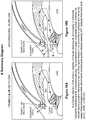
- the normal path of aqueous outflow is through the TM and is termed the conventional pathway.
- an auxiliary pathway termed the uveoscleral pathway is often tapped transiently.
- Prostaglandin analogs increase aqueous outflow via the uveoscleral pathway.
- compositions, kits, and methods for reducing IOP in a subject include at least one naturally occurring or synthesized version thereof or analog thereof of a lipid (e.g., a phosphatidylserine, a phosphatidylcholine, a phosphatidylethanolamine, a sphingomyelin, a sphingoid base or a sphingoid base-1-phosphate, a psychosine or other glycolipid) that is endogenous to non-glaucomatous AH but absent from or present in low levels (typically, for example, 15 femtomoles or less per ⁇ g of AH proteins) glaucomatous AH in a subject and that lowers IOP in a glaucomatous subject, in a therapeutically effective amount for promoting aqueous outflow through TM in at least one eye of the glaucomatous subject and reducing IOP
- a lipid e.g., a phosphat
- compositions can be used for treating glaucomas, including, for example, POAG and NTG.
- lipids e.g., phosphatidylserines, phosphatidylcholines, phosphatidylethanolamines, sphingomyelin, sphingoid base or sphingoid base-1-phosphate, psychosine and other glycolipids
- lipids e.g., phosphatidylserines, phosphatidylcholines, phosphatidylethanolamines, sphingomyelin, sphingoid base or sphingoid base-1-phosphate, psychosine and other glycolipids
- DBA/2J is a mouse model of glaucoma that develops spontaneous elevation in IOP around 8 months, thus less than 8 months of age can be considered as normotensive, 8-12 months as hypertensive state in DBA/2J mice. Beyond 12 months, the IOP undergoes a natural lowering believed to be due to decreased production of AH.
- DBA/2J mice often show pigmentary dispersion, however, spontaneous IOP elevation and degree of IOP elevation do not correlate with the extent of pigmentary dispersion. In humans the pigment dispersion often clears up without inducing IOP elevation and that injection of dispersed pigment materials into cadaver eyes does not result in significant IOP elevation. A large cohort of DBA/2J mice lacks correlation between pigment dispersion and IOP elevation.
- the following biological assays were used for characterization of these endogenous lipids: (1) role in primary trabecular meshwork cell mobility and shape, (2) the expansion and/or contraction of gel matrix with embedded primary TM cells, (3) transport of fluorescin across an assembled layer of primary cell over a permeable filter paper in a Ussing type chamber, and (4) assessment of their ability to reduce IOP and stemming vision loss in four different murine model of glaucoma ((a) DBA/2J, (b) cochlin-overexpression, (c) CTGF-overexpression and finally (d) in transgenic mycilin mutant mice [Tg-MYOC(Y437H)]).
- compositions for reducing intraocular pressure (IOP) in a subject includes a pharmaceutically acceptable vehicle and at least one lipid.
- the lipid is provided in a therapeutically effective amount for promoting aqueous outflow through TM in at least one eye of the subject and reducing IOP in the subject.
- compositions for reducing intraocular pressure in a subject include a pharmaceutically acceptable vehicle and at least one of the following lipids: PC(12:0/14:1(9Z)), PE(18:0/18:0), PS(14:0/0:0), PS(18:0/0:0), PS18:0 Lyso-PS, PS: 18:1, PI(12:0/17:2(9Z,12Z)), PI(18:0/20:4(5Z,8Z,11Z,14Z)), Cer(d18:0/18:1(9Z)), C18:1 Dihydroceramide (d18:0/18:1(9Z)) (N-oleoyl-D-erythro-sphinganine), Cer(d18:1/26:1(17Z)), SM(d16:1/25:0), Sphinganine, and C17 Sphinganine-1-phosphate, in a therapeutically effective amount for promoting aqueous outflow through TM
- the composition is typically formulated for topical administration.
- the composition includes two or more of the following lipids: PC(12:0/14:1(9Z)), PE(18:0/18:0), PS(14:0/0:0), PS(18:0/0:0), PS18:0 Lyso-PS, PS: 18:1, PI(12:0/17:2(9Z,12Z)), PI(18:0/20:4(5Z,8Z,11Z,14Z)), Cer(d18:0/18:1(9Z)), C18:1 Dihydroceramide (d18:0/18:1(9Z)) (N-oleoyl-D-erythro-sphinganine), Cer(d18:1/26:1(17Z)), SM(d16:1/25:0), Sphinganine, and C17 Sphinganine-1-phosphate.
- the composition can further include a prostaglandin.
- the pharmaceutically acceptable vehicle can be, for example, dimethylsulphoxid
- compositions for reducing intraocular pressure in a subject includes a pharmaceutically acceptable vehicle and an analog of at least one of the following lipids: PC(12:0/14:1(9Z)), PE(18:0/18:0), PS(14:0/0:0), PS(18:0/0:0), PS18:0 Lyso-PS, PI(12:0/17:2(9Z,12Z)), PI(18:0/20:4(5Z,8Z,11Z,14Z)), Cer(d18:0/18:1(9Z)), C18:1 Dihydroceramide (d18:0/18:1(9Z)) (N-oleoyl-D-erythro-sphinganine), Cer(d18:1/26:1(17Z)), SM(d16:1/25:0), Sphinganine, and C17 Sphinganine-1-phosphate, in a therapeutically effective amount for promoting aqueous outflow through TM in at
- the composition is typically formulated for topical administration.
- the composition can include two or more analogs of two or more of the following lipids: PC(12:0/14:1(9Z)), PE(18:0/18:0), PS(14:0/0:0), PS(18:0/0:0), PS18:0 Lyso-PS, PI(12:0/17:2(9Z,12Z)), PI(18:0/20:4(5Z,8Z,11Z,14Z)), Cer(d18:0/18:1(9Z)), C18:1 Dihydroceramide (d18:0/18:1(9Z)) (N-oleoyl-D-erythro-sphinganine), Cer(d18:1/26:1(17Z)), SM(d16:1/25:0), Sphinganine, and C17 Sphinganine-1-phosphate.
- composition can further include a prostaglandin and/or prostaglandin analog.
- the pharmaceutically acceptable vehicle can be, for example, dimethylsulphoxide (DMSO), polyethylene glycol 400 or d- ⁇ -tocopherol propylene glycol 1000 succinate.
- the composition is formulated for topical administration and is administered to the patient topically at least once per day.
- the composition can include two or more of the following lipids: PC(12:0/14:1(9Z)), PE(18:0/18:0), PS(14:0/0:0), PS(18:0/0:0), PS18:0 Lyso-PS, PS: 18:1, PI(12:0/17:2(9Z,12Z)), PI(18:0/20:4(5Z,8Z,11Z,14Z)), Cer(d18:0/18:1(9Z)), C18:1 Dihydroceramide (d18:0/18:1(9Z)) (N-oleoyl-D-erythro-sphinganine), Cer(d18:1/26:1(17Z)), SM(d16:1/25:0), Sphinganine, and C17 Sphinganine-1-phosphate.
- the composition can include two or more analogs of two or more of the following lipids: PC(12:0/14:1(9Z)), PE(18:0/18:0), PS(14:0/0:0), PS(18:0/0:0), PS18:0 Lyso-PS, PS: 18:1, PI(12:0/17:2(9Z,12Z)), PI(18:0/20:4(5Z,8Z,11Z,14Z)), Cer(d18:0/18:1(9Z)), C18:1 Dihydroceramide (d18:0/18:1(9Z)) (N-oleoyl-D-erythro-sphinganine), Cer(d18:1/26:1(17Z)), SM(d16:1/25:0), Sphinganine, and C17 Sphinganine-1-phosphate.
- PC(12:0/14:1(9Z) PC(12:0/14:1(9Z)
- the composition can further include a prostaglandin and/or prostaglandin analog.
- the method can further include administering a second composition including a prostaglandin and/or prostaglandin analog to the subject.
- the composition including the at least one lipid or analog thereof and the second composition are administered to the subject concomitantly or at different times (e.g., at first and second time points).
- kits for reducing intraocular pressure in a subject includes: i) a composition including a pharmaceutically acceptable vehicle and at least one of the following lipids: PC(12:0/14:1(9Z)), PE(18:0/18:0), PS(14:0/0:0), PS(18:0/0:0), PS18:0 Lyso-PS, PS: 18:1, PI(12:0/17:2(9Z,12Z)), PI(18:0/20:4(5Z,8Z,11Z,14Z)), Cer(d18:0/18:1(9Z)), C18:1 Dihydroceramide (d18:0/18:1(9Z)) (N-oleoyl-D-erythro-sphinganine), Cer(d18:1/26:1(17Z)), SM(d16:1/25:0), Sphinganine, and C17 Sphinganine-1-phosphate, in a therapeutically effective amount for
- lipid is meant fatty acids and their derivatives, and substances related biosynthetically or functionally to these compounds.
- the term encompasses naturally occurring as well as synthetic lipids.
- the term also encompasses analogs of naturally occurring and synthetic lipids.
- analog and “derivative” is meant any molecule modified, relative to a parent molecule, that retains at least some partial structure and biological function (or improved biological function) of the parent molecule.
- a biological function for example, is the ability to lower IOP.
- protein and “polypeptide” are used synonymously to mean any peptide-linked chain of amino acids, regardless of length or post-translational modification, e.g., glycosylation or phosphorylation.
- treatment is defined as the application or administration of a therapeutic agent to a subject or patient, or application or administration of the therapeutic agent to an isolated tissue or cell from a subject or patient, who has a disease, a symptom of disease or a predisposition toward a disease, with the purpose to cure, heal, alleviate, relieve, alter, remedy, ameliorate, improve or affect the disease, the symptoms of disease, or the predisposition toward disease.
- safe and effective amount refers to the quantity of a component which is sufficient to yield a desired therapeutic response without undue adverse side effects (such as toxicity, irritation, or allergic response) commensurate with a reasonable benefit/risk ratio when used in the manner of this invention.
- therapeutically effective amount is meant an amount of a composition of the present invention effective to yield the desired therapeutic response, for example, an amount effective to increase aqueous outflow through the TM and reduce IOP in an individual.
- the specific safe and effective amount or therapeutically effective amount will vary with such factors as the particular condition being treated, the physical condition of the patient, the type of mammal or animal being treated, the duration of the treatment, the nature of concurrent therapy (if any), and the specific formulations employed.
- patient "subject” and “individual” are used interchangeably herein, and mean a vertebrate subject, typically a mammalian subject (e.g., human, rodent, non-human primates, canine, bovine, ovine, equine, feline, etc.) who is to be treated, who has been treated, or who is being considered for treatment, and/or to obtain a biological sample from, with human patients being preferred.
- a mammalian subject e.g., human, rodent, non-human primates, canine, bovine, ovine, equine, feline, etc.
- the methods, kits, and compositions described herein find use in experimental animals, in veterinary applications, and in the development of animal models for disease, including, but not limited to, rodents including mice, rats, and hamsters, as well as non-human primates.
- compositions, kits, and methods similar or equivalent to those described herein can be used in the practice or testing of the present invention, suitable compositions, kits, and methods are described below. All publications, patent applications, and patents mentioned herein are incorporated by reference in their entirety. In the case of conflict, the present specification, including definitions, will control. The particular embodiments discussed below are illustrative only and not intended to be limiting.
- compositions and kits for reducing IOP in a subject include at least one lipid that when administered (e.g., topical addition) to a glaucomatous subject, lowers IOP by promoting aqueous outflow through TM in at least one eye of the subject.
- Methods of reducing IOP in a subject and treating glaucoma in a subject include administering such compositions.
- the compositions, kits and methods can be used for treating any type of glaucoma, including, for example, POAG and NTG.
- lipids and lipid-containing compositions which are administered to a subject (e.g., a human having glaucoma) in order to reduce intraocular pressure.
- a composition for reducing intraocular pressure in a subject includes a pharmaceutically acceptable vehicle and at least one lipid.
- the at least one lipid is in a therapeutically effective amount for promoting aqueous outflow through TM in at least one eye of the subject and reducing IOP in the subject.
- Such lipids are those listed in Table 1 ( FIG.
- Synthesized versions of naturally occurring lipids and analogs derivatives thereof can be used in compositions as described herein for reducing IOP and treating glaucoma.
- Table 1 ( FIG. 11 ) all lipids listed are naturally occurring lipids endogenous to non-glaucomatous AH except for PS (18:1) which is an analog of PS (18:0/0:0). Analogs are designed such that they do not exert appreciable toxicity and do not lose the biological function of IOP reduction.
- fluorescent analogs of PS (18:1) have been generated and tested.
- a composition for reducing IOP can include one, two or more (e.g., 2, 3, 4, 5, 6, 7, etc.) naturally occurring or synthetic lipids, or analogs thereof, endogenous to non-glaucomatous AH.
- a composition can include, for example, one, two or more of the lipids listed in Table 1 ( FIG. 11 ).
- a composition can include one, two or more analogs of one, two or more lipids listed in Table 1 ( FIG. 11 ).
- a composition for reducing IOP can further include a prostaglandin and/or prostaglandin analog.
- Naturally occurring lipids can be obtained by, for example, by chromatographic separation from a plant source (for example, a naturally occurring lipid can be separated from oil of the mustard seeds).
- lipids can be synthesized using known techniques, including standard organic chemical synthesis. Large scale plant oil or the organic phase extraction of lipids from the eyes of cattles (pig or cow) will enable the chromatographic separation of a specific lipid from the mixture extracted in organic phase extraction (for example, Using Bligh and Dyer method or Folch method using chloroform and methanol mixtures).
- a precursor molecule which is readily available can be modified following standard organic chemical synthesis procedures.
- lipid, synthetic lipid or analog thereof is obtained or synthesized, it is typically formulated with a pharmaceutically acceptable vehicle for topical administration.
- a pharmaceutically acceptable vehicle e.g., dimethylsulphoxide (DMSO), polyethylene glycol 400 or d- ⁇ -tocopherol propylene glycol 1000 succinate).
- kits for reducing intraocular pressure and treating glaucoma in a subject includes a composition including a pharmaceutically acceptable vehicle and at least one lipid as described herein and instructions for use.
- the kit can further include a second such lipid, and optionally, a prostaglandin.
- the instructions generally include one or more of: a description of the composition; dosage schedule and administration for treatment of glaucoma; precautions; warnings; indications; counter-indications; overdosage information; adverse reactions; animal pharmacology; clinical studies; and/or references.
- kits as described herein also includes packaging.
- the kit includes a sterile container which contains a therapeutic or prophylactic composition; such containers can be boxes, ampules, bottles, vials, tubes, bags, pouches, blister-packs, or other suitable container forms known in the art.
- Such containers can be made of plastic, glass, laminated paper, metal foil, or other materials suitable for holding cells or medicaments.
- compositions described above are preferably administered to a mammal (e.g., non-human primate, bovine, canine, rodent, human) in an effective amount, that is, an amount capable of producing a desirable result in a treated subject (e.g., delaying, mitigating or preventing vision loss in the subject).
- a mammal e.g., non-human primate, bovine, canine, rodent, human
- Toxicity and therapeutic efficacy of the compositions utilized in methods described herein can be determined by standard pharmaceutical procedures. As is well known in the medical and veterinary arts, dosage for any one animal depends on many factors, including the subject's size, body surface area, age, the particular composition to be administered, time and route of administration, general health, and other drugs being administered concurrently.
- the amount of the therapeutic agent (e.g., lipid) to be administered varies depending upon the manner of administration, the age and body weight of the patient, and with the pathology of the disease.
- a composition as described herein is typically administered at a dose of 10 picomole to 10 micromole.
- compositions described herein can be administered to a subject by any suitable route.
- the composition may be provided in a dosage form that is suitable for local, topical, oral or systemic administration. If being applied topically, the composition is typically topically applied on the cornea from where it will easily percolate to the trabecular meshwork.
- the compositions typically include non-toxic pharmaceutically acceptable carriers and may be formulated according to conventional pharmaceutical practice (see, e.g., Remington: The Science and Practice of Pharmacy (20th ed.), ed. A. R. Gennaro, Lippincott Williams & Wilkins, (2000 ) and Encyclopedia of Pharmaceutical Technology, eds. J. Swarbrick and J. C. Boylan, Marcel Dekker, New York (1988-1999 )).
- lipids [14 specific lipids, namely: PC(12:0/14:1(9Z)); PE(18:0/18:0); PS(14:0/0:0); PS(18:0/0:0); PS18:0 Lyso-PS; 18:1 PS; PI(12:0/17:2(9Z,12Z)); PI(18:0/20:4(5Z,8Z,11Z,14Z)); Cer(d18:0/18:1(9Z)); C18:1 Dihydroceramide (d18:0/18:1(9Z)) (N-oleoyl-D-erythro-sphinganine); Cer(d18:1/26:1(17Z)); SM(d16:1/25:0); Sphinganine and C17 Sphinganine-1-phosphate] were identified from screening the AH of human control
- the motility and filopodia formation is affected by a variety of intrinsic and extrinsic factors such as age of the donors from where cell have been derived, cell density, composition of the medium, environmental temperature and incubation gas composition.
- the age of the donor and cell density are the most prominent factors.
- Exposure to all lipids as noted in Table 1 ( FIG. 11 ) [with the exception of PC(12:0/14:1(9Z)) and 1,2-ditridecanoyl-sn-glycero-3-phosphocholine PC(13:0/13:0)] resulted in a significant increase in dynamics of filopodia formation. This is most prominent in old donor derived TM cells where the dynamics of filopodia formation is significantly reduced but it is also discernible in younger donor-derived TM cells.
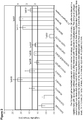
- the transport of fluorescein across cell assembled layered TM cells was determined in an Ussing type chamber ( Fig. 4 ).
- the five layers of primary TM cells with collagen matrix in between layers after the first layer were laid on a sterile PVDF membrane (0.45 ⁇ m pores).
- the fluorescein was introduced from one side of the port (the cellular side) and was sampled from another side (the membrane side) within 15 seconds of introduction. Differences in transport between the cell only control and cell treated with lipids for 1-3 hours prior to forming multilayers ( Fig. 4 ) was observed.
- the fluorescein transport was quantized and divided into two categories (marked with yellow zones) as 1 and 2 ( Fig. 4 ).
- Table 1 FIG. 11 ) presents a summary of the transport data using assembled layers of cells.
- the lipids described herein may modulate TM cell behavior at the isolated cell level or at the cell ensemble level.
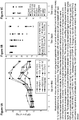
- Intraocular pressure lowering in mouse models The endogenous lipids lowered IOP in a DBA/2J mouse model of glaucoma ( Fig. 5A ).
- DBA/2J is the only known mouse animal where elevation of IOP occur spontaneously. Although this mouse also suffers from pigmentary dispersion, however, elevation of IOP appears not to correlate with IOP elevation.
- the lipids as indicated were applied as a topical dose (10 pmole in 5% DMSO as vehicle). The 5% DMSO only vehicle served as a control ( Fig. 5A ). Also determined was the lowering of IOP after elevation in IOP in DBA/2J after a short term application ( Fig. 5B ).
- Fig. 5B Selected was a DBA/2J mouse at 8 months of age that showed an IOP of ⁇ 35 mm of Hg. Representative data is presented in Fig. 5B . Also used was a transgenic myocillin mutant mice [Tg MYOC(Y437H)] that shows elevated IOP in 3 months, for determination of IOP lowering by these lipids ( Fig. 5C ). In general these mice show an IOP of 24 mm of Hg and lipids showed lowering of IOP in this model as well ( Fig. 5C ). In addition to the DBA/2J model described here, these endogenous lipids lowered IOP in cochlin and connective tissue growth factor (CTGF) over-expression models.
- CTGF connective tissue growth factor
- mice Over-expression was achieved in these mice using lentiviral vector mediated overexpression.
- the endogenous lipids assessed here lowered IOP in vastly different DBA/2J and MYOC(Y437H) mouse models as well as in cochlin and CTGF overexpression models covering a broad swath of four rodent glaucoma models that encompass induced as well as spontaneous IOP elevation.
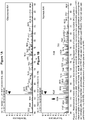
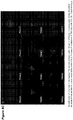
- Protein targets of the lipids include mechanosensitive channels. As shown in Figure 6 , a strategy of UV cross-linking an analog of PS (18:1) and direct mass spectrometry of fluorescent bands were employed for identification of protein targets ( Fig. 6 ). The various fluorescent analogs of PS (18:1) are shown in Fig. 7 . Also used was PC 13:0/13:0 as a non-specific analog, thus protein bands showing cross linking with this non-specific analog were not subjected to mass spectrometry. Several mechanotransduction channels that get cross-linked with PS (18:1) ( Fig. 8 A , B , C ) were identified. Earlier, independent of cross-linking, the existence of several of these channels in the TM and in primary TM cells was detected.
- Fig. 8A A number of these channels were found to localize in the conventional outflow pathway ( Fig. 8A ) suggesting the possibility of an effect of endogenous lipids via the conventional pathway.
- the channels identified to cross-link with lipids were detected at mRNA (GEO database) and at protein levels to be present in the TM.
- Endogenous lipids are generated in the ciliary body (CB).
- CB ciliary body
- CB has not been targeted enough except for lowering production of AH.
- AH is thought to be produced in the CB. It was determined whether production of some of these lipids occurs in AH, which may suggest a homeostatic control of AH dynamics by the lipids and could be used for specific targeting in the future. It was found by mass spectrometry that in serum free culture, organ cultures of ciliary body ( Fig. 9A, B ) most of these lipids (Table 1 ( FIG. 11 ); Fig. 9C ) are generated.
- CB organ culture shows generation of these endogenous lipids, which showed biological activities and lowering of intraocular pressure in mouse models ( Fig. 5 ).
- the ciliary body could be a potential specific target for treatment of glaucoma.
- the IOP lowering showed three distinct kinetics: (a) by PS18:0 Lyso-PS and PS: 18:1; (b) by C18:1 Dihydroceramide (d18:0/18:1(9Z)) (N-oleoyl-D-erythro-sphinganine), sphinganine and C17 sphinganine-1-phosphate and (c) by PE(18:0/18:0). Based on differences in kinetics of IOP lowering, the mechanism of action is expected to be different for these three different types of lipid species.
- the aqueous outflow can occur via the conventional pathway (TM) and nonconventional or uveoscleral pathway ( Fig. 10 ) ( Goel, M., Picciani, R.
- TM cell culture experiments Primary human TM cells were cultured from cadaveric corneo-scleral sections. The cells were isolated through a blunt dissection of the area containing and adjacent to the canal of Schlemm, followed by a 2 hour digestion in DPBS (cat# 21-030-CV, Mediatech Inc, Manassas, VA) suspension of 20% 0.01 ⁇ g/ ⁇ L collagenase-A (cat# LS004194, Worthington, Lakewood NJ). The blunt dissection and the proteolytic treatment were performed inside a 12 well culture plate (cat# 665-180 Greiner Bio-One, Neuburg, Germany).
- Time-lapse microscopy was performed using cells grown on glass bottom chamber slides (cat# 154534, Lab-Tek, Thermo Fisher Scientific Inc., Rochester NY) and Zeiss AxioVert 200M, for the duration of 20 hours, with a snapshot every 15 minutes, starting at 24 hours post-transfection. Immunohistochemical analysis was performed on cells fixed with 4% PFA (cat# 19943, USB Corp, Cleveland, OH) at time intervals of 0, 24, and 29 hours post-transfection.
- HEK-293T and COS-7 cells were transfected with plasmid expressing cochlin or annexin A2. 24 hours post-transfection, the media was collected and subjected to western blot analysis probing for cochlin and annexin A2. The cells were trypsin treated (Mediatech) and centrifuged at 1,000 RPM for 5 minutes. The supernatant was discarded and protein extraction buffer (as described for TM protein extraction) was added. The cells were centrifuged again at 10,000 RPM for 10 minutes. The supernatant obtained was then preserved and used for western blot analysis.
- the cells were transfected with DNA of interest [TREK-1 + cochlin, TREK-1 and RPE65, TREK-1, transfection agent (Lipofectamine 2000) (Invitrogen)] or left untransfected. 24-36 hours post transfection the membranes were placed between the hemi-chambers of the apparatus connected to a peristaltic pump creating flow across the membrane bathing in 1XDPBS. To measure the flow across the membrane, sodium flourescein dye was used (1:100 dilution of 1mg/ml). The dye was introduced in one hemi-chamber and equal amounts (100 ⁇ l) were aspirated from the other hemi-chamber at 5 minutes post-injection. The fluorescein intensity was measured using the spectrophotometer.
- Collagen gel expansion and / or contraction assay Hydro-gel solution was prepared using 10X MEM (cat# 11430, Invitrogen), Sodium Bicarbonate (cat# S5761 Sigma-Aldrich), L-Glutamine (Sigma-Aldrich), HEPES (cat# 15630, Invitrogen). The following solution was aliquoted in separate tubes for each transfection type. Transfection complexes were prepared in individual tubes containing a mixture of the transfection agent (Lipofectamine 2000, Invitrogen) and desired DNA vectors in a ratio of 0.4 ug/uL, following the manufacturer's preparation guidelines.
- the transfection agent Lipofectamine 2000, Invitrogen
- Trabecular meshwork cells were obtained from a confluent layer of trypsin-treated 25 cm 2 cell culture flask (cat# 353109, Becton Dickinson, Franklin Lakes, NJ) sedimented for 5 minutes at 800 RPM. Cell pellet was then re-suspended in serum free DMEM 1X, (Mediatech) media, thoroughly mixed and finally, equally aliquoted into each respective transfection-complex containing vessel. The reaction was allowed to occur for 45 minutes, after which it was terminated through addition of cell culture media and rat tail collagen (cat # 354249, BD, San Jose, CA) to initiate gel polymerization.
- the suspension was gently mixed by aspiration and aspirated into 1mL single use needle syringe and injected into a borosilicate glass capillary (O.D - 1.0 mm, IN.D - 0.75mm) (cat# TW100-6, WPI) to approximately half of its volume.
- a digital picture snapshot was taken of all capillaries prepared against a blank background with a millimeter scale, repeated at 24 and 48 hours.
- the hydro-gel containing capillaries were incubated inside a moisture chamber to prevent dehydration in a cell line incubator at 37°C and 5% CO 2 . Photographs obtained were analyzed using ImageJ (v.1.43u) measuring between chosen points on the opposite ends of the gel. Amassed length data was statistically analyzed using Microsoft Excel (XP).
- Elastic modulus determination Human donor eyes or corneal buttons were obtained from various eye banks. The ages of the donors ranged from 37 to 80 years. The tissues were maintained in corneal storage medium (Optisol; Chiron Ophthalmics Irvine, CA) at 4°C before they were dissected to remove the TM. The samples were prepared by dissection of the iris and uveal tissue with an ophthalmic knife (World Precision Instrument Inc., Sarasota, FL). The human TM was sectioned with a razor blade to provide samples less than 1 cm in length, and the sections were removed from the angle with forceps.
- corneal storage medium Optisol; Chiron Ophthalmics Irvine, CA
- the samples were prepared by dissection of the iris and uveal tissue with an ophthalmic knife (World Precision Instrument Inc., Sarasota, FL).
- the human TM was sectioned with a razor blade to provide samples less than 1 cm in length, and the sections were removed from the angle with forceps.
- the tissue was oriented so that the Schlemm's canal SC side of the JCT was probed and was affixed in the trabecular region with cyanoacrylate glue in the center of a stainless-steel AFM disc.
- AFM analysis was performed in IX phosphate-buffered saline (PBS). The average time from donation to analysis was 9 ⁇ 2 days for normal and 10 ⁇ 4 days for glaucomatous samples (Table 1 ( FIG. 11 )).
- Donor tissues were processed for routine histology as wedges of intact limbus, wedges of limbus after sharp dissection of uveal tissue, isolated human TM (longitudinal and cross section), and wedges of limbus after HTM isolation. All samples were fixed for 24 to 48 hours and processed routinely, and sections of isolated human TM were oriented for either longitudinal or cross-sectional sampling. After they were embedded, the samples were sectioned at 4 ⁇ m and stained with hematoxylin and eosin.
- Force curves were acquired with a scanning probe microscope (Nanoscope IIIa Multimode; Veeco Instruments, Inc., Santa Barbara, CA). The samples were transferred to the AFM without drying and placed in a commercially available liquid cell (Veeco Instruments, Inc.). Silicon nitride cantilevers with a borosilicate sphere as the tip (1 ⁇ m radius; Novascan Technologies, Inc., Ames, IA) were used to sample a large area of the human TM. The nominal spring constant of the cantilevers was 0.06 N/m. Force curves were obtained on at least 10 different locations, at either random locations on the sample or in a line with each measurement location separated by approximately 50 ⁇ m.
- PMMA polymethylmethacrylate
- An AFM borosilicate glass particle cantilever tip (2um tip radius, 0.06N/m spring constant, Novascan Technologies, Ames, IA) was positioned onto the sample using a piezoelectric mechanism (60 ⁇ m maximal expansion, P-841.40, Physik Instrumente, Germany) until the tip touched the surface of the tissue.
- the cantilever was observed using the microscope objective connected to the camera beneath the sample. All experiments were performed at room temperature.
- the Young's modulus was determined using custom developed Matlab software utilizing the Hertz model for a spherical indenter. Average and standard deviation was calculated using acquired data.
- Topical application of lipids and measurement of IOP The lipids were topically applied as 1 ⁇ l drops with 10 pmole lipids. Pressure was measured with a tonolab (Colonial Medical Supplies, NH) or with an assembled cannulation device, used in our laboratory. An initial assessment had utilized 10% DMSO as vehicle. However, all data reported here utilized 5% DMSO.
- Example 2 Examples of Lipid Species That Modulate or Reduce IOP
- Example 3 Electron microscopy and related methods demonstrate higher levels of PS in non-glaucomatous vs. glaucomatous AH
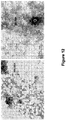
- Electron Microscopy The human aqueous humor from control and POAG donors was centrifuged at 4°C for 15,000 rpm for 15 minutes. The upper aqueous phase and the lower pellets were separately floated or submerged on an electron microscope (EM) copper or nickel grid. The staining was performed using OsO4 vapors or with 2% phosphotungstic acid (PTA) or both following previously published methods with minor modifications. Briefly, nickel grids were floated for 10 minutes on a drop of upper phase or lower aqueous humor pellet. The copper grids were submerged for 20 minutes in the lower phase pellet of aqueous humor. The nickel grids were exposed to 4% aqueous OsO4 vapors for 30 minutes.
- EM electron microscope
- PTA 2% phosphotungstic acid
- Example 4 - Compositions of the disclosure reduce IOP in primates in vivo.
Landscapes
- Health & Medical Sciences (AREA)
- Chemical & Material Sciences (AREA)
- Life Sciences & Earth Sciences (AREA)
- Veterinary Medicine (AREA)
- Public Health (AREA)
- Medicinal Chemistry (AREA)
- General Health & Medical Sciences (AREA)
- Animal Behavior & Ethology (AREA)
- Pharmacology & Pharmacy (AREA)
- Epidemiology (AREA)
- General Chemical & Material Sciences (AREA)
- Engineering & Computer Science (AREA)
- Chemical Kinetics & Catalysis (AREA)
- Oil, Petroleum & Natural Gas (AREA)
- Ophthalmology & Optometry (AREA)
- Organic Chemistry (AREA)
- Nuclear Medicine, Radiotherapy & Molecular Imaging (AREA)
- Bioinformatics & Cheminformatics (AREA)
- Biophysics (AREA)
- Molecular Biology (AREA)
- Pharmaceuticals Containing Other Organic And Inorganic Compounds (AREA)
- Medicinal Preparation (AREA)
- Acyclic And Carbocyclic Compounds In Medicinal Compositions (AREA)
Claims (12)
- Zusammensetzung zur Verwendung bei der Reduzierung des Augeninnendrucks bei einem Subjekt, wobei die Zusammensetzung ein pharmazeutisch akzeptables Vehikel und mindestens ein Lipid ausgewählt aus der Gruppe bestehend aus: PC(12:0/14:1(9Z)), PE(18:0/18:0), PS(14:0/0:0), PS(18:0/0:0), PS18:0 Lyso-PS, PS: 18:1, PI(12:0/17:2(9Z,12Z)), PI(18:0/20:4(5Z,8Z,11Z,14Z)), Cer(d18:0/18:1(9Z)), C18:1 Dihydroceramid (d18:0/18:1(9Z)) (N-Oleoyl-D-Erythrosphinganin), Cer(d18:1/26:1(17Z)), SM(d16:1/25:0), Sphinganin und C17 Sphinganin-1-Phosphat in einer therapeutisch effektiven Menge zur Förderung des Kammerwasserabflusses durch Trabekelmaschenwerk (TM - Trabecular Meshwork) in mindestens einem Auge des Subjektes und zur Reduzierung des Augeninnendrucks (IOP - Intraocular Pressure) bei dem Subjekt umfasst.
- Zusammensetzung für die Verwendung nach Anspruch 1, wobei die Zusammensetzung zwei oder mehr Lipide ausgewählt aus der Gruppe bestehend aus: PC(12:0/14:1(9Z)), PE(18:0/18:0), PS(14:0/0:0), PS(18:0/0:0), PS18:0 Lyso-PS, PS: 18:1, PI(12:0/17:2(9Z,12Z)), PI(18:0/20:4(5Z,8Z,11Z,14Z)), Cer(d18:0/18:1(9Z)), C18:1 Dihydroceramid (d18:0/18:1(9Z)) (N-Oleoyl-D-Erythrosphinganin), Cer(d18:1/26:1(17Z)), SM(d16:1/25:0), Sphinganin und C17 Sphinganin-1-Phosphat umfasst.
- Zusammensetzung für die Verwendung nach Anspruch 1 oder Anspruch 2, wobei die Zusammensetzung ferner ein Prostaglandin umfasst.
- Zusammensetzung für die Verwendung nach Anspruch 1 oder Anspruch 2 zur Verabreichung mit einer zweiten Zusammensetzung, welche Prostaglandin umfasst.
- Zusammensetzung für die Verwendung nach einem der Ansprüche 1-4, wobei das pharmazeutisch akzeptable Vehikel ausgewählt ist aus der Gruppe bestehend aus: Dimethylsulfoxid (DMSO), Polyethylenglykol 400 oder D-α-Tocopherolpropylenglykol-1000-Succinat.
- Zusammensetzung für die Verwendung nach einem der Ansprüche 1-5, wobei die Zusammensetzung zur topischen Verabreichung formuliert ist.
- Zusammensetzung für die Verwendung nach einem der Ansprüche 1-6, wobei das Subjekt ein Glaukom aufweist und eine Verabreichung der Zusammensetzung einen Sehkraftverlust bei dem Subjekt reduziert oder verhindert.
- Zusammensetzung für die Verwendung nach Anspruch 7, wobei das Glaukom ein primäres Offenwinkelglaukom oder ein Normaldruckglaukom ist.
- Zusammensetzung für die Verwendung nach Anspruch 6, wobei die Zusammensetzung mindestens einmal pro Tag topisch an den Patienten verabreicht wird.
- Kit zur Verwendung bei der Reduzierung des Augeninnendrucks bei einem Subjekt, wobei das Kit Folgendes umfasst:i) eine Zusammensetzung, die ein pharmazeutisch akzeptables Vehikel und mindestens ein Lipid ausgewählt aus der Gruppe bestehend aus: PC(12:0/14:1(9Z)), PE(18:0/18:0), PS(14:0/0:0), PS(18:0/0:0), PS18:0 Lyso-PS, PS: 18:1, PI(12:0/17:2(9Z,12Z)), PI(18:0/20:4(5Z,8Z,11Z,14Z)), Cer(d18:0/18:1(9Z)), C18:1 Dihydroceramid (d18:0/18:1(9Z)) (N-Oleoyl-D-Erythrosphinganin), Cer(d18:1/26:1(17Z)), SM(d16:1/25:0), Sphinganin und C17 Sphinganin-1-Phosphat in einer therapeutisch effektiven Menge zur Förderung des Kammerwasserabflusses durch TM in mindestens einem Auge des Subjektes und zur Reduzierung des Augeninnendrucks bei dem Subjekt umfasst;ii) Gebrauchsanweisungen; undiii) eine Verpackung.
- Kit für die Verwendung nach Anspruch 10, wobei die Zusammensetzung ferner ein pharmazeutisch akzeptables Vehikel ausgewählt aus der Gruppe bestehend aus: Dimethylsulfoxid (DMSO), Polyethylenglykol 400 oder D-α-Tocopherolpropylenglykol-1000-Succinat umfasst.
- Kit für die Verwendung nach Anspruch 10 oder Anspruch 11, wobei die Zusammensetzung ferner ein Prostaglandin umfasst.
Applications Claiming Priority (2)
| Application Number | Priority Date | Filing Date | Title |
|---|---|---|---|
| US201361912070P | 2013-12-05 | 2013-12-05 | |
| PCT/US2014/068671 WO2015085121A1 (en) | 2013-12-05 | 2014-12-04 | Compositions and methods for reducing intraocular pressure |
Publications (3)
| Publication Number | Publication Date |
|---|---|
| EP3076979A1 EP3076979A1 (de) | 2016-10-12 |
| EP3076979A4 EP3076979A4 (de) | 2017-06-14 |
| EP3076979B1 true EP3076979B1 (de) | 2020-04-29 |
Family
ID=53274147
Family Applications (1)
| Application Number | Title | Priority Date | Filing Date |
|---|---|---|---|
| EP14867326.2A Active EP3076979B1 (de) | 2013-12-05 | 2014-12-04 | Zusammensetzungen und verfahren zur reduzierung des augeninnendrucks |
Country Status (8)
| Country | Link |
|---|---|
| US (1) | US10046001B2 (de) |
| EP (1) | EP3076979B1 (de) |
| JP (1) | JP6548269B2 (de) |
| KR (1) | KR102246113B1 (de) |
| AU (1) | AU2014360369B2 (de) |
| CA (1) | CA2932618A1 (de) |
| MX (1) | MX2016007377A (de) |
| WO (1) | WO2015085121A1 (de) |
Families Citing this family (3)
| Publication number | Priority date | Publication date | Assignee | Title |
|---|---|---|---|---|
| JP2018522070A (ja) * | 2015-07-27 | 2018-08-09 | キャタコア・インコーポレイテッドCatacore, Inc. | 白内障の処置用組成物 |
| CN105044361B (zh) * | 2015-08-14 | 2017-07-28 | 山东省肿瘤防治研究院 | 一种适合于食管鳞状细胞癌早期诊断的诊断标记物及其筛选方法 |
| CN110213987A (zh) * | 2016-12-05 | 2019-09-06 | 杰克逊实验室 | 视网膜和视神经中的脂肪滴作为人类的神经变性和青光眼的诊断标志物 |
Family Cites Families (6)
| Publication number | Priority date | Publication date | Assignee | Title |
|---|---|---|---|---|
| JP2002521332A (ja) * | 1998-07-21 | 2002-07-16 | メルク エンド カムパニー インコーポレーテッド | 高眼圧治療用眼薬組成物 |
| US7906488B2 (en) * | 2004-11-30 | 2011-03-15 | Nederlandse Organisatie Voor Toegepast-Natuurwetenschappelijk Onderzoek Tno | Sphingolipids in treatment and prevention of steatosis and of steatosis or of hepatotoxicity and its sequelae |
| US20130267591A1 (en) * | 2010-05-07 | 2013-10-10 | Sun Pharma Advanced Research Company Limited | Novel ophthalmic compositions |
| US20110294730A1 (en) * | 2010-05-31 | 2011-12-01 | Shantha Totada R | Method of treating glaucoma and intraocular hypertension |
| ES2684351T3 (es) * | 2011-02-04 | 2018-10-02 | Kowa Co., Ltd. | Terapia farmacológica para prevenir o tratar glaucoma |
| US20130316983A1 (en) * | 2012-05-03 | 2013-11-28 | Orasis | Drug screening method, compositions and methods of treating glaucoma |
-
2014
- 2014-12-04 JP JP2016536892A patent/JP6548269B2/ja active Active
- 2014-12-04 MX MX2016007377A patent/MX2016007377A/es active IP Right Grant
- 2014-12-04 CA CA2932618A patent/CA2932618A1/en not_active Abandoned
- 2014-12-04 AU AU2014360369A patent/AU2014360369B2/en active Active
- 2014-12-04 WO PCT/US2014/068671 patent/WO2015085121A1/en not_active Ceased
- 2014-12-04 KR KR1020167017531A patent/KR102246113B1/ko not_active Expired - Fee Related
- 2014-12-04 EP EP14867326.2A patent/EP3076979B1/de active Active
- 2014-12-04 US US15/102,201 patent/US10046001B2/en not_active Expired - Fee Related
Non-Patent Citations (1)
| Title |
|---|
| None * |
Also Published As
| Publication number | Publication date |
|---|---|
| AU2014360369A1 (en) | 2016-07-07 |
| CA2932618A1 (en) | 2015-06-11 |
| JP6548269B2 (ja) | 2019-07-24 |
| WO2015085121A9 (en) | 2016-07-21 |
| AU2014360369B2 (en) | 2019-11-07 |
| KR20160095025A (ko) | 2016-08-10 |
| KR102246113B1 (ko) | 2021-04-28 |
| MX2016007377A (es) | 2016-10-13 |
| WO2015085121A1 (en) | 2015-06-11 |
| JP2017512182A (ja) | 2017-05-18 |
| HK1223555A1 (en) | 2017-08-04 |
| EP3076979A4 (de) | 2017-06-14 |
| EP3076979A1 (de) | 2016-10-12 |
| US10046001B2 (en) | 2018-08-14 |
| US20160339043A1 (en) | 2016-11-24 |
Similar Documents
| Publication | Publication Date | Title |
|---|---|---|
| Blanks et al. | Specific binding of peanut lectin to a class of retinal photoreceptor cells. A species comparison. | |
| Kim et al. | Minoxidil-loaded hyaluronic acid dissolving microneedles to alleviate hair loss in an alopecia animal model | |
| Ye et al. | Patch-clamp studies in the CNS illustrate a simple new method for obtaining viable neurons in rat brain slices: glycerol replacement of NaCl protects CNS neurons | |
| Morrison et al. | Ultrastructural location of extracellular matrix components in the optic nerve head | |
| Pauly et al. | Multiple endpoint analysis of the 3D-reconstituted corneal epithelium after treatment with benzalkonium chloride: early detection of toxic damage | |
| Trudeau et al. | High glucose disrupts mitochondrial morphology in retinal endothelial cells: implications for diabetic retinopathy | |
| Lee et al. | Stabilization and remodeling of the membrane skeleton during lens fiber cell differentiation and maturation | |
| Nguyen et al. | Programmed cell death of keratinocytes culminates in apoptotic secretion of a humectant upon secretagogue action of acetylcholine | |
| Tamm et al. | Contractile cells in the human scleral spur | |
| DE69935720T2 (de) | Diamino-propanol-verbindungen zur behandlung von ischaemien | |
| Halfter et al. | The human Descemet's membrane and lens capsule: Protein composition and biomechanical properties | |
| Marshall et al. | An immunoelectron microscope study of the aged human lens capsule | |
| Gavrilova et al. | The effect of biodegradable silk fibroin-based scaffolds containing glial cell line-derived neurotrophic factor (GDNF) on the corneal regeneration process | |
| EP3076979B1 (de) | Zusammensetzungen und verfahren zur reduzierung des augeninnendrucks | |
| Nuyts et al. | Toxic effects of detergents on the corneal endothelium | |
| Zhang et al. | Implantation of injectable SF hydrogel with sustained hydrogen sulfide delivery reduces neuronal pyroptosis and enhances functional recovery after severe intracerebral hemorrhage | |
| Feng et al. | Hyaluronan up-regulation is linked to renal dysfunction and hearing loss induced by silver nanoparticles | |
| Li et al. | Therapeutic effect and mechanism of action of pterostilbene nano drugs in dry eye models | |
| Zhang et al. | Up-regulation of apelin in brain tissue of patients with epilepsy and an epileptic rat model | |
| You et al. | Injectable, antioxidative, and loaded with exosomes/Liproxstatin-1 hydrogel as a potential treatment for retinal ischemia–reperfusion by inhibiting ferroptosis and apoptosis | |
| Lo et al. | Identification of caveolae and their signature proteins caveolin 1 and 2 in the lens | |
| HK1223555B (en) | Compositions and methods for reducing intraocular pressure | |
| US20130316983A1 (en) | Drug screening method, compositions and methods of treating glaucoma | |
| Handlin et al. | Membrane lipid nanodomains modulate HCN pacemaker channels in nociceptor DRG neurons | |
| WO2007053807A2 (en) | Calcitriol for treating intraocular diseases associated with angiogenesis |
Legal Events
| Date | Code | Title | Description |
|---|---|---|---|
| PUAI | Public reference made under article 153(3) epc to a published international application that has entered the european phase |
Free format text: ORIGINAL CODE: 0009012 |
|
| 17P | Request for examination filed |
Effective date: 20160705 |
|
| AK | Designated contracting states |
Kind code of ref document: A1 Designated state(s): AL AT BE BG CH CY CZ DE DK EE ES FI FR GB GR HR HU IE IS IT LI LT LU LV MC MK MT NL NO PL PT RO RS SE SI SK SM TR |
|
| AX | Request for extension of the european patent |
Extension state: BA ME |
|
| DAX | Request for extension of the european patent (deleted) | ||
| A4 | Supplementary search report drawn up and despatched |
Effective date: 20170515 |
|
| RIC1 | Information provided on ipc code assigned before grant |
Ipc: A61K 31/685 20060101ALI20170508BHEP Ipc: A61P 27/02 20060101ALI20170508BHEP Ipc: A61K 31/688 20060101ALI20170508BHEP Ipc: A61K 31/683 20060101AFI20170508BHEP |
|
| REG | Reference to a national code |
Ref country code: HK Ref legal event code: DE Ref document number: 1223555 Country of ref document: HK |
|
| STAA | Information on the status of an ep patent application or granted ep patent |
Free format text: STATUS: EXAMINATION IS IN PROGRESS |
|
| 17Q | First examination report despatched |
Effective date: 20181102 |
|
| GRAP | Despatch of communication of intention to grant a patent |
Free format text: ORIGINAL CODE: EPIDOSNIGR1 |
|
| STAA | Information on the status of an ep patent application or granted ep patent |
Free format text: STATUS: GRANT OF PATENT IS INTENDED |
|
| INTG | Intention to grant announced |
Effective date: 20191022 |
|
| RAP1 | Party data changed (applicant data changed or rights of an application transferred) |
Owner name: UNIVERSITY OF MIAMI |
|
| GRAJ | Information related to disapproval of communication of intention to grant by the applicant or resumption of examination proceedings by the epo deleted |
Free format text: ORIGINAL CODE: EPIDOSDIGR1 |
|
| STAA | Information on the status of an ep patent application or granted ep patent |
Free format text: STATUS: EXAMINATION IS IN PROGRESS |
|
| GRAR | Information related to intention to grant a patent recorded |
Free format text: ORIGINAL CODE: EPIDOSNIGR71 |
|
| GRAS | Grant fee paid |
Free format text: ORIGINAL CODE: EPIDOSNIGR3 |
|
| STAA | Information on the status of an ep patent application or granted ep patent |
Free format text: STATUS: GRANT OF PATENT IS INTENDED |
|
| GRAA | (expected) grant |
Free format text: ORIGINAL CODE: 0009210 |
|
| STAA | Information on the status of an ep patent application or granted ep patent |
Free format text: STATUS: THE PATENT HAS BEEN GRANTED |
|
| INTC | Intention to grant announced (deleted) | ||
| INTG | Intention to grant announced |
Effective date: 20200319 |
|
| AK | Designated contracting states |
Kind code of ref document: B1 Designated state(s): AL AT BE BG CH CY CZ DE DK EE ES FI FR GB GR HR HU IE IS IT LI LT LU LV MC MK MT NL NO PL PT RO RS SE SI SK SM TR |
|
| REG | Reference to a national code |
Ref country code: GB Ref legal event code: FG4D |
|
| REG | Reference to a national code |
Ref country code: CH Ref legal event code: EP |
|
| REG | Reference to a national code |
Ref country code: DE Ref legal event code: R096 Ref document number: 602014064706 Country of ref document: DE |
|
| REG | Reference to a national code |
Ref country code: AT Ref legal event code: REF Ref document number: 1262287 Country of ref document: AT Kind code of ref document: T Effective date: 20200515 |
|
| REG | Reference to a national code |
Ref country code: IE Ref legal event code: FG4D |
|
| REG | Reference to a national code |
Ref country code: NL Ref legal event code: MP Effective date: 20200429 |
|
| REG | Reference to a national code |
Ref country code: LT Ref legal event code: MG4D |
|
| PG25 | Lapsed in a contracting state [announced via postgrant information from national office to epo] |
Ref country code: NO Free format text: LAPSE BECAUSE OF FAILURE TO SUBMIT A TRANSLATION OF THE DESCRIPTION OR TO PAY THE FEE WITHIN THE PRESCRIBED TIME-LIMIT Effective date: 20200729 Ref country code: IS Free format text: LAPSE BECAUSE OF FAILURE TO SUBMIT A TRANSLATION OF THE DESCRIPTION OR TO PAY THE FEE WITHIN THE PRESCRIBED TIME-LIMIT Effective date: 20200829 Ref country code: PT Free format text: LAPSE BECAUSE OF FAILURE TO SUBMIT A TRANSLATION OF THE DESCRIPTION OR TO PAY THE FEE WITHIN THE PRESCRIBED TIME-LIMIT Effective date: 20200831 Ref country code: GR Free format text: LAPSE BECAUSE OF FAILURE TO SUBMIT A TRANSLATION OF THE DESCRIPTION OR TO PAY THE FEE WITHIN THE PRESCRIBED TIME-LIMIT Effective date: 20200730 Ref country code: FI Free format text: LAPSE BECAUSE OF FAILURE TO SUBMIT A TRANSLATION OF THE DESCRIPTION OR TO PAY THE FEE WITHIN THE PRESCRIBED TIME-LIMIT Effective date: 20200429 Ref country code: SE Free format text: LAPSE BECAUSE OF FAILURE TO SUBMIT A TRANSLATION OF THE DESCRIPTION OR TO PAY THE FEE WITHIN THE PRESCRIBED TIME-LIMIT Effective date: 20200429 Ref country code: LT Free format text: LAPSE BECAUSE OF FAILURE TO SUBMIT A TRANSLATION OF THE DESCRIPTION OR TO PAY THE FEE WITHIN THE PRESCRIBED TIME-LIMIT Effective date: 20200429 |
|
| REG | Reference to a national code |
Ref country code: AT Ref legal event code: MK05 Ref document number: 1262287 Country of ref document: AT Kind code of ref document: T Effective date: 20200429 |
|
| PG25 | Lapsed in a contracting state [announced via postgrant information from national office to epo] |
Ref country code: HR Free format text: LAPSE BECAUSE OF FAILURE TO SUBMIT A TRANSLATION OF THE DESCRIPTION OR TO PAY THE FEE WITHIN THE PRESCRIBED TIME-LIMIT Effective date: 20200429 Ref country code: BG Free format text: LAPSE BECAUSE OF FAILURE TO SUBMIT A TRANSLATION OF THE DESCRIPTION OR TO PAY THE FEE WITHIN THE PRESCRIBED TIME-LIMIT Effective date: 20200729 Ref country code: RS Free format text: LAPSE BECAUSE OF FAILURE TO SUBMIT A TRANSLATION OF THE DESCRIPTION OR TO PAY THE FEE WITHIN THE PRESCRIBED TIME-LIMIT Effective date: 20200429 Ref country code: LV Free format text: LAPSE BECAUSE OF FAILURE TO SUBMIT A TRANSLATION OF THE DESCRIPTION OR TO PAY THE FEE WITHIN THE PRESCRIBED TIME-LIMIT Effective date: 20200429 |
|
| PG25 | Lapsed in a contracting state [announced via postgrant information from national office to epo] |
Ref country code: AL Free format text: LAPSE BECAUSE OF FAILURE TO SUBMIT A TRANSLATION OF THE DESCRIPTION OR TO PAY THE FEE WITHIN THE PRESCRIBED TIME-LIMIT Effective date: 20200429 Ref country code: NL Free format text: LAPSE BECAUSE OF FAILURE TO SUBMIT A TRANSLATION OF THE DESCRIPTION OR TO PAY THE FEE WITHIN THE PRESCRIBED TIME-LIMIT Effective date: 20200429 |
|
| PG25 | Lapsed in a contracting state [announced via postgrant information from national office to epo] |
Ref country code: DK Free format text: LAPSE BECAUSE OF FAILURE TO SUBMIT A TRANSLATION OF THE DESCRIPTION OR TO PAY THE FEE WITHIN THE PRESCRIBED TIME-LIMIT Effective date: 20200429 Ref country code: EE Free format text: LAPSE BECAUSE OF FAILURE TO SUBMIT A TRANSLATION OF THE DESCRIPTION OR TO PAY THE FEE WITHIN THE PRESCRIBED TIME-LIMIT Effective date: 20200429 Ref country code: SM Free format text: LAPSE BECAUSE OF FAILURE TO SUBMIT A TRANSLATION OF THE DESCRIPTION OR TO PAY THE FEE WITHIN THE PRESCRIBED TIME-LIMIT Effective date: 20200429 Ref country code: AT Free format text: LAPSE BECAUSE OF FAILURE TO SUBMIT A TRANSLATION OF THE DESCRIPTION OR TO PAY THE FEE WITHIN THE PRESCRIBED TIME-LIMIT Effective date: 20200429 Ref country code: RO Free format text: LAPSE BECAUSE OF FAILURE TO SUBMIT A TRANSLATION OF THE DESCRIPTION OR TO PAY THE FEE WITHIN THE PRESCRIBED TIME-LIMIT Effective date: 20200429 Ref country code: ES Free format text: LAPSE BECAUSE OF FAILURE TO SUBMIT A TRANSLATION OF THE DESCRIPTION OR TO PAY THE FEE WITHIN THE PRESCRIBED TIME-LIMIT Effective date: 20200429 Ref country code: CZ Free format text: LAPSE BECAUSE OF FAILURE TO SUBMIT A TRANSLATION OF THE DESCRIPTION OR TO PAY THE FEE WITHIN THE PRESCRIBED TIME-LIMIT Effective date: 20200429 |
|
| REG | Reference to a national code |
Ref country code: DE Ref legal event code: R097 Ref document number: 602014064706 Country of ref document: DE |
|
| PG25 | Lapsed in a contracting state [announced via postgrant information from national office to epo] |
Ref country code: PL Free format text: LAPSE BECAUSE OF FAILURE TO SUBMIT A TRANSLATION OF THE DESCRIPTION OR TO PAY THE FEE WITHIN THE PRESCRIBED TIME-LIMIT Effective date: 20200429 Ref country code: SK Free format text: LAPSE BECAUSE OF FAILURE TO SUBMIT A TRANSLATION OF THE DESCRIPTION OR TO PAY THE FEE WITHIN THE PRESCRIBED TIME-LIMIT Effective date: 20200429 |
|
| PLBE | No opposition filed within time limit |
Free format text: ORIGINAL CODE: 0009261 |
|
| STAA | Information on the status of an ep patent application or granted ep patent |
Free format text: STATUS: NO OPPOSITION FILED WITHIN TIME LIMIT |
|
| 26N | No opposition filed |
Effective date: 20210201 |
|
| PG25 | Lapsed in a contracting state [announced via postgrant information from national office to epo] |
Ref country code: SI Free format text: LAPSE BECAUSE OF FAILURE TO SUBMIT A TRANSLATION OF THE DESCRIPTION OR TO PAY THE FEE WITHIN THE PRESCRIBED TIME-LIMIT Effective date: 20200429 |
|
| REG | Reference to a national code |
Ref country code: CH Ref legal event code: PL |
|
| PG25 | Lapsed in a contracting state [announced via postgrant information from national office to epo] |
Ref country code: MC Free format text: LAPSE BECAUSE OF FAILURE TO SUBMIT A TRANSLATION OF THE DESCRIPTION OR TO PAY THE FEE WITHIN THE PRESCRIBED TIME-LIMIT Effective date: 20200429 |
|
| REG | Reference to a national code |
Ref country code: BE Ref legal event code: MM Effective date: 20201231 |
|
| PG25 | Lapsed in a contracting state [announced via postgrant information from national office to epo] |
Ref country code: LU Free format text: LAPSE BECAUSE OF NON-PAYMENT OF DUE FEES Effective date: 20201204 Ref country code: IE Free format text: LAPSE BECAUSE OF NON-PAYMENT OF DUE FEES Effective date: 20201204 |
|
| PG25 | Lapsed in a contracting state [announced via postgrant information from national office to epo] |
Ref country code: LI Free format text: LAPSE BECAUSE OF NON-PAYMENT OF DUE FEES Effective date: 20201231 Ref country code: CH Free format text: LAPSE BECAUSE OF NON-PAYMENT OF DUE FEES Effective date: 20201231 |
|
| PG25 | Lapsed in a contracting state [announced via postgrant information from national office to epo] |
Ref country code: TR Free format text: LAPSE BECAUSE OF FAILURE TO SUBMIT A TRANSLATION OF THE DESCRIPTION OR TO PAY THE FEE WITHIN THE PRESCRIBED TIME-LIMIT Effective date: 20200429 Ref country code: MT Free format text: LAPSE BECAUSE OF FAILURE TO SUBMIT A TRANSLATION OF THE DESCRIPTION OR TO PAY THE FEE WITHIN THE PRESCRIBED TIME-LIMIT Effective date: 20200429 Ref country code: CY Free format text: LAPSE BECAUSE OF FAILURE TO SUBMIT A TRANSLATION OF THE DESCRIPTION OR TO PAY THE FEE WITHIN THE PRESCRIBED TIME-LIMIT Effective date: 20200429 |
|
| PG25 | Lapsed in a contracting state [announced via postgrant information from national office to epo] |
Ref country code: MK Free format text: LAPSE BECAUSE OF FAILURE TO SUBMIT A TRANSLATION OF THE DESCRIPTION OR TO PAY THE FEE WITHIN THE PRESCRIBED TIME-LIMIT Effective date: 20200429 |
|
| PG25 | Lapsed in a contracting state [announced via postgrant information from national office to epo] |
Ref country code: BE Free format text: LAPSE BECAUSE OF NON-PAYMENT OF DUE FEES Effective date: 20201231 |
|
| P01 | Opt-out of the competence of the unified patent court (upc) registered |
Effective date: 20230424 |
|
| PGFP | Annual fee paid to national office [announced via postgrant information from national office to epo] |
Ref country code: GB Payment date: 20241227 Year of fee payment: 11 |
|
| PGFP | Annual fee paid to national office [announced via postgrant information from national office to epo] |
Ref country code: FR Payment date: 20241226 Year of fee payment: 11 |
|
| PGFP | Annual fee paid to national office [announced via postgrant information from national office to epo] |
Ref country code: IT Payment date: 20241218 Year of fee payment: 11 |
|
| PGFP | Annual fee paid to national office [announced via postgrant information from national office to epo] |
Ref country code: DE Payment date: 20241227 Year of fee payment: 11 |