EP3070176B1 - Verfahren zur identifikation polyubiquitinierter substrate - Google Patents
Verfahren zur identifikation polyubiquitinierter substrate Download PDFInfo
- Publication number
- EP3070176B1 EP3070176B1 EP14863005.6A EP14863005A EP3070176B1 EP 3070176 B1 EP3070176 B1 EP 3070176B1 EP 14863005 A EP14863005 A EP 14863005A EP 3070176 B1 EP3070176 B1 EP 3070176B1
- Authority
- EP
- European Patent Office
- Prior art keywords
- cell
- polyubiquitinated
- trypsin
- identifying
- ubiquitin
- Prior art date
- Legal status (The legal status is an assumption and is not a legal conclusion. Google has not performed a legal analysis and makes no representation as to the accuracy of the status listed.)
- Active
Links
Images




Classifications
-
- G—PHYSICS
- G01—MEASURING; TESTING
- G01N—INVESTIGATING OR ANALYSING MATERIALS BY DETERMINING THEIR CHEMICAL OR PHYSICAL PROPERTIES
- G01N33/00—Investigating or analysing materials by specific methods not covered by groups G01N1/00 - G01N31/00
- G01N33/48—Biological material, e.g. blood, urine; Haemocytometers
- G01N33/50—Chemical analysis of biological material, e.g. blood, urine; Testing involving biospecific ligand binding methods; Immunological testing
- G01N33/68—Chemical analysis of biological material, e.g. blood, urine; Testing involving biospecific ligand binding methods; Immunological testing involving proteins, peptides or amino acids
- G01N33/6803—General methods of protein analysis not limited to specific proteins or families of proteins
- G01N33/6842—Proteomic analysis of subsets of protein mixtures with reduced complexity, e.g. membrane proteins, phosphoproteins, organelle proteins
-
- C—CHEMISTRY; METALLURGY
- C12—BIOCHEMISTRY; BEER; SPIRITS; WINE; VINEGAR; MICROBIOLOGY; ENZYMOLOGY; MUTATION OR GENETIC ENGINEERING
- C12Q—MEASURING OR TESTING PROCESSES INVOLVING ENZYMES, NUCLEIC ACIDS OR MICROORGANISMS; COMPOSITIONS OR TEST PAPERS THEREFOR; PROCESSES OF PREPARING SUCH COMPOSITIONS; CONDITION-RESPONSIVE CONTROL IN MICROBIOLOGICAL OR ENZYMOLOGICAL PROCESSES
- C12Q1/00—Measuring or testing processes involving enzymes, nucleic acids or microorganisms; Compositions therefor; Processes of preparing such compositions
- C12Q1/25—Measuring or testing processes involving enzymes, nucleic acids or microorganisms; Compositions therefor; Processes of preparing such compositions involving enzymes not classifiable in groups C12Q1/26 - C12Q1/66
-
- C—CHEMISTRY; METALLURGY
- C12—BIOCHEMISTRY; BEER; SPIRITS; WINE; VINEGAR; MICROBIOLOGY; ENZYMOLOGY; MUTATION OR GENETIC ENGINEERING
- C12Q—MEASURING OR TESTING PROCESSES INVOLVING ENZYMES, NUCLEIC ACIDS OR MICROORGANISMS; COMPOSITIONS OR TEST PAPERS THEREFOR; PROCESSES OF PREPARING SUCH COMPOSITIONS; CONDITION-RESPONSIVE CONTROL IN MICROBIOLOGICAL OR ENZYMOLOGICAL PROCESSES
- C12Q1/00—Measuring or testing processes involving enzymes, nucleic acids or microorganisms; Compositions therefor; Processes of preparing such compositions
- C12Q1/527—Measuring or testing processes involving enzymes, nucleic acids or microorganisms; Compositions therefor; Processes of preparing such compositions involving lyase
-
- G—PHYSICS
- G01—MEASURING; TESTING
- G01N—INVESTIGATING OR ANALYSING MATERIALS BY DETERMINING THEIR CHEMICAL OR PHYSICAL PROPERTIES
- G01N33/00—Investigating or analysing materials by specific methods not covered by groups G01N1/00 - G01N31/00
- G01N33/48—Biological material, e.g. blood, urine; Haemocytometers
- G01N33/50—Chemical analysis of biological material, e.g. blood, urine; Testing involving biospecific ligand binding methods; Immunological testing
- G01N33/68—Chemical analysis of biological material, e.g. blood, urine; Testing involving biospecific ligand binding methods; Immunological testing involving proteins, peptides or amino acids
- G01N33/6803—General methods of protein analysis not limited to specific proteins or families of proteins
- G01N33/6818—Sequencing of polypeptides
-
- G—PHYSICS
- G01—MEASURING; TESTING
- G01N—INVESTIGATING OR ANALYSING MATERIALS BY DETERMINING THEIR CHEMICAL OR PHYSICAL PROPERTIES
- G01N33/00—Investigating or analysing materials by specific methods not covered by groups G01N1/00 - G01N31/00
- G01N33/48—Biological material, e.g. blood, urine; Haemocytometers
- G01N33/50—Chemical analysis of biological material, e.g. blood, urine; Testing involving biospecific ligand binding methods; Immunological testing
- G01N33/68—Chemical analysis of biological material, e.g. blood, urine; Testing involving biospecific ligand binding methods; Immunological testing involving proteins, peptides or amino acids
- G01N33/6803—General methods of protein analysis not limited to specific proteins or families of proteins
- G01N33/6848—Methods of protein analysis involving mass spectrometry
-
- G—PHYSICS
- G01—MEASURING; TESTING
- G01N—INVESTIGATING OR ANALYSING MATERIALS BY DETERMINING THEIR CHEMICAL OR PHYSICAL PROPERTIES
- G01N2440/00—Post-translational modifications [PTMs] in chemical analysis of biological material
- G01N2440/36—Post-translational modifications [PTMs] in chemical analysis of biological material addition of addition of other proteins or peptides, e.g. SUMOylation, ubiquitination
Definitions
- the present invention relates to a method for efficiently identifying a polyubiquitinated substrate.
- Ubiquitin is a protein consisting of 76 amino acids present in all eukaryotes.
- E1 ubiquitin-activating enzyme
- E2 ubiquitin-conjugating enzyme
- E3 ubiquitin ligase
- glycine residues of the C-terminal of ubiquitins form isopeptide bonds mainly with lysine residues of a substrate protein.
- polyubiquitin chains consisting of ubiquitins linked with other ubiquitins are formed and function as various posttranslational modification factors (for example, see Non-Patent Document 1 and Non-Patent Document 2).
- ubiquitin-proteasome system established by proteasome that tracks the polyubiquitin chain as a target.
- the kind of protein that will be degraded and the timing the protein is degraded are important. That is, the selectivity of a substrate is important, and the selectivity depends on a ubiquitin ligase.
- Human genes are encoded with about 600 kinds of ubiquitin ligases, but the substrates of very few ubiquitin ligases have been identified. Moreover, even if it is considered that in the ubiquitin ligases whose substrate has been identified, some uncharacterized substrates are highly likely to be found. In order to understand ubiquitination involved in the control of a wide range of biological phenomenon, it is important to develop a technique that makes it possible to comprehensively search for the substrate of ubiquitin ligases with a high level of sensitivity.
- Non-Patent Document 4 For proteomic analysis, for example, a method of performing mass spectrometry on peptides that are obtained by trypsin digestion of sample proteins is generally used. Trypsin cleaves the C-terminal of lysine and arginine, but when ubiquitinated proteins are digested with trypsin, unique peptides having a sequence (ubiquitin signature) in which two glycine residues (diGly) have formed an isopeptide bond with a lysine residue as a ubiquitination site are formed. An antibody which recognizes the ubiquitin signature is the anti-diGly antibody.
- An object of the present invention is to provide a method for efficiently identifying a polyubiquitinated substrate which is generally not easily identified.
- the present inventors conducted thorough research. As a result, they found that by expressing a trypsin-resistant polyubiquitin-chain binding protein (trypsin-resistant polyubiquitin chain probe) in a cell, the polyubiquitinated state of a substrate protein can be stabilized. They also found that by coexpressing the trypsin-resistant polyubiquitin chain probe and a ubiquitin ligase in a cell, a substrate that has been polyubiquitinated by the ubiquitin ligase can be efficiently isolated from the cell and identified.
- the present invention has been completed based on the findings.
- a trypsin-resistant polyubiquitin chain probe is used. Accordingly, a polyubiquitinated substrate, which is generally not easy to be stably isolated from a cell due to degradation or the like caused by proteasome, can be stably isolated in a state where the substrate has bound to a polyubiquitin chain. If the amino acid sequence of the stably isolated polyubiquitinated substrate is investigated, the polyubiquitinated substrate can be more efficiently identified compared to the case in which the conventional method is used.
- the method for identifying a polyubiquitinated substrate according to the present invention is a method for identifying a substrate that is polyubiquitinated by a specific ubiquitin ligase (hereinafter, referred to as "target ubiquitin ligase” in some cases).
- the target ubiquitin ligase and a trypsin-resistant polyubiquitin chain-binding protein are coexpressed in a cell or a cell lysate.
- a complex comprising a polyubiquitinated protein and the TR-PUBP is isolated and collected, and then the polyubiquitinated protein is identified to be a polyubiquitinated substrate of the expressed target ubiquitin ligase.
- the target ubiquitin ligase as a target for identifying the substrate is expressed in a cell or a cell lysate, whereby polyubiquitination of the substrate protein of the ubiquitin ligase is accelerated.
- the identification method according to the present invention has the following steps (1) to (4):
- a target ubiquitin ligase as a target for identifying the substrate is coexpressed with TR-PUBP in a cell or a cell lysate.
- the target ubiquitin ligase may be a protein that has been confirmed to have ubiquitin ligase activity.
- the target ubiquitin ligase may be a protein that has not been confirmed in terms of whether or not it has ubiquitin ligase activity but is assumed to have ubiquitin ligase activity from the amino acid sequence thereof or the like.
- the TR-PUBP used in the present invention may be a protein that has at least one trypsin-resistant ubiquitin-binding domain (TR-UBD).
- TR-UBD is a domain of which basic amino acids such as arginine or lysine that are digested with trypsin are deleted or substituted with other amino acids, in a state where the domain retains a ubiquitin-binding ability.
- the TR-PUBP used in the present invention preferably has 2 or more TR-UBDs, more preferably has 4 or more TR-UBDs, and even more preferably has 4 to 8 TR-UBDs. When the TR-PUBP has 2 or more TR-UBDs, all of the TR-UBDs may be the same as each other (may have the same amino acid sequence), and the TR-PUBP may have a plurality of TR-UBDs.
- TR-UBD that the TR-PUBP has is not particularly limited as long as the TR-UBD is a domain having a ubiquitin-binding ability.
- TR-UBDs that are formed by deletion or substitution of basic amino acids in UBDs such as a Ubiquitin Associated (UBA) domain, a Ubiquitin Interacting Motif (UIM), a Motif Interacting with Ubiquitin (MIU) domain, a double-sided ubiquitin-interacting motif (DUIM), a coupling of ubiquitin conjugation to ER degradation (CUE) domain, Np14 zinc finger (NZF), A20 zinc finger (ZnF), ubiquitin-specific processing protease zinc finger (UBP ZnF), ubiquitin-binding zinc finger (UBZ), ubiquitin-conjugating enzyme E2 variant (UEV), PLAA family ubiquitin binding (PFU), GRAM-like ubiquitin binding in EAP45 (GL
- the respective TR-UBDs may be directly linked with each other.
- the amino acid sequences of all of the linkers may be the same or different from each other.
- Examples of the amino acid sequences of the linker include a polyglycine sequence; a polyserine sequence; a sequence that is formed by substituting 1 or plural glycine residues in a polyglycine sequence with serine, threonine, alanine, proline, valine, glutamic acid, and the like; a sequence that is formed by substituting 1 or plural serine residues in a polyserine sequence with glycine, threonine, alanine, proline, valine, glutamic acid, and the like; and the like.
- the linker may be composed of 2 or more amino acid residues. However, the number of amino acid residues composing the linker is preferably 5 or more, more preferably 5 to 40, and even more preferably 5 to 20.
- the TR-PUBP used in the present invention may have only a polyubiquitin chain-binding site (domain including a TR-UBD and a linker). However, it is preferable for the TR-PUBP to also have a tag portion.
- the tag portion may be positioned at the N-terminal or C-terminal site of the polyubiquitin chain-binding site.
- the tag portion and the polyubiquitin chain-binding site may be linked with each other directly or through appropriate linkers.
- the tag portion can be used by being appropriately selected from tags that are generally provided to proteins.
- tags include, but are not limited to, polypeptide tags such as a Flag tag, a hemagglutinin (HA) tag, a His tag, and a Myc tag, biotin, glutathione, dinitrophenol (DNP), digoxigenin, digoxin, glutathione-S-transferase (GST), a maltose-binding protein (MBP), avidin, streptavidin, and the like.
- polypeptide tags such as a Flag tag, a hemagglutinin (HA) tag, a His tag, and a Myc tag, biotin, glutathione, dinitrophenol (DNP), digoxigenin, digoxin, glutathione-S-transferase (GST), a maltose-binding protein (MBP), avidin, streptavidin, and the like.
- the cell in which the target ubiquitin ligase and the TR-PUBP are coexpressed is not particularly limited, as long as a ubiquitin which makes it possible for a polyubiquitin chain to be synthesized by the target ubiquitin ligase is expressed in the cell, and an independent expression system functions in the cell.
- the cell may be a prokaryotic cell (bacteria) such as E. coli or Bacillus subtilis or a eukaryotic cell such as yeast, fungus, an insect cell, or a mammal cell.
- the cell may be a culture cell collected from a living organism or an artificially produced cell such as a cultured cell line.
- cell lysate used for the coexpression of the target ubiquitin ligase and TR-PUBP synthesis systems derived from a wheat germ, E. coli, rabbit reticulocytes, and insect cells can be used in the step (1).
- the target ubiquitin ligase and the TR-PUBP can be coexpressed in a cell or a cell lysate by introducing an expression vector including a DNA sequence that encodes each of the proteins into the cell.
- an expression vector including a DNA sequence that encodes each of the proteins into the cell.
- a plasmid vector, a virus vector, a cosmid vector, a BAC vector, a ⁇ phage vector, and the like are known.
- the vector can be used by being appropriately selected from the vectors known in this technological field according to the type of cell to be introduced.
- the vectors obtained by modifying known vector by genetic recombination techniques may be used.
- the DNA sequence that encodes each of the proteins can be combined with the expression vector by using a known genetic recombination technique by means of a common method.
- the expression vector can be introduced into a cell by a method that is appropriately selected from the methods known in this technological field in consideration of the type of expression vector and cell, and the like.
- Examples of the method of introducing a plasmid vector into a cell include an electroporation method, a calcium phosphate method, a liposome method, a DEAE dextran method, and the like.
- a commercially available reagent for vector introduction may be used.
- a complex containing the TR-PUBP is isolated.
- a cell lysate obtained by solubilizing the cell or the cell lysate having undergone the step (1) is brought into contact with solid-phase carriers having a site which binds specifically to the TR-PUBP, and then a solid-liquid separation is performed.
- the complex containing the TR-PUBP can be isolated from other components derived from the cell, in a state where the complex has bound to the solid-phase carriers.
- solid carriers having directly or indirectly bound to an antibody or a ligand which binds specifically to the tag portion are added to the cell lysate, followed by incubation, and then the resultant is subjected to centrifugation or the like, whereby solid-liquid separation can be performed.
- the solid carriers include magnetic beads, nonmagnetic beads, a membrane filter, and the like.
- the complex isolated by the step (2) is subjected to trypsin digestion.
- the polyubiquitin chain having bound to the TR-UBD does not degrade, but the substrate having bound to the polyubiquitin chain is fragmented.
- a polypeptide having a ubiquitin signature sequence that has diGly in a lysine residue as a ubiquitination site site to which a ubiquitine has added is produced. That is, the ubiquitination site is the lysine residue having bound to diGly by trypsin digestion.
- a peptide having the ubiquitination site (lysine residue having bound to diGly) is identified from the digested material obtained by the step (3).
- the method for identifying the peptide is not particularly limited, and a method can be used by being appropriately selected from methods including mass spectrometry and the like that are generally used for identifying the amino acid sequence of a peptide.
- the trypsin-digested materials also include many peptides not having the ubiquitination site.
- the peptide having the ubiquitination site is selectively isolated and collected from the trypsin-digested materials before each peptide is identified by proteomic analysis such as mass spectrometry, the peptide having the ubiquitination site can be efficiently identified. It is preferable for the peptide having the ubiquitination site to be isolated and collected by, for example, an immunoreaction using an anti-diGly antibody.
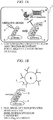
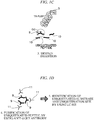
- FIG. 1A to FIG. ID schematically show an embodiment that includes a process of selectively isolating and collecting the peptide having the ubiquitination site from trypsin-digested materials by using an anti-diGly antibody in the identification method of the present invention.
- a ubiquitin ligase 2 and a Flag-tagged TR-PUBP 3 are coexpressed (step (1) in FIG.1A ).
- a substrate 4 is polyubiquitinated.
- the Flag-tagged TR-PUBP 3 binds to the formed polyubiquitin chain.
- the polyubiquitin chain is stably present in the cell without being degraded by a deubiquitinating enzyme (DUB) 5 or a 26S proteasome 6.
- a deubiquitinating enzyme (DUB) 5 or a 26S proteasome 6 is added to a cell lysate obtained by solubilizing the cell such that an immunoprecipitation reaction is caused by the anti-Flag antibody, whereby a ubiquitinated substrate is isolated (step (2) in FIG. 1B ).
- trypsin digestion is performed, whereby a peptide 9 having an ubiquitination site (lysine residue containing diGly) is produced (step (3) in FIG.1C ).
- the peptide 9 having the ubiquitination site is collected by being isolated from a peptide 10 not having the ubiquitination site (step (4) in FIG. ID).
- the purified (concentrated) peptide 9 having the ubiquitination site is identified by liquid chromatography-mass spectrometry (LC-MS) (step (5) in FIG. ID).
- a cell contains an intrinsic ubiquitin ligase.
- the activity of the intrinsic ubiquitin ligase is extremely weaker than that of the target ubiquitin ligase in the cell in which the target ubiquitin ligase and the TR-PUBP are co-expressed, most of the peptides having the ubiquitination site that are identified by the step (4) are ones derived from polyubiquitinated substrates of the target ubiquitin ligase.
- the peptides having the ubiquitination site that are identified by the step (4) also contain ones derived from polyubiquitinated substrates of the intrinsic ubiquitin ligase other than the target ubiquitin ligase.
- a dominant-negative mutant of the target ubiquitin ligase it is possible to suppress the activity of the intrinsic target ubiquitin ligase which is expressed in the cell from the beginning.
- the state at the time when a wild-type target ubiquitin ligase and the TR-PUBP are coexpressed is compared with the state at the time when the dominant-negative mutant and the TR-PUBP are coexpressed.
- the polyubiquitinated protein is identified. Moreover, after a complex comprising the polyubiquitinated protein and the TR-PUBP is isolated and collected from the cell in which the dominant-negative mutant of the target ubiquitin ligase and the TR-PUBP are coexpressed, the polyubiquitinated protein is identified independently of the above protein.
- the complex isolated from the cell, in which the dominant-negative mutant is coexpressed contains a substrate protein that is polyubiquitinated by an intrinsic ubiquitin ligase other than the target ubiquitin ligase.
- the peptide which is not identified from the complex collected from the cell in which the dominant-negative mutant of the target ubiquitin ligase is expressed, contains the polyubiquitinated substrate of the target ubiquitin ligase. That is, when a group of peptides identified from the cell in which the dominant-negative mutant is coexpressed is excluded from a group of peptides identified from the cell in which the target ubiquitin ligase is coexpressed, the remaining peptides are contained in the polyubiquitinated substrates of the target ubiquitin ligase.
- the peptide having the ubiquitination site can be identified by the same method as above, and the result can be compared with the results obtained from the cell in which the target ubiquitin ligase and the TR-PUBP are coexpressed.
- the peptide having the ubiquitination site that is identified in the cell in which only the TR-PUBP is expressed is highly likely to be a peptide fragment of the substrate of the intrinsic ubiquitin ligase.
- the peptide having the ubiquitination site which has been identified from the cell in which the target ubiquitin ligase and the TR-PUBP are coexpressed but has not been identified from the cell in which only the TR-PUBP is expressed, can be identified to be the peptide fragment of the substrate of the target ubiquitin ligase overexpressed in the cell.
- the TR-PUBP is also useful for screening of the polyubiquitinated substrate.
- the identification method itself according to the present invention can be used for screening of the polyubiquitinated substrate and for screening of candidate compounds that may be used as an agent for treating ubiquitin-related diseases.
- the steps (1) and (1') are performed in an in vitro system, it is possible to identify the polyubiquitinated substrate in the same manner as above by using the ubiquitin ligase and the TR-PUBP.
- a cell lysate containing the ubiquitin and the like, the ubiquitin ligase or the dominant-negative mutant thereof, and the TR-PUBP are added to a reaction solution, followed by incubation, whereby the substrate is polyubiquitinated, and a complex comprising the polyubiquitinated substrate and the TR-PUBP is formed.
- the steps (2) to (4) or the steps (2) to (4) and (2') to (4') on the reaction solution containing the complex the polyubiquitinated substrate of the ubiquitin ligase can be identified.
- FIG. 2 shows the amino acid sequence (SEQ ID NO:1) of the Flag-TR-PUBPl and the DNA sequence (SEQ ID NO:2) encoding the protein.
- the domain surrounded by a solid line square indicates the TR-UBA domain
- the domain surrounded by a two-dot line square indicates the Flag tag (DYKDDDDK) (SEQ ID NO:3).
- the domain including the 18 th to 71 st amino acid residues, the domain including the 80 th to 133 rd amino acid residues, the domain including the 142 nd to 195 th amino acid residues, and the domain including the 204 th to 257 th amino acid residues are the TR-UBD.
- the domain including the 72 nd to 79 th amino acid residues, the domain including the 134 th to 141 st amino acid residues, and the domain including the 196 th to 203 rd amino acid residues are the linker portion.
- the TR-PUBP is preferably a TR-PUBP in which UBDs including the 18 th to 71 st amino acid residues in the amino acid sequence represented by SEQ ID NO:1 are linked with each other through 2 or more linkers, and more preferably a TR-PUBP in which a tag has been attached to the N- or C-terminal thereof directly or through a linker.
- a DNA fragment comprising a DNA sequence that encodes the Flag-TR-PUBPl was inserted into a mammalian cell expression vector pc-DNA3, thereby preparing a Flag-TR-PUBPl expression vector.
- a DNA fragment comprising a DNA sequence that encodes a protein (Flag-Ub) obtained by attaching a Flag tag to the N-terminal of a UBA domain of UBQLN1 (NCBI accession number: Q9UMX0) was inserted into a mammalian cell expression vector pcDNA3, thereby preparing a Flag-Ub expression vector.
- a DNA fragment comprising a DNA sequence obtained by linking a DNA sequence that encodes a HA tag with the N-terminal of a DNA sequence that encodes a ubiquitin ligase Skp2 (NCBI accession number: Q9Z0Z3) was inserted into a mammalian cell expression vector pcDNA3, thereby preparing an HA-Skp2 expression vector.
- 293T cells or HeLa cells were seeded in a 10 cm ⁇ dish and cultured for 24 hours in a CO 2 incubator at 37°C by using Dulbecco's Modified Eagle's Medium (DMEM) supplemented with 10% by volume fetal bovine serum.
- DMEM Dulbecco's Modified Eagle's Medium
- the 293T cells were transfected with 3.5 ⁇ g of the Flag-TR-PUBPl expression vector and 3.5 ⁇ g of the HA-Skp2 expression vector by using 21 ⁇ L of a polyethyleneimine (PEI) solution [1 mg/mL, linear (manufactured by Polysciences, Inc.), pH 7.4] and cultured for 48 hours.
- PEI polyethyleneimine
- the HeLa cells were transfected with 2.5 ⁇ g of the Flag-TR-PUBPl expression vector and 2.5 ⁇ g of the HA-Skp2 expression vector by using 30 ⁇ L of Lipofectamine and 21 ⁇ L of Plus reagent (manufactured by Life Technologies) and cultured for 24 hours.
- a HA-empty-vector obtained by inserting only a DNA fragment comprising a DNA sequence that encodes the HA tag into pcDNA3 was transfected into the 293T cells or HeLa cells in the same manner as above, and the cells were cultured.
- the transfection was performed on 3 dishes for each sample.
- a proteasome inhibitor MG132 was added to 2 dishes among the 3 dishes such that the final concentration thereof stayed at 20 ⁇ m for 4 hours in the final stage of the culturing.
- the 293T cells or the HeLa cells were transfected and cultured in the same manner as above, except that the Flag-Ub expression vector was used instead of the Flag-TR-PUBPl expression vector.
- the culture supernatant of the cultured cells was removed, and the cells were taken by being scrapped with a cell scraper and transferred into a sample tube having a volume of 1.5 mL. Thereafter, the cells were collected by centrifugation performed for 3 minutes at 2,000 rpm, and the medium was removed. After the removal of the medium, 1 mL of PBS was added to the cells and the cells were suspended. Thereafter, the cells were collected by centrifugation performed for 3 minutes at 2,000 rpm, and the supernatant was removed.
- a protein extraction buffer 25 mM Trsi-HCl, pH 7.5, 150 mM NaCl, 0.5% NP-40, complete-EDTA free (manufactured by Roche Ltd.)
- a protein extraction buffer 25 mM Trsi-HCl, pH 7.5, 150 mM NaCl, 0.5% NP-40, complete-EDTA free (manufactured by Roche Ltd.)
- the resultant was vigorously stirred using a vortex mixer and placed on ice for 10 minutes. Subsequently, the resultant was subjected to centrifugation for 20 minutes at 15,000 rpm, and the supernatant (whole cell lysate, WCL) was collected into a new sample tube having a volume of 1.5 mL.
- a portion of the collected supernatant was isolated so as to be used for a sample for SDS-PAGE electrophoresis and silver staining.
- 6 ⁇ g of Dynabeads-ProteinG (manufactured by VERITAS Corporation) bonded to a DDDK antibody (anti-Flag antibody, FLA-1, manufactured by MBL, Co., Ltd.) was added to the remnant, and the resultant was gently mixed using a rotator for 30 minutes at 4°C, thereby causing immunoprecipitation of the Flag-tagged protein and the protein which binds thereto.
- the WCL prepared from one of the two dishes supplemented with the proteasome inhibitor MG132 was supplemented with the DDDK antibody and a deubiquitinating enzyme inhibitor N-ethylmaleimide (NEM).
- NEM N-ethylmaleimide
- the beads having bound to the immunoprecipitate produced by the anti-Flag antibody were washed three times with 1 mL of TBS-N (25 mM Tris-HCl, pH 7.5, 150 mM NaCl) and then washed twice with 1 mL of 50 mM ammonium bicarbonate. After the supernatant was completely removed, 20 ⁇ L of a 200 ⁇ g/mL Flag peptide (manufactured by Sigma-Aldrich Co, LLC.) was added to the resultant, the beads were suspended, and then the resultant was left to standstill for 10 minutes. At this time, the beads were suspended by being tapped every 2 minutes.
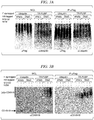
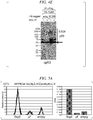
- FIG. 3A shows the results obtained by western blotting performed using the DDDK antibody or the anti-ubiquitin antibody.
- the left panel of FIG. 3A shows the results obtained by using the whole cell lysate, and the right panel of FIG. 3A shows the results obtained by using the anti-Flag antibody immunoprecipitate solution.
- FIG. 3B shows the results obtained by western blotting performed using the antibody against the substrate CDKN1B of Skp2 in the same manner.
- the left panel of FIG. 3B shows the results obtained by using the whole cell lysate, and the right panel of FIG.3B shows the results obtained by using the anti-Flag immunoprecipitate solution.
- the conventional method of overexpressing a Flag-tagged ubiquitin (Flag-Ub) and a method of expressing Flag-TR-PUBPl were compared to each other, in terms of the amount of the ubiquitinated proteins accumulated in a cell ( FIG. 3A ). It was found that the addition of the proteasome inhibitor MG132 or the deubiquitinating enzyme inhibitor NEM further increased the amount of the polyubiquitinated proteins in a cell (left panel of FIG. 3A ). These polyubiquitinated proteins could be concentrated by immunoprecipitation of the overexpressed Flag-Ub or Flag-TR-PUBP1 (right panel of FIG. 3A ).
- the TR-PUBP can cause the polyubiquitinated protein to be efficiently accumulated in a cell. Accordingly, in the immunoprecipitates of the Flag-TR-PUBPl, the proteins ubiquitinated by the intrinsic ubiquitin ligase are also concentrated ( FIG. 3B ). When the ubiquitin ligase was coexpressed, the substrate proteins were polyubiquitinated to a higher degree.
- a DNA fragment comprising a DNA sequence obtained by linking a DNA sequence that encodes a HA tag with the N-terminal of a DNA sequence that encodes a dominant-negative mutant Skp2 ⁇ F (SEQ ID NO:4) obtained by deleting a ubiquitin ligase activity domain from the ubiquitin ligase Skp2 (NCBI accession number: Q9Z0Z3) was inserted into a mammalian cell expression vector pcDNA3, thereby preparing an HA-Skp2 ⁇ F expression vector.
- a DNA fragment consisting of a DNA sequence encoding the ubiquitin ligase Fbw7 (NCBI accession number: NM_033632) or ubiquitin ligase Fbwl (NCBI accession number: NM_033637) to which a DNA sequence encoding HA tag is linked at the N-terminus thereof was introduced into an expression vector for mammalian cells, pcDNA3, to produce HA-Fbw7 expression vector and HA-Fbw1 expression vector, respectively.
- a DNA fragment consisting of a DNA sequence encoding the ubiquitin ligase (NCBI accession number: XM_0052688) to which a DNA sequence encoding HA tag is linked at the N-terminus thereof was introduced into an expression vector for mammalian cells, pcDNA3, to produce HA-MDM2 expression vector.
- the Flag-TR-PUBP1 expression vector, and the HA-empty-vector, the HA-Skp2 expression vector, or the HA-Skp2 ⁇ F expression vector, HA-Fbw7 expression vector, HA-Fbw7 ⁇ F vector, HA-Fbw1 expression vector, HA-Fbw1 ⁇ F expression vector or HA-MDM2 expression vector were coexpressed in the 293T cells or the HeLa cells.
- the proteasome inhibitor MG132 was added such that the final concentration thereof stayed at 20 ⁇ M for 4 hours in the final stage of the culturing.
- immunoprecipitates of the Flag-TR-PUBPl were obtained using the DDDK antibody, the immunoprecipitates were subjected to electrophoresis, and western blotting was performed using an anti-CDKNIB antibody, an anti-CDTl antibody, an anti-CDK2 antibody, an anti-HA antibody, an anti-cMyc antibody, an anti-NFKBIA antibody, an anti-PDCD4 antibody, or an anti-p53 antibody (in the cases in which an anti-NFKBIA antibody, an anti-PDCD4 antibody, or an anti-p53 antibody is used, only 293T cells were used).
- All of the anti-CDTl antibody, the anti-CDK2 antibody, the anti-cMyc antibody, the anti-NFKBIA antibody, the anti-PDCD4 antibody, and the anti-p53 antibody are antibodies to the substrate of the ubiquitin ligase.
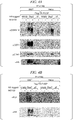
- the results are shown in FIG. 4A to FIG. 4E .
- FIG. 4A to FIG. 4E The results are shown in FIG. 4A to FIG. 4E .
- the antibody names described in the column at the left side of the blots in FIG.4A and FIG. 4B and the names described in the column at the bottom of the blot in FIG. 4C to FIG. 4E indicate the antibody used for western blotting.
- the results in FIG. 4C to FIG. 4E are the results obtained by using 293T cells.
- the polyubiquitinated CDKN1B was detected in the immunoprecipitates of the cells in which only the Flag-TR-PUBPl was expressed, even when the cells were not treated with the proteasome inhibitor (MG132) (first lane of FIG. 4A ).
- the amount of the polyubiquitinated CDKN1B in the immunoprecipitates of the cells, in which the HA-Skp2 and the Flag-TR-PUBPl were coexpressed markedly increased.
- the polyubiquitinated CDKN1B practically was not detected.
- CDT1 NCBI accession number:Q9H211
- ⁇ F dominant-negative mutant
- CDK2 (NCBI accession number: P24941) is a kinase protein that is known to directly bind to the CDKN1B or the Skp2.
- the protein showed the same behavior as that of the CDKN1B.
- the protein was detected not in the form of a polyubiquitinated protein but in the form of a single band. Therefore, it was understood that the immunoprecipitates contain not only polyubiquitinated proteins but also the proteins forming a complex with the polyubiquitinated proteins.
- the proteins that were immunoprecipitated from the cells, in which the Flag-TR-PUBPl was expressed, by using the anti-Flag antibody and degraded by trypsin were subjected to mass spectrometry, thereby identifying the peptide having the ubiquitination site.
- the beads were washed twice with 1x IAP Buffer and then washed three times with pure water. After the supernatant was completely removed, peptides were extracted three times from the beads by using 20 ⁇ L of 0.15% trifluoroacetic acid.
- the peptides which were purified from the obtained extract (purified diGly peptides) by using a C18 column such as ZipTip (manufactured by Millipore Corporation) or StageTips (manufactured by Thermo Fisher Scientific Inc.), were analyzed by mass spectrometry.
- the mass spectrometry was performed using a mass spectrometer (nano-LC-HRMS: manufactured by Thermo Fisher Scientific Inc., Q-exactive).
- a peptide mixture which was obtained by subjecting the anti-Flag antibody immunoprecipitates to trypsin digestion and causing immunoprecipitation of the resultant by using the anti-diGly antibody, was analyzed by mass spectrometry. From the 293T cell in which the Flag-TR-PUBPl and the HA-Skp2 were expressed, 932 peptides were finally identified with high certainty. Among these, 902 proteins had diGly which is a ubiquitin signature and grouped into 332 proteins. Fifteen among these were the proteins that were not detected when the dominant-negative mutant ( ⁇ F) of the Skp2 was expressed.
- the amino acid sequence of the peptide of CDT 1 that included the diGly sequence was IAPPK[di-GlyGly]LAC[methylthio]R (SEQ ID NO:6); the amino acid sequence of the peptide of CDKN1B that included the diGly sequence was K[di-GlyGly]RPATDDSSTQNK[di-GlyGly]R (SEQ ID NO:7); and the amino acid sequence of the peptide of CDKN1A that included the diGly sequence was QTSM[Oxid]TDFYHSK[di-GlyGly]R (SEQ ID NO:8).
- FIG. 5A shows the result of the quantitative analysis performed on the peptide of CDT1 that includes the diGly sequence
- FIG. 5B shows the result of the quantitative analysis performed on the peptide of CDKN1B that includes the diGly sequence
- FIG. 5C shows the results of the quantitative analysis performed on the peptide of CDKN1A that includes the diGly sequence, respectively.
- the right panel shows the result obtained by quantitating the peak area of the left panel.
- F-box protein Fbxo21 (NCBI accession number: O94952) of which the function is unknown and which is expressed in many organs and cells was used to search for new polyubiquitinated substrates in the same manner as in Example 1.
- a DNA fragment comprising a DNA sequence obtained by linking a DNA sequence that encodes a HA-tag with the N-terminal of a DNA sequence that encodes the F-box protein Fbxo21 was inserted into the mammalian cell expression vector pcDNA3, thereby preparing an HA-Fbxo21 expression vector.
- a DNA fragment comprising a DNA sequence obtained by linking a DNA sequence that encodes a HA tag with the N-terminal of a DNA sequence that encodes a dominant-negative mutant Fbxo21 ⁇ F (SEQ ID NO:9) obtained by deleting a domain assumed to be as a ubiquitin ligase activity domain of the Fbxo21 was inserted into the mammalian cell expression vector pcDNA3, thereby preparing an HA-Fbxo21 ⁇ F expression vector.
- the Flag-TR-PUBP1 expression vector and the HA-empty vector, the HA-Fbxo21 expression vector, or the HA-Fbxo21 ⁇ F expression vector were coexpressed in the 293T cell.
- the proteasome inhibitor MG132 was added such that the final concentration thereof stayed at 20 ⁇ M for 4 hours in the final stage of culturing. Thereafter, in the same manner as in Reference Example 1, an anti-Flag antibody immunoprecipitate solution was obtained using the DDDK antibody.
- Example 2 the anti-Flag antibody immunoprecipitate solution of each sample was subjected to trypsin digestion, and diGly peptides were purified from the obtained trypsin digested material. Thereafter, the peptides which were purified from the purified diGly peptides by using a C18 column were analyzed by mass spectrometry. As a result, several proteins were identified to be polyubiquitinated substrates.
- TARS NASH (NCBI accession number: NM_152295)
- EID1 NCBI accession number: NM 014335
- FIG. 6 shows the results of quantitative analysis performed on the peptide of TARS that includes the diGly sequence.
- the amino acid sequence of TARS that included the diGly sequence was ILNEK[di-GlyGly]VNTPTTTVYR (SEQ ID NO:10), NSSTYWEGK [di-GlyGly]ADMETLQR (SEQ ID NO:12), FQEEAK[di-GlyGly]NR (SEQ ID NO:13), and HTGK[di-GlyGly]IK (SEQ ID NO:14), and the amino acid sequence of EID1 that included the diGly sequence was VSAALEEADK[di-GlyGly]M[Oxid]FLR (SEQ ID NO:15), and SGAQQLEEEGPM[Oxid]EEEEAQPM[Oxid]AAPEGK[di-GlyGly]R (SEQ ID NO:16).
- the right view shows the result obtained by quantitating the area of the left view. From the result, it was understood that the amount of the peptide of TARS that includes the diGly sequence is reduced by overexpression of the Fbxo21 ⁇ F compared to the case where the empty vector is expressed, and the amount is significantly increased by overexpression of the Fbxo21.
- the trend of the quantitative ratio among the peptides of the TARS that include the diGly sequence is the same as that of the CDT1 and the like observed in the case where the Skp2 is expressed. Accordingly, the Fbxo21 is highly likely to be a ubiquitin ligase, and the TARS is highly likely to be a polyubiquitinated substrate of the Fbxo21.
Landscapes
- Life Sciences & Earth Sciences (AREA)
- Health & Medical Sciences (AREA)
- Engineering & Computer Science (AREA)
- Chemical & Material Sciences (AREA)
- Molecular Biology (AREA)
- Physics & Mathematics (AREA)
- Immunology (AREA)
- Proteomics, Peptides & Aminoacids (AREA)
- Organic Chemistry (AREA)
- Bioinformatics & Cheminformatics (AREA)
- Biophysics (AREA)
- Urology & Nephrology (AREA)
- Hematology (AREA)
- Biomedical Technology (AREA)
- Analytical Chemistry (AREA)
- Biotechnology (AREA)
- Microbiology (AREA)
- General Health & Medical Sciences (AREA)
- Biochemistry (AREA)
- Zoology (AREA)
- Wood Science & Technology (AREA)
- Bioinformatics & Computational Biology (AREA)
- General Physics & Mathematics (AREA)
- Medicinal Chemistry (AREA)
- Pathology (AREA)
- Food Science & Technology (AREA)
- Cell Biology (AREA)
- General Engineering & Computer Science (AREA)
- Genetics & Genomics (AREA)
- Spectroscopy & Molecular Physics (AREA)
- Peptides Or Proteins (AREA)
- Measuring Or Testing Involving Enzymes Or Micro-Organisms (AREA)
- Preparation Of Compounds By Using Micro-Organisms (AREA)
- Other Investigation Or Analysis Of Materials By Electrical Means (AREA)
Claims (8)
- Verfahren zur Identifikation eines polyubiquitinierten Substrats, das umfasst:(1) einen Schritt des Exprimierens eines trypsinresistenten polyubiquitinkettenbindenden Proteins und einer Ubiquitinligase in einer Zelle oder einem Zelllysat;(2) einen Schritt des Isolierens eines Komplexes, der das trypsinresistente polyubiquitinkettenbindende Protein enthält, aus der Zelle oder dem Zelllysat, die bzw. das Schritt (1) unterzogen wurde;(3) einen Schritt des Aussetzens des in Schritt (2) isolierten Komplexes gegenüber einem Trypsinverdau; und(4) einen Schritt des Identifizierens eines Peptids mit einer Ubiquitinierungsstelle aus einem in Schritt (3) erhaltenen verdauten Material.
- Verfahren zur Identifikation eines polyubiquitinierten Substrats nach Anspruch 1, das ferner umfasst:(1') einen Schritt des Exprimierens des trypsinresistenten polyubiquitinkettenbindenden Proteins und einer dominant-negativen Mutante der Ubiquitinligase in einer anderen Zelle oder einem anderen Zelllysat der gleichen Art wie die oben erwähnte Zelle;(2') einen Schritt des Isolierens eines Komplexes, der das trypsinresistente polyubiquitinkettenbindende Protein enthält, aus der Zelle oder dem Zelllysat, die bzw. das Schritt (1') unterzogen wurde;(3') einen Schritt des Aussetzens des in Schritt (2') isolierten Komplexes gegenüber einem Trypsinverdau; und(4') einen Schritt des Identifizierens eines Peptids mit einer Ubiquitinierungsstelle aus dem in Schritt (3') erhaltenen verdauten Material; und(5) einen Schritt des Bestimmens des Peptids, das zwar in Schritt (4) identifiziert wurde, aber nicht in Schritt (4'), das in einem polyubiquitinierten Substrat enthalten ist.
- Verfahren zur Identifikation eines polyubiquitinierten Substrats nach Anspruch 1 oder 2,
wobei das trypsinresistente polyubiquitinkettenbindende Protein zwei oder mehr Ubiquitinbindungsdomänen aufweist, die über einen Linker miteinander verknüpft sind. - Verfahren zur Identifikation eines polyubiquitinierten Substrats nach Anspruch 3,
wobei das trypsinresistente polyubiquitinkettenbindende Protein 4 bis 8 Ubiquitinbindungsdomänen aufweist. - Verfahren zur Identifikation eines polyubiquitinierten Substrats nach Anspruch 3 oder 4,
wobei die Ubiquitinbindungsdomänen eine Aminosäuresequenz umfassen, die Aminosäurereste 18 bis 71 in einer durch SEQ ID NO: 1 dargestellten Aminosäuresequenz umfasst. - Verfahren zur Identifikation eines polyubiquitinierten Substrats nach einem der Ansprüche 1 bis 5,
wobei das trypsinresistente polyubiquitinkettenbindende Protein eine Polyubiquitinkettenbindungsstelle und einen Tag-Abschnitt aufweist, und
der Komplex in Schritt (2) durch eine Immunreaktion unter Verwendung eines Antikörpers oder Liganden, der spezifisch an den Tag-Abschnitt im trypsinresistenten polyubiquitinkettenbindenden Protein bindet, isoliert wird. - Verfahren zur Identifikation eines polyubiquitinierten Substrats nach einem der Ansprüche 1 bis 6,
wobei das Peptid, das eine Ubiquitinierungsstelle aufweist, in Schritt (4) identifiziert wird, nachdem es aus dem mit dem Verdauungsschritt erhaltenen verdauten Material selektiv isoliert und gesammelt wurde. - Verfahren zur Identifikation eines polyubiquitinierten Substrats nach Anspruch 7,
wobei das Peptid, das eine Ubiquitinierungsstelle aufweist, unter Verwendung eines Anti-diGly-Antikörpers selektiv isoliert und gesammelt wird.
Applications Claiming Priority (2)
| Application Number | Priority Date | Filing Date | Title |
|---|---|---|---|
| JP2013237362 | 2013-11-15 | ||
| PCT/JP2014/080053 WO2015072507A1 (ja) | 2013-11-15 | 2014-11-13 | ポリユビキチン化基質の同定方法 |
Publications (3)
| Publication Number | Publication Date |
|---|---|
| EP3070176A1 EP3070176A1 (de) | 2016-09-21 |
| EP3070176A4 EP3070176A4 (de) | 2017-05-03 |
| EP3070176B1 true EP3070176B1 (de) | 2018-07-11 |
Family
ID=53057441
Family Applications (1)
| Application Number | Title | Priority Date | Filing Date |
|---|---|---|---|
| EP14863005.6A Active EP3070176B1 (de) | 2013-11-15 | 2014-11-13 | Verfahren zur identifikation polyubiquitinierter substrate |
Country Status (4)
| Country | Link |
|---|---|
| US (1) | US10634684B2 (de) |
| EP (1) | EP3070176B1 (de) |
| JP (1) | JP6502854B2 (de) |
| WO (1) | WO2015072507A1 (de) |
Families Citing this family (1)
| Publication number | Priority date | Publication date | Assignee | Title |
|---|---|---|---|---|
| WO2023068278A1 (ja) * | 2021-10-18 | 2023-04-27 | 国立大学法人北海道大学 | 標的タンパク質分解誘導剤を介してユビキチン化されるタンパク質の同定方法 |
Family Cites Families (1)
| Publication number | Priority date | Publication date | Assignee | Title |
|---|---|---|---|---|
| WO2003102172A1 (en) * | 2002-05-31 | 2003-12-11 | Rigel Pharmaceuticals, Inc. | Methods and compositions for a ubiquitin map |
-
2014
- 2014-11-13 EP EP14863005.6A patent/EP3070176B1/de active Active
- 2014-11-13 US US15/035,357 patent/US10634684B2/en active Active
- 2014-11-13 WO PCT/JP2014/080053 patent/WO2015072507A1/ja not_active Ceased
- 2014-11-13 JP JP2015547782A patent/JP6502854B2/ja active Active
Non-Patent Citations (1)
| Title |
|---|
| None * |
Also Published As
| Publication number | Publication date |
|---|---|
| JP6502854B2 (ja) | 2019-04-17 |
| US10634684B2 (en) | 2020-04-28 |
| JPWO2015072507A1 (ja) | 2017-03-16 |
| US20180267052A1 (en) | 2018-09-20 |
| EP3070176A1 (de) | 2016-09-21 |
| WO2015072507A1 (ja) | 2015-05-21 |
| EP3070176A4 (de) | 2017-05-03 |
Similar Documents
| Publication | Publication Date | Title |
|---|---|---|
| Kido et al. | AirID, a novel proximity biotinylation enzyme, for analysis of protein–protein interactions | |
| Emmerich et al. | Optimising methods for the preservation, capture and identification of ubiquitin chains and ubiquitylated proteins by immunoblotting | |
| Smith et al. | The mTOR regulated RNA-binding protein LARP1 requires PABPC1 for guided mRNA interaction | |
| Chen et al. | Affinity-purification mass spectrometry (AP-MS) of serine/threonine phosphatases | |
| US20200347112A1 (en) | Compositions of engineered exosomes and methods of loading luminal exosomes pay-loads | |
| Steger et al. | Ubiquitinomics: History, methods, and applications in basic research and drug discovery | |
| Hoelz et al. | The discovery of labile methyl esters on proliferating cell nuclear antigen by MS/MS | |
| WO2021169980A1 (en) | Compositions and methods for detecting nucleic acid-protein interactions | |
| AU2021207690A1 (en) | Activity-specific cell enrichment | |
| US20210311059A1 (en) | Methods of isolating barrel-like proteases and identifying peptides processed thereby | |
| Zhang | Smits | |
| Deng et al. | SET7 methylates the deubiquitinase OTUB1 at Lys 122 to impair its binding to E2 enzyme UBC13 and relieve its suppressive role on ferroptosis | |
| US20100297667A1 (en) | Method for diagnosis of disease using quantitative monitoring of protein tyrosine phosphatase | |
| WO2015030585A2 (en) | Methods for detecting post-translationally modified lysines in a polypeptide | |
| US10634684B2 (en) | Method for identifying polyubiquitinated substrate | |
| WO2025024719A1 (en) | Ubiquitination-independent degradation of proteins | |
| Li et al. | Identification of novel O-GlcNAc transferase substrates using yeast cells expressing OGT | |
| Wang et al. | Analysis of the mTOR Interactome using SILAC technology revealed NICE-4 as a novel regulator of mTORC1 activity | |
| Lama et al. | PICH impacts the spindle assembly checkpoint via its DNA translocase and SUMO-interaction activities | |
| KR20160083742A (ko) | Emt 저해제 스크리닝 방법 | |
| Levi et al. | USP15: the fourth Proteasome-associated DUB | |
| Hiramoto et al. | High‐performance affinity chromatography method for identification of L‐arginine interacting factors using magnetic nanobeads | |
| Ganesan et al. | Progressive polysomal association of Upf1, Upf2, and Upf3 as ribosomes traverse mRNA coding regions | |
| Fedorowicz et al. | E3 ubiquitin ligase RNF2 protects polymerase ι from destabilization | |
| Wada et al. | Function and subcellular location of Ro52β |
Legal Events
| Date | Code | Title | Description |
|---|---|---|---|
| PUAI | Public reference made under article 153(3) epc to a published international application that has entered the european phase |
Free format text: ORIGINAL CODE: 0009012 |
|
| 17P | Request for examination filed |
Effective date: 20160511 |
|
| AK | Designated contracting states |
Kind code of ref document: A1 Designated state(s): AL AT BE BG CH CY CZ DE DK EE ES FI FR GB GR HR HU IE IS IT LI LT LU LV MC MK MT NL NO PL PT RO RS SE SI SK SM TR |
|
| AX | Request for extension of the european patent |
Extension state: BA ME |
|
| DAX | Request for extension of the european patent (deleted) | ||
| A4 | Supplementary search report drawn up and despatched |
Effective date: 20170330 |
|
| RIC1 | Information provided on ipc code assigned before grant |
Ipc: C12Q 1/527 20060101AFI20170325BHEP Ipc: C12N 15/09 20060101ALI20170325BHEP Ipc: C12Q 1/37 20060101ALI20170325BHEP |
|
| GRAP | Despatch of communication of intention to grant a patent |
Free format text: ORIGINAL CODE: EPIDOSNIGR1 |
|
| INTG | Intention to grant announced |
Effective date: 20180129 |
|
| GRAA | (expected) grant |
Free format text: ORIGINAL CODE: 0009210 |
|
| AK | Designated contracting states |
Kind code of ref document: B1 Designated state(s): AL AT BE BG CH CY CZ DE DK EE ES FI FR GB GR HR HU IE IS IT LI LT LU LV MC MK MT NL NO PL PT RO RS SE SI SK SM TR |
|
| REG | Reference to a national code |
Ref country code: GB Ref legal event code: FG4D |
|
| REG | Reference to a national code |
Ref country code: CH Ref legal event code: EP |
|
| REG | Reference to a national code |
Ref country code: AT Ref legal event code: REF Ref document number: 1016918 Country of ref document: AT Kind code of ref document: T Effective date: 20180715 |
|
| GRAS | Grant fee paid |
Free format text: ORIGINAL CODE: EPIDOSNIGR3 |
|
| REG | Reference to a national code |
Ref country code: IE Ref legal event code: FG4D |
|
| REG | Reference to a national code |
Ref country code: DE Ref legal event code: R096 Ref document number: 602014028501 Country of ref document: DE |
|
| REG | Reference to a national code |
Ref country code: FR Ref legal event code: PLFP Year of fee payment: 5 |
|
| REG | Reference to a national code |
Ref country code: NL Ref legal event code: MP Effective date: 20180711 |
|
| REG | Reference to a national code |
Ref country code: LT Ref legal event code: MG4D |
|
| REG | Reference to a national code |
Ref country code: AT Ref legal event code: MK05 Ref document number: 1016918 Country of ref document: AT Kind code of ref document: T Effective date: 20180711 |
|
| PG25 | Lapsed in a contracting state [announced via postgrant information from national office to epo] |
Ref country code: NL Free format text: LAPSE BECAUSE OF FAILURE TO SUBMIT A TRANSLATION OF THE DESCRIPTION OR TO PAY THE FEE WITHIN THE PRESCRIBED TIME-LIMIT Effective date: 20180711 |
|
| PG25 | Lapsed in a contracting state [announced via postgrant information from national office to epo] |
Ref country code: PL Free format text: LAPSE BECAUSE OF FAILURE TO SUBMIT A TRANSLATION OF THE DESCRIPTION OR TO PAY THE FEE WITHIN THE PRESCRIBED TIME-LIMIT Effective date: 20180711 Ref country code: LT Free format text: LAPSE BECAUSE OF FAILURE TO SUBMIT A TRANSLATION OF THE DESCRIPTION OR TO PAY THE FEE WITHIN THE PRESCRIBED TIME-LIMIT Effective date: 20180711 Ref country code: IS Free format text: LAPSE BECAUSE OF FAILURE TO SUBMIT A TRANSLATION OF THE DESCRIPTION OR TO PAY THE FEE WITHIN THE PRESCRIBED TIME-LIMIT Effective date: 20181111 Ref country code: FI Free format text: LAPSE BECAUSE OF FAILURE TO SUBMIT A TRANSLATION OF THE DESCRIPTION OR TO PAY THE FEE WITHIN THE PRESCRIBED TIME-LIMIT Effective date: 20180711 Ref country code: RS Free format text: LAPSE BECAUSE OF FAILURE TO SUBMIT A TRANSLATION OF THE DESCRIPTION OR TO PAY THE FEE WITHIN THE PRESCRIBED TIME-LIMIT Effective date: 20180711 Ref country code: BG Free format text: LAPSE BECAUSE OF FAILURE TO SUBMIT A TRANSLATION OF THE DESCRIPTION OR TO PAY THE FEE WITHIN THE PRESCRIBED TIME-LIMIT Effective date: 20181011 Ref country code: AT Free format text: LAPSE BECAUSE OF FAILURE TO SUBMIT A TRANSLATION OF THE DESCRIPTION OR TO PAY THE FEE WITHIN THE PRESCRIBED TIME-LIMIT Effective date: 20180711 Ref country code: NO Free format text: LAPSE BECAUSE OF FAILURE TO SUBMIT A TRANSLATION OF THE DESCRIPTION OR TO PAY THE FEE WITHIN THE PRESCRIBED TIME-LIMIT Effective date: 20181011 Ref country code: GR Free format text: LAPSE BECAUSE OF FAILURE TO SUBMIT A TRANSLATION OF THE DESCRIPTION OR TO PAY THE FEE WITHIN THE PRESCRIBED TIME-LIMIT Effective date: 20181012 Ref country code: SE Free format text: LAPSE BECAUSE OF FAILURE TO SUBMIT A TRANSLATION OF THE DESCRIPTION OR TO PAY THE FEE WITHIN THE PRESCRIBED TIME-LIMIT Effective date: 20180711 |
|
| PG25 | Lapsed in a contracting state [announced via postgrant information from national office to epo] |
Ref country code: AL Free format text: LAPSE BECAUSE OF FAILURE TO SUBMIT A TRANSLATION OF THE DESCRIPTION OR TO PAY THE FEE WITHIN THE PRESCRIBED TIME-LIMIT Effective date: 20180711 Ref country code: LV Free format text: LAPSE BECAUSE OF FAILURE TO SUBMIT A TRANSLATION OF THE DESCRIPTION OR TO PAY THE FEE WITHIN THE PRESCRIBED TIME-LIMIT Effective date: 20180711 Ref country code: HR Free format text: LAPSE BECAUSE OF FAILURE TO SUBMIT A TRANSLATION OF THE DESCRIPTION OR TO PAY THE FEE WITHIN THE PRESCRIBED TIME-LIMIT Effective date: 20180711 |
|
| REG | Reference to a national code |
Ref country code: DE Ref legal event code: R097 Ref document number: 602014028501 Country of ref document: DE |
|
| PG25 | Lapsed in a contracting state [announced via postgrant information from national office to epo] |
Ref country code: CZ Free format text: LAPSE BECAUSE OF FAILURE TO SUBMIT A TRANSLATION OF THE DESCRIPTION OR TO PAY THE FEE WITHIN THE PRESCRIBED TIME-LIMIT Effective date: 20180711 Ref country code: IT Free format text: LAPSE BECAUSE OF FAILURE TO SUBMIT A TRANSLATION OF THE DESCRIPTION OR TO PAY THE FEE WITHIN THE PRESCRIBED TIME-LIMIT Effective date: 20180711 Ref country code: EE Free format text: LAPSE BECAUSE OF FAILURE TO SUBMIT A TRANSLATION OF THE DESCRIPTION OR TO PAY THE FEE WITHIN THE PRESCRIBED TIME-LIMIT Effective date: 20180711 Ref country code: ES Free format text: LAPSE BECAUSE OF FAILURE TO SUBMIT A TRANSLATION OF THE DESCRIPTION OR TO PAY THE FEE WITHIN THE PRESCRIBED TIME-LIMIT Effective date: 20180711 Ref country code: RO Free format text: LAPSE BECAUSE OF FAILURE TO SUBMIT A TRANSLATION OF THE DESCRIPTION OR TO PAY THE FEE WITHIN THE PRESCRIBED TIME-LIMIT Effective date: 20180711 |
|
| PLBE | No opposition filed within time limit |
Free format text: ORIGINAL CODE: 0009261 |
|
| STAA | Information on the status of an ep patent application or granted ep patent |
Free format text: STATUS: NO OPPOSITION FILED WITHIN TIME LIMIT |
|
| PG25 | Lapsed in a contracting state [announced via postgrant information from national office to epo] |
Ref country code: SM Free format text: LAPSE BECAUSE OF FAILURE TO SUBMIT A TRANSLATION OF THE DESCRIPTION OR TO PAY THE FEE WITHIN THE PRESCRIBED TIME-LIMIT Effective date: 20180711 Ref country code: DK Free format text: LAPSE BECAUSE OF FAILURE TO SUBMIT A TRANSLATION OF THE DESCRIPTION OR TO PAY THE FEE WITHIN THE PRESCRIBED TIME-LIMIT Effective date: 20180711 Ref country code: SK Free format text: LAPSE BECAUSE OF FAILURE TO SUBMIT A TRANSLATION OF THE DESCRIPTION OR TO PAY THE FEE WITHIN THE PRESCRIBED TIME-LIMIT Effective date: 20180711 |
|
| 26N | No opposition filed |
Effective date: 20190412 |
|
| REG | Reference to a national code |
Ref country code: CH Ref legal event code: PL |
|
| PG25 | Lapsed in a contracting state [announced via postgrant information from national office to epo] |
Ref country code: LU Free format text: LAPSE BECAUSE OF NON-PAYMENT OF DUE FEES Effective date: 20181113 Ref country code: MC Free format text: LAPSE BECAUSE OF FAILURE TO SUBMIT A TRANSLATION OF THE DESCRIPTION OR TO PAY THE FEE WITHIN THE PRESCRIBED TIME-LIMIT Effective date: 20180711 |
|
| REG | Reference to a national code |
Ref country code: BE Ref legal event code: MM Effective date: 20181130 |
|
| REG | Reference to a national code |
Ref country code: IE Ref legal event code: MM4A |
|
| PG25 | Lapsed in a contracting state [announced via postgrant information from national office to epo] |
Ref country code: CH Free format text: LAPSE BECAUSE OF NON-PAYMENT OF DUE FEES Effective date: 20181130 Ref country code: LI Free format text: LAPSE BECAUSE OF NON-PAYMENT OF DUE FEES Effective date: 20181130 Ref country code: SI Free format text: LAPSE BECAUSE OF FAILURE TO SUBMIT A TRANSLATION OF THE DESCRIPTION OR TO PAY THE FEE WITHIN THE PRESCRIBED TIME-LIMIT Effective date: 20180711 |
|
| PG25 | Lapsed in a contracting state [announced via postgrant information from national office to epo] |
Ref country code: IE Free format text: LAPSE BECAUSE OF NON-PAYMENT OF DUE FEES Effective date: 20181113 |
|
| PG25 | Lapsed in a contracting state [announced via postgrant information from national office to epo] |
Ref country code: BE Free format text: LAPSE BECAUSE OF NON-PAYMENT OF DUE FEES Effective date: 20181130 |
|
| PG25 | Lapsed in a contracting state [announced via postgrant information from national office to epo] |
Ref country code: MT Free format text: LAPSE BECAUSE OF NON-PAYMENT OF DUE FEES Effective date: 20181113 |
|
| PG25 | Lapsed in a contracting state [announced via postgrant information from national office to epo] |
Ref country code: TR Free format text: LAPSE BECAUSE OF FAILURE TO SUBMIT A TRANSLATION OF THE DESCRIPTION OR TO PAY THE FEE WITHIN THE PRESCRIBED TIME-LIMIT Effective date: 20180711 |
|
| PG25 | Lapsed in a contracting state [announced via postgrant information from national office to epo] |
Ref country code: PT Free format text: LAPSE BECAUSE OF FAILURE TO SUBMIT A TRANSLATION OF THE DESCRIPTION OR TO PAY THE FEE WITHIN THE PRESCRIBED TIME-LIMIT Effective date: 20180711 |
|
| PG25 | Lapsed in a contracting state [announced via postgrant information from national office to epo] |
Ref country code: CY Free format text: LAPSE BECAUSE OF FAILURE TO SUBMIT A TRANSLATION OF THE DESCRIPTION OR TO PAY THE FEE WITHIN THE PRESCRIBED TIME-LIMIT Effective date: 20180711 Ref country code: MK Free format text: LAPSE BECAUSE OF NON-PAYMENT OF DUE FEES Effective date: 20180711 Ref country code: HU Free format text: LAPSE BECAUSE OF FAILURE TO SUBMIT A TRANSLATION OF THE DESCRIPTION OR TO PAY THE FEE WITHIN THE PRESCRIBED TIME-LIMIT; INVALID AB INITIO Effective date: 20141113 |
|
| PGFP | Annual fee paid to national office [announced via postgrant information from national office to epo] |
Ref country code: FR Payment date: 20250930 Year of fee payment: 12 |
|
| PGFP | Annual fee paid to national office [announced via postgrant information from national office to epo] |
Ref country code: DE Payment date: 20250930 Year of fee payment: 12 |
|
| PGFP | Annual fee paid to national office [announced via postgrant information from national office to epo] |
Ref country code: GB Payment date: 20251001 Year of fee payment: 12 |