EP3048842B1 - Sendeverfahren und -vorrichtung - Google Patents
Sendeverfahren und -vorrichtung Download PDFInfo
- Publication number
- EP3048842B1 EP3048842B1 EP16152460.8A EP16152460A EP3048842B1 EP 3048842 B1 EP3048842 B1 EP 3048842B1 EP 16152460 A EP16152460 A EP 16152460A EP 3048842 B1 EP3048842 B1 EP 3048842B1
- Authority
- EP
- European Patent Office
- Prior art keywords
- primary synchronization
- domain
- domain signals
- synchronization time
- time
- Prior art date
- Legal status (The legal status is an assumption and is not a legal conclusion. Google has not performed a legal analysis and makes no representation as to the accuracy of the status listed.)
- Not-in-force
Links
Images

Classifications
-
- H—ELECTRICITY
- H04—ELECTRIC COMMUNICATION TECHNIQUE
- H04W—WIRELESS COMMUNICATION NETWORKS
- H04W56/00—Synchronisation arrangements
- H04W56/001—Synchronization between nodes
-
- H—ELECTRICITY
- H04—ELECTRIC COMMUNICATION TECHNIQUE
- H04L—TRANSMISSION OF DIGITAL INFORMATION, e.g. TELEGRAPHIC COMMUNICATION
- H04L27/00—Modulated-carrier systems
- H04L27/26—Systems using multi-frequency codes
- H04L27/2601—Multicarrier modulation systems
- H04L27/2602—Signal structure
- H04L27/261—Details of reference signals
- H04L27/2613—Structure of the reference signals
-
- H—ELECTRICITY
- H04—ELECTRIC COMMUNICATION TECHNIQUE
- H04L—TRANSMISSION OF DIGITAL INFORMATION, e.g. TELEGRAPHIC COMMUNICATION
- H04L27/00—Modulated-carrier systems
- H04L27/26—Systems using multi-frequency codes
- H04L27/2601—Multicarrier modulation systems
- H04L27/2626—Arrangements specific to the transmitter only
-
- H—ELECTRICITY
- H04—ELECTRIC COMMUNICATION TECHNIQUE
- H04L—TRANSMISSION OF DIGITAL INFORMATION, e.g. TELEGRAPHIC COMMUNICATION
- H04L27/00—Modulated-carrier systems
- H04L27/26—Systems using multi-frequency codes
- H04L27/2601—Multicarrier modulation systems
- H04L27/2647—Arrangements specific to the receiver only
- H04L27/2655—Synchronisation arrangements
- H04L27/2668—Details of algorithms
- H04L27/2669—Details of algorithms characterised by the domain of operation
-
- H—ELECTRICITY
- H04—ELECTRIC COMMUNICATION TECHNIQUE
- H04L—TRANSMISSION OF DIGITAL INFORMATION, e.g. TELEGRAPHIC COMMUNICATION
- H04L27/00—Modulated-carrier systems
- H04L27/26—Systems using multi-frequency codes
- H04L27/2601—Multicarrier modulation systems
- H04L27/2647—Arrangements specific to the receiver only
- H04L27/2655—Synchronisation arrangements
- H04L27/2689—Link with other circuits, i.e. special connections between synchronisation arrangements and other circuits for achieving synchronisation
- H04L27/2692—Link with other circuits, i.e. special connections between synchronisation arrangements and other circuits for achieving synchronisation with preamble design, i.e. with negotiation of the synchronisation sequence with transmitter or sequence linked to the algorithm used at the receiver
-
- H—ELECTRICITY
- H04—ELECTRIC COMMUNICATION TECHNIQUE
- H04L—TRANSMISSION OF DIGITAL INFORMATION, e.g. TELEGRAPHIC COMMUNICATION
- H04L5/00—Arrangements affording multiple use of the transmission path
- H04L5/0001—Arrangements for dividing the transmission path
- H04L5/0003—Two-dimensional division
- H04L5/0005—Time-frequency
- H04L5/0007—Time-frequency the frequencies being orthogonal, e.g. OFDM(A) or DMT
-
- H—ELECTRICITY
- H04—ELECTRIC COMMUNICATION TECHNIQUE
- H04W—WIRELESS COMMUNICATION NETWORKS
- H04W56/00—Synchronisation arrangements
- H04W56/003—Arrangements to increase tolerance to errors in transmission or reception timing
Definitions
- the present disclosure relates to the field of communication, and in particular to a sending method and device.
- Synchronization signal detection is required before synchronization is established between a system side and User Equipment (UE) in wireless communication.
- a synchronization signal is required to have characteristics of higher self-correlation and lower cross-correlation, so that the UE can be ensured to access a base station under the condition of low Signal to Interference plus Noise Ratio (SINR).
- SINR Signal to Interference plus Noise Ratio
- a primary synchronization signal and a secondary synchronization signal are generally designed. The primary synchronization signal is used for rough synchronization, and the secondary synchronization signal is used for accurately determining a frame synchronization location.
- synchronization signals and some signals other than the synchronization signals are processed together on line, and the sending manner of the synchronization signals is relatively undiversified.
- EP1892865A1 and WO2015058539A1 provide related technical solutions; however, the above mentioned problem still remains unsolved
- the embodiments of the present disclosure provide a sending method and device, so as to at least solve the problem of relatively undiversified signal sending manner in the related technology.
- the invention is defined according to independent claims 1, 4 and 7.
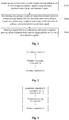
- FIG. 1 is a flowchart of a sending method according to an embodiment of the present disclosure. As shown in Fig. 1 , the flow may include the following steps S102 to S106.
- Step S102 one or more time-domain signals corresponding to one or more frequency-domain signals except primary synchronization frequency-domain signals may be acquired.
- the one or more frequency-domain signals except the primary synchronization frequency-domain signals may be generated, and the one or more time-domain signals may be acquired by converting the generated one or more frequency-domain signals.
- the one or more physical time-domain signals except the primary synchronization signals may be generated according to a 3GPP LTE protocol, wherein the time-domain signal may include a Cyclic Prefix (CP) part, or may not include a CP part.
- CP Cyclic Prefix
- Step S104 one primary synchronization time-domain signal may be determined in at least two pre-stored primary synchronization time-domain signals and weighted processing is performed on the determined primary synchronization time-domain signal.
- one primary synchronization time-domain signal may be selected from the at least two pre-stored primary synchronization time-domain signals according to a cell ID.
- N ID 2 may be calculated according to the cell ID
- N ID cell 3 N ID 1 + N ID 2
- a root sequence u may be determined according to N ID 2
- the primary synchronization signal time-domain sequence may be determined, as shown in Table 1.
- the selected primary synchronization time-domain signal may be multiplied by a complex number to regulate power of the primary synchronization time-domain signal and an initial phase of the primary synchronization time-domain signal.
- a complex number to regulate power of the primary synchronization time-domain signal and an initial phase of the primary synchronization time-domain signal.
- the power and phase weighted processing performed on the synchronization signal may refer to performing complex multiplication of a weight factor of the synchronization signal and the synchronization signal.
- w represents the weight factor, and w for different sending antennae may be different.
- the at least two pre-stored primary synchronization time-domain signals used in the current step S104 may be stored in advance.
- the at least two primary synchronization time-domain signals may be obtained by converting the primary synchronization frequency-domain signals; after the conversion, the at least two primary synchronization time-domain signals obtained through the conversion may be stored, so that the operational complexity of a base station side is lowered.
- OFDM Orthogonal Frequency Division Multiplexing
- Step S106 one or more signals which are obtained by adding the weighted primary synchronization time-domain signal and the one or more time-domain signals are sent.
- step S106 There may be many implementation manners for step S106.
- the one or more LTE time-domain signals and the weighted primary synchronization time-domain signal may be added and then sent through an air interface.
- Two specific example implementations of step S106 respectively aiming at signals without a CP and signals with a CP are described below.
- Time-domain superposition may require the addition of a CP before the signal can be sent through the air interface.
- the signals may be sent through the air interface after time-domain addition.
- one or more time-domain signals corresponding to one or more frequency-domain signals except the primary synchronization frequency-domain signals are acquired; one primary synchronization time-domain signal is determined in the at least two pre-stored primary synchronization time-domain signals and weighted processing is performed on the determined primary synchronization time-domain signal; and the one or more time-domain signals and the weighted primary synchronization time-domain signal are added and then sent, so that the problem of relatively undiversified signal sending manner in the related technology is solved, and diversified sending manners are implemented.
- Another embodiment of the present disclosure further provides a sending device, the device is configured to implement the embodiment and example implementation modes as mentioned above, and what has been described will not be repeated.
- a term "component”, used below, is a combination of software and/or hardware for realizing preset functions.
- the device described in the following embodiment is preferably implemented by software, but the implementation of the device with hardware or the combination of software and hardware is also possible and conceived.
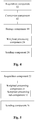
- Fig. 2 is a block diagram of a sending device according to an embodiment of the present disclosure.
- the sending device may include: an acquisition component 22, a weighted processing component 24 and a sending component 26. Each component is briefly described below.
- the acquisition component 22 may be configured to acquire one or more time-domain signals corresponding to one or more frequency-domain signals except primary synchronization frequency-domain signals; the weighted processing component 24 may be configured to determine one primary synchronization time-domain signal in at least two pre-stored primary synchronization time-domain signals and perform weighted processing on the determined primary synchronization time-domain signal; and the sending component 26 may be configured to send a signal which is obtained by adding the weighted primary synchronization time-domain signal and the one or more time-domain signals.
- Fig. 3 is a first block diagram of a sending device according to an example embodiment of the present disclosure.
- the acquisition component 22 may include: an acquisition sub-component 32, which may be configured to generate the one or more frequency-domain signals except the primary synchronization frequency-domain signals, and acquire the one or more time-domain signals by converting the generated one or more frequency-domain signals.
- Fig. 4 is a second block diagram of a sending device according to an example embodiment of the present disclosure. As shown in Fig. 4 , the device further may include:
- Fig. 5 is a third block diagram of a sending device according to an example embodiment of the present disclosure.
- the weighted processing component 24 may include: a weighted processing sub-component 52, which may be configured to select one primary synchronization time-domain signal from the at least two pre-stored primary synchronization time-domain signals according to a cell ID, and perform power and phase weighted processing on the selected primary synchronization time-domain signal.
- Fig. 6 is a fourth block diagram of a sending device according to an example embodiment of the present disclosure.
- the weighted processing sub-component 52 may include: a processing element 62, which may be configured to select one primary synchronization time-domain signal from the at least two pre-stored primary synchronization time-domain signals according to the cell ID, and multiply the selected primary synchronization time-domain signal by a complex number to regulate power of the primary synchronization time-domain signal and an initial phase of the primary synchronization time-domain signal.
- a sending method for an LTE primary synchronization signal which may include: locally pre-storing three primary synchronization signal time-domain sequences off line; generating one or more physical time-domain signals except the primary synchronization signals according to a 3rd Generation Partnership Project (3GPP) LTE protocol; selecting one primary synchronization signal from the three local time-domain primary synchronization signals according to a cell ID, and performing related power and phase weighted processing on the selected primary synchronization signal; and adding the primary synchronization signal and the one or more time-domain signals except the LTE primary synchronization signals and sending the signal obtained by the addition through an air interface.
- the power and phase weighted processing performed on the primary synchronization signal may refer to regulating power of the synchronization signal sequence and regulating an initial phase of the sequence, which may adopt more than one implementation manner, for example, the weighted processing may be implemented by multiplying the primary synchronization signal by a complex number.
- Another embodiment of the present disclosure further provides a computer readable storage medium which records program codes which, when executed, allow a computer to perform function including:
- Fig. 7 is a flowchart of sending a primary synchronization signal in the LTE according to an embodiment of the present disclosure. As shown in Fig. 7 , the flow may include the following steps S702 to S708.
- Step S702 three primary synchronization time-domain signals may be locally pre-stored, wherein each signal does not include a Cyclic Prefix (CP).
- CP Cyclic Prefix
- OFDM Orthogonal Frequency Division Multiplexing
- Step S704 one or more physical time-domain signals except the primary synchronization signals may be generated according to a 3GPP LTE protocol, the time-domain signal not including a CP part.
- Step S706 a local primary synchronization time-domain signal may be selected according to a cell ID and related power and phase weighted processing may be performed on the selected primary synchronization time-domain signal.
- N ID 2 may be calculated according to the cell ID
- N ID cell 3 N ID 1 + N ID 2
- a root sequence u may be determined according to N ID 2
- the primary synchronization signal time-domain sequence may be determined, as shown in Table 2.
- the power and phase weighted processing performed on the synchronization signal may refer to performing complex multiplication of a weight factor of the synchronization signal and the synchronization signal.
- w represents the weight factor, and w for different sending antennae may be different.
- Step S708 the one or more LTE time-domain signals obtained in Step S704 and the primary synchronization time-domain signal obtained in Step S706 may be added and then sent through an air interface.
- Time-domain superposition may require the addition of a CP before the signal can be sent through the air interface.
- the synchronization signal can be sent in an LTE base station, so that UE may be synchronized with the base station in a wireless channel, and a requirement of the system is met.
- One or more physical time-domain signals except the primary synchronization signals may be generated according to a 3GPP LTE protocol, each time-domain signal including a CP part.
- a local primary synchronization signal may be selected according to a cell ID and related power and phase weighted processing may be performed on the selected primary synchronization signal.
- the power and phase weighted processing performed on the synchronization signal may refer to performing complex multiplication of a weight factor of the synchronization signal and the synchronization signal.
- the obtained one or more LTE time-domain signals and the primary synchronization time-domain signal may be added and then sent through an air interface.
- the signals may be sent through the air interface after time-domain addition.
- This example embodiment provides a hardware implementation of the sending method using a general purpose computing device and program codes.
- Fig. 8 is a diagram showing a hardware implementation of the sending method using a general purpose computing device and program codes according to embodiment 3 of the present disclosure.
- the hardware block diagram may include a computer system 82, which may include a processor 822 for executing program codes and a storage unit 824 for storing the program codes.
- the processor 822 may be coupled with the storage unit 824 using buses, such as address buses, data buses and control buses.
- the processor 822 may read from the storage unit 824 to obtain the program codes and execute the program codes in order to implement corresponding operations.
- the acquisition component 22 or the acquisition sub-component 32 in the forgoing embodiments may be implemented in the following manner: the processor 822 reads from the storage unit 824 the corresponding program codes for acquiring the one or more time-domain signals or for generating and converting the frequency domain signals and executes the program codes.
- the weighted processing component 24 or the weighted processing sub-component 52 or the processing element 62 in the forgoing embodiments may be implemented in the following manner: the processor 822 reads from the storage unit 824 the corresponding program codes for determining one primary synchronization time-domain signal and performing weighted processing and executes the program codes.
- the sending component 26 in the forgoing embodiments may be implemented in the following manner: the processor 822 reads from the storage unit 824 the corresponding program codes for adding the time-domain signals and sending the result and executes the program codes.
- the conversion component 42 in the forgoing embodiments may be implemented in the following manner: the processor 822 reads from the storage unit 824 the corresponding program codes for converting the primary synchronization frequency-domain signals into primary synchronization time-domain signals and executes the program codes.
- the storage component 44 in the forgoing embodiments may be implemented by using the storage unit 824.
- each component or step of the present disclosure may be implemented by a universal computing device, and the components or steps may be concentrated on a single computing device or distributed on a network formed by at least two computing devices, and may be implemented by programmable codes executable for the computing devices, so that the components or steps may be stored in a storage device for execution with the computing devices.
- the shown or described steps may be executed in a sequence different from that described here under a certain condition, or may form each integrated circuit component, or at least two components or steps therein may form a single integrated circuit component for implementation.
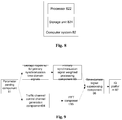
- Fig. 9 is a diagram showing another hardware implementation of the sending method according to an embodiment of the present disclosure.
- the parameter parsing component 91 is configured to parse parameters of various services and control channels that are delivered by the CMAC (media access control layer), including but not limited to cell bandwidth, cell ID, number of cell logical antenna ports etc.
- the storage region 92 for the primary synchronization time-domain signals is configured to store at least two sets of local primary synchronization time-domain signals, and the storage component 44 described in the forgoing embodiment may be the storage region 92.
- the primary synchronization time-domain signals may be obtained by the conversion component 42 through converting the primary synchronization frequency-domain signals.
- the primary synchronization time-domain signals may be stored in a static storage region.
- the primary synchronization signal weighted processing component 93 is configured to conduct some basic multiplying operation to perform weighted operation on the signals, and the weighted processing component 24 described in the forgoing embodiment may be the primary synchronization signal weighted processing component 93.
- the weighted processing sub-component 52 contained in the weighted processing component 24 (or the processing element 62 contained in the weighted processing sub-component 52) may select one primary synchronization time-domain signal from the at least two pre-stored primary synchronization time-domain signals according to the cell ID so that weighted operation can be performed on power and phase.
- the traffic channel/control channel generation component 94 can generate the traffic channel/control channel, and this generation procedure can be conducted at the same time when the primary synchronization signal is generated. After the traffic channel/control channel has been generated, the signals from the generated channel can be converted into time-domain signals using IFFT component 95. Through the above procedure, LTE time-domain signals except the primary synchronization frequency-domain signals can be generated.
- the acquisition component 22 described in the forgoing embodiment may be the combination of the traffic channel/control channel generation component 94 and the IFFT component 95.
- the acquisition sub-component 32 contained in the acquisition component 22 may be configured to generate the one or more frequency-domain signals except the primary synchronization frequency-domain signals, and acquire the one or more time-domain signals by converting the generated one or more frequency-domain signals.
- the time-domain signal superposing component 96 is configured to implement the function of the sending component 26 and is configured to add the primary synchronization signal and the LTE signal except the primary synchronization signals in the time domain and finally send the data to the IQ platform 97 via an interface.
- the hardware implementation described above may be practically implemented in various kinds of hardware, for example, it may be implemented by using a Field-Programmable Gate Array (FPGA), a Digital Signal Processing (DSP), an Application-Specific Integrated Circuit (ASIC) or a packaged chip.
- FPGA Field-Programmable Gate Array
- DSP Digital Signal Processing
- ASIC Application-Specific Integrated Circuit
- the shown or described steps may be executed in a sequence different from that described here, or may form each integrated circuit component, or at least two components or steps therein may form a single integrated circuit component for implementation.
Landscapes
- Engineering & Computer Science (AREA)
- Signal Processing (AREA)
- Computer Networks & Wireless Communication (AREA)
- Mobile Radio Communication Systems (AREA)
Claims (7)
- Sendeverfahren, Folgendes umfassend:Erfassen eines oder mehrerer Zeitbereichssignale entsprechend einem oder mehreren Frequenzbereichssignalen mit Ausnahme von Frequenzbereichssignalen einer Primärsynchronisation (S102), wobei das Erfassen Folgendes umfasst: Generieren von einem oder mehreren Frequenzbereichssignalen mit Ausnahme der Frequenzbereichssignale einer Primärsynchronisation und Erfassen des einen oder mehrerer Zeitbereichssignale durch Umwandeln des einen oder mehrerer generierter Frequenzbereichssignale;Bestimmen eines Zeitbereichssignals einer Primärsynchronisation in mindestens zwei vorgespeicherten Zeitbereichssignalen einer Primärsynchronisation und Durchführen einer gewichteten Verarbeitung auf dem bestimmten Zeitbereichssignal einer Primärsynchronisation (S104), wobei das Bestimmen Folgendes umfasst: Auswählen eines Zeitbereichssignals einer Primärsynchronisation aus den mindestens zwei vorgespeicherten Zeitbereichssignalen einer Primärsynchronisation entsprechend einer Zellenkennung, ID, und Durchführen einer leistungs- und phasengewichteten Verarbeitung auf dem ausgewählten Zeitbereichssignal einer Primärsynchronisation; undSenden eines Signals, das durch Addieren des gewichteten Zeitbereichssignals einer Primärsynchronisation und des einen oder mehererer Zeitbereichssignale (S106) erhalten wird.
- Verfahren nach Anspruch 1, wobei das Verfahren vor dem Bestimmen eines Zeitbereichssignals einer Primärsynchronisation in den mindestens zwei vorgespeicherten Zeitbereichssignalen einer Primärsynchronisation und Durchführen der gewichteten Verarbeitung auf dem bestimmten Zeitbereichssignal einer Primärsynchronisation (S104) weiter Folgendes umfasst:Umwandeln der Frequenzbereichssignale einer Primärsynchronisation in die mindestens zwei Zeitbereichssignale einer Primärsynchronisation; undSpeichern der durch die Umwandlung erhaltenen mindestens zwei Zeitbereichssignale einer Primärsynchronisation.
- Verfahren nach Anspruch 1, wobei das Auswählen eines Zeitbereichssignals einer Primärsynchronisation aus den mindestens zwei vorgespeicherten Zeitbereichssignalen einer Primärsynchronisation entsprechend der Zellen-ID und das Durchführen der leistungs- und phasengewichteten Verarbeitung auf dem ausgewählten Zeitbereichssignal einer Primärsynchronisation Folgendes umfassen:
Auswählen eines Zeitbereichssignals einer Primärsynchronisation aus den mindestens zwei vorgespeicherten Zeitbereichssignalen einer Primärsynchronisation entsprechend der Zellen-ID und Multiplizieren des ausgewählten Zeitbereichssignals einer Primärsynchronisation mit einer komplexen Zahl zum Regeln der Leistung des Zeitbereichssignals einer Primärsynchronisation und einer ursprünglichen Phase des Zeitbereichssignals einer Primärsynchronisation. - Sendevorrichtung, Folgendes umfassend:eine Erfassungskomponente (22), konfiguriert zum Erfassen eines oder mehrerer Zeitbereichssignale entsprechend einem oder mehreren Frequenzbereichssignalen mit Ausnahme von Frequenzbereichssignalen einer Primärsynchronisation;eine gewichtete Verarbeitungskomponente (24), konfiguriert zum Bestimmen eines Zeitbereichssignals einer Primärsynchronisation in mindestens zwei vorgespeicherten Zeitbereichssignalen einer Primärsynchronisation und Durchführen einer gewichteten Verarbeitung auf dem bestimmten Zeitbereichssignal einer Primärsynchronisation; undeine Sendekomponente (26), konfiguriert zum Senden eines Signals, das durch Addieren des gewichteten Zeitbereichssignals einer Primärsynchronisation und des einen oder mehererer Zeitbereichssignale erhalten wird;wobei die Erfassungskomponente Folgendes umfasst:eine Erfassungsteilkomponente (32), konfiguriert zum Generieren von einem oder mehreren Frequenzbereichssignalen mit Ausnahme der Frequenzbereichssignale einer Primärsynchronisation und Erfassen des einen oder mehrerer Zeitbereichssignale durch Umwandeln des einen oder mehrerer generierter Frequenzbereichssignale;wobei die gewichtete Verarbeitungskomponente Folgendes umfasst:
eine gewichtete Verarbeitungsteilkomponente (52), konfiguriert zum Auswählen eines Zeitbereichssignals einer Primärsynchronisation aus den mindestens zwei vorgespeicherten Zeitbereichssignalen einer Primärsynchronisation entsprechend einer Zellenkennung, ID, und Durchführen einer leistungs- und phasengewichteten Verarbeitung auf dem ausgewählten Zeitbereichssignal einer Primärsynchronisation. - Vorrichtung nach Anspruch 4, weiter Folgendes umfassend:eine Umwandlungskomponente (42), konfiguriert zum Umwandeln der Frequenzbereichssignale einer Primärsynchronisation in die mindestens zwei Zeitbereichssignale einer Primärsynchronisation; undeine Speicherkomponente (44), konfiguriert zum Speichern der durch die Umwandlung erhaltenen mindestens zwei Zeitbereichssignale einer Primärsynchronisation.
- Vorrichtung nach Anspruch 4, wobei die gewichtete Verarbeitungsteilkomponente (52) Folgendes umfasst:
ein Verarbeitungselement (62), konfiguriert zum Auswählen eines Zeitbereichssignals einer Primärsynchronisation aus den mindestens zwei vorgespeicherten Zeitbereichssignalen einer Primärsynchronisation entsprechend der Zellen-ID und Multiplizieren des ausgewählten Zeitbereichssignals einer Primärsynchronisation mit einer komplexen Zahl zum Regeln der Leistung des Zeitbereichssignals einer Primärsynchronisation und einer ursprünglichen Phase des Zeitbereichssignals einer Primärsynchronisation. - Computerlesbares Speichermedium, das Programmcodes aufzeichnet, die, wenn sie ausgeführt werden, einem Computer erlauben, Funktionen auszuführen, die Folgendes umfassen:Erfassen eines oder mehrerer Zeitbereichssignale entsprechend einem oder mehreren Frequenzbereichssignalen mit Ausnahme von Frequenzbereichssignalen einer Primärsynchronisation (S102), wobei das Erfassen Folgendes umfasst: Generieren von einem oder mehreren Frequenzbereichssignalen mit Ausnahme der Frequenzbereichssignale einer Primärsynchronisation und Erfassen des einen oder mehrerer Zeitbereichssignale durch Umwandeln des einen oder mehrerer generierter Frequenzbereichssignale;Bestimmen eines Zeitbereichssignals einer Primärsynchronisation in mindestens zwei vorgespeicherten Zeitbereichssignalen einer Primärsynchronisation und Durchführen einer gewichteten Verarbeitung auf dem bestimmten Zeitbereichssignal einer Primärsynchronisation (S104), wobei das Bestimmen Folgendes umfasst: Auswählen eines Zeitbereichssignals einer Primärsynchronisation aus den mindestens zwei vorgespeicherten Zeitbereichssignalen einer Primärsynchronisation entsprechend einer Zellenkennung, ID, und Durchführen einer leistungs- und phasengewichteten Verarbeitung auf dem ausgewählten Zeitbereichssignal einer Primärsynchronisation; undSenden eines Signals, das durch Addieren des gewichteten Zeitbereichssignals einer Primärsynchronisation und des einen oder mehrerer Zeitbereichssignale erhalten wird.
Applications Claiming Priority (1)
| Application Number | Priority Date | Filing Date | Title |
|---|---|---|---|
| CN201510033731.0A CN105871493A (zh) | 2015-01-22 | 2015-01-22 | 发射方法及装置 |
Publications (2)
| Publication Number | Publication Date |
|---|---|
| EP3048842A1 EP3048842A1 (de) | 2016-07-27 |
| EP3048842B1 true EP3048842B1 (de) | 2020-04-22 |
Family
ID=55456557
Family Applications (1)
| Application Number | Title | Priority Date | Filing Date |
|---|---|---|---|
| EP16152460.8A Not-in-force EP3048842B1 (de) | 2015-01-22 | 2016-01-22 | Sendeverfahren und -vorrichtung |
Country Status (5)
| Country | Link |
|---|---|
| US (1) | US20160219538A1 (de) |
| EP (1) | EP3048842B1 (de) |
| JP (1) | JP2016174351A (de) |
| CN (1) | CN105871493A (de) |
| WO (1) | WO2016115904A1 (de) |
Families Citing this family (1)
| Publication number | Priority date | Publication date | Assignee | Title |
|---|---|---|---|---|
| US12684505B2 (en) * | 2023-04-11 | 2026-07-14 | Qualcomm Incorporated | Timing synchronization signals and frequency synchronization signals |
Family Cites Families (10)
| Publication number | Priority date | Publication date | Assignee | Title |
|---|---|---|---|---|
| JP4463780B2 (ja) * | 2005-06-14 | 2010-05-19 | 株式会社エヌ・ティ・ティ・ドコモ | 送信装置および送信方法 |
| US8331331B2 (en) * | 2007-08-03 | 2012-12-11 | Qualcomm Incorporated | Method and apparatus for determining cell timing in a wireless communication system |
| US9119132B2 (en) * | 2007-10-10 | 2015-08-25 | Qualcomm Incorporated | Efficient system identification schemes for communication systems |
| KR20100084483A (ko) * | 2009-01-16 | 2010-07-26 | 한국전자통신연구원 | 다중 홉 릴레이를 갖는 직교주파수분할 기반 lte-a 시스템에서 릴레이 동기 신호를 송신하는 장치 및 방법 |
| CN102457870B (zh) * | 2010-10-21 | 2015-04-15 | 电信科学技术研究院 | 主同步信号检测方法、装置及小区搜索方法、系统 |
| CN102695263B (zh) * | 2011-03-23 | 2016-08-03 | 上海无线通信研究中心 | 一种鲁棒的lte系统下行定时同步方法 |
| KR102053764B1 (ko) * | 2012-08-01 | 2019-12-09 | 한국전자통신연구원 | 코드 검출 장치 및 방법 |
| CN104581922B (zh) * | 2013-10-23 | 2019-06-18 | 中兴通讯股份有限公司 | 一种lte系统中主同步信号在时域实现的方法和装置 |
| KR101626457B1 (ko) * | 2013-12-20 | 2016-06-01 | 주식회사 쏠리드 | Lte 프레임 동기 검출 방법 및 장치, 이를 적용한 중계 장치 |
| US10368261B2 (en) * | 2014-05-09 | 2019-07-30 | Samsung Electronics Co., Ltd. | Synchronization method and apparatus for D2D communication |
-
2015
- 2015-01-22 CN CN201510033731.0A patent/CN105871493A/zh active Pending
- 2015-08-31 WO PCT/CN2015/088514 patent/WO2016115904A1/zh not_active Ceased
-
2016
- 2016-01-22 EP EP16152460.8A patent/EP3048842B1/de not_active Not-in-force
- 2016-01-22 JP JP2016011019A patent/JP2016174351A/ja active Pending
- 2016-01-22 US US15/004,626 patent/US20160219538A1/en not_active Abandoned
Non-Patent Citations (1)
| Title |
|---|
| None * |
Also Published As
| Publication number | Publication date |
|---|---|
| JP2016174351A (ja) | 2016-09-29 |
| US20160219538A1 (en) | 2016-07-28 |
| CN105871493A (zh) | 2016-08-17 |
| EP3048842A1 (de) | 2016-07-27 |
| WO2016115904A1 (zh) | 2016-07-28 |
Similar Documents
| Publication | Publication Date | Title |
|---|---|---|
| EP3119049B1 (de) | Detektion von physikalischen zufallszugriffskanalpräambeln in einem langzeitevolutions-kommunikationssystem | |
| US20220345336A1 (en) | Reference signal channel estimation | |
| EP4376369B1 (de) | Sequenzbasiertes signalverarbeitungsverfahren und signalverarbeitungsvorrichtung | |
| EP3188392B1 (de) | Datenübertragungsverfahren, kanalschätzungsverfahren und vorrichtung | |
| US10771133B2 (en) | Signal transmission method and apparatus | |
| US11172394B2 (en) | Method for channel state information CSI measurement, terminal device and network device | |
| JP7250944B2 (ja) | 基準信号生成方法及び通信機器 | |
| US20240187292A1 (en) | Sequence generating and processing method and apparatus | |
| EP3852462A1 (de) | Referenzsignal- und -sequenzkonfigurierungsverfahren und -vorrichtung | |
| TWI762531B (zh) | 資源映射的方法和通訊設備 | |
| EP3062571B1 (de) | Verfahren und vorrichtung zur realisierung eines primären synchronisationssignals in einem zeitbereich und computerspeichermedium | |
| TWI710235B (zh) | 傳輸數據的方法、信道估計的方法和裝置 | |
| EP3048842A1 (de) | Sendeverfahren und -vorrichtung | |
| CN109714133B (zh) | 一种数据传输方法、数据发送装置及数据接收装置 | |
| KR102792891B1 (ko) | Ofdm 기반 통신 시스템에서의 순환 쉬프트 추정 기법 | |
| KR20220123915A (ko) | 프리앰블의 수신 방법 및 이를 이용하는 장치 | |
| HK40059425A (en) | Reference signal generation method and communication device | |
| CN107438037A (zh) | 一种数据传输方法和相关装置 |
Legal Events
| Date | Code | Title | Description |
|---|---|---|---|
| PUAI | Public reference made under article 153(3) epc to a published international application that has entered the european phase |
Free format text: ORIGINAL CODE: 0009012 |
|
| AK | Designated contracting states |
Kind code of ref document: A1 Designated state(s): AL AT BE BG CH CY CZ DE DK EE ES FI FR GB GR HR HU IE IS IT LI LT LU LV MC MK MT NL NO PL PT RO RS SE SI SK SM TR |
|
| AX | Request for extension of the european patent |
Extension state: BA ME |
|
| STAA | Information on the status of an ep patent application or granted ep patent |
Free format text: STATUS: REQUEST FOR EXAMINATION WAS MADE |
|
| 17P | Request for examination filed |
Effective date: 20161115 |
|
| RBV | Designated contracting states (corrected) |
Designated state(s): AL AT BE BG CH CY CZ DE DK EE ES FI FR GB GR HR HU IE IS IT LI LT LU LV MC MK MT NL NO PL PT RO RS SE SI SK SM TR |
|
| STAA | Information on the status of an ep patent application or granted ep patent |
Free format text: STATUS: EXAMINATION IS IN PROGRESS |
|
| 17Q | First examination report despatched |
Effective date: 20181022 |
|
| REG | Reference to a national code |
Ref country code: DE Ref legal event code: R079 Ref document number: 602016034343 Country of ref document: DE Free format text: PREVIOUS MAIN CLASS: H04W0056000000 Ipc: H04L0027260000 |
|
| GRAP | Despatch of communication of intention to grant a patent |
Free format text: ORIGINAL CODE: EPIDOSNIGR1 |
|
| STAA | Information on the status of an ep patent application or granted ep patent |
Free format text: STATUS: GRANT OF PATENT IS INTENDED |
|
| RIC1 | Information provided on ipc code assigned before grant |
Ipc: H04W 56/00 20090101ALI20191028BHEP Ipc: H04L 27/26 20060101AFI20191028BHEP |
|
| INTG | Intention to grant announced |
Effective date: 20191127 |
|
| GRAS | Grant fee paid |
Free format text: ORIGINAL CODE: EPIDOSNIGR3 |
|
| GRAA | (expected) grant |
Free format text: ORIGINAL CODE: 0009210 |
|
| STAA | Information on the status of an ep patent application or granted ep patent |
Free format text: STATUS: THE PATENT HAS BEEN GRANTED |
|
| AK | Designated contracting states |
Kind code of ref document: B1 Designated state(s): AL AT BE BG CH CY CZ DE DK EE ES FI FR GB GR HR HU IE IS IT LI LT LU LV MC MK MT NL NO PL PT RO RS SE SI SK SM TR |
|
| REG | Reference to a national code |
Ref country code: CH Ref legal event code: EP |
|
| REG | Reference to a national code |
Ref country code: IE Ref legal event code: FG4D |
|
| REG | Reference to a national code |
Ref country code: DE Ref legal event code: R096 Ref document number: 602016034343 Country of ref document: DE |
|
| REG | Reference to a national code |
Ref country code: AT Ref legal event code: REF Ref document number: 1261618 Country of ref document: AT Kind code of ref document: T Effective date: 20200515 |
|
| REG | Reference to a national code |
Ref country code: LT Ref legal event code: MG4D |
|
| REG | Reference to a national code |
Ref country code: NL Ref legal event code: MP Effective date: 20200422 |
|
| PG25 | Lapsed in a contracting state [announced via postgrant information from national office to epo] |
Ref country code: NO Free format text: LAPSE BECAUSE OF FAILURE TO SUBMIT A TRANSLATION OF THE DESCRIPTION OR TO PAY THE FEE WITHIN THE PRESCRIBED TIME-LIMIT Effective date: 20200722 Ref country code: SE Free format text: LAPSE BECAUSE OF FAILURE TO SUBMIT A TRANSLATION OF THE DESCRIPTION OR TO PAY THE FEE WITHIN THE PRESCRIBED TIME-LIMIT Effective date: 20200422 Ref country code: IS Free format text: LAPSE BECAUSE OF FAILURE TO SUBMIT A TRANSLATION OF THE DESCRIPTION OR TO PAY THE FEE WITHIN THE PRESCRIBED TIME-LIMIT Effective date: 20200822 Ref country code: GR Free format text: LAPSE BECAUSE OF FAILURE TO SUBMIT A TRANSLATION OF THE DESCRIPTION OR TO PAY THE FEE WITHIN THE PRESCRIBED TIME-LIMIT Effective date: 20200723 Ref country code: FI Free format text: LAPSE BECAUSE OF FAILURE TO SUBMIT A TRANSLATION OF THE DESCRIPTION OR TO PAY THE FEE WITHIN THE PRESCRIBED TIME-LIMIT Effective date: 20200422 Ref country code: NL Free format text: LAPSE BECAUSE OF FAILURE TO SUBMIT A TRANSLATION OF THE DESCRIPTION OR TO PAY THE FEE WITHIN THE PRESCRIBED TIME-LIMIT Effective date: 20200422 Ref country code: LT Free format text: LAPSE BECAUSE OF FAILURE TO SUBMIT A TRANSLATION OF THE DESCRIPTION OR TO PAY THE FEE WITHIN THE PRESCRIBED TIME-LIMIT Effective date: 20200422 Ref country code: PT Free format text: LAPSE BECAUSE OF FAILURE TO SUBMIT A TRANSLATION OF THE DESCRIPTION OR TO PAY THE FEE WITHIN THE PRESCRIBED TIME-LIMIT Effective date: 20200824 |
|
| REG | Reference to a national code |
Ref country code: AT Ref legal event code: MK05 Ref document number: 1261618 Country of ref document: AT Kind code of ref document: T Effective date: 20200422 |
|
| PG25 | Lapsed in a contracting state [announced via postgrant information from national office to epo] |
Ref country code: LV Free format text: LAPSE BECAUSE OF FAILURE TO SUBMIT A TRANSLATION OF THE DESCRIPTION OR TO PAY THE FEE WITHIN THE PRESCRIBED TIME-LIMIT Effective date: 20200422 Ref country code: RS Free format text: LAPSE BECAUSE OF FAILURE TO SUBMIT A TRANSLATION OF THE DESCRIPTION OR TO PAY THE FEE WITHIN THE PRESCRIBED TIME-LIMIT Effective date: 20200422 Ref country code: HR Free format text: LAPSE BECAUSE OF FAILURE TO SUBMIT A TRANSLATION OF THE DESCRIPTION OR TO PAY THE FEE WITHIN THE PRESCRIBED TIME-LIMIT Effective date: 20200422 Ref country code: BG Free format text: LAPSE BECAUSE OF FAILURE TO SUBMIT A TRANSLATION OF THE DESCRIPTION OR TO PAY THE FEE WITHIN THE PRESCRIBED TIME-LIMIT Effective date: 20200722 |
|
| PG25 | Lapsed in a contracting state [announced via postgrant information from national office to epo] |
Ref country code: AL Free format text: LAPSE BECAUSE OF FAILURE TO SUBMIT A TRANSLATION OF THE DESCRIPTION OR TO PAY THE FEE WITHIN THE PRESCRIBED TIME-LIMIT Effective date: 20200422 |
|
| REG | Reference to a national code |
Ref country code: DE Ref legal event code: R097 Ref document number: 602016034343 Country of ref document: DE |
|
| PG25 | Lapsed in a contracting state [announced via postgrant information from national office to epo] |
Ref country code: IT Free format text: LAPSE BECAUSE OF FAILURE TO SUBMIT A TRANSLATION OF THE DESCRIPTION OR TO PAY THE FEE WITHIN THE PRESCRIBED TIME-LIMIT Effective date: 20200422 Ref country code: RO Free format text: LAPSE BECAUSE OF FAILURE TO SUBMIT A TRANSLATION OF THE DESCRIPTION OR TO PAY THE FEE WITHIN THE PRESCRIBED TIME-LIMIT Effective date: 20200422 Ref country code: CZ Free format text: LAPSE BECAUSE OF FAILURE TO SUBMIT A TRANSLATION OF THE DESCRIPTION OR TO PAY THE FEE WITHIN THE PRESCRIBED TIME-LIMIT Effective date: 20200422 Ref country code: ES Free format text: LAPSE BECAUSE OF FAILURE TO SUBMIT A TRANSLATION OF THE DESCRIPTION OR TO PAY THE FEE WITHIN THE PRESCRIBED TIME-LIMIT Effective date: 20200422 Ref country code: AT Free format text: LAPSE BECAUSE OF FAILURE TO SUBMIT A TRANSLATION OF THE DESCRIPTION OR TO PAY THE FEE WITHIN THE PRESCRIBED TIME-LIMIT Effective date: 20200422 Ref country code: DK Free format text: LAPSE BECAUSE OF FAILURE TO SUBMIT A TRANSLATION OF THE DESCRIPTION OR TO PAY THE FEE WITHIN THE PRESCRIBED TIME-LIMIT Effective date: 20200422 Ref country code: SM Free format text: LAPSE BECAUSE OF FAILURE TO SUBMIT A TRANSLATION OF THE DESCRIPTION OR TO PAY THE FEE WITHIN THE PRESCRIBED TIME-LIMIT Effective date: 20200422 Ref country code: EE Free format text: LAPSE BECAUSE OF FAILURE TO SUBMIT A TRANSLATION OF THE DESCRIPTION OR TO PAY THE FEE WITHIN THE PRESCRIBED TIME-LIMIT Effective date: 20200422 |
|
| PG25 | Lapsed in a contracting state [announced via postgrant information from national office to epo] |
Ref country code: SK Free format text: LAPSE BECAUSE OF FAILURE TO SUBMIT A TRANSLATION OF THE DESCRIPTION OR TO PAY THE FEE WITHIN THE PRESCRIBED TIME-LIMIT Effective date: 20200422 Ref country code: PL Free format text: LAPSE BECAUSE OF FAILURE TO SUBMIT A TRANSLATION OF THE DESCRIPTION OR TO PAY THE FEE WITHIN THE PRESCRIBED TIME-LIMIT Effective date: 20200422 |
|
| PLBE | No opposition filed within time limit |
Free format text: ORIGINAL CODE: 0009261 |
|
| STAA | Information on the status of an ep patent application or granted ep patent |
Free format text: STATUS: NO OPPOSITION FILED WITHIN TIME LIMIT |
|
| 26N | No opposition filed |
Effective date: 20210125 |
|
| PG25 | Lapsed in a contracting state [announced via postgrant information from national office to epo] |
Ref country code: SI Free format text: LAPSE BECAUSE OF FAILURE TO SUBMIT A TRANSLATION OF THE DESCRIPTION OR TO PAY THE FEE WITHIN THE PRESCRIBED TIME-LIMIT Effective date: 20200422 |
|
| PG25 | Lapsed in a contracting state [announced via postgrant information from national office to epo] |
Ref country code: MC Free format text: LAPSE BECAUSE OF FAILURE TO SUBMIT A TRANSLATION OF THE DESCRIPTION OR TO PAY THE FEE WITHIN THE PRESCRIBED TIME-LIMIT Effective date: 20200422 |
|
| REG | Reference to a national code |
Ref country code: CH Ref legal event code: PL |
|
| GBPC | Gb: european patent ceased through non-payment of renewal fee |
Effective date: 20210122 |
|
| PG25 | Lapsed in a contracting state [announced via postgrant information from national office to epo] |
Ref country code: LU Free format text: LAPSE BECAUSE OF NON-PAYMENT OF DUE FEES Effective date: 20210122 |
|
| REG | Reference to a national code |
Ref country code: BE Ref legal event code: MM Effective date: 20210131 |
|
| PG25 | Lapsed in a contracting state [announced via postgrant information from national office to epo] |
Ref country code: FR Free format text: LAPSE BECAUSE OF NON-PAYMENT OF DUE FEES Effective date: 20210131 |
|
| PG25 | Lapsed in a contracting state [announced via postgrant information from national office to epo] |
Ref country code: LI Free format text: LAPSE BECAUSE OF NON-PAYMENT OF DUE FEES Effective date: 20210131 Ref country code: GB Free format text: LAPSE BECAUSE OF NON-PAYMENT OF DUE FEES Effective date: 20210122 Ref country code: CH Free format text: LAPSE BECAUSE OF NON-PAYMENT OF DUE FEES Effective date: 20210131 |
|
| PG25 | Lapsed in a contracting state [announced via postgrant information from national office to epo] |
Ref country code: IE Free format text: LAPSE BECAUSE OF NON-PAYMENT OF DUE FEES Effective date: 20210122 |
|
| PG25 | Lapsed in a contracting state [announced via postgrant information from national office to epo] |
Ref country code: BE Free format text: LAPSE BECAUSE OF NON-PAYMENT OF DUE FEES Effective date: 20210131 |
|
| PG25 | Lapsed in a contracting state [announced via postgrant information from national office to epo] |
Ref country code: HU Free format text: LAPSE BECAUSE OF FAILURE TO SUBMIT A TRANSLATION OF THE DESCRIPTION OR TO PAY THE FEE WITHIN THE PRESCRIBED TIME-LIMIT; INVALID AB INITIO Effective date: 20160122 |
|
| PGFP | Annual fee paid to national office [announced via postgrant information from national office to epo] |
Ref country code: DE Payment date: 20221130 Year of fee payment: 8 |
|
| PG25 | Lapsed in a contracting state [announced via postgrant information from national office to epo] |
Ref country code: CY Free format text: LAPSE BECAUSE OF FAILURE TO SUBMIT A TRANSLATION OF THE DESCRIPTION OR TO PAY THE FEE WITHIN THE PRESCRIBED TIME-LIMIT Effective date: 20200422 |
|
| PG25 | Lapsed in a contracting state [announced via postgrant information from national office to epo] |
Ref country code: MK Free format text: LAPSE BECAUSE OF FAILURE TO SUBMIT A TRANSLATION OF THE DESCRIPTION OR TO PAY THE FEE WITHIN THE PRESCRIBED TIME-LIMIT Effective date: 20200422 |
|
| REG | Reference to a national code |
Ref country code: DE Ref legal event code: R119 Ref document number: 602016034343 Country of ref document: DE |
|
| PG25 | Lapsed in a contracting state [announced via postgrant information from national office to epo] |
Ref country code: MT Free format text: LAPSE BECAUSE OF FAILURE TO SUBMIT A TRANSLATION OF THE DESCRIPTION OR TO PAY THE FEE WITHIN THE PRESCRIBED TIME-LIMIT Effective date: 20200422 |
|
| PG25 | Lapsed in a contracting state [announced via postgrant information from national office to epo] |
Ref country code: DE Free format text: LAPSE BECAUSE OF NON-PAYMENT OF DUE FEES Effective date: 20240801 |
|
| PG25 | Lapsed in a contracting state [announced via postgrant information from national office to epo] |
Ref country code: DE Free format text: LAPSE BECAUSE OF NON-PAYMENT OF DUE FEES Effective date: 20240801 |
|
| PG25 | Lapsed in a contracting state [announced via postgrant information from national office to epo] |
Ref country code: TR Free format text: LAPSE BECAUSE OF FAILURE TO SUBMIT A TRANSLATION OF THE DESCRIPTION OR TO PAY THE FEE WITHIN THE PRESCRIBED TIME-LIMIT Effective date: 20200422 |