EP3047853B1 - Broth compositions and their use as prebiotics - Google Patents
Broth compositions and their use as prebiotics Download PDFInfo
- Publication number
- EP3047853B1 EP3047853B1 EP16152839.3A EP16152839A EP3047853B1 EP 3047853 B1 EP3047853 B1 EP 3047853B1 EP 16152839 A EP16152839 A EP 16152839A EP 3047853 B1 EP3047853 B1 EP 3047853B1
- Authority
- EP
- European Patent Office
- Prior art keywords
- composition
- individual
- broth
- probiotic bacteria
- aac1
- Prior art date
- Legal status (The legal status is an assumption and is not a legal conclusion. Google has not performed a legal analysis and makes no representation as to the accuracy of the status listed.)
- Active
Links
Images




Classifications
-
- A—HUMAN NECESSITIES
- A61—MEDICAL OR VETERINARY SCIENCE; HYGIENE
- A61K—PREPARATIONS FOR MEDICAL, DENTAL OR TOILETRY PURPOSES
- A61K38/00—Medicinal preparations containing peptides
- A61K38/16—Peptides having more than 20 amino acids; Gastrins; Somatostatins; Melanotropins; Derivatives thereof
- A61K38/17—Peptides having more than 20 amino acids; Gastrins; Somatostatins; Melanotropins; Derivatives thereof from animals; from humans
- A61K38/39—Connective tissue peptides, e.g. collagen, elastin, laminin, fibronectin, vitronectin, cold insoluble globulin [CIG]
-
- A—HUMAN NECESSITIES
- A23—FOODS OR FOODSTUFFS; TREATMENT THEREOF, NOT COVERED BY OTHER CLASSES
- A23L—FOODS, FOODSTUFFS OR NON-ALCOHOLIC BEVERAGES, NOT OTHERWISE PROVIDED FOR; PREPARATION OR TREATMENT THEREOF
- A23L13/00—Meat products; Meat meal; Preparation or treatment thereof
- A23L13/50—Poultry products, e.g. poultry sausages
-
- A—HUMAN NECESSITIES
- A23—FOODS OR FOODSTUFFS; TREATMENT THEREOF, NOT COVERED BY OTHER CLASSES
- A23L—FOODS, FOODSTUFFS OR NON-ALCOHOLIC BEVERAGES, NOT OTHERWISE PROVIDED FOR; PREPARATION OR TREATMENT THEREOF
- A23L33/00—Modifying nutritive qualities of foods; Dietetic products; Preparation or treatment thereof
- A23L33/10—Modifying nutritive qualities of foods; Dietetic products; Preparation or treatment thereof using additives
- A23L33/17—Amino acids, peptides or proteins
- A23L33/18—Peptides; Protein hydrolysates
-
- A—HUMAN NECESSITIES
- A23—FOODS OR FOODSTUFFS; TREATMENT THEREOF, NOT COVERED BY OTHER CLASSES
- A23L—FOODS, FOODSTUFFS OR NON-ALCOHOLIC BEVERAGES, NOT OTHERWISE PROVIDED FOR; PREPARATION OR TREATMENT THEREOF
- A23L5/00—Preparation or treatment of foods or foodstuffs, in general; Food or foodstuffs obtained thereby; Materials therefor
- A23L5/10—General methods of cooking foods, e.g. by roasting or frying
- A23L5/13—General methods of cooking foods, e.g. by roasting or frying using water or steam
-
- A—HUMAN NECESSITIES
- A61—MEDICAL OR VETERINARY SCIENCE; HYGIENE
- A61K—PREPARATIONS FOR MEDICAL, DENTAL OR TOILETRY PURPOSES
- A61K35/00—Medicinal preparations containing materials or reaction products thereof with undetermined constitution
- A61K35/56—Materials from animals other than mammals
- A61K35/57—Birds; Materials from birds, e.g. eggs, feathers, egg white, egg yolk or endothelium corneum gigeriae galli
-
- A—HUMAN NECESSITIES
- A61—MEDICAL OR VETERINARY SCIENCE; HYGIENE
- A61K—PREPARATIONS FOR MEDICAL, DENTAL OR TOILETRY PURPOSES
- A61K35/00—Medicinal preparations containing materials or reaction products thereof with undetermined constitution
- A61K35/66—Microorganisms or materials therefrom
- A61K35/74—Bacteria
- A61K35/741—Probiotics
-
- A—HUMAN NECESSITIES
- A61—MEDICAL OR VETERINARY SCIENCE; HYGIENE
- A61P—SPECIFIC THERAPEUTIC ACTIVITY OF CHEMICAL COMPOUNDS OR MEDICINAL PREPARATIONS
- A61P1/00—Drugs for disorders of the alimentary tract or the digestive system
-
- A—HUMAN NECESSITIES
- A61—MEDICAL OR VETERINARY SCIENCE; HYGIENE
- A61P—SPECIFIC THERAPEUTIC ACTIVITY OF CHEMICAL COMPOUNDS OR MEDICINAL PREPARATIONS
- A61P43/00—Drugs for specific purposes, not provided for in groups A61P1/00-A61P41/00
-
- A—HUMAN NECESSITIES
- A23—FOODS OR FOODSTUFFS; TREATMENT THEREOF, NOT COVERED BY OTHER CLASSES
- A23L—FOODS, FOODSTUFFS OR NON-ALCOHOLIC BEVERAGES, NOT OTHERWISE PROVIDED FOR; PREPARATION OR TREATMENT THEREOF
- A23L33/00—Modifying nutritive qualities of foods; Dietetic products; Preparation or treatment thereof
- A23L33/10—Modifying nutritive qualities of foods; Dietetic products; Preparation or treatment thereof using additives
- A23L33/135—Bacteria or derivatives thereof, e.g. probiotics
Definitions
- This disclosure relates to the field of nutritional and dietary supplement as well as the general field of microbiology.
- Microorganisms are known to colonize the gastrointestinal tract of mammals. Some microorganisms have certain health benefits for the host. These beneficial microorganisms are also known as “probiotic microorganisms” or “probiotics.” Beneficial bacteria (or “good” bacteria) are also referred to as “probiotic bacteria.” Some probiotic microorganisms may exist naturally in the gut of the host. Others may be introduced into the host by dietary supplement.
- prebiotic generally refers to substances that induce the growth (and hence the live count or CFU) or activity of probiotic microorganisms (e.g., bacteria or fungi). However, most, if not all prebiotics are carbohydrate based and may contain glutenfrom various plant sources.
- US 2013/345139 A1 relates to a composition for nutritional purposes with reportedly has an improved efficacy in relation to the build-up of the bone matrix, comprising about 1 to about 99% by weight of collagen hydrolysate and about 1 to about 99% by weight of one or more prebiotics, in each case based on the dry mass of the composition.
- US 2015/011500 A1 discloses broth compositions prepared from poultry. Selected poultry raw materials are processed to obtain a broth having high protein content. Certain specific amino acids are reportedly present in relatively higher concentration as compared to home-made broth and other commercial products. The disclosed broth compositions are reported to be effective in preventing and/or treating joint diseases and may also provide other nutritional and health benefits.
- the present disclosure advances the art by providing a composition for use in a method of providing health benefits to an individual by enhancing the microbiome of said individual by enhancing one or more probiotic bacteria in said individual according to claim 1.
- the method comprises administering to said individual a composition in an amount effective in enhancing said one or more probiotic bacteria.
- said composition comprises soluble collagen fiber prepared from poultry, and said composition is obtainable by a method comprising the steps of mechanically separating and comminuting poultry parts with bones and cartilage to fine pieces of less than 5 mm, and cooking the pieces at a temperature from 70 to 150°C for a period from 8 minutes to 6 hours or longer.
- the disclosed prebiotic composition is gluten-free.
- the composition is be prepared from poultry, such as chicken, turkey, or other birds.
- the disclosed composition may be in the form of broth, stock, extract, or powder.
- the composition according to the present invention is provided for use in a method for enhancing the microbiome of an individual by enhancing one or more probiotic bacteria in said individual, the method comprising administering to the individual an effective amount of a composition prepared from poultry parts.
- the effective amount is an amount effective in enhancing at least one probiotic bacterium of the individual.
- enhancing a probiotic bacterium means improving the well-being or increasing the live count (i.e., colony-forming unit or CFU) of the probiotic bacterium in the gastrointestinal tract (or gut) of the individual.
- the CFU of a bacterium in the individual may be measured directly or indirectly. Indirect measurements may include but are not limited to measuring the CFU of the bacterium in fecal samples from the individual.
- the method of metagenomic sequence counts may be used to measure the CFU of a bacterium in a sample.
- the effective amount to be administered may be an amount of the broth composition that increases the live count of at least one probiotic bacterium in the gut of the individual by 2-200 folds, by 5-200 folds, by 10-200 folds, by 20-200 folds, or by about 200-folds, after the composition is administered to the individual.
- the effective amount may be an amount of the broth composition that increases the proportion (or percentage) of at least one probiotic bacterium (i.e., selectively increases the count of at least one beneficial probiotic bacterium) in the gut microbiome of the individual.
- the effective amount may be an amount of the broth composition that increases the diversity of the gut microbiome in the individual.
- the disclosed broth composition for the use according to the present invention may be administered to the individual consecutively at the effective amount every day for 1 day, 2, 3, 4, 5, 6, 7 days, or 14 or more days.
- the composition may be administered to the individual non-consecutively, for example, every other day over a period of 4, 6, 8, 10, 12, 14 or more days.
- the composition for the use according to the present invention has a higher concentration of certain beneficial components.
- the composition for the use according to the present invention contains soluble collagen fibers.
- soluble collagen fiber is used to refer to fragments of collagen protein that are soluble in a broth after being subject to the broth-making process.
- the fragments may represent full-length or partial-length of the collagen protein.
- the fragments may contain small peptides or single amino acids derived from the collagen.
- at least 20%, 30%, 40%, or at least 50% of the soluble collagen fibers contains fragments or peptides of 20 or more amino acids long.
- the soluble collagen fibers may act as prebiotics in enhancing or promoting the probiotic bacteria in the individual.
- the soluble collagen fibers are primarily derived from the cartilage of poultry. In another aspect, the soluble collagen fibers constitute at least 20% (w/w on solid basis) of the final broth composition. In another aspect, the soluble collagen fibers may constitute at least 30%, 40%, 50%, 60%, 70%, 80%, or at least 90% (w/w on solid basis), or as high as 100% of the final broth composition. In another aspect, the soluble collagen fibers may be derived from Type I, II or III collagen.
- certain beneficial compounds may be enriched in the disclosed compositions to a greater extent as compared to other broth products currently available on the market.
- one or more ingredients may be supplemented in the broth to achieve certain health benefits that are not generally associated with chicken broth.
- supplements may include but are not limited to ginger, coffee extract, ginseng, green tea, other botanicals such as willow bark or boswellia, curcumin/turmeric, omega-3 fatty acids, fish oil, krill oil, algal oil, Pycnogenol French maritime pine bark extract, grape seed extract, flax seed extract, ribonuclease, angiogenin, lactoferrin, ribonuclease-enriched lactoferrin, S-adenosyl methionine, collagen, collagen proteins (e.g., Type I, II or III collagens) or collagen peptides, gelatin, avocado/soybean unsaponifiables (ASU), extract of hops cones, egg shell membrane, polypeptides derived from milk, such as casein or whey, MSM (Methylsulfonylmethane
- ASU
- the disclosed broth may contain significant amount of collagen, collagen proteins and/or collagen peptides. In another aspect, significant amount of the collagen, collagen proteins and/or collagen peptides may be present naturally in the disclosed broth. In another aspect, significant amount of the collagen, collagen proteins and/or collagen peptides may be added into the disclosed broth as a supplement.
- an individual who is in need of increased count of a probiotic bacterium is first identified before the broth composition is administered to the individual.
- Such individuals who are in need of the disclosed broth composition may include but are not limited to those who have unbalanced microbiome in their GI system, and those who need higher number (CFU) of certain desirable probiotic bacteria, such as lactic acid producing bacteria.
- CFU CFU
- desirable bacteria may include but are not limited to Lactobacillus, Parasutterella, Morganella, Oscillospira, Coprococcus, Oscillibacter, Odoribacter, Gastranaerophilales, Allabaculum, or Faecalibacterium.
- one example of desirable probiotic bacteria may be Lactobacillus rhamnosus.
- the broth compositions provide not only proteins (and amino acids) as nutrients, but also proteins (and amino acids) in the form of collagen fibers which help increase the number and percentage of probiotic bacteria in the gut microbiome of the individual.
- administration of the disclosed broth compositions may eliminate the need for continuous supplementation of probiotics to an individual who would otherwise have to take probiotic supplement regularly.
- regularly means at least once a month, once a week or at least once a day.
- the term “enhance” means increase the growth (and hence the live count or CFU) or activity of a microorganism.
- the disclosed composition may enhance one or more probiotic bacteria that are native in an individual.
- the term “native” means the microorganism naturally exist in the gut of the individual.
- the disclosed composition may enhance one or more probiotic bacteria that are not native in an individual. Both native or non-native probiotic bacteria may be supplemented to an individual.
- the disclosed composition may be administered to the individual by oral feeding. In another aspect, the disclosed composition may be administered in conjunction with one or more probiotic bacteria. In another aspect, the disclosed composition may be mixed with one or more probiotic bacteria and administered to an individual as a mixture.
- the prebiotic composition is prepared according to the process specified and then be prepared into a liquid or solid (e.g., powder) form to be taken as a dietary supplement.
- the one or more probiotic bacteria that are enhanced by the disclosed composition may include at least a lactic acid producing bacterium.
- the lactic acid producing bacteria may include, by way of example, a Lactobacillus bacterium.
- the lactic acid producing bacteria may include Lactobacillus rhamnosus.
- chicken or turkey broths may be made by cooking for extended period of time in an open vessel or under high temperature in a pressurized vessel.
- this disclosure provides broth products having unique composition and methods of preparing the same. Also disclosed here are methods of selecting and preparing raw materials, cooking raw materials, and separating and purifying the resultant broths.
- raw materials from poultry are comminuted to a great extent to maximize extraction of various beneficial compounds.
- the raw materials may be reduced to a size of less than about 2cm, 1 cm, 5mm, 4mm, 3mm, 2mm, or less than 2mm.
- Mechanical processing of the poultry parts to small sized particles prior to cooking may help maximizing extraction of certain compounds.
- more gentle cooking condition e.g., at a temperature of 60-100°C
- shorter cooking time from about 8 minutes to 300 minutes
- Such gentler and shorter cooking may help prevent inactivation of certain compounds that would be otherwise inactivated if conventional processing and cooking methods are used.
- Preservation of such compounds may explain the superior health benefits observed when broths not forming part of the invention are tested against other broth products that are not prepared according to the instantly disclosed methods.
- poultry parts with bones and cartilage are mechanically separated and comminuted to fine pieces of less than 5mm (millimeter), 4mm, 3mm, 2mm, or 1 mm in size.
- no steps are taken to remove the residual meat from the bones.
- These small pieces are cooked at about 70°C, 100°C, 110°C, 120°C, or as high as 150°C, for at least 8 minutes, 15 minutes, 30 minutes, 1 hour, 2 hours, 3 hours, or 6 hours or longer to maximize the extraction of certain broth fraction and/or compounds.
- the broth prepared according to the disclosed methods show different protein profiles from those obtained from other commercial broth products when analyzed by SDS-PAGE.
- at least 10%, 20%, 30%, 40%, 50%, 70%, or 90% of the total proteins in the disclosed compositions have a molecular weight of between 10 kD (kilo-Dalton) and 70 kD.
- at least 95% of the proteins in the disclosed compositions have a molecular weight of less than 100 kD.
- the methods may be used to further reduce molecular weight of the proteins in the broth to less than 10 kD, 5 kD, or even lower than 3 KD to enhance assimilation by a subject.
- one or more enzymes that digest proteins may be used to reduce the molecular weight of the proteins in the broth.
- the disclosed composition may contain at least 40% protein by weight of total solids.
- the disclosed composition may contain 50%, 60%, 70%, or 80% or more protein by weight of total solids in the composition.
- the disclosed composition may contain less than 10% carbohydrate by weight of total solids.
- the disclosed composition may contain 8%, 5%, 2%, or 1% or less carbohydrate by weight of total solids in the composition.
- the disclosed composition is prepared from an animal source and does not contain any proteins from a plant source.
- the disclosed prebiotic composition does not contain detectable amount of gluten.
- the disclosed prebiotic composition does not contain significant amount of gluten that would cause adverse reaction in an individual sensitive or allergic to gluten.
- the disclosed composition may contain the amino acids proline and histidine, wherein the ratio between proline and histidine is at least 4:1 by weight.
- the proline is present in the composition by at least 8% (w/w), 10% or greater on solid basis.
- the ratio between the proline and the histidine is at least 6:1 by weight.
- the disclosed composition may contain the amino acids glycine and histidine, wherein the ratio between the glycine and histidine is at least 6:1 by weight.
- the glycine is present in the total amino acids of the disclosed compositions by at least 12%, 14% or greater (w/w) on solid basis.
- the ratio between the glycine and the histidine is at least 10:1 by weight.
- the disclosed composition may contain the amino acids hydroxyproline and histidine, wherein the ratio between the hydroxyproline and histidine is at least 4:1 by weight.
- the hydroxyproline is present in the total amino acids of the compositions by at least 7%, 8% or greater (w/w) on solid basis.
- the ratio between the hydroxyproline and the histidine is at least 6:1 by weight.
- the disclosed composition may contain proline, glycine, hydroxyproline and histidine.
- the ratio between the glycine and the histidine is at least 6:1 by weight.
- the glycine is present in the composition by at least 12% (w/w) on solid basis.
- the ratio between the proline and the histidine is at least 4:1 by weight.
- the ratio between the hydroxyproline and the histidine is at least 6:1 by weight.
- the disclosed composition may contain proline and other amino acids, and the amount of the proline is at least 8%, 10% or greater by weight of the total amino acids in the composition.
- the disclosed composition may contain glycine and other amino acids, and the amount of the glycine is at least 20% by weight of the total amino acids in the composition.
- the disclosed composition may contain hydroxyproline and other amino acids, and the amount of the hydroxyproline is at least 8% by weight of the total amino acids in the composition.
- the disclosed composition may contain one or more branched chain amino acids (BCAA) (e.g., valine, leucine and isoleucine), and the BCAAs in the composition are present at a higher level than the level of BCAAs in other broth products.
- BCAA branched chain amino acids
- the amount of total BCAAs, including valine, leucine and isoleucine is at least 5%, 6%, or 7% by weight of total amino acids in the composition.
- the broth products prepared according to this disclosure may have a moisture protein ratio (MPR) of between 999:1 and 1:999, or between 200:1 and 10:1.
- MPR moisture protein ratio
- a MPR of 200:1 means the product contains 200 parts water and 1 part meat (protein).
- the broth products prepared according to this disclosure may have a moisture protein ratio (MPR) of between 150:1 and 40:1, or between 135:1 and 67:1.
- Chondroitin sulfate (CS) is rich in cartilage and has been reported to be beneficial for joint health.
- the selection of raw materials and the process by which the broth is prepared may contribute to the relatively higher levels of chondroitin sulfate in the disclosed composition.
- the broth composition may contain at least 6%, 7%, 8%, or 10% of chondroitin sulfate by weight of total dry solids in the composition, as measured by using enzymatic digestion and LC-UV detection assay. See e.g., Ji et al., Journal of AOAC International, Vol. 90, No. 3, 659-69 (2007 ), which is hereby incorporated by reference into this disclosure.
- the composition may be in a liquid form ready to be consumed or it may be in a concentrated liquid form such as a stock.
- the composition may be in a solid form, such as a powder or a paste.
- the composition may contain one or more polyphenols, wherein the concentration of the polyphenols is at least 4,000 ⁇ g/ml GAE (Gallic Acid Equivalent) based on Folin-Ciocalteu assay.
- GAE Gallic Acid Equivalent
- the composition may comprise amino acids glycine, proline and hydroxyproline, and wherein glycine constitutes at least 12% (w/w), proline constitutes at least 8% (w/w), and hydroxyproline constitutes at least 7% (w/w) of total amino acids of the composition.
- the disclosed prebiotic composition does not contain detectable amount of gluten.
- the disclosed prebiotic composition does not contain significant amount of gluten that would cause adverse reaction in an individual sensitive or allergic to gluten.
- Probiotic bacteria are typically grown on culture media before they are harvested and used as dietary supplement.
- the disclosed prebiotic composition may be used for culturing a probiotic bacterium.
- Probiotic bacteria may be grown on a medium containing, among others, the disclosed prebiotic composition prepared from poultry.
- the disclosed prebiotic composition contains soluble collagen fiber prepared from poultry.
- the broth compositions disclosed herein may be characterized by the unique composition as described herein.
- the broth compositions may also be characterized by the methods by which they are prepared.
- the disclosed broths are also unique in the health benefits they may provide to a subject. Subjects may be divided into two groups, one group ingests (or consumes) an effective amount of the disclosed broth product each day, while the other group ingests water, or other broth products. The various indicators may then be measured and compared between the two groups.
- Chicken soup and chicken broth have been available for human consumption for centuries. Studies have shown various health benefits of chicken soup or broth. According to conventional home-style method, chicken soup or broth is prepared by boiling whole chicken or large chicken parts in a pot of water for an extended period of time. The soup or broth prepared according to this method may not have maximized the health promoting effects of the soup or broth because some of the compounds may be lost during cooking or during processing, while other compounds may not have been extracted from the chicken parts.
- this disclosure provides methods of using chicken broth as a prebiotic.
- Prebiotics differ from probiotics (i.e., so called "good bacteria") in that prebiotics are not live organisms but are ingredients that can support or enhance probiotics.
- Prebiotics typically bypass the upper digestive system and reach the intestine intact after ingestion. It is also possible that prebiotics may influence bacteria in the upper GI section such that these bacteria in the upper GI section begin to ferment nutrients, which, in turn, provide metabolites that selectively support the "good bacteria” in the lower section of the gut. Once they reach the intestine, prebiotics may play an important role in fermentation by the normal gut microbiota. The fermentation process may stimulate and promote the proliferation of the "good bacteria,” such as Lactobacillus.
- probiotic may refer to a number of microorganisms which can be taken by an individual as a supplement to benefit the individual.
- probiotic may also refer to a number of different microorganisms that naturally live in the body of a host and provide health benefit to the host.
- desirable bacteria may include but are not limited to Lactobacillus, Parasutterella, Morganella, Oscillospira, Coprococcus, Oscillibacter, Odoribacter, Gastranaerophilales, Allabaculum, or Faecalibacterium.
- Lactobacillus bacteria have been shown to be beneficial to human. Faecalibacterium bacteria have also been shown to be anti-inflammatory.
- the disclosed methods may help preserve certain components by processing chicken parts prior to cooking and by controlling the processing temperature and cooking time to maximize the extraction of beneficial compounds while, concomitantly, minimizing loss of activity due to harsh processing conditions.
- Specially selected raw materials from poultry may be processed according to the disclosed methods to obtain a broth having high protein content.
- Certain amino acids are present in relatively higher concentration as compared to a home-made broth or other commercial products.
- the disclosed broth compositions may prove effective in enhancing the well-being of probiotics of the host.
- the disclosed broth compositions may increase the live count of probiotics in the host.
- the disclosed broth compositions may selectively enhance certain microorganisms, but not others.
- the disclosed broth compositions may increase the diversity of microorganisms in the gut of the host.
- broth and “soup” refer to a liquid composition containing at least one solute and may also be used to refer to a ready to serve form, a concentrate, a stock in either liquid or solid form.
- the poultry broth of the disclosure may contain a significant amount of different amino acids.
- Such amino acids may be present in the form of a protein or as free amino acids in the broth.
- Total amino acids include both amino acids present in the form of proteins and those present as free amino acids.
- the ratio of different amino acids in a broth composition refers to the ratio between total amino acids.
- dry solid or “solid” as used herein refers to the components of a liquid composition that remain after all free liquid is removed from the liquid composition.
- the free liquid is water.
- administer means delivering of a material to an individual, such as by oral ingestion.
- not detectable means a chemical or ingredient that may be present in such a small amount that it cannot be measured by currently available analytic instruments.
- subject or “individual” is used to refer to a mammal, including a human being.
- turkey parts were used to prepare a broth and the overall quality and potential health benefits of the broth were determined. Briefly, raw turkey was mechanically separated and the parts were finely comminuted to less than 2mm in size to maximize extraction. The small-sized parts from the turkey were gently cooked to (91°C (195°F) in steam for about 15 minutes or less. The broth was then separated from the insoluble fraction by decanting. Freed fat in the broth was also removed from the broth by a centrifugal separator. The broth was concentrated in a commercial evaporator, chilled, and packaged for sale.
- chopped chicken parts containing chicken bones and cartilage were cooked in water at a temperature greater than 121 °C (250°F) for more than 6 hours to maximize the extraction of certain broth fraction and/or compounds.
- the broth obtained from this process was designated "AAC1" for internal reference. More particularly, USDA inspected chopped raw chicken bones remaining after major muscles were removed were cooked in water in a large commercial stainless steel cooking tank. After cooking, the liquid broth portion was separated from the chicken solids by decanting. The broth was concentrated in a commercial evaporator then spray dried and packed in labeled containers.
- Proteins are large molecules composed of one or more chains of amino acids that perform a wide array of functions in biological systems including, for example, functioning as enzymes, facilitating cell communication, and providing structural support to cells. Humans, as well as other animals, obtain essential amino acids from protein consumed as part of their diet since they lack enzymes needed to synthesize them. The objective of this study was to determine the concentration and size range of proteins in chicken broth AAC1 as compared to a home-made product.
- AAC1 One sample prepared according to this disclosure (AAC1) and another sample prepared according to home-style cooking methods (Homemade) were compared.
- the percent solid (w/v) for AAC1 was 8% solid, while the percentage (w/v) for Homemade was 1.7% solid.
- Lane 1 shows the protein profile for homemade broth
- lane 3 is molecular weight standard.
- AAC1 is composed of approximately 3 times more protein than a homemade product. Proteins in the homemade product displayed a wider range of molecular weight distribution, containing both large (up to about 300-500 kD) and small proteins (about 5-15kD). By contrast, the majority (i.e., greater than 50%) of proteins in AAC1 has molecular weight of between 70 kDa and 15 kDa.
- Table 3 shows the individual amino acid content of the broth compositions prepared according to the disclosed methods as compared to those prepared using home-style methods as well as other commercial products.
- Table 3 Amino acid composition of different broths Table Two: Content values above calculated to 100% solids basis: 3823 Commercial product Home-made-1 Home-made-2 AAC1-1 AAC1-2 AAC1-3 - W/W% % TAURINE 2.50 ASPARTIC ACID 3.63 2.44 3.63 3.47 7.04 5.34 5.38 THREONINE 1.44 0.76 1.52 1.42 1.75 2.13 1.79 SERINE 1.56 1.34 1.96 1.89 2.08 1.88 2.40 GLUTAMIC ACID 10.25 6.98 9.44 9.26 10.52 9.50 10.14 PROLINE 3.53 3.05 5.93 5.57 9.59 10.66 11.07 HYDROXYPROLINE 2.19 2.99 5.31 4.92 na 7.00 9.39 GLYCINE 5.97 7.38 8.79 9.47 18.02 15.41 17.68 Lanthionine 0.06 0.00 0.00 0.00 0.00 0.00 0.00 0.00 0.00
- CS Chondroitin sulfate
- the concentration of polyphenols in different chicken broths was determined using a modified Folin-Ciocalteau method ( Slinkard, American Journal of Enology and Viticulture, 1977 ).
- Polyphenols are a class of chemical compounds known to have anti-oxidant and anti-inflammatory properties. While both AAC1 and home-style broths contained polyphenols, AAC1 contained 4828.8 ⁇ g/mL GAE of polyphenols, which is approximately 7 times more GAE of polyphenols than a homemade broth (687.7 ⁇ g/mL GAE) made from the same kind of chicken parts.
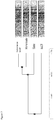
- DGGE Denaturing gradient gel electrophoresis
- basal samples showed a relatively high degree of similarity. At most, there was a 9% difference between the basal samples of the AAC1 and water groups. The mean difference between all basal samples was 6.1%. The introduction of the various chicken broths, as well as the two-week time period, resulted in additional variability between the samples. At most, AAC1 and the commercial broth product differed by 15%. In contrast, Homemade broth differed from water and the commercial broth by 9%. The mean difference between all samples was 12%.
- Caecal samples for each feeding group were also collected at Day 14 and were analyzed according to the same protocols described above. Although many microorganisms that are found in the feces are also found in the cecum, the contents in the cecum offer an additional look into the gut microbiome and any associated changes that occur within the animal due to the different function/conditions of the organ.
- the downside to caecal analysis is that the animal must be sacrificed for collection, and therefore no basal samples were taken.
- DGGE analysis from caecal materials reveals a high degree of similarity between the water, homemade and commercial broth fed animals (average 4.6% difference among all three samples).
- the AAC1 group was over 14% dissimilar from the water, homemade and the commercial broth group.
- Results from analysis of the caecal materials mirror those of the fecal samples. While no baseline information as to the composition of the caecal microbiota is available, 14 days of ingesting the AAC1 broth produced a unique caecal composition ( Figure 2 ).
- N/A N/A 10 Mixed Sample/No known sequence Unique to AAC1 cecum. Not found in any other samples, fecal or caecal.
- N/A N/A 11 Clostridium polysaccharolyticum Present in all fecal samples, but also appears in AAC1-treated cecum. Does not appear in any other caecal samples. Able to degrade a wide variety of complex polysaccharides, including cellulose and xylan. Firmicutes
- L. rhamnosus is a popular, commercially-available probiotic, but is also a native resident of the gut microbiota.
- Studies have indicated that there are numerous health benefits associated with the ingestion of certain strains of L. rhamnosus. For example, research has shown that ingestion of L. rhamnosus by mice can lead to lower levels of anxiety and stress hormones.
- Example 8 Use of next generation sequencing to identify probiotic bacteria in fecal samples
- fecal microbiota In a healthy human adult, 80% of the identified fecal microbiota may be classified into three dominant phyla: Bacteroidetes, Firmicutes and Actinobacteria.
- the Firmicutes to Bacteroidetes ratio has been regarded as a good indicator of gut microbiota composition and balance. See Ley et al. (2006).
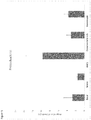
- the Firmicutes to Bacteroidetes ratio was measured for the groups of rodents fed with different broth products. As shown in Figure 4 , the Firmicutes to Bacteroidetes ratio did not change significantly among the different groups.
- FIG. 5 showed the relative amount of Proteobacteria in the lower GI tract of animals fed with different broth compositions.
- AAC1 selected for Proteobacteria in the lower GI tract of the animals.
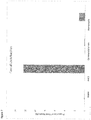
- the relative amounts of Lactobacillus in the lower GI tract of the animals fed with different broth compositions were also measured.
- AAC1 selected for (or specifically maintained) Lactobacillus in the lower GI tract of the animals.
- Faecalibacterium was only found in the group fed with AAC1 for 14 days, but not in other groups or in the basal measurement.
- Three genera, Parasutterella, Morganella and Oscillospira were present at significantly higher levels after 14 days on AAC1 as compared to the basal level.
- AAC1 selected for (or specifically maintained) Lactobacillus in the cecum of the animals.
- One genus, Intestimonas was present at significantly lower levels after 14 days on AAC1 as compared to the basal level.
- Example 10 The disclosed composition enhance biodiversity in the gut
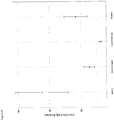
- NGS data analysis Another important consideration in NGS data analysis is biodiversity. It is generally agreed upon in the literature that a more diverse gut microbiota is beneficial. Two of the most commonly used measurements of biodiversity in NGS analysis are the Chao and Shannon-Weiner indices. Each index produces a value that is representative of how diverse a microbiota is. Figure 8 demonstrates that the degree of diversity after 14 days was much higher in animals fed AAC1 as compared to the diversity in groups fed Homemade, another commercial product and water control groups.
Landscapes
- Health & Medical Sciences (AREA)
- Life Sciences & Earth Sciences (AREA)
- Chemical & Material Sciences (AREA)
- Engineering & Computer Science (AREA)
- Animal Behavior & Ethology (AREA)
- Veterinary Medicine (AREA)
- Public Health (AREA)
- Medicinal Chemistry (AREA)
- Pharmacology & Pharmacy (AREA)
- General Health & Medical Sciences (AREA)
- Polymers & Plastics (AREA)
- Food Science & Technology (AREA)
- Nutrition Science (AREA)
- Epidemiology (AREA)
- Mycology (AREA)
- Proteomics, Peptides & Aminoacids (AREA)
- Bioinformatics & Cheminformatics (AREA)
- Molecular Biology (AREA)
- Microbiology (AREA)
- Biomedical Technology (AREA)
- Zoology (AREA)
- Gastroenterology & Hepatology (AREA)
- Immunology (AREA)
- Chemical Kinetics & Catalysis (AREA)
- General Chemical & Material Sciences (AREA)
- Nuclear Medicine, Radiotherapy & Molecular Imaging (AREA)
- Organic Chemistry (AREA)
- Medicines Containing Material From Animals Or Micro-Organisms (AREA)
- Micro-Organisms Or Cultivation Processes Thereof (AREA)
- Coloring Foods And Improving Nutritive Qualities (AREA)
- Medicines That Contain Protein Lipid Enzymes And Other Medicines (AREA)
- Pharmaceuticals Containing Other Organic And Inorganic Compounds (AREA)
- Peptides Or Proteins (AREA)
- Fodder In General (AREA)
Priority Applications (1)
| Application Number | Priority Date | Filing Date | Title |
|---|---|---|---|
| EP19160359.6A EP3510876A1 (en) | 2015-01-26 | 2016-01-26 | Broth compositions and their use as prebiotics |
Applications Claiming Priority (1)
| Application Number | Priority Date | Filing Date | Title |
|---|---|---|---|
| US201562108008P | 2015-01-26 | 2015-01-26 |
Related Child Applications (2)
| Application Number | Title | Priority Date | Filing Date |
|---|---|---|---|
| EP19160359.6A Division EP3510876A1 (en) | 2015-01-26 | 2016-01-26 | Broth compositions and their use as prebiotics |
| EP19160359.6A Division-Into EP3510876A1 (en) | 2015-01-26 | 2016-01-26 | Broth compositions and their use as prebiotics |
Publications (2)
| Publication Number | Publication Date |
|---|---|
| EP3047853A1 EP3047853A1 (en) | 2016-07-27 |
| EP3047853B1 true EP3047853B1 (en) | 2019-05-15 |
Family
ID=55236297
Family Applications (2)
| Application Number | Title | Priority Date | Filing Date |
|---|---|---|---|
| EP16152839.3A Active EP3047853B1 (en) | 2015-01-26 | 2016-01-26 | Broth compositions and their use as prebiotics |
| EP19160359.6A Pending EP3510876A1 (en) | 2015-01-26 | 2016-01-26 | Broth compositions and their use as prebiotics |
Family Applications After (1)
| Application Number | Title | Priority Date | Filing Date |
|---|---|---|---|
| EP19160359.6A Pending EP3510876A1 (en) | 2015-01-26 | 2016-01-26 | Broth compositions and their use as prebiotics |
Country Status (9)
| Country | Link |
|---|---|
| US (1) | US20160213752A1 (https=) |
| EP (2) | EP3047853B1 (https=) |
| JP (1) | JP6893885B2 (https=) |
| AR (1) | AR103531A1 (https=) |
| CA (1) | CA2974952C (https=) |
| ES (1) | ES2754052T3 (https=) |
| MX (1) | MX2017009682A (https=) |
| TW (1) | TWI695685B (https=) |
| WO (1) | WO2016123053A1 (https=) |
Families Citing this family (8)
| Publication number | Priority date | Publication date | Assignee | Title |
|---|---|---|---|---|
| US11478504B2 (en) | 2013-07-08 | 2022-10-25 | International Dehydrated Foods, Inc. | Compositions and methods for preventing/treating metabolic syndrome |
| MX375862B (es) * | 2013-07-08 | 2025-03-07 | Int Dehydrated Foods Inc | Composiciones preparadas de aves de corral y metodos de su uso. |
| US11388910B2 (en) * | 2014-04-28 | 2022-07-19 | International Dehydrated Foods, Inc. | Process for preparing a collagen-rich composition |
| JP6850129B2 (ja) * | 2014-04-28 | 2021-03-31 | インターナショナル ディハイドレーティッド フーズ, インコーポレイテッド | 可溶性タンパク質組成物およびその製造方法 |
| CA3073750A1 (en) * | 2017-09-28 | 2019-04-04 | International Dehydrated Foods, Inc. | Poultry broth compositions and methods for preventing/treating metabolic syndrome |
| EP3760054A1 (en) * | 2019-07-02 | 2021-01-06 | Pepticus s.r.o. | A method of preparing an individual probiotic composition according to analysis of the microbiome and medical history for human or veterinary use |
| CN110915887B (zh) * | 2019-12-03 | 2021-09-14 | 华南农业大学 | 一种复合生物保鲜剂及其应用 |
| TW202446787A (zh) * | 2023-05-17 | 2024-12-01 | 美商Htl生物科技創新股份有限公司 | 膠原蛋白生產程序 |
Family Cites Families (15)
| Publication number | Priority date | Publication date | Assignee | Title |
|---|---|---|---|---|
| US6723356B2 (en) * | 2002-07-03 | 2004-04-20 | Ariake Japan Co. | High quality fermented bouillon, and method for production thereof |
| US6995242B2 (en) * | 2002-07-15 | 2006-02-07 | The Lauridsen Group, Inc. | Process for producing insoluble and soluble collagen protein products from poultry skins and use thereof |
| JP5635221B2 (ja) * | 2004-12-24 | 2014-12-03 | 株式会社明治 | 皮膚改善用及び/又は治療用の発酵乳とその製造方法 |
| AU2006247503B2 (en) * | 2005-05-13 | 2010-11-18 | Hill's Pet Nutrition, Inc. | Dry food compositions having enhanced palatability |
| RU2448720C2 (ru) * | 2006-03-07 | 2012-04-27 | Нестек С.А. | Синбиотическая смесь |
| CN100548371C (zh) * | 2007-07-25 | 2009-10-14 | 上海交大昂立股份有限公司 | 一种含嗜酸乳杆菌的组合物及其应用 |
| WO2011075138A1 (en) * | 2009-12-18 | 2011-06-23 | Hill's Pet Nutrition, Inc. | Pet food compositions including probiotics and methods of manufacture and use thereof |
| DE102011000997A1 (de) * | 2011-03-01 | 2012-09-06 | Gelita Ag | Zusammensetzung für Ernährungszwecke |
| WO2013080911A1 (ja) * | 2011-11-30 | 2013-06-06 | 株式会社明治 | 腸内菌叢改善用栄養組成物 |
| EP2836224A4 (en) * | 2012-02-29 | 2015-12-16 | Ethicon Endo Surgery Inc | COMPOSITIONS OF BIOZOOSE AND RELATED METHODS |
| KR102324015B1 (ko) * | 2012-09-25 | 2021-11-10 | 아퀼론 씨와이엘 에스.엘. | 프로바이오틱 및 프리바이오틱 조성물 |
| CN102948621B (zh) * | 2012-11-12 | 2014-09-10 | 东北农业大学 | 一种益生肽生物饲料添加剂及其制备方法和应用 |
| US11478504B2 (en) * | 2013-07-08 | 2022-10-25 | International Dehydrated Foods, Inc. | Compositions and methods for preventing/treating metabolic syndrome |
| MX375862B (es) * | 2013-07-08 | 2025-03-07 | Int Dehydrated Foods Inc | Composiciones preparadas de aves de corral y metodos de su uso. |
| CN103564516B (zh) * | 2013-10-24 | 2014-12-17 | 湖北省农业科学院农产品加工与核农技术研究所 | 一种加速禽骨营养物质溶出的方法 |
-
2016
- 2016-01-26 WO PCT/US2016/014825 patent/WO2016123053A1/en not_active Ceased
- 2016-01-26 JP JP2017558357A patent/JP6893885B2/ja active Active
- 2016-01-26 EP EP16152839.3A patent/EP3047853B1/en active Active
- 2016-01-26 CA CA2974952A patent/CA2974952C/en active Active
- 2016-01-26 MX MX2017009682A patent/MX2017009682A/es unknown
- 2016-01-26 AR ARP160100216A patent/AR103531A1/es active IP Right Grant
- 2016-01-26 TW TW105102462A patent/TWI695685B/zh active
- 2016-01-26 US US15/006,382 patent/US20160213752A1/en not_active Abandoned
- 2016-01-26 ES ES16152839T patent/ES2754052T3/es active Active
- 2016-01-26 EP EP19160359.6A patent/EP3510876A1/en active Pending
Non-Patent Citations (1)
| Title |
|---|
| None * |
Also Published As
| Publication number | Publication date |
|---|---|
| TWI695685B (zh) | 2020-06-11 |
| ES2754052T3 (es) | 2020-04-15 |
| AR103531A1 (es) | 2017-05-17 |
| WO2016123053A1 (en) | 2016-08-04 |
| EP3047853A1 (en) | 2016-07-27 |
| CA2974952A1 (en) | 2016-08-04 |
| US20160213752A1 (en) | 2016-07-28 |
| EP3510876A1 (en) | 2019-07-17 |
| JP2018504928A (ja) | 2018-02-22 |
| CA2974952C (en) | 2021-08-31 |
| MX2017009682A (es) | 2018-09-07 |
| JP6893885B2 (ja) | 2021-06-23 |
| TW201635921A (zh) | 2016-10-16 |
Similar Documents
| Publication | Publication Date | Title |
|---|---|---|
| EP3047853B1 (en) | Broth compositions and their use as prebiotics | |
| Demarco et al. | Digestibility, bioaccessibility and bioactivity of compounds from algae | |
| Chernopolskaya et al. | Biotechnology of specialized fermented product for elderly nutrition. | |
| KR101840213B1 (ko) | 저분자 콜라겐 펩티드 및 이를 이용한 식품 조성물의 제조 방법 | |
| US11419890B2 (en) | Compositions prepared from poultry and methods of their use | |
| Gaglio et al. | Effect on the antioxidant, lipoperoxyl radical scavenger capacity, nutritional, sensory and microbiological traits of an ovine stretched cheese produced with grape pomace powder addition | |
| Reshetnik et al. | Healthy food products with probiotic and prebiotic properties | |
| Janczyk et al. | Evaluation of nutritional value and safety of the green microalgae Chlorella vulgaris treated with novel processing methods | |
| JP5592640B2 (ja) | 乳酸菌発酵ローヤルゼリーを含有する抗ストレス剤、その製造方法、視床下部−下垂体−副腎皮質系の活動抑制剤、及び交感神経−副腎髄質系の活動抑制剤 | |
| CN101188949B (zh) | 源自蛋的骨强化组合物 | |
| Tarek et al. | Effect of kefir intake on growth performance and some biochemical profiles among domestic rabbits | |
| JP7123341B2 (ja) | PGC-1α生合成促進剤および遅筋速筋化抑制剤 | |
| Sakr et al. | Freeze-dried probiotic fermented camel milk enriched with ajwa date pulp: Evaluation of functional properties, probiotic viability, and in vitro antidiabetic and anticancer activities | |
| CN107712065A (zh) | 一种中老年配方肽奶粉及其制备方法 | |
| Hernández-Riveros et al. | Production of an Ice Cream Base with Added Lacticaseibacillus rhamnosus GG and Aguamiel Syrup: Probiotic Viability and Antihypertensive Capacity | |
| Oloruntola et al. | Broiler Chickens' Growth, Haematological Indices, Guts Microbiota, Carcass and Meat Analysis in Response to Dietary Supplementation with Anacardium occidentale Leaf Powder and A Mix of Prebiotic, Probiotic and Acidifier | |
| JP7651076B2 (ja) | 腸内細菌叢改善用組成物 | |
| TWI622398B (zh) | 山粉圓發酵產物之用途及其製備方法 | |
| CA3073750A1 (en) | Poultry broth compositions and methods for preventing/treating metabolic syndrome | |
| BR102019007878B1 (pt) | Queijo petit suisse fonte de fibras e antioxidantes com ação anti- hipertensiva | |
| BG112886A (bg) | Продукт, съдържащ лиофилизирани протеини от охлюви | |
| EP3756478A1 (en) | Food composition for improving cartilage function | |
| Nekrasova et al. | Biopotential of collagen-containing hydrolysates obtained from fish raw materials for protein sports nutrition | |
| JP2018052855A (ja) | 卵殻膜含有粉末を含む腸内フローラ改善剤 |
Legal Events
| Date | Code | Title | Description |
|---|---|---|---|
| PUAI | Public reference made under article 153(3) epc to a published international application that has entered the european phase |
Free format text: ORIGINAL CODE: 0009012 |
|
| AK | Designated contracting states |
Kind code of ref document: A1 Designated state(s): AL AT BE BG CH CY CZ DE DK EE ES FI FR GB GR HR HU IE IS IT LI LT LU LV MC MK MT NL NO PL PT RO RS SE SI SK SM TR |
|
| AX | Request for extension of the european patent |
Extension state: BA ME |
|
| STAA | Information on the status of an ep patent application or granted ep patent |
Free format text: STATUS: REQUEST FOR EXAMINATION WAS MADE |
|
| 17P | Request for examination filed |
Effective date: 20170126 |
|
| RBV | Designated contracting states (corrected) |
Designated state(s): AL AT BE BG CH CY CZ DE DK EE ES FI FR GB GR HR HU IE IS IT LI LT LU LV MC MK MT NL NO PL PT RO RS SE SI SK SM TR |
|
| STAA | Information on the status of an ep patent application or granted ep patent |
Free format text: STATUS: EXAMINATION IS IN PROGRESS |
|
| 17Q | First examination report despatched |
Effective date: 20171201 |
|
| GRAP | Despatch of communication of intention to grant a patent |
Free format text: ORIGINAL CODE: EPIDOSNIGR1 |
|
| STAA | Information on the status of an ep patent application or granted ep patent |
Free format text: STATUS: GRANT OF PATENT IS INTENDED |
|
| RIC1 | Information provided on ipc code assigned before grant |
Ipc: A23L 13/50 20160101ALI20181211BHEP Ipc: A61K 35/744 20150101ALN20181211BHEP Ipc: A23L 33/18 20160101ALI20181211BHEP Ipc: A61K 35/57 20150101AFI20181211BHEP |
|
| INTG | Intention to grant announced |
Effective date: 20190108 |
|
| GRAS | Grant fee paid |
Free format text: ORIGINAL CODE: EPIDOSNIGR3 |
|
| GRAJ | Information related to disapproval of communication of intention to grant by the applicant or resumption of examination proceedings by the epo deleted |
Free format text: ORIGINAL CODE: EPIDOSDIGR1 |
|
| GRAL | Information related to payment of fee for publishing/printing deleted |
Free format text: ORIGINAL CODE: EPIDOSDIGR3 |
|
| STAA | Information on the status of an ep patent application or granted ep patent |
Free format text: STATUS: EXAMINATION IS IN PROGRESS |
|
| GRAR | Information related to intention to grant a patent recorded |
Free format text: ORIGINAL CODE: EPIDOSNIGR71 |
|
| STAA | Information on the status of an ep patent application or granted ep patent |
Free format text: STATUS: GRANT OF PATENT IS INTENDED |
|
| GRAA | (expected) grant |
Free format text: ORIGINAL CODE: 0009210 |
|
| STAA | Information on the status of an ep patent application or granted ep patent |
Free format text: STATUS: THE PATENT HAS BEEN GRANTED |
|
| INTC | Intention to grant announced (deleted) | ||
| RIC1 | Information provided on ipc code assigned before grant |
Ipc: A61K 35/57 20150101AFI20190313BHEP Ipc: A23L 33/18 20160101ALI20190313BHEP Ipc: A61K 35/744 20150101ALN20190313BHEP Ipc: A23L 13/50 20160101ALI20190313BHEP |
|
| INTG | Intention to grant announced |
Effective date: 20190404 |
|
| AK | Designated contracting states |
Kind code of ref document: B1 Designated state(s): AL AT BE BG CH CY CZ DE DK EE ES FI FR GB GR HR HU IE IS IT LI LT LU LV MC MK MT NL NO PL PT RO RS SE SI SK SM TR |
|
| REG | Reference to a national code |
Ref country code: CH Ref legal event code: EP |
|
| REG | Reference to a national code |
Ref country code: DE Ref legal event code: R096 Ref document number: 602016013843 Country of ref document: DE |
|
| REG | Reference to a national code |
Ref country code: IE Ref legal event code: FG4D |
|
| REG | Reference to a national code |
Ref country code: NL Ref legal event code: MP Effective date: 20190515 |
|
| REG | Reference to a national code |
Ref country code: LT Ref legal event code: MG4D |
|
| PG25 | Lapsed in a contracting state [announced via postgrant information from national office to epo] |
Ref country code: LT Free format text: LAPSE BECAUSE OF FAILURE TO SUBMIT A TRANSLATION OF THE DESCRIPTION OR TO PAY THE FEE WITHIN THE PRESCRIBED TIME-LIMIT Effective date: 20190515 Ref country code: HR Free format text: LAPSE BECAUSE OF FAILURE TO SUBMIT A TRANSLATION OF THE DESCRIPTION OR TO PAY THE FEE WITHIN THE PRESCRIBED TIME-LIMIT Effective date: 20190515 Ref country code: NL Free format text: LAPSE BECAUSE OF FAILURE TO SUBMIT A TRANSLATION OF THE DESCRIPTION OR TO PAY THE FEE WITHIN THE PRESCRIBED TIME-LIMIT Effective date: 20190515 Ref country code: NO Free format text: LAPSE BECAUSE OF FAILURE TO SUBMIT A TRANSLATION OF THE DESCRIPTION OR TO PAY THE FEE WITHIN THE PRESCRIBED TIME-LIMIT Effective date: 20190815 Ref country code: SE Free format text: LAPSE BECAUSE OF FAILURE TO SUBMIT A TRANSLATION OF THE DESCRIPTION OR TO PAY THE FEE WITHIN THE PRESCRIBED TIME-LIMIT Effective date: 20190515 Ref country code: FI Free format text: LAPSE BECAUSE OF FAILURE TO SUBMIT A TRANSLATION OF THE DESCRIPTION OR TO PAY THE FEE WITHIN THE PRESCRIBED TIME-LIMIT Effective date: 20190515 Ref country code: AL Free format text: LAPSE BECAUSE OF FAILURE TO SUBMIT A TRANSLATION OF THE DESCRIPTION OR TO PAY THE FEE WITHIN THE PRESCRIBED TIME-LIMIT Effective date: 20190515 Ref country code: PT Free format text: LAPSE BECAUSE OF FAILURE TO SUBMIT A TRANSLATION OF THE DESCRIPTION OR TO PAY THE FEE WITHIN THE PRESCRIBED TIME-LIMIT Effective date: 20190915 |
|
| PG25 | Lapsed in a contracting state [announced via postgrant information from national office to epo] |
Ref country code: BG Free format text: LAPSE BECAUSE OF FAILURE TO SUBMIT A TRANSLATION OF THE DESCRIPTION OR TO PAY THE FEE WITHIN THE PRESCRIBED TIME-LIMIT Effective date: 20190815 Ref country code: GR Free format text: LAPSE BECAUSE OF FAILURE TO SUBMIT A TRANSLATION OF THE DESCRIPTION OR TO PAY THE FEE WITHIN THE PRESCRIBED TIME-LIMIT Effective date: 20190816 Ref country code: LV Free format text: LAPSE BECAUSE OF FAILURE TO SUBMIT A TRANSLATION OF THE DESCRIPTION OR TO PAY THE FEE WITHIN THE PRESCRIBED TIME-LIMIT Effective date: 20190515 Ref country code: RS Free format text: LAPSE BECAUSE OF FAILURE TO SUBMIT A TRANSLATION OF THE DESCRIPTION OR TO PAY THE FEE WITHIN THE PRESCRIBED TIME-LIMIT Effective date: 20190515 |
|
| PG25 | Lapsed in a contracting state [announced via postgrant information from national office to epo] |
Ref country code: EE Free format text: LAPSE BECAUSE OF FAILURE TO SUBMIT A TRANSLATION OF THE DESCRIPTION OR TO PAY THE FEE WITHIN THE PRESCRIBED TIME-LIMIT Effective date: 20190515 Ref country code: DK Free format text: LAPSE BECAUSE OF FAILURE TO SUBMIT A TRANSLATION OF THE DESCRIPTION OR TO PAY THE FEE WITHIN THE PRESCRIBED TIME-LIMIT Effective date: 20190515 Ref country code: CZ Free format text: LAPSE BECAUSE OF FAILURE TO SUBMIT A TRANSLATION OF THE DESCRIPTION OR TO PAY THE FEE WITHIN THE PRESCRIBED TIME-LIMIT Effective date: 20190515 |
|
| REG | Reference to a national code |
Ref country code: DE Ref legal event code: R097 Ref document number: 602016013843 Country of ref document: DE |
|
| PG25 | Lapsed in a contracting state [announced via postgrant information from national office to epo] |
Ref country code: SM Free format text: LAPSE BECAUSE OF FAILURE TO SUBMIT A TRANSLATION OF THE DESCRIPTION OR TO PAY THE FEE WITHIN THE PRESCRIBED TIME-LIMIT Effective date: 20190515 Ref country code: IT Free format text: LAPSE BECAUSE OF FAILURE TO SUBMIT A TRANSLATION OF THE DESCRIPTION OR TO PAY THE FEE WITHIN THE PRESCRIBED TIME-LIMIT Effective date: 20190515 |
|
| PLBE | No opposition filed within time limit |
Free format text: ORIGINAL CODE: 0009261 |
|
| STAA | Information on the status of an ep patent application or granted ep patent |
Free format text: STATUS: NO OPPOSITION FILED WITHIN TIME LIMIT |
|
| PG25 | Lapsed in a contracting state [announced via postgrant information from national office to epo] |
Ref country code: TR Free format text: LAPSE BECAUSE OF FAILURE TO SUBMIT A TRANSLATION OF THE DESCRIPTION OR TO PAY THE FEE WITHIN THE PRESCRIBED TIME-LIMIT Effective date: 20190515 |
|
| REG | Reference to a national code |
Ref country code: SK Ref legal event code: T3 Ref document number: E 33374 Country of ref document: SK |
|
| REG | Reference to a national code |
Ref country code: ES Ref legal event code: FG2A Ref document number: 2754052 Country of ref document: ES Kind code of ref document: T3 Effective date: 20200415 |
|
| 26N | No opposition filed |
Effective date: 20200218 |
|
| PG25 | Lapsed in a contracting state [announced via postgrant information from national office to epo] |
Ref country code: PL Free format text: LAPSE BECAUSE OF FAILURE TO SUBMIT A TRANSLATION OF THE DESCRIPTION OR TO PAY THE FEE WITHIN THE PRESCRIBED TIME-LIMIT Effective date: 20190515 |
|
| PG25 | Lapsed in a contracting state [announced via postgrant information from national office to epo] |
Ref country code: SI Free format text: LAPSE BECAUSE OF FAILURE TO SUBMIT A TRANSLATION OF THE DESCRIPTION OR TO PAY THE FEE WITHIN THE PRESCRIBED TIME-LIMIT Effective date: 20190515 |
|
| PG25 | Lapsed in a contracting state [announced via postgrant information from national office to epo] |
Ref country code: MC Free format text: LAPSE BECAUSE OF FAILURE TO SUBMIT A TRANSLATION OF THE DESCRIPTION OR TO PAY THE FEE WITHIN THE PRESCRIBED TIME-LIMIT Effective date: 20190515 |
|
| REG | Reference to a national code |
Ref country code: CH Ref legal event code: PL |
|
| REG | Reference to a national code |
Ref country code: BE Ref legal event code: MM Effective date: 20200131 |
|
| PG25 | Lapsed in a contracting state [announced via postgrant information from national office to epo] |
Ref country code: LU Free format text: LAPSE BECAUSE OF NON-PAYMENT OF DUE FEES Effective date: 20200126 |
|
| PG25 | Lapsed in a contracting state [announced via postgrant information from national office to epo] |
Ref country code: BE Free format text: LAPSE BECAUSE OF NON-PAYMENT OF DUE FEES Effective date: 20200131 Ref country code: LI Free format text: LAPSE BECAUSE OF NON-PAYMENT OF DUE FEES Effective date: 20200131 Ref country code: CH Free format text: LAPSE BECAUSE OF NON-PAYMENT OF DUE FEES Effective date: 20200131 |
|
| PG25 | Lapsed in a contracting state [announced via postgrant information from national office to epo] |
Ref country code: IE Free format text: LAPSE BECAUSE OF NON-PAYMENT OF DUE FEES Effective date: 20200126 |
|
| REG | Reference to a national code |
Ref country code: DE Ref legal event code: R082 Ref document number: 602016013843 Country of ref document: DE Representative=s name: DEHNS GERMANY PARTNERSCHAFT MBB, DE Ref country code: DE Ref legal event code: R082 Ref document number: 602016013843 Country of ref document: DE Representative=s name: DEHNSGERMANY PARTNERSCHAFT VON PATENTANWAELTEN, DE |
|
| PG25 | Lapsed in a contracting state [announced via postgrant information from national office to epo] |
Ref country code: MT Free format text: LAPSE BECAUSE OF FAILURE TO SUBMIT A TRANSLATION OF THE DESCRIPTION OR TO PAY THE FEE WITHIN THE PRESCRIBED TIME-LIMIT Effective date: 20190515 Ref country code: CY Free format text: LAPSE BECAUSE OF FAILURE TO SUBMIT A TRANSLATION OF THE DESCRIPTION OR TO PAY THE FEE WITHIN THE PRESCRIBED TIME-LIMIT Effective date: 20190515 |
|
| PG25 | Lapsed in a contracting state [announced via postgrant information from national office to epo] |
Ref country code: RO Free format text: LAPSE BECAUSE OF FAILURE TO SUBMIT A TRANSLATION OF THE DESCRIPTION OR TO PAY THE FEE WITHIN THE PRESCRIBED TIME-LIMIT Effective date: 20190515 Ref country code: MK Free format text: LAPSE BECAUSE OF FAILURE TO SUBMIT A TRANSLATION OF THE DESCRIPTION OR TO PAY THE FEE WITHIN THE PRESCRIBED TIME-LIMIT Effective date: 20190515 Ref country code: IS Free format text: LAPSE BECAUSE OF FAILURE TO SUBMIT A TRANSLATION OF THE DESCRIPTION OR TO PAY THE FEE WITHIN THE PRESCRIBED TIME-LIMIT Effective date: 20190915 |
|
| P01 | Opt-out of the competence of the unified patent court (upc) registered |
Effective date: 20230530 |
|
| PGFP | Annual fee paid to national office [announced via postgrant information from national office to epo] |
Ref country code: GB Payment date: 20260122 Year of fee payment: 11 |
|
| PGFP | Annual fee paid to national office [announced via postgrant information from national office to epo] |
Ref country code: ES Payment date: 20260217 Year of fee payment: 11 |
|
| PGFP | Annual fee paid to national office [announced via postgrant information from national office to epo] |
Ref country code: DE Payment date: 20260120 Year of fee payment: 11 |
|
| PGFP | Annual fee paid to national office [announced via postgrant information from national office to epo] |
Ref country code: AT Payment date: 20260119 Year of fee payment: 11 |
|
| PGFP | Annual fee paid to national office [announced via postgrant information from national office to epo] |
Ref country code: FR Payment date: 20260128 Year of fee payment: 11 |
|
| PGFP | Annual fee paid to national office [announced via postgrant information from national office to epo] |
Ref country code: SK Payment date: 20260119 Year of fee payment: 11 |