EP3035944B1 - Probiotics for use in the treatment of bacterial vaginosis - Google Patents
Probiotics for use in the treatment of bacterial vaginosis Download PDFInfo
- Publication number
- EP3035944B1 EP3035944B1 EP14781306.7A EP14781306A EP3035944B1 EP 3035944 B1 EP3035944 B1 EP 3035944B1 EP 14781306 A EP14781306 A EP 14781306A EP 3035944 B1 EP3035944 B1 EP 3035944B1
- Authority
- EP
- European Patent Office
- Prior art keywords
- microbiota
- sample
- organisms
- bacteria
- subject
- Prior art date
- Legal status (The legal status is an assumption and is not a legal conclusion. Google has not performed a legal analysis and makes no representation as to the accuracy of the status listed.)
- Active
Links
Images
Classifications
-
- A—HUMAN NECESSITIES
- A61—MEDICAL OR VETERINARY SCIENCE; HYGIENE
- A61K—PREPARATIONS FOR MEDICAL, DENTAL OR TOILETRY PURPOSES
- A61K35/00—Medicinal preparations containing materials or reaction products thereof with undetermined constitution
- A61K35/66—Microorganisms or materials therefrom
- A61K35/74—Bacteria
- A61K35/741—Probiotics
- A61K35/744—Lactic acid bacteria, e.g. enterococci, pediococci, lactococci, streptococci or leuconostocs
- A61K35/747—Lactobacilli, e.g. L. acidophilus or L. brevis
-
- A—HUMAN NECESSITIES
- A61—MEDICAL OR VETERINARY SCIENCE; HYGIENE
- A61K—PREPARATIONS FOR MEDICAL, DENTAL OR TOILETRY PURPOSES
- A61K35/00—Medicinal preparations containing materials or reaction products thereof with undetermined constitution
- A61K35/66—Microorganisms or materials therefrom
- A61K35/74—Bacteria
- A61K35/741—Probiotics
-
- A—HUMAN NECESSITIES
- A61—MEDICAL OR VETERINARY SCIENCE; HYGIENE
- A61K—PREPARATIONS FOR MEDICAL, DENTAL OR TOILETRY PURPOSES
- A61K35/00—Medicinal preparations containing materials or reaction products thereof with undetermined constitution
- A61K35/66—Microorganisms or materials therefrom
- A61K35/74—Bacteria
- A61K35/741—Probiotics
- A61K35/744—Lactic acid bacteria, e.g. enterococci, pediococci, lactococci, streptococci or leuconostocs
- A61K35/745—Bifidobacteria
-
- A—HUMAN NECESSITIES
- A61—MEDICAL OR VETERINARY SCIENCE; HYGIENE
- A61P—SPECIFIC THERAPEUTIC ACTIVITY OF CHEMICAL COMPOUNDS OR MEDICINAL PREPARATIONS
- A61P37/00—Drugs for immunological or allergic disorders
- A61P37/02—Immunomodulators
- A61P37/04—Immunostimulants
-
- A—HUMAN NECESSITIES
- A61—MEDICAL OR VETERINARY SCIENCE; HYGIENE
- A61P—SPECIFIC THERAPEUTIC ACTIVITY OF CHEMICAL COMPOUNDS OR MEDICINAL PREPARATIONS
- A61P43/00—Drugs for specific purposes, not provided for in groups A61P1/00-A61P41/00
Definitions
- the invention relates to the fields of food, medicine, bacteriology and health science. More particular, the invention relates to the field of bacterial-based healthy foods and/or treatment by administration of bacterial cultures.
- Probiotics are defined by the FAO and the WHO as living microorganisms which, when administered in adequate amounts, confer a beneficial health effect on the host. Although in most cases administration is given orally, the definition does not exclude other modes of administration. Addition of probiotic bacteria to the diet is an approach for increasing the health of the individual human or animal by promoting the presence of beneficial bacteria in the intestine.
- probiotics have on microbe-microbe interactions include among others competition for nutrients and colonization areas with harmful micro-organisms including pathogenic bacteria, such as Clostridium difficile, C. perfringens, E. coli, etc..
- Probiotics can act for example by production of antimicrobial substances, such as bacteriocins and/or the generation of restrictive physiological conditions, including acidification, caused by lactic acid and other fermentations ( Teitelbaum et al. 2002. Nutritional impact of pre- and probiotics as protective gastrointestinal organisms. Annual Reviews Nutrition 22:107-138 ).
- probiotics as dietary intervention is partly based on the concept that specific strains selected from the healthy gut microbiota may have powerful anti-pathogenic and anti-inflammatory properties, and therefore may provide resistance to intestinal diseases ( Isolauri et al. 2002. Probiotics: a role in the treatment of intestinal infection and inflammation? Gut 50:54-59 ). In monogastric animals, including humans, commensal microbiota contribute to intestinal protection against pathogens by competition for nutrients and pathogen binding sites, and/or regulation of immune response.
- probiotic compositions are known, since early history.
- the oldest probiotics are components of products we now recognize as 'normal' fermented foods, such as yoghurt, tempeh and some juices and soy beverages.
- An overview of medically used probiotics has been given by Blandino, G. et al., 2008, Probiotics: overview of microbiological and immunological characteristics, Expert Rev. Anti Infect. Ther. 6:497-508 .
- probiotics are provided by culturing a specific micro-organism or, at best, a mixture of specific micro-organisms. If these are administered to combat conditions of dysbiosis, these probiotics are able to 'normalise' the microbiota. Recently, it has been found that it is also feasible - and probably more preferable, to provide one (or more) of the patient's own species of micro-organisms. Such a scheme would fit into today's development of personalised therapeutics'.
- US 2003/118,571 in which a micro-organism is isolated from a human sample and cultured and, after sufficient culturing, supplied to that same human.
- microbiota restoration especially urogenital microbiota restoration can be achieved with a bacterial species that has been isolated from that patient.
- urogenital organisms are recovered, cultured and the main healthy species isolated and stored.
- the originally isolated organisms are cultured, and re-implanted vaginally or re-administered orally.
- Such an approach would both personalize the therapy and utilize organisms which are known to have been associated with the person's health and recognized as "self"-organisms by their immune system at one stage in life.
- micro-organisms need to be sampled, isolated and stored while the person is (still) healthy.
- a probiotic composition for use in the treatment of a dysbiotic condition in a subject, wherein said composition has been obtained by culturing a sample comprising micro-organisms from the location of the dysbiotic condition from said subject under conditions that favour beneficial micro-organisms.
- a probiotic composition comprises additional excipients.
- this probiotic composition is suitable for administration to the location of the dysbiotic condition.
- the subject is a human.
- said subject is an animal, preferably chosen from the group of cattle, horses, poultry, pigs, dogs and cats.
- the location of the probiotic condition may be chosen from the intestine, the vagina, the oral cavity, the respiratory tract and the skin.
- micro-organisms in the sample that is taken from the subject and cultured are bacteria. Further preferred, the beneficial micro-organisms are selected from the group of lactic acid bacteria and the genera Akkermansia and Bacteroides.
- the re-introduction of the cultured bacteria is performed by oral or topical administration.
- Said cultured, enriched sample as obtained in step b) is stored and a sample of said stored sampled is used for administration to said subject in case of a recurrent dysbiotic condition, such as a recurrent infection.
- probiotic composition refers to a composition comprising one or more probiotic organisms and one or more acceptable excipients suitable for application to a mammal. It will be appreciated that acceptable excipients will be well known to the person skilled in the art of probiotic composition preparation.
- Such acceptable excipients for oral administration of the probiotic composition include: sugars such as sucrose, isomerized sugar, glucose, fructose, palatinose, trehalose, lactose and xylose; sugar alcohols such as sorbitol, xylitol, erythritol, lactitol, palatinol, reduced glutinous starch syrup and reduced glutinous maltose syrup; polysaccharides as maltodextrins, starches like maize starch, rice starch, potato starch and wheat starch, emulsifiers such as sucrose esters of fatty acid, glycerin esters of fatty acid and lecithin; thickeners (stabilizers) such as carrageenan, xanthan gum, guar gum, pectin and locust bean gum; acidifiers such as citric acid, lactic acid and malic acid; fruit juices such as lemon juice, orange juice and berry juice; vitamins such as vitamin A,
- the composition can additionally or alternatively comprise polymers, such as natural polymers including proteins such as zein, modified zein, casein, gelatin, gluten, serum albumin, and collagen, polysaccharides such as cellulose, dextrans, and polyhyaluronic acid, or synthetic polymers including polyphosphazenes, poly(vinyl alcohols), polyamides, polycarbonates, polyacrylates, polyalkylenes, polyacrylamides, polyalkylene glycols, polyalkylene oxides, polyalkylene terephthalates, polyvinyl ethers, polyvinyl esters, polyvinyl halides, polyvinylpyrrolidone, polyglycolides, polysiloxanes, polyurethanes and copolymers thereof.
- polymers such as natural polymers including proteins such as zein, modified zein, casein, gelatin, gluten, serum albumin, and collagen, polysaccharides such as cellulose, dextrans, and polyhyaluronic acid,
- polyacrylates examples include poly(methyl methacrylate), poly(ethyl methacrylate), poly(butyl methacrylate), poly(isobutyl methacrylate), poly(hexyl methacrylate), poly(isodecyl methacrylate), poly(lauryl methacrylate), poly(phenyl methacrylate), poly(methyl acrylate), poly(isopropyl acrylate), poly(isobutyl acrylate) and poly(octadecyl acrylate).
- Synthetically modified natural polymers include cellulose derivatives such as alkyl celluloses, hydroxyalkyl celluloses, cellulose ethers, cellulose esters, and nitrocelluloses.
- Suitable cellulose derivatives include methyl cellulose, ethyl cellulose, hydroxypropyl cellulose, hydroxypropyl methyl cellulose, hydroxybutyl methyl cellulose, cellulose acetate, cellulose propionate, cellulose acetate butyrate, cellulose acetate phthalate, carboxymethyl cellulose, cellulose triacetate and cellulose sulfate sodium salt.
- Also usable are degradable polymers, such as polysaccharides such as alginate, dextran, cellulose, collagen, and chemical derivatives thereof (substitutions, additions of chemical groups, for example, alkyl, alkylene, hydroxylations, oxidations, and other modifications routinely made by those skilled in the art), and proteins such as albumin, zein and copolymers and blends thereof, alone or in combination with synthetic polymers.
- Suitable hydrogels can be formed from synthetic polymers such as polyethylene glycol, polyethylene oxide, polyvinyl alcohol, polyvinyl pyrrolidone, polyacrylates, poly (ethylene terephthalate), poly(vinyl acetate), and copolymers and blends thereof, as well as natural polymers such as cellulose and alginate, as described above.
- Probiotic compositions for oral use may be advantageously provided in the form of a dairy product, such as yoghurt or curd.
- Probiotic compositions for topical administration may be applied in the form of crèmes or ointments.
- Suitable liquid oil includes saturated, unsaturated or polyunsaturated oils.
- the unsaturated oil may be olive oil, corn oil, soybean oil, canola oil, cottonseed oil, coconut oil, sesame oil, sunflower oil, borage seed oil, syzigium aromaticum oil, hempseed oil, herring oil, cod-liver oil, salmon oil, flaxseed oil, wheat germ oil, evening primrose oils or mixtures thereof, in any proportion.
- These crèmes or ointments may further comprise poly-unsaturated fatty acids.
- said unsaturated fatty acids are selected from the group of omega-3 and omega-6 fatty acids.
- examples of such polyunsaturated fatty acids are linoleic and linolenic acid, gamma-linoleic acid (GLA), eicosapentaenoic acid (EPA) and docosahexaenoic acid (DHA).
- GLA gamma-linoleic acid
- EPA eicosapentaenoic acid
- DHA docosahexaenoic acid
- the composition can include at least 6% of an oil selected from omega-3 oil, omega-6 oil, and mixtures thereof.
- the essential oils which are also considered therapeutically active oils, which contain active biologically occurring molecules and, upon topical application, exert a therapeutic effect, which is conceivably synergistic to the beneficial effect of the probiotic mixture in the composition.
- Another class of therapeutically active oils includes liquid hydrophobic plant-derived oils, which are known to possess therapeutic benefits when applied topically. Silicone oils also may be used and are desirable due to their known skin protective and occlusive properties.
- Suitable silicone oils include non-volatile silicones, such as polyalkyl siloxanes, polyaryl siloxanes, polyalkylaryl siloxanes and polyether siloxane copolymers, polydimethylsiloxanes (dimethicones) and poly(dimethylsiloxane)-(diphenyl-siloxane) copolymers. These are chosen from cyclic or linear polydimethylsiloxanes containing from about 3 to about 9, preferably from about 4 to about 5, silicon atoms. Volatile silicones such as cyclomethicones can also be used. Silicone oils are also considered therapeutically active oils, due to their barrier retaining and protective properties.
- dysbiosis is defined as a state in which the microbiota produces harmful effects via (a) qualitative and quantitative changes in the content or amount of the microbiota itself, (b) changes in their metabolic activities; and/or (c) changes in their local distribution.
- dysbiosis of the vagina is defined as an aberration of the healthy state.
- a healthy state is defined in this case as a condition with a relatively low susceptibility to sexually transmitted diseases. It has been widely accepted that the activity of Lactobacillus spp. contributes to maintain this state through the protection of the vaginal environment against pathogens by the production of lactic acid, resulting in a low pH.
- vaginal dysbiosis is, amongst others, characterized by the presence of a relative high pH.
- microbiota denominates the community of commensal microorganisms that colonise (parts of) an organ of the host, such as the vagina, the oral cavity, the skin, the lungs or the gastro-intestinal tract, together with the food-ingested, or transient microorganisms.
- these transient microbiota are not regarded as part of the so-called 'indigenous microbiota'.
- Epithelium or epithelial cell or tissue as used herein is one of the four basic types of animal tissue, along with connective tissue, muscle tissue and nervous tissue. Epithelial tissues line the cavities and surfaces of structures throughout the body, and also form many glands. Functions of epithelial cells include secretion, selective absorption, protection, transcellular transport and detection of sensation.
- Mucosa as used herein is the term used to indicate a mucous membrane.
- Mucus (adjectival form: “mucous") is a slippery secretion produced by, and covering, mucous membranes.
- Mucous fluid is typically produced from cells found in mucous glands. Mucous cells secrete products that are rich in glycoproteins and water. Mucous fluid may also originate from mixed glands, which contain both serous and mucous cells.
- mucins that are produced by goblet cells in the mucous membranes and submucosal glands.
- This mucus serves to protect epithelial cells (the lining of the tubes) in the respiratory, gastrointestinal, urogenital, visual, and auditory systems in mammals;
- the internal tissues e.g. blood, brain, muscle, etc.
- the surface tissues i.e., skin and mucous membranes
- the mixture of organisms regularly found at any anatomical site is referred to as the normal flora, or preferably "indigenous microbiota".
- the normal flora of humans consists of a few eukaryotic fungi and protists, but bacteria are the most numerous and obvious microbial components of the normal flora.
- IM intestinal mucosal
- PRR pattern recognition receptors
- the system also acts by protecting against pathogens by elaborating and releasing protective peptides, cytokines, chemokines, and phagocytic cells.
- the IM is constantly sampling luminal contents and making molecular adjustments at its frontier.
- vaginal microbiota As an example.
- the vagina which is sterile at birth, is colonised by maternal lactobacilli within a few days. This concurs with the theory that normal human microbiota derive mainly from the mother. In most cases, this microbiota will remain prevalent throughout life; in the vagina, its presence will be mainly influenced by hormone levels.
- lactobacilli is strongly influenced by the availability of glycogen, the levels of which are regulated by the oestrogens.
- Bacterial vaginosis is an aberrant state of the vaginal microbiota, which is characterized by an increase of the vaginal pH, a reduction of Lactobacillus spp ., and an increased diversity of vaginal anaerobic bacteria and which thus may be characterized as an example of dysbiosis.
- Bacterial vaginosis is associated with adverse pregnancy outcomes, upper genital tract infections and increased risk of sexual transmitted diseases.
- a method to treat dysbiosis in a subject is advantageously performed by taking a sample of micro-organisms from the location where the dysbiosis is present, culturing these micro-organisms under conditions that favour the growth of beneficial bacterial species and/or disfavour the growth of less beneficial or pathogenic species, and, when the culture has been sufficiently cultured to have regained a more healthy balance in the presence of the micro-organisms, re-introduce a sample of said culture into the same subject.
- the location of the body where the sample has been taken which microbiota would be considered to be beneficial to the health and which microbiota would be considered not to be healthy.
- the most abundant bacterial genus is that of Lactobacillus (dominated by L. crispatus , L. gasseri, L. iners, L. jensenii and/or L. vaginalis ), which are responsible for the lactic acid production, which is characteristic for the vaginal environment.
- Other lactic acid-producing bacteria that contribute to vaginal acid production by fermentation i.e. species from the genera Atopobium, Leptotrichia, Leuconostoc, Megasphaera, Pediococcus, Streptococcus and Weissella may also be present.
- anaerobic bacterial species are frequently found in the vagina, such as the Grampositive cocci: Atopobium vaginae, Peptostreptococcus spp., Staphylococcus spp., Streptococcus spp., and Bacteroides spp., Fusobacterium spp., Gardnerella vaginalis, Mobiluncus, Prevotella spp., and Gram-negative enteric organisms, such as Escherichia coli.
- Grampositive cocci Atopobium vaginae
- Peptostreptococcus spp. Peptostreptococcus spp.
- Staphylococcus spp. Staphylococcus spp.
- Streptococcus spp. and Bacteroides spp.
- Fusobacterium spp. Gardnerella vaginalis
- Mobiluncus Prevotella spp.
- Gram-negative enteric organisms
- the indigenous microbiota of the vagina differs greatly from the indigenous microbiota that can be encountered on the skin.
- There Staphylococcus epidermidis, Corynebacteriae, Staphylococcus aureus, Staphylococcus warneri, Propionibacterium acnes, Pseudomonas aeruginosa, Micrococcus spp, Peptostreptococcus spp.. and Mycobacteria are abundant, but their presence may vary according to the exact location on the skin (e.g. the microbiota at the back of the hand may be very different from the flora found under the sole of the foot).
- the community of commensal bacteria that colonize parts of the organ of the host, colonize the mucus layer and epithelial cells, which form a so-called shedding surface for example, the mammalian intestine is covered by a single layer of epithelial cells that is renewed every 4-5 days).
- shedding surface for example, the mammalian intestine is covered by a single layer of epithelial cells that is renewed every 4-5 days.
- microorganisms that adhere to the lumen will be constantly released in the lumen, and can be recovered from sputum, saliva, faeces, etc..
- Samples of the indigenous microflora can also be obtained by swabbing the epithelial surface (e.g. vaginal swabs).
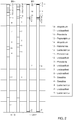
- a sample When a sample has been taken from a location in or on the body where there is a dysbiosis, the sample will still contain beneficial bacterial species, but they will be in the minority or overwhelmed by species that are considered to be less healthy (see e.g. Fig. 2 , left two measurements). According to the invention such a sample then is cultured under conditions that favour the growth of beneficial microbiota. It will be understood that the determination of the conditions that support growth of beneficial microbiota will depend on the type of bacteria that are considered to be beneficial for the specific location of the body. As can be observed from the above, for vaginal samples, the presence of lactic acid producing bacteria, especially Lactobacillus, will be considered to be healthy, and these thus would qualify as beneficial bacteria. This then means that for culturing vaginal samples culture conditions that favour lactic acid producing bacteria would be suitable for use in the invention.
- a culture medium that would be suitable for culturing beneficial bacteria in a sample taken from any location of the human or animal body.
- One such medium would be a medium that favours the growth of Lactobacillus species, which are generally considered to be 'healthy bacteria'.
- Lactobacillus-MRS Agar [introduced by De Man, J. et al., J. Appl. Bact. 23:130-135, 1960 )] (LMRS AGAR) is an enriched selective medium intended for the isolation and cultivation of Lactobacillus found in clinical specimens and dairy and food products.
- LMRS AGAR is an enriched selective medium that is useful in the cultivating of Lactobacillus from clinical, dairy and food samples.
- the basis of this medium consists of peptones yeast extract and glucose. This medium is supplemented with sorbitan monooleate complex (a source for fatty acids) and magnesium for additional growth requirements.
- Sodium acetate and ammonium citrate are added to inhibit normal flora, such as gram-negative bacteria, oral flora and fungi. With the addition of both of these inhibiting agents, the medium has been shown to selectively improve the growth of Lactobacillus.
- the pH is adjusted to 6.3 - 6.7 to favour the growth of Lactobacillus.
- This medium is prepared, dispensed, stored and packaged under oxygen-free conditions to prevent the formation of oxidized products prior to use.
- CDM medium for the enrichment of Lactobacilli of the vaginal flora we used a so-called CDM medium as described in Geshnizgani A.M.,and Onderdonk A.B., .J Clin Microbiol. 1992 May;30(5):1323-6 .
- a chemically defined medium that simulates female genital tract secretions was developed for the growth of the vaginal microflora.
- Qualitative and quantitative studies of the growth of predominant components of the vaginal microflora indicated that all vaginal isolates tested were able to grow in this defined medium.
- the CDM medium was adapted by replacement of hemin (source of Fe-ions) by an equimolar amount of FeSO 4 .7 H 2 O in order to decrease the turbidity of the medium.
- the culture may contain some or even many transient microbiota.
- These transient micro-organisms are not part of the "indigenous microbiota" and should preferably be excluded. In some cases it is complicated to discriminate between the transient and resident microorganisms, for those body sites that contain a large number of transient micro-organisms (for example in the gastro-intestinal tract).
- One of the criteria which may help in distinguishing (and separating) these transient bacteria from the indigenous bacteria is their incapability to adhere to human tissue.
- exclusion of transient bacteria can be accomplished by the following independent methods, or a combination thereof. These methods may be used in addition to or in the alternative of the above described method of culturing the microbiota sample.
- the culture may be prepared for re-introduction into the patient, but the culture or the remainder of it may be stored.
- Preferred storing conditions are storing at very low temperatures (-80°C).
- cryoprotectants should be added to the medium (e.g. 15% glycerol) as is common practice in the art. Storage of the culture enables the maintenance of a bacterial stock culture from which samples can constantly be thawed and used as inoculum for a new culture. This enables a long lasting supply of the culture, which enables multiple re-introductions.
- the sample is re-introduced into the body at the location from which it was derived originally.
- This re-introduction can be in any convenient manner and with any convenient formulation of the cultured sample.
- the cultured sample may be re-introduced by formulating it as a probiotic composition.
- the probiotic composition may take any form as defined herein. It may be administered orally, when appropriate (e.g. in the case of intestinal microbiota), but preferably topically. When applied topically, it may be in a pure form, but it may also be applied in the form of a cream, a foam, a lotion or an ointment. Topical application may include application by inhalation, which can be advantageous e.g. when re-introducing the cultured sample into the oral cavity or for application to the respiratory tract, including the lungs. For re-introduction into the oral cavity also other oral administration forms may be applied that disintegrate in the oral cavity, e.g. through the activity of amylase in the saliva.
- the probiotic composition to be re-introduced may contain excipients that would be necessary or advantageous for the administration of the bacterial culture.
- excipients have already been mentioned in the definition of a probiotic composition according to this invention, but this list may be extended by any excipient, carrier or additive which is used in pharmaceutical or neutraceutical compositions.
- dairy products which are often used as vehicle for the classic probiotics, may be used for delivery of a probiotic composition according to the invention to the oral cavity or the gastro-intestinal tract.
- FMT fecal microbiota transplantation
- Cultivation and storage of fecal microbiota from the patient sampled prior to the recurrence of the infection could offer advantages over current practices, as they overcome costs and complicated logistics associated with stool transplantations. Furthermore, the sampling only takes place at the moment of the infection, which means that it takes place at a moment at which treatment is needed. The fact that the cultivated (and enriched) samples may be stored and used as a new inoculum at the moment of recurrence of the infection is a bonus that should not be neglected. Often the initial anti-infection therapy is only partly effective and the current method of the invention would be a welcome additional therapy to help overcoming the infection. However, even with such an additive therapy there will be a risk of recurrence and then a stored sample of the enriched microbiota will be advantageous.
- the method of the present invention is truly personalized , but the methodology used is generic for each medical application. The principle is based on the selective enrichment of the individual's own beneficial bacteria from a collection of bacteria from a specific body site. Subsequent administration of the enriched culture is assumed to be much more effective in restoring the healthy microbiota compared to today's available probiotic supplements.
- the (enriched) samples of multiple subjects are collected and cultured further together in order to propagate a relatively representative microbiota for all subjects.
- Such a 'generalized' propagated microbiota population will be less personalized than the culture obtained by the above described method, but it will be sufficiently effective for a larger number of people.
- the possibility of having such a 'generalized' sample that can be administered without delay can be of enormous value, especially to at least minimize the symptoms that are caused by the dysbiosis.
- the present invention can also be advantageously used in veterinary applications.
- Especially of interest are application to intestinal health, oral health and vaginal health in all kind of economically important species, such as cattle, horses, poultry, pigs, dogs, cats, etc.
- Two specific examples of such applications are the application for intestinal health in broilers (including lay hens and also embryo's in eggs) and intestinal health in pigs and piglets.
- lactobacilli have been found to dominate the intestinal microbiota and are suspected to be positively related to health.
- only a few lactobacilli species are involved, which means that these examples are very similar to the human vaginal situation as described above (and in the examples).
- routine screening for sexually transmitted diseases includes a standard cervical examination.
- a cotton swab was used to obtain mucus and resuspended in screw-cap coded tubes with Amies transport medium (to which additional 15% glycerol and cysteine solution has been added).
- Amies transport medium to which additional 15% glycerol and cysteine solution has been added.
- the tubes were placed in liquid nitrogen and transferred for storage at - 80°C.
- Gram stain, Amsel criteria, and STD status are obtained at the clinic as usual for routine purposes.
- a prevalence of bacterial vaginosis (BV) is usually observed in 50% in the sampled population of women with a high risk sexual bahavior.
- Nugent scoring was carried out on all samples prior to storage. Nugent scoring is a Gram stain scoring system, first described in 1991 by R.P Nugent (J. Clin. Microbiol. 29:297-301, 1991 ) for pap tests to diagnose BV.. The Nugent score is calculated by assessing for the presence of large Gram-positive rods ( Lactobacillus morphotypes ; decrease in Lactobacillus scored as 0 to 4), small Gram-variable rods ( Gardnerella vaginalis morphotypes; scored as 0 to 4), and curved Gram-variable rods ( Mobiluncus spp. morphotypes; scored as 0 to 2) and can range from 0 to 10. A score of 7 to 10 is consistent with BV.
- Screw -cap tubes containing the resuspended vaginal swabs were taken from the -80°C freezer and thawed at room temperature under anaerobic conditions.
- a volume 130 ul of the suspension was transferred to 13 ml of modified CDM medium ( Geshnizgani, A. et al., J. Clin. Microbiol. 30(5):1323-1326, 1992 ) in a 50 ml Corning tube (modification by replacement of hemin (source of Fe-ions) by an equimolar amount of FeSO 4 . 7 H 2 O in order to decrease the turbidity medium)., followed by incubation for 24 hours at 37°C at 100 rpm under anaerobic conditions.
- Quantitative 16S-PCR was performed to determine the relative amount of bacterial template in the isolated DNA samples ( Biesbroek, G. et al. PLoS One, 7:e32942, 2012 ) prior to the generation of a 16S rRNA gene amplicon library spanning variable regions V5-V7 ( Bogaert, D. et al., PLoS One 6: :e17035, 2011 ). Sequence analysis of the amplicon library was performed on a 454 GS-FLX-Titanium Sequencer (Life Sciences (Roche), Branford, CT).
- FASTA-formatted sequences and corresponding quality scores were extracted from the .sff data file generated by the GS-FLX Titatium sequencer using the GS Amplicon software package (Roche, Branford, CT) and processed using modules implemented in the Mothur v. 1.22.2 software platform ( Schloss, P. et al., Appl Environ Microbiol 75: 7537-41, 2009 ) . Sequences were de-noised using a pseudo-single linkage algorithm with the goal of removing sequences that are likely due to pyrosequencing errors ("pre.cluster" command) ( Huse, S. et al., Environ. Microbiol. 12:1889-1898, 2010 ).
- the 454 sequence analysis confirmed the presence of BV-associated genera in the samples with the Nugent scoring from 8-10 (including Gardnerella, Bacteroides, Parvimonas, Atopobium, Sneathia, Prevotella, Dialister, and Megasphaera ) and the presence of species previously associated with a "healthy state" for Nugent scoring 0-3 (including Lactobacillus crispatus, Lactobacillus gasseri and Lactobacillus jensenii ). This confirmed findings as previously described ( Ravel et al, PNAS Early Edition, 108:4680-4687 2010 .
Landscapes
- Health & Medical Sciences (AREA)
- Life Sciences & Earth Sciences (AREA)
- Mycology (AREA)
- Microbiology (AREA)
- Veterinary Medicine (AREA)
- General Health & Medical Sciences (AREA)
- Medicinal Chemistry (AREA)
- Public Health (AREA)
- Pharmacology & Pharmacy (AREA)
- Chemical & Material Sciences (AREA)
- Animal Behavior & Ethology (AREA)
- Epidemiology (AREA)
- Molecular Biology (AREA)
- Immunology (AREA)
- Organic Chemistry (AREA)
- Bioinformatics & Cheminformatics (AREA)
- Engineering & Computer Science (AREA)
- Chemical Kinetics & Catalysis (AREA)
- Nuclear Medicine, Radiotherapy & Molecular Imaging (AREA)
- General Chemical & Material Sciences (AREA)
- Medicines Containing Material From Animals Or Micro-Organisms (AREA)
- Micro-Organisms Or Cultivation Processes Thereof (AREA)
Priority Applications (1)
| Application Number | Priority Date | Filing Date | Title |
|---|---|---|---|
| EP14781306.7A EP3035944B1 (en) | 2013-08-22 | 2014-08-22 | Probiotics for use in the treatment of bacterial vaginosis |
Applications Claiming Priority (4)
| Application Number | Priority Date | Filing Date | Title |
|---|---|---|---|
| EP13181363 | 2013-08-22 | ||
| EP14163695 | 2014-04-07 | ||
| PCT/NL2014/050570 WO2015026235A2 (en) | 2013-08-22 | 2014-08-22 | Production of probiotics by in vitro enrichment of beneficial microorganisms from human or animal microbiota |
| EP14781306.7A EP3035944B1 (en) | 2013-08-22 | 2014-08-22 | Probiotics for use in the treatment of bacterial vaginosis |
Publications (2)
| Publication Number | Publication Date |
|---|---|
| EP3035944A2 EP3035944A2 (en) | 2016-06-29 |
| EP3035944B1 true EP3035944B1 (en) | 2019-10-02 |
Family
ID=51662286
Family Applications (1)
| Application Number | Title | Priority Date | Filing Date |
|---|---|---|---|
| EP14781306.7A Active EP3035944B1 (en) | 2013-08-22 | 2014-08-22 | Probiotics for use in the treatment of bacterial vaginosis |
Country Status (4)
| Country | Link |
|---|---|
| US (1) | US20160206668A1 (cg-RX-API-DMAC7.html) |
| EP (1) | EP3035944B1 (cg-RX-API-DMAC7.html) |
| JP (1) | JP2016531131A (cg-RX-API-DMAC7.html) |
| WO (1) | WO2015026235A2 (cg-RX-API-DMAC7.html) |
Families Citing this family (48)
| Publication number | Priority date | Publication date | Assignee | Title |
|---|---|---|---|---|
| US9457077B2 (en) | 2009-11-18 | 2016-10-04 | Katherine Rose Kovarik | Method and system for targeting the microbiome to promote health and treat allergic and inflammatory diseases |
| US9585920B2 (en) | 2011-02-04 | 2017-03-07 | Katherine Rose Kovarik | Method and system for treating cancer cachexia |
| DK3564357T3 (da) | 2010-02-01 | 2022-06-20 | Rebiotix Inc | Bakterieterapi mod clostridium difficile colitis |
| US11844720B2 (en) | 2011-02-04 | 2023-12-19 | Seed Health, Inc. | Method and system to reduce the likelihood of dental caries and halitosis |
| US11951140B2 (en) | 2011-02-04 | 2024-04-09 | Seed Health, Inc. | Modulation of an individual's gut microbiome to address osteoporosis and bone disease |
| US11998479B2 (en) | 2011-02-04 | 2024-06-04 | Seed Health, Inc. | Method and system for addressing adverse effects on the oral microbiome and restoring gingival health caused by sodium lauryl sulphate exposure |
| US9730967B2 (en) | 2011-02-04 | 2017-08-15 | Katherine Rose Kovarik | Method and system for treating cancer cachexia |
| US12257272B2 (en) | 2015-12-24 | 2025-03-25 | Seed Health, Inc. | Method and system for reducing the likelihood of developing depression in an individual |
| US10314865B2 (en) | 2011-02-04 | 2019-06-11 | Katherine Rose Kovarik | Method and system for treating cancer and other age-related diseases by extending the healthspan of a human |
| US12279989B2 (en) | 2011-02-04 | 2025-04-22 | Seed Health, Inc. | Method and system for increasing beneficial bacteria and decreasing pathogenic bacteria in the oral cavity |
| US11951139B2 (en) | 2015-11-30 | 2024-04-09 | Seed Health, Inc. | Method and system for reducing the likelihood of osteoporosis |
| US10940169B2 (en) | 2015-11-30 | 2021-03-09 | Joseph E. Kovarik | Method for reducing the likelihood of developing cancer in an individual human being |
| US9694039B2 (en) | 2013-06-05 | 2017-07-04 | Rebiotix, Inc. | Microbiota restoration therapy (MRT), compositions and methods of manufacture |
| US9782445B2 (en) | 2013-06-05 | 2017-10-10 | Rebiotix, Inc. | Microbiota restoration therapy (MRT), compositions and methods of manufacture |
| US10383901B2 (en) | 2013-06-05 | 2019-08-20 | Rebiotix, Inc. | Microbiota restoration therapy (MRT), compositions and methods of manufacture |
| US11839632B2 (en) | 2013-12-20 | 2023-12-12 | Seed Health, Inc. | Topical application of CRISPR-modified bacteria to treat acne vulgaris |
| US11826388B2 (en) | 2013-12-20 | 2023-11-28 | Seed Health, Inc. | Topical application of Lactobacillus crispatus to ameliorate barrier damage and inflammation |
| US12005085B2 (en) | 2013-12-20 | 2024-06-11 | Seed Health, Inc. | Probiotic method and composition for maintaining a healthy vaginal microbiome |
| US11969445B2 (en) | 2013-12-20 | 2024-04-30 | Seed Health, Inc. | Probiotic composition and method for controlling excess weight, obesity, NAFLD and NASH |
| US11998574B2 (en) | 2013-12-20 | 2024-06-04 | Seed Health, Inc. | Method and system for modulating an individual's skin microbiome |
| US12246043B2 (en) | 2013-12-20 | 2025-03-11 | Seed Health, Inc. | Topical application to treat acne vulgaris |
| US11026982B2 (en) | 2015-11-30 | 2021-06-08 | Joseph E. Kovarik | Method for reducing the likelihood of developing bladder or colorectal cancer in an individual human being |
| US11833177B2 (en) | 2013-12-20 | 2023-12-05 | Seed Health, Inc. | Probiotic to enhance an individual's skin microbiome |
| US11213552B2 (en) | 2015-11-30 | 2022-01-04 | Joseph E. Kovarik | Method for treating an individual suffering from a chronic infectious disease and cancer |
| US11980643B2 (en) | 2013-12-20 | 2024-05-14 | Seed Health, Inc. | Method and system to modify an individual's gut-brain axis to provide neurocognitive protection |
| US11529379B2 (en) | 2013-12-20 | 2022-12-20 | Seed Health, Inc. | Method and system for reducing the likelihood of developing colorectal cancer in an individual human being |
| US11672835B2 (en) | 2013-12-20 | 2023-06-13 | Seed Health, Inc. | Method for treating individuals having cancer and who are receiving cancer immunotherapy |
| US12329783B2 (en) | 2013-12-20 | 2025-06-17 | Seed Health, Inc. | Method and system to improve the health of a person's skin microbiome |
| US11642382B2 (en) | 2013-12-20 | 2023-05-09 | Seed Health, Inc. | Method for treating an individual suffering from bladder cancer |
| WO2016183535A1 (en) * | 2015-05-14 | 2016-11-17 | University Of Puerto Rico | Methods for restoring microbiota of newborns |
| IL281424B2 (en) | 2015-06-09 | 2023-10-01 | Rebiotix Inc | Microbiota restoration treatment preparations and production methods |
| US10828340B2 (en) | 2015-06-09 | 2020-11-10 | Rebiotix, Inc. | Microbiota restoration therapy (MRT) compositions and methods of manufacture |
| US10799539B2 (en) | 2015-06-09 | 2020-10-13 | Rebiotix, Inc. | Microbiota restoration therapy (MRT) compositions and methods of manufacture |
| US10905726B2 (en) | 2015-06-09 | 2021-02-02 | Rebiotix, Inc. | Microbiota restoration therapy (MRT) compositions and methods of manufacture |
| US10238597B2 (en) | 2015-11-19 | 2019-03-26 | Beauty Biolabs Llc | Probiotic treatment of skin diseases, disorders, and infections: formulations, methods and systems |
| US10933128B2 (en) | 2015-11-30 | 2021-03-02 | Joseph E. Kovarik | Method and system for protecting honey bees from pesticides |
| US10675347B2 (en) | 2015-11-30 | 2020-06-09 | Joseph E. Kovarik | Method and system for protecting honey bees from fipronil pesticides |
| US11529412B2 (en) | 2015-11-30 | 2022-12-20 | Seed Health, Inc. | Method and system for protecting honey bees from pesticides |
| US10568916B2 (en) | 2015-11-30 | 2020-02-25 | Joseph E. Kovarik | Method and system for protecting honey bees, bats and butterflies from neonicotinoid pesticides |
| US10086024B2 (en) | 2015-11-30 | 2018-10-02 | Joseph E. Kovarik | Method and system for protecting honey bees, bats and butterflies from neonicotinoid pesticides |
| US12239706B2 (en) | 2015-11-30 | 2025-03-04 | Seed Health, Inc. | Method and system for protecting monarch butterflies from pesticides |
| RU2662310C9 (ru) | 2015-12-04 | 2018-09-21 | Виктор Вениаминович Тец | Средство (варианты) и способы восстановления микрофлоры |
| US11564667B2 (en) | 2015-12-28 | 2023-01-31 | New York University | Device and method of restoring microbiota of newborns |
| EP3538118B1 (en) * | 2016-11-11 | 2021-03-03 | Sjaellands Universitetshospital Dermatologisk Afdeling | Saprophytic live bacteria for use in treatment of hidradenitis suppurativa |
| WO2020007931A1 (en) * | 2018-07-04 | 2020-01-09 | Chr. Hansen A/S | Topical compositions comprising viable probiotic bacteria |
| US20200054693A1 (en) * | 2018-08-17 | 2020-02-20 | Scott Chamberlin | Probiotic Solution |
| WO2020055547A2 (en) | 2018-08-18 | 2020-03-19 | Seed Health, Inc. | Methods and compositions for honey bee health |
| CA3202036A1 (en) * | 2020-12-23 | 2022-06-30 | Herve Affagard | Method of expanding a complex community of microorganisms |
Family Cites Families (2)
| Publication number | Priority date | Publication date | Assignee | Title |
|---|---|---|---|---|
| US4839281A (en) | 1985-04-17 | 1989-06-13 | New England Medical Center Hospitals, Inc. | Lactobacillus strains and methods of selection |
| WO2000071138A2 (en) | 1999-05-25 | 2000-11-30 | Gregor Reid | Oral administration of lactobacillus for the maintenance of health in women |
-
2014
- 2014-08-22 JP JP2016536059A patent/JP2016531131A/ja active Pending
- 2014-08-22 WO PCT/NL2014/050570 patent/WO2015026235A2/en not_active Ceased
- 2014-08-22 EP EP14781306.7A patent/EP3035944B1/en active Active
- 2014-08-22 US US14/912,774 patent/US20160206668A1/en not_active Abandoned
Non-Patent Citations (1)
| Title |
|---|
| None * |
Also Published As
| Publication number | Publication date |
|---|---|
| WO2015026235A3 (en) | 2015-08-27 |
| US20160206668A1 (en) | 2016-07-21 |
| WO2015026235A2 (en) | 2015-02-26 |
| JP2016531131A (ja) | 2016-10-06 |
| EP3035944A2 (en) | 2016-06-29 |
Similar Documents
| Publication | Publication Date | Title |
|---|---|---|
| EP3035944B1 (en) | Probiotics for use in the treatment of bacterial vaginosis | |
| Sotoudegan et al. | Reappraisal of probiotics’ safety in human | |
| Wu et al. | Effect of a multispecies probiotic mixture on the growth and incidence of diarrhea, immune function, and fecal microbiota of pre-weaning dairy calves | |
| US11723933B2 (en) | Composition of bacteroides thetaiotaomicron for immune modulation | |
| JP6517431B2 (ja) | 細菌株を含む組成物 | |
| Wu et al. | Effects of dietary yeast nucleotides supplementation on intestinal barrier function, intestinal microbiota, and humoral immunity in specific pathogen-free chickens | |
| Davis | Normal flora | |
| JP4455333B2 (ja) | プロバイオティック細菌:Lactobacillusfermentum | |
| CN102970997B (zh) | 抗肥胖剂、抗肥胖用饮食品、糖耐量改善剂和糖耐量改善用饮食品 | |
| CN102272332A (zh) | 乳酸菌及其在猪的直接饲喂微生物中的应用 | |
| EP3651783B1 (en) | New probiotic composition for prevention of bacterial vaginosis | |
| CN101998834A (zh) | 用于缓解胃肠道病症相关症状的益生菌 | |
| CN104431352B (zh) | 一种促生长合生元菌液的制备方法及应用 | |
| WO2018112741A1 (zh) | 一种嗜酸乳杆菌及其培养方法和应用 | |
| WO2018112739A1 (zh) | 一种假小链状双歧杆菌及其培养方法和应用 | |
| Toca et al. | Gut ecosystem during infancy: The role of “biotics” | |
| Medjaoui et al. | Isolation and Characterization of Lactic Acid Bacteria from Human Milk and Newborn Feces. | |
| Moise | The gut microbiome: exploring the connection between microbes, diet, and health | |
| TWI734333B (zh) | 減少體脂肪之益生菌株及其組合物與用途 | |
| WO2019227414A1 (zh) | 一种组合物及其应用 | |
| CN112546074A (zh) | 一株能够抑制IL-23、Th17轴相关炎症因子释放的短双歧杆菌及其应用 | |
| ES2891536T3 (es) | Cepa Bifidobacterium animalis AMT30 y composición que contiene la cepa de Bifidobacterium animalis AMT30 | |
| CN119563016A (zh) | 克劳氏芽孢杆菌菌株、其组合物及使用方法 | |
| Ostrowski et al. | Breastfeeding as a regulating factor of the development of the intestinal microbiome in the early stages of life | |
| Zhou et al. | Administration of probiotics reduces bacterial translocation after intestinal transplantation in rats |
Legal Events
| Date | Code | Title | Description |
|---|---|---|---|
| PUAI | Public reference made under article 153(3) epc to a published international application that has entered the european phase |
Free format text: ORIGINAL CODE: 0009012 |
|
| 17P | Request for examination filed |
Effective date: 20160315 |
|
| AK | Designated contracting states |
Kind code of ref document: A2 Designated state(s): AL AT BE BG CH CY CZ DE DK EE ES FI FR GB GR HR HU IE IS IT LI LT LU LV MC MK MT NL NO PL PT RO RS SE SI SK SM TR |
|
| AX | Request for extension of the european patent |
Extension state: BA ME |
|
| DAX | Request for extension of the european patent (deleted) | ||
| STAA | Information on the status of an ep patent application or granted ep patent |
Free format text: STATUS: EXAMINATION IS IN PROGRESS |
|
| 17Q | First examination report despatched |
Effective date: 20170207 |
|
| GRAP | Despatch of communication of intention to grant a patent |
Free format text: ORIGINAL CODE: EPIDOSNIGR1 |
|
| STAA | Information on the status of an ep patent application or granted ep patent |
Free format text: STATUS: GRANT OF PATENT IS INTENDED |
|
| INTG | Intention to grant announced |
Effective date: 20190403 |
|
| RIN1 | Information on inventor provided before grant (corrected) |
Inventor name: SCHUREN, FRANK HENRI JOHAN Inventor name: KORT, REMCO |
|
| GRAS | Grant fee paid |
Free format text: ORIGINAL CODE: EPIDOSNIGR3 |
|
| GRAA | (expected) grant |
Free format text: ORIGINAL CODE: 0009210 |
|
| STAA | Information on the status of an ep patent application or granted ep patent |
Free format text: STATUS: THE PATENT HAS BEEN GRANTED |
|
| AK | Designated contracting states |
Kind code of ref document: B1 Designated state(s): AL AT BE BG CH CY CZ DE DK EE ES FI FR GB GR HR HU IE IS IT LI LT LU LV MC MK MT NL NO PL PT RO RS SE SI SK SM TR |
|
| REG | Reference to a national code |
Ref country code: GB Ref legal event code: FG4D |
|
| REG | Reference to a national code |
Ref country code: AT Ref legal event code: REF Ref document number: 1185457 Country of ref document: AT Kind code of ref document: T Effective date: 20191015 Ref country code: CH Ref legal event code: EP |
|
| REG | Reference to a national code |
Ref country code: DE Ref legal event code: R096 Ref document number: 602014054611 Country of ref document: DE |
|
| REG | Reference to a national code |
Ref country code: IE Ref legal event code: FG4D |
|
| REG | Reference to a national code |
Ref country code: NL Ref legal event code: FP |
|
| REG | Reference to a national code |
Ref country code: LT Ref legal event code: MG4D |
|
| REG | Reference to a national code |
Ref country code: AT Ref legal event code: MK05 Ref document number: 1185457 Country of ref document: AT Kind code of ref document: T Effective date: 20191002 |
|
| PG25 | Lapsed in a contracting state [announced via postgrant information from national office to epo] |
Ref country code: NO Free format text: LAPSE BECAUSE OF FAILURE TO SUBMIT A TRANSLATION OF THE DESCRIPTION OR TO PAY THE FEE WITHIN THE PRESCRIBED TIME-LIMIT Effective date: 20200102 Ref country code: PL Free format text: LAPSE BECAUSE OF FAILURE TO SUBMIT A TRANSLATION OF THE DESCRIPTION OR TO PAY THE FEE WITHIN THE PRESCRIBED TIME-LIMIT Effective date: 20191002 Ref country code: GR Free format text: LAPSE BECAUSE OF FAILURE TO SUBMIT A TRANSLATION OF THE DESCRIPTION OR TO PAY THE FEE WITHIN THE PRESCRIBED TIME-LIMIT Effective date: 20200103 Ref country code: LT Free format text: LAPSE BECAUSE OF FAILURE TO SUBMIT A TRANSLATION OF THE DESCRIPTION OR TO PAY THE FEE WITHIN THE PRESCRIBED TIME-LIMIT Effective date: 20191002 Ref country code: ES Free format text: LAPSE BECAUSE OF FAILURE TO SUBMIT A TRANSLATION OF THE DESCRIPTION OR TO PAY THE FEE WITHIN THE PRESCRIBED TIME-LIMIT Effective date: 20191002 Ref country code: SE Free format text: LAPSE BECAUSE OF FAILURE TO SUBMIT A TRANSLATION OF THE DESCRIPTION OR TO PAY THE FEE WITHIN THE PRESCRIBED TIME-LIMIT Effective date: 20191002 Ref country code: LV Free format text: LAPSE BECAUSE OF FAILURE TO SUBMIT A TRANSLATION OF THE DESCRIPTION OR TO PAY THE FEE WITHIN THE PRESCRIBED TIME-LIMIT Effective date: 20191002 Ref country code: AT Free format text: LAPSE BECAUSE OF FAILURE TO SUBMIT A TRANSLATION OF THE DESCRIPTION OR TO PAY THE FEE WITHIN THE PRESCRIBED TIME-LIMIT Effective date: 20191002 Ref country code: FI Free format text: LAPSE BECAUSE OF FAILURE TO SUBMIT A TRANSLATION OF THE DESCRIPTION OR TO PAY THE FEE WITHIN THE PRESCRIBED TIME-LIMIT Effective date: 20191002 Ref country code: PT Free format text: LAPSE BECAUSE OF FAILURE TO SUBMIT A TRANSLATION OF THE DESCRIPTION OR TO PAY THE FEE WITHIN THE PRESCRIBED TIME-LIMIT Effective date: 20200203 Ref country code: BG Free format text: LAPSE BECAUSE OF FAILURE TO SUBMIT A TRANSLATION OF THE DESCRIPTION OR TO PAY THE FEE WITHIN THE PRESCRIBED TIME-LIMIT Effective date: 20200102 |
|
| PG25 | Lapsed in a contracting state [announced via postgrant information from national office to epo] |
Ref country code: IS Free format text: LAPSE BECAUSE OF FAILURE TO SUBMIT A TRANSLATION OF THE DESCRIPTION OR TO PAY THE FEE WITHIN THE PRESCRIBED TIME-LIMIT Effective date: 20200224 Ref country code: RS Free format text: LAPSE BECAUSE OF FAILURE TO SUBMIT A TRANSLATION OF THE DESCRIPTION OR TO PAY THE FEE WITHIN THE PRESCRIBED TIME-LIMIT Effective date: 20191002 Ref country code: HR Free format text: LAPSE BECAUSE OF FAILURE TO SUBMIT A TRANSLATION OF THE DESCRIPTION OR TO PAY THE FEE WITHIN THE PRESCRIBED TIME-LIMIT Effective date: 20191002 Ref country code: CZ Free format text: LAPSE BECAUSE OF FAILURE TO SUBMIT A TRANSLATION OF THE DESCRIPTION OR TO PAY THE FEE WITHIN THE PRESCRIBED TIME-LIMIT Effective date: 20191002 |
|
| PG25 | Lapsed in a contracting state [announced via postgrant information from national office to epo] |
Ref country code: AL Free format text: LAPSE BECAUSE OF FAILURE TO SUBMIT A TRANSLATION OF THE DESCRIPTION OR TO PAY THE FEE WITHIN THE PRESCRIBED TIME-LIMIT Effective date: 20191002 |
|
| REG | Reference to a national code |
Ref country code: DE Ref legal event code: R097 Ref document number: 602014054611 Country of ref document: DE |
|
| PG2D | Information on lapse in contracting state deleted |
Ref country code: IS |
|
| PG25 | Lapsed in a contracting state [announced via postgrant information from national office to epo] |
Ref country code: IS Free format text: LAPSE BECAUSE OF FAILURE TO SUBMIT A TRANSLATION OF THE DESCRIPTION OR TO PAY THE FEE WITHIN THE PRESCRIBED TIME-LIMIT Effective date: 20200202 Ref country code: EE Free format text: LAPSE BECAUSE OF FAILURE TO SUBMIT A TRANSLATION OF THE DESCRIPTION OR TO PAY THE FEE WITHIN THE PRESCRIBED TIME-LIMIT Effective date: 20191002 Ref country code: RO Free format text: LAPSE BECAUSE OF FAILURE TO SUBMIT A TRANSLATION OF THE DESCRIPTION OR TO PAY THE FEE WITHIN THE PRESCRIBED TIME-LIMIT Effective date: 20191002 Ref country code: DK Free format text: LAPSE BECAUSE OF FAILURE TO SUBMIT A TRANSLATION OF THE DESCRIPTION OR TO PAY THE FEE WITHIN THE PRESCRIBED TIME-LIMIT Effective date: 20191002 |
|
| PLBE | No opposition filed within time limit |
Free format text: ORIGINAL CODE: 0009261 |
|
| STAA | Information on the status of an ep patent application or granted ep patent |
Free format text: STATUS: NO OPPOSITION FILED WITHIN TIME LIMIT |
|
| PG25 | Lapsed in a contracting state [announced via postgrant information from national office to epo] |
Ref country code: IT Free format text: LAPSE BECAUSE OF FAILURE TO SUBMIT A TRANSLATION OF THE DESCRIPTION OR TO PAY THE FEE WITHIN THE PRESCRIBED TIME-LIMIT Effective date: 20191002 Ref country code: SM Free format text: LAPSE BECAUSE OF FAILURE TO SUBMIT A TRANSLATION OF THE DESCRIPTION OR TO PAY THE FEE WITHIN THE PRESCRIBED TIME-LIMIT Effective date: 20191002 Ref country code: SK Free format text: LAPSE BECAUSE OF FAILURE TO SUBMIT A TRANSLATION OF THE DESCRIPTION OR TO PAY THE FEE WITHIN THE PRESCRIBED TIME-LIMIT Effective date: 20191002 |
|
| 26N | No opposition filed |
Effective date: 20200703 |
|
| PG25 | Lapsed in a contracting state [announced via postgrant information from national office to epo] |
Ref country code: SI Free format text: LAPSE BECAUSE OF FAILURE TO SUBMIT A TRANSLATION OF THE DESCRIPTION OR TO PAY THE FEE WITHIN THE PRESCRIBED TIME-LIMIT Effective date: 20191002 |
|
| PG25 | Lapsed in a contracting state [announced via postgrant information from national office to epo] |
Ref country code: MC Free format text: LAPSE BECAUSE OF FAILURE TO SUBMIT A TRANSLATION OF THE DESCRIPTION OR TO PAY THE FEE WITHIN THE PRESCRIBED TIME-LIMIT Effective date: 20191002 |
|
| REG | Reference to a national code |
Ref country code: CH Ref legal event code: PL |
|
| PG25 | Lapsed in a contracting state [announced via postgrant information from national office to epo] |
Ref country code: LI Free format text: LAPSE BECAUSE OF NON-PAYMENT OF DUE FEES Effective date: 20200831 Ref country code: CH Free format text: LAPSE BECAUSE OF NON-PAYMENT OF DUE FEES Effective date: 20200831 Ref country code: LU Free format text: LAPSE BECAUSE OF NON-PAYMENT OF DUE FEES Effective date: 20200822 |
|
| REG | Reference to a national code |
Ref country code: BE Ref legal event code: MM Effective date: 20200831 |
|
| PG25 | Lapsed in a contracting state [announced via postgrant information from national office to epo] |
Ref country code: IE Free format text: LAPSE BECAUSE OF NON-PAYMENT OF DUE FEES Effective date: 20200822 Ref country code: BE Free format text: LAPSE BECAUSE OF NON-PAYMENT OF DUE FEES Effective date: 20200831 |
|
| PG25 | Lapsed in a contracting state [announced via postgrant information from national office to epo] |
Ref country code: TR Free format text: LAPSE BECAUSE OF FAILURE TO SUBMIT A TRANSLATION OF THE DESCRIPTION OR TO PAY THE FEE WITHIN THE PRESCRIBED TIME-LIMIT Effective date: 20191002 Ref country code: MT Free format text: LAPSE BECAUSE OF FAILURE TO SUBMIT A TRANSLATION OF THE DESCRIPTION OR TO PAY THE FEE WITHIN THE PRESCRIBED TIME-LIMIT Effective date: 20191002 Ref country code: CY Free format text: LAPSE BECAUSE OF FAILURE TO SUBMIT A TRANSLATION OF THE DESCRIPTION OR TO PAY THE FEE WITHIN THE PRESCRIBED TIME-LIMIT Effective date: 20191002 |
|
| PG25 | Lapsed in a contracting state [announced via postgrant information from national office to epo] |
Ref country code: MK Free format text: LAPSE BECAUSE OF FAILURE TO SUBMIT A TRANSLATION OF THE DESCRIPTION OR TO PAY THE FEE WITHIN THE PRESCRIBED TIME-LIMIT Effective date: 20191002 |
|
| P01 | Opt-out of the competence of the unified patent court (upc) registered |
Effective date: 20230522 |
|
| PGFP | Annual fee paid to national office [announced via postgrant information from national office to epo] |
Ref country code: NL Payment date: 20250821 Year of fee payment: 12 |
|
| PGFP | Annual fee paid to national office [announced via postgrant information from national office to epo] |
Ref country code: DE Payment date: 20250820 Year of fee payment: 12 |
|
| PGFP | Annual fee paid to national office [announced via postgrant information from national office to epo] |
Ref country code: GB Payment date: 20250821 Year of fee payment: 12 |
|
| PGFP | Annual fee paid to national office [announced via postgrant information from national office to epo] |
Ref country code: FR Payment date: 20250829 Year of fee payment: 12 |