EP3011963A1 - Composition comprising filler and botulinum toxin for alleviating skin wrinkles or aging or treating neuromuscular diseases - Google Patents
Composition comprising filler and botulinum toxin for alleviating skin wrinkles or aging or treating neuromuscular diseases Download PDFInfo
- Publication number
- EP3011963A1 EP3011963A1 EP14813786.2A EP14813786A EP3011963A1 EP 3011963 A1 EP3011963 A1 EP 3011963A1 EP 14813786 A EP14813786 A EP 14813786A EP 3011963 A1 EP3011963 A1 EP 3011963A1
- Authority
- EP
- European Patent Office
- Prior art keywords
- filler
- composition
- botox
- botulinum toxin
- present
- Prior art date
- Legal status (The legal status is an assumption and is not a legal conclusion. Google has not performed a legal analysis and makes no representation as to the accuracy of the status listed.)
- Withdrawn
Links
Images




Classifications
-
- A—HUMAN NECESSITIES
- A61—MEDICAL OR VETERINARY SCIENCE; HYGIENE
- A61K—PREPARATIONS FOR MEDICAL, DENTAL OR TOILETRY PURPOSES
- A61K35/00—Medicinal preparations containing materials or reaction products thereof with undetermined constitution
- A61K35/66—Microorganisms or materials therefrom
- A61K35/74—Bacteria
-
- A—HUMAN NECESSITIES
- A61—MEDICAL OR VETERINARY SCIENCE; HYGIENE
- A61K—PREPARATIONS FOR MEDICAL, DENTAL OR TOILETRY PURPOSES
- A61K38/00—Medicinal preparations containing peptides
- A61K38/16—Peptides having more than 20 amino acids; Gastrins; Somatostatins; Melanotropins; Derivatives thereof
- A61K38/43—Enzymes; Proenzymes; Derivatives thereof
- A61K38/46—Hydrolases (3)
- A61K38/48—Hydrolases (3) acting on peptide bonds (3.4)
- A61K38/4886—Metalloendopeptidases (3.4.24), e.g. collagenase
- A61K38/4893—Botulinum neurotoxin (3.4.24.69)
-
- A—HUMAN NECESSITIES
- A61—MEDICAL OR VETERINARY SCIENCE; HYGIENE
- A61K—PREPARATIONS FOR MEDICAL, DENTAL OR TOILETRY PURPOSES
- A61K35/00—Medicinal preparations containing materials or reaction products thereof with undetermined constitution
- A61K35/66—Microorganisms or materials therefrom
-
- A—HUMAN NECESSITIES
- A61—MEDICAL OR VETERINARY SCIENCE; HYGIENE
- A61K—PREPARATIONS FOR MEDICAL, DENTAL OR TOILETRY PURPOSES
- A61K47/00—Medicinal preparations characterised by the non-active ingredients used, e.g. carriers or inert additives; Targeting or modifying agents chemically bound to the active ingredient
- A61K47/30—Macromolecular organic or inorganic compounds, e.g. inorganic polyphosphates
- A61K47/36—Polysaccharides; Derivatives thereof, e.g. gums, starch, alginate, dextrin, hyaluronic acid, chitosan, inulin, agar or pectin
-
- A—HUMAN NECESSITIES
- A61—MEDICAL OR VETERINARY SCIENCE; HYGIENE
- A61K—PREPARATIONS FOR MEDICAL, DENTAL OR TOILETRY PURPOSES
- A61K8/00—Cosmetics or similar toiletry preparations
- A61K8/18—Cosmetics or similar toiletry preparations characterised by the composition
- A61K8/30—Cosmetics or similar toiletry preparations characterised by the composition containing organic compounds
- A61K8/64—Proteins; Peptides; Derivatives or degradation products thereof
-
- A—HUMAN NECESSITIES
- A61—MEDICAL OR VETERINARY SCIENCE; HYGIENE
- A61K—PREPARATIONS FOR MEDICAL, DENTAL OR TOILETRY PURPOSES
- A61K8/00—Cosmetics or similar toiletry preparations
- A61K8/18—Cosmetics or similar toiletry preparations characterised by the composition
- A61K8/30—Cosmetics or similar toiletry preparations characterised by the composition containing organic compounds
- A61K8/64—Proteins; Peptides; Derivatives or degradation products thereof
- A61K8/66—Enzymes
-
- A—HUMAN NECESSITIES
- A61—MEDICAL OR VETERINARY SCIENCE; HYGIENE
- A61K—PREPARATIONS FOR MEDICAL, DENTAL OR TOILETRY PURPOSES
- A61K9/00—Medicinal preparations characterised by special physical form
- A61K9/0012—Galenical forms characterised by the site of application
- A61K9/0019—Injectable compositions; Intramuscular, intravenous, arterial, subcutaneous administration; Compositions to be administered through the skin in an invasive manner
-
- A—HUMAN NECESSITIES
- A61—MEDICAL OR VETERINARY SCIENCE; HYGIENE
- A61P—SPECIFIC THERAPEUTIC ACTIVITY OF CHEMICAL COMPOUNDS OR MEDICINAL PREPARATIONS
- A61P17/00—Drugs for dermatological disorders
-
- A—HUMAN NECESSITIES
- A61—MEDICAL OR VETERINARY SCIENCE; HYGIENE
- A61P—SPECIFIC THERAPEUTIC ACTIVITY OF CHEMICAL COMPOUNDS OR MEDICINAL PREPARATIONS
- A61P21/00—Drugs for disorders of the muscular or neuromuscular system
-
- A—HUMAN NECESSITIES
- A61—MEDICAL OR VETERINARY SCIENCE; HYGIENE
- A61Q—SPECIFIC USE OF COSMETICS OR SIMILAR TOILETRY PREPARATIONS
- A61Q19/00—Preparations for care of the skin
- A61Q19/08—Anti-ageing preparations
-
- A—HUMAN NECESSITIES
- A61—MEDICAL OR VETERINARY SCIENCE; HYGIENE
- A61K—PREPARATIONS FOR MEDICAL, DENTAL OR TOILETRY PURPOSES
- A61K2800/00—Properties of cosmetic compositions or active ingredients thereof or formulation aids used therein and process related aspects
- A61K2800/80—Process related aspects concerning the preparation of the cosmetic composition or the storage or application thereof
- A61K2800/91—Injection
-
- C—CHEMISTRY; METALLURGY
- C12—BIOCHEMISTRY; BEER; SPIRITS; WINE; VINEGAR; MICROBIOLOGY; ENZYMOLOGY; MUTATION OR GENETIC ENGINEERING
- C12Y—ENZYMES
- C12Y304/00—Hydrolases acting on peptide bonds, i.e. peptidases (3.4)
- C12Y304/24—Metalloendopeptidases (3.4.24)
- C12Y304/24069—Bontoxilysin (3.4.24.69), i.e. botulinum neurotoxin
Definitions
- the present invention relates to a composition
- a composition comprising a filler and a botulinum toxin for improving skin wrinkles, preventing skin aging, or treating neuromuscular diseases.
- facial wrinkles are largely classified into static wrinkles (static rhytides) and dynamic wrinkles (dynamic rhytides).
- static rhytides are typically shallow, and are caused by skin aging and volume deficits.
- the volume deficits of a tissue are filled with a filler.
- the dynamic rhytides are typically deep, and are caused by contraction of facial muscles.
- a botulinum toxin for example, BOTOX ® as a product name is injected into the facial muscles to paralyze the muscles.
- Korean Patent Laid-Open Publication No. 10-2011-0062277 discloses a cosmetic composition of a two-form type multi-pore patch for skin improvement using lyophilization, capable of improving stability of a skin care active component and not being separated from the skin after a long adhesion time.
- U.S. Patent Application Publication No. 2009/0196928 discloses a biocompatible hydrogel composition, which forms a hydrogel by a cross-linking reaction using an electrophilic material and a nucleophilic material, and is used for releasing active components such as Botox.
- a filler may be used in combination with botulinum toxin to improve skin wrinkles.
- a filler is generally absorbed within 6 months to 2 years, and movement of muscle promotes such absorption.
- the Botox has about 4 to 6 months of action duration, repeated injections are required.
- inconvenience is increased due to the repeated injections. Therefore, it is required to develop a product having a synergistic effect by complementing mutual functions of the filler and the Botox and decreasing the number of injections to enhance convenience.
- An object of the present invention is to provide a composition comprising a filler and a botulinum toxin for improving skin wrinkles, preventing skin aging, or treating neuromuscular diseases, capable of solving the skin wrinkles and aging caused by two types of causative factors through a single injection and having a synergistic effect in which one component improves efficacy of another component to thereby enhance convenience.
- the present invention provides a composition comprising a filler and a botulinum toxin for improving skin wrinkles, preventing skin aging, and/or treating neuromuscular diseases, or a cosmetic composition including the same.
- the composition of the present invention may be used for beauty/cosmetic or treatment in a subject using the composition, in accordance with specific desired objects.
- Various fillers known in the art may be used, and a short term filler, a medium term filler or a long term filler may be used depending on continuity.
- the filler may include at least one selected from the group consisting of hyaluronic acid-based fillers, collagen-based fillers, calcium hydroxy apatite-based fillers and polyacrylamide-based fillers, but the present invention is not limited thereto.
- Botulinum toxins known in the art are used as the botulinum toxin of the present invention.
- the botulinum toxin may include Botox ® , Meditoxin ® , Dysport ® , Botulax ® , Myobloc ® , BTX ® , Xeomin ® , and the like, but the present invention is not limited thereto.
- the botulinum toxin and the filler may be included at various ratios in the composition of the present invention in consideration of desirable effects, for example, the duration time of effect, and the like.
- the composition may comprise about 0.01 to 1 ml of the filler and about 1 to 5,000 unit of the botulinum toxin, based on 1 ml of the composition.
- composition may comprise about 1 to 5,000 unit of Botox, particularly, about 5 to 2,500 unit of Botox based on 1 ml of the filler, but the present invention is not limited thereto.
- composition according to the present invention may resolve skin wrinkles caused by two types of causative factors, aging or neuromuscular diseases through a single injection, and may provide a synergistic effect in which one component improves efficacy of another component. Therefore, the number of injections may be decreased to thereby enhance the convenience of patients and reduce costs.
- the present invention is made on the basis of discovery that, when a filler and a botulinum toxin (Botox) are administered as one composition, a synergistic effect may be provided, and an effect of the Botox and the filler may continue for a long time, such that the number of injections may be decreased to thereby enhance convenience of patients.
- Botox botulinum toxin
- the present invention provides a composition comprising a filler and a botulinum toxin for improving skin wrinkles, preventing skin aging, and/or treating neuromuscular diseases.
- the improvement of skin wrinkles or the prevention of skin aging means improvement of symptoms of skin accompanying with aging.
- the improvement of skin wrinkles or the prevention of skin aging includes improvement of skin wrinkles and skin tone, improvement of skin elasticity, and lifting, but the present invention is not limited thereto.
- the wrinkles mean all kinds of wrinkles of the body, particularly, facial wrinkles.
- the facial wrinkles include static wrinkles (static rhytides) and dynamic wrinkles (dynamic rhytides).
- the static rhytides are typically shallow, and are caused by skin aging and volume deficits.
- the dynamic rhytides are typically deep, and are caused by contraction of facial muscles.
- a botulinum toxin is injected into the facial muscles to paralyze the muscles.
- the botulinum toxin is secreted by anaerobic bacteria such as Clostridium botulinum C. butyricum, C. baratii and C. argentinense.
- anaerobic bacteria such as Clostridium botulinum C. butyricum, C. baratii and C. argentinense.
- Various diseases may be treated by the composition of the present invention due to such characteristics.
- the composition of the present invention may be used for the treatment of various neuromuscular diseases such as eyelid spasms, torticollis (a condition in which the neck unnaturally leans toward one side due to contraction of neck muscles), cervical dystonia, blepharospasm, axillary hyperhidrosis, anal fissure, vaginismus, achalasia, headache disorders including migraine, etc., idiopathic and neurogenic detrusor hyperplasia, focal dystonia, (limbs, jaw joints, vocal cords, etc.), temporomandibular joint disorder, diabetic neuropathy, vocal cord dysfunction, strabismus, chronic neuropathy, facial muscle hypertrophy (masticatory muscles, etc.), detrusor-sphincter dyssynergia, and benign prostatic hyperplasia as well as for cosmetic purposes such as wrinkle treatment, square jaw surgery, improvement of skin aging, but the present invention is not limited thereto.
- various neuromuscular diseases such as eyelid spasms, torticollis
- the filler is a material of lifting wrinkles to be removed by injecting skin tissue components into valleys of the skin wrinkles to fill in volume.
- hyaluronic acid and collagen are the most commonly used as the filler.
- Skin volume is maintained by gel-typed intangible materials such as collagen, elastin, hyaluronic acid, and the like, forming dermal skeleton.
- the filler may be largely divided into collagen-based fillers, hyaluronic acid-based fillers (for example, Restylane ® , Juvederm ® , Perfectha ® , Elravie ® , Yrium ® , Teosyal ® , etc.), calcium hydroxyapatite-based fillers (for example, Radiesse ® , etc.), polyacrylamide-based fillers (for example, Aquamid ® , Bio-Alcamid ® , Royamid ® , etc.), and poly-L-lactic acid (PLLA)-based fillers (for example, Sculptra ® , etc.), etc., depending on the type of components.
- hyaluronic acid-based fillers for example, Restylane ® , Juvederm ® , Perfectha ® , Elravie ® , Yrium ® , Teosyal ® , etc.
- the filler may also be divided into temporary biodegradable fillers (1 year or less of duration) such as Restylane ® , Juvederm ® , Teosyal ® , Evolence ® , etc., semi-permanent biodegradable fillers (1-2 years of duration) such as Reviderm ® , Matridex ® , Fascian ® , etc., and non-degradable permanent fillers (two years or more of duration) such as Artecoll ® , Aquamid ® , Bio-Alcamid ® , etc., based on the duration of effect. Further, the filler may be divided into a volume-enhancing filler (Voluminizer) for enhancing volume and a promoter (Stimulator) for promoting collagen production after injection, in accordance with an action mechanism.
- Voluminizer volume-enhancing filler
- Stimulator promoter for promoting collagen production after injection
- botulinum toxins that are commercially available may be used in the composition of the present invention, and a person skilled in the art may appropriately select a botulinum toxin suitable for the present composition.
- the botulinum toxin in the present invention may include any known botulinum toxin produced by bacteria or by a recombinant method, or engineered variants or fusion proteins thereof.
- A-type and B-type botulinum toxins are usable as therapeutic and/or cosmetic agents.
- A-type botulinum toxins include Botox ® (Onabotulinum toxin A, Allergan Inc., USA), Meditoxin ® (Pacific Pharmaceuticals Co., Ltd., Korea), Botulax ® (Hugel Pharma, Korea), Xeomin ® (Merz Pharmaceuticals, USA), Dysport ® (Ipsen, UK), etc.
- B-type botulinum toxins include MYOBLOC ® (Elan, USA), etc., but the present invention is not limited thereto.
- the botulinum toxin in the present invention may alternatively be a botulinum toxin derivative, that is, a compound having botulinum toxin activity but including chemical modification or functional modification as compared to the one before being modified.
- the botulinum toxin may have deletion, modification or substitution of at least one amino acid as compared to the botulinum toxin before being modified.
- the botulinum toxin may be modified by improving or enhancing characteristics of the botulinum toxin or reducing side effects thereof.
- the botulinum toxin may be whole having an activity or a part thereof, or may be used as itself or as a part of a fusion protein.
- the botulinum toxin may be a precursor of botulinum toxin, which itself may be non-toxic, for example, a form of a nontoxic zinc protease that shows toxicity by proteolysis.
- composition according to the present application may be prepared as a pharmaceutical or cosmetic composition.
- Methods of preparing the pharmaceutical or cosmetic composition are known in the art, and appropriate technique related to preparation, formulation and additives may be properly selected by a person skilled in the art.
- the composition according to the present invention may be prepared by mixing the filler and the botulinum toxin with a carrier, generally, at least one additionally pharmaceutically acceptable aqueous carrier or excipient.
- a carrier generally, at least one additionally pharmaceutically acceptable aqueous carrier or excipient.
- the composition may include a pharmaceutically acceptable carrier or diluent such as buffered saline, and other components typically used in a topical pharmaceutical or cosmetic pharmaceutical composition, including dermatologically or pharmaceutically acceptable carrier, vehicle or medium.
- skin or pharmaceutically acceptable used herein means that excessive toxicity, incompatibility, allergic response, etc., are not caused when the above-described composition or component is in contact with the skin.
- the cosmetic composition may include conventional adjuvants and carriers such as antioxidants, stabilizers, solubilizers, vitamins, pigments and/or flavoring agents.
- conventional adjuvants and carriers such as antioxidants, stabilizers, solubilizers, vitamins, pigments and/or flavoring agents.
- the cosmetic composition of the present invention may contain a water-soluble base material including unsaturated fatty acids such as conjugated linoleic acid, linoleic acid, gamma-linoleic acid and alpha-linoleic acid, or propylene glycol.
- unsaturated fatty acids such as conjugated linoleic acid, linoleic acid, gamma-linoleic acid and alpha-linoleic acid, or propylene glycol.
- the cosmetic composition of the present invention may be prepared in any formulation that is conventionally made in the art, for example, solutions, suspensions, emulsions, pastes, gels, creams, lotions, powders, soaps, surfactant-containing cleansing, oil, powder foundation, emulsion foundation, wax foundation and spray, etc., but the present invention is not limited thereto. More specifically, the cosmetic composition of the present invention may be prepared in flexible skin lotion, nutrition lotion, nutrition cream, massage cream, essence, eye cream, hair tonic, shampoo, rinse, cleansing cream, cleansing foam, cleansing water, pack, spray or powder formulations.
- composition of the present invention When the composition of the present invention is formulated into a paste, cream or gel, animal oil, vegetable oil, wax, paraffin, starch, tragacanth, cellulose derivative, polyethylene glycol, silicone, bentonites, silica, talc, zinc oxide, or the like, may be used as a carrier component.
- composition of the present invention When the composition of the present invention is formulated into a powder or spray, lactose, talc, silica, aluminum hydroxide, calcium silicate, or polyamide powders may be used as a carrier component.
- propellants such as chlorofluoro hydrocarbon, propane/butane, and dimethyl ether may be additionally contained in the composition.
- a solvent, a solubilizer, or an emulsifying agent is used as a carrier component.
- a solvent for example, water, ethanol, isopropanol, ethyl carbonate, ethyl acetate, benzyl alcohol, benzyl benzoate, propylene glycol, 1,3-butyl glycol, glycerol aliphatic ester, polyethylene glycol or fatty acid ester of sorbitan may be used.
- liquid diluents such as water, ethanol, and propylene glycol
- suspensions such as ethoxylated isostearyl alcohol, polyoxyethylene sorbitol ester, and polyoxyethylene sorbitan ester
- microcrystalline cellulose, aluminum meta-hydroxide, bentonite, agar, or tragacanth may be used as a carrier component.
- the formulation of the composition of the present invention is surfactant-containing cleansing, aliphatic alcohol sulfate, aliphatic alcohol ether sulfate, sulfosuccinate monoester, isethionate, imidazolium derivative, methyl taurate, sarcosinate, fatty acid amide ether sulfate, alkyl amido betaine, aliphatic alcohol, fatty acid glyceride, fatty acid diethanolamide, vegetable oil, lanolin derivative, ethoxylated glycerol fatty acid ester, or the like, may be used as a carrier component.
- the composition of the present invention may include at least one pharmaceutically acceptable excipient.
- composition according to the present invention may include at least one pharmaceutical adjuvant selected from the group consisting of thickeners, preservatives, fragrances, coloring agents, chemicals or micronutrients filters, moisturizing agents, and thermal spring water, which are known to a person skilled in the art.
- the preservatives commonly used in cosmetic or functional food may include molecules having antibacterial activity such as caprylic derivatives (capryloyl glycine and glyceryl caprylate), hexane diol and sodium levulinate, zinc and copper derivatives (gluconate and PCA), phytosphingosine and derivatives thereof, benzoyl peroxide, piroctone olamine, zinc pyrithion, selenium sulfide, econazole, ketoconazole, or local antibiotics such as erythromycin and clindamycin.
- caprylic derivatives capryloyl glycine and glyceryl caprylate
- hexane diol and sodium levulinate zinc and copper derivatives (gluconate and PCA)
- phytosphingosine and derivatives thereof benzoyl peroxide
- piroctone olamine zinc pyrithion
- selenium sulfide econazole
- ketoconazole ketocon
- composition of the present invention may further include any component that is commonly used for cosmetic care, e.g., for the prevention of skin aging such as wrinkles, or for the treatment of neuromuscular diseases.
- composition of the present invention may include solutions, emulsions, suspensions, creams, lotions, gels, powders, or other typical solid or liquid compositions that are suitable for being used in the skin.
- the Botox (on the basis of Allergan) may be contained in an amount of about 1 to 5,000 unit based on 1 ml of the filler, but the present invention is not limited thereto. Accordingly, a person skilled in the art may appropriately select the amount and the ratio of components in consideration of the degree of symptoms requiring improvement or treatment, patient's condition, duration of treatment, etc.
- the present invention relates to a sustained dosage form comprising Botox as an active ingredient.
- the composition according to the present invention comprising a filler in combination with a botulinum toxin may resolve two types of wrinkles by a single injection and have a synergistic and lasting effect for efficacy of each component. It is known that the filler is absorbed between about 6 months to 2 years and movement of muscles promotes the absorption. Botox is required to be repeatedly injected since it has an action duration of about 4 to 6 months. However, the composition of the present invention suppresses the movement of facial muscles, such that the survival time of the filler may be increased, and the botulinum toxin is slowly released while absorbing the filler, thereby providing extended effects. Accordingly, the composition of the present invention may have an additional synergistic effect surpassing a mere aggregation of effects of the individual components, reduce the number of injections to enhance convenience of the patient, and reduce side effects and costs.
- Botox 200 unit/vial (Botulax, Hugel Pharma, Korea) having a freeze-dried state in 0.6 ml of saline water.
- the filler was purchased from Hugel Pharma, Korea. 200 ⁇ l of the Botox solution was mixed with 100 ⁇ l of the filler.
- the standard dose of Botox used in the SD rats was determined as "1X (corresponding to 6 unit/kg on the basis of Botox (Allergan), and 1.2 unit per a rat weight of 200g)" ( Jianjun Ma et al., Time Course of Recovery of Juvenile Skeletal Muscle After Botulinum Toxin A Injection. Am. J. Phys. Med. Rehabil. Vol.83, No. 10 ).
- the rats were divided into 1X Botox control group, 5X Botox control group, 5X Botox + 0.1 ml filler group, 10X Botox + 0.1 ml filler group, and 25X Botox + 0.1 ml filler group, and ratios of Botox and filler injected into the rats were summarized in Table 1 below.
- the Botox, and the mixture of Botox and filler injected into the rats had a total volume of 300 ⁇ l.
- the Botox and the mixture of Botox and filler were injected into right gastrocnemius of the anesthetized rats.
- the footprints were observed by applying ink to feet of the rats and allowing the rats to walk on white paper several times.
- a length between a third toe and heel is PL
- a length between a first toe and a fifth toe is TS
- a length between a second toe and a fourth toe is ITS.
- the SFI values were obtained by substituting the footprints of right feet (EPL, ETS, EITS) into which Botox is injected and the footprints of normal left feet (NPL, NTS, NITS) in the Equation, respectively (for general calculation, see the following Equation, FIG. 1 and Exp. Neurol. 2007; 204:443-53 ).
- SFI -38.3 ⁇ (EPL-NPL)/NPL+109.5 ⁇ (ETS-NTS)/NTS+13.3 ⁇ (EITS-NITS)/NITS-8.8.
- Example 1 Analysis results obtained from Example 1 were shown in FIGS. 2 to 6 .
- the SFI values were almost 0 when the rat has normal function of gastrocnemius, and as the SFI value becomes close to -100, overall dysfunction of gastrocnemius was shown.
- the effect of Botox was better.
- the effect of Botox was the best at 4 weeks in all groups, and as time went by, the effect of Botox was slightly reduced.
- the SFI values were increased, which had more lasting Botox effect, as compared to the group injected with Botox only.
- the SFI value was -9.5 at 8 weeks, which is almost a level of a normal rat (the normal SFI value is about -8.8).
- the SFI value was increased by 72.74% (from -63.86 at 4 weeks to -17.41 at 13 weeks), showing that the effect of Botox was rapidly reduced.
- the SFI value was increased by 62.56% (-61.79 at 4 weeks to -23.13 at 13 weeks) in 5X Botox + 0.1 ml filler group, the SFI value was increased by 55.17% (-61.14 at 4 weeks to -27.41 at 13 weeks) in 10X Botox + 0.1 ml filler group, and the SFI value was increased by 56.53% (-89.29 at 4 weeks to -38.81 at 13 weeks) in 25X Botox + 0.1 ml filler group. It indicates that the effect of Botox was highly maintained at 13 weeks in these three experimental groups as compared with 1x and 5X Botox control groups (see FIGS. 3 , 4 and 5 ).
- Grade evaluation sheets 1 and 2 were made depending on the modification degree of right foot shapes and gaits of each group into which Botox, or Botox + filler is injected, and each score was calculated.
- the higher score indicates that the foot shape of the rats is more severely modified (Grade evaluation sheet 1), and the gait becomes more imbalanced (Grade evaluation sheet 2). Further, the higher the score is, the higher the effect of Botox and filler is.
- Botox and the filler were injected into 250X Botox + filler group (3 rats), 50X Botox + filler group (3 rats), 35X Botox + filler group (3 rats) as additional experiments, and Botox alone was injected into 30X Botox group (1 rat), 25X Botox group (2 rats), and 10X Botox group (1 rat). As a result, all rats were dead except for 10X Botox group (see Table 2 and FIG. 7 ).
Landscapes
- Health & Medical Sciences (AREA)
- Life Sciences & Earth Sciences (AREA)
- Animal Behavior & Ethology (AREA)
- General Health & Medical Sciences (AREA)
- Public Health (AREA)
- Veterinary Medicine (AREA)
- Chemical & Material Sciences (AREA)
- Epidemiology (AREA)
- Medicinal Chemistry (AREA)
- Pharmacology & Pharmacy (AREA)
- Bioinformatics & Cheminformatics (AREA)
- Engineering & Computer Science (AREA)
- Dermatology (AREA)
- Immunology (AREA)
- Proteomics, Peptides & Aminoacids (AREA)
- Birds (AREA)
- Gastroenterology & Hepatology (AREA)
- Nuclear Medicine, Radiotherapy & Molecular Imaging (AREA)
- General Chemical & Material Sciences (AREA)
- Chemical Kinetics & Catalysis (AREA)
- Organic Chemistry (AREA)
- Mycology (AREA)
- Microbiology (AREA)
- Inorganic Chemistry (AREA)
- Gerontology & Geriatric Medicine (AREA)
- Neurology (AREA)
- Molecular Biology (AREA)
- Orthopedic Medicine & Surgery (AREA)
- Physical Education & Sports Medicine (AREA)
- Medicines That Contain Protein Lipid Enzymes And Other Medicines (AREA)
- Cosmetics (AREA)
- Medicines Containing Material From Animals Or Micro-Organisms (AREA)
Abstract
Description
- The present invention relates to a composition comprising a filler and a botulinum toxin for improving skin wrinkles, preventing skin aging, or treating neuromuscular diseases.
- In general, facial wrinkles are largely classified into static wrinkles (static rhytides) and dynamic wrinkles (dynamic rhytides). The static rhytides are typically shallow, and are caused by skin aging and volume deficits. For treatment of the static rhytides, the volume deficits of a tissue are filled with a filler. In contrast, the dynamic rhytides are typically deep, and are caused by contraction of facial muscles. For treatment of the dynamic rhytides, a botulinum toxin, for example, BOTOX® as a product name is injected into the facial muscles to paralyze the muscles.
-
Korean Patent Laid-Open Publication No. 10-2011-0062277 -
U.S. Patent Application Publication No. 2009/0196928 discloses a biocompatible hydrogel composition, which forms a hydrogel by a cross-linking reaction using an electrophilic material and a nucleophilic material, and is used for releasing active components such as Botox. - A filler may be used in combination with botulinum toxin to improve skin wrinkles. In this regard, it is known that a filler is generally absorbed within 6 months to 2 years, and movement of muscle promotes such absorption. On the other hand, since the Botox has about 4 to 6 months of action duration, repeated injections are required. When the filler and Botox are separately used according to the related art, inconvenience is increased due to the repeated injections. Therefore, it is required to develop a product having a synergistic effect by complementing mutual functions of the filler and the Botox and decreasing the number of injections to enhance convenience.
- An object of the present invention is to provide a composition comprising a filler and a botulinum toxin for improving skin wrinkles, preventing skin aging, or treating neuromuscular diseases, capable of solving the skin wrinkles and aging caused by two types of causative factors through a single injection and having a synergistic effect in which one component improves efficacy of another component to thereby enhance convenience.
- In order to achieve the foregoing objects, the present invention provides a composition comprising a filler and a botulinum toxin for improving skin wrinkles, preventing skin aging, and/or treating neuromuscular diseases, or a cosmetic composition including the same. The composition of the present invention may be used for beauty/cosmetic or treatment in a subject using the composition, in accordance with specific desired objects. Various fillers known in the art may be used, and a short term filler, a medium term filler or a long term filler may be used depending on continuity. For example, the filler may include at least one selected from the group consisting of hyaluronic acid-based fillers, collagen-based fillers, calcium hydroxy apatite-based fillers and polyacrylamide-based fillers, but the present invention is not limited thereto.
- Botulinum toxins known in the art are used as the botulinum toxin of the present invention. For example, the botulinum toxin may include Botox®, Meditoxin®, Dysport®, Botulax®, Myobloc®, BTX®, Xeomin®, and the like, but the present invention is not limited thereto.
- The botulinum toxin and the filler may be included at various ratios in the composition of the present invention in consideration of desirable effects, for example, the duration time of effect, and the like. In an exemplary embodiment of the present invention, the composition may comprise about 0.01 to 1 ml of the filler and about 1 to 5,000 unit of the botulinum toxin, based on 1 ml of the composition.
- In addition, the composition may comprise about 1 to 5,000 unit of Botox, particularly, about 5 to 2,500 unit of Botox based on 1 ml of the filler, but the present invention is not limited thereto.
- The composition according to the present invention may resolve skin wrinkles caused by two types of causative factors, aging or neuromuscular diseases through a single injection, and may provide a synergistic effect in which one component improves efficacy of another component. Therefore, the number of injections may be decreased to thereby enhance the convenience of patients and reduce costs.
-
-
FIG. 1 shows factors used in calculating sciatic function index (SFI) values. -
FIG. 2 shows grade evalutions obtained by scoring grades of rats determined based on the foot shape and the modification degree of rat gaits. -
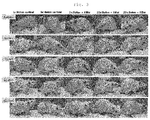
FIG. 3 are pictures showing foot shapes and footprints of rats observed at 4, 8, 11, 13 weeks after injections of 1X Botox (control group), 5X Botox (control group), 5X Botox + 0.1 ml filler, 10X Botox + 0.1 ml filler, and 25X Botox + 0.1 ml filler. In the rats, a standard dose of Botox is defined as 1X, wherein 1X corresponds to 6 unit/kg on the basis of Botox (Allergan), and 1.2 unit per a rat weight of 200g). -
FIG. 4 shows footprints of rats obtained after conducting the same experiment asFIG. 3 . -
FIG. 5 shows SFI values obtained after carrying out the same experiment asFIG. 3 . -
FIG. 6 is graphs showing numerical values graded based on foot shapes and modification degree of gaits of rats analyzed at 4, 8, 11, 13 weeks after injections of 1X Botox (control group), 5X Botox (control group), 5X Botox + 0.1 ml filler, 10X Botox + 0.1 ml filler, and 25X Botox + 0.1 ml filler. -
FIG. 7 shows pictures of rats injected by 250X Botox + filler (3 rats), 50X Botox + filler (3 rats), 35X Botox + filler (3 rats), 30X Botox (1 rat), 25X Botox (2 rats), and 10X Botox (1 rat) groups, in order to determine a dose showing toxicity. - The present invention is made on the basis of discovery that, when a filler and a botulinum toxin (Botox) are administered as one composition, a synergistic effect may be provided, and an effect of the Botox and the filler may continue for a long time, such that the number of injections may be decreased to thereby enhance convenience of patients.
- Therefore, according to an exemplary embodiment of the present invention, the present invention provides a composition comprising a filler and a botulinum toxin for improving skin wrinkles, preventing skin aging, and/or treating neuromuscular diseases. The improvement of skin wrinkles or the prevention of skin aging means improvement of symptoms of skin accompanying with aging. For example, the improvement of skin wrinkles or the prevention of skin aging includes improvement of skin wrinkles and skin tone, improvement of skin elasticity, and lifting, but the present invention is not limited thereto.
- In the present invention, the wrinkles mean all kinds of wrinkles of the body, particularly, facial wrinkles. The facial wrinkles include static wrinkles (static rhytides) and dynamic wrinkles (dynamic rhytides). The static rhytides are typically shallow, and are caused by skin aging and volume deficits. The dynamic rhytides are typically deep, and are caused by contraction of facial muscles. For treatment of the dynamic rhytides, a botulinum toxin is injected into the facial muscles to paralyze the muscles.
- The botulinum toxin is secreted by anaerobic bacteria such as Clostridium botulinum C. butyricum, C. baratii and C. argentinense. There are seven types of the botulinum toxin, among which A-type and B-type botulinum toxins are purified to be used in medical fields. These toxins suppress the secretion of acetylcholine from a motor nerve terminal region, and paralyze corresponding muscles. Various diseases may be treated by the composition of the present invention due to such characteristics. For example, the composition of the present invention may be used for the treatment of various neuromuscular diseases such as eyelid spasms, torticollis (a condition in which the neck unnaturally leans toward one side due to contraction of neck muscles), cervical dystonia, blepharospasm, axillary hyperhidrosis, anal fissure, vaginismus, achalasia, headache disorders including migraine, etc., idiopathic and neurogenic detrusor hyperplasia, focal dystonia, (limbs, jaw joints, vocal cords, etc.), temporomandibular joint disorder, diabetic neuropathy, vocal cord dysfunction, strabismus, chronic neuropathy, facial muscle hypertrophy (masticatory muscles, etc.), detrusor-sphincter dyssynergia, and benign prostatic hyperplasia as well as for cosmetic purposes such as wrinkle treatment, square jaw surgery, improvement of skin aging, but the present invention is not limited thereto.
- The filler is a material of lifting wrinkles to be removed by injecting skin tissue components into valleys of the skin wrinkles to fill in volume. Currently, hyaluronic acid and collagen are the most commonly used as the filler. Skin volume is maintained by gel-typed intangible materials such as collagen, elastin, hyaluronic acid, and the like, forming dermal skeleton.
- Various commercially available fillers may be used in the composition of the present invention, and may be appropriately selected by a person skilled in the art. For example, the filler may be largely divided into collagen-based fillers, hyaluronic acid-based fillers (for example, Restylane®, Juvederm®, Perfectha®, Elravie®, Yvoire®, Teosyal®, etc.), calcium hydroxyapatite-based fillers (for example, Radiesse®, etc.), polyacrylamide-based fillers (for example, Aquamid®, Bio-Alcamid®, Royamid®, etc.), and poly-L-lactic acid (PLLA)-based fillers (for example, Sculptra®, etc.), etc., depending on the type of components. The filler may also be divided into temporary biodegradable fillers (1 year or less of duration) such as Restylane®, Juvederm®, Teosyal®, Evolence®, etc., semi-permanent biodegradable fillers (1-2 years of duration) such as Reviderm®, Matridex®, Fascian®, etc., and non-degradable permanent fillers (two years or more of duration) such as Artecoll®, Aquamid®, Bio-Alcamid®, etc., based on the duration of effect. Further, the filler may be divided into a volume-enhancing filler (Voluminizer) for enhancing volume and a promoter (Stimulator) for promoting collagen production after injection, in accordance with an action mechanism.
- Various botulinum toxins that are commercially available may be used in the composition of the present invention, and a person skilled in the art may appropriately select a botulinum toxin suitable for the present composition.
- The botulinum toxin in the present invention may include any known botulinum toxin produced by bacteria or by a recombinant method, or engineered variants or fusion proteins thereof. There are currently seven types of immunologically distinguishable serotypes, i.e., A-type, B-type, C-type, D-type, E-type, F-type, and G-type botulinum toxins, which may be purchased from Sigma-Aldrich and Metabiologics Inc. (Madison, Wisconsin), and are different from each other in terms of the kinds of animal affected thereby and the symptoms of paralysis caused thereby. In particular, A-type and B-type botulinum toxins are usable as therapeutic and/or cosmetic agents. For example, A-type botulinum toxins include Botox® (Onabotulinum toxin A, Allergan Inc., USA), Meditoxin® (Pacific Pharmaceuticals Co., Ltd., Korea), Botulax® (Hugel Pharma, Korea), Xeomin® (Merz Pharmaceuticals, USA), Dysport® (Ipsen, UK), etc., and B-type botulinum toxins include MYOBLOC® (Elan, USA), etc., but the present invention is not limited thereto.
- The botulinum toxin in the present invention may alternatively be a botulinum toxin derivative, that is, a compound having botulinum toxin activity but including chemical modification or functional modification as compared to the one before being modified. For example, the botulinum toxin may have deletion, modification or substitution of at least one amino acid as compared to the botulinum toxin before being modified. For example, the botulinum toxin may be modified by improving or enhancing characteristics of the botulinum toxin or reducing side effects thereof. Alternatively, the botulinum toxin may be whole having an activity or a part thereof, or may be used as itself or as a part of a fusion protein. Further, the botulinum toxin may be a precursor of botulinum toxin, which itself may be non-toxic, for example, a form of a nontoxic zinc protease that shows toxicity by proteolysis.
- The composition according to the present application may be prepared as a pharmaceutical or cosmetic composition. Methods of preparing the pharmaceutical or cosmetic composition are known in the art, and appropriate technique related to preparation, formulation and additives may be properly selected by a person skilled in the art.
- For example, the composition according to the present invention may be prepared by mixing the filler and the botulinum toxin with a carrier, generally, at least one additionally pharmaceutically acceptable aqueous carrier or excipient. For example, the composition may include a pharmaceutically acceptable carrier or diluent such as buffered saline, and other components typically used in a topical pharmaceutical or cosmetic pharmaceutical composition, including dermatologically or pharmaceutically acceptable carrier, vehicle or medium. The expression "dermatologically or pharmaceutically acceptable" used herein means that excessive toxicity, incompatibility, allergic response, etc., are not caused when the above-described composition or component is in contact with the skin.
- For example, the cosmetic composition may include conventional adjuvants and carriers such as antioxidants, stabilizers, solubilizers, vitamins, pigments and/or flavoring agents.
- The cosmetic composition of the present invention may contain a water-soluble base material including unsaturated fatty acids such as conjugated linoleic acid, linoleic acid, gamma-linoleic acid and alpha-linoleic acid, or propylene glycol.
- Further, the cosmetic composition of the present invention may be prepared in any formulation that is conventionally made in the art, for example, solutions, suspensions, emulsions, pastes, gels, creams, lotions, powders, soaps, surfactant-containing cleansing, oil, powder foundation, emulsion foundation, wax foundation and spray, etc., but the present invention is not limited thereto. More specifically, the cosmetic composition of the present invention may be prepared in flexible skin lotion, nutrition lotion, nutrition cream, massage cream, essence, eye cream, hair tonic, shampoo, rinse, cleansing cream, cleansing foam, cleansing water, pack, spray or powder formulations.
- When the composition of the present invention is formulated into a paste, cream or gel, animal oil, vegetable oil, wax, paraffin, starch, tragacanth, cellulose derivative, polyethylene glycol, silicone, bentonites, silica, talc, zinc oxide, or the like, may be used as a carrier component.
- When the composition of the present invention is formulated into a powder or spray, lactose, talc, silica, aluminum hydroxide, calcium silicate, or polyamide powders may be used as a carrier component. In particular, when the composition of the present invention is formulated into a spray, propellants such as chlorofluoro hydrocarbon, propane/butane, and dimethyl ether may be additionally contained in the composition.
- When the composition of the present invention is formulated into a solution or emulsion, a solvent, a solubilizer, or an emulsifying agent is used as a carrier component. For example, water, ethanol, isopropanol, ethyl carbonate, ethyl acetate, benzyl alcohol, benzyl benzoate, propylene glycol, 1,3-butyl glycol, glycerol aliphatic ester, polyethylene glycol or fatty acid ester of sorbitan may be used.
- When the composition of the present invention is formulated into a suspension, liquid diluents such as water, ethanol, and propylene glycol; suspensions such as ethoxylated isostearyl alcohol, polyoxyethylene sorbitol ester, and polyoxyethylene sorbitan ester; microcrystalline cellulose, aluminum meta-hydroxide, bentonite, agar, or tragacanth may be used as a carrier component.
- When the formulation of the composition of the present invention is surfactant-containing cleansing, aliphatic alcohol sulfate, aliphatic alcohol ether sulfate, sulfosuccinate monoester, isethionate, imidazolium derivative, methyl taurate, sarcosinate, fatty acid amide ether sulfate, alkyl amido betaine, aliphatic alcohol, fatty acid glyceride, fatty acid diethanolamide, vegetable oil, lanolin derivative, ethoxylated glycerol fatty acid ester, or the like, may be used as a carrier component. According to preferable administration type, the composition of the present invention may include at least one pharmaceutically acceptable excipient.
- Further, in each formulation of the cosmetic composition, other components other than essential components may be selected and mixed by a person skilled in the art without any technical difficulty in accordance with the purpose of use, etc.
- In addition, the composition according to the present invention may include at least one pharmaceutical adjuvant selected from the group consisting of thickeners, preservatives, fragrances, coloring agents, chemicals or micronutrients filters, moisturizing agents, and thermal spring water, which are known to a person skilled in the art. For example, the preservatives commonly used in cosmetic or functional food may include molecules having antibacterial activity such as caprylic derivatives (capryloyl glycine and glyceryl caprylate), hexane diol and sodium levulinate, zinc and copper derivatives (gluconate and PCA), phytosphingosine and derivatives thereof, benzoyl peroxide, piroctone olamine, zinc pyrithion, selenium sulfide, econazole, ketoconazole, or local antibiotics such as erythromycin and clindamycin.
- In addition, if necessary, the composition of the present invention may further include any component that is commonly used for cosmetic care, e.g., for the prevention of skin aging such as wrinkles, or for the treatment of neuromuscular diseases.
- In terms of formulation, the composition of the present invention may include solutions, emulsions, suspensions, creams, lotions, gels, powders, or other typical solid or liquid compositions that are suitable for being used in the skin.
- In the composition of the present invention comprising the filler and the botulinum toxin, the Botox (on the basis of Allergan) may be contained in an amount of about 1 to 5,000 unit based on 1 ml of the filler, but the present invention is not limited thereto. Accordingly, a person skilled in the art may appropriately select the amount and the ratio of components in consideration of the degree of symptoms requiring improvement or treatment, patient's condition, duration of treatment, etc.
- In another exemplary embodiment, the present invention relates to a sustained dosage form comprising Botox as an active ingredient. The composition according to the present invention comprising a filler in combination with a botulinum toxin may resolve two types of wrinkles by a single injection and have a synergistic and lasting effect for efficacy of each component. It is known that the filler is absorbed between about 6 months to 2 years and movement of muscles promotes the absorption. Botox is required to be repeatedly injected since it has an action duration of about 4 to 6 months. However, the composition of the present invention suppresses the movement of facial muscles, such that the survival time of the filler may be increased, and the botulinum toxin is slowly released while absorbing the filler, thereby providing extended effects. Accordingly, the composition of the present invention may have an additional synergistic effect surpassing a mere aggregation of effects of the individual components, reduce the number of injections to enhance convenience of the patient, and reduce side effects and costs.
- Hereinafter, preferred embodiments of the present invention will be described to assist in understanding the present invention. However, the following exemplary embodiments are provided only to more easily understand the present invention. The present invention is not limited thereto.
- Spague-Dawley rats (6-week-old, 0.2 kg, Orientbio Inc.) were used for animal experiments, and the Botox used for experiments was made by dissolving Botox 200 unit/vial (Botulax, Hugel Pharma, Korea) having a freeze-dried state in 0.6 ml of saline water. The filler was purchased from Hugel Pharma, Korea. 200 µl of the Botox solution was mixed with 100 µl of the filler. The standard dose of Botox used in the SD rats was determined as "1X (corresponding to 6 unit/kg on the basis of Botox (Allergan), and 1.2 unit per a rat weight of 200g)" (Jianjun Ma et al., Time Course of Recovery of Juvenile Skeletal Muscle After Botulinum Toxin A Injection. Am. J. Phys. Med. Rehabil. Vol.83, No. 10). The rats were divided into 1X Botox control group, 5X Botox control group, 5X Botox + 0.1 ml filler group, 10X Botox + 0.1 ml filler group, and 25X Botox + 0.1 ml filler group, and ratios of Botox and filler injected into the rats were summarized in Table 1 below.

- The Botox, and the mixture of Botox and filler injected into the rats had a total volume of 300 µl. The Botox and the mixture of Botox and filler were injected into right gastrocnemius of the anesthetized rats.
- In order to evaluate the effect of the Botox and filler, foot shape and footprint of the rats were observed at 4, 8, 11, and 13 weeks after injections, and sciatic function index (SFI) was calculated in accordance with the method described in the reference (Chen, C.J. et al., Transplantation of Bone Marrow Stromal Cells for Peripheral Nerve Repair, Exp. Neurol. 2007; 204:443-53).
- Specifically, the footprints were observed by applying ink to feet of the rats and allowing the rats to walk on white paper several times. Here, a length between a third toe and heel is PL, a length between a first toe and a fifth toe is TS, and a length between a second toe and a fourth toe is ITS. The SFI values were obtained by substituting the footprints of right feet (EPL, ETS, EITS) into which Botox is injected and the footprints of normal left feet (NPL, NTS, NITS) in the Equation, respectively (for general calculation, see the following Equation,
FIG. 1 and Exp. Neurol. 2007; 204:443-53). SFI=-38.3×(EPL-NPL)/NPL+109.5×(ETS-NTS)/NTS+13.3×(EITS-NITS)/NITS-8.8. - Analysis results obtained from Example 1 were shown in
FIGS. 2 to 6 . The SFI values were almost 0 when the rat has normal function of gastrocnemius, and as the SFI value becomes close to -100, overall dysfunction of gastrocnemius was shown. In the present experiment, as the SFI value becomes close to -100, the effect of Botox was better. After 13 weeks for the experiment, the effect of Botox was the best at 4 weeks in all groups, and as time went by, the effect of Botox was slightly reduced. In the Botox + filler group, the SFI values were increased, which had more lasting Botox effect, as compared to the group injected with Botox only. Specifically, in 1X Botox control group, the SFI value was -9.5 at 8 weeks, which is almost a level of a normal rat (the normal SFI value is about -8.8). In 5X Botox control group, the SFI value was increased by 72.74% (from -63.86 at 4 weeks to -17.41 at 13 weeks), showing that the effect of Botox was rapidly reduced. Meanwhile, in the mixed compositions comprising Botox and filler, the SFI value was increased by 62.56% (-61.79 at 4 weeks to -23.13 at 13 weeks) in 5X Botox + 0.1 ml filler group, the SFI value was increased by 55.17% (-61.14 at 4 weeks to -27.41 at 13 weeks) in 10X Botox + 0.1 ml filler group, and the SFI value was increased by 56.53% (-89.29 at 4 weeks to -38.81 at 13 weeks) in 25X Botox + 0.1 ml filler group. It indicates that the effect of Botox was highly maintained at 13 weeks in these three experimental groups as compared with 1x and 5X Botox control groups (seeFIGS. 3 ,4 and5 ). -
Grade evaluation sheets 1 and 2 (seeFIG. 2 ) were made depending on the modification degree of right foot shapes and gaits of each group into which Botox, or Botox + filler is injected, and each score was calculated. In the grade evaluation sheets of the present experiment, the higher score indicates that the foot shape of the rats is more severely modified (Grade evaluation sheet 1), and the gait becomes more imbalanced (Grade evaluation sheet 2). Further, the higher the score is, the higher the effect of Botox and filler is. As results obtained by injecting Botox, or Botox + filler, and conducting grade evaluation using Grade evaluation sheets from 4 weeks to 13 weeks, it was confirmed that, in 25X Botox + 0.1 ml filler group, 10X Botox + 0.1 ml filler group and 5X Botox + 0.1 ml filler group, the modification of foot shape was severe at 13 weeks as compared to 1X and 5X Botox control groups, and among them, 25X Botox + 0.1 ml filler group had the highest score in the grade evaluation. At 4 weeks, all groups had the most severe modification of foot shape and had high level, and as time went by, the grades were getting low. In the Grade evaluation sheet 1 (foot shape), 1X and 5X Botox control groups already had normal grade at 8 and 11 weeks, that is, 0 point; on the other hand, 25X Botox + 0.1 ml filler group had distinct modification in the foot shape and maintained 2 points (the highest score was 3 points) even at 13 weeks (seeFIG. 6 ). - It means that, in the mixed composition of filler and Botox, the effect of Botox was continuously maintained for a long time as compared to the group injected with Botox alone. This result demonstrates that the combination of Botox and filler could achieve an additional synergistic effect surpassing a mere aggregation of effects of the individual components.
- Further, in order to determine a dose showing toxicity, Botox and the filler were injected into 250X Botox + filler group (3 rats), 50X Botox + filler group (3 rats), 35X Botox + filler group (3 rats) as additional experiments, and Botox alone was injected into 30X Botox group (1 rat), 25X Botox group (2 rats), and 10X Botox group (1 rat). As a result, all rats were dead except for 10X Botox group (see Table 2 and
FIG. 7 ). In particular, the rats of 25X Botox group were all dead, but the rats into which 25X Botox + 0.1 ml filler was injected were normally raised well, which means that by mixing Botox and the filler, the toxin of Botox slowly released without giving harmful effects to the animal at a time.[Table 2] Groups Injected dose Experimental rats dead Botox (unit) Filler (ml) 250X Botox+Filler 300 0.05 3 3 50X Botox+ Filler 60 0.05 3 3 35X Botox+Filler 42 0.1 3 3 30X Botox 36 0 1 1 25X Botox 30 0 2 2 10X Botox 12 0 1 0 - While this invention has been described in connection with what is presently considered to be practical exemplary embodiments, it is to be understood that the invention is not limited to the disclosed embodiments, but, on the contrary, is intended to cover various modifications and equivalent arrangements included within the spirit and scope of the appended claims.
- Unless defined otherwise, all technical terms used in the present invention have the same meanings generally understood by those skilled in the art to which the present invention pertains. Each reference cited in the present invention is incorporated herein by reference in its entirety.
Claims (10)
- A composition comprising a filler and a botulinum toxin for improving skin wrinkles, preventing skin aging, or treating neuromuscular diseases.
- The composition of claim 1, wherein the filler is a short term filler, a medium term filler or a long term filler.
- The composition of claim 1, wherein the filler is at least one selected from the group consisting of hyaluronic acid-based fillers, collagen-based fillers, calcium hydroxy apatite-based fillers and polyacrylamide-based fillers.
- The composition of claim 1, wherein the botulinum toxin is Botox®, Meditoxin®, Dysport®, Botulax®, Myobloc®, BTX® or Xeomin®.
- The composition of claim 1, wherein the composition comprises 0.01 to 1 ml of the filler and 1 to 5,000 unit of the botulinum toxin, based on 1 ml of the composition.
- The composition of claim 1, which comprises 1 to 5,000 unit of Botox based on 1 ml of the filler.
- The composition of claim 6, which comprises 5 to 2,500 unit of Botox based on 1 ml of the filler.
- The composition of claim 1, wherein the effect of the botulinum toxin is maintained for a long time as compared to a composition without a filler.
- The composition of claim 1, wherein the neuromuscular diseases is eyelid spasms, torticollis, cervical dystonia, blepharospasm, axillary hyperhidrosis, anal fissure, vaginismus, achalasia, headache disorders including migraine, idiopathic and neurogenic detrusor hyperplasia, focal dystonia, temporomandibular joint disorder, diabetic neuropathy, vocal cord dysfunction, strabismus, chronic neuropathy, facial muscle hypertrophy, detrusor-sphincter dyssynergia, and benign prostatic hyperplasia.
- A cosmetic composition comprising a composition according to any of claims 1 to 9.
Applications Claiming Priority (2)
| Application Number | Priority Date | Filing Date | Title |
|---|---|---|---|
| KR20130070765A KR20140147950A (en) | 2013-06-20 | 2013-06-20 | Composition comprising filler and botulinum toxin for improving skin wrinkle, ageing or treating neuromuscular disease |
| PCT/KR2014/003836 WO2014204090A1 (en) | 2013-06-20 | 2014-04-30 | Composition comprising filler and botulinum toxin for alleviating skin wrinkles or aging or treating neuromuscular diseases |
Publications (2)
| Publication Number | Publication Date |
|---|---|
| EP3011963A1 true EP3011963A1 (en) | 2016-04-27 |
| EP3011963A4 EP3011963A4 (en) | 2017-04-19 |
Family
ID=52104783
Family Applications (1)
| Application Number | Title | Priority Date | Filing Date |
|---|---|---|---|
| EP14813786.2A Withdrawn EP3011963A4 (en) | 2013-06-20 | 2014-04-30 | Composition comprising filler and botulinum toxin for alleviating skin wrinkles or aging or treating neuromuscular diseases |
Country Status (4)
| Country | Link |
|---|---|
| US (1) | US20160151467A1 (en) |
| EP (1) | EP3011963A4 (en) |
| KR (1) | KR20140147950A (en) |
| WO (1) | WO2014204090A1 (en) |
Families Citing this family (6)
| Publication number | Priority date | Publication date | Assignee | Title |
|---|---|---|---|---|
| KR101705050B1 (en) | 2015-10-15 | 2017-02-09 | (주)풍림파마텍 | Automatic injecting apparatus for filler |
| KR101987783B1 (en) * | 2015-12-22 | 2019-06-13 | 주식회사 삼양바이오팜 | Biodegradable polymeric microparticle and method for preparing the same, and biodegradable polymeric filler comprising the same |
| IL268688B2 (en) | 2017-03-24 | 2024-01-01 | Merz Pharma Gmbh & Co Kgaa | Improved use of botulinum toxin to treat sialorrhea |
| KR102088104B1 (en) | 2018-06-29 | 2020-03-11 | 호서대학교 산학협력단 | Composition for preventing and treating of neuro muscular diseases comprising essential oil from Erigeron annuus |
| KR102030164B1 (en) * | 2019-08-12 | 2019-10-08 | 최정윤 | labioplasty for beautiful lip line and lip volume, and treatment device thereof |
| CN114225117A (en) * | 2021-11-08 | 2022-03-25 | 红色未来科技(北京)有限公司 | A comprehensive facial filler containing crosslinked dextran and its preparation method |
Family Cites Families (13)
| Publication number | Priority date | Publication date | Assignee | Title |
|---|---|---|---|---|
| KR100852824B1 (en) * | 2004-07-26 | 2008-08-18 | 메르츠 파마 게엠베하 운트 코. 카가아 | Therapeutic composition comprising botulinum neurotoxin |
| US20060062768A1 (en) | 2004-09-23 | 2006-03-23 | Olexander Hnojewyj | Biocompatible hydrogel compositions |
| US7838011B2 (en) * | 2005-02-14 | 2010-11-23 | Pankaj Modi | Stabilized protein compositions for topical administration and methods of making same |
| US8137677B2 (en) * | 2005-10-06 | 2012-03-20 | Allergan, Inc. | Non-protein stabilized clostridial toxin pharmaceutical compositions |
| US20070178121A1 (en) * | 2006-01-27 | 2007-08-02 | Allergan, Inc. | Methods for enhancing skin treatments |
| US8193155B2 (en) * | 2009-02-09 | 2012-06-05 | Elc Management, Llc | Method and compositions for treating skin |
| US9161970B2 (en) * | 2007-12-12 | 2015-10-20 | Allergan, Inc. | Dermal filler |
| US9044477B2 (en) * | 2007-12-12 | 2015-06-02 | Allergan, Inc. | Botulinum toxin formulation |
| WO2010065784A2 (en) * | 2008-12-03 | 2010-06-10 | Jakk Group, Inc. | Methods, devices, and compositions for dermal filling |
| US9050246B2 (en) * | 2009-05-29 | 2015-06-09 | Galderma Research & Development | Injectable combination of adrenergic receptor agonists with fillers, for decreasing skin reactions due to injection |
| KR101221734B1 (en) | 2009-12-03 | 2013-01-11 | 주식회사 엘지생활건강 | Cosmetic composition of multi-pore patch for skin improvement of two-form type using lyophilization |
| US20110294876A1 (en) * | 2010-05-25 | 2011-12-01 | Symrise Ag | Cyclohexyl carbamate compounds as anti-ageing actives |
| US20130331332A1 (en) * | 2011-03-01 | 2013-12-12 | Merz Pharma Gmbh & Co. Kgaa | Composition comprising peroxisome proliferator-activated receptor-gamma |
-
2013
- 2013-06-20 KR KR20130070765A patent/KR20140147950A/en not_active Ceased
-
2014
- 2014-04-30 WO PCT/KR2014/003836 patent/WO2014204090A1/en not_active Ceased
- 2014-04-30 EP EP14813786.2A patent/EP3011963A4/en not_active Withdrawn
- 2014-04-30 US US14/900,369 patent/US20160151467A1/en not_active Abandoned
Also Published As
| Publication number | Publication date |
|---|---|
| KR20140147950A (en) | 2014-12-31 |
| EP3011963A4 (en) | 2017-04-19 |
| WO2014204090A1 (en) | 2014-12-24 |
| US20160151467A1 (en) | 2016-06-02 |
Similar Documents
| Publication | Publication Date | Title |
|---|---|---|
| US20240058628A1 (en) | Injectable botulinum toxin formulations | |
| US20160151467A1 (en) | Composition comprising filler and botulinum toxin for alleviating skin wrinkles or aging or treating neuromuscular diseases | |
| KR20180077202A (en) | Injectable botulinum toxin preparations and methods using these with long-lasting therapeutic or cosmetic effects | |
| CN112367967B (en) | Composition for muscle relaxation | |
| KR102006952B1 (en) | Cosmetics compositions for prevention and improvement of wrinkle | |
| KR102469721B1 (en) | Peptide Having Botulinum Toxin-Like Activity and Uses thereof | |
| KR101455817B1 (en) | Treatment of Various Types of Scars | |
| US7858580B2 (en) | Dermatological compositions including oligopeptides for increasing skin sensitivity and neuronal perception | |
| JPWO2020071258A1 (en) | Protein glycation inhibitor | |
| KR20170089798A (en) | Composition comprising filler and botulinum toxin for improving skin wrinkle, ageing or treating neuromuscular disease | |
| KR20200040719A (en) | A novel botulinum toxin composition having a prolonged period of action | |
| KR20150144735A (en) | Composition comprising filler and botulinum toxin for improving skin wrinkle, ageing or treating neuromuscular disease | |
| KR100743960B1 (en) | Two-part cosmetic preparation with bubbles | |
| KR20170074501A (en) | Cosmetics compositions for prevention and improvement of wrinkle | |
| KR102075947B1 (en) | Cosmetics Compositions for atopic dermatitis or skin trouble care | |
| KR101906940B1 (en) | Composition containing botulinium toxin, 4-hexylresorsinol and silk fibroin | |
| KR102084521B1 (en) | Compositions for prevention and improvement of acne | |
| TH2101000531A (en) | Components for muscle relaxation. | |
| JP2020169154A (en) | Amino acid-containing protein glycation inhibitor | |
| HK1256878B (en) | Injectable botulinum toxin formulations | |
| KR102491997B1 (en) | Cosmetics compositions for prevention and improvement of wrinkle |
Legal Events
| Date | Code | Title | Description |
|---|---|---|---|
| PUAI | Public reference made under article 153(3) epc to a published international application that has entered the european phase |
Free format text: ORIGINAL CODE: 0009012 |
|
| 17P | Request for examination filed |
Effective date: 20160118 |
|
| AK | Designated contracting states |
Kind code of ref document: A1 Designated state(s): AL AT BE BG CH CY CZ DE DK EE ES FI FR GB GR HR HU IE IS IT LI LT LU LV MC MK MT NL NO PL PT RO RS SE SI SK SM TR |
|
| AX | Request for extension of the european patent |
Extension state: BA ME |
|
| RIN1 | Information on inventor provided before grant (corrected) |
Inventor name: CHOI, LA MEE Inventor name: MAIERDANJIANG, WUFUER Inventor name: CHEOLMIN, HA Inventor name: BYOUNGJUN, JEON Inventor name: KIM, SUK WHA Inventor name: MIN, HYE JEONG Inventor name: PIAO, YING-LAN Inventor name: HUR, WOOJUNE Inventor name: CHOI, TAE HYUN |
|
| RIN1 | Information on inventor provided before grant (corrected) |
Inventor name: MIN, HYE JEONG Inventor name: CHOI, LA MEE Inventor name: CHOI, TAE HYUN Inventor name: PIAO, YING-LAN Inventor name: HUR, WOOJUNE Inventor name: CHEOLMIN, HA Inventor name: BYOUNGJUN, JEON Inventor name: KIM, SUK WHA Inventor name: MAIERDANJIANG, WUFUER |
|
| DAX | Request for extension of the european patent (deleted) | ||
| RIC1 | Information provided on ipc code assigned before grant |
Ipc: A61P 21/00 20060101ALI20161206BHEP Ipc: A61K 38/48 20060101AFI20161206BHEP Ipc: A61P 17/00 20060101ALI20161206BHEP |
|
| A4 | Supplementary search report drawn up and despatched |
Effective date: 20170317 |
|
| RIC1 | Information provided on ipc code assigned before grant |
Ipc: A61K 38/48 20060101AFI20170313BHEP Ipc: A61P 21/00 20060101ALI20170313BHEP Ipc: A61P 17/00 20060101ALI20170313BHEP |
|
| STAA | Information on the status of an ep patent application or granted ep patent |
Free format text: STATUS: EXAMINATION IS IN PROGRESS |
|
| 17Q | First examination report despatched |
Effective date: 20181207 |
|
| STAA | Information on the status of an ep patent application or granted ep patent |
Free format text: STATUS: THE APPLICATION IS DEEMED TO BE WITHDRAWN |
|
| 18D | Application deemed to be withdrawn |
Effective date: 20200603 |