EP2970981B1 - Recombinant rsv with silent mutations, vaccines, and methods related thereto - Google Patents
Recombinant rsv with silent mutations, vaccines, and methods related thereto Download PDFInfo
- Publication number
- EP2970981B1 EP2970981B1 EP14770291.4A EP14770291A EP2970981B1 EP 2970981 B1 EP2970981 B1 EP 2970981B1 EP 14770291 A EP14770291 A EP 14770291A EP 2970981 B1 EP2970981 B1 EP 2970981B1
- Authority
- EP
- European Patent Office
- Prior art keywords
- rsv
- gene
- sequence
- nucleic acid
- virus
- Prior art date
- Legal status (The legal status is an assumption and is not a legal conclusion. Google has not performed a legal analysis and makes no representation as to the accuracy of the status listed.)
- Active
Links
Images







Classifications
-
- A—HUMAN NECESSITIES
- A61—MEDICAL OR VETERINARY SCIENCE; HYGIENE
- A61K—PREPARATIONS FOR MEDICAL, DENTAL OR TOILETRY PURPOSES
- A61K39/00—Medicinal preparations containing antigens or antibodies
- A61K39/12—Viral antigens
- A61K39/155—Paramyxoviridae, e.g. parainfluenza virus
-
- A—HUMAN NECESSITIES
- A61—MEDICAL OR VETERINARY SCIENCE; HYGIENE
- A61K—PREPARATIONS FOR MEDICAL, DENTAL OR TOILETRY PURPOSES
- A61K39/00—Medicinal preparations containing antigens or antibodies
- A61K39/12—Viral antigens
-
- A—HUMAN NECESSITIES
- A61—MEDICAL OR VETERINARY SCIENCE; HYGIENE
- A61K—PREPARATIONS FOR MEDICAL, DENTAL OR TOILETRY PURPOSES
- A61K45/00—Medicinal preparations containing active ingredients not provided for in groups A61K31/00 - A61K41/00
- A61K45/06—Mixtures of active ingredients without chemical characterisation, e.g. antiphlogistics and cardiaca
-
- A—HUMAN NECESSITIES
- A61—MEDICAL OR VETERINARY SCIENCE; HYGIENE
- A61P—SPECIFIC THERAPEUTIC ACTIVITY OF CHEMICAL COMPOUNDS OR MEDICINAL PREPARATIONS
- A61P11/00—Drugs for disorders of the respiratory system
-
- A—HUMAN NECESSITIES
- A61—MEDICAL OR VETERINARY SCIENCE; HYGIENE
- A61P—SPECIFIC THERAPEUTIC ACTIVITY OF CHEMICAL COMPOUNDS OR MEDICINAL PREPARATIONS
- A61P31/00—Antiinfectives, i.e. antibiotics, antiseptics, chemotherapeutics
- A61P31/12—Antivirals
- A61P31/14—Antivirals for RNA viruses
-
- C—CHEMISTRY; METALLURGY
- C07—ORGANIC CHEMISTRY
- C07K—PEPTIDES
- C07K14/00—Peptides having more than 20 amino acids; Gastrins; Somatostatins; Melanotropins; Derivatives thereof
- C07K14/005—Peptides having more than 20 amino acids; Gastrins; Somatostatins; Melanotropins; Derivatives thereof from viruses
-
- C—CHEMISTRY; METALLURGY
- C12—BIOCHEMISTRY; BEER; SPIRITS; WINE; VINEGAR; MICROBIOLOGY; ENZYMOLOGY; MUTATION OR GENETIC ENGINEERING
- C12N—MICROORGANISMS OR ENZYMES; COMPOSITIONS THEREOF; PROPAGATING, PRESERVING, OR MAINTAINING MICROORGANISMS; MUTATION OR GENETIC ENGINEERING; CULTURE MEDIA
- C12N7/00—Viruses; Bacteriophages; Compositions thereof; Preparation or purification thereof
-
- A—HUMAN NECESSITIES
- A61—MEDICAL OR VETERINARY SCIENCE; HYGIENE
- A61K—PREPARATIONS FOR MEDICAL, DENTAL OR TOILETRY PURPOSES
- A61K39/00—Medicinal preparations containing antigens or antibodies
- A61K2039/51—Medicinal preparations containing antigens or antibodies comprising whole cells, viruses or DNA/RNA
- A61K2039/525—Virus
- A61K2039/5254—Virus avirulent or attenuated
-
- A—HUMAN NECESSITIES
- A61—MEDICAL OR VETERINARY SCIENCE; HYGIENE
- A61K—PREPARATIONS FOR MEDICAL, DENTAL OR TOILETRY PURPOSES
- A61K39/00—Medicinal preparations containing antigens or antibodies
- A61K2039/55—Medicinal preparations containing antigens or antibodies characterised by the host/recipient, e.g. newborn with maternal antibodies
-
- A—HUMAN NECESSITIES
- A61—MEDICAL OR VETERINARY SCIENCE; HYGIENE
- A61K—PREPARATIONS FOR MEDICAL, DENTAL OR TOILETRY PURPOSES
- A61K39/00—Medicinal preparations containing antigens or antibodies
- A61K2039/58—Medicinal preparations containing antigens or antibodies raising an immune response against a target which is not the antigen used for immunisation
-
- C—CHEMISTRY; METALLURGY
- C12—BIOCHEMISTRY; BEER; SPIRITS; WINE; VINEGAR; MICROBIOLOGY; ENZYMOLOGY; MUTATION OR GENETIC ENGINEERING
- C12N—MICROORGANISMS OR ENZYMES; COMPOSITIONS THEREOF; PROPAGATING, PRESERVING, OR MAINTAINING MICROORGANISMS; MUTATION OR GENETIC ENGINEERING; CULTURE MEDIA
- C12N2760/00—MICROORGANISMS OR ENZYMES; COMPOSITIONS THEREOF; PROPAGATING, PRESERVING, OR MAINTAINING MICROORGANISMS; MUTATION OR GENETIC ENGINEERING; CULTURE MEDIA ssRNA viruses negative-sense
- C12N2760/00011—Details
- C12N2760/18011—Paramyxoviridae
- C12N2760/18511—Pneumovirus, e.g. human respiratory syncytial virus
- C12N2760/18522—New viral proteins or individual genes, new structural or functional aspects of known viral proteins or genes
-
- C—CHEMISTRY; METALLURGY
- C12—BIOCHEMISTRY; BEER; SPIRITS; WINE; VINEGAR; MICROBIOLOGY; ENZYMOLOGY; MUTATION OR GENETIC ENGINEERING
- C12N—MICROORGANISMS OR ENZYMES; COMPOSITIONS THEREOF; PROPAGATING, PRESERVING, OR MAINTAINING MICROORGANISMS; MUTATION OR GENETIC ENGINEERING; CULTURE MEDIA
- C12N2760/00—MICROORGANISMS OR ENZYMES; COMPOSITIONS THEREOF; PROPAGATING, PRESERVING, OR MAINTAINING MICROORGANISMS; MUTATION OR GENETIC ENGINEERING; CULTURE MEDIA ssRNA viruses negative-sense
- C12N2760/00011—Details
- C12N2760/18011—Paramyxoviridae
- C12N2760/18511—Pneumovirus, e.g. human respiratory syncytial virus
- C12N2760/18534—Use of virus or viral component as vaccine, e.g. live-attenuated or inactivated virus, VLP, viral protein
-
- C—CHEMISTRY; METALLURGY
- C12—BIOCHEMISTRY; BEER; SPIRITS; WINE; VINEGAR; MICROBIOLOGY; ENZYMOLOGY; MUTATION OR GENETIC ENGINEERING
- C12N—MICROORGANISMS OR ENZYMES; COMPOSITIONS THEREOF; PROPAGATING, PRESERVING, OR MAINTAINING MICROORGANISMS; MUTATION OR GENETIC ENGINEERING; CULTURE MEDIA
- C12N2760/00—MICROORGANISMS OR ENZYMES; COMPOSITIONS THEREOF; PROPAGATING, PRESERVING, OR MAINTAINING MICROORGANISMS; MUTATION OR GENETIC ENGINEERING; CULTURE MEDIA ssRNA viruses negative-sense
- C12N2760/00011—Details
- C12N2760/18011—Paramyxoviridae
- C12N2760/18511—Pneumovirus, e.g. human respiratory syncytial virus
- C12N2760/18561—Methods of inactivation or attenuation
- C12N2760/18562—Methods of inactivation or attenuation by genetic engineering
-
- C—CHEMISTRY; METALLURGY
- C12—BIOCHEMISTRY; BEER; SPIRITS; WINE; VINEGAR; MICROBIOLOGY; ENZYMOLOGY; MUTATION OR GENETIC ENGINEERING
- C12N—MICROORGANISMS OR ENZYMES; COMPOSITIONS THEREOF; PROPAGATING, PRESERVING, OR MAINTAINING MICROORGANISMS; MUTATION OR GENETIC ENGINEERING; CULTURE MEDIA
- C12N2800/00—Nucleic acids vectors
- C12N2800/22—Vectors comprising a coding region that has been codon optimised for expression in a respective host
Definitions
- Respiratory syncytial virus leads to lower respiratory tract infections. Immunocompromised patients, premature infants, and children are particularly at risk to severe disease. RSV is the leading cause of viral death in infants. RSV treatments are focused on prevention from infection and improving respiration. Palivizumab is a humanized monoclonal antibody that can be given prophylactically. Palivizumab is not effective after RSV infection, and protection ends shortly after treatment stops. Vaccines are not currently available for RSV. Attenuated RSV vaccines candidates have failed because of suboptimal immunogenicity in infants and suboptimal stability that leads to genetic reversion towards undesirable wild-type sequences. See Teng, Infectious Disorders - Drug Targets, 2012, 12(2): 129-3 . Thus, there is a need to find an attenuated RSV vaccine that is appropriately immunogenic, sufficiently stable, and safe for use in infants.
- synonymous codons are used more or less frequently, sometimes referred to as codon bias.
- Genetic engineering of under-represented synonymous codons into the coding sequence of a gene has been shown to result in decreased rates of protein translation without a change in the amino acid sequence of the protein. Mueller et al. report virus attenuation by changes in codon bias. See, Science, 2008, 320:1784 .
- Luongo et al. report increased genetic and phenotypic stability of a live-attenuated respiratory syncytial virus vaccine candidate by reverse genetics. See J. Virol. 2012, 86(19):10792 .
- US2008118530 discloses immunogenic compositions comprising an attenuated pathogen, wherein the attenuated pathogen comprises at least one deoptimized codon in a coding sequence, and methods of eliciting an immune response against a pathogen in a subject, comprising introducing into the subject a immunologically effective amount of the immunogenic composition.
- U.S. Patent 8,580,270 reports RSV F polypeptide sequences.
- U.S. Patent 7,951,384 reports that it contemplates a VLP RSV vaccine.
- the disclosure relates to the polynucleotide sequences of respiratory syncytial virus (RSV).
- RSV respiratory syncytial virus
- the disclosure relates to isolated or recombinant nucleic acids and polypeptides comprising desirable nucleic acid sequences and mutations disclosed herein.
- Isolated or recombinant RSV comprising the nucleic acids and polypeptides disclosed herein (e.g., attenuated recombinant RSV) are also disclosed, as are immunogenic compositions including such nucleic acids, polypeptides, and RSV genomes that are suitable for use as vaccines.
- Attenuated or killed RSV containing these nucleic acids and mutation in the form of copied nucleic acids e.g., cDNAs are also contemplated.
- the disclosure relates to isolated nucleic acids, recombinant respiratory syncytial virus (RSV) with codon deoptimization, vaccines produced therefrom, and vaccination methods related thereto.
- Recombinant RSV can comprise the genes NS1, NS2, N, P, M, SH, G, F, M2, and L of strain A2, line 19, or Long strain or variants thereof.
- Codon deoptimization can be in the nonstructural genes NS1 and NS2 and optionally in a gene G and optionally in a gene L.
- the gene SH can be deleted.
- the gene F can be mutated, e.g., an I to V mutation corresponding to residue 557 of RSV strain line 19 F protein.
- the disclosure relates to isolated nucleic acids encoding deoptimized genes NS1 and/or NS2 and optionally the gene G and optionally the gene L of can be a wild-type human RSV or variant wherein the nucleotides can be substituted such that a codon to produce Gly is GGT, a codon to produce Asp is GAT, a codon to produce Glu is GAA, a codon to produce His is CAT, a codon to produce Ile is ATA, a codon to produce Lys is AAA, a codon to produce Leu is CTA, a codon to produce Asn is AAT, a codon to produce Gln is CAA, a codon to produce Val is GTA, or a codon to produce Tyr is TAT, or combinations thereof.
- a gene in the isolated nucleic acid further comprises a combination of at least two, three, four, five, six, seven, eight nine, ten, or all of the individual codons.
- a gene in the isolated nucleic acid comprises at least 20, 30, 40, or 50 or more of the codons.
- This disclosure relates to isolated nucleic acid as disclosed herein wherein the nucleotides can be substituted such that a codon to produce Ala is GCG, a codon to produce Cys is TGT, a codon to produce Phe is TTT, a codon to produce Pro is CCG, a codon to produce Arg is CGT, a codon to produce Ser is TCG, or a codon to produce Thr is ACG, or combinations thereof.
- a gene containing the nucleic acid comprises a combination of at least two, three, four, five, six, seven, eight nine, ten, eleven, twelve, thirteen, fourteen, fifteen, sixteen, or all of the individual codons.
- a gene in the isolated nucleic acid further comprises at least 20, 30, 40, or 50 or more of the codons.
- the disclosure relates to nucleic acids disclosed herein encoding an NS1 having SEQ ID NO: 5 MGX 1 NX 2 LSX 3 IKX 4 RLQNLX 5 X 6 NDEVALLKITCYX 7 DKLIX 8 LTNALAKAX 9 IHTIKL NGIVFX 10 HVITSSX 11 X 12 CPX 13 NX 14 IVVKSNFTTMPX 15 LX 16 NGGYIX 17 EX 18 X 19 ELTH CSQX 20 NGX 21 X 22 X 23 DNCEIKFSX 24 X 25 LX 26 DSX 27 MTX 28 YX 29 X 30 QX 31 SX 32 LLGX 33 DL X 34 X 35 , wherein X 1 -X 35 are any amino acid or X 1 is S or C; X 2 is S or T; X 3 is M or V; X 4 is V or I; X 5 is F or L; X 6 is D or N; X 7 is T or A
- the disclosure relates to nucleic acids disclosed herein encoding an NS1 of RSV as provided in NCBI Accession number NP_044589.1, NP_056856.1, P04544.1, AEQ63513.1, AFM55237.1, AFV32554.1, Q86306.1, AFV32528.1, AFM55248.1, AFM95358.1, AFV32568.1, ACY68428.1, CBW45413.1, AC083290.1, AFM55347.1, CBW45433.1, AEQ63459.1, AFM55204.1, AFV32572.1, AFV32558.1, CBW45429.1, CBW45445.1, AFV32596.1, CBW45481.1, CBW47561.1, P24568.1, AAR14259.1, CBW45451.1, CBW45447.1, CBW45471.1, BAE96914.1, CBW45463.1, CBW45473.1, or CBW45467.1 or
- the invention relates to an isolated recombinant nucleic acid encoding NS1 of a wild-type human respiratory syncytial virus (RSV) comprising SEQ ID NO: 6.
- RSV human respiratory syncytial virus
- the disclosure relates to nucleic acids disclosed herein encoding an NS2 having SEQ ID NO: 8, MX 1 TX 2 X 3 X 4 X 5 X 6 TX 7 QX 8 LX 9 ITDMRPX 10 SX 11 X 12 X 13 X 14 IX 15 SLTX 16 X 17 IITHX 18 FIYLI NX 19 ECIVX 20 KLDEX 21 QATX 22 X 23 FLVNYEMX 24 LLHX 25 VGSX 26 X 27 YKKX 28 TEYNTK YGTFPMPIFIX 29 HX 30 GFX 31 ECIGX 32 KPTKHTPIIX 33 KYDLNP, wherein X 1 -X 33 are any amino acid or X 1 is D or S; X 2 is T, A, or K; X 3 is H, S, or N; X 4 is N or P; X 5 is D, G, or E; X 6 is T or N; X 7 is P, M, Q, S, or A
- the disclosure relates to nucleic acids disclosed herein encoding an NS1 having an NS2 of RSV as provided in NCBI Accession number NP_044590.1, NP_056857.1, CBW45420.1, AFM95337.1, CBW45416.1, CBW45430.1, AFV32529.1, Q86305.1, AEQ63383.1, CBW45424.1, AFM55546.1, CBW45444.1, P04543.2, AFM55326.1, AFM55425.1, AFM55381.1, AFM55458.1, AFM55216.1, AAB59851.1, AEQ63372.1, AFM55337.1, CBW45426.1, AFV32515.1, AFV32519.1, AAR14260.1, CBW47562.1, AFV32643.1, P24569.1, AFV32657.1 AFI25256.1, CBW45480.1, AFV32605.1, AEQ63580.1, AFV3262
- the disclosure relates to an isolated nucleic acid comprising SEQ ID NO: 9 or SEQ ID NO: 10 or a sequence with 60%, 70%, 80%, 90%, 95% or greater sequence identity thereto.
- the invention relates to recombinant vectors comprising a nucleic acid as defined in the claims.
- the invention relates to an attenuated recombinant RSV comprising a nucleic acid as defined in the claims.
- the invention relates to expression system comprising a vector or an attenuated recombinant RSV as defined in the claims.
- the invention relates to vaccines comprising an attenuated recombinant RSV comprising a nucleic acid as defined in the claims.
- the invention relates to a vaccine for use in methods of vaccination comprising administering an effective amount of a vaccine as defined in the claims to a subject at risk of an RSV infection.
- the subject is younger than 2 months or 6 months of age, under 1 year of age, born prematurely, have congenital heart or lung disease, having chemotherapy or a transplantation, or diagnosed with asthma, congestive heart failure or chronic obstructive pulmonary disease, leukemia, or HIV/AIDS.
- in use vaccine is administered in combination with motavizumab, palivizumab, or another humanized monoclonal antibody directed against an epitope in the antigenic site II of the F protein of RSV.
- the invention relates to vectors as defined in the claims comprising a bacterial artificial chromosome (BAC), and a nucleic acid sequence comprising respiratory syncytial virus (RSV), and the BAC contains all genes that are essential for the generation of an infectious viral particle in a host cell.
- the nucleic acid sequence may be a viral genome or antigenome in operable combination with a regulatory element.
- the bacterial artificial chromosome comprises one or more genes selected from the group consisting of oriS, repE, parA, and parB genes of factor F in operable combination with a selectable marker, e.g., a gene that provides resistance to an antibiotic.
- the nucleic acid sequence may be the genomic or antigenomic sequence of the virus which is optionally mutated as defined in the claims.
- the expression vector is a plasmid comprising MluI, ClaI, BstBl, SacI restriction endonuclease cleavage sites and optionally an AvrII restriction endonuclease cleavage site outside the region of the wild-type viral sequence or outside the sequences that encode viral genes or outside the viral genome or antigenome.
- the nucleic acid sequence further comprises a selectable marker or reporter gene in operable combination therewith, e.g., a gene that encodes a fluorescent protein.
- the disclosure relates to isolated bacteria comprising one or more vectors disclosed herein, and other embodiments, the disclosure relates to an isolated cell comprising one or more vectors disclosed herein.
- the vector comprises an RSV antigenome and one or more vectors selected from the group consisting of: a vector encoding an N protein of RSV, a vector encoding a P protein of RSV, a vector encoding an L protein of RSV, and a vector encoding an M2-1 protein of RSV.
- the vector comprises a regulatory element, e.g., promoter
- the isolated eukaryotic cell expresses a nucleic acid or polypeptide that activates the regulatory element, e.g., encodes a polypeptide that activates transcription downstream of the promoter.
- the promoter is T7
- the polypeptide that activates transcription downstream of the promoter is T7 RNA polymerase.
- the disclosure relates to methods of generating respiratory syncytial virus (RSV) particles comprising inserting a vector with a BAC gene and a RSV antigenome into an isolated eukaryotic cell and inserting one or more vectors selected from the group consisting of: a vector encoding an N protein of RSV, a vector encoding a P protein of RSV, a vector encoding an L protein of RSV, and a vector encoding an M2-1 protein of RSV into the cell under conditions such that RSV virion is formed. Inserting a vector into a cell may occur by physically injecting, electroporating, or mixing the cell and the vector under conditions such that the vector enters the cell.
- RSV respiratory syncytial virus
- the disclosure relates to the stability of the line 19 F557 mutant virus compared to other strains, and val at 557 making RSV expressing line 19 F even more thermostable. Val at position 557 in other strains is also likely stabilizing; thus the 557 position is important for thermal stability.
- the disclosure contemplates other mutations in line 19 F or other RSV strains at position 557 (any amino acid, e.g., alanine, valine, isoleucine, leucine) in any F strain context, that improves thermostability of the RSV virus.
- RSV F polypeptide comprising an alanine, valine, or leucine at position 557, e.g., alanine or leucine in position 557 of SEQ ID NO: 17.
- the disclosure relates to certain desirable sequence of RSV F polypeptides e.g., line 19 sequences comprising a valine at position 557, e.g., SEQ ID NO: 17, and recombinant nucleic acids encoding the same.
- the disclosure contemplates recombinant vectors comprising nucleic acids encoding these polypeptides and cells comprising said vectors.
- the invention relates to immunogenic compositions comprising an immunologically effective amount of a recombinant respiratory syncytial virus (RSV), RSV polypeptide, RSV particle, RSV virus-like particle, and/or nucleic acid as defined in the claims.
- RSV respiratory syncytial virus
- the invention relates to a vaccine comprising a recombinant RSV comprising a nucleic acid of Claim 1 for use in methods for stimulating the immune system of an individual to produce a protective immune response against RSV.
- an immunologically effective amount of a RSV, polypeptide, and/or nucleic acid as defined in the claims is administered to the individual in a physiologically acceptable carrier.
- the invention relates to medicaments and vaccine products comprising nucleic acids as defined in the claims for uses as defined in the claims.
- the disclosure relates to uses of nucleic acids or vectors disclosed herein for the manufacture of a medicament for uses disclosed herein.
- Embodiments of the present invention will employ, unless otherwise indicated, techniques of immunology, medicine, organic chemistry, biochemistry, molecular biology, pharmacology, physiology, and the like, which are within the skill of the art. Such techniques are explained fully in the literature.
- protein and “polypeptide” refer to compounds comprising amino acids joined via peptide bonds and are used interchangeably.
- portion when used in reference to a protein (as in “a portion of a given protein") refers to fragments of that protein.
- the fragments may range in size from four amino acid residues to the entire amino sequence minus one amino acid.
- chimera when used in reference to a polypeptide refers to the expression product of two or more coding sequences obtained from different genes, that have been cloned together and that, after translation, act as a single polypeptide sequence. Chimeric polypeptides are also referred to as "hybrid" polypeptides.
- the coding sequences include those obtained from the same or from different species of organisms.
- homolog or “homologous” when used in reference to a polypeptide refers to a high degree of sequence identity between two polypeptides, or to a high degree of similarity between the three-dimensional structure or to a high degree of similarity between the active site and the mechanism of action.
- a homolog has a greater than 60% sequence identity, and more preferably greater than 75% sequence identity, and still more preferably greater than 90% sequence identity, with a reference sequence.
- the term "substantial identity” means that two peptide sequences, when optimally aligned, such as by the programs GAP or BESTFIT using default gap weights, share at least 80 percent sequence identity, preferably at least 90 percent sequence identity, more preferably at least 95 percent sequence identity or more (e.g., 99 percent sequence identity). Preferably, residue positions which are not identical differ by conservative amino acid substitutions.
- variant and mutant when used in reference to a polypeptide refer to an amino acid sequence that differs by one or more amino acids from another, usually related polypeptide.
- the variant may have "conservative" changes, wherein a substituted amino acid has similar structural or chemical properties.
- conservative amino acid substitutions refers to the interchangeability of residues having similar side chains.
- a group of amino acids having aliphatic side chains is glycine, alanine, valine, leucine, and isoleucine; a group of amino acids having aliphatic-hydroxyl side chains is serine and threonine; a group of amino acids having amide-containing side chains is asparagine and glutamine; a group of amino acids having aromatic side chains is phenylalanine, tyrosine, and tryptophan; a group of amino acids having basic side chains is lysine, arginine, and histidine; and a group of amino acids having sulfur-containing side chains is cysteine and methionine.
- Preferred conservative amino acids substitution groups are: valine-leucine-isoleucine, phenylalanine-tyrosine, lysine-arginine, alanine-valine, and asparagine-glutamine. More rarely, a variant may have "non-conservative" changes (e.g., replacement of a glycine with a tryptophan). Similar minor variations may also include amino acid deletions or insertions (in other words, additions), or both. Guidance in determining which and how many amino acid residues may be substituted, inserted or deleted without abolishing biological activity may be found using computer programs well known in the art, for example, DNAStar software. Variants can be tested in functional assays. Preferred variants have less than 5%, and still more preferably less than 2% changes (whether substitutions, deletions, and so on).
- the term “gene” refers to a nucleic acid (e.g., DNA or RNA) sequence that comprises coding sequences necessary for the production of an RNA, or a polypeptide or its precursor (e.g., proinsulin).
- a functional polypeptide can be encoded by a full length coding sequence or by any portion of the coding sequence as long as the desired activity or functional properties (e.g., enzymatic activity, ligand binding, signal transduction, etc.) of the polypeptide are retained.
- portion when used in reference to a gene refers to fragments of that gene. The fragments may range in size from a few nucleotides to the entire gene sequence minus one nucleotide. Thus, "a nucleotide comprising at least a portion of a gene” may comprise fragments of the gene or the entire gene.
- the term “gene” also encompasses the coding regions of a structural gene and includes sequences located adjacent to the coding region on both the 5' and 3' ends for a distance of about 1 kb on either end such that the gene corresponds to the length of the full-length mRNA.
- the sequences which are located 5' of the coding region and which are present on the mRNA are referred to as 5' non-translated sequences.
- the sequences which are located 3' or downstream of the coding region and which are present on the mRNA are referred to as 3' non-translated sequences.
- the term “gene” encompasses both cDNA and genomic forms of a gene.
- a genomic form or clone of a gene contains the coding region interrupted with non-coding sequences termed "introns” or “intervening regions” or “intervening sequences.”
- Introns are segments of a gene which are transcribed into nuclear RNA (mRNA); introns may contain regulatory elements such as enhancers. Introns are removed or “spliced out” from the nuclear or primary transcript; introns therefore are absent in the messenger RNA (mRNA) transcript.
- mRNA messenger RNA
- genomic forms of a gene may also include sequences located on both the 5' and 3' end of the sequences which are present on the RNA transcript. These sequences are referred to as "flanking" sequences or regions (these flanking sequences are located 5' or 3' to the non-translated sequences present on the mRNA transcript).
- the 5' flanking region may contain regulatory sequences such as promoters and enhancers which control or influence the transcription of the gene.
- the 3' flanking region may contain sequences which direct the termination of transcription, posttranscriptional cleavage and polyadenylation.
- heterologous gene refers to a gene encoding a factor that is not in its natural environment (i.e., has been altered by the hand of man).
- a heterologous gene includes a gene from one species introduced into another species.
- a heterologous gene also includes a gene native to an organism that has been altered in some way (e.g., mutated, added in multiple copies, linked to a non-native promoter or enhancer sequence, etc.).
- Heterologous genes are distinguished from endogenous plant genes in that the heterologous gene sequences are typically joined to nucleotide sequences comprising regulatory elements such as promoters that are not found naturally associated with the gene for the protein encoded by the heterologous gene or with plant gene sequences in the chromosome, or are associated with portions of the chromosome not found in nature (e.g., genes expressed in loci where the gene is not normally expressed).
- polynucleotide refers to a molecule comprised of two or more deoxyribonucleotides or ribonucleotides, preferably more than three, and usually more than ten. The exact size will depend on many factors, which in turn depends on the ultimate function or use of the oligonucleotide.
- the polynucleotide may be generated in any manner, including chemical synthesis, DNA replication, reverse transcription, or a combination thereof.
- oligonucleotide generally refers to a short length of single-stranded polynucleotide chain usually less than 30 nucleotides long, although it may also be used interchangeably with the term “polynucleotide.”
- nucleic acid refers to a polymer of nucleotides, or a polynucleotide, as described above. The term is used to designate a single molecule, or a collection of molecules. Nucleic acids may be single stranded or double stranded, and may include coding regions and regions of various control elements, as described below.
- a polynucleotide having a nucleotide sequence encoding a gene or "a polynucleotide having a nucleotide sequence encoding a gene” or "a nucleic acid sequence encoding" a specified polypeptide refers to a nucleic acid sequence comprising the coding region of a gene or in other words the nucleic acid sequence which encodes a gene product.
- the coding region may be present in either a cDNA, genomic DNA or RNA form.
- the oligonucleotide, polynucleotide, or nucleic acid may be single-stranded (i.e., the sense strand) or double-stranded.
- Suitable control elements such as enhancers/promoters, splice junctions, polyadenylation signals, etc. may be placed in close proximity to the coding region of the gene if needed to permit proper initiation of transcription and/or correct processing of the primary RNA transcript.
- the coding region utilized in the expression vectors of the present disclosure may contain endogenous enhancers/promoters, splice junctions, intervening sequences, polyadenylation signals, etc. or a combination of both endogenous and exogenous control elements.
- nucleic acid molecule when made in reference to a nucleic acid molecule refers to a nucleic acid molecule which is comprised of segments of nucleic acid joined together by means of molecular biological techniques.
- recombinant when made in reference to a protein or a polypeptide refers to a protein molecule which is expressed using a recombinant nucleic acid molecule.
- complementarity refers to polynucleotides (i.e., a sequence of nucleotides) related by the base-pairing rules. For example, for the sequence “A-G-T,” is complementary to the sequence “T-C-A.” Complementarity may be “partial,” in which only some of the nucleic acids' bases are matched according to the base pairing rules. Or, there may be “complete” or “total” complementarity between the nucleic acids. The degree of complementarity between nucleic acid strands has significant effects on the efficiency and strength of hybridization between nucleic acid strands. This is of particular importance in amplification reactions, as well as detection methods which depend upon binding between nucleic acids.
- sequence identity refers to a measure of relatedness between two or more nucleic acids or proteins, and is given as a percentage with reference to the total comparison length. The identity calculation takes into account those nucleotide or amino acid residues that are identical and in the same relative positions in their respective larger sequences. Calculations of identity may be performed by algorithms contained within computer programs such as "GAP” (Genetics Computer Group, Madison, Wis.) and “ALIGN” (DNAStar, Madison, Wis.).
- a partially complementary sequence is one that at least partially inhibits (or competes with) a completely complementary sequence from hybridizing to a target nucleic acid is referred to using the functional term "substantially homologous.”
- the inhibition of hybridization of the completely complementary sequence to the target sequence may be examined using a hybridization assay (Southern or Northern blot, solution hybridization and the like) under conditions of low stringency.
- a substantially homologous sequence or probe will compete for and inhibit the binding (i.e., the hybridization) of a sequence which is completely homologous to a target under conditions of low stringency.
- low stringency conditions are such that non-specific binding is permitted; low stringency conditions require that the binding of two sequences to one another be a specific (i.e., selective) interaction.
- the absence of non-specific binding may be tested by the use of a second target which lacks even a partial degree of complementarity (e.g., less than about 30% identity); in the absence of non-specific binding the probe will not hybridize to the second non-complementary target.
- reference sequence is a defined sequence used as a basis for a sequence comparison; a reference sequence may be a subset of a larger sequence, for example, as a segment of a full-length cDNA sequence given in a sequence listing or may comprise a complete gene sequence. Generally, a reference sequence is at least 20 nucleotides in length, frequently at least 25 nucleotides in length, and often at least 50 nucleotides in length.
- two polynucleotides may each (1) comprise a sequence (i.e., a portion of the complete polynucleotide sequence) that is similar between the two polynucleotides, and (2) may further comprise a sequence that is divergent between the two polynucleotides
- sequence comparisons between two (or more) polynucleotides are typically performed by comparing sequences of the two polynucleotides over a "comparison window" to identify and compare local regions of sequence similarity.
- a “comparison window”, as used herein, refers to a conceptual segment of at least 20 contiguous nucleotide positions wherein a polynucleotide sequence may be compared to a reference sequence of at least 20 contiguous nucleotides and wherein the portion of the polynucleotide sequence in the comparison window may comprise additions or deletions (i.e., gaps) of 20 percent or less as compared to the reference sequence (which does not comprise additions or deletions) for optimal alignment of the two sequences.
- Optimal alignment of sequences for aligning a comparison window may be conducted by the local homology algorithm of Smith and Waterman ( Smith and Waterman, Adv. Appl. Math.
- sequence identity means that two polynucleotide sequences are identical (i.e., on a nucleotide-by-nucleotide basis) over the window of comparison.
- term “percentage of sequence identity” is calculated by comparing two optimally aligned sequences over the window of comparison, determining the number of positions at which the identical nucleic acid base (e.g., A, T, C, G, U, or I) occurs in both sequences to yield the number of matched positions, dividing the number of matched positions by the total number of positions in the window of comparison (i.e., the window size), and multiplying the result by 100 to yield the percentage of sequence identity.
- the identical nucleic acid base e.g., A, T, C, G, U, or I
- sequence “identity” refers to the number of exactly matching amino acids (expressed as a percentage) in a sequence alignment between two sequences of the alignment calculated using the number of identical positions divided by the greater of the shortest sequence or the number of equivalent positions excluding overhangs wherein internal gaps are counted as an equivalent position.
- polypeptides GGGGGG and GGGGT have a sequence identity of 4 out of 5 or 80%.
- polypeptides GGGPPP and GGGAPPP have a sequence identity of 6 out of 7 or 85%.
- any recitation of sequence identity expressed herein may be substituted for sequence similarity. Percent "similarity" is used to quantify the similarity between two sequences of the alignment.
- This method is identical to determining the identity except that certain amino acids do not have to be identical to have a match.
- Amino acids are classified as matches if they are among a group with similar properties according to the following amino acid groups: Aromatic - F Y W; hydrophobic-A V I L; Charged positive: R K H; Charged negative - D E; Polar - S T N Q.
- substantially identical denotes a characteristic of a polynucleotide sequence, wherein the polynucleotide comprises a sequence that has at least 85 percent sequence identity, preferably at least 90 to 95 percent sequence identity, more usually at least 99 percent sequence identity as compared to a reference sequence over a comparison window of at least 20 nucleotide positions, frequently over a window of at least 25-50 nucleotides, wherein the percentage of sequence identity is calculated by comparing the reference sequence to the polynucleotide sequence which may include deletions or additions which total 20 percent or less of the reference sequence over the window of comparison.
- the reference sequence may be a subset of a larger sequence, for example, as a segment of the full-length sequences of the compositions claimed in the present disclosure.
- substantially homologous refers to any probe that can hybridize to either or both strands of the double-stranded nucleic acid sequence under conditions of low to high stringency as described above.
- substantially homologous refers to any probe that can hybridize (i.e., it is the complement of) the single-stranded nucleic acid sequence under conditions of low to high stringency as described above.
- operable combination refers to the linkage of nucleic acid sequences in such a manner that a nucleic acid molecule capable of directing the transcription of a given gene and/or the synthesis of a desired protein molecule is produced.
- the term also refers to the linkage of amino acid sequences in such a manner so that a functional protein is produced.
- regulatory element refers to a genetic element which controls some aspect of the expression of nucleic acid sequences.
- a promoter is a regulatory element which facilitates the initiation of transcription of an operably linked coding region.
- Other regulatory elements are splicing signals, polyadenylation signals, termination signals, etc.
- Promoters and enhancers consist of short arrays of DNA sequences that interact specifically with cellular proteins involved in transcription ( Maniatis, et al., Science 236:1237, 1987 ). Promoter and enhancer elements have been isolated from a variety of eukaryotic sources including genes in yeast, insect, mammalian and plant cells. Promoter and enhancer elements have also been isolated from viruses and are found in prokaryotes. The selection of a particular promoter and enhancer depends on the cell type used to express the protein of interest.
- Some eukaryotic promoters and enhancers have a broad host range while others are functional in a limited subset of cell types (for review, see Voss, et al., Trends Biochem. Sci., 11:287, 1986 ; and Maniatis, et al., supra 1987).
- promoter element refers to a DNA sequence that is located at the 5' end (i.e. precedes) the protein coding region of a DNA polymer. The location of most promoters known in nature precedes the transcribed region. The promoter functions as a switch, activating the expression of a gene. If the gene is activated, it is said to be transcribed, or participating in transcription. Transcription involves the synthesis of mRNA from the gene. The promoter, therefore, serves as a transcriptional regulatory element and also provides a site for initiation of transcription of the gene into mRNA.
- Promoters may be tissue specific or cell specific.
- tissue specific refers to a promoter that is capable of directing selective expression of a nucleotide sequence of interest to a specific type of tissue (e.g., seeds) in the relative absence of expression of the same nucleotide sequence of interest in a different type of tissue (e.g., leaves).
- Tissue specificity of a promoter may be evaluated by, for example, operably linking a reporter gene to the promoter sequence to generate a reporter construct, introducing the reporter construct into the genome of a plant such that the reporter construct is integrated into every tissue of the resulting transgenic plant, and detecting the expression of the reporter gene (e.g., detecting mRNA, protein, or the activity of a protein encoded by the reporter gene) in different tissues of the transgenic plant.
- the detection of a greater level of expression of the reporter gene in one or more tissues relative to the level of expression of the reporter gene in other tissues shows that the promoter is specific for the tissues in which greater levels of expression are detected.
- cell type specific refers to a promoter which is capable of directing selective expression of a nucleotide sequence of interest in a specific type of cell in the relative absence of expression of the same nucleotide sequence of interest in a different type of cell within the same tissue.
- the term "cell type specific” when applied to a promoter also means a promoter capable of promoting selective expression of a nucleotide sequence of interest in a region within a single tissue. Cell type specificity of a promoter may be assessed using methods well known in the art, e.g., immunohistochemical staining.
- tissue sections are embedded in paraffin, and paraffin sections are reacted with a primary antibody which is specific for the polypeptide product encoded by the nucleotide sequence of interest whose expression is controlled by the promoter.
- a labeled (e.g., peroxidase conjugated) secondary antibody which is specific for the primary antibody is allowed to bind to the sectioned tissue and specific binding detected (e.g., with avidin/biotin) by microscopy.
- Promoters may be constitutive or regulatable.
- the term "constitutive" when made in reference to a promoter means that the promoter is capable of directing transcription of an operably linked nucleic acid sequence in the absence of a stimulus (e.g., heat shock, chemicals, light, etc.).
- constitutive promoters are capable of directing expression of a transgene in substantially any cell and any tissue.
- a “regulatable” or “inducible” promoter is one which is capable of directing a level of transcription of an operably linked nucleic acid sequence in the presence of a stimulus (e.g., heat shock, chemicals, light, etc.) which is different from the level of transcription of the operably linked nucleic acid sequence in the absence of the stimulus.
- a stimulus e.g., heat shock, chemicals, light, etc.
- the enhancer and/or promoter may be "endogenous” or “exogenous” or “heterologous.”
- An “endogenous” enhancer or promoter is one that is naturally linked with a given gene in the genome.
- An “exogenous” or “heterologous” enhancer or promoter is one that is placed in juxtaposition to a gene by means of genetic manipulation (i.e., molecular biological techniques) such that transcription of the gene is directed by the linked enhancer or promoter.
- genetic manipulation i.e., molecular biological techniques
- an endogenous promoter in operable combination with a first gene can be isolated, removed, and placed in operable combination with a second gene, thereby making it a "heterologous promoter" in operable combination with the second gene.
- a variety of such combinations are contemplated (e.g., the first and second genes can be from the same species, or from different species).
- Efficient expression of recombinant DNA sequences in eukaryotic cells typically requires expression of signals directing the efficient termination and polyadenylation of the resulting transcript. Transcription termination signals are generally found downstream of the polyadenylation signal and are a few hundred nucleotides in length.
- the term "poly(A) site” or "poly(A) sequence” as used herein denotes a DNA sequence which directs both the termination and polyadenylation of the nascent RNA transcript. Efficient polyadenylation of the recombinant transcript is desirable, as transcripts lacking a poly(A) tail are unstable and are rapidly degraded.
- the poly(A) signal utilized in an expression vector may be "heterologous” or "endogenous.”
- An endogenous poly(A) signal is found naturally at the 3' end of the coding region of a given gene in the genome.
- a heterologous poly(A) signal is one which has been isolated from one gene and positioned 3' to another gene.
- a commonly used heterologous poly(A) signal is the SV40 poly(A) signal.
- the SV40 poly(A) signal is contained on a 237 bp BamHI/BclI restriction fragment and directs both termination and polyadenylation.
- vector refers to nucleic acid molecules that transfer DNA segment(s) from one cell to another.
- vehicle is sometimes used interchangeably with “vector.”
- expression vector or "expression cassette” refer to a recombinant nucleic acid containing a desired coding sequence and appropriate nucleic acid sequences used for the expression of the operably linked coding sequence in a particular host organism.
- Nucleic acid sequences used for expression in prokaryotes typically include a promoter, an operator (optional), and a ribosome binding site, often along with other sequences.
- Eukaryotic cells are known to utilize promoters, enhancers, and termination and polyadenylation signals.
- a “host cell” refers to any cell capable of replicating and/or transcribing and/or translating a heterologous gene.
- a “host cell” refers to any eukaryotic or prokaryotic cell (e.g., bacterial cells such as E. coli, yeast cells, mammalian cells, avian cells, amphibian cells, plant cells, fish cells, and insect cells), whether located in vitro or in vivo.
- host cells may be located in a transgenic animal.
- selectable marker refers to a gene which encodes an enzyme having an activity that confers antibiotic or drug resistance upon the cell in which the selectable marker is expressed, or which confers expression of a trait which can be detected (e.g., luminescence or fluorescence).
- Selectable markers may be "positive” or “negative.” Examples of positive selectable markers include the neomycin phosphotrasferase (NPTII) gene which confers resistance to G418 and to kanamycin, and the bacterial hygromycin phosphotransferase gene (hyg), which confers resistance to the antibiotic hygromycin.
- Negative selectable markers encode an enzymatic activity whose expression is cytotoxic to the cell when grown in an appropriate selective medium.
- the HSV-tk gene is commonly used as a negative selectable marker. Expression of the HSV-tk gene in cells grown in the presence of gancyclovir or acyclovir is cytotoxic; thus, growth of cells in selective medium containing gancyclovir or acyclovir selects against cells capable of expressing a functional HSV TK enzyme.
- reporter gene refers to a gene encoding a protein that may be assayed.
- reporter genes include, but are not limited to, modified katushka, mkate and mkate2 (See, e.g., Merzlyak et al., Nat. Methods, 2007, 4, 555-557 and Shcherbo et al., Biochem. J., 2008, 418, 567-574 ), luciferase (See, e.g., deWet et al., Mol. Cell. Biol. 7:725 (1987 ) and U.S.
- wild-type when made in reference to a gene refers to a gene which has the characteristics of a gene isolated from a naturally occurring source.
- wild-type when made in reference to a gene product refers to a gene product which has the characteristics of a gene product isolated from a naturally occurring source.
- naturally-occurring as used herein as applied to an object refers to the fact that an object can be found in nature. For example, a polypeptide or polynucleotide sequence that is present in an organism (including viruses) that can be isolated from a source in nature and which has not been intentionally modified by man in the laboratory is naturally-occurring.
- a wild-type gene is that which is most frequently observed in a population and is thus arbitrarily designated the "normal” or “wild-type” form of the gene.
- the term “modified” or “mutant” when made in reference to a gene or to a gene product refers, respectively, to a gene or to a gene product which displays modifications in sequence and/or functional properties (i.e., altered characteristics) when compared to the wild-type gene or gene product. It is noted that naturally-occurring mutants can be isolated; these are identified by the fact that they have altered characteristics when compared to the wild-type gene or gene product.
- antisense or "antigenome” refers to a nucleotide sequence whose sequence of nucleotide residues is in reverse 5' to 3' orientation in relation to the sequence of nucleotide residues in a sense strand.
- a "sense strand" of a DNA duplex refers to a strand in a DNA duplex which is transcribed by a cell in its natural state into a “sense mRNA.”
- an "antisense” sequence is a sequence having the same sequence as the non-coding strand in a DNA duplex.
- isolated refers to a biological material, such as a virus, a nucleic acid or a protein, which is substantially free from components that normally accompany or interact with it in its naturally occurring environment.
- the isolated material optionally comprises material not found with the material in its natural environment, e.g., a cell. For example, if the material is in its natural environment, such as a cell, the material has been placed at a location in the cell (e.g., genome or genetic element) not native to a material found in that environment.
- a naturally occurring nucleic acid e.g., a coding sequence, a promoter, an enhancer, etc.
- a locus of the genome e.g., a vector, such as a plasmid or virus vector, or amplicon
- Such nucleic acids are also referred to as "heterologous" nucleic acids.
- An isolated virus for example, is in an environment (e.g., a cell culture system, or purified from cell culture) other than the native environment of wild-type virus (e.g., the nasopharynx of an infected individual).
- an "immunologically effective amount" of RSV is an amount sufficient to enhance an individual's (e.g., a human's) own immune response against a subsequent exposure to RSV.
- Levels of induced immunity can be monitored, e.g., by measuring amounts of neutralizing secretory and/or serum antibodies, e.g., by plaque neutralization, complement fixation, enzyme-linked immunosorbent, or microneutralization assay.
- a "protective immune response" against RSV refers to an immune response exhibited by an individual (e.g., a human) that is protective against serious lower respiratory tract disease (e.g., pneumonia and/or bronchiolitis) when the individual is subsequently exposed to and/or infected with wild-type RSV.
- an individual e.g., a human
- serious lower respiratory tract disease e.g., pneumonia and/or bronchiolitis
- Live-attenuated RSV vaccine candidates have two major hurdles, suboptimal immunogenicity in infants and suboptimal stability that leads to genetic reversion towards wild-type and shedding of revertants by vaccinees.
- the viral nonstructural (NS) proteins, NS1 and NS2 are unique and inhibit type I interferon and T cell responses. Mutating NS1/NS2 for vaccine enhances immunogenicity.
- previously developed NS1 and NS1/NS2 deletion/null mutant recombinant RSV strains are over-attenuated, and the NS2 null mutant is under-attenuated in vivo.
- Mutants disclosed herein overcome the limitations of over-attenuation and instability. Mutants were generated with partial NS1 and NS2 function to bridge the attenuation-immunogenicity gap for a pediatric vaccine. Gene synthesis and the RSV BAC rescue system was used to generate NS1/NS2 mutants by altering codon usage across the NS1 and NS2 genes. Codon de-optimization reduces translation efficiency by multiple mechanisms (e.g., tRNA concentration and mRNA structure).
- One mutant disclosed herein (“dNSh”) has 84/420 nt of NS1 mutated and 82/375 nt of NS2 mutated, reducing human codon preference without altering the amino acid sequences.
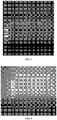
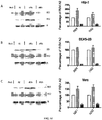
- This virus produces approximately 25% of wt NS1 levels, 25% of wt NS2 levels, 100% of wt nucleoprotein levels, and replicates like wt virus in Vero cells, the cell line commonly used to produce live attenuated RSV under GMP conditions ( Fig. 2 ). In addition to reducing NS expression, this approach likely solves the genetic stability problem because there are too many mutations for reversion.
- the disclosure relates to a vaccine, recombinant RSV genome, or an isolated recombinant nucleic acid encoding RSV NS1, NS2, N, P, M, G, F, M2-1, M2-2, and L genes comprising codon-deoptimization of the NS1 and NS2 genes, wherein codon-deoptimization is configured such that at least one codon to produce Gly is GGT, a codon to produce Asp is GAT, at least one codon to produce Glu is GAA, at least one codon to produce His is CAT, at least one codon to produce Ile is ATA, at least one codon to produce Lys is AAA, at least one codon to produce Leu is CTA, at least one codon to produce Asn is AAT, at least one codon to produce Gln is CAA, at least one codon to produce Val is GTA, or at least one codon to produce Tyr is TAT, wherein in greater than 25% of the Asp, Glu, His, Ile, Lys
- the NS1 gene comprises (SEQ ID NO: 6) or variant thereof with greater than 95, 97, 98, or 99% or more sequence identity thereto.
- the NS2 gene can comprise (SEQ ID NO: 9) or variant thereof with greater than 70, 80, 90, 95, 97, 98, or 99% or more sequence identity thereto.
- the RSV small hydrophobic (SH) glycoprotein gene is can be deleted.
- the nucleic acid can have further codon-deoptimization of the G gene, wherein codon-deoptimization is configured such that at least one codon to produce Gly is GGT, a codon to produce Asp is GAT, at least one codon to produce Glu is GAA, at least one codon to produce His is CAT, at least one codon to produce Ile is ATA, at least one codon to produce Lys is AAA, at least one codon to produce Leu is CTA, at least one codon to produce Asn is AAT, at least one codon to produce Gln is CAA, at least one codon to produce Val is GTA, or at least one codon to produce Tyr is TAT, wherein in greater than 25% of the Asp, Glu, His, Ile, Lys, Leu, Asn, Gln, Val, and Tyr amino acids are codon-deoptimized.
- the G gene can comprise SEQ ID NO: 18 ATGTCGAAAAACAAAGACCAACGTACCGCGAAGACGTTAGAACGTACCTGGGA TACTCTAAATCATTTACTATTCATATCGTCGTGCCTATATAAGCTAAATCTTAAA TCGGTAGCACAAATAACACTATCCATACTGGCGATAATAATCTCGACTTCGCTT ATAATAGCAGCGATCATATTTATAGCCTCGGCGAACCATAAAGTCACGCCAACG ACTGCGATCATACAAGATGCGACATCGCAGATAAAGAATACAACGCCAACGTA CCTAACCCAAAATCCTCAACTTGGTATCTCGCCCTCGAATCCGTCTGAAATAAC ATCGCAAATCACGACCATCCCTCGAATCCGTCTGAAATAAC ATCGCAAATCACGACCATCCCTCGAATCCGTCTGAAATAAC ATCGCAAATCACGACCATCCCTCGAATCCGTCTGAAATAAC ATCGCAAATCACGACCATCCCTCGAATCCGTCTGAAATAAC ATCGCAAATCACGACCAT
- the Gene can comprise SEQ ID NO: 19 ATGTCGAAAAATAAAGACCAACGTACGGCGAAGACGCTAGAACGTACCTGGGA TACGCTAAATCATTTACTATTTATATCGTCGTGCCTATATAAACTAAATCTTAAA TCGGTAGCGCAAATAACACTATCGATACTGGCGATAATAATATCGACTTCGCTA ATAATAGCAGCGATAATATTTATAGCCTCGGCGAATCATAAAGTCACGCCGACG ACTGCGATAATACAAGATGCGACATCGCAAATAAAGAATACGACGCCAACGTA TCTAACCCAAAATCCGCAACTTGGTATATCGCCCTCGAATCCGTCGGAAATAAC ATCGCAAATAACGACCATACTAGCGTCGACGACACCGGGTGTAAAGTCGACGC TACAATCCACGACGGTAAAGACGAAATACGACAACGACGCAAACGCAACCG TCGAAACCGACCGACCGACCGACCGACCGACCGACCGACCGACCGACCGACCGACACCGGGTGTAAAGTCGA
- the G gene can comprise SEQ ID NO: 20 ATGTCGAAAAATAAAGATCAACGTACGGCGAAAACGCTAGAACGTACGTGGGA TACGCTAAATCATCTACTATTTATATCGTCGTGTCTATATAAACTAAATCTAAAA TCGGTAGCGCAAATAACGCTATCGATACTAGCGATAATAATATCGACTTCGCTA ATAATAGCGGCGATAATATTTATAGCGTCGGCGAATCATAAAGTAACGCCGAC GACGGCGATAATACAAGATGCGACTTCGCAAATAAAAAATACGACGCCGACGT ATCTAACGCAAAATCCGCAACTAGGTATATCGCCGTCGAATCCGTCGGAAATAA CGTCGCAAATAACGACGATACTAGCGTCGACGACGCCGGGTGTAAAATCGACG CTACAATCGACGACGGTAAAAACGAACGAACGACGTATTCTGGAAATAAACCGTCGTCGAAACGCAACCGTATT
- the F gene can encode a valine at position 557 and lysine at position 66.
- the F gene can encodes a valine at position 557 and the F gene can comprise a sequence that encodes one or more of the follow amino acid sequences F gene comprises two, three, four, five or all of the follow amino acid sequences TTNIMITTIIIVIIVILLSLIAVGLLLYCK (SEQ ID NO: 11), ARSTPVPILKANAITTILAAVTFCFA (SEQ ID NO: 12), AVTFCFASSQNITEEFYQST (SEQ ID NO: 13), QSTCSAVSKGYLSALRTGWYTSVITIELSNIKK (SEQ ID NO: 14), IKK NKCNGTDAKVKLMKQELDKYKNAV (SEQ ID NO: 15), and FPQAEKCKVQSNRVFC DTMYSLTLPSEVNLCNV (SEQ ID NO: 16).
- the F gene can comprise two, three, four, five or all of the follow amino acid sequences (SEQ ID NO: 11), (SEQ ID NO: 12), (SEQ ID NO: 13), (SEQ ID NO: 14), (SEQ ID NO: 15), and (SEQ ID NO: 16).
- the F gene can encode a valine at position 557 and the F gene can encode one or more of the follow amino acids: asparagine at position 8, phenylalanine at position 20, serine at position 35, lysine at position 66, methionine at position 79, lysine at position 124, arginine at position 191, arginine at position 213, glutamic acid at position 354, lysine at position 357, tyrosine at position 371, valine at position 384, asparagine at position at 115, and threonine at position 523.
- the F gene can encode a valine at position 557 and lysine at position 66 and methionine at position 79.
- the F gene can encode a valine at position 557 and lysine at position 66 and arginine at position 191.
- the F gene can encode a valine at position 557, lysine at position 66, arginine at position 191, and lysine at position 357.
- the F gene can encode a valine at position 557, lysine at position 66, methionine at position 79, and asparagine at position at 115.
- the F gene can encode SEQ ID NO: 17 or variants that contain one, two, three, four, five, six, seven, eight, nine, or ten amino acid substitutions provided F gene encodes a valine at position 557.
- the amino acid substitutions can be conservative substitutions.
- the disclosure relates to an isolated recombinant nucleic acid comprising an F gene encoding (SEQ ID NO: 17) or variants that contains one or two amino acid substitutions provided F gene encodes a valine at position 557 and lysine at position 66.
- the F gene can encode a valine at position 557 and the F gene encodes one or more of the follow amino acids: asparagine at position 8, phenylalanine at position 20, serine at position 35, lysine at position 66, methionine at position 79, lysine at position 124, arginine at position 191, arginine at position 213, glutamic acid at position 354, lysine at position 357, tyrosine at position 371, valine at position 384, asparagine at position at 115, and threonine at position 523.
- the F gene can encode a valine at position 557 and lysine at position 66.
- the F gene can encode a valine at position 557 and lysine at position 66 and methionine at position 79.
- the F gene can encode a valine at position 557, lysine at position 66, arginine at position 191, and lysine at position 357.
- the F gene can encode a valine at position 557, lysine at position 66, methionine at position 79, and asparagine at position at 115.
- the invention relates to a recombinant vector comprising a nucleic acid as define in the claims. In certain embodiments, the invention relates to a cell comprising the recombinant vector, recombinant RSV, or attenuated recombinant RSV as defined in the claims.
- the disclosure relates to an F gene encoding (SEQ ID NO: 17) or variants that contains one amino acid substitutions provided F gene encodes a valine at position 557.
- the disclosure relates to an F gene encoding MELPILKANAITTILAAVTFCFASSQNITEEFYQSTCSAVSKGYLSALRTGWYTSVITI ELSNIKENKCNGTDAKVKLMKQELDKYKNAVTELQLLMQSTPAANNRARRELPRF MNYTLNNTKKTNVTLSKKRKRRFLGFLLGVGSAIASGIAVSKVLHLEGEVNKIKSA LLSTNKAVVSLSNGVSVLTSRVLDLKNYIDKQLLPIVNKQSCRISNIETVIEFQQKNN RLLEITREFSVNAGVTTPVSTYMLTNSELLSLINDMPITNDQKKLMSNNVQIVRQQS YSIMSIIKEEVLAYVVQLPLYGVIDTPCWKLHTSPLCTTNTKEGSNICLTRTDRGWY CDNAGSVSFFPQAEKCKVQSNRVFCDTMYSLTLPSEVNLCNVDIFNPKYDCKIMTS KTDVSSSVITSLGAIVSCYG
- the disclosure relates to recombinant polypeptides comprising an RSV F protein sequence disclosed herein.
- the disclosure relates to virus particles or virus like particles produced by recombinant methods comprising a RSV F protein sequence disclosed herein.
- the invention relates to an isolated recombinant nucleic acid comprising an RSV genome OE1 of SEQ ID NO: 1 or variant with greater than 70, 71, 72, 73, 74, 75, 76, 77, 78, 79, 80, 81, 82, 83, 84, 85, 86, 87, 88, 89, 90, 91, 92, 93, 94, 95, wherein the genome comprises a nucleic acid as defined in the claims. 96, 97, 98, or 99% or more sequence identity thereto.
- the invention relates to an isolated recombinant nucleic acid comprising an RSV genome OE2 of SEQ ID NO: 2 or variant with greater than 70, 71, 72, 73, 74, 75, 76, 77, 78, 79, 80, 81, 82, 83, 84, 85, 86, 87, 88, 89, 90, 91, 92, 93, 94, 95, wherein the genome comprises a nucleic acid as defined in the claims. 96, 97, 98, or 99% or more sequence identity thereto.
- the invention relates to an isolated recombinant nucleic acid comprising an RSV genome OE3 of SEQ ID NO: 3 or variant with greater than 70, 71, 72, 73, 74, 75, 76, 77, 78, 79, 80, 81, 82, 83, 84, 85, 86, 87, 88, 89, 90, 91, 92, 93, 94, 95, wherein the genome comprises a nucleic acid as defined in the claims. 96, 97, 98, or 99% or more sequence identity thereto.
- the invention relates to an isolated recombinant nucleic acid comprising an RSV genome OE4 of SEQ ID NO: 4 or variant with greater than 70, 71, 72, 73, 74, 75, 76, 77, 78, 79, 80, 81, 82, 83, 84, 85, 86, 87, 88, 89, 90, 91, 92, 93, 94, 95, wherein the genome comprises a nucleic acid as defined in the claims. 96, 97, 98, or 99% or more sequence identity thereto.
- the disclosure contemplates isolated recombinant nucleic acids comprising RSV genomes OE1, OE2, OE3, and OE4, wherein one or both of the NS1 gene and NS2 gene are deleted.
- Cultivating RSV in E. coli bacteria may be accomplished by utilizing a bacterial artificial chromosome (BAC).
- a BAC is disclosed that contains the complete antigenomic sequence of respiratory syncytial virus (RSV) strain A2 except the F gene, which is the antigenomic sequence of RSV strain line 19.
- RSV respiratory syncytial virus
- the antigenome sequence on the plasmid can be mutated prior to virus recovery to generate viruses with desired mutations.
- the plasmid is an improvement on current RSV antigenomic plasmids for several reasons.
- Each RSV gene is flanked by restriction endonuclease cleavage sites to allow for easy manipulation of any gene.
- this plasmid may be used to design attenuated viruses for use in vaccines.
- An extra gene encoding the monomeric katushka 2, mKate2, protein has been included in the antigenome prior to the first RSV gene.
- the mKate2 protein is a far-red fluorescent protein which would be expressed in concert with the other RSV genes and would serve as visual evidence of virus replication. Changes have also been made to the ribozyme sequences that flank the RSV antigenome and play a role in the production of infectious virus through reverse genetics.
- the disclosed vectors allow for efficient mutagenesis through recombineering.
- This mutagenesis method requires little to no ligation cloning, but relies on the recombination machinery present in bacteria harboring certain genes from a bacteriophage.
- RSV cDNAs are often unstable in mid-to-high copy number cloning vectors within bacteria predominantly used for cloning, such as Eschericha coli ( E. coli )
- E. coli Eschericha coli
- the single digit copy nature of the bacterial artificial chromosome reduces the instability, and the reduced instability is thought to occur because the single copy nature limits the the ability E coli to recognize crypic promoters in the RSV cDNA and produce toxic proteins.
- the RSV particle contains a viral genome within a helical nucleocapsid which is surrounded by matrix proteins and an envelope containing viral glycoproteins.
- the genome of wild-type RSV encodes the proteins, NS1, NS2, N, P, M, SH, G, F, M2-1, M2-2, and L. G, F, and SH are glycoproteins.
- the F gene has been incorporated into a number of viral vaccines.
- RSV polymerase activity consists of the large protein (L) and phosphoprotein (P).
- the viral M2-1 protein is used during transcription and is likely to be a component of the transcriptase complex.
- the viral N protein is used to encapsidate the nascent RNA.
- the genome is transcribed and replicated in the cytoplasm of a host cell. Host-cell transcription typically results in synthesis of ten methylated and polyadenylated mRNAs.
- the antigenome is positive-sense RNA complement of the genome produced during replication, which in turn acts as a template for genome synthesis.
- the viral genes are flanked by conserved gene-start (GS) and gene-end (GE) sequences. At the 3' and 5' ends of the genome are leader and trailer nucleotides. The wild type leader sequence contains a promoter at the 3' end. When the viral polymerase reaches a GE signal, the polymerase polyadenylates and releases the mRNA and reinitiates RNA synthesis at the next GS signal.
- the L-P complex is believed to be responsible for recognition of the promoter, RNA synthesis, capping and methylation of the 5' termini of the mRNAs and polyadenylation of their 3' ends. It is believed that the polymerase sometimes dissociates from the gene at the junctions. Because the polymerase initiates transcription at the 3' end of the genome, this results in a gradient of expression, with the genes at the 3' end of the genome being transcribed more frequently than those at the 5' end.
- the polymerase does not respond to the cis -acting GE and GS signals and generates positive-sense RNA complement of the genome, the antigenome.
- the complement of the trailer which contains a promoter.
- the polymerase uses this promoter to generate genome-sense RNA.
- the antigenome and genome RNAs are encapsidated with virus nucleoprotein (N) as they are synthesized.
- the invention relates to vectors and nucleic acids as defined in the claims and that contain RSV gene(s) such as the wild-type genome or antigenome.
- RSV gene(s) such as the wild-type genome or antigenome.
- An example of an RSV antigenome is provided in U.S. Patent No. 6,790,449 .
- Reference to RSV gene(s) and the genome is contemplated to include certain mutations, deletions, or variant combinations, such as cold-passaged (cp) and temperature sensitive (ts) derivatives of RSV, cpRSV, such as rA2cp248/404/1030 ⁇ SH.
- rA2cp248/404 ⁇ SH contains 4 independent attenuating genetic elements: cp which is based on 5 missense mutations in the N and L proteins and the F glycoprotein that together confer the non-ts attenuation phenotype of cpRSV; ts248, a missense mutation in the L protein; ts404, a nucleotide substitution in the gene-start transcription signal of the M2 gene; and ⁇ SH, complete deletion of the SH gene.
- rA2cp248/404/1030 ⁇ SH contains 5 independent attenuating genetic elements: those present in rA2cp248/404 ⁇ SH and ts1030, another missense mutation in the L protein.
- RSV anitgenome may contain deletion or mutations in nonessential genes (e.g., the SH, NS1, NS2, and M2-2 genes) or combinations thereof.
- BACs Bacterial Artificial Chromosomes
- the invention relates to vectors and nucleic acids as defined in the claims and that contain bacterial artificial chromosomes.
- a bacterial cloning system for mapping and analysis of complex genomes has been disclosed in Shizuya et al., Proc. Natl. Acad. Sci., 1992, 89:8794-8797 .
- the BAC system (for bacterial artificial chromosome) is based on Escherichia coli and its single-copy plasmid F factor which were described as useful for cloning large fragments of human DNA.
- the F factor encodes for genes that regulate its own replication including oriS, repE, parA, and parB.
- the oriS and repE genes mediate the unidirectional replication of the F factor while parA and parB typically maintain copy number at a level of one or two per E. coli genome. It is contemplated that the genes and the chromosome may contain mutations, deletions, or variants with desired functional attributes.
- the BAC vector typically contains these genes as well as a resistance marker and a cloning segment containing promoters for incorporating nucleic acid segments of interest by ligating into restriction enzyme sites. Exemplary BAC systems include those described in Shizuya & Kouros-Hehr, Keio J Med, 2001, 50(1): 26-30 .
- BAC vectors can be transfected to bacteria such as E. coli by electroporation.
- the RSV-BACs disclosed herein may be stably maintained in bacteria, re-isolated from the bacteria, and inserted into a eukaryotic cell along with one or more vectors that express the N, P, L, and M2-1 proteins. These cells produce infective RSV particles.
- Production of infectious RSV results from co-transfection of plasmids encoding N, P, L, and M2-1 proteins and the antigenome under control of the T7 promoter into BHK-21 cells that express T7 RNA polymerase (BSR cells). See Buchholz et al., J Virol., 2000, 74(3):1187-1199 .
- Attenuated RSV strains as candidate vaccines for intranasal administration have been developed using multiple rounds of chemical mutagenesis to introduce multiple mutations into a virus. Evaluation in rodents, chimpanzees, adults and infants indicate that certain of these candidate vaccine strains are immunogenic, and may be attenuated. Nucleotide sequence analysis of some of these attenuated viruses indicates that each level of increased attenuation is typically associated with two or more new nucleotide and amino acid substitutions.
- the disclosure provides the ability to distinguish between silent incidental mutations versus those responsible for phenotype differences by introducing the mutations, separately and in various combinations, into the genome or antigenome of infectious RSV. This process identifies mutations responsible for phenotypes such as attenuation, temperature sensitivity, cold-adaptation, small plaque size, host range restriction, etc. Mutations from this menu can then be introduced in various combinations to calibrate a vaccine virus to an appropriate level of attenuation, etc., as desired. Moreover, the present disclosure provides the ability to combine mutations from different strains of virus into one strain.
- the present disclosure also provides for methods of attenuation.
- individual internal genes of RSV can be replaced with their bovine, murine or other RSV counterpart. This may include part or all of one or more of the NS1, NS2, N, P, M, SH, M2-1, M2-2 and L genes, or parts of the G and F genes.
- Reciprocally, means are provided to generate a live attenuated bovine RSV by inserting human attenuating genes into a bovine RSV genome or antigenome background.
- Human RSV bearing bovine RSV glycoproteins provides a host range restriction favorable for human vaccine preparations.
- Bovine RSV sequences which can be used in the present disclosure are described in, e.g., Pastey et al., J. Gen. Viol.
- the disclosure also provides the ability to analyze other types of attenuating mutations and to incorporate them into infectious RSV for vaccine or other uses.
- a tissue culture-adapted nonpathogenic strain of pneumonia virus of mice (the murine counterpart of RSV) lacks a cytoplasmic tail of the G protein ( Randhawa et al., Virology 207: 240-245 (1995 )).
- the cytoplasmic and transmembrane domains of each of the RSV glycoproteins, F, G and SH can be deleted or modified to achieve attenuation.
- mutations for use in infectious RSV of the present disclosure include mutations in cis-acting signals identified during mutational analysis of RSV minigenomes. For example, insertional and deletional analysis of the leader and trailer and flanking sequences identified viral promoters and transcription signals and provided a series of mutations associated with varying degrees of reduction of RNA replication or transcription. Saturation mutagenesis (whereby each position in turn is modified to each of the nucleotide alternatives) of these cis-acting signals also has identified many mutations which reduced (or in one case increased) RNA replication or transcription. Any of these mutations can be inserted into the complete antigenome or genome as described herein.
- RSV useful in a vaccine formulation can be conveniently modified to accommodate antigenic variation in circulating virus, including antigenic subgroup A and B strains and variations within those subgroups.
- the modification will be in the G and/or F proteins.
- the entire G or F gene, or the segment(s) encoding particular immunogenic regions thereof, is incorporated into the RSV genome or antigenome cDNA by replacement of the corresponding region in the infectious clone or by adding one or more copies of the gene such that several antigenic forms are represented.
- Progeny virus produced from the modified RSV cDNA are then used in vaccination protocols against the emerging strains. Further, inclusion of the G protein gene of RSV subgroup B would broaden the response to cover a wider spectrum of the relatively diverse subgroup A and B strains infecting human populations.
- An infectious RSV clone of the disclosure can also be engineered to enhance its immunogenicity and induce a level of protection greater than that provided by natural infection, or vice versa, to identify and ablate epitopes associated with undesirable immunopathologic reactions.
- Enhanced immunogenicity of the vaccines produced by the present disclosure addresses one of the greatest obstacles to controlling RSV, namely the incomplete nature of immunity induced by natural infection.
- An additional gene may be inserted into or proximate to the RSV genome or antigenome which is under the control of an independent set of transcription signals.
- Genes of interest include those encoding cytokines (e.g., IL-2 through IL-15, especially IL-3, IL-6 and IL-7, etc.), gamma-interferon, and proteins rich in T helper cell epitopes.
- the additional protein can be expressed either as a separate protein or as a chimera engineered from a second copy of one of the RSV proteins, such as SH. This provides the ability to modify and improve the immune response against RSV both quantitatively and qualitatively.
- virus produced according to the present invention can be used directly in vaccine formulations, or lyophilized, as desired, using lyophilization protocols well known to the artisan. Lyophilized virus will typically be maintained at about 4 degrees C. When ready for use the lyophilized virus is reconstituted in a stabilizing solution, e.g., saline or comprising SPG, Mg, and HEPES, with or without adjuvant, as further described below.
- a stabilizing solution e.g., saline or comprising SPG, Mg, and HEPES, with or without adjuvant, as further described below.
- RSV vaccines of the invention contain as an active ingredient an immunogenetically effective amount of RSV produced as described herein.
- the modified virus may be introduced into a host with a physiologically acceptable carrier and/or adjuvant.
- a physiologically acceptable carrier and/or adjuvant are well known in the art, and include, e.g., water, buffered water, 0.4% saline, 0.3% glycine, hyaluronic acid and the like.
- the resulting aqueous solutions may be packaged for use as is, or lyophilized, the lyophilized preparation being combined with a sterile solution prior to administration, as mentioned above.
- compositions may contain pharmaceutically acceptable auxiliary substances as required to approximate physiological conditions, such as pH adjusting and buffering agents, tonicity adjusting agents, wetting agents and the like, for example, sodium acetate, sodium lactate, sodium chloride, potassium chloride, calcium chloride, sorbitan monolaurate, triethanolamine oleate, and the like.
- Acceptable adjuvants include incomplete Freund's adjuvant, aluminum phosphate, aluminum hydroxide, or alum, which are materials well known in the art.
- the immune system of the host Upon immunization with a RSV composition as described herein, via aerosol, droplet, oral, topical or other route, the immune system of the host responds to the vaccine by producing antibodies specific for RSV virus proteins, e.g., F and G glycoproteins. As a result of the vaccination the host becomes at least partially or completely immune to RSV infection, or resistant to developing moderate or severe RSV infection, particularly of the lower respiratory tract.
- RSV virus proteins e.g., F and G glycoproteins
- the host to which the vaccines are administered can be any mammal which is susceptible to infection by RSV or a closely related virus and which host is capable of generating a protective immune response to the antigens of the vaccinating strain.
- suitable hosts include humans, non-human primates, bovine, equine, swine, ovine, caprine, lagamorph, rodents, etc. Accordingly, the disclosure provides methods for creating vaccines for a variety of human and veterinary uses.
- the vaccine compositions containing the RSV of the invention are administered to a host susceptible to or otherwise at risk of RSV infection to enhance the host's own immune response capabilities. Such an amount is defined to be an "immunogenically effective dose.” In this use, the precise amounts again depend on the host's state of health and weight, the mode of administration, the nature of the formulation.
- the vaccine formulations should provide a quantity of modified RSV of the disclosure sufficient to effectively protect the host patient against serious or life-threatening RSV infection.
- the RSV produced in accordance with the present disclosure can be combined with viruses of the other subgroup or strains to achieve protection against multiple RSV subgroups or strains, or protective epitopes of these strains can be engineered into one virus as described herein.
- the different viruses will be in admixture and administered simultaneously, but may also be administered separately.
- this similarity is the basis for a cross-protective immune response as observed in animals immunized with RSV or F antigen and challenged with a heterologous strain.
- immunization with one strain may protect against different strains of the same or different subgroup.
- the RSV vaccines of the invention may be desirable to combine with vaccines which induce protective responses to other agents, particularly other childhood viruses.
- the RSV vaccine of the present invention can be administered simultaneously with parainfluenza virus vaccine, such as described in Clements et al., J. Clin. Microbiol. 29:1175-1182 (1991 ).
- the RSV can be employed as a vector for protective antigens of other respiratory tract pathogens, such as parainfluenza, by incorporating the sequences encoding those protective antigens into the RSV genome or antigenome which is used to produce infectious RSV as defined in the claims.
- Single or multiple administrations of the vaccine compositions of the invention can be carried out.
- multiple, sequential administrations may be required to elicit sufficient levels of immunity.
- Administration may begin within the first month of life, or before, about two months of age, typically not later than six months of age, and at intervals throughout childhood, such as at two months, six months, one year and two years, as necessary to maintain sufficient levels of protection against native (wild-type) RSV infection.
- adults who are particularly susceptible to repeated or serious RSV infection such as, for example, health care workers, day care workers, family members of young children, the elderly (over 55, 60, or 65 years), individuals with compromised cardiopulmonary function, may require multiple immunizations to establish and/or maintain protective immune responses.
- Levels of induced immunity can be monitored by measuring amounts of neutralizing secretory and serum antibodies, and dosages adjusted or vaccinations repeated as necessary to maintain desired levels of protection. Further, different vaccine viruses may be advantageous for different recipient groups. For example, an engineered RSV strain expressing an additional protein rich in T cell epitopes may be particularly advantageous for adults rather than for infants.
- RSV is employed as a vector for transient gene therapy of the respiratory tract.
- the recombinant RSV genome or antigenome incorporates a sequence which is capable of encoding a gene product of interest.
- the gene product of interest is under control of the same or a different promoter from that which controls RSV expression.
- the infectious RSV produced by coexpressing the recombinant RSV genome or antigenome with the N, P, L and M2 -1 proteins and containing a sequence encoding the gene product of interest is administered to a patient. Administration is typically by aerosol, nebulizer, or other topical application to the respiratory tract of the patient being treated.
- Recombinant RSV is administered in an amount sufficient to result in the expression of therapeutic or prophylactic levels of the desired gene product.
- representative gene products which are administered in this method include those which encode, for example, those particularly suitable for transient expression, e.g., interleukin-2, interleukin-4, gamma-interferon, GM-CSF, G-CSF, erythropoietin, and other cytokines, glucocerebrosidase, phenylalanine hydroxylase, cystic fibrosis transmembrane conductance regulator (CFTR), hypoxanthine-guanine phosphoribosyl transferase, cytotoxins, tumor suppressor genes, antisense RNAs, and vaccine antigens.
- CFTR cystic fibrosis transmembrane conductance regulator
- the invention relates to immunogenic compositions (e.g., vaccines) comprising an immunologically effective amount of a recombinant RSV of the invention (e.g., an attenuated live recombinant RSV or inactivated, non-replicating RSV), an immunologically effective amount of a polypeptide as defined in the claims, and/or an immunologically effective amount of a nucleic acid as defined in the claims.
- a recombinant RSV of the invention e.g., an attenuated live recombinant RSV or inactivated, non-replicating RSV
- an immunologically effective amount of a polypeptide as defined in the claims
- a nucleic acid as defined in the claims.
- the invention relates to a vaccine as defined in the claims for use in methods for stimulating the immune system of an individual to produce a protective immune response against RSV.
- an immunologically effective amount of a recombinant RSV as defined in the claims an immunologically effective amount of a polypeptide as defined in the claims and/or an immunologically effective amount of a nucleic acid as defined in the claims is administered to the individual in a physiologically acceptable carrier.
- the carrier or excipient is a pharmaceutically acceptable carrier or excipient, such as sterile water, aqueous saline solution, aqueous buffered saline solutions, aqueous dextrose solutions, aqueous glycerol solutions, ethanol, or combinations thereof.
- a carrier or excipient is selected to minimize allergic and other undesirable effects, and to suit the particular route of administration, e.g., subcutaneous, intramuscular, intranasal, oral, topical, etc.
- the resulting aqueous solutions can e.g., be packaged for use as is or lyophilized, the lyophilized preparation being combined with a sterile solution prior to administration
- the RSV in use, is administered in a quantity sufficient to stimulate an immune response specific for one or more strains of RSV (e.g., an immunologically effective amount of RSV or an RSV component is administered).
- administration of RSV elicits a protective immune response.
- Dosages and methods for eliciting a protective anti-viral immune response, adaptable to producing a protective immune response against RSV are known to those of skill in the art. See, e.g., U.S. Pat. No. 5,922,326 ; Wright et al. (1982) Infect. Immun. 37:397-400 ; Kim et al.
- virus can be provided in the range of about 10 3 -10 6 pfu (plaque forming units) per dose administered (e.g., 10 4 -10 5 pfu per dose administered).
- the dose will be adjusted based on, e.g., age, physical condition, body weight, sex, diet, mode and time of administration, and other clinical factors.
- the prophylactic vaccine formulation can be systemically administered, e.g., by subcutaneous or intramuscular injection using a needle and syringe or a needleless injection device.
- the vaccine formulation is administered intranasally, e.g., by drops, aerosol (e.g., large particle aerosol (greater than about 10 microns)), or spray into the upper respiratory tract.
- aerosol e.g., large particle aerosol (greater than about 10 microns)
- spray into the upper respiratory tract e.g., by drops, aerosol (e.g., large particle aerosol (greater than about 10 microns)
- intranasal administration confers the added benefit of eliciting mucosal immunity at the site of entry of the virus.
- attenuated live virus vaccines are often preferred, e.g., an attenuated, cold adapted and/or temperature sensitive recombinant RSV, e.g., a chimeric recombinant RSV.
- killed virus vaccines nucleic acid vaccines, and/or polypeptide subunit vaccines, for example, can be used, as suggested by Walsh et al. (1987) J. Infect. Dis. 155:1198-1204 and Murphy et al. (1990) Vaccine 8:497-502 .
- the attenuated recombinant RSV is as used in a vaccine and is sufficiently attenuated such that symptoms of infection, or at least symptoms of serious infection, will not occur in most individuals immunized (or otherwise infected) with the attenuated RSV - in embodiments in which viral components (e.g., the nucleic acids or polypeptides herein) are used as vaccine or immunogenic components.
- viral components e.g., the nucleic acids or polypeptides herein
- virulence is typically sufficiently abrogated such that mild or severe lower respiratory tract infections do not typically occur in the vaccinated or incidental host.
- While stimulation of a protective immune response with a single dose is preferred, additional dosages can be administered, by the same or different route, to achieve the desired prophylactic effect.
- multiple administrations may be required to elicit sufficient levels of immunity. Administration can continue at intervals throughout childhood, as necessary to maintain sufficient levels of protection against wild-type RSV infection.
- adults who are particularly susceptible to repeated or serious RSV infection such as, for example, health care workers, day care workers, family members of young children, the elderly, and individuals with compromised cardiopulmonary function may require multiple immunizations to establish and/or maintain protective immune responses.
- Levels of induced immunity can be monitored, for example, by measuring amounts of virus-neutralizing secretory and serum antibodies, and dosages adjusted or vaccinations repeated as necessary to elicit and maintain desired levels of protection.
- an immune response can be stimulated by ex vivo or in vivo targeting of dendritic cells with virus.
- proliferating dendritic cells are exposed to viruses in a sufficient amount and for a sufficient period of time to permit capture of the RSV antigens by the dendritic cells.
- the cells are then transferred into a subject to be vaccinated by standard intravenous transplantation methods.
- the formulation for prophylactic administration of the RSV also contains one or more adjuvants for enhancing the immune response to the RSV antigens.
- Suitable adjuvants include, for example: complete Freund's adjuvant, incomplete Freund's adjuvant, saponin, mineral gels such as aluminum hydroxide, surface active substances such as lysolecithin, pluronic polyols, polyanions, peptides, oil or hydrocarbon emulsions, bacille Calmette-Guerin (BCG), Corynebacterium parvum, and the synthetic adjuvant QS-21.
- prophylactic vaccine administration of RSV can be performed in conjunction with administration of one or more immunostimulatory molecules.
- Immunostimulatory molecules include various cytokines, lymphokines and chemokines with immunostimulatory, immunopotentiating, and pro-inflammatory activities, such as interleukins (e.g., IL-1, IL-2, IL-3, IL-4, IL-12, IL-13); growth factors (e.g., granulocyte-macrophage (GM)-colony stimulating factor (CSF)); and other immunostimulatory molecules, such as macrophage inflammatory factor, Flt3 ligand, B7.1; B7.2, etc.
- the immunostimulatory molecules can be administered in the same formulation as the RSV, or can be administered separately. Either the protein or an expression vector encoding the protein can be administered to produce an immunostimulatory effect.
- vaccination of an individual with an attenuated RSV of a particular strain of a particular subgroup can induce cross-protection against RSV of different strains and/or subgroups
- cross-protection can be enhanced, if desired, by vaccinating the individual with attenuated RSV from at least two strains, e.g., each of which represents a different subgroup.
- the attenuated RSV vaccines can optionally be combined with vaccines that induce protective immune responses against other infectious agents.
- the A2-line19F-I557V virus is immunogenic in BALB/c mice
- FIG. 7 shows that this virus induces higher levels of RSV-neutralizing serum antibodies than RSV A2 and RSV A2-line19F.
- Figure 7B demonstrates that, even low input doses, this virus provide complete protection to challenge with a heterologous strain of RSV, when challenged 29 days post-primary infection. This complete protection with low dose immunization is not seen for two other strains of RSV, A2-K-line19F and A2-K-A2GF, which allow for breakthrough reinfection. Those two viruses are similar to A2-line19F-I557V except for the F protein, indicating that the I557V F protein encoded by this virus is important for the phenotype.
- the A2-line19F-I557V virus is thermostable. Thermostability of the virus was measured as the ability of the virus to retain titer over multiple days when incubated at either 4°C or 37°C. The results indicated indicate that this virus is more thermostable than the A2-K-A2GF virus at both temperatures tested and more stable than A2-line19F at 4°C. As stated above, the F gene is the only difference between these two viruses, indicating this unique F protein is responsible for the phenotype.
- the A2-line 19 F RSV strain is more stable than the A2 strain, and Val at 557 in the context of the line 19 F protein makes the virus even more stable. Val at position 557 in other strains is also likely stabilizing - 557 position and stability.
- the disclosure contemplates other mutations at position 557 (any amino acid, e.g., alanine, valine, isoleucine, leucine), in any F strain context, that affect thermostability of the virus.
- Codons that are uncommon in humans were used to prepare recombinant RSV with the NS1 and NS2 genes designated dNS1h and dNS2h below. Codons that are uncommon in RSV were used to prepare recombinant RSV with the NS1 and NS2 genes designated dNS1v and dNS2v below.
- Figure 1 provides a table used to determine optimal sequences. Recombinant RSV was prepared with the following nucleotide sequences for the NS1 and NS2 gene. It is important to note that prior to testing codons, it was unpredictable if either the uncommon human codons or uncommon RSV codons would produce a desirable RSV vaccine candidate.
- BEAS-2B cell lines at 60-70% confluence are infected with the recombinant virus indicated as above at MOI (multiplicity of infection) of 0.01 (i.e., for each 100 cells, there is one infectious virus particle). This is done by first counting the cells before infection, calculating the total number of cells in each well, then calculating the amount of each virus for infection. Infection is done at room temperature for 1 hour, then washed off. The infected cells are left in 37° C incubator with 5% CO 2 for up to 96 hours. Samples are taken at 12, 24, 48, 72, and 96 hours after infection and frozen.
- MOI multipleplicity of infection
- the amount of virus in each sample is determined by titering on Vero cell lines according to standard protocol and the titer (FFU/mL, meaning Fluorescent Focus-forming Unit per mL) is calculated for each sample. Since viruses used have a red fluorescent gene in the genome, the infected cells are counted under the fluorescent microscope providing fluorescent focus-forming units. Each data point represents duplicate samples from two independent experiments.
- kRSV-dNS1h human deoptimized NS1+NS2 virus
- BEAS-2B cell line 72 and 96 hours post infection. It is believed that this is due to lower NS1 and NS2 proteins than wild type virus.
- Infectious recombinant RSV can be recovered from transfected plasmids. Co-expression of RSV N, P, L, and M2 1 proteins as well as the full-length antigenomic RNA is sufficient for RSV replication. Infectious RSV may be produced from the co-transfection of plasmids encoding N, P, L, and M2-1 proteins and the antigenomic cDNA under control of the T7 promoter into BHK-21 cells that stably express T7 RNA polymerase (BSR cells).
- BSR cells T7 RNA polymerase
- Currently research labs typically use a RSV antigenomic cDNA cloned in the plasmid pBR322 (mid-range copy number, 15-20 copies per E coli). In order to maintain the antigenomic cDNA in this plasmid, the bacteria is grown at 30° C and low aeration. Nevertheless, plasmid rearrangements and clone loss is frequently experienced.
- An antigenomic plasmid was generated containing the RSV strain A2 genome with the strain line 19 F gene in place of the A2 F gene. It had been derived from the antigenome plasmid first disclosed in Collins et al., Proc Natl Acad Sci U S A., 1995, 92(25):11563-11567 and U.S. Patent No. 6,790,449 . The antigenome was digested out of the plasmid vector and ligated into the pKBS3 BAC.
- GalK recombineering reagents were obtained from the NCI and successfully established a BAC-RSV reverse genetics protocol ( Figs 4 and 5 ). See http://web.ncifcrf.gov/research/brb/ recombineeringInformation.aspx. Mutation of RSV cDNA via BAC recombineering has enhanced the ability to manipulate RSV for generation of mutants. An added benefit of the system is enhanced stability of the full-length antigenomic cDNA in the BAC vector.
- BAC-based RSV antigenome vector was propagated at 32° C and 250 RPM without observing any vector rearrangements or clone loss in E coli.
- BAC-RSV not only enables manipulations via recombineering but also facilitates RSV reverse genetics in general owing to elimination of cDNA instability.
- the RSV-BAC pSynkRSV_line 19 F contains the modified katushka gene (mKate2, fluorescent protein), and restriction sites for convenient standard cloning methods.
- mKate2 modified katushka gene
- BAC bacterial artificial chromosome
- pSynkRSV contains the bacterial artificial chromosome sequences needed to regulate copy number and partitioning in the bacteria.
- oligonucleotide adapters into pKBS3 between two existing restriction enzyme cut sites, BstBI and MluI.
- the overhangs were designed such that the adapter would ligate into pKBS3 at the BstBI and MluI sites.
- Underlined sequences indicate restriction sites: SacI, Clal, and AvrII from right to left respectively. This produces a multi-cloning site containing the restriction sites BstBI, SacI, Clal, AvrII, and MluI, in that order, and a plasmid termed pKBS5.
- Figure 6A One cuts and ligates the SacI_ClaI segment (#2) from Gene Art into pKBS5. See Figure 6B .
- the next one cuts and ligates the #3 segment using the enzymes AvrII and MluI (cannot use ClaI again due to an inactive ClaI restriction site in pSynkRSV-ClaI_MluI). See Figure 6C .
- the plasmid pKBS5 contains the Gene Art sequences from SacI to Clal, some intervening nucleotides (less than 10), and the Gene Art sequences from AvrII to MluI.
- This RSV BAC contains about 10 unwanted nucleotides between two ClaI sites (that from segment #2 and segment #3). Recombineering is used to delete those nucleotides, thus generating pSynkRSV_line 19 F.
- the three segments should be ligated in this order to avoid potential interference from multiple restriction sites.
- RSV respiratory syncytial virus
- LAV live-attenuated vaccine
- the four helpers plasmids pA2-Nopt, pA2-Popt, pA2-M2-lopt, and pA2-Lopt useful for driving RSV rescue.
- a recombinant respiratory syncytial virus strain A2-linel9F was generated with a point mutation at residue F557, at which the isoleucine was changed to a valine (virus name: A2-linel9F-I557V).
- a protein expression plasmid was also generated which encodes the line 19 F protein with the same isoleucine to valine mutation at position 557 (protein name- line 19F-I557V).
- A2-line19F-I557V has higher thermostability, at 4° C and 37° C, than the A2-line 19F parent virus. This increased stability likely contributes to an increased induction of neutralizing antibodies and protection by A2-line19F-I557V relative to A2-line 19F.
- a live-attenuated RSV vaccine has been hindered by low RSV immunogenicity in young infants, which constitute the target population, and limited genomic stability.
- a desirable vaccine is immunogenic and genetically and thermally stable and safe for vaccination in young infants.
- RSV nonstructural (NS) proteins 1 and 2 are associated with inhibition of host cell interferon pathways and thus potentially limiting the immunogenicity of the virus.
- the small hydrophobic (SH) glycoprotein forms cationic pores in membranes, modulates the host apoptotic pathways and inhibits tumor necrosis factor-a (TNF-a) signaling.
- SH, NS1 and NS2 are dispensable for virus replication.
- deletion of NS1 and NS2 together results in an over-attenuation. Deletion of the SH protein has little apparent effect on attenuation in experimental vaccine candidates currently being evaluated.
- deletion of SH enhances RSV replication in vitro and presumably enhances expression of downstream genes, such as the antigenic G and F genes.
- RSV vaccine candidates disclosed herein combine multiple technologies to overcome the challenges of poor immunogenicity and limited genetic and thermal stability in a safe viral vaccine candidate.
- RSV LAV OE1 combines limited expression of immune inhibitory proteins NS1 and NS2 through codon-deoptimization and SH protein through deletion without the potential for rapid reversion in a stable and immunogenic viral background.
- Vaccine candidates were generated using BAC-based RSV reverse genetics codon-deoptimization of nonstructural (NS) genes NS1 and NS2 were combined with the A2-line 19F gene containing a mutation at residue 557 , as well as deletion of the RSV small hydrophobic (SH) glycoprotein.
- NS nonstructural
- SH small hydrophobic
- RSV A2 G protein sequence was substituted which contains a M48I mutation and has 50% of the codons deoptimized [dGm(50%)] into the background of the RSV LAV OE1 virus genome.
- the OE2 virus background includes codon-deoptimization of nonstructural (NS) genes NS1 and NS2 with the A2-line 19F gene containing a mutation at amino acid residue 557, as well as deletion of the RSV small hydrophobic (SH) glycoprotein.
- NS nonstructural
- SH small hydrophobic
- the OE3 virus background includes codon-deoptimization of nonstructural (NS) genes NS1 and NS2 with the A2-line 19F gene containing a mutation at residue 557, as well as deletion of the RSV small hydrophobic (SH) glycoprotein.
- RSV A2 G protein sequence which contains a M48I mutation and has 100% of the codons deoptimized [dGm(100%)] into the background of the RSV LAV OE1 virus genome was generated.
- the OE4 virus background includes codon-deoptimization of nonstructural (NS) genes NS1 and NS2 with the A2-line 19F gene containing a mutation at residue 557, as well as deletion of the RSV small hydrophobic (SH) glycoprotein.
Landscapes
- Health & Medical Sciences (AREA)
- Life Sciences & Earth Sciences (AREA)
- Chemical & Material Sciences (AREA)
- Virology (AREA)
- General Health & Medical Sciences (AREA)
- Medicinal Chemistry (AREA)
- Organic Chemistry (AREA)
- Pharmacology & Pharmacy (AREA)
- Genetics & Genomics (AREA)
- Veterinary Medicine (AREA)
- Public Health (AREA)
- Animal Behavior & Ethology (AREA)
- Immunology (AREA)
- Microbiology (AREA)
- Bioinformatics & Cheminformatics (AREA)
- Engineering & Computer Science (AREA)
- Epidemiology (AREA)
- Wood Science & Technology (AREA)
- Zoology (AREA)
- Biochemistry (AREA)
- Mycology (AREA)
- Molecular Biology (AREA)
- Biomedical Technology (AREA)
- Pulmonology (AREA)
- General Engineering & Computer Science (AREA)
- Biotechnology (AREA)
- Gastroenterology & Hepatology (AREA)
- Proteomics, Peptides & Aminoacids (AREA)
- Biophysics (AREA)
- Chemical Kinetics & Catalysis (AREA)
- General Chemical & Material Sciences (AREA)
- Nuclear Medicine, Radiotherapy & Molecular Imaging (AREA)
- Communicable Diseases (AREA)
- Oncology (AREA)
- Micro-Organisms Or Cultivation Processes Thereof (AREA)
- Medicines Containing Antibodies Or Antigens For Use As Internal Diagnostic Agents (AREA)
- Peptides Or Proteins (AREA)
Priority Applications (2)
| Application Number | Priority Date | Filing Date | Title |
|---|---|---|---|
| EP20203964.0A EP3798310A1 (en) | 2013-03-14 | 2014-03-14 | Recombinant rsv with silent mutations, vaccines, and methods related thereto |
| PL14770291T PL2970981T3 (pl) | 2013-03-14 | 2014-03-14 | Rekombinowany RSV z cichymi mutacjami, szczepionki i związane z nimi sposoby |
Applications Claiming Priority (3)
| Application Number | Priority Date | Filing Date | Title |
|---|---|---|---|
| US201361781228P | 2013-03-14 | 2013-03-14 | |
| US201361890500P | 2013-10-14 | 2013-10-14 | |
| PCT/US2014/027447 WO2014152534A1 (en) | 2013-03-14 | 2014-03-14 | Recombinant rsv with silent mutations, vaccines, and methods related thereto |
Related Child Applications (1)
| Application Number | Title | Priority Date | Filing Date |
|---|---|---|---|
| EP20203964.0A Division EP3798310A1 (en) | 2013-03-14 | 2014-03-14 | Recombinant rsv with silent mutations, vaccines, and methods related thereto |
Publications (3)
| Publication Number | Publication Date |
|---|---|
| EP2970981A1 EP2970981A1 (en) | 2016-01-20 |
| EP2970981A4 EP2970981A4 (en) | 2017-02-22 |
| EP2970981B1 true EP2970981B1 (en) | 2020-10-28 |
Family
ID=51581238
Family Applications (2)
| Application Number | Title | Priority Date | Filing Date |
|---|---|---|---|
| EP14770291.4A Active EP2970981B1 (en) | 2013-03-14 | 2014-03-14 | Recombinant rsv with silent mutations, vaccines, and methods related thereto |
| EP20203964.0A Withdrawn EP3798310A1 (en) | 2013-03-14 | 2014-03-14 | Recombinant rsv with silent mutations, vaccines, and methods related thereto |
Family Applications After (1)
| Application Number | Title | Priority Date | Filing Date |
|---|---|---|---|
| EP20203964.0A Withdrawn EP3798310A1 (en) | 2013-03-14 | 2014-03-14 | Recombinant rsv with silent mutations, vaccines, and methods related thereto |
Country Status (8)
| Country | Link |
|---|---|
| US (4) | US10232032B2 (enExample) |
| EP (2) | EP2970981B1 (enExample) |
| JP (4) | JP6506249B2 (enExample) |
| CN (2) | CN105189756B (enExample) |
| AU (3) | AU2014239583B2 (enExample) |
| ES (1) | ES2854673T3 (enExample) |
| PL (1) | PL2970981T3 (enExample) |
| WO (1) | WO2014152534A1 (enExample) |
Families Citing this family (10)
| Publication number | Priority date | Publication date | Assignee | Title |
|---|---|---|---|---|
| CN105189756B (zh) * | 2013-03-14 | 2021-06-11 | 爱默蕾大学 | 具有沉默突变的重组rsv、其相关疫苗和方法 |
| SG11201803581VA (en) | 2015-10-29 | 2018-05-30 | Univ Emory | Chimeric RSV, Immunogenic Compositions, and Methods of Use |
| MX2018012094A (es) | 2016-04-05 | 2019-01-10 | Janssen Vaccines & Prevention Bv | Proteinas f de prefusion del virus respiratorio sincicial (vrs) solubles y estabilizadas. |
| SG11201810078PA (en) * | 2016-05-30 | 2018-12-28 | Janssen Vaccines & Prevention Bv | Stabilized pre-fusion rsv f proteins |
| WO2019162532A1 (en) * | 2018-02-26 | 2019-08-29 | Stiftung Tierärztliche Hochschule Hannover (Tiho) | Improved pneumovirus reverse genetics |
| PE20211469A1 (es) * | 2018-11-13 | 2021-08-05 | Janssen Vaccines And Prevention B V | Proteinas f de prefusion del vrs estabilizadas |
| EP3923983A4 (en) * | 2019-02-11 | 2023-02-22 | Emory University | CHIMERIC RSV AND HMPV F PROTEINS, IMMUNOGENIC COMPOSITIONS AND METHODS OF USE |
| AU2022254738A1 (en) * | 2021-04-08 | 2023-09-07 | Codagenix Inc. | Method of eliciting an immune response against respiratory syncytial virus |
| US12304929B2 (en) * | 2021-04-12 | 2025-05-20 | Sk Bioscience Co., Ltd. | Recombinant RSV live vaccine strain and the preparing method thereof |
| US20240082385A1 (en) * | 2022-05-27 | 2024-03-14 | Meissa Vaccines, Inc. | Rsv vaccines and methods of administering same |
Family Cites Families (39)
| Publication number | Priority date | Publication date | Assignee | Title |
|---|---|---|---|---|
| US5583024A (en) | 1985-12-02 | 1996-12-10 | The Regents Of The University Of California | Recombinant expression of Coleoptera luciferase |
| IL105456A (en) | 1992-04-21 | 1996-12-05 | American Home Prod | Vaccines of attenuated respiratory syncytial virus |
| AT401526B (de) | 1993-02-10 | 1996-09-25 | Scheirer Winfried | Reagenzlösung zur stabilisierung der lumineszenz bei der luciferasemessung |
| DK0702085T4 (da) | 1994-07-18 | 2010-04-06 | Conzelmann Karl Klaus Prof Dr | Rekombinant infektiøs ikke-segmenteret negativ-strenget RNA-virus |
| US7465574B2 (en) | 1994-09-30 | 2008-12-16 | Medimmune, Llc | Recombinant RSV virus expression systems and vaccines |
| US6264957B1 (en) | 1995-09-27 | 2001-07-24 | The United States Of America As Represented By The Department Of Health And Human Services | Product of infectious respiratory syncytial virus from cloned nucleotide sequences |
| US6923971B2 (en) | 1995-09-27 | 2005-08-02 | The United States Of America As Represented By The Department Of Health & Human Services | Respiratory syncytial virus vaccines expressing protective antigens from promoter-proximal genes |
| US7846455B2 (en) | 1996-07-15 | 2010-12-07 | The United States Of America As Represented By The Department Of Health And Human Services | Attenuated chimeric respiratory syncytial virus |
| US7485440B2 (en) | 1995-09-27 | 2009-02-03 | The United States Of America As Represented By The Department Of Health And Human Services | Production of attenuated respiratory syncytial virus vaccines involving modification of M2 ORF2 |
| US6713066B1 (en) | 1996-07-15 | 2004-03-30 | The United States Of America As Represented By The Department Of Health And Human Services | Production of attenuated respiratory syncytial virus vaccines involving modification of M2 ORF2 |
| US6689367B1 (en) | 1995-09-27 | 2004-02-10 | The United States Of America As Represented By The Department Of Health And Human Services | Production of attenuated chimeric respiratory syncytial virus vaccines from cloned nucleotide sequences |
| US6214805B1 (en) * | 1996-02-15 | 2001-04-10 | The United States Of America As Represented By The Department Of Health And Human Services | RNase L activators and antisense oligonucleotides effective to treat RSV infections |
| US6699476B1 (en) | 1996-07-15 | 2004-03-02 | Peter L. Collins | Production of recombinant respiratory syncytial viruses expressing immune modulatory molecules |
| EP0912724B1 (en) * | 1996-07-15 | 2009-12-09 | The Government of The United States of America, as represented by The Department of Health and Human Services | Production of attenuated respiratory syncytial virus vaccines from cloned nucleotide sequences |
| US5976796A (en) | 1996-10-04 | 1999-11-02 | Loma Linda University | Construction and expression of renilla luciferase and green fluorescent protein fusion genes |
| US6074859A (en) | 1997-07-08 | 2000-06-13 | Kikkoman Corporation | Mutant-type bioluminescent protein, and process for producing the mutant-type bioluminescent protein |
| US20040005542A1 (en) | 2001-06-22 | 2004-01-08 | Krempl Christine D | Respiratory syncytial virus vaccines expressing protective antigens from promotor- proximal genes |
| US20020018780A1 (en) | 2000-05-25 | 2002-02-14 | Scott Koenig | Epitope-based vaccine for respiratory syncytial virus F-protein |
| WO2004087062A2 (en) | 2003-03-28 | 2004-10-14 | Medimmune Vaccines, Inc. | Compositions and methods involving respiratory syncytial virus subgroup b strain 9320 |
| NZ548107A (en) | 2003-12-24 | 2009-09-25 | Nederlanden Staat | A respiratory syncytial virus with a genomic deficiency complemented in trans |
| EP2808384B1 (en) | 2004-10-08 | 2017-12-06 | The Government of the United States of America as represented by the Secretary of the Department of Health and Human Services | Modulation of replicative fitness by using less frequently used synonymous codons |
| US7951384B2 (en) * | 2005-08-05 | 2011-05-31 | University Of Massachusetts | Virus-like particles as vaccines for paramyxovirus |
| WO2008133663A2 (en) * | 2006-11-30 | 2008-11-06 | Government Of The United States Of America, As Represented By The Secretary, | Codon modified immunogenic compositions and methods of use |
| PL2139515T5 (pl) | 2007-03-30 | 2024-04-08 | The Research Foundation Of The State University Of New York | Atenuowane wirusy przydatne w szczepionkach |
| US8580270B2 (en) | 2008-09-30 | 2013-11-12 | University Of Massachusetts | Respiratory synctial virus (RSV) sequences for protein expression and vaccines |
| BRPI0921424A2 (pt) * | 2008-11-05 | 2016-01-05 | Merck Sharp & Dohme | vírus sincicial respiratório atenuado, composição imunogênica, molécula de ácido nucléico, célula recombinante, método para produzir uma resposta imune protetiva em um paciente, e, uso de uma quantidade imunologicamente eficaz de um ou mais dos seguintes: um rsv atenuado, uma população de rsv atenuado e uma composição imunogênica. |
| ES2987238T3 (es) * | 2008-12-09 | 2024-11-14 | Novavax Inc | Proteínas F del RSV modificadas y métodos de su uso |
| EP4183412B1 (en) | 2009-07-15 | 2024-08-14 | GlaxoSmithKline Biologicals SA | Rsv f protein compositions and methods for making same |
| WO2011046925A1 (en) * | 2009-10-12 | 2011-04-21 | Technovax, Inc. | Respiratory syncytial virus (rsv) virus-like particles (vlps) |
| US10227569B2 (en) | 2011-04-12 | 2019-03-12 | Emory University | Respiratory syncytial virus expression vectors |
| RS56748B1 (sr) | 2011-05-13 | 2018-03-30 | Glaxosmithkline Biologicals Sa | Pre-fuzioni rsv f antigeni |
| CA2840982C (en) | 2011-07-06 | 2022-06-07 | Vira BITKO | Human respiratory syncytial virus vaccine |
| US8816081B2 (en) | 2012-08-06 | 2014-08-26 | Basf Se | Boron containing perylene monoimides, a process for their production, their use as building blocks for the production of perylene monoimide derivatives, monoimide derivatives and their use in dye-sensitized solar cells |
| CA2900713A1 (en) | 2013-02-08 | 2014-08-14 | Steffen Mueller | Attenuation of human respiratory syncytial virus by genome scale codon-pair deoptimization |
| US9738689B2 (en) | 2013-03-13 | 2017-08-22 | The United States Of America, As Represented By The Secretary, Department Of Health And Human Services | Prefusion RSV F proteins and their use |
| EP4421177A3 (en) | 2013-03-13 | 2024-12-18 | The United States of America, as represented by the Secretary, Department of Health and Human Services | Prefusion rsv f proteins and their use |
| US9060975B2 (en) | 2013-03-14 | 2015-06-23 | Mucosis Bv | Heat-stable respiratory syncytial virus F protein oligomers and their use in immunological compositions |
| CN105189756B (zh) * | 2013-03-14 | 2021-06-11 | 爱默蕾大学 | 具有沉默突变的重组rsv、其相关疫苗和方法 |
| SG11201803581VA (en) | 2015-10-29 | 2018-05-30 | Univ Emory | Chimeric RSV, Immunogenic Compositions, and Methods of Use |
-
2014
- 2014-03-14 CN CN201480025415.2A patent/CN105189756B/zh not_active Expired - Fee Related
- 2014-03-14 WO PCT/US2014/027447 patent/WO2014152534A1/en not_active Ceased
- 2014-03-14 ES ES14770291T patent/ES2854673T3/es active Active
- 2014-03-14 EP EP14770291.4A patent/EP2970981B1/en active Active
- 2014-03-14 US US14/775,671 patent/US10232032B2/en active Active
- 2014-03-14 JP JP2016502442A patent/JP6506249B2/ja not_active Expired - Fee Related
- 2014-03-14 CN CN202110603289.6A patent/CN113322264B/zh not_active Expired - Fee Related
- 2014-03-14 AU AU2014239583A patent/AU2014239583B2/en not_active Ceased
- 2014-03-14 PL PL14770291T patent/PL2970981T3/pl unknown
- 2014-03-14 EP EP20203964.0A patent/EP3798310A1/en not_active Withdrawn
-
2019
- 2019-01-31 US US16/263,915 patent/US10792356B2/en active Active
- 2019-03-28 JP JP2019063498A patent/JP6956965B2/ja not_active Expired - Fee Related
-
2020
- 2020-09-18 US US17/025,568 patent/US11471524B2/en active Active
- 2020-10-01 AU AU2020244533A patent/AU2020244533B2/en not_active Ceased
-
2021
- 2021-09-22 JP JP2021153882A patent/JP7239948B2/ja active Active
-
2022
- 2022-10-14 US US18/046,743 patent/US12186386B2/en active Active
-
2023
- 2023-02-22 JP JP2023025816A patent/JP2023062157A/ja active Pending
- 2023-07-20 AU AU2023206177A patent/AU2023206177A1/en not_active Abandoned
Non-Patent Citations (1)
| Title |
|---|
| None * |
Also Published As
| Publication number | Publication date |
|---|---|
| CA2906606A1 (en) | 2014-09-25 |
| JP2023062157A (ja) | 2023-05-02 |
| US11471524B2 (en) | 2022-10-18 |
| ES2854673T3 (es) | 2021-09-22 |
| JP6506249B2 (ja) | 2019-04-24 |
| AU2020244533B2 (en) | 2023-04-20 |
| PL2970981T3 (pl) | 2021-07-05 |
| AU2023206177A1 (en) | 2023-08-10 |
| US20190224306A1 (en) | 2019-07-25 |
| US12186386B2 (en) | 2025-01-07 |
| JP2016513471A (ja) | 2016-05-16 |
| CN113322264A (zh) | 2021-08-31 |
| JP2019115356A (ja) | 2019-07-18 |
| AU2014239583B2 (en) | 2020-07-02 |
| EP2970981A4 (en) | 2017-02-22 |
| CN105189756B (zh) | 2021-06-11 |
| HK1218428A1 (zh) | 2017-02-17 |
| JP6956965B2 (ja) | 2021-11-02 |
| US10232032B2 (en) | 2019-03-19 |
| JP2022023054A (ja) | 2022-02-07 |
| CN105189756A (zh) | 2015-12-23 |
| US10792356B2 (en) | 2020-10-06 |
| EP2970981A1 (en) | 2016-01-20 |
| US20230302115A1 (en) | 2023-09-28 |
| EP3798310A1 (en) | 2021-03-31 |
| WO2014152534A1 (en) | 2014-09-25 |
| US20160030549A1 (en) | 2016-02-04 |
| CN113322264B (zh) | 2024-05-31 |
| AU2014239583A1 (en) | 2015-10-15 |
| AU2020244533A1 (en) | 2020-10-29 |
| US20210100893A1 (en) | 2021-04-08 |
| JP7239948B2 (ja) | 2023-03-15 |
Similar Documents
| Publication | Publication Date | Title |
|---|---|---|
| US12186386B2 (en) | Recombinant RSV with silent mutations, vaccines, and methods related thereto | |
| US12257296B2 (en) | Chimeric RSV, immunogenic compositions, and methods of use | |
| US10626378B2 (en) | Respiratory syncytial virus expression vectors | |
| US12544436B2 (en) | Chimeric RSV and HMPV F proteins, immunogenic compositions, and methods of use | |
| US20240082385A1 (en) | Rsv vaccines and methods of administering same | |
| CA2906606C (en) | Recombinant rsv with silent mutations, vaccines, and methods related thereto | |
| HK1218428B (en) | Recombinant rsv with silent mutations, vaccines, and methods related thereto |
Legal Events
| Date | Code | Title | Description |
|---|---|---|---|
| PUAI | Public reference made under article 153(3) epc to a published international application that has entered the european phase |
Free format text: ORIGINAL CODE: 0009012 |
|
| 17P | Request for examination filed |
Effective date: 20150924 |
|
| AK | Designated contracting states |
Kind code of ref document: A1 Designated state(s): AL AT BE BG CH CY CZ DE DK EE ES FI FR GB GR HR HU IE IS IT LI LT LU LV MC MK MT NL NO PL PT RO RS SE SI SK SM TR |
|
| AX | Request for extension of the european patent |
Extension state: BA ME |
|
| DAX | Request for extension of the european patent (deleted) | ||
| RIC1 | Information provided on ipc code assigned before grant |
Ipc: C12N 15/45 20060101AFI20160929BHEP Ipc: A61K 39/12 20060101ALI20160929BHEP |
|
| A4 | Supplementary search report drawn up and despatched |
Effective date: 20170123 |
|
| RIC1 | Information provided on ipc code assigned before grant |
Ipc: C12N 15/45 20060101AFI20170117BHEP Ipc: A61K 39/12 20060101ALI20170117BHEP |
|
| STAA | Information on the status of an ep patent application or granted ep patent |
Free format text: STATUS: EXAMINATION IS IN PROGRESS |
|
| 17Q | First examination report despatched |
Effective date: 20180605 |
|
| GRAP | Despatch of communication of intention to grant a patent |
Free format text: ORIGINAL CODE: EPIDOSNIGR1 |
|
| STAA | Information on the status of an ep patent application or granted ep patent |
Free format text: STATUS: GRANT OF PATENT IS INTENDED |
|
| INTG | Intention to grant announced |
Effective date: 20191219 |
|
| GRAS | Grant fee paid |
Free format text: ORIGINAL CODE: EPIDOSNIGR3 |
|
| GRAJ | Information related to disapproval of communication of intention to grant by the applicant or resumption of examination proceedings by the epo deleted |
Free format text: ORIGINAL CODE: EPIDOSDIGR1 |
|
| GRAL | Information related to payment of fee for publishing/printing deleted |
Free format text: ORIGINAL CODE: EPIDOSDIGR3 |
|
| STAA | Information on the status of an ep patent application or granted ep patent |
Free format text: STATUS: EXAMINATION IS IN PROGRESS |
|
| GRAP | Despatch of communication of intention to grant a patent |
Free format text: ORIGINAL CODE: EPIDOSNIGR1 |
|
| STAA | Information on the status of an ep patent application or granted ep patent |
Free format text: STATUS: GRANT OF PATENT IS INTENDED |
|
| INTC | Intention to grant announced (deleted) | ||
| INTG | Intention to grant announced |
Effective date: 20200520 |
|
| GRAA | (expected) grant |
Free format text: ORIGINAL CODE: 0009210 |
|
| STAA | Information on the status of an ep patent application or granted ep patent |
Free format text: STATUS: THE PATENT HAS BEEN GRANTED |
|
| AK | Designated contracting states |
Kind code of ref document: B1 Designated state(s): AL AT BE BG CH CY CZ DE DK EE ES FI FR GB GR HR HU IE IS IT LI LT LU LV MC MK MT NL NO PL PT RO RS SE SI SK SM TR |
|
| REG | Reference to a national code |
Ref country code: GB Ref legal event code: FG4D |
|
| REG | Reference to a national code |
Ref country code: CH Ref legal event code: EP |
|
| REG | Reference to a national code |
Ref country code: AT Ref legal event code: REF Ref document number: 1328257 Country of ref document: AT Kind code of ref document: T Effective date: 20201115 |
|
| REG | Reference to a national code |
Ref country code: DE Ref legal event code: R096 Ref document number: 602014071724 Country of ref document: DE |
|
| REG | Reference to a national code |
Ref country code: IE Ref legal event code: FG4D |
|
| REG | Reference to a national code |
Ref country code: CH Ref legal event code: NV Representative=s name: STOLMAR AND PARTNER INTELLECTUAL PROPERTY S.A., CH |
|
| REG | Reference to a national code |
Ref country code: SE Ref legal event code: TRGR |
|
| REG | Reference to a national code |
Ref country code: NL Ref legal event code: FP |
|
| PG25 | Lapsed in a contracting state [announced via postgrant information from national office to epo] |
Ref country code: FI Free format text: LAPSE BECAUSE OF FAILURE TO SUBMIT A TRANSLATION OF THE DESCRIPTION OR TO PAY THE FEE WITHIN THE PRESCRIBED TIME-LIMIT Effective date: 20201028 Ref country code: RS Free format text: LAPSE BECAUSE OF FAILURE TO SUBMIT A TRANSLATION OF THE DESCRIPTION OR TO PAY THE FEE WITHIN THE PRESCRIBED TIME-LIMIT Effective date: 20201028 Ref country code: PT Free format text: LAPSE BECAUSE OF FAILURE TO SUBMIT A TRANSLATION OF THE DESCRIPTION OR TO PAY THE FEE WITHIN THE PRESCRIBED TIME-LIMIT Effective date: 20210301 Ref country code: NO Free format text: LAPSE BECAUSE OF FAILURE TO SUBMIT A TRANSLATION OF THE DESCRIPTION OR TO PAY THE FEE WITHIN THE PRESCRIBED TIME-LIMIT Effective date: 20210128 Ref country code: GR Free format text: LAPSE BECAUSE OF FAILURE TO SUBMIT A TRANSLATION OF THE DESCRIPTION OR TO PAY THE FEE WITHIN THE PRESCRIBED TIME-LIMIT Effective date: 20210129 |
|
| REG | Reference to a national code |
Ref country code: LT Ref legal event code: MG4D |
|
| PG25 | Lapsed in a contracting state [announced via postgrant information from national office to epo] |
Ref country code: BG Free format text: LAPSE BECAUSE OF FAILURE TO SUBMIT A TRANSLATION OF THE DESCRIPTION OR TO PAY THE FEE WITHIN THE PRESCRIBED TIME-LIMIT Effective date: 20210128 Ref country code: IS Free format text: LAPSE BECAUSE OF FAILURE TO SUBMIT A TRANSLATION OF THE DESCRIPTION OR TO PAY THE FEE WITHIN THE PRESCRIBED TIME-LIMIT Effective date: 20210228 Ref country code: LV Free format text: LAPSE BECAUSE OF FAILURE TO SUBMIT A TRANSLATION OF THE DESCRIPTION OR TO PAY THE FEE WITHIN THE PRESCRIBED TIME-LIMIT Effective date: 20201028 |
|
| PG25 | Lapsed in a contracting state [announced via postgrant information from national office to epo] |
Ref country code: HR Free format text: LAPSE BECAUSE OF FAILURE TO SUBMIT A TRANSLATION OF THE DESCRIPTION OR TO PAY THE FEE WITHIN THE PRESCRIBED TIME-LIMIT Effective date: 20201028 |
|
| REG | Reference to a national code |
Ref country code: DE Ref legal event code: R097 Ref document number: 602014071724 Country of ref document: DE |
|
| PG25 | Lapsed in a contracting state [announced via postgrant information from national office to epo] |
Ref country code: SK Free format text: LAPSE BECAUSE OF FAILURE TO SUBMIT A TRANSLATION OF THE DESCRIPTION OR TO PAY THE FEE WITHIN THE PRESCRIBED TIME-LIMIT Effective date: 20201028 Ref country code: RO Free format text: LAPSE BECAUSE OF FAILURE TO SUBMIT A TRANSLATION OF THE DESCRIPTION OR TO PAY THE FEE WITHIN THE PRESCRIBED TIME-LIMIT Effective date: 20201028 Ref country code: LT Free format text: LAPSE BECAUSE OF FAILURE TO SUBMIT A TRANSLATION OF THE DESCRIPTION OR TO PAY THE FEE WITHIN THE PRESCRIBED TIME-LIMIT Effective date: 20201028 Ref country code: SM Free format text: LAPSE BECAUSE OF FAILURE TO SUBMIT A TRANSLATION OF THE DESCRIPTION OR TO PAY THE FEE WITHIN THE PRESCRIBED TIME-LIMIT Effective date: 20201028 Ref country code: EE Free format text: LAPSE BECAUSE OF FAILURE TO SUBMIT A TRANSLATION OF THE DESCRIPTION OR TO PAY THE FEE WITHIN THE PRESCRIBED TIME-LIMIT Effective date: 20201028 Ref country code: CZ Free format text: LAPSE BECAUSE OF FAILURE TO SUBMIT A TRANSLATION OF THE DESCRIPTION OR TO PAY THE FEE WITHIN THE PRESCRIBED TIME-LIMIT Effective date: 20201028 |
|
| PG25 | Lapsed in a contracting state [announced via postgrant information from national office to epo] |
Ref country code: DK Free format text: LAPSE BECAUSE OF FAILURE TO SUBMIT A TRANSLATION OF THE DESCRIPTION OR TO PAY THE FEE WITHIN THE PRESCRIBED TIME-LIMIT Effective date: 20201028 |
|
| PLBE | No opposition filed within time limit |
Free format text: ORIGINAL CODE: 0009261 |
|
| STAA | Information on the status of an ep patent application or granted ep patent |
Free format text: STATUS: NO OPPOSITION FILED WITHIN TIME LIMIT |
|
| REG | Reference to a national code |
Ref country code: ES Ref legal event code: FG2A Ref document number: 2854673 Country of ref document: ES Kind code of ref document: T3 Effective date: 20210922 |
|
| 26N | No opposition filed |
Effective date: 20210729 |
|
| PG25 | Lapsed in a contracting state [announced via postgrant information from national office to epo] |
Ref country code: AL Free format text: LAPSE BECAUSE OF FAILURE TO SUBMIT A TRANSLATION OF THE DESCRIPTION OR TO PAY THE FEE WITHIN THE PRESCRIBED TIME-LIMIT Effective date: 20201028 Ref country code: MC Free format text: LAPSE BECAUSE OF FAILURE TO SUBMIT A TRANSLATION OF THE DESCRIPTION OR TO PAY THE FEE WITHIN THE PRESCRIBED TIME-LIMIT Effective date: 20201028 |
|
| PG25 | Lapsed in a contracting state [announced via postgrant information from national office to epo] |
Ref country code: SI Free format text: LAPSE BECAUSE OF FAILURE TO SUBMIT A TRANSLATION OF THE DESCRIPTION OR TO PAY THE FEE WITHIN THE PRESCRIBED TIME-LIMIT Effective date: 20201028 |
|
| PG25 | Lapsed in a contracting state [announced via postgrant information from national office to epo] |
Ref country code: LU Free format text: LAPSE BECAUSE OF NON-PAYMENT OF DUE FEES Effective date: 20210314 |
|
| REG | Reference to a national code |
Ref country code: AT Ref legal event code: UEP Ref document number: 1328257 Country of ref document: AT Kind code of ref document: T Effective date: 20201028 |
|
| PG25 | Lapsed in a contracting state [announced via postgrant information from national office to epo] |
Ref country code: IS Free format text: LAPSE BECAUSE OF FAILURE TO SUBMIT A TRANSLATION OF THE DESCRIPTION OR TO PAY THE FEE WITHIN THE PRESCRIBED TIME-LIMIT Effective date: 20210228 |
|
| PG25 | Lapsed in a contracting state [announced via postgrant information from national office to epo] |
Ref country code: HU Free format text: LAPSE BECAUSE OF FAILURE TO SUBMIT A TRANSLATION OF THE DESCRIPTION OR TO PAY THE FEE WITHIN THE PRESCRIBED TIME-LIMIT; INVALID AB INITIO Effective date: 20140314 |
|
| PG25 | Lapsed in a contracting state [announced via postgrant information from national office to epo] |
Ref country code: CY Free format text: LAPSE BECAUSE OF FAILURE TO SUBMIT A TRANSLATION OF THE DESCRIPTION OR TO PAY THE FEE WITHIN THE PRESCRIBED TIME-LIMIT Effective date: 20201028 |
|
| PGFP | Annual fee paid to national office [announced via postgrant information from national office to epo] |
Ref country code: IE Payment date: 20240223 Year of fee payment: 11 Ref country code: NL Payment date: 20240226 Year of fee payment: 11 |
|
| PGFP | Annual fee paid to national office [announced via postgrant information from national office to epo] |
Ref country code: AT Payment date: 20240226 Year of fee payment: 11 |
|
| PG25 | Lapsed in a contracting state [announced via postgrant information from national office to epo] |
Ref country code: MK Free format text: LAPSE BECAUSE OF FAILURE TO SUBMIT A TRANSLATION OF THE DESCRIPTION OR TO PAY THE FEE WITHIN THE PRESCRIBED TIME-LIMIT Effective date: 20201028 |
|
| PGFP | Annual fee paid to national office [announced via postgrant information from national office to epo] |
Ref country code: DE Payment date: 20240220 Year of fee payment: 11 Ref country code: GB Payment date: 20240215 Year of fee payment: 11 |
|
| PGFP | Annual fee paid to national office [announced via postgrant information from national office to epo] |
Ref country code: TR Payment date: 20240219 Year of fee payment: 11 Ref country code: SE Payment date: 20240226 Year of fee payment: 11 Ref country code: PL Payment date: 20240223 Year of fee payment: 11 Ref country code: IT Payment date: 20240227 Year of fee payment: 11 Ref country code: FR Payment date: 20240223 Year of fee payment: 11 Ref country code: BE Payment date: 20240229 Year of fee payment: 11 |
|
| PGFP | Annual fee paid to national office [announced via postgrant information from national office to epo] |
Ref country code: CH Payment date: 20240401 Year of fee payment: 11 |
|
| PGFP | Annual fee paid to national office [announced via postgrant information from national office to epo] |
Ref country code: ES Payment date: 20240409 Year of fee payment: 11 |
|
| PG25 | Lapsed in a contracting state [announced via postgrant information from national office to epo] |
Ref country code: MT Free format text: LAPSE BECAUSE OF FAILURE TO SUBMIT A TRANSLATION OF THE DESCRIPTION OR TO PAY THE FEE WITHIN THE PRESCRIBED TIME-LIMIT Effective date: 20201028 |
|
| REG | Reference to a national code |
Ref country code: DE Ref legal event code: R119 Ref document number: 602014071724 Country of ref document: DE |
|
| REG | Reference to a national code |
Ref country code: CH Ref legal event code: H13 Free format text: ST27 STATUS EVENT CODE: U-0-0-H10-H13 (AS PROVIDED BY THE NATIONAL OFFICE) Effective date: 20251024 |
|
| REG | Reference to a national code |
Ref country code: SE Ref legal event code: EUG |
|
| REG | Reference to a national code |
Ref country code: NL Ref legal event code: MM Effective date: 20250401 |
|
| REG | Reference to a national code |
Ref country code: AT Ref legal event code: MM01 Ref document number: 1328257 Country of ref document: AT Kind code of ref document: T Effective date: 20250314 |
|
| GBPC | Gb: european patent ceased through non-payment of renewal fee |
Effective date: 20250314 |
|
| REG | Reference to a national code |
Ref country code: BE Ref legal event code: MM Effective date: 20250331 |
|
| PG25 | Lapsed in a contracting state [announced via postgrant information from national office to epo] |
Ref country code: NL Free format text: LAPSE BECAUSE OF NON-PAYMENT OF DUE FEES Effective date: 20250401 |
|
| PG25 | Lapsed in a contracting state [announced via postgrant information from national office to epo] |
Ref country code: DE Free format text: LAPSE BECAUSE OF NON-PAYMENT OF DUE FEES Effective date: 20251001 |
|
| PG25 | Lapsed in a contracting state [announced via postgrant information from national office to epo] |
Ref country code: GB Free format text: LAPSE BECAUSE OF NON-PAYMENT OF DUE FEES Effective date: 20250314 |
|
| PG25 | Lapsed in a contracting state [announced via postgrant information from national office to epo] |
Ref country code: AT Free format text: LAPSE BECAUSE OF NON-PAYMENT OF DUE FEES Effective date: 20250314 |
|
| PG25 | Lapsed in a contracting state [announced via postgrant information from national office to epo] |
Ref country code: FR Free format text: LAPSE BECAUSE OF NON-PAYMENT OF DUE FEES Effective date: 20250331 Ref country code: IT Free format text: LAPSE BECAUSE OF NON-PAYMENT OF DUE FEES Effective date: 20250314 |
|
| PG25 | Lapsed in a contracting state [announced via postgrant information from national office to epo] |
Ref country code: BE Free format text: LAPSE BECAUSE OF NON-PAYMENT OF DUE FEES Effective date: 20250331 |
|
| PG25 | Lapsed in a contracting state [announced via postgrant information from national office to epo] |
Ref country code: CH Free format text: LAPSE BECAUSE OF NON-PAYMENT OF DUE FEES Effective date: 20250331 |
|
| PG25 | Lapsed in a contracting state [announced via postgrant information from national office to epo] |
Ref country code: SE Free format text: LAPSE BECAUSE OF NON-PAYMENT OF DUE FEES Effective date: 20250315 Ref country code: IE Free format text: LAPSE BECAUSE OF NON-PAYMENT OF DUE FEES Effective date: 20250314 |
|
| PG25 | Lapsed in a contracting state [announced via postgrant information from national office to epo] |
Ref country code: PL Free format text: LAPSE BECAUSE OF NON-PAYMENT OF DUE FEES Effective date: 20250314 |
|
| REG | Reference to a national code |
Ref country code: ES Ref legal event code: FD2A Effective date: 20260507 |
|
| PG25 | Lapsed in a contracting state [announced via postgrant information from national office to epo] |
Ref country code: TR Free format text: LAPSE BECAUSE OF NON-PAYMENT OF DUE FEES Effective date: 20250314 |
|
| PG25 | Lapsed in a contracting state [announced via postgrant information from national office to epo] |
Ref country code: ES Free format text: LAPSE BECAUSE OF NON-PAYMENT OF DUE FEES Effective date: 20250315 |