EP2954059B1 - Transgenic plants - Google Patents
Transgenic plants Download PDFInfo
- Publication number
- EP2954059B1 EP2954059B1 EP14704878.9A EP14704878A EP2954059B1 EP 2954059 B1 EP2954059 B1 EP 2954059B1 EP 14704878 A EP14704878 A EP 14704878A EP 2954059 B1 EP2954059 B1 EP 2954059B1
- Authority
- EP
- European Patent Office
- Prior art keywords
- plant
- seq
- nucleic acid
- acid sequence
- nitrogen
- Prior art date
- Legal status (The legal status is an assumption and is not a legal conclusion. Google has not performed a legal analysis and makes no representation as to the accuracy of the status listed.)
- Active
Links
- 230000009261 transgenic effect Effects 0.000 title claims description 81
- 241000196324 Embryophyta Species 0.000 claims description 482
- IJGRMHOSHXDMSA-UHFFFAOYSA-N Atomic nitrogen Chemical compound N#N IJGRMHOSHXDMSA-UHFFFAOYSA-N 0.000 claims description 260
- 150000007523 nucleic acids Chemical class 0.000 claims description 207
- 229910002651 NO3 Inorganic materials 0.000 claims description 158
- NHNBFGGVMKEFGY-UHFFFAOYSA-N Nitrate Chemical compound [O-][N+]([O-])=O NHNBFGGVMKEFGY-UHFFFAOYSA-N 0.000 claims description 133
- 108091028043 Nucleic acid sequence Proteins 0.000 claims description 131
- 229910052757 nitrogen Inorganic materials 0.000 claims description 130
- 240000007594 Oryza sativa Species 0.000 claims description 126
- 235000007164 Oryza sativa Nutrition 0.000 claims description 118
- 238000000034 method Methods 0.000 claims description 116
- 235000009566 rice Nutrition 0.000 claims description 115
- 230000001965 increasing effect Effects 0.000 claims description 109
- 230000001105 regulatory effect Effects 0.000 claims description 101
- 102000039446 nucleic acids Human genes 0.000 claims description 76
- 108020004707 nucleic acids Proteins 0.000 claims description 76
- 230000012010 growth Effects 0.000 claims description 61
- 230000001086 cytosolic effect Effects 0.000 claims description 40
- 238000001139 pH measurement Methods 0.000 claims description 36
- 108090000765 processed proteins & peptides Proteins 0.000 claims description 35
- 102000004196 processed proteins & peptides Human genes 0.000 claims description 31
- 229920001184 polypeptide Polymers 0.000 claims description 29
- 235000021307 Triticum Nutrition 0.000 claims description 22
- 206010034133 Pathogen resistance Diseases 0.000 claims description 21
- 230000020477 pH reduction Effects 0.000 claims description 19
- 230000006506 pH homeostasis Effects 0.000 claims description 16
- 240000008042 Zea mays Species 0.000 claims description 13
- 235000010469 Glycine max Nutrition 0.000 claims description 12
- 244000068988 Glycine max Species 0.000 claims description 12
- 240000005979 Hordeum vulgare Species 0.000 claims description 12
- 235000007340 Hordeum vulgare Nutrition 0.000 claims description 12
- 235000016383 Zea mays subsp huehuetenangensis Nutrition 0.000 claims description 11
- 235000002017 Zea mays subsp mays Nutrition 0.000 claims description 11
- 244000038559 crop plants Species 0.000 claims description 11
- 235000009973 maize Nutrition 0.000 claims description 11
- 230000035772 mutation Effects 0.000 claims description 10
- 240000002791 Brassica napus Species 0.000 claims description 9
- 235000006008 Brassica napus var napus Nutrition 0.000 claims description 9
- 230000004083 survival effect Effects 0.000 claims description 9
- 229920000742 Cotton Polymers 0.000 claims description 8
- 244000299507 Gossypium hirsutum Species 0.000 claims description 8
- 235000010627 Phaseolus vulgaris Nutrition 0.000 claims description 8
- 244000046052 Phaseolus vulgaris Species 0.000 claims description 8
- 241000219000 Populus Species 0.000 claims description 8
- 240000000111 Saccharum officinarum Species 0.000 claims description 8
- 235000007201 Saccharum officinarum Nutrition 0.000 claims description 8
- 235000011684 Sorghum saccharatum Nutrition 0.000 claims description 8
- 235000011299 Brassica oleracea var botrytis Nutrition 0.000 claims description 7
- 235000017647 Brassica oleracea var italica Nutrition 0.000 claims description 7
- 240000003259 Brassica oleracea var. botrytis Species 0.000 claims description 7
- 235000003228 Lactuca sativa Nutrition 0.000 claims description 7
- 240000008415 Lactuca sativa Species 0.000 claims description 7
- 235000007688 Lycopersicon esculentum Nutrition 0.000 claims description 7
- 235000010582 Pisum sativum Nutrition 0.000 claims description 7
- 240000004713 Pisum sativum Species 0.000 claims description 7
- 240000003768 Solanum lycopersicum Species 0.000 claims description 7
- 235000002595 Solanum tuberosum Nutrition 0.000 claims description 7
- 244000061456 Solanum tuberosum Species 0.000 claims description 7
- 240000006365 Vitis vinifera Species 0.000 claims description 7
- 235000014787 Vitis vinifera Nutrition 0.000 claims description 7
- 235000013311 vegetables Nutrition 0.000 claims description 7
- 241000219310 Beta vulgaris subsp. vulgaris Species 0.000 claims description 6
- 235000011331 Brassica Nutrition 0.000 claims description 6
- 241000219198 Brassica Species 0.000 claims description 6
- 235000021536 Sugar beet Nutrition 0.000 claims description 6
- 235000002096 Vicia faba var. equina Nutrition 0.000 claims description 6
- 235000009754 Vitis X bourquina Nutrition 0.000 claims description 6
- 235000012333 Vitis X labruscana Nutrition 0.000 claims description 6
- 235000005489 dwarf bean Nutrition 0.000 claims description 6
- 244000013123 dwarf bean Species 0.000 claims description 6
- 125000003275 alpha amino acid group Chemical group 0.000 claims 3
- 240000006394 Sorghum bicolor Species 0.000 claims 1
- 244000098338 Triticum aestivum Species 0.000 claims 1
- 230000002018 overexpression Effects 0.000 description 70
- 108090000623 proteins and genes Proteins 0.000 description 59
- 230000032258 transport Effects 0.000 description 56
- 230000014509 gene expression Effects 0.000 description 45
- 235000013339 cereals Nutrition 0.000 description 44
- QGZKDVFQNNGYKY-UHFFFAOYSA-O Ammonium Chemical compound [NH4+] QGZKDVFQNNGYKY-UHFFFAOYSA-O 0.000 description 43
- 210000004027 cell Anatomy 0.000 description 42
- 238000002474 experimental method Methods 0.000 description 40
- 238000011282 treatment Methods 0.000 description 35
- 239000002689 soil Substances 0.000 description 33
- 210000001519 tissue Anatomy 0.000 description 30
- 239000003337 fertilizer Substances 0.000 description 26
- 230000000694 effects Effects 0.000 description 25
- 230000035882 stress Effects 0.000 description 24
- 241000209140 Triticum Species 0.000 description 21
- 150000001413 amino acids Chemical group 0.000 description 20
- 210000000287 oocyte Anatomy 0.000 description 20
- 102000004169 proteins and genes Human genes 0.000 description 20
- 239000002028 Biomass Substances 0.000 description 19
- 235000002637 Nicotiana tabacum Nutrition 0.000 description 19
- 244000061176 Nicotiana tabacum Species 0.000 description 19
- QGZKDVFQNNGYKY-UHFFFAOYSA-N Ammonia Chemical compound N QGZKDVFQNNGYKY-UHFFFAOYSA-N 0.000 description 18
- 230000006870 function Effects 0.000 description 18
- 235000018102 proteins Nutrition 0.000 description 17
- 241000219194 Arabidopsis Species 0.000 description 16
- 108020004414 DNA Proteins 0.000 description 15
- 229910052698 phosphorus Inorganic materials 0.000 description 15
- 230000009466 transformation Effects 0.000 description 15
- XEEYBQQBJWHFJM-UHFFFAOYSA-N Iron Chemical compound [Fe] XEEYBQQBJWHFJM-UHFFFAOYSA-N 0.000 description 14
- 108020004999 messenger RNA Proteins 0.000 description 14
- 238000004458 analytical method Methods 0.000 description 13
- 108091032973 (ribonucleotides)n+m Proteins 0.000 description 12
- 235000001014 amino acid Nutrition 0.000 description 12
- 229940024606 amino acid Drugs 0.000 description 12
- 230000004941 influx Effects 0.000 description 12
- 229910052742 iron Inorganic materials 0.000 description 12
- 230000005097 photorespiration Effects 0.000 description 12
- 239000000243 solution Substances 0.000 description 12
- 108090000836 Nitrate Transporters Proteins 0.000 description 11
- 238000009825 accumulation Methods 0.000 description 11
- 230000003247 decreasing effect Effects 0.000 description 11
- 230000001976 improved effect Effects 0.000 description 11
- 241000894007 species Species 0.000 description 11
- 210000000170 cell membrane Anatomy 0.000 description 10
- 235000015097 nutrients Nutrition 0.000 description 10
- 241000238631 Hexapoda Species 0.000 description 9
- 108700026244 Open Reading Frames Proteins 0.000 description 9
- 101000603781 Oryza sativa subsp. japonica High-affinity nitrate transporter 2.3 Proteins 0.000 description 9
- 238000003306 harvesting Methods 0.000 description 9
- 230000001404 mediated effect Effects 0.000 description 9
- 230000029553 photosynthesis Effects 0.000 description 9
- 238000010672 photosynthesis Methods 0.000 description 9
- 230000029219 regulation of pH Effects 0.000 description 9
- 238000012546 transfer Methods 0.000 description 9
- 230000005945 translocation Effects 0.000 description 9
- XLYOFNOQVPJJNP-UHFFFAOYSA-N water Substances O XLYOFNOQVPJJNP-UHFFFAOYSA-N 0.000 description 9
- 108090000848 Ubiquitin Proteins 0.000 description 8
- 102000044159 Ubiquitin Human genes 0.000 description 8
- 238000003757 reverse transcription PCR Methods 0.000 description 8
- 229920001817 Agar Polymers 0.000 description 7
- 244000062793 Sorghum vulgare Species 0.000 description 7
- 239000008272 agar Substances 0.000 description 7
- 238000001543 one-way ANOVA Methods 0.000 description 7
- 230000008569 process Effects 0.000 description 7
- 239000000523 sample Substances 0.000 description 7
- 239000013598 vector Substances 0.000 description 7
- 238000002105 Southern blotting Methods 0.000 description 6
- 239000002299 complementary DNA Substances 0.000 description 6
- 239000012634 fragment Substances 0.000 description 6
- 239000000463 material Substances 0.000 description 6
- 210000000056 organ Anatomy 0.000 description 6
- 239000013612 plasmid Substances 0.000 description 6
- 230000010076 replication Effects 0.000 description 6
- 238000013518 transcription Methods 0.000 description 6
- 230000035897 transcription Effects 0.000 description 6
- 108010078791 Carrier Proteins Proteins 0.000 description 5
- 241000209510 Liliopsida Species 0.000 description 5
- 241001556089 Nilaparvata lugens Species 0.000 description 5
- 108700019146 Transgenes Proteins 0.000 description 5
- 230000002068 genetic effect Effects 0.000 description 5
- 238000003780 insertion Methods 0.000 description 5
- 230000037431 insertion Effects 0.000 description 5
- 230000000670 limiting effect Effects 0.000 description 5
- 238000004519 manufacturing process Methods 0.000 description 5
- 239000012528 membrane Substances 0.000 description 5
- 125000003729 nucleotide group Chemical group 0.000 description 5
- 230000000243 photosynthetic effect Effects 0.000 description 5
- 239000000843 powder Substances 0.000 description 5
- 230000004044 response Effects 0.000 description 5
- 241000589158 Agrobacterium Species 0.000 description 4
- 241000589155 Agrobacterium tumefaciens Species 0.000 description 4
- OAICVXFJPJFONN-UHFFFAOYSA-N Phosphorus Chemical compound [P] OAICVXFJPJFONN-UHFFFAOYSA-N 0.000 description 4
- ZLMJMSJWJFRBEC-UHFFFAOYSA-N Potassium Chemical compound [K] ZLMJMSJWJFRBEC-UHFFFAOYSA-N 0.000 description 4
- 241000700605 Viruses Species 0.000 description 4
- 241000269370 Xenopus <genus> Species 0.000 description 4
- 238000007792 addition Methods 0.000 description 4
- 238000000540 analysis of variance Methods 0.000 description 4
- 229910052925 anhydrite Inorganic materials 0.000 description 4
- 230000008827 biological function Effects 0.000 description 4
- OSGAYBCDTDRGGQ-UHFFFAOYSA-L calcium sulfate Chemical compound [Ca+2].[O-]S([O-])(=O)=O OSGAYBCDTDRGGQ-UHFFFAOYSA-L 0.000 description 4
- 238000010276 construction Methods 0.000 description 4
- 241001233957 eudicotyledons Species 0.000 description 4
- 230000035784 germination Effects 0.000 description 4
- 238000007901 in situ hybridization Methods 0.000 description 4
- 238000002347 injection Methods 0.000 description 4
- 239000007924 injection Substances 0.000 description 4
- 239000003550 marker Substances 0.000 description 4
- 235000003715 nutritional status Nutrition 0.000 description 4
- 239000011574 phosphorus Substances 0.000 description 4
- 108091033319 polynucleotide Proteins 0.000 description 4
- 102000040430 polynucleotide Human genes 0.000 description 4
- 239000002157 polynucleotide Substances 0.000 description 4
- 239000011591 potassium Substances 0.000 description 4
- 229910052700 potassium Inorganic materials 0.000 description 4
- 238000010188 recombinant method Methods 0.000 description 4
- 230000001850 reproductive effect Effects 0.000 description 4
- 230000002103 transcriptional effect Effects 0.000 description 4
- 230000002792 vascular Effects 0.000 description 4
- 230000017260 vegetative to reproductive phase transition of meristem Effects 0.000 description 4
- 238000001262 western blot Methods 0.000 description 4
- 108020003589 5' Untranslated Regions Proteins 0.000 description 3
- UHPMCKVQTMMPCG-UHFFFAOYSA-N 5,8-dihydroxy-2-methoxy-6-methyl-7-(2-oxopropyl)naphthalene-1,4-dione Chemical compound CC1=C(CC(C)=O)C(O)=C2C(=O)C(OC)=CC(=O)C2=C1O UHPMCKVQTMMPCG-UHFFFAOYSA-N 0.000 description 3
- 102000007469 Actins Human genes 0.000 description 3
- 108010085238 Actins Proteins 0.000 description 3
- 102000010637 Aquaporins Human genes 0.000 description 3
- 108091026890 Coding region Proteins 0.000 description 3
- 108020004705 Codon Proteins 0.000 description 3
- 235000015001 Cucumis melo var inodorus Nutrition 0.000 description 3
- 240000002495 Cucumis melo var. inodorus Species 0.000 description 3
- ZGTMUACCHSMWAC-UHFFFAOYSA-L EDTA disodium salt (anhydrous) Chemical compound [Na+].[Na+].OC(=O)CN(CC([O-])=O)CCN(CC(O)=O)CC([O-])=O ZGTMUACCHSMWAC-UHFFFAOYSA-L 0.000 description 3
- 241000223218 Fusarium Species 0.000 description 3
- 206010021033 Hypomenorrhoea Diseases 0.000 description 3
- 235000004431 Linum usitatissimum Nutrition 0.000 description 3
- 240000006240 Linum usitatissimum Species 0.000 description 3
- 240000004658 Medicago sativa Species 0.000 description 3
- 235000017587 Medicago sativa ssp. sativa Nutrition 0.000 description 3
- 241000209504 Poaceae Species 0.000 description 3
- 230000009418 agronomic effect Effects 0.000 description 3
- 230000004075 alteration Effects 0.000 description 3
- 150000001450 anions Chemical class 0.000 description 3
- 230000009286 beneficial effect Effects 0.000 description 3
- 230000008901 benefit Effects 0.000 description 3
- 238000009395 breeding Methods 0.000 description 3
- 239000011575 calcium Substances 0.000 description 3
- 230000001413 cellular effect Effects 0.000 description 3
- 238000006243 chemical reaction Methods 0.000 description 3
- 238000011161 development Methods 0.000 description 3
- 230000018109 developmental process Effects 0.000 description 3
- 230000007831 electrophysiology Effects 0.000 description 3
- 238000002001 electrophysiology Methods 0.000 description 3
- 210000002257 embryonic structure Anatomy 0.000 description 3
- 238000005516 engineering process Methods 0.000 description 3
- XJRPTMORGOIMMI-UHFFFAOYSA-N ethyl 2-amino-4-(trifluoromethyl)-1,3-thiazole-5-carboxylate Chemical compound CCOC(=O)C=1SC(N)=NC=1C(F)(F)F XJRPTMORGOIMMI-UHFFFAOYSA-N 0.000 description 3
- 239000013604 expression vector Substances 0.000 description 3
- 239000001963 growth medium Substances 0.000 description 3
- 238000009396 hybridization Methods 0.000 description 3
- 238000011534 incubation Methods 0.000 description 3
- 238000011068 loading method Methods 0.000 description 3
- 238000005259 measurement Methods 0.000 description 3
- 239000002609 medium Substances 0.000 description 3
- 230000004060 metabolic process Effects 0.000 description 3
- 230000004048 modification Effects 0.000 description 3
- 238000012986 modification Methods 0.000 description 3
- 239000002773 nucleotide Substances 0.000 description 3
- 235000016709 nutrition Nutrition 0.000 description 3
- 230000035764 nutrition Effects 0.000 description 3
- 230000021962 pH elevation Effects 0.000 description 3
- 239000002245 particle Substances 0.000 description 3
- 244000052769 pathogen Species 0.000 description 3
- 230000008635 plant growth Effects 0.000 description 3
- 238000002360 preparation method Methods 0.000 description 3
- 230000005070 ripening Effects 0.000 description 3
- 238000005070 sampling Methods 0.000 description 3
- 239000000126 substance Substances 0.000 description 3
- 238000006467 substitution reaction Methods 0.000 description 3
- 238000011144 upstream manufacturing Methods 0.000 description 3
- PAWQVTBBRAZDMG-UHFFFAOYSA-N 2-(3-bromo-2-fluorophenyl)acetic acid Chemical compound OC(=O)CC1=CC=CC(Br)=C1F PAWQVTBBRAZDMG-UHFFFAOYSA-N 0.000 description 2
- 108020005345 3' Untranslated Regions Proteins 0.000 description 2
- 108091006112 ATPases Proteins 0.000 description 2
- 102000057290 Adenosine Triphosphatases Human genes 0.000 description 2
- 108010063290 Aquaporins Proteins 0.000 description 2
- 108700022513 Arabidopsis NRT2 Proteins 0.000 description 2
- 101100187615 Arabidopsis thaliana NRT3.1 gene Proteins 0.000 description 2
- 101100036901 Arabidopsis thaliana RPL40B gene Proteins 0.000 description 2
- 241000743776 Brachypodium distachyon Species 0.000 description 2
- 108020004635 Complementary DNA Proteins 0.000 description 2
- 241000218631 Coniferophyta Species 0.000 description 2
- 240000005717 Dioscorea alata Species 0.000 description 2
- 235000002723 Dioscorea alata Nutrition 0.000 description 2
- 235000007056 Dioscorea composita Nutrition 0.000 description 2
- 235000009723 Dioscorea convolvulacea Nutrition 0.000 description 2
- 235000005362 Dioscorea floribunda Nutrition 0.000 description 2
- 235000004868 Dioscorea macrostachya Nutrition 0.000 description 2
- 235000005361 Dioscorea nummularia Nutrition 0.000 description 2
- 235000005360 Dioscorea spiculiflora Nutrition 0.000 description 2
- 241000220485 Fabaceae Species 0.000 description 2
- 108700007698 Genetic Terminator Regions Proteins 0.000 description 2
- DHMQDGOQFOQNFH-UHFFFAOYSA-N Glycine Chemical compound NCC(O)=O DHMQDGOQFOQNFH-UHFFFAOYSA-N 0.000 description 2
- 108010033040 Histones Proteins 0.000 description 2
- 101000642195 Homo sapiens Protein turtle homolog A Proteins 0.000 description 2
- MHAJPDPJQMAIIY-UHFFFAOYSA-N Hydrogen peroxide Chemical compound OO MHAJPDPJQMAIIY-UHFFFAOYSA-N 0.000 description 2
- 206010020649 Hyperkeratosis Diseases 0.000 description 2
- 235000006350 Ipomoea batatas var. batatas Nutrition 0.000 description 2
- AGPKZVBTJJNPAG-WHFBIAKZSA-N L-isoleucine Chemical compound CC[C@H](C)[C@H](N)C(O)=O AGPKZVBTJJNPAG-WHFBIAKZSA-N 0.000 description 2
- 241000124008 Mammalia Species 0.000 description 2
- 102000018697 Membrane Proteins Human genes 0.000 description 2
- 108010052285 Membrane Proteins Proteins 0.000 description 2
- 101100036899 Oryza sativa subsp. japonica Ub-CEP52-1 gene Proteins 0.000 description 2
- 229910019142 PO4 Inorganic materials 0.000 description 2
- 241001520808 Panicum virgatum Species 0.000 description 2
- 102100033219 Protein turtle homolog A Human genes 0.000 description 2
- 238000002123 RNA extraction Methods 0.000 description 2
- 238000011529 RT qPCR Methods 0.000 description 2
- 238000010240 RT-PCR analysis Methods 0.000 description 2
- 235000004789 Rosa xanthina Nutrition 0.000 description 2
- UIIMBOGNXHQVGW-UHFFFAOYSA-M Sodium bicarbonate Chemical compound [Na+].OC([O-])=O UIIMBOGNXHQVGW-UHFFFAOYSA-M 0.000 description 2
- FAPWRFPIFSIZLT-UHFFFAOYSA-M Sodium chloride Chemical compound [Na+].[Cl-] FAPWRFPIFSIZLT-UHFFFAOYSA-M 0.000 description 2
- 229920002472 Starch Polymers 0.000 description 2
- 102000003673 Symporters Human genes 0.000 description 2
- 108090000088 Symporters Proteins 0.000 description 2
- XSQUKJJJFZCRTK-UHFFFAOYSA-N Urea Chemical compound NC(N)=O XSQUKJJJFZCRTK-UHFFFAOYSA-N 0.000 description 2
- 235000007244 Zea mays Nutrition 0.000 description 2
- 230000002378 acidificating effect Effects 0.000 description 2
- -1 ammonium ions Chemical class 0.000 description 2
- QVGXLLKOCUKJST-UHFFFAOYSA-N atomic oxygen Chemical compound [O] QVGXLLKOCUKJST-UHFFFAOYSA-N 0.000 description 2
- 230000001580 bacterial effect Effects 0.000 description 2
- 239000002551 biofuel Substances 0.000 description 2
- 230000004071 biological effect Effects 0.000 description 2
- 230000015572 biosynthetic process Effects 0.000 description 2
- 230000001488 breeding effect Effects 0.000 description 2
- 239000000872 buffer Substances 0.000 description 2
- 239000008364 bulk solution Substances 0.000 description 2
- ZCCIPPOKBCJFDN-UHFFFAOYSA-N calcium nitrate Chemical compound [Ca+2].[O-][N+]([O-])=O.[O-][N+]([O-])=O ZCCIPPOKBCJFDN-UHFFFAOYSA-N 0.000 description 2
- 238000004422 calculation algorithm Methods 0.000 description 2
- 239000002775 capsule Substances 0.000 description 2
- 230000033077 cellular process Effects 0.000 description 2
- 230000008859 change Effects 0.000 description 2
- 239000003153 chemical reaction reagent Substances 0.000 description 2
- 210000003763 chloroplast Anatomy 0.000 description 2
- 210000000805 cytoplasm Anatomy 0.000 description 2
- 230000007423 decrease Effects 0.000 description 2
- 238000012217 deletion Methods 0.000 description 2
- 230000037430 deletion Effects 0.000 description 2
- 235000004879 dioscorea Nutrition 0.000 description 2
- 238000007598 dipping method Methods 0.000 description 2
- 235000013399 edible fruits Nutrition 0.000 description 2
- 238000004520 electroporation Methods 0.000 description 2
- 230000007613 environmental effect Effects 0.000 description 2
- 238000010195 expression analysis Methods 0.000 description 2
- 239000004744 fabric Substances 0.000 description 2
- 235000004426 flaxseed Nutrition 0.000 description 2
- 230000004907 flux Effects 0.000 description 2
- 239000007789 gas Substances 0.000 description 2
- 239000011521 glass Substances 0.000 description 2
- HNDVDQJCIGZPNO-UHFFFAOYSA-N histidine Natural products OC(=O)C(N)CC1=CN=CN1 HNDVDQJCIGZPNO-UHFFFAOYSA-N 0.000 description 2
- 230000013632 homeostatic process Effects 0.000 description 2
- 125000001165 hydrophobic group Chemical group 0.000 description 2
- 150000002500 ions Chemical class 0.000 description 2
- JEIPFZHSYJVQDO-UHFFFAOYSA-N iron(III) oxide Inorganic materials O=[Fe]O[Fe]=O JEIPFZHSYJVQDO-UHFFFAOYSA-N 0.000 description 2
- AGPKZVBTJJNPAG-UHFFFAOYSA-N isoleucine Natural products CCC(C)C(N)C(O)=O AGPKZVBTJJNPAG-UHFFFAOYSA-N 0.000 description 2
- 229960000310 isoleucine Drugs 0.000 description 2
- 238000011173 large scale experimental method Methods 0.000 description 2
- 239000007788 liquid Substances 0.000 description 2
- 229940049920 malate Drugs 0.000 description 2
- BJEPYKJPYRNKOW-UHFFFAOYSA-N malic acid Chemical compound OC(=O)C(O)CC(O)=O BJEPYKJPYRNKOW-UHFFFAOYSA-N 0.000 description 2
- 230000000442 meristematic effect Effects 0.000 description 2
- 210000000473 mesophyll cell Anatomy 0.000 description 2
- 238000002493 microarray Methods 0.000 description 2
- 231100000219 mutagenic Toxicity 0.000 description 2
- 230000003505 mutagenic effect Effects 0.000 description 2
- 239000001301 oxygen Substances 0.000 description 2
- 229910052760 oxygen Inorganic materials 0.000 description 2
- 230000001717 pathogenic effect Effects 0.000 description 2
- 239000007793 ph indicator Substances 0.000 description 2
- NBIIXXVUZAFLBC-UHFFFAOYSA-K phosphate Chemical compound [O-]P([O-])([O-])=O NBIIXXVUZAFLBC-UHFFFAOYSA-K 0.000 description 2
- 239000010452 phosphate Substances 0.000 description 2
- 230000000644 propagated effect Effects 0.000 description 2
- 210000001938 protoplast Anatomy 0.000 description 2
- 238000005086 pumping Methods 0.000 description 2
- 230000002829 reductive effect Effects 0.000 description 2
- 230000001172 regenerating effect Effects 0.000 description 2
- 230000008929 regeneration Effects 0.000 description 2
- 238000011069 regeneration method Methods 0.000 description 2
- 108091008146 restriction endonucleases Proteins 0.000 description 2
- 239000004576 sand Substances 0.000 description 2
- 239000011780 sodium chloride Substances 0.000 description 2
- 235000019698 starch Nutrition 0.000 description 2
- 239000008107 starch Substances 0.000 description 2
- 238000003786 synthesis reaction Methods 0.000 description 2
- 238000011426 transformation method Methods 0.000 description 2
- 238000012384 transportation and delivery Methods 0.000 description 2
- 230000035899 viability Effects 0.000 description 2
- 238000005406 washing Methods 0.000 description 2
- FQVLRGLGWNWPSS-BXBUPLCLSA-N (4r,7s,10s,13s,16r)-16-acetamido-13-(1h-imidazol-5-ylmethyl)-10-methyl-6,9,12,15-tetraoxo-7-propan-2-yl-1,2-dithia-5,8,11,14-tetrazacycloheptadecane-4-carboxamide Chemical compound N1C(=O)[C@@H](NC(C)=O)CSSC[C@@H](C(N)=O)NC(=O)[C@H](C(C)C)NC(=O)[C@H](C)NC(=O)[C@@H]1CC1=CN=CN1 FQVLRGLGWNWPSS-BXBUPLCLSA-N 0.000 description 1
- 101150006159 3b gene Proteins 0.000 description 1
- 240000004507 Abelmoschus esculentus Species 0.000 description 1
- 101150021974 Adh1 gene Proteins 0.000 description 1
- 101710187578 Alcohol dehydrogenase 1 Proteins 0.000 description 1
- 102100034035 Alcohol dehydrogenase 1A Human genes 0.000 description 1
- 235000005254 Allium ampeloprasum Nutrition 0.000 description 1
- 240000006108 Allium ampeloprasum Species 0.000 description 1
- 244000291564 Allium cepa Species 0.000 description 1
- 235000002732 Allium cepa var. cepa Nutrition 0.000 description 1
- 241000234270 Amaryllidaceae Species 0.000 description 1
- 244000144730 Amygdalus persica Species 0.000 description 1
- 240000001436 Antirrhinum majus Species 0.000 description 1
- 108050004508 Aquaporin transporters Proteins 0.000 description 1
- 108700007132 Arabidopsis NRT1.1 Proteins 0.000 description 1
- 101100239719 Arabidopsis thaliana NAC013 gene Proteins 0.000 description 1
- 101100138683 Arabidopsis thaliana NPF2.13 gene Proteins 0.000 description 1
- 101100138674 Arabidopsis thaliana NPF4.6 gene Proteins 0.000 description 1
- 101100478627 Arabidopsis thaliana S-ACP-DES2 gene Proteins 0.000 description 1
- 235000017060 Arachis glabrata Nutrition 0.000 description 1
- 244000105624 Arachis hypogaea Species 0.000 description 1
- 235000010777 Arachis hypogaea Nutrition 0.000 description 1
- 235000018262 Arachis monticola Nutrition 0.000 description 1
- 241000233788 Arecaceae Species 0.000 description 1
- 239000004475 Arginine Substances 0.000 description 1
- 241000208838 Asteraceae Species 0.000 description 1
- 229930192334 Auxin Natural products 0.000 description 1
- 244000075850 Avena orientalis Species 0.000 description 1
- 235000007319 Avena orientalis Nutrition 0.000 description 1
- 235000007558 Avena sp Nutrition 0.000 description 1
- 241000894006 Bacteria Species 0.000 description 1
- 241000218999 Begoniaceae Species 0.000 description 1
- 241000743774 Brachypodium Species 0.000 description 1
- 235000014698 Brassica juncea var multisecta Nutrition 0.000 description 1
- 235000011293 Brassica napus Nutrition 0.000 description 1
- 240000000385 Brassica napus var. napus Species 0.000 description 1
- 240000007124 Brassica oleracea Species 0.000 description 1
- 235000003899 Brassica oleracea var acephala Nutrition 0.000 description 1
- 235000011301 Brassica oleracea var capitata Nutrition 0.000 description 1
- 235000001169 Brassica oleracea var oleracea Nutrition 0.000 description 1
- 235000006618 Brassica rapa subsp oleifera Nutrition 0.000 description 1
- 235000004977 Brassica sinapistrum Nutrition 0.000 description 1
- 241000219193 Brassicaceae Species 0.000 description 1
- DPUOLQHDNGRHBS-UHFFFAOYSA-N Brassidinsaeure Natural products CCCCCCCCC=CCCCCCCCCCCCC(O)=O DPUOLQHDNGRHBS-UHFFFAOYSA-N 0.000 description 1
- OYPRJOBELJOOCE-UHFFFAOYSA-N Calcium Chemical compound [Ca] OYPRJOBELJOOCE-UHFFFAOYSA-N 0.000 description 1
- 244000025254 Cannabis sativa Species 0.000 description 1
- 235000002566 Capsicum Nutrition 0.000 description 1
- 240000008574 Capsicum frutescens Species 0.000 description 1
- 241000871189 Chenopodiaceae Species 0.000 description 1
- 241001478750 Chlorophytum comosum Species 0.000 description 1
- 235000007516 Chrysanthemum Nutrition 0.000 description 1
- 240000005250 Chrysanthemum indicum Species 0.000 description 1
- 235000010523 Cicer arietinum Nutrition 0.000 description 1
- 244000045195 Cicer arietinum Species 0.000 description 1
- 244000241235 Citrullus lanatus Species 0.000 description 1
- 235000012828 Citrullus lanatus var citroides Nutrition 0.000 description 1
- 241000207199 Citrus Species 0.000 description 1
- 235000021508 Coleus Nutrition 0.000 description 1
- 244000061182 Coleus blumei Species 0.000 description 1
- 235000009854 Cucurbita moschata Nutrition 0.000 description 1
- 240000001980 Cucurbita pepo Species 0.000 description 1
- 235000009852 Cucurbita pepo Nutrition 0.000 description 1
- 241000219104 Cucurbitaceae Species 0.000 description 1
- 102000001493 Cyclophilins Human genes 0.000 description 1
- 108010068682 Cyclophilins Proteins 0.000 description 1
- 102100028717 Cytosolic 5'-nucleotidase 3A Human genes 0.000 description 1
- 238000000018 DNA microarray Methods 0.000 description 1
- 102000004163 DNA-directed RNA polymerases Human genes 0.000 description 1
- 108090000626 DNA-directed RNA polymerases Proteins 0.000 description 1
- 241001306121 Dracaena <Squamata> Species 0.000 description 1
- 102000004190 Enzymes Human genes 0.000 description 1
- 108090000790 Enzymes Proteins 0.000 description 1
- URXZXNYJPAJJOQ-UHFFFAOYSA-N Erucic acid Natural products CCCCCCC=CCCCCCCCCCCCC(O)=O URXZXNYJPAJJOQ-UHFFFAOYSA-N 0.000 description 1
- 108700024394 Exon Proteins 0.000 description 1
- 235000009419 Fagopyrum esculentum Nutrition 0.000 description 1
- 240000008620 Fagopyrum esculentum Species 0.000 description 1
- 241000234642 Festuca Species 0.000 description 1
- 244000286663 Ficus elastica Species 0.000 description 1
- 235000016623 Fragaria vesca Nutrition 0.000 description 1
- 240000009088 Fragaria x ananassa Species 0.000 description 1
- 235000011363 Fragaria x ananassa Nutrition 0.000 description 1
- 101150104463 GOS2 gene Proteins 0.000 description 1
- 241000208150 Geraniaceae Species 0.000 description 1
- 241000208152 Geranium Species 0.000 description 1
- WHUUTDBJXJRKMK-UHFFFAOYSA-N Glutamic acid Natural products OC(=O)C(N)CCC(O)=O WHUUTDBJXJRKMK-UHFFFAOYSA-N 0.000 description 1
- 239000004471 Glycine Substances 0.000 description 1
- 208000012766 Growth delay Diseases 0.000 description 1
- 244000020551 Helianthus annuus Species 0.000 description 1
- 235000003222 Helianthus annuus Nutrition 0.000 description 1
- 101000722210 Homo sapiens ATP-dependent DNA helicase DDX11 Proteins 0.000 description 1
- 101001112222 Homo sapiens Neural cell adhesion molecule L1-like protein Proteins 0.000 description 1
- 101000836261 Homo sapiens U4/U6.U5 tri-snRNP-associated protein 2 Proteins 0.000 description 1
- 102100034343 Integrase Human genes 0.000 description 1
- 108091092195 Intron Proteins 0.000 description 1
- PMGCQNGBLMMXEW-UHFFFAOYSA-N Isoamyl salicylate Chemical compound CC(C)CCOC(=O)C1=CC=CC=C1O PMGCQNGBLMMXEW-UHFFFAOYSA-N 0.000 description 1
- QNAYBMKLOCPYGJ-REOHCLBHSA-N L-alanine Chemical compound C[C@H](N)C(O)=O QNAYBMKLOCPYGJ-REOHCLBHSA-N 0.000 description 1
- CKLJMWTZIZZHCS-REOHCLBHSA-N L-aspartic acid Chemical compound OC(=O)[C@@H](N)CC(O)=O CKLJMWTZIZZHCS-REOHCLBHSA-N 0.000 description 1
- ROHFNLRQFUQHCH-YFKPBYRVSA-N L-leucine Chemical compound CC(C)C[C@H](N)C(O)=O ROHFNLRQFUQHCH-YFKPBYRVSA-N 0.000 description 1
- KZSNJWFQEVHDMF-BYPYZUCNSA-N L-valine Chemical compound CC(C)[C@H](N)C(O)=O KZSNJWFQEVHDMF-BYPYZUCNSA-N 0.000 description 1
- 235000014647 Lens culinaris subsp culinaris Nutrition 0.000 description 1
- 244000043158 Lens esculenta Species 0.000 description 1
- ROHFNLRQFUQHCH-UHFFFAOYSA-N Leucine Natural products CC(C)CC(N)C(O)=O ROHFNLRQFUQHCH-UHFFFAOYSA-N 0.000 description 1
- 240000004296 Lolium perenne Species 0.000 description 1
- 241000219745 Lupinus Species 0.000 description 1
- 239000004472 Lysine Substances 0.000 description 1
- KDXKERNSBIXSRK-UHFFFAOYSA-N Lysine Natural products NCCCCC(N)C(O)=O KDXKERNSBIXSRK-UHFFFAOYSA-N 0.000 description 1
- 244000070406 Malus silvestris Species 0.000 description 1
- 241000219071 Malvaceae Species 0.000 description 1
- 241001465754 Metazoa Species 0.000 description 1
- 240000003433 Miscanthus floridulus Species 0.000 description 1
- 240000005561 Musa balbisiana Species 0.000 description 1
- 235000018290 Musa x paradisiaca Nutrition 0.000 description 1
- 101150031541 NRT2.1 gene Proteins 0.000 description 1
- 101150039263 NRT2.3 gene Proteins 0.000 description 1
- 102100023616 Neural cell adhesion molecule L1-like protein Human genes 0.000 description 1
- 241000208135 Nicotiana sp. Species 0.000 description 1
- 108091005461 Nucleic proteins Proteins 0.000 description 1
- 101000603780 Oryza sativa subsp. japonica High-affinity nitrate transporter 2.1 Proteins 0.000 description 1
- 101000603783 Oryza sativa subsp. japonica High-affinity nitrate transporter 2.2 Proteins 0.000 description 1
- 101100186464 Oryza sativa subsp. japonica NAR2.1 gene Proteins 0.000 description 1
- 101000603785 Oryza sativa subsp. japonica Probable high-affinity nitrate transporter 2.4 Proteins 0.000 description 1
- 101001125928 Oryza sativa subsp. japonica Probable inorganic phosphate transporter 1-8 Proteins 0.000 description 1
- 238000012408 PCR amplification Methods 0.000 description 1
- 240000007377 Petunia x hybrida Species 0.000 description 1
- 108010092528 Phosphate Transport Proteins Proteins 0.000 description 1
- 240000008299 Pinus lambertiana Species 0.000 description 1
- 235000008566 Pinus taeda Nutrition 0.000 description 1
- 241000218679 Pinus taeda Species 0.000 description 1
- 108700001094 Plant Genes Proteins 0.000 description 1
- 229920005372 Plexiglas® Polymers 0.000 description 1
- 239000002202 Polyethylene glycol Substances 0.000 description 1
- 241001600128 Populus tremula x Populus alba Species 0.000 description 1
- 235000009827 Prunus armeniaca Nutrition 0.000 description 1
- 244000018633 Prunus armeniaca Species 0.000 description 1
- 235000006040 Prunus persica var persica Nutrition 0.000 description 1
- 241000220324 Pyrus Species 0.000 description 1
- 244000184734 Pyrus japonica Species 0.000 description 1
- 230000006819 RNA synthesis Effects 0.000 description 1
- 230000004570 RNA-binding Effects 0.000 description 1
- 108010092799 RNA-directed DNA polymerase Proteins 0.000 description 1
- 101000702488 Rattus norvegicus High affinity cationic amino acid transporter 1 Proteins 0.000 description 1
- 108020004511 Recombinant DNA Proteins 0.000 description 1
- 108010003581 Ribulose-bisphosphate carboxylase Proteins 0.000 description 1
- 241000220317 Rosa Species 0.000 description 1
- 241000109329 Rosa xanthina Species 0.000 description 1
- 241000220222 Rosaceae Species 0.000 description 1
- 101150038966 SAD2 gene Proteins 0.000 description 1
- 244000070968 Saintpaulia ionantha Species 0.000 description 1
- 241000124033 Salix Species 0.000 description 1
- 235000007238 Secale cereale Nutrition 0.000 description 1
- 244000082988 Secale cereale Species 0.000 description 1
- 102100028623 Serine/threonine-protein kinase BRSK1 Human genes 0.000 description 1
- 241000208292 Solanaceae Species 0.000 description 1
- 244000138286 Sorghum saccharatum Species 0.000 description 1
- 235000009337 Spinacia oleracea Nutrition 0.000 description 1
- 244000300264 Spinacia oleracea Species 0.000 description 1
- 108010043934 Sucrose synthase Proteins 0.000 description 1
- QAOWNCQODCNURD-UHFFFAOYSA-N Sulfuric acid Chemical compound OS(O)(=O)=O QAOWNCQODCNURD-UHFFFAOYSA-N 0.000 description 1
- 108700026226 TATA Box Proteins 0.000 description 1
- 108010006785 Taq Polymerase Proteins 0.000 description 1
- 241000219793 Trifolium Species 0.000 description 1
- 108091023045 Untranslated Region Proteins 0.000 description 1
- KZSNJWFQEVHDMF-UHFFFAOYSA-N Valine Natural products CC(C)C(N)C(O)=O KZSNJWFQEVHDMF-UHFFFAOYSA-N 0.000 description 1
- 239000002253 acid Substances 0.000 description 1
- 230000003213 activating effect Effects 0.000 description 1
- 230000006978 adaptation Effects 0.000 description 1
- 235000004279 alanine Nutrition 0.000 description 1
- XKMRRTOUMJRJIA-UHFFFAOYSA-N ammonia nh3 Chemical compound N.N XKMRRTOUMJRJIA-UHFFFAOYSA-N 0.000 description 1
- DVARTQFDIMZBAA-UHFFFAOYSA-O ammonium nitrate Chemical compound [NH4+].[O-][N+]([O-])=O DVARTQFDIMZBAA-UHFFFAOYSA-O 0.000 description 1
- BFNBIHQBYMNNAN-UHFFFAOYSA-N ammonium sulfate Chemical compound N.N.OS(O)(=O)=O BFNBIHQBYMNNAN-UHFFFAOYSA-N 0.000 description 1
- 229910052921 ammonium sulfate Inorganic materials 0.000 description 1
- 239000003242 anti bacterial agent Substances 0.000 description 1
- 230000000692 anti-sense effect Effects 0.000 description 1
- 229940088710 antibiotic agent Drugs 0.000 description 1
- 238000013459 approach Methods 0.000 description 1
- ODKSFYDXXFIFQN-UHFFFAOYSA-N arginine Natural products OC(=O)C(N)CCCNC(N)=N ODKSFYDXXFIFQN-UHFFFAOYSA-N 0.000 description 1
- 238000003491 array Methods 0.000 description 1
- 235000003704 aspartic acid Nutrition 0.000 description 1
- 239000002363 auxin Substances 0.000 description 1
- OQFSQFPPLPISGP-UHFFFAOYSA-N beta-carboxyaspartic acid Natural products OC(=O)C(N)C(C(O)=O)C(O)=O OQFSQFPPLPISGP-UHFFFAOYSA-N 0.000 description 1
- 230000027455 binding Effects 0.000 description 1
- 238000003766 bioinformatics method Methods 0.000 description 1
- 230000033228 biological regulation Effects 0.000 description 1
- 239000004566 building material Substances 0.000 description 1
- 210000004899 c-terminal region Anatomy 0.000 description 1
- 238000010804 cDNA synthesis Methods 0.000 description 1
- 229910052791 calcium Inorganic materials 0.000 description 1
- YYRMJZQKEFZXMX-UHFFFAOYSA-L calcium bis(dihydrogenphosphate) Chemical compound [Ca+2].OP(O)([O-])=O.OP(O)([O-])=O YYRMJZQKEFZXMX-UHFFFAOYSA-L 0.000 description 1
- 238000004364 calculation method Methods 0.000 description 1
- 239000001390 capsicum minimum Substances 0.000 description 1
- 239000004202 carbamide Substances 0.000 description 1
- 230000015556 catabolic process Effects 0.000 description 1
- 230000004700 cellular uptake Effects 0.000 description 1
- 239000003795 chemical substances by application Substances 0.000 description 1
- 230000002759 chromosomal effect Effects 0.000 description 1
- 230000001276 controlling effect Effects 0.000 description 1
- 238000007796 conventional method Methods 0.000 description 1
- 238000001816 cooling Methods 0.000 description 1
- 230000008878 coupling Effects 0.000 description 1
- 238000010168 coupling process Methods 0.000 description 1
- 238000005859 coupling reaction Methods 0.000 description 1
- 238000012272 crop production Methods 0.000 description 1
- 210000000172 cytosol Anatomy 0.000 description 1
- 238000007405 data analysis Methods 0.000 description 1
- 238000006731 degradation reaction Methods 0.000 description 1
- 230000003111 delayed effect Effects 0.000 description 1
- 238000013461 design Methods 0.000 description 1
- 230000001627 detrimental effect Effects 0.000 description 1
- 235000014113 dietary fatty acids Nutrition 0.000 description 1
- 230000003467 diminishing effect Effects 0.000 description 1
- 201000010099 disease Diseases 0.000 description 1
- 208000037265 diseases, disorders, signs and symptoms Diseases 0.000 description 1
- 235000021186 dishes Nutrition 0.000 description 1
- 239000012153 distilled water Substances 0.000 description 1
- 230000009977 dual effect Effects 0.000 description 1
- 230000013020 embryo development Effects 0.000 description 1
- 239000003623 enhancer Substances 0.000 description 1
- 230000002708 enhancing effect Effects 0.000 description 1
- 210000001339 epidermal cell Anatomy 0.000 description 1
- 210000002615 epidermis Anatomy 0.000 description 1
- 238000011067 equilibration Methods 0.000 description 1
- DPUOLQHDNGRHBS-KTKRTIGZSA-N erucic acid Chemical compound CCCCCCCC\C=C/CCCCCCCCCCCC(O)=O DPUOLQHDNGRHBS-KTKRTIGZSA-N 0.000 description 1
- 230000007717 exclusion Effects 0.000 description 1
- 239000003925 fat Substances 0.000 description 1
- 235000019197 fats Nutrition 0.000 description 1
- 229930195729 fatty acid Natural products 0.000 description 1
- 239000000194 fatty acid Substances 0.000 description 1
- 150000004665 fatty acids Chemical class 0.000 description 1
- 230000004720 fertilization Effects 0.000 description 1
- 238000011049 filling Methods 0.000 description 1
- 235000021393 food security Nutrition 0.000 description 1
- 238000010230 functional analysis Methods 0.000 description 1
- 230000004927 fusion Effects 0.000 description 1
- 238000003197 gene knockdown Methods 0.000 description 1
- 238000012239 gene modification Methods 0.000 description 1
- 230000005017 genetic modification Effects 0.000 description 1
- 235000013617 genetically modified food Nutrition 0.000 description 1
- 235000013922 glutamic acid Nutrition 0.000 description 1
- 239000004220 glutamic acid Substances 0.000 description 1
- ZDXPYRJPNDTMRX-UHFFFAOYSA-N glutamine Natural products OC(=O)C(N)CCC(N)=O ZDXPYRJPNDTMRX-UHFFFAOYSA-N 0.000 description 1
- 125000000487 histidyl group Chemical group [H]N([H])C(C(=O)O*)C([H])([H])C1=C([H])N([H])C([H])=N1 0.000 description 1
- 230000003284 homeostatic effect Effects 0.000 description 1
- 230000009097 homeostatic mechanism Effects 0.000 description 1
- 235000003642 hunger Nutrition 0.000 description 1
- 230000002209 hydrophobic effect Effects 0.000 description 1
- 239000003501 hydroponics Substances 0.000 description 1
- 230000016784 immunoglobulin production Effects 0.000 description 1
- SEOVTRFCIGRIMH-UHFFFAOYSA-N indole-3-acetic acid Chemical compound C1=CC=C2C(CC(=O)O)=CNC2=C1 SEOVTRFCIGRIMH-UHFFFAOYSA-N 0.000 description 1
- 230000001939 inductive effect Effects 0.000 description 1
- 208000015181 infectious disease Diseases 0.000 description 1
- 229910052500 inorganic mineral Inorganic materials 0.000 description 1
- 230000002452 interceptive effect Effects 0.000 description 1
- 230000003834 intracellular effect Effects 0.000 description 1
- 229930027917 kanamycin Natural products 0.000 description 1
- 229960000318 kanamycin Drugs 0.000 description 1
- SBUJHOSQTJFQJX-NOAMYHISSA-N kanamycin Chemical compound O[C@@H]1[C@@H](O)[C@H](O)[C@@H](CN)O[C@@H]1O[C@H]1[C@H](O)[C@@H](O[C@@H]2[C@@H]([C@@H](N)[C@H](O)[C@@H](CO)O2)O)[C@H](N)C[C@@H]1N SBUJHOSQTJFQJX-NOAMYHISSA-N 0.000 description 1
- 229930182823 kanamycin A Natural products 0.000 description 1
- 230000011890 leaf development Effects 0.000 description 1
- 235000021374 legumes Nutrition 0.000 description 1
- 239000002502 liposome Substances 0.000 description 1
- 238000012423 maintenance Methods 0.000 description 1
- 230000014759 maintenance of location Effects 0.000 description 1
- 230000031852 maintenance of location in cell Effects 0.000 description 1
- 210000001161 mammalian embryo Anatomy 0.000 description 1
- 230000008774 maternal effect Effects 0.000 description 1
- 230000007246 mechanism Effects 0.000 description 1
- 239000002207 metabolite Substances 0.000 description 1
- 244000005700 microbiome Species 0.000 description 1
- 238000000520 microinjection Methods 0.000 description 1
- 235000019713 millet Nutrition 0.000 description 1
- 239000011707 mineral Substances 0.000 description 1
- 235000010755 mineral Nutrition 0.000 description 1
- 239000000203 mixture Substances 0.000 description 1
- 238000007479 molecular analysis Methods 0.000 description 1
- 230000009456 molecular mechanism Effects 0.000 description 1
- 229910000150 monocalcium phosphate Inorganic materials 0.000 description 1
- 231100000350 mutagenesis Toxicity 0.000 description 1
- 238000002703 mutagenesis Methods 0.000 description 1
- 239000013642 negative control Substances 0.000 description 1
- 230000007935 neutral effect Effects 0.000 description 1
- 101150029798 ocs gene Proteins 0.000 description 1
- 239000003921 oil Substances 0.000 description 1
- 235000019198 oils Nutrition 0.000 description 1
- 230000005305 organ development Effects 0.000 description 1
- 238000009304 pastoral farming Methods 0.000 description 1
- 235000020232 peanut Nutrition 0.000 description 1
- 235000021017 pears Nutrition 0.000 description 1
- 239000008188 pellet Substances 0.000 description 1
- 230000026961 phloem transport Effects 0.000 description 1
- 230000037039 plant physiology Effects 0.000 description 1
- 229920001223 polyethylene glycol Polymers 0.000 description 1
- 239000004926 polymethyl methacrylate Substances 0.000 description 1
- 239000013641 positive control Substances 0.000 description 1
- OTYBMLCTZGSZBG-UHFFFAOYSA-L potassium sulfate Chemical compound [K+].[K+].[O-]S([O-])(=O)=O OTYBMLCTZGSZBG-UHFFFAOYSA-L 0.000 description 1
- 229910052939 potassium sulfate Inorganic materials 0.000 description 1
- 238000004537 pulping Methods 0.000 description 1
- 230000006798 recombination Effects 0.000 description 1
- 238000005215 recombination Methods 0.000 description 1
- 230000009467 reduction Effects 0.000 description 1
- 238000013468 resource allocation Methods 0.000 description 1
- 230000029058 respiratory gaseous exchange Effects 0.000 description 1
- 230000000717 retained effect Effects 0.000 description 1
- 230000002441 reversible effect Effects 0.000 description 1
- 238000012552 review Methods 0.000 description 1
- 229920006395 saturated elastomer Polymers 0.000 description 1
- 238000009738 saturating Methods 0.000 description 1
- 229930000044 secondary metabolite Natural products 0.000 description 1
- 230000009758 senescence Effects 0.000 description 1
- 230000035945 sensitivity Effects 0.000 description 1
- 231100000004 severe toxicity Toxicity 0.000 description 1
- 239000004460 silage Substances 0.000 description 1
- 238000002741 site-directed mutagenesis Methods 0.000 description 1
- 229910000030 sodium bicarbonate Inorganic materials 0.000 description 1
- 235000017557 sodium bicarbonate Nutrition 0.000 description 1
- 238000009331 sowing Methods 0.000 description 1
- 238000005507 spraying Methods 0.000 description 1
- 235000020354 squash Nutrition 0.000 description 1
- 230000037351 starvation Effects 0.000 description 1
- 230000001954 sterilising effect Effects 0.000 description 1
- 238000004659 sterilization and disinfection Methods 0.000 description 1
- 238000003860 storage Methods 0.000 description 1
- 230000000153 supplemental effect Effects 0.000 description 1
- 230000008093 supporting effect Effects 0.000 description 1
- 238000004114 suspension culture Methods 0.000 description 1
- 208000024891 symptom Diseases 0.000 description 1
- 230000008685 targeting Effects 0.000 description 1
- 238000012360 testing method Methods 0.000 description 1
- 230000005026 transcription initiation Effects 0.000 description 1
- 230000001131 transforming effect Effects 0.000 description 1
- 238000012250 transgenic expression Methods 0.000 description 1
- 230000001052 transient effect Effects 0.000 description 1
- 230000014621 translational initiation Effects 0.000 description 1
- 238000000870 ultraviolet spectroscopy Methods 0.000 description 1
- 239000004474 valine Substances 0.000 description 1
- 210000005166 vasculature Anatomy 0.000 description 1
Images











Classifications
-
- C—CHEMISTRY; METALLURGY
- C12—BIOCHEMISTRY; BEER; SPIRITS; WINE; VINEGAR; MICROBIOLOGY; ENZYMOLOGY; MUTATION OR GENETIC ENGINEERING
- C12N—MICROORGANISMS OR ENZYMES; COMPOSITIONS THEREOF; PROPAGATING, PRESERVING, OR MAINTAINING MICROORGANISMS; MUTATION OR GENETIC ENGINEERING; CULTURE MEDIA
- C12N15/00—Mutation or genetic engineering; DNA or RNA concerning genetic engineering, vectors, e.g. plasmids, or their isolation, preparation or purification; Use of hosts therefor
- C12N15/09—Recombinant DNA-technology
- C12N15/63—Introduction of foreign genetic material using vectors; Vectors; Use of hosts therefor; Regulation of expression
- C12N15/79—Vectors or expression systems specially adapted for eukaryotic hosts
- C12N15/82—Vectors or expression systems specially adapted for eukaryotic hosts for plant cells, e.g. plant artificial chromosomes (PACs)
- C12N15/8241—Phenotypically and genetically modified plants via recombinant DNA technology
- C12N15/8242—Phenotypically and genetically modified plants via recombinant DNA technology with non-agronomic quality (output) traits, e.g. for industrial processing; Value added, non-agronomic traits
- C12N15/8243—Phenotypically and genetically modified plants via recombinant DNA technology with non-agronomic quality (output) traits, e.g. for industrial processing; Value added, non-agronomic traits involving biosynthetic or metabolic pathways, i.e. metabolic engineering, e.g. nicotine, caffeine
-
- C—CHEMISTRY; METALLURGY
- C12—BIOCHEMISTRY; BEER; SPIRITS; WINE; VINEGAR; MICROBIOLOGY; ENZYMOLOGY; MUTATION OR GENETIC ENGINEERING
- C12N—MICROORGANISMS OR ENZYMES; COMPOSITIONS THEREOF; PROPAGATING, PRESERVING, OR MAINTAINING MICROORGANISMS; MUTATION OR GENETIC ENGINEERING; CULTURE MEDIA
- C12N15/00—Mutation or genetic engineering; DNA or RNA concerning genetic engineering, vectors, e.g. plasmids, or their isolation, preparation or purification; Use of hosts therefor
- C12N15/09—Recombinant DNA-technology
- C12N15/63—Introduction of foreign genetic material using vectors; Vectors; Use of hosts therefor; Regulation of expression
- C12N15/79—Vectors or expression systems specially adapted for eukaryotic hosts
- C12N15/82—Vectors or expression systems specially adapted for eukaryotic hosts for plant cells, e.g. plant artificial chromosomes (PACs)
- C12N15/8241—Phenotypically and genetically modified plants via recombinant DNA technology
- C12N15/8261—Phenotypically and genetically modified plants via recombinant DNA technology with agronomic (input) traits, e.g. crop yield
-
- C—CHEMISTRY; METALLURGY
- C12—BIOCHEMISTRY; BEER; SPIRITS; WINE; VINEGAR; MICROBIOLOGY; ENZYMOLOGY; MUTATION OR GENETIC ENGINEERING
- C12N—MICROORGANISMS OR ENZYMES; COMPOSITIONS THEREOF; PROPAGATING, PRESERVING, OR MAINTAINING MICROORGANISMS; MUTATION OR GENETIC ENGINEERING; CULTURE MEDIA
- C12N15/00—Mutation or genetic engineering; DNA or RNA concerning genetic engineering, vectors, e.g. plasmids, or their isolation, preparation or purification; Use of hosts therefor
- C12N15/09—Recombinant DNA-technology
- C12N15/63—Introduction of foreign genetic material using vectors; Vectors; Use of hosts therefor; Regulation of expression
- C12N15/79—Vectors or expression systems specially adapted for eukaryotic hosts
- C12N15/82—Vectors or expression systems specially adapted for eukaryotic hosts for plant cells, e.g. plant artificial chromosomes (PACs)
- C12N15/8241—Phenotypically and genetically modified plants via recombinant DNA technology
-
- C—CHEMISTRY; METALLURGY
- C12—BIOCHEMISTRY; BEER; SPIRITS; WINE; VINEGAR; MICROBIOLOGY; ENZYMOLOGY; MUTATION OR GENETIC ENGINEERING
- C12N—MICROORGANISMS OR ENZYMES; COMPOSITIONS THEREOF; PROPAGATING, PRESERVING, OR MAINTAINING MICROORGANISMS; MUTATION OR GENETIC ENGINEERING; CULTURE MEDIA
- C12N15/00—Mutation or genetic engineering; DNA or RNA concerning genetic engineering, vectors, e.g. plasmids, or their isolation, preparation or purification; Use of hosts therefor
- C12N15/09—Recombinant DNA-technology
- C12N15/63—Introduction of foreign genetic material using vectors; Vectors; Use of hosts therefor; Regulation of expression
- C12N15/79—Vectors or expression systems specially adapted for eukaryotic hosts
- C12N15/82—Vectors or expression systems specially adapted for eukaryotic hosts for plant cells, e.g. plant artificial chromosomes (PACs)
- C12N15/8241—Phenotypically and genetically modified plants via recombinant DNA technology
- C12N15/8261—Phenotypically and genetically modified plants via recombinant DNA technology with agronomic (input) traits, e.g. crop yield
- C12N15/8271—Phenotypically and genetically modified plants via recombinant DNA technology with agronomic (input) traits, e.g. crop yield for stress resistance, e.g. heavy metal resistance
-
- C—CHEMISTRY; METALLURGY
- C12—BIOCHEMISTRY; BEER; SPIRITS; WINE; VINEGAR; MICROBIOLOGY; ENZYMOLOGY; MUTATION OR GENETIC ENGINEERING
- C12N—MICROORGANISMS OR ENZYMES; COMPOSITIONS THEREOF; PROPAGATING, PRESERVING, OR MAINTAINING MICROORGANISMS; MUTATION OR GENETIC ENGINEERING; CULTURE MEDIA
- C12N15/00—Mutation or genetic engineering; DNA or RNA concerning genetic engineering, vectors, e.g. plasmids, or their isolation, preparation or purification; Use of hosts therefor
- C12N15/09—Recombinant DNA-technology
- C12N15/63—Introduction of foreign genetic material using vectors; Vectors; Use of hosts therefor; Regulation of expression
- C12N15/79—Vectors or expression systems specially adapted for eukaryotic hosts
- C12N15/82—Vectors or expression systems specially adapted for eukaryotic hosts for plant cells, e.g. plant artificial chromosomes (PACs)
- C12N15/8241—Phenotypically and genetically modified plants via recombinant DNA technology
- C12N15/8261—Phenotypically and genetically modified plants via recombinant DNA technology with agronomic (input) traits, e.g. crop yield
- C12N15/8271—Phenotypically and genetically modified plants via recombinant DNA technology with agronomic (input) traits, e.g. crop yield for stress resistance, e.g. heavy metal resistance
- C12N15/8279—Phenotypically and genetically modified plants via recombinant DNA technology with agronomic (input) traits, e.g. crop yield for stress resistance, e.g. heavy metal resistance for biotic stress resistance, pathogen resistance, disease resistance
-
- C—CHEMISTRY; METALLURGY
- C12—BIOCHEMISTRY; BEER; SPIRITS; WINE; VINEGAR; MICROBIOLOGY; ENZYMOLOGY; MUTATION OR GENETIC ENGINEERING
- C12N—MICROORGANISMS OR ENZYMES; COMPOSITIONS THEREOF; PROPAGATING, PRESERVING, OR MAINTAINING MICROORGANISMS; MUTATION OR GENETIC ENGINEERING; CULTURE MEDIA
- C12N5/00—Undifferentiated human, animal or plant cells, e.g. cell lines; Tissues; Cultivation or maintenance thereof; Culture media therefor
- C12N5/10—Cells modified by introduction of foreign genetic material
- C12N5/12—Fused cells, e.g. hybridomas
- C12N5/14—Plant cells
-
- Y—GENERAL TAGGING OF NEW TECHNOLOGICAL DEVELOPMENTS; GENERAL TAGGING OF CROSS-SECTIONAL TECHNOLOGIES SPANNING OVER SEVERAL SECTIONS OF THE IPC; TECHNICAL SUBJECTS COVERED BY FORMER USPC CROSS-REFERENCE ART COLLECTIONS [XRACs] AND DIGESTS
- Y02—TECHNOLOGIES OR APPLICATIONS FOR MITIGATION OR ADAPTATION AGAINST CLIMATE CHANGE
- Y02A—TECHNOLOGIES FOR ADAPTATION TO CLIMATE CHANGE
- Y02A40/00—Adaptation technologies in agriculture, forestry, livestock or agroalimentary production
- Y02A40/10—Adaptation technologies in agriculture, forestry, livestock or agroalimentary production in agriculture
- Y02A40/146—Genetically Modified [GMO] plants, e.g. transgenic plants
Definitions
- the invention relates to transgenic plants with improved traits, for example growth and nitrogen use efficiency expressing a nitrate transporter gene, methods of making such plants and methods for improving growth and nitrogen use efficiency.
- NUE can be defined as being the yield of grain per unit of available N in the soil (including the residual N present in the soil and the fertilizer).
- uptake efficiency (NupE; the ability of the plant to remove N from the soil as nitrate and ammonium ions)
- NutE the ability to use N to produce grain yield. This challenge is particularly relevant to cereals for which large amounts of N fertilizers are required to attain maximum yield and for which NUE is estimated to be far less than 50% (Hirel et al).
- N Nitrogen
- N nutrition affects all levels of plant function, from metabolism to resource allocation, growth, and development.
- NO3- nitrate
- NH4+ ammonium
- soil inorganic nitrogen is predominantly available for plants as nitrate in aerobic uplands and well-drained soils and as ammonium in poorly drained soils and flooded anaerobic paddy fields.
- N soil inorganic nitrogen
- the nitrate acquired by roots is transported to the shoots before being assimilated (Smirnoff and Stewart, 1985).
- ammonium derived from nitrate reduction or directly from ammonium uptake is preferentially assimilated in the root and then transported in an organic form to the shoot (Xu et al., 2012).
- HATS high-affinity transport systems
- LATS low-64 affinity transport system
- cHATS constitutive HATS
- iHATS nitrate-inducible HATS
- LATS functions in nitrate acquisition at higher external nitrate 68 concentration.
- LATS and HATS are mediated by nitrate transporters belonging to the families of NRT1 and NRT2, respectively (Forde, 2000; Miller et al., 2007). Uptake by roots is regulated by negative feedback, linking the expression and activity of nitrate uptake to the N status of the plant (Miller et al., 2007).
- N metabolites have been proposed to be cellular sensors of N status, including glutamine (Fan et al., 2006; Miller et al., 2008) and one model has root vacuolar nitrate as the feedback signal as these pools increase with plant N status.
- N the major sources for N acquisition by roots are considered to be NO3 - and NH4. Plants vary substantially in their relative adaptations to these two sources of N.
- NH4 should be the preferred N source, since its metabolism requires less energy than that of NO3 - , only a few species actually perform well when NH4 is provided as the only N source. Among the latter are boreal conifers, ericaceous species, some vegetable crops, and rice ( Oryza sativa L.). In contrast to these species, most agricultural species develop at times severe toxicity symptoms on NH4 thus, superior growth in these species is seen on NO3 - . However, when both N sources are provided simultaneously, growth and yield are often enhanced significantly compared with growth on either NH4 or NO3 - alone (Kronzucker et al., 1999).
- Rice a major crop feeding almost 50% of the world's population therefore differs from other crop plants in that it is capable of growing exclusively on NH4 as the only N source.
- Rice has been traditionally cultivated under flooded anaerobic soil conditions where ammonium is the main N source.
- the specialized aerenchyma cells in rice roots can transfer oxygen from the shoots to the roots and release it to the rhizosphere, where bacterial conversion of ammonium to nitrate (nitrification) can take place 8 .
- Nitrification in the waterlogged paddy rhizosphere can result in 25-40% of the total crop N being taken up in the form of nitrate, mainly through a high affinity transport system (HATS) 9 .
- HATS high affinity transport system
- nitrate uptake is mediated by cotransport with protons (H + ) that can be extruded from the cell by plasma membrane H + -ATPases 10 .
- H + protons
- H + -ATPases 10 plasma membrane H + -ATPases 10.
- the molecular mechanisms of nitrate uptake and translocation in rice are not fully understood. Since the nitrate concentration in the rhizosphere of paddy fields is estimated to be less than 10 ⁇ M (Kirk and Kronzucker, 2005), NRT2 family members play a major role in nitrate uptake in rice (Araki and Hasegawa, 2006; Yan et al., 2011).
- rice roots have abundant aerenchyma for the transportation of oxygen into the rhizosphere, resulting in ammonium nitrification by bacteria on the root surface (Kirk, 2003; Li et al., 2008). Therefore, up to 40% of the total N taken up by rice roots grown under wetland conditions might be in the form of nitrate and the rates of uptake could be comparable with those of ammonium (Kronzucker et al., 2000; Kirk and Kronzucker, 2005).
- AtNRT1.1 (CHL1) is described as a transceptor playing multiple roles as a dual affinity nitrate transporter and a sensor of external nitrate supply concentration (Liu and Tsay, 2003; Ho et al., 2009; Gojon et al., 2011), and auxin transport at low nitrate concentrations (Krouk et al., 2010).
- AtNRT1.2 (NTL1) is a constitutively expressed low affinity nitrate transporter (Huang et al., 1999).
- AtNRT1.4 is a leaf petiole expressed nitrate transporter and plays a critical role in regulating leaf nitrate homeostasis and leaf development (Chiu et al., 2004).
- AtNRT1.5 is expressed in the root pericycle cells close to the xylem and is responsible for loading of nitrate into the xylem for root-to-shoot nitrate transport (Lin et al., 2008). AtNRT1.6 is expressed only in reproductive tissues and is involved in delivering nitrate from maternal tissue to the early developing embryo (Almagro et al., 2008). AtNRT1.7 functions in phloem loading of nitrate to allow transport out of older leaves and into younger leaves, indicating that source-to-sink remobilization of nitrate is mediated by the phloem (Fan et al., 2009).
- AtNRT1.8 is expressed predominantly in xylem parenchyma cells within the vasculature and plays the role in retrieval of nitrate from the xylem sap (Li et al., 2010).
- AtNRT1.9 facilitates loading of nitrate into the root phloem, enhancing downward transport in roots, and its knockout increases root to shoot xylem transport of nitrate (Wang and Tsay, 2011).
- AtNRT2.1 and AtNRT2.2 have been characterized as contributors to iHATS (Filleur et al., 2001).
- NRT2.1 transport activity requires a second accessory protein NAR2.1 (or NRT3.1) in Arabidopsis (Okamoto et al., 2006; Orsel et al., 2006; Yong et al., 2010).
- Knockout of AtNAR2.1 (atnar2.1 mutant) had more severe effects on both nitrate uptake at low nitrate concentrations and growth than knockout of its partner AtNRT2.1 (atnrt2.1 mutant) suggesting other functions for AtNAR2.1 (Orsel et al., 2006).
- AtNRT2.7 is expressed specifically in the vacuolar membrane of reproductive organs and controls nitrate content in seeds (Chopin et al., 2007).
- AtNRT2.4 has been found to be a high affinity plasma membrane nitrate transporter expressed in the epidermis of lateral roots and in or close to the shoot phloem (Kiba et al., 2012). AtNRT2.4 is involved in the uptake of NO3 - by the root at very low external concentration and in shoot NO3 - loading into the phloem and is important under N starvation (Kiba et al., 2012).
- OsNRT2.1 and OsNRT2.2 share an identical coding region sequence with different 5'- and 3'-untranscribed regions (UTRs) and have high similarity to the NRT2 genes of other monocotyledons, while OsNRT2.3 and OsNRT2.4 are more closely related to Arabidopsis NRT2 genes.
- OsNRT2.3 mRNA is actually spliced into two gene products, OsNRT2.3a (AK109776) and OsNRT2.3b (AK072215), with 94.2% similarity in their putative amino acid sequences (Feng et al., 2011, Yan et al., 2011).
- OsNRT2.3a is expressed mainly in roots and this pattern is enhanced by nitrate supply, while OsNRT2.3b is expressed weakly in roots and relatively abundantly in shoots with no effect of the N form and concentration on the amount of transcript (Feng et al., 2011, Feng 2012).
- CN101392257 shows an expression analysis of OsNRT2.3a and b in rice and Xenopus oocytes and mentions overexpression of the OsNRT2.3 gene in plants. CN101392257 does not disclose separate expression of OsNRT2.3a and OsNRT2.3b in rice nor does it show that expressing OsNRT2.3b in plants other than rice which significantly differ in the use of N sources can have beneficial effects
- the rice transporter OsNRT2.3 has two spliced forms. Some nitrate transporters require two genes for function; the second much smaller component (OsNAR2 1 ) is required for the correct targeting of the transporter protein to the plasma membrane. One of the two spliced forms, OsNRT2.3a, requires this second component for function, while the other form, OsNRT2.3b, does not.
- OsNRT2.3a One of the two spliced forms, OsNRT2.3a, requires this second component for function, while the other form, OsNRT2.3b, does not.
- OsNRT2.3b was more specifically localised in the vascular tissue, particularly the phloem. We therefore suggest that the protein is specifically involved in long distance transport within the plant and that the phloem is important in whole plant pH regulation.
- OsNRT2.3b is functional when transgenically expressed in plants other than rice although these plants, such as Arabidopsis, wheat and tobacco, differ fundamentally in their use of nitrogen sources.
- the invention has several aspects.
- the invention relates to methods, uses and plants where rice is specifically disclaimed.
- the invention relates to methods, uses and plants where the expression of the OsNRT2.3b nucleic acid is regulated by a phloem specific promoter.
- the invention relates to methods, uses and plants that do not transgenically express a nucleic acid sequence comprising SEQ ID No. 2 or a functional variant thereof.
- the invention relates to a method for increasing one or more of growth, yield, nitrogen use efficiency, nitrogen transport, nitrogen stress tolerance, pathogen resistance, survival and/or nitrogen acquisition of a plant comprising introducing and expressing a nucleic acid construct comprising a nucleic acid sequence encoding a polypeptide as defined in SEQ ID NO: 3, a functional variant, part or homolog thereof operably linked to a regulatory sequence in a plant wherein if the nucleic acid sequence encodes a polypeptide as defined in SEQ ID NO: 3, a functional variant, part or homolog thereof said plant is not rice, and wherein said functional variant or homolog
- the invention in a second aspect, relates to a transgenic plant expressing a nucleic acid construct comprising a nucleic acid sequence encoding a polypeptide as defined in SEQ ID NO: 3, a functional variant, part or homolog thereof operably linked to a regulatory sequence into a plant wherein if the nucleic acid sequence encodes a polypeptide as defined in SEQ ID NO: 3said plant is not rice, and wherein said functional variant or homolog
- the invention in another aspect, relates to a method for regulating pH homeostasis or comprising introducing and expressing a nucleic acid construct comprising a nucleic acid sequence encoding a polypeptide as defined in SEQ ID NO: 3, a functional variant, part or homolog thereof operably linked to a regulatory sequence in a plant, and wherein said functional variant or homolog
- the invention in another aspect, relates to a method for reducing acidification in a plant comprising introducing and expressing a nucleic acid construct comprising a nucleic acid sequence encoding a polypeptide as defined in SEQ ID NO: 3, a functional variant, part or homolog thereof operably linked to a regulatory sequence in a plant , and wherein said functional variant or homolog
- the invention relates to a method for altering nitrate transport and pH homeostasis in a plant comprising introducing and expressing a nucleic acid construct comprising a nucleic acid sequence comprising SEQ ID No. 1, a functional variant, part or homolog thereof operably linked to a regulatory sequence in a plant wherein said nucleic acid comprises a mutation in the pH sensing motif VYEAIHKI (SEQ ID No. 16).
- the invention relates to a use of a nucleic acid comprising SEQ ID No. 1, a functional variant, part or homolog thereof comprising the pH sensing motif VYEAIHKI (SEQ ID No. 16) in regulating pH, altering nitrate transport and pH homeostasis in a plant.
- the invention relates to a method for increasing one or more of growth, yield, nitrogen use efficiency, nitrogen transport, nitrogen stress tolerance, pathogen resistance and/or nitrogen acquisition of a plant comprising introducing and expressing a nucleic acid construct comprising a nucleic acid sequence encoding a polypeptide as defined in SEQ ID NO: 3, a functional variant, part or homolog thereof operably linked to a regulatory sequence into a plant wherein said regulatory sequence is a constitutive promoter or a phloem specific promoter and wherein said plant does not overexpress a nucleic acid sequence comprising SEQ ID No. 2.
- the invention relates to a method for making a transgenic plant having increased growth, yield, nitrogen transport, nitrogen acquisition, nitrogen stress tolerance and/or nitrogen use efficiency comprising
- the invention in another aspect, relates to a transgenic plant expressing a nucleic acid construct comprising a nucleic acid sequence encoding a polypeptide as defined in SEQ ID NO: 3, a functional variant, part or homolog thereof operably linked to a regulatory sequence into a plant wherein said regulatory sequence is a constitutive promoter or a phloem specific promoter and wherein said plant does not overexpress a nucleic acid sequence SEQ ID No. 2.
- transgenic plant expressing a nucleic acid construct comprising a nucleic acid sequence as defined in SEQ ID No. 1, a functional variant, part or homolog thereof operably linked to a phloem specific promoter and related methods.
- nucleic acid As used herein, the words “nucleic acid”, “nucleic acid sequence”, “nucleotide”, “nucleic acid molecule” or “polynucleotide” are intended to include DNA molecules (e.g., cDNA or genomic DNA), RNA molecules (e.g., mRNA), natural occurring, mutated, synthetic DNA or RNA molecules, and analogs of the DNA or RNA generated using nucleotide analogs. It can be single-stranded or double-stranded. Such nucleic acids or polynucleotides include, but are not limited to, coding sequences of structural genes, anti-sense sequences, and non-coding regulatory sequences that do not encode mRNAs or protein products.
- genes may include introns and exons as in the genomic sequence, or may comprise only a coding sequence as in cDNAs, and/or may include cDNAs in combination with regulatory sequences.
- polypeptide and “protein” are used interchangeably herein and refer to amino acids in a polymeric form of any length, linked together by peptide bonds.
- transgenic means with regard to, for example, a nucleic acid sequence, an expression cassette, gene construct or a vector comprising the nucleic acid sequence or an organism transformed with the nucleic acid sequences, expression cassettes or vectors according to the invention, all those constructions brought about by recombinant methods in which either
- transgenic plant for the purposes of the invention is thus understood as meaning, as above, that the nucleic acids used in the method of the invention are not at their natural locus in the genome of said plant, it being possible for the nucleic acids to be expressed homologously or heterologously.
- transgenic also means that, while the nucleic acids according to the different embodiments of the invention are at their natural position in the genome of a plant, the sequence has been modified with regard to the natural sequence, and/or that the regulatory sequences of the natural sequences have been modified.
- Transgenic is preferably understood as meaning the expression of the nucleic acids according to the invention at an unnatural locus in the genome, i.e. homologous or, preferably, heterologous expression of the nucleic acids takes place.
- the aspects of the invention involve recombination DNA technology and exclude embodiments that are solely based on generating plants by traditional breeding methods.
- OsNRT2.3b The OsNRT2.3b peptide expressed according to the aspects of the invention is shown in SEQ ID No. 3.
- nucleic acid sequence SEQ ID No. 1 encodes polypeptide SEQ ID No. 3 (OsNRT2.3b).
- Nucleic acid sequence SEQ ID No. 2 encodes polypeptide SEQ ID No. 4 (OsNRT2.3a).
- Constructs that comprise SEQ ID No. 67 which corresponds to accession No. AK072215 of OsNRT2.3b according to all embodiments and aspects of the invention.
- accession No. AK0109776 of OsNRT2.3a As shown in SEQ ID No. 68 according to all embodiments and aspects of the invention.
- OsNRT2.3b in different rice cultivars increased grain yield by up to 40% and improved NUE under both low and high N inputs in extensive field trials.
- Photorespiratory gene expression was decreased in rice over-expressing OsNRT2.3b showing that improved photosynthetic efficiency is a component of the enhanced yield phenotype.
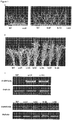
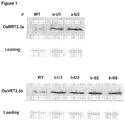
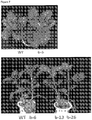
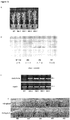
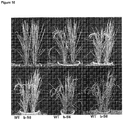
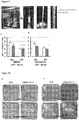
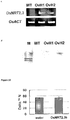
- the OsNRT2.3b over-expression lines which were confirmed at both transcript and protein levels ( Fig.1c , d ), showed more growth compared with wild type (WT) ( Fig.1a, b , Fig.11 ).
- WT wild type
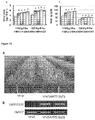
- the primary and second rachis size was increased, therefore the total number of seeds per panicle was greater than WT ( Fig. 11 , Table 2).
- the OsNRT2.3a over-expression plants did not show visible difference from WT even though OsNRT2.3a mRNA and protein was increased in the transformed lines ( Fig.1c , d , Fig.11 ).
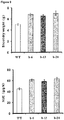
- Over-expressing OsNRT2.3b also improved pH homeostasis that resulted in increased total N uptake, shoot P and Fe accumulation. These results demonstrate that linking N uptake to pH homeostasis and photosynthesis is a key consideration for improving NUE and yield.
- OsNRT2.3b but not OsNRT2.3a, can be used to improve growth, yield and nitrogen use efficiency and other traits when expressed in a plant. Accordingly, we describe transgenic plants expressing a nucleic acid sequence comprising a nucleic acid as defined as defined in SEQ ID No. 1 (OsNRT2.3b), a functional variant, part or homolog thereof, but wherein said plant does not express a nucleic acid sequence comprising a nucleic acid as defined as defined in SEQ ID No. 2 (OsNRT2.3a) and related methods and uses.
- the invention therefore relates to methods for increasing growth, yield, nitrogen transport, pathogen resistance, NUE and/or nitrogen acquisition comprising introducing and expressing a nucleic acid construct comprising a nucleic acid sequence as defined in SEQ ID No. 1 (OsNRT2.3b) operably linked to a regulatory sequence into a plant wherein said regulatory sequence is a constitutive promoter or a phloem specific promoter and wherein said plant does not overexpress a nucleic acid sequence comprising SEQ ID No. 2 (OsNRT2.3a).
- the invention has a further aspect.
- rice differs from all other major crop in its nitrogen metabolism.
- OsNRT2.3b a plant that is, in contrast to all other major crop plants, capable of growing vigorously on NH4
- expression of OsNRT2.3b in other plants leads to a beneficial phenotype that shows improved growth, yield and nitrogen use efficiency, not only in rice, but also other plants.
- OsNRT2.3b from rice can be used in methods for improving growth, yield, pathogen resistance and nitrogen use efficiency in plants according to the invention.
- overexpression of OsNRT2.3b in tobacco or in wheat increases biomass as shown in the examples.
- the invention also relates to a transgenic plants expressing a nucleic acid sequence comprising a nucleic acid as defined as defined in SEQ ID No. 1, a functional variant, part or homolog thereof operably linked to a regulatory sequence in a plant wherein if the nucleic acid sequence is as defined in SEQ ID No. 1 or a functional variant or part thereof, said plant is not rice and related methods and uses.
- the invention also relates to a transgenic plants expressing a nucleic acid sequence comprising a nucleic acid as defined as defined in SEQ ID No. 1, a functional variant, part or homolog thereof operably linked to a regulatory sequence in a plant wherein said plant is not rice.
- a related method is a method for increasing growth, yield, NUE, nitrogen acquisition, nitrogen stress tolerance, pathogen resistance and/or nitrogen transport of a plant comprising introducing and expressing a nucleic acid sequence comprising a nucleic acid as defined as defined in SEQ ID No. 1, a functional variant, part or homolog thereof operably linked to a regulatory sequence in a plant wherein if the nucleic acid sequence is as defined in SEQ ID No. 1 or a functional variant or part thereof, said plant is not rice.
- the invention relates to a method for increasing growth, yield, NUE, nitrogen acquisition, nitrogen stress tolerance, pathogen resistance and/or nitrogen transport of a plant that is not rice comprising introducing and expressing a nucleic acid sequence comprising a nucleic acid as defined as defined in SEQ ID No. 1, a functional variant or part thereof operably linked to a regulatory sequence in said plant.
- the invention in another aspect, relates to a method for increasing growth, yield, NUE, nitrogen acquisition, pathogen resistance, nitrogen stress tolerance and/or nitrogen transport of a plant comprising introducing and expressing a nucleic acid sequence comprising or as defined in SEQ ID No. 1, a functional variant, part or homolog thereof operably linked to a regulatory sequence in a plant wherein said plant is not rice.
- the invention relates to a method for increasing growth of a plant comprising introducing and expressing a nucleic acid sequence comprising SEQ ID No. 1, a functional variant, part or homolog thereof operably linked to a regulatory sequence in a plant wherein if the nucleic acid sequence is as defined in SEQ ID No. 1 said plant is not rice.
- the invention relates to a method for increasing yield of a plant comprising introducing and expressing a nucleic acid sequence comprising SEQ ID No. 1, a functional variant, part or homolog thereof operably linked to a regulatory sequence in a plant wherein if the nucleic acid sequence is as defined in SEQ ID No. 1 said plant is not rice.
- yield includes one or more of the following non-limitative list of features: early flowering time, biomass (vegetative biomass (root and/or shoot biomass) or seed/grain biomass), seed/grain yield, seed/grain viability and germination efficiency, seed/grain size, starch content of grain, early vigour, greenness index, increased growth rate, delayed senescence of green tissue.
- yield in general means a measurable produce of economic value, typically related to a specified crop, to an area, and to a period of time. Individual plant parts directly contribute to yield based on their number, size and/or weight. The actual yield is the yield per square meter for a crop and year, which is determined by dividing total production (includes both harvested and appraised production) by planted square metres.
- yield comprises one or more of and can be measured by assessing one or more of: increased seed yield per plant, increased seed filling rate, increased number of filled seeds, increased harvest index, increased viability/germination efficiency, increased number or size of seeds/capsules/pods/grain, increased growth or increased branching, for example inflorescences with more branches, increased biomass or grain fill.
- increased yield comprises an increased number of grain/seed/capsules/pods, increased biomass, increased growth, increased number of floral organs and/or floral increased branching. Yield is increased relative to a control plant.
- the yield is increased by 2%, 3%, 4%, 5%-50% or more compared to a control plant, for example by at least 10%, 15%, 20%, 25%, 30%, 35%, 40%, 45% or 50%.
- the invention in another aspect, relates to a method for increasing NUE of a plant comprising introducing and expressing a nucleic acid sequence comprising SEQ ID No. 1, a functional variant, part or homolog thereof operably linked to a regulatory sequence in a plant wherein if the nucleic acid sequence is as defined in SEQ ID No. 1 said plant is not rice.
- a method for increasing NUE of a plant comprising introducing and expressing a nucleic acid sequence comprising SEQ ID No. 1, a functional variant, part or homolog thereof operably linked to a regulatory sequence in a plant wherein said plant is not rice.
- the method improves NUE under high N input. In another embodiment, the method improves NUE under low N input.
- NUE can be defined as being the yield of grain per unit of available N in the soil (including the residual N present in the soil and the fertilizer).
- the overall N use efficiency of plants comprises both uptake and utilization efficiencies and can be calculated as UpE.
- the NUE is increased by 5%-50% or more compared to a control plant, for example by at least 10%, 15%, 20%, 25%, 30%, 35%, 40%, 45% or 50%.
- the invention in another aspect, relates to a method for increasing nitrogen acquisition of a plant comprising introducing and expressing a nucleic acid sequence comprising SEQ ID No. 1, a functional variant, part or homolog thereof operably linked to a regulatory sequence in a plant wherein if the nucleic acid sequence is as defined in SEQ ID No. 1 said plant is not rice.
- a method for increasing nitrogen acquisition of a plant comprising introducing and expressing a nucleic acid sequence comprising SEQ ID No. 1, a functional variant, part or homolog thereof operably linked to a regulatory sequence in a plant wherein said plant is not rice.
- the nitrogen acquisition is increased by 10%-50% or more compared to a control plant, for example by at least 10%, 15%, 20%, 25%, 30%, 35%, 40%, 45% or 50%.
- said traits are increased under stress conditions, for example nitrogen stress.
- the invention in another aspect, relates to a method for increasing nitrogen stress tolerance of a plant comprising introducing and expressing a nucleic acid sequence comprising SEQ ID No. 1, a functional variant, part or homolog thereof operably linked to a regulatory sequence in a plant wherein if the nucleic acid sequence is as defined in SEQ ID No. 1 said plant is not rice.
- a method for increasing nitrogen stress tolerance of a plant comprising introducing and expressing a nucleic acid sequence comprising SEQ ID No. 1, a functional variant, part or homolog thereof operably linked to a regulatory sequence in a plant wherein said plant is not rice.
- the invention in another aspect, relates to a method for increasing nitrogen transport of a plant comprising introducing and expressing a nucleic acid sequence comprising SEQ ID No. 1, a functional variant, part or homolog thereof operably linked to a regulatory sequence in a plant wherein if the nucleic acid sequence is as defined in SEQ ID No. 1 said plant is not rice.
- a method for increasing nitrogen transport of a plant comprising introducing and expressing a nucleic acid sequence comprising SEQ ID No. 1, a functional variant, part or homolog thereof operably linked to a regulatory sequence in a plant wherein said plant is not rice.
- the invention in another aspect, relates to a method for increasing pathogen resistance and/or survival of a plant comprising introducing and expressing a nucleic acid sequence comprising SEQ ID No. 1, a functional variant, part or homolog thereof operably linked to a regulatory sequence in a plant wherein if the nucleic acid sequence is as defined in SEQ ID No. 1 said plant is not rice.
- a method for increasing pathogen resistance and/or survival of a plant comprising introducing and expressing a nucleic acid sequence comprising SEQ ID No. 1, a functional variant, part or homolog thereof operably linked to a regulatory sequence in a plant wherein said plant is not rice.
- the pathogen can for example be Fusarium wilt.
- Other pathogens known to the skilled persons are also within the scope of the invention.
- regulatory element typically refers to a nucleic acid control sequence located upstream from the transcriptional start of a gene and which is involved in recognising and binding of RNA polymerase and other proteins, thereby directing transcription of an operably linked nucleic acid.
- transcriptional regulatory sequences derived from a classical eukaryotic genomic gene (including the TATA box which is required for accurate transcription initiation, with or without a CCAAT box sequence) and additional regulatory elements (i.e. upstream activating sequences, enhancers and silencers) which alter gene expression in response to developmental and/or external stimuli, or in a tissue-specific manner.
- additional regulatory elements i.e. upstream activating sequences, enhancers and silencers
- a transcriptional regulatory sequence of a classical prokaryotic gene in which case it may include a -35 box sequence and/or -10 box transcriptional regulatory sequences.
- regulatory element also encompasses a synthetic fusion molecule or derivative that confers, activates or enhances expression of a nucleic acid molecule in a cell, tissue or organ.
- regulatory element includes downstream transcription terminator sequences.
- a transcription terminator is a section of nucleic acid sequence that marks the end of a gene or operon in genomic DNA during transcription.
- Transcription terminator used in construct to express plant genes are well known in the art.
- the constructs described herein have a promoter and a terminator sequence.
- a “plant promoter” comprises regulatory elements, which mediate the expression of a coding sequence segment in plant cells. Accordingly, a plant promoter need not be of plant origin, but may originate from viruses or micro-organisms, for example from viruses which attack plant cells. The "plant promoter” can also originate from a plant cell, e.g. from the plant which is transformed with the nucleic acid sequence to be expressed in the inventive process and described herein. This also applies to other “plant” regulatory signals, such as "plant” terminators.
- the promoters upstream of the nucleotide sequences useful in the methods of the present invention can be modified by one or more nucleotide substitution(s), insertion(s) and/or deletion(s) without interfering with the functionality or activity of either the promoters, the open reading frame (ORF) or the 3'-regulatory region such as terminators or other 3' regulatory regions which are located away from the ORF. It is furthermore possible that the activity of the promoters is increased by modification of their sequence, or that they are replaced completely by more active promoters, even promoters from heterologous organisms.
- the nucleic acid molecule For expression in plants, the nucleic acid molecule must, as described above, be linked operably to or comprise a suitable promoter which expresses the gene at the right point in time and with the required spatial expression pattern.
- operably linked refers to a functional linkage between the promoter sequence and the gene of interest, such that the promoter sequence is able to initiate transcription of the gene of interest.
- constitutive promoter refers to a promoter that is transcriptionally active during most, but not necessarily all, phases of growth and development and under most environmental conditions, in at least one cell, tissue or organ.
- constitutive promoters include but are not limited to actin, HMGP, CaMV19S, GOS2, rice cyclophilin, maize H3 histone, alfalfa H3 histone, 34S FMV, rubisco small subunit, OCS, SAD1, SAD2, nos, V-ATPase, super promoter, G-box proteins and synthetic promoters.
- strong promoter refers to a promoter that leads to increased or overexpression of the gene.
- strong promoters include, but are not limited to, CaMV-35S, CaMV-35Somega, Arabidopsis ubiquitin UBQ1, rice ubiquitin, actin, or Maize alcohol dehydrogenase 1 promoter (Adh-1).
- the promoter is a constitutive promoters that is a strong promoter and directs overexpression of the gene of interest to which it is operably linked.
- Preferred promoters are CaMV-35S, CaMV-35Somega and Arabidopsis ubiquitin UBQ1.
- the promoter is a phloem-specific promoter.
- Phloem-specific expression may be important for the function of the OsNRT2.3b, as the vascular tissue is important for pH regulation and it has recently been shown that nitrate transport in the phloem occurs in plants and may be a significant route for nitrogen delivery to the shoot.
- a phloem specific promoter is, for example, from RSS1P, derived from the rice sucrose synthase gene (corresponding to SEQ ID No. 5 or a functional variant or part thereof, see Saha et al).
- RSS1P derived from the rice sucrose synthase gene (corresponding to SEQ ID No. 5 or a functional variant or part thereof, see Saha et al).
- Other phloem-specific promoters are known in the art.
- control plant is a plant which has not been transformed with a nucleic acid construct comprising SEQ ID No. 1, a functional variant, part or homolog thereof, preferably a wild type plant.
- the control plant is preferably of the same species as the transgenic plant.
- the control plant may comprise genetic modifications, including expression of other transgenes.
- growth, yield, nitrogen transport, nitrogen acquisition, nitrogen stress tolerance and/or nitrogen use efficiency is increased by about 5-50%, for example at least 5%, 6%, 7%, 8%, 9% or 10%, preferably at least 15% or 20%, more preferably 25%, 30%, 35%, 40%, 45% or 50% or more in comparison to a control plant.
- growth is measured by measuring hypocotyl or stem length.
- yield is increased by at least 40%.
- the nucleic acid construct comprising SEQ ID No. 1, a functional variant, part or homolog thereof may also comprise a selectable marker which facilitates the selection of transformants, such as a marker that confers resistance to antibiotics, for example kanamycin.
- the invention in another aspect, relates to a method for making a transgenic plant having increased yield, growth, nitrogen transport, nitrogen acquisition, nitrogen stress tolerance, pathogen resistance and/or nitrogen use efficiency comprising introducing and expressing in a plant or plant cell a nucleic acid sequence comprising SEQ ID No. 1, a functional variant, part or homolog thereof operably linked to a regulatory sequence wherein if the nucleic acid sequence is as defined in SEQ ID No. 1 said plant is not rice.
- a method for making a transgenic plant having increased yield, growth, nitrogen transport, nitrogen acquisition, nitrogen stress tolerance and/or nitrogen use efficiency comprising introducing and expressing in a plant or plant cell a nucleic acid sequence comprising SEQ ID No. 1, a functional variant, part or homolog thereof operably linked to a regulatory sequence wherein said plant is not rice.
- the method further comprises regenerating a transgenic plant from the plant or plant cell after step a) wherein the transgenic plant comprises in its genome SEQ ID No. 1, a functional variant, part or homolog thereof operably linked to a regulatory sequence and obtaining a progeny plant derived from the transgenic plant wherein said progeny plant exhibits increased yield, growth, nitrogen transport, nitrogen acquisition, nitrogen stress tolerance and/or nitrogen use efficiency.
- the nucleic acid sequence comprises or consists of SEQ ID No. 1 or a functional variant or part thereof.
- SEQ ID No. 1 a functional variant, part or homolog thereof is introduced into a plant and expressed as a transgene.
- the nucleic acid sequence is introduced into said plant through a process called transformation.
- transformation or transformation as referred to herein encompasses the transfer of an exogenous polynucleotide into a host cell, irrespective of the method used for transfer.
- Plant tissue capable of subsequent clonal propagation, whether by organogenesis or embryogenesis may be transformed with a genetic construct of the present invention and a whole plant regenerated there from. The particular tissue chosen will vary depending on the clonal propagation systems available for, and best suited to, the particular species being transformed.
- tissue targets include leaf disks, pollen, embryos, cotyledons, hypocotyls, megagametophytes, callus tissue, existing meristematic tissue (e.g., apical meristem, axillary buds, and root meristems), and induced meristem tissue (e.g., cotyledon meristem and hypocotyl meristem).
- the polynucleotide may be transiently or stably introduced into a host cell and may be maintained non-integrated, for example, as a plasmid. Alternatively, it may be integrated into the host genome.
- the resulting transformed plant cell may then be used to regenerate a transformed plant in a manner known to persons skilled in the art.
- Transformation of plants is now a routine technique in many species.
- any of several transformation methods may be used to introduce the gene of interest into a suitable ancestor cell.
- the methods described for the transformation and regeneration of plants from plant tissues or plant cells may be utilized for transient or for stable transformation. Transformation methods include the use of liposomes, electroporation, chemicals that increase free DNA uptake, injection of the DNA directly into the plant, particle gun bombardment, transformation using viruses or pollen and microprojection. Methods may be selected from the calcium/polyethylene glycol method for protoplasts, electroporation of protoplasts, microinjection into plant material, DNA or RNA-coated particle bombardment, infection with (non-integrative) viruses and the like.
- Transgenic plants, including transgenic crop plants are preferably produced via Agrobacterium tumefaciens mediated transformation.
- the plant material obtained in the transformation is, as a rule, subjected to selective conditions so that transformed plants can be distinguished from untransformed plants.
- the seeds obtained in the above-described manner can be planted and, after an initial growing period, subjected to a suitable selection by spraying.
- a further possibility consists in growing the seeds, if appropriate after sterilization, on agar plates using a suitable selection agent so that only the transformed seeds can grow into plants.
- the transformed plants are screened for the presence of a selectable marker such as the ones described above.
- putatively transformed plants may also be evaluated, for instance using Southern analysis, for the presence of the gene of interest, copy number and/or genomic organisation.
- expression levels of the newly introduced DNA may be monitored using Northern and/or Western analysis, both techniques being well known to persons having ordinary skill in the art.
- the generated transformed plants may be propagated by a variety of means, such as by clonal propagation or classical breeding techniques.
- a first generation (or T1) transformed plant may be selfed and homozygous second-generation (or T2) transformants selected, and the T2 plants may then further be propagated through classical breeding techniques.
- the generated transformed organisms may take a variety of forms. For example, they may be chimeras of transformed cells and non-transformed cells; clonal transformants (e.g., all cells transformed to contain the expression cassette); grafts of transformed and untransformed tissues (e.g., in plants, a transformed rootstock grafted to an untransformed scion).
- the various aspects of the invention described herein clearly extend to any plant cell or any plant produced, obtained or obtainable by any of the methods described herein, and to all plant parts and propagules thereof unless otherwise specified.
- rice is specifically excluded.
- the methods exclude embodiments where a nucleic acid comprising or consisting of SEQ ID No. 1 or a functional part of variant thereof are is expressed in rice.
- the present invention extends further to encompass the progeny of a primary transformed or transfected cell, tissue, organ or whole plant that has been produced by any of the aforementioned methods, the only requirement being that progeny exhibit the same genotypic and/or phenotypic characteristic(s) as those produced by the parent in the methods according to the invention.
- the plant of the various aspects of the invention is characterised in that it shows increased growth, yield, nitrogen transport, nitrogen acquisition, nitrogen stress tolerance and/or nitrogen use efficiency.
- the invention also extends to harvestable parts of a plant of the invention as described above such as, but not limited to seeds, leaves, fruits, flowers, stems, roots, rhizomes, tubers and bulbs.
- the invention furthermore relates to products derived, preferably directly derived, from a harvestable part of such a plant, such as dry pellets or powders, oil, fat and fatty acids, starch or proteins.
- nucleic acid construct comprising nucleic acid sequence SEQ ID No. 1, a functional variant, part or homolog operably linked to a phloem specific promoter, for example a nucleic acid comprising SEQ ID No. 5. Further provided is the use of the construct in the methods described herein.
- an isolated cell preferably a plant cell or an Agrobacterium tumefaciens cell, expressing a nucleic acid construct comprising nucleic acid sequence SEQ ID No. 1, a functional variant, part or homolog operably linked to a phloem specific promoter.
- an isolated cell preferably a plant cell or an Agrobacterium tumefaciens cell expressing a nucleic acid construct comprising nucleic acid sequence SEQ ID No. 1, a functional variant, part or homolog operably linked to a constitutive promoter.
- a culture medium comprising an isolated plant cell or an Agrobacterium tumefaciens cell expressing a nucleic acid described herein.
- transgenic plant may be any monocot or a dicot plant provided for the embodiments described herein.
- a dicot plant may be selected from the families including, but not limited to Asteraceae, Brassicaceae (eg Brassica napus), Chenopodiaceae, Cucurbitaceae, Leguminosae (Caesalpiniaceae, Aesalpiniaceae Mimosaceae, Papilionaceae or Fabaceae), Malvaceae, Rosaceae or Solanaceae.
- the plant may be selected from lettuce, sunflower, Arabidopsis, broccoli, spinach, water melon, squash, cabbage, tomato, potato, yam, capsicum, tobacco, cotton, okra, apple, rose, strawberry, alfalfa, bean, soybean, field (fava) bean, pea, lentil, peanut, chickpea, apricots, pears, peach, grape vine or citrus species.
- the plant is oilseed rape.
- biofuel and bioenergy crops such as rape/canola, sugar cane, sweet sorghum, Panicum virgatum (switchgrass), linseed, lupin and willow, poplar, poplar hybrids, Miscanthus or gymnosperms, such as loblolly pine.
- high erucic acid oil seed rape, linseed and for amenity purposes (e.g. turf grasses for golf courses), ornamentals for public and private gardens (e.g. snapdragon, petunia, roses, geranium, Nicotiana sp.) and plants and cut flowers for the home (African violets, Begonias, chrysanthemums, geraniums, Coleus spider plants, Dracaena, rubber plant).
- a monocot plant may, for example, be selected from the families Arecaceae, Amaryllidaceae or Poaceae.
- the plant may be a cereal crop, such as wheat, barley, maize, oat, sorghum, rye, millet, buckwheat, turf grass, Italian rye grass, sugarcane or Festuca species, or a crop such as onion, leek, yam or banana.
- the plant is not rice.
- the plant is a crop plant.
- crop plant is meant any plant which is grown on a commercial scale for human or animal consumption or use.
- Most preferred plants are maize, wheat, oilseed rape, sorghum, soybean, potato, tobacco tomato, tobacco, grape, barley, pea, bean, field bean, lettuce, cotton, sugar cane, sugar beet, broccoli or other vegetable brassicas or poplar.
- the plant is wheat. In one embodiment, the plant is tobacco.
- the promoter is a phloem specific promoter as described herein.
- plant as used herein encompasses whole plants, ancestors and progeny of the plants and plant parts, including seeds, fruit, shoots, stems, leaves, roots (including tubers), flowers, and tissues and organs, wherein each of the aforementioned comprise the gene/nucleic acid of interest.
- plant also encompasses plant cells, suspension cultures, callus tissue, embryos, meristematic regions, gametophytes, sporophytes, pollen and microspores, again wherein each of the aforementioned comprises the gene/nucleic acid of interest.
- Plants or parts thereof obtained or obtainable by the method for making a transgenic plant as described above are also described herein.
- the invention in another aspect, relates to a transgenic plant expressing a nucleic acid sequence comprising SEQ ID No. 1, a functional variant, part or homolog thereof operably linked to a regulatory sequence into a plant wherein if the nucleic acid sequence is as defined in SEQ ID No. 1 said plant is not rice.
- this aspect of the invention excludes transgenic rice expressing a nucleic acid comprising or consisting of SEQ ID No. 1.
- other plants that are capable of growing on NH4 as the sole nitrogen source are also excluded.
- the invention relates to a transgenic plant expressing a nucleic acid sequence comprising SEQ ID No. 1, a functional variant, part or homolog thereof operably linked to a phloem specific promoter in a plant.
- the plant may be any monocot or dicot plant, including rice. In one embodiment, said plant is not rice
- the invention relates to a transgenic plant expressing a nucleic acid sequence comprising SEQ ID No. 1, a functional variant, part or homolog thereof operably linked to a regulatory sequence into a plant wherein said plant is not rice.
- the transgenic plant expresses a nucleic acid sequence comprising or consisting of SEQ ID No. 1.
- the plant is characterised in that it shows increased yield, growth, nitrogen transport, nitrogen acquisition, nitrogen stress tolerance, pathogen resistance and/or nitrogen use efficiency.
- the term "functional variant of a nucleic acid sequence" as used herein with reference to SEQ ID No. 1 or another sequence refers to a variant gene sequence or part of the gene sequence which retains the biological function of the full non-variant sequence, for example confers increased growth or yield when expressed in a transgenic plant.
- a functional variant also comprises a variant of the gene of interest which has sequence alterations that do not affect function, for example in non- conserved residues.
- nucleic acid sequence as used herein with reference to SEQ ID No. 1 or another sequence which retains the biological function of the full non-variant sequence, for example confers increased growth or yield when expressed in a transgenic plant.
- nucleic acid sequence comprising or consisting or SEQ ID No. 1, but also functional variants or parts of SEQ ID No. 1 that do not affect the biological activity and function of the resulting protein.
- Alterations in a nucleic acid sequence which result in the production of a different amino acid at a given site that do however not affect the functional properties of the encoded polypeptide, are well known in the art.
- a codon for the amino acid alanine, a hydrophobic amino acid may be substituted by a codon encoding another less hydrophobic residue, such as glycine, or a more hydrophobic residue, such as valine, leucine, or isoleucine.
- a codon encoding another less hydrophobic residue such as glycine
- a more hydrophobic residue such as valine, leucine, or isoleucine.
- changes which result in substitution of one negatively charged residue for another such as aspartic acid for glutamic acid, or one positively charged residue for another, such as lysine for arginine, can also be expected to produce a functionally equivalent product.
- Nucleotide changes which result in alteration of the N-terminal and C-terminal portions of the polypeptide molecule would also not be expected to alter the activity of the polypeptide.
- a functional variant of SEQ ID No. 1 has at least 90%, 91%, 92%, 93%, 94%, 95%, 96%, 97%, 98%, or 99% overall sequence identity to the amino acid represented by SEQ ID NO: 1.
- a functional variant of SEQ ID NO. 3 has at least 90%, 91%, 92%, 93%, 94%, 95%, 96%, 97%, 98%, or 99% overall sequence identity to the amino acid represented by SEQ ID No: 3.
- a functional variant retains the pH sensing motif.
- a functional homolog of SEQ ID No. 1 is a nucleic acid encoding a NRT2.3b peptide which is biologically active in the same way as SEQ ID No. 1, in other words, for example it confers increased yield or growth.
- the term functional homolog includes OsNRT2.3b orthologs in other plant species.
- the homolog of a OsNRT2.3b polypeptide has, in increasing order of preference, at least 25%, 26%, 27%, 28%, 29%, 30%, 31%, 32%, 33%, 34%, 35%, 36%, 37%, 38%, 39%, 40%, 41%, 42%, 43%, 44%, 45%, 46%, 47%, 48%, 49%, 50%, 51%, 52%, 53%, 54%, 55%, 56%, 57%, 58%, 59%, 60%, 61%, 62%, 63%, 64%, 65%, 66%, 67%, 68%, 69%, 70%, 71%, 72%, 73%, 74%, 75%, 76%, 77%, 78%, 79%, 80%, 81%, 82%, 83%, 84%, 85%, 86%, 87%, 88%, 89%, 90%, 91%, 92%, 93%, 94%, 95%, 96%, 97%, 98%, or 99% overall sequence identity to the amino acid represented by SEQ
- the OsNRT2.3b nucleic acid sequence has, in increasing order of preference, at least 25%, 26%, 27%, 28%, 29%, 30%, 31%, 32%, 33%, 34%, 35%, 36%, 37%, 38%, 39%, 40%, 41%, 42%, 43%, 44%, 45%, 46%, 47%, 48%, 49%, 50%, 51%, 52%, 53%, 54%, 55%, 56%, 57%, 58%, 59%, 60%, 61%, 62%, 63%, 64%, 65%, 66%, 67%, 68%, 69%, 70%, 71%, 72%, 73%, 74%, 75%, 76%, 77%, 78%, 79%, 80%, 81%, 82%, 83%, 84%, 85%, 86%, 87%, 88%, 89%, 90%,
- overall sequence identity is 90%, 91%, 92%, 93%, 94%, 95%, 96%, 97%, 98%, or 99%.
- the overall sequence identity is determined using a global alignment algorithm known in the art, such as the Needleman Wunsch algorithm in the program GAP (GCG Wisconsin Package, Accelrys).
- the OsNRT2.3b homolog/ortholog has the pH sensing motif VYEAIHKI on the cytoplasmic side.
- the homolog of a OsNRT2.3b polypeptide has 90%, 91%, 92%, 93%, 94%, 95%, 96%, 97%, 98%, or 99% overall sequence identity to the amino acid represented by SEQ ID No: 3 and comprises the pH sensing motif VYEAIHKI (SEQ ID No. 16).
- Functional variants or parts of the homologs for examples as shown in SEQ ID No. 6-15, are also included in the scope of the invention.
- Figure 24 shows examples of homologs/orthologs which have the pH sensing motif identified in OsNRT2.3b.
- preferred orthologous genes or peptides used according to the various aspects of the invention are selected from the orthologous listed in Figure 24 , including barley, maize, soybean, Brachypodium (SEQ ID Nos. 6-15) and wheat. Variants of these sequences that have at least 90%, 91%, 92%, 93%, 94%, 95%, 96%, 97%, 98%, or 99% to the sequences listed in SEQ ID NO. 6-15 are also within the scope of the invention.
- Suitable homologs or orthologs can be identified by sequence comparisons and identifications of conserved domains.
- the function of the homolog or ortholog can be identified as described herein and a skilled person would thus be able to confirm the function when expressed in a plant.
- a nucleic acid encoding an endogenous NRT2.3 peptide may be expressed in any plant as defined herein unless otherwise specified by recombinant methods.
- the nucleic acid construct comprises or consists of SEQ ID No. 1
- the plant is not rice.
- rice OsNRT2.3b may be expressed in rice and a wheat NRT2.3b may be expressed in wheat.
- a nucleic acid encoding a plant NRT2.3b that is endogenous to a first plant species may be expressed in a second plant using recombinant methods.
- a OsNRT2.3b homolog from another plant may be expressed in rice.
- OsNRT2.3b comprising SEQ ID No. 1 or a functional variant thereof is expressed in another plant that is not rice.
- expression of OsNRT2.3b does lead to beneficial phenotypes in other plants that use a different N source.
- expression may be in a monocot or dicot plant as described herein.
- the plant is wheat or tobacco.
- the invention specifically relates to a method for increasing one or more of growth, yield, nitrogen transport, NUE, nitrogen acquisition, decreasing photorespiration, increasing intercellular CO 2 levels, increasing photosynthetic efficiency, pathogen resistance and maintaining/improving pH homeostasis comprising introducing and expressing a nucleic acid sequence comprising SEQ ID No. 1, or a functional variant thereof in another plant that is not rice.
- Transgenic non-rice plants expressing a nucleic acid sequence comprising SEQ ID No. 1, or a functional variant, part thereof are also encompassed in the scope of the invention, for example wheat or tobacco.
- Plants and their endogenous NRT2.3b may be selected from any plant, such as from one of the families or species listed herein.
- Arabidopsis does not have a close relative to OsNRT2.3, the closest is AtNRT2.5, but this does not have a similar pH-sensing motif.
- a key aspect of the improved NUE associated with OsNRT2.3b is pH sensitivity of the nitrate transport function.
- Homologs/orthologs of OsNRT2.3b can therefore be identified by the presence of a cytoplasmic pH sensing motif.
- WT phloem pH decreased from 7.8 to 6.1 and b-S6 from 6.7 to 6.0 in nitrate supply from 24 to 48 h treatments; while in ammonium treatment WT phloem pH decreased from 7.4 to 6.3 and b-S6 from 6.6 to 5.9 from 24 to 48 h.
- the difference between WT and b-S6 under nitrate supply was remarkably high at 24 h, however no significant difference was found by 48 h. In ammonium supply, although the pH in WT sap was higher than in b-S6 the difference was not significant.
- the N supply form for plants is well known for influencing plant pH balance 24 .
- the assimilation of ammonium produces at least one H + per NH 4 + ; while NO 3 - assimilation produces almost one OH - per NO 3 -4 .
- Either H + or OH - produced in excess of that required to maintain cytoplasmic pH are exported from the cell in an energy requiring step (e.g. plasma membrane H + pumping ATPase) 4,10 .
- an energy requiring step e.g. plasma membrane H + pumping ATPase
- Nitrate and ammonium supply acidified the phloem pH of WT and transgenic plants ( Fig. 3d, e ).
- cytoplasmic pH The homeostatic maintenance of cytoplasmic pH is important for energizing the cellular uptake and storage of nutrients and secondary metabolites because proton-coupled transport systems mediate these cellular processes.
- the pH gradients between cellular compartments and the external environment provide an energy source for these important processes. Many key cellular processes are therefore enhanced by the improved pH homeostasis associated with a mixed nitrate and ammonium nitrogen supply.
- the OsNRT2.3b comprises a pH sensing motif on the cytosolic side of the plasma membrane which is not present in OsNRT2.3a on the cytosolic side.
- the pH-sensing motif VYEAIHKI (SEQ ID No. 16) around histidine residue 167 of OsNRT2.3b which faces the cytosolic side of the plasma membrane is a characteristic of the anion exchanger family, which is found in many different organisms including mammals and may therefore be of more general biological significance.
- H167R single amino acid mutation
- OsNRT2.3b lost this function of cytosolic pH regulation, even after repeated cycles of nitrate treatment ( Fig. 5b ).
- the OsNRT2.3b sensing motif regulates the cytosolic pH in the plant.
- the invention therefore relates to a method for regulating pH homeostasis comprising introducing and expressing a nucleic acid construct comprising a nucleic acid sequence comprising SEQ ID No. 1 operably linked to a regulatory sequence in a plant.
- the plant is not rice.
- the invention relates to a method for reducing acidification in a plant comprising introducing and expressing a nucleic acid construct comprising a nucleic acid sequence comprising SEQ ID No. 1 operably linked to a regulatory sequence in a plant.
- the plant is not rice.
- Acidification may be reduced by at least about 0.1 pH units, for example 0.1, 0.2. 0.3, 0.4, 0.5, 0.6, 0.7, 0.8 or more.
- the invention relates to a method for altering nitrate transport and pH homeostasis in a plant comprising introducing and expressing a nucleic acid construct comprising a nucleic acid sequence comprising SEQ ID No. 1 operably linked to a regulatory sequence in a plant wherein said nucleic acid comprises a mutation in the pH sensing motif VYEAIHKI (SEQ ID No. 16). The mutation renders the pH sensing motif non-functional.
- the regulatory sequence may be a constitutive promoter as described herein or a tissue specific promoter.
- the promoter is a phloem specific promoter as described herein.
- the term plant is also defined elsewhere herein.
- the plant is a crop plant.
- Most preferred plants are maize, rice, wheat, oilseed rape, sorghum, soybean, potato, tomato, grape, barley, pea, bean, field bean, lettuce, cotton, sugar cane, sugar beet, tobacco, broccoli or other vegetable brassicas or poplar.
- the plant is not rice.
- the invention also relates to the use of a nucleic acid comprising SEQ ID No. 1, a functional variant, part or homolog thereof encoding SEQ ID No 3, a functional variant, part or homolog thereof comprising the pH sensing motif VYEAIHKI (SEQ ID No. 16) in regulating pH in a transgenic plant.
- the invention in another aspect, relates to a method for increasing growth of a plant comprising introducing and expressing a nucleic acid construct comprising a nucleic acid sequence as defined in SEQ ID No. 1 operably linked to a regulatory sequence into a plant wherein said regulatory sequence is a constitutive promoter or a phloem specific promoter and wherein said plant does not overexpress a nucleic acid sequence comprising SEQ ID No. 2.
- the invention in another aspect, relates to a method for increasing nitrogen use efficiency of a plant comprising introducing and expressing a nucleic acid construct comprising a nucleic acid sequence comprising SEQ ID No. 1 operably linked to a regulatory sequence into a plant wherein said regulatory sequence is a constitutive promoter or a phloem specific promoter and wherein said plant does not overexpress a nucleic acid sequence comprising SEQ ID No. 2.
- the invention in another aspect, relates to a method for improving yield of a plant comprising introducing and expressing a nucleic acid construct comprising a nucleic acid sequence comprising SEQ ID No. 1 operably linked to a regulatory sequence into a plant wherein said regulatory sequence is a constitutive promoter or a phloem specific promoter and wherein said plant does not overexpress a nucleic acid sequence comprising SEQ ID No. 2.
- the invention in another aspect, relates to a method for increasing nitrate transport in a plant comprising introducing and expressing a nucleic acid construct comprising a nucleic acid sequence comprising SEQ ID No. 1 operably linked to a regulatory sequence into a plant wherein said regulatory sequence is a constitutive promoter or a phloem specific promoter and wherein said plant does not overexpress a nucleic acid sequence comprising SEQ ID No. 2.
- the invention in another aspect, relates to a method for increasing nitrogen acquisition of a plant comprising introducing and expressing a nucleic acid construct comprising a nucleic acid sequence comprising SEQ ID No. 1 operably linked to a regulatory sequence into a plant wherein said regulatory sequence is a constitutive promoter or a phloem specific promoter and wherein said plant does not overexpress a nucleic acid sequence comprising SEQ ID No. 2.
- said traits may be increased under stress conditions, for example nitrogen stress.
- the invention relates to a method for conferring tolerance to nitrogen stress to a plant comprising introducing and expressing nucleic acid construct comprising a nucleic acid sequence comprising SEQ ID No. 1 operably linked to a regulatory sequence into a plant wherein said regulatory sequence is a constitutive promoter or a phloem specific promoter and wherein said plant does not overexpress a nucleic acid sequence comprising SEQ ID No. 2.
- the invention relates to a method for conferring pathogen resistance to a plant comprising introducing and expressing nucleic acid construct comprising a nucleic acid sequence comprising SEQ ID No. 1 operably linked to a regulatory sequence into a plant wherein said regulatory sequence is a constitutive promoter or a phloem specific promoter and wherein said plant does not overexpress a nucleic acid sequence comprising SEQ ID No. 2.
- the pathogen may be Fusarium wilt, Leaf blight and Stripe rust.
- the regulatory sequence according to the method and plants above is as described herein and may therefore be a constitutive promoter as described herein, an inducible promoter or a tissue specific promoter.
- the promoter is a phloem specific promoter as described herein. Phloem-specific expression may be important for the function of the OsNRT2.3b, as the vascular tissue is important for pH regulation and it has recently been shown that nitrate transport in the phloem occurs in plants and may be a significant route for nitrogen delivery to the shoot.
- the term plant is also defined elsewhere herein.
- the plant is a crop plant.
- Most preferred plants are maize, rice, wheat, oilseed rape, sorghum, soybean, potato, tomato, grape, barley, pea, bean, field bean, lettuce, cotton, sugar cane, sugar beet, broccoli or other vegetable brassicas or poplar.
- the plant is not rice.
- the invention in another aspect, relates to a method for increasing nitrogen use, yield, NUE, nitrogen efficiency, tolerance to nitrogen stress, pathogen resistance, nitrogen acquisition and/or nitrate transport of a plant comprising introducing and expressing nucleic acid construct comprising a nucleic acid sequence comprising SEQ ID No. 1, a functional part or variant thereof operably linked to a phloem specific promoter in a plant.
- the term plant is also defined elsewhere herein.
- the plant is a crop plant.
- Most preferred plants are maize, rice, wheat, oilseed rape, sorghum, soybean, potato, tomato, grape, barley, pea, bean, field bean, lettuce, cotton, sugar cane, sugar beet, broccoli or other vegetable brassicas or poplar.
- the plant is not rice.
- the invention in another aspect, relates to a method for making a transgenic plant having increased yield, growth and/or nitrogen use efficiency comprising introducing and expressing in a plant or plant cell a nucleic acid construct comprising a nucleic acid sequence as defined in SEQ ID No. 1 operably linked to a regulatory sequence wherein said regulatory sequence is a constitutive promoter or a phloem specific promoter and wherein said plant does not overexpress a nucleic acid sequence comprising SEQ ID No. 2.
- the method further comprises regenerating a transgenic plant from the plant or plant cell after step a) wherein the transgenic plant comprises in its genome SEQ ID No. 1 operably linked to a regulatory sequence and obtaining a progeny plant derived from the transgenic plant wherein said progeny plant exhibits increased yield, growth and/or nitrogen use efficiency.
- Plants or parts thereof obtained or obtainable by the method for making a transgenic plant as described above are also described herein.
- the invention in another aspect, relates to a transgenic plant expressing a nucleic acid construct comprising a nucleic acid sequence as defined in SEQ ID No. 1 operably linked to a regulatory sequence into a plant wherein said regulatory sequence is a constitutive promoter or a phloem specific promoter and wherein said plant does not overexpress a nucleic acid sequence SEQ ID No. 2.
- Plants that can be used according to these methods of the invention are specifically listed elsewhere herein but also include rice.
- the plant is a crop plant or biofuel plant as defined elsewhere herein.
- Most preferred plants are rice, maize, wheat, oilseed rape, sorghum, soybean, potato, tomato, tobacco, grape, barley, pea, bean, field bean, lettuce, cotton, sugar cane, sugar beet, broccoli or other vegetable brassicas or poplar.
- the plant is wheat and the promoter is a phloem specific promoter as described herein. In one embodiment, the plant is tobacco and the promoter is a phloem specific promoter as described herein.
- the plant is characterised in that it shows having increased yield, growth, nitrogen transport, nitrogen acquisition, nitrogen stress tolerance and/or nitrogen use efficiency.
- OsNRT2.3a and OsNRT2.3b were amplified by gene specific primers. The fragment was treated with restriction enzymes and inserted in vectors and sequenced before transformation.
- Rice ( Oryza sativa ) embryonic calli were transformed using Agrobacterium-mediated methods 33 . One copy insertion T0 plants were harvested and grown to generate T1 plants . Homozygous T1 plants were taken for T2 generation.
- Two lines of T2 OsNRT2.3a over-expression plants, a-U1 and a-U2 and four lines of T2 OsNRT2.3b over-expression plants, b-U1, b-U2, b-S2 and b-S6 were used for further experiments.
- T2 field experiments were conducted in Changxing experiment station of Zhejiang University (May-Oct. 2010) in four N application N as urea levels as 0, 75, 150 and 300 kg N/ha. Seeds were germinated on 5th May and seedlings of each type were planted at 3 rows and 33 plants with 25 cm (row space) x 20 cm (plant space) on 5th June. Plants were grown in blocks ( Fig. 23a,b ) with a random order for each N application. For the large scale experiments at 75 kg N/ha, the plants were transplanted as 10 rows x 128 plants ( Fig. 23d ). Three replications were used for all field experiments and the plots were finally harvested on the 10th October.
- 60 kg P (as Ca(H 2 PO 4 ) 2 ) /ha and 110 kg K (as K 2 SO 4 )/ ha fertilizer was applied to the paddy before transferring the rice seedlings.
- the first N application was carried out before transferring on 3th June and 20% total N fertilizer was mixed into soil.
- Second application was 40% on 12 June when the rice was at the beginning of tilling stage.
- the final application was 40% on 20 June.
- the rice growth period at Changxing was 120 ⁇ 3 days for WT, a-U1 and a-U2 lines, and 130 ⁇ 2 days at 0-75 kg N/ha level, 135 ⁇ 2 days at 150 kg N/ha level and 140 ⁇ 2 days at 300kg N/ha level for b-U1, b-U2, b-S2 and b-S6 lines.
- the grain yield was measured at harvest and NUE was defined as grain yield per fertilizer N applied.
- OsNRT2.3a/b genes were amplified from plasmids of OsNRT2.3a (AK109776) and OsNRT2.3b (AK072215) by primers, F: G GAATTC TCACACCCCGGCCGG (SEQ ID No. 17), R: CG GGATCC ATGTGGGGC GGCATGCTC (SEQ ID No. 18).
- the plasmids were kindly provided by Dr.Kikuchi (KOME).
- the PCR fragment was sub-cloned into the bacterial expression vector pGSX (Amersham) at BamH I and EcoR I sites. The amino acid products were purified and their monoclonal-antibodies were synthesized 35 .
- the monoclonal-antibody was selected from 192 individual cell specific reactions to OsNRT2.3a (516 aa) or OsNRT2.3b (486 aa) protein. Plasma membrane protein abstraction from roots and western blot was done as previously described 10,14 and repeated twice.
- RNA in situ hybridization was performed as previously described 36 .
- the binding site is in OsNRT2.3b specific 5' UTR with its sequence CGATGGTTGGGTGCGGCGAGA (SEQ ID No. 19).
- the nonsense sequence is GCTACCAACCCACGCCGCTCT (SEQ ID No. 20). All probes were labeled at 5' end with DIG.
- Rice seedlings of WT and over-expression plants were grown in IRRI nutrient solution containing 1.25 mM NH 4 NO 3 for two months in greenhouse and then deprived of N for 3 days. The plants were rinsed in 0.1 mM CaSO 4 for 1 min, then transferred to the solution containing either 1.25 mM Ca( 15 NO 3 ) 2 (atom% 15 N: 99.27%) or ( 15 NH 4 ) 2 SO 4 (atom% 15 N: 95.7%) or 15 NH 4 NO 3 (atom% 15 N: 45%) or NH 4 15 NO 3 (atom% 15 N: 45.25%) or 15 NH 4 15 NO 3 (atom% 15 N: 95.5%) for 5 min and finally rinsed again in 0.1 mM CaSO 4 for 1 min.
- Roots were separated from the shoots immediately after the final transfer to CaSO 4 , and frozen in liquid N. After grounding, an aliquot of the powder was dried to a constant weight at 70°C. 10 mg powder of each sample was analyzed using the MAT253-Flash EA1112-MS system (Thermo Fisher Scientific, Inc., USA). The whole experiment was repeated twice and each time with five replicates.
- Rice seedlings were grown in 1.25 mM NH 4 NO 3 for 8 weeks and then transferred to N treatments (nitrate: 1.25 mM Ca(NO 3 ) 2 ; ammonium: 1.25 mM (NH 4 ) 2 SO 4 ) for 24 h and then cut at 4 cm above root.
- N treatments nitrate: 1.25 mM Ca(NO 3 ) 2 ; ammonium: 1.25 mM (NH 4 ) 2 SO 4
- the below in N solutions was for xylem sap collection 34 and the top was for phloem sap collection 16 .
- Phloem sap was also collected using an insect feeding method with the same plants as above. Each plant was set in a 250 ml bottle of IRRI nutrient solution with six plants kept in the insect cage at 26 C and a 16 h light period. Seven to ten adult brown plant hopper adults were transferred on to each plant at the beginning of the N treatments. Rice phloem honey dew secreted by the insects was collected at 24 h, 48 h duration of N treatments ( Fig. 17 ).
- Oocytes preparation, mRNA injection, 15 N-nitrate uptake and electrophysiology have been described previously 37-39 .
- 0.5 mM Na 15 N-NO 3 or 15 N-NH 4 Cl in ND96 was used for 15 N uptake experiment for 16 h 38 .
- the pH selective microelectrode method was used to measure cytosolic pH 18 .
- a point mutation (H167R) of OsNRT2.3b was generated using a PCR method.
- the point mutant was processed by PCR two fragments of OsNRT2.3b with the mutant site and new restriction site in the primers.
- OsNRT2.3b cDNA in pT7Ts was used as a DNA template and the first PCR fragment (H167RB) was sub-cloned into Hindlll and Xbal of pT7Ts.
- New plasmid and second PCR fragment (H167R) were digested by Csp45 I and Xba I and ligated into the final plasmid with H167R site mutated OsNRT2.3b cDNA (pH167R). The mRNA synthesis of pH167R was described as above.
- RNA extraction, hybridization with Affymetrix rice GeneChip arrays (Santa Clara, CA, USA), data analyses and annotation were as described in previous reports 40 .
- the rate of light-saturated photosynthesis of flag leaves was measured from 9:00 h to 15:00 h using a Li-Cor 6400 portable photosynthesis open system at the plants in 150 Kg N /ha treatment in field of Changxing experiment on the same day as microarray sampling.
- Leaf temperature during measurements was maintained at 27.0 ⁇ 0.1 °C with a photosynthetic photon flux intensity (PPFD) of 1500 ⁇ mol photons m -2 .s -1 as described before 41 .
- the ambient CO 2 concentration in the cuvette (Ca-c) was adjusted as atmospheric CO 2 concentration (Ca) (417 ⁇ 1.0 ⁇ mol CO 2 mol -1 ), and the relative humidity was maintained at 20%.
- the best performing transgenic line, b-S6 produced similar grain yield at 75 kg N/ha to WT at 300 kg N/ha ( Fig. 2b , Table 5).
- the NUE of the OsNRT2.3b over-expressing lines reached 68-79 g/g N at the 75 kg N/ha application level, compared with 55 g/g N in WT ( Fig. 2c ).
- the yield and NUE of the line b-U2 were 30.5% more than WT; while for line b-S6 the values were even greater at 40.5% ( Figs. 2d,e,f ).
- the third field trial tested the OsNRT2.3b over-expressing lines in the WYJ7 background with three N supplies (110 and 220 kg N/ha) in Changxing.
- grain yield was 35-51% larger than WT at 110 kg N/ha and 38-42% larger at 220 kg N/ha.
- the NUE was 43% higher than WT ( Fig. 12f ).
- the fourth field trial tested the OsNRT2.3b over-expressing lines in the YF47 cultivar background in Hainan ( Fig. 15 ). Similar to the results obtained with the other two backgrounds, OsNRT2.3b over-expression in YF47 generated more biomass and 39% more grain yield than WT at a usual N fertilizer supply (150 kg/ha) ( Fig. 13a , d ). Taken together, OsNRT2.3b over-expression produced consistent effects on grain yield and NUE across different cultivar backgrounds, climates, and N application rates.
- OsNRT2.3b over-expression increased nitrate influx, transport to shoot, xylem pH, phloem pH homeostasis, P and Fe accumulation in leaves.
- nitrate and less ammonium were detected in the xylem of b-U1, b-U2, b-S2 and b-S6 in compared with WT under nitrate supply ( Fig. 3b ).
- Xylem pH was 7 and 7.3 in WT treated respectively with nitrate and ammonium, while it was 7.5 and 7.6-7.8 in the OsNRT2.3b over-expressing lines, significantly higher than WT.
- phloem sap was collected. The phloem sap pH was measured using the EDTA-Na 2 collection method 16 and less acidification was found in OsNRT2.3b over-expression lines.
- WT and over-expression lines were about 0.2 pH units in nitrate and about 0.1 pH units in ammonium.
- the sap was collected from phloem-feeding insects (described in Fig. 9 ).
- WT phloem pH decreased from 7.8 to 6.1 and b-S6 from 6.7 to 6.0 in nitrate supply from 24 to 48 h treatments ( Fig. 9a ); while in ammonium treatment WT phloem pH decreased from 7.4 to 6.3 and b-S6 from 6.6 to 5.9 from 24 to 48 h ( Fig.
- OsNRT2.3b over-expression increased total N uptake in mixture supply of ammonium and nitrate at pH 4 and 6.
- N-starved plants were resupplied with NH 4 15 NO 3 or 15 NH 4 NO 3 or 15 NH 4 15 NO 3 in pH 4, and 6 for 5 min to measure N uptake by root ( Fig. 4 ).
- These results clearly showed as the pH increased, the 15 NO 3 - influx was decreased, 15 NH 4 + and total 15 N was increased dramatically for both WT and all the OsNRT2.3b transgenic lines (comparing Figs. 4a, b, c ).
- the OsNRT2.3b over-expression lines showed more 15 NH 4 NO 3 and total N uptake at pH 4 and 6.
- soil pH ranged from 4.4 to 6.4 ( Figs. 1 , 2 , 13-14 )
- the phenotype of the field grown transgenic lines can be explained by the enhanced total N acquisition (nitrate and ammonium) of these plants.
- OsNRT2.3b As over-expression of OsNRT2.3b has such a major impact on NUE and growth of rice and this effect was related to plant pH homeostasis, we investigated the transporter function in more detail at the molecular level.
- the nitrate-elicited changes in membrane potential of Xenopus oocytes expressing OsNRT2.3b could not respond to sequential nitrate treatments ( Fig. 5a ). It was necessary for an oocyte to rest for at least 30 min between nitrate treatments to recover the electrical response or it could respond to nitrate immediately after washing with pH 8.0 saline ( Fig. 5a ).
- Double-barrelled pH electrode measurements showed that a 0.2 pH acidification of cytosolic pH prevented the second nitrate response of OsNRT2.3b injected oocytes ( Fig. 5a ).
- a slight delay of cytosolic pH response was observed compared with membrane potential shift to external nitrate treatment ( Fig. 5a ). This cytosolic pH delay from membrane potential response was presented by other authors 18,19 .
- the consensus transmembrane (TM) secondary structure of OsNRT2.3b was predicted using software packages. 14 software packages predicted that OsNRT2.3 has 11 TM with the N terminus on the cytosolic side and the first 5 TM are presented in table below. H 167 amino acid was predicted in the cytosolic side in both table and figure, which was shown with the single site mutagenesis target ringed in prediction secondary structure below, predicted by http://bioinfo.si.hirosaki-u.ac.jp/ ⁇ ConPred2/. ). The pH-sensing motif VYEAIHKI is around residue 167 on the cytosolic side.
- Some genes are known to be specifically associated with plant photorespiratory activity 21 .
- Microarray and confirmatory qPCRs showed a gene expression pattern that indicates that photorespiration was altered in rice over-expressing OsNRT2.3b, when compared with WT and lines with increased OsNRT2.3a transcripts .
- the pH sensing activity switch of OsNRT2.3b is one of the key factors providing an explanation for the phenotype of the transgenic plants, since transforming OsNRT2.3b H167R mutant gene into Nipponbare plants did not increase height, yield and did not delay reproductive stage ( Fig. 21 ).
- the pH-sensing motif VYEAIHKI (SEQ ID No. 16) around residue 167 is a characteristic of the anion exchanger family, which is found in many different organisms including mammals and may therefore be of more general biological significance 20 .
- Increasing the external pH decreased nitrate accumulation in the OsNRT2.3b expressing oocytes ( Fig. 5d ), supporting the idea that OsNRT2.3b is a proton-nitrate co-transporter 14 .
- the N supply form for plants is well known for influencing plant pH balance 24 .
- the assimilation of ammonium produces at least one H + per NH 4 + ; while NO 3 - assimilation produces almost one OH - per NO 3 -4 .
- Either H + or OH - produced in excess of that required to maintain cytoplasmic pH are exported from the cell in an energy requiring step (e.g. plasma membrane H + pumping ATPase) 4,10 .
- the vascular specific expression of OsNRT2.3b in WT plants suggests a possible specific role in long distance transport within plants. To test this idea we compared the pH of phloem sap from N-starved rice plants resupplied with nitrate or ammonium.
- the phloem pH difference between WT and transgenics Fig.
- cytosolic pH acidification inactivated transport of aquaporin in oocytes 26 It has been reported that cytosolic pH acidification inactivated transport of aquaporin in oocytes 26 . As discussed by these and other authors 26 , it suggested cytosolic pH could be a key regulation for both aquaporin and nitrate transporter in plants. Furthermore as nitrate assimilation depends on photorespiration 27 , the relationship 4,28 between the assimilation of nitrate, ammonium and photorespiration is closely coupled to the shuttling of malate between the cytoplasm and chloroplast to balance pH 29 .
- OsNRT2.3b The open reading frames of OsNRT2.3b were amplified by gene specific primers (Table 1). The fragment was treated with restriction enzymes, inserted into vectors and sequenced before transformation. Nicotiana tabacum cultivar 89 embryonic calli were transformed using Agrobacterium-mediated methods (Ai et al. 2009. One copy insertion T0 plants were harvested and grown to generate T1 plants ( Fig. 1 ). Homozygous T1 plants were taken for T2 production.
- the independent transgenic lines with gene knockdown of OsNRT2.3a were determined by Southern-blot analysis following the procedures described previously (Jia et al., 2011).
- the ubiquitin promoter was used for the transformation as shown in Figs. 27 and 28 .
- the construction of 35S-OsNRT2.3b vector was described in rice transformation and wheat were produced by particle bombardment of calli cultured from immature embryos of susceptible variety Yangmai158 as described (by Cao et al).
- the transgenic plant showed increased yield compared to wt plants, see Figs. 27 and 28 .
- Transgenic rice plants expressing OsNRT2.3b generated as described above were analysed in field trails in Hainan for pathogen resistance.
- the survival rates were counted by the rice plants number at harvest/rice plants transferred at the beginning of January. Transgenic plants showed better survival rates compared to wt plants ( Figure 26 ).
- OsNRT2.3b (AK072215) F:5'- CGTTCGCCGTGTT -3'(SEQ ID No. 21) R:5'- TCGAAGCGGTCGTAG AAG -3' (SEQ ID No. 22)
- PROMOTER VECTOR PRIMERS ENZYMES CaMV-35S pCAMBIA1302 F atCCATGGAGATCTCAGGGCACAGCGGATG Bgl II (SEQ ID No. 25) R atCCATGGAGATCT ACACCCCGGCCGG Bgl II (SEQ ID No. 26) Ubiquitin pTCK303 F caACTAGTGCTACCACGTGTTGGAGATG Spel (SEQ ID No. 27) R GaACTAGTGAGCAAACCACCAACAAGC Spel (SEQ ID No. 28)
- OsNRT2.3a (AK072215) F: 5'- GCTCATCCGCGACACCCT -3' (SEQ ID No. 35) R:5'-GTCGAAGCGGTCG TAGAA -3' (SEQ ID No. 36) OsNRT2.3b (AK072215) F:5'-CGTTCGCCGTGTT -3'(SEQ ID No. 37) R:5'-TCGAAGCGGTCGTAG AAG -3' (SEQ ID No. 38) OsActin (NM_197297) F:5'-TTATGGTTGGGATGGGACA-3' (SEQ ID No. 39) R:5'-AGCACGGCTTGAATAGCG-3'(SEQ ID No. 40) Table 1.
Landscapes
- Health & Medical Sciences (AREA)
- Genetics & Genomics (AREA)
- Life Sciences & Earth Sciences (AREA)
- Engineering & Computer Science (AREA)
- Biotechnology (AREA)
- Biomedical Technology (AREA)
- Bioinformatics & Cheminformatics (AREA)
- Organic Chemistry (AREA)
- Chemical & Material Sciences (AREA)
- Zoology (AREA)
- Wood Science & Technology (AREA)
- General Engineering & Computer Science (AREA)
- Molecular Biology (AREA)
- Microbiology (AREA)
- Cell Biology (AREA)
- Biochemistry (AREA)
- General Health & Medical Sciences (AREA)
- Plant Pathology (AREA)
- Biophysics (AREA)
- Physics & Mathematics (AREA)
- Nutrition Science (AREA)
- Botany (AREA)
- Breeding Of Plants And Reproduction By Means Of Culturing (AREA)
Description
- The invention relates to transgenic plants with improved traits, for example growth and nitrogen use efficiency expressing a nitrate transporter gene, methods of making such plants and methods for improving growth and nitrogen use efficiency.
- Global crop productivity has increased markedly during the past five decades mainly due to improved crop varieties and massive inputs of chemical fertilizers, especially nitrogen (N)1,2. However, fertilizer N use efficiency is only about 30-50% for many crops2-4 with large proportions being lost to the environment, resulting in various detrimental impacts such as the degradation of air and water quality and losses of biodiversity5,6. It has been estimated that excess N in the environment is currently costing the European Union between €70 billion and €320 billion per year7. In China, the increase in grain production during the past 30 years has been accompanied by a dramatic decrease in the N use efficiency (NUE) from 55 to 20 kg grain per kg fertilizer N applied3. In Asia, rice provides more than 70% of the daily calories intake of the population, but with the land available for agriculture diminishing, increasing demand can only be managed by increasing productivity.
- It is therefore of major importance to identify the critical steps controlling plant NUE. NUE can be defined as being the yield of grain per unit of available N in the soil (including the residual N present in the soil and the fertilizer). Thus NUE can be divided into two processes: uptake efficiency (NupE; the ability of the plant to remove N from the soil as nitrate and ammonium ions) and the utilization efficiency (NutE; the ability to use N to produce grain yield). This challenge is particularly relevant to cereals for which large amounts of N fertilizers are required to attain maximum yield and for which NUE is estimated to be far less than 50% (Hirel et al).
- Nitrogen (N) is fundamental to crop development as it forms the basic component of many organic molecules, nucleic acids and proteins. N nutrition affects all levels of plant function, from metabolism to resource allocation, growth, and development. The most abundant source for N acquisition by plant roots is nitrate (NO3-) in natural aerobic soils, due to intensive nitrification of applied organic and fertilizer N. By contrast, ammonium (NH4+) is the main form of available N in flooded paddy soils due to the anaerobic soil conditions (Sasakawa and Yamamoto, 1978).
- Thus, soil inorganic nitrogen (N) is predominantly available for plants as nitrate in aerobic uplands and well-drained soils and as ammonium in poorly drained soils and flooded anaerobic paddy fields. In many plants the nitrate acquired by roots is transported to the shoots before being assimilated (Smirnoff and Stewart, 1985). By contrast, ammonium derived from nitrate reduction or directly from ammonium uptake is preferentially assimilated in the root and then transported in an organic form to the shoot (Xu et al., 2012). To cope with varied concentrations of nitrate in soils, plant roots have developed at least three nitrate uptake systems, two high-affinity transport systems (HATS) and one low-64 affinity transport system (LATS), responsible for the acquisition of nitrate (Crawford and Glass, 1998). The constitutive HATS (cHATS) and nitrate-inducible HATS (iHATS) operate to take up nitrate at low nitrate concentration in external medium with saturation in a range of 0.2-0.5 mM. In contrast, LATS functions in nitrate acquisition at higher external nitrate 68 concentration. The uptake by LATS and HATS is mediated by nitrate transporters belonging to the families of NRT1 and NRT2, respectively (Forde, 2000; Miller et al., 2007). Uptake by roots is regulated by negative feedback, linking the expression and activity of nitrate uptake to the N status of the plant (Miller et al., 2007). Several different N metabolites have been proposed to be cellular sensors of N status, including glutamine (Fan et al., 2006; Miller et al., 2008) and one model has root vacuolar nitrate as the feedback signal as these pools increase with plant N status.
- Although higher plants have the capacity to utilize organic N, the major sources for N acquisition by roots are considered to be NO3- and NH4. Plants vary substantially in their relative adaptations to these two sources of N. Although NH4 should be the preferred N source, since its metabolism requires less energy than that of NO3-, only a few species actually perform well when NH4 is provided as the only N source. Among the latter are boreal conifers, ericaceous species, some vegetable crops, and rice (Oryza sativa L.). In contrast to these species, most agricultural species develop at times severe toxicity symptoms on NH4 thus, superior growth in these species is seen on NO3-. However, when both N sources are provided simultaneously, growth and yield are often enhanced significantly compared with growth on either NH4 or NO3- alone (Kronzucker et al., 1999).
- Rice, a major crop feeding almost 50% of the world's population therefore differs from other crop plants in that it is capable of growing exclusively on NH4 as the only N source. Rice has been traditionally cultivated under flooded anaerobic soil conditions where ammonium is the main N source. However, the specialized aerenchyma cells in rice roots can transfer oxygen from the shoots to the roots and release it to the rhizosphere, where bacterial conversion of ammonium to nitrate (nitrification) can take place8. Nitrification in the waterlogged paddy rhizosphere can result in 25-40% of the total crop N being taken up in the form of nitrate, mainly through a high affinity transport system (HATS)9. The uptake of nitrate is mediated by cotransport with protons (H+) that can be extruded from the cell by plasma membrane H+-ATPases10. The molecular mechanisms of nitrate uptake and translocation in rice are not fully understood. Since the nitrate concentration in the rhizosphere of paddy fields is estimated to be less than 10 µM (Kirk and Kronzucker, 2005), NRT2 family members play a major role in nitrate uptake in rice (Araki and Hasegawa, 2006; Yan et al., 2011). In addition, rice roots have abundant aerenchyma for the transportation of oxygen into the rhizosphere, resulting in ammonium nitrification by bacteria on the root surface (Kirk, 2003; Li et al., 2008). Therefore, up to 40% of the total N taken up by rice roots grown under wetland conditions might be in the form of nitrate and the rates of uptake could be comparable with those of ammonium (Kronzucker et al., 2000; Kirk and Kronzucker, 2005).
- Both electrophysiological and molecular studies have shown that nitrate uptake through both HATS and LATS is an active process mediated by proton/nitrate co-transporters (Zhou et al., 2000; Miller et al., 2007). In the Arabidopsis genome, there are at least 53 and 7 members belonging to NRT1 and NRT2 families, respectively (Miller et al., 2007; Tsay et al., 2007). Several Arabidopsis NRT1 and NRT2 family members have been characterized for their functions in nitrate uptake and long distance transport. AtNRT1.1 (CHL1) is described as a transceptor playing multiple roles as a dual affinity nitrate transporter and a sensor of external nitrate supply concentration (Liu and Tsay, 2003; Ho et al., 2009; Gojon et al., 2011), and auxin transport at low nitrate concentrations (Krouk et al., 2010). In contrast, AtNRT1.2 (NTL1) is a constitutively expressed low affinity nitrate transporter (Huang et al., 1999). AtNRT1.4 is a leaf petiole expressed nitrate transporter and plays a critical role in regulating leaf nitrate homeostasis and leaf development (Chiu et al., 2004). AtNRT1.5 is expressed in the root pericycle cells close to the xylem and is responsible for loading of nitrate into the xylem for root-to-shoot nitrate transport (Lin et al., 2008). AtNRT1.6 is expressed only in reproductive tissues and is involved in delivering nitrate from maternal tissue to the early developing embryo (Almagro et al., 2008). AtNRT1.7 functions in phloem loading of nitrate to allow transport out of older leaves and into younger leaves, indicating that source-to-sink remobilization of nitrate is mediated by the phloem (Fan et al., 2009). AtNRT1.8 is expressed predominantly in xylem parenchyma cells within the vasculature and plays the role in retrieval of nitrate from the xylem sap (Li et al., 2010). AtNRT1.9 facilitates loading of nitrate into the root phloem, enhancing downward transport in roots, and its knockout increases root to shoot xylem transport of nitrate (Wang and Tsay, 2011).
- Among the 7 NRT2 family members in Arabidopsis, both AtNRT2.1 and AtNRT2.2 have been characterized as contributors to iHATS (Filleur et al., 2001). In addition, NRT2.1 transport activity requires a second accessory protein NAR2.1 (or NRT3.1) in Arabidopsis (Okamoto et al., 2006; Orsel et al., 2006; Yong et al., 2010). Knockout of AtNAR2.1 (atnar2.1 mutant) had more severe effects on both nitrate uptake at low nitrate concentrations and growth than knockout of its partner AtNRT2.1 (atnrt2.1 mutant) suggesting other functions for AtNAR2.1 (Orsel et al., 2006). Interestingly, AtNRT2.7 is expressed specifically in the vacuolar membrane of reproductive organs and controls nitrate content in seeds (Chopin et al., 2007). Recently, AtNRT2.4 has been found to be a high affinity plasma membrane nitrate transporter expressed in the epidermis of lateral roots and in or close to the shoot phloem (Kiba et al., 2012). AtNRT2.4 is involved in the uptake of NO3- by the root at very low external concentration and in shoot NO3- loading into the phloem and is important under N starvation (Kiba et al., 2012).
- In the rice genome, five NRT2 genes have been identified (Araki and Hasegawa, 2006; Cai et al., 2008; Feng et al., 2011). OsNRT2.1 and OsNRT2.2 share an identical coding region sequence with different 5'- and 3'-untranscribed regions (UTRs) and have high similarity to the NRT2 genes of other monocotyledons, while OsNRT2.3 and OsNRT2.4 are more closely related to Arabidopsis NRT2 genes. OsNRT2.3 mRNA is actually spliced into two gene products, OsNRT2.3a (AK109776) and OsNRT2.3b (AK072215), with 94.2% similarity in their putative amino acid sequences (Feng et al., 2011, Yan et al., 2011). OsNRT2.3a is expressed mainly in roots and this pattern is enhanced by nitrate supply, while OsNRT2.3b is expressed weakly in roots and relatively abundantly in shoots with no effect of the N form and concentration on the amount of transcript (Feng et al., 2011, Feng 2012).
-
CN101392257 shows an expression analysis of OsNRT2.3a and b in rice and Xenopus oocytes and mentions overexpression of the OsNRT2.3 gene in plants.CN101392257 does not disclose separate expression of OsNRT2.3a and OsNRT2.3b in rice nor does it show that expressing OsNRT2.3b in plants other than rice which significantly differ in the use of N sources can have beneficial effects - There is a need to provide more nutrient efficient genotypes for crop plants to ensure sustainable crop production for global food security and to reduce the costs and negative environmental effects of mineral fertiliser input, such as of air and water quality and losses of biodiversity. The present invention is aimed at addressing this need.
- The rice transporter OsNRT2.3 has two spliced forms. Some nitrate transporters require two genes for function; the second much smaller component (OsNAR21) is required for the correct targeting of the transporter protein to the plasma membrane. One of the two spliced forms, OsNRT2.3a, requires this second component for function, while the other form, OsNRT2.3b, does not. We have demonstrated for the first time that expression of both nitrate transporters in Xenopus oocytes showed that only OsNRT2.3b had a pH-sensitive regulatory site on the cytoplasmic face of the protein. This pH sensing site was confirmed by site-directed mutagenesis of a histidine amino acid residue (H167R) in the pH sensing motif. In rice, OsNRT2.3b was more specifically localised in the vascular tissue, particularly the phloem. We therefore suggest that the protein is specifically involved in long distance transport within the plant and that the phloem is important in whole plant pH regulation.
- We have over-expressed, independently, both OsNRT2.3a/b genes and the H167R mutated form of OsNRT2.3b using strong non-specific constitutive promoters (35S and ubiquitin) in several different Chinese cultivars of rice. We have shown that only OsNRT2.3b over-expressing plants showed much improved growth and nitrogen use efficiency and the phenotype was surprising as both nitrate and ammonium uptake was increased in these OsNRT2.3b over-expressing plants. The OsNRT2.3b over-expressing plants showed less photorespiration and generally had better pH regulation (iron and phosphate contents) relative to controls or OsNRT2.3a over-expressing plants. The pH sensing motif of OsNRT2.3b is important for these effects in rice by linking the plant's pH status to nitrate supply.
- We have also surprisingly shown that OsNRT2.3b is functional when transgenically expressed in plants other than rice although these plants, such as Arabidopsis, wheat and tobacco, differ fundamentally in their use of nitrogen sources.
- As can be seen from the following disclosure, the invention has several aspects. In some aspects, the invention relates to methods, uses and plants where rice is specifically disclaimed. In other aspects, the invention relates to methods, uses and plants where the expression of the OsNRT2.3b nucleic acid is regulated by a phloem specific promoter. In other aspects, the invention relates to methods, uses and plants that do not transgenically express a nucleic acid sequence comprising SEQ ID No. 2 or a functional variant thereof.
- Thus, we describe methods for increasing one or more of growth, yield, nitrogen transport, NUE, nitrogen acquisition, decreasing photorespiration, increasing intercellular CO2 levels, increasing photosynthetic efficiency, pathogen resistance, survival and maintaining/improving pH homeostasis comprising introducing and expressing a nucleic acid construct comprising SEQ ID No. 1, a functional variant, part or homolog thereof operably linked to a regulatory sequence in a plant.
- In a first aspect, the invention relates to a method for increasing one or more of growth, yield, nitrogen use efficiency, nitrogen transport, nitrogen stress tolerance, pathogen resistance, survival and/or nitrogen acquisition of a plant comprising introducing and expressing a nucleic acid construct comprising a nucleic acid sequence encoding a polypeptide as defined in SEQ ID NO: 3, a functional variant, part or homolog thereof operably linked to a regulatory sequence in a plant wherein if the nucleic acid sequence encodes a polypeptide as defined in SEQ ID NO: 3, a functional variant, part or homolog thereof said plant is not rice, and wherein said functional variant or homolog
- (a) has a cytosolic pH sensing motif as defined in SEQ ID NO: 16;
- (b) has at least 85% sequence identity with SEQ ID NO: 1 or 3; or
- (c) is selected from SEQ ID NO: 6, 8, 10, 12 and 14 or a nucleic acid sequence with at least 90% sequence identity to SEQ ID NO: 6, 8, 10, 12 or 14.
- In a second aspect, the invention relates to a transgenic plant expressing a nucleic acid construct comprising a nucleic acid sequence encoding a polypeptide as defined in SEQ ID NO: 3, a functional variant, part or homolog thereof operably linked to a regulatory sequence into a plant wherein if the nucleic acid sequence encodes a polypeptide as defined in SEQ ID NO: 3said plant is not rice, and wherein said functional variant or homolog
- (a) has a cytosolic pH sensing motif as defined in SEQ ID NO: 16;
- (b) has at least 85% sequence identity with SEQ ID NO: 1 or 3; or
- (c) is selected from SEQ ID NO: 6, 8, 10, 12 and 14 or a nucleic acid sequence with at least 90% sequence identity to SEQ ID NO: 6, 8, 10, 12 or 14.
- In another aspect, the invention relates to a method for regulating pH homeostasis or comprising introducing and expressing a nucleic acid construct comprising a nucleic acid sequence encoding a polypeptide as defined in SEQ ID NO: 3, a functional variant, part or homolog thereof operably linked to a regulatory sequence in a plant, and wherein said functional variant or homolog
- (a) has a cytosolic pH sensing motif as defined in SEQ ID NO: 16;
- (b) has at least 85% sequence identity with SEQ ID NO: 1 or 3; or
- (c) is selected from SEQ ID NO: 6, 8, 10, 12 and 14 or a nucleic acid sequence with at least 90% sequence identity to SEQ ID NO: 6, 8, 10, 12 or 14.
- In another aspect, the invention relates to a method for reducing acidification in a plant comprising introducing and expressing a nucleic acid construct comprising a nucleic acid sequence encoding a polypeptide as defined in SEQ ID NO: 3, a functional variant, part or homolog thereof operably linked to a regulatory sequence in a plant , and wherein said functional variant or homolog
- (a) has a cytosolic pH sensing motif as defined in SEQ ID NO: 16;
- (b) has at least 85% sequence identity with SEQ ID NO: 1 or 3; or
- (c) is selected from SEQ ID NO: 6, 8, 10, 12 and 14 or a nucleic acid sequence with at least 90% sequence identity to SEQ ID NO: 6, 8, 10, 12 or 14.
- In another aspect, the invention relates to a method for altering nitrate transport and pH homeostasis in a plant comprising introducing and expressing a nucleic acid construct comprising a nucleic acid sequence comprising SEQ ID No. 1, a functional variant, part or homolog thereof operably linked to a regulatory sequence in a plant wherein said nucleic acid comprises a mutation in the pH sensing motif VYEAIHKI (SEQ ID No. 16). In another aspect, the invention relates to a use of a nucleic acid comprising SEQ ID No. 1, a functional variant, part or homolog thereof comprising the pH sensing motif VYEAIHKI (SEQ ID No. 16) in regulating pH, altering nitrate transport and pH homeostasis in a plant.
- In a further aspect, the invention relates to a method for increasing one or more of growth, yield, nitrogen use efficiency, nitrogen transport, nitrogen stress tolerance, pathogen resistance and/or nitrogen acquisition of a plant comprising introducing and expressing a nucleic acid construct comprising a nucleic acid sequence encoding a polypeptide as defined in SEQ ID NO: 3, a functional variant, part or homolog thereof operably linked to a regulatory sequence into a plant wherein said regulatory sequence is a constitutive promoter or a phloem specific promoter and wherein said plant does not overexpress a nucleic acid sequence comprising SEQ ID No. 2.
- In another aspect, the invention relates to a method for making a transgenic plant having increased growth, yield, nitrogen transport, nitrogen acquisition, nitrogen stress tolerance and/or nitrogen use efficiency comprising
- a) introducing and expressing in a plant or plant cell a nucleic acid construct comprising a nucleic acid sequence encoding a polypeptide as defined in SEQ ID NO: 3, a functional variant, part or homolog thereof operably linked to a regulatory sequence wherein said regulatory sequence is a constitutive promoter or a phloem specific promoter and wherein said plant does not overexpress a nucleic acid sequence comprising SEQ ID No. 2.
- In another aspect, the invention relates to a transgenic plant expressing a nucleic acid construct comprising a nucleic acid sequence encoding a polypeptide as defined in SEQ ID NO: 3, a functional variant, part or homolog thereof operably linked to a regulatory sequence into a plant wherein said regulatory sequence is a constitutive promoter or a phloem specific promoter and wherein said plant does not overexpress a nucleic acid sequence SEQ ID No. 2.
- We also describe a transgenic plant expressing a nucleic acid construct comprising a nucleic acid sequence as defined in SEQ ID No. 1, a functional variant, part or homolog thereof operably linked to a phloem specific promoter and related methods.
- The invention is further described in the following non-limiting figures.
-
-
Figure 1 . The Nipponbare phenotype of OsNRT2.3a and OsNRT2.3b over-expression plants.
(a) The T2 rice plants in paddy soil at vegetative (60 days). (b) Reproductive stages (120 days). (c) RT-PCR with the specific primers . (d) Western blot with mono-antibody to identify protein expression. (e) The RNA in situ hybridization in WT and b-S6 with negative probe control, p: phloem, x: xylem; e, epidermal cells; m; mesophyll cells. Cross sections are the 5-6 cm leaf section from the tip of first leaf of plants in (a). Scale bar= 10 µm. -
Figure 2 . The field experiments of T2 OsNRT2.3b over-expression lines.
(a) The growth of OsNRT2.3b over-expression lines b-U1, b-U2, b-S2 and b-S6 at different N fertilizer application rates (May- Oct. 2010, the photographs were taken on 16th Sep. 2010) at Changxing experiment station, Zhejiang University. The N application was shown in the left corner of each picture with the Chinese label given in the middle of the field. (b) The plant grain yield for "a" conditions. (c) The NUE at "a" conditions. (d) Large scale experiment, 1280 seedlings of each type transferred into paddy soil. (e) Grain yield at "d" condition. (f) The NUE for "d" conditions. NUE: nitrogen use efficiency = g-grain yield/g-applied fertilizer N. Values are mean ±S.E (n = 3). * was above bars indicating significant level (*p < 0.05) between the transgenic lines and WT at the same N fertilizer application rate estimated by ANOVA. -
Figure 3 . The effects of OsNRT2.3b over-expression on the influx of 15NO3 - and 15NH4 + by root, xylem NO3 - and NH4 +, xylem pH, phloem pH acidification at 2.5 mM NO3 - or NH4 +condition.(a) The 15N influx rate at nitrate or ammonium. (b) xylem NO3 - and NH4 + at nitrate or ammonium for 24 h. (c) xylem sap pH at nitrate or ammonium. (d) phloem pH acidification in nitrate or ammonium, phloem sap was collected by EDTA-Na2 16. (e) Phloem pH acidification in nitrate or ammonium, phloem sap was collected by insects . Values are mean ±S.E (n = 5). * was above bars indicating significant level (*p < 0.05) between the transgenic lines and WT at the same treatment estimated by ANOVA . Bars from left to right in a-d: WT, b-U1, b-U2, b-S2, b-S6 -
Figure 4 . The effects of OsNRT2.3b over-expression on the influx of different forms of N atpH
(a) The 15N influx in NH4 15NO3 supply, (b) The 15N influx in 15NH4NO3 supply, (c) The 15N influx in 15NH4 15NO3 supply. Values are mean ±S.E (n = 5). a, b, c letters were above bars indicating significant difference (p < 0.05) between the transgenic lines and WT at the same treatment estimated by ANOVA. -
Figure 5 . The functional analysis of OsNRT2.3b in Xenopus ooctyes.
(a) A double barreled pH electrode recording of cytosolic pH from an OsNRT2.3b injection oocyte, treated with 1 mM nitrate (shaded bar) and pH 8.0 saline (grey bar) washing. (b) The membrane potential to 1 mM nitrate (shaded bar) for an oocyte expressing H167R mutant of OsNRT2.3b. (c) 15N- nitrate uptake by oocytes injected with water, OsNRT2.3b mRNAs and its H167R mutant. (d) 15N- nitrate uptake by oocytes injected with water and OsNRT2.3b mRNAs at different external pH for overnight. Values are mean ± S.E (n = 15). Cells were tested by electrophysiology to be alive after incubation experiment. * was above bars indicating significant level (*p < 0.05) estimated by ANOVA. -
Figure 6 . Plant fresh weight (A) and root length (B) tissue nitrate accumulation (C) data for three Arabidopsis lines over-expressing OsNRT2.3b compared with wild type (wt). Bars from left to right in (C) for root/shoot: 23b.1, 23b.2, 23b.3, WT -
Figure 7 . Comparison of tobacco plants overexpressing OsNRT2.3b and WT plants.: phenotype analysis. Growth differences of T1 OsNRT2.3b over-expression lines in sand-filled pots. WT: Nicotiana tabacum cultivar 89, T1 generation grown for 2 months in a complete Hoagland nutrient solution with 10 mM nitrate supply. -
Figure 8 . Comparison of tobacco plants overexpressing OsNRT2.3b and WT plants.: expression analysis. A) Southern blot of OsNRT2.3b overexpression lines Kpn I, HindIII digested tobacco DNA of T1generation and Hyb probe was used for hybridization Ld: marker, P: positive control, b-20 is a negative control. B) RT-PCR of OsNRT2.3b over-expression lines cDNA of T1 generation and OsNRT2.3b specific primer was used for the PCR. -
Figure 9 . Biomass and NUE of tobacco overexpressing OsNRT2.3b lines grown in sand-filled pots WT: Nicotiana tabacum cultivar 89, T1 generation grown for 2 months in a complete Hoagland nutrient solution with 10 mM nitrate supply. NUE=biomass/total N application). -
Figure 10 . The gene structure of OsNRT2.3a/b (SEQ ID No. 2 and 1, peptide OsNRT2.3a/b are SEQ ID No. 3 and 4). Analysis of the OsNRT2.3 genomic DNA sequence predicts an intron for OsNRT2.3b located between +190 bp to +280 bp from the ATG for translation initiation. For OsNRT2.3a the 5'-UTR is 42 bp and 249 bp 3'-UTR and for OsNRT2.3b the 5'-UTR is 223 bp and 316 bp 3'-UTR. F means the specific forward primer for OsNRT2.3b and R is the reward primer for OsNRT2.3b. -
Figure 11 . T2 OsNRT2.3b over-expression plants in the Nipponbare cultivar background in Hainan. a:The T2 Nipponbare transgenic plants were grown in Ledong Experimental Station of Nanjing Agricultural University, Hainan Province (Dec. 2009-April 2010). The soil nutrient status before fertilizer addition was total nitrogen (N) 1.0 ±0.2 mg/g, total phosphorus (P) 0.4±0.1 mg/g, total potassium (K) 39.5±2.3 mg/g, 0.5 mM NaHCO3 extractable P (Olsen P) 23.1±4.1 mg/kg, soil pH 4.4±0.5 (sampling number was 6).The date for this picture was 28th Feb. 2010 and plants were grown for 75 days from germination at 75 kg N/ha N condition. b: plant panicle; c: panicle length; d, e: numbers of primary and second rachis; f: grain yield. Values are mean ± S.E (n = 10), * indicates significance of difference between WT and over-expression plants at 5 % levels with One-way ANOVA analysis. Bars from left to right: WT, a-U1, a-U2, b-U1, b-U2, b-S2, b-S6 -
Figure 12 . The phenotype of OsNRT2.3b over-expression lines in the WYJ7 cultivar background. a: Pot experiment done in Nanjing 2010. The T1 lines of 396-2, 369-1, 366-1 and 342-1 were over-expressed with OsNRT2.3b in comparison to its wild type (WT: WYJ7). Seeds were germinated at 20th May and the picture was taken on 20th Oct before harvest; b: Southern blot of T1 seedlings. Then the 396-2, 369-1, 366-1 and 342-1 lines were renamed as 396, 369, 366 and 342 for the T2 field experiments; c: RT-PCR with primers, 26 cycles were set for this PCR. d: T2 field experiments at the Experimental Station of Zhejiang University (May 2011-Oct. 2011) with two application levels as 110 and 220 kg N/ha. Seeds were put to germinate on 5th May 2011, then 100 seedlings were transferred to the paddy field as 5 rows ×20 plants on 5th June and arranged randomly. Fertilizers were applied as inFig. 2 . The picture was taken on 10th Oct before harvest. The soil nutrient status before fertilizer addition was: total nitrogen (N) 1.68±0.21 mg/g, total phosphorus (P) 0.48±0.18 mg/g, total potassium (K) 46.47±2.85 mg/g, 0.5 mM NaHCO3-extractable P 38±2.1 mg/kg, soil pH 6.43±0.28 (n= 6); e and f: The grain yield and NUE. Values are mean ±S.E (n = 3), * indicates significance of difference between WT and over-expression plants at 5 % levels with One-way ANOVA analysis. Bars from left to right: WYT, 396, 369, 366, 342 -
Figure 13 . The effect of OsNRT2.3b over-expression in the YF47 cultivar background. a: Plant growth performance of YF47 (wild type) and the transgenic plant with over-expression of NRT2.3b (YF/NRT2.3b(O)) in field trails at Hainan Experiment Station of Zhejiang University (Dec. 2011-April 2012). Seeds were put to germinate on 10th Dec and the photograph was taken on 1st April, 15 days before the harvest; b: RT-PCR analysis of the transcript levels of NRT2.3b in YF47 (wild type) and the transgenic plants. c: Southern blot analysis of the transgenic plant; d: The grain yield per plant of YF47 and the transgenic plants. Values are mean ±S.E (n = 50). The soil nutrient status before fertilizer addition was: total nitrogen (N) 1.5±0.2 mg/g, total phosphorus (P) 0.3±0.1 mg/g, total potassium (K) 3.5±0.3 mg/g, 0.5 mM NaHCO3-extractable P 24.1±4.7 mg/kg, soil pH 6.45 ± 0.47 (n= 9). From left to right: WYJ, 296, 269, 266, 342 -
Figure 14 . The T5 phenotype of OsNRT2.3b over-expression lines in the Nipponbare cultivar background. a: The T5 Nipponbare transgenic plants b-S2 and b-S6 were grown in Ledong Experimental Station of Nanjing Agricultural University, Hainan Province (Dec. 2011-April 2012), 300 seeds were put to germinate on 10th Dec. 200 seedlings were transferred to the paddy field on 5th Jan. The picture was taken on the 13th April before harvest. The experimental plot size was 20 m×25 m, 60 kg P/ha and 110 kg K/ha fertilizer was applied to the paddy before transferring the rice seedlings. Two N fertilizer levels were used 110 and 220 kg N/ha to the paddy. The first N fertilizer was applied as 20% of total N treatment before transplanting on 28th Dec. Second application at 40% of total was made at 12th Jan. The final application was made at the 20th Jan. b: grain yield. -
Figure 15 . The F2 generation phenotype of Nipponbare (♀) × b-S6 T5(♂). -
Figure 16 . The phenotype difference between OsNRT2.3b over-expression plants and WT in pot experiments at late growth stage. This pot experiment was conducted as described in Table 1 and the growth was recorded at 76 days (a); 84 days (b); 88 days (c); 98 days (d); 120 days (e) and140 days after transplant (f). The grain yield (g) total N (h) and NUtE=grain weight / total N (i) of WT, b-S2 and b-S6 were measured at 120 and 140 days, separately. Values are mean ± S.E (n = 10), * indicates significance of difference between WT and over-expression plants at 5 % levels with One-way ANOVA analysis. The pictures were taken only with WT and b-S6 because two plants were easily distinguished compared with all three plants in picture. Therefore black cloth was used as background and separated WT and b-S6 from b-S2, which was behind of the cloth in pot. -
Figure 17 . The method for phloem sap sampling from the Brown Plant Hopper (Nilapavata lugens). Rice seedlings were grown hydroponically in 1.25 mM NH4NO3 for 8 weeks and then transferred to N treatments (N: 2.5 mM NO3 -; A: 2.5 mM NH4 -). Each plant was placed in a 250 ml flask of IRRI nutrient solution with six plants kept in the insect cage at 26° C and a 16 h light period. Seven to ten brown plant hopper adults were transferred on to each plant at the beginning of the N treatments. Rice phloem honey dew secreted by the insects was collected at 24 h, 48 h of the N treatments. Phloem sap pH was measured using a pH selective microelectrode22; a: phloem pH in nitrate; b: phloem pH in ammonium. Values are mean ±S.E (n = 10), * indicates significance of difference between WT and b-S6 at 5 % levels with One-way ANOVA analysis. -
Figure 18 . The root apoplastic pH in the line b-S6 of OsNRT2.3b over-expression and WT after 72 h N treatment. Rice seedlings were grown in full nutrient solution containing 1.25 mM NH4NO3 for 4 weeks and then transferred to N treatments (N: 2.5 mM NO3 -; A: 2.5 mM NH4 -) for 72 h. a: the apoplastic pH of rice roots. After 72 h N treatment, the plant root was washed by dipping into 0.2 mM CaSO4 for one minute before placement on the agar17. An intact plant was placed on agar (0.9 g/l, containing the pH indicator (0.03 g/L bromocresol purple17). The initial pH was 5.2-5.3 from 11:00-11:30 am, and roots were kept in darkness covered with a moist paper tissue and under a 0.5x12x12 cm3 Plexiglas plate and picture was taken after 2-4 h in contact with the pH indicator agar.; b: Agar profile showing apoplastic pH after removing the roots; c: the longer term pH change of the hydroponic growth medium during the N treatments. -
Figure 19 . The total leaf P and Fe in T2 Nipponbare rice over-expressing OsNRT2.3b graowing in 1.25 mM NH4NO3 hydroponic culture. The total P and Fe was measured by ICP analysis. The 0.05 g dried crushed plant material powder was digested with 5 ml of 98 % H2SO4 and 3 ml of 30 % hydrogen peroxide. After cooling, the digested sample was diluted to 100 ml with distilled water. The ion concentrations in the solution were measured using the ICP- OES (Perkin Elmer Optima 2000 DV). Values are mean ± S.E (n = 4), * indicates significance of difference between WT and over-expression plants at 5 % levels with One-way ANOVA analysis. Bars from left to right for P and Fe: WT, b-U1, b-U2, b-S2, b-S6 -
Figure 20 . The total photosynthesis, intercellular CO2 concentration and photorespiration in plants over-expressing OsNRT2.3b compared with WT. The net photosynthesis, intercellular CO2 concentration and photorespiration were measured using using a Li-Cor 6400 infrared gas analyzer as described before41. a: total photosynthesis was calculated by net photosynthesis times the measured leaf area; b: intercellular CO2 concentration; c: The net dark respiration (Rn) was reached during CO2 PIB recording at stable recording stage from 100 to 200 seconds after shutting off lights, according to SupplementalFigure 4 of Kebeish et al., 200722. Values are mean ± S.E (n = 4), * indicates significance of difference between WT and over-expression plants at 5 % levels with One-way ANOVA analysis -
Figure 21 . The over-expression of OsNRT2.3b H167R mutant in Nipponbare. a: F1 generation plants of over-expression of OsNRT2.3b H167R mutant lines OvH1, OvH2 and WT in pot experiment (May.2012 - Sep 2012) all the planting systems were the same as in Table 1. The photograph was taken on 10th Sep; b: grain weight. Values are mean ± S.E (n = 60); c: RT-PCR with the same primers for OsNRT2.3b, which covers the mutated site; d: southern blot. -
Figure 22 . 15N-NH4 + uptake by oocytes injected with water or OsNRT2.3b mRNA. 0.5 mM 15N-NH4Cl (atom% 15N 98%) was added into ND96 solution and the oocytes were incubated overnight (16 h). Values are mean ± S.E (n = 15). -
Figure 23 . The field design for the experiments shown inFig. 2a andFig. 2d . T2 field experiments were conducted in Changxing experiment station of Zhejiang University. ForFig. 2a the plants were transferred to the right blocks with four N application levels: no nitrogen, 75 kg N/ha, 150 kg N/ha and 300 kg N/ha; ForFig. 2d , plants were transferred to the left blocks with 75 kg N /ha supply. Each experimental block size was 20 m×30 m and 60 kg P/ha and 110 kg K/ ha fertilizer was applied to the paddy before transferring the rice seedlings; b: the N treatments in each block; c: the plant arrangement inFig. 2a with the same row and plant spaces as d; d: the plant arrangement inFig. 2d . All field experiments were conducted with three replications randomly arranged. -
Figure 24 . Table showing putative NRT2 nitrate transporters which have the pH-sensing motif that was identified in OsNRT2.3b.
*best candidate for OsNRT2.3 orthologs
Databases for searches: Blast sequence searches fromphytozome 9 http://www.phytozome.net/
Wheat database: http://www.cerealsdb.uk.net/CerealsDB/Documents/DOC_search_reads.php Barley database: http://webblast.ipk-gatersleben.de/barley/ Membrane protein anion exchanger motifs (containing pH sensor) identified using http://www.bioinf.manchester.ac.uk/cgi-bin/dbbrowser/fingerPRINTScan/FPScan fam.cqi -
Figure 25 . Overexpression OsNRT2.3b will enhance the phloem pH balancing. WT, wild type rice plant; b-S6, OsNRT2.3b over expression line; H167R, OsNRT2.3b H167R over expression line. The phloem pH was measured by pH selective electrode. Phloem sap was harvested by the Brown Plant Hopper (Nilapavata lugens) method. Rice seedlings were grown hydroponically in 1.25 mM NH4NO3 for 8 weeks and then transferred to N treatments (N: 2.5 mM NO3-; A: 2.5 mM NH4+). Each plant was placed in a 250 ml flask of IRRI nutrient solution with six plants kept in the insect cage at 26 0C and a 16 h light period. Seven to ten brown plant hopper adults were transferred on to each plant at the beginning of the N treatments. Rice phloem honey dew secreted by the insects was collected at 24 h after the N treatments began. The results showed that WT and H167R line of phloem pH were same pattern at different N form however b-S6 was more near to 7 at nitrate treatment, more near neutral in both N conditions. -
Figure 26 . Survival data for transgenic rice. -
Figure 27 . The biomass of wheat OsNRT2.3b transgenic lines. -
Figure 28 . The growth of wheat OsNRT2.3b transgenic lines in low and high N application. - The present invention will now be further described. In the following passages, different aspects of the invention are defined in more detail. Each aspect so defined may be combined with any other aspect or aspects unless clearly indicated to the contrary. In particular, any feature indicated as being preferred or advantageous may be combined with any other feature or features indicated as being preferred or advantageous.
- The practice of the present invention will employ, unless otherwise indicated, conventional techniques of botany, microbiology, tissue culture, molecular biology, chemistry, biochemistry and recombinant DNA technology, bioinformatics which are within the skill of the art. Such techniques are explained fully in the literature.
- As used herein, the words "nucleic acid", "nucleic acid sequence", "nucleotide", "nucleic acid molecule" or "polynucleotide" are intended to include DNA molecules (e.g., cDNA or genomic DNA), RNA molecules (e.g., mRNA), natural occurring, mutated, synthetic DNA or RNA molecules, and analogs of the DNA or RNA generated using nucleotide analogs. It can be single-stranded or double-stranded. Such nucleic acids or polynucleotides include, but are not limited to, coding sequences of structural genes, anti-sense sequences, and non-coding regulatory sequences that do not encode mRNAs or protein products. These terms also encompass a gene. The term "gene" or "gene sequence" is used broadly to refer to a DNA nucleic acid associated with a biological function. Thus, genes may include introns and exons as in the genomic sequence, or may comprise only a coding sequence as in cDNAs, and/or may include cDNAs in combination with regulatory sequences.
- The terms "polypeptide" and "protein" are used interchangeably herein and refer to amino acids in a polymeric form of any length, linked together by peptide bonds.
- For the purposes of the invention, "transgenic", "transgene" or "recombinant" means with regard to, for example, a nucleic acid sequence, an expression cassette, gene construct or a vector comprising the nucleic acid sequence or an organism transformed with the nucleic acid sequences, expression cassettes or vectors according to the invention, all those constructions brought about by recombinant methods in which either
- (a) the nucleic acid sequences encoding proteins useful in the methods of the invention, or
- (b) genetic control sequence(s) which is operably linked with the nucleic acid sequence according to the invention, for example a promoter, or
- (c) a) and b)
are not located in their natural genetic environment or have been modified by recombinant methods, it being possible for the modification to take the form of, for example, a substitution, addition, deletion, inversion or insertion of one or more nucleotide residues. The natural genetic environment is understood as meaning the natural genomic or chromosomal locus in the original plant or the presence in a genomic library. In the case of a genomic library, the natural genetic environment of the nucleic acid sequence is preferably retained, at least in part. The environment flanks the nucleic acid sequence at least on one side and has a sequence length of at least 50 bp, preferably at least 500 bp, especially preferably at least 1000 bp, most preferably at least 5000 bp. A naturally occurring expression cassette - for example the naturally occurring combination of the natural promoter of the nucleic acid sequences with the corresponding nucleic acid sequence encoding a polypeptide useful in the methods of the present invention, as defined above - becomes a transgenic expression cassette when this expression cassette is modified by non-natural, synthetic ("artificial") methods such as, for example, mutagenic treatment. Suitable methods are described, for example, inUS 5,565,350 orWO 00/15815 - A transgenic plant for the purposes of the invention is thus understood as meaning, as above, that the nucleic acids used in the method of the invention are not at their natural locus in the genome of said plant, it being possible for the nucleic acids to be expressed homologously or heterologously. However, as mentioned, transgenic also means that, while the nucleic acids according to the different embodiments of the invention are at their natural position in the genome of a plant, the sequence has been modified with regard to the natural sequence, and/or that the regulatory sequences of the natural sequences have been modified. Transgenic is preferably understood as meaning the expression of the nucleic acids according to the invention at an unnatural locus in the genome, i.e. homologous or, preferably, heterologous expression of the nucleic acids takes place.
- The aspects of the invention involve recombination DNA technology and exclude embodiments that are solely based on generating plants by traditional breeding methods.
- The OsNRT2.3b peptide expressed according to the aspects of the invention is shown in SEQ ID No. 3. According to the aspects of the invention, nucleic acid sequence SEQ ID No. 1 (OsNRT2.3b) encodes polypeptide SEQ ID No. 3 (OsNRT2.3b). Nucleic acid sequence SEQ ID No. 2 (OsNRT2.3a) encodes polypeptide SEQ ID No. 4 (OsNRT2.3a). Constructs that comprise SEQ ID No. 67 which corresponds to accession No. AK072215 of OsNRT2.3b according to all embodiments and aspects of the invention. When referring to a nucleic acid encoding to OsNRT2.3a, this also refers to accession No. AK0109776 of OsNRT2.3a as shown in SEQ ID No. 68 according to all embodiments and aspects of the invention.
- The inventors have demonstrated that over-expressing OsNRT2.3b in different rice cultivars increased grain yield by up to 40% and improved NUE under both low and high N inputs in extensive field trials. Photorespiratory gene expression was decreased in rice over-expressing OsNRT2.3b showing that improved photosynthetic efficiency is a component of the enhanced yield phenotype. Interestingly, the OsNRT2.3b over-expression lines, which were confirmed at both transcript and protein levels (
Fig.1c ,d ), showed more growth compared with wild type (WT) (Fig.1a, b ,Fig.11 ). The biomass and panicle size of over-expression lines was greater than WT (Fig. 11 , Table 2-3). The primary and second rachis size was increased, therefore the total number of seeds per panicle was greater than WT (Fig. 11 , Table 2). By contrast, the OsNRT2.3a over-expression plants did not show visible difference from WT even though OsNRT2.3a mRNA and protein was increased in the transformed lines (Fig.1c ,d ,Fig.11 ). - Over-expressing OsNRT2.3b also improved pH homeostasis that resulted in increased total N uptake, shoot P and Fe accumulation. These results demonstrate that linking N uptake to pH homeostasis and photosynthesis is a key consideration for improving NUE and yield.
- Thus, the inventors have demonstrated that OsNRT2.3b, but not OsNRT2.3a, can be used to improve growth, yield and nitrogen use efficiency and other traits when expressed in a plant. Accordingly, we describe transgenic plants expressing a nucleic acid sequence comprising a nucleic acid as defined as defined in SEQ ID No. 1 (OsNRT2.3b), a functional variant, part or homolog thereof, but wherein said plant does not express a nucleic acid sequence comprising a nucleic acid as defined as defined in SEQ ID No. 2 (OsNRT2.3a) and related methods and uses. In particular, the invention therefore relates to methods for increasing growth, yield, nitrogen transport, pathogen resistance, NUE and/or nitrogen acquisition comprising introducing and expressing a nucleic acid construct comprising a nucleic acid sequence as defined in SEQ ID No. 1 (OsNRT2.3b) operably linked to a regulatory sequence into a plant wherein said regulatory sequence is a constitutive promoter or a phloem specific promoter and wherein said plant does not overexpress a nucleic acid sequence comprising SEQ ID No. 2 (OsNRT2.3a).
- The invention has a further aspect. As mentioned above, rice differs from all other major crop in its nitrogen metabolism. Surprisingly, the inventors have shown that expression of OsNRT2.3b from rice, a plant that is, in contrast to all other major crop plants, capable of growing vigorously on NH4, is active when expressed in other plant species that use NO3- as their nitrogen source. Moreover, expression of OsNRT2.3b in other plants leads to a beneficial phenotype that shows improved growth, yield and nitrogen use efficiency, not only in rice, but also other plants. Thus, OsNRT2.3b from rice can be used in methods for improving growth, yield, pathogen resistance and nitrogen use efficiency in plants according to the invention. For example, overexpression of OsNRT2.3b in tobacco or in wheat increases biomass as shown in the examples.
- Thus, the invention also relates to a transgenic plants expressing a nucleic acid sequence comprising a nucleic acid as defined as defined in SEQ ID No. 1, a functional variant, part or homolog thereof operably linked to a regulatory sequence in a plant wherein if the nucleic acid sequence is as defined in SEQ ID No. 1 or a functional variant or part thereof, said plant is not rice and related methods and uses. In one embodiment, the invention also relates to a transgenic plants expressing a nucleic acid sequence comprising a nucleic acid as defined as defined in SEQ ID No. 1, a functional variant, part or homolog thereof operably linked to a regulatory sequence in a plant wherein said plant is not rice. A related method is a method for increasing growth, yield, NUE, nitrogen acquisition, nitrogen stress tolerance, pathogen resistance and/or nitrogen transport of a plant comprising introducing and expressing a nucleic acid sequence comprising a nucleic acid as defined as defined in SEQ ID No. 1, a functional variant, part or homolog thereof operably linked to a regulatory sequence in a plant wherein if the nucleic acid sequence is as defined in SEQ ID No. 1 or a functional variant or part thereof, said plant is not rice. In a preferred embodiment, the invention relates to a method for increasing growth, yield, NUE, nitrogen acquisition, nitrogen stress tolerance, pathogen resistance and/or nitrogen transport of a plant that is not rice comprising introducing and expressing a nucleic acid sequence comprising a nucleic acid as defined as defined in SEQ ID No. 1, a functional variant or part thereof operably linked to a regulatory sequence in said plant.
- In another aspect, the invention relates to a method for increasing growth, yield, NUE, nitrogen acquisition, pathogen resistance, nitrogen stress tolerance and/or nitrogen transport of a plant comprising introducing and expressing a nucleic acid sequence comprising or as defined in SEQ ID No. 1, a functional variant, part or homolog thereof operably linked to a regulatory sequence in a plant wherein said plant is not rice.
- Thus, in one aspect, the invention relates to a method for increasing growth of a plant comprising introducing and expressing a nucleic acid sequence comprising SEQ ID No. 1, a functional variant, part or homolog thereof operably linked to a regulatory sequence in a plant wherein if the nucleic acid sequence is as defined in SEQ ID No. 1 said plant is not rice.
- In yet another aspect, the invention relates to a method for increasing yield of a plant comprising introducing and expressing a nucleic acid sequence comprising SEQ ID No. 1, a functional variant, part or homolog thereof operably linked to a regulatory sequence in a plant wherein if the nucleic acid sequence is as defined in SEQ ID No. 1 said plant is not rice.
- The term "yield" includes one or more of the following non-limitative list of features: early flowering time, biomass (vegetative biomass (root and/or shoot biomass) or seed/grain biomass), seed/grain yield, seed/grain viability and germination efficiency, seed/grain size, starch content of grain, early vigour, greenness index, increased growth rate, delayed senescence of green tissue. The term "yield" in general means a measurable produce of economic value, typically related to a specified crop, to an area, and to a period of time. Individual plant parts directly contribute to yield based on their number, size and/or weight. The actual yield is the yield per square meter for a crop and year, which is determined by dividing total production (includes both harvested and appraised production) by planted square metres.
- Thus, according to the invention, yield comprises one or more of and can be measured by assessing one or more of: increased seed yield per plant, increased seed filling rate, increased number of filled seeds, increased harvest index, increased viability/germination efficiency, increased number or size of seeds/capsules/pods/grain, increased growth or increased branching, for example inflorescences with more branches, increased biomass or grain fill. Preferably, increased yield comprises an increased number of grain/seed/capsules/pods, increased biomass, increased growth, increased number of floral organs and/or floral increased branching. Yield is increased relative to a control plant.
- For example, the yield is increased by 2%, 3%, 4%, 5%-50% or more compared to a control plant, for example by at least 10%, 15%, 20%, 25%, 30%, 35%, 40%, 45% or 50%.
- In another aspect, the invention relates to a method for increasing NUE of a plant comprising introducing and expressing a nucleic acid sequence comprising SEQ ID No. 1, a functional variant, part or homolog thereof operably linked to a regulatory sequence in a plant wherein if the nucleic acid sequence is as defined in SEQ ID No. 1 said plant is not rice. We also describe a method for increasing NUE of a plant comprising introducing and expressing a nucleic acid sequence comprising SEQ ID No. 1, a functional variant, part or homolog thereof operably linked to a regulatory sequence in a plant wherein said plant is not rice.
- In one embodiment, the method improves NUE under high N input. In another embodiment, the method improves NUE under low N input.
- NUE can be defined as being the yield of grain per unit of available N in the soil (including the residual N present in the soil and the fertilizer). The overall N use efficiency of plants comprises both uptake and utilization efficiencies and can be calculated as UpE.
- For example, the NUE is increased by 5%-50% or more compared to a control plant, for example by at least 10%, 15%, 20%, 25%, 30%, 35%, 40%, 45% or 50%.
- In another aspect, the invention relates to a method for increasing nitrogen acquisition of a plant comprising introducing and expressing a nucleic acid sequence comprising SEQ ID No. 1, a functional variant, part or homolog thereof operably linked to a regulatory sequence in a plant wherein if the nucleic acid sequence is as defined in SEQ ID No. 1 said plant is not rice. We also describe a method for increasing nitrogen acquisition of a plant comprising introducing and expressing a nucleic acid sequence comprising SEQ ID No. 1, a functional variant, part or homolog thereof operably linked to a regulatory sequence in a plant wherein said plant is not rice.
- For example, the nitrogen acquisition is increased by 10%-50% or more compared to a control plant, for example by at least 10%, 15%, 20%, 25%, 30%, 35%, 40%, 45% or 50%.
- In the various methods described herein for increasing NUE, growth, yield, nitrogen acquisition and/or nitrate transport, said traits are increased under stress conditions, for example nitrogen stress.
- In another aspect, the invention relates to a method for increasing nitrogen stress tolerance of a plant comprising introducing and expressing a nucleic acid sequence comprising SEQ ID No. 1, a functional variant, part or homolog thereof operably linked to a regulatory sequence in a plant wherein if the nucleic acid sequence is as defined in SEQ ID No. 1 said plant is not rice. We also describe a method for increasing nitrogen stress tolerance of a plant comprising introducing and expressing a nucleic acid sequence comprising SEQ ID No. 1, a functional variant, part or homolog thereof operably linked to a regulatory sequence in a plant wherein said plant is not rice.
- In another aspect, the invention relates to a method for increasing nitrogen transport of a plant comprising introducing and expressing a nucleic acid sequence comprising SEQ ID No. 1, a functional variant, part or homolog thereof operably linked to a regulatory sequence in a plant wherein if the nucleic acid sequence is as defined in SEQ ID No. 1 said plant is not rice. We also describe a method for increasing nitrogen transport of a plant comprising introducing and expressing a nucleic acid sequence comprising SEQ ID No. 1, a functional variant, part or homolog thereof operably linked to a regulatory sequence in a plant wherein said plant is not rice.
- In another aspect, the invention relates to a method for increasing pathogen resistance and/or survival of a plant comprising introducing and expressing a nucleic acid sequence comprising SEQ ID No. 1, a functional variant, part or homolog thereof operably linked to a regulatory sequence in a plant wherein if the nucleic acid sequence is as defined in SEQ ID No. 1 said plant is not rice. We also describe a method for increasing pathogen resistance and/or survival of a plant comprising introducing and expressing a nucleic acid sequence comprising SEQ ID No. 1, a functional variant, part or homolog thereof operably linked to a regulatory sequence in a plant wherein said plant is not rice.
- The pathogen can for example be Fusarium wilt. Other pathogens known to the skilled persons are also within the scope of the invention.
- The terms "regulatory element", "regulatory sequence", "control sequence" and "promoter" are all used interchangeably herein and are to be taken in a broad context to refer to regulatory nucleic acid sequences capable of effecting expression of the sequences to which they are ligated. The term "promoter" typically refers to a nucleic acid control sequence located upstream from the transcriptional start of a gene and which is involved in recognising and binding of RNA polymerase and other proteins, thereby directing transcription of an operably linked nucleic acid. Encompassed by the aforementioned terms are transcriptional regulatory sequences derived from a classical eukaryotic genomic gene (including the TATA box which is required for accurate transcription initiation, with or without a CCAAT box sequence) and additional regulatory elements (i.e. upstream activating sequences, enhancers and silencers) which alter gene expression in response to developmental and/or external stimuli, or in a tissue-specific manner. Also included within the term is a transcriptional regulatory sequence of a classical prokaryotic gene, in which case it may include a -35 box sequence and/or -10 box transcriptional regulatory sequences. The term "regulatory element" also encompasses a synthetic fusion molecule or derivative that confers, activates or enhances expression of a nucleic acid molecule in a cell, tissue or organ. Furthermore, the term "regulatory element" includes downstream transcription terminator sequences. A transcription terminator is a section of nucleic acid sequence that marks the end of a gene or operon in genomic DNA during transcription.
- Transcription terminator used in construct to express plant genes are well known in the art.
- In one embodiment, the constructs described herein have a promoter and a terminator sequence.
- A "plant promoter" comprises regulatory elements, which mediate the expression of a coding sequence segment in plant cells. Accordingly, a plant promoter need not be of plant origin, but may originate from viruses or micro-organisms, for example from viruses which attack plant cells. The "plant promoter" can also originate from a plant cell, e.g. from the plant which is transformed with the nucleic acid sequence to be expressed in the inventive process and described herein. This also applies to other "plant" regulatory signals, such as "plant" terminators. The promoters upstream of the nucleotide sequences useful in the methods of the present invention can be modified by one or more nucleotide substitution(s), insertion(s) and/or deletion(s) without interfering with the functionality or activity of either the promoters, the open reading frame (ORF) or the 3'-regulatory region such as terminators or other 3' regulatory regions which are located away from the ORF. It is furthermore possible that the activity of the promoters is increased by modification of their sequence, or that they are replaced completely by more active promoters, even promoters from heterologous organisms. For expression in plants, the nucleic acid molecule must, as described above, be linked operably to or comprise a suitable promoter which expresses the gene at the right point in time and with the required spatial expression pattern. The term "operably linked" as used herein refers to a functional linkage between the promoter sequence and the gene of interest, such that the promoter sequence is able to initiate transcription of the gene of interest.
- The following promoters may be selected according to the aspects of the invention. This list is not limiting.
- A "constitutive promoter" refers to a promoter that is transcriptionally active during most, but not necessarily all, phases of growth and development and under most environmental conditions, in at least one cell, tissue or organ. Examples of constitutive promoters include but are not limited to actin, HMGP, CaMV19S, GOS2, rice cyclophilin, maize H3 histone, alfalfa H3 histone, 34S FMV, rubisco small subunit, OCS, SAD1, SAD2, nos, V-ATPase, super promoter, G-box proteins and synthetic promoters.
- A "strong promoter" refers to a promoter that leads to increased or overexpression of the gene. Examples of strong promoters include, but are not limited to, CaMV-35S, CaMV-35Somega, Arabidopsis ubiquitin UBQ1, rice ubiquitin, actin, or
Maize alcohol dehydrogenase 1 promoter (Adh-1). - In a preferred embodiment, the promoter is a constitutive promoters that is a strong promoter and directs overexpression of the gene of interest to which it is operably linked. Preferred promoters are CaMV-35S, CaMV-35Somega and Arabidopsis ubiquitin UBQ1.
- The term "increased expression" or "overexpression" as used herein means any form of expression that is additional to the control, for example wild-type, expression level.
- In one embodiment, the promoter is a phloem-specific promoter. Phloem-specific expression may be important for the function of the OsNRT2.3b, as the vascular tissue is important for pH regulation and it has recently been shown that nitrate transport in the phloem occurs in plants and may be a significant route for nitrogen delivery to the shoot.
- A phloem specific promoter is, for example, from RSS1P, derived from the rice sucrose synthase gene (corresponding to SEQ ID No. 5 or a functional variant or part thereof, see Saha et al). Other phloem-specific promoters are known in the art.
- According to the various aspects of the invention, growth, yield, nitrogen transport, nitrogen acquisition, nitrogen stress tolerance, pathogen resistance and/or nitrogen use efficiency is increased compared to a control plant. A control plant is a plant which has not been transformed with a nucleic acid construct comprising SEQ ID No. 1, a functional variant, part or homolog thereof, preferably a wild type plant. The control plant is preferably of the same species as the transgenic plant. Furthermore, the control plant may comprise genetic modifications, including expression of other transgenes.
- The terms "increase", "improve" or "enhance" as used according to the various aspects of the invention are interchangeable. Growth, yield, nitrogen transport, nitrogen acquisition, nitrogen stress tolerance and/or nitrogen use efficiency is increased by about 5-50%, for example at least 5%, 6%, 7%, 8%, 9% or 10%, preferably at least 15% or 20%, more preferably 25%, 30%, 35%, 40%, 45% or 50% or more in comparison to a control plant. Preferably, growth is measured by measuring hypocotyl or stem length. In one embodiment, yield is increased by at least 40%.
- The nucleic acid construct comprising SEQ ID No. 1, a functional variant, part or homolog thereof may also comprise a selectable marker which facilitates the selection of transformants, such as a marker that confers resistance to antibiotics, for example kanamycin.
- In another aspect, the invention relates to a method for making a transgenic plant having increased yield, growth, nitrogen transport, nitrogen acquisition, nitrogen stress tolerance, pathogen resistance and/or nitrogen use efficiency comprising introducing and expressing in a plant or plant cell a nucleic acid sequence comprising SEQ ID No. 1, a functional variant, part or homolog thereof operably linked to a regulatory sequence wherein if the nucleic acid sequence is as defined in SEQ ID No. 1 said plant is not rice. We also describe a method for making a transgenic plant having increased yield, growth, nitrogen transport, nitrogen acquisition, nitrogen stress tolerance and/or nitrogen use efficiency comprising introducing and expressing in a plant or plant cell a nucleic acid sequence comprising SEQ ID No. 1, a functional variant, part or homolog thereof operably linked to a regulatory sequence wherein said plant is not rice.
- The method further comprises regenerating a transgenic plant from the plant or plant cell after step a) wherein the transgenic plant comprises in its genome SEQ ID No. 1, a functional variant, part or homolog thereof operably linked to a regulatory sequence and obtaining a progeny plant derived from the transgenic plant wherein said progeny plant exhibits increased yield, growth, nitrogen transport, nitrogen acquisition, nitrogen stress tolerance and/or nitrogen use efficiency.
- In one embodiment of these methods described above which explicitly exclude rice, the nucleic acid sequence comprises or consists of SEQ ID No. 1 or a functional variant or part thereof.
- Thus, according to the various aspects of the invention, SEQ ID No. 1, a functional variant, part or homolog thereof is introduced into a plant and expressed as a transgene. The nucleic acid sequence is introduced into said plant through a process called transformation. The term "introduction" or "transformation" as referred to herein encompasses the transfer of an exogenous polynucleotide into a host cell, irrespective of the method used for transfer. Plant tissue capable of subsequent clonal propagation, whether by organogenesis or embryogenesis, may be transformed with a genetic construct of the present invention and a whole plant regenerated there from. The particular tissue chosen will vary depending on the clonal propagation systems available for, and best suited to, the particular species being transformed. Exemplary tissue targets include leaf disks, pollen, embryos, cotyledons, hypocotyls, megagametophytes, callus tissue, existing meristematic tissue (e.g., apical meristem, axillary buds, and root meristems), and induced meristem tissue (e.g., cotyledon meristem and hypocotyl meristem). The polynucleotide may be transiently or stably introduced into a host cell and may be maintained non-integrated, for example, as a plasmid. Alternatively, it may be integrated into the host genome. The resulting transformed plant cell may then be used to regenerate a transformed plant in a manner known to persons skilled in the art.
- The transfer of foreign genes into the genome of a plant is called transformation. Transformation of plants is now a routine technique in many species. Advantageously, any of several transformation methods may be used to introduce the gene of interest into a suitable ancestor cell. The methods described for the transformation and regeneration of plants from plant tissues or plant cells may be utilized for transient or for stable transformation. Transformation methods include the use of liposomes, electroporation, chemicals that increase free DNA uptake, injection of the DNA directly into the plant, particle gun bombardment, transformation using viruses or pollen and microprojection. Methods may be selected from the calcium/polyethylene glycol method for protoplasts, electroporation of protoplasts, microinjection into plant material, DNA or RNA-coated particle bombardment, infection with (non-integrative) viruses and the like. Transgenic plants, including transgenic crop plants, are preferably produced via Agrobacterium tumefaciens mediated transformation.
- To select transformed plants, the plant material obtained in the transformation is, as a rule, subjected to selective conditions so that transformed plants can be distinguished from untransformed plants. For example, the seeds obtained in the above-described manner can be planted and, after an initial growing period, subjected to a suitable selection by spraying. A further possibility consists in growing the seeds, if appropriate after sterilization, on agar plates using a suitable selection agent so that only the transformed seeds can grow into plants. Alternatively, the transformed plants are screened for the presence of a selectable marker such as the ones described above. Following DNA transfer and regeneration, putatively transformed plants may also be evaluated, for instance using Southern analysis, for the presence of the gene of interest, copy number and/or genomic organisation. Alternatively or additionally, expression levels of the newly introduced DNA may be monitored using Northern and/or Western analysis, both techniques being well known to persons having ordinary skill in the art.
- The generated transformed plants may be propagated by a variety of means, such as by clonal propagation or classical breeding techniques. For example, a first generation (or T1) transformed plant may be selfed and homozygous second-generation (or T2) transformants selected, and the T2 plants may then further be propagated through classical breeding techniques. The generated transformed organisms may take a variety of forms. For example, they may be chimeras of transformed cells and non-transformed cells; clonal transformants (e.g., all cells transformed to contain the expression cassette); grafts of transformed and untransformed tissues (e.g., in plants, a transformed rootstock grafted to an untransformed scion).
- The various aspects of the invention described herein clearly extend to any plant cell or any plant produced, obtained or obtainable by any of the methods described herein, and to all plant parts and propagules thereof unless otherwise specified. For example, in certain aspects described above, rice is specifically excluded. Thus, the methods exclude embodiments where a nucleic acid comprising or consisting of SEQ ID No. 1 or a functional part of variant thereof are is expressed in rice. The present invention extends further to encompass the progeny of a primary transformed or transfected cell, tissue, organ or whole plant that has been produced by any of the aforementioned methods, the only requirement being that progeny exhibit the same genotypic and/or phenotypic characteristic(s) as those produced by the parent in the methods according to the invention.
- The plant of the various aspects of the invention is characterised in that it shows increased growth, yield, nitrogen transport, nitrogen acquisition, nitrogen stress tolerance and/or nitrogen use efficiency.
- The invention also extends to harvestable parts of a plant of the invention as described above such as, but not limited to seeds, leaves, fruits, flowers, stems, roots, rhizomes, tubers and bulbs. The invention furthermore relates to products derived, preferably directly derived, from a harvestable part of such a plant, such as dry pellets or powders, oil, fat and fatty acids, starch or proteins.
- We also describe the use of a sequence comprising SEQ ID No. 1, a functional variant, part or homolog thereof in increasing growth, yield, NUE, nitrogen acquisition, nitrogen stress tolerance, pathogen resistance and/or nitrogen transport of a plant wherein if the SEQ comprises SEQ ID No. 1, said plant is not rice. Further, we describe the use of a sequence comprising SEQ ID No. 1, a functional variant, part or homolog thereof in increasing growth, yield, NUE, nitrogen acquisition, nitrogen stress tolerance and/or nitrogen transport of a plant wherein said plant is not rice.
- We further describe a nucleic acid construct comprising nucleic acid sequence SEQ ID No. 1, a functional variant, part or homolog operably linked to a phloem specific promoter, for example a nucleic acid comprising SEQ ID No. 5. Further provided is the use of the construct in the methods described herein.
- Also described is an isolated cell, preferably a plant cell or an Agrobacterium tumefaciens cell, expressing a nucleic acid construct comprising nucleic acid sequence SEQ ID No. 1, a functional variant, part or homolog operably linked to a phloem specific promoter. We further describe an isolated cell, preferably a plant cell or an Agrobacterium tumefaciens cell expressing a nucleic acid construct comprising nucleic acid sequence SEQ ID No. 1, a functional variant, part or homolog operably linked to a constitutive promoter. Furthermore, we describe a culture medium comprising an isolated plant cell or an Agrobacterium tumefaciens cell expressing a nucleic acid described herein.
- Unless rice is specifically disclaimed, the transgenic plant according to the various aspects of the invention described herein may be any monocot or a dicot plant provided for the embodiments described herein.
- A dicot plant may be selected from the families including, but not limited to Asteraceae, Brassicaceae (eg Brassica napus), Chenopodiaceae, Cucurbitaceae, Leguminosae (Caesalpiniaceae, Aesalpiniaceae Mimosaceae, Papilionaceae or Fabaceae), Malvaceae, Rosaceae or Solanaceae. For example, the plant may be selected from lettuce, sunflower, Arabidopsis, broccoli, spinach, water melon, squash, cabbage, tomato, potato, yam, capsicum, tobacco, cotton, okra, apple, rose, strawberry, alfalfa, bean, soybean, field (fava) bean, pea, lentil, peanut, chickpea, apricots, pears, peach, grape vine or citrus species. In one embodiment, the plant is oilseed rape.
- Also included are biofuel and bioenergy crops such as rape/canola, sugar cane, sweet sorghum, Panicum virgatum (switchgrass), linseed, lupin and willow, poplar, poplar hybrids, Miscanthus or gymnosperms, such as loblolly pine. Also included are crops for silage (maize), grazing or fodder (grasses, clover, sanfoin, alfalfa), fibres (e.g. cotton, flax), building materials (e.g. pine, oak), pulping (e.g. poplar), feeder stocks for the chemical industry (e.g. high erucic acid oil seed rape, linseed) and for amenity purposes (e.g. turf grasses for golf courses), ornamentals for public and private gardens (e.g. snapdragon, petunia, roses, geranium, Nicotiana sp.) and plants and cut flowers for the home (African violets, Begonias, chrysanthemums, geraniums, Coleus spider plants, Dracaena, rubber plant).
- A monocot plant may, for example, be selected from the families Arecaceae, Amaryllidaceae or Poaceae. For example, the plant may be a cereal crop, such as wheat, barley, maize, oat, sorghum, rye, millet, buckwheat, turf grass, Italian rye grass, sugarcane or Festuca species, or a crop such as onion, leek, yam or banana. In one embodiment of the methods and plants described above, the plant is not rice.
- Preferably, the plant is a crop plant. By crop plant is meant any plant which is grown on a commercial scale for human or animal consumption or use.
- Most preferred plants are maize, wheat, oilseed rape, sorghum, soybean, potato, tobacco tomato, tobacco, grape, barley, pea, bean, field bean, lettuce, cotton, sugar cane, sugar beet, broccoli or other vegetable brassicas or poplar.
- In one embodiment, the plant is wheat. In one embodiment, the plant is tobacco. Preferably, the promoter is a phloem specific promoter as described herein.
- The term "plant" as used herein encompasses whole plants, ancestors and progeny of the plants and plant parts, including seeds, fruit, shoots, stems, leaves, roots (including tubers), flowers, and tissues and organs, wherein each of the aforementioned comprise the gene/nucleic acid of interest. The term "plant" also encompasses plant cells, suspension cultures, callus tissue, embryos, meristematic regions, gametophytes, sporophytes, pollen and microspores, again wherein each of the aforementioned comprises the gene/nucleic acid of interest.
- Plants or parts thereof obtained or obtainable by the method for making a transgenic plant as described above are also described herein.
- In another aspect, the invention relates to a transgenic plant expressing a nucleic acid sequence comprising SEQ ID No. 1, a functional variant, part or homolog thereof operably linked to a regulatory sequence into a plant wherein if the nucleic acid sequence is as defined in SEQ ID No. 1 said plant is not rice. Thus, this aspect of the invention excludes transgenic rice expressing a nucleic acid comprising or consisting of SEQ ID No. 1. In one embodiment, other plants that are capable of growing on NH4 as the sole nitrogen source are also excluded.
- In another aspect, the invention relates to a transgenic plant expressing a nucleic acid sequence comprising SEQ ID No. 1, a functional variant, part or homolog thereof operably linked to a phloem specific promoter in a plant. The plant may be any monocot or dicot plant, including rice. In one embodiment, said plant is not rice
- In another aspect, the invention relates to a transgenic plant expressing a nucleic acid sequence comprising SEQ ID No. 1, a functional variant, part or homolog thereof operably linked to a regulatory sequence into a plant wherein said plant is not rice. In one embodiment, the transgenic plant expresses a nucleic acid sequence comprising or consisting of SEQ ID No. 1.
- The plant is characterised in that it shows increased yield, growth, nitrogen transport, nitrogen acquisition, nitrogen stress tolerance, pathogen resistance and/or nitrogen use efficiency.
- The term "functional variant of a nucleic acid sequence" as used herein with reference to SEQ ID No. 1 or another sequence refers to a variant gene sequence or part of the gene sequence which retains the biological function of the full non-variant sequence, for example confers increased growth or yield when expressed in a transgenic plant. A functional variant also comprises a variant of the gene of interest which has sequence alterations that do not affect function, for example in non- conserved residues. Also encompassed is a variant that is substantially identical, i.e. has only some sequence variations, for example in non-conserved residues, compared to the wild type sequences as shown herein and is biologically active.
- Thus, specifically included in the scope is a functional part of a nucleic acid sequence as used herein with reference to SEQ ID No. 1 or another sequence which retains the biological function of the full non-variant sequence, for example confers increased growth or yield when expressed in a transgenic plant.
- Thus, it is understood, as those skilled in the art will appreciate, that the aspects of the invention, including the methods and uses, encompasses not only a nucleic acid sequence comprising or consisting or SEQ ID No. 1, but also functional variants or parts of SEQ ID No. 1 that do not affect the biological activity and function of the resulting protein. Alterations in a nucleic acid sequence which result in the production of a different amino acid at a given site that do however not affect the functional properties of the encoded polypeptide, are well known in the art. For example, a codon for the amino acid alanine, a hydrophobic amino acid, may be substituted by a codon encoding another less hydrophobic residue, such as glycine, or a more hydrophobic residue, such as valine, leucine, or isoleucine. Similarly, changes which result in substitution of one negatively charged residue for another, such as aspartic acid for glutamic acid, or one positively charged residue for another, such as lysine for arginine, can also be expected to produce a functionally equivalent product. Nucleotide changes which result in alteration of the N-terminal and C-terminal portions of the polypeptide molecule would also not be expected to alter the activity of the polypeptide. Each of the proposed modifications is well within the routine skill in the art, as is determination of retention of biological activity of the encoded products.
- A functional variant of SEQ ID No. 1 has at least 90%, 91%, 92%, 93%, 94%, 95%, 96%, 97%, 98%, or 99% overall sequence identity to the amino acid represented by SEQ ID NO: 1. A functional variant of SEQ ID NO. 3 has at least 90%, 91%, 92%, 93%, 94%, 95%, 96%, 97%, 98%, or 99% overall sequence identity to the amino acid represented by SEQ ID No: 3. A functional variant retains the pH sensing motif.
- A functional homolog of SEQ ID No. 1 is a nucleic acid encoding a NRT2.3b peptide which is biologically active in the same way as SEQ ID No. 1, in other words, for example it confers increased yield or growth. The term functional homolog includes OsNRT2.3b orthologs in other plant species.
- The homolog of a OsNRT2.3b polypeptide has, in increasing order of preference, at least 25%, 26%, 27%, 28%, 29%, 30%, 31%, 32%, 33%, 34%, 35%, 36%, 37%, 38%, 39%, 40%, 41%, 42%, 43%, 44%, 45%, 46%, 47%, 48%, 49%, 50%, 51%, 52%, 53%, 54%, 55%, 56%, 57%, 58%, 59%, 60%, 61%, 62%, 63%, 64%, 65%, 66%, 67%, 68%, 69%, 70%, 71%, 72%, 73%, 74%, 75%, 76%, 77%, 78%, 79%, 80%, 81%, 82%, 83%, 84%, 85%, 86%, 87%, 88%, 89%, 90%, 91%, 92%, 93%, 94%, 95%, 96%, 97%, 98%, or 99% overall sequence identity to the amino acid represented by SEQ ID No: 3. Preferably, overall sequence identity is 90%, 91%, 92%, 93%, 94%, 95%, 96%, 97%, 98%, or 99%. In another embodiment, the OsNRT2.3b nucleic acid sequence has, in increasing order of preference, at least 25%, 26%, 27%, 28%, 29%, 30%, 31%, 32%, 33%, 34%, 35%, 36%, 37%, 38%, 39%, 40%, 41%, 42%, 43%, 44%, 45%, 46%, 47%, 48%, 49%, 50%, 51%, 52%, 53%, 54%, 55%, 56%, 57%, 58%, 59%, 60%, 61%, 62%, 63%, 64%, 65%, 66%, 67%, 68%, 69%, 70%, 71%, 72%, 73%, 74%, 75%, 76%, 77%, 78%, 79%, 80%, 81%, 82%, 83%, 84%, 85%, 86%, 87%, 88%, 89%, 90%, 91%, 92%, 93%, 94%, 95%, 96%, 97%, 98%, or 99% overall sequence identity to the nucleic acid represented by SEQ ID No: 1. Preferably, overall sequence identity is 90%, 91%, 92%, 93%, 94%, 95%, 96%, 97%, 98%, or 99%. The overall sequence identity is determined using a global alignment algorithm known in the art, such as the Needleman Wunsch algorithm in the program GAP (GCG Wisconsin Package, Accelrys).
- Preferably, the OsNRT2.3b homolog/ortholog has the pH sensing motif VYEAIHKI on the cytoplasmic side. In one embodiment, the homolog of a OsNRT2.3b polypeptide has 90%, 91%, 92%, 93%, 94%, 95%, 96%, 97%, 98%, or 99% overall sequence identity to the amino acid represented by SEQ ID No: 3 and comprises the pH sensing motif VYEAIHKI (SEQ ID No. 16). Functional variants or parts of the homologs, for examples as shown in SEQ ID No. 6-15, are also included in the scope of the invention.
-
Figure 24 shows examples of homologs/orthologs which have the pH sensing motif identified in OsNRT2.3b. Thus, preferred orthologous genes or peptides used according to the various aspects of the invention are selected from the orthologous listed inFigure 24 , including barley, maize, soybean, Brachypodium (SEQ ID Nos. 6-15) and wheat. Variants of these sequences that have at least 90%, 91%, 92%, 93%, 94%, 95%, 96%, 97%, 98%, or 99% to the sequences listed in SEQ ID NO. 6-15 are also within the scope of the invention. - Suitable homologs or orthologs can be identified by sequence comparisons and identifications of conserved domains. The function of the homolog or ortholog can be identified as described herein and a skilled person would thus be able to confirm the function when expressed in a plant.
- For example, according to the various aspects of the invention, a nucleic acid encoding an endogenous NRT2.3 peptide may be expressed in any plant as defined herein unless otherwise specified by recombinant methods. As described above, in certain aspects of the invention, in particular when the nucleic acid construct comprises or consists of SEQ ID No. 1, the plant is not rice. For example, rice OsNRT2.3b may be expressed in rice and a wheat NRT2.3b may be expressed in wheat.
- In another embodiment, a nucleic acid encoding a plant NRT2.3b that is endogenous to a first plant species may be expressed in a second plant using recombinant methods. For example, a OsNRT2.3b homolog from another plant may be expressed in rice.
- In one preferred embodiment of the various aspects of the invention, OsNRT2.3b comprising SEQ ID No. 1 or a functional variant thereof is expressed in another plant that is not rice. As the inventors have surprisingly shown, expression of OsNRT2.3b does lead to beneficial phenotypes in other plants that use a different N source. For example, expression may be in a monocot or dicot plant as described herein. In one embodiment, the plant is wheat or tobacco.
- Thus, the invention specifically relates to a method for increasing one or more of growth, yield, nitrogen transport, NUE, nitrogen acquisition, decreasing photorespiration, increasing intercellular CO2 levels, increasing photosynthetic efficiency, pathogen resistance and maintaining/improving pH homeostasis comprising introducing and expressing a nucleic acid sequence comprising SEQ ID No. 1, or a functional variant thereof in another plant that is not rice. Transgenic non-rice plants expressing a nucleic acid sequence comprising SEQ ID No. 1, or a functional variant, part thereof are also encompassed in the scope of the invention, for example wheat or tobacco.
- Plants and their endogenous NRT2.3b may be selected from any plant, such as from one of the families or species listed herein.
- Arabidopsis does not have a close relative to OsNRT2.3, the closest is AtNRT2.5, but this does not have a similar pH-sensing motif. A key aspect of the improved NUE associated with OsNRT2.3b is pH sensitivity of the nitrate transport function. The cytoplasmic pH sensing motif in OsNRT2.3b, that is absent from OsNRT2.3a, provides a link between nitrogen nutrition and pH regulation. The presence of a pH sensing motif is therefore important for homologs/orthologs in other species.
- Homologs/orthologs of OsNRT2.3b can therefore be identified by the presence of a cytoplasmic pH sensing motif. We further describe a method for identifying OsNRT2.3b homologs/orthologs in other species comprising identifying peptides which comprise the cytoplasmic pH sensing motif.
- As explained in the examples, when over-expressing OsNRT2.3b in rice, xylem pH was 7 and 7.3 in WT treated respectively with nitrate and ammonium, while it was 7.5 and 7.6-7.8 in the OsNRT2.3b over-expressing lines, significantly higher than WT. After 24h N treatments, phloem sap was collected. The phloem sap pH was measured and less acidification was found in OsNRT2.3b over-expression lines. The difference between WT and over-expression lines was about 0.2 pH units in nitrate and about 0.1 pH units in ammonium. WT phloem pH decreased from 7.8 to 6.1 and b-S6 from 6.7 to 6.0 in nitrate supply from 24 to 48 h treatments; while in ammonium treatment WT phloem pH decreased from 7.4 to 6.3 and b-S6 from 6.6 to 5.9 from 24 to 48 h. The difference between WT and b-S6 under nitrate supply was remarkably high at 24 h, however no significant difference was found by 48 h. In ammonium supply, although the pH in WT sap was higher than in b-S6 the difference was not significant. The acidification of WT phloem pH in nitrate was about 1.7 pH units however it was only 0.7 of a pH unit in the b-S6 plants. By 48 h the collected phloem pH sap had adjusted to give more similar values for WT and b-S6 plants (
Fig. 17b ). Furthermore the root apoplastic pH in WT and b-S6 roots was tested with bromocresol purple indicator17 after 72 h of differing N treatments. Overexpressing line b-S6 showed alkalinization in nitrate and acidification in ammonium relative to WT, while the pH in hydroponic medium did not show a significant difference between WT and b-S6 over the same time scale (Fig. 18c ) as the bulk solution was large enough to buffer any pH changes occurring at the root surface. - The N supply form for plants is well known for influencing plant pH balance24. The assimilation of ammonium produces at least one H+ per NH4 +; while NO3 - assimilation produces almost one OH- per NO3 -4. Either H+ or OH- produced in excess of that required to maintain cytoplasmic pH are exported from the cell in an energy requiring step (e.g. plasma membrane H+ pumping ATPase)4,10. We compared the pH of phloem sap from N-starved rice plants resupplied with nitrate or ammonium. Nitrate and ammonium supply acidified the phloem pH of WT and transgenic plants (
Fig. 3d, e ). Interestingly, the phloem acidification was significantly lower in the four transgenic lines when compared with WT (Fig. 3d, e ) although no significant difference in nitrate concentration could be detected in phloem (data not shown). These data show that transgenic plants are better able to regulate phloem pH. Furthermore the phloem pH difference between WT and transgenics (Fig. 17a, b ) could explain the enhanced P and Fe accumulation in leaves of the OsNRT2.3b over-expressing plants (Fig. 19 ). The more acidic phloem sap (Fig. 17 ) will benefit P and Fe translocation to the leaf25. Together with enhanced N acquisition this was also an important factor for the plant growth and yield increase. - It has been reported that cytosolic pH acidification inactivated transport of aquaporin in oocytes26. Furthermore as nitrate assimilation depends on photorespiration27, the relationship4,28 between the assimilation of nitrate, ammonium and photorespiration is closely coupled to the shuttling of malate between the cytoplasm and chloroplast to balance pH29.
- In plants, the regulation of pH is a requirement that arises for a variety of reasons. The most basic reason is that water spontaneously ionizes with the consequence that protons cannot be removed entirely from a given solution. Unlike other ions, protons can be consumed or are produced in certain chemical reactions, with the result that the kind of nutrition determines to what extent protons may become a problem, or even a hazard, to the organism. The exact regulatory determinants and causalities are difficult to analyse (at a given moment) for any situation because pH influences a great variety of processes in a plant tissues and cells and intracellular compartments, and at the same time H+ activity may be changed by the same processes. The ability to reverse a pH perturbation, as well as the extent and the velocity at which this is accomplished, defines the quality of pH regulation.
- The homeostatic maintenance of cytoplasmic pH is important for energizing the cellular uptake and storage of nutrients and secondary metabolites because proton-coupled transport systems mediate these cellular processes. The pH gradients between cellular compartments and the external environment provide an energy source for these important processes. Many key cellular processes are therefore enhanced by the improved pH homeostasis associated with a mixed nitrate and ammonium nitrogen supply.
- We have shown that the OsNRT2.3b comprises a pH sensing motif on the cytosolic side of the plasma membrane which is not present in OsNRT2.3a on the cytosolic side. The pH-sensing motif VYEAIHKI (SEQ ID No. 16) around histidine residue 167 of OsNRT2.3b which faces the cytosolic side of the plasma membrane is a characteristic of the anion exchanger family, which is found in many different organisms including mammals and may therefore be of more general biological significance. As demonstrated in the examples, we have shown that after a single amino acid mutation (H167R), OsNRT2.3b lost this function of cytosolic pH regulation, even after repeated cycles of nitrate treatment (
Fig. 5b ). - The OsNRT2.3b sensing motif regulates the cytosolic pH in the plant.
- We have also shown that the pH sensing motif of OsNRT2.3b is important for these effects in rice by linking the plant's pH status to nitrate supply.
- In yet another aspect, the invention therefore relates to a method for regulating pH homeostasis comprising introducing and expressing a nucleic acid construct comprising a nucleic acid sequence comprising SEQ ID No. 1 operably linked to a regulatory sequence in a plant. In one embodiment, the plant is not rice.
- In a further aspect, the invention relates to a method for reducing acidification in a plant comprising introducing and expressing a nucleic acid construct comprising a nucleic acid sequence comprising SEQ ID No. 1 operably linked to a regulatory sequence in a plant. In one aspect, the plant is not rice.
- Acidification may be reduced by at least about 0.1 pH units, for example 0.1, 0.2. 0.3, 0.4, 0.5, 0.6, 0.7, 0.8 or more.
- In a further aspect, the invention relates to a method for altering nitrate transport and pH homeostasis in a plant comprising introducing and expressing a nucleic acid construct comprising a nucleic acid sequence comprising SEQ ID No. 1 operably linked to a regulatory sequence in a plant wherein said nucleic acid comprises a mutation in the pH sensing motif VYEAIHKI (SEQ ID No. 16). The mutation renders the pH sensing motif non-functional.
- As set out elsewhere herein, the regulatory sequence may be a constitutive promoter as described herein or a tissue specific promoter. In one embodiment, the promoter is a phloem specific promoter as described herein.
- The term plant is also defined elsewhere herein. Preferably, the plant is a crop plant. Most preferred plants are maize, rice, wheat, oilseed rape, sorghum, soybean, potato, tomato, grape, barley, pea, bean, field bean, lettuce, cotton, sugar cane, sugar beet, tobacco, broccoli or other vegetable brassicas or poplar. In one embodiment, the plant is not rice.
- The invention also relates to the use of a nucleic acid comprising SEQ ID No. 1, a functional variant, part or homolog thereof encoding
SEQ ID No 3, a functional variant, part or homolog thereof comprising the pH sensing motif VYEAIHKI (SEQ ID No. 16) in regulating pH in a transgenic plant. - In another aspect, the invention relates to a method for increasing growth of a plant comprising introducing and expressing a nucleic acid construct comprising a nucleic acid sequence as defined in SEQ ID No. 1 operably linked to a regulatory sequence into a plant wherein said regulatory sequence is a constitutive promoter or a phloem specific promoter and wherein said plant does not overexpress a nucleic acid sequence comprising SEQ ID No. 2.
- In another aspect, the invention relates to a method for increasing nitrogen use efficiency of a plant comprising introducing and expressing a nucleic acid construct comprising a nucleic acid sequence comprising SEQ ID No. 1 operably linked to a regulatory sequence into a plant wherein said regulatory sequence is a constitutive promoter or a phloem specific promoter and wherein said plant does not overexpress a nucleic acid sequence comprising SEQ ID No. 2.
- In another aspect, the invention relates to a method for improving yield of a plant comprising introducing and expressing a nucleic acid construct comprising a nucleic acid sequence comprising SEQ ID No. 1 operably linked to a regulatory sequence into a plant wherein said regulatory sequence is a constitutive promoter or a phloem specific promoter and wherein said plant does not overexpress a nucleic acid sequence comprising SEQ ID No. 2.
- In another aspect, the invention relates to a method for increasing nitrate transport in a plant comprising introducing and expressing a nucleic acid construct comprising a nucleic acid sequence comprising SEQ ID No. 1 operably linked to a regulatory sequence into a plant wherein said regulatory sequence is a constitutive promoter or a phloem specific promoter and wherein said plant does not overexpress a nucleic acid sequence comprising SEQ ID No. 2.
- In another aspect, the invention relates to a method for increasing nitrogen acquisition of a plant comprising introducing and expressing a nucleic acid construct comprising a nucleic acid sequence comprising SEQ ID No. 1 operably linked to a regulatory sequence into a plant wherein said regulatory sequence is a constitutive promoter or a phloem specific promoter and wherein said plant does not overexpress a nucleic acid sequence comprising SEQ ID No. 2.
- Of the various methods described herein for increasing NUE, growth, yield, nitrogen acquisition and/or nitrate transport, said traits may be increased under stress conditions, for example nitrogen stress.
- Thus, in another aspect, the invention relates to a method for conferring tolerance to nitrogen stress to a plant comprising introducing and expressing nucleic acid construct comprising a nucleic acid sequence comprising SEQ ID No. 1 operably linked to a regulatory sequence into a plant wherein said regulatory sequence is a constitutive promoter or a phloem specific promoter and wherein said plant does not overexpress a nucleic acid sequence comprising SEQ ID No. 2.
- Thus, in another aspect, the invention relates to a method for conferring pathogen resistance to a plant comprising introducing and expressing nucleic acid construct comprising a nucleic acid sequence comprising SEQ ID No. 1 operably linked to a regulatory sequence into a plant wherein said regulatory sequence is a constitutive promoter or a phloem specific promoter and wherein said plant does not overexpress a nucleic acid sequence comprising SEQ ID No. 2. If the plant is rice, then the pathogen may be Fusarium wilt, Leaf blight and Stripe rust.
- According to the methods above, the regulatory sequence according to the method and plants above is as described herein and may therefore be a constitutive promoter as described herein, an inducible promoter or a tissue specific promoter. In one embodiment, the promoter is a phloem specific promoter as described herein. Phloem-specific expression may be important for the function of the OsNRT2.3b, as the vascular tissue is important for pH regulation and it has recently been shown that nitrate transport in the phloem occurs in plants and may be a significant route for nitrogen delivery to the shoot.
- The term plant is also defined elsewhere herein. Preferably, the plant is a crop plant. Most preferred plants are maize, rice, wheat, oilseed rape, sorghum, soybean, potato, tomato, grape, barley, pea, bean, field bean, lettuce, cotton, sugar cane, sugar beet, broccoli or other vegetable brassicas or poplar. In one embodiment, the plant is not rice.
- In another aspect, the invention relates to a method for increasing nitrogen use, yield, NUE, nitrogen efficiency, tolerance to nitrogen stress, pathogen resistance, nitrogen acquisition and/or nitrate transport of a plant comprising introducing and expressing nucleic acid construct comprising a nucleic acid sequence comprising SEQ ID No. 1, a functional part or variant thereof operably linked to a phloem specific promoter in a plant. The term plant is also defined elsewhere herein. Preferably, the plant is a crop plant. Most preferred plants are maize, rice, wheat, oilseed rape, sorghum, soybean, potato, tomato, grape, barley, pea, bean, field bean, lettuce, cotton, sugar cane, sugar beet, broccoli or other vegetable brassicas or poplar. In one embodiment, the plant is not rice.
- In another aspect, the invention relates to a method for making a transgenic plant having increased yield, growth and/or nitrogen use efficiency comprising introducing and expressing in a plant or plant cell a nucleic acid construct comprising a nucleic acid sequence as defined in SEQ ID No. 1 operably linked to a regulatory sequence wherein said regulatory sequence is a constitutive promoter or a phloem specific promoter and wherein said plant does not overexpress a nucleic acid sequence comprising SEQ ID No. 2.
- The method further comprises regenerating a transgenic plant from the plant or plant cell after step a) wherein the transgenic plant comprises in its genome SEQ ID No. 1 operably linked to a regulatory sequence and obtaining a progeny plant derived from the transgenic plant wherein said progeny plant exhibits increased yield, growth and/or nitrogen use efficiency. These methods are carried out as described elsewhere herein.
- Plants or parts thereof obtained or obtainable by the method for making a transgenic plant as described above are also described herein.
- In another aspect, the invention relates to a transgenic plant expressing a nucleic acid construct comprising a nucleic acid sequence as defined in SEQ ID No. 1 operably linked to a regulatory sequence into a plant wherein said regulatory sequence is a constitutive promoter or a phloem specific promoter and wherein said plant does not overexpress a nucleic acid sequence SEQ ID No. 2.
- Plants that can be used according to these methods of the invention are specifically listed elsewhere herein but also include rice. Preferably, the plant is a crop plant or biofuel plant as defined elsewhere herein.
- Most preferred plants are rice, maize, wheat, oilseed rape, sorghum, soybean, potato, tomato, tobacco, grape, barley, pea, bean, field bean, lettuce, cotton, sugar cane, sugar beet, broccoli or other vegetable brassicas or poplar.
- In one embodiment, the plant is wheat and the promoter is a phloem specific promoter as described herein. In one embodiment, the plant is tobacco and the promoter is a phloem specific promoter as described herein.
- The plant is characterised in that it shows having increased yield, growth, nitrogen transport, nitrogen acquisition, nitrogen stress tolerance and/or nitrogen use efficiency.
- Other objects and advantages of this invention will be appreciated from a review of the complete disclosure provided herein and the appended claims.
- While the foregoing disclosure provides a general description of the subject matter encompassed within the scope of the present invention, including methods, as well as the best mode thereof, of making and using this invention, the following examples are provided to further enable those skilled in the art to practice this invention and to provide a complete written description thereof. However, those skilled in the art will appreciate that the specifics of these examples should not be read as limiting on the invention, the scope of which should be apprehended from the claims and equivalents thereof appended to this disclosure. Various further aspects and embodiments of the present invention will be apparent to those skilled in the art in view of the present disclosure. The specifics of these examples should not be treated as limiting.
- All documents mentioned in this specification, including references to databases for gene or protein sequences, are incorporated herein by reference in their entirety.
"and/or" where used herein is to be taken as specific disclosure of each of the two specified features or components with or without the other. For example "A and/or B" is to be taken as specific disclosure of each of (i) A, (ii) B and (iii) A and B, just as if each is set out individually herein. - Unless context dictates otherwise, the descriptions and definitions of the features set out above are not limited to any particular aspect or embodiment of the invention and apply equally to all aspects and embodiments which are described.
- The invention is further described in the following non-limiting examples
- The open reading frames of OsNRT2.3a and OsNRT2.3b were amplified by gene specific primers. The fragment was treated with restriction enzymes and inserted in vectors and sequenced before transformation. Rice (Oryza sativa) embryonic calli were transformed using Agrobacterium-mediated methods33. One copy insertion T0 plants were harvested and grown to generate T1 plants . Homozygous T1 plants were taken for T2 generation. Two lines of T2 OsNRT2.3a over-expression plants, a-U1 and a-U2 and four lines of T2 OsNRT2.3b over-expression plants, b-U1, b-U2, b-S2 and b-S6 were used for further experiments. T2 field experiments were conducted in Changxing experiment station of Zhejiang University (May-Oct. 2010) in four N application N as urea levels as 0, 75, 150 and 300 kg N/ha. Seeds were germinated on 5th May and seedlings of each type were planted at 3 rows and 33 plants with 25 cm (row space) x 20 cm (plant space) on 5th June. Plants were grown in blocks (
Fig. 23a,b ) with a random order for each N application. For the large scale experiments at 75 kg N/ha, the plants were transplanted as 10 rows x 128 plants (Fig. 23d ). Three replications were used for all field experiments and the plots were finally harvested on the 10th October. The soil nutrient status in this experiment station was total nitrogen (N): 1.00 ± 0.18 mg/g, total phosphorus (P) 0.38±0.08 mg/g, total potassium (K) 39 ± 2.3 mg/g, Olsen P (0.5 mM NaHCO3-extractable P) 23 ± 4.1 mg/kg and soil pH was 6.3 ± 0.47 (n = 6). 60 kg P (as Ca(H2PO4)2) /ha and 110 kg K (as K2SO4)/ ha fertilizer was applied to the paddy before transferring the rice seedlings. The first N application was carried out before transferring on 3th June and 20% total N fertilizer was mixed into soil. Second application was 40% on 12 June when the rice was at the beginning of tilling stage. The final application was 40% on 20 June. The rice growth period at Changxing was 120 ± 3 days for WT, a-U1 and a-U2 lines, and 130 ± 2 days at 0-75 kg N/ha level, 135 ± 2 days at 150 kg N/ha level and 140 ± 2 days at 300kg N/ha level for b-U1, b-U2, b-S2 and b-S6 lines. The grain yield was measured at harvest and NUE was defined as grain yield per fertilizer N applied. For the 15N uptake, xylem and phloem sap collection experiments, hydroponic growth conditions were used as described previously34 in IRRI culture medium at pH 5.5 with 1.25 mM NH4NO3 as the N supply unless stated otherwise. Roots RNA was abstracted for RT-PCR analysis. - The full cDNA sequences of OsNRT2.3a/b genes were amplified from plasmids of OsNRT2.3a (AK109776) and OsNRT2.3b (AK072215) by primers, F: GGAATTCTCACACCCCGGCCGG (SEQ ID No. 17), R: CGGGATCCATGTGGGGC GGCATGCTC (SEQ ID No. 18). The plasmids were kindly provided by Dr.Kikuchi (KOME). The PCR fragment was sub-cloned into the bacterial expression vector pGSX (Amersham) at BamH I and EcoR I sites. The amino acid products were purified and their monoclonal-antibodies were synthesized35. The monoclonal-antibody was selected from 192 individual cell specific reactions to OsNRT2.3a (516 aa) or OsNRT2.3b (486 aa) protein. Plasma membrane protein abstraction from roots and western blot was done as previously described10,14 and repeated twice.
- RNA in situ hybridization was performed as previously described36. For OsNRT2.3b probe, the binding site is in OsNRT2.3b specific 5' UTR with its sequence CGATGGTTGGGTGCGGCGAGA (SEQ ID No. 19). The nonsense sequence is GCTACCAACCCACGCCGCTCT (SEQ ID No. 20). All probes were labeled at 5' end with DIG.
- Rice seedlings of WT and over-expression plants were grown in IRRI nutrient solution containing 1.25 mM NH4NO3 for two months in greenhouse and then deprived of N for 3 days. The plants were rinsed in 0.1 mM CaSO4 for 1 min, then transferred to the solution containing either 1.25 mM Ca(15NO3)2 (atom% 15N: 99.27%) or (15NH4)2SO4 (atom% 15N: 95.7%) or 15NH4NO3 (atom% 15N: 45%) or NH4 15NO3 (atom% 15N: 45.25%) or 15NH4 15NO3 (atom% 15N: 95.5%) for 5 min and finally rinsed again in 0.1 mM CaSO4 for 1 min. Roots were separated from the shoots immediately after the final transfer to CaSO4, and frozen in liquid N. After grounding, an aliquot of the powder was dried to a constant weight at 70°C. 10 mg powder of each sample was analyzed using the MAT253-Flash EA1112-MS system (Thermo Fisher Scientific, Inc., USA). The whole experiment was repeated twice and each time with five replicates.
- Rice seedlings were grown in 1.25 mM NH4NO3 for 8 weeks and then transferred to N treatments (nitrate: 1.25 mM Ca(NO3)2; ammonium: 1.25 mM (NH4)2SO4) for 24 h and then cut at 4 cm above root. The below in N solutions was for xylem sap collection34 and the top was for phloem sap collection16.
- For phloem sap collection, briefly each shoot was put into a 50 ml glass tubes with 15
ml 25 mM EDTA-Na2 covered with Parafilm. The shoot was inserted through the Parafilm and phloem sap was collected for 24h. Phloem pH changes were measured using a pH meter (model 868, Thermo Orion, USA) and by calculation of the pH difference in samples at the start and end of the phloem sap collection period. The experiment was conducted with 5 replicate samples and was repeated twice. - Phloem sap was also collected using an insect feeding method with the same plants as above. Each plant was set in a 250 ml bottle of IRRI nutrient solution with six plants kept in the insect cage at 26 C and a 16 h light period. Seven to ten adult brown plant hopper adults were transferred on to each plant at the beginning of the N treatments. Rice phloem honey dew secreted by the insects was collected at 24 h, 48 h duration of N treatments (
Fig. 17 ). - Oocytes preparation, mRNA injection, 15N-nitrate uptake and electrophysiology have been described previously37-39. 0.5 mM Na15N-NO3 or 15N-NH4Cl in ND96 was used for 15N uptake experiment for 16 h38. The pH selective microelectrode method was used to measure cytosolic pH18.
- A point mutation (H167R) of OsNRT2.3b was generated using a PCR method. The point mutant was processed by PCR two fragments of OsNRT2.3b with the mutant site and new restriction site in the primers. OsNRT2.3b cDNA in pT7Ts was used as a DNA template and the first PCR fragment (H167RB) was sub-cloned into Hindlll and Xbal of pT7Ts. New plasmid and second PCR fragment (H167R) were digested by Csp45 I and Xba I and ligated into the final plasmid with H167R site mutated OsNRT2.3b cDNA (pH167R). The mRNA synthesis of pH167R was described as above.
- Three replicates each of WT (Nipponbare), a-U1 and b-S6 shoots were harvested from 150 Kg N /ha treatment in field of Changxing experiment station at 10:00 am of the 1th Aug. i.e. the maximum tillering stage for all plants. Shoot tissues samples taken for RNA extraction were flash frozen at -80 °C in liquid nitrogen immediately on harvesting. RNA extraction, hybridization with Affymetrix rice GeneChip arrays (Santa Clara, CA, USA), data analyses and annotation were as described in previous reports40.
- Total RNA from three biological representatives, specifically from the roots and shoots of WT and transgenic plants, was isolated using the TRIzol reagent according to the manufacturer's instructions (Invitrogen Life Technologies, Carlsbad, CA, USA)13.
- The rate of light-saturated photosynthesis of flag leaves was measured from 9:00 h to 15:00 h using a Li-Cor 6400 portable photosynthesis open system at the plants in 150 Kg N /ha treatment in field of Changxing experiment on the same day as microarray sampling. Leaf temperature during measurements was maintained at 27.0± 0.1 °C with a photosynthetic photon flux intensity (PPFD) of 1500 µmol photons m-2.s-1 as described before41. The ambient CO2 concentration in the cuvette (Ca-c) was adjusted as atmospheric CO2 concentration (Ca) (417±1.0 µmol CO2 mol-1), and the relative humidity was maintained at 20%. Data were recorded after equilibration to a steady state (10 min).The measured leaves were labelled, and leaf areas were calculated based on the labelled area. The postillumination CO2 burst (PIB) was measured at the same labelled leaf under photorespiratory conditions (saturating PPFD of 1,500 µmol photons m-2.s-1, Ca-c CO2 concentration of 100 µmol CO2 mol-1, relative humidity of 60%-70%) as described before22.
- We generated rice (Oryza sativa L ssp. Japonica, cv. Nipponbare) plants that overexpress OsNRT2.3a and OsNRT2.3b by Agrobacterium-mediated transformation, using either ubiquitin or 35S promoters (
Fig. 1a, b ). The over-expression lines were named a-U1 and a-U2 for OsNRT2.3a, b-U1, b-U2, b-S2 and b-S6 for OsNRT2.3b, respectively with one copy insertion. Interestingly, the OsNRT2.3b over-expression lines, which were confirmed at both transcript and protein levels (Fig. 1cd ), showed more growth compared with wild type (WT) (Fig. 1a, b ). The biomass and panicle size of over-expression lines was greater than WT (Fig. 11 ; Table 2-3). The primary and second rachis size was increased therefore the total number of seeds per panicle was greater than WT (Fig. 11 , Table 2). By contrast, the OsNRT2.3a over-expression plants did not show visible difference from WT even though OsNRT2.3a mRNA and protein was increased in the transformed lines (Fig. 1c ,d ,Fig. 11 ). The in situ hybridization results showed that OsNRT2.3b mRNA in b-S6 leaf was over-expressed in the epidermal, phloem and mesophyll cells when compared with wild type (Fig. 1e ). Furthermore, when OsNRT2.3b was over-expressed in other high yielding and high NUE rice cultivars, WYJ7 from southern China and YF47 from northern China, their grain yield and NUE (grain yield divided by the N fertilizer applied) were also significantly increased (Figs. 12 ,13 ). - Encouraged by the strong phenotypes of the OsNRT2.3b over-expressing plants in hydroponics and soil pots, we grew selected Nipponbare, WYJ7 and YF47 transgenic lines and their wild types in 4 field trials to evaluate their performance under different fertilizer N rates.
- Four Nipponbare T2 transgenic lines and WT were grown with four levels of N fertilizer application in a paddy field (soil pH 6.3) located at Changxing in the subtropical climate region (
Fig. 2 ). Compared with WT, biomass, seed numbers per panicle, ripening rate, grain yield and NUE of the transgenic lines were significantly increased at all levels of N application (Fig. 2a-c , Table 5). The average increase in grain yield ranged from 33% at 75 kg N/ha to 25% at 300 kg N/ha. The grain yield of the over-expression lines supplied with 150 kg N/ha was 6% to 13% higher than that of WT yield fertilized with 300 kg N/ha (Fig. 2b ). Remarkably the best performing transgenic line, b-S6 produced similar grain yield at 75 kg N/ha to WT at 300 kg N/ha (Fig. 2b , Table 5). The NUE of the OsNRT2.3b over-expressing lines reached 68-79 g/g N at the 75 kg N/ha application level, compared with 55 g/g N in WT (Fig. 2c ). In a large scale field experiment supplied with 75 kg N/ha, the yield and NUE of the line b-U2 were 30.5% more than WT; while for line b-S6 the values were even greater at 40.5% (Figs. 2d,e,f ). - In a second field trial, the T5 generations of b-S2 and b-S6 were grown in tropical Hainan (
Fig. 14a ). Significant increases in grain yield and NUE were again obtained. The largest difference between the transgenic lines and Nipponbare WT was found in the 110 kg N/ha supply (Fig. 14b ). Furthermore, crossing b-S6 T5 plants with WT confirmed that the b-S6 phenotype was completely contributed by OsNRT2.3b over-expression as in F2 generation plants the aa genotype returned to WT and AA genotype was like b-S6 (Fig. 15 ). - The third field trial tested the OsNRT2.3b over-expressing lines in the WYJ7 background with three N supplies (110 and 220 kg N/ha) in Changxing. Among the four transformed lines (T2 generation), grain yield was 35-51% larger than WT at 110 kg N/ha and 38-42% larger at 220 kg N/ha. On average, the NUE was 43% higher than WT (
Fig. 12f ). - The fourth field trial tested the OsNRT2.3b over-expressing lines in the YF47 cultivar background in Hainan (
Fig. 15 ). Similar to the results obtained with the other two backgrounds, OsNRT2.3b over-expression in YF47 generated more biomass and 39% more grain yield than WT at a usual N fertilizer supply (150 kg/ha) (Fig. 13a ,d ). Taken together, OsNRT2.3b over-expression produced consistent effects on grain yield and NUE across different cultivar backgrounds, climates, and N application rates. - In the Nipponbare background, OsNRT2.3b over-expression resulted in a delay in flowering compared with WT, by 15 ± 2 days at 150 kg/ha and 20 ± 2 days at 300 kg/ha (
Figs. 2a ,d ,Fig. 16 , Table 1). In pot experiments with these plants, at 120 days after germination the grain yield of b-S2 and b-S6 was 37% and 40% higher than WT (Fig. 16g ). At 140 days the grain yield of b-S2 and b-S6 was 55% and 49% higher than WT (Fig. 16g ). The extra 20 days increased their yield by only 18% and 9% compared with the data at the first 120 days. It was clear that the greatest contribution of OsNRT2.3b over-expression to grain yield occurred at 120 days. Furthermore the 20 days growth delay did not significantly increase the total N uptake for OsNRT2.3b over-expression plants (Fig. 16h ). However 20 days delay increased the ratio of biomass and N transfer to the grain (Tables 3-4) and the N utilization (assimilation) efficiency (NUtE) from 33 g-grains/g-N at 120 days (no significant difference from WT) to 39.1-40.2 g-grains/g-N at 140 days (a significant increase relative to WT for b-S2 and b-S6 (Fig. 16i ). In fact relative to WT there was no flowering delay of OsNRT2.3b over-expressers in WYJ7 and YF47 background. - We measured the effect of OsNRT2.3b over-expression on 15N-nitrate influx in four Nipponbare transformed lines hydroponically grown at pH 6 (
Fig. 3a ). The nitrate influx rate was increased significantly in all the transgenic lines compared with WT (Fig. 3a ), demonstrating increased activities of OsNRT2.3b in these plants. By contrast, OsNRT2.3b over-expression had no significant effect on the short-term 15N-ammonium uptake (Fig. 3a ). - More nitrate and less ammonium were detected in the xylem of b-U1, b-U2, b-S2 and b-S6 in compared with WT under nitrate supply (
Fig. 3b ). Xylem pH was 7 and 7.3 in WT treated respectively with nitrate and ammonium, while it was 7.5 and 7.6-7.8 in the OsNRT2.3b over-expressing lines, significantly higher than WT. After 24h N treatments, phloem sap was collected. The phloem sap pH was measured using the EDTA-Na2 collection method16 and less acidification was found in OsNRT2.3b over-expression lines. The difference between WT and over-expression lines was about 0.2 pH units in nitrate and about 0.1 pH units in ammonium. To check the phloem pH using a different method, the sap was collected from phloem-feeding insects (described inFig. 9 ). WT phloem pH decreased from 7.8 to 6.1 and b-S6 from 6.7 to 6.0 in nitrate supply from 24 to 48 h treatments (Fig. 9a ); while in ammonium treatment WT phloem pH decreased from 7.4 to 6.3 and b-S6 from 6.6 to 5.9 from 24 to 48 h (Fig. 9b ).The difference between WT and b-S6 under nitrate supply was remarkably high at 24 h, however no significant difference was found by 48 h. In ammonium supply, although the pH in WT sap was higher than in b-S6 the difference was not significant (Fig. 9b ). The acidification of WT phloem pH in nitrate was about 1.7 pH units however it was only 0.7 of a pH unit in the b-S6 plants (Fig. 3e ). By 48 h the collected phloem pH sap had adjusted to give more similar values for WT and b-S6 plants (Fig. 9b ). Furthermore the root apoplastic pH in WT and b-S6 roots was tested with bromocresol purple indicator17 after 72 h of differing N treatments. Overexpressing line b-S6 showed alkalinization in nitrate and acidification in ammonium relative to WT (Fig. 18a, b ), while the pH in hydroponic medium did not show a significant difference between WT and b-S6 over the same time scale (Fig. 18c ) as the bulk solution was large enough to buffer any pH changes occurring at the root surface. - Under ammonium nitrate supply the total P and Fe in the plants were also measured. Both total P and Fe were increased in the leaves of the over-expressing lines compared with WT (
Fig. 19 ), especially for total Fe, it was 3-6 times more than WT. - N-starved plants were resupplied with NH4 15NO3 or 15NH4NO3 or 15NH4 15NO3 in
pH Fig. 4 ). These results clearly showed as the pH increased, the 15NO3 - influx was decreased, 15NH4 + and total 15N was increased dramatically for both WT and all the OsNRT2.3b transgenic lines (comparingFigs. 4a, b, c ). The OsNRT2.3b over-expression lines showed more 15NH4NO3 and total N uptake atpH Figs. 1 ,2 ,13-14 ), the phenotype of the field grown transgenic lines can be explained by the enhanced total N acquisition (nitrate and ammonium) of these plants. - As over-expression of OsNRT2.3b has such a major impact on NUE and growth of rice and this effect was related to plant pH homeostasis, we investigated the transporter function in more detail at the molecular level. In heterologous expression experiments the nitrate-elicited changes in membrane potential of Xenopus oocytes expressing OsNRT2.3b could not respond to sequential nitrate treatments (
Fig. 5a ). It was necessary for an oocyte to rest for at least 30 min between nitrate treatments to recover the electrical response or it could respond to nitrate immediately after washing with pH 8.0 saline (Fig. 5a ). Double-barrelled pH electrode measurements showed that a 0.2 pH acidification of cytosolic pH prevented the second nitrate response of OsNRT2.3b injected oocytes (Fig. 5a ). A slight delay of cytosolic pH response was observed compared with membrane potential shift to external nitrate treatment (Fig. 5a ). This cytosolic pH delay from membrane potential response was presented by other authors18,19. - The consensus transmembrane (TM) secondary structure of OsNRT2.3b was predicted using software packages. 14 software packages predicted that OsNRT2.3 has 11 TM with the N terminus on the cytosolic side and the first 5 TM are presented in table below. H 167 amino acid was predicted in the cytosolic side in both table and figure, which was shown with the single site mutagenesis target ringed in prediction secondary structure below, predicted by http://bioinfo.si.hirosaki-u.ac.jp/∼ConPred2/.). The pH-sensing motif VYEAIHKI is around residue 167 on the cytosolic side.
- Interestingly, bioinformatics analysis of the predicted OsNRT2.3b protein structure revealed a pH-sensing motif VYEAIHKI20 around a histidine (H) residue of OsNRT2.3b which faces the cytosolic side of the plasma membrane After a single site mutation (H167R), OsNRT2.3b lost this function of cytosolic pH regulation, even after repeated cycles of nitrate treatment (
Fig. 5b ). The results show that endogenous oocyte cellular pH homeostatic mechanisms were able to restore cytosolic pH above the threshold for OsNRT2.3b transport activity. When oocytes were incubated in 15N-nitrate for only 4 hours, the regulatory effect of cytosolic pH on nitrate transport was clear, as the comparison of H167R and wild type forms of OsNRT2.3b showed that the mutation resulted in a much larger nitrate accumulation (Fig. 5c ). However, after an 8 h incubation the differences in activity of the two forms of the transporter had disappeared; suggesting that after the longer incubation the accumulation of nitrate had reached a maximum in the oocytes. - Some genes are known to be specifically associated with plant photorespiratory activity21. Microarray and confirmatory qPCRs showed a gene expression pattern that indicates that photorespiration was altered in rice over-expressing OsNRT2.3b, when compared with WT and lines with increased OsNRT2.3a transcripts .
- The total photosynthesis in b-S2 and b-S6 increased compared with WT, but b-U1 and b-U2 did not significantly increase. However intercellular CO2 concentration was increased and the photorespiratory rate was decreased in all over-expression lines compared with WT (
Fig. 20 ). The reduced photorespiration and enhanced photosynthesis in transgenic plants could contribute more biomass22. These data suggested that increased photosynthetic efficiency in plants overexpressing OsNRT2.3b contributes to the strong phenotype. - The pH sensing activity switch of OsNRT2.3b is one of the key factors providing an explanation for the phenotype of the transgenic plants, since transforming OsNRT2.3b H167R mutant gene into Nipponbare plants did not increase height, yield and did not delay reproductive stage (
Fig. 21 ). The pH-sensing motif VYEAIHKI (SEQ ID No. 16) around residue 167 is a characteristic of the anion exchanger family, which is found in many different organisms including mammals and may therefore be of more general biological significance20. Increasing the external pH decreased nitrate accumulation in the OsNRT2.3b expressing oocytes (Fig. 5d ), supporting the idea that OsNRT2.3b is a proton-nitrate co-transporter14. Increasing the external pH decreases the proton gradient driving nitrate transport, but on the other hand it restores the nitrate transport function of OsNRT2.3b by making the cytosol more alkaline. Both effects occur via pH changes, but each happens on different sides of the plasma membrane. In planta the simultaneous influx of nitrate and ammonium counters the cytosolic pH regulatory effect of the OsNRT2.3b sensing motif. The proton-cotransport mechanism for the entry of nitrate into cells provides a cytosolic acidification, while ammonium transport can cause an alkalinization23 that may enhances proton-coupled nitrate transport. This short-term synergism between ammonium and nitrate transport to maintain cytosolic pH can explain the measured increase in 15N-ammonium uptake when the plant was supplied with a mixed N source (Fig. 4 ), with the exclusion of the possibility that OsNRT2.3b protein itself might uptake ammonium in oocytes (Fig. 22 ). In WT plants, OsNRT2.3b expression was low13 and mainly localized in the phloem of leaves but not roots (Fig. 1d ). The transgenic plants with OsNRT2.3b over-expression driven by strong promoters had more general tissue expression (Fig. 1d ). The synergism between ammonium and nitrate transport was enhanced by over-expression of the pH sensing transporter OsNRT2.3b more generally in root cells. - The N supply form for plants is well known for influencing plant pH balance24. The assimilation of ammonium produces at least one H+ per NH4 +; while NO3 - assimilation produces almost one OH- per NO3 -4. Either H+ or OH- produced in excess of that required to maintain cytoplasmic pH are exported from the cell in an energy requiring step (e.g. plasma membrane H+ pumping ATPase)4,10. The vascular specific expression of OsNRT2.3b in WT plants suggests a possible specific role in long distance transport within plants. To test this idea we compared the pH of phloem sap from N-starved rice plants resupplied with nitrate or ammonium. Nitrate and ammonium supply acidified the phloem pH of WT and transgenic plants (
Fig. 3d, e ). Interestingly, the phloem acidification was significantly lower in the four transgenic lines when compared with WT (Fig. 3d, e ) although no significant difference in nitrate concentration could be detected in phloem (data not shown). These data show that transgenic plants are better able to regulate phloem pH, indicating that this is an important factor for the improved NUE. Furthermore the phloem pH difference between WT and transgenics (Fig. 17a, b ) could explain the enhanced P and Fe accumulation in leaves of the OsNRT2.3b over-expressing plants (Fig. 19 ). The more acidic phloem sap (Fig. 17 ) will benefit P and Fe translocation to the leaf25. Together with enhanced N acquisition this was also an important factor for the plant growth and yield increase. - It has been reported that cytosolic pH acidification inactivated transport of aquaporin in oocytes26. As discussed by these and other authors26, it suggested cytosolic pH could be a key regulation for both aquaporin and nitrate transporter in plants. Furthermore as nitrate assimilation depends on photorespiration27, the relationship4,28 between the assimilation of nitrate, ammonium and photorespiration is closely coupled to the shuttling of malate between the cytoplasm and chloroplast to balance pH29.
- Many important crop traits like NUE are well known to be complex multi-gene traits4. However, a few reports show that changing expression of a single trans-gene can significantly improve crop NUE30-32 . The dramatic enhanced performance of the OsNRT2.3b transformed plants under different field conditions shows the prospects for improving rice NUE through single trans-gene approaches. The coupling of pH balance and NUE is likely to have more general relevance to crops and offers a promising way of improving NUE.
- We have obtained data with 35S-driven expression of OsNRT2.3b in Arabidopsis. The Arabidopsis plants were transformed using standard floral-dipping Agrobacterium-mediated transformation techniques (Clough & Bent 1998). In Petri dish growth experiments Arabidopsis plants were supplied with either 0.2 or 6 mM nitrate supplies. Three independent lines of Arabidopsis plants overexpressing the OsNRT2.3b (checked at the mRNA level, using RT-PCR) were tested and compared with wild type control plants (see
Figure 6 ). The data inFigure 6 show that three independent Arabidopsis lines overexpressing the rice transporter growing on 6 mM nitrate had significantly more shoot biomass (Fig A) and had shorter roots on 0.2 mM supply (Fig B) relative to wild type plants. Furthermore, two of these lines accumulated more tissue nitrate. - These plants were grown a very simple culture system on agar Petri dishes with plant nutrients added to the agar (see Orsel et al. 2006 for details). We will repeat these experiments in hydroponic culture and soil pots to determine and compare NUE between wild types and lines over-expressing OsNRT2.3b. 15N-enriched nitrate will be used in Petri dish and hydroponic experiments to measure and compare nitrate influx rates between wild types and overexpressing lines (see Orsel et al. 2006 for methods). Plants will be grown and compared in mixed nitrogen supplies, that include ammonium nitrate or nitrate as the only nitrogen source.
- The open reading frames of OsNRT2.3b were amplified by gene specific primers (Table 1). The fragment was treated with restriction enzymes, inserted into vectors and sequenced before transformation. Nicotiana tabacum cultivar 89 embryonic calli were transformed using Agrobacterium-mediated methods (Ai et al. 2009. One copy insertion T0 plants were harvested and grown to generate T1 plants (
Fig. 1 ). Homozygous T1 plants were taken for T2 production. - The independent transgenic lines with gene knockdown of OsNRT2.3a, namely r1 and r2, were determined by Southern-blot analysis following the procedures described previously (Jia et al., 2011).
- Total RNA was isolated from 100 mg of plant material with Trizol reagent (Invitrogen, Carlsbad, CA, USA). Total RNA concentrations were determined by UV spectrophotometry (Eppendorf, Biophotometer, Germany) 2 µg of total RNA from each sample was used as template for the first-strand cDNA synthesis, which was performed using M-MLV reverse transcriptase (Fermentas, Foster City, CA, USA) according to the manufacturer's manual. The PCR amplification was performed using Taq DNA polymerase (Fermentas, Foster City, CA, USA) for target genes with specific primers shown below.
- The phloem localised expression of NRT2.3b, and recent findings that significant amounts of nitrate are transported in the phloem e.g. Fan et al. 2009 (previously it was generally assumed that nitrate is transported from the root to the shoot in the xylem), together with the important role of the phloem in pH homeostasis suggest that phloem specific expression of OsNRT2.3b may be important for the results reported (e.g. improved NUE). For these reasons, we used both ubiquitin and a phloem-specific promoters to drive expression of OsNRT2.3b in wheat. The ubiquitin promoter was used for the transformation as shown in
Figs. 27 and28 . The construction of 35S-OsNRT2.3b vector was described in rice transformation and wheat were produced by particle bombardment of calli cultured from immature embryos of susceptible variety Yangmai158 as described (by Cao et al). The transgenic plant showed increased yield compared to wt plants, seeFigs. 27 and28 . - Transgenic rice plants expressing OsNRT2.3b generated as described above were analysed in field trails in Hainan for pathogen resistance. The main rice diseases in Hainan, Fusarium wilt, Leaf blight and Stripe rust. For each plot, the survival rates were counted by the rice plants number at harvest/rice plants transferred at the beginning of January. Transgenic plants showed better survival rates compared to wt plants (
Figure 26 ). - OsNRT2.3b (AK072215)
F:5'- CGTTCGCCGTGTT -3'(SEQ ID No. 21)
R:5'- TCGAAGCGGTCGTAG AAG -3' (SEQ ID No. 22) - F:5'-TTATGGTTGGGATGGGACA-3'(SEQ ID No. 23)
R:5'-AGCACGGCTTGAATAGCG-3'(SEQ ID No. 24) -
PROMOTER VECTOR PRIMERS ENZYMES CaMV-35S pCAMBIA1302 F atCCATGGAGATCTCAGGGCACAGCGGATG Bgl II (SEQ ID No. 25) R atCCATGGAGATCT ACACCCCGGCCGG Bgl II (SEQ ID No. 26) Ubiquitin pTCK303 F caACTAGTGCTACCACGTGTTGGAGATG Spel (SEQ ID No. 27) R GaACTAGTGAGCAAACCACCAACAAGC Spel (SEQ ID No. 28) -
Gene Clone vector Subcloning primers Plasmid linearization sites Promoter for RNA synthesis OsNRT2.3b (AK072215) pLambda -FLC I F: AATCAGATCTTTGGAGCTCCACCGC Xba I T7 (SEQ ID No. 29) R: CAGAACTAGTCCCCCCCTCGAAGG (SEQ ID No. 30) -
Mutation Mutagenic primer Codon change New restriction site H167R-F GCCATT CGA AAGATCGGTAGCACGC (SEQ ID No, 31) CAC (H) - CGA (R) Csp45 I (TTCGAA) (original sequence: GCCATC CAC AAGATC GGTAGCACGC)a (SEQ ID No.32) H167R-R GCATTCTAGATTCGAATGGCCTCGTACACG (SEQ ID No .33) Xba I (TCTAGA) H167RB-F T7 XbaI (TCTAGA) 67RB-R GCATTCTAGATT CGA A TGGCCTCGTACACG (SEQ ID No. 34) Csp45I (TTCGAA) aThe product of ATT and ATC is the same amino acid, isoleucine. -
Genes primers OsNRT2.3a (AK072215) F: 5'- GCTCATCCGCGACACCCT -3' (SEQ ID No. 35) R:5'-GTCGAAGCGGTCG TAGAA -3' (SEQ ID No. 36) OsNRT2.3b (AK072215) F:5'-CGTTCGCCGTGTT -3'(SEQ ID No. 37) R:5'-TCGAAGCGGTCGTAG AAG -3' (SEQ ID No. 38) OsActin (NM_197297) F:5'-TTATGGTTGGGATGGGACA-3' (SEQ ID No. 39) R:5'-AGCACGGCTTGAATAGCG-3'(SEQ ID No. 40) Table 1. The growth period differences between OsNRT2.3b over-expression plants and Nipponbare wild type in Fig. 16 pot experiments. Date (y/m/d) sowing transplanting 50% heading flowering maturity WT 2011.5.10 2011.6.10 2011.8.16 2011.8.21 2011.10.8 b-S2 2011.5.10 2011.6.10 2011.9.1 2011.9.6 2011.10.28 b-S6 2011.5.10 2011.6.10 2011.9.2 2011.9.8 2011.10.28 Note: The soil pot experiment was performed with ten replications in an experimental farm of Nanjing Agricultural University (data shown in Fig. SF9). The acid soil (pH 6.0, soil: water = 1:1) collected from the farm. One wild type, b-S2 and b-S6 plants which belong to two independent lines were grown in each pot containing 15 kg of air-dried soil with 2.25g N added (n=10). The soil in the pot was flooded for 1 day before transplanting and the water maintained between 5 and 10 cm deep until 15 days before harvest. Maturity was recorded when most of the panicles in plot showed complete loss of green color. Five replicate pots of plant samples were harvested when WT plants were at maturity, and other five replication pots of plant samples were harvested when b-S2 and b-S6 plants were at maturity. The plants were dug out and separated into vegetative biomass and grains. All plant samples were oven-dried at 70°C, weighed and ground into powder, and were then subsampled for N determinations. N concentration in plant tissue and seed was determined by the standard macro-Kjeldahl procedure. Table 2. The Agronomic traits of OsNRT2.3b over expression plants and WT in Figure 16 pot experiments. panicle length (cm) Panicle weight (g) Number of primary rachis Number of secondary rachis Seed number/Panicle Weight/1000 seeds (g) Ripening Rate (%) WT 21.4±0.4b 3.2±0.2b 10.0±0.5b 20.4±1.6a 125.0±7.9b 24.1±0.4a 83.9±3.3a b-S2 26.2±0.7a 4.5±0.3a 14.2±0.4a 29.8±2.6a 225.3±9.4a 24.6±0.4a 87.0±2.5a b-S6 26.1±0.4a 4.4±0.1a 13.9±0.4a 27.9±3.0a 218.0±11.8a 24.3±0.4a 87.0±2.6a Note: Values are mean ±S.E (n = 10), small letters indicate significance of difference at 5 % levels with One-way ANOVA analysis Table 3. The effect of OsNRT2.3b over-expression on plant biomass transfer and accumulation in Figure 16 pot experiments. Line fD (g/plant) eD-(fD-fGD) (g/plant) (eD-(fD-fGD))/eD(%) (eD-(fD-fGD))/fGD(%) WT 47.7±1.0b 2.1±0.4b 5.9±1.3b 14.3±2.8b b-S2 61.0±0.7a 11.0±0.9a 21.9±1.7a 50.2±3.9a b-S6 61.7±0.6a 11.9±0.8a 23.4±1.6a 52.8±3.1a Note:1) Values are mean ±S.E (n =10). Small letters (a, b) indicate significance of difference at 5 % levels compared with WT; 2) The pot experiments were conducted as described in Table 1; Dry matter translocation was calculated as eD-(fD-fGD); Dry matter translocation efficiency was calculated as (eD-(fD-fGD))/eD; The contribution of dry matter translocation was calculated as (eD-(fD-fGD))/fGD. Table 4. The effect of OsNRT2.3b over-expression on plant nitrogen transfer and accumulation in Figure 18 pot experiments. Line fN (mg/plant) eN-(fN- fGN) (mg/plant) eN-(fN-fGN) /eN(%) eN-(fN-fGN) /fGN(%) WT 424.6±6.4b 109.4±2.7b 29.5±0.9b 67.2±2.9b b-S2 557.7±2.9a 199.0±4.4a 37.7±0.6a 87.0±0.8a b-S6 556.1±9.3a 209.7±3.2a 39.6±0.4a 88.6±1.2a Note:1) Values are mean ±S.E (n =10). Small letters (a, b) indicate significance of difference at 5 % levels compared with WT; 2) The pot experiments were conducted as described in Table 1; 3). Nitrogen translocation was calculated as eN-(fN-fGN); nitrogen translocation efficiency was calculated as eN-(fN-fGN) /eN; the nitrogen translocation contribution was calculated as eN-(fN-fGN)/fGN ; Table 5. The Agronomic traits of OsNRT2.3b over expression plants and WT in Figure 2a field experiments. Dry weight (g/plant) 0 kg N 75 kg N 150 Kg N 300 kg N WT 21.2±0.6b 21.9±1.1b 30.2±1.0b 28.2±4.0b b-U1 35.0±2.2a 40.5±2.3a 57.1±2.3a 60.8±5.4a b-U2 37.5±1.7a 40.5±3.1a 59.4±3.4a 64.3±3.5a b-S2 37.1±1.9a 40.1±3.6a 57.9±4.1a 63.4±5.7a b-S6 38.4±3.1a 40.6±2.8a 60.6±4.8a 65.5±5.2a Effective tillering No. WT 9.3±0.9a 9.3±0.8a 11.0±1.5a 11.3±1.1a b-U1 8.1±0.9a 8.5±0.9a 10.2±1.5a 9.3±1.3a b-U2 8.1±1.1a 8.6±1.0a 9.2±1.8a 9.2±1.2a b-S2 8.2±1.2a 8.4±13a 9.3±1.9a 9.5±1.2a b-S6 8.3±1.1a 8.6±1.1a 9.4±1.7a 9.2±1.1a Seed No./ panicle WT 116±4.4b 119±7.1b 117±6.4b 120±6.4b b-U1 140 ±8.0a 159 ±9.5a 142 ±8.0a 154 ±7.0a b-U2 148±9.1a 164±10.1a 165±9.1a 167±11.1a b-S2 148±8.6a 160±9.1a 165±9.6a 163±12.6a b-S6 152±8.9a 174±11.4a 170±8.9a 180±13.9a Weight/ 1000 seeds WT 23.2±0.2a 24.4±0.2a 24.6±0.2a 25.0±0.6a b-U1 23.2±0.2a 24.2±0.4a 24.2±0.3a 25.0±0.3a b-U2 23.0±0.3a 24.3±0.2a 24.1±0.4a 25.2±0.6a b-S2 22.9±0.3a 24.2±0.3a 24.1±0.5a 25.0±0.8a b-S6 23.0±0.3a 24.3±0.4a 24.1±0.4a 25.0±0.8a Ripening rate (%) WT 64.9±2.4b 68.1±2.2b 78.9±2.8b 83.3±2.2b b-U1 72.0±2.0a 78.0±1.5a 88.0±2.9a 95.1±3.0a b-U2 73.0±1.9a 78.8±2.9a 88.3±2.4a 94.5±2.9a b-S2 72.0±2.6a 78.8±2.3a 89.0±2.2a 93.5±1.6a b-S6 74.0±2.8a 79.5±2.4a 88.0±2.6a 92.9±3.1a Grain weight (g/plant) WT 16.2±0.4b 18.6±0.9b 24.7±0.8b 28.2±1.0b b-U1 18.9±1.4a 25.5±1.5a 31.8±1.3a 34.0±2.0a b-U2 20.1±0.9a 27.1±2.1a 32.5±1.8a 36.7±2.0a b-S2 20.0±1.0a 25.6±2.0a 33.0±2.3a 36.1±2.3a b-S6 21.5±1.7a 28.8±2.0a 33.9±2.7a 38.2±2.4a Note: Ten plants from each replication of each treatment were sampled for this agronomic analysis and three replications. Values are mean ±S.E (n = 30). Small letters (a, b) indicate significance of difference at 5 % levels compared with WT. -
- SEQ ID No. 1 OsNRT2.3b nucleic acid sequence, Accession No: AK072215 longest ORF,
see http://cdna01.dna.affrc.go.jp/cDNA/report/KOME_AK072215.html
- SEQ ID No. 2 OsNRT2.3a nucleic acid sequence, Accession No: AK109776 longest ORF

- SEQ ID No. 3 OsNRT2.3b amino acid sequence (Longest ORF)

- SEQ ID No. 4 OsNRT2.3a amino acid sequence

- SEQ ID No. 5 Phloem promoter sequence

- SEQ ID No. 6 Zea mays Id No. GRMZM2G455124* nucleic acid sequence


- SEQ ID No. 7 Zea mays Id No. GRMZM2G455124* amino acid sequence

- SEQ ID No. 8 Glycine max Id No. Glyma13g39850 nucleic acid sequence

- SEQ ID No. 9 Glycine max Id No. Glyma13g39850 amino acid sequence

- SEQ ID No. 10 Glycine max Id No. Glyma12g30050 nucleic acid sequence

- SEQ ID No. 11 Glycine max Id No. Glyma12g30050 amino acid sequence

- SEQ ID No. 12 Hordeum vulgare Id No. MLOC_75087.1 nucleic acid sequence


- SEQ ID No. 13 Hordeum vulgare Id No. MLOC_75087.1 amino acid sequence

- SEQ ID No. 14 Brachypodium distachyon Id No. Bradi2g47640 nucleic acid sequence


- SEQ ID No. 15 Brachypodium distachyon Id No. Bradi2g47640 amino acid sequence

- SEQ ID No. 67 OsNRT2.3b nucleic acid sequence, Accession No: AK072215 underlined character is longest ORF


- SEQ ID No. 68 OsNRT2.3a nucleic acid sequence, Accession No: AK109776 underlined character is longest ORF

-
- 1. Edgerton, M.D. Increasing crop productivity to meet global needs for feed, food, and fuel. Plant Physiol. 149, 7-13 (2009).
- 2. Ju, X.T. et al. Reducing environmental risk by improving N management in intensive Chinese agricultural systems. Proc Natl Acad Sci USA. 106, 3041-3046 (2009).
- 3. Guo, J.H. et al. Significant acidification in major Chinese croplands. Science 327, 1008-1010 (2010).
- 4. Xu, G.H., Fan, X.R., Miller, A.J. Plant nitrogen assimilation and use efficiency. Ann Rev Biol. 63, 153-182 (2012).
- 5. Robertson, G.P. & Vitousek, P.M. Nitrogen in agriculture: balancing the cost of an essential resource. Ann Rev Environ and Res. 34, 97-125 (2009).
- 6. Tilman, D., Balzer, C., Hill, J., Befort, B.L. Global food demand and the sustainable intensification of agriculture. Proc Nat Acad Sci USA. 108, 20260-20264 (2011).
- 7. Sutton, M.A., Erisman,W., Leip, A., van Grinsven, H., Winiwarter, W. Too much of a good thing. Nature 472, 159-61 (2011).
- 8. Li, Y.L., Fan, X.R., Shen, Q.R. The relationship between rhizosphere nitrification and nitrogen use efficiency in rice plants. Plant Cell Environ. 31, 73-85 (2008).
- 9. Kirk, G.J.D. & Kronzucker, H.J. The potential for nitrification and nitrate uptake in the rhizosphere of wetland plants: a modeling study. Ann Bot. 96, 639-646 (2005).
- 10. Zhu, Y.et al. Adaptation of plasma membrane H(+)-ATPase of rice roots to low pH as related to ammonium nutrition. Plant Cell Environ. 32, 1428-1440 (2009).
- 11. Araki, R., Hasegawa, H. Expression of rice (Oryza sativa L.) genes involved in high-affinity nitrate transport during the period of nitrate induction. Breeding Sci. 56, 295-302 (2006).
- 12. Cai, C. et al. Gene structure and expression of the high-affinity nitrate transport system in rice roots. J Integ Plant Biol. 50, 443-451 (2008).
- 13. Feng, H.M. et al. Spatial expression and regulation of rice high-affinity nitrate transporters by nitrogen and carbon status. J Exp Bot. 62, 2319-2332 (2011).
- 14. Yan, M. et al. Rice OsNAR2.1 interacts with OsNRT2.1, OsNRT2.2 and OsNRT2.3a nitrate transporters to provide uptake over high and low concentration ranges. Plant Cell Environ. 34, 1360-1372 (2011).
- 15. Katayama, H. et al. Production and characterization of transgenic rice plants carrying a high-affinity nitrate transporter gene (OsNRT2.1). Breeding Sci. 59, 237-243 (2009).
- 16. Suzui, N., Nakamura, S., Fujiwara, T., Hayashi, H., Yoneyama, T. A putative acyl-CoA-binding protein is a major phloem sap protein in rice (Oryza sativa L.). J Exp Bot. 57, 2571-2576 (2006).
- 17. Rao, T.P., Yano, K., lijima, M., Yamauchi, A., Tatsumi, J. Regulation of rhizosphere acidification by photosynthetic activity in cowpea (Vigna unguiculata L. walp.) seedlings. Ann Bot. 89, 213-220 (2002).
- 18. Miller, A.J., Smith, S.J., Theodoulou, F.L. The heterologous expression of H+-coupled transporters in Xenopus oocytes. In Membrane Transport Plants and Fungi: Molecular Mechanisms and Control (Blatt, M.R., Leigh, R.A. Sanders, D. eds) The Company of Biologists Ltd., Cambridge, UK, pp. 167-178 (1994).
- 19. Bröer, S. et al. Characterization of the ).
- 20. Kurschat, C.E. et al. Alkaline-shifted pH0 sensitivity of AE2c1-mediated anion exchange reveals novel regulatory determinants in the AE2 N-terminal cytoplasmic domain. J Biol Chem. 281, 1885-1896 (2006).
- 21. Foyer, C.H., Bloom, A.J., Queval, G., Noctor, G. Photorespiratory Metabolism: Genes, Mutants, Energetics, and Redox Signaling. Annu Rev Plant Biol. 60, 455-484 (2009).
- 22. Kebeish, R. et al. Chloroplastic photorespiratory bypass increases photosynthesis and biomass production in Arabidopsis thaliana. Nat Biotechnol. 25, 593-599 (2007).
- 23. Kosegarten, H., Grolig, F., Wieneke, J., Wilson, G. Hoffmann B. Differential ammonia-elicited changes of cytosolic pH in root hair cells of rice and maize as monitored by 2',7'-bis-(2-carboxyethyl)-5 (and -6) -carboxyfluoresce in - fluorescence ratio. Plant Physiol. 113, 451-461 (2007).
- 24. Raven, J. & Smith, F. Nitrogen assimilation and transport in vascular land plants in relation to intracellular pH regulation. New Phytol. 76, 415-431 (1976).
- 25. Curie, C. & Briat, J. F. Iron transport and signaling in plants. Ann Rev Plant Biol. 54, 183-206 (2003).
- 26. Bellati, J. et al. Intracellular pH sensing is altered by plasma membrane PIP aquaporin co-expression. Plant Mol Biol. 74, 105-118 (2010).
- 27. Rachmilevitch, S., Cousins, A.B., Bloom, A.J. Nitrate assimilation in plant shoots depends on photorespiration. Proc Nat Acad Sci USA. 101, 11506-11510 (2004).
- 28. Stitt, M. et al. Steps towards an integrated view of nitrogen metabolism. J Exp Bot. 53, 959-970 (2002).
- 29. Backhausen, J.E., Kitzmann, C., Scheibe, R. Competition between electron acceptors in photosynthesis - regulation of the malate valve during CO2 fixation and nitrite reduction. Photosynth Res. 42, 75-86 (1994).
- 30. Yamaya, T. et al. Genetic manipulation and quantitative-trait loci mapping for nitrogen recycling in rice. J. Exp Bot. 53, 917-925 (2002).
- 31. Good, A.G. et al. Engineering nitrogen use efficiency with alanine aminotransferase. Can. J. Bot. 85, 252-262 (2007).
- 32. Shrawat, A.K., Carroll, R.T., DePauw, M., Taylor, G.J., Good, A.G. Genetic engineering of improved nitrogen use efficiency in rice by the tissue- specific expression of alanine aminotransferase. Plant Biotech J. 6, 722-732 (2008).
- 33. Ai, P. et al. Two rice phosphate transporters, OsPht1;2 and OsPht1;6, have different functions and kinetic properties in uptake and translocation. Plant J. 57, 798-809 (2009).
- 34. Fan, X.R. et al. Comparing nitrate storage and remobilization in two rice cultivars that differ in their nitrogen use efficiency. J Exp Bot. 58, 1729-1740 (2007).
- 35. Ye, J. et al. A monoclonal-antibody-based ELISA for the detection of human FADD (Fas-associated death domain). Biotechnol Appl Biochem. 50, 143-146 (2008).
- 36. Shanks, J.H., Lappin, T.R., Hill, C.M. In situ hybridization for erythropoietin messenger RNA using digoxigenin-labeled oligonucleotides. Ann N Y Acad Sci. 718, 362-365 (1994).
- 37. Tong, Y.P., Zhou, J.J., Li, Z., Miller, A.J. A two-component high affinity nitrate uptake system in barley. Plant J. 41, 442-450 (2005).
- 38. Orsel, M. et al. Characterization of a two component nitrate transport and signalling high affinity nitrate uptake system in Arabidopsis; physiology and protein-protein interaction. Plant Physiol. 142, 1304-1317 (2006).
- 39. Ho, C.H., Lin, S.H., Hu, H.C., Tsay, Y.F. CHL1 functions as a nitrate sensor in plants. Cell 138, 1184-94 (2009).
- 40. Li, C., Wong, W.H. Model based analysis of oligonucleotide arrays: Expression index computation and outlier detection. Proc Natl Acad Sci USA. 98, 31-36 (2001).
- 41. Li, Y., Gao, Y., Xu, X., Shen, Q., Guo, S. Light-saturated photosynthetic rate in high-nitrogen rice (Oryza sativa L.) leaves is related to chloroplastic CO2 concentration. J Exp Bot. 60, 2351-2360 (2009).
- Clough S, Bent A (1998) Floral dip: a simplified method for Agrobacterium-mediated transformation of Arabidopsis. Plant J. 16: 735-743
- Orsel M, Chopin F, Leleu O, Smith SJ, Krapp A, Daniel-Vedele F, Miller AJ (2006) Characterization of a Two-Component High-Affinity Nitrate Uptake System in Arabidopsis. Physiology and Protein-Protein Interaction. PLANT PHYSIOLOGY 142: 1304-1317
- Cao A, et al.Serine/threonine kinase gene Stpk-V, a key member of powdery mildew resistance gene Pm21, confers powdery mildew resistance in wheat. Proc Natl Acad Sci U S A. 2011 10;108(19):7727-32.
- Hirel et al The challenge of improving nitrogen use efficiency in crop plants: towards a more central role for genetic variability and quantitative genetics within integrated approaches. Journal of Experimental Botany, Vol. 58, No. 9, pp. 2369-2387, 2007
- Saha et al. 1994 Planta 226: 429-442. Fan S-C, Lin C-S, Hsu P-K, Lin S-H, Tsay Y-F (2009) The Arabidopsis Nitrate Transporter NRT1.7, Expressed in Phloem, Is Responsible for Source-to-Sink Remobilization of Nitrate. The Plant Cell 21: 2750-2761 Jia H, Ren H, Gu M, Zhao J, Sun S, Zhang X, Chen J, Wu P, Xu G (2011) The phosphate transporter gene OsPht1;8 is involved in phosphate homeostasis in rice. Plant Physiol 156: 1164-1175.
- Kronzucker et al. Nitrate-Ammonium Synergism in Rice. A Subcellular Flux Analysis1. Plant Physiology, March 1999, Vol. 119, pp. 1041-1045, 1999
- Almagro A, Lin SH, Tsay YF (2008) Characterization of the Arabidopsis nitrate transporter NRT1.6 reveals a role of nitrate in early embryo development. Plant Cell 20: 3289-3299
- Chiu CC, Lin CS, Hsia AP, Su RC, Lin HL, Tsay YF (2004) Mutation of a nitrate transporter, AtNRT1:4, results in a reduced petiole nitrate content and altered leaf development. Plant Cell Physiol 45: 1139-1148
- Crawford NM, Glass ADM (1998) Molecular and physiological aspects of nitrate uptake in plants. Trends Plant Sci 3: 389-395
- Fan SC, Lin CS, Hsu PK, Lin SH, Tsay YF (2009) The Arabidopsis nitrate transporter NRT1.7, expressed in phloem, is responsible for source-tosink remobilization of nitrate. Plant Cell 21: 2750-2761
- Fan X, Gordon-Weeks R, Shen Q, Miller AJ (2006) Glutamine transport and feedback regulation of nitrate reductase activity in barley roots leads to changes in cytosolic nitrate pools. J Exp Bot 57: 1333-1340
- Forde BG (2000) Nitrate transporters in plants: structure, function and regulation. Biochim Biophys Acta 1465: 219-235
- Gojon A, Krouk G, Perrine-Walker F, Laugier E (2011) Nitrate transceptor(s) in plants. J Exp Bot 62: 2299-2308
- Huang NC, Liu KH, Lo HJ, Tsay YF (1999) Cloning and functional characterization of an Arabidopsis nitrate transporter gene that encodes a constitutive component of low-affinity uptake. Plant Cell 11: 1381-1392
- Kirk GJD (2003) Rice root properties for internal aeration and efficient nutrient acquisition in submerged soil. New Phytol 159: 185-194
- Kronzucker HJ, Glass ADM, Siddiqi MY, Kirk GJD (2000) Comparative kinetic analysis of ammonium and nitrate acquisition by tropical lowland rice: implications for rice cultivation and yield potential. New Phytol 145: 471-476
- Li BZ, Xin WJ, Sun SB, Shen QR, Xu GH (2006) Physiological and molecular responses of nitrogen-starved rice plants to re-supply of different nitrogen sources. Plant Soil 287: 145-159
- Li JY, Fu YL, Pike SM, Bao J, Tian W, Zhang Y, Chen CZ, Zhang Y, Li HM, Huang J, et al (2010) The Arabidopsis nitrate transporter NRT1.8 functions in nitrate removal from the xylem sap and mediates cadmium tolerance. Plant Cell 22: 1633-1646
- Lin CM, Koh S, Stacey G, Yu SM, Lin TY, Tsay YF (2000) Cloning and functional characterization of a constitutively expressed nitrate transporter gene, OsNRT1, from rice. Plant Physiol 122: 379-388
- Lin SH, Kuo HF, Canivenc G, Lin CS, Lepetit M, Hsu PK, Tillard P, Lin HL, Wang YY, Tsai CB, et al (2008) Mutation of the Arabidopsis NRT1.5 nitrate transporter causes defective root-to-shoot nitrate transport. Plant Cell 20: 2514-2528
- Liu KH, Tsay YF (2003) Switching between the two action modes of the dual-affinity nitrate transporter CHL1 by phosphorylation. EMBO J 22: 1005-1013
- Miller AJ, Fan X, Orsel M, Smith SJ, Wells DM (2007) Nitrate transport and signalling. J Exp Bot 58: 2297-2306
- Miller AJ, Fan X, Shen Q, Smith SJ (2008) Amino acids and nitrate as signals for the regulation of nitrogen acquisition. J Exp Bot 59: 111-119
- Okamoto M, Kumar A, Li WB, Wang Y, Siddiqi MY, Crawford NM, Glass ADM (2006) High-affinity nitrate transport in roots of Arabidopsis depends on expression of the NAR2-like gene AtNRT3.1. Plant Physiol 140:
1036-1046 - Orsel M, Krapp A, Daniel-Vedele F (2002) Analysis of the NRT2 nitrate transporter family in Arabidopsis: structure and gene expression. Plant Physiol 129: 886-896
- Tsay YF, Chiu CC, Tsai CB, Ho CH, Hsu PK (2007) Nitrate transporters and peptide transporters. FEBS Lett 581: 2290-2300
- Wang YY, Tsay YF (2011) Arabidopsis nitrate transporter NRT1.9 is important in phloem nitrate transport. Plant Cell 23: 1945-1957
- Xu G, Fan X, Miller AJ (2012) Plant nitrogen assimilation and use efficiency. Annu Rev Plant Biol 63: 153-182
- Yong Z, Kotur Z, Glass ADM (2010) Characterization of an intact two component high-affinity nitrate transporter from Arabidopsis roots. Plant J 63: 739-748
- Zhou JJ, Fernández E, Galván A, Miller AJ (2000) A high affinity nitrate transport system from Chlamydomonas requires two gene products. FEBS Lett 466: 225-227
- Zhuo DG, Okamoto M, Vidmar JJ, Glass ADM (1999) Regulation of a putative high-affinity nitrate transporter (Nrt2;1At) in roots of Arabidopsis thaliana. Plant J 17: 563-568.
Claims (12)
- A method for increasing growth, yield, nitrogen use efficiency, nitrogen transport, nitrogen stress tolerance, pathogen resistance, survival and/or nitrogen acquisition of a plant comprising introducing and expressing a nucleic acid construct comprising a nucleic acid sequence encoding a polypeptide as defined in SEQ ID NO: 3, a functional variant or homolog thereof operably linked to a regulatory sequence in a plant wherein if the nucleic acid sequence encodes a polypeptide as defined in SEQ ID NO: 3, said plant is not rice, and wherein said functional variant or homolog(a) has a cytosolic pH sensing motif as defined in SEQ ID NO: 16;(b) has at least 85% sequence identity with SEQ ID NO: 1 or 3; or(c) is selected from a nucleic acid sequence that encodes a polypeptide as defined in SEQ ID No: 7, 9, 11, 13 and 15 or an amino acid sequence with at least 90% sequence identity to SEQ ID No: 7, 9, 11, 13 or 15.
- A method for making a transgenic plant having increased growth, yield, nitrogen transport, nitrogen acquisition, nitrogen stress tolerance and/or nitrogen use efficiency comprisinga) introducing and expressing in a plant or plant cell a nucleic acid construct comprising a nucleic acid sequence encoding a polypeptide as defined in SEQ ID NO: 3, a functional variant or homolog thereof operably linked to a regulatory sequence wherein if the nucleic acid sequence encodes a polypeptide as defined in SEQ ID NO: 3, said plant is not rice and wherein said variant or homolog(a) has a cytosolic pH sensing motif as defined in SEQ ID NO: 16;(b) has at least 85% sequence identity with SEQ ID NO: 1 or 3; or(c) is selected from a nucleic acid sequence that encodes a polypeptide as defined in SEQ ID No: 7, 9, 11, 13 and 15 or an amino acid sequence with at least 90% sequence identity to SEQ ID No: 7, 9, 11, 13 or 15.
- A transgenic plant expressing a nucleic acid construct comprising a nucleic acid sequence as defined in SEQ ID NO: 1, a functional variant or homolog thereof operably linked to a regulatory sequence, wherein if the nucleic acid sequence is as defined in SEQ ID NO: 1, said plant is not rice, and wherein said variant or homolog(a) has a cytosolic pH sensing motif as defined in SEQ ID NO: 16;(b) has at least 85% sequence identity with SEQ ID NO: 1; or(c) is selected from SEQ ID NO: 6, 8, 10, 12 and 14 or a nucleic acid sequence with at least 90% sequence identity to SEQ ID NO: 6, 8, 10, 12 or 14.
- A method for regulating pH homeostasis or reducing acidification in a plant comprising introducing and expressing a nucleic acid construct comprising a nucleic acid sequence encoding a polypeptide as defined in SEQ ID NO: 3, a functional variant or homolog thereof operably linked to a regulatory sequence in a plant and wherein said variant or homolog(a) has a cytosolic pH sensing motif as defined in SEQ ID NO: 16;(b) has at least 85% sequence identity with SEQ ID NO: 1 or 3; or(c) is selected from a nucleic acid sequence that encodes a polypeptide as defined in SEQ ID No: 7, 9, 11, 13 and 15 or an amino acid sequence with at least 90% sequence identity to SEQ ID No: 7, 9, 11, 13 or 15.
- A method for altering nitrate transport and pH homeostasis in a plant comprising introducing and expressing a nucleic acid construct comprising a nucleic acid sequence encoding a polypeptide as defined in SEQ ID NO: 3, a functional variant or homolog thereof operably linked to a regulatory sequence in a plant wherein said nucleic acid comprises a mutation in the pH sensing motif VYEAIHKI (SEQ ID No. 16).
- The use of a nucleic acid with homology to SEQ ID No. 1, a functional variant or homolog thereof comprising the pH sensing motif VYEAIHKI (SEQ ID No. 16) in regulating pH in altering nitrate transport and pH homeostasis in a plant.
- A method for increasing growth, yield, nitrogen use efficiency, nitrogen transport, pathogen resistance, survival, nitrogen stress tolerance and/or nitrogen acquisition of a plant comprising introducing and expressing a nucleic acid construct comprising a nucleic acid sequence encoding a polypeptide as defined in SEQ ID NO: 3, a functional variant or homolog thereof operably linked to a regulatory sequence into a plant wherein said regulatory sequence is a constitutive promoter or a phloem specific promoter and wherein said plant does not overexpress a nucleic acid sequence comprising SEQ ID No. 2.
- A method for making a transgenic plant having increased growth, yield, nitrogen transport, nitrogen acquisition, nitrogen stress tolerance and/or nitrogen use efficiency comprising introducing and expressing in a plant or plant cell a nucleic acid construct comprising a nucleic acid sequence encoding a polypeptide as defined in SEQ ID NO: 3, a functional variant or homolog thereof operably linked to a regulatory sequence wherein said regulatory sequence is a constitutive promoter or a phloem specific promoter and wherein said plant does not overexpress a nucleic acid sequence comprising SEQ ID No. 2.
- A transgenic plant expressing a nucleic acid construct comprising a nucleic acid sequence as defined in SEQ ID NO: 1, a functional variant or homolog thereof operably linked to a regulatory sequence into a plant wherein said regulatory sequence is a constitutive promoter or a phloem specific promoter and wherein said plant does not overexpress a nucleic acid sequence comprising SEQ ID No. 2.
- A plant according to any of claims 3 or 9 or a method according to any of claims 1, 2, 4, 5, 7 or 8 wherein said regulatory sequence is a phloem specific promoter.
- A plant or a method according to claim 10 wherein said phloem specific promoter comprises a nucleic acid comprising SEQ ID No. 5.
- A plant according to any of claims 3 or 9 or a method according to any of claims 1, 2, 4, 5, 7 or 8 wherein said crop plant is selected from maize, rice, wheat, oilseed rape, sorghum, soybean, potato, tomato, grape, barley, pea, bean, field bean, lettuce, cotton, sugar cane, sugar beet, broccoli or other vegetable brassicas or poplar.
Applications Claiming Priority (2)
| Application Number | Priority Date | Filing Date | Title |
|---|---|---|---|
| PCT/CN2013/071384 WO2014121436A1 (en) | 2013-02-05 | 2013-02-05 | Transgenic plants |
| PCT/GB2014/050327 WO2014122452A1 (en) | 2013-02-05 | 2014-02-05 | Transgenic plants |
Publications (2)
| Publication Number | Publication Date |
|---|---|
| EP2954059A1 EP2954059A1 (en) | 2015-12-16 |
| EP2954059B1 true EP2954059B1 (en) | 2019-04-10 |
Family
ID=50114390
Family Applications (1)
| Application Number | Title | Priority Date | Filing Date |
|---|---|---|---|
| EP14704878.9A Active EP2954059B1 (en) | 2013-02-05 | 2014-02-05 | Transgenic plants |
Country Status (9)
| Country | Link |
|---|---|
| US (3) | US9012721B2 (en) |
| EP (1) | EP2954059B1 (en) |
| AU (1) | AU2014213779A1 (en) |
| BR (1) | BR112015018593A2 (en) |
| CA (1) | CA2899860A1 (en) |
| MX (1) | MX356051B (en) |
| PH (1) | PH12015501712B1 (en) |
| UA (1) | UA119231C2 (en) |
| WO (2) | WO2014121436A1 (en) |
Families Citing this family (16)
| Publication number | Priority date | Publication date | Assignee | Title |
|---|---|---|---|---|
| WO2014121436A1 (en) * | 2013-02-05 | 2014-08-14 | Plant Bioscience Limited | Transgenic plants |
| CN111212562B (en) * | 2017-09-01 | 2023-06-27 | 奥驰亚客户服务有限公司 | Methods and compositions related to increased nitrogen use efficiency in tobacco |
| CN107937416B (en) * | 2017-12-29 | 2020-11-03 | 中国科学院遗传与发育生物学研究所 | Gene for improving utilization efficiency and yield of rice nitrogen fertilizer and application thereof |
| CN108409844B (en) * | 2018-05-16 | 2020-10-27 | 中国科学院遗传与发育生物学研究所 | Application of protein TaNRT2.5 in regulation and control of plant yield |
| CN113924367B (en) * | 2019-05-23 | 2024-07-23 | 南京农业大学 | Methods for increasing rice grain yield |
| CN110741926A (en) * | 2019-10-31 | 2020-02-04 | 张柏林 | Planting method of coffee new green land |
| CN110734484B (en) * | 2019-11-26 | 2021-04-13 | 中国农业大学 | Application of NRT2_5 protein in regulation of width of plant bracts |
| CN111808867B (en) * | 2020-07-27 | 2022-07-19 | 南京农业大学 | Application of OsNRT2.3b in reduction of emission of methane and nitrous oxide |
| CN111793633B (en) * | 2020-07-27 | 2022-08-02 | 南京农业大学 | Application of OsNRT2.3b in improving yield and rice quality |
| US11612110B2 (en) * | 2020-11-04 | 2023-03-28 | Fluence Bioengineering, Inc. | Environmental parameters for growing crops under high intensity lighting |
| CN112501195B (en) * | 2020-11-23 | 2022-09-13 | 南京农业大学 | Application of rice miRNA gene smNRT2.3-1 |
| CN114774429A (en) * | 2022-04-06 | 2022-07-22 | 上海交通大学 | Duckweed nitrate transporter gene SpNRT1.1 and application of encoding protein thereof in regulating and controlling flowering and biomass of plants |
| CN115786337A (en) * | 2022-08-26 | 2023-03-14 | 华中农业大学 | Root-specific promoter derived from poplar and application thereof |
| CN117751738B (en) * | 2023-12-26 | 2024-07-26 | 佛山市明丽农业有限公司 | Rice planting and fertilizing management system and method |
| CN118127210B (en) * | 2024-03-14 | 2025-03-25 | 江苏省农业科学院 | A KASP molecular marker method for identifying superior alleles of rice nitrogen efficient gene NRT2.3 |
| CN118995791B (en) * | 2024-08-16 | 2025-12-19 | 浙江大学 | Application of positive control OsNRT-P2 gene in improving excellent crop yield |
Family Cites Families (10)
| Publication number | Priority date | Publication date | Assignee | Title |
|---|---|---|---|---|
| CN1048254C (en) | 1993-12-09 | 2000-01-12 | 托马斯杰弗逊大学 | Compounds for introducing predetermined alterations into target genes |
| US5495007A (en) * | 1994-04-29 | 1996-02-27 | Thompson; Gary A. | Phloem-specific promoter |
| US6555732B1 (en) | 1998-09-14 | 2003-04-29 | Pioneer Hi-Bred International, Inc. | Rac-like genes and methods of use |
| US20090183270A1 (en) | 2002-10-02 | 2009-07-16 | Adams Thomas R | Transgenic plants with enhanced agronomic traits |
| US7999093B2 (en) * | 2005-08-15 | 2011-08-16 | E.I. Du Pont De Nemours And Company | Nitrate transport components |
| US8853492B2 (en) * | 2005-11-07 | 2014-10-07 | Cropdesign N.V. | Plants having improved growth characteristics and a method for making the same |
| US20100162432A1 (en) | 2007-05-22 | 2010-06-24 | Basf Plant Science Gmbh | Plant cells and plants with increased tolerance and/or resistance to environmental stress and increased biomass production-ko |
| CN101392257B (en) | 2008-11-10 | 2013-03-13 | 南京农业大学 | Genetic engineering application of nitrate transport protein genom OsNRT2.3 in Rice |
| CN102002498B (en) * | 2010-03-12 | 2013-02-13 | 华南师范大学 | Phloem specific promoter and application thereof |
| WO2014121436A1 (en) * | 2013-02-05 | 2014-08-14 | Plant Bioscience Limited | Transgenic plants |
-
2013
- 2013-02-05 WO PCT/CN2013/071384 patent/WO2014121436A1/en not_active Ceased
-
2014
- 2014-02-04 US US14/172,294 patent/US9012721B2/en not_active Expired - Fee Related
- 2014-02-05 EP EP14704878.9A patent/EP2954059B1/en active Active
- 2014-02-05 WO PCT/GB2014/050327 patent/WO2014122452A1/en not_active Ceased
- 2014-02-05 AU AU2014213779A patent/AU2014213779A1/en not_active Abandoned
- 2014-02-05 MX MX2015009564A patent/MX356051B/en active IP Right Grant
- 2014-02-05 CA CA2899860A patent/CA2899860A1/en not_active Abandoned
- 2014-02-05 BR BR112015018593A patent/BR112015018593A2/en not_active Application Discontinuation
- 2014-05-02 UA UAA201508604A patent/UA119231C2/en unknown
-
2015
- 2015-03-10 US US14/642,858 patent/US20150176023A1/en not_active Abandoned
- 2015-08-03 PH PH12015501712A patent/PH12015501712B1/en unknown
-
2016
- 2016-10-04 US US15/284,682 patent/US9738900B2/en not_active Expired - Fee Related
Non-Patent Citations (1)
| Title |
|---|
| None * |
Also Published As
| Publication number | Publication date |
|---|---|
| PH12015501712A1 (en) | 2015-11-09 |
| US20150176023A1 (en) | 2015-06-25 |
| US20170016014A1 (en) | 2017-01-19 |
| BR112015018593A2 (en) | 2017-08-22 |
| EP2954059A1 (en) | 2015-12-16 |
| CA2899860A1 (en) | 2014-08-14 |
| AU2014213779A1 (en) | 2015-08-20 |
| MX356051B (en) | 2018-05-11 |
| MX2015009564A (en) | 2016-04-06 |
| US20140223603A1 (en) | 2014-08-07 |
| WO2014122452A1 (en) | 2014-08-14 |
| US9738900B2 (en) | 2017-08-22 |
| US9012721B2 (en) | 2015-04-21 |
| WO2014121436A1 (en) | 2014-08-14 |
| PH12015501712B1 (en) | 2015-11-09 |
| UA119231C2 (en) | 2019-05-27 |
Similar Documents
| Publication | Publication Date | Title |
|---|---|---|
| US9738900B2 (en) | Transgenic plants expressing a pH-sensitive nitrate transporter | |
| CN108603197B (en) | Method for improving nitrogen utilization efficiency of plants | |
| CN104995304B (en) | Transgenic plants | |
| CN103108955B (en) | For improving the nucleic acid construct of abiotic stress tolerance in plant | |
| US8410336B2 (en) | Transgenic plants with enhanced agronomic traits | |
| US20210040493A1 (en) | Root-preferential and stress inducible promoter and uses thereof | |
| US20150307890A1 (en) | Isolated novel nucleic acid and protein molecules from soy and methods of using those molecules to generate transgenic plants with enhanced agronomic traits | |
| US20130145493A1 (en) | Transgenic Plants with Enhanced Agronomic Traits | |
| CN102300992A (en) | Engineering NF-YB transcription factors for enhanced drought resistance and increased yield in transgenic plants | |
| CN101466259A (en) | Gene for plant improvement and use thereof | |
| CN105063063A (en) | Plants having enhanced yield-related traits and method for making the same | |
| US20140090101A1 (en) | Transgenic plants with enhanced agronomic traits | |
| KR20230154995A (en) | Rice yield-related proteins and biomaterials and their application in improving rice yield. | |
| CN103503777A (en) | Carriers and method for gene application for glutamate receptor polypeptide | |
| US20140068811A1 (en) | Drought tolerant plants and related constructs and methods involving genes encoding zinc-finger (c3hc4-type ring finger) family polypeptides | |
| CN106164273B (en) | Drought tolerant plants and related compositions and methods involving genes encoding DN-DTP1 polypeptides | |
| US20150307895A1 (en) | Plants having altered agronomic characteristics under nitrogen limiting conditions and related constructs and methods involving genes encoding snf2 domain-containing polypeptides | |
| CN102732553B (en) | Improve the gene engineering method and material of plant products | |
| US20150275225A1 (en) | Plants having altered agronomic characteristics under nitrogen limiting conditions and related constructs and methods involving genes encoding lnt5 polypeptides and homologs thereof | |
| AU2013203387A1 (en) | Engineering NF-YB transcription factors for enhanced drought resistance and increased yield in transgenic plants |
Legal Events
| Date | Code | Title | Description |
|---|---|---|---|
| PUAI | Public reference made under article 153(3) epc to a published international application that has entered the european phase |
Free format text: ORIGINAL CODE: 0009012 |
|
| 17P | Request for examination filed |
Effective date: 20150728 |
|
| AK | Designated contracting states |
Kind code of ref document: A1 Designated state(s): AL AT BE BG CH CY CZ DE DK EE ES FI FR GB GR HR HU IE IS IT LI LT LU LV MC MK MT NL NO PL PT RO RS SE SI SK SM TR |
|
| AX | Request for extension of the european patent |
Extension state: BA ME |
|
| DAX | Request for extension of the european patent (deleted) | ||
| STAA | Information on the status of an ep patent application or granted ep patent |
Free format text: STATUS: EXAMINATION IS IN PROGRESS |
|
| 17Q | First examination report despatched |
Effective date: 20170721 |
|
| GRAP | Despatch of communication of intention to grant a patent |
Free format text: ORIGINAL CODE: EPIDOSNIGR1 |
|
| STAA | Information on the status of an ep patent application or granted ep patent |
Free format text: STATUS: GRANT OF PATENT IS INTENDED |
|
| INTG | Intention to grant announced |
Effective date: 20181017 |
|
| GRAS | Grant fee paid |
Free format text: ORIGINAL CODE: EPIDOSNIGR3 |
|
| GRAA | (expected) grant |
Free format text: ORIGINAL CODE: 0009210 |
|
| STAA | Information on the status of an ep patent application or granted ep patent |
Free format text: STATUS: THE PATENT HAS BEEN GRANTED |
|
| AK | Designated contracting states |
Kind code of ref document: B1 Designated state(s): AL AT BE BG CH CY CZ DE DK EE ES FI FR GB GR HR HU IE IS IT LI LT LU LV MC MK MT NL NO PL PT RO RS SE SI SK SM TR |
|
| REG | Reference to a national code |
Ref country code: GB Ref legal event code: FG4D |
|
| REG | Reference to a national code |
Ref country code: CH Ref legal event code: EP Ref country code: AT Ref legal event code: REF Ref document number: 1118681 Country of ref document: AT Kind code of ref document: T Effective date: 20190415 |
|
| REG | Reference to a national code |
Ref country code: IE Ref legal event code: FG4D |
|
| REG | Reference to a national code |
Ref country code: DE Ref legal event code: R096 Ref document number: 602014044371 Country of ref document: DE |
|
| REG | Reference to a national code |
Ref country code: NL Ref legal event code: MP Effective date: 20190410 |
|
| REG | Reference to a national code |
Ref country code: LT Ref legal event code: MG4D |
|
| REG | Reference to a national code |
Ref country code: AT Ref legal event code: MK05 Ref document number: 1118681 Country of ref document: AT Kind code of ref document: T Effective date: 20190410 |
|
| PG25 | Lapsed in a contracting state [announced via postgrant information from national office to epo] |
Ref country code: NL Free format text: LAPSE BECAUSE OF FAILURE TO SUBMIT A TRANSLATION OF THE DESCRIPTION OR TO PAY THE FEE WITHIN THE PRESCRIBED TIME-LIMIT Effective date: 20190410 |
|
| PG25 | Lapsed in a contracting state [announced via postgrant information from national office to epo] |
Ref country code: AL Free format text: LAPSE BECAUSE OF FAILURE TO SUBMIT A TRANSLATION OF THE DESCRIPTION OR TO PAY THE FEE WITHIN THE PRESCRIBED TIME-LIMIT Effective date: 20190410 Ref country code: FI Free format text: LAPSE BECAUSE OF FAILURE TO SUBMIT A TRANSLATION OF THE DESCRIPTION OR TO PAY THE FEE WITHIN THE PRESCRIBED TIME-LIMIT Effective date: 20190410 Ref country code: SE Free format text: LAPSE BECAUSE OF FAILURE TO SUBMIT A TRANSLATION OF THE DESCRIPTION OR TO PAY THE FEE WITHIN THE PRESCRIBED TIME-LIMIT Effective date: 20190410 Ref country code: NO Free format text: LAPSE BECAUSE OF FAILURE TO SUBMIT A TRANSLATION OF THE DESCRIPTION OR TO PAY THE FEE WITHIN THE PRESCRIBED TIME-LIMIT Effective date: 20190710 Ref country code: PT Free format text: LAPSE BECAUSE OF FAILURE TO SUBMIT A TRANSLATION OF THE DESCRIPTION OR TO PAY THE FEE WITHIN THE PRESCRIBED TIME-LIMIT Effective date: 20190910 Ref country code: HR Free format text: LAPSE BECAUSE OF FAILURE TO SUBMIT A TRANSLATION OF THE DESCRIPTION OR TO PAY THE FEE WITHIN THE PRESCRIBED TIME-LIMIT Effective date: 20190410 Ref country code: LT Free format text: LAPSE BECAUSE OF FAILURE TO SUBMIT A TRANSLATION OF THE DESCRIPTION OR TO PAY THE FEE WITHIN THE PRESCRIBED TIME-LIMIT Effective date: 20190410 Ref country code: ES Free format text: LAPSE BECAUSE OF FAILURE TO SUBMIT A TRANSLATION OF THE DESCRIPTION OR TO PAY THE FEE WITHIN THE PRESCRIBED TIME-LIMIT Effective date: 20190410 |
|
| PG25 | Lapsed in a contracting state [announced via postgrant information from national office to epo] |
Ref country code: LV Free format text: LAPSE BECAUSE OF FAILURE TO SUBMIT A TRANSLATION OF THE DESCRIPTION OR TO PAY THE FEE WITHIN THE PRESCRIBED TIME-LIMIT Effective date: 20190410 Ref country code: RS Free format text: LAPSE BECAUSE OF FAILURE TO SUBMIT A TRANSLATION OF THE DESCRIPTION OR TO PAY THE FEE WITHIN THE PRESCRIBED TIME-LIMIT Effective date: 20190410 Ref country code: BG Free format text: LAPSE BECAUSE OF FAILURE TO SUBMIT A TRANSLATION OF THE DESCRIPTION OR TO PAY THE FEE WITHIN THE PRESCRIBED TIME-LIMIT Effective date: 20190710 Ref country code: GR Free format text: LAPSE BECAUSE OF FAILURE TO SUBMIT A TRANSLATION OF THE DESCRIPTION OR TO PAY THE FEE WITHIN THE PRESCRIBED TIME-LIMIT Effective date: 20190711 Ref country code: PL Free format text: LAPSE BECAUSE OF FAILURE TO SUBMIT A TRANSLATION OF THE DESCRIPTION OR TO PAY THE FEE WITHIN THE PRESCRIBED TIME-LIMIT Effective date: 20190410 |
|
| PG25 | Lapsed in a contracting state [announced via postgrant information from national office to epo] |
Ref country code: IS Free format text: LAPSE BECAUSE OF FAILURE TO SUBMIT A TRANSLATION OF THE DESCRIPTION OR TO PAY THE FEE WITHIN THE PRESCRIBED TIME-LIMIT Effective date: 20190810 Ref country code: AT Free format text: LAPSE BECAUSE OF FAILURE TO SUBMIT A TRANSLATION OF THE DESCRIPTION OR TO PAY THE FEE WITHIN THE PRESCRIBED TIME-LIMIT Effective date: 20190410 |
|
| REG | Reference to a national code |
Ref country code: DE Ref legal event code: R097 Ref document number: 602014044371 Country of ref document: DE |
|
| PG25 | Lapsed in a contracting state [announced via postgrant information from national office to epo] |
Ref country code: CZ Free format text: LAPSE BECAUSE OF FAILURE TO SUBMIT A TRANSLATION OF THE DESCRIPTION OR TO PAY THE FEE WITHIN THE PRESCRIBED TIME-LIMIT Effective date: 20190410 Ref country code: SK Free format text: LAPSE BECAUSE OF FAILURE TO SUBMIT A TRANSLATION OF THE DESCRIPTION OR TO PAY THE FEE WITHIN THE PRESCRIBED TIME-LIMIT Effective date: 20190410 Ref country code: DK Free format text: LAPSE BECAUSE OF FAILURE TO SUBMIT A TRANSLATION OF THE DESCRIPTION OR TO PAY THE FEE WITHIN THE PRESCRIBED TIME-LIMIT Effective date: 20190410 Ref country code: EE Free format text: LAPSE BECAUSE OF FAILURE TO SUBMIT A TRANSLATION OF THE DESCRIPTION OR TO PAY THE FEE WITHIN THE PRESCRIBED TIME-LIMIT Effective date: 20190410 Ref country code: RO Free format text: LAPSE BECAUSE OF FAILURE TO SUBMIT A TRANSLATION OF THE DESCRIPTION OR TO PAY THE FEE WITHIN THE PRESCRIBED TIME-LIMIT Effective date: 20190410 |
|
| PLBE | No opposition filed within time limit |
Free format text: ORIGINAL CODE: 0009261 |
|
| STAA | Information on the status of an ep patent application or granted ep patent |
Free format text: STATUS: NO OPPOSITION FILED WITHIN TIME LIMIT |
|
| PG25 | Lapsed in a contracting state [announced via postgrant information from national office to epo] |
Ref country code: IT Free format text: LAPSE BECAUSE OF FAILURE TO SUBMIT A TRANSLATION OF THE DESCRIPTION OR TO PAY THE FEE WITHIN THE PRESCRIBED TIME-LIMIT Effective date: 20190410 Ref country code: SM Free format text: LAPSE BECAUSE OF FAILURE TO SUBMIT A TRANSLATION OF THE DESCRIPTION OR TO PAY THE FEE WITHIN THE PRESCRIBED TIME-LIMIT Effective date: 20190410 |
|
| 26N | No opposition filed |
Effective date: 20200113 |
|
| PG25 | Lapsed in a contracting state [announced via postgrant information from national office to epo] |
Ref country code: TR Free format text: LAPSE BECAUSE OF FAILURE TO SUBMIT A TRANSLATION OF THE DESCRIPTION OR TO PAY THE FEE WITHIN THE PRESCRIBED TIME-LIMIT Effective date: 20190410 |
|
| PG25 | Lapsed in a contracting state [announced via postgrant information from national office to epo] |
Ref country code: SI Free format text: LAPSE BECAUSE OF FAILURE TO SUBMIT A TRANSLATION OF THE DESCRIPTION OR TO PAY THE FEE WITHIN THE PRESCRIBED TIME-LIMIT Effective date: 20190410 |
|
| REG | Reference to a national code |
Ref country code: DE Ref legal event code: R119 Ref document number: 602014044371 Country of ref document: DE |
|
| REG | Reference to a national code |
Ref country code: CH Ref legal event code: PL |
|
| GBPC | Gb: european patent ceased through non-payment of renewal fee |
Effective date: 20200205 |
|
| REG | Reference to a national code |
Ref country code: BE Ref legal event code: MM Effective date: 20200229 |
|
| PG25 | Lapsed in a contracting state [announced via postgrant information from national office to epo] |
Ref country code: LU Free format text: LAPSE BECAUSE OF NON-PAYMENT OF DUE FEES Effective date: 20200205 Ref country code: MC Free format text: LAPSE BECAUSE OF FAILURE TO SUBMIT A TRANSLATION OF THE DESCRIPTION OR TO PAY THE FEE WITHIN THE PRESCRIBED TIME-LIMIT Effective date: 20190410 |
|
| PG25 | Lapsed in a contracting state [announced via postgrant information from national office to epo] |
Ref country code: LI Free format text: LAPSE BECAUSE OF NON-PAYMENT OF DUE FEES Effective date: 20200229 Ref country code: CH Free format text: LAPSE BECAUSE OF NON-PAYMENT OF DUE FEES Effective date: 20200229 |
|
| PG25 | Lapsed in a contracting state [announced via postgrant information from national office to epo] |
Ref country code: GB Free format text: LAPSE BECAUSE OF NON-PAYMENT OF DUE FEES Effective date: 20200205 Ref country code: FR Free format text: LAPSE BECAUSE OF NON-PAYMENT OF DUE FEES Effective date: 20200229 Ref country code: DE Free format text: LAPSE BECAUSE OF NON-PAYMENT OF DUE FEES Effective date: 20200901 Ref country code: IE Free format text: LAPSE BECAUSE OF NON-PAYMENT OF DUE FEES Effective date: 20200205 |
|
| PG25 | Lapsed in a contracting state [announced via postgrant information from national office to epo] |
Ref country code: BE Free format text: LAPSE BECAUSE OF NON-PAYMENT OF DUE FEES Effective date: 20200229 |
|
| PG25 | Lapsed in a contracting state [announced via postgrant information from national office to epo] |
Ref country code: MT Free format text: LAPSE BECAUSE OF FAILURE TO SUBMIT A TRANSLATION OF THE DESCRIPTION OR TO PAY THE FEE WITHIN THE PRESCRIBED TIME-LIMIT Effective date: 20190410 Ref country code: CY Free format text: LAPSE BECAUSE OF FAILURE TO SUBMIT A TRANSLATION OF THE DESCRIPTION OR TO PAY THE FEE WITHIN THE PRESCRIBED TIME-LIMIT Effective date: 20190410 |
|
| PG25 | Lapsed in a contracting state [announced via postgrant information from national office to epo] |
Ref country code: MK Free format text: LAPSE BECAUSE OF FAILURE TO SUBMIT A TRANSLATION OF THE DESCRIPTION OR TO PAY THE FEE WITHIN THE PRESCRIBED TIME-LIMIT Effective date: 20190410 |